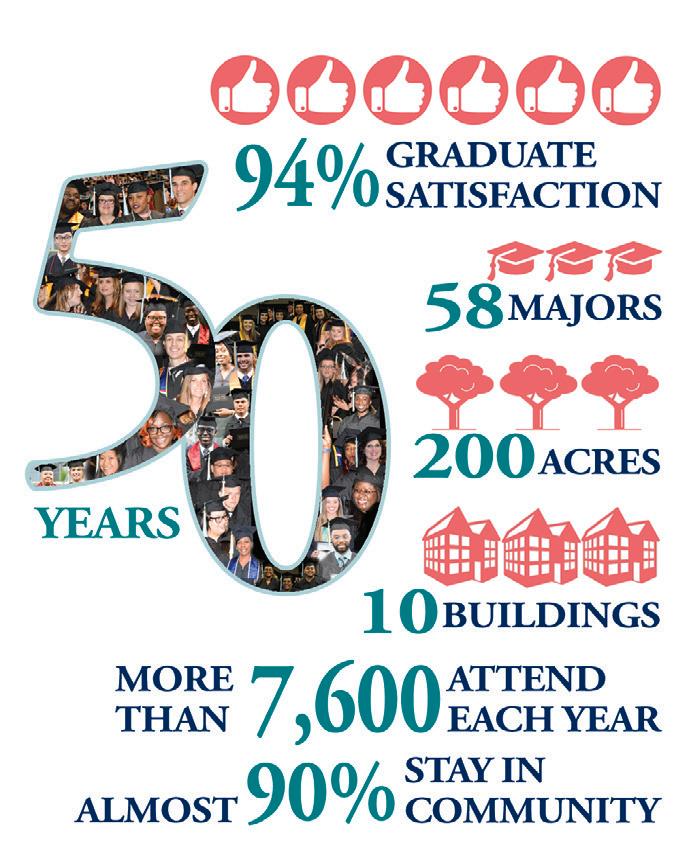
Wor-Wic students are the heart of the local community. One out of every 54 jobs on the lower shore is supported by Wor-Wic and its students. 15%NATIONALLY RECOGNIZED TOP
Wor-Wic ranked in the top 15% nationwide by WalletHub based on cost, educational outcomes and career outcomes.
Investment analysis
In fall 2024, one out of every two local residents pursuing an undergraduate education in Maryland chose Wor-Wic.
in certificates and degrees awarded over the past year
$148.9
2,076
A MESSAGE FROM THE PRESIDENT
Fifty years ago, Wor-Wic Community College began as a school without walls in a small office in the Salisbury Mall and a big dream. Today, we are a college without borders beyond our three counties of Wicomico, Worcester and Somerset. Our beautiful campus continues to grow, and our students and faculty are expanding their horizons across the globe. The many community members who have supported Wor-Wic and our students through the Foundation have made it all possible.
As president, I am proud to say that our heart has always been, and will always be, the Lower Eastern Shore as we continue our reach and impact across the region and nation. Welding graduates help build ships at Chesapeake Shipbuilding that sail across the country with the American Cruise Lines name; commercial driver’s license students transport Perdue products from Florida to Maine; culinary, hospitality and business students work in Ocean City and across our communities at outstanding hotels and restaurants; and our transfer students with a Wor-Wic degree enroll in four-year institutions pursuing a bachelor’s degree as a powerful catalyst for economic mobility and personal growth. These credentials, and many others, unlock opportunities that not only transform individual lives but also strengthen and uplift our communities.
Our graduates are everywhere including in our schools, hospitals, law enforcement agencies, businesses and beyond. They are nurses, phlebotomists, cybersecurity specialists, engineers, teachers, administrators, police and correctional officers, electricians and accountants. They are people from every walk of life who chose Wor-Wic to begin or advance their journey. And we’re just getting started!
It took nearly two decades to build our first facility. Today, we have high-tech spaces, especially in our Guerrieri Technology Center, designed to prepare students for the future. Now we’re working to design college programs and supports that are sustainable, flexible and modern enough to serve the Lower Eastern Shore workforce for the next 50 years and beyond. We’re also envisioning a new student center, a space for learning, community events and sports, that will create a sense of place and connection for students and community to gather.
Thank you to every member of our community for your unwavering commitment and belief in our mission! Your support over the decades has made this milestone possible. Because of you, Wor-Wic will continue to be a place where futures are built, where education meets opportunity and where our region’s workforce and spirit thrive.
Here’s to the next 50 years — and to the incredible journey ahead!
GO FINS!
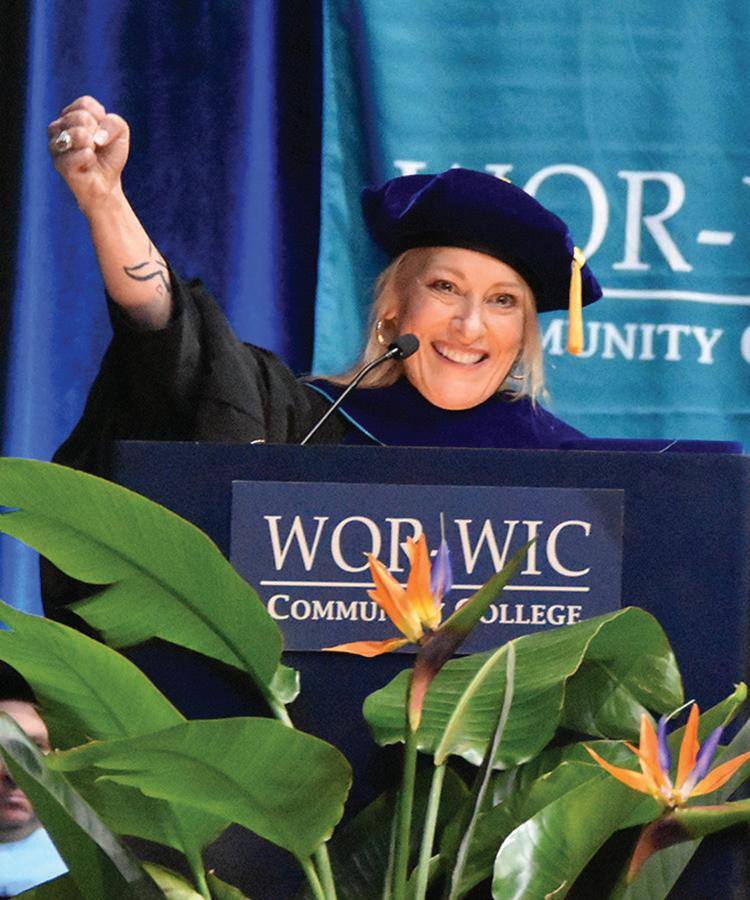
Deborah Casey, Ph.D. President, Wor-Wic Community College
Through the generosity of our donors, we help students achieve their dreams, build the lives they’ve imagined and strengthen our community.
$1,200,000 TRANSFERRED TO COLLEGE THROUGH SCHOLARSHIPS, PROGRAMS SUPPORT & INSTITUTIONAL INITIATIVES
$819,000 IN FOUNDATION-FUNDED SCHOLARSHIPS
895 STUDENTS RECEIVED SCHOLARSHIPS
29%GROWTH IN FOUNDATION TOTAL FINANCIAL SUPPORT AND REVENUES OVER THE PAST YEAR
The Foundation once again received an unmodified audit with an unmodified opinion, representing the highest and most favorable level of assurance attainable in an independent audit.
July 1, 2024 - June 30, 2025
COLLEGE BOUND, FUTURE READY:
Dual Enrollment Gives Students a Head Start on Tomorrow
90% OF STUDENTS CONTINUE TO LIVE & WORK IN THE LOWER SHORE AREA
Dual Enrollment Student Finds Stellar Success
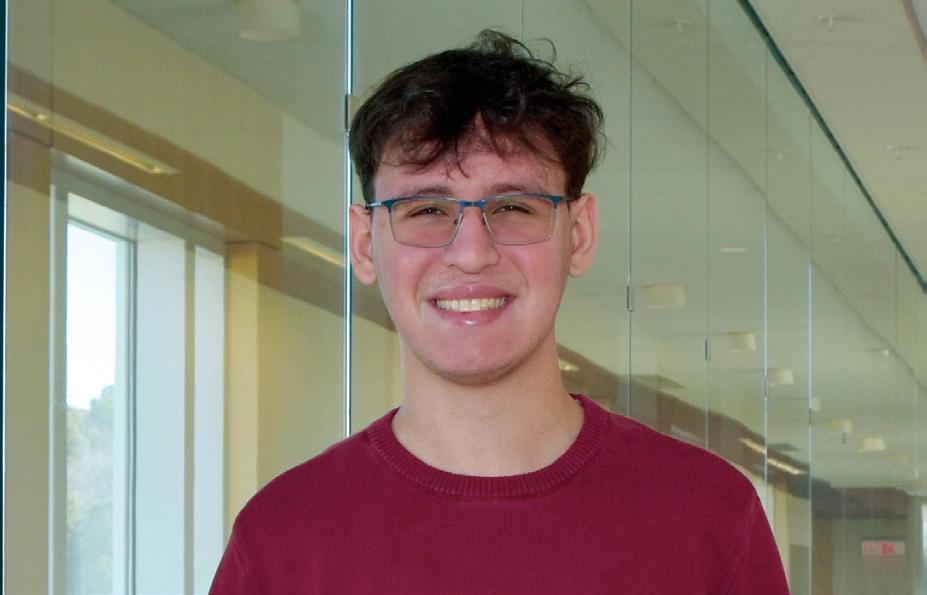
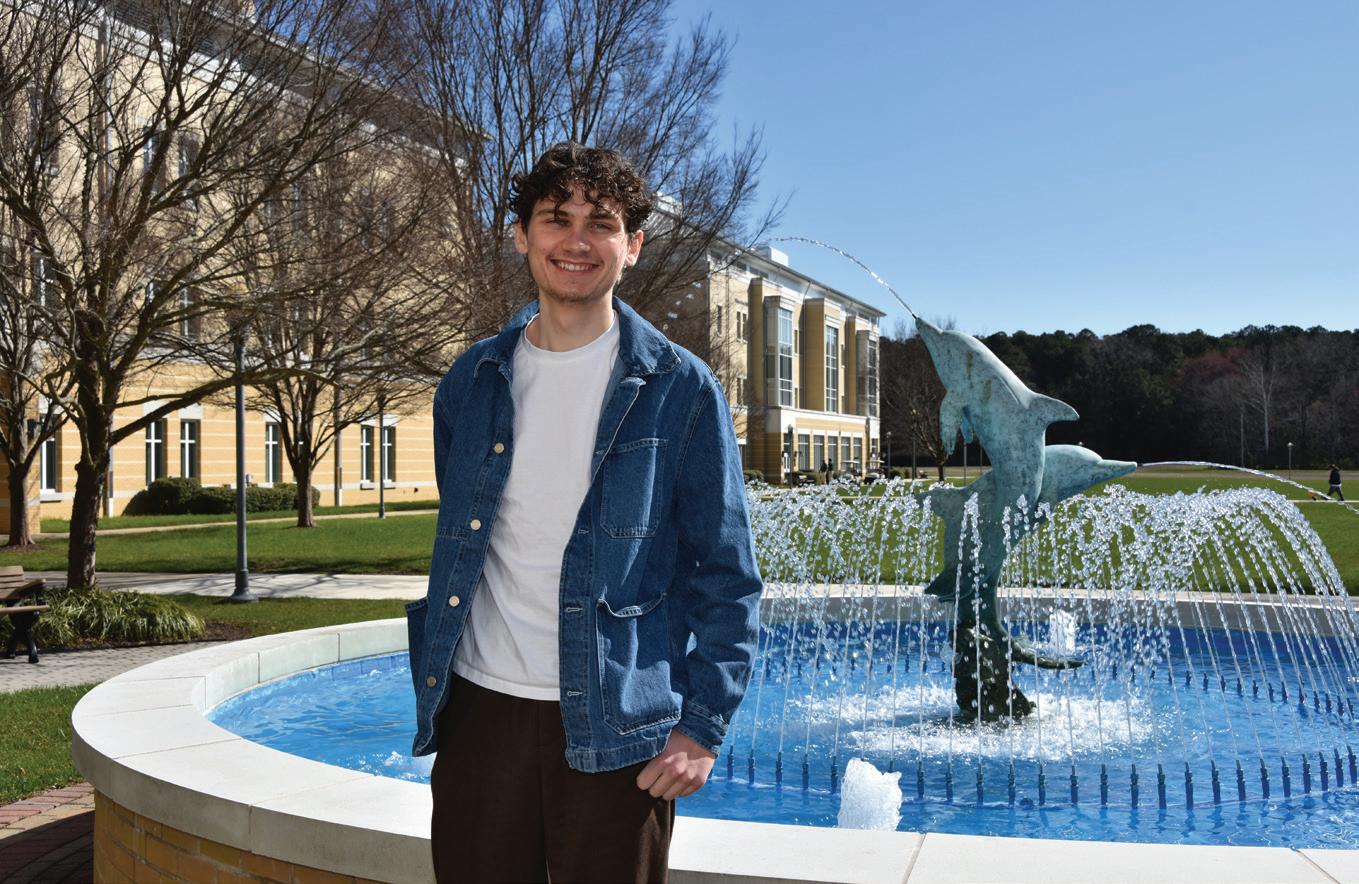
Vanderbilt University in Nashville is one of the best universities in the country, and has only a 5.1% acceptance rate. One of those students who earned a place in the class of 2028 is a Wor-Wic dual enrollment student, Aytug Demir of Delmar, Md., and he said dual enrollment was a key to his success.
49% OF GRADUATES HAVE CHOSEN TO TRANSFER TO FOUR-YEAR INSTITUTIONS
“My dual enrollment experience here has not only been fruitful and enriching, but also very beneficial to me overall as a student,” he said. “The classes have helped propel me further towards my future goals, which I firmly believe will translate into my future academic life. The challenging and fast-paced curricula has encouraged me to develop my critical thinking skills which I have found by far the most enriching, especially compared to regular high school classes.”
Demir said he appreciates the small class size and connection with his professors, as well as the way the classes helped him prepare for the future.
Apart from being exposed to college-level courses early on and having a good sense of the rigor and dedication required, the credits I have earned will help me save time later now that I do not need to take nearly as many general education classes, leaving me with more time to pursue greater goals.
Demir
Demir earned a full scholarship to Vanderbilt, and is now pursuing his bachelor’s degree in electrical and computer engineering there.
SUCCESS IN THE Sciences
Kyle Krabill & John Todd
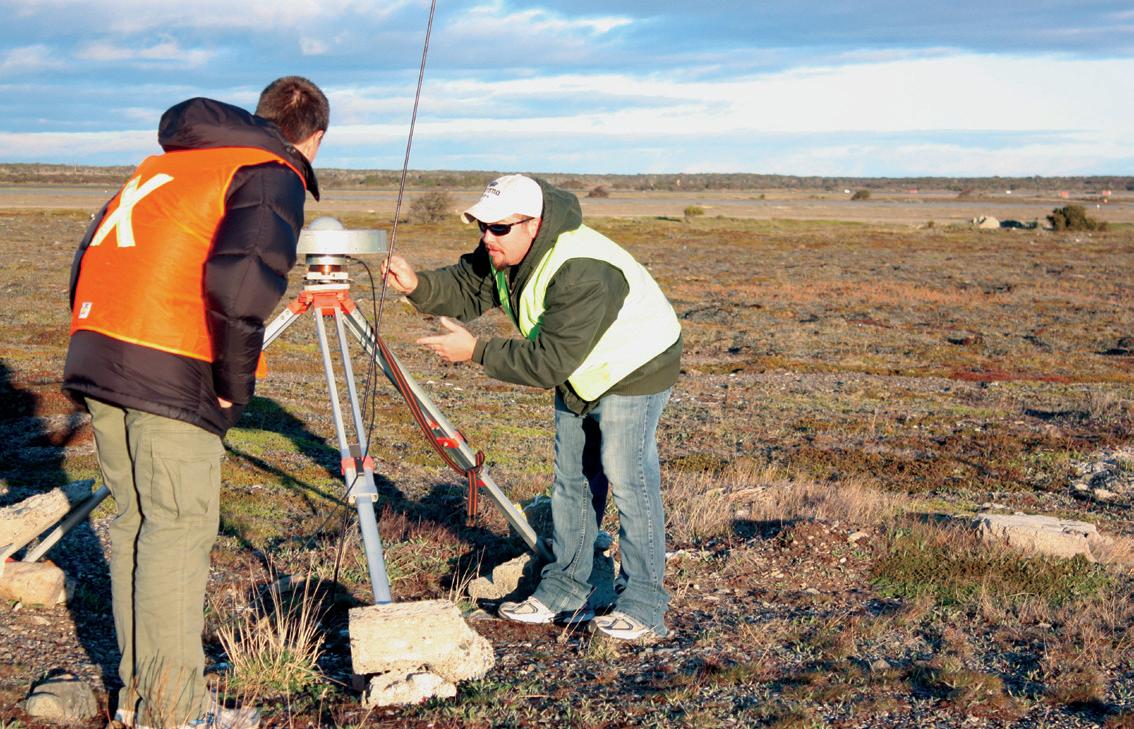
Kyle Krabill grew up on a little horse farm in Pocomoke City, and the lessons he learned there about always getting back on a horse after you’re thrown took him far — to the ends of the earth, in fact. The Wor-Wic grad is now in surveillance and rocket recovery for NASA Wallops. It’s not where he expected to end up.
“After high school, I went to Salisbury University and I was not ready for that,” he said. “I wasn’t mature enough, I couldn’t relate to my classmates. I told myself, ‘this isn’t for me.’ ” Krabill had worked on computers in high school, so after a semester at Salisbury, he left and kept working at a computer store.
“But my parents told me not to give up — they told me to try Wor-Wic,” he said. “I did, and it felt so much more like home. The classes were smaller, the people were local — it clicked, and I just got it. I was able to fit in. I always say that I learned how to go to college by going to Wor-Wic.”
Krabill completed his associate degree and transferred into a program that allowed him to get simultaneous bachelor’s degrees at SU and the University of Maryland Eastern Shore: a bachelor of arts in environmental science, and a bachelor of science in marine biology.
“It was right up my alley,” he said. “I had learned how to do college at Wor-Wic, so I knew to get familiar with my professors, work hard and take my time.”
All the while, he had been working IT jobs and even started his own computer service business in Pocomoke and Fruitland. In the summers, he worked on charter fishing
boats. But a decommissioned satellite provided him a perfect opportunity. The satellite had been measuring ice sheets and glaciers. When it failed, NASA got to work building a replacement, but to bridge the gap during the build, they used other technologies such as planes equipped with radar, to take the measurements. Operation IceBridge, and Krabill’s career, were born.
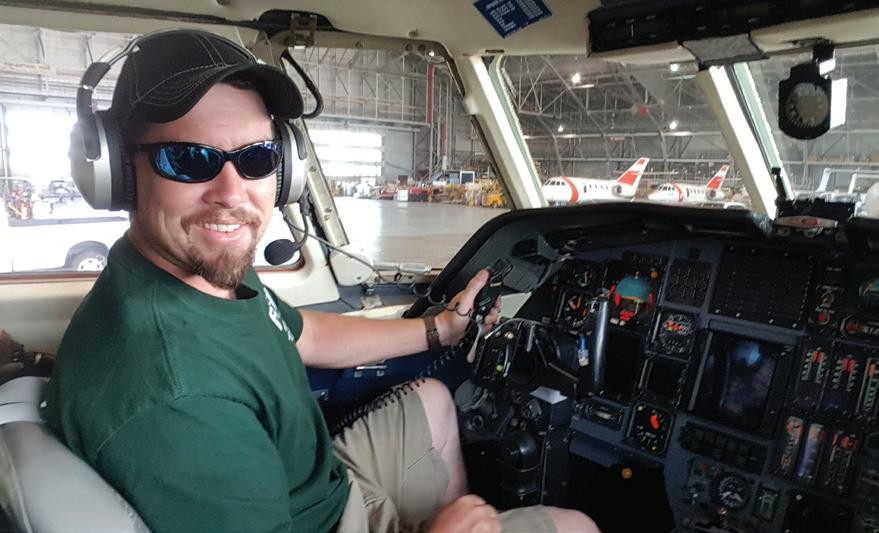
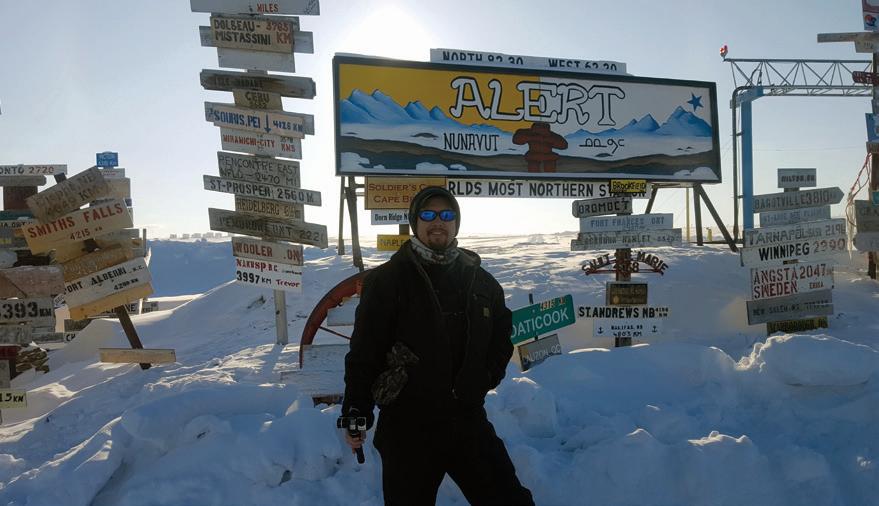
“They needed someone to work on GPS in Greenland, and I had all the background — I learned my computer skills at Wor-Wic so I knew how to do the work, even if I had to learn the specifics of the system on the job.” That was in 2010 — and for the next 10 years, Krabill’s work took him all around the globe, flying to remote ice sheets and processing the data collected there back on the Shore. The work was interesting and rewarding — Krabill recalls the team giving educational talks to groups of schoolchildren while flying over the North Pole.
As the new satellite came online and IceBridge started to wind down, Krabill found another perfect position at Wallops. As part of his work in rocket range surveillance and recovery, one of his jobs is finding every boat in the area and making contact to ensure they avoid the hazard area during rocket launches. “It merged everything from my computer background at Wor-Wic to even my time out working on the charter boats,” he said.
Krabill appreciates that his parents encouraged him to keep going, and says he’d tell any potential student not to give up. “Don’t give up the first time you fail,” he said. “It’s going to be tough sometimes always go and try again. Just by doing school and sticking with it, it has taken me all around the world.”
STEM Honors Program
John Todd didn’t want to go to college right out of high school — he decided to enter the workforce instead. He earned a certified nursing assistant certification at Wor-Wic, then started working as a CNA at TidalHealth.
“Working inpatient, I got to work with such a diversity of problems, especially when COVID began, and I was inspired not just by the doctors but by the nursing staff and therapists,” Todd said. “The main thing stopping me from even considering medical school was that I had really disliked high school and traditional learning. Then when I began full time at Wor-Wic, I found myself enjoying the material and the process.”
Todd said a class he took with Dr. Heidi Walker, assistant professor of physical science, was a motivator. “Organic chemistry is notoriously difficult. It was like learning a language, and I would just stay for hours at the library until it closed. I realized that for me to really improve, I had to be really challenged.”
He embraced the challenge and became part of Wor-Wic’s STEM honors program, where Walker was his capstone project mentor.
“I think Wor-Wic’s STEM department is full of some of the most talented professors around, and Dr. Stacey J. Hall, dean of STEM, is at the center of it all. She really made me feel capable of achieving results I never imagined before.”
Wor-Wic gave him a sense of belonging. “I felt so at home at Wor-Wic despite being a little older than normal college-age students and was surrounded with people who were taking both traditional and non-traditional paths to education.”
After graduating from Wor-Wic, Todd transferred to Salisbury University for a bachelor’s in chemistry. He graduated with honors from Salisbury in May 2024 and now is a medical student at Howard University College of Medicine (HUCOM) in Washington, D.C. Todd hopes to become a doctor who works with hospital inpatients.
From finding his footing at Wor-Wic to excelling in challenging subjects and embracing mentorship, Todd’s path underscores how determination and a strong educational foundation, in a supportive, accessible place like Wor-Wic, can foster success in even the most demanding fields.
Create a Scholarship. Change a Life.
Establishing a scholarship at Wor-Wic Community College opens doors for students and strengthens our community for generations to come.
Above: John Todd on campus
Below and left: Kyle Krabill on his many career-related adventures.
gala gala
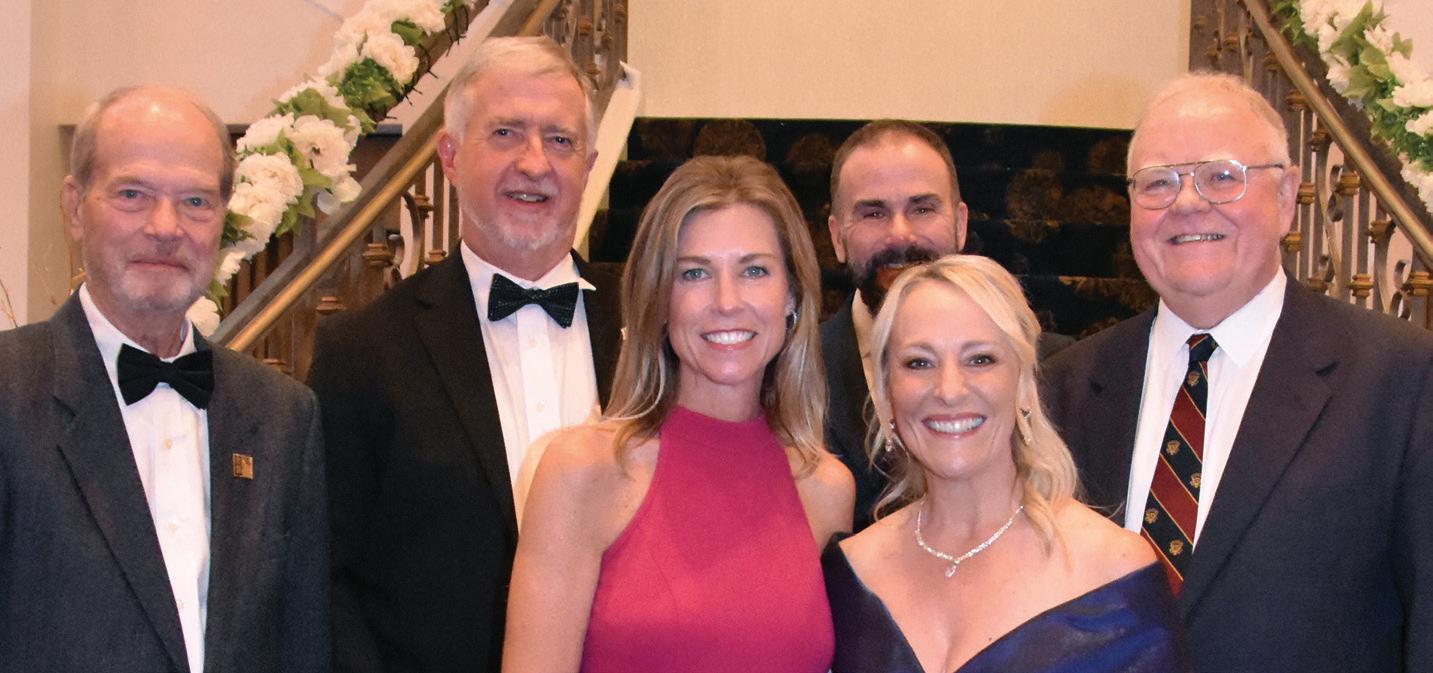
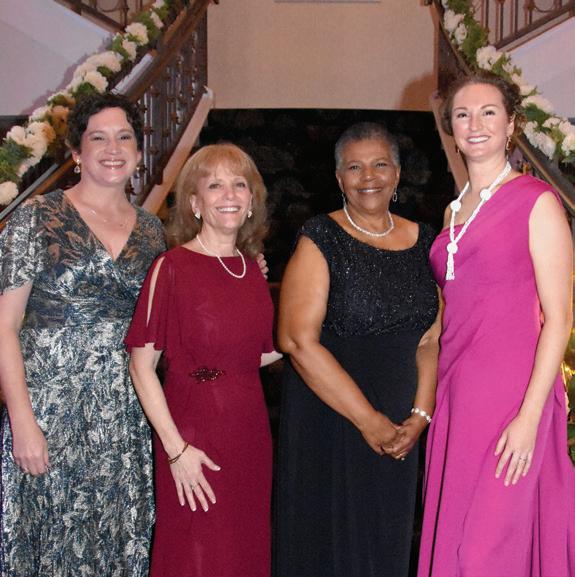
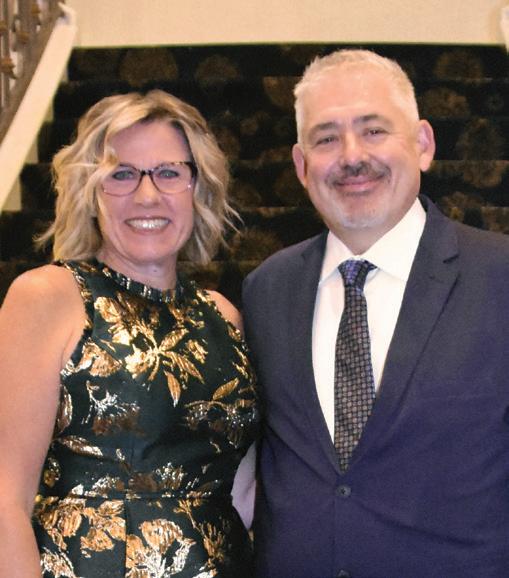
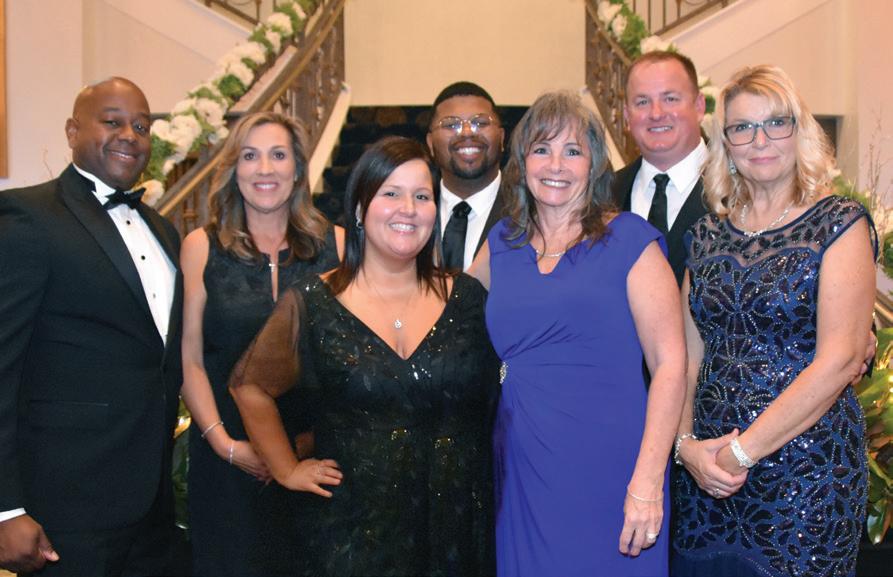
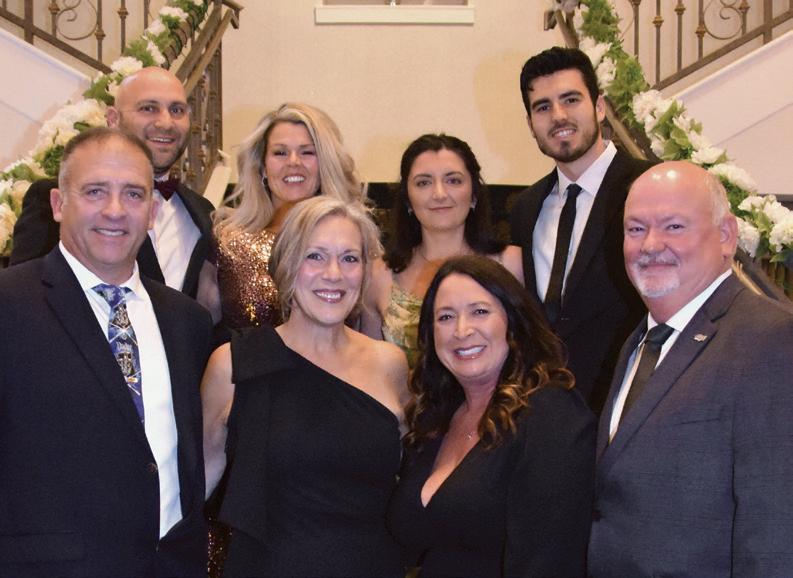
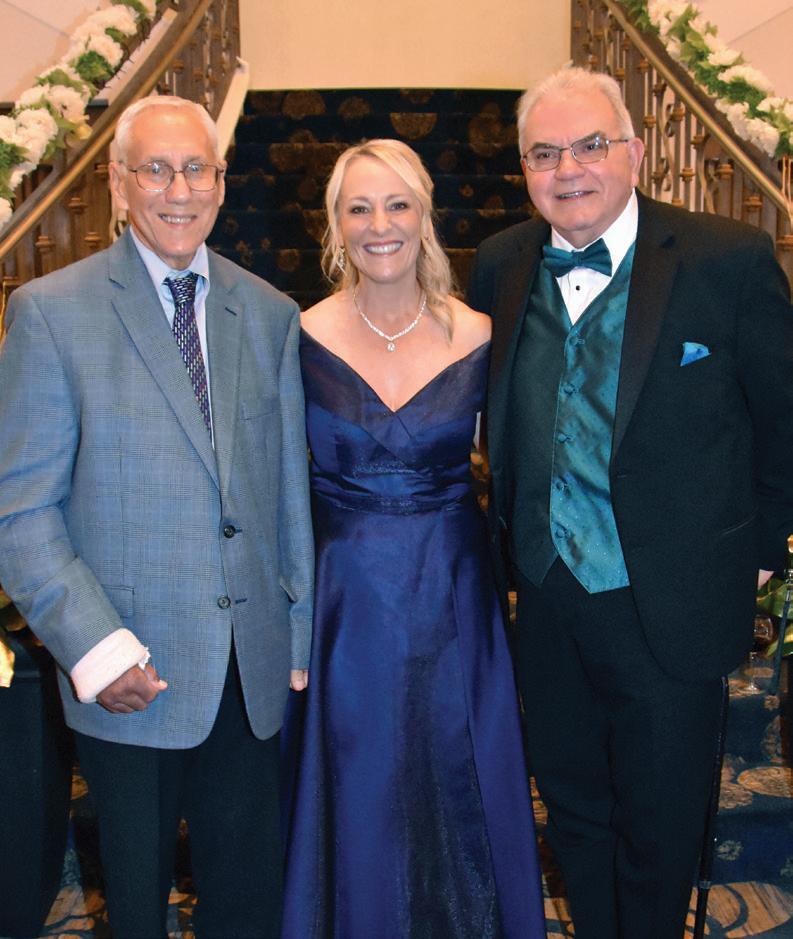
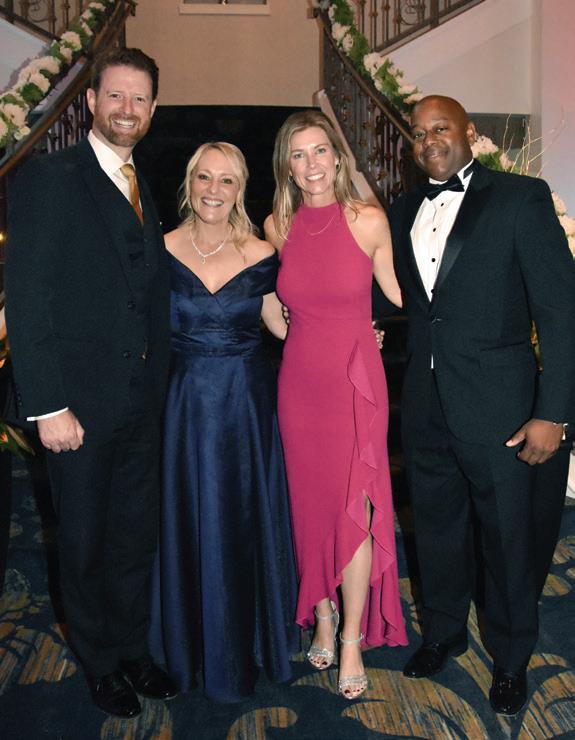
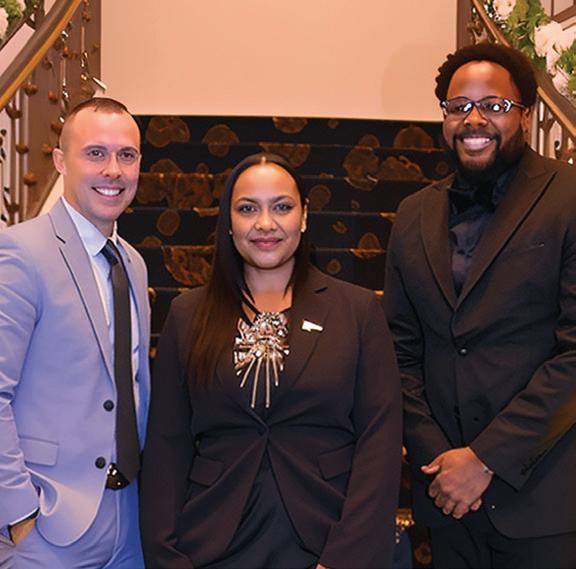
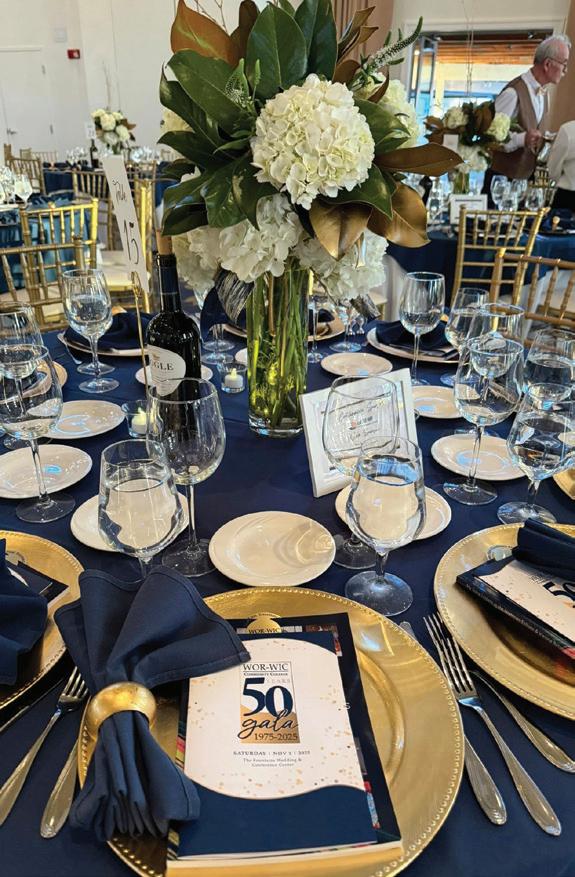
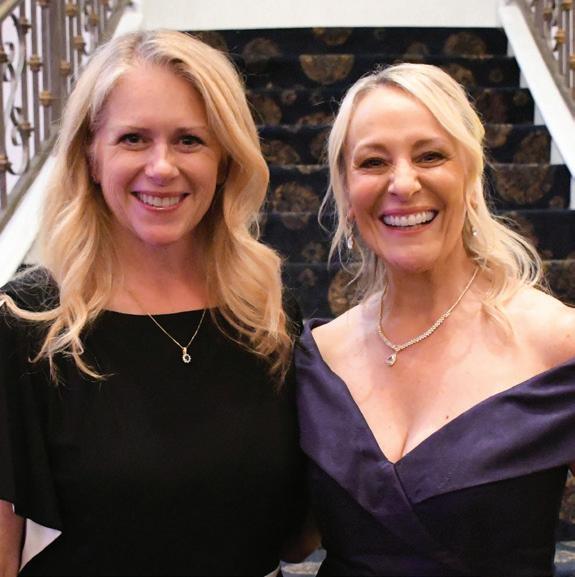
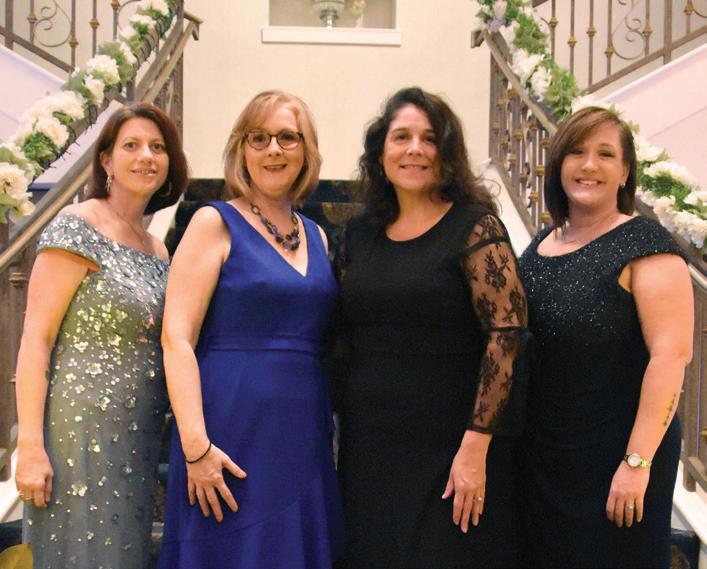
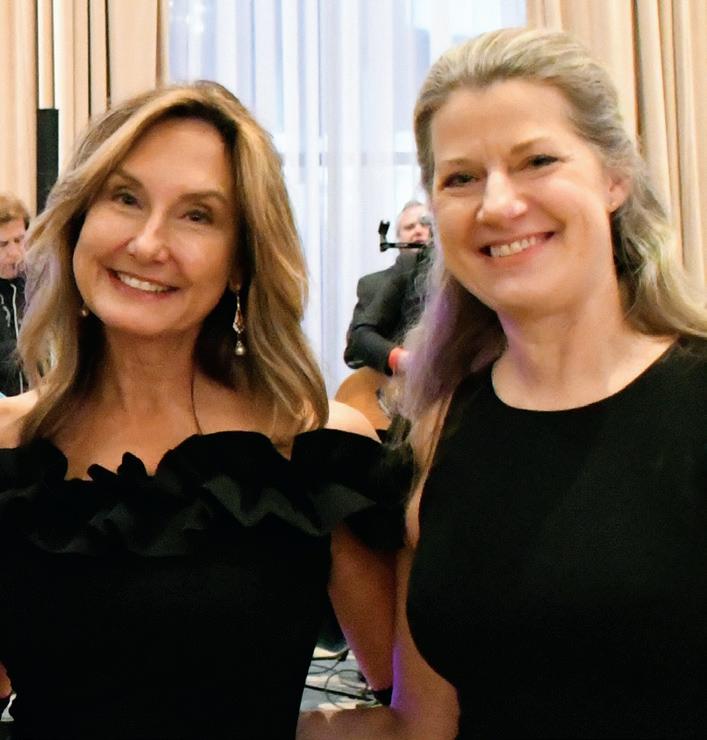
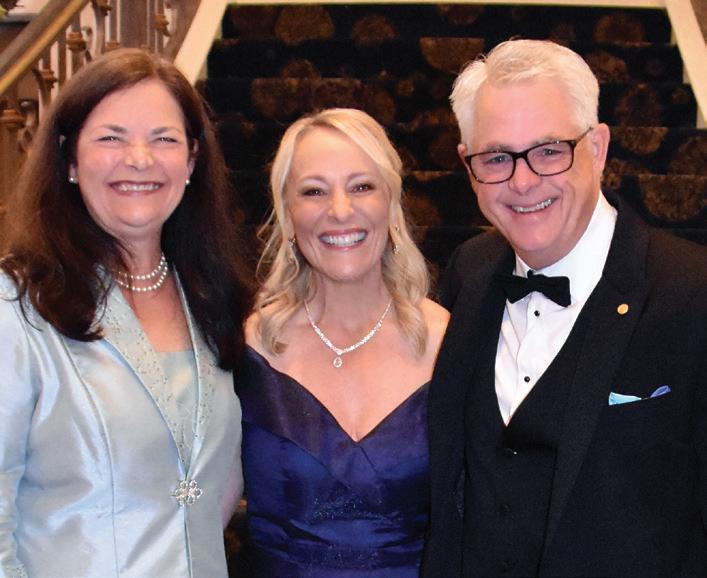
$96,000 RAISED DURING THE COLLEGE’S 50TH ANNIVERSARY GALA
Thank You to our sponsors
Scholarship Champion Level
Delmarva Power
Educational Systems Federal Credit Union
Pohanka Automotive Group
Whiting-Turner
Wor-Wic Foundation
Student Success Advocate Level
Avery Hall Insurance Group & Selective Insurance Group
Chesapeake Shipbuilding
Community Foundation of the Eastern Shore
Richard A. Henson Foundation
Cocktail Hour Sponsor Bank of America
Centerpiece Sponsor
United Way of the Lower Eastern Shore
Wine Sponsor
Mark Rudnick
Dessert Sponsor
Perdue Farms
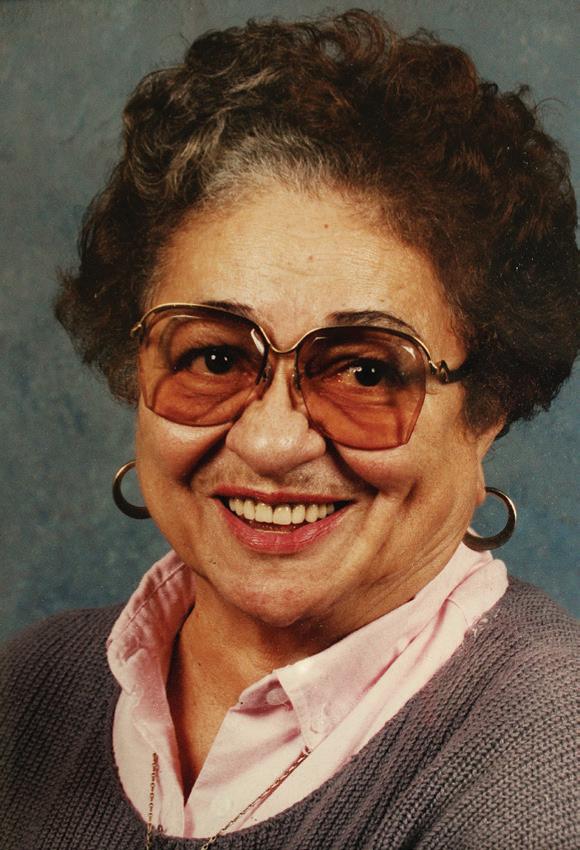
Gertrude Shockley’s Family Keeps Legacy of Local Educator Alive
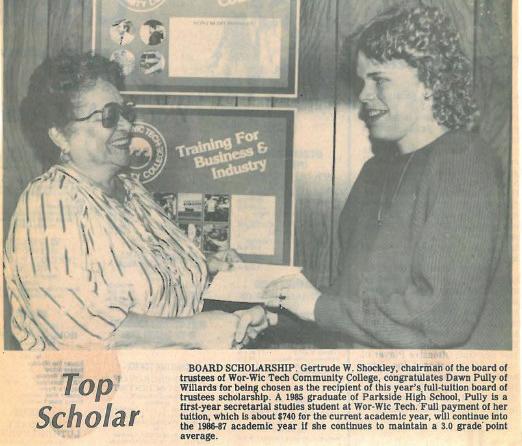
Gertrude W. Shockley was a member of the Wor-Wic board of trustees from 1980 until she passed away in 1991. She came to Wor-Wic after a career in education on the Lower Eastern Shore, including 32 years as a teacher and 10 as a principal. She devoted her life to furthering education in the community, so it makes sense that her family wanted to continue that legacy. Every year, the Gert Shockley Foundation, established in her memory, provides two scholarships for Wor-Wic education major students.
Granddaughter Roni Young explains: “The scholarship embodies what she did in her life. It represents how much she did for the community and for education.”
Shockley was devoted to civic causes. “It’s important for me to continue her legacy of service to the community,” said Brian Broden, her great-grandson. “She was proud of the area, and I have great memories of spending time at her house on Isabella Street, getting crabs and strawberries.”
Shockley’s devotion to the Shore was significant. Her service went beyond her long teaching career and service to the Wor-Wic board; she was also the first AfricanAmerican, and the second woman, on the Salisbury city council. She served in leadership and advisory roles for many organizations that continue to be vital to the region.
A city resolution issued by Mayor Paul Martin in 1991 recognized her contributions to community improvement and the welfare of all Salisbury residents. But education was always her first passion, and her family appreciates that her memory is kept alive in students today.
“We get letters every year from the scholarship recipients,” Broden said. “It’s the highlight of the year.”
The scholarship embodies what she did in her life. It represents how much she did for the community and education. “
” —Roni Young
“The expectation of being educated was always there for me,” said Young, who went on to become an attorney. “It was an expectation. Her example of being a college grad and getting her master’s degree, was the way I was raised.” Shockley had a bachelor’s degree from Hampton University in Virginia and a master’s degree from the University of Pennsylvania. Young and Broden say they hope the scholarship can help students feel the same kind of encouragement that Shockley instilled in them.
Broden, who became president of the foundation that oversees the scholarship after his grandfather passed away in 2015, said the legacy is valuable not just to his family but to the community at large. “She had so much love of her community and devoted so much time to it. That’s why it is important to us to continue to support Wor-Wic in her honor.”
What will be your legacy?
Planned giving is a powerful way to ensure that your legacy continues to support future generations of learners and leaders. By including Wor-Wic in your estate plans, you can help provide scholarships, enhance academic programs and support important college initiatives. Bequests, charitable gift annuities, beneficiary designations of retirement plan assets, real estate and life income gifts are just a few of the many ways to make an impactful and often tax-advantaged gift to Wor-Wic.
If you’re interested in exploring how planned giving can align with your philanthropic goals, contact Stefanie Rider at srider@worwic.edu or 410-334-2808.
Wor-Wic Opens Cyber Range Training Program
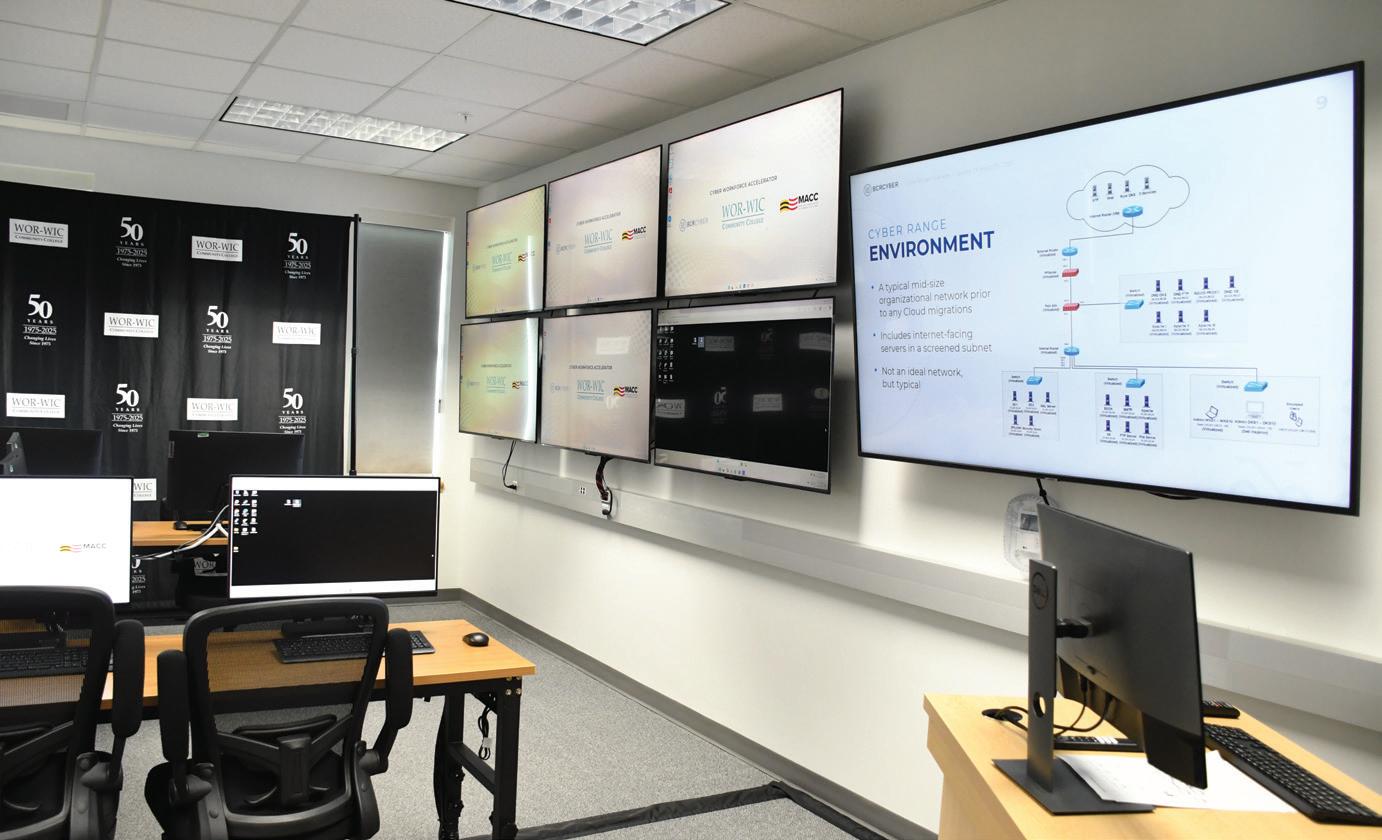
Wor-Wic recently opened a new cybersecurity training facility as part of its participation in Maryland’s Cyber Workforce Accelerator (CWA) program. The new cybersecurity laboratory features the BCR Cyber Series 3000 Cyber Range, a high-tech training system that simulates cyberattacks and introduces students to cybersecurity concepts and operations.
The CWA was established in 2024 by the Maryland Association of Community Colleges and BCR Cyber. Wor-Wic students will now be able to learn and demonstrate their knowledge in a hyperrealistic and stimulating environment alongside both their peers and professors.
Cybersecurity Student Seeks a Futureproof Career
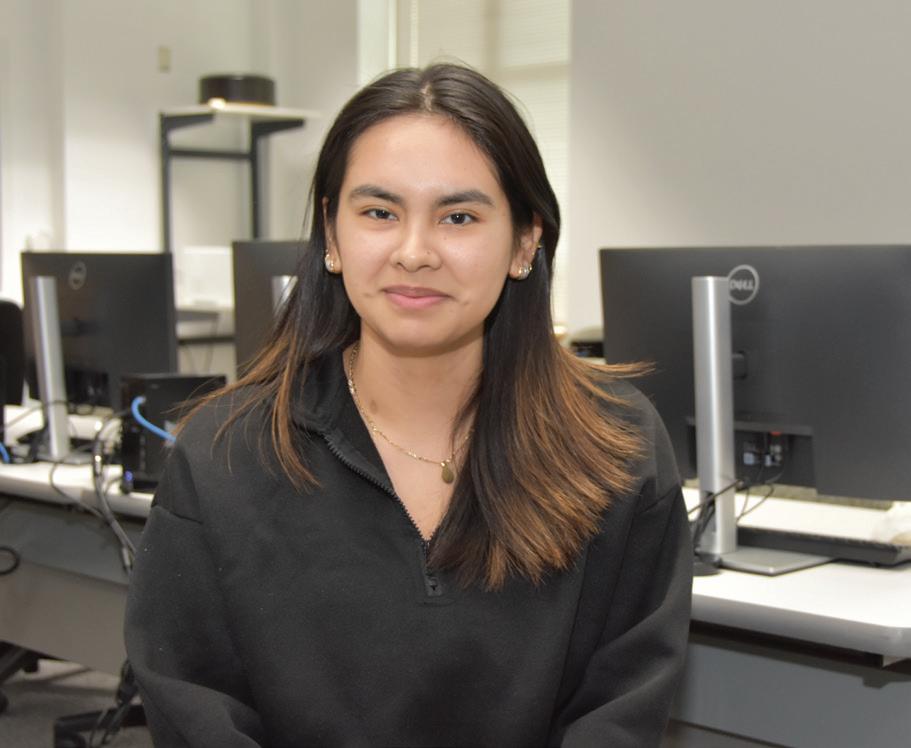
Ashley Sanchez of Delmar, Md., had been planning to go into computer science, but before choosing a major, she considered the job market. “The computer science field is very saturated, but cybersecurity is on the rise,” she said.
Her prospects as a Wor-Wic cybersecurity major are bright. A recent study by the state’s department of labor found more than 6,500 open public and private cybersecurity positions were available in Maryland and Washington, D.C. between December 2023 and January 2024; this demand is expected to continue to grow by nearly 40% over the next 10 years.
Sanchez’s passion for learning and being on the cutting edge will serve her well in the field. “As technology advances, cybersecurity will too. I look for a career that’s going to keep me wanting to know and learn more. I have an interest in technology, and I think the fact that it’s always advancing and there’s always something new will keep me on my toes.”
Our cybersecurity program has been growing to meet the needs of our community and our students. This cutting-edge training reflects our commitment to equip students with the tools they need to keep their skills sharp for this high-demand field.
—Dr. Deborah Casey, Wor-Wic President
“ ”
Once students complete their studies, the program assists in placing these students in industry jobs while also helping address the urgent needs of Maryland’s cyber workforce.
“The Cyber Workforce Accelerator program, with its cutting-edge cyber ranges, will be a game-changer for cybersecurity education in Maryland,” said Brad Phillips, executive director of the Maryland Association of Community Colleges. “We are proud to support this initiative at Wor-Wic and its positive impact on its students and the state’s economy.”
She said Wor-Wic was the ideal place to learn the skills she will need. “It’s very hands-on — I am a visual learner, I like to see things being done and that helps me learn.”
Now Sanchez has a fully equipped Cyber Range system, a test range for cybersecurity recently installed at Wor-Wic, on which to flex her new skills.
CONTINUING EDUCATION & WORKFORCE DEVELOPMENT
ROI: Meeting industry demand by providing lucrative careers through accessible education.
Welding
Metal Fabrication
HVAC
Construction
Plumbing
Heavy Equipment Operations
Electrical
Wastewater Treatment
Commercial Driver’s License
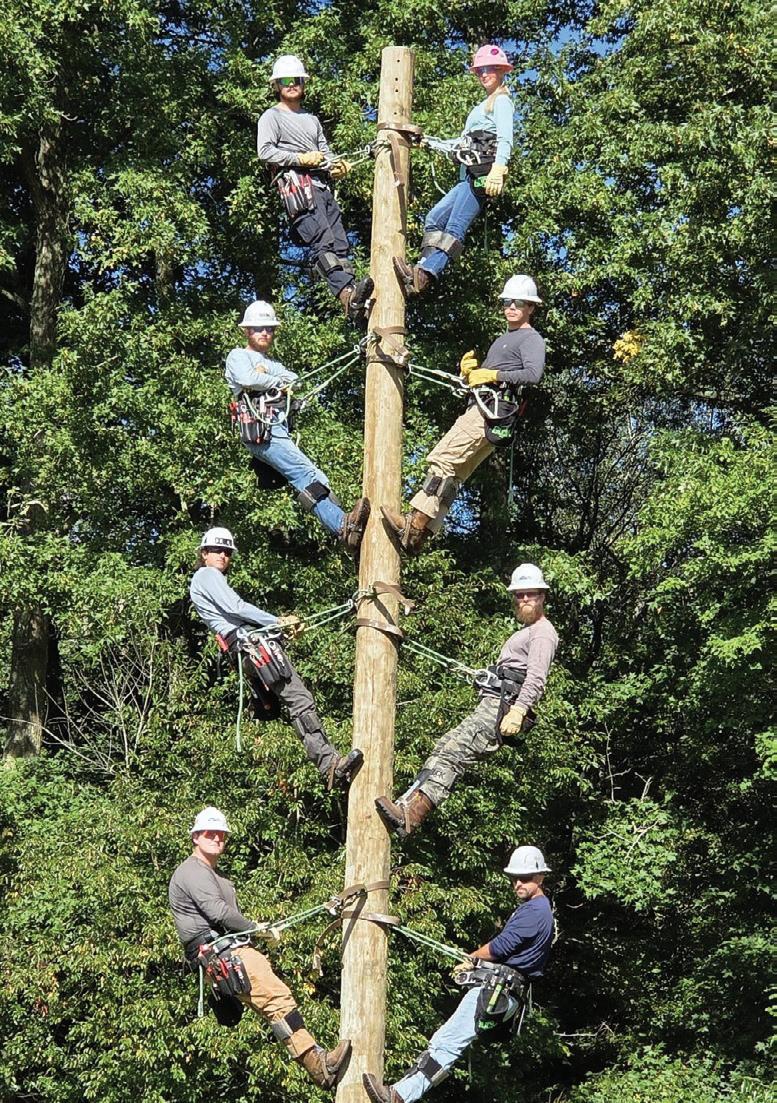
Powerline Workers
Certified Nursing Assistants
Phlebotomist
The continuing education and workforce development division serves more than 4,000 students annually and offers more than 1,000 classes each year. Wor-Wic partners with local businesses to provide customized contract training that strengthens and advances their workforce. Training can be delivered on site or on campus, offering flexible, hands-on learning designed to meet each employer ’s specific needs.
FROM DRIVER’S ED TO NURSING SCHOOL
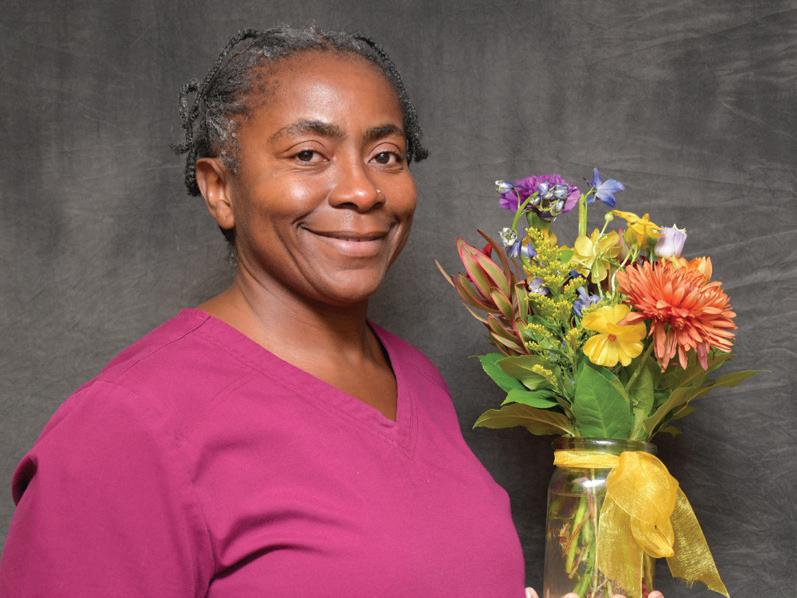
Nearly 10 years ago, in 2015, Charlotte Matthews had relocated to Salisbury from New York via Ivory Coast. In New York, she had relied on public transportation, but on the Lower Shore, driving became a necessity.
“I had to depend on my husband for transportation,” explained Matthews. “When we separated, the need for a license became paramount. My daughter’s teacher told me about the program at Wor-Wic and the behindthe-wheel instructor gave me the confidence I needed.”
Matthews earned her license in 2016 and came back to Wor-Wic in 2019 for a certified nursing assistant (CNA) course. In 2024, she was honored by her employer, TidalHealth, with a Sunshine Award for her professionalism, kindness and compassion.
A patient said of Matthews: “Every time I have had Charlotte as my CNA, she went above and beyond to ensure my comfort, even when she was mentoring a new CNA and teaching her how to do everything correctly. There were several times when I was in pain and not in the greatest of moods, but each time Charlotte came in she would make jokes to cheer me up.”
Not content to rest on her laurels, Matthews is back at Wor-Wic in an associate degree program, planning to transfer into the nursing program to further her career.
(Photo courtesy of TidalHealth)
A MESSAGE FROM THE FOUNDATION CHAIR
Wor-Wic Community College was founded 50 years ago on the principles of providing a better life for residents on the Lower Eastern Shore. It is incredible to see that promise fulfilled in so many ways throughout our community.
A recent economic impact analysis showed that Wor-Wic added $148.9 million in income to the Lower Shore of Maryland in just a year. Over the years, countless students have studied at Wor-Wic and entered, or re-entered, the workforce with new knowledge and skills. Today, thousands of these former students are employed in our community, and the net impact of Wor-Wic’s former students currently employed in the regional workforce amounted to $114.2 million in added income in FY 2022-23. Students will receive a cumulative present value of $84.7 million in increased earnings over their working lives, thanks to the skills they are building at Wor-Wic. But you don’t have to take the study’s word for it – if you ever strike up a conversation with a local professional, whether it’s a phlebotomist, nurse, police officer or IT worker, it’s never a surprise to hear they went to Wor-Wic.
A strong community college upskills and uplifts everyone in the area. When you support Wor-Wic, you are supporting your whole community, and we thank everyone who has been a part of sustaining Wor-Wic for the past 50 years.