Leatherbiz Market Intelligence executive summary:
• Middle East conflict overshadows APLF, disrupting travel and attendance
• Hong Kong is still important for networking, but the exhibition was noticeably smaller
• If the war in the Middle East continues, energy costs will go up, global logistics will become more complex and demand for leather could suffer
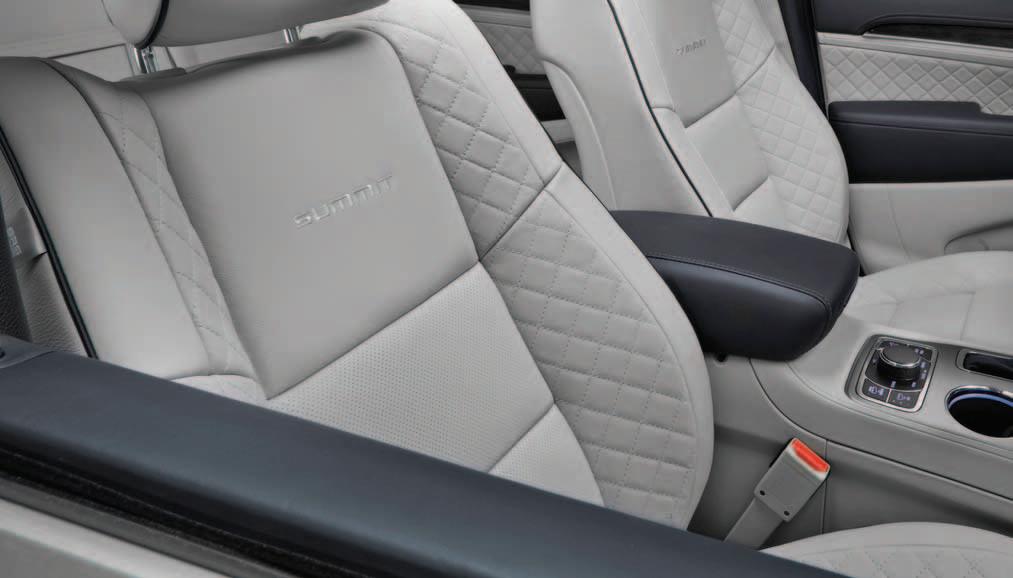
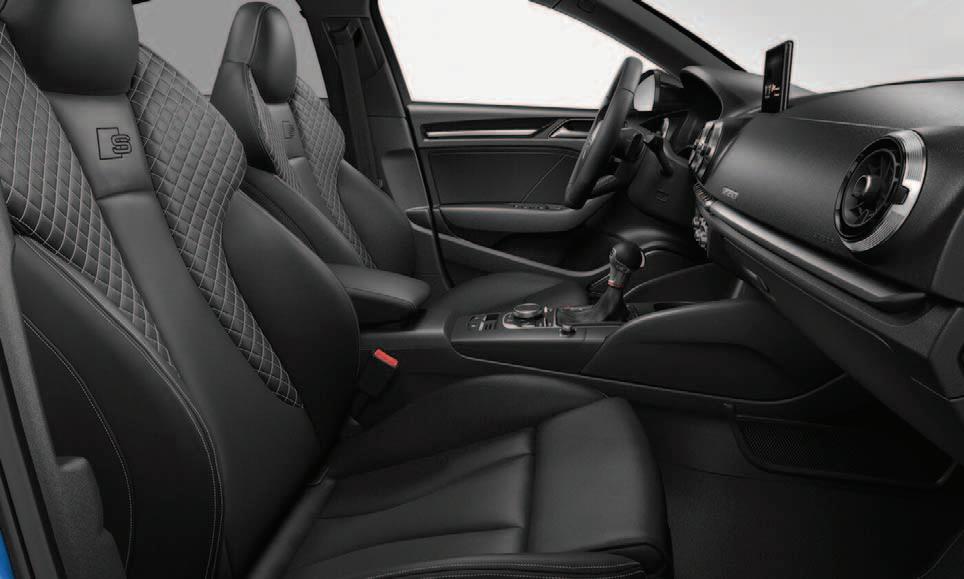
• The Middle East has become an important market for many high-end products that use leather, including luxury cars and furniture as well as bags and shoes.
MARKET INTELLIGENCE
But for the recent outbreak of war in the Middle East, our focus would have been exclusively on the APLF exhibition in Hong Kong. However, everything over the past two weeks has been overshadowed by events in the Middle East. Besides the direct consequences, especially all casualties, there are also the indirect effects, included restricted travel possibilities. The Gulf hubs have gained significant importance for many travellers in recent years. This certainly applies also to traveling to Hong Kong, and many have had to seek alternatives to their usual routes via Dubai, Doha or Abu Dhabi. This often meant significantly increased prices as well, leading to a considerable number of visitors deciding against making the trip to APLF this year.
At the exhibition itself, aisles were relatively well-filled. The fair has become smaller. What used to spread over three floors is now housed on a single floor, and even this was not completely full. To cut a long story short, Hong Kong continues to exert its attraction on visitors, and the leather industry uses a trip to Hong Kong as an opportunity to exchange ideas with business friends and partners. Normally, a leather fair should serve for the leather industry and its satellites to present their products and, in the best case, showcase a good number of innovations. Particularly for the product leather, this plays a significant role because leather remains a product that must convince through its direct physical presentation.
Unfortunately, Hong Kong as a central melting pot for all of Asia is now of less importance. As a sales market for Europeans, the dwindling business in China is noticeable; for Chinese manufacturers, Hong Kong is certainly no longer the place to present themselves. It simply no longer holds the importance as a gateway to and from China that it once possessed. In this respect, very
little can be reported regarding impressions of the fair concerning leather as a material. Conversations at the stands revolved less around business than around the general situation, which automatically leads back to the impacts of war.
Perhaps two weeks of war is still too short a time for full analysis of the consequences. Somehow, the idea has also taken root in people’s minds that this war might not last very long and that things will, therefore, quickly return to normal. We believe this is a mistake. Even if the hostilities were to end in the coming weeks, the impacts on the region, energy prices, logistics and global security will continue to be felt for a long time. So, it is probably more sensible to engage with scenarios that take this into account.
In detail, this means that a region that has recently also played a significant role as a consumer market for leather products may cease to be such a reliable sales market for an extended period. Besides leathergoods, this of course also applies to other exclusive and expensive products that use leather, such as vehicles and furniture. Many who, for various reasons, have chosen the United Arab Emirates as their new home in recent years see their safety endangered and are leaving the region while they can. How this will affect behaviour remains to be seen. However, what must not be overlooked is the fact that while everyone talks about the restrictions on oil transports through the Strait of Hormuz, hardly anyone today considers that products moving in the other direction are equally affected. This naturally concerns not only luxury goods and the supply of shopping malls catering to tourists, but also the basic necessities of daily life. Shipping logistics are currently disrupted in both directions. The true effects will only become apparent in the coming weeks when it can be seen more clearly whether Iran can decisively block the
TUESDAY, MARCH 17 2026
sea route to and from the Persian Gulf. The probability of this is relatively high, as mines can be placed in various forms to act as tools of destruction.
For the leather industry, the greatest impacts of the conflict in the Middle East are rising energy prices, rising production costs, rising inflation, lower disposable income, a worsened consumer sentiment, a decline in the consumption of leathergoods in one of the most important regions for luxury goods, disruption to international logistics, and the transportation of raw materials.
If oil prices remain elevated in the longer term and reduced availability restricts the production of oil-based plastic, then leather’s competitiveness against its alternatives could improve again.
There were of course some other things discussed at the gathering in Hong Kong. Without any doubt, the industry in India is currently benefiting from various influences. We have already reported in recent editions about a noticeably increasing trend towards leather shoes. India derives various advantages from this, and these are further supported by access to cheap oil from Russia and a less burdensome tariff agreements with the US. The same would certainly apply if the emerging renaissance of leather garments were to expand on a mass scale. Of course, the fact that India is not as severely affected by transport problems also plays a role. However, one must first wait and see whether Indian ports might be overwhelmed by an increased volume of goods. Even now, the directly reachable connections to and from India are not really sufficient.
If we look at China for a moment, it was clearly noticeable that the Chinese industry remained in a waiting position after the Lunar New Year. On one hand, they were certainly waiting for the final results and publications regarding the government’s next Five-Year Plan. On the other hand, developments in the Middle East also play a significant role in China. While energy prices in China are still strongly influenced by the government and it is assumed that the government will subsidise energy prices for the industry accordingly, the uncertainty in export sales markets naturally remains significant. In this respect, the war and its effects in the Middle East come at an inopportune time for the Chinese government. The consequences could no longer be incorporated into the planning for the next five years. That is why local consumption and supporting domestic demand did not play a paramount role in the headlines of the plans.
However, it is clear at this point that
without a strengthening of domestic demand in China, capacity utilisation would be severely jeopardised if exports are strained. This issue played a major role in Chinese politics just a few months ago, but at the moment, technological trends, military strengthening, AI and strategic questions surrounding energy have a much more importance.
This does not change the fact that the leather industry in China now has to make important decisions for the coming months. Those who want to be prepared for the winter and Christmas business in the main export markets must plan now, secure raw materials, and discuss details with customers. From July onwards, products must be shipped to be available in time. The same naturally applies to the major retailers and brands in Europe and the USA. Waiting is not an option, because whoever does not secure supply through planning now will eventually have nothing to offer.
As poor as consumption may have been in
recent years, retailers have also reduced their stocks, and should the situation change, one could not even successfully fall back on the still-available inventory. Waiting was the dominant strategy in recent years to avoid taking risks. However, retailers have now also realised that without innovations and new trends, no stimulation of demand can be expected. Furthermore, consumption is increasingly being reduced to pure coverage of needs. That would certainly not be sufficient for business recovery, planning and the necessary sales.
This has created an interesting situation, at least for raw material suppliers in Hong Kong. Many reported that, on the one hand, very few Chinese customers had made their way to Hong Kong, but on the other hand, the representatives who did come were equipped with clear instructions. First, they were to check how much sales pressure suppliers from various continents were under, test whether significant price advantages could be
Excellent –Bisphenol optimized syntans to achieve high leather quality
enforced, and only then place a certain volume of orders to avoid risking a major shortfall in supplies.
Let us not forget here that the Chinese leather industry has basically stayed away from the market for larger volumes since the beginning of February. So those who were part of this will have returned from Hong Kong with some success at least. Furthermore, many suppliers are naturally also using the opportunity for more extensive travels in Asia, and a final assessment can probably only be completed in the next two weeks.
Business in Europe received significantly less attention as a result. There, the focus is more on the structural change in the meat industry. This will certainly be a topic in future issues.
The split market continues to play a significant role. On one hand, demand for split leathers for suede remains high and the availability of suitable material too low, while on the other hand, the flow of raw materials for protein production repeatedly causes noticeable influences on the market. Recently, purchases by the Chinese leather industry were again influenced by rising prices for splits. Should the demand for leathers based on suede splits not decrease, then it is really high time to look into alternative solutions, of which there are plenty. We can only repeatedly point to the technical creativity of the leather industry.
If there continues to be a reliable silver lining in the leather sector, it is certainly the demand for garment leathers and wool, which is positively influencing the business for sheepskins. Prices are rising, worldwide stocks, which have been a burden for many years, are largely cleared and the outlook, taking geopolitical risks into account, is probably as good as it has been for a long time. In the coming weeks it will be interesting to see if this trend can be maintained, despite the risks. Over the next two weeks, it will be crucial to observe how the geopolitical situation develops further. This is decisive for the leather industry. If things calm down somewhat, we will stick to our more positive stance. Should the situation escalate further, then completely new thoughts will need to be considered about how things will continue, not only in the leather industry, but across the world in the coming years.
US PERSPECTIVE
For the period ending March 5 there were exports from the US of 332,200 cattle hides. The destinations were primarily to China (185,100 pieces), Mexico (56,000 pieces), South Korea (29,400 pieces), Thailand (26,000 pieces), Italy (22,900) and Brazil (11,500 pieces). There were also exports of 165,900 wet blue hides. The destinations were primarily Vietnam (62,600), Italy (38,900 unsplit), Thailand (23,600 unsplit), China (18,700 unsplit) and Hong Kong (10,700 unsplit).
The most recent reports on hide prices have shown butt-branded steer hides, weighing 6466 pounds, at $20.50 each and heavy Texas steers weighing 62-64 pounds at $18 per piece.
Cow hide prices remained at the same levels, with northern dairy cows at $7.50, south-west dairy cows at $7, northern branded cows at $2.50 and south-west branded cows at $2, with weights of 50-52 pounds in each case.
The source of all these figures is the US Department of Agriculture. Please note that the prices quoted represent ‘ballpark’ figures.
Cattle markets USA
Show lists were down in Texas and Nebraska and up in Kansas. Kansas continues as a swing state in regulating the balance and flow of cattle from feedlot to beef plant. The positive side of the processor margins moving into the black is they will be encouraged to slaughter more cattle. Maintaining a competitive marketplace between processors and feeders is healthy. More plants will be interested if they are making money. Meanwhile placements will continue to slow from a year ago, as will fed supplies into the summer.
areas like the Texas Panhandle never placed many cattle on wheat, while central and south Texas placements were late and reduced by high prices and limited supplies. Auction market receipts are failing to reflect the government estimate of larger supplies in winter grain grazing areas.
GERMAN PERSPECTIVE
The number of visitors seemed somewhat better. At least in the covered space, the aisles were well filled, which, in our opinion, means that the location was attractive enough to travel to, and offered the opportunity to meet and greet, as well as the chance to gossip and gain more insight into the situation. There was little Chinese Actual Slaughter Under Federal Inspection
Grains fell as oil prices declined. The war has sharply increased fertiliser prices. Most analysts expect a decline in corn acres. Corn basis levels in Guymon, Oklahoma, are at +$0.55, basis the May contract.
This week: The two dominant events of the week were the new war in the Middle East and the APLF exhibition in Hong Kong. It is debatable which had a greater influence on trade during the week. Several people were unable to attend the show because they had booked flights from or via the war zone. Others decided not to come because alternative flights were too expensive, or because they felt it would no longer be appropriate to fly. Arriving in Hong Kong, just one floor was enough to host all the exhibitors from all sectors.
Sales for last week were mainly $235 live in all regions with slightly higher prices of $236 in Texas. Dressed sales were mostly at $372. All prices were $5-$8 lower.
The weather is wild. Regions are moving from extreme heat to extreme cold with storms and wildfires raging in many areas. High winds are accompanying changing weather patterns. The weather extremes are joined by high market volatility from the changes in the war in Iran. We live in volatile times.
Box prices opened the week with sharply higher price. Supply chains will adjust to the new slaughter patterns. The majority of the nation’s beef plants are in the plains, allowing for easy logistics control over sourcing to any destination from the centre of the country.
The shock from plummeting cash and cattle futures will finally take a large toll on replacement prices. The combination of rising grain prices, feedlot and beef plant closures and consumer resistance to high beef prices are forcing a reset on the pricing structure in the industry. The pricing reset will be thoughout the live animal supply chain. Feedlot capacity will be the last component to be forced into downsizing. The competition and overpayment for replacement cattle will create losses that are necessary before some facilities close.
The USDA report indicating 15% more cattle on winter grain fields in Kansas, Oklahoma, and Texas is getting kickback from many operators in those areas. Local cattle owners are reporting less cattle rather than more cattle on wheat and oats. Dry
LATEST HIDE AND SKIN PRICES FROM GERMANY
attendance.
As far as business was concerned, agents had obviously been instructed by buyers to first get a feel for what the latest global developments meant for sellers‘ intentions, emotions and mood. At best, the low bids seen over the past few weeks were repeated, and met with the same resistance as before. We realised that our colleagues had adopted an even more optimistic approach, reflected in their ambitious asking prices. We don’t know how successful they were during the show, but by lunchtime on day two, we had secured some sales of cows at prices that were still below our asking prices from the previous week. At least, however, our offers were accepted after many long phone conversations between the agents and their customers.
Combined with the firming US dollar and additional freight charges owing to fuel surcharges, the outcome was not ideal, but better than it had been since Lunar New Year in February.
The second event, the conflict in the Middle East, was far less prominent in discussions than one might have expected. There was shock and a rising concern that this could be another step towards dragging the world into war. This was combined with the concern that it might not end as quickly as some of the combatants claim.
It was nice to see old friends from other parts of the world again, to reflect and exchange ideas and opinions. Without the war, the mood could have been more optimistic for the leather business, and bringing a few sales home is possibly better than what people staying at home might have expected.
The kill: There is not much to say about the kill; the numbers just fluctuate around the figures we have seen for some time. We understand that demand from supermarkets and restaurants is low, and we must also expect an impact from beef exports to the Middle East. After the long, cold period in
January and the first half of February, we have had warmer temperatures, well above the March norms, for the last two weeks. The grass is starting to grow and, although there could still be a cold spell, cattle can generally smell the meadows and grass. Given the current milk prices, it would not be surprising to see a period of increased cow slaughter over the next six to eight weeks.
What we expect: The next few weeks will be very interesting. On the one hand, Asian buyers need to decide on exports to deliver leather for finished products to be shipped for the winter season, and on the other hand, the effects of the war and energy prices on consumer spending and consumption in war zones will be discussed. The world always carries on somehow, but the situation is becoming so complex that clear and quick conclusions cannot really be expected. Therefore, matters could change on a day-today basis for some time.
LONG READ
Leather and the Circular Economy: Circular Stories
A tale of two summits
Identical twins climbed Mera Peak wearing two eras of mountaineering kit: one in cutting-edge technical apparel, the other in a meticulous replica of George Mallory’s 1924 gear.
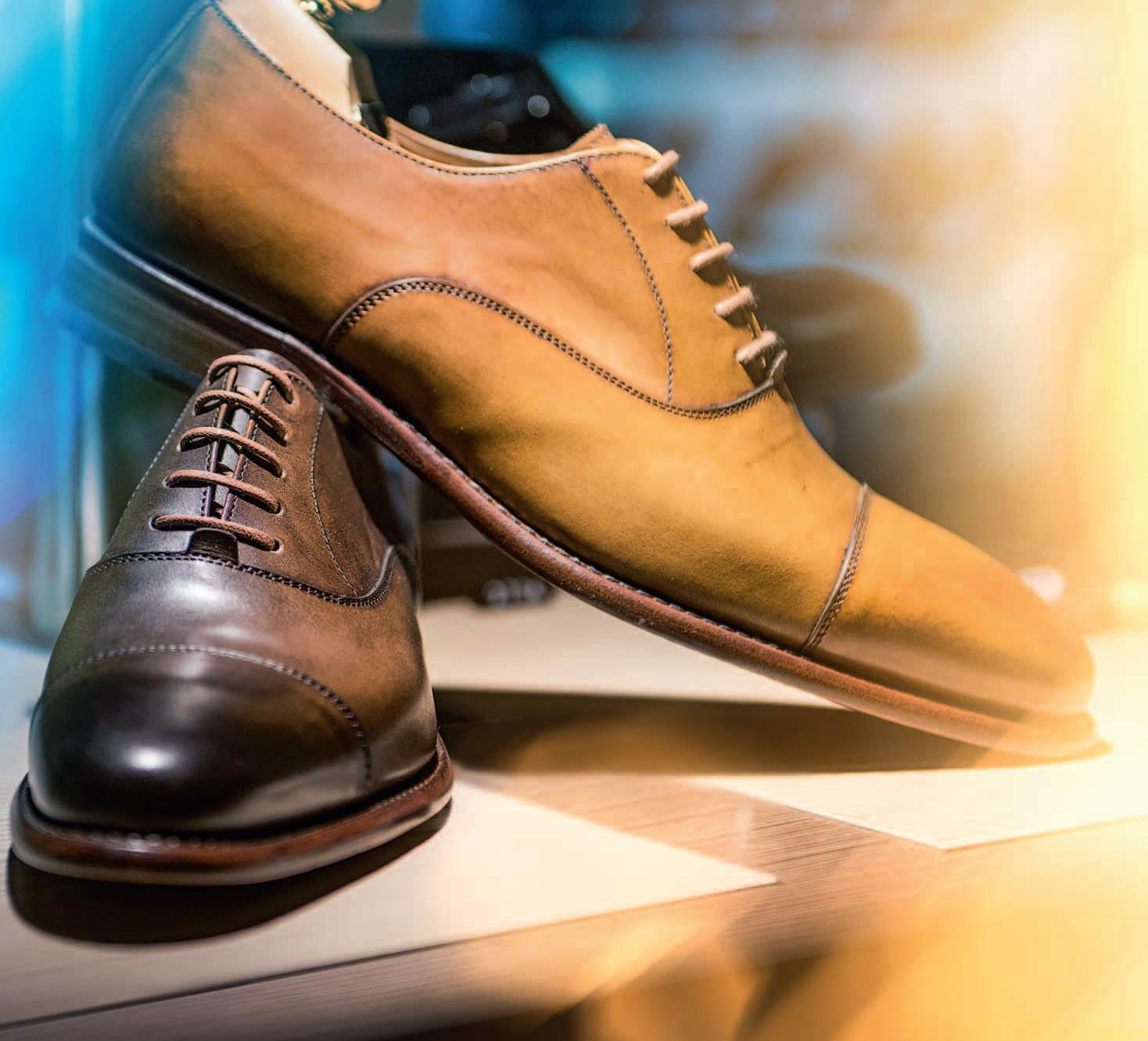
Crockett & Jones stepped up to the task of recreating the 100 year-old boot.
When George Mallory and Andrew Irvine tragically disappeared on the Northeast Ridge of Mount Everest in 1924, so too did the story of their ascent and truth about whether they had successfully reached the top. Thirty years later, Sir Edmund Hillary and Sherpa Tenzing Norgay instead took the prestigious title as the first people to have reached the summit of the world’s highest mountain.
With this mystery in mind, last autumn identical twins Ross and Hugo Turner carried out an unusual ascent of Mera Peak in the Himalayas. They completed the climb of 6,476 metres on Nepal’s highest trekking mountain, eating the same food in the same quantities at the same time, but wearing completely different footwear and clothing.
One twin, Ross Turner, had up-to-date kit from mountaineering brand Montane and footwear from Mammut. The other, Hugo, was equipped with meticulously designed replica clothing and equipment from the Everest expedition in 1924, including hand-stitched wool garments from Devold of Norway and custom-made replicas of Mallory’s boots. The aim was to see how Mallory’s kits compared with today’s; whether it was feasible they made the summit with the gear they had, and how much difference modern kit and technology makes in terms of the body’s
capabilities, stress or comfort.
Shoemaker’s dream
Recreated by the British shoemaker Crockett & Jones, the boots took nearly two years to research and build, with around 40 craftsmen and women involved in the process. The metalwork, felts and leathers were as close to the original as possible, and the Northamptonshire-based footwear maker worked closely with local suppliers and engineers to reproduce the hardware by hand.
Crockett & Jones had already been making shoes in Northampton for 50 years by the time Mallory attempted the summit. The family-run Goodyear welted specialist was tasked with making boots for Ernest Shackleton’s 1914 Endurance expedition to the Antarctic – and still makes shoes following the same handmade practices, ensuring high quality and durability are sewn into each shoe. However, finding authentic materials and
designs for the Mallory shoe was challenging, particularly creating new patterns and bespoke lasts that were made to fit Hugo’s feet wearing three pairs of woollen socks.
The project began with several trips to the Royal Geographical Society in London, where Mallory’s one remaining boot is kept (his body was sadly discovered in 1999). A boot belonging to Andrew Irvine was found in 2024. Yurt felt, the main insulation, sourced from Lancashire, sits between the outer leather and the lining leather. Lasting and welting the boot was the hardest part, with a 1cm midsole of pressed wool adding to the challenge.
Crockett & Jones’ managing director Jonathan Jones admits to having a “boyhood obsession” with early Everest exploration, making the commission “a dream” as a bootmaker of 40 years. “The boot left us speechless,” he says. “There is no doubt in my mind that no one could have made such an accurate replica without the multiple
inspections we were permitted of the original boot. Remarkable.”
Data crunching
The Turner twins have worked with University of Portsmouth’s Extreme Environments Laboratory, which studies the limits of human endurance in harsh conditions, to test the historical equipment’s possible effect on decision-making and how this compared with modern kit. Initial testing highlighted the difference between the thermal performance of the replica boots and layering system of George Mallory's kit and the modern system: the older kit meant Ross’s skin readings showed an average lower temperature of 2 or 3°C.
Hugo pointed out that a difference of 2 or 3 degrees for traditionally made boots and clothes using only natural materials was impressive given the huge amount of research and development that has gone into the synthetic, modern equivalent. He pointed out that he was wearing seven layers on the top
half of his body and four on the bottom half, compared with much fewer for his twin. On the expedition, sensor-enabled patches collected physiological data every five minutes. The twins also tested cognitive performance, cortisol levels (associated with stress), dexterity and clothing durability.
Mallory’s shadow
Crockett & Jones has now created a consumer-friendly version of the Mallory boot, called Everest. It retails at £695 and is made using the same waterproof side leather, has a half-bellows tongue and a waterproof featherlined membrane to minimise the chances of water permeating through the welt area. To link the boots, the bootmaker also included a yurt felt layer in between the outer leather and the tongue lining, visible through a clear window. It is finished with a commandocleated rubber sole.
The university is still working through all the data, with the full results to be published soon. “This expedition has been one of the
Leather leadership, worldw ide. worldwide.
Leather is a global business. is global business. More than 95% of US hides are than 95% of US hides are exported, with value added across value added across the globe. A strong leather globe. A strong leather Our International Sustainability Programme drives best practice raising global production standards. Our Real Leather. Stay Different. competitions showcase young international talent, launching their careers as leather advocates. And our data-driven Life Cycle Assessment ensures leather is the most transparently studied natural material, countering misinformation from oil-derived ‘rivals’. We work for the leather industry. Find out more at usleather.org
most enjoyable we’ve ever done, partly because of the people of Nepal and the team we had, but also the fact we have identified some fascinating never-before-seen insights and performance data from Mallory’s clothing,” says Ross Turner. And returning to the “epically exciting question” of whether Mallory could have got to the summit of Everest in 1924? With the level of performance that his footwear and clothing achieved, both brothers agree that he “probably could have”.
NEWS
EUROPE
Leadership transition at TFL
Leather chemicals supplier TFL has announced that chief executive André Lanning has stepped down from his role after deciding to pursue a new professional opportunity. His last day with the company was March 10.
Although leaving the executive position, Mr Lanning will remain closely involved with the organisation by joining the TFL Board of Directors.
According to the company, this move is intended to support continuity while allowing TFL to benefit from his experience during the transition period.
The board has been working on succession planning and is moving toward the appointment of a new CEO to guide the company’s long-term strategy. In the interim, chief commercial officer Samer Al Jabi has been named interim CEO. Mr Al Jabi, who joined TFL in 2025, has played a key role in shaping the company’s five-year strategic plan and global commercial initiatives.
TFL said it remains fully committed to its long-term strategy and to delivering value for customers, partners and shareholders. The board thanked Mr Lanning for his leadership and contribution to the company.
University tie-up will help footwear sector find new talent, AEC says
Spain’s national association of footwear component manufacturers AEC has announced a commitment to support students on Miguel Hernández University’s fashion technology management course.
The university, located in Elche, close to the country’s biggest footwear manufacturing hub, launched the course two years ago. Head of its school of economics and society, María José López Sánchez, said AEC had helped it design the course’s content, making “very interest recommendations that we have followed”.
She said the course has proved popular with students and that there is a waiting list of people waiting to enrol.
AEC has now said it will award grants to students who have enrolled on the course, with total funding of up to €6000 each year for the next five years. The organization’s president, Manuel Román Ibáñez, said he
hoped the funding would make joining the course a possibility for students who, otherwise, might not be able to for financial reasons.
Mr Román added that the agreement with the university would help build strong links between the industry and the education sector. He said: “We want more young people to come into the industry and contribute to its development. The footwear sector needs new talent, young people who are well prepared to face the challenges of the future.”
Ferragamo to double down on brand message
Salvatore Ferragamo plans to build on its “detailed action plan” launched last year to strengthen the brand through a focus on leather.
For footwear, it will “maintain a clear product selection”, enhancing distinctive footwear families.
It broadened the Hug collection of bags and added new styles such as the Soft bag. It will add extra lines with new shapes and refined details.
It has grown storytelling through the integration of AI technologies and will introduce new tools “to sharpen reach and impact”.
It also continued to streamline its operating processes and organisational structure.
Revenues for full year 2025 amounted to €977 million, down 3.8% compared with the year before.
Positive outcome at Futurmoda
The Futurmoda exhibition attracted 4,100 visitors to its fifty-fifth edition, which took place in Elche on March 4 and 5. The organisers described this as “a very positive outcome”.
They said this number of visitors confirmed Futurmoda’s ability to attract buyers and sellers from the leather, footwear components and machinery sectors.
Exhibitors at the event told the organisers they were pleased by the high quality of visitors and said they had made an important number of business contacts over the two days.
As well as Spain, there were industry professionals from Italy, Portugal, France, Germany, the UK, the Netherlands, Turkey and China in attendance.
Scrutiny meeting hears concerns on Walsall Leather Museum
An article published by the Museums Association has raised concerns over Walsall Council’s decision to close and relocate Walsall Leather Museum, with campaigners saying the process was rushed and lacked proper consultation.
Around 40 supporters attended a full council scrutiny meeting on February 26, where campaigner Linda Boys questioned the legal and financial basis for the relocation. She cited a 2024 internal feasibility report estimating that a replacement museum could cost up to £12m and take more than a decade to complete, and called for the council
to pause the plans and consider alternatives.
The meeting reportedly became tense as council leader Mike Bird defended the decision, stating it was lawful and in line with council policies, and could not be reversed. Exchanges between councillors and campaigners prompted protests from the public gallery.
Campaigners, including local leather-worker Lauren Broxton, warned the museum might never reopen, and multiple complaints about the conduct of the meeting have since been submitted to the council’s standards board.
The Museums Association is a UK-wide membership organisation that advocates for museums and museum workers, campaigning for ethical, sustainable, and socially engaged practice and promoting fair treatment for all members.
SLG makes bio-based foam available to automotive customers
Scottish Leather Group is to make its BioPRO protein-based foam product
QUAKER COLOR A STEP AHEAD IN AUTOMOTIVE FINISHING
available to automotive customers.
Specialist aviation leather manufacturer Muirhead launched BioPRO last year, describing it as a naturally fire-resistant, protein-based aviation biofoam, made from hydrolysed collagen, a by-product of leather production.
This development earned Scottish Leather Group a nomination in one of the categories at the 2025 Earthshot Prize, a sustainable innovation competition that will run every year of this decade, awarding funding of £1 million to winners in each of five categories.
Now the group’s specialist automotive leather division, Bridge of Weir, will offer BioPRO as a moulded seat foam to its customers in the car industry, which include Aston Martin, McLaren, JLR and Polestar. It said the product will provide a lower-impact alternative to tradition seat foam.
Protein content in the foam makes up 20% of its composition, with all of the protein coming from the group’s leather manufacturing processes. Scottish Leather
Supplying innovative
Quaker Color is a division of McAdoo & Allen, with roots in the leather industry for over a century
Group has said BioPRO can replace melamine, bromine, titanium phosphate, graphite and PFAS in the foam materials that automotive companies frequently use at the moment.
It said that choosing BioPRO instead will help automotive manufacturers reduce fossilderived content, improve circularity and lower environmental impact. It added that BioPRO is a recoverable, “truly circular” and sustainable material. At the end of a car-seat’s life, the material can be recovered through an acidolysis process and reused.
In addition, the foam can moulded to an exact specification each time, eliminating, the group says, the material waste associated with conventional cut foams, which often require multiple parts. This can also help reduce weight.
Group chief commercial officer, James Muirhead, commented: “For decades, we have been proud to support our automotive partners as they work to reduce the environmental impact of their interiors. BioPRO is the next step in that journey. With
BioPRO being fully recoverable at end of life, it enables new pathways for seat components without compromising durability.”
Record year for adidas
German sportswear brand adidas has reported 13% growth in 2025, with record revenues of €24.8 billion.
It noted double-digit growth in all markets and channels, and operating profit up 54%.
Adidas CEO, Bjørn Gulden, said: “Doubledigit growth in the fourth quarter despite all the external turbulence, and more than doubling our operating profit in the quarter made the year end very well.
“Our markets have been very good at managing that the right product in the right amount has been sold in their markets and that we have managed to keep full-price sellthroughs high and discounts under control.”
For this year, it anticipates tariffs and exchange rates to cost around €400 million but forecasts it will add another €2 billion to sales.
Kering launches new group platform structure
Luxury group Kering has announced a new organisational structure with the creation of two Group centres of excellence, Industry and Client, aimed at strengthening operational efficiency and supporting the sustainable growth of its Houses.
The new divisions form part of the Group platform and are intended to provide a unified framework, additional resources and shared capabilities. Relevant teams within the Houses will report functionally to the centres of excellence.
The Industry division will integrate purchasing, manufacturing, supply chain, quality and research and development, while the Client division will cover product and pricing, marketing, distribution channels, sales and operations planning, and data. Relevant teams within the Houses will report functionally to the new centres.
Stéphane Noël has been appointed chief industrial officer, effective April 1, 2026, and Carlo Mocci will become chief client officer from May 4, 2026. Both will join the executive committee and report to chief executive officer Luca de Meo.
‘Success story’ for UK meat exports
UK red meat exports grew 12% in 2025 to a record £2 billion, according to government figures.
Shipments to markets in the EU accounted for 80% of this.
Dairy exports also hit a record value of £2.2 billion, an increase of 17% on 2024.
Jonathan Eckley, trade development director at the Agriculture and Horticulture Development Board, said: "The full-year figures for 2025 are a remarkable success story, underlining demand for our world-class dairy and red meat produce in a wide portfolio of markets.”
Dr Martens chief product officer steps down
DrMartens chief product officer Adam Meek has left the brand after four years, during which he led global product merchandising, design, development, and innovation.
He oversaw the company’s transition from a product-led to a consumer-led strategy and guided brand and franchise development.
Mr Meek, who previously held senior roles at Canada Goose, Sperry, Nike, and Pentland’s Lacoste Footwear division, said via LinkedIn that he is “excited about the next chapter” and plans to continue working at the intersection of brand, product, and consumer. Dr. Martens thanked him for his contribution to the product team and industry collaborations.
Jermyn Street neighbour invests in Tricker’s
shirt manufacturer Turnbull & Asser has announced an investment in Northampton-based, high-end footwear
manufacturer Tricker’s.
As part of the deal, the creative director of Turnbull & Asser, Roberto Menichetti, will take up a creative leadership role for Tricker’s too. In addition, Turnbull & Asser will now offer Tricker’s shoes and boots to customers at its shops in London and New York.
Tricker’s was founded in 1829 and claims to be the oldest established shoemaker in England. It still makes it footwear from start to finish at its factory in Northampton. Like many high-end footwear brands, Tricker’s also has a boutique on London’s Jermyn Street, no more than a few doors along from Turnbull & Asser.
Commenting on the development, Roberto Menichetti, said: “Entering Tricker’s historic building in Northampton is an intense experience. You don’t see only history, but a future that will continue to live. To safeguard Tricker’s means giving continuity to a timeless identity: looking ahead without losing its essence.”
The managing director of the footwear manufacturing company, Martin Mason, said: “Tricker’s has always stood for substance: the integrity of our materials, the discipline of our processes and the pride of making in Northampton. Roberto’s arrival marks an important moment for the brand. His deep understanding of style and comfort will ensure that the shoes crafted here continue to feel relevant for years to come. Ours is a product with emotional investment, a story worth telling and one people want to hear. Roberto will help guide Tricker’s toward a future that is authentic, resonant and enduring.”
Leather suppliers prepare for new Futurmoda exhibition
Anew edition of the Futurmoda exhibition will take place in Elche on March 4 and 5.
Organisers said more than 300 exhibitors will take part, showcasing materials for the spring-summer 2027 fashion season.
Exhibitors will include 45 manufacturers or suppliers of leather. Most will be from host country, Spain, but there will be 15 exhibitors from Italy, and Portugal, Turkey, China and the Netherlands will also be represented.
ASIA
Leather’s value is more than financial
Speaking at the Leather Naturally breakfast meeting on the second day of APLF, Dr Kerry Senior, director of Leather UK and secretary of the International Council of Tanners (ICT), outlined both the ongoing pressures in global hide and skin exports and the areas where leather continues to show strong potential.
Dr Senior acknowledged that the latest data reflect a market still normalising after the pandemic, with inventories being reduced following overstocking. He added that continued cost-cutting from brands has contributed to substitution with lower-priced alternatives. However, he also noted that the situation presents an opportunity for the
industry to reassert leather’s value, and that value must be considered in broader terms and not only financial.
On criteria such as contribution to the bioeconomy, technical performance and clear provenance, leather performs well. He noted that within the EU’s circular bio-economy strategy, whilst not explicitly mentioned, leather stands as a strong example of how secondary raw materials can be fully utilised.
While new and novel materials are attracting attention, Dr Senior urged policymakers and brands not to overlook established circular materials already delivering results. Leather, he said, fits squarely into this category and deserves recognition accordingly. He encouraged the sector to communicate these strengths more proactively to customers and partners.
Tributes to Tom Schneider at APLF
Chief executive of leather manufacturing group ISA Next-Gen Materials, Uwe
Hutzler, has said the organisation has been going through a difficult time since the untimely death of its founder, Tom Schneider, in January.
But at a reception at APLF in Hong Kong on March 13, he told guests from all parts of the global leather sector that he was certain Mr Schneider would have wanted the group to keep working, keep growing and keep showing that leather is still “the greatest product”.
Industry looks ahead at APLF
The APLF exhibition has officially opened in Hong Kong, bringing together global stakeholders for three days of discussion and exchange.
Alongside product showcases and market updates, attention is expected to focus on the wider state of trade, particularly the challenges linked to ongoing Middle East tensions.
Michael Duck, APLF’s director, acknowledged the uncertainty, noting that
At Muno, innovation is our starting point. We transcend chemistry to design advanced low-impact, wet-end solutions that shape the future of performance.
the situation is “being taken day by day.” His comment reflects the cautious mood among exhibitors and buyers as they assess how geopolitical pressures and supply chain disruptions may shape business strategies in the months ahead.
Kolkata event highlights vitality of the leather industry in Asia, TFL says
The thirteenth Asia International Conference of Leather Science & Technology took place in Kolkata from March 6-8. The event was jointly hosted by the India Leather Technolosits’ Association, the country’s Central Leather Research Institute and its Council for Leather Exports.
TFL’s global head of business development and indurty relations, Dr Volker Rabe, delivered one of the presentations, speaking about bisphenols in leather.
The company said afterwards that the conference highlighted the vitality of the
leather industry in Asia and reinforced the importance of advancing research.
“Collaboration and knowledge-exchange remain key drivers for building a more sustainable future for the leather industry,” TFL said.
Full-year figures confirm tough year for bag exports
in China
Confirmed
full-year figures for 2025 put the value of China’s leathergoods exports at just under $40 billion. This is a fall if 13.5% year on year.
Garment manufacturers in China have reported export revenues of €130 million in 2025, which represents an increase of 3.3%.
Pakistan leather sector calls for separate HS code on used footwear
Pakistan’s
leather and footwear industry has urged the Ministry of Commerce to introduce a separate Harmonised System (HS)
code for used footwear to improve monitoring of imports.
The request was discussed during a meeting between industry representatives and commerce minister Jam Kamal. The sector said used footwear is currently classified under a broader category covering used clothing and accessories, which makes it difficult for regulators to accurately track imports and assess valuations.
Officials from the commerce ministry said the proposal has been placed on the agenda for an upcoming meeting of the Tariff Policy Board and could be included in the next federal budget following consultations and approvals.
A difficult year for footwear in China
Full-year figures for 2025 show that China exported just over 9 billion pairs of shoes and other footwear, down by 2% compared to the volume of its exports the year before. The figures come from the China Leather Industry Association (CLIA).
The total value of footwear exports in 2025 was around $41.5 billion, which represents a decrease of 11.3% year on year.
Within this, exports of leather shoes amounted to 520 million pairs in volume and $7.2 billion in value, falls of 5.7% and 11.6%, respectively.
On the subject of leather footwear, CLIA said the sales revenues of “key leather shoe enterprises” decreased by 19.3% in 2025 compared to the year before, but it did not give a value for those revenues.
China imported 170 million pairs of footwear of all kinds in 2025, with a value of $5.4 billion, decreases overall of 15.5% in volume and of 9% in value. This included imports of 53.6 million pairs of leather shoes and boots, valued at almost $2.5 billion. Taken insolation, imports of leather footwear fell by 22.9% in volume and by 16.9% in value.
Leather supply chain collaboration to feature at APLF
talk
Anew approach to leather science and supply chain collaboration will be the theme of a seminar that will take place at APLF in Hong Kong on March 13.
Italy’s national tanning industry body, UNIC, and the Lineapelle exhibition are organising the talk, with specialist consultancy Spin 360 as their technical partner.
Current UNIC president, Fabrizio Nuti, will make the opening remarks at the event. Following this, the founder and chief executive of Spin 360, Federico Brugnoli, will deliver a keynote presentation on the main theme.
A discussion and question-and-answer session will bring the seminar to a close.
Negative numbers, but leather is still an $80 billion industry in China
Final figures for 2025 show that China’s leather industry brought in export
revenues of $82.7 billion, which the China Leather Industry Association said was a fall of 10.9% compared to the previous year.
It put the sales revenues achieved by the country’s main leather manufacturing companies at a collective total of around $7.5 billion, down by 9.8% year on year.
Together, Chinese manufacturers imported lower volumes of raw, semi-finished and finished hides, falls of 4.7%, 6.1% and 15.6% respectively.
The falls in the value of this material were even steeper: 15.8%, 19.1% and 15.7% respectively.
West Bengal launches RAMP programme for leather MSMEs
The government of West Bengal has launched a targeted capacity building programme for leather MSMEs and tanneries around Kolkata under the World Banksupported RAMP initiative.
The programme, part of the state’s Strategic Investment Plan, aims to address skills gaps, market access, technology adoption and environmental compliance. A tender has been issued to appoint an agency to assess cluster needs and develop a customised training roadmap.
At least 50 sessions will cover export readiness, e-commerce, product development, branding, financial literacy, credit access, quality standards and sustainable practices, with special outreach for women-led and marginalised enterprises. Top performers may receive advanced mentoring. Completion is planned within four months.
Middle East tensions start to affect leather and footwear trade
The recent escalation of conflict in the Middle East is beginning to disrupt commercial activity for leather and footwear sectors with exposure to the region.
Major luxury groups have temporarily closed stores in the United Arab Emirates, Bahrain, Kuwait and Qatar, while reduced staffing and suspended business travel are affecting regional operations.
Leather manufacturers and footwear exporters in Kanpur and Agra are already reporting concern over potential order cancellations and logistics delays. In Agra, some exporters estimate that business could fall by up to 25% if disruptions persist, particularly as shipping routes via the Strait of Hormuz face interruptions and rising insurance costs.
Analysts note that while the Middle East represents a relatively small share of global luxury sales, it remains an important growth market for premium leather goods and footwear. Temporary store closures, airport restrictions and reduced tourism may have knock-on effects for European tanneries and manufacturers supplying orders to the region. Industry sources emphasise that it is still early to quantify the full impact, but exporters and manufacturers are closely monitoring developments. Even short-term disruptions in trade flows and travel retail could affect
production schedules, seasonal deliveries and order volumes for leather and footwear suppliers.
Korea consumer agency flags greenwashing
South Korea’s Consumer Agency has identified 53 instances of unfair advertising in which synthetic products were labelled as ‘eco-leather’ or ‘nature-friendly’ without evidence of environmental benefits.
The investigation, covering six major domestic online markets in November 2025, found misleading claims across clothing, bags, and furniture. The findings have been reported in local media.
The majority of infractions (36 cases, 67.9%) appeared in product names, followed by advertising content and product information. The 53 cases involved 27 companies, many targeting vegan consumers by highlighting that no animals were used in production. The agency noted that "synthetic leather", being petroleum-based, produces harmful substances such as dimethylformamide and has limited durability and biodegradability, meaning it cannot be considered inherently eco-friendly.
By category, clothing was most frequently implicated (14 cases), followed by bags (9) and furniture (5). All unfair advertising has since been removed or corrected, with the agency advising consumers to critically assess environmental claims on synthetic "leather" products.
THE AMERICAS
Leather exports down for Brazil despite February recovery
Brazil exported hides, skins and leather with a value of more than $172 million in the first two months of 2026, down by 12% year on year.
In terms of area, Brazilian leather suppliers shipped 29.5 million square-metres of material across the two months, down by 11.1% compared to the same months in 2025.
Measured by weight, the sector’s exports registered 111 thousand tonnes in the opening two months of 2026, down by 4.8% year on year.
In each case, the figures were weak in January, but showed a strong recovery in February.
Export focus makes expansion necessary at Uruguayan packer
Uruguayan meat packer Frigorífico Copayan is to expand its plant at Rocha, 200 kilometres east of Montevideo.
The plant opened 20 years ago with the capacity to process 80 head of cattle a day. This has now increased to 500 head per day and Copayan has said it wants to expand its storage capacity for chilled and frozen beef.
When it launched the plant, all of its production was for the domestic market, but now around 75% goes for export.
Gifts of shoes from President Trump
president, Donald Trump, has taken a shine to footwear brand Florsheim, according to a report in the Wall Street Journal.
The newspaper said the president became a fan of the Wisconsin-based shoe company late last year and, since then, has begun to give Florsheim footwear as a gift to senior officials, White House advisers and prominent visitors. It said he sometimes asks the person’s shoe size before placing an order, but also that he sometimes guesses.
When the shoes arrive from Florsheim, the president sometimes signs the box before handing the gift over. White House officials said Mr Trump pays for the shoes himself.
Current chief executive, Thomas Florsheim Jr, a representative of the fifth generation of the company’s founding family, told the WSJ that he was unaware of a spate of orders from Donald Trump and declined to comment further.
Sadesa announces further cuts amid ongoing crisis
Argentinean
leather manufacturer Sadesa is moving ahead with further adjustments to its operations.
Confirming plans for 100 additional layoffs and 200 worker suspensions as demand for automotive and footwear leather continues to contract in the local market, these measures extend a prolonged period of downsizing that has seen the company’s Argentine workforce fall from around 2,000 employees to roughly 400 since entering Preventive Crisis Proceedings in 2025.
According to local reports, ongoing market weakness and broader economic pressures are driving the group to intensify its restructuring efforts as it reassesses the sustainability of domestic production.
Genesco reports sixth consecutive quarter of growth
US-based
footwear retailing group Genesco has reported sales of $2.4 billion for fiscal 2026, a 5% increase on the year before and its sixth consecutive quarter of growth.
Overall sales increased 7% at Journeys and 4% at Schuh, partially offset by a decrease of 4% at Genesco Brands, while sales at Johnston & Murphy were flat.
Mimi Vaughn, Genesco’s CEO, said: “Journeys once again led the way with double-digit growth on top of double digits last year, fuelled by an exceptional holiday performance. Our strategic initiatives around product elevation and customer experience continue to resonate with teens, driving market share gains and positioning Journeys as the clear destination for style-led footwear.
“At the same time, Johnston & Murphy’s comparable sales improved in each successive month, while Schuh navigated a promotional UK environment and exited the year with clean inventories.”
The group operates around 1,240 stores but closed a net 42 during the year.
Record Brazilian slaughter and production
Brazil slaughtered a record 42.5 million cattle in 2025, an increase of 8.2% compared with 2024, according to data from the Brazilian Institute of Geography and Statistics (IBGE) reported by Centre for Advanced Studies on Applied Economics (Cepea).
The figure was also 24.6% higher than in 2023 and 42.6% above the level recorded in 2022, reflecting investment in the cattle sector since 2020, progress in the cattle cycle and high levels of female culling.
Beef production rose to more than 11 million tonnes in 2025, up 7.9% from 2024. Strong export demand helped absorb the additional supply and limited pressure on prices during the year.
Average herd productivity reached 258.69kg per animal in 2025, down 0.84% from 2024 but slightly higher than in 2023 and 2022.
Leather and denim heritage combine in Western collection
Denim brand Wrangler has teamed up with leather jacket maker Avirex for a collection rooted in Western fashion and aviation-inspired streetwear.
Avirex was founded in 1975 but gained notoriortiy in the 80s when its when its aviator jackets appeared in the 1986 film Top Gun.
Mia Dell’Osso-Caputo, creative director of Avirex, said: “This collection lives where rodeo grit meets city swagger. By fusing our signature leather with Wrangler’s timeless denim, we created a new uniform for people who move with purpose and value authenticity above all else.”
Brazil promises prominent presence at APLF
CICB, the leather industry’s national representative body in Brazil, has said 31 exhibitors will represent the country at the APLF exhibition in Hong Kong, which runs from March 12-14.
These 31 organisations will attend APLF with the support of the Brazilian Leather Project, a partnership between CICB and export promotions agency ApexBrasil.
Ahead of the event, trade intelligence manager at CICB, Rogério Cunha, said Hong Kong and China are key markets for Brazil’s exports of leather and hides, with a share of around one-third of the total.
He said APLF also attracts key professionals from other leather-industry hubs, including the US. He pointed out that the US was the second-largest market for Brazil’s leather exports in 2025, despite “changes in bilateral trade”.
Manager of the Brazilian Leather Project, Letícia Luft, commented: “APLF is an event that concentrates the global strength of the leather industry, which is why we invest heavily in promoting business opportunities and strengthening the image of Brazilian leather there.”
Novo Hamburgo hosts CICB Sustainability Forum
Sustainability and artificial intelligence (AI) in the leather supply chain were central topics at the 2026 CICB Forum, which took place in Novo Hamburgo on March 4 as part of the Fimec exhibition.
The conference was part of the Brazilian Leather project, a partnership between tanning industry representative body CICB and the country’s export promotions agency ApexBrasil.
CICB sustainability advisor Ricardo Andrade spoke first. He said that the proportion of Brazilian leather manufacturers that hold environmental certifications had increased from 60% in 2018 to more than 90% now.
Academic Rafael Martins compared AI to “a kind of magic lamp”. He said the most important skill today is knowing “how to ask”. He insisted that AI is not replacing human capabilities, but amplifying them.
The founder of technology provider Hidexe, Jo Gilet, the presented a 3D scanning system that can inspect 300 hides in 10 seconds and identify imperfections with a higher degree of accuracy than the human eye.
The CICB Forum concluded with a panel discussion bringing together the speakers to debate the future of the sector amid the growing use of AI tools.
Tandy hopes relocation will drive return to profitability
USretailer Tandy Leather Factory has reported mixed results for 2025, highlighting both revenue growth and challenges with operating expenses.
It achieved revenues of $76.3 million, a 2.6% increase on the year before. It closed the year with a cash balance of $16.1 million, up from $13.3 million a year earlier. This increase in cash was largely due to the proceeds from the company’s headquarters earlier in the year.
Johan Hedberg, CEO of Tandy Leather, said: "We were pleased to return to sales growth for both the fourth quarter and the full year. Gross margin improvements in both periods were driven by strategic pricing and effective sourcing strategies. While operating expenses increased due to our HQ sale and employee bonuses, we believe we are now wellpositioned to focus on growth and profitability in 2026."
Tandy is a specialty retailer of leather, leatherworking tools, buckles and adornments for belts, leather dyes and finishes, saddle and tack hardware. It operates 101 stores.
AFRICA
Africa Leather Institute sets out strategy at ICT meeting
Nicholas Mudungwe, executive director of the Africa Leather and Leather Products Institute (ALLPI), has outlined a multi-pillar strategy to strengthen the industry across the continent.
Speaking at the open session of the International Council of Tanners meeting
ahead of the APLF, he said the programme will focus on building staff capacity, supporting enterprises and upgrading internal systems. Communication and visibility are also central, with the institute aiming to counter negative perceptions and highlight the value the sector creates.
Environmental and public-management systems are being reinforced within the institute itself, setting an example for enterprises in the region. “Seeing is believing,” Mr Mudungwe noted, explaining that industry players are more likely to adopt good practices when they see them implemented at institutional level.
The institute is also working to establish national representation in all countries where it operates, ensuring stronger policy engagement and wider impact.
These initiatives form part of ALLPI’s broader institutional direction. The organisation’s long-term aim is to be Africa’s leading catalyst for a sustainable, inclusive and competitive leather value chain, one that drives industrialisation, supports trade and contributes to shared prosperity under the AfCFTA.
Its mission is to empower the sector through integrated technical assistance, evidence-based policy advocacy and innovative partnerships that raise productivity, quality, sustainability and market access across the continent. The intention is for the leather value chain to become a driver of inclusive industrialisation, job creation and global competitiveness in line with Agenda 2063.
Roubiki Leather City tipped for regional hub role
MahmoudSarg, head of the Leather Export Council of Egypt, has said Roubiki Leather City is increasingly well-positioned to act as a regional centre for tanning and leather trade.
His comments came during a visit by industry minister Khaled Hashem, who reviewed production activity, factory operations and the main challenges facing investors.
Mr Sarg said current priorities include strengthening veterinary programmes and improving livestock resources to raise rawhide quality, alongside upgrades to technical and logistical services within Robbiki. He described the 500-feddan complex as one of the largest dedicated leather industry projects in the region, and a key part of efforts to lift product quality and rebuild export momentum after recent declines.
He added that Roubiki’s infrastructure and specialised technology centre give it the capability to serve wider regional markets, with further gains expected as international promotion and investment support continue.