Young Chefs Mentoring Agents of Change
Worldchefs News Honoring Our Roots
Education & Career Raising the Bar
World Chefs Without Borders Chefs on the Frontlines
Welcome to Worldchefs Magazine, the award-winning publication from the World Association of Chefs’ Societies (Worldchefs).
Founded in 1928, Worldchefs represents the largest international membership of food and beverage professionals, with more than 230 member national associations, education partners, and industry allies.
Worldchefs is a non-political professional organization, dedicated to maintaining and improving the culinary standards of global cuisines. Leveraging the power of the chef jacket, the federation accomplishes its goals through education, training, and professional development of its membership. From sustainability initiatives to culinary competitions, Worldchefs empowers members to learn new skills for the future and be a part of something bigger.
Recognized as the Most Influential Culinary Profession Development Organization and awarded for Sustainability Education Excellence by the Acquisition International’s Non-Profit Organization Awards, Worldchefs is an authority and opinion leader on food.
The global voice of culinary professionals, #ThisIsWorldchefs
To learn more about our members and programs, visit www.worldchefs.org
PUBLISHER
WORLDCHEFS
15 Rue Tiquetonne
75002 Paris
FRANCE
T: +33 (0) 1 80 06 58 30
E: office@worldchefs.org
CONTRIBUTORS
Chef Owen Morgan
Chef Jake Kim
Food and Drink Wales
The Sustainable Restaurant Association
CHIEF EDITOR
Clare Crowe Pettersson marketing@worldchefs.org
DESIGN
Vahiju PC
vahiju@gmail.com
COMMUNICATIONS MANAGER
Olivia Ruszczyk communications@worldchefs.org

05 President’s Message
06 Managing Director’s Message
08 What’s New for Worldchefs?
11 United By Purpose
12 Honoring Our Roots
15 A Force for Good
16 Putting Excellence on Stage
20 Mentoring Agents of Change
23 Young Chefs Know What They Want
27 Yes, Cogydd!
33 Raising the Bar
36 Seizing the Moment
40 More Than a Piece of Paper
42 Standing Ready 43 Chefs on the Frontlines
46 Climate-Smart Food Choices
DIRECTOR OF OPERATIONS & PROJECTS
Connie Lau
connie@worldchefs.org
MANAGING DIRECTOR
Ragnar Fridriksson ragnar@worldchefs.org
EXECUTIVE COMMITTEE
President: Andy Cuthbert
Vice-President: Rick Stephen
Secretary General: Alain Hostert
Assistant Vice President: Kristine Hartviksen
Assistant Vice President: Uwe Micheel
BOARD OF DIRECTORS
Martin Kobald, Continental Director, Africa & Middle East
Harry Linzmayer, Continental Director, Americas
Willment Leong, Continental Director, Asia
Neil Thomson, Continental Director, Europe North
Mike P. Pansi, Continental Director, Europe Central
George Damianou, Continental Director, Europe South
Peter Wright, Continental Director, Pacific Rim
ADVERTISING
Interested in advertising or contributing to Worldchefs Magazine? Contact us at communications@worldchefs.org
IN & OUT OF THE KITCHEN
50 7 Things to Consider When You Think About Provenance
52 A Timeless Trend
59 Respecting Every Ingredient
61 Korean Traditional Fermented Jang Using Meju
63 Last Bite
Nothing should be lost along the way.
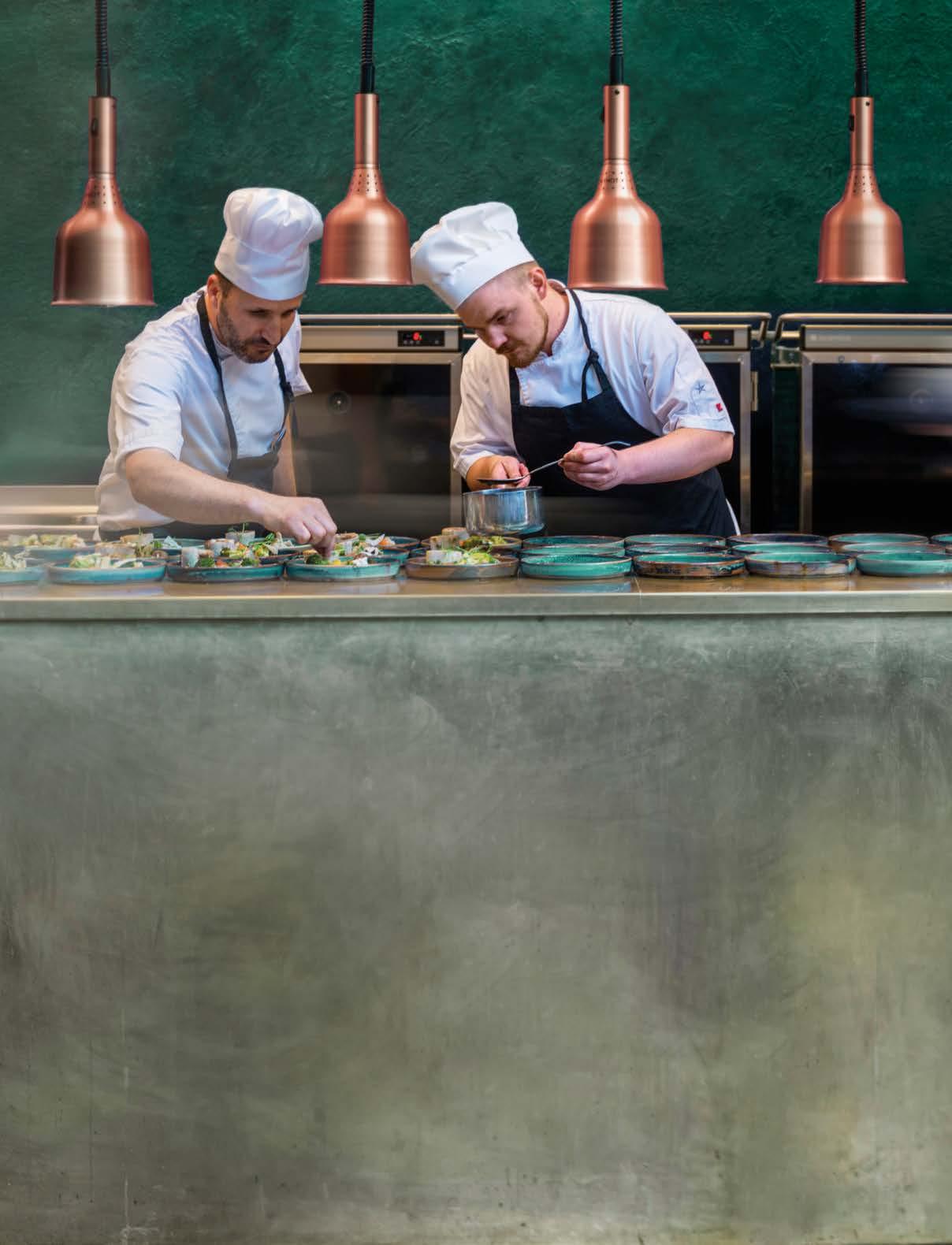
From carefully selected ingredients to early preparation and final presentation, chefs put intention into every detail of their food.
ScanBox food holding and transport cabinets are designed for precision and reliability – protecting food quality, texture and temperature throughout service. Prepared food remains exactly as intended, allowing chefs to prepare early, work flexibly and serve with confidence.
When the pressure is on, ScanBox delivers.
As we move into a very exciting year for Worldchefs, I wish to convey my appreciation to Arwyn Watkins and the Culinary Association of Wales, our Congress Chair Charles Carroll, and our Worldchefs team in Paris for the amazing work so far in bringing us closer to the 41st Congress in May 2026. The focus of this year’s congress is “Pasture, Passion, Plate”, which reflects the gastronomy industry of Wales and also that of Worldchefs.
We say we are passionate in all we do, but how do we measure that passion? Through visual representation on the plate or through the promotion of our industry? We still hear that countries struggle to find trained willing people to work, and at the same time, that others have young people just desperate to get into the industry and make a better life for themselves and their families through our profession. What can we do more as Worldchefs and with our national members to secure the future, which is really in our hands? The relationships that we cultivate with our Education Partners is one important way that we can help collectively sustain the industry and give opportunity.
This year’s Congress also sees the return of our Global Chefs Challenge finals. We see the Culinary Competition Committee is constantly updating the rules and guidelines, and we anticipate a fantastic show once again from our members’ competitors that come from across the globe, from the Cook Islands to Norway and everywhere else in between. We wish all competitors the very best of luck – to achieve a place in the finals is already a fantastic result for the chefs.
The programming of the Congress is packed with information on a wide variety of topics. Some of the most prominent chefs to have graced the stoves of Wales and England will be there to share their journeys and insights. We also have our sustainability programming, and inputs about the pressures and concerns we all have for our people, which will also be explored through our collaborative partner, the UK-based Burnt Chef Project. The Billy Gallagher Young Chefs Forum will be running once again, and this is a fantastic opportunity for our member association’s young chefs to meet and collaborate with their peers, and to meet senior members, leadership, and potential future employers.
The food scene in Wales will be a highlight for us all and the culinary team of the Celtic Manor
We say we are passionate in all we do, but how do we measure that passion? Through visual representation on the plate or through the promotion of our industry.
Collection is ready to deliver us some memorable dining experiences, locally sourced from Wales. This will truly be a pasture to plate experience for the Congress delegates to savor. The passion doesn’t stop with the food–there are a number of small distilleries and brewers also on hand to lend their craft and experience to us. An on-site exhibition will be set up alongside the Congress to showcase Welsh producers and products, another way to share the passion of the Welsh pasture with us.
The Paris office has been extremely busy with some new initiatives strengthening our UN partnerships and global advocacy. These partnerships are a key part of the strategy to make
Worldchefs more visible in the international NGO space, and there is a wide opportunity for our members to be involved. I am extremely proud of this work being done, and the team will be sending and requesting support and giving opportunities to our members to get onboard and involved.
In closing, I thank you all for your dedication and support to Worldchefs and the wider chefs’ community in your countries. I hope you all enjoy our Congress in 2026 in Wales.
See you in Newport, Andy Cuthbert President of Worldchefs
As we reflect on the remarkable achievements of the past year, I am proud to share that 2026 marks a bold new chapter for Worldchefs, building on our legacy of excellence and expanding our global impact. This has been defined by strengthened international partnerships, meaningful advocacy, and well-deserved recognition of the work our community continues to lead worldwide.
A key milestone has been Worldchefs’ growing role in UN partnerships and global advocacy, reinforcing the importance of chefs as changemakers in sustainability, education, and humanitarian response.
We were honored to establish a partnership with the FAO and the World Food Forum through the Young Chefs Programme, empowering the next generation of culinary professionals to become leaders in sustainable development and innovation.
Worldchefs also achieved an important milestone at the UN Ocean Conference, where we hosted a UN-accredited side event on sustainable seafood. This global platform highlighted our commitment to protecting marine ecosystems and promoting responsible sourcing across the culinary profession.
In another significant step forward, we secured the EU co-funded FoodChoices4LIFE initiative, which will enable us over the coming years to scale climate-smart food choices and expand our efforts to inspire healthier and more sustainable eating habits worldwide.
Beyond advocacy and education, we also initiated a powerful humanitarian collaboration with World Central Kitchen, underscoring the vital role chefs play in supporting communities during times of crisis.
Alongside these accomplishments, 2025 brought outstanding international acknowledgment and awards, celebrating Worldchefs’ influence and leadership across the globe.
We were honored to be recognized at the Acquisition International Non-Profit Awards as the Most Influential Culinary Profession Development Organization, a testament to our dedication to empowering chefs worldwide. We also received the Sustainability Education Excellence Recognition Award, reinforcing our
Together, we are elevating the role of chefs as leaders in sustainability, education, advocacy, and humanitarian action.
was recognized when the Worldchefs Congress & Expo 2024 was awarded Association Event of the Year at the Singapore MICE Awards, demonstrating the strength of our international community and the impact of coming together as one global chef network.
mission to lead the profession toward a more sustainable future.
Our communication and global storytelling were celebrated as well, with Worldchefs Magazine receiving the prestigious Gourmand Cookbook Award for Best Food Magazine in the World, highlighting our commitment to sharing knowledge, culture, and inspiration across borders.
Additionally, the success of our global gatherings
These achievements reflect not only Worldchefs’ progress, but the passion, dedication, and excellence of our members, partners, and supporters around the world. Together, we are elevating the role of chefs as leaders in sustainability, education, advocacy, and humanitarian action.
Thank you for being part of this journey. The future is bright, and this is only the beginning of what we will achieve together.
With gratitude and determination,
Ragnar Fridriksson Managing Director of Worldchefs
“Pasture, Passion, Plate”, the 2026 Worldchefs Congress & Expo theme, represents the journey from farm to fork, and the origin stories that connect people, planet, and plates. In this issue, we celebrate this journey by showcasing the trailblazing chef associations, educators, and industry leaders who are setting the course for the future of food.
Created for the professional kitchen, Worldchefs Magazine is a resource for the chef community. Explore Issue 32 for insights from the global voice of culinary professionals, with stories from the largest international chef society and our members who are taking change to scale.



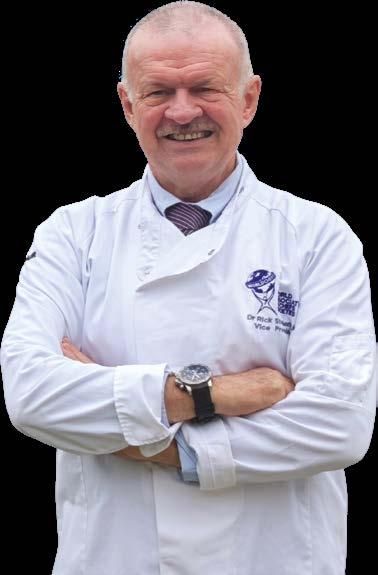
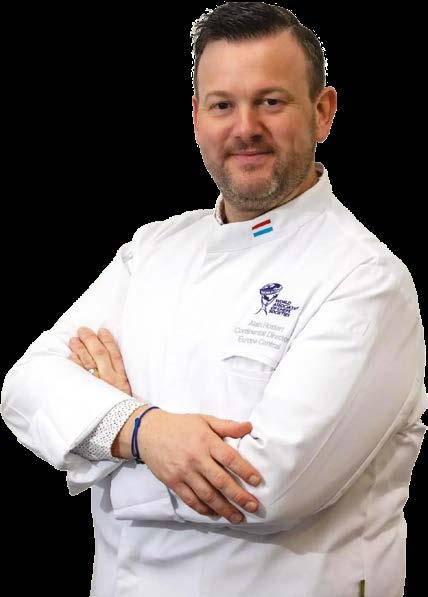
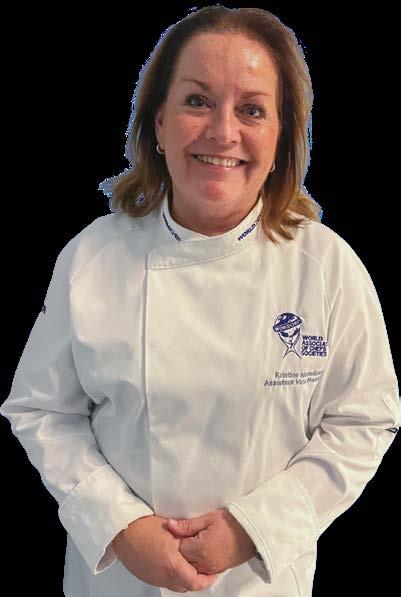
Worldchefs’ Executive Committee shares their insights on what’s new and what’s next for the Worldchefs community, with insights on what they think chefs should have on their radar.
What’s new?
Dr. Rick Stephen AM: Worldchefs is expanding globally through sustainability training, education, and new international competitions. We are also tech-driven, for chefs aiming to stay competitive, future-ready, and globally connected.
Alain Hostert: As Worldchefs approaches its 100-year milestone, the upcoming Congress is about looking to the future – connecting chefs worldwide, sharing knowledge, and building together. It’s not about ego, but about unity, innovation, and setting the path for the next 100 years of our profession.
Kristine Hartviksen: Involvement of the entire association in all countries. Your voice, your opinion, is important. That is why we have asked for feedback on the association’s strategy and statutes. Together we will bring the association further.
Uwe Micheel: Worldchefs is investing a lot of time and energy in education and training. Education worldwide is a big subject and the most important project to keep our profession interesting for young cooks, the chefs of the future. We need to help them to grow.
Name one thing you want to learn more about, and that chefs should have on their radar.
RS: In the current world, chefs need to have a deeper knowledge of sustainable sourcing, understanding how ingredients are grown and harvested and the challenges of transportation, which is essential in menu design. In reducing waste and supporting ethical producers, it will strengthen creativity and long-term environmental stewardship.
AH: Food technology. I want to learn more about how technology is shaping kitchens – from smart equipment to AI menu planning and data-driven sustainability. It will help chefs work smarter, reduce waste, and stay competitive while creating better food experiences for the next generation.
KH: I want to learn more about raw materials in the sea, which are available but not used to such a large extent today. Thinking about seaweed and kelp. What and how can it impact our diet in the future?
UM: The older generation must try harder to understand the needs and wishes of young chefs. We, all the seniors and the experienced cooks, need to understand the importance of possibly taking two-steps back to give space for our junior chefs.
What’s on our minds and on our menus? Industry leaders tell us their current hero ingredients, one thing they want to shed light on right now, and their pledge for the future of food.
Aditya Rajesh Nair
Young Chef Ambassador Committee for the Global Development of Young Chefs
What is your favorite hero ingredient lately?
The ingredient currently starring in my kitchen is mahua. I learned about it fairly recently and have been in awe ever since. Mahua showed me that preserving cultural food heritage and indigenous knowledge carries forward knowledge that can shape resilient food systems for the future
Finish the sentence: The future of food needs _______. To help make it happen, I’m going to _______.
> chefs who balance tradition with innovation.
> preserve culinary heritage and apply modern techniques to create food that is responsible, relevant, and accessible.
What is one story you think deserves the spotlight? How Young Chefs Clubs are guiding young chefs towards a more sustainable and socially-aware future.
Hear from Young Chefs Clubs around the globe on page 23.
Vivek Huria
World Chefs Without Borders Committee Member
What is your favorite hero ingredient lately?
Jackfruit stands out in my kitchen because it demands technique and respect. When handled correctly, it absorbs flavor beautifully and transforms into something deeply satisfying. It’s an ingredient from our roots that allows me, as a chef, to bridge tradition with modern, plant-forward cooking – without compromising on texture, depth, or soul.
Finish the sentence: The future of food needs _______. To help make it happen, I’m going to _______.
> roots.
> go back to origin – ingredients, techniques, and stories that truly matter.
What is one story you think deserves the spotlight?
The story of cooking from one’s roots deserves more attention. Food with identity, memory, and purpose resonates deeper than trend-led menus. It’s important because roots give cuisine meaning, direction, and longevity.
Read about the importance of origin stories on page 50
Marta Antonelli Project Coordinator,
EUFIC
What is your favorite hero ingredient lately?
Lentils! So delicious and versatile, sustainable and nutritious. One cannot ask for more!

Finish the sentence: The future of food needs _______. To help make it happen, I’m going to _______.
> YOU!
> bring science to your kitchens.
What is one story you think deserves the spotlight?
The FoodChoices4LIFE project is about raising awareness, building knowledge, and spurring action for healthy, sustainable, just food for all in the EU. Chefs are key game-changers to accelerate this transition, helping us show how food can deliver better outcomes to people and the planet.
Learn more about the FoodChoices4Life project on page 46
Stefan Šmugović Secretary, Serbian Chef Association
What is your favorite hero ingredient lately?
Fermented vegetables. They bring depth and complexity to dishes while reflecting tradition and sustainability. Fermentation transforms simple local produce into powerful flavor carriers while reducing waste and connecting modern cooking with ancestral techniques – making it both relevant and timeless in today’s kitchen.
Finish the sentence: The future of food needs _______. To help make it happen, I’m going to _______.
> tradition with intention.
> educate future professionals and connect heritage foods with contemporary gastronomy.
What is one story you think deserves the spotlight?
Traditional food should be at the center of contemporary gastronomy. It carries identity, knowledge, and a sense of place, yet is often treated as secondary to trends. Putting it first protects heritage, supports local producers, and gives modern cuisine depth, authenticity, and meaning.
Discover a heritage recipe reflecting Stefan’s response on page 61














We asked members worldwide to complete two simple prompts. What they share is a powerful portrait of leadership in today’s kitchens.
Emirates Culinary Guild
> nurture people and the planet.
> advocate for inclusivity, culinary standards, and fostering young talent.
Syrian Culinary Guild
> educate people, be sustainable, and share the joy of cooking.
> participate in and organize events under the Worldchefs’ umbrella.
Egyptian Chefs Association
> continuously raise the standards of our profession.
> empowering them through education, collaboration, and industry representation.
Palestinian Chefs Association
> nourish, educate, and protect our food systems for future generations.
> connecting them with a community dedicated to sustainability, mentorship, and professional growth.
Mauritian Chefs’ Association
> transmit our knowledge to the next generation.
> encouraging them to participate in all our events including educational seminars, social responsibility and sustainability initiatives, and competitions.
Chefs Association of Pakistan
> adopt best practices in our kitchens.
> offering training sessions with international chefs and industry leaders.
Singapore Chefs’ Association
> make a stand.
> speaking up and taking action.
Maître des Saveurs et Gastronomie de la Tunisie
> preserve our culinary heritage while shaping a sustainable future.
> sharing knowledge, mentoring the next generation, and promoting local identity on national and international platforms.
Fédération Marocaine des Arts Culinaires
> preserve culinary heritage while promoting sustainable and responsible gastronomy.
> providing education, mentorship, international collaboration, and encouraging the use of local and seasonal products.
American Culinary Federation
> serve our communities beyond the plate.
> connecting them to meaningful initiatives, leadership opportunities, and collective impact.
Colegio Nacional de Chefs Profesionales de México
> honor our ingredients, our people, and the cultures behind them.
> building connections, amplifying regional voices, and fostering collaboration across the industry.
Romania National Association of Chefs and Pastry Chefs in Tourism
> honor food, land, and those who come after us.
> nurturing values, knowledge, and connections that turn cooking into care, purpose, and legacy.
Association of Chefs and Pastry Chefs of Czech Republic
> our culture, our colleagues, the planet, and ourselves.
> welcoming them into the embrace of a large family of chefs and pastry chefs by organizing workshops, competitions, excursions, and more for them.
Azerbaijan Culinary Specialists Association
> promote the national gastronomy of our country.
> sharing gastronomy inspiration.
Gastronomisch Gilde Netherlands
> inspire our guests and connect as colleagues.
> meeting each other at events and more.
Qatar Culinary Professionals
> develop the next generation of culinary professionals and elevate the culinary standard in Qatar.
> nurturing talent through event demos and training, competitions, and by connecting them with industry partners.
Asociación de Chefs de El Salvador Acesa
> to be more professional and consistent with our career.
> unifying the profession from our country and for the world.
Finish the sentence: As chefs, we have a responsibility to _______. We support our members to be a part of something bigger by _______.
Association of Professional Chefs Nigeria
> support each other.
> mentoring and encouraging them.
Thailand Chefs Association
> uphold culinary traditions while advancing professional excellence and sustainability.
> providing structured pathways for education, certification, competition, and international engagement.
Indian Federation of Culinary Associations
> support the mental, physical, and emotional wellbeing of individuals through the food we create.
> by enabling them to look beyond their own kitchens, encouraging them to apply their skills and knowledge to wider challenges such as global food security.
Federazione Italiana Cuochi
> defend traditions.
> keeping them up to date.
Malta Chefs Society
> waste nothing or very little.
> educating the new generation.
Myanmar Chefs Association
> nurture others as our mothers nurtured us – by cooking sustainably and responsibly.
> living our professionalism every day –guiding, connecting, and uplifting our chef family, inspired by the first chefs in our lives: mothers.
British Culinary Federation
> strive to maintain the highest possible standards throughout all our industry operations.
> being committed to widen our membership, to encourage and engage all sectors, embracing new ideas and adapting to change, and, above all, strong and frequent communication.
Associations around the world wrote to us with what culinary heritage means to them, and why stewarding it matters now more than ever.
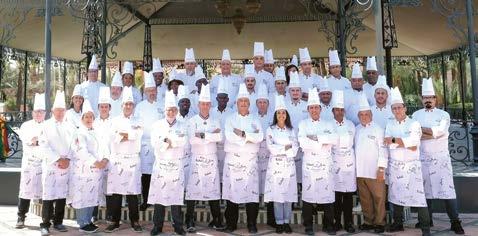
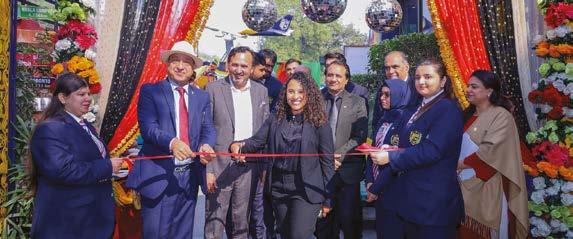
Moroccan gastronomy is emerging as a bridge between tradition and modernity on the international stage. Through competitions, training, and professional exchanges, we promote the excellence of Moroccan chefs and showcase a rich culinary heritage that embodies identity, innovation, and cultural dialogue.
Kamal Rahal Essoulami
Fédération Marocaine des Arts Culinaires, @kamal.rahal.2
The Chefs Association of Pakistan initiated a movement to reclaim the identity of Pakistani cuisine by celebrating Pakistani Cuisine Day. With the strategic support of COTHM, Worldchefs, and the global chefs community, this day will be celebrated every year on November 20th.
Fraaz Kasuri
Chefs Association of Pakistan, , @chefsassociationofpakistan_cap
As President of the Palestinian Chefs Club, I believe our story deserves louder telling: Palestinian cuisine as cultural resilience. Despite occupation and displacement, our chefs preserve heritage ingredients, techniques, and identity through food – turning kitchens into spaces of resistance, pride, and hope for future generations.
Nadim Milhim Palestinian Chefs Association
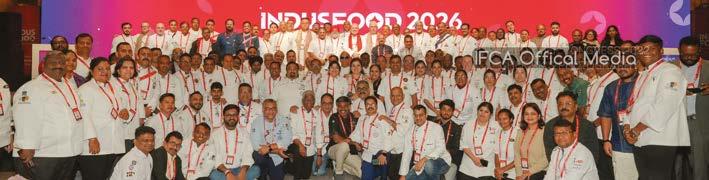
The Indian Federation of Culinary Association has been working to document India’s regional cuisines. Chefs across states are recording techniques, ingredients, and oral knowledge at risk of being lost, creating a professional archive that protects culinary heritage while giving future chefs authentic reference points.
Sheraz Nair
Indian Federation of Culinary Associations, India, @ifcachefsofindia
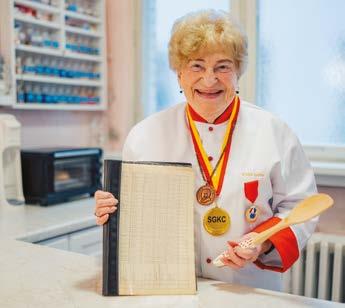
AKC CR is passing on gastronomic memory from one generation to the next. The old guard of chefs pass on their experience to the next generation, telling stories that have shaped our gastronomic traditions and awakening a love for our national gastronomy. Their www. varimedobre.eu platform will be expanded this year with additional online workshops.
Tomáš Popp
Association of Chefs and Pastry Chefs of Czech Republic (AKC CR)
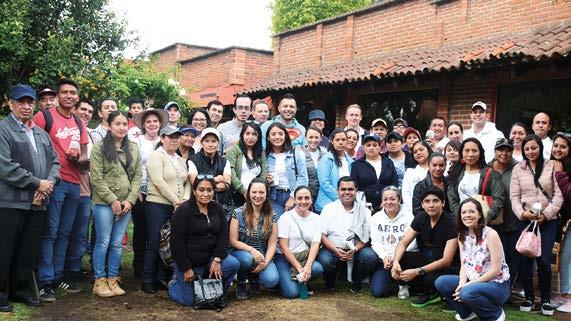
Regional kitchens are thriving beyond Mexico’s major cities. These restaurants are preserving local ingredients, strengthening producer networks, and redefining excellence from the ground up. Telling their stories matters because they prove that culinary leadership can be rooted in place, not proximity to power.
Rodrigo Ibañez
Colegio Nacional de Chefs Profesionales de México, @mexicoculinaryteam
Chefs
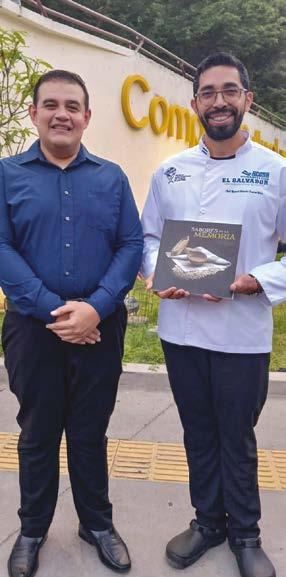
Avant-garde cuisine is good, but we need cuisine with identity and the gastronomic story of each country for a full vision of good food. We must preserve the recipes, customs and culinary techniques of yesteryear. In El Salvador, work is being done to create gastrocultural routes, in collaboration with our association, government, and the local community.
Manuel Cuerno Asociación de Chefs de El Salvador, @asociaciondechefsv
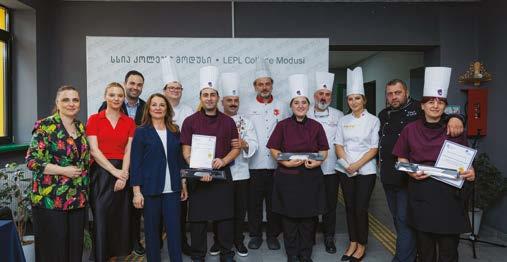
Georgia is located at the crossroads of Eastern Europe and Western Asia and is known for its ancient history, strong cultural identity, and traditions of hospitality. The country is also recognized as one of the world’s oldest wine-producing regions, with over 8,000 years of winemaking history and the continued use of traditional qvevri methods. In recent years, Georgia has placed growing emphasis on education, professional development, and international cooperation. Within this evolving environment, the Georgian Chefs Association plays an important role in supporting young culinary talent and promoting Georgian gastronomy.
Levani Meskhi Chefs Association Georgia, @chefs_association_georgia
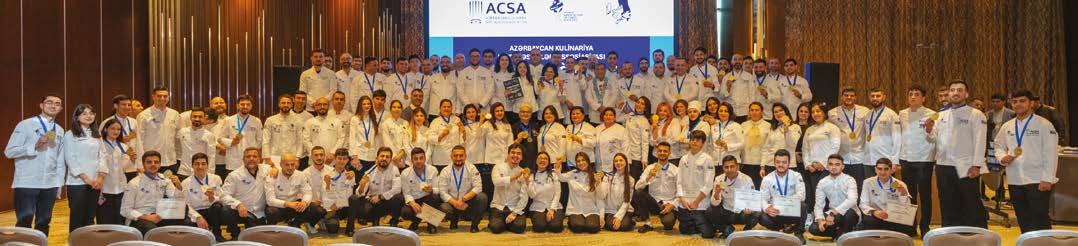
The national Ark of Taste menu was prepared by members of the Azerbaijan Culinary Association, based on Slow Food’s philosophy of good, clean, and fair food. Highlighting local biodiversity with ingredients including tomatoes, hazelnuts, rice and chestnuts, the menu
was developed to promote the foundations of national gastronomy, traditional processing methods, and the protection of ecosystems.
Orkhan Mukhtarov
Azerbaijan Culinary Specialists Association, @chefs.az









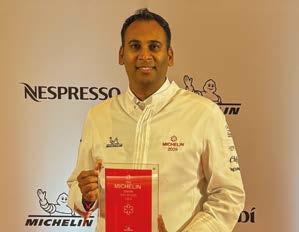
Chef Arivukkarasan Ravikkumar’s journey from a small Indian town to earning a Michelin star at Erth Abu Dhabi epitomizes the power of perseverance. His story celebrates local heritage through fine dining and honors the selfless mentorship that fuels the culinary industry’s next generation.
Amaresh Bhaskaran
Emirates Culinary Guild, @emiratesculinary
Around the globe, Worldchefs members are doing incredible work as changemakers and advocates. This is just a snapshot of some of the ways our network is creating an impact in their communities.
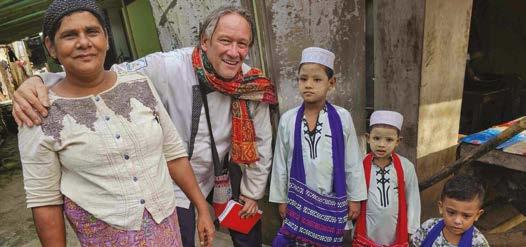
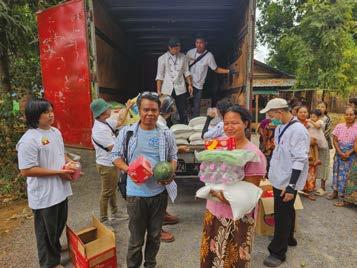
The Myanmar Chefs Association continues to deliver life-changing aid and resources to communities in Myanmar. From delivering school supplies to children to providing locally-sourced meals and medical care to those in need, the MCA demonstrates excellence in culinary arts, culture, and crisis management. Visit myanmarchefs.com to read more about tireless efforts to improve food security and provide opportunities for young chefs.
Oliver Esser Soe Thet Myanmar Chefs Association
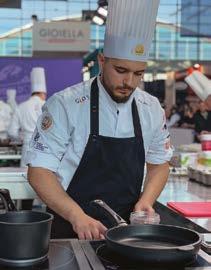
Cezar Munteanu
Romanian chefs are driven by a responsibility to the next generation. Sustainability is learned, not enforced. When children and young chefs discover where food begins, they learn respect for land, people, and time. If values are shaped early, responsible cooking becomes instinctive, natural, and deeply human.
National Association of Chefs and Pastry Chefs in Tourism (ANBCT), @anbct.romania

The revival of Tunisia’s culinary heritage is happening through young chefs. Tunisia’s association mentors emerging talents to rediscover local ingredients, ancestral techniques, and sustainable practices. This matters because preserving gastronomic identity is key to cultural pride, food sovereignty, and passing authentic Tunisian flavors to future generations.
Abdelfatteh Ben Ali
Maître des Saveurs et Gastronomie de la Tunisie

The Chef & Child program, led by Chef Vanessa Marquis, connects chefs with children to teach nutrition, cooking skills, and confidence. It shows how chefs can shape healthier futures – one lesson, one meal, and one child at a time.
JJ Vitale
American Culinary Federation, @acfchefs

Culinary competitions do so much more than showcase technical prowess. Worldchefs members share how competitions are helping to safeguard culinary heritage, drive opportunities for training and mentorship, and provide new ways for chefs to achieve excellence.
At the 10th National Culinary Summit, held alongside the Niger Delta Food Festival, the energy was unmatched. Chefs from across Nigeria gathered in Port Harcourt for a week of flavor, culture, and connection. Stay tuned – APCN is hosting the entire Africa Chefs in Abuja this June.
Paulinus Okon
Association of Professional Chefs Nigeria (APCN), @apcn_national
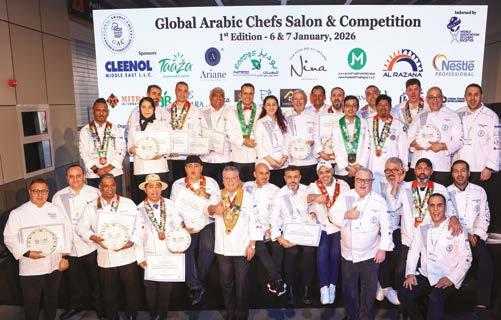
The Global Arabic Chefs Salon and Competition preserves the heritage of Arabic cuisine while creating opportunities for new chefs to participate in international competitions, promoting excellence, innovation, and cultural identity.
Majed Alsabagh
Syrian Culinary Guild, @globalarabicchefs

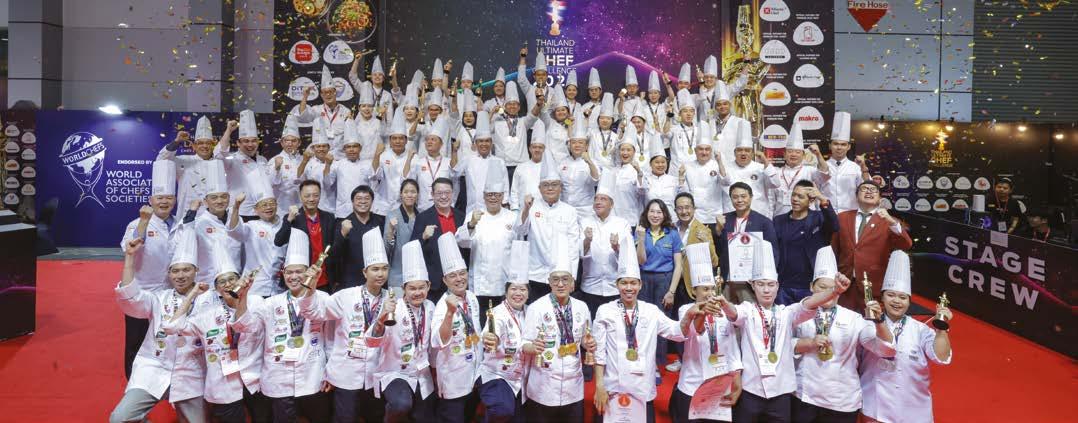
The Thailand Chefs Association is strengthening professional standards by developing chefs through structured education, national competitions, and international collaboration. Their focus is to safeguard culinary heritage while equipping chefs with the skills, discipline, and global perspective required for a sustainable future.
Chachaya Raktakanishta
Thailand Chefs Association, @ThailandchefsAssociation
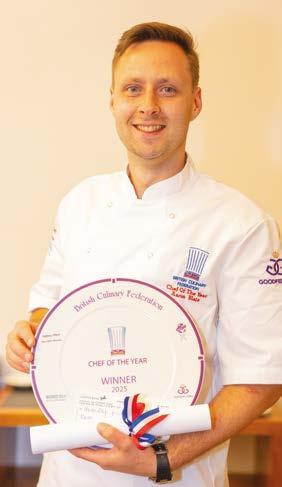
Aaron Blais, chef at The Ritz, London, has been named British Culinary Federation Chef of the Year 2025. The standards attained in this competition continue to impress and, once again, the competition has attracted interest from across all sectors of the industry and continues to grow.
Peter Griffiths
British Culinary Federation, @bcf_chefs

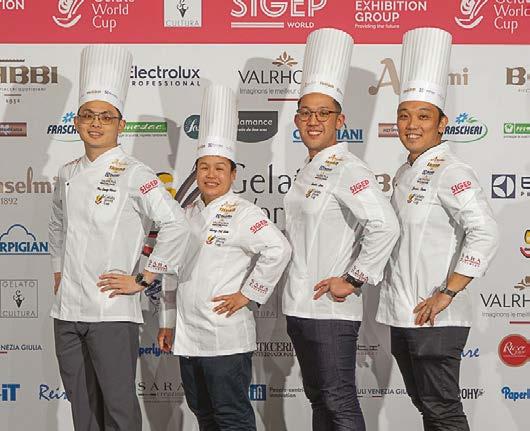
The Singapore National Pastry Team clinched the world championship title at the prestigious Gelato World Cup. Jason Tan Yirong, team manager, shared his reflection on the emotional win: “This has been a journey filled with many challenges. Despite all the setbacks before and during the competition, the team stayed strong and united in spirit, remained calm and forged on. This is the Singaporean story of how we were able to overcome the odds and reach the top.”
Jenny Tan
Singapore Chefs’ Association (SCA), @singaporechefs
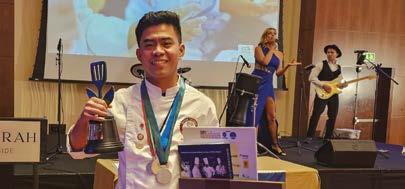
Qatar Culinary Professionals (QCP) celebrates a year of global progress, highlighted by Chef Kevin Pamara, a qualifier who will represent Qatar at the Global Young Chefs Challenge in Wales in 2026, with the valued support of partners Colatta, Nestlé Professional, Østerberg Food Service ApS, and Chef Middle East. QCP continues to advance culinary excellence, professional growth, and global recognition for chefs in Qatar.
David Sosson
Qatar Culinary Professionals, @qatarculinaryprofessionals
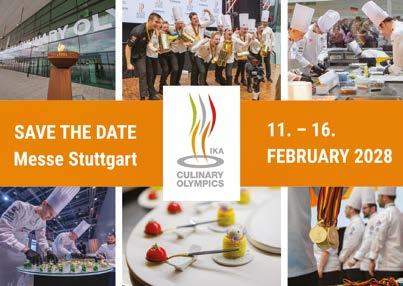
The German Chefs’ Association (VKD) warmly invites you to the 27th IKA/Culinary Olympics at Messe Stuttgart, taking place 11-16 February 2028, parallel to Intergastra. Registration for the competitions is expected to open in winter 2026. Stay tuned on the IKA website and on social media. The German Chefs are looking forward to welcoming you in 2028.
Aina Keller
German Chefs’ Association, @vkd.insta
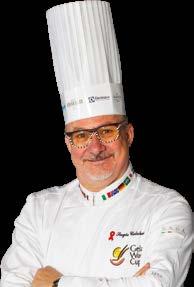
Our collaboration with Worldchefs in recent years proves how a high-level professional contribution can add value to an event and offer challenges for a continuous growth. We are grateful for the exchange of ideas and the participation in the Gelato World Cup.
Sergio Colalucci President of the Gelato World Cup

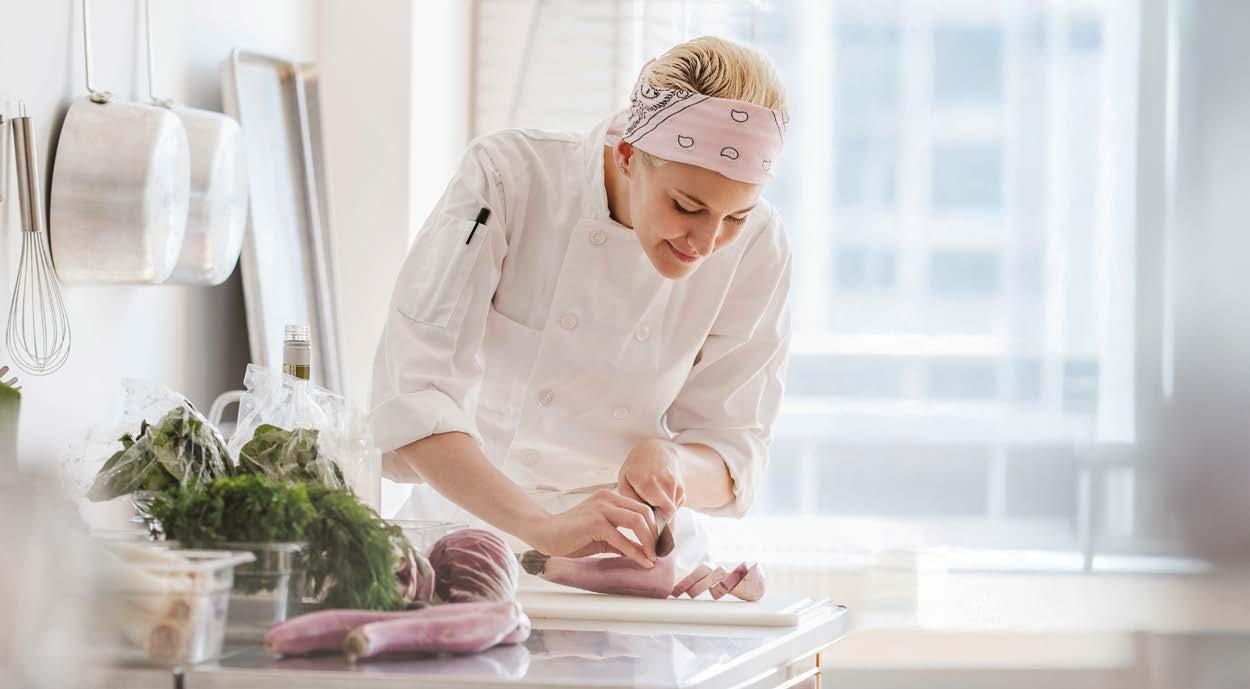
One year after its launch, the Nestlé Professional Green Spatula Award is reshaping how competition chefs incorporate sustainable principles into their winning strategies.
Co-developed with the Worldchefs Culinary Competition Committee, it provides aligned judging criteria and stronger visibility for chefs championing sustainable cooking practices.
Now officially available for Worldchefs Endorsed Competitions, culinary organizations and chefs can explore how to qualify for the award, with free resources on integrating sustainability into events and competitions.
Its inaugural winners, Tom Lamers, Andreas Enger Fjellheim, and Dinars Zvidrinš, continue to lead by example and embody the mission of the award. Fjellheim’s team at Arakataka embraces hyper-local sourcing and energy optimization; Zvidrinš advances plant-forward creativity and waste reduction at Entresol; and Lamers at Restaurant T Raedthuys strengthens producer partnerships and waste monitoring.
As the Nestlé Professional Green Spatula continues to expand across regions and prepares for the 2026 finals in Wales, it raises the bar for culinary competitions and motivates competitors to strive for a more sustainable future.
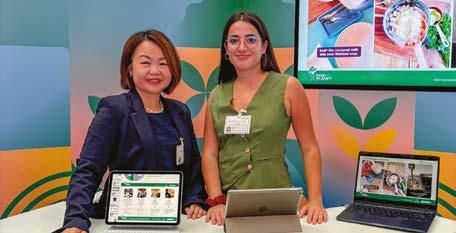


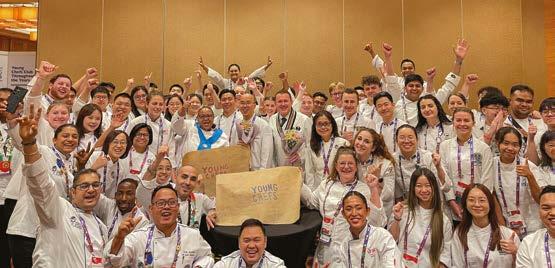
Meet our team in Rome this October 2026 at FAO. Keep reading on page 20 to learn more about Worldchefs’ collaboration on the WFF Young Chefs Programme.
Calling all member association presidents and culinary education leaders! Does your association or institution have a Young Chefs Club?

The World Food Forum (WFF)’s Young Chefs Programme (YCP) equips young chefs aged 18-35 with skills, knowledge, and networks to take a leading role in transforming agrifood systems through culinary practices. From advancing better nutrition to promoting food security and biodiversity, its ultimate goal is to create leaders that can inspire and guide other chefs to advocate for more sustainable and healthier consumption habits.
Planting a seed
John Carlo Palacol: If we train young chefs to think sustainably from day one, we don’t just change menus, we transform the future of our industry. Sustainability education at the grassroots culinary level shapes future chefs to value stewardship as much as skill.
Rosalyn Ediger: Show open-mindedness to other cultures’ food practices. They may be right under our noses but we can be unaware of what they really mean.
Rodrigo Duarte-Casar: Build on resilience. There is much knowledge in traditional foodways that we need to return to, and also so much that we can do to extend and improve that knowledge.
Marlene Rojas-Le-Fort: Recognizing and integrating traditional bearers of culinary knowledge into formal gastronomic education is essential to train professionals connected to the origin of food. These educators sustain agricultural and culinary practices that strengthen identity and territorial food systems, yet they remain outside academic spaces.
Radhika Khandelwal: Respect is the foundation of sustainable cooking. Respect for the ingredient, for the hands that grew it, and for the ecosystems that support it. When we cook with respect, we waste less, learn more, and create food that carries meaning beyond the plate.
Suhair Kilani: There is a quiet leadership emerging within young chefs. I have seen participants asking deeper questions about sustainability, waste, ingredients sourcing, food safety, and workplace respect. I believe they are not waiting for change, they are becoming the change themselves, balancing between passion and purpose, committed to building a more sustainable culinary environ -
In collaboration with Worldchefs’ mentors, the program focuses on the next generation of chefs, providing training, mentorship, and advocacy opportunities. Working in annual cohorts, participants will gain both technical expertise and soft skills to become influential agents of change.
We caught up with the 2026 mentors as the first cohort kicks off:
ment by redefining success having positive impact and integrity.
Jodi-Ann Palmer: Every dish tells a story across all sectors of the global hospitality and culinary industry. Thoughtful menu design can reduce waste, showcase local flavors, and create memorable experiences. This strategic approach to food is undervalued. Sharing it inspires the industry to think bigger, bolder, and more responsibly.
Allister Esau: Catalyze sustainable impact by uniting partners to advance environmental stewardship, community upliftment, cultural celebration, and small business development. Storytelling and shared-value initiatives unlock opportunity and build inclusive ecosystems, delivering measurable social, economic, and environmental outcomes for future resilient communities.
Shaun Leonard: Celebrating cultural food heritage preserves identity, honors ancestral knowledge, and strengthens community bonds. Traditional cuisines tell stories of migration, resilience, and place. By valuing authentic ingredients, techniques, and rituals, we safeguard biodiversity, inspire future generations, and promote respect, diversity, and meaningful global connection.
Jordann Norbert: Regeneration goes beyond sustainability. It reflects our commitment to restoring food systems from pasture to plate – strengthening local agriculture, reducing food waste in commercial kitchens, empowering chefs and food entrepreneurs through training, and rebuilding the connection between producers and the HoReCa sector. Through education, certification, and practical tools, we are guiding culinary professionals to not only minimize harm, but actively improve environmental health, food security, and community resilience.
JCP: Coconut is life in the Philippines. From root to fruit, every part is used – water, milk, flesh, sugar, vinegar, even husk and shell. It represents resilience, sustainability, and livelihood for many communities.
RE: My mentee, Derek Nicolas, speaks about Indigenous ingredients which hold incredible cultural significance, including caribou lichen, which is customarily gathered from the stomach contents of animals that have eaten it.
RDC: Pulses. They are very good on the plate and even better for the whole agrifood system!
MRF: Ecuadorian cacao represents territory, history, and the work of farming families. It is an ingredient that expresses origin and connection to the land. I use it in both sweet and savory preparations, in sauces and fermentation processes.
RK: Sea buckthorn. Foraged from high-altitude regions, these vibrant orange berries are incredibly sour, aromatic, and nutrient-dense. They represent the kind of hardy, climate-resilient ingredients we need to celebrate more in a changing food landscape.
SK: Olive oil represents the connection between the land and the chef, between origin and creation, and between our roots and effect. It carries the story of agriculture, tradition, health and climate, reflecting simplicity and power. With only a few drops you can elevate a dish by enhancing its natural deep, balanced flavor.
JAP: Lemons. Bright, bold, versatile. Every component of a lemon can be utilized and it can be a star or a supporter in many ways.
AE: Mielie – a cultural common denominator


in South Africa. It evokes the nostalgia of home and is enjoyed everywhere, from the braai fire to elevated cuisine.
SL: The famous Swiss cheese, Belper Knolle – a distinctive Swiss hard cheese created in Belp, near Bern Switzerland. Made from cow’s milk, it is shaped into small spheres about the size of a large golf ball, coated in cracked black pepper, and aged until very firm. It resembles a large black truffle when ripened. It is unbelievable in umami and its ability to season food. It has diverse usage: Finely grated over pasta, risotto, soups, carpaccio, and salads; shaved onto steak or vegetables; or served as a bold accent on cheese boards, on your scrambled eggs for breakfast. It’s simply delicious.
JN: Breadfruit has become a hero ingredient in my kitchen because it represents nourishment, resilience, and innovation in one crop. Indigenous to the Caribbean landscape, it is rich in complex carbohydrates, fiber, potassium, and vitamin C, making it both energy-dense and highly nutritious. It is naturally gluten-free and supports gut health, making it increasingly relevant in modern, health-conscious cuisine.
What makes breadfruit truly remarkable is its versatility. It can be roasted, boiled, fried, mashed, pureed, fermented, milled into flour, or transformed into chips, gnocchi, flatbreads, desserts, and even plant-based alternatives.
For small island developing states like Saint Lucia, breadfruit is also a climate-smart crop. It is high-yielding, resilient, and contributes to food security while reducing reliance on imported wheat and starches. In many ways, breadfruit embodies the journey from pasture to passion to plate, deeply rooted in heritage, yet full of innovative potential for the future of sustainable gastronomy.
JCP: Conscious leadership, ensuring that passion is always guided by responsibility.
RE: Indigenous representation, empowering and uplifting the voices of Indigenous youth.
RDC: Greater knowledge, investigating and sharing research.
MRF: Coherence between production, education, and cooking, ensuring chefs understand the territorial impact of every culinary decision and work alongside local producers.
RK: Deeper connection, and continuous learning from farmers, foragers, and communities, to bring their ingredients and stories to the center of the plate.
SK: Skilled, evolved, and purpose-driven chefs who are leaders with integrity.
JAP: Creativity, purpose, and sustainability,

providing experiences and menus that inspire, delight, and drive positive change across the industry as a whole.
AE: Critical conversations that educate both industry and the public, supply chains that restore and heal ecosystems, and food systems that meaningfully include small-scale farmers, Indigenous producers, and local communities.
SL: Sustainable thinking, responsible leadership, and bold innovation in every kitchen, to create awareness and ensure change.
JN: Regenerative leadership rooted in local action, and chefs, youth, and food entrepreneurs equipped with the skills, systems, and mindset to build sustainable, climate-smart kitchens from pasture to passion to plate.


Young Chefs Clubs around the globe told us what they want for the future of food, and what they’re doing to make it happen.
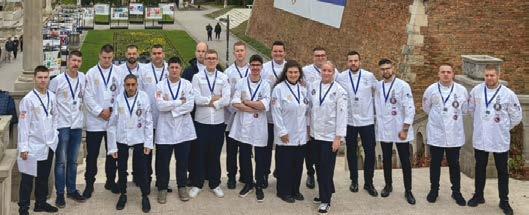
Chef Lauren Laird
We want the future of food to be exciting and interesting. That’s why our Young Chefs Club is inspiring.
I attended the European Presidents meeting in Serbia late last year and gained a bundle of knowledge, experience, and new connections. I was very lucky to attend this conference and represent Scottish chefs as a young ambassador and explain everything we do as young chef ambassadors and the opportunities we have gained.
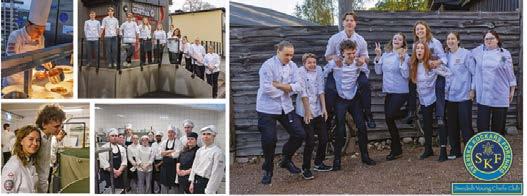
Chef Lovis Johdat
We want the future of food to be sustainable. That’s why our Young Chefs Club is working on inculcating skills, such as saving our resources and maximizing the use of what we have so that the Earth’s resources remain plentiful, and more people get food on the table.
In the past year YCC Sweden has held several digital courses in kitchen economics, in gastronomy, working abroad, pastry, and baking. We have also started a mentoring program. All our 8 districts have their own YCC mentors.
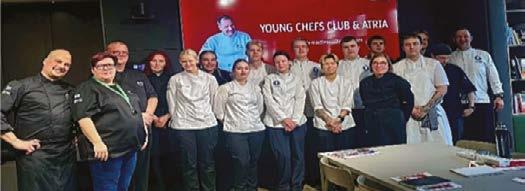
Chef Riikka Katriina Mantila
We want the future of food to be connected, diverse, and culturally rich. That’s why our Young Chefs Club is building bridges between young professionals across borders.
Regional chef associations have the opportunity to drive initiatives that support young professionals. Charitable work we carry out truly benefits young people and contributes meaningfully to their development and future opportunities.
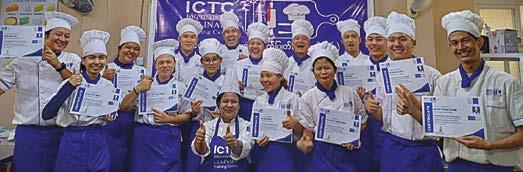
Chef Than Naing Tun
We want the future of food to mean an end to hunger for everyone and sustainable sharing between all people on this planet through education. That is why our Young Chefs Club is promoting “Smiles from Education and Food, Zero Tears from Hunger”, so that Young Chefs of Myanmar feed people in need.
The Young Myanmar Chefs “Pass It On” initiative mentors emerging culinary talent through international training, ethical practices, and sustainability. The program promotes fine dining standards, language skills, and global career development.
See more from the Myanmar Chefs Association and World Chefs Without Borders on page 43
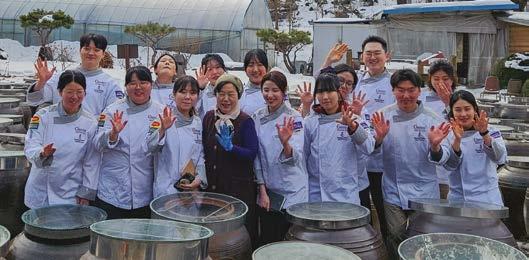
Chef Shin Jiwoong
We want the future of food to be sustainable and innovative. That’s why our Young Chefs Club is supporting young talents in Korea.
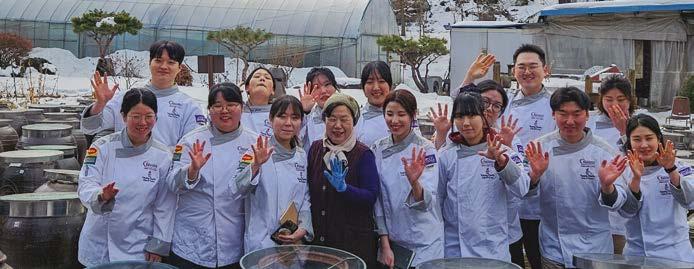
Celebrating our 10th anniversary, we’ve hosted over 70 seminars and community service programs. This initiative was special because top mentors shared their culinary skills for free, bridging the gap between generations. Witnessing this selfless mentorship deeply impacted me. My takeaway was that passing on knowledge is vital for a sustainable culinary community. Empowering young talents ensures a lasting impact.
See more from the Young Chefs Club of Korea on page 61.
Learn from crossindustry leaders about emerging trends set to shape the world of hospitality. With a line-up of Michelinstarred, awardwinning, and expert speakers, join culinary trailblazers as they share knowledge and skills. Bonus: get a chance to meet them afterwards at breakout sessions, networking events, the Home Nations Culinary Dinner, and a black-tie gala.

The ultimate culinary showcase, network with leading providers of professional industry solutions to bring your kitchen to the next level. Sample products and learn about up-and-coming ingredients, innovative products, and industry trends to help you make the most informed choices. Plus, get exclusive access to new products and a firsthand look at the future tools of the trade.
With a specialized program, the next generation of industry leaders are set up with exclusive sessions to upskill with new techniques at hands-on workshops, go foraging with local experts, get advice from Michelinstarred chefs, and check out local culture through field trips and restaurant visits.

Selected through top performance at the Worldchefs Regional Semi-Finals in 2025, qualifying teams will go head-to-head at the Global Chefs Challenge Finals. Here, the best and brightest convene to show mastery in the culinary arts.


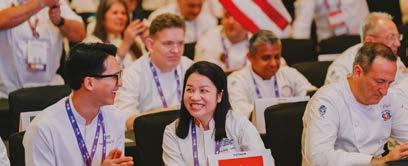


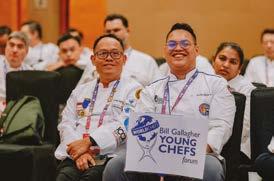

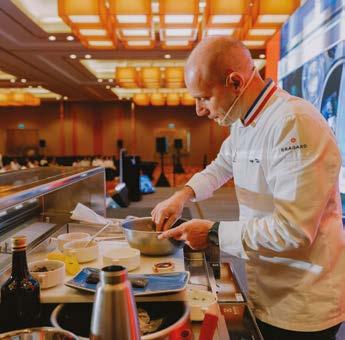
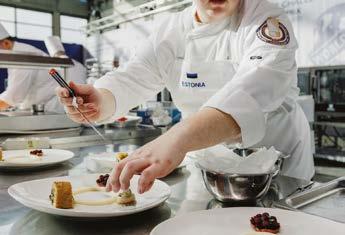
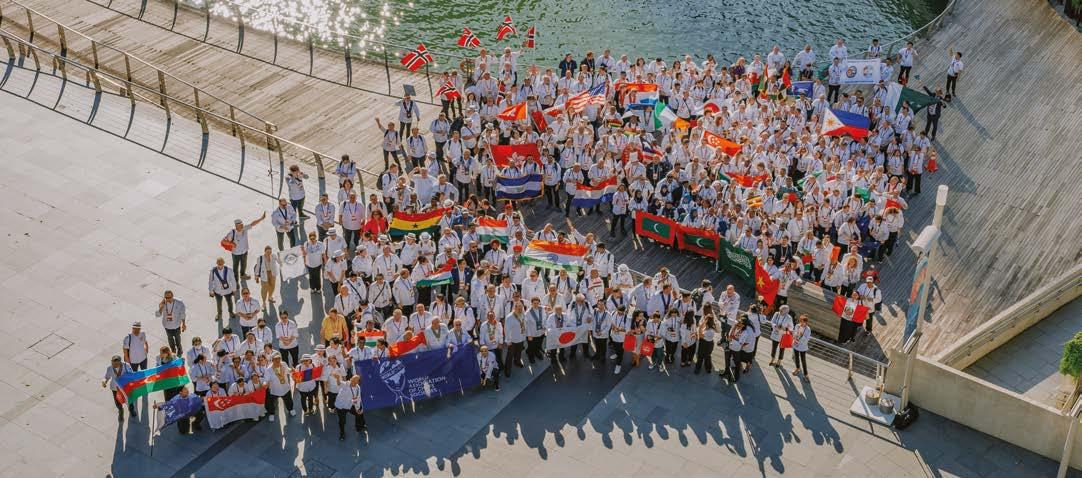
Worldchefs is cooking up a great program for the 2026 Congress. Here is just a taste.
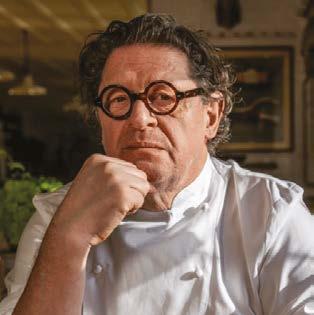
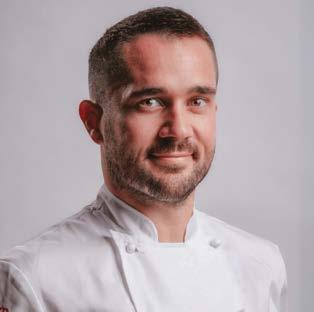
Marco Pierre
Chef, Restaurateur, and TV Personality
The Making of a Culinary Icon
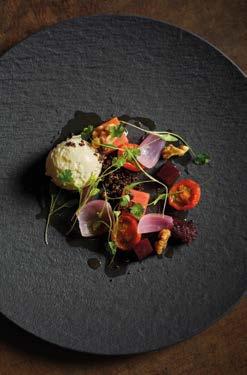
2050 Menu
A panel on the menus of the future and how industry can adapt in the wake of climate change.
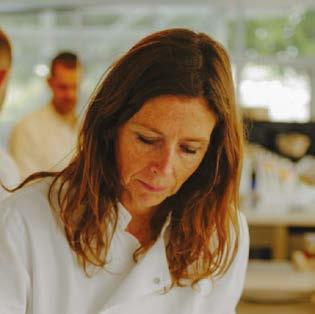
From Newport to the Bocuse d’Or Stage
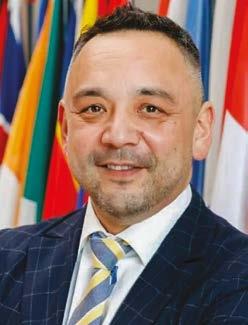
Kazuki Kitaoka Director of the FAO Office of Youth and Women
Opening Ceremony & Cooking Up the Future: What’s in Store for the Next Gen

Running a World-Famous Restaurant with a Menu That Changes Twice a Day
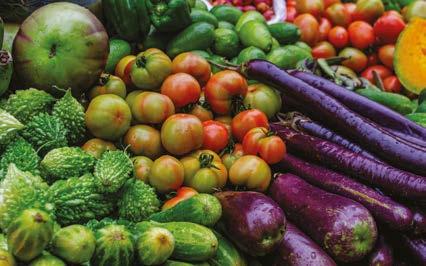
FoodChoices4Life: A new opportunity to connect, act, and inspire Interactive session for chefs to share sustainable culinary practices with the FoodChoices4LIFE team. Read more about the EU-funded initiative on page 46
Cogydd/es means chef in Welsh. Pronounced “cog-ith” with the soft “dd” sounding a little like “th” in “this”. A simple word that carries so much respect – for the craft, the creativity, and the passion that chefs bring to the table every day.
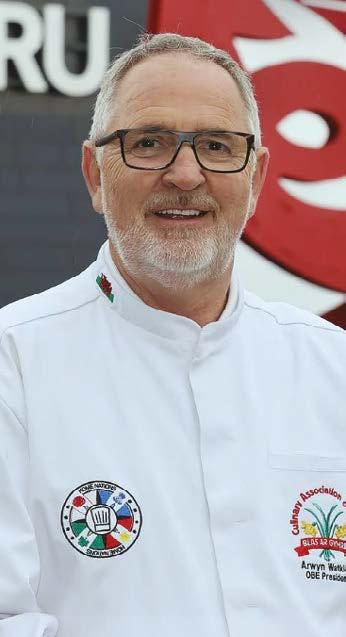
In Wales, food is at the heart of culture, from field to fork, from farm to feast. We asked Cogydd Arwyn Watkins OBE, President of the Culinary Association of Wales (CAW), about what it means to have the cogyddion (chefs) of the world head to Newport, Wales, this May.
Worldchefs in Wales! What can delegates expect?
In 98 years of Worldchefs, this is the first time the Congress has come to the UK. We’re hosting in an iconic location. We want to create a real sense of place so you know you’re in Wales, not just another conference venue. We’ll showcase our hugely successful Welsh food and drink sector, so you leave knowing you’ve experienced Wales, not just another business event.
Tell us about the theme: “Pasture, Passion, Plate”.
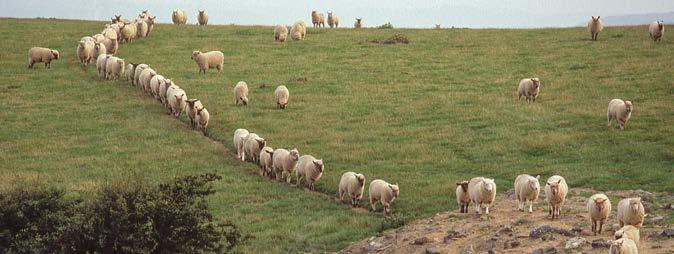
It conveys the full journey of food from its origin in the fields to the final dish while celebrating sustainability, craftsmanship, and the deep love behind culinary creation. Pasture represents the land, the source of our ingredients, and our rich farming traditions – grass-fed lamb, artisan cheeses, seafood. Passion symbolizes the drive and dedication of chefs, farmers, and food producers, and it captures how innovation and tradition are carried forward through culinary artistry. And the plate is the culmination of the journey, where ingredients and creativity merge. It celebrates culture, history, and sustainability as they come together on your plate.
How has this theme informed the program?
This triad, “Pasture, Passion, Plate,” invites attendees to understand and appreciate the entire gastronomic process. It’s not just about in-
gredients or cooking techniques. It’s a narrative that connects those who grow, prepare, and savor the food. It’s a big ambition, and when we look at the program and what we’ve got planned, that theme is something that we can really deliver. As a chef, it’s something that resonates with me. If you’ve got really good ingredients, the star on the plate is the ingredient –
Welsh PGI Lamb: Grass-fed, sustainability produced, and a true ambassador for Wales on the world stage.
Traceability: stories and recognition on menus so sourcing practices are transparent to our customers.
At this moment in time, the industry is struggling to be financially sustainable. We all want to pay our colleagues a fair wage for the great work that they do, however the cost of labor is very often not taken into account when we are pricing menus. If we were to learn from other trades, they invoice for the cost of products plus the cost of labor.
just cook it, deliver it well, serve it appropriately, and the ingredient will speak for itself.
What about young chefs?
We’ve thought long and hard about the Billy Gallagher Young Chefs Program and have worked with the Young Chefs Committee to really put together an exciting opportunity. We’ve created space for one-to-one personal sessions with superb speakers, and we’re planning cultural and food visits to really give them a wider sense of place and understanding. We’ll visit UNESCO sites, Cardiff Market, go foraging, and offer exclusive dinners. We want them to network, build bonds, and experience Wales. You never know where it’s going to lead you; it can be career-changing.
Tourist to-do’s in Wales?
We’ve got a tremendous coastline, iconic train journeys going all the way through the heart of Wales, outdoor adventure, beautiful landscapes. And of course, food. There are some tremendous restaurants in Newport and our capital city, Cardiff, only 15 minutes away. Experience iconic Welsh dishes, Michelin-starred restaurants, including the two-star, Gareth Ward’s Ynyshir – one of those restaurants you need to experience once in your life. Book early!
Message to delegates?
Come ready to experience a warm Welsh welcome and the very best of Wales.


An Introduction from Food & Drink Wales
@food_drink_wales
Wales is home to some of the UK’s most distinctive produce, shaped by centuries of tradition and a respect for the land. With its renowned coastlines, lush landscapes and varied terrains, it is a natural home for fantastic food and drink. The land offers a veritable larder of culinary delights – and food and drink play a key role in the country’s culture, where a passion for high-quality produce runs deep.
This unique identity is evident not only in the craftsmanship of our producers but also in the increasing global recognition of Welsh ingredients. Research consistently shows that consumers are actively seeking authenticity, traceability, and trustworthy stories – qualities embedded in every stage of the Welsh food and drink journey, from field to fork.
Wales boasts an impressive number of products with Geographical Indication (GI) status, with 24 being able to claim distinctive authenticity, quality and heritage of their origin. These include iconic foods such as PGI Welsh Lamb, Single Malt Welsh Whisky PGI, Pembrokeshire Native Oysters PGI, Welsh Laverbread PDO, Halen Môn / Anglesey Sea Salt PDO and Traditional Welsh Caerphilly PGI. These products reflect the deep connection between landscape and flavor, offering chefs across the world a palette of ingredients rich in character and rooted in place.
And for those placing a high importance on the environmental impact of their food, sustainability is central to the Welsh approach. Producers are pioneering low impact farming, regenerative land management, circular production, and in-
creased use of renewable energy. Welsh food and drink businesses are encouraged to assess their environmental impact and understand how a changing climate may affect their future operations. This includes lowering carbon emissions through a pilot project currently taking place, through to wider measures such as improving waste management systems.
Welsh food and drink’s reputation for excellence extends far beyond its own borders – to the delight of chefs and food lovers across the world who appreciate its quality, authenticity and focus on sustainability. With the value of its international exports growing by a remarkable 47% since 2019, it is increasingly available to a global audience, and Wales is ready to share its produce with the world.


A Recipe from Chef Owen Morgan, Bar 4
@owen_morgan_44
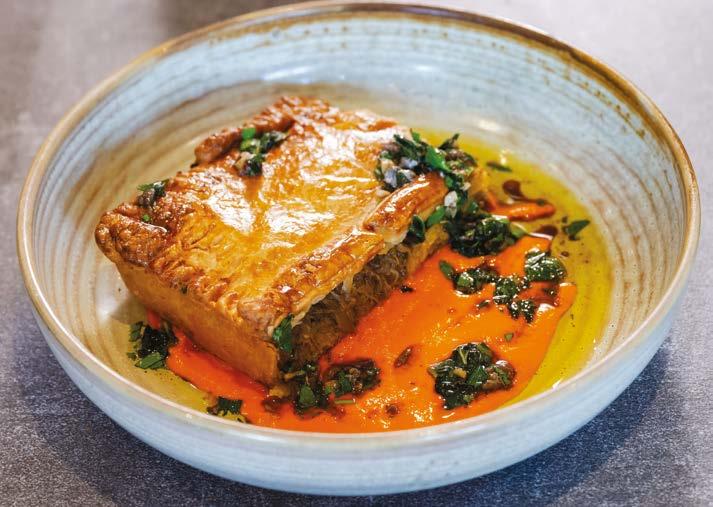
Empanadas, though a Galician speciality, are very popular all over Spain. The version below is filled with super-slow-cooked PGI Welsh lamb shoulder. To save time, you can use readyrolled puff pastry and still get superb results. The anchovy and mint accompaniment lifts the empanada another notch.
For the empanada
8 salted anchovies (a 100g jar is ideal)
Handful of rosemary leaves
Handful of thyme leaves
Mint stalks (reserved from the dressing, see below)
4 garlic cloves, crushed and finely diced
Zest 1 lemon
75ml extra virgin olive oil
750ml dry sherry
1 lamb shoulder, bone in
3 celery sticks, roughly chopped
4 carrots, roughly diced
1 onion, roughly chopped
2 leeks, roughly chopped
1 head of garlic, cut in half horizontally
4 bay leaves
1 tbsp tomato purée
500ml good chicken stock
2 eggs, beaten
Puff pastry (enough for a 25 x 32cm pie)
For the piquillo sauce
1 x 500g can roast piquillo peppers, drained
2 garlic cloves, sliced
40ml extra virgin olive oil
1 tbsp sherry vinegar
For the dressing
8 salted anchovies (a 100g jar is ideal)
Handful of flat-leaf parsley, leaves picked
12 mint leaves (stalks reserved for the lamb)
1 garlic clove, finely diced
100ml extra virgin olive oil
30ml sherry vinegar
Method
For the lamb filling
> Blend the anchovies, rosemary, thyme, mint stalks, garlic, lemon zest, 75ml of the dry sherry and olive oil in a processor or blender to form a great lamb marinade.
> Puncture the lamb all over, then rub the
marinade in all over with gusto! Wrap in cling film and refrigerate overnight, or for at least 2 hours.
> Preheat the oven to 140°C fan.
> Place the celery, carrots, onion, leek, garlic and bay in a roasting tray. Add all the remaining sherry. Unwrap the lamb, place on top of the vegetables, then cover tightly with foil.
> Put the lamb in the oven for 3.5 hours, then remove the foil and cook for a further 1 hour. It should be melting tender and falling off the bone after this. Remove the lamb from the tray to rest and cool.
> Put the tray of vegetables and juices on the hob. Turn the heat to medium high, bring to the boil and stir. Add the tomato purée, stir and cook for 2 minutes. Heat the chicken stock in a small saucepan, then add to the vegetables. Whilst stirring and reducing by half to sauce consistency, this should take about 5 minutes.
> Shred the lamb and combine with the reduced vegetable mixture.
For the empanada
> Preheat the oven to 200C fan / gas mark 6.
> Roll pastry to 5mm or ¼ inch thickness.
Line your baking tray with some lard or olive oil. Lay the dough on the base, draping any excess over the sides.
> Put the lamb mixture on the base dough and cover evenly.
> Repeat the process with the other half of the dough and place on top. Now crimp the seams together all the way around, sealing well.
> Brush the top and sides of the pastry with the beaten egg.
> Bake for 40-45 minutes, until a rich golden color. Take the empanada out and leave to rest for ten minutes before tucking in with the piquillo sauce and the anchovy and mint.
For the piquillo sauce
> Place all the ingredients in a blender and blitz until you have a silky-smooth purée/sauce.
For the dressing
> On a chopping board, chop the anchovies, parsley and mint. You can do this roughly or really fine, depending on the consistency of the dressing you would like. In a bowl, add all your ingredients, mix well, and serve with the empanada and piquillo sauce.
Chef-Recommended Spots for an Insider Experience @culinaryassociationwales
> The Whitebrook: A Michelin-starred restaurant with rooms in the Wye Valley, offering modern British cuisine with locally-sourced ingredients.
> The Walnut Tree: A Michelin-starred inn near Abergavenny, serving contemporary British dishes in a relaxed setting.
> Gem42: An Italian restaurant in Newport, known for its seasonal tasting menus and commitment to sustainability.
> The Bear Hotel, Crickhowell: A historic coaching inn dating back to 1432, offering traditional Welsh hospitality and cuisine.
> The Vine Tree, Llangattock: A 19th-century coaching inn on the River Usk, providing a farm-to-table dining experience with locally sourced produce.
> Buds Café, Radyr: A café and patisserie in Cardiff, serving brunch, small plates, and a variety of sweet treats in a relaxed atmosphere.
> Gorse: A Michelin-starred modern Welsh restaurant in Cardiff, offering seasonal tasting menus that celebrate local produce.
> Ynyshir: A two Michelin-starred restaurant in Machynlleth, known for its 30-course tasting menu with Japanese influences.
> Home by James Sommerin: A fine dining restaurant in Penarth, offering modern Welsh cuisine with a focus on seasonal ingredients.
> Heaneys: A contemporary restaurant in Cardiff, known for its innovative dishes and commitment to sustainability.
> Fabulous Welsh Cakes: A bakery in Cardiff specializing in traditional Welsh cakes made with locally sourced ingredients.
> Newport Indoor Food Hall: A food hall in Newport, featuring diverse food stalls and a community-focused atmosphere.
Craft spirits and breweries
> Penderyn Whisky Distillery: A distillery in the Brecon Beacons, producing award-winning single malt whiskies.
> Tiny Rebel Brewery: A craft brewery in Newport, known for its innovative beers and vibrant taproom.
Sightseeing
> Cardiff Castle: A historic castle in the heart of Cardiff, offering a glimpse into 2,000 years of history, including Roman walls, medieval keep, and Victorian Gothic interiors.

> Symonds Yat: A picturesque village in the Wye Valley, renowned for its stunning natural beauty and outdoor recreational opportunities.
> Principality Stadium: An iconic stadium in Cardiff, hosting major sporting events and concerts.


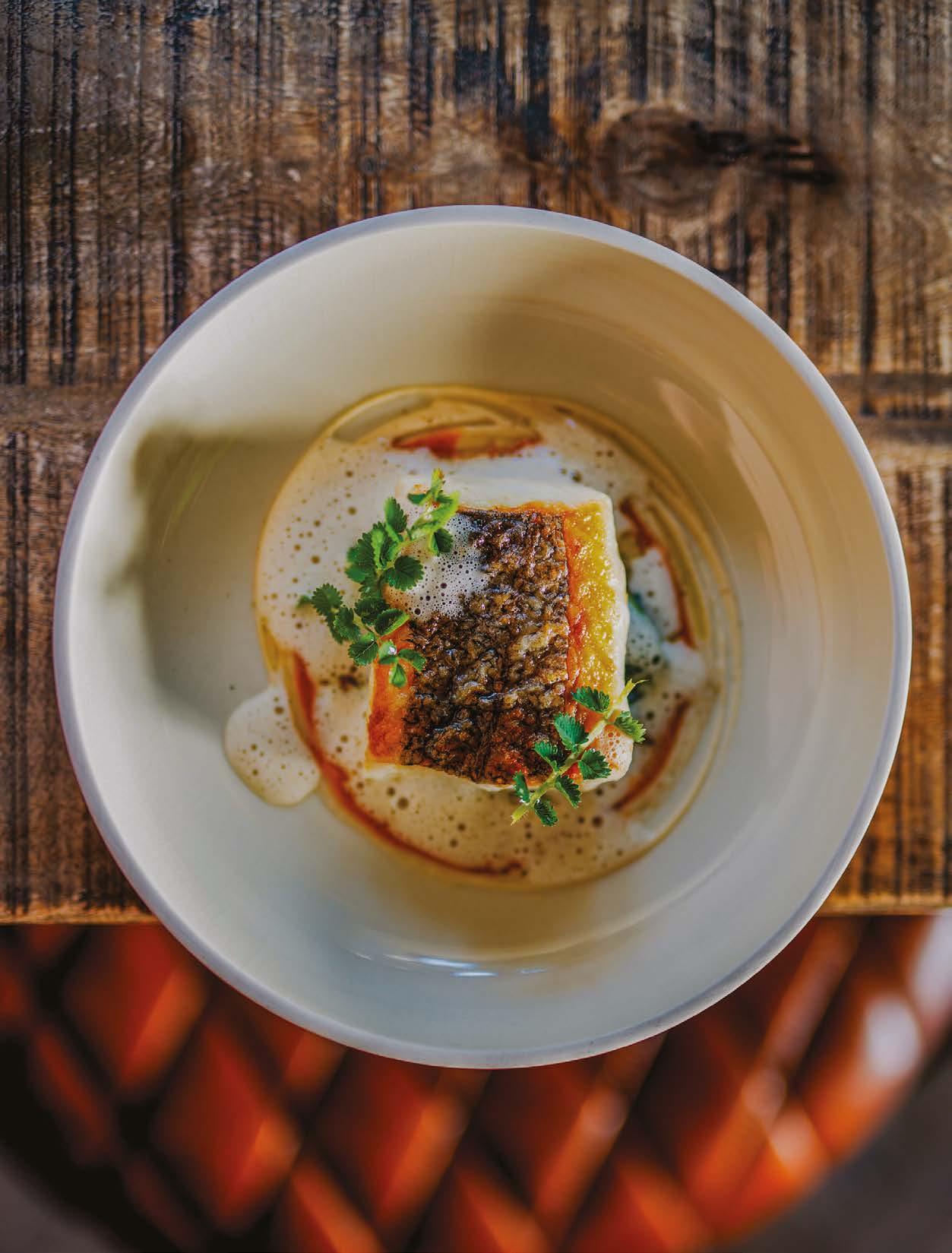
For nearly five years, we have wholeheartedly taken care of our Sterling halibut. Now it is your turn.
Inside Worldchefs’ Educational Vision with Andreas
JW Muller
Reflecting on your first year as Chair of Worldchefs Education Committee, what achievements are you most proud of in advancing Worldchefs’ education and certification initiatives?
We have witnessed remarkable progress, cultivated through direct and meaningful dialogue between Worldchefs Education Partners and members of our Education Committee. These members, who represent esteemed culinary education institutions as educators or lead as presidents of their national associations, play a pivotal role in shaping our initiatives.
Together, we are passionately engaged in mentoring and promoting a variety of initiatives. Our efforts have been bolstered by heightened awareness of Worldchefs Global Culinary Certification and other digital credentials, achieved through informative webinars and personal interactions with skilled, pre-employment, and in-service chefs. This collaborative approach has significantly enriched our strategies for Worldchefs’ initiatives, paving the way for a more robust culinary education landscape.
Worldchefs Global Culinary Certification makes professional skills visible on a global scale and aligns individuals with employer expectations. How is the framework helping create clearer career pathways for young chefs, and why do you think this kind of standardization is so valuable in today’s culinary world?
Worldchefs Global Culinary Certification presents a unique and valuable opportunity for individuals to authentically demonstrate their learning outcomes and achievements in the culinary arts. This prestigious certification empowers aspiring chefs to effectively showcase their culinary talents to potential employers, instilling confidence in their abilities and significantly enhancing their prospects for career advancement.
Our commitment to excellence is reflected in our regular reviews and in the standardization of benchmarks, where we meticulously analyze global culinary vocational training curricula, syllabi, assessment methodologies, quality assurance mechanisms, and intended
learning outcomes. This comprehensive approach ensures that our certification remains relevant and impactful.
In today’s fiercely competitive job market, establishing clear benchmarks for global vocational skill levels is crucial. This not only streamlines the certification process but also underscores the importance of lifelong learning pathways. These educational journeys empower individuals to continually showcase their evolving skill sets, competencies, and overall employability, ensuring they remain dynamic and competitive in their chosen culinary fields.
The Global Culinary Certification framework is built for chefs at all stages of their careers. In your experience, what have certified chefs shared about how certification has helped in career development?
Worldchefs Certified chefs have earned a remarkable achievement and can take the opportunity to share their accomplishments and personal journeys toward success. By showcasing their career growth through a distinctive digital badge, they effectively promote their skills on various social media platforms. This connectivity not only elevates their professional profiles but also fosters a sense of community among culinary professionals.
For Education Partners looking to grow and strengthen their programs, how can becoming a Worldchefs Recognized School or Approved Certification Center support that goal? Firstly, we recommend that our Education Partners encourage students and faculty members to attend various educational webinars, Congresses, and online training exchanges across the network, all of which are listed on the Worldchefs’ website. This participation will help them stay updated on the latest culinary and educational trends.
While all Worldchefs Education Partners become a part of a powerful global community, the Worldchefs Recognized Schools seal empowers educational institutions to enhance their prestige and visibility in the culinary world. As a result, these institutions have experienced a substantial boost in student enrollment, reflecting the growing recognition of their commitment to excellence in culinary education.
Recognized Schools and Approved Certification Centers also benefit from additional opportunities for access to professional culinary training providers who can offer invaluable support. This includes comprehensive program reviews, mentorship for faculty members and students, and advanced training that improves both theoretical knowledge and practical culinary skills. They also gain access to more specialized engagement with Worldchefs to enhance their educational program, reflecting the unique characteristics of each institution.
How have Recognized Schools responded to the opportunity to become Approved Certification Centers, and where do you see this network headed in the next few years?
The response from diverse Worldchefs Recognized Schools is steadily expanding as they get introduced to the significant advantages of adopting fast-track application processes for their students. It is crucial to highlight that the opportunity to become an Approved Certification Center is entirely optional; institutions can decide based on their unique demand and growth trajectory, as well as the number of graduates they produce each year. Nonetheless, this designation carries valuable benefits, particularly in streamlining the issuance of direct Global Culinary Certification badges, which provide an official recognition of achievement for their graduates. By embracing this opportunity, institutions can enhance their reputation and better serve their students in the competitive culinary landscape.






In kitchens around the globe, culinary professionals are firing up their futures with Worldchefs Academy. From bustling cities to rural training centers, the platform’s free online courses make high-quality education more inclusive and accessible to chefs everywhere.
Our first story brings us to Africa, where Worldchefs Certified Trainer Chef Aldina (Din) Plaza Jimenez from the Philippines recently guided chefs from Nigeria, Ghana, Sierra Leone, Uganda, and Botswana through the Sustainability Education for Culinary Professionals curriculum. Over several weeks, 30 learners dove into climate-smart sourcing, waste reduction, and real-world kitchen strategies designed to shift how chefs cook, think, and lead.
“The sessions have been truly enlightening, equipping us with invaluable knowledge and practical strategies to integrate sustainability into our culinary practices… We are confident that the insights gained will significantly influence our culinary decisions moving forward,” shared Chef Nathan Joseph, Head of Administration at Chef Mentors Embassy.
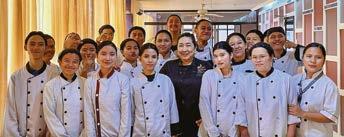
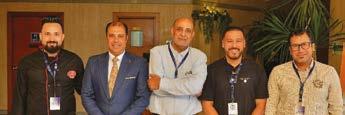
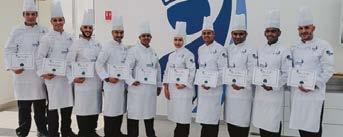
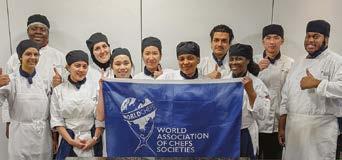
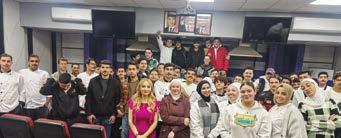
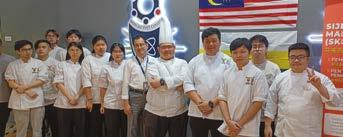
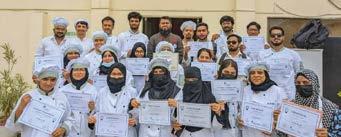
See how learners across the globe are leveling up their sustainable kitchen skills with Worldchefs Academy:
> In the Philippines, Chef Din taught young culinarians to lead with responsibility and purpose.
> 26 students at the Pakistan Institute of Tourism and Hotel Management completed the Pre-Commis Chef and Sustainability courses.
> In Egypt, chef-trainer Montaser Masoud led new graduates through the program.
> The CATRION Culinary Academy CORE Program graduated chefs from Jeddah, Dammam, Riyadh, and Cairo.
> 56 students at Ammon Applied University College in Jordan completed their training with Worldchefs Certified Trainer Suhair Kilani.
> Students at Shen Jai Tvet College in Malaysia gained their skills with sustainability champion Eric Yeong Chik Choong. Wherever they are, these chefs are putting climate-conscious practices on the menu, proving that sustainability is quickly becoming a universal language of kitchens worldwide.
Read more about new language launches for Sustainability Education for Culinary Professionals on page 45.
Chefs and culinary professionals are increasingly embracing sustainable practices, becoming powerful advocates for change. My journey has shown me that sustainability knows no borders. By sharing knowledge, embracing cultural diversity, and working hand-in-hand with communities across Africa, we can cultivate a future where both people and the planet thrive. It’s a collective effort, a shared table where we all have a role to play in nourishing a more sustainable world.
Chef Din Plaza Jimenez
Worldchefs Certified Sustainability Education Trainer
The Sustainability course has been an inspiring and meaningful journey. I’ve learned how small actions can create a big impact like conserving resources, energy conservation, planting, and promoting sustainable practices in the food industry. This class opened my eyes to the importance of protecting the environment and saving it for future generations. I truly appreciate the lessons that encouraged me to think responsibly and act for a better, greener world.
Leojef P. Niñal, Graduate
Learning about sustainability has helped me understand the importance of caring for our environment and using resources wisely. I realized that even small actions like reducing waste, conserving water and choosing ecofriendly products can make a big difference when done consistently. This topic also made me reflect on my own habits. I learned that I can contribute more by being mindful of what I consume and how I dispose of things. It reminded me that sustainability is not just about the environment, but also about creating a better future for the next generations. I am thankful for the opportunity to learn and share my thoughts about sustainability. It inspired me to take more responsibility in my daily life and to encourage others to do the same.
Aika Sylene Davin, Graduate

We asked our Education Partners what the biggest opportunity for culinary students is right now.
The biggest opportunity for culinary students right now is learning beyond recipes – understanding sustainability, regional food stories, and professional presentation. The industry values chefs who can innovate, communicate, and adapt. These skills open doors to global kitchens, entrepreneurship, and leadership, not just jobs on the line.
NIPS Institute of Hotel Management India, @nipshotelmanagementindia
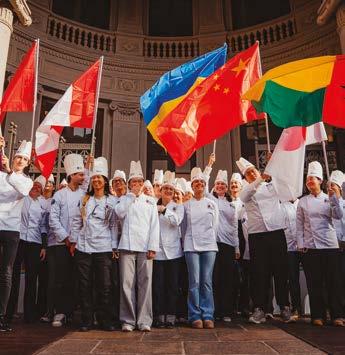
IFSE has always been dedicated to the training and promotion of Italian cuisine in Italy and worldwide, with a strong focus on high-quality ingredients. Students should seize the opportunity presented by the growing international attention on Italian cuisine, recently recognized by UNESCO as intangible culinary heritage, and the significant professional prospects it offers globally.
I.F.S.E. Italian Food Style Education Italy, @ifse_culinaryinstitute
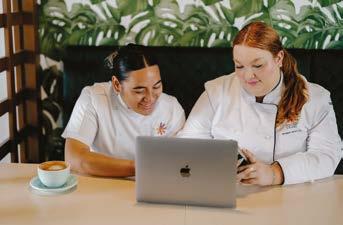
The biggest opportunity is developing globally relevant, career-ready skills beyond the kitchen, including sustainability, entrepreneurship, and cultural adaptability. Today’s industry rewards chefs who can innovate, lead, and create meaningful food experiences across borders, not just cook well.
International Culinary Studio New Zealand, @international_culinary_studio
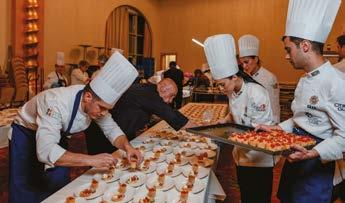
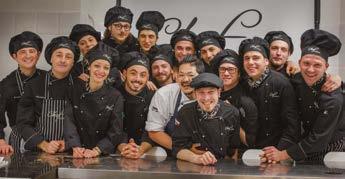
The biggest opportunity for our students right now is our strategic partnership with École Ducasse. This collaboration allows students to specialize at the prestigious Paris Campus or ENSP in Yssingeaux. Gaining international experience with a world leader bridges Italian tradition with French excellence, providing a crucial competitive edge in the global culinary industry.
Chef Academy Italy, @chefacademyitaly
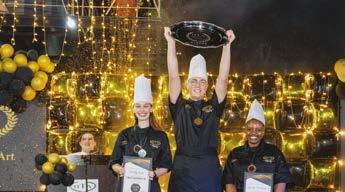
The opportunity for the students is to see world culture and learn about all kinds of dishes.
Musem Academy Turkey, @musemakademi
The biggest opportunity for our culinary students is supporting and contributing to the growth of Azerbaijan’s hospitality industry. By mastering professional techniques and skills while fostering creativity and innovation. This prepares graduates to elevate local cuisine, meet industry standards, and contribute to a competitive, modern hospitality sector, and access opportunities on international hospitality platforms.
Culinary Arts Center of Azerbaijan (CÀSÀ) Azerbaijan, @casabaku
Culinary students should actively pursue industry-relevant training that mirrors real kitchen standards. Discipline, consistency, and accountability are what employers value most. Structured mentoring and participation in culinary competitions sharpen these skills, build confidence, and position students as credible, work-ready candidates in a highly competitive industry.
HTA School of Culinary Art South Africa, @chefschoolhta
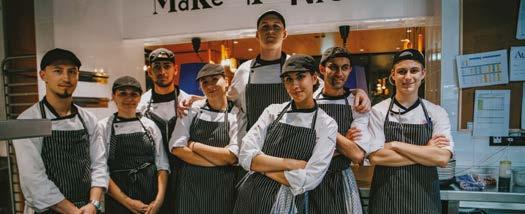
The exceptional opportunity our students receive is early exposure to a real professional environment. Personal attention is of great importance to us, which is why every student benefits from an individual approach and support. Thanks to our extensive network of partnerships, we secure the best internships for them, providing valuable opportunities for growth and professional development.
HRC Culinary Academy Bulgaria, @hrc_academy
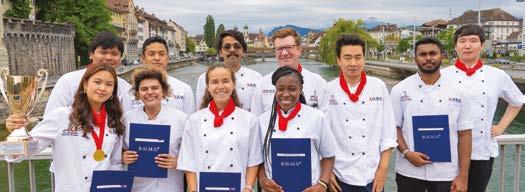
Our students follow our motto: ‘From Passion to Profession’ and can choose from a wide variety of programs in Culinary and Pastry Arts to tailor their education journey according to their own individual needs and career aspirations.
B.H.M.S. Business & Hotel Management School / Swiss Culinary Academy Switzerland, @swissculinaryacademy
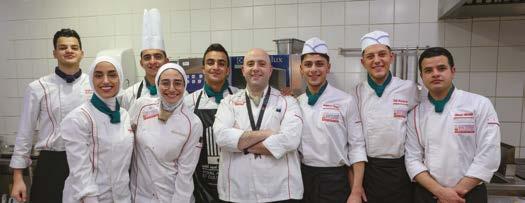
At our academy, we equip students with an entrepreneurial, culturallyagile, tech-enabled mindset and skillset. As AI and digital tools reshape kitchens and service, our graduates combine Swiss excellence with Jordanian hospitality and heritage, along with the competencies to launch ventures, positioning them to lead and grow in a rapidly changing industry.
The Royal Academy of Culinary Arts Jordan, @racajordan
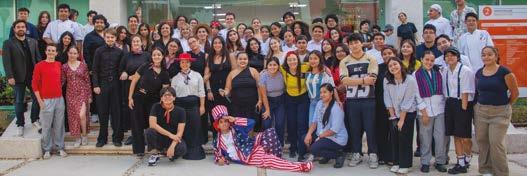
One of the biggest opportunities for culinary students today is developing a strong foundation in sustainability and responsible sourcing. As an institution that shapes future gastronomy professionals, we integrate these topics across our curricula, preparing students to minimize waste, value local ingredients, and lead positive change in the global food system.
Anáhuac Cancún México, @gastronomiaanahuaccancun
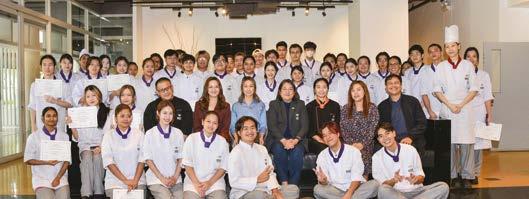
The biggest opportunity for our students is gaining real industry exposure while studying. Learning directly from Michelin-star chefs and industry professionals, students develop culinary, design, and management skills while building global-ready experience and networks – preparing them for successful careers in leading hotels, restaurants, and food businesses worldwide.
Bangkok University Thailand, @Bangkok_bu
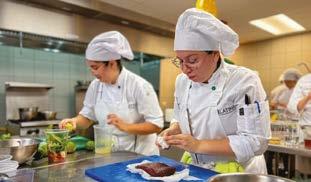
The biggest opportunity for Gastronomy students at Universidad Latina de Costa Rica is connecting local biodiversity with global culinary standards. By working with Costa Rican producers, sustainability practices, and innovation-driven education, students learn to honor pasture and passion – transforming responsibly sourced ingredients into plates that tell Costa Rica’s story to the world.
Universidad Latina de Costa Rica Costa Rica, @ulatina_cr
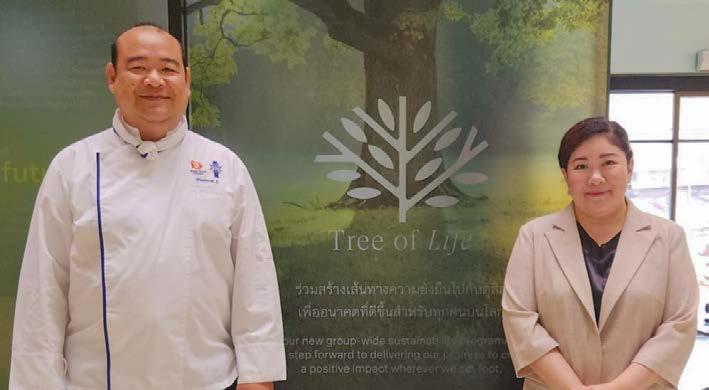
At Dusit Thani College, the “Dusit Tree of Life” mirrors the theme of “Pasture, Passion, Plate” – a comprehensive, group-wide sustainability program by Dusit International. With 31 criteria covering Environment, Social, and Governance (ESG) elements, this framework serves as our pedagogical compass, ensuring our students become architects of a sustainable future.
Dusit Thani College Thailand, @Bangkok_bu
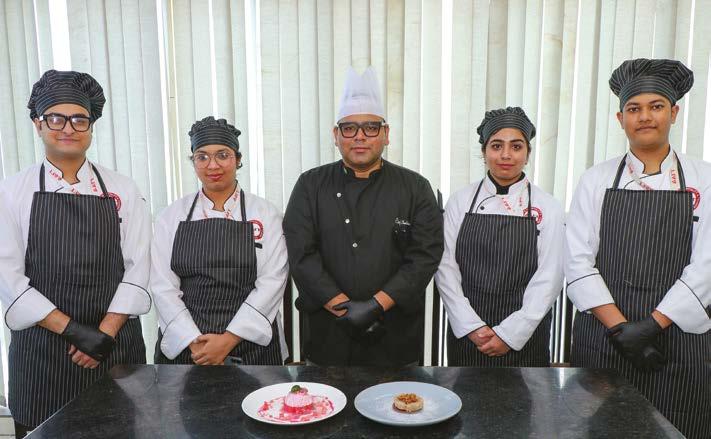
Our chefs and faculty are shaping culinary professionals with a strong research-oriented mindset, encouraging students to first master classic recipes in their authentic form and then innovate responsibly. By experimenting with ingredients and techniques, students learn to develop new recipes suited to evolving themes and contemporary menus while respecting culinary traditions.
AAFT School of Hospitality & Tourism, Noida India, @aaft_india
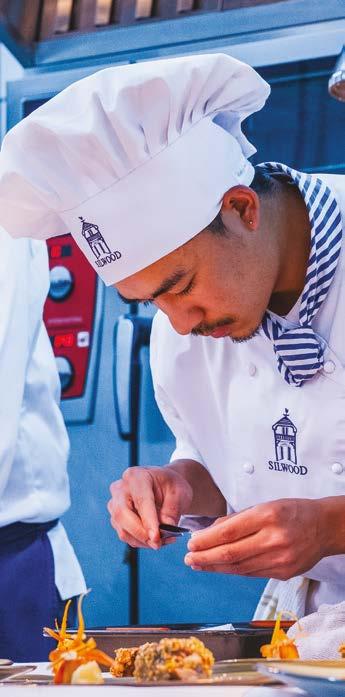
1st
Silwood School of Cookery has perfected its training recipe over 62 years. No other school offers exposure to as many kitchens in a three-year course, from internationally acclaimed fine dining to bakeries, catering, and product development. Students gain unmatched experience and invaluable industry networks that set them apart for life.
Silwood School of Cookery South Africa, @silwoodkichen
The biggest opportunity for our students is early, structured industry exposure through programmes like Nestlé Professional’s YOCUTA. It bridges education and real-world practice, builds professional confidence, and instills sustainable values –ensuring graduates are not only employable, but future-ready for a rapidly evolving culinary industry.
Sunway University Malaysia, @shtm_sunwayuni
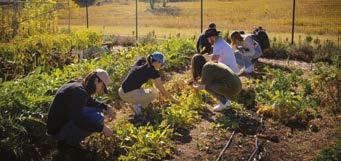
One of the greatest opportunities for culinary students today is gaining hands-on industry experience through externships and Farm to Table® learning. Through Escoffier’s flexible, accessible programs, students can build strong foundations while applying their skills in real kitchens. These experiences connect sourcing, technique, and accountability, helping students understand stewardship, humility and how decisions shape outcomes and prepare them to contribute thoughtfully and responsibly within professional kitchen teams.
Auguste Escoffier School of Culinary Arts United States, @escoffierschools
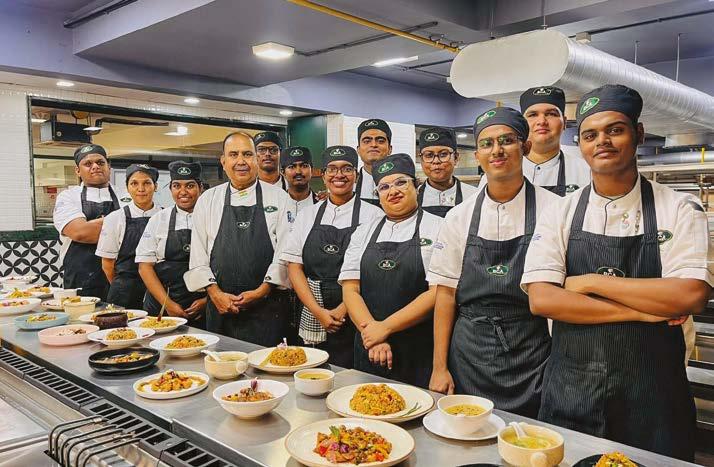
At Bangalore Culinary Academy, we prioritize discipline, consistency, and workplace readiness, helping students bridge the gap between classroom learning and long-term professional growth in an industry that increasingly values reliability over speed.
Bangalore Culinary Academy India, @bca.india
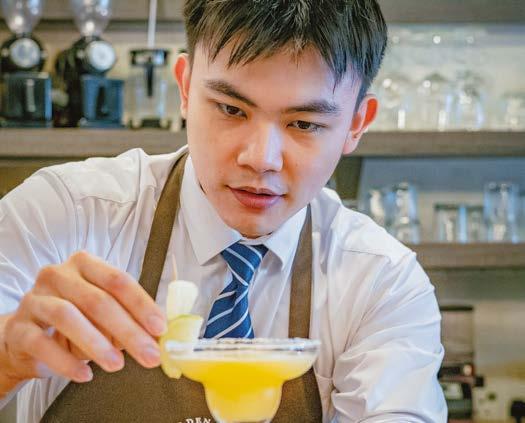
The biggest opportunity right now is industry-ready, hands-on training linked to real career pathways. Students who gain practical skills, exposure to industry partners, and global perspectives early stand out faster – bridging the gap between classroom learning and the real demands of today’s culinary and hospitality industry.
Golden Chef College Of Culinary Arts & Hospitality Malaysia, @goldenchefpenang
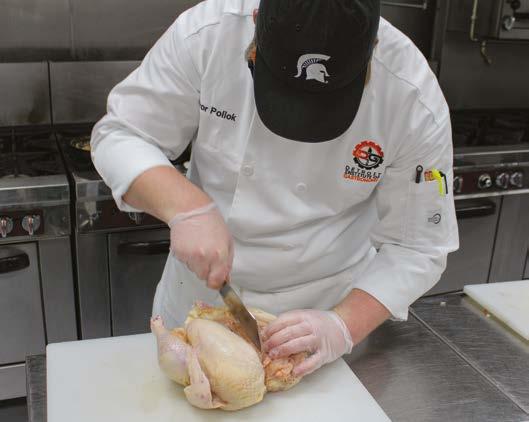
Culinary students should seize every opportunity for real-world apprenticeship. Too many graduates leave culinary school without truly knowing how to cook. Apprenticeship ensures they master authentic, hands-on skills in a working kitchen – building confidence, competence, and a genuine connection from pasture to plate before graduation.
Detroit Institute of Gastronomy United States
Worldchefs Global Culinary Certification is the global standard for certifying culinary professionals’ skills, knowledge, and experience against an international benchmark. The prestigious validation framework was created in

collaboration with leading employers for chefs across all sectors and career levels. By making industry expertise visible and officially recognized, it’s a gateway for career growth, but it’s also a lot more.
Becoming a Worldchefs Certified Culinary Educator represents the culmination of years of passion and hard work. It’s a commitment to excellence and sharing knowledge with future generations of chefs. This certification gives me the necessary confidence and credibility to inspire and guide others in this wonderful industry.
Earning Worldchefs Global Culinary Certification is a milestone in my career. It not only validates my skills and experience on an international level, but it also reinforces my commitment to continuous growth and excellence in the culinary profession. I’m proud to be part of a global community that upholds such high standards in our craft.
We asked Worldchefs Certified chefs what their achievement has meant to them, and how Worldchefs Global Culinary Certification validates their years of work in more ways than one.
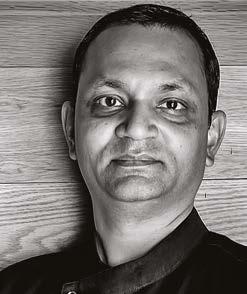
Worldchefs Global Culinary Certification is a validation of the years of dedication, discipline, and passion I’ve put into this craft. It gives me pride, but also a sense of responsibility to keep raising standards, to share knowledge with others, and to represent the profession with integrity wherever I work. It’s a reminder to keep growing, to innovate, and to inspire others through food.

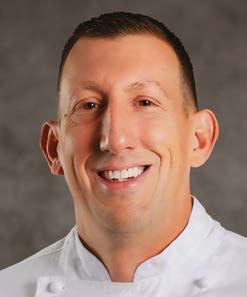
Receiving my certification from Worldchefs affirms that the standards I uphold – for myself and for my team – align with a respected global benchmark of excellence. It reinforces my belief that true leadership in the kitchen extends beyond technical skill to encompass integrity, mentorship, and unwavering consistency. I accept this honor with pride and gratitude, and with a renewed commitment to elevate every plate we present and every chef I have the privilege to lead.
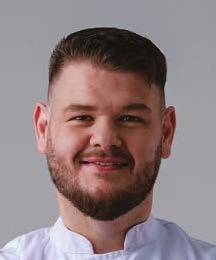
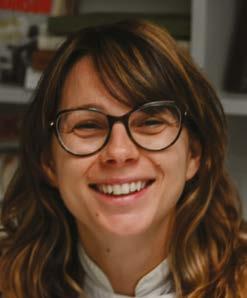
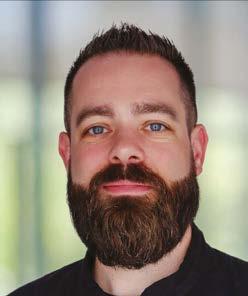

Getting your Worldchefs
Certification opens a door of wonderful, global possibilities within the power of the white jacket.
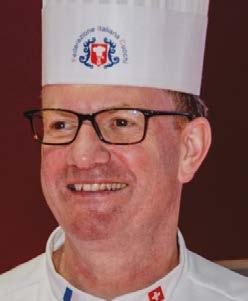
I am proud to be a Worldchefs Certified Culinary Educator – a recognition that fuels my passion to teach, inspire, and share our craft worldwide.
Becoming a Worldchefs
Certified Culinary Educator is both an honor and a responsibility. It reaffirms my commitment to teaching with excellence, inspiring future chefs, and continuously growing as an educator and professional.
Certification is more than a piece of paper – it’s a testament to dedication, a validation of expertise, and a beacon of professional pride that illuminates the path of continuous learning and achievement.
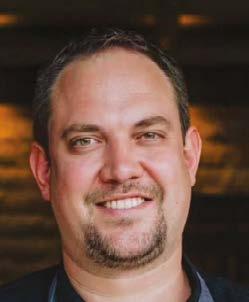
Receiving Worldchefs
Global Culinary Certification as a Certified Executive Chef is a great honor and recognition of my journey as a chef. It validates the dedication, passion, and hard work I’ve invested over the years, and inspires me to continue elevating Alpine-inspired cuisine on a global stage.
The Worldchefs Culinary Educator Certification recognizes culinary educators who demonstrate excellence in teaching, curriculum development, and industry knowledge. It validates professional standards and commitment to culinary education, ensuring instructors meet global benchmarks. Certified educators support student success and promote best practices in culinary training worldwide, enhancing credibility and career opportunities. It is an honor to be part of this esteemed community.

Chef Willment Leong, Worldchefs’ Asia Continental Director and Chair of World Chefs Without Borders Committee, has joined the ranks of United Nations World Food Programme’s (WFP) Goodwill Ambassadors. United Nations Goodwill Ambassadors are high-profile individuals who have committed themselves to helping the United Nations and its specialized agencies focus worldwide attention on pressing global issues that are close to their hearts. These prominent public figures volunteer for their time, talent, and passion to raise awareness of UN efforts to improve the lives of billions of people everywhere.
In his new role, Chef Willment will support WFP’s mission to end hunger at a time when an estimated 69 million people in Asia are facing crisis levels of hunger. The region is also home to more than half of the world’s chronically food-insecure children.
“WFP’s work is deeply personal to me – it inspires me,” said Chef Willment. “A few years ago, I watched three children eat scraps from a stranger’s plate just to survive. Today, I stand ready to raise my voice, use my passion and platforms to support the vital work WFP does to bring food to those who need it most.”
Chef Willment is the Chairman of World Chefs Without Borders, Worldchefs’ global humanitarian network of chefs that supports people affected by natural disasters and raises awareness and funds for humanitarian aid. During the COVID-19 pandemic, he and his teams helped deliver hot meals to vulnerable people in Bangkok and throughout the region. He recently mobilized chefs to distribute meals to communities hit by typhoons in the Philippines and families affected by floods across Southeast Asia.
Beyond emergency response, he invests in training young chefs and giving them international exposure – including through his role as a judge on the Netflix reality series The Restaurant War Thailand, where he mentors and evaluates chefs – most of whom street food vendors – while showcasing the next generation of culinary talent.
“We are delighted to welcome Chef Willment as our Goodwill Ambassador,” said Samir Wan-
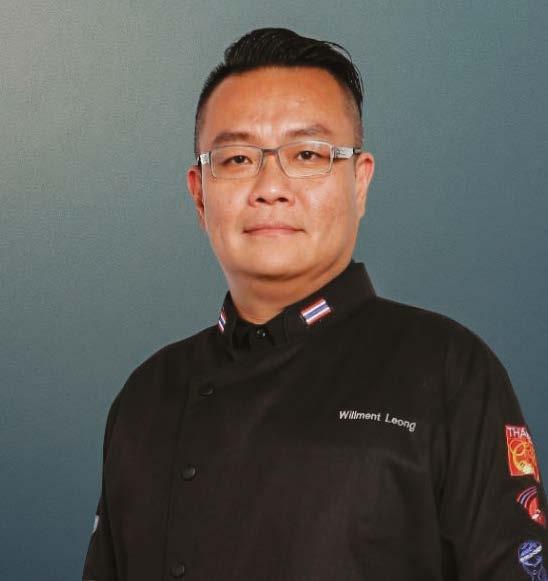
Ingredient that keeps you grounded
Lemongrass grown in sun-drenched pasture, handled with passion for its bright aroma, and gracing the plate with unmistakable, vibrant freshness.
Food philosophy
Rooted in the “Pasture, Passion, Plate” philosophy, true fulfillment comes not just from self-promotion, but from the generosity shared on the path. The greatest reward is using one’s platform to help others, transforming individual passion into a collective feast.
Piece of advice?
Seize every chance to share, and diligently create fresh opportunities as you move forward.
mali, WFP Regional Director for Asia and the Pacific. “His strong voice will be crucial to rally support for the people we serve and champion innovative, partnership-driven solutions to tackle hunger and malnutrition in this region.”
The World Food Programme collaborates with governments, partners, and communities to deliver life-saving food assistance, strengthen supply chains, and build resilience so families can withstand future shocks.
World Chefs Without Borders continues to mobilize its network of national associations, showing the profound impact that chefs can have far beyond the kitchen. In China, Myanmar, and beyond, Worldchefs continues to harness the generosity of chefs around the world to support those in need.
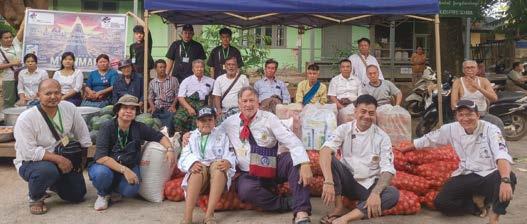
In the wake of the earthquake and Tropical Cyclone Kalmaegi, WCWB mobilized funds and on-the-ground emergency relief to families in the most affected areas of the Philippines. €18,000 was raised to support disaster relief efforts, with the LTB Philippines Chefs Association, Chef Celina David’s team and Duyan sa Paglayum, a local charitable organization, preparing and delivering essential relief kits to 2,500 families. Working closely with local leaders, volunteer chefs assessed urgent needs and streamlined logistics. Community members pooled resources, including transport and volunteer manpower, to ensure aid reached those most in need as quickly and efficiently as possible. This relief effort helped ensure that life-saving support reached those who needed it most.
The Myanmar Chefs Association (MCA), in close coordination with World Chefs Without Borders (WCWB), has been actively leading relief operations across Myanmar. When a series of powerful earthquakes struck Myanmar at the end of March 2025, WCWB and MCA responded without hesitation. MCA Secretary Ma Khet Khet and local WCWB chefs traveled to the epicenter in Sagaing, where they prepared and served thousands of meals to displaced families. Chefs stayed overnight in the region, ensuring continuous support and laying the groundwork for incoming humanitarian missions. Mr. Suki of Inya Lake Hotel, Moona and Renato of Chaîne des Rôtisseurs helped organize the aid trucks and buses. And chefs across the globe assisted from a distance through generous donations. Through coordinated fundraising efforts, generous donors, and on-the-ground action, €105,000 of aid was raised – a testament to the power of culinary solidarity.
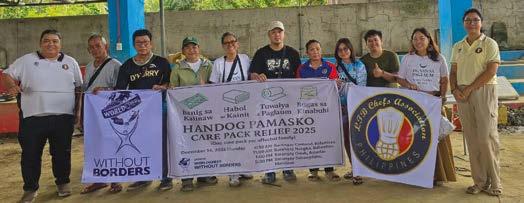
Coming out of category 5 Hurricane Melissa, aspiring chefs from Worldchefs’ Education Partner HEART College of Hospitality Services in Jamaica teamed up with World Central Kitchen to prepare meals for impacted communities.
World Central Kitchen is honored to join forces with Worldchefs to position chefs to play a powerful role in worldwide disaster response. By combining Worldchefs’ global reach with WCK’s proven response model, this partnership empowers chefs to act quickly when disasters strike – turning culinary leadership and community connections into lifesaving action. The time to team up is now, as crises are happening with greater frequency and severity. We look forward to a collaborative 2026.
Laura Hayes Director, Chef Corps, World Central Kitchen
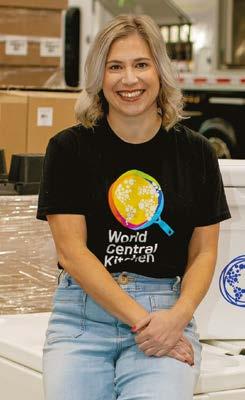
Building on the work of World Chefs Without Borders, Worldchefs and World Central Kitchen (WCK) are joining forces to proactively position chefs to play a powerful role in disaster response across the globe. Chefs are among the most trusted and connected people in their communities. Their leadership empowers them to help WCK get cooking as quickly as possible following crises that are occurring with greater frequency and severity.
This new collaboration will enable dedicated culinary professionals affiliated with Worldchefs’ member associations to be appointed to join WCK’s Chef Corps. The Chef Corps global network is made up of prominent culinary leaders on standby to assist with the nonprofit organization’s work. When on the ground with WCK, members contribute to providing hot, nourishing meals to people impacted by natural disasters and humanitarian crises.

Across continents and kitchens, chefs are taking action through Feed the Planet, the global sustainability effort led by Worldchefs, the Electrolux Food Foundation, and AIESEC. This growing movement is shaped by culinary professionals committed to sharing knowledge, fostering skills for the future, and helping communities near and far make everyday choices that support people and the planet.
350k+
kids are Food Heroes: Setting a new target to educate 1 million people on sustainable food habits by 2030.
165+
Sustainability Education Trainers are sharing their knowledge across the globe.
1.8k+
lives changed through the Like a Chef: Culinary Employment Program.
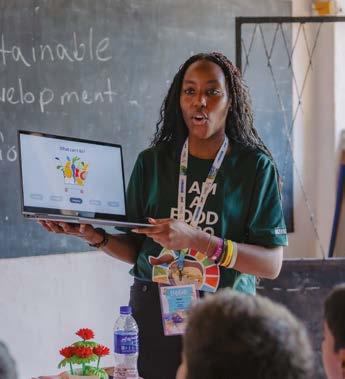
17k+
graduates of Sustainability Education for Culinary Professionals: Driving sustainable cooking skills online and in-person.

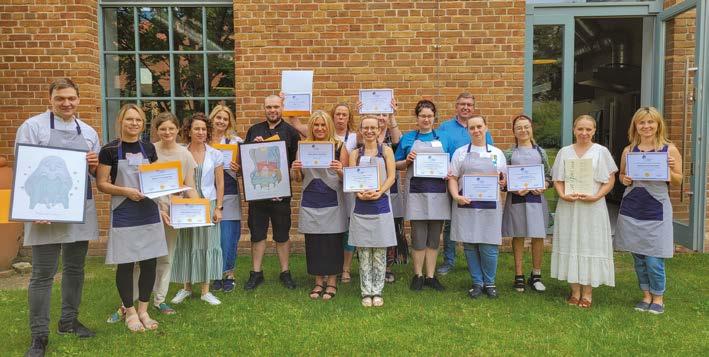
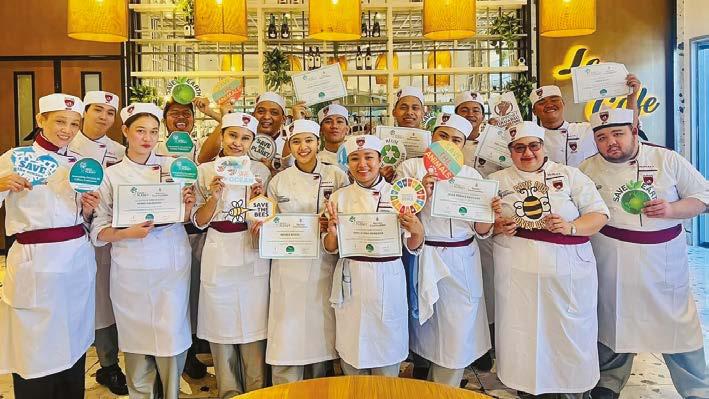
In every kitchen, food is a language that connects us all. Today, sustainability is a global conversation, too. Worldchefs is accelerating access to climate-smart culinary training with its expanding, multilingual Sustainability Education for Culinary Professionals curriculum, making it more inclusive, global, and impactful.
The free, open-source training program is available online on Worldchefs Academy, and now welcomes learners in Arabic and Spanish. With more than 17,000 graduates worldwide, Sustainability Education has grown into a global movement empowering chefs with essential tools to build resilient kitchens and communities.
The program’s evolution into a multilingual platform reflects a deliberate, multi-year effort to meet chefs where they are. The Arabic edition, made possible through the dedicated work of translators and educators, including Chef Majed Al Sabagh and his team, has already reached thousands, with over 3,600 graduates across Arabic-speaking countries. Their work ensured that examples, case studies, and cultural refer-
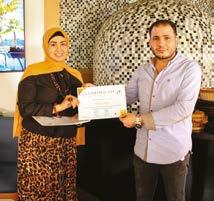
ences speak directly to local culinary realities, turning translation into true transformation.
In Spanish-speaking regions, a team of educators and long-time Feed the Planet champions from Ecuador – Rodrigo Duarte Casar, Marlene Rojas Le-Fort, and Carolina Pérez – collaborated to adapt the curriculum for the linguistic and cultural diversity of the Spanish-speaking world. All three have been working with sustainability education for years, giving them firsthand insight into how learners apply these concepts in real kitchens and communities.
With more than 165 certified trainers delivering the program globally in-person as well as online, its impact continues to ripple outward. With each new language, more chefs are empowered to lead the change.

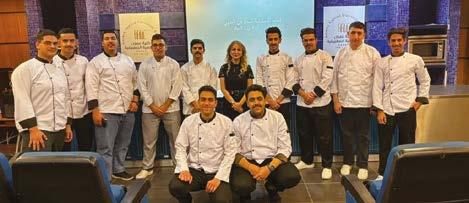
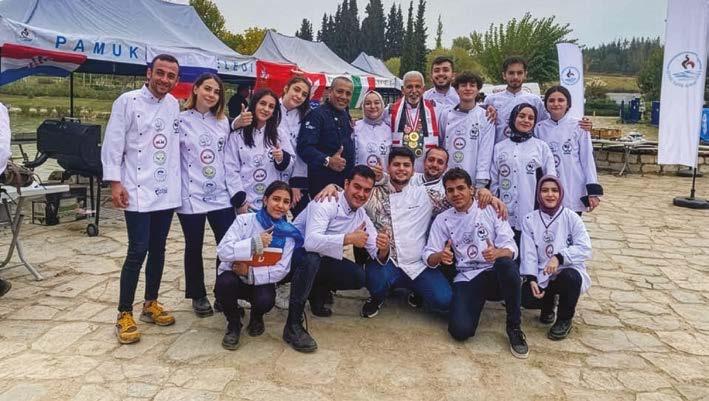
Food unites everyone. Even if a word belongs to another variety of Spanish, you understand it. Sustainability is a universal topic.
Carolina Pérez Professor at the Gastronomy School, Universidad de Las Américas
Today, gastronomy must move beyond sustainability. Regeneration means restoring soils, strengthening communities, and returning value to producers and tradition bearers. From both academia and culinary practice, my priority is to educate chefs who understand that every decision in the kitchen can help rebuild more resilient food systems, deeply connected to their origins.
Marlene Rojas-Le-Fort Professor and Researcher, Pontificia Universidad Católica del Ecuador

Every day, the food we choose shapes our health, our planet, and the communities we live in. The good news? Small changes can spark big impact! Across Europe, people are ready to eat in a way that feels good and does good. Sometimes all they need is a little inspiration.
That’s where FoodChoices4LIFE comes in. We’re launching fresh, practical, science-backed ideas to help everyone cook smarter, waste less, and enjoy delicious meals that are better for the planet. Through hands-on events, simple tips, and chef-driven insights, we’re making sustainable eating approachable and a lot more fun.
Together, we can build healthy habits, cut our climate footprint, and keep great food at the heart of European life. Ready to get cooking?
Let’s make every choice count.
• Publication of a Europewide report showing how chefs and citizens can promote sustainable food choices across the EU
Jul-Sep
• Final communication campaign celebrating the project’s results and sharing lessons for the future
• Release of the open access FoodChoices4LIFE app enabling citizens to track and improve their food choices
• First media resources and trainings released to help journalists communicate about food and climate
• Presentation of the FoodChoices4LIFE Vision 2050, outlining a roadmap for Europe’s sustainable food future Apr-Jun
• Launch of a cookbook full of climate smart recipes
• Chef training sessions to promote sustainable cuisine
• Debut of the FoodChoices4LIFE app enabling citizens to track and improve their food choices
Reach 500k+ EU citizens
Save
Train
Mobilize 500+ chefs
Organize
• Second European-wide infoweeks to engage citizens via chefs
• Second European-wide awareness-raising campaign
• First European-wide infoweeks to engage citizens via chefs incl. launch of an interactive events map
• First European-wide awareness-raising campaign
• Release of an online learning course that empowers chefs to inspire climate friendly eating habits
• Policy brief with recommendations for local decisionmakers on sustainable food systems
Each of our FoodChoices4LIFE advisors bring a unique perspective to the project. Let’s get to know them and what they bring to the table.
Front and center
Any truly sustainable food culture must place fruit and vegetables center stage. Which is why everything we do is aimed at fueling the global plant-based movement and supporting those who drive it forward.
Behind the pass
Getting creative! The Pure Plant kitchen has 67 culinary techniques to use, making vegetables more sexy, tasty and attractive.
Star ingredient Celeriac!
Add to the menu
More plants! Plant-forward cooking with creativity and taste.
PhD Senior Scientist
Natural Resource Institute of Finland (LUKE)

Frank’s Pure Plant vision. Claudia’s policy know-how.
Front and center
Dissemination is key. Our organization is helping policy makers to get to know scientific results about more sustainable diets.
Behind the pass
Food waste prevention. It is now mandatory for Member States, which must develop national plans and achieve the legally binding reduction targets by 2030. Industry should play a major role in this process, and governments need to engage businesses more actively to ensure meaningful progress.
Star ingredient
Legumes. They are healthy, have a very long shelf life that we almost never reach, and they come with a low environmental impact. They are easy to store, easy to use, and they fit well in many quick meals.
Add to the menu
Lower environmental impacts, equal access to healthy food, and a post-growth approach where food is considered commons and not commodity.

Klaus G. Grunert Professor Aarhus University
Klaus’ consumer behavior expertise.
Front and center
The pleasure and joy of cooking and eating should always be in the center. Combining pleasure and joy with healthiness and sustainability is the big challenge for the food sector.
Behind the pass Responsibility. Taking responsibility for the effect of food on health, sustainability, pleasure and well-being.
Star ingredient
Morels – the king of mushrooms. Wonderful taste and texture. They are impossible to get fresh where I live, but the dried ones are very good.
Add to the menu
Pleasure and taste, health and sustainability. I do research on consumer behavior to help develop better products for the future.










JANUARI 2026: Annual 125% offsetting of remaining emissions. Climate Positive!





Water
■ 100% Circular














Cultivating taste with respect to the planet





■ Purified, reused water
■ No polluting discharge
Production







■ Grown in The Netherlands
■ 100% Natural

■ Sustainable, plant-based innovation
For professionals
■ Consistent quality
■ Total transparency
■ Sustainable performance




Read how we achieve our goals










3

Indirect emissions from suppliers and customers. Indirect emissions from purchased energy. Direct emissions, primarily from gas combustion.












International Chefs Day brings chefs and communities together around the world to inspire children through hands-on cooking, culinary discovery, and lessons on healthy eating. From classroom cooking sessions to community gardens, in 2025, chefs in more than 80 countries inspired a new generation of Food Explorers !
360+ reported events
80+ participating countries
6.3k+ chefs, cooks, and young chefs engaged
179k+ children reached
This year, help us work with more kids to explore food, nutrition, and culinary skills! Mark your calendars for October 20th and stay tuned for the 2026 International Chefs’ Day toolkit.
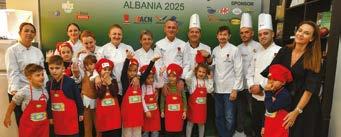
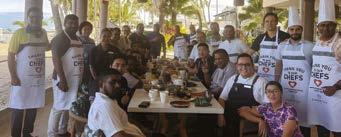

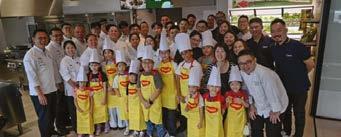
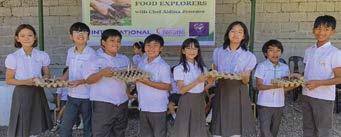
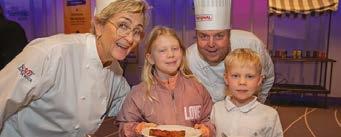

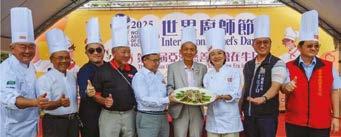
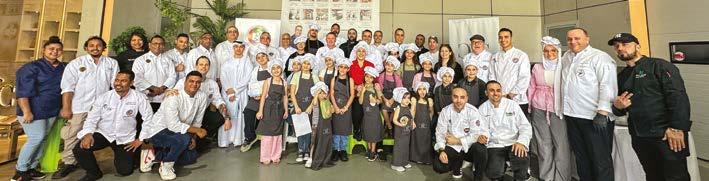

As Chair of Worldchefs’ International Chefs Day Committee and ACF’s Chef & Child Initiative, I’m focused on staying rooted in the fundamentals: honoring sustainable sourcing from pasture to plate and passing down the craft through hands-on education. Our country is deeply divided right now, and staying rooted in these shared essentials, real ingredients, honest work, and the simple joy of preparing food together, is more important than ever. In Florida’s vibrant local food scene, it’s about grounding our work in what unites us: the land, the craft, and the plate that brings people together.
Vanessa Marquis CEC AAC International Chefs Day Committee Chair
The Sustainable Restaurant Association explores the different elements of food provenance and what it means to celebrate this in your restaurant – including practical steps you can take in your procurement policies, in your kitchen, and on your menu.
The Sustainable Restaurant Association (The SRA) is on a mission to accelerate positive change throughout the global hospitality system. The main way in which we do this is through the world’s leading sustainability certification tailored for the sector, the Food Made Good Standard.
The Food Made Good Standard is a global sustainability certification for the hospitality industry, designed to encourage, support and recognize sustainability practices in restaurants and other foodservice businesses. Taking a big-picture, holistic view of what sustainability means for the sector, the Standard is awarded to businesses around the world that meet a set of rigorous, measurable criteria across three main pillars: Sourcing, Society, and Environment.
‘Celebrate Provenance’ is one of the focus areas under the Sourcing pillar. In this article, we explain why provenance matters and what it really looks like in practice.
What is food provenance?
When it comes to food, provenance is all about knowing its origins. This includes where and how it was grown, raised, caught or made, as well as who was responsible for doing so. One way to think about provenance is as the story behind the food.
Why is provenance
Provenance matters – firstly, from a transparency perspective. Maintaining visibility over your supply chain all the way back to the farm or fishing vessel allows for better quality control and lets you know exactly what has gone into your ingredients, from physical additions like chemical pesticides to less tangible inputs like biodiversity impact and fair trade. For chefs and customers alike, this transparency can help to build a deeper connection to each dish.
From a marketing perspective, people are increasingly interested in provenance. More than ever before, diners want to feel reassured by knowing the details on everything from animal welfare to food miles. People are also eager to
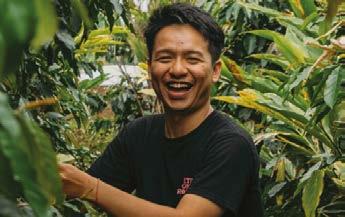
feel more deeply connected to their plates; stories about the people and practices that have contributed to their meal can make their dining experience infinitely more memorable.
7 things to consider when you think about provenance
1. Choose local foods.
This is often first to mind when you think about provenance – how far has an ingredient travelled to get to your kitchen? While food miles contribute significantly less to carbon emissions than production methods, sourcing food locally has plenty of other benefits: building short, resilient supply chains, supporting local businesses and small-scale agriculture, keeping money in the regional economy and appealing to customers. Without long journeys and weeks of refrigeration, it also often means produce at its best. Here are some actions you can take to build local foods into your offering.
> It’s worth defining what the term ‘local’ means to your restaurant. As a general rule of thumb, The SRA defines ‘local produce’ as that sourced within a 100-mile (160km) radius if you’re based in a major city, or within a 50-mile (80km) radius outside the city.
> Make a commitment to serving more local food. This could be increasing the overall percentage of local ingredients you buy, or focusing on one food group at a time – for example, aiming to source 100% of your meat locally by 2026.
> Organize team visits to local farms and producers, giving your staff a more tangible understanding of where your food comes from.
> You could also explore dishes, ingredients or
cooking methods traditional in your area; this is a nice way to connect your customers with the food heritage of the locality.
2. Cook with the seasons.
Allowing your menu to be led by the seasons brings greater variety and creativity to your kitchen, offering your diners new flavors and unique stories and helping your business to stand out from your competitors. Sourcing seasonal ingredients also enables you to support production systems that are more environmentally friendly and biodiverse. Finally, working with seasonal foods allows for a degree of anticipation and excitement, for both chefs and customers. Waiting for those summer strawberries or the first apples of the year makes them taste all the better, and these ‘limited edition’ vibes will make the experience more special for your customers.
> Focus on what foods are in season in your area and let your menus be inspired by that, evolving throughout the year.
> Work closely with growers and fishers so that you know when certain foods will be ready for your kitchen. This lets you plan ahead to a certain degree. Guaranteeing that you’ll be purchasing a particular quantity can also provide great financial peace of mind to your producers – a practical way to support small-scale businesses.
> Encourage chefs to start experimenting with the wild foods native to your area. This could include providing training in foraging from a local expert.
3. Who are the people behind the food?
The people behind the food form a big part of its provenance, bringing a human aspect to the story you tell your customers.
> Choose small-scale suppliers and cut out the middleman where you can, putting direct trade agreements in place.
> Cultivate long-term relationships with the farmers, producers, and fishers with whom you work. Get to know them on a personal basis.
> Work to gain visibility over your supply chain and ensure that human rights and labor rights
are protected at every step. Be particularly careful around high-risk commodities like chocolate and coffee.
4. Traceability and transparency are critical.
Knowing where your products are from and how they were made is key to ensuring they’re produced in a way that meets your sustainability standards. Without traceability, you can’t evaluate or manage the social and environmental risks in your supply chain, nor can you take action to improve your impact.
> Look for producers and suppliers who already have robust environmental and social standards in place for how they do business.
> Create a written agreement for each supplier, outlining your minimum standards for things like human rights, fair terms of trade, sustainable agricultural practices, deforestation, biodiversity, soil health, water stress, animal welfare, and sustainable manufacturing practices.
> Demand visibility over the sourcing of every ingredient you buy. Shorter supply chains will make this easier.
5. Put biodiversity on the menu. By actively championing biodiversity on menus, chefs can build consumer interest in more diverse ingredients. This can strengthen our food systems, support farmers and producers and improve public health. It can also boost creativity and help your restaurant stand out from competitors.
> Since they are naturally adapted for local conditions and haven’t been bred for fast growth and high yield at the expense of everything else, heritage varieties of animals and crops native to your region are also likely to have superior nutritional value, flavor, and texture compared to more commercial species.
> Start featuring a wider range of plant foods on your menu, including those that are less common. Explore ancient grains like millets, teff, einkorn and amaranth. While yields of landrace crops are typically lower, genetic diversity means these varieties stand a much better chance of surviving disease, pest outbreaks, or climate shocks. Furthermore, despite lower yields, farmers often see increased profits as they spend less on fertilizers, herbicides, and pesticides.
> When it comes to sourcing meat, look for rare/heritage breeds unique to your area. Raising heritage breeds in their native climates, on natural diets and with the integrated use of manure is likely to result in healthy animals while also supporting the soil, plant life and natural biodiverse ecosystems on and around the farm.
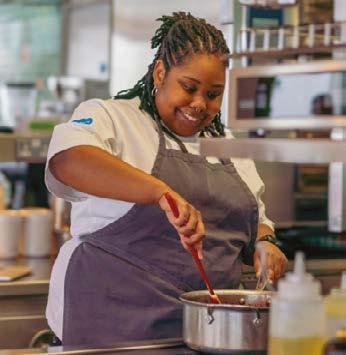
> If you serve seafood, choose species that are less popular and therefore less likely to come from overfished stocks. Bivalves, like mussels and clams, and smaller species from further down the food chain, like sardines or anchovies, are generally lower in impact.
> Invasive alien species are one of the biggest direct drivers of biodiversity loss. One smart solution is to put these non-native species on menus, controlling populations and protecting local ecosystems by creating demand. Learn which invasive species are a problem for ecosystems in your area. Could you work any of those into your menu?
6. Agricultural methods matter. Agricultural systems and food production make an enormous contribution to the climate crisis, biodiversity loss, soil and water degradation and deforestation. Use the transparency in your supply chain to ensure that you are supporting agricultural practices that work to restore nature rather than degrading it further.
> Serve less meat, but better quality. Look for meat and dairy from regenerative or agroecological farms.
> Animal welfare is a part of this story, too. If possible, switch to free range or organic meat, dairy and eggs. If cost is a barrier, focus on one item at a time: could you start buying only organic eggs?
> Clear your supply chain of products that contribute to deforestation. The biggest culprits are beef, soy and palm oil; cocoa and coffee are other significant contributors. Be aware that these can be hidden in many other products. Palm oil is a staple ingredient in processed foods as well as many non-food items, while over three-quarters (77%) of global soy is fed to livestock for meat and dairy production.
> Look for farmers who limit the use of chemical pesticides and fertilizers.
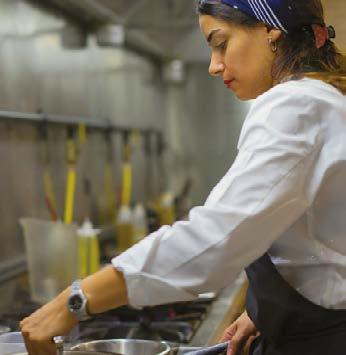
> When it comes to seafood, how was it caught? Fishing methods like gill nets and dredging are extremely damaging to marine environments.
7. Provenance means telling the story.
Sharing all the above information with your customers is an important part of your commitment to provenance. By making this information available to different stakeholder groups, you improve transparency and accountability and encourage good practice from others in the industry. For suppliers, understanding your work to celebrate provenance can help inform policy and practice. Sharing this information with the wider public can also attract customers, build your brand reputation and perhaps even influence them to be more considered in their food decisions elsewhere.
> Provide training for your front-of-house staff so that they have the knowledge and language to discuss your food’s provenance with diners.
> Provide information about the provenance of your ingredients on your menus, website and/ or social media channels.
> Participate in (or create) initiatives or campaigns to promote awareness around provenance and supply chain transparency.
> Find more tips from The SRA about how to put provenance on the menu in meaningful ways.
Interested in joining our mission to build a better food future for everyone? Drop us a line at hello@thesra.org to chat about how we can work together, or take our free, five-minute Food For Thought quiz to see how your sustainability work measures up.

Food has always carried stories, and chefs around the world are bringing those stories to the center of the plate. A growing number of culinary professionals are returning to her-
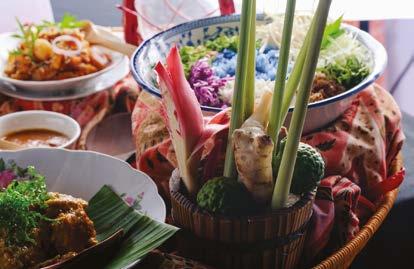
Great cooking begins long before food reaches the plate. From carefully sourced ingredients to skilled preparation, every step reflects craftsmanship and respect for the product. Yet one essential element is often overlooked: the quality of the frying oil.
Clean oil plays a crucial role in protecting flavor, texture, and the integrity of ingredients. When oil is contaminated with crumbs, carbon deposits, and fine particles, it degrades faster, affects taste, and leads to unnecessary waste. Daily oil filtration helps kitchens maintain consistent frying performance while extending oil life by up to 100% – a practical step that supports both culinary standards and sustainability goals.
By keeping oil cleaner for longer, chefs reduce resource consumption, operate more efficiently, and ensure that the care invested in ingredients carries through to the final dish. It’s a simple practice with a meaningful impact: less waste, more consistency, and food that truly reflects the passion behind it. Because honoring the journey from preparation to plate also means caring for the basics.
itage recipes, local ingredients, and traditional techniques, not just for nostalgia, but to protect food cultures and cook more sustainably. This shift pairs naturally with today’s biggest dining trends: immersive experiences that connect guests with the origins of their meal, menus built around regional products, and a renewed respect for ingredients that have fed communities for generations.
What started as a movement toward authenticity has become something deeper and more lasting. As diners look for meaning, connection, and care in what they eat, chefs are proving that heritage cuisine is a timeless trend.
The culinary profession is evolving and so are chefs. Today’s chefs are no longer defined solely by technique or creativity, but by their leadership, knowledge, responsibility, and mindset. I have witnessed a powerful transformation in young professionals who understand that cooking is not only about flavor, but about impact – chefs who value sustainability, value and take pride in ethical sourcing and supporting their communities. This shift, development, and evolution represent more than a trend, it is a redefinition of what it means to be a chef in today’s world and in the future.That evolution gives me great confidence in the future of our industry.
Chef Suhair Kilani
Worldchefs Certified Trainer & WFF Young Chefs Programme Mentor
Cooking and porcelain making share more than most people realize. Both begin at the source. In the pasture, where ingredients are grown with care. In the workshop, where raw materials are selected with the same attention. Both rely on precision, timing, and restraint. And in both, the smallest decision can change the final result entirely.
In a kitchen, heat transforms ingredients into something expressive. In porcelain manufacturing, it does the same. Clay is shaped, refined, and fired under extreme temperatures, much like a dish is developed layer by layer before it reaches the plate. There are no shortcuts. If the foundation is weak, the outcome will never be right.
This understanding sits at the heart of Ariane Fine Porcelain. From the beginning, Ariane has created tableware with chefs in mind, shaped by how food is prepared, plated, and served in real service conditions. Chefs are central to the process, not an afterthought. Ariane works closely with culinary professionals, recognizing the importance of the chef’s role in transforming ingredients from pasture to plate with intention and skill.
Quality comes first. Not as a slogan, but as a discipline. Materials are chosen carefully, processes are controlled precisely, and performance is tested under the pressures of service. Sustainability follows naturally from this mindset. Recycled ceramic materials are reintegrated into
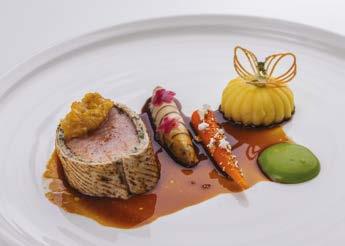
production. Energy-efficient kilns, supported by solar power, reduce environmental impact. Water is conserved and reused. These decisions reflect the same respect responsible chefs show for ingredients, waste, and seasonality.
For pastry chef Pierre Abi Hayla, this philosophy resonates deeply. “For me, Ariane is about one thing first: quality. What really stands out is the innovation. There are always new designs and fresh ideas. Some pieces feel timeless and classic, while others are bold and modern. That balance is exciting. I also value the freedom to customize, creating your own designs, like Chef Martin Blunos did in Thailand. That flexibility is a huge plus.”
Passion is expressed not only through flavor, but through form, texture, and presentation. Ariane’s collections are designed to support that passion, giving chefs a dependable foundation on which to tell their story.
Luxury in hospitality is curation: the right sequence, temperature, and a host who knows when to speak and when to step back. Dilmah Tea Omakase brings that discipline to tea, pairing cups with plates and guiding guests through how to taste, what to notice, and when the pairing changes in the mouth.
Tea becomes structure. Aroma leads, flavor follows, tannin frames, and the finish resets. Guests are coached to smell, sip, pause, taste the dish, then return to the cup; the second sip reveals contrast, harmony, or a deliberate cleanse, turning a simple service into a memorable ritual. That is why tea now appears in degustation pairings, zero-proof flights, cocktails and culinary prep, from cold infusions and tea syrups to reductions and savory steeped bases. In skilled hands, tea can behave like a seasoning, a sauce note, or a finish.
Dilmah’s point of view and differentiations are strongly rooted in origin: Ceylon tea should remain truly Ceylon. Unblended, garden-led teas, refined through relentless tasting, carry responsibility to craft, people and the nature that shapes every leaf in Sri Lanka.
A newer range translates that paradise identity into chef-ready flavor craft. Paradise Breakfast combines Ceylon black tea with turmeric, ginger, cinnamon, coconut and vanilla for a balanced, energizing warmth. Sunset in Paradise marries green tea with mango, vanilla and moringa, delivering calm clarity with a gentle herbal undertone. Winter Tea pairs rose with chocolate and ginger, an elegant bridge for savory-to-sweet moments. Earl Grey Colada layers pineapple and coconut with bergamot, finishing bright, tropical and clean.
Cook, braise, fry, boil, grill. Whatever your menu requires, e-XP will make it happen. Modular by design and efficient by nature, it adapts seamlessly to any workflow and space, evolving alongside your kitchen’s ambition.
“Everyday Excellence” reflects this spirit: supporting chefs in their daily challenges and transforming technology into constant, tangible results.
Innovation starts here, and it doesn’t stop, with a new generation of electric solutions created to make kitchens more intuitive, sustainable, and inspiring. With e-XP, the future of modular cooking takes shape through new solutions designed to empower creativity and elevate performance. We don’t just offer induction. “We own it.” And we will keep innovating – to empower chefs, inspire creativity, and deliver excellence –every single day.
HUG AG, the Swiss Tartelettes manufacturer, is proud to launch an innovation in the Tartelettes assortment: the new One-Bite Dessert-Tartelette Round 3.0 cm. This is the smallest Tartelette format ever produced in the HUG bakery. So small that you can eat it in one bite.
Despite its small size, the new One-Bite Dessert-Tartelette offers endless possibilities: It is perfect as a delicious confectionary in an elegant confection shell, as a sweet and tiny petit fours to go with coffee or for afternoon tea, or as a refined one-bite product to put on buffets and offer in a flying service. This handmade-look Tartelette novelty is an ideal solution for creative and delightful moments which will make an impression on your guest.

The full potential of the e-XP range provides flexible, future-ready professional kitchens for every challenge. Are you ready for Everyday Excellence?

Like the entire HUG Tartelettes range, this new product is dimensionally stable, bake stable and freeze stable. With HUG Tartelettes, professionals all over the world can create high-quality Tartelettes creations. Get inspired & visit their website!






With a 135-year history of dairy expertise and specialist leadership, we’ve mastered our craft. As a global partner of Worldchefs and a trusted partner in over 50 countries, we are fueled by care, commitment and a passion for foodservice – just like you!
A provenance we’re proud of
Our New Zealand heritage sets the foundations for Anchor Food Professionals – where grassfed cows spend over 350 days a year grazing on pastures, producing high-quality milk.
Backed by generations of technical expertise and continuous innovation, we transform this uniquely New Zealand advantage into solutions designed to perform across the full spectrum of foodservice – from bakeries and beverage houses to quick-service restaurants and dining establishments.
This combination of New Zealand quality and deep industry expertise is what enables us to deliver world-leading dairy performance in every application.
Products designed by professionals, for professionals
Grass-fed means cows mainly grazing on grass and crops in paddocks where they roam. Some farmers may include supplementary feed to help support cows’ nutrition. Visit Fonterra. com/grass-fed for more information. 350 days grazing on pasture is an average calculated across our Fonterra New Zealand farms.
Anchor Food Professionals offers a worldclass range of dairy solutions crafted to deliver consistency and reliable functionality. Trusted by the world’s best for quality and performance, our products support precision; whether you’re whipping, laminating, heating, mixing or finishing.
Beyond consistency, we’re committed to future-focused innovation that makes a real difference – and our new Anchor Food Professionals Easy Bakery Cream is proof of that. Recently crowned the Supreme Award winner at the 2025 New Zealand Food Awards, it is purpose-built for the demands of the modern bakery landscape.
Described by judges as a “remarkable scientific feat” for delivering full-dairy whipping performance at 30% fat content, it was also commended as “a powerful example of New Zealand’s dairy ingenuity at its finest”. Easy Bakery Cream’s patented formulation offers the smooth, workable texture and stability chefs rely on, while offering a lighter, milder taste that pairs naturally with fruits and other flavors without overpowering them.

Partnership is central to who we are. We work alongside food professionals, supporting the evolution of the foodservice industry through expertise, application knowledge, trends and insights, and solutions that unlock improved performance.
Our purpose remains constant: to deliver world-class dairy that empowers you to turn passion, creativity, and skill into exceptional plates – every day, in every kitchen.
Buffetsinhotels and restaurant sare changing faster than ever.Guestsexpectnot onlygreat taste, but also an attractive presentation. Forowners and managers, solutions that improveworkflow and help reduce food waste are becomingjustasimportant.
In response to theneeds of theHoReCasector,AMT Gastroguss has introduceda product that fits perfectlyinto theidea of a“smart buffet”:a lid for gastronomic containers. It may seem likeasmall addition,but it makes areal differencein daily operations. AMTcontainers areavailable in both induction andnon-induction versions and allowing you to fry and braise directly in thesame container.Theyperform perfectly inacombi steamer oven, fit smoothly into gastronomictransport trolleys, and cangostraight to the buffetfor aclean,professional display.
Thelid helpskeepfoodfresh and thebuffet area tidy, reducesexposuretothe surroundings, andmakes transport and storage easier. Together, thiscontainer-and-lid setupis areal game changerfor HoReCa,streamlining thewhole processfrom kitchento service. The result is better service quality, less waste, anda moreprofessional-looking presentation. The lids come in different sizestomatch a wide rangeof gastronormcontainers—proofthat sometimesa small detail can bringa bigeffect.

Perfect matc hf or your GN c ontainers .
Transparent for easy monitoring
Utensil slot for clean resting
Easier food transport in containers
Perfect fo rb u ffets, open kitchen sa nd mobile service
Lightweight and easy to handle.
Retains heat or cold fo r longer




















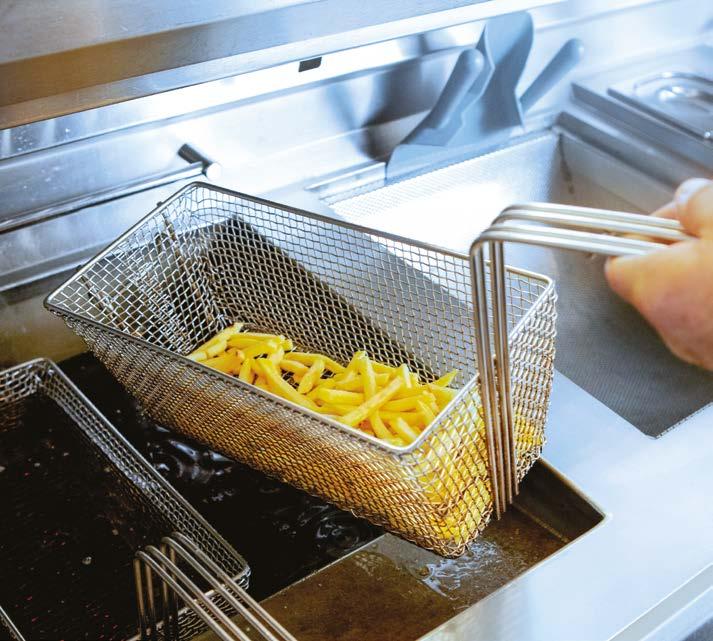
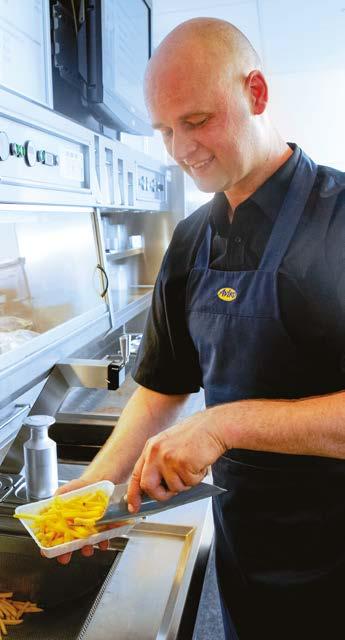
Professional kitchens are high-intensity environments: peak hours, full tickets, heat, noise, and zero margin for error. In many foodservice concepts today, fries are no longer a simple side. They are the base for loaded creations, a signature item on sharing menus, and a crucial component of delivery and takeaway offers. The challenge is clear: fries must stay hot, crispy, and visually appealing long after leaving the fryer. Master Crunch was engineered precisely for this reality.
An intense, noticeable coating paired with a pure potato taste delivers an exceptional crunch and a handcrafted look that stands out on the plate. More importantly for chefs, its structure is built for operational reliability during service, reduces stress at the pass, and protects the guest experience.
For loaded fries, Master Crunch is a rock-solid foundation. Sauces, cheeses, pulled meats, vegetables, and bold toppings can be added generously without softening the fry. The texture holds, plates stay appetizing longer, and guests enjoy the same crisp bite from first fry to last.
Master Crunch also excels in delivery and take-
away. Its robust coating helps protect crunch and heat in transit, so fries arrive looking and tasting as intended, sustaining quality and guest satisfaction beyond the restaurant door.
With Master Crunch, Aviko offers a practical, modern solution to the pressures of today’s service - combining outstanding crunch, strong visual appeal, and dependable performance. And because it’s developed through Aviko’s chef collaborations and global network, it fits seamlessly into your workflow and your menu vision.
For operators ready to elevate their fry offer and create memorable dishes that stand up to busy service and off-premise demands, Master Crunch delivers exactly what its name promises.
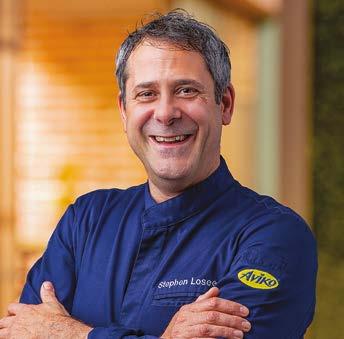


















By Marc Zornes , CEO & Founder, Winnow
Every dish tells a story. It begins in the pasture, field, or sea, shaped by farmers, producers, and ecosystems long before it reaches the plate. Chefs play an incredible role as the final custodians of that journey. And yet, too often, part of that story ends in the bin.
In professional kitchens, food waste has long been treated as inevitable. Not because chefs don’t care, but because kitchens are complex. Forecasting covers, running buffets, training teams, and delivering consistency at speed leaves little room for guesswork. When waste is invisible, it’s impossible to manage.
That’s where measurement changes everything Winnow helps chefs measure food waste automatically using AI, showing exactly what’s being wasted, when, and why - without slowing service or adding paperwork. Adopted by the likes of Hilton, Accor and IKEA across thousands of kitchens in almost 100 countries worldwide, this simple act of measurement is unlocking powerful results. Kitchens using Winnow are now saving over $100 million every year in food that would otherwise be thrown away.
For chefs, those savings are not abstract. Foodwaste typically represents 5-15% of food pur-
chased in professional kitchens. When it’s measured consistently, we see waste reduced by 50% or more. That translates directly into lower food costs, stronger margins, and money that can be reinvested where it matters most: better ingredients, better equipment, better training.
When chefs can clearly see surplus and overproduction, waste reduction becomes a creative opportunity rather than a constraint. Measurement gives chefs the confidence to experiment - adjusting batch sizes, redesigning menus, and finding new uses for ingredients that once had no second life.
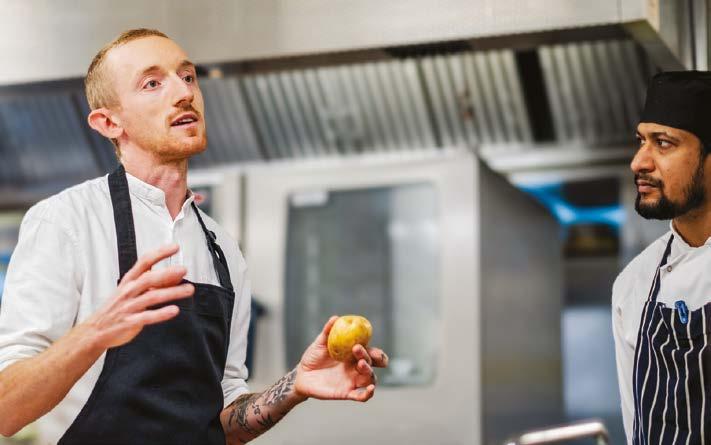
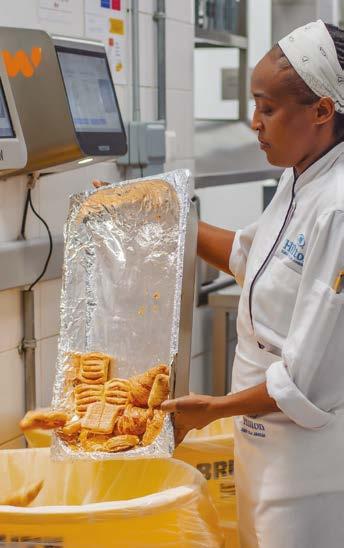
That’s why we work closely with Chef Vojtech Vegh, our Zero Waste Culinary Advisor. Vojtech brings years of culinary experience and a clear message: respecting ingredients is fundamental to respecting the craft. His work shows that waste-free cooking isn’t about cutting cornersit’s about cooking with intention.
So, here’s the invitation
If you want more control over food costs, more room for creativity, and a stronger connection between pasture, passion, and plate - start by measuring your food waste. Not to police your kitchen, but to empower it.
The chefs who measure first lead the change. And they’re proving that the future of hospitality is not only more sustainable - but more creative, profitable, and respectful of every ingredient’s story.

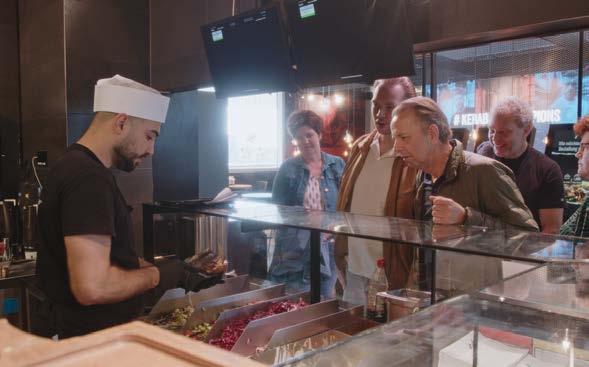
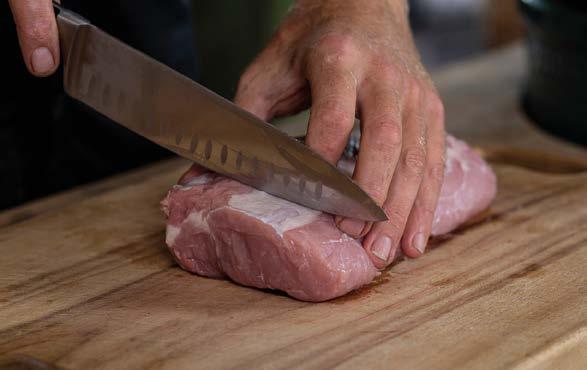
DISCOVER THE DAILY VEAL
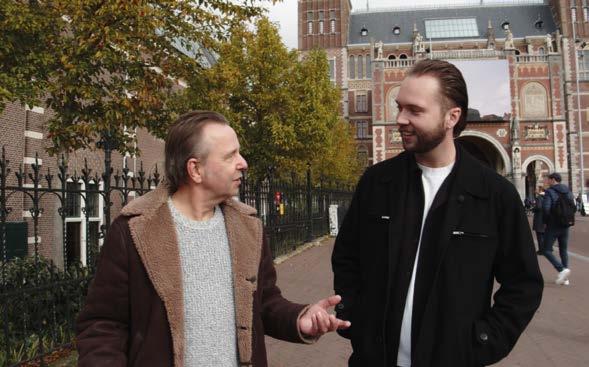
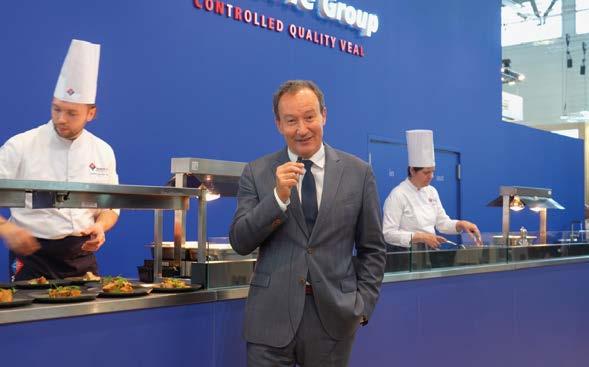
DON’T MISS THIS UNIQUE EXPERIENCE AT THE WORLDCHEFS CONGRESS IN WALES!
During The Daily Veal we’ll dive into:
• The VanDrie Group supply chain
• Training programs for chefs
• Culinary craftsmanship
Join us… and uncover our surprise! MAY 16 | 12:30 PM | MAINSTAGE
“ YOUR DAILY DOSE OF VEAL, BROUGHT TO LIFE IN A SHOW.”
Traditional Korean jang refers to the essential fermented sauces of Korea, made from meju (fermented soybean bricks). These condiments – doenjang (soybean paste), ganjang (soy sauce), and gochujang (red chili paste) – form the foundation of Korean flavors and dietary culture.
Their production process, deeply rooted in Korean heritage, involves patience, natural fermentation, and care passed down for generations. Making traditional Korean jang with meju is a test of patience and care, and provides a connection to Korean heritage and flavor. The process brings together science, tradition, and the personal touch of the maker.
Meju is a brick of dried, fermented soybeans. It is not consumed directly, but acts as the basic starter for Korea’s major sauces. To make meju, soybeans are soaked, boiled, mashed, shaped into blocks, and then naturally fermented by hanging them (usually with rice straw) to allow wild bacteria and fungus to inoculate the bricks. This process imparts the distinct flavors and microbiome to Korean jang.
Types of Jang Made From Meju
> Doenjang (Soybean Paste): Thick, umami-rich paste used in stews, soups, dips.
> Ganjang (Soy Sauce): Salty liquid seasoning, a byproduct of doenjang making.
> Gochujang (Chili Paste): Fermented sweet-spicy paste (requires meju powder, grains, and chili but is not the focus here).
Cultural Significance
Jang-making is an iconic part of Korean tradition. Each household often developed their own taste and character of jang. Making meju and jang was a communal family event, reflecting the passing down of skill and care through generations.
Ingredient List For Meju
1kg dried soybeans (preferably organic/Korean variety)
Fresh water
For Doenjang and Ganjang
Meju blocks (from above)
Coarse sea salt (Korean solar salt preferred)
Clean rice straw (optional, for traditional fermentation)
Dried peppers and charcoal (optional, for brining)
Step-by-Step Recipe - Making Meju
> Soak and boil soybeans.
> Rinse 1kg dried soybeans and soak them
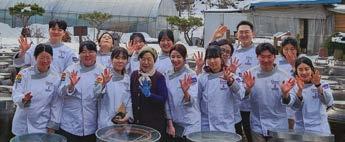
overnight in plenty of fresh water.
> Boil the soaked soybeans until very soft, about 1 hour at first, then lower heat and simmer for an additional 4-5 hours, ensuring the beans remain submerged.
> Mash and form bricks
> Drain the cooked beans. In batches, roughly mash the soybeans using a mortar and pestle or food processor. The texture should be fairly coarse; do not finely grind.
> Divide the mash into 2-3 equal portions. Knead and compress with your hands and shape into sturdy rectangular or sphere blocks (about 6 x 3 x 4 inches each).
> Place the blocks in a well-ventilated, shaded spot to air-dry for 1-2 days until the surface is dry to the touch.
> Tie each brick with clean rice straw and hang them in a sunny, well-ventilated area (under the eaves, open shed, etc.).
> Natural fermentation will occur over 1-2 months. The rice straw naturally introduces beneficial bacteria and molds for fermentation.
Making Doenjang (Soybean Paste) and Ganjang (Soy Sauce)
Brining the Fermented Meju
> After the meju has matured and is covered with white mold, brush off loose debris (do not wash).
> Prepare a large onggi (ceramic crock). Prepare a brine using about 18-20% (w/v) sea salt dissolved in water.
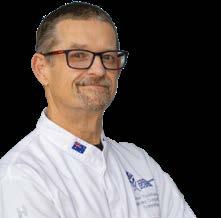
> Place meju bricks in the onggi, weighing them down with bamboo sticks, and pour the brine over to fully submerge. You may add several whole dried chili peppers and a piece of clean charcoal (charcoal helps with clarity and sterilization, optional step).
> Cover with cheesecloth. Let the blocks ferment in the brine for more than 50~60days in a sunny spot, checking for unwanted mold.
Separating Soy Sauce and Doenjang
> After brining, remove the meju bricks from the brine. The now brown liquid is soy sauce (ganjang), and the solid meju is the basis for doenjang.
> Strain the ganjang (soy sauce) and store in sterilized bottles or onggi for more aging.
> For doenjang, remove salt from the surface of the meju. Break apart the meju bricks, discard any tough/blackened outer parts, smash the rest, and pack it tightly back into the onggi with some of the brine. Let it ferment for several more months – up to a year is traditional.
Once well aged, transfer doenjang to smaller crocks or containers. Fermented doenjang develops deeper umami with time and can be enjoyed for years. Store in a cool, shaded spot or refrigerate for longer keeping.
Use doenjang for soups, stews, dipping raw vegetables, or as a base for sauces. Use ganjang as an all-purpose seasoning for stir fries, braises, and dressings.
The climate, water, salt, and even the household flora all add unique flavor. Each family’s jang is different! For a modern approach, you can use a food-grade plastic container and skip using rice straw, but the flavor profile may differ. Meticulous hygiene is crucial; any off-smelling or odd-colored mold should be removed immediately.
Heritage cuisine carries the history of people, places, and survival on a plate. It represents generations of knowledge shaped by necessity, celebration, and connection. In a fast-moving industry, heritage cuisine grounds us – reminding chefs that innovation is strongest when it grows from respect for tradition rather than replacing it.
Peter Tischhauser, Chair of Worldchefs’ Culture, Cuisine and Heritage Food Committee







We asked our national associations, Education Partners, and Executive Committee to share a few words that reflect the priorities of our members at this moment, industry trends they’re seeing emerge, or their hopes for the future. Here’s what matters most to chefs, straight from the global voice of culinary professionals.