

Distributing books in Australia and New Zealand for over 30 years
Distributing books in Australia and New Zealand for over 30 years


Distributing books in Australia and New Zealand for over 30 years
Distributing books in Australia and New Zealand for over 30 years
By Matt Stone, Oliver Caviglioli, Tom Sherrington
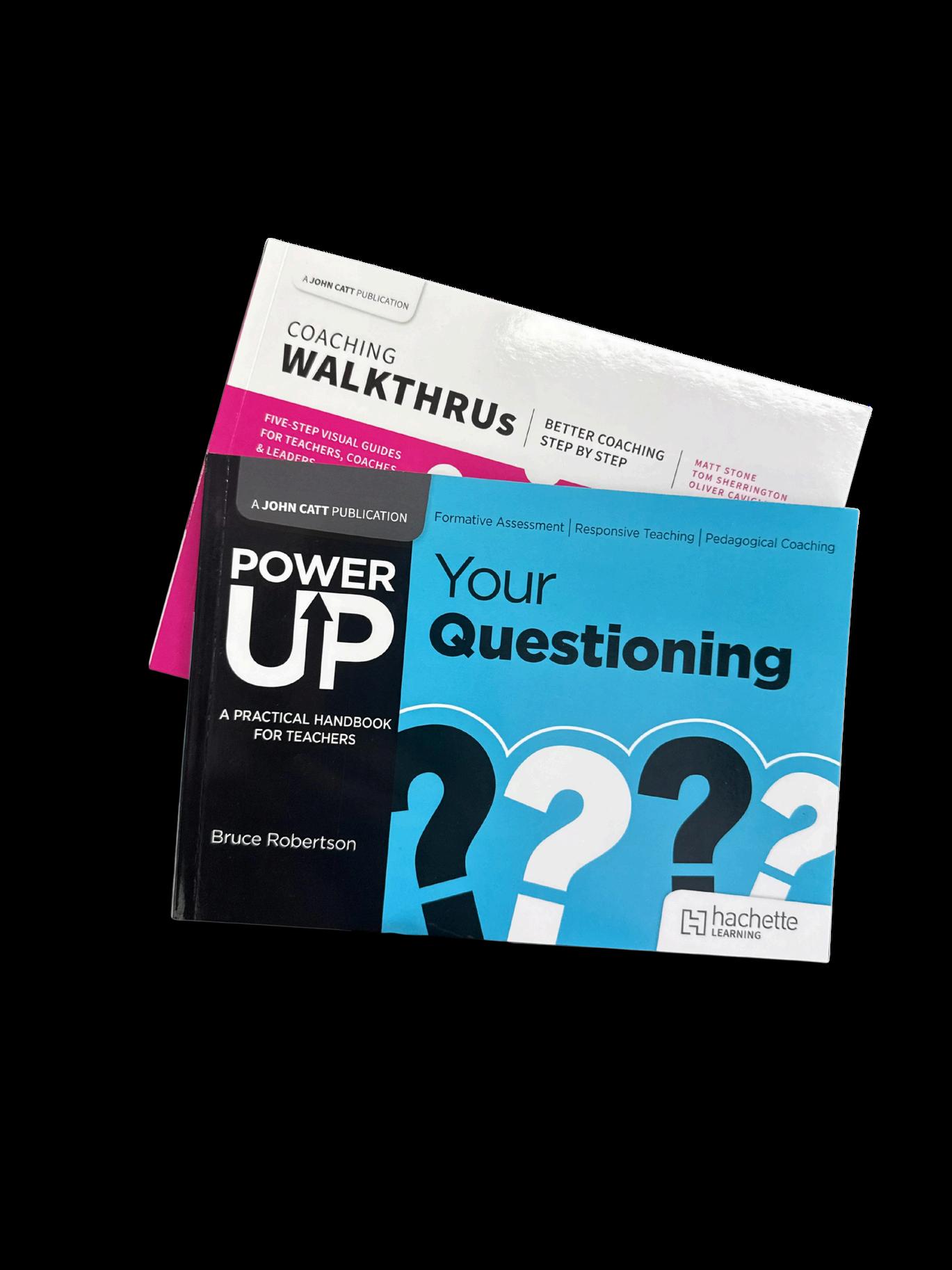
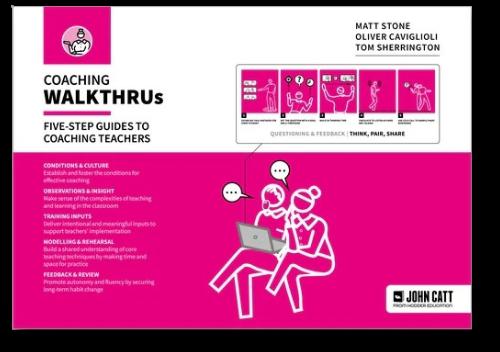
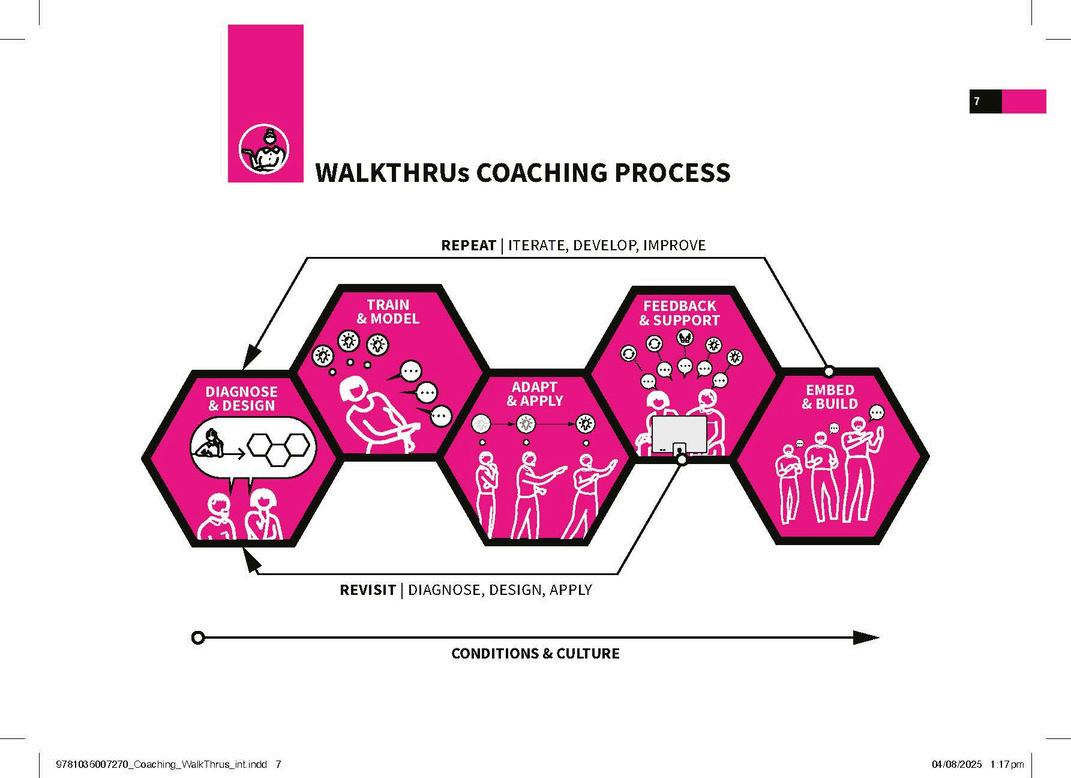
Following the break-out success of Teaching WalkThrus Volumes 1-3, Matt Stone, Tom Sherrington and Oliver Caviglioli present 50+ coaching techniques, concisely explained and beautifully illustrated in five short steps, to support teacher development through meaningful coaching
Matt Stone is a teacher trainer, pedagogical coach, and education consultant. He spent 15 years as an English teacher and senior leader in South Wales, during which time he also worked across the region to support hundreds of schools in designing and implementing coaching-based professional development programmes. Matt now works with the Teaching WalkThrus team, supporting schools in the UK and beyond to build more evidence-informed approaches to teaching. He is a regular contributor to national and international conferences and professional learning networks. Coaching WalkThrus is his first book, co-authored with Tom Sherrington and Oliver Caviglioli.
Oliver Caviglioli is uniquely placed to bridge the gap between education and graphic design. A former special school headteacher, Oliver learned design principles from an early age from his architect and typographer father. Four decades of reading educational research found its visual expression in his spectacular, image-rich book Dual Coding With Teachers. He has also co-authored Organise Ideas and the Teaching WalkThrus series of books and CPD resources.
Tom Sherrington started teaching in 1987 and has had a 35-year career in education. Hes now in demand as a consultant and conference speaker, working with schools and colleges to improve teaching, curriculum and assessment. He is the author of The Learning Rainforest: Great Teaching in Real Classrooms, described as one of the best teaching books of all time by Book Authority, the best-selling Rosenshines Principles in Action, and the Teaching WalkThrus series. Tom has developed the digital WalkThrus programme of CPD resources in collaboration with Oliver Caviglioli.
By Tom Sherrington and Oliver Caviglioli
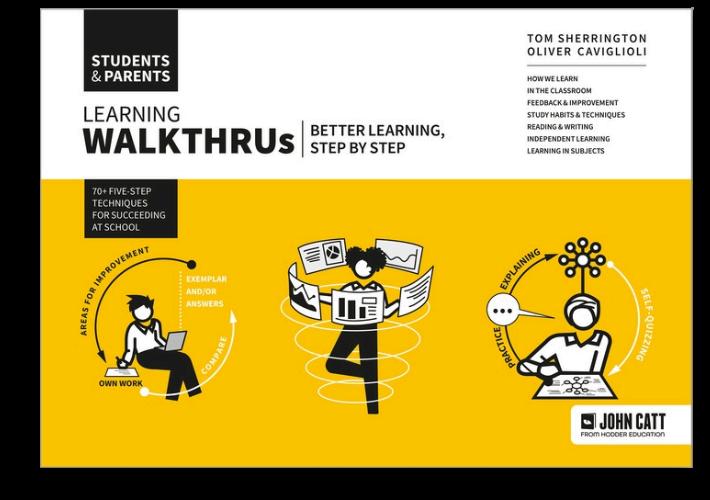
LEARNING WALKTHRUs is a visual guide to key aspects of learning and studying at home and at school It features 70+ five-step techniques devised by Tom Sherrington and illustrated by Oliver Caviglioli
Students: this book is for you It's a guide to how we learn and how to study effectively, to help you make the most of your time at school
Parents: this book is also for you We hope it will support you in the vital role you play in your children's education
1,2,3
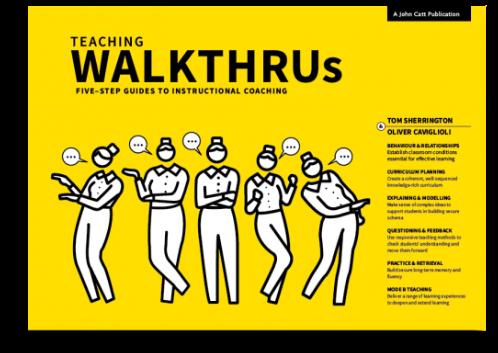
Tom Sherrington and Oliver Caviglioli team up to present 50 essential teaching techniques, each with five clear and concise illustrations and explanations It forms a truly unique repository of key teaching methods, valuable to any classroom practitioner in any setting Each technique is simply explained and beautifully illustrated in five short steps
In this follow-up second volume, Tom and Oliver team up with 10 experienced educators to present 50 brand new WalkThrus, covering all the key areas of teaching: behaviour and relationships; curriculum planning; explaining and modelling; questioning and feedback; practice and retrieval; and Mode B teaching
Following the break-out success of Teaching WalkThrus Volume 1 and Volume 2, Tom Sherrington and Oliver Caviglioli present the third instalment of their five-step instructional coaching techniques Volume 3 features 50 more essential teaching methods in the authors' concise and accessible format, covering all the key areas of teaching
9781036003173
By Bruce Robertson
Questioning is arguably one of the most important aspects of pedagogy a teacher can focus on developing due to the impact it can have on students' learning However, questioning is also one of the most challenging aspects of a teacher's job to master It's one thing to ask questions; it's another to do this really well Following the success of Power Up Your Pedagogy comes the second instalment in Bruce Robertson's series: Power Up Your Questioning In this book, teachers are guided through every aspect of questioning in the classroom: why it matters, what it entails and how to use it to improve your students' learning As a formative assessment tool, questioning is king This book will make any teacher a questioning expert
Bruce Robertson has been working in education for almost 20 years. He works closely with primary and secondary schools, with a particular focus on pedagogy, curriculum and school leadership. Teachers and school leaders are consistent in their praise for Bruce's passion, clarity and inspirational messages.
By Zach Groshell
This book reaffirms the enduring importance of effective explanations at a time when "teacher talk" is often undervalued. Drawing on the science of learning, Zach Groshell explores essential techniques for showing, telling, demonstrating, modeling, and presenting so that even the most complex concepts become accessible to all learners. Engage with the art and science of "breaking it down" to discover how a direct and explicit approach to teaching can significantly impact classroom success.
Zach Groshell, PhD is a highly distinguished teacher, instructional coach, and education consultant. Zach is based in the Seattle area and works with schools around the globe to develop high-quality instruction based on the science of how kids learn.
Teaching One-Pagers
Ask any teacher and they would say workload is one of the biggest blockers to their professional development
Simply put, most teachers are time-poor and too busy to engage with educational research to improve their classroom instruction
One-pagers are ultra-concise, A4-sized summaries that share important ideas about good teaching In this practical volume, Jamie Clark presents more than 55 evidence-informed one-pagers that help educators reflect on their practice, build pedagogical knowledge, and prompt professional conversations with colleagues.
Teaching One-Pagers 2
Building on the success of Teaching One-Pagers, Jamie Clark returns with his second visual compendium, featuring three fresh and insightful Collections Inspired by Tom Sherringtons seminal book The Learning Rainforest, this volume delves into cultivating a thriving school culture while expertly blending Mode A and Mode B teaching practices.
By Kate Jones
Strategies, techniques and ideas come and go in education, but feedback will always be an important aspect of effective teaching, learning and assessment. Feedback should be helpful and actionable, and pupils must embrace it, but the reality is that this doesnt always happen. This book aims to provide a wide range of practical examples for the classroom. The latest book by bestselling author Kate Jones, it explores a variety of evidence-informed and workload-friendly feedback strategies.
Jones examines the ingredients of effective feedback, shows what actionable feedback looks like in practice, explores verbal feedback approaches, advises on peer and self-assessment, and includes a chapter on harnessing technology to support teacher workload Fascinating case studies reveal how classroom teachers and school leaders across primary and secondary are implementing feedback in their settings
About Kate Jones
Kate Jones is a highly experienced teacher, leader, bestselling author, and award-winning international speaker with a global reputation for championing evidence-informed, practical approaches to teaching and learning.
About Tom Bennet
Tom Bennett has been teaching in the East End of London for thirteen years. Currently he is the founder of researchED, a grass-roots, teacher-led project that aims to make teachers research-literate and pseudo-science proof.
By Tom Bennet
All children deserve classrooms that are calm, safe spaces where everyone is treated with dignity Creating that space is one of the most important things a teacher needs to be able to do But all too often teachers begin their careers with the bare minimum of training - or worse, none Every child comes to the classroom with different skills, habits, values and expectations of what to do There's no point just telling a child to behave; behaviour must be taught This simple truth is the beginning of creating a classroom culture where everyone flourishes, pupils and staff
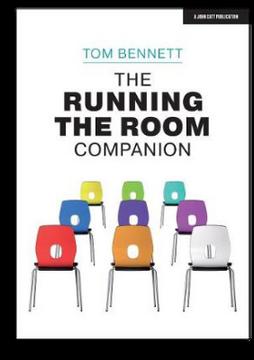
Running the Room is the teacher's guide to behaviour Practical, evidence-informed, and based on the expertise of great teachers from around the world, it addresses the things teachers really need to know to build the classrooms children need
In this concise new guide, Barack Rosenshine fan Tom Sherrington amplifies and augments the famous 'Principles of Instruction' paper and further demonstrates how they can be put into practice in everyday classrooms
Plus, check out the Rosenshine’s Principles In Action Workbook by Claire Grimes A thought provoking and refletive guide desgined to encourge teachers in all settings to become self-aware practioners.
By Bennie Kara and Neill Gilbride
For over 40 years in New Zealand, prominent educational researcher Professor Emeritus Graham Nuthall studied the dynamics of learning in the classroom. In this book, Bennie Kara explores the theoretical and practical elements of Nuthalls extensive research, including the importance of feedback, how to focus effectively on individual student needs, how to maximise learning activities and how to create a classroom culture of enquiry
Bandura's theory of self-efficacy is one of the most important discoveries in modern psychology that has transformed how we understand human behaviour Dr Neil Gilbride CPsychol guides the reader in how we can take action to raise student self-efficacy and, subsequently, the agency that students feel in taking control of their lives and studies The book interweaves insights from research with how it might look in the classroom

Retrieval practice is a strategy in which bringing information to mind enhances and boosts learning. In this punchy and accessible book, Kate Jones gives educators strategies and tips for using this powerful technique in their classrooms.
This book focuses on the effective implementation of retrieval practice. From the latest research to addressing common mistakes and tackling retrieval practice during a global pandemic, it takes a fresh and in-depth look at this tried and tested technique.
This practical resource guide is the go-to guide for a wide range of retrieval practice tasks that teachers can use in their classrooms. There are over fifty evidence-informed and creative, tried and tested, classroom resources and strategies to support retrieval practice.
This guide explores how retrieval practice can work in a primary school context, first focusing on research then on classroom application, covering curriculum design and how to embed retrieval practice as part of the language of learning across the wider school community.
Kate Jones is a highly experienced teacher, leader, bestselling author, and award-winning international speaker with a global reputation for championing evidence-informed, practical approaches to teaching and learning. She currently serves as Senior Associate for Teaching and Learning at Evidence Based Education, where she works closely with educators to translate research into classroom practice that improves outcomes without adding to workload.
Learn how to purposefully use AI with:
Busy educators need tools that support their planning and provide them with more time with students. While artificial intelligence (AI) has emerged as a promising solution, it can only help if were willing to continuously learn how to use it in ways that improve upon what we already do well The Artificial Intelligence Playbook: Time-Saving Tools for Teachers that Make Learning More Engaging, Second Edition, is a thoroughly updated, expanded new edition that reflects the transformative changes that have emerged since the first publication, offering updated strategies, insights, research, and examples that address the latest developments in AI technology Though AI has the potential to reduce workload for educators, it will never replace teachers Your connection with students is irreplaceable-and greatly impacts their learning With The Artificial Intelligence Playbook, Second Edition, in hand, educators will find even more time-saving tools to help build and sustain those vital relationships with students all while enhancing learning and engagement in the classroom
Best practices for composing effective prompts for optimal output and incorporating images, PDFs, or other documents with those prompts
An expanded look at the responsible use of generative AI, addressing plagiarism, citations, and other common concerns
New strategies and research supporting AI literacy instruction to prepare students for an AI-powered future
More classroom examples demonstrating AI use cases for instructional best practices across various grade levels
Practical ways to implement AI to enhance teaching functions from planning, instruction, assessment, student engagement, and more
Douglas Fisher is professor and chair of educational leadership at San Diego State University and a teacher leader at Health Sciences High and Middle College. Previously, Doug was an early intervention teacher and elementary school educator. He is a credentialed English teacher and administrator in California. In 2022, he was inducted into the Reading Hall of Fame by the Literacy Research Association.
Meghan Hargrave is an experienced educator, with over 15 years in the field. After being a teacher leader in the classroom, she moved into education coaching and consulting where she supports hundreds of K-12 schools worldwide. Her work has always focused on important instructional shifts in education and practical ways the educators she supports can embrace these shifts effectively, which has included the integration of Artificial Intelligence tools in the classroom. She is ChatGPT, GoogleAI, and AI for Education certified.
Nancy Frey is a Professor in Educational Leadership at San Diego State and a teacher leader at Health Sciences High and Middle College. She is a credentialed special educator, reading specialist, and administrator in California. She is a member of the International Literacy Associations Literacy Research Panel.


By Ryan Dunn, Pauline Thompson, John Hattie, Douglas Fisher, Nancy Frey
Designed for instructional coaches, grade-level leaders, subject coordinators, and team leaders, Teachers Who Lead highlights proven strategies to enhance teaching practices, foster collaboration, and impact student learning on a broader scale. Drawing from the latest research on teacher leadership, school improvement, and real-world experiences, this practical guide emphasizes the essential skills and mindsets required to bridge teaching excellence and schoolwide leadership efforts
Key features include:
Diagnostic tools to address complex educational challenges
Strategies to create shared high-quality resources that reduce workload and promote consistency
Collaborative leadership techniques to strengthen team dynamics and foster collective teacher efficacy
Real-world success stories offering insights into what works in educational leadership
Reflection questions to apply the book’s ideas in your unique school context
Whether you’re just beginning your leadership role or have been supporting colleagues for years, authors Ryan Dunn, Pauline Thompson, and John Allan Hattie provide actionable strategies to build confidence, promote student improvement, and make lasting contributions to your school
By Peter M. DeWitt, Michael Nelson
Despite regular meetings and planning sessions, collective leader efficacy often remains an untapped resource, leaving leadership teams working in silos and increasing the challenge of creating environments where every student and adult can thrive. Lead Collectively bridges this gap by providing a comprehensive framework for shared understanding, joint work, and evidence-based decision-making to strengthen leadership teams and amplify their impact on teaching and learning Drawing on decades of leadership experience and research, authors Peter M DeWitt and Michael Nelson offer actionable tools, protocols, and insights to help educational leaders foster trust, coherence, and accountability
Additional features include: A step-by-step Collaborative Inquiry Cycle to guide leadership teams from identifying problems of practice to tracking measurable results, Guidance on integrating AI tools to analyze data, assess impact, and enhance collaboration, Case studies and real-world stories illustrating how schools and districts have transformed their leadership practices through collective efficacy More than a guide, Lead Collectively is an invitation for leaders to foster collaboration to achieve meaningful, lasting change Whether you’re leading at the school or district level, this book equips you with the tools to grow as a leader and drive measurable improvement for your students and educators
By Peter Liljedahl, Maegan Giroux
Peter Liljedahl has joined forces with co-author Maegan Giroux to bring the Building Thinking Classrooms (BTC) framework to life in this new book Whether you are new to BTC or a seasoned user, Mathematics Tasks for the Thinking Classroom, Grades K-5 will help teachers, coaches, and specialists transform traditional math classrooms into dynamic and thoughtprovoking learning spaces.
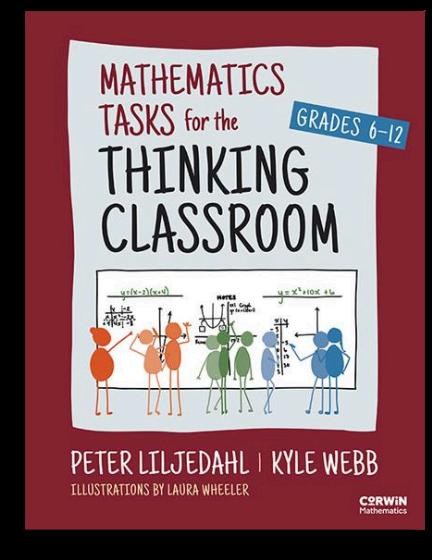
By Peter Liljedahl, Kyle Webb
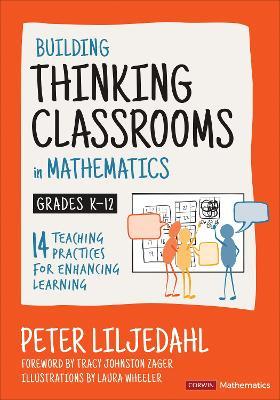
Building upon the blockbuster success of Building Thinking Classrooms in Mathematics, Peter Liljedahl has joined forces with co-author Kyle Webb to bring the Building Thinking Classrooms (BTC) framework to life in this new book, Mathematics Tasks for the Thinking Classroom, Grades 6-12
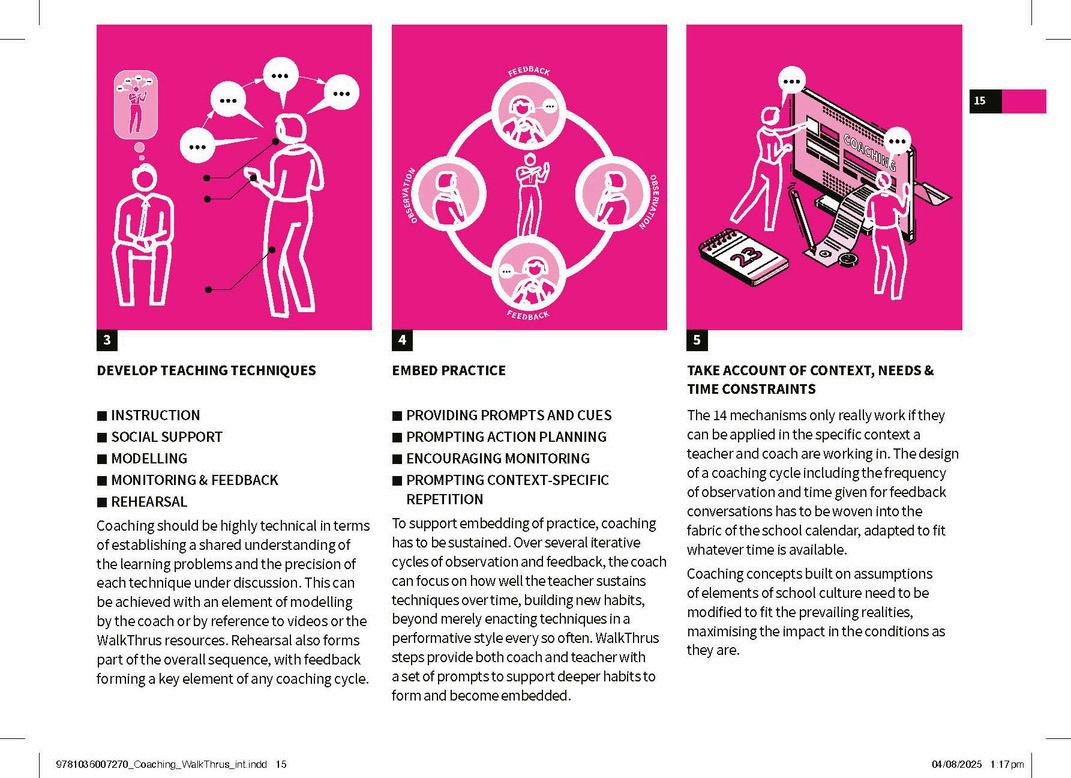
But this book is so much more than simply a collection of good thinking tasks It delves deeper into the implementation of the 14 practices from the BTC framework by updating the practices with the newest research, and focusing on the practice through the lens of rich math tasks that address specific mathematical learning outcomes or standards
By Peter Liljedahl
Sparked by observing teachers struggle to implement rich mathematics tasks to engage students in deep thinking, Peter Liljedahl has translated his 15 years of research into this practical guide on how to move toward a thinking classroom. It provides the what, why, and how of each practice and answers teachers' most frequently asked questions.
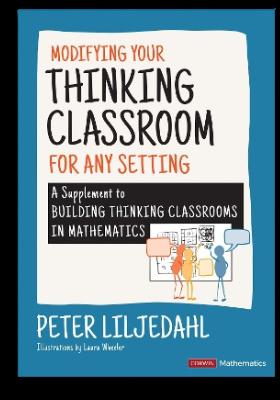
By Peter Liljedahl
This follow-up supplement walks teachers through how to adapt the 14 practices for 12 distinct settings, some of which came about as a result of the COVID-19 pandemic. It allows teachers to dip in as needed and continually modify the practices as their own classroom situations change and evolve, always keeping the thinking at the forefront of their mathematics teaching and learning.
By Christa Jackson, Oliver Roberts, Cathrine Maiorca, Kristin L Cook, Sarah B Bush
In response to calls for active STEM learning that builds students' agency and sense of belonging, teachers and leaders are being encouraged more and more to equitably implement integrated STEM instruction This practical guidebook is designed to help educators create integrated STEM learning experiences that are inclusive for all students and allows them to experience STEM as scientists, innovators, mathematicians, creators, engineers, and technology experts! Addressing the STEM status quo and promoting inclusiveness in STEM fields, the authors center their work around the Equity-Oriented Conceptual Framework for STEM Literacy, which provides high-quality integrated strategies to connect students' lived experiences to STEM learning.
9781071917053
Start, focus, or extend your integrated STEM education journey with an authentic interdisciplinary perspective!
By Christa Jackson, Kristin L. Cook, Sarah B. Bush, Margaret J. Mohr-Schroeder, Cathrine Maiorca
Simplifying STEM provides a ground-breaking model of the four Integrated STEM Practices (ISPs) to ensure coherent and aligned teaching across disciplines through authentic opportunities to meaningfully engage students. Learn how to simplify STEM with these four equitable practices to inspire deep learning Use critical and creative thinking to seek solutions Collaborate and use appropriate tools to engage in iterative design Communicate solutions based on evidence and data Recognize and use structures in real-world systems
Including a STEM planning guide as well as instructional strategies and assessments for standard alignment, this is an essential resource for any educator seeking to empower their students with meaningful STEM learning experiences The book includes an online implementation toolkit to give educators opportunities for powerful professional development built on collaboration and connection
By Diana Hudson
The updated, straight-talking and accessible guide is ideal for teachers, teaching assistants, SENCOs, senior leadership and even home schooling parents who want to know more about supporting students with Learning Differences Highlighting some of the more commonly encountered Specific Learning Differences (SpLDs), expert Diana Hudson concisely describes the signs of those that are most commonly encountered in the classroom Covering: dyslexia, dyspraxia, dyscalculia, dysgraphia, autism spectrum condition, ADHD, OCD and featuring brand new chapters on Pathological Demand Avoidance (PDA), Sensory Processing Disorder (SPD) and tics and Tour reminding us that all n


and school Part 1 provides es Then, Part 2 lists an A-Z s, ranging from Aggression nges and Zzz (sleep issues)
Trauma-Informed Tools and Strategies from Educators with Lived Experience
By Sophie Tales, Lisa Cherry
The impact of Adverse Childhood Experiences lie behind many of the most common and bewildering classroom challenges today Understanding the why behind students' behaviour can be transformative in shifting school behaviour, as well as the welfare of your students This book is grounded in the lived experiences of educators who overcam It combines their insights with easy to implement tools, worksheets proven Restorative Practice, Transactional Analysis, Cognitive Behav It will provide you with a fresh perspective - to see what is really go and will give you the confidence to provide sort of support your stu to thrive Whether you are a school leader, teacher or classroom as secondary; in mainstream, SEND or alternative provision, this book positive change


By Tina Rae, Ali D'Amario

well-being in schools with our user-frie dance for busy educators to navigate a nding of the key emotional and social techniques for engaging with children recognise and respond to mental health needs as they arise Covering topics including developmental trauma, anxiety, eating disorders, schoolavoidance, self-harm and more, this handbook is designed for the busy individual seeking to support the well-being of children and young people to dip in and out of as needed Perfect for use in school and educational settings, the bounty of information sheets, top tips and key strategies provided can be used to effectively provide the trauma-informed nurture that so many children need
Easy Ways to Achieve Access, Agency, and Wellbeing for All
By Kara Dymond
The world expects the impossible from teachers, with so many young people in our care - all with unique needs How do we help everyone to thrive? Imagine a classroom where there is no 'normal' - where all brains are expected and welcomed Students are taught about neurodiversity, metacognition, and self-advocacy alongside the curriculum and are encouraged to identify their own needs Learning tools are taught and available to everyone! This thoughtful guide breaks down the learning process It's brimming with practical tips, brain-based strategies, and illustrative examples that teachers can implement in the classroom Stories of real teachers and neurodivergent students help educators envision how to apply neurodiversity-affirming approaches
By Zoe Beezer
What is executive functioning? How does it affect learning? Executive functions (EFs) are group of complex mental processes and cognitive abilities required to organize thoughts activities, prioritize tasks, manage time efficiently, make decisions and regulate our beha and emotions. They do not reach maturity until an individual is well into their 20s, and so teachers and educators have enormous potential to help pupils hone those skills so that are better equipped for the process of learning. But what do you do if its impaired? This guide includes a step-by-step approach to improving executive functioning within the classroom and beyond. It will provide effective strategies to use in daily life, and show te how to enhance awareness in the classroom, as well as giving students activities to do, to develop their own skills.

9781781352731
By Paul Dix
Paul Dix upends the debate on behaviour management in schools and offers effective tips and strategies that serve to end the search for change in children and turn the focus back on the adults You can buy in the best behaviour tracking software, introduce 24/7 detentions or scream NO EXCUSES as often as you want but ultimately the solution lies with the behaviour of the adults. It is the only behaviour over which we have absolute control. Drawing on anecdotal case studies, scripted interventions and approaches which have been tried and tested in a range of contexts, from the most challenging urban comprehensives to the most privileged international schools, behaviour training expert and Pivotal Education director Paul Dix advocates an inclusive approach that is practical, transformative and rippling with respect for staff and learners. An approach in which behavioural expectations and boundaries are exemplified by people, not by a thousand rules that nobody can recall. This book outlines how each school can build authentic practice on a stable platform, resulting in shifts in daily rules and routines, in how we deal with the angriest learners, in restorative practice and in how we appreciate positive behaviour Throughout the book both class teachers and school leaders will find indispensable advice about how to involve all staff in developing a whole school ethos built on kindness, empathy and understanding
By Paul Dix
In this follow-up to his bestselling book When the Adults Change, Everything Changes, Paul Dix explains how teachers and school leaders can move beyond the behaviour management revolution and build a school culture rooted in relational practice. There is a behavioural nirvana. One that is calm, purposeful and respectful. Where poor behaviour is as rare as a PE teacher in trousers and where relationships drive achievement. Annoyingly and predictably, the road is hard and the ride bumpy and littered with cliches. It is achievable though. And when you get there it is a little slice of heaven. A revolution in behaviour can be exciting, dynamic and, at times, pleasantly terrifying. But revolution is short-lived. In After the Adults Change Paul shows you that, after the behaviour of the adults (i.e. the staff) has changed, there is an opportunity to go wider and deeper: to accelerate relational practice, decrease disproportionate punishment and fully introduce restorative, informed and coaching-led cultures Paul delves into the possibilities for improvement in pupil behaviour and teacher-pupil relationships, drawing further upon a hugely influential behaviour management approach whereby expectations and boundaries are exemplified by calm, consistent and regulated adults
9781781353776
As a teacher, leader and teacher trainer, Paul Dix has been working to transform the most difficult behaviour in the most challenging urban schools, referral units and colleges for the last 25 years. He has published five books on behaviour and assessment, in addition to over 250 articles on behaviour. Paul won a national training award in 2009 for his work in helping a school transform from failing to good in just nine months. He also chairs the board of directors of a multi-academy trust which comprises 11 special schools - a role he undertakes voluntarily - and leads the #BanTheBooths campaign.
By Patrick Cozier
Written by Patrick Cozier, Calm Leadership offers an inspiring and hopeful insight into his calm approach to school leadership, which he has crafted, developed and honed over his twenty-four years as a school leader This model offers a framework for managing stress, staying well and maintaining a positive outlook so that readers can sustain leadership roles in the long term This book addresses a part of leadership that’s often overlooked: what it actually feels like to lead The central message of this book is that leadership doesn’t have to be a burnout job; it can be a source of joy, fulfilment and lasting impact when approached with the right mindset and strategies, which Patrick presents with clarity, passion and heart.
By Ian Timbrell
Drawing upon his own lived experience as an LGBTQ+ individual and educator, Ian Timbrell communicates his vision for comprehensively inclusive schools with authenticity, relatability and heart. It’s More than Flags and Rainbows helps schools develop the confidence and the knowhow to ensure meaningful, consistent and fully inclusive provision for all. It promotes inclusivity that goes far beyond symbolic flags and rainbows
By John Tomsett
Through a set of in-depth case studies, This Much I Know About Truly Great Primary Teachers (and what we can learn from them) and This Much I Know About Truly Great Secondary Teachers (and what we can learn from them) by John Tomsett dissect the complex and beautiful art of classroom teaching Covering a range of school types, social contexts, pupil ages and subjects, these two books bring to life how nine outstanding primary teachers engage, inspire, nurture and motivate their pupils
Each teacher is unique in the way they teach and in how they talk about teaching, but they also have some common behaviours and attitudes that make them truly great John draws together these characteristics, summarising what we can all learn from their utter dedication, enthusiasm and commitment to preparing the next generation for a bright future.
An engaging book that identifies creative, fun and easy ways to explore STEAM (science, technology, engineering, arts and maths) subjects using the colours of the rainbow to inspire and enthuse young learners Why not spend your day creating your very own rainbow? Looking to add some STEAM to your day, but unsure of the best way to do it? Dive into this creative STEAM book to spark young people’s interest in a simple, safe and cost-effective way Leonie provides a colourful approach to teaching tricky subjects, ranging from colour and chemical reactions to photosynthesis with many more in between

Make Your Own Rainbow is a compilation of fun, easy, creative and effective activities for teachers of both primary and secondary school children with ideas that parents and carers can also enjoy at home The aim of this book is to inspire young people to discover, interact with and enjoy STEAM subjects and in doing so, to help them develop a life-long love of these topics Make Your Own Rainbow offers a fresh perspective on teaching STEAM with a real emphasis on memorable learning Leonie aims to make STEAM accessible to all through a range of tasks, resources and activities inspired by the colours of the rainbow
Examples include:
Rainbow Trail: Are you able to create a rainbow from nature/in the home or classroom?
Bubbles: Understand the colour and structure of bubbles in this mesmerising experiment
Rainbow Indicator: Investigate if certain household objects are acid or alkali
Plant Growth: Ever wanted to know what the best colour light is for plant growth?
Make Your Own Rainbow: Experiment with white light to make your own rainbow

Leonie Briggs is a science teacher, STEAM lead, STEM Ambassador, CREST Assessor and Director of Amazelab. She was awarded ‘Outstanding New STEM Ambassador’ at the 2022 STEM Inspiration Awards, and was nominated for the Global Teacher Prize 2021 and National Teaching Awards 2022. Her passion and motivation to inspire a new generation is clear for all to see. Leonie takes a fun and creative approach to all things STEAM in a mission to make it accessible to all.
Neurodiversity-Affirming Schools is a guide for K-12 educators to better understand neurodivergence and help neurodivergent students thrive Inside, you'll find the background information and concrete practices you need to create a school or classroom culture where neurodivergent students feel safe, valued, and understood You'll also find clear explanations of behaviors common in neurodivergent learners, such as masking, rejection sensitivity, and novelty seeking Then, discover specific practices that you can use right awayThis accessible book is designed to help you take action By the end of each chapter, you'll understand how the key takeaways apply to your particular situation and how you can meet neurodivergent students' needs in ways appropriate to their unique cognition.
AUD$81.99
Written by two experts on neurodiversity education, this book teaches you how to:
Use established practices like strengths-based instruction in neurodiversity-affirming ways Prevent neurodivergent students from checking out and becoming burnt out
Identify the unique ways that neurodivergent children express their needs and difficulties
Emphasize and model emotional regulation skills at the classroom level
Create more effective, strengths-based IEPs and 504 Plans
This book also provides real-world examples in the form of vignettes of neurodivergent students and the educators that support them These features contextualize what you've learned to help you feel confident as you implement change
Emily Kircher-Morris, M.A., M.Ed., LPC, is the author of Teaching Twice-Exceptional Learners in Today's Classroom, Raising Twice-Exceptional Children, and Neurodiversity-Affirming Schools. Emily hosts the Neurodiversity Podcast, which explores parenting, counseling techniques, and best practices for enriching the lives of neurodivergent people. Emily has taught in gifted classrooms and is now in private practice as a licensed professional counselor
Amanda Morin is an educator and the author of five books, including The Everything Parent’s Guide to Special Education, Adulting Made Easy, and Neurodiversity-Affirming Schools. She played an integral role in launching Understood.org and has worked with organizations and publications like Bright & Quirky, Matan, Hidden Sparks Without Walls, and Edutopia.

By Donnie Piercey
Learn how to harness the power of AI in your classroom! This professional resource includes 50 easy-to-implement strategies for using AI technology as a tool for teaching This book saves teachers valuable time with activities that boost literacy, content knowledge, and student engagement using AI tools. Written by a teacher who specializes in using technology in his own classroom, this professional book introduces artificial intelligence and the many ways it can help educators. These quick, accessible strategies for using AI academically and creatively can be used in any K-12 classroom. From sample prompts for AI to activities that support community building and fun, help teachers save valuable time and implement creative strategies with the tools in this resource!
Donnie Piercey, 2021 Kentucky Teacher of the Year, is a fifth grade teacher in Lexington, Kentucky. He specializes in incorporating technology to enhance student curiosity, learning, and engagement. Donnie hosts a podcast for educators called Teachers Passing Notes. His recent work in the field of artificial intelligence has garnered widespread recognition. His class has been featured by Good Morning America, the Associated Press, and PBS.
Kara Ball is an academic officer in special education and STEM, providing professional development across subjects. Drawing from her own experiences, Ball is a neurodivergent advocate and has a background in special education, general education, and STEM. In 2018, she was named a State Teacher of the Year and was a finalist for National Teacher of the Year

By Kara Ball
This teacher resource includes easy-to-use classroom strategies and activities for science, technology, engineering, art, and mathematics This teacher book provides 50 strategies to support STEAM instruction and build 21st-century skills such as collaboration, handling failure, problem-solving, communication, and creativity With ten strategies per essential STEAM skill, this book provides educators with tools to build skills These activities utilize accessible everyday materials, which makes them perfect for any classroom setting The book also includes student activity pages, instruction sheets, and ideas for variation at every grade level. From building knowledge of STEAM concepts to strengthening lifelong learning skills, this book offers PreK-12 teachers the support they need to help students thrive.
By Jennifer Jump, Robin D Johnson
Discover all about how students learn to read! This teacher resource examines current research on the science of reading and disc sses hat it means for classrooms today From detailed b ifer Jump and Robin D Johnso recognition Perfect for profes understanding, teaching rs as they bring these res
The books in this series provide research-based best practices and differentiation strategies They features key terms, definitions, and examples to deepen teacher understanding. and includes practical checklists for easy classroom implementation. Help teachers apply science-based reading strategies effectively with the What the Science of Reading Says About Series
By Jennifer Jump, Hillary Wolfe
Bridge the gap between research and classroom practice.Unlock the keys to helping students become skilled writers who effectively communicate ideas through engaging and meaningful written expression. This practical, research-based guide is part of a powerful series offering actionable insights for today’s classrooms.In this book, Jennifer Jump and Kathleen Kopp provide everything teachers need to improve students’ writing, including:A clear overview of the research: Explore teaching strategies for the writing process, genres, syntax, grammar, and more.Classroom-ready strategies: Discover actionable, researchaligned techniques for every grade-level band.Practical tools: Access key terms, definitions, vivid classroom examples, teaching checklists, and reflection questions to drive meaningful instruction Actionable insights: Learn how to connect research with effective classroom practices to maximize student success Designed to be easy to use, this resource equips teachers with the tools and strategies to build strong, confident writers Start turning educational research into real classroom impact today!

C
einlen
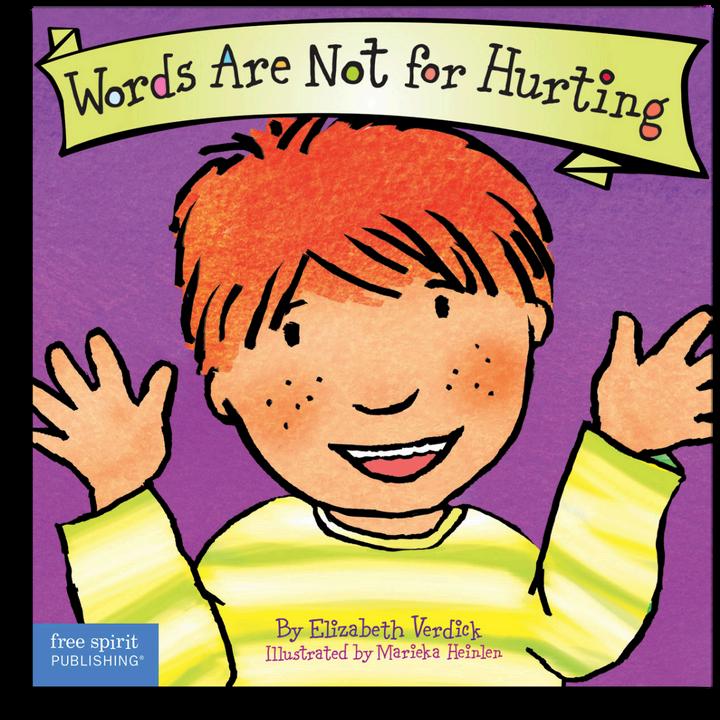
words and full-color illustrations teach children that violence is good things, and everyone is capable of positive, loving actions. from parents, preschool teachers, and childcare providers, this children are. Includes tips for parents and caregivers.
By Elizabeth Verdick, Marieka Heinlen
We can’t expect them to watch every word, words affect other people. We can gently pful instead of hurtful, and to say two very im ords come out before they can stop them.
ck, Marieka Heinlen
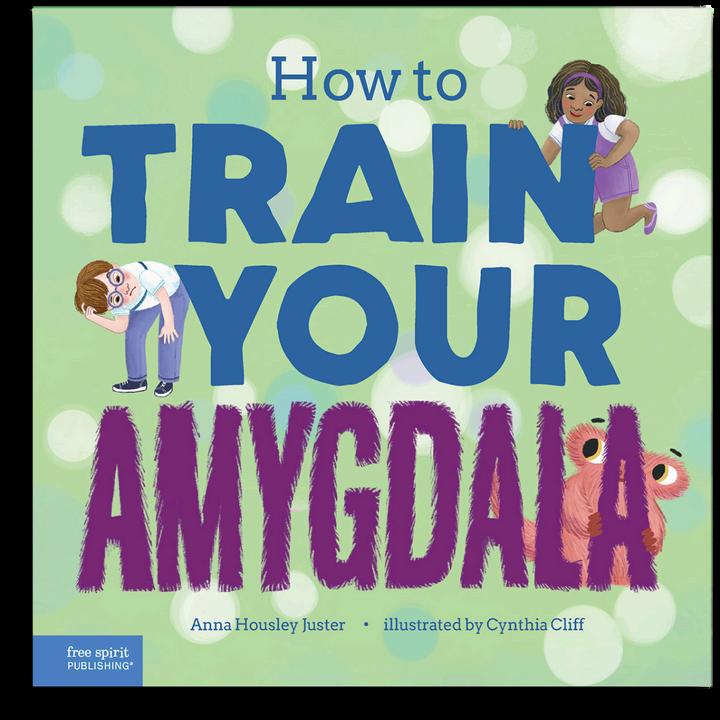
ks hard to protect you from danger, but what about when it gets things wrong? This amusing characterdriven narrative helps children learn to calm their amygdala and control their fightflight-freeze impulses

By Elizabeth Verdick, Marieka Heinlen
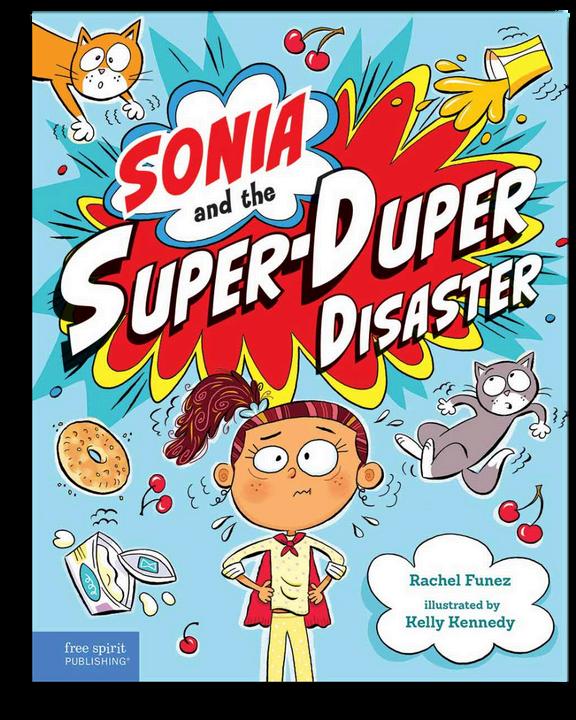
When Sonia forgets Mom's birthday, she's determined to whip up a super surprise But her ADHD foils her best-laid plans, and her anxiety multiplies as the chaos grows Sonia has to use all her coping skills to find a new recipe for success and become her own superhero
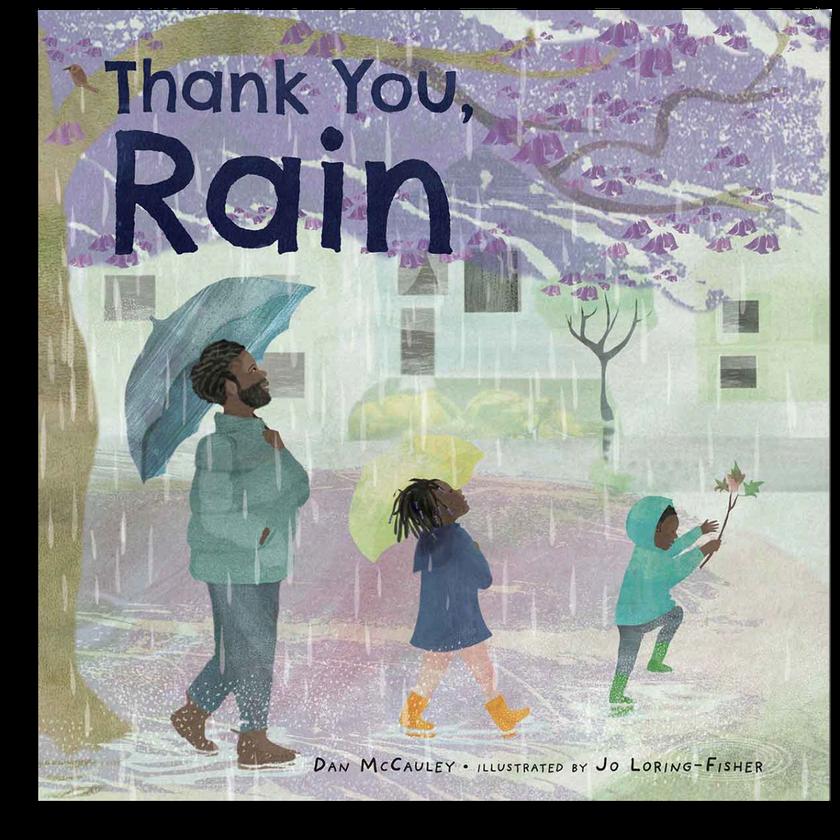
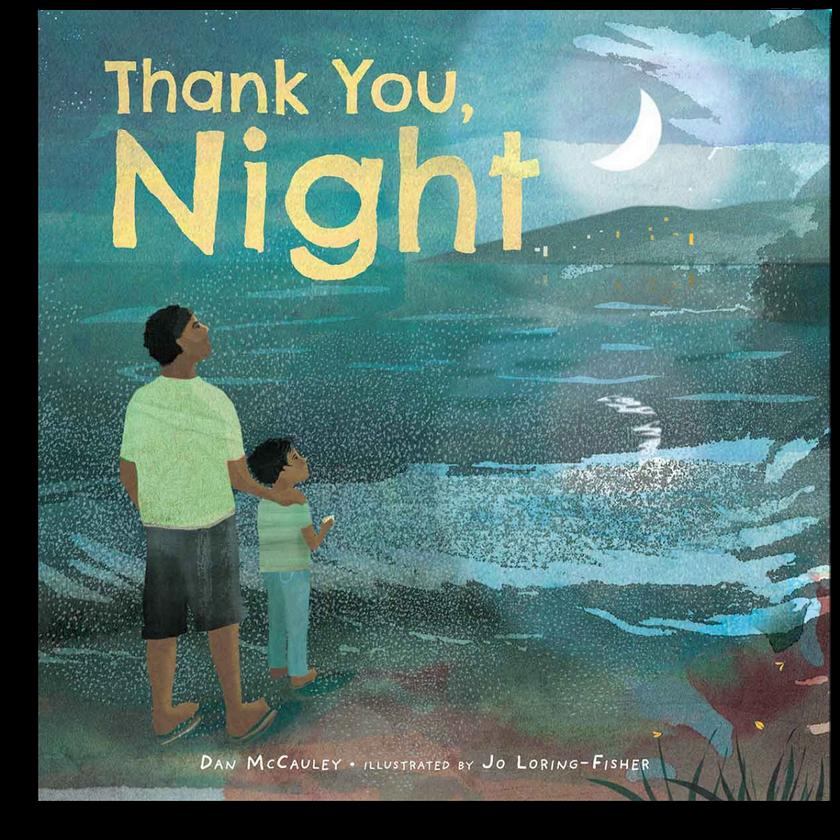
The Thank You, World series features lyrical stories about appreciating nature, connecting with our senses, and being present in the moment. These soothing books help young readers let go of stress, observe without judgment, and remain optimistic-even when the sun isn't shining
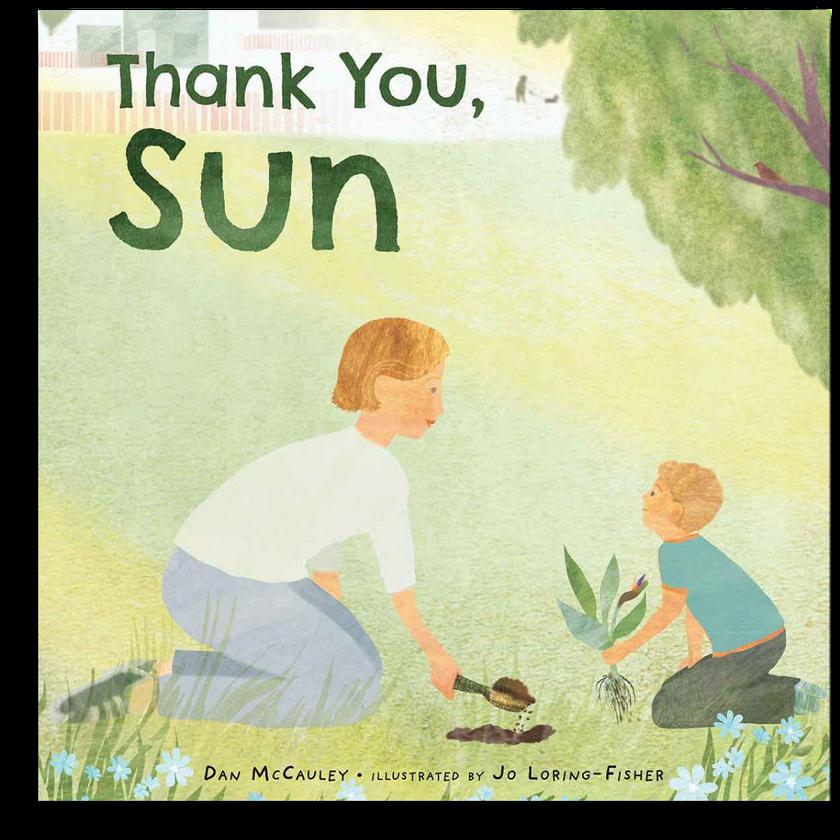
By Dan McCauley, J
From the warmth of young boy connects the morning, a child his connection to th connection with his Mama They plant se letting their minds fi neighborhood hill, le sunset
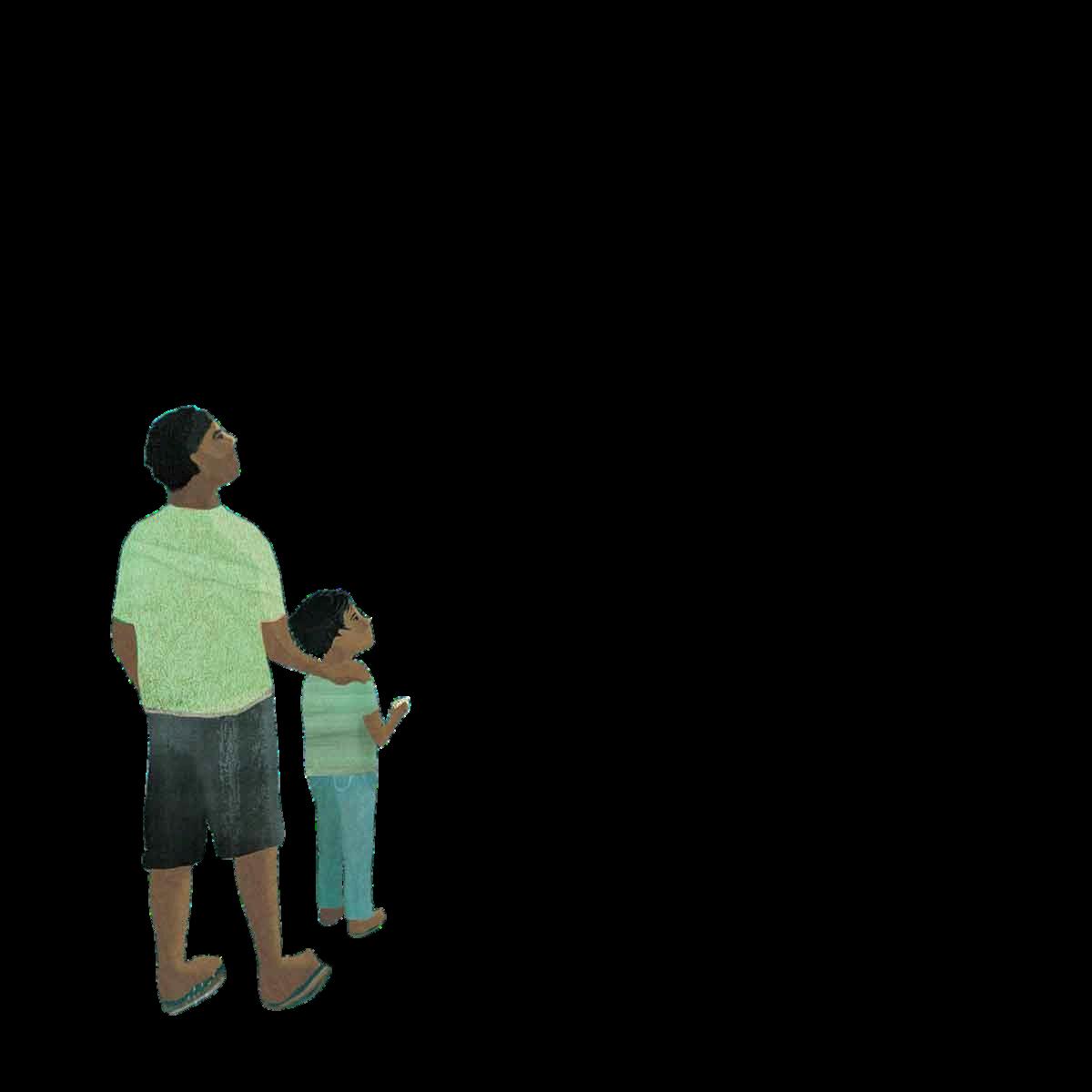


uley, Jo Loring-Fisher his senses and helps ous as the day winds a tap on his window wander where nature nd peace. Eventually erving the vast ocean ed and ready to sleep
By Dan McCauley, Jo Loring-Fishe
Watching rain dance down her wi because she can't go outside. The on their evening walk, rain or no r brother take the time to watch th the rain becomes a downpour, the the time to listen to the rain as it time to go home, the girl no longe
By Joan Sedita, Jan Hasbrouck
Writing is a complex task-and today's students must learn to write proficiently and write to learn in different content areas. The Writing Rope: A Framework for Explicit Writing Instruction in All Subjects clearly explains the intertwined skills and processes involved in writing well: transcription, writing craft, critical thinking, syntax, and text structure Steeped writing research and packed with reproducible handouts and templates, this book vides the knowledge and resources educators need to help students master writing

Includes reproducible handouts and templates!

Includes online materials! Downloadable templates, worksheets, and other teacherfriendly resources.
By Joan Sedita
The science of reading isnt just for younger learners all middle and high school students, particularly those who struggle with foundational skills, benefit from literacy instruction. This groundbreaking book for Grades 5-12 is a practical guide for teaching reading and writing skills across all subject areas Developed by Joan Sedita, the expert behind the bestseller The Writing Rope and author of the Keys to Adolescent Literacy professional development course, this book helps secondary educators understand the unique aspects of adolescent literacy It provides practical suggestions for integrating reading and writing instruction into content-area classrooms and providing data-driven intervention for older struggling students A must for both preservice preparation and in-service professional development, this book equips teachers, reading specialists, and literacy coaches to teach the literacy skills students need for success in school and life

Pupil Books: 80pp-116pp | Paperback | AUD$19.99 EA
Teacher’s Books: 104pp-108pp | Paperback | AUD$23.99 EA
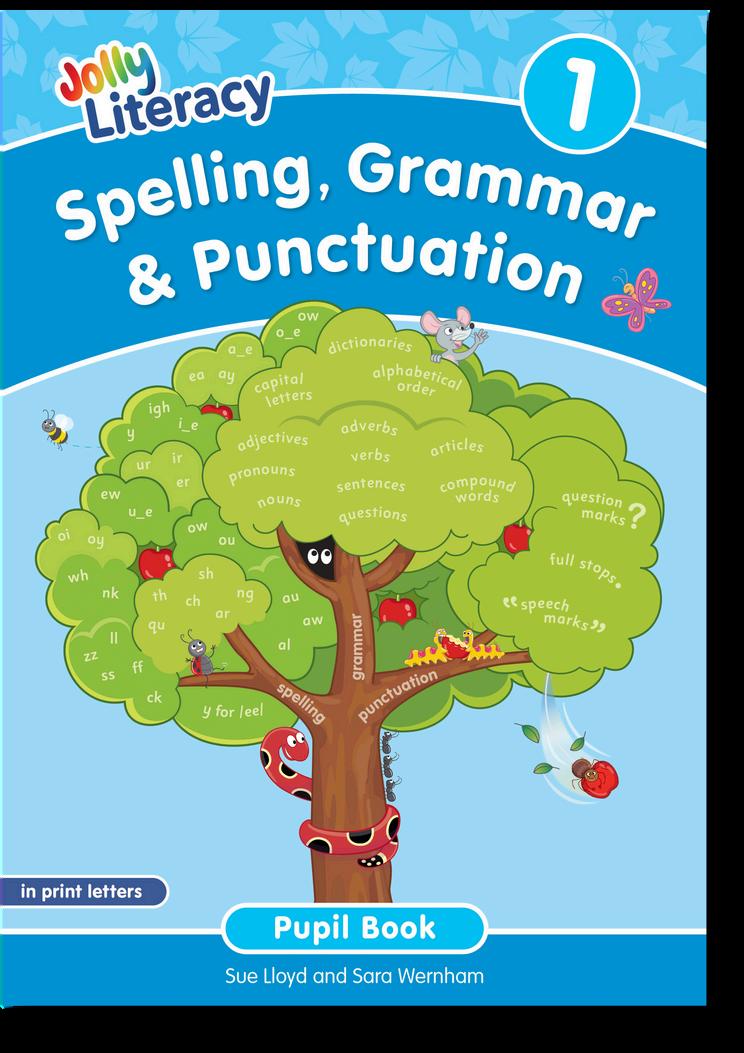
Jolly Literacy: Spelling, Grammar & Punctuation is a six-level programme that gives young children the skills they need to spell and punctuate more accurately, use a wider vocabulary and have a clearer understanding of how language works
The Pupil Book for each level provides fun and engaging activities for the children to do as part of the lesson The content covered introduces complex grammatical concepts in an engaging and child-friendly way and systematically reinforces the learning so that no one is left behind It teaches new spelling patterns, supports a greater understanding of sentence structure, expands vocabulary and comprehension and cultivates dictionary and thesaurus skills
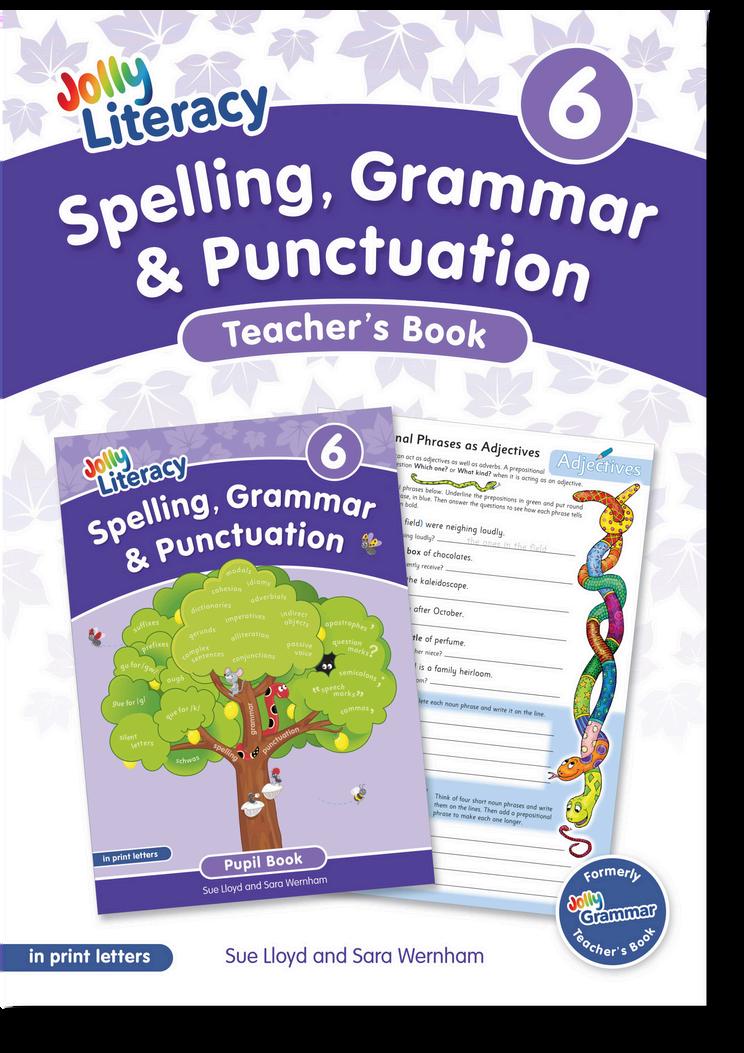
The Teacher's Book for each level offers in-depth guidance on the programme, which introduces new spelling patterns, supports a greater understanding of sentence structure, expands vocabulary and comprehension and cultivates dictionary and thesaurus skills It also provides a set of structured lesson plans that introduce complex grammatical concepts in an engaging and child-friendly way








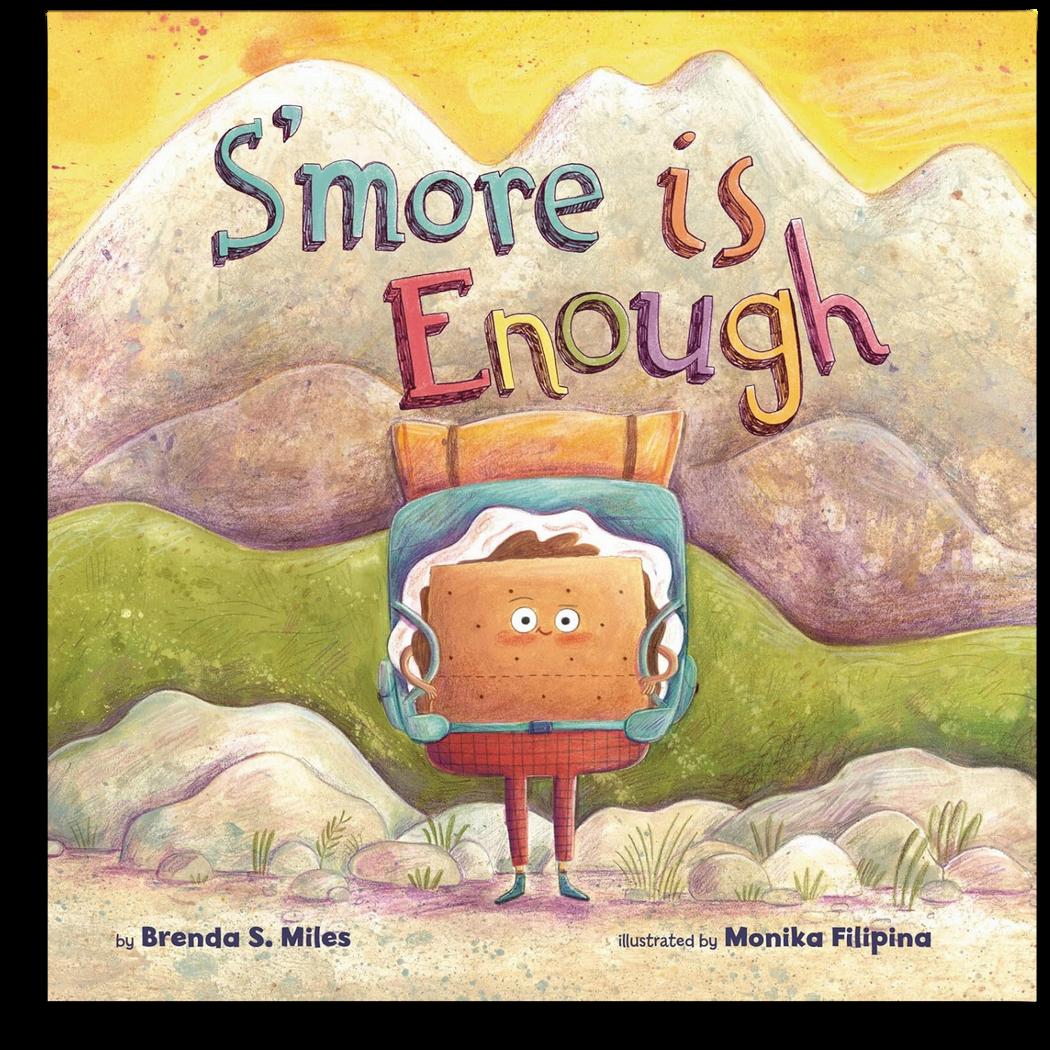
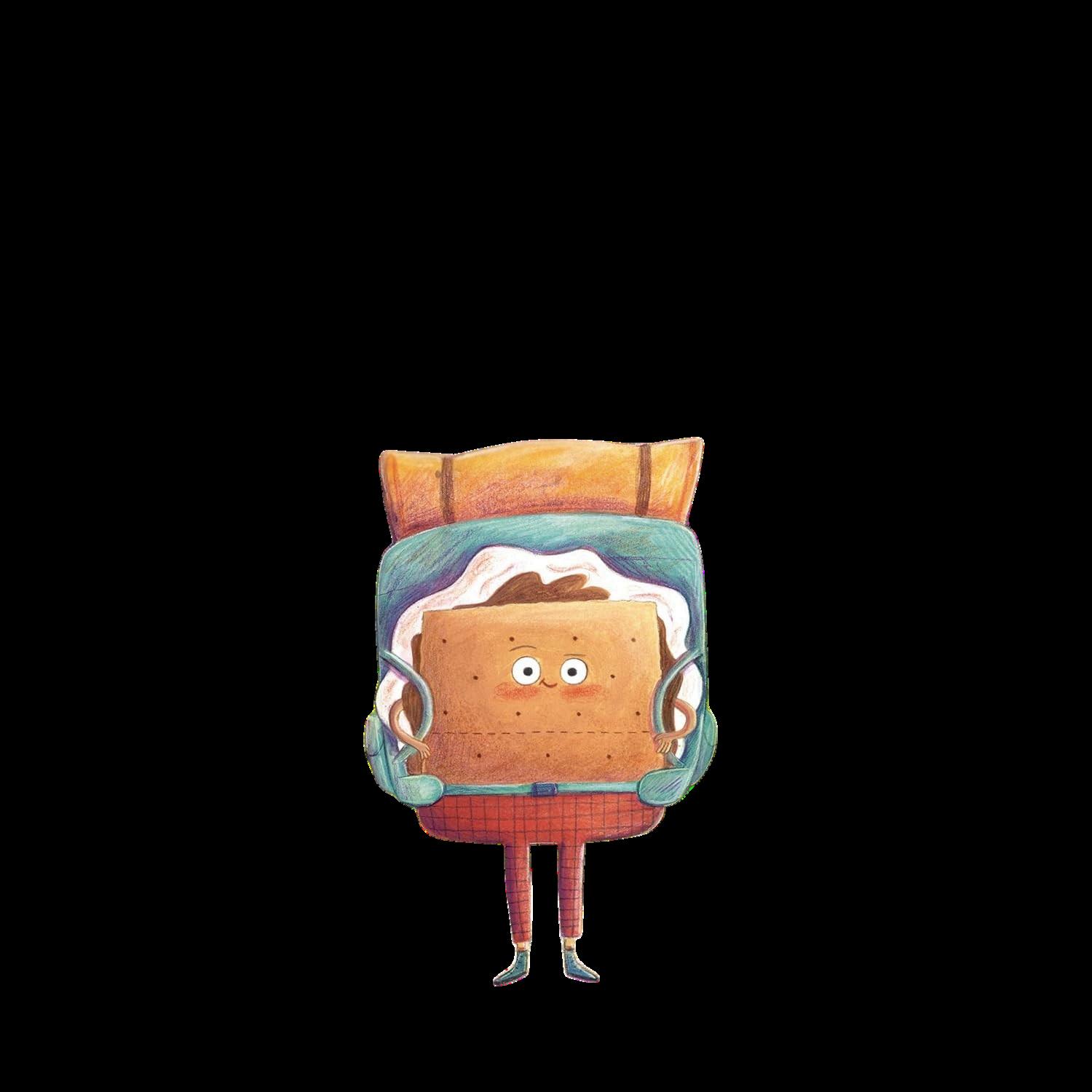
Meet Graham. He is a two-cookie wafer with an ooey-gooey middle and a square of sweetness. Hes a SMore more! Even though, Graham feels pressured and wonders --what more could he be? What more should he be? A donut, lollipop, or cupcake, maybe?

ology in a way kids motivated, feeling rld wants more This pported and able to rting a childs growth mindset and building self-esteem, written by the author Brenda S Miles, PhD, a clinical pediatric neuropsychologist who works with children, teens, and families She blends brain science with developmental psychology in fun and educational ways





By Brenda S Miles, Monika Filipina




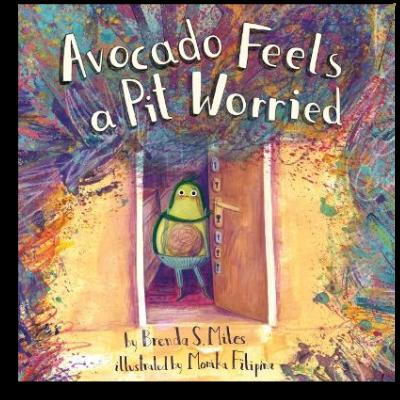
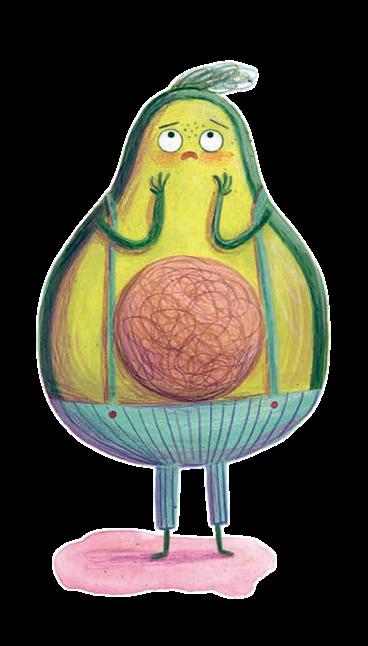
Avi is an anxious avocado He worries about EVERYTHING always wondering what-if? what-then? what's going to happen? and ends up avoiding everything that frightens him Until one day when he hears an unusual sound outside his kitchen window.... what possibly could that THUMP! THUIMP! THUD! be? Versatile enough for family's reading, classroom or school counselor use, readers will be rooting for Avi as he navigates situations that he once avoided.
By Brenda S Miles, Monika Filipina
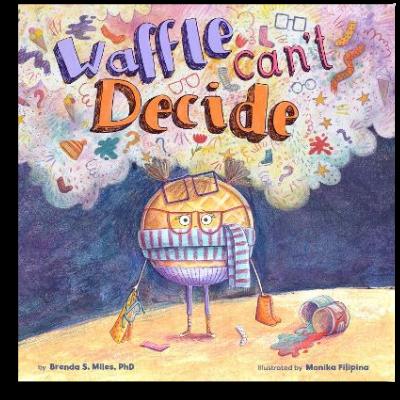
Blue socks! Red socks! Striped socks! Within a swirl of indecisiveness, Waffle just can't decide what to do! And suddenly everything turns into a deciding disaster! As young brains develop, understanding how the brain thinks and chooses will help children better navigate the world and all the choices in it. Simply said, Waffle Can't Decide is a super relatable and engaging story about making decisions and being decisive.

By Brenda S Miles, Monika Filipina
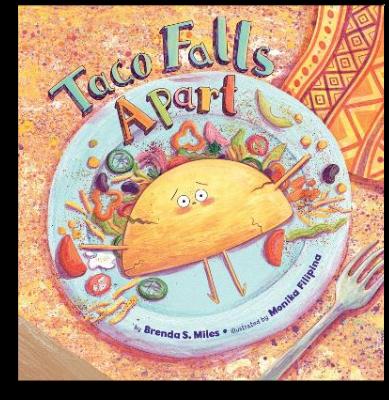
om aco ll the tim akes to be a terrific taco Can he even do this? start to pester him, Taco's shell starts to crack and co falls apart! Fantastically foodie and pun-fully little ones understand common thinking mistakes n the way of feeling str and confident

By Daniel Errico, Mia Powell
That quokka may be cute, but does it want a hug? The quo In Dont Hug The Quokka!, young readers get a lighthearted introduction to the concept of consent, learning that even adorable creatures might not want a hug unless they say a really important topic for parents to introduce to young c can be tricky to do so in a way that’s clear without being fr book is funny and cute, but has a clear message that you h before touching someone else it’s a good place to start fo

By Leanne Boucher Gill
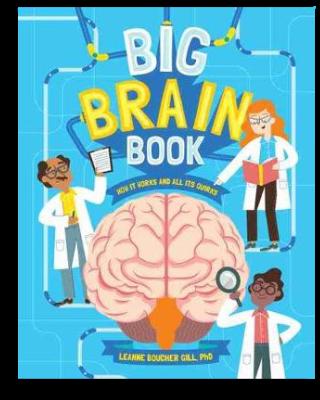
Readers are welcomed to the Lobe Labs and Dr Brain activities in this brightly illustrated, highly engaging book that uses science to answer interesting questions that kids have about the brain and human behavior This is a fun primer on psychology and neuroscience that makes complex psychological phenomenon and neural mechanisms relatable to kids through illustrations, interesting factoids, and more Chapters include: What is the brain made up of and how does it work? Why can't I tickle myself? Why do they shine a light in my eyes when I hit my head in the game? Answers draw from both psychology and neuroscience, giving ample examples of how the science is relevant to the question and to the reader's life experiences

By Leanne Boucher Gill
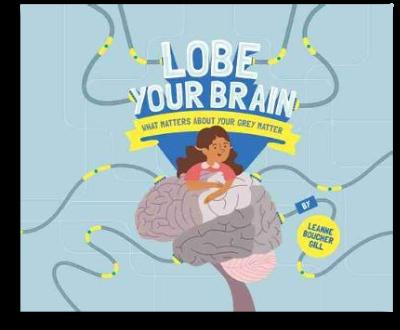
Kids know that their brain does a lot, like make them move, smile, remember, think, feel, and emote But do they know how it really works? Readers will take a tour of the lobes of the human brain to discover all the cool things that it can do in this must-have introduction for all nonfiction collections Includes kid-friendly examples, simple explanations, and basic anatomy illustrations that show different parts of his brain and central nervous system, basic neurological function, and how everything flows
Distributing books in Australia and New Zealand for over 30 years
Distributing books in Australia and New Zealand for over 30 years