“We ought never do for young people what they, with a struggle, could be expected to be doing for themselves.”
Michael Norman, Principal 1974-1980
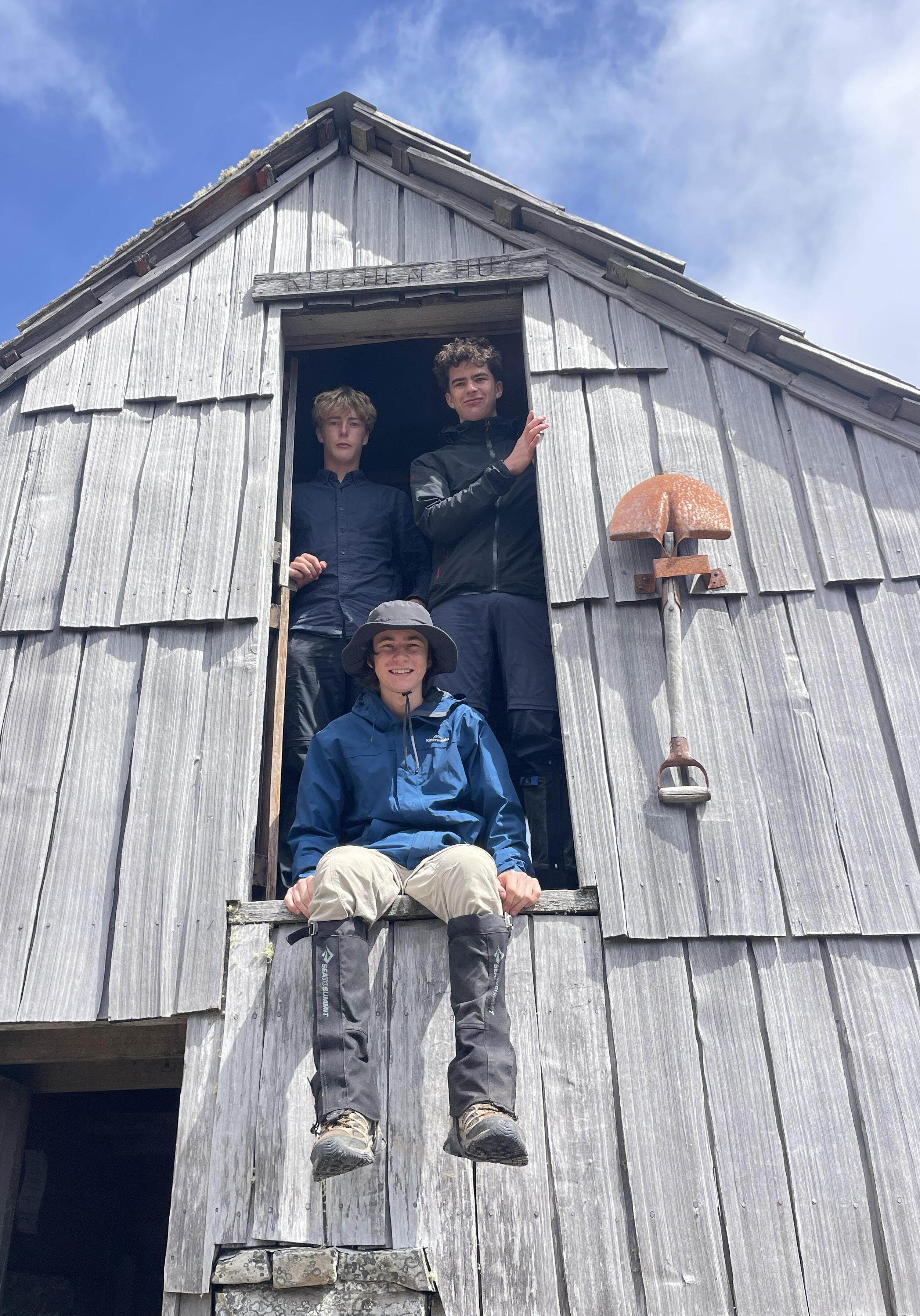
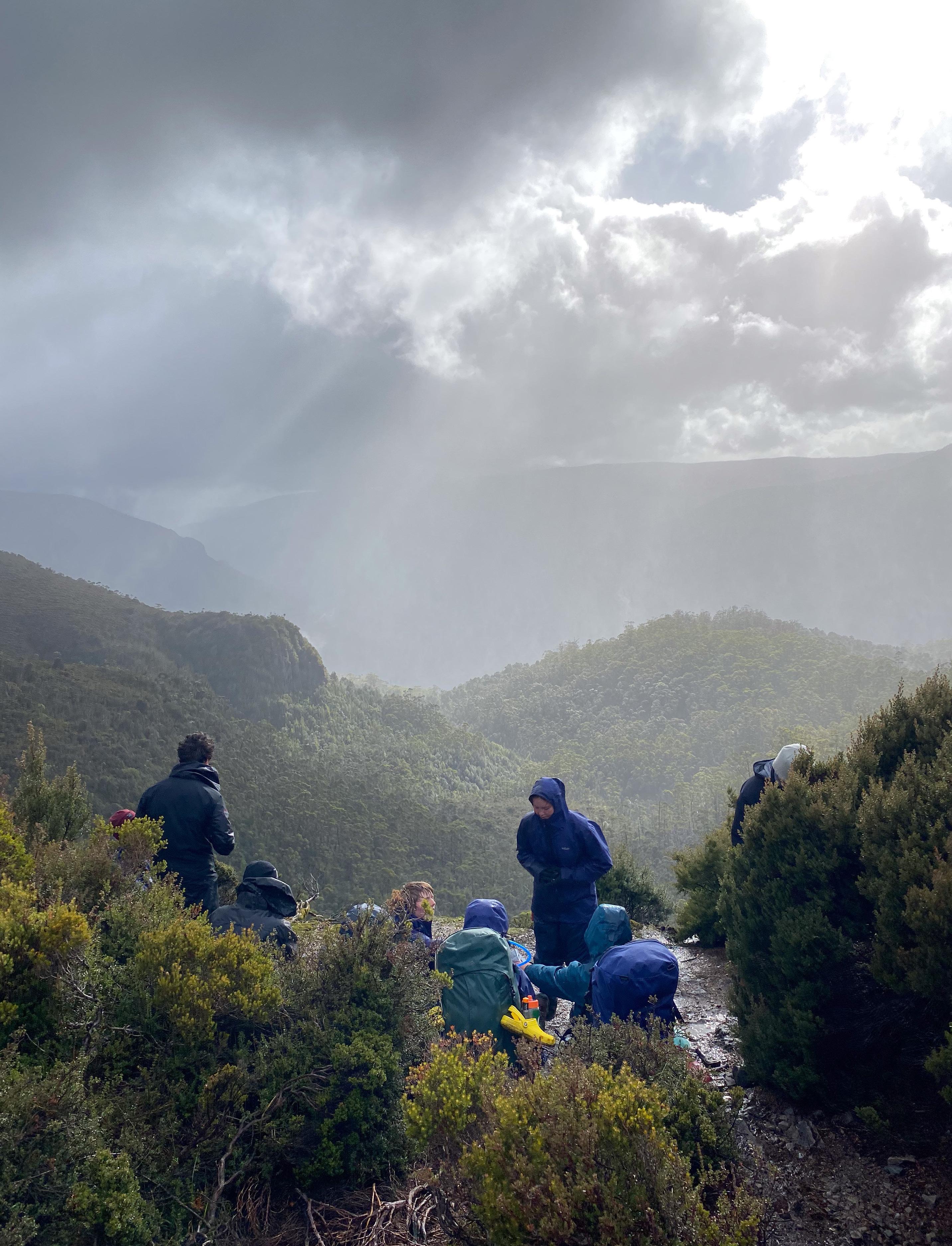
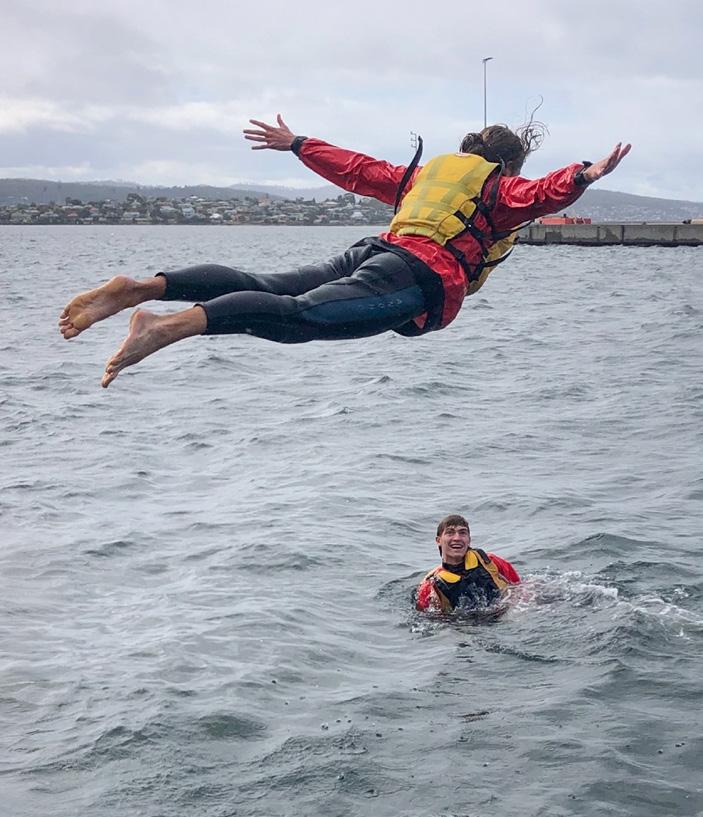
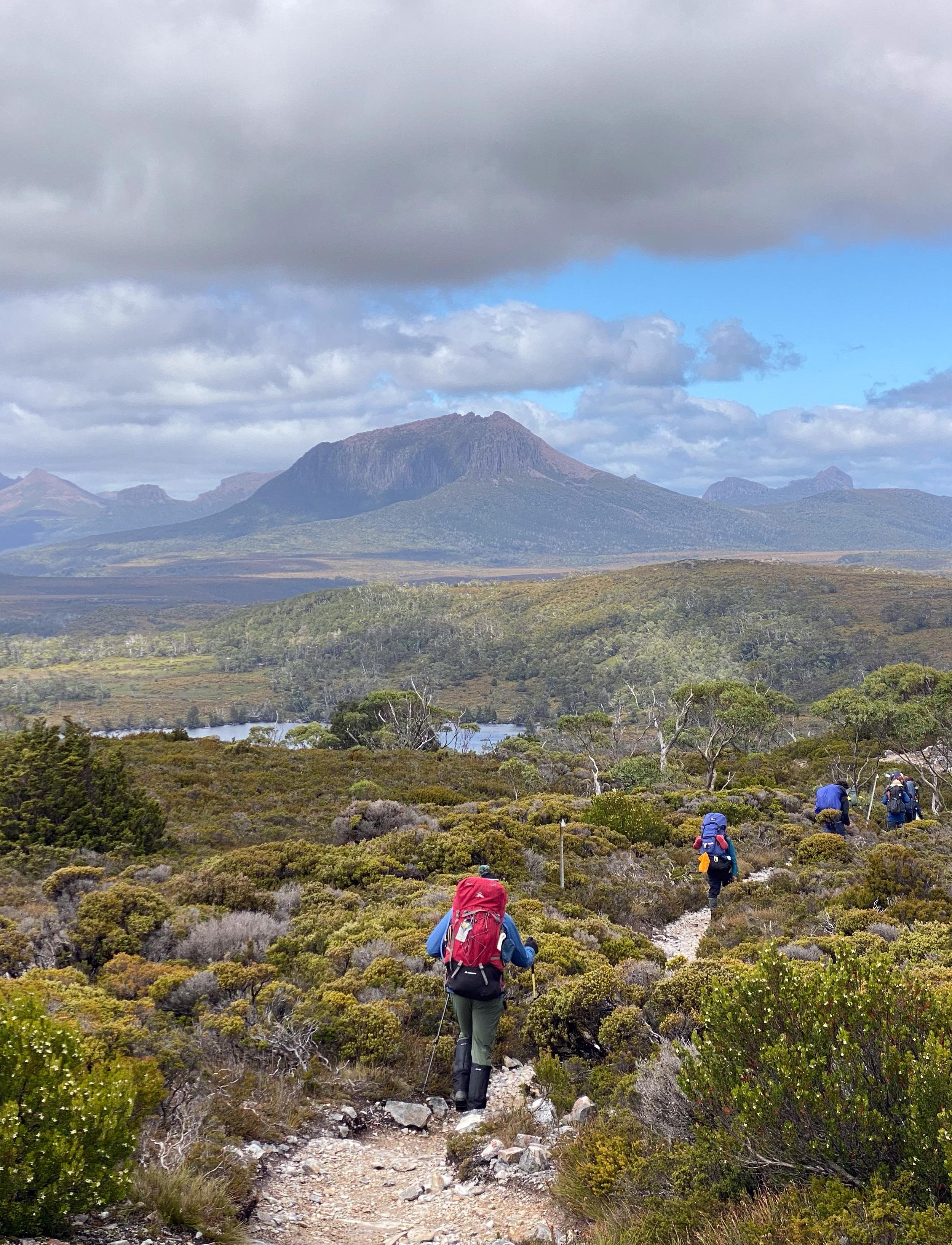
Cradle Mountain, Tas
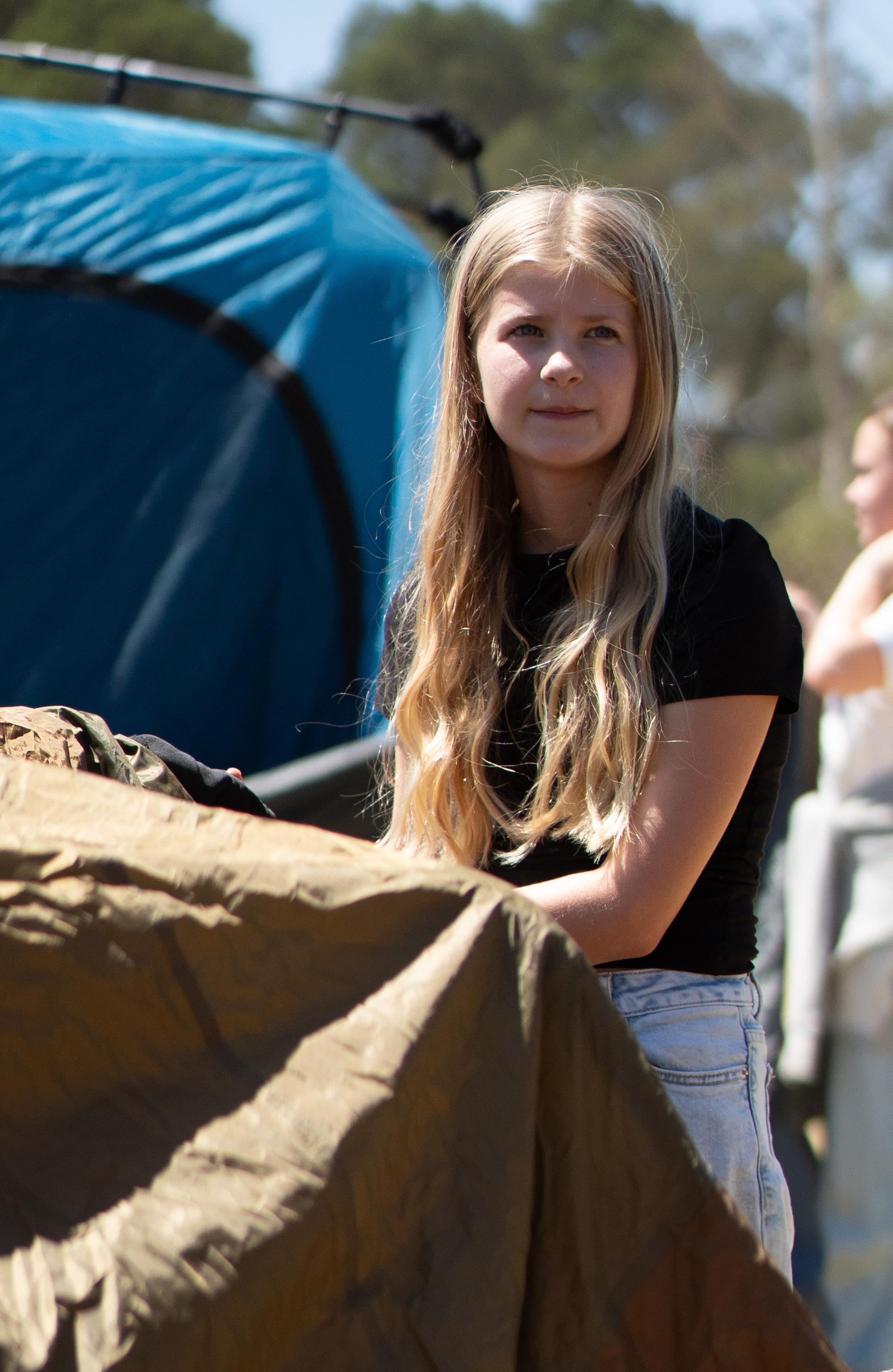
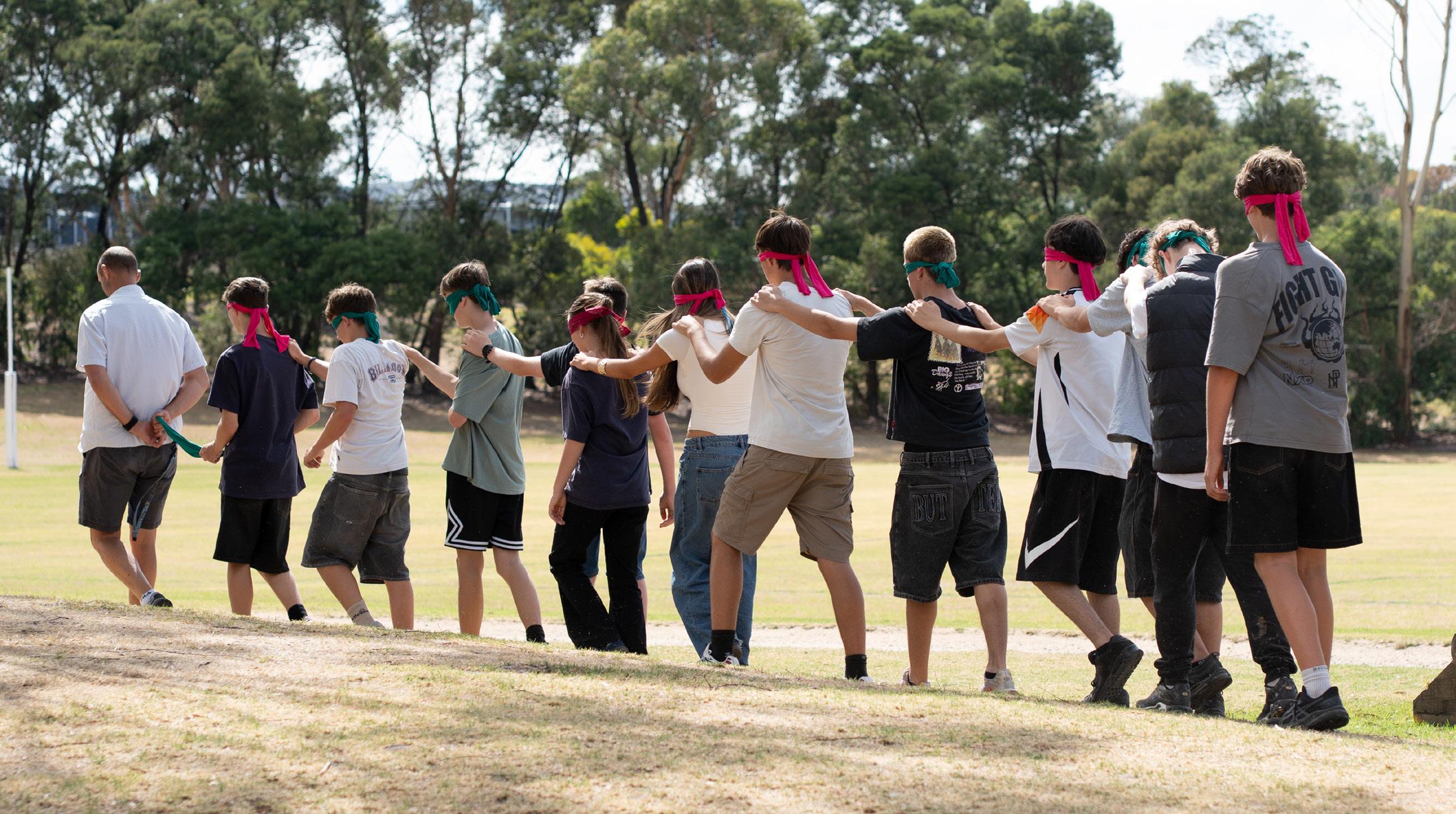
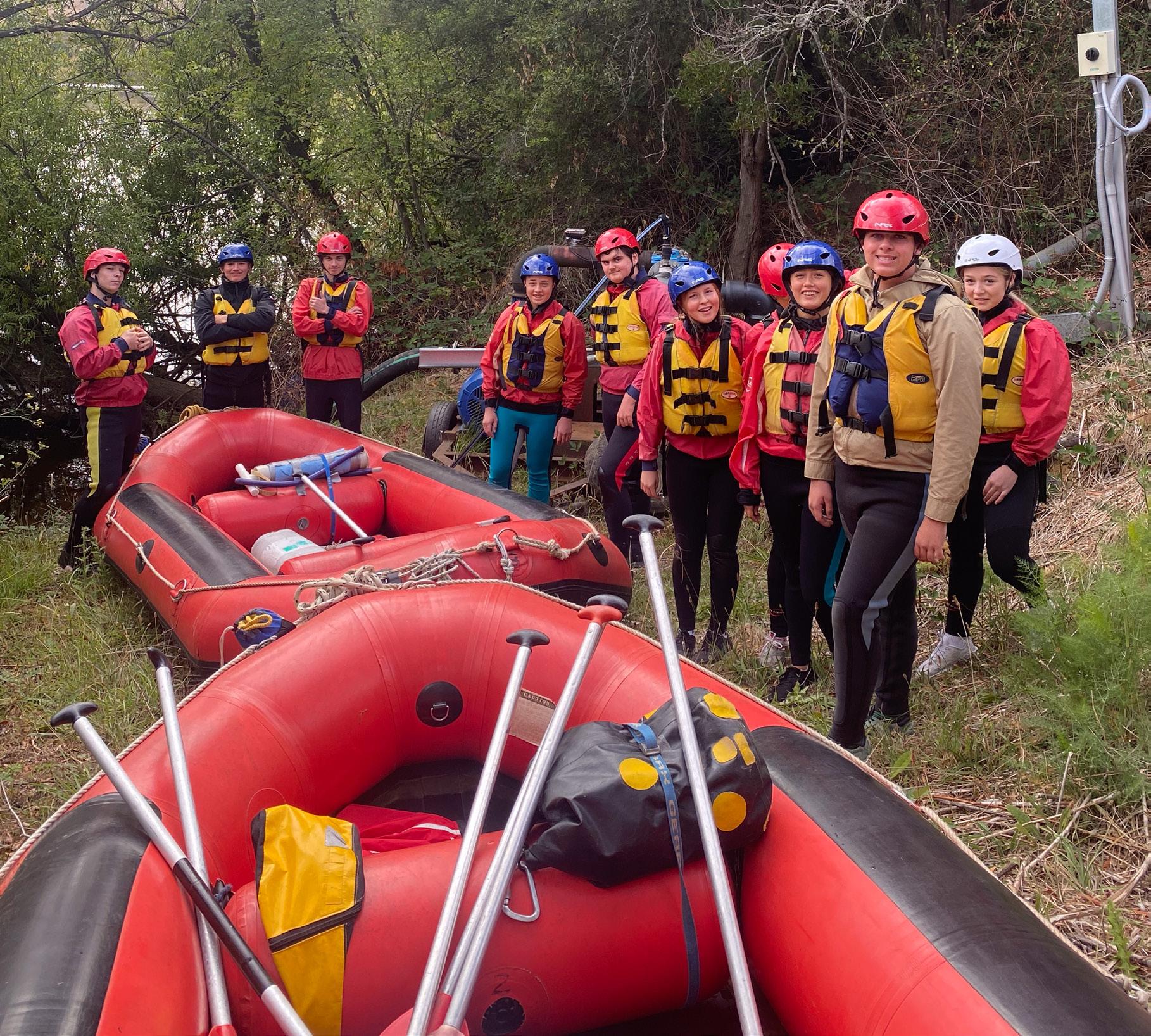
Homestead Camp preparation at Senior Campus
Welcome.
At Woodleigh, we believe camps offer a unique chance for students of all ages to learn and grow. By bringing small groups of students and staff together in outdoor settings, we foster independence, self-reliance and a strong sense of community.
Camps and Outdoor Education are a compulsory and essential part of the Woodleigh journey from Junior to Senior years. Each program is designed to build life skills appropriate to the age and stage of the students. From learning practical skills like cooking and cleaning to working collaboratively, these experiences help prepare students for life beyond school. We emphasise simple, cost-
effective adventures over luxury, showing that enjoyment doesn’t require fancy accommodations.
Throughout the years, students actively participate in planning, organising and running activities. This hands-on approach develops confidence, teamwork and problem-solving skills. Our goal is for students to leave camp with ideas and abilities they can continue to explore on their own.
This booklet is a guide for parents, students and supporters of camps at Woodleigh. More detailed information will be provided as each camp approaches through information evenings and camp booklets.
Andrew Peach, Head of Senior Outdoor Education and Camps
Beyond the Classroom
At Woodleigh, camps are a fundamental part of the curriculum and Outdoor Education program, designed to provide students with immersive, real-world experiences that foster personal growth, resilience and a deeper connection to their peers and the environment.
These experiences are not just recreational. They are carefully structured to support the development of independence, social skills and a sense of responsibility.
Camps offer a unique opportunity for students to step outside their everyday environments and engage in meaningful challenges. In safe and supportive settings, students are encouraged to try new things, take risks and learn from their experiences –even when they fail. This process helps build self-esteem and confidence.
Being away from home, often for the first time, allows students to explore new perspectives, interact with different people, and develop a stronger sense of self. Camps also serve as a platform for teaching values such as cooperation, empathy and environmental stewardship, all of which are central to the Woodleigh ethos.
The planning and execution of camps at Woodleigh are collaborative efforts involving the PE and Outdoor Program teachers, classroom teachers and qualified outdoor education instructors. Camps are designed to align with curriculum goals and strengthen social relationships among students. Supervision is a top priority, with adult-to-student ratios designed to ensure safety and support at all times.
All supervising adults are thoroughly briefed on student needs, medical information and camp expectations. Prior to departure, staff meetings are held to ensure clarity around procedures, and parents are kept well-informed about the camp’s purpose and program. All camps adhere to strict safety protocols and risk assessments to ensure student wellbeing.
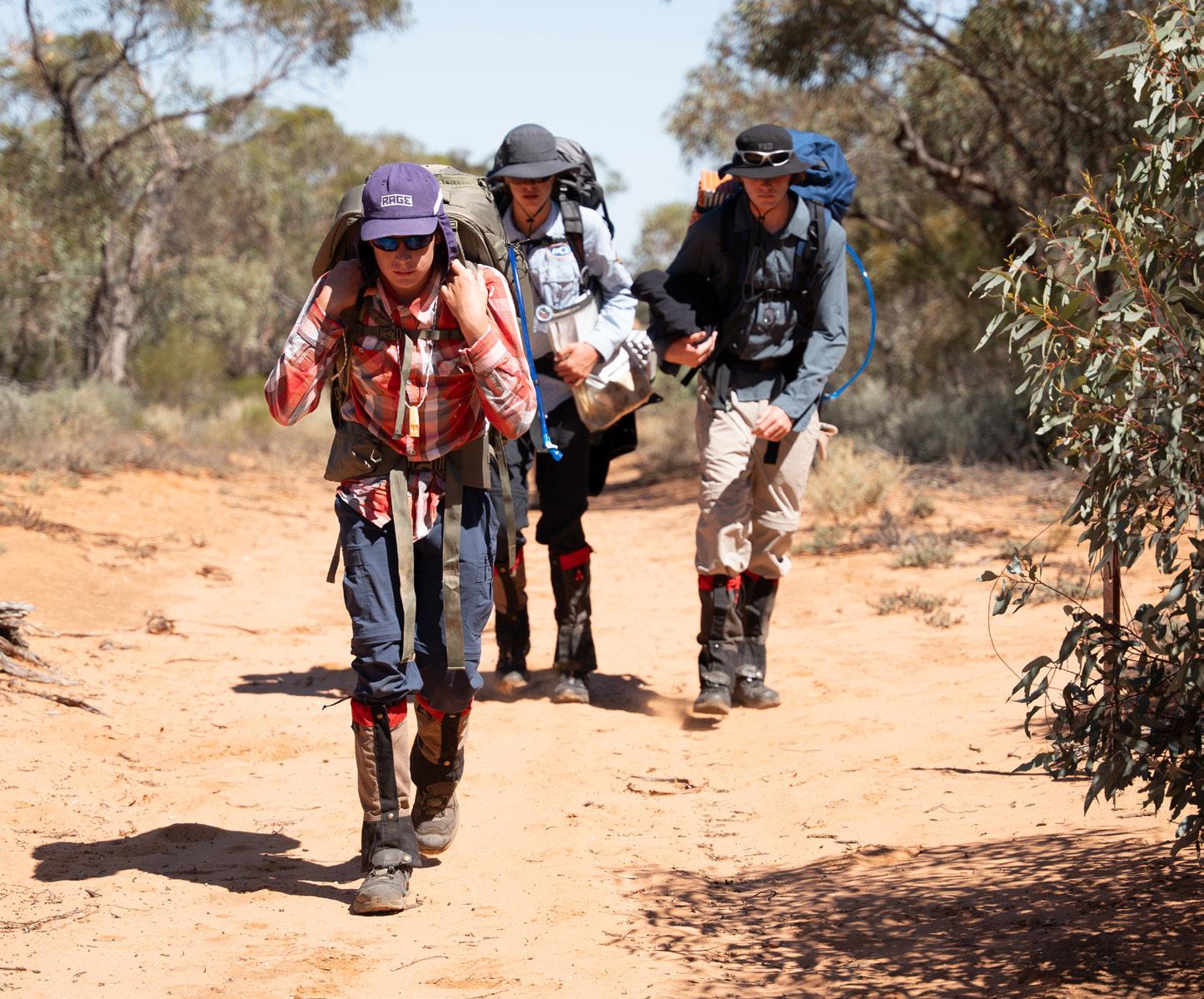
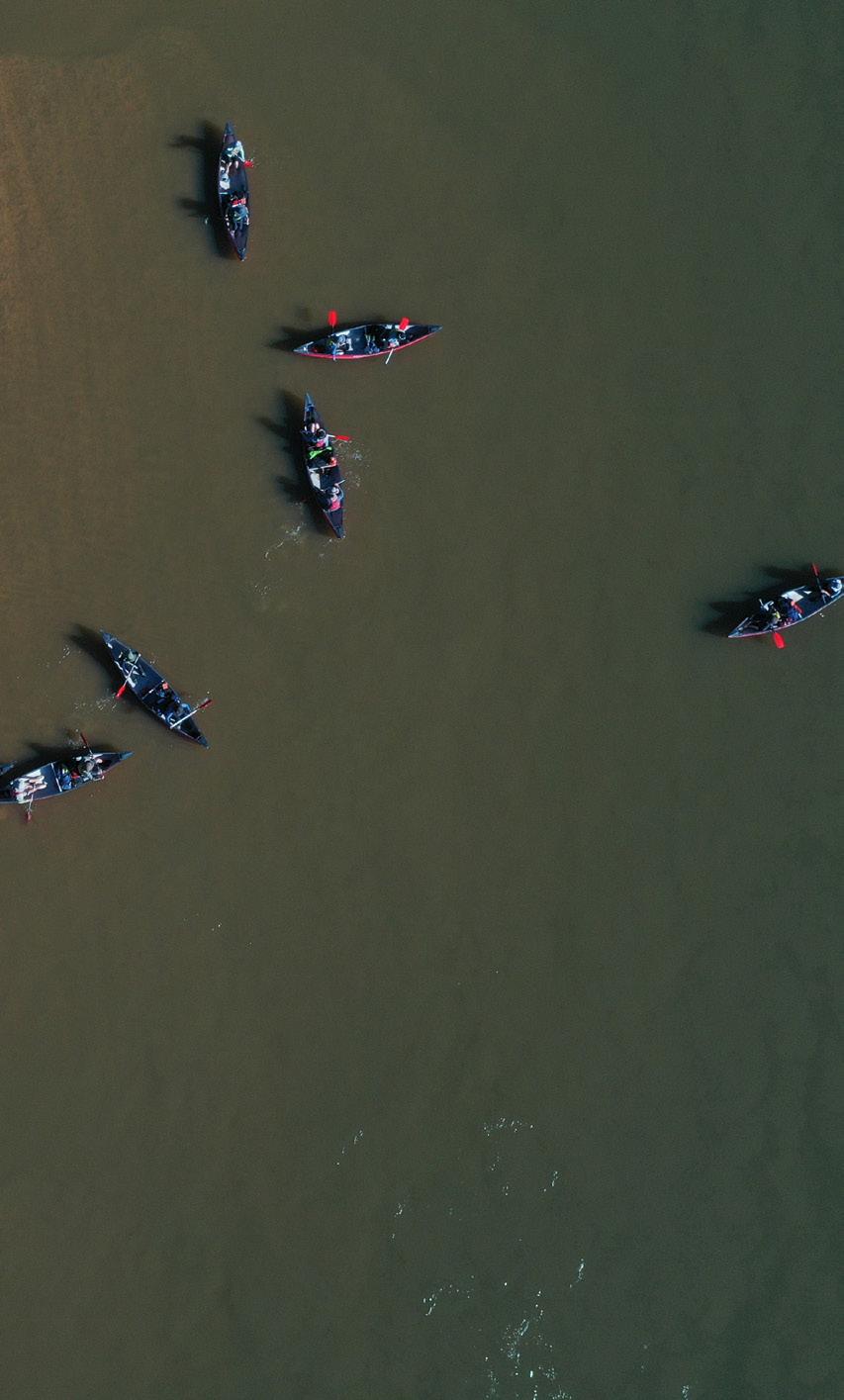
Hattah Melbourne Foodies Camp
Key Principles
Challenge and Growth: Camps are designed to push students beyond their comfort zones, developing resilience and teamwork.
Hands-On Learning: Students actively participate in all aspects of camp life, enhancing engagement and retention.
Simple Living: Basic accommodations are chosen to promote adaptability and selfreliance.
Self-Sufficiency: Students take part in meal preparation and budgeting, gaining practical life skills.
Cost-Effectiveness: Camps are intentionally low-cost to encourage resourcefulness and inclusivity.
Environmental Responsibility: Activities are planned to minimize environmental impact and often include community service.
Small Group Focus: Smaller group sizes on Senior expeditions allow for deeper, more meaningful connections.
Building on Experience: Students are encouraged to reflect on their experiences and apply their learning beyond camp.
Leadership Opportunities: Students are given responsibilities that help them develop leadership and decision-making skills.
Fostering Community: Camps create connections between students and teachers that continue back on campus.
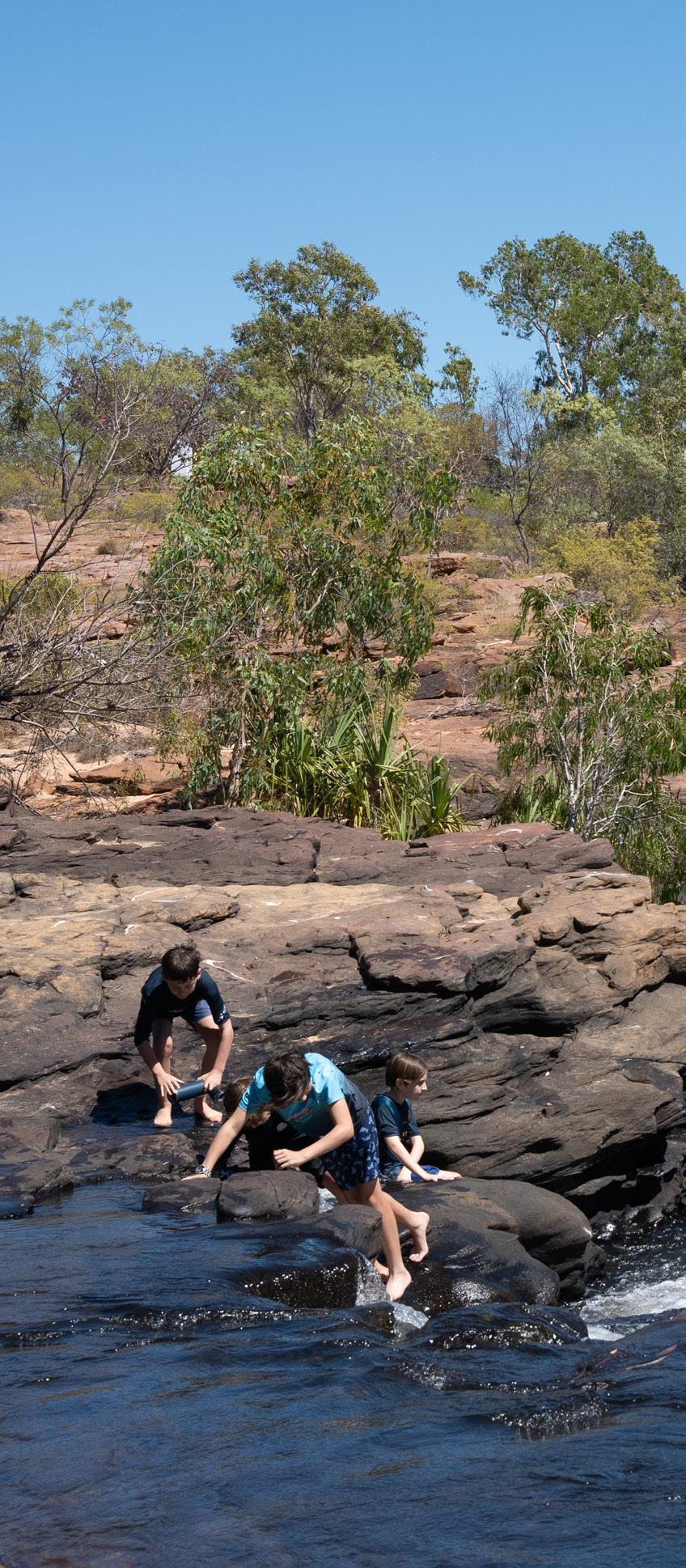
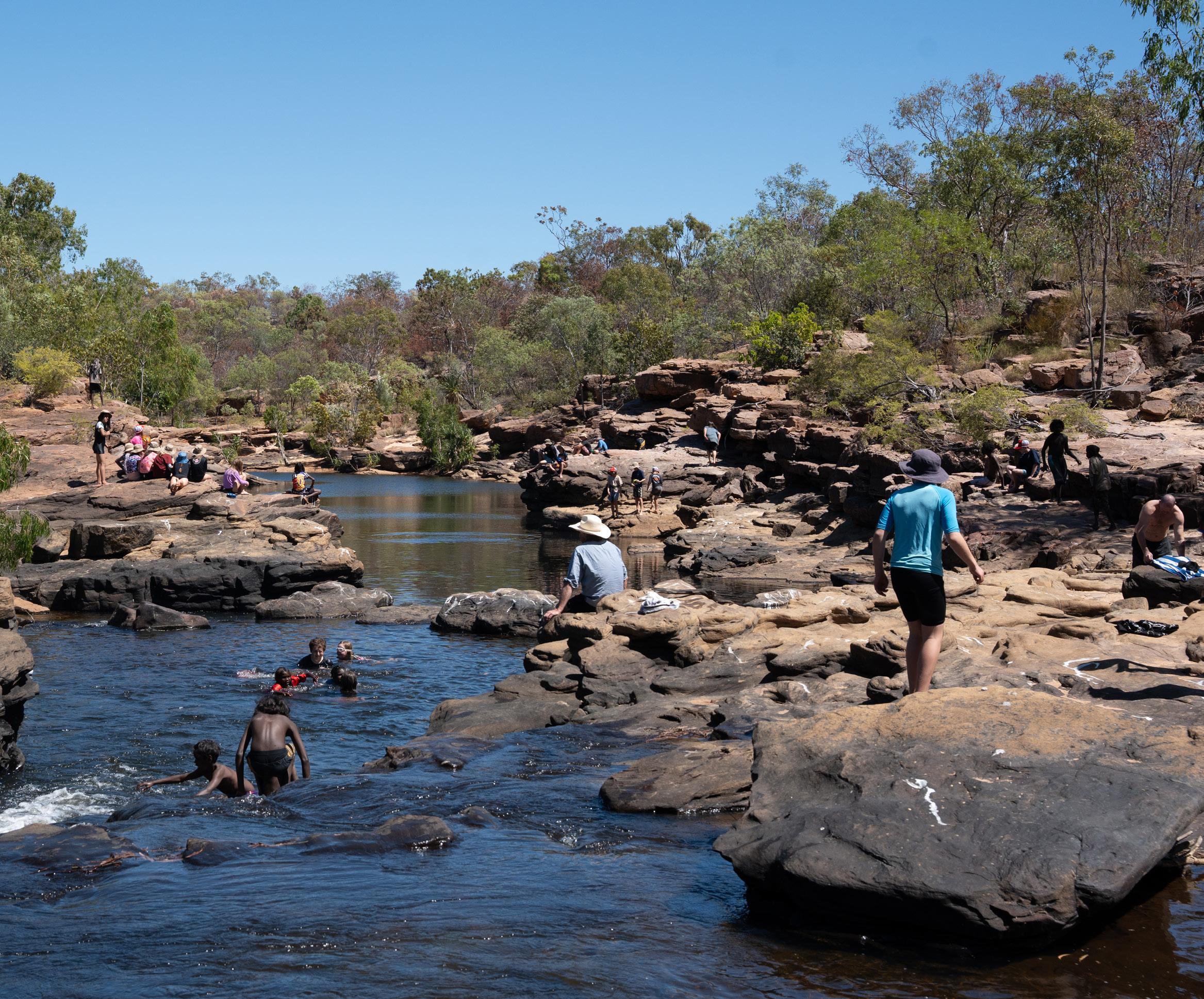
Wugularr, NT
Living the Three Rs
All camps reflect the school’s core values: Respect for Self, Respect for Others and Respect for the Environment.
Our goal is to create young people who are confident, resilient and able to undertake their own adventurous journeys. Camps are a valuable opportunity for students to build strong relationships with their peers and teachers, often forming lasting friendships and connections.
Respect for Self
• Organisings personal gear and camp space
• Packing independently and managing belongings
• Maintaining hygiene and health routines
• Demonstrating resilience and adaptability
• Making healthy choices about food, hydration and sleep
• Building confidence in unfamiliar settings
• Seeking help appropriately
• Taking responsibility for own safety and wellbeing
Respect for Others
• Sharing tasks and resources fairly Communicating clearly and listening actively
• Working cooperatively in pairs or groups
• Offering help without being asked
Mentoring or supporting younger peers
Showing empathy and cultural respect Resolving conflicts constructively
Demonstrating leadership in group settings
Respect for the Environment
• Practising Leave No Trace principles Minimising waste and managing resources responsibly
• Showing curiosity about local ecology and cultural heritage
• Participating in conservation or clean-up activities
• Demonstrating sustainability awareness such as energy and water use
• Engaging in environmental service projects
• Appreciating and caring for natural spaces
Within and Beyond
The Camps Program at Woodleigh is designed to grow with students. Beginning in the early years of primary school, each camp builds on the last, gradually increasing in complexity and challenge.
This progression helps students develop essential life skills such as cooking, planning and problem-solving. As they move through the program, students are prepared for major milestones like the Year 9 Outward Bound Program and the iconic Year 10 Hattah Expedition. These experiences are not only physically and mentally demanding, but deeply rewarding. Through this journey, students emerge more confident, capable and ready to take on their own adventurous paths.
Stepping Up
At Woodleigh, leadership isn’t about badges or titles, it’s about action, influence and care for others. We believe every student can lead, and our camps and outdoor education programs provide the perfect environment for that to happen.
Leadership starts early. At our Junior Campuses, camps give students real opportunities to practise leadership in simple, authentic ways, like helping a friend set up camp, encouraging others on a hike, or taking initiative when the group needs direction. These experiences build confidence and show that leadership is about supporting others, not standing at the front.
As students move into Senior Campus, leadership becomes more complex and intentional. Our approach follows a natural progression: volunteering, offering ideas and initiatives and then stepping up to lead. This pathway gives students space to take responsibility and make a difference. It’s not about waiting for a badge – it’s about seeing what needs to be done and doing it.
→ Read more about this on Page 18.
Camps like Hattah highlight this philosophy. Over seven days, students face challenges that require resilience, teamwork and initiative. At Hattah, leadership often appears quietly, in the student who helps resolve a dispute, who lifts morale when conditions are tough, or who takes responsibility for the group’s wellbeing. These moments matter. They teach skills that last well beyond school.
Across all school experiences – camps, Activities, Homestead life and community projects – students learn that leadership is collaborative and grounded in respect. Whether planning a group project, mentoring younger students or taking responsibility on camp, they discover that leadership is about making a positive impact, wherever they are.
Hattah
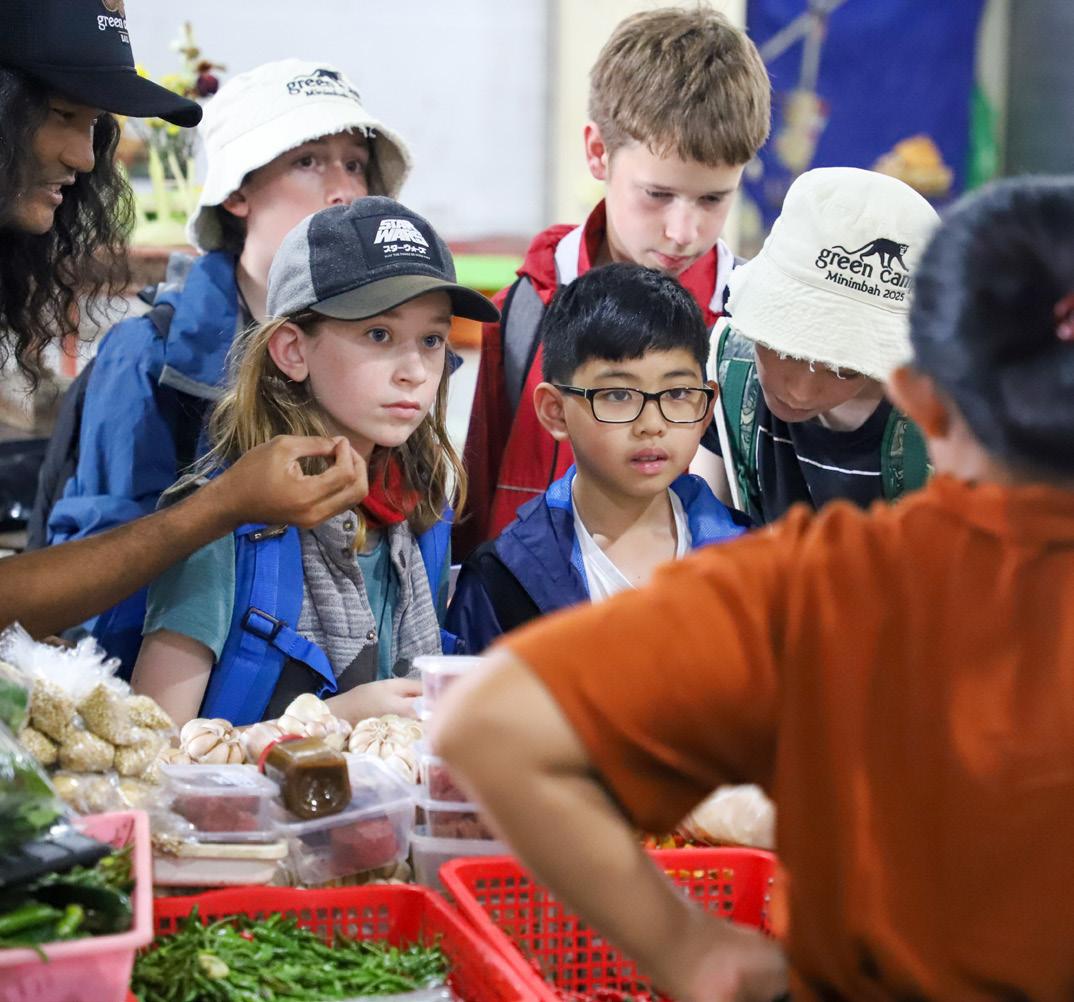
Green Camp, Bali
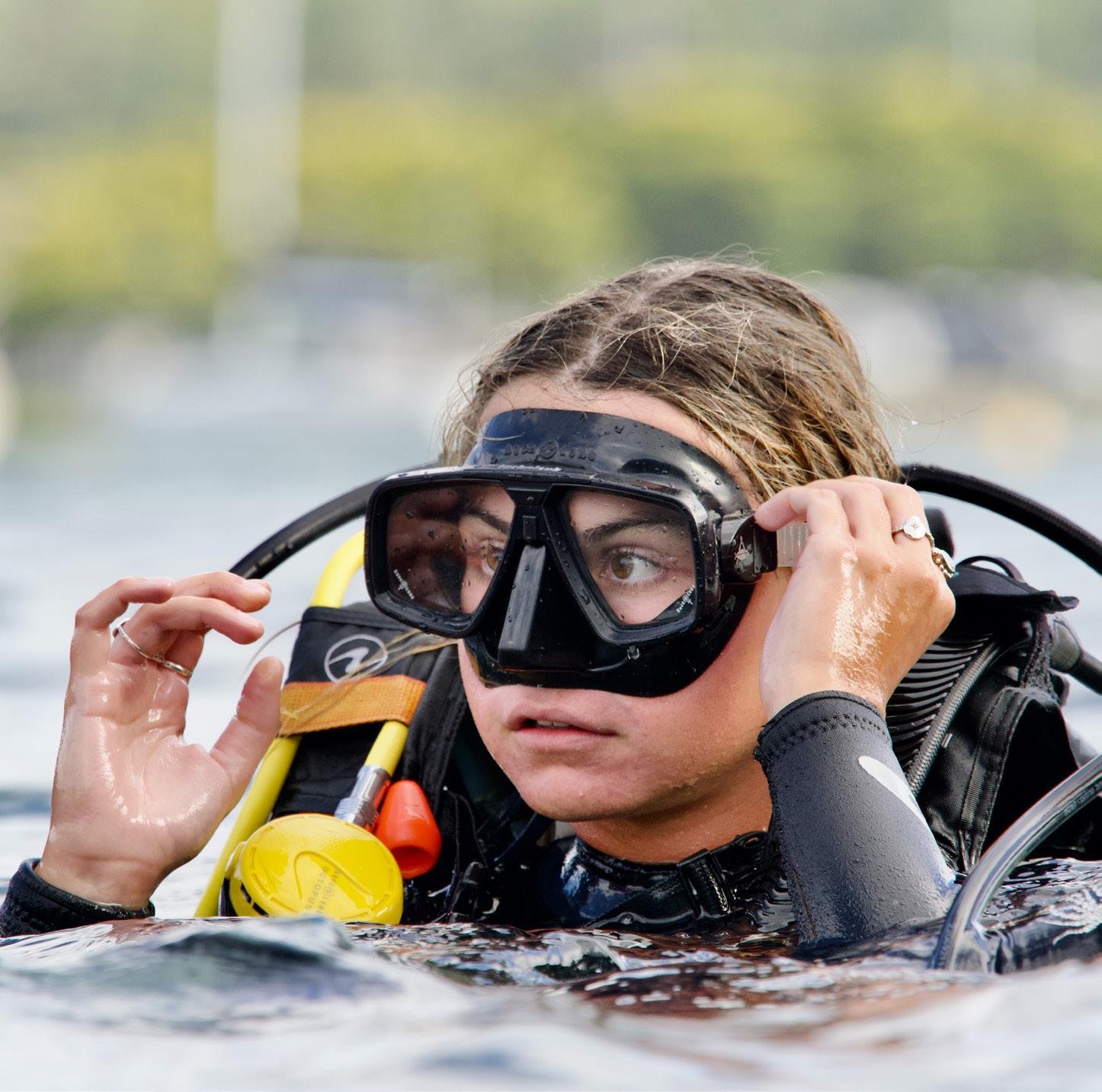
Narooma Scuba and Snorkel, NSW
Camps and Outdoor Education at Minimbah and Penbank
Camps at the Junior Campuses are integrated into the curriculum and are considered essential learning experiences.
These camps are not just about outdoor adventure – they are about learning to collaborate, solve problems and adapt to new environments. Whether it’s a first overnight stay away from home or a multi-day expedition, each experience is designed to meet students where they are developmentally and help them grow.
The camp program begins with shorter, more supported experiences in the early years and gradually increases in complexity and challenge. As students progress through the junior years, they
take on more responsibility, from helping with meal preparation to managing their gear and contributing to group decision-making. These experiences lay the groundwork for the more demanding programs offered at the Senior Campus in later years.
As part of Woodleigh’s commitment to providing an outdoor experience for every student, all Junior Campus students are expected to participate in their scheduled camps and outdoor education days. These experiences are compulsory and are treated as an integral part of the school’s learning program. Attendance is expected in the same way as for academic classes, as each camp builds on the last to develop essential life skills and personal resilience.
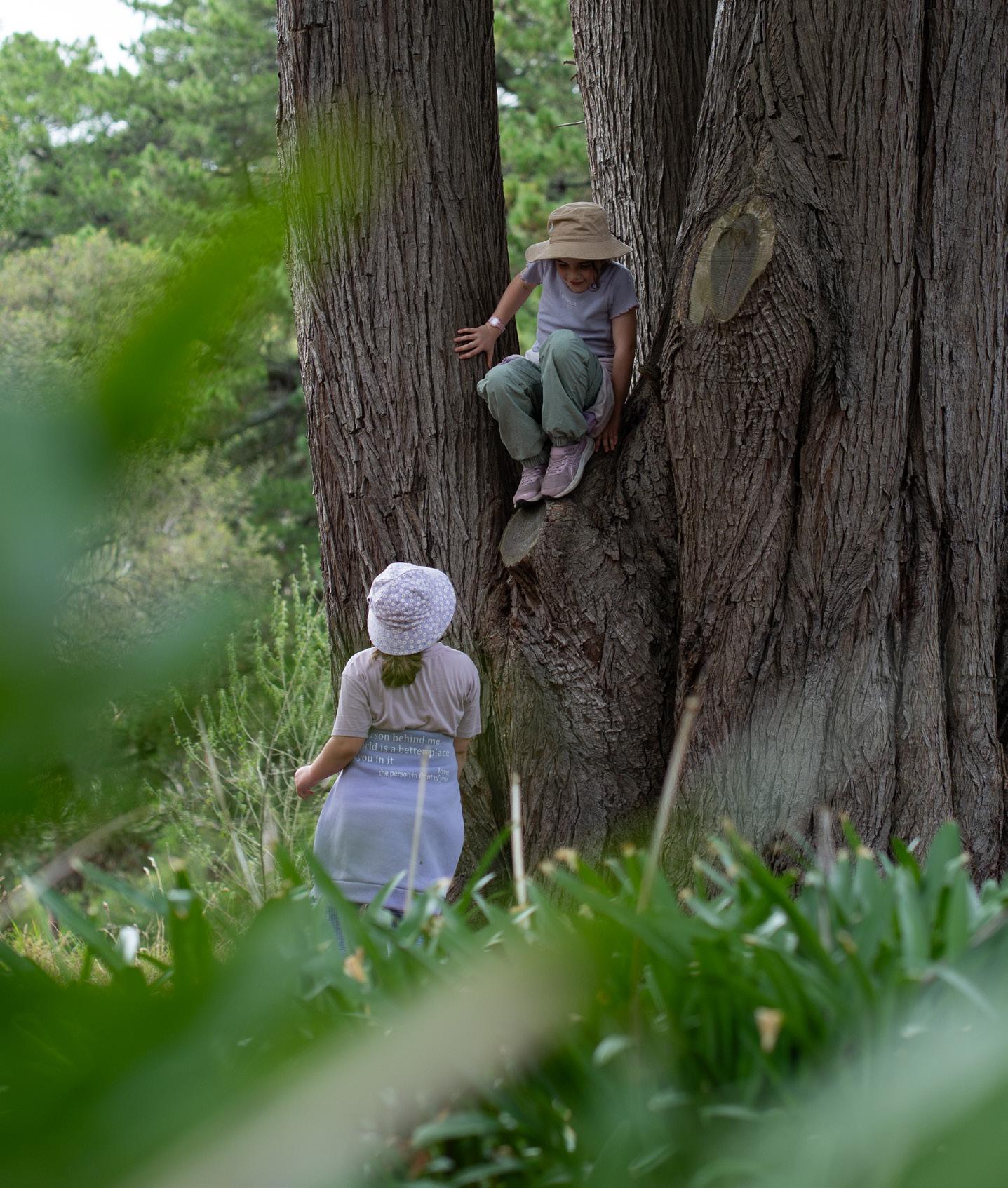
Risky Play
Risky play, like climbing, balancing and exploring uneven terrain, teaches children how to assess and manage risk, building confidence and independence.
Immersion Learning in the Early Years
At Woodleigh, learning begins outdoors. Our Nature Kinder program invites children into the bushland at Penbank and Minimbah and the surrounding natural environment, where they climb, balance, explore and work together in natural spaces. These experiences are not just play – they are opportunities to build confidence, resilience and a deep respect for the world around them.
Nature Kinder is guided by the 3Rs: Respect for Self, Respect for Others and Respect for the Environment. Children learn to care for their own needs, share space and ideas with friends and tread lightly on the earth. They learn how to collaborate and take responsible risks.
From Foundation to Year 2, outdoor learning takes on a more inquiry-based focus. These
experiences connect with classroom themes, encouraging children to investigate, ask questions and apply their understanding in real-world contexts. Working together in natural settings such as local bushland and coastal locations, they develop adaptability and independence, skills that prepare them for the challenges of Woodleigh’s Camps Program in later years.
These early experiences are the first steps in a journey that leads all the way to Year 10, when students embark on the Hattah expedition. The resilience, collaboration and environmental awareness nurtured in these programs become essential as students navigate new landscapes and take responsibility for themselves and their community.
Why Outdoor Play Matters
Research shows that children who spend significant time outdoors:
• Are more creative and less stressed
• Develop stronger social skills and fewer conflicts
• Enjoy better health, with fewer infections and allergies
Show improved concentration, memory and language development
Junior Campuses
The Junior Camp Program
Real world experiences that build skills and confidence beyond the classroom.
Year 2: Sleepover
A gentle introduction to the Camps Program, the Year 2 Sleepover provides a fun overnight experience at school that helps students build confidence and independence. A day of adventure is followed by a shared meal, evening activities and a night away from home in a familiar setting; helping children feel secure as they take their first steps toward future camp adventures.
Self
Building confidence away from home, managing personal belongings and following routines
Years 3 & 4: Adventure and Cultural Camps
Students venture to a variety of locations, marking their first proper camp experience and introducing them to adventure activities and responsible risk taking. During Cultural Camp, students immerse themselves in diverse cultural experiences, building links to their IB Unit of Inquiry while broadening their understanding and appreciation of different traditions.
Self Others
Sharing tasks, working in teams, and showing empathy and cultural respect
Year 5: Wilsons Prom and Sovereign Hill
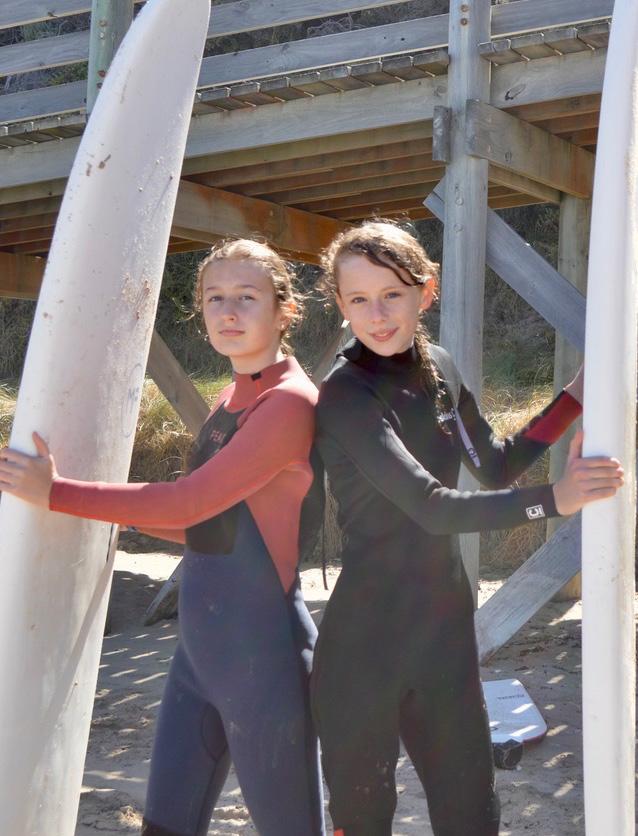
In Term 1, students explore the natural beauty of Wilsons Promontory, engaging in activities such as surfing and hiking that enhance their environmental awareness and teamwork skills. They learn to appreciate diverse ecosystems and develop confidence in new settings.
In Term 3, students visit Sovereign Hill in Ballarat, stepping back in time to experience life during Australia’s gold rush. They gain historical insights and connect their learning to the unit of enquiry through immersive, hands-on activities. Others Environment
Year 6: Canberra and Beyond
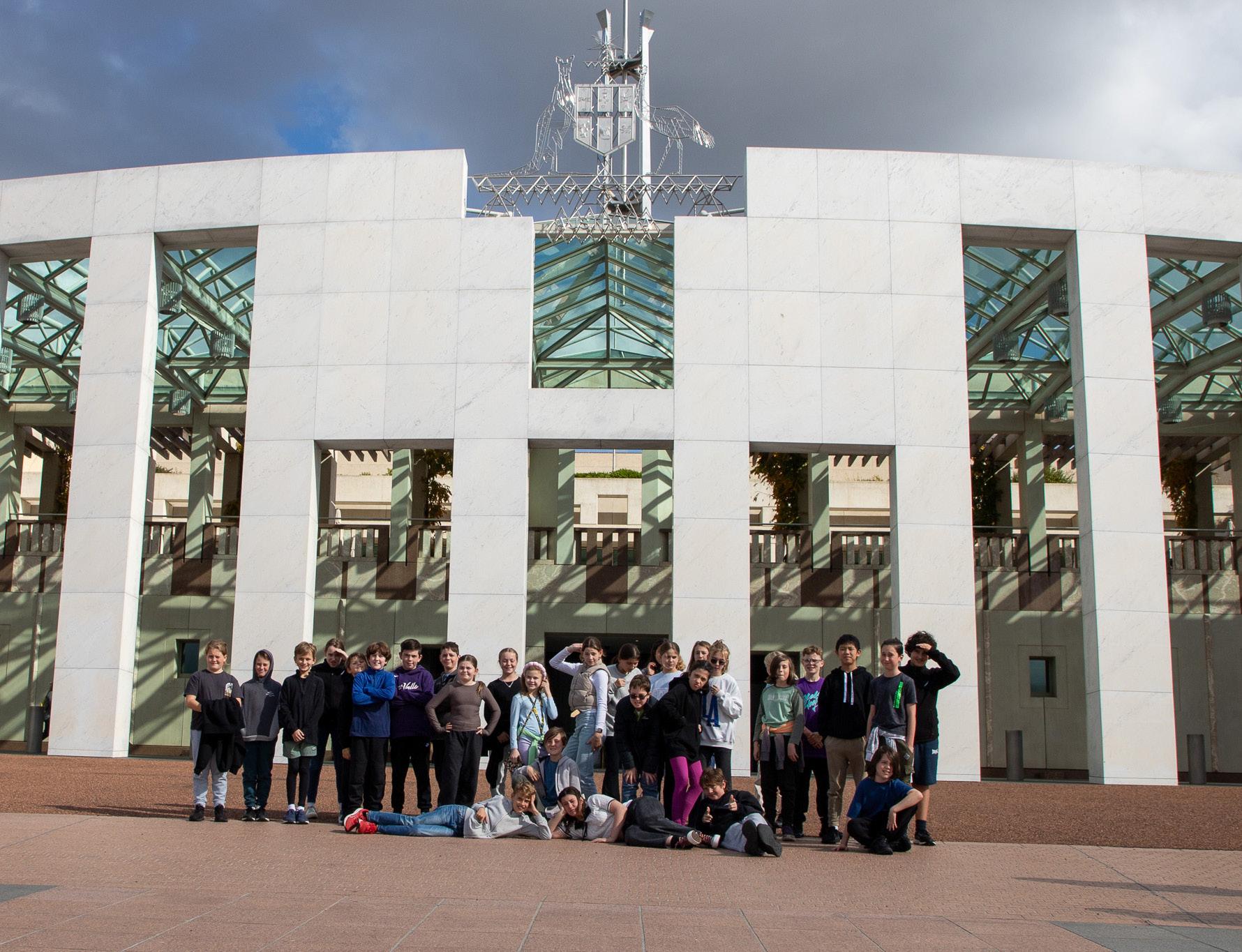
In Term 1, students get a firsthand look at Australia’s capital, developing their understanding of governance, history and civics through visits to significant political and cultural landmarks.
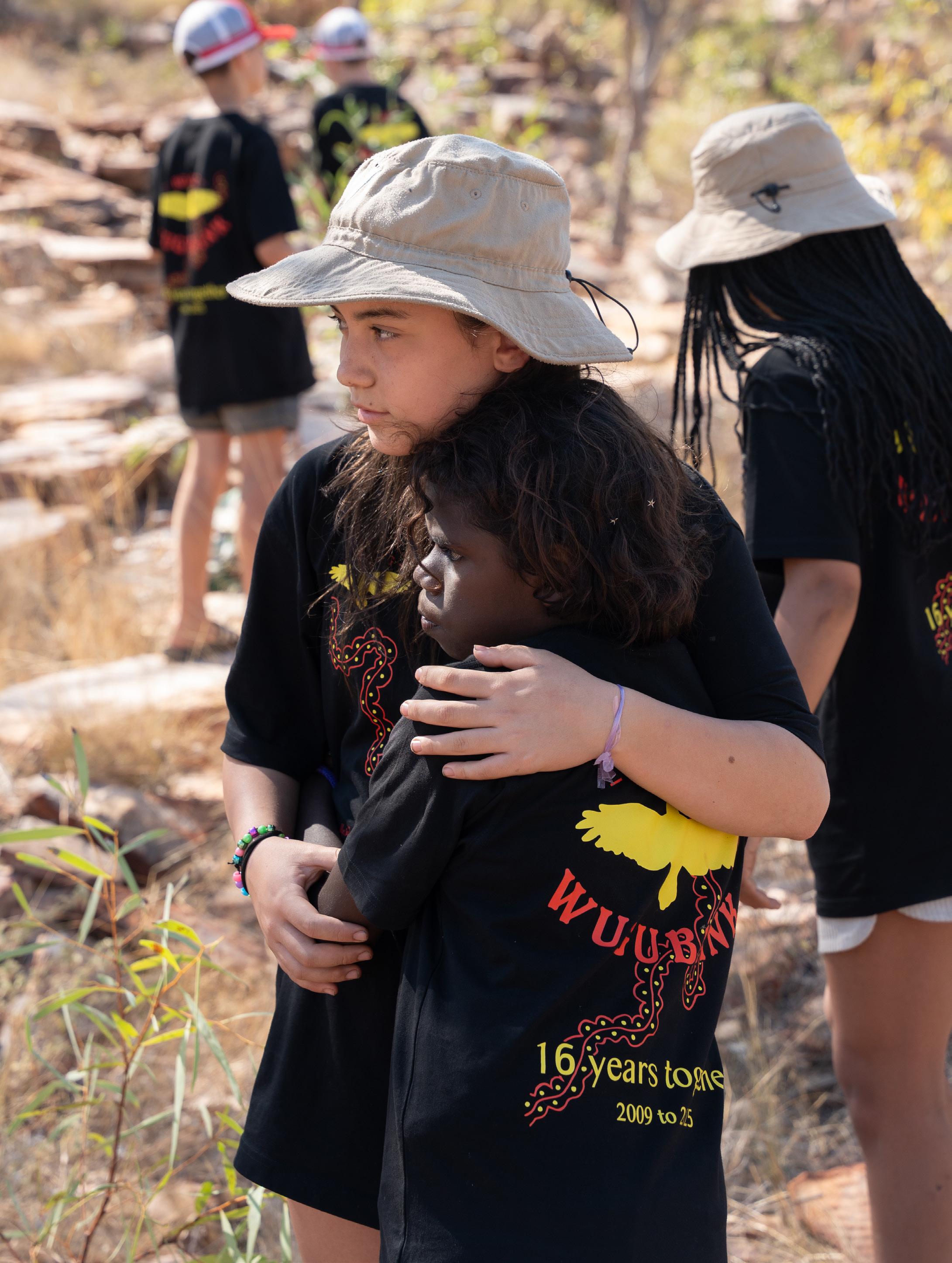
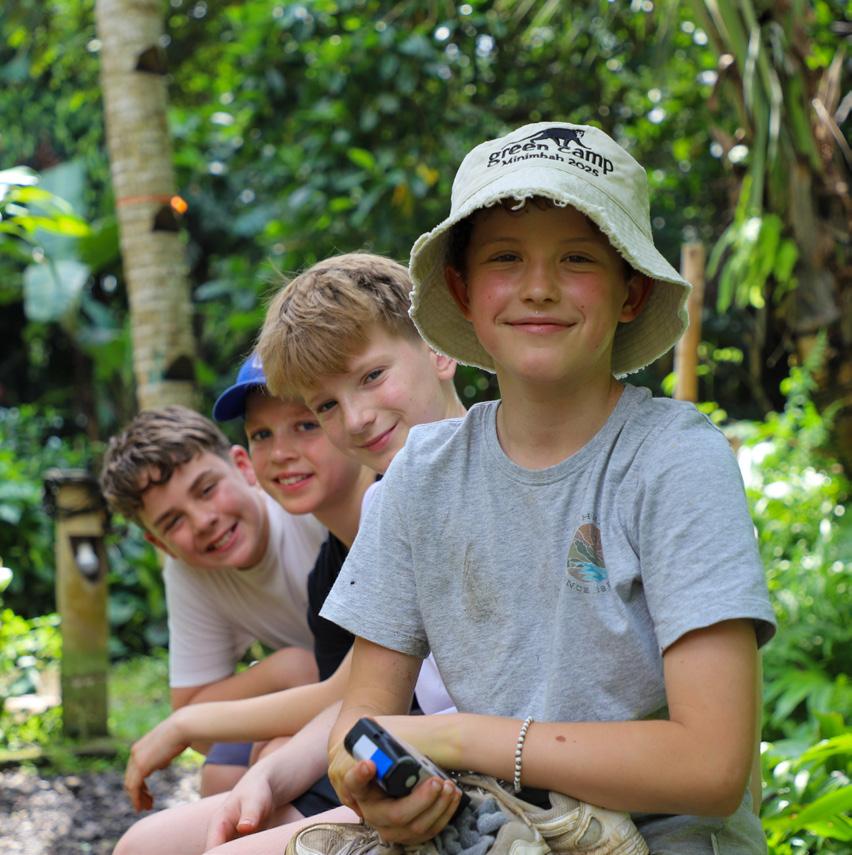
Later in the year, Minimbah students attend Green Camp in Bali, focusing on sustainability, global awareness and environmental stewardship through hands-on projects. Penbank students head to Wugularr School in the remote community of Beswick in the Northern Territory, where they gain a deep understanding of First Nation’s culture.
Self Others Environment
Global awareness, empathy and environmental stewardship
Round Square: Students in Years 5 and 6 also have opportunities to take part in local and regional and international Round Square gatherings and conferences.
→ Read more on page 23
Wilsons Prom
Wugularr, NT Canberra, ACT
Junior Campuses
The Nuts & Bolts of Junior Camps
When it comes to camps, there are a few things you need to know.
Camp Handbooks
Prior to camp you will receive a camp handbook. This document contains everything you might need to know about the camp, including:
• Departure and return dates and times
• Camp staff and key contacts
• Transport and accomodation details
• Outline of activities
• Packing list
• Policies and guidelines
Much of the information in the Camp Handbook will be specific to that camp. The following information is relevant to all camps at our Junior Campuses.
Packing
Packing for camp is about being practical and keeping things simple. A good rule of thumb is: can your child carry their bag comfortably? A small daypack is important for the bus trip, with a water bottle, lunch, and something quiet to read or do.
Practice independence: Encourage your child to pack their own bag (with your help) and know what’s inside. Simple skills like making their bed or managing their belongings make a big difference.
Clothing
Pack enough clothes for the length of the camp, plus a spare set in case of wet weather. Depending on the camp, conditions can change quickly, so layers work best. On active camps, include sturdy walking shoes, a warm waterproof jacket, and a hat for sun protection. Swimwear and a rash vest are needed if water activities are part of the program. Pyjamas, underwear, and socks should be packed in sufficient quantity.
Focus on comfort, not fashion. Clothes should be practical and suitable for outdoor activities. Layer up for changing weather.
Label everything: Socks, shoes, towels – if it can be lost, it should be named.
Bedding
Most camps require a sleeping bag and pillow and some ask for a fitted sheet for hygiene. If camping in tents, a sleeping mat is usually needed.
Personal Items
Toiletries such as toothbrush, toothpaste, shampoo and deodorant should be packed, along with towels for bathing and swimming. Sunscreen and insect repellent are essential and a torch is useful for evening activities.
Technology
Camps are a chance to unplug and connect with friends and nature. Phones and devices aren’t needed
No Trackers: Please don’t put AirTags in your child’s luggage, or track them while they’re on camp via their smartphone. Camp is as much an exercise in letting go for parents as it is students.
Comfort Items
A small comfort toy is allowed, but nothing noisy or bulky.
Food
On the first day of camp, students often need to bring their own lunch and snacks, as catering begins upon arrival at camp. From then on, all meals are generally provided. Dietary needs are carefully managed using the information you share with us before departure. To keep everyone safe, please don’t pack nuts or nut products. We also ask that you avoid sending lollies or chocolate, as there will be plenty of treats and desserts included in the camp menu. A refillable drink bottle is essential and will be used throughout the camp.
Medication
All medication must be handed to teachers before departure. Medicine must be in its original packaging with clear instructions for dosage and timing. Please make sure your child’s Consent2Go profile is up to date and includes any allergy or medical information. Staff are trained in first aid and anaphylaxis management, and medication is stored and administered according to school policy.
Check Consent2Go: Make sure medical and contact details are up to date, and submit any required forms before the deadline.
Safety and Expectations
Camps are a compulsory part of the curriculum and provide a safe, supportive environment where students can develop independence and resilience. Sunsmart practices apply at all camps, so students need sunscreen, a protective hat, and clothing that covers the shoulders and back. Risk assessments are completed for every camp, and programs are adjusted for extreme weather conditions. Students are expected to follow behaviour guidelines and participate fully in activities.
If a child needs to be sent home for medical or behavioural reasons, parents must collect them from camp.
Talk about camp early: Speak positively and share what your child can expect –new activities, sleeping away from home and being part of a team. This helps reduce anxiety and builds excitement.
Camps are about trying new things and stepping outside comfort zones. Encourage your child to approach the experience with an open mind and a willingness to participate.
Junior Camps FAQ
Got a curly question about camps? Chances are, you’re not the first to ask.
Is camp compulsory?
Yes. Camps are an essential part of the curriculum and provide experiences that can’t be replicated in the classroom. They help build independence, resilience and friendships.
What if my child has dietary requirements or allergies?
All dietary needs are managed carefully. Please ensure your child’s Consent2Go profile is up to date and speak with staff if you have concerns. Camps are nut-free, and we ask families not to pack any food containing nuts.
What if my child becomes unwell or needs medication?
All medication must be handed to teachers before departure in original packaging with clear instructions. Staff are trained in first aid and anaphylaxis management. If your child becomes unwell, we will contact you immediately.
My child needs melatonin and relaxation music at bedtime –how will this be managed?
We understand that many children have routines that help them feel comfortable at night. Please share any important details with your teacher before camp. Camp staff will do their best to create a calm environment and support your child’s needs within the camp setting, while keeping things practical and safe for everyone.
My child has never been away from us – what happens if they feel homesick? Homesickness is normal. Staff are experienced in supporting children through these feelings. Let your child know it’s okay to miss home, and remind them it will pass. Encourage your child to talk to a teacher if they feel worried. A positive attitude from home helps too.
Can they call home if they get homesick?
Yes. If a child is feeling homesick and we’re unable to settle them, we’ll make sure they can call home. Our first step is always to help them feel comfortable and engaged, but we understand that sometimes hearing a familiar voice can help.
Can I contact my child during camp?
Direct contact with students isn’t possible, but teachers will have phones for emergencies. Updates about arrival and departure times will be sent via SMS.
Will I get updates while my child is on camp?
While teachers may share updates during camp, it’s not always possible as their focus is on supporting students and running the program. Please know your child is in safe hands and trust the team to support them fully. When they return, be ready for lots of questions and stories – assemblies and school meetings following camp are a wonderful chance to hear what happened once students have had time to reflect and process their adventure.
Do the children get to choose who are in their cabins/tents?
Not usually, but teachers will take friendships and potential conflicts into account when putting tent groups together.
Can my child bring a mobile phone or smart watch?
No. Camps are technology-free zones. This helps students connect with each other and the environment without distractions. Teachers will have phones for emergencies.
Should my child bring spending money?
Most camps do not require spending money. If it is allowed, it will be optional and capped at a small amount (usually no more than $50). Check your camp’s details.
What
happens
in extreme weather?
Programs are adjusted for safety. Camps have plans for heat, storms and fire danger days. If conditions are unsafe, activities will be modified or cancelled.
The Ranch Green Camp, Bali
Camps and Outdoor Education at Senior Campus
At Senior Campus, students are expected to participate in two compulsory camp weeks each year.
The first week, held in Term 1, has a strong focus on outdoor education and skills and acts as a progressive program to build towards Hattah in Year 10.
Senior Homestead camps are designed to build and strengthen relationships within the Homestead based around shared interests and experiences.
The second week, known as Activities Week, is held in August and allows students to immerse themselves in various areas of interest, including adventurous outdoor camps, arts and crafts, sports, academic enrichment and remediation and community service activities.
As a part of our project to provide an outdoor experience for every student, every year, we have compulsory camps and outdoor education days, camps, or expeditions, at every year level.
These camps are considered an integral part of every student’s learning and attendance is expected for everyone. The camps are sequential and build skills and resilience.
Hattah preparation at Senior Campus
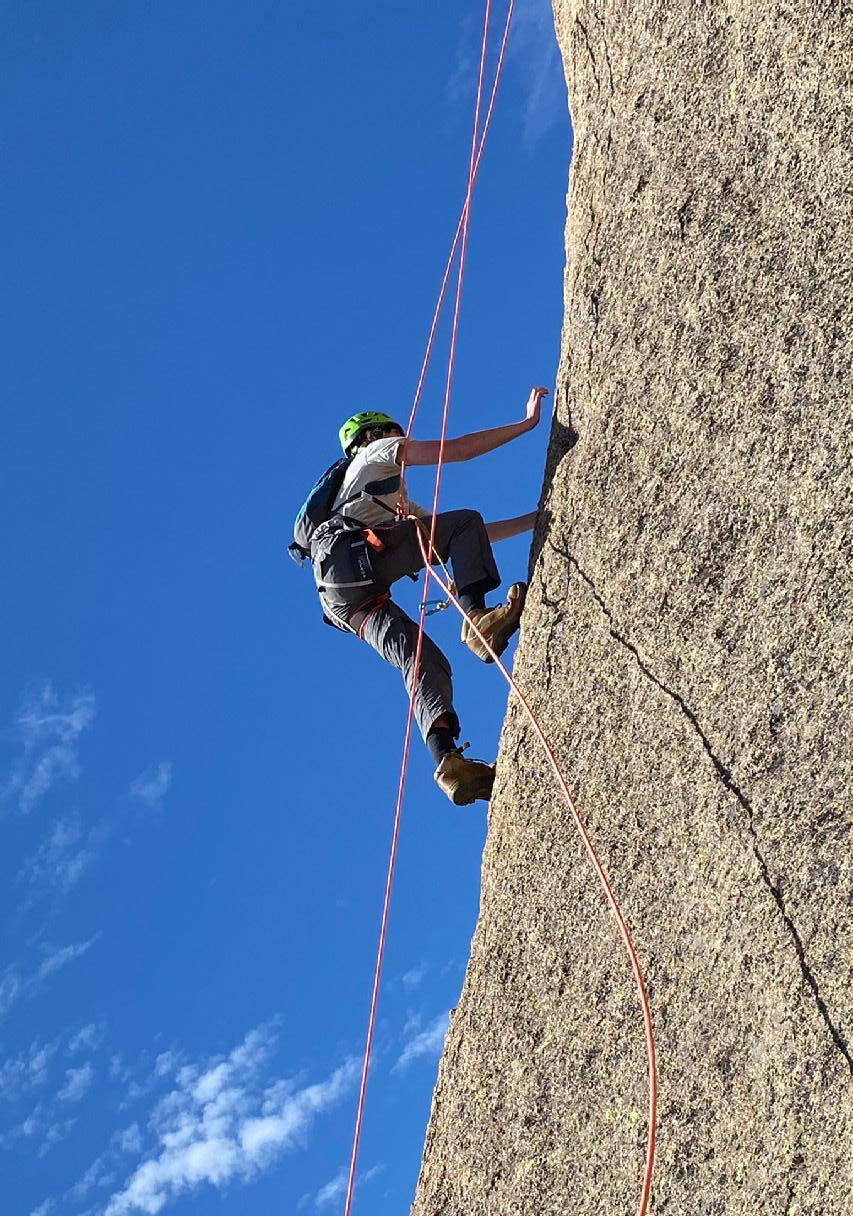
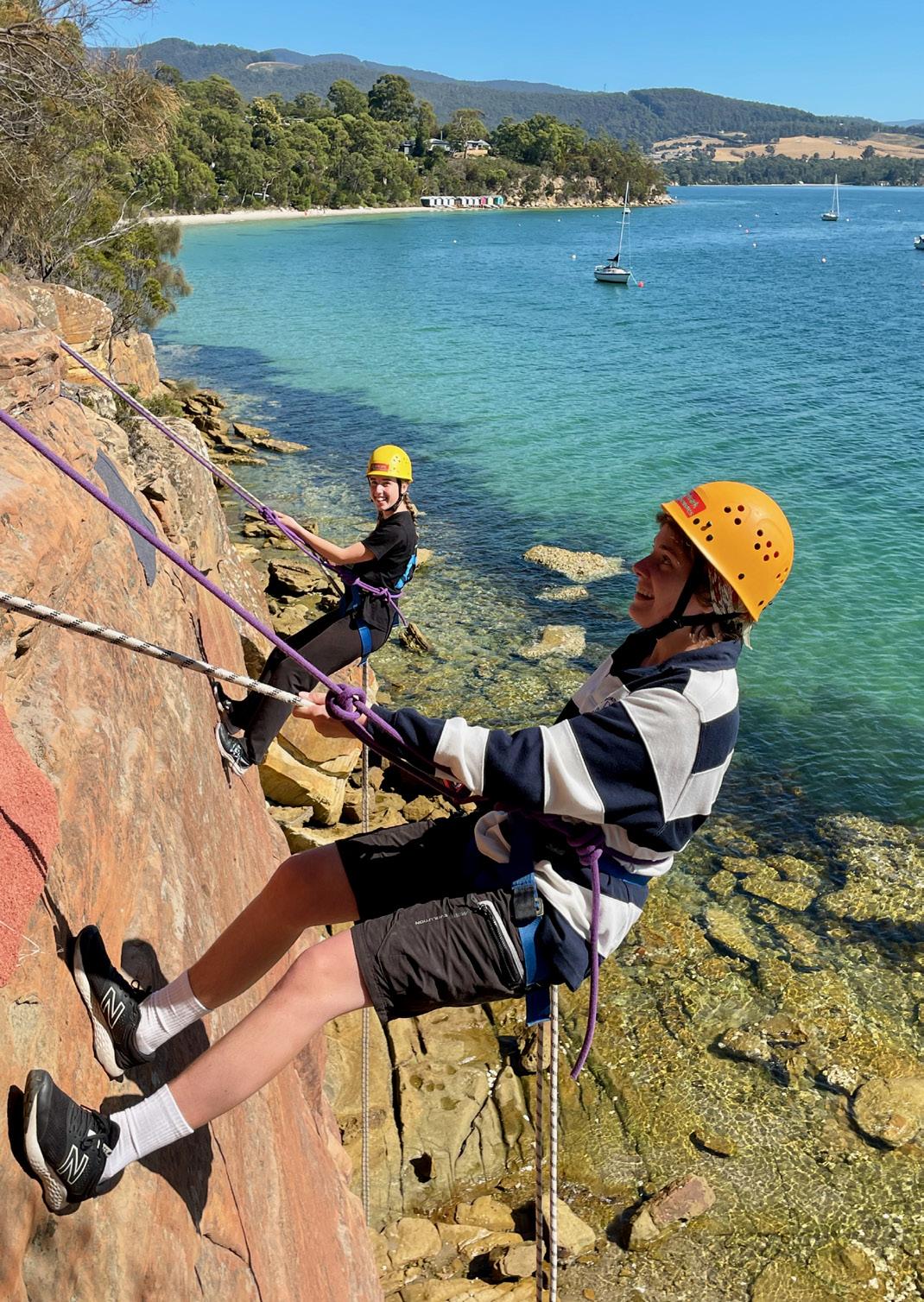
Rock Climbing at Mount Arapiles
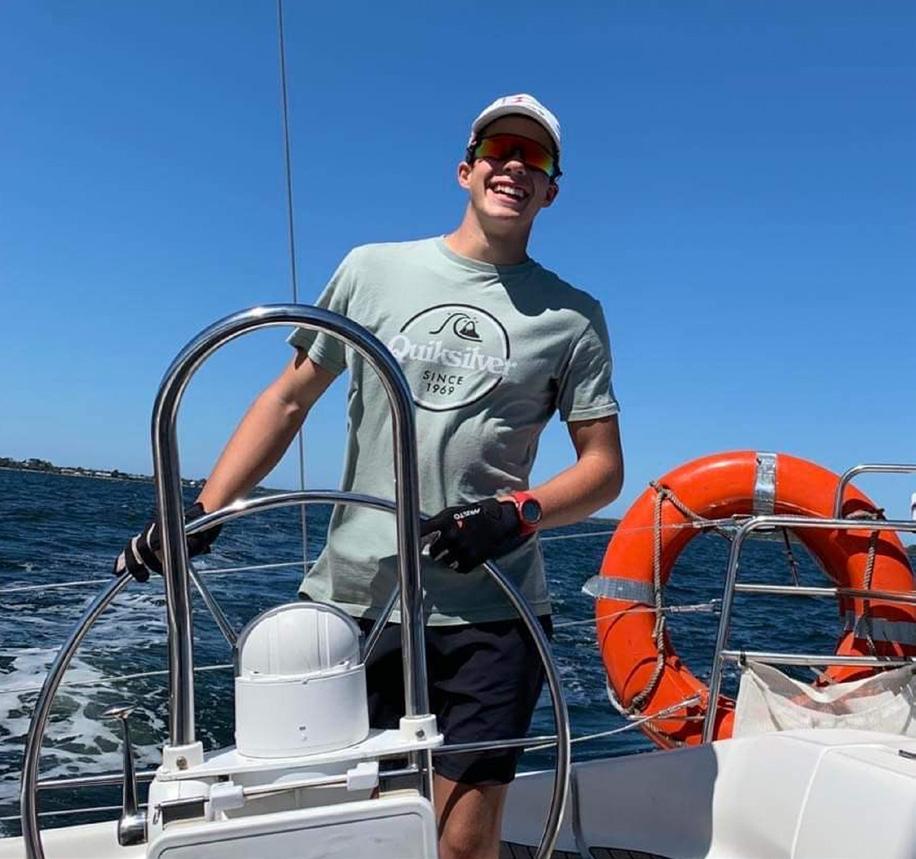
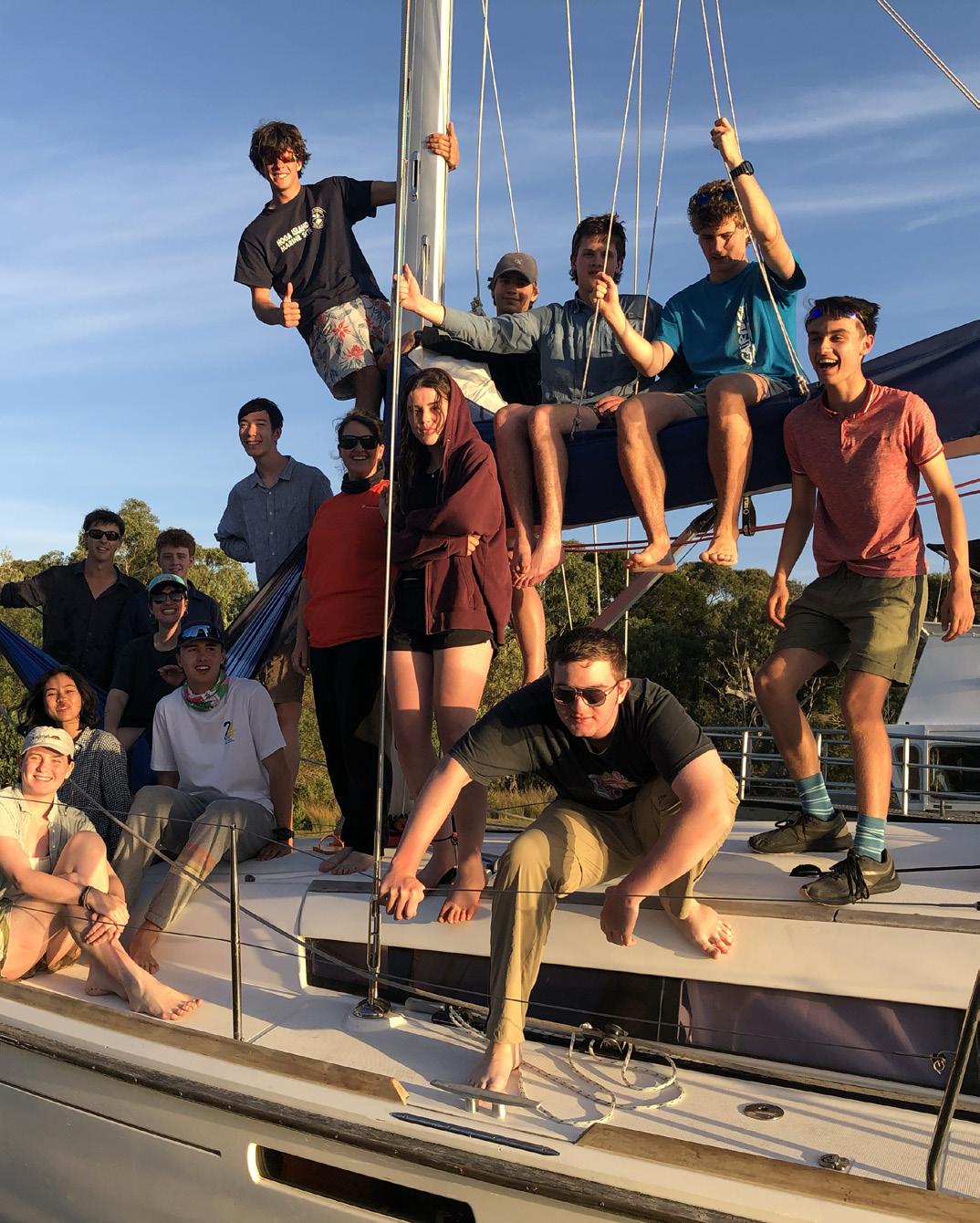
Sailing on the Gippsland Lakes
Building Leaders
Our senior camps are designed to grow leadership in real and meaningful ways. Students move through three stages as they take on more responsibility and discover what it means to lead.
This progression reflects our values: Respect for Self, Respect for Others and Respect for the Environment. By the time students finish their senior camps, they’re not just participants, they’re leaders ready to make a difference.
Volunteering
This is where it begins, as students step forward to be part of something bigger than themselves. They join in, lend a hand and learn by doing. Whether it’s helping set up camp at Inverloch or planting trees at Dunkeld, volunteering is about showing up and contributing.
Offering
Next comes initiative. Students start to see what needs to be done and offer to do it. They suggest ideas, take on extra tasks and support their peers without being asked. It’s the moment when confidence grows and independence shines through.
Leading
Finally, students take ownership. They lead a group, run an activity, or manage a project from start to finish. Leadership here isn’t about being in charge, it’s about guiding others, listening well and making sure everyone succeeds. It’s collaborative, respectful and grounded in service.
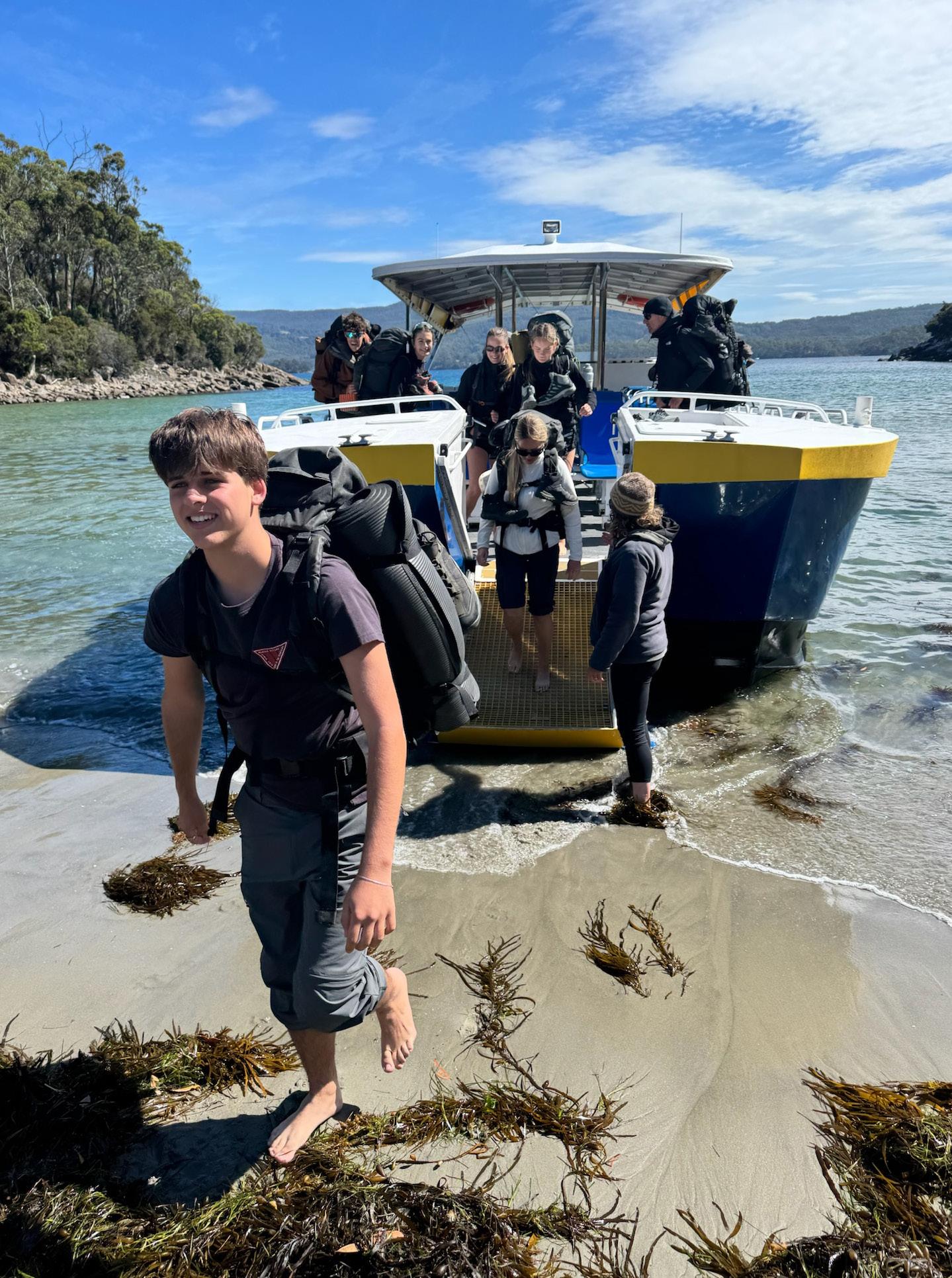
Tasmanian Adventure
Tasmanian Adventure
The Senior Camp Program
The Senior Camps program provides students with an understanding of service, the building of a strong moral and ethical base and the desire to make a contribution to the broader community.
Years 7 & 8: Junior Homestead Camp and Baw Baw
Years 7 and 8 begin the year with Junior Homestead Camp, visiting a coastal location with their Homestead group. This program builds community and relationships while introducing outdoor skills in different environments. Activities may include sea kayaking, bike riding, bushwalking, surfing, lightweight camping and cooking, supported by expert instructors.
Year 7 focuses on Caring for Self. Students learn to be organised, prepare healthy meals, manage clothing and equipment and work as a team. Year 8 shifts to Caring for Others, encouraging students to support Year 7 peers and contribute to the Homestead community.
In Term 4, Year 8 students also complete the Baw Baw Bushwalking and Lightweight Camping Program. This experience develops navigation, teamwork and resilience and prepares students for the Year 9 Outward Bound journey and Hattah expedition, which culminates the compulsory Outdoor Education program in Year 10. Both camps foster independence, cooperation and a deeper connection to nature.
Self Others
Organising gear, cooking meals, mentoring younger students and teamwork
Year 9: Outward Bound and City Bound
Year 9 students take part in two programs that build independence, resilience, and social awareness. In Term 1, they embark on a seven-day Outward Bound journey along the Snowy River. This experience challenges students to care for themselves, support each other and lead within a small group. The learning is immediate – if shelters aren’t set up correctly, students get wet; if navigation is off, they walk extra kilometres. With guidance from Outward Bound and Woodleigh staff, students gradually become self-sufficient. Preparation begins at the end of Year 8 with an overnight hike introducing lightweight camping and essential gear.
In Term 2, the CityBound Program immerses students in Melbourne’s urban environment for seven days. Based at City Cite in the CBD, students explore diverse communities, visit key sites and engage with organisations tackling issues such as homelessness, addiction and refugee settlement.
These experiences broaden perspectives, foster empathy and strengthen independence and communication skills, laying the foundation for the MYP Community Project.
Environment
Minimal-impact camping, navigation and group responsibility
Year 10: Regenerative Retreat and Hattah
The Regenerative Retreat is a five day program that introduces Year 10 students to regenerative thinking in urban and coastal settings. Through workshops and fieldwork, students explore how creativity and systems thinking support healthier futures. Shared experiences and time in nature help them build wellbeing, purpose and a stronger sense of how they can contribute.
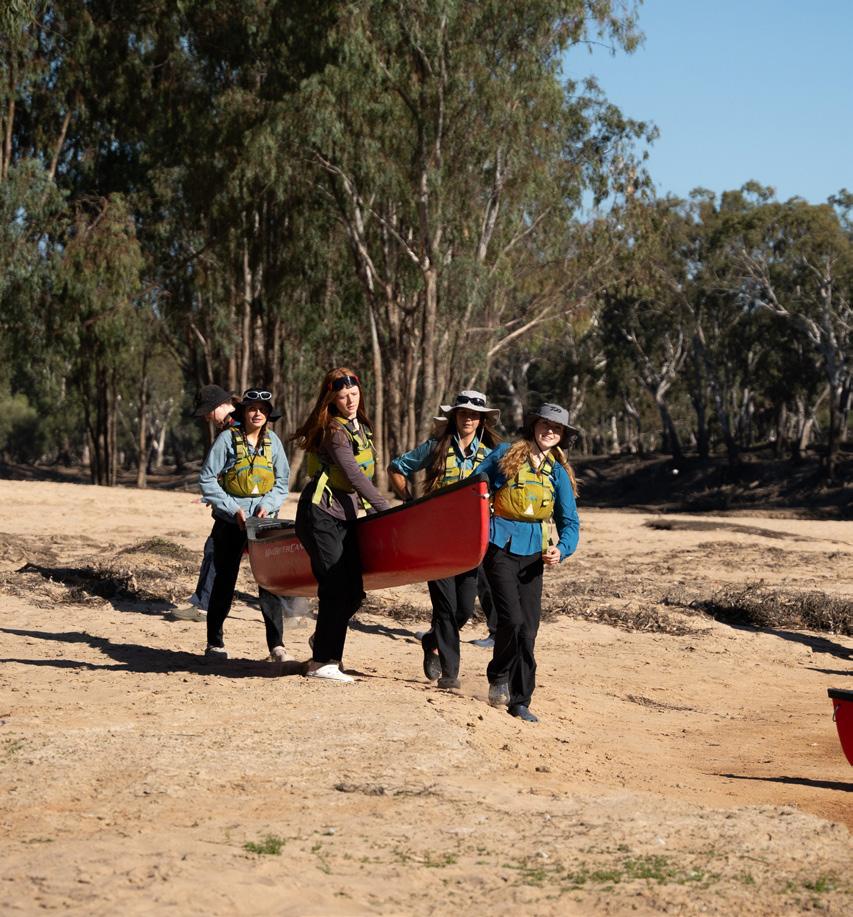
Hattah is the culmination of Woodleigh’s Outdoor Education Program and a true Woodleigh rite of passage. It is one of the experiences most referred to by alumni and departing students. The independence and perceived adventure, responsibility and freedom are valued highly. Equally important is the unusual experience of spending a week in such an unfamiliar environment.
Students and staff refer to a sense of Hattah ‘magic’.
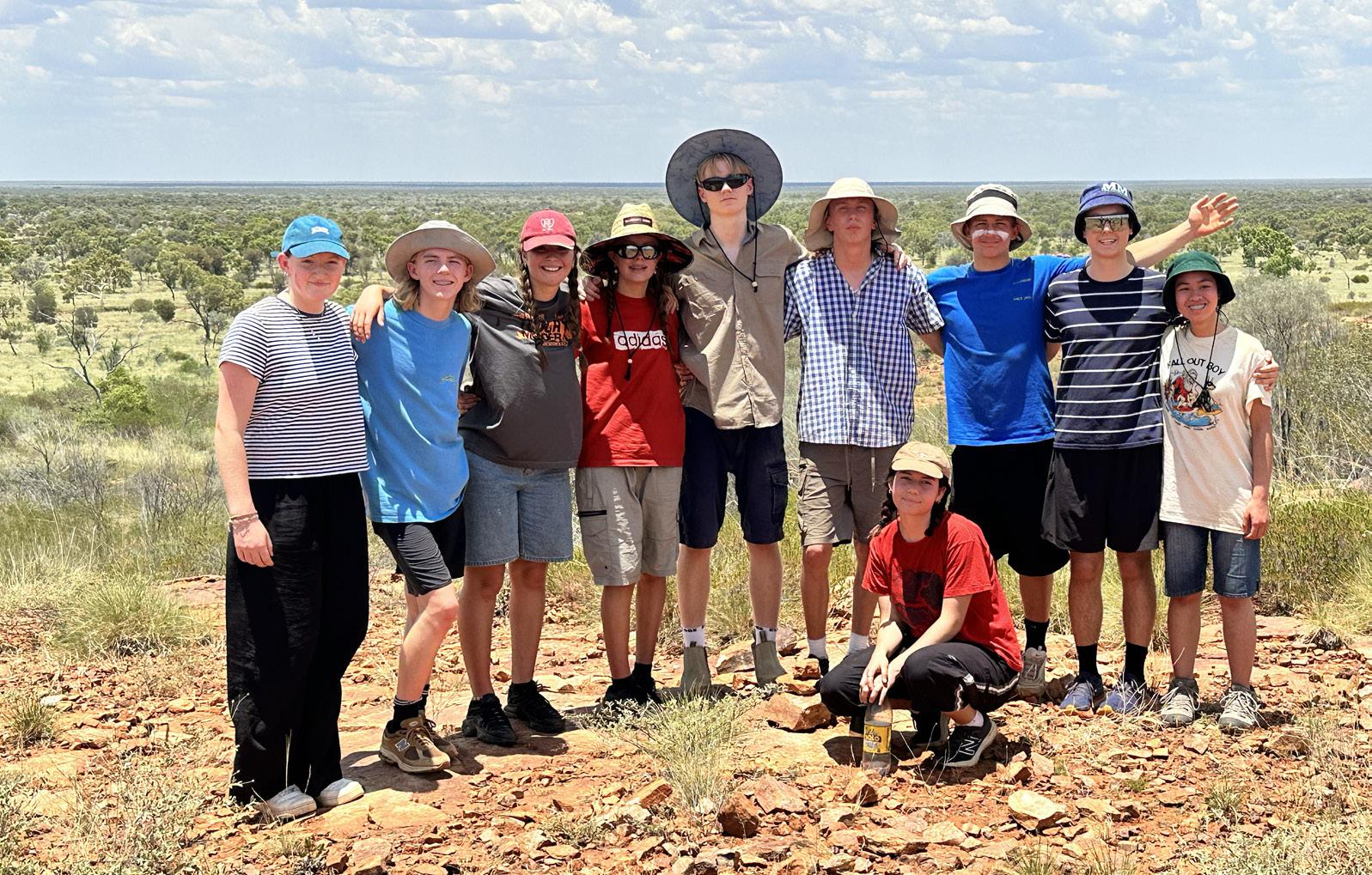
Students travel in small walk groups while staff guide the wider program. The key objectives of the program are to grow group leadership, teamwork and responsibility, and deepen understanding of the natural and human history of the Hattah and Murray regions. They are expected to show sound outdoor skills including minimal impact camping and safe bush travel.
Self Others Environment
Self-sufficiency, group leadership and environmental care
Years 11 & 12: Senior Homestead Camp Week
This Camp Week runs in March alongside Junior Homestead Camp. Each camp challenges students in meaningful ways and helps them build stronger connections with peers and Senior Homestead staff.
We schedule this week early in the year so students can pause, reflect, and support one another after starting VCE. Throughout the week, students take part in activities that develop new skills, deepen self-awareness, and strengthen understanding of others and the environment.
Students choose their preferences through a ballot process and receive detailed information in a presentation and camp booklet. While we aim to place students in a top preference, numbers and group balance mean this isn’t always possible.
Every camp offers unique challenges and we encourage students to embrace the experience as an opportunity for growth, even if it’s not their first choice. Costs vary and are listed in the ballot.
Self Others Environment
Reflection, skill development and deeper understanding of community
Homestead Camp
Senior Campus
Activities Week Years
7-11
In Semester 2, students in Years 7–11 step away from the normal timetable and immerse themselves in Activities Week. It’s a time to pursue passions, learn new skills or build on those developed during the Activities Program.
Students ballot for a wide range of offerings, most of which are cross-age, intensive and run for at least five days. Groups are formed around shared interests, so students work alongside others who bring the same enthusiasm for a chosen activity.
Activities Week is designed to broaden horizons and deepen experience. It draws on diverse areas including Outdoor Education, Academic Enrichment and Remediation, Arts and Crafts, Sports and Community Service. The program creates opportunities to apply curriculum learning in real-world, engaging settings. It promotes physical and mental wellbeing through outdoor recreation that is noncompetitive and personally rewarding. It encourages cooperative living, leadership, social responsibility and tolerance, while
developing a sense of belonging and care within the school community and beyond.
Students are supported to connect with nature, to feel comfortable living outdoors and develop attitudes that value conservation and sustainability. They learn about their own strengths and limitations and those of others, through varied experiences. Self-reliance, confidence and self-esteem are built through activities in both urban and natural environments. The program also provides space for individual talents to shine and be recognised, especially for those who may find less success socially, academically or physically in other settings.
Activities Week strengthens relationships between students and staff, helps new members of the community integrate and
offers mental and emotional satisfaction through exploration of natural and urban environments. For Year 8 students, an expedition preparation overnight bushwalk at Mt Baw Baw rounds out the year, building skills for future outdoor challenges.
The program is organised into four groups:
Overnight camps and activities (offcampus for the entire week).
Off-campus activities (off-campus daily).
School-based activities (based at school or based at school and travelling off-campus occasionally throughout the week).
• Pre-booked camps and activities. Costs vary and will be detailed in the ballot booklet when camps are advertised in Term 2 each year.
Snow Sports
Gippsland Lakes Sailing
Spoilt for Choice
Activities Week sees students venturing to all corners of the state, taking part in a kaleidoscope of experiences. Some examples of current and past camps include:
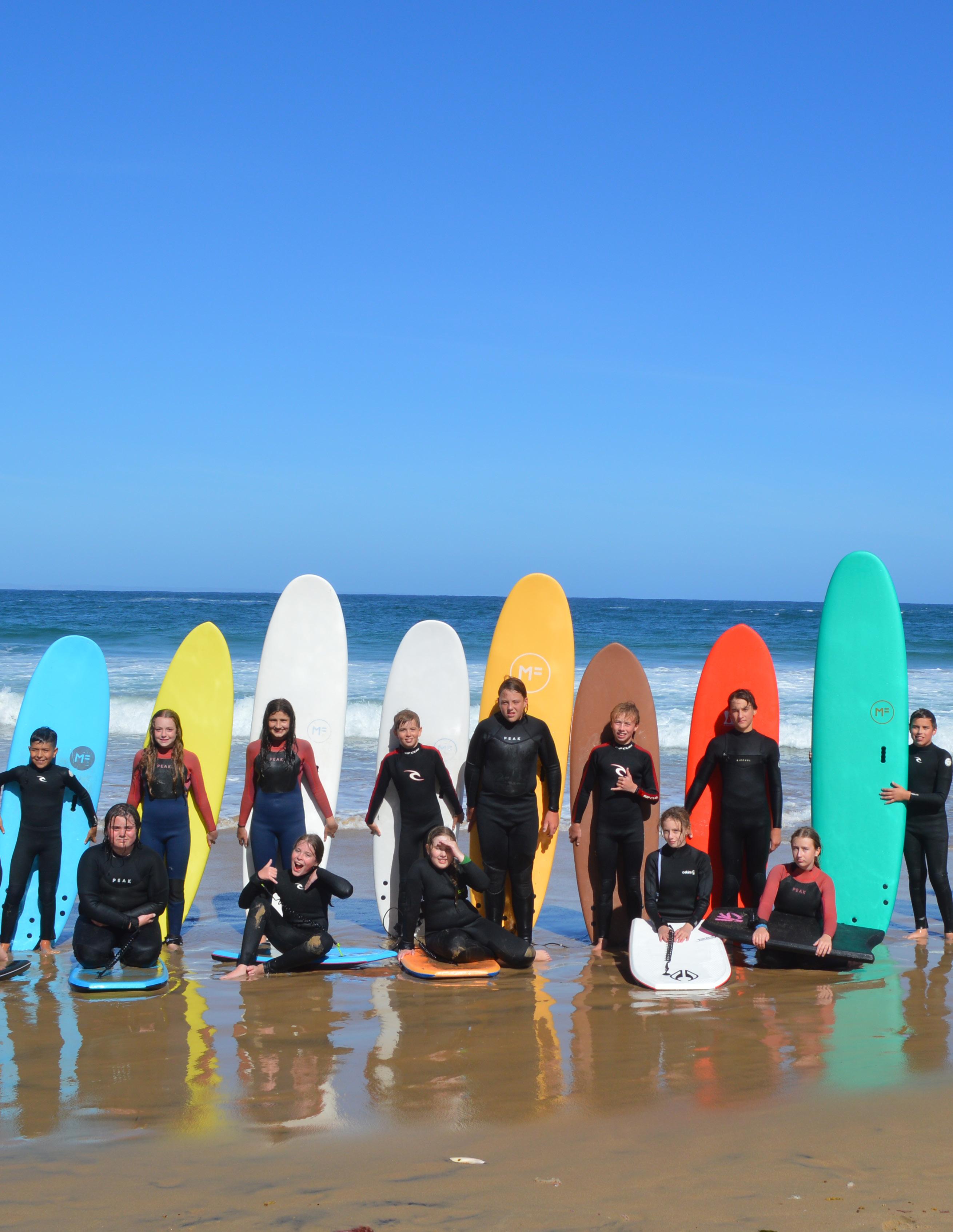
Surf Camps
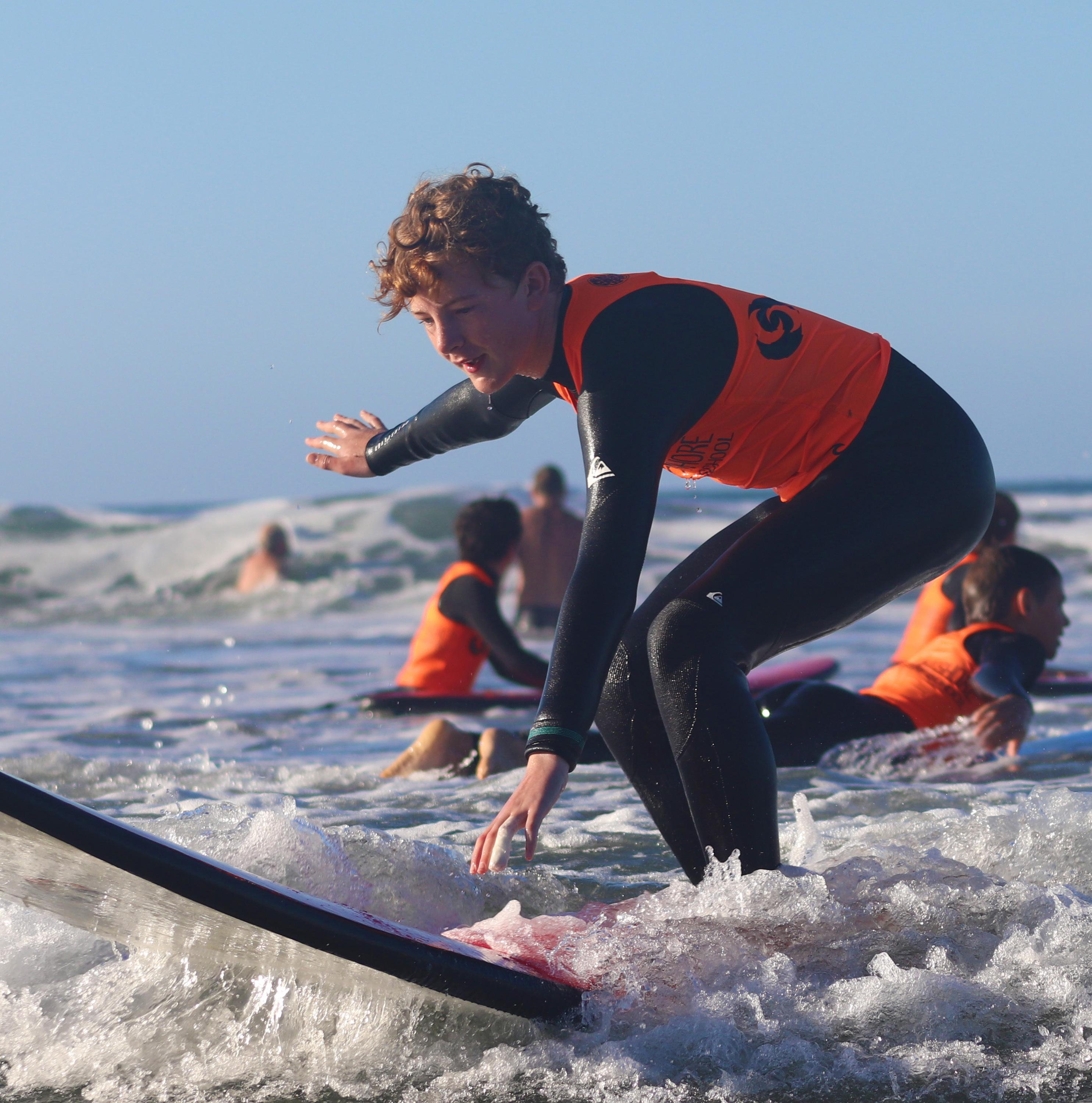
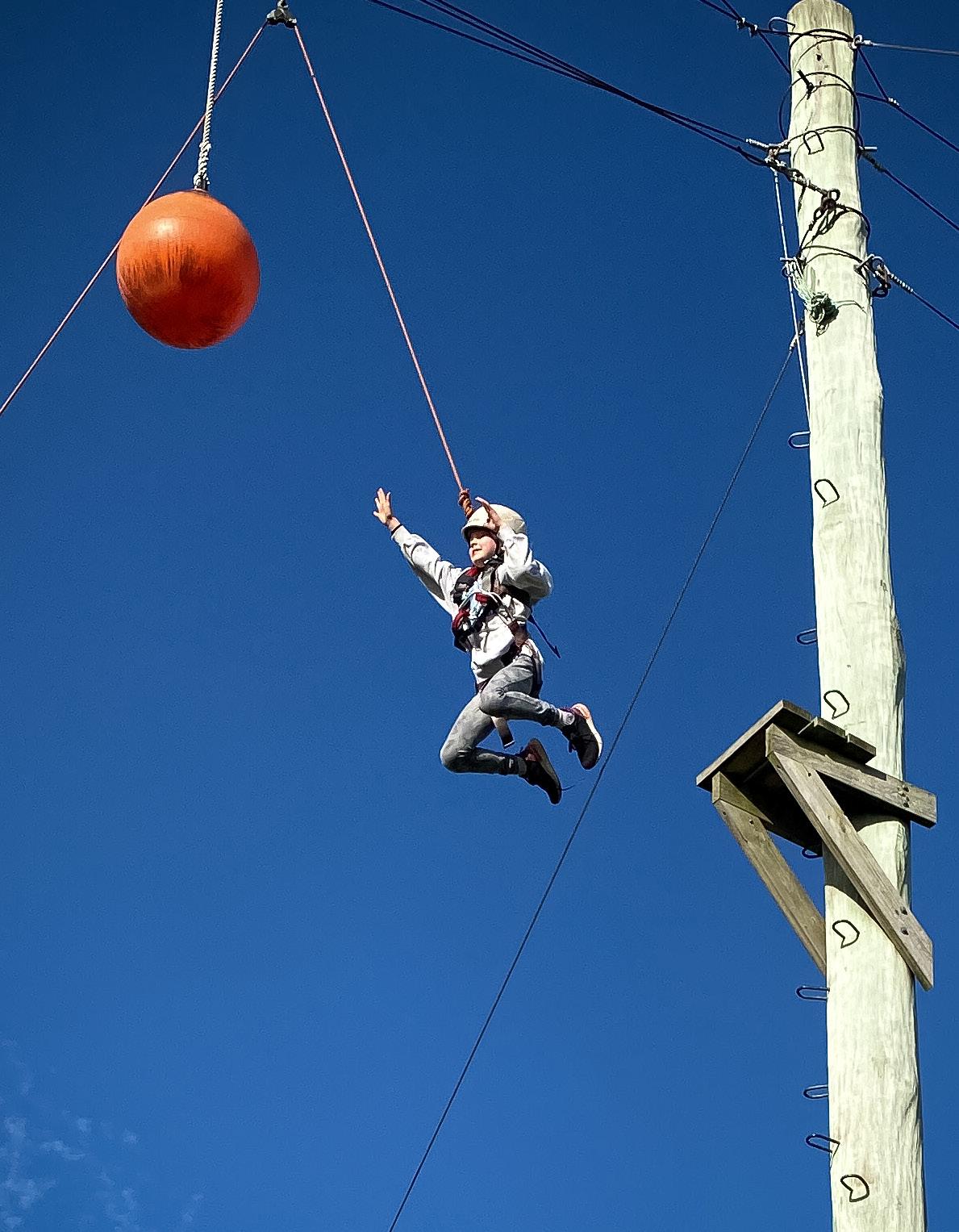
Students take daily surf lessons and also engaging in mountain biking, yoga, hiking, a high ropes course and an Indigenous walk and talk.
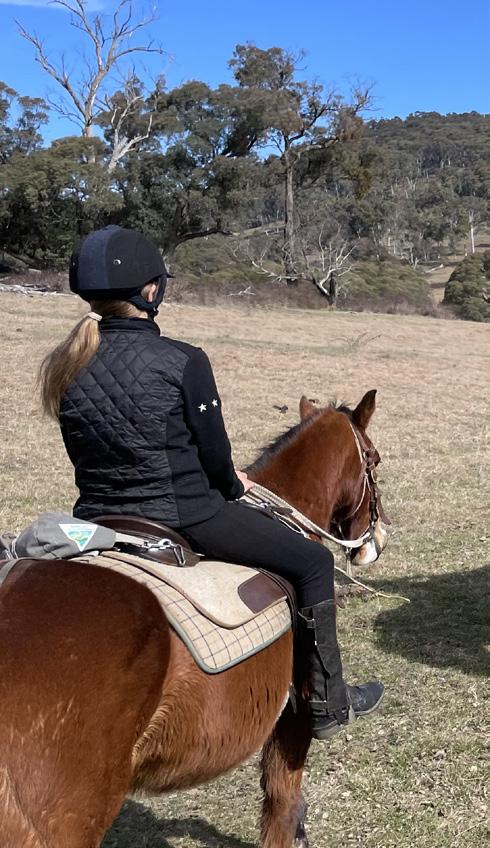
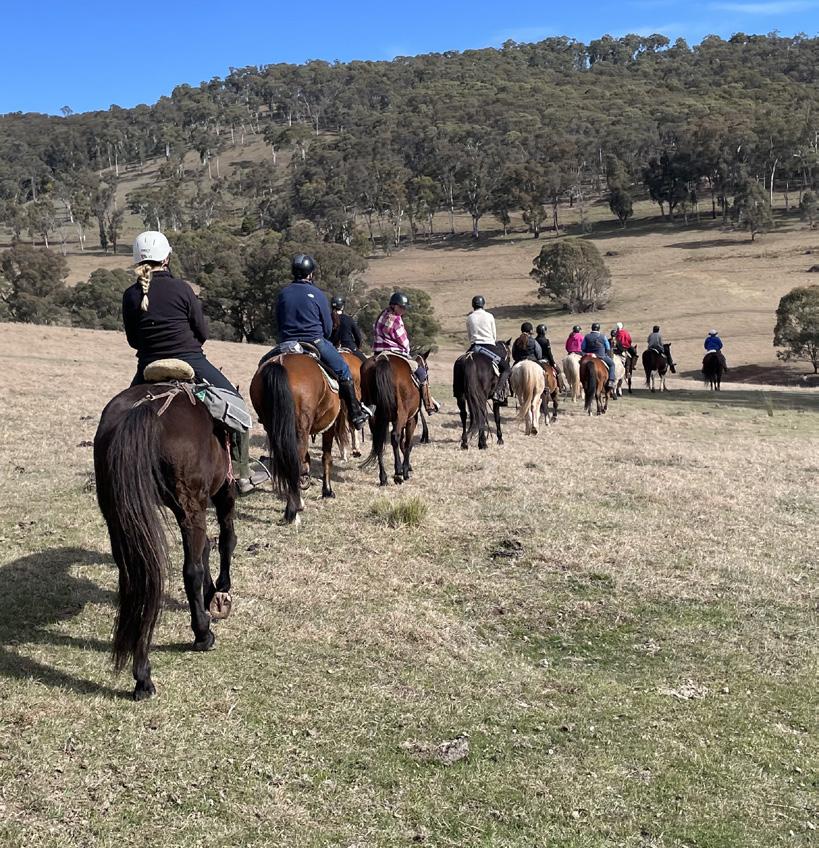
Horse Riding in the High Country
Students learn about horse care and how to ride, while camping in the Victorian High Country. They visit Craigs Hut, roam through tree-ferned valleys and make numerous river crossings.
Mt Arapiles Rock Climbing
Students learn to climb at one of the world's top rock climbing venues. Mt Arapiles features a huge number of climbs of varying grades and easy and safe access routes to and from the climbs.
Photography Workshop
Students learn how to use professional portrait lighting equipment, try landscape photography and discover abstract shooting and editing techniques, create GIFs and make adjustments to their images.
Sports Camp
Students participate in challenging and fun activities across Melbiurne and the Mornington Peninsula, including rock climbing, kayaking, mountain bike riding, soccer and tree surfing.
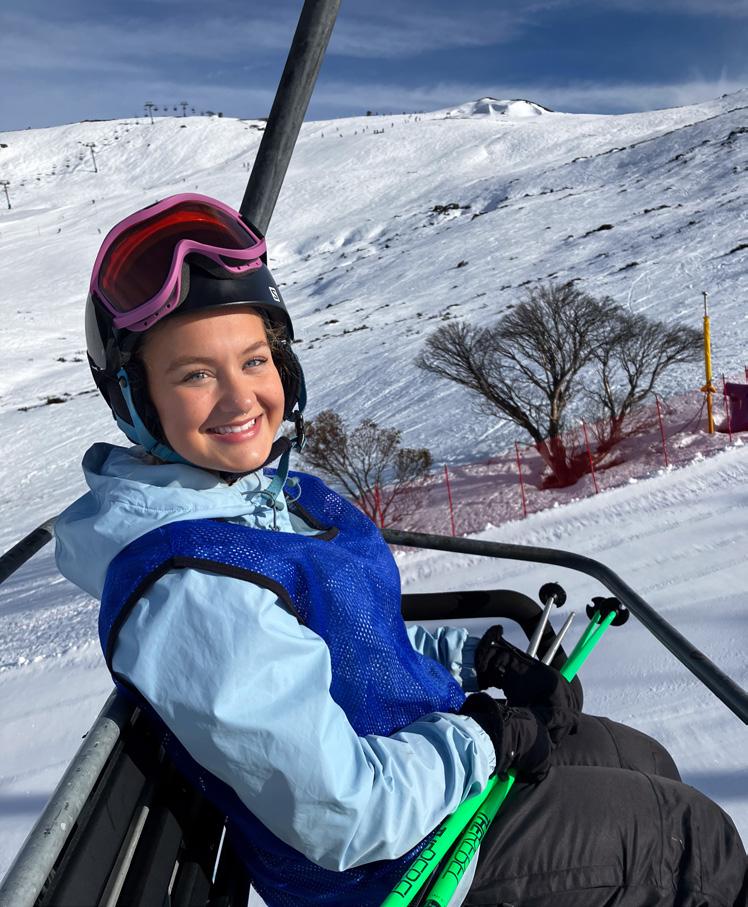
Snow Sports
Across a six-day alpine adventure, students have the opportunity to develop their skills from beginner to intermediate, and intermediate to advanced.
Energise and Revive
Students discover wellbeing activities locally on the Mornington Peninsula, conducting food preparation and cooking sessions and attending daily yoga classes.
Bayplay Marine Adventures
Activities include snorkelling, scuba diving, exploring the coast on a sea kayak and a bike ride through Point Nepean National Park.
Leather Workshop
Students cover a range of techniques and processes involved in leathercraft, working with a professional artist to make a variety of leather goods.
Production
Students focus on finalising their performance piece. This includes pulling all the different elements of the production together; the sets, lighting, sound, props and costumes.
Urban Adventure
Students participate in a range of challenging and fun experiences in Melbourne, including ice skating, gokarting, indoor rock-climbing, bike tours and a visit to the Queen Victoria Market.
Yarrawonga Golf
Students play golf at the Black Bull Golf Club, learning techniques from the golf pro on the driving range, practice area and the course.
Screen Printing Workshop
Students cover a range of techniques and processes, working with a professional screen printer to make and print paper stencils, drawing-based prints and photographic and fabric screen printing.
Field Gnats
Woodleigh’s Field Gnats are a distinctive part of our Outdoor Education offering, giving students the opportunity to learn through direct engagement with conservation and the natural world. Through hands-on environmental work and field experiences, students develop practical skills, ecological understanding and a strong sense of environmental stewardship.
The Field Gnats’ home ground is our own Brian Henderson Reserve. But the group also visits native animal sanctuaries such as Mount Rothwell and Tiverton, where students engage in habitat restoration projects and threatened species protection efforts, experiencing conservation work in action.
Alongside camps and after-hours programs, the Field Gnats help care for the school environment through incursions, working bees and hands-on projects that bring students into the landscape. Many former Field Gnats return to Woodleigh to guide trips to Tiverton and Mount Rothwell, sharing their experience with the next group coming through.
Horse Riding in the High Country
Field Gnats at Mount Rothwell
Senior Campus
Broadening Horizons
Years 10 & 11
In addition to the extensive program of compulsory Outdoor Education,Woodleigh offers opt-in expeditions and other opportunities both locally and internationally. The Broadening Horizons program gives students in Years 10 and 11 the chance to step beyond the familiar and engage in experiences that challenge, inspire and connect them to the wider world.
These opportunities are immersive and educational, encouraging independence, resilience, and cultural understanding. Students learn to act on their values, embrace diversity, and develop the skills needed to make a positive difference in their communities and beyond.
The program includes international exchanges and conferences through Round Square, language and culture experiences in Indonesia and France, community partnerships in Cambodia and Vietnam and First Nations learning in remote Aboriginal communities. Science opportunities such as NASA Space Camp and Operation Wallacea provide hands-on STEM and conservation experiences, while local camps focus on service and sustainability in Victorian communities. International experiences typically cost between $1,400 and $10,000, while local camps are around $200.
→ Learn more about Broadening Horizons opportunities in our Broadening Horizons Handbook
Language & Culture
French Art and History Immersion
Paris and surrounding regions
(Years 9-11 French, Art or History students)
This two-week study tour offers Woodleigh students rich cultural immersion in France, linking directly to Art, History, and French studies. Students explore iconic sites – from the Normandy landing beaches to Versailles, the Louvre, and Revolution landmarks –while building language confidence through daily interactions.
Reciprocal language exchanges can be applied for with AFX student exchange.
Indonesia Immersion
Java, Bali and Lombok
(Years 10 & 11 Indonesian Students)
Students spend two weeks travelling across three islands, visiting historical sites and engaging in cultural activities. They practise Indonesian language in real-life settings and work with a local school in Lombok. The experience helps students understand community life and develop a sense of global responsibility.
Community
Cambodia Partnership
Kampot, Cambodia (Years 10 & 11)
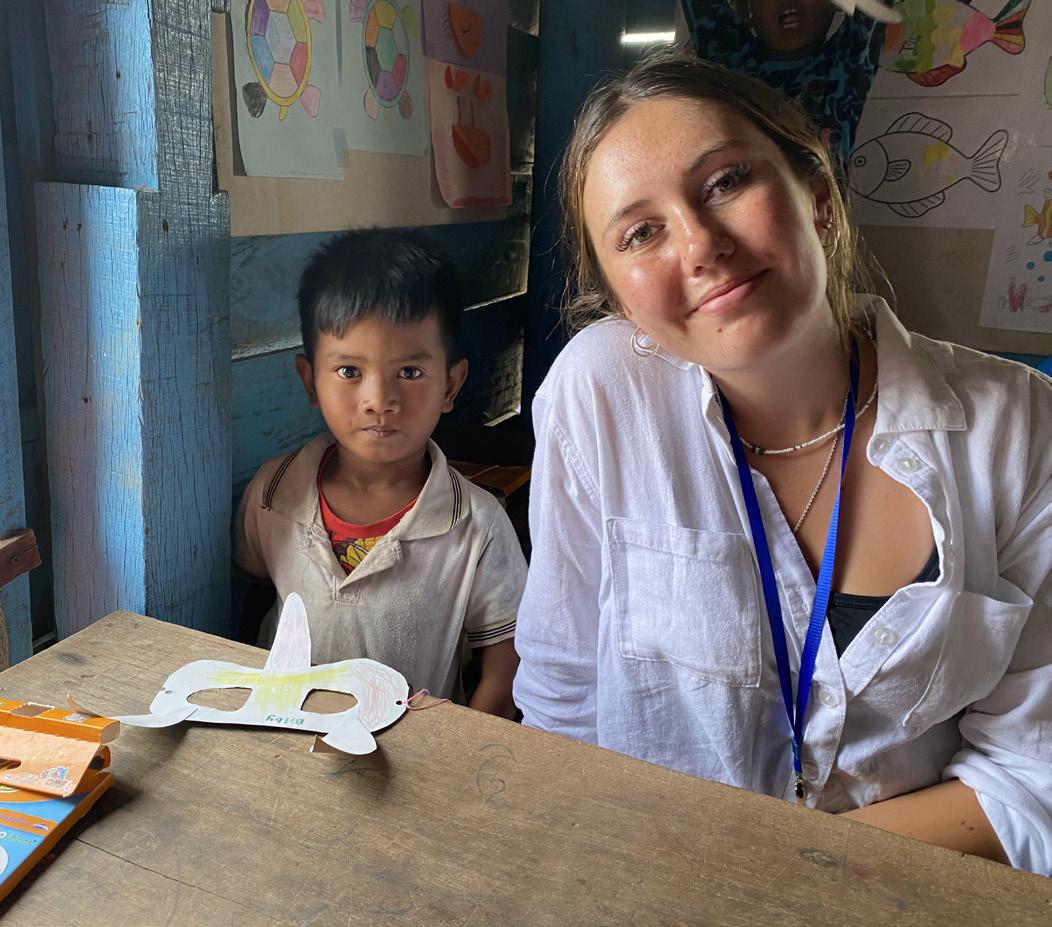
Students work alongside staff at Chumkriel Language School, teaching English and helping with projects like gardening and classroom support. They visit local markets, explore Kampot and learn about Cambodia’s history through trips to significant sites. The partnership focuses on service and cultural exchange.
Vietnam Partnership
Hanoi & Yen Garden, Vietnam (Years 10 & 11)
Students collaborate with Blue Dragon Children’s Foundation on projects that support vulnerable children. They prepare care packs, stay in traditional stilt houses and explore Hanoi’s markets. The camp combines hands-on service with opportunities to learn about Vietnam’s culture and history.
Operation Wallacea, Indonesia
Local Community
Middle Kinglake Camp
Victoria (Years 10 & 11)
Students camp at Middle Kinglake Primary School and help in classrooms. They run activities for younger students and explore areas affected by the Black Saturday fires. The camp encourages empathy and resilience while supporting a community that has faced significant challenges.
Dunkeld Camp
Western Victoria (Years 10 & 11)
Students stay at Brauer College’s outdoor campus and work on conservation projects with the Dunkeld Pastoral Company. They help manage habitats and support breeding programs for native species. The camp gives students practical experience in environmental stewardship.
Regenerative Fishing in Two Bays
Port Phillip & Western Port, Victoria (Years 10 & 11)
Students spend five days fishing from boats and beaches while contributing to sustainability projects. They take part in beach clean-ups, collect old tackle and record data for citizen science. The camp combines outdoor activity with environmental responsibility.
Science
NASA Space Camp
USA (Years 9–12)
Students travel to the United States for a 10-day STEM program. They take part in astronaut training, physics workshops and engineering challenges at the Kennedy Space Center. The program combines classroom learning with practical activities that develop teamwork and problemsolving skills.
Operation Wallacea
South Sulawesi, Indonesia (Years 10 & 11)
Students join scientists on a two-week research expedition. They learn jungle survival skills, conduct biodiversity surveys and study coral reefs at marine research sites. Practical work includes snorkelling or scuba diving, giving students hands-on experience in conservation and ecology.
First Nations
Ampilatwatja First Nations Experience
Northern Territory (Years 10 & 11)
Students visit the remote Alyawarre community of Ampilatwatja and work in local schools. They spend time with children from preschool to Year 10 and learn about life in a community that is not open to the general public. The visit builds understanding of First Nations culture and creates lasting connections.
Round Square
Round Square is a global network of over 200 schools dedicated to character education and experiential learning, guided by six IDEALS: International Understanding, Democracy, Environmental Stewardship, Adventure, Leadership, and Service.
Woodleigh’s membership reflects a commitment to developing courageous, culturally aware leaders. Living the IDEALS isn’t about grand gestures – it’s about making a positive impact in any field. By embracing diversity, acting with empathy and meeting challenges headon, students prepare for a cooperative, respectful life beyond school.
→ Visit roundsquare.org to learn more about Round Square
International Round Square Conference
Various locations (Years 10 & 11)
Students spend a week attending workshops, listening to keynote speakers, and taking part in cultural activities with peers from around the world. They share ideas, discuss global issues, and learn from different perspectives while representing Woodleigh at an international event.
Round Square International School Visits
Various Locations (Years 10 & 11)
Students live with a host family and attend classes at a Round Square school overseas. They join in co-curricular activities and experience daily life in a different culture. These visits often involve reciprocal hosting and give students a deeper understanding of education and community.
Round Square Junior Conferences
Various locations (Years 5 & 6)
These immersive multi-day experiences are designed for students in Years 5–6. They introduce the Round Square IDEALS through hands-on, experiential learning, bringing together students from across the VIC TAS region. Students form new friendships and develop early leadership skills while connecting and collaborating with students from other schools.
Senior Campus
The Nuts & Bolts of Senior Camps
Our team put a great deal of work into camps and experiences, including collating activity groups and tent allocations. They take into consideration friendship groups, learning goals and a host of other criteria. It’s a difficult, time-consuming job; your understanding of the difficulties inherent in this task is appreciated.
Attendance and Permissions
Parents and guardians must explain any intended absences from the Camps Program as they are considered the same as an absence from academic classes.
When permission requests are sent, a prompt response from parents and guardians is appreciated. Any delay in providing consent delays the rest of the camp organisation process and can, ultimately, result in the student not being able to attend.
With camp permission requests, there will be an attached form giving permission for medication administration. This form must be signed and returned in the week prior to the camp departing, to give permission for Woodleigh staff to administer your child’s medication while on camp.
A kit list will also be attached. This kit list has been carefully selected to reflect the equipment that each student will need on their specific camp or expedition.
Dietaries and Medicals
Today, most Outdoor Education providers and teachers are well-equipped to handle a wide range of dietary needs. We work closely with our providers and staff to make sure your child has plenty of food options and that their dietary requirements are fully met. To help us ensure the best support, please keep us informed of any updates to your child’s dietary needs.
The same applies to medical requirements. We’re prepared to support almost any medical need during camps or expeditions. If any activity becomes unsuitable due to a medical condition, we’ll arrange alternative options to ensure your child can participate
in a safe and enjoyable way. However, we need the most up-to-date medical information to achieve that.
‘No News Is Good News’
Many of our camps and expeditions go to remote parts of Victoria, Australia and the rest of the world. It is not always possible to maintain good digital communications with the outside world. We don’t guarantee, therefore, that there will be regular updates from camp. Where and when we can, we will send photos back to the school for them to share, but in all other respects, please consider no news as good news: if you don’t hear from us, we are carrying on with the program and all is going to plan!
When necessary, we carry communication devices, for safety purposes, that allow us to communicate short messages to our providers’ base camps and the school. These are used for regular, basic, safety and logistical purposes. They are not designed for communicating with large numbers of
people but, rather, for keeping students safe.
No Trackers: Please don’t put AirTags in your child’s luggage, or track them while they’re on camp via their smartphone. Camp is as much an exercise in letting go for parents as it is students.
Electronics
A key benefit of camps is the chance to learn in a completely new environment. To help students make the most of these experiences and to maintain safety, we ask that students stay present, focused on their surroundings and attentive to essential safety information.
For this reason, we require that electronic devices capable of connecting to cellular or satellite networks be left at home. This includes but is not limited to, mobile phones, tablets, smartwatches and personal locator beacons. Without these devices, students can more fully engage in activities, enjoy face-to-face interactions and minimize distractions during important safety briefings.
We appreciate your support in ensuring that your child does not bring these devices, helping them to have a richer, more immersive experience.
Homestead Camp
Hattah
Duke Of Edinburgh Award Centre
Woodleigh School is a registered Award Centre for the delivery of the Duke of Edinburgh Award. That means that any eligible student wanting to sign up to take part in Duke of Edinburgh (or D of E as it is known), can do so through the school, which can make the process far simpler and easier to manage.
What is D of E?
According to the DofE Australia website, “The Duke of Edinburgh’s International Award (the Duke of Ed) is the global leader in the organising and accrediting of nonformal education through its flagship ‘Duke of Ed Framework’. For over 60 years, this framework has been used by education providers and community organisations to accredit the non-formal learning outcomes and achievements of young people.”
It is a framework that recognises the achievements of young people outside of their formal education and as an international award, it is recognised in 144 countries around the world. It can be started once a young person turns 14, and they have until they turn 25 to complete one or more of the three levels: Bronze, Silver, and Gold.
There are four key areas of personal development that a participant must show they have improved in to complete the award: voluntary service; physical recreation, skills, and adventurous journey (with an additional residential project at Gold).
The D of E is designed to be an award that participants work towards independently with minimal input from their school or from other adults. However, as an Award Centre, we do offer support and assistance to students undertaking the D of E.
Any student over the age of 14 can sign up whenever they like.
→ Learn more about the Duke of Ed at dukeofed.com.au
Three Capes, Tas
Regenerative Retreat
Senior Campus
Equipment
The kit list sent to parents and students before any outdoor camp, expedition, or experience is one of the most important documents for participants. A great deal of care goes into its preparation and the items marked as essential are vital to the success and safety of the trip. Nothing on that list should be missed.
On some camps, we offer a hire service for students. Information will be sent out via Consent2Go. There is some equipment students must provide themselves, such as:
• Beanie
• Gloves
• 2 sets of thermals (tops and bottoms)
• Woollen or polar fleece jumpers
• Head torch
Sturdy walking shoes or boots
It may be more cost-effective to purchase some of the hire items early in your child’s Outdoor Education journey at Woodleigh. It’s not always easy to know what the right gear is or where to find it, so the following guide will help.
Quality Equipment
The right equipment makes a big difference to enjoyment and safety. Here are some key items to focus on:
Boots
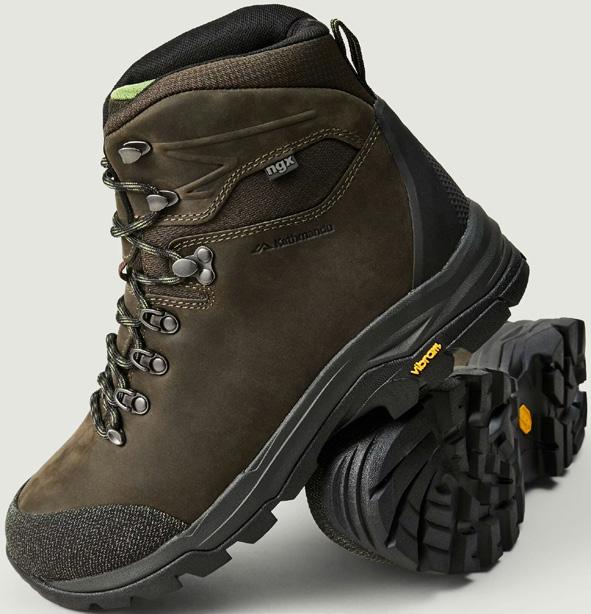
The Year 8 Hike, Outward Bound and Hattah programs all require proper hiking boots because students will be walking on uneven or slippery ground. Boots should: Cover the ankle for support
Have excellent grip (e.g., Vibram sole)
Be waterproof with an internal membrane such as Goretex
Wear them in: Boots should be worn in for several weeks before camp to prevent blisters.
Sleeping Bag
Sleeping bags can make or break an outdoor experience. If the bag is too cold or too heavy, it can ruin enjoyment and even affect safety.
Sleeping bags are rated for comfort. When choosing one, consider the likely overnight temperatures for the trip and select a bag with a comfort rating below 0°C. Avoid bags that only meet the limit or extreme ratings for that range.
Get in line: A sleeping bag liner adds warmth and helps keep the bag clean, extending its life. Liners come in various materials, but avoid cotton.
Waterproof Jacket
A good waterproof jacket is worth the investment. Staying dry is essential and activities continue even in rain. Look for:
• A hood with a peak
• Waterproof membrane (e.g., Goretex) for breathability
• Covered zip to prevent leaks
• Length below the waist
• No built-in insulation (like ski jackets), as layers provide better warmth control.
Above ankle
Grippy Vibram sole
Peaked hood
Gear Hire
We offer a gear hire service through Outsports in Moorabbin. Clothing and equipment is delivered to school and handed out to students to take home prior to camp so that they can pack. It is essential that permission forms are completed so that we can arrange the hire for you.
For the Year 8 Hike, Outward Bound and Hattah, the school will give you the option to hire specialist equipment and arrange the hiring process for you. This equipment includes:
• Sleeping bag and liner
• Trangia stove
• Gore-tex rain jacket
• Overpants
• Tent
• Sleeping mat
• Gaiters
• Hiking pack
‘Cotton
is Rotten!’
When choosing any clothing for any of our days, camps, or expeditions, avoid cotton at all costs! Cotton is very comfortable as long as it is dry, but as soon as it becomes damp or wet, it becomes extremely uncomfortable and will wick heat away from the body. Not only can this detract from the overall experience, but it can also be dangerous.
The following table is a sample of the approximate hire costs for a two-day overnight camp. Please note, these are subject to change.
Shared Equipment (per person)
Tent (2 or 3 person) $44 each
Trangia Stove (per cooking group) $22 each Individual Equipment
Alternatives include merino wool, polar fleece, or modern sportswear.
→ Send any questions about camp equipment to camps@woodleigh.vic.edu.au.
Hire Cost
Hire costs will be charged to student accounts.
Homestead Camp
Tasmania Adventure
Homestead Camp
Senior Campus
Senior Camps FAQ
My child is really nervous about going to camp. How will you help? It’s completely normal to feel nervous about camp! We’ll help by starting the conversation early and building trust between staff and students. We’ll work with our Wellbeing team to create a camp plan, and Outdoor Education staff can meet with you, your child and Homestead teachers to decide how best to support your child’s preparation. Every student needs different levels of support and we’re committed to working with you on this.
What is the difference between Homestead Camp Week, Activities Week, Senior Homestead Camp Week, Hattah and Broadening Horizons?
• Junior Homestead Camp is for Years 7 and 8. Students go away with their Homestead to a coastal location and begin learning about communal living.
• Outward Bound is a 7-day expedition for Year 9 students, held in March alongside Junior and Senior Homestead Camps.
• Hattah is a 7-day expedition for Year 10 students in May.
• Senior Homestead Camps run at the same time as Junior Camps for Years 11 and 12. Students ballot for camps they’d like to attend.
Activities Week in August focuses on pursuing a skill or passion. It usually mixes students from Years 7–11 with a wide variety of options. Students ballot for their choices.
• Broadening Horizons Week is in the last week of Term 4, offering optional experiences for Years 10 and 11, usually service-focused. This is also when the Year 8 Overnight Hike occurs.
→ See the Senior Campus Camp Program overview on Page 18
Will my child get their top preference on the camp ballot for Activities Week and Senior Homestead Week?
Not necessarily. We work very hard to be fair and transparent about assigning students to camps. The reality is, all camps have limits
and some students will miss out each year on getting their first preference. We ask that students put down six preferences for camps. If there is a camp your child would REALLY like to attend and they miss out, encourage them to keep putting it down first on their ballot. There is every chance they will get to go second time around.
Do you work with any outside providers on your camps?
Yes, we do. Our program is extensive, aiming to provide at least one outdoor experience for every student each year. The school can’t manage this alone, so we rely on outside providers for many camps and expeditions.
When selecting providers, we consider:
• Safety protocols
• Risk assessments
• Child safety standards
• Crisis management plans
• Logistical competency
• Alignment with our school values
• The quality of instructional staff Providers are thoroughly checked for robust child-safe policies, excellent safety records, privacy policies, and reputation. Building strong relationships with providers is vital because organisations that know us and understand how we operate bring many benefits. Our roster of quality, reliable providers is one of the program’s most valuable assets.
My child has other commitments that may mean they cannot go on a camp, or would prefer not to go. What should I do?
Non-attendance will be considered in the same way as an academic absence.
It is important that you contact the school early to discuss any clash with camp weeks. Ultimately, you will need to contact the Head of Campus.
How much do the camps cost?
Junior Homestead Camps, the Year 8 Hike, Outward Bound and Hattah are built into
the consolidated fees, so there is no extra charge. Activities Week camps and Senior Homestead Week camps have varying costs. We make every effort to ensure there are a variety of options available for families. All camps provide challenge and excitement!
Should my child bring their mobile phone on camp?
Mobile phones are not allowed on most camps. There are some exceptions where phones are used as a safety tool. These will be outlined in each camp booklet and protocols will be put in place on the camp to ensure they do not create a distraction.
How do I get in touch with my child when they are on camp?
No news is good news! However, if you need to get a message to your child in an emergency, you can do so through the school After Hours Contact. This information will be provided in the camp booklets.
My child may need some adjustments made to some of the camps so they can participate. What are some examples of things you can do?
There are so many things that we can do to ensure students can participate in the Woodleigh Camps Program. We believe that Outdoor Education is an essential part of being a Woodleigh Student.
Some examples of adjustments that can be made are:
Pack shuttles
Shorter programs/days
• Dietary/food modifications
• Camp management plans developed in consultation with Wellbeing
• Learning and Educational Support staff attending camp
Explanatory photos and videos provided prior to attending camp
Outdoor Education staff meeting with parents and students prior to camp