Market Snapshot
Edition 3: 2025
Croydon



Croydon
by Joe Anto, Wendy Steel & Tony Smith Directors Woodards Croydon
Heading into the second half of the year, urgency is clear among buyers chasing convenience and liveability. Family homes and turnkey properties are performing strongly, while vacant land and renovation projects draw less interest. With rising construction costs and limited trades, many buyers would rather pay a premium for move-inready homes than face the uncertainty of major works.
For sellers, the message is simple – presentation pays. Decluttering, styling and completing cosmetic updates can transform a campaign, attracting more interest and higher offers. Engaging with us early allows time to prepare and refine strategy, ensuring your home is positioned to capture attention at the right moment.
-Recent results show this trend clearly. At 14 Frederick Street, Croydon, a well-presented family home guided at $1.1–$1.2 million sold privately for $1.32 million after multiple offers. At 8 Lusher Road, Croydon, strong competition pushed the price well beyond its $695,000–$750,000 guide. And in Lilydale, 105 Old Gippsland Road exceeded all expectations, achieving $2.7 million against a $2–$2.2 million guide.
Overall buyer activity has lifted across Croydon and its surrounds this year, with lifestyle-focused homes leading the way. While younger buyers still show some caution, demand for well-presented properties is driving competitive offers and keeping the market dynamic.
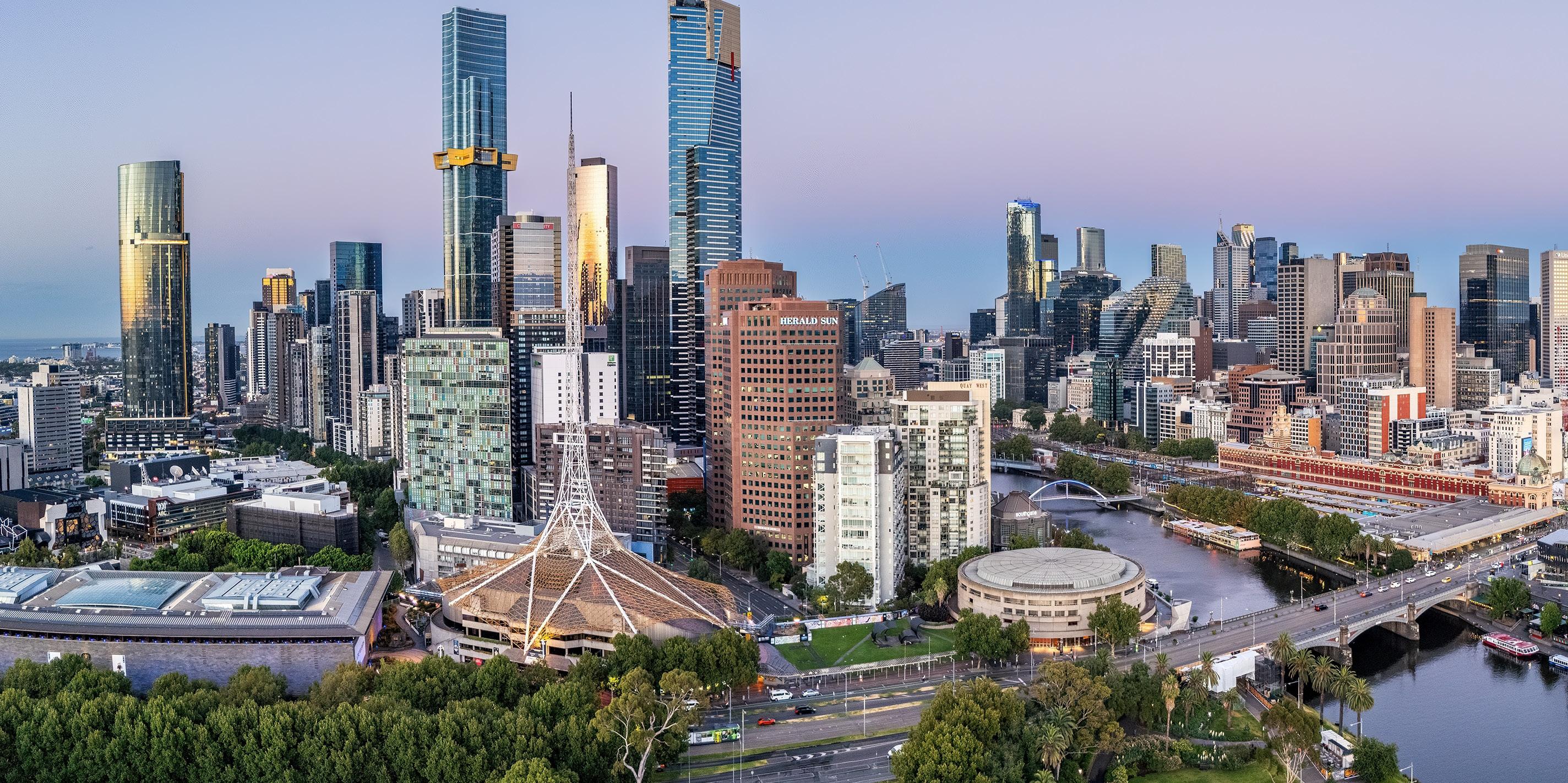
The sweet smell of jasmine and the sunny blue skies bringing in balmy weather mean only one thing – spring has finally arrived! There is no better time in Melbourne than the heights of spring, and with it comes one of the busiest periods for real estate, with both buyers and sellers looking to capitalise.
And the sentiment has definitely shifted in Melbourne. September saw property prices surge 0.5% for the month, resulting in an annual increase of 3.4% and a median property price of $839,000. It has been a slow and steady rise for Melbourne property in 2025 as values recover following the post-COVID downturn. Will spring continue this upward trend?
The last few months have seen clearance rates in Melbourne climb to near-record levels. According to Domain, September alone saw weekly clearance rates of 71%, 69%, 71%, and 71%. The corresponding weeks in September 2024 recorded rates of 61%, 60%, 57%, and 56% respectively. The number of reported auctions was also up, with 3,364 in September 2025 compared to 3,218 the previous year.
20,904
There is no doubt that the Melbourne property market has turned a corner. Domain is predicting that Melbourne house prices will rise 6% during this financial year, with units/apartment to likely increase by 5%. This would equate to a Melbourne median house price of $1.11 million by the end of June 2026, while units are forecast to reach a median of just over $584,000.
“When you think about the level of growth that we’ve seen in recent years, it has been Adelaide, Brisbane and

Perth really charging ahead, but we are expecting those affordable markets to rapidly slow down,’ said Dr Nicola Powell, Domain’s chief of economics and research. “The dynamic is going to revert back to what we normally see: our big two capital cities (Sydney and Melbourne) will be leading growth.”
A select few suburbs across Melbourne are showing elite clearance rates heading into middle of the thriving spring season.
According to PropTrack, Australia’s leading source of property insights and statistics, Blackburn, Mulgrave, and Rowville produced clearance rates above 90% in August. Thomastown, Bundoora, and Epping also posted sky-high rates. Each of these suburbs exceeded their clearance rate numbers from 2024. Rowville surged to the front of the pack, almost doubling its rate to 91% in August 2025, compared to 52% in the same month last year.
Thomastown set the bar with a 100% clearance rate in August from 22 auctions. “Even though Thomastown has faced challenges to its reputation in recent years, it still offers a vibrant community and great opportunities,” said Jacob Caine, Real Estate Institute of Victoria (REIV) interim chief executive, in the Herald Sun. “You can enjoy cuisines from across the world, and it still offers an attractive and affordable entry point to the market.”
Despite the Reserve Bank of Australia (RBA) keeping rates on hold at their last board meeting on September 30, interest rates are trending positively for buyers who have
been patiently waiting to secure their dream home. The RBA cut the cash rate by another 0.25% at their August meeting to 3.60%, the lowest level since April 2023. Although the RBA held off on further cuts in September due to higher-than-expected inflation numbers, pundits are forecasting another rate reduction at the next November meeting, the second-to-last RBA board meeting of 2025.
Three of the big four banks have predicted a rate cut in November, with NAB the only bank expecting the next reduction in 2026. If another cut occurs (likely bringing the cash rate to 3.35%), the Melbourne property market is expected to perform very strongly to finish off the year, and continue to be buoyant into early 2026.
While Melbourne median prices have steadily increased in 2025 after a tumultuous few years, family-friendly threebedroom CBD apartments are exceeding expectations according to an article in the Herald Sun in September.
These apartments have increased in price by $155,000 over the past 12 months – an eye-catching 14.1% rise. To put this into perspective, Melbourne’s yearly unit price growth as of September 2025 stood at 3.7%.
The trend is not limited to the city. Three-bedroom apartments in Box Hill have risen by $50,000 (5.7%), while Docklands three-bedroom residences are up $35,000 (3%). These figures suggest that buyers, including families, are increasingly considering more affordable three-bedroom apartments over traditional three-bedroom homes.
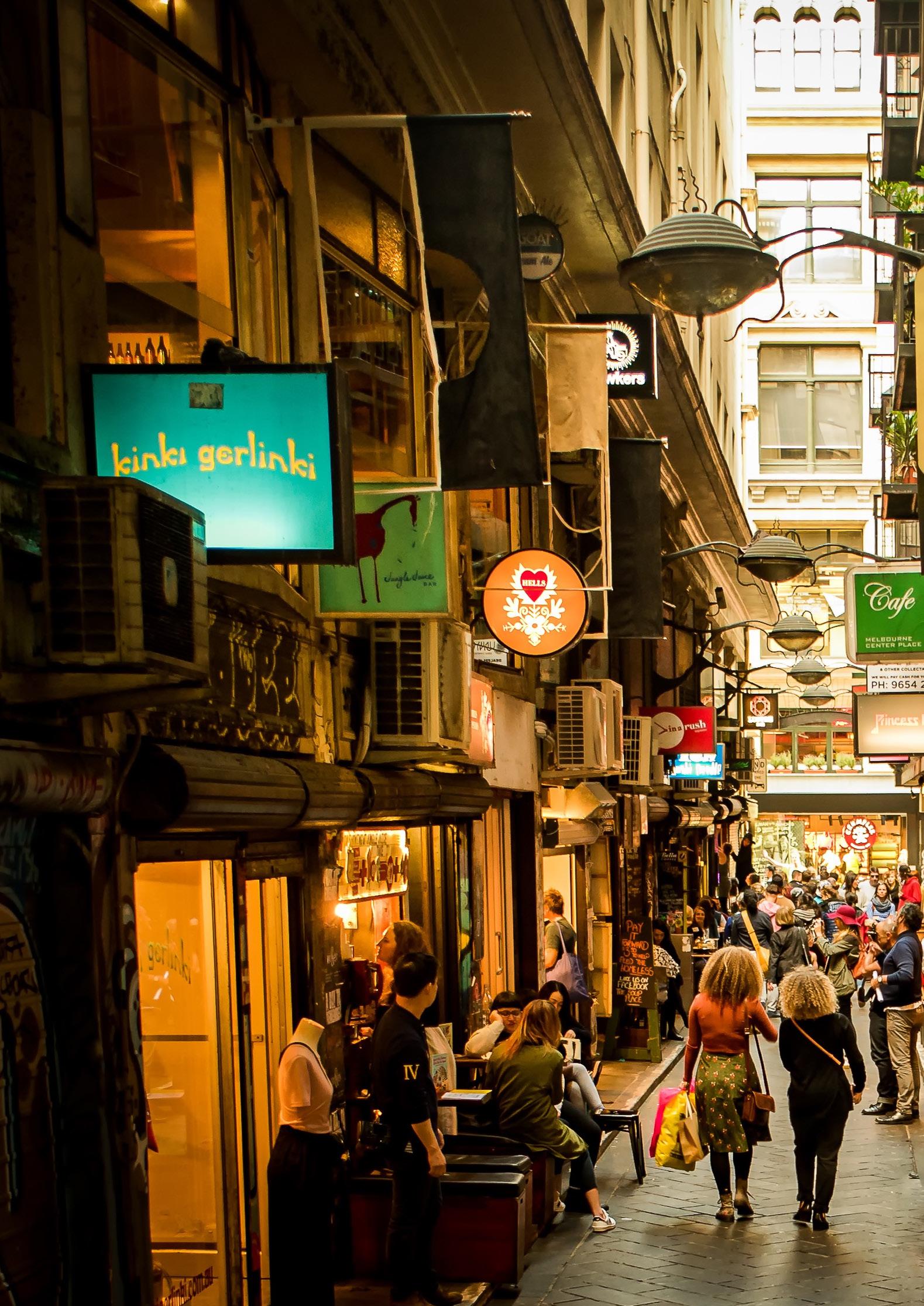
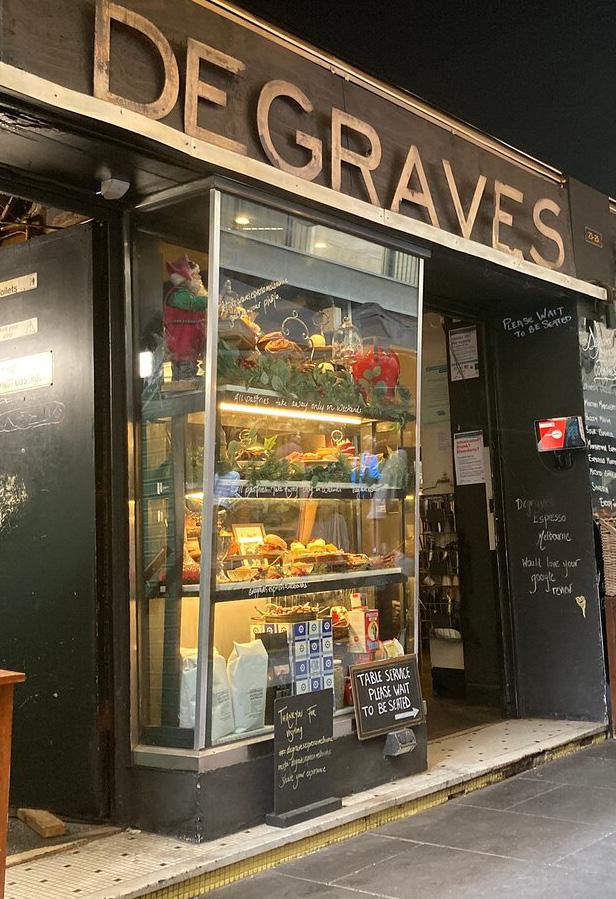
Long before Melbourne’s laneways were canvases for street art or lined with wine bars and dumpling joints, they served a far grittier purpose. Designed initially as service corridors for deliveries, horse-drawn carts and – less glamorously – night soil collection, these narrow passages were functional rather than fashionable. But like many of Melbourne’s best stories, the laneways were simply waiting for their glow-up.
By the late 20th century, many laneways had fallen into neglect – dismissed as leftover space in a city growing upward and outward. But creatives, chefs, and entrepreneurs saw potential in the cracks. Hosier Lane became an open-air gallery bursting with colour. Degraves turned into a cafe corridor with espresso machines hissing from morning to night. What was once behind the scenes is now the main attraction – vibrant, layered, and alive.
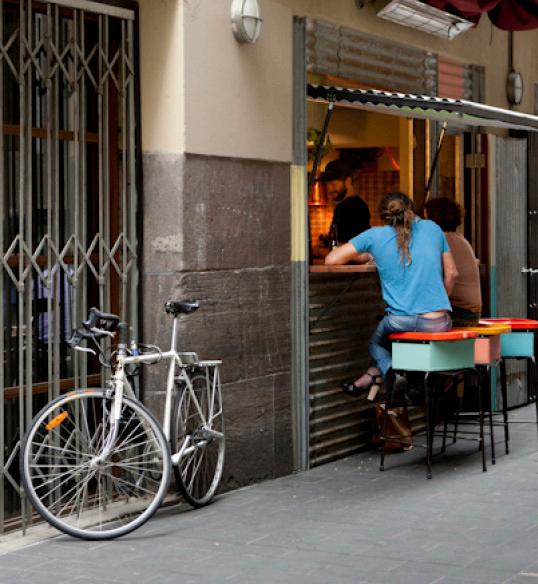
While the CBD’s laneways are iconic, their spirit thrives in the surrounding suburbs. Side streets hum with microbreweries, galleries, vintage shops, and holein-the-wall restaurants. A roller door might conceal a cafe, a design studio, or an artist’s split-level home. The unexpected is part of the appeal – and increasingly, part of the property premium.
Laneway-laced pockets now command strong interest from buyers who want more character than cookie-cutter can offer. Homes often blur the line between residential and creative – think converted warehouses, tucked-away terraces, or apartments above small businesses. It’s not just about location anymore – it’s about personality, individuality, and a connection to place.

Living near a buzzing laneway isn’t just convenient – it’s a lifestyle. Proximity to hidden bars, boutiques, street art and late-night bites adds serious cachet. Buyers want more than space – they’re seeking culture and discovery right outside the door.


With building costs still high and tradie waitlists long, buyers in 2025 are more motivated than ever to find move-inready homes. Well-executed upgrades can offer instant lifestyle appeal – and just as importantly, a sense of relief. From everyday comforts to energy efficiency, here are five renovations Australian buyers are willing to pay more for this year.
The kitchen remains the hero of the modern Australian home. Buyers are drawn to clean layouts featuring stone benchtops, soft-close drawers, and integrated appliances. Walk-in pantries, breakfast bars, and even servery windows to the deck are in high demand – especially in family homes where functionality and flow matter.
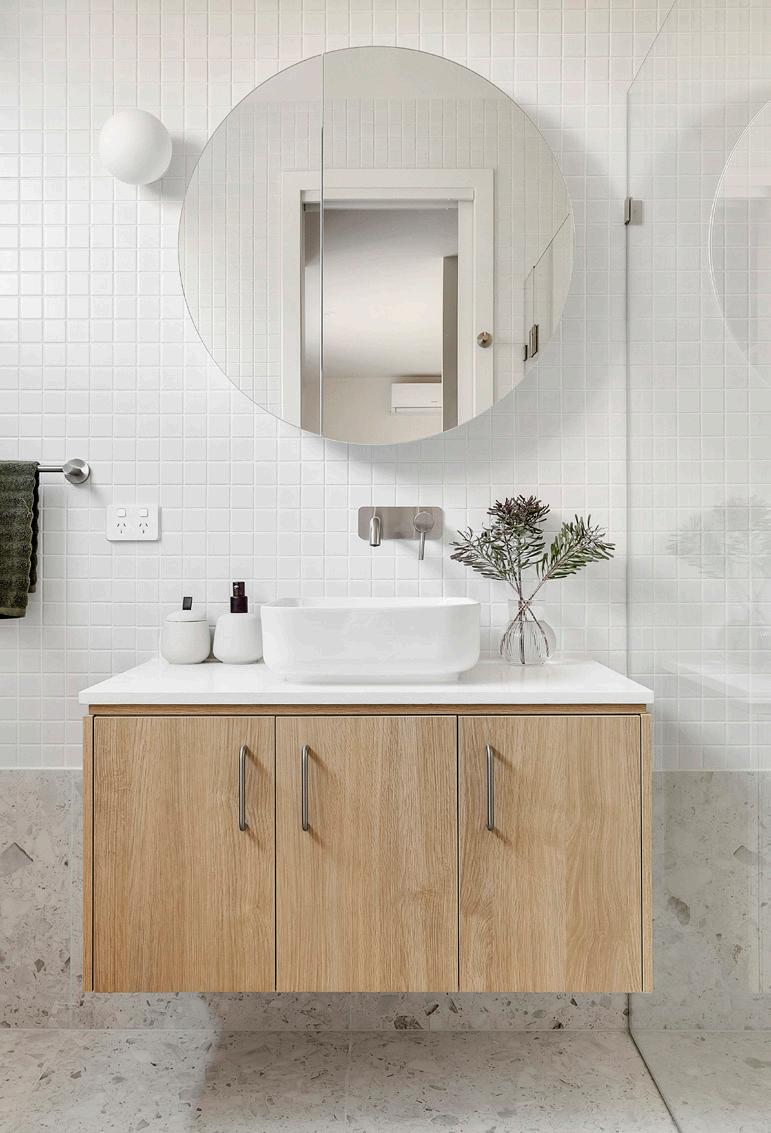
Contemporary buyers expect bathrooms to go beyond the basics. Features like floating vanities, brushed brass tapware, and rainfall showerheads resonate strongly with today’s market. In newer estates and inner-city renovations alike, ensuites with double showers or dual sinks are viewed as daily luxuries worth investing in.
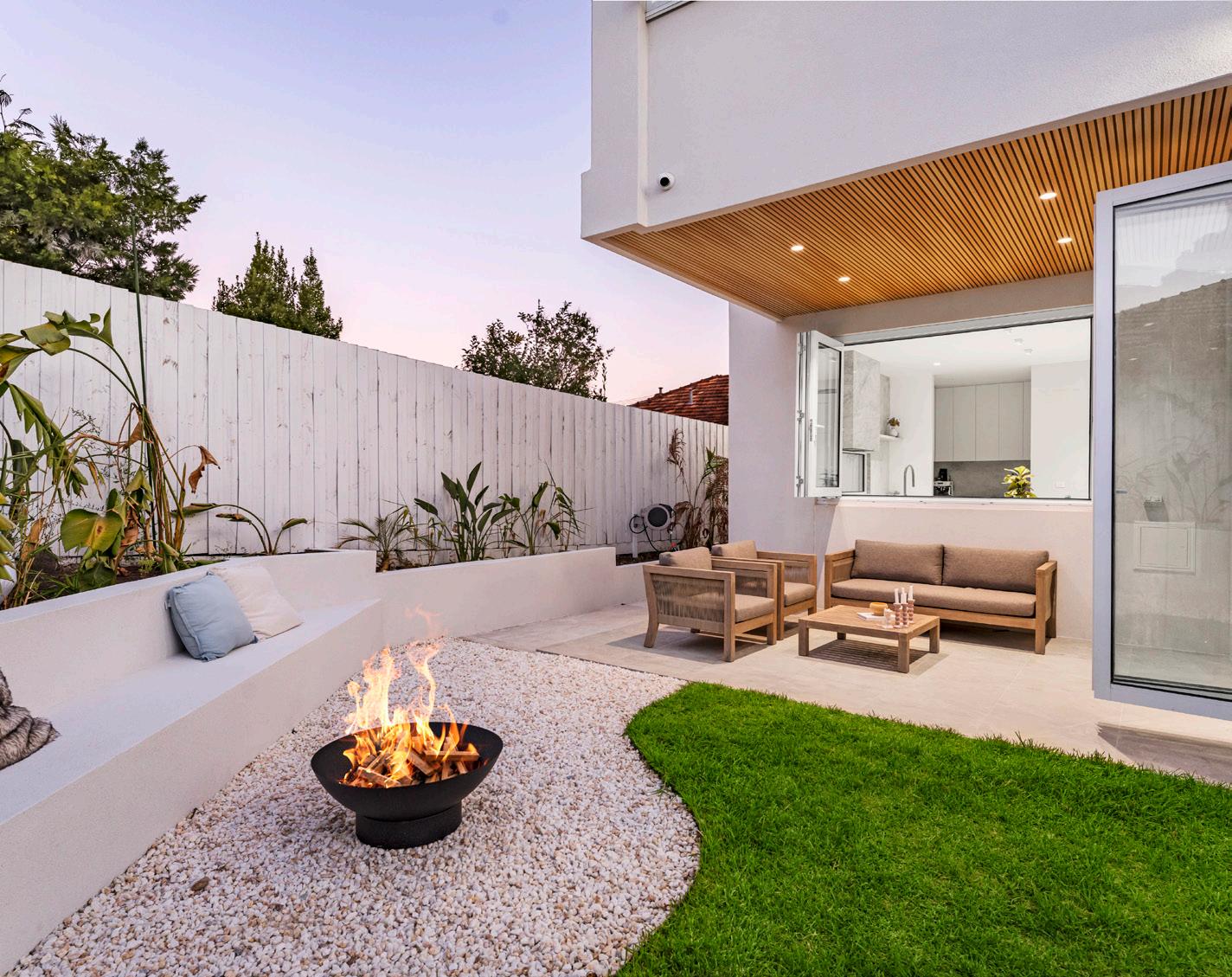
Backyards have always been an Aussie essential, but today, even compact outdoor zones are expected to work hard. Buyers are drawn to covered alfresco areas, builtin seating, ceiling fans, outdoor kitchens and fire pits. Whether for entertaining or unwinding, a well-designed outdoor space adds both lifestyle and liveability.
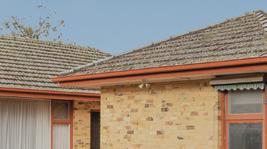
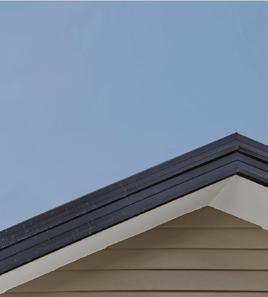
While not a cosmetic update, a new or well-restored roof instantly reassures buyers. In many Australian suburbs –where harsh sun, salt spray, or seasonal storms take their toll – a roof in excellent condition reflects broader care for the home. It also removes a significant unknown from a buyer’s checklist.
Sustainability is no longer a niche concern. Across the city, coastal, and regional markets, double-glazed windows and well-sealed doors are becoming musthaves. Beyond comfort, buyers value the lower power bills and temperature stability these features offer –particularly in newer builds or retrofitted period homes.

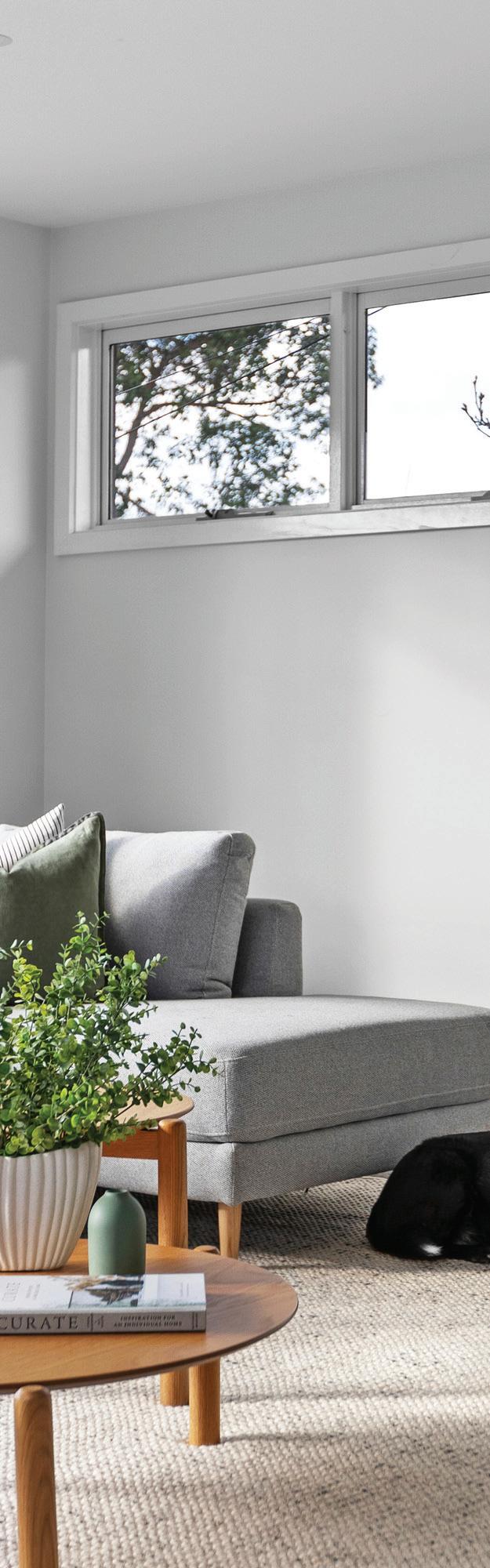
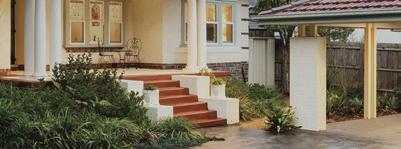
This spectacularly transformed residence is set on 950sqm approx. and delivers a dream family lifestyle with expansive indoor-outdoor spaces.


SALE
Double storey residence beautifully created with modern style showcasing a low maintenance design. 1/5 Anita Street Kilsyth
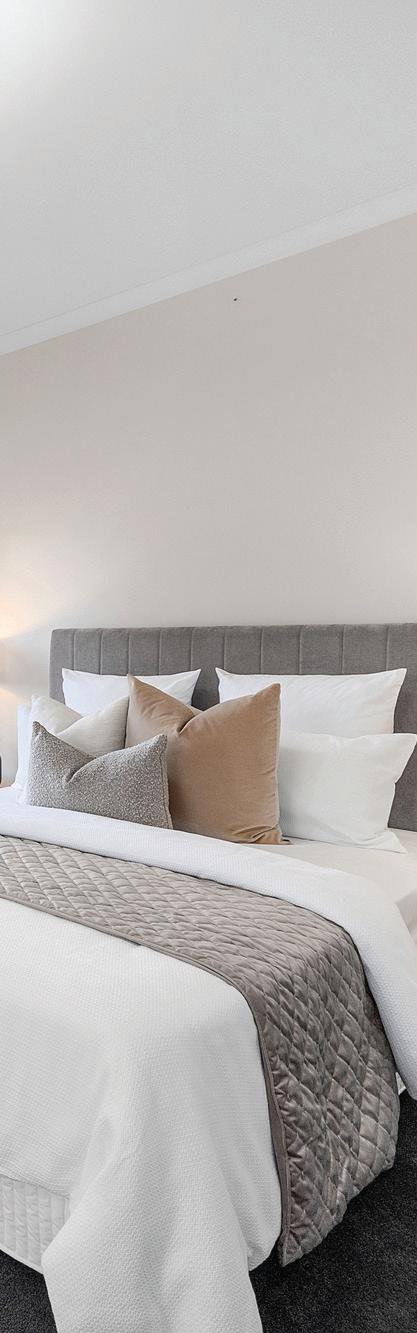




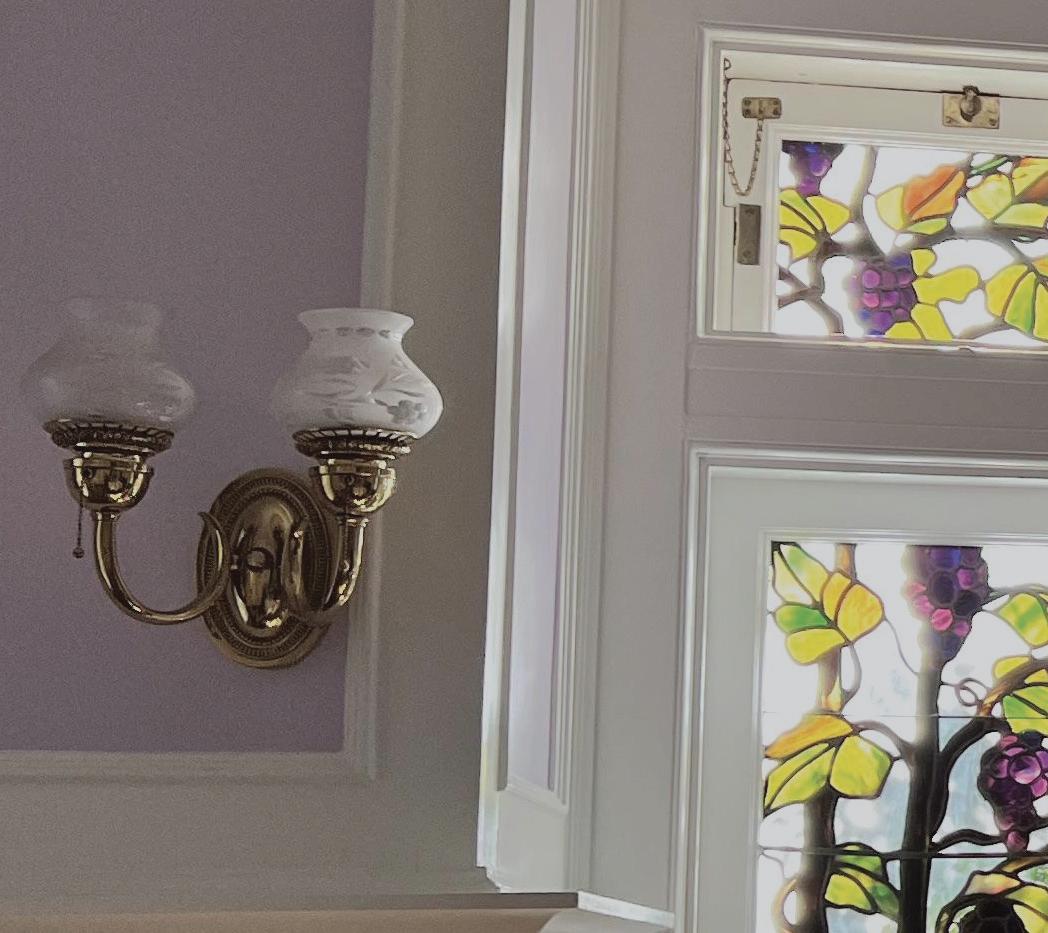

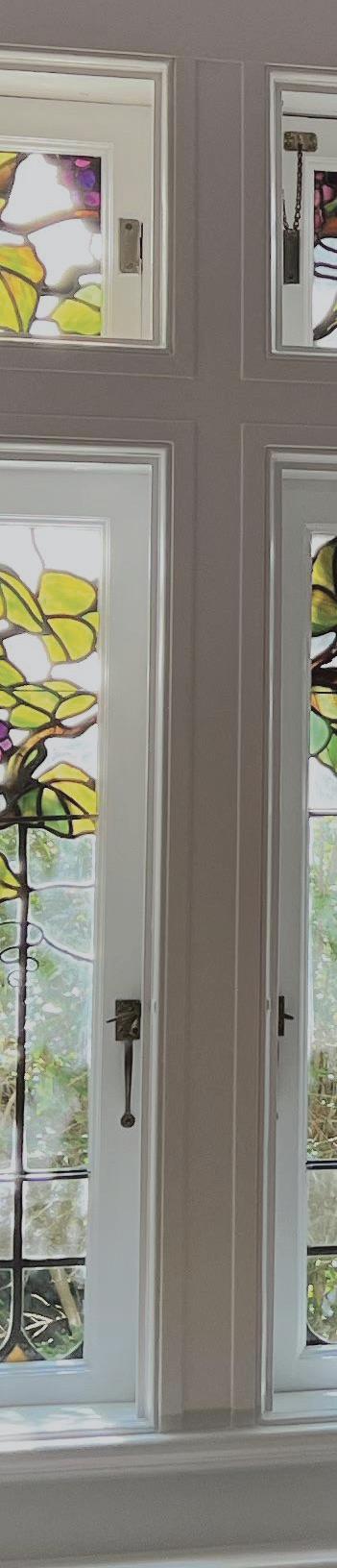
Before open-plan living and minimalist palettes took hold, homes told stories through detail – and few details are as enchanting as stained glass and leadlight windows. A kaleidoscope of colour and craftsmanship, these panes of personality are more than beautiful to look at – they add real emotional and resale value.


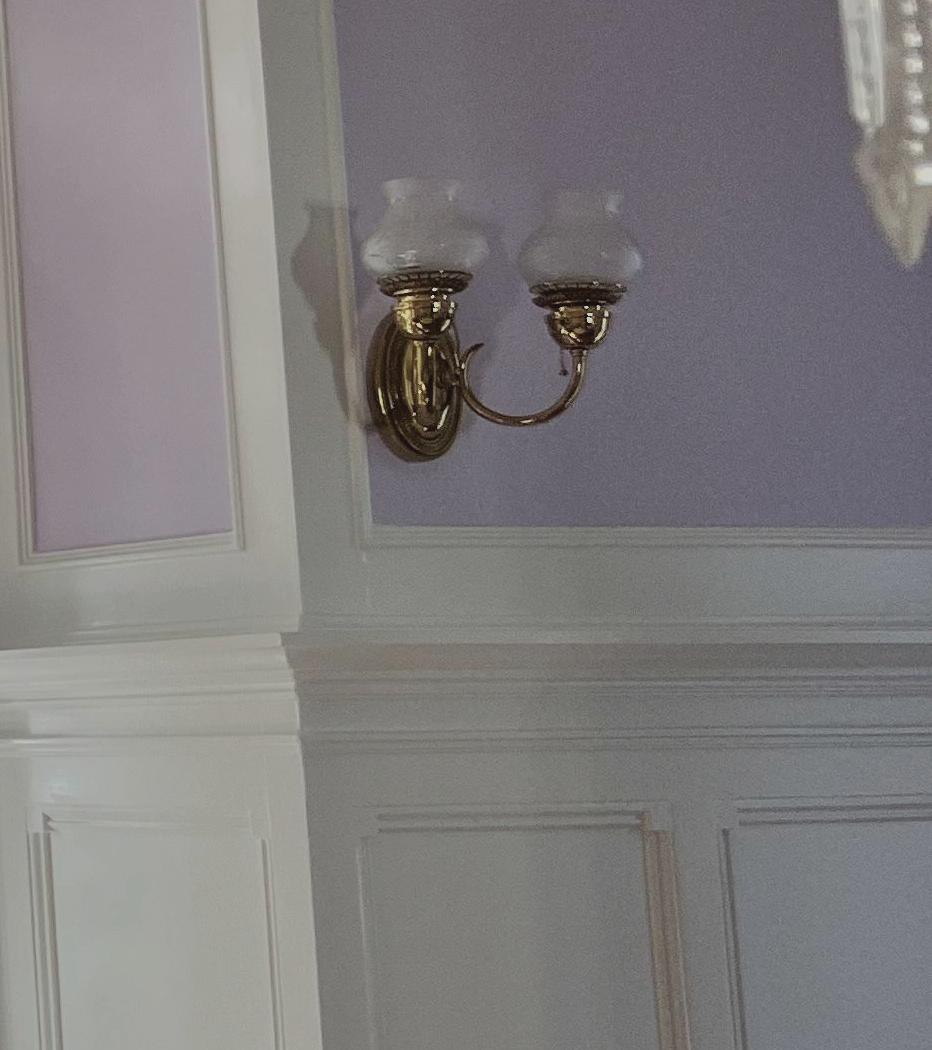
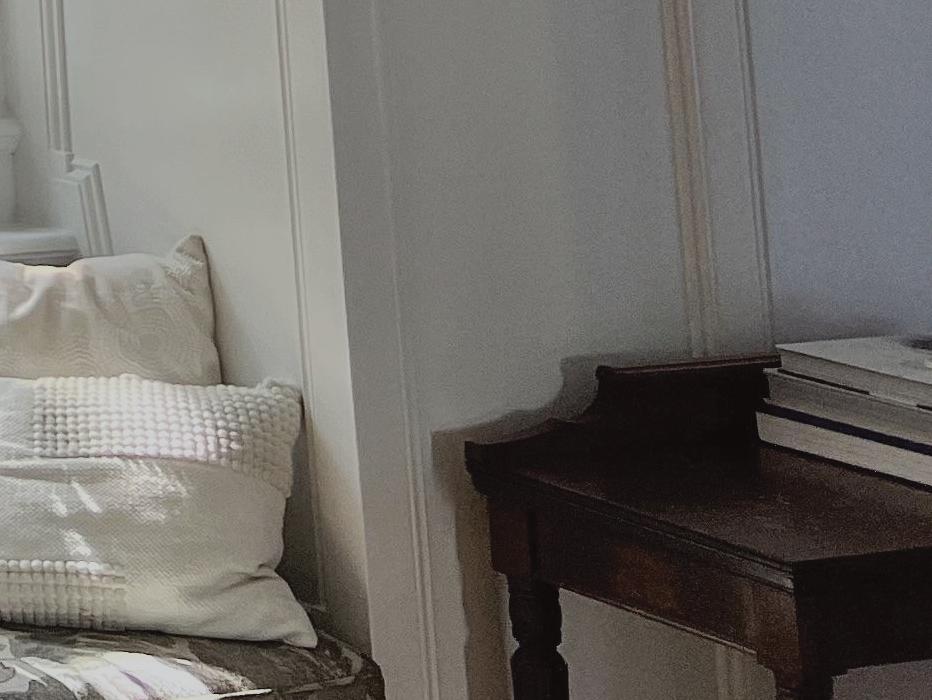

Before appearing in Australian homes, stained glass was reserved for grand spaces – from medieval cathedrals to stately European manors. These windows filtered light, told stories and elevated architecture into art. As European influences arrived in the 19th century, this craft found a new role here – gracing Victorian terraces, Federation homes, and Arts and Crafts cottages with expressive colour and timeless design.
Stepping into a home with stained or leadlight windows is like entering a jewel box. Sunlight filters through reds, blues, greens, and ambers, casting patterns across timber floors and hallway walls. These windows offer more than decoration – they shift with the light, from soft and moody in the morning to bold and brilliant by afternoon.


Heritage charm doesn’t have to come at the cost of comfort. Stained and leadlight windows can be thoughtfully modernised with discreet updates – from draught sealing to double-glazing and UV protection. These enhancements preserve the beauty and character of the original glass while making the home more energy-efficient and appealing to today’s discerning buyers.
Once a symbol of status and style, stained glass still elevates a home’s perceived worth. Buyers are drawn to its charm and rarity, especially in a market full of lookalike builds. Whether framing a formal entryway or casting rainbows in a lavish lounge, these windows create an emotional connection that lingers – the kind of lasting impression that can tip the scales for a fruitful sale.

Metro Melbourne
SEPTEMBER 2025


The Melbourne investment market has been through a torrid time over the past few years in the post-COVID environment. While high occupancy and rising rents are positives for investors, a number of other factors — namely high interest rates, vacancy levies, and land tax increases — have driven many investors away from Melbourne, redirecting their capital into other major cities. However, sentiment is slowly turning, with many investors once again considering Melbourne as a place to put their money. Will spring prove to be a period where Melbourne finally gets back on the national investing map?
An REA article in September highlighted a survey by the Property Investment Professionals of Australia (PIPA), which revealed indicators that Melbourne may soon reemerge as a key hotspot for property investment.
The survey showed that in August, Melbourne led the country for new investor sales, accounting for 22.1% of all sales — up from 18.4% in 2024. Brisbane (19.7%) and Perth (16.3%) rounded out the top three. Another notable finding was that 41% of respondents now view Melbourne as the best city in Australia to buy property, up from just 26.3% last year. Brisbane followed a distant second place at 16%.
According to PIPA, long-term capital growth was the number one reason for renewed investor optimism in Melbourne, followed by strong population growth and the enduring appeal of being a major capital city.
The Victorian Government currently offers concessions on stamp duty for buyers of off-the-plan apartments. While these concessions were due to end in October 2025, they have been extended for investors who enter into a sales contract before October 20, 2026. The concession allows buyers to pay stamp duty on construction costs rather than the full purchase price — saving thousands of dollars.
“My headline for Melbourne is the return of value, and I think that is what’s enticing investors,” said Dr Nicola Powell, chief of research and economics at Domain, in an article in the Australian Financial Review in late September.
“That’s actually the highest level of lending to investors we’ve seen since 2022,” she added.
With data from real estate analytics company PropTrack, the Herald Sun recently listed Melbourne’s best suburbs for landlords. Many of these suburbs are on the affordable side, putting investors in direct competition with first-home buyers. PropTrack analysed rental returns, rising property values, and the time taken to secure a new tenancy.
Meadow Heights in the city’s north topped the list, with an affordable $626,000 median house price and close proximity to Melbourne Airport as key advantages of the suburb. Nearby Craigieburn and Cranbourne South also ranked highly for house investment, while Moonee Ponds, South Yarra, Carlton, and Notting Hill stood out for unit investment.
“The brutal reality of the Victorian property market from the investor’s perspective over the past 12 months is that there haven’t been many opportunities to achieve a strong return on investment based on these metrics,” said Jacob Caine, Acting Chief Executive of the Real Estate Institute of Victoria (REIV), in the Herald Sun. “The silver lining is that Victoria is now poised for significant growth over the next 12 months.”
With Melbourne property prices still at relatively affordable levels (perhaps not for long), many owner-occupiers are turning to rentvesting.
Once a niche strategy, rentvesting has quickly entered the mainstream. It involves buying a property as an investment (typically in a growth suburb) while renting in a lifestyle location of your choice. This strategy allows investors to access the market, benefit from capital growth, and still enjoy the lifestyle they want.
“I’ve met a few rentvestors who enjoy apartment living in dwellings that would otherwise be poor investments — often those with high strata fees and lifestyle extras such as gyms, pools, and concierge services,” said Cate Bakos in the Australian Property Investment Magazine earlier this year. “Rentvesting allows a certain freedom, and it can be a great option for those who prefer flexibility in their housing choices.”
Bayswater North
Croydon Hills
Croydon North
Croydon South
Kilsyth South
Croydon South
Wonga

Not every selling point appears on the floor plan. While layout, square metreage and finishes may take centre stage, it’s often the subtle, thoughtful touches that leave a lasting impression. In a competitive property market, seemingly minor features can turn a routine inspection into a memorable experience – and quietly influence a buyer’s decision.
It might seem unremarkable at first, but well-positioned power outlets – especially with USB ports – are something savvy buyers notice. Think outlets beside beds, beneath wall-mounted TVs or inside kitchen drawers for charging appliances out of sight. These small details suggest a home designed for real-life living.
Beyond wardrobes and kitchen cupboards, clever unexpected storage solutions often delight buyers.
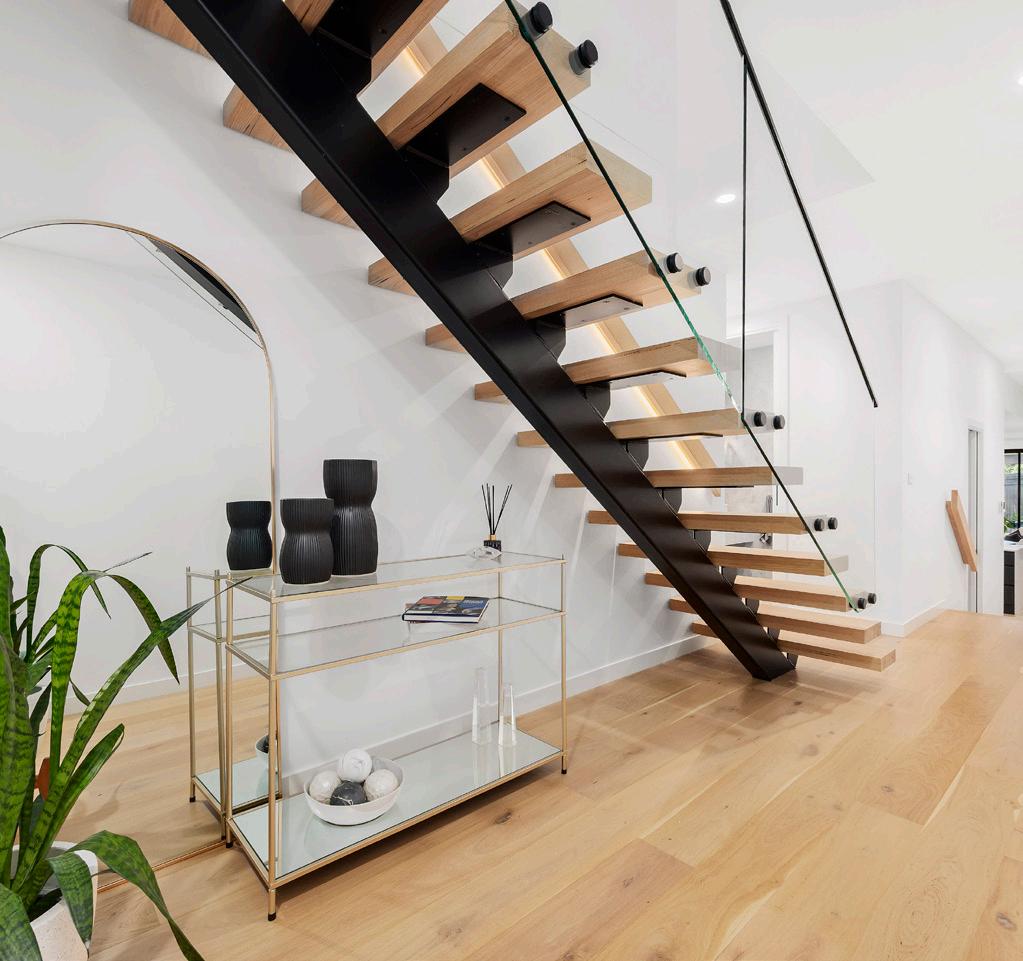
Hidden drawers in staircases, benches that lift to reveal space beneath or custom joinery in awkward corners all show how a home works – practical, personal and built with care.
Not usually the most glamorous space, the laundry can surprise when well-considered. Buyers take note of hidden hampers, pull-out drying racks or a discreet laundry chute from upstairs bedrooms. These details hint at ease and efficiency – qualities that elevate everyday living.
Buyers increasingly value dedicated workspaces – even when discreet. A study nook tucked into a hallway, under stairs or behind fold-away cabinet doors shows how a home can adapt to modern life. These zones offer flexibility without compromising space.

Sometimes it’s not the big-ticket features but the sensory details that resonate most. A softly lit reading corner, the hush of quality windows or warm underfloor heating –these subtle touches create a sense of ease. Buyers may not mention them, but they’ll remember how the home felt.












$1,310,000

| 5 OLIVE GROVE






































































































































$740,000


$800,000













































































$690,000 September 2025 2 1 1


