This paper was written by Laura Brown (Programme Manager: Movement and Network Strengthening) with technical support from Fiona Wilks (Impact and Learning Advisor), Hannah Coombes (Communications Officer) Kalie Weninger (Trusts and Foundations Manager) and Diana Njuguna (Co-CEO) with thanks to Vidushi Yadav for designing this paper.

Womankind Worldwide is a global women’s rights organisation. We work in feminist partnership with women’s rights organisations (WROs) and the feminist movements they are part of in Africa and South Asia to provide flexible funding, create opportunities for learning and influence policy change.1 We envisage a world where all women, girls and people of all genders enjoy equal rights and freedoms and live with joy, choice and dignity.
WROs are the backbone of feminist movements and shape collective action to achieve gender justice outcomes. They are experts in the issues they are facing, with many WROs led by those most impacted by gender oppression. Since 2016, Womankind’s strategy has focused on strengthening feminist movements. We understand the critical importance of policy and social norm change in achieving the end goals of feminist movements (and work with partners in these areas). But we also believe that strengthening the processes and relationships of feminist movements is equally as critical.
Movement strengthening is key to sustaining movements – it is not just what is done and achieved together, but how it is done and asks critical questions.

1
Are the right people involved in movement spacesthe most marginalised?
Who is missing and how can this be addressed?
How do we care for ourselves and other activists?
How do we document and share our lived realities and expertise with each other and decision makers to influence change?
What values, approaches and knowledge do we need to drive our leadership of feminist movements?
Is the funding enabling us to drive impactful change?
This brief shares learning from five years of feminist, flexible grant-making to strengthen feminist movements. Womankind’s Movement Strengthening Fund (MSF) has been investing in the relationships and processes that sustain and grow feminist movements that are inclusive, intersectional, political and caring. MSF complements other schemes2 in the global eco-system of feminist funding and is a critical part of Womankind’s strategic approach to strengthening feminist movements and goal of ‘resourcing the feminist revolution’.
This brief explains the purpose of the fund, where grants were given and to whom. Critically, it shares insights into how MSF grantees have interpreted movement strengthening needs in their own contexts. It shows how grantees have used flexible grants to make significant and meaningful impacts to strengthen their movements. Womankind has also been supporting cross-movement learning by curating online spaces with grantee partners to learn together and further deepen our collective knowledge of feminist movements.
We are living through an unprecedented time of backlash against women’s rights. Well-funded anti-gender movements are on the rise, fuelled by authoritarian, far right and conservative regimes. These movements against gender equality received an estimated three times more funding (USD$3.7 billion) than feminist and LGBTQIA+ movements combined (USD$1.2 billion)3 in 2020. Women’s rights funding has also been drastically cut as part of the backlash. 2
In a report released this year by UN Women4, they found that 90% surveyed had been impacted by funding cuts to global aid.

The results of this financial crisis are dire, with
47%
organisations expecting to shut down within six months if current conditions persist.
72%
suspended programming, with gender based violence (GBV)related programmes being the hardest hit.
The stronger and more sustainable feminist movements are, the more able they are to resist the widespread backlash on women’s rights, adapt to changing realities and defend hard won rights.
We want to urgently respond to this critical moment by growing the Movement Strengthening Fund.
4 ‘At a Breaking Point: The impact of foreign aid cuts on women’s organizations in humanitarian crises worldwide.’ UN Women. https://www.unwomen.org/en/digital-library/publications/2025/05/ at-a-breaking-point-the-impact-of-foreign-aid-cuts-on-womens-organizations-in-humanitarian-crises-worldwide of the women’s rights organisations of the surveyed WROs women’s rights have laid off staff and over half (51%) have
In 2019, Womankind established an innovative fund to provide grants for movement strengthening activities that would enhance the processes and relationships in their movements – the Movement Strengthening Fund (MSF).
MSF has been implemented against a backdrop of interlinked crises. Women, girls and people of all genders were often the most affected by the COVID 19 pandemic. The closing of space for civil society organisations to operate effectively due to an increase in anti-rights groups has affected every partner to differing degrees. There have also been periods of conflict in Kenya, Ethiopia and Afghanistan which has directly impacted on the extent to which movement strengthening work is safe – or even possible - given its political nature.
MSF adapted to these challenges. It pivoted funds to more pressing movement work, paused implementation to ensure the safety and security of grantees and extended reporting periods. MSF stripped away rigid monitoring and compliance frameworks found in other funding mechanisms.
This created space for partners to drive their agendas for change, unburdened by unnecessary bureaucracy.

‘I truly appreciate your understanding of my challenges and the flexibility you provided, which allowed me to complete this project with an impactful journey, rather than just meeting the deadlines with assigned activities. I have felt the essence of feminist led funding.’
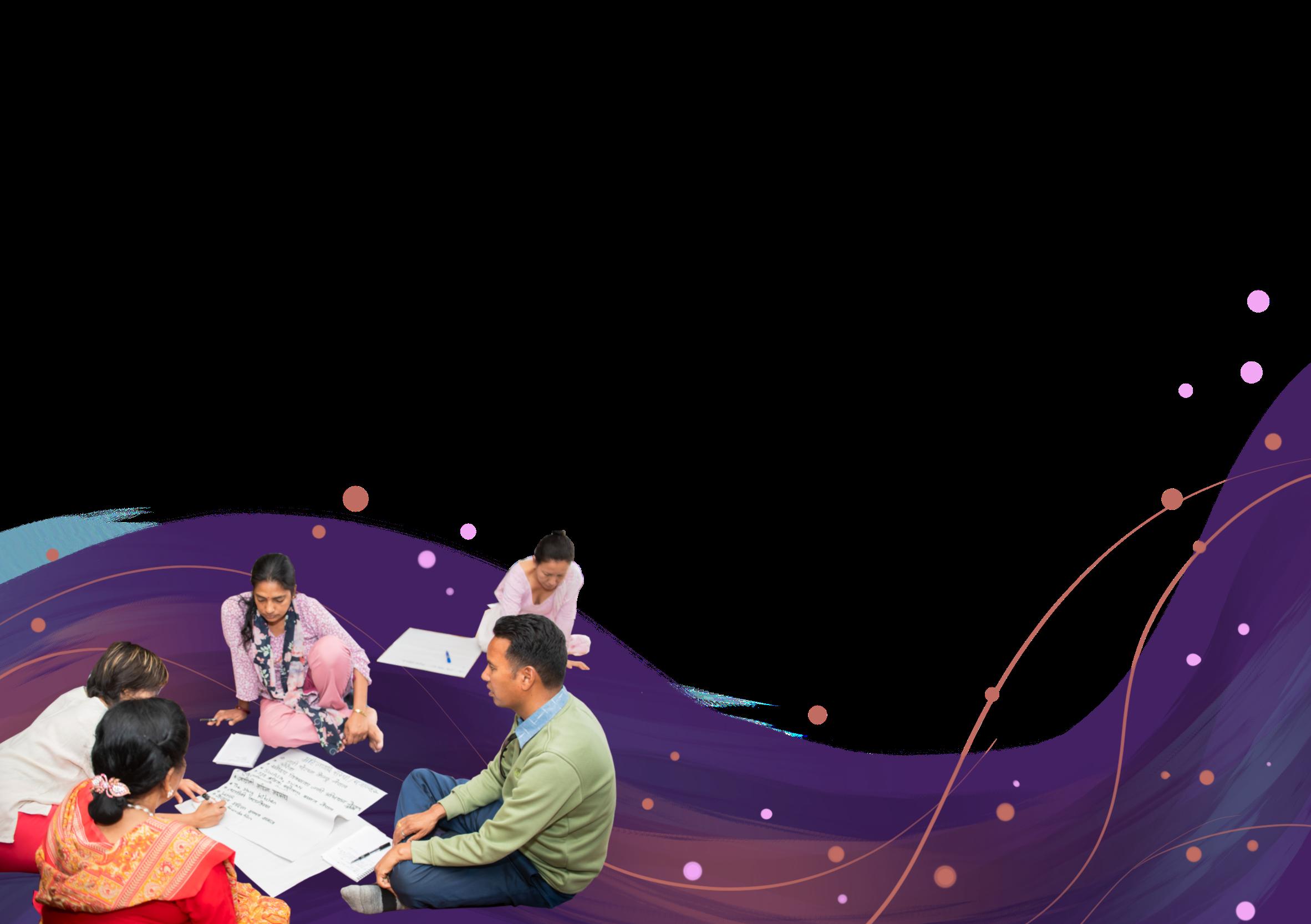
Credit: Tewa. Participants in one of Tewa and Sangat’s workshops conducted through their MSF grant.
To date, we have given grants to 23 partners across 4 rounds of the MSF. One-year grants ranged from £5,000 to £20,000. These transformative grants are made possible by our supporters who have invested in the women’s movement.
Zimbabwean and Ugandan partners received the most funding because these applications most closely aligned with the fund criteria.
50% most traditionally marginalised groups.
76% of the grants worked explicitly with some of the of grants worked across intersections of
discrimination, often explicitly reaching young women, lesbian, bisexual, transgender, queer, intersex + (LBTQI+) people and women with disabilities concurrently. During funding regression, feminist movements often revert to exclusion of marginalised groups including LBTQI+ individuals, disability rights activists, racial justice advocates, indigenous activists and young activists. By funding such a significant number of marginalised groups, the MSF offers a strategic opportunity to address exclusion in feminist movements, especially during times of multiple crisis and backlash.
An increase in authoritarian, far right and conservative regimes is restricting the space for feminist movements to freely organise (Freedom of Association), participate in actions (Freedom of Assembly) and freely communicate (Freedom of Speech) in all focus countries for MSF. The CIVICUS Monitor5 tracks these areas and has rated Afghanistan and Ethiopia *closed* in the latest report. This potentially correlates with the lower number of applications received from partners in Afghanistan and Ethiopia.
MSF has granted £434,430 in 34 grants to women’s rights organisations
Ethopian partners
£31,600
3 grants
Nepali partners
£62,994
6 grants

Zimbabwean partners
£153,338
12 grants
Kenyan partners
£69,121
4 grants
MSF grantees strengthen feminist movements in closed, repressed and obstructed civic spaces
Ugandan partners
£117,426
9 grants
MSF focuses on supporting marginalised groups across diverse intersectionalities
Networks and coalitions
LGBTQI+
Young women
Informal workers
Women with disabilities
Refugee women
Indigenous women
Women prisoners
Other
Number of grants
Closed Repressed
Obstructed
Nepal
Ethiopia
Kenya
Uganda
Zimbabwe
The MSF guidelines asked applicants to describe how their work6: tangibly contributes to movement strengthening in their context
collaborates between women, girls and people of all genders adopts an intersectional and inclusive approach builds skills and awareness to address imbalances of power and privilege in movements on a personal and collective level
Beyond this, applicants were invited to tell us what their movements needed.
This flexibility meant that approved grants were incredibly creative and wide-ranging, incorporating multiple movement strengthening approaches. Womankind mapped the approaches used across 34 grants and found that the application of each one varied depending on the country, the location within the country and the targeted constituent group.
Partners’ rich insights have given Womankind a unique opportunity to explore the question, when given flexible funding,
how do partners, who are the experts in their field...choose to strengthen their movements?
Approaches and why they are important for feminist movement strengthening
In this brief we explore five approaches that share partners’ insights on what works to strengthen feminist movements in different contexts using limited resources. Insights have come directly from partners’ own learning, as documented in their reports and publications, which is also a contribution to Womankind’s strategic intent to decolonise our knowledge creation and documentation practice and centre partner voices.

Feminist movements do not always represent the voices of the most marginalised. This could be due to a lack of awareness about specific women, fear fuelled by social norms, and political positioning of elite groups who hold power. Exclusion can lessen the potential collective power of feminist movements to ensure that all women’s demands are heard, and everyone is seen as worthy of care. Addressing this barrier to inclusion is a critical approach in strengthening feminist movements.
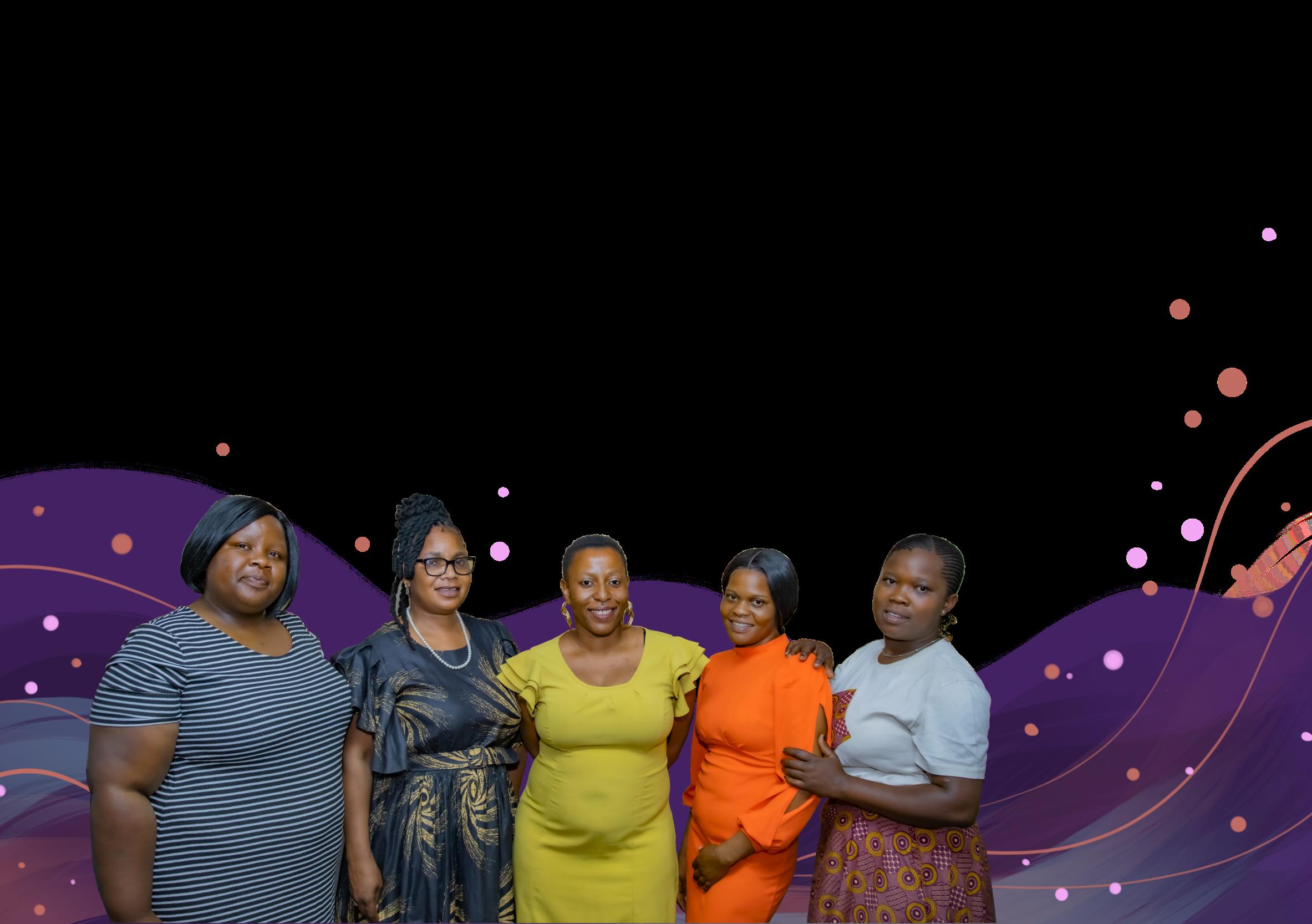
Deaf Women Included (DWI) in Zimbabwe is an expert in advocating for the rights of women and girls with disabilities. DWI used their grant to address the exclusion of women and girls with disabilities from the broader Zimbabwean feminist movement. DWI held an interactive feminist dialogue with women considered non-disabled, government representatives and activists to build on their existing knowledge of disability inclusion. They discussed the importance of designing disability-inclusive feminist spaces, raising awareness of disability-inclusive movement building and disability rights.

“….We now have some committed sisters from the mainstream movement who are now willing to walk the journey with us, sharing our struggles and encouraging us to carry on..’,

‘FARUG’s leadership in this space is helping to build a more connected, co-ordinated and resilient LBQ movement locally, regionally and globally laying the groundwork for long-term impact and joint action’.
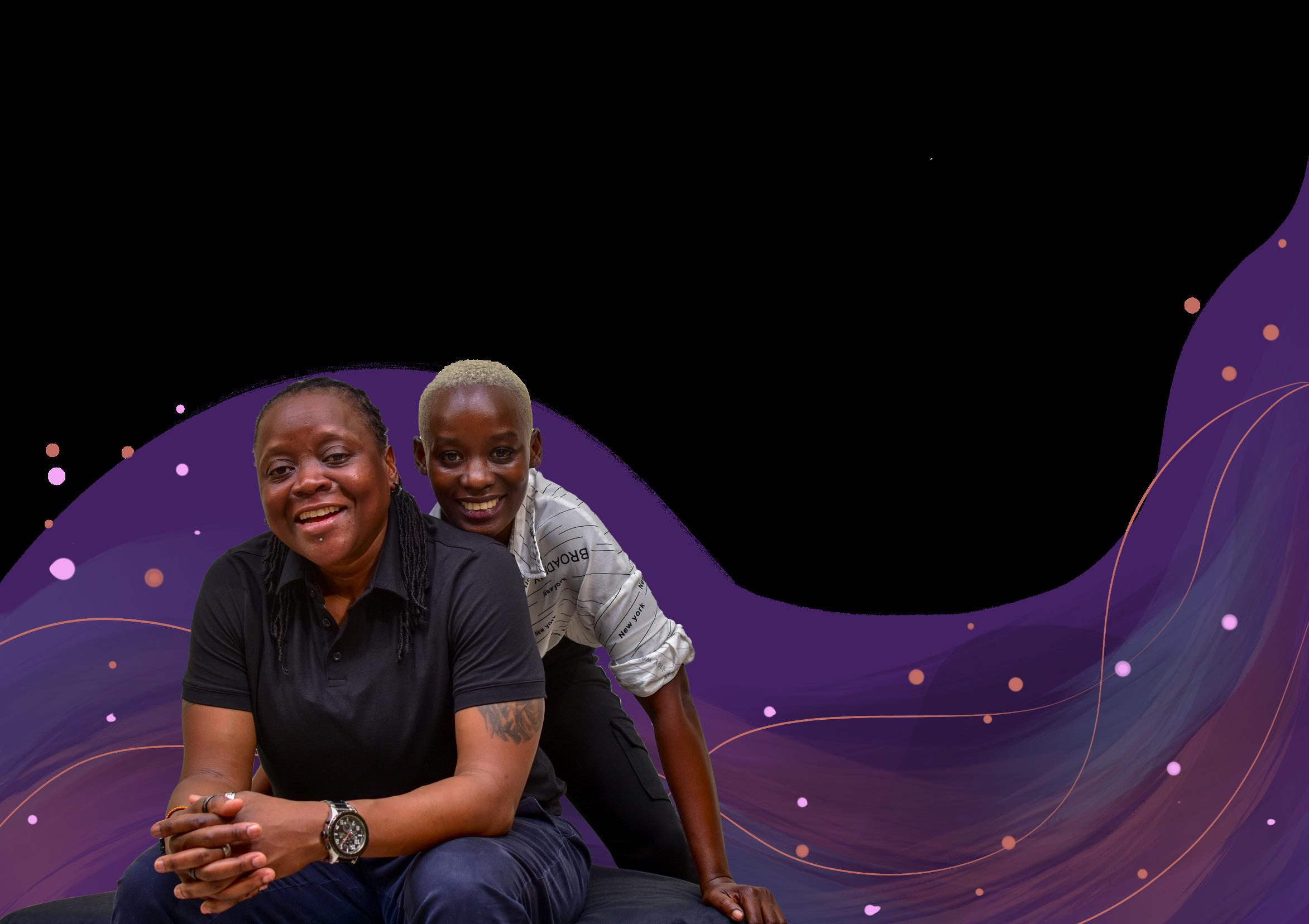
7 We use both LBQ and LBTQI+ in this report to reflect the terms that our partners resonate with in their work
Feminist movements evolve as new organisations emerge and younger activists get engaged. Younger activists often bring fresh energy, ideas and new ways of organising for social change, such as social media. Older activists also continue to use their skills and positionality (often based on age and experience) to influence change. Sometimes younger and older activists can feel threatened or misunderstood by each other and think they have little to gain from collaboration. By not collaborating, feminist movements miss a huge opportunity to maximise learning between generations which is critical to sustaining feminist movements.
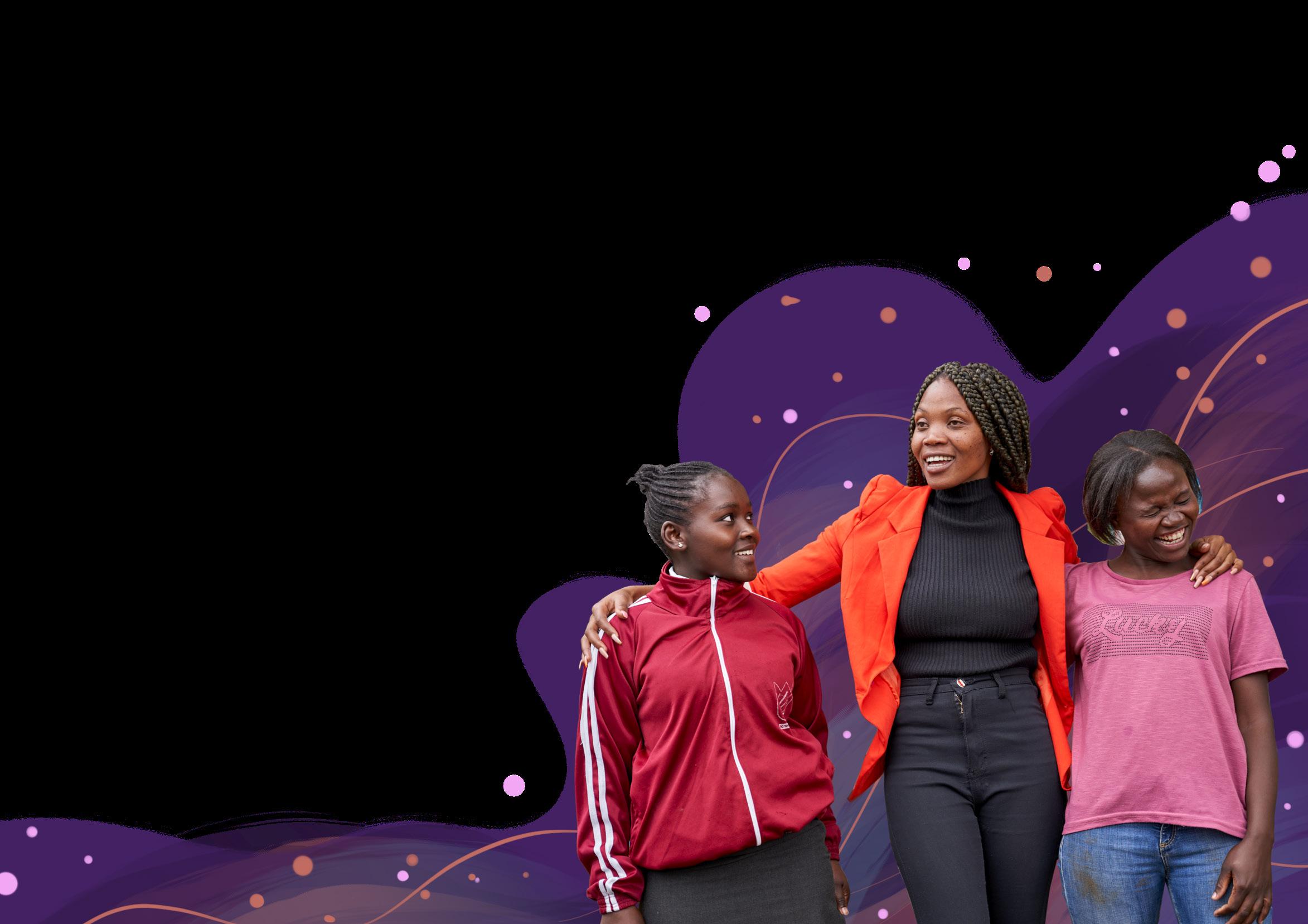
Polycom Girls in Kenya promotes self-worth among girls and women of all diversities. Polycom used their extensive network to create intergenerational dialogues between 250 younger and older activists. The dialogues rejoiced in older feminists, hearing their contributions to the Kenyan feminist movement on issues including SGBV, politics and SRHR sexual and reproductive health and rights. Younger feminists showed appreciation to them by washing their feet and wrapping them with shawls as a Kenyan sign of respect.
The dialogues set the tone for intentional, powerful relationships between younger and older feminists so that wisdom is harnessed to sustain the Kenyan feminist movement. Polycom is now implementing the follow-up MSF initiative called FEMInspire, which connects younger and older feminists through structured mentorship spaces.
‘Receive
blessings from us as elders for what you have done for us today. Be the remnants who make the women’s movement real’.
Power, influence, visibility and resources often centre on women in urban spaces. As a result, movements do not always consider the needs, views and realities of rural women. This misses an opportunity to mobilise marginalised women in feminist movements and harness their ideas and unique perspectives.
The Women’s Coalition in Zimbabwe (WCoZ) is a national network of women’s rights organisations who used their grant to expand and diversify the feminist movement. WCoZ engaged women from the Shangani ethnic minority group in Mwenezi District whose socialisation is deeply rooted in patriarchal traditions. WCoZ strengthened the women’s feminist political awareness by sharing feminist principles and ethics and introducing steps in movement building and transformational feminist leadership approaches.
Feminist political analysis focuses on patriarchal oppression, but makes strong interlinkages with other oppressions including racism, colonialism, conservative religions, capitalism and ableism. The push to professionalise movements and the dominance of donor frameworks that prioritise short term wins, has depoliticised some women’s rights work making it unable to focus on the root causes of gender inequality. An intentional focus on feminist political analysis can help to re-politicise movements and contribute to creating longer term impact.
TEWA is the Nepali Women’s Fund. TEWA hosts the Nepali Chapter of Sangat, a South Asian feminist network working for gender justice, equality and peace. Sangat in collaboration with Tewa, has been organising one month long residential capacity building courses annually since 1997 for approximately 30 young feminists from South Asia exposing them to a unique feminist political curriculum that has been instrumental in creating and promoting feminist leaders and building feminist movements across South Asia. To date, 26 Sangat month-long courses have been completed, producing 839 South Asian feminists from this course alone. The MSF grant created a Sangat space for 25 college students in 2022, exposing them to this unique curriculum and brought them together with Sangat Nepal alumni from different batches to revive the network. In addition, 32 journalists were sensitised about the importance of the rights-based approach while writing content related to women’s issues.
Sangat inspired young women to realise their own voice and become motivated to blog about feminism for the first time. These blogs inspired the publication of a book ‘Feminist Perspectives: Stories of Struggle and Triumph’ which has been widely distributed in Nepal to influence public discourses on gender equality.
‘It was heartening to witness the transformation of teenagers who were initially apprehensive about identifying as feminists due to misconceptions. We consider this a small but important step towards enlightening the youth about feminism and their rights’.
If you feel passionately about investing in stronger feminist movements, please get in touch with us at wmsf@womankind.org.uk