Program Director Rachel Smith programming@wkcr.org
Director of Operations
Teddy Wyche operations@wkcr.org
Student Life Director Sara Carson studentlife@wkcr.org
Publicity Director Ella Presiado publicity@wkcr.org
Business Manager
Solène Millsap business@wkcr.org
Department Directors
Jazz Emma Lacy & Hadassah Weinmartin jazz@wkcr.org
New Music
Phi Deng newmusic@wkcr.org
Classical Charlie Kusiel King classical@wkcr.org
American Ben Rothman american@wkcr.org
In All Languages
Jayin Sihm ial@wkcr.org
Latin Merielen Espino latin@wkcr.org
News & Arts
Ian Pumphrey news@wkcr.org
Sports Mason Lau & CJ Gamble sports@wkcr.org
Dear Listeners,
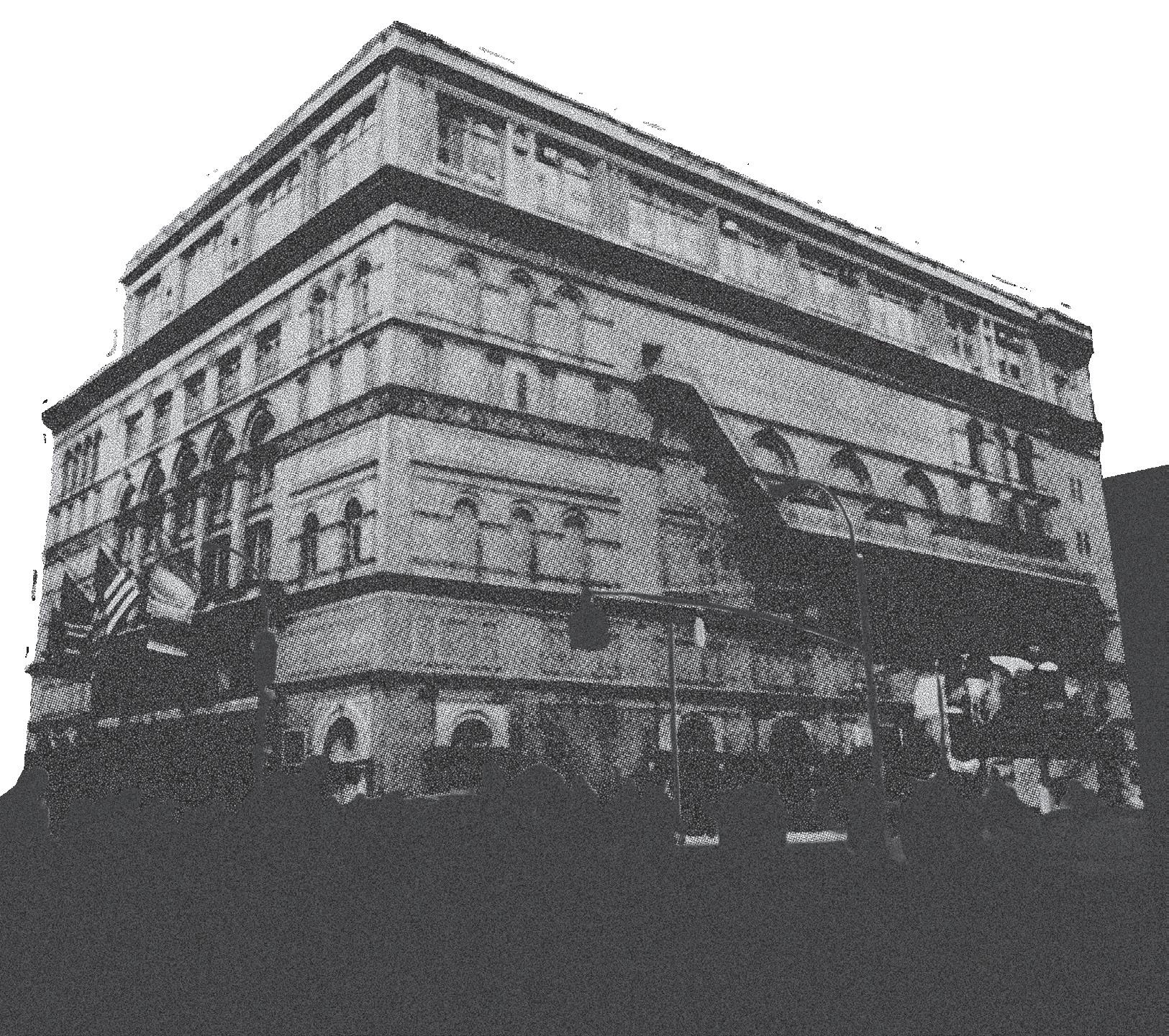
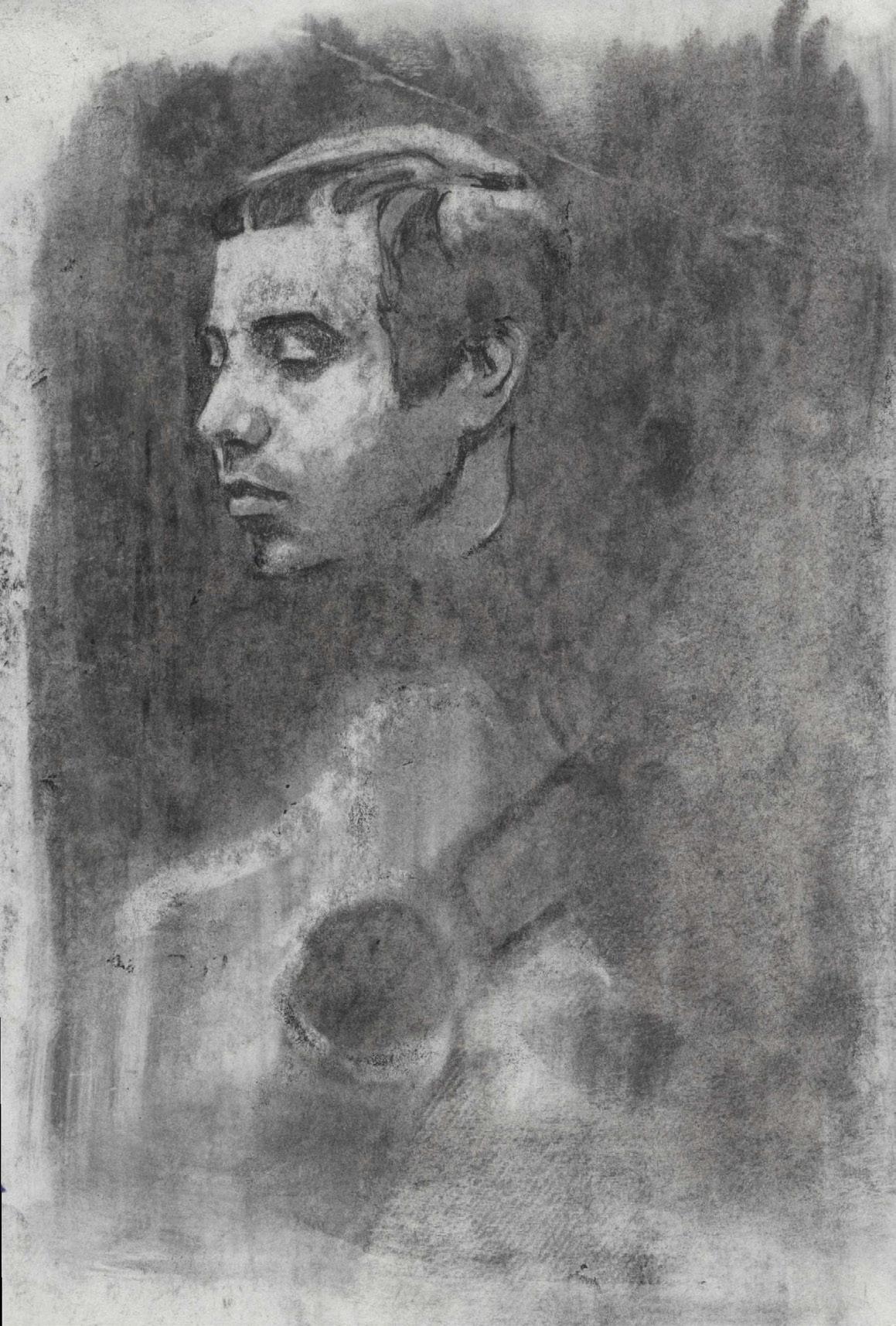
February’s On Air Guide is packed with plenty of amazing articles. Our very own Editor of the On Air Guide McCartney Garb is presenting an in-depth profile of the great Paul Simon, our Jazz Director Emma Lacy, writes about Porgy and Bess at the Met Opera, we have a review of Cameron Winter’s soon to be historic concert at Carnegie Hall, an Around the Station question centered on favorite artifacts lying around the station, and a great interview with longtime news programmer Sawyer Huckabee.
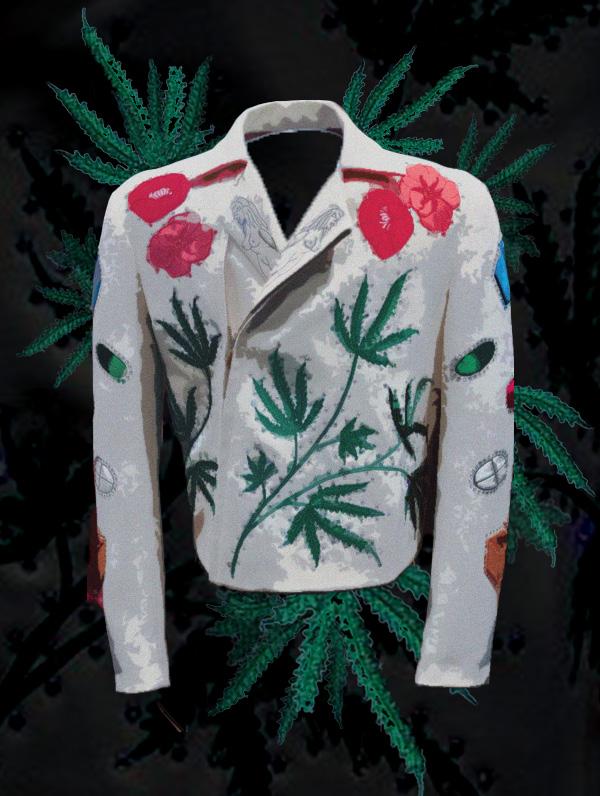
Additionally, we have an exciting slate of programming this month! Phil Schaap’s Memorial Broadcast is on the 2nd, during which we honor the jazz giant who called WKCR his broadcasting home for over 50 years. We will celebrate Nina Simone for 24 hours once again on the 21st. There’s also a full slate of Sunday Profiles this month. This Sunday, February 1st, our American Department Director Ben Rothman will host an awesome profile on Gram Parsons. In other exciting news, Sid Gribetz and “Labeled” return for the next 3 weeks to dive into respective jazz musicians and labels of their choice.
Hope you are staying warm and enjoying the programming here at WKCR,
Radio On,
Casey Lamb Station Manager
Mailing Address
Porgy and Bess: The Opera We Need in 2026
by Emma Lacy
As a jazz musician, well familiar with George Gershwin’s songbook tunes, it was time I experienced the original production of Porgy and Bess. While I knew I’d enjoy it, I did not foresee its role as a mirror of our contemporary American political climate, reflecting both our current longstanding political vices and communal virtues over 90 years after its inception.
Well, Gershwin’s opera isn’t actually the original production. DuBose Heyward’s 1925 novel Porgy was first adapted for the stage by Heyward and his wife, Dorothy, in a play two years later. Gershwin’s opera was first performed in Boston on September 30, 1935, and it would not hit the Metropolitan Opera until February 6, 1985—50 years after its premiere.
Porgy and Bess has always been an opera of much dispute, starting from Gershwin himself. He yearned to write an “American opera with a jazz element” and fulfilled that dream with an adaptation of the Heywards’ play, in his words, “the most outstanding play that I know about the colored people.” However, when it came to New York, Gershwin chose to present it on Broadway. This was for two reasons: he believed it would reach a wider audience beyond the cultured few who indulge in opera, and he was frustrated by public criticism of its categorization as an opera in the first place. He even defended it as a “folk opera” in the New York Times in 1935. Historically, when Gershwin and the Met weren’t outright silencing Black operatic productions, they were guilty of presenting them through white performers in blackface—Porgy and Bess actually marked Gershwin’s self-proclaimed
abandonment of the deeply racist practice. We can make our own racially motivated conclusions on why the Met waited 50 years to present it, and even why Porgy and Bess is only one of two non-white stories presented during the 2025-2026 season,with the other being the much anticipated El Último Sueño de Frida y Diego from Gabriela Lena Frank this upcoming May.
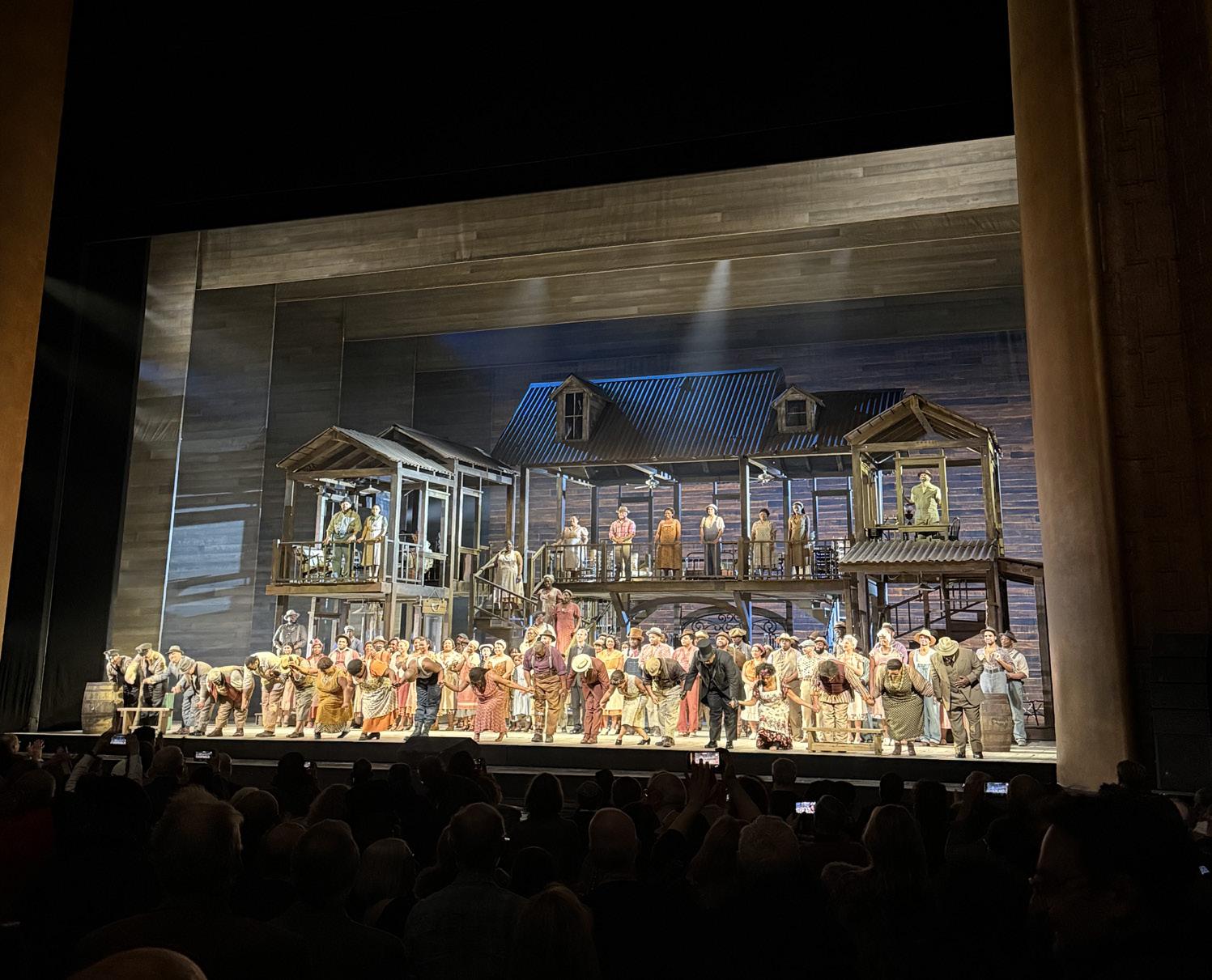
I attended the performance on Thursday, January 22, at 7:30 pm. I could see from my orchestra-level seat that the house was packed with the most racially diverse audience I’ve seen at the Met, a title previously given to the audience with whom I shared Terrance Blanchard’s Fire Shut Up in My Bones last April. Such an audience only added to the wonderful experience of the evening; the bluesy arias, choral prayers, and even plot points such as the death of the antagonist Crown, were met with yells, hollers, applause, and encouragement. This was so refreshing, as I had never previously heard a single audible reaction from the majority-white audiences with whom I’ve shared La Bohème or Carmen. What the Met questionably described in the program notes as “nonsense syllables” (more accurately described as spirituals, dirges, and the blues) broke the fourth wall and frequently brought us into 1920s Charleston, South Carolina.
If you’re not familiar with the plot, Porgy and Bess follows the love story of Porgy, a crippled beggar portrayed by Alfred Walker, and Bess, portrayed by Brittany Renee, the social outcast and partner of the entitled and abusive Crown, portrayed by Ryan Speedo Green. Their story unfolds in Catfish Row, a tenement neighborhood plagued by grief, drugs, and
police brutality. We are introduced to the incredible diversity of intention and human character in Catfish Row. Residents ranging from the drug-dealing Sportin’ Life, portrayed by Freddie Ballentine, who ultimately lures Bess away from her lover; to hopeful new parents Clara, portrayed by Jazmine Saunders, and fisherman Jake, portrayed by Benjamin Taylor; to women made strong by life’s adversity such as the widow Serena, portrayed by Leah Hawkins, and neighborhood matriarch Maria portrayed by Tichina Vaughn.
The performance itself was incredibly captivating. Solo performances such as Brittany Renee’s “Summertime” and “I Loves You Porgy,” Alfred Walker’s “I Got Plenty O’ Nuttin’,” and Benjamin Taylor’s “It Take a Long Pull to Get There” stood out to me as particularly skillful and touching. The ensemble numbers were not only beautiful, but pulled the audience right into the communal experiences of the Catfish Row residents. Potentially helped by my seat on the orchestra level, it was easy to let reality go and immerse myself in the tumultuous life events of Porgy, Bess, and their people. The portraits of grief following the death of Serena’s husband were solemn and moving; the portraits of love unfolding between Porgy and Bess, whether they were alone or apart, were magical and precious; and the portraits of manipulation by Crown and Sportin’ Life were infuriating and frustrating to witness. The deeply emotional ride of the plot was lightened by a healthy amount of whimsy, including the comical scene when the lawyer rudely asks Bess her age, dirty dancing by the ensemble on the beach, and the mundane yet immensely talented aria-esque advertisements of strawberries, devil crabs, and other foods by community salespeople.
The support provided by the illustrious Metropolitan Opera Orchestra under the baton of Kwamé Ryan was as spectacular as one would expect, and their execution of a jazz-influenced, yet undeniably classical score certainly aided in my transportation to Catfish Row. This orchestra could use more training in the jazz idiom; given the occasional
dialogue between various operatic soloists and a clarinetist, I wish they had studied more Barney Bigard, Artie Shaw, or Benny Goodman in preparation. The attempt at a swingin’ ride cymbal groove did not meet my expectations, though I will admit, I am spoiled from hearing Jeff ‘Tain’ Watts’s ride cymbal from Fire Shut Up in My Bones in the same venue. While their jazz style may not have convinced this jazz musician herself, Ryan’s orchestra that night contributed greatly to the jubilance, violence, intimacy, and sorrow present throughout the production.
The beauty of this production of Porgy and Bess is only amplified by the harsh realities of Catfish Row, mimicked by the harsh realities of the current American political climate. The appeal of a story detailing the multifaceted struggles of a marginalized community is made that much more significant when we find the parallels between the same oppression in the story and in our reality.
Porgy is undeniably excluded from the community in many ways due entirely to his disability; Catfish Row is overcome with gambling addictions leading to husbands drying out the wallets of their families; a limit is put on the communal grief following the murder of Serena’s husband due to the economic hardship of his family, making grief and the freedom to commune a privilege of the wealthy and at the discretion of unqualified government officials; the white police officers brutalize multiple men of Catfish Row without any evidence of crimes committed; despite her wishes to stay with Porgy, Bess is convinced she must remain with violent Crown, making her a disposable and replaceable toy to a man ruled by toxic patriarchal ideology; Jake and Clara must risk their own livelihoods and lives to create a better future for their child, ultimately ending in their demise and the orphaning of their baby; the trickery and scam of capitalist consumption is reflected in the laughable scene where a divorce is nearly sold to Bess, a woman who never married; and the cruel clutches of addiction grasp Bess, as it pulls her away from her beloved, and Sportin’ Life, as an
unfortunately lucrative and destructive avenue from which he makes ends meet. Porgy and Bess is a story about the intersectionality of social, economic, and political oppression as much as it is about falling in and fighting for love. The themes of accessibility, racial violence, addiction in underprivileged neighborhoods, women’s rights in the hands of men, and the correlation of money to power are as real as ever. Our own societal downfalls are brought before our very eyes by a 1935 opera, and further intensified by censorship that kept it from the Met Opera stage for the first 50 years of its life.
It is also these parallels to our modern day that render Porgy and Bess so optimistic. In the face of constant hardship comes the opportunity for the highest levels of human good. This is most lovingly seen in Porgy, who is never made hard or cruel by his exclusion, insisting that he is eternally wealthy since he “got my gal, got my Lawd, got my song.” Though it is cut short, the way Catfish Row comes together to mourn Serena’s husband with her–and how the groundskeeper gives her a loan in order for a proper burial she currently cannot afford– emphasizes the potential for humanity and compassion in all of us, despite our daily hardships. There are various instances of deep allyship, including Bess’s acceptance of a lover who many publicly regard as “less than a man,” or Clara giving Bess her baby to hold so Crown would stop attacking her. The cherry on top for me is the music provided by an American orchestra under the baton of a Canadian conductor.
Duke Ellington criticized Porgy and Bess for its “lack of social criticism, which he believed
to be an essential component of any drama about African Americans.” As a diehard Ellingtonian myself, I respectfully disagree with maestro Ellington. We cannot disregard the politicization of identity in the United States. Whether Porgy and Bess, or its production history, are political when examined in a vacuum, they are obviously political today beautifully and necessarily. A Black production at the Metropolitan Opera is, whether we like it or not, a sign of social progress in what remains majority-white programming. The unfortunate timelessness of its characters’ struggles stand parallel to the fortunate timelessness of their demonstrated community, solidarity, and hope. History may be rhyming nearly a century later, but the curtain is not yet closed. Maybe the final scene of Porgy chasing after Bess to New York, relieved at the news that she is still alive and energized as ever by his unrelenting dedication to that in the world which he cares about most, can offer us the relief and energy that everything can, or even will, be okay when the final bows are taken.
All quotations featured in this article are sourced from the Met Opera program.
Final Bows
Photo by Emma Lacy
MEET A MEMBER
LFrom the Critic’s Corner: An Interview with Sawyer Huckabee
by Natalie Lahr
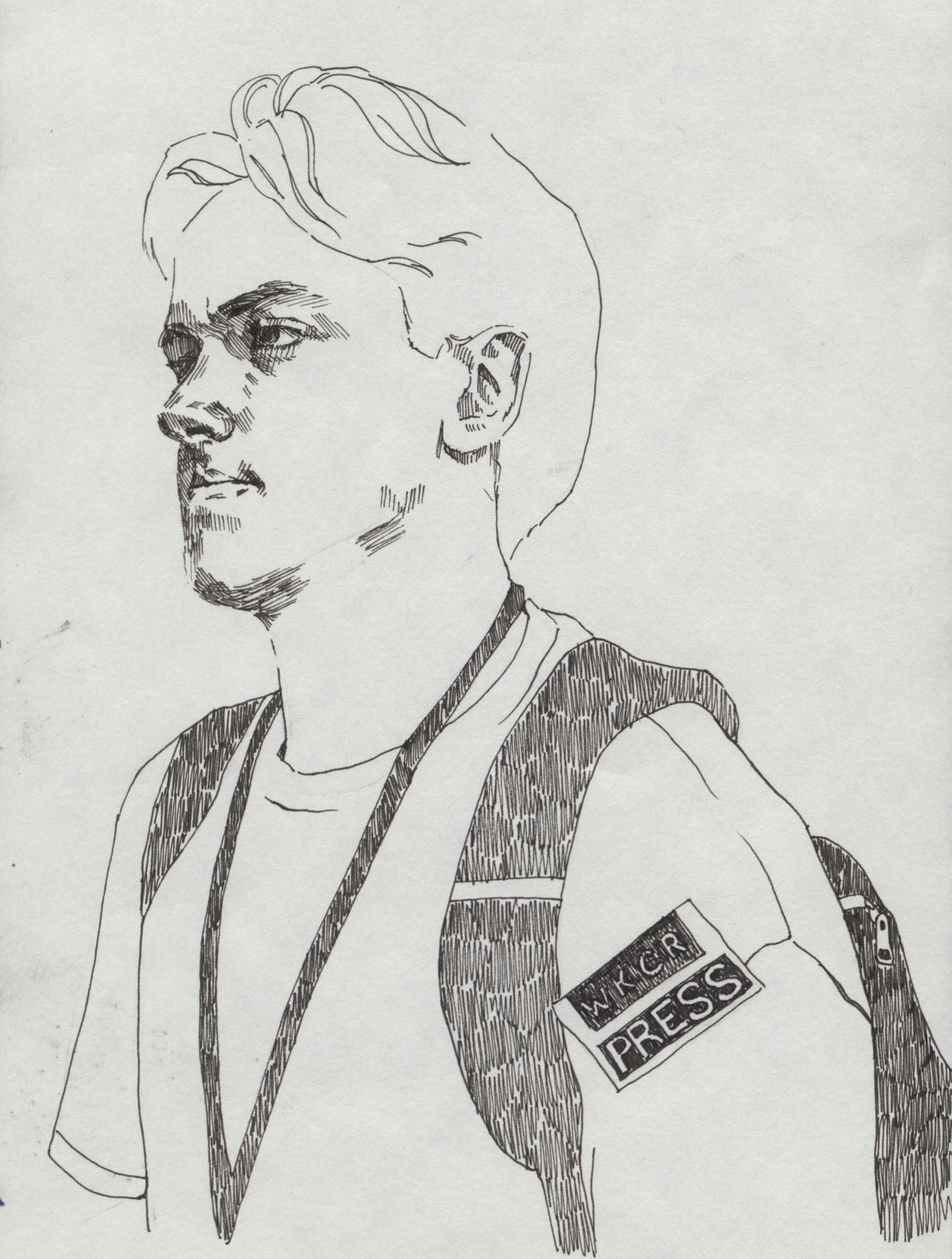
ovingly bestowed the title of “WKCR Opinions Head,” Sawyer Huckabee (CC ‘26) is endlessly quotable. My time at WKCR has been shaped, in many ways, by his humor and guidance.
There was no exchange of “What’s your major?” or “Are you Barnard or CC?” the first time I met Sawyer. I had just started programming in the News and Arts (NARTS) department at WKCR, and he quickly introduced himself while simultaneously demonstrating how to attach a microphone, with the letters W-K-C-R printed on the side, to a small handheld device used to record audio while reporting in the field.
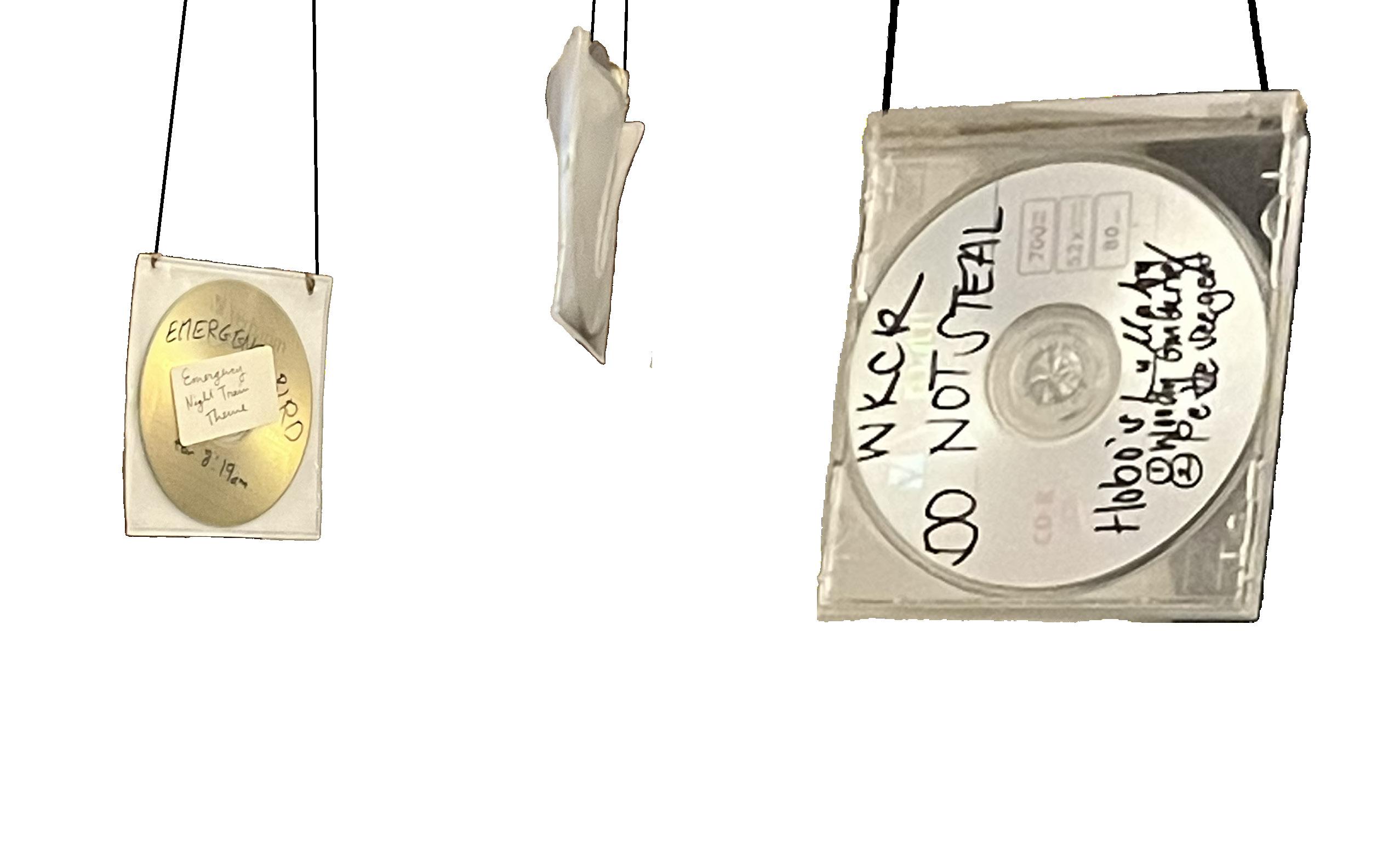
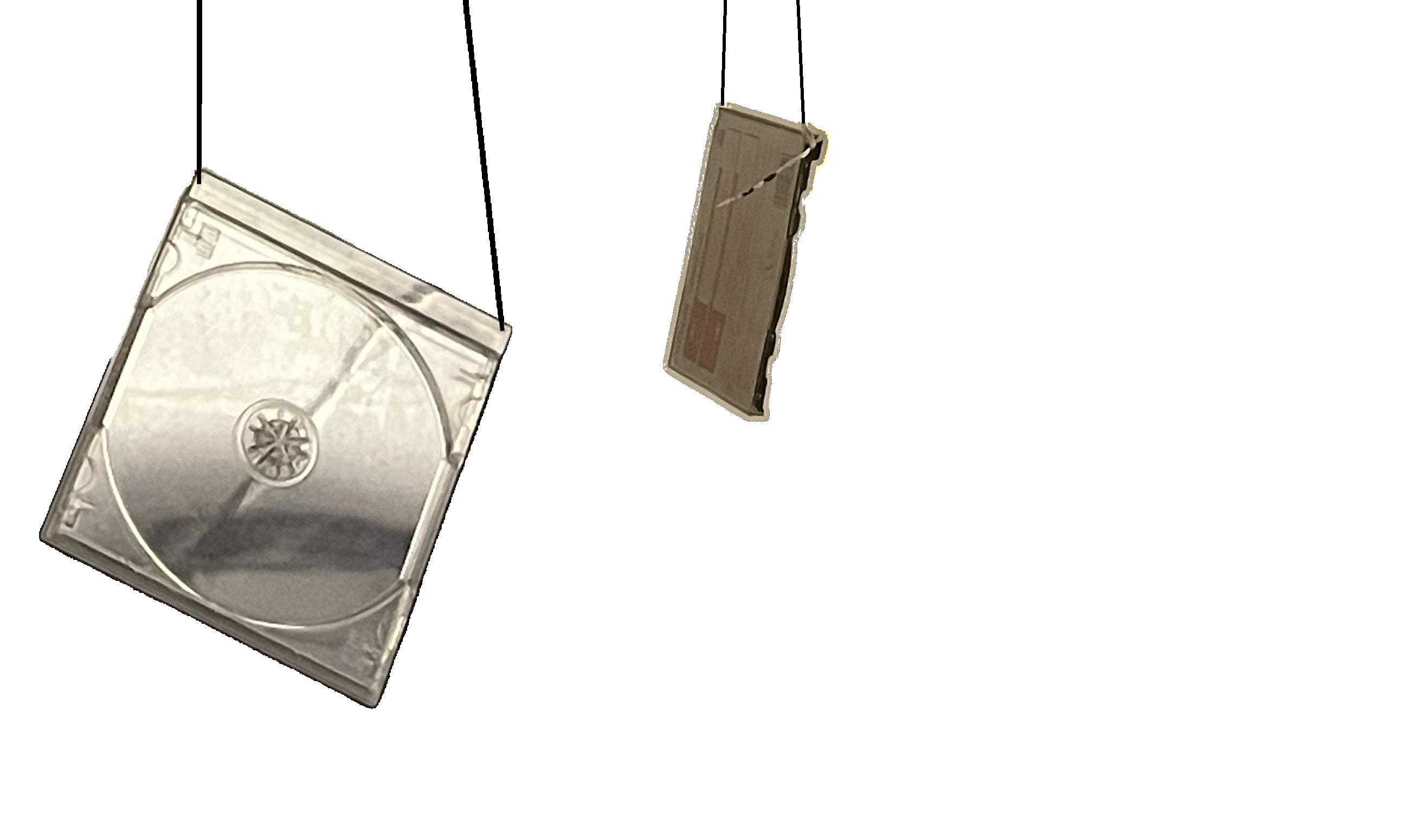
Now we sit in MOO under a canopy of hanging CDs and twinkle lights, surrounded by drawings, polaroids, and other miscellaneous objects.
Natalie Lahr: What is your favorite part of WKCR?
Sawyer Huckabee: The decorations.
NL: Okay, true. What else?
SH: When I entered WKCR, I was bombarded with—and I’m still bombarded with—an entire legion of knowledge that I’m not privy to. Whether it be about the protests, about Columbia history or music history, about jazz and classical, et cetera. Learning slowly and almost always encountering more and more of the unknown has been fascinating, and I think that is my favorite part of WKCR.
NL: Can you talk about your first few days at WKCR? Like, do you remember the first week?
SH: I remember my first broadcast. My first broadcast was, I think, March 2024, maybe February. There’s this unwritten rule at WKCR where your first broadcast has to be solo. I was doing Critics Corner, so I wanted people to join, but they didn’t join because it was my first broadcast and I had to figure it out by myself. I remember when I put the world feed panel cable into my computer; the audio was so messed up that I had to text Ben Erdmann (CC’25), who was DOPS [Director Of Operations], and during a song I had to run over to CA, grab a different world feed panel cord, turn off the song in MC, reconnect all of the cables, and then get back on the mic and talk about it within 15 seconds. So it was a very stressful time, but I do think being in the fulcrum by yourself is a good learning experience.
NL: You mentioned you were hosting Critics Corner. Can you describe that segment more?
SH: Critics Corner was the show that I joined WKCR to do. My friends and I are normally co-hosts on it. And we pick one album and we listen song by song and we debate the merits of the album. As the show progressed onward, I got more interested in genre theory. And so it became more of a debate about these, like, genre-making, genre-breaking albums, and trying to describe them in a way that I was taught in my literature classes here, but using music genre terminology. A semi-recent show that Ben Erdmann (CC ‘25), Matthew Gay (CC ‘26), and I hosted was on the philosophy of dance pop.
NL: What was your most memorable
Illustration by McCartney Garb
broadcast at WKCR?
SH: The most memorable was the April 30th to May 1st [2024] police incursion into Columbia. And of course, we had the two weeks prior to that.
NL: And last year, you kind of stepped into a mentorship role for new reporters who wanted to start field reporting. What was that like?
SH: We had 19 people on the news coverage team during the encampment, many of whom graduated, the rest of whom were either on the executive board and chose not to participate, or chose not to participate any longer. So in the aftermath of the encampment, it was me, Ian Pumphrey (CC’ 26), and Macy Hanzlik-Barend (GS ‘25).
We had three of us, and then we were getting a whole legion of new programmers who wanted to join NARTs. That year, we had gone through a lot of difficult things psychologically, and in learning how to be journalists, I guess. But I think when we got to covering the Milbank [Milbank Hall, February 2025] and Milstein [Milstein Library, March 2025] sit-ins, me, Macy, Ian, and the executive board members who joined understood what to do. We knew that this is always going to happen at Columbia.
After the encampment, I wrote down all my experiences of what happened for posterity’s sake, so that newer programmers could learn from what we did in a narrative way, not just in a handbook way. I think being trained on the fly—you know this because you were basically trained on the fly—I won’t say it’s a good experience, but it’s a very unique experience. It was the only way to do it. There’s no flow chart that could encompass what you do while covering a protest. And really, no matter how much we prepare you, when you’re thrown into a high-intensity protest situation, there’s not much that your training can do.
NL: You recently made an audio series about the 1968 protests at Columbia. What inspired you to do that broadcast specifically?
SH: I became intellectually interested in the history of Columbia’s protests and student protests in general. All of the source material runs back to 1968, at least for Columbia. And as I learned more and more about it, I realized that the current manifestations of protests at Columbia frequently cite 1968 and the 1996 South African apartheid protests as sources. And they repeat very similar things, like the Hamilton Hall occupation, which happened on the day that Columbia was raided in 1968 on April 30th. And so I made a documentary series about it.
NL: And for that series, of course, we have some raw audio from ‘68 in our archives at WKCR. You chose to have people who are currently reporters at the station act it out instead. What made you go in that direction specifically, as opposed to using the archival audio?
SH: When I was collecting all of the evidence and the things I wanted to bring into the series, I had a couple of quotes that WKCR broadcast, the famous one being the Dean asking if he was allowed to leave Hamilton Hall when it was occupied. And that I did include, at the very beginning. But there were a lot of quotes that I found in books and stuff that we did not have an audio recording of. And so I thought it was a good opportunity to have reporters, and a couple of trainees in WKCR at the time, act them all out, so it wouldn’t be this weird mix of some 1968 audio and some new.
NL: I was in this series; I don’t remember who I played, but I remember being coached pretty extensively.
SH: You were Mark Rudd.
NL: Right, yes, I was Mark Rudd. So, you had never done a broadcast like that before, with people acting out the parts. What was that like?
SH: It’s a very different experience prerecording something and directing it than it is
being, like, a live MC. Being a live MC—I guess it’s live directing, in a way. Especially when you have to fill time for 60 minutes. But I could just focus on getting the achieved results from the voice actors and myself, rather than trying to coordinate a room on the fly. And when you are pre-recording, there are a lot of extra things you can do. In a lot of the cases, I edited the audio so it would sound old or vintage in some sort of way.
NL: Why did you first start programming in the NARTS [News And Arts] department?
SH: I had the advantage of being friends with the head of NARTS, Ian Pumphrey (CC ‘25). I think Ian was head of NARTS by that time. Ian introduced me to WKCR and was a regular cohost on Critics Corner. I liked that I was able to have a freeform show, my own idea, and it was more talk-centric than necessarily music, even though mine happened to be about music as well.
I haven’t done all NARTS, I’ve done Middle Eastern Influences, and I’ve done Transfigured Night. I don’t want to make it sound like I was only NARTS, but I do think that in the aftermath of the protests, I felt an intense obligation to continue. Firstly, because I felt like there weren’t a lot of people who knew what we knew, saw what we saw, and could continue that. But also, I became very curious and very interested in it.
NL: What is a skill you gained while at WKCR that you will take with you into the future?
SH: WKCR challenges you, and NARTS especially challenges you, to be a very refined speaker. You have to be very careful with what you say and be as accurate as possible. I remember being in the field and conceptualizing it as, like, I have to describe exactly what I’m seeing and what’s happening in a very chaotic situation to people who cannot see anything. That has trained me in a way that I don’t think I would get anywhere else.
NL: What’s something that you’ve learned from WKCR that you don’t think you would have found at a different club or extracurricular?
SH: I think WKCR really aided my intellectual experience at Columbia because I have learned so much about Columbia and how it operates, almost in this sociological and historical way. And I would have never become interested in that or found that in any other club. And I would have never really became a journalist.
NL: How would you describe your role at WKCR?
SH: I would describe my role as the Opinions Head.
NL: Yes, of course.
SH: No, no, I’m joking. I find a lot of meaning in being part of the protest coverage team. That is very, I guess, purposeful to me, and it feels like we have our own thing to do. And so I’m fine with just being a member of the protest coverage team. I think that has always coated my WKCR experience and always will.
NL: What do you want your legacy to be at WKCR?
SH: I want to bolster the NARTS department. NARTS has been a little bit like a chicken running with its head cut off, at times, because it’s such a small and often overlooked department. But I actually think, at least to me, it’s one of the core elements of WKCR.
WKCR, when I first thought of it and when I first encountered it, was almost always about music. I definitely owe a lot of my music taste to WKCR. I think I have more musical understanding and knowledge now, despite the fact that I think of WKCR as music much less. WKCR to me is always going to be affiliated with journalism. WKCR is not about music, it’s about radio. And those are different things, even though they might sound similar.
Cameron Winter at Carnegie Hall
by Jacob Spitz
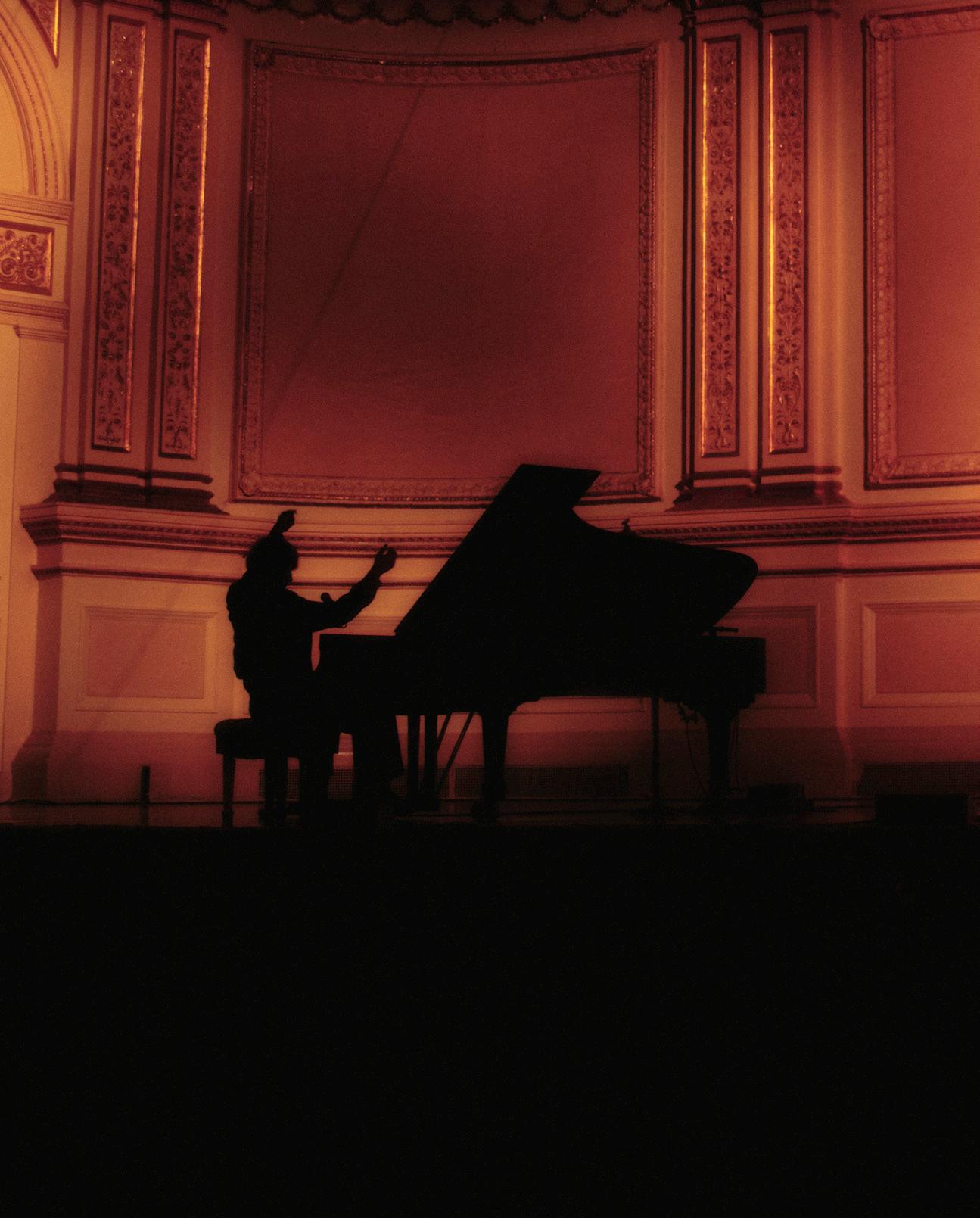
Cameron Winter—pianist, vocalist, songwriter, part-time frontman of a rock band called Geese, and the internet’s newest boyfriend for people who write ironic two-sentence reviews on Letterboxd—stepped onto the darkened stage. He took his place on the stool in front of the Steinway grand, his back towards the audience. He was ringed by a single spotlight and dressed in all black—a satiny shirt, trousers, shoes. He hunched forward over the keys. To my eye, there was an air of a schoolboy about him, dressed for a concert recital but, despite the smart attire, still somehow scruffy. Tall and lanky in his movements, as if he had grown quickly and his body hadn’t yet adjusted to his new size. He began to play. The first notes of an unreleased track, The River, drifted upwards to where I sat, high up in the gods, the balcony of Carnegie Hall.
This was not an ordinary concert, that much was immediately clear. When was the last time Carnegie Hall’s merch line stretched out into the hall and wound out and down the steps into the foyer? When last did an audience at the world class concert hall wear so few blazers and so many Arc’teryx beanies?
There was certainly an air of triumph to proceedings; since tickets went on sale in April the hype around Winter has built
steadily and naturally–so had the resale prices. I—having braved the online queue—was feeling smug. In the resulting coalition, the rich and the organized, everyone was well aware of the value of their seat. Some were listed for four figures.
This pricing insanity reflects, among other things, a truly meteoric year for Winter both as an emergent solo artist and as the frontman of Geese, a once-garage band from Brooklyn who, not too many years ago, were actual schoolchildren. In 2024, Winter had to beg his label to release Heavy Metal, which it worried would detract from the success of Geese’s upcoming album Getting Killed. As a
photograph by Gary Catchen
that both projects exploded, and this show, on the grandest stage in his hometown, felt like a coronation.
His performance itself was simple. His songs, many of which are recorded with a combination of guitars, brass and woodwind, were arranged for the piano, apparently the form he had initially intended for them before the production became more elaborate.
After the slow opener he played two more without interruption. Try As I May, with its devastating imagery of a failing relationship: “Try as I may / To be heard through the wall / To be seen getting loud on the phone / You were born to break my big hairy football arms / Like clean windows kill the birds”. He was in total control, emphasizing certain phrases with generous rubato and closing in slow, sweeping style. Next, an unreleased track, Emperor XIII In Shades, which showcases his dry humour and penchant for the absurd: “I don’t like what happened to Jesus, but I sure do like Saturday morning”. These first songs were performed with the single spotlight on Winter’s back, reflecting off the piano onto the back wall.
Miles—one of his most critically acclaimed—is also where his songwriting talent is most clear. What does a twenty-three-year-old know about patience, about the fullness of time? And yet when he tells us “What I want is far away” we believe him, and his self-knowledge catches the listener by surprise. On Drinking Age he again comes to us as a much older soul, “Today I met who I’m going to be from now on / and he’s a piece of shit”.
photograph by Tristan deBrauwere
Then the lights softened, and he moved into the body of the performance, playing through many of his hits from Heavy Metal. Love Takes
As the tension built, the imagery grew more complex. Cancer of the Skull is about his need to create alongside feelings of inadequacy in doing so. On the night, he delivered a version so different to the studio album that it shares only the lyrics and the key. Though not necessarily an improvement, it was an illustration of the painful possibilities of writing: “songs are a hundred ugly babies / I can’t feed”. Nina + a Field of Cops is the most visually dense of his songs and has spawned essays of interpretation from fans online. Performed live, the images wash over each other, and what stands out the most is his urgent delivery matched by his hammering on the keys. His vocal presence holds the audience rapt until the final note is played.
He has spoken of his surprise at the reverence with which his audiences receive
him. That night, it took the form of neartotal silence.. The staging—Winter seated with his back to the audience—feeds a more introspective and composed listener. It also highlights the other, more delicate elements of the performance such as his decisions to depart from the phrasing and melodies of the album, and the lighting. At one point, he is lit from the side and his shadow is cast softly onto the wall, stage left. It’s cinematic, a projection of the artist with a live accompaniment, and it reveals more of Winter than we can ascertain from his turned back.
Not lacking in self-awareness, at points he sought to subvert the grandiosity of the spectacle, playing over and over the highest keys on the keyboard, and later exaggerating a rallentando as if his batteries were running out. He succeeds in breaking the tension with laughter.
He followed Nina + a Field of Cops with $0, remaining faithful to the sequencing that worked so well on the album. Winter’s ironic distance is distinctly his own; his tone in interviews matches the deadpan coda of $0: “God is real, God is real, I’m not kidding he is actually for real, I wouldn’t joke about this” .
As I played my part in a long ovation—six minutes of pleading for one more song—and as he milked it backstage with the confidence of a well-established soloist, I wondered if this is what it feels like to be present for a moment people might refer to later as “important”. At the start of the show I had the urge to record audio, to try and capture something of the density of listening in the room. In the coming days, several bootlegs would appear on Reddit; it was clear I wasn’t the only one with that idea. A Dropbox folder shared online contains the full performance, remastered by Bennyboy, who is known in music forums for remastering Bob Dylan’s live performances. For those willing to wait, a sanctioned version may follow: Paul Thomas Anderson and Benny Safdie were spotted filming the show.
Bennyboy is not the only Dylan link; Dylan is on a short list of popular artists who have headlined the Stern Auditorium at a younger
age than Winter. Critics have not been shy in invoking Dylan, nor Leonard Cohen, both of whom Winter has discussed in the context of this album. Comparisons like these can be made lazily, but what Winter shares with these two is also central to his success: an ease with spiritual themes, a willingness to undercut himself, and a comfort with ambiguity.What happened on December 11th at Carnegie Hall looked like a crossing. At one point in the show Winter walked over to a stage door and tried to escape, finding it locked. I couldn’t help but feel a twinge of sympathy for him—his rise has surely been steeper than he could have dreamed, and the sheer scale of the hall offered no possibility of retreat.
Set List: It All Fell In The River (unreleased), Try As I May, Emperor XIII In Shades (unreleased), The Rolling Stones, Love Takes Miles, Drinking Age, Cancer of the Skull, If You Turn Back Now (unreleased), Nina + Field of Cops, $0, Take It With You, and—encore—Vines.
Jacob Spitz frequently programs Daybreak Express on weekdays from 5 AM to 8:20 AM.
Sin Fronteras
Jazz Alternatives
Nueva Canción
Som do
Special Broadcasts
SPECIAL BROADCASTS
Phil Schaap Memorial Broadcast
Monday, February 2, all day
Since Phil Schaap’s passing in 2021, the station has dedicated special programs in his memory. Our 24-hour celebration of the life and legacy of Phil will take place on February 2––the anniversary of his first broadcast on WKCR (which took place in 1970). The program will feature both programs and interviews from our archives, with an emphasis on special content that does not regularly grace our airwaves.
Nina Simone Birthday Broadcast
Saturday, February 21, all day
WKCR celebrates American vocalist, pianist, and composer Nina Simone with our annual 24-hour birthday broadcast. Inspired by great artists from J.S. Bach to Langston Hughes, Simone traversed genres and styles, all while maintaining her own voice as a musician––and even activist. Listeners can expect to enjoy Simone classics such as “Feelin’ Good,” “I Loves You, Porgy,” and “Mississippi Goddam” alongside rare selections and instrumental cuts.
THEMED SHOWS
SUNDAY PROFILES
Sundays 2:00-7:00 PM
Gram Parsons
February 1
Host: Ben Rothman
American Department Director Ben Rothman explores the musical career and life of Gram Parsons, who died tragically young but left an undeniable mark on the country scene in the 1960s and ‘70s, infusing it with sensibilities from rock and R&B. This five-hour show will examine Parsons’ solo work, his genre-changing contributions to The Byrds and the Flying Burrito Bros, and his heart-wrenching duets with Emmylou Harris.
Labeled
February 8
Host: Steve Mandel, Jake Cohn
Steve and Jake celebrate their 50th Episode of Labeled on WKCR! Expect a particularly fantastic episode, with all vinyl selections as per usual.
TBD
February 15
Host: Sid Gribetz
WKCR’s iconic Sunday Profile host, Sid Gribetz, returns with a five-hour broadcast diving into the life and work of a jazz great.
Labeled
February 22
Host: Steve Mandel, Jake Cohn
Steve and Jake are back on WKCR with another episode of Labeled––a five-hour deep dive into the musical output of one record label.
SATURDAY NIGHT AT THE OPERA
Saturdays 9:00-12:30 AM
Don Giovanni
February 7
Host: Winni Xu
Les Troyens, Acts 3-5 (Berlioz)
February 14
Host: Simon Reich
Die Walkrüre (Wagner)
February 28
Host: Winni Xu
collage by Ella Werstler
Show Listings
JAZZ
Daybreak Express, Mon.-Fri. 5-8:20am
Out to Lunch, Mon./Tues./Thurs./Fri. 12-3pm
Jazz Alternatives, Mon.-Fri. 6-9pm
The core of our jazz offerings, these three programs span the entire range of recorded jazz: everything from New Orleans jazz, jazz age, swing era, bebop, hard-bop, modal, free, and avant-garde. Hosts rotate daily, offering an exciting variety of approaches, some of which include thematic presentation, artist interviews, or artist profiles.
On the first Wednesday of every month, Jazz Alternatives becomes “The Musician’s Show” and is hosted by a professional working musician.
Birdflight, Tues.-Thurs. 8:20-9:30am
Archival programs from the late Phil Schaap, one of the world’s leading jazz historians, producers, and an NEA Jazz Master, who hosted this daily forum on the music of Charlie Parker for about 40 years.
Now's The Time*, Fri. 8:20-9:30am
The newest show from WKCR Jazz is dedicated to jazz as a living art form and features the music of young, upand-coming musicians pushing the genre forward.
Traditions in Swing, Sat. 6-9pm
Archival programs from the late Phil Schaap. This awardwinning Saturday night staple presents focused thematic programs on jazz until World War II. Schaap presents the music, much of it incredibly rare, from the best sound source—often the original 78 issue.
Phil Lives*, Mon. 3-5am
Selections of archival programs from late Phil Schaap. This show features interviews, tributes, and portions of longform programs.
Jazz ‘til Dawn, Sun. 4-6 AM
An early Sunday morning jazz program, limitless in era and style.
CLASSICAL
Cereal Music, Mon.-Thurs. 9:30am-12pm
An entirely open-ended classical show to start your weekdays.
The Early Music Show, Fri. 9:30am-12pm
Dedicated primarily to European medieval, Renaissance, and baroque music before c. 1800.
Extended Technique*, Wed. & Thurs. 3-6pm
WKCR’s first interdepartmental show (in the New Music and Classical departments) dedicated to contemporary classical music. Under the direction of the New Music and Classical departments, this program is dedicated to experimental classical music.
Afternoon Classical, Fri. 3-6pm.
Two hours of unrestricted classical music selections followed by one hour dedicated entirely to the music of J.S. Bach.
Saturday Night at the Opera, Sat. 9pm-12:30am.
One of NYC’s longest running opera shows, Saturday Night at the Opera features one opera in its entirety, with time for history and commentary, each week.
NEW MUSIC
Afternoon New Music, Mon. & Tues. 3-6pm
Our daytime new music program features a wide variety of music that challenges boundaries and subverts categorizations. Shows include everything from seminal new music compositions to the most challenging of obscure deep cuts and new releases.
Transfigured Night, Tues./Thurs. 1-5am and Sat. 2-6am
Our overnight explorations into the world of new music, Transfigured Night rewards our late night listeners with a wide range of sounds and experimental music.
Workaround*, Fri. 9-10pm
WKCR presents live sets from local professional and student DJs.
Live Constructions, Sun. 10-11pm
This weekly program features a live in-studio performance or a previous performance recorded at WKCR.
* Indicates show was created after January 2022
LISTINGS FOR LISTENERS
Honky Tonkin’, Tues. 10-11pm
One of WKCR’s longest-running American music programs, Honky Tonkin’ focuses on country music from the 1930s through the 1950s.
Tuesday’s Just as Bad, Tues. 11:30pm - Wed. 1am
For the first hour, Tuesday’s Just as Bad explores the world of blues prior to World War II. In the final half hour, hosts turn to the post-war years.
Night Train, Wed. 1-5am
All aboard! One of two overnight programs in the American Department, Night Train rolls through the post-war R&B and soul tradition, from the genre’s emergence in the 1940s and ‘50s through the funk revolution in the ‘70s. Shows often feature extended live recordings and concerts.
Offbeat, Fri. 1-5am
Offbeat exposes undiscovered, underplayed, or up-andcoming new hip hop artists, including experimental instrumental artists not typically played on mainstream hip hop radio.
Across 110th Street, Sat. 12-2pm
Across 110th Street airs soul, funk, and dance music from the 1960s through the ‘80s and ‘90s.
Something Inside of Me, Sat. 2-4pm
WKCR’s Saturday afternoon blues show, Something Inside of Me focuses on electric and post-war styles.
Hobo’s Lullaby, Sat. 4-6pm
Rooted in the folk revival of the 1950s and ‘60s, Hobo’s Lullaby airs American folk and traditional music styles from the early 20th century through the present day. Shows feature old staples like Leadbelly, Elizabeth Cotton, and Woody Guthrie through contemporary stalwarts like the Carolina Chocolate Drops.
Notes from the Underground, Sun. 12:30-2am
Notes from the Underground showcases contemporary hip hop and rap music with an emphasis on emerging and experimental artists. The program also hosts local and visiting artists for interviews, freestyles, and guest curation.
Amazing Grace, Sun. 8-10am
Greeting listeners on Sunday morning, Amazing Grace shares the African-American gospel tradition.
The Moonshine Show, Sun. 10am-12pm
On the air for nearly 60 years, The Moonshine Show showcases the American Bluegrass tradition, from the earliest roots in vernacular string-band music, the genre’s pioneers in the 1940s and 50s and advancements in the 60s and 70s, through the leading innovators of today.
The Tennessee Border Show, Sun. 12-2pm
The Tennessee Border Show highlights the singersongwriter tradition, from Hank Williams and Townes Van Zandt to Lucinda Williams.
LATIN
Caribe Latino, Mon. 10pm-12am
Caribe Latino features the diverse, upbeat music from Latin communities in the Caribbean. Popular Latin rhythms such as Salsa, Merengue, Bachata and Latin Jazz take center stage throughout the program.
Urbano Latinx, Tues. 12-1am
From salsa and merengue to Latin punk rock, Urbano Latinx airs contemporary sounds from Latin America, the Caribbean, and the diaspora.
Sin Fronteras*, Wed. 12-3pm
Occupying the time slot of Out to Lunch on Wednesday afternoons, Sin Fronteras explores the tremendous and growing tradition of Latin Jazz.
Nueva Canción, Wed. 10-11pm
Nueva Canción explores protest music created throughout Latin America during the 1960s and ‘70s, on its own and in the context of protest music from other countries and during time periods.
Som do Brasil, Wed. 11pm - Thurs. 1am
From samba and bossa nova to MPB, Som do Brazil features the enchanting sounds and rhythms of Brazil.
Sonidos Colombianos, Fri. 10-11pm
Sonidos Colombianos presents music from Colombia. The bilingual musical tour includes not only cumbia, but also the guitar-based bambuco from the Andean region, the harp llanero music from the Eastern Plains, the marimba-infused currulao from the Pacific Region, and the accordion-driven vallenato of the North Atlantic Coast.
* indicates show was created after January 2022
LISTINGS FOR LISTENERS
The Mambo Machine, Fri. 11pm - Sat. 2am
The Mambo Machine is the longest running salsa show in New York City. The program plays a wide spectrum of Afro-Latin rhythms perfect for dancing.
El Sonido de la Calle*, Sun. 2-4am
The Latin companion to Sunday morning’s Notes from Underground, El Sonido de la Calle highlights the diverse world of contemporary Spanish-language hip hop and dance music.
IN ALL LANGUAGES
The Celtic Show, Mon. 12-1am
Music from across the island of Ireland throughout the era of recorded music, particularly focusing on traditional folk and vernacular music forms.
Coordinated Universal Time, Mon. 1-3am
Coordinated Universal Time brings listeners the latest cut of music from across the globe, especially highlighting music that does not get attention in America.
The African Show, Thurs. 10pm-12am
The longest running African music radio show in the United States, The African Show brings listeners a variety of music from the entire continent of Africwa.
Middle Eastern Influences, Fri. 12-1am
Middle Eastern Influences features selections from the Middle East and North Africa, with particular attention on traditional forms.
Sounds of Asia and Couleurs Antillaises, Sat. 6-8am
Previously Sounds of China, Sounds of Asia explores the recorded musical traditions and innovations of Asia and the Pacific Islands. Couleurs Antillaises features music from Haiti and the French-speaking Carribean. These shows alternate in the Saturday morning timeslot so each airs every two weeks.
Eastern Standard Time, Sat. 8am-12pm
One of New York’s most popular Reggae programs, Eastern Standard Time captures listeners with the hypnotic sounds of Reggae and Jamaican dance music.
Field Trip, Sun. 6-8am
Field Trip focuses on the music and practice of field recordings: music recorded outside of a studio. This definition is expansive and includes everything from released recordings to street music documented by WKCR.
Raag Aur Taal, Sun. 7-9pm
Raag Aur Taal (which means “melody and rhythm”) explores the classical musical heritage of South Asia.
Back in the USSR, Sun. 11pm-12am
Back in the USSR features music from Eastern Europe, East Asia, and Central Asia, from the mid-20th century through the present.
NEWS & ARTS
Monday Morningside*, Mon. 8:30-9:30am
WKCR’s morning news broadcast, Monday Morningside features segments on events around Morningside Heights and upper Manhattan. All episodes are available as podcasts on Spotify.
News and Arts Program, Sun.-Thurs. 9-10pm
These programs form the core of our News and Arts programming. On Sundays, “Soundstage” features a live reading of a play; on Mondays, “Late City” offers retrospective coverage on local cultural happenings; on Thursdays, “Playlist Profiles” characterize a person through music. As news is constantly evolving, note that these programs are subject to change and preemption.
SPECIAL BROADCASTS
Sunday Profile, Sun. 2-7pm*
This five-hour program dedicated to a longform, researched profiles of a pioneering artist, label, or musical movement. Originally known as “Jazz Profiles,” this show has expanded its scope; today, it may feature any of the musical traditions represented by WKCR’s programs.
* indicates show was created after January 2022
by McCartney Garb AMERICAN
FFakin’ It: Jewish Identity and Paul Simon’s Folk Evolution
olk music has a long history of reinvention in the United States. In the early 1930s, folk festivals were commonplace, stressing racial boundaries that could construct and maintain “pure” music. Even when festivals weren’t limited to one racial group, and thus represented a diverse set of musicians, the music styles did not mingle among performers. 1Folk music is difficult to define, a term which often absorbs contemporaneous commercial styles, prioritizing and platforming certain rural Appalachian folk ballads developed by the descendants of Anglosaxon settlers.
However, as the genre of folk music developed into the 1940s, it began to take on a political nature through its most forward-facing figures, Woody Guthrie and Pete Seeger. Both had notable ties to the Communist Party USA and considered their music an appropriate vehicle to deliver their message.2 Socialist musical sentiments also had decades of roots through Jewish contribution, given the presence of the Yiddish Worker’s Circle Chorus and the kinder ring camps that quietly survived into the 1950s. Guthrie even delved into Jewish topics and the Yiddish language through collaboration with his mother-in-law, Yiddish poet Aliza Greenblatt.
In the 1960s, the folk-revival had blossomed in the heart of Greenwich Village, thanks in part to disproportionately high Jewish engagement. The 1960s were rife with protest and activism,
1 Rivka Maizlish, “Jew and the 1960s American Folk Revival,” University Place, July 9, 2018, lecture, 4:21, https:// pbswisconsin.org/watch/university-place/jews-and-the1960s-american-folk-revival-e0eykv/.
2 Ronald Radosh, “The Communist Party’s Role in the Folk Revival: From Woody Guthrie to Bob Dylan,” American Communist History 14, no. 1 (2015): 12, EBSCOhost.
especially from university students, who would form folk-singing choirs and jug bands. The music proved a hub of Leftist political life, and youth of all backgrounds embraced the protestbased music. In addition to the movement’s rising questions about war, nuclear power, feminism, and civil rights, Jewish youth had particular concerns about assimilation and heritage. Although political in nature, folk music was no longer distinctly Communist. Its Communist shape withered with Bob Dylan’s introspective lyrical turn, and perished with his radical adoption of folk-rock, which angered traditionalists; some even published articles publicly denouncing his reform in the folkmusic magazine Sing Out! established by Irwin Silber, a prominent Jew of the movement.3
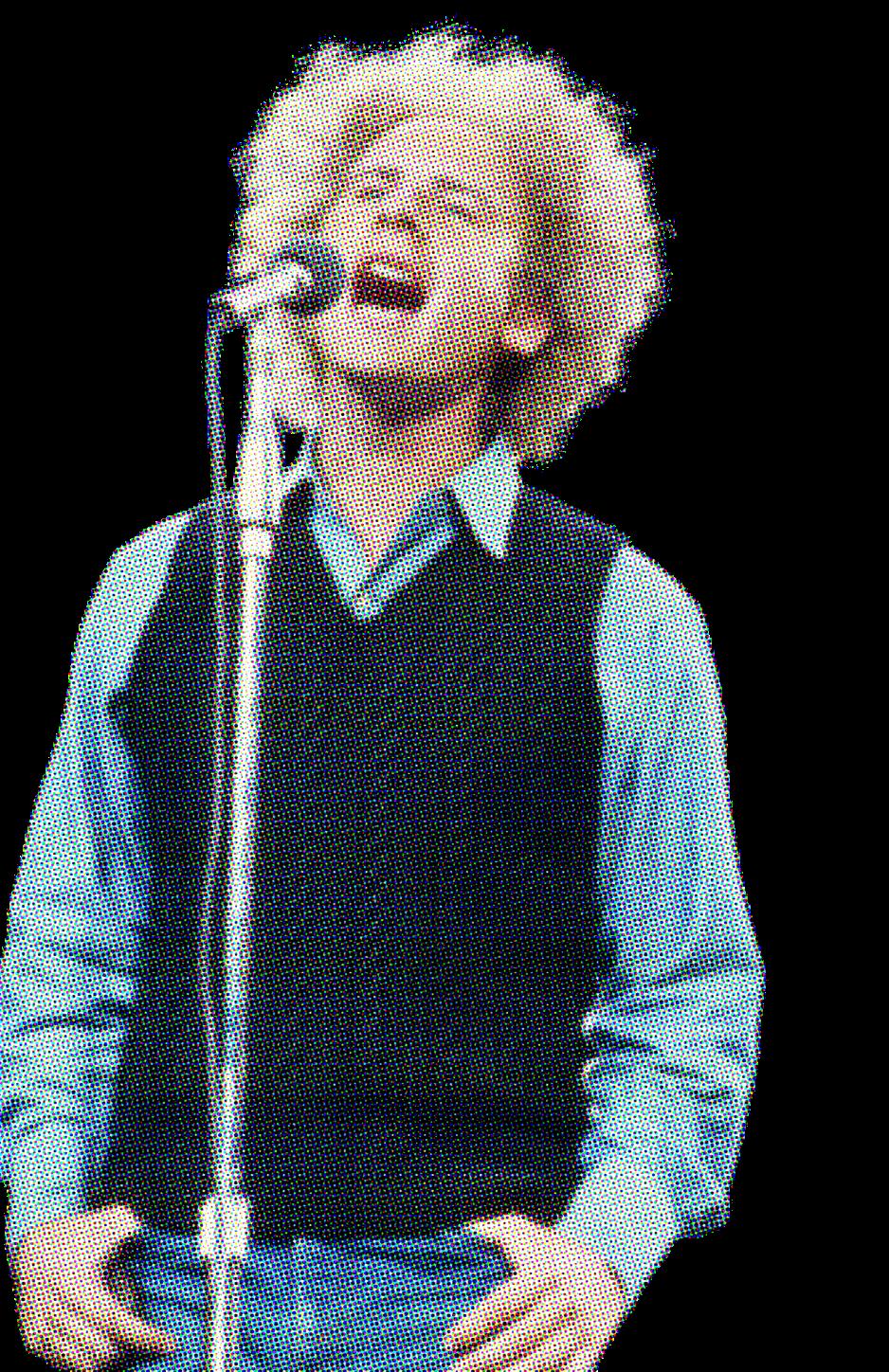
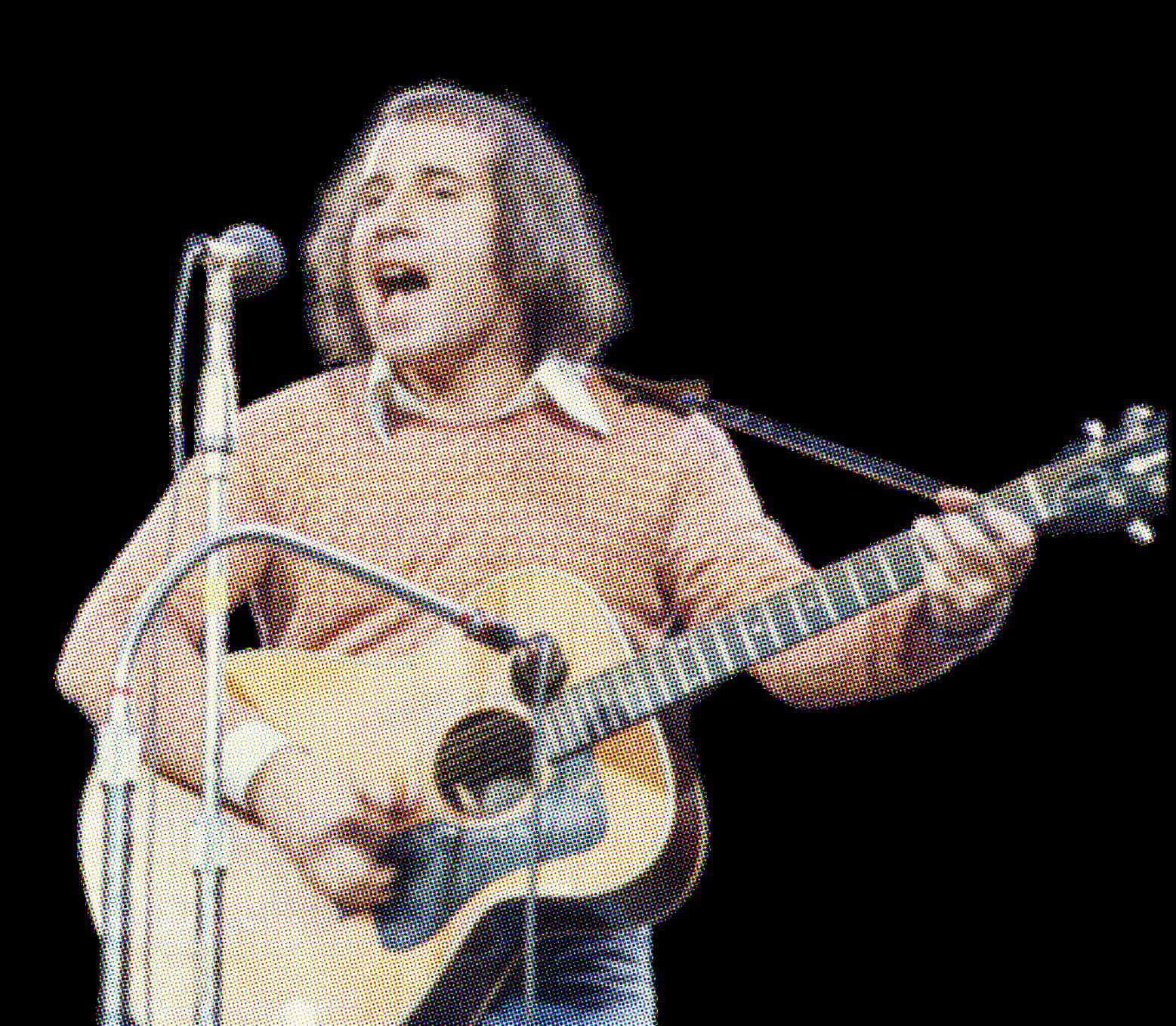
Like Dylan, Paul Simon, one half of the folk duo Simon & Garfunkel, experienced artistic change as the cultural tide embraced electric instruments. Also like Dylan, Simon’s early work rarely engaged with his Jewishness, instead adopting Christian sources so prevalent in early folk music and, more broadly, in the United States. In the 1960s, Paul Simon’s music transitioned from unadulterated folk delivery of Christian material, to a folk-rock repurposing of Christian sources, to increasingly introspective and autobiographical works. Throughout this evolution, his songwriting developed to mirror the Jewish youth’s political disillusionment and their longing for identity against their parents’ suburban ambivalence.
Although Jewish musicians contributed substantially to the folk revival of the 1960s, the music didn’t evidence any Jewishness.
3 Radosh, “The Communist Party’s Role in the Folk Revival,” 13.
For Jewish musicians and listeners, escapism was key. The movement allowed for a flexible invention of identity owed to its polycultural nature. The songs championed American heroes—the cowboy, rambler, and outlaw—that were firmly rooted figures in the folk tradition. Some of the most rehearsed and recited songs in the Greenwich Village circuit were ballads that originated from Anglosaxon, protestant, Appalachian folk sources. Other highly circulated material derived from Black spirituals or blues songs.
One such song is “Go Tell it on the Mountain,” a Black spiritual of unknown origins. A variation on this tune was recorded by the folk trio Peter, Paul and Mary in 1963. It incorporated textual elements from the Book of Exodus in reference to the civil rights movement. Comparatively, the version released by Simon & Garfunkel on their debut album Wednesday Morning, 3 A.M. is lyrically untouched. Musically, the song delivered an unadorned folk Christmas carol, accentuating the ubiquitous cultural tradition of Christmas music in America—ubiquitous enough to be labeled under the most general term of “folk.”4
Notably, half of the songs on Wednesday Morning 3 A.M. were not penned by Simon; they were either traditional works or folk-ballads by his contemporaries. His original works of this time did not alter traditional material and Simon’s earliest Simon & Garfunkel material was not Jewish in any way. The folk movement, despite its Jewish presence, was known for its lack of Jewish folk content. There were some exceptions, including a fascination with Israeli folk and Ruth Rubin’s collection of Eastern European Jewish folk material, but they were all secular involvements, and still quite rare.5 The only indication of Simon & Garfunkel’s Jewish heritage is their names on the cover, which is not insignificant for the time, but also nonmusical.
by McCartney Garb
In the mid 1960s, Paul Simon began his own foray into the electrification of folk. For many traditionalists, adding electric instrumentation to traditional arrangements was blasphemous. But electrification coincided with a freedom to write nonsensical or apolitical material
Bob Dylan,” in Song Is Not the Same: Jews and American Popular Music, ed. Bruce Zuckerman, Josh Kun, and Lisa Ansell, 129. Purdue University Press, 2011, JSTOR.
4 David Kaufman, “‘Here’s a Foreign Song I Learned in Utah’: The Anxiety of Jewish Influence in the Music of
5 Ari Y. Kelman and Shaul Magid, “The Gate to the Village: Shlomo Carlebach and the Creation of American Jewish ‘Folk,’” American Jewish History 100, no. 4 (2016): 513, JSTOR.
Illustration
as musical and lyrical boundaries shattered. Without the same identification with typical American imagery, much of the political meaning dissolved. These lyrical shifts often, though not always, meant a removal of the firmly-rooted Christian past of American folk. The style was also vastly popular with the burgeoning youth market, who bought rock records with fervor.
This shift, for Simon, meant a perversion of the Christian texts he once wholeheartedly adopted. Take, for example, the tune “Blessed,” released in 1966. “Blessed” was written during Paul Simon’s time in England, “after stepping inside Soho’s St. Anne’s Church during a downpour and listening to a bland sermon.”6 The lyrics introduce a nearly unaltered version of a Beatitude. In the song, the first beatitude is “Blessed are the meek / for they shall inherit.” Although unchanged, the description “meek” is recontextualized by later verses, as Simon continues to describe contemporaneous marginalized or idiosyncratic populations. For example, the “pot-sellers,” “cheap hookers,” or “groovy lookers” are cited by Simon as ones be disregarded and persecuted by British or American societies. This persecution would often be theologically rationalized as asserting good, Christian morals. The idea of pacifism—
6
Hilburn, Paul Simon: The
meekness—would be wholly relevant to the nuclear age of the 1960s. Simon adapts these verses, already wholly Christian in form, to the persecution of Christ himself, when the song crescendos into “Oh, Lord, why have you forsaken me?”, the words of Christ before his death on the cross. Simon expands beyond quotations from the Gospels with more tampered sections, in which he sings about his personal isolation, referring to Voltaire’s famous In Candide, in which he states, “I have tended my own garden much too long.” The song finishes with an electric guitar swinging forward and drowning out the vocal center, as if leaving the listener forced to contend with their own ignorance in society, how they might “tend to their own gardens” rather than to the political concerns of others.
Folk’s supposed purity, before electrification, meant an inheritance of mountaineers, cowboys, and gambling heroes. Rather than accepting this version of American heritage, Simon’s perversion of Christian biblical material rejects it, enabling Jewish youth relatability with lines such as “blessed is the church service, makes me nervous,” even if unintended. Although not all Jewish youth were heavily politically involved, even engaging in social trends fashioned them outsiders, and they would also be considered outsiders in a Christian-dominated culture. Paul Simon’s critical portrayal of America’s Christian ideologies, framed him as an outsider too.
In 1966, the same year as “Blessed,” Simon & Garfunkel released the album Parsley, Sage, Rosemary and Thyme. The concluding track, “7 O’Clock News/Silent Night” was a conceptual collage that dealt with Christian material in a very similar way as “Blessed,” but with even more innovation. “7 O’Clock News/Silent Night” ends the album in a firmly contemporary, political space. Historically, Paul Simon rarely engaged with overtly political material, as he was “far less radical than his contemporaries.” 7Still, with tracks like “7 O’Clock News/Silent Night” he frequently, artistically commented
7 Peter Ames Carlin, Homeward Bound: The Life of Paul Simon (Henry Holt and Company, 2016), 297.
Photo by Bernard Gotfryd
on the state of America. The track begins with a delicate piano introduction, followed by soft harmonies in the left channel, introducing the Christmas carol “Silent Night.” In the Simon & Garfunkel version, the poem’s text is overset by a news announcer who delivers intensifying, devastating, and violent blows about Lenny Bruce’s death, the Civil Rights movement, and the Vietnam War.
Unlike “Blessed,” which entirely reworks the Beatitudes, the original “Silent Night” text remains unaltered. Instead, it is musically recontextualized by the overlapping news report. Announcements creep over the carol, ironically juxtaposing words like “bright” with a report of vicious strangling and stabbing of student nurses. Through these choices, Simon musically highlights the sociopolitical disconnect between Christian values and the cruelty of the American government and people. Crucial to this idea is the commercialization of “Silent Night,” a carol popular for its simplicity and softness. In the United States, Christianity, and thus Christmas, dominates, down to the omnipresent Coke advertisements, impossible to escape. Despite Christmas’ commercial inescapability, in the 1960s, the government was occupied by brutal war in Vietnam, rather than living up to Christianity’s proposed ideas.
For a general American audience, but especially for the youth that identified with sentiments of the New Left, “7 O’Clock News” would strike disappointingly true. Like most young Americans, the majority of Jewish youth did not directly participate in counterculture.8 Still, Jews played an important role in the Civil Rights movement and other activist movements, and it is estimated that thirty to fifty percent of the anti-war Students for a Democratic Society were 8 Rachel Kranson, “‘To Be a Jew on America’s Terms is Not to Be a Jew at All’: The Jewish Counterculture’s Cri tique of Middle-Class Affluence.” Jour nal of Jewish Identities 8, no. 2 (2015): 62. Project MUSE.
Jewish.9 Additionally, for Jewish youth, this song would resonate with their sentiments toward Christian exclusivity, unique to their perspective.
Paul Simon continued creating folk-rock music. Rather than perverting Christian material, he turned towards autobiography. His song “Fakin’ It” was released as a single in 1967 and was later included on the album Bookends in 1968. The first two verses emphasize Simon’s lack of courage, juxtaposing him against a girl who “knows what she wants to do” and describing himself as a “dubious soul.” The most fascinating part of the song, musically and textually, occurs when the highly layered instrumentation and harmonies, which have been steadily building, dissolve, and Simon, accompanied by a quivering instrument, simply states, “Prior to this lifetime / I must surely was a tailor / Look at me.”
Paul Simon was born in 1941 in Newark, New Jersey, but at a young age, he moved to Kew Gardens Hills in Queens, where he spent the rest of his childhood. His parents were American-born Jews, but his grandparents were all immigrants. Although his mom
Simon was not aware of this upon writing “Fakin’ It.” Rather, he was considering modern occupational possibilities: “If I was born a hundred years ago,” he said, “I wouldn’t even be in this country … and I wouldn’t be a guitarist-songwriter.” He goes on to ask, during his songwriting process, “Well, what would a Jewish guy be? A tailor.”11
In the song, this moment of realization, of quietude, is followed by a romantic prospect (or recollection?), as we hear folksinger Beverely Martin step into a store and inquire after the tailor.12 After this interlude, Paul Simon returns, “I am the tailor’s face and hands” which crescendos back into his thematic uncertainty, “I know I’m fakin’ it / not really makin’ it.” For many Jewish youth, third-generation Jewish Americans, the commercial individualism and suburban assimilation of their middle-class parents was seen as a plight, rather than a goal. Their parents’ advancement into the middle class required a sacrifice of their Jewishness,
11 Paul Simon, “Paul Simon: The Rolling Stone Interview,” Interview by Jon Landau, Rolling Stone, July 20, 1972, https://www.rollingstone.com/music/music-news/ paul-simon-the-rolling-stone-interview-2-231656/.
12 Carlin, Homeward Bound, 147.
antithetical to their children’s search for culture. “Makin’ it” financially and socially was hostile to the Jewish self. Simon addresses this idea through the differing pictures he paints of pre-immigration economic life as a ‘tailor’ and the newfound opportunity of careers such as ‘singer-songwriter.’ Intrinsic to the song is his doubt, the assertion that the basis of his life now is somehow ‘inauthentic,’ ‘fake,’ or ‘dubious,’ as it sacrifices the reality of his “face and hands,” of his Jewishness, of his existence. This is the only instance of Simon dealing directly with his Jewish identity in text during his time in Simon & Garfunkel. Even so, there remained other ways in which frustrated Jewish youth could identify with Simon’s lyrical choices. For example, the aforementioned dissonance between cultural longing and economic affluence led many to identify with images of poverty as a reclamation of their ancestors’ histories.13 Paul Simon is known for illustrating the poor, ragged, and destitute in his work. As far back as 1964, he wrote of the “words of the prophets written … in tenement 13 Kranson, “The Jewish Counterculture’s Critique,” 67.
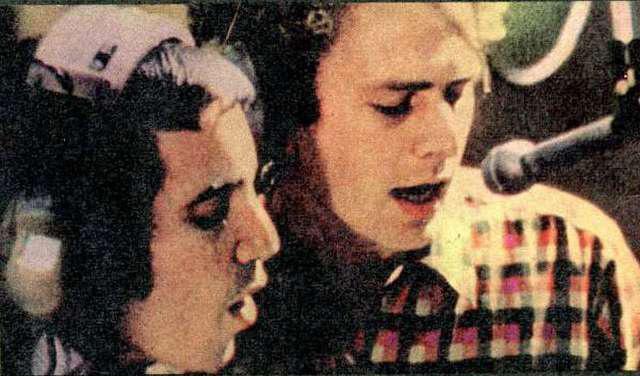
Simon & Garfunkel, 1969
halls” on the eventual hit record “The Sound of Silence.” “The Boxer,” released as a single in 1969, deals with similar images through a semi-autobiographical lens. The song opens up with the lyric “I am just a poor boy” and follows his story as an immigrant settling in New York City “running scared,” trying to find a job, and wishing he was home away from “bleeding winters.” The final verse relates the subject to a boxer who is forced to retreat from a fight, but does not relinquish hope, as “the fighter still remains.” Simon himself has said the song is autobiographical.14 Clearly, the text is not meant to show an accurate portrayal of Simon’s life. It is a reflection and representation of his suffering at the time, as he dealt with a tiring touring schedule, relentless critics, and the inevitable dissolution of his musical partnership with Art Garfunkel.
Even without knowledge of the song’s origins, the imagery likely would’ve been attractive to a generation sparring with their parents assimilation and desperate for an image of their own. Simon invokes an image relevant to the young Jewish demographic, even if the “home” that Paul Simon longs for is never defined. Furthermore, “The Boxer” recalls Paul Simon’s perversion of Christian material because it subverts the Puritan idea of America as a bountiful country, and demonstrates hardships.15 Rather than having to invent the identity of a rural American rambler, as was so prevalent during the earlier folk revival, Simon openly embraces the urban, isolated, and desperate immigrant as a mirror of himself. He inverts inwards, away from the outside world, in stark contrast to his earlier engagements with traditional material.
Searching for identity within the poverty-stricken and destitute is made more difficult by the commercial success of folkrock songs like “The Boxer”—perhaps this is the source of Simon’s self-doubt in “Fakin’ It.” How can one write about the marginalized, the poor, the immigrant, as one who knows nothing but success? Is it possible to consume
14 Hilburn, Paul Simon: The Life, 131. 15 Stratton, Jewish Identity in Western Pop Culture, 168.
mass-packaged music as resistance to the bland consumerism of post-war parents? These questions contributed to the complexity of Paul Simon’s autobiographical works and the identity search pursued by some of the Jewish youth who absorbed it.
Paul Simon’s songwriting both accepts and defies the songwriting and folk-rock expectations of his time. Like Bob Dylan, Paul Simon engaged with biblical imagery, later subverting it as a form of protest. Like many other Jewish-Americans or Jewish-Canadians of the folk-rock tradition, such as Cass Elliot, Zalman Yanovsky, Bob Dylan, and Phil Ochs, he did not engage with Jewish musical tradition. There was no room for a “Jewish folk” in the early folk revival, and without an established tradition, the transition to folk-rock was absent of it too. For many Jews, the sixties meant being internally Jewish, rather than outwardly performing by adapting Jewish folk music.16 Through Simon’s shift to the ‘internal,’ he created introspective works that addressed Jewishness in a shifting social landscape. For many Jewish youth, Simon’s songwriting progression offered a realization of unraveling political disaster, widening generational rifts, and dissipating American values.
16 David Kaufman, Jewhooing the Sixties : American Celebrity and Jewish Identity—Sandy Koufax, Lenny Bruce, Bob Dylan, and Barbra Streisand, (Brandeis University Press, 2012), 43.
McCartney Garb is a regular programmer of Hobo’s Lullaby from 4PM to 6PM on Saturdays.
Sawyer Huckabee, Programmer: hanging from the strings in MC.
Charlie Kusiel King, Classical Head: the red Dizzy Gillespie chair in MC. Historic... and comfortable!
Sam Seliger, Programmer: The orange chair in MC. Ideal piece of furniture to recline in.
Ella Presiado, Publicity Director: The scanner in the office (shoutout Ben for bringing that in a few years back). This maybe seems boring, but it is the perfect tool for capturing and preserving the visual identity of the station! I have scanned old posters, photographs, etc. It
charming about an outof-tune piano to me.
Ben Rothman, American Head: Guest Mic 1! It's my favorite mic to use on Offbeat.
June Frankel, Librarian: The label maker.
Francisco Javier Reyes, Programmer: The keypad that grants us entry into the music library.
AROUND THE
What favoriteis the station
Tanvi Krishnamurthy, Former Publicity Director: The original 1976 issue of Harvest Time (originally called Pharoah) by Pharoah Sanders, sitting in our library. The jacket is falling apart. I love it.
Ted Schmiedeler, Former Station Manager: The Studer A820 tapes machine, described by our engineer Midnight Bob as the “Rolls-Royce of Tapes Machines.” With a title like that, its value should be self-evident.
why?
THE STATION isitemyourin station and why?
so satisfying about doing it, like putting on a new pair of clothes or changing the sheets, and it turns you into an active participant in the upkeep of the station’s historical materials.
CJ Gamble, Sports Head: The Comrex; it's one of the very special items in the station that’s always on the road with KCR! plus it's been through so much and hasn't given up on us yet.
WKCRossword
Puzzle by Jack Serpick Theme: Guitar
Across
1. Mike Tyson’s instinct when in the presence of an ear?
16. Texas Holdem variation or the city it’s named after
17. Pride of DC hip hop
18. Shipping company franchisees
19. Epsilon Pi accessory?
20. Beat It soloist, tapping connoisseur 23. 90s collectible fad
25. Federal department of interest to farmers (abbr.)
26. Egyptian luxury brand
27. Iconic guitars - favored by 20 across and 50 down
31. The world, according to Shakespeare
32. Afrikaner
33. Calculus textbook?
34. Digestive aids
36. Edge
40. A drummer might lay one down
41. Weirdo/genius behind “Don’t Eat The Yellow Snow” and “Weasels Ripped My Flesh”
42. Pioneering Riot Grrls
46. Allen Ginsburg, Frank O’Hara, Emily Dickinson, etc.
47. “You are what you ____”
48. Subjects of bouncer examination
49. Blues legend who sold his soul
53. Where Freddy Mercury might spend a night?
54. “__ __ good as I ever was” - Toby Keith lyric
55. Animal Rights Group
58. Ocean ____ ; viral Fleetwood Mac juice brand
59. Most successful Mexican rock band of all time
60. “And others,” for short
61. Timor and coast, to name a couple
62. Gerund endings
63. The world’s largest financial market
Down
1. As an aside, in text speech
2. Smashing Pumpkins guitarist James
3. A pre-telephone form of communication
4. Looked at
5. Strumming folkies, ____ Girls
6. Hip Hop pioneer, __ Kool ____
7. Former college basketball powerhouse, Larry Johnson’s alma mater
8. Mother of Sweetrobin in The Game of Thrones; ____ Arryn
9. Parks and Rec and SNL icon
10. Damage
11. City in Florida or Italy
12. Peter _____; Tech Venture Capitalist
13. Cable network to the right of Fox News
21. Dinner, perhaps?
22. Robinson, Berkus, Dogg, and Diaz
23. Onomatopoeian attention grabber
24. First German Chancellor _____ von Bismarck
28. Sensitive subject among seniors, often
29. End
30. Boy child
34. Beauty’s companion?
35. NYC native
36. Prague Prog innovators
37. Very comfortably ahead
38. Went too fast
39. Geese song, “Au ___ du Cocaine”
40. Stabs in the back
41. Source of teen insecurities
42. Comes down
43. Ogle
44. Put up again
45. Creators of “Dust in the Wind”
46. “I love it when you call me big _____” - Biggie lyric
49. Thorny beauty
50. Greatest guitarist of all time, to his friends
51. Only country in the world to start with 15th letter of the alphabet
56. Classroom helpers?
57. Beer
SUPPORT WKCR
TOP 5 REASONS TO DONATE TO WKCR
1. You’d be helping a student-run, listener-funded, and volunteer-based radio station continue to bring you the absolute best in what radio has to offer. Music, arts, news, and sports— we’ve got the works!
2. You wouldn’t be a free-rider anymore.
3. WKCR donations are tax-deductible (so make sure you donate before tax season). For more info on that, or anything else business-related, email business@wkcr.org
4. Being “the Original FM,” our equipment is getting a bit old. Thanks to your donations, we were able to retire Buzz, the hamster that ran the wheel powering us. But our new hamster, Roach, needs to start saving for retirement... can you blame him?
5. Isn’t On Air cool? Without proper funding, projects like this can’t come to fruition and, if they do, don’t make it very long. Donate to allow the little On Air minions to stay in the job.
HOW TO DONATE TO WKCR IN 4 STEPS
BY MAIL
Step 1: Locate your nearest checkbook
Step 2: Indicate “WKCR” as payee and fill out as usual
Step 3: Mail check to CU Gift Systems, 622 West 113th Street, MC 4524, New York, NY 10025
Step 4: ...and VOILÀ! Just like that, you have become a WKCR supporter!
ONLINE
Step 1: head to www.wkcr.org
Step 2: Click the yellow “DONATE TO WKCR” banner at the top of the page
Step 3: Fill out the form in the giving portal and enter your information...
Step 4: ...and VOILÀ! Just like that, you have become a WKCR supporter!
Did you know you can make recurring donations to WKCR when you donate online?
Just indicate your frequency preferences on the giving portal when prompted! WKCR also accepts checks to our direct address. Just follow the same steps listed above but mail the check to: 2920 Broadway, New York, NY 10027
On Air 's editorial board is McCartney Garb, Ella Werstler, Jem Hanan, & Olivia Callanan
The editorial team for this issue was Charlie Kusiel King, CJ Gamble, Jack Serpick, Jonah Stockwell, Kitty Speer, & Sylvia Lipsyte
Special thanks to Ale Dìaz-Pizarro, Ben Rothman, Ella Presiado, Emma Lacy, Francisco Javier Reyes, Hadassah Weinmartin, June Frankel, Mason Lau, Natalie Lahr, Noel Siegert, Sam Seliger, Sophia Woo, Tanvi Krishnamurthy, & Ted Schmiedeler