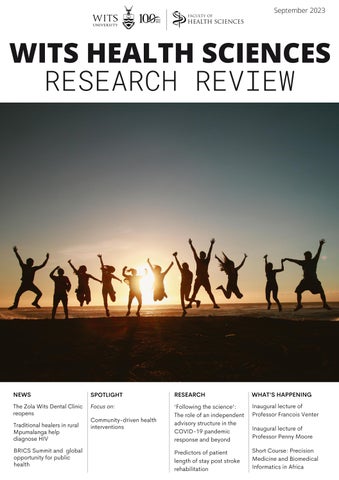
WITS HEALTH SCIENCES RESEARCH REVIEW
The Zola Wits Dental Clinic reopens
Traditional healers in rural Mpumalanga help diagnose HIV
BRICS Summit and global opportunity for public health
Focus on:
Community-driven health interventions

‘Followingthescience’: Theroleofanindependent advisorystructureinthe COVID-19pandemic responseandbeyond
Predictorsofpatient lengthofstaypoststroke rehabilitation
WHAT'S HAPPENING

Inaugural lecture of Professor Francois Venter
Inaugural lecture of Professor Penny Moore
Short Course: Precision Medicine and Biomedical
Informatics in Africa
NEWS SPOTLIGHT RESEARCH
September 2023
September Issue Editor's Note:
The Wits Health Sciences Research Review is an opportunity for us to present retrospective research to showcase research excellence from the different disciplines in the Faculty, celebrate staff awards and achievements, highlight upcoming events, and share general information
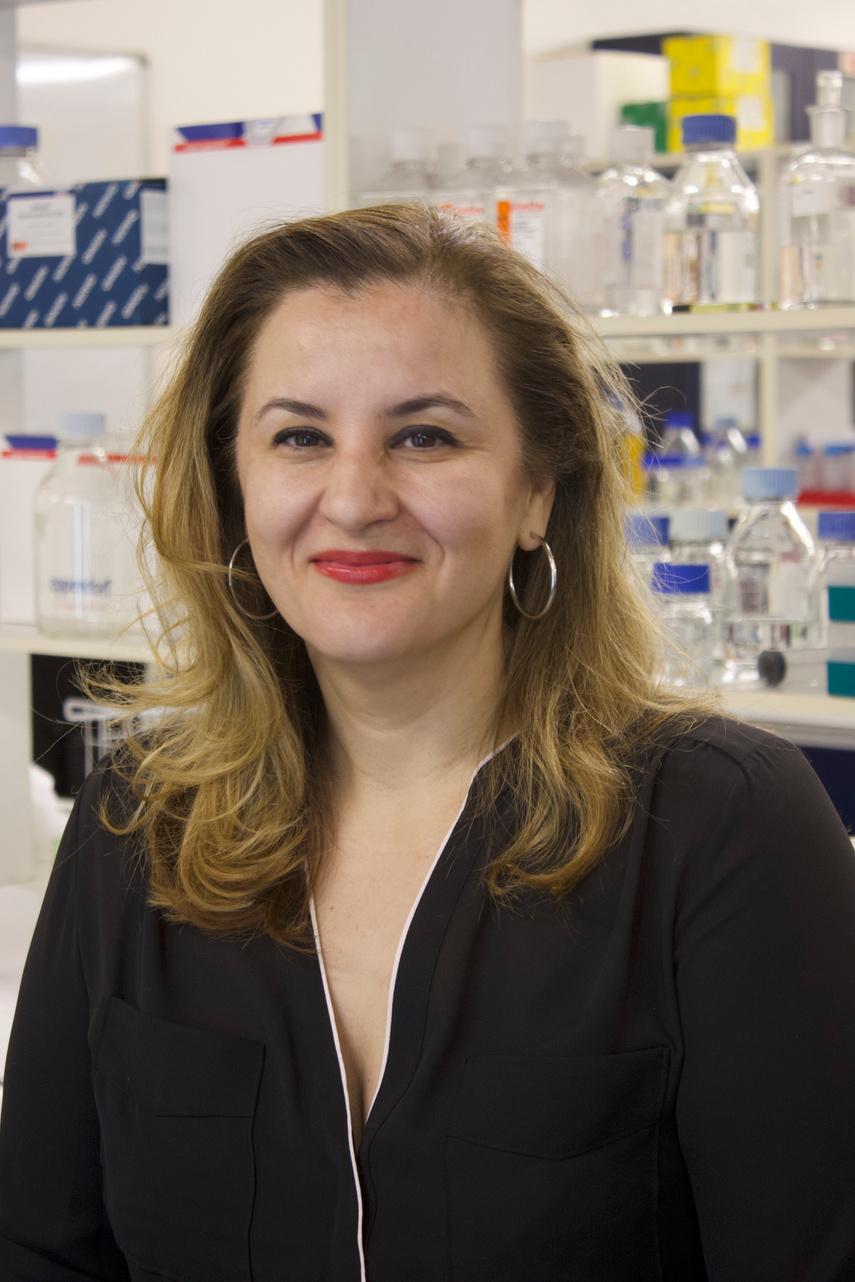
I am pleased to take this opportunity to congratulate a number of researchers who received prestigious awards for their outstanding contributions to the advancement of research Firstly, Dr Ekene Emmanuel Nweke, who was awarded the NRF Research Excellence Award for Early Career/Emerging Researchers in the field of Life Sciences Secondly, Professor Emeritus Paul Ruff who was appointed as the Chairperson of the Wits HREC: Medical Thirdly, our alumni Professor Salome Maswime and Dr Mohamed Reza Mia who both received prestigious NSTF awards for their work
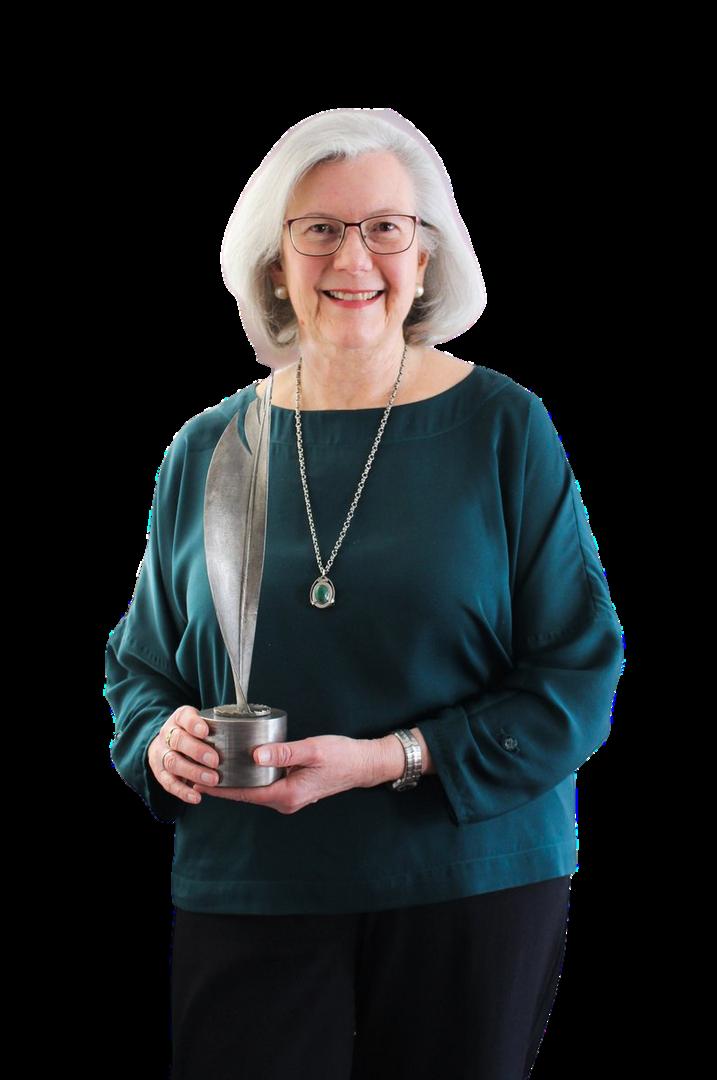
It is with great joy and admiration that I extend my heartfelt congratulations to Professor Peter Kamerman on being elected as a Fellow of the Royal Society of South Africa, and to Professor Judith Bruce elected as a Fellow of the American Academy of Nursing. Their respective prestigious achievements are a testament to their unwavering dedication, scholarly excellence, and outstanding contributions to their fields of study As academic fellows, you will undoubtedly continue to make significant contributions to your disciplines and inspire others to pursue excellence in their academic pursuits.
Furthermore, I am thrilled to announce the reopening of Zola Dental Clinic, a significant leap forward in delivering state-of-the-art oral healthcare services in Africa. I anticipate that this development will also inspire a growing interest in dental health research.
In this issue, we also feature a number of research articles published by some of the researchers in the Faculty We look forward to witnessing their continued contributions to their fields and our community
Well done to all for your exceptional contributions and hard work!
Professor Maria Papathanasopoulos Assistant Dean: Research, Innovation and Postgraduate Support Wits Faculty of Health Sciences

E D I T O R ' S N O T E 02
Contacts Faculty of Health Sciences, University of the Witwatersrand www wits ac za/health Do you want your research work to be featured? For submissions, email: didi mmatladi@wits ac za Editorial LAYOUT DESIGN Didi Mmatladi CONTRIBUTING WRITER Karen Hofmal Agnes Erzse Aviva Tugendhaft Didi Mmatladi
EDITOR Laura Khumalo Antonia Appel
Happy reading!
COPY
Research in high-impact factor journals:
The met and unmet health needs for HIV, hypertension, and diabetes in rural KwaZulu-Natal, South Africa: analysis of a cross-sectional multimorbidity survey
The Lancet Global Health
Diagnostic testing for hypertension, diabetes, & hypercholesterolaemia
in low-income and middle-income countries: a cross-sectional study of data for 994 185 individuals from 57 nationally representative surveys
The Lancet Global Health (IF - 202,731)
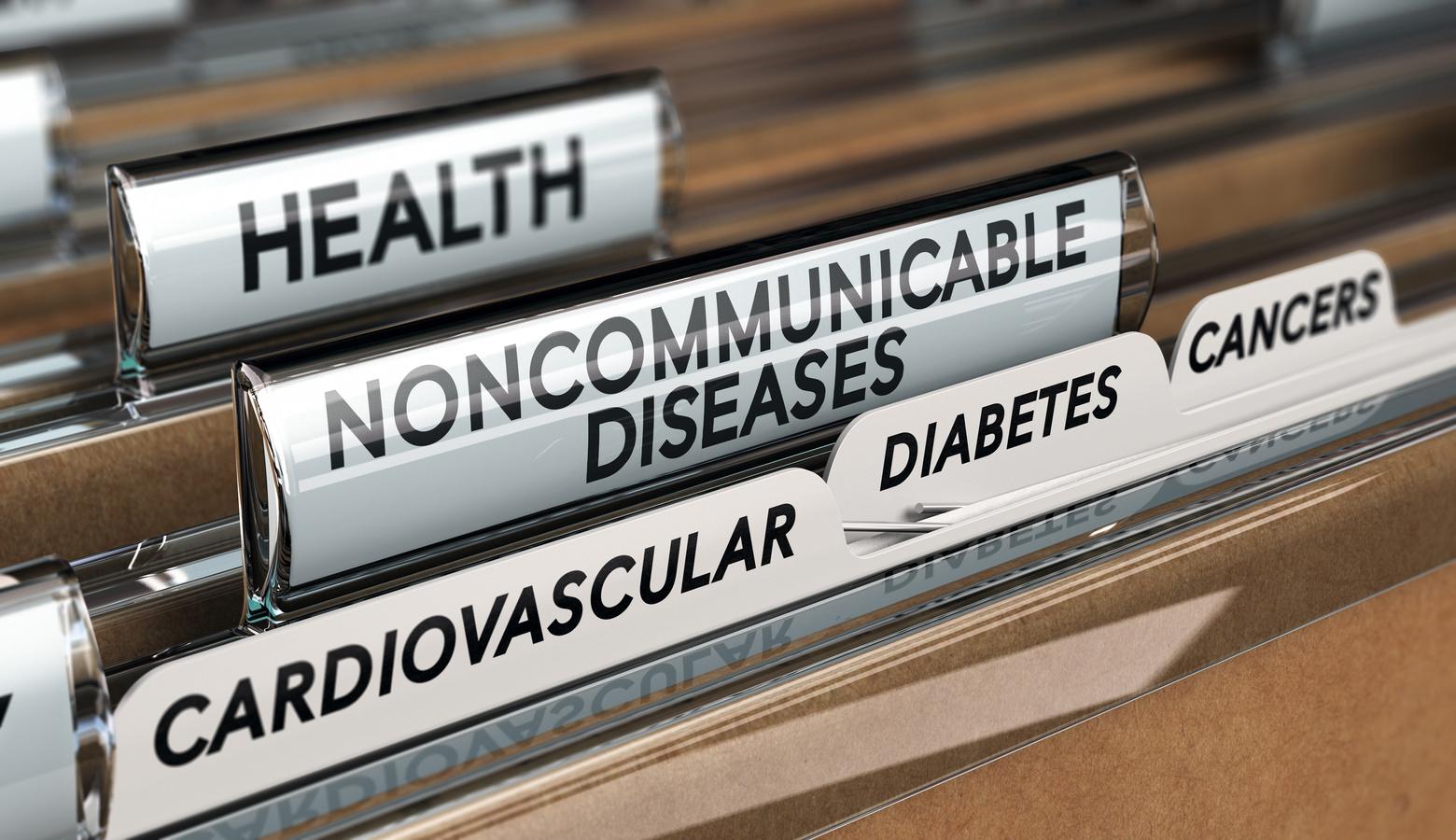
The convergence of infectious diseases and noncommunicable diseases in South Africa is challenging to health systems. In this analysis, the study assessed the multimorbidity health needs of individuals and communities in rural KwaZuluNatal and established a framework to quantify met and unmet health needs for individuals living with infectious and non-communicable diseases.
Findings
Of 18 041 participants who completed the survey, 54 9% had at least one of the three chronic diseases measured 49 9% of these 9898 individuals had at least one unmet health need18 2%] of 9898 needed treatment optimisation, 1282 [13 0%] needed engagement in care, and 1858 [18·8%] needed a diagnosis). Unmet health needs varied by disease; 1617 (93 1%) of 1737 people who screened positive for diabetes, 2681 (58 2%) of 4603 people who screened positive for hypertension, and 1321 (21 7%) of 6096 people who screened positive for HIV had unmet health needs. Geospatially, met health needs for HIV were widely distributed and unmet health needs for all three conditions had specific sites of concentration; all three conditions had an overlapping geographical pattern for the need for diagnosis
Interpretation
Although people living with HIV predominantly have a well-controlled condition, there is a high burden of unmet health needs for people living with hypertension and diabetes. In South Africa, adapting current, widely available HIV care services to integrate noncommunicable disease care is of high priority *Read the full study
Wits researcher involved: Justine Davies
Testing for the risk factors of cardiovascular disease, which include hypertension, diabetes, and hypercholesterolaemia, is important for timely and effective risk management. Yet few studies have quantified and analysed testing of cardiovascular risk factors in low-income and middle-income countries (LMICs) with respect to sociodemographic inequalities.

Interpretation
Our study shows opportunities for health systems in LMICs to improve the targeting of diagnostic testing for cardiovascular risk factors and adherence to diagnostic testing guidelines. Risk-factor-based testing recommendations rather than sociodemographic characteristics should determine which individuals are tested
Findings
Our sample included data for 994 185 people from 57 surveys 19 1% of the 943 259 people in the hypertension sample met the WHO PEN criteria for diagnostic testing, of whom 78 6% were tested. 23 8% of the 225 707 people in the diabetes sample met the WHO PEN criteria for diagnostic testing, of whom 44 9% were tested Finally, 27 4% of the 250 573 people in the hypercholesterolaemia sample met the WHO PEN criteria for diagnostic testing, of whom 39 7% were tested *Read the full study
L E A D I N G R E S E A R C H 03
Wits researcher involved: Alison Grant
Maximising human health and development through synergistic partnerships: The African Biobank and Longitudinal Epidemiological Ecosystem
The Lancet Global Health
Wits researcher involved: Osman Sankoh
Health is pivotal to human development
Nevertheless, progress towards achieving improved health worldwide has been slow, especially in Africa.
Accelerated progress is only possible with synergistic partnerships, one model of which involves four stakeholders: academia, policy makers, industry, and civil society the so-called quadruple helix.
Academia (i e higher-education institutions and research organisations) provides novel theories and ideas and conducts rigorous research, resulting in new understanding and solutions.
Industry (e g pharmaceutical, medical equipment manufacturing, and information-technology companies) leads entrepreneurship, product development, scaling-up solutions, and populationwide commercialisation Policy makers (i e governments and multilateral agencies) work to improve, promote, and protect the health and wealth of populations by providing political, legal or legislative, ethical, anthropological, and socioeconomic regulatory frameworks for an egalitarian society, with inclusive and sustainable development for all Finally, people, populations, and civil societies are the central focus and primary beneficiaries of health and development efforts They define the problems and solutions, contribute data and samples, and participate in clinical trials
Africa is the second-most populous continent but has
only 2% representation in research efforts and genomic databases worldwide, which reveals the urgent need for a new approach to achieve equitable human development Research and innovation, through the quadruple helix, are key to producing the vibrant and intelligent human capital needed to develop the health and wealth of Africa

This development will help achieve Africa's aspiration of a “prosperous and peaceful Africa, driven by its own citizens and representing a dynamic force in the global arena”
The African Biobank and Epidemiological Ecosystem (ABLE) is a multidisciplinary, multiregional, and diverse consortium of researchers, research networks, and organisations that was established to fulfil this aspiration ABLE aims to create a leading health ecosystem with the most inclusive and comprehensive health data and biospecimen resources in Africa through efficient, effective, transdisciplinary, innovative, One Health scientific research collaborations involving partners across Africa and the globe for discovering, developing, and implementing evidence-based innovative solutions to monitor and overcome health challenges worldwide
ABLE's steering committee comprises the leaders of several of the teams involved in coordinating activities along the data-value chain and the innovation pipeline. In the short term, ABLE will map and use existing health resources in Africa (e g biobanks, stakeholders, research networks, and databases), conduct situational analyses and gap analyses of health research in Africa, and, as a result, prioritise and develop the most efficient synergistic strategy to improve health in Africa through research and innovation
Understanding the genetic and environmental determinants of health will enable ABLE to develop, test, and deliver precision solutions and targeted policies through translational and implementation science to accelerate both equitable improvement of human wellbeing and planetary health in Africa and globally
study
*Read the full
L E A D I N G R E S E A R C H 04
The Zola Wits Dental Clinic Reopens
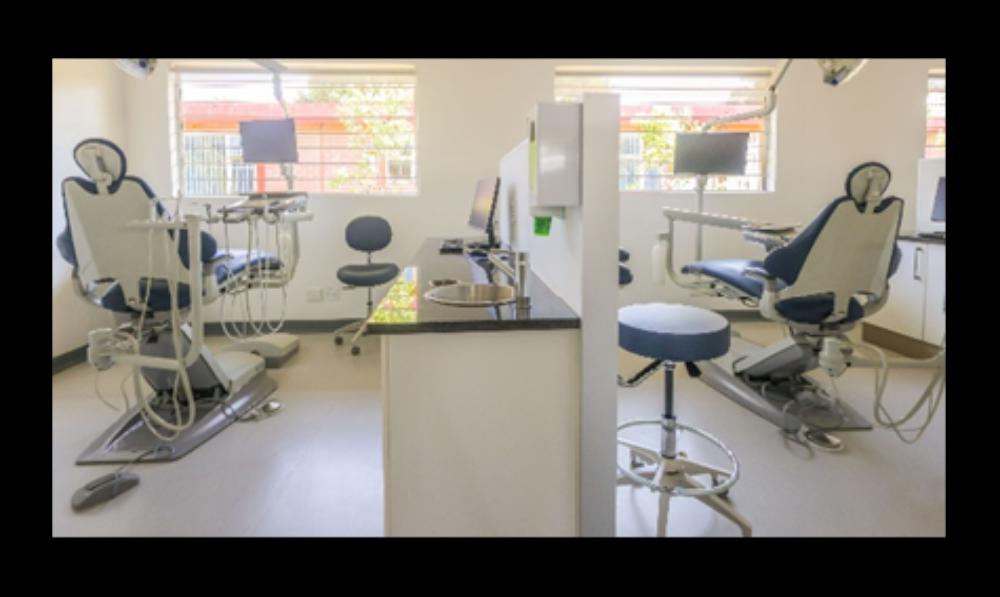
The Zola Wits Dental Clinic is a refurbished and re-equipped 15-chair, state-of the-art facility for community-based training and clinical services in Zola. Officially launched by the Gauteng Department of Health with Wits University and the Zola community on 15 September 2023, the dental clinic is now operational.
The clinic has a staff complement of at least two dentists, as well as oral hygienists, dental assistants, and specialist dentists on a rotational basis, supervising around 12 students per rotation.
Speaking at the launch, Professor Joy Shackleton, Acting Head of the School of Oral Health Sciences at Wits University said:
“This partnership between Zola, and Gauteng Health with Wits, happened as a result of the University realising that it’s not an ivory tower and that it needs to be part of the people and part of the community And so, as we need to get more dentists, oral hygienists, and oral therapists, we need to have more space to train the students, but it doesn’t make sense to keep making a bigger university, which is still far away for everybody to get to”
Plans for the clinic were formalised in 2019 but stymied by the pandemic and the need to repair the building
“As we’ve been hearing from the community, the buildings were not in a good state, so the building was almost rebuilt before it was equipped, and that happened at the end of 2022,” says Shackleton
“We’ve been preparing until recently for our students to come for the first time, and the first group came [last] week to be of assistance and also to learn ”
the philosophy changed towards communitybased learning, where the students will come to the community – they will serve the community and, at the same time, the staff who are coming with them will be able to give education to the other members of the team here at Zola
I N T H E N E W S 05
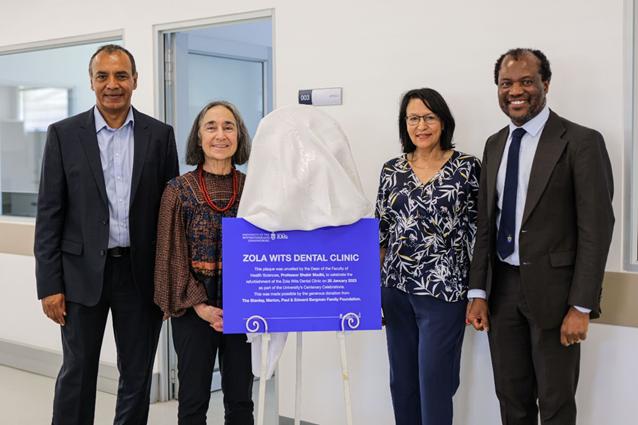
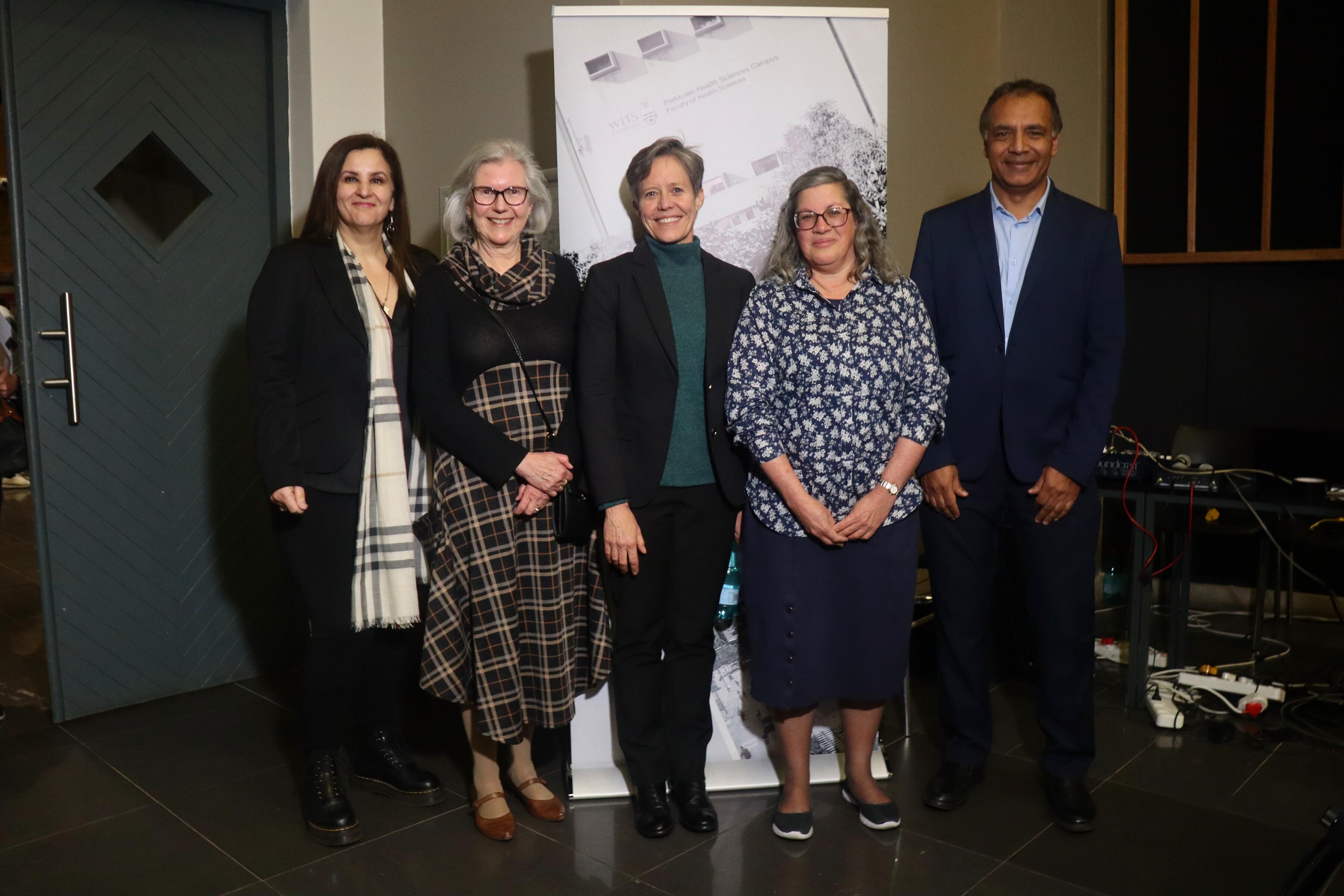
Pictured above L-R: Professor Shabir Madhi, Dr Marion Bergman, Professor Judith Bruce, Vice-Chancellor Professor Zeblon Vilakazi
Oral healthcare is a national priority with September designated as National Oral Health Month This acknowledges that two of the world’s most common health problems affect the mouth; these being cavities and gum disease Gum disease ranks second only to the common cold in terms of prevalence, with an estimated 90% of South Africans experiencing this problem at some point (www.gov.za).
Furthermore, there is a need in this community for oral healthcare, since the now-refurbished facility, originally constructed from toxic asbestos, proved a health-hazard, and had to be closed. Delivering the keynote address at the launch, Ms Nomantu NkomoRalehoko, Gauteng MEC Health and Wellness, said:
The facility boasts seven consulting rooms, an additional eight supervision consulting areas, an expanded waiting area, a classroom, a sterile equipment storeroom, a laboratory, ablution facilities for patients and staff (as well as for the disabled), a secure backup water supply, and sophisticated Xray and radiology equipment to enhance patient diagnostics
“In line with our commitment to excellence, we have expanded our team of dedicated staff members from Wits. Their perspectives and their experience will not only strengthen the services we offer but also enrich the learning environment of students [as] this facility will serve as an extended training platform for Wits students, providing them with hands-on experience in clinical settings,” said the MEC
This important occasion specifies a new chapter in our commitment to provide top-notch oral health services to our communities what once stood as a prefabricated asbestos structure has now emerged as a solid, state-of-art building This refurbishment represents a substantial stride forward providing comprehensive, high-quality oral healthcare to our community The clinic now stands as proof of an accessible top-tier healthcare for all With the enhanced capabilities of this clinic, we are poised to make a lasting impact on the oral health of our community.
The Zola Wits Dental Clinic was made possible by a multi-year, multi-million-rand gift donation from the Stanley, Marion, Paul and Edward Bergman Family Foundation to Wits University’s Centenary campaign The donation follows extensive and in-depth consultations between the Bergman family and Wits University on how best to support the work of the School of Oral Health Sciences, especially in expanding its footprint of service to high-density, lowservice areas
Link to full article in Wits News
I N T H E N E W S 06
Traditional healers in rural Mpumalanga help diagnose HIV
A research project in Bushbuckridge empowers traditional healers to conduct HIV testing, and refer those positive for treatment, thereby curbing new infections.
An initiative of Wits University’s MRC/Wits Agincourt Research Unit, the Traditional Healers Project convened two ‘open houses’ at local primary healthcare facilities
Rolle Clinic and Thulamahashe Community Health Centre in rural Bushbuckridge, Mpumalanga – in March 2023
An ‘open house’ is a community and stakeholder gathering hosted at a public health facility in partnership with the Department of Health
The aim of these sessions is to build on the relationship that the MRC/Wits Agincourt Research Unit has established between local traditional healers, community members, and healthcare facility staff to support the end of HIV through regular HIV counselling and testing
Traditional healers in public health
The sessions supplement research that began almost a decade ago, which focuses on the role of traditional healers in healthcare access and delivery Specifically, this research aims to determine:
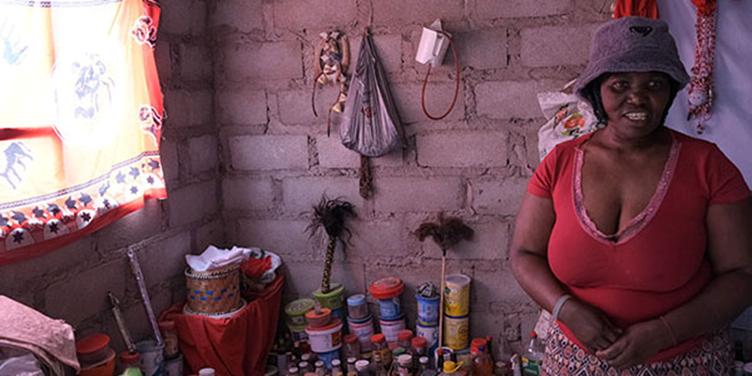
whether traditional healers can conduct HIV counselling and testing (HCT) whether the patients of traditional healers are willing to undergo HCT that is administered by a traditional healer
whether traditional healers and biomedical healthcare workers can work together to help link patients to HIV/AIDS diagnosis and care
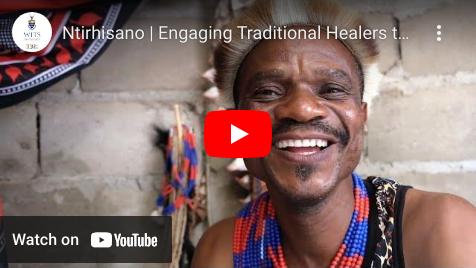
The open house sessions form part of this research and provide a platform where traditional healers and biomedical healthcare workers can come together and build mutual understanding and trust, with a view to linking those who test positive for HIV with healthcare providers who can then administer lifesaving antiretroviral treatment (ART) and care
15 Traditional healers certified as HIV counsellors and testers
The open houses drew an audience of more than 150 participants, including 15 traditional healers, local indunas [tribal chiefs], community healthcare workers (CHWs), community members, representatives from Right to Care (a local collaborating partner on HIV), and the Department of Health
07
–
I N T H E N E W S
Mr Wonderful Mabuza, Project Manager at the, MRC/Wits Agincourt Research Unit, oversees the open houses and says that the successes to date have far surpassed expectations:

“It is exciting to be part of the group that is doing this work, knowing that we have a lot of people who visit traditional healers in our communities It’s groundbreaking to have traditional healers trained to provide HIV counselling and testing – and amazing to see community members respond, with some never having tested previously ”
Gogo Singabeni, one of the 15 traditional healers who has completed the programme, says: “I was very excited to be invited to the HIV training, and that we would be certified in HIV testing and counselling. It’s important to show people proof that I am certified to do HIV testing ”
She adds:
The first day of testing [a patient] was very difficult for me I was even shaking as I was conducting the test I started with the first client, although I was shaking, and I managed to complete the process according to how we were trained After the client left, I drew strength in seeing that I am able to do it.
Partnerships imperative
Dr Ryan Wagner, Senior Research Fellow at the MRC/Wits Agincourt Research Unit, leads the traditional healers programme known collectively as Ntirhisano (Tsonga for ‘working together’)
He emphasises the importance of the Ntirhisano team,
traditional healers, community healthcare workers, and the Department of Health collaborating to strengthen the referral system
In order to expand coverage and increase uptake of HIV testing – and thereby contribute to ending new HIV cases – we need to embrace innovative approaches, such as traditional healer-initiated HIV counselling and testing
says Wagner.
“We have recruited and trained 15 traditional healers in the Thulamahashe/Rolle area who, for the past six months, have been successfully testing their patients for HIV/AIDS Those who tested positive have been referred to a local clinic or community healthcare worker.”
The Department of Health’s Primary Healthcare Supervisor, Sister Mariah Mkhari, says: “The Department of Health alone cannot do it, but with such collaborations between MRC/Wits and other stakeholders we will be able to conquer HIV We welcome the initiative, and we hope Wits can expand to other areas in Bushbuckridge and train all traditional healers to test for HIV ”
The MRC/Wits Rural Public Health and Health Transitions Research unit, based in Bushbuckridge, Mpumalanga and in the Wits School of Public Health in Johannesburg, Gauteng, has carried out populationbased research in rural Mpumalanga for over 30 years. Ntirhisano is a workstream within the Agincourt research unit

08
I N T H E N E W S
Genomics research in Africa will improve global he
Nephrologist Dr June Fabian, research director at the Wits Donald Gordon Medical Centre, noted that because of the lack of data, care for African patients can be compromised, with significant consequences in already constrained public health systems. Furthermore, the benefits of focusing on genomics research in Africa extend to global populations, all of whom have their origins in Africa.
all healthcare contexts Now, African clinicians and researchers are advocating for medical treatment beyond a "one size fits all" approach.
Professor Michèle Ramsay, director of the Sydney Brenner Institute for Molecular Bioscience, and Dr Fabian presented their lecture "Unlocking the Potential of Genomics for Precision Medicine" at the Wits School of Public Health Auditorium on Tuesday, 1 August 2023

Building local research capacity could answer critical questions about non-communicable and rare diseases in Africa
We have had a eurocentric lens on precision medicine which on this continent. discounts the broad genomic diversity

Precision medicine individualises diagnosis and treatment for improved health. It considers genetic, biological and phenotype variations, which have been well-researched in the Global North However, these genomic profiles cannot be applied to

Ramsay said there was an urgent need for local data and research to make medical treatments and treatment approaches fit for purpose on the continent: "The underrepresentation of African genomics in reference and disease-associated databases make it difficult to interpret the potential phenotypic consequences of DNA sequencing data.”
The good news is that Wits is building the necessary research and clinical capacity One example is an African longitudinal study cohort with over 12,000 older adults from four sub-Saharan African countries. The study, referred to as the Africa Wits-INDEPTH Partnership for Genomic Research (AWI-Gen), examines genetic and environmental contributions to
I N T H E N E W S 09
Pictured above L-R: Professor Maria Papathanasopoulos, Professor Michèle Ramsay, Dr June Fabian, Professor Amanda Krause, Professor Shabir Madhi
cardiometabolic diseases such as hypertension, heart disease, kidney disease and diabetes It is a partner of the Human Heredity and Health in Africa, the Data Science for Health Discovery and Innovation in Africa (DS I Africa) and other international consortia
function).
Screening for this mutation helps clinicians to identify a subgroup of children that don’t respond to treatment, thus sparing them from unnecessary side effects
We use this data to demonstrate population sub-structure in Africa
and its impact on disease-associated
traits In particular, we're looking at the genetic factors in cardiometabolic diseases and their interactions with environmental factors and behaviour Since they all contribute to health and disease, we need more comprehensive data and innovative analysis approaches to understand them better
Indeed, there has been a significant increase in noncommunicable diseases in Africa in the wake of increased urbanisation and Western lifestyles (in parallel with the persistent burden of infectious diseases) African genomic data will be a critical piece of the puzzle that seeks to understand the complex interplay between genetics, lifestyle and the environment. "African genome diversity can help to interpret the impact of genetic variation on the phenotype," said Ramsay
Unlocking the potential of genomics in Africa can drive research and innovation in precision medicine It can foster collaborations between African scientists, international researchers, and pharmaceutical companies, leading to advancements in diagnostics, therapeutics and preventative strategies. This will undoubtedly improve healthcare globally
Steroid-resistant nephrotic syndrome in South African children – why we need African genomic data
Dr Fabian discussed her research on chronic kidney disease in African populations One study focuses on genetic mutations that cause a steroid-resistant nephrotic syndrome in black South African children with focal glomerulosclerosis (a condition in which scar tissue develops in the kidney, causing impaired
Fabian's other study examines the association between apolipoprotein L1 (APOL1) genetic variation and kidney function in African populations Variants of the APOL1 gene were first identified in African Americans and traced back to West Africa, where the variants protect against African sleeping sickness The downside of these variants is that they also cause kidney disease, explaining the increased risk for kidney disease in those of African ancestry. Fabian and Ramsay found that patterns of APOL1-associated kidney disease in African populations differ from that in the USA highlighting the need to validate research in African populations, rather than assume findings are the same
Political will and equitable access are key to improving African-centred healthcare
Professor Amanda Krause, head of the Division of Human Genetics at the National Health Laboratory Services and Wits School of Pathology, responded to Professor Ramsay and Dr Fabian's presentations
"The overarching message of this lecture is that we need to translate this research potential into clinical settings,” she said “This capacity building requires political will (including government and multinational funding), equitable access, health systems infrastructure, drug development and clinical trials, and committed industry partnerships.”
Krause echoed the concluding statement from the lecture: To improve individual and public health outcomes, genomics research must be done in African populations, led by African investigators. New information uncovered by African genomics will undoubtedly lead to improved outcomes for Africans and populations worldwide
Professor Shabir Madhi, Dean of the Wits Faculty of Health Sciences in his closing remarks, thanked Fabian and Ramsay on their necessary research, particularly at the start of National Women's Month in South Africa "We have a powerhouse of female researchers doing this work [and’ we're immensely grateful and proud," he said
I N T H E N E W S 10
Written by Karen Hofman
No commitment yet to tackle the ‘commercial determinants’ of non-communicable disease pandemics.
As the 2023 BRICS Summit kicks off, South Africa is perfectly positioned as host to wield considerable influence Several significant issues are in the media spotlight, including the UN sustainable development goals, the climate crisis and every country’s imperative to embrace a “just transition” while ensuring economic growth, as well as the soon-to-expand membership of BRICS itself
What is not in the BRICS spotlight is the need for countries to address, together, urgent matters of public health specifically obesity-driven noncommunicable diseases that disproportionately
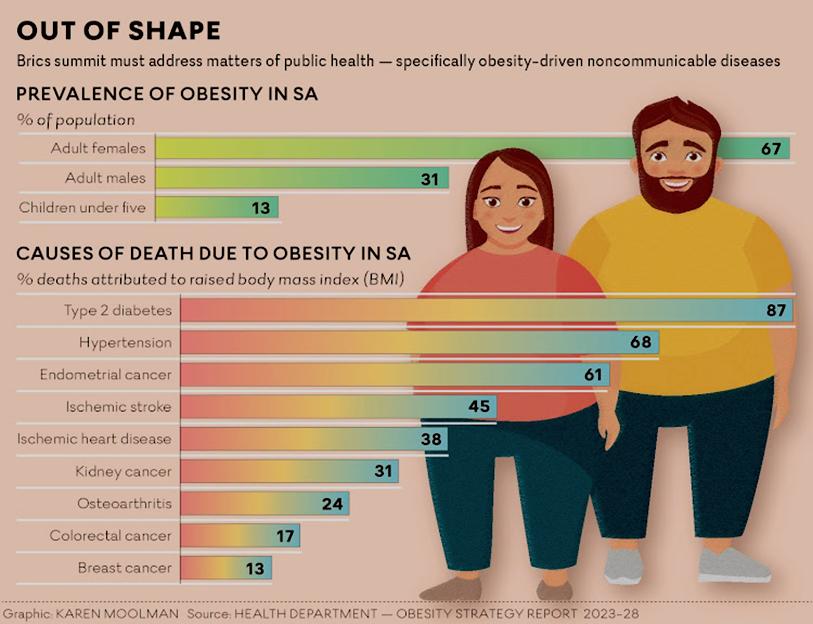
affect low and middle income countries and cost BRICS (and others) millions of lives and billions of dollars every year
The BRICS countries together represent 40% of the world’s population In these five nations and across the globe there is a significant and mounting burden of obesity-related illnesses such as diabetes, high blood pressure and cancer at ever-younger ages The consumption of sugary drinks and processed foods high in sugar, salt and saturated fats is fueling these pandemics. Non-communicable diseases are now the number one cause of death and disability worldwide. (In SA, diabetes alone affects 12% of the adult population and is doubling every decade
BRICS Summit creates a global opportunity for public health

It is costing the fiscus R33bn a year and that’s just for the 40% of people who are diagnosed and treated )
All of this is happening simultaneously with health reforms for universal health coverage, especially in India, Brazil and SA At the same time, while BRICS countries have some single-issue policies for food (taxes on sweetened drinks in India and SA, for instance, and mandatory sodium targets in Brazil and SA), overall, they lack adequate policy to safeguard the public (and the fiscus) from the fatal effects of dietinfluenced diseases
The causes are many, not least poverty and structural racism But economic policies, development agendas and social norms support harmful “commercial determinants of health” Translation: private sector activities that affect people’s health, directly or indirectly At the heart are multinational agriprocessing companies that control and shape food systems that actually cause and promote ill health through cheap, highly profitable ultraprocessed products Evidence increasingly shows that these are costing us our lives and accelerating climate change These companies’ activities
are primary examples of “commercial determinants of health”. Food and beverage companies have explicit strategies that harm health, including relentless marketing of foods high in fat, sugar, salt and additives, starting in infancy and continuing to target children in particular, who are most susceptible to marketing influence.
Because sales of cheap ultra-processed foods and sugary beverages are reaching saturation in highincome settings, the focus of the multinational agrifood industry has shifted to emerging markets, including the BRICS nations In some of these and other developing countries the relative lack of laws and regulations prohibiting these strategies, or the inability to enforce those that do exist, enables industry to quickly penetrate these markets and sell their highly profitable, dangerous foodstuffs The entire continent of Africa is considered a growth market by most multinationals, enabled by weak regulation and cheap advertising that promotes unhealthy aspirations.
The burden of disease in SA, especially among women, is now led by diabetes and cardiovascular disease The only way we can tackle it is by managing how our societies deal with what is in effect a new form of colonisation by “Big Food” Take the case of SA’s sugar tax, introduced in 2018 and recently proven to have curbed the sale of sugary beverages among lowincome groups that are particularly badly affected by obesity, diabetes and other related diseases.
Recent research shows that people are responsive to the sugar tax: sales of sugary beverages in those groups have dropped. It allows people who are the most vulnerable to be responsive. The World Health Organisation recommends a higher level of taxation: 20% rather than the initial, and current, 11% But the Treasury has avoided increasing the sugary beverages tax even by inflation for the past five years it is now about 8% in real terms because of approaches by the SA Cane Growers’ Association lamenting the loss of jobs in the sugar industry (which has been ailing for other reasons, in any case)
While BRICS governments have shown commitment to tackling noncommunicable diseases through specific national strategic plans, they are not yet committed to tackling the “commercial determinants” of their noncommunicable disease pandemics. There is an
opportunity for the BRICS’ health, trade and finance ministries to collaborate on establishing -innovative models and platforms to address obesity-related diseases, and at the same time to legislate and regulate the activities of multinational food and beverage companies This must include regulation of pervasive and relentless marketing by food and beverage companies, especially to children, which is central to the multinationals’ growth strategies
There is no single silver bullet Prevention and health promotion are critical, and countries need to adopt a synergistic suite of policies to make sure they work. Chile, though not (yet) a BRICS country, has led the way since 2016 with a perfectly comprehensive suite of policies that reaches far beyond the “single-issue” food policies many countries have introduced, such as sugary-drink taxes or front-of-pack labelling of foods. Chile’s food labelling & advertising law takes a threepronged approach: it mandates black-and-white warning labels on products high in calories and “nutrients of concern” (sugar, salt or saturated fat); it bans all advertising of those products on “childfocused” television, digital media and cinemas; and food and beverage companies are banned from using child-directed advertising In 2021, The Lancet reported a sharp decline in Chileans’ purchases of those foods.
What needs to happen now is for SA (which has promising food labelling legislation soon to be approved) and the rest of BRICS is to lead developing countries with stepped-up, similarly comprehensive policies, to help shift food systems’ commercial “growth” imperatives and practices to human and planetary health and development imperatives The cost of inaction is already too high.
This article was written for Business Day by Karen Hofman, a professor and director at the SA MRC Centre for Health Economics & Decision Science: PRICELESS SA (Priority Cost Effective Lessons in Systems

Strengthening SA) at Wits
I N T H E N E W S 12
Wits scientists open up the world of pharmaceutical research at National Science Week
and related disciplines “The National Science Week provided an exceptional platform for these motivated high school students to immerse themselves in the world of higher education and scientific exploration,” said Sameera Khatib from the Department of Pharmacy and Pharmacology
“Witnessing their eagerness to learn, ask probing questions, and actively participate in discussions with us and other presenters has reinforced our belief in the potential of the next generation ”
Wits Advanced Drug Delivery Platform uses the national science fair to interact with a future generation of scientists, healthcare professionals, and innovators.
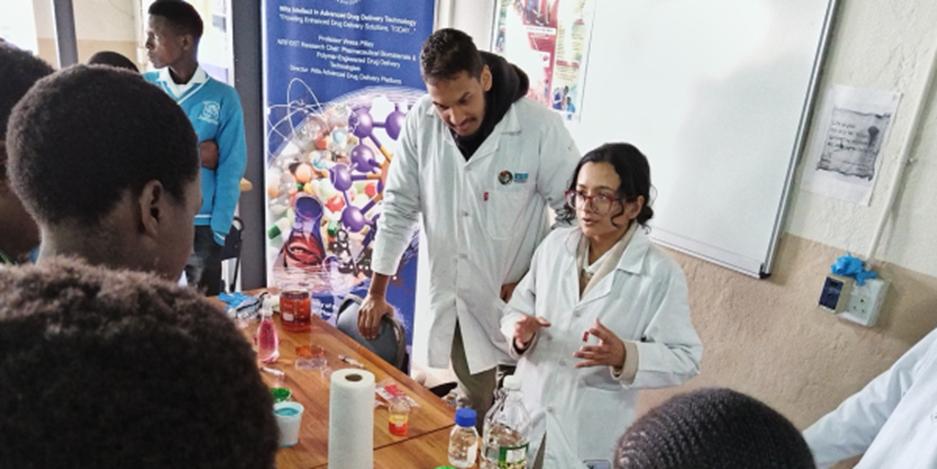
The Wits Advanced Drug Delivery Platform (WADDP) took the opportunity to engage with learners to show them the exciting possibilities in the field of drug delivery at the National Science Week The science week, which was held from 31 July to 4 August 2023 was hosted at the Mondi Science, Career Guidance and FET Skills Centre in Mpumalanga, and was aimed at providing learners the opportunity to learn more about science in a bid to create a scientifically literate and critically engaged society.
The exhibition provided a unique opportunity for the researchers to engage with students, who represent the future generation of scientists, healthcare professionals, and innovators. By explaining the importance of Nano medicine, advanced drug delivery and tissue engineering in modern medicine, the researchers highlighted how their work contributes to optimising treatment regimens and reducing sideeffects for patients.
Drawing inspiration from DSI's Science Engagement Strategy goals, the WADDP researchers designed interactive displays that transcended the confines of traditional classrooms, and encouraged students to experiment with materials to solve challenges, allowing them to experience the complexities that pharmaceutical scientists face in their research It offered a glimpse into the critical thinking and creative problem-solving aspect of the field and fostered an interest in pursuing careers in pharmaceutical science
The WADDP is a world-leading research entity, established in 2007 It focuses on researching and producing 21st century patient-centric pharmaceutical product innovations as neat solutions for the most challenging unmet therapeutic needs globally. The WADDP is a formally recognised research entity at Wits University and is a recognised African Network for Drugs and Diagnostics Innovation (ANDI) Centre of Excellence in Nanomedicine and Advanced Drug Delivery.
“I am super proud of what the WADDP team has achieved at this event,” said Professor Yahya Choonara, Director of the WADDP research unit.
“It’s the kind of passion nurtured in the labs that transcends into public spaces to ensure that the disruptive scientific innovations produced respond to the needs of humankind. In providing the youth with access to scientific minds and spaces it makes science ‘fashionable’ and helps promote improved collaboration among stakeholders toward us achieving the ‘science relevant’ UN Sustainable Development Goals (SDGs) as a country.”
Dr Gillian Mahumane, who coordinated the WADDP visit to National Science Week 2023, says engagements such as the WADDP’s involvement in National Science week offer a platform to demystify complex concepts, inspire the youth, and emphasise the role of pharmaceutical research in addressing healthcare challenges through robust science communication
*Read more
F A C U L T Y F O C U S 13
The MRC/Wits-Agincourt Research Unit leads a multinational Excess Mortality initiative
From 24 -31 July 2023, a select group of participants, including data managers and researchers, gathered for a writing workshop The event aimed to guide participants in refining their final findings and submitting initial drafts for review by senior scientists Thanks to invaluable support from Prof. Kobus Herbst of the South African Population Research Infrastructure Network (SAPRIN), the team ensured adherence to stringent data quality standards The guidance of Drs Chodziwadziwa Kabudula and Jean Bashingwa from the MRC/Wits-Agincourt Research Unit further enriched the data analysis and presentation process Dr Beth Tippett Barr of Nyanja Health Research Institute provided essential materials on manuscript writing and structuring, empowering the team to share their insights effectively.
The devastating impact of COVID-19 continues to be felt worldwide, prompting a multinational initiative to investigate pandemic mortality rates and the alarming toll on vulnerable populations in low-middle-income countries Led by the MRC/Wits- Rural Public Health and Health Transitions Research Unit (Agincourt) within the Wits School of Public Health and supported and funded by the Bill and Melinda Gates Foundation, this ground-breaking effort aims to provide insights on the impact of the pandemic in rural and urban sub-Saharan African and South Asian settings under continuous health and demographic surveillance (HDSS).
The initiative's core objective is to comprehensively characterise all-cause and cause-specific mortality rates and trends, leveraging verbal autopsy data alongside age, sex, and other socio-demographic characteristics By focusing on these key areas, researchers sought to understand the profound impact of the pandemic on diverse population groups The workshop follows a crucial analysis workshop in 2022, attended by data managers /analysts from various sites /centres convened at the Wits School of Public Health This collaborative gathering provided an environment for fruitful discussions, encouraging active participation and ensuring a seamless exchange of ideas among data managers/analysts. This time, the workshop was convened to compile and finalise analyses of the accumulated results, marking a significant step towards publishing these important findings.
The workshop provided unique opportunities to interact with esteemed guests Professor Jude Igumbor shared insights into the African Population Cohorts Consortium (APCC), a platform uniting African scientists and stakeholders to address critical challenges This interaction sparked valuable discussions on establishing the APCC consortia with a focus on governance. Additionally, Prof. F. Xavier Gómez-Olivé's presentation on the development of Census technical manuals highlighted the potential for enhancing other HDSS sites
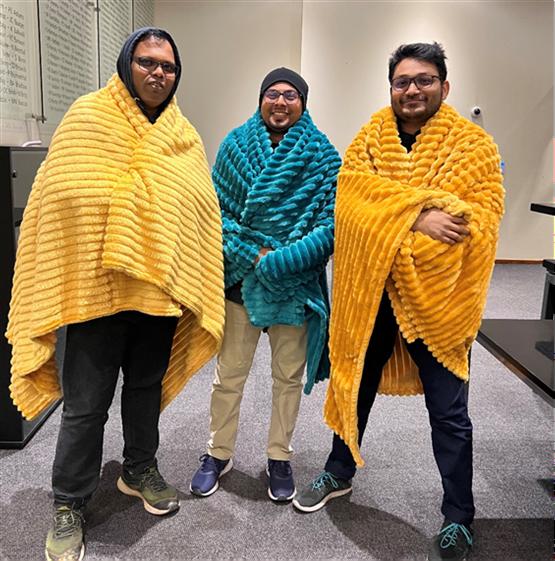
Dr Dhiraj Motilal Agarwal (KEM Hospital Research Centre (VADU), India), MD Mehedi Hasan (ICDDR,B, Bangladesh) and Srizan Chowdhury (ICDDR, B, Bangladesh), braving the cold in the Resource Centre during the writing workshop
Despite facing challenging 10˚ C temperatures and working on weekends, the teams showed unwavering commitment. Participants from the sites/centres submitted their initial drafts of manuscripts for review by senior scientists as part of the Excess Mortality initiative
F A C U L T Y F O C U S 14
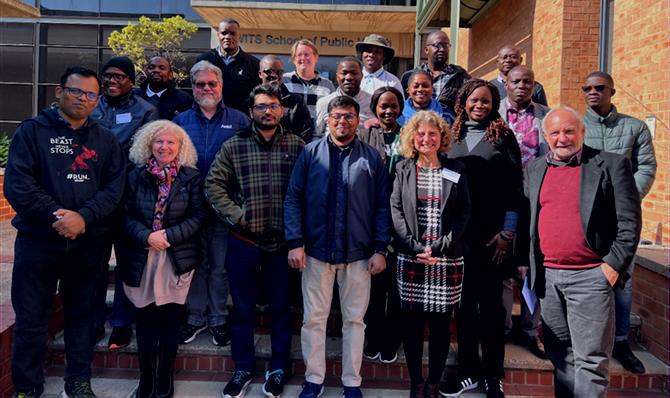
Researchers participating in an MRC/Wits-Agincourt Research Unit-led multinational initiative on Excess Mortality, met at the School of Public Health, University of Witwatersrand for a writing workshop
For the past three years, the Wits Faculty of Health Sciences has been part of Dirisana+, a collaborative EU co-funded project aimed at improving health sciences education in Southern Africa.
The multi-national consortium consists of five partner institutions, namely the University of Pretoria, Sefako Makgatho Health Sciences University, Welwitschia Health Training Centre, University of the Witwatersrand and the University of Namibia - and three programme countries, namely Maastricht University, the University College Dublin, and the University of Turku in the European Union The collaboration centres on improving undergraduate and postgraduate student learning experiences to improve our graduates' workplace readiness through training aligned with community and societal needs This platform fosters multi-disciplinary relationships for collaboration in innovative health sciences education.

At the recent South African Association of Health Educationalists (SAAHE) held from 19 - 21 June, Drs Carol Hartmann and Stuart Pattinson from the Centre for Health Science Education presented the work of their journeys on collaborating as they conceptualised their PhD proposals Ms Abigail Dreyer presented the activities that were carried out under the work package in this grant to promote innovations in teaching and research in interprofessional education and Collaborative Practice (IPECP)
The Wits Faculty of Health Sciences was also represented in a mobility exchange visit to the Maastricht University in July where its Director of Education for Health at the Faculty of Health Medicine and Life Sciences, Prof Jascha de Nooijer, joined the discussions and planning for the Inter-professional Teaching and Learning for the IPECP work package.
F A C U L T Y F O C U S 15
Participatory Action Research to address lack of safe water, a communitynominated health priority in rural South Africa
local communities However, the quality and reliability of the water supply can be affected by various factors such as drought, pollution, and poor infrastructure In some areas, residents rely on water tankers to deliver water, which can be irregular and insufficient to meet their daily water needs. This situation sometimes results in long queues at water collection points, which can be time-consuming and physically demanding Furthermore, surface water in Bushbuckridge Municipality is not always safe for consumption due to contamination from various sources, including poor sanitation practices and pollution from agricultural activities. This situation can lead to the spread of water-borne diseases and negatively impact the health of the community This work aimed to understand how multi-sectoral action to address a community-nominated priority could be developed and implemented at a local level.
Results
Despite international evidence supporting community participation in health for improved health outcomes and more responsive and equitable health systems, there is little practical evidence on how to do this. This work sought to understand the process involved in collective implementation of a health-related local action plan developed by multiple stakeholders.
Methods
Communities, government departments and nongovernment stakeholders convened in three iterative phases of a participatory action research (PAR) learning cycle. Stakeholders were involved in problem identification, development, and implementation of a local action plan, reflection on action, and reiteration of the process Participants engaged in reflective exercises, exploring how factors such as power and interest
impacted
success or failure.
Lack of water in Bushbuckridge

Located in the north-eastern region of the Mpumalanga province in South Africa, Bushbuckridge local municipality is a ‘presidential nodal point’. The sources of water in Bushbuckridge Municipality include both surface water and groundwater The municipality relies on dams, rivers, and boreholes to supply water to the
The local action plan was partially successful, with three out of seven action items achieved. High levels of both power and interest were key factors in the achievement of action items For the achieved items, stakeholders reported that continuous interactions with one another created a shift in both power and interest through ownership of implementation processes Participants who possessed significant power and influence were able to leverage resources and connections to overcome obstacles and barriers to progress the plan. Lack of financial support, shifting priorities and insufficient buy-in from stakeholders hindered implementation
Conclusion
The process offered new ways of thinking and stakeholders were supported to generate local evidence for action and learning The process also enabled exploration of how different stakeholders with different levels of power and interest coalesce to design, plan, and act on evidence. Creation of safe spaces was achievable, meanwhile changing stakeholders’ level of power and interest was possible but challenging This study suggests that when researchers, service providers and communities are connected as legitimate participants in a learning platform with access to information and decisionmaking, a shift in power and interest may be feasible
*Read full study
16
S P O T L I G H T
Wits researchers involved: Jennifer Hove, Rhian Twine, Kathleen Kahn, Lucia D’Ambruoso
Expanding Community Health Worker decision space: Learning from a Participatory Action Research training intervention in a rural South African district
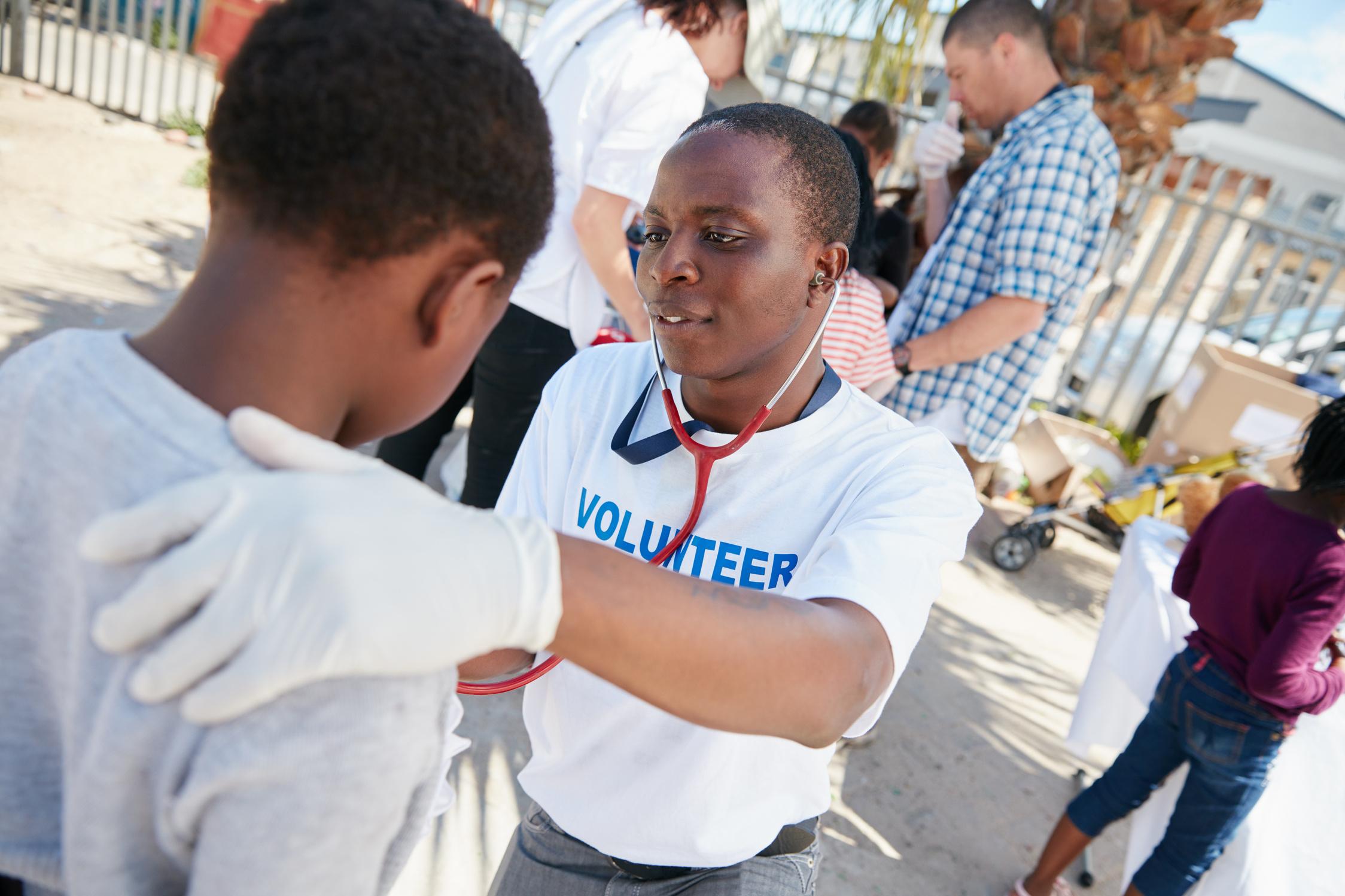
While integral to decentralising health reforms, Community Health Workers (CHWs) in South Africa experience many challenges. During COVID-19, CHW roles changed rapidly, shifting from communities to clinics. In the contexts of new roles and re-engineered primary healthcare (PHC), the objectives were to: (a) implement a training intervention to support the local decision-making capability of CHWs; and (b) assess learning and impacts from the perspectives of CHWs.
Methods
CHWs from three rural villages (n = 9) were trained in rapid Participatory Action Research (PAR) with peers and community stakeholders (n = 33) Training equipped CHWs with tools and techniques to convene community groups, raise and/or respond to local health concerns, understand concerns from different perspectives, and facilitate action in communities and public services CHWs’ perspectives before and after the intervention were gained through semi-structured interviews Data were collected and analysed using the decision space framework to understand local actors’ power to affect devolved decision-making
Results
CHWs demonstrated significant resilience and commitment in the face of COVID-19 They
experienced multiple, intersecting challenges including: limited financial, logistical and health systems support, poor role clarity, precarious employment, low and no pay, unstable organisational capacity, fragile accountability mechanisms and belittling treatment in clinics
Together, these restricted decision space and were seen to reflect a low valuing of the cadre in the system CHWs saw the training as a welcome opportunity to assert themselves as a recognised cadre Regular, spaces for dialogue and mutual learning supported CHWs to gain tools and skills to rework their agency in more empowered ways The training improved management capacity, capabilities for dialogue, which expanded role clarity, and strengthened community mobilisation, facilitation and analysis skills
Development of public speaking skills was especially valued CHWs reported an overall ‘tripe-benefit’ from the training: community-acceptance; peer support; and dialogue with and recognition by the system The training intervention was recommended for scale-up by the health authority as an implementation support strategy for PHC
Conclusions
Lack of recognition of CHWs is coupled with limited opportunities for communication and trust-building. The training supported CHWs to find and amplify their voices in strategic partnerships, and helped build functionality for local decision-making
*Read the full study
17
S P O T L I G H T
Wits researchers involved: Lucia D’Ambruoso, Denny Mabetha, Maria van der Merwe
Malnutrition in South Africa: How one community wants resources to be spent
communities into the shoes of policymakers Community members were asked which programmes they would prioritise if they were given a limited health budget
Written by Agnes Erzse & Aviva Tugendhaft
South Africa has persistently high rates of hunger and malnutrition amongst mothers and children. More than a quarter – 27% – of children under five are stunted and 61% of children are irondeficient. Sixty-nine percent of women of reproductive age are overweight or obese, and 31% are iron-deficient.
These figures paint a worrying picture They suggest gaps in the country’s evidence-based nutrition policies and services
One way to accelerate progress on malnutrition is through engaging with the people who are directly affected by policies
South Africa’s health system strategy does include public consultation. But public participation is mostly limited to public meetings once a policy has already been drafted This leaves little opportunity for substantial revisions The lack of meaningful public engagement is also evident in how funds for mother and child nutrition are allocated. Decisions are left to policy makers and there’s little input from people on the ground
Only by understanding what communities consider important can policies respond to the actual needs of individuals
A group of social scientists at the University of the Witwatersrand have been exploring approaches for public engagement They designed a study that puts
The respondents in Soweto, an urban township in South Africa with constrained resources, did not focus much on health system programmes. Emphasis was put on the underlying causes of malnutrition To help mothers and children be well nourished they proposed: providing school breakfast; paid maternity leave; improved food safety; and establishing community gardens and clubs.
The article presents one approach for public engagement However, the researchers suggest policy makers, researchers and funders consider programmes that communities view as essential for improving mother-and-child nutrition

The study
To engage communities, researchers modified an exercise called CHAT (Choosing All Together) CHAT is a simulation exercise, something like a board game It offers a practical way to involve the public in making healthcare decisions It seeks to show not only which programmes people prioritise, using a limited budget, but the values (assumptions, beliefs or perspectives) those priorities are based on
The research team modified CHAT specifically for the context of Soweto. Members of the community were invited to select a package of programmes they saw as priorities to improve mother-and-child nutrition Fiftyfour adult men and women volunteered to part take in the exercise. As with policymakers in real life, they had to make difficult decisions around what to include in their package of programmes, what to leave out (given a limited budget), and why The volunteers had to discuss and debate their choices to convince one another why one programme would be better for the community than another.
Participants worked together in small groups and they could select from 14 programmes Five programmes were “nutrition-specific” (directly influenced the immediate causes of malnutrition) and delivered
18
S P O T L I G H T
through the healthcare system (pregnancy supplements) Nine programmes were “nutritionsensitive” (addressed the underlying causes of nutrition), and accessed in non-health sectors (extended paid maternity leave)
The outcomes
Community members’ top three priorities were:
the provision of school breakfast extending paid maternity leave to six months and to those in informal employment
ensuring that food sold by street vendors and served in schools and creches was prepared in a safe and hygienic way
Affordable healthy food, help in finding jobs, and community gardens were other programmes the participants considered important to improve their community’s mother-and-child nutrition
unemployment (more than 60% among young adults), solutions like establishing community gardens represented paths to livelihoods, socio-economic empowerment, and supporting the neediest in the community
Translating public engagement into action
Public engagement is entrenched in the constitution and in various policy documents. But there are gaps. Even where public engagement has occurred it has had very little impact on policy making
For South Africa to uphold its commitment to equity in healthcare, engaging the public on ethical and social values should be part of a systematic process of setting priorities in government
Addressing malnutrition will also require coordinated actions across many sectors. The findings show that not all potential solutions (such as community gardens and extended maternity leave) would fall to the already overburdened health system
I think community gardens can help everyone. To be able to, if you want to, grow vegetables and sell them to people, to be able to get money and teach children and other older people to do gardening
The community’s choices reflect the values of fairness, equity, social justice and children’s well-being
Participants showed a willingness to consider other viewpoints and reflect on the consequences of their choices for the entire community
Programmes that would interrupt the intergenerational cycle of poverty were important. These included freeing up disposable income by growing more of their own food, enhancing their self-reliance overall – which could also uplift the neediest among them – and reducing their dependence on social welfare.
In the South African context of astronomical rates of
The South African National Food and Nutrition Security Plan 2018-2023 already has cross-sectoral coordination as an objective, via the establishment of a multi-sectoral advisory council to oversee alignment of policies, and coordinate and implement programmes. Integrating public engagement, through using tools like CHAT, could complement such efforts
Agnes Erzse, Researcher, SAMRC/Centre for Health Economics and Decision Science- PRICELESS SA, University of the Witwatersrand and Aviva Tugendhaft, Senior Researcher, SA MRC Centre for Health Economics and Decision Science, PRICELESS SA, Faculty of Health Sciences, Wits School of Public Health, University of the Witwatersrand. This article is republished from The Conversation under a Creative Commons license Read original article: Malnutrition in South Africa: how one community wants resources to be spent (theconversation com)
19
S P O T L I G H T
Wits RHI's Project PrEP- The launch of Project PrEP study: providing the Dapi-ring as a new PrEP choice

In 2016, South Africa was one of the first countries in the world to approve and begin the rollout of oral PrEP for populations at significant risk of HIV. Since then, South Africa has made significant progress with over a million individuals having been initiated on oral PrEP. In 2021, the WHO recommended that the dapivirine ring (PrEP ring) be offered as an additional HIV prevention choice for women
In 2022, SAHPRA approved this monthly vaginal ring for use by adult women (18 years and older) to protect against sexual transmission of HIV. Project PrEP, an initiative funded by Unitaid and implemented by Wits RHI, is proud to announce the addition of the PrEP ring as an additional PrEP choice at Maria Rantho Clinic in Soshanguve, Tshwane and in other provinces over the coming weeks. This implementation science study is implemented in close collaboration with the national and district Departments of Health, young people, and communities The study will generate real-world data on integrating a new PrEP method the Dapi-ring, in addition to oral PrEP, and will address a global gap in evidence on understanding choice and patterns of use of different PrEP methods
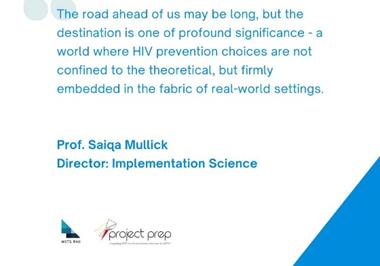
over 50 stakeholders, including the Clinic Committee, facility managers, representatives from the District and National Department of Health (DoH), local HIV Prevention Ambassadors, young individuals, as well as head-office and Tshwane district-based staff from Wits RHI Enthusiastic about the potential insights this study will bring and the subsequent impact on national and global policy and guidelines, Prof Saiqa Mullick emphasised that the Dapi-Ring will effectively address global evidence gaps related to understanding preferences and patterns of usage among various PrEP products. Moreover, the study aims to shed light on the possibilities presented by decentralised PrEP services
Mr Sheba, representing the community as a clinic committee member, expressed gratitude for the support extended by Project PrEP to the community He remarked, "...with support from Project PrEP, we managed to improve provision of youth services including Provision of PrEP to reduce HIV infection We are incredibly happy as we take another step forward and hoped that it will assist our community especially the youth…to live a better life." Equally appreciative of the innovative PrEP method, Mrs. Emma Mabula, the facility manager of Maria Rantho Clinic, shared that her clinic was the first in the area to introduce oral PrEP in 2019 She found special pride in the fact that her clinic is once again at the forefront, being the first to offer the new Dapi-Ring. Local youth also voiced their support for this ground-breaking innovation
On August 18, 2023, Project PrEP, an initiative funded by Unitaid and executed by Wits RHI, proudly introduced the PrEP ring, now registered as Dapi-Ring, as an additional choice for PrEP at Maria Rantho Clinic in Soshanguve, Tshwane The event was attended by
Ms Hasina Subedar from the National DoH conveyed gratitude to all Healthcare Providers for their pivotal role in implementing the national PrEP programme She underlined the significance of Dapi-Ring's introduction, deeming it revolutionary and timely, as it provides an additional option for clients, especially those facing challenges with the daily oral PrEP regimen Echoing the excitement for the new prevention method, Ms Maswikana Sithone of Tshwane District DoH expressed appreciation for Wits RHI's support to the district and commended Project PrEP for being the pioneering provider of this novel method to clients since 02 August 2023, at Maria Rantho Clinic With a ribbon-cutting ceremony and a celebratory cake, Ms Maswikana, alongside the facility manager and the Wits RHI cluster manager, officially launched the Dapi-Ring in Tshwane.

20
S P O T L I G H T
West Rand District, Gauteng, South Africa: A cross-sectional study
professionals reported risky alcohol use. Females were 73% less likely to report risky alcohol use The prevalence of probable depression was 13 6% and female professionals were 5 times more likely to be classified as having probable depression The grouped prevalence of anxiety ranging from mild to severe was reported at 47 3%, female professionals were 3 times more likely to be classified as having anxiety disorder
Conclusion
Alcohol use (risky drinking) and mental disorders were common among healthcare professionals in the West Rand district, Johannesburg, South Africa There is overall poor awareness and use of support structures highlighting the need to create and pilot targeted interventions to increase awareness and utilization of the existing services and delivery of alcohol use and mental disorder screening and referral to treatment
*Read the full study
Healthcare professionals (workers) are at an increased risk for developing mental and alcohol use disorders (risky drinking) due to increased psychological distress, long working hours, medical litigation, role conflict and verbal/physical violence from colleagues and patients. Psychological wellbeing in Health Care workers is crucial to provide the best quality of care to patients Current data is limited regarding alcohol abuse (risky drinking) rates and mental health conditions among healthcare professionals in South Africa.
Methods
The study was carried out a cross-sectional study on a sample of healthcare professionals including doctors, nurses, clinical associates, and dentists working in the West Rand District of Gauteng, South Africa, during the Covid-19 pandemic Participants were invited to complete a paper-based questionnaire addressing socio-demographic questions, a set of measures for alcohol use disorder (AUDIT-C), depression (PHQ-2), anxiety (GAD-7), suicidality (PSS-3), Covid-19 anxiety (CAS) and awareness and utilization of support services
Results

A total of 330 Healthcare professionals (60 9% nurses, 33% doctors, 5 5% other) participated Females comprised the majority of study participants with 78 8%, and 48 2% of the participants were in the age band 35-64 years. Overall, 20.9% of the healthcare

Diabetes is pervasive, exponentially growing in prevalence, and outpacing most diseases globally In this Lancet Series paper, the authors use new theoretical frameworks and a narrative review of existing literature to show how structural inequity (structural racism and geographical inequity) has accelerated rates of diabetes disease, morbidity, and mortality globally They discuss how structural inequity leads to large, fixed differences in key, upstream social determinants of health, which influence downstream social determinants of health and resultant diabetes outcomes in a cascade of widening inequity. They review categories of social determinants of health with known effects on diabetes outcomes, including public awareness and policy, economic development, access to highquality care, innovations in diabetes management, and sociocultural norms and also provide regional perspectives, grounded in theoretical frameworks, to highlight prominent, real-world challenges
*Read the full study
R E S E A R C H 21
Prevalence and correlates of alcohol use, mental disorders, and awareness and utilization of support services among healthcare professionals in
Wits researcher involved: Charlotte McMagh
The role of structural racism and geographical inequity in diabetes outcomes
Wits researcher involved: Alisha Wade
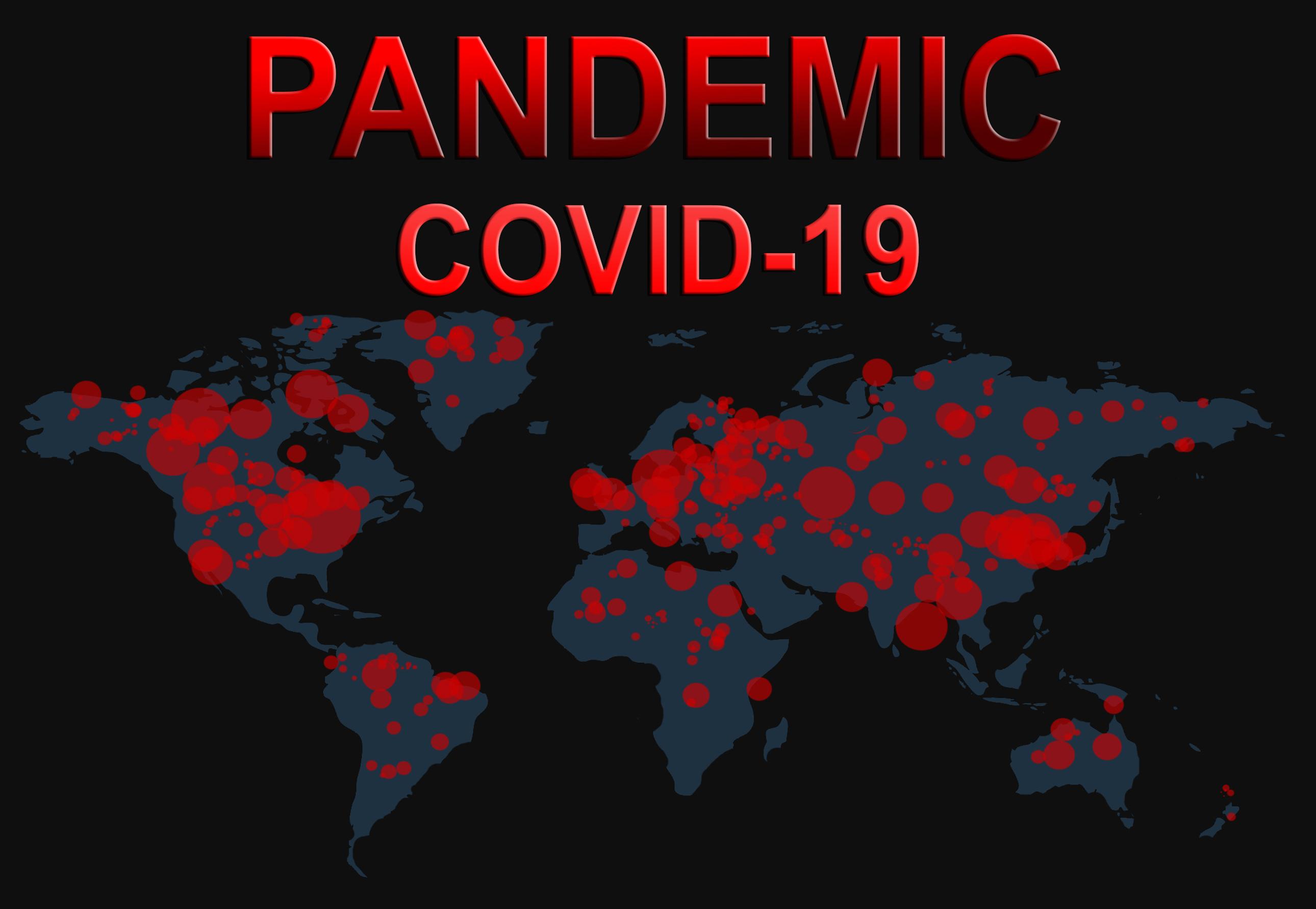
As the COVID-19 pandemic spread in 2020, many governments across the globe put structures in place to access rapid independent scientific evidence. The South African Minister of Health established an advisory committee in March 2020 to provide high-level strategic advice This technical guidance, developed as topic-specific ‘advisories’, was expected to be context-specific and based on the best available evidence, locally and internationally. The authors developing the advisories could draw on systems-wide, multidisciplinary experience.
Approach
This piece provides a reflective experience of the process of preparing advisories, the development of rapid evidence syntheses and their use in decisionmaking, the outputs and the lessons learned from that process, and the structural and operational changes over the course of the pandemic.

As South Africa has moved out of the acute phase of the pandemic, the lessons learned must be embraced and best practices adopted to inform future pandemic preparedness. Advisories needed to use the best available evidence rather than wait for the best possible evidence Some advisories were therefore revised multiple times, as new evidence emerged Advisories were submitted to the Minister of Health
for consideration prior to public release However, in some cases, delays in such release led to confusion as to the scientific basis of policy decisions The confidentiality of the committee debates also needed to be balanced against the need for engagement with the public In order to promote accountability and build public trust, from March 2022 all advisories were published on a dedicated website within seven days of receipt by the Minister. The public were thus informed of the scientific basis of the advice, providing important context for subsequent executive decisions Consistent feedback to the committee from decisionmakers was also important, as their advice was only one of many inputs considered by a complex array of government bodies, across different departments.
Conclusions
The world faces a significant risk of further pandemics and other public health emergencies and is engaged in high-level negotiations on strengthening global capacity to respond Whether that involves a global pandemic accord, strengthened International Health Regulations, or a strengthened global approach to medical countermeasures, rapid, credible, independent and country-specific scientific advice will remain essential The lessons learned during COVID-19 should not be lost
*Read full chapter
R E S E A R C H 22
Wits researchers involved (HE2RO): Jacqui Miot, Helen Rees
‘Following the science’: The role of an independent advisory structure in the COVID-19 pandemic response and beyond
Predictors of patient length of stay post stroke rehabilitation
There is little research on the length of hospital stay (LOS) in patients post-stroke in South African rehabilitation facilities. As LOS is an important indicator of cost-of-care, this information may be useful to all stakeholders to determine the predictors of hospital LOS in patients post-stroke rehabilitation.

In South Africa, patients with stroke can access healthcare through government facilities or private facilities, the latter of which is self-funded either independently or through medical insurance Thus, financial resources influence a patient’s access to private healthcare and the length of stay (LOS) can be affected by this. Another factor that can affect LOS is the patients’ functional outcomes on admission
Methods
A retrospective file review of 243 patients was conducted.
Descriptive statistics (median and range values) were used to describe the sample, their functional outcomes and their LOS as data were not normally distributed Preliminary investigations were done to determine if there were differences in patient discharge FIM scores
and LOS based on patients’ admission FIM scores.
Results
Patient functional ability was measured using the Functional Independence Measure (FIM). Predictors of LOS were determined with multiple regression analysis The median admission and discharge FIM scores were 43 (range: 16-119) and 75 (range: 16120) points respectively The median LOS was 43 (range: 3-112) days. Predictors of LOS were premorbid psychiatric conditions, impaired speech, requiring oxygen support, the development of pneumonia and admission FIM motor score, with admission FIM motor score being the strongest individual predictor of LOS (41%).
Conclusion
Admission FIM score had an influence on patient outcomes and LOS Patients with higher admission FIM motor scores may be able to participate in rehabilitation better and thus have shorter LOS Being able to predict LOS on admission allows facility administrators to manage bed occupancy, human and clinical resources in post stroke rehabilitation
*Read the full study
Wits researcher involved: Nicolette Comley-White
Comparing the reasons for contraceptive discontinuation between parenting adolescents and young women in subSaharan Africa: A multilevel analysis
Adolescent sexual and reproductive health remains a major public health and development issue of global importance. Given that adolescents and young people are heterogenous groups in terms of many characteristics, this study expands the literature by comparing the reasons for contraceptive discontinuation between parenting adolescents (aged 15-19) and parenting young women (aged 20-24) in sub-Saharan Africa (SSA).
Methods
Data for the study came from Demographic and Health Surveys of 22 SSA countries The outcome variable was reasons for discontinuation A multilevel binary logistic regression was performed on analytic samples comprising 1485 parenting adolescents and 10,287 parenting young women across the selected SSA countries
Results
Findings show that the proportion of respondents who used modern contraceptives was lower among parenting adolescents (35%) relative to their 20-24year-old counterparts (43%) Higher percentages of parenting adolescents than young women discontinued contraceptives because of reasons such as pregnancy or method failure (i e , 9 9% and 8 17% accordingly), husband disapproval, access or availability issues, wanting more effective methods, and inconvenience in using methods. The multilevel analysis further

highlighted disparities between parenting adolescents and parenting young women who discontinued contraceptives. For instance, parenting young women had 30% lower odds of discontinuing contraceptives due to pregnancy or method failure than parenting adolescents
Discussion
This study undertook a comparative analysis of reasons for discontinuing contraceptive use between childbearing adolescent girls (15–19-year-old) and young women (20–24-year-old) in selected subSaharan African countries. Examination of reasons for contraceptive discontinuation for the two groups shows that a greater proportion of parenting adolescents than young women discontinued contraceptives because of reasons such as pregnancy or method failure, husband disapproval, availability or access problems, desire to use more effective methods, inconvenience in using methods, infrequent sexual activity, cost of method, fatalistic beliefs, and marital dissolutions
Conclusion
The study established disparities in the reasons for contraceptive discontinuation between parenting adolescents and parenting young women, with adolescents demonstrating greater vulnerabilities and higher risks. Considerable attention must be given to parenting adolescents in the efforts to achieve equity goals such as the Sustainable Development Goals and universal health coverage in SSA
*Read the full study
R E S E A R C H 24
Wits researcher involved: Sunday A Adedini
Adverse childhood experiences, traumatic events, and mental health among adults at two outpatient psychiatric facilities in Johannesburg, South Africa: A cross-sectional analysis
Wits researchers involved (HE2RO):
Mental, neurological, and substance use disorders represent 9 of the 20 leading causes of disabilityadjusted life years (DALYs) worldwide. Adverse childhood experiences and adult trauma, including sexual abuse, physical abuse, neglect, and interpersonal violence, are highly prevalent in lowresource settings and associated with adverse psychological outcomes. However, there is limited focus on the impact of ACEs and trauma on mental health in sub-Saharan Africa Therefore, this study examines the impact of traumatic events and ACEs on depression, anxiety, and stress scores among outpatients receiving psychiatric care at two public mental health treatment facilities in Johannesburg, South Africa
Methods
A sample of 309 participants were recruited between January and June 2022 at Helen Joseph Hospital and Alexandra 18th Avenue Clinic Participants completed screening measures for mental health outcomes, including the 9-item Patient Health Questionnaire (PHQ-9), the 7-item General Anxiety Disorder scale (GAD-7) and the 10-item Perceived Stress Scale The study fitted modified Poisson and linear regression models to estimate the impact of ACEs and adult experiences of trauma on depression, anxiety, and stress scale scores
Adverse childhood experiences (ACEs) were measured
using the Adverse Child Experiences International

Questionnaire [26]: emotional and/or physical neglect; emotional, sexual, and/or physical abuse; being bullied; living in the same household as someone engaged in substance use and/or someone with a mental disorder; having a household member being incarcerated; witnessing domestic violence in the household; experiencing parental loss and/or parental divorce or separation; witnessing interpersonal violence in the community; and being exposed to collective violence, such as war, terrorism, organized violence, or political violence
Results
Overall, 239 patients were enrolled (139 males, 100 females, and median age 31 years) The majority of them had moderate acute asthma attack (52 7%) Active cigarette smoking (p < 0 001) and/or passive cigarette smoking (p = 0.004) were identified to be potential associated triggers for acute asthma attack. There was no significant association between acute asthma attack severity and acute respiratory infection (p = 0 818), and use of medication-related asthma triggers (p = 0.942).
Conclusion
The study shows that the majority of patients present with moderate acute asthma attack in an ED Active and/or passive cigarette smoking is a potential associated trigger for asthma exacerbation.
*Read full study
R E S E A R C H 25
Michael Galvin, Lesley Chiwaye, Andrew Kim, Aneesa Moolla
Wits researchers involved: Jackie Dunlop, Kate Rees
South Africa has made tremendous gains in the prevention of mother-to-child transmission (PMTCT) of HIV and in increasing access to care and treatment for children living with HIV (CLHIV). Despite this, of the total 310,000 CLHIV under 15 years of age in South Africa, 53%, around 160,000, are not receiving antiretrovirals.1 To reach the UNAIDS 95-95-95 strategy goals for HIV, more needs to be done to diagnose and link CLHIV to care and treatment services.
Screening tools to improve the identification of children living with HIV (CLHIV) have been validated and used in various settings. The aim of the study was to optimize a screening tool for Primary Healthcare Clinics (PHCs) in South Africa
Methods
A cross-sectional study was conducted at PHCs in Johannesburg and Mopani Districts, between June 2021 and June 2022 Children 5–14 years of age with HIV negative or unknown status accompanied by their mothers, or appropriate caregivers, were enrolled. Demographic data, responses to the screening tool questions, and HIV test results were captured Logistic regression modeling was used to optimize an existing 10-item screening tool, and sensitivity, specificity, and number needed to test (NNT) used to choose the final tool
Data collection took place between June 2021 and June 2022 Clinics were purposively selected based on service utilization and feasibility criteria. To ensure there would be sufficient children and CLHIV to enroll in the study, sites with an average monthly headcount of 100 (children 5–9 years old) and at least 50 children <15 years old on ART (October 2020–January 2021) were selected.
A Single Question on Maternal HIV Status Can Improve Identification of Children Living with HIV in South Africa
“poor health in the last three months ”
Results
A total of 14,147 children were enrolled in the study, with 62 children testing HIV positive (HIV positivity of 0.4%). The 10-item tool with a single positive response had a sensitivity of 91.9% and specificity of 43.3%. An optimal combination of 5-items with two positive responses had the lowest NNT of 72, 82 3% sensitivity and 74 2% specificity Maternal HIV status alone, HIV positive or unknown, had a 95.2% sensitivity, 65.0% specificity and NNT of 84. The 1-item tool only would have missed 5% of CLHIV (N = 3) compared with the 5-item tool that missed 18% (n = 11)
Conclusion
The study has developed a simple, feasible screening tool using a single question on maternal HIV status to identify undiagnosed school-age CLHIV in South Africa Scaled use of the tool provides an approach to primary healthcare facility-based identification of CLHIV 5–14 years old and would focus resources where they are needed

The recommendations of this study are well aligned with the Consolidated HIV guidelines for South Africa, which promote testing of children post-breastfeeding in accordance with their mothers HIV status at breastfeeding cessation As the timing of breastfeeding cessation is not always well known or communicated to healthcare workers, this recommended tool allows for another opportunity to test at-risk children (and their mothers)
A 1-item screening tool asking about maternal HIV status can improve efficiency of testing of children in primary healthcare facilities in SA and improve identification of CLHIV who are not on treatment
*Read the full study
Investigating linkage to care between hospitals and primary care clinics for people with TB in rural South Africa
Wits researchers involved: Mbali Mohlamonyane , Limakatso Lebina, Neil A Martinson
People with tuberculosis (TB) are often lost to follow-up during treatment transition to another facility. These losses may result in substantial morbidity and mortality but are rarely recorded. This study conducted a record review on adults diagnosed with TB at 11 hospitals in Limpopo, South Africa, who were subsequently transferred to a local clinic to initiate or continue treatment. The study then performed in-depth record reviews at the primary care clinic to which they were referred and called participants who could not be identified as starting treatment.
In two rural health districts in Limpopo Province, South Africa, the majority (58%) of people receiving treatment for TB at primary health care clinics were transferred-in after TB diagnosis at other facilities, mainly hospitals. People who transferred care in this fashion were more likely to be children, people living with HIV and TB-negative on their initial diagnostic test.
Methods
Between August 2017 and April 2018, this study reviewed records of 778 individuals diagnosed with TB in-hospital and later referred to local clinics for treatment Of the 778, 88 (11%) did not link to care, and an additional 43 (5.5%) died. Compared to people without cough, those with cough had higher odds of linking to care (aOR = 2 01, 95% CI: 1 26–3 25, p = 0 005) and were also linked more quickly [adjusted
Time Ratio (aTR) = 0 53, 95% CI:0 36–0 79, p<0 001], as were those diagnosed microbiologically (aOR = 1 86, 95% CI: 1 16–3 06, p = 0 012; aTR = 0 58, 95% CI: 0.34–0.98, p = 0.04).

In this study of 778 people referred out from rural South African hospitals for TB treatment, approximately one in six transferees either died or were lost to follow-up before presenting to the local clinic.
People over 50 years old were less likely to link to care, whereas people reporting a cough or with microbiological confirmation were both more likely to link to care and did so faster (in about half the time as their counterparts without a cough or microbiologically confirmed TB) These findings illustrate the challenges faced by older individuals in linking to TB care at local clinics and suggest potentially lower motivation to link to treatment among people with fewer symptoms or no laboratory confirmation of their disease They also suggest potential target populations for interventions to strengthen the care cascade at the time of referral from hospital to clinic
People diagnosed with TB in hospitals often disengage following referral to local clinics Interventions to identify and re-engage people who do not present to local clinics within days of referral might close an important gap in the TB treatment cascade.
*Read the full study
27
The ability of nurses to generate evidence, appraise and apply it in daily activities is a notable change and a catalyst that will ensure the uptake of Evidence Based Practice (EBP). The application of EBP is however a complex process that is impeded by many challenges including information computer technology. This article aims to explicate challenges of ICT that hinders implementation of EBP in Public Hospital nephrology units and describe recommendations that would facilitate its adoption.
The use and access to computers and internet connectivity came as a challenge. As a result of limited computers, ICT incompetence and incapacity related to searching, they could not implement EBP Over 50% of doctors, nurses and midwives in Indonesia had no access to computers and internet to implement EBP. Such challenges hinder progress and result in retardation of the nursing profession.
Objectives
To explore and describe challenges of ICT faced by renal settings. To describe recommendations that are at overcoming Nephrology nurses in implementing EBP in Gauteng ICT challenges in the nephrology clinical settings
Methods
A qualitative, exploratory, and contextual design was followed, in which a total of 43 nephrology specialist nurses working in Gauteng Academic hospitals participated in the study on challenges faced by nephrology nurses regarding implementing EBP Participants were divided into three groups identified as experts, nephrology specialist nurses and the leaders in the nephrology units

Results
Three categories emerged from the data that was coded, namely, Management Practices, Organizational Culture and Leadership Practices and Training and Development These categories were grouped from seventeen subcategories that emerged during data analysis
Both organizational and human resource factors were identified to be impeding successful implementation of EBP Challenges of infrastructure constraints and application of ICT skills were observed in hospitals Internet provision was inconsistently applied and there was uneven allocation of computers Training and development programs for ICT was absent Human relations qualities such as resistance to adopt EBP, lack of ICT skills and resistance to change were found to be impacting on the delivery of EBP by nephrology nurses
*Read the full study
R E S E A R C H 28
Information computer technology resources and skills are vital for effective implementation of evidence-based practice in nephrology nursing
Wits researchers involved: Andrea Rosemary Hayward, Elizabeth Lerato Dube
Professor Peter Kamerman elected as a Fellow of the Royal Society of South Africa

Congratulations to Professor Peter Kamerman on being elected as a Fellow of the Royal Society of South Africa. The members of this society are persons with a demonstrable record of interest and activity in science Prof Kamerman is a professor in the School of Physiology, and leads an active research programme in the field of pain His laboratory currently focuses on the epidemiology of pain and painful diabetic neuropathy Prof Kamerman’s expertise has seen him make significant contributions to developing local and international guidelines for the management, diagnosis and grading, and phenotyping of neuropathic pain
Emeritus Professor Judith Bruce elected as a Fellow of the American Academy of Nursing
On June 28, 2023, in Washington, DC, The American Academy of Nursing (Academy) celebrated its 50th Anniversary Year by proudly announcing the induction of 253 nurse leaders into the 2023 Class of Fellows These distinguished individuals were recognized at the Academy’s annual Health Policy Conference held from October 5 to 7, 2023 Among the luminaries, Professor Judith Bruce was particularly celebrated, not only for her substantial contributions but also for being one of a select group of seven nurse leaders from the African continent to be so honored Her commendable efforts in advancing nurse education, especially in sub-Saharan Africa, and her initiatives to bolster nursing systems and healthcare delivery in under-developed regions, have positioned her as a beacon of excellence in the global nursing community.
Dr Givemore Mungenga received a prestigious research grant
Dr Mungenga received a prestigious research grant for the research paper “Small-scale field demonstration of the Sterile Insect Technique against Anopheles arabiensis” This project is co-funded by the South African Medical Research Council (SAMRC) from the Strategic Health Innovation Partnerships (SHIP) programme as a strategic project of the Department of the DSI
Mr Kganetso Sekome receives 2nd prize for his presentation
Mr Kganetso Sekome (a full-time staff member and PhD student) from the Department of Physiotherapy in the School of Therapeutic Sciences received 2nd prize for his presentation entitled: “Hypertension Control Strategies in a Rural South African Setting: A Contextual Approach” at the School of Sports, Exercise and Health Sciences (SSEHS) Three Minute Thesis Competition (3MT®), Research Conference, held at Loughborough University, United Kingdom on 24 May 2023
S T A F F A C H I E V E M E N T S 29
Congratulations!
NATIONAL SCIENCE AND TECHNOLOGY FORUM (NSTF) AWARDS
Professor Salome Maswime: NSTF-SAMRC Clinician-Scientist
Prof Salome Maswime was recognised for establishing the field of global surgery in Africa, which has contributed to efforts to improve access to surgical treatment and equity as well as to identify ways to lower maternal mortality from caesarean sections in South Africa

Although the concept of Global Surgery is new as a discipline having emerged only 10 years ago, Professor Maswime says that she works with a team with expertise in Global Surgery education and research. “We have become pioneers in this field, and a go to place for those who are wanting to improve surgical care and outcomes, and to strengthen surgical systems,” she explains
Even with the understanding of the impact and scale of the contributions of her work around the world, she says the recognition is humbling because “because one does not do the work for the recognition, but often isn’t sure how much of a difference they are making”.
She reflects that her choice to pioneer on an emerging field is a difficult path as opposed to leading in an established field. “There are very few of us doing this work, and we are all learning from each other as the discipline develops I believe one day, we will see the difference our commitment has made for Africans,” she adds
Chairman and Founder of Pegasus Universal Aerospace Team, Dr Mohammed Reza Mia was jointly awarded the Innovation Award for the creation of between 7 000 and 11 000 new jobs and the local development of the essential skills for the design and development of a vertical take-off and landing aircraft.
Speaking on receiving this award, Dr Mia said his company is excited and grateful to have been recognised for this innovation, and that it is an endorsement that adds to the many qualities that sets them apart.
Pegasus is the world’s first vertical take-off and landing (VTOL) business jet Dr Mia stated that “this innovation changes the aerospace industry. The aircraft design focuses on achieving true business jet performance rather than just EVTOL or air taxi capabilities”
Although successful in the field of aerospace, Dr Mia is still a practicing aesthetics doctor in Houghton, Johannesburg He says that his philosophy is ‘Art meets science’ He is passionate about innovation in both fields, as it empowers him to contribute to ground-breaking developments in healthcare and space exploration, aligning with his deep passion for exploration, healing and pushing the boundaries of human knowledge

A L U M N I A C H I E V E M E N T S 30
Dr Mohamed Reza Mia: Innovation Award: SMME
Congratulations!
NATIONAL RESEARCH FOUNDATION (NRF) AWARDS
Dr Ekene Emmanuel Nweke: Research Excellence Award for Early Career/Emerging Researchers (Life Sciences)
He is co-chair of the Biospecimen Laboratory Analysis Committee in the African HepatoPancreatoBiliary Cancer Consortium (AHPBBC) and an executive member of the Surgical Research Society of Southern Africa
A Wits alumnus, Nweke obtained his MSc in Molecular Biology (cum Laude) at this institution in 2015 and his PhD in 2017 Other accolades include a Wits University Inventor Award and the Bert Myburgh Research Prize. He was formerly the recipient of significant grants, including an NRF Thuthuka grant
In addition to the special Lifetime Achiever and Emerging Researcher Awards, the NRF also presents ratings-based awards.
The NRF rating system is a key driver in the NRF’s aim to build a globally competitive science system in South Africa. It is a valuable tool for benchmarking the quality of South Africa’s researchers against the best in the world
Dr Ekene Emmanuel Nweke received the Research Excellence Award for Early Career/Emerging Researchers (Life Sciences), which recognises outstanding research performance by current early career/emerging researchers in any discipline, who are NRF grant holders
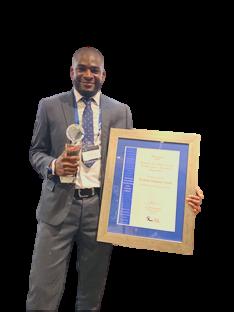
Nweke is a molecular biologist and researcher in the Department of Surgery in the School of Clinical Medicine at Wits
His research interests include discovering biomarkers and illuminating the molecular mechanisms in the development and progression of pancreatic and gallbladder cancer amongst patients of African ancestry Nweke is also interested in using precision medicine to improve diagnosis and therapy for cancer patients.
He is Y-rated by the NRF, which is a rating awarded to a promising young researcher He has published 17 articles and eight book chapters Passionate about training and mentoring students, Nweke currently supervises six PhD and six Masters students He previously successfully graduated two PhD and four Masters students
NRF ratings are allocated based on a researcher’s recent research outputs and impact, as perceived by international peer reviewers Several South African universities, including Wits, use the outcomes of the NRF evaluation and rating process to position themselves as research-intensive institutions
In 2023, the NRF awarded an A-rating for the third time to another esteemed alumnus and Wits researcher, Shabir Madhi, who serves as Dean of the Faculty of Health Sciences and Professor of Vaccinology
Professor Shabir Madhi: 2023 A-rated Researcher
A L U M N I A C H I E V E M E N T S 31
Renowned Medical Oncologist
Named New Chair of Wits Human Research Ethics Committee (HREC): Medical
Glenda Gray to leave SAMRC in 2024
Professor Glenda Gray recently made the announcement that she will relinquish her position as president and CEO of the South African Medical Research Council (SAMRC) at the conclusion of her current term, in February 2024 Gray, a professor in the Wits University School of Clinical Medicine, has received recognition on a global scale for her work developing HIV vaccines and preventing mother-tochild HIV transmission
In her occupancy in office, the SAMRC has received repeated clean audits since and has grown the accessibility of grant funding for young, female and overlooked scientists
Emeritus Professor Paul Ruff was appointed Chairperson of the Wits HREC: Medical, as of 1 August 2023. Wits’ Ethics Committees are registered with the National Department of Health’s National Health Research Ethics Council, ensuring highly ethical and quality research

Since 2015, Prof Ruff has chaired the South African Health Products Regulatory Authority’s (previous Medicines Controls Council) Clinical Trials Committee

As HREC: Medical Chair, he is determined to maintain an excellent, highly efficient, and transparent approval process, and he is keen to engage with applicants to ensure ongoing quality and ethical research Professor Ruff has an enduring association with Wits, having earned his MBBCh in 1979. As prior Professor and Head of Medical Oncology, he has filled many leadership positions at Wits and beyond, both nationally and internationally, including chairing the Ministerial Advisory Committee on Cancer and the American Society of Clinical Oncology Sub-Saharan Africa Regional Council
He has published extensively and received many awards during his career in cancer research and practice, including the A.G. Oettlé Medal from CANSA in 2020 Professor Ruff thanks his predecessor Dr Clement Penny for his excellent service
She is also acknowledged with developing crucial alliances and collaborations to improve science research and for changing grant financing for young scientists, black scientists, and women scientists
Her most recent notable professional endeavour was serving as the principal investigator
for the Sisonke COVID-19 vaccine trial. However, she now plans to return to concentrating on the development of HIV vaccines where she will also be immersed in the study of infectious diseases, pandemic readiness, and positioning the nation to tackle crises as they arise
The Faculty extends its appreciation to Professor Gray for her steadfast commitment at the SAMRC We wish her continued success as she serves the public in various roles
CORRECTION: The previous issue of Research Review mistakenly mentioned that Dr Anastasia Ugwuanyi holds a PhD in Medicine awarded in 2019 In fact, Dr Ugwuanyi is currently in the process of completing her PhD at Wits
A L U M N I I N R E S E A R C H 32
Professor Glenda Gray
Professor Paul Ruff
The heart of the work, a woman who heals
Dr Mulai Slave says the trailblazing women around her made it possible to imagine working as a specialist in anaesthesiology
”I don’t see the patient as a diagnosis or a disease; ‘the diabetic foot in bed 10, the uncontrolled epileptic in bed 12 etc.’ I see them as a mother, a child, an uncle or aunt; I see a person who is desperately loved by their family,” says Dr Mulai Slave (MMed 2021)
To Dr Slave, whose own family is central to every stage and significant moment in her life, the analogy of imagining them as someone’s “family” is her default humanising approach. She and her brother were raised by their single mother who would buy a 2-litre bottle of Fanta and a fresh loaf of bread that they would share as a family after every payday She says she remembers how these moments brought her happiness. “Just the three of us, playing Lucky Dube cassettes on the radio and dancing and drinking that tasty Fanta was pure joy,” she recalls
From a young age, she was enthralled by music. It was during a viewing of Shaka Zulu with her father that she encountered a deep, resonant sound she'd never heard before When she inquired about it, her father identified it as a cello This revelation kindled a fascination within her. Growing up in Polokwane, in a time before the widespread use of the internet, she had no access to someone who could teach her Yet, after graduating from medical school, she sought out a cello teacher, diving into her passion She muses, "I might have even pursued it professionally." Yet, life has its twists, and sometimes a singular event can pivot one's entire purpose
Life-changing event
At age 11, Dr Slave lost her father after a tragic car accident stripped the skin off his forehead, leaving his frontal bone exposed and dry “The plastic surgeons drilled burr holes into the bone to try to stimulate bleeding and granulation over the site, allowing them to graft skin over it,” she explained
However, this proved unsuccessful, and he died soon thereafter. This, she says, was the profound turning point in her life “I knew that the doctors had done their best, but growing up without a father was very difficult for me and I realised the impact that medical decisions have on patients and their families at large.”

She chose medicine to ensure others wouldn't face life without their loves ones However, such goals often come with their own sacrifices
When faced with a challenging situation, she says her approach is to “Do it scared. I specialises in anaesthesia because the intervention of acute medicine can change a situation ” Although it is very uncommon to lose patients in the theatre, when it does happen, she remembers almost each and every one. This is the worst aspect of humanity that she cannot shake, but says going for therapy and counselling routinely helps her manage her disposition to these situations “…I spend weeks thinking over what could have been done differently, to bring out a different outcome,” she says
Human-touch approach
The patients that Dr Slave interacts with professionally confirm her “human-touch” approach One such patient affectionately wrote to Wits about being treated by a ‘whizz kid’ like Dr Slave He said, “Before she put me out she said I will see you on the other side We still need you in this country” He added that “I will never forget the respect, love and professionalism she showed throughout”
Dr Slave says that she sees being invested in her patients as a strength rather than a weakness because a good attitude can improve patient outcomes This is a quality that she always tries to impart to her trainee doctors, stressing that the first step to giving kinder care is to call patients by their names. “Speak to them directly, listen to them, examine them, and treat them the way you would like to be treated if you were in their position,” she teaches
A L U M N I I N T H E I R O W N W O R D S 33
Influential pioneers
She herself has learnt a great deal in her profession through the guidance and teachings of other physicians – particularly women. She describes her mentor and cardiothoracic anaesthesiologist, Associate Professor Palesa Motshabi-Chakane (PhD 2019), as a brilliant woman Apart from being the first black woman in South Africa to hold a PhD in anaesthesiology, Slave says Professor MotshabiChakane has taught her the “power of not taking no for an answer”
Another woman that she looks up to professionally, is also a fellow Witsie and former schoolmate, Professor Salome Maswime (MMed 2014, PhD 2017)
To see her obtain her PhD in obstetrics and gynaecology, obtain a research fellowship at the prestigious Harvard Medical School and Massachusetts General Hospital, among other accolades, then go on to be a world leader in global surgery, and obtain a full professorship at the tender age of 40, makes it possible for someone like me to imagine myself occupying such spaces
says Dr Slave.
As a student, anaesthesiology captivated her because she found the slow-paced management approach of internal medicine frustrating
She says that the ability to manipulate physiology, using pharmacology in real time was enchanting to her, she did not want to wait six weeks to see if the drug was working! Today, as a specialist and PhD candidate in this field, she says she appreciates that anaesthesiology enables her to still practice as a ‘generalist’ She adds that anaesthesiology encompasses the whole of clinical medicine, “ almost every type of patient will require an anaesthetic, from neonates to geriatrics, to obstetric patients, even psychiatric patients”.
With all that being said about the science of medicine, Dr Slave says that without fail, she learns daily how truly precious and fragile life is. This is the approach that she carries in her own life every day which she says informs her deliberate presence and actions in the lives of her loved ones She describes her family as her “home”
She says that her mother, Dr Mungandi Monde Monica Kazeni, whom she calls ‘Professor Mommy’ has singlehandedly moulded her into the woman she is today “She challenged me to reach her level or surpass her I have one more qualification to go before I get to her level,” she exclaims As her mother and other fierce women in her life have set an impressionable example in her life, Dr Slave says that she also wants her daughters to be strong, intelligent, and kind women by her own example.
A L U M N I I N T H E I R O W N W O R D S 34
OPPORTUNITIES
WITS OPEN ACCESS PUBLISHING FUND
The purpose of the Wits Open Access Publishing Fund is to increase broad public access to the research output of Wits academics by encouraging the Wits research community to take advantage of Gold and Hybrid Open Access (OA) publishing opportunities. This can promote progress and knowledge and, with the opportunity for greater readership, increase the impact of Wits research output The Library and University Research Office are collaborating to jointly fund and promote the publishing of OA journal articles, book chapters and books
The maximum amount of APC per article and BPC per book chapter is USD 2000 (approximately R40,000) and the maximum amount per book is no more than R250 000. Only 2 books would be refunded per annum Authors can apply for support from this Fund when other funding sources (such as research grants, where APCs are often allowable expenses) are unavailable
Financial assistance will be considered on a first-come, first-served basis until the funding for a given year is exhausted No additional funds will be made available until the following year
Support Criteria: Author eligibility
Any current Wits staff member.
Early career researchers (i e , postgraduate students and postdoctoral fellows, if coauthored by a Wits staff member), and researchers who have been employed at Wits for at least two years before the date of applying for funding
In the event of co-authorship with a non-Wits author, the Fund will only support the prorated APC portion of the Wits author, up to a maximum of USD 2000 (approximately R40,000)
Affiliation with Wits University must be included in the published article
Publishers that have an agreement with Wits University
See the below links for more information on the agreements, eligibility and instructions for the author:
American Chemical Society (ACS)
Association of Computing Machinery (ACM)
Cambridge University Press (CUP)
Company of Biologists
Elsevier
Emerald
Institute of Physics (IOP)
Oxford University Press (OUP)
Royal Society
Sage Publishing
Springer Nature Wiley
Enquire: (011) 717-1978)
O P P O R T U N I T I E S 35
Info
OPPORTUNITIES
NOMINATE TROPICALMED 2023 YOUNG INVESTIGATOR AWARD & TROPICALMED 2023 BEST PHD THESIS AWARD
TropicalMed is now inviting participants for the TropicalMed 2023 Young Investigator Award and the TropicalMed 2023 Best PhD Thesis Award. Please see the details below:
TropicalMed 2023 Young Investigator Award
This prize will be given to one young investigator in recognition of their excellence in the field of tropical medicine and infectious disease All nominations will be assessed by an Award Evaluation Committee led by the Editor-in-Chief, Prof. Dr. John Frean, and the Deputy Editor-in-Chief, Prof Dr Peter A Leggat
The Best PhD Thesis Award prize will be awarded to a PhD student or recently qualified PhD who has produced a highly anticipated thesis with great academic potential. The applications will be assessed by an evaluation committee led by the Editor-in-Chief, Prof Dr John Frean
Schedule:
Open for nominations: 01 April 2023;
Nomination deadline: 30 November 2023; Winner announcement: 29 February 2024
SUBMIT AN ABSTRACT MOLECULAR BIOSCIENCES RESEARCH THRUST RESEARCH SYMPOSIUM
The Executives of the Molecular Biosciences Research Thrust (MBRT) are excited to announce that registration and abstract submission for our annual MBRT Research Symposium ( 7th of December 2023) is now open
Our annual symposium is aimed specifically at postgraduate students and postdoctoral fellows in the WITS Faculties of Sciences and Health Sciences to showcase the exciting research taking place across both Faculties, and to provide an opportunity for intra- and inter-Faculty collaborations between postgraduate students, early career researchers and senior scientists
We would like to invite post-graduate students conducting research in the biosciences at WITS to submit abstracts for posters or oral presentations to showcase their diverse research projects at our university
Please take note of these important dates:
Symposium Registration and Abstract Submission OPENS: 14 September 2023
Abstract Submission CLOSES: 24 October 2023
Abstract Outcome Notification: 06 November 2023
Symposium Registration CLOSES: 19 November 2023
MRB Research Symposium: 07 December 2023
O P P O R T U N I T I E S 36
Enquire Nominate Apply for this PhD award
Register
IINAUGURAL LECTURE OF FRANCOIS VENTER
Titled: ‘HIV and Obesity: South Africa’s unexpectedly similar epidemics’ Professor Francois Venter is the Head of Ezintsha at Wits University His work directly translates into national programmes, most recently involving the antiretrovirals, dolutegravir, tenofovir alafenamide, cabotegravir, and doravirine He leads multiple antiretroviral treatment optimisation studies and is currently working on new access programmes through private pharmacies within South Africa, as well as patient linkage-to-care intervention, and new models of primary care for chronic diseases He has led large PEPFAR-funded HIV programmes in South Africa, focusing on men, women, children, young people, truckers, sex workers, and LGBTI communities For over 20 years he has been an advisor to bodies such as the South African government, UNAIDS, and WHO, contributing to international, regional, and national HIV guidelines This lecture takes place at 17:00 in Senate Room, 2nd Floor, Solomon Mahlangu House, Braamfontein Campus East, Wits University Enquiries: michelle gallant@wits ac za
WRITING OBJECTIVE AND CREATING STORYBOARDS WORKSHOP
This 3-hour workshop discusses the role of objectives in facilitating learning and provides tips on writing objectives of different domains of learning Storyboarding is introduced as a toll to analyze alignment between learning objectives and opportunities and the plan the resources and activities needed to create the desired learning environment. Hosted by the Centre for Health Sciences Education. 09h0012h00 at PVT Ground floor meeting room canteen. Enquiries: education health@wits ac za
INAUGURAL LECTURE OF PROFESSOR PENNY MOORE
Professor Ian Jandrell, Deputy Vice-Chancellor: Systems and Operations, invites you to the Inaugural Lecture of Professor Penny Moore Department of Virology & Communicable Diseases, Faculty of Health Sciences titled The Great Escape – how viruses evade immunity. Viruses are notoriously changeable, mutating their coat proteins to become invisible to antibodies The immune system is as variable, with randomly joined strings of genes and mutations creating a myriad of ways in which antibodies can target viruses Moore has spent 20 years studying the ‘arms race’ between HIV and antibodies, to gain insight into how to make an HIV vaccine These lessons proved pivotal as COVID-19 emerged, and SARS-CoV-2 variants of concern challenged the ability of our vaccines to prevent infection This lecture takes place at 17:00 in Senate Room, 2nd Floor, Solomon Mahlangu House, Braamfontein Campus East, Wits University Enquiries: Kelebogile Tadi@wits ac za
SHORT COURSE: PRECISION MEDICINE AND BIOMEDICAL INFORMATICS IN AFRICA
This short course aims to introduce health professionals and people working in the health industry, including clinical practitioners, academic and researchers, to precision medicine and biomedical informatics It will emphasise topical and controversial issues related to developing these fields in South African Through lectures, guest seminars and interactive sessions, participants will get insights into the use of clinical, environmental and biological data, with a view to enhancing modern clinical practice. Topics will range from pracision medicine in cancer, pharmacogenomics, and infectious diseases, to “big data” and machine learning interpretability 08h00 to 17h30 daily at SBIMB, The Mount, 9 Jubilee Road, Parktown, Joburg Cost R3000pp, 50% for postgraduate students Enquiries:
Jassika Sheikh@wits ac za
EVENTS
Register NOV 1
Register NOV
14-16
Register OCT 6 W H A T ’ S H A P P E N I N G 37
in-person OCT 4 Join online
Attend









Wits Faculty Of Health Sciences 2023 I N N U M B E R S WORLD RANKINGS TOP 150 Clinical Medicine Shanghai Ranking 2022 TOP 300 Medicine & Dentistry Times Higher Education 2022 Life Sciences & Medicine 262 WORLDWIDE QS Ranking 2022 nd Training healthcare professionals fit for the 21st century in an ever-changing world 1 Nobel Prize winner 2 DSI/NRF Centres of Excellence 2 ANDI Centres of Excellence 7 research intensive Schools 28 Research Entities 8 DSI/NRF SARChI Chairs 96 NRF-rated scientists A-rated A-rated 9 A-rated scientists