
The Complete Guide to Online Marketing for Therapists
Therapists today must have a strong online presence if they want to grow their operations and draw in clients. They can use a variety of online marketing strategies to boost their visibility, establish their credibility, and establish a rapport with potential customers. Here are the top strategies of online marketing for therapists.
Search Engine Optimization for Online Awareness

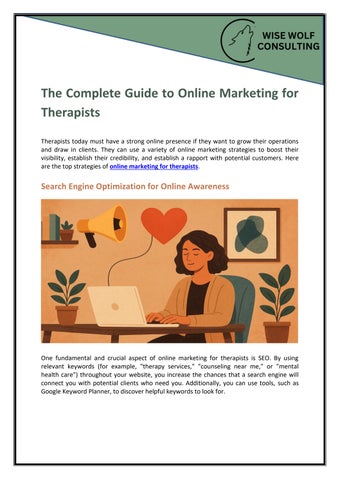
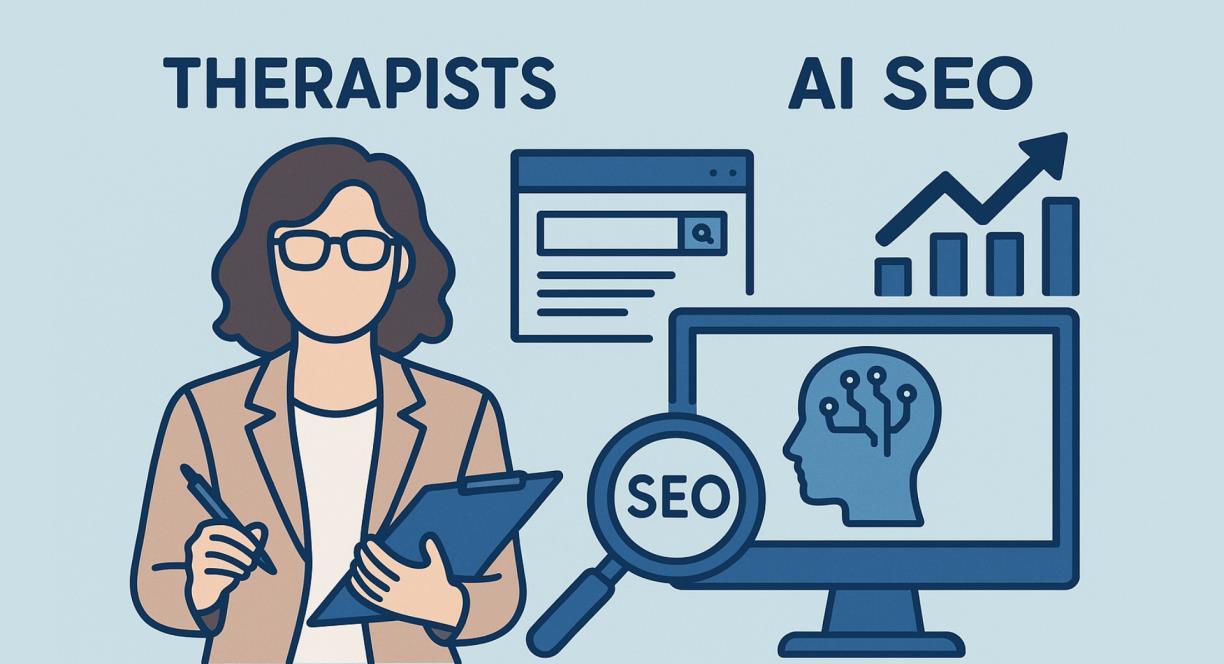
One fundamental and crucial aspect of online marketing for therapists is SEO. By using relevant keywords (for example, "therapy services," "counseling near me," or "mental health care") throughout your website, you increase the chances that a search engine will connect you with potential clients who need you. Additionally, you can use tools, such as Google Keyword Planner, to discover helpful keywords to look for.
Content Marketing to Provide Value through Information
Understanding content marketing for therapists is also important. Content marketing is defined as creating and sharing valuable content to attract and engage a clearly defined audience. In the case of therapists, it includes things like blog writing, creating educational videos, or sharing resources related to mental health and wellness. By providing value, you are establishing yourself as an authority in your area and developing trust with prospective clients.
Social Media Engagement to Connect with Community
Social networks such as Facebook, Instagram, and LinkedIn let you connect with your community and share helpful information. You could also include certifications, peerreviewed articles, and client testimonials in your content calendar and continuously engage with your community. Posts that boost engagement include presenting mental health tips, clients’ positive experiences, and case studies. Utilizing hashtags and other content to extend the conversation beyond your content.
Online Reviews and Testimonials to Build Trust
Positive client experiences, shared through testimonials, can greatly influence and strengthen your therapy practice’s reputation. You can even ask some of your satisfied clients to provide evaluations on Healthgrade, Google My Business, or other similar listings. Responding to reviews, both positive and negative, demonstrates you are a professional invested in client satisfaction.
Paid Advertising to Reach a Broader Audience
You could also use paid advertising, such as Google Ads or Facebook Ads, to reach others. By doing so, you can focus your ads by identifying attributes and interests of the people who would most likely benefit from your services. Furthermore, you can optimize for return on investment by setting a budget and monitoring the performance of your ads.
Analytics to Monitor Success
Using something like Google Analytics, you can see how your online marketing is doing. By monitoring the metrics of your marketing and seeing how it performs, such as traffic, conversion rates, or engagement, you start to get an idea of what is working well and where improvement is needed. Moreover, regularly reviewing and refining your marketing plan allows for continual growth and improvement.
Web Design for Therapists
Your website is your online business. A conveniently designed website that is easy to use and mobile-friendly provides a better user experience. Plus, it makes it easier for users to take the next step to engage your services. A few examples are "Schedule an Appointment" and "Contact Us." These are easy calls to action that can increase conversions.
Conclusion
Online marketing for therapists works. It’s about generating visibility, trust, and connection within a digital space, which is where clients begin searching for help. Whether it’s content marketing, SEO, social media, or paid ads, all of these are strategies for attracting and retaining clients. Additionally, strong web design, real testimonials, and tracking results will help ensure further growth. Any online marketing strategy requires consistency and a focus on providing value to clients. That is key to allowing therapists to reach more people and serve more clients.
Ultimately, the time for denying the need for digital tools has passed; it is just a requirement of modern practice.