THE WINE MERCHANT.
An independent magazine for independent retailers Issue 155, March 2026
Survey of Independents finds that stores operating a hybrid retail/bar model still don’t represent the majority
Despite predictions that by this year most indie merchants would be selling wines for on-premise drinking, the latest Wine Merchant Survey of Independents reports that the figure has dipped – very slightly – to 49.2%.
While for some the hybrid model is a no-brainer – and in many cases the only reason the business survives – hundreds of indies continue to maintain that a pure retail concept can still be viable.
The survey, carried out in partnership with Hatch Mansfield, has found that the proportion of independents who sell wine for on-premise consumption has doubled in the past 12 years, but has now stalled just below the halfway mark.
Rising staffing costs, licensing complications and space constraints are some of the barriers that are cited by survey respondents.
The survey finds that confidence levels are rising across the independent trade as a whole this year, despite the welldocumented challenges faced by retailers, with the majority reporting sales increases in the past year and most also predicting growth in the 12 months to come.
The average price paid for a bottle of still wine in the independent trade has risen by 18p, to £17.09, but average basket spend has dipped to £50.57.
Forty per cent of indies say they serve food on the premises. The category is
now more important for indies than beer, accounting for just under 7% of turnover.
Yet again Boutinot tops the supplier popularity poll. Liberty Wines is just edged out of second place by Hatch Mansfield, level pegging in third position with Alliance Wine.
As usual the survey also covers issues including margins, supplier relationships
and favourite countries and regions of origin.
We also ask about trade tastings and find that, while merchants are generally more enthusiastic than they were a year ago, concerns are building about the cost involved in attending.
• Our survey analysis for 2026 begins on page 29 and continues in our April edition.
4 comings & GOINGS
Who’s the independent merchant that’s popped up in Towcester?
15 bright ideas
The Exeter indie who loves to make a meal of things in his shop
19 the burning question
Are merchants seeing evidence of a downturn in wine drinking?
24 merchant profile
Sam Jackson had landlord issues.
But life has perked up at Pickles
29 survey of independents
Part one our analysis of this year’s results. We hope you like graphs
45 rob hoult
The secret of January success: just pretend it’s not actually January
46 chenin panel tasting
We love this variety. Perhaps even more after this tasting
60 ask phoebe
If you’re the fake Frenchman who wrote in, it’s your lucky day
67 Q&A: james nicholson
Tales of meeting the Queen and going skiing with David Bowie

The show takes place at Olympia from May 18-20
Once again The Wine Merchant has teamed up with the London Wine Fair to offer 30 bursaries to independent merchants.
The bursaries make it easier for indies to attend this important event – which is being run this year by Vindustrious, the new business created by long-standing LWF director Hannah Tovey.
The show takes place as always at London Olympia, this year from May 18-20.
Each bursary includes:
• A free three-day entry ticket to the value of £49.50
• Two free three-day entry tickets for your colleagues (a promo code will be shared with you to claim these tickets)
• Up to £100 covered in travel expenses.
Simply enter code TWMBURSARY26 on the payment page when you register via the London Wine Fair website.
Please note that the final decision on who receives the bursaries will be made by the London Wine fair team and not The Wine Merchant.
This year’s fair also includes a spirits and mixers event (Signature Serve) and a beer show (BREW//LDN).
On the wine front, Bordeaux is back for the first time in a decade with its own dedicated pavilion, and Wines of Germany is returning with a pop-up tasting on May 20.
All the winners from The Wine Merchant
Top 100 will be available to taste, in the company of the magazine’s team.


Editor and Publisher: Graham Holter graham@winemerchantmag.com
Assistant Editor: Claire Harries claire@winemerchantmag.com
Reporter: Jacob Stokes jacob@winemerchantmag.com
Advertising: Sarah Hunnisett sarah@winemerchantmag.com
Accounts: Naomi Young naomi@winemerchantmag.com
Admin and reader liaison: Charlotte Gingell charlotte@winemerchantmag.com


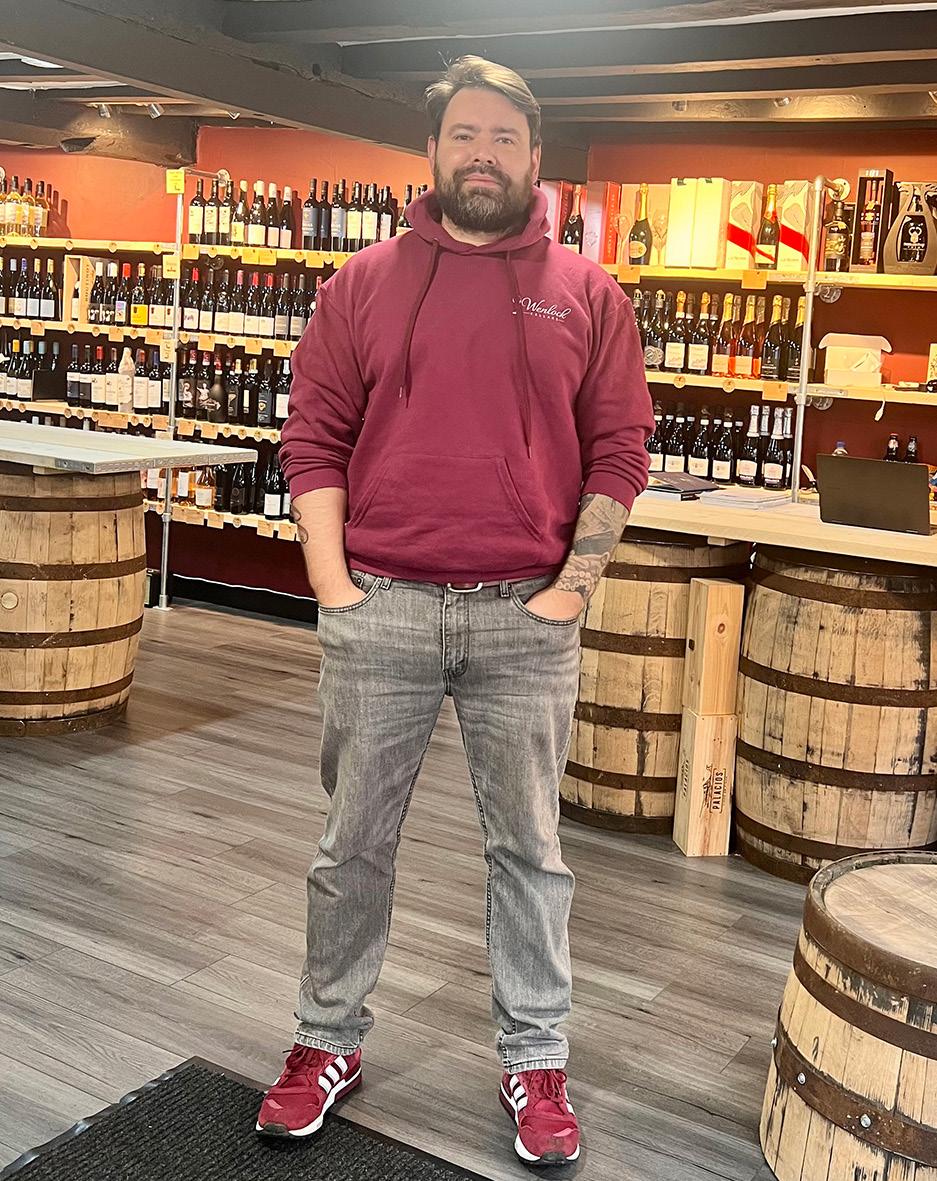
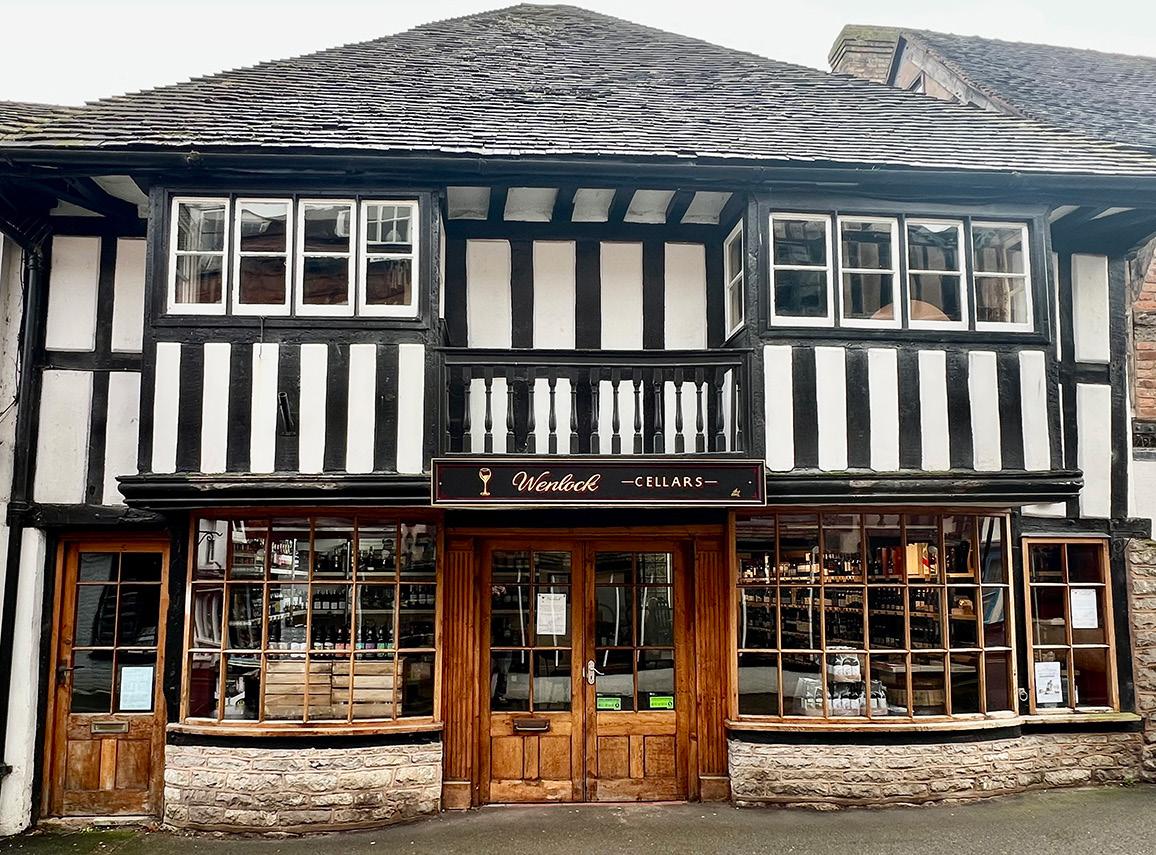
A wine shop in Bermuda was a source of inspiration for an former police officer to open a new indie on a Shropshire high street.
Rob Noddings opened Wenlock Cellars in Much Wenlock at the end of January, elevating the wine-buying experience for a local population used to convenience chains and their big brands.
The initial range of 150-ish wines features 26 under £10, with the majority in the £10-£15 bracket, but Noddings hopes to nudge customers up the price ladder as they become used to buying from a specialist.
“There are a few personal favourites in there, especially Italian wines, and a good amount of new world wines,” he says. “They offer great value for money, which is one of things our customers are looking for. South Africa has been going well for us so far.
“But we’ve also had an enquiry for a couple of cases of first-growth Bordeaux
from 2023, so there’s obviously a market for high-end wine too.”
Noddings spent a fair chunk of his police career working abroad, which is when the idea for a wine shop began to ferment.
“My wife and I lived in Bermuda for a while, and everything there has to be imported, and it tends not to be cheap wines, just the decent stuff.
“There was a shop called Discovery Wines & Spirits managed by a friend of
mine who’d open all these weird and wonderful wines from around the world and it sparked an interest.”
On returning to the UK, he decided it was time to try a new career. The interest in wine dovetailed with a long-held ambition to own a retail business and he studied to WSET Level 2 in preparation.
“The opportunity came up here, which is a very pretty listed building that I loved, and it was kind of perfect for what I wanted to do,” he says.
“Much Wenlock is a town that’s villagesized with a thriving high street, but the one thing it didn’t have was anywhere to buy decent drinks. We’ll hopefully change buying habits locally.”
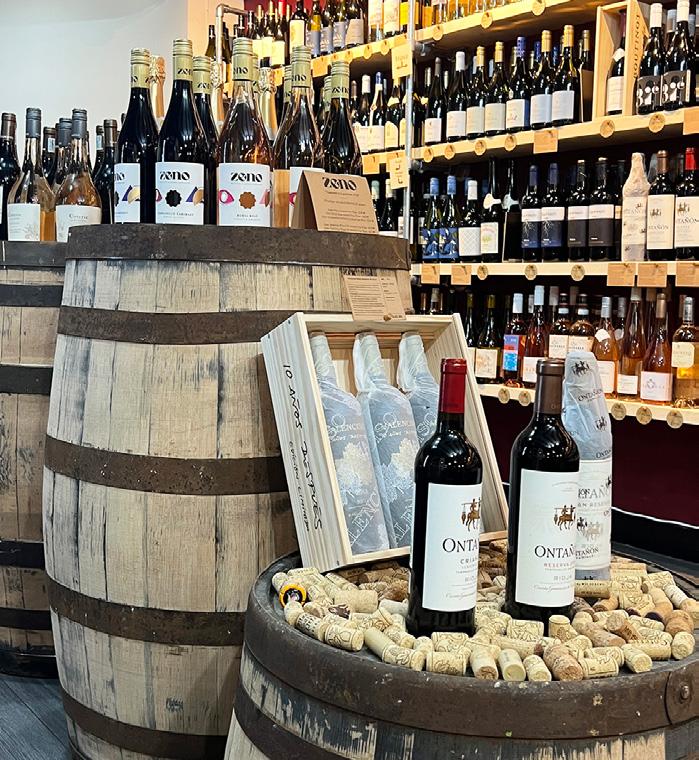
The shop has an eight-bottle Enomatic as part of a drink-in element.
“It is predominantly retail but we’ve got whisky barrels with stools, a little table and a sofa area where people can come in and relax,” Noddings says.
“We hope to become a community asset. There are lots of traditional pubs here but nowhere light and bright and more open, somewhere that my wife and sisters would feel comfortable to sit down for a glass of wine with friends or read a book.”
Noddings says it’s been a smooth ride for the new business so far: “The only problem I’ve had has been keeping stock on the shelves. It’s been flying out.”



Worrying times for Wales
I was hoping that with the first signs of spring we would be able to bring you something optimistic in this month’s look ahead. However for traders and consumers in Wales the opposite is the case.
The Welsh government was recently permitted to include glass in its Deposit Return Scheme (DRS). Unless elections bring a new government and a new policy, this will require unique labels for glass bottles sold in Wales – the only way to ensure unhindered market access and a successful DRS is to have alignment across the UK. Including glass may not be more environmentally friendly, create inefficiency, and incentivise cross border fraud. This will impact you if you are running a wine merchant business in Wales, or to Welsh consumers, and selling volumes exceeding 5,000 bottles of any product line.
The scheme starts in October 2027, with a four-year transition period and an aim of hitting an 80% collection rate for glass by 2030.
Whilst focusing on Welsh matters it’s worth adding that Minimum Unit Pricing will rise from 50p-per-unit to 65p-per-unit from October 1. WSTA is working closely with the Welsh government to ensure retailers are aware of their obligations under new guidance.
With more of a national focus we turn to business rates. With the new system (and new rateable values) coming into force in April, retailers are facing steep increases in the next three financial years. The WSTA has been working closely with hospitality and retail trade bodies since the budget – and is calling on government to expand the recent additional discount (for pubs and live music venues) to all hospitality venues and high-street retailers. Please consider disclosing your bills increases (in confidence) to the WSTA, to support our efforts.
Find out more at wsta.co.uk
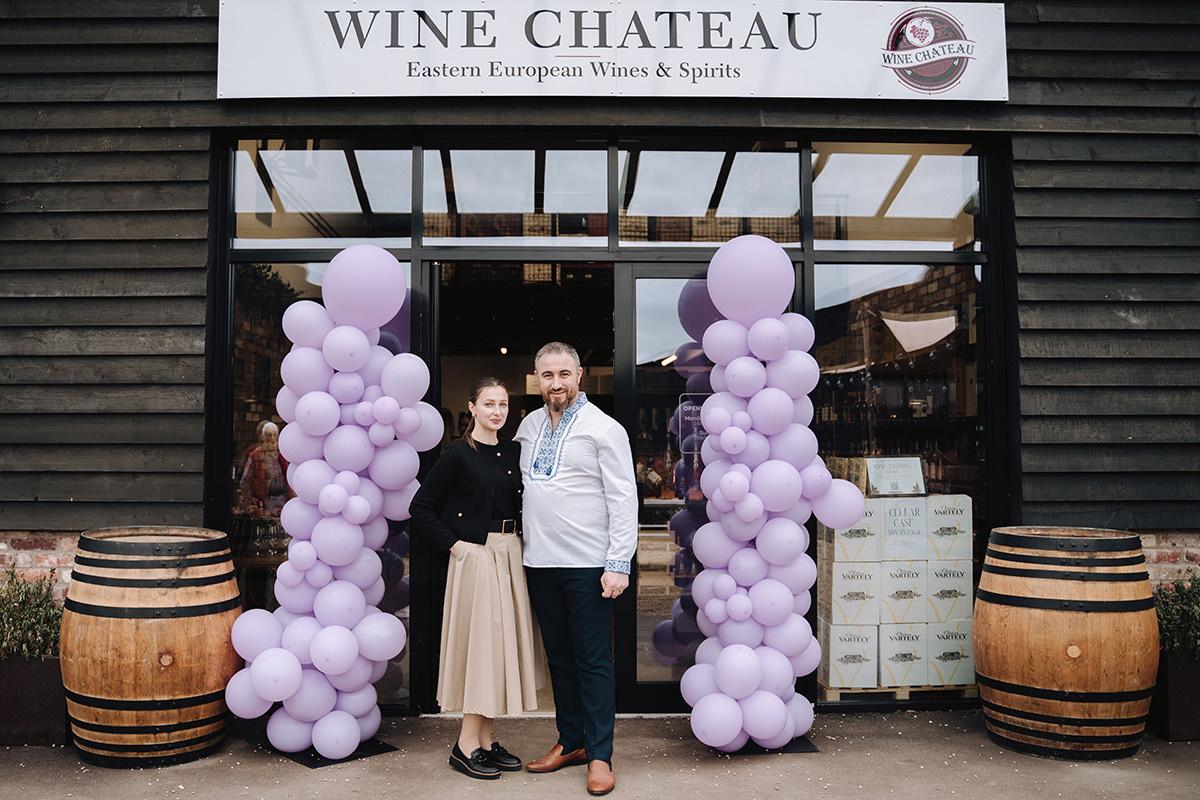
Eastern Europe specialist Wine Chateau has relocated from Wellingborough to a garden centre in Towcester.
When owners Cristina and Constantin Paunoiu launched the business five years ago, the focus was just on Moldovan wine, but Cristina explains it has since expanded to include wines from nearby countries.
“We also have wines from Romania, Ukraine, Georgia and Bulgaria at the moment,” she says. “Eastern European regions are becoming more popular and we have noticed that people are keen to explore new wine regions and new grape varieties, especially the local ones, just to have a new experience. We actually added these countries according to the demand.”
The couple moved to the new premises, which Cristina says is three times the size of their original shop, in February.
“We now have a bigger tasting area, so we’re going do events for up to 30 people, and then we have just two tables inside in case people just want a glass of wine,” she says.
The shop is in one of the retail units at Bell Plantation Garden Centre, and Cristina says they have already seen an increase in footfall. “It’s a very popular destination with many other shops, big restaurants and a play area for children – I think it attracts half a million people a year.”
The similarities between book and wine retailing are palpable (a theme that Duncan McLean has picked up this month on page 18).
The BookCellar, opening at the end of April in Stokes Croft, Bristol, intends to blend the two.
“Our plan is to stock a tightly curated selection of premium wines, each paired with a book or genre,” explains owner Tom Bartley. “Pairings can take inspiration from location, characters or how the book makes you feel. Sometimes you need something zippy to match the pace of the book – or something to keep you grounded when the plot is unhinged.”



Trout Wines in Nether Wallop, Hampshire, is closing following its owner’s decision to retire.
Anthony Whitaker set up the business in 1993 after moving out of London to a 17th century thatched cottage, part of which was converted as a shop.
Now he says: “It’s time to start winding
things down. I don’t feel the need for a fire sale, but I will be hanging up my tastevin sooner rather than later. When my remaining stock is gone, it’s gone.”
Whitaker started his formal wine education while working at Oddbins in the late 1970s. “I’d barely been there a week before I was doing the first course,” he says. “I think because Nick Baile was an MW, he recognised the benefit of educating his team.”
Trout Wines started life with shelves full of bin ends that Whitaker had purchased
from a supplier to the restaurant trade.
“I told them I was about to move to Hampshire and open my own wine shop and asked if I could take some of the bin ends off their hands,” he says.
“Basically I went through the list of stuff that they had, worked out what I thought I could sell it for, and then worked back from that to a buying price.
“About a month after us coming here, I had this huge lorry turn up with this amazing collection of odds and ends. Some of them were just three bottles of this and three bottles of that and some were several cases.
“It was great because I suddenly had all these unusual, interesting wines that were not widely available elsewhere. People started coming in and saying, ‘gosh, yes, this is interesting,’ and it sort of went from there.
“I can remember looking at the list of one of my first suppliers, who I still work with, Paul Boutinot, and thinking, ‘gosh, their minimum order is 25 dozen, no way can I justify ordering that much. Even if it’s mixed, it’ll take me forever to sell’.
“Eventually I thought, ‘come on, grow a pair,’ and I placed my first order with Boutinot, and I didn’t look back.”
Being his own landlord has had obvious advantages, and Whitaker admits that if he’d had rent to pay he would not have been able to carry on running the business.
The 2008 credit crunch was the point at which he decided to call time on direct importing.
“We’d got used to the euro exchange rate of 1.40 and it had been stuck at that forever, and suddenly it was virtually one for one. Also the cost of shipping was
‘Eventually I thought, come on, grow a pair, and I placed by first order with Boutinot, and I didn’t look back’
going up so I didn’t feel I could justify it anymore,” he says.
Highlights of his career include visits to Château Figeac. The first time was courtesy of the CIVB, thanks to his Bourse de Voyage win, and it was the charm and courtesy of Thierry Manoncourt that made Whitaker a lifelong fan.
“Unlike the sort of reception I was getting in most of the Bordeaux châteaux, where they make great wine but they’re quite grand, Thierry was quite the opposite,” Whitaker says.
“He was absolutely charming, welcoming and friendly. He sat me down in his drawing room and said, ‘we’ve got a couple of bottles here – do try them’.
“So I tried a couple of his wines and thought they were very nice. Then we sat down in his kitchen with his wife and daughters, and we just had an impromptu lunch.
“It was pretty special, and many years later I took my own daughters. I turned up with these two little girls, who obviously weren’t in the market for wine, and during lunch he asked them when they were born. He set off and brought them each a bottle of wine from their birth year. One was 1986 and the other was 1988 – both good vintages!”
When his last bottles have been sold, Whitaker will be dedicating his time to hosting guests at his Airbnb.
“I can’t keep doing this forever,” he says. “I’m now in my early 70s, and I’m perfectly fit enough, but I think 50 years is a good milestone to have reached.
“I’ve had a variety of different roles over the years, from being a shop assistant, to running the La Reserve companies. A whole side of that business was fine wine broking to the trade, which meant going to Christie’s and Sotheby’s wine auctions on a regular basis.
“It’s been huge fun. I’ve always said about the wine trade: you may not make much money out of it, but the people are jolly nice.”

Charles Cornelius from Barks Wine in Sheffield is developing a cult following for his social media tasting videos, which he films in various spots around the city.
A recent favourite, and possibly his most audacious, is the reel he produced in the IKEA restaurant after an hour or two shopping for accessories for his new shop.
Plonking himself at a table, he challenges himself to find a match for meatballs, gravy and lingonberry sauce. He opens a bottle of Manoir de Carra Fleurie, which he finds stands up well to the umami flavours as well as the sweetness of the food. It even goes with the Daim Bar cake, it seems.
Charles’s fans are delighted. “The way you aggressively pull corks out whilst wearing white is the kind of fearlessness I aim for,” declares one.
Maybe we kept our friends at González Byass talking for so long that we accidentally stumbled upon a secret code word. But whatever the reason, a mysterious bottle was retrieved from under the table at Taste Spain London last month. Our representative was ordered to tilt his glass, and into it was poured a stunning Pedro Ximénez from 1878. The vino dulce, originating from a single 80-litre butt, was created to commemorate the investiture of Pope León XIII, after whom it is named.
Elements of the wine would have already been around 50 years old by the time the final blend was made.
We missed Matt Ellis when he closed his Smiling Grape shop in St Neots, and we missed him even more when he announced he was just going to focus on budget-priced beer. Then we missed him again when he gave up drinks retailing to focus on his tourism business. The latest news is he’s decided to up sticks and move to Moldova. Was it something we said?

with Rachel Gibson MBACP

Greetings from the stunningly beautiful vineyards of Central Otago. I’m currently enjoying an extended break and investing in some vital self-maintenance here in New Zealand. This includes tasting as many stupendously good Pinot Noirs as I can cram in on one trip, while pondering whether I should do another 15,000ft sky dive (my sober conclusion is a firm “no”). This is my all-time favourite type of eco-therapy and a colossal privilege at that.
But what is eco-therapy? It is actually a highly effective form of psychotherapy and one that I would strongly recommend in the UK. It is also an activity we can do by ourselves, or with a friend or partner. On one level it involves getting out into nature, spending time in the great outdoors by rivers, woods, open fields and vineyards. It could mean going for a run, or simply nurturing a plant on your patio or balcony.
But it’s also more nuanced than that. Take a moment to step outside and simply connect with your environment. What can you hear, see and smell? Quite possibly you will look out on traffic and hear the sounds of road noise; you may smell petrol fumes, damp rainy air and perhaps the mug of coffee you are holding. Ultimately, eco-therapy is about noticing how we are all part of something much bigger. The environment, for better or worse, is always here for us and always impacting our lives. We are enmeshed in it, and also reliant on it.
Some of us get to visit vineyards for a living. Every now and again we have the opportunity to roam through the vines in the most jawdroppingly incredible places in the world and call it working. Not only that, but we are fortunate to see the finished article in situ at the winery. Nature and human creativity work hand-in-hand to turn that gnarly old vine into something unique, very special and sometimes, a little bit magical.
Rachel is an integrative counsellor and a member of the British Association for Counselling & Psychotherapy. She formerly ran Wine Utopia in Winchester. To support clients in the wine trade, she offers ongoing online counselling sessions at the reduced rate of £35 per 50 minutes, so mention this article. Email rachel@rachelgibsoncounselling.co.uk.
Corner shops had Open All Hours. Book sellers had Black Books. And soon wine merchants will have The Bottle Bank Mysteries, thanks to Olly Smith, whose first novel, Death By Noir, is published this summer.
Smith, one of the UK’s highest-profile wine personalities, has set the story in a fictional wine shop in Lewes called The Bottle Bank.
“It’s run by the eccentric Barclay Flint, who falls under suspicion for the disappearance of his good friend, Victor Crawshaw, a regenerative wine grower from the Dandelion Hill estate,” Smith explains.
“Using his wine detecting skills, he has to clear his name, crack the crime and solve the case.”
rather than to fixate on “ever-decreasing bargains”.
Smith has littered the story with real wines. “Neudorf is in there; Eben Sadie’s wines are in there; and there lots of English wine: Breaky Bottom, Westwell, Danbury Ridge. But then there’s the fictional estate as well. As we move through the book, the grapes are ripening on the vine, it comes to harvest time, and the explosive denouement all happens around the bonfires on November the fifth. The bonfire celebrations of Lewes are obviously very famous.”
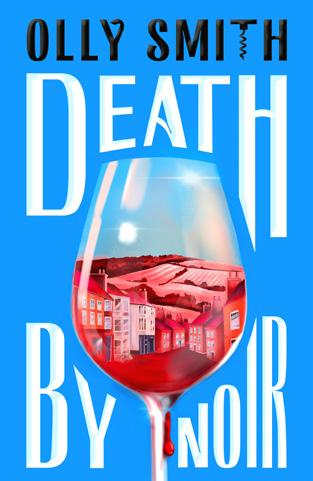
Smith says there will be a “whopping publicity campaign” by publisher Baskerville when the book comes out in June. “I’m currently writing book two,” he adds, “and my brother Will, who is the show runner for Slow Horses, is on board to do the screen adaptation. So it’s quite exciting times.”
He adds: “It’s been wonderful to do because it’s bringing together the world of wine, which is my career and my life, and also my previous career as a screenwriter for Pingu and Wallace & Gromit and Charlie & Lola.”
The idea for the book came to Smith several years ago. “But I was writing a much darker version with different characters, which I abandoned because it simply wasn’t right,” he says.
The characters and storyline that eventually emerged are more “joyful”, and there’s a subtle undercurrent he hopes will make readers think about the benefit of spending a little more on good wine
Smith suggests his new “wine crime” genre could have a positive impact on specialist wine merchants, who he is also encouraging to sell the book.
“I hope very much that it will make people thirst for more knowledge of wine and to reach more deeply into the vineyards, not just around them, but further around the world as well,” he says.
“The loveliest feedback I’m getting from people who are reading the book is that the wine is, obviously, key, but I haven’t made it so all-encompassing that it feels completely impenetrable. Hopefully will encourage people to pick up a glass.”
He adds: “There’s an awful lot of fino sherry enjoyed in the book. Why wouldn’t you write about fino sherry or a great manzanilla? Because that’s exactly what an ebullient, jigsaw-loving wine merchant in Lewes, who loves wearing a paisley dressing gown, would be drinking at midday.”

Smith says a screen adaptation is under way

Wine Paris
Macron, microphones and a manky burger: I’m back from the greatest wine show on earth
Iarrived in Paris on the Monday evening, too late to see the show’s star attraction. Kylie Minogue had been “moderated” by Robert Joseph in Room 8, Hall 4, a prospect that didn’t entirely appeal to me. Had I got my act together and booked an earlier Eurostar, I’d probably have tagged along. By the looks of things, I wouldn’t have been the only 50-something British male to have somehow found the time.
Such was the Australian star’s aura it wasn’t until Tuesday that I realised the show had welcomed another VIP on its opening day. Emmanuel Macron had been guest of honour, with a security detail in tow that apparently rivalled that of Kylie.
The French president toured the stands, declaring solidarity with France’s beleaguered vignerons (while also accepting a magnum from a Chinese producer). All in all it seems that Manu’s appearance was well received. Can we look forward to a cameo from Keir Starmer at the London Wine Fair?
Butter fingers pay off
Catena Zapata kindly invited me to a tasting of wines dating back to the 1990s on the evening I arrived and it was an event I was very pleased to attend, even though it meant a race against time on the Métro during rush hour, and some mistakes en route thanks to ChatGPT’s rather shaky


Don’t rely on ChatGPT during rush hour
grasp of Paris’s underground system.
Laura Catena and her sister Adrianna were lovely hosts, and the wines were proof that Argentina is capable of wonderful complexity. Even in their dotage, they were vibrant and vivacious.
Laura welcomed us with an order to taste the wines in complete silence, and to write our notes in as much detail as possible. This was because, she informed us, she’d be visiting each table with a microphone and expecting thorough feedback on what we’d been tasting. One other thing: everyone’s words would be recorded as they spoke.
I can’t say it created a relaxed atmosphere in the room, but it certainly focused the mind. I knew I couldn’t rely
on fall-backs like “nice” or “smooth”, or my occasional Teeline shorthand note which means “nothing much to say about this wine”.
When the allotted 30 minutes were up, Laura prowled the room, looking for volunteers. The mic was handed to me. As if it were coated with butter, I deftly guided it to the person to my right. How fortunate that he, too, happened to be called Graham – and far more eloquent.
I deliberately avoid appointments at Wine Paris, preferring to bounce between halls and to zigzag almost randomly through the aisles. It’s a policy that involves a certain amount of wasted time and effort, and I’ve yet to calculate with any accuracy whether this fruitless contribution to my daily step count is balanced out by serendipity. It must be a close call.
Wine Paris is so vast that it’s usually not a problem to pitch up at a stand and start a meaningful conversation with whoever’s pouring the wines. Sharp elbows are rarely required.
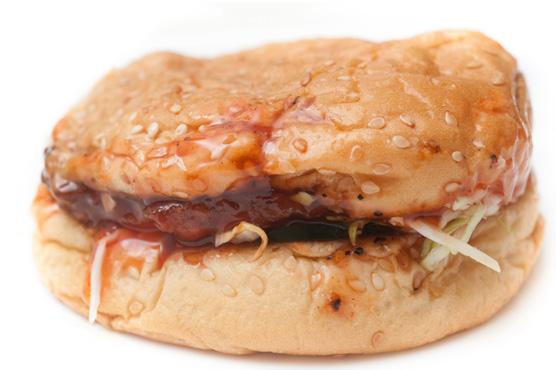
My lack of planning this year extended to dinner, which is how I found myself in a damp pub in the Latin Quarter on Monday night. I was directed there by the concierge at my €120 hotel, who said it was my best local option at that hour. I consumed a soggy veggie burger in my room at 10pm and pledged to do better the next night.
I didn’t. Trudging back through the rainy streets from Montparnasse on Tuesday, hunger got the better of me and I ducked into one of those takeaways where you order from a big screen. I was served a Caesar salad in a small plastic bucket and some cold fries. Most of it ended up in the bin in my room.
If nothing else, I’ve proved that it’s possible to eat appallingly in one of the world’s great food capitals.
This Mosel site has produced Spätlese wines for aeons, but Prüm decided that 2023 was more Trocken, so here we are. Classified as Ortswein (village level), it isn’t the most intense Mosel Riesling you’ll ever try, but it is possibly one of the most drinkable, with slatey minerality, tangerine-peel flashes and delicious purity.
RRP: £33.25 ABV: 12.5%
Delibo Wines (07368 848353) delibo.co.uk TRIED & TESTED
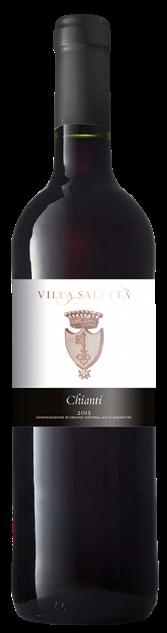
Winemaker David Landini enjoys “the true colour of Sangiovese” and avoids the overripe characters that some counterparts have embraced. So this wine looks like old Burgundy and smells like a Tuscan farm, with supple notes of violets and cherries, a touch of rusticity and a breezy freshness.
RRP: £67 ABV: 13.5%
Hallgarten & Novum Wines (01582 722538) hnwines.co.uk
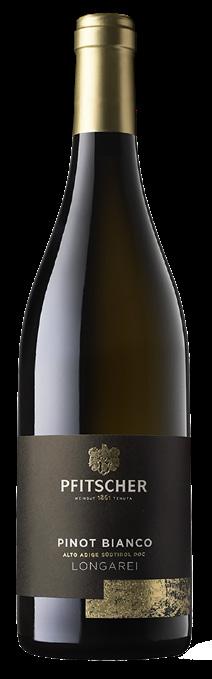
New to the Fells portfolio, Pfitscher is best known for its pristine Pinot Nero wines. But the same Alto Adige mountain air influences this sublime Pinot Bianco, which sees a mixture of stainless steel, oak and concrete on its journey. The fruit is soft, the acidity measured, the finish polished. Joyous stuff.
RRP: £19.99 ABV: 12.5%
Fells (01442 870900) fells.co.uk
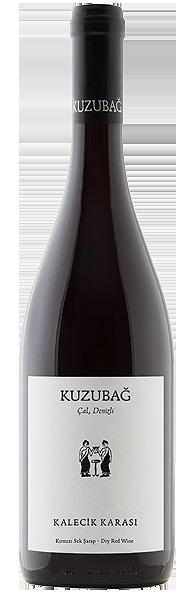
Kalecik Karası is a Turkish variety that some have compared to Pinot Noir; in the expert hands of winemaker Semril Zorlu it vaguely recalls Merlot’s roundness and Syrah’s sweet spice. On the palate it’s silky but also earthy, ethereal but also intense … a balanced and quietly mesmerising wine that represents very good value.
RRP: £19 ABV: 13.8%
Hallgarten & Novum Wines (01582 722538) hnwines.co.uk

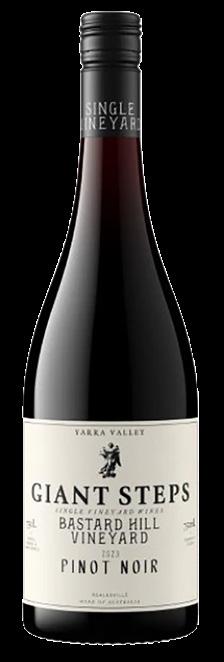
This steep Yarra Valley vineyard was originally conceived as a source of sparkling wine grapes, but the fruit turned out to be richer and riper than predicted. This is a top-notch Aussie Pinot, with precision and elegance and just enough new world generosity. Essential imbibing for jaded Pinot palates.
RRP: £62 ABV: 13.5% Liberty Wines (020 7720 5350) libertywines.co.uk
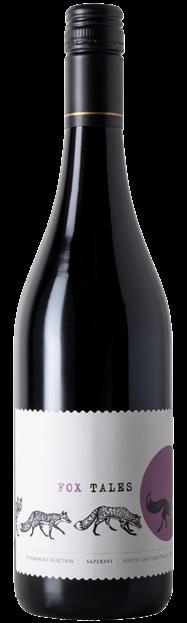
Well didn’t this hit the spot on a cold, wet Wednesday night after a day of errors and irritations. Gorgeous squishy black cherries dominate proceedings; the palate is concentrated and intense but not at all heavygoing. Lightly spiced, effortlessly suave, it’s an Aussie red that will make Yellow Tail fans repent their sins.
RRP: £14.99 ABV: 14% Milestone Wines (01200 613122) milestonewines.co.uk
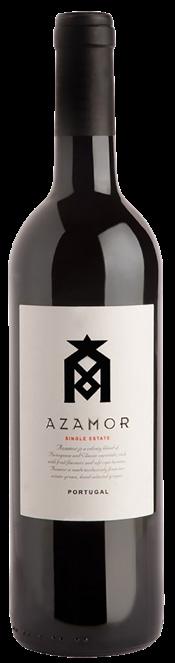
Azamor plants at high density in a hot region, but the 350m elevation refreshes both vine and drinker. This is a blend of seven varieties (all local except for Syrah and Merlot) and it’s yet another shining example of the Portuguese winemaking art, with sumptious, almost cuddly, fruit and a long, warm finish.
RRP: £19.99 ABV: 13.5% Liberty Wines (020 7720 5350) libertywines.co.uk
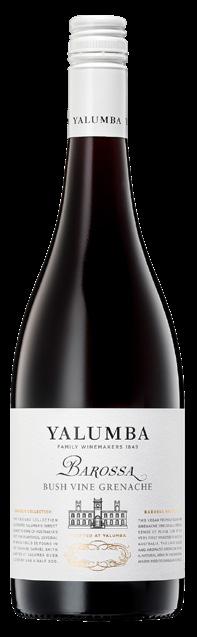
These Barossa vines date back as far as 1929, with the youngest planted in 1974, and who knows how much longer they’ll be economically viable – especially at this price point. So enjoy the vibrant, herby, forestfruit tinged fun while it lasts, and let the Hill-Smith family worry about eutypa dieback and falling yields.
RRP: £18.99 ABV: 14% Fells (01442 870900) fells.co.uk

In a nutshell: Homely food in the shop, cooked by the owner and served communally by the guests around a single long table.
Tell us more.
“I’ve been doing them for about 12 years, every Tuesday, Wednesday and Thursday, but I was 63 a few weeks ago and, quite frankly, I’m more lazy than I’ve ever been –and loving it – so it’s gone to twice a week. The main version is groups: a minimum of four, maximum of eight. But I have started an additional monthly supper club. There are a lot of people who have either just moved down to Exeter, or have lost friends because they’ve died or whatever, who can’t organise a group of four or more. So, I started a monthly club for three or fewer on a monthly basis.”
How does an evening work?
“It’s £25 for two courses, plus whatever you drink on top. This year I’ve instigated a minimum £50 charge per person. People are happy with that because they can see we’re not taking the piss – and I’ve fully upped the quality of wine. The philosophy is that there is no choice whatsoever: this is what you’re going to eat and this is what you’re going to drink with it.”
Do you have any signature dishes?
“It’s certainly more farmhouse than fine dining: big pots of stuff. The food I cook at home has always brought me pleasure, so I assume someone else will like it. I

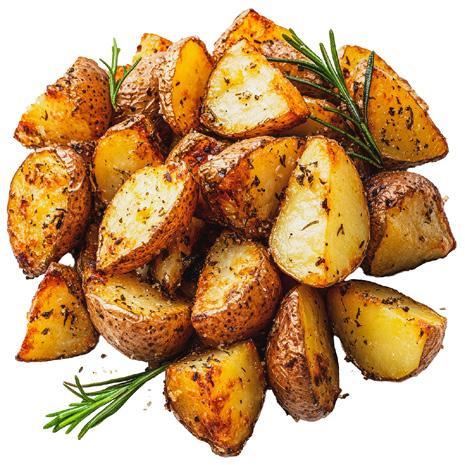
had someone who asked for macaroni cheese and roast potatoes. I do butterroasted potatoes; no fat, no oil. It’s filth, so wrong and so rich, but so delicious. My macaroni cheese contains loads of vegetables: mushrooms, broccoli, peppers, onion, green beans, all sorts. I use the strongest cheddar and some Danish blue in the sauce, and some mozzarella and held-back grated cheddar mixed with corn flakes sprinkled on the top. You get the crunch and then the goo and all the pasta loveliness. She’d heard about all this and decided that’s what she wanted, so I did it for them.”
Other merchants might look at this and think it sounds great but a bit of a faff. Do you ever just not feel like doing it? “Always, but then you have a cold beer while you’re in the kitchen and you’re relaxed, and they turn out to be nice people – it’s always a lovely night.”

Iain Smith Smith’s, Exeter
Is it usually the same people?
“I get a lot of repeat customers, but new ones too. Last year I did an 18th birthday for a boy and seven of his friends – I made sure his parents had their supper at my table in the kitchen. We also have groups from what I call the local gardening mafia, who are mostly women in their 70s and 80s. So it’s the full range.”
Is eight the absolute maximum?
“I have managed 12 around the table but I don’t like doing it, so I limit it to eight for their comfort. If I did it purely for the money I’d squeeze in as many as I could as often as I could, but that’s not the point of it.”
What is the point for you?
“I like doing it. Sharing food around the table can be a very strong bond within a community. The act of serving a friend food is part of the entertainment and buying into the evening. It’s a really nice little extra income stream but it’s always been more for the pleasure of doing it. It’s a delightfully selfish emotion, to feel responsible for other people’s good time. It was the same when I was making a living from DJing. I like a party.”
Iain wins a WBC gift box containing some premium drinks and a box of chocolates.
Tell us about a bright idea that’s worked for you and you too could win a prize.
Email claire@winemerchantmag.com

I quit smoking, but I didn’t stop selling cigars. You’re welcome, Mr Taxman

Iused to smoke. My doctor told me to stop but I ignored him. My accountant told me to stop and I listened. The problem was that I smoked big cigars like other people smoke fags. It was a lot of money up in smoke.
I still have a humidor of cigars on the counter right in front of me. It has a price list on the back and that stops me wanting to smoke. Having a small stroke a few years back persuaded me too.
I have no moral qualms about peddling the deadly drug. Anyone buying expensive cigars from behind the childproof, black-
out glass knows what they are doing. It’s not like a school kid will see the closed humidor and be driven to embark on a career as a smoker. Besides that, it is by far and away the most profitable square foot in the shop.
We started off selling a range of
Nicaraguan cigars from Tor Imports complemented by a few Dutch cigars from a local wholesaler. We now just buy a fairly tight range from Hunters & Frankau: seven Cubans, one Nicaraguan and two Dominicans plus a couple of Cuban machine-made packs. I used to buy specialist pipe tobacco for a local chap who was willing to buy an outer at a time so I didn’t hold stock. It came from a company whose main business is milling snuff. I still get emails from them telling me what new flavour of snuff they are producing. Who knew that was still a thing? Bit niche for us. We have never sold cigarettes or vapes and never will. There is a newsagent and a supermarket in town who do that sort of thing. Both have been broken into and burgled multiple times in the past few months, as has WH Smith (or Jones). No enterprising villain has targeted my humidor. I imagine thirty quid hand-rolled Cuban cigars are harder to shift.
Although nowhere near full, the little humidor currently has just shy of £2,000 worth of cigars in it. We turn it over quite quickly. Each cigar can cost the same as a bottle of gin, the margin is better and it takes up much less room.
So who buys cigars nowadays? We did have a couple of gentlemen who would each regularly buy a box of 10 Romeo y Julieta Short Churchills at £350 a go. They are both still alive but not smoking quite so furiously. It would cost them £380 now. Other than them and a few other fairly regulars, the main market is irregular smokers – lads who fancy a decent cigar now and again, maybe for a poker night. We sell a lot in the summer for weddings, of course. Whether they smoke or not, the groom and his ushers have to have a cigar.
Each cigar can cost the same as a bottle of gin, the margin is better and it takes up far less room
Anyone who smokes expensive cigars constantly will have found a supplier somewhere where they can buy them on the cheap, if not altogether legally. An MP (unnamed for now because he isn’t famous and is generally a decent chap) once saw the price of my cigars and thought it was a good idea to tell me that he bought his from someone in Spain and had them sent over at a considerably lower price. I took
him to one side and explained the legal niceties of that one. I’m sure he’s not the only politician who thinks it’s clever to avoid tax.
Tobacco is one of those things that everyone expects to be taxed. As far as cigarettes go, they have almost been taxed out of existence. Certainly there is considerably less money coming into the exchequer each year from tobacco. The argument is that the loss of revenue is covered by savings in health costs. I’m not sure I buy that, but it is hard to argue against. Tobacco is bad for you. Taxing it stops people smoking. That kind of works if you turn a blind eye to smuggling.
For as long as I can remember, tobacco duty has increased in line with inflation plus 2%. Just this morning I heard on the news that inflation this month was slightly higher than expected and the increase was blamed on tobacco being more expensive as post-budget prices kicked in. Well, you can’t have your cake and eat it!
The last budget didn’t mention tobacco duty but it went up by 5.66% – between one and two pounds a cigar. The previous government’s last budget announced “no change to tobacco”. They meant “no change to routinely putting it up by inflation plus 2%”. It went up 12% that year.
With decreasing revenues from tobacco and, heaven help us, decreasing revenue from booze, where will the exchequer look next? I had an idea recently that started out as a joke but the more I think about it the more reasonable it sounds. If nicotine and alcohol can be taxed out of existence, why not target caffeine next? I’m sure the same health arguments can be deployed. I dug further. We drink a lot of coffee. I worked out that if you were able to tax it at 10p a cup that would bring in £5bn a year! You heard it here first. OK, that includes coffee drunk at home, but even if Starbucks asked every customer if they would like to donate an extra 10p to the NHS it would help. Or they could just pay their taxes, like we all have to.
David Perry is the owner of Shaftesbury Wines in Dorset


I’m ordering wine by the ton. I need some help with pallets, not palates
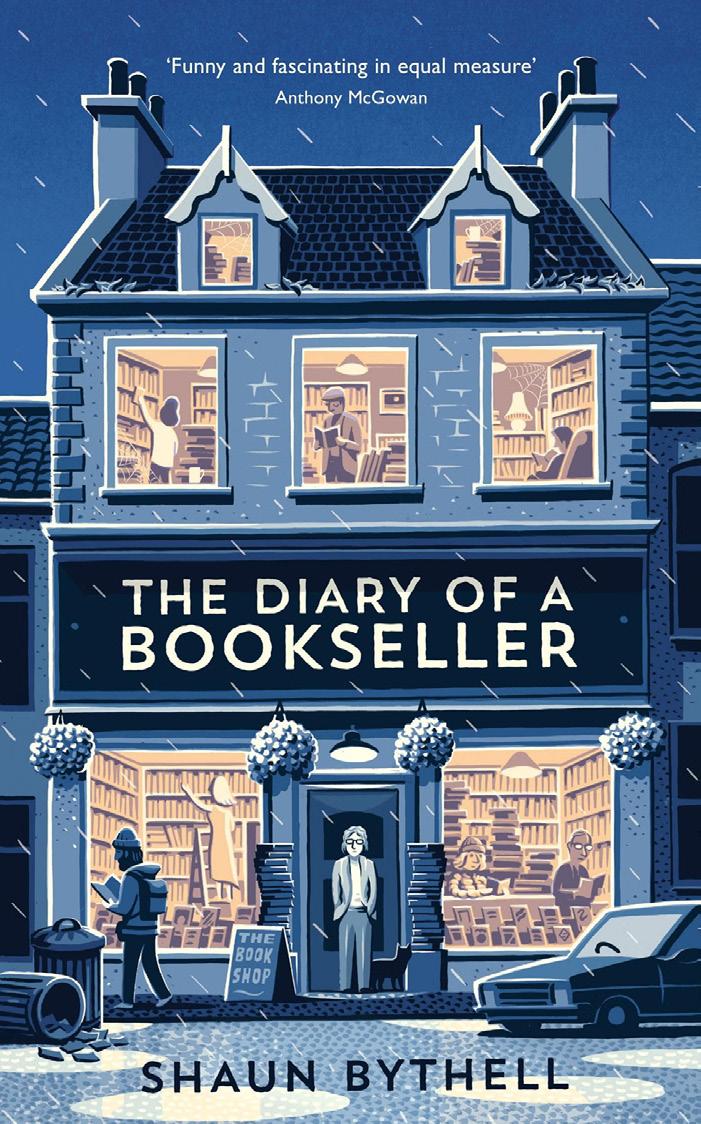
If you haven’t come across it already, I heartily recommend Shaun Bythell’s book, The Diary of a Bookseller Originally published in 2017, it’s a dayby-day account of life in a second-hand bookshop in Wigtown in the south west protrusion of Scotland.
Wigtown was a small, depressed town – depressed not least by the closure of nearby Bladnoch distillery – when it was chosen to be “Scotland’s Booktown” in 1999. Now there are a dozen bookshops, two book festivals, and Bladnoch has come blazing out of retirement. Not bad for a town of fewer than 1,000 inhabitants in an unfairly overlooked corner of the country. And a testament to the power of small independent businesses as a force for good. Yay! Go us!
By Shaun’s account, working in a bookshop is not that different from working in a wine shop. People usually get into both jobs because they are passionate about the product, rather than passionate about business per se. Consequently, the highs of finding the right book (or bottle) for a customer are wonderful, while the lows are hard not to take personally – even though they clearly shouldn’t be.
Shaun is particularly witty in his summing up of customers who annoy him (and a lot of customers annoy him – I think he’s even grumpier than me) such as “a busload of Yorkshire pensioners complaining about absolutely everything, taking anything that’s free, then urgently demanding to know where the nearest
Some obvious parallels with wine merchants
public toilet is”. Then there’s “a woman wearing what appeared to be a sleeping bag with a hole cut in the top for her head and the bottom for her feet”. And “a customer with polyester trousers about six inches too short” who asks him: “Have you ever had a death in here? Has anyone ever died falling off a stepladder in the shop?”
Shaun replies: “Not yet, but I was hoping today might be my lucky day.”
Before heading into work, I’d read an entry about Shaun buying a job lot of 1,000 books and having the tedious labour of loading the boxes into his
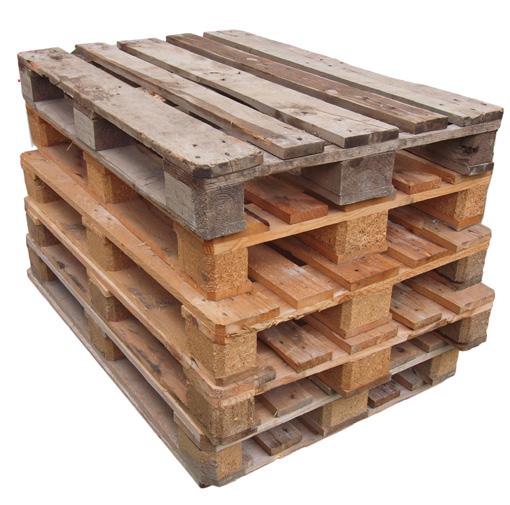
van, then unloading them at the other end, before sorting and distributing them to various shelves and stores. When I arrived at my place, a forklift was dropping off the second of two pallets of wine – 1,000 bottles.
Do all wine merchants have to order in such bulk? I don’t think so. Most will have had the foresight to set up business in a centrally located conurbation, rather than a remote northern town – and a town, come to that, with 15 miles of treacherous, stormy sea between it and the last link in most logistic chains. It’s too expensive to order small quantities of stock to be delivered here: to spread the cost of freight as widely as possible for both us and suppliers, we must order a full pallet of wine every time.
The forklifts drop the pallets off outside our back door, where the car park is overlooked by a block of flats, a Masonic lodge and a youth club. So there is some urgency about getting the wine stack broken down and carried inside as quickly as possible.
One pallet isn’t too bad, but two starts to seem like hard work. “Every pallet weighs a ton, literally!” I tell anyone who will listen. Which is usually no one. My noble staff know very well the labour involved, so don’t want to hear my moans – and, as the wine is initially stowed in a storeroom rather than the shop, none of our customers see the sweat and strain they cause by insisting on buying stuff from us.
On this particular day, it started snowing thickly just as I slit the plastic wrap on the first pallet. Oh well, snow is better than rain. Just before Christmas, transport problems – gales in that stormy firth – caused a snarl-up of deliveries, and three pallets arrived simultaneously, on a day of driving icy rain. I had only one person assisting that morning, so she had to stay in the shop
None of our customers see the sweat and strain they cause by insisting on buying stuff from us
while I did the heave-ho-ing.
A ton-and-a-half in, a member of my extended family (who shall remain nameless to preserve harmony) passed through the car park and stopped for a chat. “Ah, you’re so lucky working in a shop like this. So much more fun than being stuck in an office.”
I paused, holding the 19th and 20th boxes of cheap Prosecco I was lugging. “You’re welcome to give me a hand,” I said, nodding at the remaining pallet.
“I’d love to! I could recommend what wine people should drink with their turkey. Are you doing a tasting? I could try two or three things then give the customers my impressions. Burgundy, maybe?”
And with a cheery wave he disappeared across the car park. As he went out, a post office van came in. The postie jumped down, opened the van doors, and started unloading a stack of 20-kilo boxes. The cheese had arrived.
Duncan McLean is proprietor of Kirkness & Gorie, Kirkwall
In the Make a Date section of our February edition, we mistakenly published details of Armit’s 2025 portfolio tasting instead of the one taking place this year.
Our panel tasting report wrongly listed Daschbosch Méthode Ancestrale 2024 as a Vinho Verde when it is, of course, from Breedekloof in South Africa.
Jaime Fernandez’s business in The Burning Question vox pop was misprinted as Vine Vero. It is actually, as all our proofreaders know very well, Vino Vero.
All corrections have been made to our digital edition. Apologies for the errors.

�Wine is relatively expensive for younger drinkers who possibly don’t appreciate its nuances, or their lifestyles simply aren’t built around buying a decent bottle and enjoying it through the evening. Luckily our customer base is generally older, either retired, financially settled or at least stable, unlike most young people who have a rather more precarious financial outlook. A fair few customers have stopped drinking, for either medical reasons or lifestyle choices.”
Nichola Roe Wine Therapy, Cowes, Isle of Wight
�People are drinking less but drinking better. We’ve just returned from Wine Paris, where we were seeking out innovative producers, including lower-abv and alcohol-free options. The market is evolving, and it’s important to evolve with it. Soon we’ll be launching a range of wine-based cocktails at 7% abv, alongside carefully selected ‘no and low’ alcohol wines from Provence. For us it’s about identifying exciting, well-made wines that appeal to a changing and expanding audience.”
Sarah Hattersley * Champagne winner * Hattersley Wines, Bakewell





�It feels more like a shift than a slump, with people drinking less often, but better. Younger consumers are moderating their drinking, with cocktails and ‘no and low’ options taking a share. When they do choose wine, they lean toward fresher styles, interesting blends and more ‘natural’ expressions. Older generations still favour classic, fuller-bodied wines. The overall range needs to broaden to reflect evolving tastes. We’re also likely to lose customers to supermarket promotions and lower price points amid economic pressure.”
Dom Doherty Chilled & Tannin, Cardiff
�It’s difficult for us to comment, just being in our second year, but sales are about a third up, more some other months. We’re a hybrid and if overall wine consumption is falling then the quality of wines that customers are buying is higher. I think our customers like us for providing something different from the supermarket on one side and the other hospitality venues on the other.”
Graeme Hetherington Monty’s Wine Shop & Bar, Aberdeen
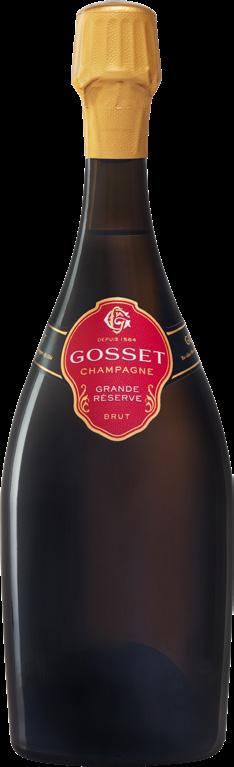
Champagne Gosset
The oldest wine house in Champagne: Äy 1584

The Rising Stars page is, almost by definition, often home to eager youngsters, hopefully embarking on long careers in the wine trade with any number of potential pathways. But this month’s success story shows the power of wine to ignite a new passion when someone already has 30-plus years in retail under their belt.
Jude Heeks joined Warwickshire indie Sheldon’s in 2021 after running the village shop in Long Compton, five miles down the road. The enforced closure of that store’s post office counter made it feel less like the beating heart of the community.
“It became more like just shop work and wasn’t a challenge anymore,” says Jude. Coupled with changing personal circumstances, it prompted her to change gears.
After being introduced to Sheldon’s owner Shane Slater via a friend of a friend, Jude sensed that working in a wine shop could help her reconnect with customers and provide the opportunity to learn some new tricks.
Saturday night because she wants to know that we have had a good week – every week!”
On the customer service front, “nothing is ever too much trouble for her and she will always do that little bit extra to help people out”.
Jude says the “constant learning curve” has grabbed her most about her shift in career, along with the appeal of working in a beautiful old building and the social interaction with customers who are equally enthusiastic about wine.
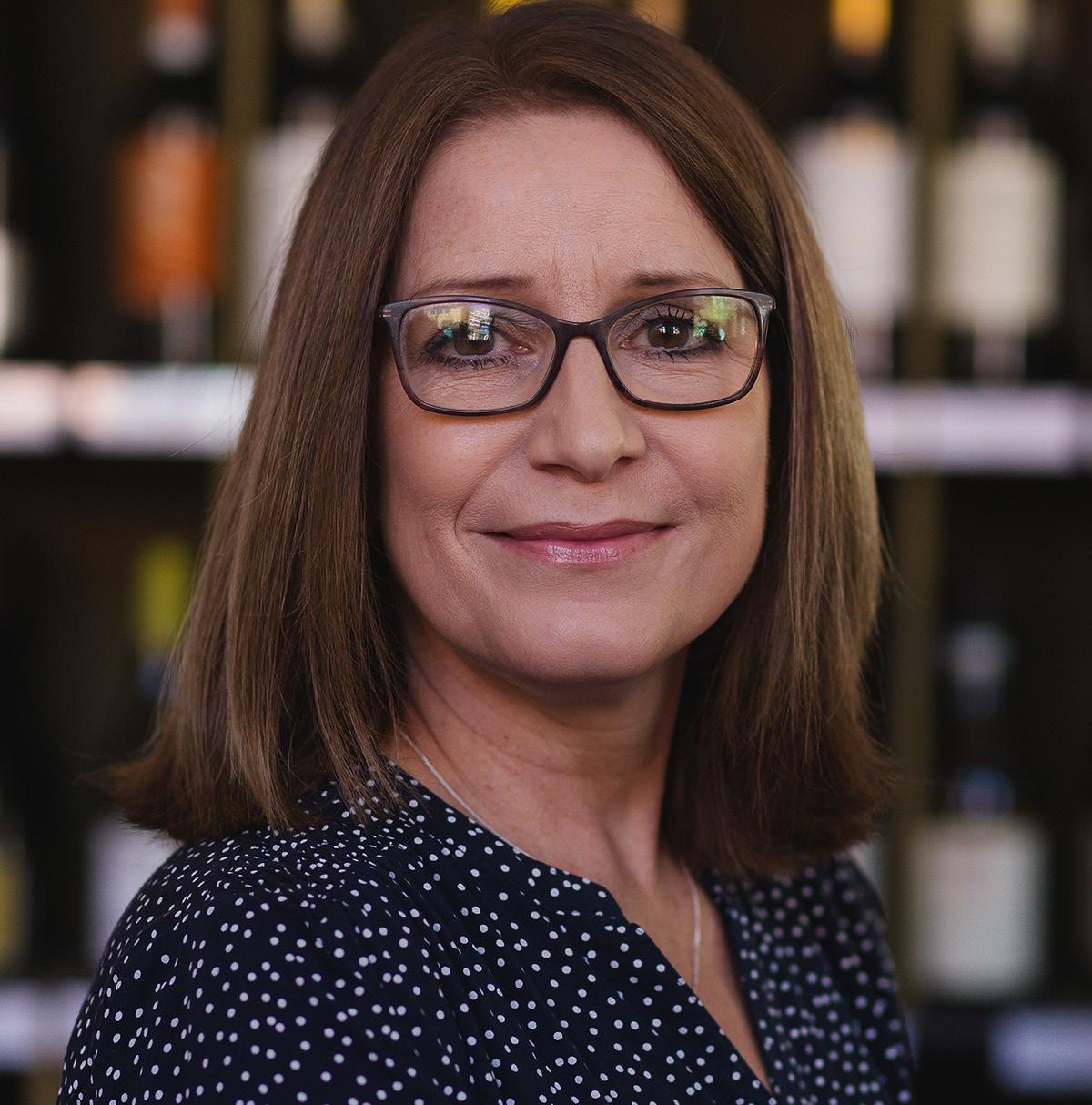
Five years down the line, she’s accelerated through WSET Levels 1 and 2, with Level 3 on the cards.
“She could conceivably have just turned up and served people,” says Shane, “but what’s surprised me the most is the way she’s not just grasped the nettle, but gone absolutely all-in and become extremely knowledgeable about wine.
“She’s done the formal education but also spends every spare moment, when we’re not busy with the customers or in the warehouse, reading up on different wine topics.
“She spends her spare cash on buying bottles from the shop to take them home and experience them, and will come back and discuss them with the team.
“I have to text her the end-of-week numbers on a
Though the village shop sold a bit of wine it was far from a specialism. “I’d always had an interest in food and wine,” she says, “but until you start reading up about it in magazines and books you don’t really realise the bigger picture about what the environment in different regions and countries –the mountains, oceans, everything – tells you about how a wine got to the point of being in the bottle.
“It’s a subject that just worked for me. You can never know it completely; there’s always something to learn.”
Sheldon’s compact team of five means that everyone has to chip in and do a bit of everything – “it’s not the most glamorous job sometimes: warehouse work and booking stock in” – but Jude’s long retail experience naturally leads to a high level of input into the shop’s visual appeal.
“One of my main roles is looking at how the shop is set up and seeing it from a customer’s point of view, while keeping-in with the character of the old building.”
Shane adds: “She’s our go-to person for things like Valentine’s or Easter displays, because I have no concept of how people are going to receive point-ofsale material.
“She’s creatively minded and very diligent –and super-accurate on detail.”
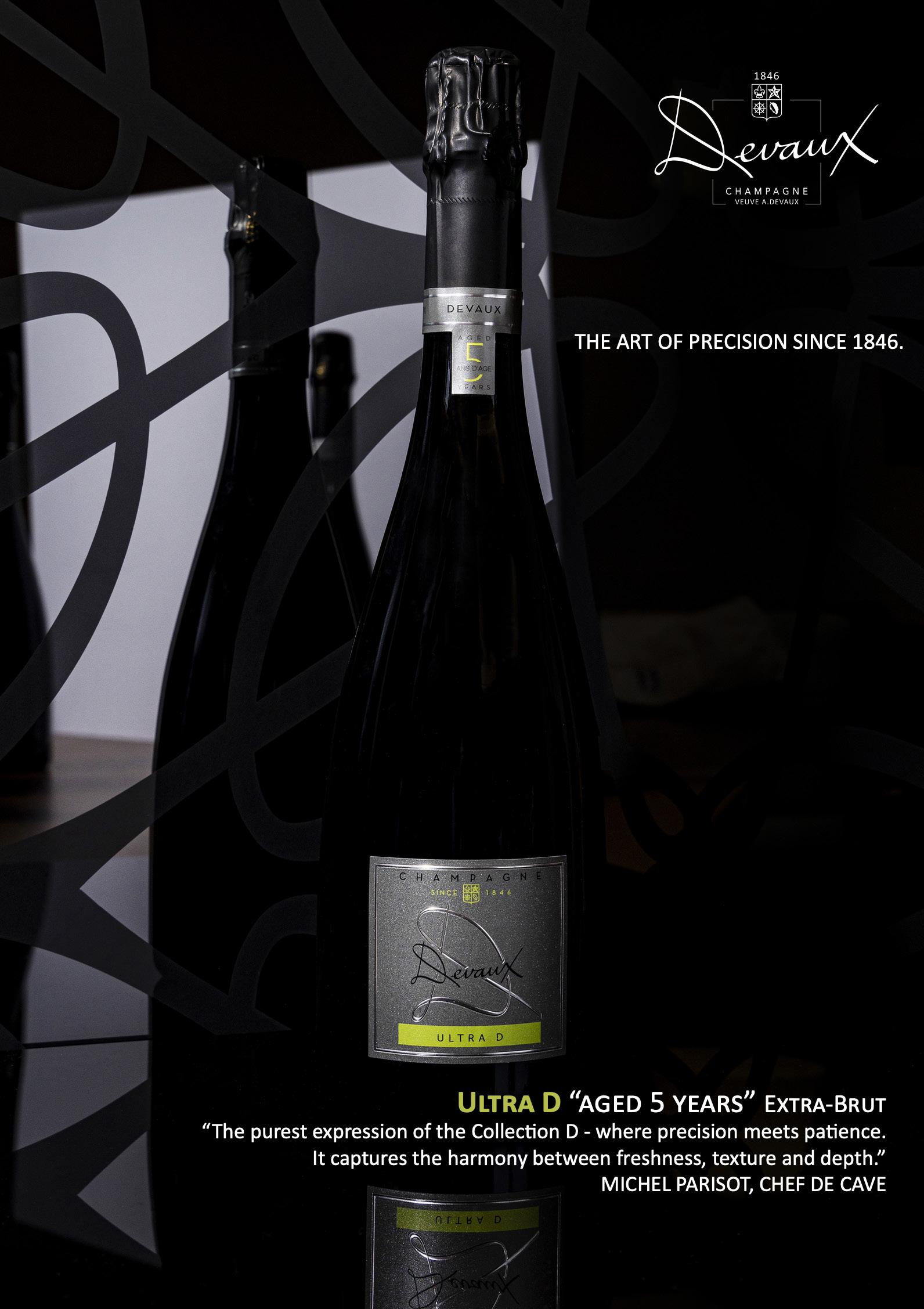
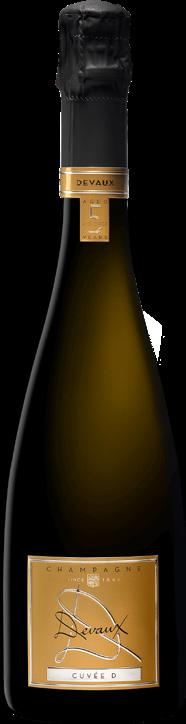
Jude wins a bottle of Champagne Devaux Cuvée D courtesy of Liberty Wines
If you’d like to nominate a Rising Star, email claire@winemerchantmag.com

A monthly column from Alliance Wine exploring practical, creative ways independents can sell smarter - covering everything from fine-wine offers to pricing tweaks and experiential events
One thing I’ve noticed in the past year is how many indie retailers are experimenting with “drink better, drink less” conversations, a quiet shift that has been driven by their customers. For some, fine wine focused offers have been a simple way to introduce customers to special bottles without making it feel like an upsell.
A few retailers tell me they had success sending occasional finewine emails – nothing flashy, just a bit of background, a tasting note and a good image – even using the copy and images from our emails. Customers seem to enjoy the extra content, and it can make higher-quality wines feel more accessible and attainable.
It’s also worth remembering that Alliance can organise small allocations specifically for this purpose, even a handful of cases
can be enough to create a tailored offer for loyal customers, and if no orders come in, there’s no downside. In most cases, our fine wine release offers may be the only chance our customers have to get their hands on the stock as demand continues to outstrip supply for the best producers.
For shops looking to add excitement to the range without a big investment, these light-touch, small-scale fine wine offers can be an easy, low-pressure way to start a conversation directly with customers. It’s less about pushing higher prices, more about opening the door to bottles people might not usually explore.
If you don’t currently receive our Fine Wine release offers, and would like to, please email Bryn Stephens at bryn.stephens@alliancewine.com.
Ned Llewellyn, sales director – off-trade

Elizabeth Coombes
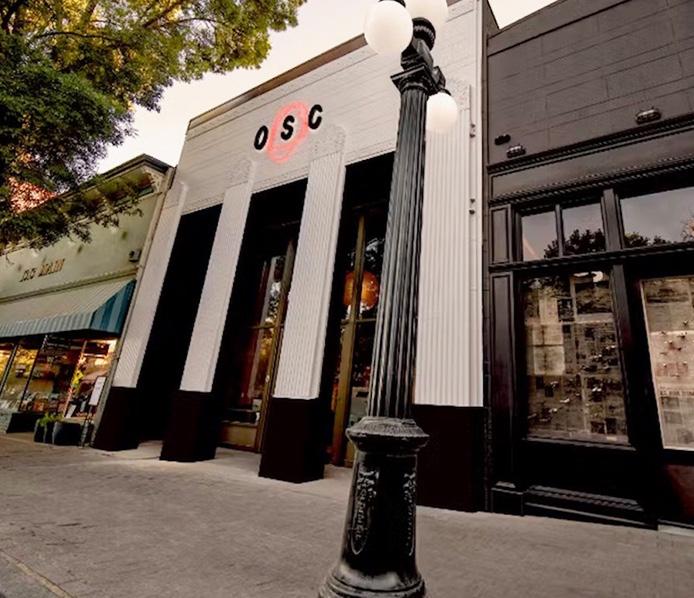
The Artisan Wine & Spirit Co
Salisbury
Favourite wine on my list
Probably Brookdale Old Vine Chenin Blanc from Paarl. It has so many different things going on.
Favourite wine and food match
We were tasting eight wines from across New Zealand in one of our local pubs. As we moved onto the Mahi The Alias Sauvignon Blanc I grabbed a packet of Scampi Fries from the bar and oh my god, what a game changer.
Favourite wine trip
The place I’m most fond of is South Africa. Over several trips there I was spoilt rotten with the scenery, food, wine, sunshine, hospitality and some incredible experiences (taking control of a plane and being told to just “follow that road down there”).
Favourite wine trade person
The late Phil Tuck was kind, charming, funny, endlessly positive and generous. On a trip to Bordeaux a rather long evening was finished off with a game of table football. Phil leapt up onto the table exclaiming: “There are people on the pitch. They think it’s all over – IT IS NOW!”
Favourite wine shop
Tanners was my first job in the wine trade in 1994. I thought their shops were just brilliant, with very old rambling timber-framed buildings, creaking wood, the smell of the wine and the oak. They have huge wine ranges, incredibly knowledgeable staff and are family owned. I love it.
Majestic Wine Group-owned Enotria has put 50 roles across its 275-strong workforce into consultation.
Reportedly Enotria staff were informed on February 24 of a 30-day consultation process that will impact roles across the firm’s sales, IT, finance, buying, marketing, people, facilities and supply chain departments.
Majestic Wine Group’s executive chair and chief executive John Colley said the consultation, which coincides with a new business strategy for wine and spirit supplier, will ensure Enotria is “fit for the future”.
The Caterer, February 24
Jackson Family Wines has stopped production at its Carneros Hill facility in Sonoma’s Carneros region, laying off more than a dozen employees.
This follows Gallo’s announcement regarding the closure of a large production facility and the elimination of nearly 100 jobs across Napa and Sonoma counties.
Gallo is also slashing staff at some of its other labels, including the Louis M Martini Winery and the Orin Swift tasting room in St Helena, as well as J Vineyards and Frei Ranch in Healdsburg. New York Post, February 25

A new industry-led initiative called Dryfarmed Collective will officially launch in March at ProWein.
The Dry-farmed Collective will bring together growers, producers, researchers and advocates committed to protecting and promoting South Africa’s rain-fed vineyards.
According to SA Wine Industry Information & Systems, South Africa currently has 10,760 hectares of dryfarmed vineyards, representing 12% of the national vineyard area.
These vineyards are recognised for producing wines of concentration, structure and authenticity, with smaller berries and lower yields contributing to depth of flavour and a pronounced sense of place.
Wine.co.za, February 26
The Institute of Masters of Wine has announced that four new Masters of Wine have joined the membership after successfully passing all three stages of the exam.
Karen Hong Liu (Hong Kong), Cristina Mercuri (Italy), Kim Oshiro (US) and Bryce Wiatrak (US) are the latest to earn the Master of Wine title. They are the first of the 2026 vintage of Masters of Wine and include the first female MW to be based in Italy.
There are now 422 active Masters of Wine across 30 countries, working at the highest levels of the global wine industry. HortNews, February 23
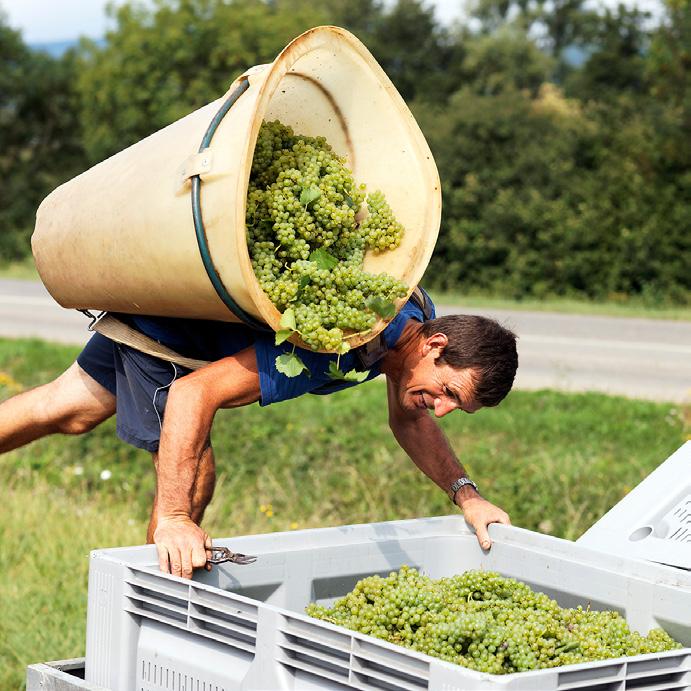
France’s struggling wine sector is set to receive fresh EU subsidies as policymakers respond to falling demand, shifting trends and mounting trade pressure from US tariffs.
The European Union will unlock €40m to support French winemakers.
The key part of the EU’s intervention will focus on reducing the glut of unsold wine that has weighed heavily on prices.
RFI, February 26
Manchester-based Balance Brewing & Blending has released its first beerwine blend, a collaboration with Matt Gregory Wines, called Veer.
Balance blended a barrel of Matt Gregory’s red field blend 2022 with its own 18-month-old beer. It was then aged for six months in bottle.
The brewer describes Veer as “tannic and effervescent, with cranberry, cherry and funky leather notes on the nose”. It adds: “On the finish, there’s white pepper and a subtle warming spice, all wrapped up in sweet woodsmoke.”
BeerToday, February 26
• The founder of Berkmann Wine Cellars and a driving force in the evolution of Britain’s wine trade, Joseph Berkmann, has died at his home in St Tropez aged 94, reports The Drinks Business and others.
• Dan Duckhorn, the visionary pioneer, champion of Merlot and leader in the Napa Valley wine community, has died at the age of 87, The Wine Spectator confirms.




With Flying Füchs
1. In which French wine region would you find Fourchaume, Montmains and Côte de Léchet?
2. What’s the name of the wire cage that holds a Champagne cork in place?
3. Which famous Bordeaux estate derives its name from the sheep that once grazed its vineyards?
4. Where is The Wine Society based?
(a) St Albans (b) Stevenage (c) Stratford-upon-Avon
5. What’s the approximate size of the phylloxera insect? (a) Smaller than a pinhead (b) The same as a grain of rice (c) The same as a ladybird
Answers on page 59
by Brett


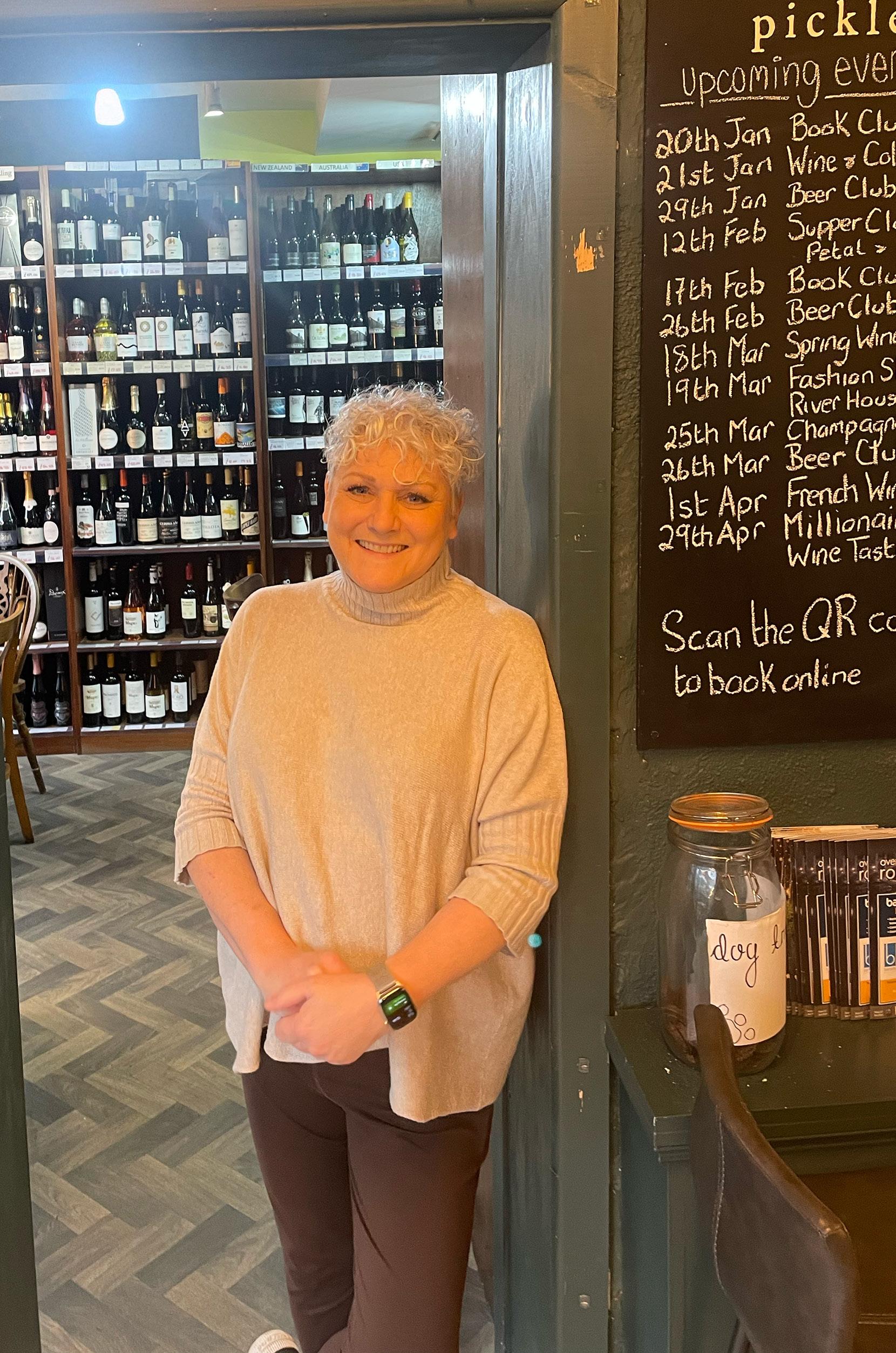
Easter 2025 brought the latest chapter in the life of the business founded by Sam Jackson as Chester Beer & Wine 20 years earlier.
Having moved across the city in 2018, from its original home in Hoole to Handbridge, Sam took on an extra unit next door to expand its footprint last year and made the move into being a full-blown on/ off hybrid.
Perhaps most significantly of all, the business had a change of name too, swapping the retail matterof-factness of Chester Beer & Wine for the more bar-sounding Pickles.
“Julie Mills from Vinomondo [in Conwy in north Wales] had been telling me for years that I needed to go hybrid,” says Sam, “but there seemed no way we could. Neither here nor Hoole had any outdoor
“ We were just retail initially, with a room upstairs where we managed to cram 25-30 people in for events”
Sam Jackson ran a beloved beer and wine shop have been a disaster turned out to be a brilliant business combines retailing with on-premise
space. I was thinking when Covid lifted and people wanted to go out more and have deliveries less might be the time, but we weren’t really geared up because we’d managed to fill our tasting room with packaging.”
That changed when the tenant of the neighbouring unit decided to vacate.
“With my business mentor, I was already looking at options to increase turnover and profitability, just with the retail. We’d already been doing our best upstairs with a little bit of table service during shop hours. But it was a difficult sell, because you’d come into a shop and there was bar upstairs, but there wasn’t a bar-bar.
“Then when the other tenant left, we thought we’d be mad not to take it over and give hybrid a proper go.”
The new-look business now combines two formerly separate retail units, with a walk-through between distinct retail and sit-in sides. A tasting room and additional seating runs across the upstairs of both units, with connected staircases on both sides.
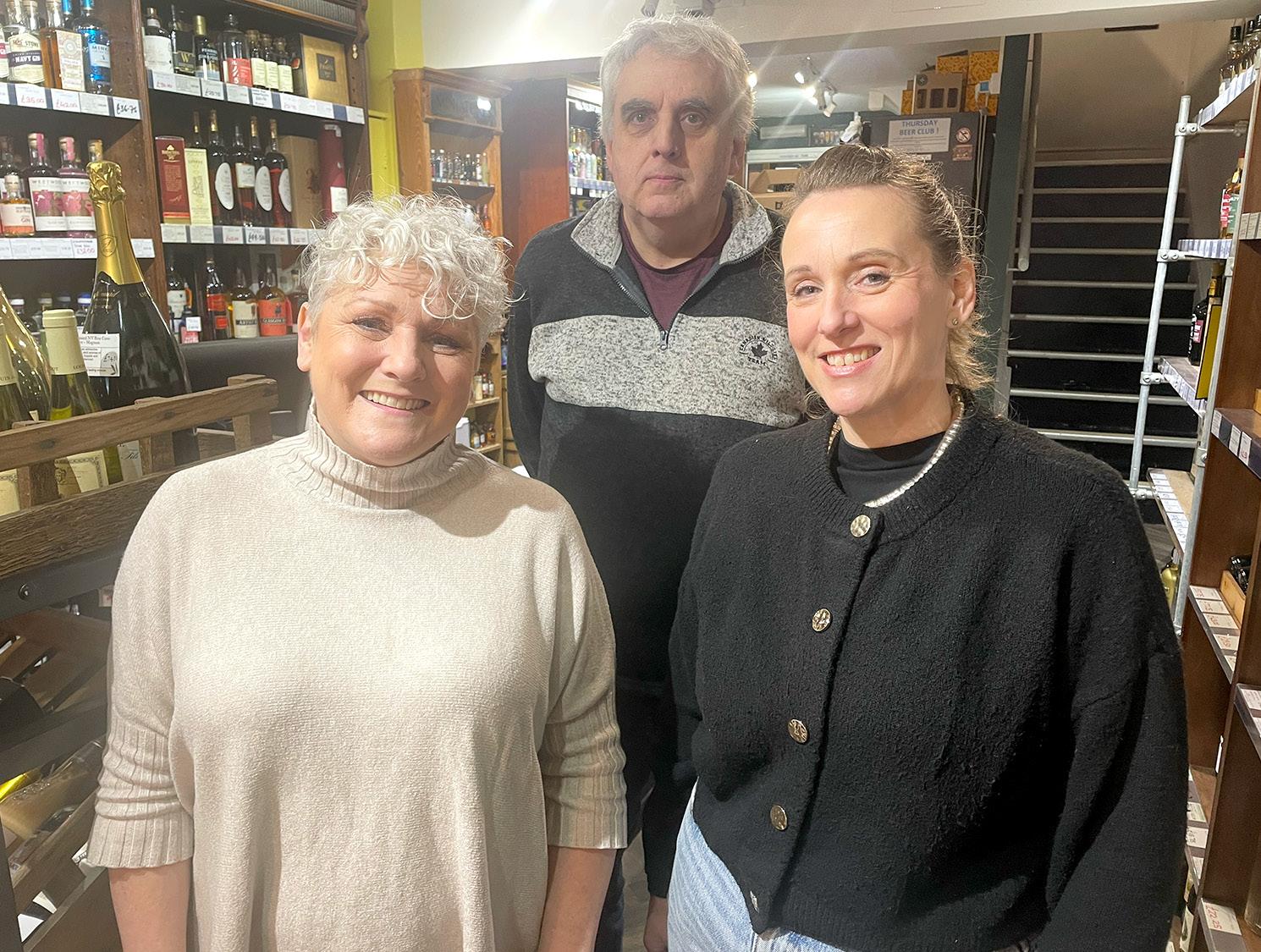
Sam is the sole owner of the business, but generously uses “we” throughout the interview to include mentor Jenny Pridding, beer buyer and website/EPOS manager Dave Calver, and Emma
shop in Hoole before her landlord got greedy. But what could brilliant opportunity. Now relocated to Handbridge, the renamed on-premise drinking – and it’s thriving. Nigel Huddleston pays a visit
Neary, who joined in 2024 to handle admin, bookkeeping and as a general sounding board on ideas and day-to-day issues – and who joined in the chat with The Wine Merchant
There’s also an expanded team of around 20 now, to accommodate the ramping up of the on-trade side.
“That’s been a huge learning curve,” says Sam. “Doing the rota can be tricky, trying to pin down teenagers to do every Saturday. And although there are so many more staff, there are so many more jobs that need doing.”
Having made the move from Hoole previously, however, Sam was no stranger to change. That move had been forced by a change of landlord, who quickly delivered an ultimatum: accept higher rent and new terms or leave within weeks, effectively a fait accompli
“There was quite a backlash in Hoole because we were quite a beloved business there,” says Sam. “There are still people come in here and say I won’t set foot in that place, not after what they did to you. That’s what happens when you upset the community.”
What was the attraction of this site?
Sam: When people are moving into Chester, the two
suburbs that they want to move into are Handbridge and Hoole. They just have a really nice community feel to them, lots going on and a good shopping base. Hoole is bigger but although it is only a 10-minute walk into town it feels much further out than that. Handbridge feels much more connected to the city centre.
When I came to view it, it seemed so tiny, but it’s a bit of a Tardis: it’s bigger than you think. We were just retail initially and had a room upstairs where we managed to cram 25-30 people in to do a few events.
Did customers follow you here?
Sam: It was expensive to move and we were starting from scratch because – I don’t know if this is true of suburbs generally – Hoole people don’t leave Hoole very often. We lost most of our customer base and we were starting from virtually zero. It was bigger overheads but with lower turnover.
It was a really big struggle and, to be honest, it was Covid that saved us, being an essential business and able to stay open. Everybody just started buying wine and using free local deliveries. We were already set up for them but hardly anybody used them up to that point. All of a sudden, they went through the roof.
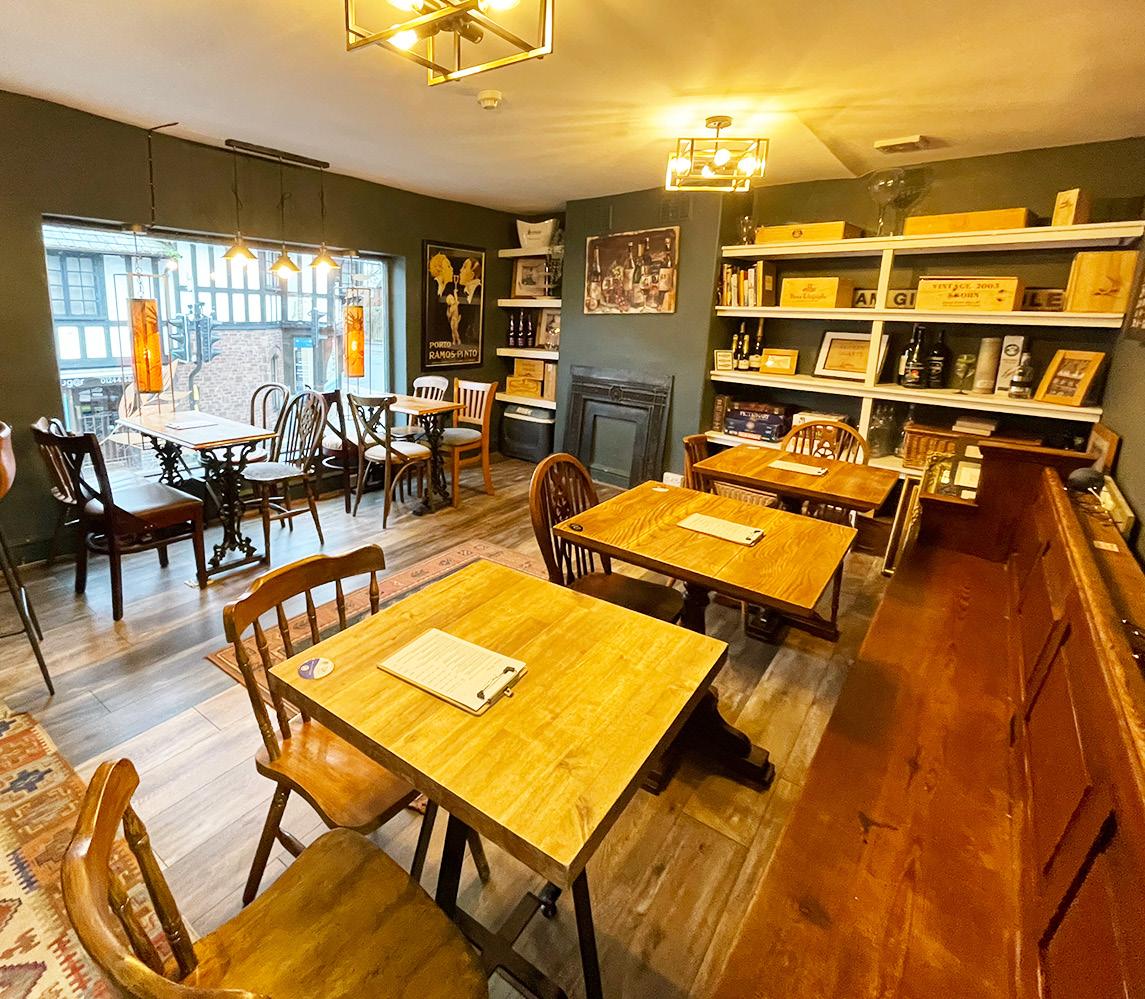
Talk us through the process when the opportunity to expand and go hybrid came about.
Sam: As I’ve learned in the past, just throwing money at something doesn’t necessarily bring success, so it had to be planned properly. Initially I’d got the offer of some funding, so I’d got some architects’ plans and some grand ideas, and then the funding fell through. But I had the plans, so I just decided to go ahead and self-fund through borrowing, just scaling everything right back. My builder was actually a customer from Hoole, and I said there’s got to be no frills here: I didn’t mean cheap in terms of quality, but we needed to make sure everything was on budget and as affordable as it could be without being cheap and nasty. He absolutely got it. We kept the old floor, there was no plastering, and radiators were just painted over. The bar is the original counter from Hoole, which was initially the shop counter here.
Where did the name Pickles come from?
Sam: I’d been playing around with quite a few names, thinking of clever puns on wine. I was really set on On The Lees for a long time, but I then thought nobody would really know what it was, and it was a bit pretentious. I’ve always loved the word Pickles. It started with the film Shaun of the Dead, where Shaun’s mum, played by the lovely Penelope Wilson, calls him Pickle all the way through. I thought that was so cute. If I was going to have another dog I’d have called it Pickle.
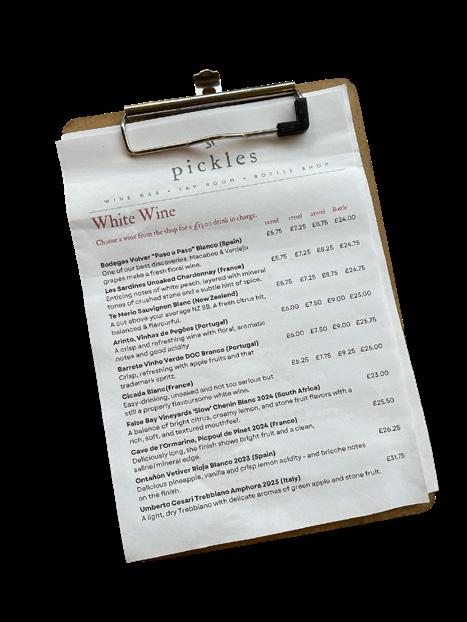
So it was nothing more than just liking the word? There was no other significance to it?
Sam: Not really, though because pickles jumbled in a jar are all different but rubbing along quite happily, it fits our ethos of being a safe space where everybody’s welcome. Nobody is odd or strange to us. We’re dog friendly, you can come in with your family: it’s not the sort of place where heads turn.
Despite the name change, you’ve retained the beer element very strongly, not just the wine.
Sam: There are four kegs under the counter that go through a chiller unit. You do get some Camra bods coming in and complaining that we haven’t got any real beer, but that’s not really understanding the nature of the business. Camra spouts about a pub a day closing, but they never talk about bars that are opening.
“It feels like Chester has become a real thing of indies collaborating, without any rivalry”
There are usually two IPAs, one hazy, one normal. At the moment there’s a stout, which is a seasonal thing, and there’s always a lager – and we try to have at least one of them gluten-free. We’ve built up quite a big customer base of people who are gluten-intolerant, so we’ve also got a big range of [packaged] gluten-free beers.
Events seem very important. It looks like there’s a lot going on beyond just tastings: a book club, a fashion show, Wine & Colours …
Sam: There’s a lovely community spirit about them. The fashion shows are with River House Interiors, who worked with us on the look of the upstairs. They started doing clothing and we did a show with them a year ago. It went so brilliantly that we did another one last autumn and we’re doing another one this spring.
A couple of years ago a lady came in and asked if she could set up a book club. We chose a book together and advertised it and had the first night. Then she came the next month, and then we never saw her again, but we decided just to carry on going. We started off charging £10 to attend, with a free glass of wine, but then we changed it to being free to attend as long as people bought a drink … and people stay around and spend more anyway.
Emma: Wine & Colours is a collaboration we do with a customer who matches people’s skin tones to suit different coloured clothes. We match four wines, one for each season of the year, and she’ll guide customers as to what season suits them.
Sam: As we’ve done more collaborations, we’ve
found other people have come to us to ask about doing them with us, which is great because we both get to reach different audiences.
We’ve started doing one with Pastry Pédaleur in Chester market, run by a lady called Steph Peters. She trained as a classic French pastry chef and makes these amazing desserts, so we set a date for a Wine & Pudding tasting and it sold out really quickly. I chose six wines and matched them with six of her cakes. They’re not all pudding wines: there are reds, whites and a bit of fizz. It feels like Chester has become a real thing of indies collaborating, without any rivalry.
How has your approach to wine changed?
Sam: It has become more focused. I was a lot more pebbledash, going to a tasting and saying “let’s get all this”, or a rep would come to visit and I’d say, “yes, I’ll take the lot”. And then there wasn’t any follow-up [from us] about how sales were going. Sometimes wines ran out of stock and we’d forget to bring them back in again. The nature of on-trade is you have to be a lot more targeted and focused on stock levels. It can be quite easy to run out of stuff. [To compensate] you end up buying three big orders – and I know other people have done this –and you end up with a big bill that you have to catch up with on turnover. It’s like turning round a tanker by the time you realise you’re overstocked and you’ve given yourself a cash flow pinch. Emma’s quite good at working on that with me: let’s just manage what we can afford – being a lot more disciplined, I suppose.
Are particular countries strong suits for you?
Sam: It isn’t a particular country, but it tends to be particular wines that sell well. Having said that, Portugal has really found its feet and not just from us pushing it. A lot of customers have been to Portugal and had good wine and it just seems to be much more on the radar. There just seems to be so much really good wine out there as well.
Southern France is always really good fodder. You can get a good price and quality. Most people have been on holiday there at some point and you can tap into that.
Doppio Passo is an Italian Primitivo from Puglia that is just a silver bullet. Everyone loves it and it’s our bestselling wine, both in on-trade and off-trade. If I had to keep one wine in the whole shop it would probably be that.
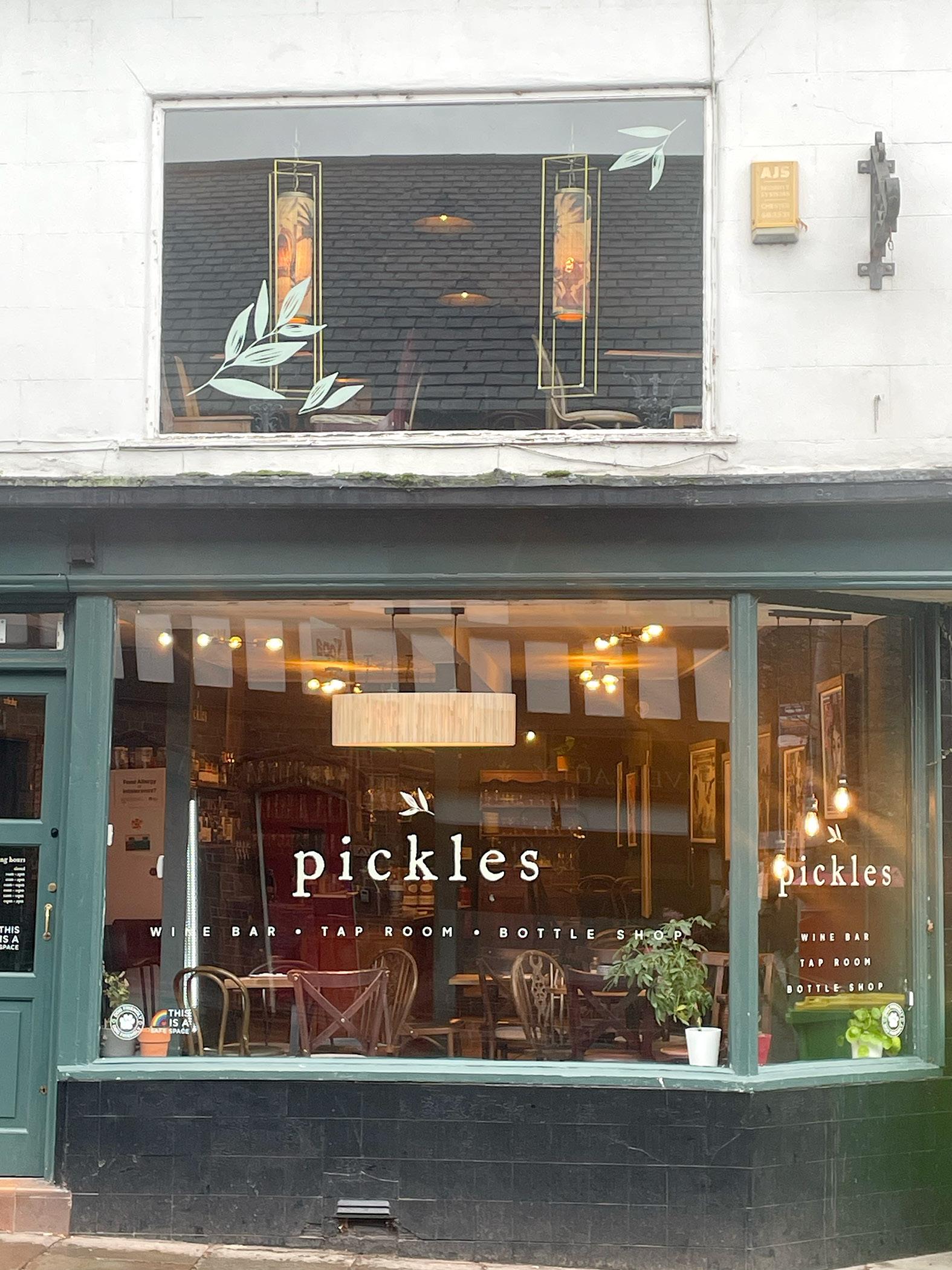
“Everybody’s
welcome,” says Sam.
“Emma has a lot of friends who come in, so she’ll get honest feedback. Most customers are too polite to tell you the truth”
Emma: We go to tastings in Manchester and see what wines are coming out. We’re always on the lookout for a good no- or low-alcohol wine but we still haven’t found it.
Sam: Beer seems to have nailed it but alcohol-free wine is a work in progress.
Does the drink-in list change often?
Sam: It changes once a quarter but we tweak it in between. We did a big change in the autumn when we went from three or four by the glass to six.
Emma’s the mole on this. She has a lot of friends who come in, so she’ll get honest feedback. Most customers are too polite to tell you the truth; they’ll just say it’s fine or it’s really nice. Through Emma’s network we realised if there were just three wines by the glass people got a bit bored with them and wanted to try different things. The wines we
feature on the on-trade list all tend to become really popular in the shop as well.
Any favoured suppliers?
Sam: Boutinot, Alliance … Hallgarten do some of our bar wines. I love Thorman Hunt for the posh stuff. Ultracomida do a lot of Spanish, and we get most of our ham, cheese and olives from them, so those things are unique [to this location]. With everything we do, I don’t want to tread on anybody’s toes in Handbridge.
We want to expand on the food side and are looking at costing up a kitchen this year. I need to know how much it’s going to return for the cost, but I also don’t want to get in the way of what any of the pubs and cafés are doing. We just want a small menu, of something hot but that no one else does locally, and that anybody can prepare. We don’t need a chef. Chefs are weird.
Is wholesale a thing for you?
Sam: I don’t really like wholesale. I’ve got one retirement community the other side of Chester. They’re great to work with and always pay on time. I tried briefly with a couple of pubs and they’re just awful to deal with. They just don’t want to pay. They’re always after extended terms and lower prices, and another rep will always come to the front door and undercut you by 5p and you find
“We are looking at costing up a kitchen this year. We just want a small menu. We don’t need a chef. Chefs are weird”
yourself replaced. It just seems like too much work for too little reward. Whereas with retail you get people coming in and paying upfront, full price. I suppose you’ve got the volume with wholesale but it baffles me why people do it.
Almost a year down the line, what’s the on/off split like?
Emma: Usually the bar is slightly higher than the shop, but over Christmas the shop was outdoing the bar. There’s only so much turnover you can make from the bar because of the number of tables but we can boost our turnover in the shop by doing different things.
One of the things we’d like to work on this year is having a bigger selection of the shop’s white wines refrigerated and ready to go. At the moment, you can have any wine from the shop and pay a corkage, but that’s easier to do with red than white. We tell people when they’re making a booking, if there’s a particular wine in the shop that you know you like we’ll put it in the fridge to be ready for when you come in.
Sam: Each side is feeding the other. That was probably the biggest surprise for me. I was a bit worried the bar would overtake the shop and we’d gradually lose more and more of it. But actually the shop is feeding the bar – and the bar is feeding the shop.
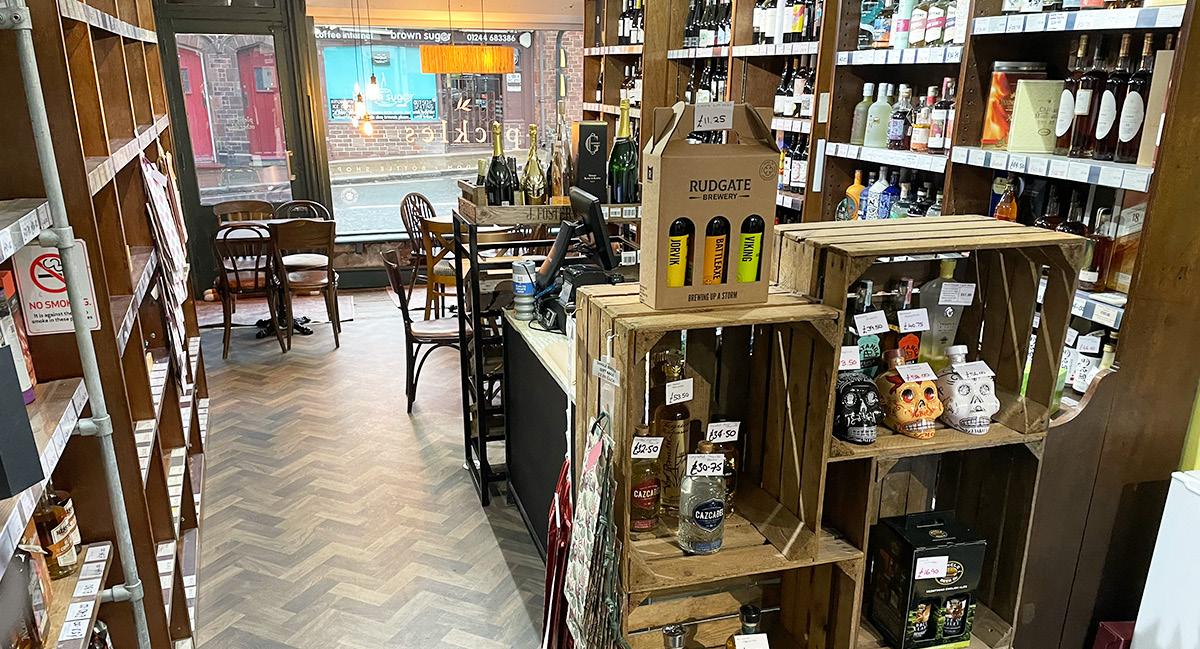
sales are usually eclipsed by the bar – though both sides of the business feed off each other
Wine
15 pages of analysis starts here and continues in our April edition
In association with
Most indies report sales increases, and the majority also expect growth in 2026. But it won’t come easily
Optimism is back with a bang in the independent trade, with more than half of survey respondents predicting a sales increase in the coming year. The pessimists are in retreat.
Why should this be the case? Duty increases are biting, inflation is still rising, alcohol consumption is apparently falling and business costs are soaring. The world economy is jittery as conflicts rage, trade wars are threatened and old alliances are strained. All of this should be bad news for independent wine merchants. But maybe these things simply drive people to drink.
Let’s not be too flippant, though. As the comments on these pages reveal, indies are demonstrating characteristic resilience in the face of consumer hesitancy. There are people out there who love good wine, and the independent trade is being more resourceful than ever in its efforts to supply it. Life won’t get much easier in 2026, but indies are up for the challenge.
“Optimism in today’s UK wine market cannot be passive. To turn confidence into results, we have to be more innovative in how we range, communicate and engage. The stress in the market is real, but so are the opportunities for those prepared to think differently and move decisively.”
Tom
Hemmingway, Highbury Vintners, London

“My hope is that quality goes up if the quantity goes down.”
South Wales merchant
“Despite all the obstacles being put in front of us with EPR, new duty rates and ongoing staffing and electricity costs, I think people are finding a balance and are starting to adjust to the new norm – I think there is an underlying confidence. Just need the nutcase in the US to rein his neck in!”
Chris Bailey, Mr & Mrs Fine Wine, Southwell, Notts
“It’s a strange position to be a relatively new business in today’s wine buying climate. However I’m in the lucky position where word of mouth about my business is spreading, and I’m seeing a lot of both regular and new customers each week. Cautious optimism is the phrase of 2026.”
Kirsty
McEwan (pictured), Bludge, Edinburgh
“Competitive prices, ie tighter margins, will hopefully keep the customers loyal!”
Tariq Mahmood, Wine Raks, Aberdeen
“As a hybrid venue with the main focus being on-site consumption, we are confident we can drive more retail sales to our customers who have enjoyed their experience. We have found wine flights are a great way to do this. We are also working hard to encourage our business clientele to come in for multiple reasons including remote working and team meetings as well as informal networking. We have found that corporate gifting and entertainment are also a good focus for driving retail sales.”
Nick Robinson, Kilo Wines, Loughborough
“We are working harder than ever with our wholesale partners and the local on-trade to increase sales. This side of the business looks positive but it’s the smallest margins. The shops will once again, on the face of it, struggle with the ever-growing competition and general move away from alcohol, including wine. However, we will not be beaten! This year we will work harder than ever with local charities, clubs, PTAs etc to host tastings and generate new custom and put the Martinez name out there.”
Based on 199 responses
Jonathan Cocker, Martinez Wines, West Yorkshire
You can still get the wines you want –if you plan ahead, argue some merchants
“We have invested heavily in a great new website and expect that to help grow sales, whilst we have our small plates restaurant/wine bar which is also growing and will aid increased wine sales.”
Graeme Woodward, Grape Minds, Oxfordshire
“I think this year’s sales will be dependent on better, very targeted marketing, which is not my strong point. But I feel that more and more customers want to be told what to buy – and if it’s on offer, even better. They are befuddled by too much choice and no longer want to think for themselves, so I will just have to step up and step in. Wine Offer of the Month here we come!”
Charlotte Dean, Wined Up Here, west London
Based on 190 responses
“In 2025 we saw growth, a clear indication that the pivoting towards more premium products and tastings was the right path to take.”
Nish Patel, Shenfield Wine, Essex
“An improved marketing strategy implemented in 2025, a new dining/tasting venue and potential improvements to the shop and website due in 2026 should all help build sales.”
George Unwin, Baythorne Wines, Halstead, Essex
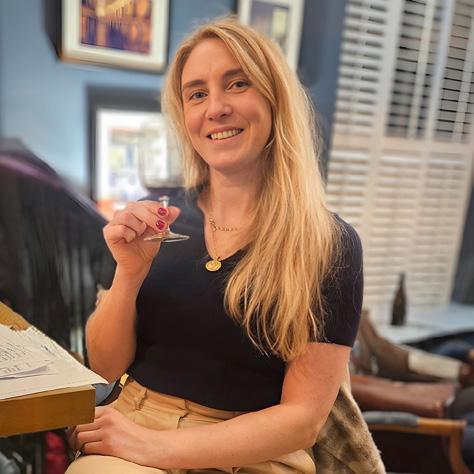
“After a very difficult 2025 surely the next 12 months must be better. All are feeling the pain and, as we have a young and enthusiastic team, I am felling positive.”
Andrew Hill, George Hill Wine Merchants, Loughborough
“I wouldn’t be here if I didn’t think we could improve things. With the rising prices in restaurants we are starting to see the rise of the dinner party, which is a source of opportunity.”
Greg Andrews, D Vine Cellars, north Clapham
“Since opening as a hybrid wine shop and bar in mid-August, we have had an overwhelmingly positive response. Customers have embraced our tasting events, retail selection, and especially our wineby-the-glass list, confidently exploring lesser-known and more obscure wines. It’s been incredibly rewarding to see guests treat the list as a journey, experimenting and discovering new styles rather than sticking to the familiar.”
Laura Parker (pictured), District Bottle Shop, Whitley Bay
“2025 saw a gradual but very definite turnaround from negative to positive territory year-on-year, and we are hopeful that the trend will continue.”
Toby Peirce, Quaff, Brighton & Hove
“Trade is flat. The pressures on margins are increasing, as are background costs. The only thing helping the independent sector is that customers are increasingly looking for better service and shopping locally.”
Bruce Evans, Grape & Grain, Crediton, Devon
“Every month we target the same figures from the corresponding month of the previous year, which is hard enough. Gone are the days of setting higher targets.”
Melina Cucchiara, Moreton Wine Merchants, Cotswolds
“In my time owning the business, I have never been so pessimistic. We are working harder to simply stand still. We have a government that is doing a good job of sucking the life out of the economy whilst making it more and more difficult for small businesses to prosper. Hopefully, they’ll lay off the industry for a while ... yeah, right!”
Mark Stephenson, Grape & Grain, Morpeth
“The world is in a mess, the UK spectacularly so. If things improve globally and some confidence comes back then maybe sales may improve. If things stay as they are it’s hard to find too many positives, especially with duty going up again.”
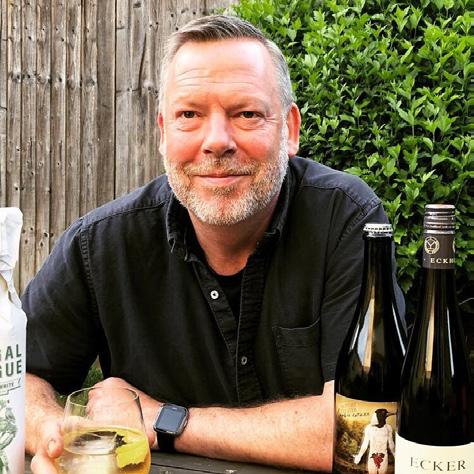
Noel Young (pictured), NY Wines, Cambridge
“With the increases in excise duty from the last budget, taken together with the onerous cost of compliance with new packaging regulations plus EPR, the government seems determined to make it harder and harder for wine merchants to make any profits.”
John Earle, Christopher Piper Wines, Ottery St Mary, Devon
Walk-in trade dips below 50% of indie revenue; online sales stabilise
Where is the growth most likely to come from in the independent trade? If our survey results are anything to go by, drinkin sales look like the safest bet.
In recent years, this part of the market seemed to have plateaued. But indies now report that drink-in sales contribute, on average, 14.5% of turnover – the highest figure we’ve ever recorded.
Ticketed events, which are proving so useful for many indies, might have been expected to keep pace with the uplift in drink-in sales. In fact, they are static, making up 4.4% of revenue, just as they did in last year’s survey.
Walk-in trade has hit its lowest point since the Covid-tinged survey of 2021, dipping below the psychological 50% mark. Not many indies will be surprised by this year’s 48.7% figure. The question
now is how much further it will fall before it bottoms out.
Wholesaling hit its highest level for six years in last year’s survey, at 18.2%, but has declined to 17.4% this time, doubtless reflecting continuing on-trade turmoil. Some indies no longer think the light is worth the candle in this margin-squeezed and volatile market sector – though for many, having a roster of local hospitality clients is a vital and profitable part of the mix.
Online sales boomed during Covid and although there’s been a pronounced dropoff in the figures since then, ecommerce is much more of a success story for indies than it was just six years ago. Now settled at around the 8% mark, online sales give indies the chance to reach customers beyond their heartlands – if they are prepared to invest in their websites.
Graph simplified with not all categories shown

on 178 responses

Based on 171 responses
Commentating on flat lines has become an annual challenge with our graph of average margins. But as always, the consistency of the responses we receive acts as a reassuring control measure for the rest of the survey.
Retail margins are satisfyingly static at around 35%, and online and wholesale margins have settled into something of a groove too in recent years.
Drink-in margins bounce around a little more, but this year’s figure of 58.4% is around about the average we’ve recorded since 2019. It’s up on last year’s 57.4%, and might have been expected to rise more than that given the cost pressures facing hybrid indies.
Average basket spend is down this year by £1.75 to £50.57, unwelcome news at a time of inflation. But to some extent this will probably reflect the decline in walk-in sales and not the uplift in drinking in.
Abig jump in the average bottle price last year is followed by a smaller one this time. Independents report that the typical selling price for a bottle of still wine has risen by just 18p, to £17.09. (The UK market average is around £8.)
We all know that there’s no such thing as a typical bottle of wine, but let’s say that the notional £16.91 SKU from last year’s survey had an abv of 13.5%. The duty increase on that bottle in February 2025, including VAT, would have been around 13p.
Now we need to add inflation (which we’ll base on the CPI figure of 3.4%, which the ONS published for 2025, rather than the higher estimate for alcohol inflation). That would add about 58p. So combine this with the 13p duty increases and it’s clear indies would really have liked average bottle prices to rise by 71p, not 18p.
These calculations are imperfect, of course, and don’t take into account currency movements, supply chain efficiencies or retailers’ own changing cost structures. Or, indeed, the high probability that consumers are simply trading down. But they are useful to have to hand if customers ever query why the price of their favourite wine has gone up.
We didn’t really expect this particular graphic to change much with this year’s survey. But frankly the results were so similar to the 2025 data that we might as well have repeated the same pie chart.
Wine continues to account for about threequarters of the food and drink turnover of a typical indie wine business. (We specify “food and drink” in the question, in the knowledge that indies sell other things too.)
Spirits is the next most important category, and continues to hover around the 10% mark.
Food moved from 5.3% to 6.2% last year and has seen more growth again this time, edging ahead of beer in the revenue stakes.
“Other” drinks are stuck on 0.5%, though it’s hard to imagine quite what these might be.
Average still wine bottle selling price is now £17.09
Based on 174 responses
Analysis of food and drink turnover
Based on 183 responses
Figures have been rounded
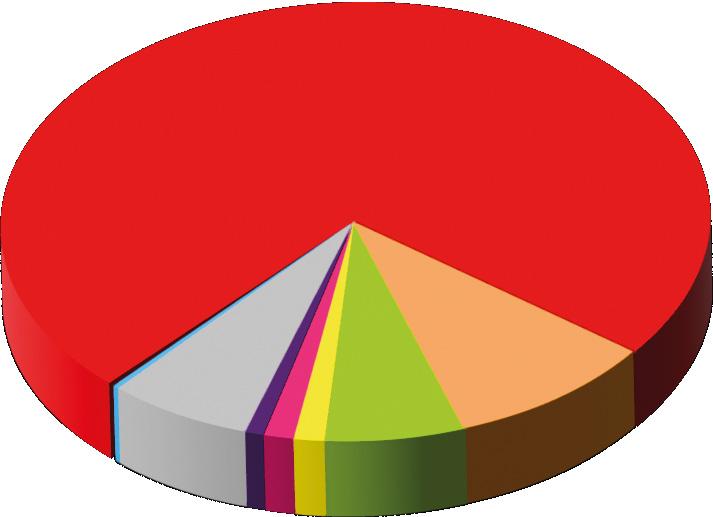
1
6 (6)
7 (8)
8 (7)
8 (9)
Respondents were allowed unlimited choices, all of which were given equal weighting
Acynic might call the table on the right “wines that sell” and the table on the left “wines that we’d like to sell”. There is a subtle difference between the two things, even in the independent trade, where owners get to dictate the range.
Once again Italy tops both charts, with a share of the vote that’s very similar to what we saw last year. These are victories that are partly a function of France being
Based on 173 responses
The graph has been simplified to combine respondents who describe each of the three scenarios as either “very likely” or “fairly likely”.
We also asked about staff. 7% of respondents say they are very likely to take on additional employees in the coming year, with 25% saying this is fairly likely. 3% say that reducing staff numbers is very likely, and 5% say it is fairly likely.
When we suggested the possibility of diversifying into new areas beyond drinks, 2% say this is very likely, while 9% say it is fairly likely.
divided into its constituent regions for the purposes of the survey: add all the French elements together and the outcome would be a landslide.
Spain quietly eases into second spot in the “most interesting” table, and consolidates its third place in the sales chart with an increased share of the vote.
Its Iberian neighbour Portugal has had a bit of a wobble. Its vote share tumbles by almost six percentage points in the “most interesting” table and it slips from seventh to ninth place in the sales chart, even though its vote share there is almost on a par with 2025. But plenty of wineproducing countries would settle for that kind of performance.
Greece continues its stellar performance in the “most interesting” chart but will be disappointed to see this has not yet translated into sales. The country slips out of the league of best-selling countries, having gained a toehold last year in 20th place.
Compare and contrast with England & Wales, which claims sixth position in both tables and is the highest climber in the sales chart. This will be encouraging news for domestic producers, who desperately
%
Respondents were allowed up to three choices, all of which were given equal weighting
need more business from the independent trade as the fear of an oversupply of fruit, and wine, edges closer to reality.
There’s a frisson of excitement surrounding central and eastern European wines at the moment and it’s reflected to some degree in our survey.
Georgia, the highest new entry in both of last year’s charts, edges up one place to eighth in the “most interesting” table and clutches on to 19th spot in the sales chart. Bulgaria has crept into both tables for the first time, while Hungary has also made its presence felt. All three are ones to watch in the 2027 survey.
But what about those who are missing? Beaujolais and Uruguay are the casualties
in the “most interesting” table; New Zealand (absent since 2024) and Romania also just miss the cut in this chart, along with Burgundy and Bordeaux, which too are bubbling under.
In the sales chart, there’s no room this time for Lebanon or Germany (joint 20th last year).
It’s important to remember, however, that this isn’t really a list of best-selling countries: respondents are asked to name the three that are their best-sellers. This system inevitably skews the results away from more niche producers. But it also gives us a picture of which countries and regions are in the big sales league, and which might one day be challenging.
We asked our survey respondents what impresses them about their favourite suppliers
“Our best suppliers are the ones who stay in touch, take the time to understand our customer base and personal preferences and think about us when new wines are added to their ranges – or if a particular wine is selling well and may be of interest to us. Communication is key: we really value a quick response from our rep when we have a query, and those with great back office support really stand out. Making life easy regarding orders and deliveries, stock updates etc is crucial to a good working relationship.”
Nichola Roe, Wine Therapy, Isle of Wight
“Yes, price matters, but I got into wine because of those smaller, lesserknown gems. Ultimately I tend to prefer to work with suppliers that focus on a country, region and smaller wineries. They are more passionate and there is a level of care in their selection you may not get with a bigger supplier. I rely equally on the larger suppliers who I find very helpful for various reasons. You need both for an independent neighbourhood shop.”
Halle Stephens, Vindinista, west London
“Good suppliers are efficient, answer emails quickly and are honest about pricing, distribution and reserves.”
Rupert Pritchett, Taurus Wines, Surrey Hills
“The best suppliers are the ones that can offer flexibility on price, based on the promise of us taking larger volumes. Also, people buy from people, so having a rep who’s relatively relaxed and not a pushy cockwomble also helps massively.”
Marc Hough, Cork of the North, Manchester
“Good wines which are well priced and not sold everywhere in a race to the bottom.”
Daniel Grigg, Museum Wines, Salisbury
“A good orders department. Deliveries that arrive on quoted delivery days. A company rep who has good product knowledge.”
Roy Gillingham, Fareham Cellars/ Peake Wine Associates

“Communicative but not too salesy. Collaborative. As responsive to problems as they are to big orders.”
Liam Plowman, Wild + Lees, south London
“A wide range of choices, with quality at every price point.”
Duncan McLean, Kirkness & Gorie, Orkney
“They let us know before they ‘drop in’. Value for money. Help with tastings. Good bin ends. Additional support for sales. Good knowledge, democratically given.”
Mo O’Toole (pictured), Carruthers & Kent, Newcastle
“All the best suppliers just provide really good communication. If a wine is out of stock, especially big sellers, communicate when it’s back in stock or suggest something that’s similar. Also just keeping on track of what’s new, what’s coming in, what’s selling well across other accounts. Understanding the style of the wines I sell and showcasing what is in their portfolio with that style.”
Charles Cornelius, Barks Wine Shop, Sheffield
“Happy to help, offering suggestions and providing samples. Giving you the time you need and checking in, without it feeling like you’re being pushed to purchase.”
Jamie Lymer (pictured), Givino, Frome

“Our best suppliers make it easy for us to do business with them. Great products, good terms, fair pricing and reliable deliveries are a prerequisite for anyone we work with, but our best suppliers know exactly what additional support we need, when we need it and how to exceed our expectations.”
Paul Auty, Ake & Humphris, Harrogate
“The best suppliers have a good range of affordable wines as well as more premium wines. Next-day delivery and low minimum orders are super-helpful.” Virginia Myers, Tenaya Wine, Sheffield
“A range of wines that we want to drink as much as sell. Pricing that we can believe in. Support for our attempts to increase sales – it is their wine we are trying to sell more of, after all. Stay in your lane: we don’t want a supplier that wants to supply our customers direct, and there are enough that do.”
Rob Hoult, Hoults, Huddersfield
“Someone who is considerate of our needs and doesn’t overwhelm us with suggestions. I like to make my own wine choices and don’t mind a few ideas, but that’s it. Also someone who has experience of working in a small independent shop or bar is invaluable for understanding our needs.”
Derek Crookes, Kernowine, Falmouth
Once again, there are suppliers who need to sit on the naughty step and consider their behaviour
“Still the perennial lack of vintage information, and shit websites that are out of date. It’s just not OK to wait for the order to say, ‘by the way, it’s now this vintage, or we don’t have any stock’ etc etc. Finding out a wine you have been buying and promoting is suddenly in Tesco priced £5 cheaper, or that the merchant has decided to let The Wine Society ship direct and massively undercut you, but says nothing so you look expensive.”
Noel Young, NY Wines, Cambridge
“One of the most annoying things is changing the prices of products without informing us before we place an order, which in turn has led us to selling some wines which were preordered at a loss or at cost price.”
Arthur Lai, Wine Hub, Exmouth
“An overly-aggressive sales approach, to the point of becoming irksome if an order hasn’t been placed for a while. Unresponsive to requests. Ambivalence to complaints. Failure to provide an update on price changes.”
Daniel Read, New Forest Wines, Ringwood, Hampshire
“One of my biggest frustrations is being shown wines that I subsequently find are in the multiple channels, particularly Majestic. Why show me these when I cannot compete on price? We are delisting a lot of wines as a result and reconsidering how we work with suppliers who do this.”
Chris Bailey, Mr & Mrs Fine Wine, Southwell, Notts
“Over the past year we’ve tried to contact two or three suppliers, but they failed to get back in touch.”
Nicole Holt, Noah’s Goat, Hastings
“There are always availability issues in these tougher times, which we of course understand. However, poor communication without good notice when possible is probably the most frustrating thing. Stock issues are sometimes unavoidable but you can mostly see them coming. The inability to keep customers informed on key lines is very annoying and we have dropped lines because of it.”
Matthew Hennings, Hennings, West Sussex
“On a couple of occasions last year, wines I sell appeared online heavily discounted by others, far below a price I could get close to. On both occasions I delisted the wines immediately. I wasn’t given any warning and got very little explanation. Also there’s a lack of communication about impending stock issues, and very inconsistent messaging regarding when stock will be back in.”
George Unwin, Baythorne Wines, Halstead, Essex
“Finding that more than 20 of the wines we bought from one supplier were already stocked by another retailer three miles away.”
Lancashire merchant
“Not getting the basics right. Reliable customer service, deliveries and responsiveness to issues are critical. Ignoring us for a number of months then rocking up or calling towards the end of the month when they’re struggling to hit sales numbers. Guess what – the suppliers that make an effort to understand our business and stay in good contact (and that doesn’t have to be more than once every couple of months) get the lion’s share of our business.”

Al Wighton (pictured), Alteus Wines, Crowborough
“When you are having to constantly make sure that the prices on the invoices are the same as quoted on promotional booklets. Then having to get in touch to explain their prices are wrong to get credits.”
Richard Walker, Campbell’s of Leyburn, North Yorkshire
“Sometimes there is a tendency to forget about indie retail in the mix of supply. We found in 2025 more tastings where the pitch and selection was clearly for the on-trade rather than businesses like ours. As brands want their premium wines shown there was less shown to retail under £25-£30”


Andrew Lundy (pictured), Vino, Edinburgh
“We are really put off by abrupt credit controllers. Thankfully, the ones who we now work with are understanding and flexible when you keep the communication lines open with them. In such an unpredictable year, it has been helpful. Also, reps allocating tasting support in terms of winemaker visits to the same businesses time and time again – despite decent orders. All we ask for is fairness.”
Mark Stephenson, Grape & Grain, Morpeth
“No account manager calls. Why should I spend my hard-earned money with your business if you’re not remotely interested in mine?”
Paul Brown, Tetbury Wines, Gloucestershire
“Being bought out by Majestic.”
Richard Taylore, Framlingham Wines, Suffolk
Boutinot has topped the supplier popularity poll since our first indie survey in 2013, and so it’s no big surprise to see it claim the gold medal again this year.
But to pull in 63% more votes than its nearest challenger is a huge achievement in a crowded and competitive market, and one that illustrates that complacency has not set in at Boundary House.
Congratulations are in order too for Hatch Mansfield, which claims second place for the first time, and by the slimmest of margins ahead of Alliance Wine and Liberty Wines.
The rest of the table bears a striking resemblance to the chart we published last year, though with a few exceptions.
Daniel Lambert Wines is back in the rankings as the only new entry in the top 20, and North South Wines swaps places with Vindependents to make its debut in the top 10.
Respondents were allowed up to three choices, all of which were unprompted and given equal weighting
Based on 171 responses
Based on 175 responses
It’s an impressive performance too for Cachet Wines, which stormed into the chart last year as the highest new entry. To hold on to the sixth place it claimed then, and with an increased share of the vote, is an achievement to be proud of.
This year 115 suppliers received votes, down from 118 last year and 130 in 2024.
Supplier satisfaction, despite the grumbles, is at the highest level ever recorded in the history of the survey. 84% of indies are happy with the support they get, a big jump on the 72% we saw last year, and ahead of the previous record of 79% set in 2021.
The proportion saying their relationship with reps is good is up from 84% to 88%.
The number of indies who think it’s likely their supplier base will increase this year is back up to 34%, after slipping to 28% last time.
Indies are understandably finding it marginally more challenging to source good wines priced below £15 on the shelf. 48% say it’s doable, down from 52% last year. while 39% report difficulties, compared to 37% in the 2025 survey.
Independents embrace opportunities to widen their offer, but draught wine is an idea struggling to take hold
Well, that didn’t last long. Last year it looked like wine on draught was finally about to make its breakthrough, with 15% of merchants reporting that they offered it, and another 8% flirting with the idea.
Fast forward 12 months and just 8% of indies say they have draught wine facilities. And even if the 4% who say it’s definitely on the agenda were to come good, the figure would still be below the 2025 total.
It’s a broadly similar story with Enomatics and other dispense devices of that ilk. Last year 13% of indies said they had one; this year we’re down to 7%. Again, 4% of respondents told us that dispense devices are definitely on the agenda, but the take-up would still be below 2025 levels if that happens.
Indies are increasingly enthusiastic about other things, starting with food for consumption on the premises. Forty per cent of indies now offer this, up from 34% a year ago. It’s a category that’s been in the ascendancy since pre-Covid times and it’s striking how many newcomers build food straight into their customer offer.
Enthusiasm for educational programmes for customers has recovered to 23%, up from 18% last year and 21% the previous year (though note that 1% say this is a service that’s stopping).
The proportion of indies who organise an off-site Christmas fair is also up, from 30% to 35%, with another 17% thinking about following suit.
For the first time, we asked about clubs, and 38% of respondents told us they run something along these lines. These can be effective ways to build loyalty and compete with larger online rivals, so it’s not surprising to see 23% of respondents considering the idea.
What extra services and activities are on the 2026 agenda?

The proportion of merchants who sell wine for on-premise consumption has stalled at 49.2%
The line between wine shop and wine bar continues to blur. The hybrid model is a subject that divides indies more or less down the middle, as our graph shows.
The proportion of merchants who sell wine for consumption on the premises has doubled in the past 12 years. And yet this year’s figure has stalled at 49.2%, so the wait continues for the moment we can say: this is how most independent wine merchants operate.
Our survey finds that resistance to on-premise drinking is softening (the proportion ruling it out has dropped to 39%). 9.6% are “thinking about” going the hybrid route, and another 2.3% say it’s “definitely” happening this year. Of those already embracing hybrid retailing, only 1.1% say they’ll be stopping.
“Our retail premises would not survive without the hybrid model,” says Nick Robinson, of Kilo Wines in Loughborough,
summarising how dozens of survey respondents feel.
Marc Hough, of Cork of the North in Manchester, adds: “The hybrid model is an absolute no-brainer. The on-trade and off-trade custom are just two arms of the same torso.”
No2 Pound Street in Wendover “has been doing both on and off-sales for 15 years”, according to Michael Boniface “The hybrid model has allowed us to be flexible and change course when needed over the years. It is an important aspect of the business. On-sales were very strong this year.”
Alexandre Bal, of Authentique in north London, says: “The hybrid model has always been part of our identity and helped our business to thrive throughout different economic climates and times of the year. It allows a deeper experience for our customers.”
At Vino Vero on the Essex coast, “on-site
Do you sell wine for consumption on the premises?
Based on 177 responses
consumption plays a major part in our ongoing business plan”, says owner Jaime Fernandez. “The higher margins allow us more scope to increase net profit, and our constantly changing by-the-glass menu allows customers to try new and exciting wines and often leads to additional bottle sales.”
Vindinista in west London is a longestablished bar and shop. “We are a community space where people can come to relax and catch up, and I have no intention of taking that away from our neighbourhood,” says owner Halle Stephens
“We are very aware that our customers value having us there to provide this for them. It is more expensive to run due to more staff being required. However, we feel there is a possible intangible return in that we are creating a retail customer down the line. We have experienced growth year on year, and I can only point to providing that service as the cause.”
Derek Crookes at Kernowine in Falmouth admits he’s “thinking about radically scaling down off-trade sales, as we make most of our money from the on-trade working as a bar and small-plates destination”.
He adds: “It’s almost impossible for us to make any money from off-trade sales when we’re surrounded by cut-throat competitors like Majestic, online retailers and supermarkets.”
Camilla Wood, of The Somerset Wine Company in Castle Carey, says: “The hybrid model is crucial to us. Static old-style wine shops might look nice but commercially they are a thing of the past.
“We need engagement with our

customers and the increased GP margin via on-trade, drink-in wine sales and in-store tastings, ideally along with an offering of basic food such a cheese or charcuterie platter, nuts and crisps or similar nibbles. We are missing this at present – and our turnover shows it.”
For Carruthers & Kent in Newcastle, the aspiration has always been “to be a continental-style enoteca”, says Mo O’Toole. “So it was in our business plan and it is at the very core of our identity. A big part of our activity, and the fun bit, is choosing the monthly wine list and putting really interesting varietals there. Sometimes, when we end up sending out 25 flights, we sourly joke: who thought of this back in 2010? But the truth is that is why people come to us.”
Anumber of hybrid refuseniks say they worry that hybrids often end up as less than the some of their parts: no quite bar, not quite shop.
“The hybrid model for wine shops is very successful,” says John Chapman, MD of The Oxford Wine Company. “However it requires a different attitude to the wines sold, the people you employ and how you run the business.
“The best examples I have seen are defacto bars which have specialised retail space and expertise, rather than shops with drink-in capabilities. The key to doing it well is providing enough space to enable each part to have its own vibe rather than doing neither well at all.”
Sarah Chapman, of Sarah’s Cellar in Battle, East Sussex, says: “It is hard work – much harder than I had anticipated. It’s long hours, needing more staff, which is another challenge. Juggling drinkers whilst serving retail is a skill!”
Mark Wrigglesworth, of The Good Wine Shop in south west London, says: “On-premise consumption has been one of the few growth areas of the business in recent years and so we intend to focus on and develop this further, while being mindful to not allow it to overly dominate or impact our core retail offering.”
But Nish Patel at The Shenfield Wine Company isn’t taking that chance.
“I want my wine store to be seen as a serious destination for buying wine – one built on knowledge, quality and thoughtful selection,” he says. “The focus is on helping customers choose the right bottles for their table or occasion, not on creating a place to drink on-site.
“By maintaining a welcoming, professional and calm environment, the store emphasises respect for the craft of winemaking and for customers who value wine as something to be selected with care. I don’t want to be seen as a bar.”
Some indies would like to operate as hybrids, but can’t. The most commonly-cited reasons are staffing costs, a lack of space and licensing restrictions.
“I would love to,” says Kirsty McEwan of Bludge in Edinburgh. “However the local licensing board have made it clear that it cannot and will not be an option.”
Jefferson Boss, of StarmoreBoss in Sheffield, says: “We hold regular tasting events and masterclasses and although the space in one of our shops allows us to do this, the feeling is that the environment may be too cramped to successfully convert that into a more loosely-based hybrid model.
“We’ve now got sufficient staffing levels to investigate trialling a hybrid model on a couple of days to see if it works. If we decide to expand to another premises then that shop would accommodate a hybrid from the start.”
Andrew Kinnersley, of The Grape and the Good in Wells, Somerset, says: “If I had space I would consider it, but only during normal business hours and perhaps a little longer on Friday and Saturday.
“I think it’s important not to confuse customers as to whether you’re a shop or a bar – and that involves needing good space.”

Lowest: £5
£17 Most popular answer: £10
Based on 84 responses
Trade events seem more popular. Yet the criticisms are as loud as ever
More indies went to more tastings last year than they said they did a year ago. That sounds like a tongue-twister, but it’s also a riddle.
Let’s unravel the tongue-twister first. As our chart opposite shows, about a quarter of indies report that they upped the number of tastings they attended last year compared to the year before.
When we asked that question in our 2025 survey, only a fifth said the same thing. (The proportion saying they went to fewer tastings has fallen very slightly, from 39% to 38%.)
Check out the table below and we can see that the proportion of indies who are “very keen” on any type of UK-based trade tasting has increased. In most cases, the
proportion who are “fairly keen” has gone up too.
Of the larger fairs we asked about, Wine Paris has established a clear lead over its rivals, with an indie approval rating of 27%, ahead of London Wine Fair (18%), Vinitaly (16%) and Prowein (6%).
But what about the riddle? As we said, more indies went to more tastings last year than they said they did a year ago. And yet when you read the comments opposite – an accurate cross-section of what the survey picked up – it seems that negativity towards tastings is higher than ever, which appears to contradict the more positive news revealed in the data.
“I really do not like wine fairs and mass group tastings. I like small, focused tastings, preferably in my shop. It costs too much to attend events and I get no real return on investment. Visiting London for a two-day event costs £1k-plus for a small business. Not money well spent in the long run.”
Shawn Darling-Cooper, Kork Wine & Deli, Whitley Bay
“Days spent outside the shop have to be worthwhile, so I much prefer medium-sized tastings with a handful of suppliers present. Grapest Hits is a good example of how this can be done well.”
Oliver Gauntlett, Eynsham Cellars, Oxfordshire
“Many of the tastings attended last year were too crowded and in unsuitable venues for the amount of tables and visitors crammed in. It’s frustrating when you give up a day and spend a lot of money to travel to these events and you come away not having tasted what you wanted to because of the crowds.”
“Even as a London-based retailer, the current trading climate and general workload have made it considerably more difficult to justify several hours away from my desk to attend London tastings. Since 2019, Wine Paris has been our key European trade fair for seeking direct relationships with wineries both in France and Italy.”
Christopher Sherwood, Bottle Apostle, London
“Both the logistics and cost of getting from here to London trade tastings (or other major cities) is quite a barrier to attending events. Our in-house staff tastings of supplied sample bottles are far more likely to lead to new listings.”
George Unwin, Baythorne Wines, Halstead, Essex

Jonathan Charles, The Dorset Wine Company, Dorchester
“Can’t lie - I much prefer smaller, more focused tastings in the comfort of the shop these days.”
Tim Gardner, Gardner & Beedle, Tisbury, Wiltshire
“Being situated away from London restricts our attendance at tastings as losing a day’s work, plus the expense of travelling, makes for hard choices about which to attend.”
Roy Gillingham, Fareham Cellars/ Peake Wine Associates, Hampshire
“To be really honest, busy tastings are just about the worst places to taste wines – and the thought of Prowein/ Vinitaly fills me with dread. Just too busy to actually enjoy. I way prefer a tasting of 15-20 wines with a supplier in peace and quiet. I’m far more likely to buy wine in that setting.”
London merchant
“It would be great to see a few more tastings in the north of England. Heading to London every now and then is nice, but it is a huge commitment of time and money, which does make it hard to get to a lot of the tastings in the capital.”
Virginia Myers (pictured), Tenaya Wine, Sheffield
“One thing I find intensely frustrating is when suppliers choose to host their trade tastings on the same day. When this happens, there is too much to get through, which means that you haven’t go time to taste everything properly – and often, I simply don’t go to some tastings because I am busy elsewhere on that particular day.”
Marc Hough, Cork of the North, Manchester

“We are a small business so cannot afford to leave the business for any length of time. As we close on Mondays Monday tastings in Scotland are ideal.”
Douglas Williamson (pictured), Juniper Wine Cafe, Dunfermline
How many trade tastings did you go to in 2025, versus 2024?
Based on 171 responses
“I generally like a full portfolio tasting - so if it’s in London or in the north, location isn’t as important as what is on show. A full portfolio allows us to look at the whole range and find gaps and new listings. As we don’t directly import, international events aren’t currently a concern for us.”
Jefferson Boss, StarmoreBoss, Sheffield
“Trade tastings feel like an increasingly frivolous use of valuable time. The issue isn’t the lack of good wine – the issue is the lack of good customers!”
Tim Loudon, Substrata Wine, Norwich
“When was the last time anyone did a tasting in Birmingham – centre of the country?”
Staffordshire merchant
“It’s an expensive venture for us to attend tastings due to where we’re located, which means we have to be very selective when choosing where to go. It’s always a nice experience and we appreciate the effort and expense our suppliers go to – so we try to find a way of alternating whose tastings we attend each year.”
Nichola Roe, Wine Therapy, Cowes, Isle of Wight
“We are trying to be quite disciplined about trade tastings. Why are we going? What will it cost us in sales taking somebody out of the business for a day? Do we need to look for any more wines from this tasting?”
Hampshire merchant

Marco Puyo of Viña Dagaz in Colchagua visited the UK recently with importer Condor Wines. Sarah McCleery joined him at a London lunch
Chile is really like a great big Burgundy,” says Marco Puyo, winemaker and founding partner of Viña Dagaz. “We have such a variety of climates and soils, with vineyards planted close to the ocean, in warm valleys, at cooler high altitudes. We can grow every variety that exists in the world.”
Puyo’s impressive wine CV includes time as chief winemaker for Domaines Barons de Rothschild in Chile and director of oenology at Viña San Pedro Tarapacá. His role at VSPT put him in charge of the winemaking for some of Chile’s most famous wines, including Altair, Sideral and Tierras Moradas. Significantly, his job for Rothschild gave him a central role in achieving global recognition for Colchagua
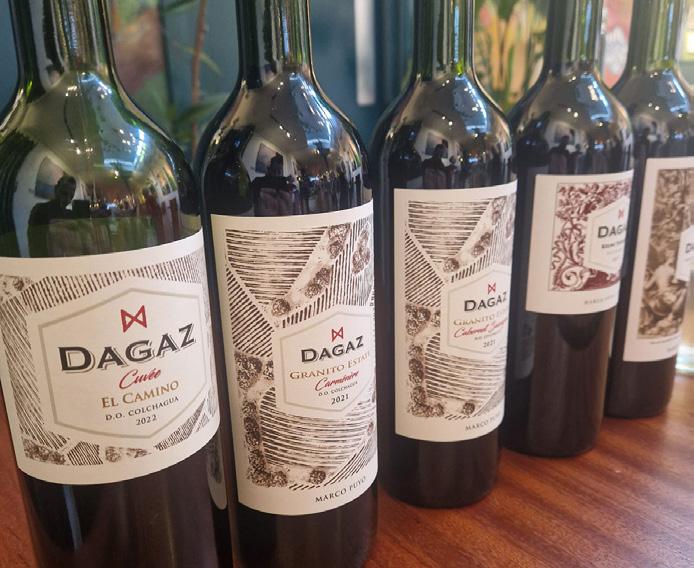
as a fine wine region.
Puyo is keen to increase consumer awareness about what Chile’s distinct wine growing areas can deliver.
Knowing his terroir, and giving it a voice in his wines, is at the heart of the Dagaz winemaking philosophy. Puyo talks precisely – not just from the perspective of a producer located in the Colchagua Costa DO – but of the distinct areas within it: Litueche, Lolol, Paredones and Pumanque.
The estate soils have been thoroughly researched, by measuring their electromagnetic conductivity. The (rather cool!) resulting map shows areas of high stone content in red and yellow, whereas those areas that are green and blue have lower concentrations.
Green and blue vineyards yield wines with more elegant tannins, whilst those from the red and yellow areas have more structure. This information – backed up by digging soil pits – supports choices around plantings and winemaking. Puyo is clear
that the vinification should allow for a free telling of the terroir story.
The fabled Dagaz Pumanque vineyards are planted on granitic soils which lend mineral elegance to his wines, which Puyo likens to the “world-class wines of the Rhône Valley and La Rioja”. The Humboldt current from the Pacific brings cooling breezes that allow grapes to ripen slowly while retaining freshness and acidity.
Across the range, the Dagaz wines are polished and articulate. As the tasting progressed, attendees commented that their customers would rarely – if ever – ask for a Chilean wine from a specific DO, and that you’d almost never see a top-end Chilean wine on a restaurant list. The Dagaz tasting showed that this must change.
How, then, to premiumise fine wines like those from Dagaz? Puyo points to the need for labels to clearly show where the wines are from. His range will soon specify Colchagua Costa on the label. Education through tastings and events is also important. There was also a suggestion that the premium factor should be supported by communications that focus on individuals – like Puyo – and smaller-scale wineries.
The grape focus at Dagaz is Cabernet Sauvignon, but there is a single-varietal Carménère which is as disarmingly delicious as it is refined. This wine sits in the middle of the portfolio, which is bookended by two blends. First there’s El Camino (70% Cabernet Sauvignon and 30% Carménère) while the showpiece is Tierras de Pumanque. The 2018 sees Cabernet Sauvignon joined by 15% Petit Verdot, 8% Carménère and 6% Syrah. It is a gorgeous red, unanimously appreciated and, while evidently ageworthy, a dream to drink now.
Viña Dagaz is a stylish flag bearer for Chilean fine wine and its range would bring flavourful style to any wine list.
Contact Aaron Irons on 07715 671914 for more information about Dagaz wines

Iwas brought up a shopkeeper and I was always told that you battened down the hatches in January. Don’t buy any stock, maybe ditch a few tired lines, but generally sit on your hands and let it pass: go all-in on that “imminent closure” look.
January was always a pretty soulless month, and a bloody long one at that. Whose idea was it to put 31 days in the first month of the year? I reckon we should start a petition to swap it with February. Anyway, last year I decided to just go about my business as if it was October not January. I searched out deals, I bought stock, I spent money. We didn’t mention Dry January, Try January or Veganuary. Heck, we barely even mentioned January. It worked, though, and it worked well: sales went up by 25%, the month disappeared a bit quicker and our year started on a much happier footing. We did the same thing this year, but went even bigger and had even more fun. In fact January ’26 was busier than June ’25.
My other resolution was to see an end to the misuse of the word “sommelier”. A simple check of a dictionary refers to a sommelier as “someone who deals with the choosing of wine in a restaurant and will often pair wines with dishes and suggest options for customers”. I think that’s a pleasantly basic definition and the sommeliers I’ve met would probably take a little umbrage at its simplicity.
My issue is that I know what a good job a proper sommelier does, the difference it

makes to a meal, the pressure it removes from the diner in trying to work out which of hundreds of wines, in a list to rival War & Peace, to choose. I also know just how much effort goes in to being a sommelier.
I was on a wine trip in Oz a decade ago and shared an apartment with a lovely young French chap who was studying for his Master Sommelier qualification and, despite the fact that he put five teaspoons of instant coffee and six of sugar in a cup, added water and then chain smoked five
cigarettes for breakfast he had an amazing palate.
One morning I asked if I could have a look through some of the exam questions he was swotting up on. Well, I couldn’t understand the question, let alone know the answer. He passed that summer and became one of only just over 300 Master Sommeliers in the world, an exam that has a pass rate of around 3%.
So it irks me greatly when someone who once poured a glass or two of Pinot Grigio in a carvery claims to be a sommelier. There are now water sommeliers, olive oil sommeliers … give it long enough there will be a crisp sommelier in your local boozer.
Majestic Wine have fully got on board with this trend and last year introduced “Majestic store sommeliers” – or “lovely regular members of staff”, as I’d call them. I’m not belittling these hardworking folk. I just don’t like the dumbing down of something that is a genuine, hard-earned skill.
I’ve been matching up wine with dishes for three decades, and before that I worked in restaurants. At no point have I ever thought of myself as a sommelier.
Sillier still is the fact that in 2021 Majestic’s own website explained exactly what a sommelier was: “A sommelier is a trained wine professional, typically found in fine-dining restaurants. The sommelier’s job isn’t only to put together an interesting wine list with diverse flavour profiles and origins – they’re also there to find out what kinds of wine you like and help find one within your budget that pairs well with the meal you’ve ordered.”
Now, unless Majestic have gone full 2026 and put Greggs concessions and tables and chairs in each store and become the biggest chain of hybrids in the UK, I doubt that they have any sommeliers that match up to their own definition.
I searched out deals, I bought stock. We didn’t mention Dry January. Heck, we barely even mentioned January
So let’s stick to the right side of the tracks, stop trying to nick other people’s job titles just because they sound cool and enjoy what we do – and make January a shorter bloody month.
Rob Hoult owns Hoults Wine Merchants in Huddersfield

Jacob Stokes reveals the star performers in The Wine Merchant's January panel tasting
1 Goustine Caresse Calcaire Vouvray 2024
Liberty Wines, RRP £32
A simply unfathomable salinity seasons every element of this wine. Atlantic swells crashing against tidal walls; chalky salt and salted chalk. But through the sea mist, the essence of Vouvray arises, Amalfi lemon wax melting on a bed of linen and apples cut with the sharpest steel. Flickers of white peach and nectarine are a lighthouse facing a tempest of cascading citrus. Definitely Vouvray, definitely Chenin, but not like you’ve ever tasted.
2 Swerwer Tiernes 2023, Swartland, South Africa
Museum Wines, RRP £37
By South African standards these old vines, planted in 1983, are just getting into their stride, thriving despite being docked in suffocatingly impermeable igneous soils. A granite spine tingles with millions of electrical signals, nervous white peaches and golden apples bolt into every unoccupied receptor. It all happens so fast: blink and you’ve missed a thousand chemical reactions. This has to be what life tastes like.
3 Brookdale Old Vine Chenin 2023, Paarl, South Africa
Hallgarten & Novum Wines, RRP £30.75
Like a tailored suit, every element of this feels made to measure, curated with love and worn with confidence. It’s inch perfect with enough slack for a proper dinner. The conversation between rich unctuous fruit and creamy oak is articulate; the prickles of lean citrus and cold minerality thoughtful. This has all the raw material to be a bombastic populist but instead it’s appeared a fully-formed statesman, advocating the potential of Paarl on the world stage.
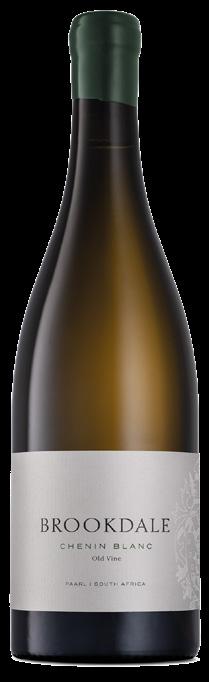
4 Orpheus & The Raven 2024, Western Cape, South Africa
Museum Wines, RRP £29.99
It almost feels de rigeur to take a pop at Burgundy these days, but when you taste a wine like this, at this price, it leaves you wondering how and why £30 Burgundy still exists at all. This is bracing with coastal freshness: windswept and rosy cheeked, there’s a whirling of white flowers amongst a supple cluster of generous fruit. It’s as though the perfect measures of blistering Cape sun and blustering Atlantic breeze have been mathematically drawn up and applied with a pipette.
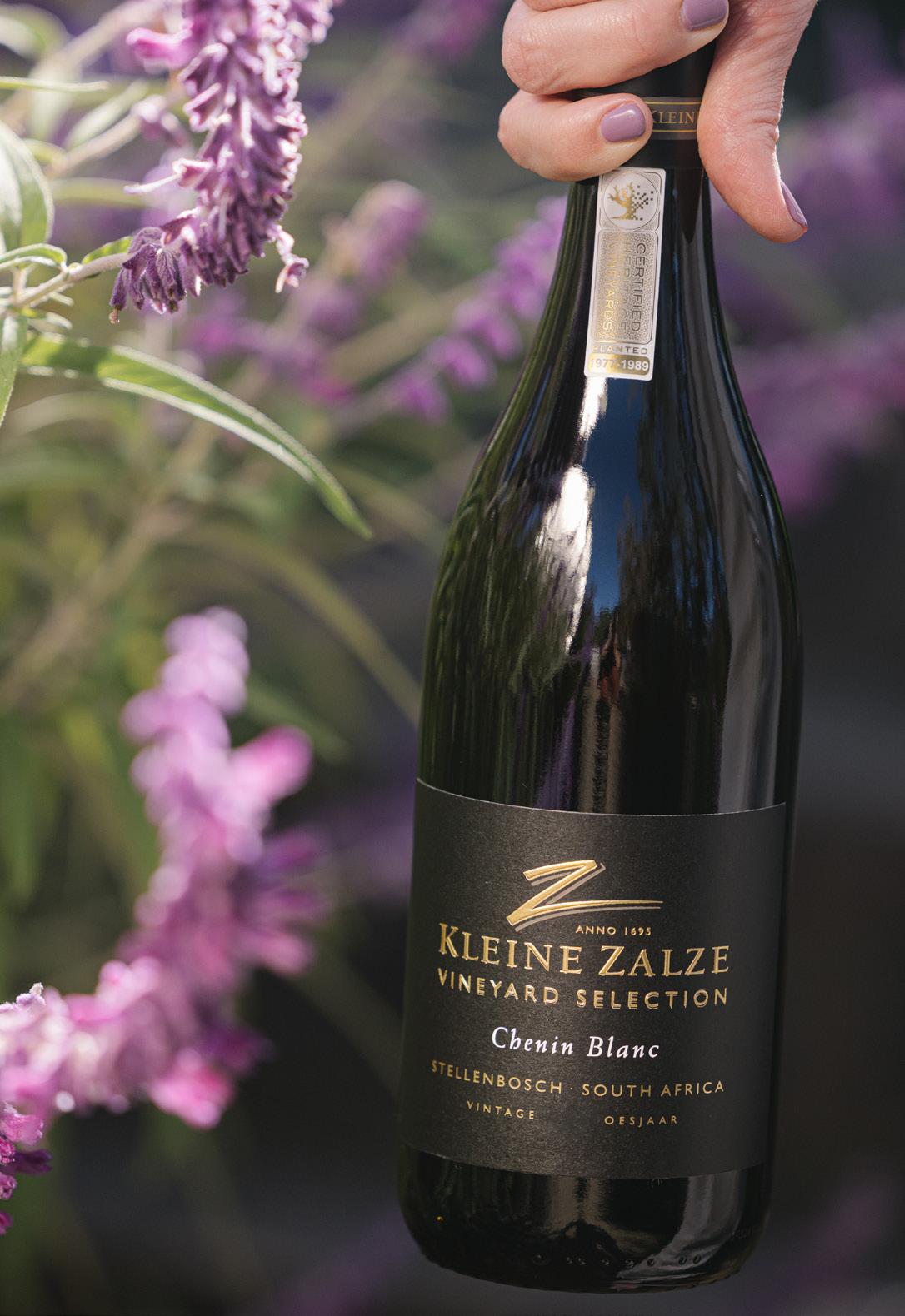
One of the best value wines in the Hatch portfolio, sourced entirely from certified Heritage Vineyards and offering exceptional quality for the price”
Patrick McGrath MW
About Kleine Zalze
At the heart of the Cape Winelands, where history and terroir meet, lies Kleine Zalze – a Stellenbosch winery rooted in legacy since 1695. Its aim is to produce wines of trusted quality and international acclaim, that tell a story of place and stand the test of time.
Contact Hatch Mansfield, the exclusive UK importer of Kleine Zalze wines. info@hatch.co.uk | hatchmansfield.com

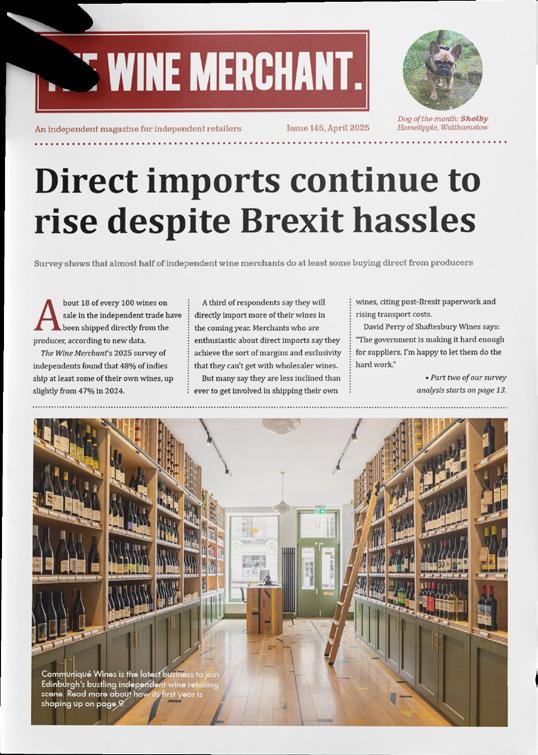



5 Thorne & Daughters Cat’s Cradle 2024, Swartland, South Africa
Liberty Wines, RRP £31.99
This is expedition wine. Energised by nature, stimulated by the elements and in denial of mortality, it scrambles mountains, camping at the summit to watch the sun ignite the curvature of the earth through squinting fog. It’s classic Paardeberg austerity; pith and lanolin, myrtle and tarragon, all dusted with granitic sand, perfectly ragged. This is the art of exploring the extremities of the land we call home, the simplicity, the imperfections, the beauty.
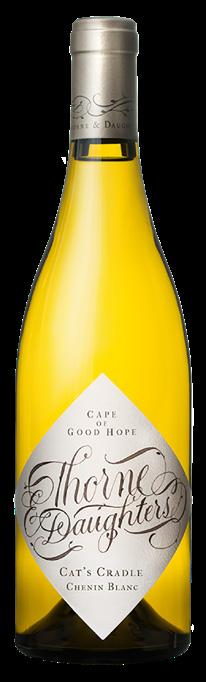
6 Paulus Wine Co Bosberaad 2023, Swartland, South Africa
Liberty Wines, RRP £37
If there’s one thing to take away from this tasting, it’s that something truly special happens in Swartland, something inexplicable. Wines that ache with austerity and pulsate with vitality, coil with mineral tension and release with vengeance. They’re truly inspiring, invigorating and unmistakable. This one grips and gouges, etching its granite blade across the palate like all great Swartland should. This is terroir, at its most brutal and breathtaking.
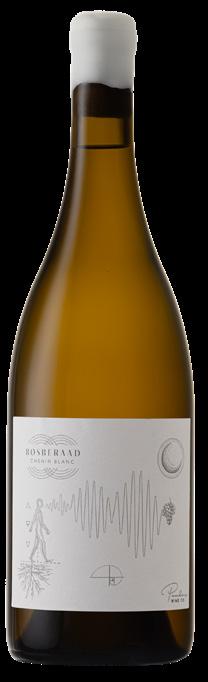
7 Kleine Zalze Vineyard Selection Chenin Blanc 2024, Stellenbosch, South Africa
Hatch Mansfield, RRP £16.95
This is a benchmark snapshot of classic South African Chenin, a nod to the styles that built the foundations of the Cape’s love affair with the variety. The rich peach and apricot fruit; the creamy texture of old wood; the calculated line of granite. Dare to dream of wines with this much interest for under £20 and South Africa will be the catcher.
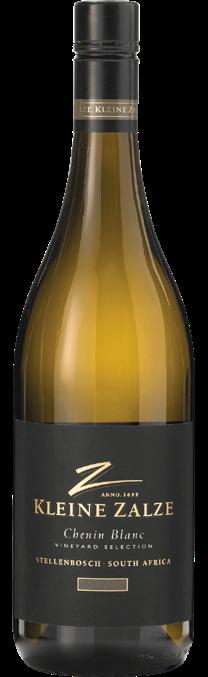
8 Gabriëlskloof Elodie Chenin Blanc 2024, Swartland, South Africa
Liberty Wines, RRP £31.99
A wine that would jolt even the most lethargic taster into a half marathon. This fizzes with eccentric energy, like a mad scientist experimenting with alkaline metals. A conical flask shattering kind of wine, hissing and popping across the palate with a sense that things could get out of control. A touch of hazelnut speaks a few short words in what is otherwise an uninterrupted exhibition of lean citrus and hard granite. Brazen and bold. It’s wonderful.

9 Domaine des Forges Moulin deu Gué Savennières 2024
Hallgarten & Novum Wines, RRP £22.25
This moves with all of the sophistication you would expect from Savennières. It starts with rocks dislodged from a weathered river bed; drifting downstream through crystalline waters, they glide over quinine, skim over beeswax and scrape over lemon peel, every contact revealing a new mineral glint. There’s a journey bottled up in here, and to understand the route you’ve got to be patient.
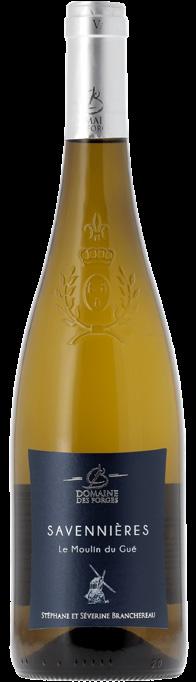
10 Swerwer Chenin Blanc 2023, Swartland, South Africa
Museum Wines, RRP £26.99
With one eye on the riper side of South African Chenin, this glitters with an array of dense fruit. Pineapple, white peach and golden apples are garnished with shavings of fresh grapefruit. There are pecans soaked in honey and daisies on a bed of granite. But this isn’t just smiles and waves with a handful of Cape flora. When the boots are off and the warm hug has been had, there’s a depth of character that will surely reveal itself around the dinner table.
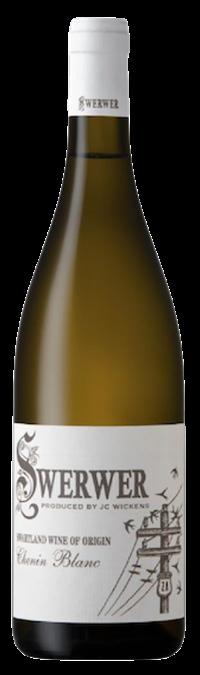
11 Paulus Wine Co Bartàs Stellenbosch Chenin Blanc 2023 Stellenbosch, South Africa
Liberty Wines, RRP £39
As might be expected, there’s a more measured feel to Bartàs compared to its Swartlandian relative (Bosberaad). Favouring rigour over vigour, it plots a detailed battle plan of luscious creamy fruit which unravels with punctuality and order. There’s a subtlety to the minerality, which comes and goes throughout. This is soft and thoughtful, but when did those qualities ever come out on top in a fist fight between siblings?
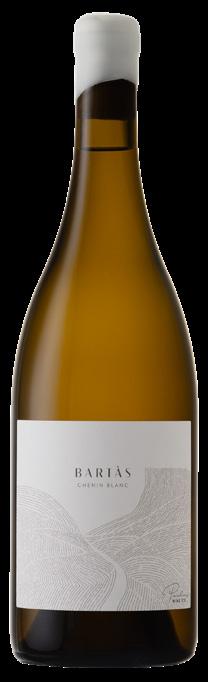
12 Wild House Chenin Blanc 2025, Western Cape, South Africa
Boutinot, RRP £11.95
For this wine to be from old unirrigated bush vines and still be this price is an incredible achievement. It’s dazzling with its pristine fruit and bustling with a richness that utterly defies its price point. This doesn’t just represent an expertly made wine, but a commitment to making the journey into old-vine Chenin an accessible one, something that could secure the potential future drinkers of the 11 wines prior. Bravo.
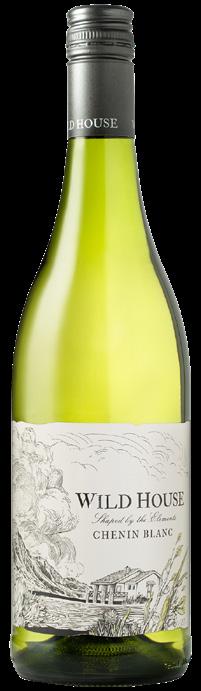

There are places that shaped the global whisky industry so profoundly that their decline feels almost impossible to comprehend. Campbeltown is one of them. Perched on a narrow peninsula at the southern tip of the Kintyre coast, this small town once boasted more than 30 working distilleries and a harbour busy with ships carrying Scottish malt to every corner of the world. By the mid-20th century, all but a handful had closed.
Today, just three distilleries remain active (Springbank, Glen Scotia and Glengyle) and in that scarcity lies genuine opportunity for independent retailers. These are not mainstream, shelf-filler brands. They are cult bottlings with devoted followings, limited availability and stories that customers genuinely want to hear. If you’re looking for something to excite a whisky-curious customer beyond the standard Speyside selections, Campbeltown is where to point them.
The style is unlike any other Scottish region: expect an oily, textured mouth feel, a maritime saltiness from the Atlantic coast, subtle peat and a dry, savoury complexity. Some bottles carry a briny depth that reminds you exactly where they were made.
Contact Angus Bennett to discuss current availability and allocations
sales@inveraritymorton.com 0141 620 6100

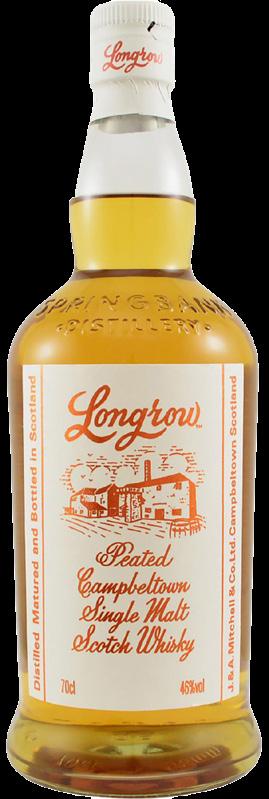
Longrow is Springbank’s heavily peated expression, produced at the same Campbeltown distillery but using a completely separate mash of peated malt. Where Springbank is subtle and layered, Longrow leans into smoke without ever losing its coastal identity. Matured primarily in ex-bourbon casks, the wood influence stays in the background, allowing the distillery’s character to do the talking.
Bottled non-chill filtered and naturally coloured at 46% abv, it delivers a well-judged balance of sweet vanilla from the bourbon oak, earthy peat smoke and a maritime salinity that is unmistakably Campbeltown. It’s a compelling option for customers who enjoy Islay whiskies but want something with more texture and restraint. The smoke here is grounded rather than aggressive, and the finish lingers with warmth rather than heat.
For independents, Longrow offers genuine shelf differentiation. It sits in a space between the approachable and the adventurous, and customers who discover it rarely stop at one bottle.
Of the three Campbeltown producers, Glen Scotia is the most consistent and commercially accessible. The Double Cask is an approachable, well-priced introduction to the region: initially matured in American oak ex-bourbon barrels before finishing in PX sherry casks, the result is a crowd-pleasing balance of vanilla, toffee and gentle spice with that characteristic coastal undercurrent.
It’s a genuinely good recommendation for customers who already enjoy a Speyside malt and want to explore something with a little more texture and savour.
Glen Scotia’s stability makes it a reliable range to build around. Where Springbank dazzles with mystique, Glen Scotia earns its place through honest, repeatable quality and a price point that invites experimentation.

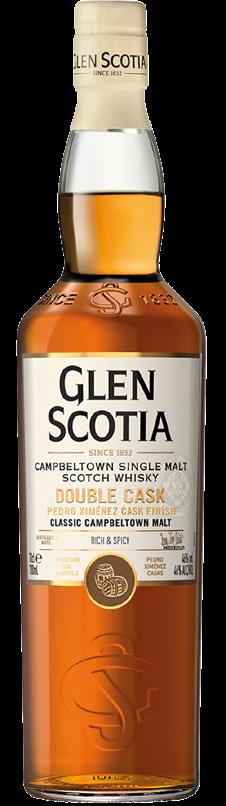
Glengyle, which produces whisky under the Kilkerran name, only reopened in 2004, making it one of Scotland’s youngest distilleries despite being housed in a 19th-century building. The 12 Year Old is a benchmark expression: non-chill filtered, natural colour, and matured in a combination of bourbon and sherry casks. It has a beautifully oily texture, notes of orchard fruit, malty cereal and a distinctly maritime salt and smoke on the finish. For the price, it punches well above its weight.
Kilkerran has been quietly gathering recognition from whisky writers and competition judges alike. It has the feel of a discovery whisky: the kind of bottle you hand a customer and know they’ll come back to tell you about it.
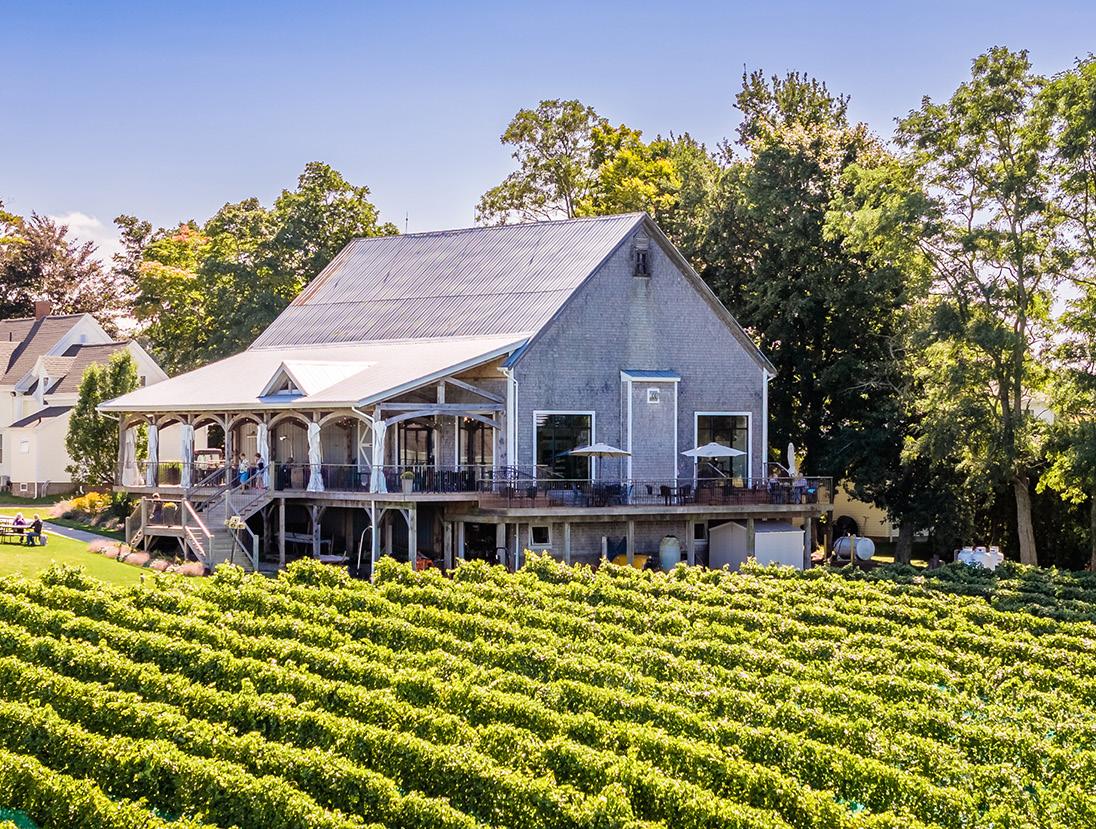
Daniel Lambert is predicting great things for the Canadian province –and it seems that independent merchants agree with him
Not many indies would have had Nova Scotia on their wine bingo cards for 2026. And yet the Canadian province is looking like a decent outside bet for the year’s most exciting breakthrough region.
Daniel Lambert has recently partnered with three leading Nova Scotian producers – and quickly found that his independent customers share his enthusiasm for what’s on offer.
His company, Daniel Lambert Wines, has already built a UK following for Westcott Vineyards, the Ontario producer. That prompted an invitation from Wines of Nova Scotia to visit their region. Lambert was eager to accept, and was impressed by what he discovered.
“Like everybody else, I had the expectation that it was going to be cool climate, which of course it is,” he says. “But I was taken aback by the beauty and the maturity of the wine region itself.”
Nova Scotia may translate as New Scotland, but it’s actually on the same latitude as Bordeaux. Without the warming
Gulf Stream, conditions are cooler, which is why local winemakers have embraced hybrid varieties.
Lambert believes that wine merchants will embrace them too, in much the same way as they have got behind local varieties in Portugal, Greece, Hungary and Georgia.
“These are vines that have been bred to produce the best fruit and, by definition, the best wine for the terroir that they’ve been grown in,” he says.
“What actually matters isn’t what’s on the label. It’s the end product that’s the important thing. So when you get past all of that and you try the wines, you suddenly realise: actually, these are really bloody good.”
Nova Scotia’s maritime climate sees a short growing season but long hours of daylight in the summer. It’s almost entirely surrounded by the sea, helping the temperature stay relatively consistent.
Traditional-method sparkling wines are made (sometimes with Chardonnay and
Pinot Noir in warmer areas) as well as a wide range of still wines.
Other varieties include L’Acadie Blanc – a crisp, citrussy white regarded by many as the province’s signature grape – along with Vidal, Seyval Blanc, Geisenheim and Marquette.
The whites can be tropical as well as zippy; the reds often display crunchy red fruit, with herbal characters and approachable tannins. Generally speaking, Nova Scotia’s producers are known for fresh, food-friendly styles.
“What they’re doing is really innovative, even though it’s the oldest wine region of all in America, with a history going back 500 years,” says Lambert.
“There are already 24 independents stocking the wines in the UK, and we are now seeing reorders, which means that consumers have gone in, tried the wines, and then bought them again. That tells me that we’re on to something that’s going to get bigger and bigger.”
Sponsored feature
Annapolis Valley
"Our focus is on precision and site expression," says director of sales Steve Lee. "We farm organically and biodynamically – we were the first Demeter-certified winery in Nova Scotia – because we believe healthy soils are the foundation of distinctive wines.
"Merchants can expect wines defined by freshness, natural acidity, moderate alcohol and remarkable purity of fruit character. Our sparkling wines benefit from a cool growing season and extended hang times, allowing us to achieve flavour ripeness while retaining structure – conditions well suited to traditionalmethod production. Our Pinot Noir and aromatic varieties often show a subtle saline tension and brightness that reflect our maritime climate.
"Farming grapes in Nova Scotia comes with real challenges: a short season and weather that demands constant attention in the vineyard. But the reward is balance, energy and a clear sense of place. For merchants looking for authenticity and something genuinely different within the cool-climate category, Nova Scotia offers something worth discovering."
Wines: Fauna (RRP £21); Ancienne Pinot Noir (RRP £27), Flora (RRP £21), Sparkling Rosé (RRP £30.50)
Gaspereau Valley
"My focus is quality and transparency," says owner and winemaker Bruce Ewert. "We are certified biocyclic vegan and organic, promoting living soils for vine health, resilience to climate change and wines that express the minerality of our unique rocky terroir, an ancient seabed.
"We released Nova Scotia’s first sparkling wine, producing award-winning traditional-method sparkling wines for over 20 years with long lees ageing; no fining with animal products, and minimal intervention. The rich local history of Acadians is the inspiration for our winery name, and our most planted grape L’Acadie Blanc, Nova Scotia’s signature grape variety. Similar to PIWI grape varieties, L’Acadie Blanc is fairly resistant to diseases.
"For independent UK merchants, our wines offer something genuinely distinctive. Nova Scotia’s cool Atlantic climate gives us naturally high acidity, fine mousse and remarkable tension.You’ll find brightness, minerality and salinity alongside orchard fruit and subtle autolytic complexity – a profile that feels both classic and strikingly fresh."
Wines: Sparkling L'Acadie (RRP £40); Still L'Acadie (RRP £30), Tidal Bay (RRP £30).

Jocelyn and Mike Lightfoot
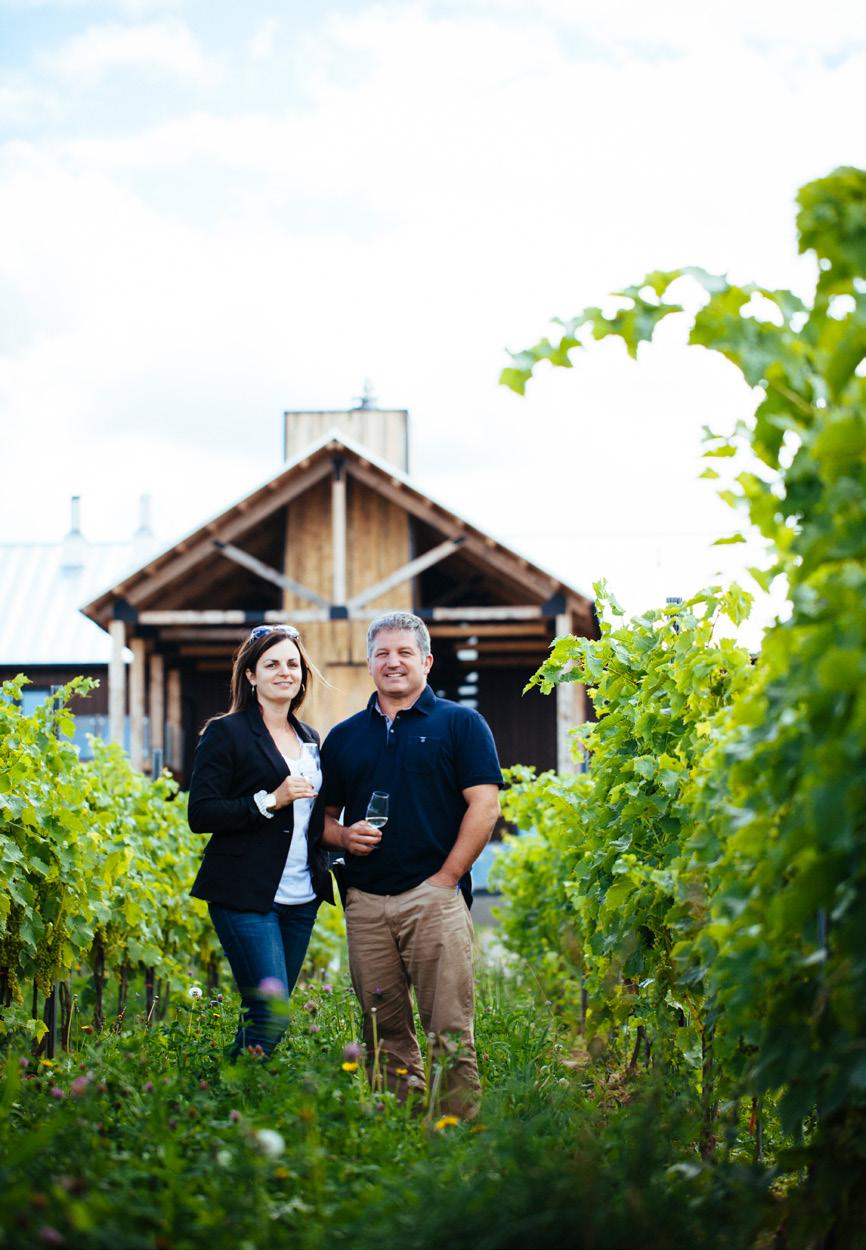
Annapolis Valley
"Planters Ridge Winery offers wines shaped unapologetically by the Atlantic," says Joanne Fevens, manager of hospitality. "Since 2010, when we established our vineyards on the Wellington Dyke in Annapolis Valley, our focus has been singular: to craft precise, cool-climate wines that speak clearly of place.
"Our sites overlook the Minas Basin, where the dramatic tides of the Bay of Fundy moderate temperatures and extend the growing season, preserving natural acidity and aromatic lift. At Basalt Ridge, south-facing volcanic slopes contribute mineral tension and structure, and are home to our Pinot Noir and Nova Scotia’s only Viognier – varieties that ripen with remarkable balance in this sheltered, heat-accumulating site.
"We practise vineyard-driven winemaking, working with L’Acadie Blanc alongside carefully selected hybrids and vinifera. Merchants can expect balanced acidity, purity of fruit, saline nuance and a distinctive maritime edge – wines defined by energy and finesse.
"Nova Scotia’s maritime climate is both a challenge and advantage: short seasons demand precision, yet reward us with freshness and authenticity. For the UK market, these are mineral-driven, Atlanticcooled wines with a true sense of origin."
Wines: Tidal Bay (RRP £24.50); Pinot Noir (RRP £39), Quintessence (RRP £27).

Technical director Emily Faulconer looks back on the first quarter century of the acclaimed Chilean producer – and considers what might come next
It’s Viñedo Chadwick’s 25th anniversary. Are you producing a special release?
Viñedo Chadwick 2023 marks 25 years of dedication to a single vineyard in Puente Alto. To commemorate the anniversary, the vintage will be released as a limited edition with a label that honours the estate’s heritage and long-term vision.
In terms of the wine itself, nothing has been altered stylistically. It remains true to the classical identity of Viñedo Chadwick: Cabernet Sauvignon defined by precision and finesse. The difference lies in the perspective that comes with experience. After 25 years, there is a deeper understanding of the vineyard, allowing us to express it with even greater clarity.
How does the modern business differ from what we would have seen at the beginning of the century?
At the beginning of the century, Chile was focused on proving its potential. The ambition was to demonstrate that we could produce fine wines capable of standing alongside the world’s great regions. Today, the conversation has evolved. We are no longer proving capability; we are refining identity. There is greater site precision, deeper knowledge of soils and a stronger commitment to sustainability. The emphasis has shifted from expansion to understanding, farming each vineyard with greater sensitivity and purpose.
Do you think that Eduardo Chadwick is likely to be resting on his laurels?
I don’t see a sense of complacency. What I perceive is a long-term commitment. Viñedo Chadwick feels less like a completed achievement and more like an ongoing responsibility.
Eduardo has invested enormous passion and energy into this project throughout his life. What seems to motivate him today

is continuity, ensuring that what has been built remains strong and meaningful for the next generation. The anniversary feels less like a conclusion and more like part of a longer journey.
You have five brands and all kinds of terroirs. Is there a single philosophy that unites all of your wines?
Although each brand has its own origin and identity, from Viñedo Chadwick and Seña at the highest level of fine wine, to Errázuriz, Arboleda and Caliterra across diverse regions, there is a shared philosophy. At its core is the belief that Chile can produce wines of world-class quality, rooted in place. Across all estates, the aim is to respect the land, understand each terroir deeply and produce wine for every type of occasion at its best quality. Sustainability and long-term stewardship are central to that approach.
How do you think the company’s progress will be judged in the next 25 years?
The wine industry is clearly facing a period of contraction, and in response we see
increasing pressure to reshape the product itself with non-alcoholic versions, added flavours and technological manipulation to follow consumption trends. I understand the commercial logic behind this, but personally I am more traditional in my view. Wine is not just a beverage category. It is a cultural and agricultural product with identity. When we alter it to such a point, it stops being wine in its true sense.
Looking ahead, I believe our progress should be judged not only by reputation, but by integrity, by how well we protect the product. Our responsibility is to preserve wine as wine: a reflection of place, season and time.
Trends will come and go. What must remain constant is our commitment to producing wines with a genuine reason to exist.
Do you think Chilean winemaking in general has made big strides?
Yes. Chile has moved from being perceived as homogeneous to being recognised for its regional diversity. Areas such as Puente Alto, Aconcagua and Colchagua now have defined identities.
The next phase is about continuing to sharpen that precision, elevating the fine wine segment while strengthening regional character and authenticity.
Which grape varieties have been the biggest success stories, in your view, and which are the most problematic? Cabernet Sauvignon remains Chile’s most consistent success story. It has a long trajectory in the country and has shaped our fine wine reputation. In Puente Alto, it achieves distinction and undeniable quality.
Chardonnay represents a more recent evolution. Over the past 15 years, particularly in some specific regions, it has developed a remarkable style and quality. It reflects Chile’s growing confidence in expressing subtlety and site transparency. And I think we still owe a great deal to Merlot …
Viñedo Chadwick 2023 releases to the market on March 19. All wines from the VFC stable can be found via Hatch Mansfield hatchmansfield.com
Domaine Clavel truly runs in my blood. As the years go by, I feel more and more at home in this role, with a strong desire to carry the estate forward while bringing my own energy and sensitivity to it. It is a calling; a profession driven by passion. I cannot imagine myself doing anything else.
My terroir is located on the right bank of the Rhône, opposite Châteauneufdu-Pape and Gigondas While these are certainly exceptional terroirs, I am extremely proud of my own terroir in Saint-Gervais and Chusclan. The exposure, altitude and proximity to the Cévennes naturally bring a great deal of freshness to the wines – a major factor for achieving beautiful balance in the glass.
Our vineyard extends across around 100 parcels and includes a wide range of grape varieties. All of this diversity is reflected in our wines. It is a great richness and a true pleasure to work with such diversity. SaintGervais is a small appellation, with only 80ha under production.
My father Denis and I share the same philosophy and are highly complementary. We have a very close bond. He is still very present by my side – he is a true enthusiast – and always has many new ideas. Over time, he passes on his knowledge to me. It is a real joy to work as a family like this.
My Clair de Lune cuvée is a small play on words with my first name. To do this job, you need to keep your feet on the ground but with your head a little in the stars. I also often find myself in awe when gazing at a beautiful starry sky. The rest of the range – Régulus, Syrius, Cordélia – all
Claire represents the latest generation to make wine at the estate, which dates back to 1640. The wines are represented by Les Grands Chais de France and are exclusively for the independent trade
take their names from stars. This quote by Oscar Wilde inspired me: “Aim for the moon; even if you miss, you’ll land among the stars.”
I love Grenache for its beautiful aromas of small red fruits and raspberries, and for its roundness. Syrah for its elegance and its aromas that are at once fruity, floral and spicy. I love Carignan for its structure, its aromatic profile, notes of cherries in alcohol, and its tannins. For white wines, Roussanne is becoming more challenging to work with – it doesn’t like extreme heat – but I love its roundness and its aromas. I have planted Clairette and Bourboulenc, which I am now discovering through vinification.
It is important to me to preserve our environment and maintain biodiversity. I have been committed to the Terra Vitis label for sustainable viticulture since 2010. We also manage 20 hectares under organic cultivation, and we haven’t used herbicides for five years. I support a reasoned approach: observing nature and making the necessary decisions based on many factors, rather than taking the easy route.
Winemaking is a bit like cooking –everyone has their own recipes. I am always searching for more balance, finesse, and elegance in our wines. Régulus focuses more on roundness and fruitiness, creating wines that are simply enjoyable. For Syrius and Cordélia, we aim for authentic wines with more structure, aromatic complexity, and length – beautiful wines to accompany meals. And Clair de Lune represents true gastronomic wines, where we pay careful attention to barrel ageing. Above all, we let the terroir express itself.
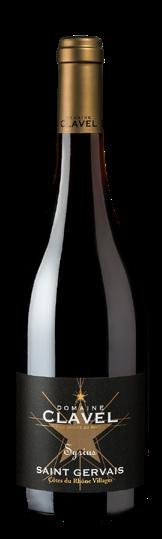
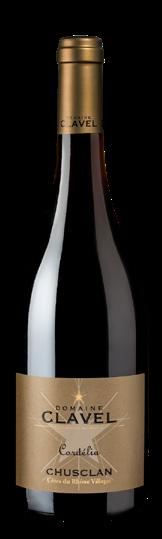
Wines
RRP £13.99
With Régulus, we want to create enjoyment at every moment. We aim for freshness and fruitiness. Short fermentation, light extraction. We blend grapes from varied terroirs, and in the glass you find lovely aromas of fresh red fruits. A true "friends" wine; very juicy. Perfect as an aperitif or light dinners with friends.
Grapes: Grenache, Syrah, Marselan
Syrius Red — Authentic Wines
RRP £15.75
This represents the Saint-Gervais terroir very well, with beautiful structure, plenty of roundness and lovely aromas of ripe fruit and garrigue – it feels like walking through the vineyards as you taste it. It pairs beautifully with quality meats.
Grapes: Grenache, Syrah
Cordélia Red — Authentic Wines
RRP
£15.99
The sandy terroir brings finesse and elegance, with a lovely roundness, fine tannins, and beautiful red fruit aromas.
Grapes: Grenache, Syrah, Mourvèdre
Clair de Lune Red — Gastronomy Wines
RRP
£19.30
Sourced from old vines, this has a long maceration, followed by barrel ageing. The barrels are always second or third use – the idea is not for the wood to overpower the grape aromas. Its nose is intense and powerful, revealing aromas of black fruits, spices and leather. The palate is round and concentrated, with beautiful volume. The structure is well balanced; the finish lingers with notes of liquorice.
Grapes: Grenache, Syrah, Mourvèdre
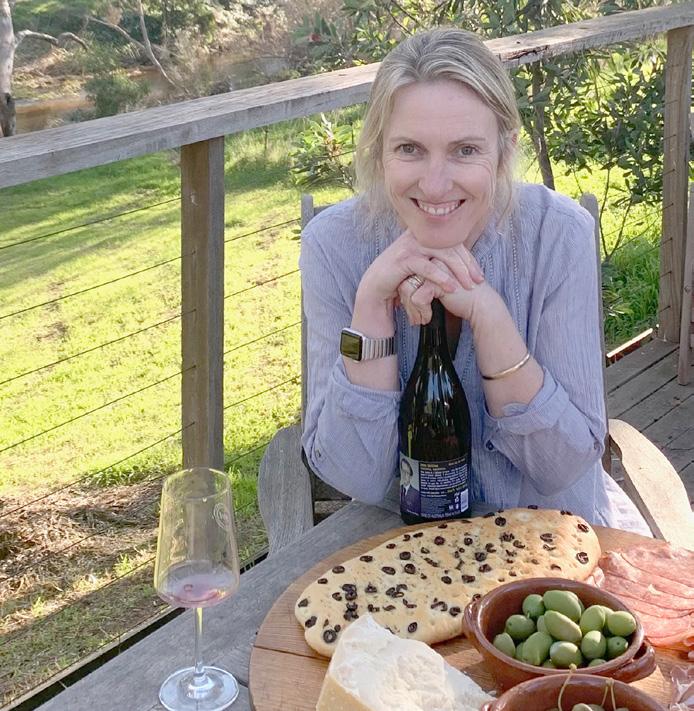
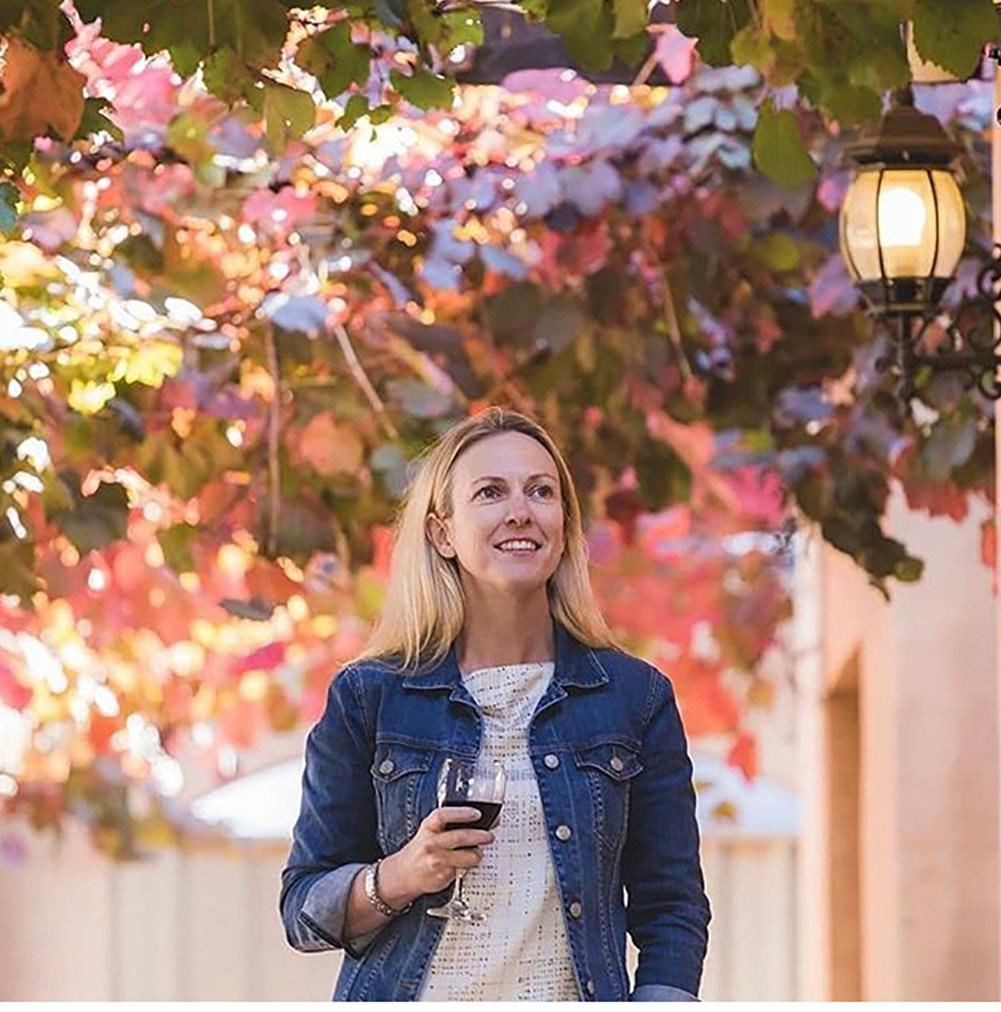
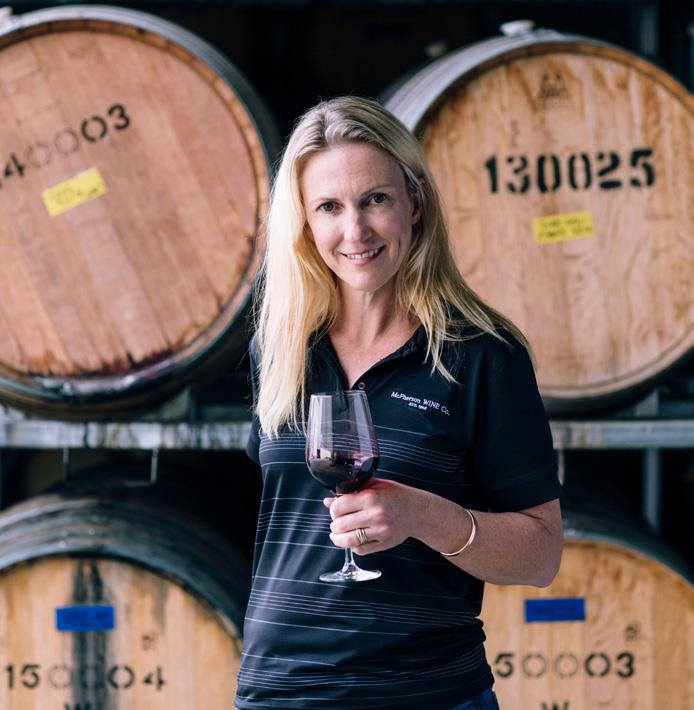
Jo Nash is chief winemaker at McPherson Wines in Victoria, imported in the UK by Lanchester Wines. For more information about her creations, including Don’t Tell Gary Chardonnay and Shiraz, visit lanchesterwines.co.uk
Is it fair to say you got your earliest wine education in the bars of Europe and not the winelands of Australia? I actually got my first taste of wine when I was studying at university and was working in hospitality. Every night after we finished our shift, we would have a glass of wine, a knock-off drink, and that’s where my interest began. Travelling around Europe just confirmed my interest.
As a woman, were you ever put off the career by its male dominance? Honestly, it’s not something I have ever thought about. I’ve always been conscious of just being good at what I do and working with the people around me. It has never mattered to me if they were male or female, as long as they are my people.
Do you think women have to work harder than men, in Australia and elsewhere, to rise up the career ladder in the wine industry?
In my experience, no. If you are good at what you do, then you are good at it, regardless. I do think that women have a quieter voice, though, as we don’t tend to yell as loudly and are not often seen or fully appreciated for what we do. Juggling a family and a career is often very tricky.
Your style is to make wines that taste more expensive than they are. What’s the secret of how that’s achieved? It is all about caring for the fruit/wine along the entire journey. It doesn’t matter what the fruit costs, or where the fruit comes from: when making wine, you need to look after it end to end. Quality is important all the way through the process, from a $10 bottle to a $50 bottle and everything in between.
Is it possible to enjoy your own creations? If so, which of your wines do you most like drinking?
I definitely think that I am my own worst enemy when it comes to drinking my own wines. Every time you look at them, you think about what you could have done differently to make them better. It doesn’t matter if you have done your best at the time, it is all about what more could you do next time.
What advice would you give to any young person, male or female, who wants to be a winemaker like you? It is not as romantic as it might seem! During harvest the days are long, and often hot, and you get covered in grape juice and wine. Having said that, when you see
a bottle of wine on the other side of the world that you have made in your winery, then that is pretty special.
Do you worry that the kinds of wines we’re drinking now might one day disappear, either because of the changing climate or changing tastes? Wine is constantly evolving, and trends will come and go. However there will always be a place for the more traditional styles of wine. It is all about how we want to sell it, and who we want to sell it to.
What kind of experimentation goes on in your cellar and are there any weird and wonderful creations that might one day see the light of day?
Weird and wonderful is good in theory, but we still need to be able to sell it. We tend to stick with what we know, only teetering on the edge these days.
Which phrases do you most overuse in the winery?
It’s all about the balance!
Will you ever make the perfect wine? Never, but I will keep on trying.
Sponsored feature
Venture beyond the Austrian lake at this tasting exploring the “many faces” of Neusiedlersee wines.
Visitors can taste new releases and hidden gems from the region.
Doors open at 10.15am followed by the masterclass at 10.30am, with the option to stay on for a free-pour tasting and light lunch.
Register by emailing gemma@ spritzmarketing.co.uk.
Wednesday, April 15
67 Pall Mall
London SW1Y 5ES
A carefully curated and focused tasting showcasing the best dry Rieslings and Semillons from Australia.
To register and for further details email amelia@jukes.co.uk.
Monday, April 20
Milk Beach Soho
14 Greek Street, St James Court
London W1D 4AL
Join the team at Jeroboams to explore over 180 wines from more than 80 producers.
They will be introducing several “exciting new agencies” alongside a wide-ranging selection of producers and regions.
The London-based retailer and
wholesaler expanded its range last year when it took over Hayward Bros. Registration: trade@jeroboams.co.uk.
Tuesday, April 21
Somerset House (Portico Rooms)
Strand London WC2R 1LA
This tasting, organised by the Champagne Agents Association, will include 55-60 houses, growers and cooperatives.
The Champagne Bureau UK will be present to promote Comité Champagne’s new education programme. Email events@premiercrew.net.
Wednesday, April 22
The View in The Royal College of Surgeons of England 38-43 Lincoln’s Inn Fields London WC2A 3PE
The London edition involves more than 250 food and wine producers.
With the aim of “reimagining how the wine and food industry connects, learns and does business”, the event brings together many Italian estates including emerging producers, offering buyers a rare opportunity to taste, discover and engage with what is shaping the future of Italian wine and food in one setting.
The lounge-style floor plan “prioritises conversation and relationship-building over walk-up sampling”, organisers say. There is also a programme of masterclasses with introductions from leading voices
across the UK trade.
Register at winesexperience.com/ldn.
Sunday and Monday April 26-27
ExCel London
Royal Victoria Dock 1 Western Gateway
London E16 1XL
Each year Beth Willard produces her Rueda Top 100 as part of Tim Atkin MW’s report on the region’s best wines.
This event sees their favourite producers coming to London to showcase their choices, all in one place.
For more information and to register contact clare@island-media.co.uk.
Monday, April 27
One Great George Street
London SW1P 3AA
This trade tasting will showcase 33 wineries from all the major Greek winemaking regions.
Expect to find wines from Macedonia, Thessaly, Central Greece, Attica, Peloponnese, Cephalonia, Samos, Paros, Santorini and Crete.
More than 150 wines will be on show, made from indigenous varieties such as Agiorgitiko, Assyrtiko, Liatiko, Malagousia, Mavrodaphne, Roditis, Savatiano and Xinomavro.
Masterclasses will be presented by Demetri Walters MW and top Greek wine expert and oenologist Sofia Perpera. Register at westburycom.co.uk.
Tuesday, April 28
St John’s Church 73 Waterloo Road London SE1 8TY
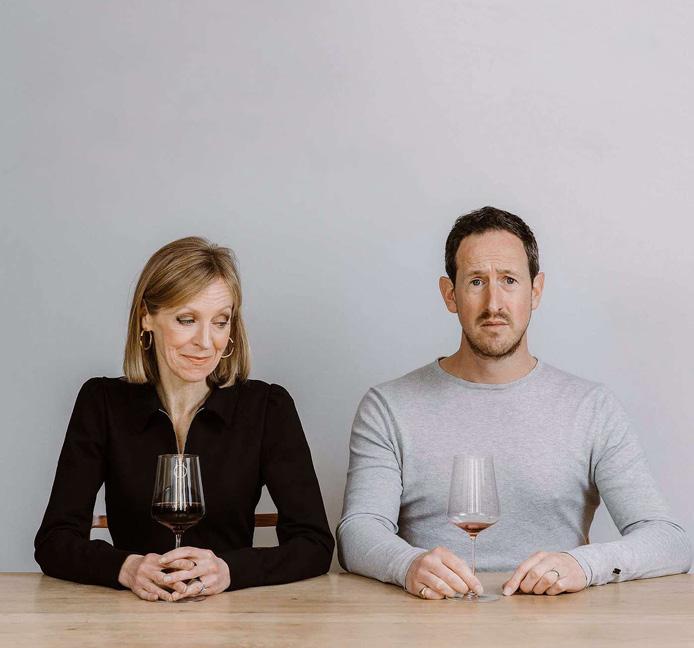
Taste their Kiwi selections on April 29
A walkaround tasting to showcase Susie Barrie’s and Peter Richards’ New Zealand Wines of the Year.
Following on from their Wine Blast podcast and report, available on their website, suzieandpeter.com, the married Masters of Wine have selected a diverse range of wines across varieties and price points they say are perfect for the independent sector.
In their words: “There’s never been a more compelling time to dive into Kiwi wine.”
For more information and to register email cstroud@nzwine.com.
Wednesday, April 29
Vagabond Urban Winery
Canada Water
London SE16 2AJ
Answers to questions on page 23
1. Chablis 2. Muselet 3. Château Mouton Rothschild (mouton is French for sheep) 4. (b) Stevenage 5. (a) Smaller than a pinhead
Many books about wine have a problem: they’re expensive. A case in point is a recent book about Beaujolais. You might think that as a wine lover and former resident of Japan, the last redoubt of Beaujolais Nouveau, I was part of the target market for this work. Was I willing to spend £35 on it, though? No, I was not.
At £20, Alan Ramey’s Pressing Matters is therefore a relative bargain. The writer covers eight issues of importance, or at least matters of interest, within the wine world.
Ramey is American, and the co-owner of Ramey Wine Cellars in California. He writes in an academic style, and is not afraid of using footnotes, which is to be respected. He’s also to be commended for not using annoying buzzwords like “intentionality” and “wellness”.
This may seem esoteric, but it should matter to drinkers, as many are willing to buy based on a recommendation or a score.
Ramey notes that balance is typically accepted as a sign of quality, but points out that some grapes which have lofty reputations give unbalanced wines. Riesling, for example, often has offthe-scale acidity. Length and intensity are dubious indicators of quality too, according to Ramey, as the wine just might not taste good.
These means of judging a wine will be familiar to anyone who’s studied for the WSET Diploma. What about complexity?
Ramey writes that it’s often seen as part of quality because the opposite –something “monolithic” – “is decidedly not good”. I’m not convinced, though. Red Rioja Reservas and Gran Reservas are wonderful, in my opinion, because they have a ton of oak. For what it’s worth, I think length is the key to quality, as long as the wine tastes good, of course.
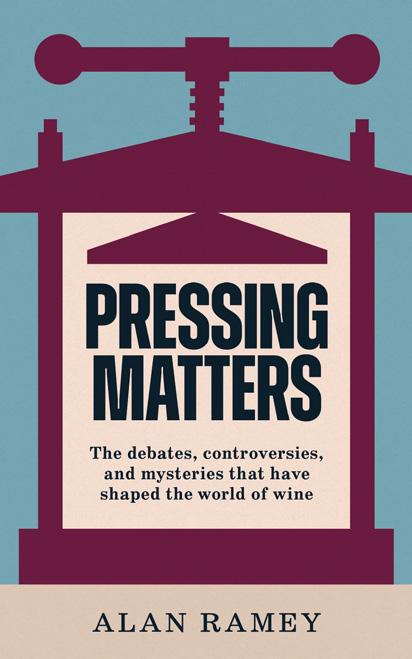
The significance of some of the subjects Ramey addresses is debatable. For instance, he spends a lot of time on the issue of terroir, outlining arguments about whether the climate or the soil is more important. Does it matter, though? Perhaps to vine growers, but to the average wine enthusiast I don’t think it’s worth spending much time on.
The best part of the book is a thought-provoking chapter on the issue of taste, and the extent to which it’s possible to determine the quality of a wine in an objective fashion.
The chapters on organics, biodynamics and natural wine are useful, as the topics are fashionable. Still, these sections, like the book in general, would be more enjoyable if the reader got to the bottom of what Ramey believes. I wanted to know if he feels that the whole idea of a natural wine is flimflam, or if he thinks biodynamics is hokum. His goal was clearly to make the reader think, but the end result is like a PhD thesis in which the candidate never reaches a conclusion. That said, Pressing Matters does have another thing going for it: it’s short. Books about wine have taken the same path as Hollywood films in recent times: the longer the better, apparently. Many could do with having a hundred pages lopped off. Perhaps then they would be cheaper.
Michael Walker




Phoebe Weller of Valhalla's Goat in Glasgow is our unregulated agony aunt

Dear Phoebe
As you are well aware, the Wine Scene is full of effortless chic and intimidatingly cool individuals – apart from me. Every time I venture out to a tasting, I feel completely at sea. I don’t just miss the mark; I completely overshoot it, ending up as some hybrid of a dishevelled tramp and a party clown. When I walk into a room I see the judgemental stares and the inevitable tittle-tattle being whispered in corners.
I am a visual disaster in a room full of icons. How, Phoebe, does one even begin to Cultivate Cool when one currently feels like the industry’s greatest sartorial punchline?
Eric, East End
Dear Eric
Allow me to let you in on the Scene’s biggest secret: take off your glasses, or replace the lenses with non-prescription ones. Everybody does it, that’s why no one can spit accurately into a spittoon. If you cannot see the Coolest Person in the room, you are the Coolest Person in the room!
HTH, Phoebe.
I’m a fake Frenchie and the game is up
Dear Phoebe
Two years ago I donned a Gallic mask for a job in our wine shop. I didn’t just lie on my CV; I inhabited a soul. I became the mysterious, sophisticated Frenchman the store didn’t know it needed. Now customers and staff hang on my every syllable – as long as those
syllables are delivered with a throaty, rhythmic lilt.
But now my time is up: we’re off on a jolly to the Rhône. My boss is sure that my “native fluency” will guide us through the cellars. I am a fraud! An Englishman in a striped shirt, quaking at the thought of a real Frenchman asking me a direct question!
Can I truly “bof” and shrug my way through three days of intense viticultural scrutiny?
Dans l’attente de votre réponse, je vous prie d’agréer, Madame, mes salutations distinguées, Eric, West End
Dear Eric
Dinnae worry! As I can see from your sign-off, you are well aware of the miracle of internet translation. Could you invest in a pair of Google Glasses and a headpiece? If you couple that with getting absolutely ratarsed from the beginning of the trip (I’m

Besieged by the clattering noise of other people
thinking cocktail cans on the way to the airport, pints after check-in, little bottles of Prosecco on the plane, inter alia) you’ll be absolutely fine. Courage, mon brave, and HTH, Phoebe.
I’m not the problem, it’s everyone else
Dear Phoebe
Tell me, has the world always been this insufferable, or have I simply reached my capacity?
Everywhere I turn, I am besieged by the relentless, clattering noise of other people. Why is every customer a font of banal opinions? I find myself trapped in a permanent state of internal screaming, smiling thinly while my soul attempts to exit through my ears.
The sheer, unadulterated Main Character Energy of everyone I encounter is reaching a crescendo that I can no longer ignore. Am I a misanthrope, or is the rest of the human race simply committed to a collective performance of being as grating as possible?
Eric, City Centre
Dear Main Character Eric
Help is available for those of us (guilty!) baw deep in perimenopause. As ever, the advice is limiting caffeine, sugar and alcohol. But really, what’s the point if we take away those? Can we all just hide in our Zen Dens and breathe our way through? I mean, yes we can, breathing is the thing. Keep breathing!
HTH, Phoebe.
Alivini Company Ltd
Units 2-3, 199 Eade Road
London N4 1DN
020 8880 2526
london@alivini.com

Distributing Italian Excellence to the UK since 1975

liberty wines
020 7720 5350
order@libertywines.co.uk www.libertywines.co.uk

@liberty_wines



Nestled between Veneto and Trentino in the “Terra dei Forti,” surrounded by the Adige Valley’s mountain slopes, Roeno is a family-run winery specialising in single-vineyard wines that express the Valdadige terroir
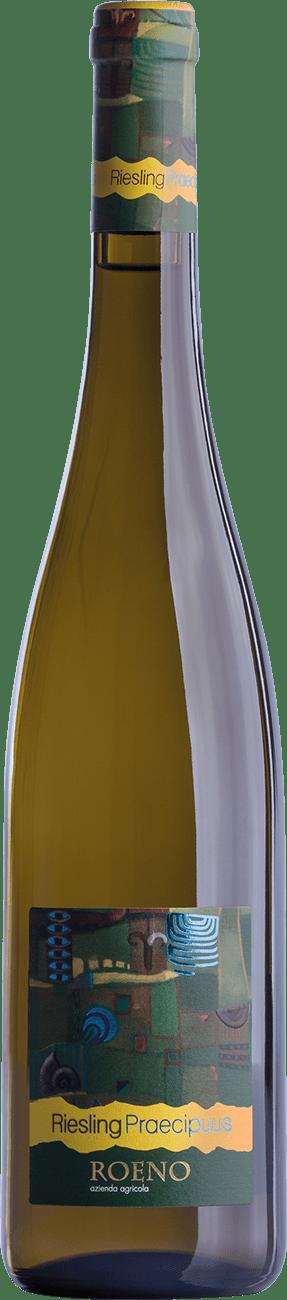
Raúl Pérez epitomises all that is exciting about the Spanish wine scene and is widely considered to be one of the world’s most fascinating, talented and restless winemakers. A pivotal figure in the ‘New Spain’ movement, Raúl’s energy, passion and curiosity has inspired a new generation of winemakers in Bierzo and beyond. From his great-value ‘Saint Jacques’ – a fantastic introduction to the range – to the single-site wines in his La Vizcaína and Ultreia projects, Raúl creates wines with real personality.
While Raúl is involved in many projects across Spain and abroad, his home remains Valtuille de Abajo, the Bierzo village where he was born and raised. Having honed his craft at his family winery Castro Ventosa before striking out on his own in 2005, Raúl has worked tirelessly to preserve Bierzo’s viticultural heritage, developing an unparalleled understanding of the region, restoring its old vineyards, championing its local varieties, particularly Mencía and Godello, and embracing traditional practices.
Raúl’s 80 hectares of vines comprise many tiny plots with varying aspects and soil compositions, and he constantly explores new pockets of the region. Raúl takes a light-handed approach in the winery to allow the character of each plot to shine through in the glass.
New Bank House
1 Brockenhurst Road
Ascot SL5 9DL 01344 871800
info@hatch.co.uk www.hatchmansfield.com

Hatch Mansfield
hatchmansfield










28 Recreation Ground Road
Stamford
Lincolnshire PE9 1EW 01780 755810
orders@abs.wine www.abs.wine



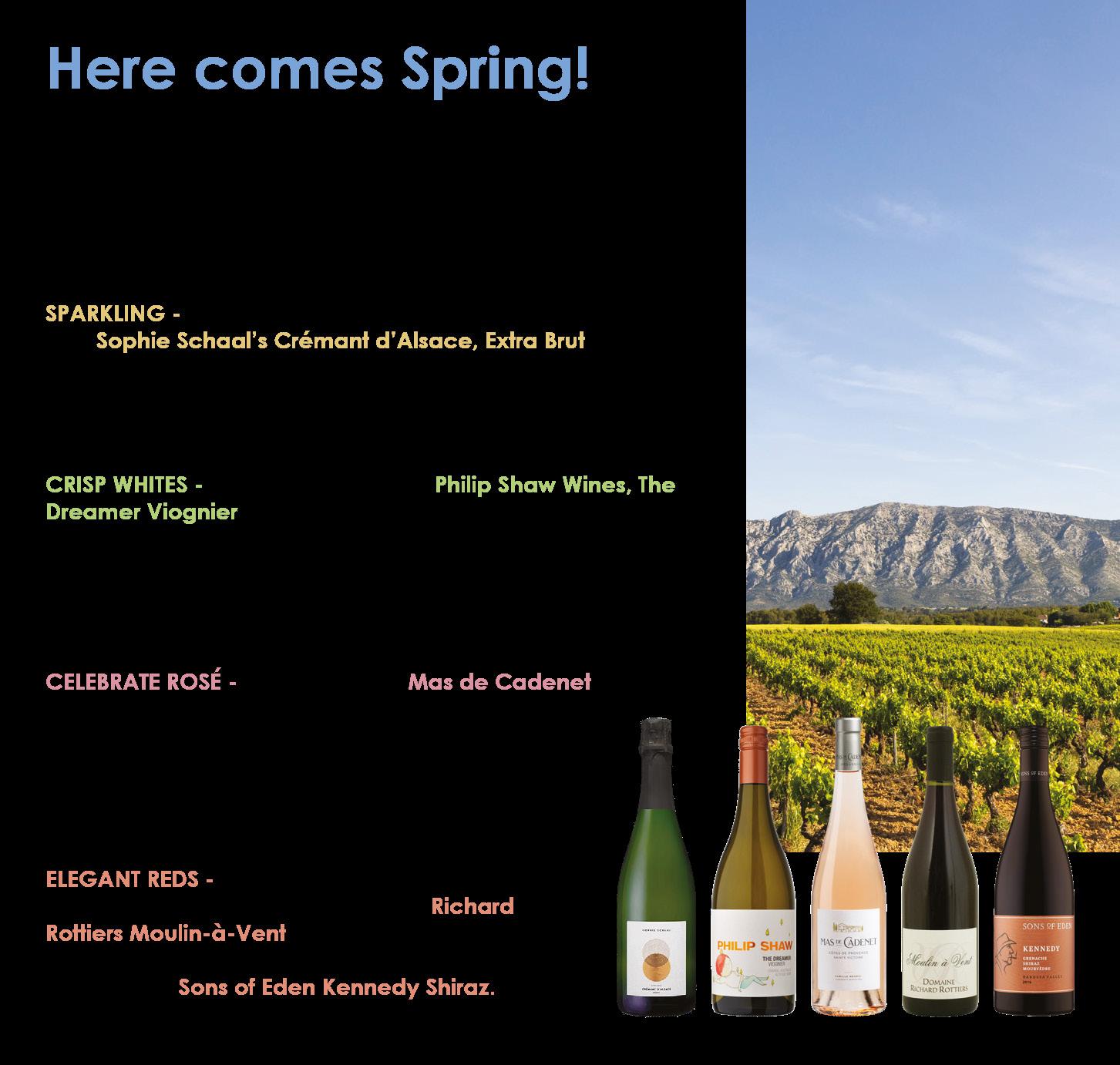
Hanworth TW13 6JE 020 8744 5550
Mark Isham, south & London: mark@richmondwineagencies.com
Tim Hawtin, south west & London: tim@richmondwineagencies.com
Julia Langshaw, north of the UK: julia@richmondwineagencies.com
Monika Kent, north of UK monika@richmondwineagencies.com

Ground Floor
Bibendum Matthew Clark
16 St Martin’s Le Grand London EC1A 4EN
0207 449 1665
orders@walkerwodehousewines.com www.walkerwodehousewines.com

@WalkerWodehouse

Rosaluna is an all-natural, seed to bottle, handmade agave spirit distilled in the rolling hills of Santiago Matatlán – the heartland of Oaxaca, México.
Rosaluna Mezcal is a tribute to centuries of tradition and family legacy; master distiller Juan José Méndez-León is a sixth generation mezcalero. Their commitment to craftsmanship is defined by a singleestate, farm-first approach. They oversee every step from growing and harvesting to distillation and bottling.
They exclusively use only mature eight-year-old “Capón” agave, which is hand-harvested at peak maturity to ensure the highest quality.
Their proprietary, highly-supervised roasting process creates a unique, lightly smoked profile. This “less smoky” character is a key differentiator, addressing the top barrier for new consumers and providing exceptional versatility for cocktails.
Their ambition is to be the most sustainable spirit brand on the planet and they are USDA Organic and Certified Additive Free. They’ve implemented a comprehensive strategy to reduce their carbon footprint, including an 80% reduction in water usage during distillation, and the bottles are made with 40% recycled glass, boxes with 100% recycled cardboard, and labels from agave fibre waste.
Ask the RWA team for pricing and cocktail ideas!
Change up your antipodean wine offering to more than the average Barossa Shiraz and Marlborough Sauvignon Blanc with great value alternatives from McLaren Vale and Central Otago.
Dicey is a family-run winery in Central Otago, run by brother duo James and Matt Dicey. The terroir in this part of Bannockburn is not for the faint heart; often described as “unpredictable and potentially dangerous”, that is, incidentally, also the dictionary definition of “dicey”. Never shying away from a challenge, the brothers made wine.
Wines in the range:
• Dicey Pinot Noir, Central Otago
• Dicey Pinot Gris, Bannockburn, Central Otago
Battle of Bosworth owes its fame to a series of outstanding single-vineyard wines, made entirely from estate grown fruit. Winemaker Joch Bosworth is producing some of the most exciting and sustainable wine ranges in McClaren Vale and every label pays tribute to the natural biodiversity of the vineyards.
Wines in the range:
• Battle of Bosworth Puritan Shiraz 2019
• Battle of Bosworth Heretic 2023 Organic, McLaren Vale
Please contact your account manager for more information or to place an order.
Fells House, Station Road
Kings Langley WD4 8LH
01442 870 900
For more details about these wines and other wines from our awardwinning portfolio from some of the world’s leading wine producing families contact:
info@fells.co.uk www.fells.co.uk

@FellsWine

je_fells

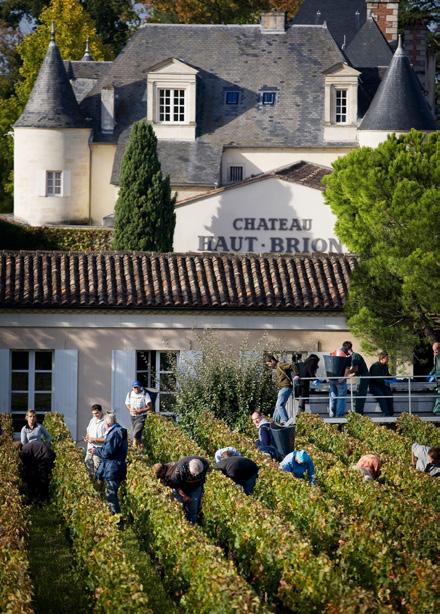
Fells is delighted to welcome Bordeaux’s iconic Clarence Dillon to its Portfolio, becoming exclusive UK distributor for their Clarendelle range.
Get in touch for all details and prices.


The Wine Merchant is the only publication devoted entirely to the independent trade. If your wines deserve to be part of what we write about, contact sarah@winemerchantmag.com
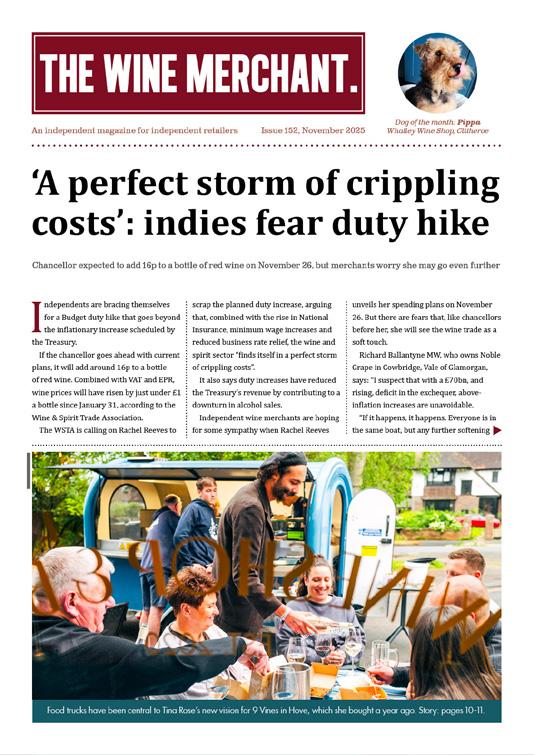
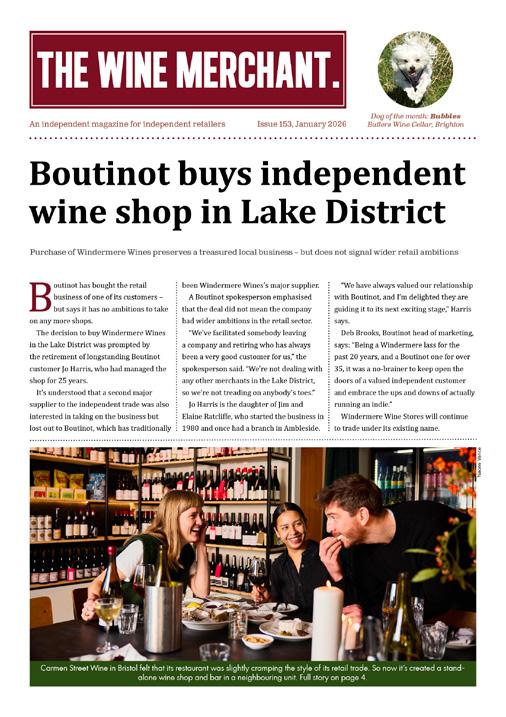
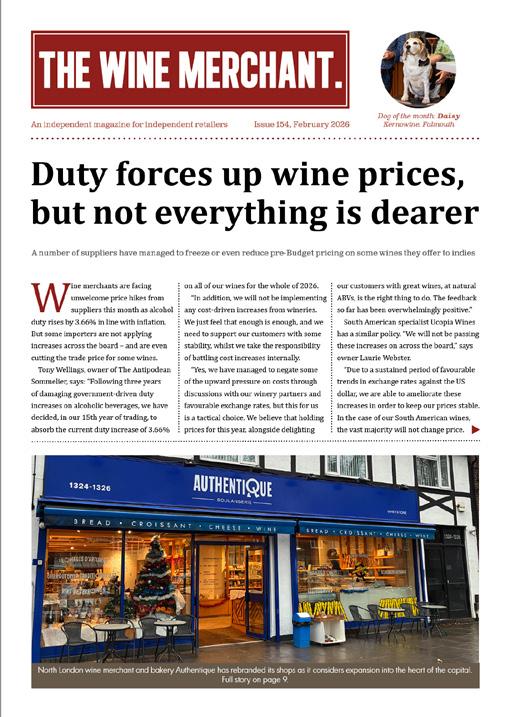
Easthampstead Road
Bracknell RG12 1NF 01753 521336
Award-winning small parcels from New Zealand, crafted to express each vineyard’s unique terroir

ivo@ivovarbanov.com www.ivovarbanov.com Telephone: 07956 377705

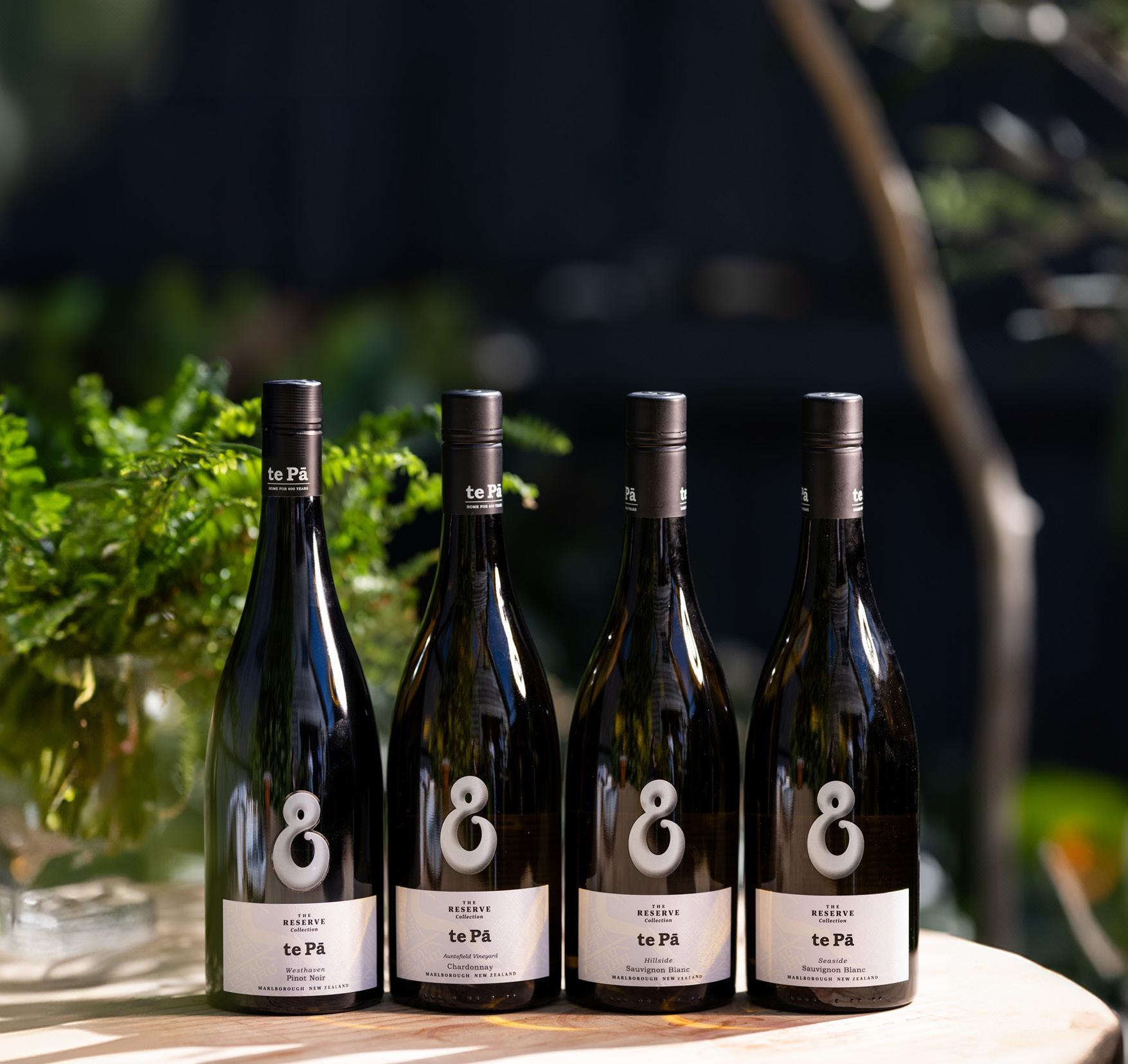
In a market where portfolios increasingly echo one another, true distinction lies in offering wines that resist the pull of the predictable.
Independence is not simply about selecting quality – it is about curating originality. Wines with identity, provenance, and character. Bottles that invite discovery.
Not for the faint-hearted, these are wines for those who seek emotion in a glass – wines that speak not merely of fruit and structure, but of depth, character and experience. They are crafted for the table, where they reveal their true soul.
Cascina Nirasca – Ormeasco di Pornassio Superiore (best producer of Ormeasco)
From Liguria’s mountain vineyards, Ormeasco (the local heir to Dolcetto) expresses an entirely different personality. Altitude brings lift and freshness, while the Mediterranean influence lends subtle warmth. A wine of tension, finesse, and striking drinkability.
Muri-Gries – Lagrein Riserva “Abtei Muri” (iconic Lagrein)
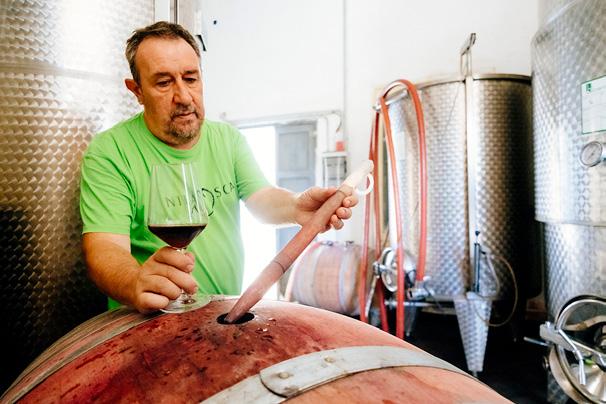
Crafted in the historic monastery cellars of Bolzano, this Lagrein Riserva embodies Alto Adige’s unique duality: precision and power. Dark-fruited, structured and quietly formidable, it is a wine that marries depth with elegance – and unmistakably alpine.
Prediomagno – Ruché (new and upcoming producer)
A rarity even within Piedmont, Ruché remains one of Italy’s most intriguing indigenous varieties. Intensely aromatic – rose petals, spice, wild herbs – yet refined on the palate, it offers customers something increasingly valuable: genuine surprise and memorability.
hallgarten wines
Mulberry House
Parkland Square
750 Capability Green
Luton LU1 3LU
01582 722 538
sales@hnwines.co.uk www.hnwines.co.uk

@hnwines


mentzendorff
The Woolyard
52 Bermondsey Street
London SE1 3UD
020 7840 3600
info@mentzendorff.co.uk
www.mentzendorff.co.uk


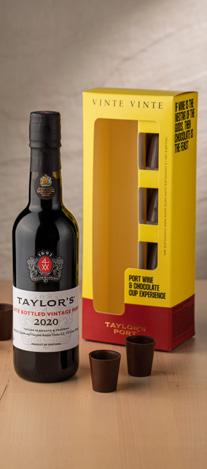

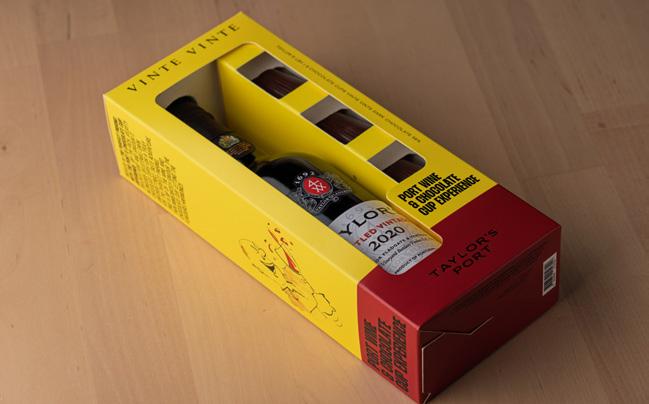


The highly anticipated Vinte Vinte x Taylor’s Port Cup Pack is now available in the UK.
Taylor’s Late Bottled Vintage 2020 and Vinte Vinte 58% dark chocolare cups create the perfect pairing. The Port’s velvety texture and layered flavours enhance the chocolate’s intensity, revealing new dimenstions of taste.
For the perfect pairing, take a sip of the Port and then immediately savour the chocolate cup, letting the flavours harmonise.
“I once spent an afternoon skiing with David Bowie”
James started his award-winning business in Northern Ireland in 1977 and has since expanded into the Republic as well as England, buying Highbury Vintners in 2019. He’s also involved in horse racing, as an owner, sponsor and former chair of Down Royal Racecourse for 22 years.
What’s the first wine you remember drinking?
Mateus Rosé. I thought I was the embodiment of cool, not even having to look at the wine list.
What job would you be doing if you weren’t in the wine trade?
I have always been interested in politics; however, that would be a sad career choice today, with a paucity of conviction politicians, lack of honesty, and no sense of making things better for so many hardworking people throughout the UK.
How do you relax?
Skiing slowly, playing golf badly and travelling extensively, buying the odd bottle of decent wine. Trying to get 10,000 steps in a day and keep up with my Pacer walking app, trying to achieve promotion to the diamond league. I seem to be up against some Russians doing 40,000 steps per day. Hmm!
What’s the best book you’ve recently read?
The first book I ever read on wine was a little Penguin book by Jancis Robinson, possibly her first. It inspired my interest in the subject. It brought wine alive; she’s a fantastic wordsmith. I love autobiographies: Long Walk to Freedom by Nelson Mandela is up there. My current

favourite book is No Reservation by Jeremy King, full of fascinating stories, and people from Harold Pinter to Lucien Freud. It’s a journey through a life in the restaurant trade – a must read.
Give us a TV recommendation.
I am really enjoying The Night Manager on BBC. Stanley Tucci in Italy is a great series; I’ve watched it twice. And any excursions on TV with Rick Stein are a treasure.
Who’s your favourite music artist?
I have a wide musical taste from Puccini to Pink Floyd. My favourite album of all time is Songs in the Key of Life by Stevie Wonder. Billy Joel is high on the list. I once spent an afternoon skiing with David Bowie, long before Instagram and selfies. I didn’t really like his music then but love it now. His last album Blackstar is heartrending. Stuart Liddell, pipe major of Inverary District Pipe Band, is a genius.
Any superstitions?
Number 13 is my lucky number, so when I have a horse running who draws it I’m off to the bookies.
Who’s your favourite wine critic?
I get quite bored with critics’ scores and other people’s tasting notes. Tasting is an individual pursuit. It’s what a wine says to you. I think Tim Atkin does a great job; James Suckling’s high scoring helps promotion.
What’s your most treasured possession?
A painting by Irish artist Basil Blackshaw, called Tommy Orr. It’s a well-known piece, of a horse being shoed in a stable. I knew the blacksmith and the trainer so it has great meaning for me. For such a talented man, Basil was amazingly modest and humble.
What’s your proudest moment?
Probably being presented with my OBE by Queen Elizabeth for services to the horse racing industry and charity.
What’s your biggest regret?
Not continuing my education after A-levels. It made me very conscious to encourage my own team to get their wine qualifications from Level 1 to MW. But we can all continue our own education without sitting exams: it’s all available, from the internet to books on every subject.
Who’s your hero?
I spent only a few years with my mother; she died at 42. However, she moulded my sense of integrity, fairness and honesty in just a few years.
Any hidden talents?
I can probably give most darts or pool players a good game – a misspent youth. I love horse racing and buy a few yearlings each year. I have been very lucky over the last 10 years: I have just about broken even, though Nicola, my financial director, might disagree. I have a couple of two-yearolds by Sea the Stars and a four-year-old called Faro Island who has already won.
What’s your favourite place in the UK?
Gibbs Island, on Strangford Lough. Only the locals go there. I take my three labradors there every day I am home. It’s the most therapeutic exercise I know. I called a horse by the same name and he has won four races to date, so it’s a lucky spot.
If we could grant you one wish ...
To recognise when you have enough, and being happy, are top of the list. But to win a Group One race would be the icing on the cake. Dream on!