
Incorporating Coastal Conservatory Design Trends into Your Beach House with Leaders at Beacon Homes of NJ
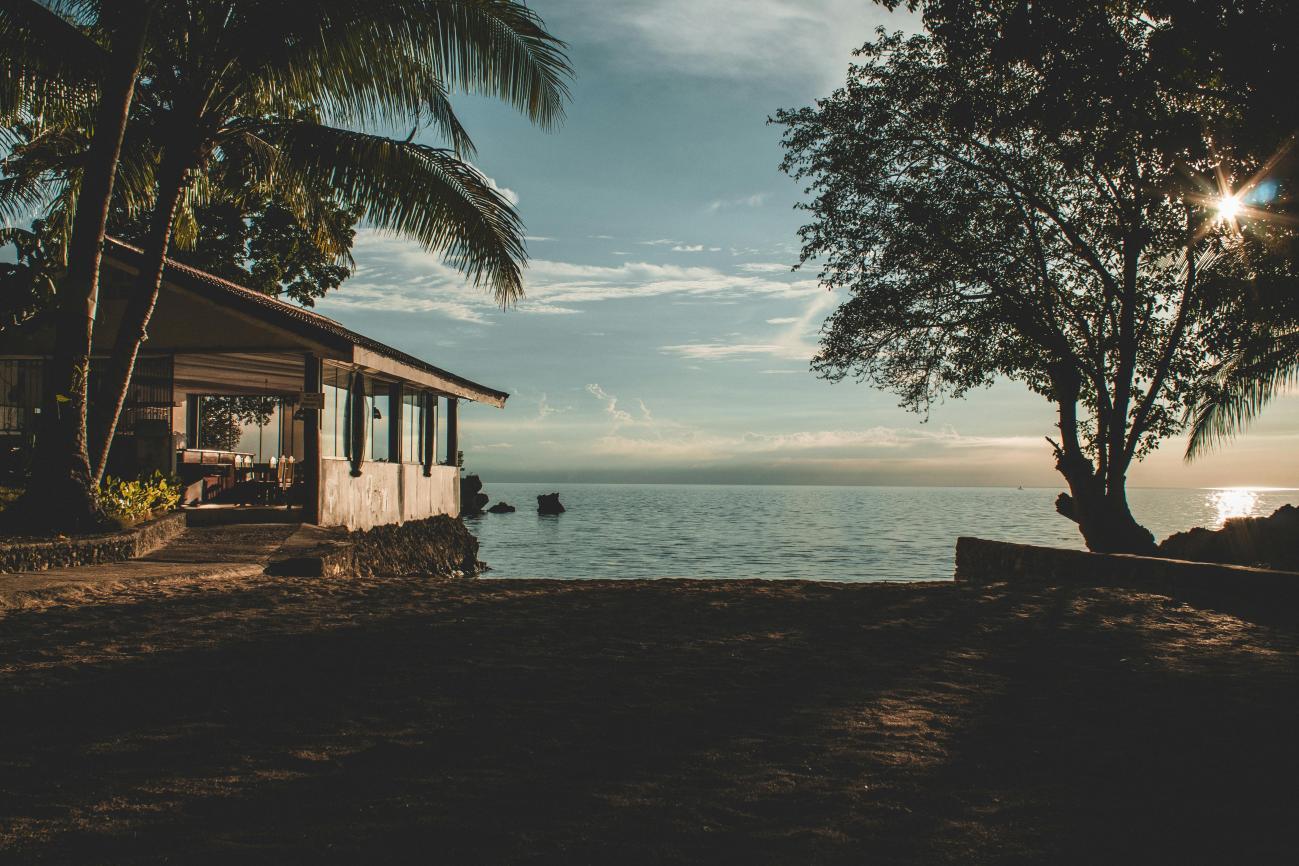
Building a new beach house presents a unique opportunity to create a serene sanctuary that harmonizes with the coastal environment. The growing trend of coastal conservatory design emphasizes sustainability, aesthetics, and functionality, allowing homeowners to enjoy the beauty of nature while promoting ecological responsibility. When embarking on the journey of designing a beach house, it is essential to consider various factors that align with this approach. From choosing the right materials to integrating energy-efficient solutions, every decision can contribute to a more sustainable and aesthetically pleasing residence.
As we explore the various elements of coastal conservatory design, we will highlight the importance of sustainability, functionality, and aesthetics in creating a beach house that not only captures the essence of coastal living but also respects the natural surroundings.
Choosing Sustainable Materials
One of the foremost considerations when building a beach house is selecting sustainable materials that withstand the coastal climate. Traditional building materials may not be suitable due to the harsh weather conditions characterized by saltwater exposure, humidity, and strong winds. Instead, opting for materials like recycled wood, bamboo, or composite decking can enhance the durability and sustainability of your beach house.
Professionals at Beacon Homes of NJ mention that incorporating materials with low environmental impact can significantly contribute to the overall ecological footprint of the home. For instance, using energy-efficient windows and doors made from recycled materials will not only help reduce energy consumption but also minimize the environmental impact of your construction process. By carefully selecting sustainable materials, you create a resilient beach house that aligns with coastal conservatory design trends.
Maximizing Natural Light
Maximizing natural light is a central tenet of coastal conservatory design, as it enhances the overall ambiance of the home while reducing reliance on artificial lighting. Strategically placing large windows and glass doors allows for the seamless transition between indoor and outdoor spaces, fostering a connection with the surrounding landscape. The use of skylights can further
augment the natural light entering the home, creating bright, airy spaces that evoke the feel of coastal living.
In addition to aesthetic benefits, maximizing natural light contributes to energy efficiency. By harnessing sunlight, homeowners can reduce their reliance on electric lighting, leading to lower energy costs and a smaller carbon footprint. Therefore, incorporating features that promote natural light not only enhances the beauty of the beach house but also aligns with sustainable living principles as highlighted by leaders at Beacon Homes of NJ.
Designing for Outdoor Living
Industry leaders including Beacon Homes of NJ convey that outdoor living spaces play a crucial role in coastal conservatory design, allowing homeowners to embrace the natural environment and enjoy the coastal lifestyle. When planning your beach house, consider integrating expansive outdoor areas such as decks, patios, or balconies that facilitate relaxation and entertainment. These spaces should be designed to complement the indoor living areas, creating a seamless flow between the two.
Furthermore, incorporating features such as outdoor kitchens, fire pits, and comfortable seating areas enhances the outdoor living experience. These amenities encourage family gatherings and socializing while allowing homeowners to immerse themselves in the coastal atmosphere. By designing for outdoor living, your beach house can serve as a perfect retreat, fostering a deeper connection with the beautiful coastal surroundings.
Incorporating Green Technology
Integrating green technology into your beach house design is essential for achieving sustainability and energy efficiency. Consider installing solar
panels to harness renewable energy from the sun, providing power to your home while reducing reliance on non-renewable sources. Additionally, energy-efficient appliances can significantly lower energy consumption, aligning with the principles of coastal conservatory design.
Rainwater harvesting systems can also be beneficial in coastal environments, allowing homeowners to collect and utilize rainwater for irrigation or other non-potable uses. This not only conserves water but also reduces the strain on local water resources. By incorporating green technology into your beach house as suggested by professionals at Beacon Homes of NJ, you create a forward-thinking residence that prioritizes sustainability while enhancing overall functionality.
Landscaping with Native Plants
The landscaping surrounding your beach house is equally important in promoting a coastal conservatory design. Opting for native plants in your garden can significantly reduce water consumption and maintenance efforts. Native species are adapted to the local climate, requiring less irrigation and fewer chemical treatments, making them a sustainable choice for coastal landscaping.
Additionally, incorporating natural habitats through the use of native plants can support local wildlife and contribute to the biodiversity of the area. By creating a garden that harmonizes with the coastal environment, you not only enhance the aesthetic appeal of your beach house but also contribute to the ecological balance of the region. Thoughtful landscaping decisions are essential in realizing a truly sustainable beach house.