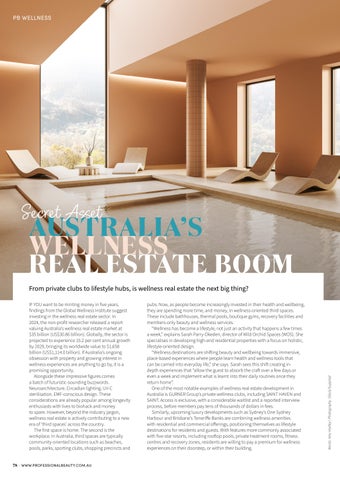
AUSTRALIA’S WELLNESS REAL ESTATE BOOM
From private clubs to lifestyle hubs, is wellness real estate the next big thing?
IF YOU want to be minting money in five years, findings from the Global Wellness Institute suggest investing in the wellness real estate sector. In 2024, the non-profit researcher released a report valuing Australia’s wellness real estate market at $35 billion (US$30.86 billion). Globally, the sector is projected to experience 15.2 per cent annual growth by 2029, bringing its worldwide value to $1,658 billion (US$1,114.0 billion). If Australia’s ongoing obsession with property and growing interest in wellness experiences are anything to go by, it is a promising opportunity.
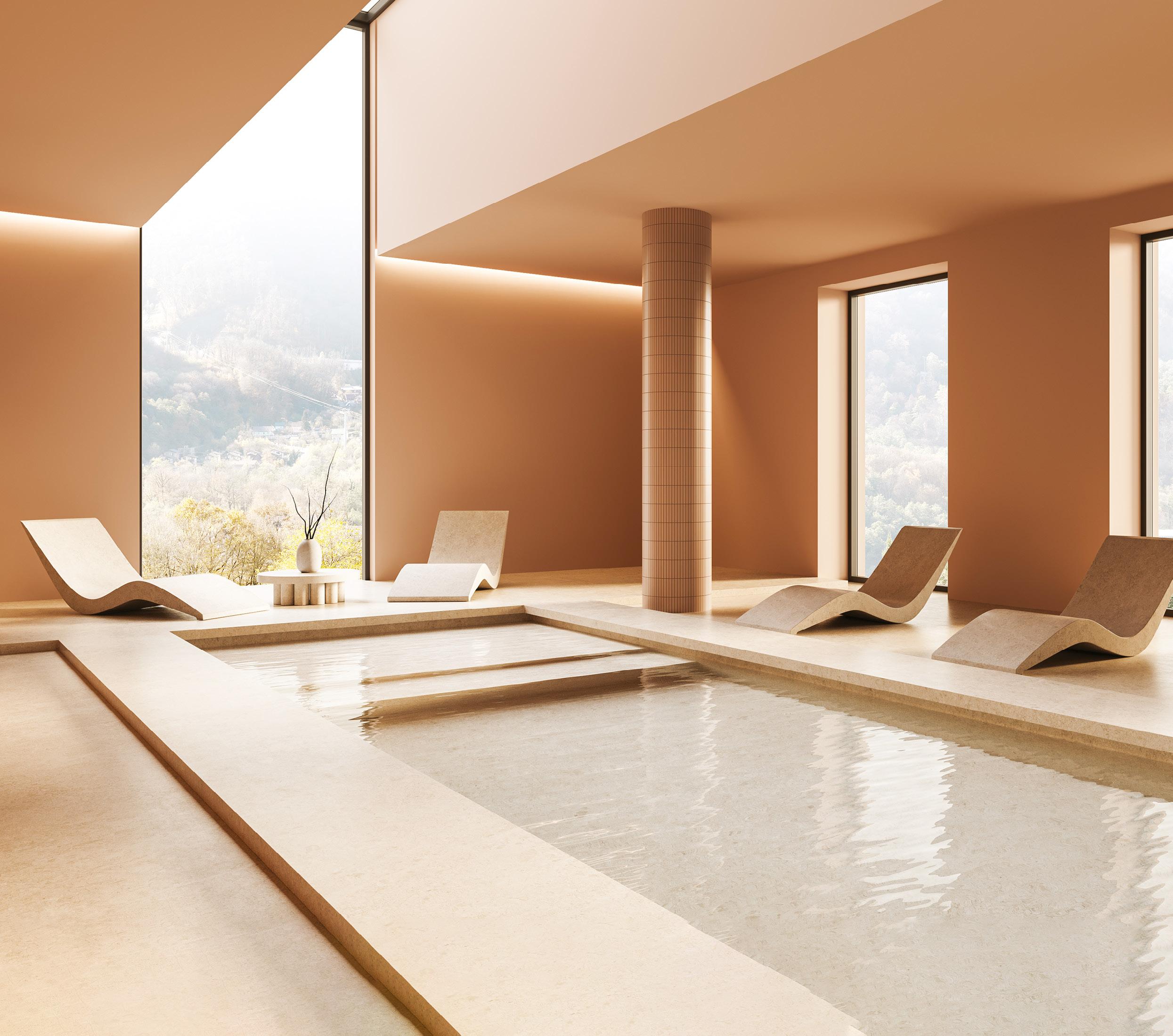
Alongside these impressive figures comes a batch of futuristic-sounding buzzwords. Neuroarchitecture. Circadian lighting. UV-C sterilisation. EMF-conscious design. These considerations are already popular among longevity enthusiasts with lives to biohack and money to spare. However, beyond the industry jargon, wellness real estate is actively contributing to a new era of ‘third spaces’ across the country.
The first space is home. The second is the workplace. In Australia, third spaces are typically community-oriented locations such as beaches, pools, parks, sporting clubs, shopping precincts and
pubs. Now, as people become increasingly invested in their health and wellbeing, they are spending more time, and money, in wellness-oriented third spaces. These include bathhouses, thermal pools, boutique gyms, recovery facilities and members-only beauty and wellness services.
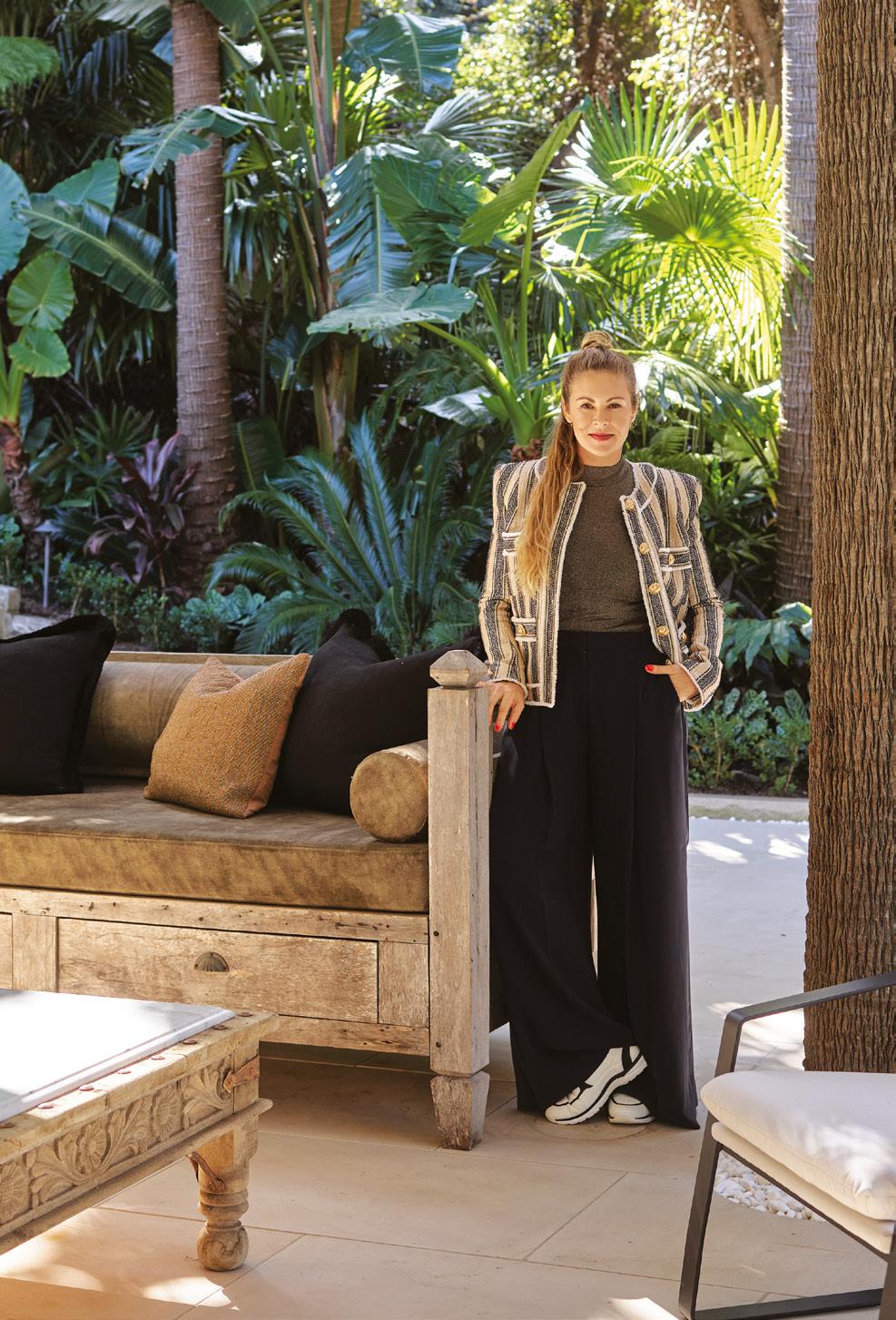
“Wellness has become a lifestyle, not just an activity that happens a few times a week,” explains Sarah Parry-Okeden, director of Wild Orchid Spaces (WOS). She specialises in developing high-end residential properties with a focus on holistic, lifestyle-oriented design.
“Wellness destinations are shifing beauty and wellbeing towards immersive, place-based experiences where people learn health and wellness tools that can be carried into everyday life,” she says. Sarah sees this shif creating indepth experiences that “allow the guest to absorb the craf over a few days or even a week and implement what is learnt into their daily routines once they return home”.
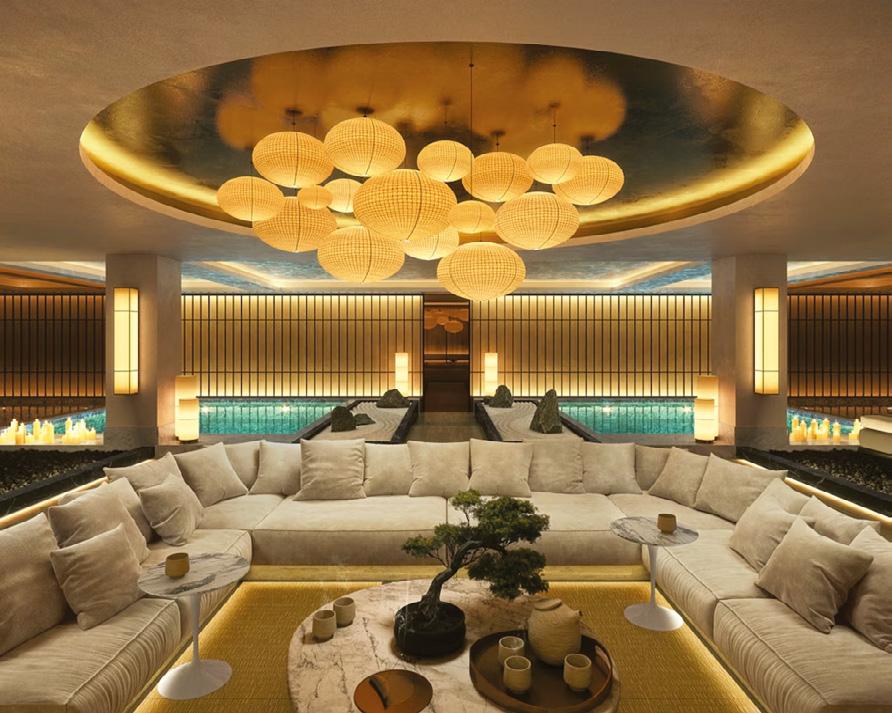
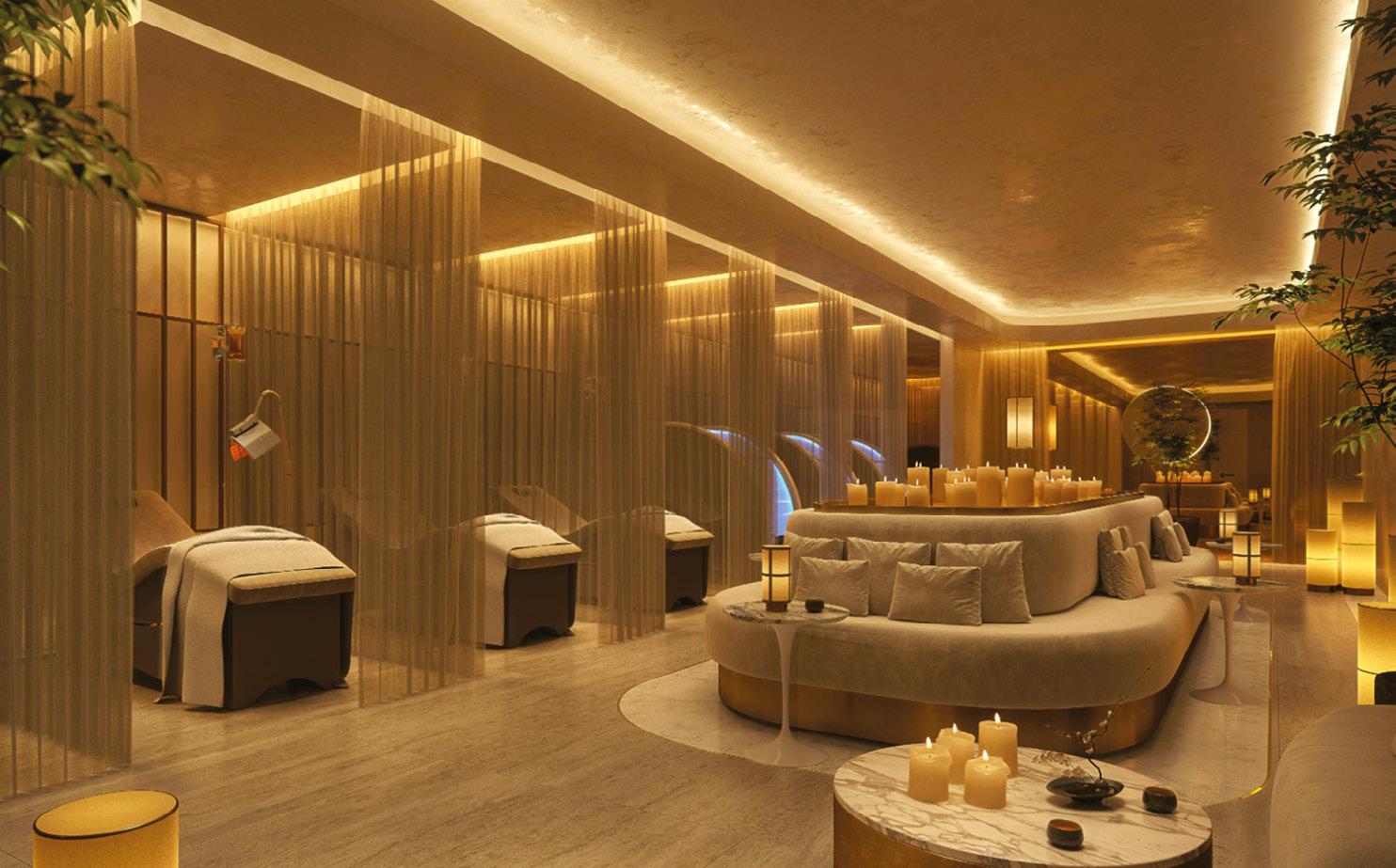
One of the most notable examples of wellness real estate development in Australia is GURNER Group’s private wellness clubs, including SAINT HAVEN and SAINT. Access is exclusive, with a considerable waitlist and a reported interview process, before members pay tens of thousands of dollars in fees.
Similarly, upcoming luxury developments such as Sydney’s One Sydney Harbour and Brisbane’s Tenerife Banks are combining wellness amenities with residential and commercial oferings, positioning themselves as lifestyle destinations for residents and guests. With features more commonly associated with five-star resorts, including roofop pools, private treatment rooms, fitness centres and recovery zones, residents are willing to pay a premium for wellness experiences on their doorstep, or within their building.
Words: Amy Hadley
| Photography: iStock/Supplied
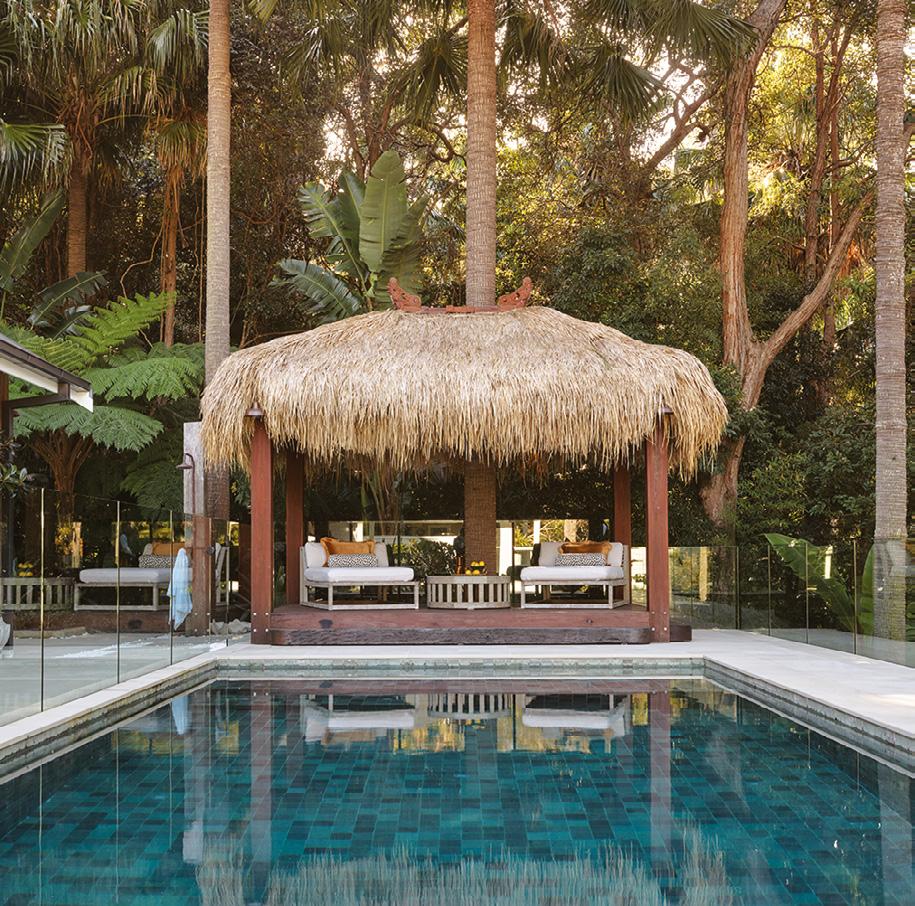
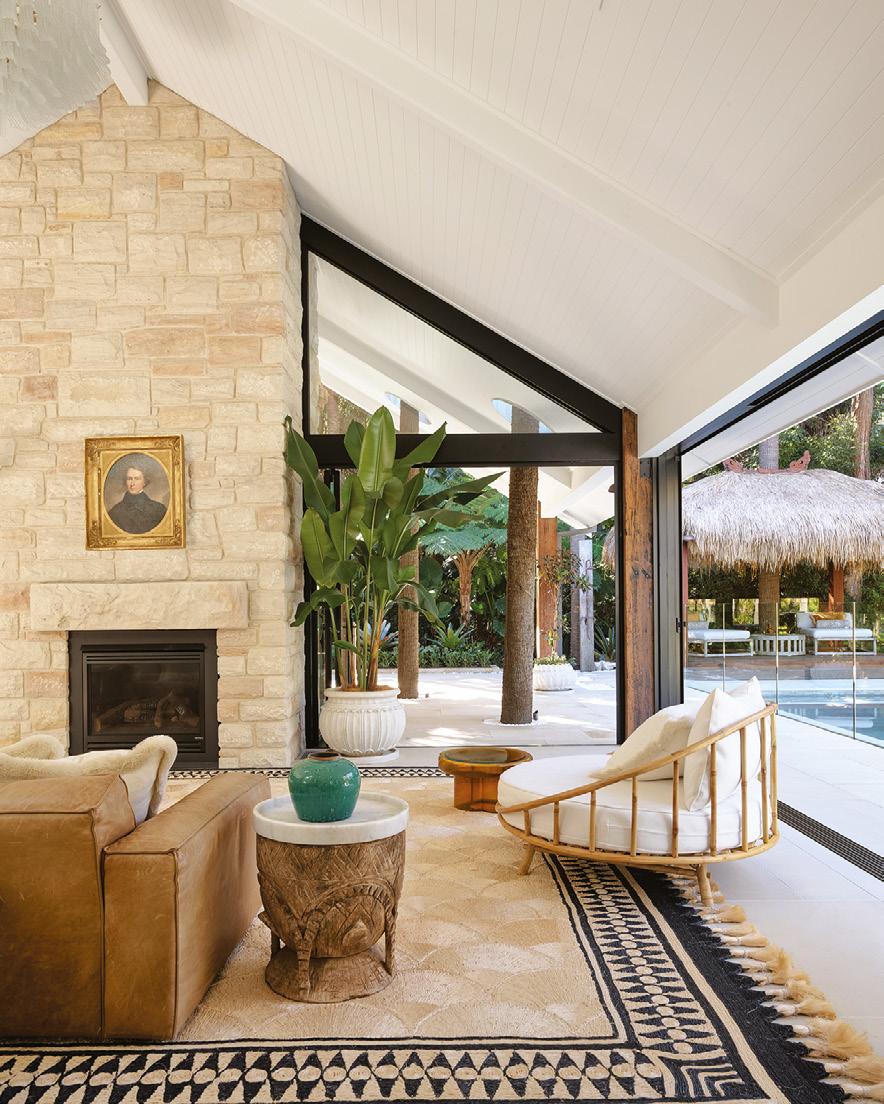
Sarah attributes the rise of wellness real estate to “buyers looking for homes designed to support and integrate a healthy lifestyle into their everyday life”. She explains that clients investing in wellness-oriented homes seek “wellbeing embedded in the design and encouraged through biophilic principles, natural materiality, clean spatial flow and a deep connection to landscape. Investors want mindful inclusions that support a healthy way of living, such as saunas or considered gym equipment incorporated into their homes to maintain health each day.”
So, what can small business owners in the beauty and wellness industry learn from multi-million-dollar developments? For one, Sarah believes practitioners “will need to become specialists in their fields and ofen be flexible with their schedules”. Despite the growth of luxury wellness facilities, she says top-tier clients may seek calmer lifestyles and less time spent away from home. In response, service providers may ofer private home visits for high-value clients.
Wellness businesses can also play a strategic role in commercial centres by acting as anchor tenants. High visitation frequency and repeat customer behaviour make wellness operators attractive long-term tenants. When combined with medical or allied health services, they contribute to the perception of a carefocused, local lifestyle hub.
For business owners in a position to invest in wellness real estate, Sarah ofers practical insight into the development process. “Wellness-led developments take time and careful planning,” she says. “A conscious understanding of your clients’ wellness patterns and lifestyle is required, along with a thorough assessment of the area and surrounding landscape. These are critical steps in creating a strong foundation for a client’s long-term approach to health and flow within their spaces.” ■
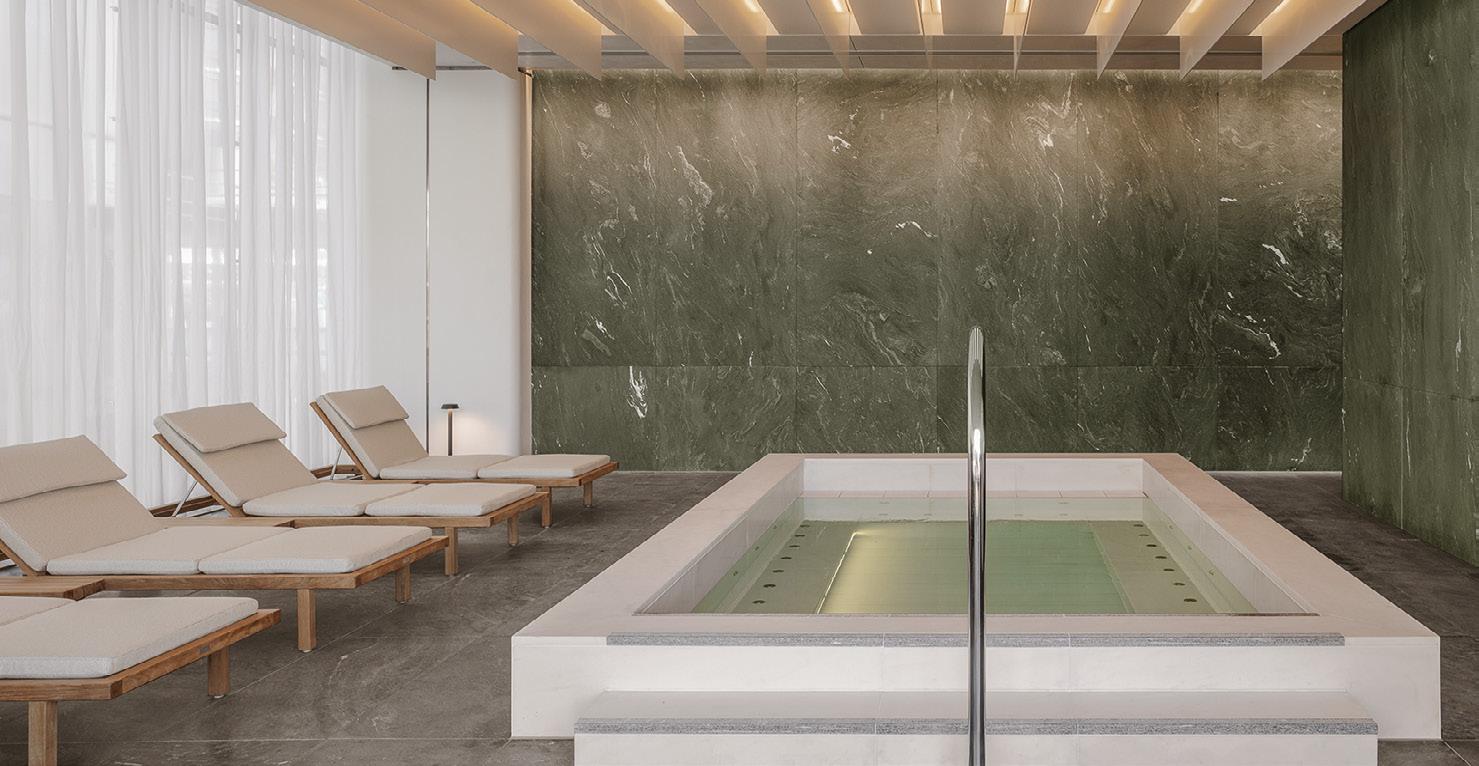
One Sydney Harbour
Sarah Parry-Okeden - Wild Orchid Spaces (WOS)
Saint Haven
Saint Haven
WOS Avalon
WOS Avalon