Good day,
I wish to welcome you all, here and virtually, to the 4 International Smoke Symposium at the new Leigh Perkins Conservation Education Center at the Tall Timbers Research Station. The International Association of Wildland Fire recognized the important challenges around wildland fire smoke with the first Symposium in 2015. As Chair of the Symposium, I have watched the evolution and investment since 2015 into understanding smoke and it's effects on public and firefighter health coupled with the astounding growth in mitigation and communication strategies such as Smoke Ready efforts to prepare the public and our communities for smoke and the great success of the EPA and Forest Service's Fire and Smoke Map.
Over the week of activities planned for the Symposium, topics to be covered range from the latest science on public health impacts of smoke to public policies and regulatory approaches for addressing prescribed fire smoke. Please recognize the great team that curated the Symposium as part of the Planning and Program Committees and all who helped bring the Symposium to you this week. Building on the theme of communication and collaboration inherent in the Symposium, I challenge all to connect and create new relationships over the upcoming week of activities. Do explore the landscape surrounding the fire-maintained Tall Timbers Research Station and learn how fire and smoke management can be integrated effectively to reduce wildfire risk which is a critical need in many wildlands while effectively addressing smoke impacts. I thank you all for your participation in the 4th International Smoke Symposium and look forward to building our collective knowledge on this globally critical issue of managing wildlands, wildland fire and smoke.
Pete Lahm Chair of the 4 International Smoke Symposium th United States Forest Service


Monday, March 23
You’re welcome to use the shuttle service even if you’re not staying at the Hilton Garden Inn or SpringHill Suites.
March 24
March 25
8:00 - 9:00
Shuttle provided from Tallahassee (Springhill Suites, Hampton Inn, Hilton Garden Inn)
8:00 - 5:00 Registration desk hours
9:00 - 11:00
11:00 - 1:00
Room B
Prescribed Fire and Wildfire Exceptional Events Resources and Tools (remote participation available)
James Boylan, Georgia Department of Natural Resources; Rick Gillam, U.S. EPA Region 4, Mary Uhl, Western States Air Resources Council (WESTAR),
Room C
FireSat for Smoke: Practical Tools, Early Insights, and Research Opportunities (remote participation available)
Ann Kapusta and Dr. Michael Falkowski, Earth Fire Alliance
7:30 - 8:30 Shuttle provided from Tallahassee (Springhill Suites, Hampton Inn, Hilton Garden Inn)
7:30 - 5:00 Registration desk hours
8:30 - 8:45 Opening Remarks
8:30 - 9:30 Keynote Presentation: Aaron Naeger, Physical Research Scientist, NASA Marshall Space Flight Center
9:30 - 10:00 Networking Break with exhibitors and sponsors
Room A
Smoke Modeling & Observations
Moderator: Nathan Pavlovic
10:10 - 10:30 Mass and Elemental Composition of Wildfire Emissions Deposition Across a 40 km Downwind Transect* - Facundo Scordo
10:30 - 10:50
Population Exposure and Health Impacts of Prescribed Burns in California*
Rashmi Rajput
10:50 - 11:10 PAHs in Smoke from Various WUI Fire Fuels: Cars, Trees, And Construction Materials - Aika Davis
11:10 - 11:30 Addressing Non-Negligible Uncertainties in Non-Methane Organic Compound Emission Factors is Needed for Improving Smoke Impact Assessments
Kelley Barsanti
11:30 - 11:50 Metal toxins in wildfire smoke: observations and implications
Alexander Honeyman
11:50 - 12:10 Satellite-Informed Machine Learning Bias Correction of Wildfire Plume Injection Heights Mohammad Astaneh
Room B
Smoke Management & Communication
Moderator: Mary Uhl
Smoke Science Resources for Extension and Outreach to Support Local Communities - David Godwin
Understanding Communication Preferences Among Susceptible Populations During Smoke Events: A Case Study from Eastern Oregon*
William Toombs
Comparative Evaluation of MERV 13 Air Filter Performance for Salt Aerosols and Simulated Wildfire Smoke* Nour Elsagan
Prescribed Burn Associations
John McGuire
Communicating Wildfire Risk
Alex Griffith
12:10 - 1:40 Poster Session and Lunch (provided)
Smoke Modeling & Observations
Moderator: Hannah Schley
1:50 - 2:10
Trans-Atlantic smoke transport and air quality impacts of Canadian wildfires in summer 2025*
Mark Parrington
2:10 - 2:30 Coupled fire and smoke modeling for prescribed fire applications
Sara Brambilla
Room C
Special Session
Moderator: Holly Nowell
The Albany Pilot Project: A Model for Fire, Air Quality, and Multi-Level Collaboration
Clay Sisson, Holly Nowell, James Boylan, Thomas Barrett
Applying Research to Address Peat Fires in Malaysia
Moderator: Adam Watts Fire Ecology of Malaysia’s Peatlands - Dayang Nur Sakinah Musa
The GS Mark III Journey to Inspire Ingenuity of Firefighter Safety Engineering - Ahmad Faiz Tharima Optimising Peat Fire Suppression through Integrated Field Trials and CFD Simulation of the GS Mark III - Azfarizal bin Mukhtar
Interdisciplinary Approaches to Peat Fire and Smoke Management: Implications for Visibility, Transportation Resilience, and Airport-Based Monitoring Systems in Malaysia - Azfarizal bin Mukhtar and Dayang Nur Sakinah Musa Deep Learning Based Wildfire Detection for Peatland Fires Using Transfer Learning - Emadeldeen Hamdan and Enis Cetin
Public and Occupational Health Impacts Moderator: Marlin Martinez
Air Pollution Emissions and Public Health Impacts from 2022 Mosquito Wildfire*
Bruce Springsteen
Remote Sensing: Tools, Insights, Visions
Moderator: Amber Soja
Linking Fire Behavior and Smoke Impacts: FireSat’s Role in Supporting Air Quality and Health Research
Ann Kapusta
Idealized Numerical Simulations of Prescribed Fires and the Application of a Multistatic Radar Emulator
Emma Miller
2:30 - 2:50 Application of a simplified smoke emissions and dispersion model for tracking smoke plumes on a regional scale
Mark Schaaf
2:50 - 3:10
Uncovering Key Drivers of Prescribed Burn Smoke Impacts
Using Air Quality Modeling and Machine Learning
Amirhossein Ghajari
How Long Can Gaseous Contamination Persist Indoors from Wildland-Urban Interface (WUI) Fire Smoke?
Michael Link
Smoke Emissions Tradeoffs in California with Increased Prescribed Fire Activity
Kelley Barsanti
3:10 - 3:40 Networking Break with exhibitors and sponsors
3:45 - 5:00
General Session Panel: Personnel Smoke Impacts
Satellite-constrained Evaluation of RRFS-Smoke predicted Wildfire Smoke Vertical Placement and Column Loading for Summer of 2025*
Sudheer Bhimireddy
Announcing INFLAMES: the Interdisciplinary Network for Fire research from Low Earth Orbit Atmospheric Measurements*
Gerbrand Koren
Kathleen Navarro DuBose, PhD, MPH, Program Director, Environmental and Occupational Health, U.S. DOI
Mike Wilson, Ph.D, MPH, CIH, Senior Industrial Hygienist, Research and Standards, Cal/OSHA
Alex Mayer, Health Scientist, National Institute for Occupational Safety and Health (NIOSH)
5:00 - 7:00 Social reception with exhibitors and sponsors
7:00 Shuttle provided to Tallahassee
Wednesday, March 25
7:30 - 8:30 Shuttle provided from Tallahasssee
7:30 - 5:00 Registration desk open
8:30 - 9:30 Keynote Session: TBA
9:30 - 10:00 Networking Break with exhibitors and sponsors
Room A
Smoke Modeling & Observations
Moderator: Nancy French
10:10 - 10:30 Towards understanding emission characteristics during wildland-urban interface (WUI) fires*
Sayaka Suzuki
10:30 - 10:50 Composition of gases in a longleaf pine diffusion flame
Shawn Urbanski
10:50 - 11:10 Understanding Wildfire and Prescribed-Burning Smoke over California using MUSICAv0
Wenfu Tang
11:10 - 11:30 Vegetation Fires and Smoke Pollution Warning and Advisory System, global and European perspective
Mikhail Sofiev
11: 30 - 11:50 Wildfire Smoke Modelling at Regional and Local Scales: Insights from Sweden and Italy*
Ana Isabel Miranda
11:50 - 1:20 Lunch (provided)
Room B
Emerging Technologies and Tools Moderator: Mary Uhl
Quantifying Emissions from Fuels Commonly found within Wildland Urban Interface Structures
Bryce Bathras
Advancements of smoke asphyxiant modeling in QUIC-Fire
Alexander Josephson
Parcel-Scale House Fuel Load and Fire Damage Risk Assessment in Wildland Urban Interface
Yifei Ding
Learning Smoke Plume and Fire Spread Dynamics Using Machine Learning-Based Techniques
Jhamieka Greenwood
High spatiotemporal resolution estimates of wildfire smoke exposure with machine learning, low cost sensors, and satellite data
Nathan Pavlovic
C
How to best communicate about smoke and fires
Patrick Merle
Smoke Modeling & Observations
Moderator: Shawn Urbanski
1:30-1:50
From Satellite to Machine Learning: Predicting Wildfire Plume Injection Heights across the Western United States
Xu Feng
1:50 - 2:10 Comparison of Radar-Observed and Simulated Wildland Fire Plume and Ember Transport
Jie Sun
2:10- 2:30 A Multi-Scale Measurement of Fire and Plume Transport Through a Forest Canopy
Weixuan Gong
2:30 - 2:50 Fuel Moisture–Driven Variations in Smoke Plume Dynamics
Neda Yaghoobian
2:50 - 3:10 A 2-D, nonhydrostatic, compressible model for fire plume dynamics
Branson Starr
Public & Occupational Health Impacts
Moderator: Kelley Barsanti
The changing landscape of wildfire smoke exposure in Canada: Analyzing the impact of wildfire smoke on air quality between 2010 – 2023 using CanOSSEM*
Naman Paul
The Multiyear Wildfire Smoke Exposure (MultiWiSE) Metrics: Characterizing Episodic PM2.5 Exposure for Studies on Long-Term Health Effects*
Stephanie Cleland
Burning Questions: How Wildfire Smoke Impacts the Brain*
Anthony White
Bushfire Emissions: Evaluating the Impact on Air Quality and Human Health in the Northern Territory
Hafsa Yousuf Nipa
Community Preferences for Wildfire Smoke Mitigation and Adaptation Strategies in British Columbia’s Wildland–Urban Interface*
Dilshani Ranasinghe
3:10 - 3:40 Networking Break with exhibitors and sponsors
3:45- 5:00 General Session panel: Modeling
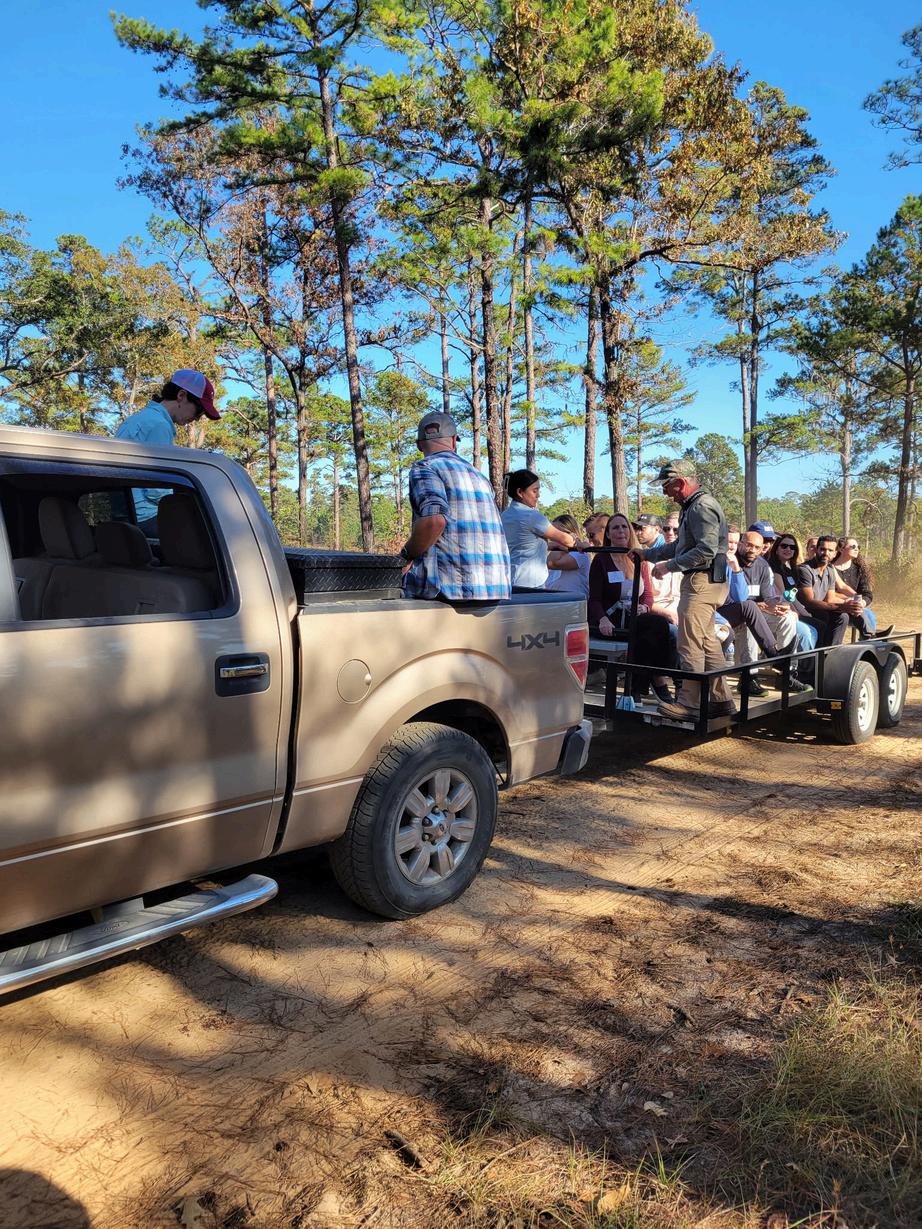
5:00 - 6:30 Happy Hour with Exhibitors and Sponsors | Wagon Ride around Tall Timbers
6:30 Shuttle provided to Tallahassee
7:30 - 8:30 Shuttle provided from Tallahassee
7:30 - 5:00 Registration desk open
8:30 - 9:30
Special Session
Moderator: Erika Sasser
Building Smoke-Ready Communities: Strategies for Health, Equity, and Resilience* Heidi Huber-Stearns
Roundtable on Recent Experiences with Prescribed Fires and Air Quality Data
Corey Mocka
Thursday, March 26
Keynote Presentation: Reading Smoke Signals: Landowner Experience
Heather Brasell, Landowner
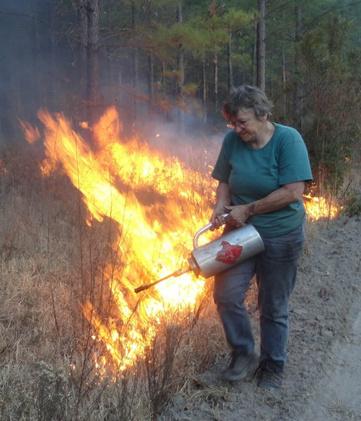
Where there is fire, there is smoke. Reading the smoke signals is a critical part of monitoring prescribed burns. Every time I burn, I learn more about interpreting the smoke signals to understand fire behavior based on site conditions, vegetation, and weather.
9:30 - 10:00 Networking Break with exhibitors and sponsors
Room A
Emerging Technologies and Tools Moderator: Holly Nowell
10:00 - 10:20
10:20 - 10:40
Guiding Air Quality Monitoring: Field Evaluation of Air Quality Sensors in Southeastern U.S.
Tanvir Khan
Incentivizing Decentralized IoT Networks to Enhance Smoke Detector Coverage in the Wildland-Urban Interface* - Jyun-Fan Tsai
10:40 - 11:00 Performance Testing of Seven Commercially Available and Research Grade Carbon Monoxide Sensors for Use in Wildland Fire Smoke Situations
Josh Hall
11:00 - 11:20 SMesh: Real-Time Radio Sensor Networks for Prescribed Fire Smoke Management* - Jessica Yu
11:20 - 11:40 Ground-based wildfire detection cameras - how well do they work?
Gavin Hough
11:40- 12:00
Integrated Research Management Team Supporting Coproduction of Wildland Fire Science
James Furman
12:00 - 12:20 Smoke research and tools at the U.S. Forest Service
Aaron Piña
12:20 - 1:20 Lunch (provided)
Mitigation and Science: Reaching a balance moving forward
Moderator: Amber Soja
1:30 - 1:50 The Challenge of BIG Prescribed Fires Peter Lahm
Room B
Smoke Management and Communication Moderator: Jeremy Green
With Fire Comes Smoke: Aligning Forest Management and Public Health Communications for Air Quality Rachel McIntosh-Kastrinsky/Kayla McCauley
Event-based insights into resident perceptions of smoke following two prescribed fires in Flagstaff, Arizona* Sarah Devenport
The Global Forest Fire Emissions Prediction System (GFFEPS)* Kerry Anderson
Actionable Evidence from a Comparative Project on Resilience and Responses to Smoke Events - Nicholas Perry
Wildfire Smoke's Role in PM-2.5 and Ozone Concentrations in The Great Lakes Region*
Alec Kownacki
Understanding Lightning Driven Fires and Community Smoke Risk Along Zimbabwes Great Dyke Corridor* Willson Chimwedzi
Prescribed Fire and Air Quality Southeastern Perspectives
Jennifer Fawcett
1:50 - 2:10
Computing monthly average PM₂.₅ for ecounits in California to assess the direct health benefits of future potential limiting of wildfire smoke impacts
Tim Brown (forAzimeh Zare-Harofteh)
2:10 - 2:30 Development of Weather Scenarios That May Result in Smoke-Induced Fog
Matthew Pace
Smoke Management and Communication
Moderator: Mary Uhl
Evaluating Indoor Air Cleaning Effectiveness during Wildland-Urban Interface Fire Events: Insights from a Controlled Residential Study Nathan Lima
Can mechanical fuel treatments and prescribed fires provide long-term air quality benefits by reducing future smoke emissions? Shawn Urbanski
Room C
Special Session Moderator:
Operational Approaches to Reducing Exposure Hazards on the Fireline*
Susan Kidnie, Drew Lichty, Kelcey Stricker
Regulatory
Improving Fuels and Consumption for Fire Emissions Inventory
Nancy French
Effect of season of fire on fuel consumption and estimated PM2.5 emissions in a southeastern U.S. pine savanna - Kevin Robertson
Changes in Wildland Fire Emissions Estimation Methods and Trends in the US EPA National Emissions InventoryJames Beidler
Smoke Modeling & Observations
Moderator: Rick Gillam
Evaluating and improving modeled smoke vertical distribution and surface concentrations for the 2020 western US wildfires* Mackenzie Arnold
Pathogenic fungi from wildfire smoke common across regions and positive for infectious disease in animal models* Leda Kobziar
Integrating Public Health into Upstream Wildfire Management
Savannah D'Evelyn/Maya Puggarana
Weather Tools for Smoke Forecasting* Joseph Charney
Room A
Mitigation and Science: Reaching a balance moving forward
2:30 - 2:50 Preventing Catastrophic Wildfires: Annual Grid Inspection and Maintenance Plan*
Abolfazl Taghavi
2:50 - 3:10
3:10 - 3:30
Room B
Smoke Management and Communication
Hot Spots and Hot Moments in Prescribed Fire across the Southeastern US: Using Permit Data for Advocacy and Policy Change
Karen Cummins
Assessing Consistency in Fuel Consumed between Activity-based Wildfire Emission Estimates*
Pablo Saide
Enhancing Fuels in Large-scale Models by Connecting Ground-based Fuels (FCCS)
Amber Soja
Room C
Smoke Modeling & Observations
Fire Dynamic Vision: A Tool for Tracking and Characterizing Smoke Plumes in Prescribed and Wildland Fires
Bryan Quaife
A novel sampling system for gas and particulate chemistry measurements in wildfire smoke
Mark Leone
Evaluating FirePixels: A multilayered framework for smoke emission estimation using recent Australian bushfire case studies*
Fabienne Reisen
3:30 - 3:45 Networking break
3:45 - 5:00
General session panel: Wildland Fire Smoke and Health and Future Research
Jason Sacks and Erika Sasser, Environmental Protection Agency (facilitators)
Dr. Colleen Reid, Director of the Public Health Program, Associate Professor in Geography, Faculty Fellow of the Institute of Behavioral Science, University of Colorado Boulder
Dr. Fernando Garcia-Menendez, Associate Professor, Department of Civil, Construction, and Environmental Engineering, NC State University
Dr. Stephanie Cleland, Assistant Professor, Simon Fraser University / Vancouver Coastal Health Research Institute
5:00 Shuttle provided to Tallahassee
Free evening
Friday, March 27
8:00 - 9:00 Shuttle provided from Tallahassee
9:00 - 4:00 Field Trip One: Fire on the Ground, Smoke in the Air: Science and Collaboration in Prescribed Burning
9:00 - 4:00 Field Trip Two: Fire on the Edge: Burning Next to Communities
9:00 – 11:00 AM
Instructors: Ann Kapusta, Earth Fire Alliance and Dr. Michael Falkowski
FireSat is a satellite system designed to deliver high-temporal and spatial resolution fire characterization data, offering new opportunities for smoke, emissions, and air quality research. This workshop will introduce the International Smoke Symposium community to the FireSat system, its four fire data products, and explore its relevance for smoke modeling, exposure assessment, and operational air quality forecasting and impact monitoring Participants will explore how FireSat data can be combined with existing ground-based sensor networks – such as air quality monitoring stations, particulate sensors, and in-situ meteorological measurements – to generate more accurate and timely insights about smoke and air quality impacts. The session will include a detailed walkthrough of early sample data from the FireSat test instrument, showcasing practical workflows and real-world use cases. By the end of the workshop, attendees will have a clear understanding of how FireSat works, what types of remote sensing products it will deliver, and how these data streams can support research, modeling, and decision-making as the system comes online over the next few years
By the end of the session, participants will be able to:
1.Describe the FireSat system and understand its remote sensing capabilities, data products, and expected performance
2 Interpret early FireSat test data and understand how to access and use future data releases
3.Explain how FireSat data can complement existing air quality measurements. And identify key smoke and air quality applications enabled by FireSat.
4.Evaluate potential use cases for incorporating FireSat data into their own research, monitoring programs, or smoke management workflows.
Goals:
Educate the smoke, air quality, and fire science community on the capabilities and value of FireSat Walk through of early FireSat test data from our Protoflight mission and demonstrate practical workflows Engage and energize researchers and practitioners to explore FireSat as a new data source for advancing smoke science and air quality studies.
Foster collaboration by connecting with end users who can help shape future applications and research directions.
9:00 – 1:00 PM
Instructors: James Boylan, Georgia Department of Natural Resources; Rick Gillam, U.S. EPA Region 4, Mary Uhl, Western States Air Resources Council (WESTAR)
This workshop will introduce attendees to tools and resources for preparing prescribed fire and wildfire Exceptional Event (EE) demonstrations EPA will share an example prescribed fire demonstration for a U S Forest Service prescribed burn in California along with other guidance and tools available on-line Georgia EPD has developed over 100 EE demonstrations covering 2021-2024, and their streamlined approach will be summarized WESTAR will demonstrate an on-line tool for developing EE demonstrations that was developed with South Coast. The objectives of this workshop are to share information, examples, resources, and tools for preparing exceptional event demonstrations for smoke impacts on air quality from prescribed fires and wildfires
2:00 – 6:00 PM
Instructors: Aaron Naeger, NASA Marshall Space Flight Center; Carl Malings (MSU, NASA GSFC) Kristina Pistone (BAERI, NASA ARC) Caterina Mogno (UMBC, NASA GSFC)
New satellite instrument technology and data products continually advance observing capabilities for the detection and monitoring of wildland fires, and the identification and tracking of smoke plumes throughout the day. This training workshop, led by NASA’s Applied Remote Sensing Training (ARSET) program, will provide an overview of the advanced satellite data available and introduce participants to NASA resources and tools for the monitoring of fires and smoke These will include NASA’s Fire Information for Resource Management System (FIRMS), which integrates multiple sources of satellite imagery and derived data products relevant to active fire detection and smoke monitoring. We will also introduce NASA Worldview, a web mapping application for interactively browsing global satellite imagery, including near-real-time data products, and guide participants through using Worldview to visualize products, including the new hourly data on air pollutants from the NASA TEMPO mission, relevant to assessing smoke evolution and air quality impacts.
2:00 – 6:00 PM
Instructors: Marlin E Martínez, University of Washington and Susan M. O’Neill, USDA Forest Service
This workshop provides hands-on training for simulating wildland fire smoke transport from prescribed fires and wildfires using the BlueSky Playground. The first part of the workshop will discuss wildland fire emissions calculations and smoke modeling basics with the BlueSky Smoke Modeling Framework. The second half of the workshop will be a demonstration and hands-on exercise(s) where students will use BlueSky playground to do their own wildland fire smoke transport modeling using some of the latest datasets and models for fuels, fuel consumption, meteorology, and atmospheric dispersion From within the Playground framework, users will calculate fire emissions relying on high-resolution mapped fuel loadings (e.g., vegetation) from the Fuel Characteristic Classification System (FCCS) crosswalked with LANDFIRE, and the CONSUME fuel consumption model. These emissions are distributed hourly in time and vertically in the atmosphere, then combined with one of many available meteorological datasets for smoke transport modeling with the NOAA HYSPLIT dispersion model BlueSky playground is a tool It gives users the ability to modify/customize the many modeling components for their fire Results can vary by several orders of magnitude based on assumptions and inputs Concepts such as this will be highlighted and discussed throughout the workshop, and students are encouraged to bring their own prescribed fire or wildfire case scenario. Attendees should bring a laptop and have Google Chrome installed. Playground will not function in the Edge browser.
Physical Research Scientist with the SPoRT project at NASA Marshall Space Flight Center
Dr Aaron Naeger is a Physical Research Scientist with the SPoRT project at NASA Marshall Space Flight Center and serves as the Mission Applications Lead for the NASA TEMPO mission. He specializes in satellite remote sensing with a focus on using air quality-relevant data from geostationary satellite instruments such as TEMPO for product development and improving air quality modeling and forecasting capabilities. He also leads the TEMPO Early Adopters Program focused on engaging stakeholders to maximize the use and value of TEMPO data for societal benefit.
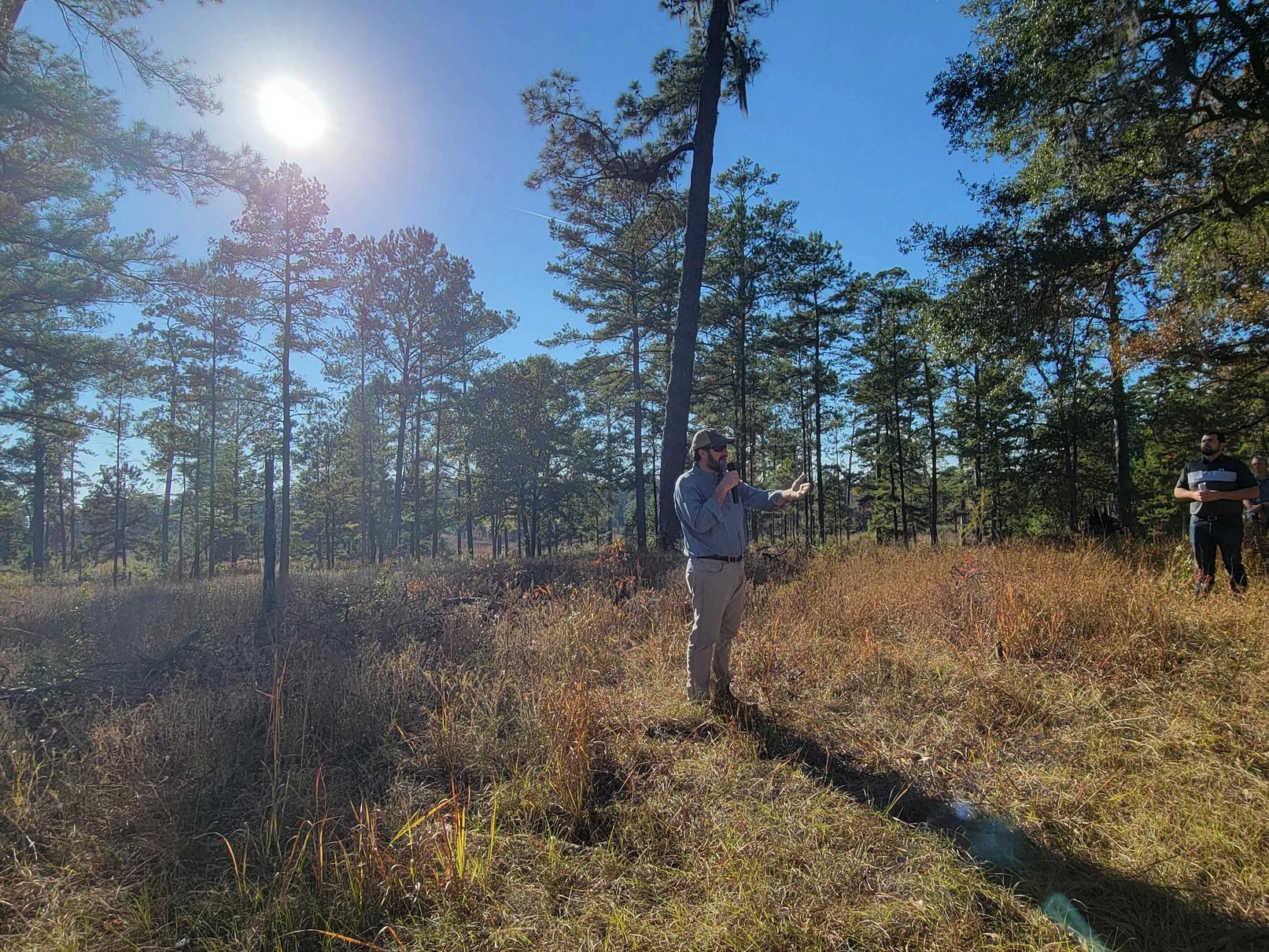
Reading Smoke Signals: Landowner Experience: Where there is fire, there is smoke. Reading the smoke signals is a critical part of monitoring prescribed burns. Every time I burn, I learn more about interpreting the smoke signals to understand fire behavior based on site conditions, vegetation, and weather Heather has used prescribed fire on her property for the last 15 years. She has also developed the Gaskins Forest Education Center on her property in Berrien County, south GA. This Education Center has resources and facilities for educational outreach in forestry and environmental conservation. Programs include learn-and-burn field days for landowners, burning demonstrations for the public, and a NatureQuest event to introduce children to fire management. Other events, focusing on groundcover restoration and wildlife habitat, underscore the importance of appropriate use of fire in establishing and maintaining healthy forests
Kathleen Navarro DuBose, PhD, MPH, Program Director, Environmental and Occupational Health, U.S. DOI
Mike Wilson, Ph.D, MPH, CIH, Senior Industrial Hygienist, Research and Standards, Cal/OSHA
Alex Mayer, Health Scientist, National Institute for Occupational Safety and Health (NIOSH)

Moderator: Sim Larkin
Two part panel representing smoke operational user needs and the modelers who work to meet those needs. The discussion will cover existing capabilities, where are the gaps, and how to do we come together to make progress
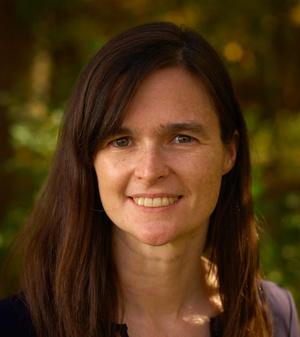
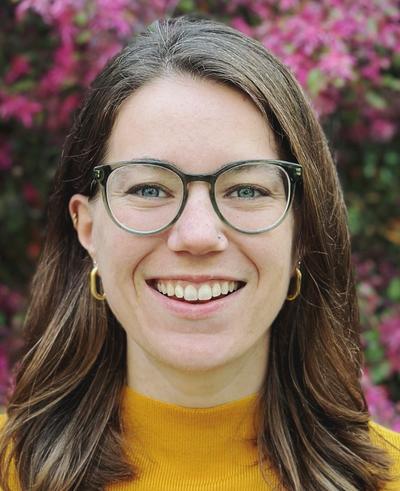
Facilitators: Jason Sacks and Erika Sasser, Environmental Protection Agency Panelists:
Dr. Colleen Reid, Director of the Public Health Program, Associate Professor in Geography, Faculty Fellow of the Institute of Behavioral Science, University of Colorado Boulder
Dr. Fernando Garcia-Menendez, Associate Professor, Department of Civil, Construction, and Environmental Engineering, NC State University
Dr. Stephanie Cleland, Assistant Professor, Simon Fraser University / Vancouver Coastal Health Research Institute
Friday, March 27 from 9am – 4pm
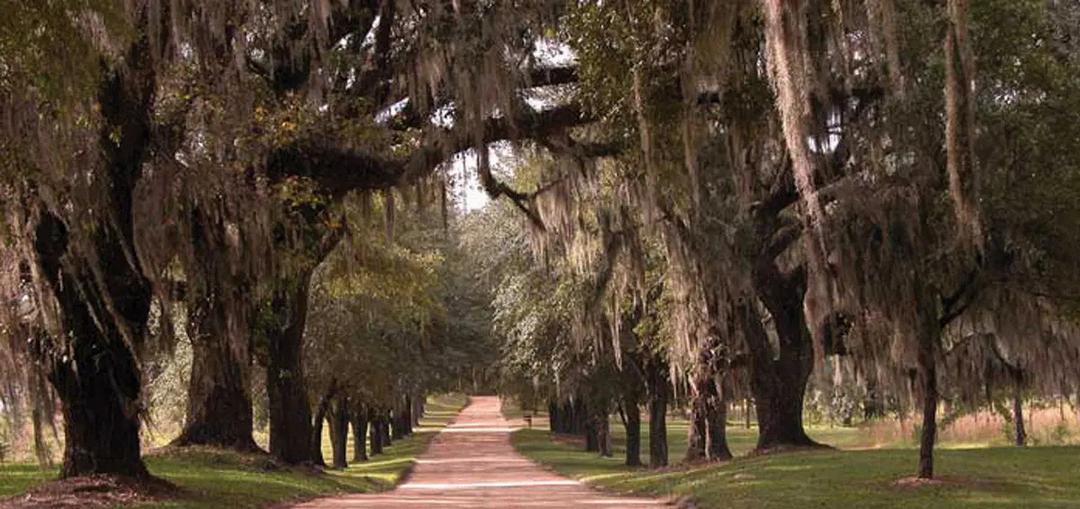
This field trip begins at Tall Timbers and heads north
Stop 1: A longleaf pine stand long managed by prescribed fire where Dr. Kevin Robertson, Tall Timbers’ Director of Fire Ecology, will discuss the longleaf pine ecosystem, and how it is managed with fire and the challenges along the WUI, even in rural south Georgia
Stop 2: The Jones Center at Ichauway. Lunch will be served on campus, accompanied by presentations from the Jones Center President and scientists on their prescribed fire research After lunch, participants will join an in-field discussion about the Albany Pilot Project This project is a collaborative effort between private land managers, scientists, Georgia Forestry Commission (GFC), and the Georgia Environmental Protection Division (GA EPD) on balancing prescribed fire needs with air quality in the Albany, Georgia, area. This particular project has become a national model.
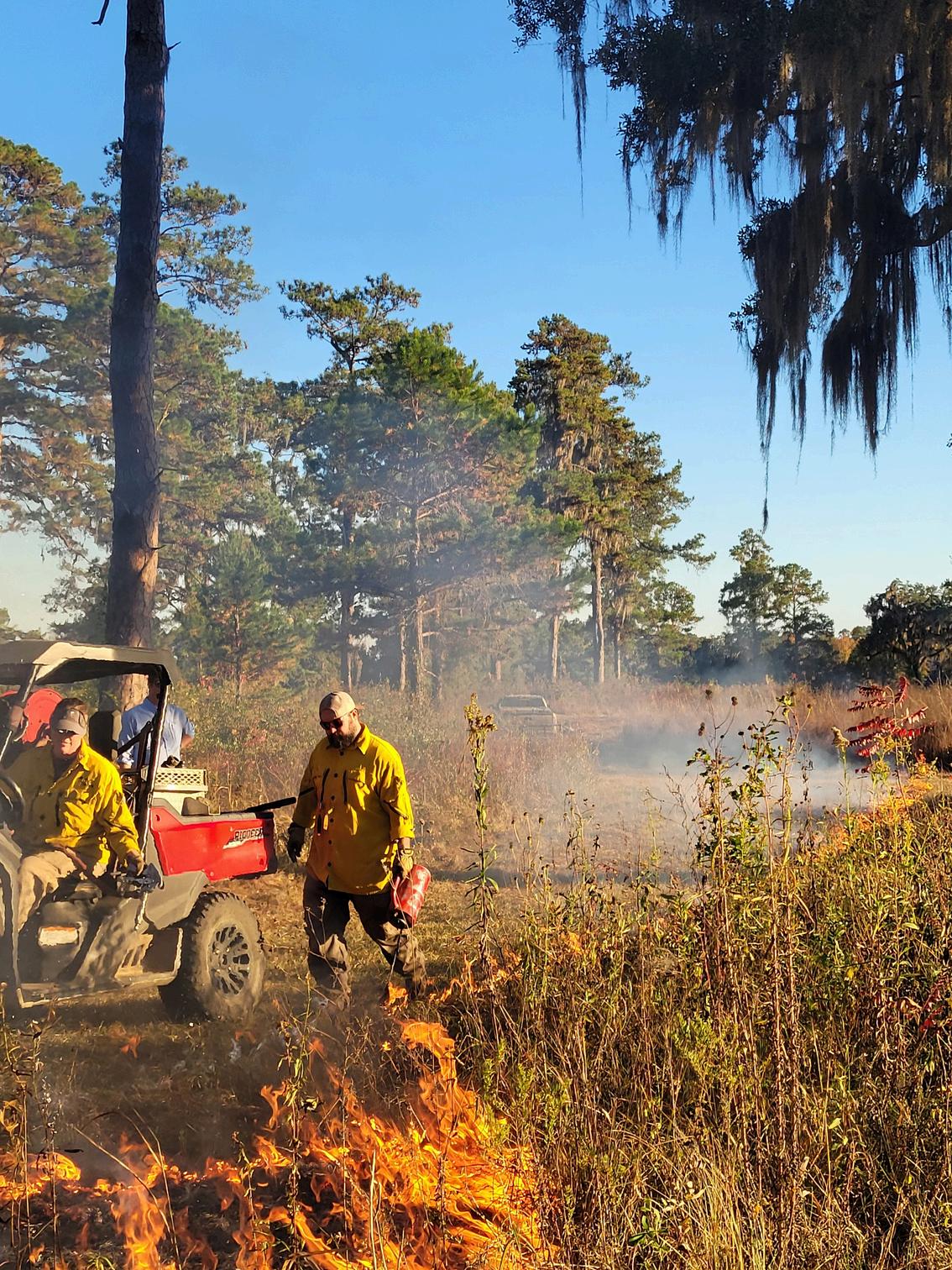
Weather permitting, participants may also observe, and maybe participate in, a prescribed burn.
This field trip begins at Tall Timbers and heads south.
Stop 1: The Apalachicola National Forest (ANF) ANF abuts the southwestern boundary of Tallahassee, the state capital and home to major universities and seasonal tourism Being right next to the city poses challenges for burning, smoke management, and public opinion. This stop will include visiting prescribed burned areas at ANF as well as discussions about policy and public messaging.
Stop 2: Wakulla Springs State Park Lunch will be available at the historic Wakulla Springs Lodge (either catered or buy your own). There will be a tour illustrating how prescribed fire is used at one of the most visited state parks in the region. This stop will conclude with a historic boat tour led by a Wakulla Springs tour guide. This tour often features wading birds, alligators, and the occasional manatee.
The International Association of Wildland Fire (IAWF) is the professional membership association for wildland fire professionals. Established in 1990, we are uniquely positioned as an independent organization with a membership that includes experts in all aspects of wildland fire management. Our independence and breadth of global membership expertise allows us to offer a neutral forum for the consideration of important, and at times controversial, wildland fire issues. Our broad membership base and organization allow us to creatively apply a full range of wildland fire knowledge to perform our mission, as stated below The IAWF is a non-profit, 501(c)(3) professional association representing members of the global wildland fire community

The U.S. Wildland Fire Service is responsible for wildfire prevention, response, and recovery across more than 500 million acres of Interior-administered and tribal lands In January 2026, the U S Department of the Interior began a phased approach to implementing the U S Wildland Fire Service, representing a significant unification of wildland fire management within the Department
By bringing together wildland fire programs across the Bureau of Indian Affairs, Bureau of Land Management, Fish and Wildlife Service, National Park Service, Office of Aviation Services, and Office of Wildland Fire, Interior is strengthening coordination and building a more efficient and effective system to protect lives, communities, and ecosystems
The U.S. Wildland Fire Service works to reduce wildfire risk through proactive fuels management, support fire-resilient landscapes, advance wildland fire science and technology, promote fire-adapted communities, and respond to wildfires in collaboration with the U.S. Department ofAgriculture Forest Service and Tribal, state, and local partners.
Tall Timbers is recognized as the home of the study of fire ecology and is an advocate to protect the right to use prescribed fire for land management. It is also recognized as one of the nation’s leading land trusts.
Spanning nearly 30,000 acres of woods, water, and wildlife, The Jones Center at Ichauway provides a unique combination of place, people, and processes to better understand, demonstrate, and promote effective management of natural resources through research, conservation, and education.
The Southern Fire Exchange is a regional fire science communication program and a member of the JFSP Fire Science Exchange Network Serving 13 southeastern US states, SFE collaborates with partners to promote the use of relevant fire science, identify future research needs, and connect fire managers with researchers.
QuantAQ combines professional-grade air quality monitors with an integrated cloud platform, making it simple to collect the ambient air quality data you need, when and where you need it Built by atmospheric scientists, QuantAQ's approach to instrument design ensures accurate, reliable measurement of EPAcriteria pollutants and more Monitors are designed for flexible deployments, operating with minimal power, in any weather, are easy to set up, and require minimal maintenance With data collected automatically in QuantAQ's user-friendly platform, it'ss easy to analyze air quality data for a wide range of applications.

Clarity Movement helps communities, agencies, and fire professionals better understand and respond to air quality impacts from wildland fire smoke. Used in more than 85 countries, Clarity's MCERTS-certified Node-S measures particulate matter (PM) and nitrogen dioxide (NOâ‚‚) with solar-powered, weatherproof hardware designed for remote and post-fire environments, delivering 99% uptime even in low-light conditions. Learn more: www.clarity.io The Clarity Node-S was recently evaluated to meet the technical considerations for inclusion on the EPAFire & Smoke Map’s becoming only the second sensor to be added. This milestone reflects Clarity's commitment to producing trusted, field-ready data that supports public health protection, smoke management, and emergency response. Clarity's Dust Module (PM10) provides near-reference measurements of coarse particles, helping detect wildfire-related ash and track air quality impacts during post-fire cleanup and reconstruction efforts. Additional modules include Black Carbon, Ozone, Wind, and Multi-Gas, supporting a more complete understanding of smoke composition and transport.
Tactical Signal Solutions / PerimeterScope delivers portable airspace awareness solutions for emergency response and public safety PerimeterScope combines Remote ID drone detection withADS-B and UAT aircraft awareness to help incident teams monitor nearby drone and aircraft activity, improve situational awareness, and support safer operations in the field.
Founded in 2007 by a former federal attorney, FEDS Protection is the leading provider of professional liability insurance (PLI) to federal employees.AFEDS Protection policy can protect against civil lawsuits and workplace allegations. Contact FEDS Protection today to learn more about your workplace exposures and how a FEDS Protection policy can provide peace of mind In addition to Professional Liability Insurance, we also specialize in federal contractor insurance for coverage outside the United States FEDS Protection now partners withA-rated insurance companies that have been authorized by the Department of Labor to write Defense BaseAct (DBA)/Workers Compensation insurance, in addition to writing Foreign Package policies