Inclusive Communications Toolkit
This document has been co-produced by the Whittington Health Communications team, Equality,
Diversity and Inclusion team, Staff Networks, Library team, and other clinical and non-clinical colleagues.
Information correct as of April 2024
Date for review: April 2026
Contents
2 Introduction 3 The basics 4 Intersectionality and stereotypes 5 Race and ethnicity 6 - 10 Gender 11 - 14 LGBTQIA+ 15 - 16 Disability (physical and mental) 17-19
20 - 21
example 22
media example 23
24
Checklist
Poster
Social
Resources
Introduction
It is crucial that the words and language that we use reflect the values of Whittington Health NHS Trust and the population that we serve. This guide aims to help you empower and include people to create an environment where everyone feels valued and listened to.
Please note that this is not an extensive guide but an overview of ways to make others feel included.
Language is complex and ever evolving. It can be confusing, and if you’re not sure, it’s always okay to reach out to the Communications and EDI teams. We are consistently learning and updated this guide.
Inclusivity is not a tick box exercise but should govern the way that we communicate with others.
Remember if you are not sure, ask!
If you have any questions or suggestions, please email the Communications Team at: communications.whitthealth@nhs.net
If you have any concerns about language that others are using raise it via:
Your line manager
Freedom to speak up and wellbeing champions
The workforce team
Whittington Health Security/Police (if you feel like you are in danger)
3
The Basics
The quality of communication affects the reputation of Whittington Health and people’s confidence in the Trust.
Our communication needs to be clear, simple, honest, professional, respectful, and accessible. Written communication should be capable of being spoken out loud, be easy to understand and sound as if it is being addressed to an individual.
Avoid jargon, acronyms, and technical language. If you must use any of these make sure that you write it out in full the first time. For example, CYP (Children and Young People).
In the UK 15% of adults read and write at the level of a 9-11 year and 43% of adults do not have adequate literacy skills to understand health information. This percentage increases when people are at heightened levels of anxiety or distress. We need to ensure that we are writing at this level, so it is equitable for everyone. Please refer to the NHS Brand Guidelines for more details on the NHS tone of voice, colours, logos, and pictures.
4
Intersectionality and stereotypes
Before going any further it is important to note that many people will fit into a number of these categories to varying degrees and that any one aspect of a person does not make up the person as a whole.
Always ask how a person/people would like to be referred to and avoid reverting to stereotypes and preconceptions.
5
Race and ethnicity
Everyone has a race, ethnicity, and nationality but that does not define who they are as a person. Sometimes you need to know someone’s race and ethnicity to help you, to help them. For example, you may be helping someone fill in their health information or putting them forward for a genetic test.
We also sometimes ask for patient monitoring purposes. Outside of this, don’t just ask for the sake of it. If referral to race is not relevant, it does not need to be mentioned and pointed out. We have a zero-tolerance approach to racism. If you hear others using racist and/or discriminatory language raise it via the appropriate channels. There is a difference between race, ethnicity, and heritage.

6
Definitions
Race:
Race focuses on physical appearance, primarily skin colour and other genetic traits.
Ethnicity:
Ethnicity refers to cultural identification and how this is articulated. For example, a group of people with a similar culture such as language, heritage, and food.
Heritage:
Heritage refers to ancestral roots. For example, someone may be born and raised in the UK, but their grandparents are from China. Therefore, they may identify as being from Chinese heritage. It is important not to assume where someone is from based on their appearance.
Nationality:
Nationality refers to where someone is born and or holds a citizenship. A person may have two or more nationalities.
7
Refugee terminology
It is important that we treat refugees and asylum seekers the same as everyone else. Status does not define a person and some people may not want to disclose their refugee status. Some people (regardless of refugee status) may need extra support if they are new to country/culture so remember to be patient.
Asylum seeker/person seeking asylum:
A person seeking protection but whose claim to refugee status has not yet been accepted. It will often be people from war-torn countries such as Ukraine waiting to be admitted into a new country. Not all asylum seekers will be recognised as refugees, but every recognised refugee was initially an asylum seeker. They may also be known as a displaced person or person forced to flee.
Refugee:
A person who has fled war, violence, conflict, or persecution and has crossed an international border. Sometimes it is important to point out that someone has received protective status, such as refugee status, in their country of refuge.
8
Is BAME/BME still used?
‘BAME/BME’ is often used to group all ethnic minorities together. The term emphasises certain groups and excludes others. While some studies show that some people from ethnic minority backgrounds do not like the term ‘BAME/BME’ and would prefer it is not used to describe them other studies, show that many still like to the use the term. Therefore, it is important to where possible ask the person or group how they would like to be referred to.
In north Central London it has been agreed to still use the BME term although always ask and try to be specific where possible.
What else can I use?
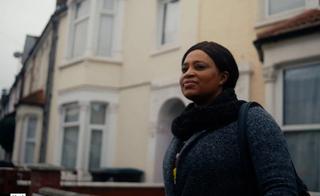
Where possible, use the specific ethnic classifications. Where it is necessary to group together people from different ethnic minority backgrounds, use ‘ethnic minorities’ or ‘people from ethnic minority backgrounds’ or ‘global majority’.
9
How do I communicate race and ethnicity?
Race:
Use alphabetical order when listing ethnic groups, always list them using alphabetical order with the exception of ‘Other’ and occasionally, ‘Unknown’, which should be the final category.
Imagery:
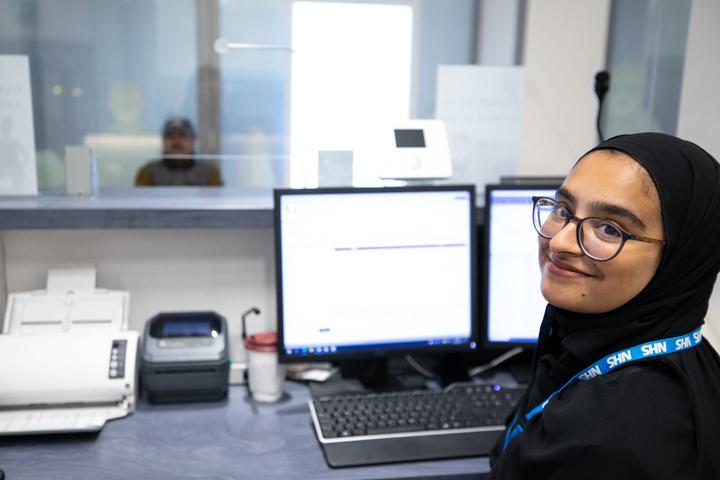
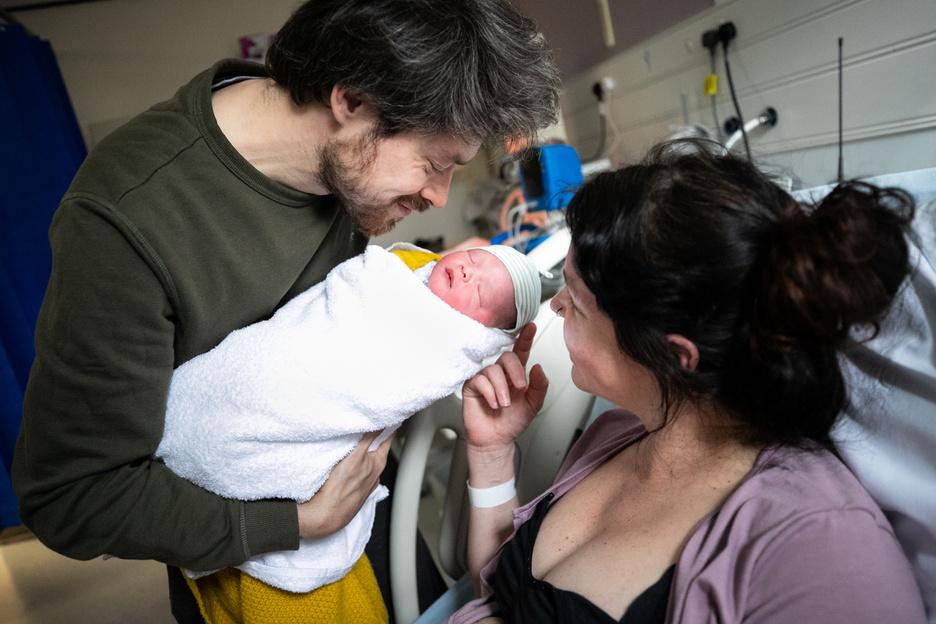
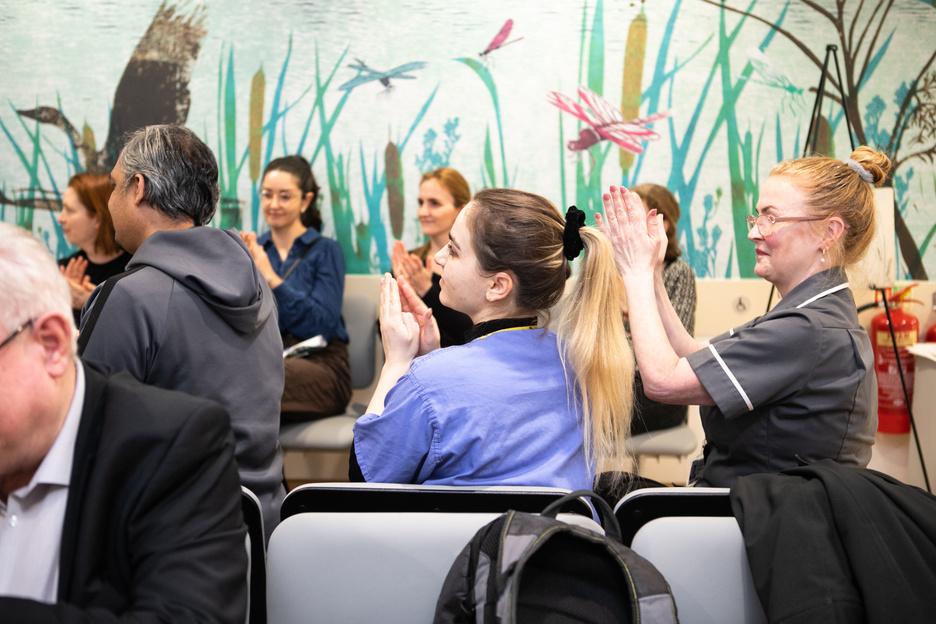
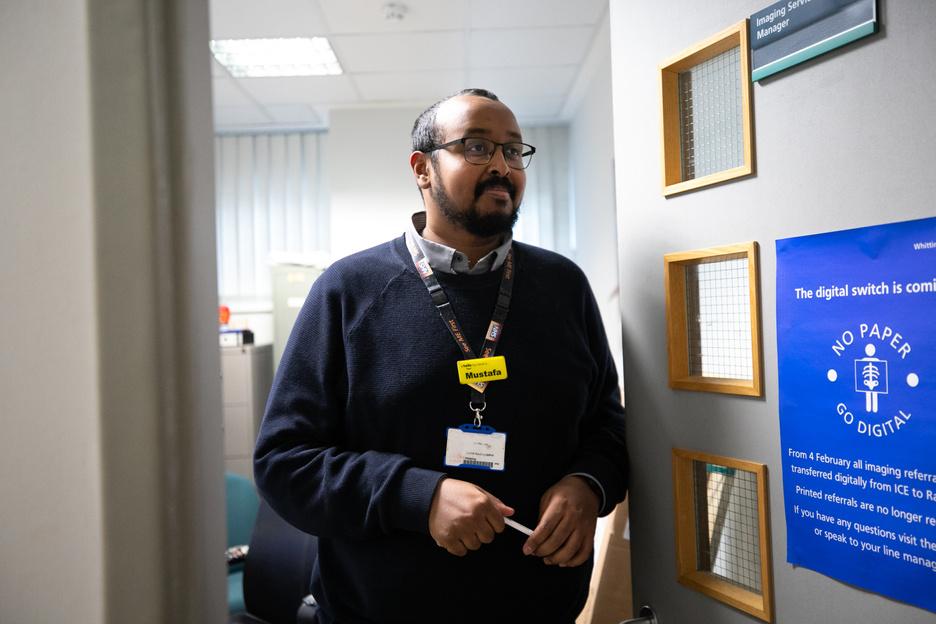
Consider the imagery you are using and if it reflects the audience you are trying to reach and it is not stereotypical.
Person first language:
Put the person first. Instead of Asian person it would be a person from Asia or a person from an Asian background. Where possible be even more specific such as a person from China or person from a Chinese background.
Translation:
While it is important not to assume that someone may not speak English well, you can gently ask someone if they need an interpreter or a it in another language. Interpretation services can be ordered via eLangServ. Email the interpreting team for more information.
10
Gender
There has been a lot of discourse around gender and language, and it is important that we normalise using the correct language.
Remember we are not trying to erase anyone or their experience but simply making our language inclusive for everyone.
Gender:
Genderreferstooursenseofwhoweareandhowweseeanddescribeourselves.
Genderisfluidandmorethanjustmaleorfemale.Peoplemayidentifyasnon-binaryorgender fluid.Weshouldusegenderinplaceofsexunlesssexisneededtobeknownformedical reasons.
Sex:
Sexreferstothebiologicalandphysiologicalcharacteristicsthatdefinesomeoneasmale orfemale(Note:someonemaybeintersex).Someone’ssexandgendermaybedifferent,soit isimportantnottoassumesomeone’sgender.
11
Gender
Non-binary:
Non-binary is a term for people whose gender identity is neither ‘male’ or ‘female’. People sit on a spectrum and may feel more towards different genders at different times. Other terms that might be used include agender, gender queer or gender fluid.
Cisgender:
Refers to someone whose gender identity is the same as the sex they were assigned at birth.
Intersex:
Is used to describe a person who may have the biological attributes of both or neither sex. A lot of intersex people are assigned a gender at birth related to what biological attributes they most closely relate to, but many intersex people describe their gender differently.
Pronouns:
Someone’s pronoun is how they would like other people to describe them. For example, she is sitting over there, or they like to drink coffee. The most common pronouns are she/her, he/him, and they/them but some people use a combination of these or different pronouns entirely. It is important to respect people’s pronouns.
12
How do I communicate gender?
Job titles:
Where possible refer to people and job-titles in a gender-neutral way. For example, ‘Police Officer’ instead of ‘Police Man’ or ‘Police Woman’. It is also important not to assume the gender of a certain workforce, such as all nurses are women and all doctors are men. This is a harmful stereotype.
Additive language:
Use additive language as not to exclude any person or their experience. For example, ‘Pregnant women and people’ and ‘people with a uterus’. You can also use the term 'Families' in lieu of using mothers. For example mothers can bring their child in for a hearing assessment becomes 'Families can bring their child in for a hearing assessment'.
Pronouns:
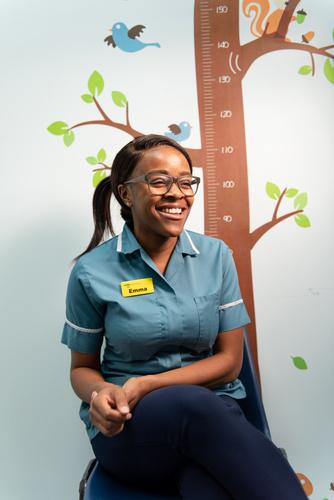
When you introduce yourself say your name and your pronouns. This will make the other person feel comfortable to do the same back to you. You can start with your em l signature and yellow ‘Hello My Name Is’ badge as a way to normalise pronouns.
13
How do I communicate gender?
Listing gender:
When listing genders, it is recommended to include the following options:
Woman Man
Transgender Woman
Transgender Man
Non-Binary
A-gender/I don’t identify with any gender
My gender is not listed. My gender is….
Prefer not to state
You can also ask if their gender is the same as the sex they were assigned at birth. It is important to note that not all NHS forms will have these categories or an option to add them. Try and include as many options as possible.
14
LGBTQIA+
Not everyone likes to label themselves so try and be specific if you need to ask people about their sexual orientation. Don’t ask someone if they are gay or bisexual, instead ask if they are a man who has sex with men (MSM) or a woman who has sex with women (WSW).
What it stands for?
LGBTQIA+:
Stands for lesbian, gay, bisexual, Transgender, queer/questioning, intersex, asexual, and anyone else who identifies as part of the community. Is an umbrella term for anyone who sits in the community. You may also see it written as LGBT+ or LGBTQ+ both of which are also fine to use to describe the community.
Sexual orientation:
Is a person ’ s romantic, emotional and/or sexual attraction to another person. Never ask someone ’ s sexual orientation unless it is medically necessary. Use the term sexual orientation over the word ‘sexuality’ in written communication.
15
How do I communicate LGBTQIA+?
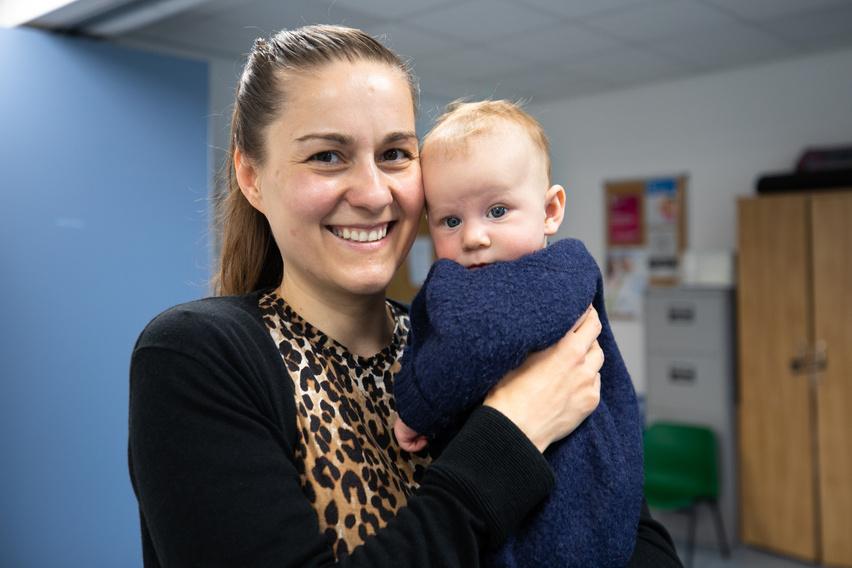
Be specific where possible and don’t ask people’s sexual orientation unless it is necessary to provide care or for patient monitoring reasons. When using imagery of couples and families make sure to use people for different genders instead of just using ‘straight’ ‘cis’ couples.
When referring to a couple or to families make sure to use gender neutral terms. Avoid terms such as ‘ mum and dad’ and ‘husband and wife/boyfriend and girlfriend’ and instead say ‘parents or carers ’ and ‘partner’. An example of this would be, ‘You are welcome to invite your parents or carers and partner to the event’.
16
Disability (physical and mental)
Disability:
It is not a bad word or something that we should avoid using as long as we do so with accuracy. Disability is defined as a physical or mental impairment that has a substantial and long-term effect on a person ’ s ability to do everyday activities. Many people do not consider themselves to be disabled and instead as having a long-term condition.
Ableism:
Is discrimination in favour of able-bodied people. It is damaging even though it is not always intentional. Some examples include using ‘normal’ or ‘healthy’ to refer to someone who does not have a disability or assuming that someone wants to or can be ‘healed’ or can ‘ overcome ’ a disability. This also applies when you refer to people with a disability as ‘suffering’ as in ‘suffer with diabetes’. Instead say they are a person with diabetes. This can also come across as a ‘hero complex’ in which people are made to feel like they are achieving something ‘heroic’ for going about their daily life.
Learning difficulties:
A person with a learning difficulty may be described as having specific problems processing certain forms of information. Unlike a learning disability, it does not affect a person’s IQ. Common learning difficulties include dyslexia and dyspraxia.
17
Disability (physical and mental)
Learning disabilities:
Learning disabilities affect how people learn. A person with a learning disability may or may not need extra support with written and verbal communication. It is important to keep communication, especially written communication the same for everyone and write in a simple but consistent way. This is the same for people with a learning disability however, some people may need additional materials such as Easy Read format.
Neurodiversity:
Neurodiversity is a term that’s used to describe differences in the way people’s brains work. The idea is that there’s no “correct” way for the brain to work. Instead, there is a wide range of ways that people perceive and respond to the world, and these differences are to be embraced and encouraged.
Autism:
Autism is not a learning disability; however, some autistic people may also have a learning disability. Autism is more of a neurodevelopmental disorder. Most autistic people like to be referred to as an autistic person, but it is also important to check with the individual(s) first as some people may be liked to be referred to as a person with autism.
18
How do I communicate disability?
Person first language:
People are more than their disability. Instead of putting their disability first, put the person first. For example, use people with a disability instead of disabled people. There are exceptions to this rule and if you are not sure then ask. When referring to disability within written communication make sure that you also refer to a non-disabled person in the same way. For example, say ‘people with a disability’ and ‘people without a disability’ or ‘differently abled’ not an able-bodied person.
Use an accessible format:
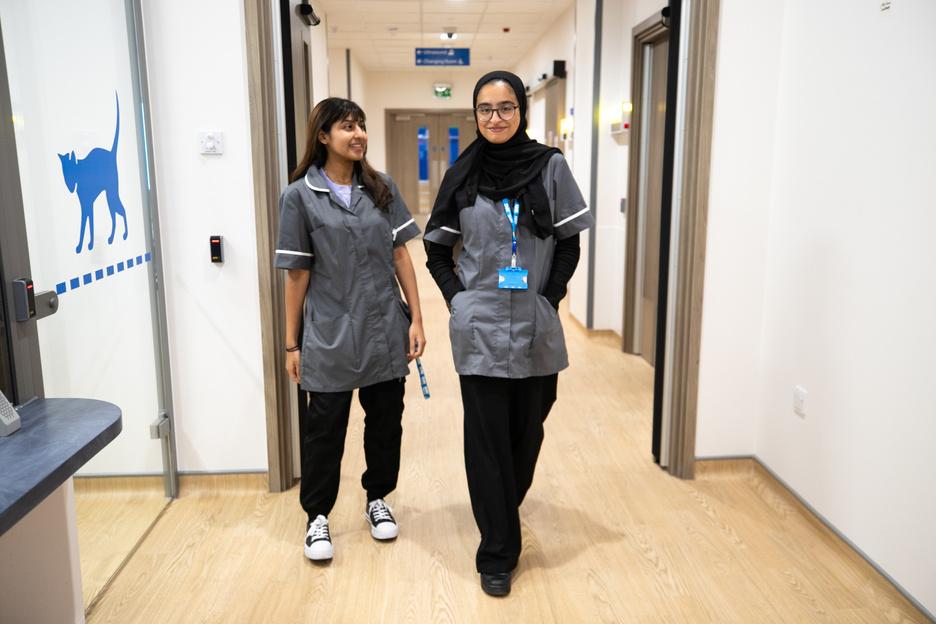
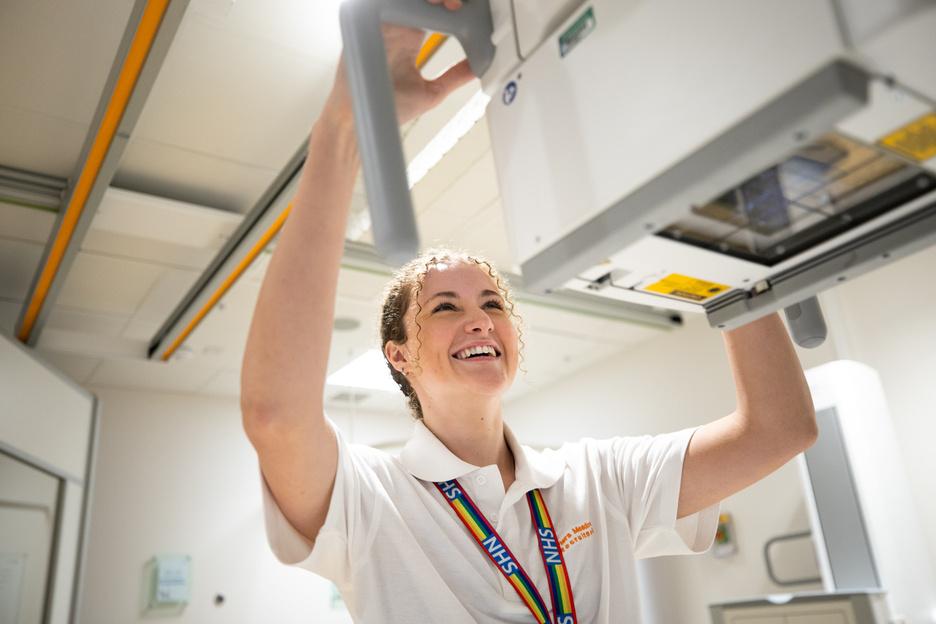
Make sure that the text, colours, and images that you use are accessible. You should aim to use size 14 font where possible. Also check the colours that you are using for readability and consider using an Easy Read format or Makaton for certain audiences. Where possible avoid putting your content into a PDF format as it cannot be read by many screen readers. When using video content make sure to add subtitles.
19
Inclusive communication checklist
Writing style:
Haveyouavoided acronymsandjargon?Isitclearand easytoreadfora9-11yearold?
Pictures:
Dotheyrepresentyourtarget audience?Aretheyroyaltyfree images?Ifyouareusingyourown images,doyouhaveconsentfromthe peoplefeatured?
Emojis: Subtitles:
Limittheuseofemojisastheyare hardforascreenreadertounderstand andcanbeeasilymisinterpreted. Whenusingvideocontent,it needstohavesubtitlessothatpeoplewith ahearingimpairedcanaccessthecontent.
Is it people/person first:
Camel capitals: Alternative (ALT) text:
Whenusinghashtags capitalisethefirstletterofeachword.
#WhittingtonHealthBloodTest Whenusingan imagemakesurethatyouhavea descriptionofwhatishappeninginthe imageandanytext.Thisisespecially importantforsocialmedia.
Areyouusing thecorrectlanguagetomakesureitis personfirst?
Is it appropriate for your audience?:
Are youusingthecorrectlanguageforthat audience? isthetextbigenough andarethecoloursaccessible?
Size and colour:
20
Brand guidelines:
Alternative version:
Areyouusingthe NHS/WhittingtonHealthbrandguidelines? easyread/Makaton andlanguage,isitavailableonlineand offline?
Have you tested it:
Ifpossible,testitwith yourtargetaudienceorsomeoneelsein yourteam,askthemtorepeatbackwhat youaretryingtogetacrossandtooseeif itmakessense.
Proof-read/readability:
Haveyouproofreaditandputitthroughareadability checker
Translation:
Doesitneedtobetranslated tobeabletobeunderstood?
21
Large font and accessible colours.
Respectful tone.
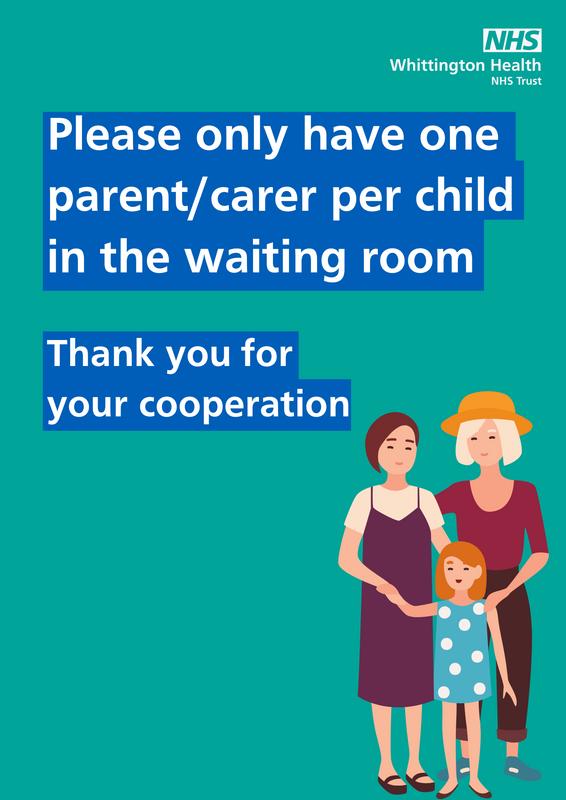
Whittington Health logo/brand guidelines.
Easy to understand call to action.
Imagery represents target audience and is diverse.
Poster - Example
22
Social Media Post - Example
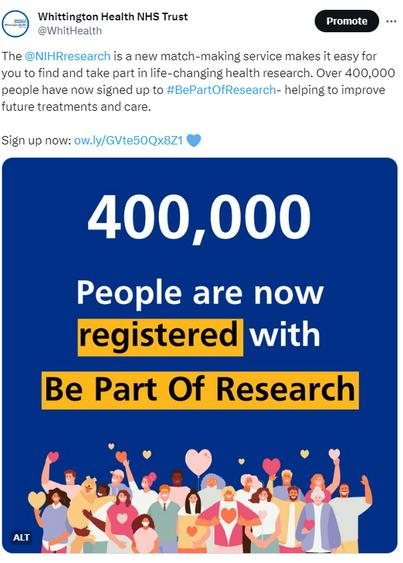
A clear call to action with a shortened hyperlink. Not too many emojis used.
What is said in the picture is in the text.
Camel Capitals (the first letter of each word is capitalised).
ALT text is used so that screen readers can understand the image. Large font and accessible colours. Follows the NHS brand guidelines.
23
Resources and more information
Race and ethnicity
Governmentuseoftheterm‘BAME’
NHSRace&HealthObservatory
Gender
Supportingtransandnon-binary healthcarestaff
Whatitmeanstobenon-binary
Genderandforms
LGBTQIA+
LGBTInclusiveCommunicationsGuide
Doasktellcampaign
Disability
Inclusive Language to use when and to avoid writing about disability
General inclusion
Inclusivelanguageglossary
Digitalaccessibilityguide
HumberandNorthYorkshireInclusive
LanguageGuidance
24