Lucid

abouT
Brisbane based Tilly Walker is a designer that is passionate about structure, creativity, and uniqueness. By combining conceptual thought with an emphasis on form and workmanship, her creative identity explores the ways in which clothing may convey both sensitivity and strength. Architecture and surrealism serve as her inspirations, which she translates into wearable art that defies expectations while being elegant and functional. Her design philosophy is adventurous but thoughtful, striking a balance between fine detail and sculptural forms. Tilly’s ultimate goal is to design clothing that expresses emotion, empowers the user, and thoughtfully balances fantasy and reality.

concepT
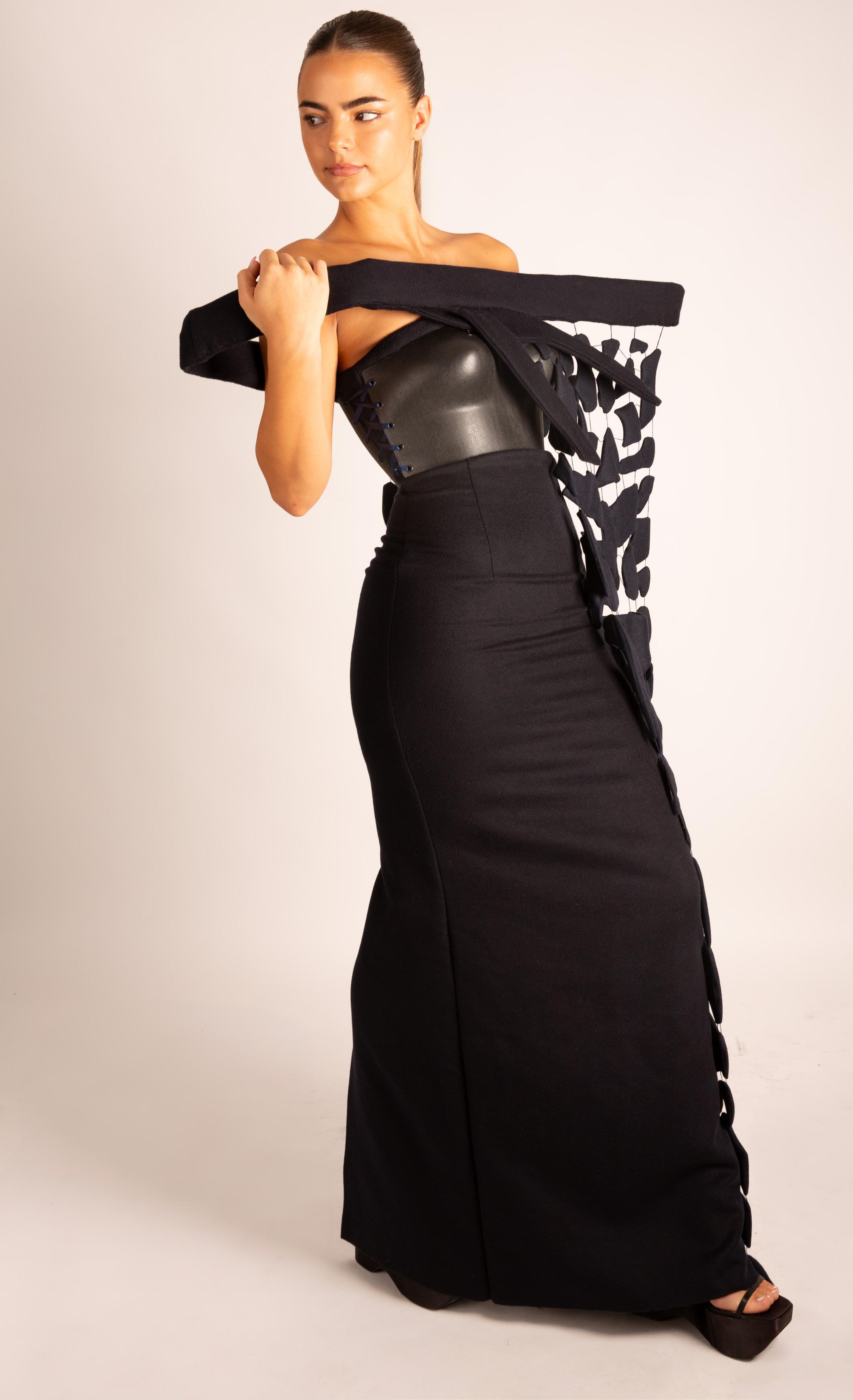
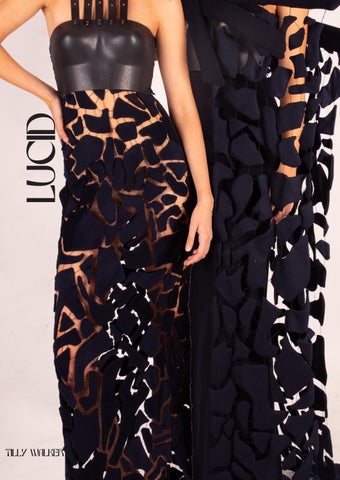
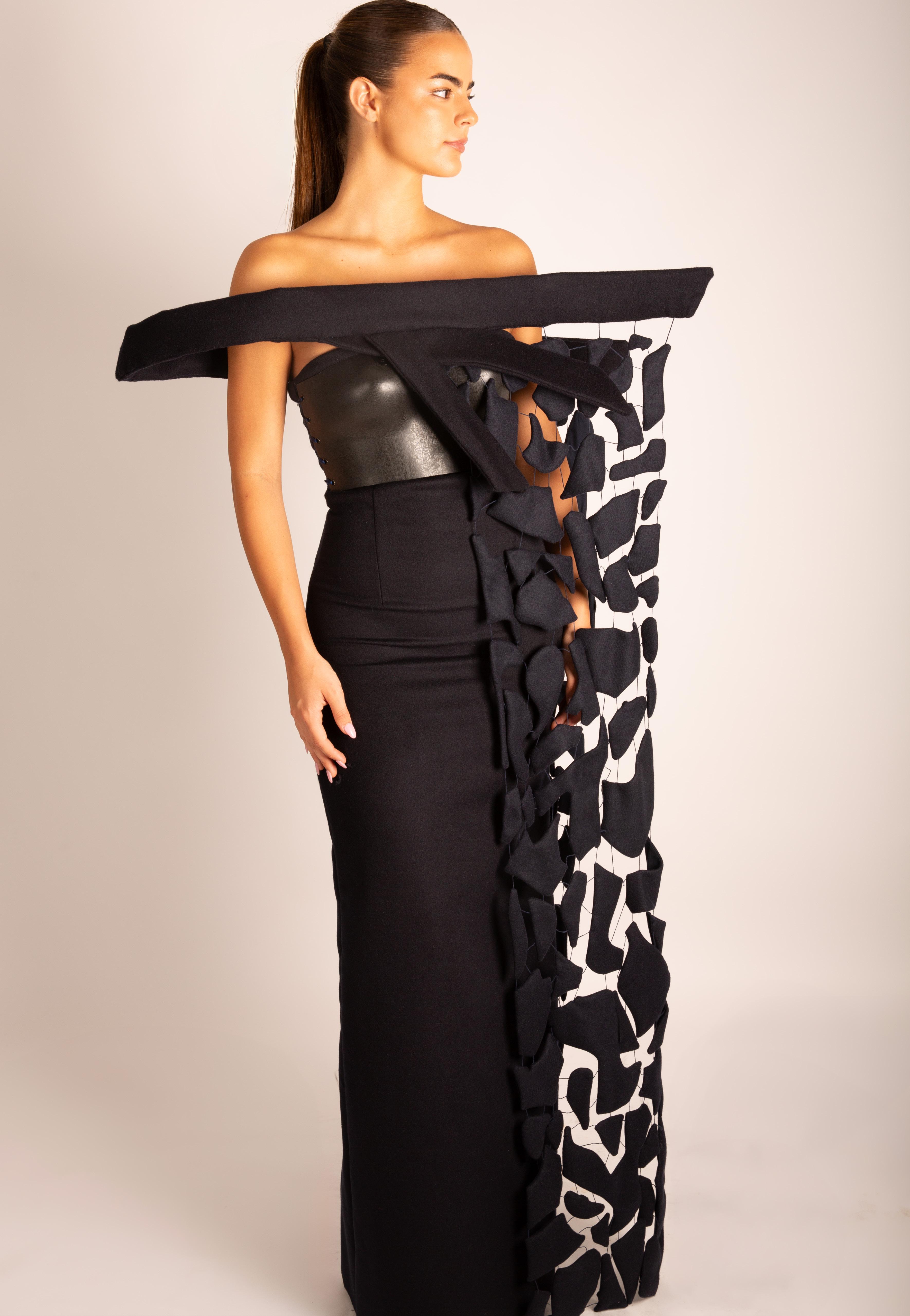
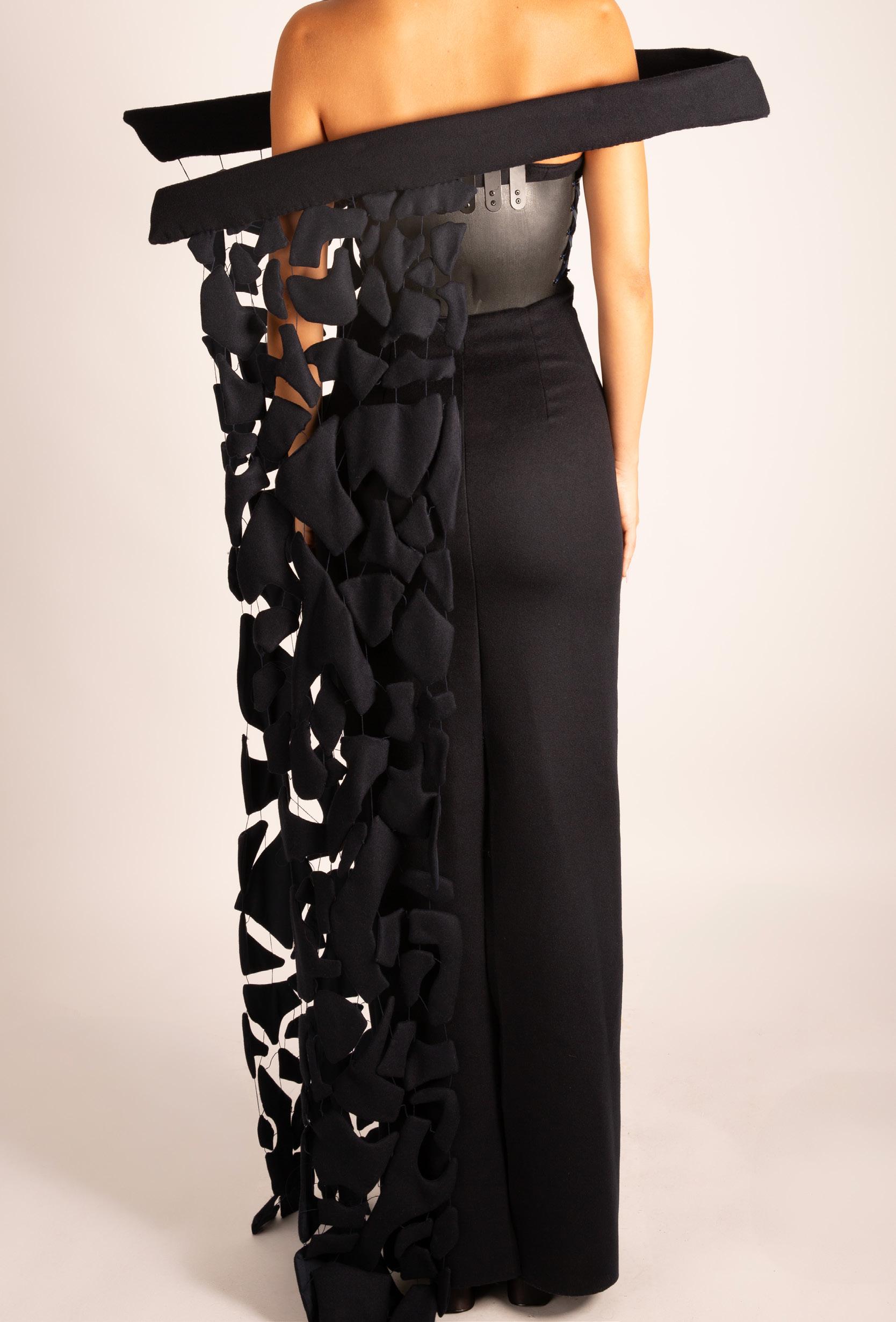
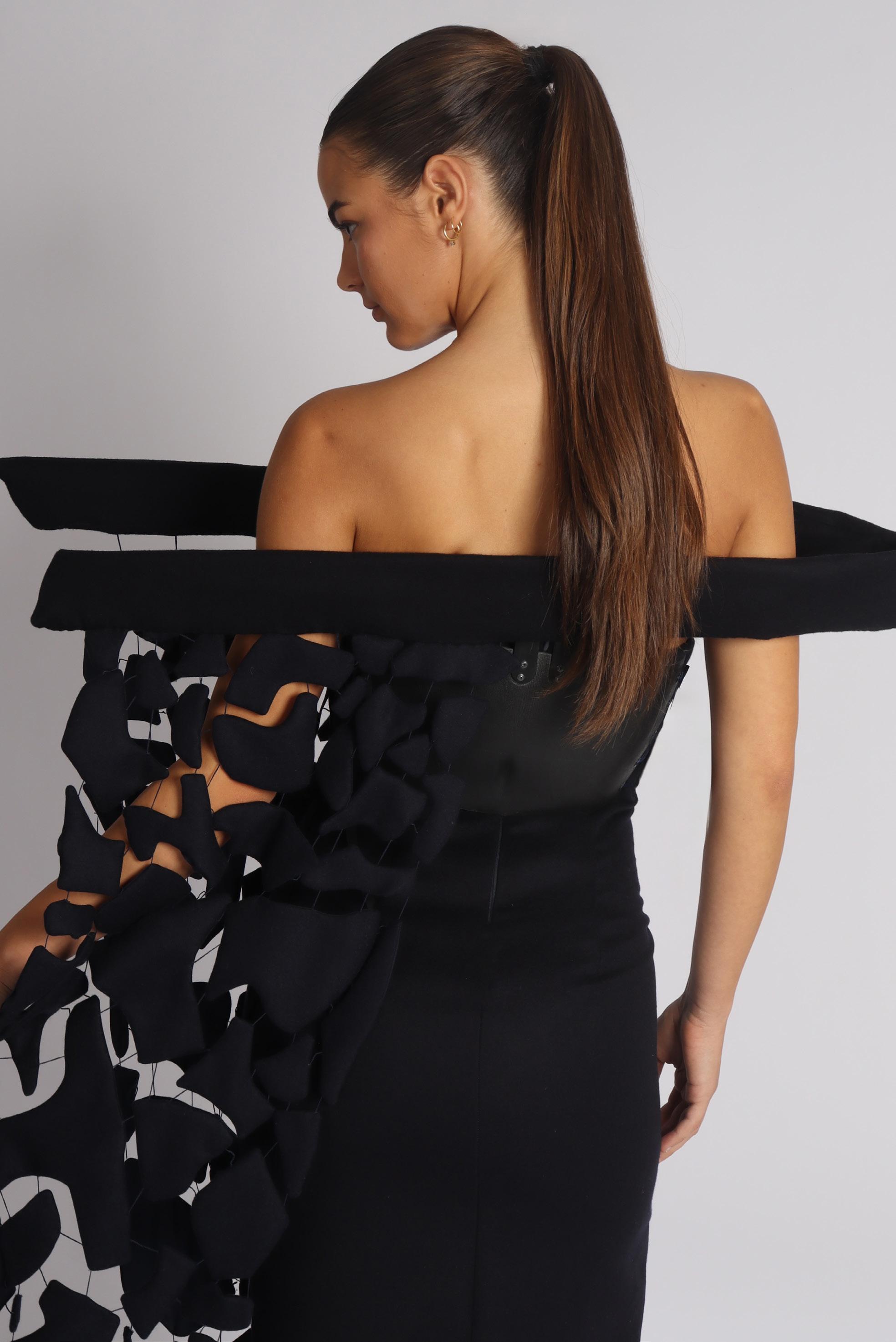
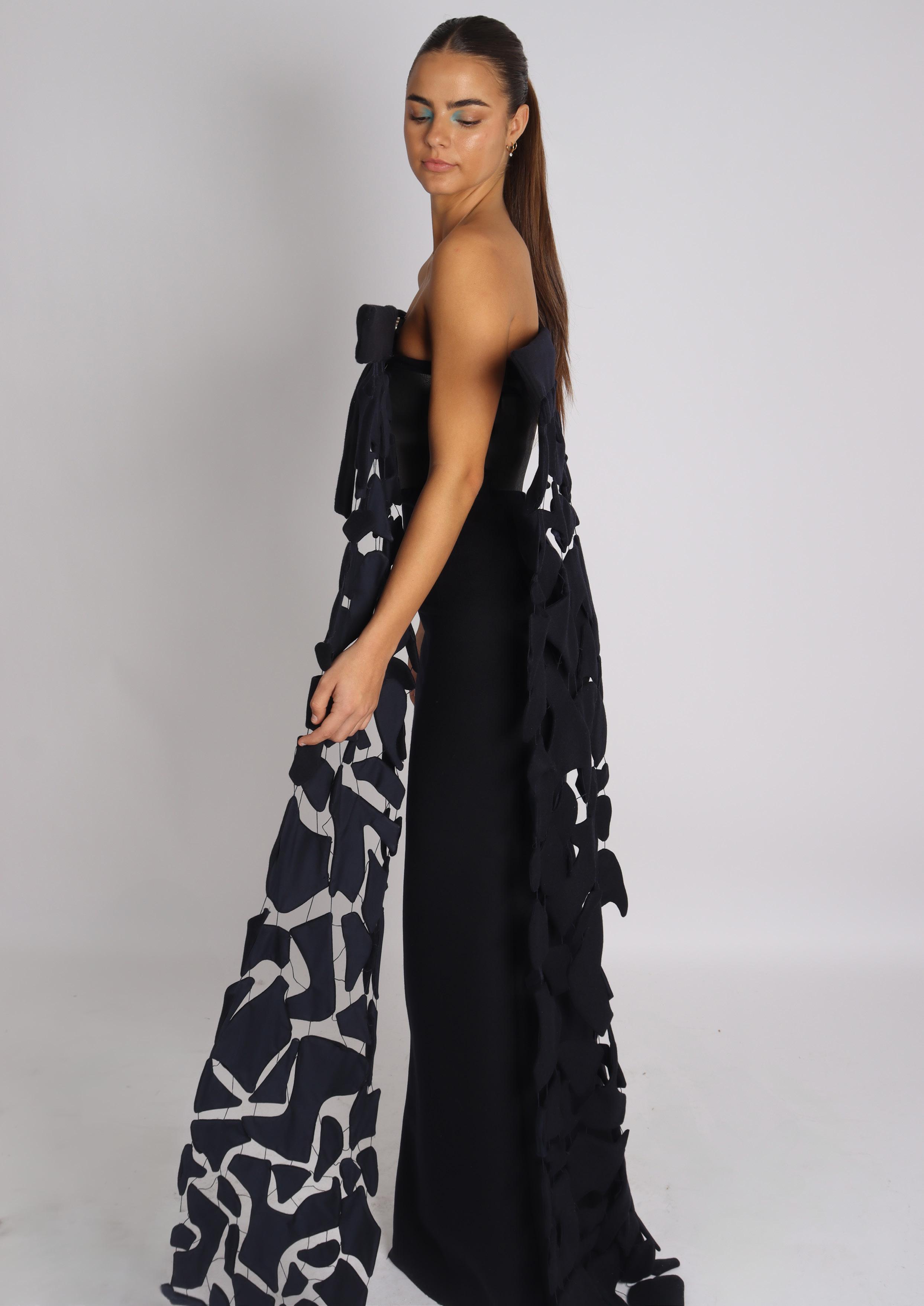
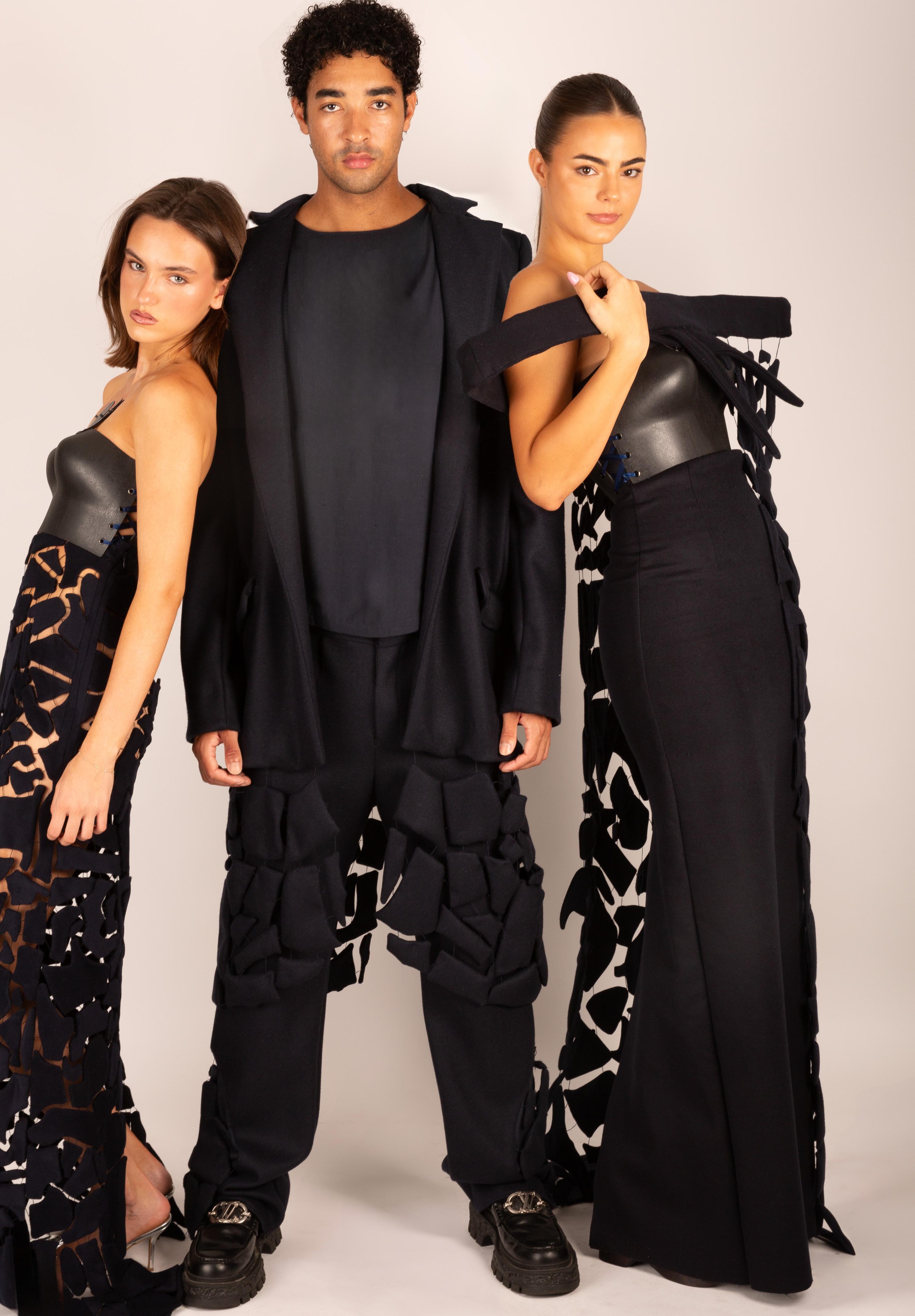
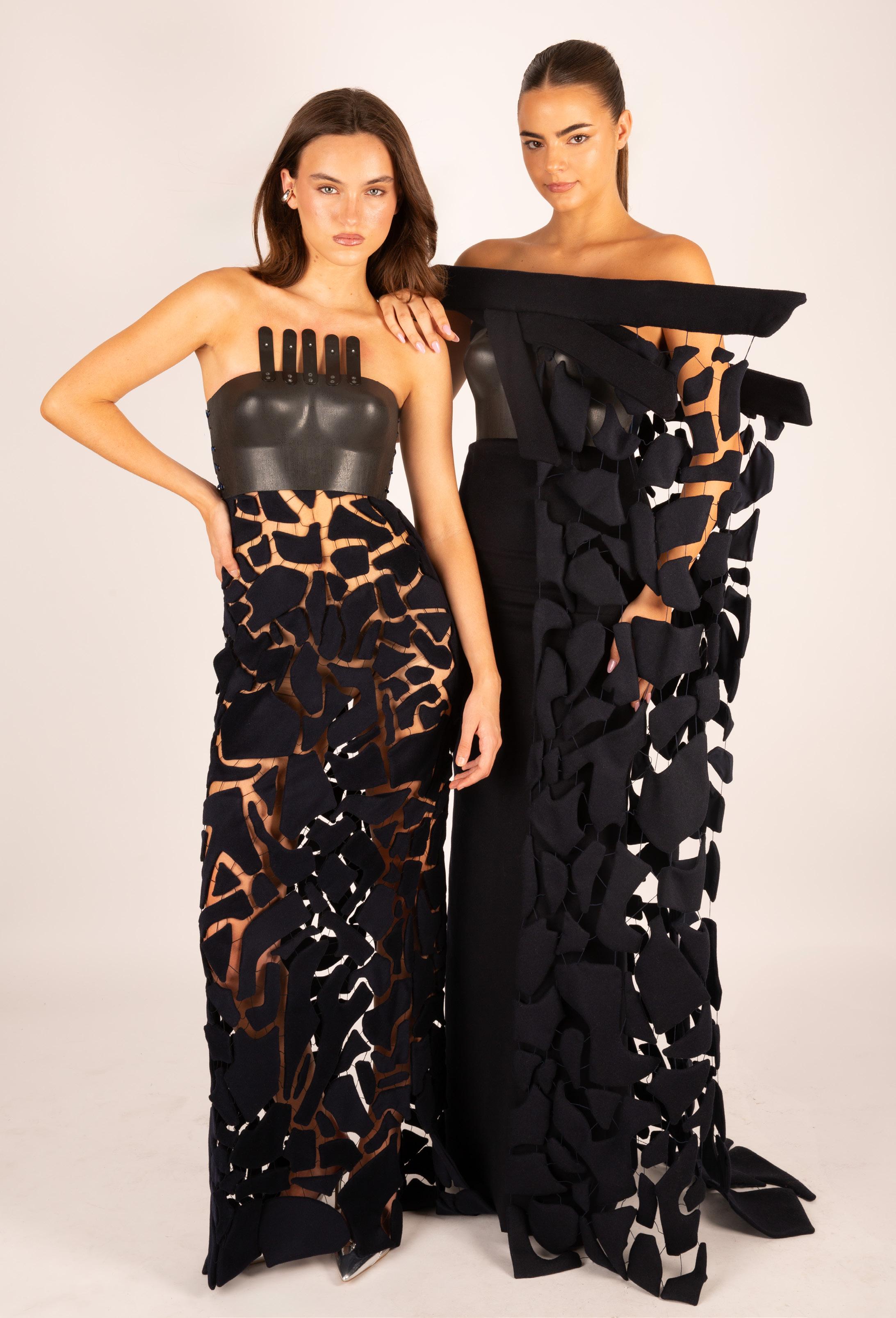
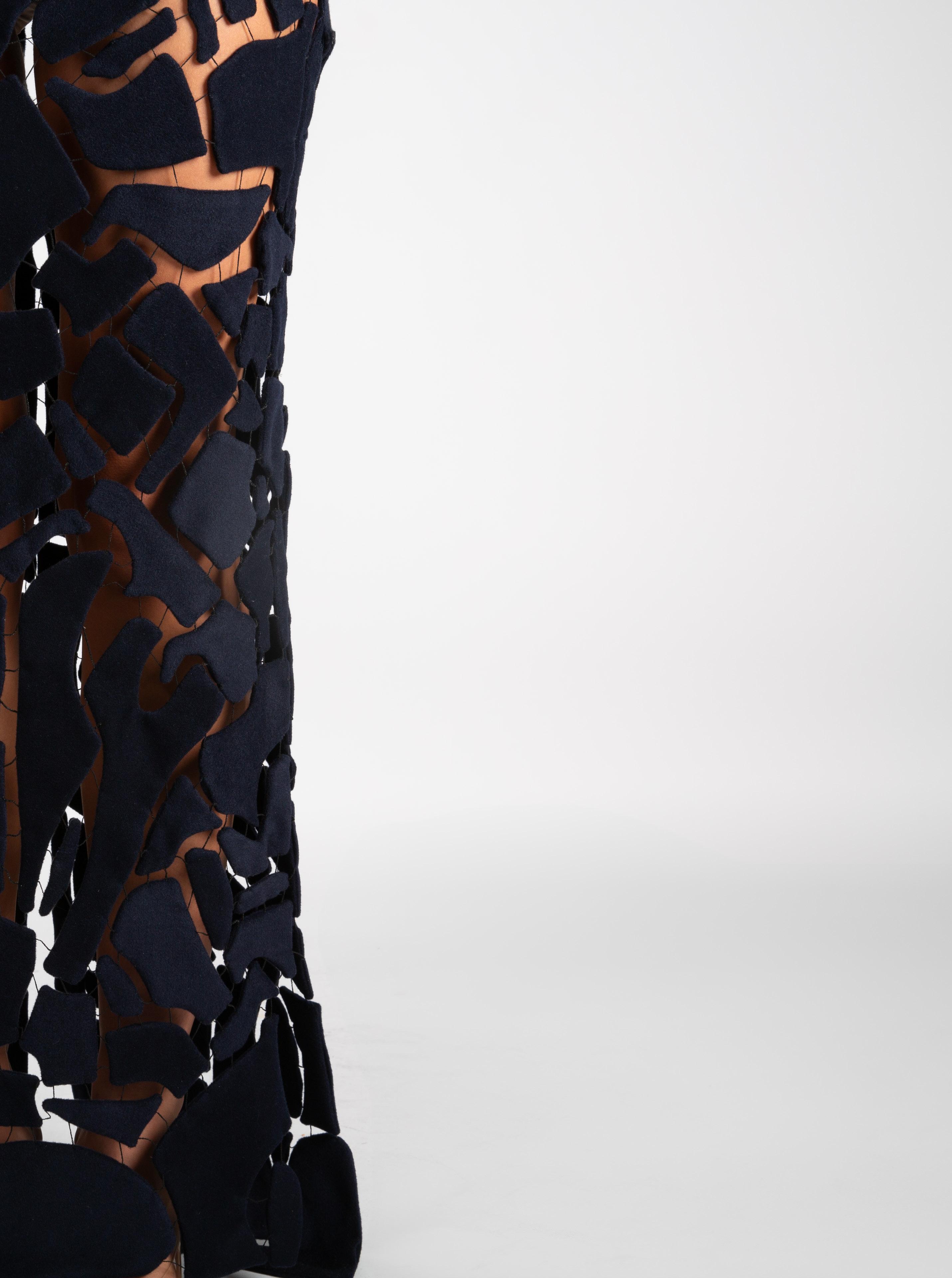
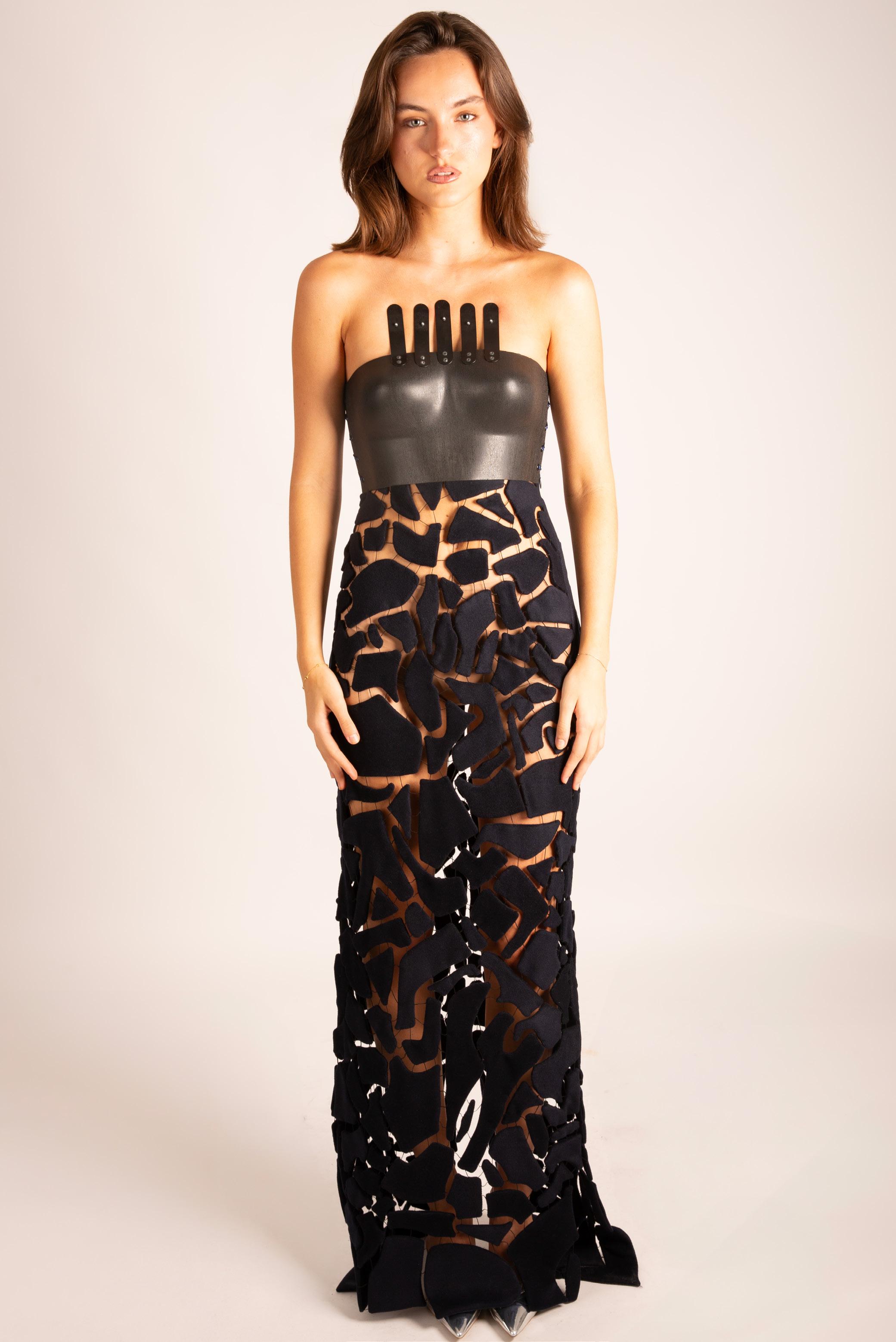
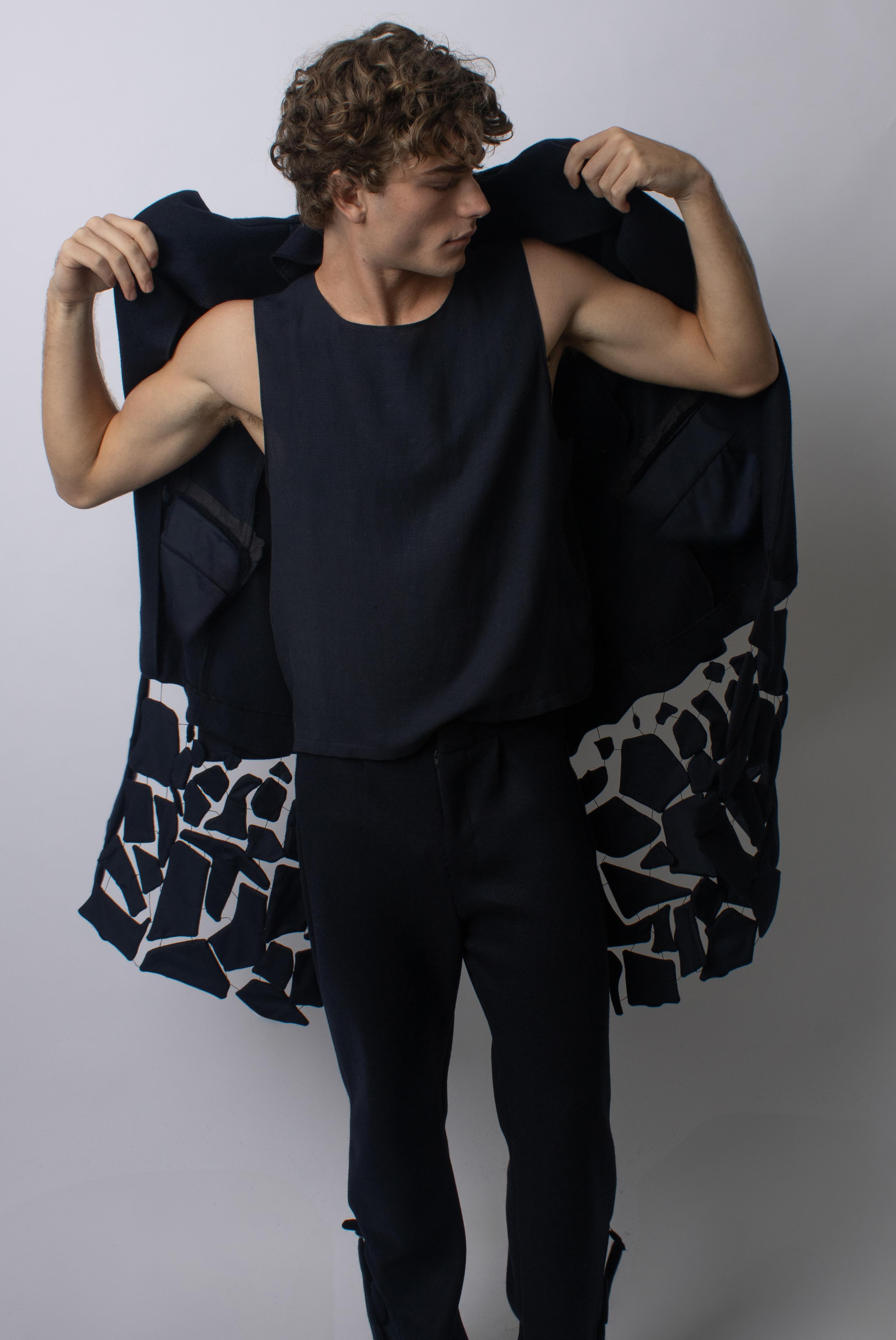
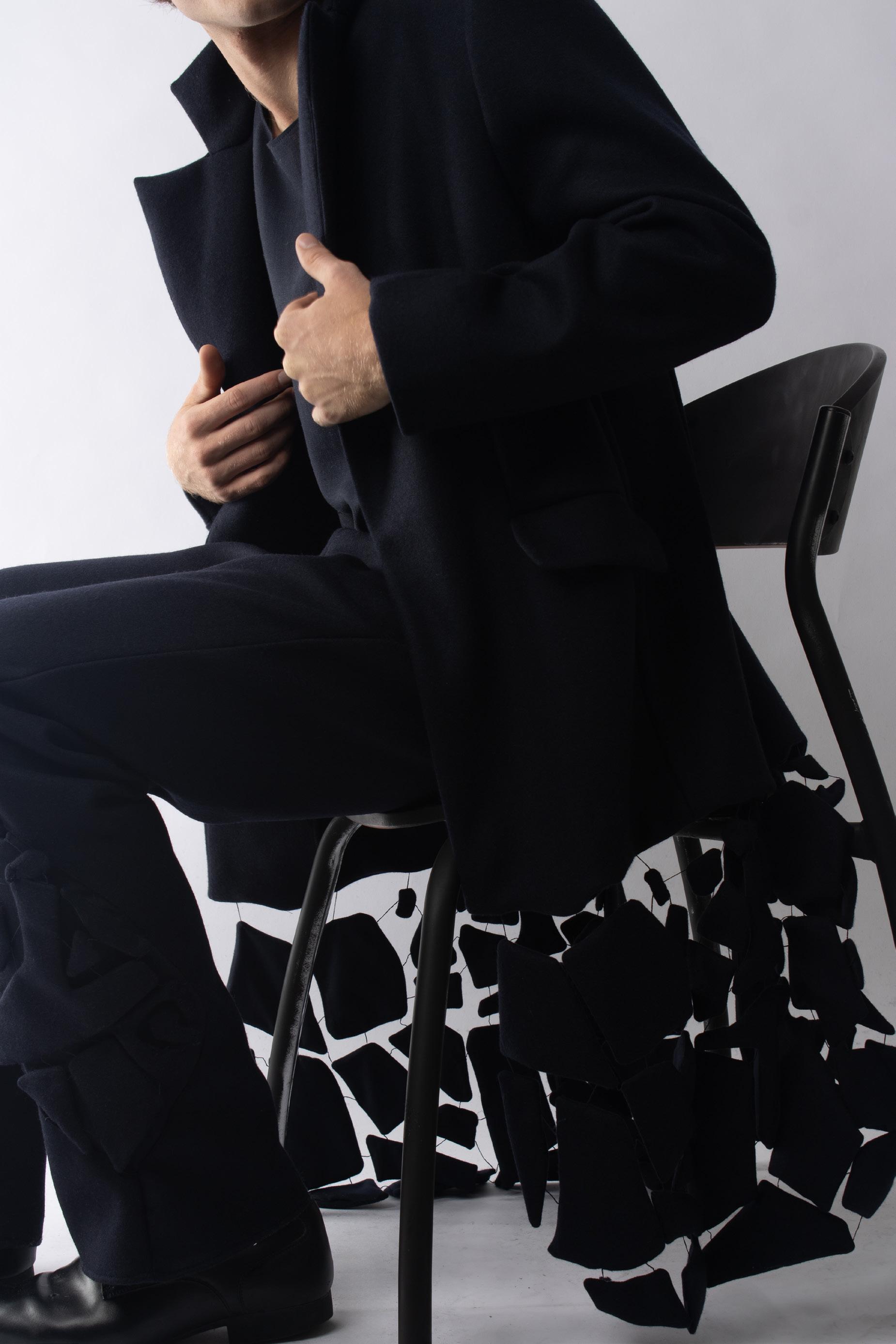
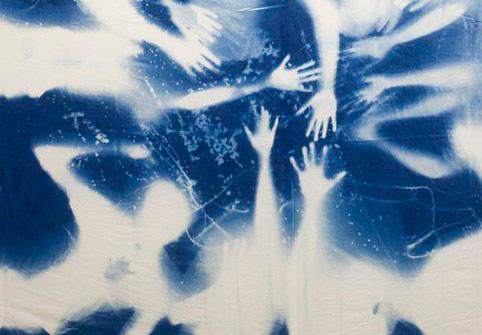
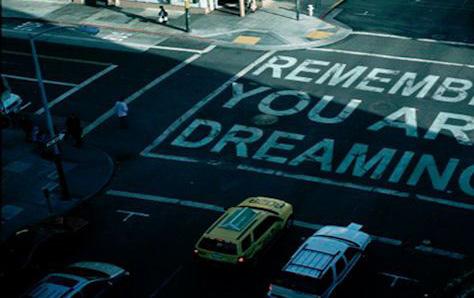
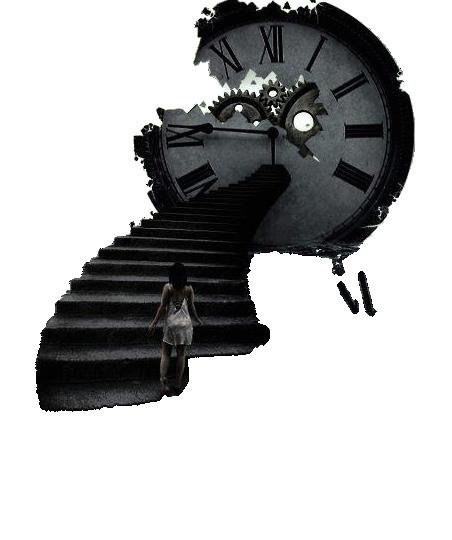
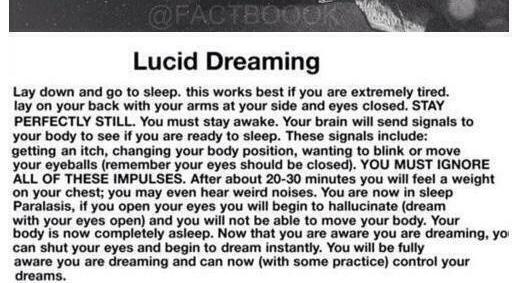
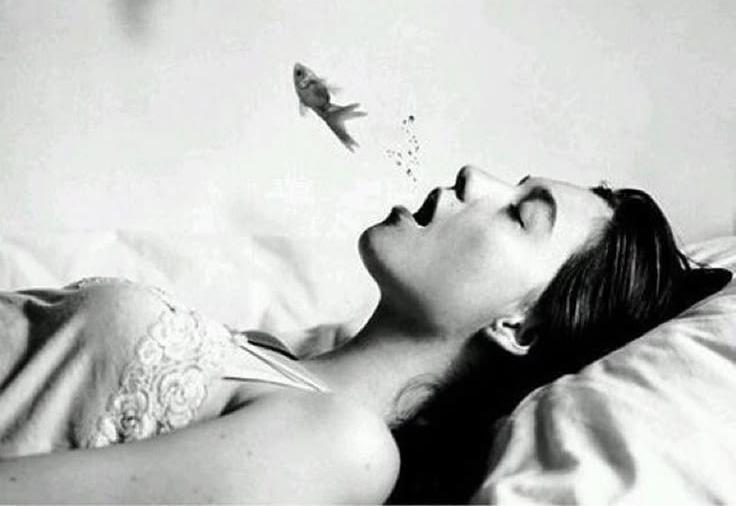
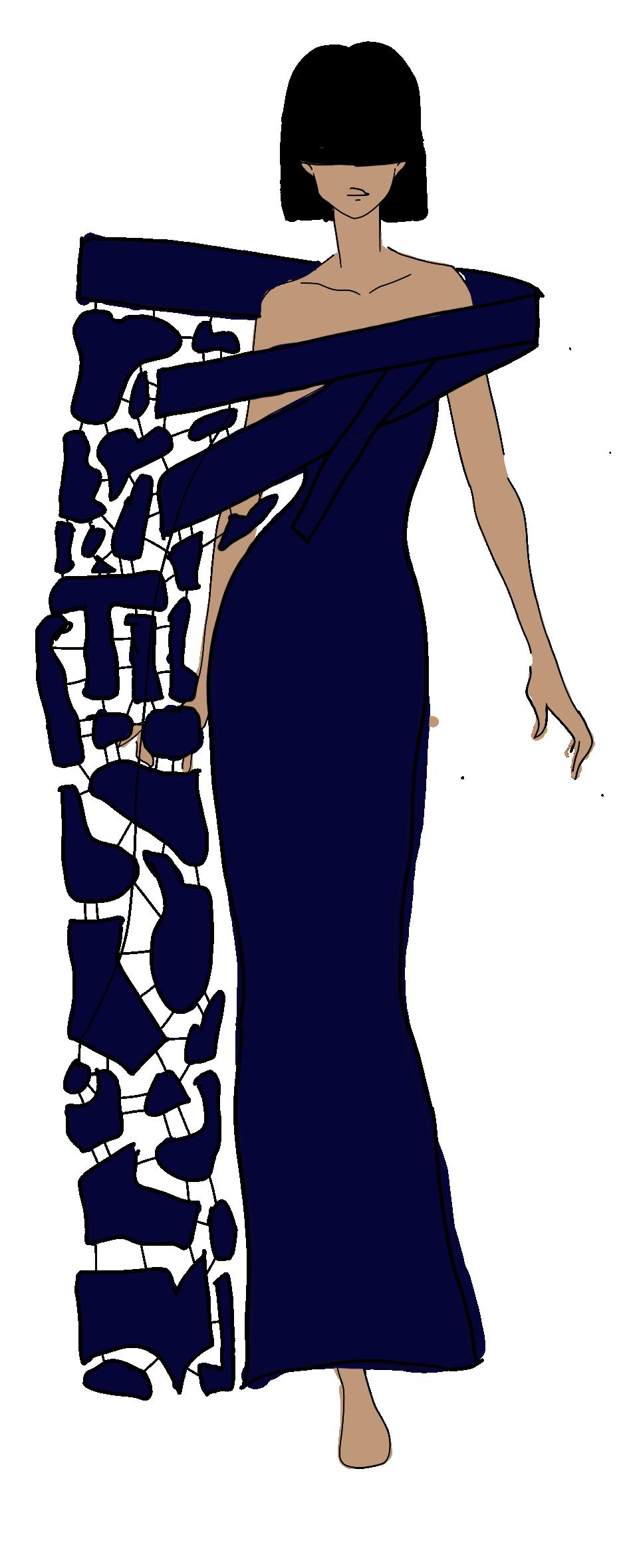
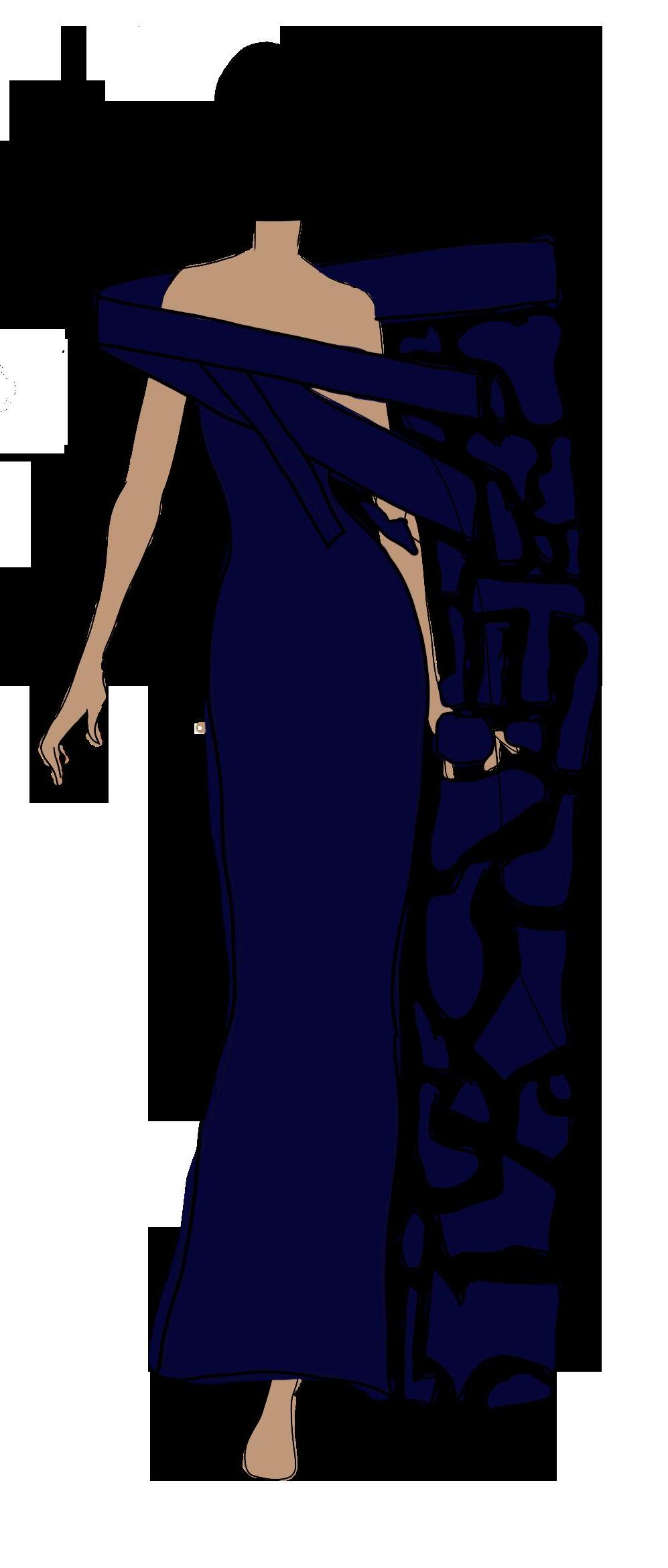
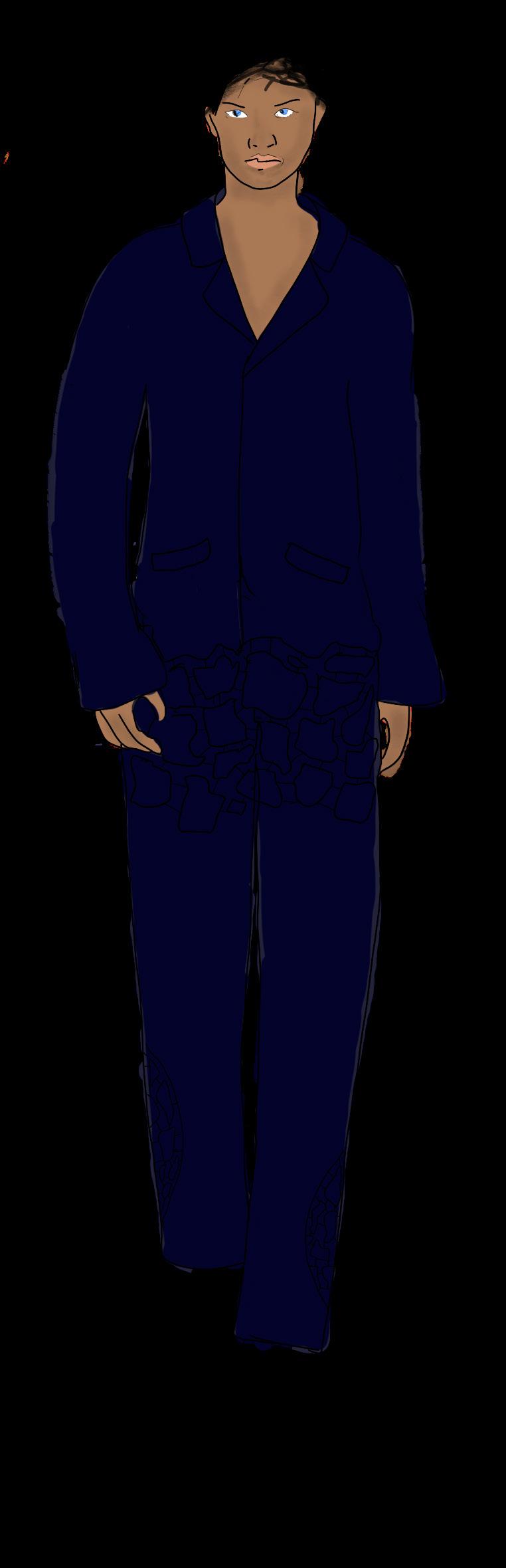
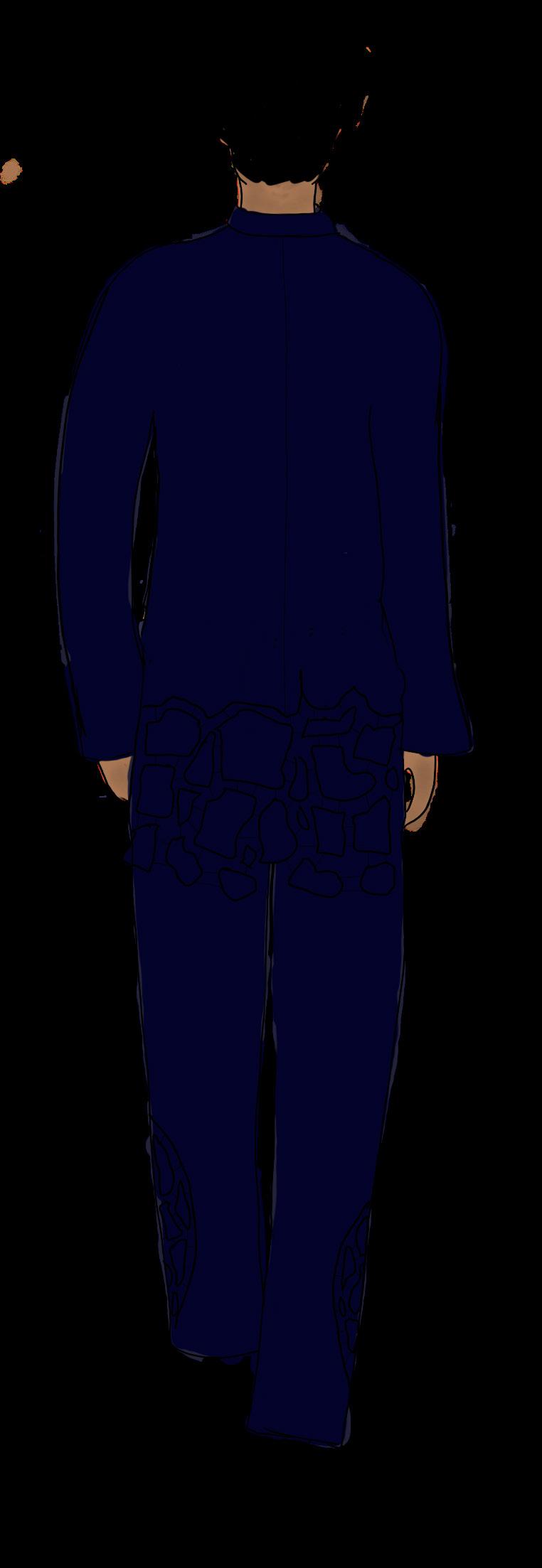
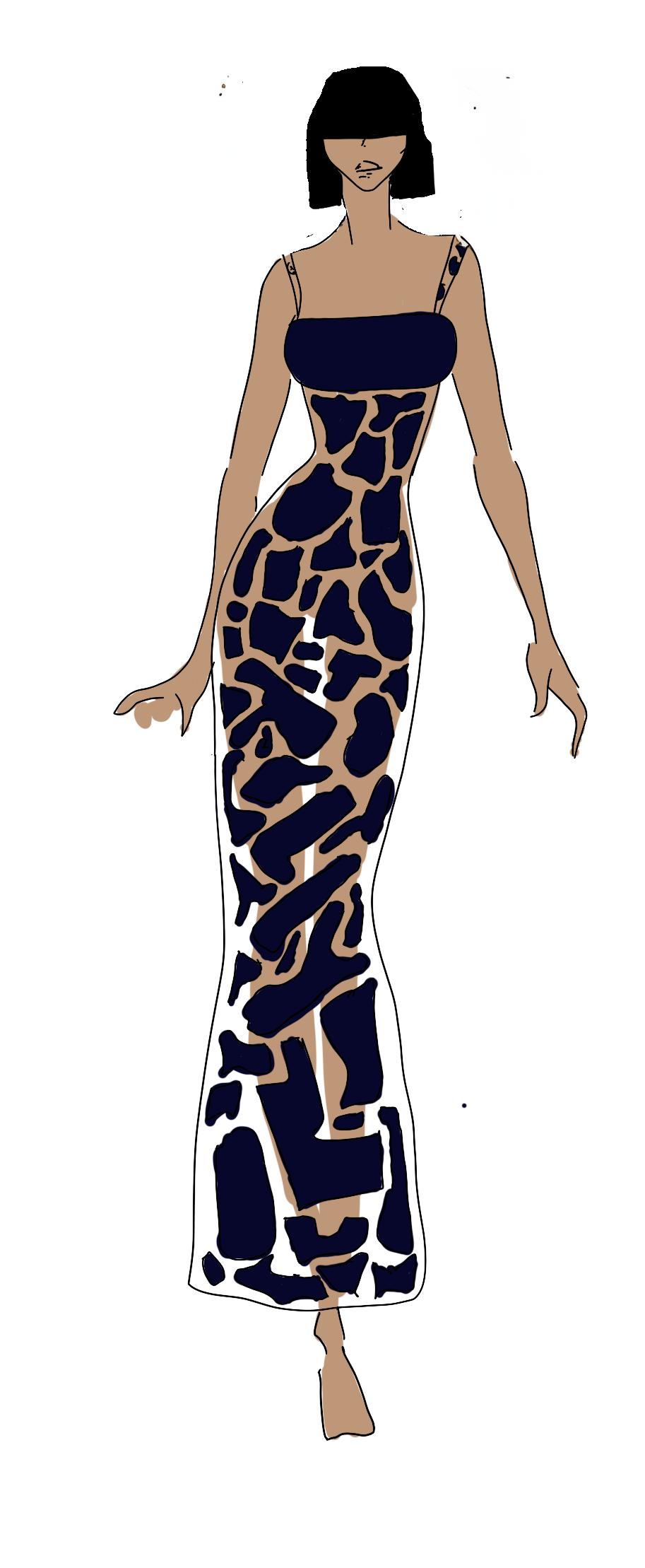
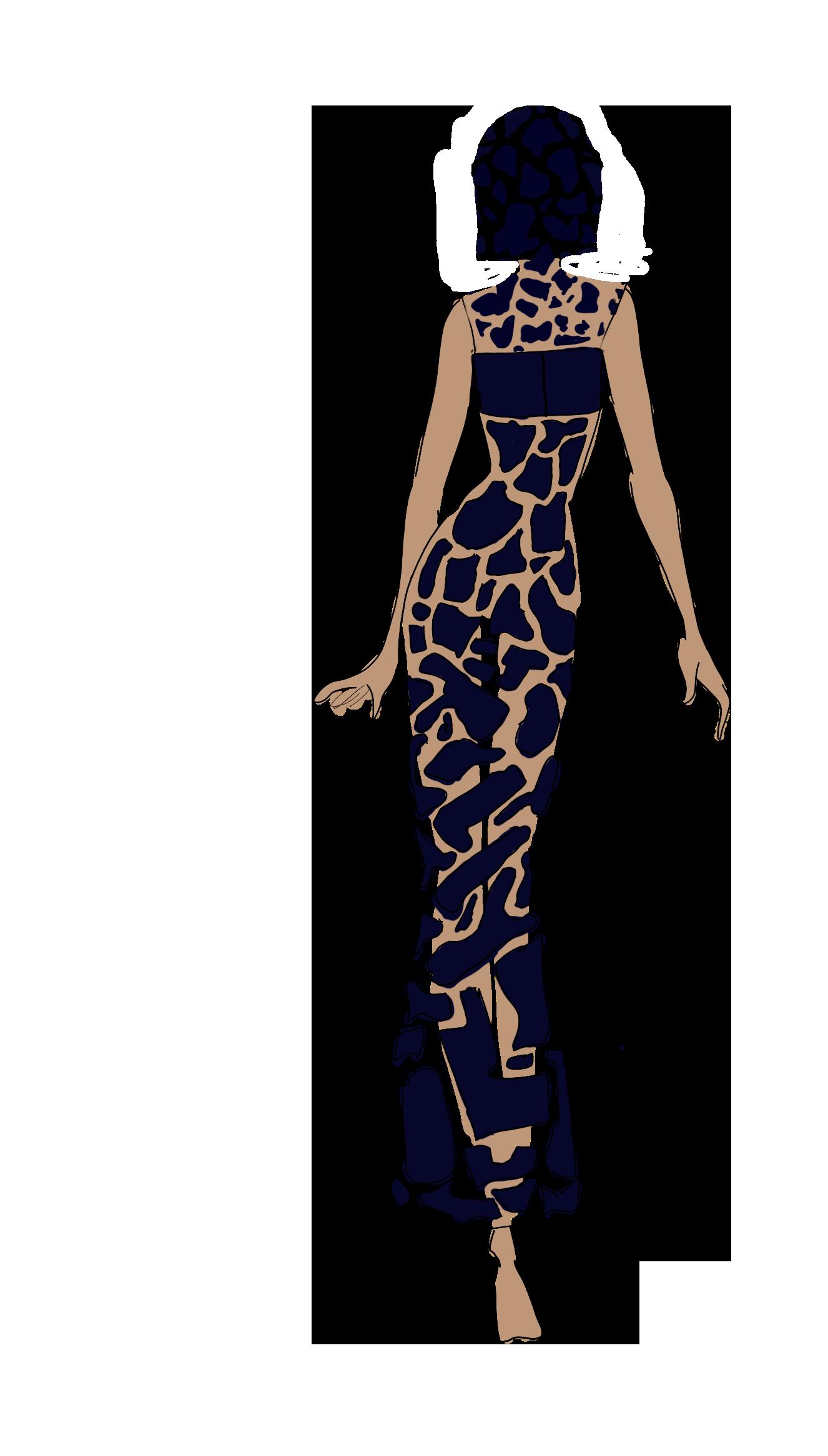
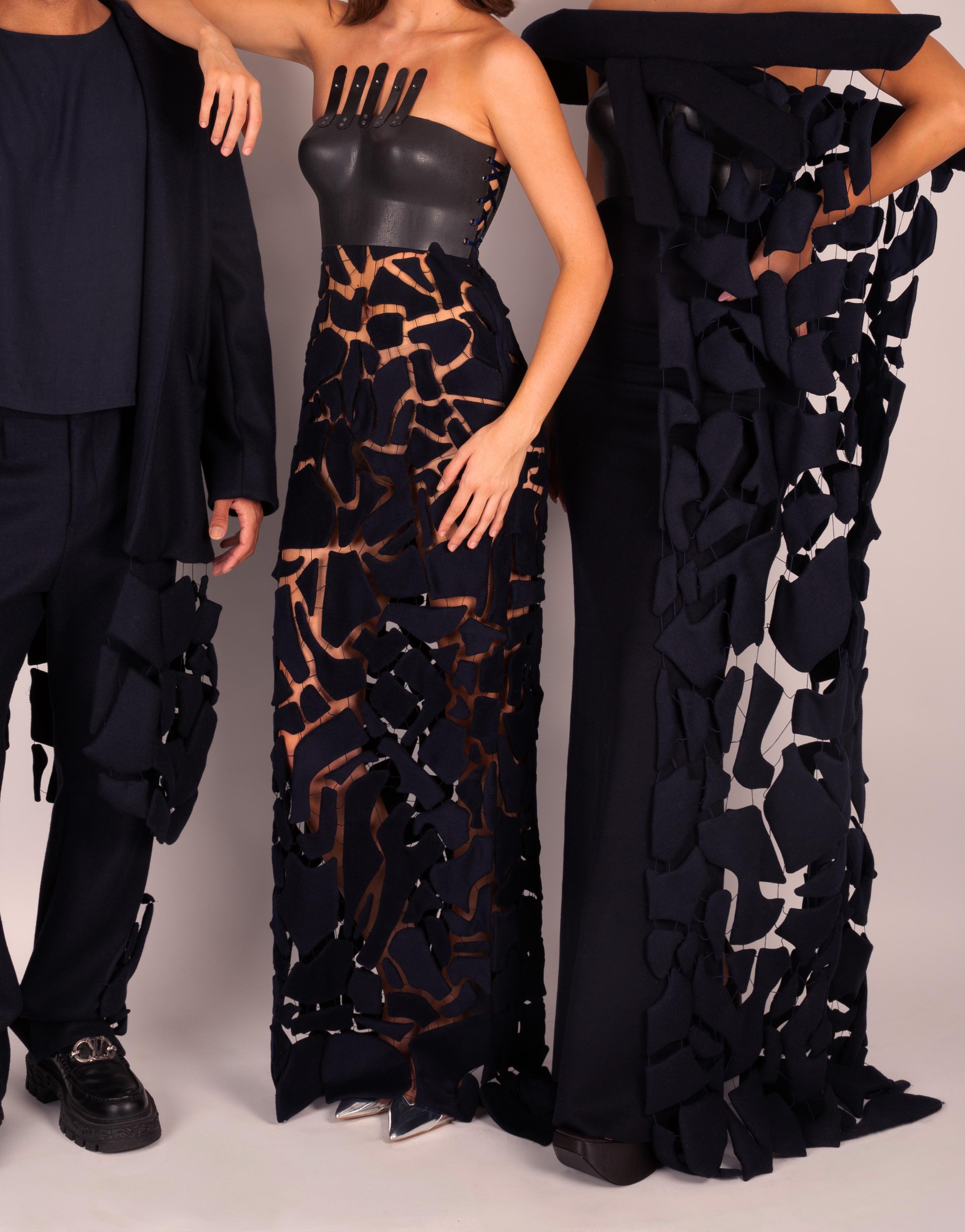
This collection examines the ethereal and immersive qualities of lucid dreams—those few occasions when we realize, we are dreaming but are still in the dream environment. It questions the experience of the conscious and subconscious into a wearable, tactile form. Each garment’s deep navy foundation evokes the immense stillness of the night and the dream-state canvas of the imagination. Both ground- ed and endless, this color serves as the backdrop for a sequence of disruptions: delicate, hand-crocheted shapes that float, hang, and move with the wearer like shards of memory or vanishing thoughts. Because they are organic in shape and hung in midair from the surface of the garment, these suspend ed crochet components are purposefully abstract. They suggest dreams’ peculiar logic: symbols that seem familiar yet defy interpretation. Each one echoes the way dream pieces frequently hover just beyond of recognition, functioning as a sensory link to the unconscious. In contrast to the sleek detachment of contemporary mass-production, the slow, intentional, and handcrafted nature of crochet anchors the bizarre in something close and personal. Like the lucid dreamer navigating an imaginary and self-directed realm, silhouettes are structured yet flowing, combining control and spontaneity. The hanging forms react to the body’s movements, creating a nearly meditative relationship between the clothing and surroundings.
In the end, the collection encourages the observer to stay in the area where rationality gives way to imagination, where clarity and distortion coexist. It’s a tribute to the tenderness and beauty of dreaming awake, where our clothing may reflect not just who we are but also who we are growing into.

The process
The hanging pieces
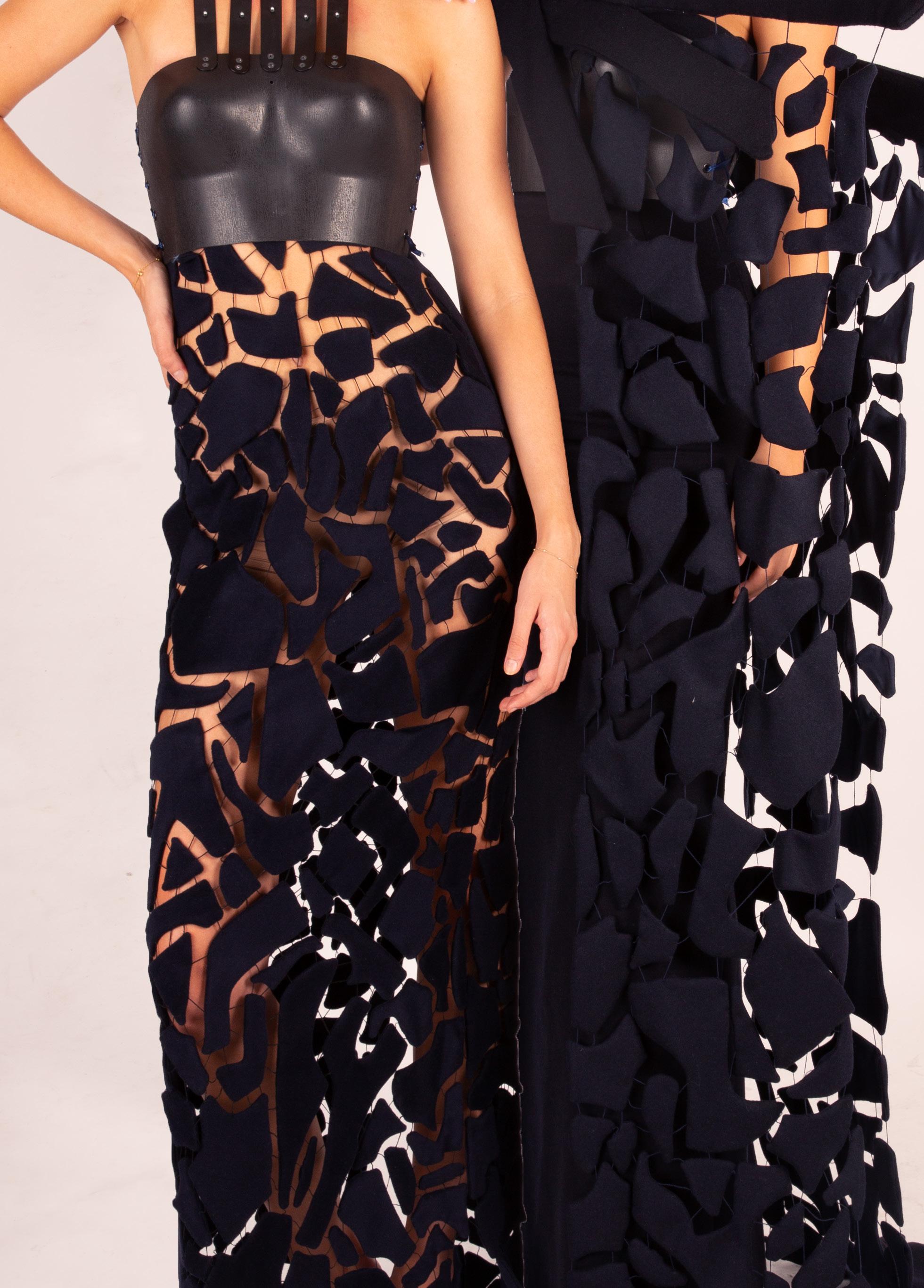
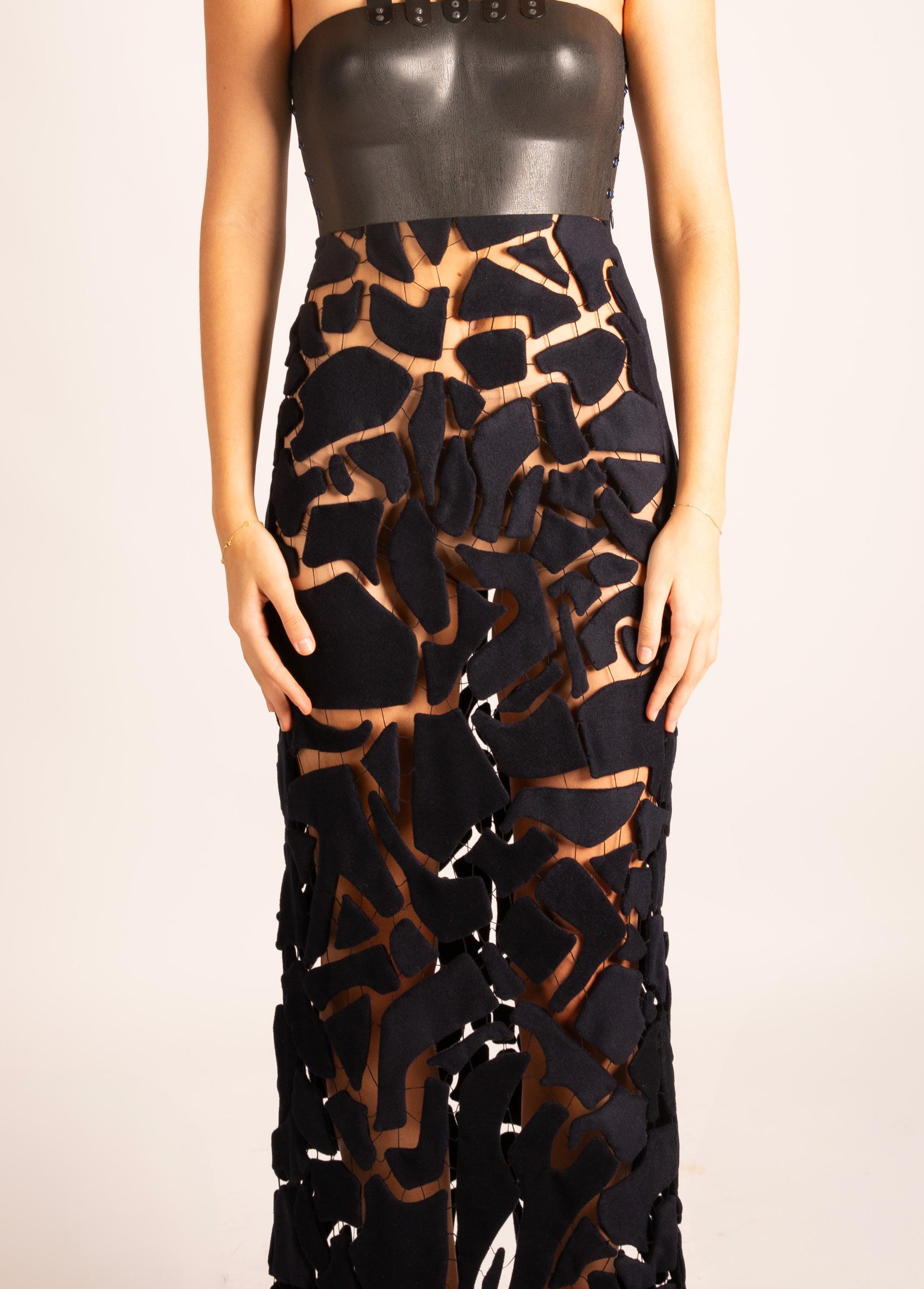
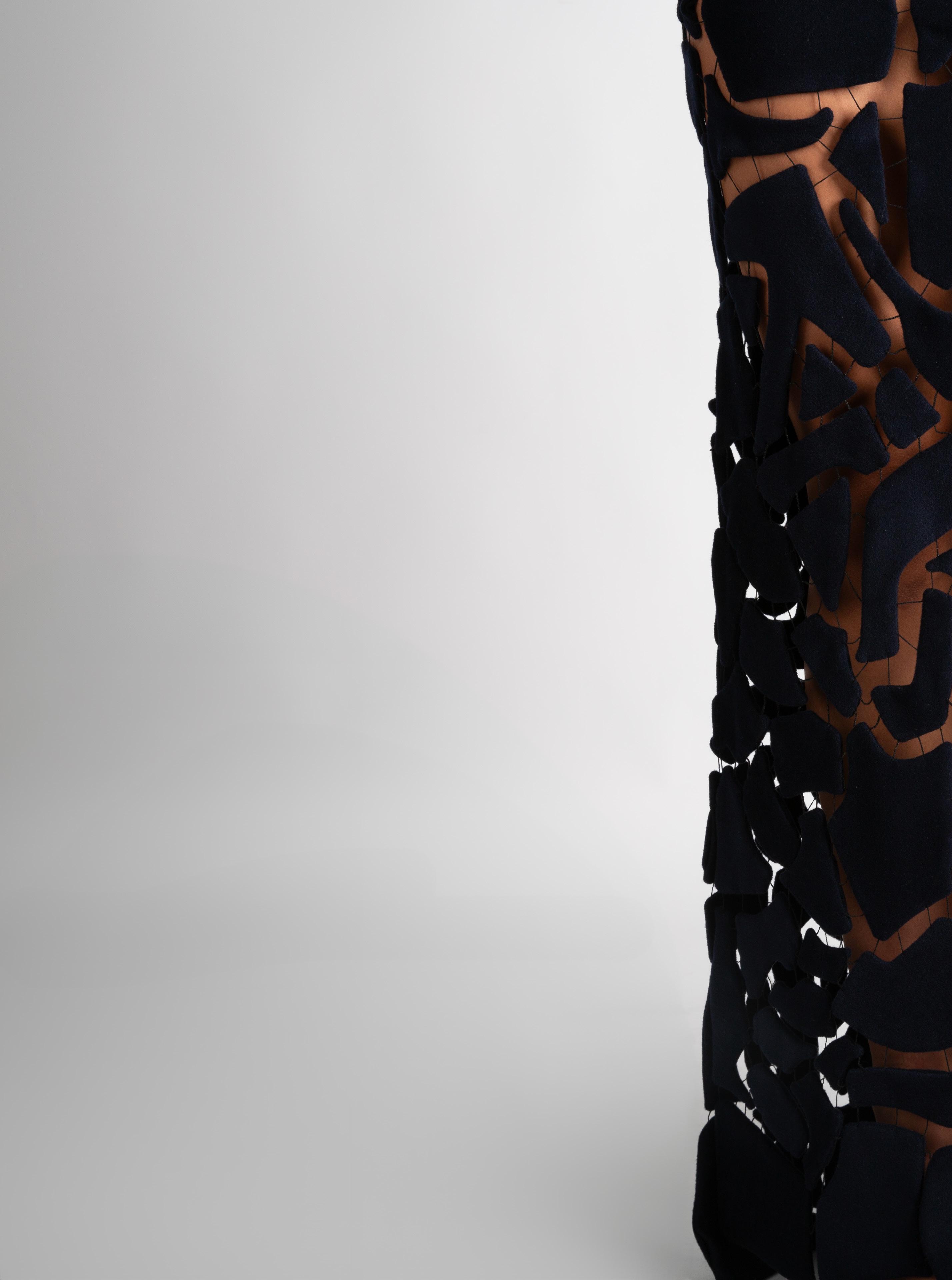
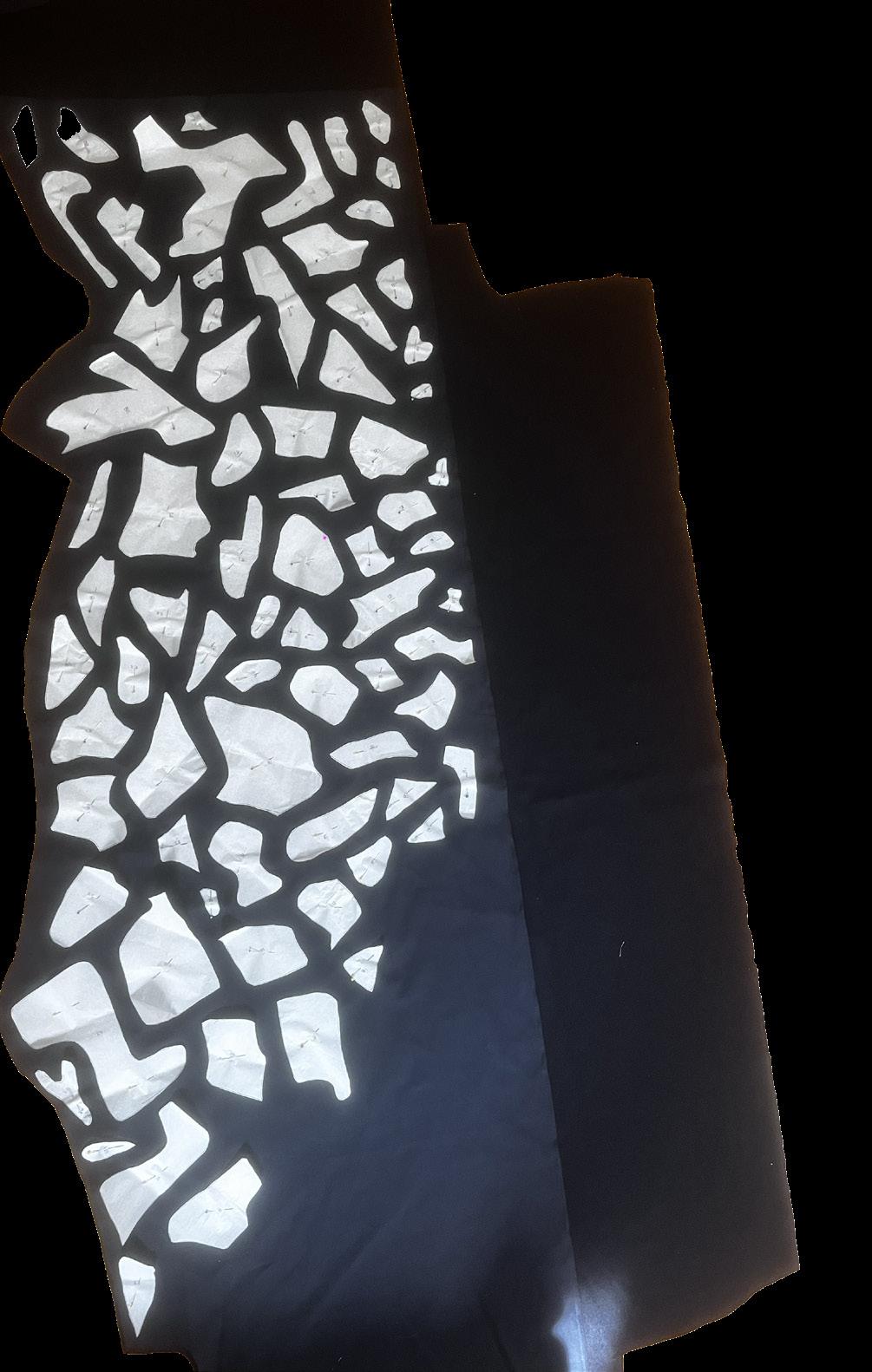
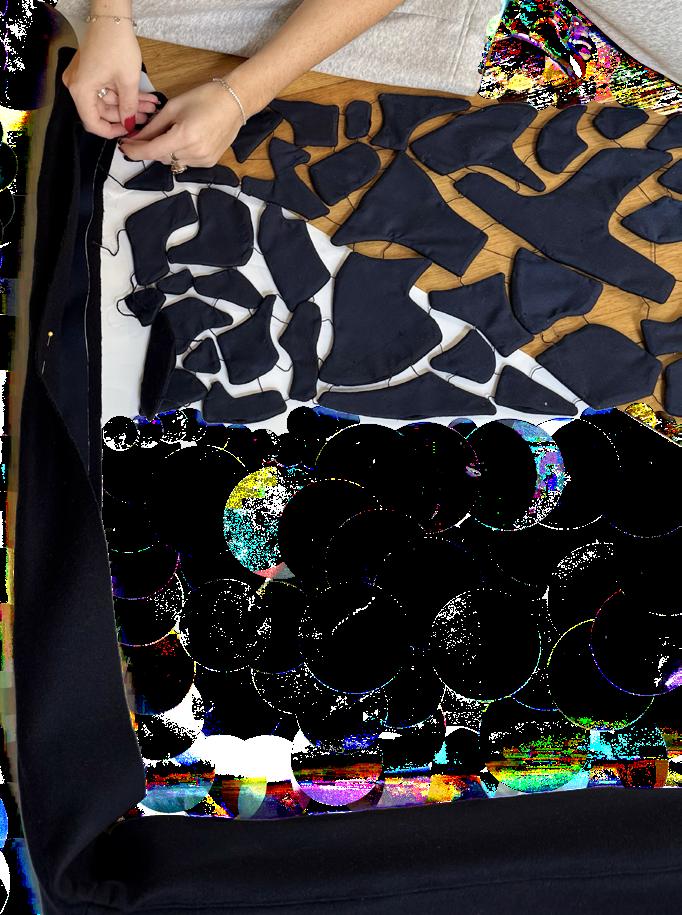
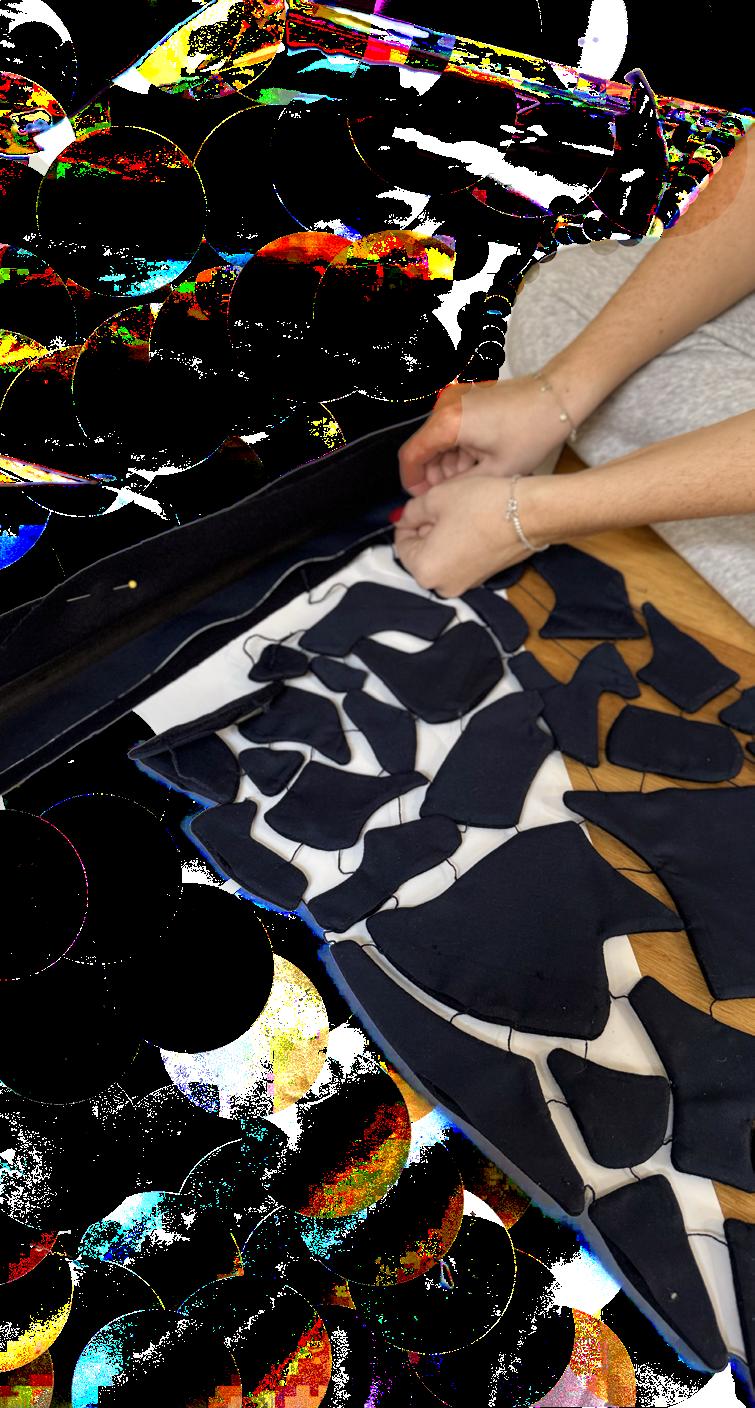
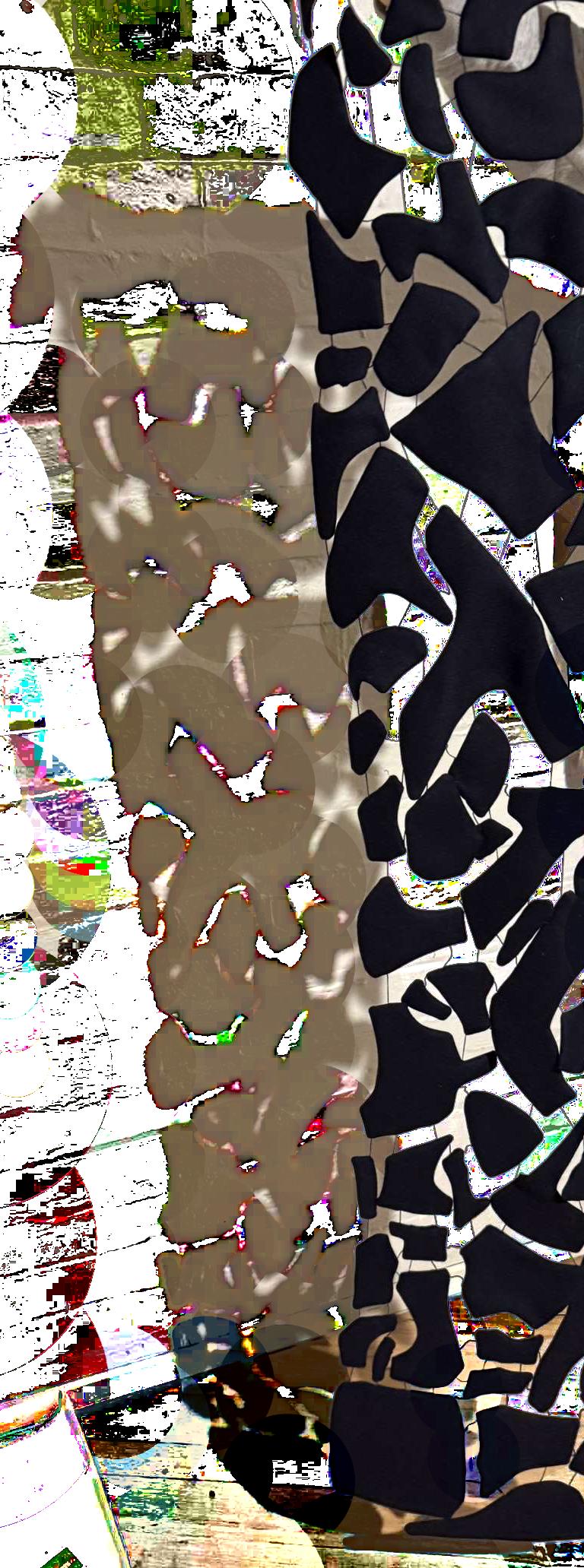
The hanging pieces were created using various maps to chart the area needed, once shaped were drawn, cut, and lined they were places into the maps where they were hand crocheted together with hundreds of small knots.
The shard
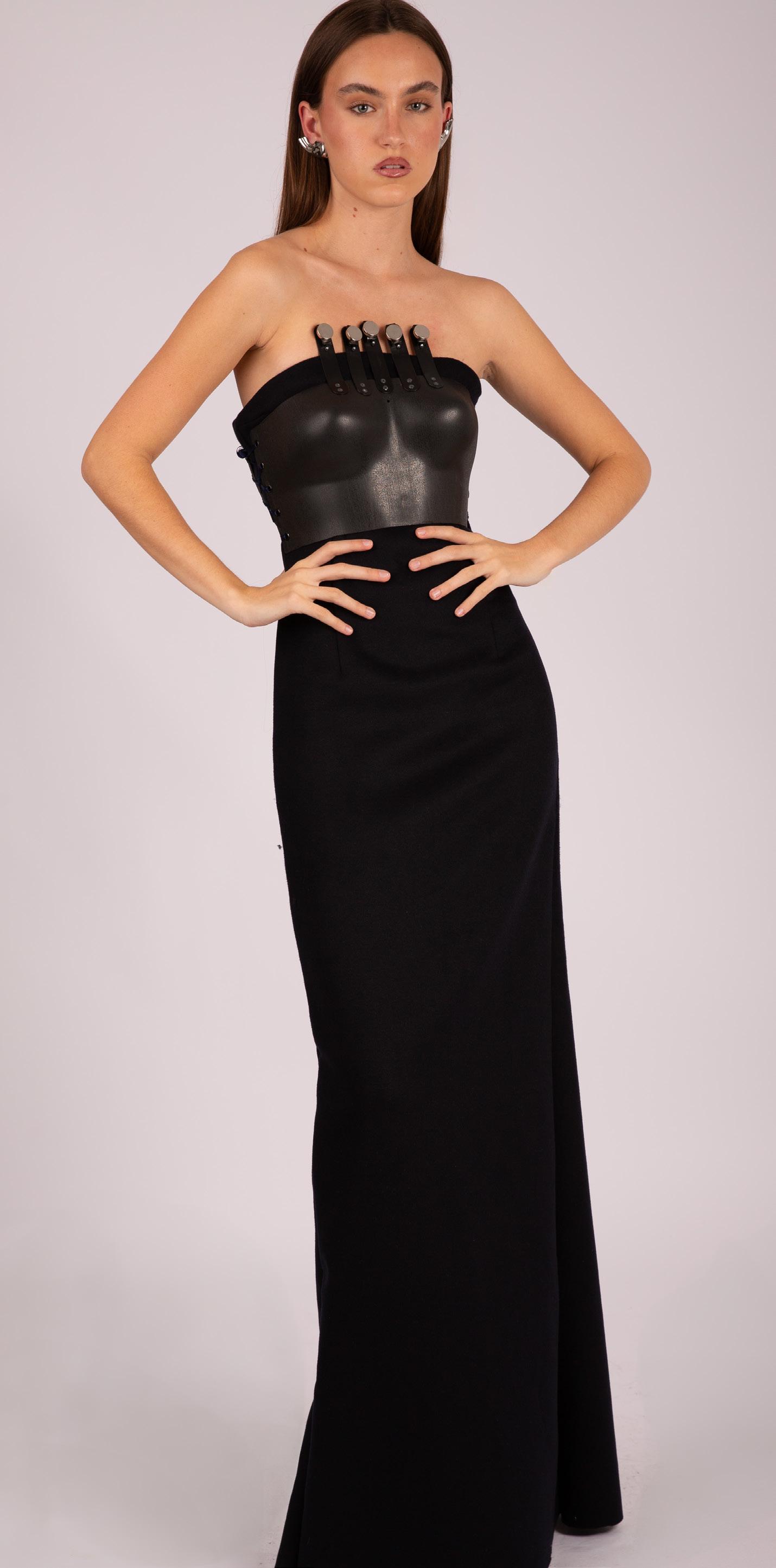
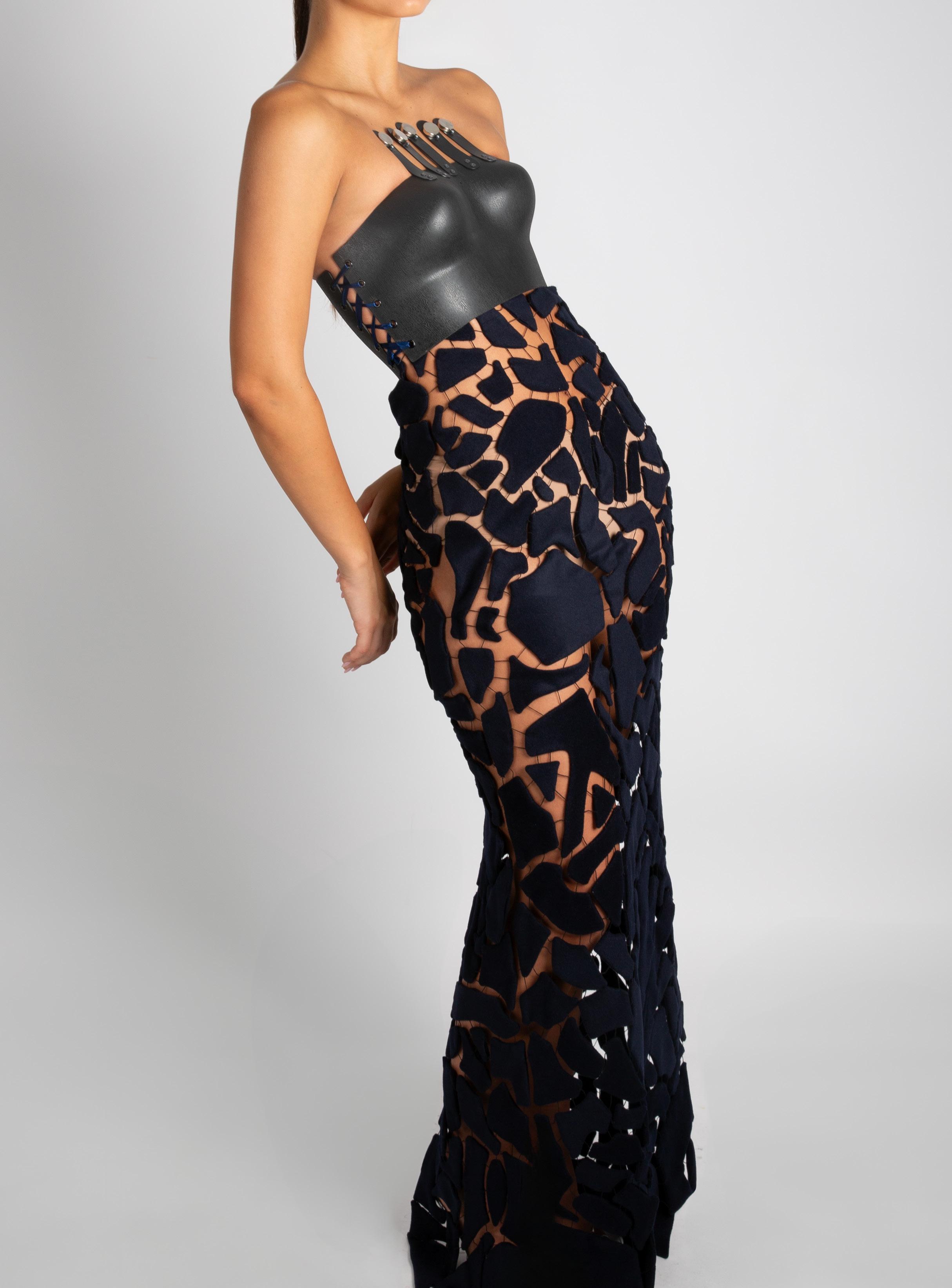
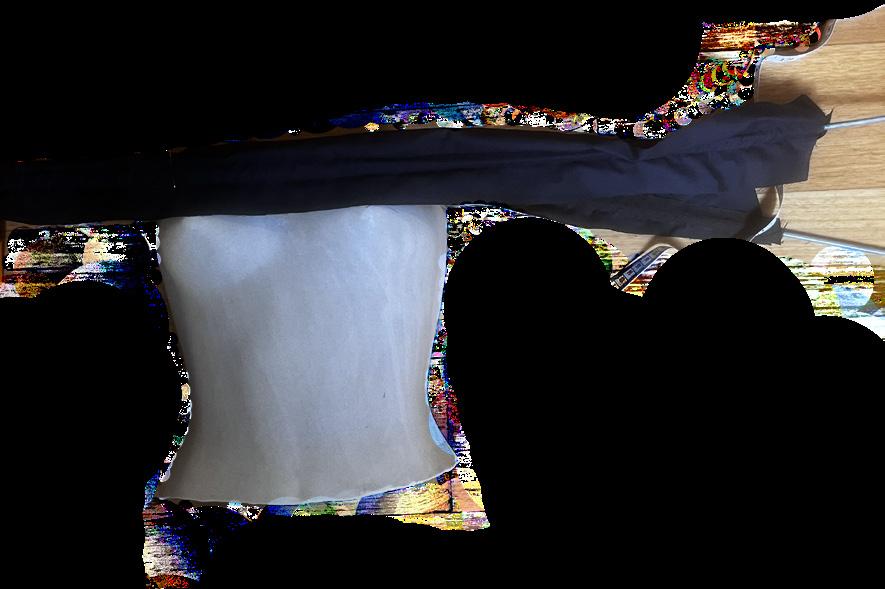
Metal poles along with metal boning encased with 100% cashmere created the 'shard' which the hanging pieces fell from. The metal pole in the front and back of the piece allowed it to magnetize to the corset; it also allowed for customization as it is removable and can be paired with either dress.
The corseT
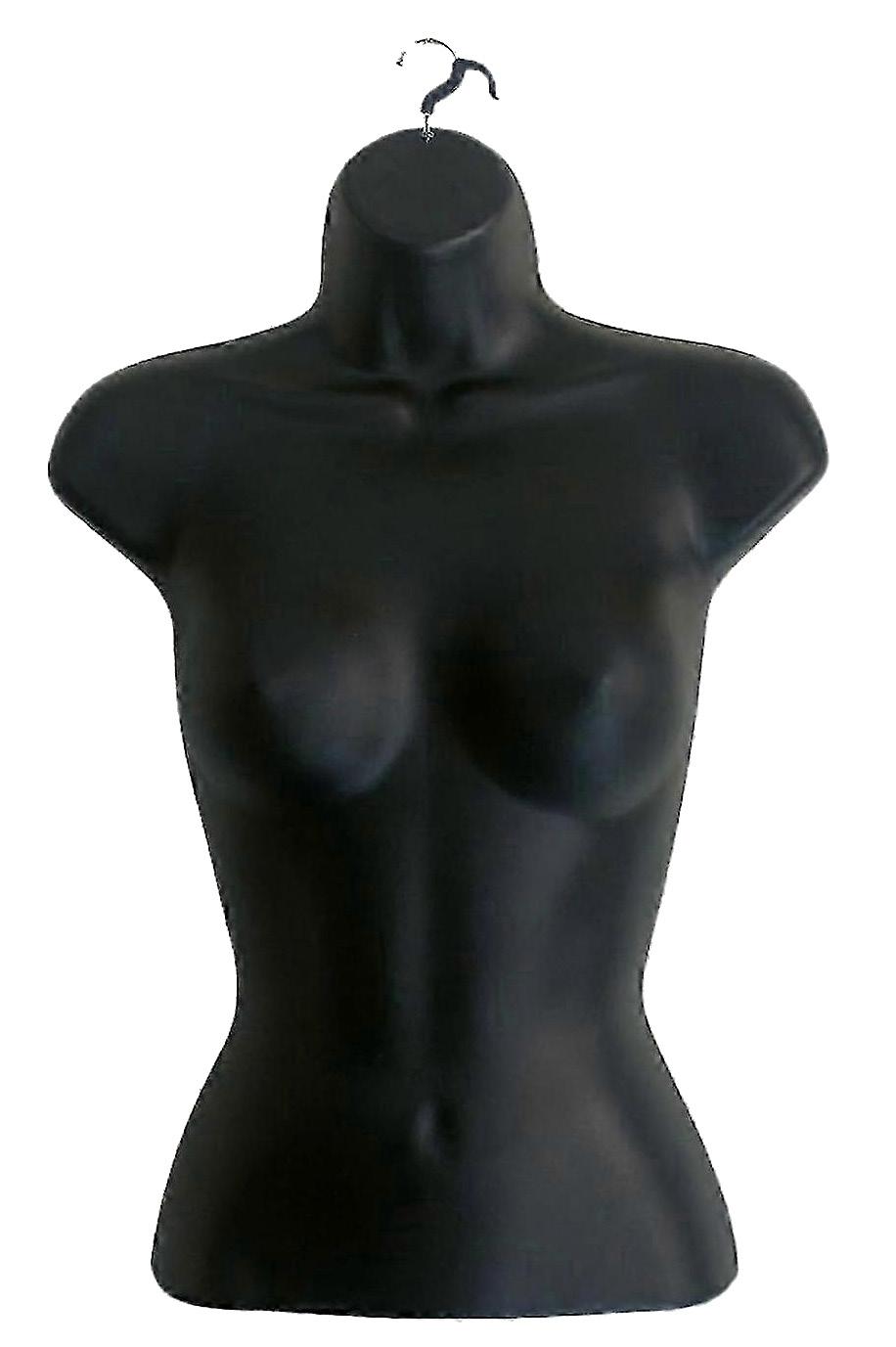
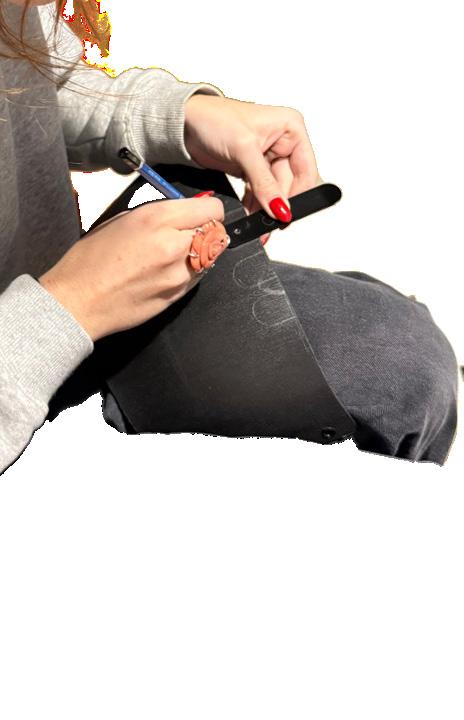
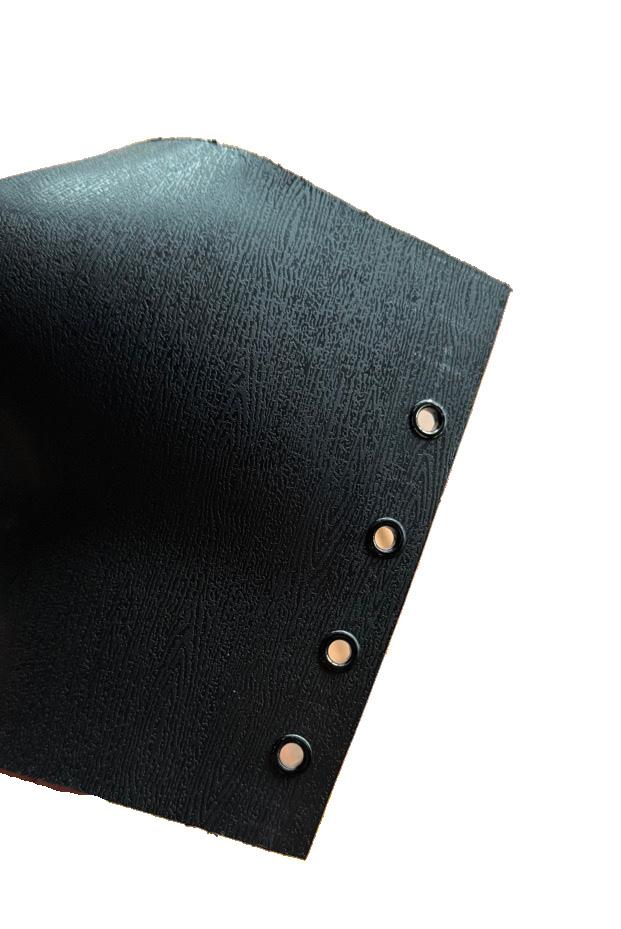
The corsets were made from old half body hanging mannequins. Each corset used one whole mannequin with the bottom section being used as the back plate. They were cut using a Dremel and picture hanging hooks were straightened out, drilled, and riveted across the back and front. Eyelets places down the sides of the plates allowed to corset to be tied up. Once magnets were attached to the hooks the 'shard piece' could magnetise to the corset.


crediTs
TiLLy waLker
Design, fabric sourcing, textile creation, model sourcing, garment construction, styling, illustration, folio development

phoTographers
Molly Imeson
Rowan Ahern
ModeLs
Mia-Jane Klein
Annie Carter
Bradley Quine
Beau Fowler