What’s the vibe? is all things gay, feminine, empowering, campy, and fun. The goal of this magazine is to empower and encourage readers to not only take fashion risks but also use it as a statement. Aesthetics and beauty are often deemed as something unimportant, and claims are made that they have no ties to the politics and opinions of the world What’s the Vibe? thinks the opposite
Fashion is inspired by the state of the world, and inspiration is everywhere. We find ways to incorporate political conversations into a fashion statement. To give credit where credit is due, What’s the Vibe? magazine strives to provide information about the source of our fashion inspirations, everyday apparel, and aesthetics.
Founded by Foster Monroe and Emma Lu Sarkissian, we take our Midwest mindset and pair it with our experiences around the world. We look for things everywhere and find ways to incorporate ideas and aesthetics worldwide into our readers' world.
History of Horrors:
From Classic to Social Monsters
Emma lu
In 1816, the English poet Lord Byron gathered a group of friends, including his doctor, John Polidori, the poet Percy Shelley, and the then-18-year-old Mary Godwin, who would later become the renowned Mary Shelley. At this gettogether, Lord Byron announced that everyone was to write a ghost story. What would emerge from this kickback for 19th-century English nerds would not only change the trajectory of storytelling but also create a whole new genre.
Two years later, Mary Shelley published her famous story, Frankenstein, making it not only the first science-fiction novel but also a gothic horror, tragic romance novel all in one. By exploring the mysterious fears of nature and the act of playing God, Mary Shelley opened the creative doors to what we now know as the horror genre. And ever since, we have heard hundreds of stories that leave us hiding behind our hands while chills run down our spines.
Growing up, my family would go to my Aunt’s house for every major holiday and then some, but somehow, no matter the celebration, the family always watched a scary movie. This tradition began when my mom was a child with her older cousins, and continued into my generation. With this obscure tradition, I fell in love with horror movies because it meant that my aunts, cousins, mom, and I would all be bundled together watching films and laughing with one another. I have strangely fond memories of horror movies. My family's niche was paranormal horror movies, but I later expanded my horizons to watch horror films of various genres, making it one of my personal obsessions.
Art is constantly reflective of the time it’s created, and film is no exception. The horror genre, in and of itself, explores various themes based on the time period in which they were made, and that is something that has constantly drawn me deeper into this genre. Whether you have a weird relationship to horror movies or are just beginning to dabble in the horror realm, there are various types of movies to choose from.
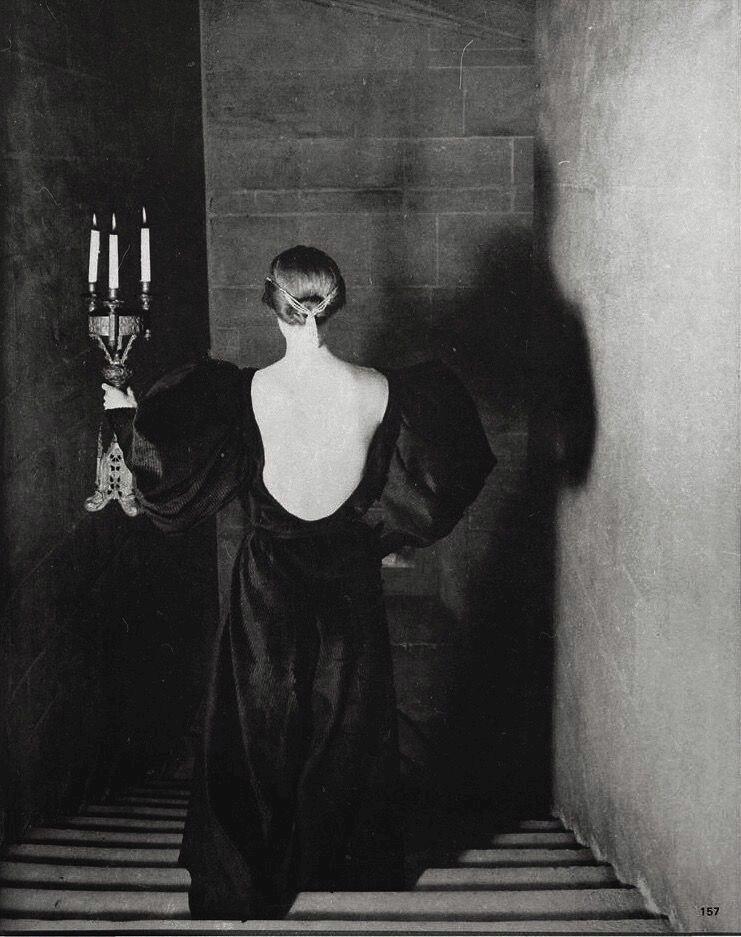
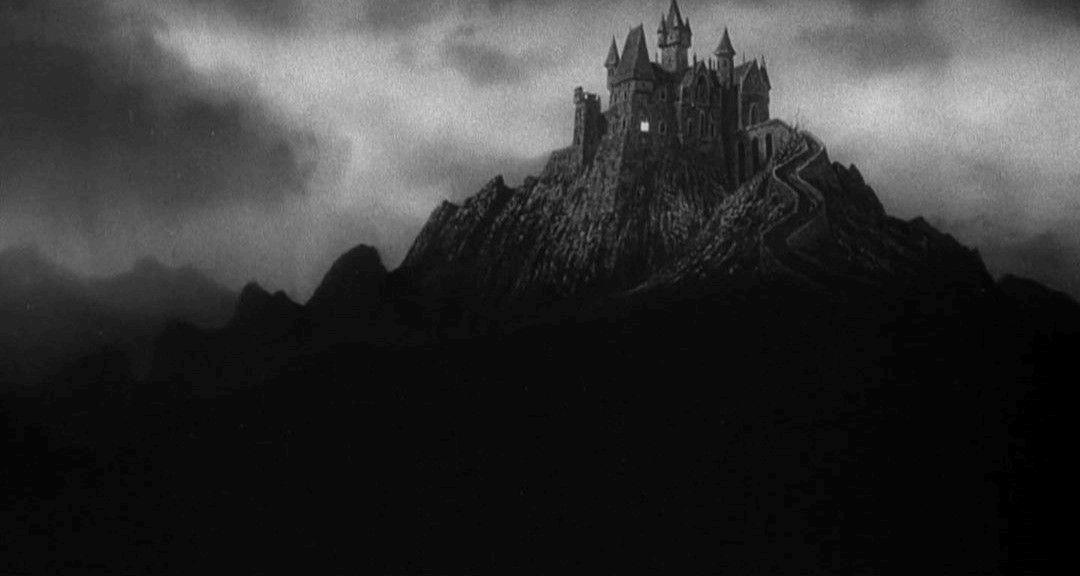
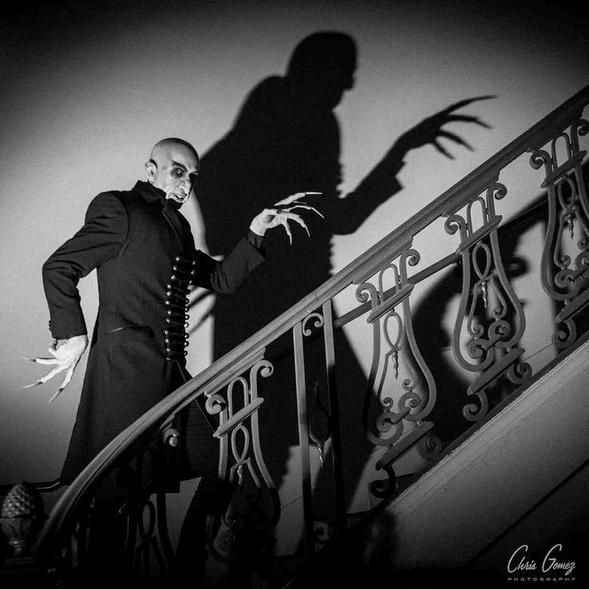
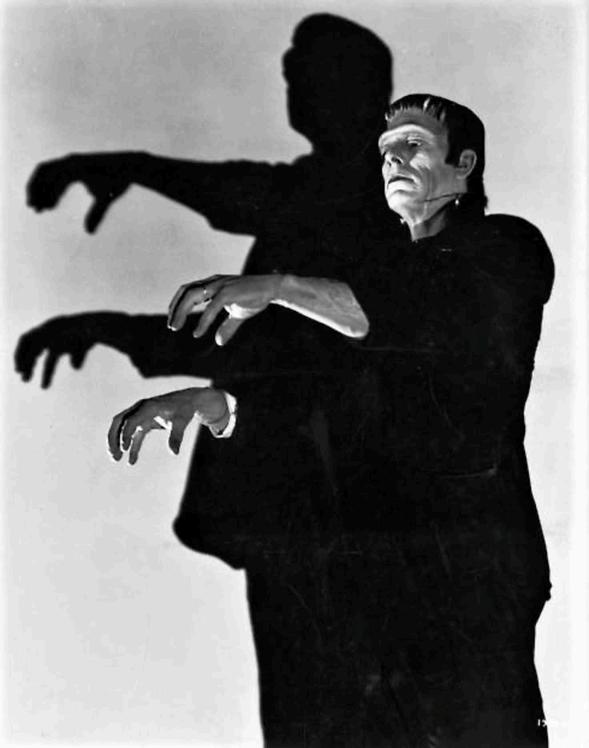
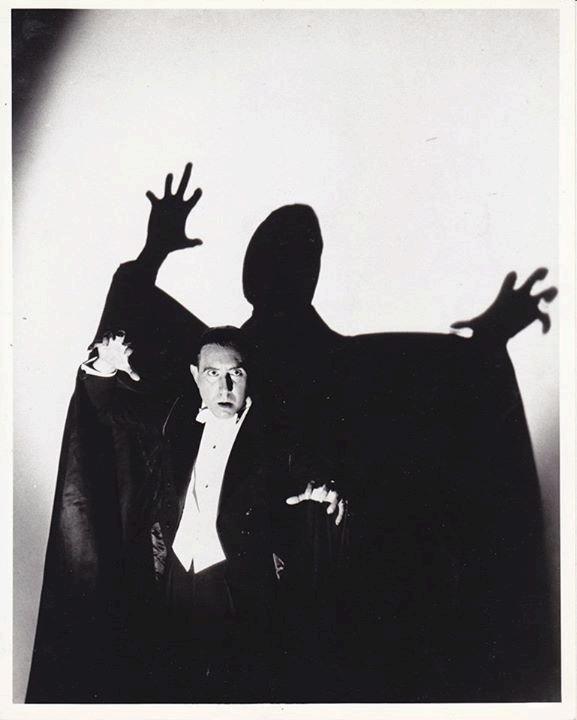
As cinema was still learning how to crawl, horror gave it a spine. Films like Nosferatu, Frankenstein, and Dracula embodied humanity’s fear of science going too far and mixing forbidden knowledge with the curiosity of what happens when humans push back and play God. These early monsters serve as a reflection of cultural fears around progress and morality.
Psychological and Suburban Horror
(1950s-1960s)
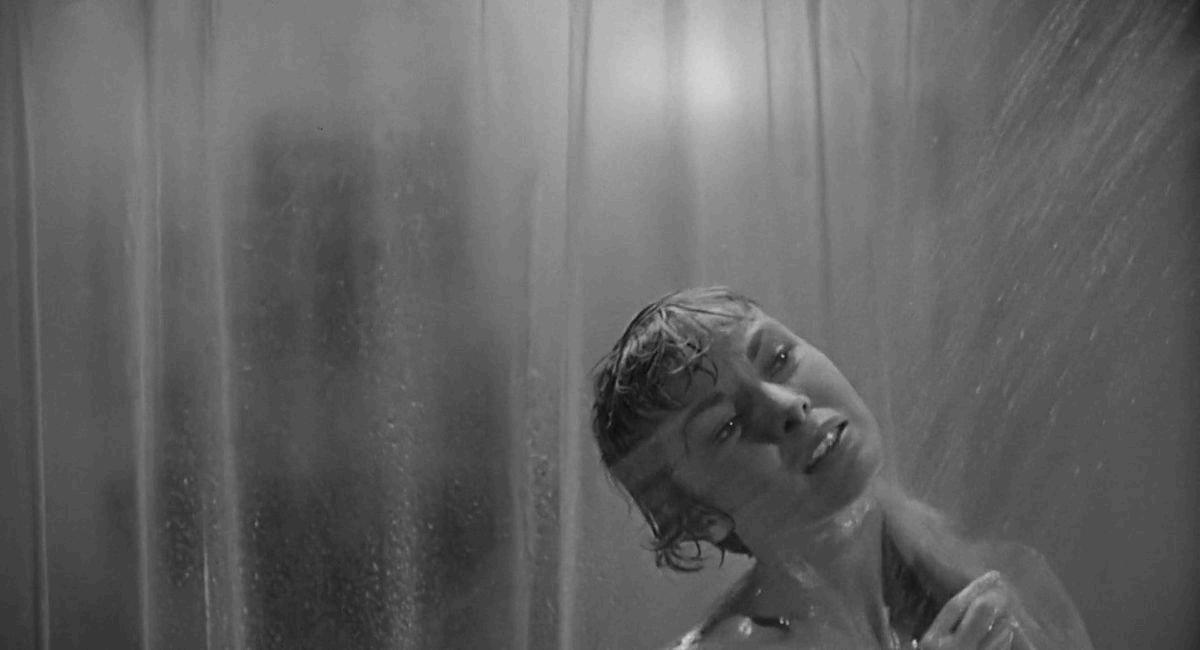
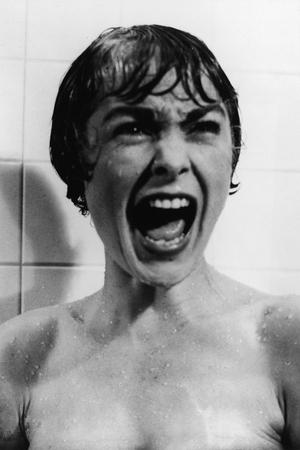
Psycho (1960)
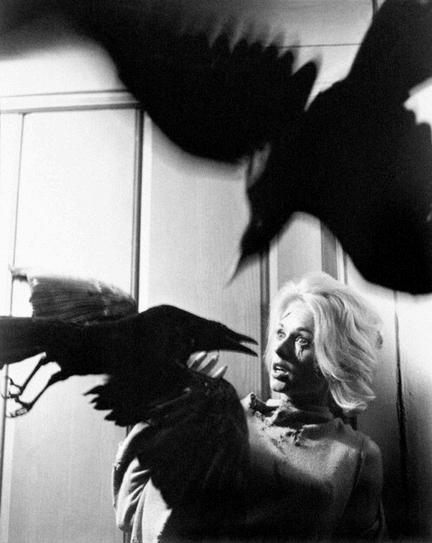
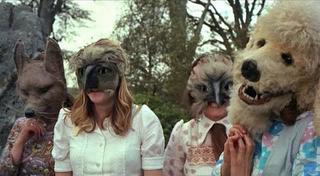
The Birds (1963)
Coming out of war, the world stepped into an era of television and Tupperware, but horror found its way into the home. It’s during this time that the monsters were no longer in forbidden castles or through treacherous paths but rather down the street, next door, or even within oneself. The promise of peace after the war created a quiet paranoia within.
Occult and Possession Horror
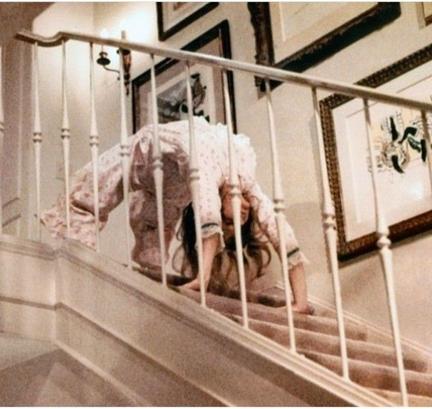
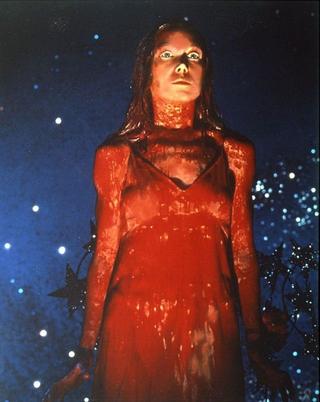
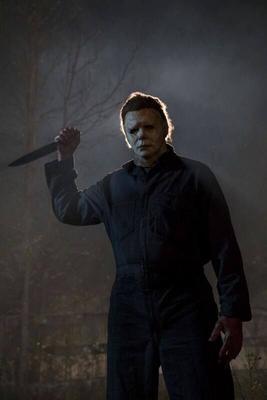
The Exorcist (1973) Jaws (1975) Carrie (1976) Halloween (1978)
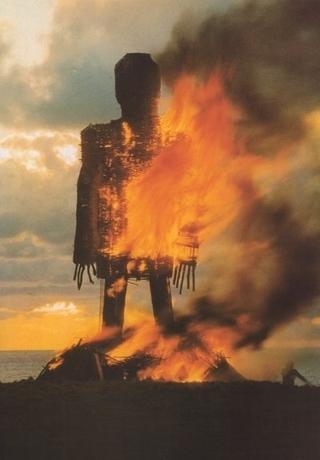
The Wicker Man (1973)
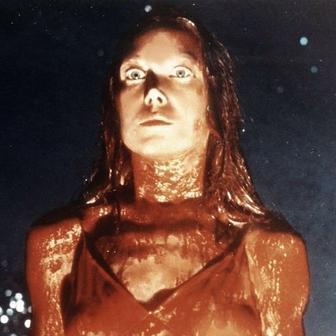
The 1970s were a time of breaking down barriers, and horror was no different. With Americans questioning religion, distrusting institutions, and lacking social order, the horror films of this time created a supernatural terror that intertwined with real-world anxieties in every way imaginable. Films like The Exorcist, The Wicker Man, and Carrie delved into themes of faith, sexuality, and repression, making the genre less about the monsters under your bed and more about the monsters society is suppressing.
Slasher and Supernatural
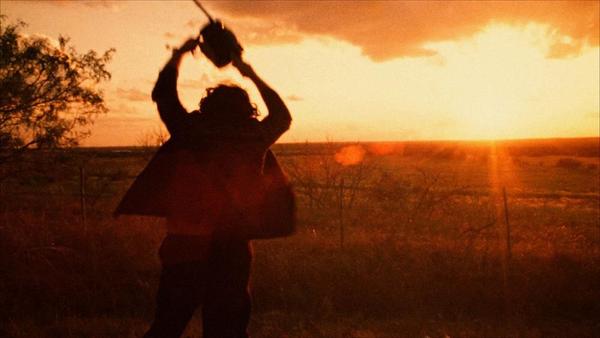
Texas Chainsaw Massacre (1974)
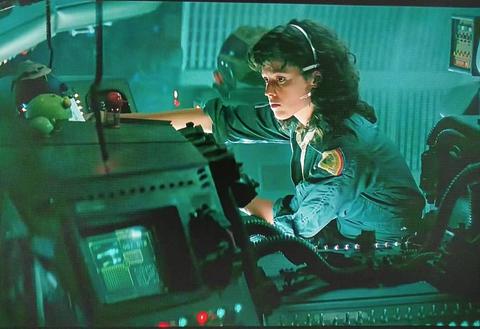
Alien (1979-86)
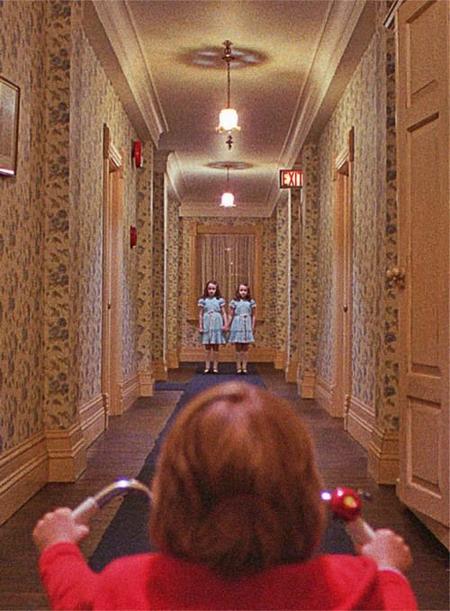
The Shining (1980)
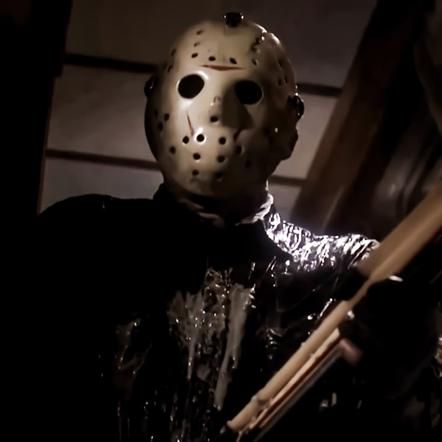
Friday the 13th (1980)
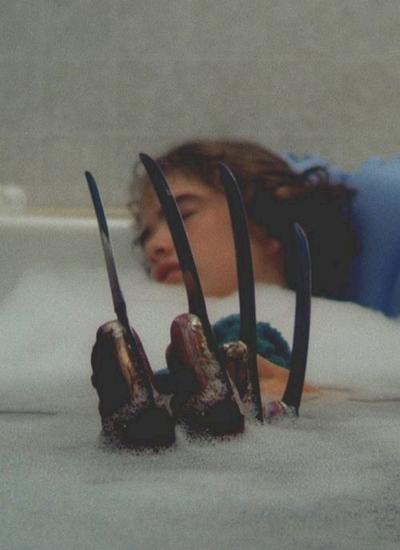
Nightmare on Elm Street (1984)
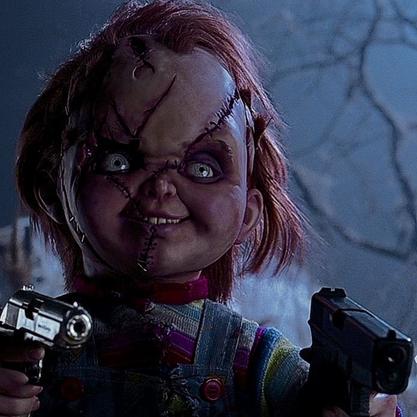
Chucky (1988)
In the 1980s, we began to experience horror movie overload. Everyone was obsessed with the feeling of fear. Films like Friday the 13th and A Nightmare on Elm Street reflect the moral panic and youth rebellion that went against the Reagan-era shadow of moralized violence. Audience members alternated between rooting for the main characters and being completely in awe of what the villains were doing. It created the dynamic of balancing terror and twisted fun that drove the horror movie craze even further.
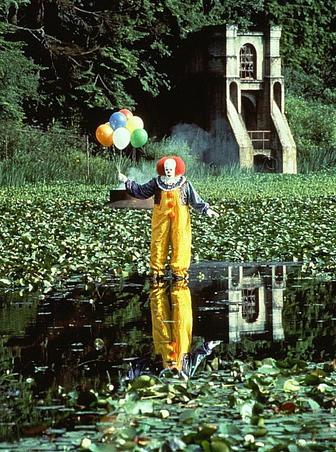
Meta, Found Footage, and Psychological Revival IT (1990)
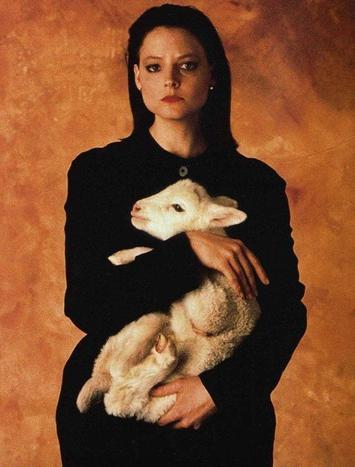
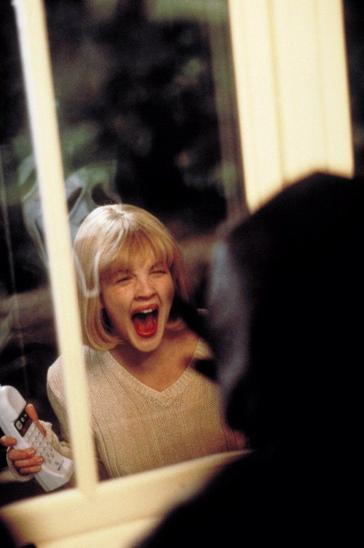
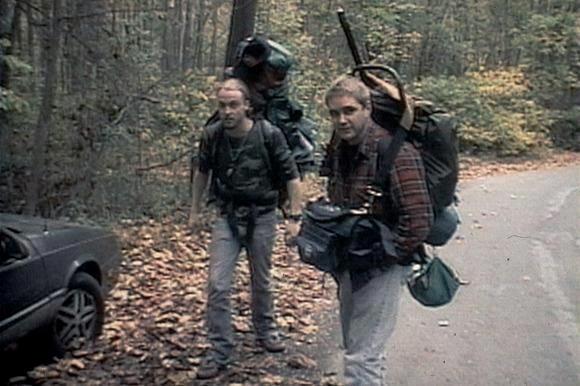
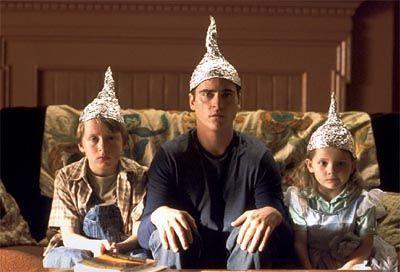
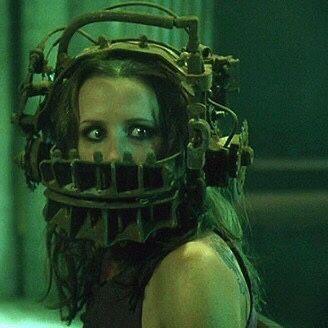
Silence of the lambs (1991) Scream (1996) Blair Witch project (1999) Signs (2002) Saw (2004)
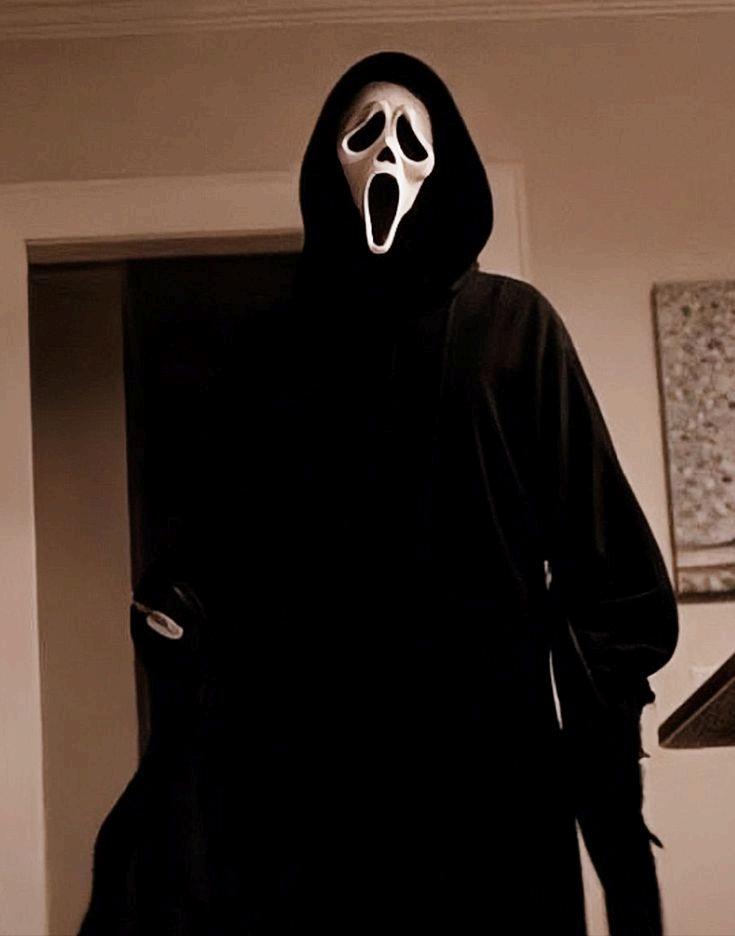
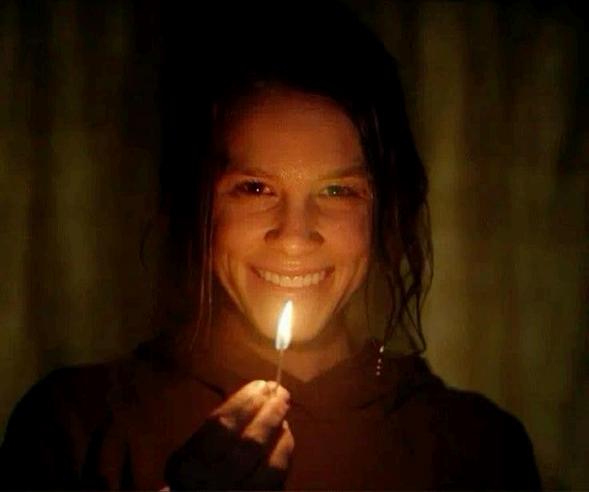
As the millennium crept into society, it also did so in the horror genre. The horror cliche that we know as the final girl had already made itself present in the 80s, but it was during this time, in movies like The Silence of the Lambs and Scream, that we see a different narrative of a female-forward role and its relationship to the horrors of humanity. Then came the films that cranked up the heat, such as The Blair Witch Project and Saw, which not only explored morality but also the consequences of media obsession. It’s during this time that we really see a blurred line between fiction and reality. I also must honorably mention the first horror movie I ever watched in full, Signs. If you haven’t seen it, swing away, Merril.
Modern Prestige and Social Horror (2010- current)
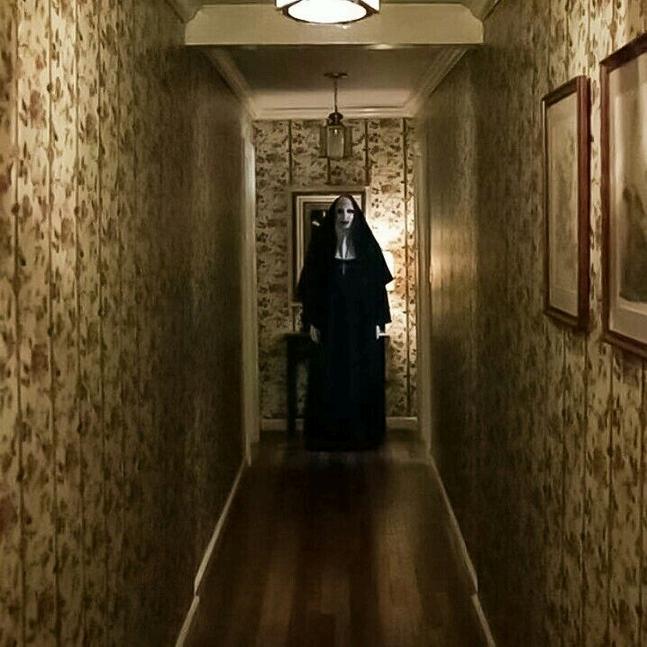
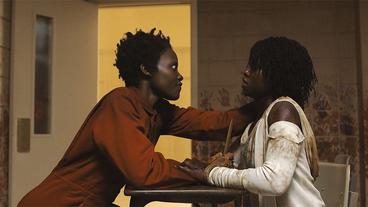
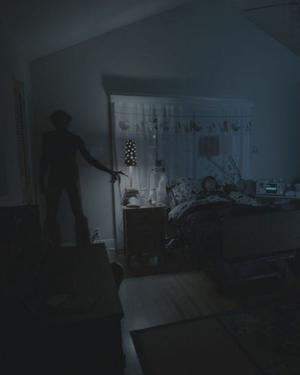
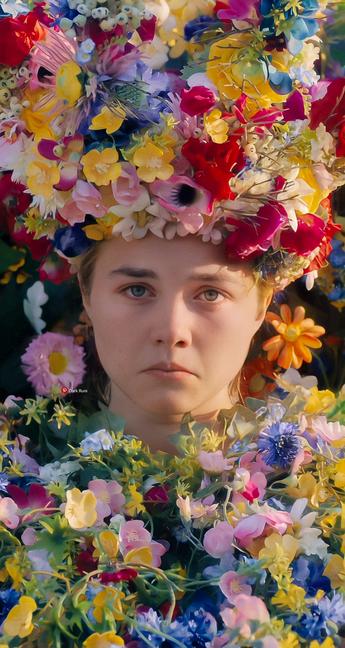
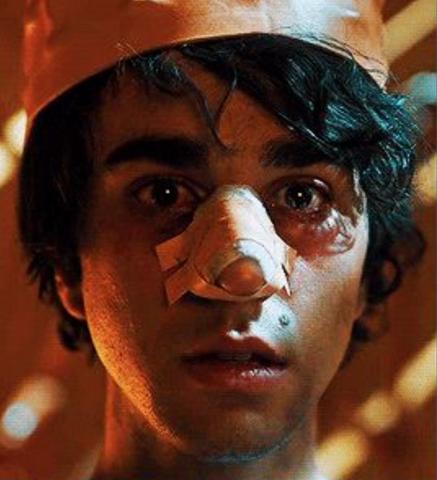
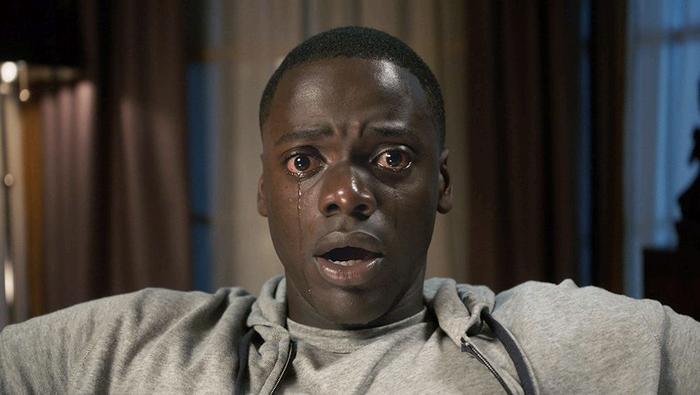
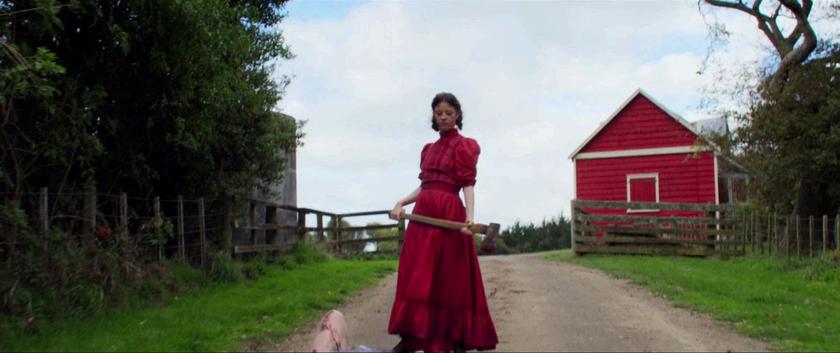
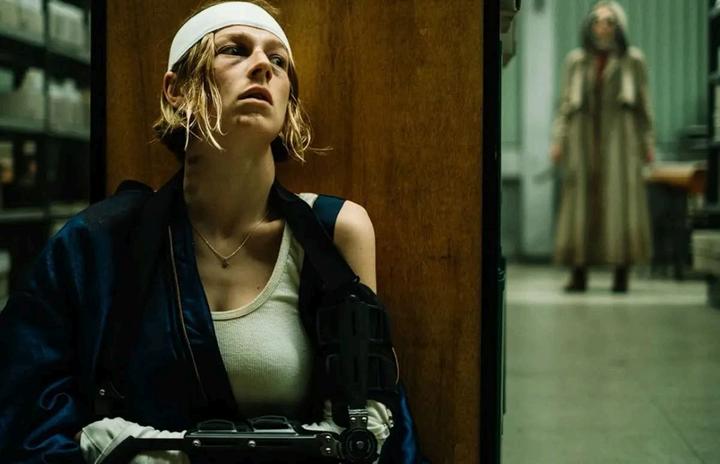
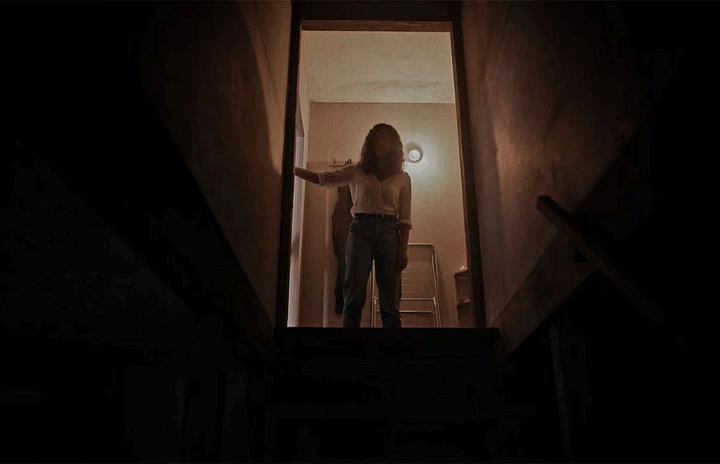
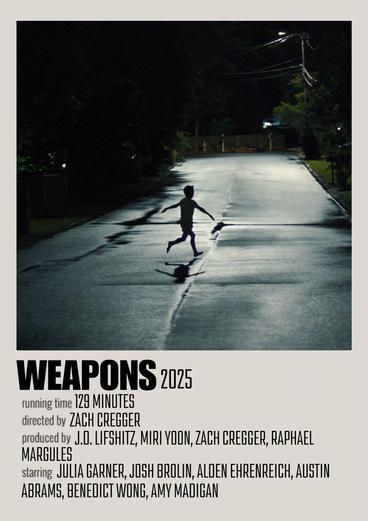
Horror today is centered around the human experience in whatever twisted and scary way imaginable. Popular horror directors like Jordan Peele, Ari Aster, and Robert Eggers have transformed the genre into a mirror of our deepest societal fears in every way possible. Modern horror forces us to settle into the discomfort because the audience has no idea where the film is going and then questions what it means to be human in an increasingly fractured world.
To check out our recommended horror movies and more, check out our Letterboxd account @whatsthevibe
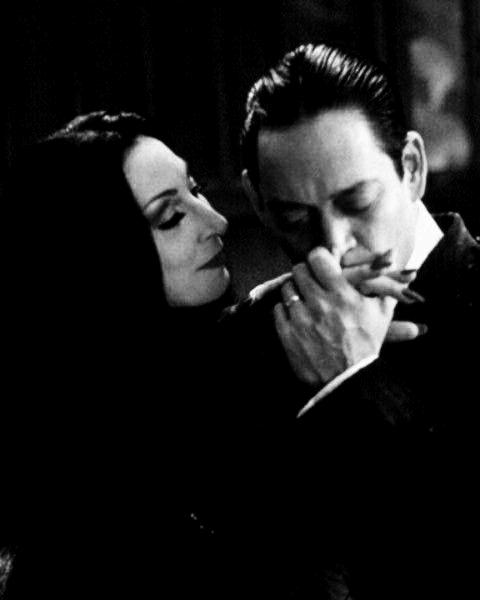
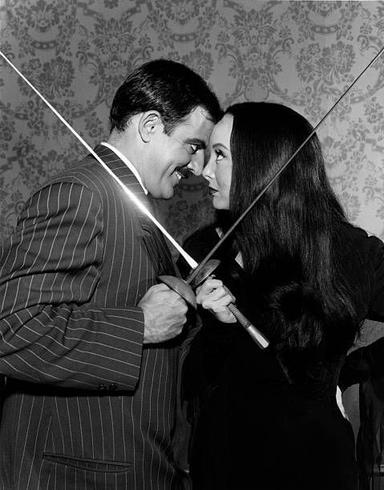
This isn’t to say that he’s not powerful, but the difference is that he’s not possessive. His passion does not rely on power. His masculinity is emotional and expressive. When he looks at Morticia, there are no connotations of performativiness, only admiration.
Gomez is proof that love can be dramatic without being toxic, and for that reason, he is what so many women crave. He is a partner who sees and respects his woman completely without condition.
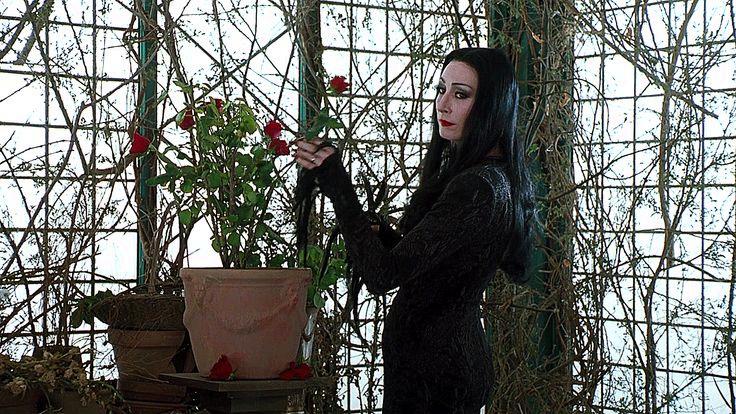
Morticia, on the other hand, commands attention in a house full of chaos. But she never needs to shout or beg for it; it is her quiet power that holds everyone captive. She is confident, intelligent, and effortlessly in control. She doesn’t shrink to make Gomez feel big; she expands and takes up space, and Gomez loves her all the more for it.
Morticia represents unapologetic, sensual, and self-confident womanhood. She is the blueprint for what so many women strive for: to be loved not despite their strength, but because of it.
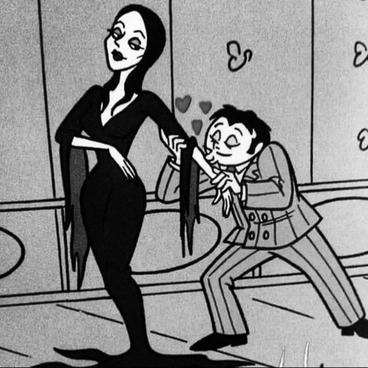
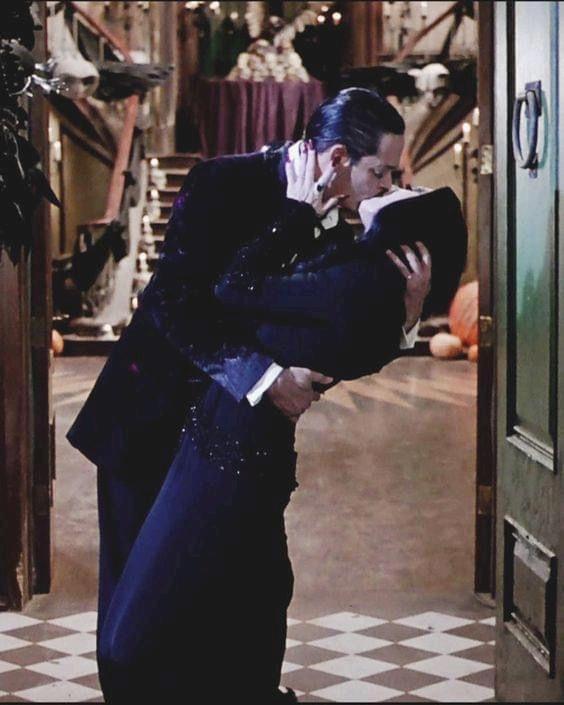
If the 1960s Addamses introduced an unconventional marriage, the 1990s films turned it into an operatic love story. In the midst of early ’90s romcom cynicism, they offered love that was sincere and absolutely unashamed.
They became icons of gothic glamour and desire, and their chemistry was volcanic. Every glance and every word between Gomez and Morticia became a powerful and sensual poem. The films embraced this sensuality without shame. The Gomezes loved each other as if the world might end tomorrow. Gomez tells her, “To live without you, only that would be torture. A day alone, only that would be death ”
In these films, Gomez radiates a type of chivalry that feels extinct today. He worships Morticia, sweeping her off her feet, dancing with her, and even going as far as to sword fight for her. Together, they embody a marriage that has nothing to do with ownership and everything to do with devotion.
In the current age of “situationships”, toxic masculinity, and emotional detachment, a man like Gomez feels almost mythic He and Morticia are a reminder of what love could and should be. They have raised the bar for us all and have given us something to aspire to. So here’s to finding love this Halloween and settling for nothing less than Gomez
“Someday we’ll be buried, side-by-side, six feet under, in matching coffins.
Our lifeless bodies rotting together for all eternity.” - Gomez Addams.
clown chaos history ofclownsfoster monroe
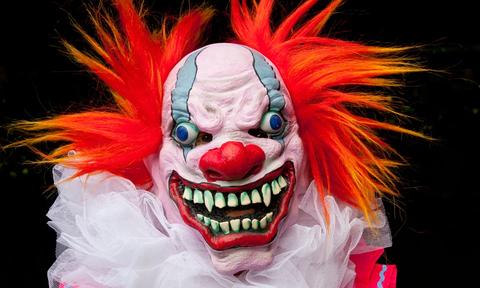
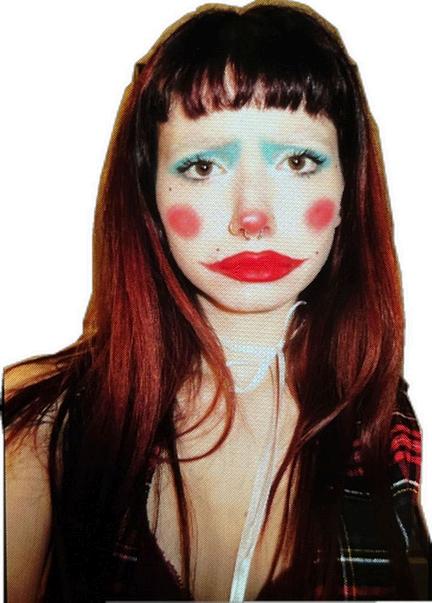
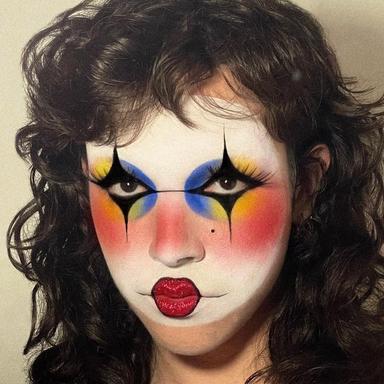
This year, “clowncore” and, more broadly, clown aesthetics have made their way into popular culture and fashion. And it is no surprise that this Halloween will have no shortage of clown costumes. Once a symbol of innocence and laughter, then a nightmare of red balloons and killer smiles, the clown has resurfaced once again.
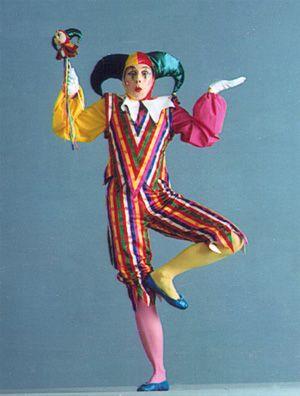
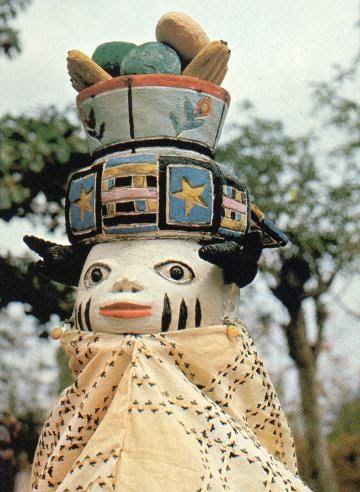
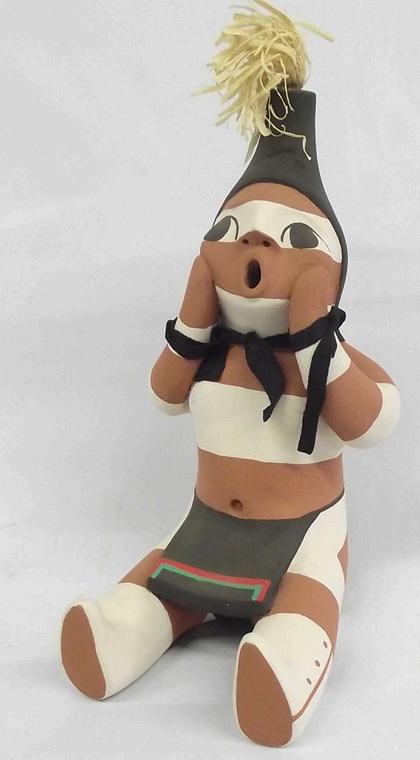
For centuries, the clown has served as a mirror or commentary on society. Although the word “clown” didn’t come into use until the 16th century, similar figures existed long before. The “fool” is one of humanity’s oldest archetypes, appearing most often as a confronting figure to power. From the trickster gods of West Africa and the comedic alazon figures of ancient Greek theater to the jesters of medieval Europe and the sacred clowns of the Hopi, this figure has consistently employed absurdity as a tool of revelation. Humor, long before it was entertainment, served as a form of critique. The courts of medieval and early modern Europe were the home of jesters. Here, their position was neither privileged nor powerless. The jester’s role was to mock those of the crown, satirizing courtly manners and political issues. They were protected by the very crown they mocked, but only because their foolishness made them seem harmless. Their outfits, with their bright colors, septor, and jeweled hats, inverted royal symbolism, creating both a sense of association and mockery. In a time when speaking truth to power could mean imprisonment or death, the jester’s humor became a loophole, creating a space where critique could exist under the guise of play.
The courts of medieval and early modern Europe were the home of jesters. Here, their position was neither privileged nor powerless. The jester’s role was to mock those of the crown, satirizing courtly manners and political issues. They were protected by the very crown they mocked, but only because their foolishness made them seem harmless. Their outfits, with their bright colors, septor, and jeweled hats, inverted royal symbolism, creating both a sense of association and mockery. In a time when speaking truth to power could mean imprisonment or death, the jester’s humor became a loophole, creating a space where critique could exist under the guise of play.
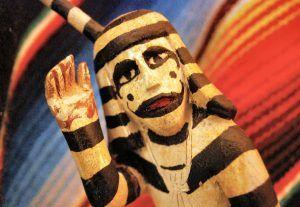
Beyond Europe, parallel figures held similar functions. Among the Hopi, in the U.S. bordering Mexico, the Kashare were sacred jester-like figures. Their behavior contradicted social norms as they disrupted official ceremonies with lewd jokes and mimicry They aimed to reveal human weakness and teach lessons through satire, often drawing attention to humanity's gluttony. In West African masquerades, trickster spirits such as Eshu and Anansi served a similar function. Here, laughter also acted as a lesson. The clown, in all of its cultural forms, has never just been about comic relief It is a figure intended to serve as a reminder of society’s shortcomings.
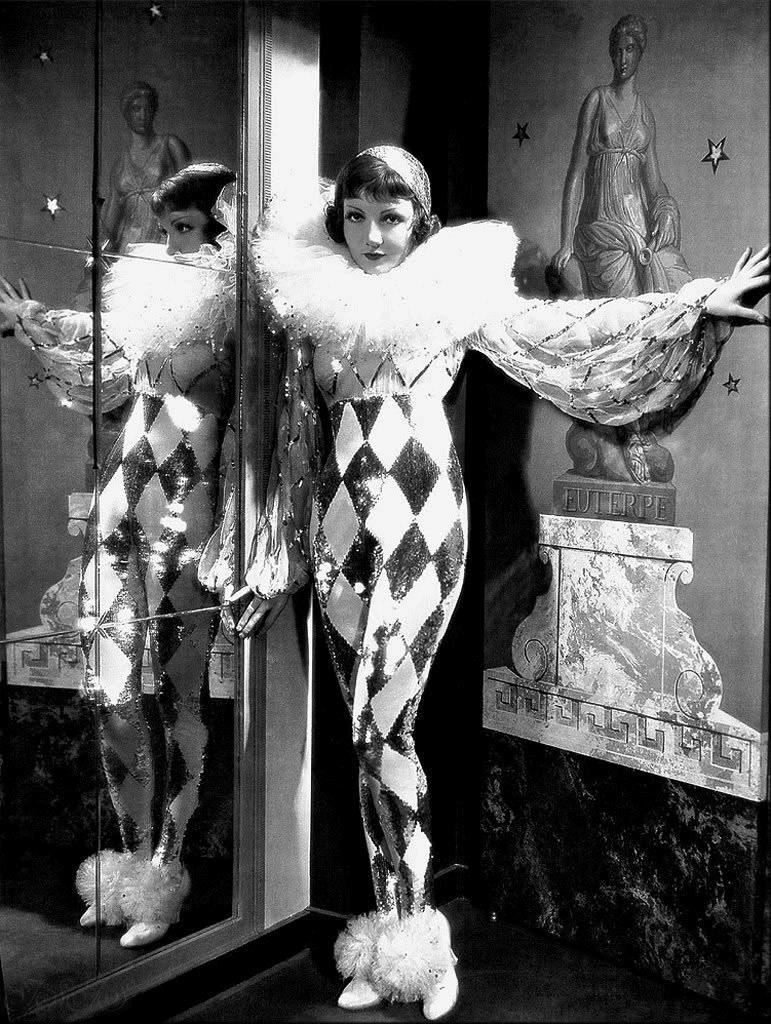
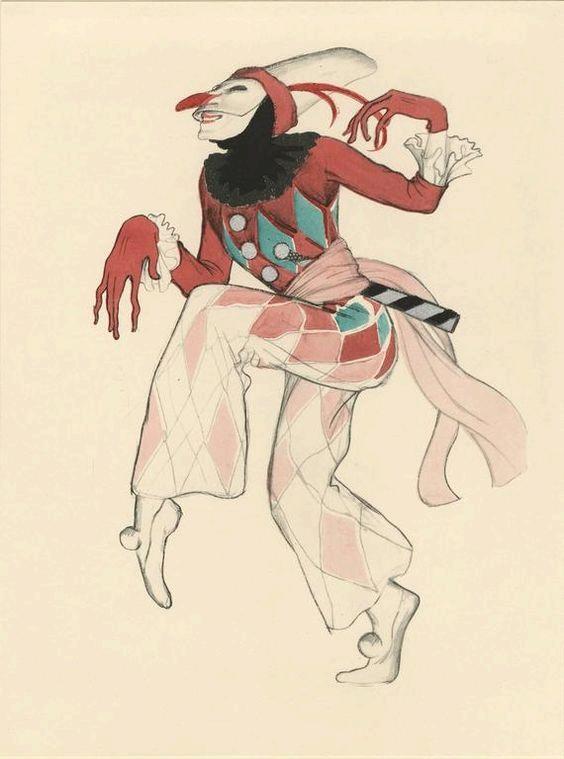
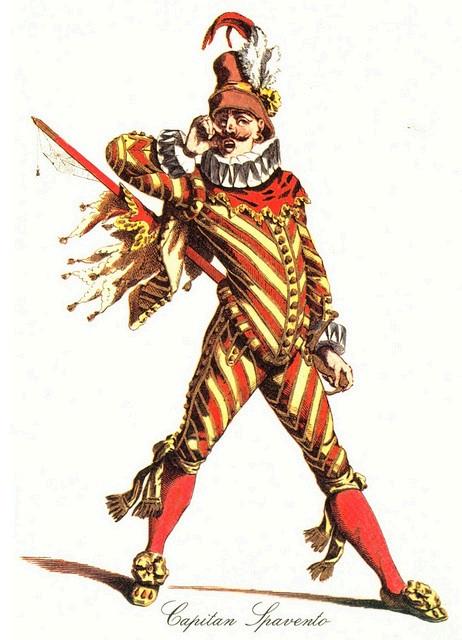
By the Renaissance, clowning began to formalize into performance traditions that bridged the gap between elite and popular entertainment. In Italy, the Commedia dell’Arte introduced characters like Arlecchino, the nimble servant in patchwork clothes, whose cunning improvisations mocked authority. His costume would later come to be recognized as the beginning of the modern clown suit, and his “slap stick” (a literal wooden stick used for physical comedy) would give the comedic genre its name. As European empires expanded, these comedic archetypes traveled with them, blending with local traditions and creating hybrid forms of humor that both accompanied and resisted colonial culture.
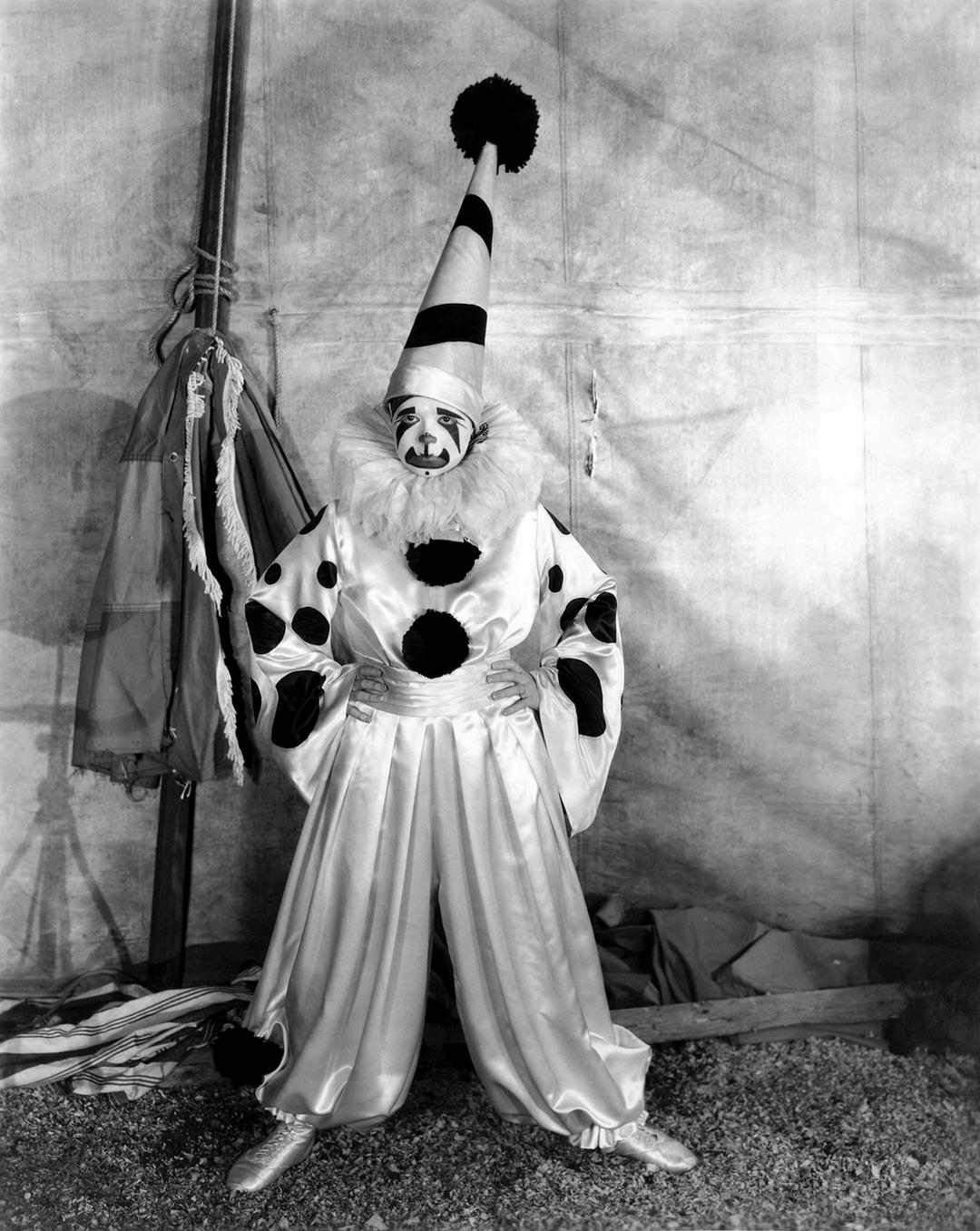
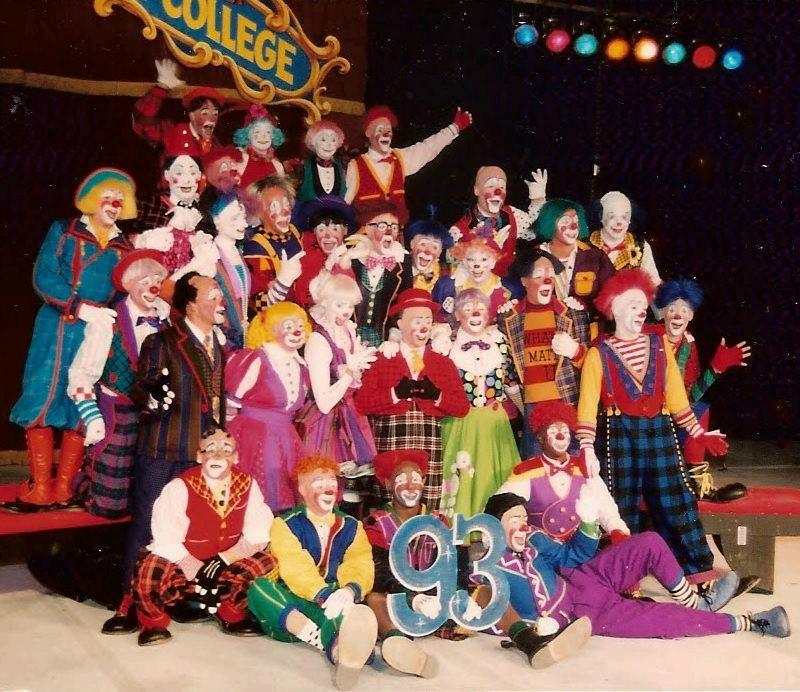
It was with the circus in the late eighteenth century that clowning entered its most public stage yet. The first American circus opened in Philadelphia in 1793. At the nation's inception, the circus served as a venue where people of all backgrounds, religions, and social classes could gather. Circus performers, workers, and managers emerged from the people and also attracted American audiences. This led to the creation of a new kind of folk life tradition within the circus. Although the first circus show did not initially feature a clown, as the traveling tent show grew, it needed a human counterpoint to the precision of the early circuses' performances. By the early 1800s, the clown had become the circus’s star attraction.
American circus clowns were improvisational, loud, and unapologetically physical. They represented the voice of the crowd They were unruly, unrefined, and free. In an industrializing world obsessed with progress and control, their unruliness felt radical. Their pratfalls and jests undermined the hierarchy, and their painted faces blurred their identities. Unlike the medieval jester, they no longer needed the king’s protection. Their audience was the people, and their laughter was a form of populist dissent. In the nineteenth century, the circus became a temporary utopia: a space where the impossible was made visible and the absurd reigned supreme
But by the 1880s, as circuses began catering to families, the clown’s image softened. Laughter turned from biting to innocent. Here, the clown was remade for children. Its innocence was highlighted in bright colors and silly personas
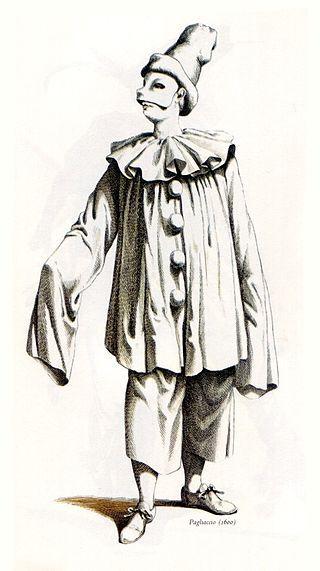
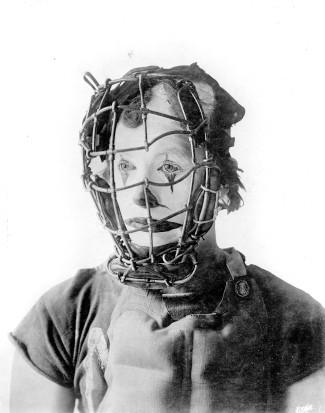
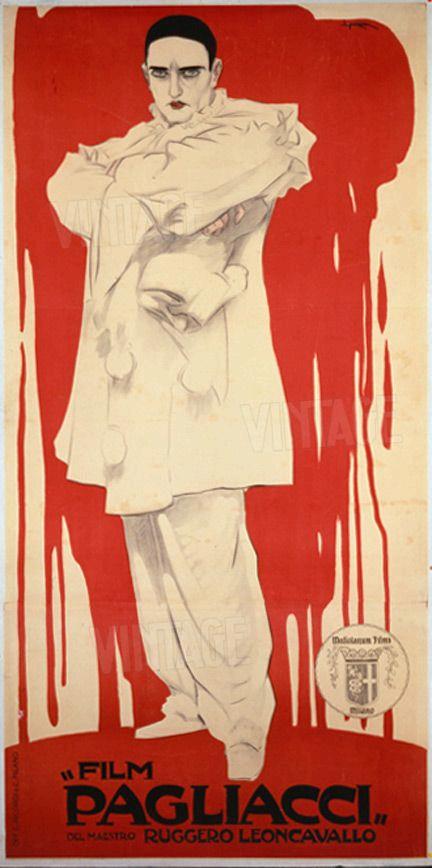
In addition, the “sad clown” trope was introduced This emerged with Italy's Pagliacci He told tales of lost love, intended for an adult audience. He was seen as a performer who had to break his own heart to make others laugh. The clown was no longer just comic. It could now take on a tragic new shape. When Frank “Silvers” Oakley, one of America’s best-known clowns, died by suicide in 1916, that sadness took on a haunting realism. Newspapers speculated that the makeup itself, the fixed grin, the false happiness, not to mention the lead, had driven him mad.
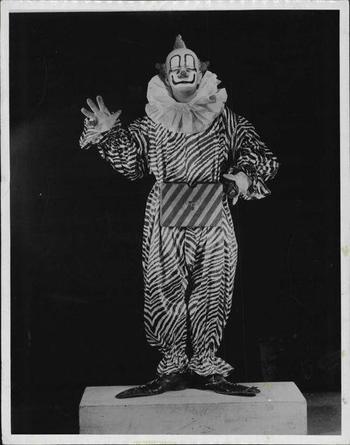
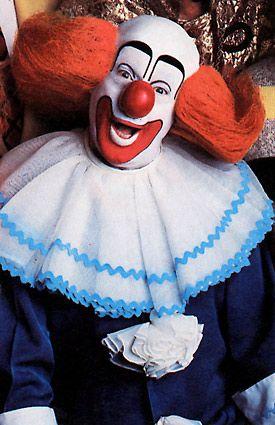
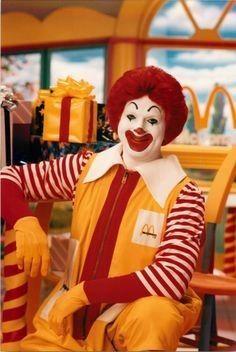
By the mid-twentieth century, clowns were everywhere in American media: The Howdy Doody Show’s Clarabelle, Bozo the Clown, and even Ronald McDonald, the fast-food mascot who transformed the clown into a corporate symbol of cheer. On the surface, this was an age of innocence. But beneath it, the clown’s cheerful façade was beginning to crack.
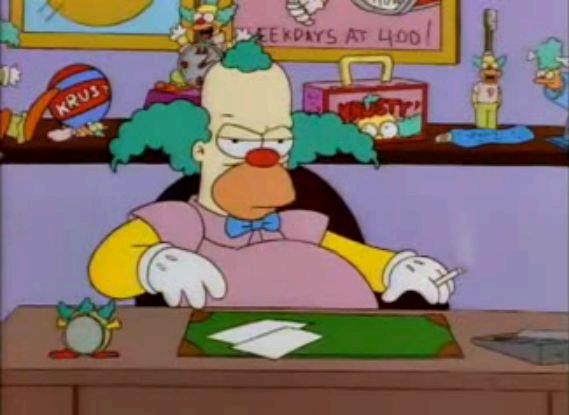
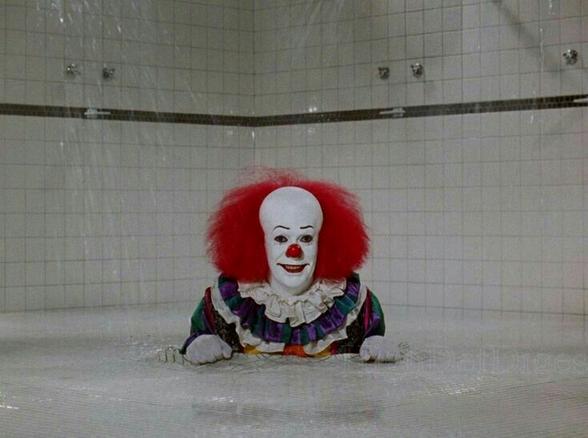
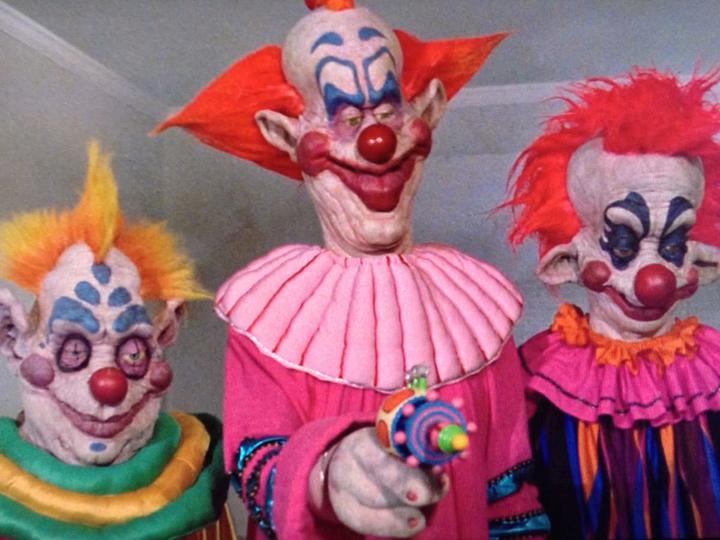
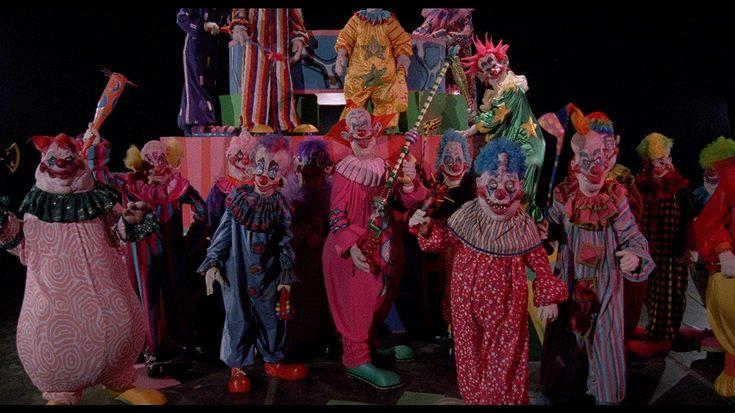
By the 1980s, the original laughter created by the clown had nearly completely given way to unease. Once a symbol of comedy and freedom, the clown had now become a trigger of fear. Released in 1986, Stephen King’s It made the clown a murderous and monstrous character. Peenywise was a killer hiding behind a mask of joy. Around the same time, Killer Klowns from Outer Space and The Simpsons’ Krusty the Clown pushed the figure further into horror. Jack Hadley, in a 1991 Saturday Night Live sketch, summed up these newfound clown anxieties: “To me, clowns aren’t funny. In fact, they’re kind of scary. I think it goes back to the time I went to the circus — and a clown killed my dad.”
By the time of the 2016 “killer clown” sightings across the U.S. and U.K., the clown had fully transformed into a figure of collective dread. What had once been about satirical laughter now spoke to distrust, disillusionment, and the absurdity of modern life.
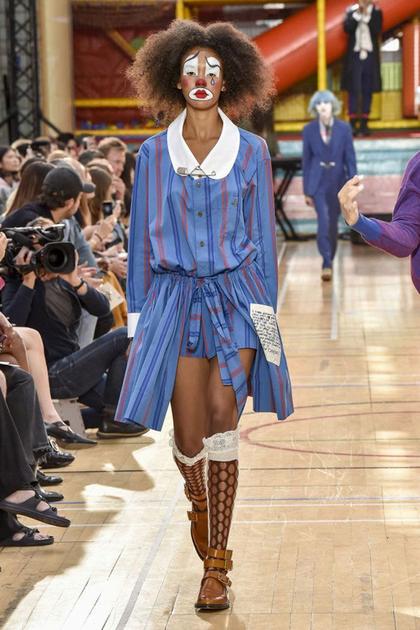
And yet, despite these horror-based connotations, the clown has always resurfaced, making its way into pop culture time and again In 2025, amid the post-pandemic death of minimalism, the clown has once again reappeared and found its way into fashion. Here, we see an aesthetic language of maximalism, camp, color, and chaos. Designers have long been drawn to the clown’s theatricality, and in the past decades, that fascination has erupted into full expression.
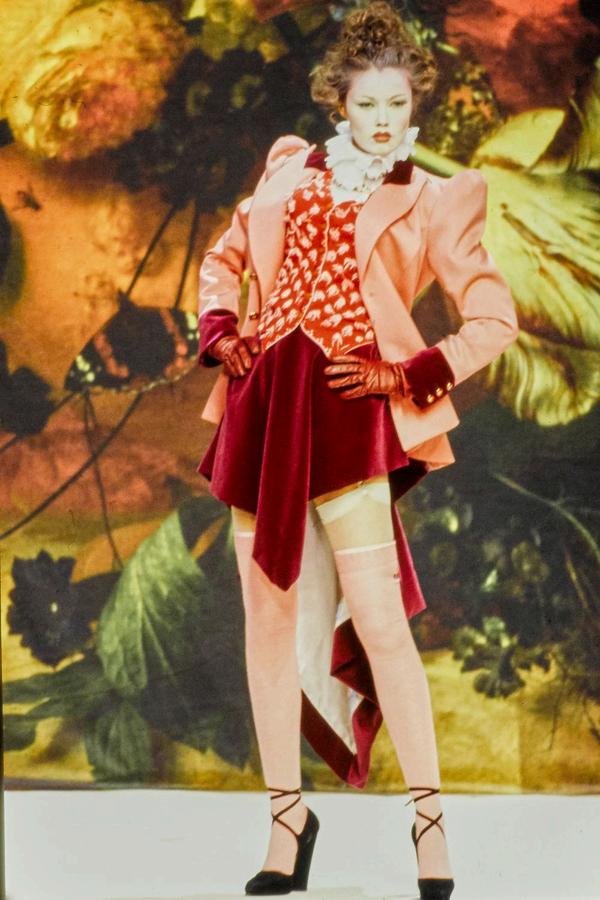
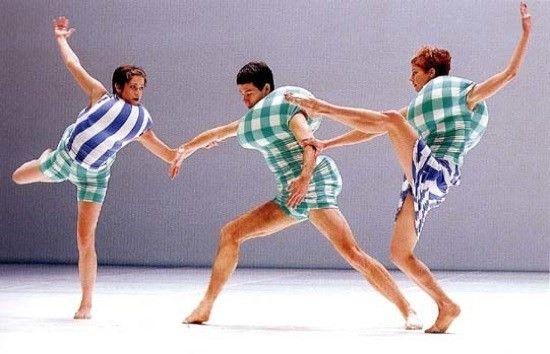
Vivienne Westwood’s punk-jester designs used humor and historical parody to expose the hypocrisy of those in power. In her fall 1995 collection, exaggerated silhouettes, tartans, and corsets mocked the rigidity of class and gender structures. Its purpose was much like the court jesters all the way back in medieval Europe. This can also be seen in Rei Kawakubo’s Comme des Garçon's 1997 collection entitled “Lumps and Bumps,” which turned the body into a stage of soirition, evoking both comedy and unease, once again calling to the clown in both aesthetics and practice.
Additionally, Gucci, under the leadership of Alessandro Michele, from 2002 to 2022, leaned into pure clownery with its color clashes, ruffles, mismatched prints, and childlike excess, much like the clowns of the late 19th century. Each of these designers speaks the clown’s language, utilizing exaggeration as a form of critique, humor as a means of rebellion, and a call to the childlike nature of things. These inspirations set the stage for the modern-day clown core, extending beyond the runway and into history books.
In the end, the clown endures because the world continues to need it. Each era remakes the fool in its own image, from the medieval jester who mocked kings to the circus clown who mocked society, from the horror clown who mirrored modern paranoia to the fashion clown who mocks conformity itself
Today’s revival of clown aesthetics, in fashion, art, and the internet’s strange self-awareness, is not about returning to innocence, but about reclaiming the power of absurdity. In an era marked by instability and self-reliance, the clown provides a model for survival. It is sincerity without shame. Its joy is exaggerated because our world is overwhelming, and its colors are loud because silence feels impossible.
Clowncore’s chaos, like that of the past jesters, holds a kind of wisdom It refuses minimalism, moderation, and melancholy. It insists that we face the absurdity of life not by retreating into fear, but by laughing through it. When we paint our faces, layer tulle over tartan, or turn a costume into a statement, we participate in a centuries-long lineage of rebellion through laughter. The clown has always been more than a joke. It is a cultural survivor. Its smile may be painted, but its message is real: when the world feels like a circus, perhaps the only honest response is to join the performance
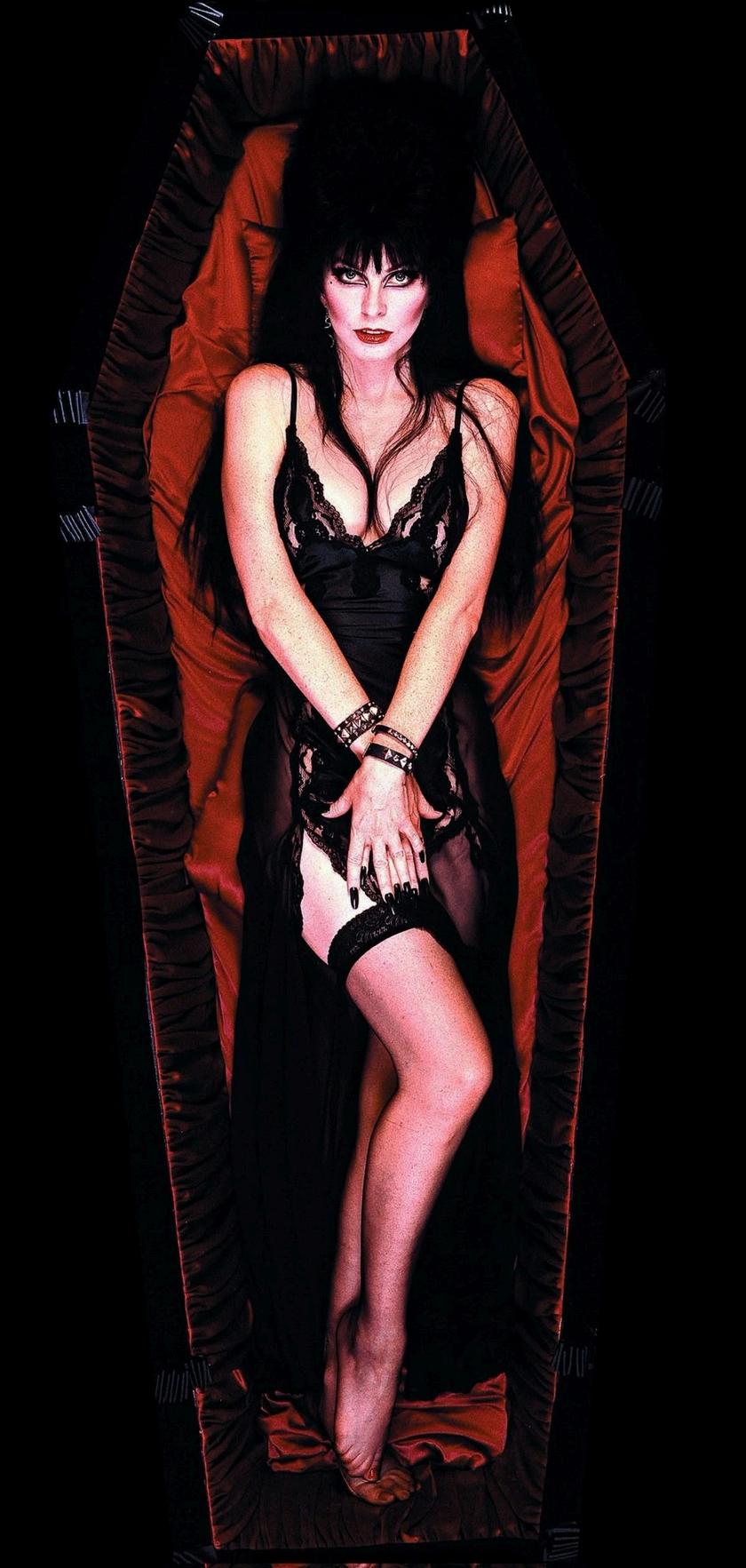
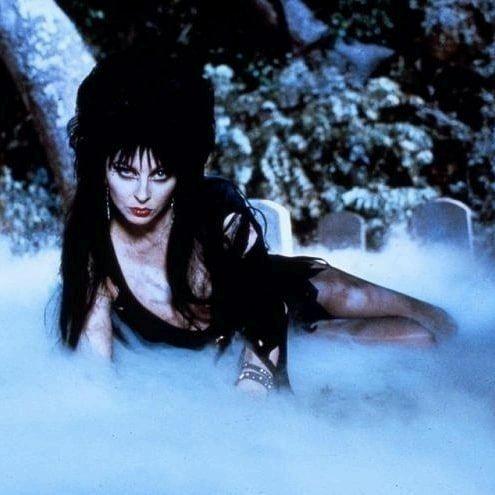
Elvira MistressoftheDark
written by yours cruelly (Emma lu)
Gosh, did you really go through that whole thing? Did you learn anything? Well, as a gal with enormous…ratings, it’s totally freaky to be able to finish this thing off for you. In case you're new here, the door’s that way because you're obviously not totally cool enough to hang…just kidding! Hop in, sailor, because we’re going through memorylanetoremindeveryonewho’sthemostdrop-deadgorgeousofall.
In order to really tell you guys about my life as Mistress of the Dark, I have to give you ahistorylesson.Iknow..gougemyeyesout,butIpromiseit’llbeworthit.
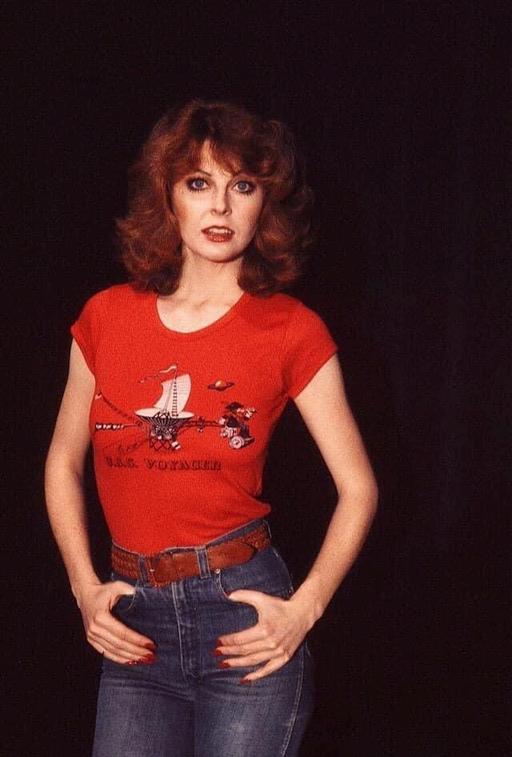
It all started with Cassandra Peterson in 1981, who was working with The Groundlings Improv Group in Los Angeles. She had this brilliant idea to become a horror host, but her looks could kill, and not in the way I do. So then Elvira was created.
So, get this: all the other horror hosts during the 80s were men, ugh. But I decided to put on my big girl pants and put women front and center in the horror hosting world, and guess what - the people loved it! I mean, I had people talking about me on the left and the right. Talk about a hot commodity!
People would ask me if I was ever uncomfortable, ya know, showing my body and being overtly gorgeous and funny. To that, I would have to ask the very serious question back, how’s your head? I mean, come on, why can’t a lady be funny and pretty and use that as a part of her power and performance? Just because I’m a woman doesn’t mean I need to be wrapped in bubble wrap.
Besides, I will take the nightlife anytime. I love it, and with that came my signature killer look. And sure, it’s not for everyone, but people really seemed to dig it. Especially during Halloween, when everyone decided they needed an excuse to go to the graveyard and be a little spooky. Oh, and spoiler alert, I’m a gay icon. That’s right, folks, you heard it right here! And listen, if I wanted your opinion, I’d beat it out of ya, so don’t even try it. I got a spooky book, and I will put a spell on you.
But in all seriousness, I mean, how totally spooky that from me just being me, I get to invite all of you beautiful ghouls into my world. It’s not about all the dreaded stigmas against confident women; it's about taking the narrative they've painted, rollingitup,andsettingitonfire.
So if you’re dealing with ladies who have soup cans stuck to their heads, channel this sassy lassy with a classy chassy. Or if you have my luck, get a book and put a curseonthembutjustbecarefulbecauseyoumightgetaweirdlittledogoutofit!
So when the world gets a little too real, step into the darkness, dream unpleasant dreams, look in the mirror, and remind everyone who’s the most drop-dead gorgeousofthemall.