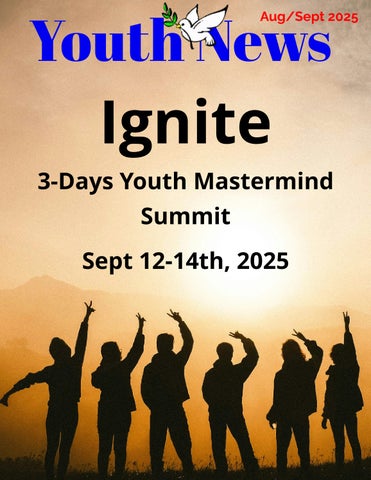

Youth News Ignit e
3-Days Yout h Mast erm ind Sum m it

Sept 12-14t h, 2025

Fost
Youth News
Like & Follow us

WHALERsCreation
@WHALERsCreation
@whalerscreation

whalerscreation
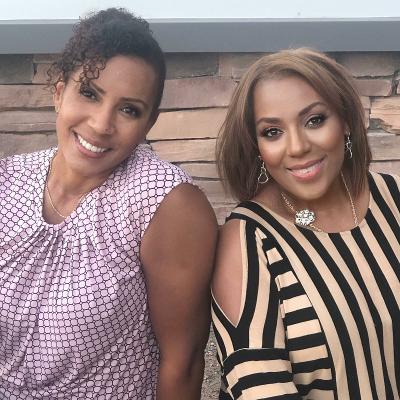
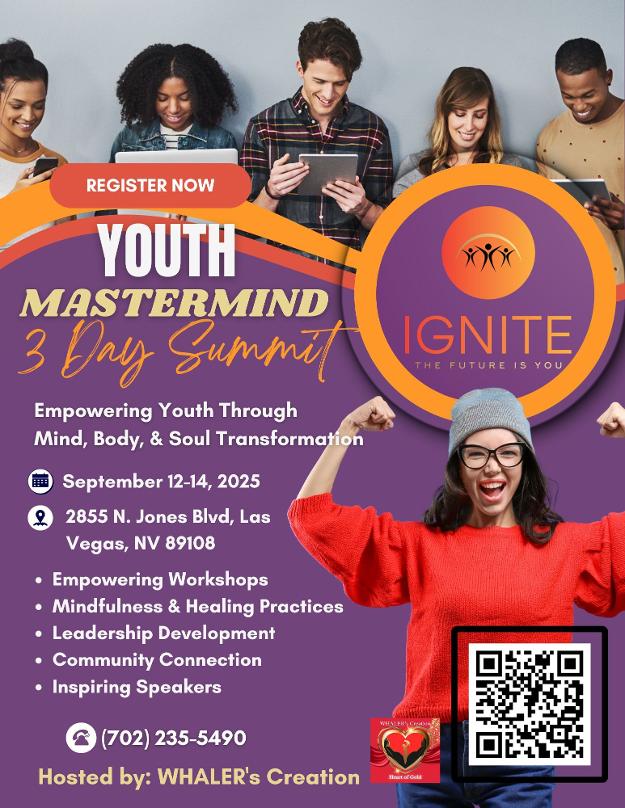
We?re gearing up for our 2025 Ignite 3-DayYouth Mastermind Summit, designed for passionate and driven young people ages 14?24!
This immersive experience will empower youth with leadership skills, mentorship, and real-world toolsto help them thrive.Parents, care providers,and young adults sign up today. Now is the time to invest in the future. Call 702-235-5490
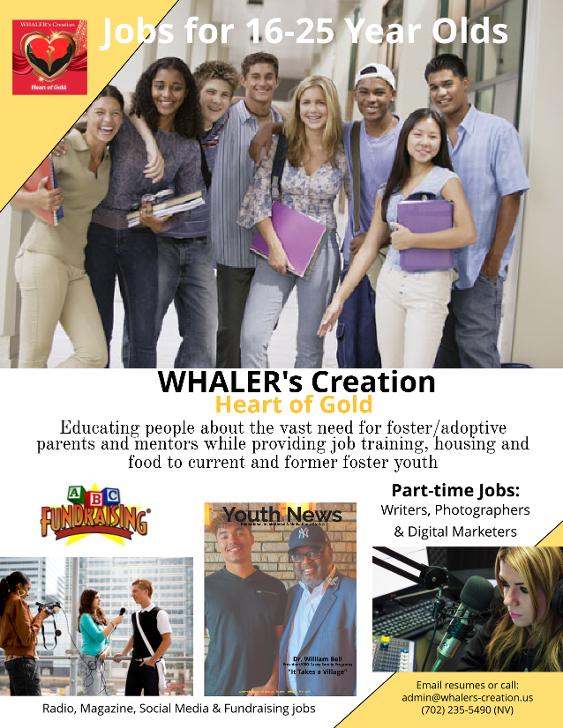
Volunteer -or- Work with us
Contributing Writers
Editors
Digital Marketers
Fund Developers
Photographers
Sales/ Marketing Reps
Circulation Mgr. send resume to: admin@whalers-creation.us
by: Michael, 16 year old

Photos

Youth News isan onlinemagazinedeveloped by teens, adults and senior citizensworkingtogether to bringreaders
Educational, Motivational, & Inspirational Stories
Volunteersareneeded!To volunteer pleasecontact WHALER'sCreation at: admin@whalers-creation.usor call (702) 235-5490
Nat ional Child Abuse Prevent ion Mont

April marks National Child AbusePrevention Month, a time dedicated to raisingpublic awareness about the importance of preventing child abuse and neglect. It?s a moment for communities, organizations, and individuals to come together in support of children?s safety and well-being.
Child abuse can take many forms? physical, emotional, sexual,and neglect? and its effects can be long-lasting. According to the U.S. Department of Health and Human Services, millions of reports of child maltreatment are made each year Prevention begins with awareness and action. When communities are informed and supportive, children are more likely to grow up in safe, stable, and nurturing environments.
This month, you?ll often see thebluepinwheel, the official symbol of child abuse prevention. It represents the joyful, carefree childhood every child deserves.Awareness campaigns, educational events, and family-focused activities take place across the country to encourage open dialogue and support families in crisis
Involvement can be as simple as checking in on a neighbor,volunteering with child advocacy groups, or learning how to recognize signs of abuse. Schools, faith-based organizations, and community centers play key roles in prevention efforts, offering resources and safe spaces for children and families.
Together, we can create a future where every child feels loved,protected, and valued By promoting awareness, supporting families, and strengthening communities, we take meaningful steps toward ending child abuse and giving every child a chance to thrive
For more information or to get involved, visitchildwelfare.gov/prevention.
The Dave Thom as Foundat ion for Adopt ion
Adopt ion Advocat es
The Dave Thomas Foundation for Adoption spoke with Hannah, a 23-year-old who aged out of foster care without being adopted. She wasn't part of the Wendy?s Wonderful Kids® program and wishes it had been available to her. Sharing her story, she hopes to raise awareness about the need for foster care adoption.
Despite now being a proud business owner, Hannah?s early life was filled with trauma Abandoned by her mother and abused by her father, she entered foster care after a teacher intervened She moved between homes for years and aged out of the system at 18 with no support, leading to homelessness and hardship.
At her lowest point, stranded at a gas station, she called Mandy, a former caseworker, who arranged help. This call marked a turning point. Through Mandy, Hannah met Connie, a woman who gave her a safe home and helped her build a future Hannah now calls Connie ?mom?and credits her for helping her start her business.
Hannah?s story highlights the critical need for permanent, loving families for youth in foster care.
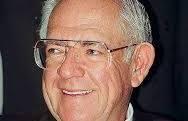
Dave Thomas, the founder of Wendy's, had a difficult upbringing, shaped by adoption and a lack of stability. He found purpose and direction in the restaurant industry, managing Kentucky Fried Chicken franchises. In 1969, he struck out on his own and launched Wendy's..
Body text Body text
Dave Thom as
Dr. Keit h's Words t o Live By
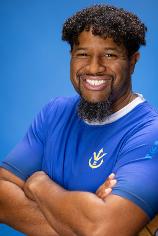
Hi, Im Keith, Therapist Las Vegas As a dedicated therapist based in Las Vegas, I specialize in empowering men and couples to overcome challenges and achieve fulfilling lives My philosophy, "improving the world by improving you," reflects my commitment to guiding individuals and partners toward personal growth and enriched relationships ?
Therapy for Men in Las Vegas and Florida: Build Confidence and
Em ot ional Resilience Men are often expected to carry life?s burdens without asking for help? but your mental health matters. I specialize in therapy for men navigating anxiety, depression, relationship challenges, self-worth issues, and career-related stress. Whether you're seeking clarity, confidence, or emotional mastery, I offer individual therapy and coaching for men in Las Vegas and Florid ato help you lead with strength and live with purpose.
Couples Counseling & Relat ionship Therapy: Rebuild St rengt hen Thrive
Strong relationships don? t just happen? they require intentional effort. I offer couples counseling inLas VegasandFloridato help you:
- Rebuild trust, Improve communication, Deepen emotional connection
Whether you're facing ongoing conflict, preparing for marriage, or navigating a major life transition, relationship therapy gives you the tools to reconnect and thrive together
Prem arit al Counseling: St art St rong, St ay St rong
Getting married?Let?s build a solid foundation for a lasting relationship. My premarital counseling sessions help engaged couples explore:
- Communication styles, Conflict resolution skills, Shared values, Relationship expectations
Availablein person in Las Vegasandonline for Florida residents, this work helps you enter marriage with clarity and confidence.Faith-Based Counseling: Where Mental Health Meets
Cont act Dr. Keit h at "
Dr KeithA Fairclough Jr, LMHC, CPC, NCC, ACS
CEO / Mental Health Counselor Freedom Change Success, LLC
info@fcstherapylasvegas.com www.fcstherapylasvegas.com
Ph: 561-309-3507 | Fx: 702-975-1022
Eat ing Your Way t o Good Healt h
Eating well every day is essential for maintaining optimal health,boosting energy, and preventing chronic diseases. A balanced diet, rich in a variety of nutrients, helps fuel the body, supports growth, and enhances overall well-being. The foundation of a healthy daily diet lies in consuming fruits, vegetables, lean proteins, whole grains, and healthy fats.
Fruits and vegetables should make up a significant portion of each meal They are rich in vitamins, minerals, and antioxidants, which help protect the body from harmful free radicals and promote immune health Aim to include a variety of colorson your plate,as different colors represent different nutrients that benefit the body in unique ways
Incorporating whole grains, such as brown rice, quinoa, and whole wheat, ensuresthat you are consuming fiber, which aids digestion and helps to keep you full longer. Lean proteins, like chicken, fish, beans, and legumes, are essential for muscle repair and immune function. Healthy fats, such as those found in avocados, nuts, seeds, and olive oil,are important for brain function and heart health
Eating well also involves staying hydrated. Drinking enough water throughout the day is crucial for maintaining energy levels, improving skin health, and supporting digestion. Limit the intake of processed foods, sugary drinks, and excess salt,which can negatively affect your health.
By prioritizing whole, nutrient-dense foods, you can nourish your body daily, making better food choices that contribute to long-term health and vitality

Grief St ages
The stages of grief, often referred to as the "Kubler-Ross model," describe the emotional response people experience when facing loss. While these stages may not occur in a linear order and can vary widely from person to person, they provide a framework to understand the complex feelings associated with grief.
1. Denial: In the face of loss, individuals may initially refuse to accept the reality of what has happened. Denial acts as a defense mechanism, allowing the person to process the shock in small, manageable pieces. It can feel as though the loss isn't real.
2. Anger: As reality sets in, feelings of frustration and helplessness can manifest as anger. The individual may direct this anger at themselves, others, or even the person or situation they?ve lost. It's a natural response to feeling out of control.
3. Bargaining: In this stage, individuals may try to make deals or promises, often with a higher power, in an attempt to reverse or delay the loss. They may have thoughts like, ?If only I had done this differently, maybe they would still be here.?

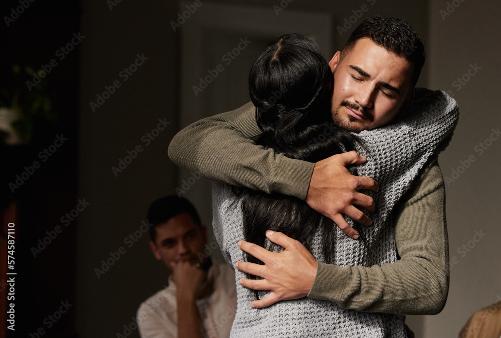
4. Depression: A deep sadness and despair typically follow. The individual might feel overwhelmed by the weight of their loss and struggle to find meaning or hope. Feelings of isolation, fatigue, and helplessness are common during this stage.
5. Accept ance: Eventually, many reach a point where they come to terms with the loss. Acceptance doesn't mean happiness or forgetting, but rather the ability to move forward, adjusting to life without what was lost, and finding a new sense of balance.
Madison
Grief is unique to each person, and these stages may look different depending on the individual and their situation

National Indigenous PeoplesMonth Older Teens in Fost er Care in Las Vegas, NV
Challenges and Support Syst em s
In Las Vegas, Nevada, older teens in foster care face unique challenges as they transition to adulthood. While many children in the foster system are adopted or reunified with their families, a significant number of older youth age out of the system without permanent homes. This transition can be daunting, but various programs and organizations in Clark County aim to provide support and resources to help these young adults achieve self-sufficiency and success.
In Nevada, the Independent Living (IL) Program offers services to youth aged 14 and older who are currently in foster care, as well as former foster youth who aged out of the system at 18. These services include life skills training, financial assistance for education, housing support, and mentorship opportunities. The goal is to equip young adults with the tools they need to navigate adulthood confidently.?dcfs.nv.gov
Clark County's Step-Up program further supports youth who have aged out of foster care by providing case management, housing assistance, and educational resources Eligible participants can receive up to $5,000 per school year for education-related expenses, in addition to other forms of support ?Welcome to Clark County, NVHome
Several local organizations in Las Vegas are dedicated to assisting older teens in foster care:?
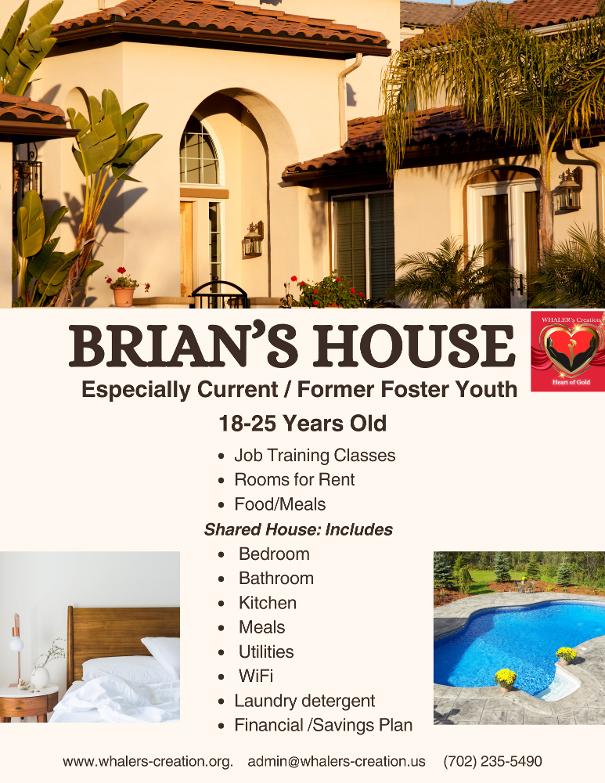
- WHALER's Creat ion: Provides Job Training,Housing and Food to help support current and former foster youth.WHALER's Creation
- The Children's Cabinet:Offers life skills classes, financial assistance, and educational training vouchersto former foster youth,helping them transition into adulthood ?Children's Cabinet+1dcfs nv gov+1
- Village of Becom ing:Provides scholarships,mentorship, and independent living classes to young adults,aiming to empower them for successin an ever-changing world ?Village Of Becoming
- Fost er Kinship:Facilitates youth support groupsand a Youth AdvocacyBoard, allowing young adultsto voice their concerns and advocate for positive change within the foster care system ?Foster Kinship
- Universit y of Nevada, Las Vegas (UNLV) Pat hw ays Program:Collaborateswith the MGM Public Policy Institute to offer workshops and networking events that enhance career preparation and personal development for youth with foster care backgrounds ?UNLV
Addressing Syst em ic Challenges
Despite the availability of support programs, older teens in foster care often encounter systemic challenges, including limited





Changing Lives One Connect ion at a Tim e
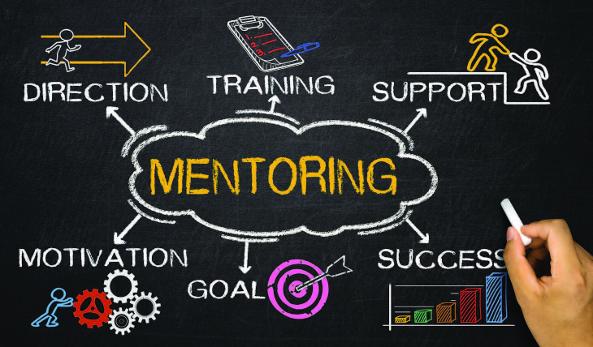
Becoming a mentor is more than just volunteering your time? it's stepping into a meaningful role that can shape a young person's life and, in turn, transform your own Whether you're guiding a teenager through school challenges, helping a young adult navigate career paths, or simply offering a consistent and caring presence, mentorship is a powerful way to make a lasting impact
Many young people, especially those in foster care or from underserved communities, may lack stable adult figures who believe in them and help them reach their full potential. Mentors offer encouragement, share life experiences, and help mentees build confidence, resilience, and skills they?ll carry throughout life.
You don? t need special training to be a great mentor? just patience, empathy, and a willingness to listen. Organizations often provide orientation and ongoing support to help you grow in the role. Whether you meet weekly in person, chat over the phone, or connect virtually, what matters most is showing up consistently and authentically.
The benefits of mentoring go both ways While mentees gain support and direction, mentors often find renewed purpose, improved communication skills, and a deeper connection to their communities It?s a relationship built on trust, mutual respect, and hope for the future
Tom Freem an
If you're looking to give back in a meaningful way, consider becoming a mentor. One hour a week can change a life. We think every young adult should have a mentor no matter their economical background. Be the support our young people need.
US Adoption Resources
Centers for Disease Control International Adoption Health Guidance
U.S.Department of State Bureau of Consular Affairs Adoption Process
AdoptUSKids.org
Child Welfare information Gateway
Congressional Coalition on Adoption Institute (CCAI)
Additional Resources
Adoptive Families Magazine
Adoptive Parents Committee
American Academy of Adoption Attorneys (AAAA)
Child Welfare League of America
The Center for Adoption Support and Education
Dave Thomas Foundation
Evan B.Donaldson Adoption Institute
International Social Services
National Adoption Center
National Council for Adoption (NCFA)
North American Council on Adoptable Children (NACAC)
Las Vegas, NV Clark Count y Depart m ent of Fam ily Services
Fost er Parent s Urgent ly Needed
Clark County authorities maintain that they still face a deficit of foster families ready to provide temporary care for children. Allyson Manumaleuna, the county's foster care supervisor, emphasizes a specific demand for Black foster parents.
Manumaleuna explains, "Having homes within their own communities and neighborhoods can facilitate smoother transitions for these children. The need is evident. Currently, there are approximately four African-American foster homes available for every ten African-American children within the foster care system."
Lynne Jasame, a former foster travel all across Las Vegas advocating for more foster parents, especially African-American foster parents
How to Become a Foster Parent:
1. Contact your local foster care agency: The first step is to get in touch with your local foster care agency You can find the agency in your area by searching online or contacting your state or county department of social services.
2. Attend an orientation session: Most agencies require prospective foster parents to attend an orientation session to learn about the foster care system, the needs of children in foster care, and the process of becoming a foster parent.
3 Complete the application process: After attending the orientation session, you will need to complete the application process, which includes background checks, home inspections, and training.
4 Complete training: Foster parents are required to complete training before being licensed. The training covers topics such as child development, the impact of trauma on children, and how to work with birth families
5 Receive licensure: Once you have completed the application process and training, the agency will evaluate your application and decide whether to grant you a foster care license