YEARS
Dear Bush Foundation Community,
If there were a simple answer to how to depolarize our politics, we would have already done it.
60 Years of the Bush Fellowship
But I believe that one part of the answer is pretty simple: we have to all get better at building belonging without “othering.”
If we see people who disagree with us or make different choices than we do as an “other,” we can lose perspective on our shared humanity. We can forget that we depend on each other to build safe and healthy communities. And, in the worst cases, we can resort to violence like the horrific shootings we have experienced here in Minnesota.
Now is not a wring-our-hands moment. Now is a moment to do more. And to try something different.
YEARS
Dear Bush Foundation Community,
If there were a simple answer to how to depolarize our politics, we would have already done it.
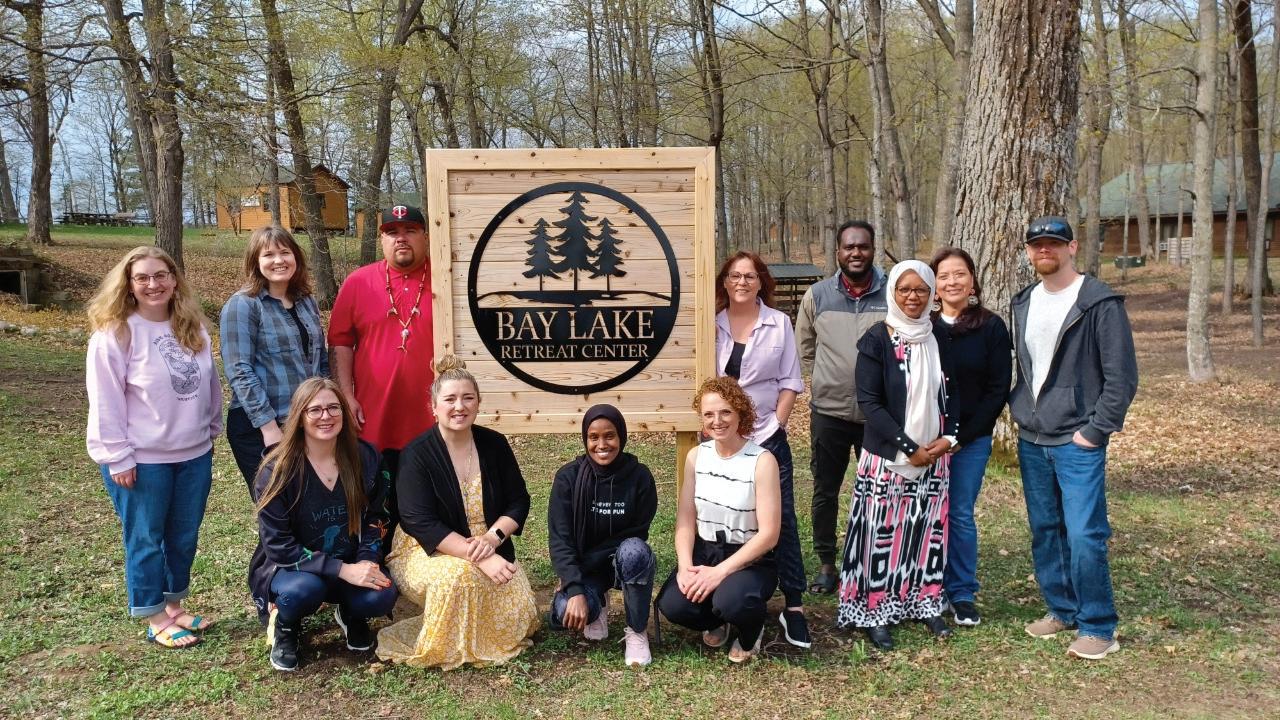
This summer, everyone at the Bush Foundation read the book “The Power of Bridging” by john a. powell. In partnership with Black Garnet Books, we are offering copies of the book for free to anyone in our grantmaking region (Minnesota, North Dakota, South Dakota and the 23 Native nations sharing that geography) to read along with us. All we ask is that you read the book and try some new tactics to build understanding and connections with people in your community.
But I believe that one part of the answer is pretty simple: we have to all get better at building belonging without “othering.”
I’ll warn you that it is a challenging book. Whatever your background and your political beliefs, I suspect you will disagree and be provoked by some of the arguments. Within Bush, we are seeking to work through what provokes us as we figure out what more and different we can do in building a region that works well for everyone.
If we see people who disagree with us or make different choices than we do as an “other,” we can lose perspective on our shared humanity. We can forget that we depend on each other to build safe and healthy communities. And, in the worst cases, we can resort to violence like the horrific shootings we have experienced here in Minnesota. Now is not a wring-our-hands moment. Now is a moment to do more.
Bridging does not mean giving up your own beliefs and values. Bridging does not mean you have to ask your arch-nemesis to brunch. Bridging can be about reaching out to those with whom you are close and being willing to listen differently. To follow up on a statement that you don’t agree with or don’t understand. Relationship by relationship, we can build bridges of trust and understanding that allow us to disagree and work through hard things while still appreciating each other as people.
It may seem strange to talk about taking small actions in a time of big challenges. We can’t solve political polarization by just talking and listening to our neighbors. But we also can’t solve political polarization without talking and listening to our neighbors. Culture change comes from lots and lots of small actions, taken by everyone willing to be part of the change.
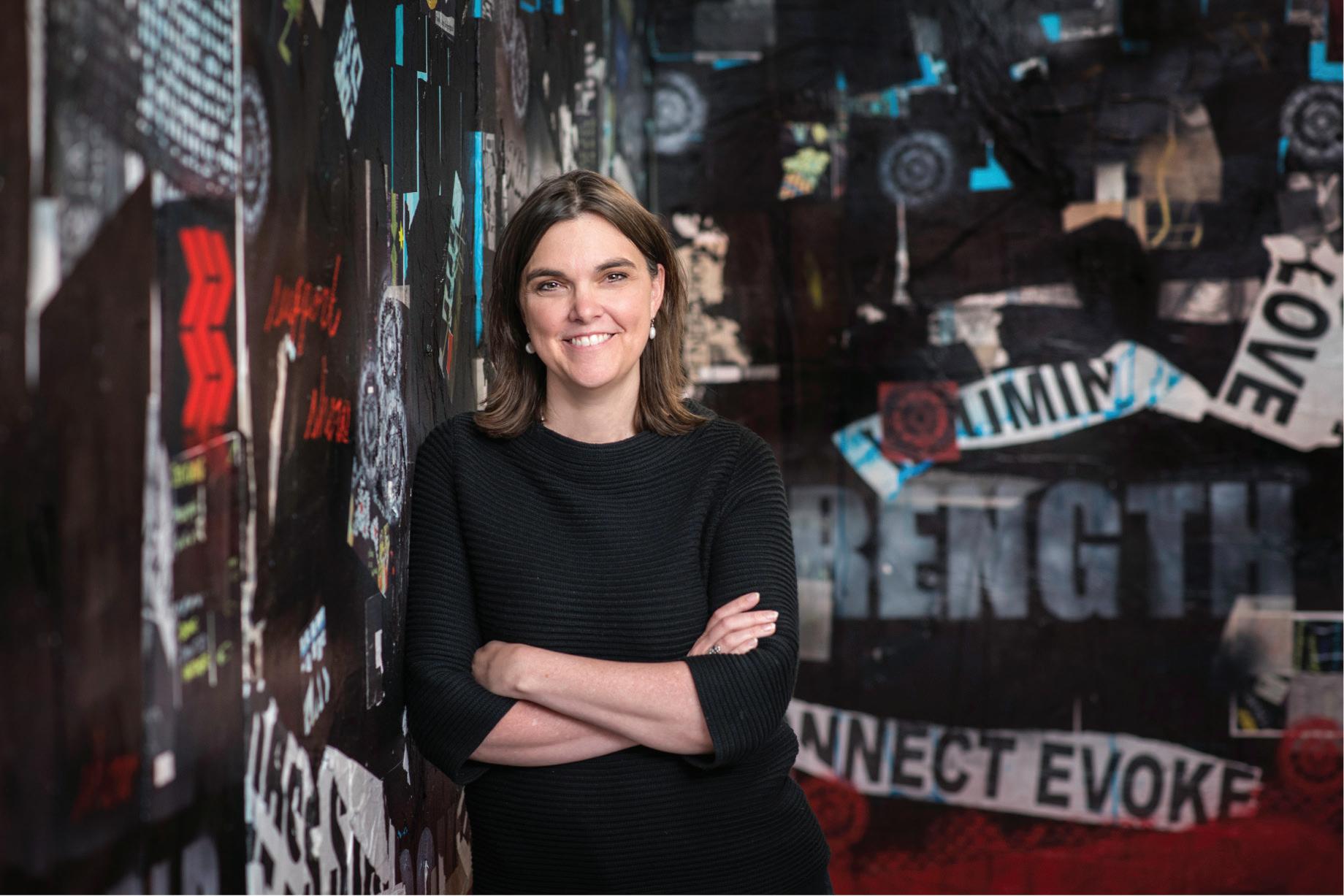
President Jen Ford Reedy
Bridging does not mean giving up your own beliefs and values. Bridging does not mean you have to ask your arch-nemesis to brunch. Bridging can be about reaching out to those with whom you are close and being willing to listen differently. To follow up on a statement that you don’t
Initiators Fellowship
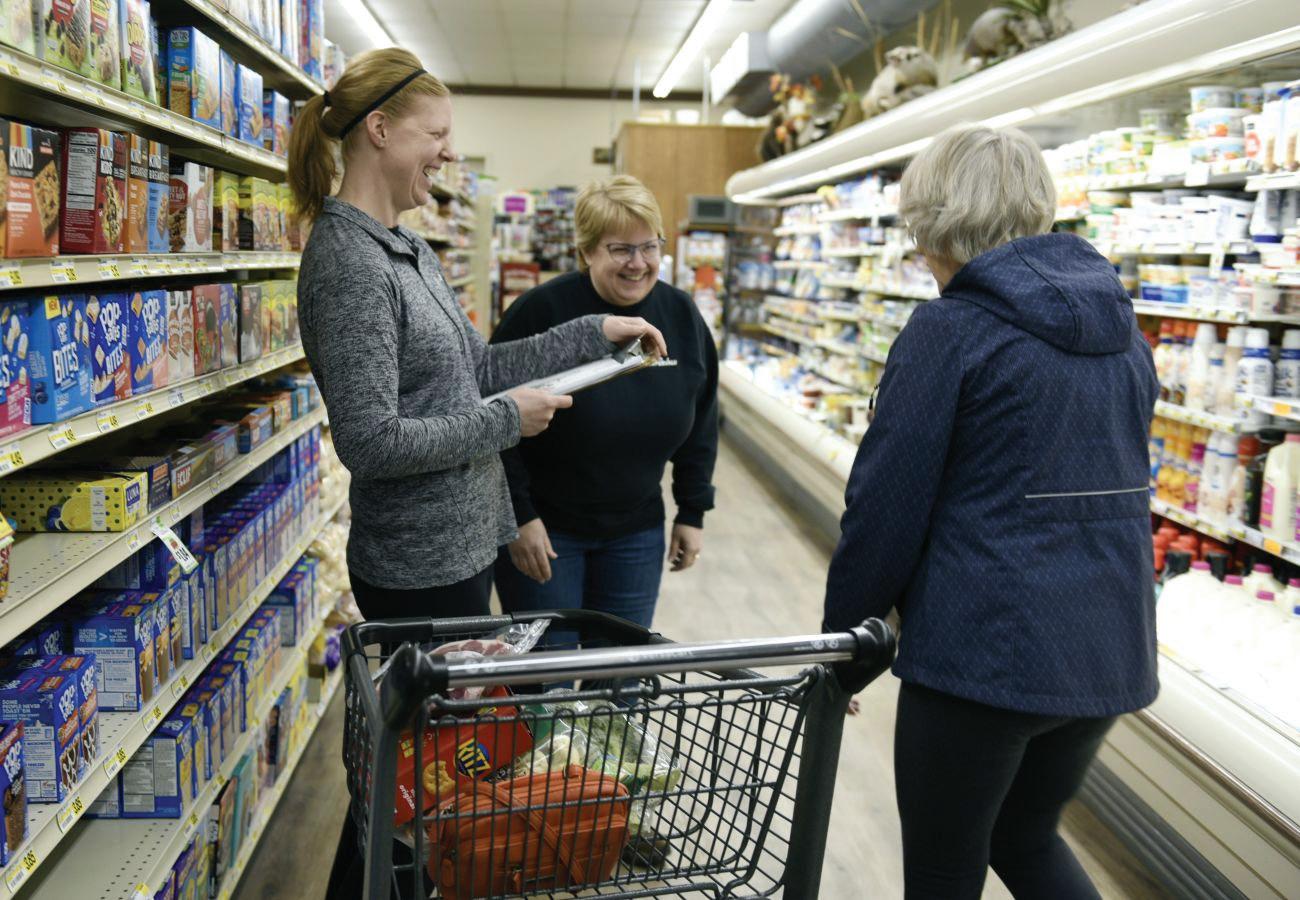
The Initiators Fellowship is transforming rural Minnesota by equipping visionary leaders with the tools, confidence and funding to bring bold business ideas that benefit local communities to life. Supported by our Community Innovation program and other funders, it helps people like Alex Ostenson launch a membership-based grocery store, and Nora Hertel found a solutions-focused news platform. Some, like Alise Sjostrom of Redhead Creamery, expand existing businesses, while leaders such as Fardowsa Iman turn visions like culturally specific mental health clinics into reality. Read more at bushfoundation.org/stories/.
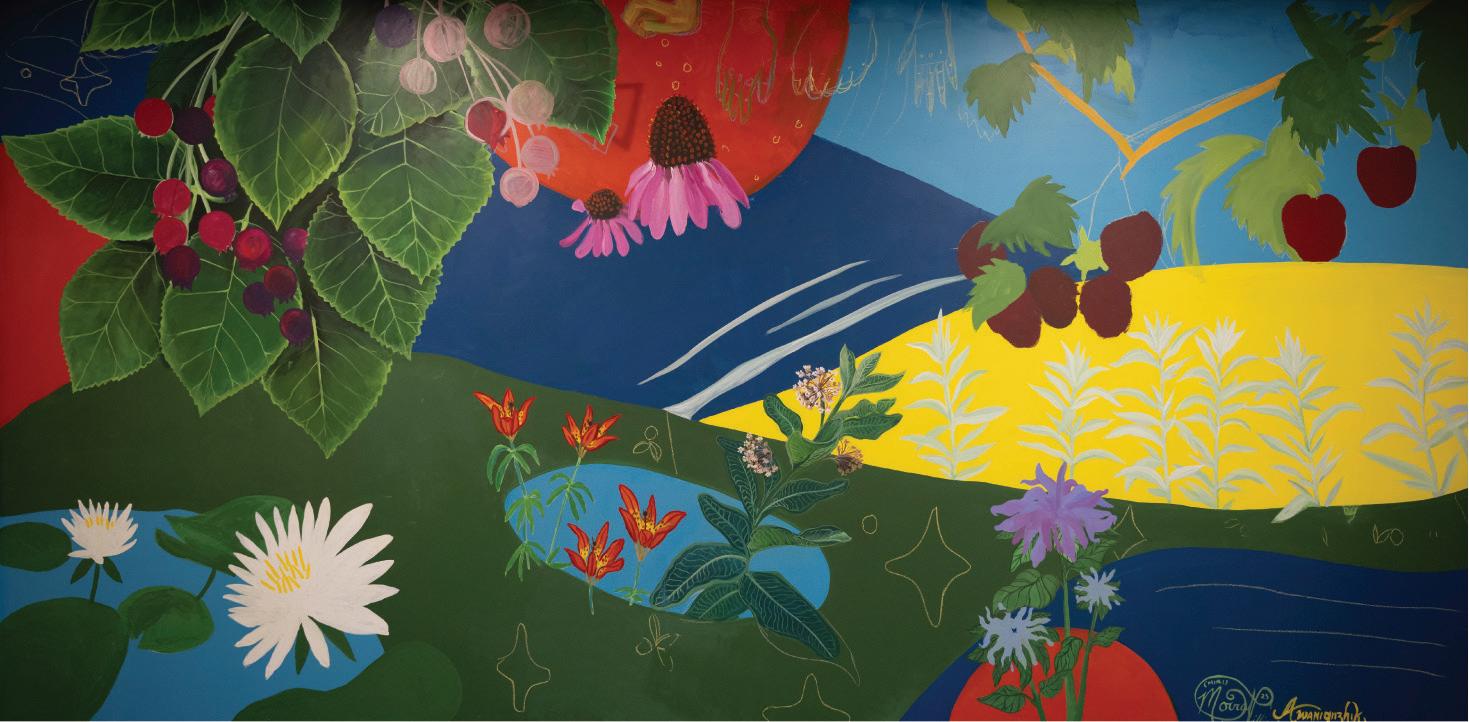
CoNorth: Cooperative Housing Solutions
In Minnesota, more than 180,000 people live in manufactured housing communities. While these communities offer affordable homeownership, residents are often vulnerable to rent increases and displacement.
CoNorth is changing the story of affordable homeownership by helping residents in manufactured housing communities purchase the land beneath their homes and form resident-owned cooperatives. In this model, families have affordable and secure housing that helps them build wealth, and through collective ownership, residents manage and oversee their community’s needs.
Learn more about how a Community Innovation grant and PRI are helping to shift how lenders, cities and states invest in
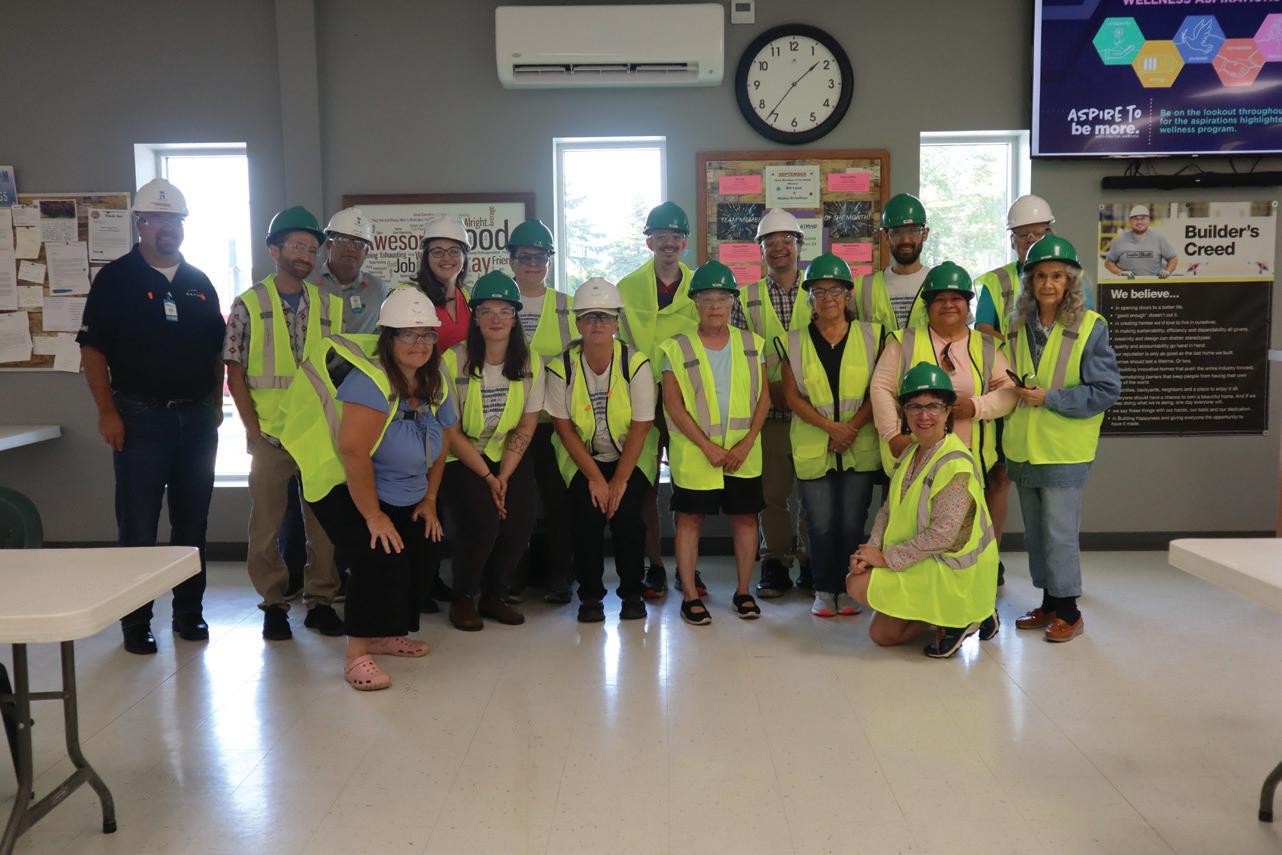
BY MOIRA VILLIARD
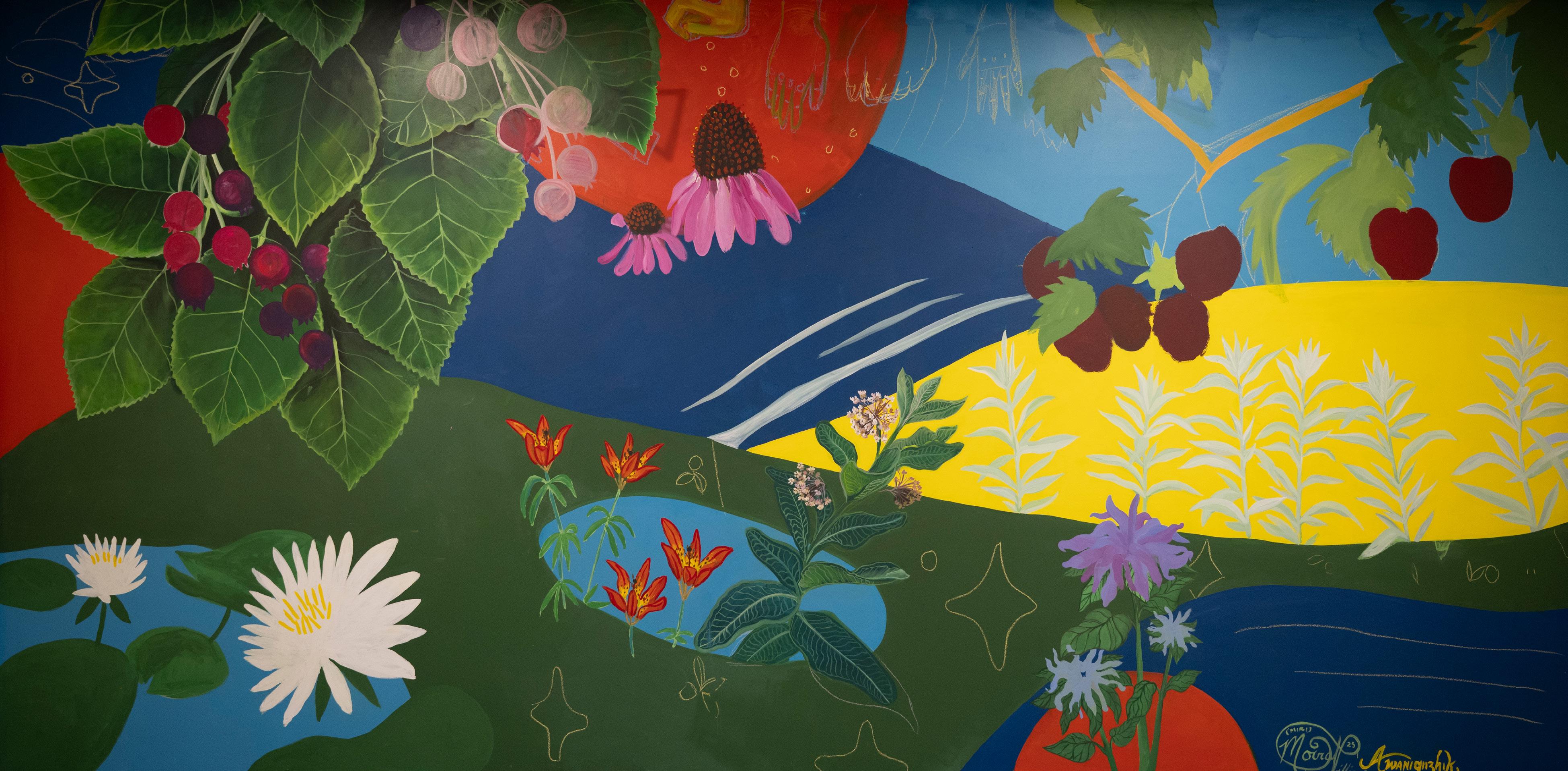
This mural is a celebration of the land. Inspired by the diverse landscapes of South Dakota, North Dakota and Minnesota, it honors the resilience of the natural world across our region. Water plants call to mind the rivers and lakes, prairie species symbolize the vast open plains, and abundant foliage reflects the strength of forested lands. Together these forms speak to themes of growth, renewal and interconnectedness.
All plants carry medicine and special gifts, and in the same way all people hold gifts and a responsibility to share them. The mural’s vivid colors and flowing composition offer an abstract nod to the energy and leadership potential rooted here. Just as ecosystems flourish through balance and connection, this work stands as a reminder of what becomes possible when diverse voices and places come together to shape a thriving future.
Moira Villiard (pronounced “Miri”) is a Bush Fellow and a multidisciplinary artist and community organizer from the Fond du Lac Reservation in Cloquet, Minnesota. Learn more about her at artbymoira.com
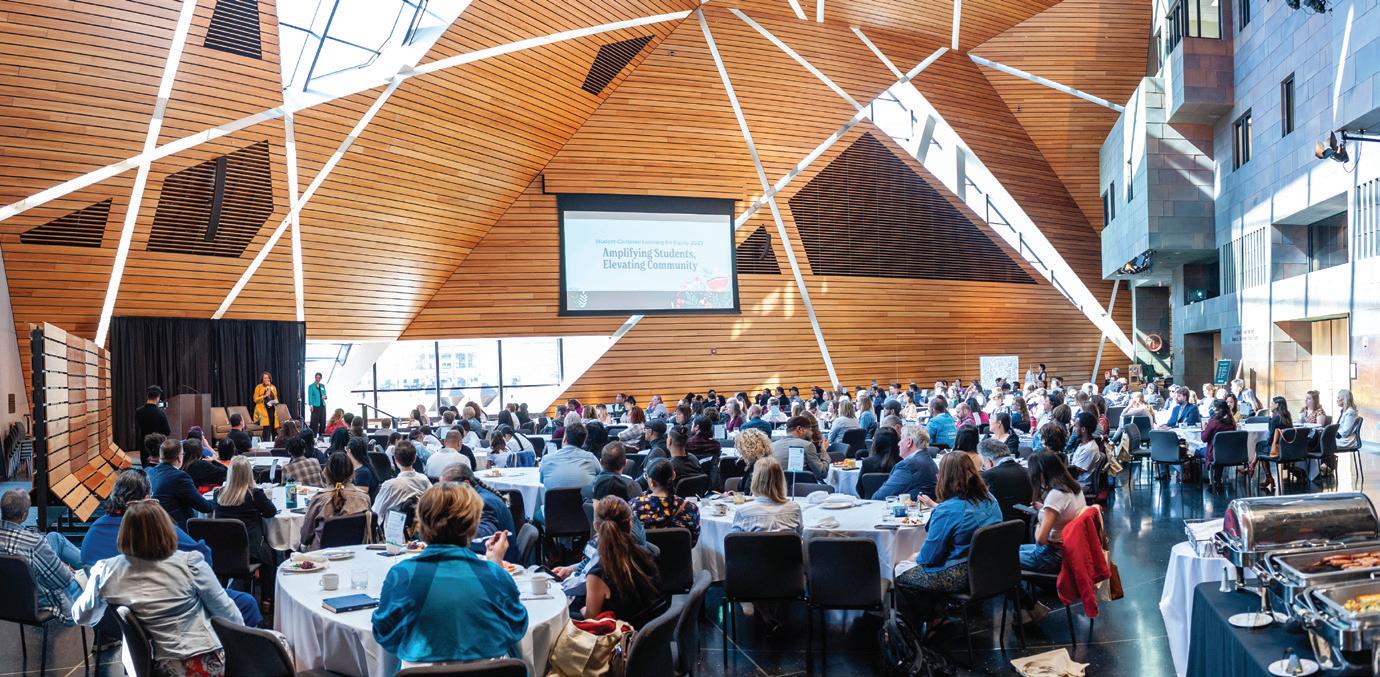
We have had our offices in downtown St. Paul ever since the days when Archie and Edyth were on our board. Our recent move reaffirms our commitment to St. Paul and its future. Bush offices are now located at The 428 building.
We look forward to welcoming the community into our new home!
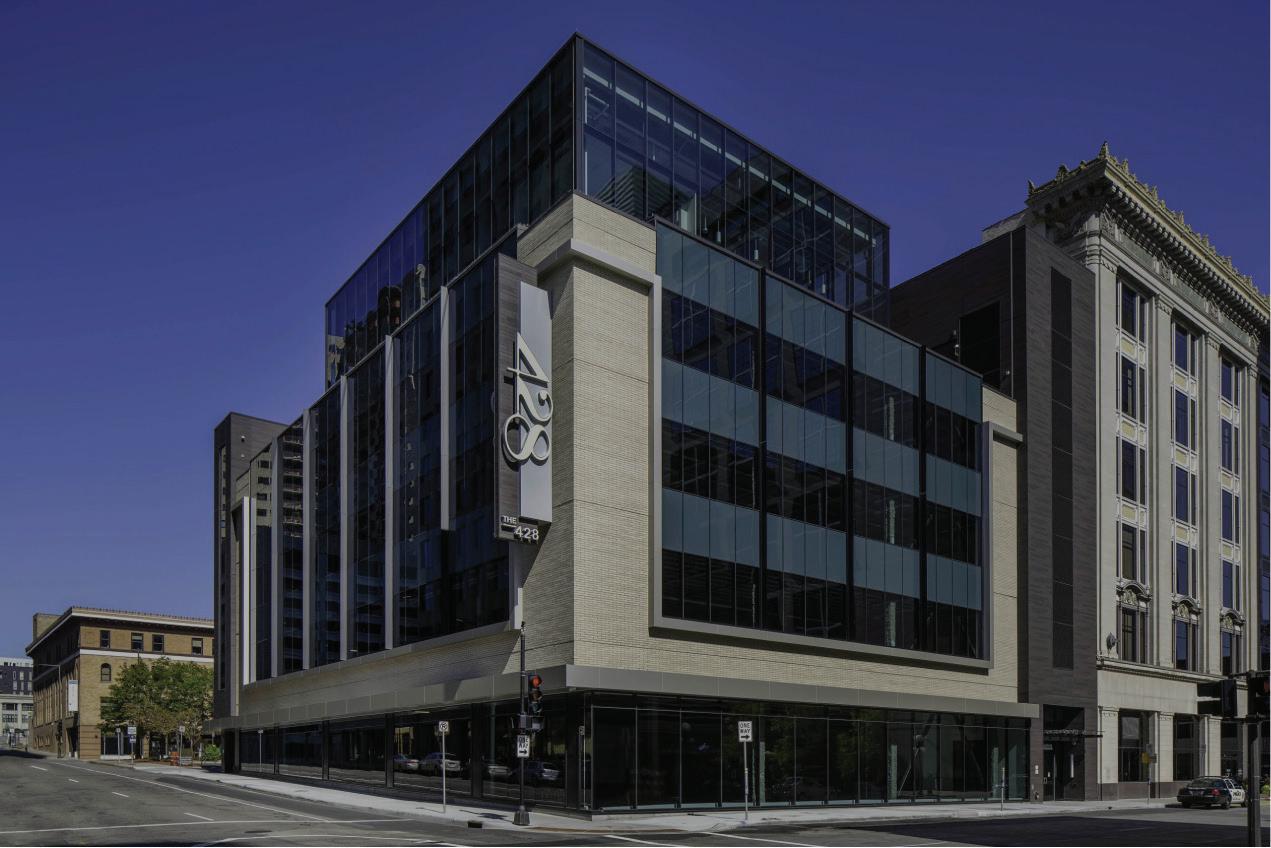
Photo courtesy of The 428 / HDR Architects
Photo by Jeff Achen
Photo courtesy of Initiative Foundation
Photo courtesy of CoNorth
grow their capacity and imagine new possibilities for their communities.
From the start, the program sought people “from widely diverse backgrounds,” and trusted that Fellows knew best what they needed for their own development. That spirit of self-designed growth still defines the Fellowship today.
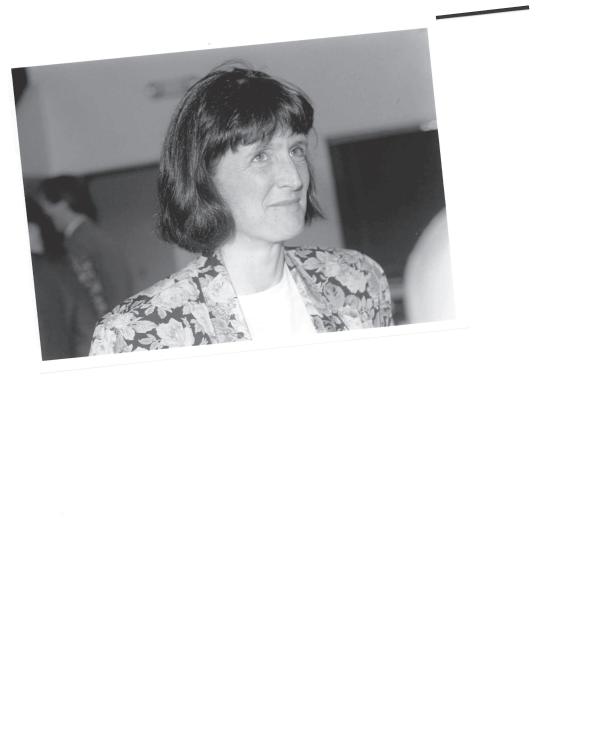
Calvin Walton (BF 1965) was leading a Minnesota state task force on equality at the time of his Fellowship, then became the first head of the Governor's Human Rights Commission.
60 Years of Impact Celebrating the Bush Fellowship
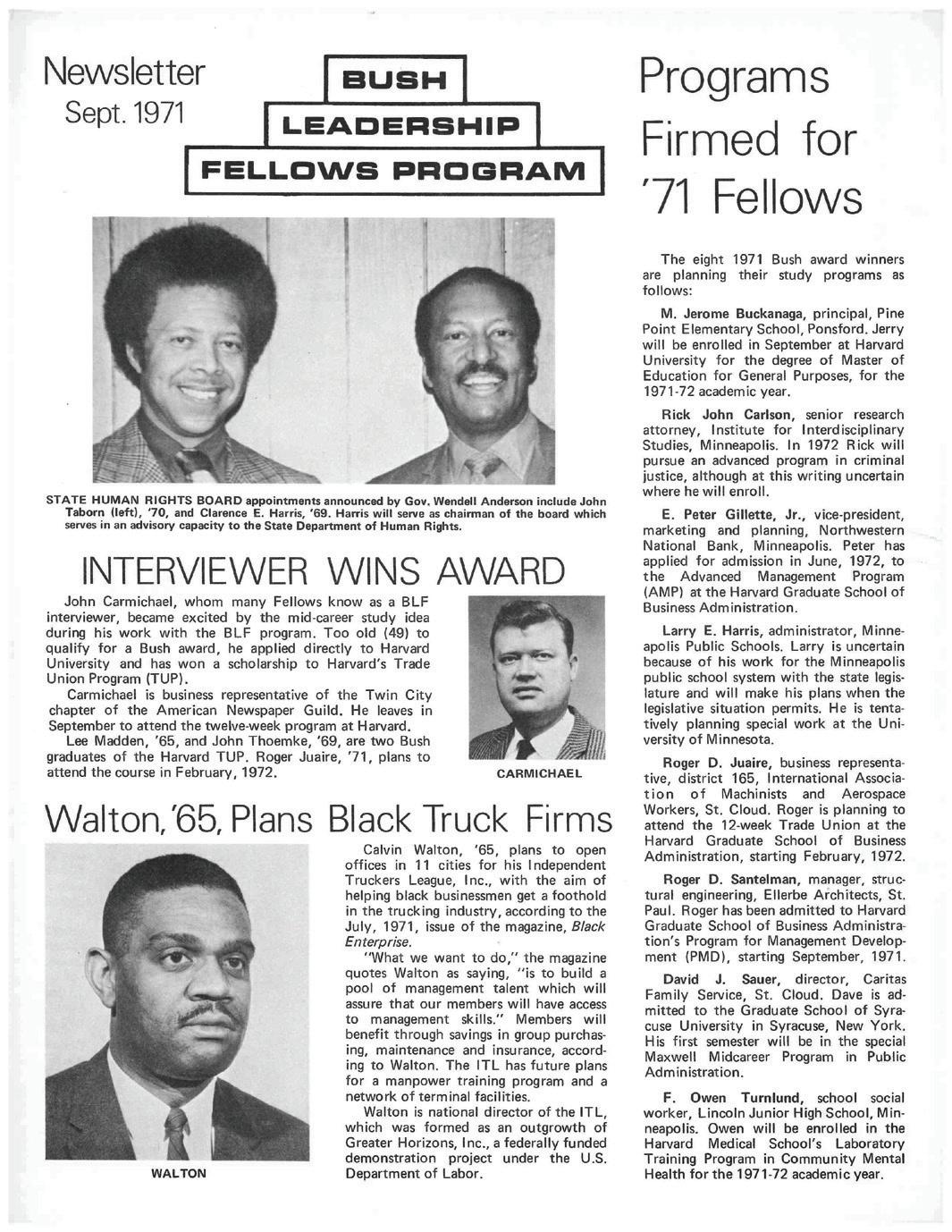
Even as the program has kept true to its original spirit, it has evolved in important ways—including the selection of women, starting in 1972. The first woman included:
Over the years, the Bush Fellowship has evolved, at times supporting dedicated programs like ones for artists and medical professionals. Today it offers a single unified program for community leaders from any sector. What has remained constant is the belief that bold change requires bold leaders. More than 2,500 Fellows have carried this investment forward, shaping practices as diverse as birthing, agriculture and Tribal governance across Minnesota, North Dakota, South Dakota and the 23 Native nations that share this geography.
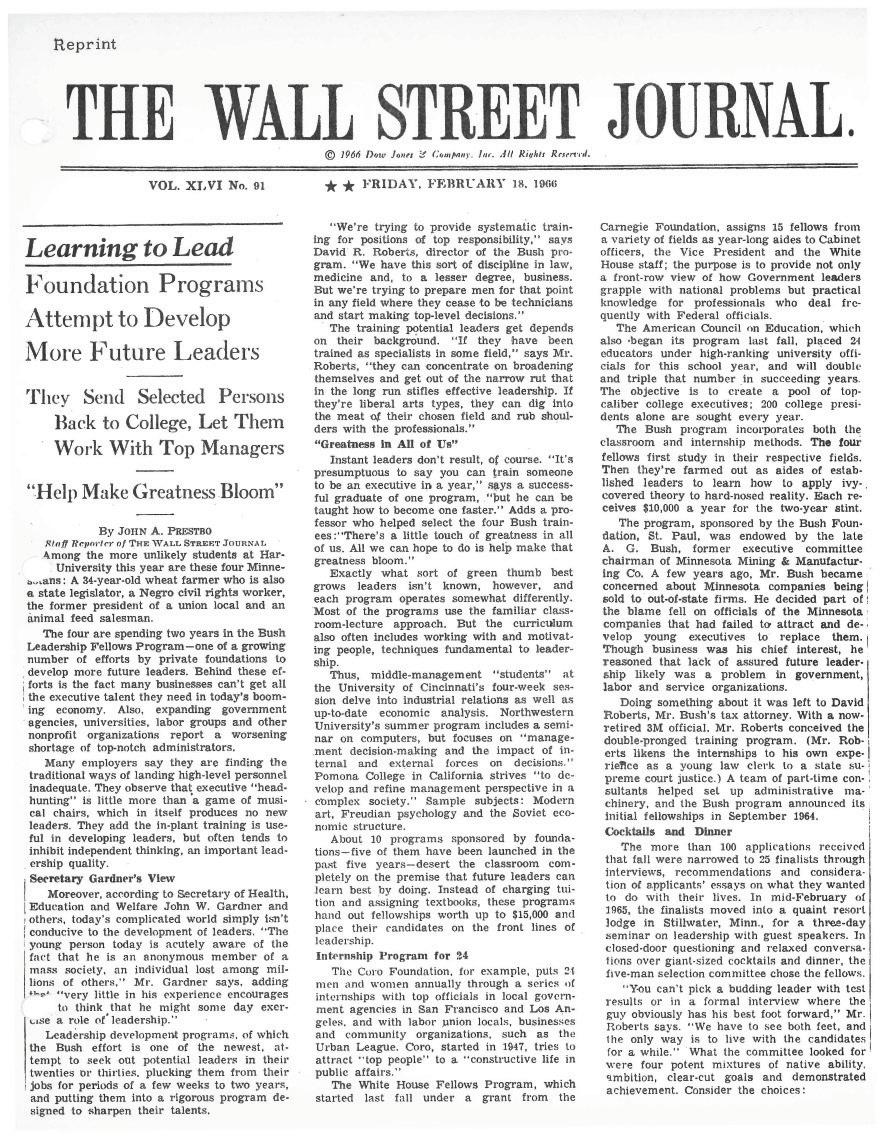
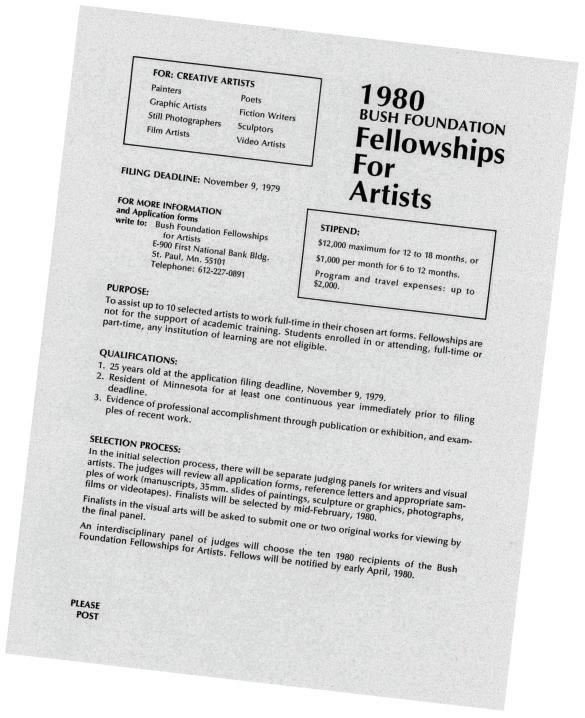
For six decades, the Bush Fellowship has invested in the most powerful resource our region has: its people. Launched in 1964 under the leadership of our founder, Archie Bush, the Fellowship was created to give leaders the time, space and resources to grow their capacity and imagine new possibilities for their communities.
From the start, the program sought people “from widely diverse backgrounds,” and trusted that Fellows knew best what they needed for their own development. That spirit of self-designed growth still defines the Fellowship today.
Anne Traux (BF 1972) was director at the Minnesota Women's Center at the University of Minnesota when she became a Fellow. She later founded the University’s women's study program, led the Office of Equal Opportunity and Affirmative Action and helped pass Title IX.
The very first cohort of Fellows announced in 1965 included:
The first Fellows received $10,000 awards. Today, each receives up to $150,000. Over time, this has added up to hundreds of millions of dollars invested in people who make our region better for everyone.
Arlen Erdhal (BF 1965) was a state legislator when he received his Fellowship, then later became the Minnesota Secretary of State and later a U.S. Representative from Minnesota.
Calvin Walton (BF 1965) equality at the time of his Fellowship, then became the first head of the Governor's Human Rights Commission.
The Fellowship is a bet on the potential of proven leaders to create significant change in their communities. For 60 years, that bet has paid off in lasting impact across communities.
* Source: Bush Fellowship Application Survey, September –October 2024 Extremely Helpful 53%
39% 7% At Least Somewhat Helpful Not Helpful
Over the years, the Bush Fellowship has evolved, at times supporting dedicated programs like ones for artists and medical professionals. Today it offers a single unified program for community leaders from any sector. What has remained constant is the belief that bold change requires bold leaders. More than 2,500 Fellows have carried this investment forward, shaping practices as diverse as birthing, agriculture and Tribal governance across Minnesota, North Dakota, South Dakota and the 23 Native nations that share this geography.
2025 Bush Fellowship rating of how helpful the application process was in thinking bigger & differently *
Who We Are
The Bush Foundation invests in great ideas and the people who power them in Minnesota, North Dakota, South Dakota and the 23 Native nations that share the same geography. For more information, visit bushfoundation.org
2025 Bush Fellowship rating of how helpful the application process was in thinking bigger & differently *
Who We Are
The Bush Foundation invests in great ideas and the people who power them in Minnesota, North Dakota, South Dakota and the 23 Native nations that share the same geography. For more information, visit bushfoundation.org
Anne Traux (BF 1972)
The Bush Fellowship is highly competitive, and we know that applicants spend a lot of time and energy to submit a proposal to us. It is important to us that our process supports people to grow their sense of what’s possible, whether they end up as a Bush Fellow or not. Visit bushfoundation.org/performance-scorecard/.
the University of Minnesota when she became a Fellow. She later founded the University’s women's study program, led the Office of Equal Opportunity and Affirmative Action and helped pass Title IX.
The first Fellows received $10,000 awards. Today, each receives up to $150,000. Over time, this has added up to hundreds of millions of dollars invested in people who make our region
Even as the program has kept true to its original spirit, it has evolved in important ways—including the selection of women, starting in 1972. The first woman included:
The Fellowship is a bet on the potential of proven leaders to create significant change in their communities. For 60 years, that bet has paid off in lasting impact across communities.
The Bush Fellowship is highly competitive, and we know that applicants spend a lot of time and energy to submit a proposal to us. It is important to us that our process supports people to grow their sense of what’s possible, *
Our offices have been a great space to showcase the many Bush Fellow artists we have supported through the years. We worked with a few of them to create art in our new space. For this publication, we’re highlighting the work of Moira Villiard (BF 2024). Read more about her piece on the other side.
ECOSYSTEM GRANTS
Offering resources to equip and connect leaders
We can only fund a small fraction of the great work happening in our region. Ecosystem grants allow us to be more broadly helpful by supporting organizations that others feel are most helpful to them, and that help other people and organizations do creative problem solving in the region. Check out these resources on our website.
COMMUNITY INNOVATION GRANTS
Investing in the most promising ideas in our region
This is our largest and most flexible program. We invest in promising ideas with the potential to make our region better for everyone. We focus our support where it can have the greatest impact and bring big ideas to life. Curious if your idea is a fit? Set up a brief call with us through the contact hub on our website.
Supporting people to become better leaders BUSH
FELLOWSHIP PROGRAM
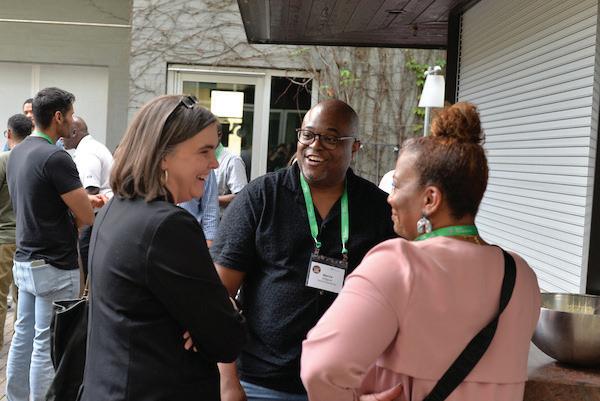
Change happens when people make it happen, and Bush Fellowships are an investment in people from any sector—business, government and nonprofits—to think bigger and differently for their communities. Bush Fellows know what they need to grow their capacity to lead, and they have a plan for how to do it. This opportunity is available each year. Find more info on our website.
Photo by Dan Koeck
Photo by Bruce Silcox