DETECTING TRAUMATIC BRAIN INJURY
CHEMICAL SYNTHESIS ROBOT CREATED
A BREATH-POWERED PROSTHETIC HAND
FEB/MAR 2024 VOL.34 NO.6 PP100008671

CHEMICAL SYNTHESIS ROBOT CREATED
A BREATH-POWERED PROSTHETIC HAND
We all share a passion for science. Curiosity inspires us. The research community’s quest to find answers to pressing global issues, such as improving human health, addressing food shortages, and combating climate change, is what drives us.
NEB was created by scientists for scientists, and we prioritise the advancement of science, stewardship of the environment, and giving back to the world around us. Since our establishment in 1974, we have remained committed to developing high quality, innovative products that not only empower your research but also our own. Our profits have always funded an extensive research program, which we believe is critical for staying connected to our customers and helping to drive scientific breakthroughs.
As we reflect on the last 50 years and look toward the future, we are excited to support your research and help you address these complex challenges.
We hope that by working together, we can shape the science of tomorrow.


Thank you for your continued trust and support. Find out how you can help us celebrate 50 years by visiting www.neb.com/NEBturns50
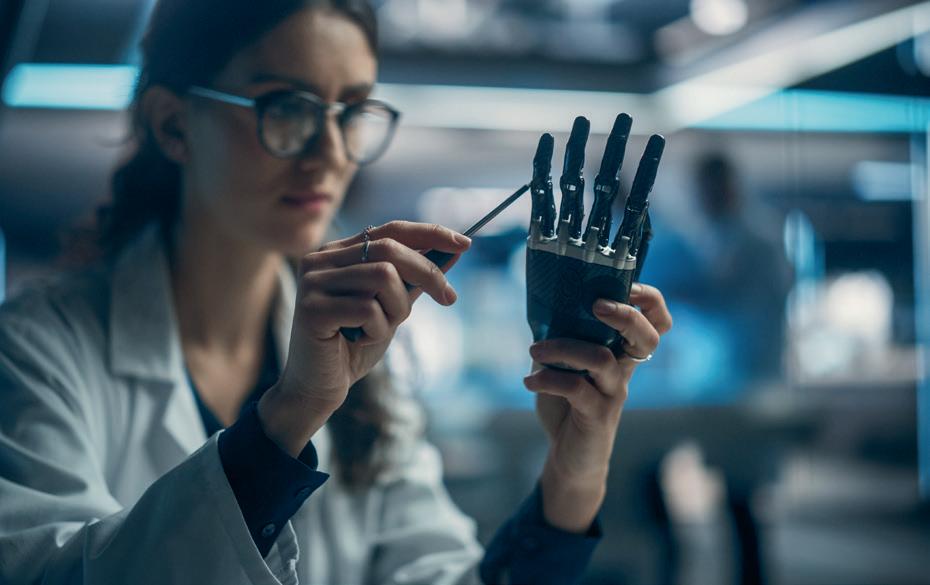

Jeroen Bergmann came up with the idea for a breath-powered prosthetic after patients and clinicians expressed a need for new devices that are easy to use, especially for children.
A new study adds to the growing body of evidence that measuring levels of certain proteins in the blood of healthy people could accurately predict dementia.


Dubbed ‘RoboChem’, the benchtop device can outperform a human chemist in terms of speed and accuracy while also displaying a high level of ingenuity.
Australian companies involved in any lab work have to see to it that their lab scrubs meet industry standards and regulations to be considered safe, foolproof and effective.
Researchers set themselves the challenge of how to write in water without fixing substrates, similar to the way aircraft leave vapour trails behind them when they cross the sky.
A novel diagnostic device detects TBI by shining a laser into the eye, while an advanced imaging technique has been used to predict recovery in children.
Researchers identified more than 160,000 structural genetic variants, which is more than any previous population-level longread study to date.
Researchers developed an intravenous needle that remains soft once it has been used, preventing accidental needlestick injuries and unethical reuse.


Just a couple of months into 2024, there have already been some pretty impressive scientific advances. International astronomers located the oldest black hole ever known, dating from just 400 million years after the Big Bang — with the existence of such a massive black hole so early in the universe challenging our assumptions about how such objects form and grow (based on its size, it should be at least twice as old!). Chinese scientists reported the successful cloning of a rhesus monkey — which has now survived for more than two years — using a new scientific method, which helps progress our understanding of primate reproductive cloning and may improve its efficiency. And in some rather bleak news, it was found that several people may have ‘caught’ Alzheimer’s disease via a historical medical procedure that appears to have transmitted the amyloid-beta protein.
From 1959 to 1985, at least 1848 people with short stature in the UK were treated with a type of human growth hormone extracted from pituitary glands from deceased individuals (cadaverderived human growth hormone, or c-hGH). The treatment was withdrawn after it was recognised that some c-hGH batches were contaminated with infectious proteins that had caused Creutzfeldt-
Jakob disease (CJD), a degenerative brain disorder, in some people. But in a recent study of several people who were treated with c-hGH in childhood, researchers discovered the following:
• Five had symptoms of dementia, and either had already been diagnosed with Alzheimer’s or would otherwise meet the diagnostic criteria for the condition.
• One person met criteria for mild cognitive impairment.
• Biomarker analysis supported the diagnosis of Alzheimer’s in two patients and was suggestive of Alzheimer’s in one other person.
• An autopsy analysis showed Alzheimer’s pathology in another patient.
The unusually young age at which these patients developed symptoms suggested the Alzheimer’s was not associated with old age, and genetic testing of five patients ruled out inherited Alzheimer’s. The results also tallied with previous findings that some patients with CJD due to c-hGH treatment had prematurely developed deposits of amyloid-beta protein in their brains; that archived samples of c-hGH were contaminated with amyloid-beta protein; and that these samples transmitted amyloid-beta pathology to laboratory mice when it was injected. Scientists are now calling for diagnostic blood tests to be conducted on anyone who might have undergone c-hGH procedures in the UK and here in Australia, where cadaver-derived hormones were used for short stature as well as fertility treatment.
The good news is that testing for Alzheimer’s is getting better all the time, with researchers recently showing that profiles of proteins in the blood can accurately predict dementia up to 15 years prior to clinical diagnosis — see our article on page 13 for more information on this promising breakthrough. And staying inside the head, our article on page 29 showcases recent research efforts to diagnose traumatic brain injury, as well as predict recovery. Elsewhere in the magazine, we reveal the unique genetic diversity of Indigenous Australians (page 31); showcase the benchtop robot that can outperform a human chemist (page 16); and outline all the ways in which your lab scrubs need to comply with Australian regulations and standards (page 22).

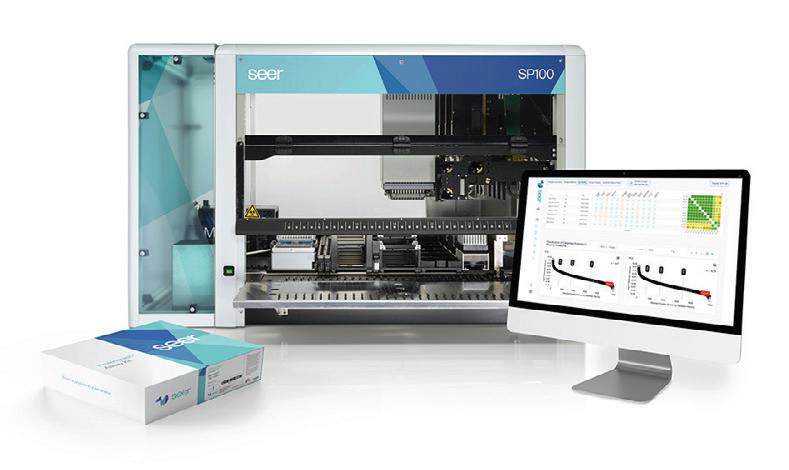
THE PROTEOGRAPHTM PRODUC T SUITE
Seer o ers the rst and only automated platform for proteomic studies that enables sampling across the entire plasma proteome’s wide dynamic range, allowing discovery of novel protein variants with the reproducibility and speed needed for high throughput studies.


Discover novel protein biomarkers
Using Seer's power ful and unbiased approach, identi cation of unknown protein targets is now possible
Characterize genomic variants with proteomic insights
Detect changes in proteins at the amino acid level that are induced by single nucleotide variants
Resolve biology at the peptide leve l
Explore proteome complexity and diversity at the peptide and amino acid levels and discover distinct protein variants
Ask deeper biological questions
Measure the totality of proteomics information, from amino acid variants to pathway analysis, with the Proteograph Product Suite

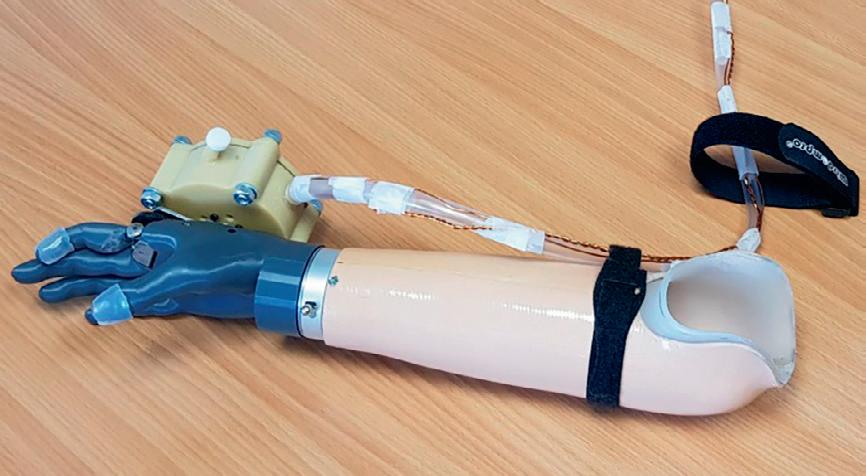
One simple breath and the prosthetic hand closed. Another breath opened the fingers, the movement happening in a heartbeat. “It feels like magic,” a child with an upper limb difference in Bengaluru, India, told the University of Oxford team that made the prototype.
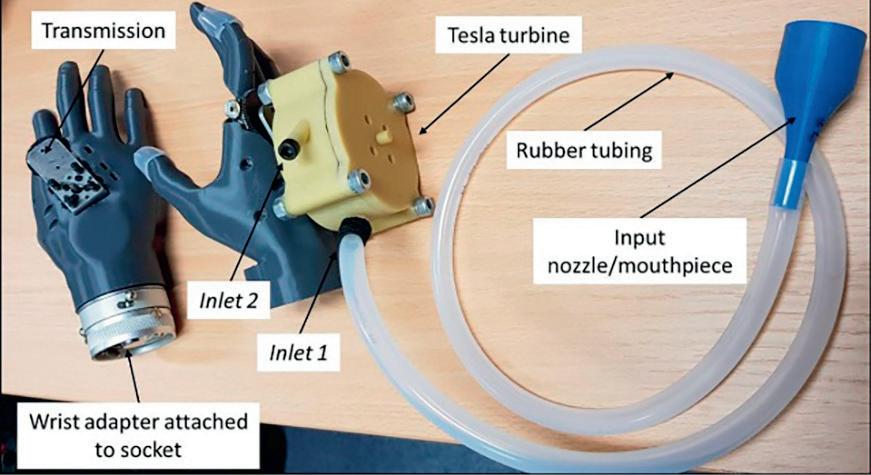
Called Airbender, the wearable upper limb prosthetic is designed to be affordable, comfortable and intuitive for young users. A unique turbine and gearbox optimise torque and revolutions per minute (RPM).
“Body-powered prosthetics only considers the musculoskeletal system,” observed Jeroen Bergmann, an associate professor of engineering sciences who leads the project at the University of Oxford. “I came up with the idea for a breathpowered system after patients and clinicians expressed a need for new devices that are easy to use, especially for children.”
Currently, the most prevalent prosthetic hands rely on technology that hasn’t changed much in more than 200 years. These cable and harness systems require muscular strength to operate.
To develop a breath-powered system, Bergmann recruited postdoctoral biomedical engineering researcher Dr Vikranth Nagaraja for the project in February 2019. A year later, postdoctoral engineer Dr Jhonatan Da Ponte Lopes joined them.
To produce an operational device, Bergmann also partnered with the non-profit organisations Mobility India and St. John’s Medical College Hospital in Bengaluru, UK-based charity LimbBo Foundation and 3D LifePrints (now Insight Surgery). The team received invaluable manufacturing support from the departmental workshops, particularly 3D-printing support from Dr Peter Walters.
“The clinical and patient communities helped us tremendously,” Bergmann said. “Now we are optimising the hand functionality and manufacturability and will be exploring new funding opportunities to move our work into the clinical testing phase.”

Shrugging off the past
Worldwide, 40 million people have limb differences, an inclusive term for body parts missing congenitally or lost (eg, from trauma). Upper limb differences can range from missing part of a finger to both arms. Nagaraja noted that according to estimates from published literature, only about 3% to 5% of patients with limb differences receive prosthetic care.
“There’s evidence showing that children who lose limbs and are fitted with prosthetics have a higher level of development than those who don’t get a prosthetic at all,” Da Ponte Lopes pointed out.
In 1818, a German dentist named Peter Baliff introduced the first upper limb system that enabled the wearer to flex the fingers on a prosthetic hand through trunk and shoulder movement. World Wars I and II prompted advancements such as sockets and tool attachments.
By the late 1940s, a unique cable mechanism began replacing the straps. Originally patented by Irish inventor Ernest Monnington Bowden in 1898 for bicycles, the cable consists of a thin wire enclosed in a larger outer sheath. Shoulder shrugging pulls and releases a gripper attached to the Bowden cable, opening and closing the prosthetic hand or hook in proportion to that tension.
“But these systems have been reported to be very inefficient,” Nagaraja said. “The wearer ends up exerting almost twice the amount of force to get a good grip. It’s tiring.”
Additionally, children with a congenital upper limb deficiency have been found to have lower strength in both their deficient and intact arms compared to non-disabled children. These children often lack adequate muscular strength to operate these devices comfortably.
Hot and humid conditions make it even more challenging to use a harness-based system. Children must also be refitted two or three times a year to accommodate for their constant growth, which insurance companies often will not cover. The prosthetic alone can cost $3600 to $12,000 or more, making it unaffordable to low-resource communities that often rely on out-of-pocket expenditures for health.
While weighing alternatives, Bergmann reasoned that humans intuitively use breathing to coordinate and control functions such as speech, singing and even playing woodwind and brass musical instruments. He sought to harness respiration to both power and guide assistive technology.
Bergmann’s first breath-powered device helped him formulate key questions, but admittedly didn’t
resemble a real prosthesis. The cable and pulley system on a frame with four 3D-printed fingers weighed half a kilogram, and the fingers took nearly a minute to close fully.
Extracting power from air entering a device calls for a turbine, but the high humidity and food and other debris in our breath can easily damage a turbine’s blades. Bergmann realised that wouldn’t be a problem with a Tesla turbine.
In 1913, famed inventor Nikola Tesla patented a bladeless turbine that uses disks mounted on a shaft. Fluid goes between the slightly spaced-out disks, making the rotor spin. However, when Tesla scaled up the turbine, high speeds damaged the disk material at the time, lowering the overall mechanical efficiency.
Tesla’s invention couldn’t replace the piston combustion engine, but his concept suited the Airbender project. “It is bidirectional in nature so you can use two tubes for different movements instead of two turbines or for introducing a complex mechanism to reverse opening and closing,” Da Ponte Lopes explained. He added that the components’ simple geometries enabled them to be 3D-printed, keeping costs low.
He found extensive scientific literature on the airflow’s behaviour between Tesla turbine disks, including the torque generated. One paper in the series presented a set of ordinary differential equations. Da Ponte Lopes reproduced those results with MATLAB.
Virtual prototyping and modelling with MATLAB and Simulink were essential to iterating through potential solutions for the prosthesis turbine. Bergmann’s team set up a virtual prototype using a system of ODEs (ordinary differential equations) that describe the fluid behaviour inside the rotor.
“The libraries are one of the main advantages of MATLAB. For differential equations, you don’t have to spend time wondering whether the code is right,” said Da Ponte Lopes. “Another is visualisation. I could make changes to the code very easily.”
Bergmann agreed. “MATLAB and Simulink have well-developed functions and packages, which allow for rapid, high-quality design and testing of models,” he said.
What’s more, the pandemic forced the engineers to work remotely from various places. For a long time, they plugged away at virtual prototyping and computational fluid dynamics. Finally, with restrictions easing, Da Ponte Lopes returned to campus to build a testbench for characterising and optimising the Tesla turbine system.
“That’s not something you can buy, even if you have a million pounds to spend,” he said. “We needed to start from scratch.” Controlling the airflow amount and RPM in the testbench was crucial. Although the team had a specially designed mass flow controller that provided exact air amounts, RPM still posed a challenge.
A brushless DC motor could act like a brake or generator, depending on how the turbine functioned, similar to the brakes in Formula 1 cars. But Da Ponte Lopes wanted to ensure this expensive equipment would work before purchasing it, so he modelled the motor and control setup using Simulink first.
The Airbender team wanted to ensure that users, especially children, could easily operate their prosthetic devices through variations in their natural breathing, rather than through bigger and harder breaths. To achieve this, they connected the Tesla turbine to a gearbox that converts airflow from each breath into a low speed with high torque. They opted for a gearbox with a worm gear that can change directions while staying locked in place through friction. This gearbox actuates the fingers.
“We had to be efficient and optimal in our designs to extract the most power from a child’s breathing,” Nagaraja remembered. “Any friction or
losses would not have allowed us to achieve the needed functionality. That was weighing on our minds.”
With the testbench ready in July 2021, the engineers found that individual components worked separately, but not as an integrated whole. Fingers jammed, the gearbox wouldn’t spin and other issues stemming from misalignments cropped up.
“Finally, after many iterations and fine-tuning, we had a breakthrough. At one point, I blew directly into the motor, and the fingers closed very quickly,” Nagaraja said. “We had a couple of children try this, and they were able to control the device the same way.” The international peer-reviewed journal Prosthesis published an overview of the Airbender system on 29 July 2022.
Every year in India, there are more than 40,000 new upper extremity amputations, mainly due to electrical burns, industrial accidents or trauma, according to Mobility India. The options for amputees in the country are usually ineffective or too expensive.
A child with an upper limb difference who doesn’t receive prosthetic care has asymmetrical loading on the trunk, which can affect gait, cause overuse injuries and lead to scoliosis. Thwarted developmental growth hampers the child’s quality of life and the ensuing problems ripple throughout the larger community.
Since Mobility India began in 1994, the organisation has worked at the grassroots level to provide services for people with disabilities and other vulnerable groups. “Upper extremity assistive products remain limited locally to one type that only comes in two sizes,” said Ritu Ghosh, academics director and principal of Mobility India’s Rehabilitation, Research & Training Centre in Bengaluru.
“When we discussed the concept of the Airbender project, we felt this could be another design choice offered in the country,” she said. “The simplicity of the technology makes it appropriate not only for urban populations but for rural populations as well.”
Now the terminal device looks much more like a prosthetic hand. It fits a small wrist adapter on a socket that clinicians produce for patients, forming a naturalistic interface. The engineering team anticipates that it could be manufactured at a cost comparable to traditional body-powered devices.
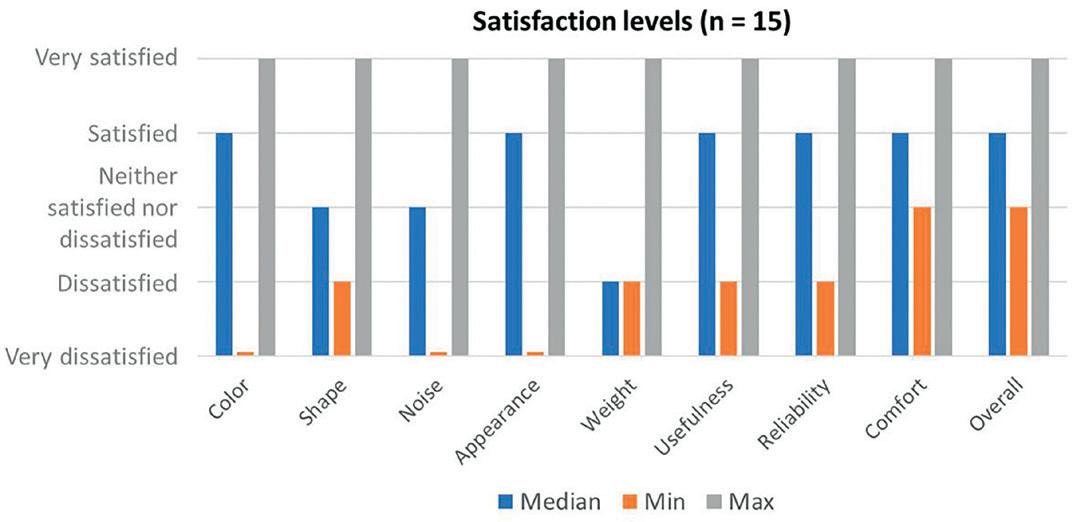
In 2022, the project team collaborated with Mobility India to recruit 15 children and teens with upper limb differences in Bengaluru for a clinical usability study of the latest Airbender prototype.
“It’s a collaborative and user-centred approach where we involve patients, clinical teams and parents,” Nagaraja said. “We received favourable feedback. Some of the children were adventurous and playful with the device. Several teenagers seemed shy about breathing into the device in public settings, but said they liked the technology.”
Afterward, the team published another peer-reviewed journal article that details the user testing. They plan to carry out further product development prior to entering clinical trials. Based on feedback, they intend to make improvements to the breath-powered device’s weight, sound and appearance before bringing it to market.
“Our hope is to create solutions for those who previously did not have any available,” Bergmann said. “Apart from providing function, these devices empower children to interact with the external world and realise their full potential.”
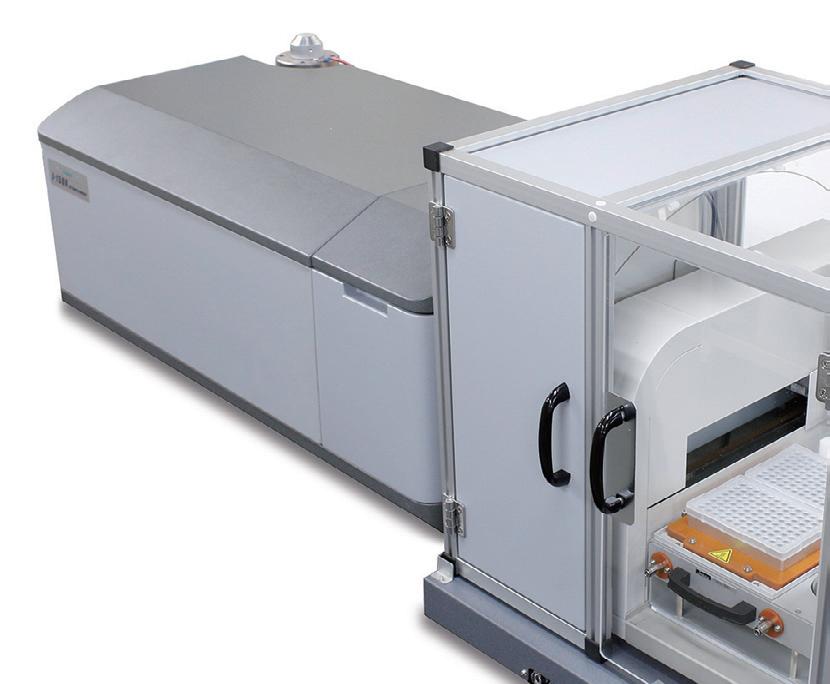
The HTCD Plus is ideally suited to the study of proteins and nucleic acids. New features include accurate liquid handling and transport for small volume samples, temperature controlled autosampler with microplate plates For scientists in pharmaceutical, process- and bi o-technology, and food chemistry labs who need reproducible automated measurements and reliable structural analysis software, the high-throughput circular dichroism (HTCD) system eliminates human error and bias in measurement acquisition and biomolecular characterisation.
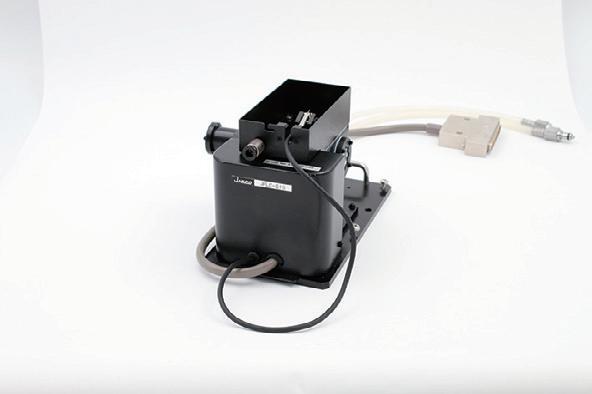
JFLC-515 | Peltier Thermostatted Flow Cell Holder
Accurate temperature controlled CD measurement accessory with a temperature range of 5 to 95°C
ADU-835 | Dr ying Pump Unit
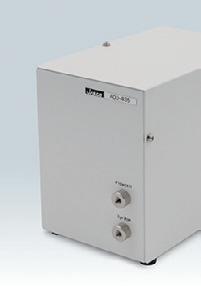
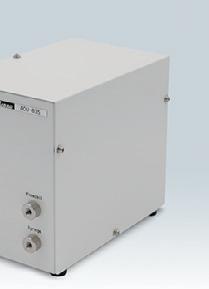

Completely ejects sample from ow cell and tubing and dries ow path following the washing cycle


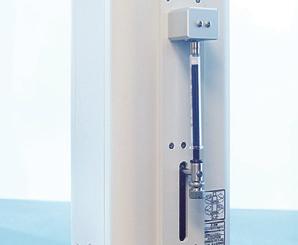
ASP-849 | Syringe Pump
High-speed, high-accuracy pump for transferring a precise amount of sample to the ow cell
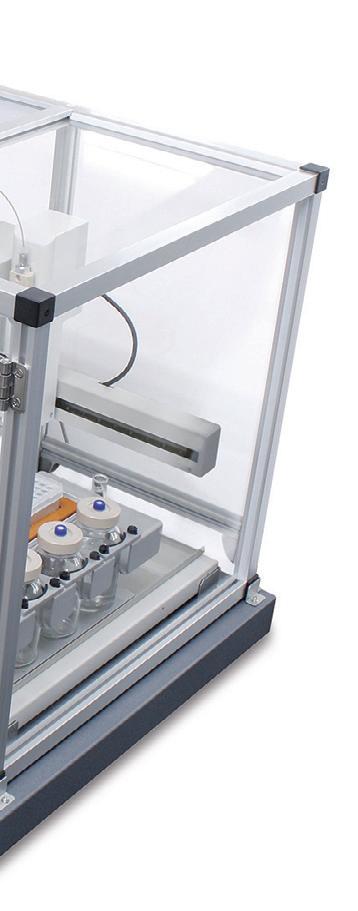
ASU-800CD | Autosampler
Performs automated measurements using predetermined parameters
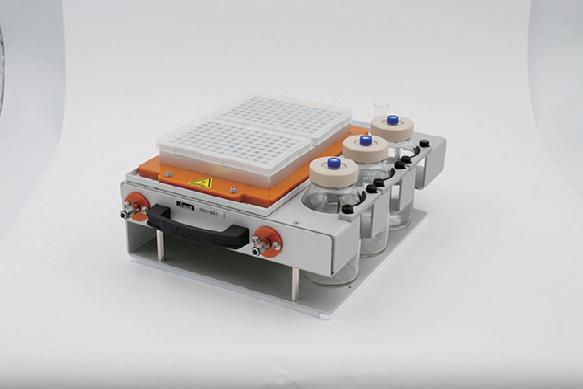
SRA-841 | Rack for microplates
Holds up to two 96-well microplates and three ushing solvents (approx. 170 mL)
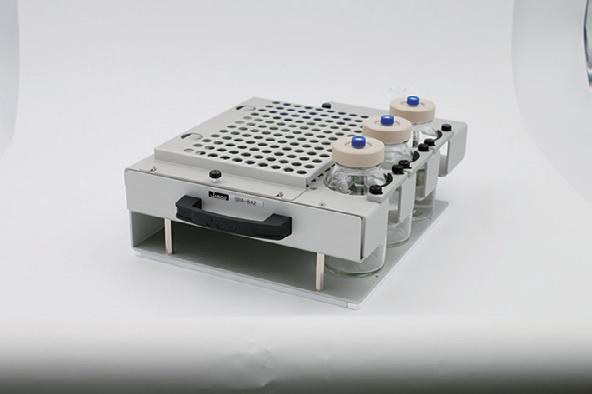
SRA-842 | Rack for sample vials
Holds up to 120 sample vials and three ushing solvents (approx. 170 mL)
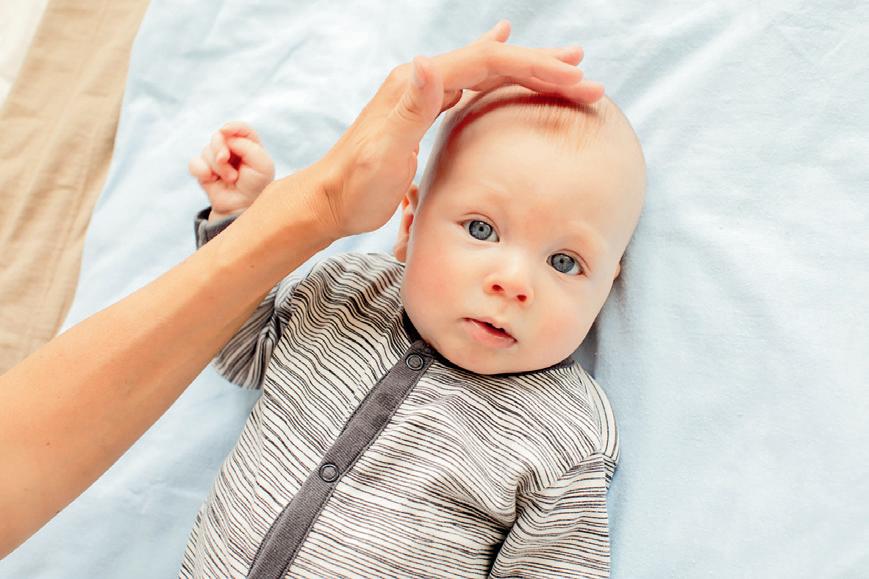
Researchers at Monash University and the Bionics Institute have used cutting-edge light technology invisible to the human eye to non-invasively image brains, in order to help diagnose hearing impairments in infants and prescribe the most effective treatment as early as possible. Their results were published in the Journal of Neural Engineering
Prolonged hearing loss can severely affect how the brain’s language areas develop, affecting a child’s ability to develop speech and language. Currently, several diagnostic tests are required to accurately determine the extent of hearing impairment in infants. Tests can extend for several months and are stressful for both the child and the parents.
The researchers used functional near-infrared spectroscopy to non-invasively image the brains of a group of normal hearing infants and measure how language areas of their brains develop and interconnect over time as they grow older. PhD student Ishara Paranawithana said the objective measurements of connectivity from normal hearing infants can be used as potential biomarkers to compare against those of infants with hearing impairment to determine their level of language development.
“Since the age of the infants in our study varied considerably, we could quantify how these regions become increasingly functionally linked together with age and compare with the connectivity levels seen in adults by the end of the first year,” he said.
“By establishing the typical developmental trajectory of language areas in early childhood, our results help us to better understand the altered connectivity and its effects on language delays often seen in hearing-impaired infants.
“Functional near-infrared spectroscopy (fNIRS) is a relatively inexpensive and child-friendly brain imaging technique suitable for clinical use. Having diagnostic tools that facilitate early assessment of hearing helps infants with impaired hearing access effective treatments earlier in life, giving them the best chance to keep up with their peers.”
Professor Colette McKay, lead researcher of infant hearing at the Bionics Institute, said the study is critical to understanding how language processing develops in infants. “The findings will help us track development of language in infants with hearing impairment, and optimise and fast-track their early intervention,” she said.
“Ultimately, we want to give babies born deaf or hard of hearing the best chance of hearing clearly and learning to talk.”
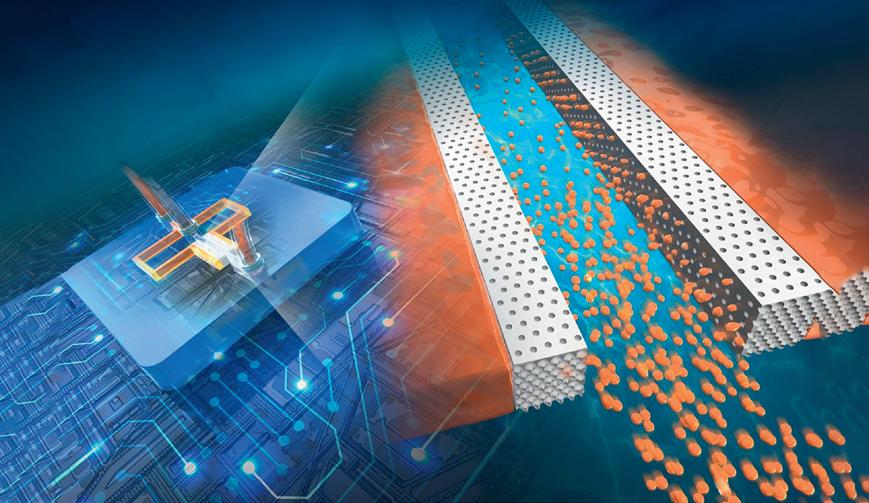
Japanese researchers have developed an efficient method to increase the speed of microdroplet generation for microfluidic devices, by incorporating so-called inverse colloidal crystal (ICC) structures into conventional microchannels. Their approach has been published in the journal Lab on a Chip
Over the past two decades, microfluidic devices, which use technology to produce micrometre-sized droplets, have become crucial to applications including chemical reactions, biomolecular analysis, softmatter chemistry and the production of fine materials. Furthermore, droplet microfluidics has enabled new applications that were not possible with traditional methods, by shaping the size of the particles and influencing their morphology and anisotropy.
Unfortunately, the conventional way of generating droplets in a single microchannel structure is often slow, limiting production. Researchers at Chiba University have now introduced a microfluidic system that utilises porous ICC structures to dramatically improve the efficiency of microdroplet generation.
“We considered that highly efficient droplet formation might be possible by using the numerous micropores formed on the surface of the ICC structure as droplet-forming nozzles,” said study leader Associate Professor Masumi Yamada.
“However, to the best of our knowledge, no study has been reported on the integration of inverse colloidal crystal structures into microfluidic channels and their application to highly efficient droplet formation. Therefore, we decided to develop a new microfabrication technique to integrate these structures into microfluidic channels to achieve efficient droplet formation.”
Spongy ICC structures were integrated with flat microchannels, which functioned like tiny nozzles to produce droplets around 1000 times faster than traditional microfluidic devices, at over 10,000 droplets per second. The size of the droplets could also be changed by adjusting the flow of liquids, their properties and the size of the tiny openings. Furthermore, single micrometre-sized particles made of natural biopolymers, like polysaccharides and proteins, were also produced using this method.
This new approach improves the existing concept of droplet microfluidics, not only by increasing the speed at which droplets are formed but also by making the process easier to create and operate. Due to the improved efficiency and control in the formation of droplets, it is expected to have a broad impact across different fields and product categories, including medicine, food, cosmetics, specialised inks and paints, sieving matrices for bioseparation, and the creation of functional particles for displays and semiconductor applications.
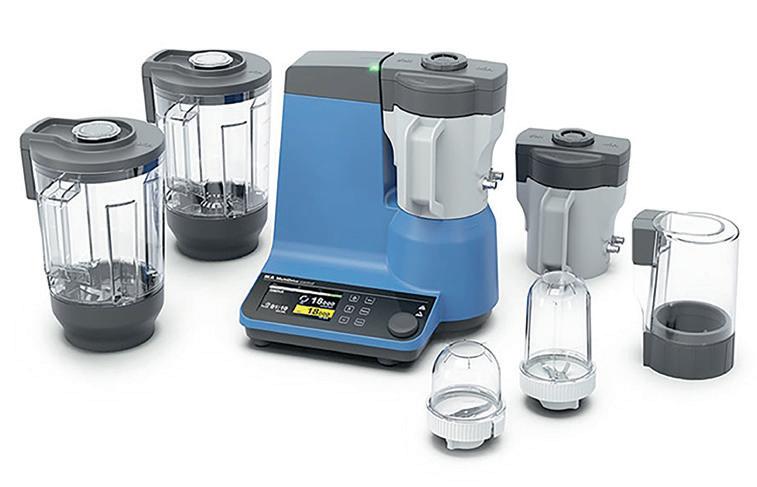
The IKA MultiDrive Control performs a variety of crushing, grinding and cutting tasks, regardless of whether samples are hard, soft or fibrous.
The product is an all-rounder mill for mixing and grinding, suitable for a range of industries. Typical applications can include food (meat, wheat, seeds, chocolate); biomass (wood pellets, silage, algae); pharma/medicine (tablets, bones, skin); and biology (GMO, leaves, tissue).
Offering high performance, with rotational speeds ranging from 3000 to 20,000 rpm, the product has an integrated cooling system that allows indirect heat dissipation. For extra-thorough blending, there is an interval option designed for the coarse crushing of hard samples.
In addition to the TFT display, the device also offers temperature measurement and vessel recognition using RFID; it is also fitted with a weighing function so that no transfer of contents is required. There are plenty of vessel options to suit various applications (ordered separately).
LabCo Scientific www.labcoscientific.com.au/
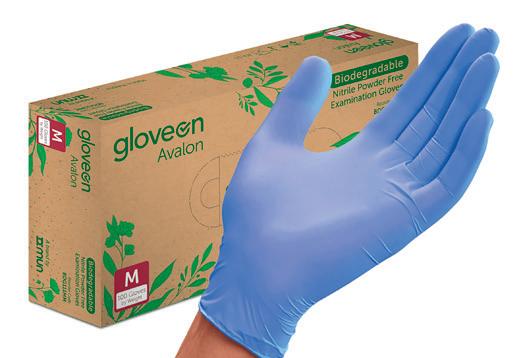
Help to preserve the environment with GloveOn Avalon biodegradable gloves, available from PacificLab Products. Designed to break down in landfill settings, the gloves will take only a short time to completely biodegrade.
The gloves’ formulation maintains the high levels of strength and flexibility expected in a nitrile glove, while only allowing the biodegradation process to start once in landfill conditions. The GloveOn Avalon will provide the hand protection that scientists need and help them do their bit for the environment.
Fingertip-textured and powder-free, the ambidextrous gloves are not made with natural rubber latex. Available in a violet blue colour with a standard cuff and in five different sizes, the gloves have been tested for lab chemicals and chemo drugs.
Pacific Laboratory Products www.pacificlab.com.au
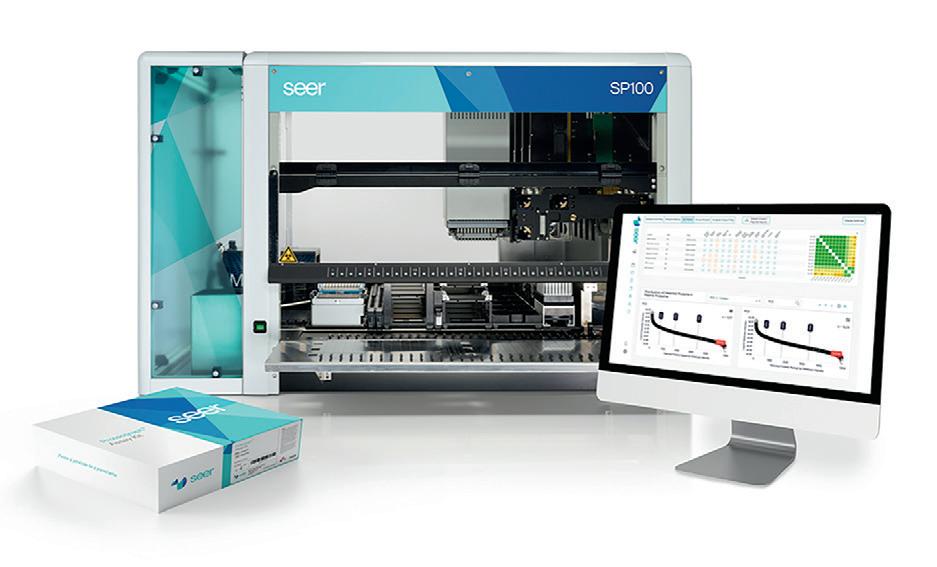
Seer has released what it describes as the first and only automated platform for proteomic studies that enables sampling across the entire plasma proteome’s wide dynamic range, allowing discovery of novel protein variants with the reproducibility and speed needed for high-throughput studies. This is achieved via the company’s library of proprietary engineered nanoparticles. Currently, most proteomic studies are focused on fundamental discovery and deciphering how biology works. For human health, the promise of proteomics is to improve care by correlating specific proteoforms with a given disease state. With less than 1% of functional protein mapping completed, proteomics has the potential to transform our understanding of human biology and disease at many levels, from individual cells to populations.
Seer’s Proteograph technology platform enables users to resolve biology at a fundamental level, from peptide differential expression to the identification of different biologically relevant proteoforms, by offering the four attributes proteomics studies need today: unbiased coverage, enabling users to discover new biology (and not just what they can capture); deep access, surveying across the dynamic range of proteins in complex samples without depleting or fractionating; an optimised, robust and rapid workflow to complete projects with minimal hands-on time; and scalable assay designs to power longitudinal studies.
Bio-Strategy Pty Ltd www.bio-strategy.com
Air filtration systems do not appear to reduce your risk of picking up viral infections, according to new research into technologies including air filtration, germicidal lights and ionisers. The work was led by the University of East Anglia (UEA) in collaboration with the University College London, the University of Essex, the Norfolk and Norwich University Hospital Trust, and the University of Surrey.
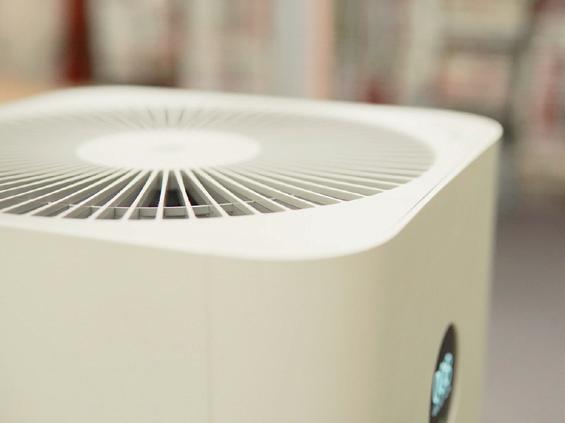
“Air cleaners are designed to filter pollutants or contaminants out of the air that passes through them,” said UEA’s Professor Paul Hunter.
“When the COVID pandemic hit, many large companies and governments — including the NHS, the British military, and New York City and regional German governments — investigated installing this type of technology in a bid to reduce airborne virus particles in buildings and small spaces.
“But air treatment technologies can be expensive. So it’s reasonable to weigh up the benefits against costs, and to understand the current capabilities of such technologies.”
The research team set out to study evidence about whether aircleaning technologies make people safe from catching airborne respiratory or gastrointestinal infections. As noted by lead researcher Dr Julii Brainard: “The kinds of technologies that we considered included filtration, germicidal lights, ionisers and any other way of
safely removing viruses or deactivating them in breathable air.”
The team analysed evidence about microbial infections or symptoms in people exposed or not to air treatment technologies in 32 studies, all conducted in real-world settings like schools or care homes (so far, none of the studies of air treatment started during the COVID era have been published). The results were published in the journal Preventative Medicine.
“In short,” Brainard said, “we found no strong evidence that air treatment technologies are likely to protect people in real-world settings.
“There is a lot of existing evidence that environmental and surface contamination can be reduced by several air treatment strategies, especially germicidal lights and high efficiency particulate air filtration (HEPA). But the combined evidence was that these technologies don’t stop or reduce illness.
“There was some weak evidence that the air treatment methods reduced likelihood of infection, but this evidence seems biased and imbalanced.
“We strongly suspect that there were some relevant studies with very minor or no effect, but these were never published.”
While the results were disappointing, Brainard said it is vital that public health decision-makers have the full picture. She hopes that the imminent publication of studies from the COVID era will enable a more informed judgement about the value of air treatment.

Researchers at Uppsala University have led the development of a new instrument for the simultaneous and precise measurement of 21 circulating proteins in a drop of blood, aiming to enhance prognostication accuracy and facilitate the selection of the most effective treatment for individual patients with cardiovascular disease.
In collaboration with Olink Proteomics, Professor Agneta Siegbahn and her colleagues developed an initial prototype of the so-called CVD-21 instrument, which quantitatively measures the concentration of the proteins simultaneously in a single analytical step using the proximity extension assay (PEA) method. Their results, published in the journal PLOS ONE, found the instrument demonstrated high precision and reproducibility for the proteins.
The instrument followed the analysis of 368 protein biomarkers in the blood of over 10,000 patients who participated in international studies of new treatments for coronary artery disease and atrial fibrillation. Based on these investigations, the research team selected 21 biomarkers with independent prognostic value, reflecting various functional abnormalities that influence the development of cardiovascular disease and the benefits and risks of different treatments.
Subsequently, the researchers evaluated the information from the CVD-21 instrument, along with clinical data in blood samples from 4224 patients with chronic coronary artery disease. CVD-21, supplemented with troponin T, provided a comparable risk assessment for all types of cardiovascular events as a model with two known risk markers for cardiovascular disease. Moreover, the CVD-21 tool outperformed models using only clinical variables for risk assessment.
Beyond the two well-known protein biomarkers with strong associations to cardiovascular complications, nine novel biomarkers with most important prognostic values were also identified. These proteins were included in different protein signatures associated with major coronary events, myocardial infarction, cardiovascular death and hospitalisation for heart failure, and reflect a large array of pathophysiological processes.
“CVD-21 enables a ‘liquid cardiovascular biopsy’ for quantification of multiple cardiovascular disease processes in a drop of blood,” Siegbahn said. “This may improve personalised treatments and care of the patients. Our study also clearly demonstrates that decision support tools including biomarkers enhance risk assessment in cardiovascular diseases.
“The workflow of the development of the CVD-21 instrument demonstrates an essential model for establishing multimarker-based decision support instruments for cardiovascular disease and several other diseases. Selected biomarkers could further categorise patients with cardiovascular disease into more specific subgroups, offering greater opportunities for tailored treatment strategies.”

New drug technology can slow or even reverse the progress of Alzheimer’s, but only if the disease is detected early enough. Now UK and Chinese scientists have shown how profiles of proteins in the blood accurately predict dementia up to 15 years prior to clinical diagnosis, with their breakthrough study — understood to be the largest of its kind — published in the journal Nature Aging
Scientists at The University of Warwick and Fudan University used the largest known cohort of blood proteomics and dementia to date, including blood samples from 52,645 healthy participants recruited from the UK Biobank (UKBB). Blood samples collected between 2006 and 2010 were frozen and then analysed by the research team between April 2021 and February 2022. As of March 2023, a total of 1417 participants had gone on to develop dementia — and these people’s blood showed dysregulation of protein biomarkers.
Of 1463 proteins analysed, aided by a type of artificial intelligence (AI) known as machine learning, 11 proteins were identified and combined as a protein panel, which the researchers showed to be highly accurate at predicting future dementia. Further incorporation of conventional risk factors of age, sex, education level and genetics saw the predictive model reach an accuracy of over 90%, indicating its potential future use in community-based dementia screening programs.
“This model could be seamlessly integrated into the NHS and used as a screening tool by GPs,” said lead author Professor Jianfeng Feng, from the University of Warwick and Fudan University.
Proteins (eg, Glial Fibrillary acidic protein, or GFAP) had previously been identified as potential biomarkers for dementia in smaller studies, but this new research was much larger and conducted over several years. Known as a longitudinal analysis (a study conducted on a sample of participants over a number of years), the researchers were able to show the differences and trajectories between those with dementia and controls across 15 years.
Feng said the combination of AI and protein analysis offers a promising avenue for precision medicine, which is highly important for screening middle-aged to older individuals within the community who are at high risk of dementia. He hopes that future drugs may be developed to interact with the proteins identified in the study.
Co-corresponding author Professor Wei Cheng, from Fudan University, added that the research builds on the team’s previously developed dementia prediction model which used variables such as age, the presence of a certain gene and mother’s age at death. Co-corresponding author Professor Jintai Yu, also from Fudan University, noted that other previous risk models were primarily dependent on intricate and difficultto-obtain biomarkers using procedures such as lumbar puncture or complex imaging methods, hindering their widespread use.
“The proteomic biomarkers are more easy to access and non-invasive, and they can substantially facilitate the application of large-scale population screening,” he said.
Commenting on the news was Dr Sheona Scales, Director of Research at Alzheimer’s Research UK, who said the new study “adds to the growing body of evidence that measuring levels of certain proteins in the blood of healthy people could accurately predict dementia before symptoms develop”.
“Further studies, including in more diverse populations, are needed to verify these tests and predictive models,” Scales noted. “And, even when tests show promise in studies like this, they still need to go through regulatory approval before they can be used in a healthcare setting.”
Dr Amanda Heslegrave, a Senior Research Fellow at the UK Dementia Research Institute at UCL, added that studies such as this “are required if we are to intervene with disease-modifying therapies at the very earliest stage of dementia”.
“Limitations to be aware of are that the UKBB is a highly curated biobank and may not capture all populations that we need to know the risk for; the new biomarkers identified will need further validation before being used as screening tools,” she said.
“The implications are that with diseasemodifying treatments close to being approved in the UK we need to develop a screening strategy. This study with its use of follow-up data needs to be replicated, and biomarkers that enable us not only to screen for disease risk, but also to differentiate between diseases, should be a priority.”
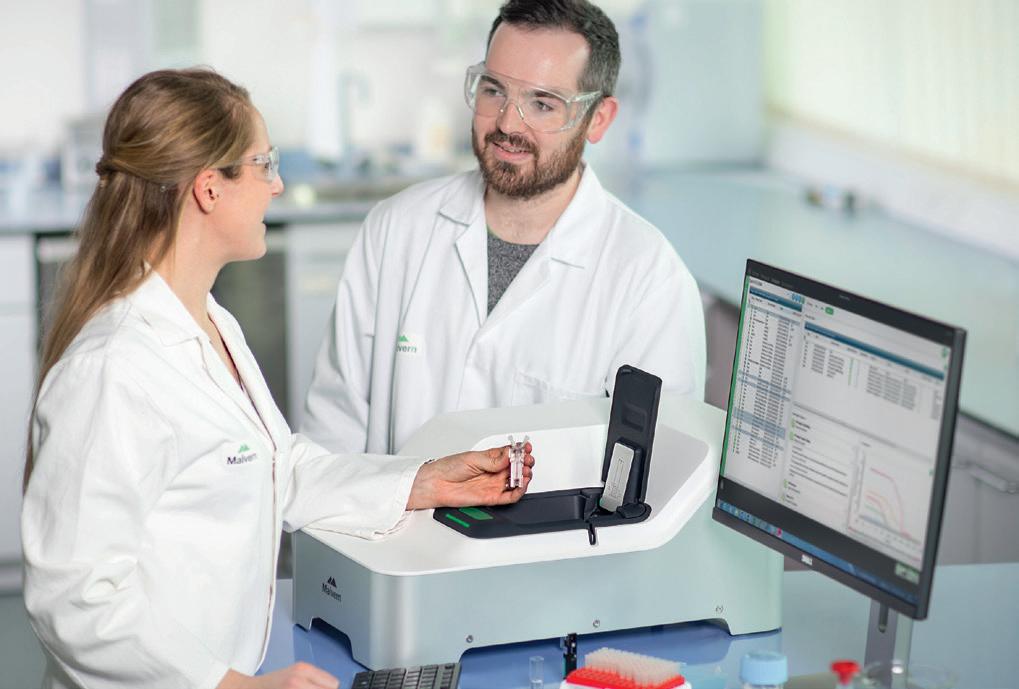
The Zetasizer range includes some of the most widely used dynamic light scattering (DLS) instruments measuring particle and molecular size, particle charge and particle concentration from less than a nanometre to several microns of colloids, nanoparticles, polymers and proteins. The latest Zetasizer systems offer updated measurement features, hardware capabilities and software intelligence.
Non-invasive back scatter (NIBS) provides the versatility and sensitivity to measure over a wide concentration range, while multi-angle dynamic light scattering (MADLS) technology permits a high-resolution view into a sample’s size distribution for the measurement of particle and molecular size. The measurement of particle concentration is suitable for a wide range of materials, requires no or little dilution and is quick to use — all of which make it useful as a screening technique. This capability of the Zetasizer Ultra can even be applied to samples such as viruses and virus-like particles (VLPs), which were previously very challenging to measure.
A fluorescence filter wheel allows for NIBS size measurement of fluorescent samples like quantum dots, which can cause large background noise in the data. The fluorescence filter eliminates that noise and makes a measurement possible despite the presence of fluorescence.
Adding a polarising filter can clean up the optical signal by removing any depolarised light, which can be a source of noise in measurements caused by multiple scattering. This feature provides the versatility to measure over a wide concentration range, improving signal-to-noise without impairing overall system sensitivity. In addition to a vertical polariser, the Zetasizer Pro and Ultra have a horizontal polariser which measures depolarised light. A depolarised DLS signal can be used to detect rotational diffusion, which indicates differences in particle shape and whether particles are spherical or have surface differences.
ATA Scientific Pty Ltd www.atascientific.com.au

• Proprietary VirtuE™ Expression System
o Derived from a HEK293 human cell line
o Ensures native-like glycosylation and proper folding of antigens
o Maximises antigen specificity and performance in assays
• Diverse range of antigens and antibodies
o Over 60 viral and bacterial diseases
o Extensive range of human Coronavirus products
- Over 90 antigens and over 50 antibodies available for:
* Alpha and beta Coronaviruses
* MERS, SARS-CoV & SARS-CoV-2
o Japanese Encephalitis Virus (JEV)
o Ross River Virus and many more

• Contract and Custom Services
o Vector design
o Protein expression and purification
o Antibody generation
o ELISA development
o Virology testing
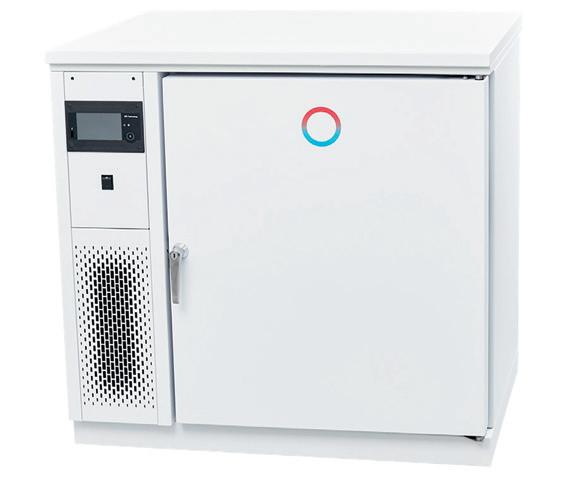
Vaccines, organic substances and valuable samples that need to be stored at low temperatures are irreplaceable. Only highquality deep freezers enable long-term stability and availability in these challenging conditions. LAUDA has optimised its Versafreeze deep freezers for the extreme conditions of ultra deep-freeze storage.
Each freezer features an intuitive, modern touch display with a wide range of setting options, password-protected access rights and secure monitoring via the LAUDA Cloud. It can be built under a work bench (and so can easily be integrated into a laboratory line) or free-standing.
The device is an energy-saving, maintenance-free refrigeration system with fully hermetic high-performance compressors. Featuring environmentally friendly, futureproof natural refrigerants, it offers protection against unauthorised access to setpoints through password-protected user management.
The product features powerful insulation technology with high-quality materials, including an interior with stainless steel walls, a tightly meshed evaporator, thermal film, vacuum panels and impermeable foam. It offers a temperature range from -86 to -50°C.
Bio-Strategy Pty Ltd
www.bio-strategy.com
MitoPlates from Biolog provide a powerful research tool by allowing scientists to run preconfigured sets of 96 mitochondrial function assays in one experiment. Mitochondria can be interrogated and characterised in novel ways, looking at rates of substrate metabolism, sensitivity to drugs and other chemicals, and effects of mutations in mitochondria-related genes.
Novel tetrazolium dye chemistry provides a terminal electron acceptor in easy-to-read colorimetric assays. The assays need only 20,000 to 40,000 cells per well.
The OmniLog instrument and associated software allows for real-time recording and kinetic analysis of electron flow rates. The OmniLog can simultaneously incubate and read up to 50 MitoPlates and provides powerful analysis tools to get the most from the user’s experimental data.
Cell Biosciences Pty Ltd
www.cellbiosciences.com.au

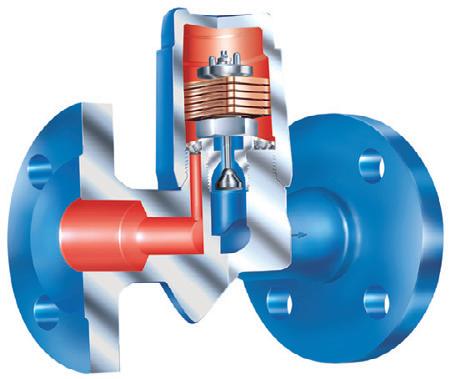
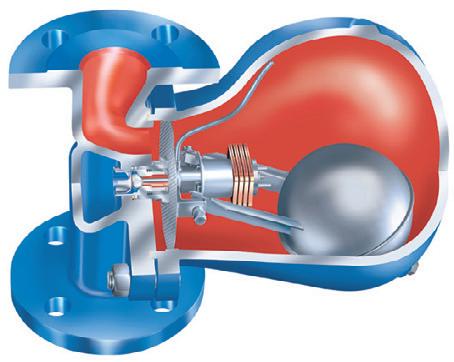
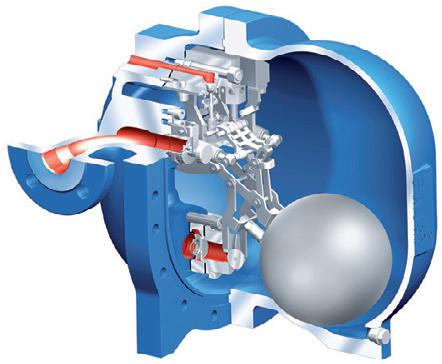
Chemists at the University of Amsterdam (UvA) have developed an autonomous chemical synthesis robot with an integrated AI-driven machine learning unit. Dubbed ‘RoboChem’, the benchtop device can outperform a human chemist in terms of speed and accuracy while also displaying a high level of ingenuity — and could significantly accelerate chemical discovery of molecules for pharmaceutical and many other applications.
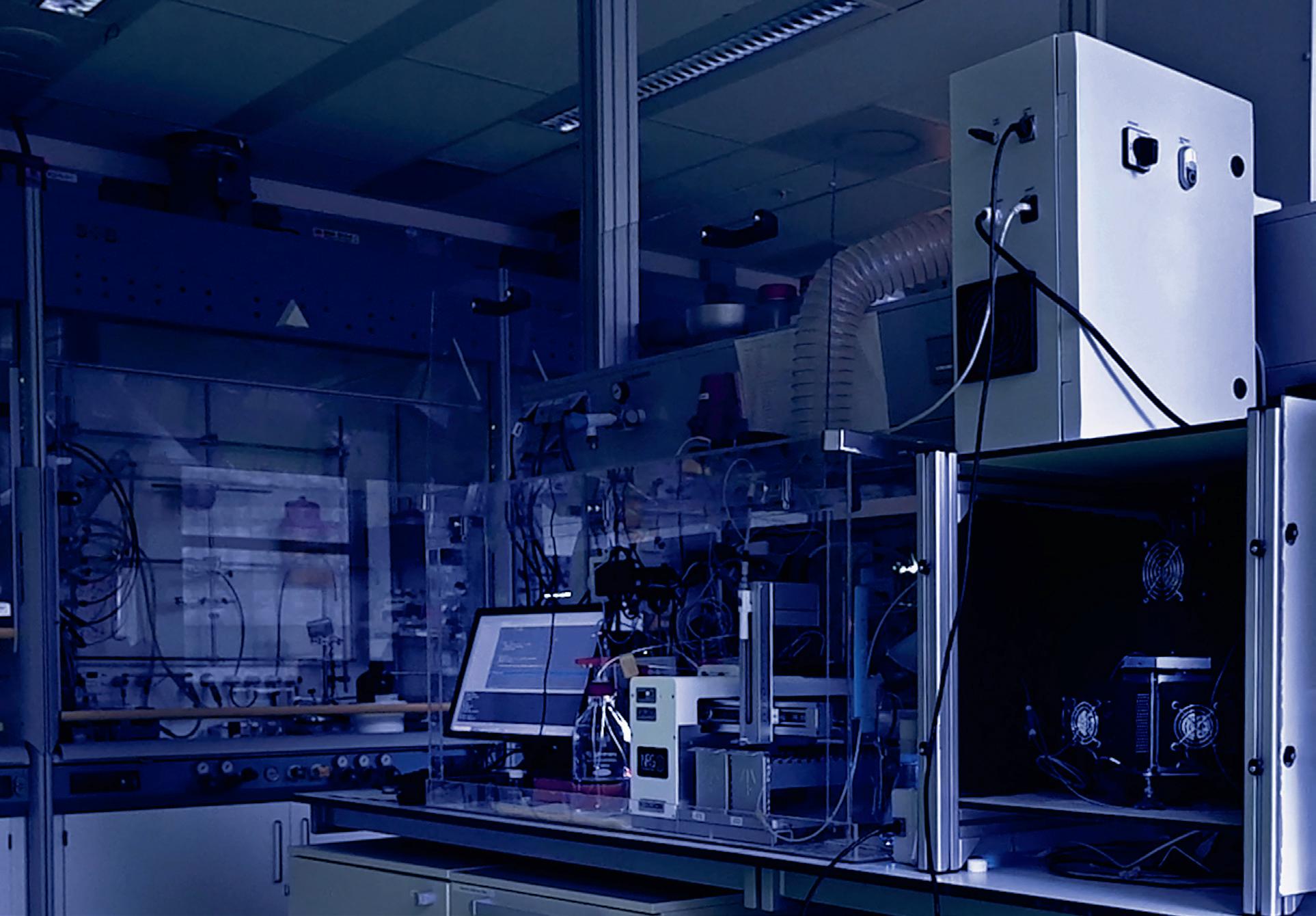
RoboChem was developed by the group of Professor Timothy Noël at the UvA’s Van ‘t Hoff Institute for Molecular Sciences. The expertise of the Noël group is in flow chemistry, a novel way of performing chemistry where a system of small, flexible tubes replaces beakers, flasks and other traditional chemistry tools.
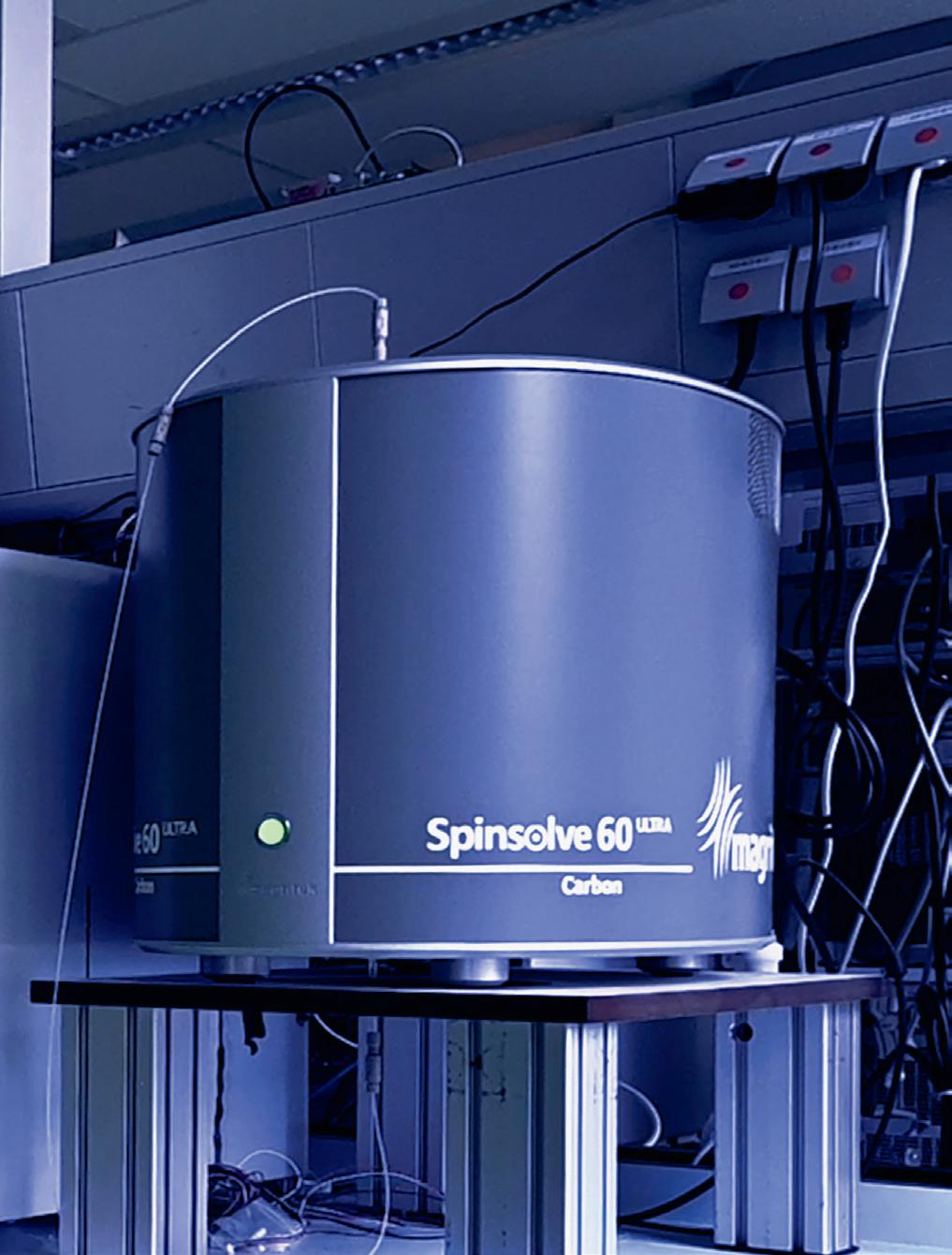
In RoboChem, a robotic needle carefully collects starting materials and mixes these together in small volumes of just over half a millilitre. These then flow through the tubing system towards the reactor. There, the light from powerful LEDs triggers the molecular conversion by activating a photocatalyst included in the reaction mixture. The flow then continues towards an automated NMR spectrometer that identifies the transformed molecules. These data are fed back in real time to the computer that controls RoboChem.
“This is the brain behind RoboChem,” Noël said. “It processes the information using artificial intelligence. We use a machine-learning algorithm that autonomously determines which reactions to perform. It always aims for the optimal outcome and constantly refines its understanding of the chemistry.”
RoboChem’s first results, published in the journal Science, show that it is a precise and reliable chemist that can perform a variety of reactions while producing minimal amounts of waste. Working autonomously around the clock, the system delivers results quickly and tirelessly.
“In a week, we can optimise the synthesis of about 10–20 molecules — this would take a PhD student several months,” Noël said. All of the molecules
included in the Science paper were isolated and checked manually, with Noël saying the system has impressed him with its ingenuity.
“I have been working on photocatalysis for more than a decade now; still, RoboChem has shown results that I would not have been able to predict,” he said. “For instance, it has identified reactions that require only very little light. At times I had to scratch my head to fathom what it had done. You then wonder: would we have done it the same way? In retrospect, you see RoboChem’s logic. But I doubt if we would have obtained the same results ourselves. Or not as quickly, at least.”
The researchers also used RoboChem to replicate previous research published in four randomly selected papers. They then determined whether RoboChem produced the same — or better — results.
“In about 80% of the cases, the system produced better yields; for the other 20%, the results were similar,” Noël said. “This leaves me with no doubt that an AI-assisted approach will be beneficial to chemical discovery in the broadest possible sense.”
According to Noël, the robot not only yields the best reaction conditions, it also provides the settings for scale-up. “This means we can produce quantities that are directly relevant for suppliers to the pharmaceutical industry, for example,” he said.
Noël added that the relevance of RoboChem and other ‘computerised’ chemistry also lies in the generation of high-quality data, which will benefit the future use of AI. “In traditional chemical discovery only a few molecules are thoroughly researched; results are then extrapolated to seemingly similar molecules,” he explained. “RoboChem produces a complete and comprehensive dataset where all relevant parameters are obtained for each individual molecule. That provides much more insight.”
RoboChem is an autonomous benchtop platform for fast, accurate and around-the-clock chemical synthesis. Image credit: UvA/HIMS.
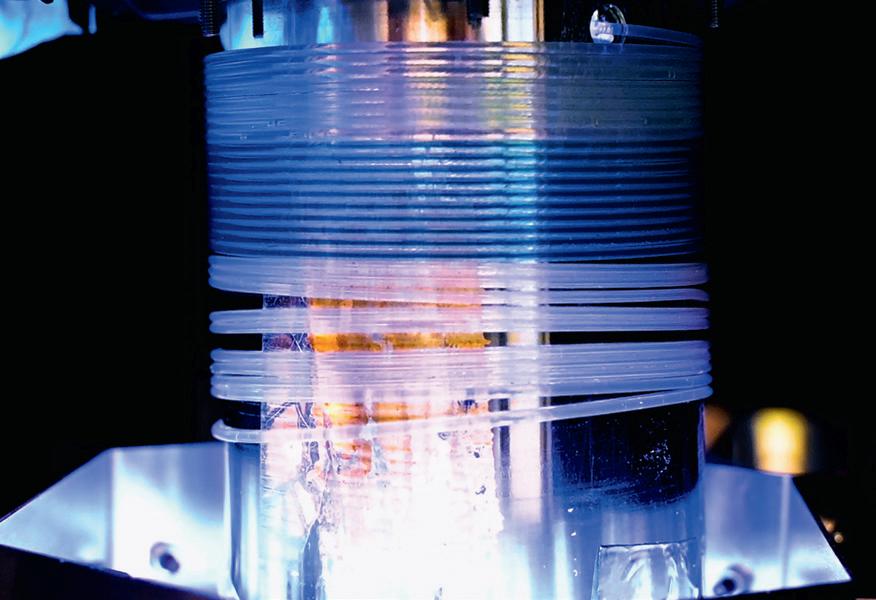
feature is that the system also records ‘negative’ data, in contrast to current scientific practice where most published data only reflects successful experiments.
“A failed experiment also provides relevant data, but this can only be found in the researchers’ handwritten lab notes,” Noël said. “These are not published and thus unavailable for AI-powered chemistry. RoboChem will change that, too.
“I have no doubt that if you want to make breakthroughs in chemistry with AI, you will need these kinds of robots.”
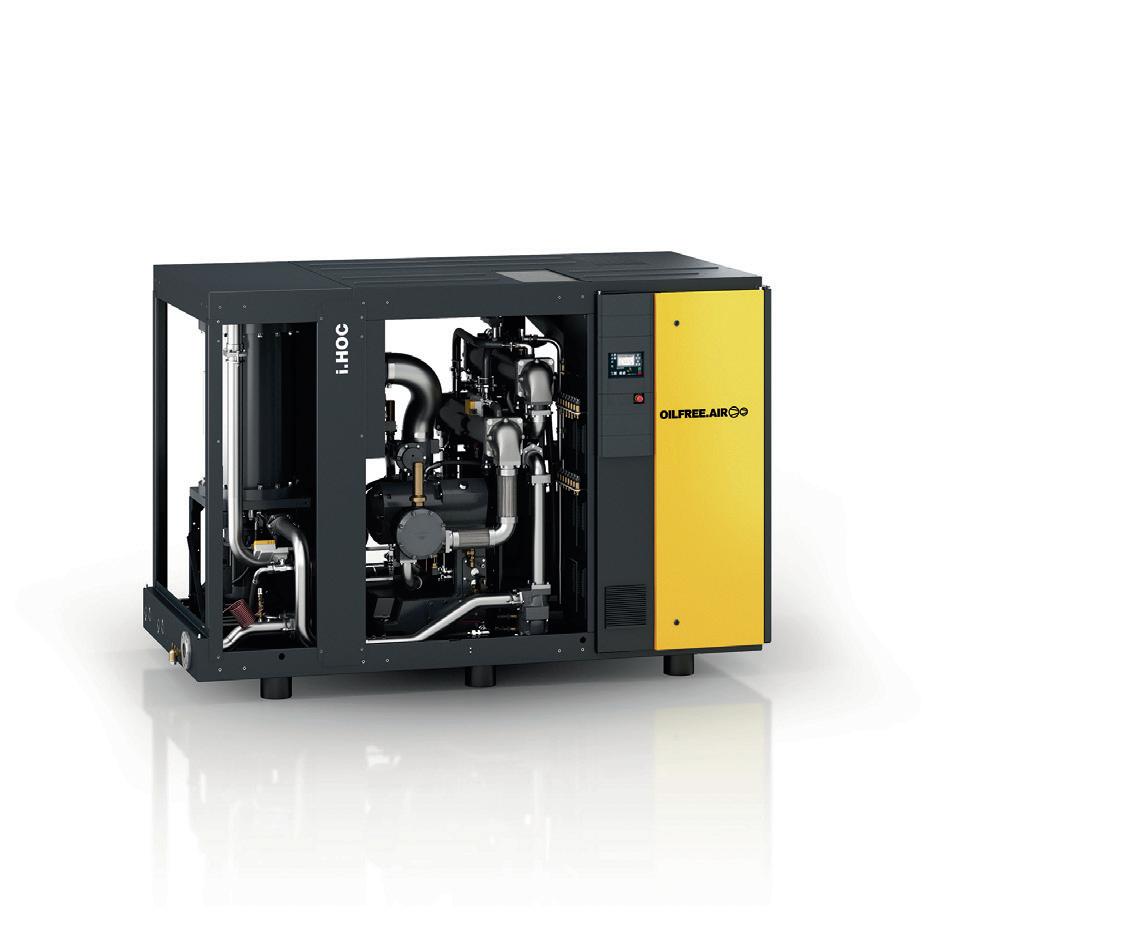
Laboratory and pharmaceutical applications have especially high demands when it comes to compressed air quality. For these sensitive processes, Kaeser Compressors Australia has released its latest class 0, oil-free compressor, certified by the TÜV in accordance with ISO 8573-1.
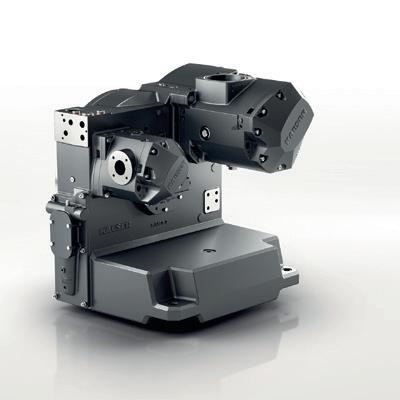
The CSG.1 rotary screw compressors have air flow rates ranging from 4 to 15 m3/ min and pressures up to 11 bar. Options for integrated refrigeration dryers or i.HOC (heat of compression) dryers are available. The product can be specified as a fixed speed, fixed flow rated machine or, for applications with fluctuating compressed air demand, variable speed controlled ‘SFC’ versions are available.
The updated series delivers 16% higher flow rates from the same power-rated motor as previously. A heat recovery module allows the heat generated by compression to be incorporated into other areas, such as space or water heating, thus allowing maximum reduction in the CO 2 footprint.
The risk of potential contamination by oil from the compressor is evaluated and minimised by means of an HACCP (Hazard Analysis Critical Control Point) analysis. To further formalise the supply chain’s integrity, users can option the CSG.1 with pharmaceutical industry certification packages. Additionally, users can request certification that the machine is free of silicone contamination.
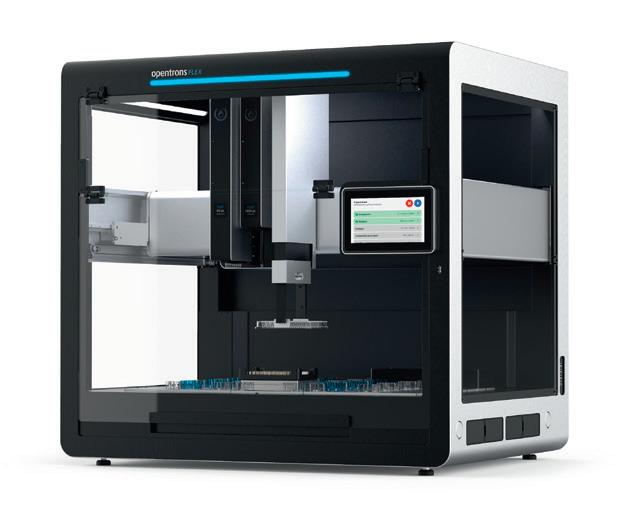
The Opentrons Flex is an advanced and easy-to-program liquid-handling robot designed to level the playing field for labs of all sizes and make advanced lab automation accessible to more researchers than ever before.
Combining advanced robotics with a deep ecosystem of open-source software, the Flex has the potential to automate protocols and fit into any workflow, releasing scientists from automation systems that overburden their time, reduce their throughput and limit the scope of their projects.
The Opentrons Flex features easily reconfigurable and modular hardware, including swappable pipettes ranging from 1 to 96 channels, gripper arm, on-deck thermocycler, heater-shaker, temperature module and magnetic plate.
The fully open-source software and firmware are reagent- and labware-agnostic and can easily be adapted to changes in workflow and applications. The user-friendly and cloud-based software comes equipped with a robust library of open-access protocols. Furthermore, the drag-and-drop interface allows users to create protocols tailored to their specific needs. The Flex’s modern API allows for control over the robot and provides seamless integration to build scalable workflows.
The Opentrons Flex comes in different workstation configurations, suitable for NGS library prep, PCR, nucleic acid extraction, protein purification, sample and reagent prep, plasmid purification and synthetic biology workflows.
Millennium Science Pty Ltd www.mscience.com.au
The Camfil Megalam ProSafe range of terminal HEPA panel filters is designed for turbulent and laminar airflow applications within high-tech cleanrooms, clean benches and clean air devices. The filters are used for installation within terminal housings, cleanroom ceilings and laminar airflow benches. They are available in HEPA (H14) and ULPA (U15, U16) efficiencies to EN1822 standards.
Thoroughly tested and individually certified, Megalam panel filters enable high performance under critical conditions for leakfree operation. They are also compliant with the ISO 846:2019 antimicrobial growth standard and the VDI 6022 hygiene in HVAC systems standard.
The filters are manufactured from high-quality materials that comply with European Food Contact Regulation (EC) No 1935:2004 and are free of toxic chemicals such as bisphenol A, phthalates and formaldehyde.

They are resistant to cleanroom decontamination and cleaning procedures, including hydrogen peroxide and other commonly used agents.
Megalam is a safe barrier protecting sensitive processes from harmful particles. The filters are optimised for the life science and food & beverage industries, featuring glass fibre media for low pressure drop and long lifespan.
Camfil Australia Pty Ltd www.camfil.com.au

Chytrid fungus has devastated amphibian ecosystems around the world, leading to the extinction of many frog species, including the green and golden bell frog, extinct in the ACT for nearly five decades.
Over four years, the Restoring amphibian populations in chytrid-impacted landscapes project aims to reintroduce the long-extinct species back into the wetlands of the ACT, with researchers recently receiving $900,000 in funding as a result of a successful grant in a recent ARC Discovery Project round.
With the help of citizen scientists and community participants, this multi-agency, multi-year project hopes to reintroduce the green and golden bell frog back to wetlands throughout the ACT. Citizen scientists and community members will also play a role, highlighting how STEM education online can help to address issues that have a global impact.
One of the major challenges facing the reintroduction of the green and golden bell frog is the threat of chytrid fungus, a fungal crisis affecting frogs like no other species. An infectious fungus unlike any other, chytrid fungus has been attributed with the elimination of no less than four frog species in Australia.
Frogs infected with chytrid fungus suffer from a condition called chytridiomycosis, an infectious disease that makes it difficult for a
frog to breathe. The spread of chytrid fungus into ACT waterways has had a fatal impact on historical frog populations, with research as a part of this project hoping to reverse the devastation that this fungus has had on amphibian populations.
Resurrecting the population of an extinct frog is no small feat. The green and golden bell frogs will first need to be bred in captivity and provided with an immunisation so that they can resist the effects of chytrid fungus.
When released into the wild, community groups such as FrogWatch will help scientists understand how the frog population is faring out in the wild. By engaging with a range of universities and other project partners, researchers Dr Simon Clulow, Professor Richard Duncan and Dr Ben Scheele hope to understand the impacts of their research.
It’s expected that the frogs will be of a sufficient population that they’ll be able to be released into more than two dozen wetlands, located through the ACT. Professor Duncan noted that “it will be about a year and a half of work before we have all 25 wetlands set up and suitable for the reintroduction of the bell frogs”.
The world-first solution being explored by researchers goes beyond a simple reintroduction. Researchers will be also working to test the impact of landscaping modifications, specifically designed to reduce and eliminate the presence of chytrid fungus from wetlands in the ACT.
Work is underway in more than two dozen habitats, including the creation of salted satellite ponds. It is hoped that this research will help scientists to understand the impact of landscape interventions. Dr Clulow describes this as “involving environmental manipulations that create conditions good for the frogs, but not good for the fungus”.
Any understanding of the impact of physical interventions on the green and golden bell frog may help researchers around the world in their fight to save vulnerable amphibian species under threat by chytrid fungus.

Canberra University www.canberra.edu.au
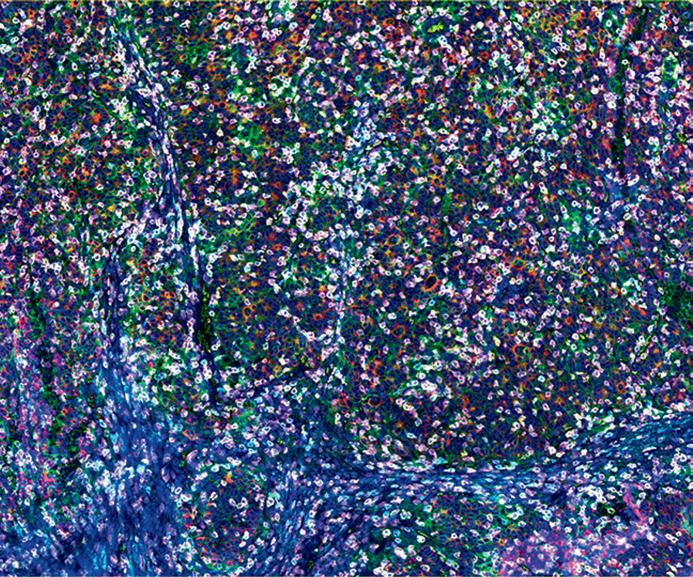
SignalStar Multiplex IHC, created by Cell Signaling Technology (CST), has been designed to revolutionise spatial biology research by simultaneously identifying up to eight targets in tissue samples within a short two-day timeframe. This advanced technology accelerates the multiplex immunohistochemistry (mIHC) process, with the company’s optimised, readyto-go panels allowing users the flexibility to change targets and redesign panels quickly.
The SignalStar method is streamlined for efficiency and ease of use. It begins with the standard preparation of FFPE (formalin-fixed, paraffin-embedded) tissue sections. Then, in a significant departure from traditional methods, up to eight specially designed oligo-conjugated antibodies are applied to the tissue sections in a single step, each with the ability to target a specific protein. For visualisation, complementary oligonucleotides attached to fluorescent dyes amplify the signal of these antibodies. In experiments involving more than four targets, the process includes two rounds of imaging, each with a distinct set of fluorescent dyes, for clear and comprehensive visualisation of all targets.
This innovative approach eliminates the need for repetitive and time-consuming steps such as antibody cycling and prevents epitope loss or masking. This conserves time and enables amplified signals, even for low abundance targets, leading to sensitive results. Furthermore, SignalStar’s compatibility with standard imaging equipment integrates seamlessly into existing laboratory workflows, enhancing the efficiency and scope of spatial biology research.
New England Biolabs www.neb.com
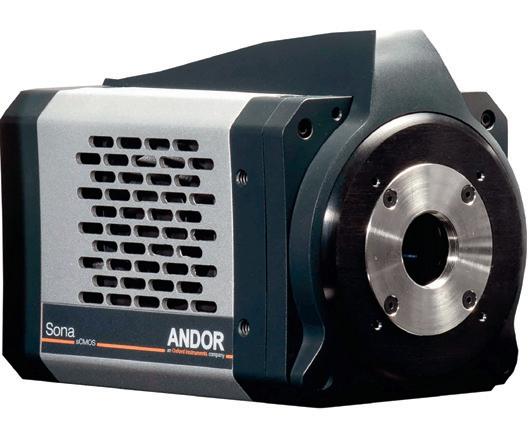
The Sona-6 Extreme sCMOS camera from Andor features a back-illuminated sensor with 95% QE and a 6.5 µm pixel size. This sensor format provides a good balance of sensitivity, speed and resolution. The product is flexible, suited to 40x and 60x magnification and today’s microscope port sizes, and compatible with SRRF-Stream super-resolution.
A new high-speed mode accelerates sensor speeds to 135 fps (full frame) via CoaXPress, to capture the fastest cellular processes. The noise floor has been reduced by 25% compared to previous versions; sensitivity is thus improved for better detection of the weakest signals. PRNU has also been reduced by 25% under low light conditions, for enhanced image quality. The updated camera SDK integrates a Python wrapper for speedy integration.
Coherent Scientific Pty Ltd www.coherent.com.au
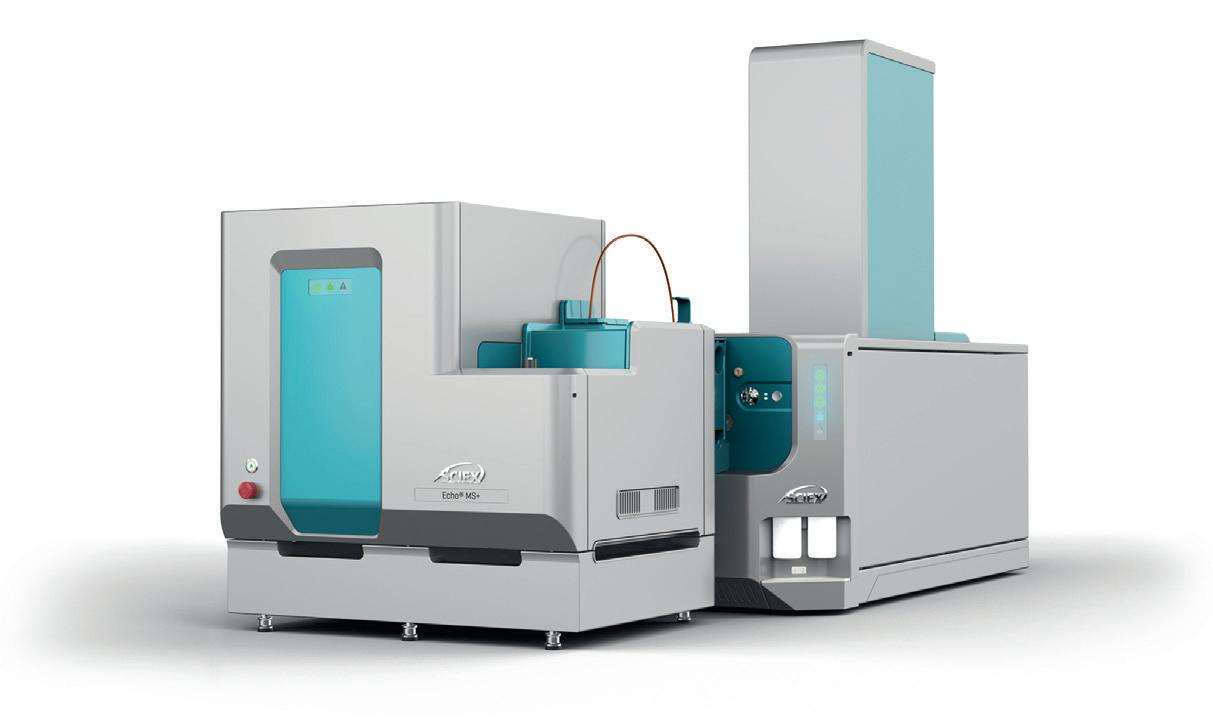
SCIEX’s Echo MS+ system couples the company’s acoustic ejection mass spectrometry technology and open port interface (OPI) sampling with the capabilities of either the SCIEX ZenoTOF 7600 or Triple Quad 6500+ system to deliver qualitative and quantitative results, through an expanded panel of robust high-throughput screening workflows.
The system addresses key challenges in high-throughput screening applications for drug discovery without the need for extensive method development. This is achieved through the introduction of flexible workflows for small and large molecules that leverage the capabilities of high-resolution mass spectrometry for improved selectivity and sensitivity compared to other analytical tools, the company claims.
Through a combination of high speed of analysis, high data quality and minimal sample and reagent consumption, the system has the potential to reduce the time, cost and risk in making critical decisions during the early phases of the drug development pipeline. With this expanded capability, researchers in drug discovery will have the ability to make fast and confident decisions in hit identification and iterative lead optimisation. This should help speed up the process of drug discovery and reduce the potential for false positive or false negative results.
AB Sciex Australia Pty Ltd www.sciex.com
The accurate and efficient measurement of intermolecular interactions and binding events is a critical element of drug discovery programs. Traditional ligand binding assays can be challenging as they require elaborate washing and purification steps. Although surface plasmon resonance (SPR) is commonly used to monitor interactions in real time using unlabelled species, measurements can be time-consuming as they involve repeated introductions of increasing concentrations of analyte and are sensitive to bulk refractive index changes in buffers; these issues limit the utility of SPR in screening programs.
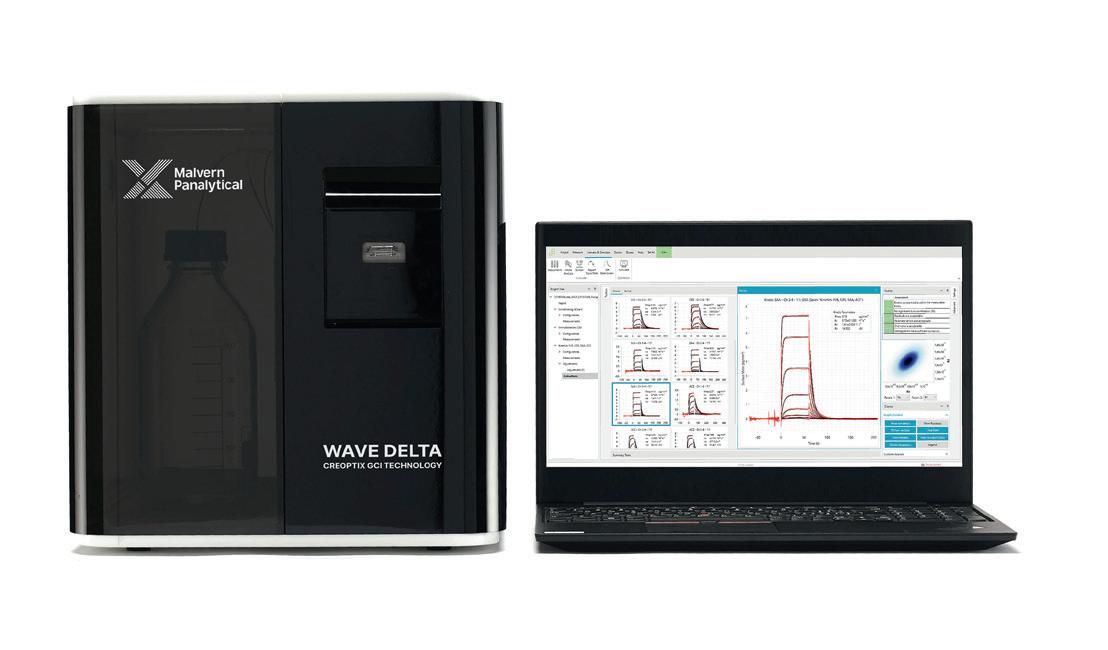
For high resolution and appropriate kinetics, Malvern Panalytical’s WAVEsystem employs grating-coupled interferometry (GCI) — surface-based biosensing technology that detects refractive index changes on a sensor surface as time-dependent phase-shift signals. The long light-to-sample interaction length enables correct kinetic data even at low signal levels, detecting subtle changes in molecular interactions.
The system facilitates the measurement of off-rates up to 10 s-1 with just a crude reaction mixture, overcoming challenges posed by weak binders and high target-to-analyte molecular weight ratios. A temperature-controlled autosampler fits vials, two 96- or one 384-well plates for further ease of use. Microfluidics compatible with complex fluids, like serum or plasma, and with a diverse range of solvents, including acetonitrile and high concentrations of DMSO, help to minimise the occurrence of false positives.
The innovative waveRAPID technique accelerates kinetic measurements by injecting a single concentration and pulsing the sample over the sensing surface at increasing durations. This single-well approach, as opposed to titration series, enables high-throughput kinetic determination of various analytes in a screening set-up. This not only completes a week’s worth of work in a day but also reallocates time, money and mental energy to other drug discovery stages, enhancing overall efficiency.
ATA Scientific Pty Ltd www.atascientific.com.au







Staying compliant:
Australian companies involved in any lab work have to see to it that their lab scrubs meet industry standards and regulations to be considered safe, foolproof and effective. This article discusses all the different industry regulations and standards lab scrubs adhere to in Australia, why this compliance matters, and the best practices for maintaining compliance with lab scrubs.
The importance of compliance in the lab environment
Lab scrubs are a distinctive type of PPE (personal protective equipment) gear that professionals wear when doing any type of lab work. These are typically made of cotton and polyester blends and are commonly worn in lab environments.
Lab scrubs are different from lab coats. They’re basically the same as medical scrubs, and factors for choosing them range from comfort and durability to safety and eco-friendliness. Some have features like mesh inserts and wrinkle-resistant fabric with antimicrobial properties. Others are designed to be biodegradable. All of them must meet certain criteria to be industry-complaint.
Using lab scrubs that comply with industry regulations helps companies with the following:
• Producing accurate, reliable and consistent test results.
• Delivering more effective diagnosis, treatment, research or any public health purpose.
• Giving their lab workers, employees, subjects and patients protection against infection and hazardous substances.
• Reducing contamination risks and errors.
• Avoiding blowbacks like penalties, lawsuits, loss of accreditation or reputational damage.
• Maintaining high ethical standards where privacy and health safeguards are concerned.
This extensive range of benefits is why pharmaceutical, healthcare, research and
biotechnology companies, among several others, use lab scrubs when performing various activities such as tests and sample studies.
Before getting into compliance, it would be helpful — particularly for new entrants — for companies to familiarise themselves with laboratory certification in Australia. While laboratory certification isn’t mandatory for all, having one gives companies lots of benefits and a few important privileges.
There are three types of certifications that companies can acquire in Australia.
The National Association of Testing Authorities, or NATA, is Australia’s premier accreditation body offering accreditation to companies conducting lab activities or medical work. A NATA certification gives holding companies better control over their lab operations and ensures that lab work has a robust quality management system in place. Accredited labs also produce more accurate results, as NATA has strict standards in place for preserving sterile and clean environments in labs.
NATA/RCPA accreditation
Pathological labs, however, require a NATA/ RCPA laboratory accreditation. These standards are regulated by the National Pathology Accreditation Advisory Council (NPAAC) and
are based on the international standard ISO 15189 Standard for Medical Laboratories.
ISO 15189
The ISO 15189 standard applies to medical laboratories and dictates a set of prerequisites for acquiring the certification. The technical requirements extend to the quality of lab equipment and medical scrubs, environmental conditions, reporting of results and more. An ISO 15189-certified lab earns recognition for competence in the eyes of regulatory authorities and accreditation bodies.


How lab scrubs ensure compliance with industry standards and regulations
There is no specific mandate in Australia that requires a company operating a lab to adhere to codes. But it’s in these companies’ best interests to do their best with compliance if they want to reap the benefits of lab accreditation.
Accreditation organisations around the world consider lab worker safety paramount, which makes lab and medical scrubs one of the major drivers of compliance. And Australia is no different.
Depending on the type of lab a company is running or plans to run, different standards and regulations exist in their particular industry. Below is how lab scrubs ensure compliance with four types of industry standards and regulations.
Fulfilling TGA guidelines
The Therapeutic Goods Administration (TGA) has laid down guidelines for selecting and

supplying PPE under the Therapeutic Goods Act. Lab scrubs are one of the PPE items that the TGA guidelines cover. The guidelines say that scrubs designed for use in hospital and medical care settings should be included in the Australian Register of Therapeutic Goods (ARTG).
Companies need to be vigilant and consider this when procuring lab scrubs. They must confirm if their selected medical scrubs are included in the ARTG or not.
Boasting a high-product quality Medical scrubs conforming to industry standards only come from manufacturers serious about product quality. Apart from the aforementioned NATA and ISO 15189 certifications, other standards to watch out for are ISO 9001:2015 and ISO 13485:2016. Both standards govern quality management during construction, and scrubs with either of these certifications imply that scrubs have been manufactured with the utmost care.
The TGA also mandates that all medical scrubs are manufactured and constructed in a controlled environment. It then directs scrub manufacturers to test their scrubs for barrier performance. This means that the most effective lab scrubs clear four types of barrier performance texts under the current testing standard, the AAMI:PB70:
• AATCC 42 Impact Penetration (Levels 1–4): Protection against water splashes
• AATCC 127 Hydrostatic Pressure (Levels 2–4): Protection against water hit with a considerable force
• ASTM F1670 Synthetic Blood Penetration Test (Level 4): Resistance of materials to penetration by synthetic blood through continuous liquid contact
• ASTM F1671 Viral Penetration Test (Level 4): Resistance of materials to penetration by blood-borne pathogens.
The TGA Act requires lab scrubs to carry a label with detailed information and the ‘Instructions For Use’, or IFU. The information on labels typically includes the standards applied for testing, build material and IFU. Labelling information is how companies maximise their compliance when they select scrubs that are best for their specific use case.
Best practices for maintaining compliance with lab scrubs
Maintaining compliance with lab scrubs is as important as procuring scrubs that comply with the best industry standards. The following practices are crucial for ensuring that lab scrubs continue to remain compliant:
• Follow the IFU on the labels diligently. Handle them, store them and wash them as per the IFU.
• Check your lab scrubs regularly for damages along the seams, hems and bindings. Also inspect your scrubs for ruptures or rips and tears.
• Replace any damaged or stained scrubs immediately.
• Prohibit your employees or lab workers from wearing scrubs outside the lab environment, as it may compromise protection safeguards if the surface area comes into contact with air pollutants.
• Regulations and industry standards are always subject to revision. Always keep yourself abreast of any developments to remain on top of the actions you must take with your scrubs. Some suppliers keep their customers in the loop. If yours isn’t, it might be a good idea to ask them to keep you up to date.
• And lastly, follow your healthcare facilities’ infection control policies over scrubs and other PPE gear.
Compliance of lab scrubs with industry standards is a critical aspect of ensuring the highest level of safety and hygiene in laboratory settings. Companies involved in lab activities should always source their scrubs from reputable manufacturers that guarantee the highest compliance.
Medshop is a leading medical supplier, servicing the Australasian region with a wide range of medical supplies and a drive to exceed consumer needs.
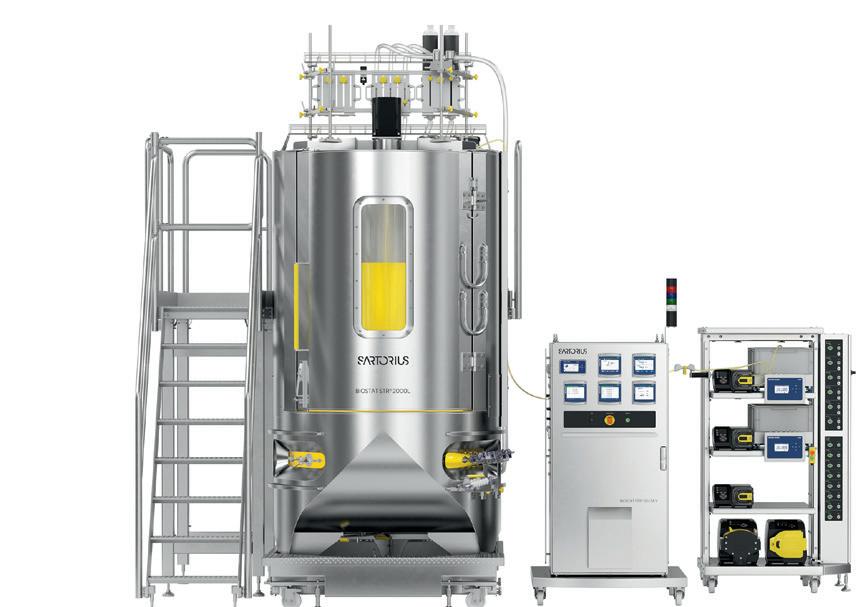
Technology company Emerson has collaborated with Sartorius to natively integrate the former’s Biostat STR Generation 3 family of bioreactors with Emerson’s DeltaV distributed control system (DCS). The Biostat STR Generation 3 for Emerson’s DeltaV is a pre-engineered solution that delivers intuitive connectivity for accelerating and simplifying the process of bringing therapies that improve patient quality of life to market.
A manufacturing plant’s DCS provides critical automation of operations for fast, safe production, but life sciences companies often struggle to connect process equipment to their plant’s automation system because engineering and configuring equipment is complex and time-consuming.
Biostat STR Generation 3, natively integrated with a plant’s DeltaV DCS, eliminates this complexity for one of the most frequently used components of biopharmaceutical manufacturing.
The bioreactors are specifically designed and pre-engineered with DeltaV components from the ground up by Sartorius, while the configuration toolkit developed by Emerson and Sartorius has a library of templates that provide standardised configuration. Using the library, teams can integrate bioreactors into their control system quickly and easily out of the box. Commercial manufacturing sites can expect to save up to 80% of their equipment integration time, helping them take advantage of the enhanced features and diagnostics inherent in the DeltaV DCS quickly and easily. The increased automation reduces the need for manual operation, which should increase quality and speed up time to market.
The integrated bioreactors are built with technologies, including DeltaV Electronic Marshalling with CHARMs devices, to reduce wiring and configuration work during installation. The bioreactors can integrate seamlessly with Emerson’s DeltaV PK Controller as well as S-Series and M-Series controllers. Built-in templates provide standardised configurations for the most common uses, allowing teams to use standard setups out of the box to bring operations online rapidly and safely and allow them to change those operations quickly to meet shifting market needs.
The easy configuration and integration of the bioreactors helps life sciences manufacturers build a connected plant, moving closer to autonomous operations. Plants will also gain the ability to scale more easily, as installation techniques can be quickly and intuitively replicated across multiple process areas or even multiple facilities across the globe.
Sartorius Australia Pty Ltd
www.sartorius.com
GenTegraRNA-NEO Active Chemical Protection technology, designed exclusively for Trajan Scientific and Medical, can be applied to Trajan’s Neoteryx Mitra microsampling devices based on VAMS technology for RNA-based studies. Once treated, the devices are intended to provide researchers with high-quality RNA recovery from remote blood microsamples that don’t require cold shipping or storage for up to seven days before extraction.
The technology protects against naturally occurring nucleases and environmental stresses that could degrade the RNA in blood samples. Not only does it safeguard RNA integrity in dried blood, it also opens new avenues for RNA-based research by enabling convenient, non-invasive blood collection methods.
The technology has been developed specifically for use with the absorbent VAMS tips on Mitra devices before blood sample collection. The pre-treated devices can be used by research staff or laypersons and are intended to expand access to remote study cohorts for RNA-based research and molecular studies by replacing phlebotomy with easy finger-stick blood collection at home or in a clinic setting. The devices may be applied in a range of research projects, including studies in miRNA and mRNA therapy development, biomarker discovery, pharmacogenomics, transcriptomics and other omics studies, and clinical trial screening, among others.
The treated devices are designed to offer ease and precision via a volumetric absorptive microsampling method. The ‘micro-sized’ sample volumes can enable research not possible with standard blood collection techniques, including sampling among vulnerable populations and field research in remote locations where cold storage or specialised shipping are not available. After collection, Mitra microsamples are shipped and stored as dried blood samples, ready for RNA extraction in a lab within seven days.
Trajan Scientific Australia Pty Ltd
www.trajanscimed.com

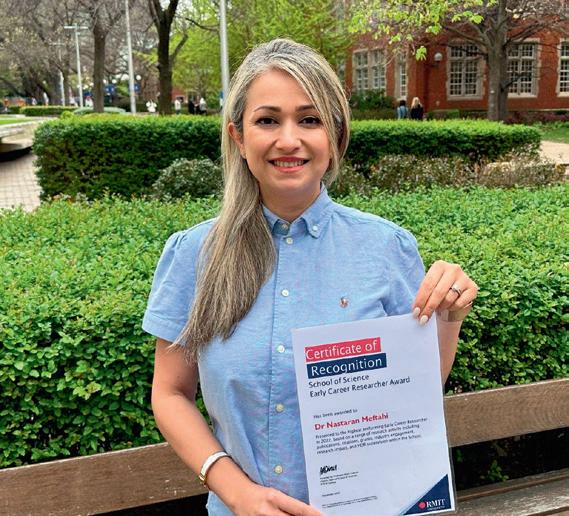
What does it take to optimise solar cells? For a team of researchers led by Dr Nastaran Meftahi, harnessing the power of AI has led to the rapid development of perovskite solar cells, a groundbreaking material that has defied the efforts of researchers for decades.
The centrepiece of this research is an innovative new learning model, developed by researchers at RMIT University in conjunction with members of the Centre of Exciton Science. This machine-learning model promises to drive rapid innovation in the chemical production of perovskite solar cells.
Perovskite is a calcium titanium oxide mineral that holds incredible promise as a material that can be used for mainstream solar power production. It was discovered in the Ural Mountains of Russia by renowned German mineralogist Gustav Rose in 1839, a celebrated member of the Rose family of chemists.
As silicon costs have risen, researchers have been looking for alternative materials that could be used as alternatives for high-efficiency solar cells. In the past decade, research has coalesced around the potential for perovskite as a replacement for silicon, which promises reduced manufacturing costs with efficiency gains higher than that of traditional siliconbased solar cells.
While concentrated research has enabled researchers to increase the solar conversion rate of perovskite cells in the past decade, there have been challenges that have prevented the use of this silicon alternative in real-world situations.
Perovskite solar cells are less stable than traditional silicon cells, and as a result, researchers
around the world have been investigating ways to streamline testing in a repeatable way. The solution, published in the journal Advanced Energy Materials, is rather novel.
By combining the power of machine learning with a perovskite film fabrication technique, Dr Meftahi’s team can leverage the immense power of their machine learning system to rapidly iterate, test and learn from potential perovskite solar cell candidates. Additionally, the system can be automated, allowing for the ongoing testing of numerous candidates, as well as further accelerating the pace of research.
The result is rather elegant — the team at the Centre of Excellence in Exciton Science can rapidly iterate on massive volumes of potential recipes, that are reproducible in other settings, and use those learnings to inform future model development.
Speaking about the research, the team expressed praise for the rapid development of test candidates in this setup. Meftahi noted that this model is only in its infancy, and will be further developed, highlighting that “...we’re quickly getting to the stage where we’ll be able to predict the properties of millions of cells”.
Supported by the Australian Renewable Energy Agency (ARENA), the Australian Research Council (ARC) and the Australian Centre for Advanced Photovoltaics (ACAP), this crucial research in perovskites has the potential to open many doors in the photovoltaic materials testing space.
The next generations of solar cells may be developed with the help of this innovative technology, and there’s the potential for further learning and automation that can be done on other material candidates. The future of photovoltaics is bright, and as Dr Meftahi’s team looks to bring this innovative new model to the world, one must wonder what will happen next in this transforming industry. This latest research is another example of how Australian universities like RMIT and RMIT online courses continue to lead the way in learning and innovation.


Writing is an age-old cultural technique that has persisted in some form for thousands of years, but one aspect has remained the same throughout all that time: whether the writer is using cuneiform or a modern alphabet, a solid substrate, such as clay or paper, is required to fix the written structures in place.
Researchers based at Johannes Gutenberg University Mainz (JGU) and TU Darmstadt recently set themselves the challenge of writing in a bulk fluid like water without fixing substrates, similar to the way aircraft leave threedimensional vapour trails behind them when they cross the sky. Their findings have been published in the journal Small
When you dip the nib of a fountain pen in water and try to write something with it in the water, you will, of course, have little success. The movement of the relatively large nib through the water creates turbulence that will eventually eradicate any ink traces left behind. But the Reynolds number, ie, the factor used to calculate fluid flow, indicates the following rule: the smaller the moving object, the lower the number of vortices it will create.
To take advantage of this rule, a truly minute pen would be needed and this would require a
massive reservoir of ink that would cancel out the effect of the tiny pen. The team of researchers decided to adopt a completely new strategy to overcome this inherent problem.
“We have put the ink directly in the water and use a microbead made of ion-exchange material with a diameter of 20 to 50 µm as a writing instrument,” said Professor Thomas Palberg of JGU.
This bead is so small that it generates no vortices at all — and the clever bit is that the bead exchanges residual cations in the water for protons, thus altering the local pH value of the water. If the bead is rolled across the base of a water bath, it traces out an invisible track of lower pH in the liquid. This attracts the ink particles and they accumulate in the path marked out by the ball point.
The result is a fine line of just a few hundred microns in width, marking out the area of the lowest pH value. To actually write a letter in water, you just need to tilt the water bath in such a way that the bead moves to outline the required character.

“During our first attempts, we moved the water bath by hand but we have since constructed a programmable rocker,” Palberg said. “In a water bath no bigger than a €1 coin, we were able to produce a simple house-like pattern in the size of the tittle of an ‘i’ character in an 18-point font, and then viewed this under the microscope. But we are still only in the preliminary phase.”
Any kind of written form that can be produced using continuous lines can be readily reproduced, as other simulations have shown. Moreover, interruptions, such as breaks between separate letters, could also be achieved because, for example, the ion exchange process could be switched on and off at will using light exposure techniques. Even erasure and correction of what has been written is possible.
Professor Benno Liebchen and Lukas Hecht of TU Darmstadt have developed a theoretical model that explains the mechanism that makes writing in water viable. The corresponding simulations have
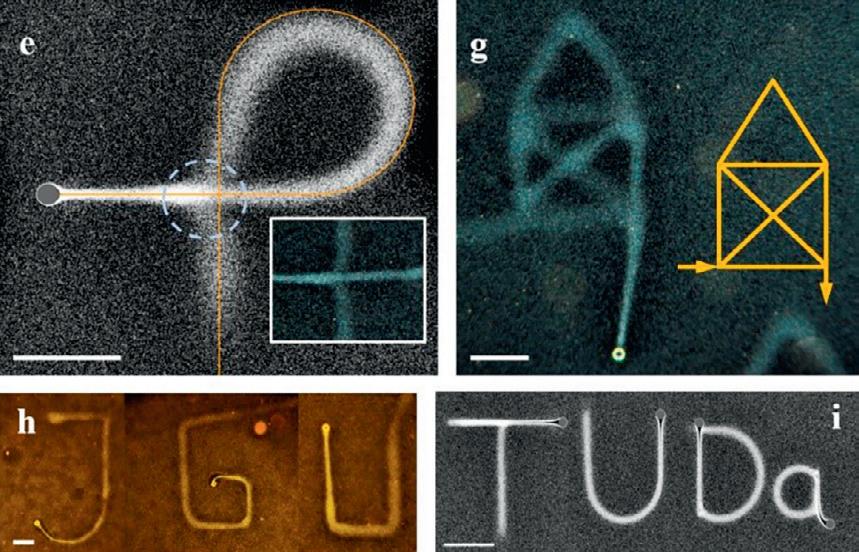
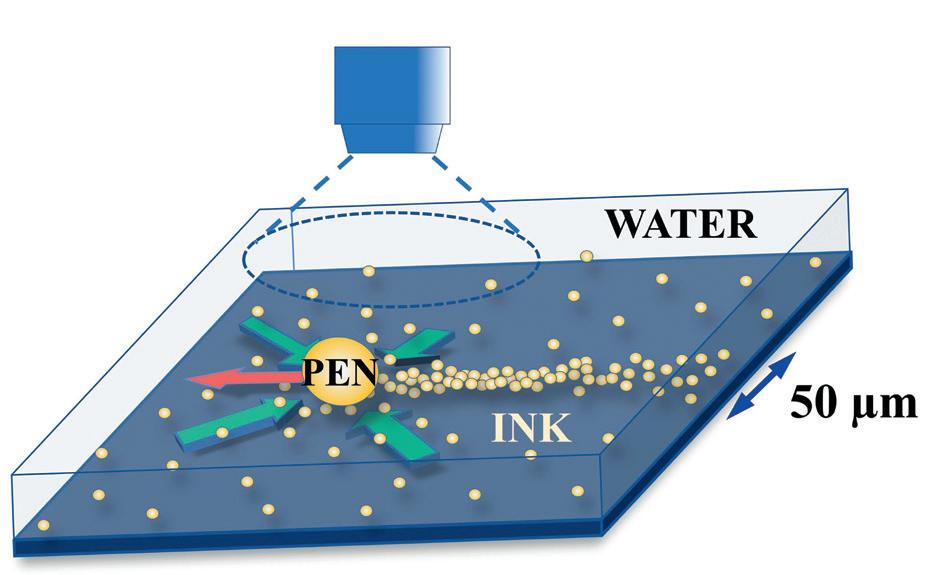
demonstrated that this mechanism is a generic, non-specific effect and could thus be employed in a wide variety of forms, according to Liebchen.
“In addition to beads made of ion exchange resins, ‘pens’ consisting of particles that can be heated by lasers could be employed or even individually steerable microswimmers,” he said. “This could even allow extensive parallel writing of structures in water. Hence, the mechanism could also be used to generate highly complex density patterns in fluids.”
An important implication of the theoretical simulations is that this new form of writing is not constrained by the need for a base to the fluid container because the effect is non-specific as to where it occurs in the liquid. It would be sufficient if the ink was rapidly transported to the ‘written’ outlines and these would only disappear by means of diffusion to make sure the lines remain clearly visible for about 10 minutes. Using ‘adhesive’ UV-sensitive inks, it might even prove possible to fix lines and lettering in place for longer.
There are many potential variations that could be realised by means of using different components in the form of the writing instrument,
type of drawn trail, ink or form of steering employed. One option would be to use fluorescent ink and several very lightweight writing beads that could be moved through the fluid in three dimensions with the help of optical tweezers. This would result not only in luminescent shapes but could also be used for the 3D structuring of fluids. As noted by Palberg, “Our new approach is very robust and has the potential for extreme modularity, and it can be developed in an exceptionally wide range of different ways.”
Writing in Small, the researchers concluded that their results are “valid for a broad class of systems and may open routes to many future enterprises including the structuring of fluids, the visualization of chemical traces, the assembling of functional objects like actuators or drug carriers, information storage, and numerous artistical applications”.
“Finally,” they wrote, “our results could also be used to prepare desired initial states for future colloid experiments, e.g., on collective diffusion. Drawing fine lines, durable patterns, and individual letters into water was only the first step.”
Rainin has developed a solution to address the growing concern of plastic consumption in laboratories. The EarthRack is the company’s answer to the question many have been asking: how can we consume less plastic in our lab?
The rack’s base and lid are made from purified cellulose fibres sourced from ultra-renewable bamboo and bagasse, a by-product of sugar cane farming; this means that all the carbon used in the production of the product is already in circulation above the Earth’s surface. By replacing plastic with cellulose, the unit reduces plastic waste mass by up to 75% compared to traditional racks, the company says.
The production and use of plastic products demands energy and results in the release of carbon from fossil fuels at every stage of their life cycle, including recycling at end of life. In contrast, EarthRack’s cellulose base and lid are 100% compostable under natural conditions.
When the racks are sent to landfill they naturally decompose into soil and, if incinerated for biohazard reasons, the carbon returned to the atmosphere is reabsorbed by new EarthRacks. Additionally, if incinerated for energy production, there is no net increase in atmospheric carbon. Furthermore, empty racks can be easily compressed and are lightweight, which should result in lower waste output than traditional plastic racks.
The product thus provides a sustainable option to pipetting by eliminating plastic use for everything but the pipette tips and tip deck, enabling users to perform cuttingedge research with high-quality Rainin tips while reducing their waste production.
Mettler-Toledo Ltd www.mt.com
HEMCO’s Softwall Clean Rooms are designed to meet ISO 5–ISO 8 requirements, with a flexible design that allows them to locate over and around equipment, with the option of being mobile with casters.
The structural framework is of aircraft anodised aluminium with clear vinyl curtains around the unit. The curtains can be strips or solid, depending on restriction of access, in clear or opaque white vinyl.
A fan-powered HEPA filter and fluorescent lighting modules along with blank ceiling tiles are positioned into a ceiling grid system and optional entry airlocks can be incorporated into the design. The HEPA filter modules have power cords and speed controls and can operate on 115 or 220 V power.
HEMCO Corporation www.hemcocorp.com
Preventing contamination is a crucial element in the design of hygienic processing lines, yet manufacturers often face uncertainty when cleaning ducts, tanks and other confined spaces with hard-to-reach shadow areas. The Alfa Laval Free Rotating Retractor, a high-efficiency retractable cleaning device, has been designed to enhance product safety while boosting uptime and productivity, making it easy to prepare hygienic vessels quickly and economically so that all interior surfaces are clean and ready for production.
The retractable cleaning-in-place device remains sealed off from the product area during production, flush with the vessel wall. The spray head slides out, expelling cleaning media in a 310° spray pattern across the vessel surface. Upon completion of the cleaning cycle, the spray head retracts and the vessel is production-ready.
The product quickly and effectively removes residues from the interior surfaces of hard-toclean vessels, limiting cross-contamination, minimising downtime and increasing productivity. It complies with FDA, EU and China regulations while securing good manufacturing and hygiene practices at dairy, food, beverage, home and personal care, and other processing facilities. For high-purity pharmaceutical and biotechnology processing lines, the Free Rotating Retractor UltraPure is available.
Dynamic and resource-efficient, the cleaning device is said to deliver up to 35% savings in water, chemicals and time for every CIP cycle compared to conventional static spray ball technology. Moreover, more efficient use of resources enhances sustainability throughout manufacturing operations. The product is easy and economical to install, operate and maintain due to its streamlined construction; to fully automate operation, pair two or more of the cleaning devices and Alfa Laval ThinkTop sensing and control units with an existing CIP system.
Alfa Laval Pty Ltdwww.alfalaval.com.au
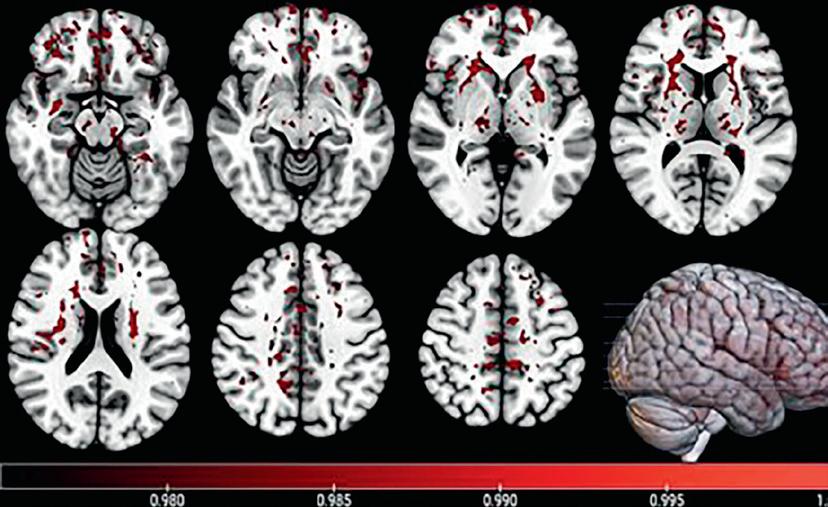
TBI is caused by sudden shock or impact to the head, which can cause mild to severe injury to the brain. Although it needs diagnosis and treatment as soon as possible in order to prevent further irreversible damage, it is hard to diagnose at the point of injury. Moreover, radiological investigations such as X-ray or MRI are very expensive and slow to show results.
The Birmingham researchers designed and developed their novel diagnostic handheld device to assess patients as soon as injury occurs. It incorporates a class 1, CE marked, eye-safe laser and a Raman spectroscopy system, which uses light to reveal the biochemical and structural properties of molecules by detecting how they scatter light, to detect the presence and levels of known biomarkers for brain injury.
The device works by scanning the back of the eye where the optic nerve sits. Because the optic nerve is so closely linked to the brain, it carries the same biological information in the form of protein and lipid biomarkers. These biomarkers exist in a very tightly regulated balance, meaning even the slightest change may have serious effects on brain health. TBI causes these biomarkers to change, indicating that something is wrong. The new
Researchers from the University of Birmingham have developed a novel diagnostic device to detect traumatic brain injury (TBI) by shining a laser into the eye. Described in the journal Science Advances, the technique is expected to be developed into a handheld device for use in the critical ‘golden hour’ after traumatic brain injury, when life-critical decisions on treatment must be made.
device detects and analyses the composition and balance of these biomarkers to create ‘molecular fingerprints’.
The researchers constructed a phantom eye to test the device’s alignment and ability to focus on the back of the eye, used animal tissue to test whether it could discern between TBI and non-TBI states, and also developed decision support tools for the device, using AI, to rapidly classify TBIs. They found that it is fast, precise and non-invasive for the patient, causing no additional discomfort; can provide information on the severity of the trauma; and will be suitable to be used onsite — at the roadside, on the battlefield or on the sports pitch — to assess TBI.
The diagnostic device is now ready for further evaluation including clinical feasibility and efficacy studies, and patient acceptability. The researchers expect the device to be developed into a portable technology for initial ‘on the scene’ diagnosis of TBI as mild, moderate or severe.
Separately to this, researchers at The University of Queensland (UQ) have used an advanced imaging technique, known as neurite orientation dispersion and density imaging (NODDI), to predict the recovery of children from mild TBI. Mild TBI includes concussion and can result in headaches, difficulty sleeping and/or problems with attention and memory for several months — problems which are caused by disruption to communication between different areas and networks in the brain.
“Our study was the first to use … NODDI to investigate the changes in those networks over time in children with mild traumatic brain injury,” said PhD candidate Athena Stein, who noted that the technology provides more detailed information on structural damage in the brain than traditional magnetic resonance imaging (MRI).
“We found that at one month post-injury, it could predict what recovery would look like 2–3 months later, giving doctors more information to guide treatment and management,” Stein said.
The researchers ultimately investigated changes in the brain over the three months following injury in 80 children who had ongoing injury-related symptoms, and also tested 32 children who had already recovered from injury and compared the results to 21 healthy control children. According to their results, published in the Journal of Neurotrauma , “The children with ongoing symptoms following mild TBI had significantly lower structural integrity and more microstructural damage in their brain networks compared to the healthy controls,” Stein said.
“These findings will advance the clinical management of mild TBI by providing a means to predict recovery,” Stein continued. “Additionally, the evidence of ongoing structural brain changes in the months following injury supports delaying a child’s return to sport.”
LIMS provider Autoscribe Informatics has announced the release of Matrix Gemini version 6.11, the company’s sixth software release in 12 months. New or improved features in the last 12 months include extended federated identity management, an improved web portal and improved support for custom field functionality.
Federated identity management means users can use the same login credentials (digital identity) to access multiple applications. Users can adopt this single sign on (SSO) technology to simplify password management across their enterprise and reduce the number of passwords to remember. Matrix Gemini LIMS now supports an extended range of third-party identity providers, including Azure and Okta.
In response to customer input, Autoscribe has created an improved web portal application allowing Matrix users to give their clients controlled access to the LIMS. Using the Matrix Web Portal, clients can register samples, select the tests they want done, check the status of their samples, download test results and retrieve certificates of analysis. Through the internet clients can access the web portal 24/7, from anywhere, while the built-in security means they only see their own data and information. The look and feel of the web portal can easily be configured to meet users’ corporate branding requirements.
Custom fields are required because it has never been possible for a LIMS to predetermine all the data and information a user will need to record as they often need to store information unique to their operations or workflows. This data might include additional date, text or numeric fields. While Matrix Gemini LIMS has always allowed custom fields to be added to its database to use for this purpose, recent releases have improved the flexibility of this. These changes have improved how these fields are added and managed while simplifying the support and upgrade of systems that use them. Both Microsoft SQL and Oracle database structures are supported.
Autoscribe Informatics Pty Ltd www.autoscribeinformatics.com.au
Excelitas’s X-Cite XYLIS II is an arc lamp illumination system for routine microscopy and advanced fluorescence imaging applications. With increased output across its broad spectrum and significantly reduced sound levels, it is 10 dB quieter than the original XYLIS, making it an even more useful LED illuminator for routine microscopy researchers. It is also claimed to surpass traditional arc lamps for brightness, making it suitable for both compound and stereomicroscopes.
While the rich broad spectral range of the device is the same as the original XYLIS, updated LEDs and a revamped LaserLED Hybrid Drive provide even more power from DAPI to Cy 7. In addition, LED and electronics design changes have reduced the operating temperature of the LEDs, offering improved long-term functionality.
The cooling system has been redesigned to achieve lower acoustic noise at a more comfortable level. The whisper-quiet operation makes it suitable for use in multi-station FISH labs and any other imaging facility wishing to maintain a peaceful environment for conducting research.
To accommodate the cooling system changes, Excelitas made some minor adjustments to the width (+10 mm) and height (-10 mm). The company has also simplified several assemblies, removing almost a kilogram of material and making the unit much lighter.
There are two models available with a choice of UV wavelength — 365 or 385 nm — so labs may choose the one that works with their preferred or existing DAPI filter sets. The option to turn off the UV part of the spectrum allows stereomicroscope users the ability to preserve their samples.
When it comes to control options, each system includes intuitive fingertip control with speedDIAL, hands-free operation with a foot pedal, and USB and TTL inputs for automated applications.
SciTech Pty Ltd
www.scitech.com.au

Researchers have used nextgeneration sequencing to reveal the highest-resolution view of the unique genetic diversity in Indigenous Australians to date, finding an abundance of DNA variations — some of which have never been reported anywhere else in the world.
Led by the ANU National Centre for Indigenous Genomics (NCIG) in collaboration with the Garvan Institute of Medical Research, the researchers used a genomics technique called Oxford Nanopore long-read sequencing to gain new insights into the genomic diversity of 159 individuals from four different Aboriginal communities. Their research, published in two papers in the journal Nature, will help identify genes that contribute to diseases, and better treatment options, by establishing genetic reference databases — in which Indigenous ancestries have until now been critically under-represented.
“Genomic information has the power to guide more personalised clinical care, but to do this we need to know what a community’s background
genetic variation is, as a point of reference,” said Dr Ira Deveson, leader of the Genomic Technologies Lab at Garvan. “With genomic medicine becoming more and more relevant in clinical practice, we want to make sure Indigenous Australians are not left behind.”
Long-read sequencing is a cutting-edge method that can accurately survey the entire human genome — including at least 10% of the genetic code that cannot be read by conventional sequencing methods — and detect ‘structural genetic variants’ that affect large segments of DNA. These variants, which occur naturally across individuals of a population, account for most of the genetic differences between individuals and may be linked to genetic disease in some families.
“We identified more than 160,000 structural genetic variants, which is more than any previous population-level long-read study to date, and discovered at least 300 structural variants in each individual that appear to be unique to Indigenous Australians,” Deveson said. ANU’s Dr Hardip Patel added that some of these DNA variations appear to be exclusively found in Indigenous Australians, while others were found in just one out of the four Indigenous communities that were investigated.
“These DNA sequences show a level of genetic variation not observed anywhere else in the world outside of Africa, reflecting Aboriginal and Torres Strait Islander peoples’ deep cultural and linguistic diversity and longstanding connection to the Australian continent,” Patel said.
It is hoped that the research will improve health outcomes for Indigenous Australians by enabling tailored treatments for conditions including diabetes, coronary disease and cancer — all of which disproportionately impact Indigenous peoples compared to the rest of the Australian population. Patel noted, “Previously we’ve had to try to utilise the DNA of non-Indigenous populations to help diagnose and treat disease among Indigenous Australians, which has proven difficult and is often less reliable. But now we have a new, more representative genomic dataset to build off.”
“Aboriginal people have long said you can’t treat us the same because we are so different. Having scientific proof to show this is true is remarkable,” added ANU Associate Professor Azure Hermes, a proud Gimuy Walubara Yidinji woman and Deputy Director of NCIG.
“Clinicians must realise treatment options for Indigenous Australians can’t be viewed through a one-model-fits-all lens. We are not a single genetic group and can’t be lumped into one category.”
The team also identified a structural genetic variant known to cause a neurodegenerative condition known as Machado-Joseph Disease in the genome of one Galiwin’ku individual. This disease is more than 100 times more prevalent among Indigenous populations in areas of the Northern Territory than the global average, but can be difficult to diagnose using existing methods. The individual has since been connected with a local genetic counsellor and clinical management services following the genetic findings, highlighting the power of long-read sequencing for the prediction of disease risk and early mitigation.
“By identifying variants linked to higher prevalence of disease, long-read sequencing could play a critical role in boosting local healthcare efforts and represent a step towards more equitable genomic medicine,” Deveson said.
“Our goal is to work with and empower Indigenous Australians to take ownership of their genetic information and show them the power of genomics and the health benefits it can deliver,” Hermes concluded. “It’s taken us almost eight years to get to this point and has only been made possible because of guidance by Indigenous communities, careful consultation, building relationships with communities and understanding their priorities and protocols.”
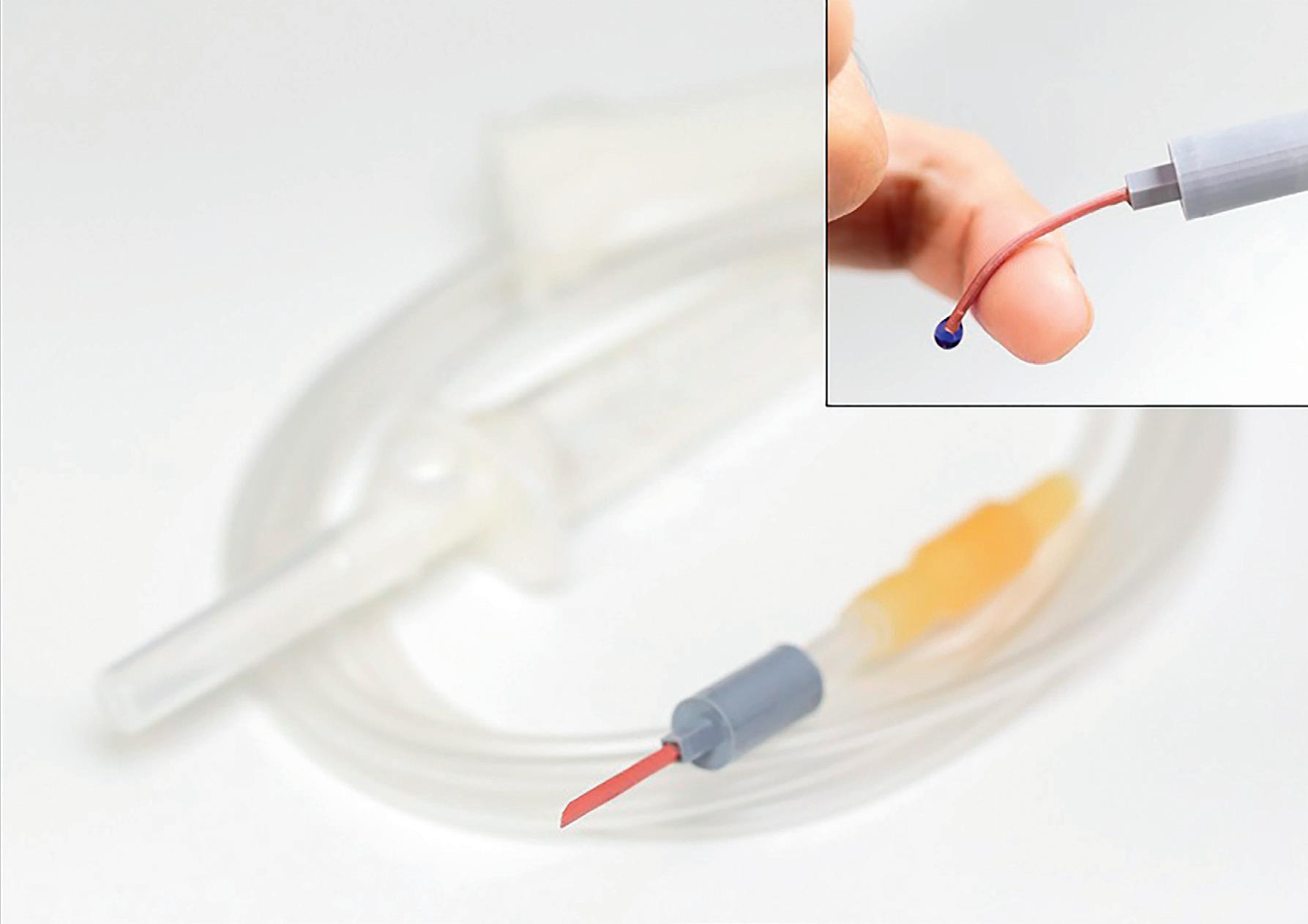
Korean researchers have developed an intravenous needle that softens upon insertion, minimising risk of damage to blood vessels and tissues. Described in the journal Nature Biomedical Engineering, the needle remains soft once it has been used, preventing accidental needlestick injuries and unethical reuse.
Intravenous (IV) injection is commonly used to treat patients worldwide as it induces rapid effects and allows treatment through continuous administration of medication by directly injecting drugs into the blood vessel. However, medical IV needles, made of hard materials such as stainless steel or plastic which do not mechanically match the soft biological tissues of the body, can cause critical problems in healthcare settings, from minor tissue damage in the injection sites to serious inflammation. The structure and dexterity of rigid medical IV devices can also result in unethical reuse of needles in order to reduce injection costs, leading to transmission of deadly bloodborne disease infections such as HIV and hepatitis B/C viruses.
Researchers at the Korea Advanced Institute of Science & Technology (KAIST) have now succeeded in developing a so-called PhaseConvertible, Adapting and non-REusable (P-CARE) needle with variable stiffness that can improve patient health and ensure the safety of medical staff. As explained by Associate Professor Jae-Woong Jeong, a lead senior author on the
study, “We’ve developed this special needle using advanced materials and micro/nano engineering techniques, and it can solve many global problems related to conventional medical needles used in health care worldwide.”
The new technology is expected to allow patients to move without worrying about pain at the injection site, as it reduces the risk of damage to the wall of the blood vessel as patients receive IV medication. This is possible due to the needle’s stiffness-tuneable characteristics, which will make it soft and flexible upon insertion into the body due to the increased temperature, adapting to the movement of thin-walled vein.
The needle is made up of liquid metal gallium that forms the hollow, mechanical needle frame encapsulated within an ultra-soft silicone material. In its solid state, gallium has sufficient hardness that enables puncturing of soft biological tissues. However, gallium melts when it is exposed to body temperature upon insertion, and changes it into a soft state like the surrounding tissue, enabling stable delivery of the drug without damaging blood vessels. Once used, the needle remains soft even at room temperature due to the supercooling phenomenon of gallium, fundamentally preventing needlestick accidents and reuse problems.
Biocompatibility of the softening IV needle was validated through in vivo studies in mice. The studies showed that implanted needles caused significantly less inflammation relative to standard IV devices of similar size made of metal needles or plastic catheters. The study also confirmed the new needle was able to deliver medications as reliably as commercial injection needles.
The researchers also demonstrated the possibility of embedding a customised ultrathin temperature sensor within the softening IV needle, which can further enhance patients’ wellbeing. The sensor-needle device can be used to monitor the core body temperature, or even detect if there is a fluid leakage during indwelling use, eliminating the need for additional medical tools or procedures.
The researchers believe their transformative IV needle can open new opportunities for a wide range of applications, particularly in clinical set-ups, in terms of redesigning other medical needles and sharp medical tools to reduce muscle tissue injury during indwelling use. And with an estimated 16 billion medical injections administered annually on a global scale, the softening IV needle is expected to become even more valuable in the future.
June 25–26, Sydney
Accreditation Matters 2024, a two-day conference organised by the National Association of Testing Authorities (NATA), will focus on the crucial role accreditation and conformity assessment play in trade, construction, health and ensuring Australians can live their lives safely.
Sessions will cover Australia’s national technical infrastructure, the future of AI standards, introverts vs extraverts in the laboratory, metrology and traceability, proficiency testing, accreditation in action, the hydrogen future, the benefits of accreditation and why telling your story is important.
https://nata.com.au/events/accreditation-matters-2024/

World Science Festival Brisbane 2024
March 15–24, Brisbane
https://www.worldsciencefestival.com.au/
Australian Healthcare Week
March 20–21, Sydney
https://www.ahwdigital.com.au/eventsausthealthweek
Science Meets Parliament 2024
March 20–21, Canberra
https://scienceandtechnologyaustralia.org.au/ smp2024/
Food Futures: Nourishing a Nation
March 22, Brisbane
https://www.science.org.au/news-and-events/ events/australian-academy-of-science-nationalsymposium-2024
TSANZSRS 2024
March 22–26, Gold Coast https://tsanzsrsasm.com/
2nd International Conference on Bioinformatics and Computational Studies
April 13–14, online https://icbcs2024.org/index
2024 Gravitational Wave Advanced Detector Workshop
May 12–18, Hamilton Island
https://www.gwadw2024.org/
AusMedtech 2024
May 22–23, Adelaide https://www.ausmedtech.com.au/
14th International NanoMedicine Conference
June 24–26, Sydney https://www.oznanomed.org/
13th International Congress on Plant Molecular Biology
June 24–28, Cairns https://www.ipmb2024.org/
ASM National Meeting 2024
July 1–4, Brisbane
https://www.theasmmeeting.org.au/
Joint AAAP & AAAS Animal Production Congress 2024
July 8–12, Melbourne
https://www.aaap2024.com/
72nd CSANZ Annual Scientific Meeting
August 1–4, Perth
https://www.csanzasm.com/
AIFST24 Convention
August 6–7, Sydney
https://www.aifst.asn.au/AIFST24-Convention
National Science Week 2024 August 10–18, Australia-wide https://www.scienceweek.net.au/
The XVIth Quark Confinement and the Hadron Spectrum Conference August 19–24, Cairns https://confinement24.org.au/
Biomolecular Horizons 2024 September 22–26, Melbourne
https://www.bmh2024.com/
Australian Society of Cytology Annual Scientific Meeting
October 11–13, Melbourne
https://www.cytology.com.au/annual-scientificbusiness-meeting
AusBiotech 2024
October 30–November 1, Melbourne https://www.ausbiotechnc.org/
17th APFCB Congress
October 31–November 3, Sydney https://apfcbcongress2024.org/
Westwick-Farrow Media
A.B.N. 22 152 305 336 www.wfmedia.com.au
Head Office
Unit 5, 6-8 Byfield Street, (Locked Bag 2226)
North Ryde BC NSW 1670, AUSTRALIA
Ph: +61 2 9168 2500
Editor
Lauren Davis LLS@wfmedia.com.au
Acting Publishing Director/MD: Janice Williams
Art Director/Production Manager Linda Klobusiak
Art/Production
Marija Tutkovska
Circulation
Dianna Alberry circulation@wfmedia.com.au
Copy Control
Mitchie Mullins copy@wfmedia.com.au
Advertising Sales
Sales Manager: Kerrie Robinson
Ph:0400 886 311 krobinson@wfmedia.com.au
Ben Calvo
Ph: +61 2 9168 2516 bcalvo@wfmedia.com.au
Tim Thompson
Ph: 0421 623 958 tthompson@wfmedia.com.au
If you have any queries regarding our privacy policy please email privacy@wfmedia.com.au
Printed and bound by Dynamite Printing
Print Post Approved PP100008671
ISSN No. 2203-773X
All

The magazine you are reading is just one of 11 published by Westwick-Farrow Media. To receive your free subscription (magazine and eNewsletter), visit the link below.









www.WFMedia.com.au/subscribe