


6 AIR POLLUTION STUDIES SUGGEST THAT ALMOST NOWHERE ON EARTH IS SAFE
Researchers have found that only 0.18% of the global land area and 0.001% of the global population are exposed to levels of PM2.5 below those recommended by the WHO.


14 CREATING A GENETIC MEDICINE MANUFACTURING ECOSYSTEM: PART 4



We are on the precipice of an explosion in local manufacturing of genetic medicines on a scale never seen before, with global equitable access.
20 MOLECULAR BLOCKER HALTS BREAST CANCER METASTASIS

With no effective treatment to block metastasis, there is a need to target not only the primary tumour, but also its metastatic potential.
26 mRNA VACCINE CREATED FOR DEADLY BACTERIA
In what is believed to be a world first, researchers have developed an mRNA-based vaccine that is 100% effective against a type of bacteria that is lethal to humans.
28 SPOT-CHECKING MEASUREMENTS OF ENVIRONMENTAL CONDITIONS
It is important to understand that spot-checking is different to field calibration. This article goes over some of the differences.
31 FROM SEA WATER TO HYDROGEN — NO DESALINATION REQUIRED
A new method to produce hydrogen straight from sea water is said to be simple, scalable and far more cost-effective than any green hydrogen approach currently in the market.
32 YEAST MATERIAL USED TO TRAIN FIRST RESPONDERS ON BIOTHREATS
In order to help first responders respond to biothreats in a safe manner, US researchers developed a reference material based on yeast cells.
This issue is available to read and download at
www.labonline.com.au/magazine
This issue is sponsored by | AMS Instrumentation & Calibration Solutions | www.ams-ic.com.au 3 Contents
20 28
Proudly sponsored by AMS Instrumentation & Calibration Solutions https://ams-ic.com.au READ ONLINE!
apr/may 2023
26 6 Cover image: iStock.com/AquaColor
A little more conversation…
In one of the odder stories of the year so far, it was recently announced that researchers had successfully sequenced the genome of none other than Ludwig van Beethoven, almost 200 years after the legendary composer’s death in 1827. It was fascinating to learn what the scientists were able to ascertain from just five locks of hair which had been sourced (and authenticated) from collectors — namely, that Beethoven had a number of significant genetic risk factors for liver disease (which would tally with his death from cirrhosis); evidence of hepatitis B infection, which might have driven his liver disease; a certain degree of genetic protection against risk of IBS, which likely rules that out as a cause of his well-known gastrointestinal problems; and a Y chromosome which differs from the modern-day relatives who share his last name, suggesting an extramarital relationship resulting in offspring somewhere in Beethoven’s direct paternal line. And while the scientists could not find a genetic cause for the composer’s famous hearing loss, they are hopeful that as reference data improves, this may change in the future.
Being hearing impaired would have given Beethoven something of an excuse for not listening to those around him, but the same cannot be said for governments who do not listen to their citizens. Happily, we can report that the Australian

Government appears to be all ears when it comes to matters of science, with Minister for Industry and Science Ed Husic recently launching a national conversation to guide the direction of our science priorities for years to come.
Husic is asking all Australians to help identify priority areas that will deliver social, economic and environmental benefits for the country, noting, “Engaging with Australians is key to refreshing Australia’s National Science and Research Priorities and our National Science Statement”. To this end he has appointed Australia’s Chief Scientist, Dr Cathy Foley, to lead the revitalisation of Australia’s science priorities, with Foley saying she wants to see input from as wide a cross-section of the community as possible — including the research and business communities, people at the cutting edge of innovation and commercialisation, and Indigenous Australians.
“This is about coming up with a set of priorities that will guide science in the years to come, ensuring we are all pulling in the same direction,” Foley said. “We want to ensure we can tackle the big challenges — and that means supporting a strong and energetic research sector and a real sense of collective focus.”
With the first phase of engagement having closed on 6 April (six days after the original deadline), the government will be seeking feedback on the draft priorities commencing in June. Following this, the National Science and Research Priorities and a new National Science Statement are expected to be finalised in September.
It is certainly encouraging to know that the federal government appears to be taking science seriously, as indeed are its state counterparts; the fourth article in Peter Davis’s genetic medicine manufacturing series, published on page 14 of this magazine, highlights just some of the ways in which the states are funding local RNA research and manufacturing. Other articles this issue cover promising developments, including a new weapon in the fight against breast cancer (page 20), a reference material for training first responders against biothreats (page 32) and a novel way to turn sea water into hydrogen (page 31). But it’s not all good news, as our lead article (page 6) investigates the health risks associated with fine particulate matter (PM2.5) pollution. I suppose these stories show that, while conversation is a vital part of solving the world’s problems, we arguably also need a little more action.

4 This issue is sponsored by | AMS Instrumentation & Calibration Solutions | www.ams-ic.com.au
Lauren Davis
editorial
Regards, Lauren Davis LLS@wfmedia.com.au
iStock.com/davidcrehner

Air pollution studies suggest that almost nowhere on Earth is safe

In a recent study of daily ambient fine particulate matter (PM2.5) across the globe, Australian and Chinese researchers found that only a tiny portion of the global population is exposed to levels of PM2.5 below those recommended by the World Health Organization (WHO). The study, published in The Lancet Planetary Health, finds that more than 70% of days globally see levels above what is considered safe.
Fine particles (less than 2.5 µm in diameter) come from motor vehicle exhaust, the burning of fuels by power plants and other industries, and forest and grass fires — but a lack of pollution monitoring stations globally for air pollution has until now meant a lack of data on local, national, regional and global PM2.5 exposure. The new study, led by Professor
Yuming Guo from Monash University, used traditional air quality monitoring observations, satellite-based meteorological and air pollution detectors, and statistical and machine learning methods to more accurately assess PM 2.5 concentrations globally.
“We used an innovative machine learning approach to integrate multiple meteorological and geological information to estimate the global surface-level daily PM2.5 concentrations at a high spatial resolution of approximately 10 km x 10
6 This issue is sponsored by | AMS Instrumentation & Calibration Solutions | www.ams-ic.com.au
km for global grid cells in 2000–2019, focusing on areas above 15 µg/m3, which is considered the safe limit by WHO (the threshold is still arguable),” Guo said.
The study revealed that annual PM 2.5 concentration and high PM2.5 exposed days in Europe and northern America decreased over the two decades of the study, whereas exposures increased in southern Asia, Australia and New Zealand, and Latin America and the Caribbean. In addition, the study found that:
Despite a slight decrease in high PM2.5 exposed days globally, by 2019 more than 70% of days still had PM2.5 concentrations higher than 15 µg/m3
• In southern Asia and eastern Asia, more than 90% of days had daily PM2.5 concentrations higher than 15 µg/m3
• Australia and New Zealand had a marked increase in the number of days with high PM2.5 concentrations in 2019.

• Globally, the annual average PM2.5 from 2000 to 2019 was 32.8 µg/m3
• The highest PM 2.5 concentrations were distributed in the regions of eastern Asia (50 µg/ m3) and southern Asia (37.2 µg/m3), followed by northern Africa (30.1 µg/m3).
• Australia and New Zealand (8.5 µg/m3), other regions in Oceania (12.6 µg/m3) and southern America (15.6 µg/m3) had the lowest annual PM2.5 concentrations.
• Based on the 2021 WHO guideline limit, only 0.18% of the global land area and 0.001% of the global population were exposed to an annual exposure lower than this guideline limit (annual average of 5 µg/m3) in 2019.<br>
According to Guo, the unsafe PM 2.5 concentrations also show different seasonal patterns. Northeast China and North India experienced higher levels during their winter months (December, January and February), whereas eastern areas in northern America had high PM2.5 in the summer months (June, July and August). The team also recorded relatively high PM2.5 air pollution in August and September in South America and from June to September in sub-Saharan Africa.
Parkinson’s disease risk
Several other studies have recently investigated the health risks of air pollution, with one preliminary study finding that areas of the United States with higher levels of air pollution are associated with an increased risk of Parkinson’s disease. That study is being presented at the American Academy of Neurology’s 75th Annual Meeting, being held from 22–27 April.
The study involved more than 22.5 million people enrolled in Medicare in 2009. Of this group, researchers identified 83,674 people with Parkinson’s disease. Researchers mapped where study participants lived across the US and calculated the rates of Parkinson’s disease for various regions. Researchers also calculated average air pollution exposure levels for study participants by using the zip codes and counties where they lived as well as an air pollution data source on average annual concentrations of fine particulate matter.
This issue is sponsored by | AMS Instrumentation & Calibration Solutions | www.ams-ic.com.au 7 pollution
iStock.com/comotion_design
Researchers then divided participants into four groups based on average exposure to air pollution. People in the highest exposure group had an average annual exposure of 19 µg/m3 of fine particulate matter, while people in the lowest exposure group had an average annual exposure of 5 µg/m3. In the highest exposure group, 434 new Parkinson’s disease cases developed per every 100,000 people compared to 359 cases in the lowest exposure group.
After adjusting for other factors that could affect the risk of Parkinson’s, such as age, smoking and use of medical care, researchers found an association between Parkinson’s disease and average annual exposure to fine particulate matter, with people in the highest exposure group having a 25% increased risk of Parkinson’s disease compared to people in the lowest exposure group. Researchers found the strongest association in the Rocky Mountain region, which includes Lake County, Colorado, and its surrounding counties. The risk for Parkinson’s disease in those counties increased by 16% when moving up from one level of fine particulate matter exposure to the next level.
“We found a nationwide association between Parkinson’s disease and air pollution exposure, with people exposed to the highest levels of fine particulate matter having an increased risk of Parkinson’s disease compared to people exposed to the lowest levels,” said study author Dr Brittany Krzyzanowski, of the Barrow Neurological Institute.
“We also identified a Parkinson’s disease hot spot in the Mississippi-Ohio River Valley, which is a region that has some of the highest levels of fine particulate matter pollution in the nation,” Krzyzanowski added. The association was however weaker in this area, with only a 4% increase in risk when moving up from one level of fine particulate matter exposure to the next.
“Finding a relatively weaker association where we have some of the highest Parkinson’s disease risks and fine particulate matter levels in the nation is consistent with the threshold effect we observed in our data,” Krzyzanowski said. “In the Mississippi-Ohio River Valley, for example, Parkinson’s disease risk increases with increasing air pollution exposure until about 15 µg/m3 of fine particulate matter, where Parkinson’s disease risk seems to plateau.”
A limitation of the study was that it focuses on fine particulate matter, which contains a variety of airborne pollutants, some of which may be more toxic than others. Krzyzanowski also noted that air pollution is associated with a variety of other health risks, including dementia, that might diminish the likelihood of a Parkinson’s diagnosis, and this may explain the relatively weaker association between Parkinson’s disease and particulate matter in the Mississippi-Ohio River Valley.
Blood pressure
Adolescents’ rapidly growing bodies may be particularly susceptible to long-lasting effects of exposure to air pollutants, including effects on blood pressure. However, most prior studies on air pollution and blood pressure have focused on adults.
To better understand these associations in adolescents, UK researchers led by Alexis Karamanos of King’s College London analysed data collected as part of the Determinants of Adolescent Social Well-Being and Health (DASH) study, which tracks the wellbeing of thousands of ethnically diverse London schoolchildren over time. They used data on 3284 adolescents in DASH to examine associations between blood pressure and exposure to pollution in the form of nitrogen dioxide and PM2.5; exposures were estimated based on annual mean levels of pollutants where each participant lived. Their results were published in the journal
PLOS ONE
The researchers found that greater estimated exposure to nitrogen dioxide was associated with lower systolic blood pressure, while greater estimated exposure to PM2.5 was associated with higher systolic blood pressure. These associations
were stronger in girls than in boys. No evidence of a relationship between nitrogen dioxide/PM2.5 and diastolic blood pressure was observed.
For example, a 1 µg/m3 increase in nitrogen dioxide was associated with a 0.30 mmHg (95% CI 0.18 to 0.40) decrease in systolic blood pressure for girls and 0.19 mmHg (95% CI 0.07 to 0.31) decrease in systolic blood pressure for boys. Meanwhile, a 1 µg/m3 increase in PM2.5 was associated with a 1.34 mmHg (95% CI 0.85 to 1.82) increase in systolic blood pressure for girls and 0.57 mmHg (95% CI 0.04 to 1.03) increase in systolic blood pressure for boys.
The associations between pollutants and blood pressure were consistent regardless of ethnicity, body size or socioeconomic status. That said, four in five (80%) of the adolescents studied were from ethnic minority groups, and the residential estimates suggest that these adolescents were exposed to higher levels of the pollutants than their white peers.
The researchers are now calling for further studies to help confirm and clarify these findings, particularly among young people from different socioeconomic backgrounds. They also note that levels of nitrogen dioxide and PM2.5 in London remain well above WHO guidelines.
“This longitudinal study provides a unique opportunity to track exposures of adolescents living in deprived neighbourhoods,” said Seeromanie Harding, from King’s College London. “Given that more than 1 million under-18s live in neighbourhoods where air pollution is higher than the recommended health standards, there is an urgent need for more of these studies to gain an in-depth understanding of the threats and opportunities to young people’s development.”
8 This issue is sponsored by | AMS Instrumentation & Calibration Solutions | www.ams-ic.com.au
pollution
Researchers found an association between Parkinson’s disease and average annual exposure to fine particulate matter, with people in the highest exposure group having a 25% increased risk of Parkinson’s disease.

Milestone as scientists regenerate diseased kidney

In what is believed to be a world first, scientists in Singapore and Germany have shown that regenerative therapy to restore impaired kidney function may soon be a possibility. In a preclinical study reported in the journal Nature Communications, the team found that blocking a damaging and scar-regulating protein called interleukin-11 (IL-11) enables damaged kidney cells to regenerate, restoring impaired kidney function due to disease and acute injuries.
“The contribution of chronic kidney disease to mortality is rapidly increasing, suggesting there are shortcomings in current therapeutic approaches,” said Assistant Professor Anissa Widjaja, a molecular biologist at Duke-NUS Medical School.
Searching for ways to restore the kidney’s ability to regenerate damaged cells, Widjaja and colleagues teamed up with scientists in Germany to investigate the role of IL-11, which is known to trigger scarring in other organs, including the liver, lungs and heart, in acute and chronic kidney disease. Their findings implicate the protein in triggering a cascade of molecular processes in response to kidney injury that leads to inflammation, fibrosis (scarring) and loss of function. They also discovered that inhibiting IL-11 with a neutralising antibody can prevent and even reverse kidney damage in this setting.
“We found that IL-11 is detrimental to kidney function and triggers the development of chronic kidney disease,” said Professor Stuart Cook from the SingHealth Duke-NUS Academic Medical Centre. “We also showed that anti-IL11 therapy can treat kidney failure, reverse established chronic kidney disease and restore kidney function by promoting regeneration in mice, while being safe for long-term use.”
More specifically, the researchers showed that renal tubular cells, which line the tiny tubes inside kidneys, release IL-11 in response to kidney damage. This turns on a signalling cascade that ultimately leads to increased expression of a gene, called Snail Family Transcriptional Repressor 1 (SNAI1), which arrests cellular growth and promotes kidney dysfunction.
In a preclinical model of human diabetic kidney disease, turning off this process by administering an antibody that binds to IL-11 led to proliferation of the kidney tubule cells and reversal of fibrosis and inflammation, resulting in the regeneration of the injured kidney and the restoration of renal function. And while clinical trials of an antibody that binds to another pro-fibrotic molecule called transforming growth factor beta have been unsuccessful, this new approach brings hope of a new target.
New testing methods to identify designer drugs
Researchers from the University of Technology Sydney (UTS) have developed new testing methods that can quickly and accurately identify the latest designer drugs, along with better tests for traditional drugs.

New psychoactive substances (NPS) are illicit lab-made chemical compounds that aim to produce effects similar to common drugs such as cannabis, amphetamines, LSD and heroin. These drugs can be much stronger and deadlier than their traditional counterparts and often are mixed with other drugs. This means that users don’t know what they are taking, which can lead to an increased risk of death from overdose.
“Usually, substance identification needs a reference standard, so we know the chemical structure,” said UTS Professor of Forensic Toxicology Shanlin Fu. “However, for newly emerging NPS there’s no reference standard and no spectroscopic library database. Until we developed these tests, they often slipped through the law enforcement net.”
Researchers from the UTS Centre for Forensic Science have patented three new NPS rapid tests: one for cathinones, which are stimulants also known as ‘bath salts’; one for NBOMes, which are powerful hallucinogens similar to LSD; and a test for fentanyl analogues, which are synthetic opioids. They have also developed a test for piperazine derivatives and have a new version of the Scott test, which is the current rapid test for cocaine, in the pipeline. Future plans include the development of an easy-to-use, all-in-one NPS rapid test.
UTS forensic scientist Dr Morgan Alonzo worked with German company ESA-Test to develop the first test for synthetic cathinones, with support from the Global Connections Fund, as part of her PhD. The test works by changing colour when it detects a particular class of drug, and has been commercialised by ESA-Test.
“Synthetic cathinones are a large class of new psychoactive substances with a structure very similar to amphetamines — just one oxygen atom different — but that makes all the difference in terms of detection,” Alonzo said.
“Our test was able to give a quick indication, within a minute or two, that you had a cathinone present in a sample. Because the test was quite successful, we then went on to look at what other synthetic drugs we could detect using colour tests.”
The team is also working on better high-resolution mass spectrometric analyses of new psychoactive substances, to improve detection and identification. This method of analysis can be used to screen for NPS in drug seizures, and in other sources such as wastewater, to identify usage trends in the community.
These new tests will give law enforcement agencies another tool in their fight against illicit drug importation, while also saving lives.
10 This issue is sponsored by | AMS Instrumentation & Calibration Solutions | www.ams-ic.com.au movers&shakers
iStock.com/urbazon iStock.com/Mohammed Haneefa Nizamudeen
Up to 66%* less product loss due to quick media change

*individual results may vary
// Discover why pharma prefer to partner with us >

FLOWave offers a range of integrated functions; flexibility, ease of cleaning, compact dimensions, lightweight, easy installation and handling

Chemical tool deciphers bacterial infections in real time
Researchers from The University of Hong Kong (HKU) have developed a novel chemical tool to reveal how bacteria adapt to the host environment and control host cells. Described in the journal Nature Chemical Biology, the tool can be used to investigate bacterial interactions with the host in real time during an infection, which cannot be easily achieved by other methods.
When bacteria meet their host (eg, human cells), they send out ‘assassins’ (virulence factor proteins) that ‘hijack’ important protein players of the host to sow chaos during an invasion. Therefore, investigating which virulence factors bacteria secrete and which host proteins are targeted is crucial for the understanding of bacterial infections. However, it can be extremely challenging to identify these key players among the ‘crowded streets’ (excessive host cellular matrix).
To tackle this challenge, researchers led by Professor Xiang David Li designed a multifunctional unnatural amino acid called photo-ANA that only labels proteins of the engineered bacteria but not the host during infection. With the help of its alkyne handle, photo-ANA can conjugate with fluorescence or biotin via ‘click chemistry’, which enables the visualisation and enrichment of the labelled bacterial proteins from the complex host environment. Thus, photo-ANA serves as an ‘undercover agent’ to gather intelligence and tag all the assassins sent by the bacteria. More importantly, photo-ANA also carries a diazirine group that can ‘handcuff’ the bacterial virulence proteins to their host target proteins upon exposure to ultraviolet (UV) light — thus catching them in the act.
Using photo-ANA, Li’s group comprehensively profiled the adaptation of Salmonella to the host environment and revealed the extensive interplay between Salmonella and the host during different infection stages, which identified known interactions and some newly discovered interactions. Moreover, the photo-ANA-based approach can be easily applied to other pathogenic bacteria and even other pathogens such as fungi.
With this new chemical tool, scientists can now investigate the activity of bacteria inside the host in real time. In the future, the tool may help us decipher the hidden interactions of deadly bacteria with the host and the mechanisms of multidrug-resistant superbugs.


How are global emissions of banned CFCs increasing?
International researchers have found increasing emissions of several ozone-depleting chemicals, despite their production being banned for most uses under the Montreal Protocol — and a loophole in the rules is likely responsible.
Chlorofluorocarbons, or CFCs, are chemicals known to destroy Earth’s protective ozone layer. Once widely used in the manufacture of hundreds of products including aerosol sprays, CFC production for such uses was banned under the Montreal Protocol in 2010. However, the international treaty didn’t eliminate the creation of CFCs during production of other chemicals including hydrofluorocarbons (HFCs), which were developed as ozone-friendly replacements for CFCs.
The new study focused on five CFCs with few or no known current uses — CFC-13, CFC-112a, CFC-113a, CFC-114a and CFC-115 — and that have atmospheric lifetimes ranging from 52–640 years. In terms of their impact on the ozone layer, these emissions were equivalent to around one-quarter of a recently detected rise in emissions of CFC-11, a substance controlled under the Montreal Protocol, thought to be due to unreported new production.
The researchers used measurements from the Advanced Global Atmospheric Gases Experiment (AGAGE), in which the University of Bristol plays a pivotal role, as well as others made by Germany’s Forschungszentrum Jülich, the University of East Anglia and the US National Oceanic and Atmospheric Administration (NOAA). These were combined with an atmospheric transport model to show that global atmospheric abundances and emissions of these CFCs increased after their production for most uses was phased out in 2010.
The researchers determined that for CFC-113a, CFC-114a and CFC-115, the increased emissions may be partly due to their use in the production of two common HFCs used primarily in refrigeration and
air conditioning. The drivers behind increasing emissions of CFC-13 and CFC-112a are less certain. The results were published in the journal Nature Geoscience
Emissions from these CFCs currently do not significantly threaten ozone recovery, the researchers noted — but because they’re potent greenhouse gases, they still affect the climate. According to lead author Dr Luke Western, a research fellow at the University of Bristol and researcher at NOAA, “Combined, their emissions are equal to the CO2 emissions in 2020 for a smaller developed country like Switzerland. That’s equivalent to about 1% of the total greenhouse gas emissions in the United States.”
According to the researchers, if emissions of these five CFCs continue to rise, their impact may negate some of the benefits gained under the Montreal Protocol. These emissions might be reduced or avoided by reducing leakages associated with HFC production and by properly destroying any co-produced CFCs.
12 This issue is sponsored by | AMS Instrumentation & Calibration Solutions | www.ams-ic.com.au movers&shakers
iStock.com/Love Employee
iStock.com/urfinguss
Nanomaterial boosts potency of disinfectants
The use of peroxide-based disinfectants has grown over the course of the COVID-19 pandemic, but this can threaten human health and ecosystems. Now a research team led by The George Washington University (GW) has engineered a new nanomaterial that can boost the potency of common disinfectants, with their results published in the journal Environmental Science & Technology
The team showed that when their nanomaterial — a double-atom catalyst — is mixed with a peroxide-based disinfectant, the disinfectant is 2–4 times more effective in disabling a coronavirus strain compared to when the disinfectant is used alone. Furthermore, the researchers noted that the ability to enhance disinfectants with nanomaterials engineered from earth-abundant elements like iron and carbon is more sustainable and cost-effective than other methods.
“Peroxides are often used to kill pathogens, but we have to use a much higher concentration of them than we really need,” said senior author Danmeng Shuai, an associate professor at GW. “With this nanomaterial, we can actually reduce the amount of peroxides we’re using daily, which not only reduces costs but also offers a more sustainable method of disinfection while still achieving the best performance for killing environmental pathogens.”
Shuai and his team developed a Fe−Fe double-atom catalyst, which they mixed with a peroxide and coronavirus strain in two different mediums — artificial saliva and fresh water drawn from a local river — to mimic contact surface cleaning and water disinfection, respectively. The researchers observed that the nanomaterial worked by shuttling electrons from the virus to the peroxide. As a result, the virus became oxidised, damaging the viral genome and proteins as well as the coronavirus lifecycle in the host cells.
“Our work paves a new avenue of leveraging advanced materials for improving disinfection, sanitation and hygiene practices,” said first author Zhe Zhou, a PhD candidate at GW. “Our discovery also has broad engineering applications for advancing catalysis in pollution control, enabling effective and safe disinfection, controlling the environmental transmission of pathogens and ultimately protecting public health.”
The team’s method could be scaled to deactivate environmental pathogens in diverse environments, the researchers said, including the potential to pack the nanomaterial in columns and allow water to pass through, purifying the water in the process. It can also be scaled to use in spray form to disinfect contact surfaces, like countertops.
The researchers said future studies should focus on optimising the materials to further advance the disinfection potency to achieve eco-friendly and robust disinfection to further protect public health.

Researchers at the University of Pittsburgh say they have presented the first evidence of 12-hour cycles of gene activity in the human brain. Published in the journal PLOS Biology, the team’s study reveals that some of those 12-hour rhythms are missing or altered in the postmortem brains of patients with schizophrenia.
Patients with schizophrenia are known to have disturbances in several types of 24-hour bodily rhythms, including sleep/wake cycles, hormone levels and gene activity in the prefrontal cortex of the brain. However, virtually nothing is known about gene activity in the brain — healthy or not — for cycles that are shorter than the usual 24-hour circadian rhythm.
Because gene transcript levels cannot be measured in living brains, the new study used a time-of-death analysis to search for 12-hour rhythms in gene activity within postmortem brains. They focused on the dorsolateral prefrontal cortex because this region of the brain is associated with cognitive symptoms and other abnormalities in gene expression rhythms that have been observed in schizophrenia.
The researchers found numerous genes in the normal dorsolateral prefrontal cortex that have 12-hour rhythms in activity. Among them, gene activity levels related to building connections between neurons peaked in the afternoon/night, while those related to mitochondrial function (and therefore cellular energy supply) peaked in the morning/evening.
In contrast, postmortem brains from patients with schizophrenia contained fewer genes with 12-hour activity cycles, and those related to neural connections were missing entirely. Additionally, although the mitochondria-related genes did maintain a 12-hour rhythm, their activity did not peak at the normal times. Whether these abnormal rhythms underlie the behavioural abnormalities in schizophrenia or whether they result from medications, nicotine use or sleep disturbances should be examined in future studies.
“We find that the human brain has not only circadian (24hour) rhythms in gene expression but also 12-hour rhythms in a number of genes that are important for cellular function and neuronal maintenance,” said study co-author Colleen A McClung. “Many of these gene expression rhythms are lost in people with schizophrenia, and there is a dramatic shift in the timing of rhythms in mitochondrial-related transcripts which could lead to suboptimal mitochondrial function at the times of day when cellular energy is needed the most.”

This issue is sponsored by | AMS Instrumentation & Calibration Solutions | www.ams-ic.com.au 13
movers&shakers
iStock.com/Warchi iStock.com/CasarsaGuru
Abnormal 12hour rhythms found in schizophrenic brains
Creating a genetic medicine manufacturing ecosystem
Part 4: evolution
Consider the explosion in nanomedicine, where huge advances are being made daily. Under the veneer of global acceptance is the growth of a few giants whose products were perfectly matched to the emerging needs of the pandemic.
can encapsulate the RNA and other molecules not only at the lab scale, but seamlessly and efficiently for global population volumes.
Their juggernaut continues, with little indication it will slow. A key driver is the Pandora’s box of opportunities now possible to address a multitude of diseases currently untreatable.
From little things big things grow
When a cognisant few recognise and act to make material change to the accepted paradigm, it echoes the sentiment of Paul Kelly’s classic song ‘From Little Things Big Things Grow’. What is needed is an elegant disruptor to influence the market; something to resolve what seems to be the only choice in nanoparticle production; something that
A UK-based company with its roots in micromixing and emulsions, expanding developments in the fundamental understanding of crossflow mixing technology research at Loughborough University, may be the key. It’s far from the glitzy and glamourous archetypal corporate we imagine, but rather a collection of clever engineers, scientists and pharma process control experts designing a new way to solve the puzzle.
Precision-engineered, crossflow micro-mixing equipment allows for thorough, reproducible nanoformulation at scales ranging from microlitres up to hundreds of litres using gentle laminar flows.
The intuitive design and stainless steel construction make GMP production of narrowly dispersed, accurately sized nanomedicines easier than ever before. Given such a small footprint required and the simplicity of design, this will likely be the future of production; no need to build a factory even if it is a flex factory! This technology makes a good deal of sense — in a GMP setting it is clean in place (CIP) or steam in place (SIP), making it possible to achieve without the need to continuously buy consumables at exorbitant prices of hundreds of thousands of dollars just to run a single batch.
Jennifer Huen of Beagle Scientific wrote a review of current and emerging technologies in her article ‘Fast, Controlled, and Consistent: An Exploration of Current mRNA Vaccine
14 This issue is sponsored by | AMS Instrumentation & Calibration Solutions | www.ams-ic.com.au
Peter
Davis
Production Technologies’. 1 Perhaps this is indicating the way forward.
Around the grounds
The article ‘RNA’s importance to Australia’ 2 , published last year in Lab+Life Scientist, largely focused on the beginnings of the UNSW RNA Institute. Clearly more funding is now being allocated — the NSW Government recently announced Australia’s first-of-its-kind $96 million RNA research and pilot manufacturing facility will be built at Macquarie University and operated by Myeloid Therapeutics.3
Following a multitude of meetings discussing this facility from the very early days of planning, former Minister for Health Brad Hazzard worked tirelessly to bring this to fruition for many years, likely before my letter in 2020 discussing the need to create a genetic medicine manufacturing ecosystem was forwarded to him by the Hon Gabrielle Upton. Hazzard stated, “Investing in RNA research and manufacturing will ensure NSW remains a world
leader in the development of medical technologies and therapeutics, which will ultimately deliver better patient outcomes, particularly for cancer and rare genetic diseases.”3
This accomplishment includes the appointment of the CEO of Myeloid Therapeutics, Dr Daniel Getts — who was raised in the Shire, educated at the University of Sydney and has held a research position at the Centenary Institute. Getts said, “This partnership with NSW and its Health Infrastructure team for the creation of a state-ofthe-art RNA manufacturing facility represents a significant milestone. It positions Myeloid to become a leading GMP manufacturer and developer of RNA-based immunotherapies across the globe.”4
Down the Hume to Canberra and the ShineDalgarno Centre for RNA Innovation integrates world-leading RNA biology research with advanced enabling infrastructure, allowing us to meet future biomedical challenges in partnership with industry, government and academia. 5 This is continuing the legacy of the 1973 Nature article ‘Conserved Terminal Sequence in 18S rRNA May Represent Terminator Anticodons’ 6 , as this ribosomal binding site in bacterial messenger RNA became known as the Shine-Dalgarno (SD) sequence. This year represents 50 years since this discovery, and Professor Thomas Preiss informed me of a terrific event — the Shine-Dalgarno Launch Symposium.7
The ecosystem continues to grow with the Queensland Government announcing a partnership with healthcare giant Sanofi to create a Translational Science Hub. Minister for Science Meaghan Scanlon stated, “This agreement will make Queensland science even more competitive by accelerating the commercialisation of local research by linking university partners with a global industry leader to test and develop new heath technologies.”8 This is capacity building which complements the brilliant work of the Translational Research Institute, Griffith University, The University of Queensland (UQ) and UQ’s BASE facility.
The continued funding from the Victorian Government, the location of the Moderna, Pfizer and CSL facilities, and the existing excellence at Monash University, the Monash Institute of Pharmaceutical Sciences, The University of Melbourne, the Doherty Institute, CSIRO, St. Vincent’s Institute of Medical Research, the Hudson Institute and RNA Victoria are creating an incredible stronghold on RNA science in Australia.
I agree with a recent guest’s comments, hailing from the US and embedded in RNA science: “Melbourne is likely second only to Boston when it comes to RNA science in the world.”
What this suggests is that Australia can pivot, and build a thriving industry given the drive of the cognisant few. Let us not forget the ANZRPC (Australian and New Zealand RNA Production Consortium) — the original driving force of these incredible developments.9
Evolution
We are on the precipice of an explosion in local manufacturing of genetic medicines on a scale never seen before, with global equitable access. To do this, a material change in how the drugs or vaccines are manufactured will be necessary. Imagine 1500 litres an hour, translating to 58,000 doses of vaccine every minute — from something that can fit into a small briefcase.10 Now that really is ‘From Little Things Big Things Grow’.
1. Fast, Controlled, and Consistent: An Exploration of Current mRNA Vaccine Production Technologies. https://www.selectscience.net/application-articles/ fast-controlled-and-consistent-an-exploration-ofcurrent-mrna-vaccine?artID=57809 Accessed 6 Mar 2023
2. RNA’s importance to Australia. https://issuu.com/ westwick-farrowmedia/docs/lab_and_life_scientist_ aug_sep_2022/26 Accessed 6 Mar 2023
3. Global leader to operate $96 million RNA facility at Macquarie University. https://www.nsw.gov.au/ enterprise-investment-trade/media-releases/globalleader-to-operate-96-million-rna-facility-at-macquarieuniversity Accessed 9 Mar 2023
4. Myeloid Therapeutics and New South Wales (NSW) Government in Australia Announce Collaboration. https://www.myeloidtx.com/post/myeloid-therapeuticsand-new-south-wales-nsw-government-in-australiaannounce-collaboration Accessed 9 Mar 2023
5. The Shine-Dalgarno Centre for RNA Innovation. https:// jcsmr.anu.edu.au/research/centres/sdcri Accessed 9 Mar 2023
6. Conserved Terminal Sequence in 18S rRNA May Represent Terminator Anticodons. https://www.nature. com/articles/newbio245261a0 Accessed 9 Mar 2023
7. 50 Years Shine-Dalgarno: The impact of RNA Science and Innovation. https://www.shine-dalgarno-symposium. org.au/ Accessed 9 Mar 2023
8. Queensland and Sanofi to establish global vaccine hub. https://statements.qld.gov.au/statements/96732 Accessed 9 Mar 2023
9. Creating a Genetic Medicine Manufacturing Ecosystem. https://issuu.com/westwick-farrowmedia/docs/lab_and_ life_scientist_apr_may_2021/6 Accessed 9 Mar 2023

10. The Product Development Journey, Micropore Technologies. https://youtu.be/1aaNwVTFCFg Accessed 9 Mar 2023
ATA Scientific Pty Ltd www.atascientific.com.au
This issue is sponsored by | AMS Instrumentation & Calibration Solutions | www.ams-ic.com.au 15 biotech iStock.com/Design Cells
Wet chemistry analysers
Thermo Fisher Scientific has launched two wet chemistry analysers that deliver fully automated, US Environmental Protection Agency (EPA)-compliant testing for environmental, agricultural and industrial testing labs.

Nutrient and water testing is critical for environmental and public health protection, agricultural assessment and industrial water analyses. However, multiparameter wet chemistry analysis is often labour-intensive and time-consuming. Through custom-designed software, the Thermo Scientific Gallery Aqua Master and Thermo Scientific Gallery Plus Aqua Master analysers offer extensive workflow automation for high-throughput, simultaneous multiparameter wet chemistry testing following EPA-approved methods and international standards.
The easy-to-use analysers are suitable for users with different expertise levels, and a single technician can operate them with only a few hours of training. Labs can therefore increase efficiency and better protect their operations from staff shortages.
The analysers are said to enable regulatory compliance, streamlined and flexible workflow automation, confidence in results, minimised manual errors, traceable results, efficiency and sustainability, enabled by three hours of walkaway time in a single sample and reagent load; ready-to-use Thermo Scientific Gallery system reagents for environmental and industrial analysis; minimal maintenance and reduced sample and reagent use, lowering cost per test by up to 20 times relative to traditional instruments; and easy transfer of existing spectrophotometric methods to the analysers, with no need to develop new methods from scratch.
Thermo Fisher Scientific thermofisher.com
Nanolitre injector with touchscreen controller
The NanoLiter2020 is a microinjector from WPI, designed to perform precision injections in the nanolitre range using a variety of glass micropipette sizes. This latest model connects directly to WPI’s SMARTouch controller, which can also be used with the company’s UMP3 pump, allowing the pumps to be controlled individually or synchronously. It also offers improved precision by in-depth plunger displacement validation.
Injections are performed with mineral oil back-filled glass micropipettes, and the sample is front filled. This approach minimises loss of any costly or scarce samples when a minute sample volume can be adequate. Precise control is offered over injection volumes (in the nanolitre to microlitre range) and injection rates, the company says.
The product can control up to two pumps simultaneously and is easily mounted on a micromanipulator or a stereotaxic frame. It features a simple-to-use touchscreen interface and graphical representation of volume status on the MICRO2T controller.

Coherent Scientific Pty Ltd www.coherent.com.au
IP68-rated mouse
GETT Asia’s Primemouse is an IP68-rated mouse that is suitable for medical and industrial applications where cleaning standards are stringent. With medical facilities being continuously exposed to infectious diseases, especially in the era of a pandemic, cleanliness is key.
Operating equipment is underestimated as a source of germs in the everyday medical world, yet gaps and grooves are ideal places for pathogens to gather unnoticed and multiply. This is particularly disastrous for patients undergoing recovery with compromised immune systems. Similarly, in industrial use, particularly food processing, it is vital to ensure that equipment can be thoroughly cleaned to prevent contamination and adhere to food standards imposed globally.
In order to eliminate such invisible sources of danger, special technologies are required that can be used in medical and industrial settings. Primemouse is easy to clean and has been designed so that bacteria and germs cannot collect in tiny grooves. Features of the silicone mouse include click scroll, optical detection and a USB plug with protection cap.

Backplane Systems Technology Pty Ltd
www.backplane.com.au
16 This issue is sponsored by | AMS Instrumentation & Calibration Solutions | www.ams-ic.com.au
what’s new
Unleash Your Potential
Unleash Your Potential
Meet the new epMotion® automated liquid handler
The new epMotion® automated liquid handler is designed to enhance the user experience while maintaining high levels of performance. Available in two sizes and six configurations.
Meet the new epMotion® automated liquid handler
Sleek design and compact size to fit any lab setup
Unparalleled pipetting accuracy and precision in liquid handling
Sleek design and compact size to fit any lab setup
Intuitive software ensuring ease of use for the end-user
The epMotion is an ideal choice for laboratories looking to enhance its liquid handling capabilities.

The new epMotion® automated liquid handler is designed to enhance the user experience while maintaining high levels of performance. Available in two sizes and six configurations. The epMotion is an ideal choice for laboratories looking to enhance its liquid handling capabilities.

Unparalleled pipetting accuracy and precision in liquid handling
Optimised protocols cater to specific application needs
Intuitive software ensuring ease of use for the end-user
Extended walkaway capabilities to reduce hands-on time
Optimised protocols cater to specific application needs
www.eppendorf.com/unleash-your-potential
Extended walkaway capabilities to reduce hands-on time
www.eppendorf.com/unleash-your-potential

Eppendorf®, the Eppendorf Brand Design, and epMotion® are registered trademarks of Eppendorf SE, Germany. All rights reserved, including graphics and images. Copyright© 2023 by Eppendorf SE, Germany.
Unleash Your Potential Eppendorf®, the Eppendorf Brand Design, and epMotion® are registered trademarks of Eppendorf SE, Germany. All rights reserved, including graphics and images. Copyright© 2023 by Eppendorf SE, Germany.
Spatial molecular imager
The CosMx is a high-plex in situ analysis system for spatial multiomics with formalin-fixed paraffin-embedded (FFPE) and fresh frozen (FF) tissue at cellular and subcellular resolution.

The product maps individual molecules within each cell to rapidly quantify and visualise up to 1000 different RNA species and 64 validated protein analytes simultaneously, with even higher plex assays available soon. It is a flexible platform for deep insights into cell atlasing, tissue phenotyping, cell–cell interactions, cellular processes and biomarker discovery.
Bio-Strategy Pty Ltd
www.bio-strategy.com
Automated homogeniser workstation
Column heating and interface solution
IonOpticks’ TS range was developed as a simple plug-and-play, fully integrated heating and source solution for Thermo Scientific mass spectrometer users. The range was developed following the release of IonOpticks’ Aurora Frontier, claimed to be the first column to routinely generate over 10,000 protein identifications on a Thermo Scientific mass spectrometer from a single sample and single species.
The TS, combined with Aurora series columns, can provide mass spec users with the ability to supercharge the sensitivity of their existing instruments and to delve deeper into their samples than ever before. The product has been designed so that users can boost the performance of their existing instruments through a simple, allin-one heating and source integration system — one that requires no complex installation and is ready to use straight out of the box.
The combination of IonOpticks’ nanoZero fittings and integrated emitter with the TS range removes all pre- and post-column dead volume, maximising the capacity of the chromatographic packed bed to separate samples. Further, the heating solution is reusable, which saves users both time and money while reducing unnecessary waste.
IonOpticks
ionopticks.com/
Capella Science has partnered with OMNI in order to drive efficiencies in the area of high-throughput fully automated sample homogenisation. The OMNI Prep 96 Automated Homogeniser Workstation is designed to enable true walkaway sample processing, maximising turnaround times, result accuracy and reproducibility, and contributing to improved downstream chain of custody.
The Prep 96 mimics manual homogenisation using the same generator probe movement, providing automated homogenisation. Complete homogenisation is innovatively delivered by the motorhead movement both vertically and horizontally, maximising generator probe sample contact. The patented Whisper Drive Technology brushless motor delivers quiet processing and enables reproducibility across all samples, regardless of fluctuations in sample size and viscosity.
By mimicking manual homogenisation, the platform accelerates turnaround times, speed of results and protocol standardisation. Reduced manual handling results in a good return on time invested, while consumable spend is lowered through smooth transfer to the next downstream application.
The product’s small footprint allows up to 96 samples to be batch processed simultaneously, using vertical and horizontal intratube movement at variable speeds. Samples can be processed in 5, 14, 15, 30 and 50 mL tubes, at volumes between 250 µL and 40 mL and variable speeds between 500 and 28,000 rpm. Cross-contamination is eliminated using the 7 and 12 mm OMNI Tips Plastic Disposable Probes and different methods can be created and customised using the intuitive OMNI Prep 96 software. Other specifications include: 5, 7 or 10 mm stainless or hybrid generator probes; dimensions of 95.2 cm width, 72.9 cm height (lid open) and 64.8 cm depth; and weight of 57 kg. Potential high-throughput sample processing applications include forensic toxicology, pharmaceutical/drug development, food and environmental testing, and agrigenomics.

For research use only (RUO). Not for use in diagnostic procedures.
Capella Science
www.capellascience.com.au
18 This issue is sponsored by | AMS Instrumentation & Calibration Solutions | www.ams-ic.com.au what’s new
The S-Monovette® is the revolution in blood collection.

The S-Monovette is an innovative enclosed blood collection system that allows the user to draw blood from the patient using the syringe or vacuum method, uniting the advantages of both techniques in a single product.
When used as a syringe, the phlebotomist has full control over the speed at which the blood is drawn into the tube. This is particularly useful for patients with fragile veins, such as the very young or elderly, where the use of the aspiration technique prevents even the most fragile veins from collapsing. When the tube has been filled, the plunger is simply snapped off to leave a primary sample tube which can be centrifuged and is compatible with all major analysers.
The S-Monovette can also be used as an evacuated tube by drawing the plunger fully down and snapping it off immediately
prior to blood collection. This creates a fresh vacuum and ensures a precise filling volume, ensuring a correct dilution ratio.
The reduced vacuum pressure in the S-Monovette drastically reduces the rate of haemolysis and vein collapse, meaning increased sample quality and reduced costs associated with repeat collections. Furthermore, unlike pre-evacuated tubes, the S-Monovette does not have to hold a vacuum for many months after manufacture, which allows the membrane stopper to be thinner and more easily penetrated by the needle sheath. This minimises the movement of the needle in the vein when attaching the tube, ensuring optimum patient comfort.
The S-Monovette needle is ready to use so that there is no need for assembly to
a holder. The needle is of a compact, low profile design, which reduces the chance of haematoma by allowing for a reduced angle of puncture and eliminates the possibility of needle stick injury caused by assembly of the needle and holder. The compact design also results in approximately one sixth of the sharps volume caused by using a preevacuated system, giving significant cost savings.
If you would like a visit from one of our Sales Representatives to demonstrate this system, please contact us on toll free 1800 803 308

This issue is sponsored by | AMS Instrumentation & Calibration Solutions | www.ams-ic.com.au 19 SPONSORED CONTENT
www.sarstedt.com
Sarstedt Australia
Molecular blocker halts breast cancer metastasis
Through a combination of cellular biology and structural biology, researchers from Bar-Ilan University are advancing the fight against breast cancer in a way never before possible.

An estimated 90% of deaths from breast cancer are due to complications resulting from metastasis — a process in which cancer cells break away from where they first formed, travel through the blood or lymph circulatory system, and form new, metastatic tumours in other parts of the body. With no effective treatment to block this process, there is a need to target not only the primary tumour, but also its metastatic potential.
Cancer cells use feet-like protrusions called invadopodia to degrade underlying tissue, enter the bloodstream and form metastases in other organs. Approximately four years ago, Dr Hava Gil-Henn and colleagues revealed two important clues about the formation of invadopodia: the cellular level of the proteins Pyk2 and cortactin suspiciously increased when the cell entered its malignant phase, but when the cell lost its ability to produce Pyk2, no metastasis was observed whatsoever.
In a recent study expanding on this finding, Gil-Henn teamed up with Professor Jordan Chill to characterise the interaction between these partner proteins and showed that this interaction is a prerequisite for metastasis formation of cancer cells. Furthermore, they determined the mechanism in
which the cortactin–Pyk2 interaction affects invadopodia formation and defined the structure of the complex between these two proteins. Their findings were published in the journal Oncogene
The researchers defined the precise segment of the protein involved in the interaction between Pyk2 and cortactin. The small segment, known as a peptide, was synthesised in the laboratory and administered to breast cancer-bearing mice. The synthesised peptide successfully competed with the natural Pyk2 protein for the ‘attention’ of cortactin and essentially blocked Pyk2’s access to it. This inhibited the formation of the invadopodia and, as a result, the lungs of the mice remained much healthier, with very few, if any, metastases.
“We were very excited to see that the idea to use the Pyk2-binding motif to cortactin as an inhibitor for invadopodia worked in vivo quite well,” GilHenn said. “This served to prove the clinical potential of inhibiting the newly discovered interaction.”
All this was achieved using a very small segment of Pyk2, spanning only 19 of its 1009 amino acid building blocks; this was seen in the decrease in lung metastasis in the mouse model of breast cancer. In addition, it greatly reduced the invasiveness of breast tumour cells, stopped the maturation of invadopodia in tumour cells, and lowered the rate of polymerisation of actin, which is needed for progression in invadopodia formation. All these findings together provided unequivocal evidence that the 19-amino acid peptide actually blocks metastasis.
20 This issue is sponsored by | AMS Instrumentation & Calibration Solutions | www.ams-ic.com.au
Chill noted, “The process of developing a successful drug from an inhibiting peptide is extremely demanding and is almost impossible to complete without a structural view of the complex between the peptide and its target, in this case cortactin.” Through an NMR experiment known as NOESY, the position of each of the 881 atoms of the cortactin protein and 315 atoms of the peptide was determined, creating a three-dimensional picture of the structure. The spatial position of the atoms is the secret to understanding the strength of the bond between the proteins, which is critical to creating a drug that will effectively prevent that bond. To illustrate this, it was found that amino acid #10 in the peptide fits exactly into the ‘slot’ in cortactin and must not be changed, while amino acid #11 faces outward and its exact identity is less important.
Gil-Henn and Chill are now focused on transforming the peptide into a better drug candidate, testing different sequences of amino acids to produce a product that will provide a stronger and more specific binding at the target site of cortactin. Specificity is crucial because the site in cortactin where the binding takes place, known as SH3, is similar to SH3 sites in other proteins, and any unwanted binding to another protein may cause side effects.
Ultimately, the researchers hope their work will lead to the development of a drug that inhibits metastasis formation and improves survival chances and quality of life of patients diagnosed with invasive breast cancer and other metastatic cancers.


• PURE-GARD FOR CLEANABILITy

- CREVICE AND DIMPLE FREE DEsIGN
• PURE-GARD FOR sTRUCTURAL sTABILITy
- ONE PIECE AssEMBLy PROTECTs THE DIsC
- ALLOWs FOR MINOR PIPE MIsALIGNMENT

• PURE-GARD FOR EXTENDED PRODUCT LIFE
- ALLOWs FOR REGULAR GAsKET CHANGEs
• PURE-GARD Is TAG FREE
- ALL TECHNICAL DETAILs ETCHED ON BODy
• PURE-GARD HAs OPTIONAL BURsT DETECTION
PURE-GARD: 1”–4” Ø 40 – 300 psig
PURE-GARD SOLO: 1”–8” Ø 18 – 75 psig
aUSTraLIaN aGENT & TEChNICaL SUPPOrT
This issue is sponsored by | AMS Instrumentation & Calibration Solutions | www.ams-ic.com.au 21 Tel: (03) 9699 7355 www.pressureandsafetysystems.com.au 9504P&SSP harma
handle Pressure ® PROTECTING BIOPHARMA MANUFACTURING... ALL NEW PURE-GARD sANITARy PREssURE RELIEF
We
metastasis
iStock.com/Christoph Burgstedt
Affinity resin for IP of GFP-fusion proteins
The ChromoTek GFP-Trap provides fast and effective one-step immunoprecipitation of GFP-fusion proteins and their interacting factors from cell extracts or organelles.
The product is produced in alpacas which possess heavy chain antibodies that are devoid of light chains and bind their antigen via a single variable domain (VHH), also known as a nanobody. These VHH domains have good binding properties and can be recombinantly expressed at a consistent high quality without batch-to-batch variation. GFP-Trap also displays high affinity to bind even low abundant proteins.
ChromoTek nanobody-based reagents are thoroughly validated, recombinantly expressed and ready to use. Due to their size and single chain characteristic, they should provide a higher level of performance than conventional IgG antibodies in applications such as immunoprecipitation, immunofluorescence, live cell imaging, biosensor assays and protein purification.

ChromoTek offers the GFP-Trap coupled to agarose beads, magnetic agarose beads or Dynabeads.



United Bioresearch Products Pty Ltd www.unitedbioresearch.com.au


Quantitative chemiluminescent imager


The chemiSOLO from Azure Biosystems is a personal chemiluminescent imager that is designed to deliver high-quality, quantitative imaging suited to applications such as chemiluminescent western blotting, densitometry and visible gel imaging.




The chemiSOLO detects low-expressing proteins with femtogram sensitivity and captures marker images at the push of a button. The product’s wide dynamic range can be further enhanced by using Extended Dynamic Range (EDR) function. This feature allows for linear, quantitative data, while avoiding saturation.
A web browser interface allows the chemiSOLO to be controlled by phone, tablet or PC, without the need to install any additional software, and its compact design will fit neatly into any busy lab space. In addition to western blots, the device captures Coomassie-stained protein gels, silver-stained protein gels, colorimetric stained blots, densitometry and plant bioluminescence.
The imager measures 29.2 x 43.2 x 22.2 cm and weighs only 9 kg. It is equipped with a 6.29 MP, 16-bit, back-illuminated, Peltier-cooled CMOS camera; an Ethernet port for direct connection; two USB ports for internet connection or direct data transfer; embedded LEDs for capturing marker and colorimetric gel images; and an image stage with a field of view 10 x 15 cm. SciTech Pty Ltd www.scitech.com.au

22 This issue is sponsored by | AMS Instrumentation & Calibration Solutions | www.ams-ic.com.au
what’s new
An RNA encapsulation facility in your hand
The AXF-Pathfinder™ is a compact benchtop unit for Discovery, Development, Preclinical & 21 CFR Part 11 development of RNA/LNP therapeutics and vaccines. The Pathfinder rapidly generates formulation development samples into a standard multi-well plate for more efficient clinical development for new more easily scalable nucleic acid therapies.
Currently, most liposome drugs are produced by lipid hydration and extrusion, but this method suffers from multiple harsh processing steps which can compromise stability and give high batch variability. Impingement jet mixing (IJM) is most widespread but involves high turbulence mixing which can disrupt LNP stability. Microfluidic mixing offers rapid formulation with low polydispersity but again cannot accommodate high volume production.
The Micropore AXF range can overcome these roadblocks and offers scalability through a single device small enough to fit into the palm of your hand. Constructed of 316L stainless steel, the membranes have an indefinite lifespan — making it possible to achieve large scale production without the need to continuously buy consumables at exorbitant prices of hundreds of thousands of dollars just to run a single batch.

delivery strategies. To better accommodate future pharmaceutical manufacturing, whether it be for novel drugs with unique production processes or global disease outbreaks, we will need to adopt more rapid, flexible, controlled, and efficient technologies. Micropore is currently working with multiple pharmaceutical companies globally to produce a fully integrated end-to-end process for continuous vaccine manufacture. Although IJM is currently the encapsulation method of choice for mRNA vaccine manufacturers, the economic and environmental potential for advanced crossflow in gene therapies, RNA/ DNA vaccines, protein-based drugs, and other biologics cannot be overlooked1
crossflow mixing”, additionally this study found the LNP’s produced had mRNA Encapsulation Efficiencies beyond 97%.
At a local level, a LNP was produced using the AXF-Mini — result as pictured. Challenging this, the UNSW RNA Institute successfully replicated the experiment.
For further information, please contact Pete Davis, ATA Scientific: pdavis@atascientific. com.au, 0417 778 971

1. Fast, Controlled, and Consistent: An Exploration of Current mRNA Vaccine Production Technologies, Huen J, https://www.selectscience. net/application-articles/fast-controlled-andconsistent-an-exploration-of-current-mrnavaccine?artID=57809
The validation of mRNA vaccines has changed global views of non-traditional drug modalities, spurring interest for innovations in nucleic acid therapies and different drug
Independently trialled by the University of Strathclyde, Professor Yvonne Perrie stated there was “No mRNA degradation in LNP production using AXF™ advanced
The Micropore AXF series is the next step in the evolution of LNP production.
SPONSORED CONTENT ATA Scientific Pty Ltd www.atascientific.com.au
The Micropore AXF (Advanced Cross Flow) range is expected to make a significant contribution to improving the performance of entire nanoparticle manufacturing processes through seamless scalability from initial R&D (0.2ml) to final pandemic-scale GMP manufacturing (1500L/hr).
Size distribution by intensity 20 25 10 15 Size (d.nm) Record 43: MP Mini 3:1 200ml S8 3 Results Z-Average (d.nm): 54.82 Pdl: 0.060 Intercept: 0.949 Result quality Good Intensity (Percent) 0 5 1 10 100 1000 10000 0.1
Stainless steel, chemical-resistant island canopy hoods
HEMCO’s Stainless Steel Island Canopy Hoods are designed to collect and exhaust corrosive vapours, soldering operations, heat, steam and odours when mounted over areas with water baths, hot plates or portable equipment.
Manufactured from stainless steel, island canopy hoods are lightweight and can be suspended from the ceiling over island locations using steel pipes. The canopy fume hood’s smooth surfaces provide good chemical, corrosion and heat resistance. Optional side panels prevent cross drafts and further improve airflow while providing a way to contain chemical spills.

Stainless steel canopy hoods are available in custom sizes including 1.27 m wide x 1.52 m deep, and are available with optional baffles.
HEMCO Corporation
www.hemcocorp.com
Cleanroom-rated static eliminator
EXAIR’s Intellistat Ion Air Nozzle is useful for static elimination in sensitive processes, providing a lightweight solution rated Class 5 for cleanrooms and controlled environments per ISO 14644-1.
The air nozzle comes equipped with a mounting bracket to assist with remote mounting or benchtop assembly for hands-free use. It will reduce 1000 V to less than 100 in 0.6 s from up to 610 mm away. It is a comprehensive solution for neutralising static in sensitive processes like scientific and electronic testing, cleaning medical or pharmaceutical products and packaging, or removing debris from sensitive electronics.

Including a compact stainless steel adjustable mounting bracket, the product can be mounted to benchtops and machine frames, eg, to provide hands-free operation when needing both hands to package, test or assemble parts and products. It is equipped with an LED indicator to assure proper functionality and employs an EXAIR-engineered air nozzle to maximise efficiency and meet OSHA requirements for sound level and dead-end pressure.
Its durable static dissipative polycarbonate housing and non-marring nozzle help assure the usefulness of the product in applications such as PCB or electronics manufacturing, and in sterile environments such as pharmaceutical and medical laboratories. The device is UL listed and CE compliant.
Compressed Air Australia Pty Ltd
www.caasafety.com.au
Disinfectant and nitrile gloves

Disinfection was a pre-existing practice even in the pre-pandemic world, especially for everyday cleaning, janitorial purposes and general laboratory purposes. Disinfectants and gloves are some of the most popular tools used in this process. Livingstone Knock Out Viruses
In Time (KOVIT) Disinfectant and Livingstone
Nitrile Gloves can be used to fight against potentially harmful substances, germs and bacteria that are present in common places, airborne particles and surfaces in healthcare facilities, laboratories, food factories, universities, schools, childcare centres, aged care facilities, corporate offices, government facilities, households and more.
Livingstone KOVIT Disinfectant is a 2-in-1, high-performance disinfectant cleaner with a formulation that kills dominant germs, bacteria and viruses including SARS-CoV-2 (COVID-19 virus), H1N1 (influenza A virus) and murine norovirus in dirty conditions. KOVIT is listed in the Australian Register of Therapeutic Goods (ARTG) and is effective in 5 min. The disinfectant is best used with a cleaning cloth or towel to clean and disinfect surfaces.
Livingstone Nitrile Gloves are useful in highrisk environments, as they are formulated to be resistant to oil-based chemicals, solvents, biohazards and infectious substances including blood, viruses and more. Like latex and vinyl gloves, nitrile gloves are disposable and proper disposal practices are a must. Blue nitrile gloves are useful in medical, health and laboratory environments. Livingstone’s nitrile range extends to black and orange nitrile gloves, for heavy-duty uses including oil-based removal, chemical cleaning, food manufacturing, mechanical uses and more.
These two products are not just disinfectant tools; they are safety tools that should allow for a cleaner environment against bacteria and viruses that continuously mutate. Proper disinfection practices, using disinfectant cleaners and protective gloves, are vital for staying safe and protected.
Livingstone International Pty Ltd
www.livingstone.com.au
24 This issue is sponsored by | AMS Instrumentation & Calibration Solutions | www.ams-ic.com.au
what’s new
Biomolecular imager for fluorescence imaging
Azure Biosystems has announced the Sapphire FL Biomolecular Imager for fluorescent imaging. The imager’s flexibility supports a wide range of applications, including in-gel imaging, Southern and Western blots, membrane arrays, in-cell Westerns, autoradiography, model organism imaging and more. Users can choose to add a chemiluminescence module to expand the Sapphire FL’s compatibility to include the ability to image chemiluminescent samples.



The groundbreaking imaging system introduces a patent-pending design for a lengthy compatible application list. Interchangeable and customisable laser and filter modules allow the user to choose the laser-filter pairs best suited to their research, or even create their own laser-filter pairs as needed.
The system supports multicolour visible and NIR fluorescence, as well as phosphor imaging. Fluorescence imaging is possible with excitation wavelengths between 365 and 850 nm and emission wavelengths between 380 and 900 nm, which covers a range of fluorescent labels for flexibility in experimental design.
The introduction of the channel customisation makes the instrument suitable for labs that need 1- or 2-colour imaging, while its flexibility will appeal to core labs that need flexibility in imaging size and height and the ability to conduct multicolour (more than 2-colour) imaging of their samples. Custom lasers and filters are available upon request, so no research will be constrained by instrumental limitations.
The product has the same large imaging area (25 x 25 cm) as its precursor, the Sapphire, and upgraded high-resolution imaging abilities down to 5 µm. In addition to flat samples such as gels, membranes and slides, the Sapphire FL images sample with depth. 4 cm clearance above the imaging platform makes it compatible with petri dishes and multi-well plates, as well as biological samples such as plants, tissues and small experimental animals. Another feature is five built-in anaesthesia ports for imaging live animals.
The familiar wide linear dynamic range makes the instrument suitable for quantitative experiments, such as multicolour Western blots. The Sapphire FL’s Extended Dynamic Range (EDR) function enables capture of 24-bit data for an even more powerful ability to image low- and high-intensity bands in a single image.
An adjustable Z-plane allows collection of image stacks. It also gives control of the focal plane from 1 mm below the glass surface to 6 mm above the surface to capture the ideal image of a thick sample.
SciTech Pty Ltd
www.scitech.com.au
This issue is sponsored by | AMS Instrumentation & Calibration Solutions | www.ams-ic.com.au 25 (02) 9484-0931 | info@bionovuslifesciences.com.au www.bionovuslifesciences.com.au Premium producer of infectious disease antigens and antibodies • Proprietary VirtuE™ Expression System o Derived from a HEK293 human cell line o Ensures native-like glycosylation and proper folding of antigens o Maximises antigen specificity and performance in assays • Diverse range of antigens and antibodies o Over 60 viral and bacterial diseases o Extensive range of human Coronavirus products - Over 90 antigens and over 50 antibodies available for: * Alpha and beta Coronaviruses * MERS, SARS-CoV & SARS-CoV-2 o Japanese Encephalitis Virus (JEV) o Ross River Virus and many more • Contract and Custom Services o Vector design o Protein expression and purification o Antibody generation o ELISA development o Virology testing what’s new
mRNA vaccine created for deadly bacteria
In what is believed to be a world first, researchers from Tel Aviv University and the Israel Institute for Biological Research have developed an mRNA-based vaccine that is 100% effective against a type of bacteria that is lethal to humans.
According to the researchers, the new technology could enable the rapid development of effective vaccines for bacterial diseases, including diseases caused by antibioticresistant bacteria. It has been described in the journal Science Advances
“So far mRNA vaccines, such as the COVID-19 vaccines familiar to all of us, were assumed to be effective against viruses but not against bacteria,” said study co-leader Dr Edo Kon, from Tel Aviv University. “The great advantage of these vaccines, in addition to their effectiveness, is the ability to develop them very quickly: once the genetic sequence of the virus SARS-CoV-2 (COVID-19) was published, it took only 63 days to begin the
first clinical trial. However, until now scientists believed that mRNA vaccines against bacteria were biologically undoable. In our study we proved that it is in fact possible to develop 100% effective mRNA vaccines for deadly bacteria.”
The researchers explained that viruses depend on external (host) cells for their reproduction. Inserting its own mRNA molecule into a human cell, a virus uses our cells as a factory for producing viral proteins based on its own genetic material, namely replicates of itself. In mRNA vaccines this same molecule is synthesised in a lab, then wrapped in lipid nanoparticles resembling the membrane of human cells. When the vaccine is injected into our body, the lipids stick to our cells, and consequently the cells produce viral proteins. The immune system, becoming familiar with these proteins, learns how to protect our body in the event of exposure to the real virus.
“Since viruses produce their proteins inside our cells, the proteins translated from the viral genetic sequence are similar to those translated from the lab-synthesised mRNA,” Kon said. “Bacteria, however, are a whole different story: they don’t need our cells to produce their own proteins. And since the evolutions of humans and bacteria are quite different from one another, proteins produced in bacteria can be different from those produced in human cells, even when based on the same genetic sequence.”

Kon explained that researchers have previously tried to synthesise bacterial proteins in human cells, but exposure to these proteins resulted in low antibodies and a general lack of protective immune effect in our bodies. This is because, even though the proteins produced in the bacteria are essentially identical to those synthesised in the lab, those produced in human cells undergo significant changes, like the addition of sugars, when secreted from the human cell.
“To address this problem, we developed methods to secrete the bacterial proteins while bypassing the classical secretion pathways, which are problematic for this application,” Kon said.
26 This issue is sponsored by | AMS Instrumentation & Calibration Solutions | www.ams-ic.com.au
“The result was a significant immune response, with the immune system identifying the proteins in the vaccine as immunogenic bacterial proteins. To enhance the bacterial protein’s stability and make sure that it does not disintegrate too quickly inside the body, we buttressed it with a section of human protein. By combining the two breakthrough strategies, we obtained a full immune response.”


Study co-leader Professor Dan Peer, VP for R&D and Head of the Laboratory of Precision





Nano-Medicine at Tel Aviv’s Shmunis School of Biomedicine and Cancer Research, said the researchers tested their novel mRNA vaccine in animals infected with a deadly bacterium.


“Within a week, all unvaccinated animals died, while those vaccinated with our vaccine remained alive and well,” he said. “Moreover, in one of our vaccination methods, one dose provided full protection just two weeks after it was administered.”
Peer added that, with antibiotic-resistant bacteria already posing a real threat to human health worldwide, the development of a new type of vaccine may provide an answer to this global problem — particularly if only one dose is required.


“It is important to note that the COVID-19 vaccine was developed so quickly because it relied on years of research on mRNA vaccines for similar viruses,” he said. “If tomorrow we face some kind of bacterial pandemic, our study will provide a pathway for quickly developing safe and effective mRNA vaccines.”

This issue is sponsored by | AMS Instrumentation & Calibration Solutions | www.ams-ic.com.au 27
Dr Edo Kon.
vaccine
iStock.com/ArtemisDiana
www.WFMedia.com.au/subscribe The magazine you are reading is just one of 11 published by Westwick-Farrow Media. To receive your free subscription (magazine and eNewsletter), visit the link below. FREE to industry and business professionals LLS_subs ad_HP.indd 1 18/04/2023 11:59:25 AM
Image: Tel Aviv University.
Spot-checking measurements of environmental conditions
Field spot-checking is a common way to determine the measurement accuracy of a fixed measurement instrument between calibration intervals. However, it is important to understand that spot-checking is different to field calibration. In this article we will briefly go over some of the differences.
is a verification that the unit under test is still within specification.
limits to determine potential actions based on results of the checks.
Spot-checking and field calibration are similar in that they both use a reference standard to verify the measurement against the unit under test. Spot-checking is a less time-consuming process than calibration, in part because the calibration process can include as-found data, adjustment (if necessary) and as-left data, whereas spot-checking
It is helpful to remember that the calibration process deals with the instrument involved, not the measurements it produces. Field calibration processes should be performed under normal process conditions using standard laboratory determinations of sample concentration.
Like calibration, your quality guidelines should have defined intervals for spot-checking. Guidelines should be defined beforehand with pre-established
Spot-checking can also be part of a verification process because it ensures that measurement output on a process sensor is within specifications. Simply stated, in spot-checking, verification and field calibration, you are comparing measurements. Ideally, the device you are using to check is known to be accurate based on its calibration status. However, there are differences in spot-checking, verification and calibration — most importantly, in calibration you may make decisions and adjustments based on your comparison.
Intermediate checks (aka spot checks)
Depending on your quality guidelines, devices used for spot-checking may require verification to ensure

28 This issue is sponsored by | AMS Instrumentation & Calibration Solutions | www.ams-ic.com.au
confidence in their measurement. Intermediate checks are periodic quality assessments performed while an instrument is between calibration intervals to ensure it is still within specification. A spotchecking device is in good condition so long as its observed error or drift is within acceptable limits over a given time period, or in a given scenario such as in field spot-checking.
The simplest form of intermediate check (spot-check) is a verification in which you compare two sensors that measure the same parameter. You use one sensor as the reference standard; the other sensor is the unit under test (UUT) to check for measurement output differences. It is not necessary to perform a full measurement range check or calculate measurement uncertainties, but the process should be proceduralised (that is to say, performed on a schedule, with defined instruments, etc) and documented.
Guidance on intermediate checks
Intermediate checks according to ISO 17025:2017:
• 6.4.2: When the laboratory uses equipment outside its permanent control, it shall ensure that the requirements for equipment of this document are met.

• 6.4.10: When intermediate checks are necessary to maintain confidence in the performance of the equipment, these checks shall be conducted according to a procedure.
• Ensuring the validity of results — 7.7.1: The laboratory shall have a procedure for monitoring the validity of results. This
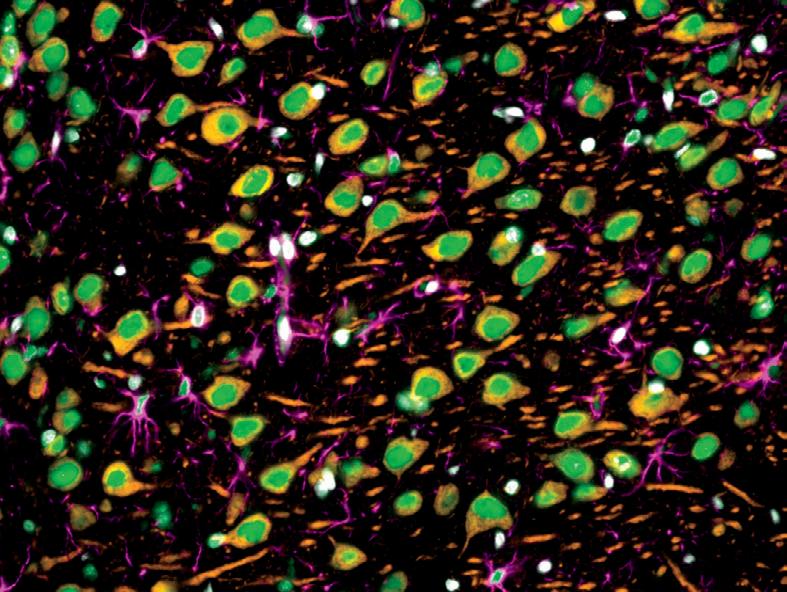
monitoring shall be planned and reviewed and shall include, where appropriate, but not be limited to: (e) intermediate checks on measuring equipment.
Intermediate checks according to ISO 9001:2015
Monitoring and measuring resources 7:15:
• 7.1.5.1 General: The organisation shall ensure that the resources provided: b) are maintained to ensure their continuing fitness for their purpose. The organisation shall retain appropriate documented information as evidence of fitness for purpose of the monitoring and measurement resources.
Conclusions
In essence, intermediate checking, spot-checking and verification mean the same thing functionally. Which is to say: they achieve the goal of ensuring the accuracy of deployed sensors between calibrations. Whether you use spot checks or intermediate checks, the key is to choose the term appropriate to your industry and organisation and ensure those term(s) are used in a consistent way in your quality and procedural documents.
Consistency is part of good documentation practices (GDocP) and an industry expectation in the creation, maintenance and development of documents. Any industry that complies with GxP needs to value consistency, in approaches as well as terms used in documentation.

For more information, download the eGuide: http://bit.ly/3YSNq7f.
Vaisala Pty Ltd

www.vaisala.com

quality assurance
iStock.com/onurdongel
Updated automated liquid handler
Eppendorf has announced its new generation of the epMotion automated liquid handler, designed to add a range of enhancements aimed at improving user experience without compromising on performance. The device will maintain its high degree of flexibility, wide range of accessories options and large selection of available methods.

The updated product is designed to offer precision in liquid handling, with a user-friendly interface and customisable protocols. The design includes a sleek, compact form and improved ergonomics for comfortable and efficient use, which is expected to make implementation of automation in laboratory workflows easier than ever before.
Eppendorf South Pacific Pty Ltd
www.eppendorf.com.au
Multimode reader for endotoxin testing
Lonza has launched the Nebula Multimode Reader, qualified for use with the company’s turbidimetric, chromogenic and recombinant endotoxin detection methods. Users can now directly compare results from absorbance-based and fluorescence-based endotoxin assays in one reader, reducing the variables and training required for endotoxin detection. Powered by WinKQCL Software, the reader also streamlines maintenance and validation procedures with a single data management system while maintaining data integrity compliance.

Particle sensors
Piera Systems’ Intelligent Particle Sensors (IPS) are designed for easy integration, making them a viable option for extensive deployment in various environments such as offices, hospitals, schools and more.

Indoor air quality has direct and substantial effects on human health, from loss of productivity to causing serious diseases. The smallest particles, less than 1 µm in size, are the most dangerous as they are readily absorbed into the bloodstream. Piera’s sensors are independently certified to detect these submicron particles to PM0.1, unlike some other sensors that only provide estimates.
They are sensitive optoelectronic particulate sensors that use photon counting readout technology. With a compact design and low power consumption, the sensor is able to quickly acquire and read data while also identifying particulates based on size. It comes in three models (Series 3, 5 and 7), each with a different number of output bins. The adjustable sensitivity control allows for precision and versatility.
element14
au.element14.com
Designed to meet the demands of current QC labs, the multimode reader provides users with a single solution for use with multiple endotoxin assay types. Its customised plate movement technology and tuneable wavelength capability allow users the choice of the turbidimetric, chromogenic or recombinant Factor C methods. As a result, the selection of the best-suited assay for specific samples should be significantly easier.
Full integration of the multimode reader with Lonza’s WinKQCL Endotoxin Detection and Analysis Software means data integrity compliance is more easily maintained. The audit trail, trends analysis and other key features from the software are available from one instrument, allowing users to realise a reduction in the time and documentation required to validate new test methods.
Employing a single reader that can accommodate multiple testing types means that end-user training, system maintenance and software analysis are simplified. Laboratories that need to test multiple sample types or validate new testing methods can benefit from more streamlined workflows and greater testing flexibility. Developed to work with all of Lonza’s quantitative endotoxin tests, the reader enables users to easily evaluate and compare results when adopting new test methods.
Capsugel Australia Pty Ltd lonzabioscience.com.au
30 This issue is sponsored by | AMS Instrumentation & Calibration Solutions | www.ams-ic.com.au
what’s new
From sea water to hydrogen — no desalination required
Researchers from RMIT University claim to have developed a cheaper and more energyefficient way to make hydrogen directly from sea water, skipping the need for desalination and its associated cost, energy consumption and carbon emissions. Their method has been detailed in a lab-scale study published in the journal Small
“Our method to produce hydrogen straight from sea water is simple, scalable and far more cost-effective than any green hydrogen approach currently in the market.”

type of catalyst developed to work specifically with sea water. Their study focused on producing highly efficient, stable catalysts that can be manufactured cost-effectively.
Hydrogen has long been touted as a clean future fuel and a potential solution to critical energy challenges, especially for industries that are harder to decarbonise like manufacturing, aviation and shipping. But almost all the world’s hydrogen currently comes from fossil fuels and its production is responsible for around 830 million tonnes of carbon dioxide a year — equivalent to the annual emissions of the United Kingdom and Indonesia combined.
Furthermore, emissions-free ‘green’ hydrogen, made by splitting water, is so expensive that it is largely commercially unviable and accounts for just 1% of total hydrogen production globally. As explained by Dr Nasir Mahmood, a ViceChancellor’s Senior Research Fellow at RMIT, green hydrogen production processes are both costly and rely on fresh or desalinated water.
“To be truly sustainable, the hydrogen we use must be 100% carbon-free across the entire production life cycle and must not cut into the world’s precious freshwater reserves,” said Mahmood, who serves as lead researcher on the new study.
To make green hydrogen, an electrolyser is used to send an electric current through water to split it into its component elements of hydrogen and oxygen. These electrolysers currently use expensive catalysts and consume a lot of energy and water — it can take about nine litres to make one kilogram of hydrogen. They also have a toxic output in the form of chlorine.
“The biggest hurdle with using sea water is the chlorine, which can be produced as a by-product,” Mahmood said. “If we were to meet the world’s hydrogen needs without solving this issue first, we’d produce 240 million tons per year of chlorine each year — which is three to four times what the world needs in chlorine. There’s no point replacing hydrogen made by fossil fuels with hydrogen production that could be damaging our environment in a different way,” Mahmood said.
“Our process not only omits carbon dioxide, but also has no chlorine production.”
The new approach, devised by a team in RMIT’s Materials for Clean Energy and Environment (MC2E) research group, uses a special
“These new catalysts take very little energy to run and could be used at room temperature,” Mahmood said.
PhD candidate Suraj Loomba added, “While other experimental catalysts have been developed for seawater splitting, they are complex and hard to scale.
“Our approach focused on changing the internal chemistry of the catalysts through a simple method, which makes them relatively easy to produce at large scale so they can be readily synthesised at industrial scales.”
Mahmood said the technology has promise to significantly bring down the cost of electrolysers — enough to meet the Australian Government’s goal for green hydrogen production of $2/kg, to make it competitive with fossil fuel-sourced hydrogen.
With a provisional patent application having been filed for the new method, the RMIT researchers are working with industry partners to develop aspects of their technology. The next stage in the research is the development of a prototype electrolyser that combines a series of catalysts to produce large quantities of hydrogen.
This issue is sponsored by | AMS Instrumentation & Calibration Solutions | www.ams-ic.com.au 31
clean energy
iStock.com/sam_eder
Yeast material used to train first responders on biothreats

When there’s an accident or an emergency such as a fire in a building or a toxic spill, first responders arrive to help people at the scene. One type of emergency involves threats from biological agents such as bacterial or viral pathogens. In order to help first responders respond to these emergencies in a safe and careful manner, researchers from the US National Institute of Standards and Technology (NIST) developed a reference material based on yeast cells.
“Suspicious powder incidents occur regularly throughout the US, so first responders need routine training including simulated biothreat scenarios,” said NIST researcher Sandra Da Silva. “There was a need to make this training accessible while also avoiding exposure to a real pathogen. With support from the Department of Homeland Security, we came up with this yeast reference material to support local training in a safe manner.”
Biothreats vary by severity and fall into one of three categories: A, B or C. Category A includes biological agents that could pose a national security risk or deliberately be released to harm people, animals, plants or other living organisms; anthrax is one example of this. Categories B and C include biological threats that are of less severity but still harmful.
For all these biological agents, it can be a challenge to prepare in advance and train for
an outbreak, and the use of a biothreat material could pose a risk to the first responders involved and the surrounding community. Instead of using the actual pathogen, responders have the option of using NIST Reference Material (RM) 8230, the new surrogate material developed by NIST researchers. Researchers based the material on baker’s yeast because it is harmless and a living biological material.
“First responders could choose to take a biothreat agent and inactivate it, so it doesn’t grow or cause disease,” said NIST researcher Nancy Lin. “But it could still be unsettling for the public when they hear that a training exercise in their local area is using anthrax or smallpox, even if you try to explain that it has been inactivated and you’re using it safely. Using a non-harmful material such as baker’s yeast, which is used to make bread, can avoid this situation.”
In addition, the use of actual biothreat agents during training has the potential to leave residual material on equipment, which can then cause a false positive in a real response situation. If some yeast cells do remain, they will not trigger a positive response in the biothreat detection assay.
The other good thing about baker’s yeast is that it provides a challenge to technologies that detect genetic material similar to biothreat agents, making it a good surrogate. Da Silva explained, “Baker’s yeast has a thick wall that is hard to crack open to extract DNA, similar to Bacillus anthracis spores (which cause anthrax). We needed something to
32 This issue is sponsored by | AMS Instrumentation & Calibration Solutions | www.ams-ic.com.au
Jeremy Clancy, Battalion Chief of the Howard County Department of Fire Rescue Services, sampled the yeast material in a powdered form using the existing field protocols.
Image: N Lin/NIST.
challenge DNA extraction methods, and the idea of using yeast came from previous efforts on extracting DNA from yeast cells.”
The yeast reference material is modified with genomic sequences from a deep ocean organism called Methanocaldococcus jannaschii . The organism is a type of ‘extremophile’, meaning it’s found in extremely harsh temperature and highpressure conditions, specifically in hydrothermal vents at the bottom of the ocean. The genomic sequence was taken from NIST SRM 2374, DNA Sequence Library for External RNA Controls, which contains a series of nucleic acid sequences from the NIST-hosted External RNA Controls Consortium.
The modified yeast strain is called Saccharomyces cerevisiae NE095, and this sequence was chosen because it allows for specific detection of the yeast using nucleic acid detection technologies. This means first responders can detect this strain of yeast during training exercises without worrying about obtaining a false positive from other yeast found in the environment.
A unit of RM 8230 consists of 12 vials of the yeast cells plus four vials of the matrix without cells.
The yeast has been freeze-dried, or lyophilised, to preserve the cells. Da Silva explained, “The yeast is alive and surrounded by other materials to protect it during the freezing and drying processes. The four matrix-only vials contain those materials as a control. Once the yeast cells are analysed, they’re best used to set the baseline for whichever method researchers are using to quantify or detect cells.”
NIST researchers conducted interlaboratory studies with first responders and public health laboratories to assess the versatility of the yeast in existing field protocols. In one study, they were able to demonstrate that the material could be crushed into a powder and inserted into a typical workflow, where it remained viable and detectable using field protocols and technologies.
One field exercise demonstrated how the dried yeast material can be rehydrated and applied to surfaces. Those surfaces were swabbed by first responders as part of the field response, and the yeast cells were successfully detected in both mobile labs and public health laboratories.
The reference material is not only useful to the biothreat preparedness community. For instance,
For a large field exercise, the yeast reference material was prepared as a solution, spotted onto stainless steel ‘coupons’, and dried. First responders then swabbed the coupons using standard methods and detected the yeast material in their mobile labs.


the yeast cells can be used to verify performance of microbial cell counting and nucleic acid detection technologies and workflows, which is relevant to the use of microbes as medicines and for the study of microbes in the body (the microbiome). To support this work, NIST is quantifying the yeast cells using multiple measurement methods including flow cytometry, which detects and measures physical and chemical characteristics of cell populations.
“Microbes are increasingly recognised as critical contributors in many areas of our everyday life, from the environment and climate to human and animal health, agriculture and energy,” Lin said. “The ability to count and characterise microbes is becoming increasingly important as users seek to understand and harness microbial capabilities. We need a control material to increase confidence in microbial quantification for these types of applications. Though first responders are the initial community of users, the reference material is applicable for a broader community.”
NIST researchers are building on the lessons learned with the yeast reference material and applying them to bacterial species, specifically in developing potential bacterial cell reference materials. Bacterial cells are typically smaller than yeast cells and more diverse in terms of their shape and tendency to aggregate, so they present new measurement challenges.
The new reference material, Saccharomyces cerevisiae NE095 for Cell Counting and DNA-based Detection (NIST RM 8230), is now available for purchase from https://shop.nist.gov/.
This issue is sponsored by | AMS Instrumentation & Calibration Solutions | www.ams-ic.com.au 33
reference material
iStock.com/Scharvik
31st International Symposium on Lepton Photon Interactions at High Energies
July 17–21, Melbourne
The 31st International Symposium on Lepton Photon Interactions at High Energies will be hosted by Monash University and held at the Melbourne Convention and Exhibition Centre.

The program covers a wide range of topics of interest to the particle physics community spanning results from current experiments, R&D towards future facilities, theoretical developments and contributions on inclusion, diversity and public engagement. In addition to the core plenary talks, there will be parallel sessions and a poster session.
The last day of the conference will take place in the innovative learning and teaching building of Monash University.
https://www.leptonphoton2023.org/
35th ISE Topical Meeting: Electrochemistry for energy, environment and health
May 7–10, Gold Coast https://topical35.ise-online.org/
Science on the Swan 2023
May 8–10, Perth
https://scienceontheswan.com.au/
ANZAN 2023 ASM
May 15–18, Hobart and online
https://www.anzan2023.com/
Bionics Institute Innovation Lecture 2023
May 17, Melbourne
https://www.bionicsinstitute.org/news-and-events/ innovation-lecture-2023/
AusMedtech 2023
May 24–25, Adelaide
https://www.ausmedtech.com.au/
50 Years Shine-Dalgarno Symposium 2023
June 5–7, Canberra
https://www.shine-dalgarno-symposium.org.au/
EcoSummit 2023
June 13–17, Gold Coast https://ecosummitcongress.com/
Cutting Edge Symposium: Locking Carbon in Minerals
June 20–22, Perth
https://events.csiro.au/Events/2022/July/28/ Locking-Carbon-in-Minerals
21st International Conference on Nucleation and Atmospheric Aerosols
June 26–30, Brisbane https://www.icnaa2023.com.au/
AMSA 2023
July 2–7, Gold Coast https://www.amsa2023.amsa.asn.au/
The Australian Society for Microbiology
Annual National Meeting
July 3–6, Perth
https://www.theasmmeeting.org.au/
LMT2023: 10th International Light Metals Technology Conference
July 10–12, Melbourne https://www.lmt2023.com/
20th International Conference on Biological Inorganic Chemistry
July 16–21, Adelaide https://icbic2023.org/
National Science Week 2023
August 12–20, Australia-wide https://www.scienceweek.net.au/
South Pacific Congress 2023
August 16–18, Auckland https://www.southpacificcongress2023.com/
IUCr 2023
August 22–29, Melbourne http://iucr2023.org/
Australasian Cytometry Society Conference
August 27–30, Queenstown https://cytometryconference.org.au/
AACB 60th Annual Scientific Conference
October 17–19, Brisbane https://aacb.eventsair.com/aacb-60th-annualscientific-conference
Australasian Radiation Protection Society 2023 Conference
October 29–November 2, Gold Coast https://arpsconference.com.au/
AusBiotech 2023
November 1–3, Brisbane https://www.ausbiotechnc.org/
ASC 50th Annual Scientific Meeting
November 3–5, Surfers Paradise https://www.cytology.com.au/annual-scientificbusiness-meeting
Energy Oceania 2023
November 27–29, Melbourne https://www.energyconferenceaustralia.com/
Tell the world about your event: email LLS@wfmedia.com.au
Westwick-Farrow Media
A.B.N. 22 152 305 336 www.wfmedia.com.au
Head Office Unit 7, 6-8 Byfield Street, (Locked Bag 2226) North Ryde BC NSW 1670, AUSTRALIA
Ph: +61 2 9168 2500
Editor Lauren Davis LLS@wfmedia.com.au
Publishing Director/MD
Geoff Hird
Art Director/Production Manager
Julie Wright
Art/Production
Linda Klobusiak, Marija Tutkovska
Circulation
Dianna Alberry circulation@wfmedia.com.au
Copy Control Mitchie Mullins copy@wfmedia.com.au
Advertising Sales
Sales Manager: Kerrie Robinson Ph:0400 886 311 krobinson@wfmedia.com.au
Nikki Edwards Ph: 0431 107 407 nedwards@wfmedia.com.au
Tim Thompson Ph: 0421 623 958 tthompson@wfmedia.com.au
If you have any queries regarding our privacy policy please email privacy@wfmedia.com.au
Print Post Approved PP100008671 ISSN No. 2203-773X
All material published in this magazine is published in good faith and every care is taken to accurately relay information provided to us. Readers are advised by the publishers to ensure that all necessary safety devices and precautions are installed and safe working procedures adopted before the use of any equipment found or purchased through the information we provide. Further, all performance criteria was provided by the representative company concerned and any dispute should be referred to them. Information indicating that products are made in Australia or New Zealand is supplied by the source company. Westwick-Farrow Pty Ltd does not quantify the amount of local content or the accuracy of the statement made by the source.
34 This issue is sponsored by | AMS Instrumentation & Calibration Solutions | www.ams-ic.com.au
event horizon
Printed and bound by Dynamite Printing
iStock.com/kotoffei


You do science We do space
SERVICED LABORATORIES

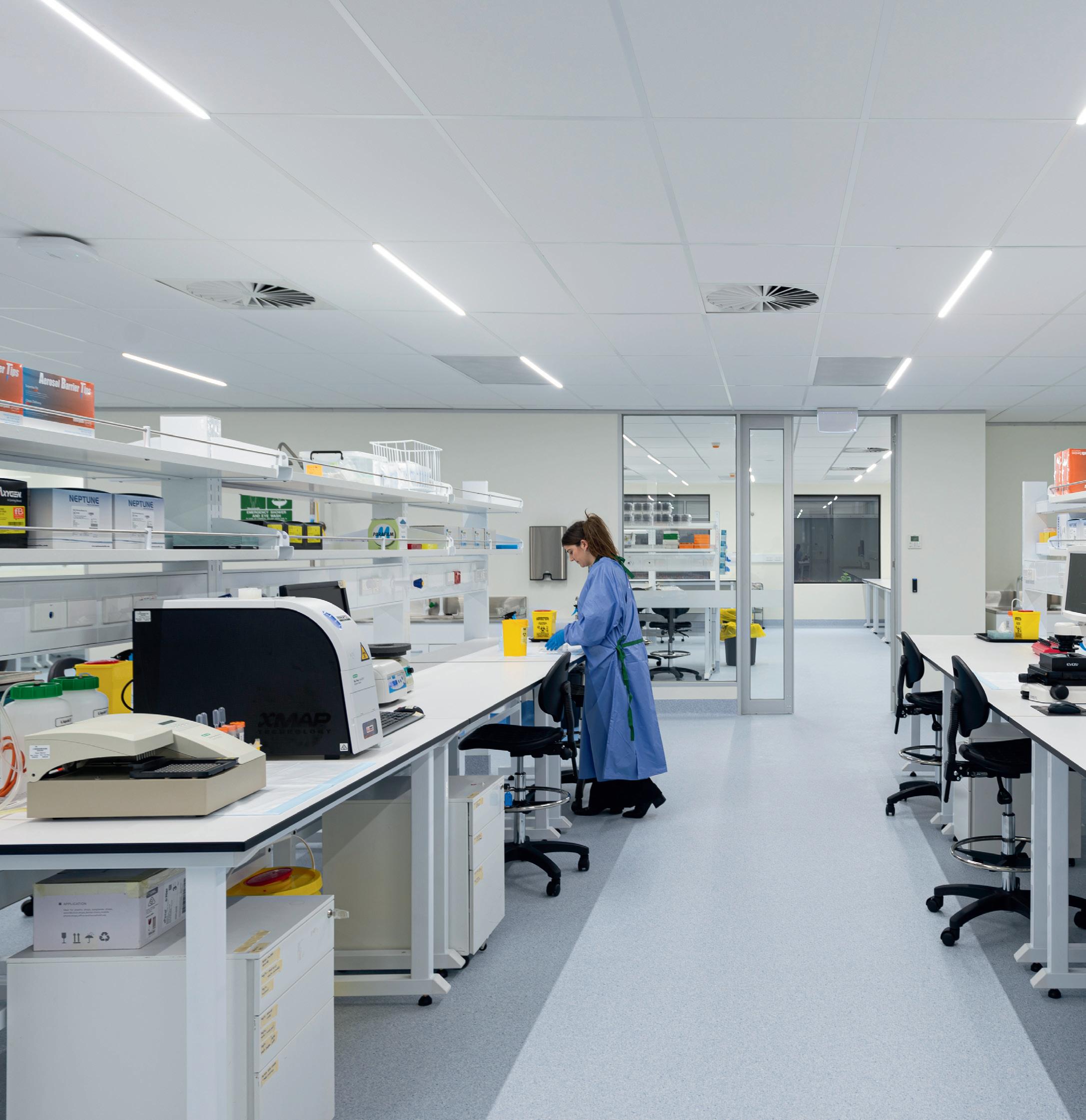
SYDNEY
MELBOURNE BRISBANE


