About Us
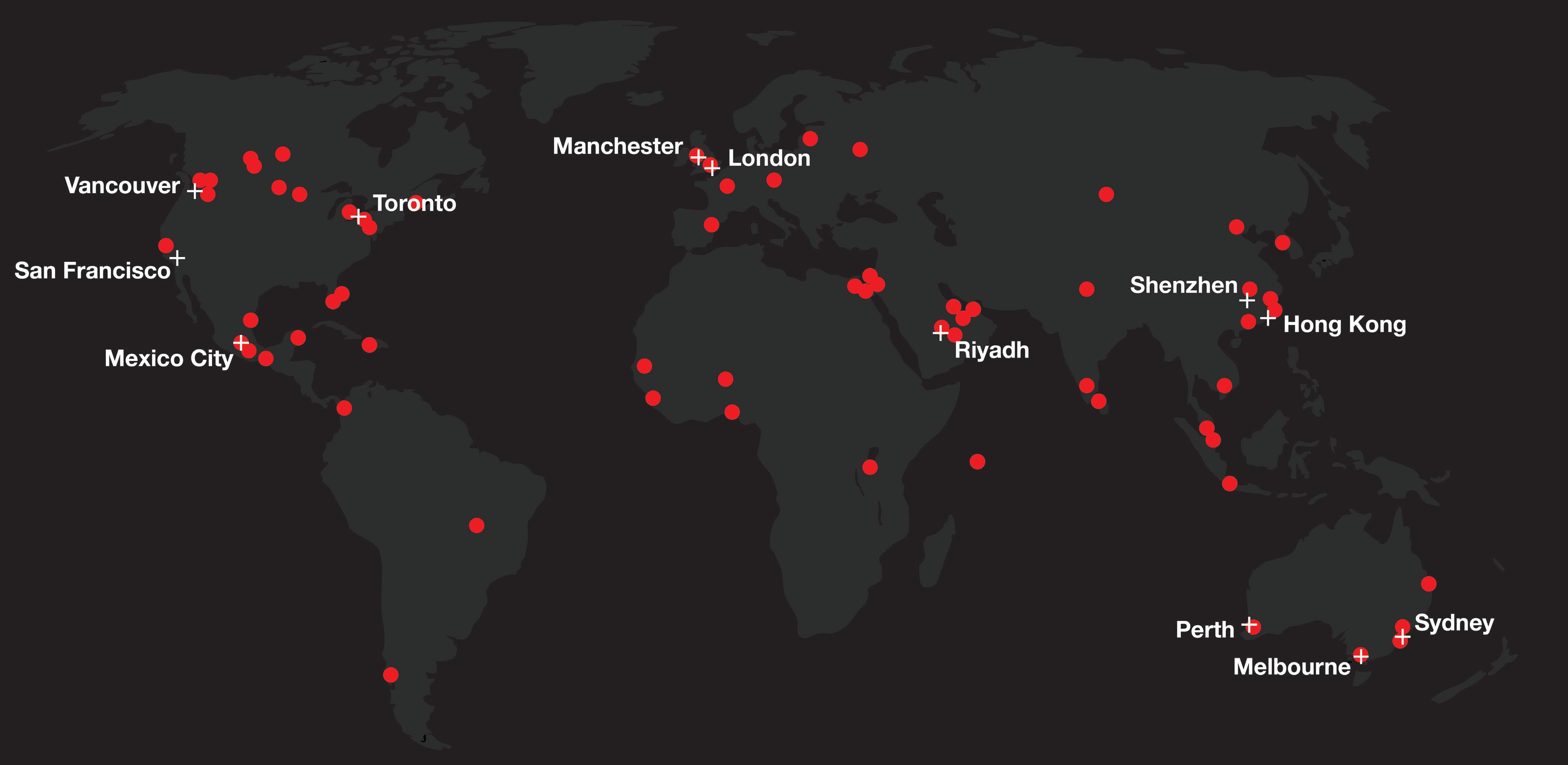
WW+P is a world-leading architecture and planning practice. Founded in 1985, the practice has more than 400 architects, urban designers and planners across 12 studios worldwide.
WW+P integrates planning, urban design, landscape and architecture to deliver projects that unite visionary regenerative design thinking with technical excellence.
At the heart of our work is a clear and purposeful design approach: we listen first, think sustainably, create a clear vision and deliver a crafted response. Our approach is guided by core values that define who we are and how we work: we are people-focused, placing people at the heart of everything we do; we are inventive, finding elegant, forward-thinking solutions to complex challenges; and we are responsible, designing with care for social and environmental impact.
Our work spans scales and disciplines to build better cities, smarter infrastructure, and more inclusive communities – leading the next chapter in regenerative thinking.
Values
Placing people at the heart of everything we do.
The everyday human experience is the starting point for our design. Whether designing for users, passengers, residents, or passers-by, we make buildings and spaces to enrich people’s lives.
Great design is produced by great people. We aspire to provide a supportive and fulfilling working environment to nurture the talent of our global professional team.
Teamwork, collaboration, and empathy are inherent in good design. Recognising when to support, and when to lead, we bring rigour, responsibility and humility to each project.
Clear thinking and a rigorous conceptual approach.
Strong design concepts are the foundation of good design. Born out of experience, innovation, and a deep appreciation of the character of place, we deliver highvalue, sustainable solutions to inspire and delight.
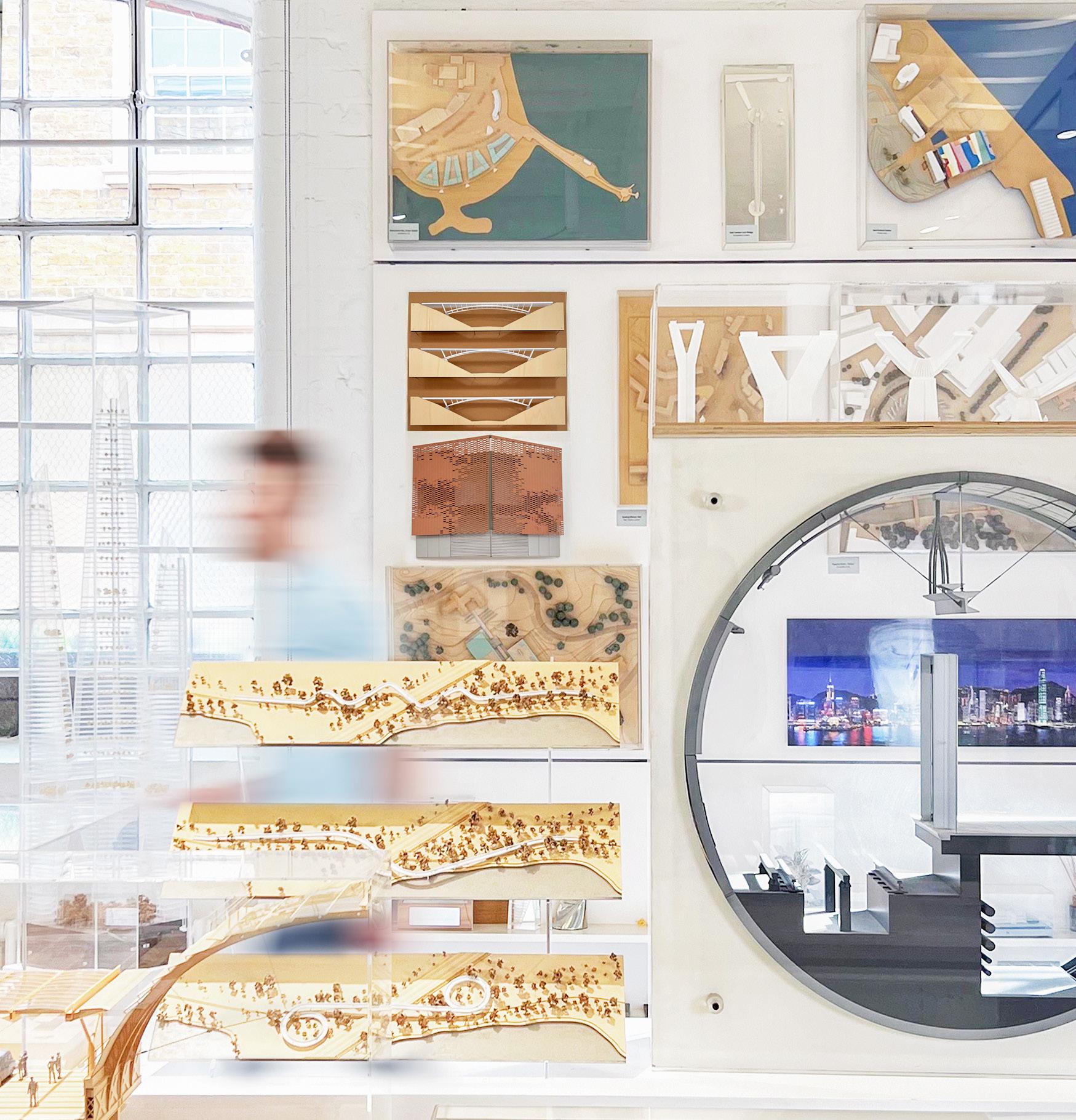
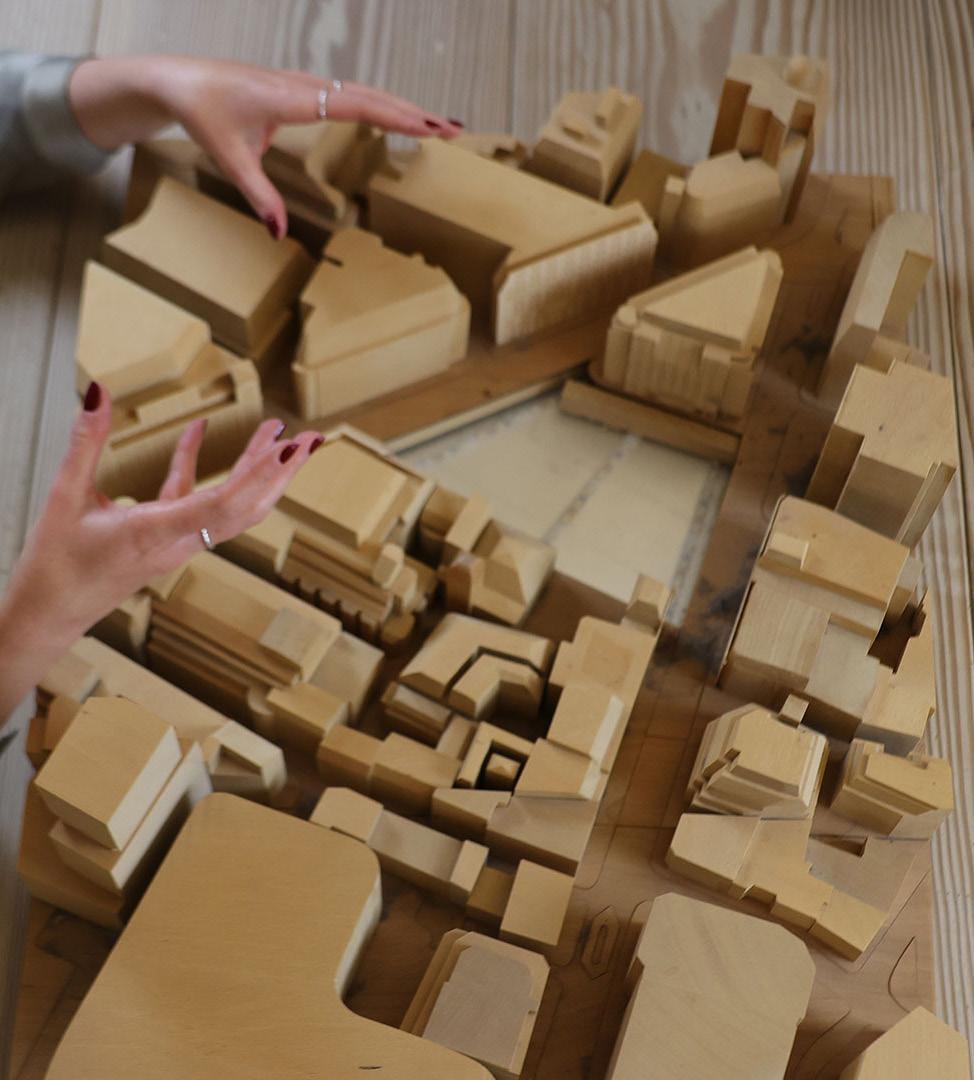
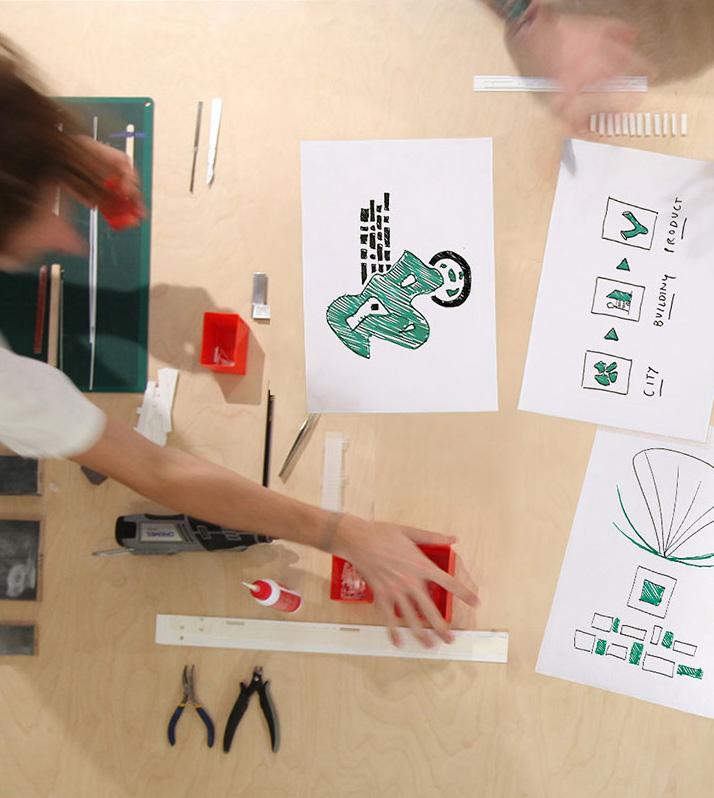
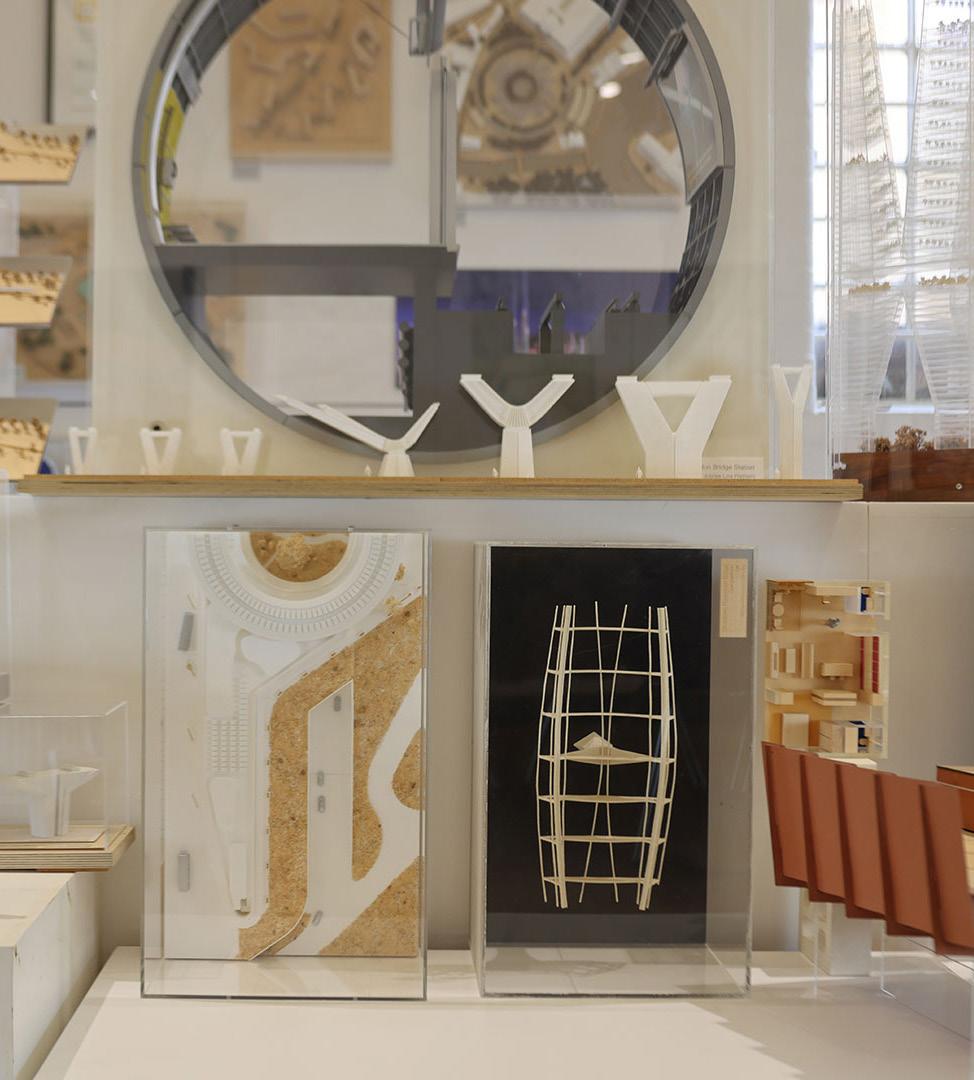
Craft is fundamental to our work, whether expressed through elegant details or through physical modelmaking which is an integral part of our design process.
We embrace construction challenges to generate elegant, durable structures and spaces that are simple to build and easy to maintain.
Environmentally and socially aware.
We are careful to work with responsible clients and project partners and prioritise projects with the greatest benefits to people lives.
We create buildings, spaces and infrastructure that will have a long-lasting impact. Focussing on the human experience ensures that we create healthy places that lift the spirits and are sustainable for future generations.
Our ethics inform our behaviours, how we support our staff, and relate to the world around us. They are the foundation to an approach that always strives to make a positive difference.
Approach
We listen carefully to understand the problem before attempting to solve it.
We establish key sustainable principles upfront that underpin our design decisions.
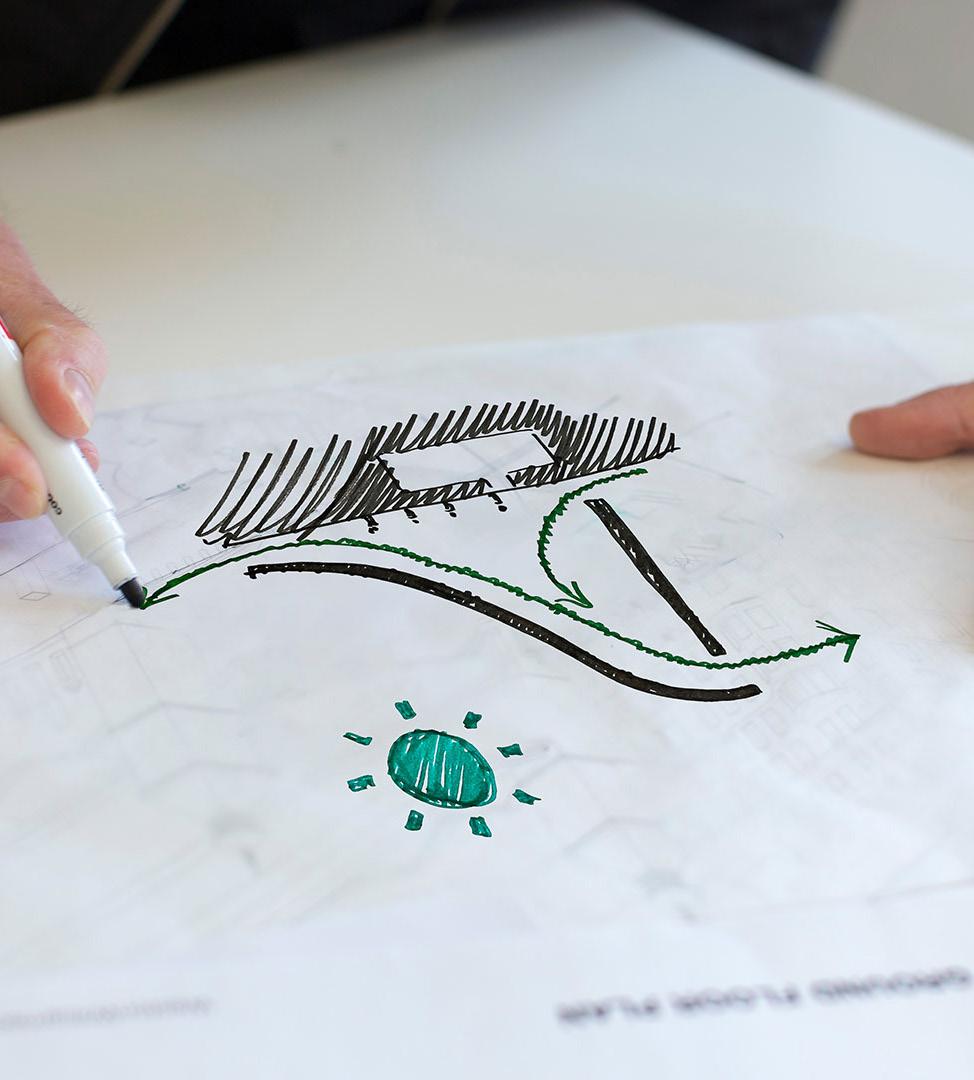
We create unique, compelling narratives that focus on the user experience.
We interrogate the unique challenges of every project to discover the optimum solution.
Expertise
Architecture
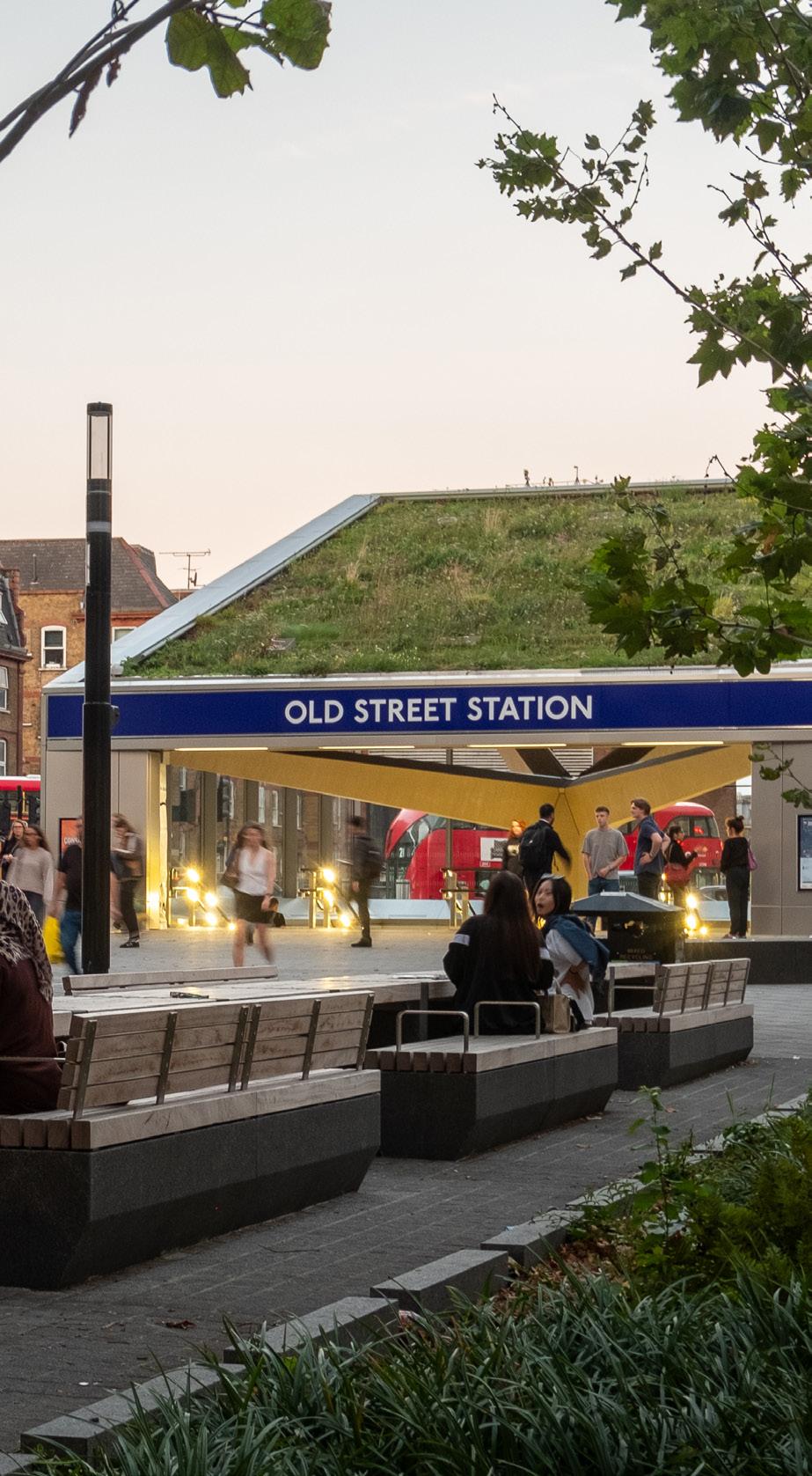
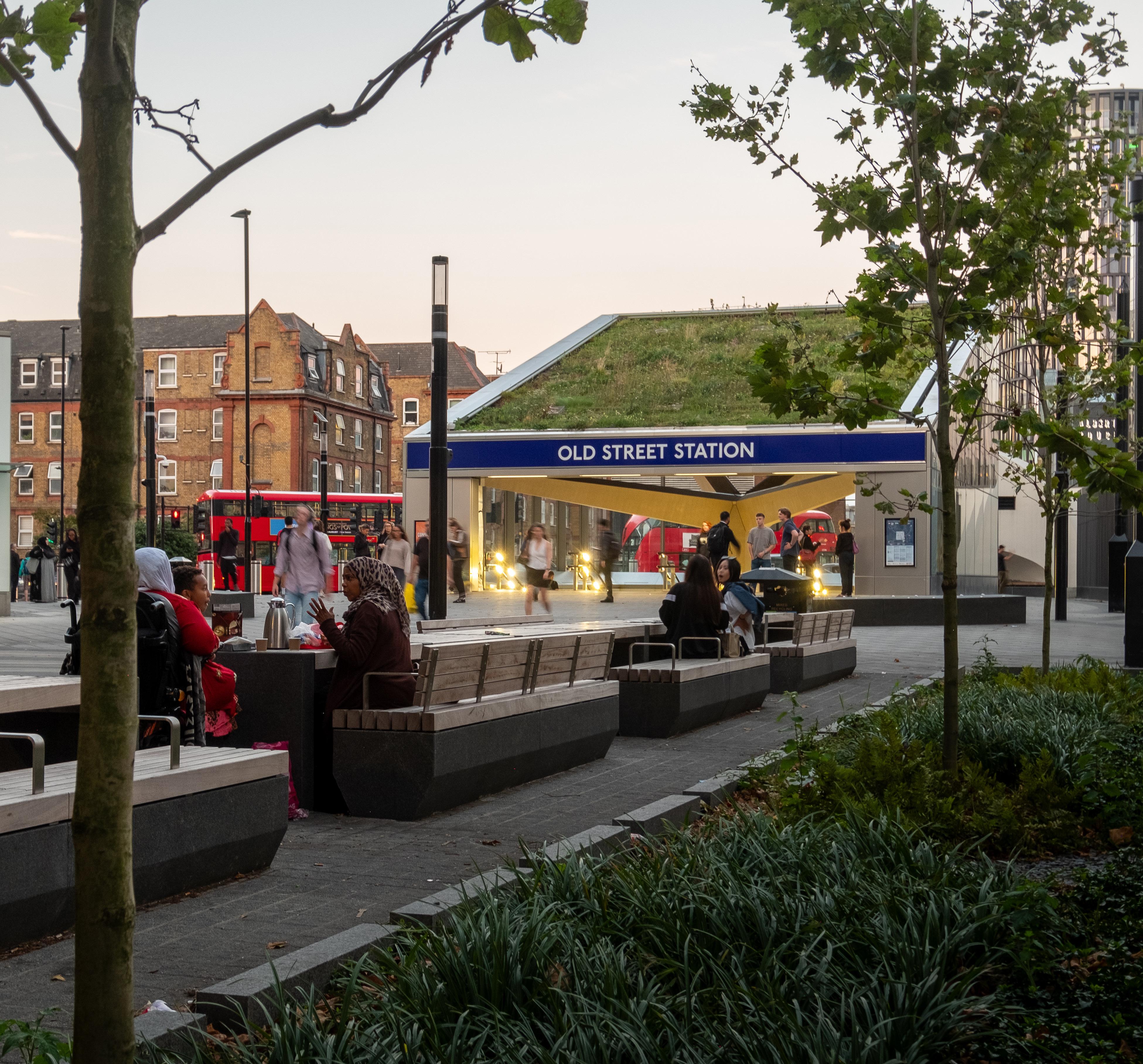
We deliver bespoke architectural solutions shaped by global expertise and grounded in local knowledge. Our work spans sectors, with particular strength in transport, infrastructure, and transit-oriented development. Every project begins with listening: we prioritise sustainability, clarity of vision, and crafted design responses. Our architecture is versatile, context-sensitive and purpose-built to meet the diverse needs of the people it serves.
Landscape & Public Realm
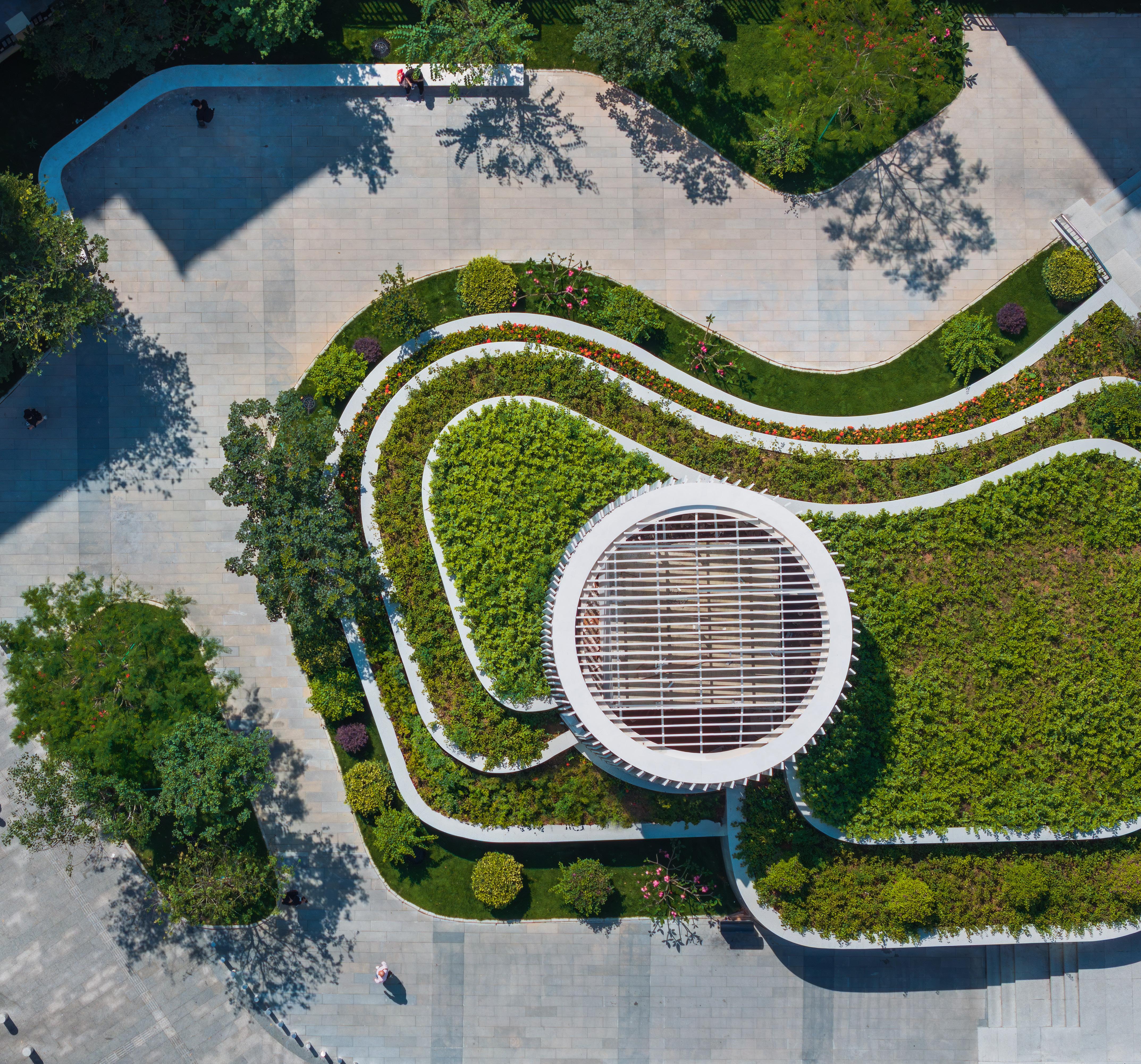
We bring sensitive, intelligent landscape design to public realm projects, enhancing biodiversity, supporting active travel, and fostering social connection. Our unique nature-based, data-driven approach ensures seamless integration of landscape and the living environment. Where infrastructure risks erasing local identity, we elegantly rationalise functional elements and find creative ways to embed biodiversity; creating resilient, welcoming spaces rooted in local character.
Planning & Masterplanning
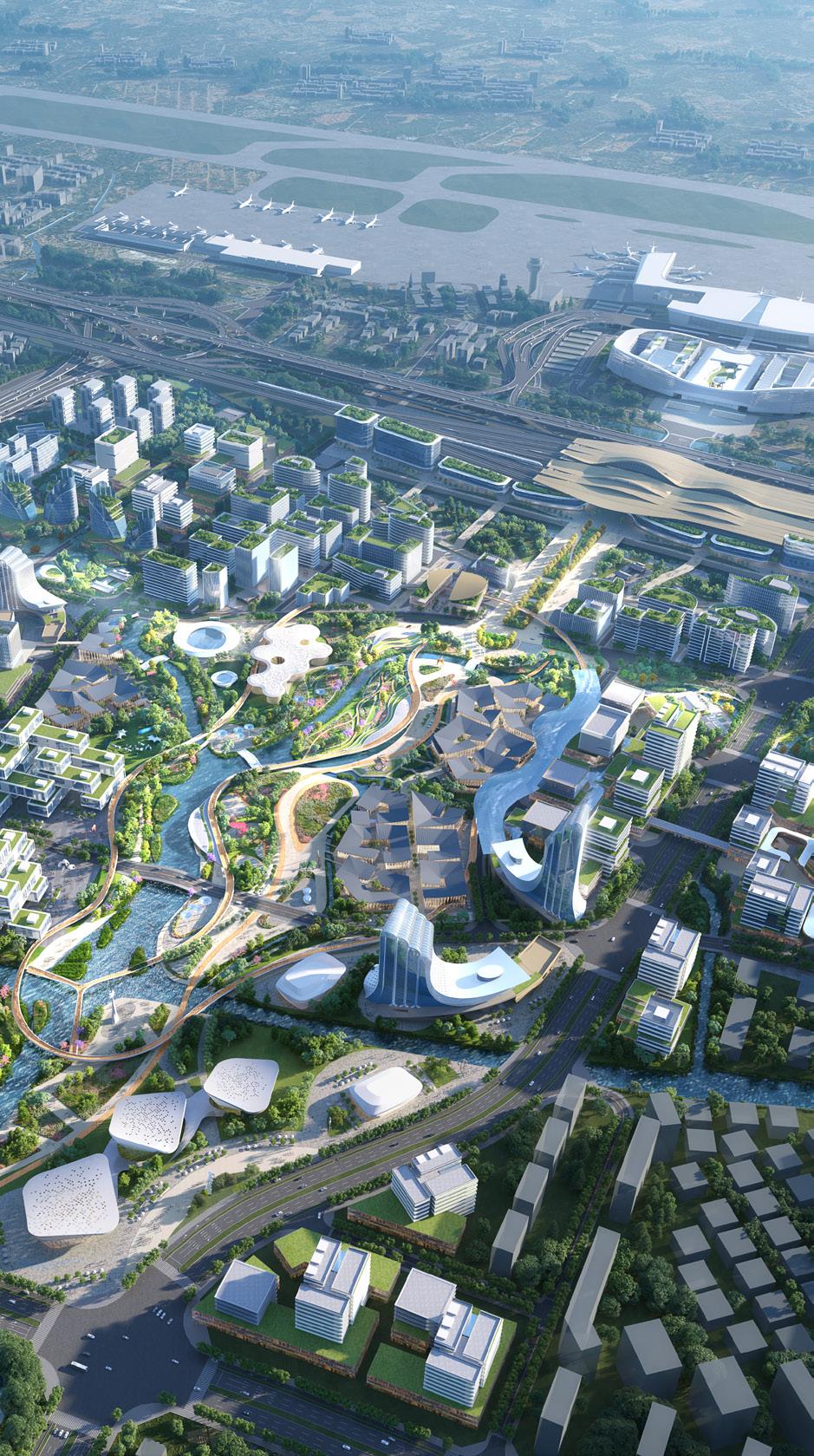
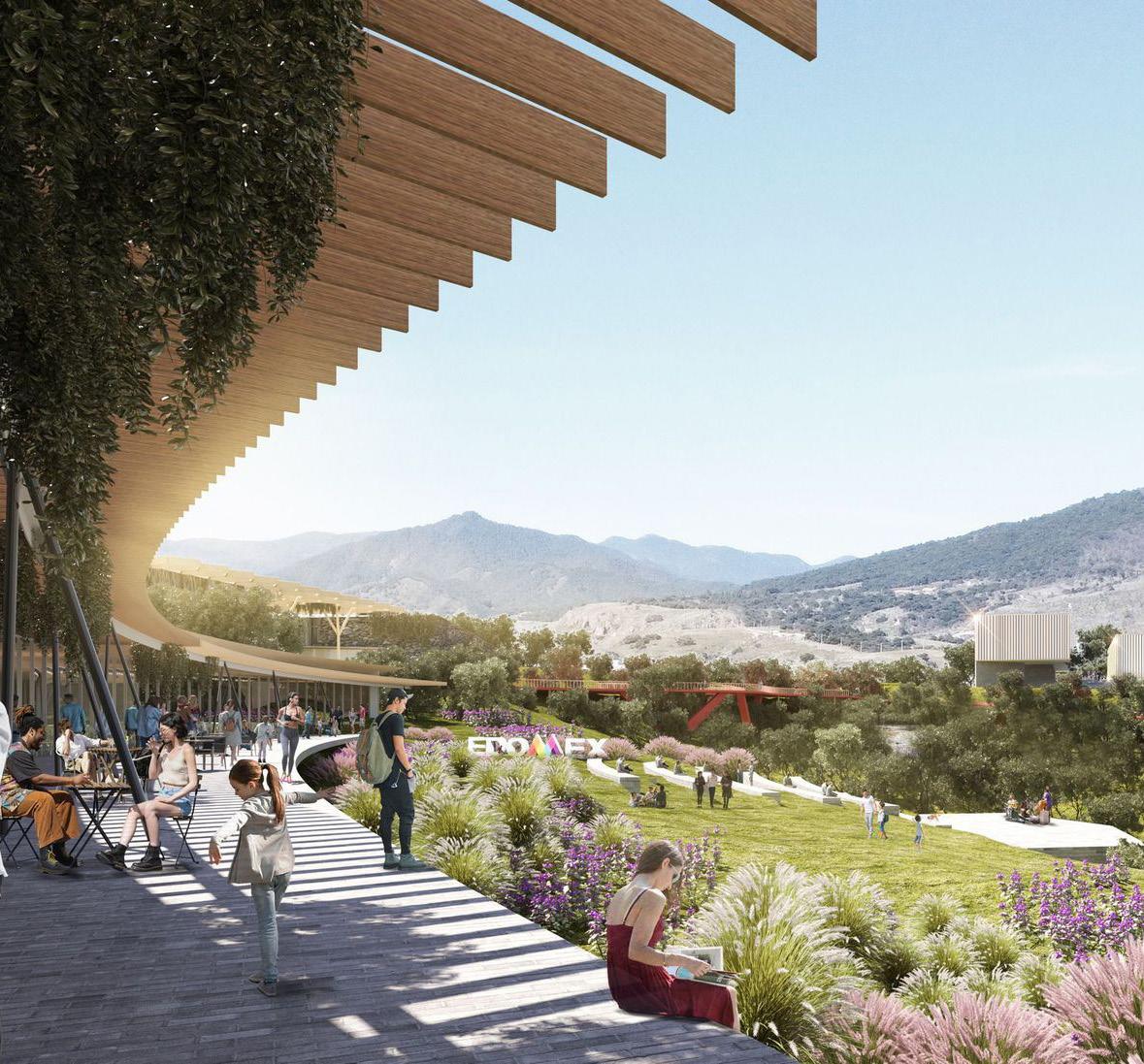
We lead with big ideas, generating clarity from complexity. From creating a design vision, strategies and layouts, to articulating policy and managing development processes, our cross-disciplinary team helps our clients build aspiring futures and the tools for their implementation. We collaborate with local communities, agencies, and development partners, crafting resilient places that unlock economic potential, enhance ecological systems, and strengthen social networks delivering lasting value to the people who live there.
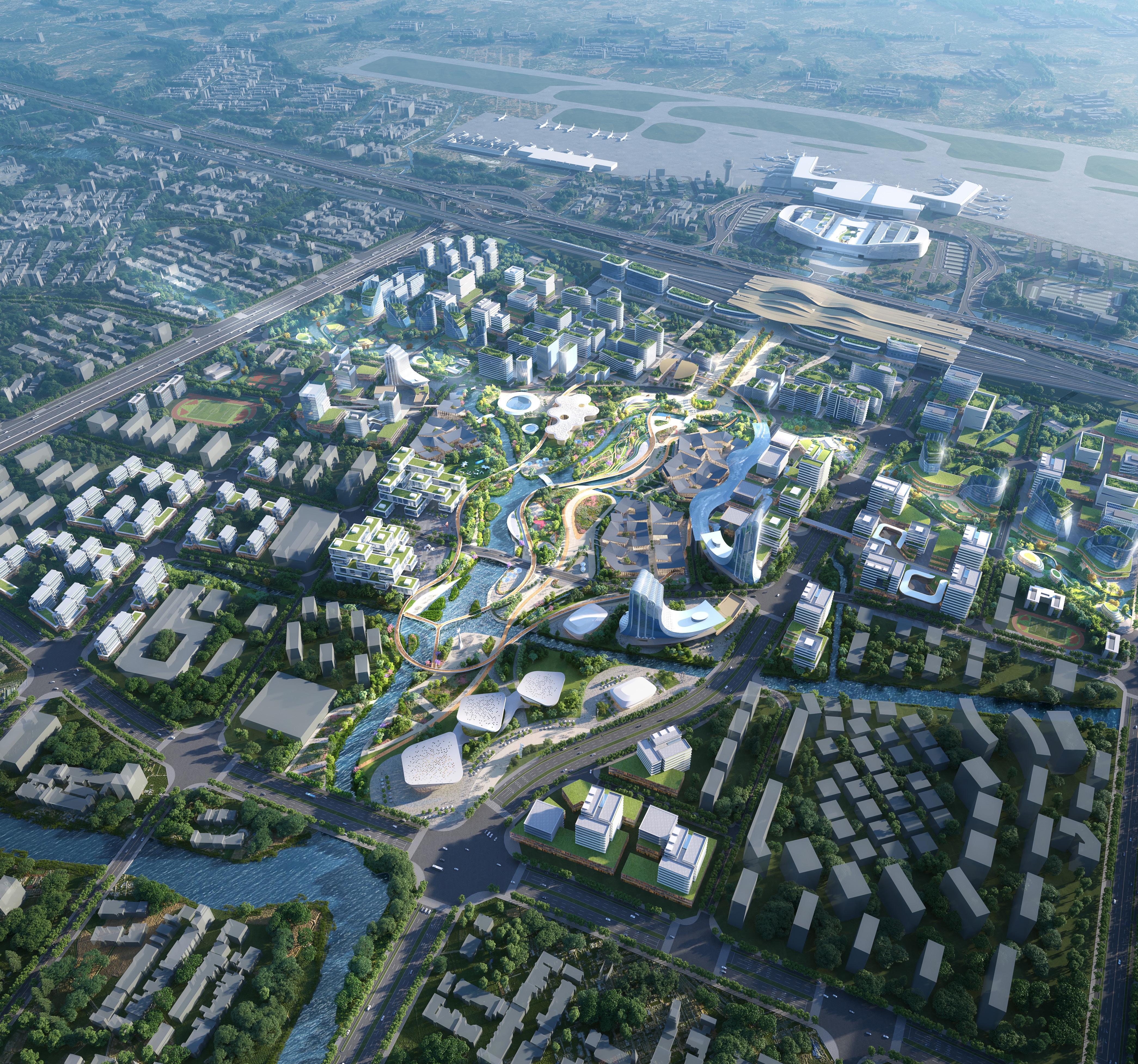
Design Guidance
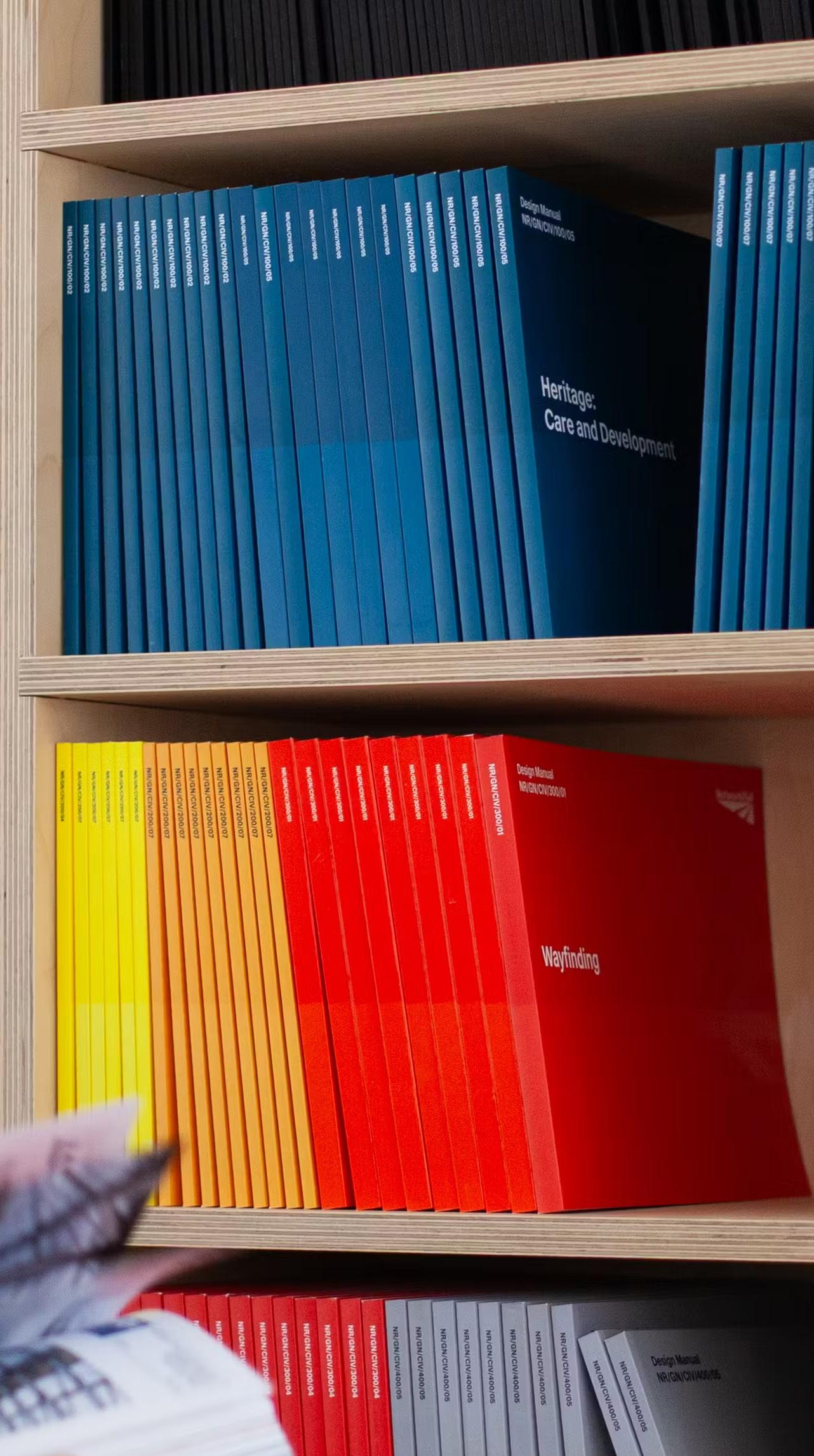
We offer clear, strategic design guidance that helps our clients shape and deliver ambitious projects with confidence. From defining the brief to navigating planning and sustainability goals, we support informed decision-making at every stage. Our expertise ensures design frameworks are robust, coherent, and aligned with longterm objectives. Whether working on complex sites or evolving masterplans, we help turn vision into reality.
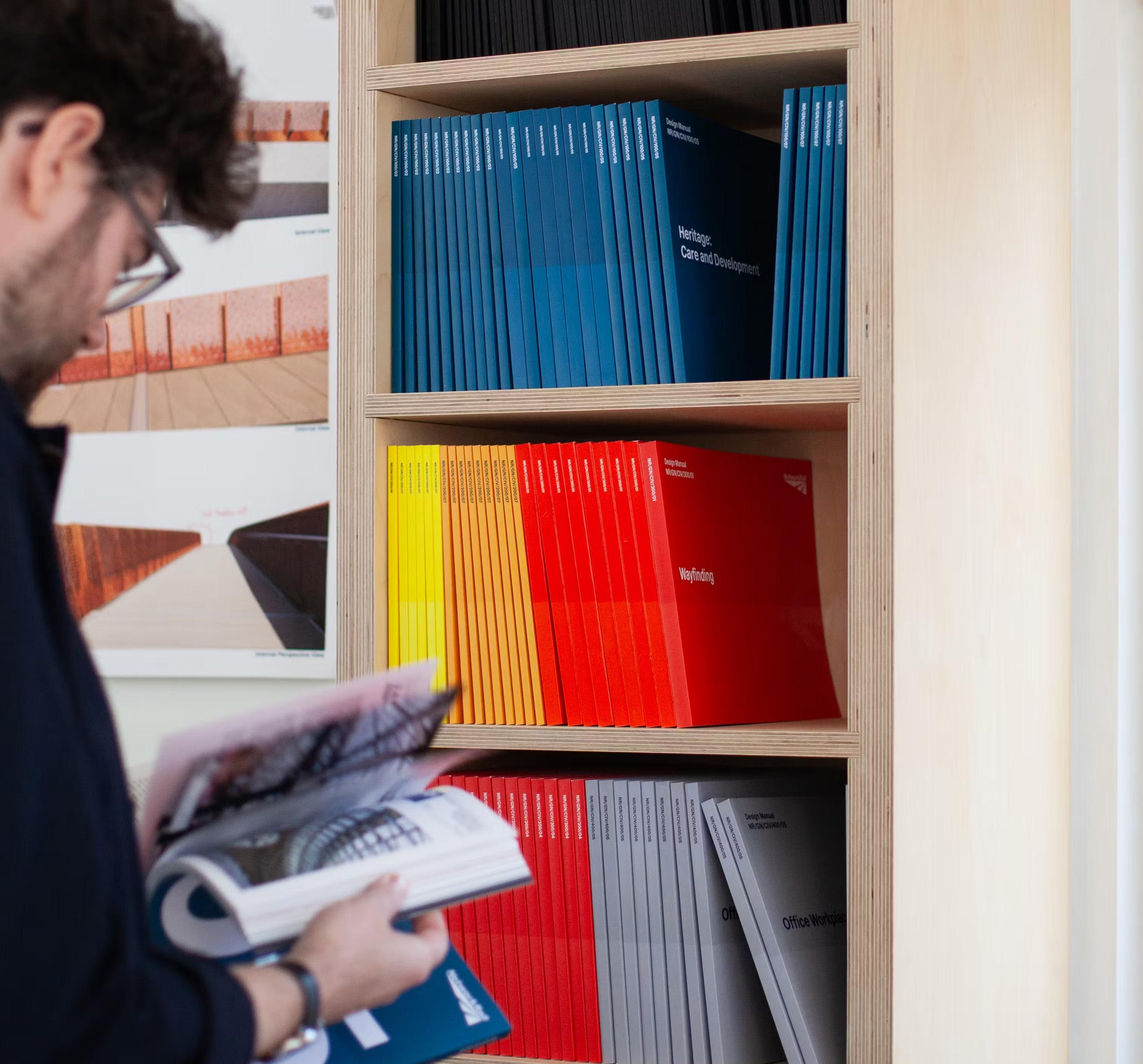
Regenerative Design
Sustainability is at the heart of everything we do. We design spaces that are healthy, uplifting, and built to last, guided by data. Our work is driven by a constant dedication to creating developments that restore, enrich and elevate the natural systems around them. Our in-house specialists lead on carbon impact, environmental analysis and materials research – ensuring every project supports people and planet for generations to come.
Portfolio
Paddington Elizabeth Line Station
Paddington Elizabeth Line Station
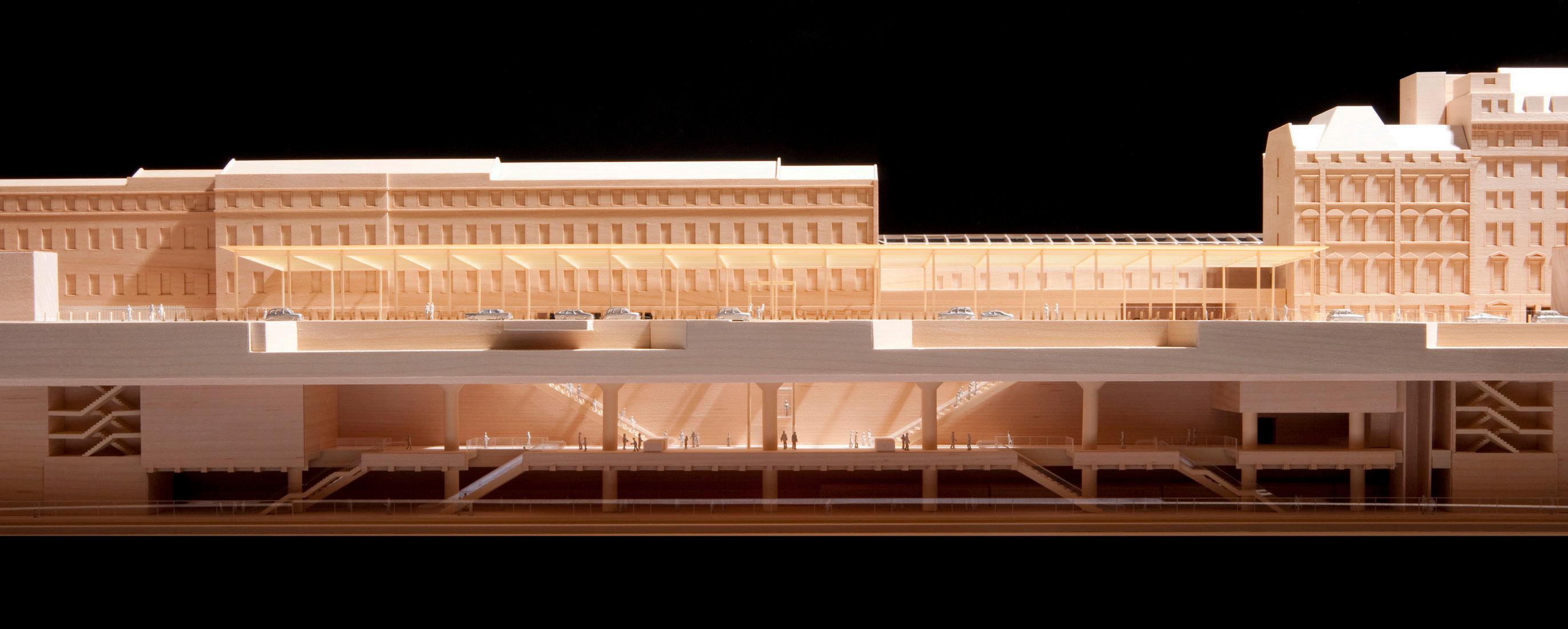
Paddington Elizabeth Line Station
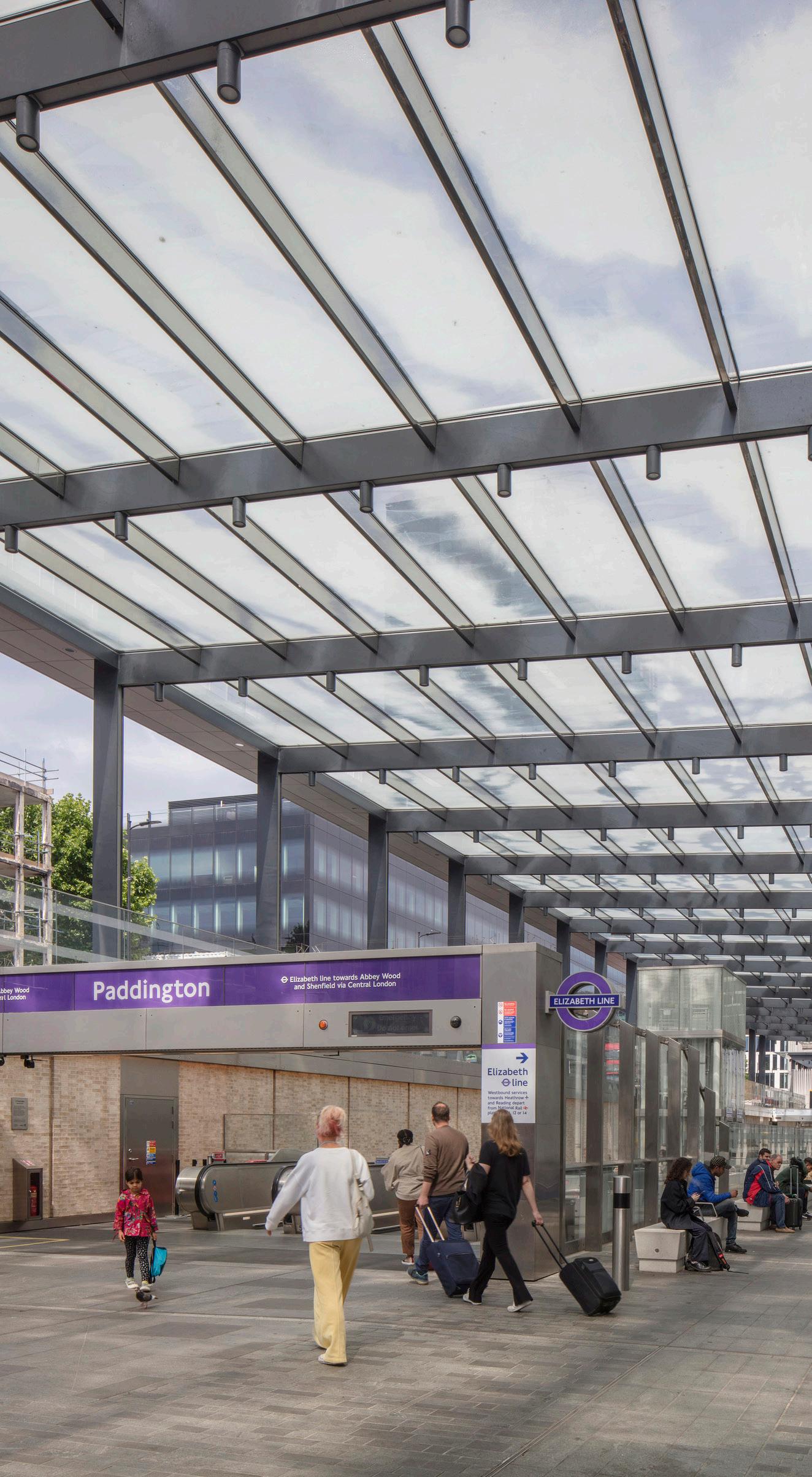
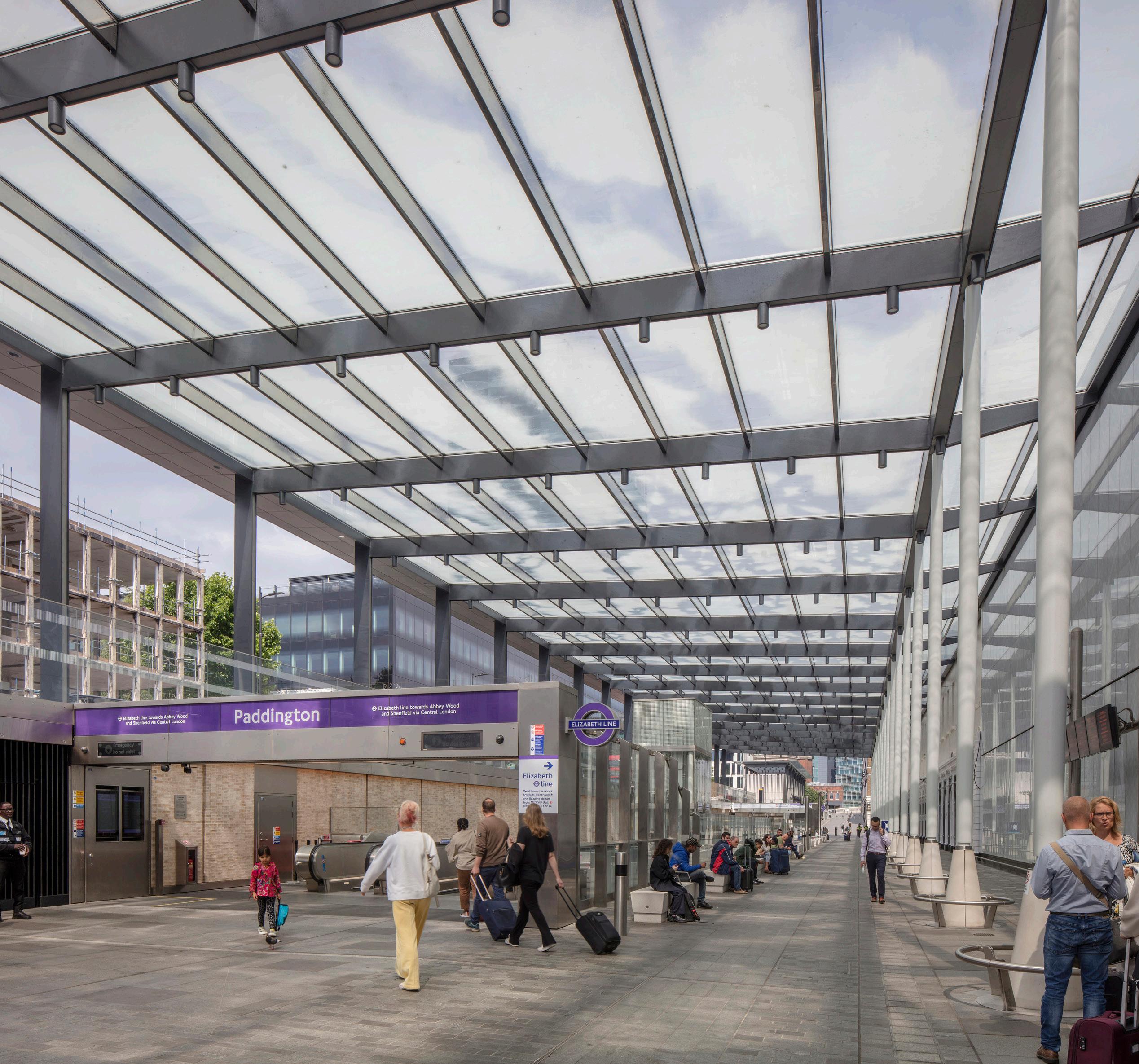
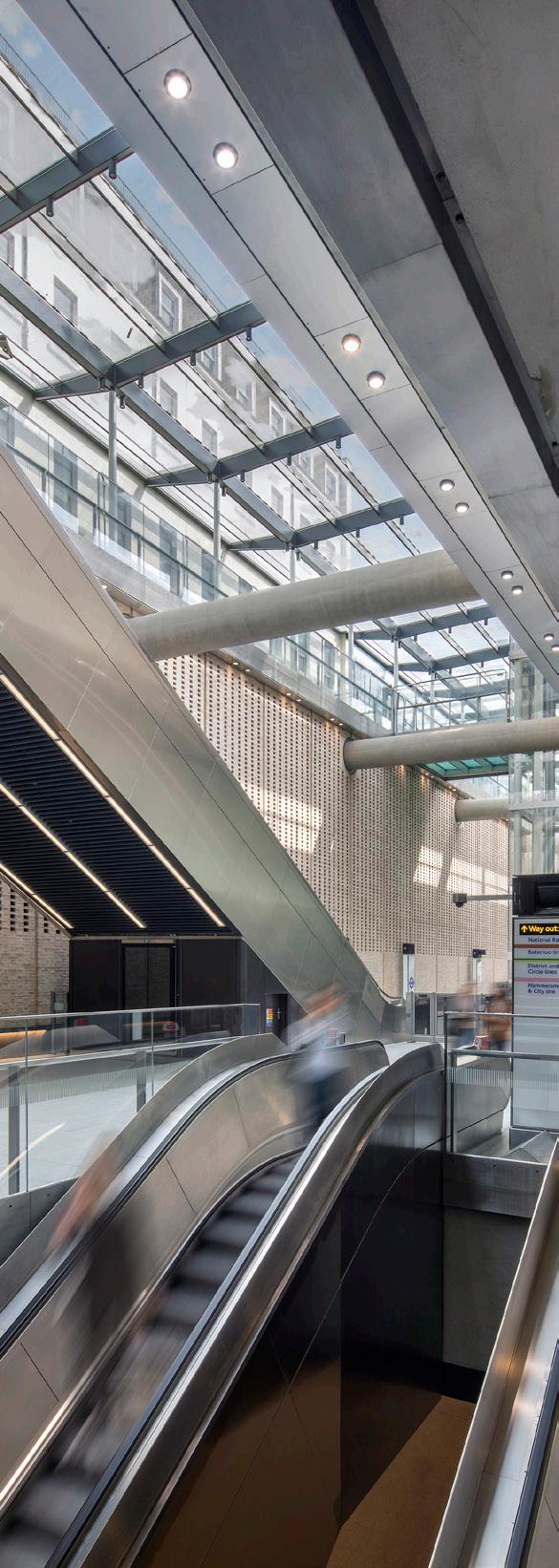
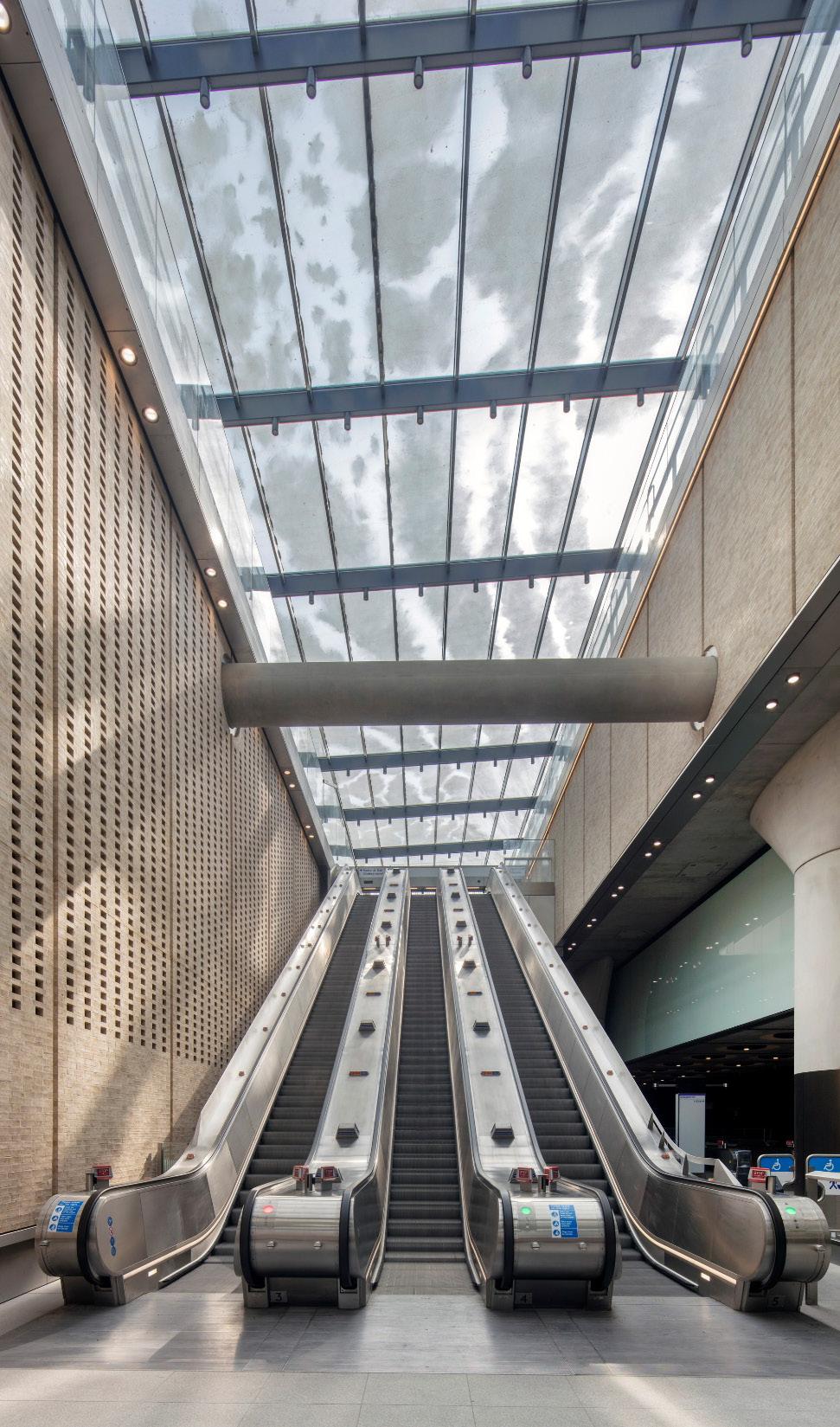
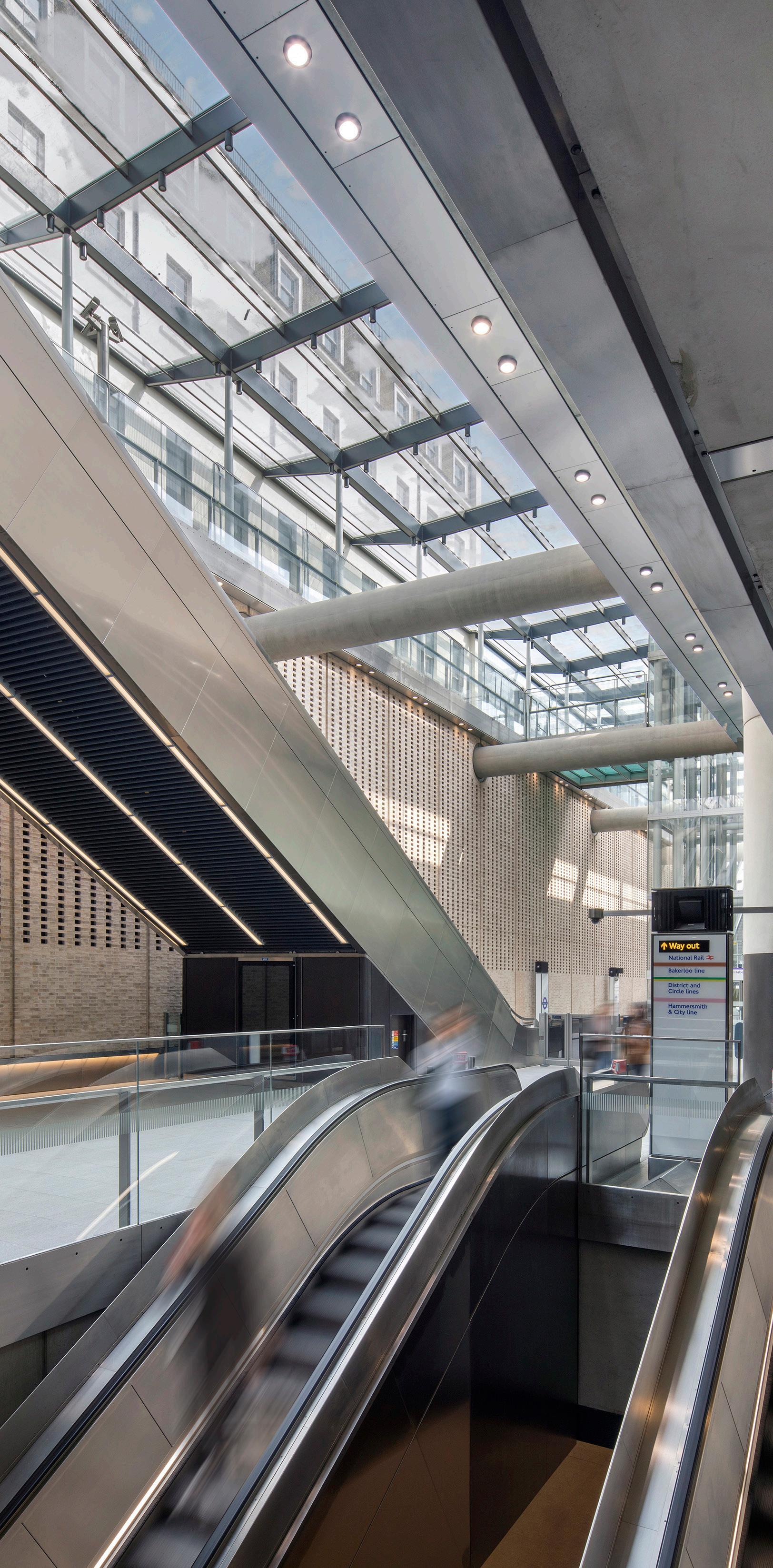
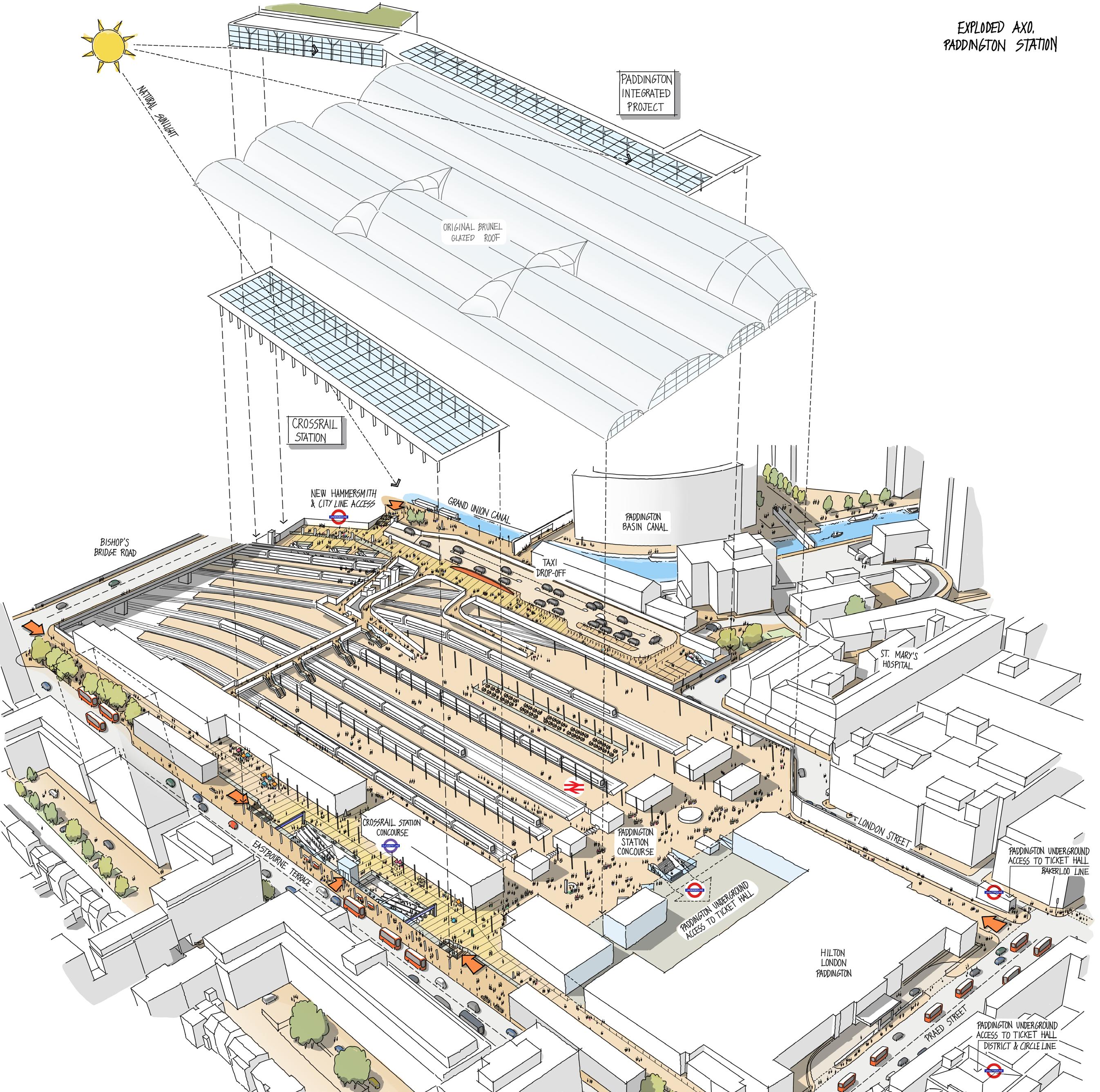
Our award-winning Elizabeth Line station at Paddington transforms the passenger experience through bold engineering and elegant design. Described as “the jewel in Crossrail’s crown”, it offers a seamless connection between the Elizabeth Line and the national rail network via a striking entrance plaza.
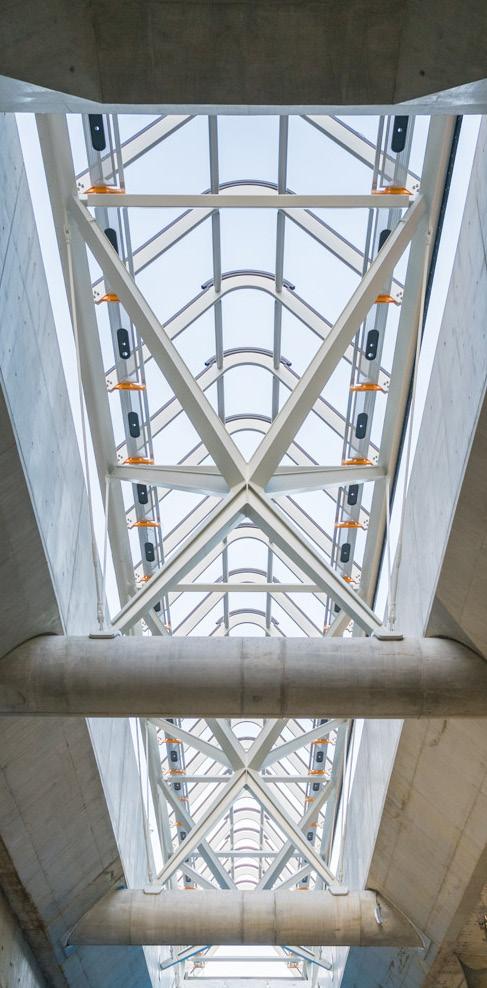
Constructed using a box station method rather than traditional tunnelling, the design brings daylight and fresh air deep into the underground space. Passengers can look up from the platforms and see the sky, creating a sense of openness rarely found below ground. Monumental structural elements like the vast props and sculptural ‘lily pad’ lights reflect both durability and refined architectural detail. With concealed services and a palette of high-quality materials, the station is built to serve future generations while honouring the legacy of Brunel’s original design.
Departure Road at Paddington Station
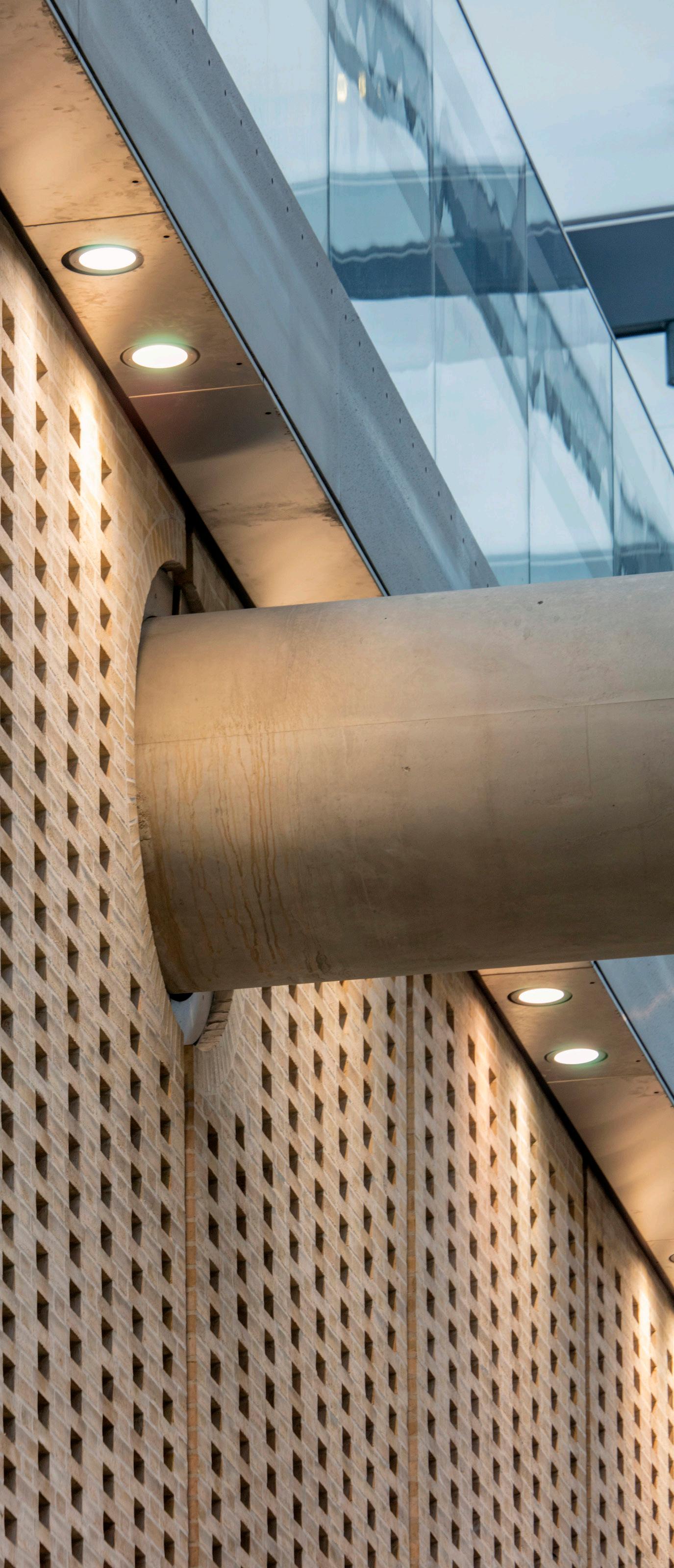
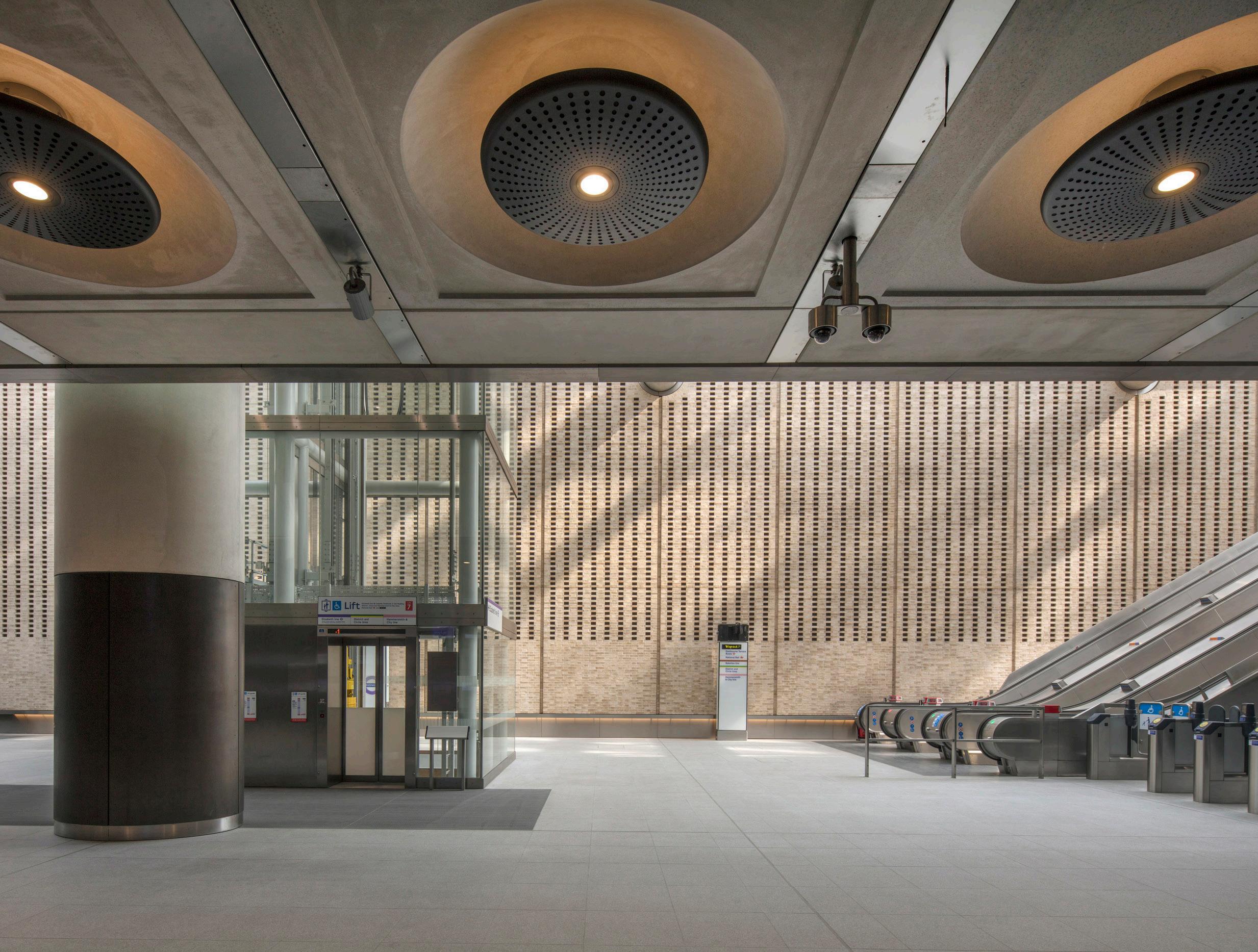
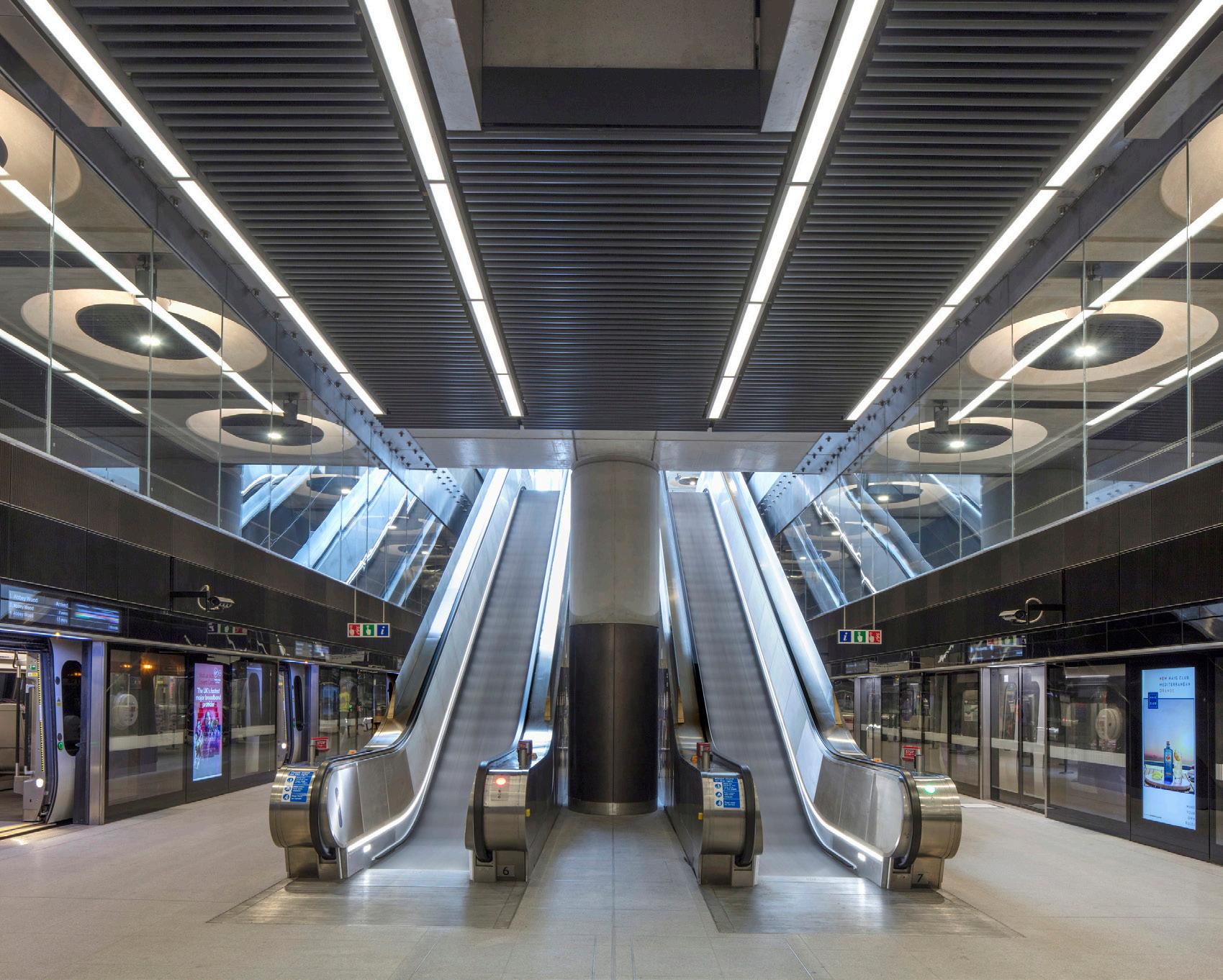
The jewel in Crossrail’s crown.”
Julian Robinson, Head of Architecture, Crossrail
Axonometric sketch of the station and surrounding development
Melbourne Metro
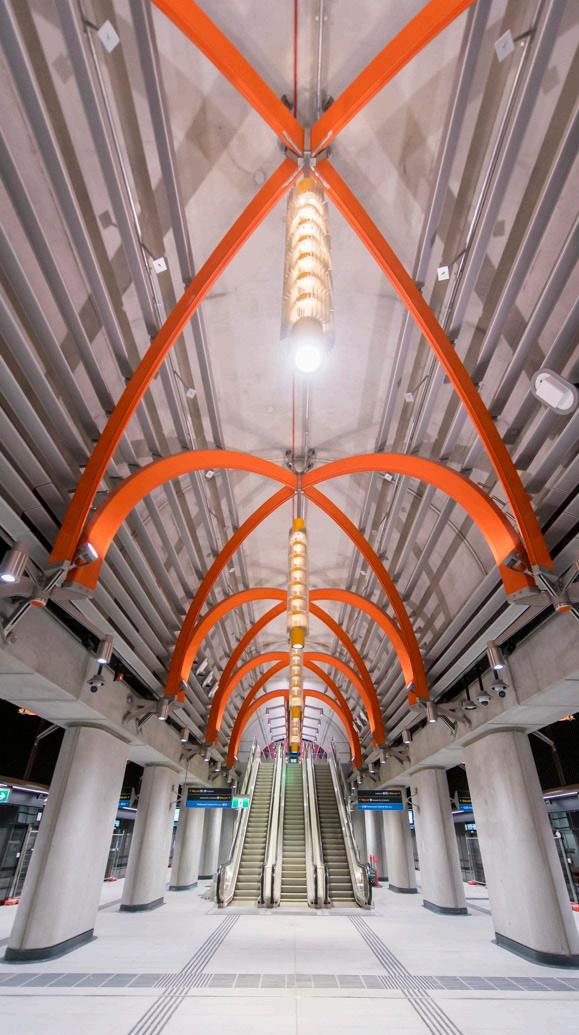
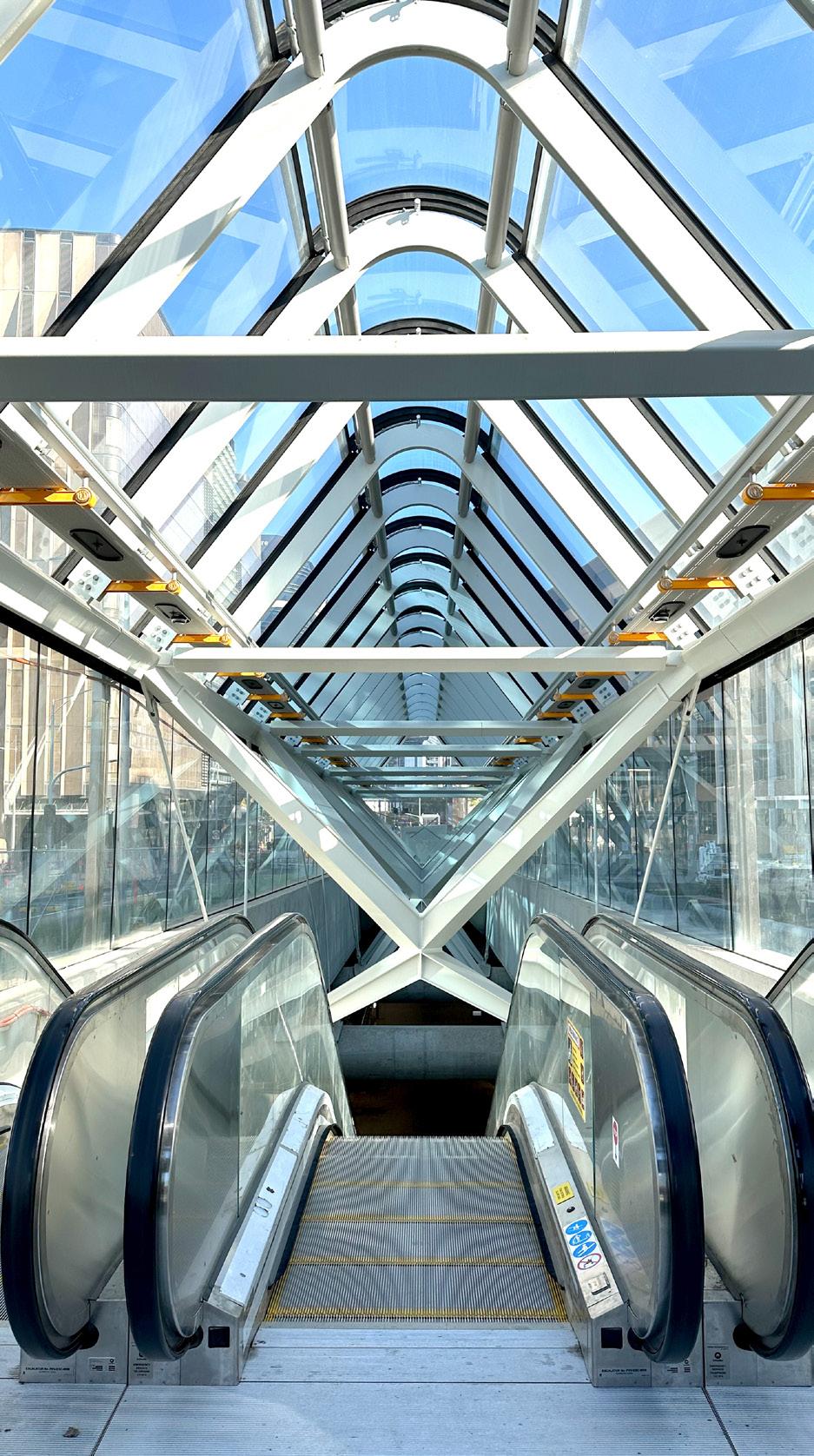
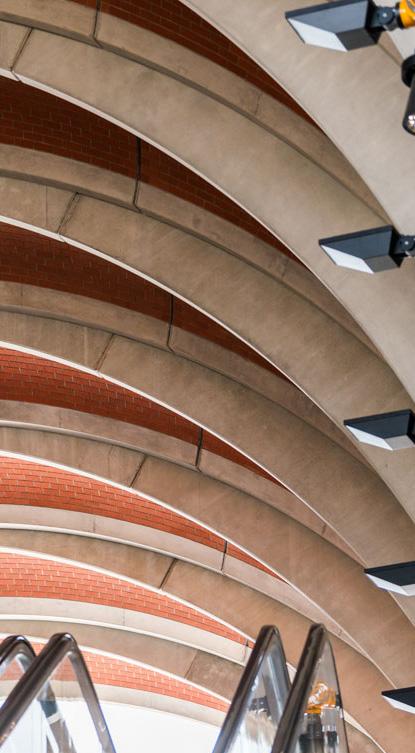
Anzac Town Hall State Library Parkville Arden
Melbourne Metro
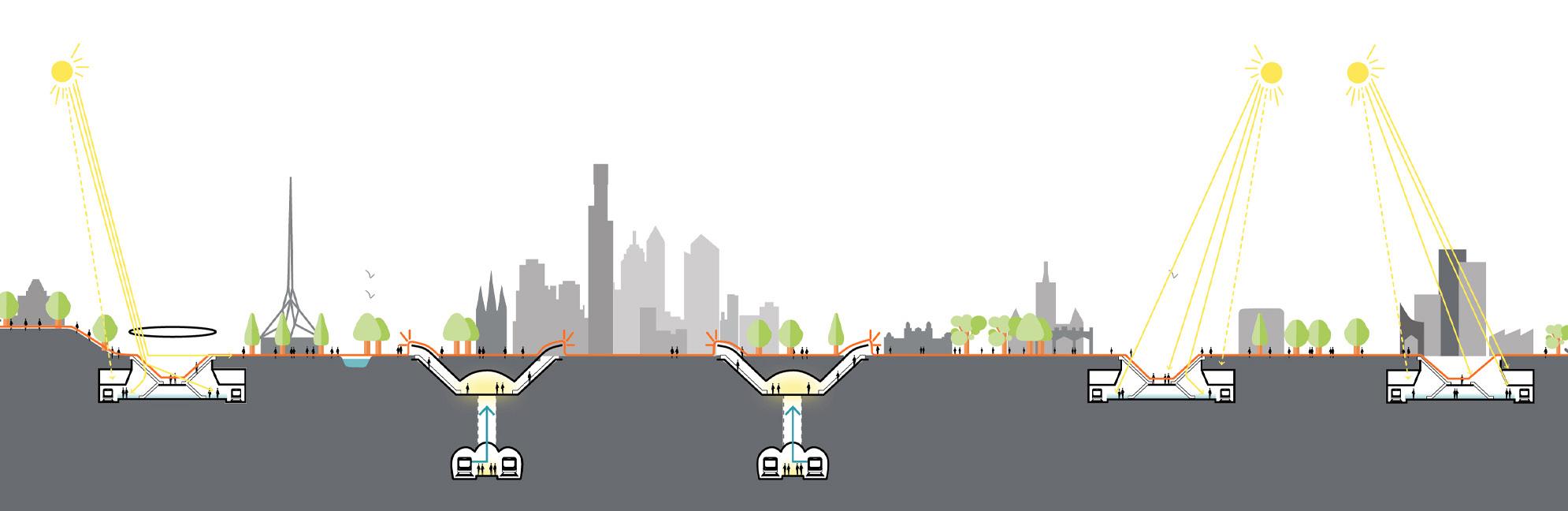
Cross-section of the five stations
Anzac Town Hall
State Library
Parkville
Arden
Melbourne Metro
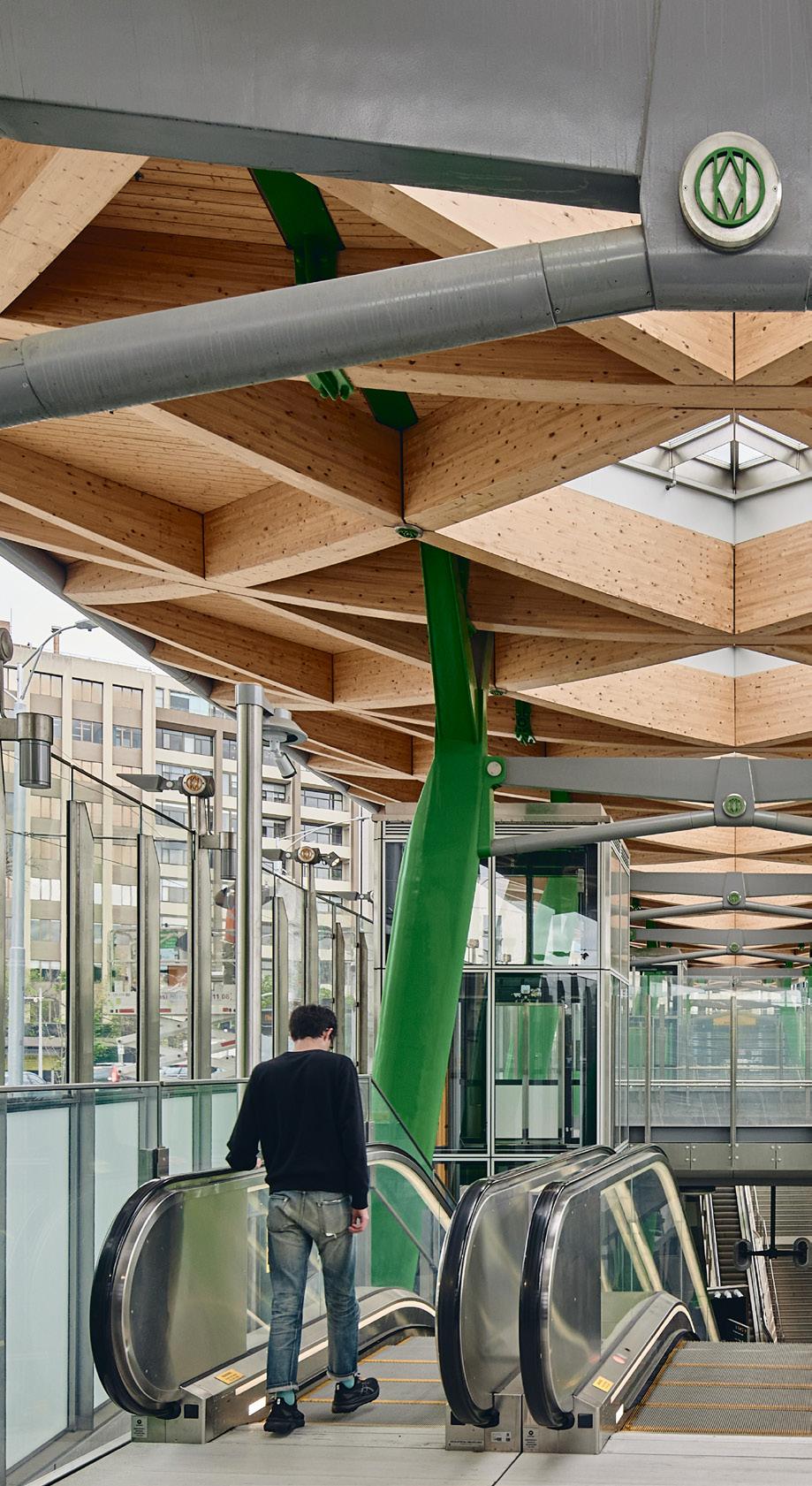
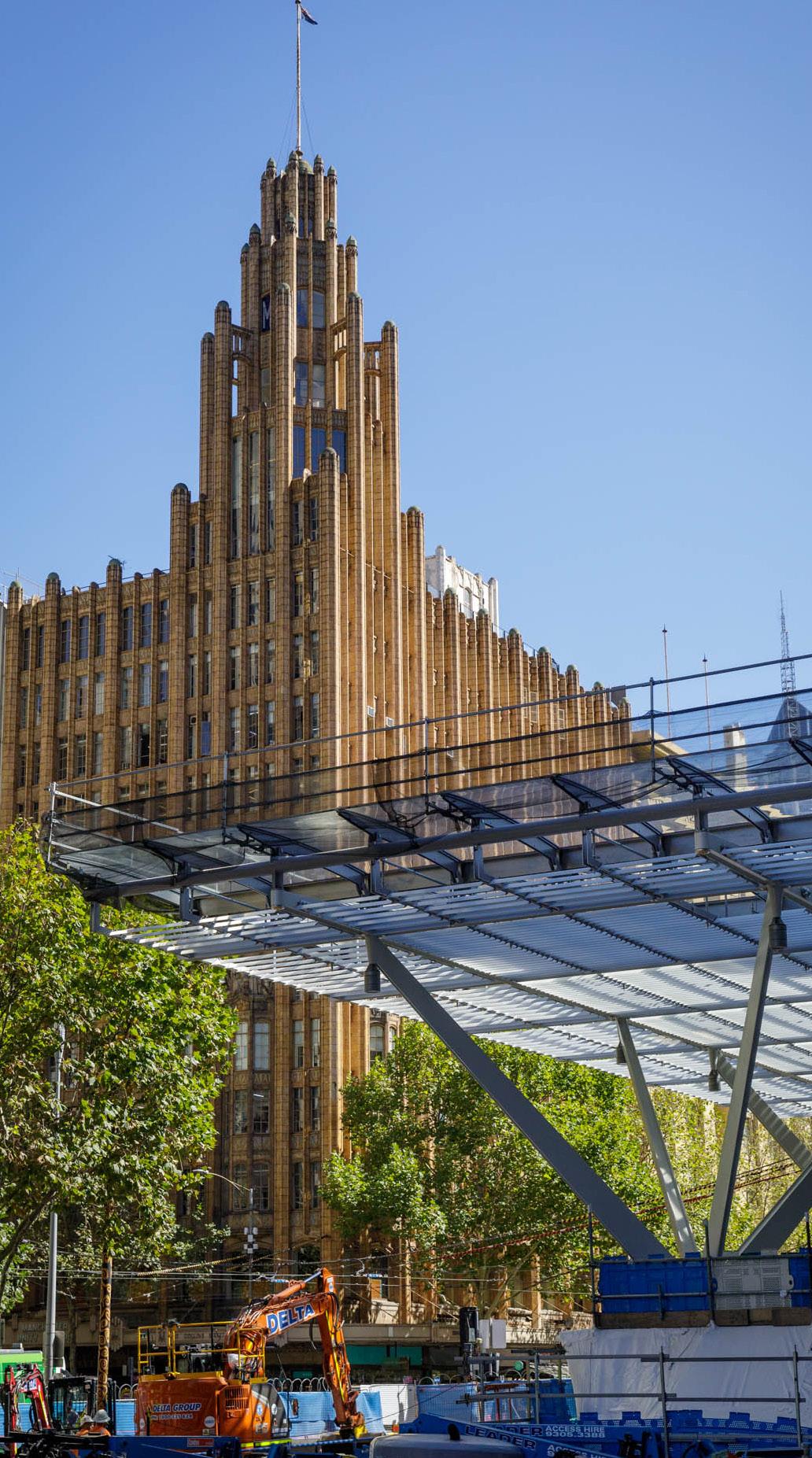
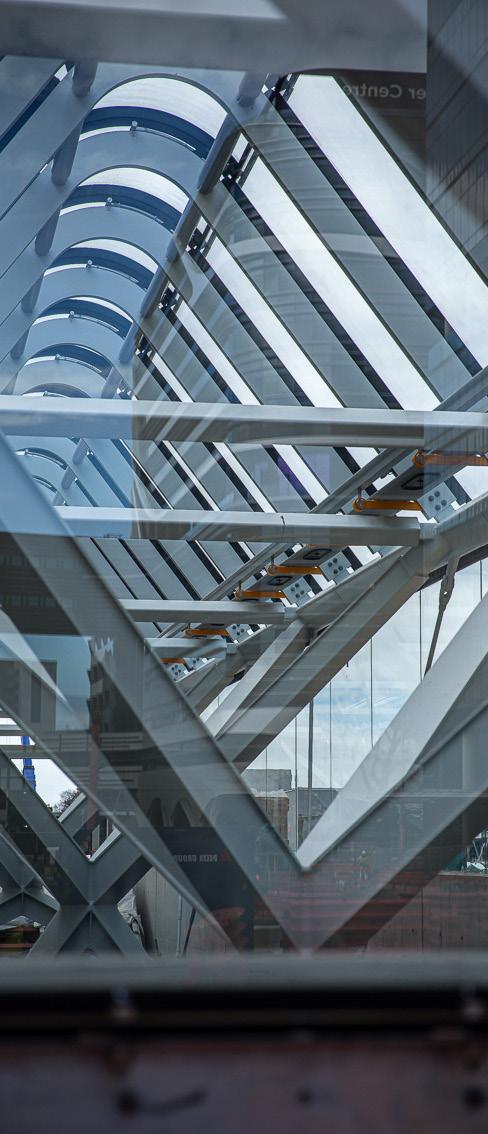
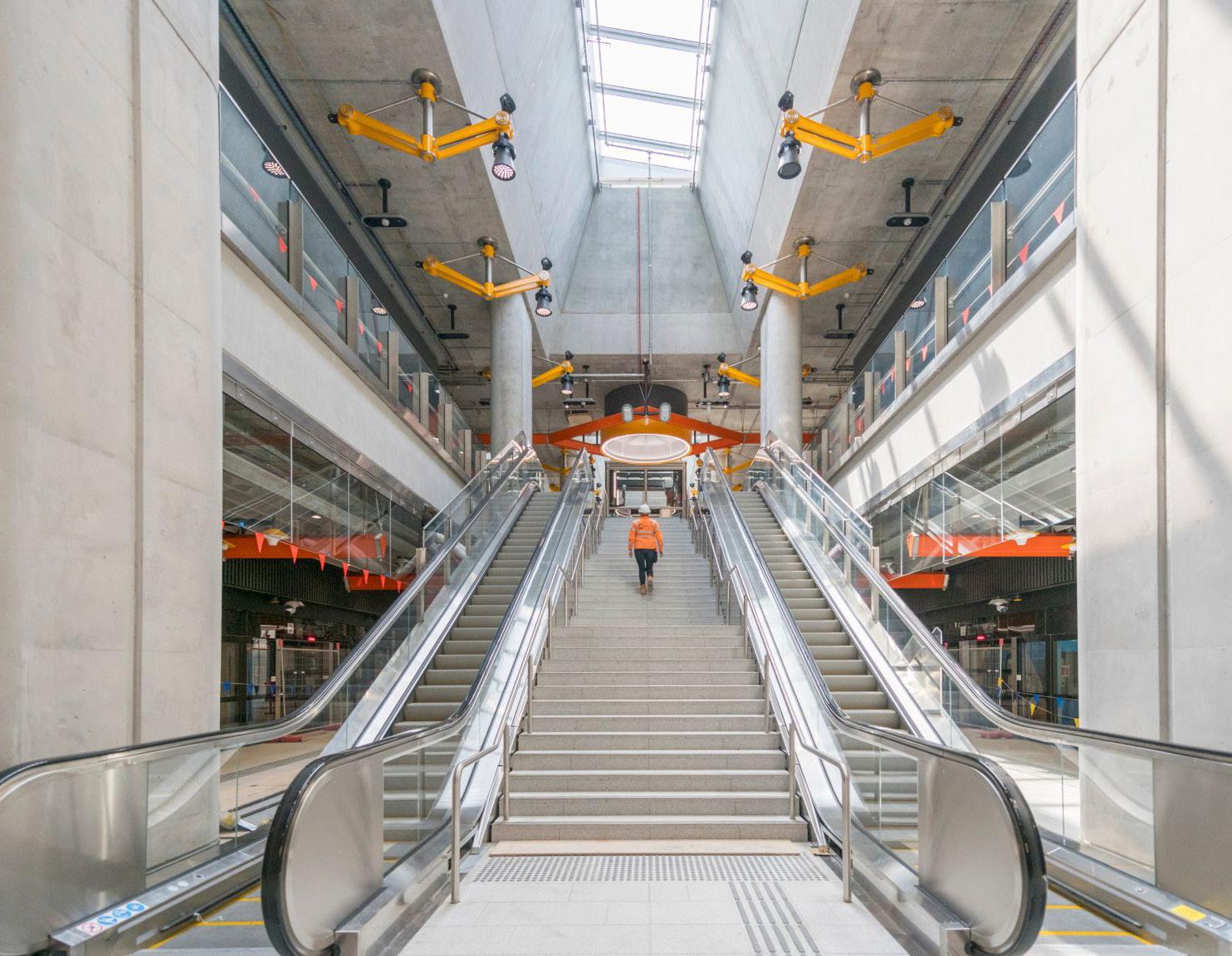
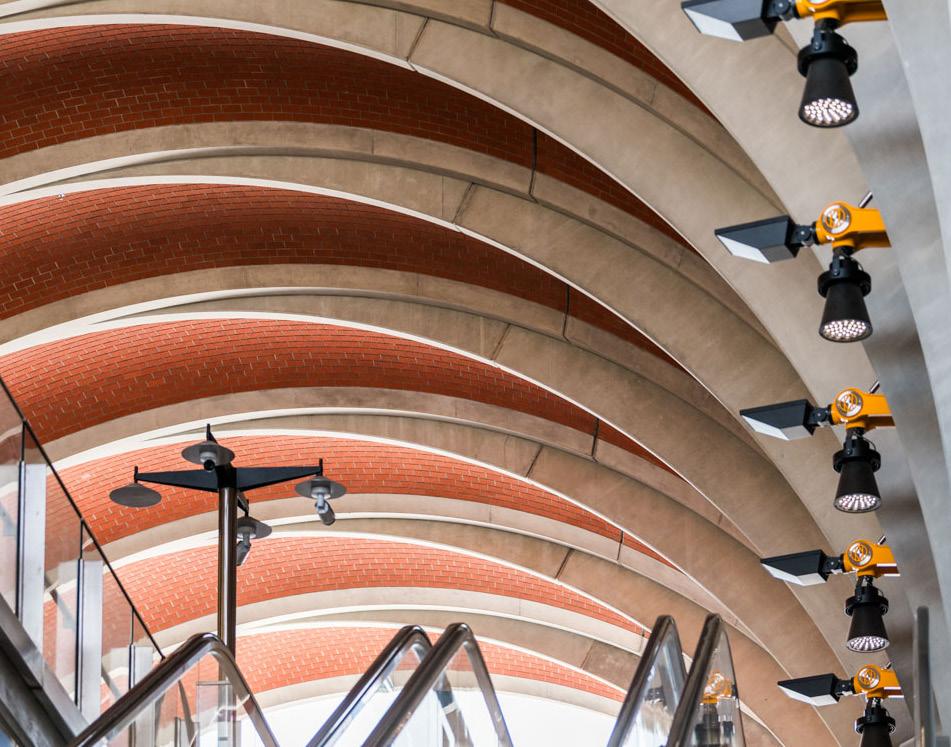
Designed to integrate seamlessly with Melbourne’s urban fabric, each station embraces natural light, fresh air and generous public space to create a welcoming, intuitive environment. The design follows our ‘Open Metro’ philosophy and positions stations as vibrant extensions of the public realm. With 6 Star Green Star accreditation across all five stations, sustainability is embedded at every level, delivering long-term environmental, social and economic benefits.
The Metro Tunnel is a city-shaping project that redefines how people move through Melbourne, delivering two 9km rail tunnels and five state-of-the-art stations beneath the CBD. It transforms the network’s capacity while setting a new benchmark for the passenger experience.
The design for the Metro Tunnel is a world-class collaboration between leading design practices Hassell, WW+P and RSHP.
Lawrence East Transit Oriented Community
Lawrence East Transit Oriented Community
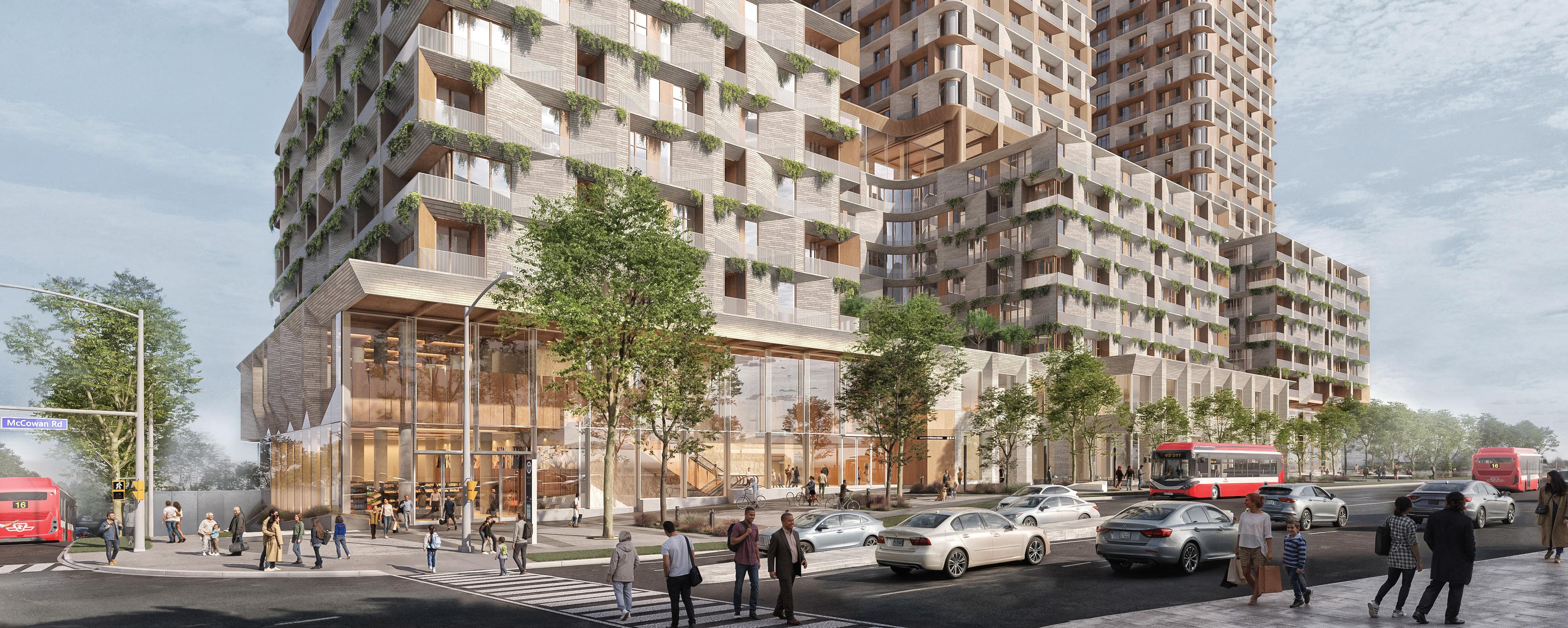
Lawrence East Transit Oriented Community
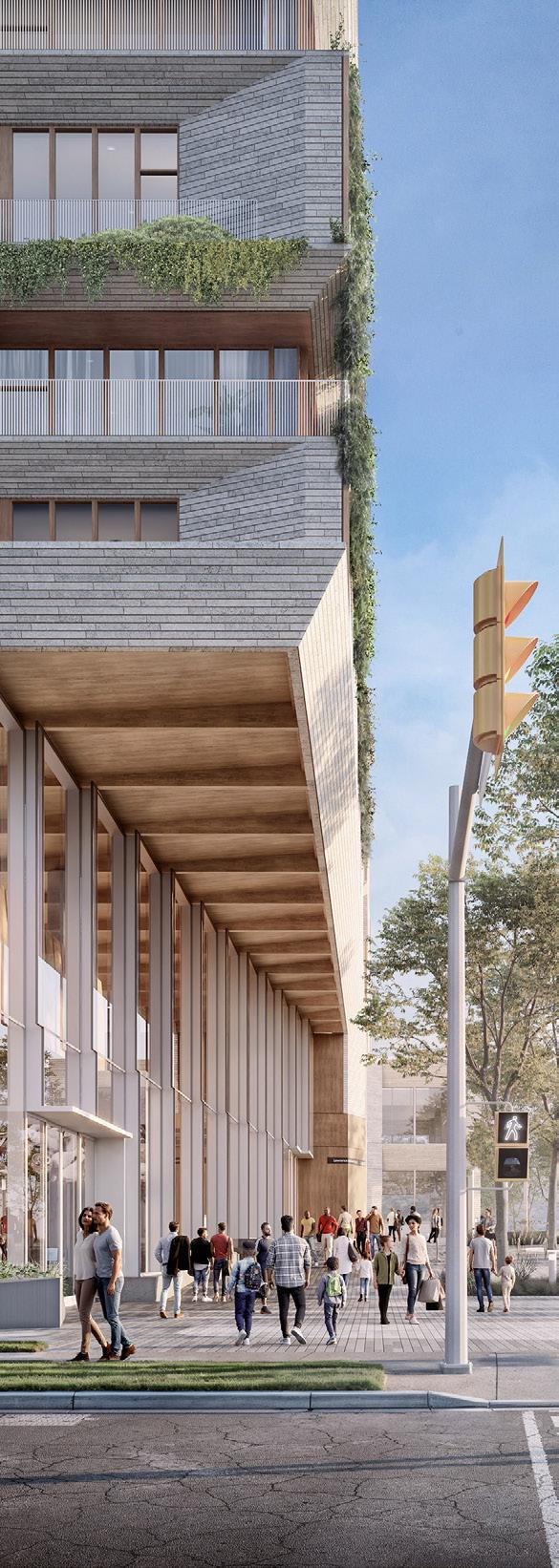
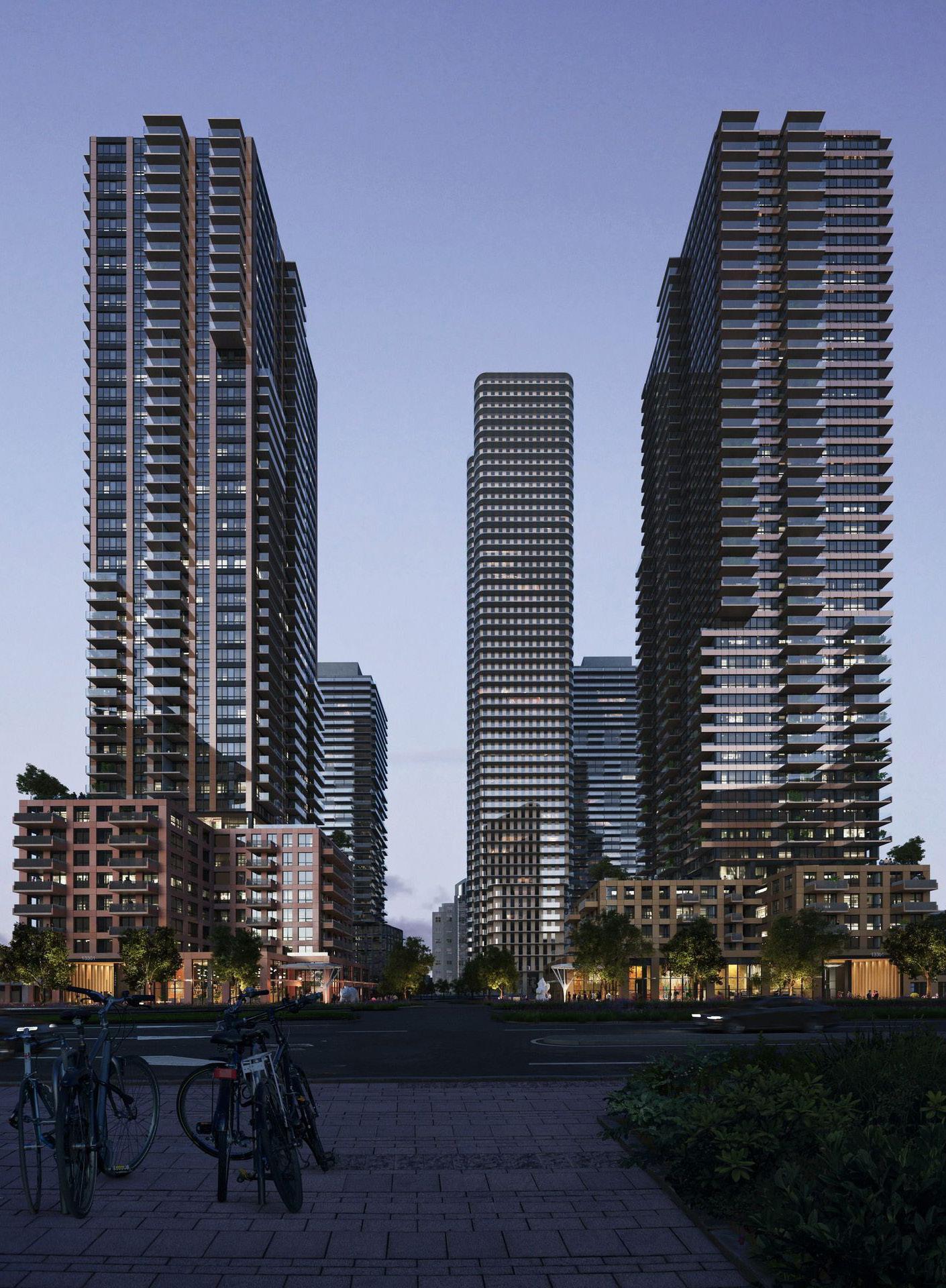
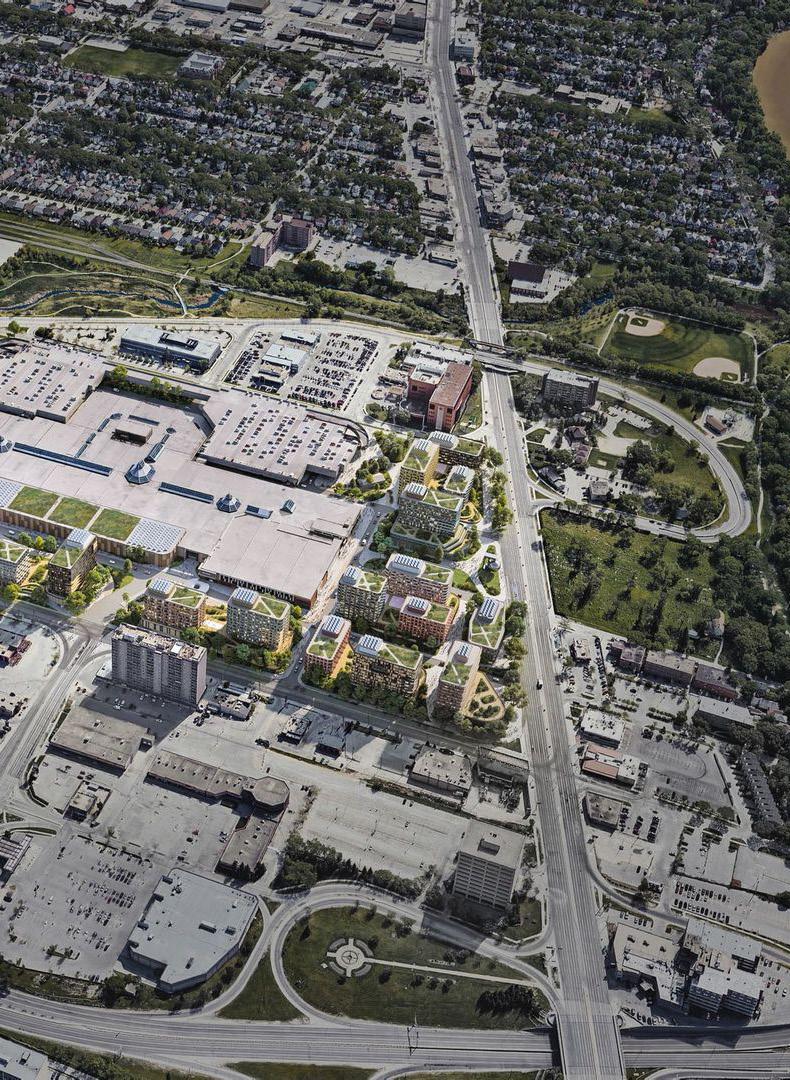
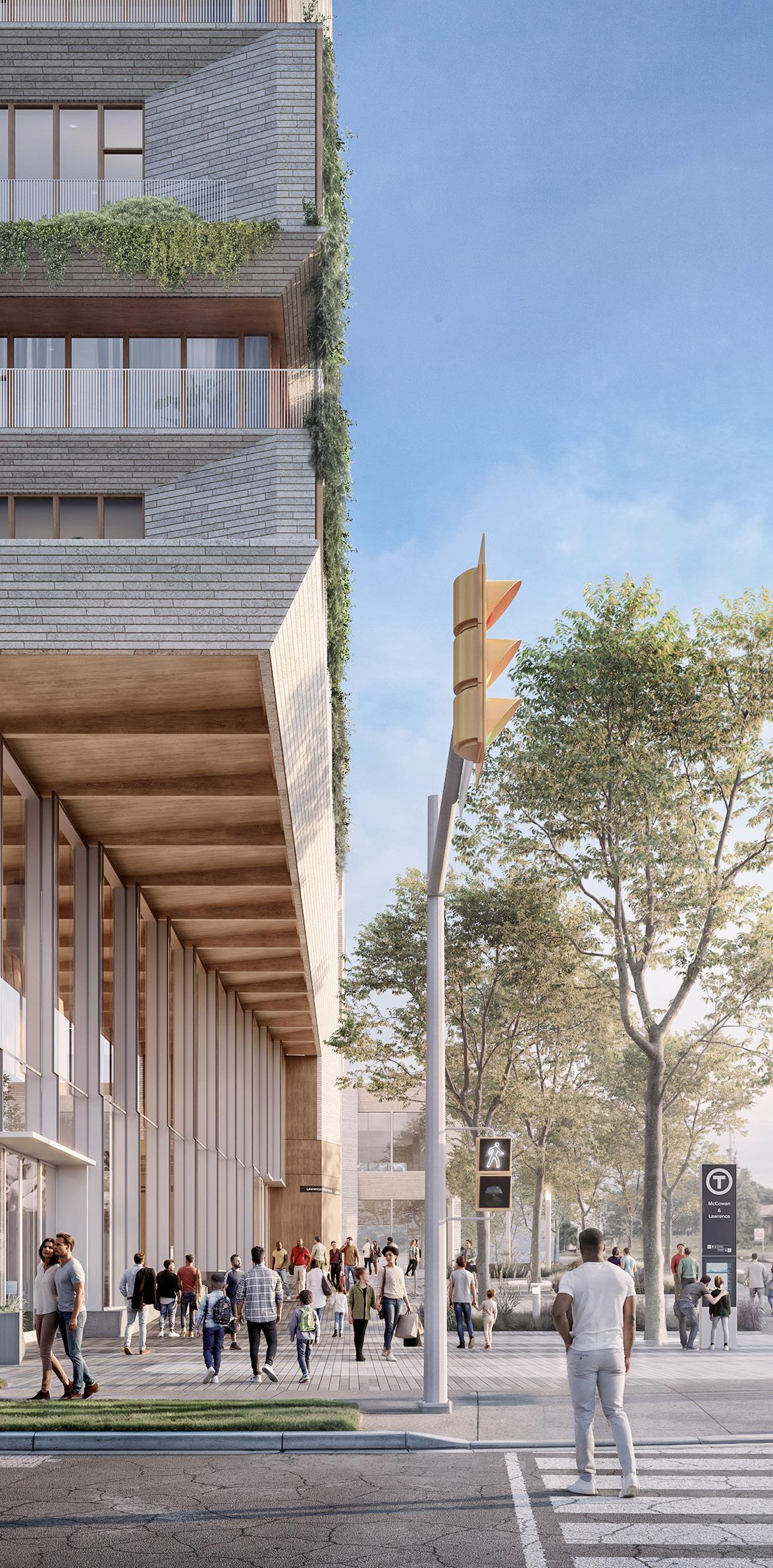
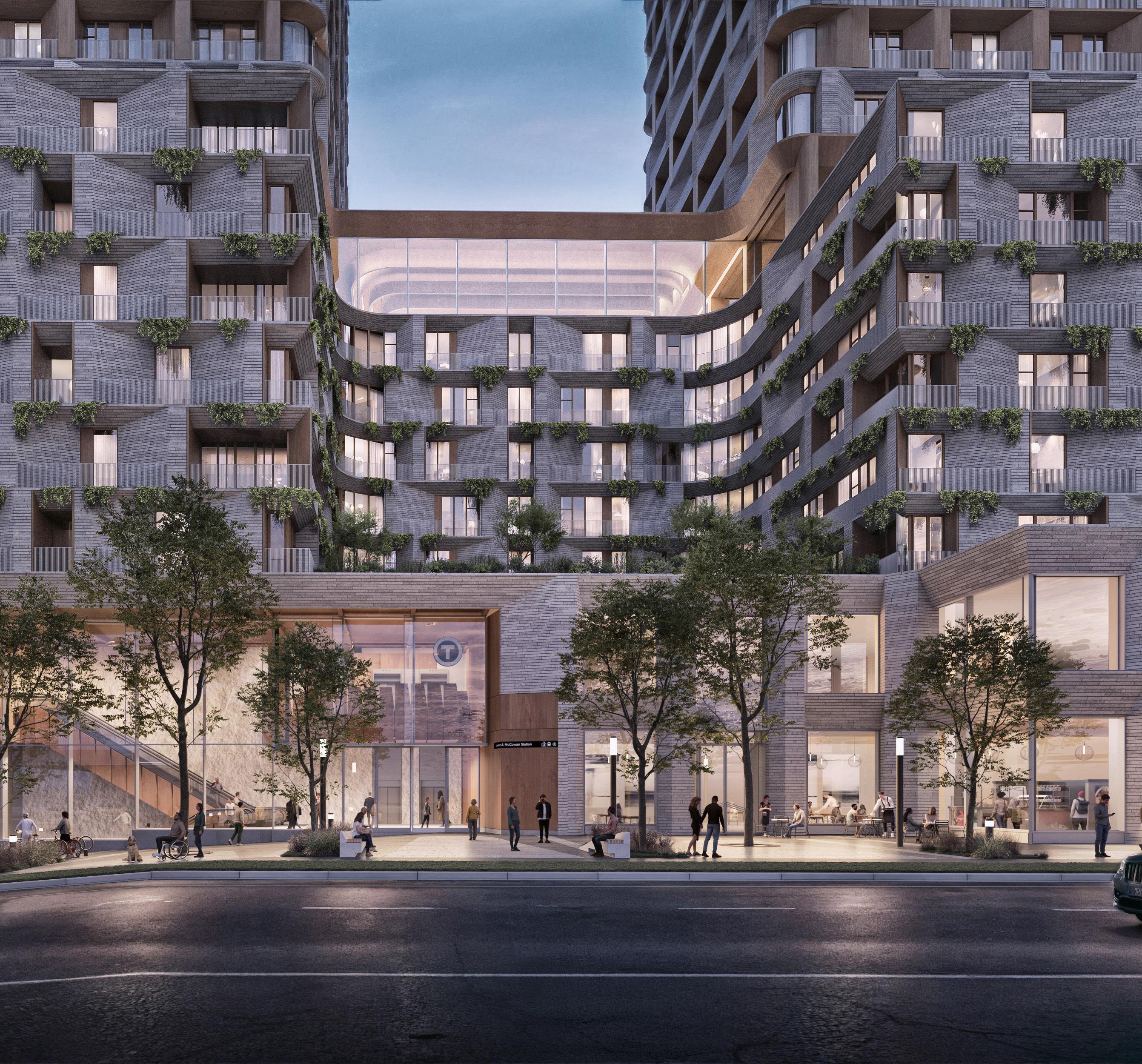
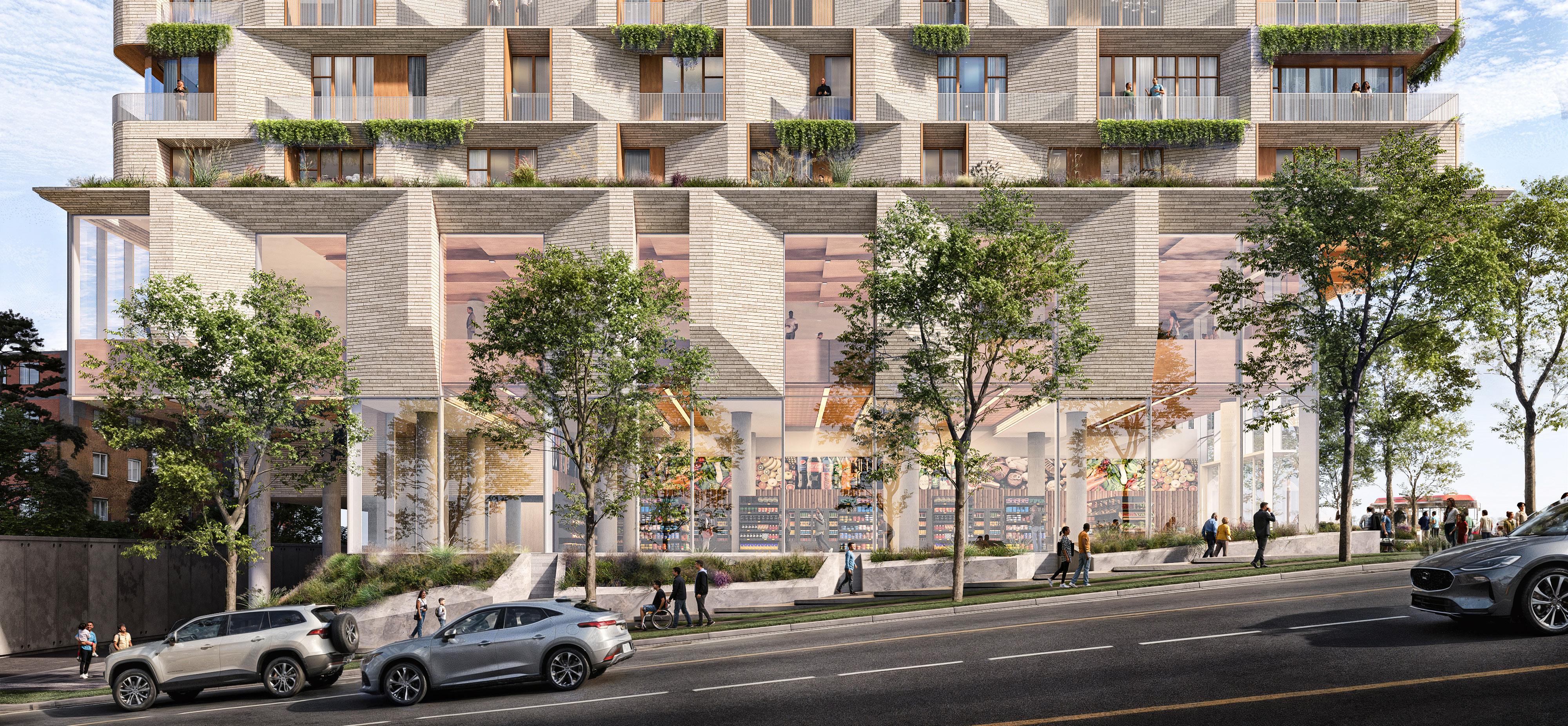
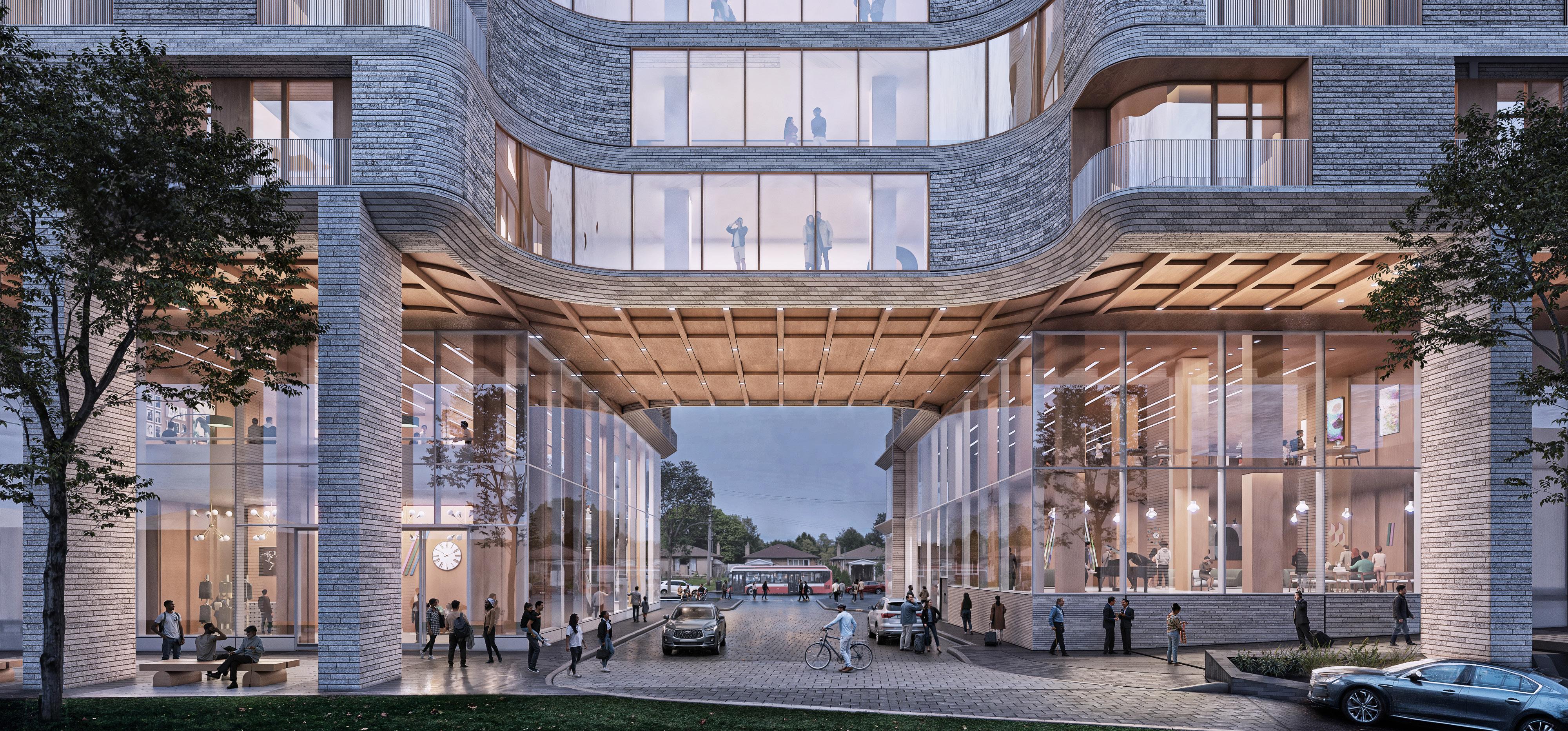
The Lawrence East Transit-Oriented Communities (TOC) project marks a bold reimagining of suburban development in Toronto, delivering high-density, inclusive housing directly integrated with new transit infrastructure. As the first publicly released TOC in Ontario, it sets the benchmark for socially and environmentally sustainable growth across the region.
Positioned at a complex site with fragmented land ownership, steep topography, and limited walkability, the project overcomes technical and urban design challenges through innovation and ambition. A mix of 1,276 residential units supports a diverse population, while activated street frontages, retail and green public space create a dynamic, pedestrian-focused environment. The design turns the site’s topography into a strength, creating accessible connections and a welcoming streetscape.
Station entrance and podium
Commercial Way
Commercial Way
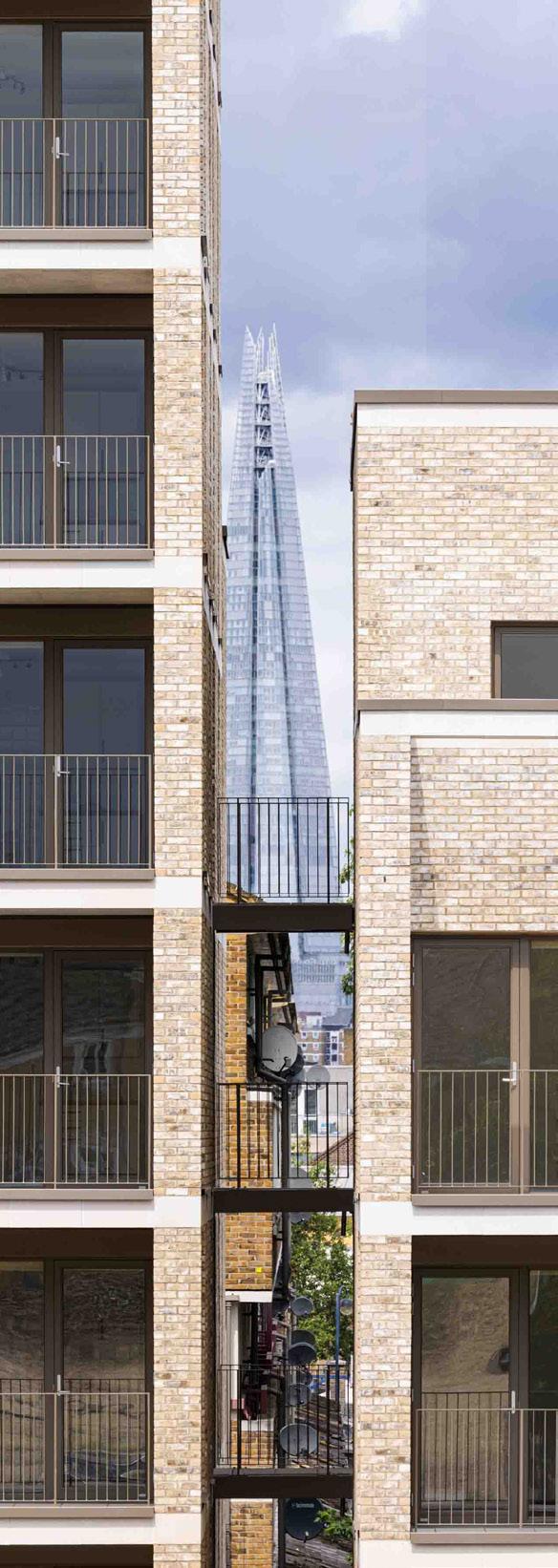
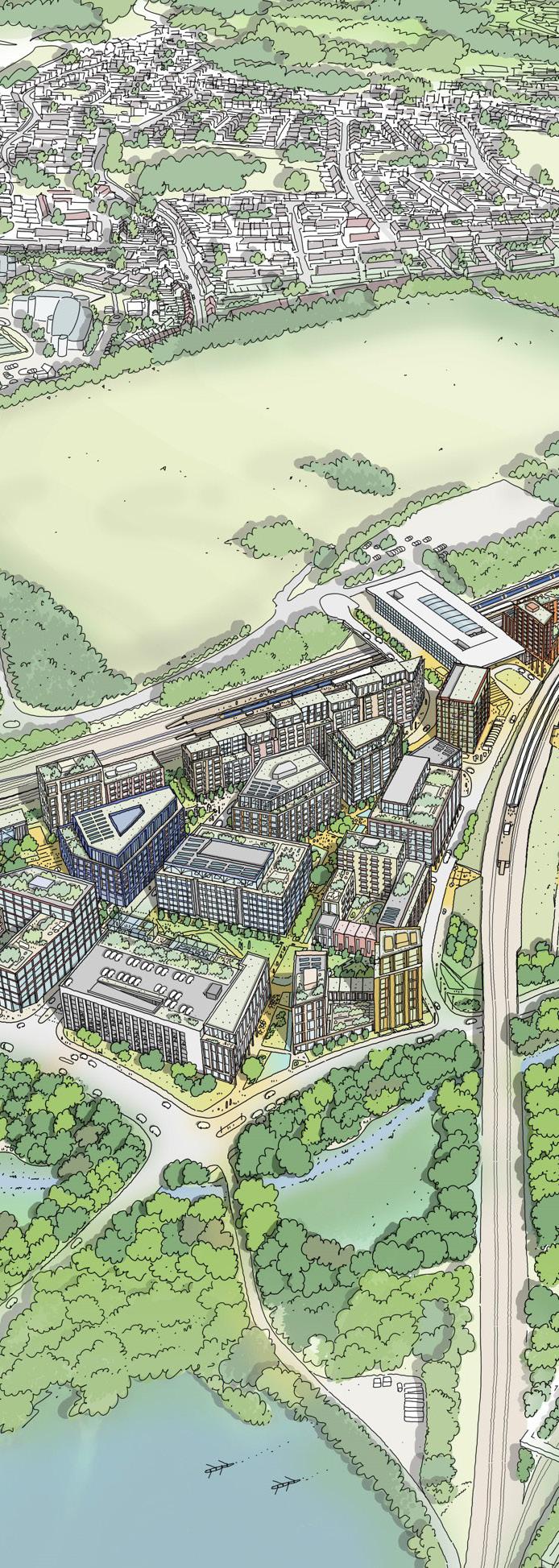
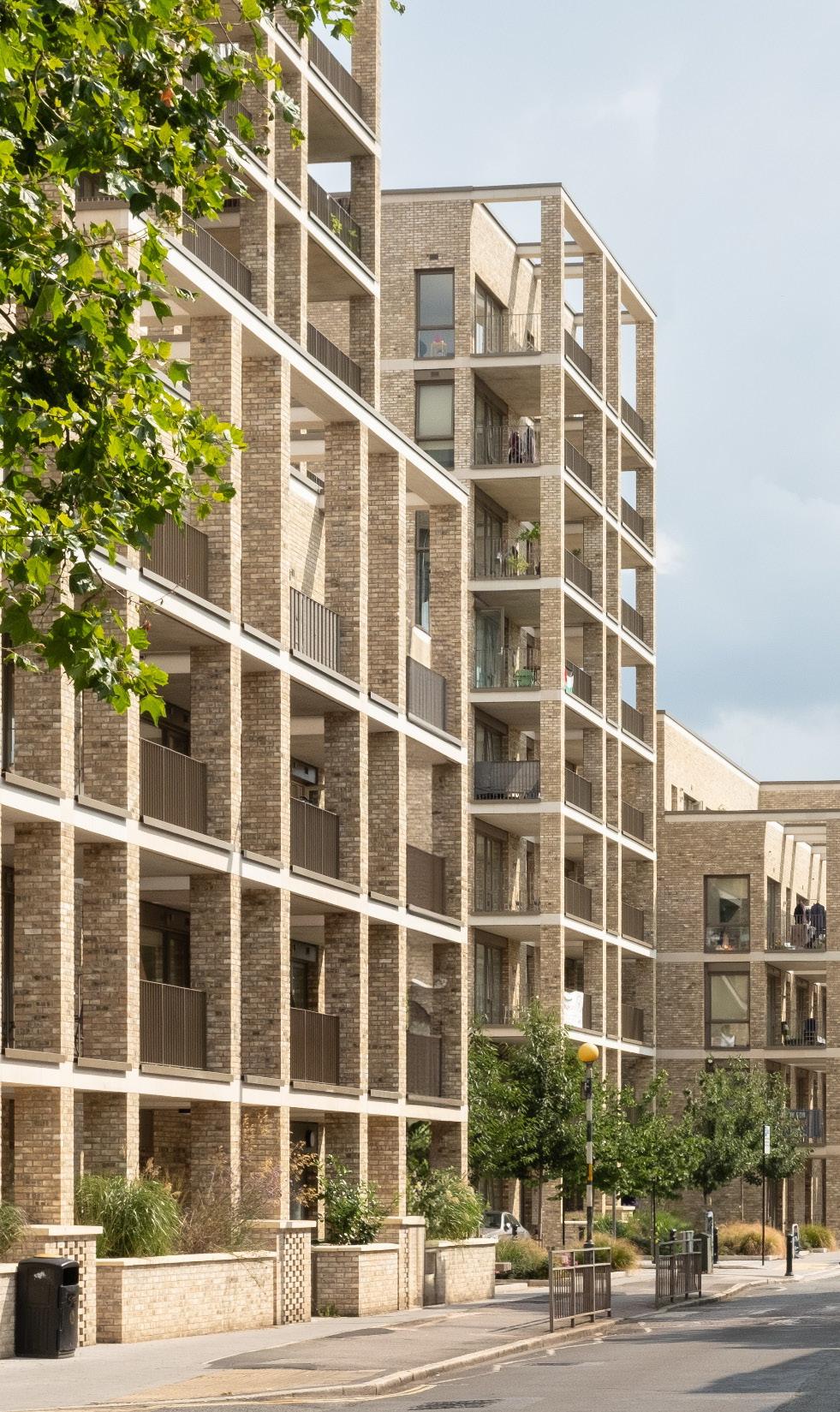
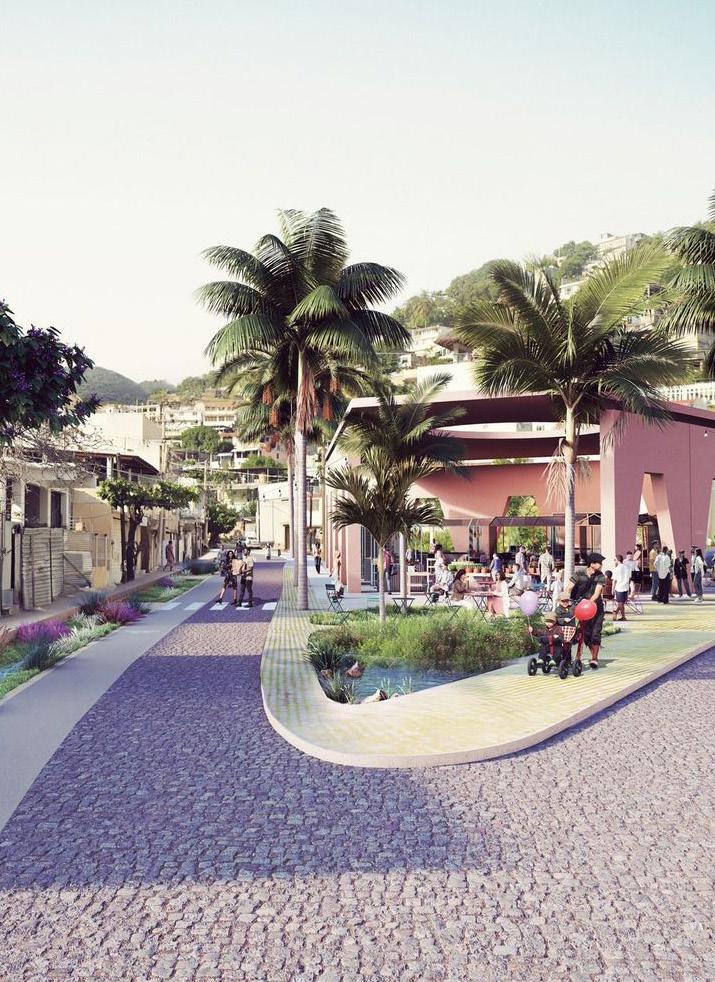
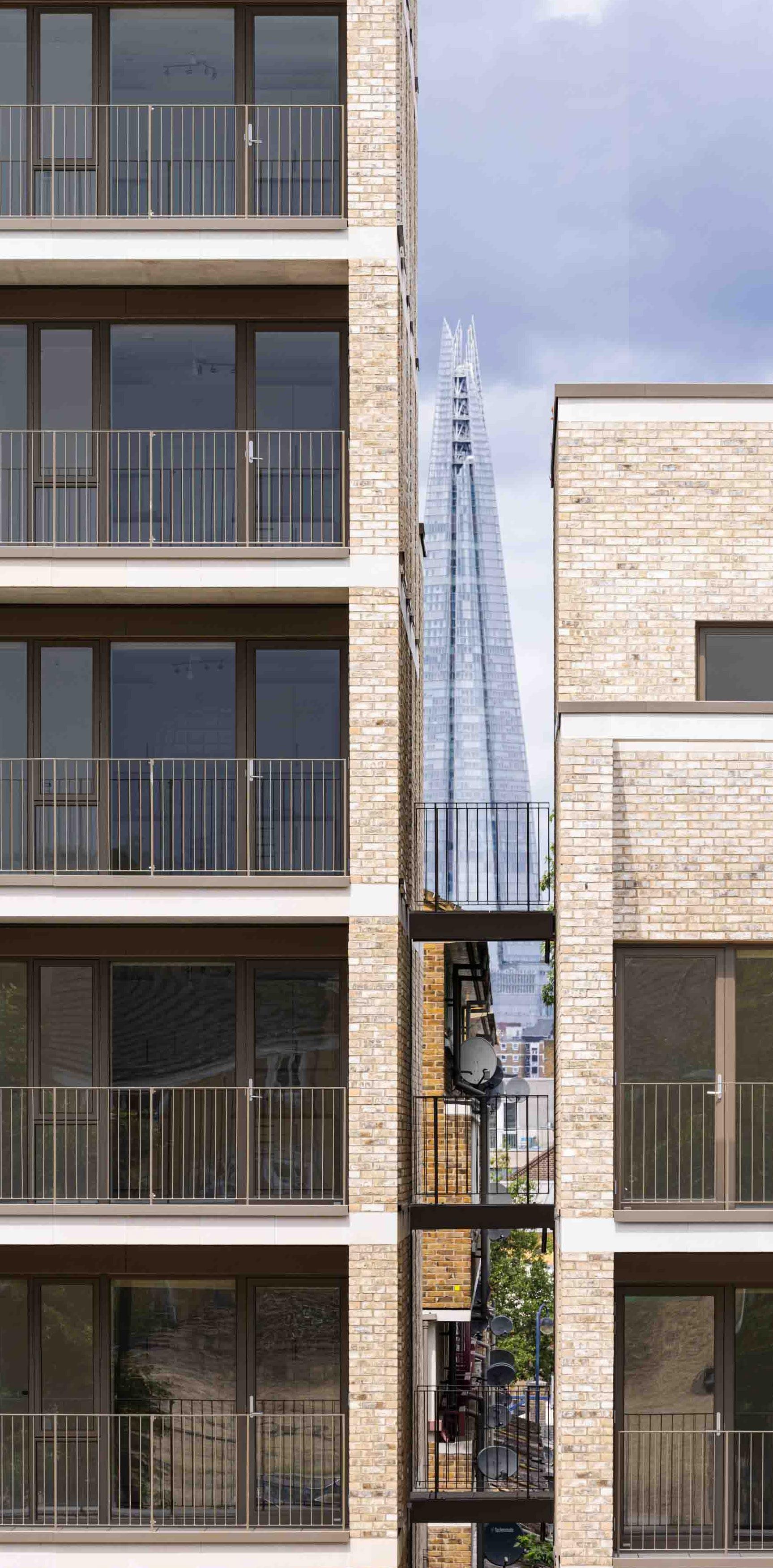
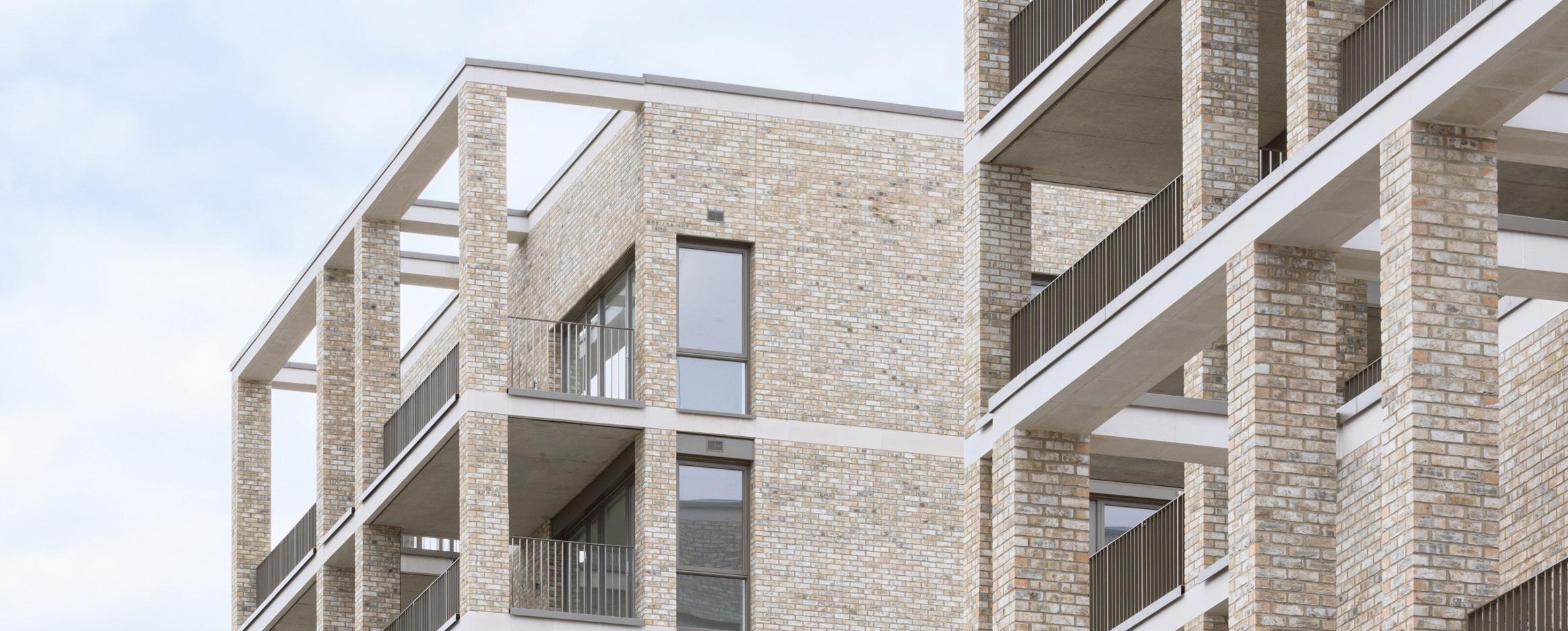
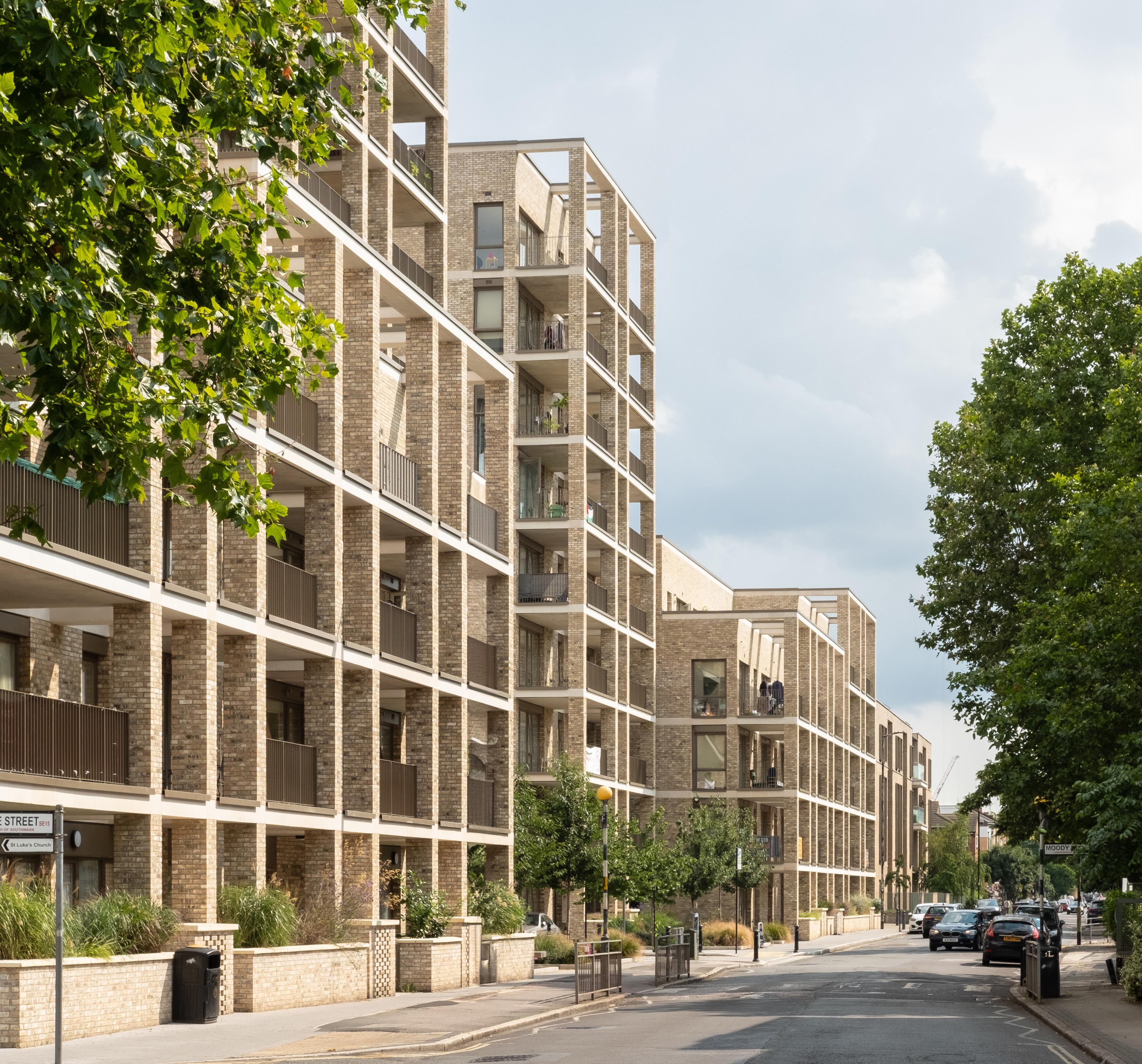
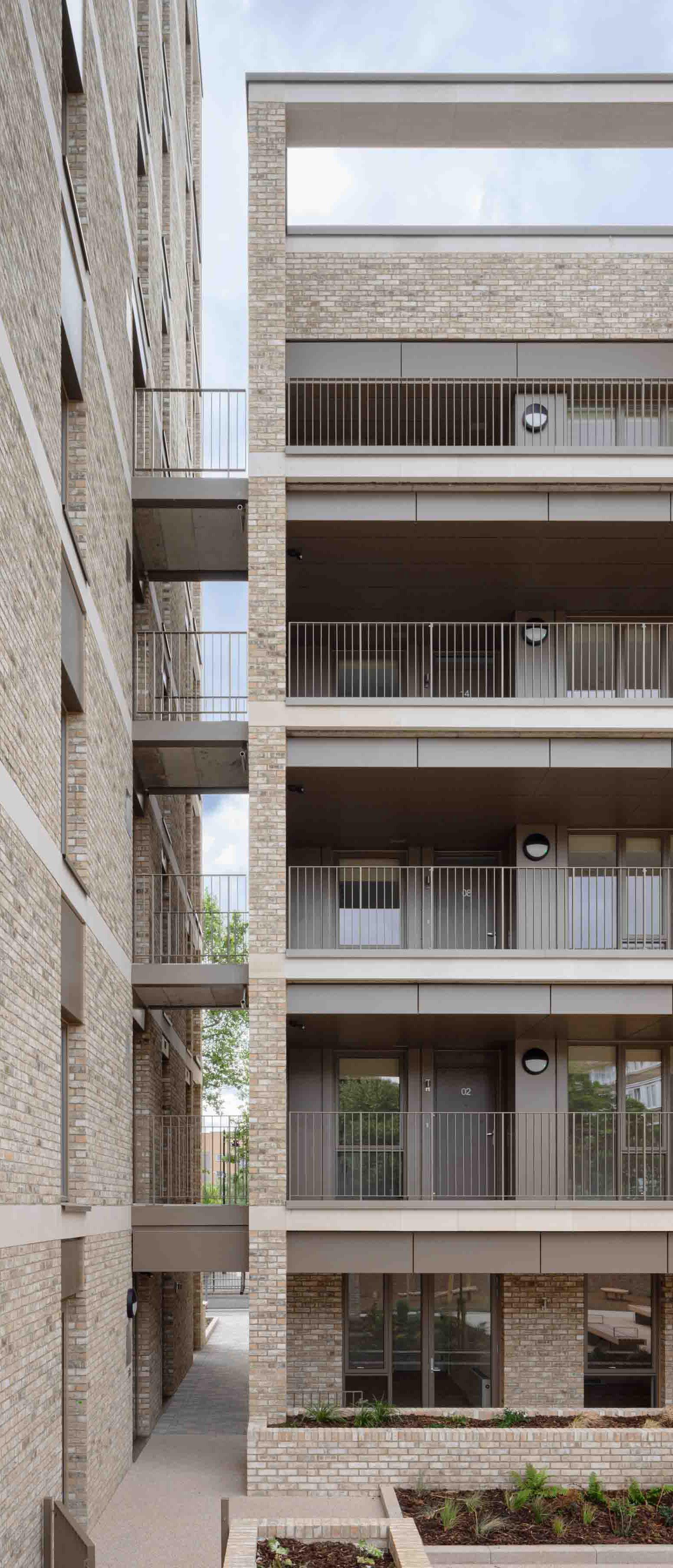
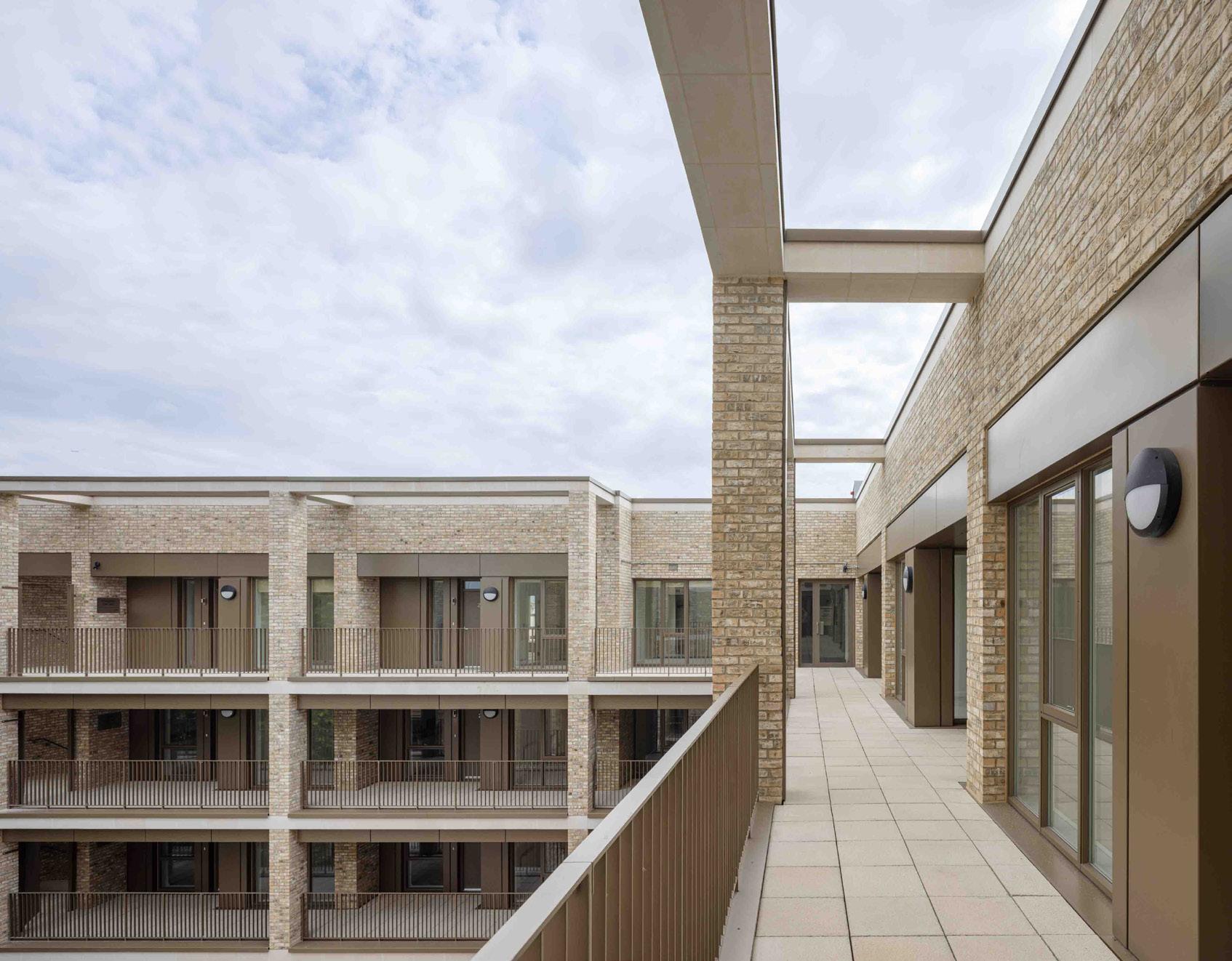
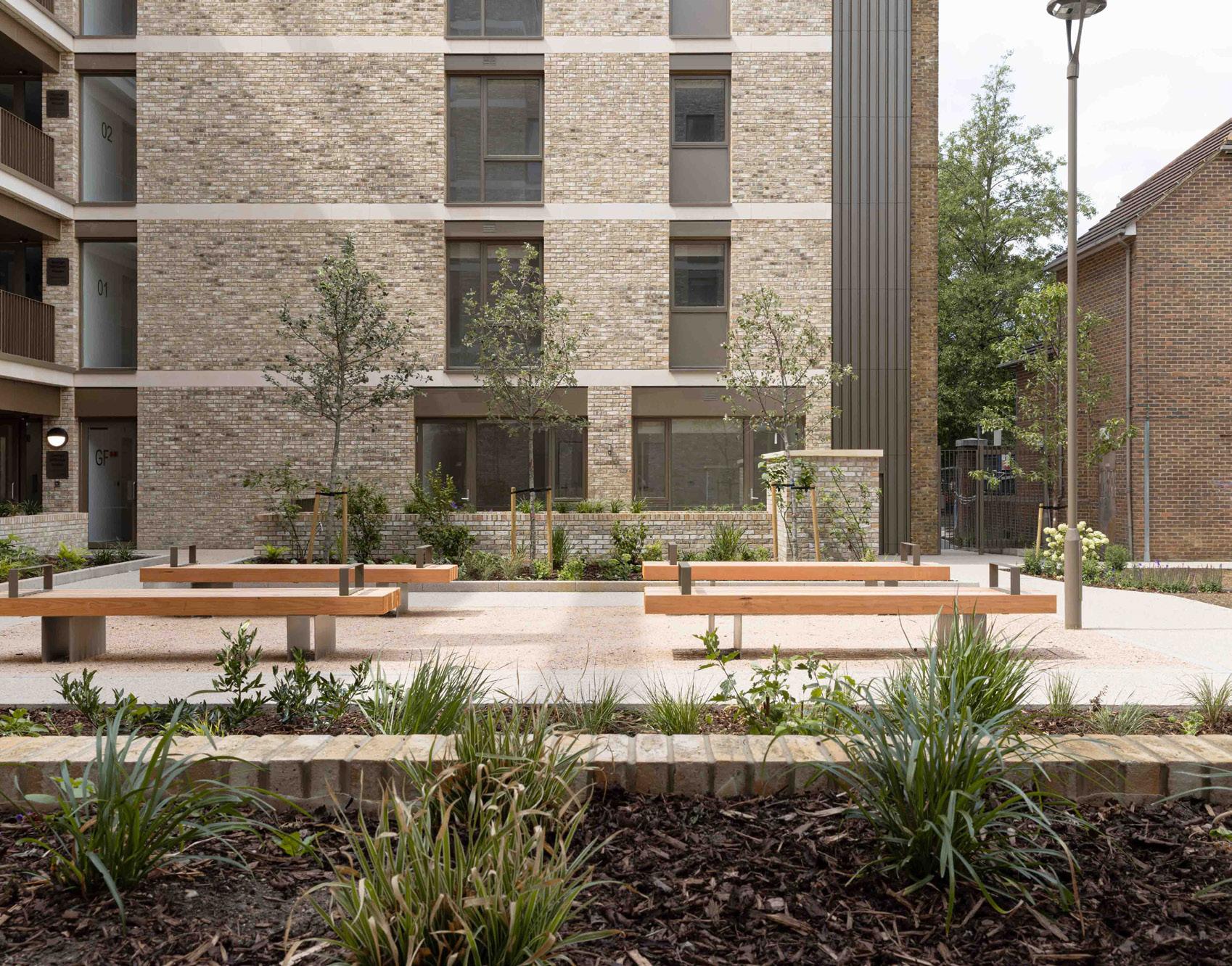
Commercial Way delivers 109 high-quality homes for social rent and shared ownership, alongside major improvements to the public realm in Southwark’s North Peckham Estate. Designed in close collaboration with local residents and the council, the project responds directly to community needs.
A previously divisive road was rerouted to open up the site and create a welcoming new public space at the heart of the estate. Safer, more direct pedestrian links to nearby green spaces have been introduced, while the homes themselves are light-filled, energy-efficient and designed to reduce fuel bills. With 85% of homes dual or triple aspect and enhanced insulation throughout, the development supports sustainable living and long-term affordability.
Guangzhou Line 11 Public Realm
Guangzhou Line 11 Public Realm
Guangzhou Line 11 Public Realm
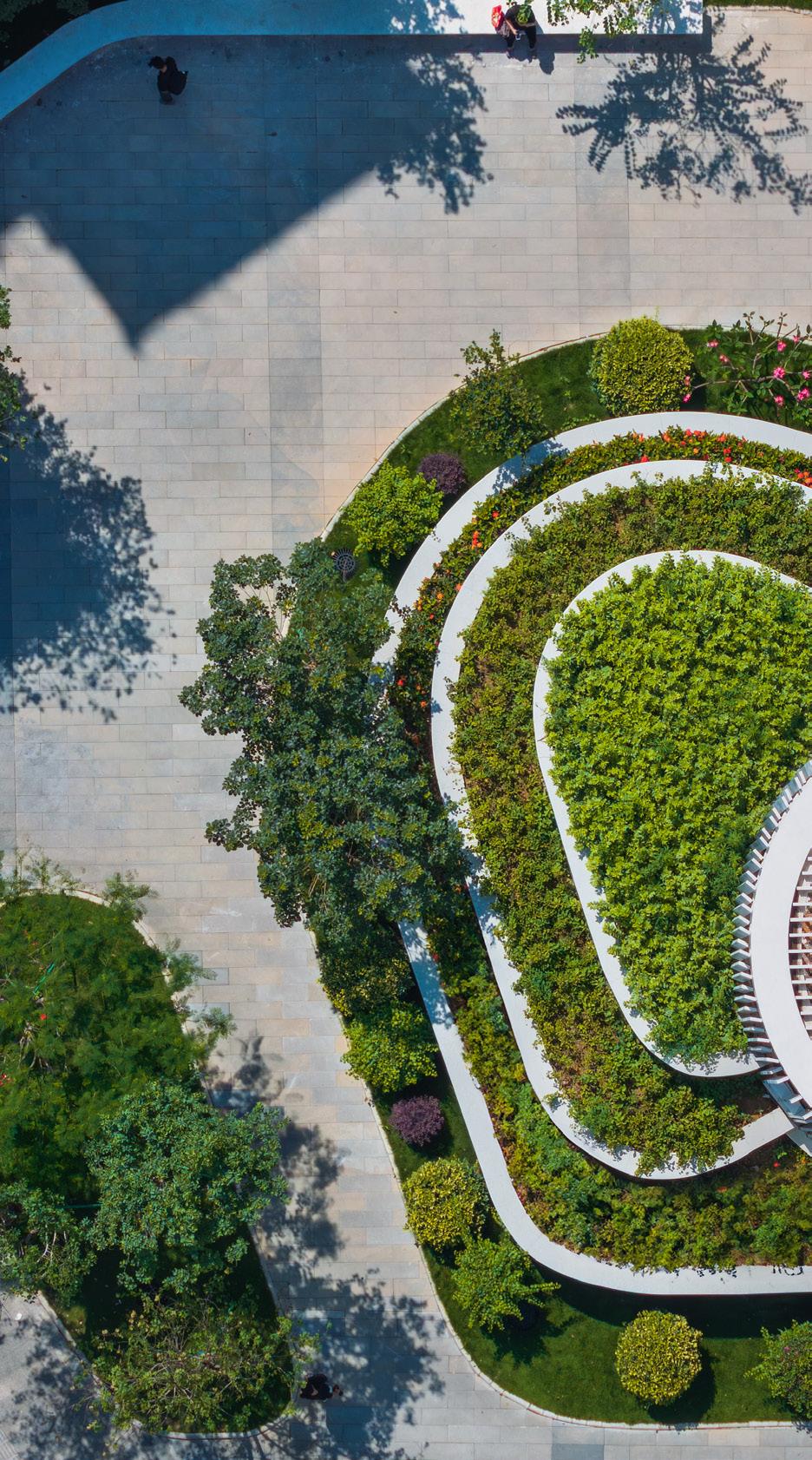
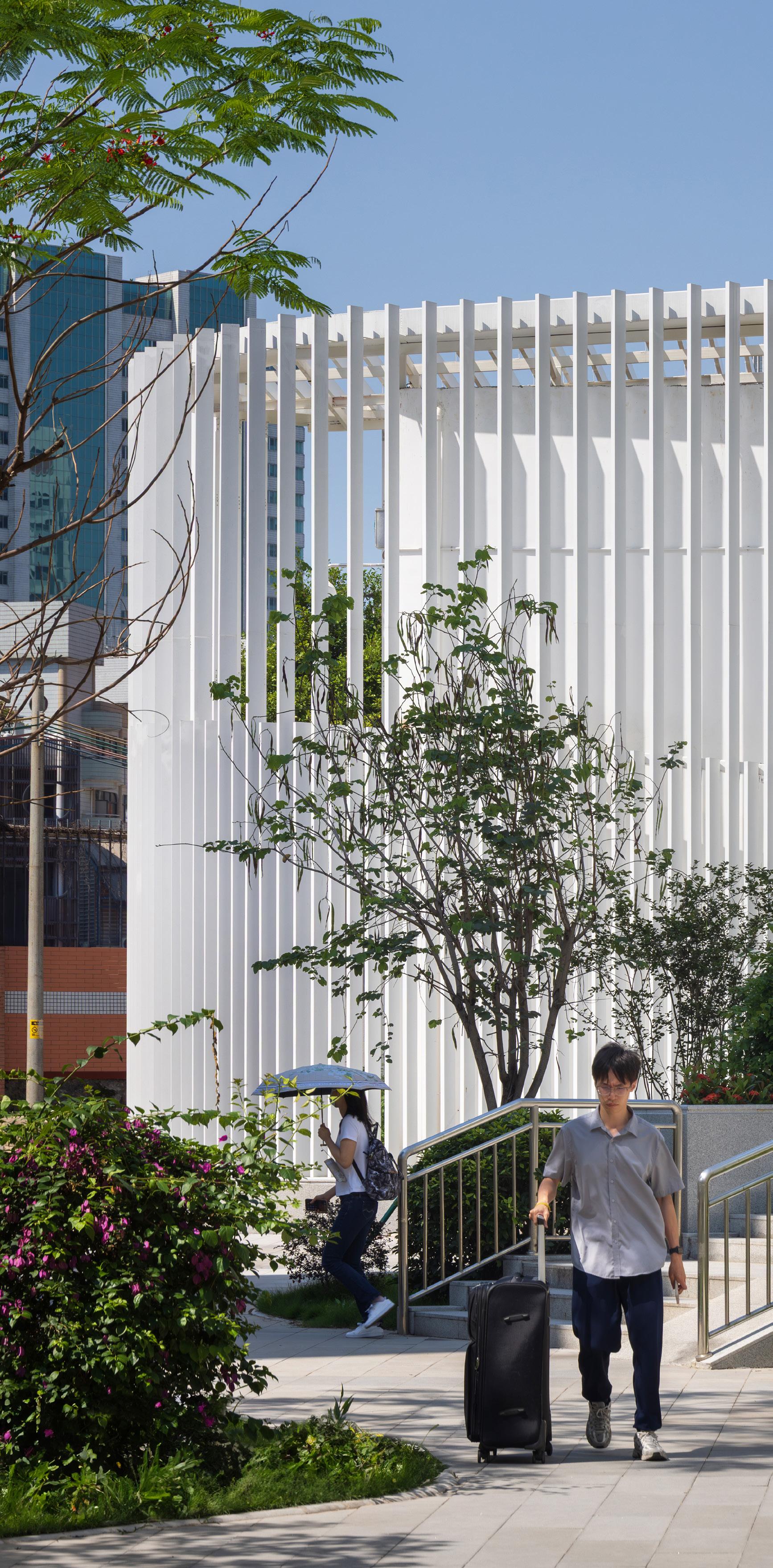
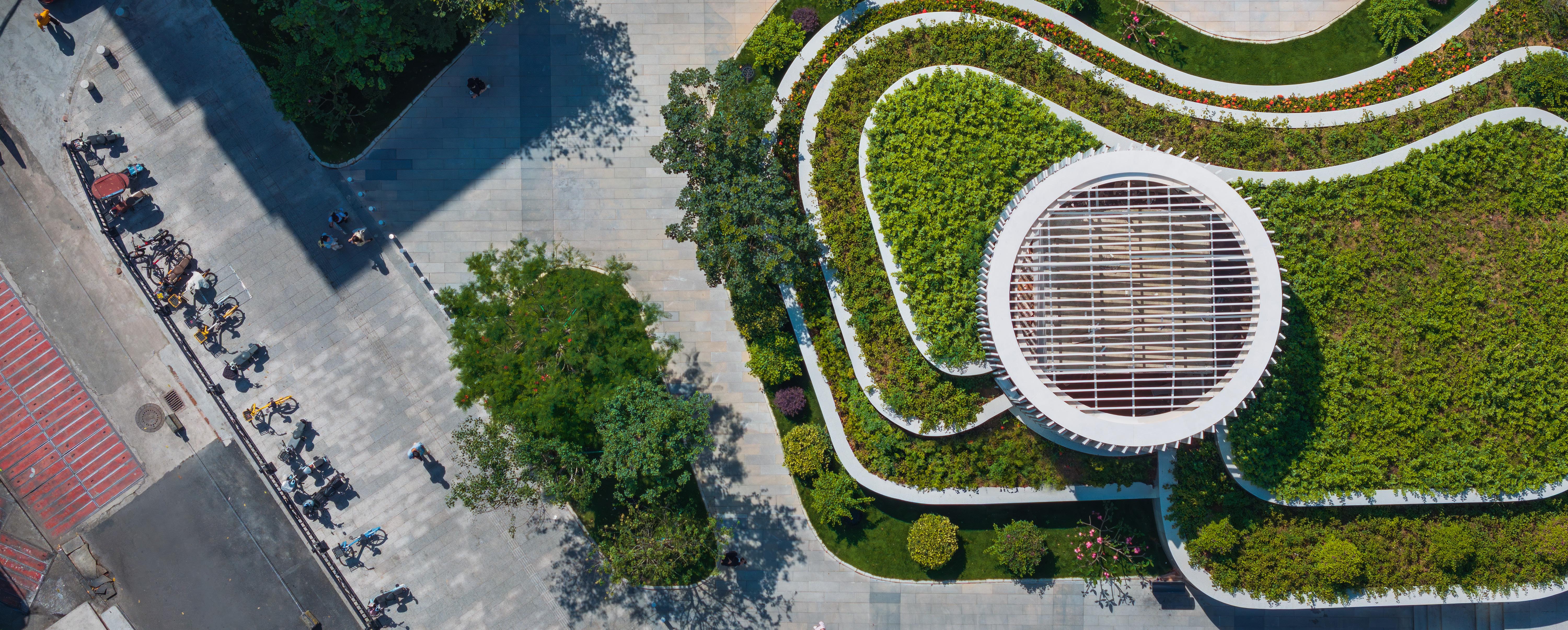
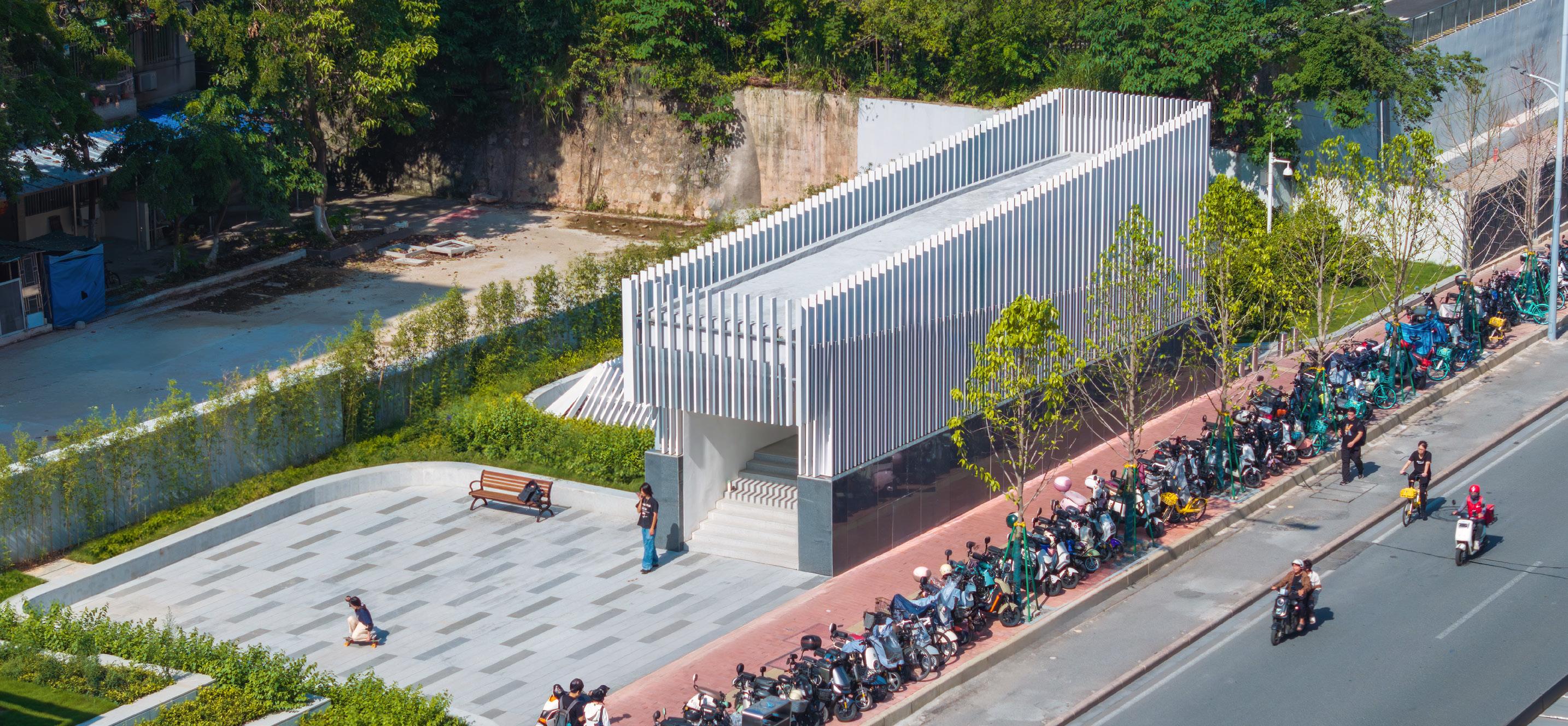
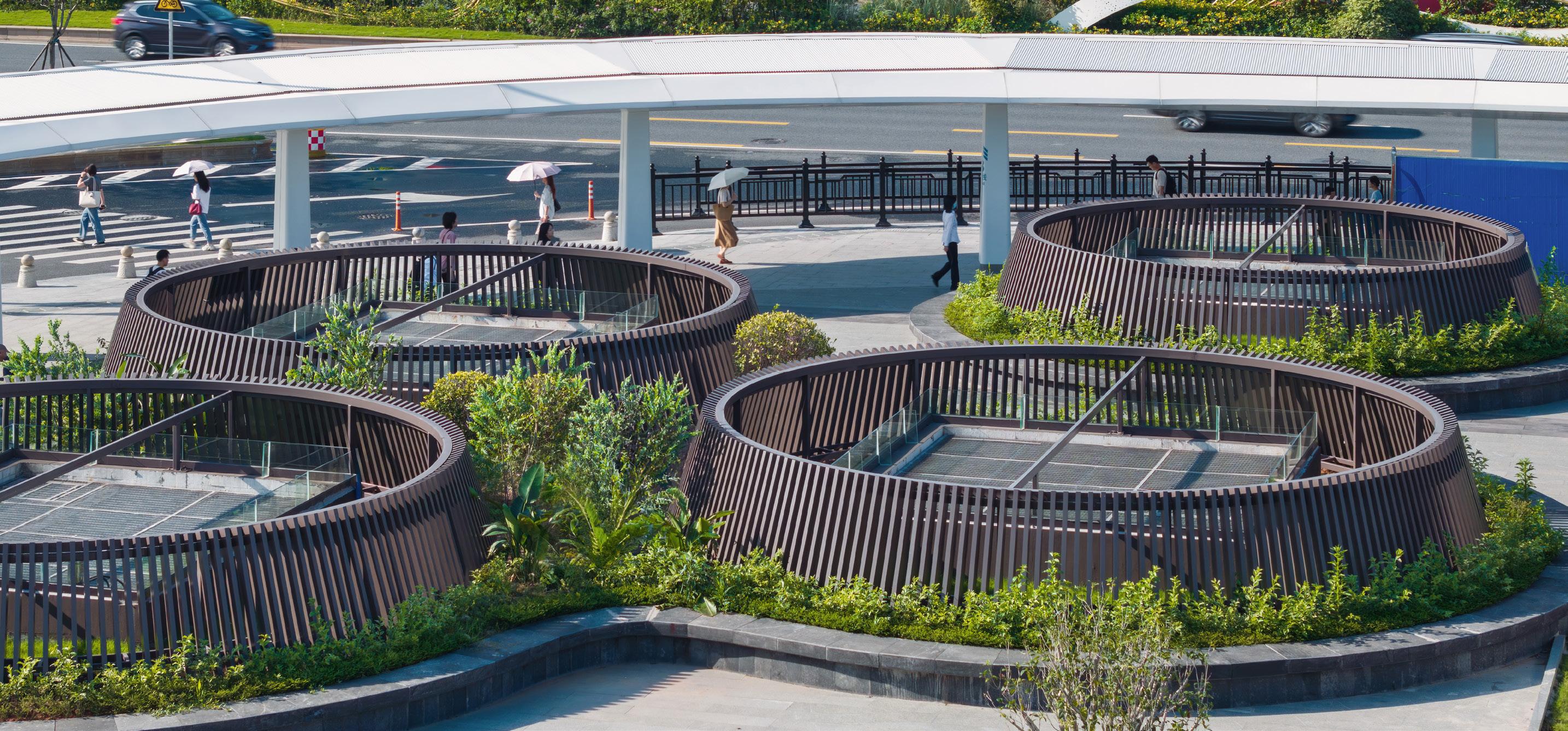
The Guangzhou Line 11 public realm and metro station enhancements transform forgotten urban spaces into welcoming community assets. Through a carefully considered, componentised design strategy, our design delivers both functional metro infrastructure and vibrant, human-centred public environments that reflect the city’s identity and sustainability ambitions.
Above ground, entrances, vents, and other essential elements have been unified into sculptural, flexible components that reduce clutter and open up space for public use. These interventions introduce shaded planting zones, water-sensitive design, and permeable surfaces to cool and green the city, aligning with Guangzhou’s ‘sponge city’ goals. Below ground, our design creates a rationalised circulation and intuitive wayfinding create a calm and seamless passenger experience, enriched by feature walls that celebrate local craftsmanship and culture. The result is a metro system that not only serves the city but actively enhances its urban fabric.
Aston Church Road
Overbridge & Saltley Viaduct
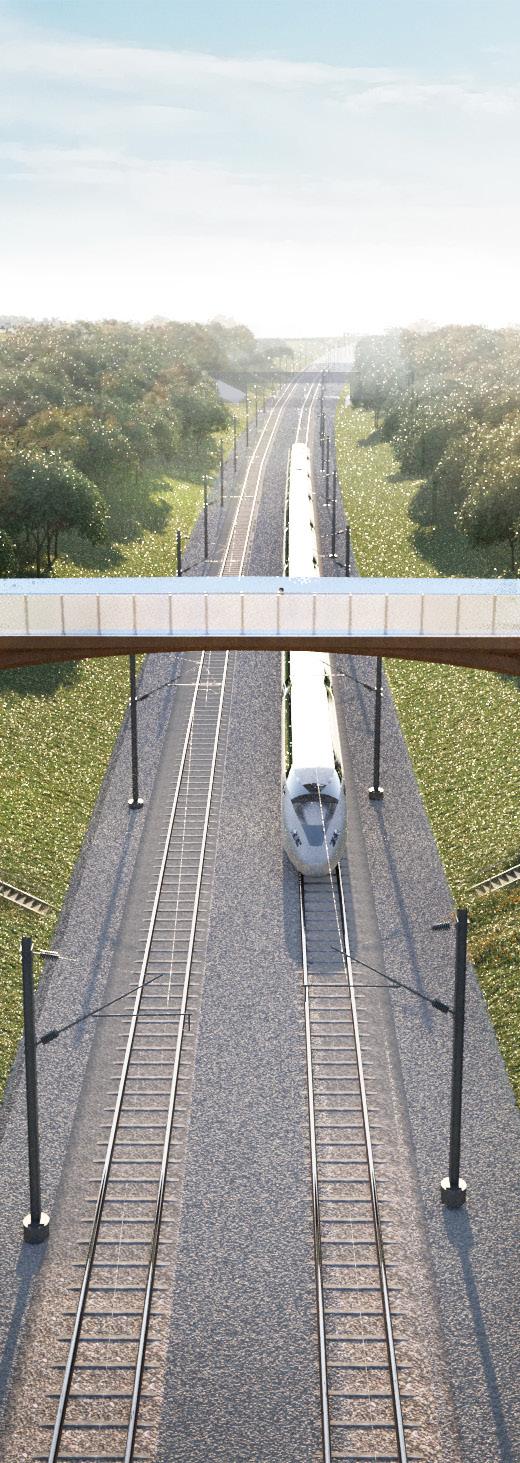
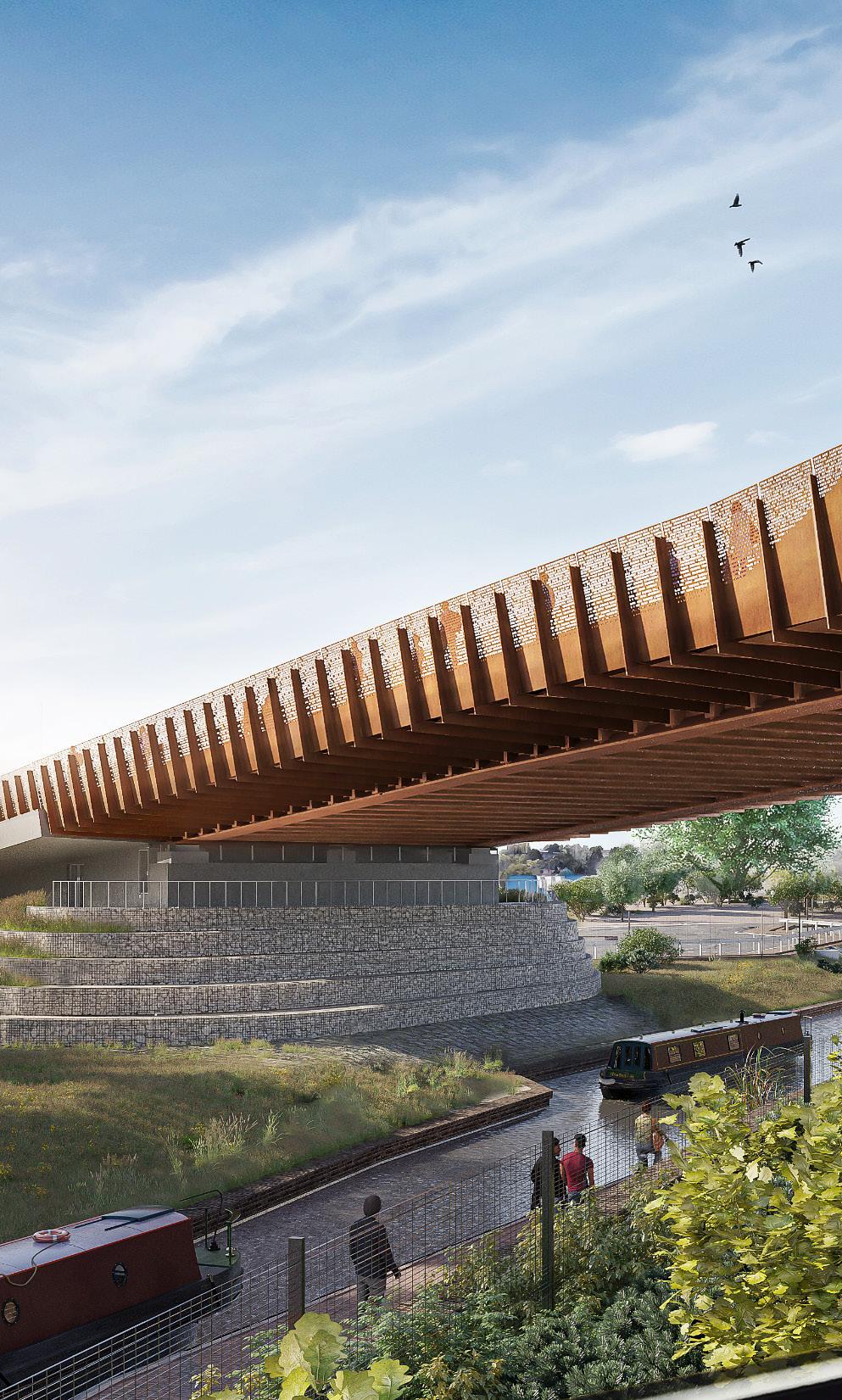
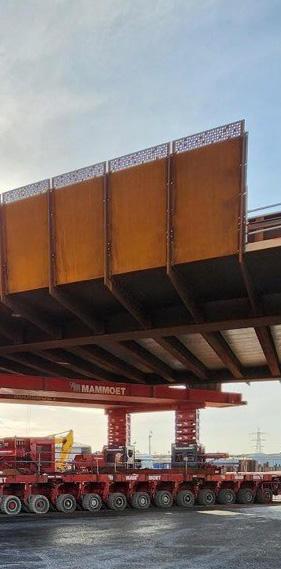
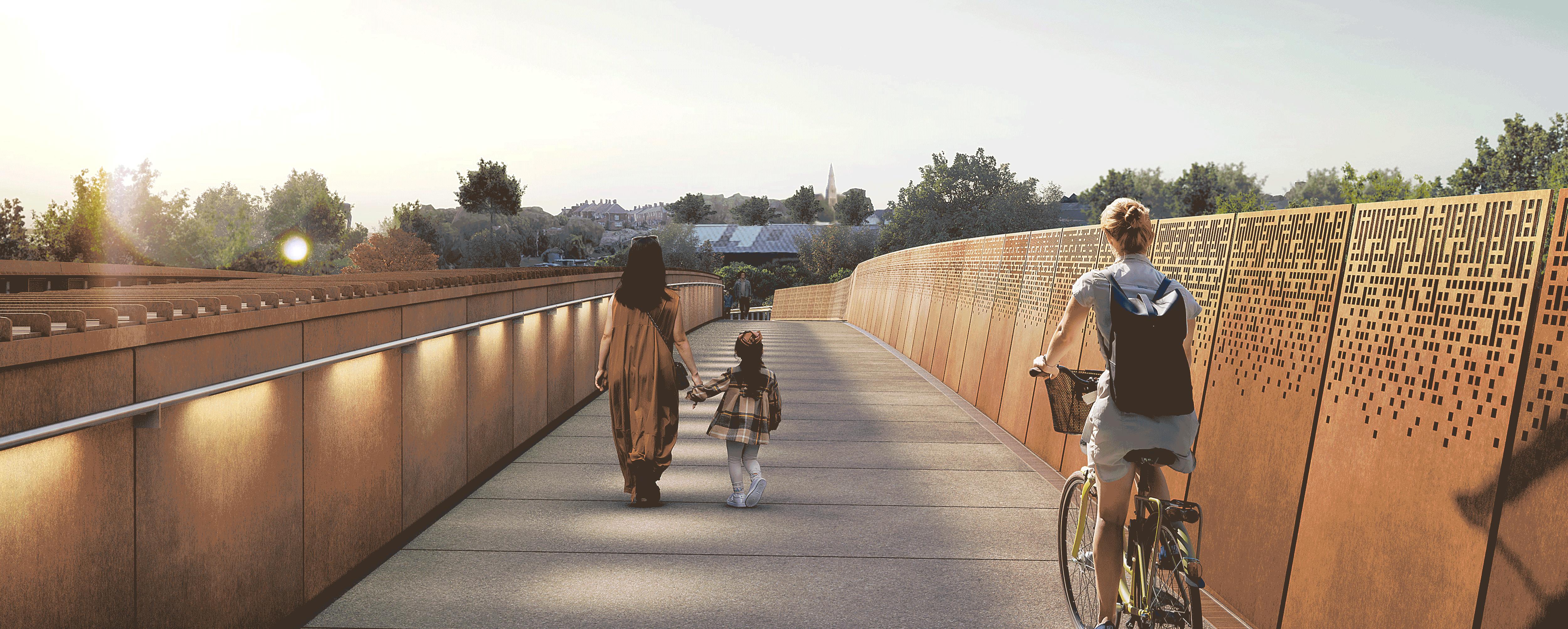
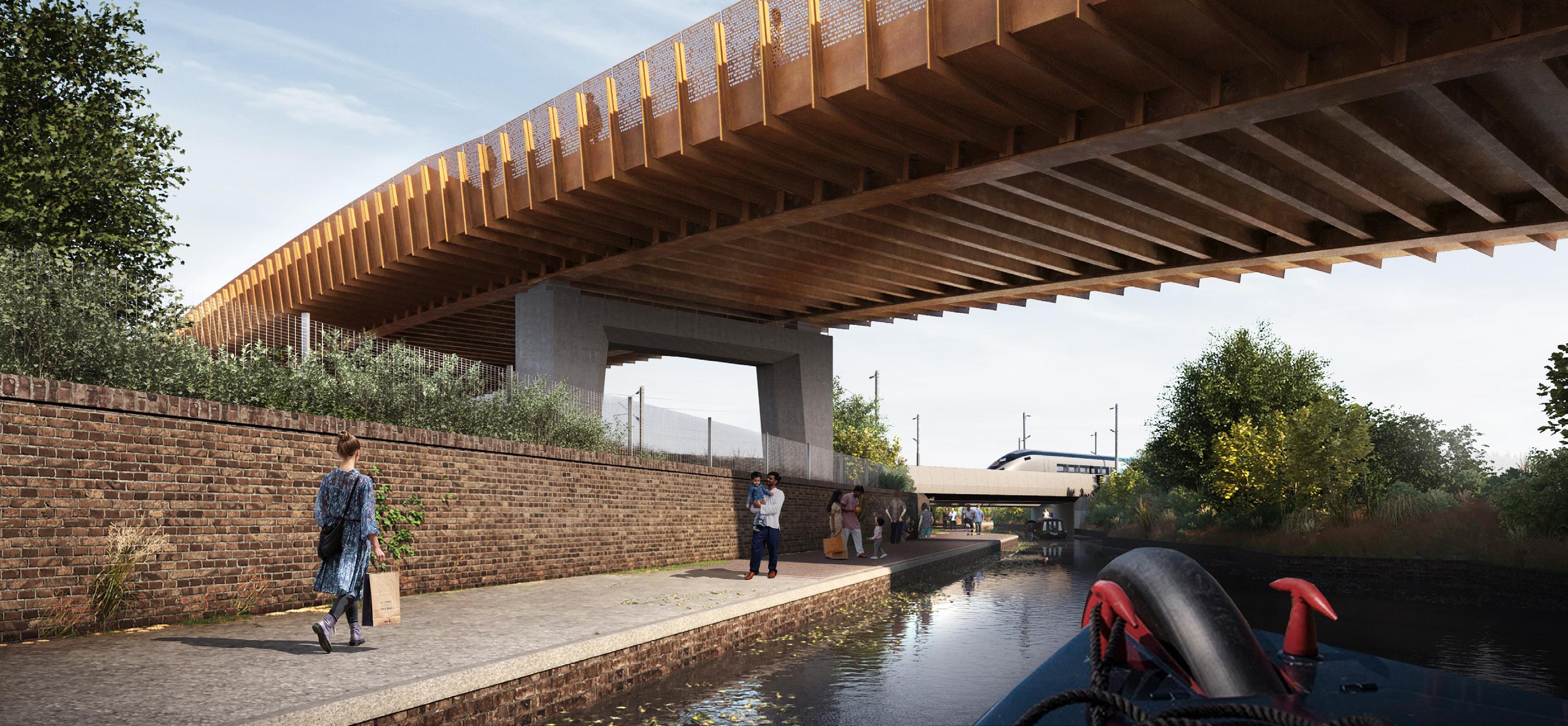
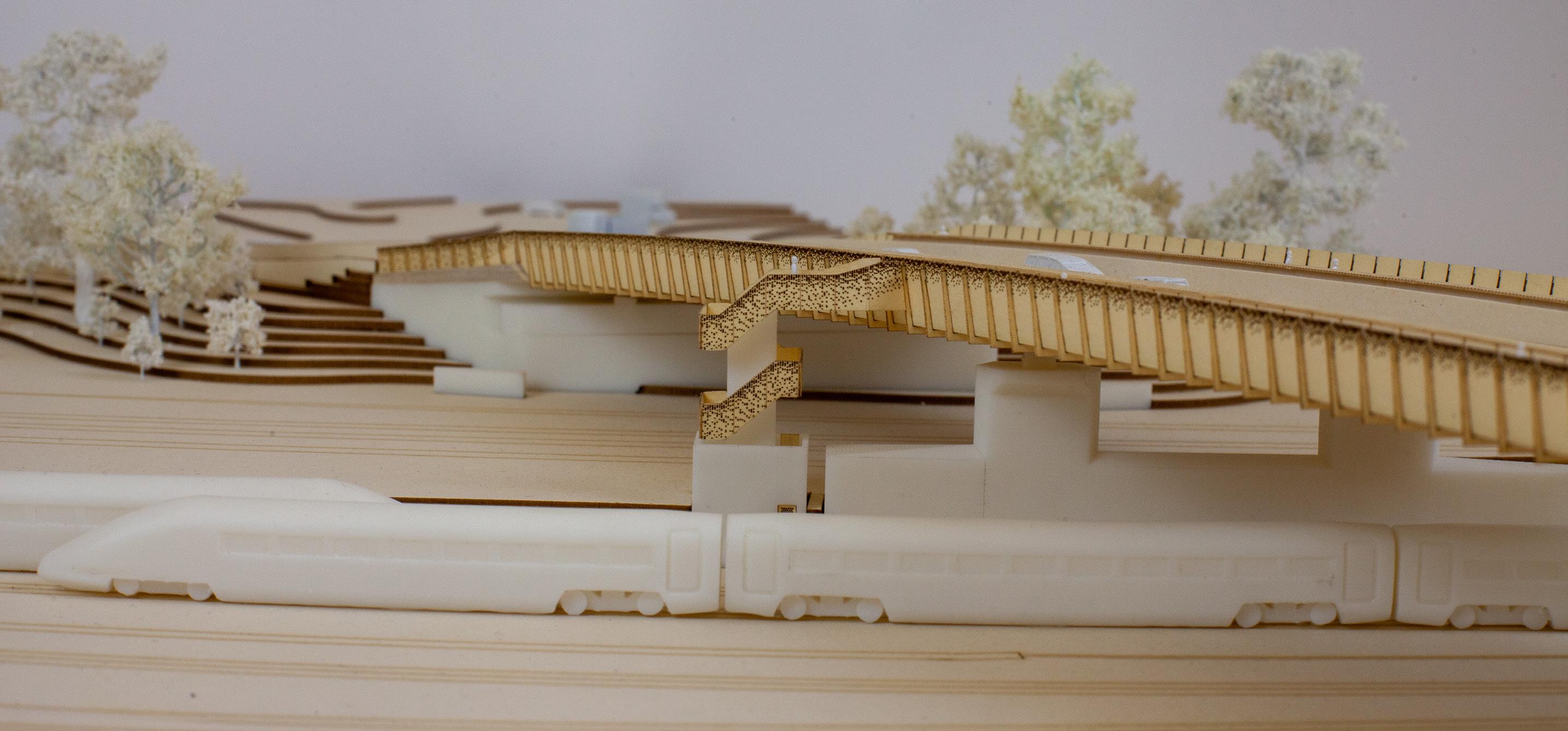
Aston Church Road Overbridge and Saltley Viaduct are key infrastructure upgrades enabling HS2 to pass beneath while significantly improving local connectivity. Designed with people at the heart, the bridges prioritise safety, comfort, and active travel through fully segregated pedestrian and cycle routes.
The project used an innovative prefabricated construction approach to minimise disruption, allowing new bridges to be built alongside existing ones before demolition. Generous four-metrewide cantilevered walkways provide safe, accessible routes for all users. Thoughtfully designed low-level lighting protects local wildlife, including bats, by reducing light spill while enhancing visibility for pedestrians and cyclists. This blend of engineering precision and userfocused design creates infrastructure that connects communities and supports healthier, more sustainable lifestyles.
Tropical Archipelago Airport
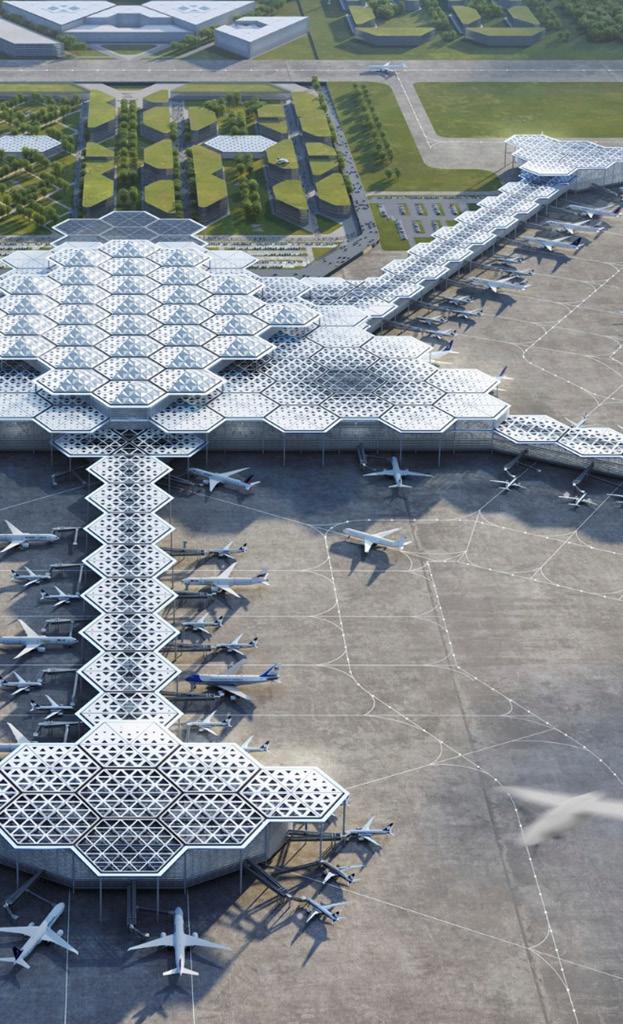
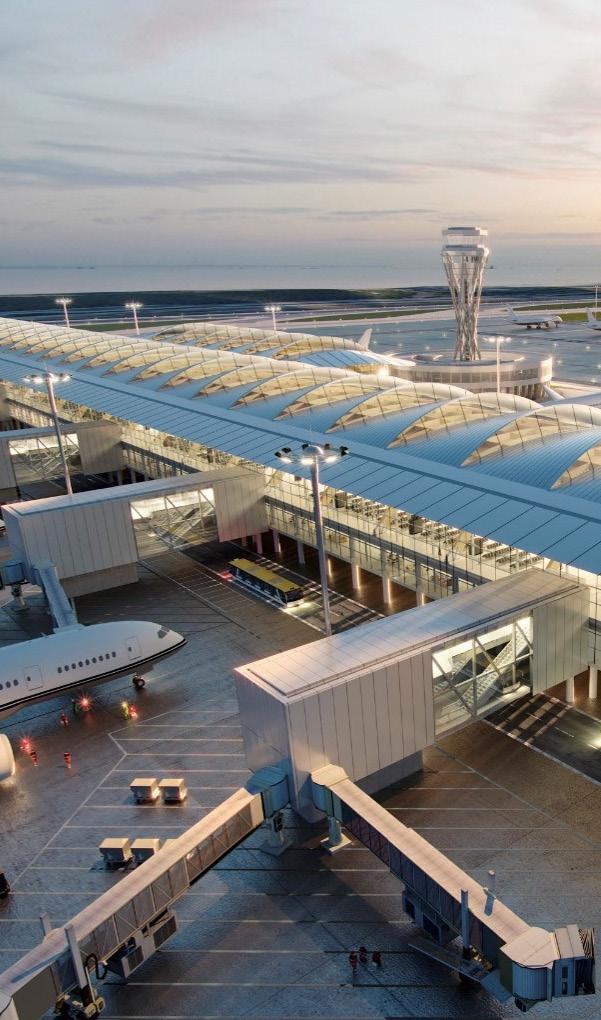
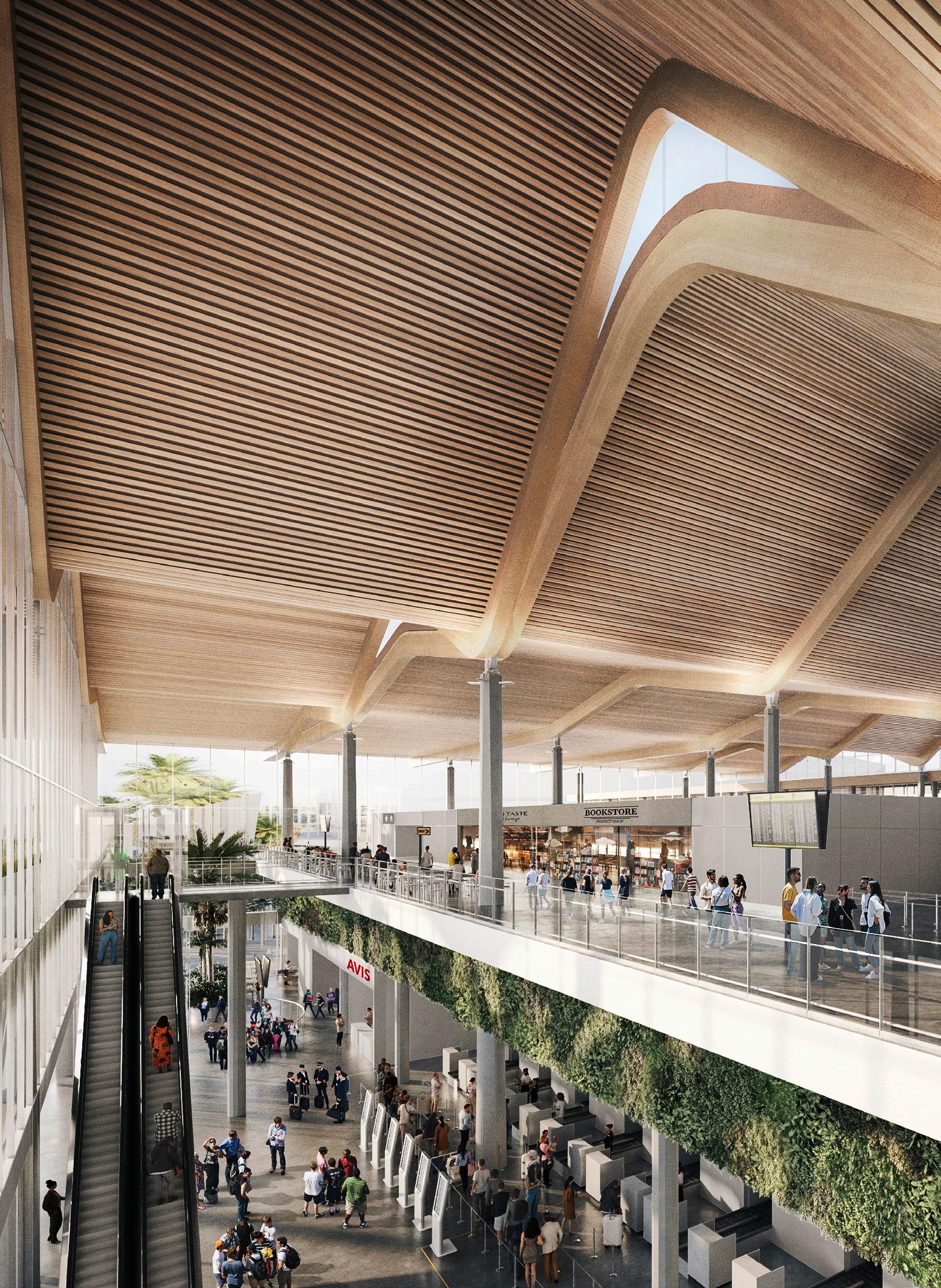
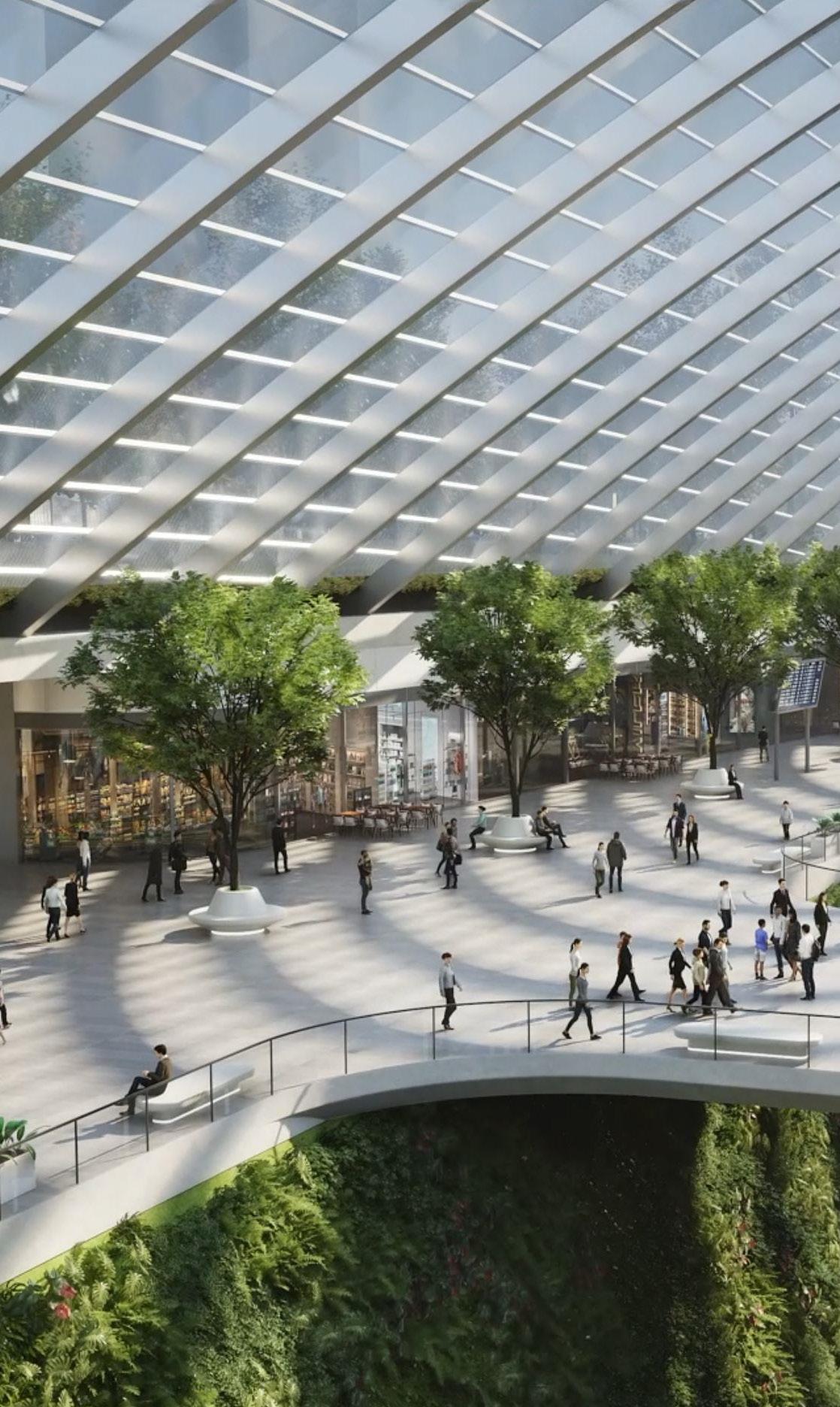
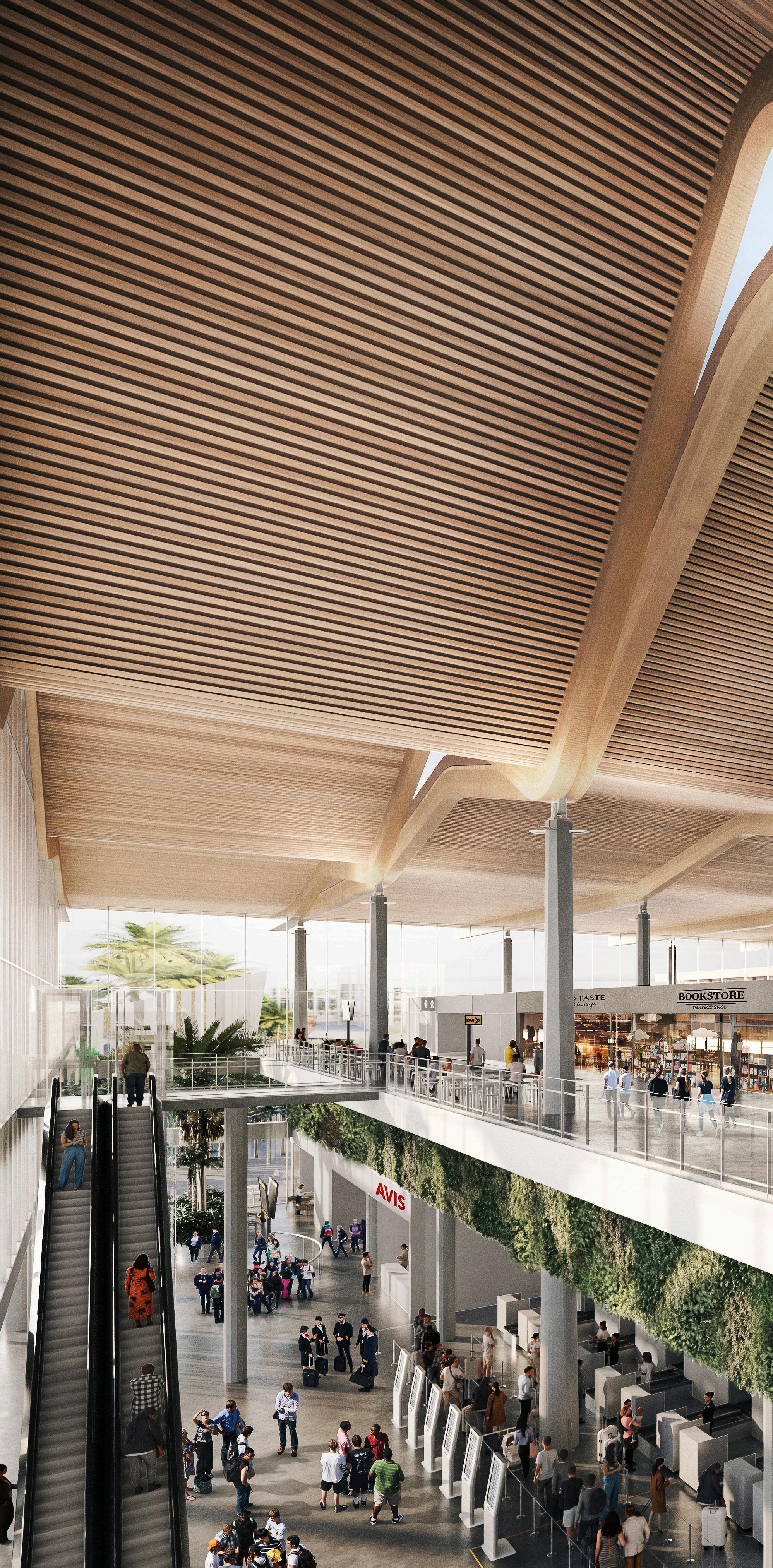
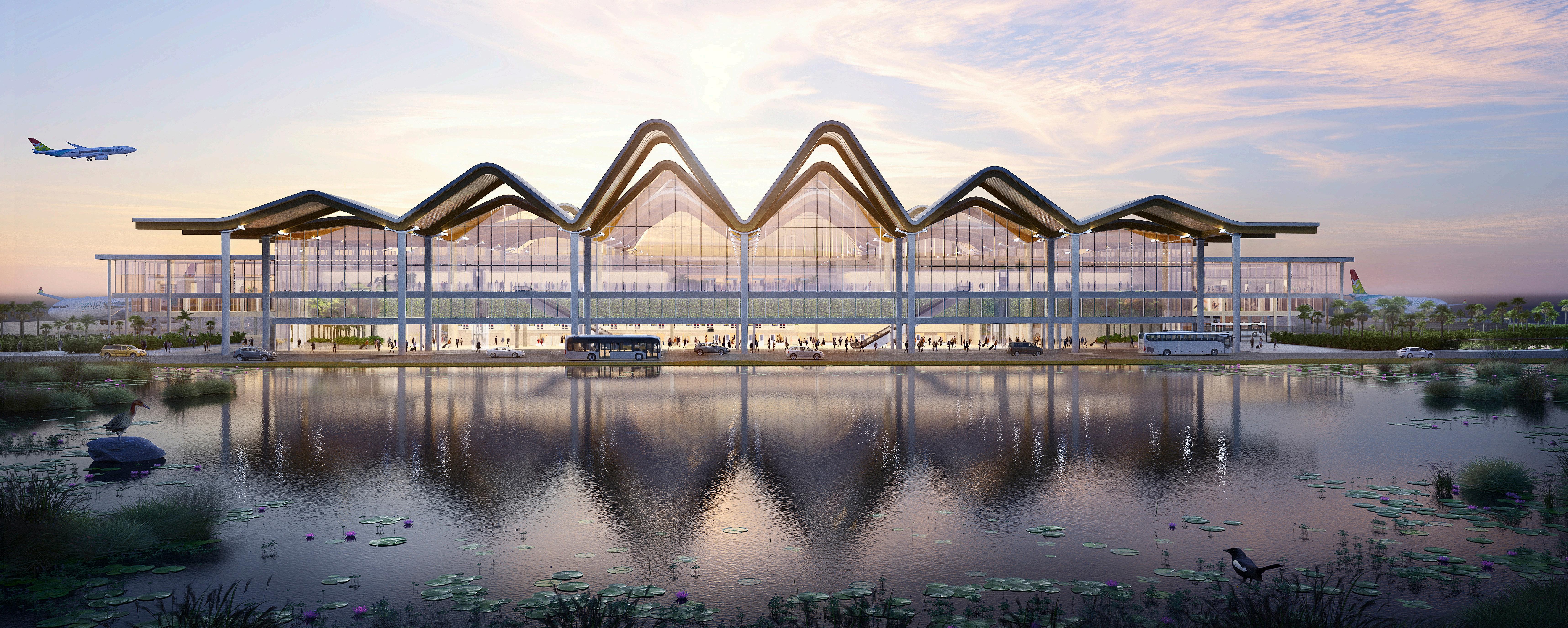
A high-quality spatial experience for all passengers has been inspired by the local natural environment and cultural heritage. Attention to detail, human scale architecture and use of local materials and crafts further enhance the experience. The result is an inclusive environment that connects passenger and staff to the unique quality of the area.
We challenged conventional thinking in construction, DfMA principles of prefabrication and modular design minimise construction waste to landfill. Excavated materials for the terminal site are incorporated into the landscape, creating interesting features that support the wellbeing of staff and passengers.
The terminal is designed to minimise energy consumption by utilising natural daylight and ventilation: the main roof creates a series of tall spaces for stack ventilation and passive cooling. Extensive glazed facades and skylights provide natural light reducing the need for artificial lighting, and large overhanging eaves provide shading and reduce solar heat gain. Natural building materials with low embodied energy and carbon are locally sourced to reduce transportation costs and carbon emissions.
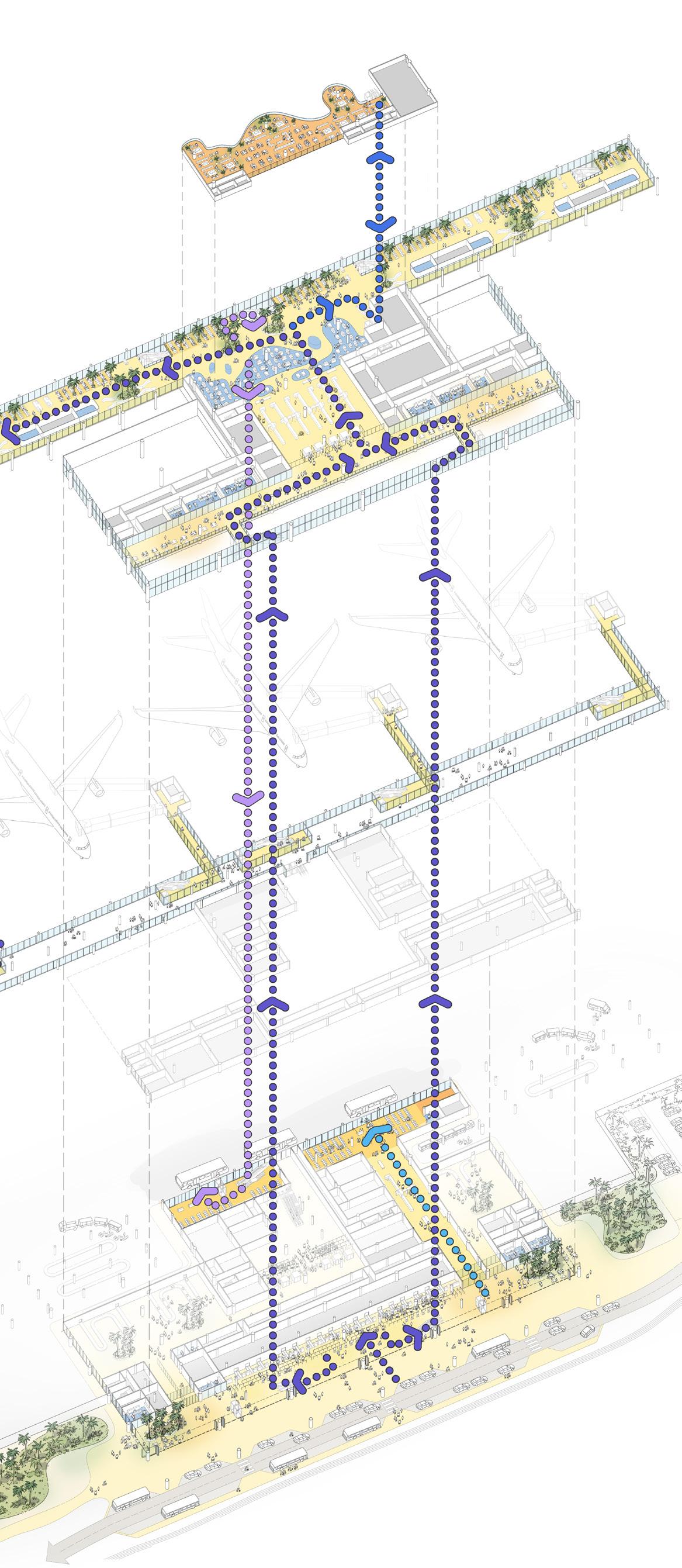
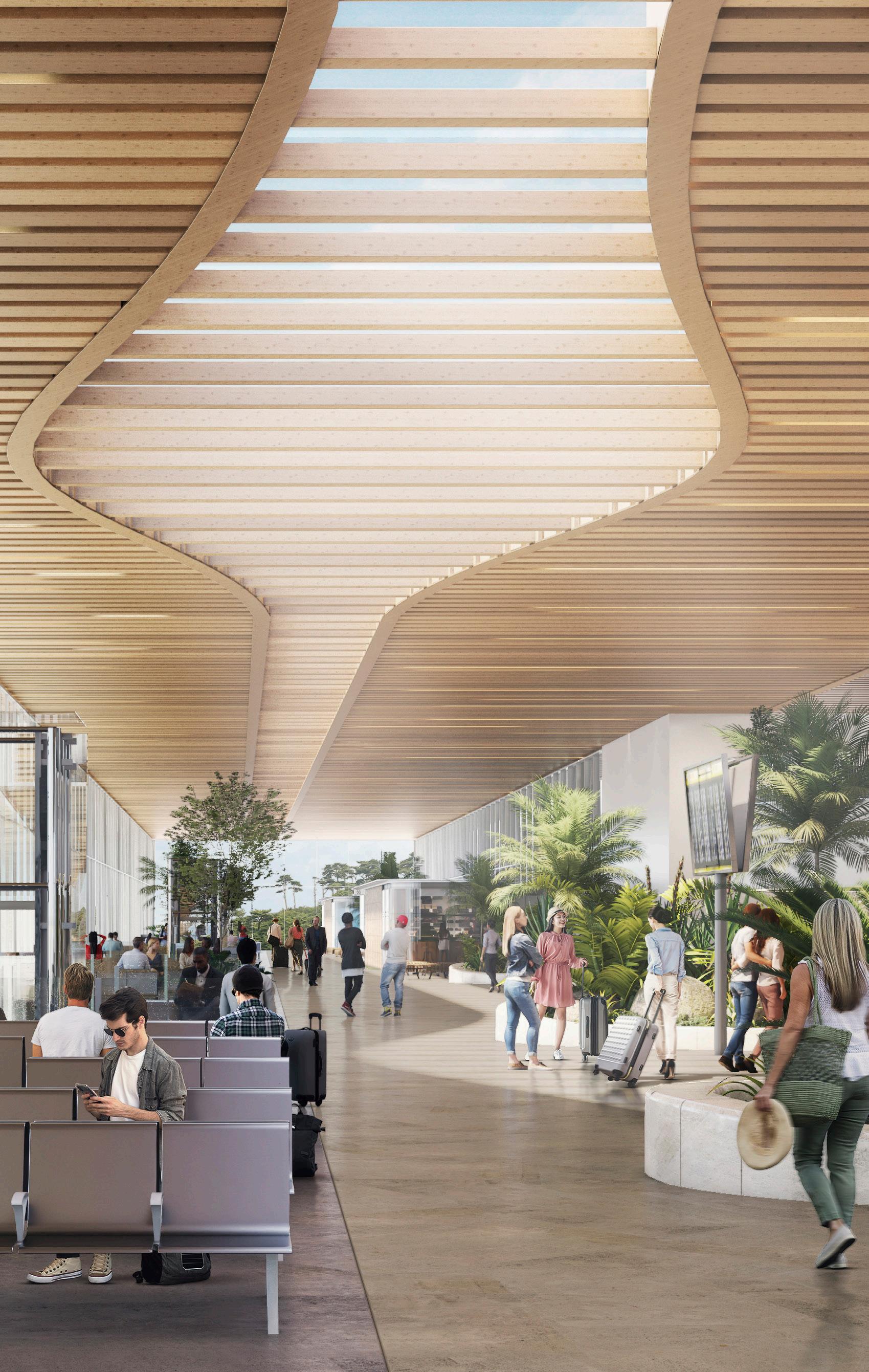
Axonometric sketch of the terminal interior Terminal roof detail
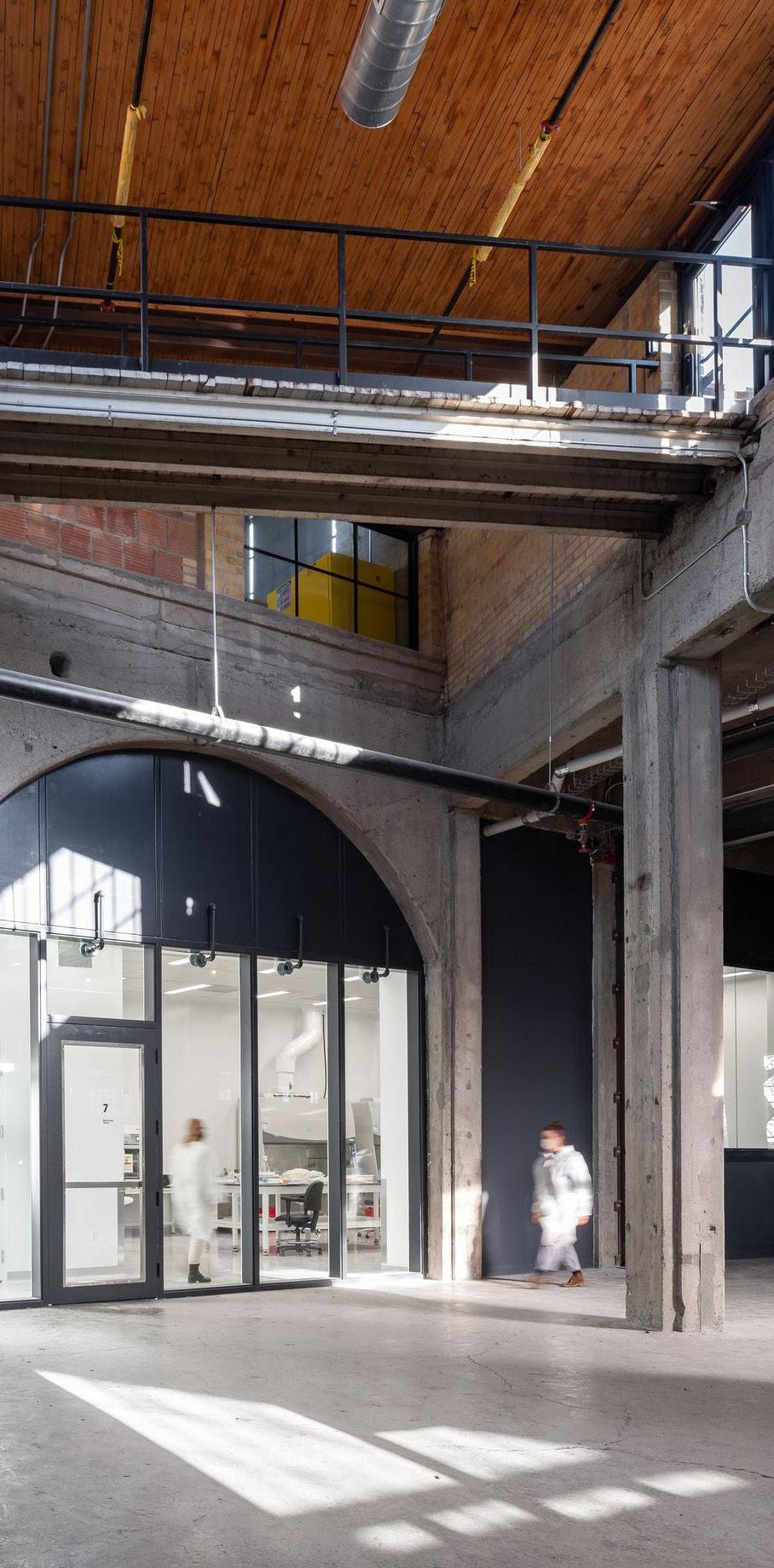
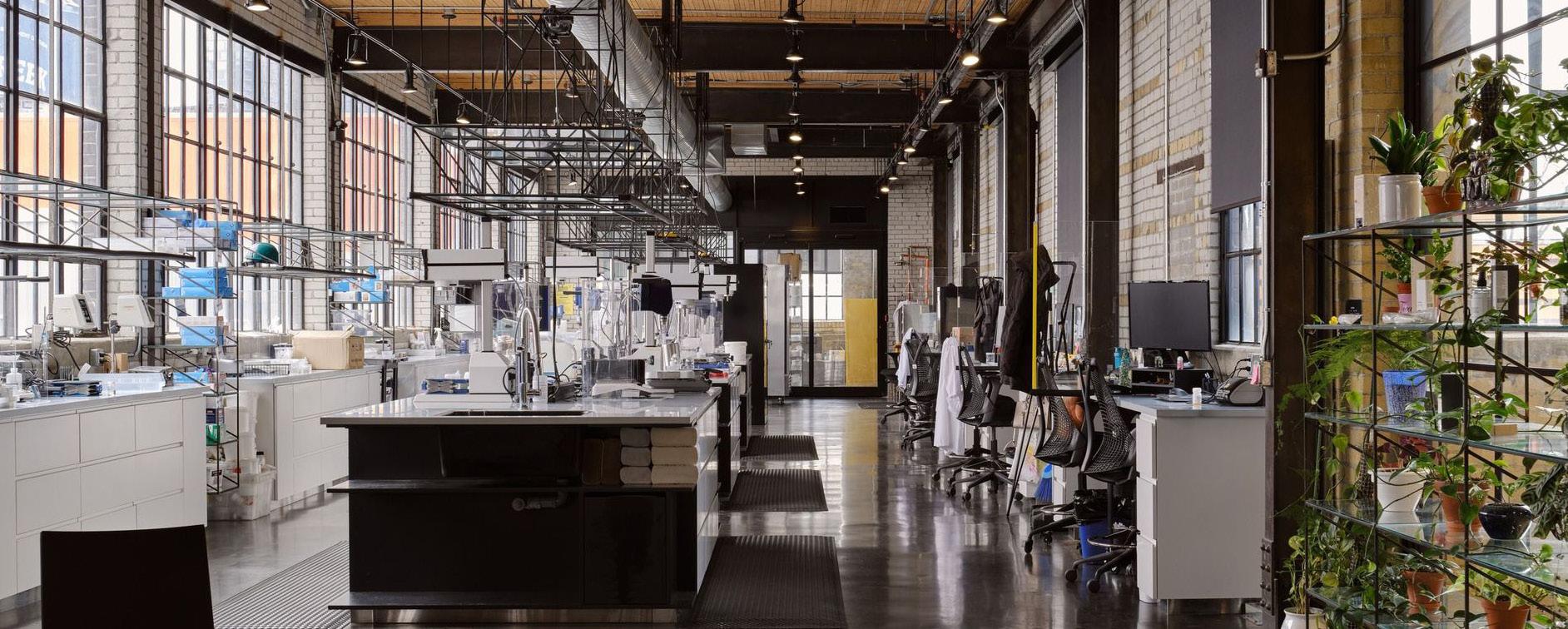
DECIEM Head Office & Clinical Research Labs
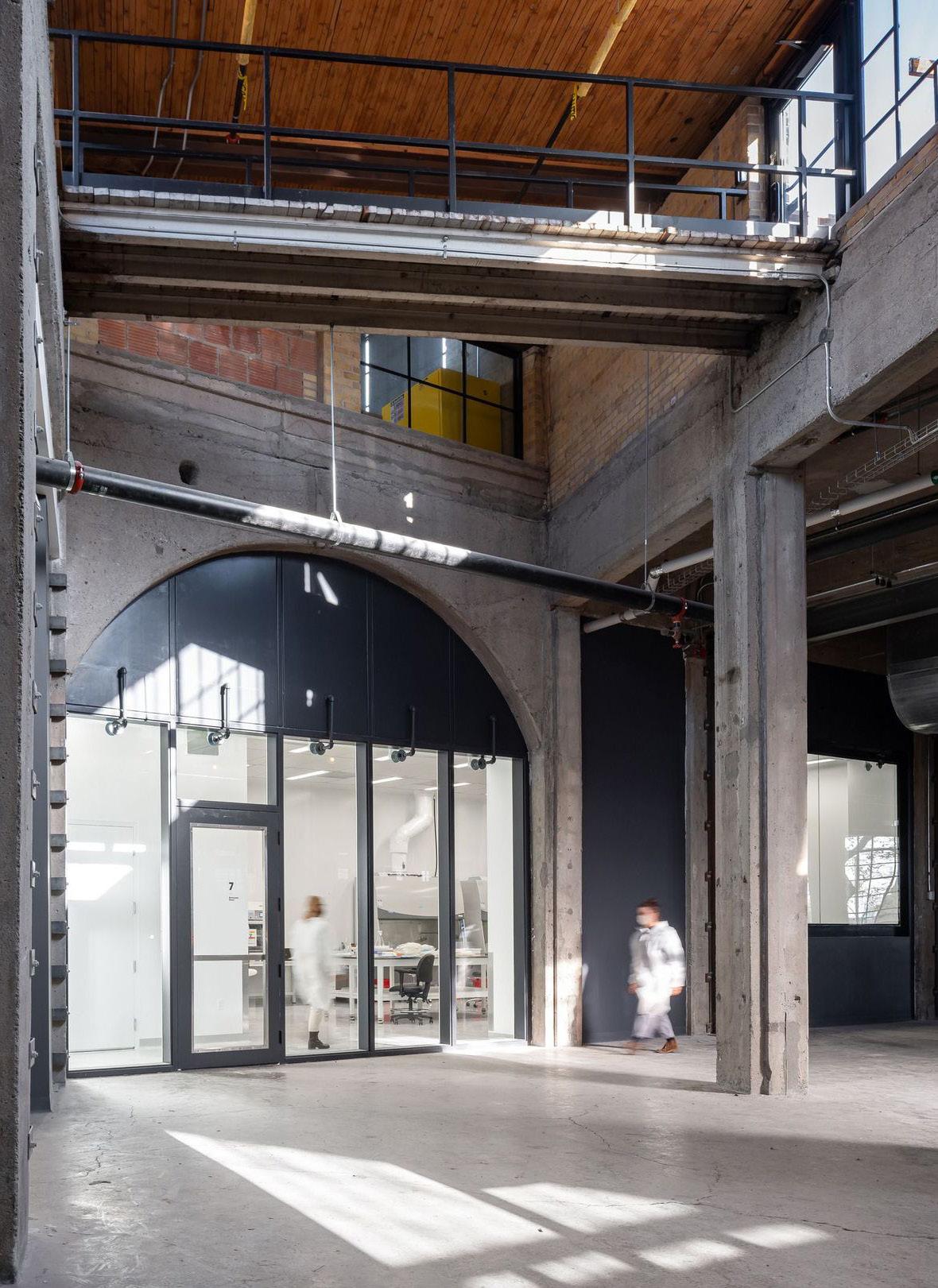
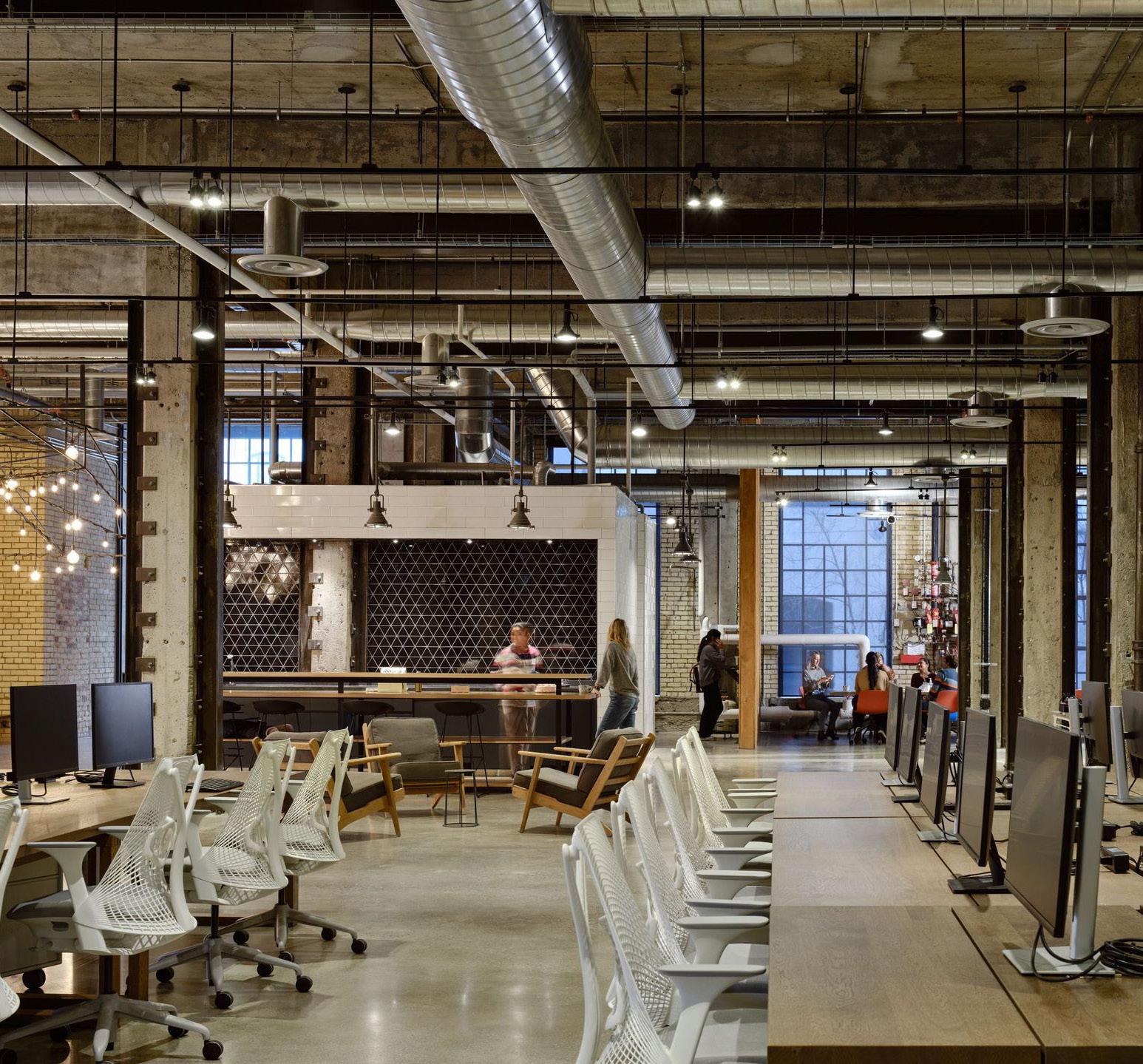
DECIEM’s global headquarters is the adaptive reuse of a century-old warehouse in Liberty Village, transformed into a cutting-edge research facility where science and creativity converge. This renovation seamlessly integrates state-of-the-art clean room laboratories with collaborative office space, celebrating the building’s industrial heritage while supporting a science-first approach to beauty innovation.
At the heart of this project is a belief that great science should be seen and celebrated. The clean room microbiology and clinical research laboratories are designed as transparent, brightly lit spaces with large windows that showcase the work taking place inside. This openness reflects DECIEM’s science-first philosophy, making the rigour of product development a visible part of the company culture. Set as autonomous volumes within the historic structure, the labs maintain strict environmental controls while staying visually connected to the surrounding workspace.
In our design, the warehouse’s robust character became an asset rather than a constraint. We showcased the site-cast concrete frame and leveraged the extensive north-facing industrial glazing to flood the space with natural light. Contemporary interventions like the feature stair and converted vault meeting room create dynamic spatial relationships while respecting the building’s industrial bones. The interplay between heritage elements, including the original boiler in an informal gathering area, and precision laboratory environments demonstrates that innovation thrives when grounded in authentic context.
RIBA National Award Winner | Paddington Elizabeth Line Station
Azure, AZ Awards | Durham Meadoway Visioning Study
Best Completed Building, Transport, WAF Awards | Paddington Elizabeth Line Station
Ontario Association of Architects, Award of Excellence | Lawrence Orton Early Learning & Child Care Centre
Global Design & Architecture Awards, Mixed Used (Concept) Winner (First Award) | Lawrence East
Canadian Architect, Award of Excellence | 11 Brock Avenue
AIA Canada Society, Design Award | Durham Meadoway Visioning Study
Prix Versailles, Prix Versailles Winner | Paddington Elizabeth Line Passenger Stations
Civic Trust Special Transport & Infrastructure Award | Paddington and Woolwich Elizabeth Line Station
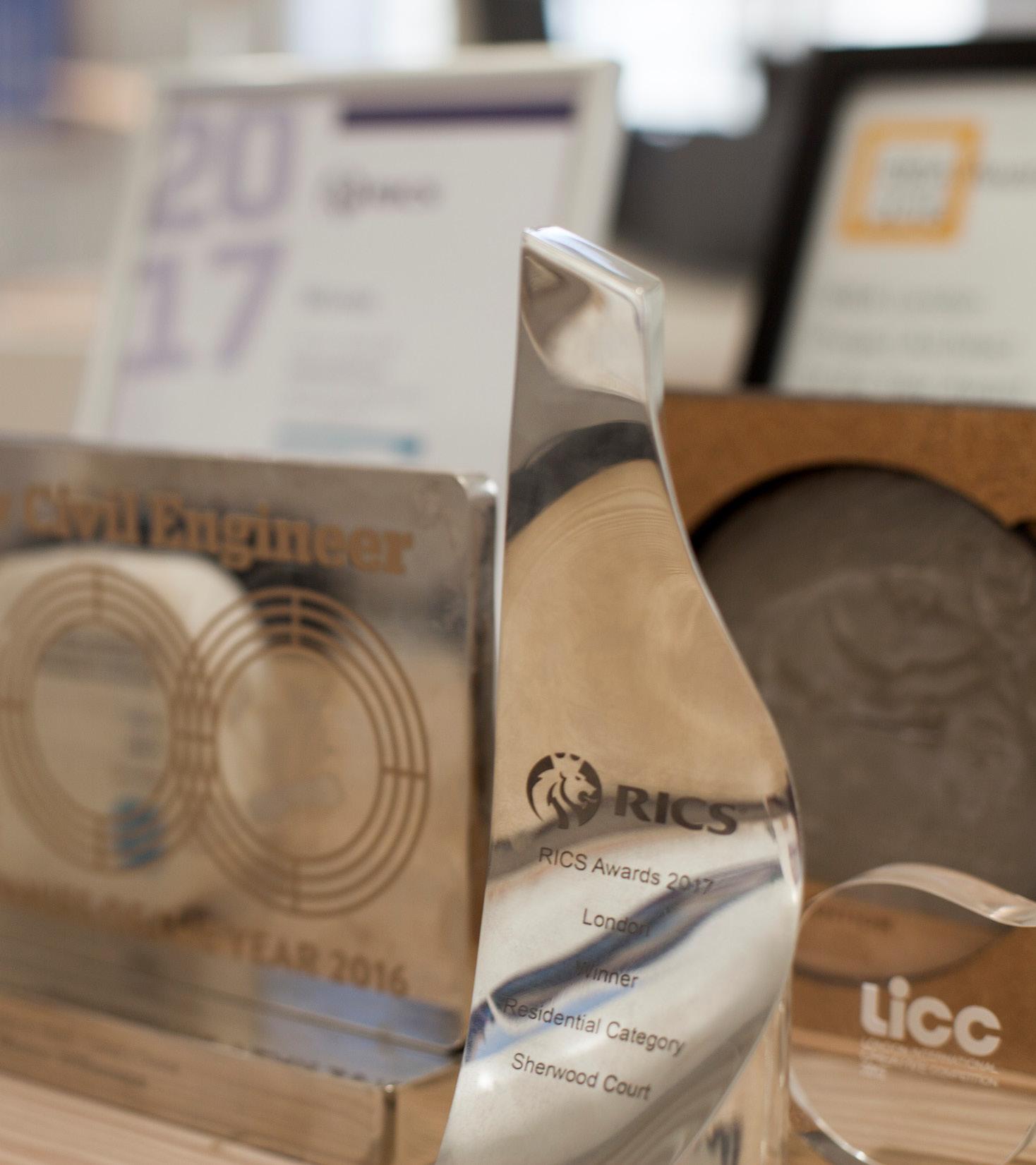
NCE Bridges Awards Bridge Architect of the Year Winner | WW+P
AJ Architectural Awards Housing Project Winner | Commercial Way
Australian Institute of Architects Public Architecture (WA) | Forrestfield Airport Link