
PARTNERSHIP PLAYBOOK
FOR EDUCATORS

Step 1: Start with Clarity - Define Your Program’s Needs
Step 2: Find Your Partners - Go Where Industry Lives
Step 3: Turn Commitment into Connection - Engage with Purpose
Step 4: Nurture the Relationship - Communicate and Celebrate
Step 5: Evolve Through Insight - Listen, Learn, and Adapt
“ WHEN EDUCATION AND INDUSTRY UNITE, BOTH GROW STRONGER — SHAPING TALENT, INNOVATION, AND THE FUTURE TOGETHER.”

Strong industry partnerships don’t happen by chance — they’re built through a clear, intentional process. At WestMEC, we’ve developed a framework that makes partnerships purposeful, sustainable, and mutually beneficial. The steps below can be adapted by any district to cultivate and maintain meaningful relationships with industry partners.
DEFINE YOUR PROGRAM’S NEEDS
“ WE WANT TO SAY YES, BUT TELL US EXACTLY HOW WE CAN HELP,” ONE EMPLOYER ADVISED.
1
KEY INSIGHT
Before reaching out, know exactly what you’re looking for. Is it updated equipment? Student internships? Guest speakers? Curriculum validation? Partners want to help, but they need a clear purpose.
IN ACTION
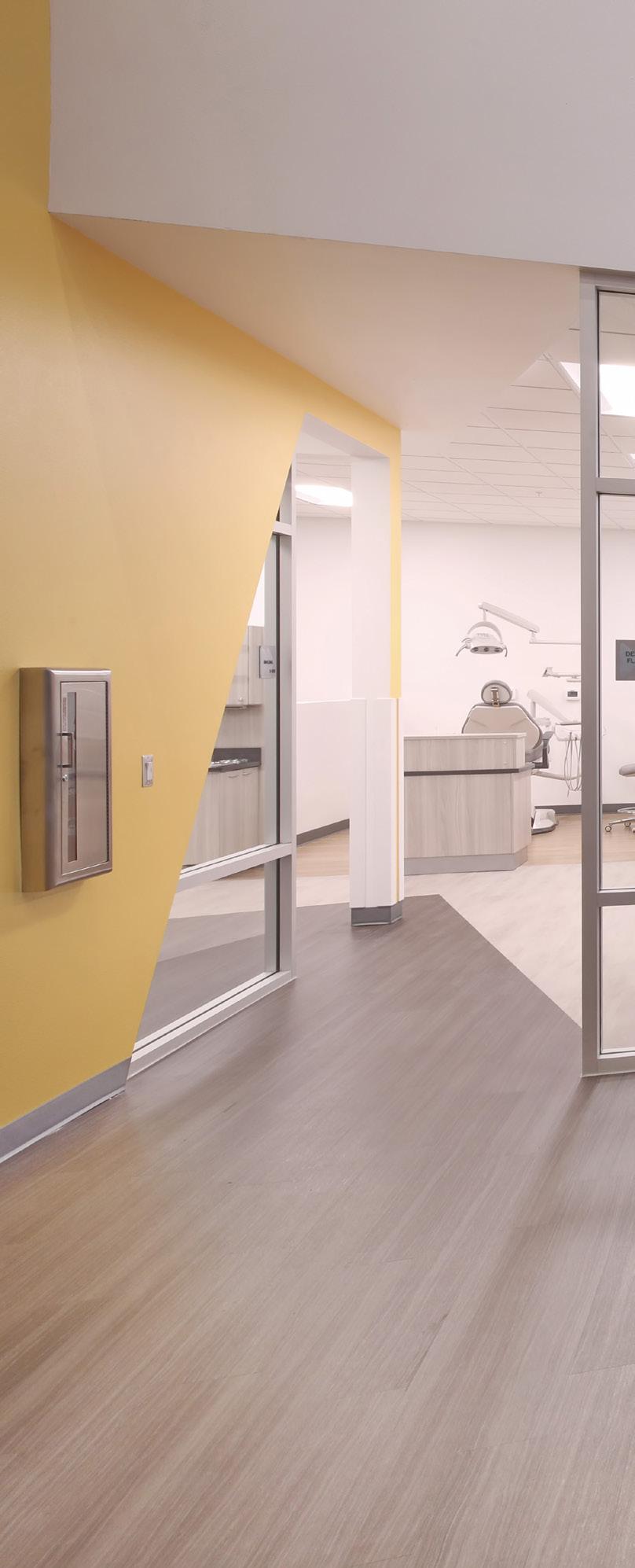
Our dental assistant program identified a need for digital impression technology to keep instruction aligned with industry standards. By clearly defining that need, we partnered with local dental practices and a technology vendor - resulting in a donated digital scanner, staff training, and a student lab that mirrors today’s professional dental environments.

BEST PRACTICE TIP
Conduct a quick program audit to identify gaps in resources, experiences, industry credentials, or curriculum alignment.

CTE DELIVERY MODEL
HOW DO I START?
Align the program needs to the CTE Delivery Model
Program needs assessment
LE ADERSHIP DE VELOPMEN T
CL AS SROOM INST RUCT ION
IN TEGR AT ION OF CORE STANDA RD S
COMMUNIT Y IN VOLV EMENT
WORK-B ASED LE ARNING
HA ND S-ON INST RUCT ION
GO WHERE INDUSTRY LIVES
2

Partnerships don’t always come knocking. To build authentic industry engagement, you have to actively seek them out. The good news: opportunities are closer than you think.
Map your community ecosystem. Create a simple chart of industries, associations, and key employers connected to your program areas.
Our cosmetology program leveraged alumni working at local salons, which later grew into regional partnerships with larger chains.
Reaching out first demonstrates initiative and purpose, and often opens doors to connections that transform both programs and students.
DIGITAL INTRO
- A concise, well-crafted email or call that explains your program’s mission and specific needs can open unexpected doors.
SHOW UP
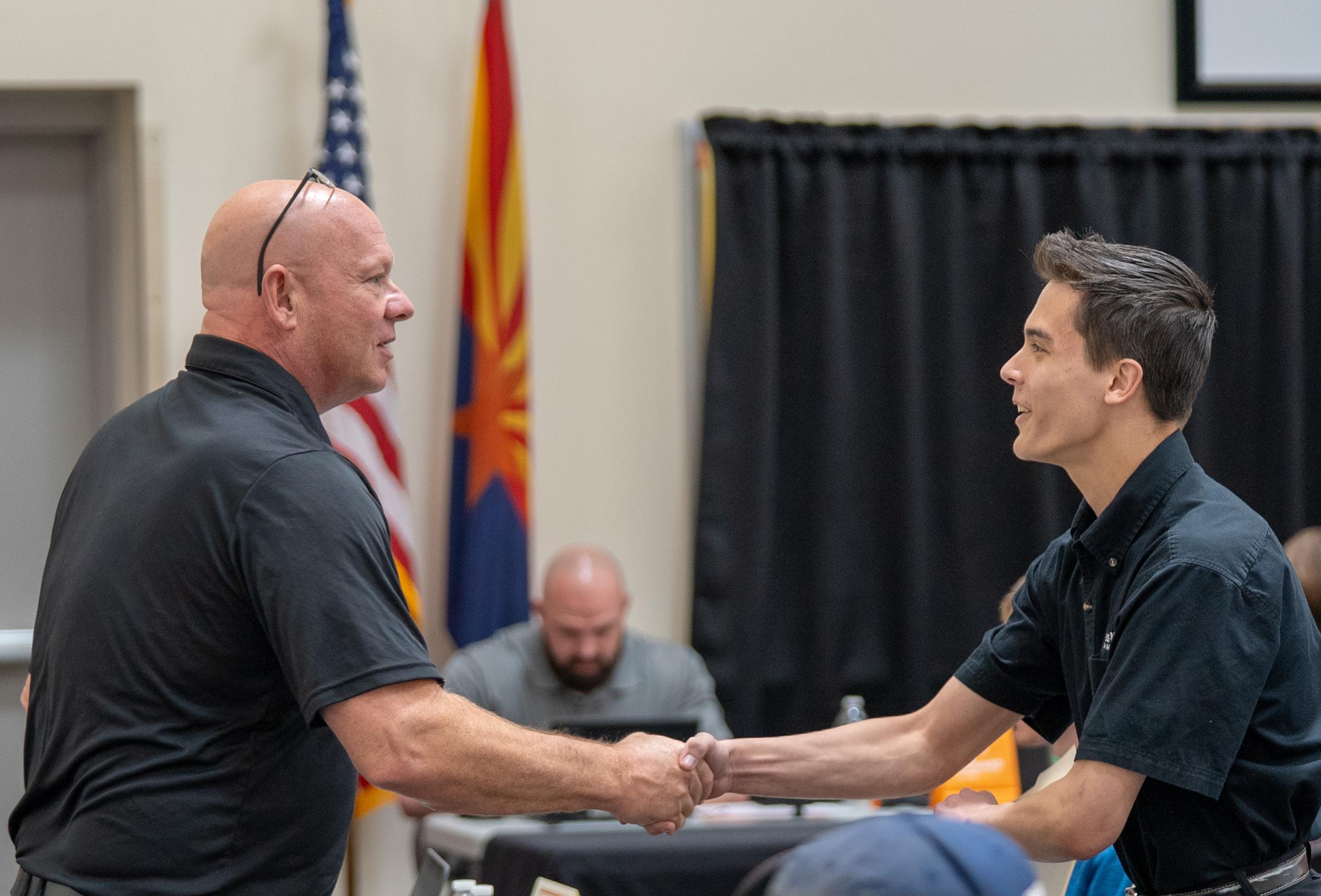
- Stop by a business with a flyer, a short pitch, and a student success story. Face-to-face enthusiasm often leaves a lasting impression.
GET INVOLVED
- Attend industry roundtables or conferences, or host your own to bring employers to you.
ENGAGE WITH PURPOSE
3
KEY INSIGHT IN ACTION
Move from connection to collaboration by giving each partner a defined, meaningful role that benefits both students and businesses
Match the ask to the partner’s capacity. A small business might not offer paid internships, but could host a tour or serve on an advisory board. Large companies may have the infrastructure to support apprenticeships or donations. Create a partnership engagement opportunity sheet.
We created a partnership engagement document to clearly outline opportunities along with a return on their investment.

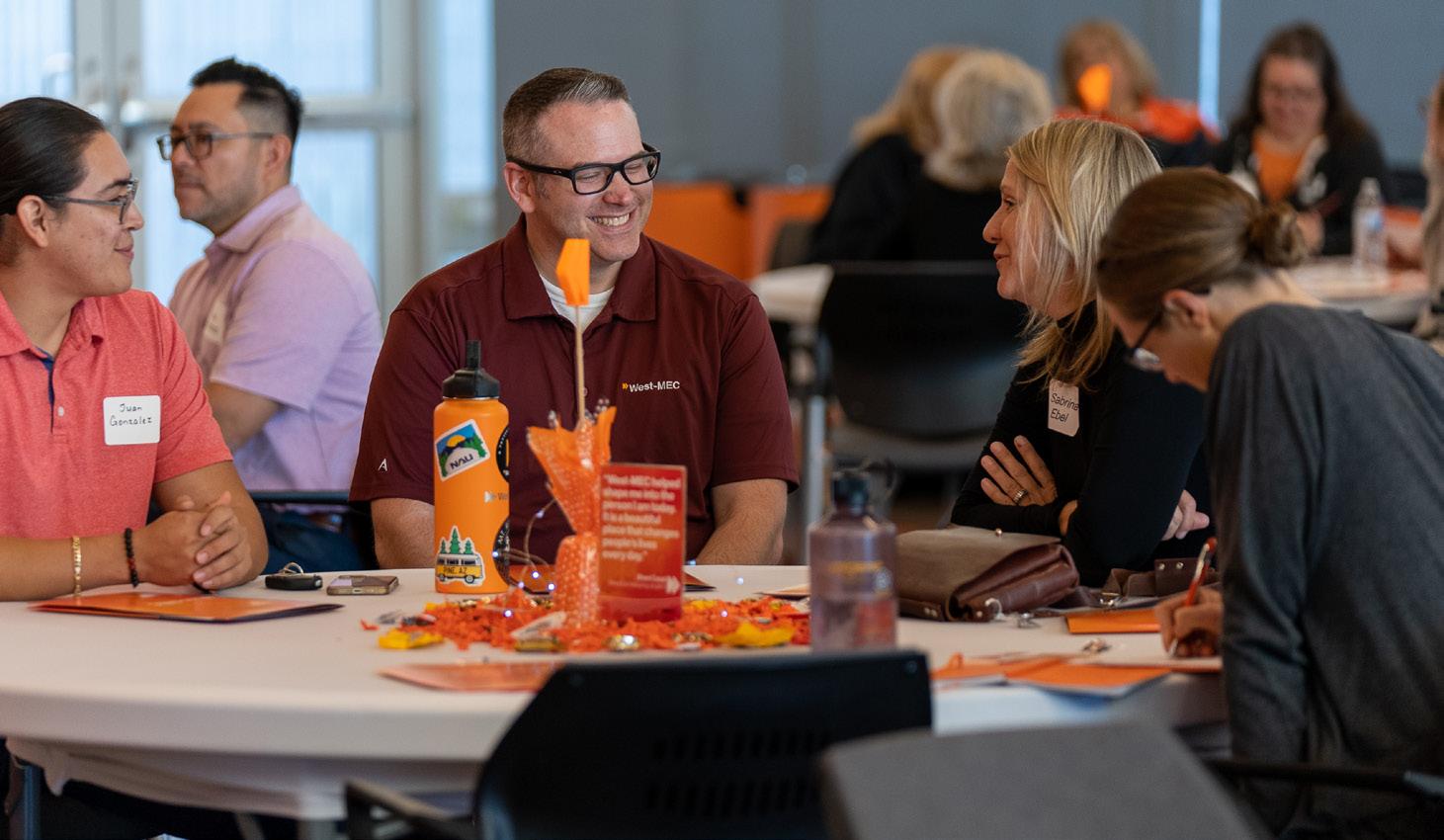
“THE BEST PART WAS SEEING HOW EAGER STUDENTS WERE TO ASK QUESTIONS— IT REMINDED ME WHY I GOT INTO THIS FIELD.”
ENGAGEMENT ROLES FOR PARTNERS
ADVISORY BOARDS (provide feedback to keep programs aligned with industry)
INDUSTRY ASK: “ Would you be willing to speak with our students about your career journey and the skills needed in your industry? A 30-minute classroom talk would make a big impact.”
GUEST SPEAKERS & MENTORS (inspire students and provide feedback on progress)
INDUSTRY ASK: “ We’d like to place 2–3 students in your company for a semester internship. We’ll handle student preparation and check-ins; you provide supervision and exposure to real work.”
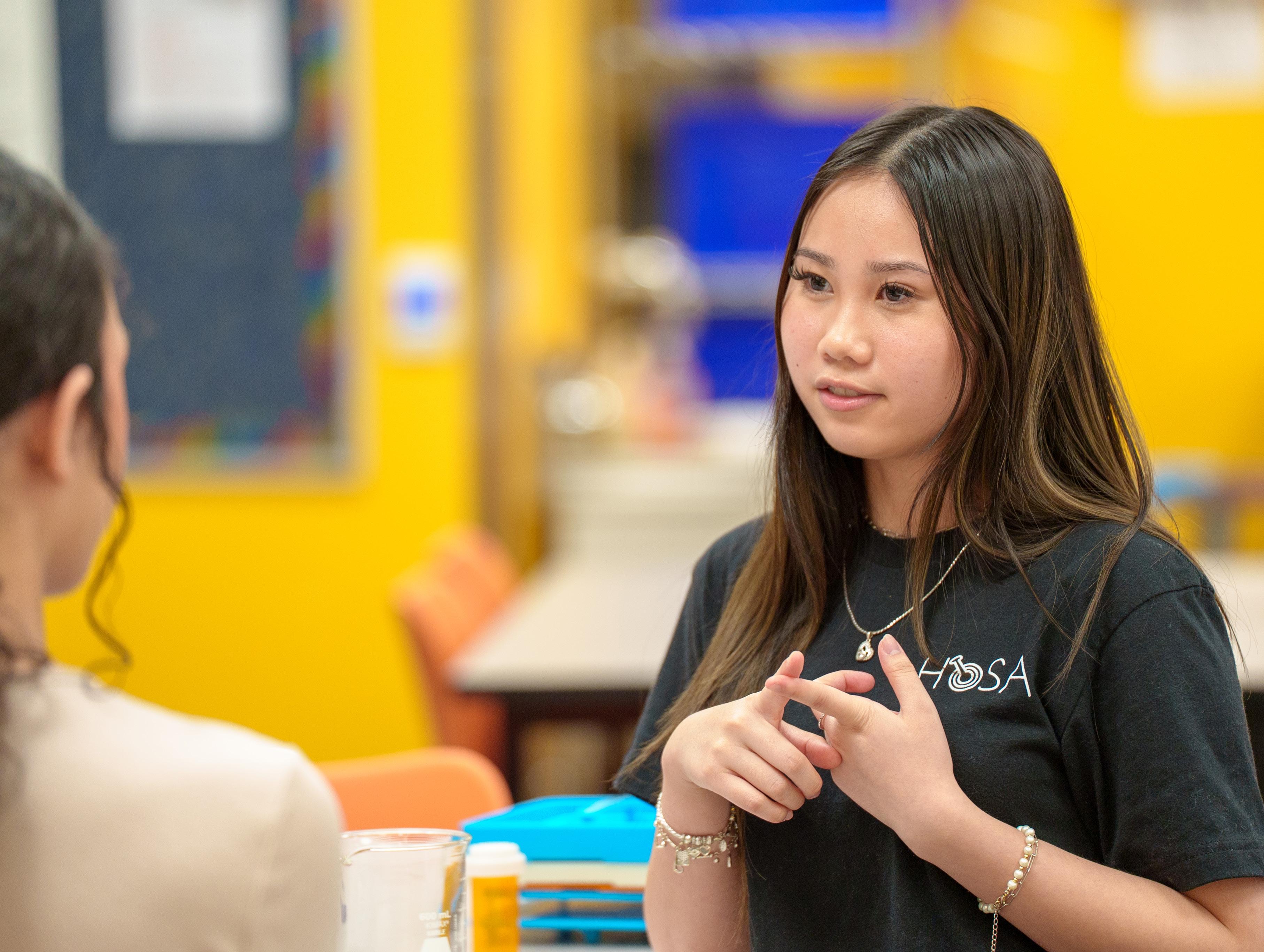
SITE VISITS & JOB SHADOWING (allow students to see workplaces in action)
INDUSTRY ASK: “Our program is seeking updated equipment that reflects current industry standards. Would your company consider donating used tools, technology, or funding to support student training?” 1 2 3 4 5 TOP 5
INDUSTRY ASK: “ We’d value your input on our curriculum. Would you consider joining our advisory board and meeting with us two to three times a year to review industry trends and ensure alignment?”
INTERNSHIPS & APPRENTICESHIPS (provide authentic hands-on training)
INDUSTRY ASK: “ Would you host 5–10 students for a half-day site tour and shadow experience to help them see your industry in action?”
DONATIONS (supply programs with updated technology/funding for scholarships)

Relationships grow with consistent communication. Keep partners updated on student success, program milestones, and outcomes of their contributions. Recognition is just as important—people want to feel valued.
Our Communications Department created a video series titled “Why I Hire West-MEC.” These videos focus on industry partners that hired multiple West-MEC students. Their companies were tagged on social media to provide exposure.
“ WE DON’T SEE THIS AS JUST HELPING A PROGRAM —WE
WAYS TO MAINTAIN & NURTURE RELATIONSHIPS
COMMUNICATION
Send a quarterly update to all partners highlighting student achievements, new certifications, and industry engagement. This keeps them invested and aware of their impact.
RESPECT TIME
Always have an agenda for meetings or site visits. Start and end on time, industry leaders are balancing full schedules.
DELIVER ON COMMITMENTS
Assign a staff lead for each partnership to ensure accountability and continuity.
SHOW APPRECIATION
Recognition doesn’t have to be expensive, sincerity and consistency go further than formality.
Use
LISTEN, LEARN, AND ADAPT
5
KEY INSIGHT
Strong partnerships evolve. Ask students, staff, and partners for honest feedback: What worked? What could be better? Use that input to refine the experience.
Include partner engagement data in your program evaluations. Track the number of speakers, internships, site visits, and donations.
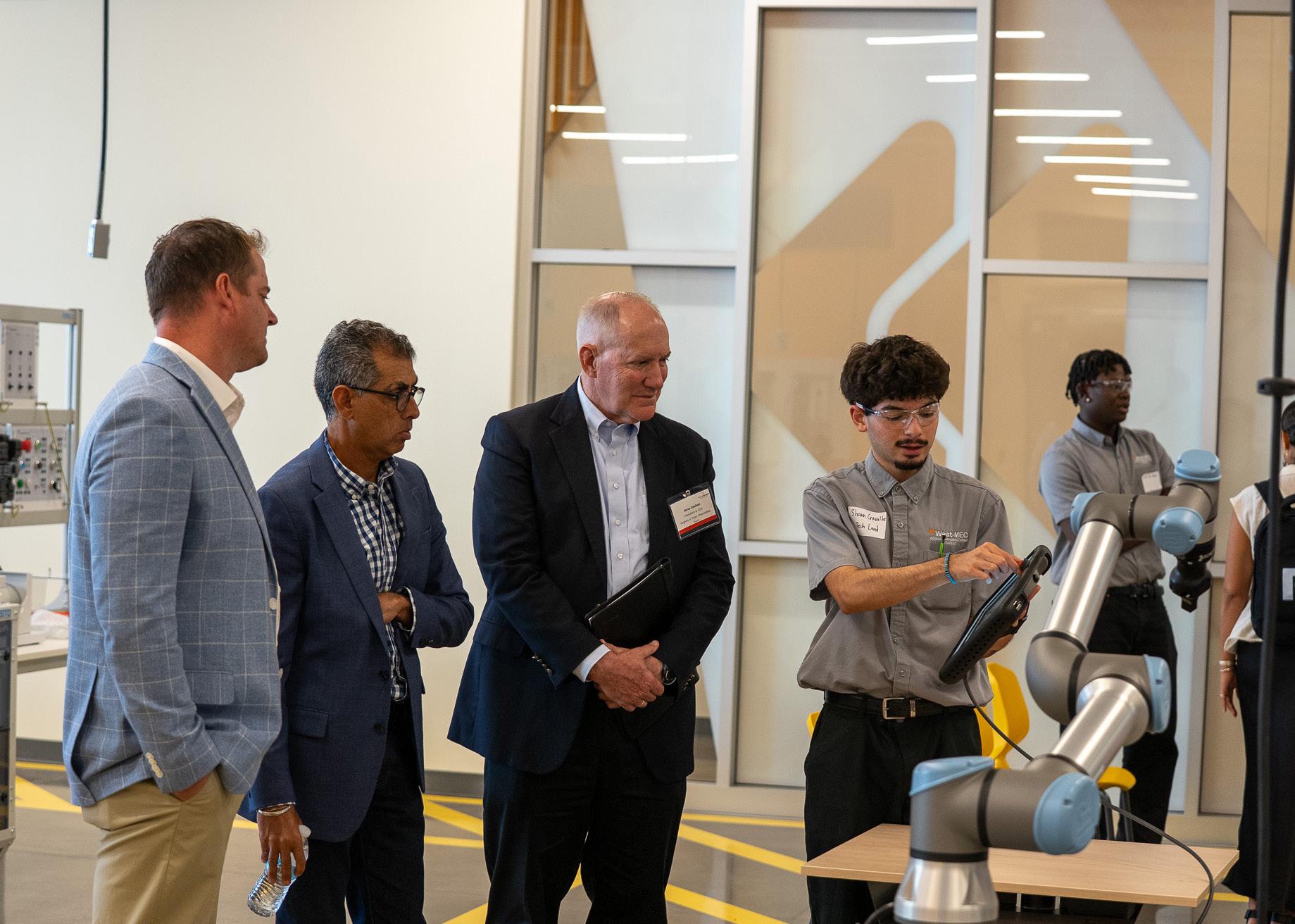
In our welding program, partners initially hosted large-group tours for 20–25 students. Feedback from both students and partners revealed that smaller groups allowed for more hands-on experience and better Q&A interaction. We adjusted the format to 8–10 students per tour. As a result, student engagement increased, partners could provide more meaningful demonstrations, and feedback scores rose significantly.
“ IF YOU LISTEN TO US AND MAKE ADJUSTMENTS, WE’LL KEEP
“ I WANT TO HELP, BUT I NEED TO KNOW WHERE I FIT AND WHAT’S EXPECTED. DON’T LET ME GUESS.” – ADVISORY BOARD MEMBER
At West-MEC, we’ve built strong, lasting industry partnerships, but not without trial and error. Over time, we learned that success depends on clear planning, consistent communication, and keeping students at the center of every decision. KEY
LESSONS WE LEARNED
INCONSISTENT COMMUNICATION
Early on, we assumed that once partners were “on board,” they’d stay engaged. In reality, partners, like educators, juggle competing priorities.
LESSON: Schedule regular check-ins, even brief ones, to maintain connection and trust.
UNCLEAR REQUESTS
Vague asks like “We need help with WBL” left partners unsure of their role.
LESSON: Be specific. Clear, time-bound requests (e.g., “Could you host a half-day site tour for 10 students next month?”) get stronger results.
NOT TRACKING ENGAGEMENT
Without tracking how and when partners participated, we couldn’t measure impact or identify gaps.
LESSON: Track all engagement: guest speakers, tours, internships, and donations to recognize contributions and strengthen strategy.
STAFF ALIGNMENT
Sometimes, only one or two staff members understood the purpose of a partnership, while others were left out. This created inconsistencies in communication and expectations.
LESSON: Ensure all staff share the same goals and talking points when working with partners.
FORGETTING THE STUDENT VOICE
At times, we overlooked student feedback about their experiences.
LESSON: Build student feedback into every engagement. Their insights refine partnerships and give the industry real evidence of impact. After surveying students about a job-shadowing event, we learned they wanted more time for Q&A. 1 2 3 4 5 TOP 5