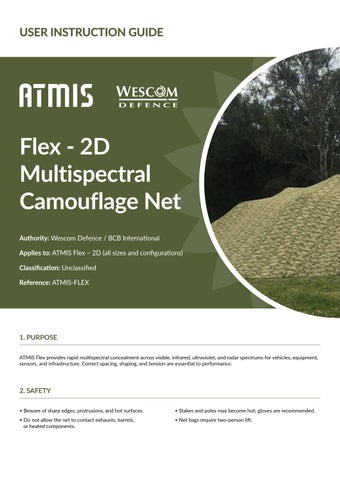
Flex - 2D Multispectral Camouflage Net
Authority: Wescom Defence / BCB International
Applies to: ATMIS Flex – 2D (all sizes and configurations)
Classification: Unclassified
Reference: ATMIS-FLEX
1. PURPOSE
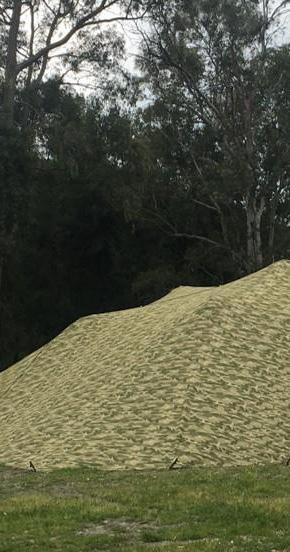
ATMIS Flex provides rapid multispectral concealment across visible, infrared, ultraviolet, and radar spectrums for vehicles, equipment, sensors, and infrastructure. Correct spacing, shaping, and tension are essential to performance.
2. SAFETY
+ Beware of sharp edges, protrusions, and hot surfaces.
+ Do not allow the net to contact exhausts, barrels, or heated components.
+ Stakes and poles may become hot; gloves are recommended.
+ Net bags require two-person lift.
1. Select terrain that provides shadow and natural breakup.
2. Lay the net centrally over the asset.
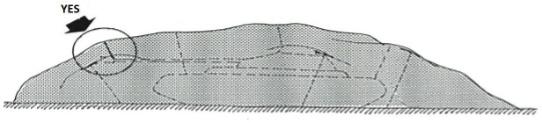
3. Use poles or natural supports to maintain 45–60 cm clearance.
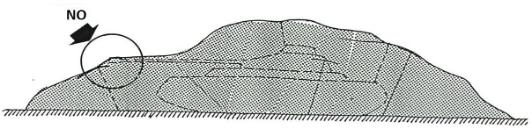
4. Angle poles 25°–60° outward to disrupt silhouette.
Figure 1– Correct spacing over protrusions
Maintain clearance to avoid heat damage and improve multispectral performance.
Figure 2 – Incorrect practice
Net contact with protrusions reduces effectiveness and increases damage risk.

Secure edges using stakes and tension evenly. 6. Avoid straight lines, flat roofs, and recognisable shapes.
Figure 3 – Correct edge tensioning
Even tension improves concealment and prevents silhouette definition.
RULE: Terrain + spacing + tension determines effectiveness.
+ Disengage snag points and roll from the short edge.
+ Lift clear and stow immediately.
+ Lay net flat with intended outward face identified.
+ Fold lengthwise to suit bag width.
+ Remove stakes and poles.
+ Lay net flat, remove debris, fold or roll, and pack dry.
+ Roll tightly without sharp creases.
+ Pack only when fully dry and secure bag closures.
+ Remove dirt, mud, and vegetation after use.
+ Dry thoroughly before storage.
Field Repair
+ Patch damage with supplied fabric.
+ Stitch securely (do not over-tighten).
7. REPAIR KIT CONTENT (STANDARD)
Each ATMIS Flex repair kit includes:
+ 1 × Fabric patch: 1 m × 1 m
+ 6 × Needles
+ 1 × Sewing thread coil
8.
STORAGE & TRANSPORT
+ Store in a cool, dry, well-ventilated area.
+ Keep sealed in issued bags.
9. OPERATIONAL NOTE
+ Inspect seams, loops, and edges regularly.
+ Clean using water and non-metallic brush only.
+ Plastic ties may be used for temporary emergency repair.
+ 5 × Stake-fixing fabric pieces
+ Plastic ties
+ Do not store near fuels, oils, chemicals, or direct sunlight.
+ Transport all components in issued bags to prevent damage or contamination.
Loss of spacing, tension, or shape will degrade multispectral performance. Re-site or re-deploy as required. In heavy rain or snow, the net may need adjusting and re-tensioning to prevent sag, pooling, or the formation of straight lines.