Infrastructure development, transportation expansion, and utility installations all depend on precise land measurements and legally accurate documentation. One of the most critical components in these projects is right of way surveying, a specialized branch of surveying that defines and protects the land required for public or private access routes. Whether the goal is to construct highways, pipelines, rail corridors, or utility lines, understanding how right of way surveys work is essential for property owners, builders, and government agencies
We provide comprehensive surveying solutions that ensure clarity, compliance, and confidence for every project. This guide explains the process, importance, and key benefits of right of way surveying while highlighting related services that often support land development and property transactions
What Is Right of Way Surveying?
Right of way surveying involves measuring and mapping land designated for public or private passage. This can include roads, highways, sidewalks, utility corridors, pipelines, drainage systems, and access easements. The purpose is to clearly establish land-use boundaries and legal rights while respecting the ownership of adjacent properties.
Unlike general property surveys, it focuses specifically on the strip of land required for access or infrastructure projects. These surveys ensure that construction activities remain within legally defined limits and help prevent disputes between landowners and builders
The Process of Right of Way Surveying
Understanding the detailed steps involved in right of way surveying helps property owners and project managers appreciate its complexity and value
1. Research and Document Review
Surveyors carefully review historical deeds, title certificates, prior survey plans, municipal records, and official land registry information to verify ownership and boundary descriptions. This critical stepensuresthatall legalreferences align withcurrentrecordsand accuratelyreflect the property’s status.
As part of this review, professionals often review documentation prepared by legal land surveyors to validate boundary positions and confirm established ownership rights before proceeding with fieldwork.
2. Field Investigation and Data Collection
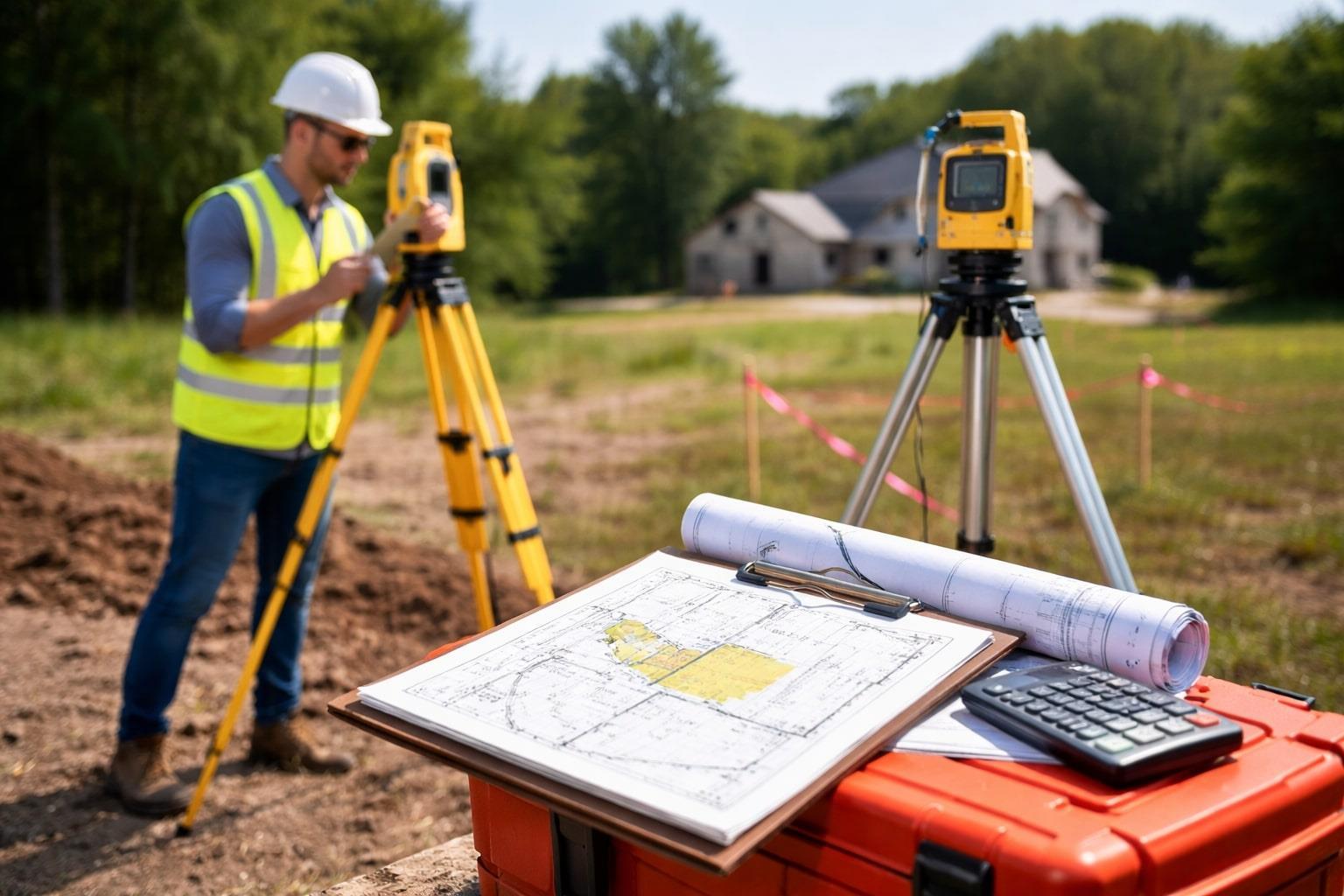
Once documentation is reviewed, surveyors conduct fieldwork. Using advanced GPS equipment, total stations, and other measurement tools, they collect precise data points on the land. Physical markers, monuments, and boundary evidence are identified and recorded
3. Boundary Determination
After collecting field measurements, surveyors analyze the data to determine exact boundary lines. This includes identifying easements, encroachments, and property corners. The findings are cross-verified with legal descriptions and historical records
4. Drafting and Mapping
Using specialized software, surveyors create detailed maps and legal descriptions. These documents outline the exact dimensions and location of the right of way. The map clearly shows adjacent properties, access points, and any overlapping interests.
5. Legal Documentation and Reporting
The final step involves preparing formal documentation for permits, land acquisition, construction planning, and regulatory approvals. In many cases, this documentation becomes part of official land registry records
Related Surveying Services That Support Right of Way Projects
Right of way surveying often works alongside other specialized services to ensure comprehensive land management
Legal Property Survey
It also provides officially recognized documentation that can be used for municipal approvals, financing requirements, and resolving potential boundary disputes. A legal survey establishes precise property boundaries to clarify ownership, support development, or facilitate sale. Energy development projects often require well site surveys to define drilling locations, access routes, and infrastructure placement.
Real Property Reports
A real property report in Calgary, Alberta, provides a detailed description of buildings, structures, and improvements relative to the property boundaries. These reports are commonly required during property transactions and can identify encroachments affecting right of way areas. They are frequently conducted alongside these projects to establish access corridors.
General Land Surveying
Whether for development, construction, or property transfer, a professional survey in Alberta provides foundational information for land management decisions. It ensures accurate boundary identification, supports regulatory compliance, and helps property owner’s move forward with confidence and clarity.
Subdivision Surveys
When land is divided into smaller parcels, accurate measurements are required. Many property owners looking for a subdivision survey near you rely on experienced surveyors to ensure newly created lots meet regulatory requirements.
Why Right of Way Surveying Is Important
Right of way surveys play a vital role in protecting property rights while enabling development
Preventing Legal Disputes
Accurate surveys help prevent costly conflicts between landowners and builders. Clear boundaries eliminate uncertainty and reduce the risk of encroachments. This clarity facilitates smoother negotiations, protects property rights, and reduces the risk of future legal disputes
Supporting Infrastructure Development
Transportation systems, pipelines, and utility networks require precise land measurements. Accurate data also improves project coordination, reduces financial risks, and ensures construction stays within approved boundaries.
Ensuring Regulatory Compliance
Municipal and provincial authorities require accurate survey documentation before approving development permits. A legally sound survey ensures compliance with local regulations, and a professional land survey in Alberta helps streamline approvals and meet all statutory requirements.
Protecting Property Owners
Property owners benefit from knowing exactly how much of their land is designated for access or easements. This transparency protects theirrights and helps them plan future improvements.
How Right of Way Surveys Benefit Property Owners
Property owners sometimes feel uncertain when approached about access corridors or easements. However, a professionally conducted survey offers several advantages. First, it ensures accurate compensation when land is acquired for public use. Second, it clearly defines the affected area so future development plans remain unaffected. Third, it provides documentation that helps protect property value at resale
When property owners look for a Property boundary survey nearby, they often aim to confirm how right of way designations impact their land. Professional surveying eliminates guesswork and protects long-term interests.
Key Benefits of Professional Surveying Services
Accuracy and Precision
Professional surveyors use advanced technology to deliver reliable measurements. This accuracy prevents costly construction errors. Surveys conducted by licensed professionals hold legal weight and can be used in court if disputes arise
Improved Project Planning
Accurate land data enables engineers and architects to design projects efficiently, reducing delays and unexpected changes. It also improves coordination between project teams, ensuring construction plans align precisely with on-site conditions.
Increased Property Value
Clear documentation of land boundaries and rights enhances buyer confidence and supports smooth real estate transactions. At Apex Geomatics, our experienced team delivers dependable land surveyor services that meet provincial standards and industry best practices
Choosing the Right Surveying Partner
Selecting a qualified surveying firm is crucial for project success. Experience, licensing, technological expertise, and local knowledge all matter. When evaluating a provider, consider their track record in managing complex right of way projects.
Surveying in areas such as Edmonton requires familiarity with regional regulations and environmental considerations. Working with a knowledgeable team ensures smoother approvals and accurate documentation Instead of rushing to pick the first available provider, take time to evaluate credentials, review project experience, and confirm licensing status before making your decision
When Do You Need Right of Way Surveying?
You may require right of way surveying in several scenarios:
Road widening or highway expansion
Utility line installation
Pipeline development
Municipal infrastructure upgrades
Access easement creation
Subdivision development
If you are planning construction near a boundary line or an access corridor, consulting a qualified surveyor helps ensure compliance and prevent disputes
Environmental and Community Considerations
Right of way projects often impact communities and natural landscapes. Professional surveyors assess terrain, waterways, and environmental features before finalizing boundaries. By identifying sensitive areas early, project planners can modify routes to minimize ecological disruption. Clear communication with property owners also builds trust and reduces resistance to development
FAQs
What is the main purpose of right of way surveying?
Right of way surveying defines land designated for access or infrastructure use. It ensures accurate boundaries and protects both public interests and private property rights.
How long does a right of way survey take?
The timeline depends on project size, terrain, and record availability. Smaller projects may take a few days, while larger infrastructure corridors can require several weeks.
Why is legal documentation important in surveying?
Legal documentation provides enforceable proof of boundary locations and land rights. It protects property owners and ensures regulatory compliance during development
Can a survey help resolve boundary disputes?
Yes, a professional survey identifies precise property lines and encroachments. This documentation can be used to settle disagreements and prevent future conflicts
Is right of way surveying required for utility projects?
In most cases, yes. Utility installations must follow defined corridors to comply with regulations and avoid interfering with private land.
Conclusion
Right of way surveying is a foundational component of responsible land development and infrastructure planning. It ensures clear boundaries, protects property rights, and supports regulatory compliance. From research and field measurements to mapping, legal property survey documentation, and reporting, each step is crucial to project success. Property owners benefit from transparency, accurate compensation, and long-term protection of their investments. Builders and municipalities gain reliable data that streamlines approvals and construction. With professional expertise and advanced technology, Apex Geomatics deliver precise surveying solutions that support growth while safeguarding land ownership.