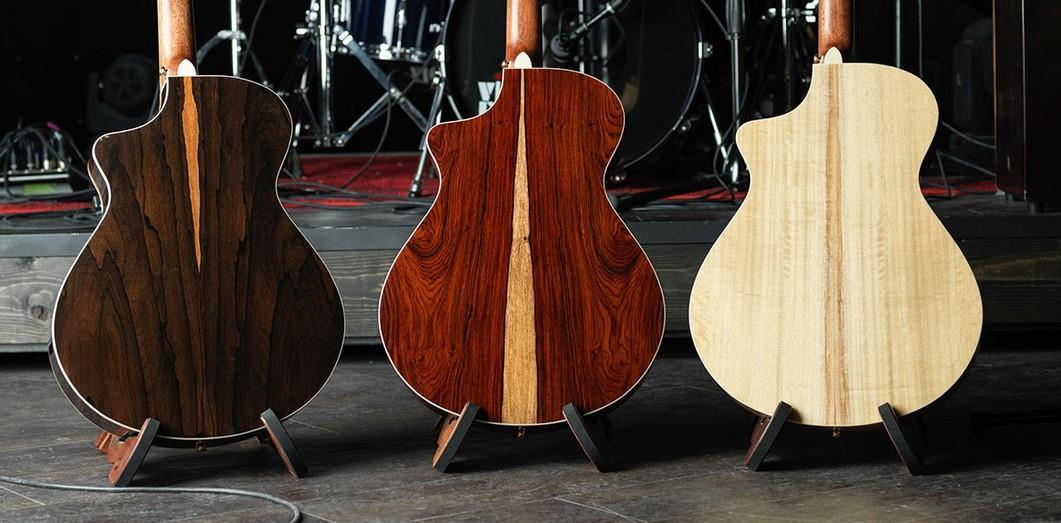
A Complete Guide to Guitar Back and Sides Tonewood
A Complete Guide to Guitar
Today’s luthiers rely on knowledge, craftsmanship, and reputable luthier wood suppliers to access tonewoods known for their visual beauty and tonal depth. Whether you prefer traditional choices like rosewood or the clean brightness of maple, knowing the characteristics of each wood helps ensure a guitar that sounds as good as it looks.
Why Guitar Sides and Backs Matter in Acoustic Tone
While the soundboard (top) drives the initial response of an acoustic instrument, the acoustic back and sides help shape and refine the final voice. These two components influence:
Sustain and projection
Balance between lows, mids, and highs
Overtone warmth or clarity
Responsiveness to picking style
Overall character of the instrument
The back acts as a reflector, enhancing resonance, while the sides act as the structural frame that supports vibration patterns. Selecting the right guitar back and sides ensures your instrument supports you’re playing style, build goals, and tonal preferences.
Contact: +1 3608266101 Email:
Key Qualities to Look for in Guitar
Tonewood
When evaluating tonewoods, builders often focus on the following traits:
1. Density and Hardness
The weight and stiffness of the wood influence how sound waves reflect. Dense tonewoods tend to produce rich overtones and long sustain.
2. Grain Orientation
Straight, even grain patterns improve stability and help reduce the risk of warping. Visual appeal is also important for luthiers who want a refined appearance
3. Tap Tone
A strong, bell-like tap tone indicates good acoustic potential and responsiveness.
4. Stability and Workability
Wood must withstand tension and humidity changes while still being easy to bend during shaping.
5. Ethical Sourcing
Respected luthier wood suppliers ensure their tonewoods are responsibly sourced, an increasingly important factor for modern builders.
Popular Choices for Guitar Tonewood
Below is a closer look at some of the most trusted tonewoods used for high-quality builds.
1. Rosewood: A Classic for Warmth and Complexity
Rosewood has long been favored for acoustic guitar back and sides because of its harmonic richness and wide frequency response. Known for strong bass presence and shimmering
Contact: +1 3608266101
overtones, rosewood delivers a full and articulate voice suited for fingerstyle and traditional acoustic playing.
Tone: Deep lows, sparkling highs
Visual Features: Dark hues with rich grain lines
Best For: Players wanting powerful projection and complex overtones
2. Maple Guitar Back and Sides: Bright, Clear, and Expressive
These offer a unique blend of clarity, transparency, and definition. Builders appreciate maple not only for its stability but also for its eye-catching figure, often seen in flamed or quilted patterns. Its naturally bright tone makes maple ideal for performers who want articulation and tight projection.
Tone: Bright, focused, with quick note decay
Visual Features: Striking flame or quilt figure
Best For: Live performers, recording clarity, strumming, and flatpicking
3. Mahogany: Balanced and Earthy
Mahogany provides an earthy, woody sound that many describe as natural and balanced. It emphasizes midrange warmth and controlled resonance without excessive overtones.
Tone: Dry, warm, mid-forward
Visual Features: Even grain with red-brown color
Best For: Blues, folk, and roots-style acoustic playing
4. Walnut: A Middle Ground between Rosewood and Mahogany
Walnut offers a pleasing mix of clarity and warm overtones. Not as bright as maple or as full as rosewood, it provides a balanced response across the tonal spectrum.
Tone: Balanced lows and mids, crisp high end
Visual Features: Attractive dark streaking
Best For: Finger stylists and versatile acoustic builds
Contact: +1 3608266101
Email: info@pacificrimtonewoods.com
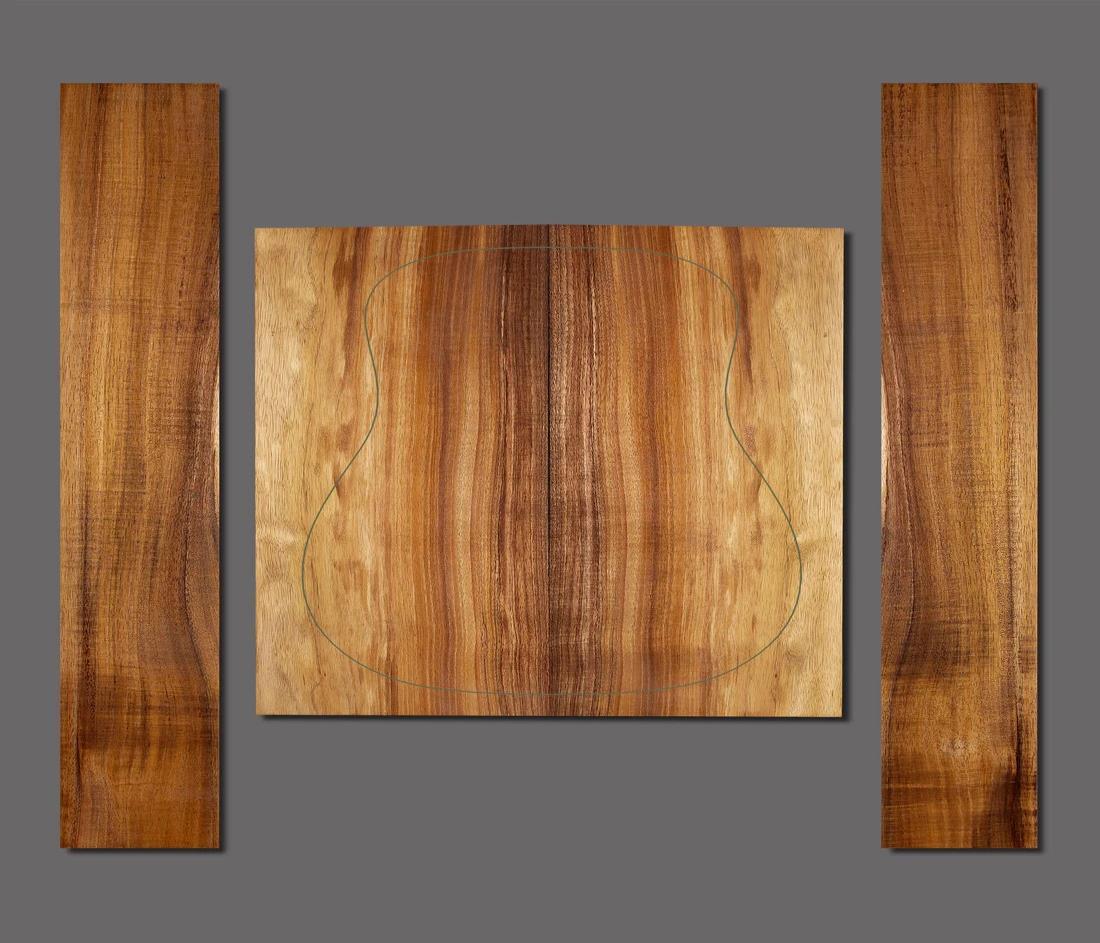
5. Koa: Exotic Beauty with a Warm, Evolving Voice
Koa is visually stunning and offers a tone that evolves over time. Newer koa guitars sound bright, but with age, they warm up and develop richer midrange character.
Tone: Bright initially, then warm and sweet with play
Visual Features: Gold and amber figuring
Best For: Solo performers and players wanting a maturing tone profile
How to Choose the Right Acoustic Guitar Tonewood
Selecting the right guitar back and sides tonewood involves balancing tonal goals, aesthetic preferences, and practicality.
Contact: +1 3608266101 Email:
1. Consider Your Playing Style
Fingerstyle players benefit from warmth and complexity think rosewood or walnut.
Strummers and rhythm players may prefer maple for clarity and tight projection.
2. Think about the Musical Context
Recording artists often lean toward articulate woods like maple or mahogany. Solo performers may choose rosewood for a full-bodied sound.
3. Assess Climate and Stability
Builders in humid or dry environments should work with guitar back and sides set known for stability. Proper seasoning from reputable luthier wood suppliers is crucial.
4. Factor in Visual Appeal
From flamed maple to book matched rosewood, aesthetics play an important role for many luthiers and players.
5. Budget and Availability
Some exotic species may cost more or require sustainable alternatives. Thankfully, today’s suppliers provide many ethical options.
Working with Luthier Wood Suppliers:
Why It Matters
Contact: +1 3608266101
Reliable suppliers ensure:
Proper drying and seasoning
Sustainably sourced materials
Accurate grading and quality control
Access to both classic and modern tonewood species
Expert guidance for matching tonewoods to build goals
Choosing trusted luthier wood suppliers ultimately helps produce instruments with better tone, longevity, and craftsmanship consistency.
Frequently Asked Questions:
What is the role of guitar tonewood in acoustic sound?
These components shape resonance, projection, and tonal balance. While the top generates vibration, the back and sides refine and support the overall voice of the guitar.
Are maple guitar backs and sides good for all playing styles?
Maple is excellent for bright, clear output and works well for strumming and live performance. Players seeking strong overtones may prefer rosewood or walnut instead.
How do I choose between different acoustic guitar tonewoods?
Consider your tonal goals, playing style, climate conditions, and desired appearance. Consult reputable luthier wood suppliers for expert recommendations.
Which tonewood is best for a warm and full bass response?
Rosewood is often chosen for rich, low-end tone and complex overtones. Walnut also offers pleasing warmth with more balance.
Contact: +1 3608266101
Email: info@pacificrimtonewoods.com
Is it worth paying more for exotic tonewoods?
Exotic woods like koa or figured maple provide unique visual appeal and distinct tonal character. Whether it’s worth the cost depends on your build goals and preferences.
Can beginner luthiers work with these tonewoods easily?
Yes, though some species like maple and mahogany are easier to bend and shape. More complex woods may require additional skill and experience
Why is sourcing from reputable suppliers important?
Quality, sustainability, and proper seasoning all play major roles in guitar performance and durability. Established suppliers ensure reliable and ethically sourced materials.
Conclusion
Choosing the ideal guitar back and sides tonewood is an essential part of designing a premium acoustic guitar. The right wood enhances tonal richness, structural stability, and aesthetic appeal. Whether you prefer the bright clarity of maple guitar back and sides, the warmth of mahogany, or the deep resonance of rosewood, understanding each wood’s characteristics allows you to build with confidence.
By partnering with knowledgeable luthier wood suppliers and selecting materials aligned with your tonal goals, you can create acoustic guitar back and sides instruments that offer depth, clarity, and long-lasting musical satisfaction.