WEB AND MEDIA ADVERTISING BEATRICE GUIDI DIREZIONE MARKETING BEATRICEGUIDI_MKT@WEBANDMAGAZINE.MEDIA ADVERTISING@WEBANDMAGAZINE.COM MKT@WEBANDMAGAZINE.MEDIA
WEB AND SOCIAL MEDIA EDITOR MONICA ZANI MKT@WEBANDMAGAZINE.MEDIA
LAURA GREGORUTTI AMMINISTRAZIONE@WEBANDMAGAZINE.COM
Stampa Litogì s.r.l. Via Idro, 50 – 20132 Milano
RIVISTA TRIMESTRALE: POSTE ITALIANE SPA SPED. ABB. POST.D.L. 353/2003 (CONVERTITO IN LEGGE 27/02/2004 N.46), ART. 1, COMMA 1 - LO/MI
REGISTRO DEGLI OPERATORI DI COMUNICAZIONE - ROC 23567 REGISTRO MONDIALE DELLE PUBBLICAZIONI ISSN 2283-8651
RIVISTA TRIMESTRALE QUARTERLY MAGAZINE UNA COPIA ONE COPY EURO 10,00 ABBONAMENTO ANNUO ITALIA EURO 40,00 A YEAR’S SUBSCRIPTION ABROAD EURO 80,00
MODALITÀ DI PAGAMENTO ABBONAMENTO
TRAMITE BONIFICO BANCARIO CON TUTTI I VOSTRI DATI E CAUSALE UTILIZZANDO IL SEGUENTE IBAN: CRÉDIT AGRICOLE: IT19K0623001619000040434367 – B.I.C. CRPPIT2P166
I NOMI, LE DITTE E I PRODOTTI CITATI REDAZIONALMENTE SONO PUBBLICATI SENZA RESPONSABILITÀ DELL’EDITORE; TESTI E FOTOGRAFIE, ANCHE SE NON PUBBLICATI, NON VENGONO RESTITUITI NAMES, FIRMS AND PRODUCTS WICH ARE QUOTED EDITORIALLY ARE PUBLISHED WITHOUT PUBLISHER’S RESPONSABILITY; TEXTS AND PHOTOS, ALTOUGH UNPUBLISHED, ARE NOT RETURNED
INFORMATIVA EX D. LGS.196/03 – WEBANDMAGAZINE S.R.L., TITOLARE DEL TRATTAMENTO TRATTA I DATI PERSONALI LIBERAMENTE CONFERITI PER FORNIRE I SERVIZI INDICATI. PER I DIRITTI DI CUI ALL'ART. 7 DEL D. LGS N. 196/03 E PER L'ELENCO DI TUTTI I RESPONSABILI DEL TRATTAMENTO RIVOLGERSI AL RESPONSABILE DEL TRATTAMENTO, INFO@WEBANDMAGAZINE.COM.
I DATI POTRANNO ESSERE TRATTATI DA INCARICATI PREPOSTI AGLI ABBONAMENTI, AL MARKETING, ALL'AMMINISTRAZIONE E POTRANNO ESSERE COMUNICATI A SOCIETÀ ESTERNE PER LA SPEDIZIONE DEL PERIODICO E PER L'INVIO DI MATERIALE PROMOZIONALE.
IL RESPONSABILE DEL TRATTAMENTO DEI DATI RACCOLTI IN BANCHE DATI A USO REDAZIONALE È IL DIRETTORE RESPONSABILE A CUI CI SI PUÒ RIVOLGERE, PER I DIRITTI PREVISTI DAL D. LGS. 196/03, PRESSO: EDITRICE WEBANDMAGAZINE S.R.L., VIA VALLA, 16 - MILANO.
09 EDITORIALE
di Beatrice Guidi
DIALOGO TRA PASSATO E FUTURO
DIALOGUE BETWEEN PAST AND FUTURE
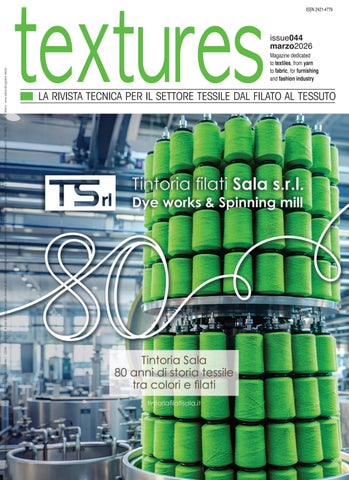
10 COVER STORY
di Maria Cristina Tagliabue
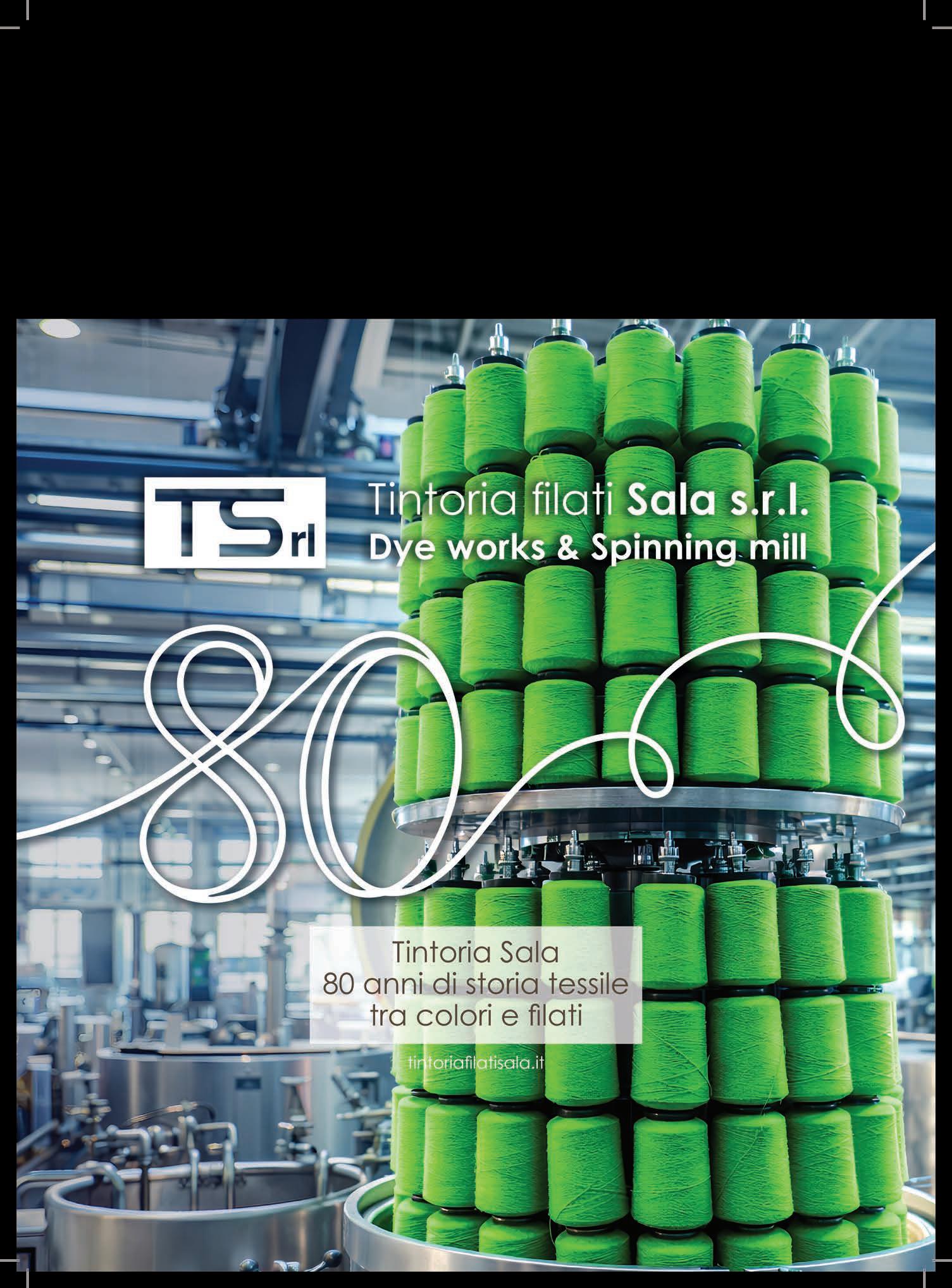
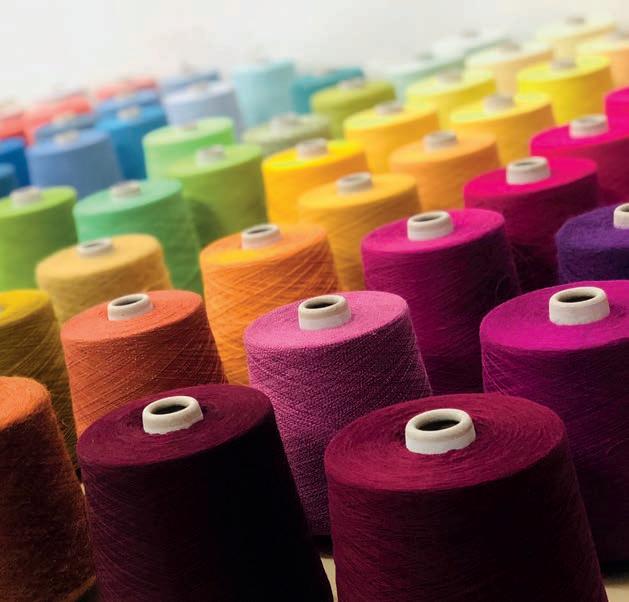
TINTORIA SALA
OTTANT’ANNI DI TINTORIA SALA:
UNA STORIA DI PASSIONE TESSILE TRA COLORI E FILATI
EIGHTY YEARS OF TINTORIA SALA: A TEXTILE STORY OF PASSION, COLOR AND YARN https://tintoriafilatisala.it
16 INCONTRI
di Pietro Ferrari
GIACINTO GELLI FIL-3
GIOCARE A TUTTO CAMPO
PLAYING ACROSS THE BOARD https://fil3.it
20 PERCORSITESSILI di Iacopo Lena MAINETTI
OLTRE L’ETICHETTA: TRACCIABILITÀ E BRANDING BEYOND THE LABEL: TRACEABILITY AND BRANDING https://italy.mainetti.com/branding-solutions
24 PERCORSITESSILI
di Michelle Marzoli
FILMAR
QUANDO IL FILATO INCONTRA IL DIGITALE FILMAR EVOLVES ITS B2B PLATFORM TO ACCOMMODATE THE CHANGING BALANCE OF THE FASHION SUPPLY CHAIN www.filmar.com
28 PERCORSITESSILI
di Pietro Ferrari CONSINEE GROUP
TESSILE DEL FUTURO
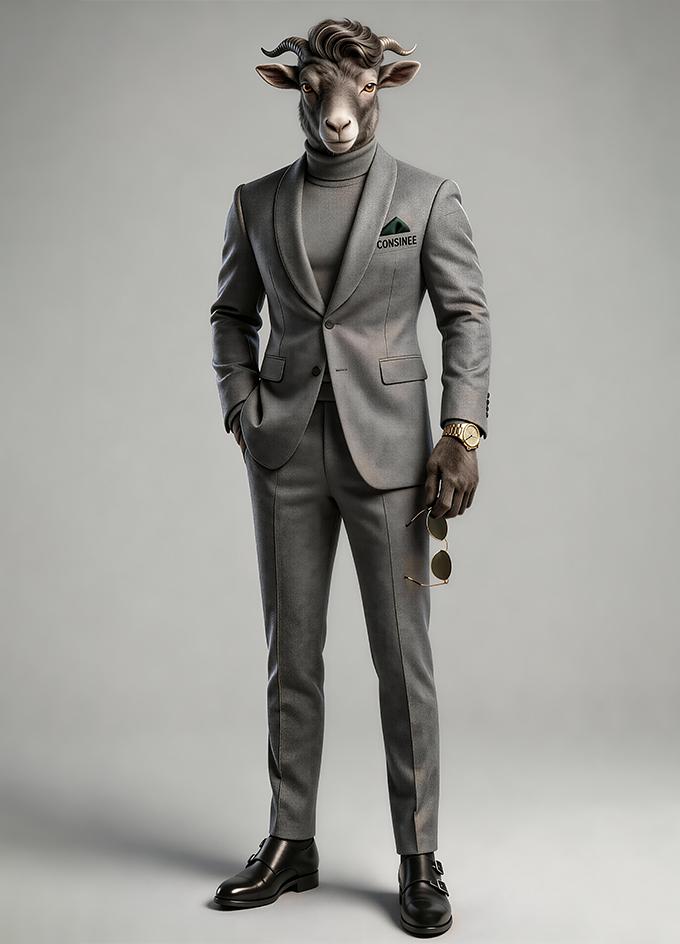
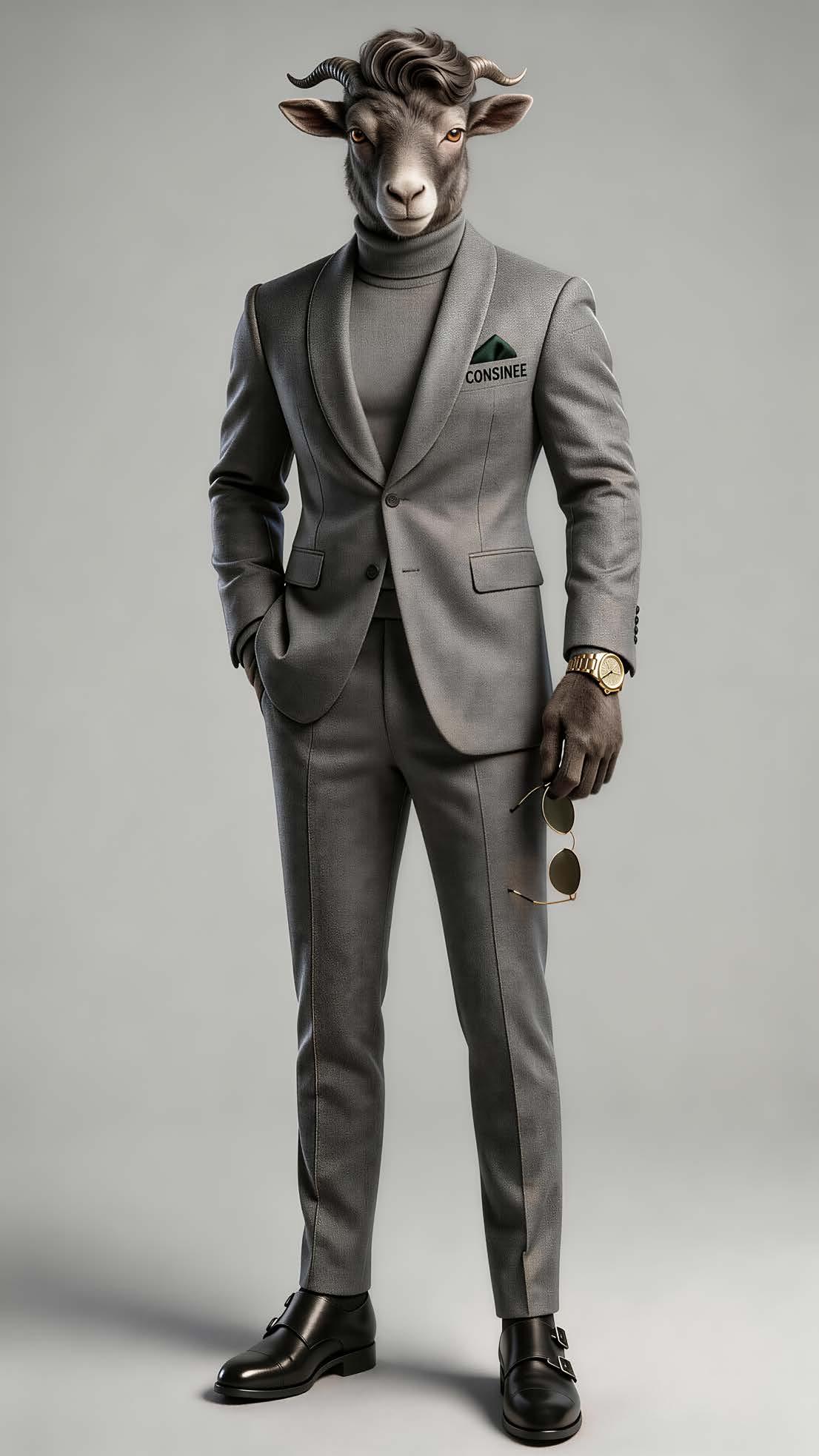
CONSINEE GROUP: WEAVING THE FUTURE OF LUXURY THROUGH INTELLIGENCE AND SUSTAINABILITY www.consineecashmere.com
32 FOCUSARREDAMENTO
di Francesca Vergnano FIDIVI FORTE FORTE www.fidivi.com
36 FOCUSARREDAMENTO
di Beatrice Guidi
GIOVANARDI
LA BELLEZZA NASCE DAL RECUPERO BEAUTY COMES FROM RECYCLING www.giovanardi.com
www.raytent.com www.irisun.com
40 FOCUSARREDAMENTO
di Barbara Ferrari
HEY-SIGN BY BWF GROUP
RIPOSIZIONARE IL FELTRO
REPOSITIONING FELT: WHERE MATERIAL PERFORMANCE MEETS SPATIAL DESIGN https://hey-sign.de/en
44 EVENTI
di Monica Zani
PROPOSTE CERNOBBIO COMO ITALIA
IL TESSILE TRA HIGH TECH E NATURA A PROPOSTE 2026
TEXTILES: WHERE HIGH TECH MEETS NATURE AT PROPOSTE 2026 wwwpropostefair.it
48 COLOURS
di Stefano Pancones
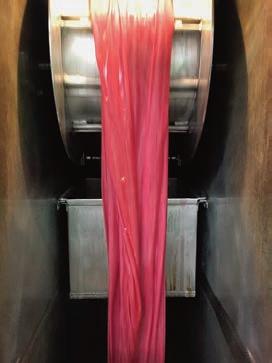
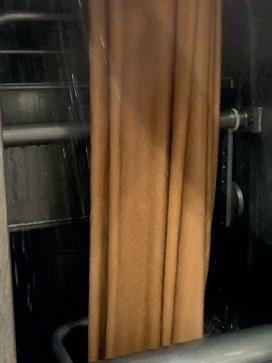
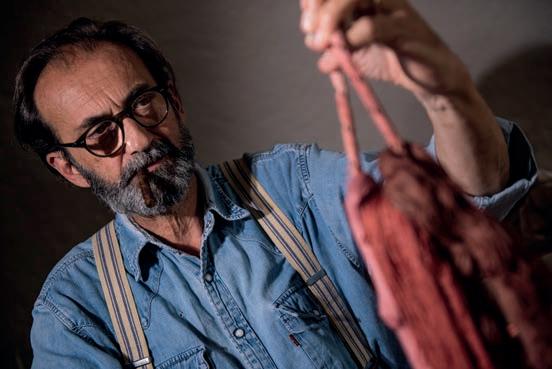
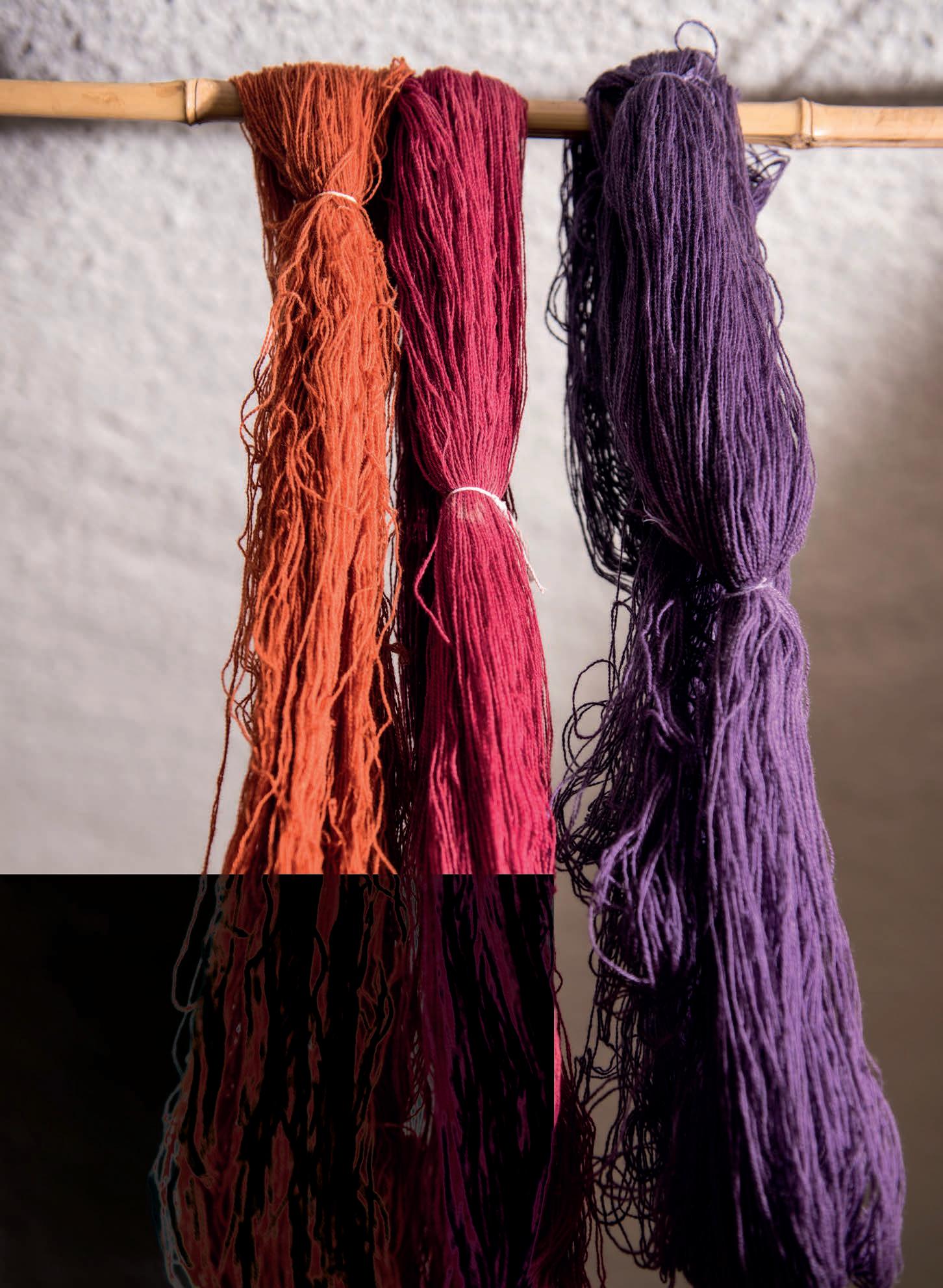
LE TINTURE NATURALI NEL TESSILE PER L’ARREDAMENTO NATURAL DYES IN FURNISHING TEXTILES www.pancolori.eu
52 ART AND TEXTILE
di Paola Govoni
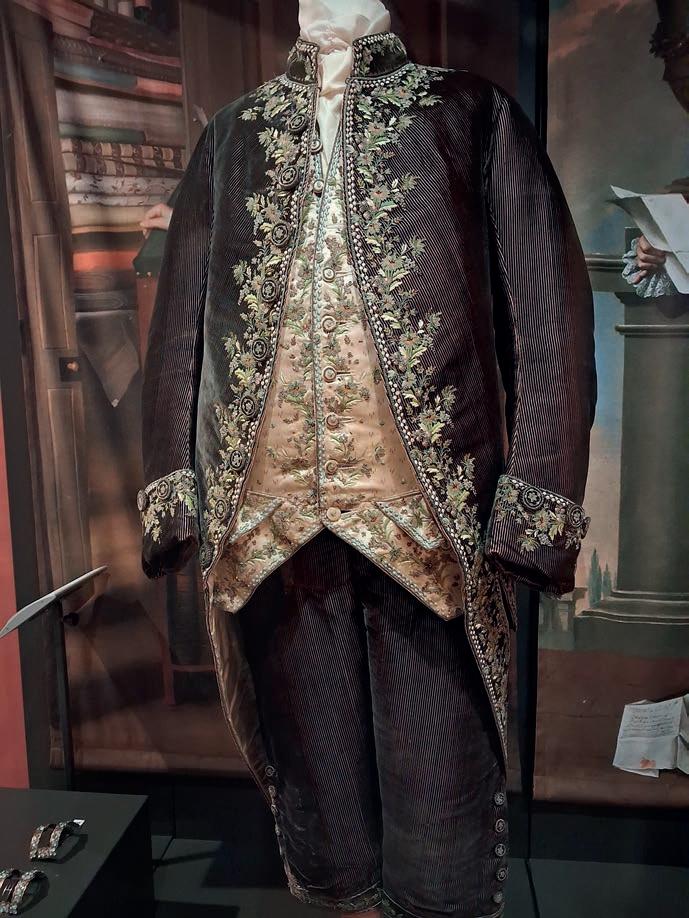
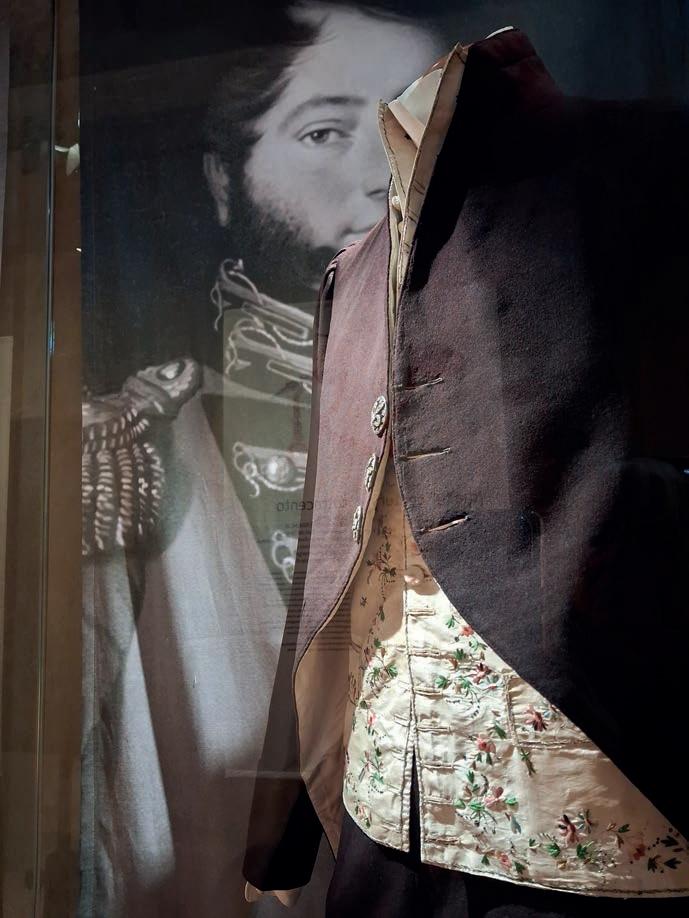
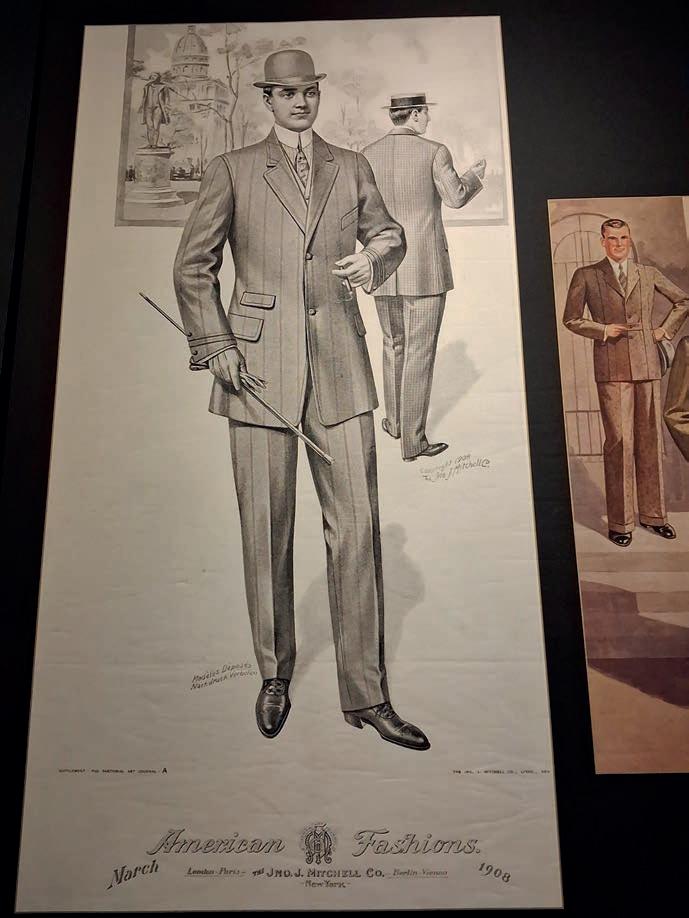
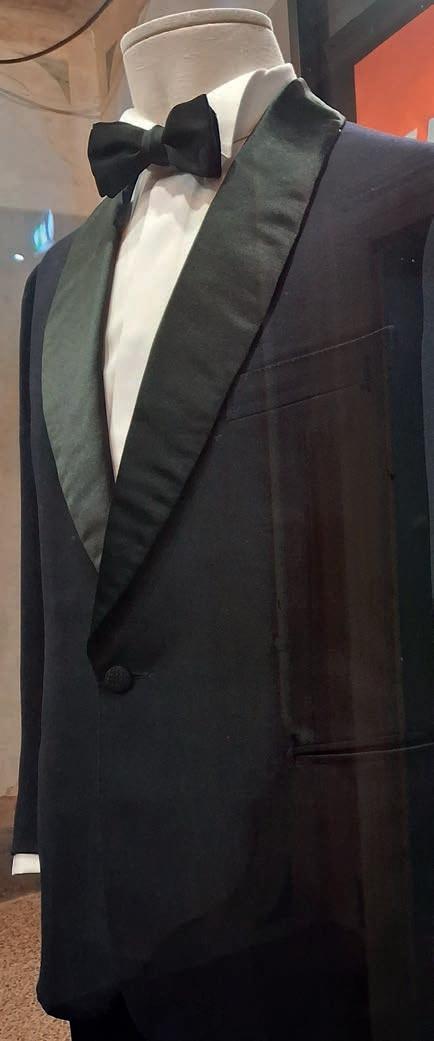
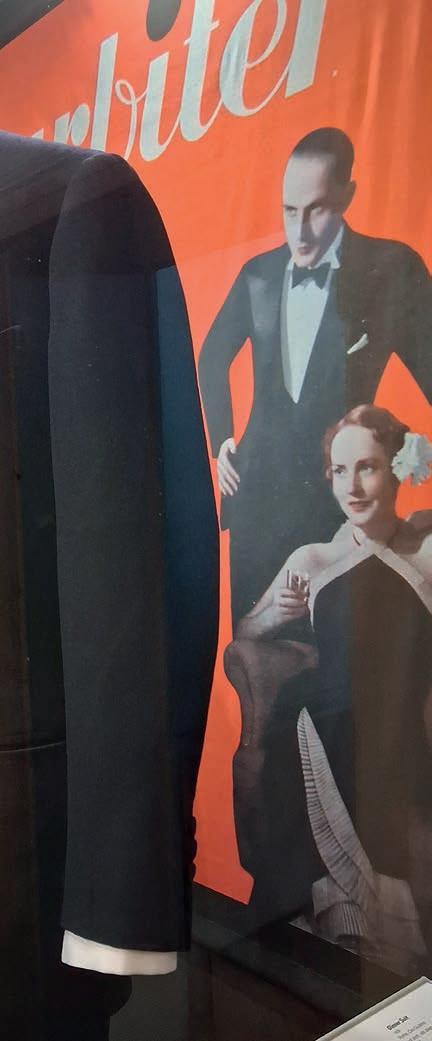
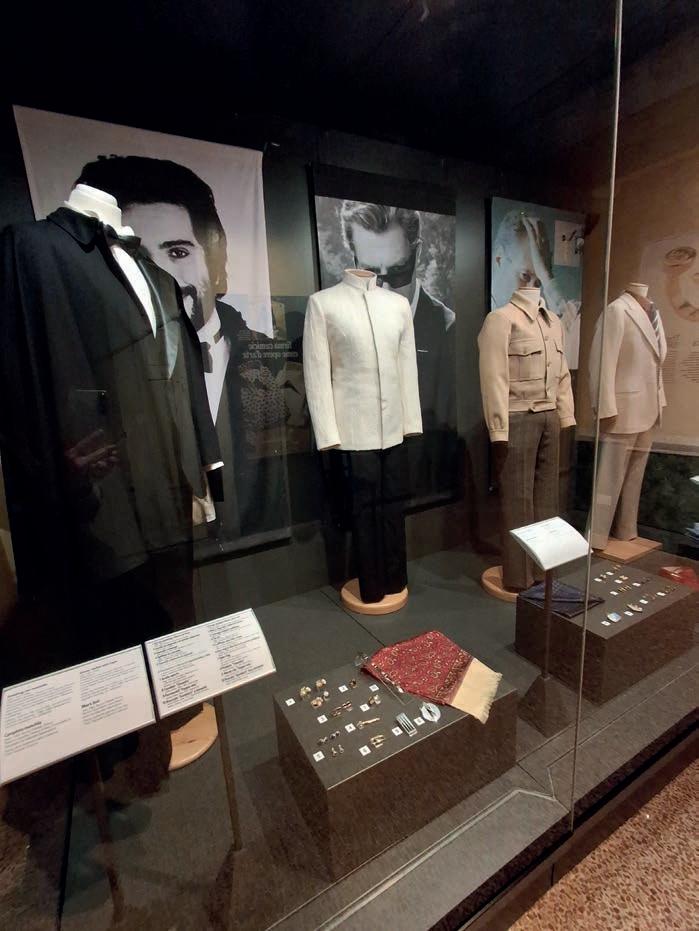
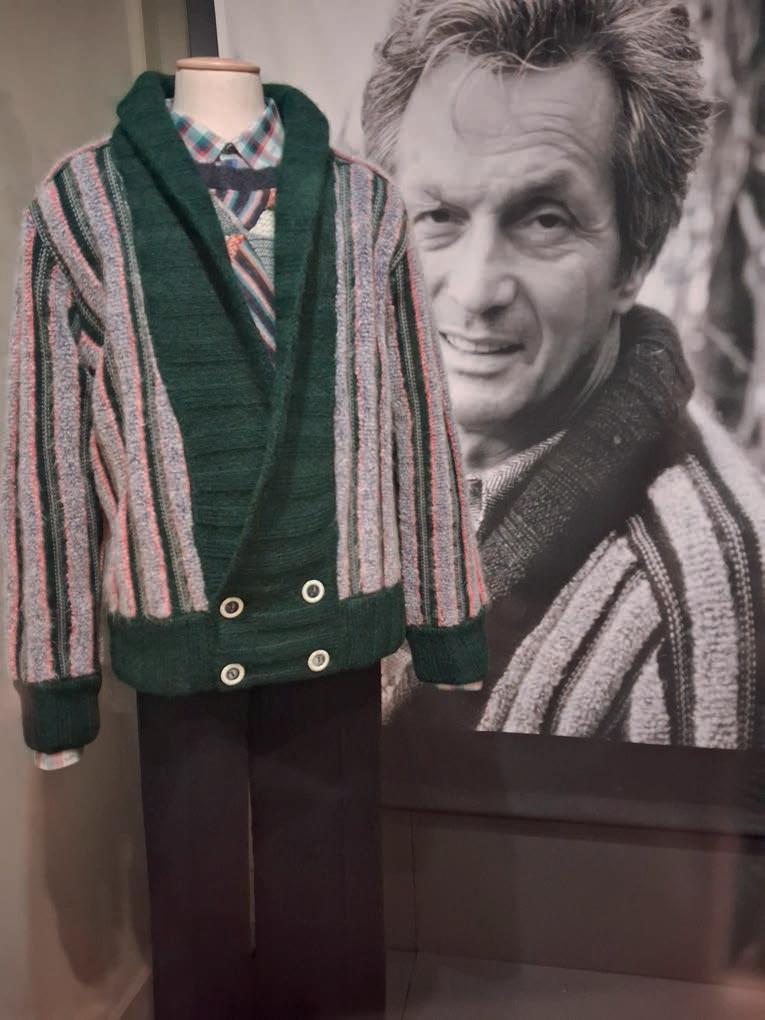
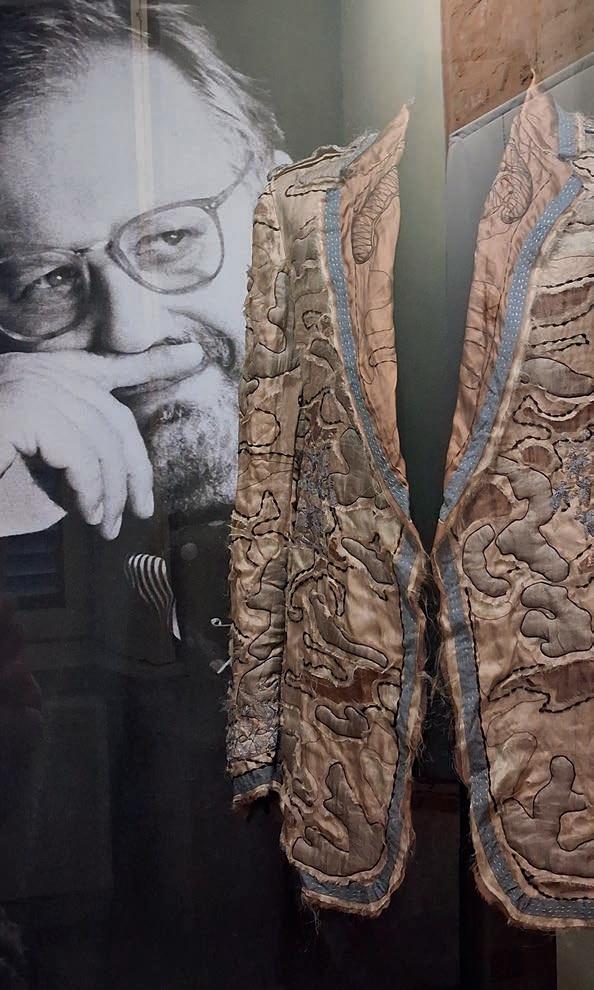
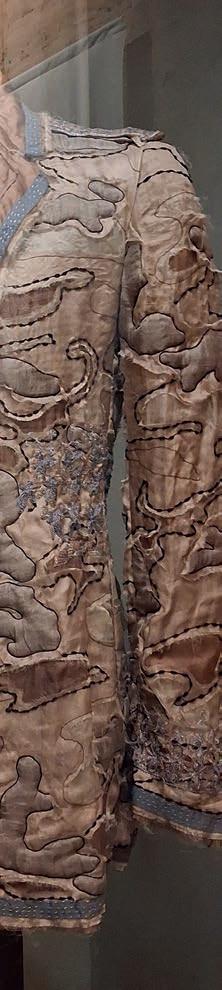
IL GENTILUOMO SI METTE IN MOSTRA THE GENTLEMAN SHOWS OFF
58 AREADENIM
di Pietro Ferrari
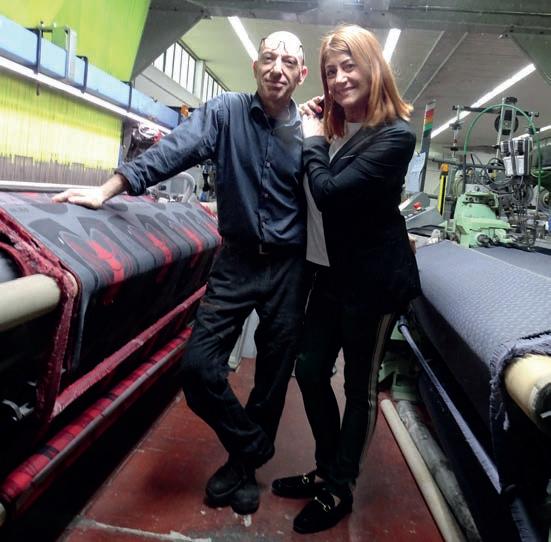
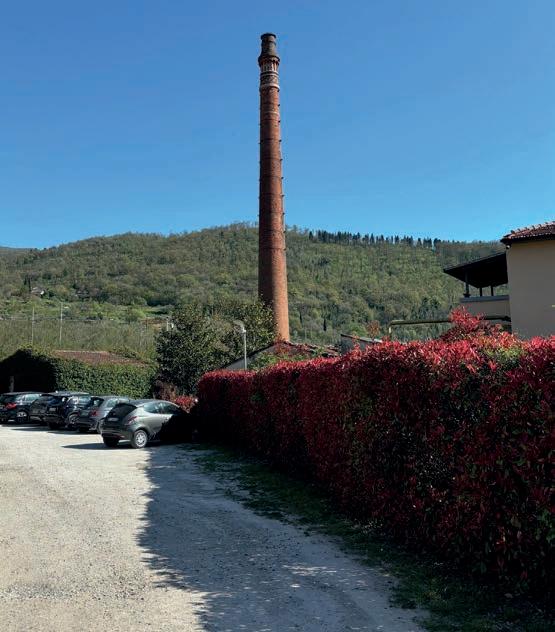
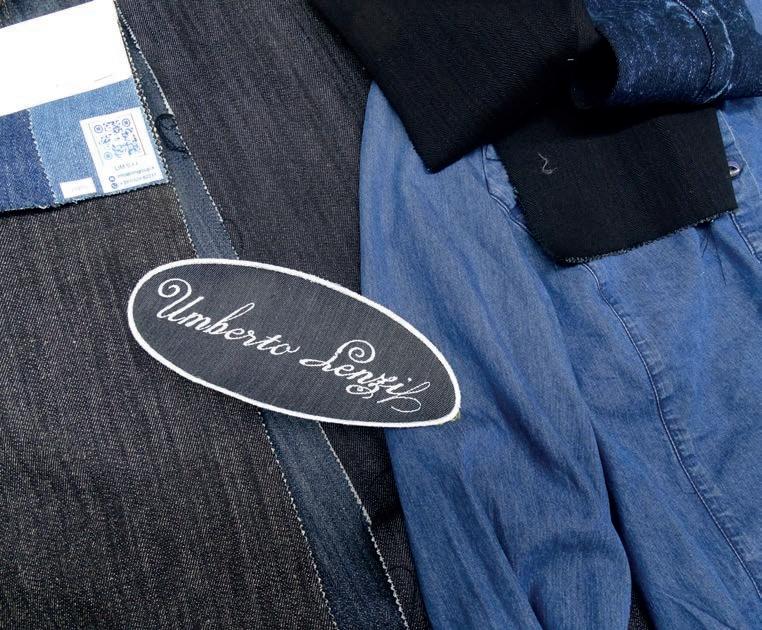
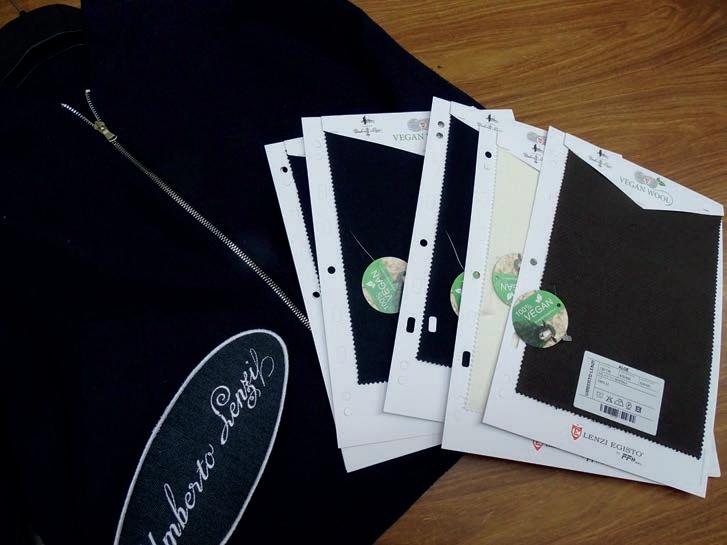
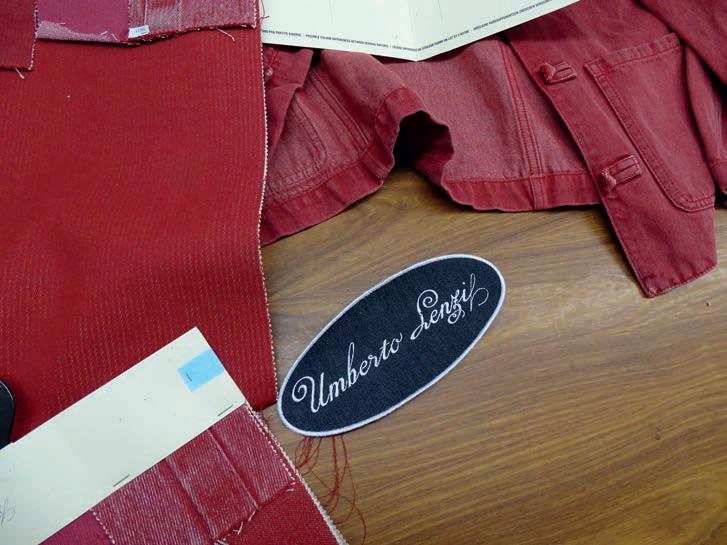
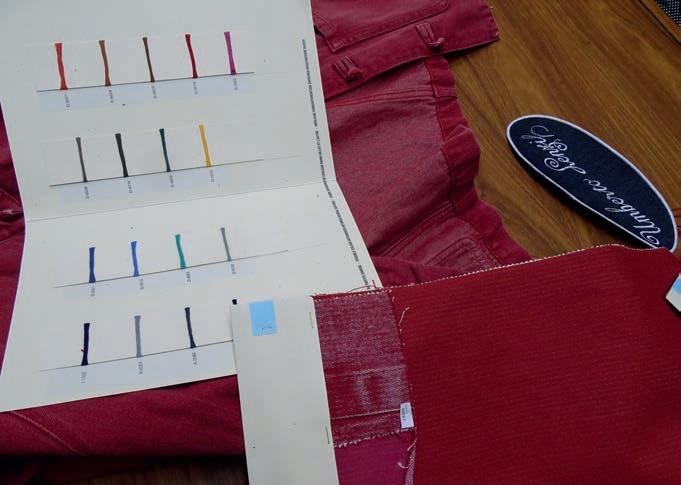
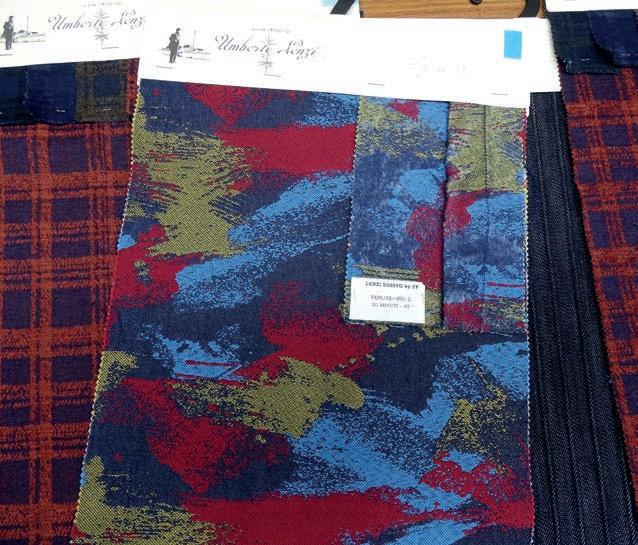
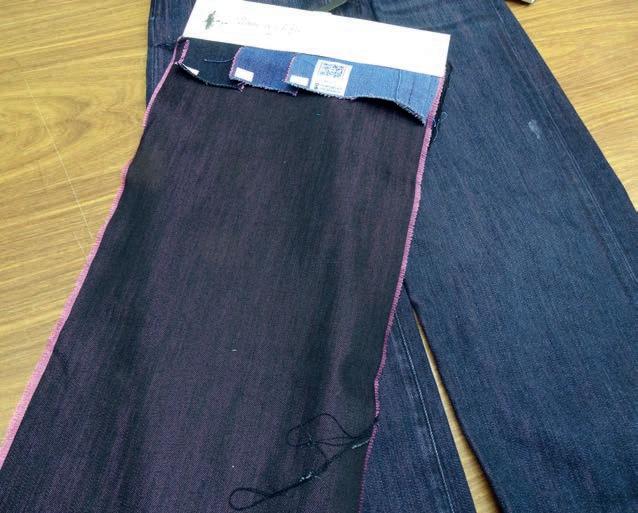
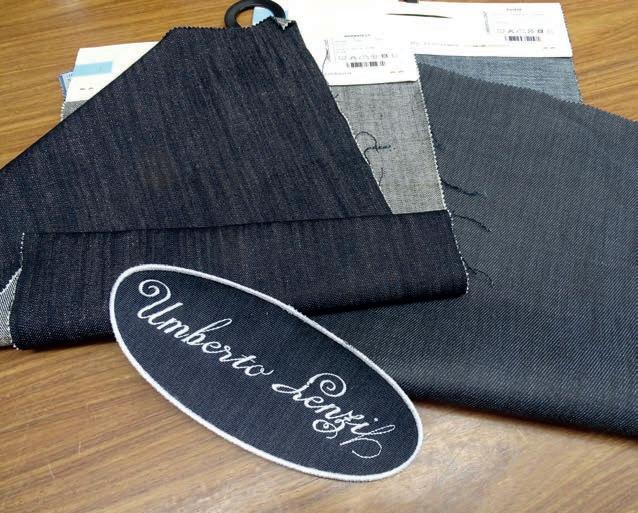
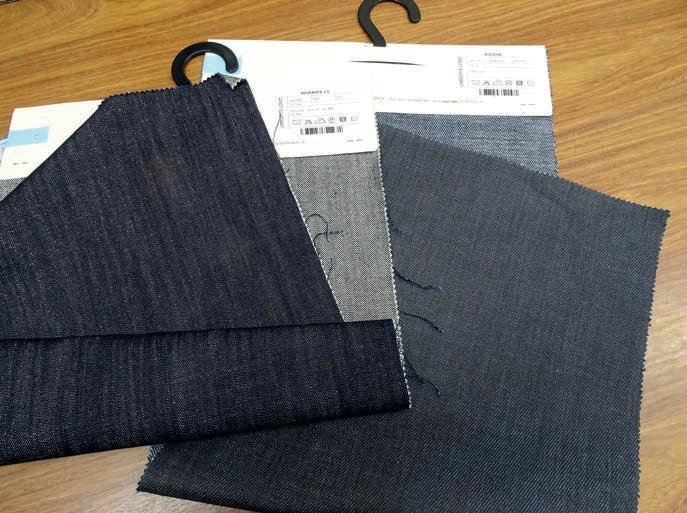
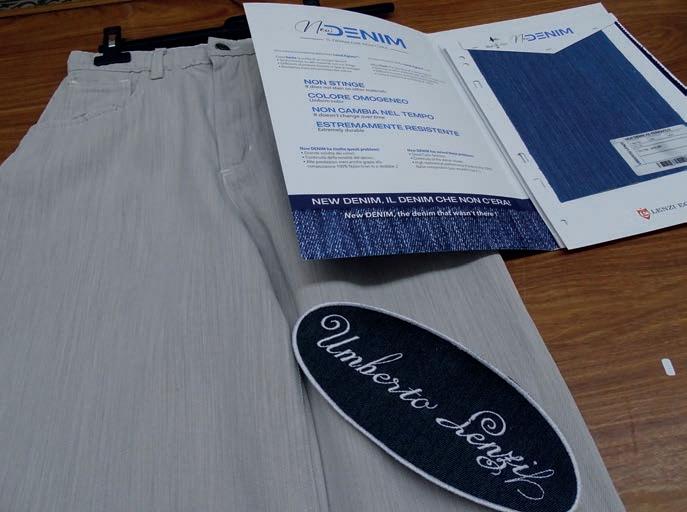
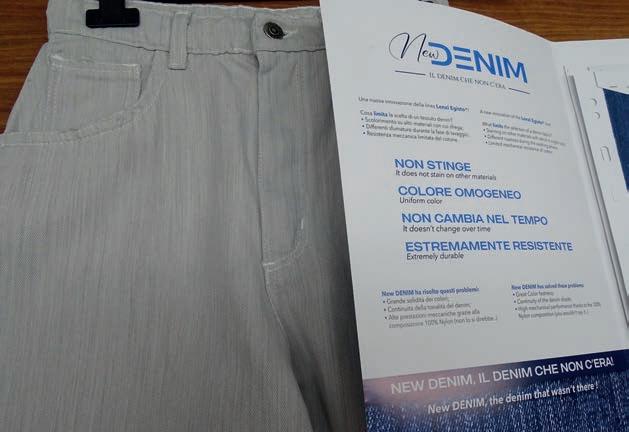
LENZI EGISTO IL DENIM OLTRE IL DENIM DENIM BEYOND DENIM www.lenziegisto.it
62 SCENARI
di Camilla Carrara
MONITOR FOR CIRCULAR FASHION
MODA: QUANDO LA CIRCOLARITÀ DIVENTA VANTAGGIO COMPETITIVO
FASHION: WHEN CIRCULARITY BECOMES A COMPETITIVE ADVANTAGE di Camilla Carrara
66 AREATECNOLOGIE
di Pietro Ferrari
ACIMIT
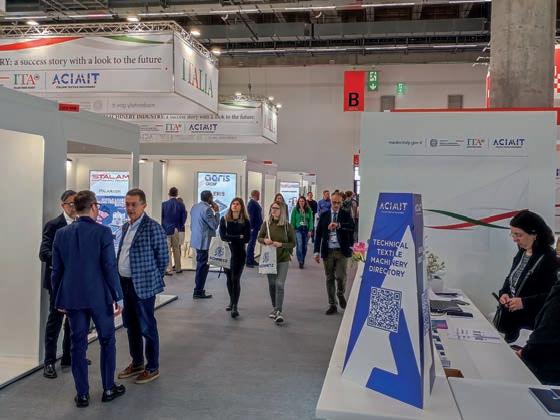
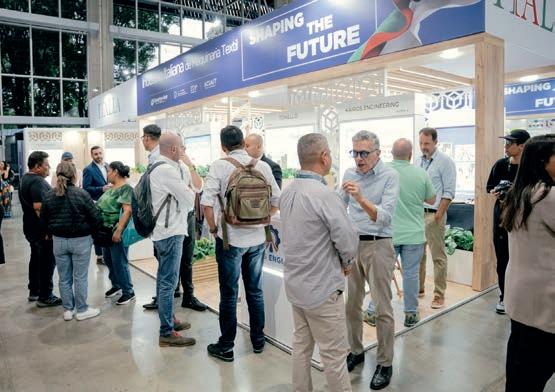
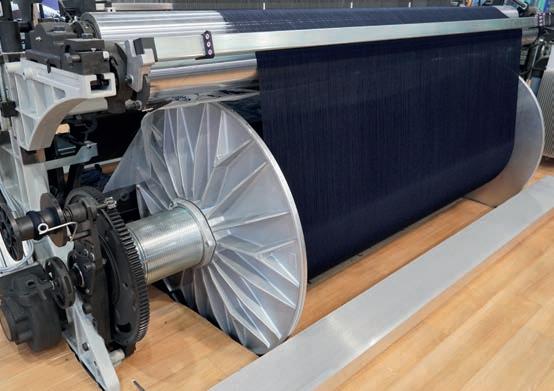
UN PRIMATO INDISCUTIBILE AN UNDISPUTED RECORD www.acimit.it
writer Beatrice Guidi
DIALOGO TRA PASSATO E FUTURO
Nel settore tessile contemporaneo convivono visioni e competenze che sempre di più si intrecciano come fili su un telaio e in questo numero di TEXTURES accompagniamo il lettore in una riflessione che considera il tessile non solo come prodotto, ma come linguaggio capace di raccontare il presente in un sistema di innovazioni e memorie in continua evoluzione. Celebriamo un traguardo importante: gli 80 anni di Tintoria Sala, un anniversario che non rappresenta solo una ricorrenza, ma il racconto di un percorso imprenditoriale solido e coerente, capace di evolversi nel tempo mantenendo intatta la propria identità, in cui tradizione, qualità e visione si sono sempre intrecciate. In vista della fiera Proposte di Cernobbio, appuntamento di riferimento internazionale per il tessile d’arredo, abbiamo voluto dedicare uno sguardo al mondo dell’arredamento in cui il tessile diventa protagonista nel ridefinire
gli spazi contemporanei, tra estetica, funzione e sperimentazione. Sempre di più le tecnologie avanzate ridefiniscono i processi produttivi e le possibilità creative. Dalla progettazione virtuale alla manifattura intelligente, realtà capaci di integrare tecnologia avanzata e artigianato tradizionale e proprio in queste reinterpretazioni il tessile si conferma terreno fertile. Si deve però tenere conto della necessità di profili professionali ibridi capaci di integrare saperi artigianali, alfabetizzazione digitale e consapevolezza normativa, come viene sottolineato nella rubrica SCENARI a cura di Camilla Carrara.
In questo scenario, la sostenibilità si afferma come principio trasversale e imprescindibile, che attraversa processi, materiali e visioni progettuali, guidando l’evoluzione del settore verso modelli sempre più consapevoli e responsabili.
DIALOGUE BETWEEN PAST AND FUTURE
In the contemporary textile industry, visions and skills coexist, increasingly intertwined like threads on a loom. In this issue of TEXTURES, we guide the reader through a reflection that considers textiles not just as a product, but as a language capable of expressing the present in a constantly evolving system of innovations and memories.
We are celebrating a significant milestone: the 80th anniversary of Tintoria Sala, an anniversary that represents more than just a recurring event, but the story of a solid and coherent entrepreneurial journey, capable of evolving over time while maintaining its identity intact, in which tradition, quality, and vision have always been intertwined.
Ahead of the Proposte fair in Cernobbio, a key international event for furnishing textiles, we wanted to take a look at the world of furnishing, where textiles play a leading role in redefining contempo-
rary spaces, combining aesthetics, function, and experimentation. Advanced technologies are increasingly redefining production processes and creative possibilities. From virtual design to intelligent manufacturing, these industries are capable of integrating advanced technology and traditional craftsmanship. Textiles, in particular, prove to be a fertile ground in these reinterpretations. However, we must consider the need for hybrid professional profiles capable of integrating artisanal knowledge, digital literacy, and regulatory awareness, as highlighted in SCENARI section edited by Camilla Carrara.
In this scenario, sustainability emerges as a transversal and essential principle, encompassing processes, materials, and design visions, guiding the sector's evolution toward increasingly informed and responsible models.
writer Maria Cristina Tagliabue
https://tintoriafilatisala.it
OTTANT’ANNI DI TINTORIA SALA: UNA STORIA DI PASSIONE TESSILE TRA COLORI E FILATI
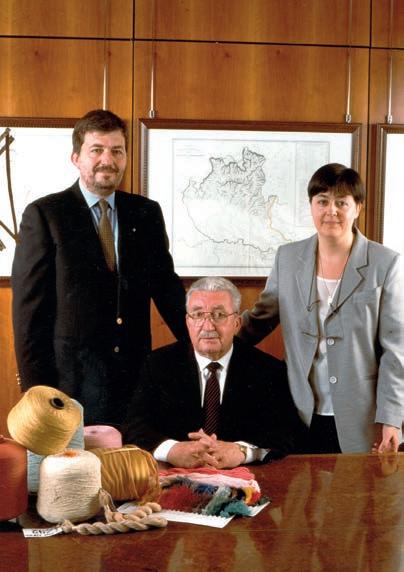
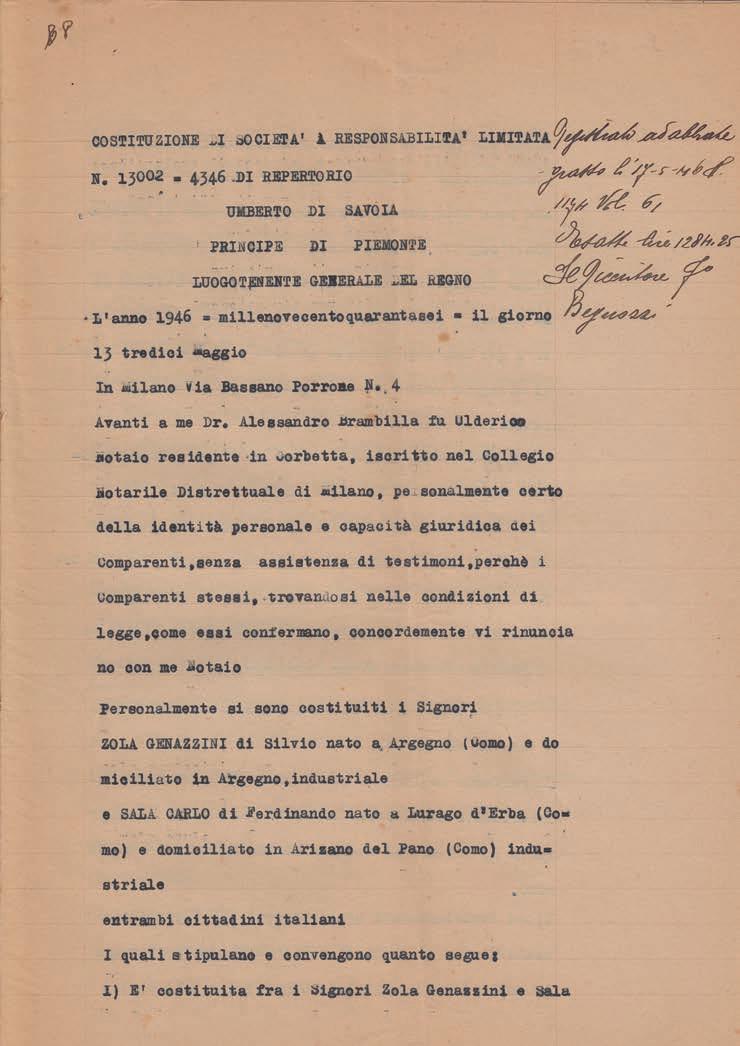
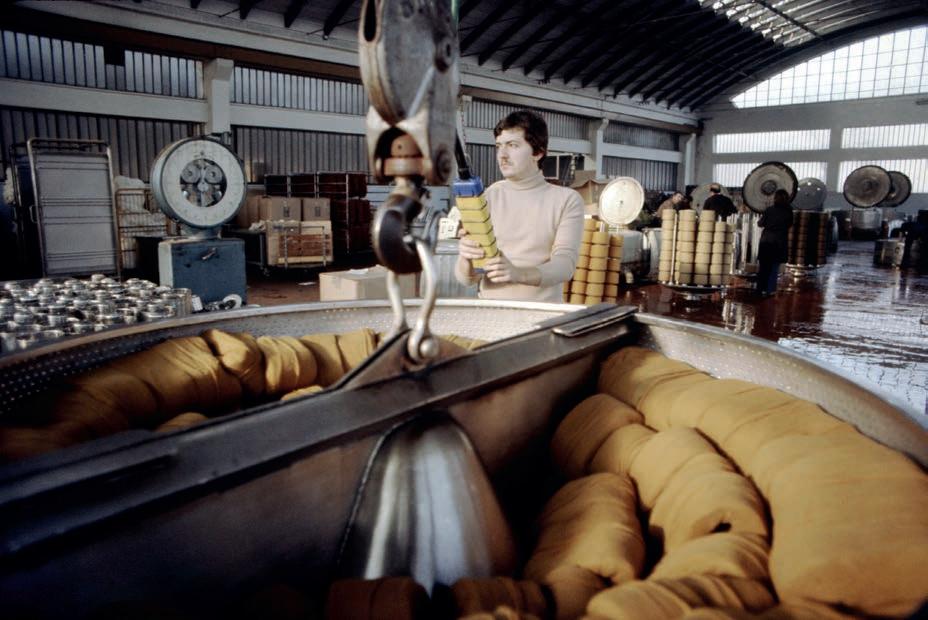
Sono trascorsi ottant’anni da quando, nel 1946, Carlo Sala, allora ventenne, avviò la propria attività imprenditoriale fondando una piccola tintoria alle Fornaci di Briosco. L’impianto iniziale, di circa 400 m², sfruttava la vicinanza del fiume Lambro per l’approvvigionamento idrico ed era dotato di attrezzature essenziali: una caldaia a legna e vasche
di tintura in legno realizzate artigianalmente dal padre Ferdinando e dal fratello Santo Nel 1949 l’azienda si trasferì a Lurago d’Erba, in spazi più ampi, dove emerse tuttavia una criticità significativa legata alla disponibilità di acqua erogata dal servizio comunale e che in caso di carenza avveniva tramite autocisterne e sistemi di raccolta dell’acqua piovana.
Nonostante queste limitazioni, la produzione raggiunse i 2.000 kg giornalieri.
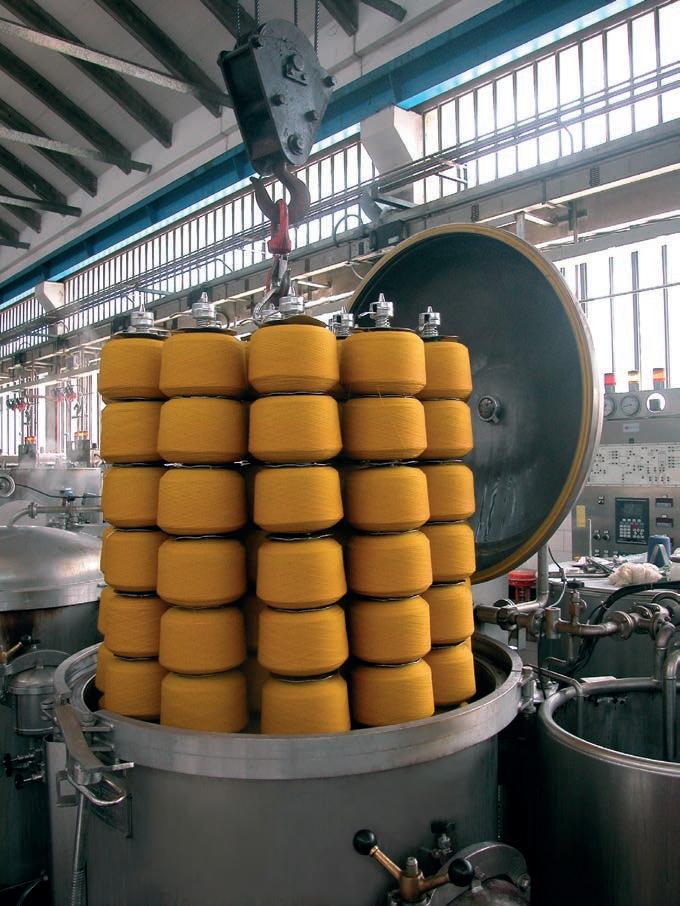
Nel 1952 ebbero inizio i lavori per la sede di Merone che poi divenne quella definitiva. Il 1956 segnò un passaggio strategico con l’introduzione di un laboratorio chimico interno, scelta poco diffusa per realtà di dimensioni contenute. Il laboratorio permise di strutturare ricette codificate, archivi tecnici e sistemi di controllo più rigorosi, migliorando la ripetibilità dei colori, la qualità e l’autonomia produttiva. Negli anni Sessanta e Settanta l’azienda conobbe una crescita significativa. Nel 1962 la superficie coperta si ampliò ulteriormente e, negli anni successivi, vennero introdotti sistemi di automazione basati su programmi tempo-temperatura per la gestione delle autoclavi, con benefici in termini di sicurezza e costanza qualitativa. Nel 1971 entrò in azienda Franco Sala, formatosi presso il Setificio di Como e con esperienze presso Bayer in Germania e Ciba-Geigy in Svizzera. Il suo percorso interno iniziò con attività operative in produzione, contribuendo direttamente alla gestione degli impianti e all’organizzazione del lavoro. Nel 1980 l’espansione proseguì con la realizzazione di un nuovo magazzino, ampliando ulteriormente la superficie totale.
Un ulteriore avanzamento tecnologico si registrò nel 1986 con l’introduzione delle centrifughe semiautomatiche “Berta 24”, che resero più efficiente e uniforme la fase di disidratazione, riducendo il lavoro manuale. Successivamente, l’azienda implementò sistemi di scarico robotizzati, oggi im-
piegati per una quota significativa della produzione.
Tra la fine degli anni Ottanta e la metà degli anni Novanta furono realizzati nuovi uffici, laboratori, sistemi di dosaggio automatico degli ausiliari e ampliamenti dei magazzini,
consolidando l’assetto industriale dell’azienda. Oggi Tintoria Sala dispone di una capacità produttiva giornaliera di almeno 9.000–10.000 kg su un turno e autoclavi in grado di lavorare fino a 1.000 kg per ciclo.
GESTIONE AMBIENTALE E RISORSE
L’utilizzo dell’acqua, storicamente legato al fiume Lambro, ha portato nel tempo allo sviluppo di sistemi di trattamento sempre più evoluti. Dalle iniziali vasche di decantazione si è passati, dagli anni Ottanta, a un impianto biologico basato su processi microbiologici, integrato con trattamenti chimicofisici (flocculazione e carboni attivi). Il controllo dei parametri avviene quotidianamente tramite laboratorio interno, affiancato da verifiche periodiche esterne. L’azienda partecipa inoltre al sistema consortile per il trattamento finale delle acque. Sono attualmente in sviluppo soluzioni per il recupero energetico e termico, con l’obiettivo di ridurre ulteriormente l’impatto ambientale. Il ciclo produttivo, organizzato secondo una logica “dal greggio al tinto”, è oggi gestito tramite sistemi digitalizzati. Il materiale in ingresso viene identificato e tracciato mediante software dedicati, quindi stoccato e prelevato in funzione delle specifiche commesse. Negli ultimi anni si evidenziano nuove certificazioni attive quali Oeko-tex, GRS e Gots, rimanendo al fianco dei clienti e garantendo il supporto per le varie normative sia ambientali che chimiche.
LA PRODUZIONE PROPRIA DI FILATI
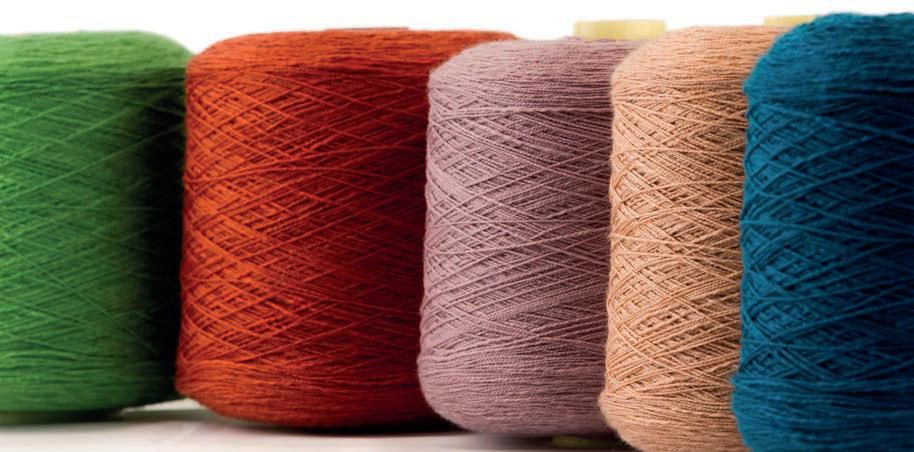
Nel 2014, raccogliendo l’eredità di una storica filatura del Biellese, Tintoria Sala ha introdotto la produzione di filati di tipo laniero portando una visione moderna ed attuale al servizio del settore tessile arredamento. Il Sig. Franco Sala ricorda l’attenta ricerca svolta per arrivare a quello che ora è
il fiore all’occhiello in tutta Europa come l’articolo Zeus: «avevamo il desiderio di offrire ai nostri clienti un filato flame retardant sicuro ed allo stesso tempo che fosse di aspetto e tatto simile ad un filato naturale come il lino». Zeus è ormai diventato un marchio di fabbrica utilizzato e conosciuto in tutta Europa e non solo. Si tratta di un filato 100% Trevira CS dove le caratteristiche intrinseche del flame retardant incontrano la maestria della filatura laniera e le innovative tecnologie di tintura bicolore in un unico bagno per ottenere un filo dall’aspetto del tutto simile al viscosa lino. La fibra Trevira CS è uno dei marchi più riconosciuti a livello internazionale ed è alla base della gran parte dei filati prodotti da Tintoria Sala oggi. La tecnologia flame retardant ne
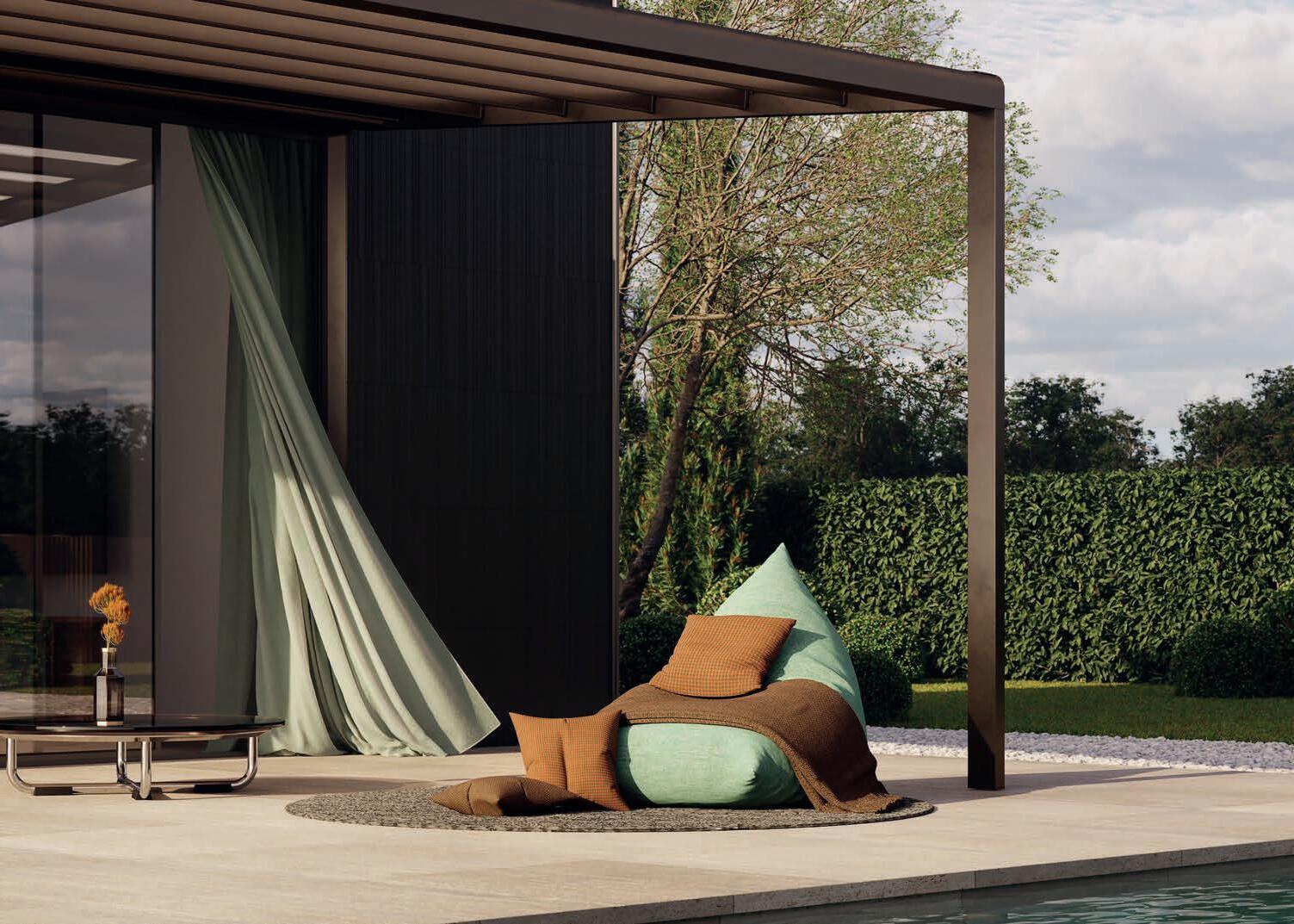
consente l’applicazione in tutta tranquillità anche nelle richieste di sicurezza più esigenti: dagli hotel, agli spazi pubblici, dal residenziale fino alla più attuale tintura outdoor che lo rende protagonista anche dei tessuti da complemento degli spazi all’aperto.
Che Tintoria Sala creda profondamente nella fibra Trevira e abbia saputo valorizzarla e diffonderla sul mercato è comprovato dall’assegnazione del titolo di Gold Member del Trevira CS Club, riservato ai più importanti utilizzatori e sviluppatori. L’azienda non si limita a tingere e commercializzare i migliori filati presenti sul mercato, ma vuole essere in prima fila nella realizzazione di prodotti innovativi. Grazie alla propria filatura ed alla collaborazione con aziende di riconosciuta qualità ha dato vita a
prodotti molto particolari e dalle alte prestazioni, ma è convinta che siano ancora molte le strade da percorrere.
Tintoria Sala è infatti aperta alla possibilità di partnership con realtà che desiderino mettere a punto nuovi prodotti. Le condizioni essenziali? Qualità, innovazione e, soprattutto, entusiasmo.
Ottant’anni dopo, da quel piccolo opificio, l’azienda fondata da Carlo Sala rappresenta oggi una realtà consolidata nella tintura conto terzi e nella filatura specializzata, capace di sviluppare soluzioni tecniche in linea con le più attuali esigenze del design tessile. Un percorso costruito su continuità, evoluzione tecnologica e attenzione ai processi, che ne definisce il posizionamento nel panorama del Made in Italy.
EIGHTY YEARS OF TINTORIA SALA: A TEXTILE STORY OF PASSION, COLOR AND YARN
Eighty years have passed since 1946, when Carlo Sala –just twenty years old at the time – launched his entrepreneurial venture by establishing a small dyeing works in Fornaci di Briosco. The original facility, covering around 400 square meters, benefited from its proximity to the Lambro River for water supply and was equipped with only the essentials: a wood-fired boiler and wooden dyeing vats handcrafted by his father, Ferdinando, and his brother, Santo. In 1949, the company relocated to larger premises in Lurago d’Erba, where it faced a major challenge: limited water availability. Municipal supply limitations had to be secured through tanker trucks and rainwater collection systems. Despite these constraints, production reached 2,000 kilograms per day. In 1952, construction began on the Merone site, which would later become the company’s permanent headquarters.
A key milestone came in 1956 with the establishment of an in-house chemical laboratory – an uncommon decision for a company of that size at the time. This step enabled the development of standardized dyeing recipes, technical archives, and more rigorous quality control systems, significantly improving color consistency, product quality, and operational independence. Throughout the 1960s and 1970s, the company experienced strong growth. In 1962, the covered production area was further expanded and, in the following years, automated systems based on time–temperature programming were introduced to manage autoclaves, enhancing both safety and process reliability. In 1971, Franco Sala joined the company, bringing with him training from the Como silk industry and professional experience at Bayer in Germany and Ciba-Geigy in Switzerland. He began his career in production, working hands-on with machinery and contributing directly to plant operations and workflow organization. Expansion continued in 1980 with the construction of a new warehouse, further increasing
english text
overall capacity. Another significant technological upgrade came in 1986 with the introduction of semi-automatic “Berta 24” centrifuges, which improved efficiency and consistency in the dehydration phase while reducing manual labor. In later years, robotic unloading systems were introduced and are now used for a substantial share of production. Between the late 1980s and mid-1990s, the company invested in new offices, laboratories, automated dosing systems for auxiliaries, and expanded warehouse facilities, strengthening its industrial infrastructure. Today, Tintoria Sala has a daily production capacity of minimum 9,000–10,000 kilograms per shift, with autoclaves capable of processing up to 1,000 kilograms per cycle.
IN-HOUSE YARN PRODUCTION
ENVIRONMENTAL MANAGEMENT AND RESOURCE EFFICIENCY
Water – historically sourced from the Lambro River – has always been central to the company’s operations, driving continuous investment in advanced treatment systems. From the early settling tanks, Tintoria Sala transitioned in the 1980s to a biological treatment plant based on microbiological processes, integrated with physico-chemical treatments such as flocculation and activated carbon filtration. Water quality parameters are monitored daily by the inhouse laboratory, supported by periodic external testing. The company also participates in a consortium system for final wastewater treatment. Currently, new solutions for energy and heat recovery are being developed, with the aim of further reducing environmental impact. Today, the entire production cycle – organized according to a “from raw to dyed” approach – is managed through digital systems. Incoming materials are identified and tracked by dedicated software, then stored and handled according to specific production orders. In recent years, the company has obtained key certifications such as Oeko-Tex, GRS, and GOTS, while continuing to support customers in meeting both environmental and chemical compliance requirements.
In 2014, building on the legacy of a historic spinning mill from the Biella textile district, Tintoria Sala introduced its own wool-type yarn production, bringing a modern and forward-looking vision to the home textiles sector. Franco Sala recalls the extensive research that led to what is now a flagship product across Europe as Zeus: «we wanted to offer our customers a flameretardant yarn that was not only safe, but also had the look and feel of a natural fibre like linen». Zeus has since become a signature product, widely recognized and used across Europe and beyond. It is a 100% Trevira CS yarn, combining intrinsic flame-retardant properties with wool spinning expertise and innovative two-tone dyeing technology carried out in a single bath. The result is a yarn with an appearance strikingly like viscose-linen.
Trevira CS fibre is one of the most widely recognized brands worldwide and forms the foundation of most of Tintoria Sala’s current production. Its flame-retardant properties make it suitable for even the most demanding safety requirements – from hotels and public spaces to residential interiors and increasingly, outdoor applications, where it is now widely used for furnishing textiles. Tintoria Sala’s strong commitment to Trevira fibre and its ability to enhance and promote it in the market are reflected in its recognition as a Gold Member of the Trevira CS Club, a distinction reserved for leading users and developers. Today, Tintoria Sala goes beyond dyeing and distributing high-quality yarns – it strives to lead in the development of innovative textile solutions. Thanks to its in-house spinning capabilities and collaborations with trusted partners, the company has created highly specialized, high-performance products, while remaining convinced that many opportunities for innovation still lie ahead. Tintoria Sala actively welcomes partnerships with companies interested in developing new products. The key requirements? Quality, innovation, and above all, enthusiasm.
Eighty years on, what began as a small work plant has evolved into a well-established company in contract dyeing and specialized spinning. Founded by Carlo Sala, Tintoria Sala is now recognized for its ability to develop technical solutions aligned with the latest trends in textile design. A journey shaped by continuity, technological evolution, and a constant focus on processes – defining its place within the excellence of Made in Italy.
writer Pietro Ferrari
GIOCARE A TUTTO CAMPO
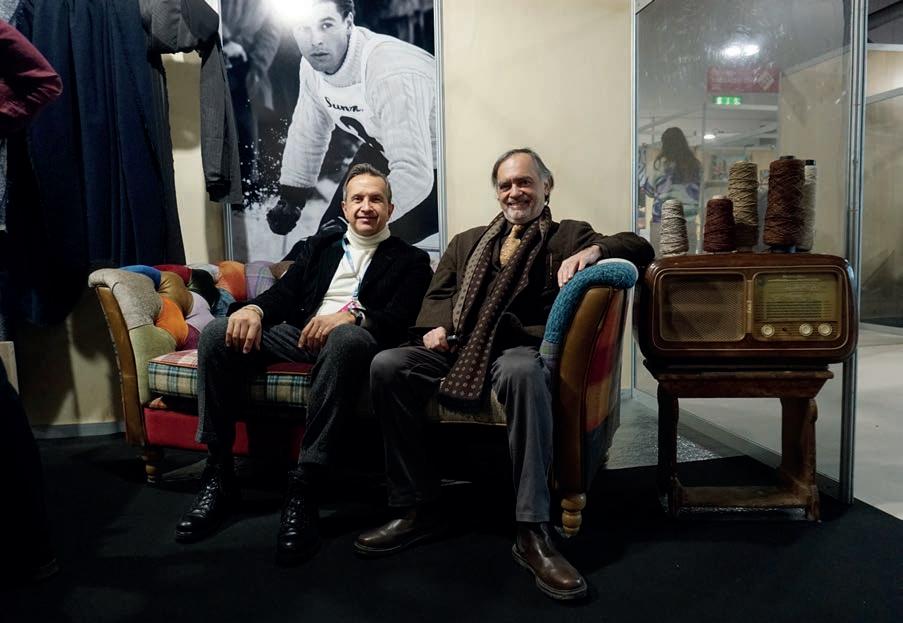
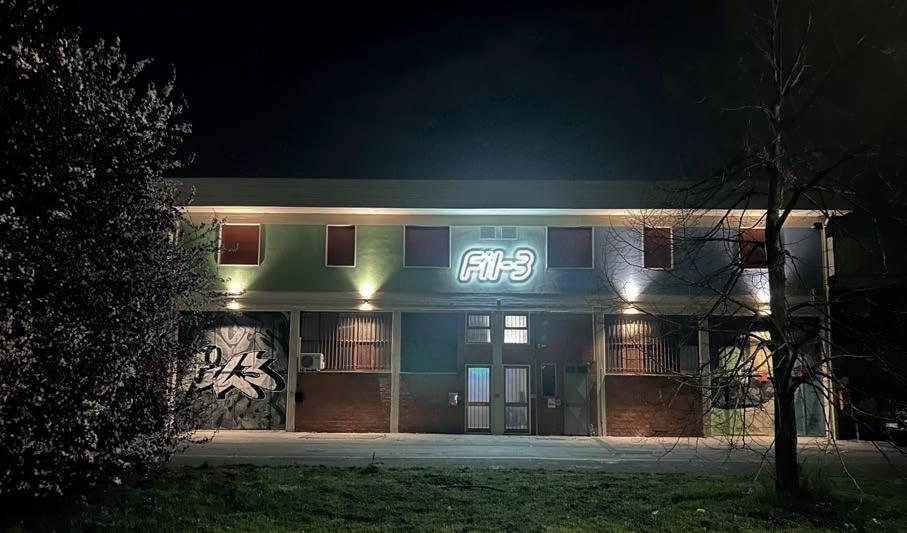
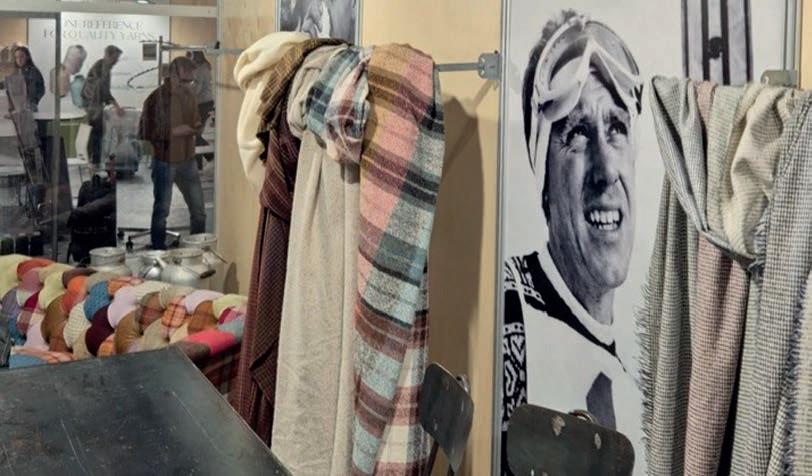
Allo stand di Fil-3, elegantemente allestito con richiami ai Giochi Olimpici, l’atmosfera è dinamica e coerente con il messaggio dell’azienda: giocare su più fronti mantenendo equilibrio e specializzazione. Incontriamo Giacinto Gelli, Amministratore Delegato, che a Filo racconta le novità presentate in questa edizione milanese.
UNA COLLEZIONE DEDICATA
ALL’ARREDO
La principale novità riguarda l’introduzione di una linea interamente sviluppata per il comparto arredamento. Fino a oggi Fil-3 aveva condiviso con gli arredatori articoli nati per l’abbigliamento, ottenendo risultati incoraggianti. Ora l’azienda compie un passo ulteriore, strutturando una proposta specifica, con referenze e cartelle colori pensate fin dall’origine per il mondo home.
La nuova collezione comprende circa quindici articoli, studiati per rispondere alle esigenze tecniche e stilistiche dell’arredo tessile. Il lavoro si è concentrato in particolare sulle miste e sulle composizioni, adattando strutture esistenti alle necessità di maggiore resistenza e robustezza richieste da applicazioni come divani,
Giacinto Gelli, amministratore delegato di FIL-3 allo stand di Filo insieme a Pietro Ferrari direttore di Web and Magazine
poltrone, cuscini e tendaggi. Non una rivoluzione tecnologica, dunque, ma un affinamento mirato per intercettare un settore in crescita, soprattutto nel segmento laniero.
L’arredamento, del resto, è un universo articolato che comprende destinazioni d’uso differenti e richiede performance specifiche. In questo contesto Fil-3 registra segnali positivi anche nel comparto tendaggi, dove l’azienda sta consolidando la propria presenza sia sul mercato italiano sia all’estero.
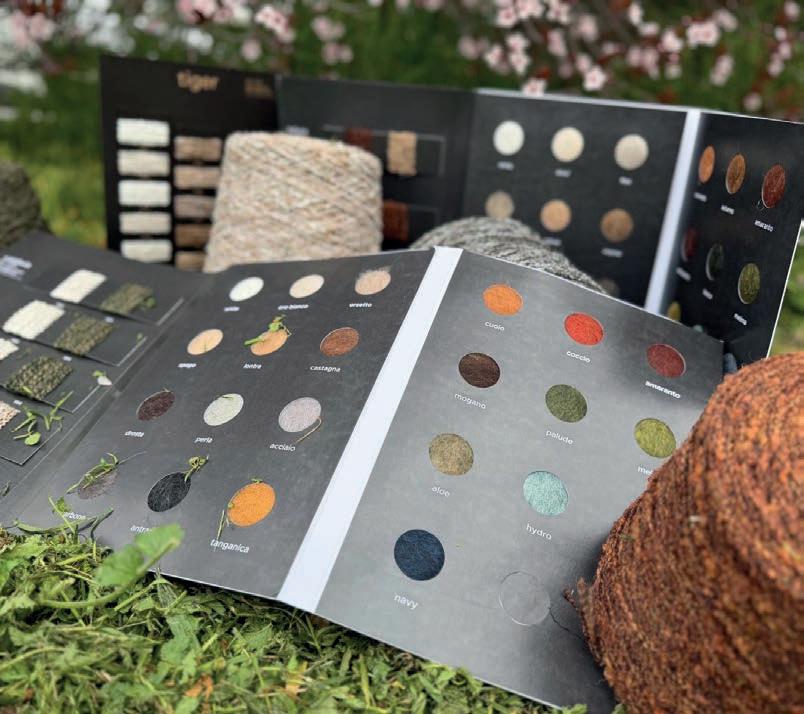
Parallelamente al lancio della nuova linea, l’azienda ha ampliato la gamma cromatica degli articoli a catalogo, offrendo ai designer maggiori possibilità nella creazione di fantasie e disegni. Tra le tipologie che stanno acquisendo crescente importanza si segnala inoltre il fuso cavo, apprezzato non solo per le caratteristiche tecniche ma anche per la flessibilità che garantisce in termini di servizio.
IL VALORE STRATEGICO
DEL MAGAZZINO
Se l’evoluzione dell’offerta rappresenta un tassello fondamentale, la gestione dello stock service resta uno dei pilastri della crescita aziendale. «Il magazzino è ciò che ci ha permesso di crescere negli ultimi anni», sottolinea Gelli. La disponibilità di quantitativi importanti pronti a stock consente di garantire affidabilità nelle consegne e rapidità di evasione, anche per ordini consistenti, eventualmente con forniture parziali iniziali e saldo in tempi brevi. Un modello che comporta investimenti significativi e un impegno organizzativo costante, ma che consolida il posiziona-
mento di Fil-3 come partner affidabile per campionature e produzioni continuative.
TRA DIFFICOLTÀ E QUALITÀ
Il contesto del tessile resta complesso, in particolare per le lavorazioni – filature, ritorciture, roccature, rifinizioni – che operano con margini sempre più compressi anche a causa della
pressione fiscale e delle continue richieste di ribasso da parte dei grandi brand. Nei distretti di Biella e Prato, la capacità di mantenere standard qualitativi elevati rappresenta un elemento decisivo di tenuta. Se si riesce a restare coerenti con la propria tipologia produttiva e a selezionare materie prime competitive senza abbassare il livello qua-
PLAYING
litativo, il mercato continua a riconoscere valore al prodotto.
FAST FASHION E RICICLABILITÀ
Un ulteriore tema riguarda la composizione dei tessuti nell’era della fast fashion. Molte produzioni presentano miste con numerose fibre differenti, rendendo complesso – se non impossibile – il riciclo. Per recuperare efficacemente
un tessuto, le componenti fibrose dovrebbero essere limitate, idealmente non oltre due. Sta emergendo quindi una maggiore attenzione verso blend più equilibrati, anche quando includono fibre nobili come lana e seta, purché in combinazioni contenute. Un orientamento che può rappresentare un’opportunità per chi lavora su qualità e chiarezza strutturale.
AGGREGAZIONI E FILIERA
Sul tema delle aggregazioni industriali, la visione è orientata verso modelli verticali più che verso semplici unioni tra produttori affini. Ricostruire una filiera integrata, capace di presidiare in modo coordinato le diverse fasi produttive, può rappresentare una leva strategica per rafforzare competitività e solidità del sistema tessile.
ACROSS THE BOARD
WITH ITS NEW COLLECTIONS, FIL-3 STRENGTHENS ITS FURNITURE OFFERING WITHOUT NEGLECTING APPAREL.
At the Fil-3 stand, elegantly decorated with references to the Olympic Games, the atmosphere is dynamic and consistent with the company's message: playing on multiple fronts while maintaining balance and specialization. We met Giacinto Gelli, CEO, at Filo, who discussed the new products presented at this Milan edition.
A COLLECTION DEDICATED TO FURNISHINGS
The main innovation is the introduction of a line entirely developed for the furniture sector. Until now, Fil-3 had shared items designed for clothing with interior designers, achieving encouraging results.
Now the company is taking a further step, developing a specific offering, with references and color palettes designed from the outset for the home.
The new collection includes approximately fifteen items, designed to meet the technical and stylistic needs of textile furnishings.
The work focused specifically on blends and compositions, adapting existing structures to the increased strength and durability required by applications such as sofas, armchairs, cushions, and curtains. Not a technological revolution, therefore, but a targeted refinement to tap into a growing sector, especially the wool segment.
Furniture, after all, is a complex world encompassing different uses and requiring specific performance. In this context, Fil-3 is also seeing positive signs in the curtains sector, where the company is consolidating its presence both in the Italian and international markets.
In parallel with the launch of the new line, the company has expanded the color range of its catalog items, offering designers greater possibilities in creating patterns and designs. Among the types gaining increasing importance is the hollow spindle, appreciated not only for its technical characteristics but also for the flexibility it guarantees in terms of service.
THE STRATEGIC VALUE OF THE WAREHOUSE
While expanding our offerings is a key aspect, stock service management remains a cornerstone of the company's growth. "The warehouse is what has allowed us to grow in recent years," emphasizes Gelli. The availability of large quantities in stock ensures reliable deliveries and rapid fulfillment, even for large orders, possibly with initial partial deliveries and short-term payments. This model requires significant investment and ongoing organizational commitment, but it consolidates Fil-3's position as a reliable partner for sampling and ongoing production.
BETWEEN CHALLENGES AND QUALITY
The textile industry remains complex, particularly for manufacturing processes – spinning, twisting, winding, and finishing – which operate with increasingly compressed margins, partly due to tax pressure and the constant demands for price reductions from major brands. In the Biella and Prato districts, the ability to maintain high quality standards is a crucial factor in maintaining its position. If you can remain consistent with your production method and select competitive raw materials without compromising quality, the market will continue to recognize the value of your product.
FAST FASHION AND RECYCLABILITY
Another issue concerns the composition of fabrics in the fast fashion era. Many products feature blends of numerous different fibers, making recycling complex – if not impossible. To effectively recover a fabric, the fibrous components should be limited, ideally no more than two. There is therefore an emerging focus on more balanced blends, even when they include noble fibers like wool and silk, provided they are used in limited combinations. This trend can represent an opportunity for those working on quality and structural clarity.
MERGERS AND SUPPLY CHAIN
Regarding industrial mergers, the vision is oriented toward vertical models rather than simple unions between similar producers.Rebuilding an integrated supply chain, capable of coordinating the various production phases, can represent a strategic lever for strengthening the competitiveness and solidity of the textile system.
writer Iacopo Lena
https://italy.mainetti.com/branding-solutions
OLTRE TRACCIABILITÀL’ETICHETTA: E BRANDING
TRA MATERIALI, FUNZIONE E VISIONE PROGETTUALE
Nella moda il concetto di valore non si misura più soltanto nel prodotto, ma nel sistema che lo genera, tra elementi tangibili e non. Scelta dei materiali, processi, linguaggi e
qualità progettuali concorrono oggi a definire un equilibrio tra estetica e funzione. È all’interno di questa visione che si inserisce la collezione PE 27 di Mainetti Italia, costruita attorno alla parola chiave “valore” – come racconto capace di dare significato a ogni det-
taglio. Un concetto che attraversa l’intera proposta e che si traduce in una pluralità di linee, materiali e soluzioni, dove l’accessorio non è più un elemento secondario, ma parte integrante del progetto.
VISIONE E COMUNICAZIONE
Mainetti è un’azienda globale leader nella produzione di hangers, packaging e soluzioni integrate. Con forti radici nella tradizione e una costante spinta all’innovazione, adotta sistemi, processi e materiali che mettono in equilibrio sviluppo industriale, etica, cura del pianeta e responsabilità sociale.
Presente in 62 paesi, con 90 sedi di recycling/reuse operations in 24 paesi, il gruppo impiega circa 6.000 dipendenti e conta 5 business unit in Italia.
Design, bellezza e tecnologia sono al centro della creazione di collezioni originali e all’avanguardia, pensate per interpretare in modo concreto i bisogni dei clienti. In questo contesto, il servizio rappresenta un elemento chiave: il coordinamento tra risorse commerciali, logistiche e produttive consente di ottimizzare i trasporti, garantire un elevato
controllo qualità e offrire servizi di stock, con un vantaggio competitivo significativo. Per ridurre l’impatto ambientale, Mainetti promuove l’iniziativa Full Circle, orientata a decarbonizzazione e circolarità, coinvolgendo anche i clienti in un modello di business più sostenibile.
In questa direzione si inseriscono programmi e processi come lo sviluppo dell’economia circolare, con la riduzione dell’uso di plastica vergine, e soluzioni dedicate al riutilizzo e riciclo dei materiali, tra cui Hangerloop e Polyloop.
EQUILIBRIO
TRA MATERIALI
INNOVATIVI, VALORI
ESTETICI E COMFORT
La collezione PE 27 si sviluppa attraverso otto linee di ispirazione che nascono dall’incontro tra ambienti e linguaggi diversi, ma trovano un denominatore comune nel concetto di valore. Un valore che si traduce in prodotti calibrati, organizzati e integrabili, capaci di muoversi tra due anime complementari: da un lato forme pulite ed essenziali, dall’altro una componente più vibrante, fatta di energia, materia e sperimentazione. All’interno di questa struttura, ogni linea interpreta il progetto secondo una propria sensibilità. Clear Draft lavora su un’estetica denim essenziale, dove materiali e grafica diventano protagonisti e gli accessori modulari contribuiscono a costruire capi versatili e personalizzabili. Su un piano diverso, Undone introduce un linguaggio più urbano e materico, in cui imperfezioni, segni del tempo e lavorazioni volutamente incompiute diventano elementi di design, sostenuti
però da una base solida fatta di materiali naturali e lavorazioni di qualità. Con Mood il valore passa attraverso l’equilibrio tra comfort e ricerca estetica: forme morbide, dettagli sartoriali e una palette calda e polverosa costruiscono un’estetica quotidiana ma riconoscibile, in cui gli accessori si integrano pienamente nel capo, diventandone estensione naturale. Hue|Ray si muove invece su un registro più dinamico e sperimentale, giocato sul contrasto tra materiali naturali e finiture plastiche, e su un sistema modulare che trasforma anche gli elementi più semplici, come i cartellini, in oggetti tridimensionali dal forte impatto visivo.
La ricerca sui materiali trova una delle sue espressioni più evidenti in Morph, dove l’utilizzo di materiali inusuali come il Tyvek si combina con soluzioni dinamiche e trasformative, come dettagli che cambiano colore o elementi modulari pensati per adattarsi a diversi contesti d’uso. In Sirani, invece, l’innovazione si innesta su una base più classica: il lino e altri materiali naturali vengono evoluti attraverso finiture come il water repellent, che ne aumentano la funzionalità senza alterarne l’estetica raffinata.
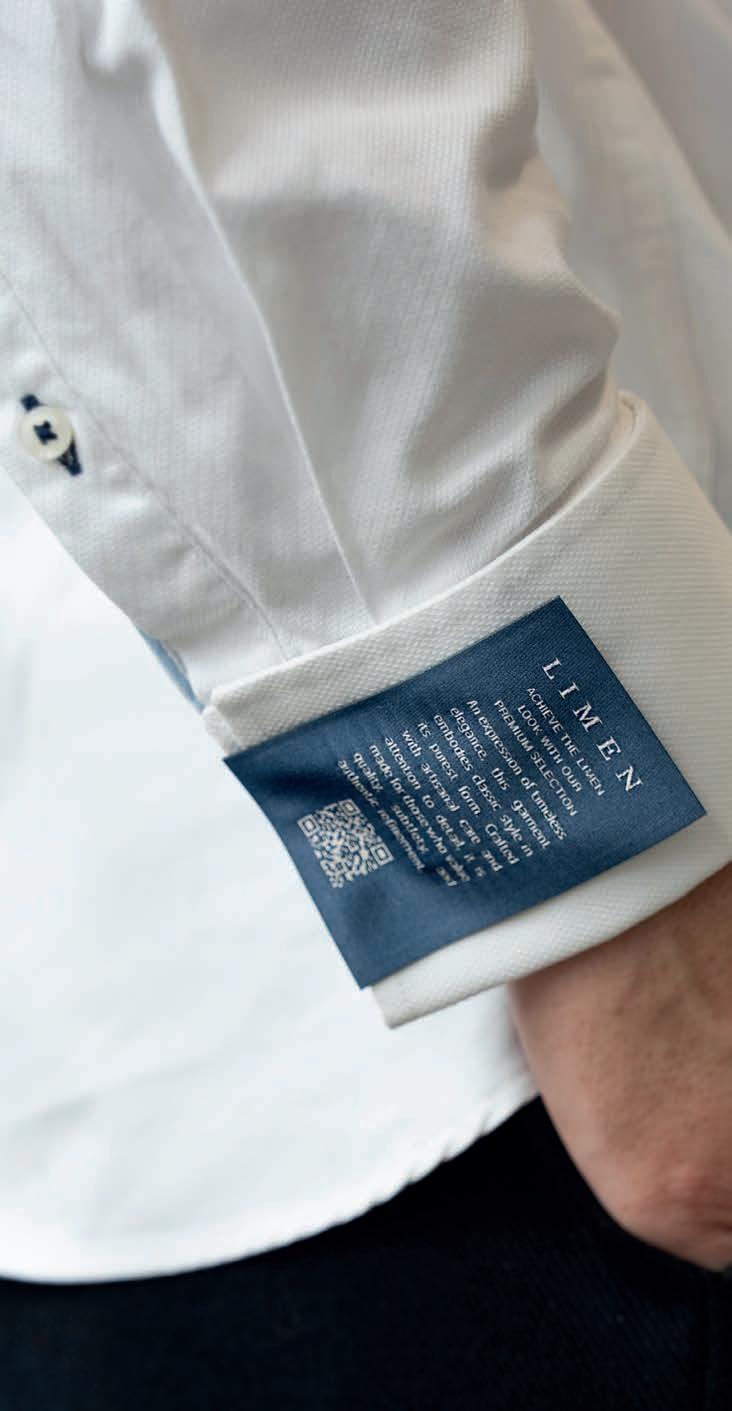
Limen, che interpreta il valore in chiave di classicità contemporanea. Linee essenziali, palette sofisticate e dettagli metallici misurati costruiscono un equilibrio tra rigore formale e sensibilità attuale, mantenendo una forte coerenza stilistica. Nel complesso, la collezione non si limita a proporre soluzioni differenti, ma costruisce un sistema in cui ogni linea contribuisce a definire un’idea di valore che
passa attraverso materiali, lavorazioni e capacità progettuale, dando forma a un linguaggio coerente e riconoscibile.
SIRANI: è l'espressione di un lussuoso stile athleisure da viaggio, specificamente progettato per esaltare i momenti trascorsi in mare e lungo la costa. I loghi sono realizzati con finish siliconici e lucidi, e l'intramontabile grafica a righe evoca l'estetica marinara.
La vera novità risiede in una caratteristica essenziale: l'applicazione di un finish water repellent esteso a materiali non tradizionalmente tecnici, come il lino e i nastri jacquard.
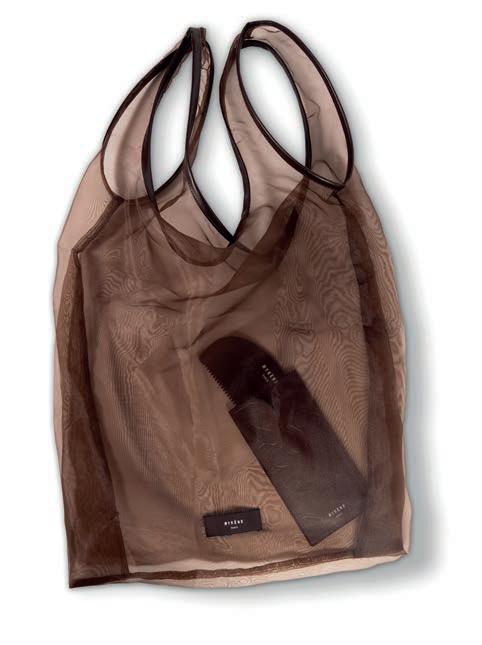
MIRÈNE è una linea luxury che reinterpreta lo stile gotico in chiave moderna apparentemente femminile,ma interessante anche in alcune più inaspettate interpretazioni maschili. La palette si immerge nelle tonalità scure e profonde del bordeaux e del burgundy, creando un'atmosfera misteriosa e seducente. La linea è un gioco di trasparenze, ricami e cimose effetto pizzo, contrapposte ad audaci laccature lucide su pelle e cartellini. I dettagli metallici, rifiniti con un finish perlato, aggiungono un bagliore discreto.
BEYOND THE LABEL: TRACEABILITY AND BRANDING
BETWEEN MATERIALS, FUNCTION AND DESIGN VISION
In fashion, the concept of value is no longer measured solely in the final product, but in the system that generates it, across both tangible and intangible elements. Material selection, processes, languages and design quality now all contribute to defining a balance between aesthetics and function. It is within this framework that Mainetti’s SS27 collection takes shape, built around the keyword “value” – conceived as a narrative capable of giving meaning to every detail.
A concept that runs through the entire offering, expressed in a variety of lines, materials and solutions, where the accessory is no longer a secondary element, but an integral part of the design.
VISION AND COMMUNICATION
Mainetti is a global company and a leader in the production of hangers, packaging and integrated solutions. With strong roots in tradition and a constant drive toward innovation, it adopts systems, processes and materials that balance industrial development, ethics, environmental care and social responsibility.
Present in 62 countries, with 90 recycling and reuse operations across 24 countries, the group employs around 6,000 people and operates five business units in Italy.
Design, aesthetics and technology are at the core of creating original and forward-thinking collections, developed to address client needs in a concrete way. Within this framework, service plays a key role: the coordination of commercial, logistical and production resources allows for transport optimization, high quality control and the provision of stock services, offering a significant competitive advantage.
To reduce environmental impact, Mainetti promotes the Full Circle initiative, focused on decarbonisation and circularity, actively involving clients in a more sustainable business model.
This direction is further supported by programs and processes such as the development of the circular economy, reducing the use of virgin plastic and implementing solutions dedicated to material reuse and recycling, including Hangerloop and Polyloop.
BALANCE BETWEEN INNOVATIVE MATERIALS, AESTHETICS AND COMFORT
The SS27 collection is structured around eight inspirational lines that emerge from the intersection of different environments and languages, while sharing a common denominator in the concept of value. This value translates into calibrated, organized and integrable products, capable of moving between two complementary dimensions: on one side, clean and essential forms; on the other, a more vibrant component driven by energy, materiality and experimentation. Within this framework, each line interprets the project through its own sensibility. Clear Draft explores an essential denim aesthetic, where materials and graphics take center stage and modular accessories contribute to creating versatile and customizable garments. On a different level, Undone introduces a more urban and material-driven language, where imperfections, traces of time and intentionally unfinished processes become design elements, supported by a solid foundation of natural materials and high-quality craftsmanship. With Mood, value is expressed through the balance between comfort and aesthetic research: soft shapes, tailored details and a warm, dusty palette create an everyday yet distinctive look, where accessories integrate seamlessly into the garment, becoming its natural extension.
lar elements designed to adapt to different contexts of use. In Sirani, innovation is applied to a more classical base: linen and other natural materials are enhanced through finishes such as water-repellent treatments, increasing functionality without altering their refined aesthetic.
Hue|Ray operates on a more dynamic and experimental level, built on the contrast between natural materials and plastic finishes, and on a modular system that transforms even simple elements, such as tags, into three-dimensional objects with strong visual impact. Material research finds one of its most evident expressions in Morph, where the use of unconventional materials such as Tyvek combines with dynamic and transformative solutions, including color-changing details and modu-
The collection concludes with Limen, which interprets value through a contemporary take on classic design. Essential lines, sophisticated palettes and carefully measured metallic details create a balance between formal rigor and modern sensibility, maintaining strong stylistic coherence. Overall, the collection goes beyond offering different solutions, building instead a system in which each line contributes to defining an idea of value expressed through materials, processes and design capability, shaping a coherent and recognizable language.
SIRANI: the expression of luxurious athleisure travel style, specifically designed to enhance moments spent at sea and along the coast. The logos, made with silicone and glossy finishes, give the garment a bold and decisive touch, while the timeless striped graphics immediately evoke a nautical aesthetic.
The real novelty lies in a discreet but essential feature: the application of a water-repellent finish to non-traditional technical materials, such as linen and jacquard ribbons.
MIRÈNE is a luxury brand that reimagines the Gothic style with a contemporary twist. While it may appear feminine at first glance, it also offers intriguing and unexpected interpretations for the male wardrobe. Immersed in the deep, dark hues of bordeaux and burgundy, the palette establishes an atmosphere that is both mysterious and sensually alluring. The collection combines delicate transparencies, intricate embroideries and sophisticated lace-effect trims to perfection.Metallic accents are given a pearlescent finish to offer subtle, refined luminosity.
writer Michelle Marzoli
QUANDO IL FILATO INCONTRA IL DIGITALE
Digitalizzazione, accesso ai dati e supporto ai processi: Filmar prosegue l’evoluzione della piattaforma online dedicata ai professionisti della filiera della moda.
Lo strumento, in continuo aggiornamento, affianca studi stilistici, brand e realtà produttive nelle diverse fasi di lavoro, dalla progettazione alla produzione, migliorando la gestione di informazioni, colore e materiali.
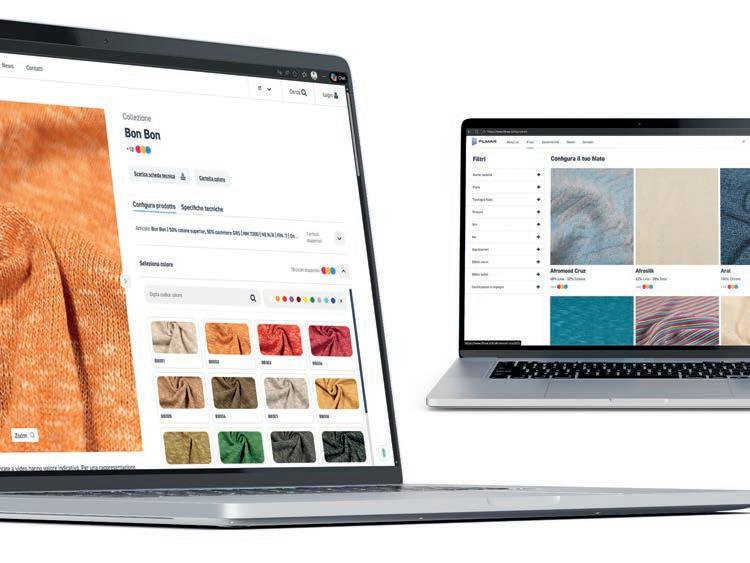
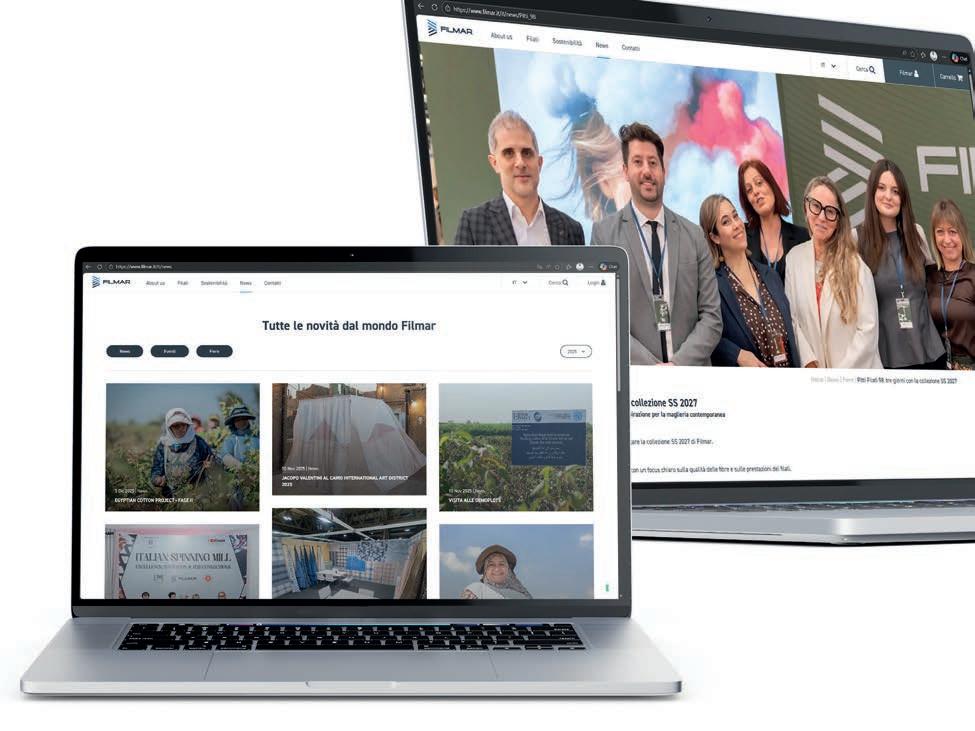
Filmar continua il proprio percorso di digitalizzazione attraverso l’evoluzione della piattaforma online dedicata ai clienti B2B, uno strumento pensato per semplificare e rendere più immediato il lavoro quotidiano di chi opera nel mondo del filato e nella filiera della moda.
In un contesto caratterizzato da esigenze in costante trasformazione, in cui rapidità di accesso alle informazioni e coordinamento tra fasi creative
e produttive assumono un ruolo sempre più centrale, la piattaforma è in continua evoluzione per rispondere in modo concreto ai cambiamenti dei processi e delle modalità di lavoro. L’obiettivo è ridurre passaggi operativi, tempi di attesa e necessità di verifiche, offrendo un punto di accesso unico a dati, disponibilità e servizi. La piattaforma si inserisce in modo naturale nei diversi momenti del processo, accompagnando il lavoro di studi stilistici, uffici stile dei brand, maglifici, tessiture e calzifici, dalla fase creativa fino alla produzione.
Per designer e uffici stile rappresenta un supporto concreto
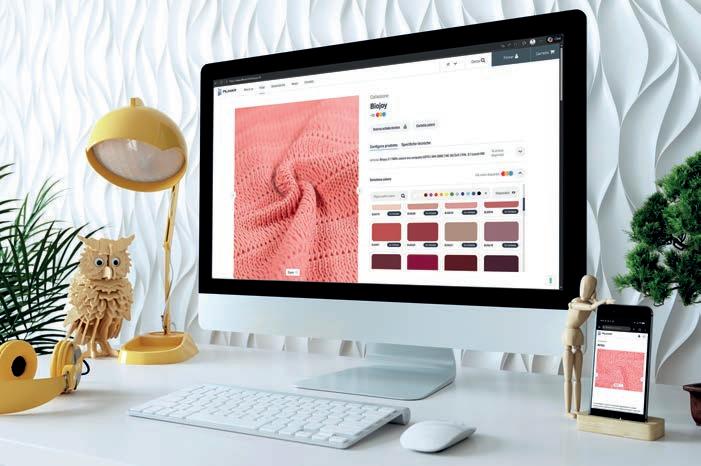
nello sviluppo delle collezioni. La ricerca per colore e codice colore, affiancata da filtri che guidano la scelta in base alle caratteristiche del filato, consente di esplorare in modo mirato le gamme disponibili e individuare le soluzioni più coerenti con il concept progettuale. Le immagini dei colori permettono una lettura più immediata delle varianti cromatiche, mentre il digital twin delle cartelle offre una visione strutturata e sempre aggiornata dell’offerta.
La piattaforma consente inoltre di accedere alla scheda tecnica di ogni articolo, con le principali caratteristiche del filato consultabili direttamente online. La verifica in tempo reale delle giacenze permette di orientare fin dalle prime fasi le scelte verso materiali già disponibili, in linea con le tempistiche di sviluppo ed evitando successive modifiche legate ai tempi di approvvigionamento. La possibilità di richiedere campionature direttamente online e di accedere anche a piccoli quantitativi rende più fluida la fase di sviluppo, favorendo un lavoro più rapido e autonomo da parte di studi stilistici, brand e maglifici impegnati nella costruzione delle collezioni.
Per le realtà produttive, come maglifici, tessiture e calzifici, la piattaforma risponde a esigenze di continuità e controllo operativo: la consultazione immediata delle disponibilità aggiornate, il riordino semplificato di articoli già utilizzati e il monitoraggio delle spedizioni contribuiscono a una pianificazione più efficace e a una riduzione delle interruzioni nei processi produttivi. Dal punto di vista operativo, il portale consente di ordinare
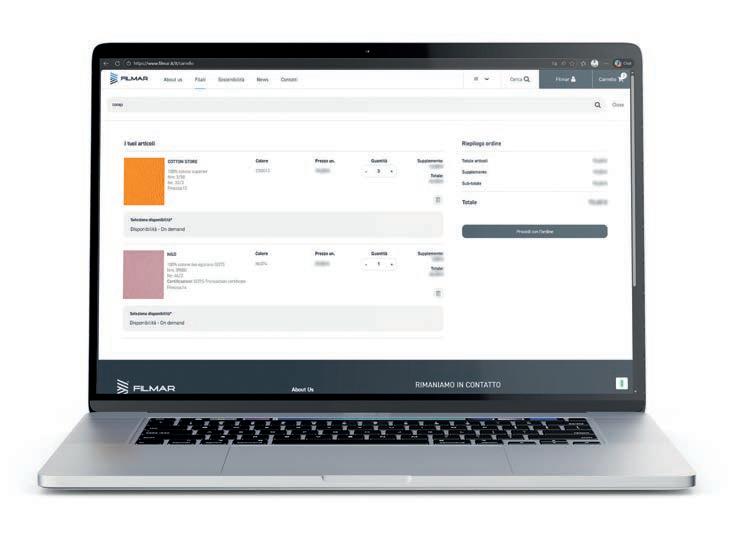
online i filati Filmar, consultare le disponibilità aggiornate e utilizzare strumenti di ricerca avanzati che facilitano l’individuazione del prodotto più adatto alle diverse esigenze. L’area riservata raccoglie in un unico ambiente tutte le informazioni utili al lavoro quotidiano: è possibile consultare lo storico completo degli ordini effettuati nel tempo, riordinare con facilità articoli già utilizzati e verificare le campionature richieste. A questo si affiancano la documentazione tecnica e di tracciabilità, sempre accessibili e scaricabili in autonomia.
Anche le attività amministrative risultano più immediate: prezzi, varianti e disponibilità sono visibili direttamente nella scheda prodotto e il processo di acquisto può essere completato online, con diverse modalità di pagamento, inclusa la carta, attualmente in fase di attivazione.
Accanto allo sviluppo continuo della piattaforma, Filmar conferma il proprio approccio orientato al servizio: il team commerciale rimane a disposizione dei clienti per tutte le esigenze non gestite direttamente online, dal supporto progettuale alle valutazioni tecniche più specifiche. Il digitale non sostituisce il rapporto umano, ma lo affianca e lo rafforza, integrandosi con il lavoro quotidiano dei referenti Filmar che continuano ad accompagnare studi stilistici, brand e realtà produttive nello sviluppo dei progetti e nella scelta dei filati. L’evoluzione della piattaforma rappresenta un’ulteriore tappa nel percorso di trasformazione digitale intrapreso da Filmar, confermando l’impegno dell’azienda nel coniugare competenza tecnica, qualità del prodotto e strumenti capaci di supportare concretamente il lavoro quotidiano dei professionisti della moda.
FILMAR EVOLVES ITS B2B PLATFORM TO ACCOMMODATE THE CHANGING BALANCE OF THE FASHION SUPPLY CHAIN
Digitization, data access, and process support: Filmar con tinues to evolve its online platform dedicated to fashion sup ply chain professionals.
The continuously updated tool supports design studios, brands, and production companies throughout the various phases of their work, from design to production, improving the management of information, color, and materials. Filmar continues its digitalization journey through the evolution of its online platform dedicated to B2B customers, a tool designed to simplify and streamline the daily work of those working in the yarn and fashion supply chain.
In a context characterized by constantly evolving needs, where rapid access to information and coordination between creative and production phases are increasingly crucial, the platform is constantly evolving to respond concretely to changes in processes and working methods. The goal is to reduce operational steps, waiting times, and the need for verification, offering a single point of access to data, availability, and services.
The platform fits seamlessly into the various stages of the process, supporting the work of design studios, brand design offices, knitwear factories, weaving mills, and hosiery factories, from the creative phase to production. For designers and style offices, it offers concrete support in developing collections. Searching by color and color code, combined with filters that guide choices based on yarn characteristics, allows for a targeted exploration of the available ranges and identification of the solutions most consistent with the design concept. Color images allow for a more immediate understanding of color variations, while the digital twin of the color cards offers a structured and constantly updated overview of the offering.
The platform also provides access to the technical data sheet for each item, with the main yarn characteristics available directly online. Real-time inventory monitoring allows for early selection of materials already in stock, in line with development schedules and avoiding subsequent changes related to procurement times.
The ability to request samples directly online and access even small quantities streamlines the development phase, facilitating faster and more independent work for design studios, brands, and knitwear factories involved in building
collections. For production facilities such as knitwear, weaving, and hosiery factories, the platform meets the needs of operational continuity and control: immediate consultation of updated availability, simplified reordering of used items, and shipment tracking contribute to more effective planning and reduced interruptions to production processes.
From an operational standpoint, the portal allows you to order Filmar yarns online, consult updated availability, and use advanced search tools that facilitate the identification of the product best suited to your needs. The reserved area brings together all the information needed for daily work in a single environment: you can consult the complete history of orders placed over time, easily reorder used items, and check requested samples. This is complemented by technical and traceability documentation, always accessible and downloadable.
Administrative tasks are also more streamlined: prices, variants, and availability are visible directly on the product page, and the purchasing process can be completed online, with various payment methods, including credit card, currently being activated.
Alongside the ongoing development of the platform, Filmar confirms its service-oriented approach: the sales team remains available to customers for all needs not directly managed online, from design support to more specific technical assessments.
Digital does not replace human relationships, but rather supports and strengthens them, integrating with the daily work of Filmar representatives who continue to support design studios, brands, and production companies in project development and yarn selection.
The platform's evolution represents a further step in Filmar's digital transformation journey, confirming the company's commitment to combining technical expertise, product quality, and tools capable of concretely supporting the daily work of fashion professionals.
z e r o b a r r a c e n t o . c o m
ZERO-WASTE OUTERWEAR OUTSIDE OF GENDER, AGE & TIME
Ph Giulia Napoli
writer Pietro Ferrari
TESSILE DEL FUTURO
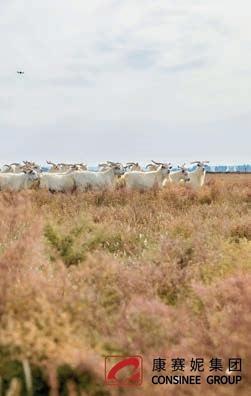
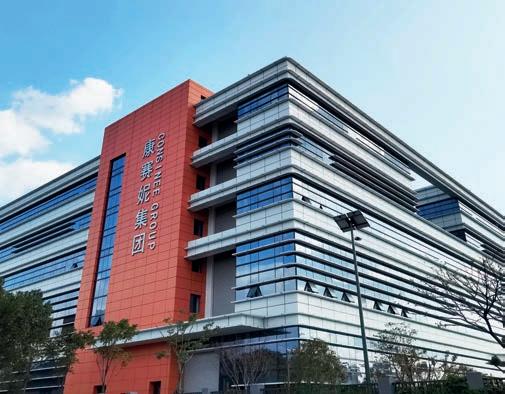
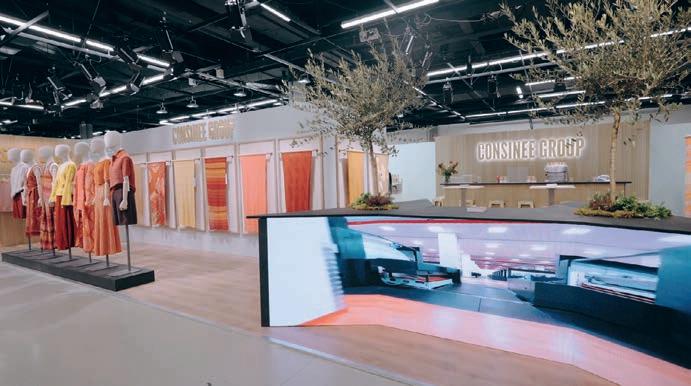
Fondata nel 1999 a Ningbo, in Cina, Consinee Group è cresciuta costantemente fino a diventare un produttore di filati e tessuti di fibre naturali di alta qualità, riconosciuto a livello globale e completamente integrato, con una lunga esperienza incentrata su qualità, innovazione e responsabilità ambientale. Nella sua qualità di Impresa Dimostrativa Nazionale per la Produzione Ecologica e Sostenibile Nazionale, l'azienda occupa una posi-
zione di rilievo nel settore globale del cashmere, producendo oltre 3.000 tonnellate di filati di puro cachemire all'anno, pari a circa il 25% della produzione mondiale totale di cachemire.
PRODUZIONE INTELLIGENTE E OPERAZIONI SOSTENIBILI
Al centro delle attività di Consinee c'è l'impegno a fondere la tecnologia avanzata con
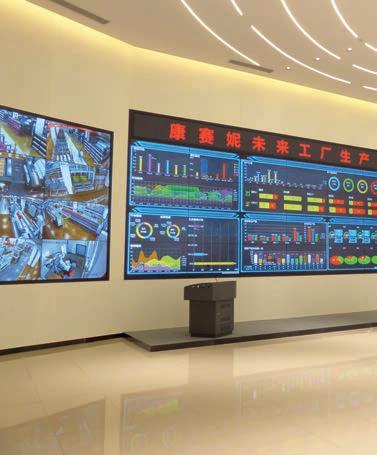
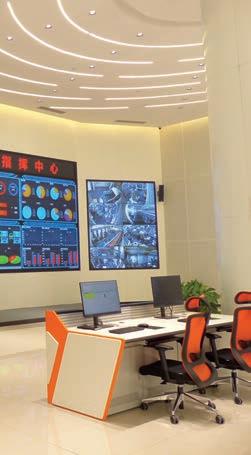
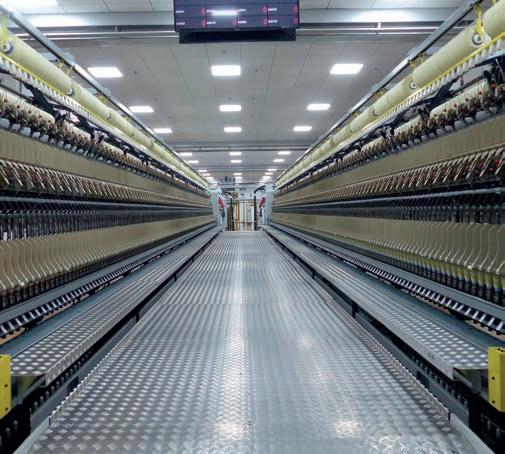
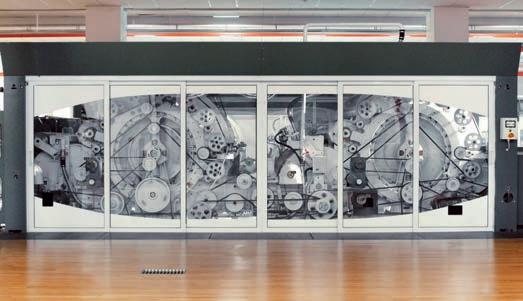
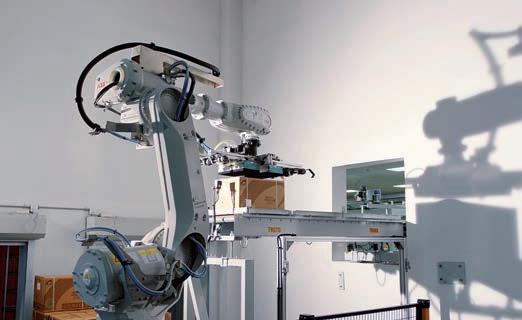
l'artigianato tradizionale. Il gruppo gestisce una "intelligent factory" di 70.000 metri quadrati, basata sull'intelligenza artificiale, un impianto di produzione completamente automatizzato e digitalizzato che rappresenta un punto di ri-
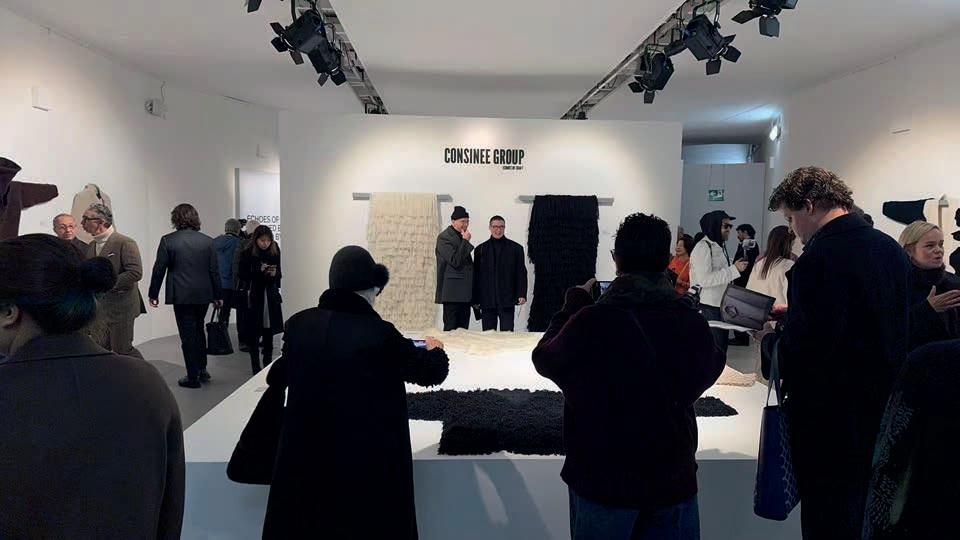
Creatività ed eleganza a Pitti Uomo 109.
ferimento per la moderna produzione tessile. Dotato di macchinari all'avanguardia provenienti da Italia, Germania e Svizzera, lo stabilimento consente una tintura ecocompatibile, un approvvigionamento energetico pari al 60% da fonti solari e la tracciabilità completa, dall'approvvigionamento delle materie prime al prodotto finito.
La sostenibilità è parte integrante di ogni fase del processo produttivo di Consinee. L'azienda privilegia le pratiche di economia circolare, offrendo anche: cashmere rici-
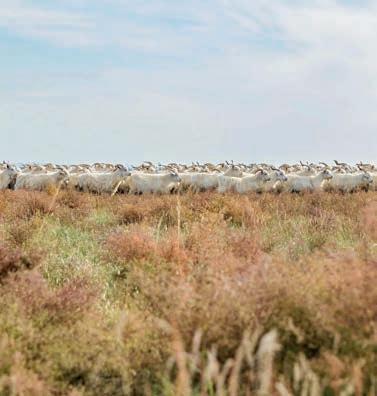
Il mondo Consinee, dal pascolo all’altissima tecnologia.
www
clato certificato GRS, fibre tinte con coloranti vegetali e catene di approvvigionamento completamente tracciabili, in piena conformità con gli standard internazionali OEKO-TEX e GOTS e SFA e GCS. Riducendo al minimo lo spreco d'acqua, le emissioni di carbonio e tutelando il benessere degli animali, Consinee dimostra che la produzione di lusso
può essere in sintonia con la tutela dell'ambiente.
PRESENZA GLOBALE E RICONOSCIMENTO NEL SETTORE
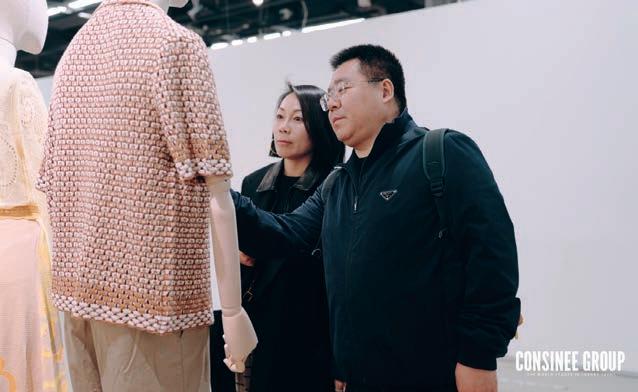
Consinee ha sviluppato una solida presenza internazionale, con sei stabilimenti produttivi a Ningbo, uffici negli Stati Uniti, Germania, Giappone, Russia, Italia e Hong Kong, oltre ad agenti e rappresentanti commerciali in 25 paesi e regioni. Nel gennaio 2026, l'azienda ha ulteriormente rafforzato le sue collezioni con la partecipazione a Pitti Uomo 109 e Pitti Filati 98 a Firenze.
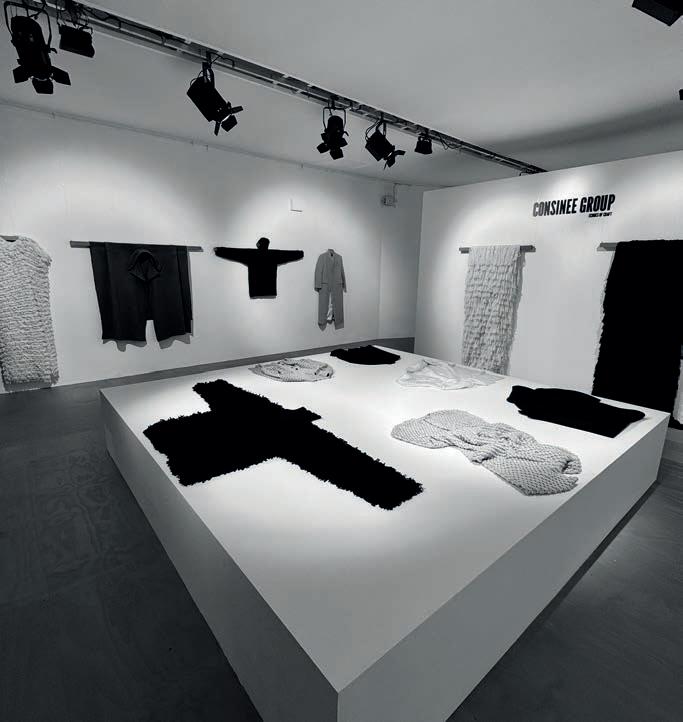
A Pitti Uomo, Consinee ha presentato Echoes of Craft, un progetto artistico non commerciale curato da Sara Sozzani Maino della Fondazione Sozzani e dallo stilista Galib Gassanoff.
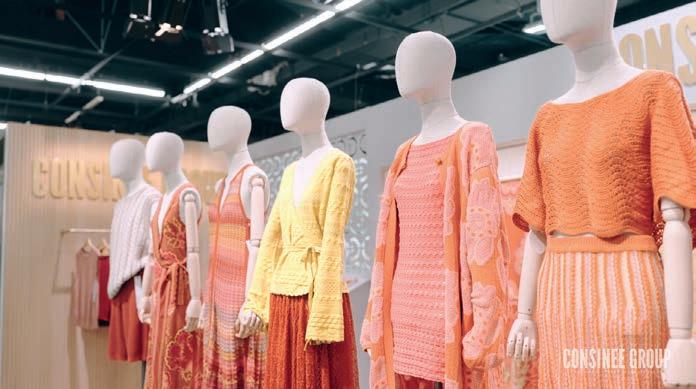
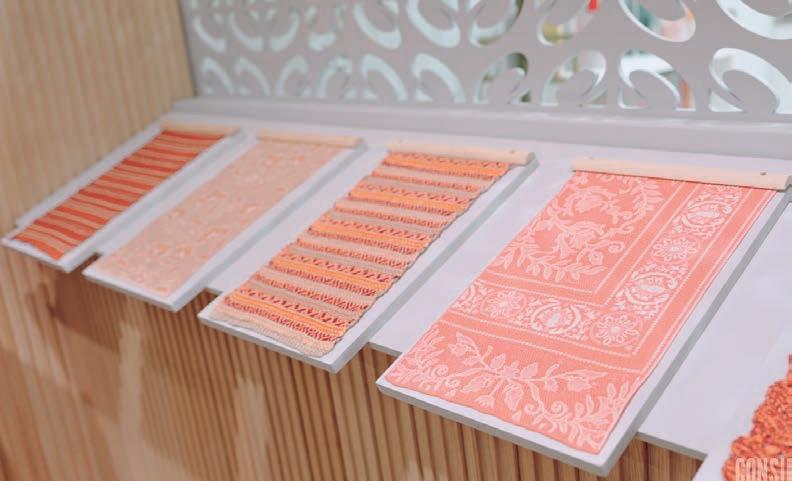
La collezione, realizzata con fibre ultrafini sostenibili, ha messo in luce l'impegno dell'azienda nel preservare l'artigianato tradizionale in un contesto moderno. A Pitti Filati, Consinee ha presentato la sua collezione Primavera/Estate 2027, che unisce la qualità delle fibre naturali al design contemporaneo, attirando l'at-
tenzione di stilisti e marchi di lusso internazionali.
PORTFOLIO
DEL MARCHIO E VISIONE FUTURA
I tre marchi principali di Consinee – CONSINEE (filati di cashmere premium), TopLine (filati pregiati fantasia) e ICCI (filati contemporanei per il fast fashion) – si rivolgono a diversi segmenti dell'industria della moda globale, dall'alta moda al prêt-à-porter. Con una capacità produttiva annua di 10.000 tonnellate di filati e tessuti di alta gamma e uno stabilimento per la produzione di tessuti intelligenti di 2.000.000 di metri, l'azienda è ben posizionata per soddisfare le esigenze in continua evoluzione dei suoi partner globali. Entrando nel suo terzo decennio, Consinee rimane concentrata sulla sua missione di offrire una qualità eccezionale, promuovere l'innovazione sostenibile e unire l'artigianato orientale alla moda occidentale. L'azienda continua a investire in tecnologia, sostenibilità e collaborazione globale, con l'obiettivo di contribuire al futuro dell'industria tessile di lusso a livello mondiale.
Forza di proposta a Pitti Filati 98.
english text
CONSINEE GROUP: WEAVING THE FUTURE OF LUXURY THROUGH INTELLIGENCE AND SUSTAINABILITY
Established in 1999 in Ningbo, China, Consinee Group has grown steadily into a globally recognized, fully integrated manufacturer of premium natural fiber yarns and fabrics, with a longstanding focus on quality, innovation, and environmental responsibility. As a national demonstration enterprice for eco-friendly and sustainable manufacturing,the company holds a significant position in the global cashmere sector, producing over 3,000 tons of pure cashmere yarn annually, which accounts for approximately 25% of the world’s total output of cashmere.
INTELLIGENT MANUFACTURING AND SUSTAINABLE OPERATIONS
At the core of Consinee’s operations is a commitment to merging advanced technology with traditional craftsmanship. The group operates a 70,000-square-meter AI-powered “intelligent factory,” a fully automated, digitalized production facility that sets a benchmark for modern textile manufacturing. Equipped with state-of-the-art machinery from Italy, Germany, and Switzerland, the facility enables eco-friendly dyeing, 60% solar energy supply, and traceability from sourcing to finished product. Sustainability is embedded in every stage of Consinee’s production process. The company prioritizes circular economy practices, also offering GRS-certified recycled cashmere, plant-dyed fibers, and fully traceable supply chains, with full compliance to OEKO-TEX and GOTS, SFA and GCS international standards. By minimizing water waste, reducing carbon emissions, and upholding animal welfare, Consinee demonstrates that luxury production can align with environmental stewardship.
GLOBAL PRESENCE AND INDUSTRY RECOGNITION
Consinee has built a strong international footprint, with six production bases in Ningbo, offices in the United States, Germany, Japan, Russia, Italy and Hong Kong, and agents or sales representatives in 25 countries and regions. In January 2026, the company further strengthened its collections with appearances at Florence’s Pitti Uomo 109 and Pitti Filati 98.
At Pitti Uomo, Consinee presented Echoes of Craft, a non-
commercial artistic project curated by Sara Sozzani Maino of Fondazione Sozzani and designer Galib Gassanoff
The collection, crafted from sustainable, ultra-fine fibers, highlighted the company’s dedication to preserving traditional craftsmanship in a modern context. At Pitti Filati, Consinee showcased its Spring/Summer 2027 collection, which blends natural fiber quality with contemporary design, drawing attention from global designers and luxury brands.
BRAND PORTFOLIO AND FUTURE VISION
Consinee’s three core brands – CONSINEE (premium cashmere yarns), TopLine (high-end fancy yarns), and ICCI (contemporary fast-fashion yarns) – cater to diverse segments of the global fashion industry, from high-end couture to ready-to-wear. With an annual production capacity of 10,000 tons of high-end yarns and fabrics, and a 2,000,000-meter intelligent fabric factory, the company is well-positioned to meet the evolving needs of its global partners.
As Consinee enters its third decade, it remains focused on its mission to deliver exceptional quality, drive sustainable innovation, and bridge Eastern craftsmanship with Western fashion. The company continues to invest in technology, sustainability, and global collaboration, aiming to contribute to the future of the global luxury textile industry.
writer Francesca Vergnano
FORTE
LA CINIGLIA CHE UNISCE ELEGANZA E PERFORMANCE.
FORTE è una delle ultime novità all’interno del range di prodotti FIDIVI
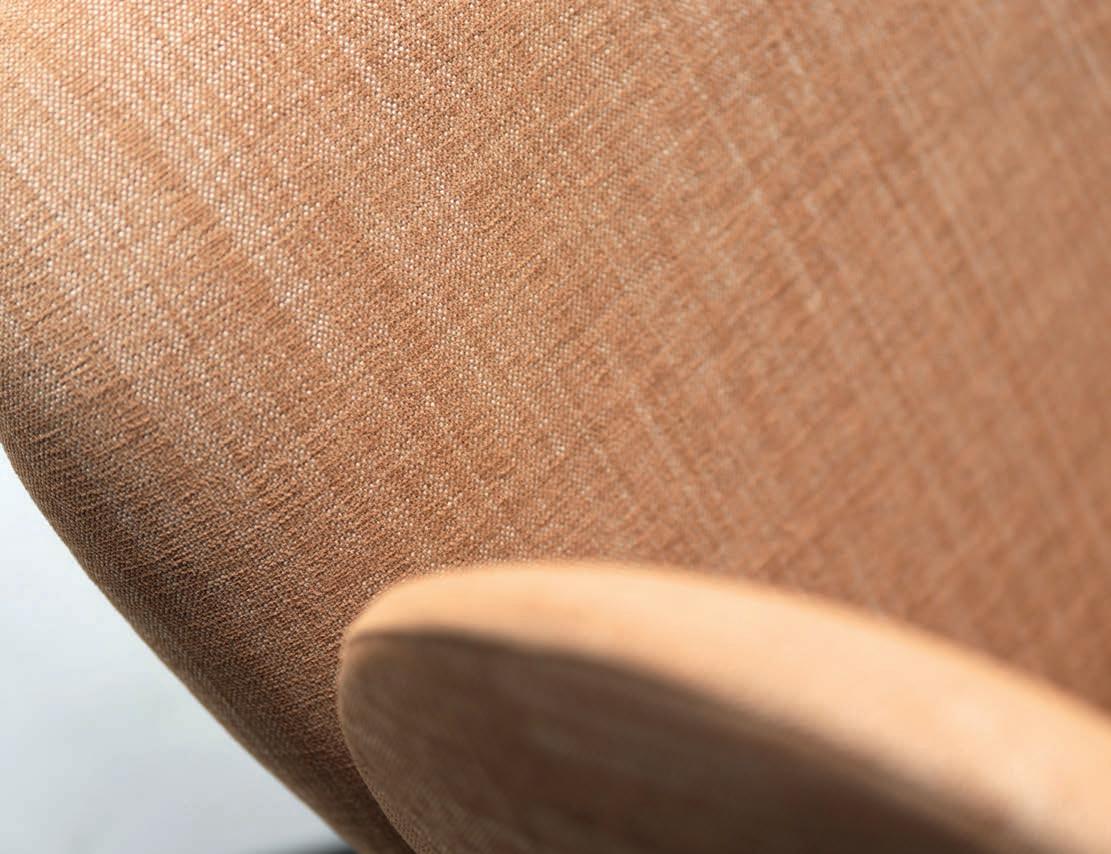
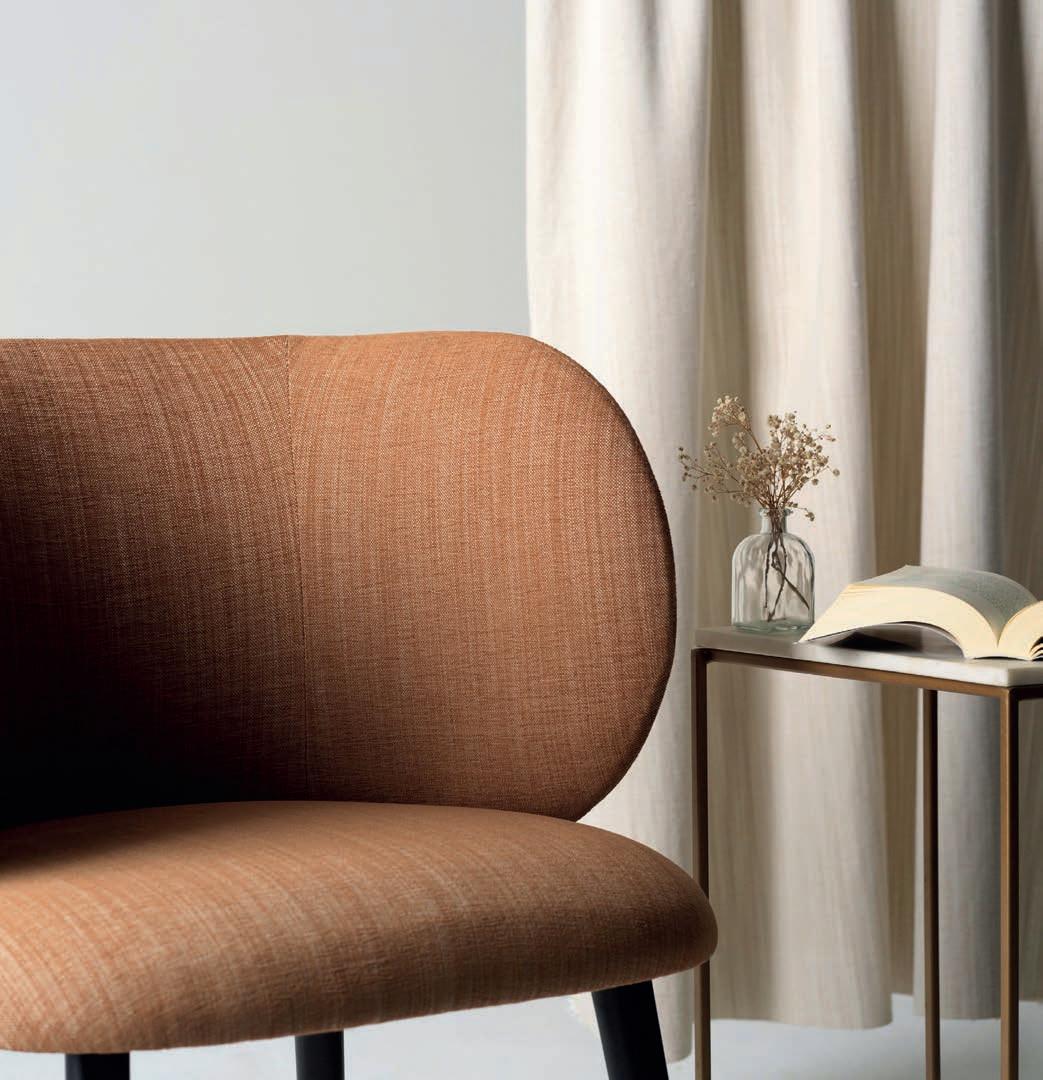
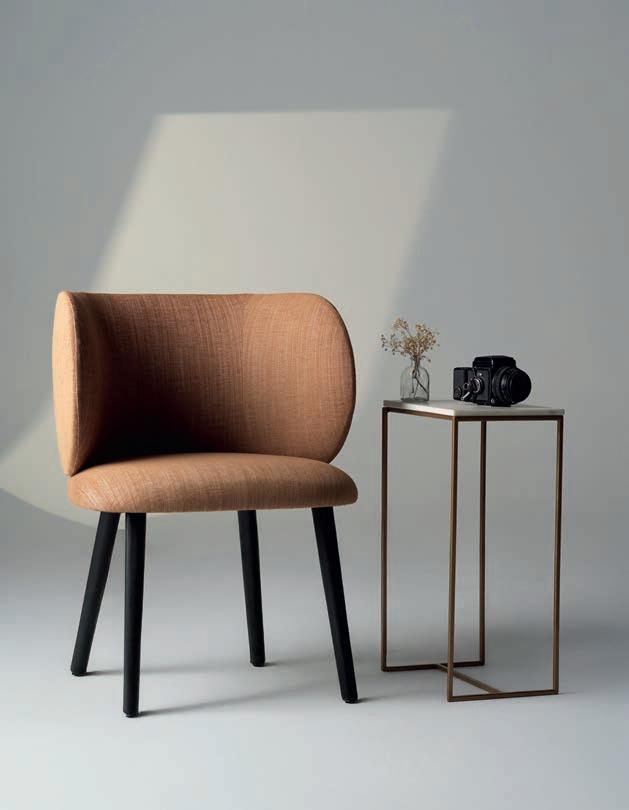
È un tessuto che rappresenta l’incontro perfetto tra estetica raffinata e prestazioni tecniche di alto livello, pensato per essere un rivestimento versatile, duraturo e capace di trasmettere carattere e personalità ad ogni tipo di ambiente.
Si tratta di una ciniglia in poliestere Trevira CS, un materiale intrinsecamente ignifugo, resistente all’usura e semplice da mantenere, caratteristiche che lo rendono ideale per gli interni più esigenti.
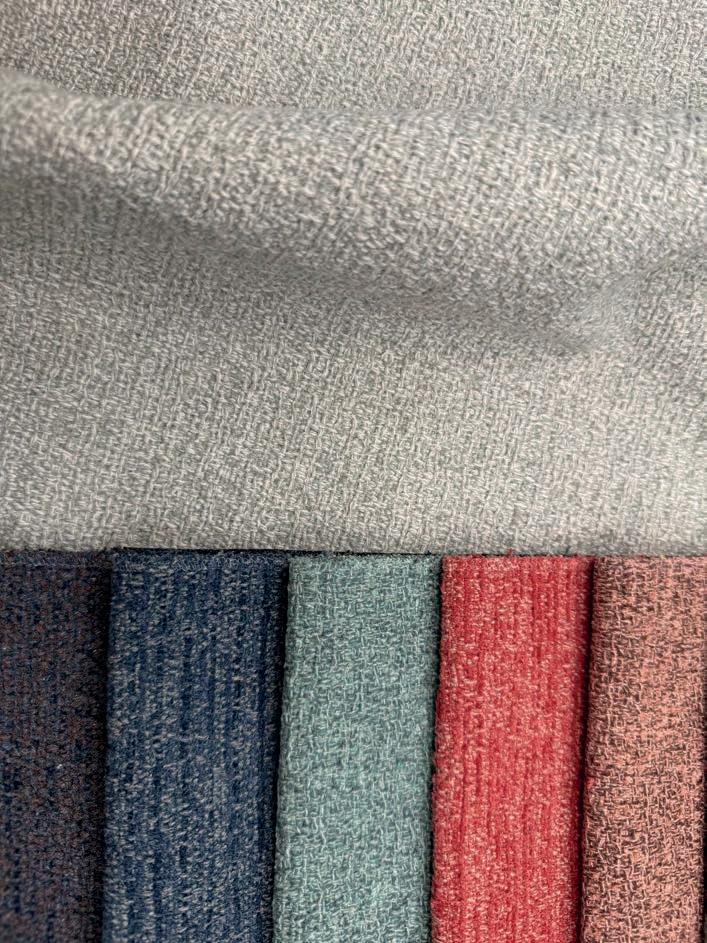
Ciò che distingue FORTE sono la sua superficie, viva e materica, e il touch morbido e avvolgente. Le striature verticali che caratterizzano la sua texture, creano effetti casuali e volutamente mai ripetitivi. Questa particolare lavorazione conferisce al tessuto una profondità
visiva e un movimento naturale che ricorda le irregolarità e le sfumature tipiche dei tessuti naturali, pur mantenendo tutti i vantaggi di un tessuto in poliestere Trevira CS. La sua superficie mossa e tridimensionale regala effetti di luce e ombra sorprendenti sia con un’esposizione alla luce diretta, sia negli ambienti con luci più morbide e soffuse.
La palette colori di FORTE è studiata per rispondere a varie esigenze, adattandosi agli stili più contemporanei, ma anche
alle atmosfere più classiche, grazie alla vasta gamma di tonalità proposte. Tinte neutre e pastello si alternano con toni più forti e decisi, capaci di armonizzarsi con diversi stili di arredamento. Ogni nuance valorizza la texture del tessuto, esaltando l’effetto di profondità creato delle striature verticali.
Dal punto di vista tecnico, il poliestere Trevira CS è sinonimo di sicurezza e affidabilità: il tessuto è ignifugo secondo le più severe normative europee, resistente alle abrasioni, facile da pulire e
durevole nel tempo. Questa combinazione di qualità estetiche e tecniche rende FORTE un prodotto affidabile, capace di mantenere inalterata la sua bellezza e le sue proprietà nel tempo, anche in contesti ad alta frequentazione come hotel, ristoranti o teatri.
FORTE non è solo un tessuto: è un vero e proprio elemento di design capace di caratterizzare ambienti e arredi conferendo comfort, personalità e un’eleganza senza tempo.
FIDIVI, che quest’anno festeggia i suoi 85 anni di attività, si distingue nel panorama tes-
sile per la sua capacità di coniugare innovazione tecnologica, ricerca stilistica e saper fare italiano. In questi anni l’azienda ha affermato il suo nome sul mercato italiano e internazionale, riuscendo a rispondere alle esigenze di produttori, designer e architetti, con soluzioni tessili affidabili e contemporanee, in cui performance e design convivono in perfetto equilibrio.
Lo styling di FORTE è curato da Francesca Vergnano.
LUNA Chair di AMIS Furniture
FORTE
THE CHENILLE THAT COMBINES ELEGANCE AND PERFORMANCE.
FORTE IS ONE OF THE LATEST ADDITIONS TO THE FIDIVI PRODUCT RANGE.
It is a fabric that embodies the perfect balance between refined aesthetics and high technical performance, designed as a versatile and durable upholstery solution capable of bringing character and personality to any environment. It is a Trevira CS polyester chenille, an inherently flame-retardant material, highly durable and easy to maintain, qualities that make it ideal for the most demanding interiors. What sets FORTE apart is its vibrant, textured surface and its soft, enveloping touch. The vertical streaks that define its appearance create random, intentionally non-repetitive effects. This distinctive construction gives the fabric visual depth and a natural movement that recalls the irregularities and tonal variations typical of natural textiles, while retai-
ning all the advantages of Trevira CS polyester. Its dynamic, three-dimensional surface produces striking light and shadow effects, both under direct light and in softer, more diffused settings.
FORTE’s color palette is designed to meet a wide range of needs, adapting effortlessly to both contemporary styles and more classic atmospheres, thanks to its broad selection of shades. Neutral and pastel tones alternate with bolder, more vibrant hues, all capable of harmonizing with different interior styles. Each nuance enhances the fabric’s texture, emphasizing the sense of depth created by its vertical streaks. From a technical perspective, Trevira CS polyester is synonymous with safety and reliability: the fabric is flameretardant according to the strictest European standards, abrasion-resistant, easy to clean and long-lasting. This combination of aesthetic and technical qualities makes FORTE a dependable product, able to maintain its beauty and performance over time, even in high-traffic environments such as hotels, restaurants and theatres.
FORTE is not just a fabric: it is a true design element, capable of defining spaces and furnishings by adding comfort, personality and timeless elegance.
FIDIVI, celebrating its 85th anniversary this year, stands out in the textile industry for its ability to combine technological innovation, stylistic research and Italian craftsmanship. Over the years, the company has established a strong presence in both Italian and international markets, meeting the needs of manufacturers, designers and architects with reliable, contemporary textile solutions where performance and design coexist in perfect balance.
FORTE styling by Francesca Vergnano.
MILANO UNICA
7, 8, 9 luglio 2026 Fiera Milano (Rho)
Collezioni tessili e accessori per abbigliamento
2027-28
writer Beatrice Guidi
LA BELLEZZA NASCE DAL RECUPERO
Al Salone del Mobile 2026, Giovanardi presenta un approccio alla sostenibilità che supera la dimensione puramente tecnica del riciclo tessile, proponendolo come leva progettuale e culturale. Il recupero dei materiali diventa infatti il
punto di partenza per lo sviluppo di nuove soluzioni destinate al design contemporaneo, in cui prestazioni, estetica e responsabilità ambientale si integrano in modo coerente. Lo spazio espositivo si configura come un esempio con-
creto di economia circolare applicata al tessile. La ricerca sui materiali si traduce in una gamma articolata di prodotti –dai tessuti ai pannelli, fino agli elementi d’arredo – che evidenziano come gli scarti possano essere reintrodotti nel ciclo produttivo attraverso processi evoluti. In questo contesto, ogni fase del riciclo contribuisce alla definizione del progetto, man-
tenendo elevati standard tecnici e qualitativi.
Tra le soluzioni presentate, due progetti sintetizzano in modo emblematico la strategia dell’azienda.
Raytent nasce dal recupero degli sfridi di tessuto acrilico tinto in massa per applicazioni outdoor, in particolare nel settore della protezione solare. Il processo consente di ottenere nuovi filati, tessuti e pannelli con una percentuale superiore al 50% di fibra riciclata, contribuendo alla riduzione dell’impiego di materie prime vergini e dell’impatto ambientale complessivo. Il progetto è supportato da certificazioni come ReMade in Italy, LCA ed EPD.
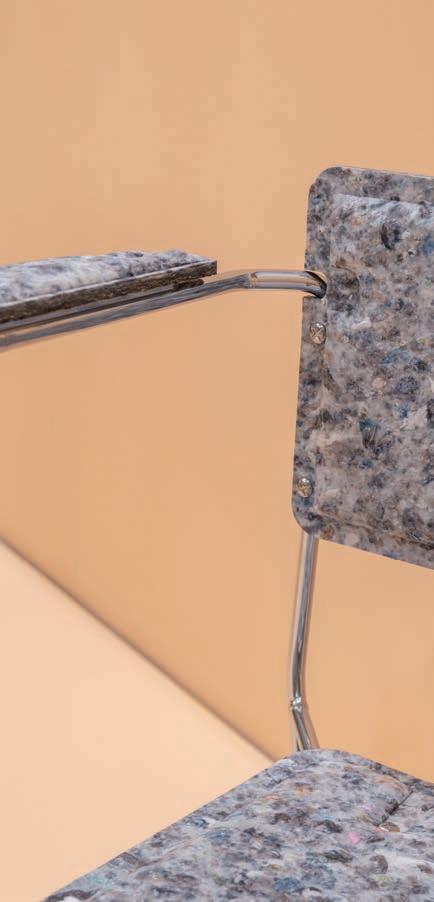
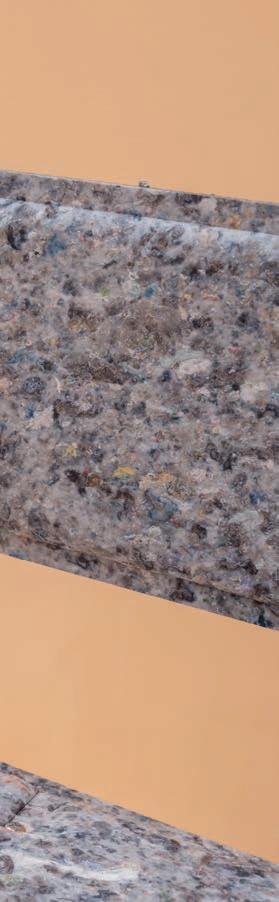
Refelter rappresenta invece un’evoluzione nel recupero del poliestere stampato proveniente da display pubblicitari. Attraverso un processo di trasformazione, il materiale viene convertito in un feltro ignifugo in poliestere riciclato, caratterizzato da versatilità applicativa e idoneo anche a lavorazioni termoformate. Tra gli ambiti di utilizzo si segnala il settore dell’acustica, sviluppato attraverso il brand Tensilence.
Accanto ai progetti di ricerca, Giovanardi introduce nuove collezioni tessili rivolte al mondo dell’outdoor e del contract. Le ciniglie Raytent Living si distinguono per una texture che combina morbidezza e profondità materica, rendendole adatte ad ambienti di fascia alta sia indoor sia outdoor. Le linee Raytent Living Azalea e Irisun Rigati propongono invece soluzioni dal forte impatto visivo, in cui motivi geometrici si associano alla resistenza della fibra acrilica tinta in massa. Completa l’offerta Plain Chambray, una collezione caratterizzata da effetti di trama fiammata e da una mano sofisticata, in linea con le tendenze cromatiche dell’arredo contemporaneo. Il percorso espositivo è arricchito da una serie di collaborazioni con aziende e designer, che evidenziano le potenzialità applicative dei materiali sviluppati. Tra queste, una seduta realizzata con corde e cinghie Raytent per Roda, un sistema di divani modulari outdoor e tavolini OPUS di Profili Esterni, oltre a soluzioni per il relax e l’arredo sviluppate con Punto Piuma Home. Il progetto
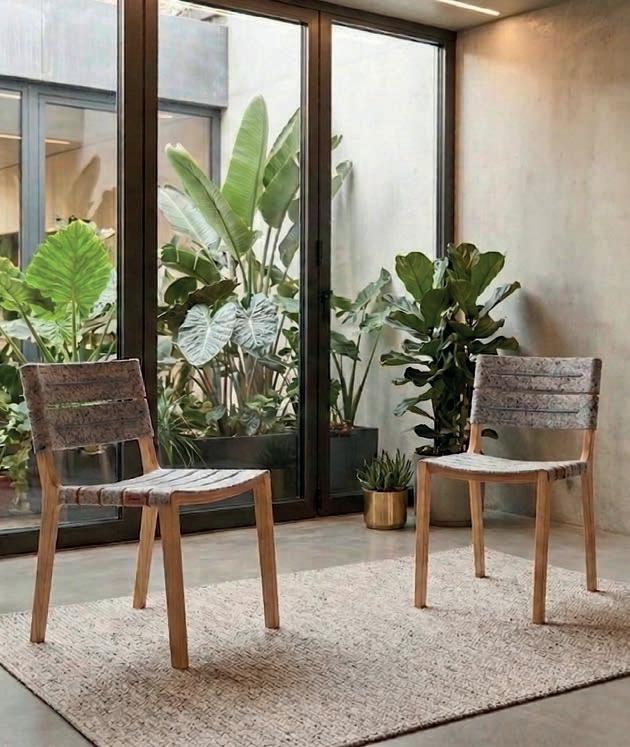
Refelter trova applicazione anche in un tavolo outdoor con piano in fibre tessili riciclate realizzato in collaborazione con Nitesco, nonché in sedute termoformate disegnate da Daniele Dalla Pellegrina. La presenza dell’azienda si estende inoltre al circuito del Fuorisalone, con installazioni distribuite in diversi spazi milanesi, tra cui 3S Milano, Viabizzuno e Spaccapanico Attraverso questa partecipazione, Giovanardi ribadisce il proprio orientamento verso un’evoluzione del tessile tecnico in chiave sostenibile, dimostrando come innovazione di processo, qualità estetica e attenzione all’ambiente possano convergere in una visione progettuale integrata.
english text
BEAUTY COMES FROM RECYCLING
At the Salone del Mobile 2026, Giovanardi presents an approach to sustainability that transcends the purely technical dimension of textile recycling, proposing it as a design and cultural lever. Material recycling becomes the starting point for the development of new solutions for contemporary design, in which performance, aesthetics, and environmental responsibility are coherently integrated. The exhibition space is a concrete example of the circular economy applied to textiles. Research into materials translates into a diverse range of products – from fabrics to panels to furnishing elements –that highlight how waste can be reintroduced into the production cycle through advanced processes. In this context, each phase of recycling contributes to the definition of the project, maintaining high technical and quality standards.
Among the solutions presented, two projects epitomize the company's strategy. Raytent is born from the recovery of waste from solution-dyed acrylic fabric for outdoor applications, particularly in the sun protection sector. The process allows for the production of new yarns, fabrics, and panels with more than 50% recycled fiber, helping reduce the use of virgin raw materials and the overall environmental impact. The project is supported by certifications such as ReMade in Italy, LCA, and EPD. Refelter represents an evolution in the recovery of printed polyester from advertising displays. Through a transformation process, the material is converted into a flame-retardant recycled polyester felt, characterized by versatile applications and also suitable for thermoforming. Among its areas of application is the acoustics sector, developed through the Tensilence brand.
In addition to its research projects, Giovanardi is introducing new textile collections aimed at the outdoor and contract sectors. Raytent Living chenilles are distinguished by a texture that combines softness and material depth, making them suitable for high-end indoor and outdoor environments. The Raytent Living Azalea and Irisun Rigati lines offer visually striking solutions, combining geometric motifs with the durability of solution-dyed acrylic fiber.
The offering is completed by Plain Chambray, a collection characterized by flamed weave effects and a sophisticated feel, in line with contemporary furniture color trends. The exhibition is enriched by a series of collaborations with companies and designers, highlighting the application potential of the materials developed. These include a seat made with Raytent ropes and straps for Roda, a system of modular outdoor sofas and OPUS coffee tables by Profili Esterni, as well as relaxation and furnishing solutions developed with Punto Piuma Home. The Refelter project also features an outdoor table with a recycled textile fiber top created in collaboration with Nitesco, as well as thermoformed seating designed by Daniele Dalla Pellegrina The company's presence also extends to the Fuorisalone circuit, with installations spread across various Milanese spaces, including 3S Milano, Viabizzuno, and Spaccapanico. Through this participation, Giovanardi reaffirms its commitment to the sustainable evolution of technical textiles, demonstrating how process innovation, aesthetic quality, and environmental awareness can converge in an integrated design vision.
writer Barbara Ferrari - CEO HEY-SIGN by BWF Group, Italy/BWF Facol s.r.l. https://hey-sign.de/en
RIPOSIZIONARE IL FELTRO
DOVE LE PRESTAZIONI DEL MATERIALE INCONTRANO IL DESIGN SPAZIALE.
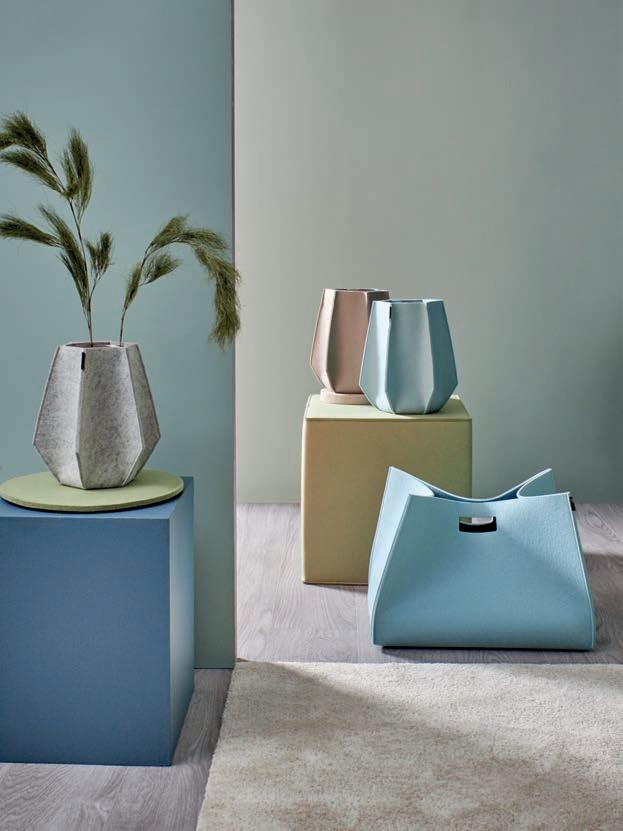
Il feltro è un materiale di straordinaria versatilità: combina qualità tattile, flessibilità di design e proprietà funzionali come l'assorbimento acustico, la durata e la stabilità della forma
In risposta a questa versatilità, il gruppo tedesco BWF ha consolidato la propria esperienza nel settore del feltro nell'ambito di un rilancio del marchio. Sotto l'ombrello unificato del marchio HEY-SIGN by BWF Group – Home of Felt – è stata creata un'identità ben strutturata, che allinea mag-
giormente il know-how tecnico e le prospettive di design, unendo oltre 130 anni di esperienza nel feltro in un quadro complessivo coerente. «Il riposizionamento ha rappresentato un passo importante per riunire la nostra vasta esperienza nel feltro – dalla fibra al prodotto finito – sotto un unico marchio forte», afferma Markus Bader, Direttore Generale di HEY-SIGN by BWF Group. Questo consolidamento rafforza anche la collaborazione tra le sedi di Offingen e Meerbusch in Germania e Caronno
Pertusella in Italia. Come materiale tessile, il feltro offre una combinazione unica di libertà creativa e prestazioni funzionali. All'interno di questa nuova struttura aziendale, i molteplici punti di forza del feltro come materiale naturale e sostenibile si traducono in un'ampia gamma di applicazioni.
La nuova struttura del marchio HEY-SIGN di BWF Group è quindi organizzata in diverse
aree specializzate lungo l'intera catena del valore: dal feltro di lana tecnico di HEY-SIGN FELT MANUFACTURE, ai pezzi d'arredo dal design unico di HEY-SIGN LIVING, dalle soluzioni per la progettazione degli spazi di HEY-SIGN ACOUSTIC ai pezzi tagliati con precisione di HEY-SIGN TEXTILCUT
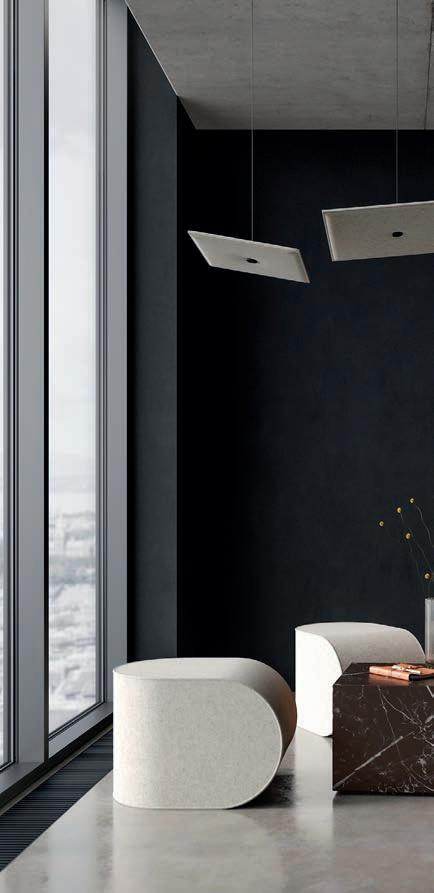
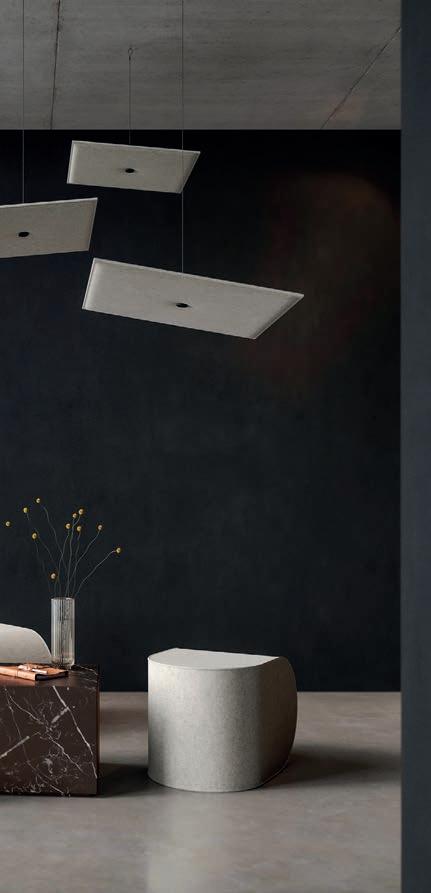
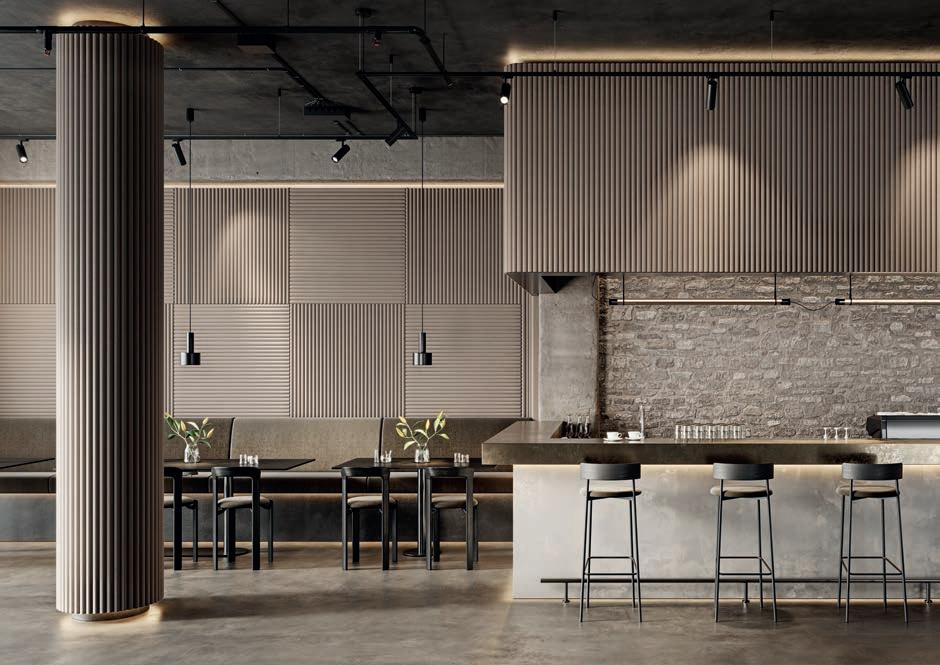
Il potenziale del feltro si manifesta in particolare nelle applicazioni per interni: il materiale viene sempre più utilizzato come elemento integrante di concetti spaziali, sia nei sistemi a parete, sia nelle strutture divisorie, e persino all'interno di mobili. In queste applicazioni, il feltro non solo definisce le superfici, ma modella anche la qualità acustica di uno spazio.
Grazie alla sua struttura, il feltro è in grado di assorbire il suono e quindi di migliorare
l'acustica degli ambienti in modo mirato. Elementi per soffitti, pannelli acustici o sedute di HEY-SIGN ACOUSTIC combinano prestazioni acustiche con un forte approccio progettuale, creando soluzioni che
uniscono perfettamente funzionalità ed estetica. Questo dimostra come il feltro, materiale tradizionale, continui a reinventarsi tra materia, design e applicazione, definendo il suo ruolo nell’interior design e oltre.
HEY-SIGN ACOUSTIC.
HEY-SIGN TEXTILCUT.
hey-sign.de/en
REPOSITIONING FELT: WHERE MATERIAL PERFORMANCE MEETS SPATIAL DESIGN
Felt is a material of remarkable versatility: It combines tactile quality, design flexibility and functional properties such as sound absorption, durability and shape stability.
In response to this versatility, German BWF Group has consolidated its felt expertise as part of a brand relaunch. Under the unified umbrella brand, HEY-SIGN by BWF Group – Home of Felt – a clearly structured identity has been created, bringing technical know-how and design perspectives into closer alignment while uniting over 130 years of felt expertise within a consistent overall framework.
“The repositioning marked an important step in bringing our extensive felt expertise – from fibre to finished product – together under one strong brand,” says Markus Bader, General Manager at HEY-SIGN by BWF Group. This consolidation also strengthens collaboration across locations in Offingen and Meerbusch in Germany and Caronno Pe-
trusella in Italy. As a textile material, felt offers a unique combination of creative freedom and functional performance. Within this new company structure, the diverse strengths of felt as a sustainable natural material are translated into a wide range of applications.
The new brand structure of HEY-SIGN by BWF Group is therefore organised into several specialised areas along the entire value chain: from technical wool felt in HEYSIGN FELT MANUFACTURE to uniquely designed interior pieces in HEY-SIGN LIVING, solutions for spatial design in HEY-SIGN ACOUSTIC and precise cut pieces in HEYSIGN TEXTILCUT.
Felt’s potential becomes particularly evident in interior applications: the material is increasingly used as an integral element of spatial concepts – whether in wall systems, room-dividing structures or even within furniture. In these applications, felt not only defines surfaces but also shapes the acoustic quality of a space.
Due to its structure, felt is capable of absorbing sound and thereby improving room acoustics in a targeted way. Elements such as ceiling elements, acoustic panels or seating furniture by HEY-SIGN ACOUSTIC combine acoustic performance with a strong design approach, creating solutions that seamlessly unite function and aesthetics.
This highlights how felt, as a traditional material, continues to evolve at the intersection of material, design and application – and the role it is set to play in interior design and beyond.
HEY-SIGN FELT MANUFACTURE.
HEY-SIGN LIVING.
MATTRESSES & UPHOLSTERED FURNITURE
A trusted source for sector analysis covering the largest world markets and providing a wide range of information to meet diverse research needs.
• Scenario
• Country outlooks
• Competition
• Distribution systems
• Market trends
• Forecasts
writer Monica Zani
IL TESSILE TRA HIGH TECH E NATURA A PROPOSTE 2026
DAL 5 AL 7 MAGGIO, A PROPOSTE 2026, 87 AZIENDE RIDISEGNANO I CONFINI DEL SETTORE, INTRECCIANDO PERFORMANCE AVANZATE, SUGGESTIONI RURALI E UNA VISIONE SEMPRE PIÙ CONSAPEVOLE DELLA SOSTENIBILITÀ.
A Villa Erba, tutto è pronto per la ‘world preview’ del tessile d’arredo: secondo l’Osservatorio Proposte , il comparto evolve verso un equilibrio inedito, dove estetica, etica e tecnologia invisibile convivono in modo sempre più integrato.
LA PERFORMANCE CONQUISTA LA CASA
Cade definitivamente la distinzione tra contract e residenziale: le alte prestazioni escono dagli hotel di lusso e diventano requisito anche negli ambienti domestici.
I tessuti, oggi, devono essere ignifughi, resistenti e di facile manutenzione, rispondendo a nuove esigenze dell’abitare contemporaneo. Si afferma così una nuova generazione di materiali ‘attivi’: fibre evolute e finissaggi inno-
vativi che saranno in grado di purificare l’aria, assorbire i rumori e offrire proprietà antibatteriche e persino sensoriali. Il comfort si espande, trasformandosi in benessere ambientale a 360 gradi. Il concetto di sostenibilità si amplia fino a diventare responsabilità di filiera. Non basta più riciclare: al centro c’è la tracciabilità. Tornano protagoniste le fibre naturali, come la lana, purché accompagnate da certificazioni rigorose sull’origine. Cresce inoltre l’attenzione per le filiere corte e si accelera l’uscita dai PFAS, segnale di un’industria più tra-
sparente e attenta all’impatto ambientale.
Per il 2026, le palette si scaldano di tonalità terrose e materiche, mentre pattern ispirati a paesaggi rurali e motivi botanici definiscono un linguaggio visivo armonico e senza tempo.
Non mancano accenti decorativi più audaci, tra microstampe e richiami storici che valorizzano l’heritage produttivo.
Il dialogo tra tradizione e innovazione trova nella stampa digitale un alleato strategico: le nuove tecnologie consentono profondità cromatiche e texture
complesse, aprendo a livelli di personalizzazione, che superano i limiti delle collezioni standard.
Si dissolve anche la distinzione tra indoor e outdoor: i tessuti per esterni raggiungono oggi la stessa qualità tattile ed estetica di quelli per interni, adattandosi perfettamente agli spazi ibridi dell’architettura contemporanea.
A Cernobbio va in scena, dunque, un settore in piena trasformazione, dove la manifattura italiana e internazionale interpreta il futuro dell’abitare, tra innovazione tecnologica e ritorno alla natura.
TEXTILES: WHERE HIGH TECH MEETS NATURE AT PROPOSTE 2026
FROM 5 TO 7 MAY, AT PROPOSTE 2026, 87 COMPANIES ARE REDEFINING THE BOUNDARIES OF THE SECTOR, BLENDING CUTTINGEDGE TECHNOLOGY, RURAL INFLUENCES AND AN INCREASINGLY CONSCIOUS APPROACH TO SUSTAINABILITY.
At Villa Erba, everything is ready for the ‘world preview’ of home textiles: according to the Osservatorio
Proposte, the sector is evolving towards a new balance, where aesthetics, ethics and invisible technology coexist in an increasingly integrated way.
Performance takes over the home
The distinction between contract and residential is now a thing of the past: high performance is moving beyond luxury hotels and becoming a standard requirement in domestic settings too.
english text
Today, fabrics must be flame-retardant, durable and easy to maintain, meeting the new demands of contemporary living. This marks the emergence of a new generation of ‘active’ materials: advanced fibres and innovative finishes capable of purifying the air, absorbing noise and offering antibacterial and even sensory properties. Comfort is taking on a new dimension, evolving into all-round environmental wellbeing.
The concept of sustainability is expanding to encompass the entire supply chain. Recycling alone is no longer enough: traceability is now key. Natural fibres, such as wool, are making a comeback, provided they are backed by rigorous certification of origin. There is also growing interest in short supply chains, and the phase-out of PFAS is gathering pace – a sign of an industry that is more transparent and mindful of its environmental impact.
tanical motifs create a harmonious and timeless visual language. There is no shortage of bolder decorative accents, including micro-prints and historical references that highlight the brand’s heritage.
Digital printing serves as a strategic ally in the dialogue between tradition and innovation: new technologies enable rich colour depth and complex textures, opening up new levels of customisation that go beyond the limitations of standard collections.
The distinction between indoor and outdoor use is also blurring: outdoor fabrics now match the tactile and aesthetic quality of their indoor counterparts, adapting perfectly to the hybrid spaces of contemporary architecture.
For 2026, the colour palette is warmed by earthy, textured tones, whilst patterns inspired by rural landscapes and bo-
Cernobbio is therefore the setting for an industry undergoing radical transformation, where Italian and international manufacturers are shaping the future of living, combining technological innovation with a return to nature.
Courtesy of Martinelli Ginetto
Courtesy of Jover
writer Stefano Panconesi
LE TINTURE NATURALI NEL TESSILE PER L’ARREDAMENTO
Fino al 1856, anno in cui fu scoperto da Perkins il primo colorante sintetico, anche i tessili di arredamento come coperte, coperture di divani, cuscini, tende e tutta la biancheria per la casa erano colorati e decorati con colori naturali cioè con materie prime derivate dalla natura. Sia per la tintura a immersione che per i tessuti stampati. Radici, bacche, foglie e fiori davano una gamma di colori straordinari con ricette a volte semplici altre più complesse e sempre più sofisticate.
Ogni azienda aveva le sue ricette conservate in libri preziosissimi e i maestri tintori seguivano scrupolosamente ricette tramandate nelle botteghe.
Da allora molte cose sono cambiate nel nostro stile di vita: le case sono molto più illuminate dalla luce solare e artificiale (cosa che può compromettere piu velocemente il colore naturale che è molto sensibile), i lavaggi sono più frequenti e più aggressivi ed è richiesta una cura poco impegnativa.
È qui che la problematica di minore solidita dei coloranti naturali si insinua. Nell’industria viene richiesta una solidità alla luce di 4/5 nella scala dei blu, mentre i coloranti naturali arrivano, nella migliore delle ipotesi a 3/4. Ma nel frattempo qualche cosa sta ancora cambiando e lo spostamento verso una vita più sostenibile ed ecologica e l’entrata di una cultura estetica dello scolorimento, delavè, maltinto ecc. ci riporta a considerare scelte diverse e più opportune.
Detto questo ci sono diverse accortezze che possono essere prese in considerazione scegliendo la tintura naturale per una collezione tessile arredamento: la scelta di colori provenienti da materiali tannici aiuta certamente a migliorare le prestazioni. I tannini sono innanzitutto coloranti diretti (che non hanno bisogno di una precedente mordenzata del materiale) e quindi portano a un risparmio di tempo ed energia; e poi sono molto più resistenti di altre tinture. Li troviamo in piante come la radice di rabarbaro, la buccia del melograno, il nocciolo di mirabolano ma anche in tutte le cortecce degli alberi.
Hanno costi contenuti e sono disponibili anche in estratto in polvere venendo commercializzati anche per conciare al vegetale le pelli.
In questi anni la produzione di estratti di colori naturali si è intensificata, le aziende estrattive utilizzano piante coltivate e
spontanee e ancora materiale scarto di altre lavorazioni per produrre una polvere, seguendo un processo del tutto naturale, molto più facile ad essere stoccata nei magazzini, che occupa meno spazio, che
fa risparmiare il tempo di estrazione perché è assolutamente già idrosolubile il tutto oramai fatto con processi molto controllati e certificati GOTS. Gli estratti vengono altresì venduti con un numero di lotto che aiuta la commercializzazione e può dare continuità e riproducibilità migliori.
Un altro accorgimento, valido anche in altri casi ma che può essere determinante nella tintura del tessile di arredamento, è quello di fare una scelta ponderata del materiale grezzo di partenza. Infatti se si parte scegliendo i grezzi non sbiancati (con risparmi di tempo e di prodotti altamente nocivi e per nulla ecologici) si può arrivare più facilmente a tinture scure e resistenti. Penso al lino grezzo coi suoi colori che vanno dal beige al grigio, oppure alla seta naturalmente bruna o gialla oro prima di venire sbiancata, per non parlare della lana che va dal bianco al nero passando da varie variazione di beige/marroni.
Anche con la stampa si sono fatte diverse esperienze. Gli inchiostri si possono preparare con la diluizione degli estratti addensati con la farina di guar o agar e poi venire ter-
mofissate; e in Inghilterra ci sono ancora aziende che stampano tessuti di arredamento con colori naturali. Infine c’è il capitolo indaco che ha ottime resistenze ai
raggi solare ma meno allo sfregamento, per cui tutta la gamma dei blu dal più chiaro al più scuro possono essere presi in considerazione per particolari progetti che tentano conto delle sue peculiarità.
All’inizio degli anni 2000 diverse aziende hanno iniziato a proporre collezione di tessuti tinti con coloranti naturali alle grandi fiere del settore come Heimtextile in Germania e Cernobbio Proposte in Italia e i risultati sono stati buoni sia per le aziende, che per la stampa di settore che ne parlò Purtroppo a distanza di venti anni non si registra lo stesso slancio di quei primi approcci e questo non è dovuto certamente alla mancanza di sensibilità dei clienti sempre più indirizzati verso l’ecologicità, ma alla rigidità delle aziende che frenano a un approccio inevitabilmente diverso da quello che hanno portato avanti da ormai troppo tempo.
Until 1856, the year Perkins discovered the first synthetic dye, furnishing textiles such as blankets, sofa covers, cushions, curtains, and all household linens were colored and decorated with natural dyes, that is, raw materials derived from nature. Both for dip dyeing and for printed fabrics. Roots, berries, leaves, and flowers produced a range of extraordinary colors, with recipes that were sometimes simple, sometimes more complex and increasingly sophisticated.
Each company had its own recipes, preserved in priceless books, and master dyers scrupulously followed recipes passed down in the workshops.
Since then, many things have changed in our lifestyle: homes are much more illuminated by sunlight and artificial light (which can more quickly damage the natural color, which is very sensitive), washing is more frequent and more aggressive, and less demanding care is required. This is where the issue of lower lightfastness of natural dyes creeps in. Industry requires a lightfastness of 4/5 on the blue scale, while natural dyes reach, at best, 3/4. But in the meantime, something is still changing, and the shift toward a more sustainable and eco-friendly lifestyle and the emergence of an aesthetic culture of fading, faded, and misdyed, etc., are leading us to consider different and more appropriate choices.
That said, there are several considerations that can be taken into account when choosing natural dyes for a textile furnishing collection: choosing colors from tannic materials certainly helps improve performance. Tannins are, first and foremost, direct dyes (which do not require prior mordan-
NATURAL DYES IN FURNISHING TEXTILES
ting of the material) and therefore save time and energy; and secondly, they are much more resistant than other dyes. We find them in plants such as rhubarb root, pomegranate peel, cherry plum stone, and also in all tree bark. They are affordable and also available in powdered extract form, also marketed for vegetable tanning. In recent years, the production of natural color extracts has intensified.
Extractive companies use cultivated and wild plants, as well as waste material from other processes, to produce a powder using a completely natural process. This process is much easier to store, takes up less space, and saves extraction time because it is already completely water-soluble, all of which is now done using highly controlled and GOTS-certified processes. The extracts are also sold with a batch number, which aids marketing and can ensure greater consistency and reproducibility.
Another tip, also valid in other cases but which can be crucial when dyeing furnishing fabrics, is to carefully select the raw material. Indeed, starting with unbleached raw materials (saving time and the use of highly harmful and environmentally unfriendly products) allows for dark, durable dyes to be achieved more easily. I'm thinking of raw linen with its colors ranging from beige to gray, or silk that's naturally brown or golden yellow before being bleached, not to mention wool that ranges from white to black, through various shades of beige/brown.
Various experiences have also been made with printing. Inks can be prepared by diluting extracts thickened with guar or agar flour and then heat-setting; and in England, there are still companies that print furnishing fabrics with natural dyes.
Finally, there's indigo, which has excellent resistance to sunlight but less to rubbing, so the entire range of blues, from the lightest to the darkest, can be considered for special projects that take advantage of its unique characteristics. In the early 2000s, several companies began offering collections of fabrics dyed with natural dyes at major trade fairs such as Heimtextile in Germany and Proposte Cernobbio in Italy, and the results were positive for both the companies and the trade press that covered them.
Unfortunately, twenty years later, the same momentum as those early approaches hasn't been seen, and this is certainly not due to a lack of awareness among customers, who are increasingly focused on environmental issues, but rather to the rigidity of companies that are holding back an approach that is inevitably different from the one they've been pursuing for far too long.
writer Paola Govoni
IL GENTILUOMO SI METTE IN MOSTRA
La mostra “The Gentleman.
Stile e Gioielli al Maschile” di Palazzo Morando propone un viaggio attraverso tre secoli di storia, per indagare e raccontare il modo in cui l’uomo ha scelto di rappresentare se stesso tramite l’abbigliamento
e gli accessori, in particolare quelli più preziosi. Ne nasce un dialogo costante fra abiti e gioielli, in un gioco di accostamenti che mostra come entrambi siano stati e continuino ad essere elementi fondamentali per definire un
ruolo, uno status e un modo di essere all’interno della società, rivelandosi anche un potente mezzo di comunicazione per indicare l’appartenenza a una casata, a un gruppo sociale, a un movimento politico, letterario o artistico.
Sono in mostra abiti originali e gioielli storici accompagnati da un vasto repertorio iconografico e da alcuni video che restituiscono le atmosfere e le tendenze di un’epoca, come nel caso delle storiche sartorie di Savile Row a Londra o delle mitiche cene da Maxim a Parigi.
Il percorso espositivo si sviluppa in chiave cronologica e tematica dal Settecento fino agli anni Novanta del Novecento e propone una riflessione sul significato culturale dell’abito e dell’ornamento, offrendo una chiave di lettura del modo in cui si è andato evolvendo il gusto del costume maschile e di come l’ornamento e il gioiello abbiano contribuito a definire nel tempo una immagine dell’uomo, spesso ricca di simboli ma anche molto attenta agli aspetti funzionali e all’utilizzo pratico, basti pensare ai gemelli da polso, ai fermacravatte, alle tabacchiere e ai portasigarette, mentre altri
PALAZZO MORANDO|COSTUME MODA IMMAGINE A MILANO OSPITA DAL 16 GENNAIO AL 27 SETTEMBRE 2026 LA MOSTRA “THE GENTLEMAN. STILE E GIOIELLI AL MASCHILE”, UN PERCORSO ESPOSITIVO CHE ESPLORA L’EVOLUZIONE DELL’ESTETICA MASCHILE ATTRAVERSO I TEMPI, DAL SETTECENTO AI GIORNI NOSTRI.
accessori, come gli anelli sigillo utilizzati in passato per imprimere sulla ceralacca il proprio stemma o le iniziali, hanno assunto nel tempo una connotazione puramente ornamentale.
IL SETTECENTO
La moda maschile nel “Secolo della vanità” è accurata, preziosa e colorata. Il linguaggio simbolico che la connota esprime immediatamente sia il desiderio di apparire sia lo stato sociale.
Il gentiluomo cura con attenzione ogni dettaglio della propria immagine. Gli abiti (marsine) sono impreziositi da gilet in seta e raso di seta broccato finemente ricamati e da bottoni elaborati, catene da tasca e spille gioiello. I cappelli e le scarpe sono ornati da fibbie importanti.
I gioielli sono in oro, argento, ottone e princisbecco, una nuova lega che imita l’oro. Accanto alle pietre preziose e ai diamanti nasce una qualità di vetro sfaccettata che rende più accessibili i gioielli per poter raggiungere un pubblico più ampio e l’invenzione proposta in quegli anni da Georges Frédéric Strass (1701-1773) era destinata ad avere un successo duraturo che non ha conosciuto cali di gradimento, fino ai giorni nostri.
BELLE EPOQUE, ART NOUVEAU E DECO
Tra la fine dell’Ottocento e l’inizio del Novecento lo stile Art Nouveau irrompe nel gusto e introduce nuove linee e ornamenti ispirati a fiori, insetti, animali fantastici e delicate figure femminili che richiamano le immagini proposte dall’arte
In apertura: l’Autrice Paola Govoni in visita alla mostra di Palazzo Morando.
A sinistra in alto: Completo maschile (marsina). Manifattura dell’Italia settentrionale, 1780-1785 circa. Milano, Palazzo Morando, dono Giancarlo Del Vecchio, 1977.
A sinistra in basso: Completo maschile (frac) con gilè. Manifattura bolognese (?), 1805 circa. Collezione Mara Bertoli, Castiglione delle Stiviere (MN).
A destra: American Fashions. J. Mitchell, Co. New York, 1908.
Al centro: Smoking. Roma, Ciro Giuliano, 1939. Milano, Palazzo Morando, dono Mario Quarti, 1982.
e dalla grafica, come nei disegni di Mucha.
La moda da giorno per uomo è dominata dai tre pezzigiacca, gilè e pantaloni - abbinati a camicie con alti colletti inamidati, mentre per la sera comincia a imporsi lo smoking. Verso gli anni Venti del Novecento si diffonde il gusto ispirato allo stile Déco, caratterizzato da linee geometriche e decorazioni lineari e rigorose ma anche da potenti contrasti cromatici che si riflettono nei tessuti e nei motivi decorativi. Sono gli anni in cui Fortunato Depero disegna gilet dai colori vivaci e dai contenuti fantastici con geometrie inedite e soggetti di ispira-
zione futurista. Sono gli anni delle avanguardie artistiche e dei Balletti Russi di Sergej Djagilev con le scenografie e i costumi disegnati da Pablo Picasso. La moda maschile evolve. Le camicie hanno colli morbidi e le giacche sono a uno o due bottoni. Per la sera, lo smoking diventa il capo di riferimento, soprattutto nella versione con collo a scialle, reso celebre dal duca di Windsor.
ANNI QUARANTA
E CINQUANTA
La Seconda Guerra Mondiale porta con sé razionamenti e pesanti restrizioni, rendendo necessarie economie anche
nell’uso dei tessuti e nell’abbigliamento. Si riutilizzano capi già posseduti, in particolare cappotti rivoltati, e gli abiti si fanno essenziali, sobri e i pantaloni sono senza risvolti. Anche negli ornamenti si tende a sostituire le pietre preziose e i materiali pregiati con materiali più poveri e pietre sintetiche.
Nel dopoguerra si assiste a una rinnovata attenzione verso la moda maschile e i suoi accessori. Il gusto si fa più informale, pur mantenendo una ispirazione elegante e raffinata, con giacche a spalle larghe, revers ampi e pantaloni di taglio stretto. Onnipresenti i jeans e i giubbotti in pelle. Nel 1952 il primo Festival ARTANDTEXTILE
della Moda Maschile ideato da Michelangelo Testa, direttore del mensile ‘Arbiter’, si svolge a Sanremo e segna l’inizio di una fortunata stagione di sfilate dedicate all’alta sartoria maschile che proseguirà fino al 1990.
ANNI SESSANTA E SETTANTA
L’esplosione di creatività e di colore che caratterizza l’arte e la musica negli anni Sessanta si traduce in un abbigliamento maschile giocosamente aperto alla sperimentazione, che diventa variopinto, esuberante, optical, caratterizzato dallo stile disinvolto “party fashion” che strizza l’occhio al “flower power” e alle ispirazioni orien-
taleggianti, con giacche aderenti di seta alla moda indiana. Anche gli accessori e gli ornamenti - occhiali compresi - hanno dimensioni più grandi, sono più decorativi e simbolici, coloratissimi e quasi sempre in plastica.
ANNI OTTANTA E NOVANTA
Negli anni Ottanta irrompono sulla scena l’Edonismo, la Milano da bere e gli Yuppies. Il clima sociale si fa più rilassato e si ispira a criteri virtuosi di benessere diffuso.
Giovani uomini rampanti e donne in carriera inevitabilmente influenzano lo stile e il gusto. Gli abiti formali come i gessati doppiopetto hanno
tagli ampi, con spalle voluminose, cravatte larghe, camicie con colletti alti. Gli accessori diventano vistosi e appariscenti, in particolare i gemelli, i fermacravatte e gli orologi.
La cifra degli anni Novanta è il Minimalismo e il nuovo decennio propone un cambio di paradigma che predilige un’eleganza sobria e discreta, che non rinuncia però all’attenzione al dettaglio. Accanto alle proposte disinvolte dello “streetwear”, la filosofia del “less is more” si applica sia all’abbigliamento, con giacche monopetto pulite e lineari, sia ai gioielli, che segnano un ritorno dell’oro bianco, in sintonia con l’estetica del periodo.
(da sinistra): Smoking con mantello, Italia, 1960-1969. Manifattura italiana. Fresco di lana. Completo maschile, Italia, 1965. Bruno Piattelli, Roma. Tessuto operato, fresco di lana Completo maschile, Italia, 1972. Manifattura italiana. Panno di lana. Completo maschile, Italia, 1975-1980. Manifattura italiana. Fresco di lana.
THE GENTLEMAN SHOWS OFF
FROM JANUARY 16 TO SEPTEMBER 27, 2026, PALAZZO MORANDO|COSTUME MODA IMMAGINE WILL HOST IN MILAN THE EXHIBITION "THE GENTLEMAN. STILE E GIOIELLI AL MASCHILE” THAT EXPLORES THE EVOLUTION OF MASCULINE AESTHETICS THROUGH TIME, FROM THE 18TH CENTURY TO THE PRESENT DAY.
The exhibition at Palazzo Morando offers a journey through three centuries of history, exploring and illustrating the ways in which men have chosen to represent themselves through clothing and accessories, especially the most precious ones.
This creates a constant dialogue between clothing and jewelry, in a play of juxtapositions that demonstrates how
both have been, and continue to be, fundamental elements in defining a role, a status, and a way of being within society. They also prove to be a powerful means of communication for indicating belonging to a lineage, a social group, or a political, literary, or artistic movement.
On display are original clothing and historic jewelry, accompanied by a vast collection of images and videos that evoke the atmosphere and trends of an era, such as the historic tailoring of Savile Row in London or the legendary dinners at Maxim's in Paris.
The exhibition unfolds chronologically and thematically, from the 18th century to the 1990s, offering a reflection on the cultural significance of clothing and ornamentation. It offers insight into how men's tastes have evolved and how ornamentation and jewelry have contributed to defining an image of man over time.
Giacca maschile. Primavera-Estate 2006. Gianfranco Ferré. Politecnico di Milano - Dipartimento di Design - Centro di Ricerca Gianfranco Ferré.
Often rich in symbols, they are also highly functional and practical, as in cufflinks, tie clips, snuff boxes, and cigarette cases. Other accessories, such as signet rings, once used to stamp one's coat of arms or initials on sealing wax, have taken on a purely ornamental connotation over time.
THE 18TH CENTURY
Men's fashion in the "Age of Vanity" was meticulous, precious, and colorful. The symbolic language that characterized it immediately expressed both the desire to be seen and social status.
The gentleman meticulously curated every detail of his appearance. Suits (tailcoats) were embellished with finely embroidered silk and brocaded silk satin vests and elaborate buttons, pocket chains, and precious brooches. Hats and shoes were adorned with impressive buckles.
Jewelry was made of gold, silver, brass, and princisbecco, a new alloy that imitated gold. Alongside precious stones and diamonds, a type of faceted glass was developed, making jewelry more accessible to a wider audience. This invention, proposed in those years by Georges Frédéric Strass (17011773), was destined to have lasting success and has remained popular to this day.
BELLE EPOQUE, ART NOUVEAU, AND DECO
Between the late 19th and early 20th centuries, the Art Nouveau style burst onto the scene, introducing new lines and ornaments inspired by flowers, insects, fantastical animals, and delicate female figures, reminiscent of the images proposed by art and graphic design of the time, such as Mucha's drawings. Men's daywear was dominated by three-piece suits – jacket, vest, and trousers—paired with shirts with high, starched collars, while the tuxedo became popular for evening wear.
Toward the 1920s, the Deco-inspired style gained popularity, characterized by geometric lines and rigorous, linear decorations, but also by powerful color contrasts reflected in the fabrics and decorative motifs. These were the years in which Fortunato Depero designed brightly colored vests with fantastical themes, featuring original geometric patterns and Futurist-inspired subjects. These were the years of avant-garde art and Sergei Diaghilev's Russian Ballets, with scenes and costumes designed by Pablo Picasso. Men's fashion evolved. Shirts had soft collars, and jackets featured one or two buttons.
For evening wear, the smoking became the must-have garment, especially in the shawl collar version, made famous by the Duke of Windsor.
THE FORTIES AND FIFTY'S
World War II brought with it rationing and severe restrictions, leading to economies in both fabric and clothing. Previously owned items were reused, especially turned-down coats, and suits became simple and sober, with trousers without lapels. Even in ornamentation, precious stones and other fine materials tended to be replaced with more basic materials and synthetic stones.
The postwar period saw a renewed focus on men's fashion and accessories. Taste became more informal, while maintaining an elegant and refined feel, with jackets featuring broad shoulders, wide lapels, and narrow-cut trousers. Jeans and leather jackets were a must.
In 1952, the first Men's Fashion Festival, conceived by Michelangelo Testa, editor of the monthly magazine 'Arbiter,' took place in Sanremo, marking the beginning of a successful season of fashion shows dedicated to men's haute couture that would continue until 1990.
THE SIXTIES AND SEVENTIES
The explosion of creativity and color that characterized art and music in the 1960s translated into men's clothing that was playfully open to experimentation. It became colorful, exuberant, and optical, characterized by a casual "party fashion" style that nodded to "flower power" and oriental inspirations, with tight-fitting silk jackets in the Indian style. Accessories and ornaments, including glasses, also became larger, more decorative and symbolic, brightly colored, and almost always made of plastic.
THE EIGHTIES AND NINETIES
In the 1980s, Hedonism, the Milanese lifestyle (the so called “Milano da bere”), and the Yuppies burst onto the scene. The social climate became more relaxed and inspired by the virtuous criteria of widespread well-being. Ambitious young men and career women inevitably influenced style and taste. Formal suits such as double-breasted pinstripes were loosely cut, with bulky shoulders, wide ties, and shirts with high collars. Accessories became flashy and eye-catching, especially cufflinks, tie clips, and watches.
The hallmark of the 1990s was Minimalism, and the new decade proposed a paradigm shift that favored a sober and discreet elegance, without losing attention to detail. Alongside the “casual streetwear” offerings, the “less is more” philosophy applies to both clothing, with clean, linear single-breasted jackets, and jewelry, which marks a return to white gold, in keeping with the aesthetics of the period.
writer Pietro Ferrari
IL DENIM OLTRE IL DENIM
Lenzi Egisto è una realtà storica del distretto tessile di Vaiano, oggi giunta alla quinta generazione. Fondata nel 1898, l’azienda ha attraversato l’evoluzione dell’industria tessile mantenendo una forte integrazione produttiva, dalla tessitura al finissaggio fino alla tintoria. Un modello che nel tempo si è trasformato, affiancando alla struttura originaria nuove organizzazioni produttive e una presenza internazionale, ma senza perdere la propria vocazione alla ricerca e allo sviluppo di materiali innovativi
Oggi molte cose sono infatti cambiate - compresa la realizzazione di un’unità produttiva in Cina e la creazione di differenti marchi – ma l’impegno di sviluppo di nuovi prodotti e di nuovi processi resta nell’anima dell’azienda e, non a caso, le grandi griffe la considerano come un partner affidabile e innovativo.
Lo stabilimento di Vaiano continua a rappresentare il cuore di questa attività, un luogo in cui tradizione industriale e sperimentazione convivono, dando vita a soluzioni che trovano applicazione in ambiti diversi,
La storica ciminiera dello stabilimento di Vaiano, testimonianza di un’epopea industriale.
Lilia di Lauro con Claudio Tempesti, responsabile tessitura.
dalla moda allo sport, fino alla pelletteria e al mondo del lavoro. Per approfondire questo approccio, abbiamo incontrato Lilia Di Lauro, responsabile della Fashion Line Division, in occasione di Denim PV Milano
LE NUOVE FRONTIERE DEL DENIM
Lilia Di Lauro - Oggi siamo un’azienda a cui si rivolgono brand famosi, dal tecnico alla moda, per sviluppare articoli speciali: non ci si rivolge mai a noi per prodotti semplici che si trovano già sul mercato. Veniamo contattati quando servono fibre tecniche speciali, come i nylon ad alta tenacità, il Cordura o il PuTek, un filo che abbiamo sviluppato in azienda unendo poliuretano e poliestere, con disegni e finissaggi particolari e fashion. A differenza del passato, le dinamiche della ricerca nella moda si stanno sempre più intersecando: pelletteria, calzature e abbigliamento si influenzano a vicenda e tutto è sempre più connesso. Abbiamo iniziato a realizzare tessuti denim che, nel nostro caso, non sono normali tessuti in cotone, che ci permettano di realizzare capi di qualità italiana di lusso, di forte impatto sul mercato e con un prezzo bilanciato e ragionevole.
Pietro Ferrari - Cos’è, in sostanza, questo affascinante cocktail di fibre?
Lilia Di Lauro - Il denim, nelle nostre proposte, è mischiato ad altre fibre naturali: utilizziamo canapa, cashmere, seta, con fili di lurex e con effetti particolari che definiamo ‘luxury denim’, offrendo alternative al tradizionale. Oppure sfruttiamo il nylon o altre fibre più ricercate per ottenere un aspetto più tecnico. Questi risultati nascono dal lavoro del titolare Roberto Fenzi affiancato da un team di tecnici preparati, Matteo Cappellini, Francesca Nannucci e Andrea Curcio, seguono percorsi diversi, con la libertà di sviluppare materiali nuovi: da articoli termoformanti per pelletteria e calzatura, a tessuti jacquard che riproducono l’effetto della maglia, passando per denim tinto in filo con effetti cromatici determinati dalla tessitura, fino a “lana” vegana in cento per cento lino con finissaggio tipo lana e filati in nylon riciclato con prestazioni da microfibra ma senza impatto ambientale nella fase produttiva. Creiamo ogni giorno qualcosa di diverso.
Pietro Ferrari - Quali sono le declinazioni del denim che proponete al settore?
Lilia Di Lauro - Sono moltissime: si parte dal denim colorato tinto filo, con una cartella colori molto ampia – a differenza del denim classico, che è sempre blu – fino al denim con nylon, ideale per capi tecnici grazie all’abbinamento cotonenylon. Ci sono poi le combinazioni con fibre naturali: cotonecanapa, molto apprezzato nel mercato svedese, denim-seta per capi di prestigio, e ancora denim lino e denim cashmere, che aprono molte possibilità creative. Esistono anche versioni con spalmature e fantasie con metallo e viscosa: effetti diversi che nascono dal filo e dalla composizione. Disegni, colori e sviluppi sono personalizzabili, seguendo le idee dei designer.
La Lana Vegana, una variazione sul tema dei “materiali travestiti”, il lino acquista un look diverso e ancora più sostenibile.
Denim Color, il denim si accende di tutti i colori che si possono desiderare.
www.lenziegisto.it
Pietro Ferrari - Ma c’è una proposta che va oltre il denim.
Lilia Di Lauro - Esatto. Si tratta di Nuovo Denim, che non è un denim in cotone ma un tessuto realizzato con una tecnica che consente di uscire dal telaio con una texture pronta, senza bisogno di lavaggio, che può essere usata senza stingere e senza rompersi, essendo in nylon riciclato. Non replica l’effetto del denim tradizionale, ma è pensato per chi cerca qualcosa di diverso: non invecchia, non cambia e rappresenta un’alternativa più duratura.
Pietro Ferrari - Con questo ventaglio di offerte, Denim PV è stato il palcoscenico ideale?
Lilia Di Lauro - Ci siamo presentati a questo Denim PV pur non essendo produttori di denim, ma con una proposta solida: come produttori di articoli speciali vogliamo anticipare i trend, portando la nostra creatività anche in questo settore.
L’obiettivo è rinnovare, trasformando il prodotto sia in un capo di lusso sia in un’offerta più creativa e giovane. Abbiamo voluto reinterpretare il look del denim.
New Denim, “il denim che non c’era”.
Effetti speciali, l’immaginazione al telaio.
Il denim e le fibre naturali, dal cashmere al lino, dalla seta alla canapa: tessiture e mani inattese.
Il cotone si sposa con il Nylon per una resistenza a tutta prova.
DENIM BEYOND DENIM
LENZI EGISTO CONTINUES ITS JOURNEY THROUGH THE MANY FACETS OF A FORWARDLOOKING FABRIC AT DENIM PV IN MILAN
Lenzi Egisto is a historic company in the Vaiano textile district, now in its fifth generation. Founded in 1898, the company has endured the evolution of the textile industry while maintaining strong production integration, from weaving to finishing to dyeing. This model has evolved over time, adding new production facilities and an international presence to the original structure, but without losing its commitment to research and development of innovative materials. Today, many things have changed – including the creation of a production unit in China and the creation of different brands –but the commitment to developing new products and new processes remains at the heart of the company, and it's no coincidence that major brands consider it a reliable and innovative partner. The Vaiano plant continues to be the heart of this business, a place where industrial tradition and experimentation coexist, giving rise to solutions that find application in diverse fields, from fashion and sports to leather goods and the workplace. To learn more about this approach, we met with Lilia Di Lauro, head of the Fashion Line Division, at Denim PV Milano.
THE NEW FRONTIERS OF DENIM
Lilia Di Lauro - Today, we're a company that famous brands, from technical to fashion, turn to to develop special items: they never turn to us for simple products already on the market. We're contacted when they need special technical fibers, such as high-tenacity nylon, Cordura, or PuTek, a yarn we developed in-house by combining polyurethane and polyester, with unique, fashionable designs and finishes. Unlike in the past, the dynamics of fashion research are increasingly intertwined: leather goods, footwear, and clothing influence each other, and everything is increasingly connected. We've started making denim fabrics – which, in our case, aren't ordinary cotton fabrics – that allow us to create luxury Italian-quality garments with a strong market impact and a balanced, reasonable price.
Pietro Ferrari - What, essentially, is this fascinating cocktail of fibers?
Lilia Di Lauro - In our offerings, denim is blended with other natural fibers: we use hemp, cashmere, and silk, with lurex threads and unique effects we call 'luxury denim,' offering alternatives to traditional denim. We also use nylon or other more sophisticated fibers to achieve a more technical look. These results are the result of the work of owner Roberto Fenzi supported by a team of qualified technicians, Matteo Cappellini, Francesca Nannucci, and Andrea Curcio, pur-
sue different paths, giving them the freedom to develop new materials: from thermoformable items for leather goods and footwear, to jacquard fabrics that reproduce the look of knitwear, to yarn-dyed denim with color effects determined by the weave, to vegan "wool" made from 100% linen with a wool-like finish, and recycled nylon yarns with microfiber performance but without the environmental impact of the production phase. We create something different every day.
Pietro Ferrari - What denim variations do you offer the industry?
Lilia Di Lauro - There are many: from yarn-dyed denim, with a very broad color palette – unlike classic denim, which is always blue – to nylon denim, ideal for technical garments thanks to the cotton-nylon combination. Then there are combinations with natural fibers: cotton-hemp, highly prized in the Swedish market, denim-silk for high-end garments, and even linen denim and cashmere denim, which open up countless creative possibilities. There are also versions with coatings and patterns featuring metallic and viscose: different effects that arise from the yarn and the composition. Designs, colors, and textures are customizable, following the designers' ideas.
Pietro Ferrari - But there is a proposal that goes beyond denim.
Lilia Di Lauro - Exactly. This is New Denim, which isn't cotton denim but a fabric made with a technique that allows it to come off the loom with a ready-made texture, without the need for washing, and can be used without fading or tearing, as it's made of recycled nylon. It doesn't replicate the look of traditional denim, but it's designed for those looking for something different: it doesn't age, it doesn't change, and it represents a more durable alternative.
Pietro Ferrari - With this range of offerings, was Denim PV the ideal stage?
Lilia Di Lauro - We showed up at this Denim PV even though we're not denim producers, but with a solid proposition: as producers of specialty items, we want to anticipate trends, bringing our creativity to this sector as well. The goal is to innovate, transforming the product into both a luxury item and a more creative and youthful offering. We wanted to reinterpret the look of denim.
writer Camilla Carrara
MODA: QUANDO LA CIRCOLARITÀ DIVENTA VANTAGGIO COMPETITIVO
Il Monitor for Circular Fashion di SDA Bocconi ha presentato il Report 2025/2026 su come le aziende stanno ripensando filiere e modelli di business per trasformare le nuove regole europee in leva industriale.
• Il Monitor analizza come
brand, fornitori e service provider si stanno adattando ad un contesto normativo in rapido cambiamento che può agire da abilitatore di innovazione.
• Le 27 aziende del Monitor testano sul campo ecodesign,
tracciabilità e Digital Product Passport attraverso progetti concreti e misurabili lungo il ciclo di vita del prodotto.
• Da un workshop condotto insieme agli stakeholder della EU Textiles Ecosystem Platform della Commissione Europea, il Report 2026 fotografa come intelligenza artificiale, robotica, strumenti 3D, digital twin e analisi dei dati sono le competenze più richieste per sostenere la competitività delle “professioni circolari” della moda.
La circolarità nella moda non è più un’opzione, ma una vera e propria leva strutturale di competitività industriale. È questo il messaggio centrale del Monitor for Circular Fashion Report 2025/2026 – Transform to perform: leverage circularity for fashion’s future, presentato oggi da SDA Bocconi School of Management. Giunto alla sua sesta edizione che è partita a marzo 2026, il Monitor for Circular Fashion – l’Osservatorio di Ricerca parte del Sustainability Lab di SDA Bocconi – si conferma come punto di riferimento per l’analisi della transizione circolare nel settore Textile, Clothing, Leather & Footwear (TCLF), mettendo in dialogo imprese, istituzioni e innovatori tecnologici . Dal lavoro condotto insieme alle 27 aziende partecipanti al Monitor, che rappresentano com-
Francesca Romana Rinaldi, Direttrice M4CF SDA Bocconi.
Aula Ferrero - SDA Bocconi
Nella pagina a destra: partner, advisor e team M4CF
plessivamente circa 100.000 collaboratori e 28 miliardi di euro di fatturato, offrono una fotografia concreta della trasformazione in corso: la circolarità non è più sperimentazione o storytelling, ma una licenza per operare. Il Report 2025/2026 evidenzia come il nuovo quadro normativo europeo –dall’Ecodesign for Sustainable Products Regulation (ESPR) alla Responsabilità Estesa del Produttore (EPR), fino a tracciabilità, reporting e Digital Product Passport (DPP) – stia accelerando la trasformazione nel settore, pur restando urgente un maggiore coordinamento e armonizzazione a livello europeo.
Tra i principali elementi che emergono nel Report:
• Progetti concreti e misurabili: anche quest’anno, le aziende del Monitor hanno trasformato la circolarità in iniziative operative lungo l’intero ciclo di vita del prodotto, supportate da KPI verificabili, per rendere la sostenibilità credibile e rilevante. Tra i progetti presentati: Nova: the evolution of a Star (Ferragamo, insieme a RadiciGroup, Conceria Antiba, ICEC); Closing the T2T recycling loop (Oscalito e Musthad); DuckCare (Save The Duck); Easy Zip (Save The Duck e YKK); Furoshiki Wool – (Vibram e Manteco); Second Flow (YKK e Deda Stealth):
• Modelli di business prevalenti: sustainable inputs, durabilità, life extension ed end-oflife solutions si confermano le direttrici oggi più diffuse e con maggiore potenziale di crescita.
• Digital Product Passport: il DPP emerge come infrastrut -
tura chiave per compliance normativa, trasparenza e nuovi modelli di valore, abilitando la gestione dei dati lungo la filiera.
• Intelligenza artificiale: cresce il ruolo dell’IA nel supportare la gestione di filiere complesse. Le applicazioni oggi più diffuse riguardano ecommerce e produzione, ma l’AI si afferma anche come leva per tracciabilità, analisi dei dati e gestione della compliance in mercati internazionali e prodotti complessi.
• Barriere all’adozione dell’IA: nonostante il potenziale riconosciuto, costi elevati e carenza di competenze specialistiche frenano l’implementazione di strategie strutturate.
• Competenze come fattore abilitante: upskilling e reskilling sono condizioni imprescindibili della transizione. In questo quadro si inserisce anche un workshop condotto dal team di ricerca del Monitor nell’ambito della EU Textiles Ecosystem Platform, lanciata dalla Commissione Europea per supportare gli attori dell’ecosistema tessile verso maggiore sostenibilità,
digitalizzazione, competitività e resilienza, offrendo spazi di networking, confronto e collaborazione tra imprese, istituzioni e stakeholder.
o Il workshop ha visto la partecipazione di 51 stakeholder provenienti da tutta Europa tra imprese, PMI, associazioni di categoria, istituzioni formative e organizzazioni di supporto. La discussione ha messo in luce gravi carenze di competenze digitali e green nel settore, in particolare in ambiti quali intelligenza artificiale, strumenti 3D, sistemi automatizzati, ecodesign e materiali sostenibili, oltre a un diffuso fabbisogno di competenze trasversali. È emersa con forza la necessità di profili professionali ibridi, capaci di integrare saperi artigianali, alfabetizzazione digitale e consapevolezza normativa, nonché di percorsi formativi modulari, pratici e accessibili, soprattutto per le PMI. I risultati del workshop hanno costituito una solida base empirica per la definizione della Strategia europea per le competenze TCLF, che guiderà l’attuazione del Transition Pathway attraverso
priorità concrete su formazione, inclusione, competitività e coordinamento delle politiche a livello europeo e nazionale.
Come sottolinea Francesca
Romana Rinaldi, Direttrice del Monitor for Circular Fashion di SDA Bocconi: «Il futuro della moda passa dalla capacità di collaborare lungo tutta la filiera: progettare prodotti più durevoli, estendere la vita dei prodotti valorizzando rifiuti-risorsa pre e post- consumo, rendere le filiere tracciabili e innovare le catene del valore attraverso modelli di business del riuso e del riciclo. In questo contesto, tecnologia e competenze diventano leve strategiche di competitività».
Giulia Del Brenna, Head of Unit Textiles, Food and Retail, Commissione Europea (DG GROW) ha commentato: «Il futuro del tessile europeo dipende dalla nostra capacità di coniugare sostenibilità e competitività. Iniziative come il Monitor for Circular Fashion contribuiscono a trasformare le ambizioni politiche in risultati concreti.
L’impegno del Monitor e il coinvolgimento di lungo periodo sono fondamentali per promuovere la circolarità e la sostenibilità nell’industria tessile e della moda in Europa». In questa prospettiva, il Monitor for Circular Fashion non si limita all’analisi, ma contribuisce attivamente alla defini-
zione di una roadmap legislativa e industriale per accompagnare le imprese nella transizione circolare. Accanto ai progetti di circolarità, le aziende del Monitor hanno rinnovato il Circular Fashion Manifesto e contribuito al Joint Position Paper rivolto ai policy maker europei, con raccomandazioni su ecodesign, gestione dei rifiuti tessili, impatto sociale e ruolo delle tecnologie.
Completa il lavoro del Monitor C-Factor, l’iniziativa dedicata alle startup di moda circolare, che rafforza il collegamento tra innovazione emergente e industria e favorisce la scalabilità delle soluzioni più promettenti.
FASHION: WHEN CIRCULARITY BECOMES A COMPETITIVE ADVANTAGE
The Monitor for Circular Fashion by SDA Bocconi presented the 2025/2026 Report on how companies are rethinking supply chains and business models to transform new European regulations into industrial leverage.
• The Monitor analyses how brands, suppliers and service providers are adapting to a rapidly changing regulatory environment that can act as an enabler of innovation.
• The 27 companies in the Monitor are field-testing eco-design, traceability and Digital Product Passports through concrete and measurable projects throughout the product life cycle.
• Based on a workshop conducted with stakeholders from the EU Textiles Ecosystem Platform of the European Commission, the 2026 Report highlights how artificial intelligence, robotics, 3D tools, digital twins and data analysis are the most sought-after skills to support the competitiveness of “circular professions” in fashion.
Circularity in fashion is no longer an option, but a real structural lever for industrial competitiveness. This is the central message of the Monitor for Circular Fashion Report
2025/2026 - Transform to perform: leverage circularity for fashion's future, presented today by SDA Bocconi School of Management.
Now in its sixth edition, which started in March 2026, the Monitor for Circular Fashion – the Research Observatory part of SDA Bocconi's Sustainability Lab – confirms its position as a benchmark for the analysis of the circular transition in the Textile, Clothing, Leather & Footwear (TCLF) sector, bringing together companies, institutions and technological innovators . The work carried out together with the 27 companies participating in the Monitor, representing a total of approximately 100,000 employees and €28 billion in turnover, offers a concrete snapshot of the transformation underway: circularity is no longer experimentation or storytelling, but a licence to operate.
The 2025/2026 Report highlights how the new European regulatory framework - from the Ecodesign for Sustainable Products Regulation (ESPR) to Extended Producer Responsibility (EPR), traceability, reporting and Digital Product Passports (DPP) – is accelerating transformation in the sector, although greater coordination and harmonisation at European level remains urgent.
Among the main elements that emerge in the Report:
• Concrete and measurable projects: once again this year, the companies in the Monitor have transformed circularity into operational initiatives throughout the entire product life cycle, supported by verifiable KPIs, to make sustainability credible and relevant. Among the projects presented: Nova: the evolution of a Star (Ferragamo, together with RadiciGroup, Conceria Antiba, ICEC); Closing the T2T recycling loop (Oscalito and Musthad); DuckCare (Save The Duck); Easy Zip (Save The Duck and YKK); Furoshiki Wool – (Vibram and Manteco); Second Flow (YKK and Deda Stealth):
• Prevailing business models: sustainable inputs, durability, life extension and end-of-life solutions are confirmed as the most widespread guidelines today with the greatest growth potential.
• Digital Product Passport: the DPP emerges as a key infrastructure for regulatory compliance, transparency and new value models, enabling data management throughout the supply chain.
• Artificial intelligence: the role of AI in supporting the management of complex supply chains is growing. The most widespread applications today are in e-commerce and manufacturing, but AI is also establishing itself as a lever for traceability, data analysis and compliance management in international markets and complex products.
• Barriers to AI adoption: despite its recognised potential, high costs and a lack of specialist skills are holding back the implementation of structured strategies.
• Skills as an enabling factor: upskilling and reskilling are essential conditions for the transition. This is also the context for a workshop conducted by the Monitor research team as part of the EU Textiles Ecosystem Platform, launched by the European Commission to support players in the textile ecosystem towards greater sustainability, digitalisation, competitiveness and resilience, offering opportunities for networking, discussion and collaboration between businesses, institutions and stakeholders.
••The workshop was attended by 51 stakeholders from across Europe, including businesses, SMEs, trade associations, training institutions and support organisations. The discussion highlighted serious gaps in digital and green skills in the sector, particularly in areas such as artificial in-
telligence, 3D tools, automated systems, eco-design and sustainable materials, as well as a widespread need for transferable skills. There was a strong call for hybrid professional profiles, capable of integrating craftsmanship, digital literacy and regulatory awareness, as well as modular, practical and accessible training courses, especially for SMEs. The results of the workshop provided a solid empirical basis for the definition of the European Strategy for TCLF Skills, which will guide the implementation of the Transition Pathway through concrete priorities on training, inclusion, competitiveness and policy coordination at European and national level.
As Francesca Romana Rinaldi, Director of the Monitor for Circular Fashion at SDA Bocconi, points out: "The future of fashion depends on the ability to collaborate throughout the supply chain: designing more durable products, extending the life of products by valorising pre- and post-consumer waste resources, making supply chains traceable and innovating value chains through reuse and recycling business models. In this context, technology and skills become strategic levers of competitiveness”. Giulia Del Brenna, Head of Unit Textiles, Food and Retail, European Commission (DG GROW) commented: “The future of European textiles depends on our ability to combine sustainability and competitiveness. Initiatives such as the Monitor for Circular Fashion help to transform political ambitions into concrete results. The Monitor's commitment and long-term involvement are key to promoting circularity and sustainability in the textile and fashion industry in Europe".
With this in mind, the Monitor for Circular Fashion does not limit itself to analysis but actively contributes to the definition of a legislative and industrial roadmap to accompany businesses in the circular transition. Alongside circularity projects, the companies in the Monitor have renewed the Circular Fashion Manifesto and contributed to the Joint Position Paper addressed to European policy makers, with recommendations on eco-design, textile waste management, social impact and the role of technologies.
The work of the Monitor is complemented by C-Factor, an initiative dedicated to circular fashion start-ups, which strengthens the link between emerging innovation and industry and promotes the scalability of the most promising solutions.
writer Pietro Ferrari
UN PRIMATO INDISCUTIBILE
L’industria meccanotessile italiana è protagonista a un appuntamento chiave nel calendario fieristico internazionale: Techtextil 2026, dal 2124 aprile a Francoforte (Germania). Una qualificata rappresentanza di aziende italiane partecipa alla rassegna tedesca, punto di riferimento globale per i tessili tecnici e innovativi, per presentare le tecnologie più avanzate dedicate a un mercato in continua espansione.
L’Italia si conferma tra i principali leader mondiali nel settore delle macchine tessili, grazie a un sistema produttivo solido e altamente specializzato. Il comparto si distingue per una spiccata vocazione internazionale, con una quota predominante della produzione destinata ai mercati esteri (ben l’86 per cento delle proprie vendite) e una presenza consolidata in oltre 130 Paesi. Questo posiziona il Paese tra i maggiori esportatori globali di tecnologia tessile, riconosciuta per qualità, innovazione e affidabilità. Nei primi undici mesi del 2025, le vendite in Germania hanno già toccato quota 81 milioni di euro. Tra le tecnologie più richieste spiccano gli accessori (36 per cento) e le macchine da nobilitazione/finissaggio (33 per cento), queste ultime fondamentali per i
processi produttivi dei settori tessili più innovativi.
La forza del meccanotessile italiano risiede nella sua struttura dinamica, fatta di aziende di dimensioni contenute ma fortemente orientate alla Ricerca & Sviluppo. Questa flessibilità permette ai costruttori italiani di collaborare strettamente con gli utilizzatori finali, trasformando le esigenze del cliente in soluzioni tecnologiche altamente personalizzate e versatili.
«La crescente domanda di tessili innovativi in vari ambiti industriali sta consolidando ulteriormente la posizione dei nostri costruttori», sottolinea il Presidente di ACIMIT, Marco Salvadè. «A Techtextil 2026, l’offerta italiana dimostra ancora una volta come la combinazione tra alta tecnologia e capacità di customizzazione sia la chiave per rispondere alle sfide del settore dei tessili tecnici».
L’expertise italiana, radicata in distretti storici come Bergamo, Biella, Brescia, Como, Milano, Prato e Vicenza, continua a garantire standard di qualità e affidabilità che rendono il Made in Italy un punto di riferimento per l’intero comparto globale. Le aziende associate ad ACIMIT presenti nel Padiglione Italia sono: Aeris S.r.l., Aigle S.r.l., Beschi S.r.l., Bettarini &
dle Research & Service S.r.l., Stalam S.p.A., Tecnomeccanica Biellese S.r.l., Tecnorama S.r.l., Texera S.r.l., Ugolini S.r.l., Unitech Industries S.r.l., Zanfrini S.r.l.. La forza della partecipazione italiana è riconfermata da tutte le aziende associate ad ACIMIT che esporranno in stand individuali o tramite i propri rivenditori locali, fra cui: A.Piovan S.r.l., Autefa
S.r.l., Willy Italiana S.r.l., Zappa Macchine S.r.l..
AN UNDISPUTED RECORD
POSITIVE NUMBERS FOR THE ITALIAN TEXTILE MACHINERY INDUSTRY AT TECHTEXTIL
The Italian textile machinery industry is a key player in the international trade fair calendar: Techtextil 2026, April 2124 in Frankfurt, Germany. A qualified representation of Italian companies is participating in the German exhibition, a global benchmark for technical and innovative textiles, to showcase the most advanced technologies dedicated to a constantly expanding market.
Italy confirms its position as a world leader in the textile machinery sector, thanks to a solid and highly specialized production system. The sector is distinguished by a strong international vocation, with a predominant share of production destined for foreign markets (86 percent of its sales) and a consolidated presence in over 130 countries. This positions the country among the largest global exporters of textile technology, recognized for its quality, innovation, and reliability.
In the first eleven months of 2025, sales in Germany have already reached €81 million. Among the most sought-after
technologies are accessories (36 percent) and finishing/ennobling machines (33 percent), the latter being essential to the production processes of the most innovative textile sectors.
The strength of the Italian textile machinery industry lies in its dynamic structure, made up of small but highly R&D-focused companies. This flexibility allows Italian manufacturers to collaborate closely with end users, transforming customer needs into highly customized and versatile technological solutions.
“The growing demand for innovative textiles in various industrial sectors is further consolidating the position of our manufacturers,” emphasizes ACIMIT President Marco Salvadè. “At Techtextil 2026, the Italian offering once again demonstrates how the combination of high technology and customization capabilities is key to meeting the challenges of the technical textiles sector.”
Italian expertise, rooted in historic districts such as Bergamo, Biella, Brescia, Como, Milan, Prato, and Vicenza, continues to guarantee standards of quality and reliability that make Made in Italy a benchmark for the entire global sector.
ACIMIT (Associazione dei Costruttori Italiani di Macchinari per l’Industria Tessile) è nata nel 1945 con l’obiettivo prioritario di promuovere l’industria meccanotessile italiana supportandone l’attività in Italia e all’estero. Senza fini di lucro, attualmente riunisce circa 170 aziende produttrici di macchine tessili, suddivise nelle diverse categorie di riferimento: filatura, tessitura, maglieria, nobilitazione e altre macchine. ACIMIT rappresenta un settore industriale che comprende circa 300 aziende (che impiegano quasi 13.000 persone) e che produce macchinari per un valore complessivo di circa 2,3 miliardi di euro, di cui circa l’86% viene esportato. Creatività, tecnologia sostenibile, affidabilità e qualità sono le caratteristiche che hanno reso le macchine tessili italiane leader in tutto il mondo.
ACIMIT (Association of Italian Textile Machinery Manufacturers) was founded in 1945 with the primary objective of promoting the Italian textile machinery industry by supporting its activities in Italy and abroad. A non-profit organization, it currently brings together approximately 170 textile machinery manufacturers, divided into various categories: spinning, weaving, knitting, finishing, and other machinery. ACIMIT represents an industrial sector comprising approximately 300 companies (employing nearly 13,000 people) and producing machinery with a total value of approximately euro 2.3 billion, approximately 86% of which is exported. Creativity, sustainable technology, reliability, and quality are the characteristics that have made Italian textile machinery a global leader.