Festival of Debate 2025
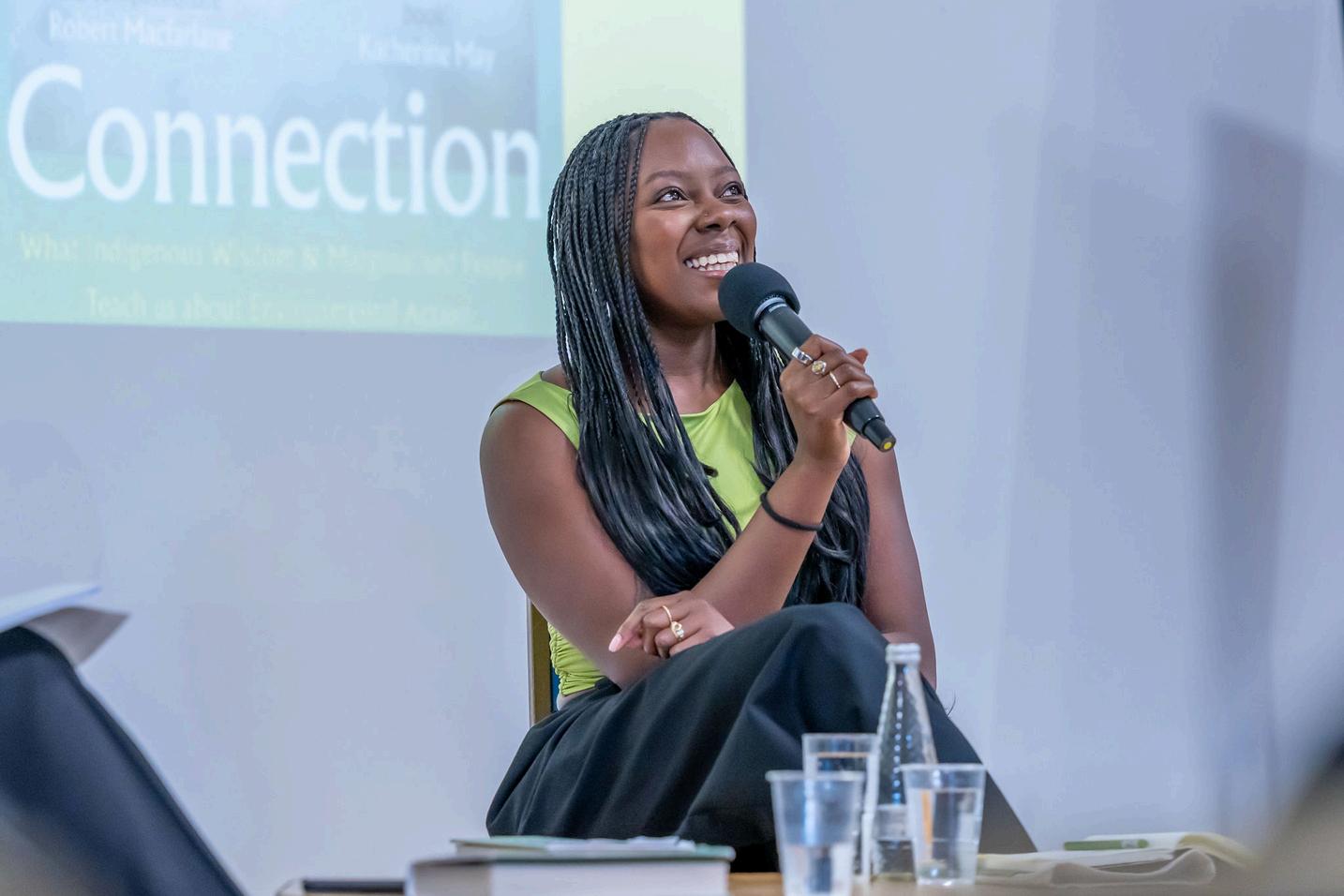
Photo credit: Adva Photography
This report was curated and edited by Sam Gregory and Phia Davenport
Designed by Phia Davenport with support from Abz Dickinson
Introduction
2025 in a nutshell
Core updates
Project updates
Opus services
Workflow updates
How we work together
2026 and beyond
Acknowledgments
Opus works to create and support responses to achieve urgent systemic change. We do this by telling stories, bringing people together and demonstrating ‘proofs of possibility’.
doingsimilarwork,andit’sleadingto somereallyproductivecross-pollination.
Morebroadly,ourworkistheresultof ourrelationshipswithaneclecticmixof
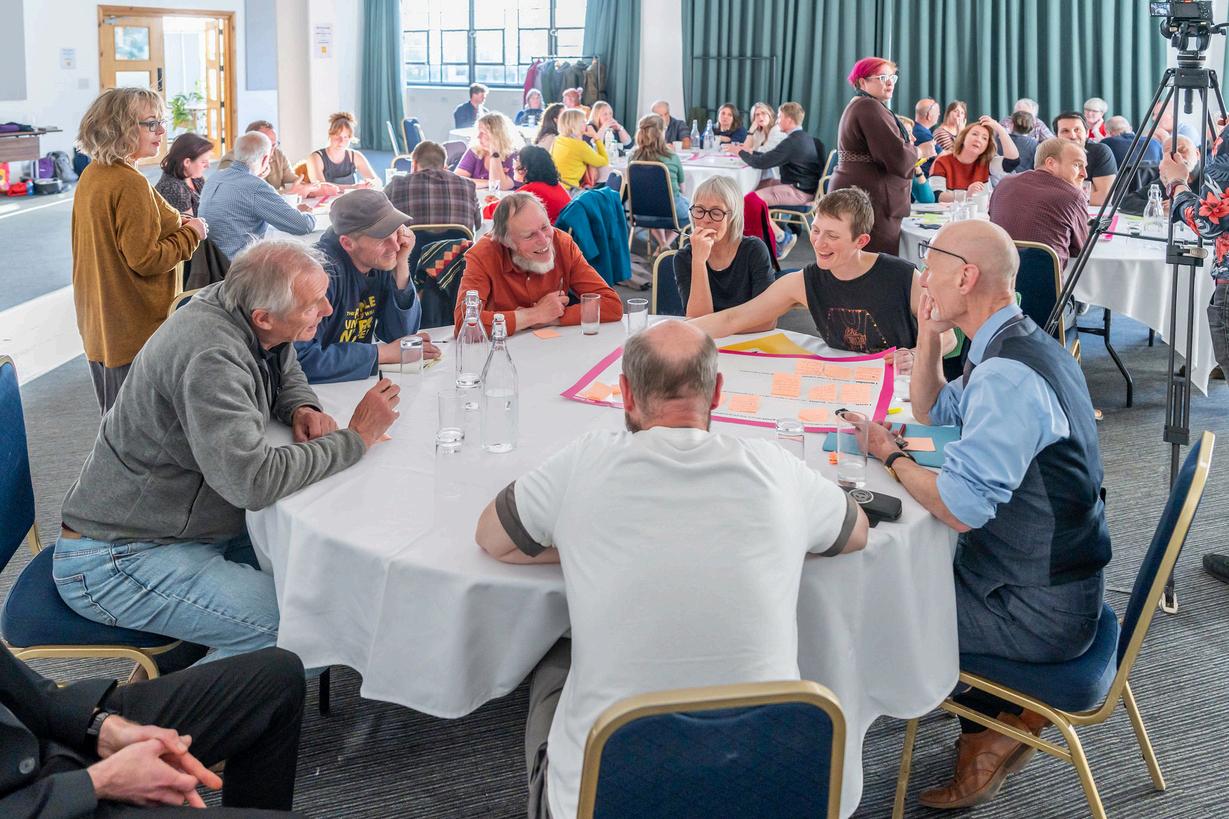
Photo credit: Adva Photography
Photo credit: Adva Photography
The People’s Newsroom Book Club launches, exploring Hospicing Modernity by
Vanessa Machado de Oliveira
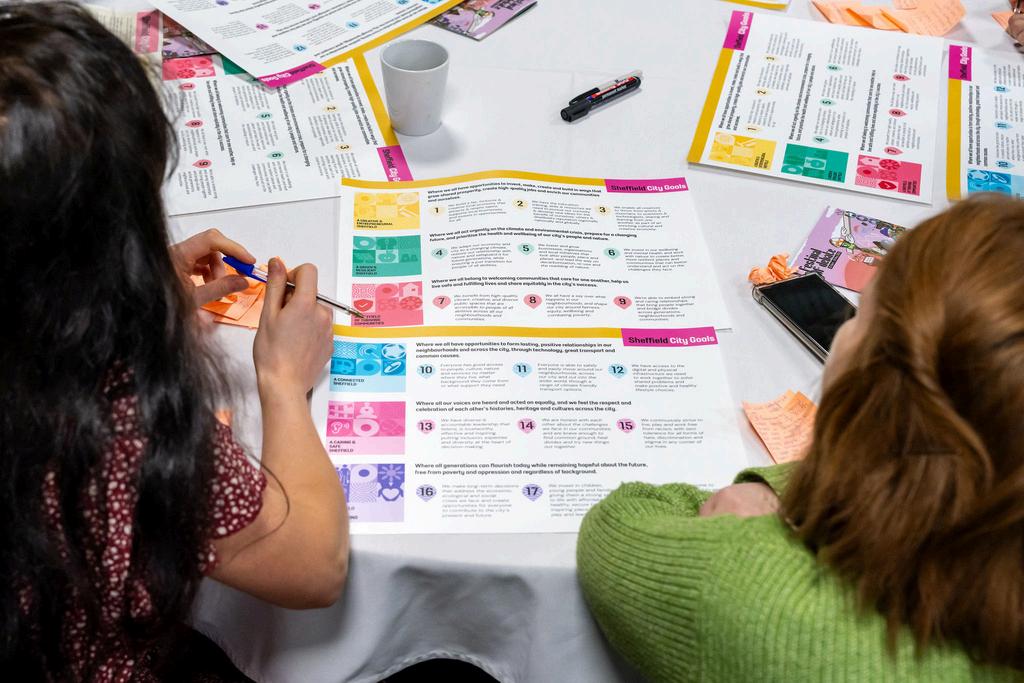
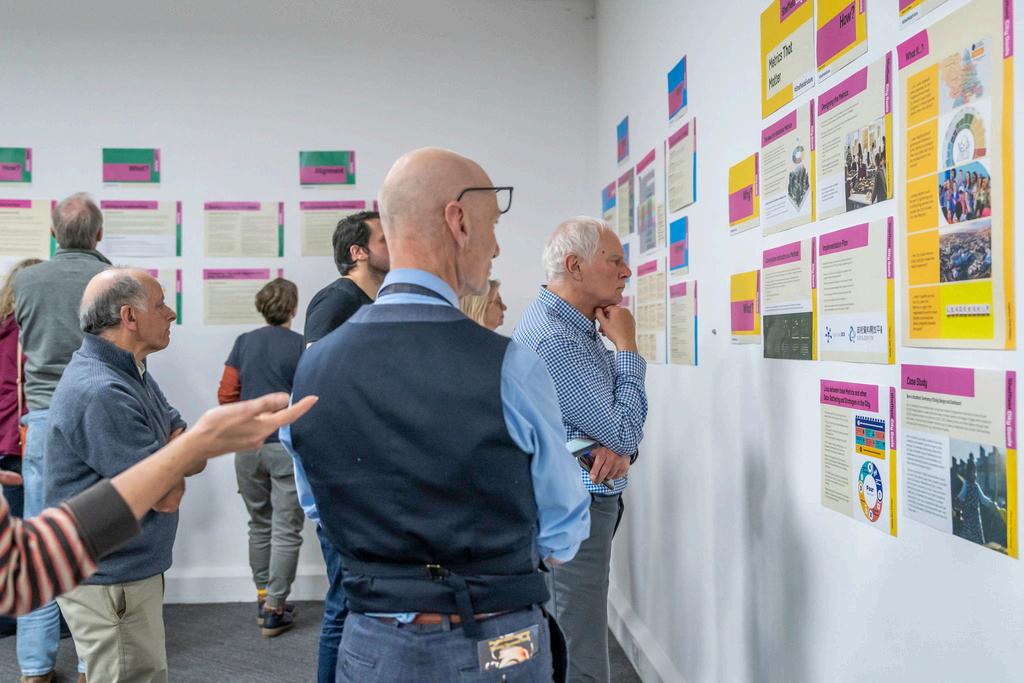
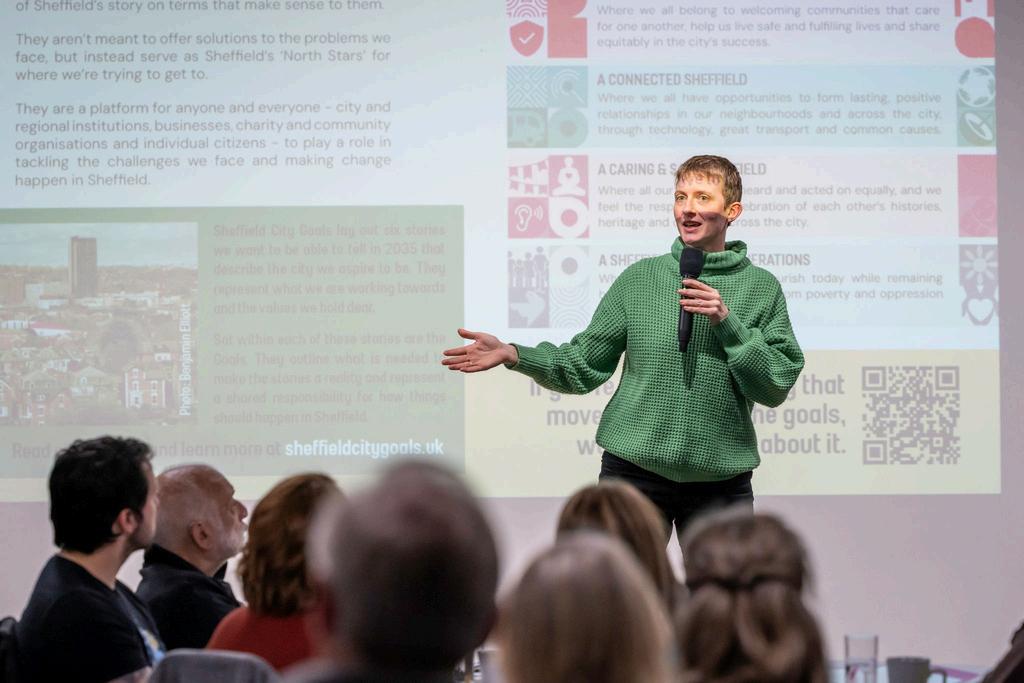
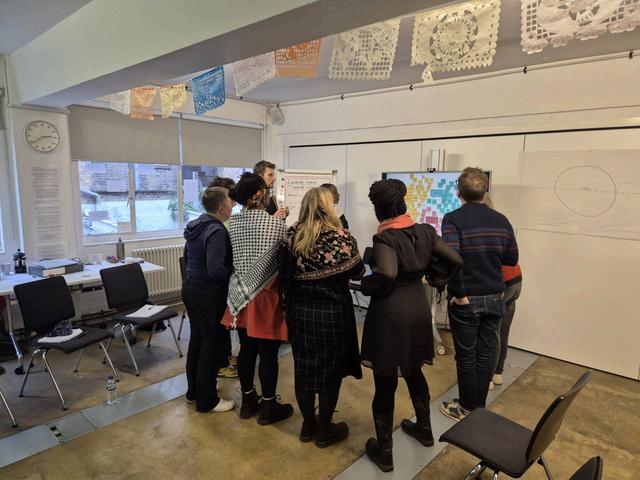
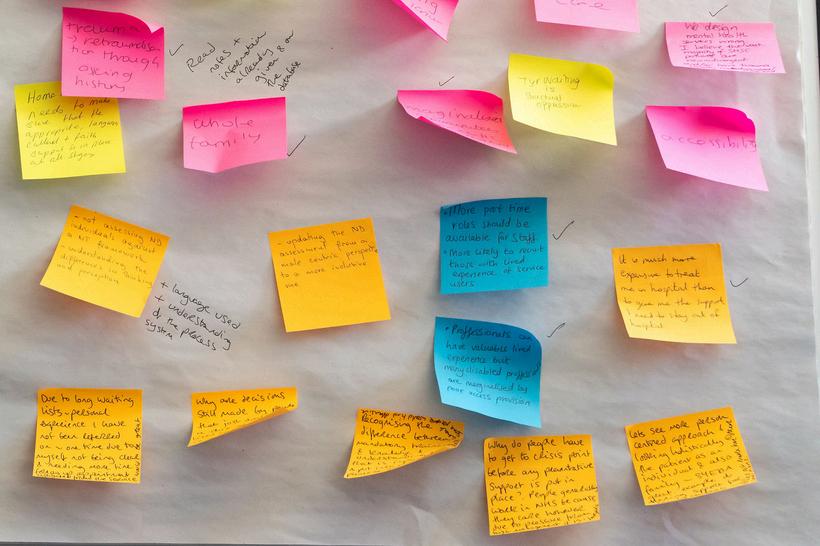
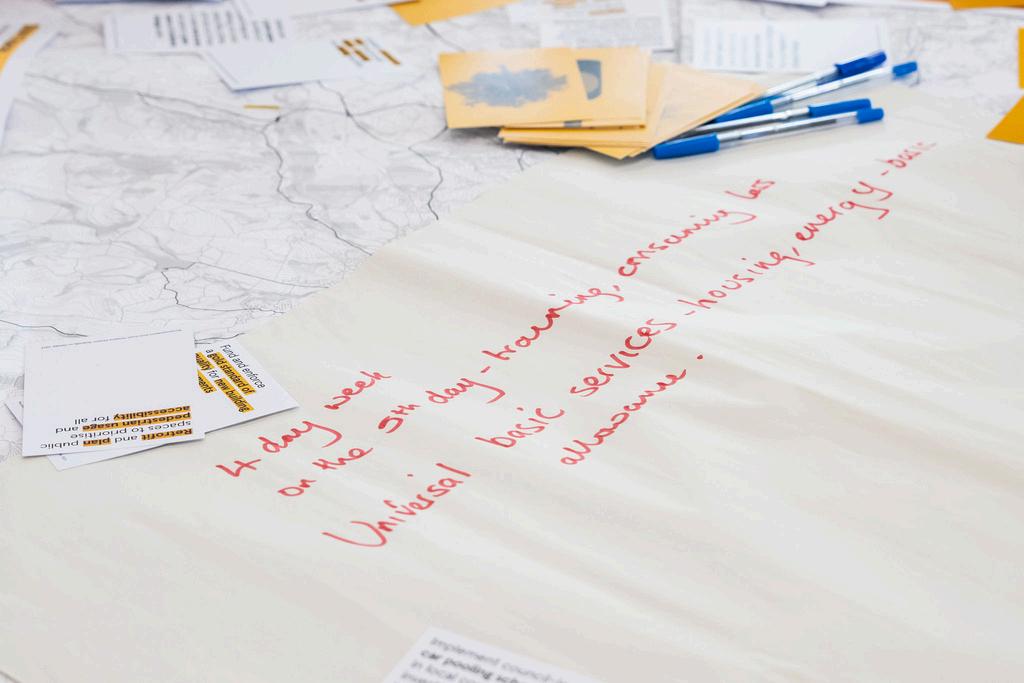
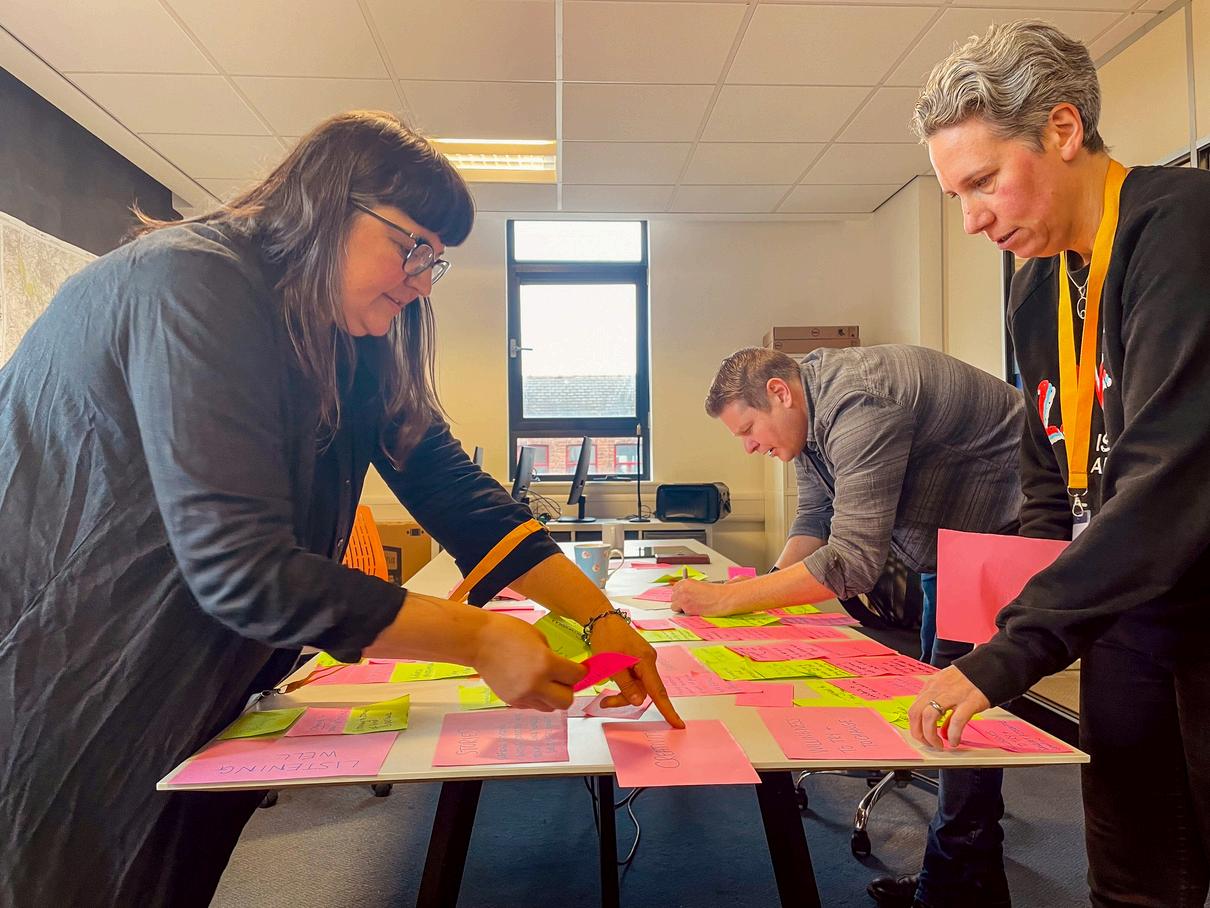
The Sheffield City Goals delivery team host a series of workshops designed to surface insight from people into the key inquiries of each workstream, with a view to designing a draft blueprint and implementation plan using the information gathered, as well as an initial set of Metrics that Matter
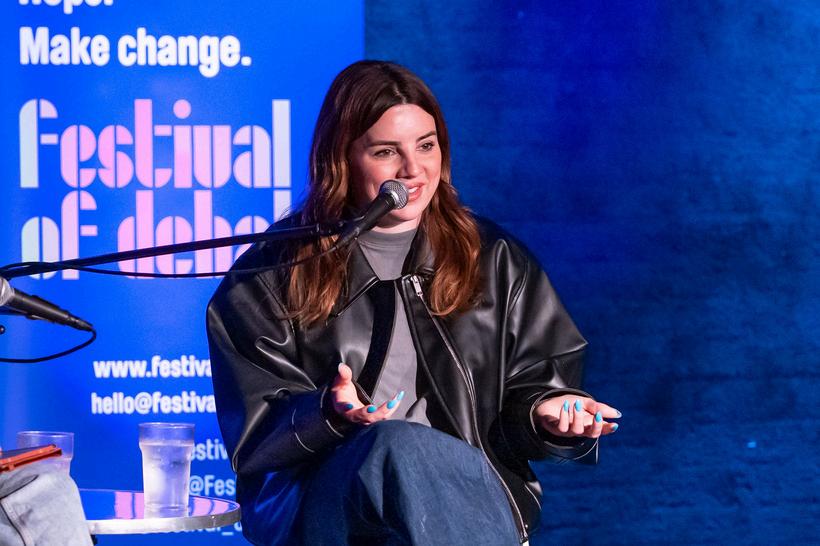
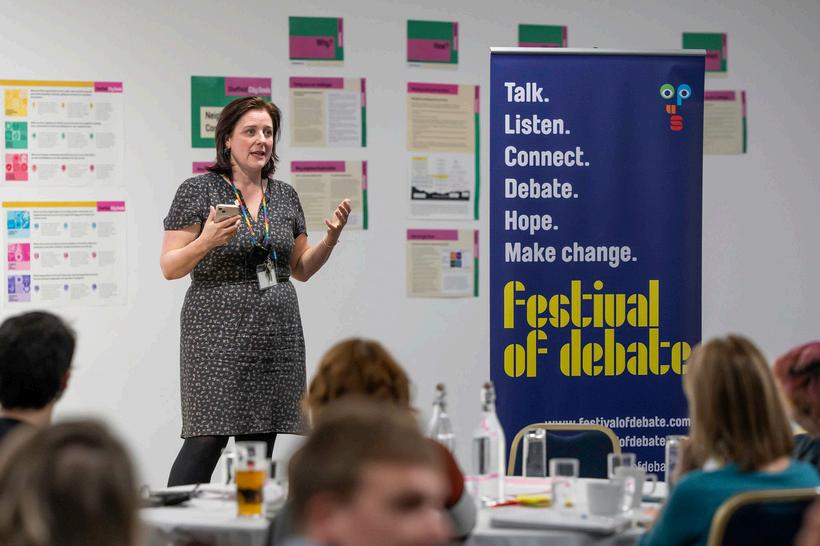
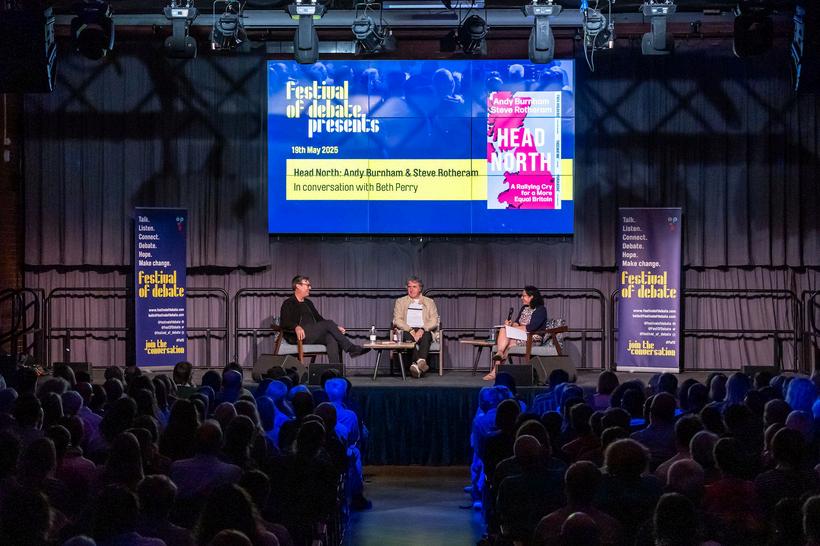
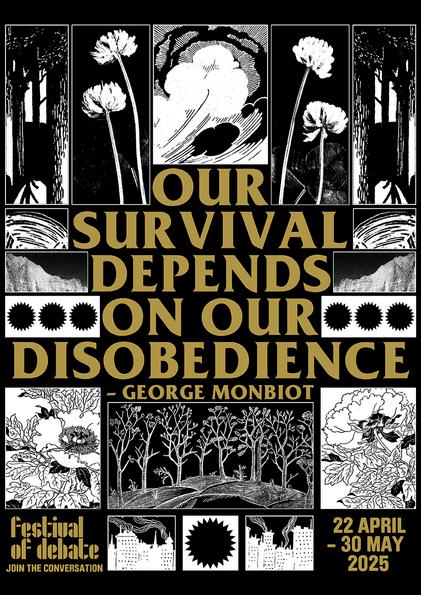
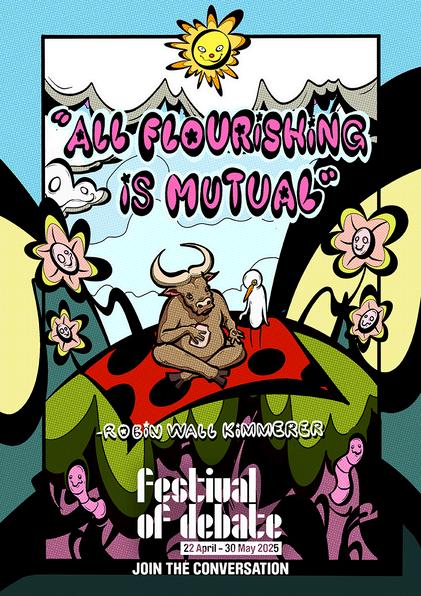
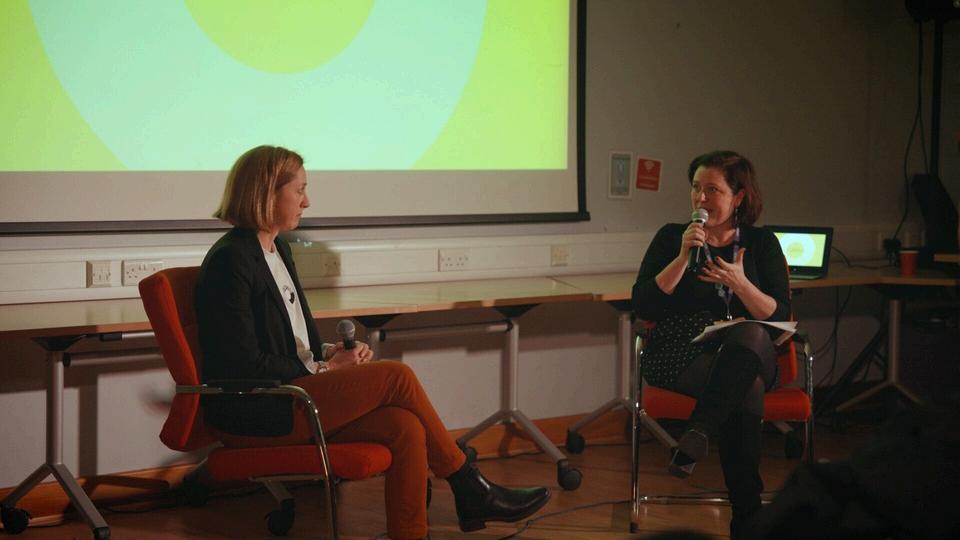
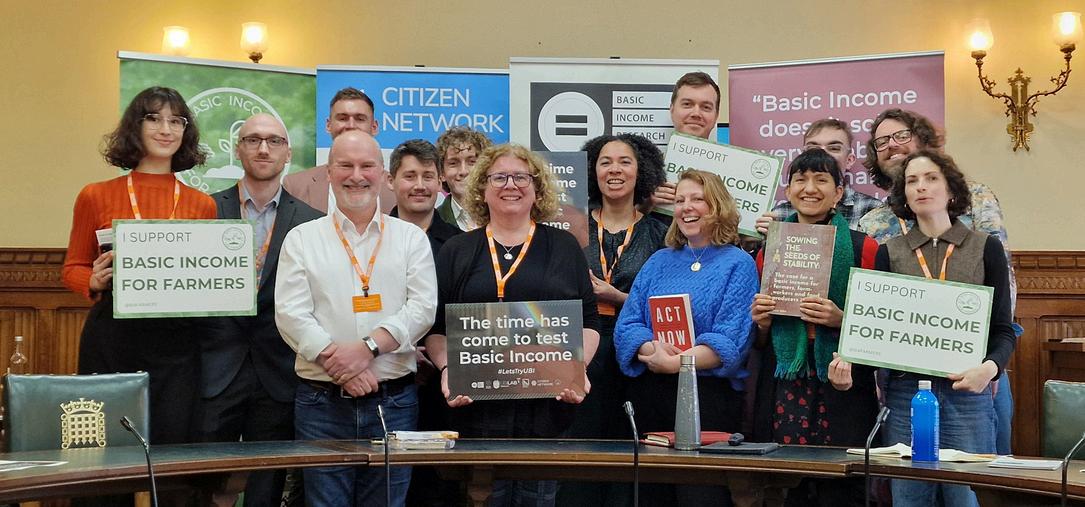
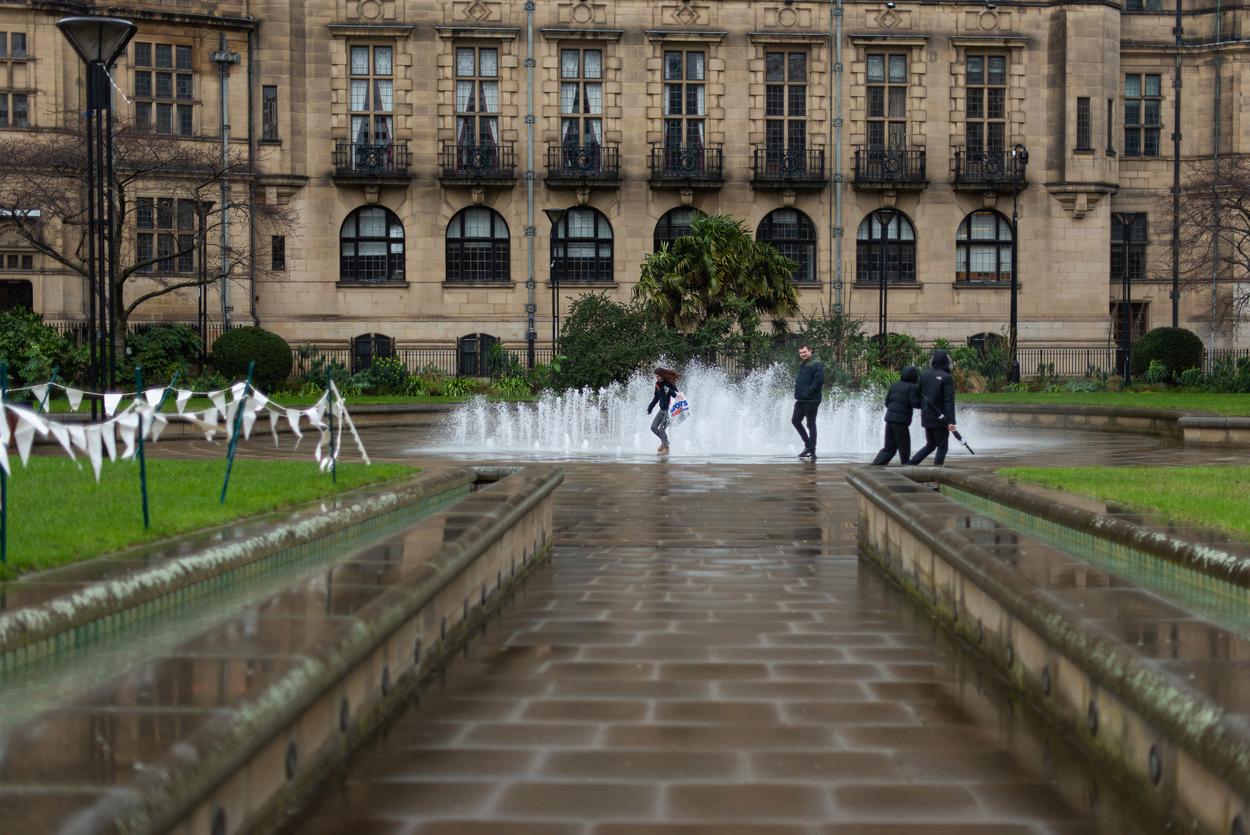
Festival of Debate continues with headliners Lanre Bakare, Shon Faye, Laura Bates, Jeremy Corbyn, Andy Burnham and Steve Rotheram, Nat Raha and Mijke van der Drift, Joycelyn Longdon and Kehinde Andrews
Bashkim Muca joins the Opus team as Sheffield Transition Finance Facility Coordinator
Now Then publishes a collective editorial piece expressing our desire to deepen connections with communities across the city, with an open invitation for individuals and organisations to get in touch
We move into our new office space at The Circle
Lucy Gavaghan joins the team as our Operations Manager
Efua Uiterwijk joins the team as our Workshop Designer and Facilitator
The Generative Journalism Alliance launches its own Substack, and begins publishing interviews centred around the concept of ‘ a Just Transition’
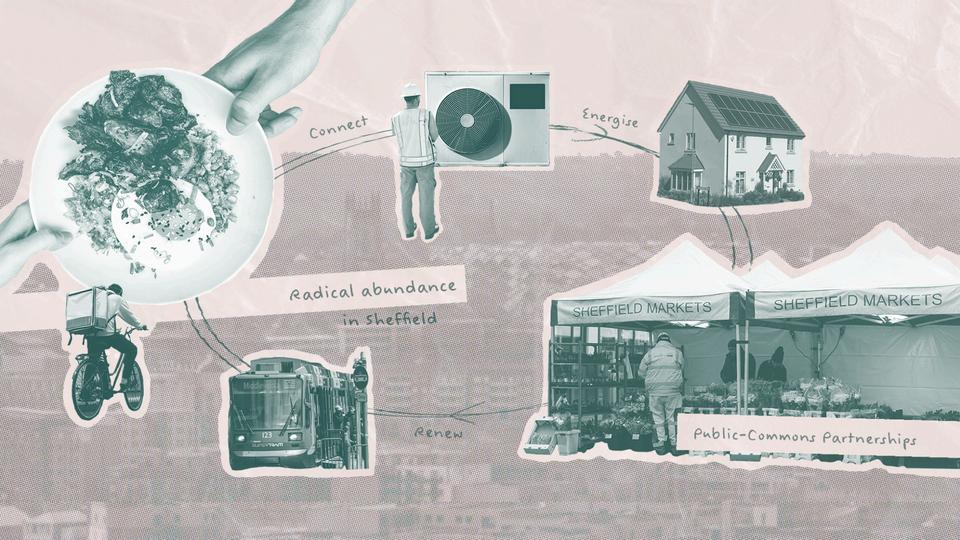
Wordlife hosts an in-conversation event with Keir Milburn and Debs Grayson, about Radical Abundance, followed by discussion groups hosted by Now Then
The final report for this phase of the City Goals work is submitted to Sheffield City Council
The team take part in a series of three Collective Learning sessions, exploring the local and national conditions we’re operating within and responding to, and establishing core shared knowledge sets and understanding of key principles across the team
We announced in Now Then that we’ll be taking a break from delivering the full Festival of Debate programme next year
The team participated in three R&D sessions centred around mission and purpose, which we hope will guide us as we enter 2026
Photo credit: Tim Feben
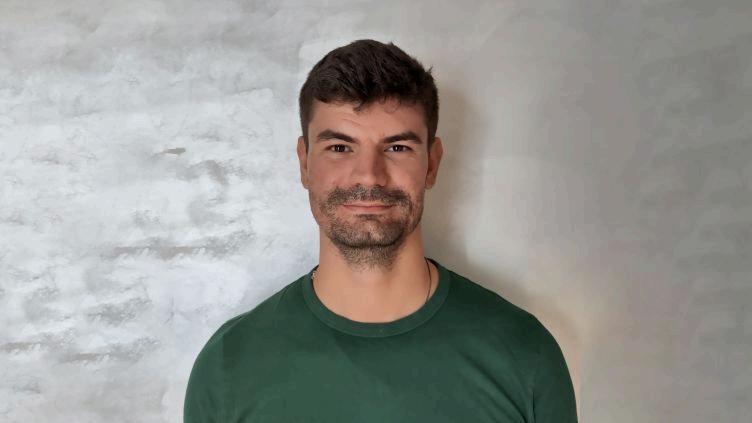
SHIRISH KULKARNI
Holistic Director (continuing)
inrelationshipwiththeothers,forminga civicecosystemwherediverseactors, places,andcapacitiesaresupportedas theyare,notforcedtofitonemodel.
Our updates from 2025:
The release of the provocation papers marked an important early moment of confidence By naming themes across each infrastructure and taking an inquiryled approach, the papers helped surface shared questions rather than fixed answers. The positive reception from partners across the city confirmed that this way of working – exploratory, reflective and grounded in lived experience – was resonating and opening up productive conversations.
Across four infrastructures, hundreds of people, from neighbourhood groups and young people to civic leaders and institutions, took part in workshops, events and learning conversations. This scale of participation revealed strong alignment in values and intent across very different actors, reinforcing the sense that Sheffield was moving in a shared direction, even where perspectives and priorities differed.
Civic infrastructures: a definition
Civic infrastructures are systems that enable collective intelligence, supporting shared learning, decision-making and action among people, communities and institutions working together in place on complex, long-term challenges.
erosionofpublictrustdon’thavequick fixes.Theyneedformsofcollaboration thatarejustascomplex,justaslayered, andjustasalive–andyetstillsimple enoughtobeunderstood,felt,andtaken upbymany.Simpleenoughtofeel possible.
Thisportfoliositsacrossthoselayers–fromtherhythmsoflocal neighbourhoodstothewideviewof Sheffieldasabioregionalsystem.That givesusachancetobuildciviccapacity that’sgroundedandconnected Butit alsoasksadeeperquestion:howdowe createcoherencewithoutlosingthe richnessofdifference?Inaworldthat’s changingfast,wherecertaintyisrare,
Collaboration Infrastructures which make up the portfolio
Now Then magazine is an independent magazine for Sheffield, focused on modelling a different kind of journalism – one which plays an active role in building a better world.
“Our vision of journalism recognises that we are ourselves participants in society, who want to see change happen and whose articulation of that participation is an asset to their work”
been engaging with for years: How do we balance impact and values with financial sustainability? How do we continue to evolve and be alive to change in our work? How do we bring ourselves closer to people, their lived experiences and their perspectives without losing sight of our strategic objectives? How do we become more intentional in the storytelling and convening we do across all of Opus’s work, and what value or capabilities might this unlock, for us and
Our updates from 2025:
a spotlight on what we see as the best of our city. This year, we published 237 articles and sent 48 newsletters, and we’re really proud of the work we’ve done.
Sadly, we also had to say goodbye to our valued team member Maryam Jameela this year, who has done so much for Now Then and Opus as a whole, and will be deeply missed.
237
48 articles published
2,694 newsletters sent subscribed to our mailing list
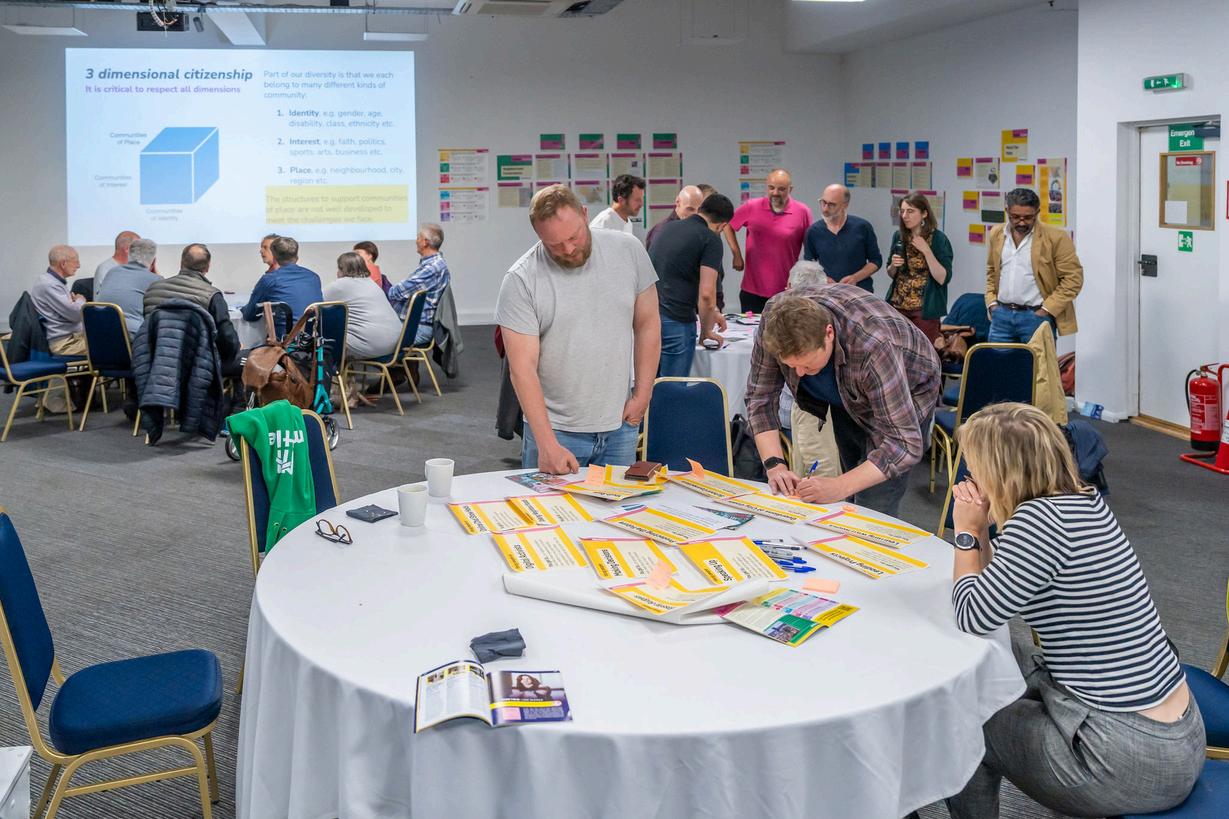
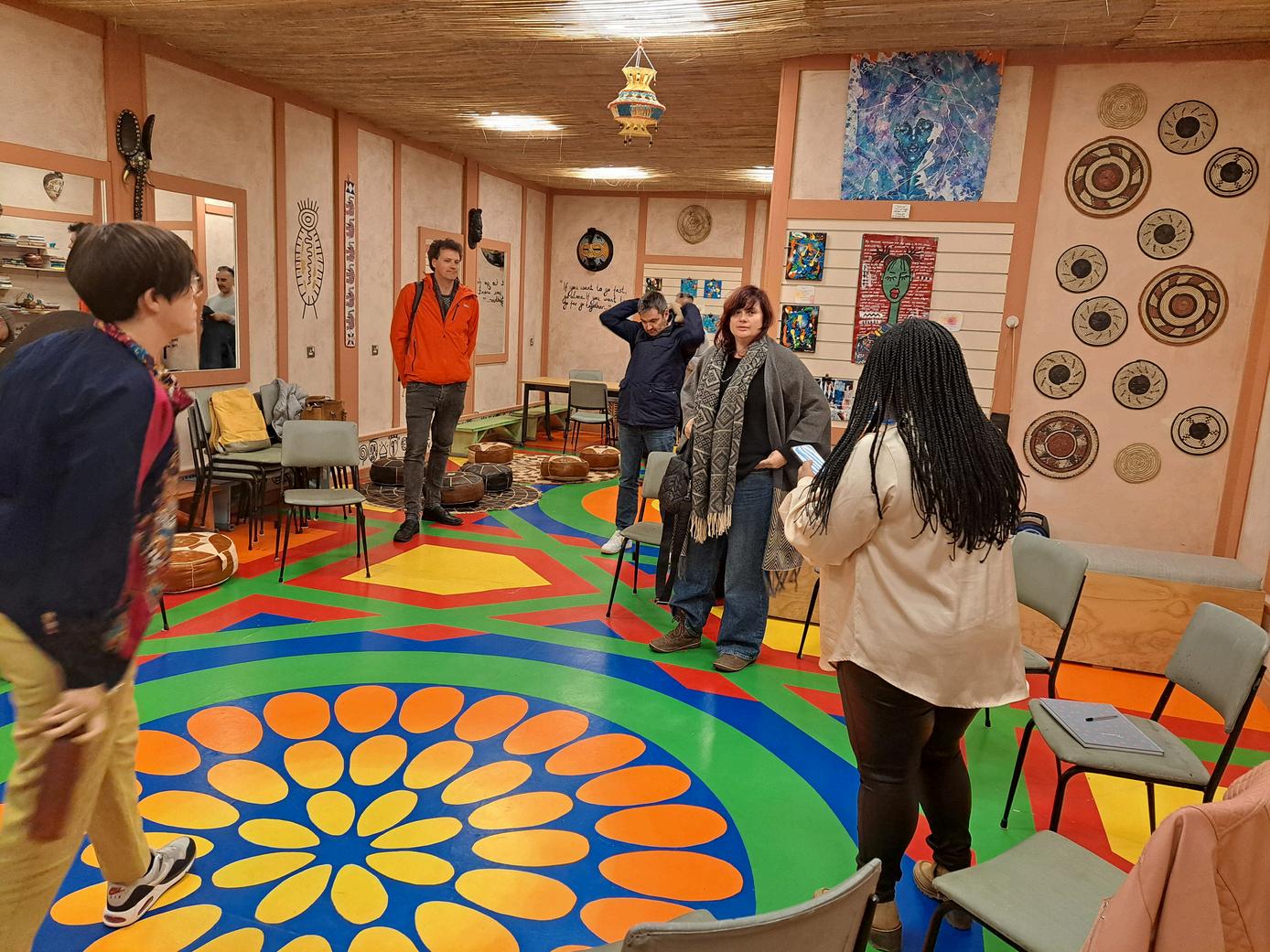
The Festival of Debate is the UK’s largest annual politics and activism festival, creating opportunities to bring people together to share new ideas and lived experiences that can help shape our understanding of the world.
5,000+
tickets issued for our 2025 programme
Our updates from 2025:
“We live in a world of bullshit abundance and artificial scarcity: a world where we have too much of what we don’t need and too little of what we do.”
– Radical Abundance
Our updates from 2025:
“The stories we tell each other inform what is possible between us and enable us to see new ways of relating and being in the world, with one another and with nature”
The best thing to happen to The People’s Newsroom this year has been our shaping from the outside in. From our book club (Storytellers Working Towards Regenerative Futures), to the development of our ‘Lessons for a Story Commons’ series, to our ‘Story of Sheffield – Research and Development Workshop’, we have been shaped not by storytellers in the professional sense but by those who identify the storyteller that
Our updates from 2025:
“This is journalism not as spectacle, but as stewardship. We’re here to hold stories, not extract them. To generate new life from old truths. To create the kind of narrative ground where different futures can take root”
Our updates from 2025:
Our updates from 2025:
For over 15 years Opus Distribution has been providing unique print distribution opportunities exclusively to local independent traders, community groups, arts organisations, charities, educational institutions and local government.
Our updates from 2025:
“A great way to ensure the product you are promoting is seen right across the city and outer reaches of Sheffield. The team at Opus are friendly and flexible It’s also great to see where our print has gone to thanks to their comprehensive distribution reports”
-
– Sheffield Theatres
Sheffield Theatres
Rotherham Museums, Flux Rotherham, Rotherham’s Children’s Capital of Culture, Rotherham Civic Theatre, Right Up Our Street and loads more.
Opus Productions is the production department of Opus. We seek to communicate ideas, help make sense of the world around us, and paint a picture of the society we want to live in.
Our updates from 2025:
Our updates from 2025:
6,500+
55,000+ mailing list subscribers followers across social media platforms
70+ newsletters sent out in 2025
22 internal bulletins sent out to Opus members
At Opus, we’re in the process of changing where we keep our company savings to better balance ethics, risk and the current financial landscape. Team member Sam Gregory spoke to colleague Bashkim Muca about the thinking behind the switch, and what learning we can offer to other organisations dedicated to social change.
been exploring whether we can bank in a way that’s more ethical, while also generating additional interest to contribute towards our work on systems change. He sat down with colleague Sam Gregory for a generative conversation that we hope will generate learning for other organisations grappling with the same problem.
How would you describe the problem you were trying to solve?
A lot of charities use what are considered to be ‘ethical’ banks, but the interest rates are very low. The tough thing to balance is getting nice interest rates, so we get extra money to continue the positive systems change work, but not picking something that doesn't align with the ethos of Opus. Because then it’d be pointless. Who you interact with, who you procure from – that's a voice in itself.
Some organisations with big endowments end up investing in things that are causing the very problems the organisation exists to solve.
Is any bank really ethical? The line that everyone draws is so different. EvenTriodos’s Global Equities Impact Fund used to invest in Nike, which has a poor record on worker exploitation, and currently invests in AstraZeneca (which has continued to do business in Russia). You can't avoid it in full unless we take all the cash out and put it under a mattress.
Tell us a bit about the process you went through.
I essentially did a detailed six-pager, summarising our savings account options. At the moment we use Co-op’s Instant Access, with 1.25% interest, which is really bad. But Co-op are actually quite ethical. There's different ways of measuring the ethics of a bank, and we've ended up using three
That’s interesting. There’s a demand for it?
Yeah, exactly. I think Nationwide have been unable to open their business savings accounts to new customers since 2021. These were all things I was trying to make myself aware of before I proposed something. It was essentially a lot of analysis using metrics to gauge whether these banks are ethical or not, and then making certain value judgments as well as to what I feel Opus would be okay with.
What did you decide on in the end?
farisjustaproposal.I’mgoingtoputitto therestoftheteamatanupcoming boardmeeting,butI’mhopefulthat they’llseethatthisistherightwaytogo –balancingourneedtogeneratemore incomewithourethicalaimsasan organisation.
money back. It's being clever with the risk and the opportunity we've got, and knowing how much we can put in each account. How can we best balance the higher interest rates to help with systems change work while also being ethical? The only hiccup in that entire process is the HSBC holding account – damn.
What’s the best thing that could happen as a result of this work?
So with Flagstone we spread the savings across different ‘ethical’ banks?
Yes, exactly We're able to keep that FSCS protection. If we split all our savings across six or seven different banks that we consider ‘ethical’, and all of them collapsed at the same time, we’d get our