
Great Ouse Branch
Ouse News - Spring 2026
Campaigning for the conservation, use, maintenance, restoration and development of the Inland Waterways.
The views expressed in this publication are not necessarily those of the Inland Waterways Association or of the Great Ouse Branch. They are, however, published as being of interest to our members and readers.
Great Ouse Branch Committee:
Chairman:
KeithAlderton
Tel : 01366 727236
Secretary:
John Hodgson
Tel : 01234 344884
Treasurer:
Enid Hodgson
Tel : 01234 344884
Ouse News Editor:
CaroleAlderton
Tel : 01366 727236
Membership Officer
Stephen Foote
Tel: 01763 838936
Member:
RobinAdams
Tel: 01223 862026


Do you have a few hours to spare? We need your help! We are a small, friendly group and desperately need more committee members to help us organise meetings and events. One committee member has just retired (Peter Webb) after 29 years! That leaves just 6 of us!!
Please contact the Chairman.
Ouse News Page 3
Branch News
WinterMeetingsareat8.00 pm at the North Lodge Pavilion, North Lodge Park, Milton, CB24 6UD.
THURSDAY 26 TH MARCH 2026
This will be ourAGM, followed with an update by a River Manager from the EnvironmentAgency.
THURSDAY 22 ND OCTOBER 2026
This will be another in-house presentation. RobinAdams will be explaining how he designed, built and enjoys travelling in his home made scow.
THURSDAY 19TH NOVEMBER 2026
To be advised.
Please note change of date.
Transfer to our Branch:
Mr Hugh Gibbons Saffron Walden
If anyone is reading this newsletter and would like to become a member, please contact Stephen Foote, our Membership Officer, on 01763 838936. welcome more new members soon. Welcome to our latest member and we hope to
Chairman’s Corner
The time when a large part of our inland waterways system was closed due to lack of water seems to be a distant dream and we are now firmly back into ‘strong stream advice’mode. Ahappy medium state between drought and deluge would be most appreciated by all!
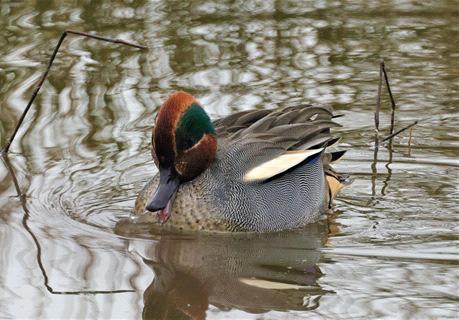
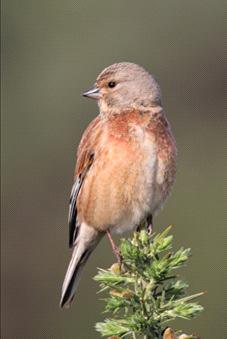
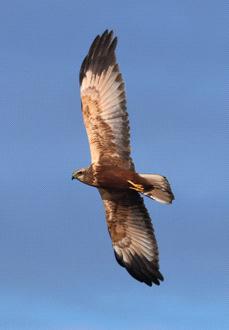
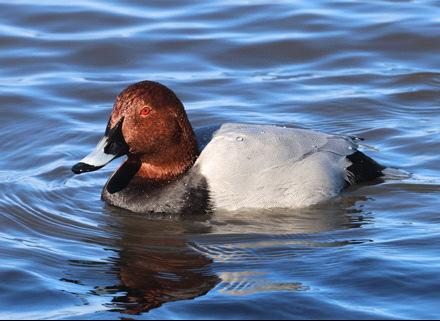
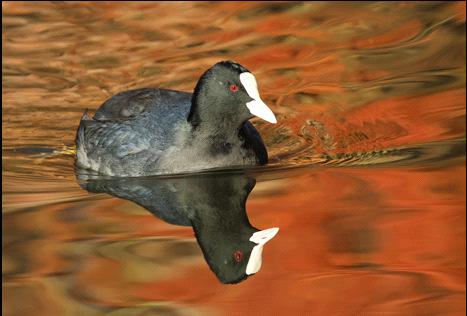
The branch concluded the autumn programme with local birder, Paul Fuller presenting a full evening of brilliant photographs of birds likely to be encountered on our wetlands and waterways. It was fascinating to see how many new species have crossed from the Continent to the UK in recent years. It would seem that there are some benefits being felt from climate change after all, despite worries about species extinction.
In February, new memberAdrian Koe gave a presentation about his boating adventures and mishaps. See report on page 21.
Members will find all of the paperwork for ourAGM scheduled for the 26th March in the attached/enclosed appendices. The brief formalities will as usual be followed by an update from the EnvironmentAgency.
In October, we will have another in-house presentation, this time from committee member RobinAdams. Robin will be explaining how he designed, built and enjoys travelling in his home made scow.
Much concern has been expressed at the ever expanding list of local navigations closed by the EA, (see attached press release on page 6). As usual, the navigation authority trots out the perennial excuse of ‘lack of funding’. However, we know from past experience with Welches Dam that they have always exhibited a ‘lack of will’ to maintain the little-used corners of the system and give the impression that they are quite happy to see them permanently closed .
The situation at Brandon Lock on the Little Ouse is still unresolved, with the top end of the navigation being closed due to excessive silting. It seems bizarre that they opened the lock and sluice to release flood water, filled the area with silt and then claim not to have the funds to dig it out.
Until the situation is resolved, boaters are being advised to go no further upstream than Hockwold, some three miles short of the head of navigation. The river is fairly narrow in this area, making it difficult for longer boats to wind.
The Great Ouse branch supports GOBA and other members of the Fund Britain’s Waterways campaign in their efforts to lobby the Government to provide adequate funding to the navigation authorities.
There has been some success elsewhere, as the Government has agreed to make a one-off grant of £6.5 million to the Canal & River Trust to fund capital projects. Another small but significant gain was the £500K grant from Cambridge & Peterborough Combined Authority towards the stabilisation and subsequent reopening of Baits Bite Lock on the River Cam. A total of between £1.3m and £1.5m will be required to fully complete the work on the River Cam locks.
The process of appointing Regional Coordinators in areas where there is no Regional Chairman in place is now underway. The job description is shown on page 9. Please contact Head Office if you would like to be considered for the role in the Eastern Region.
I look forward to meeting you at the AGM.
Keith Alderton

Ouse News Page 7
Fenland Waterways Face Permanent Fragmentation as Old Bedford Sluice Becomes 5th Indefinite Closure in the Region
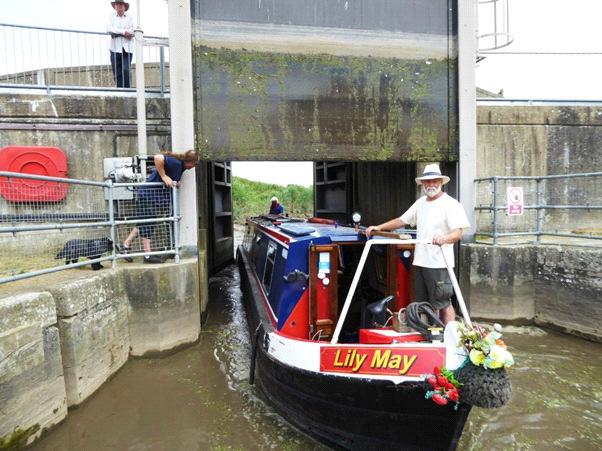
Narrowboat navigates through Old Bedford Sluice Photo: Alison Smedley
IWA has warned that East Anglia’s waterways are being lost “in perpetuity” following the announcement that due to health and safety concerns, navigation though the Old Bedford Sluice V-doors has been closed indefinitely, the latest in a growing catalogue of closures across the Environment Agency’s Anglian waterways with no plans for reopening.
Ouse
The closure, announced on 19th January 2026, further severs connections between the Middle Level and the Environment Agency’s waterways via the Old Bedford River and Welches Dam Lock on the Horseway Channel.
The Anglian waterways network now suffers from multiple indefinite stoppages with no remediation plans in place:
• Old Bedford Sluice V-doors (Old Bedford River): closed January 2025
• Brandon Lock (River Little Ouse): closed since 2024
• Harlam Hill Lock (River Ancholme): closed since 2012
• Welches Dam (Horseway Channel/Old Bedford River): closed since 2006
• Swaffham Bulbeck Lock (Swaffham Bulbeck Lode): no longer operational, reclassified as flood relief structure
In a statement to IWA, the Environment Agency confirmed there are currently no plans to reinstate any of these locks to navigation, citing ongoing financial pressures.
IWA’s Risk Index, which mapped risks across the inland waterways network from climate change and funding shortfalls, identified indefinite closures as a critical threat to the connected system.
The implications extend beyond navigation. A fragmented waterway network means:
• Lost economic opportunities for waterside businesses and tourism
• Reduced public access to green/blue spaces for recreation and wellbeing
• Irreversible damage to historic infrastructure and cultural heritage
Additional Note:
Recent plans for the proposed Fens Reservoir have abandoned earler considerations to reopen the Horseway Channel route for water transfer, opting instead for pipeline infrastructure. IWA has urged planners to reconsider, highlighting that reopening the channel would deliver multiple public benefits including restored navigation, enhanced walking and cycling access, and greater public enjoyment of the internationally significant Ouse Washes landscape.
Region Co-ordinator
Purpose of Job:
Job Summary
• Encourage and support branches and members.
• Act as a channel between branches & members and Trustees and national committees.
• Ensure branch operate within the various legal and IWApolicy re straints.
• Work with third parties to influence decisions that affect waterways at a regional level.
Time Commitment
This is an ongoing, ad-hoc, role which can be tailored to fit in with your time and availability.
The Region Co-ordinator Reports To.
The Region Co-ordinator reports to the Board of Trustees.
The Role:
Providing leadership to the branches and groups within the Region and where appropriate chair the Region Committee
Each IWAregion is led by a Region Co-ordinator. This appointment is made by the Trustee Board for a term of three years.
The role of the Region Co-ordinator is to facilitate and cultivate good relations and communications between branches in their region, their officers and all their neighbouring branches i.e. not just those within their geographic region. In areas where a branch is no longer operating the Region Coordinator will work with members to encourage the formation of special interest groups and new branch committees.
The Region Co-ordinator’s key functions are:
Encourage and support branches and members to develop healthy groups that deliver good volunteer experiences for all.
Work alongside the individual branches to ensure the activities and expenditures are working toward the organisation’s objectives and that they follow IWA’s policies, procedures andArticles ofAssociation.
Coordinate the voice of the membership and act as a channel for directing any ideas, feedback or issues that are beyond the scope of one branch, to Trustees and National Committees.
Work with third parties to raise the profile of IWA, and to influence decisions that affect waterways at a regional level.Working with navigation authorities, devolved regional governing bodies, other government bodies, local government, and any other regional agencies, as appropriate, to present a consistent approach at regional level.
Region Co-ordinators are invited to attend meetings of IWA’s Board of Trustees in a representational, but non-voting capacity, and are kept informed of the Board’s activities with minutes and agenda papers. They are responsible for communicating Trustee Board decisions to branch committees, and for keeping the Trustee Board, National Committees, and the CEO and staff informed on activities within the region.
Person Specification:
You are enthusiastic about supporting the work of the IWA., the Coordinator should have the following qualities.
• Leadership skills
• Tact and diplomacy
• Good communication and interpersonal skills
• Impartiality, fairness and the ability to respect confidences.
Advice & Support:
Formal support for the role is available from the trustee’s board and national committees including:-
The Management Committee and, if and when one is appointed the CEO.
Navigation committee (Navcom)
The HeritageAdvisory Panel (HAP)
The PlanningAdvisory Panel (PAP)
The Sustainability and Environment Committee
The Restoration Committee
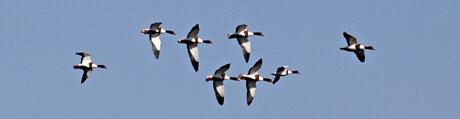
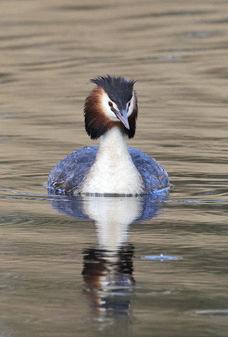
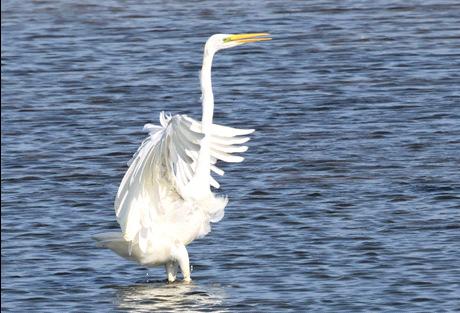
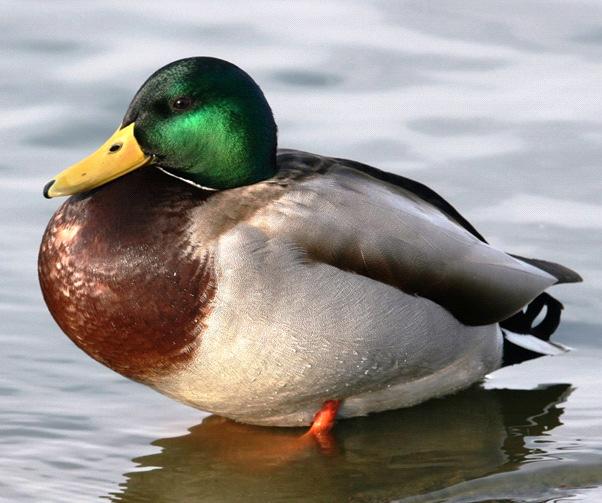
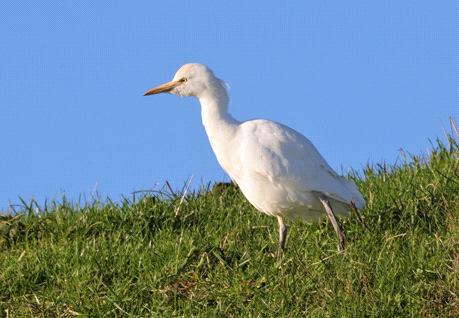
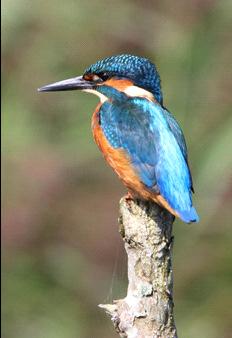
Photos taken from the presentation by Paul Fuller on ‘Birds of the Wetlands and Waterways’:
Great Crested Grebe
Great White Egret
Cattle Egret Kingfisher
Mallard
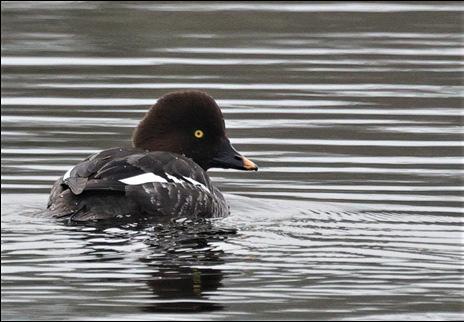
Golden Eye
Marsh Harrier
Teal Pochard
Linnet
Coot
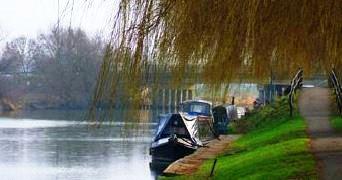
Loads of Lodes
We recently looked at a bit of the history of Cottenham Lode here in ‘Ouse News’. But what of the other lodes? Soham Lode, Bottisham Lode, Swaffham Bulbeck Lode; Reach Lode and Burwell Lode; Wicken Lode, Monks Lode – and others. How much do we know about them?
There’s quite a lot of information out there – but it’s disjointed; much of it is contradictory and some of it, frankly, totally wrong. I tried to discover more about the past of these somewhat forgotten and neglected waterways – the majority of which are no longer navigable, for various reasons.
It is believed the word ‘lode’ is derived from an ancient English word meaning ‘way’ or ‘course’ or ‘route’. In the 17th century it was applied to a ‘vein of ore’ – particularly in lead mines in the Peak District and in Cornish tin mines.
A few assertions are generally accepted as true. The lodes are all artificial waterways; they were dug for transport. Who dug them and when is less clear. We have already learned that Cottenham Lode is now said to be Norman, not Roman - and probably used to transport stone for building churches. But what of the others?
The available research suggests that most lodes were built in Roman times and have been used to transport all manner of goods down the ages. A summary of references can be found on the Internet on a Wilkepedia page. Like all industrial archaeology research though - these data may or may not be reliable! However there are numerous references on the Wilkepedia page.
The oddity is Methwold Lode. There seems to be little or no information on this one. None of my maps mention it. It leaves the River Wissey near Methwold and continues for a short distance before petering out.
The hamlet of ‘Methwold Hythe’ gives a clue that the lode once continued into the village – presumably for the purposes of cargo but there is no evidence that historians have been able to find.
Our Chairman, Keith Alderton lives in Methwold and is keen to gather more information about the history of Methwold Lode. Please contact the Editor if you have anything that might help his researches!
Stephen Foote
River News from the Environment Agency
Anglian Waterways: Resilience, Renewal, and River Driven Progress
Despite a challenging few months marked by access limitations, fluctuating river conditions, and essential infrastructure works, Anglian Waterways continues to champion the waterways that we all rely on. Through hard work and a shared passion for the region’s rivers, teams and volunteers have made good progress and have had meaningful customer engagement.
Keeping the Region Connected: The Anglian Pass
Limited access to Cambridge via the River Cam and the temporary closure of the NorthamptonArm—could have slowed enthusiasm on the water.Yet theAnglian Pass, delivered in partnership with the Middle Level Commissioners and the Conservators of the River Cam, remained a popular choice. Despite reduced visitor traffic from the Grand Union Canal and disrupted routes for Great Ouse boaters, the Pass achieved around £30,000 in sales. This vital income continues to support the preservation and enhancement of navigations that define the region’s identity.
Conservators of the River Cam have confirmed that Baits Bite Lock is open and fully operational which is fantastic news. Jesus Lock is still closed, but under review, and we hope to hear more news in 2026.
Volunteers at the Heart of the Waterways
This year’s warm summer brought a surge of local boating activity, and with it, a renewed appreciation for Anglian Waterways’ dedicated volunteer community.
Across 36 volunteers, an incredible 1,245 hours of lock assistance were delivered across 209 sessions—with one standout August day seeing 81 boats safely guided through.
Regular support at Houghton, St Ives, Godmanchester, and ongoing commitment at Northampton Marina helped ensure smooth operations across the network.
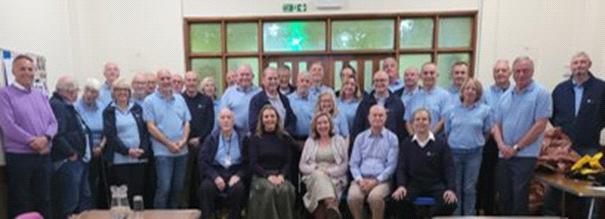
The annual celebration of thanks was hosted for volunteers on 18 November, at Colne Village Hall —complete with food prepared by a talented volunteer chef.
ReIntroducing ‘Riverviews’: A Fresh Digital Connection
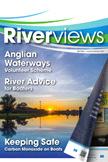
A major milestone this year was the relaunch of Riverviews, Anglian Waterways’muchloved biannual magazine. Now available as an accessible, mobile friendly emagazine. Riverviews strengthens communication with river users, showcasing sites of interest, important updates, and the work going into maintaining the waterways year after year.
It is available on our website and social media pages. Please do take a look and feedback to us. The next edition will be out in the Spring.
Investing in Infrastructure: Winter Works & Asset Care
With a capital allocation of £7.89m and a forecast of £8.84m, the region has embarked on an ambitious programme of winter works. From lock refurbishments at Bedford, Brampton and Upware on the River Great Ouse to extensive PSRA(Public Safety RiskAssessment) tree works on the Great Ouse, River Nene, and Northampton Marina, teams have prioritised safety and longterm resilience.
Updates have been provided on our Navigation Notices as the effect of the wet weather has caused programme dates to be extended for these vital works.
Strong stream events throughout the winter have impacted progress especially on the Bedford Ouse and Nene, but the programme remains on track, with continued focus on mobilisation, design, and annual inspections—now shifted strategically into October.
Strengthening River Corridors Through Nature
Sustainability continues to be woven into daily operations.
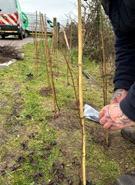
This season, the waterways workforce planted over 1,000 hedging trees along the River Nene and Great Ouse corridors. Locations such as Castle Mills Lock and Warmington Lock now benefit from improved biodiversity, enhanced habitats, and greener, moreinvitingriverbanksforvisitorsandwildlifealike.
Tackling Enforcement Challenges Head On
With an increasing number of unidentified boats and overstaying incidents, enforcement activity has been crucial.
To date, 16 boats have been removed under Article 16 powers, and enforcement efforts have generated up to £198k across the year.
A major focus remains on improving identification and compliance, supported by new team members such as Enforcement Inspector Emma Murphy. Late in the year further funding has been provided which is likely to double the number of removals in this financial year. I hope to have an accurate number for you at theAGM.
Collaboration Drives Innovation
Whether through stakeholder engagement with Northampton Boat Club, progress on the Boston to Peterborough Wetland Corridor, or discussions on future bluegreen activity funding, collaboration remains central toAnglian Waterways’success.
These partnerships help unlock new opportunities for leisure, heritage protection, ecological resilience, and improved river access—ensuring our waterways continue to evolve in ways that benefit communities today and tomorrow.
Looking Ahead
We are now midway through the low season with fluctuating river flows and prolonged periods of Strong StreamAdvice across most of our rivers.Anglian Waterways remains focused on safety, PSRA priorities, and continued progress on the ground.
The Jenyns Arms at Denver had its grand re-opening on 20 February. We wish the new management team all the success possible and are delighted to see this iconic public house re-open.
We look forward to warmer, drier weather in the months ahead (although, I will say, we have no influence on this) and seeing more of you actively out on the river. We are planning more river patrols this year, our workforce will be out and about on our sites, so, please do say hello to the team if you see them.
There are always challenges on the rivers, as has ever been the case, and there is never enough money or resource to do everything we would like to do, or you would want us to do.
Through strong partnerships, a dedicated team, and the support of volunteers and river users, the future of our waterways remains bright, flowing towards a more connected, resilient, and inspiring waterway network for all.
Lee Cobbold Waterways Operations Team Leader
EAN (Great Ouse and Stour Waterways
Meeting held on Thursday 26th February 2026
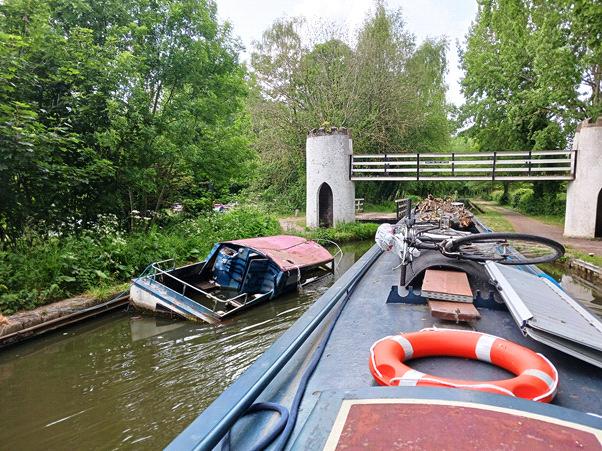
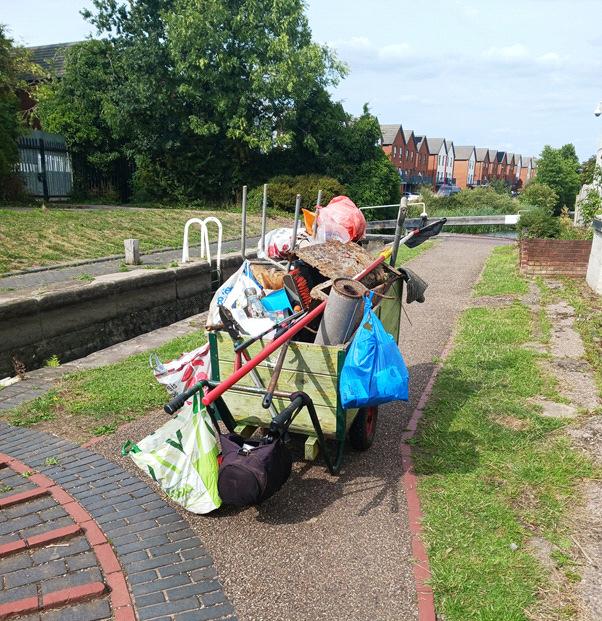
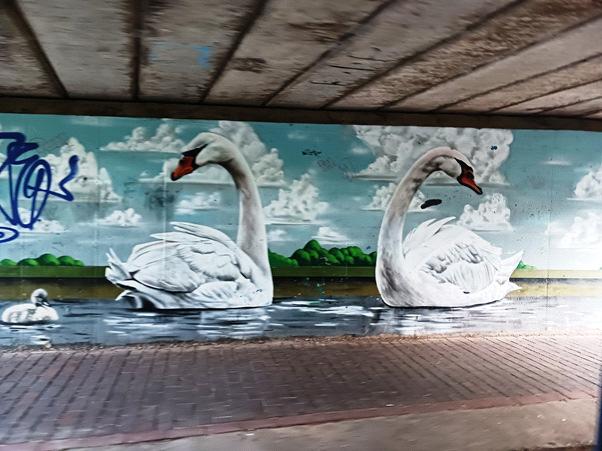
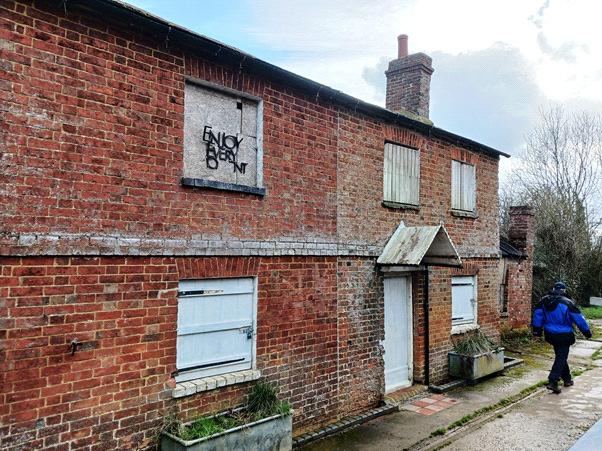
Adrian Koe, a recent recruit to IWA, having joined during a visit to the Historic Boats Parade held in Braunston where his boat Kestrel is berthed, shared a collection of his photographs, mostly consisting of canal based pictures with a few other favourites thrown in.
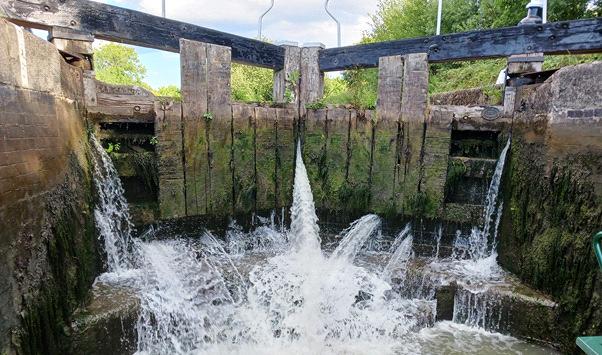
These were classified into damaged locks, bridges and towpaths, followed by some quite attractive graffiti near Coventry.
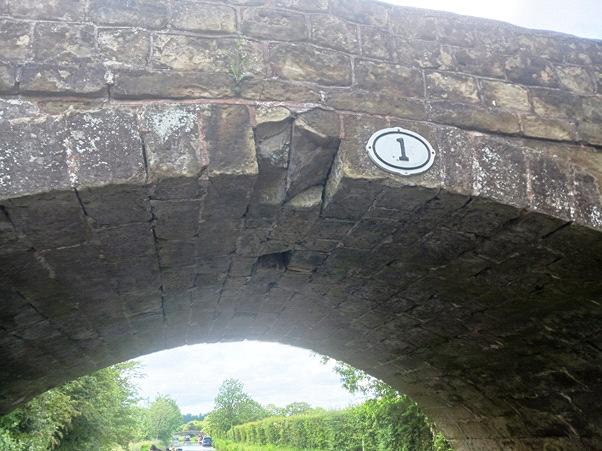
Some of the wrecked boats are now natural wildlife havens. The missing/ damaged keystone must surely be cause for concern. The rubbish collecting by a volunteer near the Minworth closure due to lack of water enabled the crew to add their help for the week they were stranded.
By another lock, a volunteer told us that some structures could not be improved because English Heritage denied permission. The steps had no handrail. Really!
Adrian then included reflections, especially featuring a crane in Braunston which he has had framed for the Marina owner, Tim Coghlan.
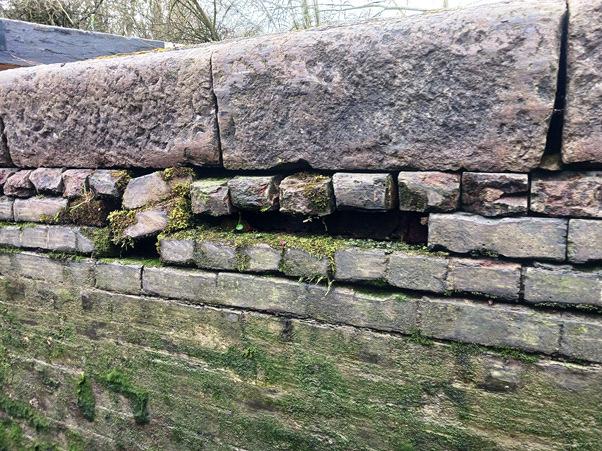
Typical lock leakage
One of many abandoned boats
Typical lock deterioration
Missing keystone
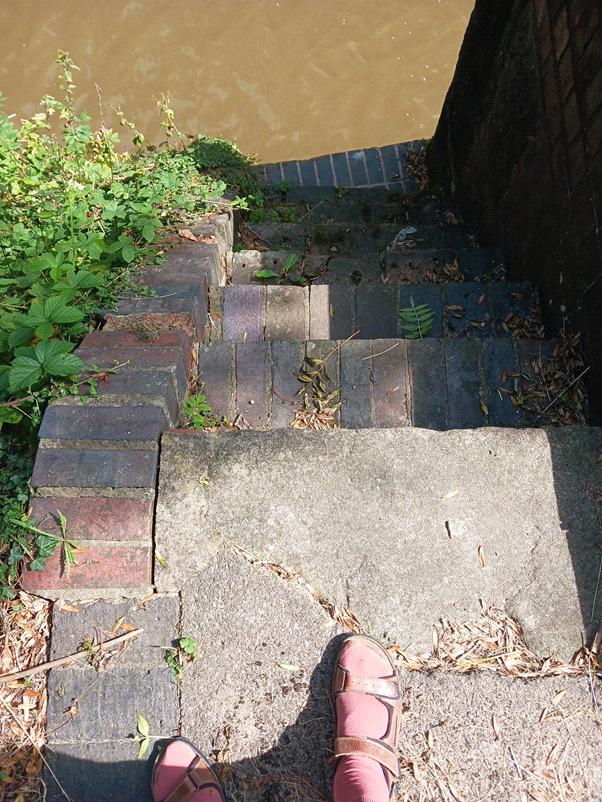
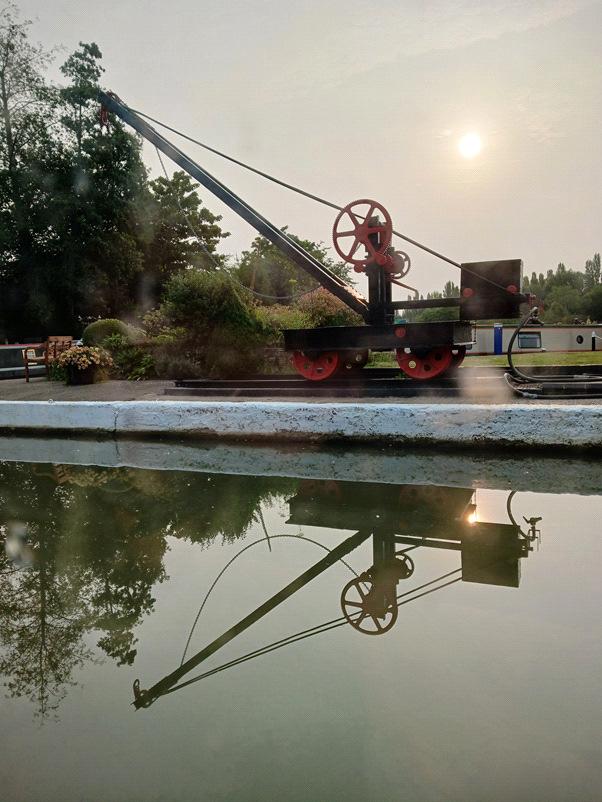
Crane reflection at Braunston Marina
The Inland Waterways Association is a non-profit distributing company limited by guarantee. Registered in England No 612245. Registered as a charity No 212342. Registered Office: 16B Chiltern Court, Asheridge Rd, Chesham, HP5 2PX. Phone No 01494 783453.