Washington Blade, Volume 57, Issue 15, April 10, 2026
ADDRESS PO Box 60664
Washington DC 20039
PHONE
202-747-2077
E-MAIL news@washblade.com INTERNET washingtonblade.com
PUBLISHED BY Brown Naff Pitts Omnimedia, Inc.
PUBLISHER
LYNNE J. BROWN lbrown@washblade.com ext. 8075
EDITORIAL EDITOR
KEVIN NAFF
knaff@washblade.com ext. 8088
SR. NEWS REPORTER
LOU CHIBBARO JR. lchibbaro@washblade.com ext. 8079
WHITE HOUSE CORRESPONDENT JOE REBERKENNY jreberkenny@washblade.com ext. 9463
INTERNATIONAL NEWS EDITOR
MICHAEL K. LAVERS mlavers@washblade.com ext. 8093
POP CULTURE REPORTER
JOHN PAUL KING
PHOTO EDITOR
MICHAEL KEY mkey@washblade.com ext 8084
CONTRIBUTING WRITERS
DANIEL ITAI, ISAAC AMEND, TINASHE CHINGARANDE, PETER ROSENSTEIN, PATRICK FOLLIARD, TERRI SCHLICHENMEYER, JOE PHILLIPS, EVAN CAPLAN, ANKUSH KUMAR, ESTEBAN RIOSECO, SAM KISIKA, ELVIS KAWEDO, DAWN ENNIS CREATIVE DESIGN/PRODUCTION
MEAGHAN JUBA production@azercreative.com
SALES & ADMINISTRATION
DIRECTOR OF SALES & MARKETING
STEPHEN RUTGERS srutgers@washblade.com ext. 8077
SR. ACCT. EXECUTIVE
BRIAN PITTS bpitts@washblade.com ext. 8089
CLASSIFIED ADVERTISING/ADMINISTRATION
PHILLIP G. ROCKSTROH prockstroh@washblade.com ext. 8092
NATIONAL ADVERTISING
RIVENDELL MEDIA 212-242-6863; sales@rivendellmedia.com
For distribution, contact Lynne
Bowser signs bill requiring insurers to cover PrEP
D.C. Mayor Muriel Bowser on March 20 signed a bill approved by the D.C. Council that requires health insurance companies to cover the costs of HIV prevention or PrEP drugs for D.C. residents at risk for HIV infection.
Like all legislation approved by the Council and signed by the mayor, the bill, called the PrEP D.C. Amendment Act, was sent to Capitol Hill for a required 30-day congressional review period before it takes effect as D.C. law.
Gay D.C. Council member Zachary Parker (D-Ward 5) last year introduced the bill.
Insurance coverage for PrEP drugs has been provided through coverage standards included in the Affordable Care Act, known as Obamacare.
But AIDS advocacy organizations have called on states and D.C. to pass their own legislation requiring insurance coverage of PrEP as a safeguard in case federal policies are weakened or removed by the Trump administration, which has already reduced federal funding for HIV/AIDS-related programs.
Like legislation passed by other states, the PrEP D.C. Amendment Act requires insurers to cover all PrEP drugs approved by the U.S. Food and Drug Administration.
Studies have shown that PrEP drugs, which can be taken as pills or by injection just twice a year, are highly effective in preventing HIV infection.
“I think this is a win for our community,” Parker said after the D.C. Council voted unanimously to approve the bill on its first vote on the measure in February. “And this is a win in the fight against HIV/AIDS.”
LOU CHIBBARO JR.
Comings & Goings
Blade editor to be inducted into journalism Hall of Fame
Longtime Washington Blade Editor Kevin Naff will be inducted into D.C.’s Society of Professional Journalists Hall of Fame in June, the group announced this week.
Hall of Fame honorees are chosen by the Society of Professional Journalists’ Washington, D.C., Pro Chapter. Naff and two other inductees — Seth Borenstein, a Washington-based national science writer for the AP and Cheryl W. Thompson, an award-winning correspondent for National Public Radio — will be celebrated at the chapter’s Dateline Awards dinner on Tuesday, June 9, at the National Press Club. The dinner’s emcee will be Kojo Nnamdi, host of WAMU radio’s weekly “Politics Hour.”
“I am tremendously honored by this recognition,” Naff said. “I have spent a lifetime in the D.C. area learning from so many talented journalists and am humbled to be considered in their company. Thank you to SPJ and to all the LGBTQ pioneers who came before me who made this possible.”
Naff joined the Blade in 2002 after years in print and digital journalism. He worked as a financial reporter for Reuters in New York before moving to Baltimore in 1996 to launch the Baltimore Sun’s website. He spent four years at the Sun before leaving for an internet startup and later joining the mobile data group at Verizon Wireless working on the first generation of mobile apps.
He then moved to the Blade and has served as the publication’s longest-tenured editor. In 2023, Naff published his first book, “How We Won the War for LGBTQ Equality — And How Our Enemies Could Take It All Away.”
Previous Hall of Fame inductees include luminaries in journalism like Wolf Blitzer, Benjamin Bradlee, Bob Woodward, Andrea Mitchell, and Edgar Allen Poe. The Blade’s senior news reporter Lou Chibbaro Jr. was inducted in 2015. FROM STAFF REPORTS
Meléndez, Rosen take new roles at Wanda Alston Foundation
By PETER ROSENSTEIN
The Comings & Goings column is about sharing the professional successes of our community. We want to recognize those landing new jobs, new clients for their business, joining boards of organizations and other achievements. Please share your successes with us at comingsandgoings@washblade.com.
The Comings & Goings column also invites LGBTQ college students to share their successes with us. If you have been elected to a student government position, gotten an exciting internship, or are graduating and beginning your career with a great job, let us know so we can share your success.
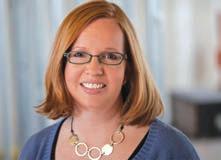
Congratulations to Yadiel Meléndez, on their new role as Community Associate, with the Wanda Alston Foundation. Meléndez is piloting a new role as a Community Associate at the Wanda Alston Foundation, where they support queer and trans young people in finding their footing, building independence, and experiencing a housing community where they are seen, valued, and affirmed. They are coming into this role with more than a decade of experience as a community organizer and
operations specialist, supporting diverse communities through service, advocacy, and program coordination.
Previously they worked for Right Proper Brewing Shaw as a server and bartender and at Sephora, Washington, DC, and at FreshFarm, DC, in bilingual food access. They also worked freelance to build foundational structures for local queer BIPOC performance art coalitions, producing variety shows to curate space for marginalized performance artists in the community. They were a production manager for Haus of Hart Productions, a BIPOC centric performance art production. They also worked as field staff with the American Foundation for Suicide Prevention in Stafford, Va.
Meléndez is bilingual, Spanish and English. Their work is guided by a commitment to dignity, safety, and trauma-informed engagement, particularly within LGBTQ and BIPOC communities.
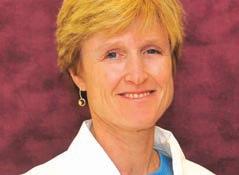
Congratulations also to Ben Rosen LICSW, on his new role as program director, with the Wanda Alston Foundation. Rosen previously worked with Fountain House’s OnRamps program, helping to build a new, innovative
outreach program for individuals considered chronically homeless, and living with serious mental illness, in the Times Square area of New York. Rosen is a Psychotherapist, having worked with SG Psychotherapy, and as the psychotherapist with the Nest Community Health Center (URAM).
Rosen has a B.F.A. in Theatre Arts: Musical Theatre, Minor in Psychology (Cum Laude) from Malloy University Conservatory; and his M.S.W. in Clinical Practice with Individuals, Families, and Groups, from The Silberman School of Social Work, Hunter College, N.Y. He is independently licensed in New York and Washington, D.C.
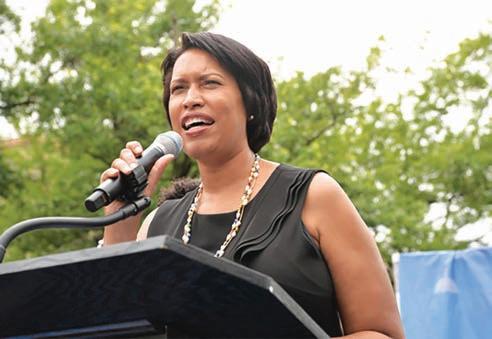
D.C. Mayor MURIEL BOWSER (Blade file photo by Michael Key)
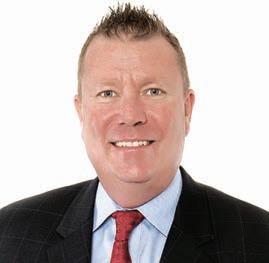
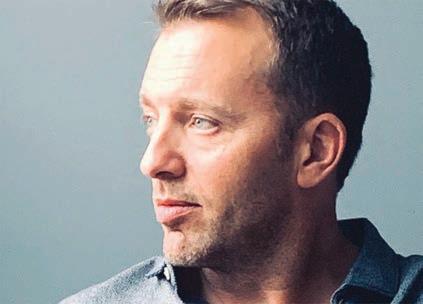
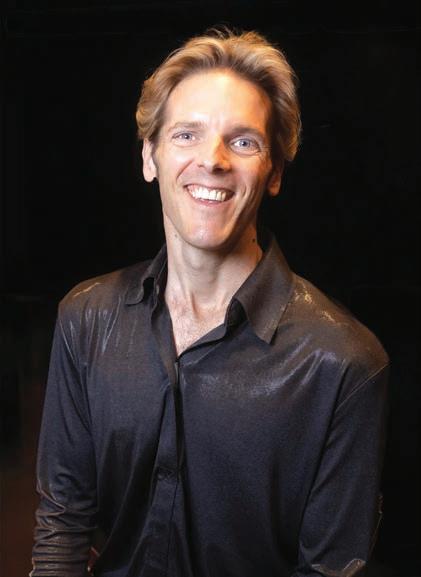
Blade Editor KEVIN NAFF (Photo courtesy of Naff)
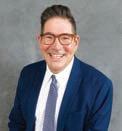
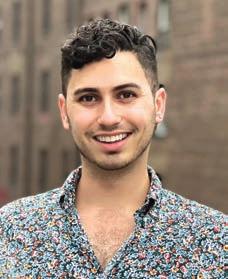
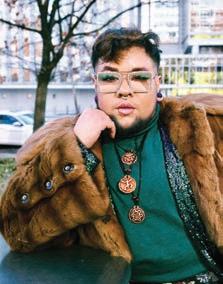
YADIEL MELENDEZ BEN ROSEN
How Pepper the courthouse dog helps victims of abuse
Reshaping how the legal system balances compassion with procedure
By ARIONNA DAVIS
The articles on pages 8 & 9 were written by students in the journalism program at Bard High School Early College DC. This work is part of a partnership between the Washington Blade Foundation and Youthcast Media Group, funded through the FY26 Community Development Grant from the Office of D.C. Mayor Muriel Bowser.
Deborah Kelly’s blind husband, Alton, was dragged for blocks to his death by a hit-and-run driver who had already plowed into her on Alabama Ave., S.E., in June 2024.
But her trauma had only just begun. It took 10 months before the driver, Kenneth Trice, Jr., was arrested, and another six months before he was sentenced to just six months behind bars.
As she heaved and sobbed in the courtroom in November, Kelly had a steady four-legged presence by her side: Pepper the Courthouse Dog, as the black Labrador retriever is known in D.C. Superior Court.
Abby Stavitsky, a former federal prosecutor who now serves as a victims’ advocate, is the owner and handler of nine-year-old Pepper. She says that one of the things that has made Pepper such a great asset in the court in the past six years is the emotional support and comfort she provides to victims.
“She absorbs all of the feelings and the emotions around her, but she’s very good at handling it,” Stavitsky said.
Pepper and Stavitsky started working in Magistrate Judge Mary Grace Rook’s courtroom — and now works in Magistrate Judge Janet Albert’s — to provide support for youth who suffer trauma, especially young survivors of commercial sexual exploitation.
These specially trained dogs offer emotional support to trauma victims of all ages. Courthouse dogs can reduce vic-
tims’ and witnesses’ anxiety and stress, making it easier for them to provide clear statements in the courtroom, according to a 2019 report in the Criminal Justice Review.
“Having something to pet and interact with is a distraction that results in victims being calmer when testifying in court,” says Stavitsky. “This gives them an extra level of comfort.”
What brought Stavitsky and Pepper together
Stavitsky, who spent 25 years as an assistant U.S attorney, handled a lot of victim-based crimes, mostly domestic violence and sex offenses. She was also a dog lover, and once she learned about courthouse dogs and their use, she was inspired.
In 2019, Pepper was given to Stavitsky by a Massachusetts-based organization, NEADS, formerly known as the National Education for Assistance Dog Services. Although Pepper was originally trained to be a service dog, evaluators determined her character was best suited for a courthouse dog.
Pepper now works regularly in various treatment court cases involving juveniles, many of whom have experienced trauma or are involved in the child welfare system. She also sits with victims while they are testifying in a trial.
“She loves people, especially children,” Stavitsky said.
“She loves that interaction.”
Courthouse dogs have a long history In courthouses across the U.S. specially trained “facility dogs” are becoming an important part of how the justice system supports vulnerable victims and witnesses.
Since the late 1980s, these dogs were used to help trauma survivors and anxious children during testimonies and interviews. The first dog to make an appearance in a courtroom was Sheba, a German shepherd who assisted child sexual abuse victims in the Queens (N.Y.) District Attorney’s Office. Courthouse dogs help them communicate more clearly, especially in these settings that make them anxious and stressed.
Unlike service dogs, courthouse facility dogs are professionally trained through accredited assistance dog organizations and work daily alongside prosecutors, victim advocates, and forensic interviewers. For example, courthouse dogs can have more social interaction, unlike service dogs.
Courthouse dogs’ growing use has prompted state laws and professional guidelines to recognize the dogs as a trauma-informed tool that helps victims participate in the justice process without compromising courtroom fairness.
As more jurisdictions adopt these programs, courthouse dogs are reshaping how the legal system balances compassion with procedure, ensuring that victims’ voices can be heard in environments that might otherwise silence them.
Pepper makes it easy to see why.
“I really love people, especially kids, and can provide emotional support and comfort during all stages of the court process,” reads the business card Stavitsky hands out with Pepper’s picture. “I’m calm, quiet and can stay in place for several hours.”
How new barriers to health care coverage are hitting D.C.
Federally qualified health centers bracing for influx of newly uninsured patients
By ROSETTA THOMAS
Washington, D.C. has the second-lowest rate of people who lack health insurance in the country, but many residents are facing new barriers to health care due to provisions of the sweeping federal law passed in July, which threatens access for thousands.
Changes to insurance eligibility and the rising cost of premiums, which kicked in for some in October and others more recently, are expected to leave many more patients uninsured or unable to afford medical care. Federally qualified health centers, including D.C.’s Whitman-Walker Health, where 10 to 12 percent of patients are uninsured, are bracing for an influx of newly uninsured patients while facing their own financial challenges. Even in D.C., where uninsured rates have been among the lowest in the country, changes brought on by the passage of the Republican mega bill (known as the “Big Beautiful Bill”) will have major effects.
The changes from the bill affect Medicaid, which is free to low-income patients, and subsidies for insurance that people buy on the health insurance exchanges that were started under the Affordable Care Act, which were allowed to expire
on Dec. 31.
Erin Loubier, vice president for access and strategic initiatives at Whitman-Walker Health, says some Whitman-Walker Health patients have received notices about premium increases, including several who say the increases are up to 1,000 percent more than they were paying.
“That is like paying rent,” she says. “We live in an expensive city, so any increases are going to be really, really hard on people.”
Whitman-Walker Health and other healthcare providers are expecting the changes to have multiple effects — some patients may not be able to afford coverage or may avoid going to the doctor and allow health conditions to worsen because they can’t afford care, and many more will be seeking care who don’t have insurance.
“I’m worried that we’re going to not just have people who can’t get care, but that they delay care until they’re really sick, and then the care is not as effective because they might have waited too long, and then we may have a less healthy population,” Loubier says.
Loubier says delaying care, and serving more people without insurance has major implications for Whitman-Walker Health and other health centers serving the community.
“There’s going to be a lot of pressure on us to try to find and raise more money, and that’s going to be harder, because I think all organizations who provide health care are going to be facing this,” she says.
The U.S. health care system is the most expensive in the world, and has much higher out-of-pocket costs for individuals. But in other countries like the United Kingdom, Australia, Canada, and many others, health care is much less expensive — or even free.
Even though the U.S. has a high-priced healthcare system, critics say there are still ways to bring down costs by forcing insurance and pharmaceutical companies to absorb more of the costs, rather than transferring the costs to patients.
“In the U.S., they end up trying to cut costs at the person’s level, not at the level of the different corporations or structures that are making a lot of money in healthcare,” said Loubier. “Our system is so complicated and there is probably waste in it, but I don’t think that that cost and waste is at the ‘people’ level. I think it’s higher up at the system level, but that is much, much harder to get people to try to make cuts at that end.”
Ultimately at Whitman-Walker Health, healthcare providers and insurance navigators are planning to help with everyday necessities when it comes to healthcare coverage and striving to provide healthcare in partnership with patients, said Loubier.
“The key here is we’re going to have a lot of people who may lose insurance, and they’re going to rely on places like Whitman-Walker Health and other community health centers, so we have to figure out how we keep providing that care,” she said.
ABBY STAVITSKY and Pepper (Courtesy photo)
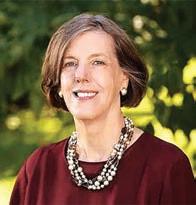
ERIN LOUBIER is vice president for access and strategic initiatives at Whitman-Walker Health. (Courtesy photo)
Key lifestyle changes can help patients cope with diabetes
Small daily choices make a big difference in one’s health
By AMBRIA MITCHELL
One Tuesday evening after my family finished dinner, I noticed my grandmother sitting on the couch, sweating more than usual. The family room wasn’t hot, and she hadn’t eaten a lot of salty food that day, so seeing her like that made me worry.
My grandmother, Shirley Mitchell, is a 72-year-old who lives with Type 2 diabetes, and moments like this, when her blood sugar gets dangerously low, can happen without warning. Watching her reach for her glucose tablets reminded me how serious her condition is.
Each day, millions of people living with diabetes face a choice that can either play a role in protecting their health or putting it at risk– namely, what they eat. Nationally, 12 percent of the population lives with diabetes, according to the Centers for Disease Control. In D.C., nine percent of residents are known to have diabetes, with likely many more undiagnosed, said Dr. Marcy Oppenheimer, a family medicine doctor who practices in Northeast D.C.
“It’s super common, especially as you get older,” she said, estimating that 15 to 20 percent of her patients have diabetes, and another 20 percent have pre-diabetes, where blood sugar is higher than normal but not yet at the level to trigger a diabetes diagnosis.
What is diabetes?
Diabetes is a long-term condition that affects how the body controls blood sugar. When blood sugar levels are not managed properly, they can rise too high and cause serious damage to the body. This happens when the body does not
make enough insulin or cannot use insulin correctly, which means sugar stays in the blood instead of being moved into the body’s cells where it’s needed for energy.
Having high levels of sugar in the blood over long periods of time causes damage to just about every body system, said Oppenheimer. “It can pretty much cause any part of your body to start failing over the long term, if you have high sugar for a long time.”
While food isn’t the only factor that affects diabetes — genetics play an even bigger role — certain foods can worsen diabetes by spiking the amount of sugar in the blood.
What foods should you eat if you have diabetes?
Healthy food choices play a major role in helping people with diabetes manage their condition. Foods such as vegetables, whole grains, lean proteins like fish and chicken, beans, nuts, and healthy fats digest slowly and provide steady energy. These foods help prevent sudden spikes in blood sugar, which are dangerous for people with diabetes.
Many people with diabetes learn that planning meals, watching portion sizes, and choosing healthier options can make a big difference in how they feel each day.
“I had to slow down and pay attention to what I ate because everything affected my sugar levels,” says Mitchell.
Even small choices, like drinking a lot of soda or eating too much white bread, can cause blood sugar levels to rise quickly, said Oppenheimer.
Which foods can increase the risk or harm of diabetes?
Unhealthy food choices like these can seriously harm those with diabetes. Sugary foods such as candies, cake, cookies, and sweetened drinks cause blood sugar to spike quickly. Processed foods, white bread, and fast food are also harmful because they can be high in unhealthy saturated fats and refined carbohydrates.
When these foods are eaten often, they can lead to weight gain and they make diabetes harder to control and increase the risk of long-term health problems, said Oppenheimer.
Over time, poor eating habits that lead to prolonged high blood sugar can lead to heart disease, nerve damage, kidney problems, and even vision loss.
“Basically, diabetes is an all-body condition or disease, and it just varies from person to person in how it affects you,” said Oppenheimer. “If you have uncontrolled diabetes, it definitely has a negative impact on both your daily life and your longterm health.”
Anyone with diabetes can develop serious complications like blindness — or diabetic retinopathy — and the risk factors are higher for Black, Latino and American Indian or Alaska Native groups, according to the CDC.
What you or a loved one can do to manage diabetes
Mitchell warns others not to ignore the impact of food on their health. “Don’t ignore your health,” she says. “Fix your problems early before they get worse.”
Making lifestyle changes is key because, after all, diabetes changes your entire lifestyle, says Mitchell. “Walking throughout the day has helped me feel better.”
Daniel Dow, a middle school coach at Friendship Blow Pierce Elementary & Middle School in Northeast D.C. who also has diabetes agreed with Mitchell.
“Don’t wait to change your habits, start right away,” he says. “I learned that what I eat before practice affects my sugar for the whole day.”
Mitchell’s and Dow’s experiences show that small daily choices can make a big difference in one’s health. By paying attention to what you eat and how your body responds, you can prevent problems before they get worse. Starting healthy habits early can help you stay strong, focused, and in control of your well-being.
Police mental health struggles gain growing attention
‘My body begins to manifest physically, through depression, stress’
By CARL BARBETT & EDITH MWANGI
When Scott Silverii began his career as a police officer, he faced daily exposure to traumatic incidents with little guidance or support, particularly in distressed neighborhoods where officers were expected to respond decisively under pressure.
“When I started, the only thing they offered was to suck it up and get over it,” Silverii said. “Any indication that you were hurt meant that you were weak, and if you were weak, it meant you could not be trusted.”
Years later, when Silverii became a police chief, he chose a different approach. Rather than reinforcing silence around trauma, he made mental health support a visible part of his leadership.
“In every critical incident that we had, I would bring the critical incident stress debriefing team in — and I would participate in it,” Silverii said. “I wanted to promote it from the top. That’s what it’s going to continue to take to change the culture.”
Silverii’s experience reflects a broader reality in law enforcement. Across the country, police officers face ongoing mental health challenges linked to repeated exposure to violent
crime scenes, fatal accidents, and human suffering — experiences that most civilians never encounter. Long shifts and the responsibility of protecting the public have long been documented to further intensify emotional strain, particularly when officers fear making mistakes with serious consequences.
Silverii, former Thibodaux, La., chief of police and current National Law Enforcement Initiative Manager at Mothers Against Drunk Driving (MADD), said coping mechanisms in the past were often unhealthy.
“A lot of officers, they would drink—sometimes prescription drug use, just different ways,” of coping, he said. Today, he said, the trauma can linger long after an incident: “…you become affected by the trauma. It doesn’t have to happen to you. But when officers respond to a crash, you’re involved… You carry this trauma.”
In some cases, he says, the impact resurfaces every year. “My body begins to manifest physically, through depression, through stress… once I realize it’s the anniversary, I can start dealing with it,” he said.
For decades, police culture discouraged officers from seeking mental health support, often treating emotional distress as a weakness rather than an occupational hazard. In recent years, however, departments have begun expanding access to counseling, peer-support programs, and crisis-intervention training.
In Baltimore, a shift in police culture is tackling the long-standing “shrug it off” mentality toward officer mental health. The Baltimore Police Department’s Officer Safety and Wellness Section, started in 2018, changed how the agency handles trauma, depression, and substance abuse by treating these issues as medical needs rather than disciplinary failures.
A core component of the program is its confidential alcohol addiction treatment, which has seen more than 250 officers voluntarily sign themselves in without fear of termination This proactive approach has led to a dramatic drop in internal interventions — falling from 250 in 2018 to 48 in 2024— alongside a decrease in citizen complaints and use-of-force incidents.
The need for such programs is underscored by national data from the Police1 2024 State of the Industry report, which found that 76% of officers cite a lack of time due to heavy workloads as the primary barrier to maintaining their health. More than 50% of respondents report that a significant stigma still surrounds seeking mental health services. Perhaps most telling– 12% of officers nationwide report having no access to mental health resources at all, and 33% have considered calling themselves out of service due to emotional distress or exhaustion.
Dr. MARCY OPPENHEIMER (Courtesy photo)
SCOTT SILVERII (Photo courtesy Silverii)
D.C. Council member honored by LGBTQ homeless youth group
Doni Crawford receives inaugural Wanda Alston Legacy Award
By LOU CHIBBARO JR.
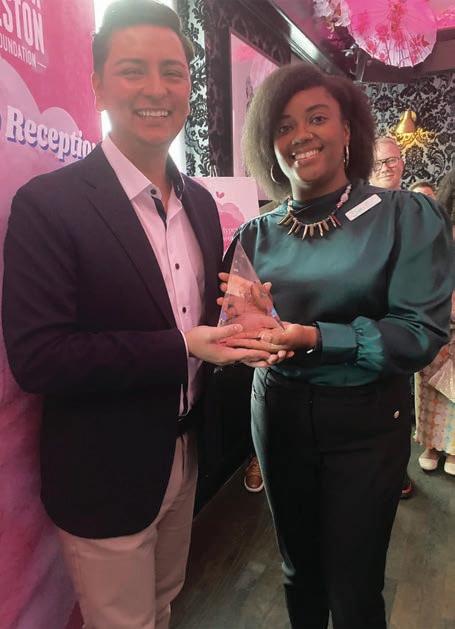
About 100 people turned out Tuesday evening, April 7, for a presentation by D.C.’s Wanda Alston Foundation of its inaugural Wanda Alston Legacy Award to D.C. Council member Doni Crawford (I-At-Large) for her support for the foundation’s mission to support homeless LGBTQ youth.
Among those who attended the event was Japer Bowles, director of D.C. Mayor Muriel Bowser’s Office of LGBTQ Affairs, who delivered an official proclamation issued by Bowser declaring April 7, 2026 “A Day of Remembrance for Wanda Alston.”
Alston, a beloved women’s and LGBTQ rights activist, served as the city’s first director of the then newly created Office of LGBTQ Affairs under then-Mayor Anthony Williams from 2004 until her death by murder on March 16, 2005.
To the shock and dismay of fellow LGBTQ rights advocates, police and court records reported Alston, 45, was stabbed to death inside her Northeast D.C. house by a man high on crack cocaine who lived nearby and who stole her credit cards and car. The perpetrator, William Martin Parrott, 38, was arrested by D.C. police the next day and later pleaded guilty to second-degree murder. He was sentenced in July 2005 to 24 years in prison. Crawford was among those attending the award event who reflected on Alston’s legacy and outspoken advocacy for LGBTQ and feminist causes.
“I am deeply humbled and honored to receive this inaugural award,” Crawford told the Washington Blade at the conclusion of the event. “I think the world of Wanda Alston. She has set such a great foundation for me and other Council members to build on,” she said.
“Her focus on inclusivity and intersectionality is really important as we approach this work,” Crawford added.
“And it’s going to guide my work at the Council every day.”
Crawford was appointed to the D.C. Council in January of this year to replace then Council member Kenyan McDuffie (I-At-Large), who resigned to run for D.C. mayor as a Democrat. She is being challenged by four other independent candidates in a June 16 special election for the Council seat.
Under the city’s Home Rule Charter written and approved by Congress, the seat is one of two D.C. Council at-large seats that cannot be held by a “majority party” candidate, meaning a Democrat.
A statement released by the Alston Foundation last month announcing Crawford’s selection for the Wanda Alston Legacy Award praised Crawford’s record of support for its work on behalf of LGBTQ youth.
“From behind the scenes to now serving as an AtLarge Council member, she has fought fearlessly for affordable housing, LGBTQ+ funding priorities, and racial justice,” the statement says. “Council member Crawford’s leadership reflects the same courage and conviction that defined Wanda’s legacy.”
Organizers of the event noted that it was held on what would have been Wanda Alston’s 67th birthday.
“Today’s legacy reception was a smashing success,” said Cesar Toledo, the Alston Foundation’s executive director. “Not only did we come together to celebrate Wanda Alston on her birthday, but we also were able to raise over $10,000 for our homeless LGBTQ youth here in D.C.,” Toledo told the Blade.
“In addition to that, we celebrated and we acknowledged a rising star in our community,” he said. “And that is At-Large Council member Doni Crawford, who we named the inaugural Wanda Alston Legacy Award
recipient.”
At the request of D.C. Council Chair Phil Mendelson (D-At-Large) the Council voted unanimously on Jan. 20, 2026, to appoint Crawford to the Council seat being vacated by McDuffie.
Council records show she joined McDuffie’s Council staff in 2022 as a policy adviser and later became his legislative director before McDuffie appointed her as staff director for the Council’s Committee on Business and Economic Development for which McDuffie served as chair.
Hate charge for man who allegedly shot at gay club in S.C.
A South Carolina man remains in custody on a more than $300,000 bond after he allegedly opened fire at a Myrtle Beach nightclub on April 1, according to WMBF.
Reports say 37-year-old Timothy James Truett Jr., of Clover, S.C., was detained by the Myrtle Beach Police Department after the April 1 incident outside Pulse Ultra Club. He was later arrested and charged with possession of a weapon during a violent crime, discharging a firearm into a dwelling, discharging a firearm within city limits, malicious injury to real property valued over $5,000, and assault or intimidation due to political opinions or the exercise of civil rights.
At 10:57 a.m. on April 1, officers responded to a call about a possible shooting at Pulse Ultra Club, located in the 2700 block of South Kings Highway.
In an affidavit released later, the club’s owner, Ken Phillips, said he was doing paperwork that morning when he heard “five or six” gunshots. He went outside and found a window and the windshield of his SUV shattered by bullets. An SUV with blue plastic covering one window was left at the scene.
Police later reviewed footage that showed a silver
vehicle stopping in the middle of the road. The video appeared to capture muzzle flashes coming from the passenger-side window.
According to the affidavit, an officer later pulled over a vehicle driven by Truett and found spent shell casings in the back seat, along with a gun.
Documents do not detail why Truett was ultimately charged under the state law covering assault or intimidation tied to political opinions or the exercise of civil rights.
As of April 1, records show Truett is being held in Horry County on a combined bond of more than $312,000.
WMBF spoke with Phillips after the incident and asked whether there was any prior conflict that might have led to the shooting.
“I don’t know if it’s personal, I don’t know if it’s related to being gay, I don’t know if it’s related to the bar issues,” Phillips told WMBF. “Anybody with a mindset of pulling out a weapon in broad daylight is not right.”
“My primary concern has and always will be the safety of my community and my customers,” he added. “It’s given me great concern … as to how far people will go.”
WMBF also spoke with Adam Hayes, vice chair of Myrtle Beach’s Human Rights Coalition, who was involved in pushing for the ordinance. He said that while the incident itself is troubling, it shows the policy is being put to use.
The ordinance is intended to deter “crimes that are motivated by bias or hate towards any person or persons, in whole or in part, because of the actual or perceived” identity, in the absence of a statewide hate crime law.
“It’s nice to see that something we put into policy is not just a piece of paper, that it’s actually being used,” said Hayes.
He said the shooting underscores the need for a statewide hate crime law in South Carolina and added that the incident has left the local LGBTQ community shaken.
South Carolina and Wyoming are the only two states in the U.S. without a comprehensive statewide hate crime law.
Truett remains in jail as of publication.
JOE REBERKENNY
The Wanda Alston Foundation honored D.C. Council member DONI CRAWFORD (right) on April 7. (Blade photo by Lou Chibbaro Jr.)
Trump ends protections for trans students in multiple districts
The Department of Education has terminated agreements with five school districts and a college aimed at protecting the rights of transgender students, backtracking requirements made in prior administrations, according to the Associated Press
Allowing the reversal of these federal obligations removes formerly mandatory measures, including faculty training on responding to a student’s preferred name and pronouns, and policies allowing trans children to use bathrooms that align with their gender identity.
This policy change is a major shift from past democratic-led administrations, and will impact Delaware Valley School District in Pennsylvania, Sacramento City Unified School District in California, Cape Henlopen School District in Delaware, Fife School District in Washington, and La Mesa-Spring Valley School District, as well as Taft College in California.
Delaware Valley School District received notice from the Trump-Vance administration in February and has since voted to roll back anti-discrimination protections. Other schools, like Sacramento City Unified School District, said the change in minimum protections a district must offer will not affect their policies because it “remains committed to the support of our LGBTQ+ students and staff.”
This is part of a wider wave of anti-trans actions taken by the Trump-Vance administration. This White House has penalized schools attempting to accommodate students’ gender identity, filed lawsuits in
California and Minnesota over state policies allowing trans students to participate in interscholastic sports, and opened civil rights investigations into multiple schools and universities over their policies on trans students.
Kimberly Richey, the Department of Education’s Assistant Secretary for Civil Rights, said the action underscored the administration’s efforts to prevent trans students from participating in girls’ and women’s sports teams and accessing shared locker rooms.
“Today, the Trump administration is removing the unnecessary and unlawful burdens that prior administrations imposed on schools in its relentless pursuit of a radical transgender agenda,” she said in a written statement.
According to the AP, this is just one instance of the administration rescinding civil rights protections in education. Last year, the Department of Education terminated two agreements: one involving the removal of books from a school library in Georgia, and another addressing harsh discipline and unequal education opportunities for Native students in the Rapid City Area School District in South Dakota.
Shiwali Patel, the senior director of education justice at the National Women’s Law Center, issued a statement in response to the removal of protections for trans students, saying the rollback will negatively impact all students — not just trans ones.
“There is absolutely no basis for what the Department of Education is doing, and it is
unimaginably cruel. Title IX exists to ensure that students are protected from discrimination and treated with dignity so that they can learn and thrive in our schools,” Patel said. “It’s what students, families, lawmakers, and advocates fought for when Title IX was passed decades ago. But the Trump administration’s Department of Education has spent its limited resources to strip Title IX of that very purpose.”
She continued, highlighting the issues that will arise from the agreement removals in schools.
“Real complaints of discrimination and sexual assault are going unanswered by the Department of Education while conservative lawmakers continue to escalate their attacks on a small minority of students,” the nationally recognized Title IX expert and advocacy leader for gender-based harassment added. “Parents, teachers, and students need the Department to focus on addressing real harms on campuses instead of rolling back policies that keep all students safe.”
The schools that had their agreements terminated vary, but stem from the same issue: treating trans students with the same protections from harassment as their cisgender peers.
In 2023, Taft College, a community college in California’s Central Valley, became one of the few schools to settle a case with the Department of Education’s Civil Rights Office after a student accused faculty of discrimination, including refusing to use the student’s preferred pronouns. The college
agreed to faculty training on Title IX protections and revised its policies to clarify that refusing to use a person’s preferred name and pronoun can constitute harassment. The now-canceled agreement with Sacramento City Unified School District stemmed from a 2022 complaint brought by a student after a teacher refused to use the student’s preferred pronouns and/or refused to allow the male-identifying student to work in a boys’ group for a class activity. The 2024 resolution agreement had mandated training for employees on civil rights law, sexual harassment, and how to handle formal complaints.
Under a settlement the Delaware Valley School District reached with the ObamaBiden administration, the district was required to permit students to use bathrooms aligned with their gender identity. In February, the Trump-Vance administration sent the district a letter rescinding the settlement and requiring the rollback of antidiscrimination protections for trans students. The school board voted in late March to change its policies accordingly. This move is part of a broader pattern of anti-trans actions from the White House since Trump returned to office.
JOE REBERKENNY
Vance campaigns for Orbán in Hungary
Vice President JD Vance on Tuesday urged Hungarians to support Prime Minister Viktor Orbán in the country’s April 12 elections.
“We have got to get Viktor Orbán re-elected as prime minister of Hungary,” Vance told Orbán supporters who gathered at Budapest’s MTK Sportpark.
Vance and Orbán on Tuesday met before they held a press conference in Budapest. Orbán also spoke at the rally.
The U.S. vice president after he took to the stage called President Donald Trump, who told the crowd he is “a big fan of Viktor” and is “with him all the way.” Vance, as he did during Tuesday’s press conference with Orbán, criticized the European Union.
“We want you to make a decision about your future with no outside forces pressuring you or telling you what to do. I’m not telling you exactly who to vote for, but what I am telling you is that the bureaucrats in Brussels, those people should not be lis-
tened to,” said Vance. “Listen to your hearts, listen to your souls, and listen to the sovereignty of the Hungarian people.”
Vance in his speech noted “across the West, we’ve got a small band of radicals” who, among other things, “condemn children to mutilization and sterilization in the name of gender care.” Vance also criticized a “far-left ideology given quarter in university circles, in the media, and in our entertainment industry, and increasingly among bureaucrats on both sides of the Atlantic.” Orbán has been in office since 2010. He and his Fidesz-KDNP coalition government have faced widespread criticism over its anti-LGBTQ crackdown.
A Hungarian activist with whom the Washington Blade previously spoke said it is “impossible to change your gender legally in Hungary” because of a 2020 law that “banned legal gender recognition of transgender and intersex people.” Hungarian MPs the same year effectively prohibited
same-sex couples from adopting children and defined marriage in the country’s constitution as between a man and a woman.
The European Commission in 2022 sued Hungary, which is a member of the EU, over the country’s anti-LGBTQ propaganda law.
Hungarian lawmakers in March 2025 passed a bill that banned Pride
events and allowed authorities to use facial recognition technology to identify those who participate in them. MPs later amended the Hungarian constitution to ban public LGBTQ events.
Upwards of 100,000 people last June defied the ban and marched in Budapest’s annual Pride parade.
Polls indicate Orbán is trailing Péter Magyar and his center-right Tisza party ahead of the April 12 election. Vance at Tuesday’s rally told Orbán supporters that he and Trump “want you to make a decision about your future with no outside forces pressuring you or telling you what to do.”
“I’m not telling you exactly who to vote for, but what I am telling you is that the bureaucrats in Brussels, those people should not be listened to,” said Vance. “Listen to your hearts, listen to your souls, and listen to the sovereignty of the Hungarian people.”
MICHAEL
K. LAVERS
PRESIDENT TRUMP continues his war on transgender Americans.
(Washington Blade photo by Michael Key)
Vice President JD VANCE speaks over the phone with President Donald Trump during a rally for Hungarian Prime Minister Viktor Orbán in Budapest April 7. (Screen capture via Fox News/X)
Nora Naranjo Morse (Kha’p’o Owingeh [Santa Clara Pueblo], b. 1953). Always Becoming, 2007-present, Washington, D.C., USA. Sculptures made of natural materials. Museum commission from the artist, 2007. 26/5840. Photo by Norwood Photography
HAYDEN GISE
is a union organizer in Washington, D.C.
D.C. is the place for the Democratic Socialists of America
Our endorsed candidates hold their affiliation as a badge of honor
D.C. is the place for the Democratic Socialists of America (DSA). We believe in a District where everyone can live a happy and dignified life. That means housing, healthcare, transit, education, and safety are treated as guarantees rather than privileges reserved for the wealthy and well-connected.
Our endorsed candidates do not hide what they believe. They engage in the democratic process openly, explain their politics clearly, and ask their fellow members to spend long nights and weekends doing the hard work of campaigning. And as the last six years of local elections have shown, including three successful D.C. Council campaigns and the overwhelming passage of Initiative 82, D.C. voters are often a great deal more interested in the endorsement of Metro DC DSA than in the handwringing of the Washington Post editorial board.
That is what makes Peter Rosenstein’s April 2 op-ed in the Blade so revealing. His piece was not just wrong. It was smug, unserious, and politically disconnected from the actual lives of queer people in this city. Worse, he used the platform of our local LGBTQ outlet to disregard Palestinian humanity while scolding democratic socialists for refusing to join him in that moral failure. Put plainly, Rosenstein has been publishing crank op-eds for years, and this one was no exception.
My name is Hayden Gise. I am a transgender, lesbian, Jewish, Democratic Socialist, and I am a union organizer. I do not speak on behalf of the national DSA organization, the local chapter, or any campaign. But I will not sit quietly while Rosenstein wraps himself in the mantle of queer Jewishness to sell the lie that anti-Zionism is antisemitism.
He packages that lie in the same kind of pinkwashing rhetoric used by Benjamin Netanyahu, who mocked solidarity with Palestinians by saying, “Some of these protesters hold up signs proclaiming ‘Gays for Gaza.’ They might as well hold up signs saying ‘Chickens for KFC.’” Rosenstein’s liberal Zionism is not thoughtful, brave, or nuanced. It is just a more polished way of telling Palestinians their lives matter less and telling queer people we should be grateful for the
empire so long as it flies a rainbow flag. Which, by the way, is showing itself to be a losing strategy.
The ongoing genocide in Gaza is not some tragic deviation from the history of an otherwise peaceful Israel. The Nakba was the mass expulsion and displacement of Palestinians during Israel’s establishment in 1947–49, when hundreds of thousands were driven from their homes. My Jewish values tell me that is wrong. Rosenstein’s politics treat anti-Zionist Jews like me as illegible. No serious person should treat that accusation as an argument.
But the deeper problem with Rosenstein’s piece is that he has no real understanding of why Democratic Socialism resonates here. For queer people in D.C., Democratic Socialism is not an abstract theory. It is rent that does not consume half your paycheck, a union on your job, childcare you can actually afford, public transit that works, and a city where working-class Black and brown queer people are not displaced so developers and donors can cash in. Queer politics is not only about recognition. It is also about whether ordinary people can afford to survive.
That is why D.C. is fertile ground for Democratic Socialism. In the race for mayor, one of the leading candidates is Kenyan McDuffie, whose campaign already looks like a focus-grouped merger of Andrew Cuomo’s slogan and Donald Trump’s graphic design instincts, backed by big business interests and the super PAC money that follows them. The other has the endorsement of the major labor unions in the District. Who has a cohesive vision to make D.C. more affordable and childcare universal. Who puts people over profit and human rights over political expediency. Our next mayor, and our first Democratic Socialist Mayor: Janeese Lewis George.
D.C. is exactly the kind of city where Democratic Socialism should grow: working-class, queer, tenant-heavy, union-minded, and tired of being told that dignity is too expensive. Which side are you on? I know what side the queer people of the District of Columbia will be on.
is a longtime LGBTQ rights and Democratic Party activist. He writes regularly for the Blade.
ROSENSTEIN: Vote McDuffie for mayor of D.C.
A pledge to fight antisemitism, Islamophobia, homophobia
Kenyan McDuffie is the right person to lead our city forward in these difficult times. We are different from other cities, and Kenyan understands that. We don’t have a state to bail us out, and we don’t control all our own destiny. We are 700,000 strong, who don’t have a vote in Congress, don’t control our courts, or our national guard. We have Home Rule, but it’s not absolute. Congress kept the right to review our legislation and budget.
Recently, we found out how destructive that is. So, we need a mayor who will fight for our rights, all of our rights. The rights of immigrants, Latinos, the LGBTQ community, Black residents, women, Asians; all whose rights may still be at risk. Kenyan will fight for full statehood but understands the tightrope the D.C. mayor must walk to keep us from losing more control.
McDuffie said, “leadership is measured by delivering results, not rhetoric.” From his days as a union mail carrier, serving D.C. neighborhoods door-to-door, to his work as a civil rights attorney in President Obama’s Department of Justice, to his service as a citywide lawmaker, he has approached every challenge with the same values: stand up for working people, fix broken systems, and demand accountability from those in power.
As he has committed to, “focusing on delivering what matters most to D.C. families: lowering the cost of living, expanding opportunity in every ward, and strengthening public safety with a government that answers to all D.C.” Kenyan believes every resident deserves to live in a safe and affordable home recognizing housing remains one of the largest costs for D.C. families. On the Council he authored laws expanding the supply of affordable housing, helped direct hundreds of millions of dollars to preserve and build more affordable homes across the city. As mayor he is committed to expanded home purchase and down payment assistance programs for first-time homebuyers, and District employees. Providing additional resources for housing providers to preserve and expand existing affordable housing stock, while overseeing the responsible use of taxpayer dollars dedicated to building more. He is committed to creating more family-sized units in affordable housing developments to prevent displacement of longtime residents and ensuring families of all sizes
have access to safe, affordable, homes. He will streamline the process for regulatory approvals prioritizing growth, and modernize zoning to increase supply, and lower per-unit construction costs.
Kenyan is committed to expanding access to childcare and early learning, recognizing D.C. families face the highest childcare costs in the nation. He understands affordability begins at birth, which is why he helped secure funding for birth-to-three, and early learning providers. He knows strong early childhood systems support both parents’ workforce participation, and children’s longterm success. As mayor, Kenyan will expand the Local Child Tax Credit to help families cover childcare costs. He will provide incentives to employers to help expand their employees’ childcare benefits, and repurpose District-owned space, to reduce providers’ costs and expand subsidized care in neighborhoods that have been historically underserved and neglected. He supports more mixed-use project development incorporating family amenities, including childcare centers. He will secure updated zoning to allow more high-quality home-based and neighborhood childcare options. Kenyan will work to provide more District-supported early learning, and out-of-school-time programs. Programs that will consider working family schedules, including non-traditional hours. Kenyan has always supported strong public traditional and charter schools, both essential to our children’s success, and to a thriving, inclusive, D.C. economy. He secured millions each year for school and recreation center modernizations, nonprofit youth sports programs, and ensured our children are able to have safe passage to and from school and recreational activities. He supports Career and Technical Education (CTE) programs, which better align with workforce needs, industry demand, and good-paying career opportunities. He will expand access to these programs for students in every ward. As mayor, Kenyan is committed to expanding access to reliable out-of-school-time programming across all wards, strengthening literacy, classroom quality, and responsible technology integration in vocational training, CTE programs, and career academies for high-demand sector jobs.
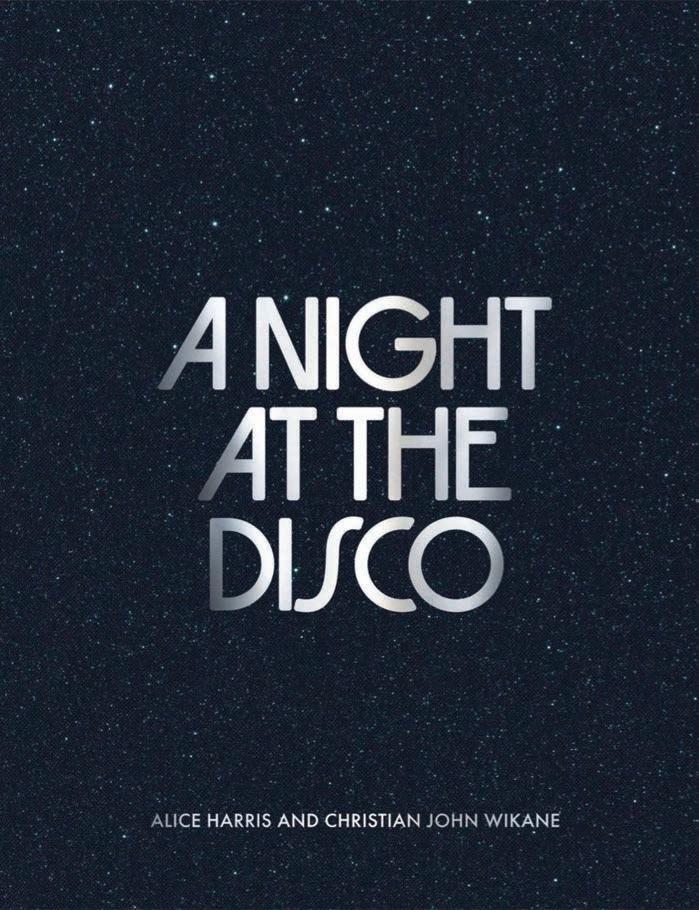
New book celebrates 1970s dance music icons
‘A Night at the Disco’ features interviews with Donna Summer, Debbie Harry, more FROM STAFF REPORTS
dance music, don’t miss the
irresistible new book by Christian John Wikane and Alice Harris, “A Night at the Disco,” which revisits more than 90 interviews conducted with some of the biggest names in pop culture.
“A Night at the Disco” (ACC Art Books) was published on March 24, and distributed by Simon & Schuster. It celebrates more than 100 artists who sparked a phenomenon in dance music from 19701979 and features excerpts from interviews with everyone from Donna Summer to Debbie Harry.
Lost City Books (2467 18th St., N.W.) will welcome author Christian John Wikane for a book signing and conversation about “A Night at the Disco” on Thursday, April 16 at 6 p.m. Details at lostcitybookstore.com. Bird in Hand Coffee & Books in Baltimore (11 E. 33rd St.) )will also host a Q&A with the author on Wednesday, April 15 at 6 p.m. Details at theivybookshop.com.
Below is an excerpt from “A Night at the Disco.”
“I’ll let in anyone who looks like they’ll make things fun.” Steve Rubell is guiding a New York Times reporter through Studio 54 as resident DJ Richie Kaczor dazzles the crowd with records by CHIC, Odyssey, and T-Connection. “Disco, that’s where the happy people go,” The Trammps sing as dancers spin and twirl underneath tubes of flashing lights. Seven months since Rubell and co-owner Ian Schrager opened Studio 54 in April 1977, it’s welcomed untold numbers of “happy people” ... at least those lucky enough to pass through the doors.
“We were part of the chosen few,” says André De Shields, who immortalized the title role in The Wiz on Broadway at the time. “We could show up at Studio 54 and the doorman at the velvet stanchion would look over everyone and point to us from The Wiz to come in, that kind of thing.” As the lead vocalist in the GRAMMY-nominated Dr. Buzzard’s Original Savannah Band, whose debut modernized big band sophistication for the discothèques, Cory Daye had carte blanche in the club. “The energy was like a New Year’s Eve party every night,” she says. “I would go up to the mezzanine and watch the mechanical light pillars go up and down, metallic confetti falling from the ceiling, the spoon and the moon. I was so fascinated and enamored by it.
“When a certain song came on, the people would just rush to the dance floor. There was no contact dancing — the hustle was pretty much on its way out — but it was just an amazing experience to see all the cultures together. It was a fusion of cultures, which described my life and my band, so I was right at home there.”
“Studio 54 was the place,” adds Linda Clifford. “Crazy parties. If you could think it, you would see it. It was like a circus. Just an amazing place to be. I worked 54 so many times. It was like a second home to me. The people there treated me so well.
The crowd always seemed to enjoy my show. I always had a good time with them. That was the most important thing: making sure that they had fun.”
Well before Studio 54 opened, disco had become a business juggernaut. “A four billion dollar market and still growing,» Billboard announced in February 1977, with dance music offering more variety than ever. “There is no longer a single, readily identifiable disco beat, but a kaleidoscope of sounds that are melodic and danceable,” Tom Moulton told the magazine. In the clubs, records by veteran artists like Stevie Wonder and the Bee Gees were mixed in with a range of new acts like Grace Jones, Boney M., and The Ritchie Family, while everyone from ABBA to Marvin Gaye scored number one pop hits with songs that had club-centric storylines.
Beyond the charts, disco itself remained as idiosyncratic as ever, especially on several productions by Laurin Rinder and W. Michael Lewis, whose studio creations, El Coco (“Let’s Get It Together,” “Cocomotion”) and Le Pamplemousse (“Le Spank”), joined their own “Lust” from Seven Deadly Sins (1977) among the most tantalizing releases on AVI Records. Rinder & Lewis also produced acts for the newly hatched Butterfly Records in Los Angeles, where Saint Tropez (“On a Rien à Perdre”) and Tuxedo Junction (“Moonlight Serenade”) reflected the duo’s high gloss sound, spanning everything from European sophistication to a more literal translation of the ‘40s sensibilities popularized by Dr. Buzzard’s Original Savannah Band.
12-inch singles had also grown as the preferred format to approximate the club music experience at home. Nearly a year after Atlantic Records introduced its series of promotional 12-inch singles for DJs, New York-based Salsoul Records released the industry’s first commercially available 12-inch single, “Ten Percent” by Double Exposure, in May 1976. A year later, T.K. Records was the first label to certify a gold record for a 12-inch single when Peter Brown’s “Do You Wanna Get Funky With Me” tallied one million sales. — Christian John Wikane (From “A Night at the Disco” by Alice Harris & Christian John Wikane. Published by ACC Art Books.)
CHRISTIAN JOHN WIKANE will appear at book signing events in D.C. and Baltimore next week.
CALENDAR |
Friday, April 10
Center Aging Monthly Luncheon With Yoga will be at 12 p.m. at the DC Center for the LGBT Community. Email Mac at maca@thedccenter.org if you require ASL interpreter assistance, have any dietary restrictions, or questions about this event.
Women in their Twenties and Thirties will meet at 8 p.m. on Zoom. This is a social discussion group for queer women in the Washington, D.C. area. For more details, visit Facebook.
Saturday, April 11
GoGay DC will host “LGBTQ+ Community Brunch” at 11 a.m. at Freddie’s Beach Bar & Restaurant. This fun weekly event brings the DMV area LGBTQ+ community, including allies, together for delicious food and conversation. Attendance is free and more details are available on Eventbrite.
The DC Center for the LGBT Community will host a screening of “Love Letters” at 1:30 p.m. This movie is a tender, intimate look at love, parenthood, and the quiet fight to claim your place in your own family. For more details, visit the DC Center’s website.
Sunday, April 12
Spark Social will host “Tea Time! A Local DC Drag Comedy Show” at 3 p.m. This event features the hilarious TreHER and Tiara Missou Sidora. This dynamic duo will have guests cackling as they discuss the “Latest Tea” in DC. Have drama in your own life? TrevHER and Tiara are ready to provide advice and rate how hot your tea is. Hottest tea wins a piece of Spark merch. Tickets cost $13.26 and can be purchased on Eventbrite.
Just Kidding Comedy Collective will host “Best of DC at the Woke Mob Comedy Festival” at 5 p.m. at Pikio Taco. The Woke Mob Comedy Festival celebrates everything that makes this region the best and showcases the DMV’s funniest comedians, especially highlighting BIPOC, women, LGBTQ+ and gender-queer performers, plus a few “prodigal” comics who got their start here before heading national. Tickets cost $15.18 and can be purchased on Eventbrite.
Monday, April 13
Center Aging: Monday Coffee Klatch will be at 10 a.m. on Zoom. This is a social hour for older LGBTQ adults. Guests are encouraged to bring a beverage of choice. For more information, contact Adam (adamheller@thedccenter.org).
Genderqueer DC will be at 7 p.m. on Zoom. This is a support group for people who identify outside of the gender binary, whether you’re bigender, agender, genderfluid, or just know that you’re not 100% cis. For more details, visit www.genderqueerdc.org or Facebook.
By TINASHE CHINGARANDE
Tuesday, April 14
Trans Discussion Group will be at 7 p.m. on Zoom. This event is intended to provide an emotionally and physically safe space for trans people and those who may be questioning their gender identity/expression to join together in community and learn from one another. For more details, email info@thedccenter.org.
Coming Out Discussion Group will be at 7 p.m. on Zoom. This is a safe space to share experiences about coming out and discuss topics as it relates to doing so — by sharing struggles and victories the group allows those newly coming out and who have been out for a while to learn from others. For more details, visit the group’s Facebook.
Wednesday, April 15
Job Club will be at 6 p.m. on Zoom upon request. This is a weekly job support program to help job entrants and seekers, including the long-term unemployed, improve self-confidence, motivation, resilience and productivity for effective job searches and networking — allowing participants to move away from being merely “applicants” toward being “candidates.” For more information, email centercareers@thedccenter.org or visit www.thedccenter.org/careers.
The DC Center for the LGBT Community will host “Movement for Healing” at 3 p.m. This trauma- and yoga therapy–informed class is designed to help guests gently reconnect with their body and their breath. Through mindful movement, somatic awareness, and grounding practices, guests will explore how to release tension, increase mobility, and cultivate a deeper sense of safety and ease within. For more details, visit the DC Center’s website.
Thursday, April 16
The DC Center’s Fresh Produce Program will be held all day at the DC Center for the LGBT Community. People will be informed on Wednesday at 5:00 pm if they are picked to receive a produce box. No proof of residency or income is required. For more information, email supportdesk@thedccenter.org or call 202-682-2245.
Virtual Yoga Class will be at 7 p.m. on Zoom. This free weekly class is a combination of yoga, breathwork and meditation that allows LGBTQ+ community members to continue their healing journey with somatic and mindfulness practices. For more details, visit the DC Center’s website.
OUT & ABOUT
BLUF leather social set for April 10 in Rehoboth
Diego’s in Rehoboth Beach hosts a monthly leather happy hour. April’s edition is scheduled for Friday, April 10, 5-7 p.m. Attendees are encouraged to wear appropriate gear. The event is billed as an official event of BLUF, the free community group for men interested in leather. After happy hour, the attendees are encouraged to reconvene at Local Bootlegging Company for dinner, which allows cigar smoking. There’s no cover charge for either event.
Celebrations of life planned for Sean Bartel
Two celebrations of life are planned for Sean Christopher Bartel, 48, who was found deceased on a hiking trail in Argentina on or around March 15. Bartel began his career as a television news reporter and news anchor at stations in Louisville, Ky., and Evansville, Ind., before serving as Senior Video Producer for the D.C.-based International Brotherhood of Electrical Workers union from 2013 to 2024.
A memorial gathering is planned for Friday, April 10, 11:30 a.m.-1:30 p.m. at the IBEW International Office (900 7th St., N.W.), according to a statement by the DC Gay Flag Football League, where Bartel was a longtime member. A celebration of life is planned that same evening, 6-8 p.m. at Trade (1410 14th St., N.W.).
Diego’s in Rehoboth Beach will host a BLUF leather social on Friday, April 10 at 5 p.m. (Blade file photo by Michael Key)
Minimal version of ‘Streetcar Named Desire’ heading to Dupont Underground
Director Nick Westrate on this traveling take on Williams’s masterwork
By PATRICK FOLLIARD
An aggressively minimal version of Tennessee Williams’s “A Streetcar Named Desire” is poised to run at Dupont Underground (April 20-May 4), the nonprofit cultural space located in a repurposed, abandoned 1949 streetcar station beneath Dupont Circle.
The Streetcar Project’s production performs in site-specific spaces. It’s almost entirely without design elements. There is no steamy, cramped Vieux Carré apartment. You won’t see Blanche’s battered trunk exploding with cheap finery, faded love letters, and demands for back property taxes, or the familiar costumes.
Co-created by Lucy Owen (who stars as Blanche DuBois) and out director Nick Westrate in 2023, this traveling spare take on Williams’s masterwork about a fragile woman on the margins in conflict with her brutish brother-in-law seems a reaction to necessity. It’s also an exploration of whether, like Shakespeare’s “Henry V,” it can subsist on language alone.
With little distractions (even Blanche’s cultivated southern belle accent has been daringly stripped away), thespotlight shines almost solely on text. “This play holds that,” says Westrate, 42. “I remind the actors that the while there is plenty of movement, lan-
guage is really the only game in town.”
New York-based Westrate, who’s best known as an esteemed actor with New York and regional credits including Prior Walter in János Szász’s production of “Angels in America” at Arena Stage, describes “Streetcar” as “the most perfect play on earth” but not one he thinks of acting in (“I’m not right for Stanley Kowalski or Mitch”) though he agreed to direct.
“These days if you’re not a not a movie star or an established director, you’re not likely to do “Streetcar.” So, for us, we have to be able to do it with almost nothing, on the New York subway if necessary. And that’s kind of how
we built it.”
Westrate first experienced Dupont Underground while attending a staged reading. He was so obsessed with the space as a prospective place to take the production, he found it hard to concentrate. He says, “With its long, curved track and tunnel, Dupont Underground is a terrifying, beautiful room that carries so much metaphorical weight, so much possibility for our production.”
WASHINGTON BLADE: Is finding the right space for this “Streetcar” part of the thrill?
NICK WESTRATE: Whenever I enter a weird room or pass by an abandoned CVS, I try to figure out how we might do the show there, especially places that are dilapidated, architecturally odd, or possibly haunted. And each space we use, lends something to the production. The Rachel Comey store in Soho was a very Blanche coded space. And an artist’s workshop on Venice Beach in California with its huge saws and metal hooks lent raw imagery. The scenes between Blanche and Stanley near the end were absolutely terrifying.
BLADE: More recently that same bare bones production has played in more tradi-
tional spaces like the Wheeler Opera House in Aspen and San Francisco’s A.C.T. Is it hard to now go to Dupont Underground?
WESTRATE: Each time we do this we have to crack open the play again because the staging is entirely new, but we’re used to performing in unusual spaces and Dupont Underground rather takes us back to form. As a former streetcar station, it’s the most appropriate space we’ve had yet.
The cast will literally act on streetcar tracks and go without dressing rooms but they’re game, and because they have history and authorship over the work, the sacrifice is more meaningful than if they were just some hired guns.
BLADE: Audiences have an expectation, especially with a work they’re likely to know. How do they react seeing such an unadorned take on Williams’s American classic?
‘A Streetcar Named Desire’ Produced by The Streetcar Project April 20-May 4 | Dupont Underground 19 Dupont Circle, N.W. | Tickets start at $85 Dupontunderground.org CONTINUES AT WASHINGTONBLADE.COM
LUCY OWEN and NICK WESTRATE (Photo by Walls Trimble)
A Sondheim masterpiece ‘Merrily’ rolls onto Netflix
Embracing raw truth lurking just under the clever lyrics
By JOHN PAUL KING
It’s been long lamented by fans of the late Stephen Sondheim – and they are legion – that Hollywood has hardly ever been successful in transposing his musicals onto the big screen.
Sure, his first Broadway show – “West Side Story,” on which he collaborated with the then-superstar composer Leonard Bernstein – was made into an Oscar-winning triumph in 1961, but after that, despite repeated attempts, even the most starry-eyed Sondheim aficionados would admit that the mainstream movie industry has mostly offered only watered-down versions of his works that were too popular to ignore: “A Little Night Music” was muddled into an ill-fitted star vehicle for Liz Taylor, “Sweeney Todd” became a middling entry in the Tim Burton/Johnny Depp canon, “Into the Woods” mutated into a too-literal all-star fantasy with most of its wolfish teeth removed, and we’re still waiting for a film version of “Company” – not that we would have high hopes for it anyway, given the track record.
Of course, most of those aficionados would also be able to tell you exactly why this has always been the case: erudite, sophisticated, and driven by an experimental boldness that would come to redefine American musical theater, Sondheim’s musicals were never about escapism; rather, they deconstructed the romanticized tropes and presentational glamour, turning them upside down to explore a more intellectual realm which favored psychological nuance and moral ambiguity over feel-good fantasy. Instead of pretty lovers and obvious villains, they showcased flawed, complicated, and uncomfortably relatable people who were just as messed-up as the people in the audience. Any attempt to bring them to the screen inevitably depended on changes to make them more appealing to the mainstream, because they were, at heart, the antithesis of what the Hollywood entertainment machine considers to be marketable.
BOOKS
To be fair, this often proved true on the stage as well as the screen. Few of Sondheim’s shows, even the most acclaimed ones, were bona fide “hits,” and at least half of them might be considered “failures” from a strictly commercial point of view – which makes it all the more ironic that perhaps the most purely “Sondheim” of the stage-to-screen Sondheim efforts stems from one of his most notorious “flops.”
“Merrily We Roll Along” was originally conceived and created more than 40 years ago, a reunion of Sondheim with “Company” book-writer George Furth and director Harold Prince, based on a 1934 play by George Kaufman and Moss Hart. Telling the 20-year story of three college friends who grow apart and become estranged as their lives and their goals diverge, it wasn’t ever going to be a feelgood musical; what made it even more of a “downer” was that it told that story in reverse, beginning with the unhappy ending and then going backward in time, step by step, to the youthful idealism and deep bonds of camaraderie that they shared in their first meeting. On one hand, getting the “bad news” first keeps the ending from becoming a crushing disappointment; but on the other hand, the irony that results from knowing how things play out becomes more and more painful with each and every scene.
The original production, mounted in 1981, compounded its challenging format with the additional conceit of casting mostly teen and young adult actors in roles that required them to age – backwards – across two decades; though the cast included future success stories (Jason Alexander and Giancarlo Esposito, among them), few young actors could be expected to convey the layered maturity required of such a task, and few audiences were capable of suspending their disbelief while watching a teenager play a disillusioned 40-year old. This, coupled with a minimal-
ist presentation that left audiences feeling like they were watching their nephew’s high school play, turned “Merrily We Roll Along” into Sondheim’s most notorious Broadway flop – despite raves reviews for the show’s intricately woven score and the xtinging candor of its lyrics.
Fast forward to 2022, when renowned UK theater director Maria Friedman staged a new revival of the show in New York. In the interim, “Merrily” had undergone multiple rewrites and conceptual changes in an effort to “fix” its problems, abandoning the concept of using young performers and opting for a more “fleshed-out” approach to production design, and the show’s reputation, fueled by a love for its quintessentially “Sondheim-esque” score, had grown to the level of “underappreciated masterpiece.” Inspired by an earlier production she had helmed at home a decade earlier, Friedman mounted an Off-Broadway version of the show starring Jonathan Groff, Daniel Radcliffe, and Lindsay Mendez – and suddenly, as one critic observed, Sondheim’s biggest failure became “the flop that finally flew.” The production transferred to Broadway, winning Tony Awards for Groff and Radcliffe’s performances, as well as the prize for Best Revival of a Musical, in 2024.
Sondheim, who died at 91 in 2021, participated in the remount, though he did not live to see its premiere, nor the success that officially validated his most “problematic” work. Fortunately, we DO get the chance to see it, thanks to a filmed record of the stage performance, directed by Friedman herself, which was released in limited theaters for a brief run last year, but which is now streaming on Netflix – allowing Sondheim fans to finally experience the show in the way it was designed to be seen: as a live performance.
Embracing the conventions of live theatre into its own cinematic ethos, this record of the show gives viewers the kind of up-close ac-
Susan Lucci on love, loss, and ‘All My Children’
New book chronicles life of iconic soap star
By TERRI SCHLICHENMEYER
They’re among the world’s greatest love stories.
You know them well: Marc Antony and Cleopatra. Abelard and Heloise. Phoebe and Langley. Cliff and Nina. Jesse and Angie, Opal and Palmer, Palmer and Daisy, Tad and Dixie. Now read “La Lucci” by Susan Lucci, with Laura Morton, and you might also think of Susan and Helmut.
When she was a very small girl, Susan Lucci loved to perform. Also when she was young, she learned that words have power. She
vowed to use them for good for the rest of her life.
Her parents, she says, were supportive and her family, loving. Because of her Italian heritage, she was “ethnic looking” but Lucci’s mother was careful to point out dark-haired beauties on TV and elsewhere, giving Lucci a foundation of confidence.
That’s just one of the things for which Lucci says she’s grateful. In fact, she says, “Prayers of gratitude are how I begin and end each day.”
She is particularly grateful for becoming a
cess to its performances that is impossible to experience even from the front-row of the theatre. The performances it gives us are impeccable: Groff’s raw and deeply deluded Frank Shepard, the ambitious composer who sells out his values and alienates his friends on the road to success and wealth; Radcliffe’s mawkishly loyal Charlie Kringas, who remains loyal to the dream he shared with his best friend until he can’t anymore; and Mendez’ heartbreaking perfection as Mary Flynn, the wisecracking good-time girl who rounds out their trio while concealing a secret passion of her own – each of them bring the kind of raw and vulnerable honesty to their roles that can, at last, reveal both the deep insights of Sondheim’s intricate lyrics and the discomforting emotional conflicts of Furth’s mercilessly brutal script.
Yes, it’s true that any filmed record of a live performance loses something in the translation; there’s a visceral connection to the players and a feeling of real-time experience that doesn’t quite come through; but thanks to unified vision that Friedman shepherded and instilled into her cast – including each and every one of the brilliant ensemble, who undertake the show’s supporting characters and embody “the blob” of show-biz hangers-on who are central to its cynical theme.
Honestly, we can’t think of another Sondheim screen adaptation that comes close to this one for embracing the raw truth that was always lurking just under the clever lyrics and creative rhyme schemes. For that reason alone, it’s essential viewing for any Sondheim fan – because it’s probably the closest we’ll ever get to having a “real” Sondheim film that lives up to the genius behind it.
work when Lucci had a clogged artery. Grateful for friends, opportunities, life, grandchildren, and a career that continues.
mother to her two adult children, and to the doctors who saved her son’s life when he was a newborn.
Lucci writes about gratitude for her long career. She was a keystone character on TV’s “All My Children,” and she learned a lot from older actors on the show, and from Agnes Nixon, the creator of it. She says she still keeps in touch with many of her former costars.
She is thankful for her mother’s caretakers, who stepped in when dementia struck. Grateful for more doctors, who did heart-saving
And she’s grateful for the love she shared with her husband, Helmut Huber, who died nearly four years ago. Grateful for the chance to grieve, to heal, and to continue.
CONTINUES AT WASHINGTONBLADE.COM
LINDSAY MENDEZ, JONATHAN GROFF, and DANIEL RADCLIFFE in ‘Merrily We Roll Along.’ (Photo courtesy of Netflix)
‘La Lucci’ By Susan Lucci with Laura Morton c.2026, Blackstone Publishing $29.99 | 196 pages
BETSY TWIGG
Associate Broker | Licensed in Virginia 703.967.4391 (CELL ) betsy.twigg@corcoranmce.com
www.6114BeachwayDr.com O ered for $1,895,000 Mid-Century Modern, 4BR/3BA 150+ FEET OF SHORELINE, MULTIPLE DECKS!
www.629NLincolnSt.com O ered for $3,199,000 6BR/6.5BA, 2-car garage, luxury finishes! CLASSIC COTTAGES NEW BUILD!
6402 Crosswoods Dr, Falls Church, VA O ered for $1,395,000 Renovated 4BR/3BA, 2-car garage FABULOUS SUNROOM & BACKYARD!
www.37LStSE-803.com O ered for $425,000 1BR/1BA Condo with Contemporary Finishes BLOCKS TO NATS PARK & METRO!
How to navigate shifting tenant expectations
Remote work driving many changes
By SCOTT BLOOM
Are you prepared to meet the changing expectations of tenants? Tenant priorities are continuously shifting. As professional property managers, my team has witnessed firsthand the evolving demands of tenants over the last few years.
Frankly, today’s D.C. residents have high standards. Many have shifted to remote work, and they are placing a growing emphasis on sustainability. And these expectations are poised to evolve even further, with factors like affordability, technology integration, and community-driven amenities taking center stage.
Understanding these changes and adapting your rental to meet the growing demands of tenants and their evolving preferences will not only help you attract high-quality residents but also settle into long-term success in a competitive market. Let’s look at key tenant trends for 2026 in Washington, D.C. by providing practical strategies that help owners and investors navigate this shifting landscape, ensuring your property remains desirable and profitable in an increasingly growing rental market.
According to Buildium’s 2025 Industry Report, tenant retention is rising, and that’s due to a number of factors. It’s expensive to move,
so if residents are enjoying a peaceful and pleasant rental experience and they appreciate where they live, it’s unlikely they will spend more money to live somewhere else.
The “2026 State of the Property Management Industry Report” also noted the rise of “Resident Benefit Packages,” which has contributed to retaining good residents. When landlords and property managers offer benefits such as protection against late payment fees, online conveniences, credit monitoring, air filter drop shipments, preventative maintenance services, and even concierge amenities, they increase tenant satisfaction and retention.
By investing in resident benefits, you can increase the likelihood of keeping your tenants satisfied. They’re more likely to renew their lease agreements and contribute to the care and upkeep of their home.
Provide smart home tech
According to data gathered by Nasdaq, Washington, D.C., is one of the top 10 U.S. cities where remote work is most popular, with more than one-third of the population working from home at least part of the time.
Even with the federal government calling many people back into the office over the last year, remote work continues to be normalized. Tenants are working and studying from home, and they need their home to support that lifestyle shift.
They’re looking for technology, and that factor provides you the opportunity for you to attract remote workers as residents. While smart home technology was once a fairly niche amenity, it’s now becoming the standard. It’s an expectation of most tenants in Washington, D.C., that at the very least they’ll be able to:
• Connect to fast Wi-Fi at their home
• Enjoy online rental payment platforms that are secure and convenient
• Make routine maintenance requests through resident portals
It was also recommended considering installing keyless entry systems, offering upgraded security such as video doorbells, investing in smart thermostats, and making it as easy as possible for tenants to integrate their own digital platforms and apps into their home life, whether that’s Alexa or Siri or their own personal AI-driven digital assistant.
D.C., is one of the top 10 U.S. cities where remote work is most popular.
(Bigstock/dolgachov)
Community-Driven Amenities in Washington, D.C., Rentals
Are you renting out units in a multi-family building or an apartment? Washington, D.C., tenants are focused on community and social connection, and so the demand for community-driven amenities is on the rise.
In 2026, renters are looking beyond traditional features like gyms or pools, seeking spaces that allow for interaction, well-being, and a sense of belonging. Co-working spaces, communal kitchens, and rooftop gardens are now more popular in buildings that are working to attract tenants who prioritize shared experiences.
SCOTT BLOOM is owner and senior property manager of Columbia Property Management.
classifieds@washblade.com NOW TO PLACE YOUR AD Affordable visibility weekly!
PLACE YOUR AD ONLINE TODAY! Only $19.50* WASHINGTONBLADE.COM/ CLASSIFIEDS
and your ad will appear in print & online! If you need assistance, please email the text & image to: classifieds@washblade.com or call 202-747-2077 x 8092 leave a message!
PERSONAL & HOUSING
SHARE ADS ARE STILL FREE!
*First 25 words or less. Each additional word at $1.00 each. Monday, 5 pm deadline for Friday’s print issue! YOUR AD HERE!
COUNSELING
COUNSELING
FOR LGBTQ
People. Individual/Couples counseling with a volunteer peer counselor. GMCC, serving our community since 1973. 202-580-8861
gaymenscounseling.org No fees. Donation requested.
HANDYMAN
BRITISH REMODELING
Local licensed company with over 25 years of experience. Specializing in bathrooms, kitchens & all interior/exterior repairs. Drywall, paint, electrical, wallpaper, roofing & siding. Trevor 703-303-8699
LIMOUSINES
KASPER’S LIVERY SERVICE Your Personal Limo/Uber Service
WHERE DO YOU WANT TO GO. LET ME TAKE YOU THERE! Proper DC License & Livery Insured. Gay & Veteran Owner/Operator. Since 1987. 202-554-2471 www.KasperLivery.com
Please tell our advertisers, “I saw your ad in the Blade!”
Local & Long Distance. Get a Great Move at a Great Price! Call (301) 6992066
We’ve moved the Blade, Embassies & the Smithsonian’s piano collection! Let us move you!
RENT COLLEGE PARK, MD
FURNISHED 1BR - BSMT. YOU MUST SEE THIS
NEW FABULOUSLY RENOVATED semi-private furnished basement apartment located in North College Park steps from City dining, Mom’s and other stores, easy access major roadways & only 10 min walk to Metro. $1745.00 per month ***All Utilities Included.*** bit.ly/4r79Qje email: cprental@ymail.com
This circa-1890 stately Grand Dame commands a premier position overlooking life on Logan Circle. With two sides of broad bay windows on 3 levels, bathing the home in natural light--each framing beautiful views of the park--and a coveted fenced and private courtyard, you’ll have a front row seat to this historic neighborhood in downtown DC. 6 bedrooms/3 baths and private entry to lower level living. Andy Alderdice - 301.466.5898 andy4homes@gmail.com
Long & Foster Real Estate 202-234-4100
Luxury Real Estate SpecialistLicensed in MD, DC & VA Integrity. Experience. Commitment. Local.
YOUR AD TODAY! WashingtonBlade.com/classifieds
MEN FOR MEN
FOR SALE / VA BEACH
WATERFRONT VA BCH HM
Older 3 story, 6 bedrooms, 3 baths, 3 kits. Renovate or investment opportunity on Ches Bay with view of Ch Bay tunnel. Upscale neighborhood. Sit on beach in your front yard, enjoy water sports, excellent employment opportunities, beautiful view at amazing value. Once in a lifetime opportunity. Showings by appt, its a gem waiting for you. Lisa Wood, 803-522-1081 laeperson62@gmail.com
TALL, NICE LOOKING, WHITE MAN
iso tall, 20-something, well-hung, white dude ready to give up what between his legs to a top’s nice lips for some sheer delight. Sincere responses, please text me. I will get back to you. Available 24 hrs a day. CALL OR TEXT: 240-457-1292
BODYWORK
Swedish, Massage or Deep Tissue. Appts. Low Rates, 24/7, In-Calls. 202-486-6183