TECTONICS OF FLUIDITY
WEI-CHIEH WANG
Tectonics of Fluidity
Fluidity, a state of constantly changing processes, is one of the essences of the universe which presents itself in mechanics, substances, and spaces, such as water, landscapes, organic cavities, etc. Furthermore, fluidity could also be identified in architecture as it exists from medieval arches and domes to modern concrete shell and curved cladding which also refer to free-form architecture. However, free-form architecture is still one of the major challenges for the architectural industry. The inherent difficulty of manufacturing double curvature panels, mold for example, makes free-form buildings hard to reach a reasonable price and quality. Thus, it is crucial to develop an accurate and effective method of manufacturing double curvature façades when complex forms play a progressively significant role in contemporary architecture through the advent of computational design.
Architecture and tectonics have been substantially linked. In this research, both architectural design and tectonics will be proposed and examined in terms of the concept of fluidity. This proposal will also explore the relationship between materials and geometry in view of aesthetics. Additionally, meticulous and comprehensive information regarding the practicality of manufacturing double curvature panels will be presented by collections of detail drawings and parametrized construction systems.
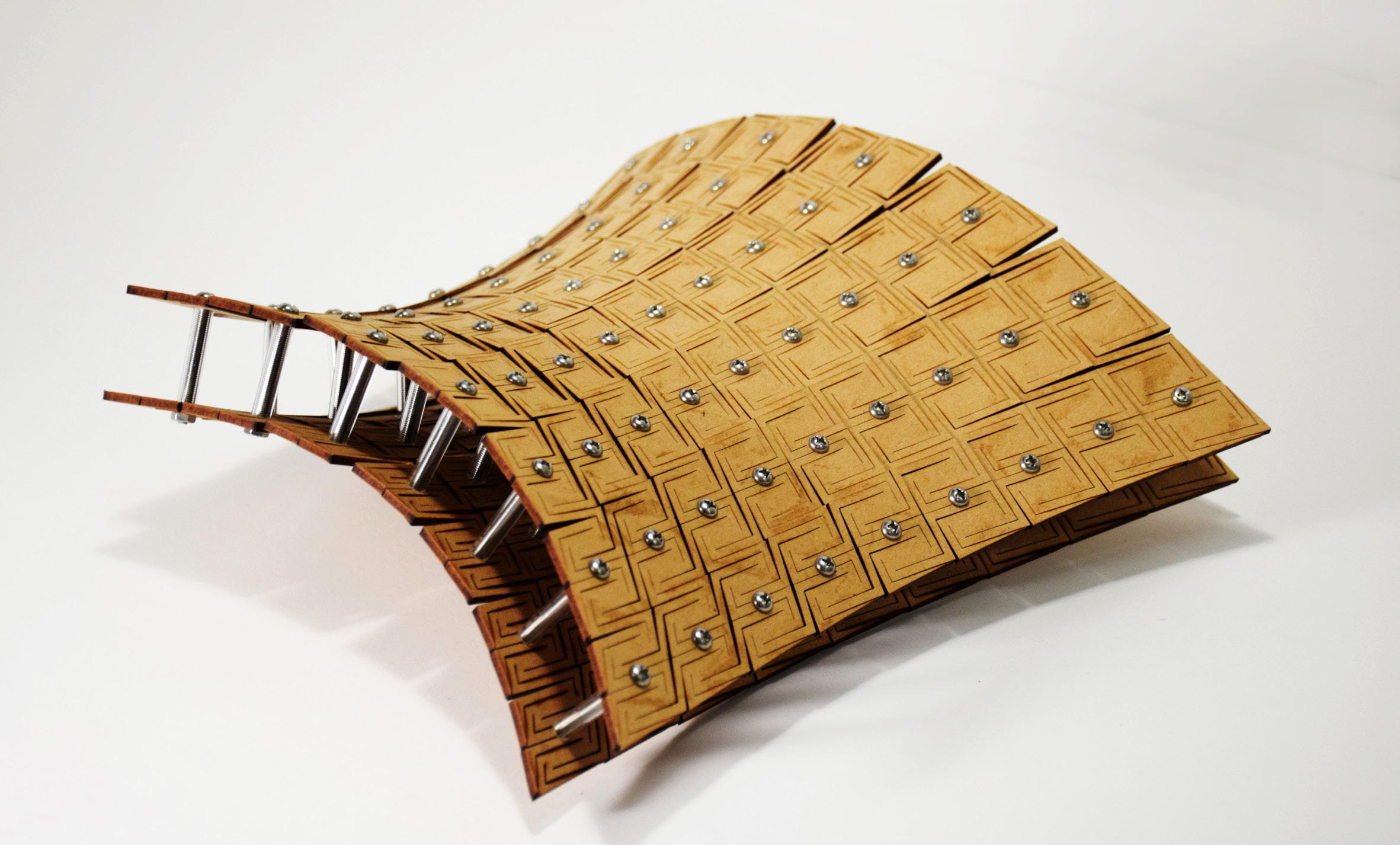
Most of the industrialized materials are linear and planar for the purpose of standardization and efficiency. Therefore, the first challenge in flexible by producing certain patterns on those materials with lasers. The whole process involves computer-aided design and manufacture, and also facilitates an efficient workflow.
Cutting Pattern
Unidirectioal cutting pattern
Non-interlaced pattern Interlaced pattern
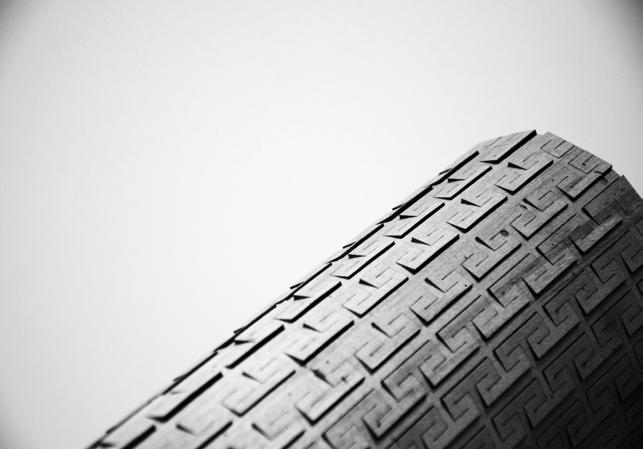
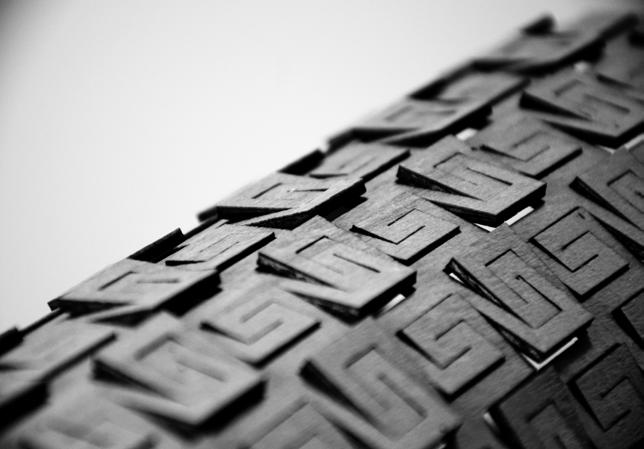
The first step is experimenting with different cutting patterns and their subsequent effects, finding the most reasonable cutting pattern.
When applying force, the panel is easily destructed when the cutting pattern is unidirectional. However, it is difficult to be destructed when the patterns lock to each other.
Radial cutting patern

Flatten Method
Angle priority
Length priority
Average angle deviation: 1.30°
Average angle deviation: 7.67°
Average length deviation: 0.11 cm
Average length deviation: 1.20e-3 cm
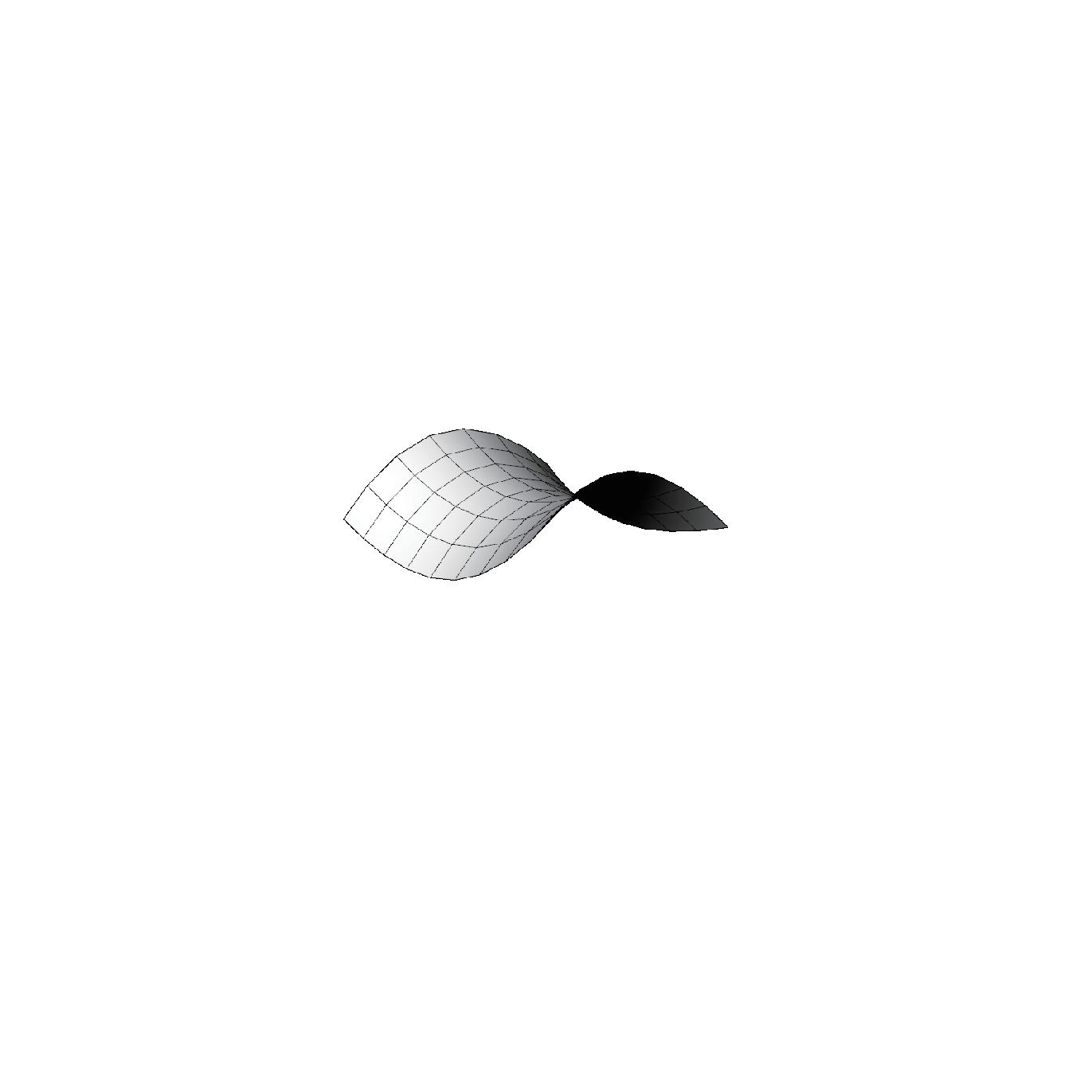
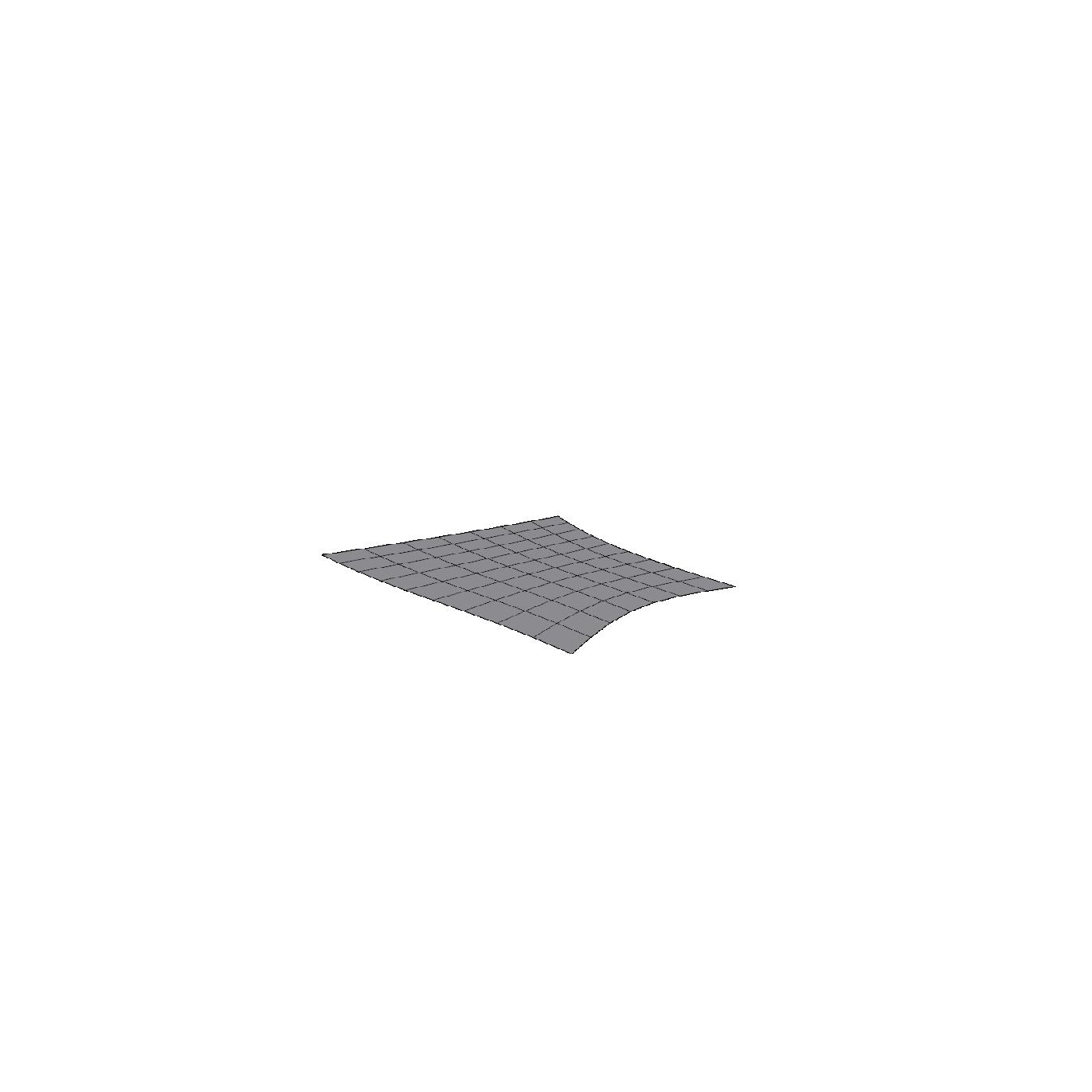
this design is the transformation of originally planar materials into double curvature units. The first development is making planar material allowing each variant units to be produced in precisely the identical process. This method, consequently, enables the form to remain fluid
Inevitable deviation occurs during the flattening process. The main objective in this part of the research is reducing the deviation to an acceptable tolerance without causing significant deformation. This process incorporates the calculation of overall length and angle compensation.
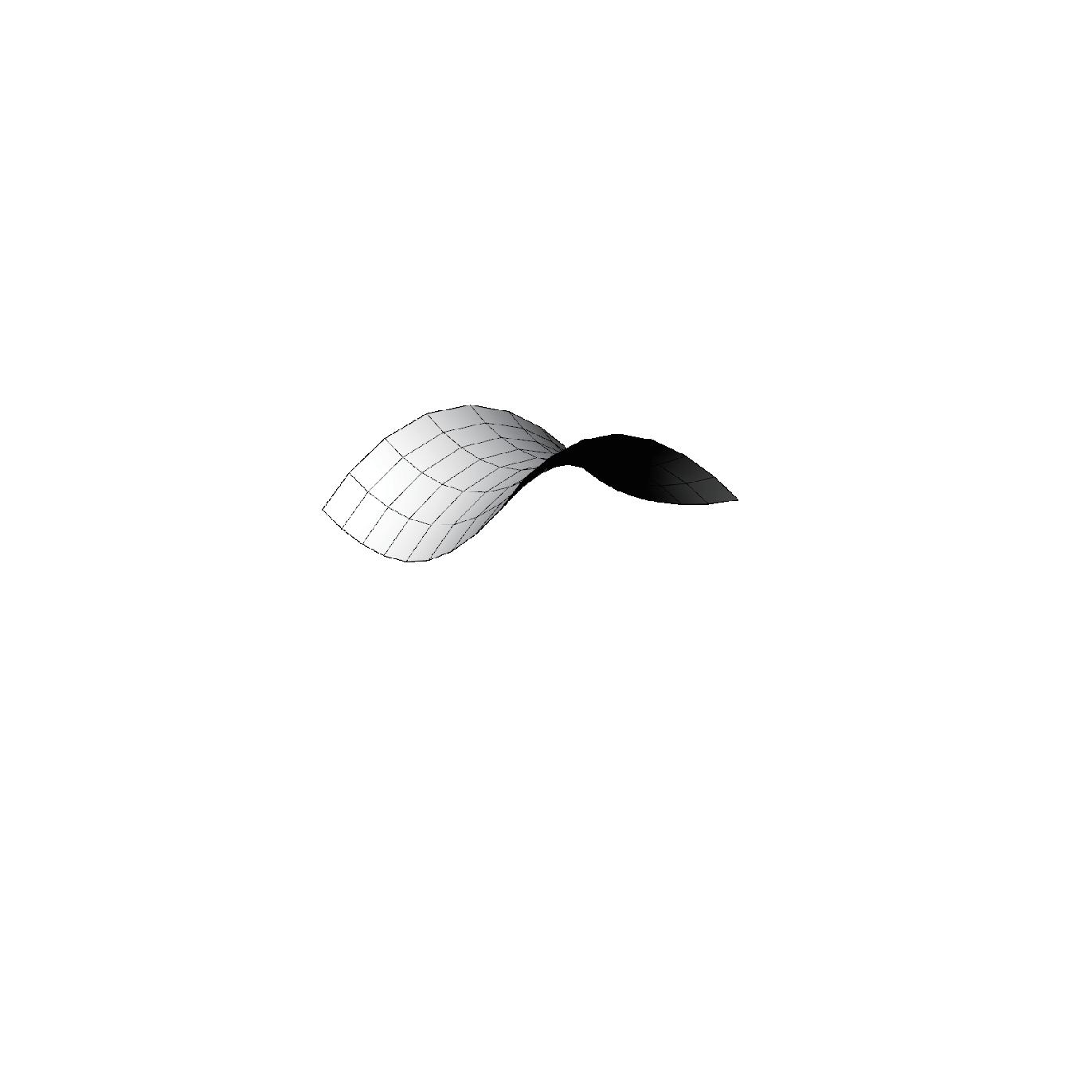
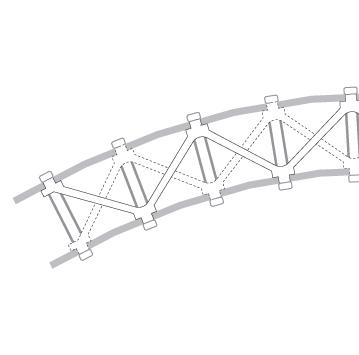
Though the production method for flexible panels is developed, the free-form panel is still unstable. Hence, the double layers method, a kind of form resistant structure, is designed to fix and stabilize the free-form units. This process flattens the inner and outer layers, respectively, before creating laser patterns on them.
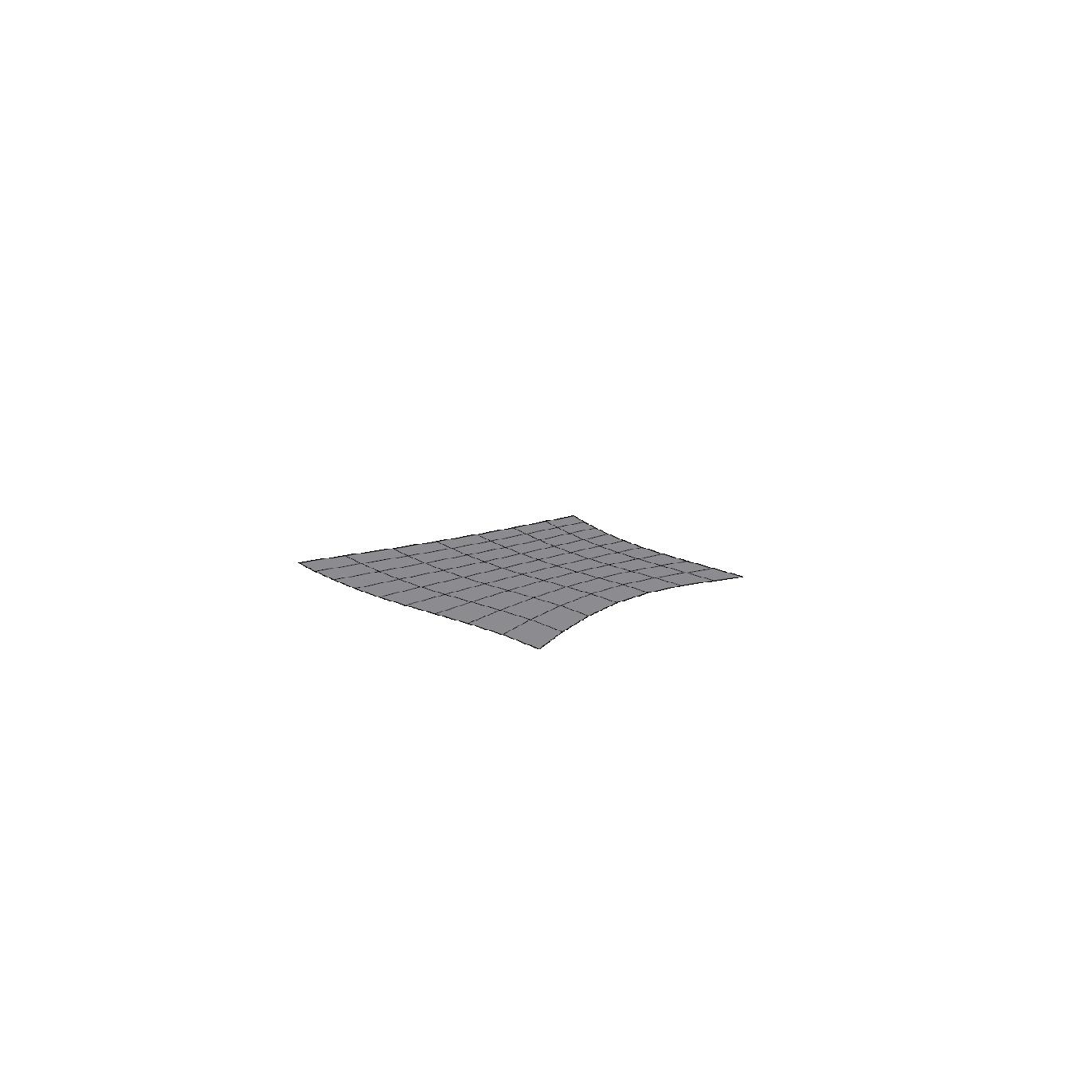
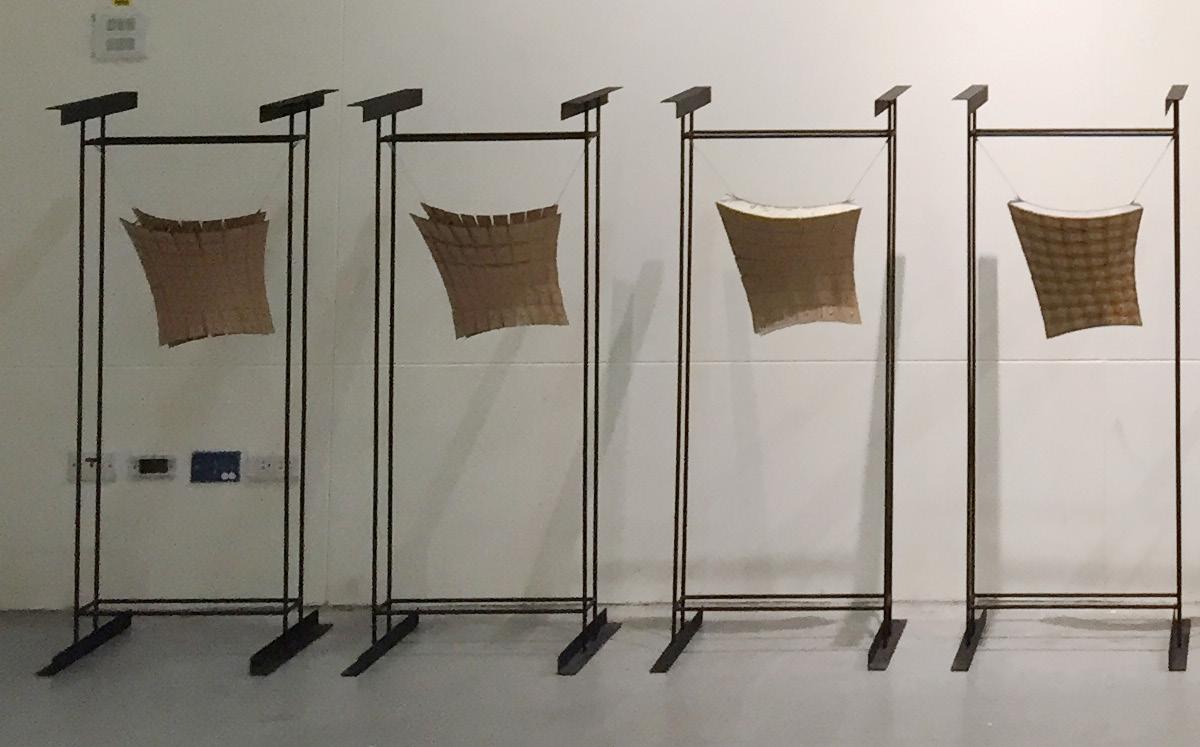
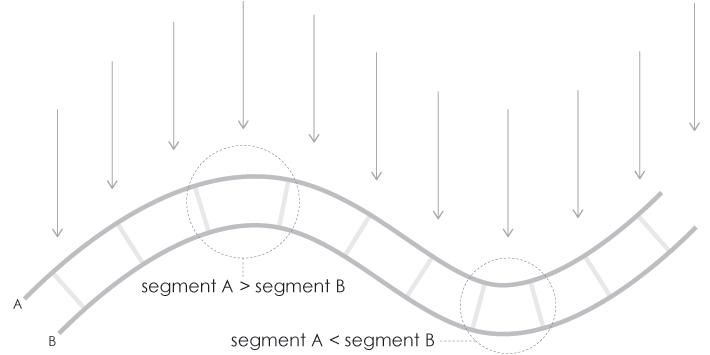
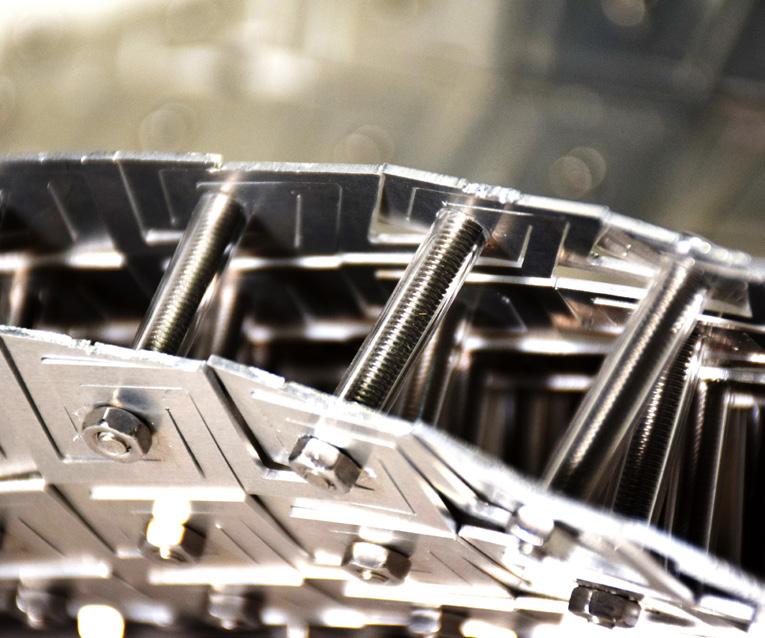
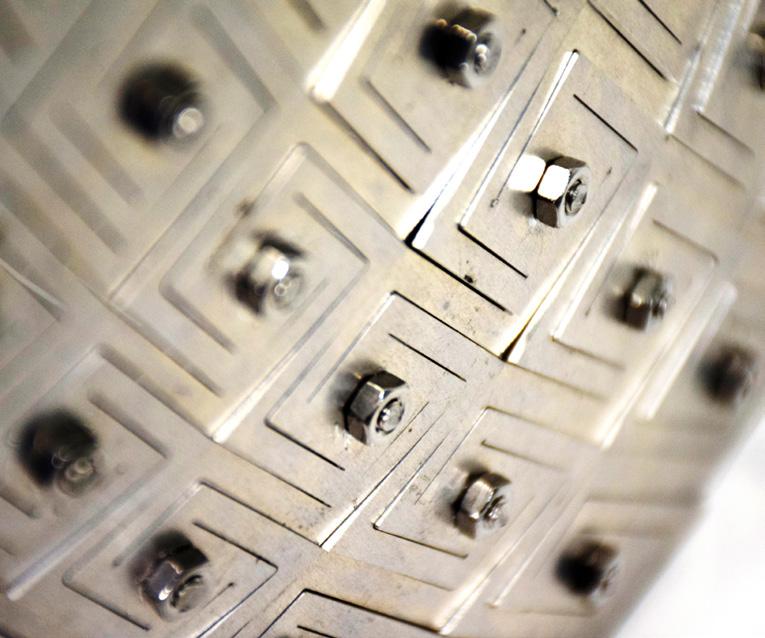
The unit would be brittle and unstable if it only had a single layer. However, the unit becomes stable when it consists of two layers, which is defined as a kind of formresistant structure. This structural concept is presented in the first physical model, which is made of aluminum.

The second physical model is made of acrylic. could be strengthened by applying a sub-structure. noticeably by increasing the tensile strength
Acrylic
Aluminum
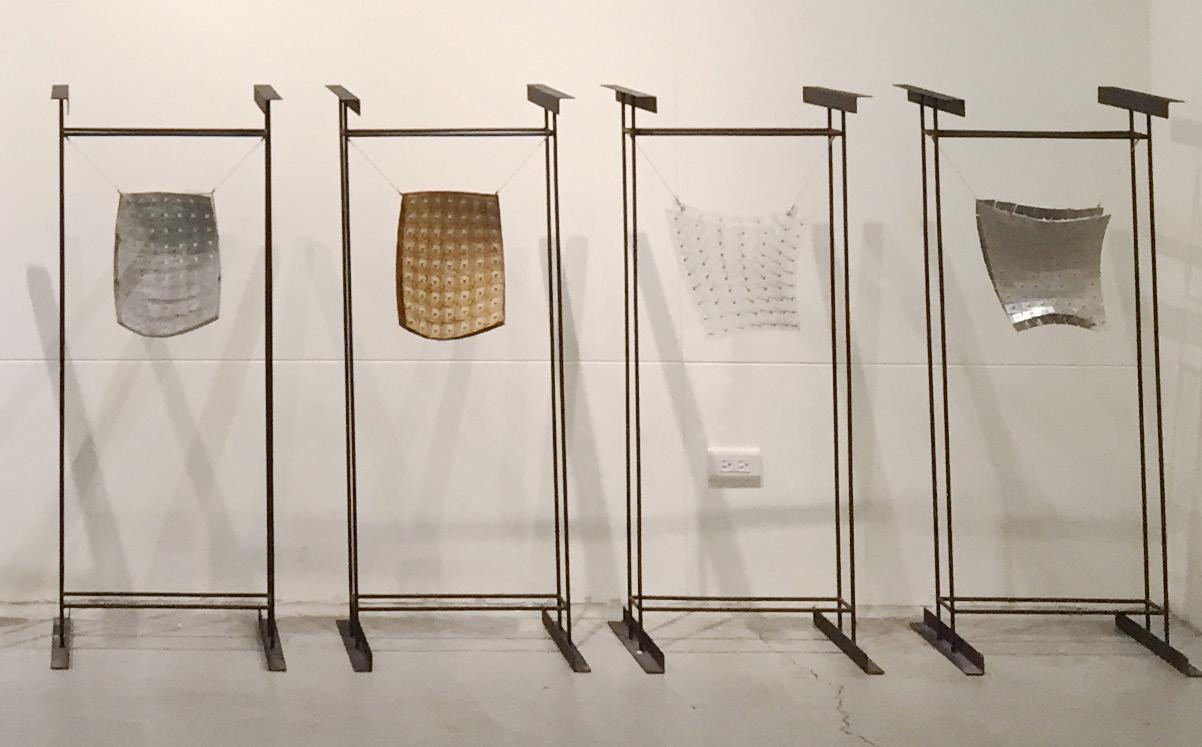
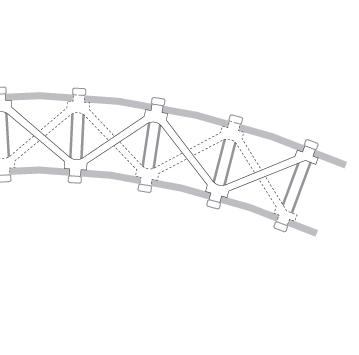
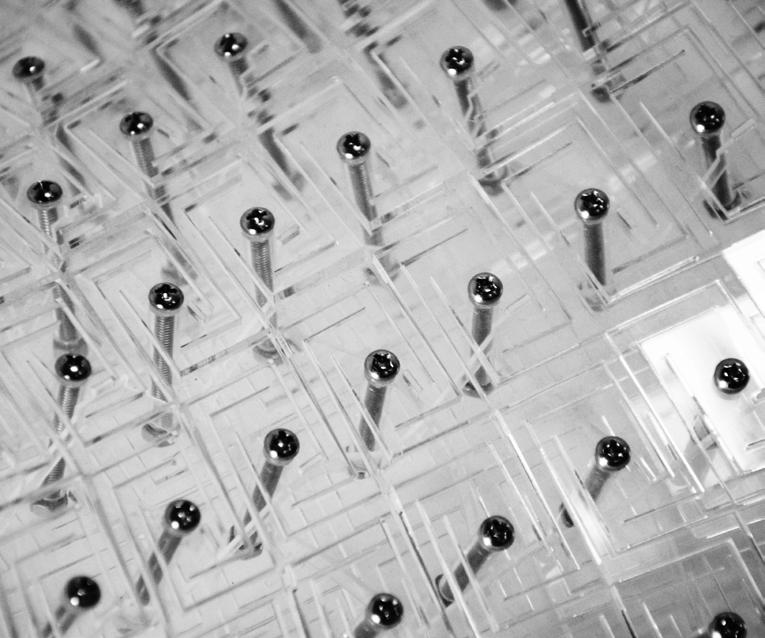
acrylic. This model demonstrates that the unit sub-structure. This system improves the rigidity and compressive strength of the unit.
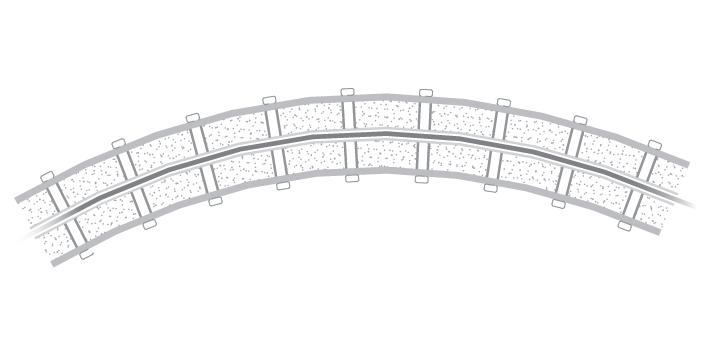
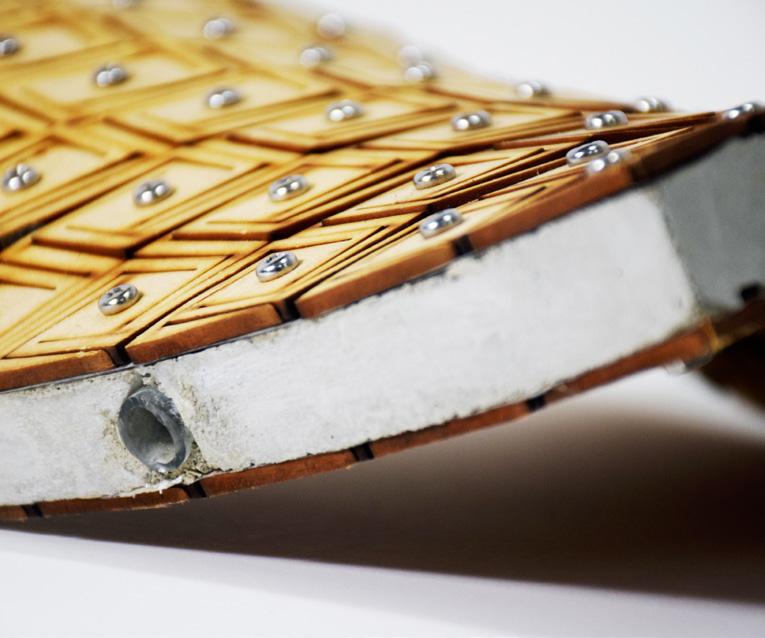
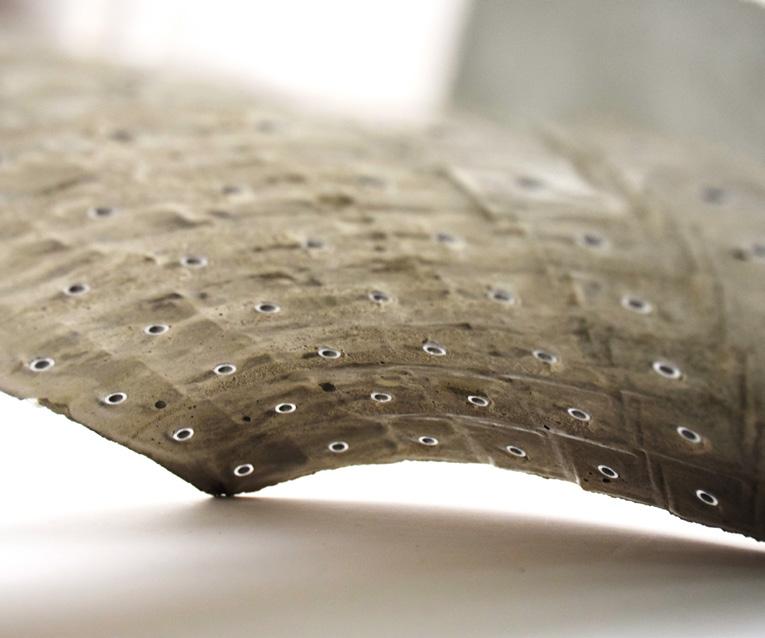
The third physical model shows another way to improve rigidity. In this case, the unit is used as a mold to cast concrete. Units are designed to be a part of a posttensioned concrete system. In the meantime, the bolts and casings serve the function of reinforcement.
Acrylic
Concrete
Assemblage
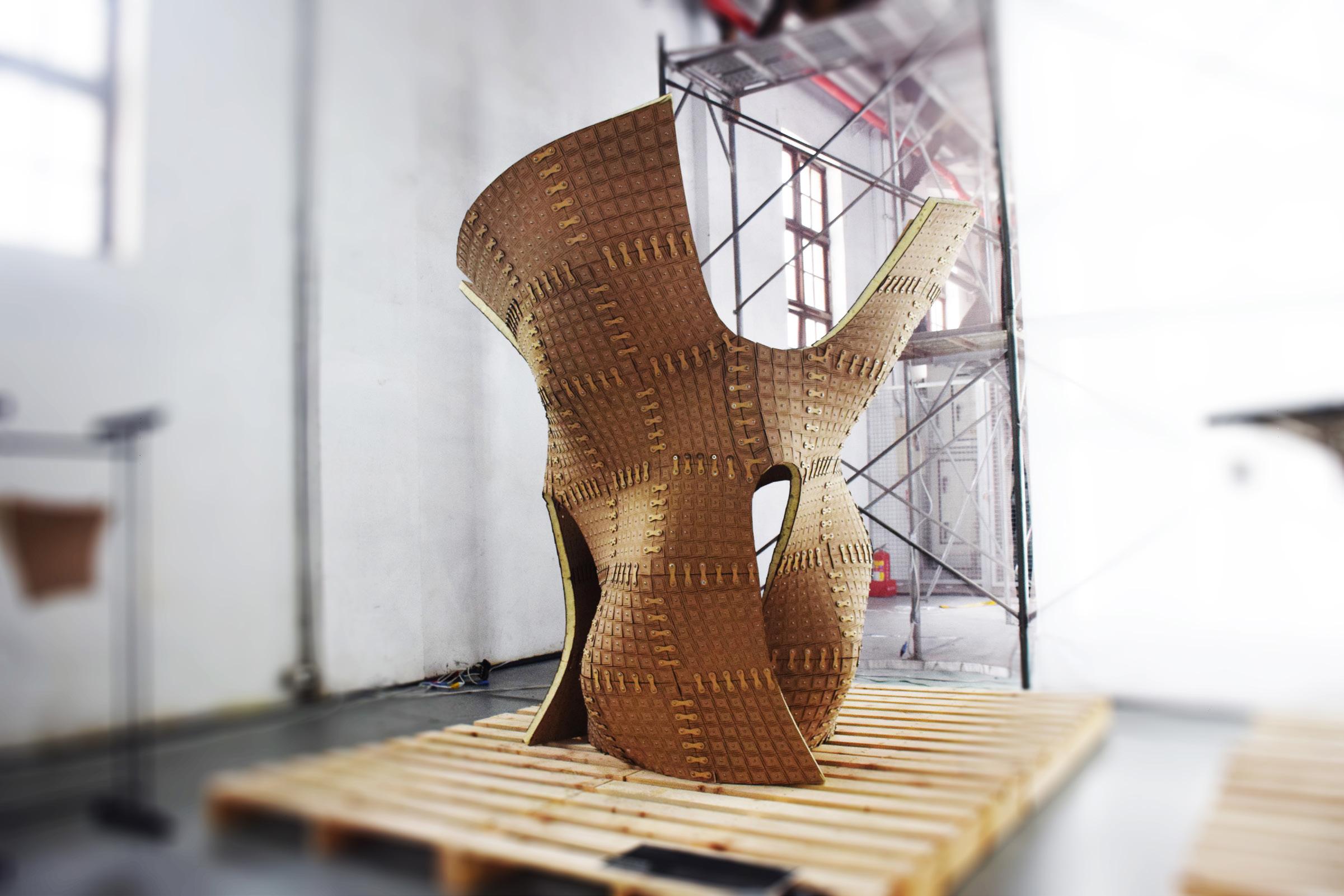
This physical model is a prototype of the free-form tectonic, which examines its accuracy and structural stability. The model is designed with the aforementioned fluid concepts, such as vortexes and waves. Furthermore, the preliminary process involves computer-based simulations and calculations, while the assembly process involves computer-aided manufacture.
57 Units
L = 154.76cm
W = 150.68cm
H = 189.79cm
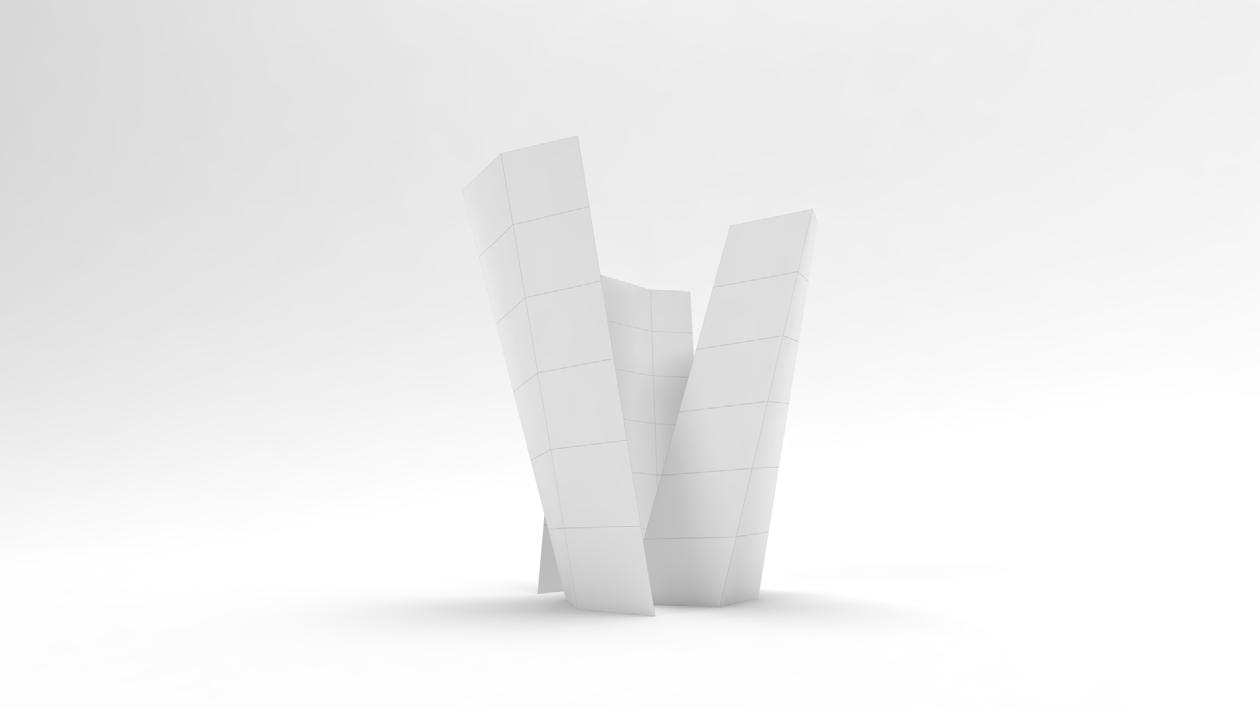
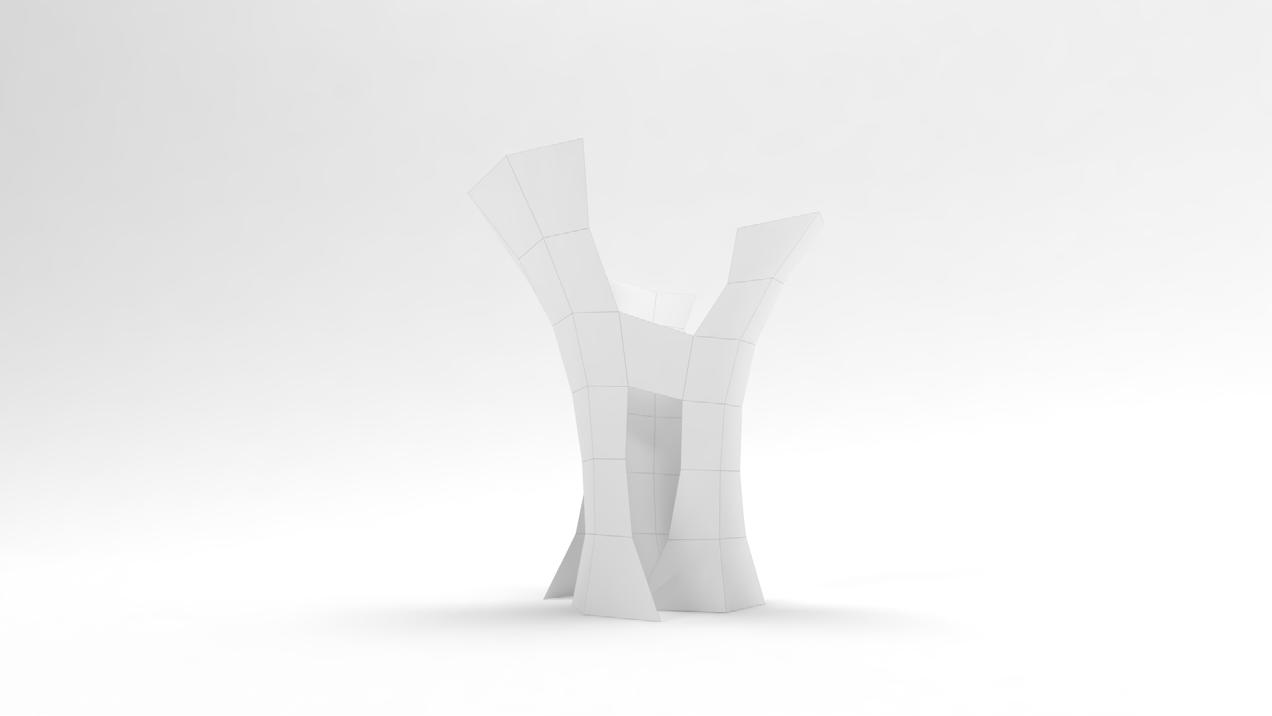
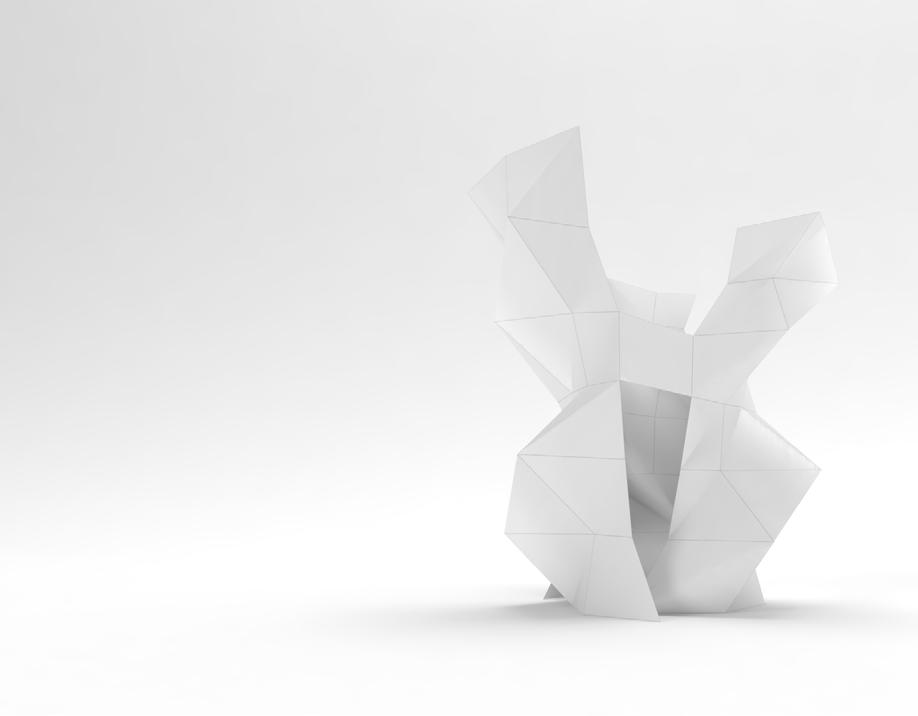
Based on the fluid concept of the previous research, the form of this physical model evolves from the supporting structure with the deformation of spin, surface-turbulence, and stretch.
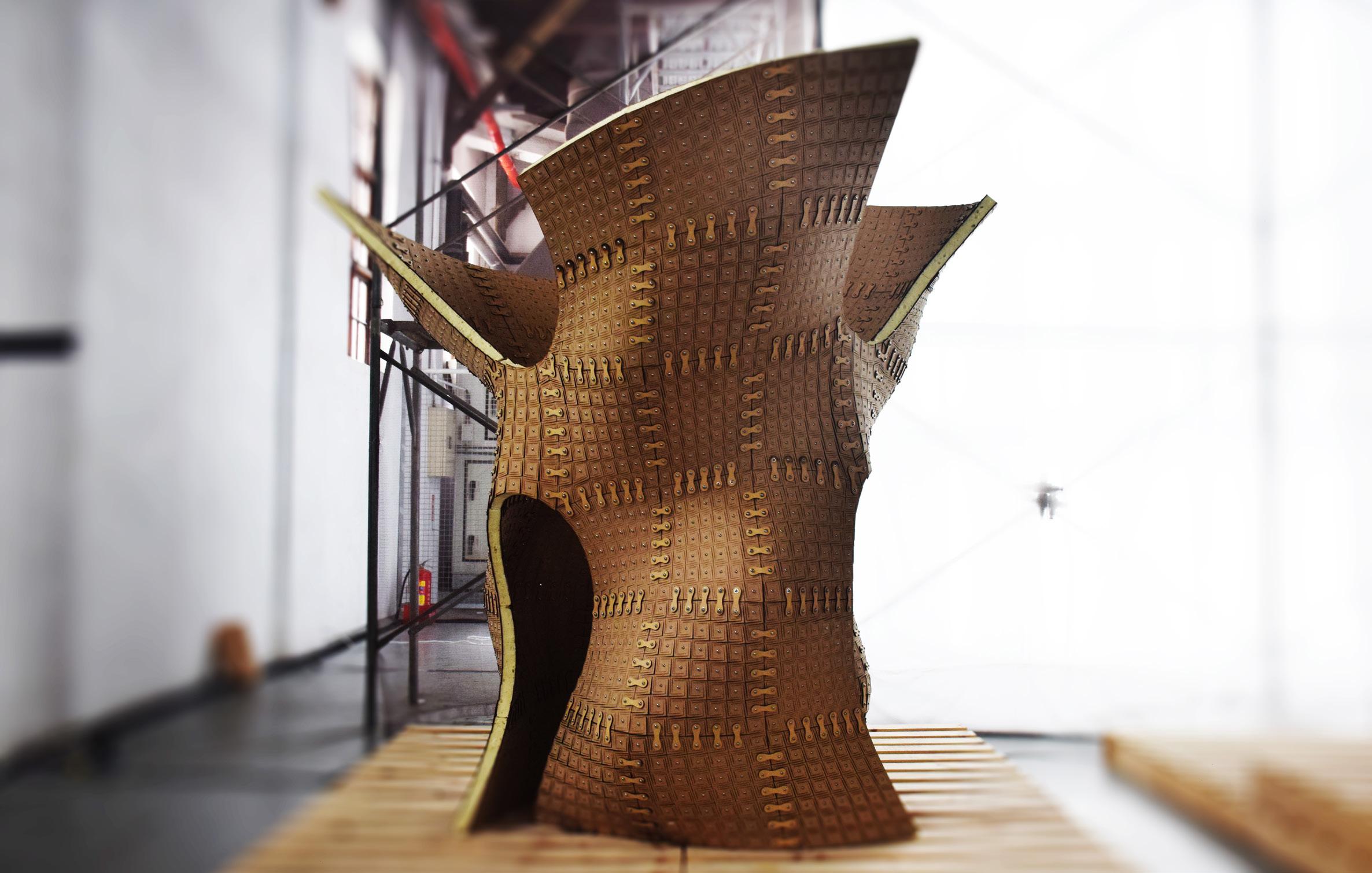
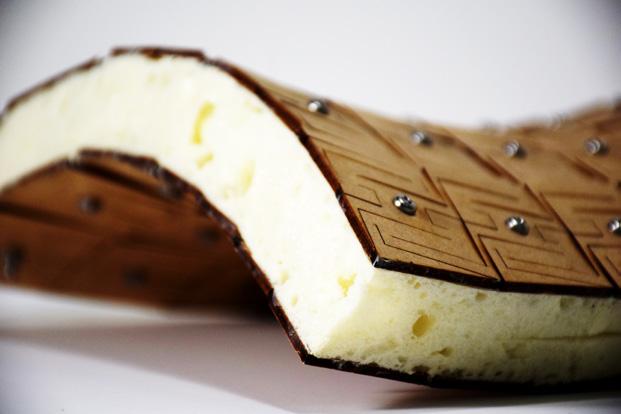
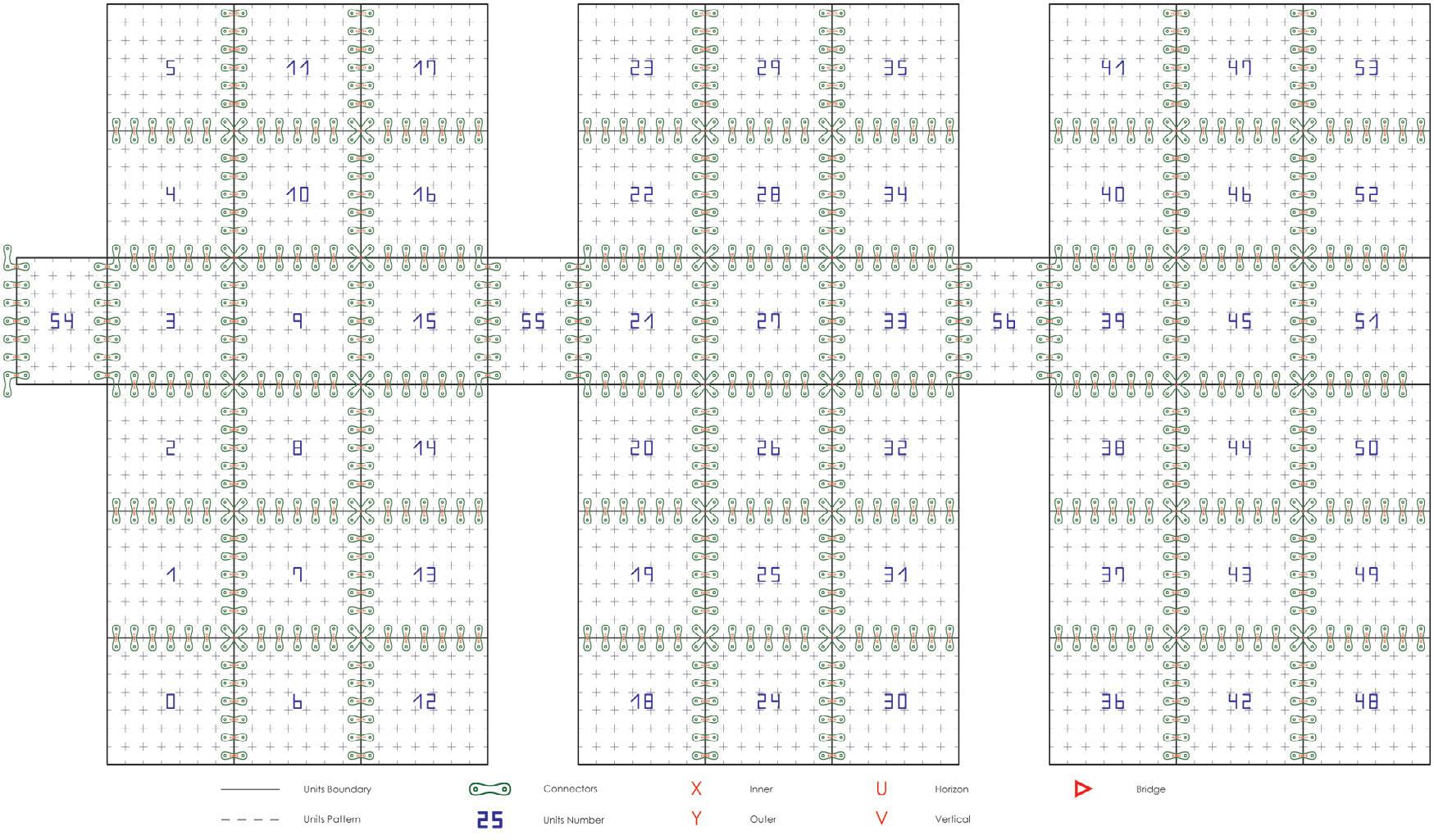
The topology assembly instructions, which have comprehensive serial numbers for each component, facilitates the efficiency of the workflow. Being erected without any support and within only a few hours of assembly, the model proves the feasibility of this system. Each unit consists of two pieces of laser-cut MDF (Medium Density Fiberboard) and a layer of PU (Polyurethane) foam. The application of PU foam enables the unit to be lightweight, waterproof, and insulated.
Topology
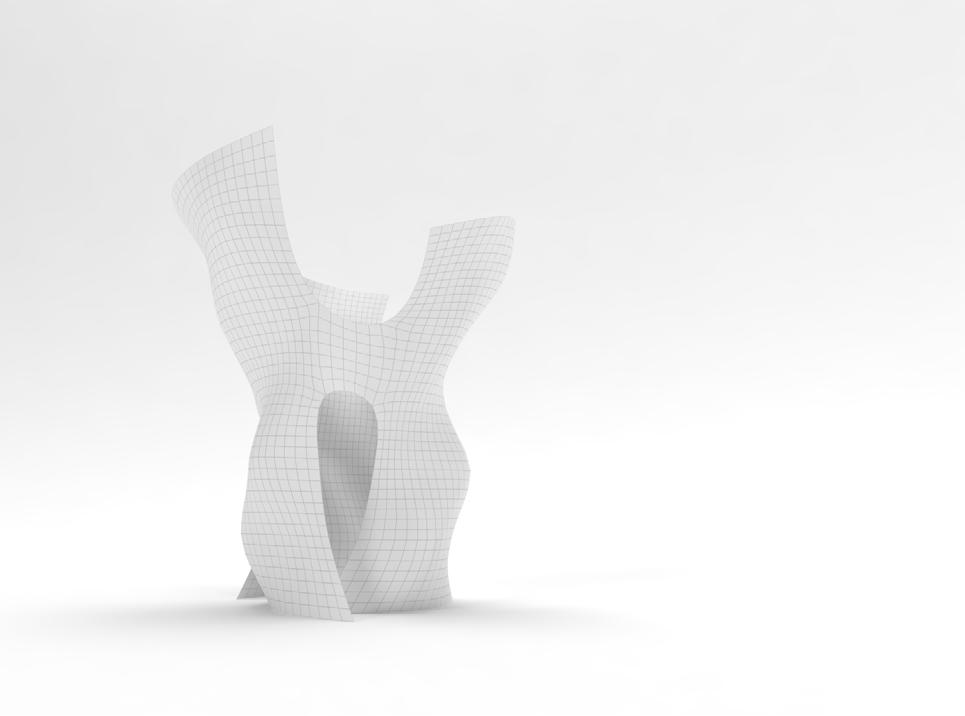

initial three curves into a final, selfSmooth
Concept
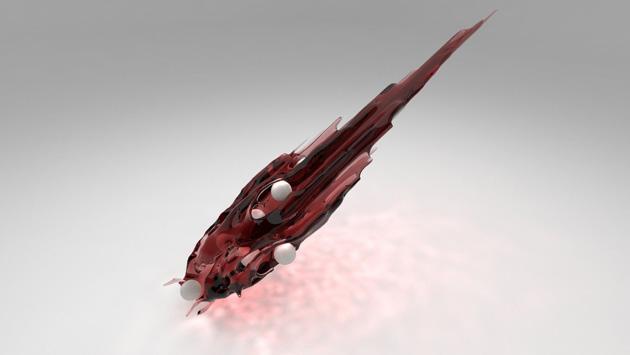

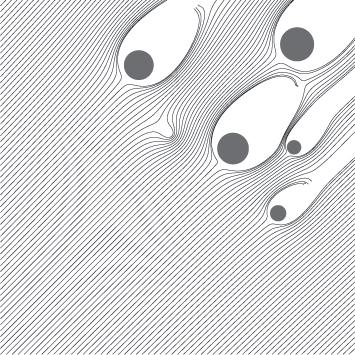
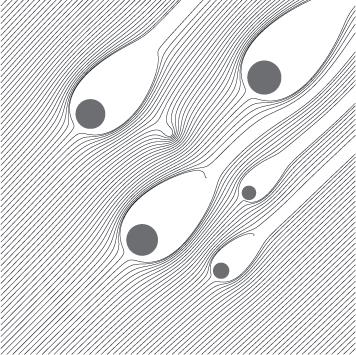
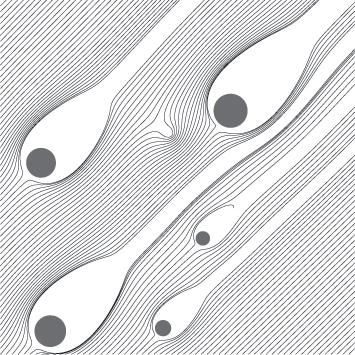
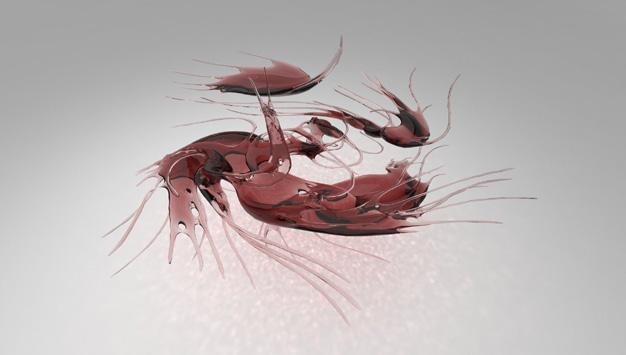
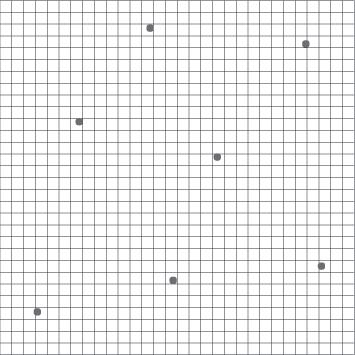
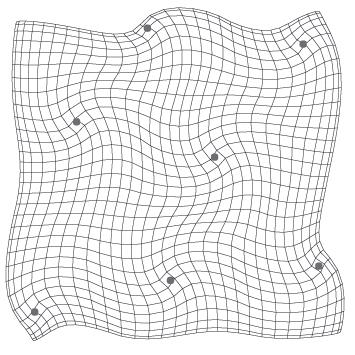
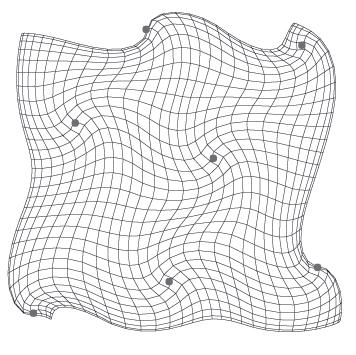
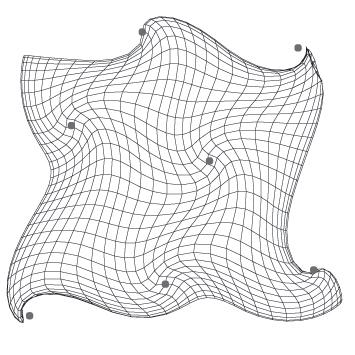
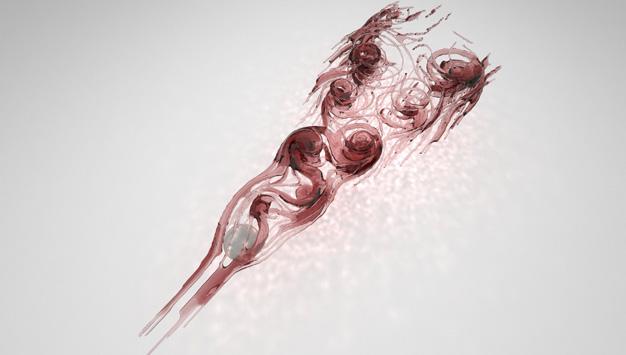

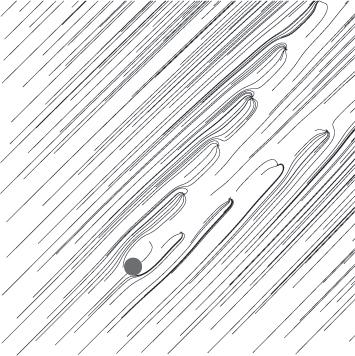
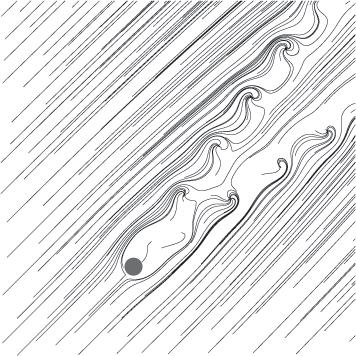
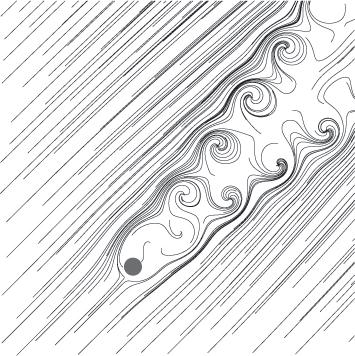
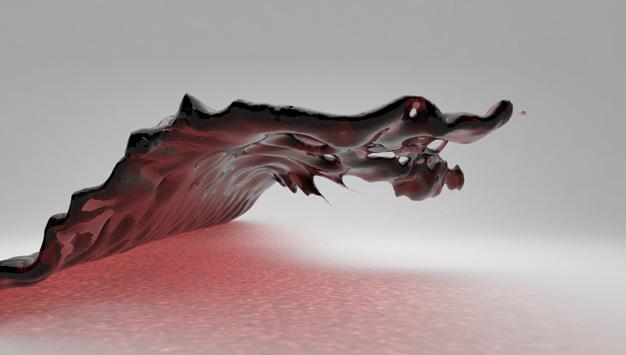

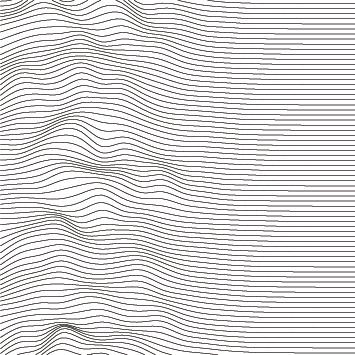
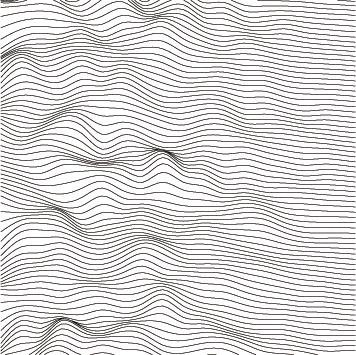
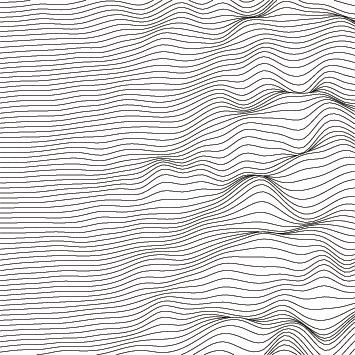
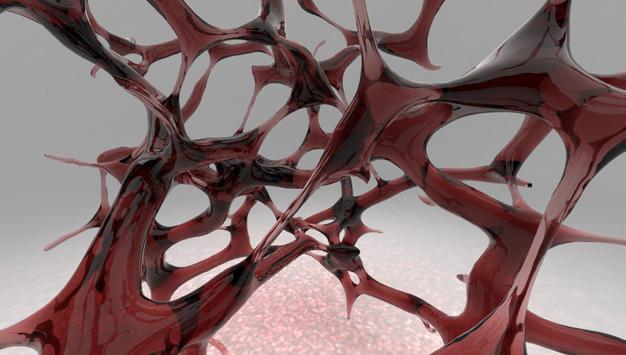

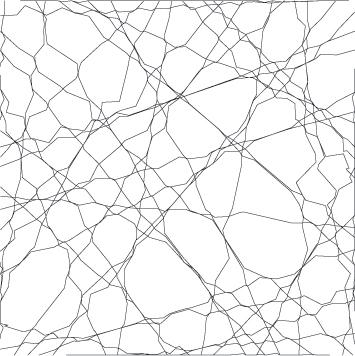
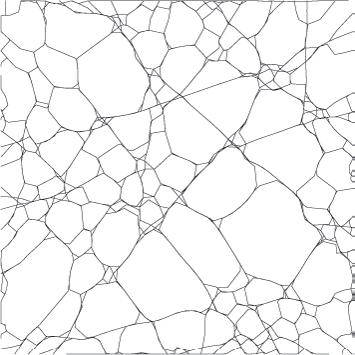
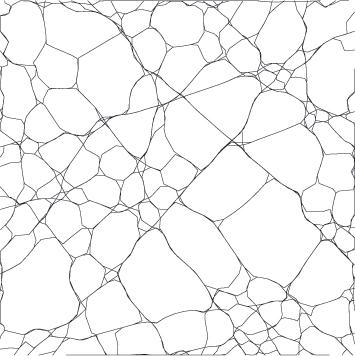
This is a bottom-up approach to architectural design. In this shrine design, the concept of fluidity is based on the previous research on double curvature panel manufacture. Natural elements, such as rivers and oceans which show a tremendous sense of fluidity, are divine among most of the religions. Water is a prominent example as it symbolizes the origin of life in many religions. Numerous ancient sacred spaces closely associate with water, and the concept of fluidity is common in those religious spaces. Thus, integral morphological development of space would derive from the fluid phenomenon in this part of the design. Forming mechanics of five fluid phenomena are analyzed and reinterpreted along with the spatial development.
Type A - Streram
Type A - Phase 1
Type B - Phase 1
Type C - Phase 1
Type D - Phase 1
Type E - Phase 1
Type A - Phase 2
Type B - Phase 2
Type C - Phase 2
Type D - Phase 2
Type E - Phase 2
Type A - Phase 3
Type B - Phase 3
Type C - Phase 3
Type D - Phase 3
Type E - Phase 3
Type A - Phase 4
Type B - Phase 4
Type C - Phase 4
Type D - Phase 4
Type E - Phase 4
Type B - Vortex
Type C - Kármán vortex street
Type D - Wave
Type E - Caustics Fluidity
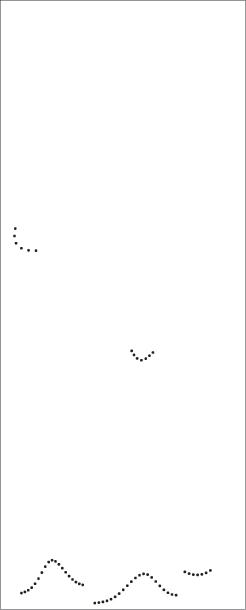
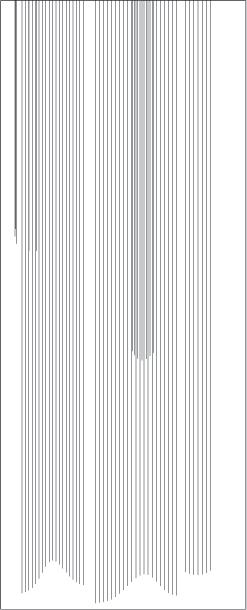
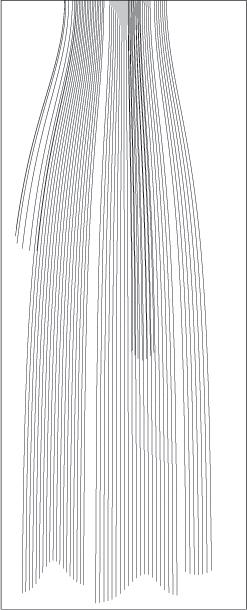
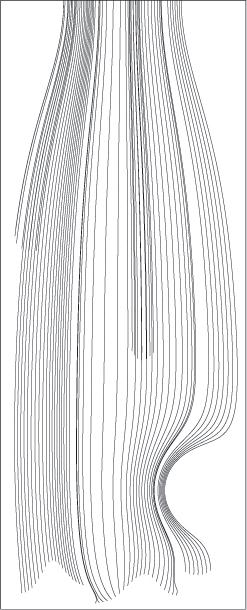
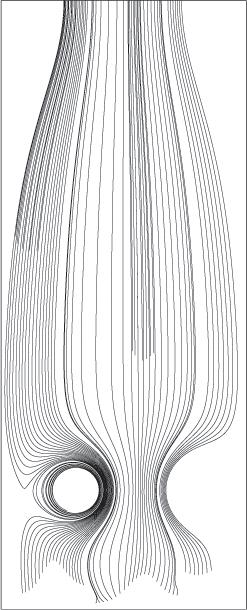
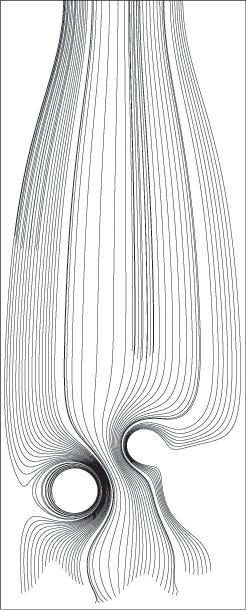
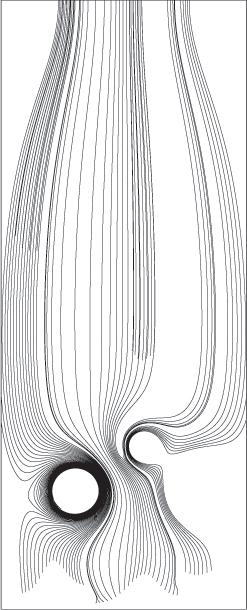
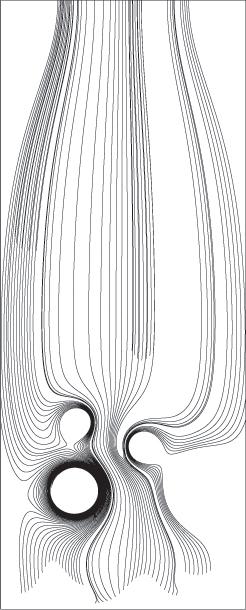
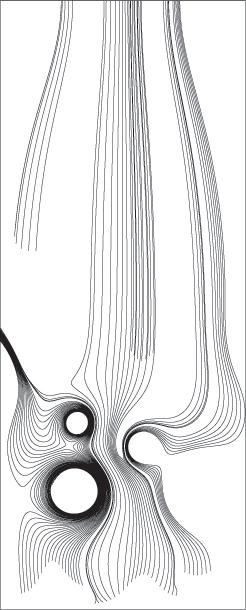
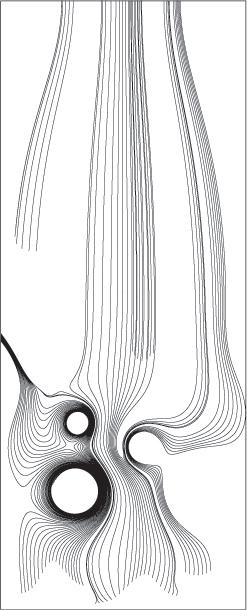
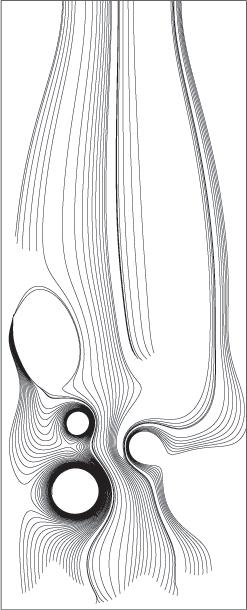
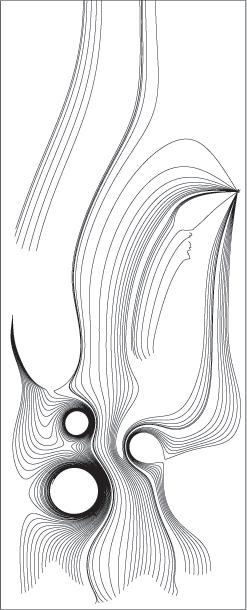
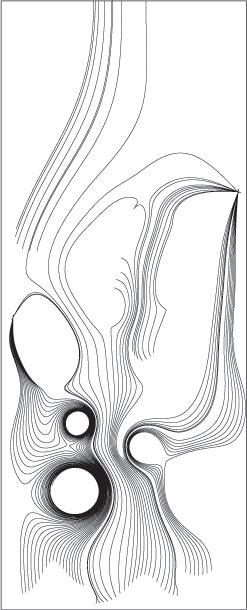
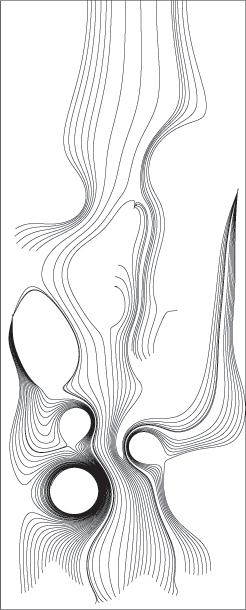
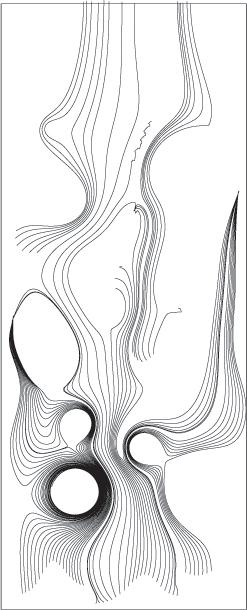
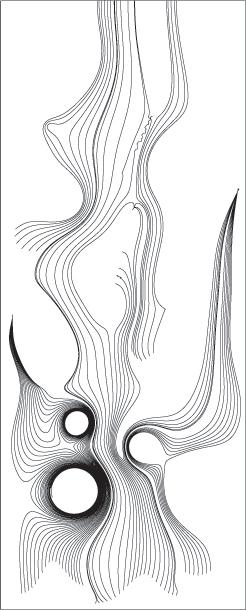
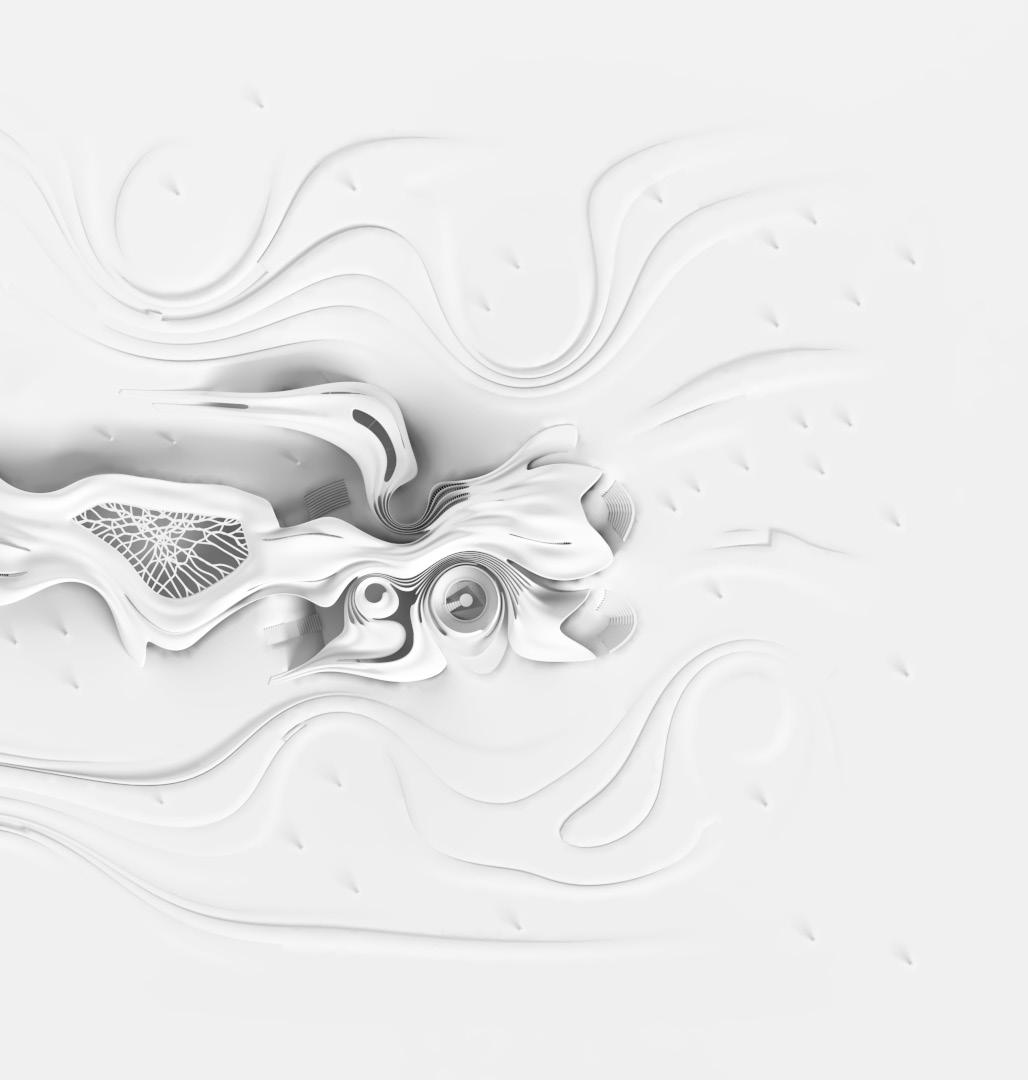
Fluid phenomena are redefined and applied to form-finding. Given the initial points and direction, the form develops under the consideration of attraction and repulsion among particles from a microscopic viewpoint. The centers of the obstacle are redefined as open spaces; some of the turbulent areas become semi-exterior spaces. In addition, the trials of fluid motion assimilate into the landscape.
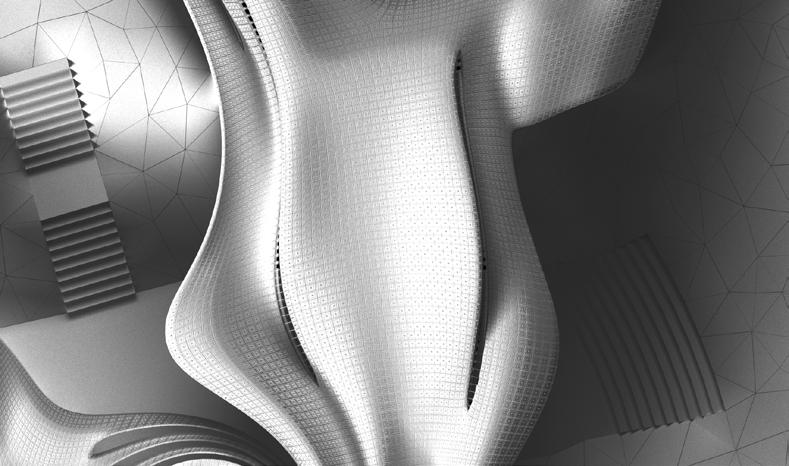

Spaces flow and deposit on the site through the fluid forces. With the special skylight above, visitors are able to bask in the sunlight in the preeminent sacred space, meditating in the underwater-like atmosphere. There are several routes between the entry and the main sacred space, which offer visitors a diversity of spiritual ambiances to experience.
A Aluminum gutter
B Aluminum living hinge panel
C Post tension concrete unit
D 150×20mm - Cedar blind
E 300×100×5mm - Channel steel beam
F 200×100×6mm - Rectangle steel beam
G Exterior aluminum gutter
H Aluminum fasicia panel
I 10mm THK - Insulated glass unit
J SRC column A Floor topping B Self-leveling concrete
C Floor concrete D 5mm THK - Metal deck
E 10mm THK - Insulated glass unit
F SRC column
G Edge trim
H Aluminum fasicia panel
I 300×100×10mm - Steel H beam
J 250×100×5mm - Channel steel beam
K Ceiling panel
L Galvanized metal stud
Floor topping
Self-leveling concrete
Floor concrete
5mm THK - Metal deck
250×100×5mm - Channel steel beam F Ceiling panel
G Galvanized metal stud
H 300×100×10mm - Steel H beam
Edge trim
A Aluminum gutter
B Aluminum living hinge panel
C Post tension concrete unit
D Exterior aluminum gutter
E Aluminum fasicia panel
F Blind jointer
G 150×20mm - Cedar blind
H 10mm THK - Insulated glass unit I Steel bracing J 200×100×6mm - Channel steel beam
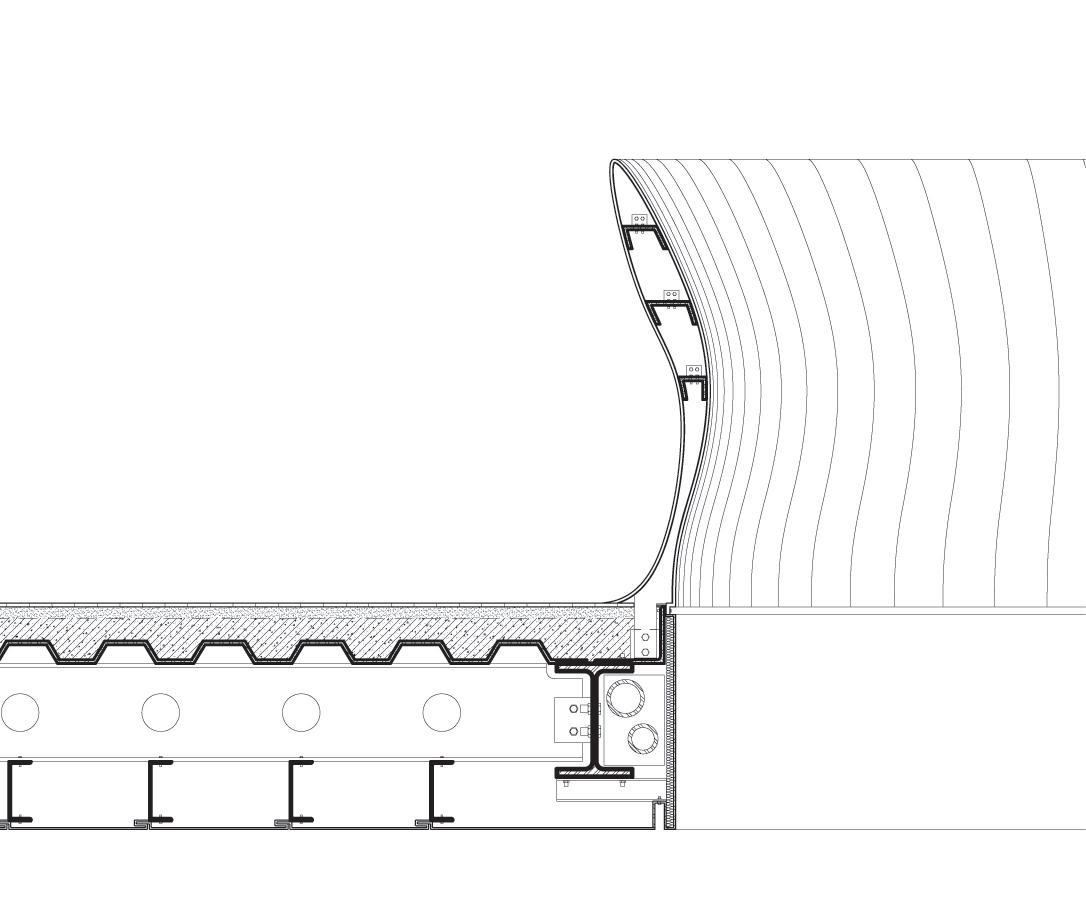
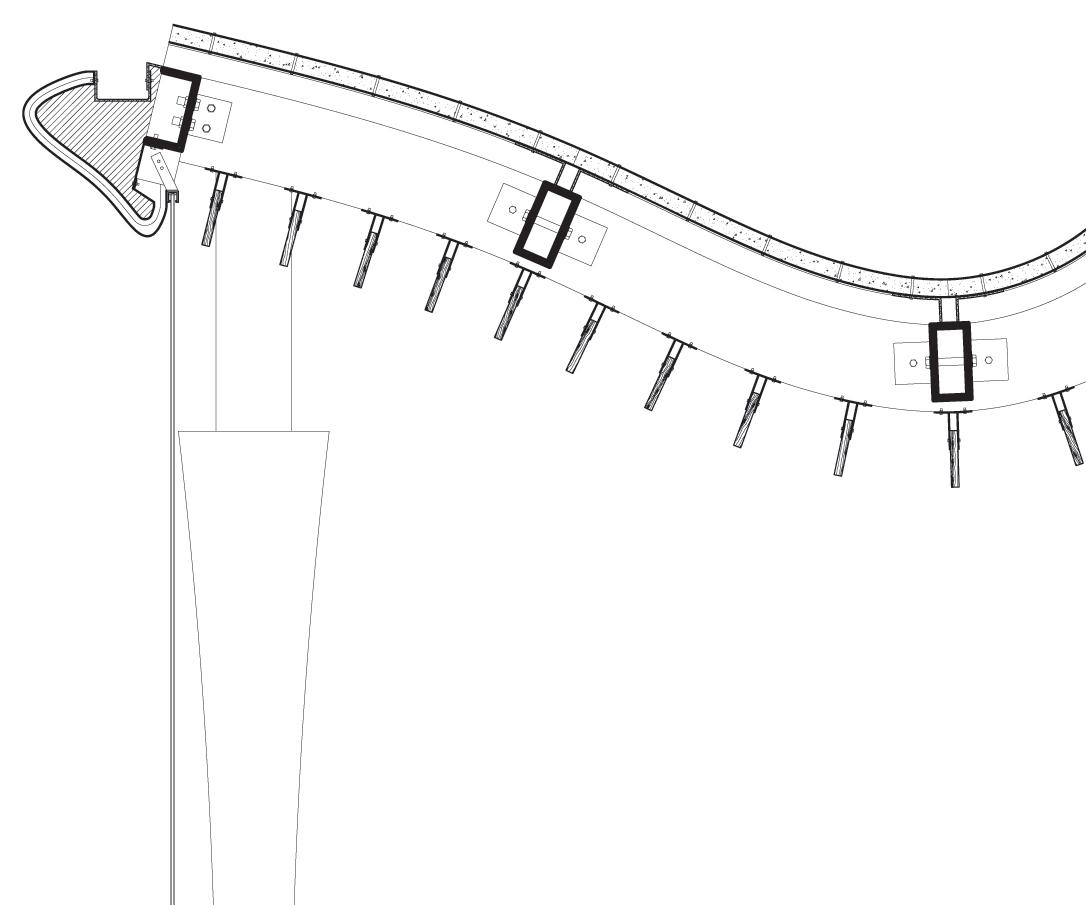
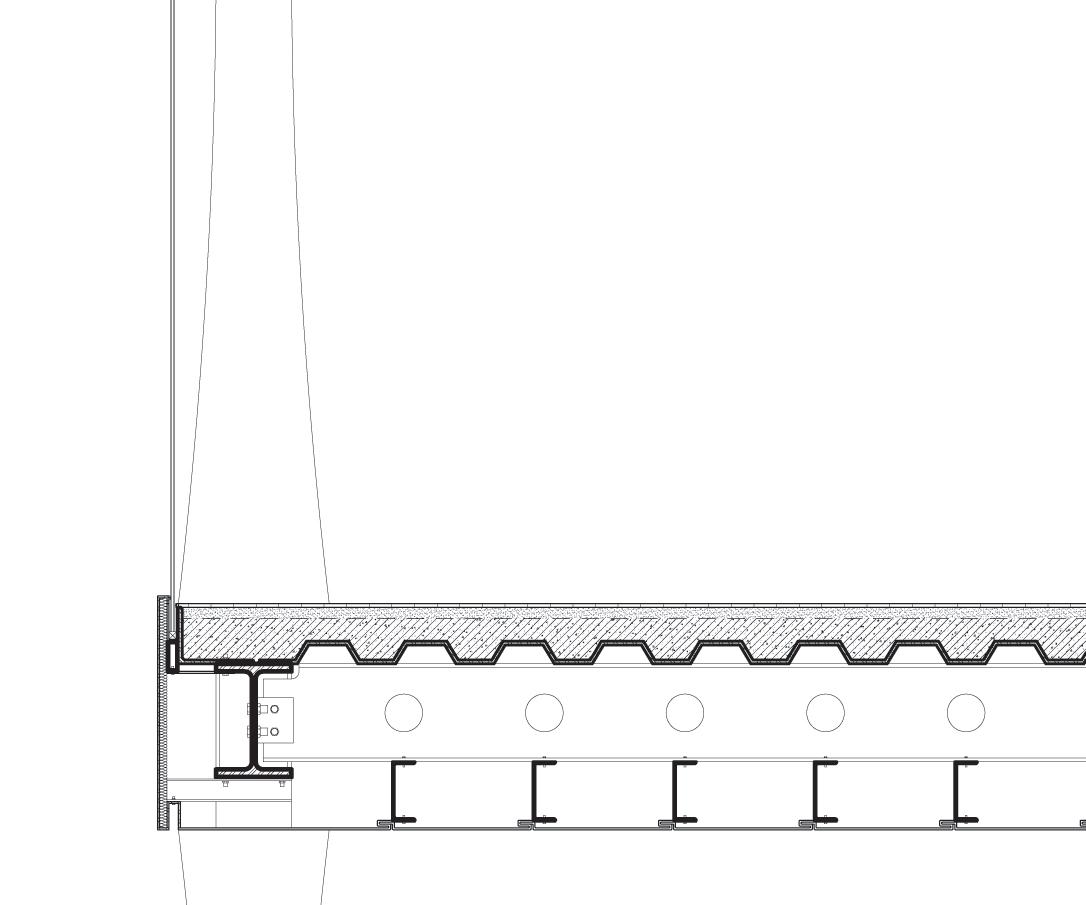
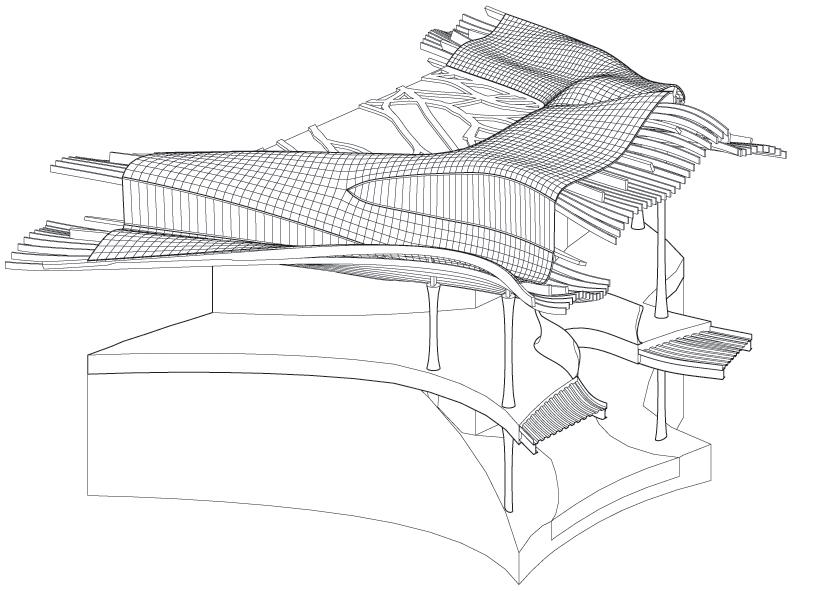
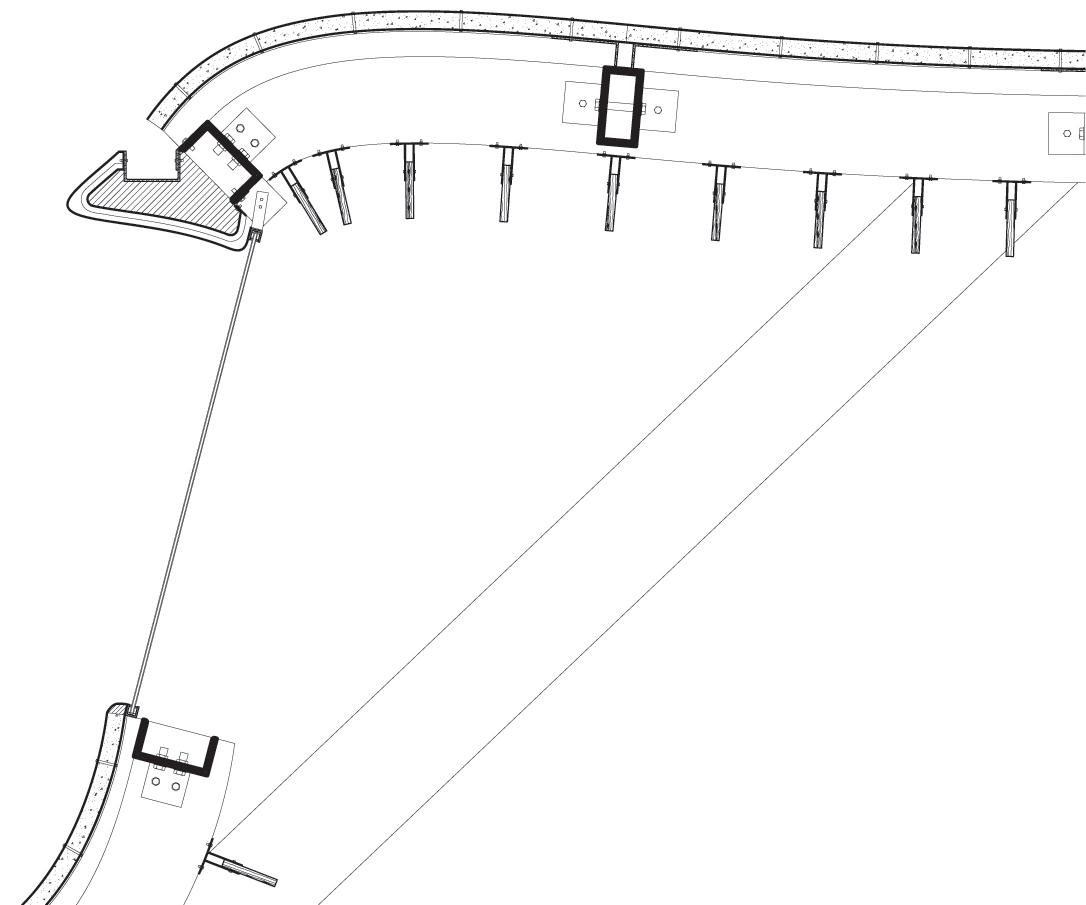
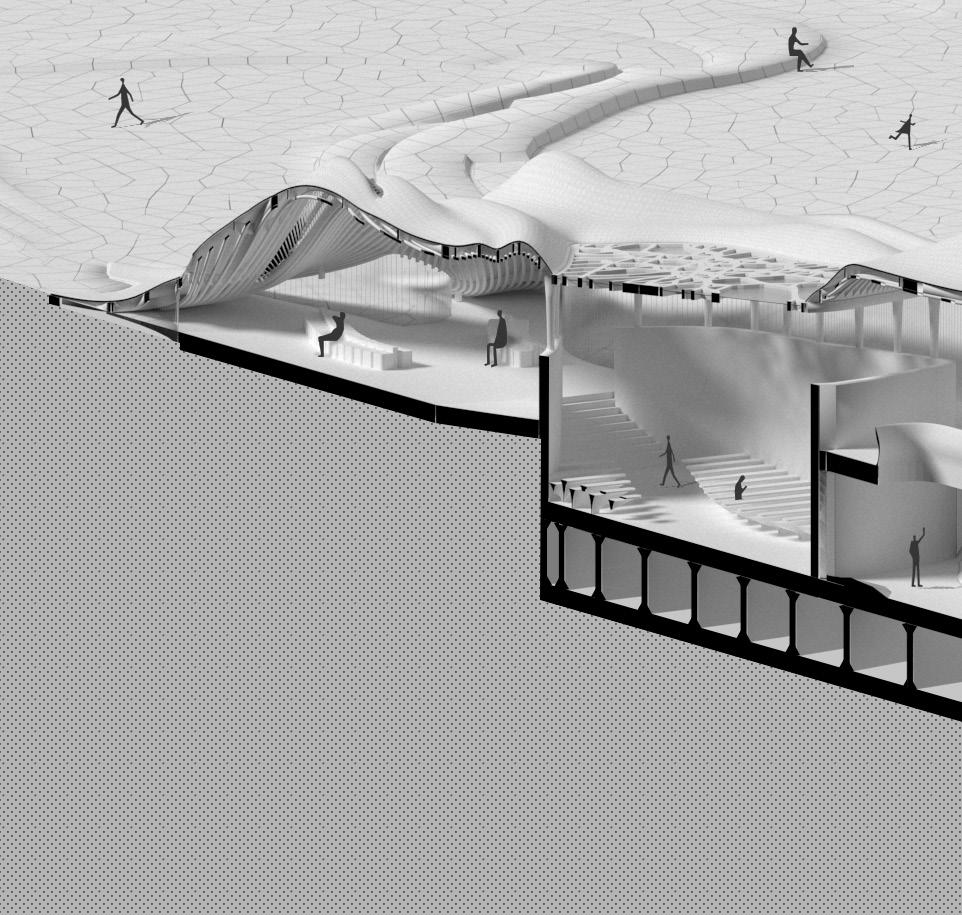
The system design demonstrates the feasibility and possibility of this digital fabrication manufacture. Through detail design and section review, all the potential construction issues are scrutinized. The explosion drawing represents the layers of building envelope, while the section drawing below shows the relationship between space and the tectonic. In addition, the detailed drawings show how different systems integrate with each other, such as the joints of the drainage systems and steel beams. They also illustrate the assorted materials, such as aluminum gutter and self-leveling concrete. Those drawings are produced to support the application of the free-form system.

A: Entrance
Lobby
Muitimedia area
Cafeteria
Aisle
Courtyard
Sacred space
Lounge
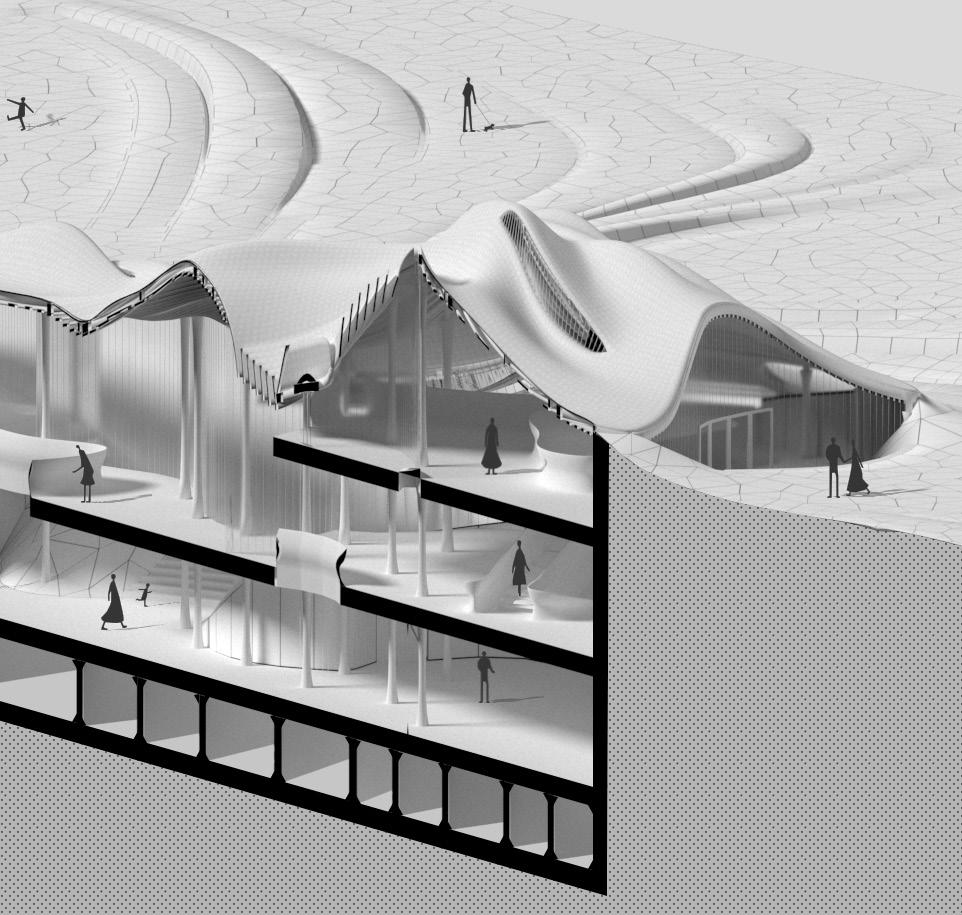
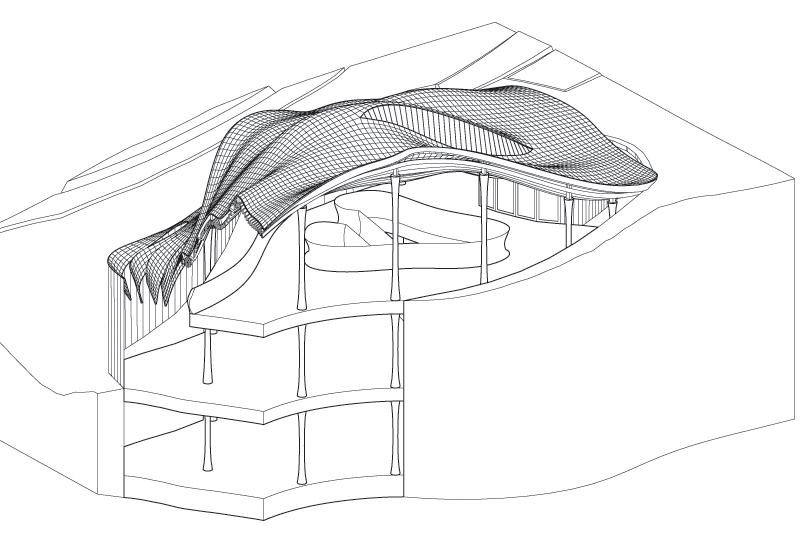
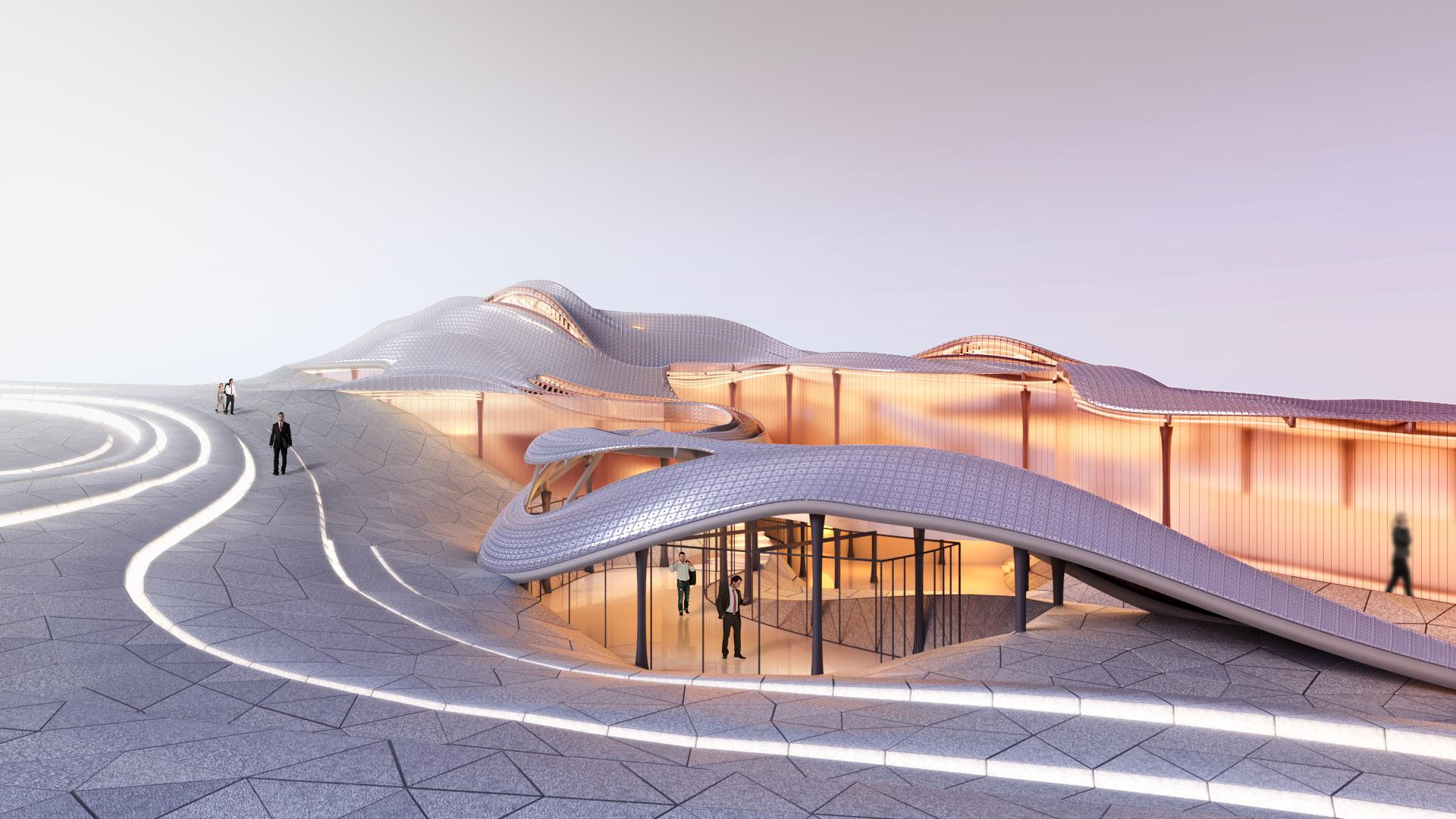
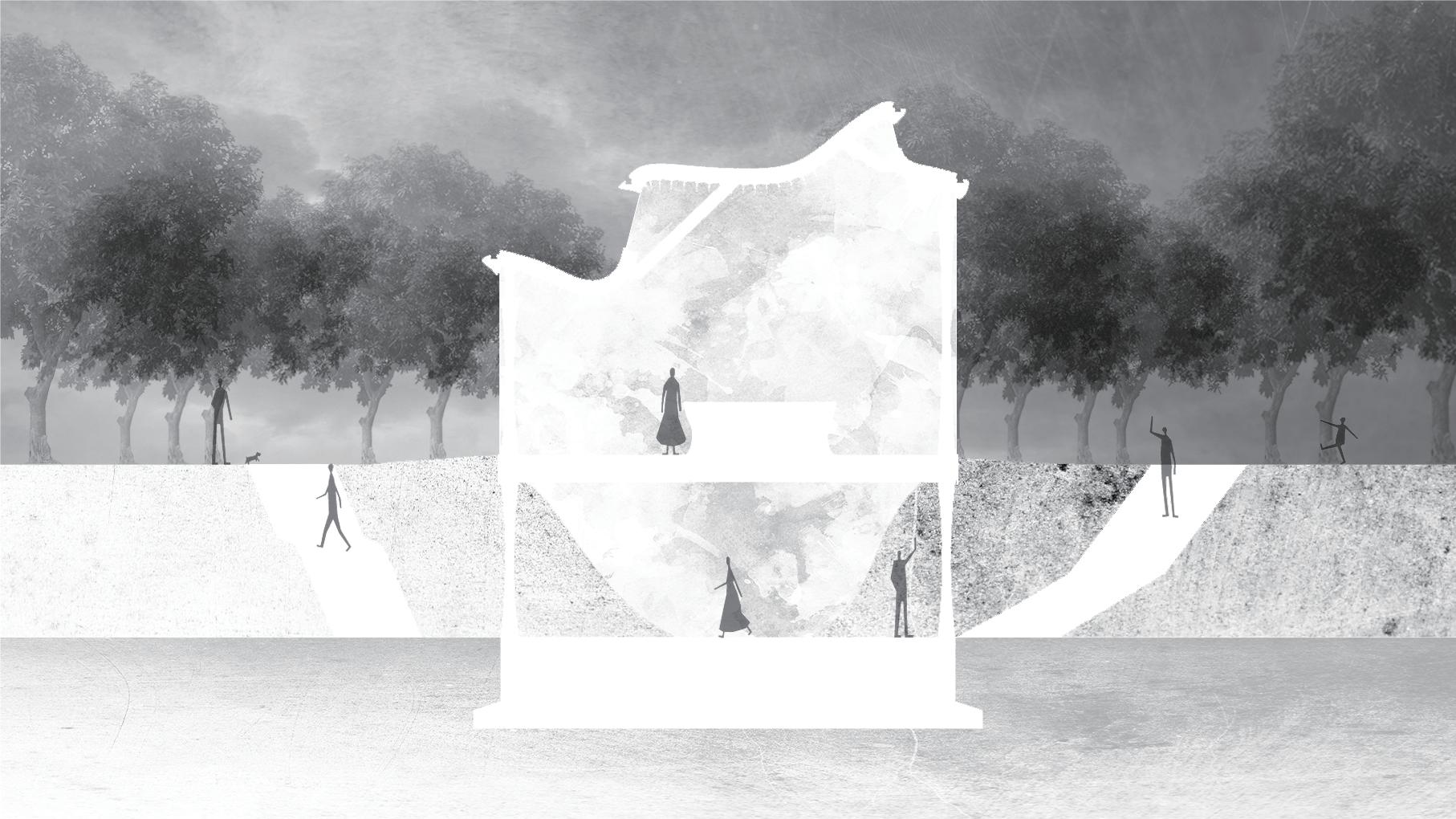
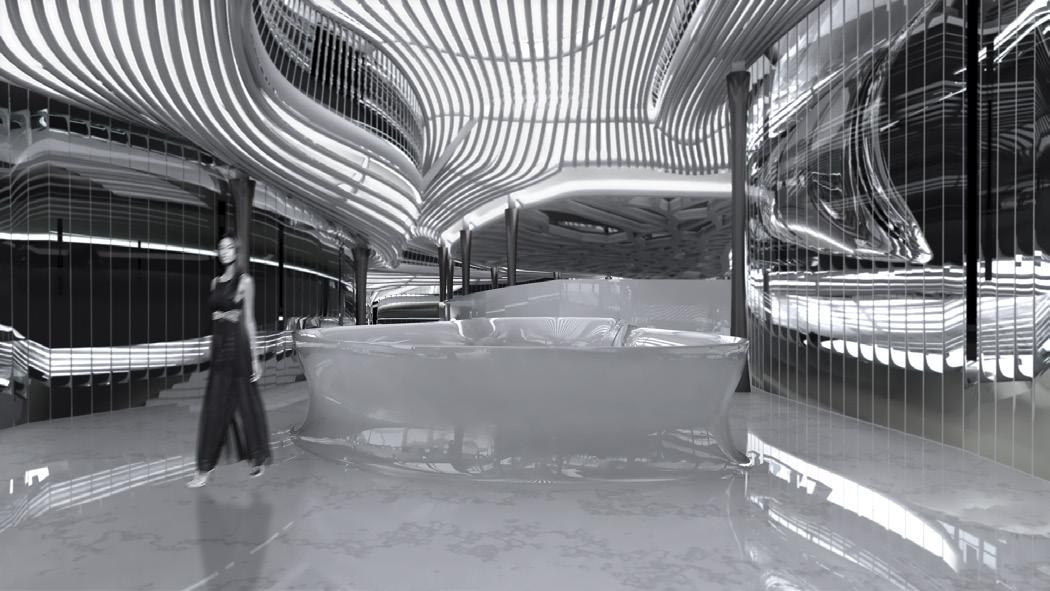
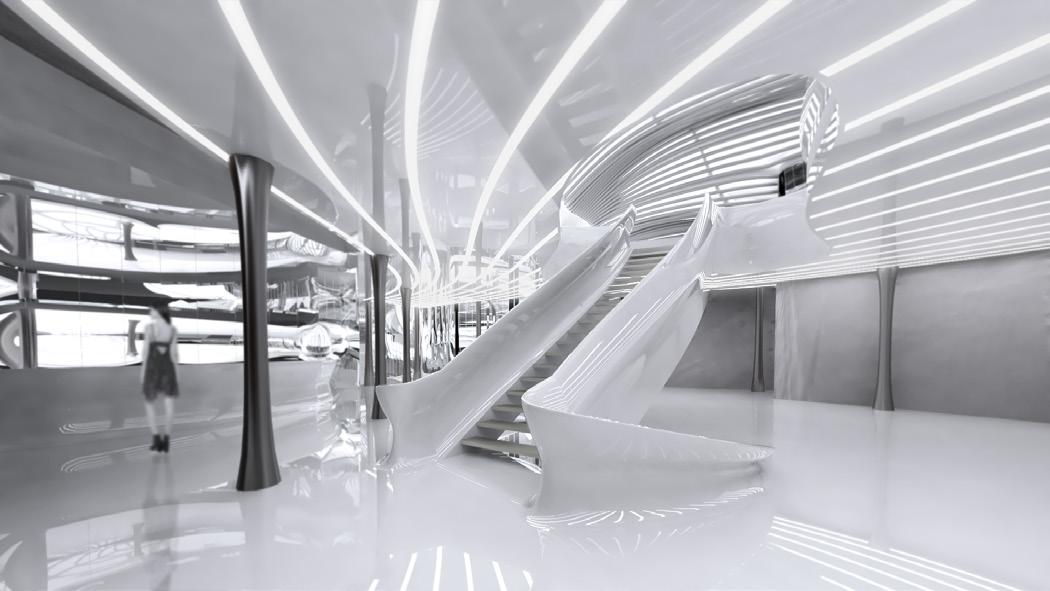
Interior spaces are interwoven with exterior spaces all the way with the blurred ground floor. It offers a fantastic experience for people passing through the different spaces with fascinating light and shadows on the surfaces. Visitors may find an enclosed place with only themselves reflected on the water, or they may walk through a narrow, dark aisle with an occasional gleam. Though the program does not incline to a specific religion, the spaces aim to provide a sense of nature and animation which settles the minds of visitors.
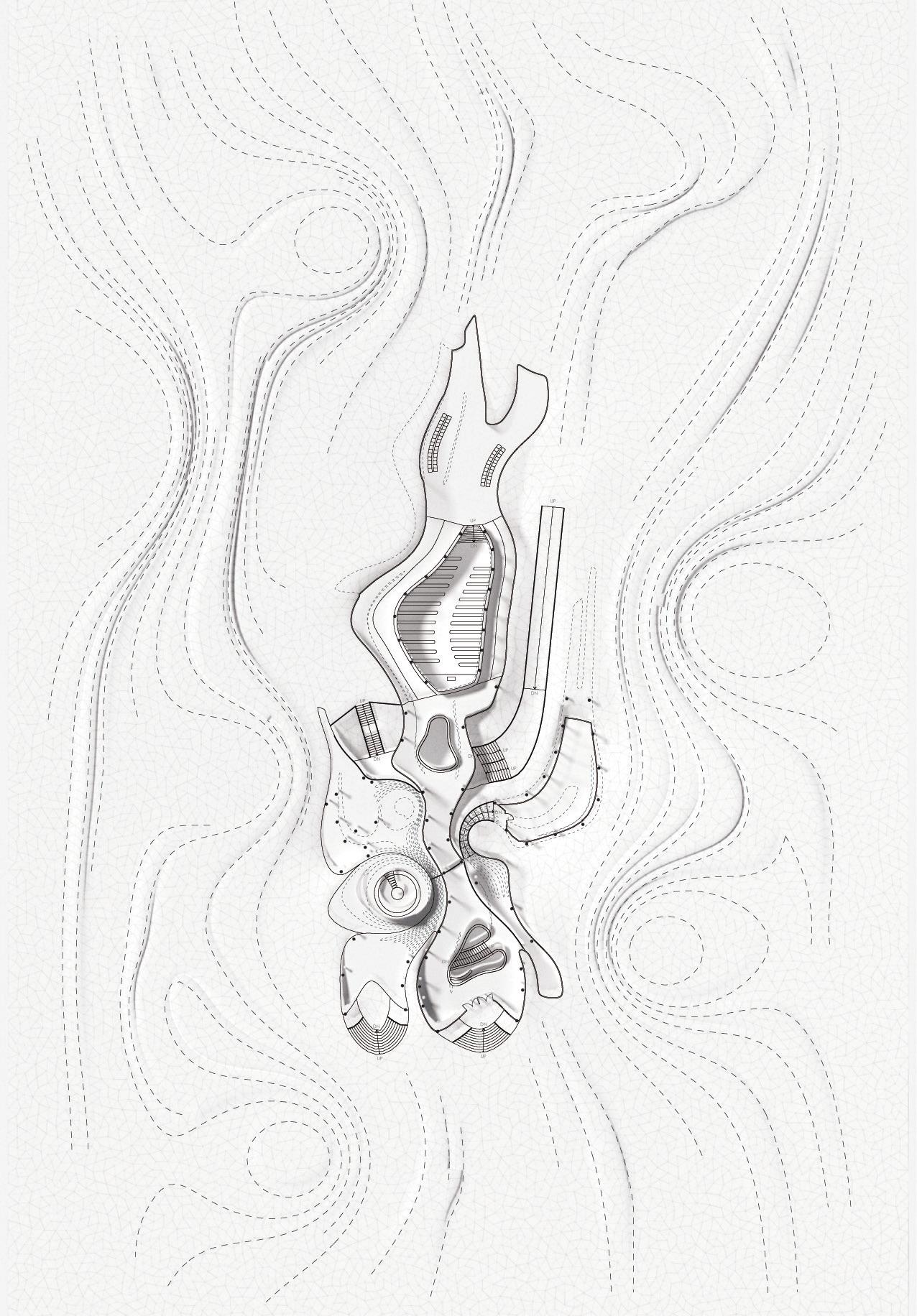
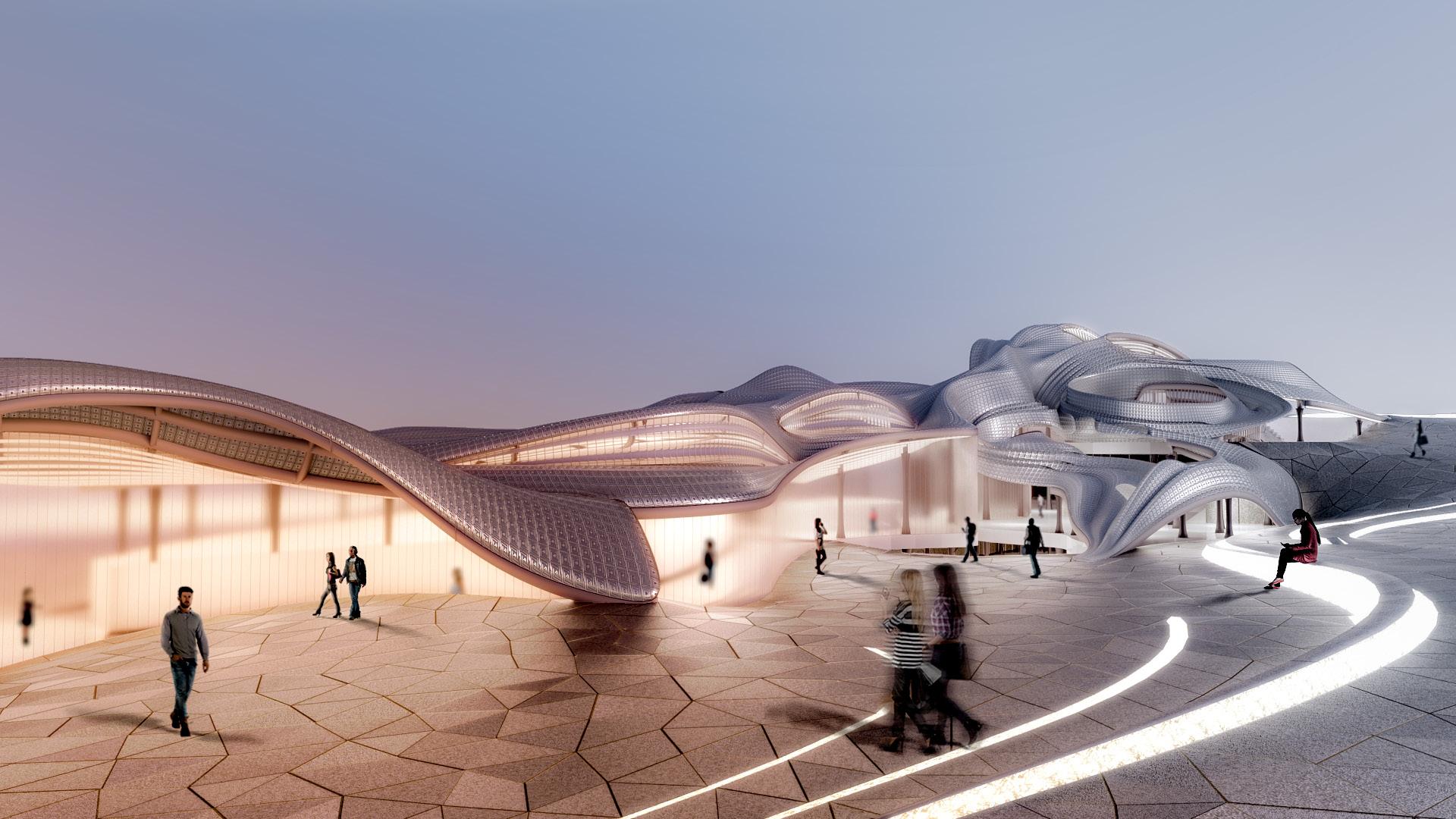
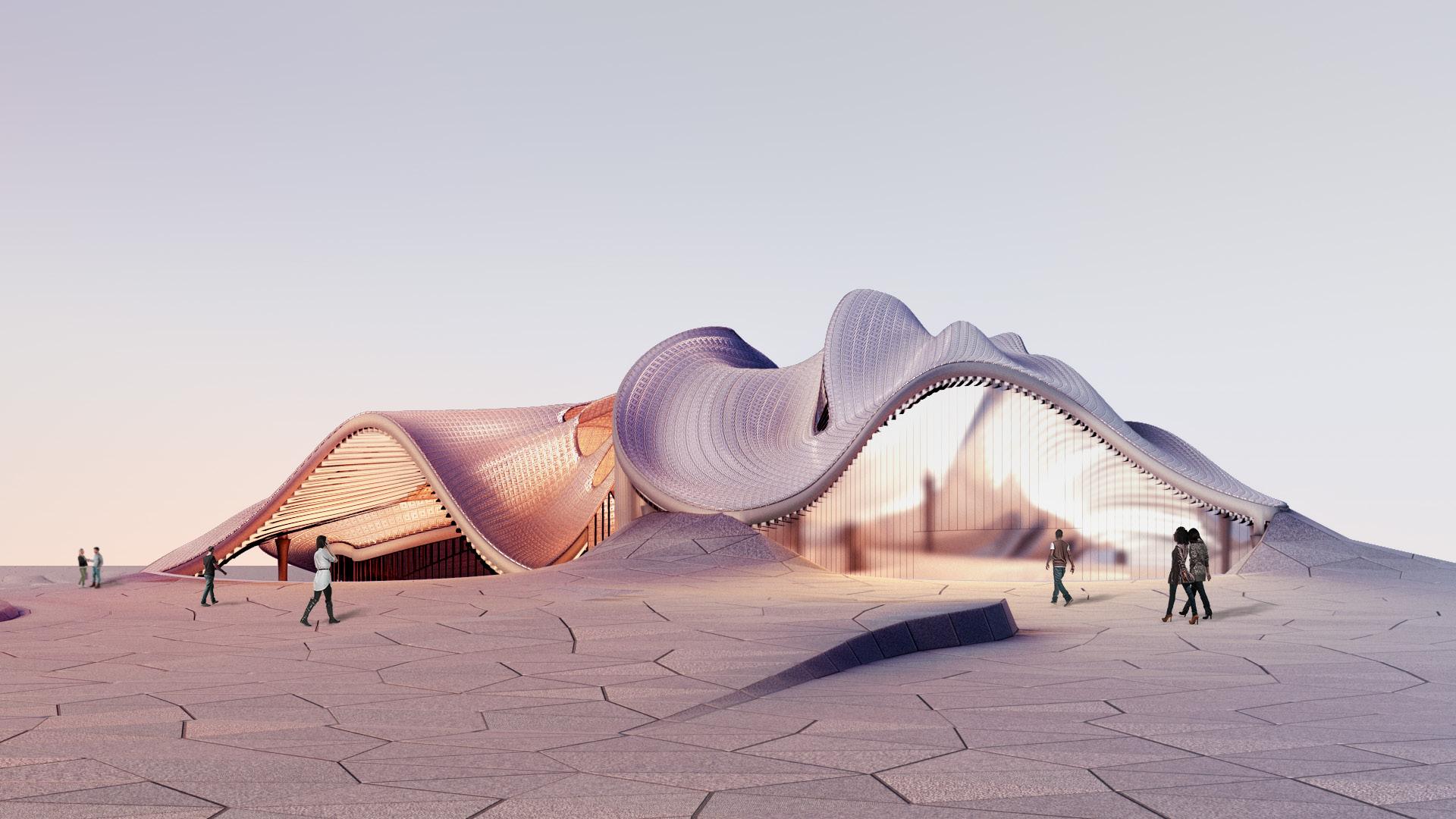
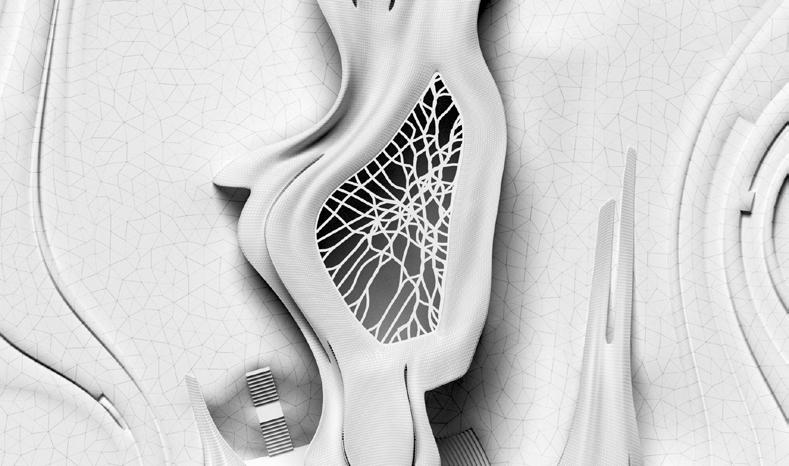
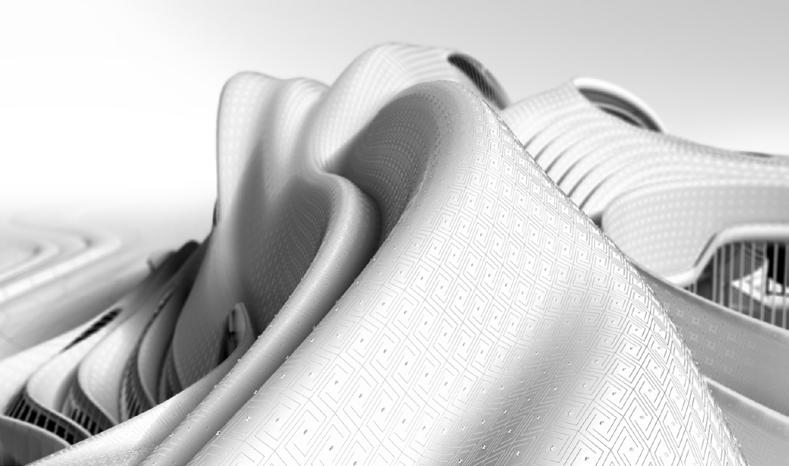
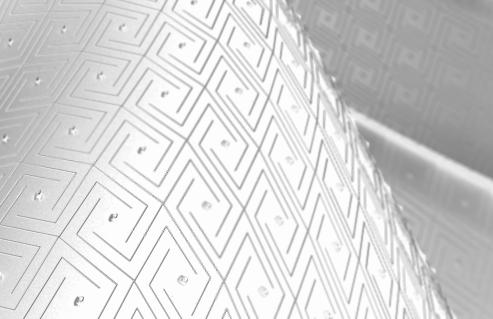
The envelope is as sleek and smooth as running water. Interior spaces intertwine with outdoor spaces while the cavities inside the form drift down the slope, parallel to that of the rivulet, and all the scattered spaces are clad with liquid. The presence of openings sharpens the soft shadows on the surface. The boundary is blurred when roofs merge into walls and then transform into a landscape continuously. The sense of fluidity is strengthened by the exquisite pattern of each unit, which accentuates the geometry of the structure and directionality of skin.
A: Entrance B: Pavilion C: Large Confessional D: Small Confessional E: Office F: Courtyard G: Sacred space H: Lounge