Kimberley Read at: kimberley@foodanddrinknetwork-uk.co.uk or Joanne Murphy at: joanne@foodanddrinknetwork-uk.co.uk foodanddrinknetwork.co.uk
Fulton’s VSRT-E Hybrid Boiler
Like the VSRT, Fulton’s VSRT-E hybrid boiler
Abu Bakr Supermarket Backs Yorkshire’s Regal Food – Boosting Yorkshire’s Role
in Britain’s £5.4bn Savoury Snack Market
Abu Bakr Supermarket retailer is strengthening regional business ties after expanding its range of Yorkshiremade snacks, tapping into Britain’s booming £5.4 billion savoury snack sector and reinforcing Yorkshire’s influence in the UK food market.
Abu Bakr Supermarket has introduced an extended selection of products from Bradford-based manufacturer Regal Food Products Group, reflecting a growing trend of Yorkshire businesses supporting one another while meeting rising consumer demand.
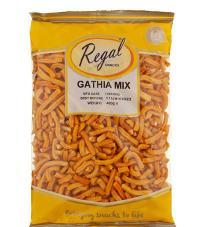
Customers at Abu Bakr can now purchase Regal favourites including Thick Savian, Boondi, Karachi Krunch, Gujarati Mix, Spicy Chicken Peas, Sev Mammra, Punjabi Mix, Balti Mix, Gathia Mix, Flakey Corn Mix and Chilli & Lemon Toasted Corn.
“Britain’s savoury snack market is worth billions, and we’re seeing strong demand across all communities — whether it’s for football nights, boxing events, weddings or family gatherings,” said
Trivium Packaging Wins Prestigious WorldStar Global Packaging Awards 2026 for Budweiser NFL Aluminium Bottle in Labelling and Decoration Category
Trivium Packaging, a global supplier of metal packaging, has been recognised by the World Packaging Organisation (WPO) with a WorldStar Global Packaging Awards 2026 in the Labelling and Decorations category for its Budweiser NFL Aluminium Bottle.
The bottle was developed by Trivium for Budweiser (Brazil) to commemorate becoming the official sponsor of the first NFL game held in São Paulo, Brazil. The exclusive and collectible 330ml aluminium bottle was inspired by the matchup between the Philadelphia Eagles and the Green Bay Packers.
Produced using advanced aluminium manufacturing and printing technologies, the bottle supports multi-color, high-resolution decorations with varnish and enamel, creating a premium and visually striking finish. The detailed artwork reinforces the bottle’s collectible appeal.
The bottle was engineered with usability in mind, featuring an optimised neck height and shape to improve grip and handling. The selected volume is designed for individual consumption directly from the bottle, helping reduce waste while delivering a convenient and intuitive consumer experience.
The bottles were manufactured in a facility using zero-emissions electricity and certified for energy efficiency (ISO 50001) and environmental management (ISO 14001). The bottle is made from an advanced aluminium alloy and weighs up to 80% less than glass, resulting in lower material use and lower carbon emissions compared to standard products. In addition, aluminium is considered a permanent material, which can be recycled infinitely, supporting circularity.
This recognition adds to Trivium’s history of WorldStar and other international awards, reinforcing the company’s leadership in functional, circular, and visually compelling metal packaging.
Hamza Hussian Managing Director of Abu Bakr Supermarket.
“Regal is a proud Yorkshire business with a strong reputation for quality and flavour. By stocking more of their range, we’re supporting a fellow Yorkshire company while giving our customers the variety they’re looking for.”
In a £5.4 billion market showing no sign of slowing, partnerships rooted within West Yorkshire’s supply chain highlight how Yorkshire businesses are playing a central role in Britain’s evolving FMCG landscape — turning local collaboration into regional growth and national influence.
PestEx spotlights support available from pest professionals
Food professionals looking to find out more about protecting their businesses, colleagues and customers are invited to attend the UK’s biggest pest control trade exhibition and conference this spring.
PestEx 2026, hosted by national trade body British Pest Control Association (BPCA), will showcase the latest innovations and expertise at Excel London in March.
The event offers delegates the opportunity to discover more about the role of professional pest management in protecting public health and exclusive insights into the methods, techniques and products used to protect businesses from infestations.
A series of seminars and panel discussions will delve into a wide range of key topics from Integrated Pest Management and wood-boring insects, to working with Environmental Health Officers and Yellow-legged (Asian) hornet control in the UK.
More than 100 exhibitors from the UK, Europe and across the world will be showcasing their latest products, services and innovations to thousands of visitors across the two days.
Lauren Day is Events Manager at BPCA. She said: “PestEx attracts delegates from a wide variety of sectors based in the UK and abroad.
“It is an ideal opportunity for people across the public and private sectors to gain vital insights into the latest developments, products and services in the pest control sector, as well as network with pest management professionals.”
A programme of technical and business seminars has been planned for PestEx which takes place on 18 and 19 March.
Speakers at the event include Viren Merchant, Vice President of the Global Pest Management Coalition, Dan Etheridge, APHA and Dr Belinda StuartMoonlight, Chartered Environmental Health Practitioner.
Dozens of exhibitors at the event will be showcasing their products and services with some of the biggest brand names in the industry confirmed to attend.
Delegates who pre-register their attendance at PestEx by Sunday 1 March 2026 will be entered into a prize draw with the chance to win a new Nintendo Switch 2 gaming console and Mario Kart bundle.
Attendance at PestEx is free. For more information or to preregister, visit: pestex.org/register.
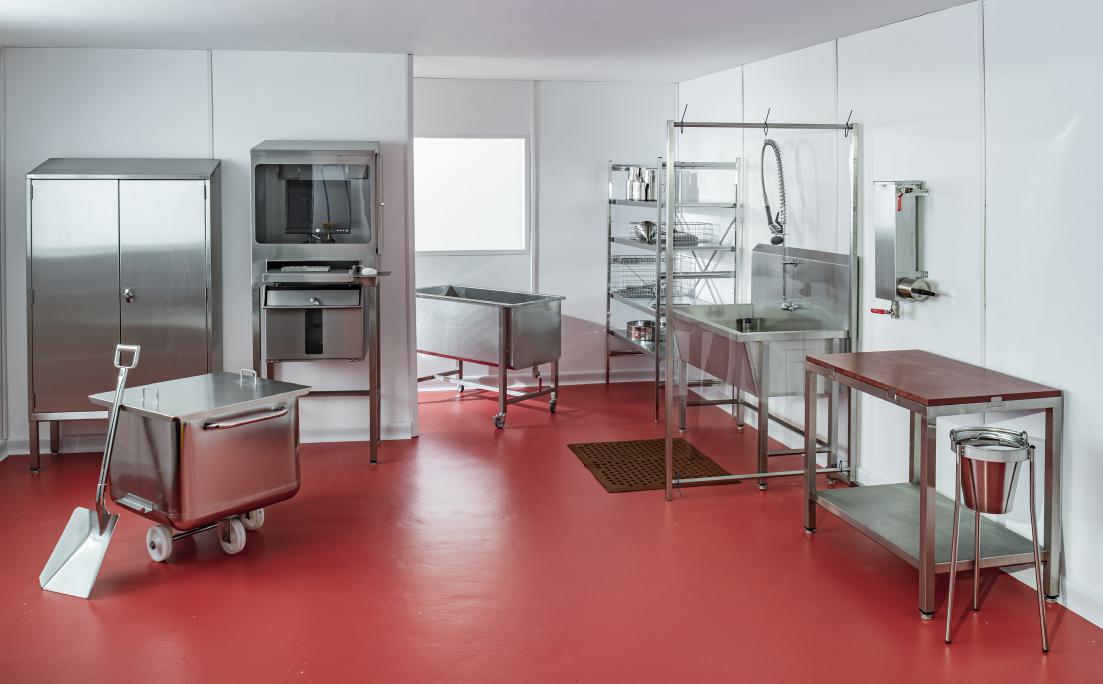
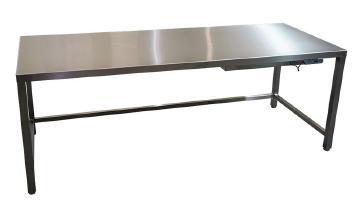
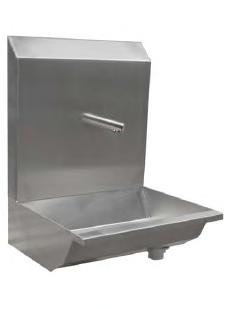
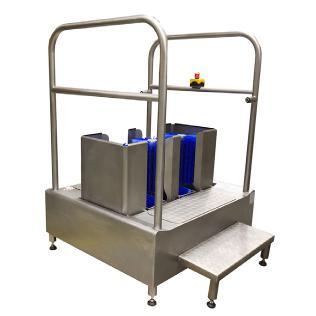
Trusted by professionals worldwide, Teknomek manufactures hygienic furniture and equipment tailored to the highest industry standards.
•Uncompromising quality & service
•Innovative, easy-to-clean designs
•Competitive pricing
•Bespoke and customised solutions
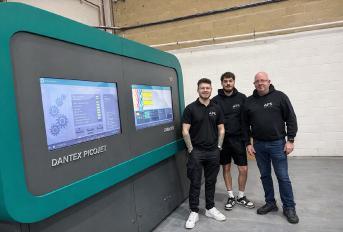
Dantex PicoJet supports APS Graphics’ strategic expansion into digital labels
Specialist digital label press manufacturer, Dantex Group, has recently completed the installation of a PicoJet 1200 DRS digital label press at APS Graphics. The move will enable the business to expand its short-run digital label capability.
Designed and manufactured in the UK, PicoJet forms part of Dantex’s established digital inkjet portfolio and has been configured at APS Graphics with four-colour plus white, variable data printing and mark sensor capability, enabling the business to meet increasing demand for premium labels across sectors including brewing, food and chemicals.
Simon Evers, managing director at APS Graphics, said: “Our label volumes were growing quickly, and customer demand for white ink was increasing. Moving to production inkjet was a natural next step, and the PicoJet gave us the quality, flexibility and efficiency we needed to scale the business with confidence.
“The addition of white ink has enabled us to expand into new, highervalue applications, particularly for customers seeking increased shelf
Welsh food wholesaler eyes record £3m sales bonanza at super expo
A Welsh food wholesaler is forecasting a £3 million sales bonanza at its flagship trade fair next month.
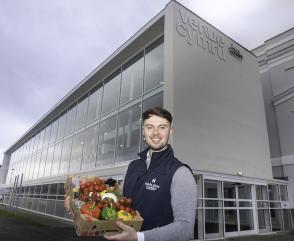
Toby Foskett, Harlech Foodservice Category Manager for Fruit, Vegetables and Butchery, shows off some of the fresh produce which will be on show at the Expo.
Photography.
Harlech Foodservice says the two-day Expo 26 at Venue Cymru in Llandudno could smash all previous records after last year’s event pulled in £1.5 million in orders.
The fast-growing family firm believes takings could double again with up to 3,000 buyers expected through the doors on March 11 and 12.
Among the trade customers will be representatives from major players in the public and private healthcare and education sectors, along with the tourism and hospitality industry.
It comes after two years of rapid expansion for the Gwynedd-headquartered company which has added new hubs in Carmarthen, Caerphilly and Telford to its long-established centres in Cricieth and Chester.
Already 115 suppliers have booked their stands at the Expo including global giants of the food and drink industry like Coca-Cola, Pepsi, Kellogg’s, Premier Foods, Cadbury’s, Nestle, Kelly’s Ice Cream, Walkers Crisps and Unilever.
They will be joined by nationally known Welsh brands such as Jones Village Bakery, Llaeth y Llan Village Dairy, Radnor Spring, Sidoli ice cream, Ferraris Coffee and from across the border Cheshire Farm Ice Cream, Purity Soft Drinks from Wednesbury and Liverpool’s Cottom Sausages.
Harlech will also be showcasing their move into the fresh fruit and vegetable business at a special hub at the centre of the exhibition hall at Venue Cymru which will also feature their new butchery offer and their own-brand Country Range of products.
On-day deals will be a feature of this year’s event which is being organised by Commercial Manager Chris Gregson and he said:
“There will be a big focus on deals at this year’s Expo and we’re confident our customers will like what they see.
“But they will have to be there to grab those great offers. Miss the Expo and you’ll miss out.”
The Expo is a key event for Harlech which is two years into a three-year £6 million expansion plan which has already created over 100 new jobs taking the workforce to 250 and doubled the size of its transport fleet to over 90 vehicles which deliver up to 5,000 product lines to its private and public sector customers.
appeal. Printing onto metallic substrates and combining white with four-colour ink and textured varnishes allows us to produce premium labels that help our customers stand out, especially in the brewery market.”
The installation process was completed quickly and smoothly, with the PicoJet installed into APS Graphics’ expanded production facility and brought into full operation within a short timeframe.
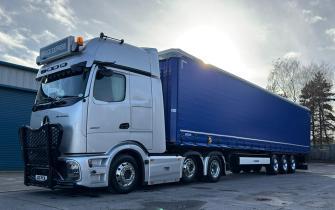
Bruce Express lifts the roof at 50 years with high-spec trailer from Krone
Bruce Express, a longestablished family-run UK transport and logistics operator, has added a new Krone Profi Liner lifting roof curtainsider to its fleet, giving greater loading flexibility for a wider range of cargo.
The company, a long-term Krone customer, now operates 10 Krone trailers and 12 tractors across its UK and European operations.
The new trailer was supplied by Krone Trailer UK and chosen for its strong build and practical features, helping the company handle more types of freight safely and efficiently.
To this end, the Krone Profi Liner has a hydraulically operated lifting roof that can be raised up to 500 mm at each of the four corner posts, making it easy to load taller or irregular cargo. In addition, its sliding roof allows drivers to load through the top of the trailer while adjusting the front and rear heights to clear oversized freight.
Bradley Bruce, Managing Director of Bruce Express, explains: “The lifting and sliding roof system opens up new opportunities for us. The trailers are very flexible and truly the best of both worlds, making it much easier to load agricultural, building, and machine parts, as well as other miscellaneous freight.”
The trailer’s internal height is 2.75 m with the roof closed, while side and rear access heights are 2.595 m, giving optimum clearance for palletised and bulk freight. It also features Krone Trusted tyres with Smart Tyre Monitoring, tracking tyre pressure and temperature in real time to reduce downtime, improve safety, and optimise fuel efficiency on long-haul journeys.
Bruce Express also benefits from the Krone Multi Lock load-securing system, which provides multiple strapping points along each side rave, allowing loads to be secured at any point along the trailer bed.
“These practical features make a real difference day to day,”
Bradley Bruce explains. “Plus, the service and support from the Krone team is exceptionally good. They really understand our operation and always match the equipment to the requirements of the business.”
To mark Bruce Express’s 50-year anniversary, a high-specification Mercedes tractor unit has joined the fleet and will be paired with the new Krone trailer, which also includes fully customised lighting and polished Alcoa ‘Dura Bright’ alloy rims.
For more information about Bruce Express and its services, visit https://www.bruceexpresslimited.co.uk.
For more on Krone Profi Liner trailers and Krone, see https://www.krone-trailer.com/en/products/curtain-semitrailer/profi-liner
Picture by Mandy Jones
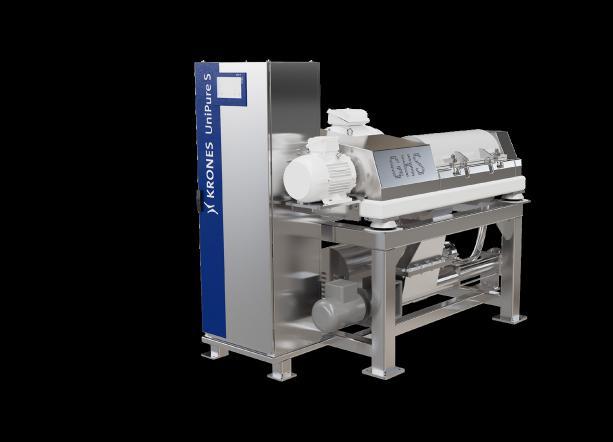
UniPure S: Krones is adding decanter technology to its portfolio
With the UniPure S, Krones extends its proven UniPure product family to include high-performance decanters.
Unlike the UniPure F, which uses filter candles, the UniPure S relies on centrifugal force to separate solids from liquids and covers bowl diameters from 220 to 800 millimetres. Designed for the food and recycling industries, it removes particles, suspended matter and microorganisms from juices, oils, dairy products and plant-based materials, and can even be used for plastics recycling. Sensitive products such as yoghurt, cream and fruit pieces are handled gently, preserving their
texture. At the core of the system, a screw conveyor inside the bowl continuously moves separated solids to the discharge area.
Technical data that speak for themselves
The decanters cover a hydraulic throughput range of 0 to 120 m³/h and make it possible to process loads of up to 25 tons per hourideal preconditions for a wide variety of process requirements.
Shaping the future together
It’s important to look beyond the short term, which is why Krones is working on “Solutions beyond tomorrow”. Be it beverage and food production lines, digital services or plastics recycling: Krones’ innovative solutions combine superior performance with sustainability.
The UniPure S delivers high performance, reaching speeds of 5,100 rpm and up to 3,200 G. With a capacity of three tons per hour and a hydraulic throughput of seven cubic metres per hour, it is built to efficiently handle large material volumes.
With all dead spaces eliminated, the design prevents product residues, makes cleaning a whole lot easier and meets ultrastringent hygiene standards. At the same time, its sturdy construction ensures a high level of reliability as well as minimised downtimes and low operating costs.
What’s more, the UniPure S is available with ATEX certification for flammable products like spirits. (The EU’s ATEX Directive 2014/34/ EU covers equipment and protective systems intended for use in potentially explosive atmospheres.) The heatresistant procedure is also suitable for hot filling and processes requiring an exacting thermal profile.
With the decanter, Krones is adding a new technology to its product family that meets the rising requirements posed by the food and recycling industries and expanding its existing portfolio to include a powerful solution for challenging separation processes.
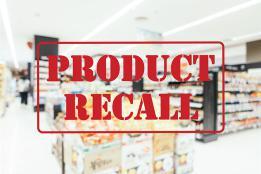
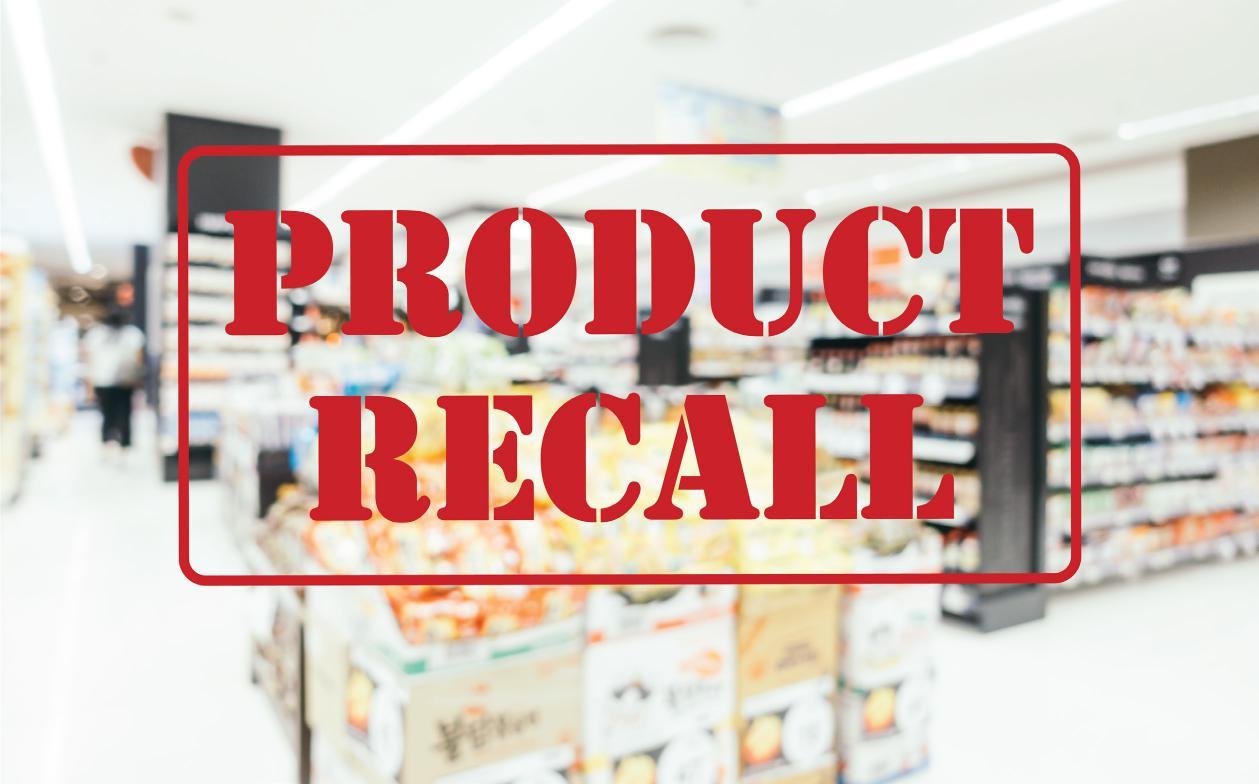
The Product Recall Paradox -
Why 2026 is the Year of ‘Surgical’ Precision
For years, the food and drink industry viewed product recalls as a “bolt from the blue”—a rare, catastrophic failure of the supply chain. However, as we navigate 2026, the landscape has fundamentally shifted. We are witnessing a product recall paradox; while demands for labelling sophistication increase, the severity, volume of units impacted, and the financial ‘sting’ have also reached an all-time high.
The Economic Squeeze: Inflation vs. Integrity
The backdrop to this year’s quality crisis is a punishing economic climate. Latest forecasts reveal that UK food inflation is set to rise to 5.7% by December 2025, before slowing to 3.1% by the end of 2026 (Food and Drink Federation).
Between January 2020 and July 2025, food and drink prices surged by 37%, significantly outpacing overall UK inflation (28%). With government regulation now emerging as the leading driver of food inflation, manufacturers find it increasingly difficult to pass these costs onto retailers. In this “no-margin-for-error” environment, a single recall isn’t just a PR nightmare—it’s a balance-sheet executioner.
Anatomy of a Failure: 2025-26 Case Studies
The diversity of recent recalls highlights that risks are evolving faster than many legacy systems can track:
• Pathogens & Toxins: Tesco recently recalled its Grape & Berry Medley due to Salmonella, while Nestle and Danone faced high-stakes withdrawals of Aptamil, Cow & Gate and SMA infant milks due to the potential presence of cereulide toxins.
• The Allergen Gap: labelling errors remain the industry’s Achilles’ heel. Lidl (Southern Fried Chicken Burgers), Coop (Triple Cooked Chips), Farmfoods (Ritz Cheese Sandwiches), Aytac Foods (Darna Tahini), and THIS™ (Isn’t Chicken Deli Pieces) all issued recalls for undeclared or poorly emphasised allergens like celery, milk, peanuts, soya and gluten.
• Administrative Oversight: Althams Fine Foods and Tanpopo Japanese Food were forced into recalls due to simple, yet critical, incorrect use-by dates.
The Rise of Digital Product Identity (DPI)
To combat these risks, the industry is pivoting toward Digital Product Identity. This framework moves beyond a simple pricescan to a dynamic, data-rich ecosystem.
Digital Food Identity transforms traceability into a “surgical” tool, enabling rapid batch
An article By Roy Green, Harford Control Ltd. March 2026
identification during recalls and robust counterfeit prevention across the supply chain. By utilising these unique digital IDs, brands can significantly reduce food waste—blocking expired sales at the point of purchase—while boosting consumer engagement through 2D codes that offer interactive nutritional data, recipes, and preparation tips directly to smartphones.
The Tesco & GS1 Pilot: A New Chapter
Tesco is currently spearheading this transformation. Powered by GS1, a pilot is replacing traditional barcodes with nextgeneration QR codes on 12 own-brand meat and produce lines.
Isabela De Pedro, Supply Chain Development & Change Director at Tesco, notes: “While it’s still early days, we’re already seeing the benefits of connecting our products to dynamic digital information... helping Tesco with issues including traceability, compliance, and shelf-edge communication.” With 33% of GS1 UK members planning to adopt this technology within the year, the “unique digital identity” is fast becoming the industry standard.
Implementation and Challenges
Transitioning isn’t without hurdles. Moving from 1D barcodes to data-rich 2D codes (QR codes) requires significant Technology Adoption. Manufacturers face the “Data Integration” challenge—standardising data from various sources into a secure format. Furthermore, Data Security is paramount;
many are looking toward blockchainbased storage to maintain immutable, trustworthy records.
Precision in Practice: Harford MES – Out of the Chaos!
In an era where inflation is high and tolerance for error is zero, the difference between a minor hiccup and a businessending recall, comes down to the quality and instant visibility of your shop-floor data. This is where Harford Control excels.
As the market leader of Manufacturing Execution Systems (MES), Harford Control specialises in turning manufacturing chaos into actionable intelligence. Our solutions are designed to eliminate the exact risks seen in recent market failures:
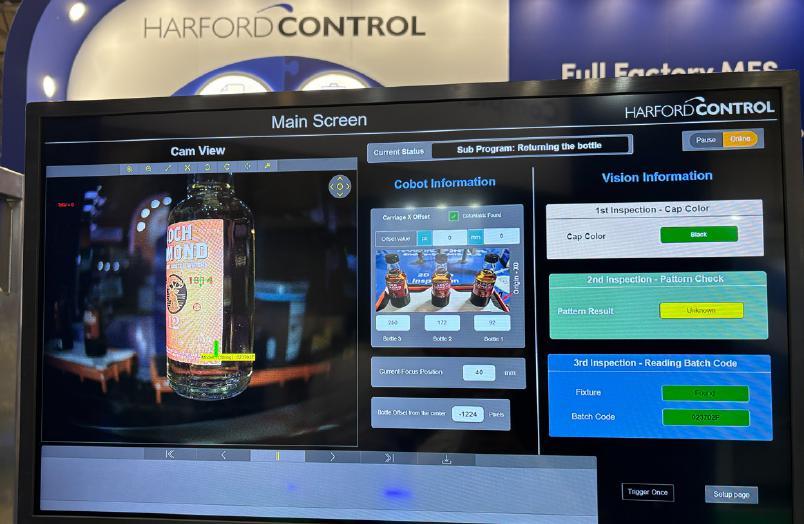
•Coding & Label Verification: Harford’s systems provide high-speed inspection of 1D, 2D, and QR codes. This ensures the right label, correct use-by dates, and accurate allergen declarations are on the right pack, every time, eliminating the major causes of recalls.
•Paperless Quality Management:
Replacing unreliable manual logs with real-time digital checks. If a date code is entered incorrectly (as seen in the Tanpopo or Althams cases), the system triggers an immediate alert.
•End-to-End Traceability:
Providing “one-click” traceability from raw intake to dispatch. This acts as a “scalpel,” allowing manufacturers to narrow the scope of a recall and defend their brand during rigorous audits.
•Weight/Volume Control:
In a high-inflation market, Harford’s average weight/volume control ensures you aren’t “giving away” profit through overfill while maintaining strict legal compliance, for less effort.
By integrating prevention directly into the production process, Harford Control helps manufacturers move beyond “compliance” and toward operational excellence.
Take Control of Your Production Today
Don’t let a labelling error or a traceability gap threaten your brand’s future. Ensure your facility is ready for the revolution and protected against the rising costs of non-compliance.
Contact Harford Control today to discuss your requirements or request a live demo of our integrated MES solutions.
Phone: +44 (0)1225 764461
Website: www.harfordcontrol.com
Email: info@harfordcontrol.com
In spite of increased effort, product recall frequency is still on the rise, and the financial sting and volume of impacted units have hit an all-time high. With UK food inflation squeezing margins to breaking point, the industry has moved beyond simple compliance.
Harford MES: Turn Manufacturing Chaos into Intelligence
Zero-Error Labelling
High-speed inspection of 1D, 2D, and QR codes ensures the right label and allergen data on every pack.
Harford Control provides the ‘scalpel’ needed to eliminate product recall and protect your brand from the rising costs of non-compliance. Request
Paperless Precision
Replace manual logs with real-time digital alerts. If a date code is wrong, operators receive an alert immediately.
Full Traceability
Go from raw intake to dispatch in seconds, defending your brand during rigorous audits.
Profit Protection
Advanced weight and volume control stops 'giveaway' through overfill reduction, thereby protecting your margins.
Don’t let a labelling error or a traceability gap threaten your future. Move beyond simple compliance toward operational excellence with Harford Control.
How Integrated Energy Strategies Are Shaping the Future of Food and Drink Manufacturing
In today’s food and drink manufacturing landscape, energy is no longer just a line on the balance sheet, it’s a critical ingredient in achieving resilience, sustainability, and cost control.
As production demands intensify and pressure to cut carbon increases, manufacturers are recognising that traditional, one-off energy projects can’t keep up. An integrated energy strategy is now essential for building a more sustainable and scalable future.
The Industry’s Growing Energy Challenge
Rising energy volatility, the need for uninterrupted uptime, and increasingly stringent sustainability expectations are reshaping how manufacturers operate. Many businesses are discovering that the old approach, isolated upgrades or single-technology installations simply isn’t enough to manage the complexity of modern energy risk.
The Integrated Energy Strategy
Integrated energy planning starts with a granular understanding of how energy moves through a facility. Manufacturers are increasingly turning to sensors, sub-metering and energy audits to identify inefficiencies and uncover opportunities. This data foundation allows teams to define goals that matter on the factor y floor, such as reducing energy cost per unit, improving uptime, or cutting CO₂ emissions per tonne of product.
These operationally framed goals secure better senior-level buy-in and tightly align energy performance with business outcomes.
Technology
Choices in Practice: What Works Where?
Food and drink manufacturers are increasingly deploying:
• Heat Pumps for low-temperature processes
• Combined Heat and Power (CHP) for high-temperature, consistent heat loads
• Solar PV to manage peak demand and provide renewable power
• Microgrids to overcome grid constraints and boost resilience
Together, these elements create a resilient, efficient energy ecosystem that supports round-the-clock production.
Smarter Financing
Innovative funding models help overcome budgetary constraints and accelerate implementation.
Power Purchase Agreement (PPA) can fund new Solar PV installations, with no upfront capital. Solar PV is installed on underutilised roof space, ground space, or on a solar carport. You’ll just pay for the electricity generated by the system, at a kWh price typically lower than grid pricing, with no upfront capital expenditure.
Discount Energy Purchase (DEP) agreements can be utilised to fund new CHP installations – again, with no upfront costs, and a simply p/kWh ongoing fee.
Make Energy Your Competitive Advantage
For food and drink manufacturers navigating shrinking margins and increasing expectations, integrated energy strategies offer a powerful path forward.
By embedding energy into core business strategy, companies can:
• Lower production costs
• Improve operational resilience
• Accelerate carbon-reduction targets
• Future-proof against market and regulatory volatility
The heart of an integrated strategy is a coordinated roadmap of technologies that complement, rather than compete with, one another.
The message is clear: energy is no longer an overhead. It’s a lever of transformation and those who move early will have a significant edge.
No one builds, funds, operates and maintains energy solutions like Centrica Business Solutions. See how we could support your journey to net zero, with energy services that help you to balance the demands of planet and profit.
For more information about Centrica Business Solutions integrated energy solutions, visit
IFE and IFE Manufacturing
2026
to tackle AI, the power of representation, and the future of food & drink
IFE and IFE Manufacturing have unveiled their 2026 seminar programmes, bringing together leading voices from across the food and drink industry to explore the ideas, insights and innovations shaping the sector’s future.
Taking place at Excel London from 30 March to 01 April 2026 as part of Food, Drink & Hospitality Week, both shows are united by the theme ‘Feeding the Future’, reflecting the changing behaviours, priorities and pressures influencing food and drink product development, manufacturing and routes to market.
At IFE, content will be anchored by the Future Food Stage, sponsored by Brambles Digital, which will explore the consumer, cultural and commercial trends shaping tomorrow’s food and drink landscape. Sessions will examine topics including sustainability, representation, sourcing, health and flavour, alongside the role of insight and storytelling in driving product success.
Speakers include Charles Banks, Director and CoFounder of thefoodpeople, who will return to the show to share his latest thinking on future-facing trends. “I’m thrilled to return to IFE this year for the opportunity to explore what’s next for food and drink,” he says. “Staying ahead of consumer and cultural change is critical, and this session will help brands understand where to focus their efforts.”
Also joining the programme is Maggie Fitzherbert, Senior Responsible Sourcing Manager at Soil Association, who will address supply chain transparency and environmental responsibility. “I’m on a mission to demystify responsible sourcing,” she says. “This session will help businesses understand the practical steps they can take to build more resilient and ethical supply chains.”
Rebecca Oliver-Mooney, Founder of Raising the Glass, will explore the role of representation in food and drink, highlighting why visibility and inclusion matter commercially as well as culturally. “IFE brings together the people who are actively shaping the future of food,” she says. “This session explores why representation within food and drink isn’t just important — it’s powerful.”
Louis Bedwell of Future Food Movement will examine how manufacturers can approach healthier product formulation without compromising on taste or appeal. “This session focuses on how ingredients for a healthy diet can be developed in ways that actually work for both manufacturers and consumers,” he says. “IFE Manufacturing is a great place to have those practical conversations.”
Alice Pilkington, Senior Food and Drink Analyst at Mintel, will present one of the platform’s key forecasting sessions, exploring what lies ahead for the sector. “Understanding what’s coming next is essential for effective product development,” she says. “This session will help manufacturers translate future trends into actionable insight.”
Trends & innovation in food development
Alongside IFE, IFE Manufacturing’s seminar programme will be delivered through its dedicated Trends & Innovation Platform, designed for manufacturers, technical managers, engineers and NPD professionals. The programme will focus on the realities of developing, scaling and future-proofing food and drink products, with sessions covering ingredients innovation, sustainable sourcing, reformulation, regulation and the technologies supporting faster and more efficient product development.
Complementing this content, the Business Growth Stage will feature a programme of commercially focused sessions, including several curated in partnership with the Food & Drink Exporters Association (FDEA), offering guidance for brands looking to expand into international markets. While secondary to the technical and trends-led content across the shows, these sessions provide practical support for businesses navigating export and growth opportunities.
Bob Bayman, Managing Director at Elephants Can’t Jump, will unveil 10 trends driving growth in food & drink.
“I wouldn’t miss the show for the world,” he says. “I look forward to it as an opportunity to see the latest products and trends, to see how people are tackling the biggest food and drink issues of the day, and to meet our clients — current, past and future.”
Together, the seminar programmes at IFE and IFE Manufacturing reflect the interconnected nature of today’s food system, from consumer demand and sustainability expectations to innovation pipelines and manufacturing realities. By bringing insight, expertise and real-world experience to the stage, the shows aim to equip visitors with the knowledge needed to respond to change and drive long-term growth.
View the full programmes for this year’s event, and register for your free trade ticket, at ife.co.uk.
What’s new at The 2026 UK Food & Drink Shows
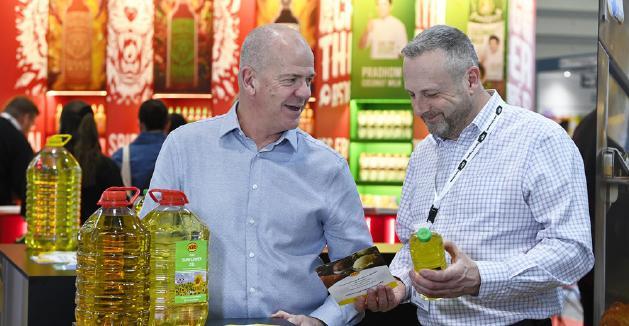
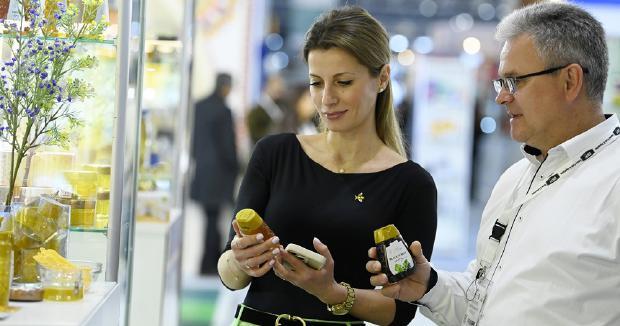
Food innovation and the continued growth of the food-to-go market are among the topics in the spotlight at this year’s UK Food & Drink Shows.
Bringing together businesses from across the industry at the NEC Birmingham from Monday 13 to Wednesday 15 April, the event comprises four shows: Food & Drink Expo, Farm Shop & Deli Show, National Convenience Show and Forecourt Show. Around 1,200 businesses will be exhibiting, and more than 25,000 visitors are expected to attend.
The UK Food & Drink Shows continues to evolve to reflect this vibrant and fast-moving industry, with new attractions for 2026 including:
•Spotlight on Coffee Shop & Café: As the food-to-go market continues to boom, this dedicated space at Farm Shop & Deli Show will highlight the latest trends and products shaping the sector
•Spotlight on Future Foods: Part of Food & Drink Expo, this area will celebrate the brands and innovators redefining what good food means by showcasing wellness-driven, clean-label and sustainable products that deliver on taste and convenience.
Food innovation will also be highlighted by the debut of the show’s Taste the Future competition, which gives visitors the chance to sample and score 40 trailblazing products across a range of categories. The winning supplier from each category will go forward to the live final and will be given 10 minutes to pitch their product to a panel of industry experts. The brand chosen by the judges will win a package worth £5,000 from consumer testing agency Stickybeak.
One new feature that is impossible to miss is revamped branding for the event that has been designed to reflect the evolution of the shows and the energy and ambition of the industry. The new look retains the event’s existing colour palette but features a contemporary typeface and new background textures.
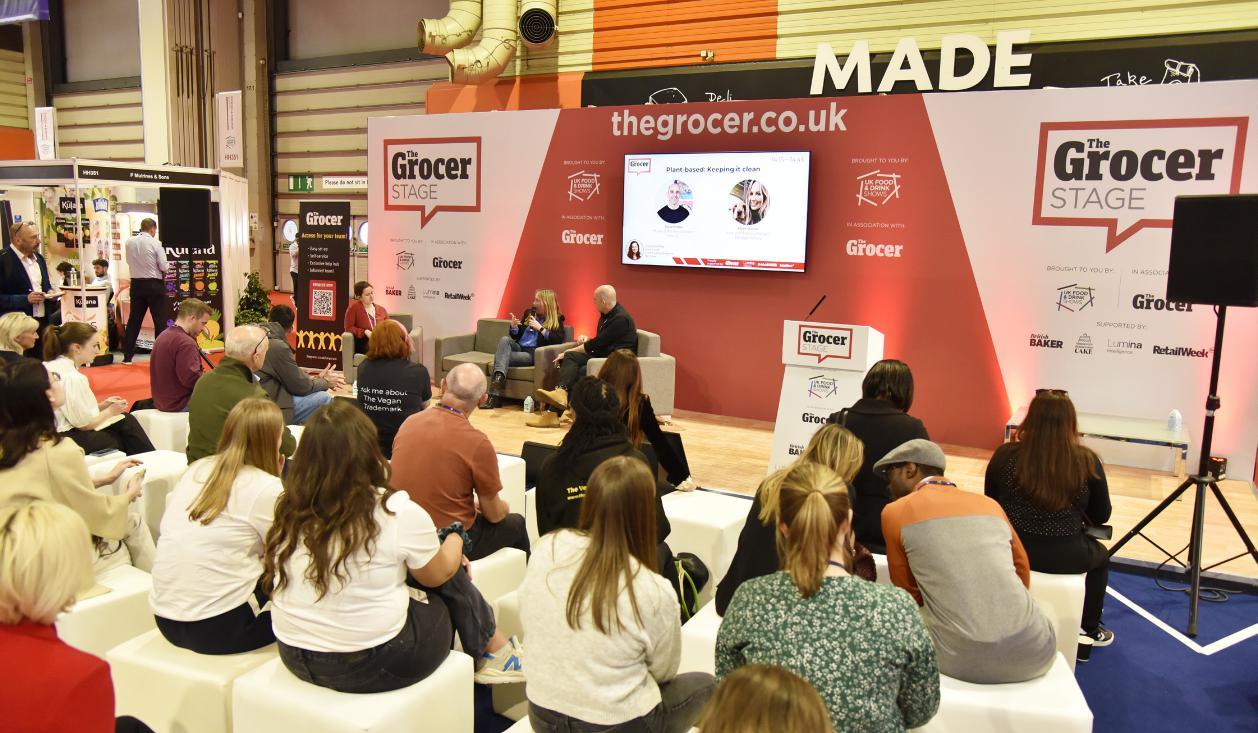
Once again, The UK Food & Drink Shows promises a programme of panels, expert speakers and demonstrations on the topics and trends driving the industry. Here is just a taste of the dozens of sessions taking place across the three days:
•Borough Market - Balancing growth with heritage:
Alistair Maddox, chief executive of Borough Market, discusses his vision for one of London’s most iconic food destinations.
•Co-Op Wholesale & Nisa - A fresh perspective:
Co-Op Wholesale managing director Katie Secretan discusses the stor y behind the Nisa rebrand and what it means for retailers, partners and customers.
•Social media trends to watch:
This presentation will dive into how Gen Z and Millennials are reshaping consumption through values-led choices and a demand for authenticity and emotional connection.
•Adam Stokes - The future of fine dining:
Chef Adam Stokes discusses his career, including working with Aaron Patterson at Hambelton Hall, to becoming head chef at Glenapp Castle at just 26, where he earned his first Michelin star
Generating footfall at no extra cost: Claire Mortimer of Fabulous Farm Shops shares key steps retailers can take to increase footfall and revenue.
To ensure visitors make the most of their visit, an online digital event companion will offer a comprehensive event guide, interactive floorplan, seamless indoor navigation and real-time notifications.
The UK Food & Drink Shows is organised by market-leading business information provider William Reed. Covering industries ranging from food and drink to pharmaceuticals and cosmetics, William Reed publishes digital and print media, including The Grocer, Restaurant, The Morning Advertiser and Convenience Store, and organises prestigious awards, business events and conferences.
“We appreciate that retailers and suppliers continue to face intense pressure and are confident the shows can help to equip businesses with the knowledge and inspiration to grow and flourish,” said Dan Dixon, managing director of exhibitions at William Reed.
“At the heart of it all is the power of face-toface interaction; the chance to have meaningful conversations, experience products first-hand and build relationships.”
Setting a new standard for UK logistics events
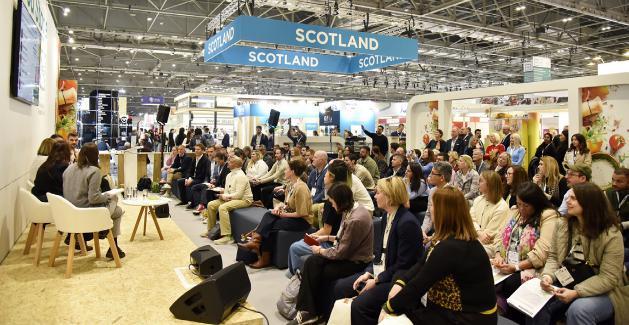
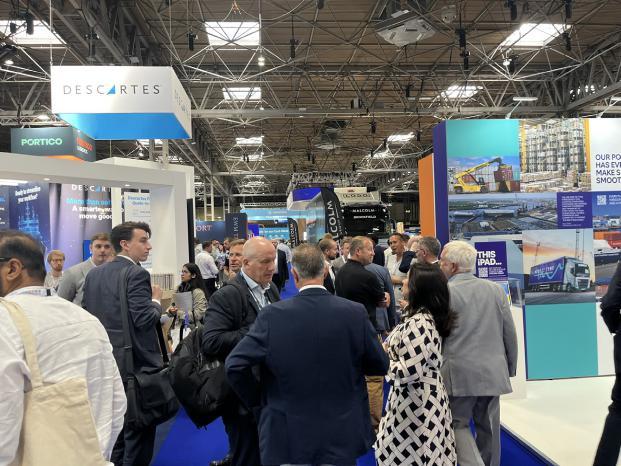
Multimodal 2026 from 30 June to 2 July at the NEC marks a major step forward for the UK logistics industry. Sitting at the very heart of UK Logistics Week, Multimodal brings together the people, ideas and solutions shaping the future of supply chains, creating a truly joined-up experience that raises the bar for what a logistics event can deliver.
Multimodal will co-locate with Warehouse., Yard. and eDelivery Expo (eDX), spanning adjoining halls. At the same time, The Road Transport Expo (RTX) will run just down the road at NAEC Stoneleigh, and connect to the NEC by free shuttle buses, making UK Logistics Week a national focal point for logistics, transport and infrastructure.
One badge gives you access to all five shows – and it’s free to attend. Registration is available via the Multimodal website or directly at https://bit.ly/4aAhLz7
A bigger, better experience for visitors
For visitors, UK Logistics Week delivers real, tangible value. One registration opens the door to more exhibitors, more innovation and more networking than ever before. From day-to-day operational challenges to high-level strategic decisions, the event offers a broader, more joined-up view of the industry without the
need to attend multiple shows across the year. Make one journey to meet all your logistics needs.
Whether you’re looking to improve efficiency, cut costs, build resilience or future-proof your operations, Multimodal 2026 puts the answers, and the right people, within easy reach.
Why specifically should food and drink businesses attend
For food and drink businesses, supply chain performance is critical. From temperature-controlled transport and just-in-time delivery to customs compliance, sustainability targets and rising cost pressures, logistics is central to protecting margins and maintaining brand reputation.
Multimodal 2026 offers a unique opportunity to meet the logistics providers, ports, carriers, warehouse operators and technology
partners who understand the specific demands of food and drink supply chains. Whether you are importing ingredients, exporting finished goods, managing chilled distribution or navigating new customs frameworks, the event provides direct access to practical solutions and expert advice.
With exhibitors spanning shipping lines, freight forwarders, rail operators, road haulage specialists, warehousing providers and digital platforms, readers can explore smarter routing options, decarbonisation strategies, AI-driven visibility tools and more resilient transport partnerships – all in one place.
For decision-makers in food manufacturing, wholesale, retail and hospitality supply, Multimodal is not just a logistics exhibition – it is a strategic opportunity to strengthen supply chain performance in an increasingly competitive and regulated market.
Conference content that delivers real takeaways
One of Multimodal’s strongest visitor draws is its free-to-attend conference programme. Delivered by industry leaders, major brands, policymakers and the sector’s most influential trade bodies including Logistics UK, UKWA, RFG, CILT, CCF, BIFA and the RHA - the conference pwrogramme is designed to be practical, relevant and actionable.
Topics include Visibility isn’t value: From contracts to continuity: Building legally resilient supply chains in 2026 and Beyond; How AI drives real results in Multimodal Logistics; Delivery Decarbonisation: Turning NetZero ambition into action; Europe’s new customs playbook: compliance, data & decarbonisation in 2026; through to Mental wellbeing in logistics: real voices, real challenges, real change.
Delivered by experts including Chris Ashley, Senior Policy Lead, Road Haulage Association (RHA); Samantha Brocklehurst, Managing Partner, NovaChain; Mark Murray, Founder, Whysup; Nico Collart, Chief Trade Operations & Compliance Officer, Customs Support Group; Nico Urien, Head of Global Trade Advisory (Brussels), Customs Support Group and Caroline Chester, Principal Associate at Shoosmiths.
Visitor registration is open, and free!
Registering early secures access to three packed days of innovation, networking and learning. Registration is available via the Multimodal website or directly at https://bit.ly/4aAhLz7
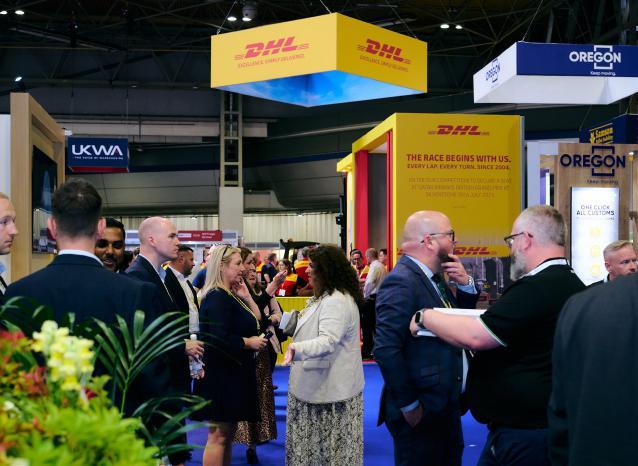
And the show floor is packed with companies from transport and warehousing solutions to AI, digital platforms and decarbonisation initiatives including MSC, Maersk, Maritime, DP World, Malcolm Logistics, Port of Bristol, Kuehne+Nagel, Norlink, CMA CGM, Davies Turner, DHL, Grimaldi, Forth Ports, VTG Rail, CNS, Ziegler, Port of Antwerp-Bruges, CCL Techlogix, and many more.
Celebrating industry excellence: The Multimodal Awards
The Multimodal Awards 2026 take place on the first evening of the show at the stunning VOX Centre, at the NEC. Recognising excellence across rail, road, air, maritime and freight forwarding, the awards are a highlight of the logistics calendar.
The Modal Awards are open for nominations until 2 April, when finalists will be announced and voting opens. The seven Written Awards are open for entries until 27 April.
The celebration evening kicks off with a pre-drinks reception sponsored by CNS, with the evening host is the inimitable Rory Bremner, bringing his trademark wit and humour to an evening that promises both celebration and connection.
New for 2026: the official after party
The awards night doesn’t end with the presentations! Attendees are invited to the official Multimodal Awards After Party sponsored by ID Logistics, featuring soul sounds from DJ Ian Gill of Vanguard Logistics, plus fun casino tables. The perfect setting to keep conversations flowing and networks growing.
www.multimodal.org.uk
& Decarbonisation
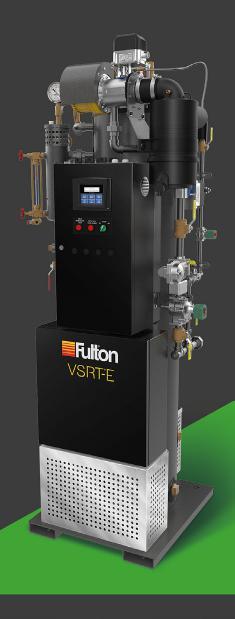
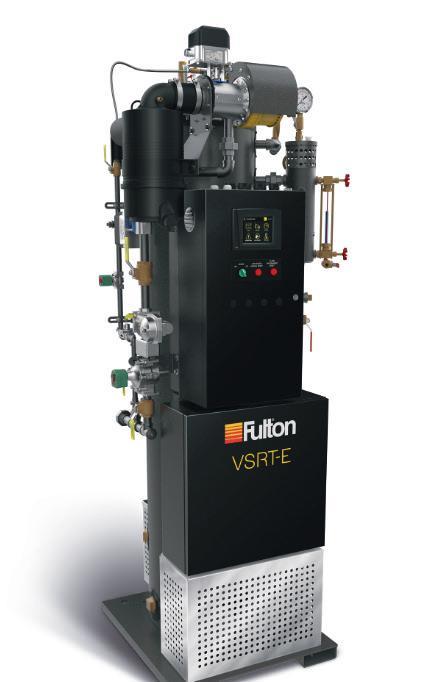
FULTON’S VSRT-E HYBRID BOILER.
PIONEERING ULTRA-EFFICIENT, LOW-EMISSION STEAM GENERATION WITH INTELLIGENT GAS-ELECTRIC FLEXIBILITY
Like the VSRT, Fulton’s VSRT-E hybrid boiler is a revolutionary innovation in steam boilers, combining cutting-edge design with sustainability to redefine efficiency in the sector.
The ultra-low NOx, high-efficiency VSRT-E seamlessly integrates a traditional gas-fired system (inc. Hydrogen blend) with electric steam raising capability, allowing operators to optimise energy use, reduce emissions, and offers an alternative to traditional dual fuel solutions.
Engineered for easy installation and operation, the VSRT-E features an intuitive control system and compact footprint. With thermal efficiencies of 82.5% (Gas) and 99% (Electric) and a steam dryness of 99.75%, it significantly lowers fuel consumption and operating costs.
Its hybrid capability enables users to switch between gas and electricity, balancing energy sources to minimise carbon impact and take advantage of off-peak tariffs, further enhancing cost-effectiveness. By reducing CO₂ emissions and promoting cleaner energy use, the VSRT-E actively supports national decarbonisation goals.
Designed with safety in mind, the VSRT-E incorporates advanced monitoring and diagnostic features, reducing operating risks whilst ensuring reliable performance. Its unique design reduces maintenance requirements, minimising breakdowns, and downtime.
As the industry navigates towards a sustainable future, the VSRT-E sets a new benchmark in innovation, offering efficiency, reliability, and environmental responsibility in a single, future-proof solution.
And talking of the future, Fulton plans to expand the VSRT-E range with 100HP (1,000kW) and 125HP (1,200kW) models, responding to industrial users requiring higher steam outputs. These additions will complement the 60HP (600kW) model currently available in the UK, creating a comprehensive portfolio for commercial and light industrial applications.
The company is also exploring advanced control integrations, including AI-driven load prediction algorithms and blockchainenabled energy trading compatibility, developments aiming to position the VSRT-E as a grid-interactive asset capable of autonomously optimising fuel selection based on real-time carbon intensity data and energy market signals.
HELPING YOUR FACILITY ON THE ROAD TO NET ZERO
Our class-leading range of fuel-fired, hybrid and electric steam boilers and portfolio of aftercare solutions can help with your decarbonisation strategy and put your brewery on the Road to Net Zero.
As a complete solutions provider, Fulton can provide your food processing facility with:
·fuel-fired, hybrid and electric steam boilers
·off-grid and point-of-use solutions
·ancillary plant / engineered systems
·steam surveys
·project management
water treatment contracts
·accredited / certified training
·installation / commissioning / upgrades
·repair / service / maintenance programmes
For further information scan the QR code, visit www.fulton.co.uk, email sales@fulton.co.uk or call the office on +44 (0)117 972 3322.
PORTABLE GAS DETECTION: Back to Basics
By Becca Dodds, Marketing Manager – Portable Gas Detection
Throughout the food and drinks industries, gas safety presents a serious workplace safety risk, and portable gas detectors are a crucial tool for alerting users to the presence of asphyxiating, toxic or explosive gases, or when oxygen depletion occurs, and keeping people safe.
Significant changes to working practices over recent years, as well as major advances in technology in this area of safety, highlight the importance of understanding the fundamentals of portable gas detection, and in turn, understanding this important area of safety enables greater comprehension - and potential use - of some of the latest innovations in the field.
What is a portable gas detector?
Portable gas detectors are compact, battery-powered devices worn on the person, usually attached to clothing at chest height in the breathing zone. They provide early warnings of the presence of a range of toxic or flammable gases or vapours, or low oxygen levels, in the immediate surrounding area.
These devices support both single and multi-gas detection;the latter can monitor several gas hazards simultaneously using individual or dual gas sensors in one device. In the food and drinks industries, this might include monitoring carbon dioxide, nitrogen, or ammonia, and oxygen depletion.
When a portable gas monitoring device detects any gas that reaches (or falls below in the case of oxygen depletion) pre-set levels, it will activate an alarm and start flashing/vibrating. The alarm is designed to be clearly heard and seen by the wearer, allowing them to take immediate action to protect themselves and others by evacuating the danger area.
Uses
Portable gas detectors are typically used for three key reasons:
• Personal safety – to protect workers from immediate or long-term exposure
• Operational integrity – to identify leaks and prevent fires or explosions.
• Regulatory compliance – to meet occupational health and safety regulations.
Fixed and portable gas detection devices are often used in combination, but each has a different functionality, so it
is crucial that the appropriate type of detector is used for the situation, activity and risk. While fixed gas detectors provide continuous area monitoring in highrisk zones, portable detectors offer personal protection and continuous monitoring for workers operating in the field or in confined spaces and during maintenance tasks, and when moving through areas where there is the potential for a leak.
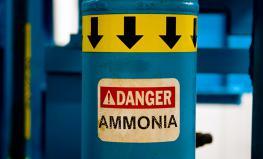
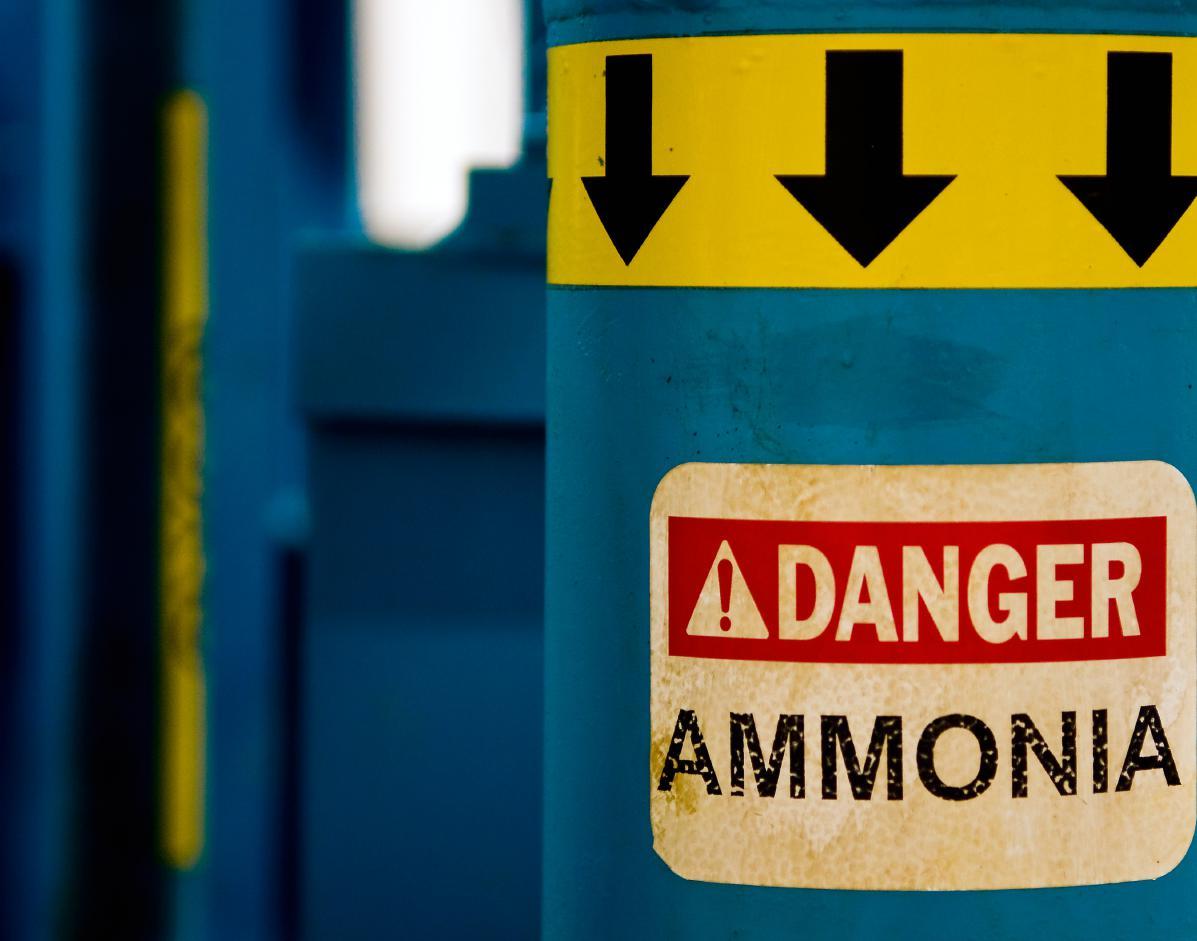
Example of portable gas detection in the food & drinks industry: The use of ammonia in food refrigeration Ammonia (NH3) is commonly used in food refrigeration systems as an alternative to hydrofluorocarbons, which are being phased out. As a result, the use of ammonia is increasing and is often employed by food producers, cold storage facilities, and breweries. However, while ammonia is very versatile, it is also extremely dangerous in the event of a leak, so monitoring is essential.
Whilst its pungent odour is distinctive and unmistakable, its dangers are significant: In lower concentrations, inhalation can lead to irritation of the eyes, nose, and throat, and prolonged exposure can result in severe respiratory complications, and can even be fatal. Another, often overlooked, danger is its explosive nature when present in higher volumes.
An accidental release of ammonia can not only pose immediate health risks but can also lead to explosive incidents if not promptly monitored and managed.
In such settings, portable gas detection devices provide versatile protection for personnel moving around the refrigeration facilities and during inspections or maintenance.
In the event of a system which combines carbon dioxide (CO2) with ammonia, the portable gas detection devices monitor for multiple gases simultaneously, so the worker is kept safe when operating in the facility of the refrigeration unit.
Training and maintenance
Ongoing training in how to safely use portable detection devices and what to do in the event of a gas leak is vital to their safe use, and there may also be a requirement for specific training on areas such as operating in confined spaces.
Regular maintenance of portable gas detectors is also essential, and devices must be regularly calibrated and maintained in line with the legislation and manufacturer’s guidelines, usually every six to 12 months. As part of the maintenance plan, regular visual inspection and bump testing should be carried out to confirm there is no damage and that the device’s sensors and alarms are responding to the target gases, this is recommended to be carried out before every use.
Maintenance tests will include electrical safety testing, as well as function and condition tests. While functional parts, such as O-rings, will need to be routinely replaced to reduce downtime and extend the life of equipment.
Conclusion
Portable gas detectors save lives every day — but only when used correctly and when an effective safety procedure is in place. Employers and employees using portable gas detection must understand the key terminology, regulations, and potential health impact of gas exposure to maintain a safe working environment: ensuring every worker goes home safe, at the end of every day.
Smart Food Safe
Why Food Fortification Demands Safety Science
Essentially, food has always been about providing sustenance. Nevertheless, nowadays, it serves a broader purpose of not just satisfying hunger, but to support health as well. From major cities to remote communities, everyday staples are thoughtfully fortified with vitamins and minerals. Food fortification is therefore beyond a public health initiative; it is a carefully applied science designed to make our diets safer, stronger and more nutritious.
The terms “enriched with vitamin D” and “fortified with iron” seem comfortingly straightforward to the uninformed observer. But beneath that declaration lies an intricate combination of chemistry, toxicology and regulatory vigilance. Nutrients are not superficial embellishments sprinkled upon food as an afterthought. They are chemically active molecules that can be altered by heat, light, air and time. Vitamin C, for example, is easily oxidised; vitamins A and E can be degraded by exposure to the air; some iron preparations may cause products to become discoloured or have a changed flavour. Hence, the food scientist’s role is not simply that of an additive; it is a preservative function too to make sure that what is promised on the label continues to be true after processing, shipping and storage before it reaches the consumer.
Equally consequential is the question of bioavailability, a term referring to the extent to which a nutrient can be absorbed and used by the human body. Not all chemical forms are created equal. Some iron compounds, for instance, are readily absorbed yet organoleptically disruptive; others are gentler on the palate but biologically less forthcoming. The science of fortification thus becomes an exercise in equilibrium: efficacy without excess, potency without perturbation.
In addition, the food matrix itself has subtle internal conflicts that make the problem even more difficult. For example, calcium can inhibit the absorption of iron; some minerals can accelerate the degradation of vitamins. Such interactions aren’t spectacular or visible, but they require very careful compatibility studies and shelf life testing under stress conditions. The levels of fortification have to
be high enough to make up for the losses during processing and at the same time stay within the safety limits that are narrowly defined.
Regulation, in this domain, is not an impediment but an indispensable sentinel. Governments and international bodies establish tolerable upper intake levels to prevent the inadvertent consequence of overconsumption, particularly in an era when fortified foods coexist with dietary supplements. Quality assurance protocols, batch verification and traceability systems form the unglamorous but vital scaffolding that upholds public confidence.
Therefore, what is simply seen as a small nutritional improvement is, in fact, an elaborate preventive governance measure. Food fortification exemplifies the intersection of humanitarian intent with scientific rigour. When executed judiciously, it redresses deficiencies, safeguards vulnerable populations and strengthens public health without fanfare.
At the end of the day, fortification is essentially a pledge that food will provide nourishment without compromising on safety. In order to maintain that pledge, one needs to be disciplined, make decisions that are led by science, have strong safety systems, and use technology that guarantees accountability. When all these factors come together, fortification not only adds nutrients, but also enhances public health and keeps the trust that consumers have in the food industry.
Tetra Pak Extends Paper‑Based Barrier Packaging to High‑Speed Packaging Lines in Asia
Tetra Pak has taken another step forwards in sustainable packaging by expanding its innovative paper‑based barrier technology to high‑speed Tetra Pak® A3/Speed filling lines, with Maeil Dairies becoming the first producer globally to implement the solution for its soy milk. This milestone aligns with a broader shift across the food and beverage industry, where producers are accelerating the transition towards low carbon, renewable packaging materials.
Developed to replace the aluminium foil layer used in aseptic cartons, the new paper‑based barrier maintains comparable levels of food protection and shelf life. When combined with plant‑based polymers derived from sugarcane, the Tetra Brik® Aseptic 200 Slim carton used with Maeil Soy Milk 99.9 product in South Korea achieved 87% renewable content and delivered a 26% reduction in package carbon footprint, as verified by the Carbon Trust1.
A key milestone of this launch in Asia is that Maeil Dairies is the first producer globally to implement packaging material with the new paper-based barrier on a Tetra Pak® A3/Speed filling machine, demonstrating that the technology is now fully compatible with high‑speed industrial production. The Tetra Pak® A3/Speed delivers high package outputs of up to 24,000 packages per hour with low operational costs, enabling large‑scale deployment while keeping high food safety standards. Moreover, existing Tetra Pak® A3/Speed lines can be easily upgraded with a high‑frequency induction‑heating sealing system, allowing producers to adopt the new packaging material without significant capital investment.
Tatiana Liceti, Executive Vice President, Packaging Solutions at Tetra Pak said: “Scaling sustainable packaging solutions should go hand in hand with operational efficiency. By bringing our paper‑based barrier to high‑performing Tetra Pak® A3/Speed packaging lines, we are offering beverage producers an opportunity to adopt low carbon packaging solution based on renewable materials while maintaining food protection and cost‑competitiveness.”
The new package for Maeil Soy Milk 99.9 marks the first use of Tetra Pak’s paper based barrier in the plant based beverages
category. Maeil Dairies, a longstanding innovator in the plant‑based beverage market, sees the move as a natural continuation of its sustainability journey.
Inki Lee, Chief Operating Officer at Maeil Dairies commented: “Maeil Dairies has pioneered the domestic low‑sugar soy milk segment, establishing a leading position in the market. Introducing new packaging on our Soy Milk 99.9 line reflects our ongoing commitment to innovation and environmental responsibility. Our collaboration with Tetra Pak enables us to drive meaningful, forward‑looking change that will benefit consumers and future generations alike.”
The world’s first aseptic beverage carton where the traditional aluminium foil layer was replaced with the innovative Tetra Pak paper based barrier was launched in 2023, setting a new benchmark for sustainable packaging. This new technology simplifies the packaging material structure, reducing it from three to just two main components. This creates opportunities for recycling infrastructure, with downstream benefits such as maximising the recovery of paper content during the recycling of cartons delivering high-quality fibre and non-fibre fractions. Furthermore, by combining a paper based barrier with plant based polymers in the material coatings, the renewable content of the packaging is maximized, resulting in a significant reduction in carbon footprint1
[1] Compared to the same reference package. Source: Carbon Trust-verified Tetra Pak ‘Carton CO2 Calculator’ model version 11 (valid from 2025 01 01). Scope: cradle to grave measurement of a Tetra Brik® Aseptic 200 Slim Leaf carton with plant based polymers in coating and paper based barrier compared to a standard Tetra Brik® Aseptic 200 Slim Leaf package with fossil based polymers in coating and aluminium foil layer.
Geography: EU Industry data.
Supply Chain & Logistics
Driving Efficiency and Sustainability Through Digital Export Management
As food manufacturers navigate complex global markets, integrated digital export systems are transforming compliance, efficiency, and sustainability across increasingly interconnected international supply chains.
In today’s global trading environment, international supply chains are more interconnected and more scrutinised than ever before. Organisations are under increasing pressure to move goods efficiently across borders while meeting complex regulatory requirements and advancing meaningful sustainability goals. Digital export management systems have become a critical enabler in achieving both productivity and environmental responsibility across the full supply chain.
Modern trade operations extend far beyond the preparation of shipping documents. They begin with supplier engagement and order management, move through warehousing and transport coordination, and conclude with customs clearance, delivery, and financial reconciliation. When these stages operate in isolation, inefficiencies multiply: duplicated data entry, paper-heavy processes, compliance errors, shipment delays, and unnecessary carbon emissions. A fully integrated digital platform transforms this fragmented approach into a connected, transparent workflow.
By digitising export documentation and automating compliance checks, organisations significantly reduce paper consumption, printing, storage, and courier requirements. Automated data validation improves accuracy at the source, preventing costly errors that can lead to shipment holds, returns, or redispatch, all of which increase both operational costs and environmental impact. Reducing rework not only saves time but also avoids the emissions associated with corrective transport and expedited freight.
Productivity gains are realised through real-time visibility across procurement, inventory, logistics, finance, and compliance teams. A single source of truth enables better demand forecasting, optimised shipment consolidation, and smarter route planning. With accurate, accessible data, businesses can minimise partial
loads, reduce unnecessary transport movements, and improve on-time delivery performance. The result is a leaner operation that consumes fewer resources while delivering higher service levels.
Integration is key to unlocking full supply chain value. When export systems connect seamlessly with ERP platforms, freight forwarders, customs authorities, and transport providers, manual intervention is reduced and processing times accelerate. Teams are freed from repetitive administrative tasks and can instead focus on strategic decision-making, risk management, and continuous improvement initiatives. Automated regulatory updates further ensure compliance with changing international trade requirements without constant manual oversight.
Sustainability reporting and analytics play an increasingly important role in responsible trade management. Digital systems provide detailed insights into shipment volumes, transport modes, packaging usage, and process efficiency. These insights allow organisations to measure environmental performance, identify emission hotspots, and align operational practices with broader ESG commitments. Data-driven decision-making supports continuous improvement and transparent reporting to stakeholders.
As global supply chains evolve, digital trade solutions provide the flexibility and resilience needed to adapt. Whether responding to regulatory changes, entering new markets, or addressing sustainability targets, integrated export management systems help organisations remain agile, productive, and environmentally accountable.
The future of international trade depends on intelligent, connected processes that reduce downtime, optimise resource use, and promote sustainable growth across the entire supply chain.
Flexible Pouch Solutions for Modern Food Production
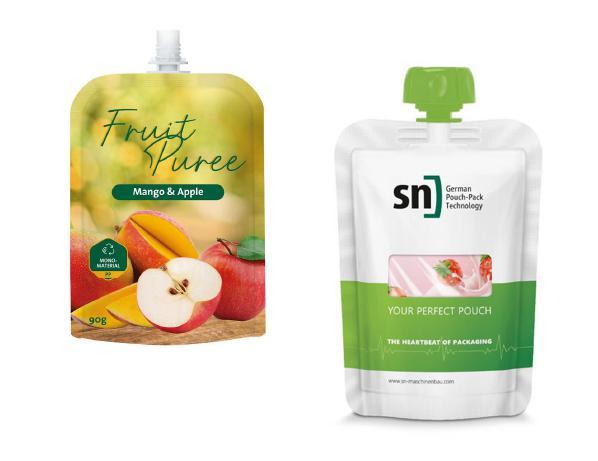
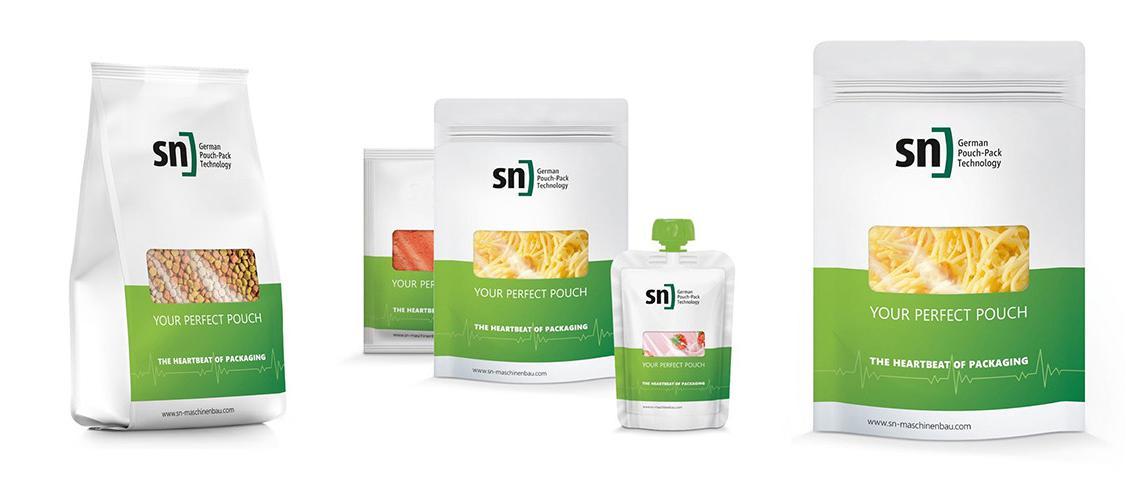
As demand continues to grow across the UK snack and confectionery sector, manufacturers are increasingly turning to flexible pouch formats to deliver convenience, shelf appeal and operational efficiency. From stand up pouches to resealable and spouted designs, pouch packaging is evolving rapidly and the machinery behind it must keep pace.
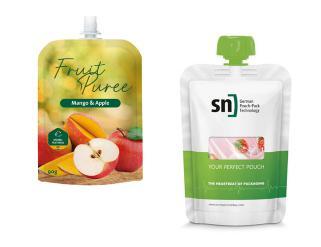
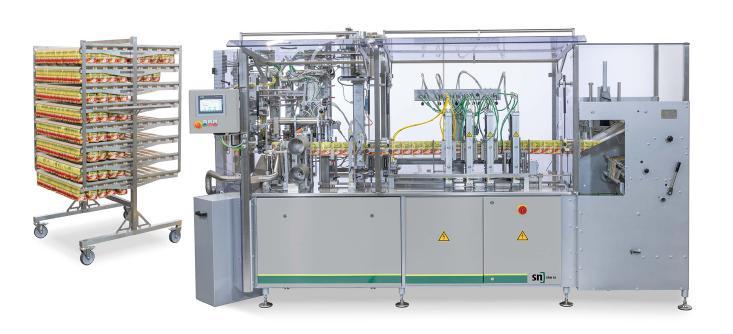
Penn Packaging, working in partnership with SN German Pouch Pack Technology, supplies advanced pouch packing systems designed to meet the performance, hygiene and flexibility requirements of modern food production. These systems are engineered to handle a wide range of products including powders, granules, liquids and confectionery items, offering manufacturers a reliable and scalable packaging solution.
For snack and sweet producers, protecting product integrity during filling is essential. Fragile products such as biscuits must be handled carefully to reduce breakage, while soft or sticky items such as fruit gums require accurate dosing systems to prevent clumping and ensure consistent weight control. Penn Packaging’s pouch systems are designed to deliver precision and product care, helping manufacturers maintain quality standards while maximising throughput.
Flexibility is another key consideration in today’s production environment. Product ranges expand, pack sizes change and consumer preferences shift. Penn Packaging’s pouch packing systems enable manufacturers to run different pouch formats efficiently, whether using pre formed pouches or fully integrated form fill seal systems. The ability to produce flat pouches, stand up formats and spouted designs on high performance machinery allows businesses to respond quickly to market trends without sacrificing productivity.
Hygiene and cleanability remain central to food manufacturing. Modern pouch filling systems supplied by Penn Packaging are built with washdown ready designs and user friendly touchscreen interfaces to support ease of operation and simplified cleaning. Automated reporting and intuitive controls enhance visibility across production, reduce downtime and support traceability requirements.
Penn Packaging works closely with manufacturers to deliver complete pouch packing solutions tailored to individual production needs. By combining proven German engineering from SN with dedicated UK based support and integration expertise, the company helps food producers achieve consistent pouch quality at the lowest possible unit cost across the lifetime of the machine.
In a competitive FMCG market, packaging is no longer simply a container. It plays a strategic role in protecting product quality, strengthening brand presentation and improving operational efficiency. For snack and confectionery manufacturers looking to upgrade existing lines or increase capacity, investing in reliable and flexible pouch packing technology is a practical step towards long term competitiveness.
As demand for convenient, resealable and premium packaging continues to rise, advanced pouch systems will remain at the centre of modern food production. Penn Packaging is helping manufacturers ensure their packaging operations are efficient, economical and ready for future growth.
sn-packaging.com
Premium Pouch packaging machines for snacks and confectionery
Economical, flexible, and safe
Who doesn’t know them – the little treats we enjoy between meals or as evening snacks? Sweets come in all forms: fruity or salty gums, chocolate with cookies or fruit, and countless flavour combinations. But to keep these popular snacks consistently available in shops, reliable primary packaging – ideally pouches – is essential.
This packaging must combine low costs with strong product protection. For cookies, breakage during filling must be min-
imised, while soft items like fruit gums need dosing systems that prevent sticking.
We aim to produce perfect pouches at the lowest unit costs and reliably over the entire service lifetime of the machine.
Contact us for more information on 01473 893990 or email@penn-packaging.co.uk
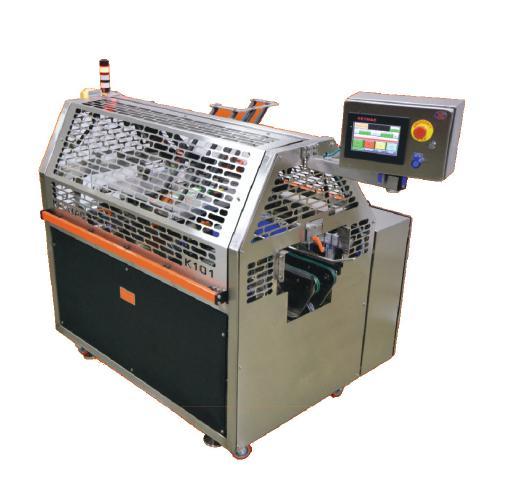
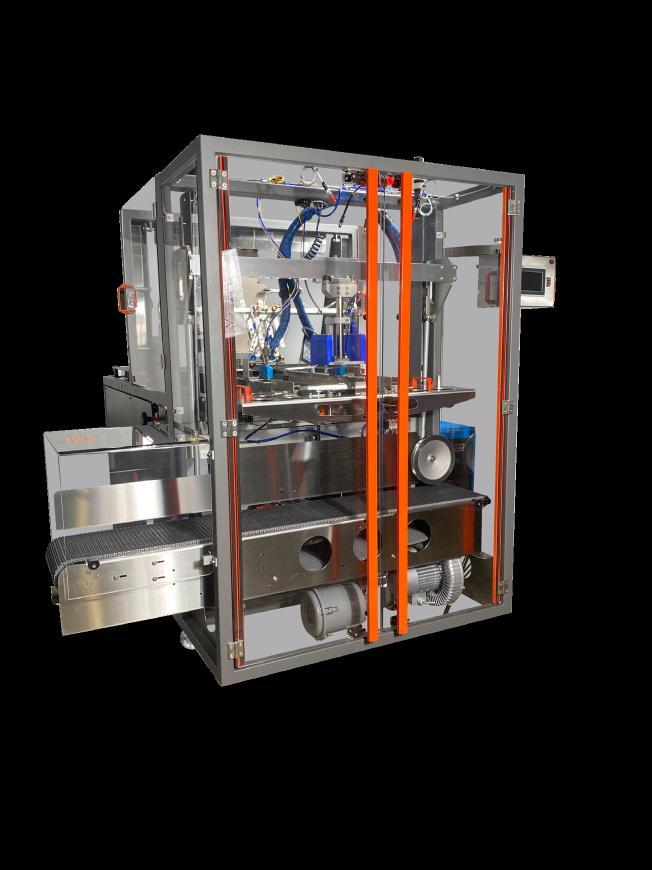
Keymac Packaging Systems design, manufacture and service a full line of primary packaging machines aimed at the food and non-food industries worldwide.
Top load carton and tray formers
Top load carton closers
Fully and semi automatic
End load cartoners
Automatic Pre-glued sleevers
Special product handling systems
Manufactured in UK and USA
Manufactured in UK and USA for worldwide markets
Keymac Packaging Systems Ltd
28b Burnett Business Park, Gypsy Lane, Keynsham, Bristol BS31 2ED, UK +44 (0) 1179 865417 | sales@keymac.co.uk | www.keymac.co.uk