


Globetrotters GB Ltd is a UK-based Freight & logistics company delivering fast, secure, and reliable solutions across Europe and beyond.
From air, ocean, and road transport to tailored supply chain support, we simplify logistics so you can focus on growth. Let’s move forward together. YOUR CARGO, OUR COMMITMENT. DELIVERING BEYOND BORDERS.



GLOBETROTTERS GB LTD
Vista Business Centre, 50 Salisbury Rd, Hounslow, TW4 6JQ, United Kingdom
Tel +44 (0) 20 8432 2983
Email sja@globetrottersltd.com www.globetrottersltd.com

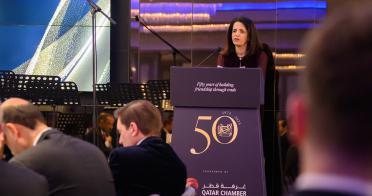
















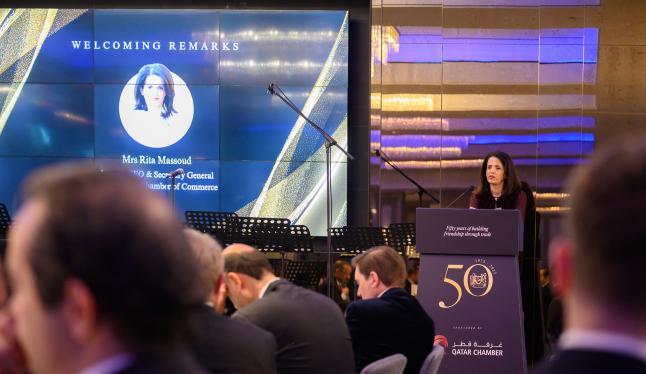
The Arab British Chamber of Commerce marked its 50th anniversary year at a gala dinner celebration on the evening of 9th December 2025 in the presence of senior diplomats, business executives, government officials, members of the Chamber’s Board of Chamber, media representatives, ABCC members and friends.
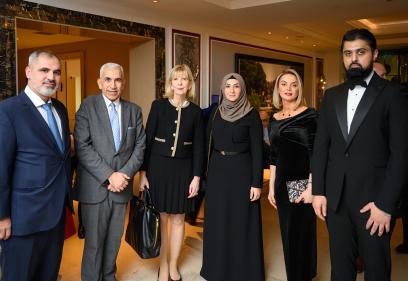
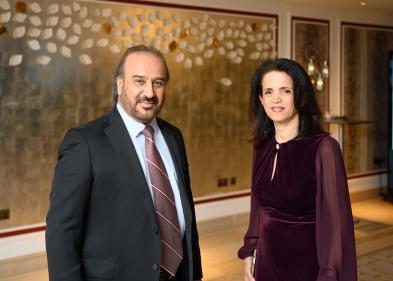
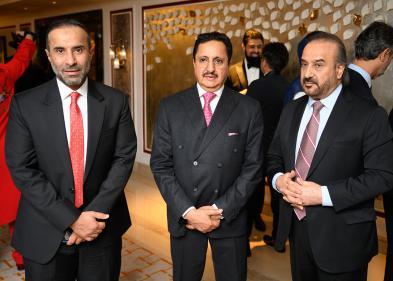


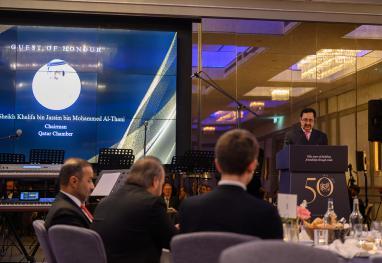
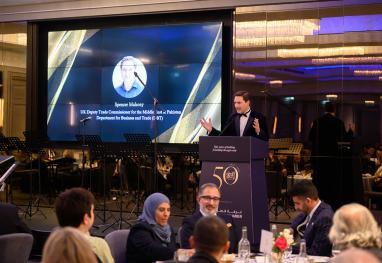

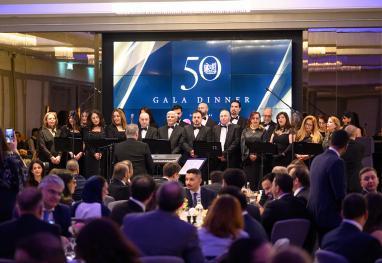
The sold-out event hosted in the luxurious premises of the Biltmore Hotel, Mayfair, allowed the Chamber to express thanks to all its strategic partners and the innumerable member companies which have benefited from using the ABCC’s services over the course of the five decades.
A succession of speakers reviewed the ABCC’s proud record of service over fifty years in building friendship through trade and extolled the value of Arab British cooperation and the continuing opportunities that it creates for building closer business partnership.
His Excellency Sheikh Khalifa bin Jassim bin Mohammed Al-Thani, Chairman of the Qatar Chamber of Commerce & Industry, was the guest of honour and praised the ABCC’s role in his keynote address.
The Chamber’s Interim Secretary General & CEO, Mrs Rita Massoud, stressed the organisation’s continued support for its members and its unswerving mission to strengthen Arab British collaboration. Mrs Massoud expressed gratitude to Qatar Chamber of Commerce for


sponsoring the gala dinner and its chairman for his excellency’s longstanding support for the ABCC, which he carried out in his role as a senior member of its Board of Directors.
In her welcoming remarks, the interim Secretary General & CEO expressed thanks to the ABCC’s membership who show their trust in the ABCC to deliver an efficient, cost effective and reliable service.
“Your presence gives us encouragement and is an expression of confidence in our work. Over the past fifty years, the ABCC has helped countless thousands of companies, and we are always inspired when we learn of their success stories and especially when their successful ventures have been achieved with some help from us,” Mrs Massoud stated.
In conclusion, she introduced a short video that surveyed some of the landmarks over the ABCC’s half century history and remembered all those who had contributed to its work including the Chamber’s founding Secretary
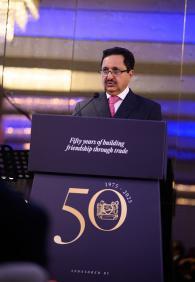
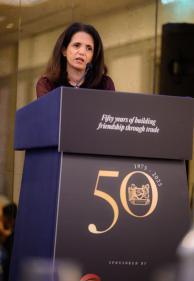

General and Chief Executive, the late Mr Abdulkarim Al Mudaris.
Mr Robert Gray, a member of the ABCC’s Board of Directors, delivered welcoming remarks on behalf of our Chairman, the Rt Hon Baroness Symons of Vernham Dean, who conveyed her thanks to the Chamber’s friends and supporters.
“As Arab and British people, we share a mutual respect, a recognition of common interests and a resolute commitment to working closer together to create new opportunities for our citizens, to improve prosperity, productivity, and sustainability,” the chairman stated in her speech.
The final speaker, Mr Spencer Mahony, the UK Deputy Trade Commissioner for the Middle East and Pakistan, Department for Business and Trade, brought greetings on behalf of the UK Government.
Luxury chocolatier, Maison Samadi – London, supported the event by providing special samples as gifts for all the guests.


THURSDAY, FEBRUARY 12, 2026

The ABCC hosted its first members’ networking event of 2026 on the afternoon of 12 February bringing together representatives from companies in a diverse range of industries to share expertise and explore opportunities.
The convivial gathering was held in the auditorium at the Chamber’s Mayfair premises with networking taking place in the board room. The successful event allowed delegates and guests to make new connections and consider the prospects of doing business together.
Interim Secretary General & CEO, Mrs Rita Massoud welcomed the guests including members, non-members and diplomats.
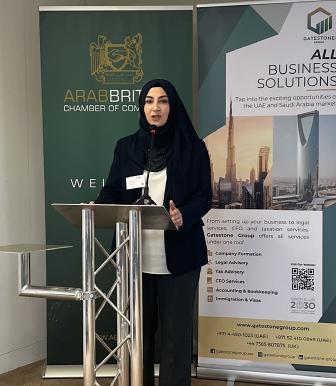
Mrs Massoud briefly outlined the benefits of membership and pointed to the ABCC’s record of more than fifty years’ service to business.
She stated that the role of the ABCC was to help companies identify the growing opportunities that were available to investors, exporters and service providers within the framework of deepening Arab British cooperation.
Seven panellists delivered concise presentations about the services and
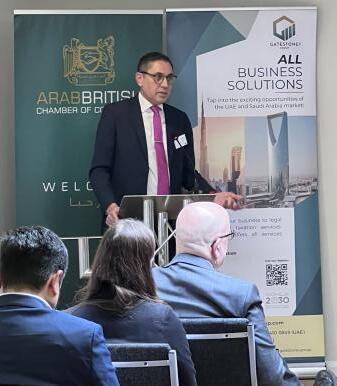
activities of companies, with focus on their involvement in the Arab world and in developing bilateral connections in business and investment.
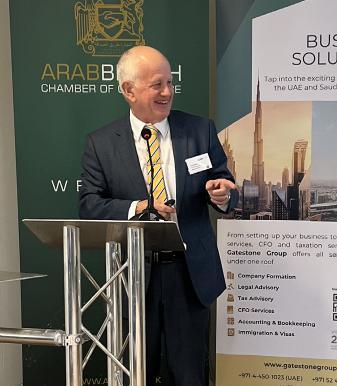
The panellists on this occasion were Mrs Turkan Akbas, Chairwoman, MUSIAD UK, Mr Mahmood Tassadaq, Founder & Chairman, Gatestone Group, Mr Amr El-Belihy, VP Finance, Thinkproject UK Ltd, Ms Songul Matyar, Senior Associate, Gunnercooke, Ms Renata Dias, Head of Global Sales, Q International
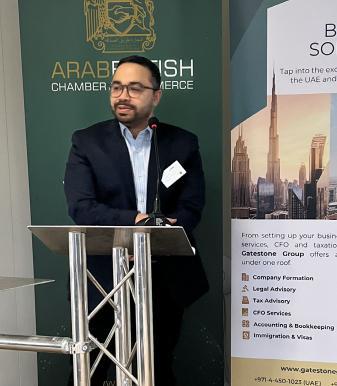

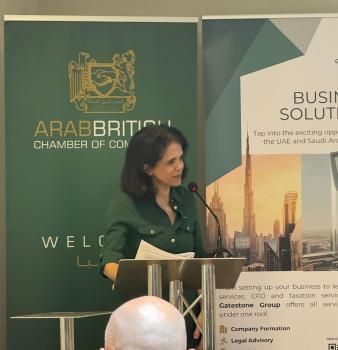
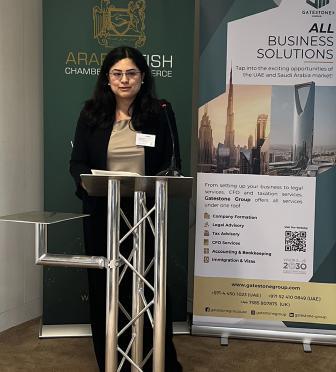
Group Holdings, Ms Tameem Al-Shawi, Director, TI Accounting Services Ltd, Mr Roy Charles, General Manager, The UAE Business Club.
The sectors covered by the speakers comprised law, tax advisory, business startup support services, property and real estate, investment, IT and data management, hospitality and financial services.
The questions and discussion were steered by Mr Mashary Osman, the ABCC’s Head of International Trade. A lively discussion reflected strong
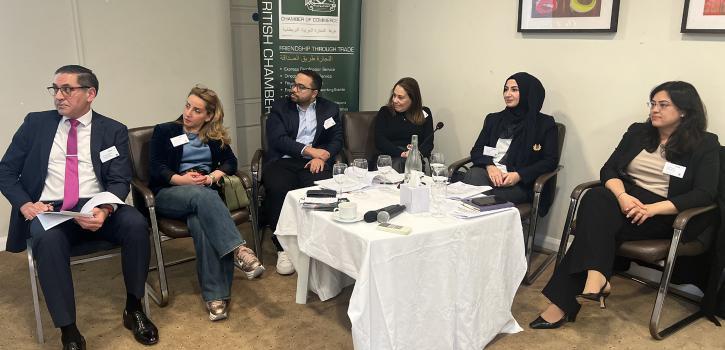
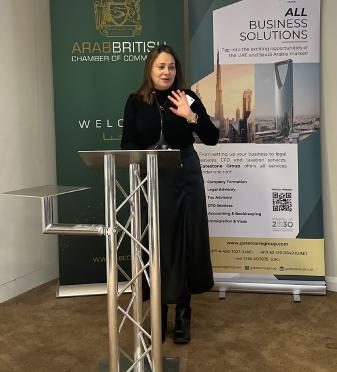
interest with numerous topics being raised from the audience.
Mr Tassadaq indicated that ABCC members were able to benefit from special rates on the company’s business services and mentioned that the company would be hosting a series of seminars soon.
Ms Akbas highlighted plans to hold an international expo in Turkey in September as well as another expo in the UK towards the end of October.
Further details of these events will be brought to ABCC members
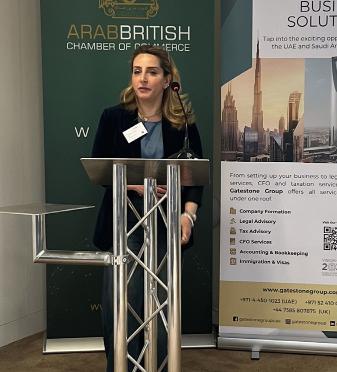
when they come available. More information about the services and activities of all the companies participating in the networking event can be obtained from the ABCC and by visiting the relevant company websites.
Members of the ABCC also have the facility to communicate one-toone through the Chamber’s online platform.
The ABCC networking events enable the Chamber to understand the requirements of its members and tailor its services accordingly.

We extend a warm welcome to our new members and look forward to working with them in the coming year.
Zemovit Ltd
Northstar Insights FZCO
Kistos
Aquaforce Trading Limited
Nimbus Consultancy
Mandarin Management Limited
Maison Samadi London
SBP Law
MUSIAD UK
Northwood Trading Centre Ltd
SAAM Legal Services Limited
Baldwin’s Bullion
ICXO Tax Advisory
Globetrotters GB Ltd
Spire Insights
Formative Live Ltd t/a Formation Global
Relm Interiors Limited
BrandFull Ltd
Critical Metals Plc
Arab Entrepreneurs Board
Arab National Bank
ProLuxe Travel

Troika International Ltd
Global Consolidated Contractors (International) Ltd
Thinkproject UK Limited

Our clients around the globe benefit from our unparalleled knowledge of Egypt. We work in partnership with them to unlock the potential of the Egyptian market by delivering bespoke financial solutions Our core expertise is trade finance and we are focused on long term relationships We take the time to understand your business, your requirements, and collaborate to find the most efficient solutions for you whether you are an importer or exporter to Egypt.
Authority (FCA) and by the PRA (PRA reference no:204520)
National Bank of Egypt (UK) Limited is a wholly owned subsidiary of National Bank of Egypt (Registered in England no:2743734)
Registered Address & Head Office:
National Bank of Egypt House, 8-9 Stratton Street, London, WIJ 8LF
Email: Businessenquiries@nbeuk com
Website: www nbeuk com
Telephone: +44 (0) 20 7389 1200

Official Country Name: The United Arab Emirates
Capital: Abu Dhabi
Population: 11.4 million (2025)
Total Area: 83,600 km²
Borders: Sultanate of Oman and the Kingdom of Saudi Arabia
Administrative Structure: A federation of seven emirates, namely Abu Dhabi, Dubai, Sharjah, Ajman, Ras Al Khaimah, Umm Al Quwain, and Fujairah.
GDP: $483.6 billion (approximate)
GDP growth: forecast of 5% in 2026 from 4.4%-4.8% in 2025
Main Industries: Oil and gas, tourism and hospitality, construction, real estate, technology, financial services and banking, renewable energy, logistics, healthcare, education, retail and e-commerce.
Natural Resources: Oil, natural gas, solar energy and fertile farmland.
Exports: crude and refined petroleum, gold, and machinery
Imports: machinery, vehicles, food products, and precious metals
The United Arab Emirates is a high growth, high income country that is increasingly attractive to global investors and entrepreneurs. Its record of economic success and growing prosperity enables the UAE to attract talent and investors worldwide. The country continues to achieve success in building solid foundations that support the growth of its knowledgebased, future-focussed business sectors. The UAE is consistently enhancing its status as a global hub for businesses centred on innovation, digital, artificial intelligence, and entrepreneurship. To this end, the UAE has launched innumerable strategies that achieve sustainable economic growth based on science and advanced technologies, as well as by capitalising on building exceptional talent and skills among its citizens and the expatriate community.
As a strategic location between East and West, the UAE is a global logistics hub. Jebel Ali Port, Abu Dhabi Ports, and Dubai International Airport serve as vital points in the dynamic network of international trade. Tourism continues to be a major driver of its non-oil GDP, especially in Dubai, Abu Dhabi, and Ras Al Khaimah. With increasing visitor numbers, the UAE is on track to attracting over 40 million tourists annually by 2031.
The UAE is still a relatively new country and emerged when Abu Dhabi, Dubai, Sharjah, Ajman, Ras Al Khaimah, Umm Al Quwain, and Fujairah came together to form the United Arab Emirates in December 1971. Abu Dhabi is the capital and Dubai is the largest city in the UAE.
Combined these two emirates account for around 85% of the country’s total GDP. Some 50% of Abu Dhabi’s GDP is derived from hydrocarbons, while the service sector represents 75% of Dubai’s GDP. The UAE has its own permanent constitution that outlines the basic rules of the political administrative system as well as the federation’s components and aspirations.
In addition to oil, other major sectors of the UAE economy are wholesale and retail trade, manufacturing and financial services.
The investment attractiveness of the UAE witnessed a steady increase in recent years. With its ability to attract substantial investments, the country has enhanced its cumulative FDI inflows and become one of the preferred global investment hubs. The country has been ranked the most attractive country for investments in West Asia, Middle East and North Africa regions. Today, the UAE continues to attract more investments, enhance its investment environment, provide greater incentives to investors, and raise its ranking in international indices related to the attractions of the local business and investment environment.

Dubai and Abu Dhabi have established themselves as regional financial hubs, home to DIFC, ADGM, and international banks and insurance firms. The financial sector is expanding in areas like Islamic finance, fintech, wealth management, and sustainable investing.
While traditional retail remains strong, digital transformation and consumer behaviour shifts are fuelling a rapid e-commerce growth, especially in areas like fashion, electronics, consumer products, groceries, and luxury goods.
The UAE made tremendous efforts in economic and social development to transform itself into a thriving, advanced, open and competitive economy. Over the last 50 years, the UAE has successfully increased its GDP more than 247 times (AED 1.6 trillion compared to AED 6.5 billion when the union was first established), reducing the contribution of oil to the GDP to less than a third, compared to more than 90% in 1971.
The UAE has injected investments and capital into major public transport and renewable energy projects around the country that have become key pillars in the new economic landscape. The UAE has 10 major airports, 12 seaports, an unrivalled network of roads and bridges, and 6 national carriers connecting to over 200 cities worldwide. This modern infrastructure enables 33% of the world’s population to reach the UAE within 4 hours, and 66% to access the country within 8 hours.
The UAE has also joined the ranks of the top 20 countries considered trustworthy by investors. Revisions to the country’s business environment laws such as the Commercial Companies Law have successfully boosted the attractiveness of the UAE to global investors and made it one of their destinations of choice.
The UAE has created a modern investment environment and adopted policies that facilitate and speed up the establishment of companies through electronic platforms, and it promotes its attractiveness by issuing regular amendments to the Companies Law. These efforts enable it to maintain an advanced position in ‘Ease of Doing Business’ indexes, ranking in the top 20 out of 190 countries worldwide. The UAE has also ranked high in terms of business efficiency, government efficiency, and in economic performance.
The UAE hosts the largest number of regional headquarters in the Middle East and is constantly looked upon as an ideal location for engaging in commercial and investment activities across the region. With advanced infrastructure, cuttingedge communications, and government support, the UAE is a very attractive environment for international companies to operate their regional offices.
The UAE is an established prominent hub for start-ups. The government supports innovative entrepreneurship and offers business accelerators, financing services, and sponsorship programmes to entrepreneurs from around the world.
The Small and Medium Enterprise (SME) sector is witnessing notable development and growth, and various small companies have evolved into successful businesses within a short time span.
As a vibrant hub of major global events, it hosts some of the most renowned industry-specific exhibitions, prestigious conferences and other notable events. The country’s advanced infrastructure supports numerous exhibitions all-round the year, bringing together investors and influencers from around the globe.
More than 140 double tax agreements have been signed with countries spread over five continents. Such agreements allow investors and staff to enjoy the absence of personal income tax and corporate taxes. The UAE is actively signing new agreements with many countries in every corner of the world.
The UAE issued a Corporate Tax Law on 9 December 2022, establishing the legislative framework for the introduction and implementation of a federal corporate tax in the country. A standard rate of 9% was applicable from June 2023. The UAE Ministry of Finance can be consulted for the latest updates on this law.

The UAE boasts highly skilled, multicultural and diverse talents among its local and international workforce. Arabic and English are the main languages spoken in the business environment. The UAE seeks to become the leading incubator for highly skilled professionals and talent across all key economic sectors.
The UAE has signed well over one hundred bilateral and multilateral agreements to protect and encourage investments. With a network of the UAE’s key trade partners, these agreements aim to protect investments from non-commercial risks like nationalization, expropriation, sequestration and freezing of assets. This legal framework also allows for the establishment of investments and licensing such investments and confirm the free transfer of profits and other returns in a freely transferable currency, as well as granting national treatment in accordance with the laws enforced in the UAE, and other objectives that ensure the protection and encouragement of investment in the UAE. >>>

“We the Emirates 2031” is the name given to a vision and national action plan launched in 2022 through which the UAE will complete its development journey focusing on the social, economic, investment and development aspects. By adopting this vision, the country aims to strengthen its position as a global trade partner and its attractiveness as a global economic hub.
The main aims of “We the Emirates 2031” vision include:
• Raising the country’s GDP from 1.49 trillion to 3 trillion AED
• Increasing the country’s non-oil exports to 800 billion AED
• Raising the tourism sector’s contribution to the GDP to 450 billion AED
• Raising the value of UAE foreign trade to 4 trillion AED.
HH Sheikh Mohammed bin Rashid Al Maktoum, Vice President and Prime Minister of the UAE and Ruler of Dubai, launched ‘UAE Centennial 2071’ in 2017 as a roadmap to make the UAE the best country in the world, by the year 2071, when celebrating the centennial of its establishment. The Centennial is based on four key pillars: future-focussed government, excellent education, diversified knowledge-based economy and a happy and cohesive society. Under the axis ‘the best economy in the world’, the UAE aims to become a global hub for attracting the best minds, ideas and talent,
together with offering the best business opportunities, a stable environment and an advanced infrastructure. Steadily increasing investments in artificial intelligence, biotechnology, nanotechnology, cognitive sciences and multi-dimensional cumulative manufacturing continues to strengthen the UAE’s position as a global leader in various sectors.
The Emirates Blockchain Strategy, launched in 2018, seeks to harness advanced technologies to benefit of society. Furthermore, the efficiency of government performance is being enhanced by transferring all UAE government transactions to blockchain platforms. The blockchain strategy is based on four key themes: the happiness of citizens and residents, improved government efficiency, advanced legislations that qualitatively transform federal government operations, and the UAE’s international leadership in the field of information security and transfer.
The strategy will build the capabilities of individuals, institutions and government leaders, save time, effort and resources and enable the UAE to emerge as one of the most globally advanced nations ready to embrace transformation.
The UAE’s Green Growth Strategy aims to achieve sustainability in economic, social and environmental sectors, as opposed to relying on oil resources. The
UAE seeks to become a global leader in green economy, a centre for the export and re-export of green products and technologies, and to create a sustainable environment that endorses long-term economic growth.
The strategy encompasses programmes and policies spanning the fields of energy, agriculture, investment and sustainable transport, coupled with new environmental and urban policies that strive to improve the quality of life of the nation’s citizens. This strategy consists of 6 key streams: green energy, government policies promoting investment in a green economy, green cities, dealing with the effects of climate change, green lives, and green technologies.
The UAE Strategy for the Fourth Industrial Revolution aims to strengthen the country’s position as a global hub for the next industrial revolution and contribute to a competitive national economy that is based on futuristic applications that merge material, digital and biological technologies. This is in addition to harnessing technologies and tools to serve community members and achieve public happiness. The key pillars of this strategy include the adoption of various plans and of genomic medicine and medical genomic tourism and strengthening economic security by embracing a digital economy.
This strategy also involves developing advanced technologies, from artificial
intelligence and nanotechnology to the internet-of-things and 3D printing, to support economic growth.
The Circular Economy Policy provides direction towards the sustainable management of the UAE economy, and optimal and efficient use of natural and environmental resources through the adoption of the best methods and technologies of sustainable consumption and production. This is to ensure a high-quality lifestyle for current and future generations, improve the efficient consumption of natural resources, and minimise wastage.
The policy also aims to boost environmental health and encourage the private sector to adopt cleaner industrial production techniques and technologies, together with realising the UAE vision of becoming a leader in green development. The most important outcomes of the policy include generating considerable economic proceeds for the country, mitigating environmental pressures, ensuring the supply of raw materials, increasing competitiveness, promoting innovation, strengthening economic growth and creating job opportunities.
The UAE is one of the most prepared nations to tackle technological change, especially in light of its extensive efforts for providing a future-centric and highly advanced infrastructure that is capable of improving the quality of life for individuals and communities. In line with the objectives of the UAE Centennial 2071, this strategy is considered the first of its kind on
a global level, and consists of eight strategic objectives, five themes and a set of initiatives targeting the utilisation of artificial intelligence in developing the country’s vital sectors such as education and economy.
It also aims to improve government performance, achieve social happiness, create a new and promising regional market that is of high economic value, support private sector initiatives, and boost productivity. Targeted sectors include transport, health, space, renewable energy, water, technology, education, environment and traffic.
The UAE launched its ‘Energy Strategy 2050’ in 2017, as a unified energy plan that balances production and consumption with global environmental commitments. The strategy fosters an attractive and conducive economic environment that catalyses the growth of all sectors and aims to increase the efficiency of individual and corporate energy consumption by 40%. It also seeks to increase the share of clean energy in the total energy mix from 25% to 50%, saving the equivalent of AED 700 billion by the year 2050.
The UAE is scheduled to invest AED 600 billion until 2050 in order to meet growing energy demands and fulfil sustainable growth of the economy. According to the strategy, the energy mix is set to be: 44% from clean energy, 38% from gas, 12% from clean coal and 6% from nuclear energy.
A specific attraction for UK firms looking to the UAE is the country’s highly business-friendly environment
with its streamlined set-up processes and low development costs, particularly in the 45 operational free zones that are located across the UAE. These free zones all offer businesses access to a wealth of opportunities, but each zone brings its own strengths and is tailored to meeting the requirement of specific industries.
UK businesspeople are advised that setting up operations in the UAE is a straightforward process, while relocating a family is just as easy.
The UAE boasts more than 40 multidisciplinary free zones, in which expatriates and foreign investors can have full ownership of companies. The zones are characterised by highly efficient infrastructure, and distinct services that facilitate smooth workflows, saving businesses in time and effort.
The UAE Ministry of Economy & Tourism lists the advantages of free zones for UK and other foreign investors as follows:
• 100% foreign ownership
• 100% repatriation of capital and profits
• Fast and easy setting up procedures
• Developed business communities
• Competitive costs
• 100% exemption from corporate and income tax
• 100% exemption from customs duties
• Independent laws and regulations
• Easy regional and global market access
• Modern and sophisticated infrastructure. >>>

A key goal of the Dubai Economic Agenda (D33) is to double the size of Dubai’s economy by 2033 and consolidate its position among the top three global cities. D33 includes 100 transformational projects cover diversification, innovation and sustainability. D33 emphasizes digital transformation and knowledge-based industries, ensuring sustainable growth beyond traditional sectors. It seeks to enhance Dubai’s attractiveness as a destination for global investment, trade, tourism, and talent.
The UAE is advancing its digital sector with Dubai strengthening its position as a preferred global destination for the growth of digital entrepreneurial ventures.
The Dubai Chamber of Digital Economy, one of the three chambers
The UAE Government has ambitious strategic development objectives and realises its vision through wise policies and initiatives that aim to drive the economy and foster a sense of a sustainable community. The UAE’s future aspirations are led by inclusive strategies geared towards building a digital and knowledge-based economy. All you need to know about doing business in the UAE
UAE Government agencies and entities that support investment and help entrepreneurs to set up operations and grasp the available opportunities.
a Company in the UAE
The process of establishing a company in the UAE involves a few simple steps in all seven emirates. You can apply in person at the Department of Economic Development in the emirate where you plan to establish business. Additionally, digital platforms are available to obtain a commercial license and establish a company online; applying with the necessary documents will lead to a license within minutes. Investors can also apply through legal offices or designated companies offering business establishment services. Establishing a company typically involves identifying the location, specifying the nature of the business and paying ascribed fees, for the issuance of a commercial license.
Consult the UAE Ministry of Economy & Tourism for more information.
https://www.moet.gov.ae/en/establishingcompanies
operating under the Dubai Chambers, is playing a key role in the growth of digital by successfully supported 1,690 digital startups in Dubai during 2025, representing an increase of 39.7 percent on 2024, according to latest reports.
Emirates News Agency reported that businesses specialising in AI accounted for around 15% of these companies, while 12% were FinTechs. The combined share of companies specialising in mobility tech, software-as-a-service (SaaS), and e-commerce amounted to 20% of the total. Global companies accounted for 75% of these firms supported by Dubai Chamber last year.
Abu Dhabi’s fast-evolving digital infrastructure, world-class connectivity, and a thriving innovation ecosystem position the emirate as a regional leader in digital technologies. Recognized as the smartest city in the MENA region,
UAE Investment Support
https://www.moet.gov.ae/en/investmentsupport-entities
The Emirates Investment Authority (EIA), the only sovereign fund of the Federal Government in the UAE, is mandated to invest funds allocated by the Federal Government in strategic areas to create long-term value for its sovereign wealth and contribute to the future prosperity of the UAE. The EIA has become a valuable partner for significant global investment opportunities locally, regionally and internationally.
https://www.eia.gov.ae/ar/
Established in 1976, Abu Dhabi Investment Authority (ADIA) is a globally diversified investment institution that invests funds on behalf of the Government of Abu Dhabi through a strategy focused on long-term value creation. It is now one of the world’s largest institutional investors. According to the Sovereign Wealth Fund Institute’s rankings, ADIA ranked as the third largest in the world in 2022 with $708.75 billion in assets.
https://www.adia.ae/
The Ministry of Finance (MoF) was established as a sovereign ministry under Federal Decree No. (2) of 1971 to assume responsibility for implementing all financial policies related to economic development in the country, foremost of which is preparing and allocating the federal budget, managing government finances, and providing services to government, business sectors and individuals. The Ministry includes five main sectors: the budget and revenue, tax legislation, government financial management,
the capital was the first in the world to achieve 100% fibre-to-home broadband connectivity. Ongoing investments in AI, smart city applications, robotics, and digital government services are accelerating digital transformation across public and private sectors. Initiatives like the establishment of the world’s first AI university further cement its status as a hub for emerging technologies and digital innovation.
Sharjah is widely recognised as the cultural capital, industrial hub and education hotspot of the UAE, and is now becoming increasingly well-known for its pioneering sustainability initiatives and as a world-class R&D, innovation and startup hub. With exceptional support provided by the government, lower costs than neighbouring emirates, and a culture of innovation, the city is an ideal choice for multinationals seeking a base in the Middle East.
international financial relations, and support services.
https://mof.gov.ae/en/home/
For details of tax in the UAE including corporate tax see,
https://mof.gov.ae/en/public-finance/tax/ corporate-tax/
The Department of Economic Affairs was established in 1995 by Amiri Decree No. (1). At the time, it was known as the Um Al Quwain Department of Economic Development. In December 2009, the Department was renamed the Department of Economic Development (DED) with the objective of advancing Um Al Quwain’s economic agenda.
https://ded.uaq.ae/ar/about-us/overview.html
ADIO’s personalised business support and expert advisory services ensure seamless entry and expansion across Abu Dhabi’s investment landscape. From setup to scale, ADIO helps investors access high-growth sectors and leverage opportunities, all within a business environment built for the future.
https://adio.abudhabi/
Sharjah FDI Office (Invest in Sharjah) is Sharjah’s investment promotion agency and a strategic partner for global investors looking to grow their business in the emirate. Sharjah FDI Office is committed to guiding foreign investors to the opportunities and potential offered by Sharjah’s sustainable growth and economic diversification. It facilitates the investment process by fostering close collaboration between public and private sectors.
https://investinsharjah.ae/ar/
Ras Al Khaimah
Originally known as Julfar, Ras Al Khaimah’s history dates back several millennia with it being inhabited for as long. Over time, several historical and archaeological sites have been discovered throughout the emirate – dating from different time periods, including remnants of the Umm an-Nar Culture (3rd millennium BC).
Today, the emirate boasts many heritage and tourism sites and is also considered the most fertile agricultural land among all the emirates. In addition to an active tourism sector, Ras Al Khaimah also had a vibrant industrial sector. With widespread development plans in the pipeline, Ras Al Khaimah has an ambitious vision that looks forward to a promising future teeming with development and excellence.
Government of Ras Al Khaimah
https://www.rak.ae/wps/portal/rak/home
RAK Electronic Government Authority
The Electronic Government Authority (EGA) provides centralized services to the government departments in Ras Al Khaimah in the following areas: Technical project management, technical services management, training, and e-services. The EGA is also keen to develop an IT strategy for the Government of Ras Al Khaimah.
https://www.rak.ae/wps/portal/rak/aboutrak-egov
The Emirate of Fujairah has strong aspirations to be at the forefront of the region and a strategic long-term provider of resources for several important sectors such as easy access to global markets, storage capacity, and public utility infrastructure.
The main objective of the development of the Strategic Framework Plan for the Emirate of Fujairah is to ensure that future planning regarding the management of growth, development and land use in Fujairah do not affect the achievement of its long-term vision.
https://www.fujmun.gov.ae/
Dubai Investment Corporation
Dubai Investment Corporation is the main investment arm of the Government of Dubai. Established in 2006, ICD manages a comprehensive portfolio of local and international assets covering a wide range of sectors that support Dubai’s vibrant economy.
https://icd.gov.ae/ar/
The Abu Dhabi Chamber of Commerce and Industry was established in 1969 by an Emiri Decree issued by the late Sheikh Zayed bin Sultan Al Nahyan, in his capacity as Ruler of the Emirate of Abu Dhabi. The Chamber is now the established voice of the private sector and a pivotal platform to drive its growth, represent its interests, and enable it to reach its full potential.
https://www.abudhabichamber.ae/
Dubai Chamber of Commerce
Dubai Chamber of Commerce is a non-profit public organisation that is dedicated to representing, supporting, and advancing the interests of business. The chamber is committed to ensuring a favourable business environment where companies can thrive and consolidating Dubai’s position as a leading global hub for business, trade, and investment.
https://www.dubaichambercommerce. com
Sharjah Chamber of Commerce & Industry
Sharjah Chamber of Commerce & Industry was established by an Amiri decree issued in 1970 by His Highness the Ruler of Sharjah in order to effectively and vitally participate in the organization of economic life and the prosperity of its trade, industry, agricultural, digital and the professions sectors on all levels and in cooperation with key establishments and bodies. https://www.sharjah.gov.ae
Ajman Chamber of Commerce and Industry
Ajman Chamber established in 1977 by an Emiri decree issued by Sheikh Rashid bin Humaid bin Rashid Al Nuaimi, who realized the role that the Chamber can play in consolidating the economic position of the emirate, organizing work in the commercial, industrial and agricultural sectors, and spreading public awareness of these sectors.
https://www.ajmanchamber.ae/en/
RAK Chamber
Ras Al Khaimah Chamber of Commerce and Industry (RAK Chamber) was the second chamber to be launched in the United Arab Emirates, established by Emiri decree issued on October 22, 1967. The Chamber represents the private sector and its various commercial, production and service activities.
https://www.rakchamber.ae/en/ aboutus/about-chamber
Fujairah Chamber of Commerce and Industry
The Fujairah Chamber of Commerce and Industry is a public service organization dedicated to empowering the private sector and reinforcing the Emirate’s role as a strategic hub for trade and industry. The Chamber seeks to serve as a pioneering model in driving Fujairah’s developmental growth and economic empowerment.
https://www.fujairahchamber.gov.ae/ Um Al Quwain Chamber http://online.uaqchamber.ae/
With a growing trade relationship valued at almost £25 billion, the UK and UAE are forging a partnership that is stronger than ever before in their long proud history that dates back over half a century to the foundation of the UAE in 1971.
The relations between the people of the UK and the Gulf region that eventually emerged as the UAE can be traced back much further to treaties over 150 years old. The longstanding connections provide a strong basis for the robust alliance that the UK and the UAE enjoy today, a relationship founded on mutual respect and shared ambitions. British influence helped shape modern Dubai and Abu Dhabi. Their partnership is demonstrated by the fact that around 1.5 million UK visitors enter the UAE each year.
The relationship is evolving, with ongoing GCC-wide free trade agreement negotiations poised to boost bilateral economic ties. What is set to be a landmark agreement will create transformative pathways for sectors like financial services, car manufacturing and logistics as GCC demand for international products and services is set to reach £800 billion by 2035.
The flows of investment, goods and people are truly bilateral and mutually advantageous: more than 5,000 UK companies currently operate in the UAE, while Britain is the UAE’s top source of foreign direct investment. New business regulations in the UAE—such as granting 100% foreign ownership
in selected sectors—are expected to enhance the impact of a future FTA.
Joint platforms such as the UK-UAE Business Council and the UK-UAE Joint Economic Committee have over many years been driving bilateral engagement across a broad range of sectors from health, education, technology to renewable energy. The bilateral efforts align with broader regional diversification goals ongoing within the Gulf states.
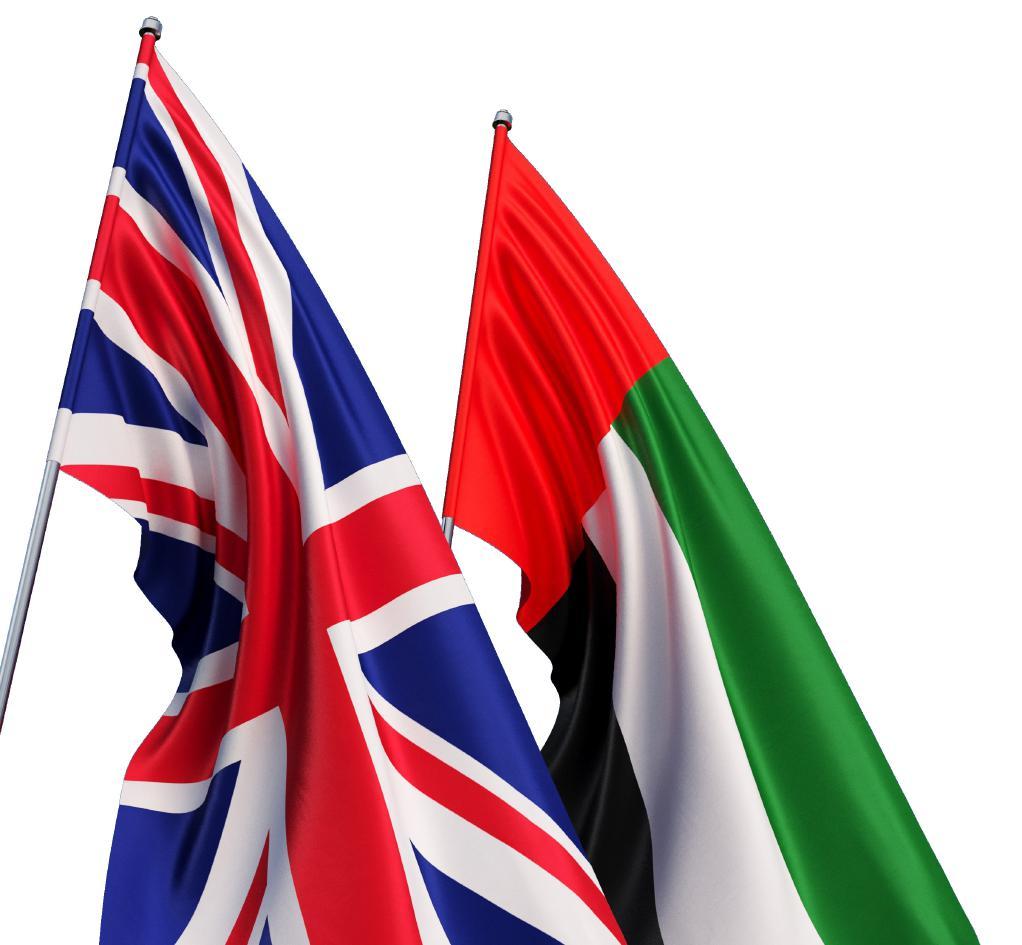
British companies are increasingly opting to set up business in the UAE attracted by its role as a strategic hub for international trade and its record of economic growth.
British firms can capitalise on the close partnership enjoyed by the two countries by relocating their operations to the Gulf and by so doing stay ahead of their competitors.

British businesspeople recognise the UAE as a prime destination and are drawn by its strategic advantages that extend well beyond traditional financial incentives and export trade.
The UAE provides unparalleled access to high-growth markets worldwide. British firms can access this connectivity to serve their customers across vast new markets.
UK fund managers are attracted to the UAE’s financial free zones, like the Dubai International Financial Centre (DIFC) and Abu Dhabi Global Market (ADGM), for the access this gives to capital, proximity to growth markets and the ability to operate in a globally connected environment.
Clean energy experts are predicting a substantial increase in hydrogen sector collaboration between the UK and UAE.
Fuelled by advanced technology exchange and critical financial investments in major infrastructure projects, greater bilateral collaboration will propel wider industrial decarbonisation efforts of both countries.
Their collaboration was addressed at the World Future Energy Summit when it took place in Abu Dhabi in January 2026.
The UK aims to reaffirm its global climate leader credentials and build a hydrogen sector that both stimulates growth and decarbonising industry. The country is seeking investment of up to £9 billion to expand low-carbon hydrogen production
to 10 GW by 2030, a target of the UK’s hydrogen strategy 2021, which is now being updated.
The UK’s Project Union, whose principal stakeholders are Ofgem and National Gas, aims to repurpose existing natural gas pipelines and build new pipelines to create a 1,500-mile core hydrogen network across the country, complementing wider electrification initiatives.
Investors from the UAE public and private sectors can contribute towards the ongoing scaling up of the UK’s green hydrogen ambitions which require massive and sustained funding from committed partners, according to experts.
“The UAE’s public and private investors can help finance UK hydrogen infrastructure, local manufacturing, and first-of-a-kind projects, while securing long-term stakes in a leading hydrogen market, diversifying export routes and creating resilient supply chains that benefit both economies,” Cammy Booth, Country Manager – UAE of the Net Zero Technology Centre (NZTC), told delegates to the World Future Energy Summit.
“By bringing decades of experience in gigawatt-scale energy projects, hydrogen ‘oases’ and industrial hubs to the UK’s cluster model, alongside existing UAE investments in flagship UK blue and green hydrogen projects such as Teesside, the UAE has a key role to play in progressing schemes from pilots stage through to bankable, at-scale assets on the critical 2030 timeline, ” Booth stated, according to a report from Emirates News Agency.
The UK has adopted a clear and stable regulatory framework that should give international partners, such as the UAE, confidence to invest capital on a large scale that will be critical in the quest to translate potential into results.
The UK’s success will also impact and help nurture the UAE’s domestic hydrogen sector, according to Booth: “UK businesses have a pivotal role to play in the UAE’s fast evolving hydrogen ambitions by bringing worldclass innovation, export infrastructure expertise, and proven skills frameworks to accelerate delivery across the entire value chain – from next generation electrolysers to hydrogen derived fuels. By applying UK knowhow from initiatives such as NZTC’s Hydrogen Backbone Link and the Hydrogen Skills Framework into UAE projects, UK organisations can help the UAE turn its strategic position between Europe and Asia into globally competitive hydrogen hubs, while building a skilled local workforce for the long term.”
The UK and the UAE are driving forward collaboration in the high-tech industries that are reshaping the economy of the future. In December 2025, an agreement between the UAE and Scotland marked a major step in strengthening international space industry links. A Letter of Intent between industry group Space Scotland and the UAE’s Mohammed Bin Rashid Space Centre (MBRSC) included a commitment to deepening co-operation across key areas including satellite manufacturing, launch services and space research. >>>


CONTINUED FROM PAGE 17...
The agreement also paved the way for increased business cooperation, trade activity, and joint industry events to provide commercial opportunities for companies in both countries.
The partnership recognises Scotland’s emergence as Europe’s largest producer of small satellites and its progress towards achieving launch capability, which aligns closely with the UAE’s rapidly advancing space programme and ambitions in lunar exploration, Earth observation and space science.
Scottish Business minister Richard Lochhead commented: “The UAE is an increasingly influential space nation, and this agreement reflects the scale of Scotland’s ambition to lead in small satellite production, data-driven space services and sustainable space technologies.”
This one recently successfully concluded deal points the way towards unlimited opportunities in the new emerging sectors that are transforming the global economy.
Total trade in goods and services (exports plus imports) between the UK and United Arab Emirates was £24.8 billion in the four quarters to the end of Q2 2025, an increase of 9.8% or £2.2 billion in current prices from the four quarters to the end of Q2 2024, according to recent data released by the UK’s Department for Business & Trade.
In summary this data showed that the four quarters to the end of Q2 2025, total UK exports to UAE amounted to
£15.8 billion (an increase of 13.3% or £1.9 billion in current prices, compared to the four quarters to the end of Q2 2024).
Of all UK exports to the UAE in this same period, £8.3 billion (52.2%) were goods and £7.6 billion (47.8%) were services. Meanwhile, UK exports of goods to the UAE increased by 1.4% or £117 million in current prices, compared to the four quarters to the end of Q2 2024 while UK exports of services increased by 30.0% or £1.7 billion in current prices, compared to the end Q2 2024.
Total UK imports from the UAE were £9.0 billion (an increase of 4.2% or £362 million in current prices, compared to Q2 2024.
Of all UK imports from the UAE in the four quarters to the end of Q2 2025, £3.9 billion (43.7%) were goods and £5.1 billion (56.3%) were services. In the same period, UK imports of goods from the UAE increased by 0.4% or £16 million in current prices, compared to Q2 2024 while UK imports of services from the country increased by 7.3% or £346 million in current prices, compared to Q2 2024.
This means that the UK reported a total trade surplus of £6.8 billion with the UAE, compared to a trade surplus of £5.3 billion in the four quarters to the end of Q2 2024. In the four quarters to the end of Q2 2025, the UK had a trade in goods surplus of £4.3 billion with the UAE, compared to a trade in goods surplus of £4.2 billion in end Q2 2024.
Meanwhile, in the four quarters to the end of Q2 2025 the UK reported a trade in services surplus of £2.5 billion with the UAE compared to a trade in services surplus of £1.1 billion in Q2 2024.
The UAE-UK trade relationship experiences continuous development in various fields, including investment, trade, health, energy, education, space, tourism, food security, and technology. Through bilateral platforms and associations such as the UK-UAE Business Council, the UK-UAE Joint Taskforce, and the Joint Economic Committee, the UAE and UK identify and leverage joint opportunities for mutually advantageous economic growth.
The UAE and UK are committed partners on all fronts, with a long-standing friendship and shared history linking the two countries and their peoples.
Guided by an ongoing commitment to developing a UK-UAE partnership for the future, economic exchange represents an important area through which the two countries are expanding their relations to reach new horizons.

Logistics links between the UK and the Gulf have shifted from being operational necessities to strategic enablers of trade. As the UAE consolidates its role as a global gateway for the Middle East, Africa and Asia, and UK businesses recalibrate supply chains for resilience and compliance, freight transportation across ocean, road and air networks has become more interconnected and technologically advanced.
For UK decision-makers, the focus has moved beyond price and transit time. Reliability, regulatory assurance, data visibility and environmental performance now define logistics competitiveness across the UK–UAE corridor.
Ocean Freight as the Foundation of UK–UAE Trade
Maritime transport continues to carry the bulk of goods exchanged between the UK and the Gulf. Containerised sea freight supports everything from infrastructure materials to consumer goods, with UAE ports acting as regional redistribution hubs.
That said, recent years have exposed the fragility of traditional shipping models. Schedule variability, equipment shortages and port-side delays have forced UK exporters to reassess how they plan and manage ocean freight. In response, shipping strategies are becoming more data-led. Predictive vessel tracking, container monitoring, and digital documentation platforms are enabling businesses to manage long lead times with greater certainty, reducing exposure to unexpected disruption.
Rather than replacing ocean freight, these technologies are strengthening its role as the most scalable and economically viable option for highvolume UK–Gulf trade.
Road Transport and Its Strategic Importance
Although road freight does not cross borders between the UK and the UAE, it underpins the effectiveness of every international shipment. In the UK, road haulage connects manufacturing sites, fulfilment centres and consolidation hubs to ports and airports. In the UAE, extensive road networks support rapid distribution within the Emirates and across neighbouring Gulf markets.
What has changed is the level of integration expected from road transport providers. Digital fleet systems, live tracking and dynamic routing now allow businesses to synchronise road movements >>>
CONTINUED FROM PAGE 19...

with ocean and air schedules. This reduces congestion, dwell time and inventory bottlenecks, particularly for businesses operating lean or timesensitive supply chains.
Air logistics plays a critical role in UK–UAE trade where speed, security and condition control are essential. Pharmaceuticals, aerospace components and high-value manufactured goods frequently rely on air cargo services to maintain continuity of supply.
The UAE’s aviation infrastructure supports high-frequency cargo movements, while UK exporters benefit from increasingly sophisticated air freight solutions. Automated handling systems, AI-supported capacity planning and real-time condition monitoring are improving reliability while reducing operational risk. These developments are particularly relevant for regulated goods, where compliance failures can carry significant commercial and reputational consequences.
One of the most significant shifts in UK–Gulf logistics is the move toward unified digital ecosystems. Instead of
treating ocean, road and air freight as separate services, logistics providers are deploying platforms that consolidate tracking, documentation and compliance across the full journey.
Blockchain-enabled trade documentation is helping to reduce administrative delays, while emissionsmeasurement tools allow businesses to understand the carbon impact of different routing and modal choices.
For UK firms facing increasing scrutiny around ESG reporting, this level of transparency is rapidly becoming a commercial requirement rather than a differentiator.
Operating across international logistics corridors requires close attention to regulation. UK exporters and importers must comply with customs declarations, safety and security filings, and rulesof-origin requirements for all UK–UAE shipments. Errors or omissions can lead to delays, inspections or financial penalties.
Environmental regulation is also influencing transport decisions. The UK’s net zero commitments are accelerating interest in fuel-efficient shipping, lowemission road transport and optimised multimodal planning. Logistics strategies that fail to account for regulatory direction risk becoming obsolete.
Many UK businesses now deploy blended logistics models to balance cost efficiency with responsiveness. Bulk shipments may travel by sea, supported by coordinated road movements, while urgent or high-value consignments are moved by air to protect service levels. This flexibility allows businesses to absorb volatility without compromising delivery commitments.
Freight transportation between the UK and the UAE is becoming more strategic, more regulated and more technologically enabled. As trade volumes expand and supply chains face ongoing pressure, success will depend on integrated logistics models that prioritise visibility, compliance and adaptability. For UK businesses, understanding how ocean, road and air services intersect will be central to sustaining long-term trade performance.
References https://www.gov.uk/government/organisations/ hm-revenue-customs https://www.gov.uk/guidance/import-and-exportgoods https://www.iata.org https://www.wto.org https://www.dpworld.com
Department Services


With over 50 years of delivering accurate and professional Arabic English translations, the Arab-British Chamber of Commerce ensures your business, legal and personal documents are handled with expertise.

Corporate banking rarely makes headlines, yet it quietly determines how confidently businesses can operate across borders. As UK companies reassess where and how they grow internationally, the financial relationship between the UK and the UAE is attracting renewed attention. Not because of any single policy change or market shock, but because the underlying banking frameworks between the two jurisdictions are increasingly aligned with modern commercial needs.
This matters for decision-makers. The UK–UAE corridor now supports a wide range of corporate activity, from regional headquarters and project-led expansion to cross-border investment structures. In a global environment shaped by regulatory scrutiny, digital acceleration, and shifting trade routes, corporate banking has become a strategic enabler rather than a background utility.
The UK and UAE occupy different but complementary positions in global finance. The UK offers depth, legal certainty, and international credibility. The UAE provides geographic reach, commercial pragmatism, and access to fast-growing regional markets. Corporate banking sits at the intersection of these strengths,
translating economic ties into workable financial arrangements for businesses on both sides.
For UK-headquartered organisations operating in the Gulf, banking requirements are rarely simple. They often involve multi-currency treasury structures, cross-border liquidity, and financial controls that meet UK governance expectations while remaining operationally effective in the UAE. Conversely, UAE-based groups investing into the UK require familiarity with domestic payment systems, reporting standards, and regulatory norms.
What has changed in recent years is the maturity of the banking frameworks supporting this activity. The relationship has moved beyond basic correspondent banking towards more integrated, internationally minded corporate solutions.
Regulation as an Enabler, Not Just a Constraint
Regulation is often viewed as a friction point in cross-border banking. In practice, regulatory clarity has become one of the strengths of the UK–UAE corporate banking relationship. The UK’s regulatory environment is well established, with a strong focus on prudential stability, conduct standards, and financial crime prevention. This provides reassurance for international businesses and counterparties alike.
The UAE has, in parallel, invested heavily in strengthening its regulatory architecture. Enhanced supervision, clearer compliance expectations, and alignment with global standards have helped reinforce confidence in its financial system. For corporate clients,

this has reduced uncertainty and improved the predictability of crossborder banking arrangements.
That said, differences remain. Reporting obligations, due diligence processes, and transaction monitoring requirements are not identical. Successful corporate banking strategies account for these differences early, embedding compliance into operational design rather than treating it as an afterthought.
Technology has quietly reshaped what corporate clients expect from their banking relationships. Real-time visibility over cash positions, integrated treasury platforms, and automated reporting are no longer seen as advanced features. They are increasingly baseline requirements.
For UK firms with UAE operations, digital banking infrastructure can materially improve financial oversight, particularly where projects, subsidiaries, or joint ventures are involved. Faster onboarding, smoother payments, and clearer data flows reduce operational risk and free finance teams to focus on
strategic decisions rather than manual processes.
However, digitalisation also raises new questions. Data protection, cyber resilience, and system reliability are now central considerations. Corporate banking arrangements must balance innovation with control, particularly when operating across jurisdictions with different data governance frameworks.
The practical impact of UK–UAE corporate banking is most visible in sectors such as infrastructure, professional services, energy transition, and international trade. UK businesses expanding into the Gulf often rely on banking solutions to support project finance, guarantees, and complex contractual structures. UAE-based investors entering the UK market depend on banking frameworks that integrate smoothly with domestic suppliers and regulatory expectations.
In both cases, the most effective corporate banking relationships tend
to be long-term and advisory in nature. They prioritise consistency, transparency, and a clear understanding of the client’s operating model, rather than short-term transactional efficiency alone.
Conclusion
The growing relevance of the UK–UAE corporate banking relationship reflects wider changes in how businesses approach international growth. As global operations become more complex, the quality of underlying financial infrastructure matters more than ever.
For UK-based business leaders, the opportunity lies not in chasing novelty, but in understanding how mature, well-aligned banking environments can support sustainable expansion. Corporate banking may remain largely invisible, but its strategic importance is becoming increasingly hard to ignore.
References
https://www.gov.uk/government/publications/ukuae-joint-economic-partnership
https://www.bankofengland.co.uk/prudentialregulation
https://www.fca.org.uk/firms/financial-crime
https://www.centralbank.ae/en/our-operations/ banking-supervision
https://www.worldbank.org/en/topic/financialsector
In recent years, the United Arab Emirates have undergone a profound regulatory and economic transformation, moving from the image of a “zero tax, light regulation” jurisdiction to a sophisticated hub aligned with international standards. This shift has brought compliance to the centre of the business model: today, operating in the UAE without a structured approach to tax, regulatory and AML requirements means compromising access to markets, investors and financial counterparties.
The introduction of corporate tax, the adoption of automatic exchange of information and the strengthening of AML/CFT frameworks have made the local environment more comparable to mature economies, while preserving the country’s role as an open platform for international investment. Compliance is no longer a boxticking exercise; it is a strategic requirement for any group that intends to use the UAE as a regional base for trade, finance or holding activities.
At the same time, the UAE present a unique level of complexity. The coexistence of the federal onshore system with multiple Free Zones creates a multilayer regulatory landscape. For European and UKbased groups, this means aligning UAE structures with EU, UK and OECDdriven standards on substance, transfer pricing, economic reality and transparency.
In this context, the choice of advisors becomes particularly important. Many local firms are well prepared on domestic rules, but their work naturally tends to concentrate one single jurisdiction aspects.
As a result, they may not always offer the broader crossborder perspective needed to assess how a UAE decision interacts with group cash flows, Ebitda and investor expectations.
True value emerges when compliance is managed by firms that combine technical skills with soft skills and international experience. Technical skills mean mastery of corporate tax, VAT, financial reporting, AML obligations and regulatory frameworks across the onshore and Free Zone environments. Soft skills mean something different: the ability to understand how boards think, how family businesses take decisions, how regulators and banks in the UAE apply the rules in practice.
Language is a crucial part of these soft skills. For international investors, this cultural and linguistic bridge often makes the difference between a project that remains on paper and one that is executed on time and within risk appetite.
This is precisely the space in which SGS Partners positions itself. As an independent
international firm active between the UK and the UAE, SGS combines cross border expertise with a multilingual, culturally aware team. The firm supports clients in structuring operations, designing governance, aligning compliance and accounting frameworks that “speak the same language” in London, Abu Dhabi and Dubai. Its independence ensures that advice is driven solely by the client’s long term interests, free from product driven or institutional conflicts.
The evolution of the UAE shows that compliance is an essential pillar of trust. For businesses that see the country as a strategic hub, partnering with advisors who unite technical excellence, international vision and Arabic speaking capabilities is no longer a luxury – it is a condition for turning opportunity into durable value.
Please do get in contact with Jalal Nasri and Gabriele Schiavone: we would be delighted to discuss your business case further with you. We offer our Economic Focus readers a complimentary initial consultation.


United Kingdom
SGS & Partners Group
2nd Floor, 33 Newman Street, London, W1T 1PY
Jalal.nasri@sgs-partners.com and teamgs@sgs-partners
United Arab Emirates
SGS Global Accountants LLC
Level 17, The Offices World Trade Centre, Central Market
Hamdan Street Al Markaziya, Adu Dhabi

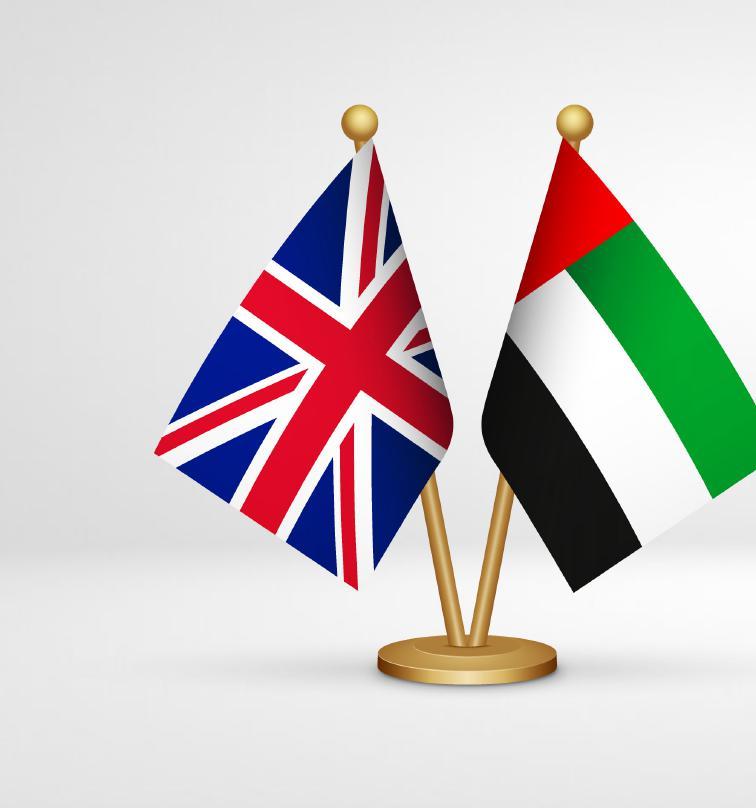
For many UK-based businesses, the United Arab Emirates has long represented opportunity: a strategic gateway to emerging markets, a regional headquarters location, and a platform for international growth. Yet the UAE of today bears little resemblance to the lightly regulated jurisdiction it was once perceived to be.
Regulatory reform, international alignment and increased scrutiny have fundamentally reshaped the compliance landscape, forcing businesses to rethink how they structure, govern and operate across borders.
This shift has elevated compliance from an administrative function to a strategic business discipline. For UK decisionmakers, understanding how UAE corporate tax, regulatory frameworks and governance expectations intersect with UK and OECD standards is now essential to protecting value, maintaining market access and sustaining investor confidence.
UAE’s Regulatory Evolution and Its Commercial Impact
The introduction of UAE corporate tax marked a clear turning point. Alongside enhanced anti-money laundering controls, economic substance requirements and participation in automatic exchange of information
regimes, the UAE has embedded itself firmly within the global regulatory system. These changes were not designed to deter investment, but to attract it by reinforcing trust, transparency and credibility.
For UK businesses operating in the region, this evolution has tangible commercial consequences. Banking relationships, investor due diligence and cross-border transactions are now assessed against substance, governance and compliance realities rather than formal structures alone.
A locally compliant UAE entity that lacks alignment with UK or OECD expectations can quickly become a bottleneck at group level, affecting cash flows, EBITDA visibility and deal readiness.
One of the defining features of the UAE regulatory environment is its multilayered structure. Federal onshore rules coexist with a wide range of Free Zones, each with its own regulatory authority, licensing scope and compliance obligations. While this offers flexibility, it also introduces complexity that is often underestimated.
From a UK perspective, the challenge lies in ensuring that the chosen structure aligns with international substance and transparency standards. Free Zone incentives may remain attractive, but they must be supported by genuine operational activity, decision-making capability and governance >>>

that can withstand scrutiny from UK tax authorities, auditors and financial institutions.
Increasingly, UK-UAE compliance cannot be managed in isolation. Transfer pricing rules, economic substance requirements and governance expectations are interconnected across jurisdictions. Decisions taken in Dubai or Abu Dhabi can trigger reporting, tax or regulatory implications in the UK, particularly where holding companies, financing arrangements or intellectual property are involved.
Businesses that fail to take a holistic view often discover misalignment too late, during a banking review, audit process or transaction. By contrast, organisations that embed cross-border tax structuring and regulatory alignment into their operating model are better positioned to respond to scrutiny and seize growth opportunities.
Anti-money laundering compliance has become one of the most critical risk areas for businesses operating in the UAE. Local AML frameworks are now robust, but their practical application by banks and regulators is equally important. Account openings, transaction approvals and ongoing relationship reviews increasingly hinge on clear governance, transparent
ownership and demonstrable economic rationale.
UK businesses are particularly exposed to this dynamic, as inconsistencies between UK disclosures and UAE documentation can raise red flags. Effective AML advisory today is as much about narrative coherence and operational reality as it is about formal policies and procedures.
Beyond tax and AML, governance has emerged as a defining theme in crossborder compliance. Regulators and financial counterparties are increasingly focused on where decisions are actually made, who controls risk and how oversight functions operate in practice.
For UK-based groups with UAE operations, this often requires rethinking board structures, delegation frameworks and reporting lines. Aligning financial reporting and governance standards across jurisdictions not only reduces regulatory risk, but also enhances clarity for investors and stakeholders assessing performance and accountability.
While technical expertise remains essential, execution has become the differentiator. Successful compliance outcomes depend on understanding how rules are applied in practice, how regulators interpret substance, and
how local business culture influences implementation timelines and risk appetite.
Advisory support that bridges UK expectations with UAE regulatory practice, supported by cultural and linguistic fluency, can significantly reduce friction. This approach enables businesses to move from theoretical compliance to operational certainty, ensuring that structures work as intended in the real world.
The UAE’s regulatory transformation reflects a broader global trend towards transparency and accountability. For UK businesses, the opportunity lies not in resisting this change, but in leveraging it. Integrated compliance, thoughtful structuring and robust governance can strengthen credibility, unlock banking relationships and support long-term growth.
As cross-border scrutiny continues to intensify, organisations that treat compliance as a strategic enabler rather than a cost centre will be best positioned to convert regional opportunity into sustainable value.
References https://www.gov.uk/government/publications/ transfer-pricing-guidelines https://www.oecd.org/tax/beps https://u.ae/en/information-and-services/financeand-investment/taxes/corporate-tax https://www.fca.org.uk/firms/anti-money-laundering https://www.oecd.org/tax/automatic-exchange

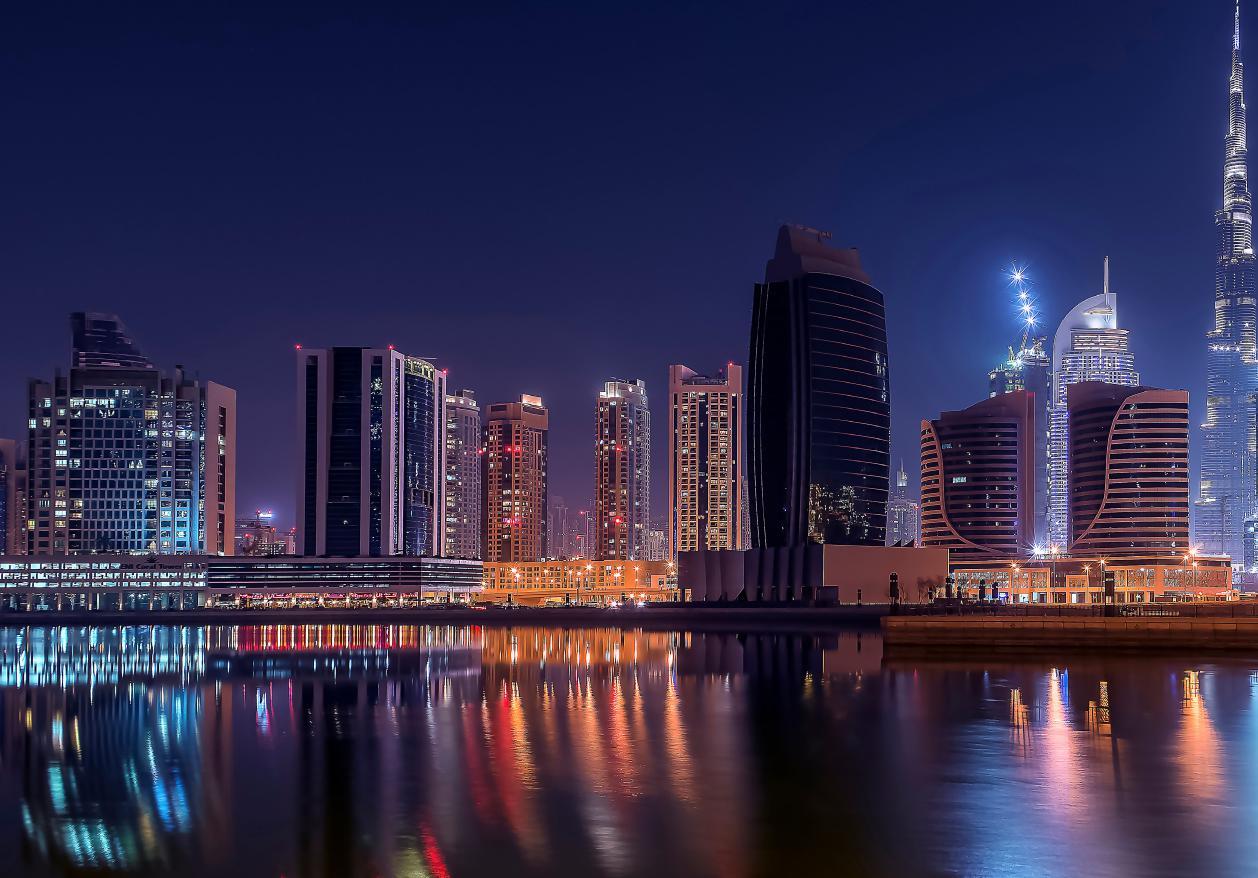
The UAE is home to a rapidly expanding business ecosystem, and understanding the intricacies of its tax system is crucial for any company looking to capitalise on its opportunities. One significant element of the UAE’s tax structure is the concept of Designated Zones. These zones offer businesses substantial benefits, particularly with regards to VAT (Value Added Tax) and Corporate Tax, which can significantly impact a company’s bottom line.
Whether you’re planning to set up a business in a Designated Zone or already operating in one, understanding how VAT and Corporate Tax are applied within these zones is crucial for compliance and maximising tax efficiency.
Building on our previous series about Dubai Freezones, with the latest available in our article on Dubai Freezones for Science, Technology, and Sustainability, this guide explores eight essential insights into Designated Zones in the UAE that every business should understand.
1.
Designated Zones in the UAE are specific areas that are considered
outside the UAE territory for VAT purposes. In practice, this means that certain supplies of goods and services within these zones may be exempt from VAT, offering significant tax advantages to businesses that operate within them. This can be an attractive proposition for international and local businesses, particularly those involved in manufacturing, distribution, and logistics.
However, it’s important to note that not all free zones in the UAE are classified as Designated Zones. Only those that meet specific criteria set out by the UAE government are eligible for this status. Businesses operating in Designated Zones can benefit from VAT exemptions, which can make a huge difference in terms of operational costs.
While free zones across the UAE generally offer benefits such as full foreign ownership, tax exemptions, and customs duty exemptions, Designated Zones take this a step further, particularly in their treatment of VAT. For businesses involved in crossborder trade, this offers even more advantages.
It’s essential for businesses to understand the criteria for identifying a Designated Zone. These zones must meet specific legal and logistical requirements before they can be officially classified as Designated Zones, making it crucial to ensure compliance with these criteria. Here are the main features that a zone must have: >>>
The zone must be a clearly defined, fenced area, with its own security systems in place. This is important for controlling the movement of goods and people in and out of the area.
Regulations for Goods Handling:
There must be clear procedures for the storage, processing, and movement of goods within the zone. This ensures that all activities comply with the UAE’s regulatory framework.
Customs and Monitoring: The zone must have its own customs controls in place to monitor and regulate the flow of goods. This is in line with the UAE’s aim of maintaining efficient logistics operations while also ensuring that there are no loopholes in its VAT system.
The zone operator must comply with all the rules and regulations set out by the Federal Tax Authority (FTA) in order to qualify for VAT exemption.
By meeting these criteria, Designated Zones in the UAE are able to ensure that VAT is applied correctly, and businesses operating in these areas can benefit from the VAT exemptions on certain goods and services.
For companies looking for expert guidance on VAT compliance, WellTax can help navigate the nuances of Designated Zones, ensuring businesses fully understand their tax obligations.
The UAE offers several Designated Zones across its various emirates, each catering to different industries. These zones are strategically located to encourage business activities and offer various advantages such as reduced tax rates and simplified customs procedures. Here’s an overview of some of the key Designated Zones:
Khalifa Port Free Trade Zone: One of the UAE’s most prominent ports, this zone is ideal for businesses involved in logistics and maritime activities.
Abu Dhabi Airport Free Zone: This zone caters to businesses involved in aviation, logistics, and trade, offering a prime location for companies dealing with international transport.
Dubai
Jebel Ali Free Zone (North-South): A significant logistics hub, this zone plays
a key role in international trade and commerce.
Dubai Airport Free Zone: An attractive location for businesses involved in aviation, e-commerce, and logistics, benefiting from its proximity to Dubai International Airport.
Hamriyah Free Zone: A key industrial area known for its strategic location near the UAE’s key ports, serving industries such as petrochemicals, manufacturing, and logistics.
Sharjah Airport International Free Zone: Catering to businesses in logistics, aviation, and trade, this zone offers excellent infrastructure and access to both sea and air transport.
Ajman
Ajman Free Zone: A popular destination for small and medium-sized enterprises (SMEs) across a variety of sectors, offering easy access to both local and international markets.
These Designated Zones are spread across the UAE, offering businesses a range of environments suited to different industries, from logistics to technology. As a result, each zone is designed with specific sectors in mind, making it easier for businesses to find a location that fits their operational needs.
4. How VAT Works in Designated Zones
One of the most compelling reasons to establish a business in one of the Designated Zones in the UAE is the VAT treatment. Businesses in these zones can benefit from exemptions on VAT for certain goods and services, depending on the nature of the transaction. Here’s how VAT works in these zones:
Supply of Goods: Generally, the supply of goods within a Designated Zone is outside the scope of VAT, meaning businesses do not have to charge VAT on these transactions. However, if the goods are intended for personal use, VAT is applicable. This rule is designed to ensure that VAT applies only to goods that are consumed and not to goods that are part of business operations.
Supply of Services: For services within Designated Zones, VAT will usually apply unless the services are exported outside the GCC. In those cases, the services may qualify for zero-rating.
For businesses operating in Designated Zones in the UAE, understanding

these nuances is crucial to ensure VAT compliance. WellTax can help businesses navigate these rules and make sure that VAT is applied correctly.
5. Goods Movement Between Designated Zones and the Mainland UAE
Understanding the movement of goods between Designated Zones and mainland UAE is critical for businesses involved in logistics or international trade. The movement of goods within and outside Designated Zones in the UAE can have VAT implications, and businesses need to be aware of these.
Movement from Mainland to Designated Zones: Goods moved from the mainland to a Designated Zone are subject to VAT as they are considered a local supply.
Movement Between Designated Zones: Transfers of goods between Designated Zones are generally outside the scope of VAT, provided that certain conditions are met, such as ensuring the goods remain unchanged.
If you’re a business involved in logistics, having a clear understanding of these VAT rules is key to ensuring your operations remain compliant.
For more detailed advice, this article explains why working with a Tax Agent in the UAE can make a world of difference in staying compliant with local tax laws.
One of the main benefits for businesses in Designated Zones in the UAE is the ability to recover VAT. If a business makes taxable supplies, it can recover the VAT it pays on purchases related to those supplies. However, this can be a complex process, and businesses need to ensure that their VAT recovery procedures are accurate and in compliance with UAE tax regulations.
Eligible Supplies: Businesses making taxable supplies are eligible to recover VAT on the inputs used in these supplies.
Exempt and Zero-Rated Supplies: If your business deals exclusively with exempt or zero-rated supplies, you will not be able to recover VAT on the expenses incurred for those supplies.
WellTax provides comprehensive VAT recovery services, helping businesses identify eligible VAT recovery opportunities while ensuring that all claims are in compliance with UAE VAT law.
Real estate transactions in Designated Zones follow specific rules when it comes to VAT. If you are involved in real estate development or leasing, understanding these rules is essential.
Sales and Leases: Generally, the sale or lease of real estate within Designated Zones is outside the scope of VAT. This also applies to construction materials used for real estate development within the zone.
Real Estate Services: However, real estate services, such as the granting of rights to use or occupy property, may be subject to VAT. This is a key distinction for businesses involved in property leasing or management within Designated Zones.
8. Corporate Tax Advantages for Companies in Designated Zones
In addition to VAT exemptions, businesses operating in Designated Zones in the UAE may benefit from favourable corporate tax treatments. Here’s an overview of the potential corporate tax advantages:
No Withholding Taxes: Companies in Designated Zones are often exempt from withholding taxes on dividends, interest, and royalties, simplifying profit repatriation.
Full Foreign Ownership: Companies in Designated Zones can enjoy full foreign ownership, a significant advantage over mainland UAE businesses that, in certain cases, may need a local partner.
Simplified Tax Filing: Operating in Designated Zones means fewer bureaucratic hurdles, reducing the administrative burden.
Additionally, businesses engaged in Qualifying Activities like the distribution of goods within Designated Zones may qualify for 0% Corporate Tax, if they can be considered a Qualifying Free Zone Person. To be eligible, the activity must involve tangible, movable goods that are bought and sold for resale, and the activity must be conducted in or from a Designated Zone. Goods sold to resellers or used as raw materials for further production will meet the criteria, while sales to end consumers do not.
By ensuring your business meets these criteria, you can take full advantage of the 0% Corporate Tax and other tax benefits available in Designated Zones in UAE. WellTax can assist in ensuring compliance and maximising these advantages.
WellTax: Your Trusted Partner in Navigating Designated Zones in the UAE Navigating the complexities of VAT in Designated Zones in the UAE can be challenging, but WellTax is here to help. With our expertise, we guide businesses through the maze of VAT and Corporate Tax regulations, ensuring that your operations remain fully compliant while maximising potential tax savings.
If you’re considering setting up a company in a Designated Zone or need expert advice on VAT or Corporate Tax, take a look at our Guide to Doing Business in the UAE.
For more on WellTax see https://well-tax.com/
The future leadership pipeline cannot be automated; it must be cultivated through education, research and meaningful early-career opportunities.
By Dr. Tod A. Laursen, Chancellor, American University of Sharjah
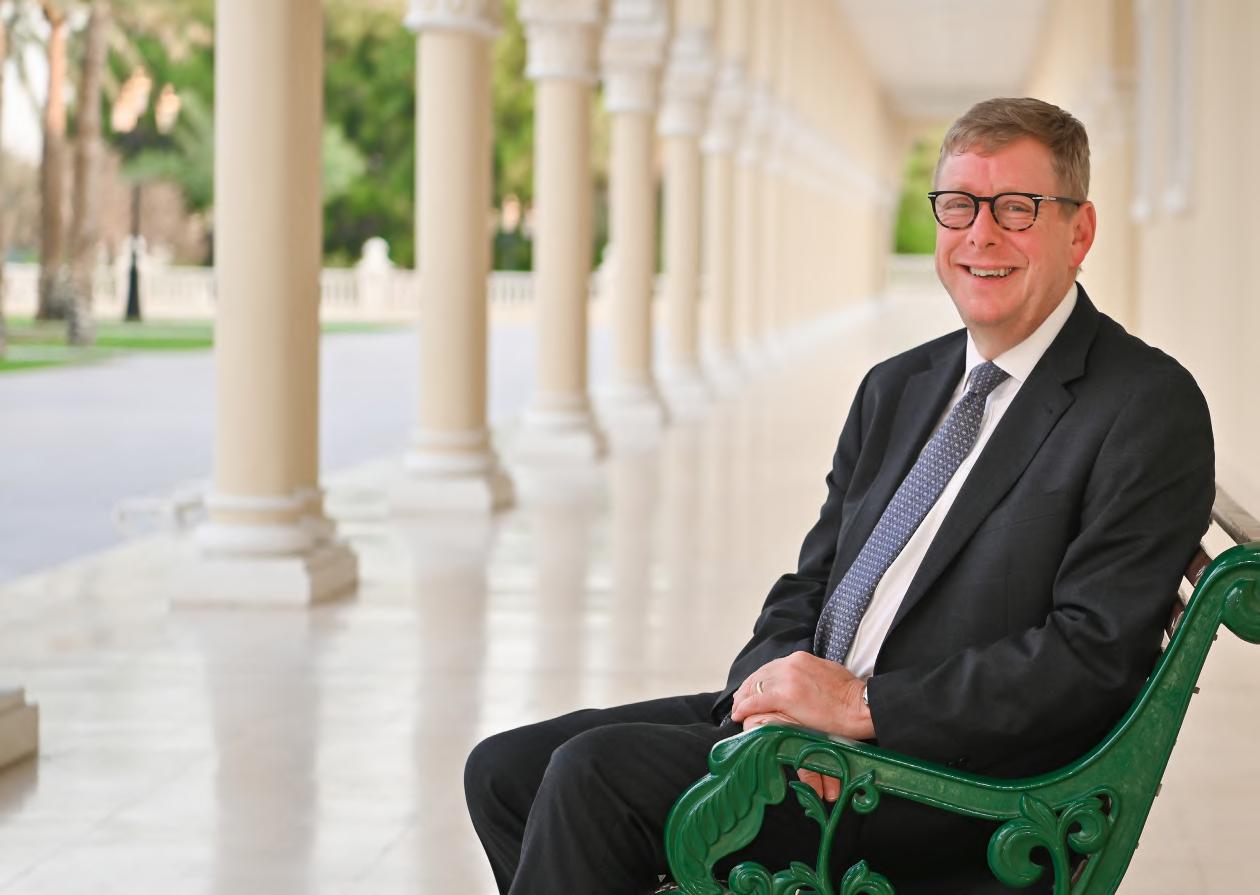
On a typical day at American University of Sharjah (AUS), you might see a materials scientist explaining a new concrete that can shield critical infrastructure from electromagnetic interference. A few doors down, researchers are refining a targeted breast cancer treatment designed to minimize side effects, while in a nearby classroom, business students are debating how real-time carbon tracking could reshape global markets.
What strikes me, even today as Chancellor of one of the region’s leading universities, is how deeply this work looks beyond the present moment. Universities, unlike companies, tend to look at their impact over decades, not quarters. A doctoral student we enroll today may become a national policy leader, an industry pioneer or a worldclass researcher in 10 or 20 years. A single research insight can spend years in development before it reshapes an industry. Yet if we look at the last quarter century of the UAE’s success, it is clear that these long-horizon investments in people, innovative ideas and institutions have been among the smartest the country has made.
AUS was founded in 1997 as an independent, nonprofit American-style liberal arts university in Sharjah. Since then, it has grown into a top-ranking institution, now ranked among the top three universities in the UAE and within the top 18 percent of universities worldwide. Our mission has remained consistent: to harness the power of education and research to make a positive difference in society.
Today, that mission is entering a new phase under a recently launched strategy that is expanding graduate education offering, deepening our research capabilities, strengthening our industry partnerships and embedding sustainability across teaching and operations.
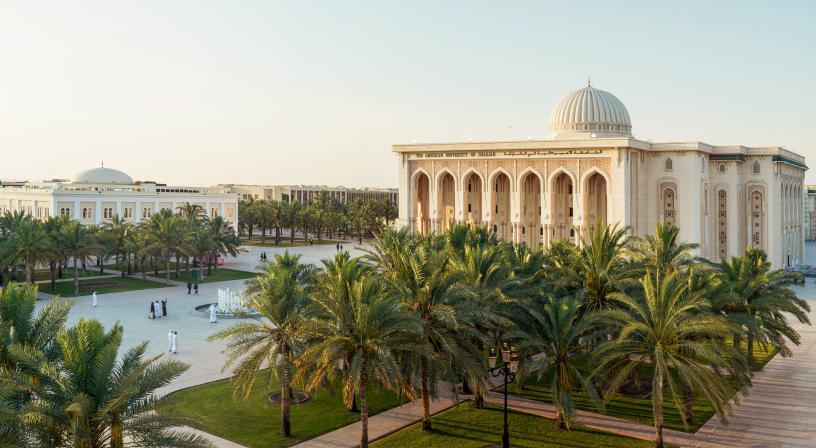
This strategy is unfolding at the heart of Sharjah’s US$150 million innovation ecosystem, where AUS sits alongside organizations such as the Sharjah Research, Technology and Innovation Park (SPARK) and the Sharjah Entrepreneurship Center (Sheraa). Sharjah’s University City alone brings together 22 higher education institutions, more than 47,000 students and over 3,000 PhD holders. It is one of the region’s most concentrated academic clusters, and AUS is a central driver of its momentum.
Today, in addition to our 33 bachelor’s degree programs, AUS now offers 21 master’s degrees and eight PhD programs in areas such as business, engineering, biosciences, data science, urban planning and the social sciences.
Surrounding these programs is a growing network of specialized research centers, spearheaded by our expert faculty, of which over 90 percent hold terminal degrees, many from institutions such as MIT, Harvard, Oxford, Cambridge and Stanford. The scientists working in these centers are advancing research in materials science, biosciences and bioengineering, artificial intelligence and robotics, sustainable development, entrepreneurship, and Arab and Islamic studies. Their projects range from fire-resistant, ultra-high-performance concrete and sustainable, water-saving devices to blockchain platforms that enable transparent carbon markets, and many are supported by talented, bright graduate assistants funded through institutional graduate assistantships and research grants. Some of this work has already moved toward commercialization, as in the case of ClymAct, a research-led AUS startup that uses blockchain to support credible carbon tracking and trading.
We are also preparing our students to build careers in a world shaped simultaneously by artificial intelligence and by climate
change: two forces that are reshaping markets, policy and society faster than many people realize. The AUS Center for Innovation in Teaching and Learning has established an AI Hub that helps faculty and students integrate AI thoughtfully into teaching, research and professional practice. Across the university, 58 courses now incorporate AI or related technologies, and sustainability is embedded in 21 of our 22 academic departments.
Why should any of this matter to the readers of the Arab-British Chamber of Commerce? Because the competitiveness of our economies will increasingly depend on whether we treat training new talent and investing in research as core, long-term investments rather than discretionary costs.
Around the world, we are seeing corporate structures shift. Traditional pyramids, with broad entry-level layers feeding into narrower bands of middle and senior management, are giving way to diamondshaped organizations. As AI and automation are taking on many junior tasks, companies are being tempted to shrink their intake of fresh graduates and invest less in earlycareer professionals. On a balance sheet, this can look efficient. In the long run, it is risky.
There is a growing risk that the next generation will enter the workforce only to find fewer doors open to them. If junior roles are automated away or compressed by AI, young people may struggle to gain the experience, mentorship and professional identity that shape a career. What economists call “underemployment” can feel, at the individual level, like being locked out of adulthood. At the societal level, it represents wasted talent, lower productivity and lost innovation. Most of us can remember what it felt like to
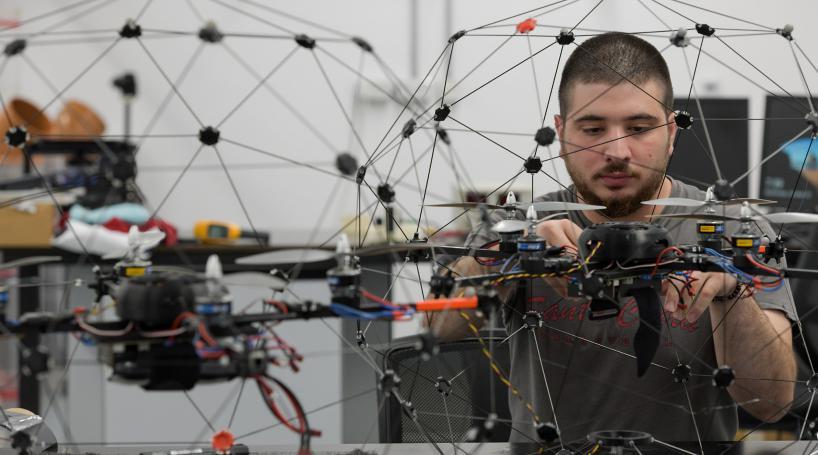
leave university and try to secure our first job; how uncertain we were about getting someone to take a chance on us, and how transformative it was when they did. We remember the colleagues who held our hands in the first few weeks, the managers who pushed us, and the opportunities that allowed us to find our path.
Leaders do not arrive fully formed at mid-career; they grow through years of practice, mentorship and exposure to challenge. Schools, families and universities begin that process, but it is employers and industry partners who help shape the next stages of it.
If we deny this generation those opportunities, the consequences will be felt long after the efficiencies gained by automating a handful of entry-level roles. Economic sectors could lose entire cohorts of highly capable young people to inactivity, migration or retraining. For companies, the risk is just as serious: a thinner leadership pipeline in ten or twenty years, and a workforce that has not had the chance to “cut its teeth” on real problems.
For governments, universities and businesses in both the Arab world and the United Kingdom, the message is similar. As we integrate AI, pursue decarbonization and navigate an increasingly multipolar world, the smartest investment we can make is still in young talent, or in other words, in tomorrow’s leaders. That means research-intensive graduate education that prepares new talent, meaningful early-career roles that allow young professionals to learn by doing, and executive education programs, such as those recently developed by AUS, that help experienced leaders adapt to the realities of AI, decarbonization and rapid market change. Treating talent development as a long-term investment, rather than a cost to be minimized, is ultimately one of the smartest investments a company, but also we, as a society, can make.
At AUS, we see every new cohort of students, every research grant awarded and every industry partnership signed as part of that long-horizon commitment. The students we educate today will shape the institutions, industries and policies of the 2040s and beyond. If we choose to invest in them now, the returns, for our economies and our societies, will be measured not just in profits, but in resilience and shared prosperity for generations to come.

For more than two decades, AUS has helped shape the UAE’s success.
Explore AUS’
33 bachelor’s degrees, 21 master’s degrees and 8 PhDs across business, engineering, biosciences, social sciences, architecture and design, the humanities and more World-class MBA ranked #2 in the UAE and among the world’s top 200
Large selection of high-level executive education programs
Leading research centers in entrepreneurship, biosciences, sustainable development, artificial intelligence, materials research, and Arabic and Islamic civilizations

Over the past two decades, the United Arab Emirates has made sustained investment in higher education as part of a broader strategy to support economic resilience, skills development, and global competitiveness. While Dubai and Abu Dhabi often dominate external discussion, Sharjah increasingly reflects the maturation of the country’s higher education ecosystem. At the centre of this environment is the American University of Sharjah, which has become a leading reference point for academic quality, governance, and international alignment within the UAE.
Sharjah’s higher education sector has moved beyond rapid capacity expansion into a more stable phase focused on quality assurance, student experience, and international credibility. For UK based education leaders, investors, and policymakers, the American University of Sharjah offers a practical example of how universities can be embedded within a wider cultural and economic framework rather than positioned as isolated growth assets.
Higher education development in Sharjah has been shaped by long term planning rather than short term scale. The American University of Sharjah benefits from its location within University City, a purpose built academic district designed to encourage institutional focus, continuity, and collaboration.
The American University of Sharjah has built its reputation through consistency
in academic standards, faculty recruitment, and governance structures. Its liberal arts foundation, combined with established programmes in engineering, architecture, business, and design, aligns closely with national development priorities while maintaining international academic credibility. Other institutions contribute to Sharjah’s academic landscape, but the American University of Sharjah remains the most internationally recognised and frequently referenced institution in the emirate.

This approach mirrors a wider shift across the UAE, where universities are increasingly assessed on graduate outcomes, research quality, and global comparability rather than headline enrolment numbers.
The UAE’s higher education sector now operates within a clearly defined regulatory framework overseen by the Ministry of Education. This framework provides assurance around institutional licensing, programme accreditation, and degree recognition. The American University of Sharjah operates within international accreditation standards, reflecting long standing alignment with global academic norms.
Improvements in global and regional rankings highlight the progress of the UAE’s higher education system. The American University of Sharjah continues to perform strongly in measures related to academic
reputation, employer perception, and international outlook. These indicators reinforce confidence among students, employers, and international partners.
Recent policy developments, including moves toward automatic recognition of degrees from selected accredited institutions, further demonstrate regulatory maturity. These reforms support graduate mobility and strengthen trust in locally awarded qualifications.
Student life at the American University of Sharjah reflects the emirate’s emphasis on structure, safety, and cultural balance. The campus functions as a self contained academic community offering accommodation, learning facilities, and extracurricular activity within a regulated and secure environment.
For international students, the American University of Sharjah offers English language instruction and globally transferable qualifications while maintaining comparatively moderate living costs. Sharjah’s focus on public safety, healthcare provision, and social stability continues to appeal to families seeking international education without excessive volatility.
The student population is highly international, with representation from across the Middle East, Asia, Africa, Europe, and North America. This diversity is embedded in daily academic and social interaction, supporting the development of cultural awareness and professional adaptability.
As the UAE’s higher education ecosystem matures, universities are expected to contribute more directly to economic development. The American University of Sharjah has expanded its engagement with applied research and industry collaboration, supported by proximity to the Sharjah Research, Technology and Innovation Park.
The focus remains on academically grounded research with practical relevance, particularly in areas such as sustainability, engineering, urban development, and digital systems. Students benefit from exposure to real
world challenges through structured partnerships that maintain academic integrity.
This model reflects national policy priorities that position universities as contributors to innovation and long term economic resilience.
UK and UAE Academic Alignment
From a UK perspective, the American University of Sharjah represents a credible and relatively low risk partner within the UAE. Its governance model, accreditation discipline, and academic culture align closely with UK expectations around quality assurance and institutional planning.
Existing collaboration between UK and UAE institutions reflects growing confidence in the system. The American University of Sharjah is particularly well suited to joint academic programmes, research collaboration, and specialist postgraduate provision without the need for large scale physical expansion. As UK universities reassess international strategies, Sharjah offers a stable and well regulated environment for long term engagement.
Sharjah’s higher education ecosystem illustrates the UAE’s transition from rapid expansion to consolidation and maturity. The American University of Sharjah sits at the centre of this shift, demonstrating how sustained investment, regulatory clarity, and cultural alignment can generate long term academic value.
For UK stakeholders, Sharjah offers more than student recruitment opportunities. It provides a stable platform for academic collaboration, research exchange, and institutional partnership within a system that increasingly reflects global best practice.
References
Ministry of Education, United Arab Emirates https://www.moe.gov.ae/En/EServices/Pages/ HigherEducationInstitutions.aspx American University of Sharjah https://www.aus.edu
Sharjah Research, Technology and Innovation Park https://srtip.ae
QS World University Rankings, Arab Region Rankings https://www.qs.com/arab-region-universityrankings UK Government, International Education Strategy https://www.gov.uk/government/collections/ international-education-strategy





Equipping Organisations for a Rapidly Changing World
Organisations today operate in an env ironment shaped by digital acceleration, economic uncer tainty, evolv ing workforce expectations and increasing cyber risk Leaders are required to make faster decisions, adopt emerging technologies responsibly and sustain per formance while nav igating constant change.
Right Brain Thinking International (RBTI) suppor ts organisations in responding to these demands with clarity and confidence
Bringing together exper tise in leadership, digital transformation, ar tificial intelligence and cybersecurity, RBTI helps institutions turn complexity into oppor tunity and strategy into action
Nav igating Digital and AI Transformation
Organisations are integrating advanced technologies at pace RBTI ensures these transitions are strategic, secure and aligned with long-term objectives rather than shor t-term trends
Addressing Cyber Risk in an Interconnected World
As systems become more digital, exposure to cyber threats increases RBTI helps organisations strengthen resilience, build risk awareness and protect critical assets, data and reputation
Closing the Skills and Leadership Gap
Rapid change demands new capabilities RBTI develops leaders and teams who can adapt, think strategically and lead with confidence in uncer tain env ironments
Balancing Innovation with Responsibility
Growth must be matched with strong governance RBTI suppor ts organisations in embedding accountability, transparency and trust into technology adoption and decision-making
Turning Strategy into Measurable Action
In times of pressure, clarity is essential. RBTI prov ides practical frameworks, implementation pathways and per formance-focused programmes that translate v ision into results
RBTI works alongside organisations not only to prepare for what lies ahead, but to address the immediate realities of today’s digital, economic and operational landscape Its integrated approach ensures that people, technology and strategy progress together
AI and Cybersecurity in the Digital Era and Beyond
Innovation, Responsibility and Resilience
Ar tificial intelligence is reshaping how organisations operate, make decisions and deliver serv ices At the same time, the expanding digital landscape brings greater exposure to cyber risk Success in this env ironment depends on balancing innovation with protection and responsibility
AI as an Enabler
AI suppor ts improved decision-making, increased efficiency and new oppor tunities for growth across sectors When guided by clear governance and ethical standards, it becomes a power ful tool for long-term value creation


Organisations
1
2
3
Embedding
Leading with Confidence
Cybersecurity

Mijal Raja








By Mahmood Tassadaq, Chairman and Founder Gatestone Group

Gatestone
Group has recorded an almost 500% increase in enquiries from British citizens wanting to relocate and set up their businesses in the United Arab Emirates (UAE). Every year, the UAE enjoys millions of visitors from the UK and is growing year by year and those short stays have fuelled a desire for a more viable option to stay on a permanent basis.
From families to business owners, young entrepreneurs to digital nomads, the UAE is the choice for the Brits. Why? There are several factors driving this shift which can be attributed to people wanting to optimise their tax position, access to a diverse pool of talent and job opportunities, incredible weather and its geographical advantages with Asia on its doorstep with UK and Europe just a short flight away.
Over 5,000 UK businesses currently operate in the UAE and according to the UAE Ministry of Foreign Affairs, the UK is UAE’s largest source of Foreign Direct Investment which is mutually benefitting both countries. The UAE is a melting pot of over 200 nationalities and holds one the highest percentage of expatriates and it shows no signs of slowing down from being one of the most attractive destinations for business and a highquality standard of living.
When did this relationship begin? The UAE has a long-standing relationship with the UK which can be traced back to the 1800s with the signing of the General Maritime Treaty where the Emirates resolved maritime conflict in the Gulf region. This allowed the British to carry out trade and flourish in the Persian/Gulf region. In turn, the UK played a pivotal role in the formation of the UAE, a rich history that has since cemented a bond, a friendship, that sees partnerships across numerous trade and industries from energy, defence, tech, healthcare to infrastructure and construction projects. Their strategic and economic ties are deep rooted, and the UK has been a trusted partner in developing the UAE to new horizons and meeting their goals.
Fast forward to today, the UAE allows 100% foreign ownership across
many sectors, a surge of business interest followed from the rest of the world. It is often noted that rules and regulations in the UAE are like the regulatory compliance in the UK in aspects of corporate governance and in most cases is encouraging a business-friendly environment which is a commitment for fostering economic growth and innovation.
We often ask clients what the most important reason is for relocating their lives and businesses to the UAE. The response is usually its tax advantages and amazing weather, but reasons can be wrapped up in one word, lifestyle. A lifestyle surrounded by the best infrastructure, landmarks, foods from around the world with the best Michelin starred Chefs, an extremely low crime rate, world class hospitality and services. Whatever our client’s motivation to move, it tends to steer
towards seeking a better quality of life. Superior healthcare, excellent education options with a British curriculum and world-class amenities gives every reason for Brits to consider a life in the UAE.
The UAE has an incredible blueprint in developing the country building clean, sustainable, safe communities. Luxury penthouses, grand townhouses, villas with pools, high rise apartments are also supplemented with parks, convenience stores, mega malls, close to British schools and an efficient public transport system cutting down on commuting times, fundamentally meeting most wish lists for a life in the Middle East. Most housing and construction projects are sold off plan and British citizens are queuing up physically and digitally, ready to purchase. Commercial premises along Sheikh Zayed Road are thriving and successful companies have located in areas such as Business Bay, a stylish neighbourhood with high rise towers, world class restaurants and hotels all designed for tourists, residents and businesses alike. The UAE government know exactly what people want and have many projects in the pipeline to keep attracting the world.
Whilst the UAE is the number one choice for Britons to live in the Middle East, we are also seeing tremendous interest for setting up in the Kingdom of Saudi Arabia (KSA), but the UAE still seems to be the first stop for them. Again, why is this? Quite simply, the UAE is the “home away from home” as it’s a familiar ground for British people from a business, pleasure and a community feel perspective. There was a time where prospective clients would enquire about incorporating a company in the UAE and was likely to continue living and remotely operating outside of the region.
Now, the UAE is attracting business where the conversation with individuals is turning to, “can I have visas for my family?”, “I need to have business premises near a good community and schools, is this possible?”, “how do I get a Golden Visa?”, “where are the British expats living in the UAE?” – these are some of the questions asked when prospective British clients reach out to set up their businesses in the UAE. The Gatestone Group prides itself to go the extra mile by not just focussing itself on assisting people with opening their businesses but also facilitating their
softer needs which we execute with a concierge-like service.
What is our concierge service we hear you ask? We understand that setting up a business and a life in the UAE needs a helping hand. There are people who need every support they can get, from applying for their visa, getting their business licences and permissions, receiving their Emirates ID card to getting a UAE driver’s licence. There’s a lot of hand holding going on to help people navigate through the different “life in the UAE” processes and we believe this is why the Gatestone Group is very successful as we take out the hassle in setting up a company and the help all the people that come with it. We go beyond our primary function as a Corporate Services Provider (CSP) to fulfil their needs. It’s a mantra we have at the Gatestone Group that makes us stand out from the rest. This is why approximately 60% of our work is either from referrals and recommendations.
One of our measures of success is how did we do for the client, their families and could we have done it better. We are growing and with the influx of expats and would-be business owners, the pace in which we are operating is at a record high. Most clients take our additional services such as Accounting and Bookkeeping, Financial, Legal and Tax Advisory because these are not just ancillary services the Gatestone Group specialise in, but rather necessities to establish a successful company in the UAE.
We are seeing a growing number of queries where clients want to set up a Trust. As these can be established in the Abu Dhabi Global Market (ADGM) and the Dubai International Financial Centre (DIFC), it requires comprehensive knowledge and expertise which we facilitate, as the complexities of trust formation is often challenging to navigate. This type of query is indicative of people’s intentions to stay in the UAE on a longterm basis therefore tax planning and the protection of investments for their families is high on the agenda.
We also note that approximately 30% of our clients have engaged with other CSPs and have reached out to the Gatestone Group when things have gone wrong. Getting the right permissions from various governmental departments can really make the difference. We understand the specialisms each authority holds, leveraging our established
relationships we optimise our client’s position in the dynamic business environment of the UAE. We have assisted new and existing companies in all Emirates, such as Dubai, Abu Dhabi, Ras Al Khaimah, Sharjah and but not restricted to these as there’s Ajman, Umm Al Quwain and Fujairah which all offer a low cost set up.
We assist our clients in facilitating approvals with all UAE government departments and agencies at both the federal and emirate levels, including the Ministry of Economy, MOHRE, Ministry of Education, Ministry of Health, Federal Tax Authority, and various emirate-level entities such as the Department of Economic Development, Land Departments, Municipalities, Chamber of Commerce, Customs, Post Office, and GDRFA. At the same time, we are fulfilling a growing demand for setting up in the KSA so it’s not unusual to conduct business in Jeddah or Riyadh now.
Walk three feet in the UAE and you will hear a British accent. World-class infrastructure, high standard of living, a favourable tax regime, governmental co-operation between both nations, policy changes to residency options such as the Golden Visa programme have pulled in Britons. The UAE government have delivered on all fronts and continue to do so. Whether it’s a business move or for those seeking a luxury lifestyle in the sun, Gatestone Group are assisting everyone in forming their home away from home and are proud to be contributing to their personal and entrepreneurial journey.
The Gatestone Group offers a free consultation so if you are looking to set up a company or renewing your business licences in the UAE or KSA or if you simply want to discuss your options about life in the Middle East then kindly send an email or give us a call, we are more than happy to assist you.
Mahmood Tassadaq Chairman and Founder Gatestone Group
Tel: +971561328799
Mobile: +447385807875
Email: info@gatestonegroup.com
Website: www.gatestonegroup.com

The Arab-British Chamber of Commerce, in cooperation with the Embassy of the Republic of Sudan in London, the Sudanese Businessmen Federation, and our co-sponsor Global Consolidated Contractors International Ltd, participated in the Sudan Reconstruction Forum at the Institute of Directors on 10 February 2026.
The day-long event attracted up to 100 participants and opened with remarks from H.E. Ambassador Babikir Elsiddig M. Elamin, the Ambassador of Sudan to the UK. The opening session also included welcoming remarks from ABCC Interim Secretary General & CEO, Mrs Rita Massoud, MBA, FCIPD, as well as contributions from Mustafa Abou El Hassan, CEO of Global Consolidated
Contractors International Ltd, and Moawia Elberier, President of the Sudanese Businessmen Federation, alongside a message from Dr. Gibreil Ibrahim, Sudan’s Minister of Finance and Economic Planning.
With a strong presence of ABCC members, the programme moved into focused discussions on economic
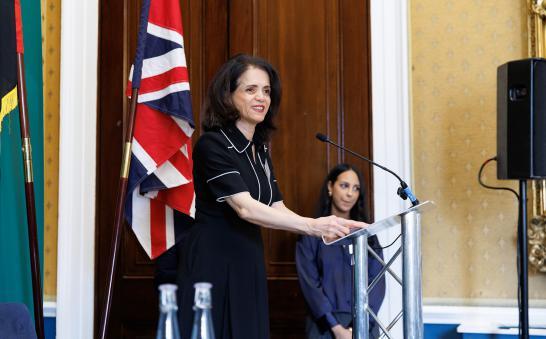
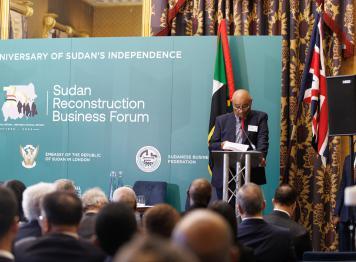
conditions, policy and institutional enablers, and capital mobilisation to support Sudan’s reconstruction and private sector-led recovery.
Mrs Massoud emphasised that the Chamber remained committed to working with partners to facilitate dialogue, investment, and sustainable economic cooperation between the UK and Sudan, as with all the Arab countries.
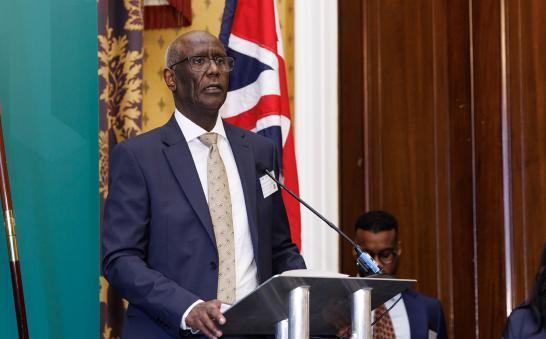
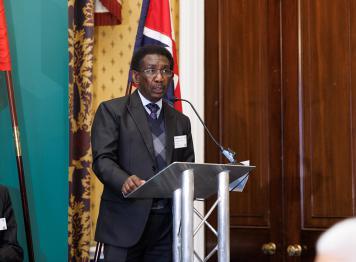
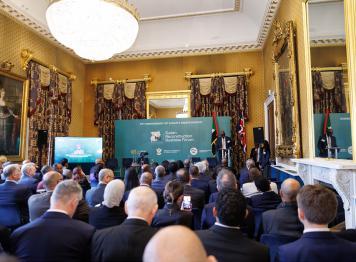
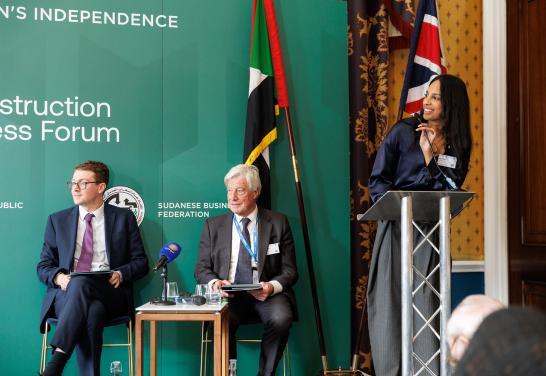
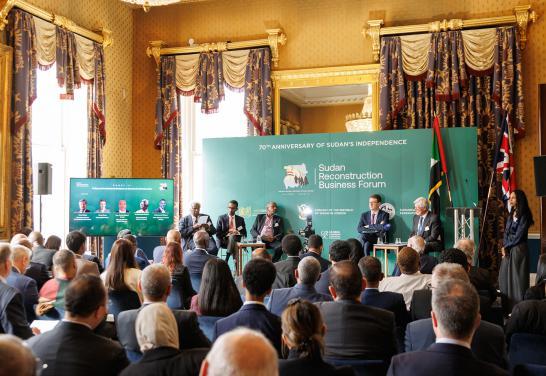
The Arab British Chamber of Commerce was delighted to host an exclusive business roundtable on investing and living in the Kingdom of Bahrain, held in collaboration with Embassy of the Kingdom of Bahrain to the United Kingdom and the Bahrain Economic Development Board (EDB).
The event took place at the ABCC’s Mayfair premises on the afternoon of Friday 6 February 2026.
We were honoured to welcome a distinguished delegation from the Bahrain Economic Development Board, who shared valuable insights into the Kingdom’s dynamic, open, and investorfriendly economy.
The discussion highlighted Bahrain’s strategic location at the heart of the Gulf, its competitive costs, progressive regulatory environment, and growing opportunities across key sectors including technology, advanced manufacturing, clean energy, financial services, cybersecurity, and tourism.
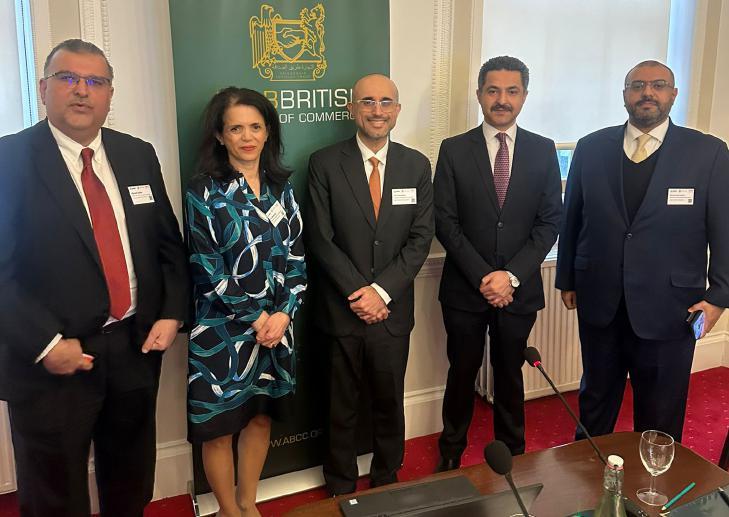
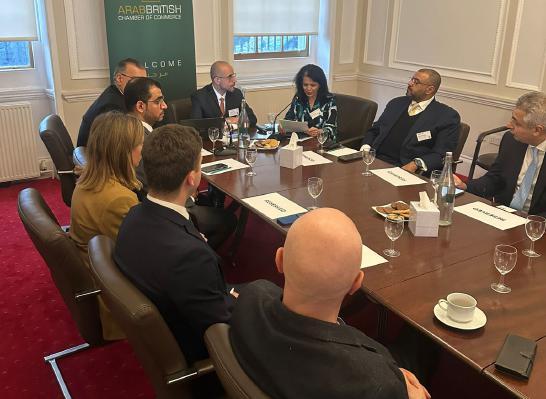
Participants also learned the latest information about Bahrain’s talent ecosystem and strategic initiatives such as the Golden Residency programme, which is designed to attract international professionals, entrepreneurs, and investors seeking a long-term presence in Bahrain and the wider Gulf region.
With UK–Bahrain trade continuing to grow, and new partnership agreements supporting investment in both directions, the roundtable reinforced the strength of our bilateral relationship and the significant opportunities ahead for British and Bahraini businesses.

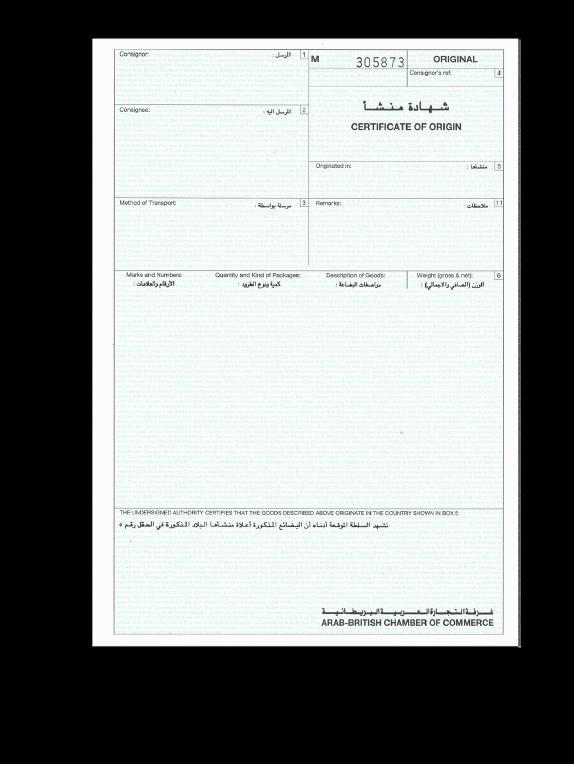
Surrounding the uncertainty of Brexit, the Arab-British Certificate of Origin remains the certain method to trade with the Arab world. There will be no changes to the certificate, and the ABCC’s services will suffer no interruption irrespective of Brexit’s outcome.
The Arab-British Certificate of Origin remains the only certain, secure and reliable means of export documentation for companies trading with the Arab world. There have been no changes to the certificate, and, likewise, the ABCC’s range of trade services remain entirely unaltered in the post-Brexit trading environment.
We at the ABCC remain available to support your exporting and wider business needs.
We at the ABCC remain available to support your exporting and wider business needs. www.abcc.org.uk
Whether it is helping develop international and domestic tax strategies, financial solutions, legal advice, providing comprehensive corporate solutions or utilizing our world-class advisory services, we are focused on helping you build a global connection. In a business landscape continuously changing and interconnected culturally and geographically, we are truly committed to seeing each client from a cross-border perspective.

United Kingdom
SGS & Partners Group
2nd Floor, 33 Newman Street, London, W1T 1PY
United Arab Emirates
SGS Global Accountants LLC
Level 17, The Offices World Trade Centre, Central Market Hamdan Street Al Markaziya, Adu Dhabi www.sgs-partners.com