


WHAT’S BEHIND YOUR BACKACHE?
BREAST CANCER BENEATH THE SURFACE
URINARY HEALTH FOR ALL
Dear Readers,
Entering the new year affords us all an opportunity to contemplate the possibility of meaningful personal change and growth. Whether it is a commitment to reducing stress, achieving a healthier weight, exploring a new hobby, pursuing a passion project, or spending more quality time with family, each step we take in the direction of growth and change can lead to significantly improving physical and emotional health.
In this issue, we have the privilege of sharing Donna McDine’s patient story—how she bravely managed her breast cancer diagnosis with world-class support from our radiation oncology team. She shares her inspirational conscious effort to prioritize self-care through prayer, meditation, and immersion in nature and family. She describes her journey back to health and offers us all a reminder that when faced with life’s challenges, we can adapt in very material and healthy ways.
At Montefiore Nyack Hospital, stories like Donna’s spur us on to further expand our programs and provide our community access to new specialists, technologies, and treatments. In this vein, we are excited to welcome urologist Dr. Daniel E. Rabinowitz, who can be seen at our new practice, Highland Medical Urology in Nyack. On page 10 of this magazine, Dr. Rabinowitz offers insight into some of the more common urological issues that affect men and women.
Growth continues at the Montefiore Einstein Comprehensive Orthopedic and Spine Center (MECOSC) in West Nyack with the addition of more subspecialty-trained physicians and the introduction of spine surgery specialists. An article by new pain management physician Dr. Danni Lu explains how your back pain may be secondary to facet joint disease, a lesser-known but common cause of neck and back pain, and how it might be treated.
Finally, we are proud to share our accreditation by the Joint Commission and our distinct recognition in U.S. News & World Report’s 2025-2026 Best Hospitals rankings, which underscore our dedication to providing you the highest-quality health-care services. In 2026, we continue our commitment to providing those we serve with the finest health care that is technologically advanced yet offered with a personal community touch. On behalf of the Montefiore Nyack team, I wish you the very best in the new year and want you to know that we are here for you and your family 24/7.

Thank you,

Mark E. Geller, MD, FACR President & CEO Montefiore Nyack Hospital
To unsubscribe, please email us at publicrelations@montefiorenyack.org.
facebook.com/MontefioreNyack
@MontefioreNyack
@MontefioreNyack
@Montefiore_Nyack
linkedin.com/MontefioreNyackHospital










Montefiore Nyack Hospital has earned another three-year Accreditation for Inpatient, Outpatient, and Home Care services from the Joint Commission. This independent, evidence-based, standard-setting organization establishes the benchmark for safe, highquality patient care through health-care accreditation. This significant achievement underscores Montefiore Nyack Hospital’s unwavering commitment to meeting rigorous performance standards and delivering the safest, highest-quality care to its patients, instilling confidence and reassurance in our community.
“Our team’s dedication to providing the highest-quality and safe care for our patients has once again been demonstrated,” says Mark Geller, MD, President and CEO of Montefiore Nyack Hospital. “We are immensely proud of the work done by everyone at Montefiore Nyack Hospital, all in the name of elevating care for our patients.” This achievement further solidifies our commitment to patient care and our reputation as a leading health-care provider.
During July, the Joint Commission’s team of surveyors conducted a rigorous, unannounced on-site survey, performing observations and interviews to assess compliance across key areas such as emergency management, environment of care, infection prevention, leadership, medication management, and performance improvement. Their identification of performance strengths and areas for further enhancement emphasizes Montefiore Nyack Hospital’s commitment to continuous improvement, ensuring adherence to leading quality and safety practices and better patient care.
EDITORIAL STAFF
Lauren Malone, AVP, PR and Marketing
Briana Tolve, Director of Marketing
Jasmine Gonzalez, Asst. Marketing Manager


6
4
BREAST CANCER BENEATH THE SURFACE
A patient learns that breast cancer doesn’t always present itself as a lump on your breast.
6
RESTORING HEART RHYTHM
Know the signs of atrial fibrillation and the therapies that can get your heart pumping effectively again.
8
8
ORTHOPEDIC EXCELLENCE CLOSE TO HOME
Montefiore offers its neighbors top orthopedic expertise and convenient treatment.
10
URINARY HEALTH FOR ALL
Maintaining urinary health is equally important for men and women.

14
12 WHAT’S BEHIND YOUR BACKACHE?
Your lower-back pain may be due to a common but lesser-known problem—facet arthropathy.
14
OSTEOPOROSIS: A SILENT DISEASE
Understand how to prevent, diagnose, and treat osteoporosis.
Montefiore Nyack Hospital has been named in U.S. News & World Report’s 2025-2026 Best Hospitals edition as a High Performing hospital for Heart Failure; Kidney Failure; Leukemia, Lymphoma, and Myeloma; and Pneumonia. This is the highest distinction a hospital can earn as part of U.S. News’ Best Hospitals Procedures & Conditions ratings.
“We are immensely proud to be recognized as a high performer in multiple categories by U.S. News & World Report,” says Mark E. Geller, MD, President and CEO of Montefiore Nyack Hospital. “This prestigious acknowledgment underscores the unwavering dedication of our exceptional team of professionals and our steadfast commitment to delivering unparalleled medical care to the community we serve.”
U.S. News’ annual Procedures & Conditions ratings are designed to assist patients and their health-care providers in making informed decisions about where to receive care for challenging health conditions or elective procedures.
A PATIENT LEARNS THAT BREAST CANCER DOESN’T ALWAYS PRESENT ITSELF AS A LUMP ON YOUR BREAST.
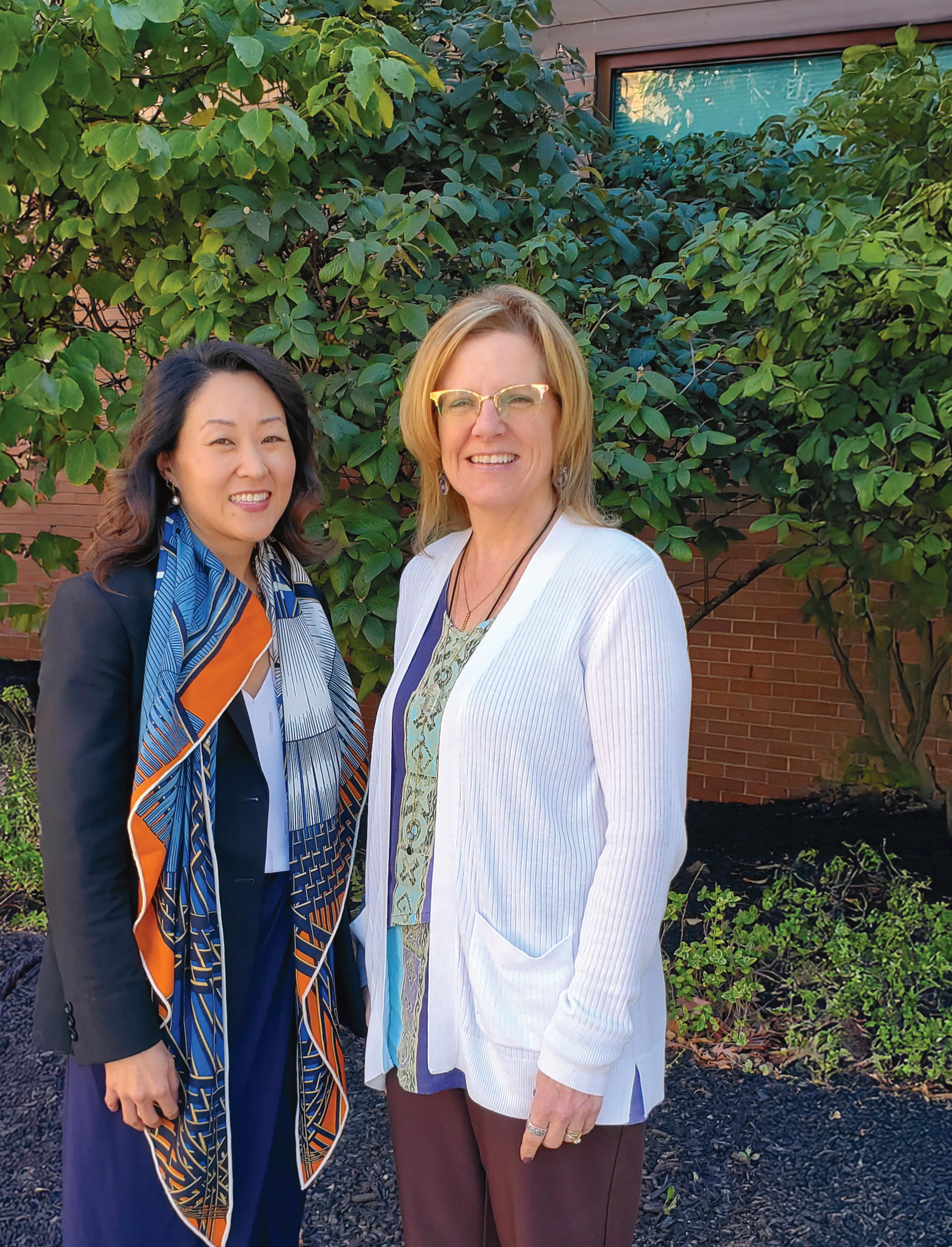
Director of the Radiation Oncology Department, and patient Donna McDine
Donna McDine knows firsthand the importance of vigilance in the fight against breast cancer, particularly with a family history of the disease. Twelve years ago, during a routine mammogram, a precancerous spot was identified that required surgical removal. Committed to her health, Donna maintained a rigorous treatment protocol, which included annual mammograms, ultrasounds at the beginning of each year, magnetic resonance imaging of her breast midyear, and two doctor appointments annually.
In 2023, alarming news struck when Donna’s fraternal twin sister was diagnosed with breast cancer. This reinforced the importance of periodic checkups, and Donna remained steadfast in adhering to her annual schedule of imaging and consultations at the Breast Center at Montefiore Nyack Hospital. Then, in April 2025, she received her own surprising breast cancer diagnosis—despite having no symptoms to indicate something was wrong. It was a shocking reminder that breast cancer doesn’t always manifest as a palpable lump, a misconception that many hold.
Under the care of the dedicated professionals at the Breast Center at Montefiore Nyack Hospital, Donna embarked on her treatment journey, which included radiation therapy. Joanne Zhung, MD, Director of the Radiation Oncology Department at Montefiore Nyack, alongside her compassionate care team, played a crucial role in Donna’s healing process.
Patients receiving radiation treatments at Montefiore Nyack are seen weekly by Dr. Zhung or more frequently as needed. “I communicate with the diagnosing and referring physicians often to
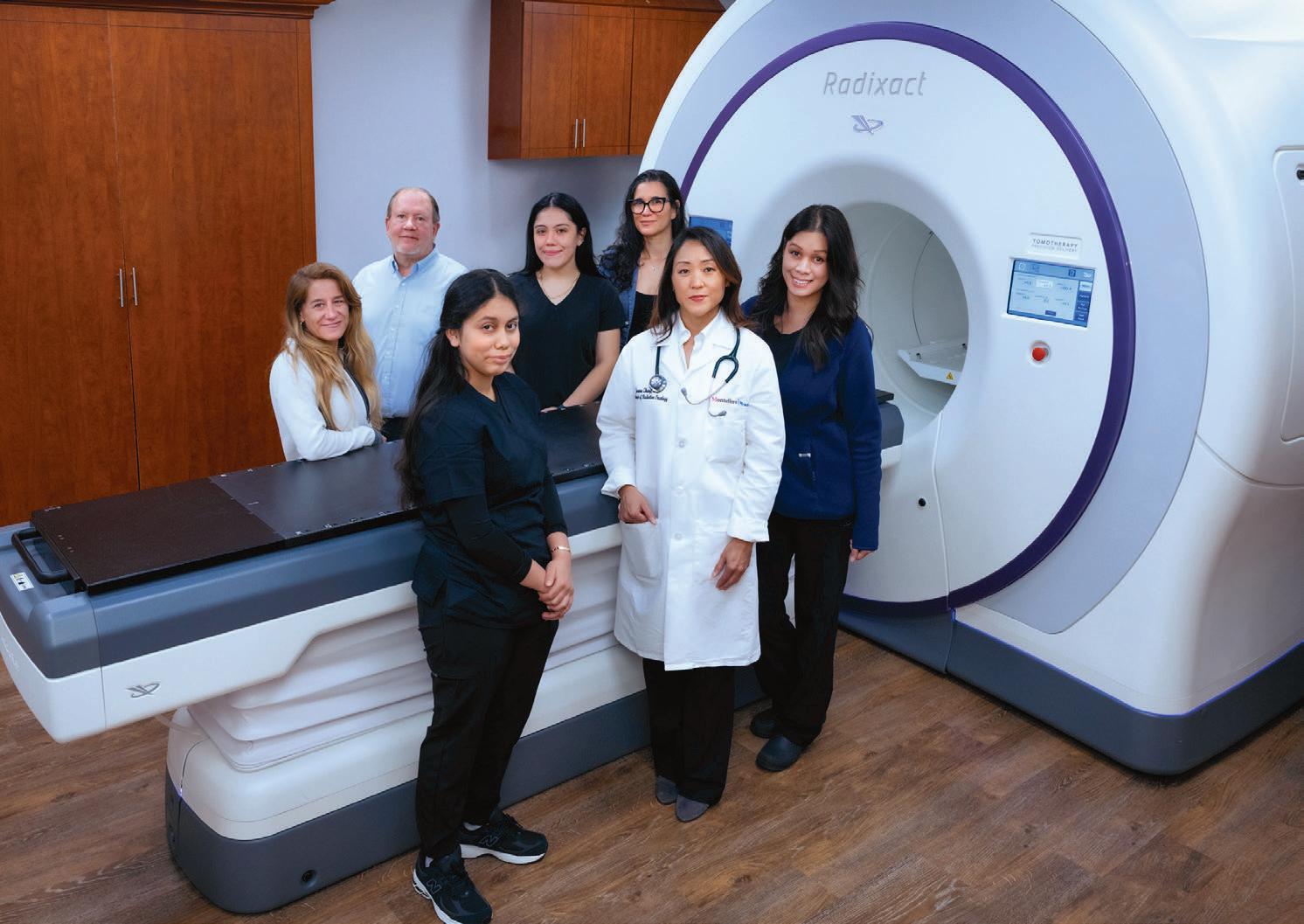
discuss their patients’ treatment and progress, and address any concerns,” Dr. Zhung says. “Our multidisciplinary approach expands beyond our Montefiore Health System team to ensure that every medical professional involved with the patient’s diagnosis and treatment is kept informed.”
Dr. Zhung recalls meeting Donna for the first time and recognizing how surprisingly composed she was. “Donna was the epitome of ‘grace under pressure,’” she says.
“From the moment patients enter our doors, we want them to feel comfortable and cared for, just like they would in a good friend’s home,” she adds. “Our team is like family to our patients, helping them through a challenging time and providing comfort in knowing they are receiving the very best care.”
Donna is grateful for the support she received. “The compassion I experienced from every member of these teams made my cancer journey much more bearable,” she says. “Their expertise, combined with genuine care and concern, reassured me that I was in the right hands. A simple smile, a thoughtful inquiry about my feelings and my family—it was clear that these
gestures were heartfelt, not just obligatory.”
Determined to raise awareness, Donna actively shares her story with others, emphasizing that breast cancer does not always present with a lump. She passionately advocates for routine screenings and highlights the critical importance of yearly mammograms as an integral component of a comprehensive wellness plan. Her message is clear: Connecting with medical professionals who genuinely listen to you is vital. Prepare your questions in advance and keep detailed personal records. This empowers your physician to understand your health and symptoms fully. Since completing her breast cancer treatments, Donna has embraced a renewed perspective on life, cherishing the simple pleasures and prioritizing self-care. Whether she is taking peaceful walks in nature, journaling, praying and meditating daily, or enjoying quality time with loved ones, she firmly believes that disconnecting from technology fosters stronger minds, bodies, and spirits, enabling us to face life’s challenges with resilience and grace.
For more information about the Radiation Oncology Department at Montefiore Nyack, visit www.montefiorenyack.org/radiation-oncology, or call 845-727-0828 to schedule an appointment.

KNOW THE SIGNS OF AFIB AND THE TREATMENTS THAT CAN GET YOUR HEART PUMPING EFFECTIVELY AGAIN.
Atrial fibrillation (AFib) affects approximately 11 million adults in the United States, according to the American College of Cardiology. While it can be a serious and potentially lifethreatening illness, there are many ways, with proper management, that most people with AFib can continue to live normal lives.
AFib is an irregular and often rapid heart rhythm that arises from the top chambers of the heart, or the atria. “The atria beat chaotically and prevent the heart from pumping blood effectively,” says Dianna Gaballa, MD, FACC, a cardiologist at Highland Medical, Advanced Cardiovascular Care. “This type of rhythm abnormality can increase your risk of stroke and congestive heart failure.” There are two types of AFib: nonvalvular and valvular. Nonvalvular AFib is more common. “AFib can also be classified by how long it lasts,” Dr. Gaballa says. “Paroxysmal AFib comes and goes in episodes, while persistent AFib usually lasts for more than a week.”

“Older adults and individuals with a family history are more likely to develop AFib,” Dr. Gaballa says. “Lifestyle habits such as heavy alcohol use and physical
inactivity, or chronic conditions like thyroid disease, sleep apnea, obesity, high blood pressure, and heart valve disease can all increase your risk of developing atrial fibrillation.”
Being aware of the following symptoms is essential, as they could be indicative of AFib: shortness of breath, rapid or fluttering heartbeat, dizziness, chest pain, weakness, and fatigue.
A visit to your primary care physician or cardiologist may result in an electrocardiogram (EKG) or the use of a wearable monitor to diagnose the condition.
Depending on the severity and duration of your symptoms, your cardiologist may recommend different treatment options. Medications that slow the heartbeat, such as beta-blockers or calcium channel blockers, are frequently used treatments. Some patients will require a special type of blood thinner called anticoagulation to decrease their risk of stroke.
“There are some common side effects of these medications, such as a very slow heartbeat, low blood pressure, fatigue
or dizziness, and easy bruising and bleeding for those on blood thinners,” Dr. Gaballa says. “It is important that patients are periodically monitored and that they consult their cardiologist should symptoms from these medications arise.”
Patients being treated for AFib should keep alcohol and caffeine to a minimum and work with their physician to address and treat underlying conditions that can worsen the condition.
There are procedures available that can be performed to treat AFib, such as electrical cardioversion or catheter ablation, which help restore the normal rhythm of the heart. An AFib catheter ablation uses heat or extreme cold to create tiny scar tissue in the heart, disrupting abnormal electrical activity. “An AFib ablation can be considered when medication or electrical cardioversions have failed to control symptoms,” Dr. Gaballa says. With proper treatment, AFib can be managed and controlled. To avoid the condition, Dr. Gaballa encourages patients to maintain a healthy BMI, exercise regularly, follow a heart-healthy diet, manage stress levels, and limit alcohol intake.
To schedule an appointment with a cardiologist, call 845-268-0880 or visit www.highlandmedical.co/cardiology for more information.
Highland Medical, Advanced Cardiovascular Care is located at 2 Medical Park Drive, Suite 3, in West Nyack.

MONTEFIORE OFFERS ITS NEIGHBORS TOP ORTHOPEDIC EXPERTISE AND CONVENIENT TREATMENT LOCALLY.
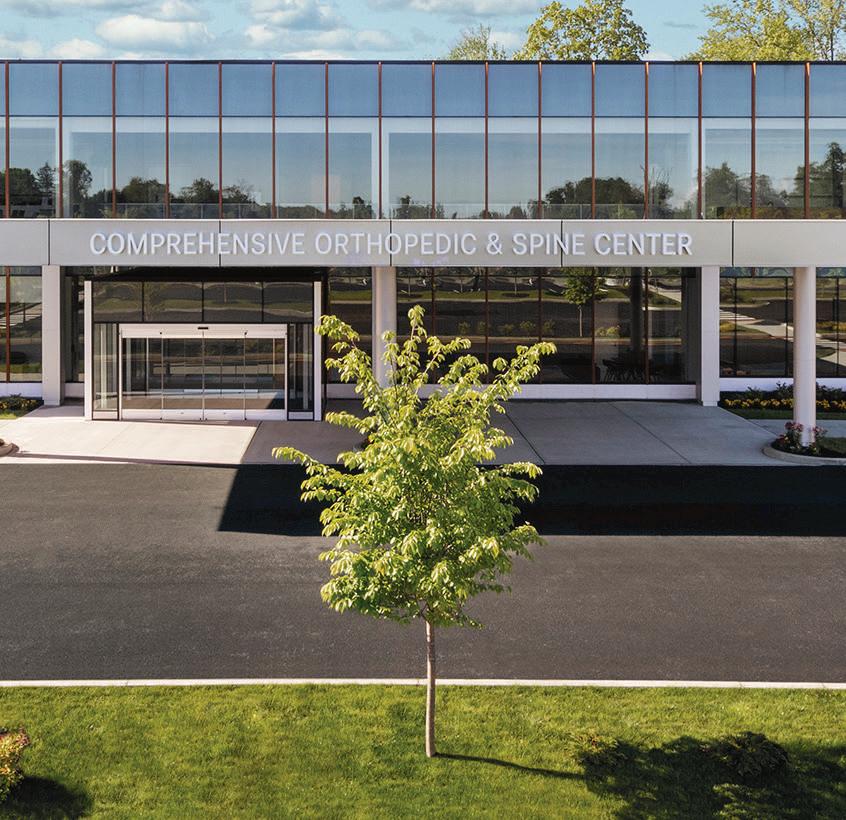
The Montefiore Einstein Comprehensive Orthopedic and Spine Center (MECOSC) in West Nyack is a beacon of state-ofthe-art musculoskeletal care. Its strategic location ensures that patients can easily access advanced care in a spacious, thoughtfully designed building that promotes comfort, ease of access, and convenience.
At Montefiore Einstein Orthopedic Surgery, our renowned experts offer patients with a wide range of orthopedic injuries and disorders the very best in diagnostic and treatment modalities. Advanced medical technologies and groundbreaking research empower our physicians to help patients restore movement and relieve pain. Multidisciplinary teams take a collaborative approach, ensuring that all patients receive the most effective, comprehensive, and precise care, which improves their mobility and quality of life.
Our specialties include:
• Foot and ankle
• Hand and upper extremity
• Joint replacement
• Neurosurgery
• Pain management
• Pediatric orthopedic
• Physiatry
• Podiatry
• Spine
• Sports medicine
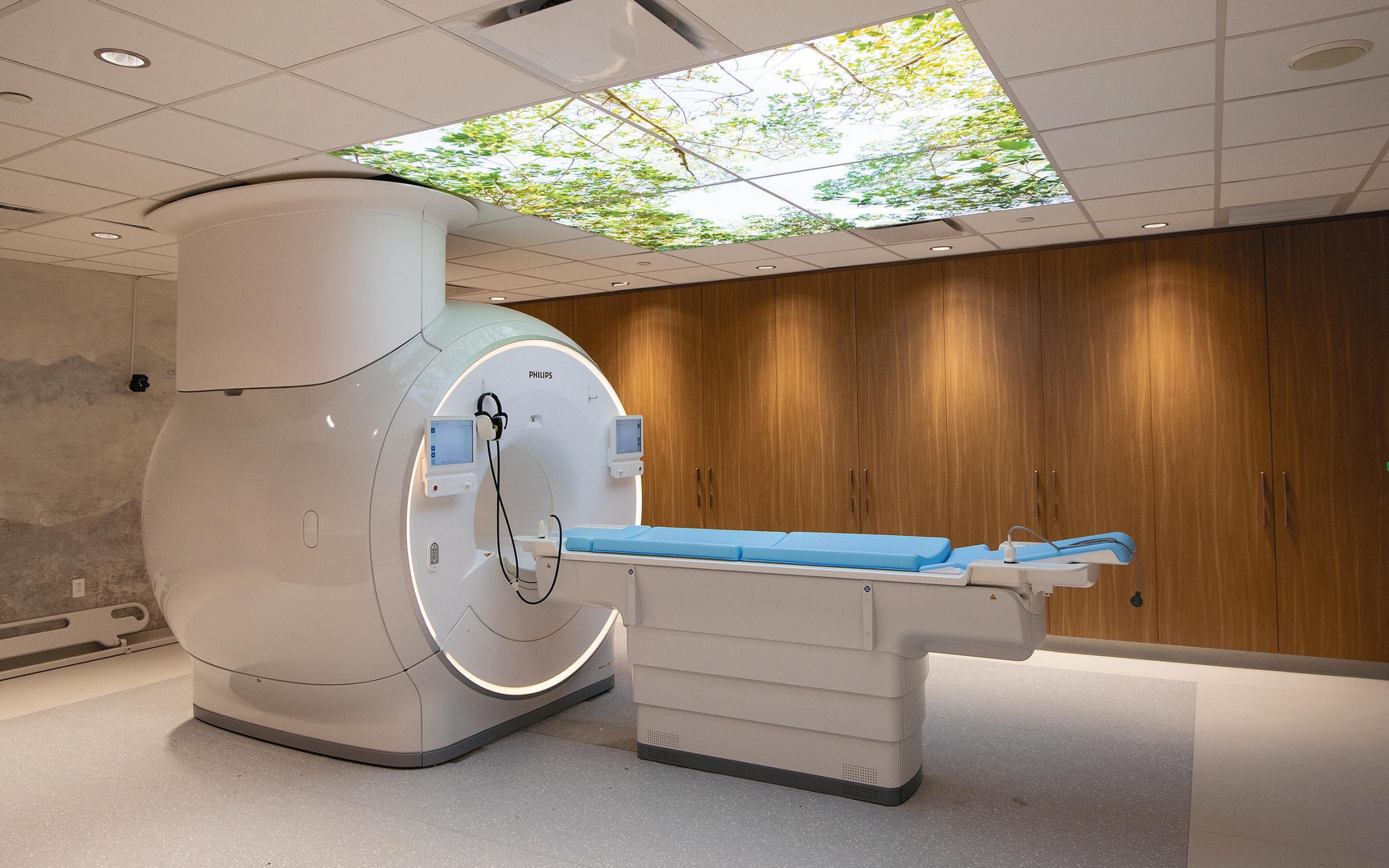
Diagnostic imaging is enhanced with our latest-generation magnetic resonance imaging (MRI) unit, which performs exams up to three times faster than other machines, significantly reducing patients’ scanning time. This advanced technology also offers an 80% reduction in acoustic noise, a ComfortPlus mattress, dynamic lighting projection, and





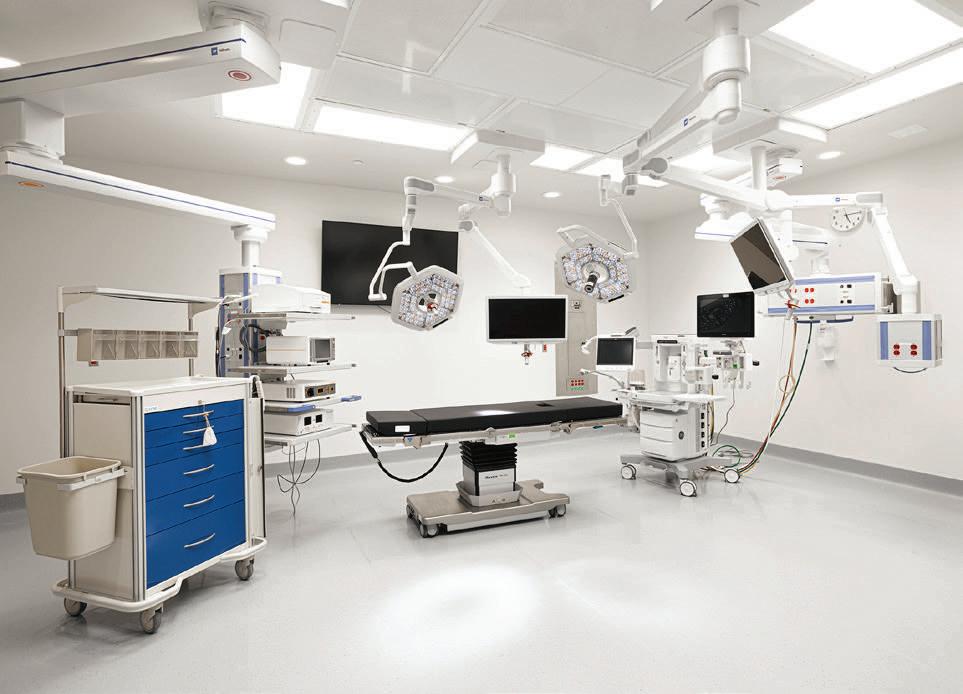
Our state-of-the-art Ambulatory Surgical Center is designed with patient comfort and privacy in mind. With four operating suites and two procedure rooms equipped with the latest technology, patients have access to the best in ambulatory surgery. The center also ensures privacy with spacious presurgical and postsurgical bays, as well as four 23-hour recovery rooms for those requiring extended recovery. Family members are welcome to wait in our comfortable lounge with access to snacks and beverages, ensuring a caring and patient-centered environment.
Burke Rehabilitation’s West Nyack Outpatient Therapy
Program is located on the second floor in a modern and open space. Expert therapists, who are leaders in their fields, work one-on-one with patients, utilizing state-of-the-art equipment in a supportive environment designed for improvement and recovery.
Rehabilitation services include:
• Physical therapy
• Sports medicine and rehabilitation
• Concussion management
• Vestibular therapy
• Occupational therapy
For more information about the Montefiore Einstein Comprehensive Orthopedic and Spine Center and our experts, visit www.montefiorenyack.org/orthopedic-spine. a superior sound experience. These features ensure a more comfortable and less stressful experience for our patients during the procedure.
• Orthopedic medicine and rehabilitation
• Hand and upper extremity care
To make an appointment, call Montefiore Einstein Orthopedic Surgery at 845-358-1000 or Burke Outpatient Rehabilitation at 914-597-3840

MAINTAINING URINARY HEALTH IS EQUALLY IMPORTANT FOR MEN AND WOMEN.
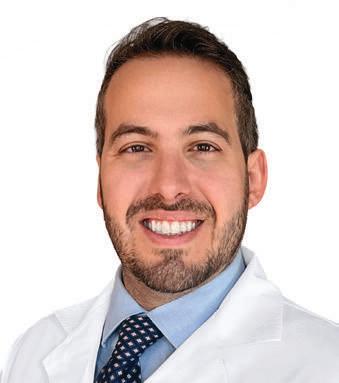
UDANIEL E. RABINOWITZ, MD
rological medicine addresses urinary issues in both men and women, as well as reproductive health concerns in men. “Just because something is common—like incontinence in women— doesn’t mean it’s normal,” says Daniel E. Rabinowitz, MD, a urologist with Highland Medical. “It can significantly affect quality of life, and many people don’t realize there are effective treatment options.”
Urological issues can include dysfunction of the kidneys, bladder, pelvic area, urethra, and prostate. Here are some of the most common issues:
• Benign prostatic hyperplasia. This benign prostate growth blocks the urethra and urine flow. It is more common in men after age 50. Symptoms include a weak urine stream, pain or burning while urinating, difficulty starting or stopping urination, frequent urination, and waking during the night to urinate. Treatments include medications and minimally invasive surgical procedures such as a UroLift, transurethral resection of the prostate, and prostatectomy.
• Erectile dysfunction (ED). This affects over 50% of men age 40 to 70. Diabetes and heart or vascular disease can cause ED. The condition can be managed with oral medications, injections, intraurethral suppositories, or vacuum pump therapy. Other options include a semirigid or inflatable penile prosthesis.
• Pelvic organ prolapse. This condition occurs when pelvic-floor muscles and tissue weakness—often caused by pregnancy, childbirth, or menopause—cause the pelvic organs to drop. This affects nearly 1 in 5 women, and the risk increases with age. Symptoms
of pelvic organ prolapse include vaginal bulge, pressure, discomfort, pain, bleeding, overactive or irritable bladder, and constipation. Surgery is an option to treat uterine prolapse.
• Stress urinary incontinence. This condition is characterized by weakness of the urethral sphincter, resulting in urine leakage during activities such as sneezing or heavy lifting. It is commonly caused by pregnancy and age in women and by prostate cancer treatment in men. Conservative solutions, such as Kegels (pelvic-floor muscle exercises) or a pessary (a removable medical device), can be helpful. Surgical options also are available.
• Overactive bladder (OAB) and urge urinary incontinence (UUI). OAB is a sudden, intense urge to urinate, whereas UUI is involuntary. Pelvic-floor muscle weakness, obesity, or poor diet can cause either disorder, which is common in men and women. “It is important to rule out infection first, as these conditions can be treated with lifestyle changes,” Dr. Rabinowitz says. Other treatments include medications, Botox injections, sacral neuromodulation (a type of bladder pacemaker), and lastly, a catheter.
• Elevated prostate-specific antigen. An elevated level of prostate-specific antigen in the
blood signals this condition. Levels can increase with age or as a result of an enlarged prostate gland, inflammation of the prostate gland (prostatitis), or prostate cancer. “If the diagnosis is cancer, we need to determine the type of cancer— local or metastatic. Then we can pursue the best treatment plan,” Dr. Rabinowitz says. Treatment options include robotic surgery, radiation therapy, and highintensity focused ultrasound or prostate cancer ablation.
• Kidney stones. These hard, pebble-like deposits are commonly caused by dehydration and can be related to dietary habits or underlying health conditions. Although kidney stones are more prevalent in men, women also can experience them, with symptoms including painful urination; lower-back, belly, or side pains; fever and chills; bloody urine; and nausea and vomiting. Medications can help smaller stones pass. Noninvasive treatments include shock waves to break up the stones, minimally invasive stone removal via ureteroscopy, and surgical removal of larger stones.
Dr. Rabinowitz recommends that patients seek medical advice if they notice any new symptoms related to urinary or reproductive health. Early detection can result in patients being treated with less-invasive methods.
To schedule an appointment with Dr. Rabinowitz, call 845-348-8578 or visit www.highlandmedical.co/urology for more information. Highland Medical Urology is located in Nyack.

YOUR LOWER-BACK PAIN MAY BE DUE TO A COMMON BUT LESSERKNOWN PROBLEM— FACET ARTHROPATHY.
Lower-back pain, affecting 15% to 20% of Americans annually, is a common complaint that often prompts people to seek medical attention. Many individuals attribute it to what they think is a muscle strain or a pinched nerve. However, there is a less commonly known but equally prevalent source of back pain called facet arthropathy that could be the problem.
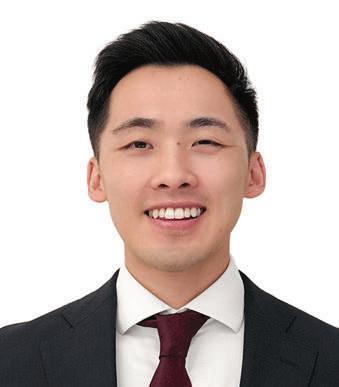
The spine is composed of a stacked column of bones called vertebrae, with discs in between that act as gel-like cushions. The vertebrae also have small hinge joints between them, known as facet joints, which allow the spine to bend and twist, providing additional stability. “Over time, through wear and tear and with aging, the cartilage between these joints can begin to break down, leading to inflammation, pain, and arthritis,” says Danni Lu, MD, physical medicine and rehabilitation specialist. “This process is known as facet arthropathy.”
Common features of facet-related pain include:
• Localized pain in the lower back that worsens with twisting or leaning
• Stiffness after prolonged sitting or standing
• Pain radiating to the buttocks or thighs, but not usually below the knee
• Morning or end-of-day soreness that may improve with movement
These symptoms often overlap with those of other back conditions and can be challenging to diagnose without a medical evaluation.
Doctors typically begin with a physical exam and may order imaging tests, such as X-rays or magnetic resonance imaging, to identify arthritis in the facet joints. However, to get a more complete picture
and to more specifically test for facet arthropathy, interventional pain doctors often use additional procedures such as:
Medial branch block. In a medial branch block, an interventional pain doctor uses X-ray guidance to inject a small amount of numbing medicine around the medial branch nerves, which send signals to the brain. If the patient experiences significant, though temporary, pain relief, it strongly suggests that the facet joints are a source of the problem. This test not only helps diagnose the problem but can provide short-term relief, giving patients a clearer understanding of their condition and a potential avenue for pain management.
Radiofrequency ablation. For patients who respond well to medial branch blocks but whose pain returns, a longer-lasting option is radiofrequency ablation. In this procedure, special needles use heat generated by radio waves to interrupt the medial branch nerves’ ability to send pain signals. The minimally invasive procedure can be performed under local anesthesia with sedation if needed and usually takes less than an hour. Relief can last from six months up to two years, depending on how quickly the nerves regenerate.
Conventional treatments. Along with these procedures, conservative measures can also be helpful, including:
• Physical therapy to strengthen core and back muscles
• Nonsteroidal anti-inflammatory drugs for pain control
• Lifestyle changes such as weight management, posture correction, and regular low-impact exercise
If you experience consistent lower-back pain that worsens with specific movements and hasn’t improved with rest, these advanced methods of treatment have been proven to help many patients achieve lasting relief and return to their everyday activities with less pain. In most cases, a combination of healthy habits and targeted interventions can provide the longestlasting relief.
To schedule an appointment with a pain specialist at Montefiore Einstein Comprehensive Orthopedic and Spine Center at 3 Centerock Road in West Nyack, call 845-358-1000. Visit www.montefiorenyack.org/orthopedic-spine for more information.
UNDERSTANDING HOW TO PREVENT, DIAGNOSE, AND TREAT OSTEOPOROSIS CAN MAKE A BIG DIFFERENCE.
Osteoporosis is a chronic condition that affects the structural integrity of our bones. According to the Centers for Disease Control, about 10 million people age 50 plus have the disease, with almost 20% of women and 4% of men being affected. Many more individuals have low bone mass, a precursor to the condition.
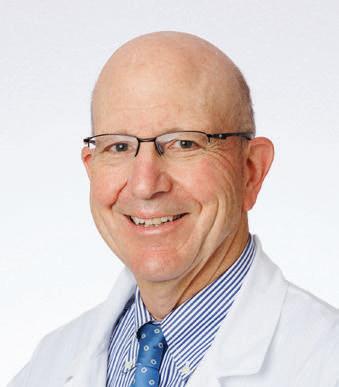
“Osteoporosis is a silent disease that increases in incidence as you age,” says Jason Faller, MD, FACR, a rheumatologist with Highland Rheumatology Associates. “Bone loss may be progressive for many years but only becomes apparent after a fracture. The bone structure becomes more fragile as the bone is remodeled, breaks down, and is not replaced, leading to decreased bone density. If you can imagine a piece of Swiss cheese that develops larger holes, that is similar to what a bone with osteoporosis looks like.”

It is essential to be aware of what can increase your vulnerability to osteoporosis. Aging, hormonal changes, and lifestyle choices are the primary causes. Bone loss can be attributed to lower estrogen levels in
women and lower testosterone in men. Lifestyle choices such as smoking, overconsuming alcohol, a lack of movement and exercise, and an insufficient intake of calcium and vitamin D can accelerate the disease. Dr. Faller suggests weight-bearing exercises to maintain bone density, and an adequate intake of calcium and vitamin D to help combat the progression of osteoporosis.
Genetics and family history can also play a role. Women over age 50 of White or Asian descent with a petite frame have a high risk of developing osteoporosis. “Certain genes have been linked to an increased risk of developing the disease,” Dr. Faller says. “Daughters of mothers with the disease are more susceptible.”
He adds that individuals who have repeatedly dieted throughout their lives or who suffer from eating disorders like anorexia or have been on steroids, GLP-1 weight-loss drugs, anti-seizure medications, certain blood thinners, or HIV medications are also at increased risk.
A bone density test (DXA scan) takes just 10 to 15 minutes and is the primary tool used for diagnosing osteoporosis. The test is recommended for women age 65 and older, as well as for younger women with a family history or other medical conditions that
increase risk. “Even though men experience a much lower incidence of osteoporosis, they should still get at least one bone density screening around age 70,” Dr. Faller says.
There are numerous medications available to treat osteoporosis. “Evaluating the patient’s medical history and risk factors is necessary, as no one medication is best for all,” Dr. Faller says.
Bisphosphonates slow bone remodeling or bone resorption. Both alendronate (Fosamax), taken daily or weekly by mouth, and zoledronic acid (Reclast), taken intravenously once a year, are administered for five years. Denosumab (Prolia) is an injectable medication administered every six months. Medications such as romosozumab (Evenity), teriparatide (Forteo), and abaloparatide (Tymlos) build bone more rapidly but can only be used for a year or two.
Dr. Faller notes that there are risk factors associated with osteoporosis drugs. The most notable but rare risk is osteonecrosis of the jaw, a condition that can be very painful and take a long time to heal. To help recognize any issues as soon as possible, he recommends that patients have their kidney function and calcium levels measured and be evaluated for other factors that may cause bone loss as part of the diagnosis and treatment of osteoporosis.

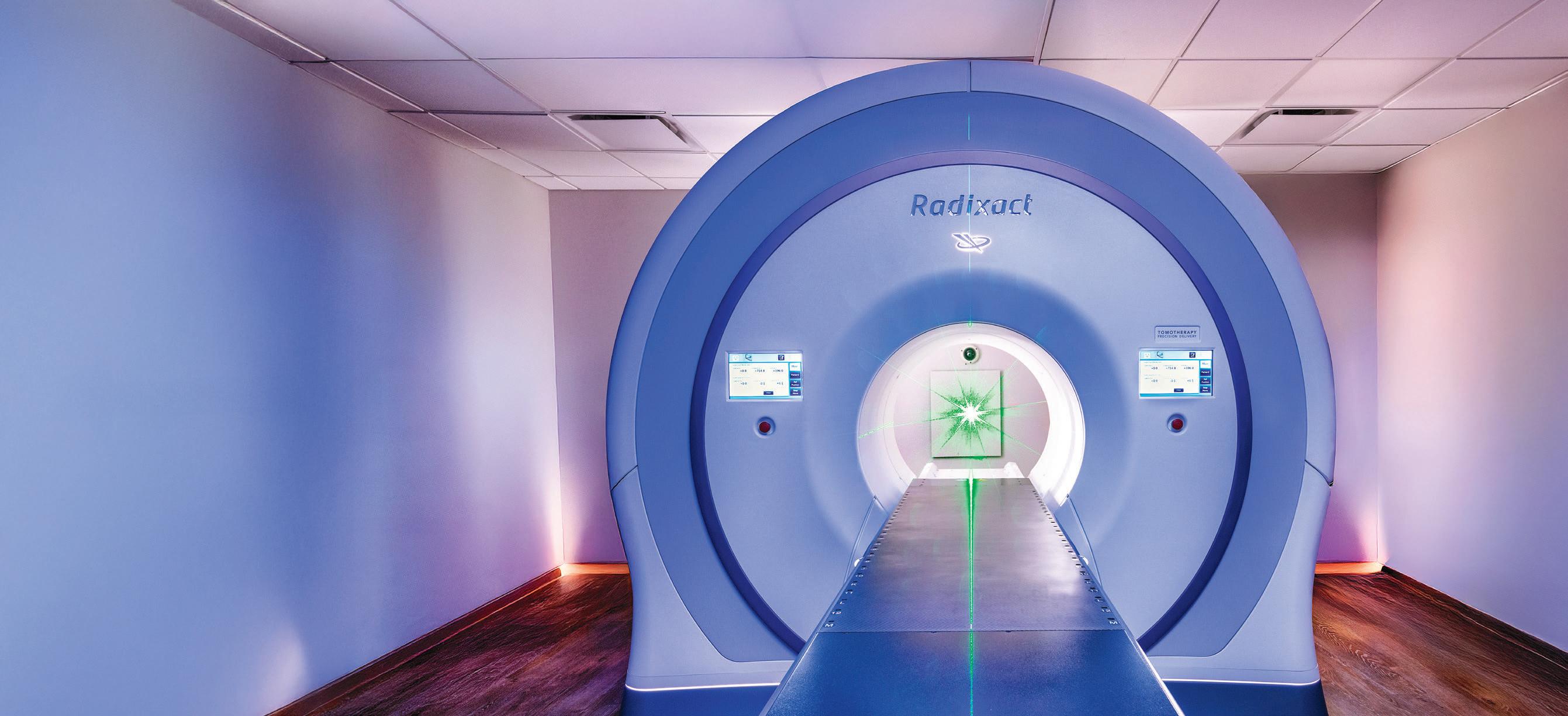
At Montefiore Nyack Hospital, we meet the specific needs of our radiation therapy patients with an individualized plan created by a multidisciplinary team of cancer care experts from Montefiore Einstein’s Comprehensive Cancer Center, which is ranked in the Top 1% of all U.S. Hospitals for cancer care by U.S. News and World Report.
Accuray Tomotherapy (Radixact Tomotherapy)
Our Tomotherapy unit, the latest in technology, offers real-time, adaptable treatments that maximize the dose delivered to the tumor while minimizing the dose to healthy tissue. Its ultrahypo fractionated treatments can reduce patient sessions by as much as 80% compared to conventional radiation therapy, allowing patients to spend less time in treatment and more time on the things that matter most to them.
For information or to make an appointment call: 845-727-0828
montefiorenyack.org/radiation-oncology