EMPOWERING NURSES
LEADS TO BETTER CARE
A FORTUNATE FALL WHEN AN ACCIDENT HAS A SILVER LINING

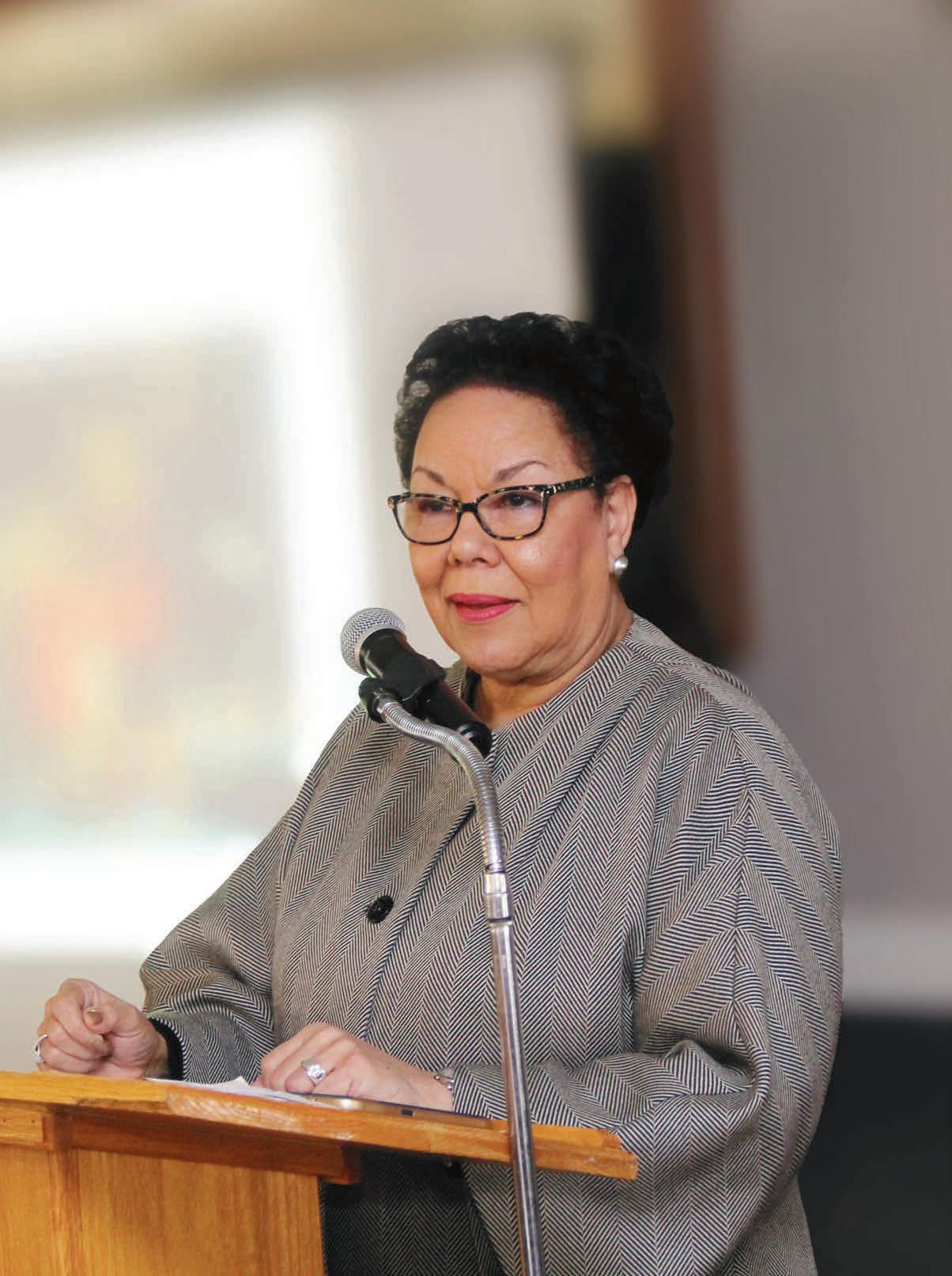
Idelia Smith
LEADS TO BETTER CARE
A FORTUNATE FALL WHEN AN ACCIDENT HAS A SILVER LINING
Idelia Smith


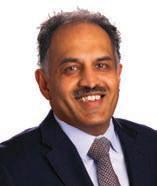
Join Holyoke Medical Center Cardiologist, Dr. Nirav Sheth, as he discusses the importance of heart health and what people can do to prevent heart disease and other heart related conditions.
Date: Monday, February 9, 2026
Time: 10am
Location: Chicopee Council on Aging, 5 West Main Street, Chicopee, MA 01020 Please register by calling 413.534.2789.
3 HEALTHY HABITS News and information for better health.
4 PRACTICE MADE PERFECT HMC adds local family physiatry services to deepen its long tradition of personalized, patient-focused care in Springfield.
6 A FORTUNATE FALL A South Hadley firefighter’s accidental tumble leads to a cancer diagnosis—and saves his life.
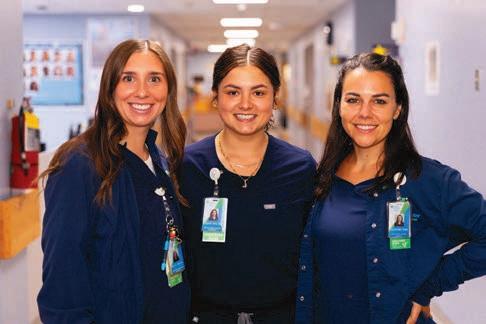
8 EMPOWERING CARE Healthy work environments make nurses feel empowered to deliver the best care.
10 COMPASSION & COLLABORATION Inspired by his mother’s diagnosis, Yeset Cervelo Fernandez, MD, brings top care to the Endocrinology & Diabetes Center.
11 ALL IN THE FAMILY New to HMC, Sanjana Pai, MD, carries a strong family-medicine legacy.
12 A LIFETIME OF IMPACT Idelia Smith, a beloved community member, academic leader, and longtime hospital board member, is honored.
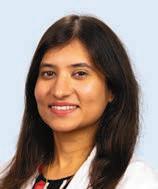
14 CREATING AN A-TEAM Sara Akram Kahlown, MD, joins HMC with a problem-solving approach to rheumatology.
15 POWER FOOD Colorful and nutritious, bell peppers have a history of adding crunch and flavor to a variety of dishes.
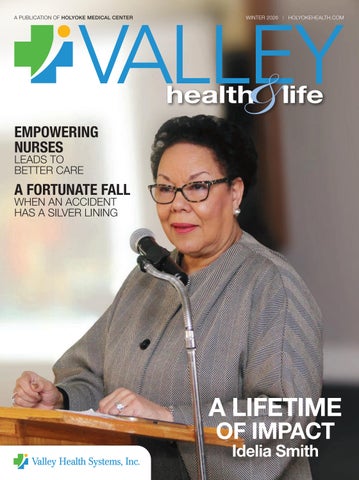
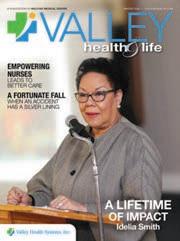
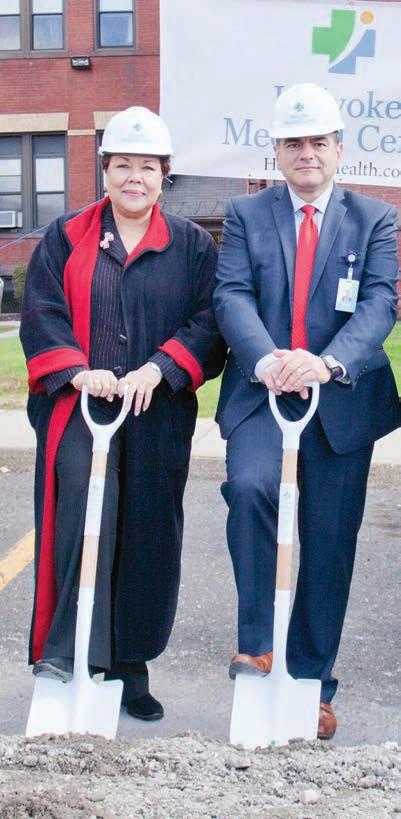
On the Cover: Idelia Smith is honored by Holyoke Medical Center with a Lifetime Achievement Award for her longtime commitment and service to the hospital and her community.
413.534.2789

Hypersensitivity to the cold— especially ice-cold feet—and a feeling of heaviness in the legs are linked to the presence of varicose veins, according to a recent study. The prevalence of varicose veins ranges from 2% to 30% in adults, with women at higher risk.
—Open Heart
Living with an autoimmune disease— rheumatoid arthritis, Graves’ disease, inflammatory bowel disease, lupus, multiple sclerosis, or psoriasis— is linked to a near doubling of the risk of mental health issues, such as depression, anxiety, and bipolar disorder. Chronic exposure to the inflammation caused by the autoimmune disease could be responsible.
—BMJ Mental Health

A higher intake of ultra-processed foods is linked to an increased risk of lung cancer, suggests recent research. These foods undergo multiple processing steps and contain long lists of additives and preservatives. Lung cancer is the most common cancer in the world. —Thorax


Exercise-based cardiac rehabilitation lessens the severity, frequency, and recurrence of the most common form of irregular heart rhythm, atrial fibrillation, according to a data analysis of available research. It also improves general exercise capacity and mental health, without incurring any serious side effects.
—British Journal of Sports Medicine

Thousands of young children worldwide are still swallowing magnets despite an increase in regulations. The swallowing of small, high-powered magnets is a significant issue, especially among children under the age of 4, because magnets are commonly found in household items, such as toys, remote controls, and small household appliances.
—Injury Prevention
GLP-1s used to treat type 2 diabetes likely trump metformin for curbing dementia risk in people with the condition, finds a study. Future treatment guidelines might benefit from prioritizing drugs with both blood glucose neuroprotective effects.
—BMJ Open Diabetes Research
HMC ADDS LOCAL FAMILY PHYSIATRY SERVICES TO DEEPEN ITS LONG TRADITION OF PERSONALIZED, PATIENT-FOCUSED CARE IN SPRINGFIELD.
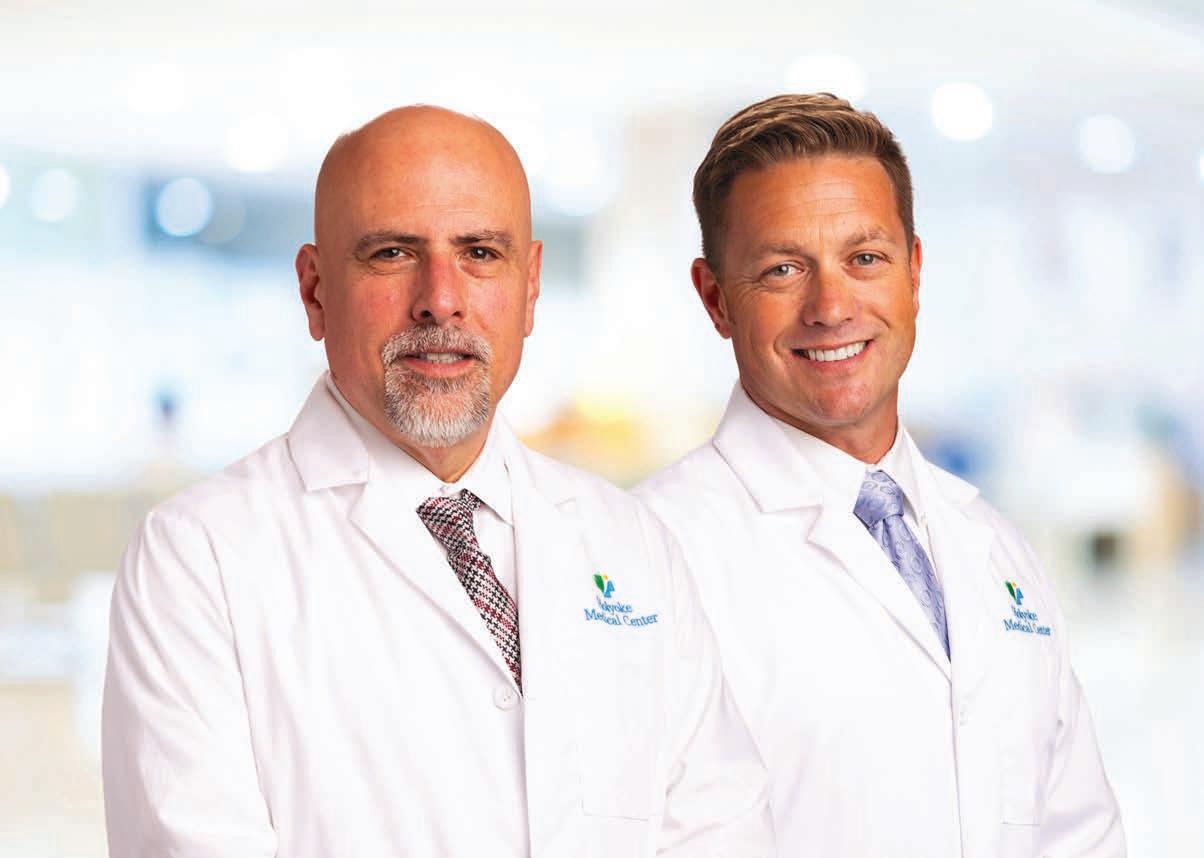
IN KEEPING WITH its ongoing commitment to provide the best and most comprehensive health-care options to the Holyoke community, Holyoke Medical Center (HMC) now offers a full range of physiatry services— also known as physical medicine and rehabilitation (PM&R)—in Springfield. Headed by board-certified physiatrist Paul Azimov, DO, Family Physiatry joined HMC in November 2025 to become HMC Family Physiatry.
Dr. Azimov, who received his medical degree from Philadelphia College of Osteopathic Medicine and completed his residency in PM&R at the Hospital of the University of Pennsylvania, has been caring for patients in Western Massachusetts for 20 years. He is joined at HMC Family Physiatry by physician assistant Troy Chilson, PA-C, who has been serving patients in the greater Springfield area for 18 years and has collaborated with
Dr. Azimov since 2017. In addition to Dr. Azimov and Troy Chilson, the office is fully staffed with two medical assistants, an office assistant, and a surgical scheduler.
“I’m pleased that we will continue to operate as a small, patient-focused practice under the management of HMC, and we will proudly carry forward our tradition of personalized care,” Dr. Azimov says. “I’m also thankful that we’ve been able to retain our
name—now as HMC Family Physiatry— continuing our mission of treating every patient like family.”
According to Dr. Azimov, HMC Family Physiatry diagnoses and treats many types of disorders and conditions, including joint problems such as osteoarthritis, spinal cervical and lumbar radiculitis (inflammation of a spinal nerve root), spinal stenosis (narrowing of the spinal canal), and chronic and acute pain.
“We practice PM&R, which is a medical specialty that focuses on diagnosing, preventing, and treating disabilities and conditions that affect physical function,” Chilson says. “We aim to help individuals with chronic pain, disabilities, or other physical problems improve their quality of life through nonsurgical treatments, including physical therapy, chiropractic care, acupuncture, and supplementation.”
Chilson says he primarily treats chronic conditions, including osteoarthritis, tendinitis, degenerative disc disease, and sciatica. This often involves prescribing medications to decrease inflammation and relax muscles, using advanced treatments such as trigger-point and cortisone injections, and administering nerve blocks to patients.
HMC Family Physiatry accepts patients who are self-referred as well as those who are referred by primary care providers (PCPs) and specialists, including neurosurgeons, rheumatologists, and podiatrists. In some instances, Dr. Azimov recommends that patients visit his office before they see a specialist.
“With spinal conditions such as radiculitis or spinal stenosis, I recommend that patients come to us first,” he says. This is important because
Many people have heard the word “physiatry” before but are not sure what it means. The word, when written, looks a little like “psychiatry” (and sounds a bit like it, too), so it can be confusing—especially if you’ve never needed the medical services of a physiatrist.
What is physiatry?
Physiatry, also known as physical medicine and rehabilitation (PM&R), or sometimes simply “rehabilitation medicine,” is a medical specialty that focuses on improving and restoring function and quality of life to people with physical disabilities, disorders, or injuries that primarily affect the nervous system (brain, spinal cord, and nerves) and musculoskeletal system (bones, joints, muscles, ligaments, and tendons). Physiatrists are medical doctors who specialize in this area and have a broad but detailed knowledge of the human body and how it works.
What do physiatrists do?
Physiatrists provide nonsurgical treatments to improve patients’ quality of life, often by managing symptoms that include pain, spasticity, muscle weakness, and paresthesia (numbness or tingling). These physicians diagnose, treat, and manage a variety of conditions that limit mobility and impede the ability to move, walk, speak, or handle normal daily activities such as bathing, eating, dressing, and using the bathroom.
What conditions do physiatrists manage?
Physiatrists help manage a wide range of medical conditions and problems, including cognitive issues, age-related changes, chronic pain, orthopedic problems, joint diseases such as arthritis, mobility concerns, bowel and bladder issues, swallowing problems, and muscle stiffness, just to name a few.
Do physiatrists work with other specialists?
Physiatrists often work with other physicians, including primary care providers (PCPs), specialists, orthopedic surgeons, and neurosurgeons, as well as professionals such as physical therapists, occupational therapists, speech therapists, and chiropractors.
not every patient needs surgery; also, oftentimes PCPs initially refer patients to a surgeon, who then refers them to Dr. Azimov to try nonsurgical treatment first, and this process can delay care.
HMC Family Physiatry works closely with physical therapy, occupational therapy, and chiropractic care for conservative treatment, which the providers prefer to invasive treatment, when possible, to improve symptoms.
“If conservative treatment does not work, we may recommend advanced
treatment, such as epidural injection or neurosurgery,” Chilson says.
Prior to joining HMC, Chilson spoke with several physicians who had done the same before signing on. “Every one of them shared very positive experiences,” he says. “It was their feedback that made me even more enthusiastic about taking the next step, and I’m grateful to have joined such an excellent, dedicated, and compassionate team.”
HMC Family Physiatry is located at 3640 Main St., Suite 204, in Springfield and is accepting new patients. To make an appointment, please call 413.224.6420 .
A SOUTH HADLEY FIREFIGHTER’S ACCIDENTAL TUMBLE LEADS TO A CANCER DIAGNOSIS—AND SAVES HIS LIFE.
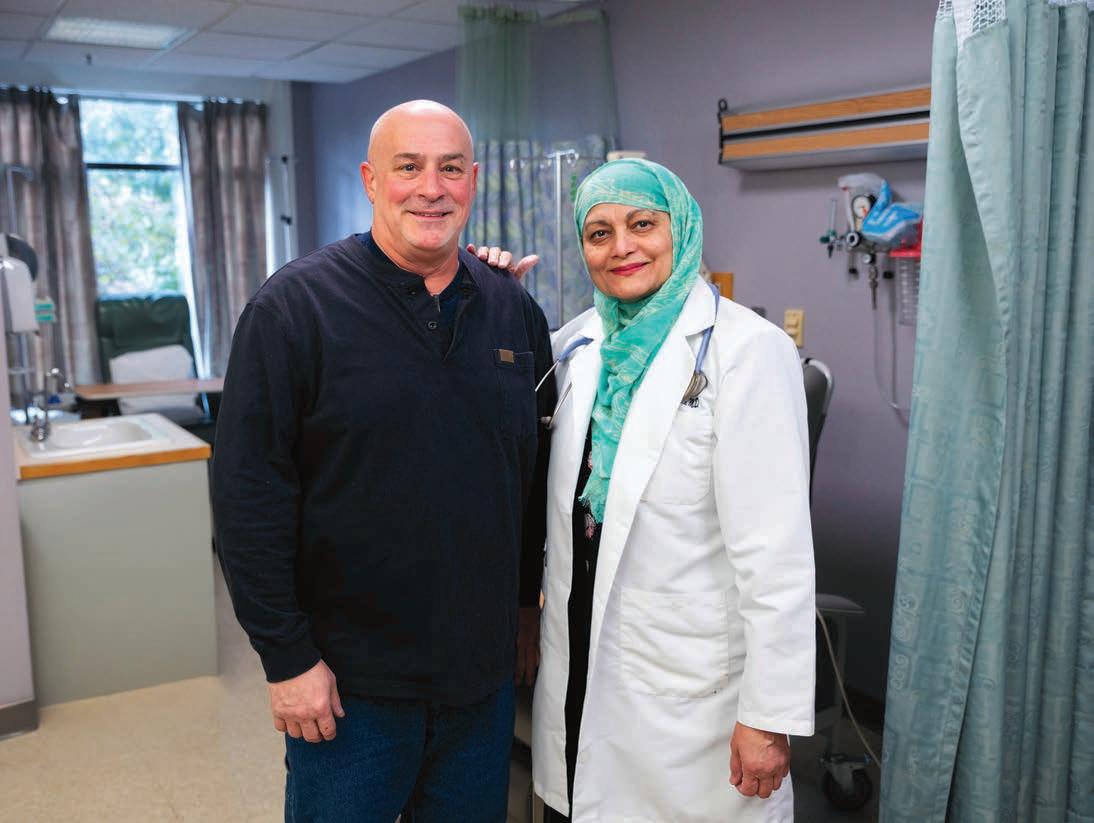
MARK MERCIER has been a firefighter/EMT (emergency medical technician) for more than 30 years, so he’s no stranger to crises or trauma. He’s also no stranger to the Holyoke Medical Center (HMC) Emergency Department (ED), where he’s accompanied more victims and rescues than he can count in his work
with South Hadley Fire District No. 1.
When Mark, 60, found himself in the ED after a fall in December 2024, he wasn’t overjoyed—he’d been there eight months earlier for a kidney stone—but he wasn’t overly concerned either. Little did he know that he would soon receive a life-changing diagnosis.
A few days before Christmas, Mark was on the landing outside his front door when he slipped on a patch of ice and fell down
the stairs. Other than some soreness from the fall, he felt nothing unusual, so he picked himself up and thought nothing more of it.
“I was good for a couple of days, and then, on Dec. 23, my back just locked up,” Mark says. “I called 911, and my friends at the fire station picked me up and took me to the hospital by paramedic ambulance.”
In the ED, Mark was seen by Mel Currie, DO, a friendly and familiar face he’d come to know over the years because of his work with the fire department. Dr. Currie ordered an MRI and a CT scan of Mark’s abdomen and noticed something unusual on his spleen in the imaging.
Since Mark had had an abdominal CT scan when he’d visited the ED for his kidney stone the previous spring, the two scans were compared, and only the new one showed what appeared to be a lesion on his spleen. Dr. Currie referred Mark to HMC general surgeon Francis Martinez, MD, for further evaluation.
On Jan. 9, 2025, Mark had an appointment with Dr. Martinez, who scheduled a biopsy of his spleen. On March 20, Mark was diagnosed with primary splenic diffuse large B-cell lymphoma, an extremely rare type of non-Hodgkin lymphoma (NHL), which accounts for fewer than 1% of NHLs and fewer than 2% of all lymphomas.
Mark was bowled over by the diagnosis. “When you’re told you have cancer, it takes the life right out of you,” he says. “It takes some time to wrap your head around it.”
The good news was that Mark’s cancer was detected very early and was contained to the spleen. Had he not slipped on the ice, gone to the ED,
and had the CT scan, his cancer might not have been discovered until it was much further advanced. “Everybody told me that fall down the stairs was the luckiest thing that ever happened to me,” he says.
When his fire station friends and colleagues heard about Mark’s diagnosis, they set up a GoFundMe page to raise money to help with his medical expenses. They also had leukemia and lymphoma awareness T-shirts made, with part of the proceeds going to the GoFundMe.
According to Mark, it was one of the kindest things that anyone had ever done for him.
After the diagnosis, Dr. Martinez referred Mark to Zubeena Mateen, MD, HMC’s Medical Director of Hematology and Oncology, for more testing and treatment. “In late April, Mark started a new cancer treatment known to have superior results compared to traditional treatment plans,” Dr. Mateen says.
Mark had six chemotherapy
treatments, one every 21 days, and completed the regimen in August 2025. His wife was with him the entire time, and his brother Mitchell was there for every treatment. Though Mark felt exhausted most of the time and had difficulty sleeping, he was confident in Dr. Mateen and his care team and had faith that the chemo would do its job.
“No matter what he was facing, Mark remained upbeat, asked thoughtful questions, and kept a joyful determination that inspired everyone around him,” Dr. Mateen says. “He is one of those patients who radiates resilience and optimism even on the hardest days.”
Today, Mark has a lot to be upbeat and joyful about. “He is in complete remission,” Dr. Mateen says. “He’s doing very well.”
Mark is grateful for the care he received at HMC, from the doctors to the staff and the whole oncology team, including Amanda in radiology, who scheduled his tests and treatments. “They’re family to me,” Mark says. “The care they gave me was fantastic, and they made me feel loved and welcomed.”
According to Dr. Mateen, the feeling is mutual. “Treating Mark has been a truly rewarding experience,” she says. “His positive attitude made our entire team want to go the extra mile for him.”
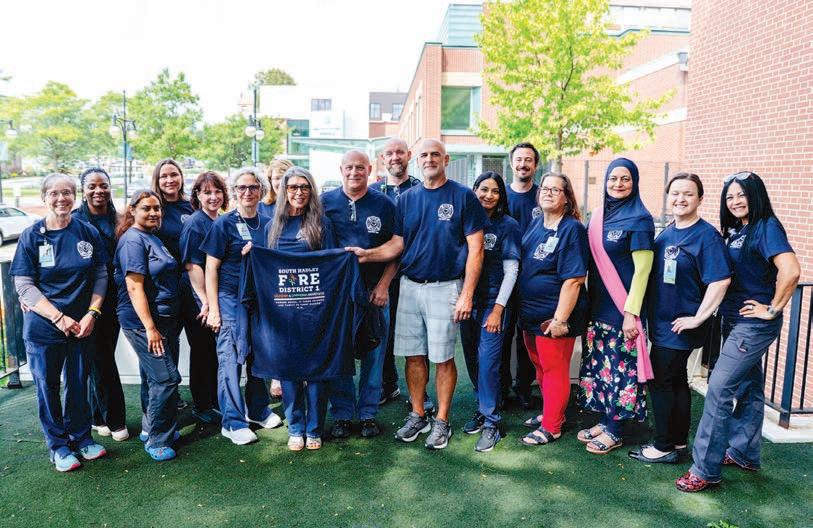
To show his appreciation, Mark gifted leukemia and lymphoma awareness T-shirts to everyone on the HMC oncology team. Together, they celebrated Mark’s success in being cancer-free out on the hospital deck, and a team picture was taken. His family was also present to celebrate.
“It takes family, friends, and community to fight cancer,” Mark says.
HMC Oncology Center is located at Holyoke Medical Center, 575 Beech St., first floor, in Holyoke and is accepting new patients. To make an appointment, please call 413.534.2543 .
MAKE NURSES FEEL EMPOWERED TO DELIVER THE BEST CARE.
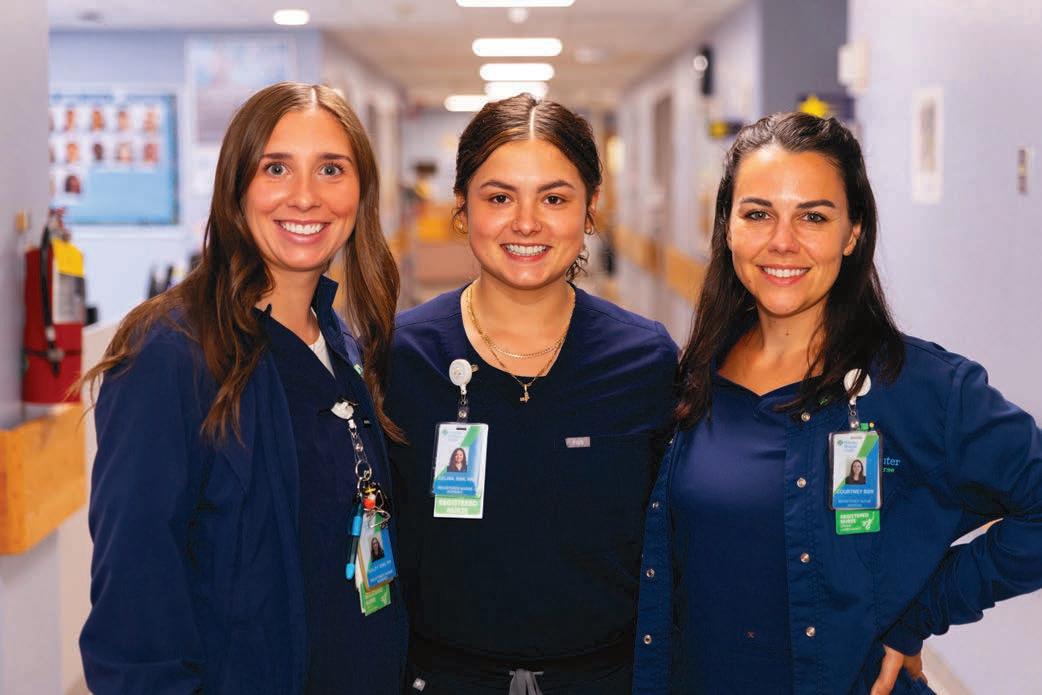
(HMC) is committed to giving patients the highest level of care possible. One of the ways it does this is by nurturing and supporting its nurses, the medical professionals who care for patients day in and day out.
“Hospitals across the country are dealing with workforce challenges,” says Margaret-Ann Azzaro, DNP, RN, CENP, Senior Vice President, Patient Care Services and Chief Nursing Officer at HMC. “For me, as the leader of nurses at HMC, the question is not
only how do we recruit nurses, but how do we retain them? What can we do to ensure that they want to come to work every day?”
According to Azzaro, in addition to mentorship programs, tuition and professional development reimbursement, low nurse-to-patient ratios, high ancillary support ratios, and quality incentive bonuses, one of the most important ways HMC supports its nurses is by creating and sustaining healthy work environments (HWEs).
“Healthy work environments” may sound like a nebulous concept, but in the nursing profession, it is a clearly defined set of six essential standards established by the American Association of Critical-Care Nurses (AACN) that provides evidence-based, research guidelines designed to keep nurses engaged, decrease burnout, lower turnover rates, and help ensure optimal patient care.
Here are the six standards established by the AACN that must be
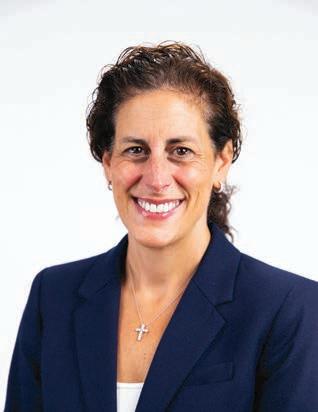
Margaret-Ann Azzaro, DNP, RN, CENP, Senior Vice President, Patient Care Services and Chief Nursing Officer at HMC
in place to create and sustain an HWE and how HMC is ahead of the curve in implementing them:
1. Skilled communication
Nurses must be as proficient in communication skills as they are in clinical skills.
HMC believes that respectful dialogue is important among all members of the health-care team, patients, and families. The hospital has a zero-tolerance policy for disrespectful behavior.
2. True collaboration
Nurses must be relentless in pursuing and fostering true collaboration. Working together with transparency and maintaining strong collaboration among staff help HMC provide the best care to patients.
3. Effective decision-making
Nurses must be valued and committed partners in making policy, directing and evaluating clinical care, and leading organizational operations.
“This is very important for our nurses, so we practice something called ‘shared governance,’” Azzaro says. “All of the units have their own practice councils led by nurses, where team members identify opportunities for improvement and implement needed solutions.”
4. Appropriate staffing
Staffing must ensure the effective match between patient needs and nurse competencies.
“We believe in fair nurse-to-patient ratios and the right nurse taking care of the right patient; a nurse’s skills should match the patient’s needs,” Azzaro says. “We have the highest ratios of certified nursing assistants to nurses in the Valley.”
5. Meaningful recognition
Nurses must be recognized and must recognize others for the value each brings to the work of the organization.
HMC recognizes its nurses in many ways, large and small, formal and informal. It offers verbal and written praise; clinical ladder celebrations; awards programs, including the internationally recognized DAISY Awards, annual nurses of distinction, and monthly unit awards; and more.
6. Authentic leadership
Nurse leaders must fully embrace the imperative of an HWE, authentically live it, and engage others in its achievement.
“The HMC nursing leadership team centers our practice on relationship building with our staff, rounding on the units, listening to employees, removing barriers, and helping to improve patient care and staff satisfaction,”
Azzaro says. “Nurses want to know that they’re supported, so our team is extremely visible.”
In June 2025, as part of a broader initiative announced earlier in the year by the Massachusetts Health & Hospital Association (MHA), Massachusetts hospitals launched a statewide Healthy Work Environment (HWE) Academy to empower nursing teams
to lead sustainable improvements in workplace culture, nurse retention, and patient outcomes. HMC was one of 10 hospitals selected to participate in the HWE Academy, which is part of the Clinical Scene Investigator Academy’s Nursing Workforce Solutions program coordinated through the AACN and the MHA.
As part of the program, each participating hospital identified a nursing team from one unit to address a specific challenge and then design and implement a project to remedy that challenge with the help of workshops and access to mentoring and educational sessions.
“HMC selected our medical telemetry unit to address a challenge,” says Azzaro, who is part of an MHA Chief Nursing Officer task force that is reaching out to nurse leaders across Massachusetts to encourage them to implement AACN HWE standards. “The project team is led by three staff nurses, with the support of the unit director and a nurse educator.”
According to Azzaro, the team used an HWE assessment tool developed by AACN to determine a baseline for the health of the work environment. After surveying the staff, the team identified two areas where there was room for improvement— communication and collaboration.
“The team developed an acuity tool to determine the level of care each patient needs to ensure that all nurse-to-patient assignments are balanced,” Azzaro says. “When nurses have balanced workloads, the work environment is healthier, nurses’ satisfaction is higher, and patient outcomes are better.”
According to Azzaro, all units completed similar assessments in the fall of 2025 and have begun different improvement projects specific to each area.
To learn more about why nursing is better at Holyoke Medical Center, visit www.holyokehealth.com/nurses .
INSPIRED BY HIS MOTHER’S DIAGNOSIS, YESET CERVELO FERNANDEZ, MD, BRINGS TOP CARE TO THE ENDOCRINOLOGY & DIABETES CENTER.
THE ENDOCRINOLOGY & DIABETES Center at Holyoke Medical Center (HMC) is a point of pride for the hospital, and it’s easy to see why. It specializes in the diagnosis and treatment of diabetes and other endocrine disorders, including adrenal insufficiency, thyroid disorders such as hyperthyroidism and hypothyroidism, adrenal disorders, pituitary disorders, and hormonal problems and imbalances. In fall 2024, the center added five new providers and expanded its level of care to serve more patients and to offer shorter wait times.
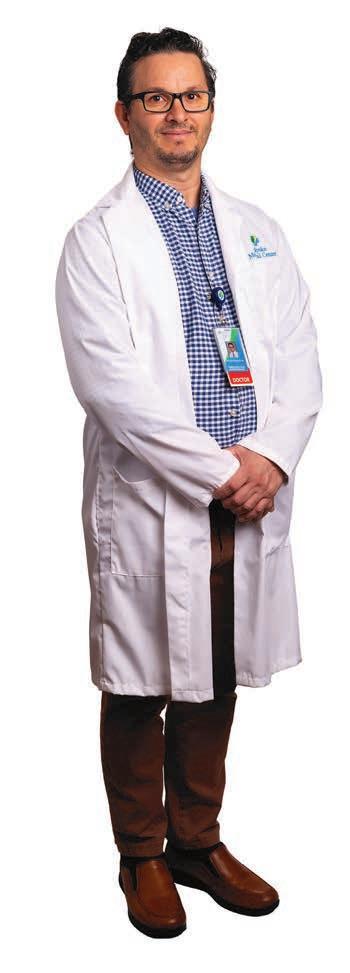
In September 2025, the Endocrinology & Diabetes team expanded again with the addition of endocrinologist Yeset Cervelo Fernandez, MD. Dr. Cervelo Fernandez, who began his medical training in Havana, Cuba, completed his residency in internal medicine at Berkshire Medical Center in Pittsfield. Before joining HMC, he trained and worked at an academic hospital in Syracuse, New York, where he focused on diabetes management, thyroid disorders, and general endocrine care.
Dr. Cervelo Fernandez had an interest in medicine from a young age, but it was his mother’s diagnosis with a thyroid disorder that pointed him in the direction of endocrinology. “Watching her go through diagnosis, treatment, and recovery, and seeing how much of a difference good medical care can make—not just physically but
Endocrinology focuses on the diagnosis, treatment, and management of disorders and diseases related to hormones and other aspects of the endocrine system. The endocrine system is a network of glands that produce hormones, or signaling molecules. Often referred to as “chemical messengers,” hormones are released into the bloodstream to control or regulate many vital body functions. There are more than 50 hormones and nine major endocrine glands in the human body: the adrenal glands, the hypothalamus, the pineal gland, the parathyroid glands, the thyroid, the pancreas, the thymus, the gonads (ovaries in women and testes in men), and the pituitary or “master” gland.
emotionally—confirmed that this was the path I wanted to take,” he says.
Helping patients understand their conditions and empowering them to take an active role in their care is rewarding for Dr. Cervelo Fernandez, who says he is grateful to be part of HMC and the Holyoke medical community. “Medicine should be collaborative,” he says. “Education, empathy, and communication are at the heart of everything I do.”
Dr. Cervelo Fernandez treats many types of endocrine disorders and has a special interest in thyroid and adrenal disease and metabolic health. “I also enjoy working with patients on weight management and hormonal balance—areas where small changes can lead to big improvements in health and quality of life,” he says.
HMC Endocrinology & Diabetes Center is located at 10 Hospital Drive, Suite 104, in Holyoke and is accepting new patients. To make an appointment, please call 413.534.2820 .
BEGINNING IN SEPTEMBER 2025, Holyoke Medical Center (HMC) began expanding its convenient outpatient location on Main Street in Springfield by adding four departments to its existing space, modernizing its facilities, and doubling its size from 10,000 to 20,000 square feet.
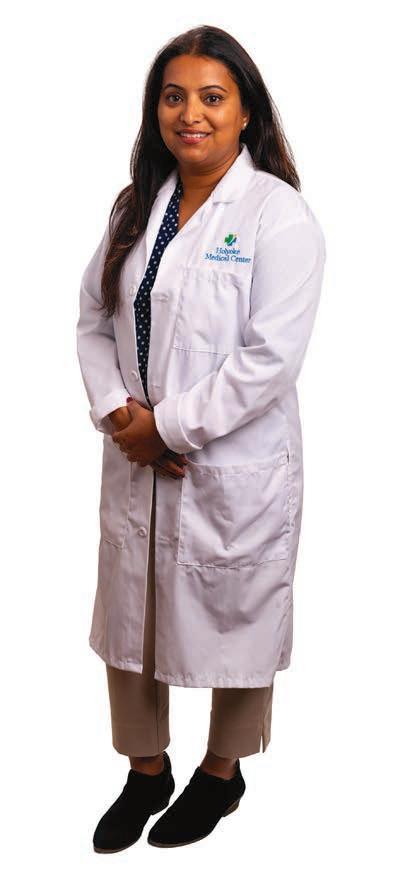
Among the four new departments that were added was Family Medicine, which provides comprehensive health care to patients of all ages. HMC Family Medicine providers are trained to diagnose and treat a wide range of conditions and diseases while focusing on preventive care, chronic disease management, and overall wellness. Simply put, the board-certified family physicians care for their patients, not just a single medical condition.
Expansion of the department continues as HMC Family Medicine welcomes Sanjana Pai, MD, who will join the team in January. According to Dr. Pai, who began her medical education in her native India and completed her residency in family medicine at St. Elizabeth Medical Center in Utica, New York, in 2012, her decision to specialize in family medicine was an easy one.
“I decided that I wanted to practice family medicine after spending time with my late grandmother, who was also a
NEW TO HMC, SANJANA PAI, MD, CARRIES A STRONG FAMILY-MEDICINE LEGACY.
family physician,” Dr. Pai says. “The rapport she had with her patients was amazing.”
It wasn’t just her grandmother who influenced her. Dr. Pai’s late grandfather also was a family physician, as are her parents, so the choice seemed natural. They all encouraged her and supported her decision. Dr. Pai is excited to be starting this brand-new chapter in her life. “I hope to continue to deliver the care and compassion I have always given to my patients,” she says.
Most medical specialties focus on a specific area, organ, or function of the body or a certain type of disease or condition. Family medicine, on the other hand, is the core of primary care. Family physicians are qualified to treat a wide range of conditions. They provide comprehensive health care, including preventive care, for people of all ages. This includes routine physicals and checkups, health-risk assessments, immunizations, and screening tests. According to the American Academy of Family Physicians, they also manage chronic illness—including heart disease, diabetes, and many other conditions—often coordinating care provided by other specialists. In addition, family doctors provide most of the health care for the country’s underserved populations.
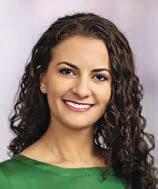
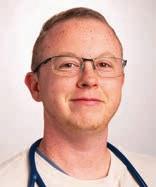
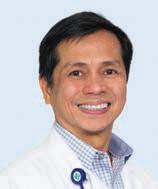
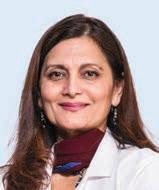
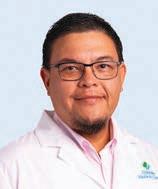
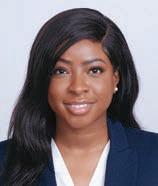
HMC Family Medicine in Springfield is located at 2150 Main St., Suite 100, and is accepting new patients. To make an appointment, please call 413.535.4800 . L to R: Sanjana Pai, MD, joins Carlos Herrera, MD; Christina Idowu, MD; and Jumana Jaloudi, DO, at the HMC Family Medicine practice in Springfield.
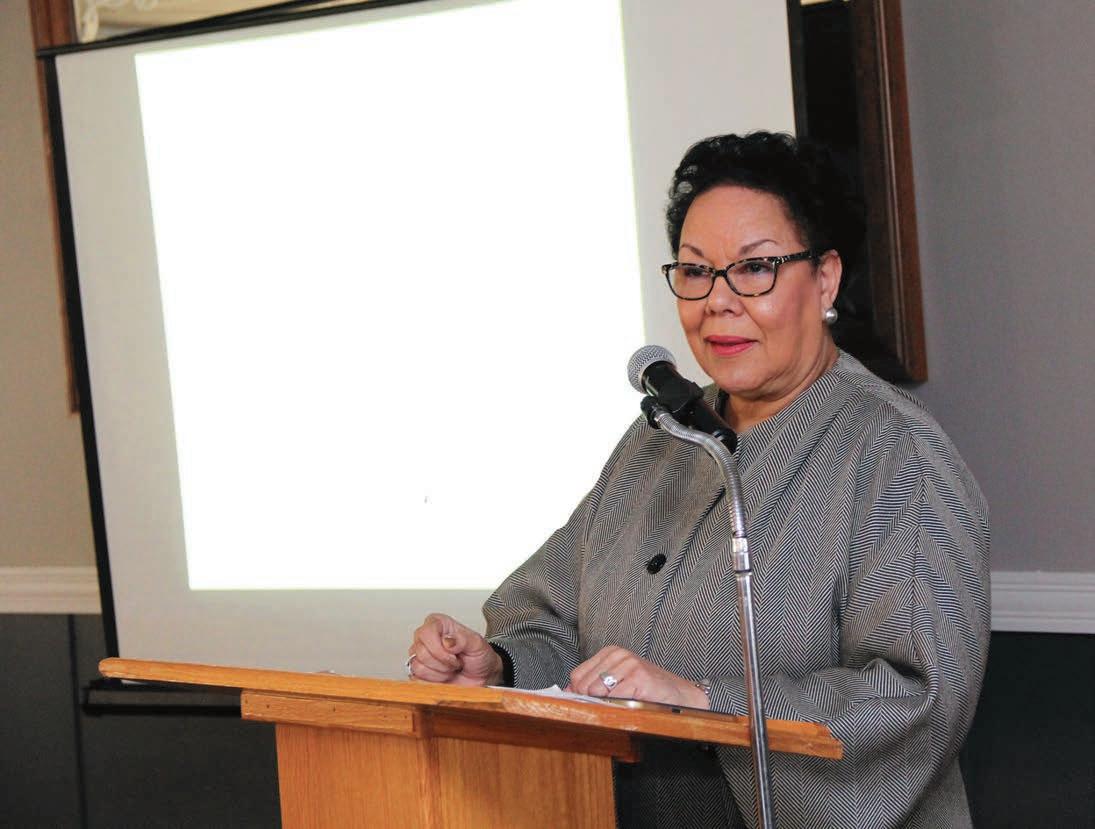
IDELIA SMITH, A BELOVED COMMUNITY MEMBER, ACADEMIC LEADER, AND LONGTIME BOARD MEMBER, IS HONORED.
WHEN IDELIA SMITH speaks, it’s easy to become mesmerized. Her tone is gentle, her cadence, mellifluous. Her manner is professional and amiable, and regardless of the topic at hand, she exudes calmness, warmth, and wisdom. These are just some of the qualities that have led Smith to a Lifetime Achievement Award from Holyoke
Medical Center (HMC), which will be presented to her at the hospital’s annual gala in February.
It’s not surprising that when people, including colleagues and past supervisors, share anecdotes and memories of Smith, a 30-year member of HMC’s board of directors and a former assistant vice president for academic affairs at Holyoke Community College (HCC), these qualities invariably are mentioned, along with a seemingly infinite list of accomplishments and achievements.
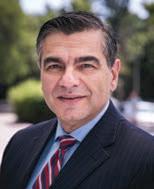
“Idelia has a tranquility about her,” says Spiros Hatiras, president and chief executive officer of HMC and Valley Health Systems. He has known Smith since 2013, when he was first considered for the role of CEO. As a member of
the medical center’s board of directors (she later served as chair), Smith was on the committee tasked with interviewing candidates. “Idelia put me at ease, even when she was asking difficult questions, and I appreciated that,” he says. “I felt like I could be myself and I was able to connect with her.” It’s a connection that continues to this day.
According to Hatiras, Smith is an ideal board member—inquisitive, smart, respectful. “She does her homework, and her attendance is perfect,” Hatiras says. “She understands managing and governing but doesn’t micromanage.”
She’s also quick to recognize achievements and give praise where praise is due but will also point out when something doesn’t seem quite right.
“Idelia is a fair and ethical person and has always been a voice of reason,” he adds. “She’s one of the wise ones.”
Smith was born and raised in St. Paul, Minnesota, where she was a nurse for a short time before attending St. Catherine University (then known as the College of St. Catherine), a private Catholic college for women where she double majored in English and business. “The majority of my professors were nuns, and they were such gentle, wonderful people,” Smith says. “I can still see their faces.”
She interned with First Bank System in the Twin Cities and upon graduation worked at a bank in the area. She was still living in the Twin Cities and had been working at an executive search firm when, in 1980, she attended a professional development event with her best friend.
“I met the gentleman who was facilitating that workshop, a very lovely and elegant man named Leonard, and I fell in love with him,” Smith says. “It didn’t take long to see that he was a keeper, and 11 months later, I married him.”
Smith moved to Boston, where Leonard worked as a training consultant for a large firm, but after just a month, she realized the city wasn’t for her. Before long, she and her husband moved to Western Massachusetts.
One day soon afterward, while looking at the Sunday paper, Leonard ran across an ad for a job he thought would be a perfect fit for his wife. “It was for a job development specialist role at Holyoke Community College,” Smith recalls. “Leonard said, ‘You could do that with your eyes closed.’ I applied for the job, went in for a six-person interview, and the rest is history.”
Smith started working in the Cooperative Education and Career Program at HCC in 1981. “I was fortunate to get the job, and I came at a good time, because I knew how to build a program and put jobs into place for students where they could work part-time and cultivate and test their
skills,” she says. The program was so successful that within a year, the college received a $1 million grant to become a demonstration school for other institutions around the country.
Smith was promoted to assistant director of the program. Then, in 1986, she took a position in the dean’s office. From 1992 to 2014, she carried a second title—affirmative action officer— which she held concurrently with a succession of roles that built upon her original position. In the interim, she lost her beloved husband, who passed away in January 2000.
In 2017, Smith was named HCC’s assistant vice president for academic affairs, a position she held until 2023 when, after 41 years of service, nine title changes, and 11 supervisors, she retired. “Throughout my career there, I always felt supported,” Smith says. “My
bosses were wonderful, as were all of the faculty and staff, and the work I did at the college has been my life’s pleasure.”
While lifetime achievement awards often are based on the longevity of a person’s service, HMC chose to honor Smith because of the quality of her longtime service. “The Lifetime Achievement Award is about doing things in a way that is helpful to the community and helpful to the people within the community,” says Jeff Hayden, vice president of business and community services at HCC. “It’s not just about time. It is about what she put into that time.”
Smith also has made an impact by taking the time to mentor other board members. “When I see people who have started out on the board and then become committee chairs or leaders on the board, a lot of that is due to the work that Idelia has done with practical ways of trying to help them grow into what the hospital needs them to be, and also into who they want to be,” Hayden says.
Smith, who continues to serve on HMC’s board of directors and remains a dedicated member, is reciprocal in her thanks for her time at the hospital. “I’m grateful to be receiving the HMC Lifetime Achievement Award,” she says. “It has been a wonderful life, and it is great to know that your life and your work mattered.”
To buy tickets, become a sponsor, make an in-kind donation, or place an ad in the tribute journal for the 2026 HMC Annual Gala, visit www.holyokehealth.com/gala26 or call 413.534.2579 .
KAHLOWN, MD,
THE RHEUMATOLOGY department at Holyoke Medical Center (HMC) continues to expand, as HMC recently welcomed a new provider to its team. Sara Akram Kahlown, MD, who joined the hospital in late October 2025, completed her training in internal medicine at United Health Services in Binghamton, New York, followed by a rheumatology fellowship at SUNY Upstate Hospital in Syracuse, New York.
“One of the best parts of my training was learning from my mentors, who taught me a lot about how the body and the immune system are connected,” Dr. Kahlown says. “I also got to be part of some new medical studies, which was exciting because I saw how new research helps us find better ways to treat patients.”
Dr. Kahlown knew from a young age that she wanted to be a physician, but it wasn’t until she attended medical school that she decided to become a rheumatologist. “I did a rotation in rheumatology and was fascinated,” she says. “It was like being a detective, trying to solve the puzzle of why someone’s immune
system was attacking their own body.”
Because many rheumatic conditions are chronic, patients often require ongoing treatment, which allows doctors to get to know their patients over an extended period. “It’s rewarding to work with people for years to help them manage their health and feel better,” she adds.
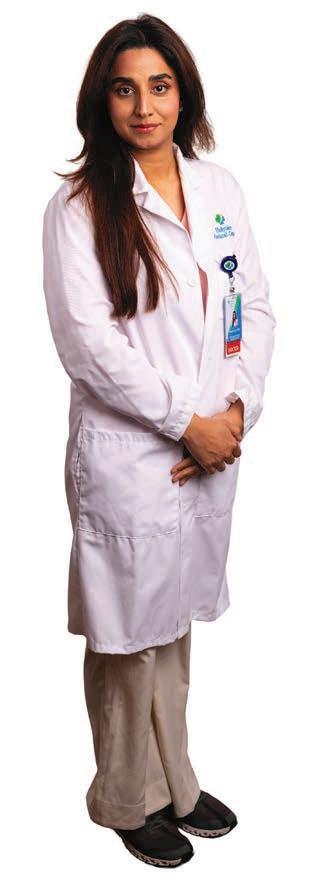
It was HMC’s great reputation for caring for the whole person, not just the disease, that attracted Dr. Kahlown to the hospital. “I believe in treating a patient’s overall wellbeing, both physical and mental,” she says. She is also excited to be working with and learning from HMC’s experienced rheumatology team.
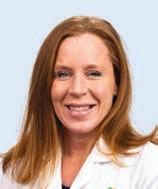
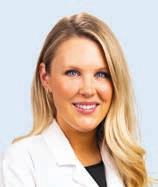
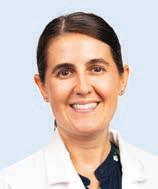
Dr. Kahlown joins two other board-certified rheumatologists at HMC Rheumatology:
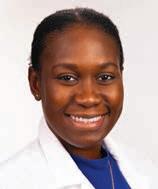
Juliann Allen, MD, who joined HMC in September 2024, earned her Bachelor of Medicine and Surgery at the University of the West Indies Faculty of Medical Sciences in Jamaica, followed by a residency at Hackensack Meridian Health/ Englewood Health in Englewood,
Rheumatologists are medical doctors who specialize in the diagnosis, treatment, and management of a wide range (more than 200 types) of rheumatic diseases, disorders, and conditions. These include chronic inflammatory disorders and infections that affect bones, joints, and muscles; autoimmune disorders, which occur when the immune system attacks the body instead of defending it; and connective tissue diseases, which affect the body’s supporting structures, including ligaments and tendons. Rheumatoid arthritis, psoriatic arthritis, osteoarthritis, tendinitis, bursitis, and scleroderma are among the most common rheumatic conditions.
New Jersey. Dr. Allen completed a twoyear fellowship in rheumatology at Albert Einstein College of Medicine/Montefiore Einstein in the Bronx, New York.
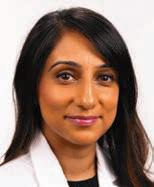
Dilpreet Singh, MD, FACR, came to HMC in November 2024. She received her medical degree from Trinity College at the University of Dublin in Ireland. Her postdoctoral training includes an internal medicine residency at Tufts University School of Medicine/Baystate Medical Center in Springfield, followed by a rheumatology fellowship that she completed at Case Western Reserve University School of Medicine/MetroHealth Medical Center in Cleveland, Ohio.
HMC’s team of board-certified rheumatologists diagnose and treat a wide range of rheumatic conditions as well as soft-tissue problems related to sports injuries and disorders.
HMC Rheumatology is located at 2150 Main St., Suite 140, in Springfield and is accepting new patients. To make an appointment, please call 413.534.2682 .
IN DESIGNING the bell pepper, Mother Nature was clear on the vaguely bell-like shape. But when it came to color, she threw up her hands and simply couldn’t decide. This fruit appears not only in different hues, but in its classic paintbox versions—a tomato red, a corny yellow, a grassy green, and an orange that’s as orange as an orange. (It can also be white, brown, purple, or even striped.)
And yes, the bell pepper is scientifically a fruit, although the culinary world treats it (like the tomato) as a vegetable. It’s the fruit of plants in one group of the species Capsicum annuum Because it lacks the chemical capsaicin, which creates a burning sensation on the tongue, it doesn’t have the spiciness of other peppers. (It’s sometimes called a sweet pepper.)
Color usually indicates ripeness. “A red bell pepper is simply a mature green bell pepper,” declares a Centers for Disease Control and Prevention website—although just to keep us on our toes, there’s a variety that stays green even when fully ripened.
Bell peppers originated in Mexico, Central America, and northern South America. In the 15th century, the plant was taken to Europe by Christopher Columbus. In 1774, Thomas Jefferson, who was known to be an avid gardener, was growing his own bullnose peppers, a variety that is one of the earliest types of bell peppers cultivated in the United States.
At just 20 calories, a half-cup (2.7-ounce) serving of green peppers meets more than 100% of the daily need for vitamin C; an equal amount of red or yellow ones increases that to more than 200%. Buying bell peppers pre-roasted can remove up to 25% of that vitamin C content and affect levels of other vitamins, too. Peppers cooked with a dry heat, though, are nutritionally preferable to boiled or steamed ones.
Bell peppers have the snack-like elements of crunch and flavor without the high caloric impact of potato chips or other processed snacks. All colors contain similar amounts of antioxidants, but red ones have lycopene, which fights free radicals, helping to prevent inflammation and the formation of cancerous cells. Not to be completely outshone, orange peppers contain high levels of zeaxanthin, and yellow ones have lutein. These are carotenoid compounds that can help keep eyesight sharp.
While September is prime time to purchase bell peppers at your local farmer’s market, if you have to settle for off-season produce in your grocery store aisle, you won’t be settling that much. Most signs of spoilage are obvious— i f the pepper looks bad or smells bad, it’s not a good choice. Similarly, it’s wise to pass by peppers that are noticeably soft to the touch.
Once you’ve bought your peppers, use them as soon as possible. At room temperature, they’ll last for a couple of days in the kitchen. In the fridge, they’ll stay fresh for roughly a week—cover them in plastic with holes for air flow and a paper towel to soak up excess moisture. Place them in the crisper to keep them crunchy. Most peppers can be stored in the freezer for up to six months to last the whole season. In general, green peppers stay edible a bit longer than other hues.
Serving peppers needn’t be formal; a bell pepper can be rinsed off and bitten into like an apple. For those who prefer a more civilized way to enjoy them, cut them into thin strips; try spreading peanut butter on them for a snack. Peppers are also great for roasting, skewering, or throwing in with meat and other vegetables. They add a nice crunch to a salad. Many recipes call for cutting off the tops and stuffing the insides, and the possibilities there are limitless. Some adventurous cooks have even tried putting bell peppers in their corn-bread recipes. Those looking for the best of both worlds can find a nice cross between preservation and preparation through pickling. If you use salt and water—or vinegar if you’re looking for a nice tang— your peppers can last in the fridge for a few weeks. Of course, only cooks aiming to drastically change the flavor of their peppers should choose this course of action.