
International Onboarding Guide
Getting Started at VU Amsterdam
Your one-stop resource for all prearrival and orientation information

About Vrije Universiteit
Amsterdam
Vrije Universiteit Amsterdam (‘VU Amsterdam’) is a leading European research university established in 1880. With more than 31,000 students, we are a modern organisation at the cutting edge of academic higher education. Our students are challenged to ask critical questions, tackle problems and place what they learn in a wider philosophical, ethical and social context.
VU Amsterdam offers a wide range of English-taught programmes at three levels: Bachelor’s (BA, BSc, LLB), Master’s (MA, MSc, LLM) and doctoral (PhD). Seven faculties share a single campus and cover a wide spectrum of arts, sciences, business and medicine.
Quality of education
At VU Amsterdam, we pride ourselves on the exceptional quality of our teaching. Students benefit from working in relatively small groups, where interaction and a personal approach are highly emphasised. Our well-organised teaching methods are reflected in the clear structure of our study programmes.
7 faculties
Academisch Centrum Tandheelkunde Amsterdam (ACTA)
Faculty of Science (BETA)
Faculty of Social Sciences and Humanities (FSH)
Faculty of Behavioural and Movement Sciences (FBMS)
Faculty of Medicine (MED)
Faculty of Law (LAW)
School of Business and Economics (SBE)
Explore the faculties
Bachelor’s, Master’s and PhD programmes:
• 21 interdisciplinary research institutes
• Over 170 programmes taught in English
• Only single-campus university in Amsterdam
Vrije Universiteit Amsterdam:
• is the only single-campus university in Amsterdam, bridging all disciplines;
• is located in one of the most dynamic and fast-growing business districts in the Netherlands;
• offers an international environment, exemplified by the Mixed Classroom Educational Model which builds upon differences to enrich the learning experience;
• is located in lively and multicultural Amsterdam, the city with the largest concentration of students in the Netherlands, where English is widely spoken;
• is open to all cultures, nationalities and religions.
Accreditation
VU Amsterdam is fully recognised by the Dutch Ministry of Education as a research university. All degree programmes at VU Amsterdam are accredited or in the process of being accredited by NVAO, the Accreditation Organisation of the Netherlands and Flanders. This organisation, established by international treaty, ensures the quality of higher education in the Netherlands and Flemish-speaking Belgium through rigorous accreditation processes.
Vrije Universiteit
University facts & figures
31,548 Students in total

127 Different nationalities

1 Campus university

20 International Student Advisors
257 International Student Ambassadors

6,519 International students
Onboarding
Time to start your onboarding journey!
Once you have secured your (conditional) admission to VU Amsterdam, your student onboarding journey begins. Onboarding refers to the process of you, our new students, becoming acquainted with the practical, social, and academic aspects of your new study environment. To optimise your student experience, VU Amsterdam offers a range of onboarding services and activities, including online predeparture sessions, academic workshops and of course our introduction week (see below). The aim of our onboarding programme is to help ease the challenges you may face within and outside of the classroom, such as language barriers and difficulties integrating into the campus culture.
Below are a few examples of services that are included in the onboarding programme.
Pre-departure sessions
Each year, the International Office organises pre-departure sessions to help you start your student journey successfully. These sessions offer valuable insights into studying at VU Amsterdam, covering topics such as important steps to take after admission, connecting with peers and your new home country and arranging practical matters. They also provide opportunities to get answers to questions about student life, housing and the immigration/visa process.
Practical Matters Days
The Introduction Week also includes the Practical Matters Days These days focus on assisting you in getting all the practicalities sorted, from getting a health/liability insurance to opening a Dutch bank account and joining ESN VU Amsterdam.
Introduction Week
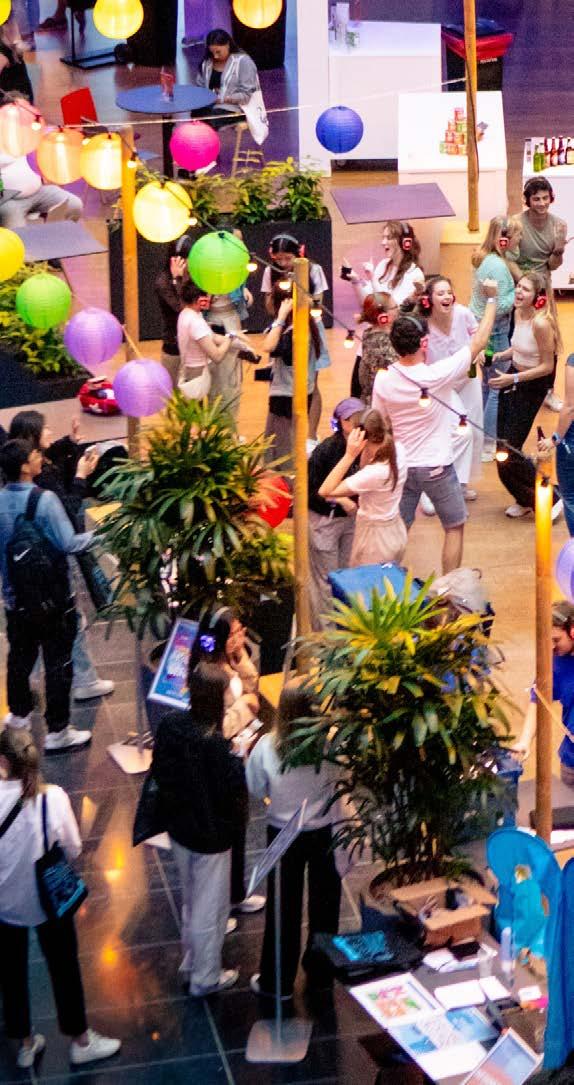
Your onboarding journey may include the Introduction Week, a fun one-time event welcoming you to the university. During your first days, VU Amsterdam will arrange several activities in order to help you become acquainted with the city of Amsterdam, the university campus, and your fellow students. All kinds of activities are offered such as social, cultural and sports events.
You will receive useful information on how to make the most out of your time at VU Amsterdam, both on a social and academic level.
Chat with student/alumni ambassadors
As part of your student journey, we invite you to talk to a current VU student. Our International Student Ambassadors and Alumni Ambassadors are ready to answer any questions related to student life topics, such as how easy it is to find a room, what classes are like and how they settled in when they moved to a new country. You can easily start a conversation with one of our Ambassadors through the live chat; you can even filter ambassadors by programme or country!
Connect with fellow students
During your studies there will be plenty of opportunities to meet fellow (international) students through the events and activities organised by VU Amsterdam, your faculty or study/student association. The good news is, you do not have to wait until you arrive at VU Amsterdam to start making connections with other fellow (international) students. In your admissions email as well as in follow-up emails, you will receive an invitation to download the Goin’ app. Through the Goin’ app, you can find and connect with other VU Amsterdam students with similar interests, characteristics or nationalities, make groups and exchange helpful tips. This will allow you to start your university experience on the right foot and gain a true sense of community.
Jumpstart (Master’s students)
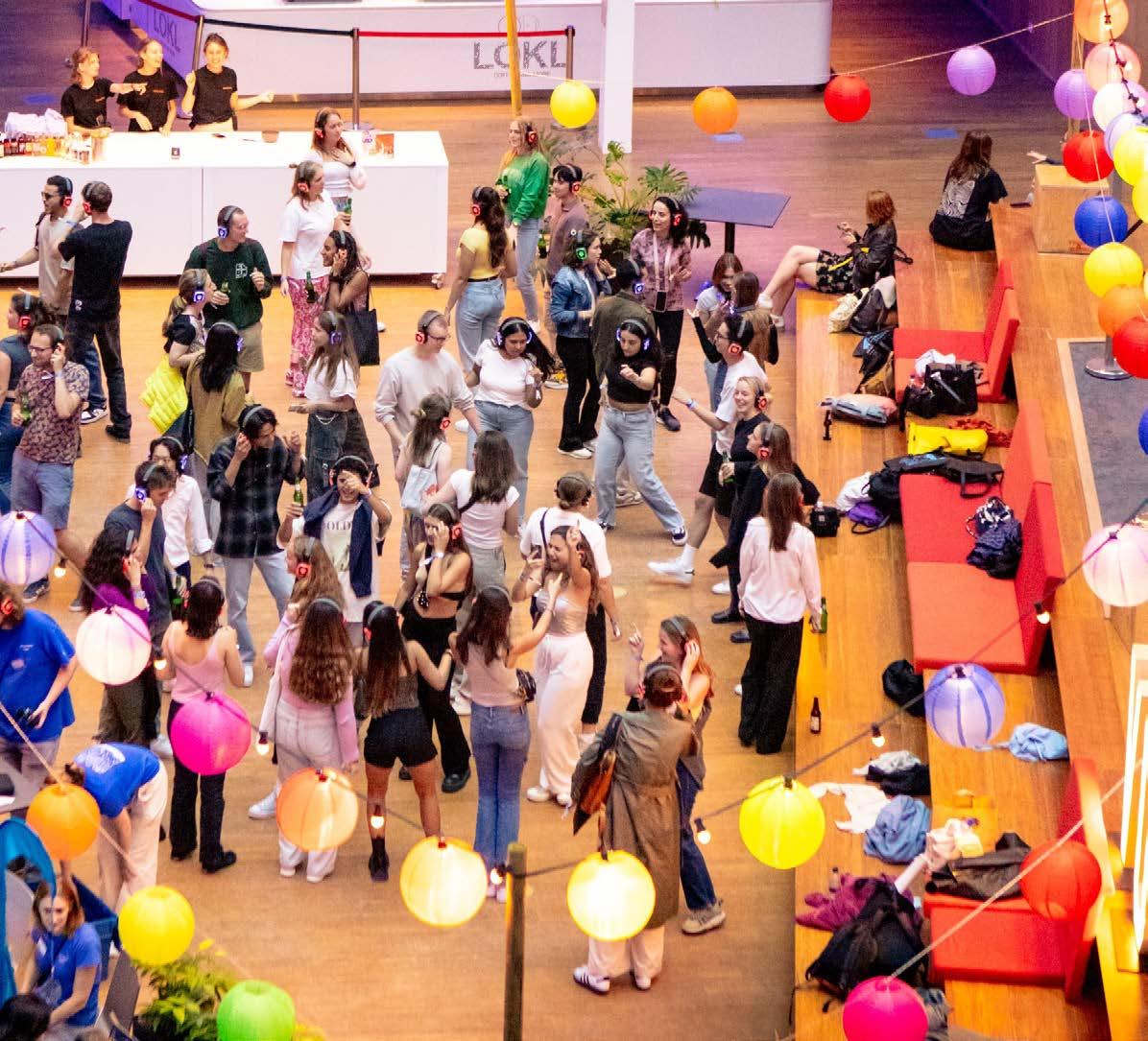
Studying abroad in Amsterdam can be a big step and is often accompanied by cultural shock and academic adjustments. The Jumpstart programme is designed to bridge the academic gap, ease your transition to VU Amsterdam and connect you with fellow Master’s students. Jumpstart offers tailored workshops on academic writing, finding literature, plagiarism and understanding the Dutch higher education system. Each workshop is followed by a social or cultural activity. What’s more, you can customise your own Jumpstart experience!

1
Get Admitted
Start your VU Student Onboarding Journey
Conditional offer
2
Accept your offer and start arranging housing and/or visa
Meet your admission conditions 3
Read your conditional offer letter for the exact timeline for meeting the deficiencies, if applicable
Deficiencies
Tip: VU Amsterdam’s ultimate packing list Need some guidance on what to pack for your move to the Netherlands? Check our curated packing list
Vrije
Participate in the VU Study Choice Check activity
Only for Bachelor's
Practical information
Steps to take after your (conditional) admission
1. Confirm your participation and apply for student services
A certified copy of your diploma
Before you can be admitted unconditionally to our university, we need to receive a certified copy of your diploma or a statement of graduation which must be certified as a genuine copy of the original by the issuing school/university.
English proficiency test results
Additionally, we also need to receive your sufficient English language test scores. Find the minimum required scores on the website: Bachelor’s and Master’s
Please note that there might be more requirements that you need to meet. See what happens after admission for more information.
2. Complete your admission
After you have been admitted we ask you to confirm your participation in your VU dashboard and select the services you may need. Please note that all students with a non-EU/ EEA nationality need to apply for a visa and/or residence permit.
In certain cases you may need to eliminate specific subject deficiencies before you can confirm participation. Deficiencies for regular degree programmes must be eliminated by 31 August, for students who require a visa/residence permit the deadline is 1 June and for numerus fixus study programmes the deadline is 15 July; read more about deficiencies on this page
Read the online admission, accommodation and visa (if applicable) pages in your personal dashboard on vu.nl carefully to see if you need to send us any additional documents. If you need to apply for a visa and/or residence
permit, you will have to upload all required documentation before 1 June. After this date, your application for services may be delayed, which means we cannot guarantee your start date at VU Amsterdam.
3. Pay the tuition fees
After you have fulfilled all admission and enrolment requirements and paid your tuition fees you will be officially enrolled.
You will have to pay the tuition fees before the start of the programme, 31 August (Numerus fixus deadline: 15 July). There are different payment methods available.
Before arrival
Apply for a visa and/or residence permit (if needed)
Confirm your participation
While confirming your participation in your personal dashboard on vu.nl , you can indicate whether you need a visa and/or residence permit and if you wish to apply for accommodation through VU Amsterdam. There are four steps you need to be aware of (if applicable):
1. Confirm your participation in your personal dashboard on vu.nl. In certain cases you may need to eliminate specific subject deficiencies before you can confirm participation. 2. Fill in the visa form in your personal dashboard and indicate whether you need to apply for a student residence permit. The visa application deadline is 1 June
3. Transfer your visa fee and/or housing fee via the online payment tool in your personal dashboard on vu.nl. Housing is assigned on a first paid, first served basis.
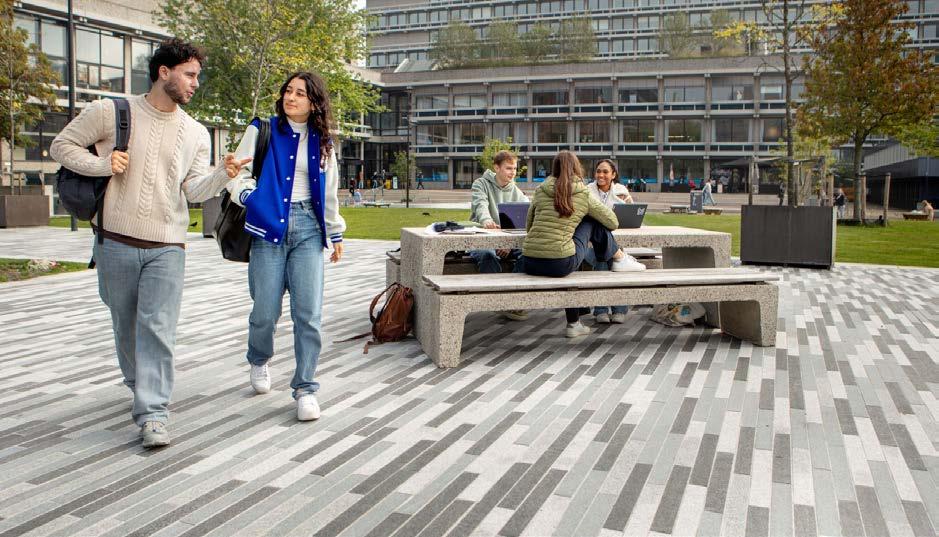
Find more information about what happens after admission on this page
Any questions?
Contact the International Student Advisors of your programme. Bachelor’s and Master’s
Entry visa (MVV) and residence permit (VVR) There are two types of immigration procedures:
1. Residence permit (VVR) procedure: no entry visa required, which means you enter the Netherlands with your passport.
2. Long stay entry visa (MVV) and residence permit (VVR) procedure: entry visa required, which you have to collect at the Dutch representation before you can enter the Netherlands.
Whether you need an entry visa (MVV) and/or residence permit (VVR) depends on your nationality (please see figure below). VU Amsterdam will apply on your behalf. From 1 April you need to submit your application as part of your immigration procedure. Once the visa section in your personal dashboard on vu.nl is open, you first need to answer a short questionnaire. After you pay the visa fee through the online payment tool in your per sonal dashboard on vu.nl, you will receive an instruction e-mail for our immigration portal called ‘VisaCare’, where you need to submit the required documents. Your contact person of the student immigration team will inform you once the residence permit and/or visa has been approved by the Dutch Immigration and Naturalisation Service (IND). Also, you will be notified when and where you can collect the visa and/or residence permit.
Find more information about the immigration procedures on the visa and residence permit page
Proof of financial means
When you are not from an EU/EEA country you must prove that you are able to finance the costs of living in the Netherlands. The IND determines the amount per month/ year. You need to be able to prove that you have at least €1,200** per month for the total duration of your study programme enrolment.
Additionally, you need to prove that you can pay your tuition fees. This means that the proof of financial means consists of proof that you can pay both the tuition fees and living expenses. In VisaCare you can upload the required documents. There are different options to prove you have sufficient financial means.
Tuberculosis test
A tuberculosis test may be part of your application for a residence permit after arrival in the Netherlands. VU Amsterdam will inform you when and where to go, depending on your nationality. You need to pay the cost of the TB test yourself.
Satisfactory Academic Progress
For questions related to the immigration procedure, you can contact the Student Immigration team.
studentimmigration@vu.nl
phone +31 (0)20 598 3078 (Monday, Tuesday and Thursday, between 10:30-12:30 CET)
The IND requires that all students with a residence permit for study purposes achieve Satisfactory Academic Progress. This means that students need to obtain at least 50% of the credits of their study programme each year in order to keep their residence permit for the next academic year. VU Amsterdam will check each year whether you meet these requirements. When students do not meet the requirements and there is no excusable reason for not passing enough courses, the Student Immigration team is obliged to inform the IND. Consequently your residence permit will be withdrawn regardless of the expiry date listed on the actual permit. This law applies to all students with a residence permit for study purposes. Please be aware that it is not possible to register for another study programme at VU Amsterdam if you do not meet the criteria for Satisfactory Academic Progress.
EU/EEA countries (Iceland, Liechtenstein, Norway, Switzerland)
Australia, Canada, Japan, Monaco, New Zealand, South Korea, United States of America, Vatican City, United Kingdom*
Israel, San Marino
Other countries
* Please note that exchange students from Canada, Australia, New Zealand, Japan and South Korea are advised to apply for the residence permit of the Working Holiday Programme/Scheme (WHP/WHS). A maximum per country applies, see the IND website. Exchange students from Argentina, Hong Kong SAR and South Africa have to check with the Dutch Embassy first if they can use this option.
** This amount is valid as of 1 January 2025 and is subject to change.
Arrange accommodation
If you plan to study at VU Amsterdam, it is essential to think of a place to live. Unfortunately, finding a room in Amsterdam is difficult and stressful. The housing market is extremely tight. We advise you to start looking for housing early and to not limit your search to Amsterdam but also check the options in neighbouring cities and villages.
Options to find a room
1. Register on student housing platforms
As soon as you decide to study in Amsterdam, we strongly advise you to immediately register on student housing platforms because they work with registration time. Rooms are offered to the highest ranked student on the waiting list.
2. Housing on the private market
Another option is to look independently for housing on the private market. This is very time consuming; we advise students to start their search early in the year.
Private market rentals begin from €808. However, many students choose to share apartments to cut the rental costs. You should also search outside of Amsterdam. While searching, be aware of scams; if it seems too good to be true, it probably is!
3. Housing via VU Amsterdam
VU Amsterdam has a limited number of housing options available for 1st year international Bachelor’s and Master’s students. We offer a variety of housing at different locations varying in price from €450 to €1,250. The average rental price is €700.
The rental contract is limited to only 1 academic year. After the first year, students need to find housing by themselves, even if the study programme is 2 or 3 years.
Be aware, that we can only accommodate max. 50% of all incoming 1st year students. Also, VU Accommodation is assigned on a first paid, first served basis. Students can apply for housing starting from October in the previous academic year.
Please check the accommodation page for information about how to apply for housing via VU Amsterdam. To confirm your application, a housing fee of €500 needs to be paid which is refundable until 1 July
Arrange insurance
Health insurance
Valid health insurance is compulsory in the Netherlands. If you have not arranged a valid insurance yet, make sure that you do so as soon as possible. There are numerous options to insure your medical costs depending on your period of stay in the Netherlands and your nationality. Please see the insurance page for more details.
Insurance
package
VU Amsterdam has assisted Aon Student Insurance with the development of a tailor-made ICS Complete+insurance for international students. This insurance package covers health and non-medical costs worldwide. The package includes home contents, baggage, accidents, liability and legal costs. The complete insurance policy information and quote about this insurance can be found on their website.
Are you planning on working while studying? If you get a job during your studies or undertake a paid internship, student insurance is not sufficient. You will need to purchase Dutch “basis” health insurance. For more information please visit the Nuffic website
Liability insurance
You are liable for all associated costs when you cause an accident involving injury to others or damage to property. The resulting claim for damages could be very expensive. Therefore, we would strongly urge you to take out adequate liability insurance. Read more on the insurance page
For questions related to accommodation, you can contact the Student Accommodation team.
studentaccommodation@vu.nl
phone +31 (0)20 598 1813 (Monday, Tuesday, Thursday between 11.00-13.00 AM CET)

Familiarise yourself with the Dutch academic culture
Education
The quality of Dutch higher education is amongst the best in the world. Education at VU Amsterdam is structured according to the Bachelor’s and Master’s system. In general, the teaching style can be described as student-centred; we stimulate students to develop their own opinion through independent and creative thinking. This means that teaching is conducted in small seminars where interaction is the norm rather than the exception. At VU Amsterdam students are encouraged to engage their professors in a discussion.
This focus on interaction also means that many courses will involve some type of group work. You will join efforts with your classmates to complete an assignment, presentation etc. If you want to know more about how to prepare yourself for this education style please see the Jumpstart page and the Onboarding page
Academic year
The academic year starts in the first week of September and is divided into two semesters. Each semester consists of three periods of 8+8+4 weeks. Examinations are held at the end of each semester (January and June), or at the end of the eight- or four-week period. You are registered as a student from 1 September until 31 August.
Credits
At VU Amsterdam, credits are listed according to the European Credit Transfer System (ECTS). The ECTS credit system is based on study workload, which includes contact hours, time spent completing papers, assignments and preparing for examinations. In this system, 1 ECTS credit point represents 28 hours of study (including class attendance). A full-time student is expected to earn 60 ECTS credits in one academic year, and 30 credits in one semester.
Dutch grading system
When you come to the Netherlands to study you will probably expect that many things are different than in your home country. The grading system may also not be the same as what you are used to. There are many different grading systems in the world, such as (from lowest to highest grade) 1 to 5, 1 to 10, 1 to 20, 1 to 100, 5 to 1, F to A. In the Netherlands, the traditional grading scale is from 1 through to 10, where 1 is the lowest and 10 the highest grade. The pass mark for a single subject is 6. Grades 1 through to 4 are very rarely given, and the same is true for grades 9 and 10. The most common grades in both secondary and higher education are 6 and 7.
Visit the Nuffic website for more information about the Dutch grading system and how grades are distributed.

Instruction style
Study hours at VU Amsterdam are a combination of hours spent in class with the instructor and hours spent out of class working independently. In general, a VU student has about 10 hours per week of strictly student/professor contact hours. The remaining hours are spent outside of the classroom and can include time spent working on assignments with other students from your course, known as “work groups” or time spent working individually on assignments, known as “self-study.”
Generally, you can expect a high level of classroom interaction, independence and active learning, direct feedback and social equality, and no grade inflation. On the other hand, you are expected to be an active learner and critical thinker, to be present, on time and prepared, and to be accountable and transparent when submitting assignments.
Plagiarism
Plagiarism, or using others’ work without acknowledgment or source references, is considered a serious offense at VU Amsterdam. If you are caught committing such acts, your work will be declared invalid, among other possibly more serious consequences. Therefore, make sure to inform yourself and understand how to apply the rules. Note: even self-plagiarism is possible!
Binding recommendation on continuation of studies (BSA)
In your first year as a Bachelor’s student, you must obtain a certain number of credits and complete possibly one or more specific courses complying with the BSA norm. At the end of your first year you will receive either a positive or a negative BSA. A negative BSA means you will not be able to re-enroll in this particular VU programme for the next three years. You can always appeal this decision.
After arrival
Registration with the municipality
For a stay in the Netherlands of more than four months, you need to register as a resident with the municipality. If you are going to live at student campus Uilenstede, you need to register at the municipality of Amstelveen.
Doing so will enable you to get your Citizen service number (Burgerservicenummer or BSN). You need a BSN to open a bank account, take out health insurance or get a job or internship position in the Netherlands.
More information about registering with the municipality can be found on this page. During the Practical Matters Day, it will also be possible to register at the municipality of Amstelveen directly.
Get your DigiD
After you receive your BSN, you can apply for a DigiD. This ID allows you to take care of government related issues online. You can use DigiD to log in to government websites like Studielink, DUO (study finances), Belastingdienst (taxes) or municipality services.
Set up a bank account (if necessary)
You may need a current bank account to manage your day-to-day finances. There are several options available to you; in order to get an account you can go to a bank’s office once you have arrived in the Netherlands or register with an online bank, such as Bunq. Most people use a Maestro debit card (pinpas in Dutch). Many grocery stores do not accept credit cards and some stores have even stopped accepting cash. You also need a bank account to work or do an internship. Find more information about opening a bank account on this page
Health matters
The General Practitioner
The General Practitioner/Family doctor plays a key role in the Dutch health care system. You should consult your GP when you become ill, need a prescription or suffer from mental problems. The GP will either refer you to a specialist or treat you himself/herself.
As a student at VU Amsterdam living in Amsterdam or in the surrounding areas such as Amstelveen/Uilenstede, you will be able to register with the GP at the University General Practice (located in the VU Medical Centre on our campus) once you have a valid health insurance. More information can be found on their website. If you live outside of Amsterdam, you can look for a GP close to your home.
More extensive information on health care providers in the Netherlands can be found on this information sheet
The dentist
All students of VU Amsterdam who stay for more than one year can register with ACTA (the Faculty of Dentistry) for dental care. Students who stay for less than one year can contact the Tandartsbemiddelingsbureau. They will assist you in finding a dentist who can help you at short notice.
ACTA (Dentists) Dentistry intermediary agency
T : +31 (0)20 598 0380 T : +31 (0)20 506 3841
I : ACTA
T : info@acta.nl
Pick up your student card
First-year students will receive a student card after completing their enrolment and uploading a passport photo. Your student card proves that you are a student at VU Amsterdam; with it you identify yourself at exams, use printing facilities and borrow from the library. If your card is ready on time, you can pick it up on Arrival Day. Otherwise, the Student Desk will inform you about when and where to pick it up.
Getting around
By bike
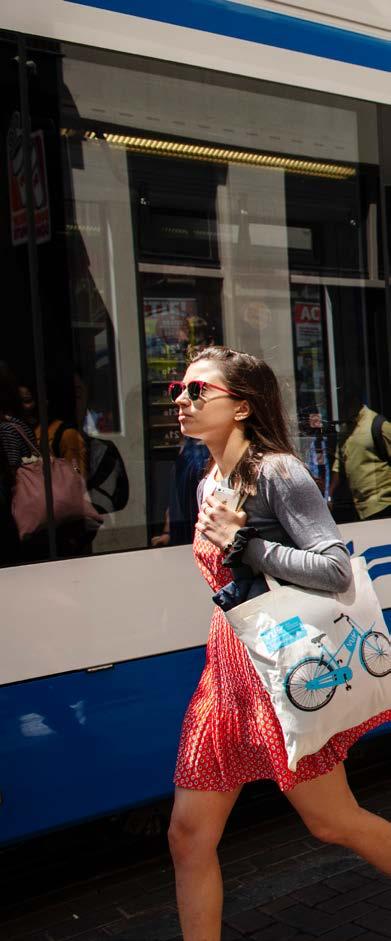
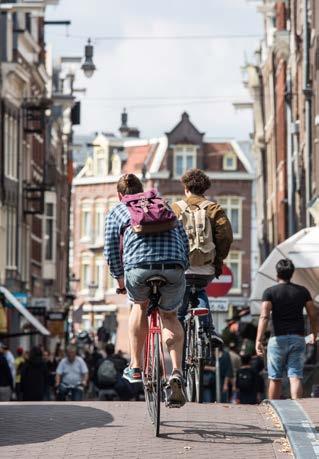
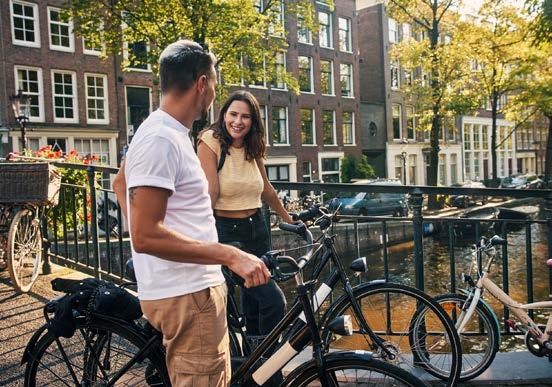
After you arrive we recommend getting a bike! Biking is the easiest way to get around in Amsterdam and surrounding areas and, although public transport is very efficient in Amsterdam, it can be fairly expensive. You can buy a new or refurbished bike or even rent one (e.g. via Swapfiets, which includes full support services in case your bike needs maintenance or is stolen).
In order to prepare you for the hustle and bustle that is Amsterdam bike life, former VU Amsterdam students Thijs and Rendel have created a video to prepare you prepare you for how to navigate the streets of this city, for example how to cross the tram rails and how to blend in with the locals cycling-wise – safety first!
Public transport
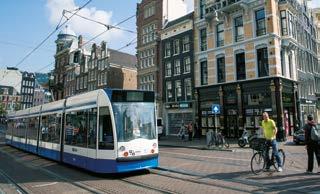
To travel by train, bus, metro and tram, you can use a debit or credit card or buy a public transport chip card (OVchipkaart). These cards are sold at GVB Tickets & Info points and at ticket vending machines. It is important that you always check in and check out of each vehicle with your card, including when transferring. Plan your journey here
For more information, check our page on cycling and public transport . For the best way to get to VU Amsterdam, take a look at our transportation guide
Student life (on campus)
Cultural do’s and don’ts in the Netherlands
After moving to the Netherlands, it may take some time to adjust to your new surroundings -especially when it comes to cultural differences. Understanding Dutch habits and social norms will make it much easier to feel at home.
Here are our top tips to help you along the way:
Don’t Do
Be direct
The Dutch appreciate honesty and clear communication – you can be direct, no need for too much sugarcoating.
Plan ahead
Social calendars fill up quickly. Even coffee dates are often scheduled weeks in advance.
Embrace the bike
Biking might take some getting used to, but it’s the main mode of transport – and the cheapest!
Share the bill
“Going Dutch” isn’t just a saying; it’s standard practice.
Block the bike lane
Cyclists move fast, and that cheerful bell usually means “heads up!”
Be late
Punctuality is taken seriously - arriving 10 minutes early is better than 2 minutes late.
Mistake directness for rudeness
It’s just how the Dutch value openness and efficiency!
Underestimate small gestures
A simple “thank you” or a few Dutch phrases go a long way.
Take it the wrong way if people want to split the bill or only pay for their own items
Or if you receive a tikkie after the fact! It’s just the Dutch way of keeping things fair and simple.

And more importantly
Don’t be discouraged if things feel slow. Whether it’s figuring out how to navigate biking in the city, learning the language or making new friends, everyone had to learn at some point!
For more insights into student life in the Netherlands, visit our student blog amsterdamstudents.com and check out studyinnl.org
This is Amsterdam, your future study hub
931.748
Amsterdam has approximately 931.748 inhabitants

face-smile 6th
According to Mercer’s 2024 Quality of Living Survey, Amsterdam is ranked 6th worldwide
219.3 km2
Amsterdam is the largest city in the Netherlands
127,500
With almost 127,500 students, Amsterdam is a great and lively place to study
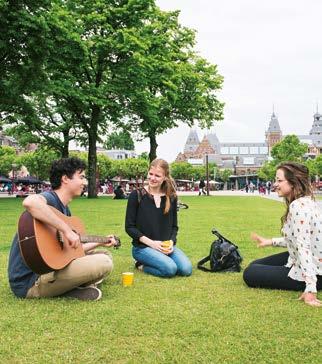
tree-deciduous 40
Amsterdam has 40 parks to relax or work out in
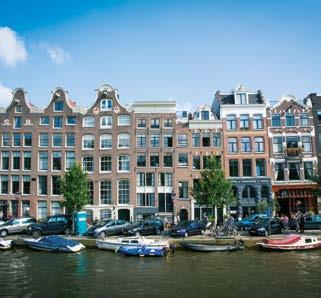
bridge-water 165
Amsterdam has 165 canals and 1,753 bridges, even more than Venice
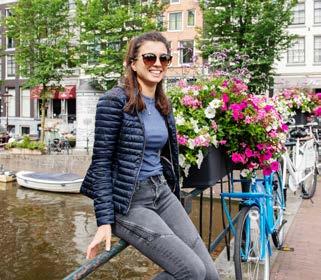
user-shield 6th
Amsterdam is one of the safest cities in the world
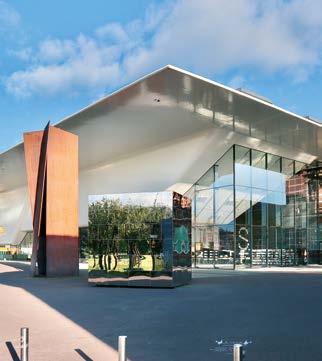
building-columns 75
Amsterdam has 75 museums
A day in the life of VU students

Name: Nhu
Country: Vietnam
Programme: Master’s degree in Marketing
A day in the life of Nhu
alarm-clock 8:00: Time to wake up
The day starts for me, so I can have time to self-prepare and read the materials again before class.
mug-hot 9:00-12:00: Class and coffee break
It’s time for the Customer Marketing class with Professor Lalin – who is my favourite teacher. Every week, I’m always looking forward to her class to contribute opinions, raise my voice, sit with my peers and listen to Lalin’s insightful lessons.
Break time: I grab a cup of coffee and have a daily conversation with my classmates. Usually, I pick a caramel macchiato at Doppio, where coffee is served quickly, with good quality and sweetness – enough for me to continue and focus on the class.
person-chalkboard 12:00: Next class!
It’s the end of class, so I move to the VU New Building for Customer Marketing Analytics – the class is full of numbers and data. I felt it was tough at first, but thanks to the careful instructions from my classmates around me, I have gained useful knowledge to practice and apply to my career perspective.
book-open-reader 13:00-16:00: Time to study
After finishing this class, I go straight to the silent room in the New Building to revise and systematise the knowledge from the day. In the New Building, there are always many options to study – in a silent room or in a group space – and that’s why I love this building; the utilities are always nearby to support my study.
utensils 14:00-14:45: Lunch break
During the break time, I can go back home – just a 5-minute walk from VU, or grab lunch at Spar, the university supermarket.
person-meditating 18:00-21:00: Time for fun!
To make life more livable, I have created my happiness in 3D by VU – where art sessions or film screenings are usually organised for free. I come here to enjoy my free time by drawing, making pottery, and doing pilates. Or exploring new cultures with VU Griffioen – which usually organises diverse activities such as Dabke Dancing for students to learn how to dance Arabic traditional dance. I tried it – super energetic and fun!
To have a sip with friends after class, Bar Boele or Grand Living Café are usually our options because they are on campus and the atmosphere is very nice for having conversations and enjoying drinks together.
Nhu’s reflection: Living abroad and building a new life in a different country is not an easy choice – I have to admit that. Many moments I feel doubt, homesick and lonely. But I have found the right environment to grow, to feel safe when I share my concerns in life or academics, and to connect with friends and professors from diverse backgrounds. I am grateful for meeting them at this moment, in this environment.

Name: Syed Shaharyar
Country: Pakistan
Programme: LLM International Technology Law (VUFP scholar)
A day in the life of Syed
alarm-clock 8:30: A quiet start to my day begins
Unlike my undergrad years, my Master’s schedule has fewer contact hours, but the reading load is much heavier. I’ll make a strong cup of tea and have a simple breakfast while mentally preparing for my seminar. I’ll quickly check Canvas for any new reading material posted by the professor.
bicycle 10:00: The ride to campus
I live in Cornelis Lelylaan, which is a student housing managed by DUWO, so it’s a short bike ride to VU Amsterdam, around 20 minutes. Cycling here was a bit chaotic at first because I used to drive cars in my country and never cycled really, but now I can’t imagine getting around any other way. It’s the perfect way to wake up properly before class. The VU campus is extremely beautiful and mesmerising. You will see it often quite busy with students and there are always some fun activities going around.
person-chalkboard 11:15: Regulating AI & Robotics seminar
I head to the Main building, where most of the lectures for my programme take place. Today’s seminar is on AI regulation. Master’s level classes are small and highly interactive. The professor expects us to have done the reading and contribute to the discussion. My classmates come from all over the world, from countries such as Brazil, Italy, China, the United States and hearing their perspectives is one of the most valuable parts of the programme.
utensils 13:00: Lunch and connect
After the seminar, I meet up with a few friends from my programme for lunch. We usually grab something from the cafeteria or bring our own food to save some euros. Today we’re discussing our progress on a group assignment. It’s a great chance to bounce ideas off each other and just destress a little.
book-open-reader 14:30: Deep dive at the library
Time for some serious independent study. I find a quiet spot in the law section of the University Library (UB). The reading list for a Master’s in Law is no joke! I spend the next few hours working through academic journals and case law for my thesis research. It’s challenging but genuinely fascinating.
person-chalkboard 17:00: Guest lecture & networking
One of the best things about studying at VU Amsterdam is the connection to the professional world. Today, the law study association is hosting a guest lecture from a lawyer at a major tech firm. I make sure to attend these events. They are not only great for learning but also for networking. I introduce myself to the speaker afterwards, a tip I highly recommend!
hat-chef 19:00: A taste of home as I cycle back home
Evenings are my time to reconnect with my roots. I’ll put on some music and cook dinner. Tonight, I’m making a simple “daal chawal”. It’s comforting and reminds me of my family. Around this time, I’ll video call my parents in Lahore. Seeing them is the perfect end to a long day of studying.
loveseat 21:00: winding down & final prep
I’ll spend about an hour doing some final reading for tomorrow’s class. After that, it’s time to relax. I might watch an episode of a show or chat with my flatmates. Sometimes, if I’m not too tired, a few of us will go for a walk around the neighbourhood to enjoy the quiet Amsterdam evening.
Syed’s tip: My advice to new students, especially internationals: don’t be afraid to put yourself out there. Speak up in class, go to networking events and connect with people from different cultures. Embrace every moment of it!
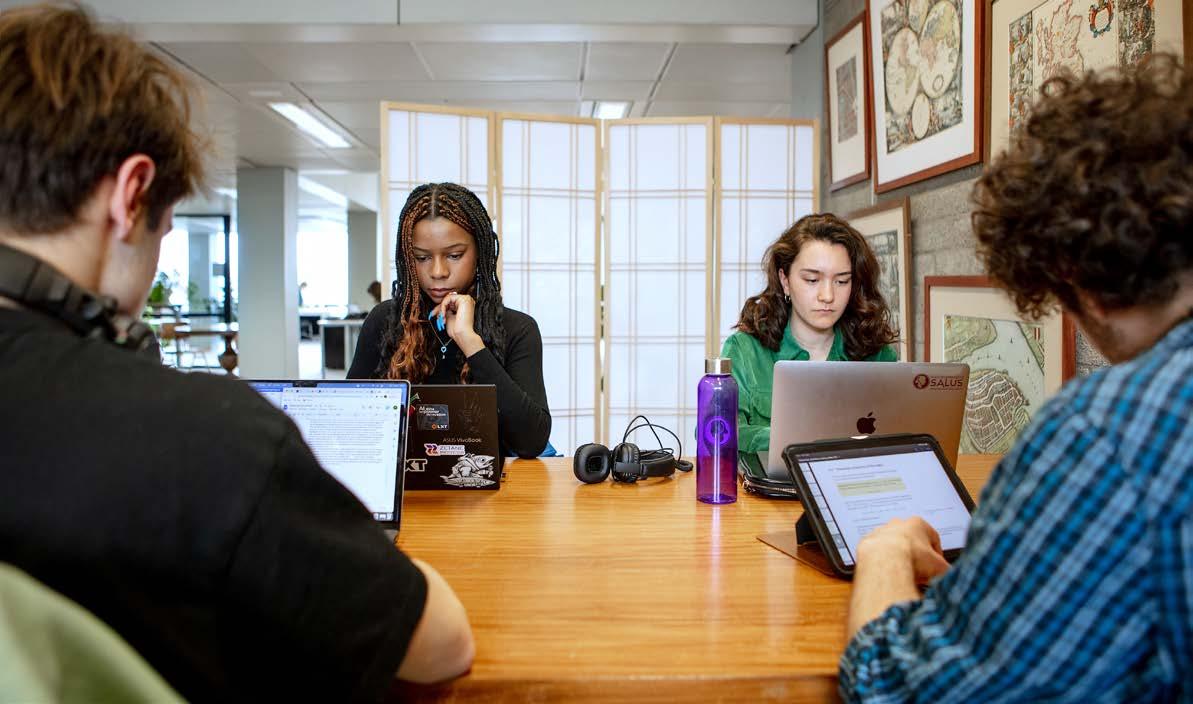
Study facilities
University Library
Our University Library offers a large collection of books and digital resources to support your coursework and research. All VU students are automatically members and can borrow materials with their student card. Beyond lending, the library also offers courses and workshops, most of which are free for VU students.
VU Audiovisual Centre (AVC)
Located on the first floor of the main building, AVC is a modern space for study, research and collaboration. Students, staff and researchers can explore the latest technologies and educational tools - free of charge.
Campus-wide wireless network
Free high-speed Wi-Fi is available across campus, including extra-fast hotspots. Install Wi-Fi on your laptop at the IT Service Desk in the main building or set it up on your phone via www.vu.nl/wireless
Wifi VU Amsterdam has three wireless internet networks
VU-Campusnet For students and employees with a VUnet-ID
Guest-network for visitors
To access this network you need a temporary visitors account
Eduroam VU employees and students can use the eduroam network which is also available at other educational institutions affiliated with eduroam
Computer rooms
There are several computer rooms and internet workspaces available on campus. The Main Building’s study room (ground floor, 0B-06) has 60 workspaces with power outlets, keyboard holders and adjustable chairs. It includes a silent area for private study, a collaborative area for group work and spots reserved for wheelchair users.
Copy centre
The Copy Centre offers printing, photocopying, scanning, lamination and thermal binding. Self-service copying machines are available across campus and can be accessed with your student card.
Associations
Student associations
There are many student associations you can join to make the most out of your time as a student. From general associations and sports associations, to culture and art associations, there is something for everyone’s tastes and likes. ESN VU Amsterdam - VU Amsterdam’s own organisation - connects Dutch and international students, helping you get to know the university and the city through social events, weekly get-togethers and more.
Study associations
Study associations are organisations specifically for students of the same study programme or faculty. Founded by students, these associations focus on the academic content of your studies while emphasising fun and stress relief. They often organise activities exclusive to the students of the study programme or faculty, and you can frequently get discounts on study books!
Vrije
VU Bookstore
The VU Bookstore in the main building sells textbooks, general reading material and stationery, including magazines, stamps, transport tickets, pre-paid smartcards and more. Compulsory course literature is available here, and study association members can get discounts online!
Language courses
Basic Dutch on Campus

Would you like to learn enough Dutch alongside your studies to help you feel more at home in the Netherlands? With Basic Dutch on campus’ you will learn all the basics, from how to introduce yourself to ordering a meal and chatting with local students and teachers. VU Amsterdam offers international students two modules of this specific course at a greatly reduced rate!
VU Taalloket (language centre)
VU Taalloket is an independent translation and languagetraining agency affiliated with VU Amsterdam. They provide translations, language and communication training courses and text editing services.
Uilenstede student campus
A part of the student accommodation is located at Uilenstede. Here you can find a café/ bar and the main location of our sports centre. It is easy to reach, located only five minutes by bicycle from the university.
Food and drinks
There are a supermarket and three restaurants on campus where you can enjoy a light lunch. The restaurant in the main building also provides hot meals at lunchtime and in the late afternoon/early evening. There are also a number of coffee bars throughout the campus, as well as Grand Café Living and Spar supermarket.
Theatre Café Bar Boele
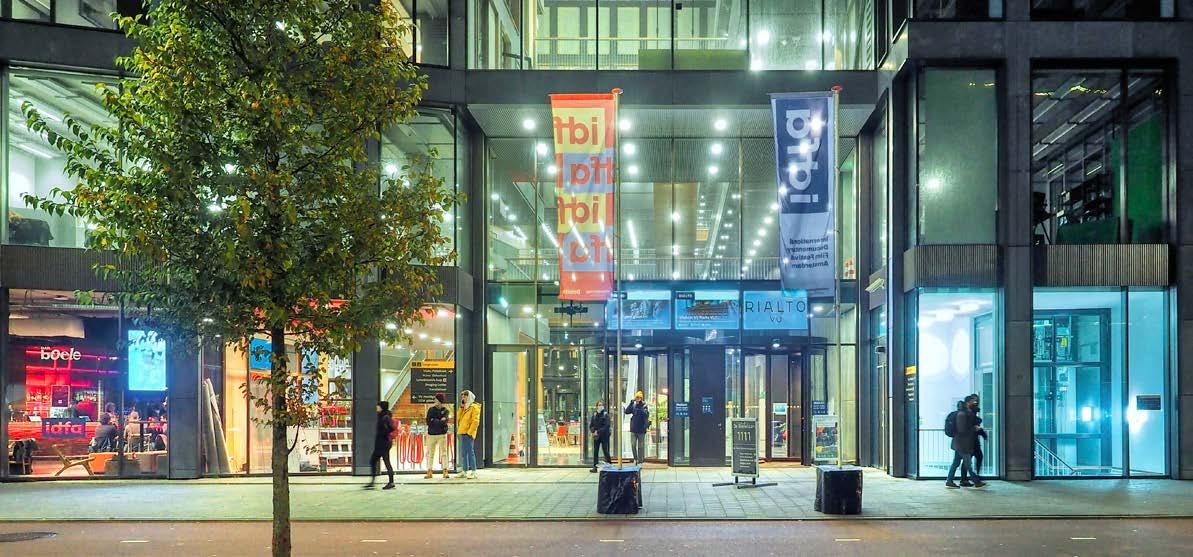
Bar Boele is a theatre café, run by Rialto and Griffioen. It’s an international living room on campus - a place to get inspired, to meet new people, to hang out with friends, or to have a drink after a film or theatre performance. You can order drinks and bar food. Bar Boele also has its own event stage, for open mics, pub quizzes and more. You can find Bar Boele next to the entrance of the NU-building.
VU sports facilities
The VU Sports Centre is a sports facility offered by the university. It offers a very wide range of opportunities to play sports and keep fit. There is a special offer available for international students.
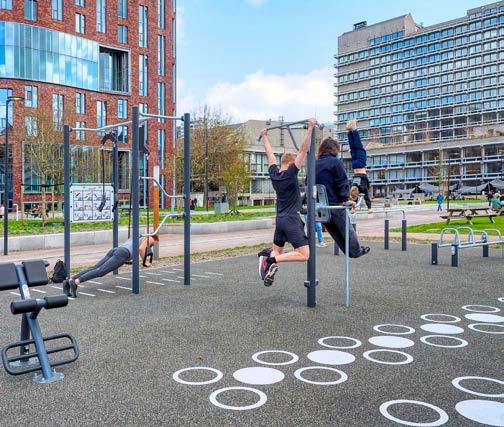
In addition to the VU Sports Centre, the university offers various sports facilities, such as the volleyball and basketball courts and the calisthenics gym on campus.
UTENSILS Places to eat and drink at VU Amsterdam
Restaurants Three restaurants on campus with light lunch opportunities
Mainstreet and coffee bars You can pick up a coffee ‘to go’ at Mainstreet in the entrance hall of the Main Building. Pastries and light snacks are also available
Grand Café Living Grand café with terrace
dumbbell
Art and culture
Learning and personal development should go beyond the set course curriculum. VU Amsterdam therefore actively promotes arts and culture and is the only Dutch university that has its own theatre, course centre, cinema and art gallery.
VU Griffioen
Visit VU Griffioen to see professional theatrical performances or to join a creative course or workshop. Every year, Griffioen puts on over 150 performances. In our theatre you will find anything from comedy to drama, music and dance, performed by both established artists and upcoming talent.
You can also join over 70 types of courses and workshops that include everything from dance to music, mindfulness, drama, writing, photography, painting and more.
The city of Amsterdam
Amsterdam is one of the most multicultural cities in the world and home to around 180 different nationalities. English is widely spoken. At VU Amsterdam, some 84 nationalities work and study closely together creating a vibrant international academic community. Discover more about Amsterdam
Movie theatre Rialto VU
Movie theatre Rialto has opened a new location on campus. They now have 4 state-of-the-art screening rooms in the New University building where you can see quality films from all over the world.
VU Choirs and Orchestras
VU Amsterdam has four music groups: the VU Orchestra, the VU Choir, the VU Chamber Orchestra, and the VU Chamber Choir. See this page for more information.
VU ART SCIENCE gallery
The VU ART SCIENCE gallery focuses on the interaction between art and science. VU Amsterdam initiated the gallery, as it encourages the exchange of multidisciplinary knowledge.

Studying at VU Amsterdam: good to know
Canvas
Our digital learning environment is Canvas; here you will find, among other things, the syllabus for each course and other useful documents as well as information on your progress. Sometimes you will have to hand in assignments through Canvas.
VU student e-mail
Each student is assigned a personal VU student email address before the start of their studies. We urge you to start using this e-mail account as soon as possible as VU Amsterdam will use it to communicate with you. You do not want to miss out on important information and deadlines!
VunetID and VU.nl
Your VUnetID is your username and password to access all digital services VU Amsterdam has to offer, such as your personal dashboard on VU.nl and Canvas . You also need your VUnetID to be able to take digital exams.
VU.nl is an important information source during your studies. On your personal dashboard you can find all relevant information such as your email, your personal schedule, exam grades, important announcements, news and all you want to know about courses, examinations, student wellbeing or student guidance. As soon as you receive your VUnetID and your application is completed, you can enter all VU.nl services.
Tip: you can also use your VUnetID to buy software at a bargain price via Surfspot
VU academic calendar
In the VU Amsterdam academic calendar, you can find the dates for education (free) weeks, exams, resits, VU events and national holidays.
Timetable (rooster)
Your personalised timetable provides an overview of all your registered lectures, seminars and exams, telling you where you need to be and when. You can also synchronise your schedule with your personal Apple, Google, Outlook or other calendars.
Study guide
The Study guide is an important source of information, offering a complete overview of the content of education (including courses, periods, literature) and the test format(s). Make sure you are familiar with the content of the Study guide for each course you are enrolled in.
Books
In the course descriptions in the Study guide you will find the literature you need for each course. You might receive more information about extra relevant literature during the first lecture of the course in question or via Canvas.
VU campus and Uilenstede maps
The VU campus is a welcoming and lively meeting place where students, teachers, researchers and the business community come together. On the map you will find the (wheelchair friendly) entrances and elevators, coffee corners, parking entrances and more.
VU buildings opening hours and visiting addresses
See all opening hours here
Need more information about the start of your studies? Check this page
Financial information
Tuition fees
Students from the European Union (EU) or the European Economic Area (EEA) pay the same tuition fees as Dutch students. The tuition fees for most programmes are determined by the Dutch government on an annual basis. Tuition fees for non-EU/EEA students vary depending on the programme. Please check the website for up-to-date information on tuition fees for Bachelor’s students or Master’s students.
Student finance
You are only eligible to apply for Student Finance if you are a Dutch national or have the same rights based on your residence permit or your nationality. You can then apply for a grant, the interest bearing loan, the student travel product and the tuition fees loan. For more up-to-date information on Student Finance please check the website of DUO
Working while you study
If you want to work in the Netherlands alongside your studies, it is important to know the rules and regulations. Students from the EU/EEA who wish to work alongside their studies have the same rights as Dutch students. You do not need a work permit and the hours that you are allowed to work per week are not restricted. However, in most cases you will have to be able to speak a reasonable amount of Dutch.
Non-EU/EEA students require a work permit alongside their residence permit for study. With a student permit you are only allowed to work a maximum of 16 hours per week OR fulltime during the summer months.
Read more about working in the Netherlands while studying.
Student discounts
Many bars, restaurants, museums and cinemas give student discounts. Most of these ask for proof in the form of a student card from your institution.
The International Student Identity Card (ISIC) can give you discounts on travel, shopping and museums. It is valid worldwide.
€ Monthly
living costs
Some students manage to spend less, but this of course depends on your own lifestyle. Below is an example of potential costs (not including tuition fees):
Accommodation
Groceries
Public transport (optional)
Insurance
Books and printing
Other costs: clothing etc.

€485 - €1,400 p/m
€150 - €400 p/m
€40 - €100 p/m
€134 - €158 p/m
€53 p/m
€100 p/m
Additional costs may include the yearly municipal taxes such as the waste collection tax. Whether you will need to pay these taxes or not will depend on the property you are renting.
Student support and wellbeing
Student services
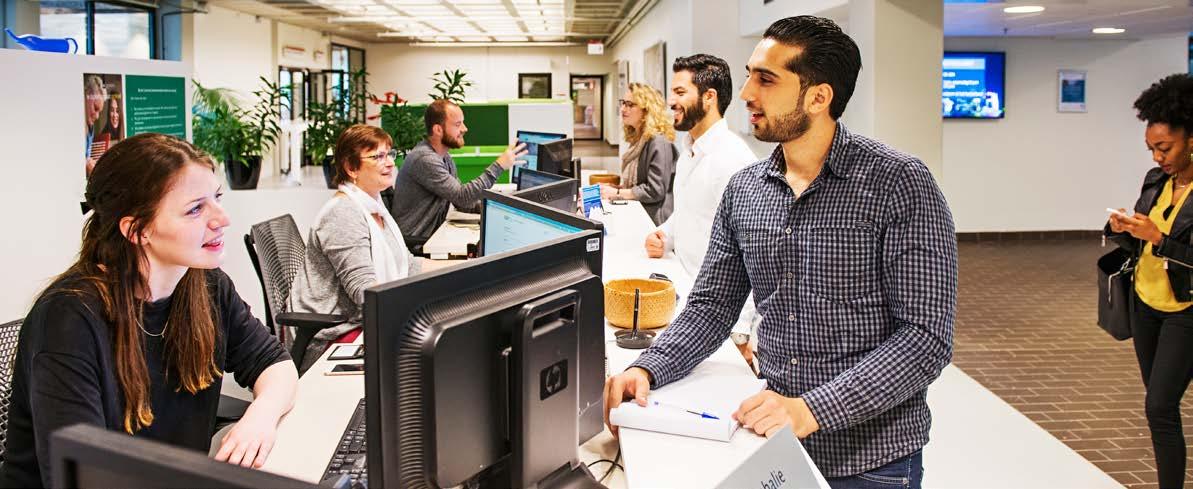
Student desk
For general questions, for example on tuition fee payments, the student desk in the main building of VU Amsterdam is open.
Academic advisors
Each faculty has at least one academic advisor to help you plan your studies, choose extra courses, discuss personal matters and provide career guidance. They can also support students with a disability or chronic illness - in this case you can discuss options before your arrival. In some cases, advisors may refer you to a colleague better suited to assist.
Examination Committees
The Examination Committees are tasked with assessing the study programmes and upholding the quality of the examinations. The Teaching and Examination Regulations (TER) of your study programme can be found in the study guide.
You can send a request to the committee for matters regarding your study programme (exemptions, results, exams, internships) in your personal dashboard on vu.nl. If you disagree with the outcome of the Committee you can lodge an appeal with the Examinations Appeal Board.
Student Ombudsman
The Student Ombudsman helps students with problems or complaints that cannot be resolved by any other body within the university. For example, if you feel that the faculty has treated you unreasonably or if your rights as a student have been infringed upon. They act independently, are impartial, and will deal with all complaints in the strictest confidence.
Student general counsellors
Student general counsellors offer advice and are able to help you address various matters. These may include study progress issues, financial matters and personal matters. Meetings with academic advisors and general counsellors are confidential and free of charge. You can make an appointment to meet one of the student general counsellors online. Read more about the student general counselling service here
Psychological counsellors / University psychologists
If you experience study-related or personal problems - such as stress, lack of motivation, homesickness or anxietyyou can contact the VU psychologists for help. They offer confidential consultations and can refer you to external care if needed. Make sure your health insurance covers mental health care in the Netherlands and that you have a GP referral.
You can make an appointment or find self-help tips via your personal dashboard on vu.nl, or email psychologists@vu.nl. International students can also join the Back-on-track study group for extra support.
Confidential counsellors
The Executive Board is keen to ensure that VU Amsterdam offers a safe and pleasant environment for all staff and students. Sexual harassment and other forms of undesirable conduct (violence, intimidation, aggression, bullying) will not be tolerated under any circumstances. Special ‘confidential counsellors’ have been appointed and they can help you when you feel intimidated in any way.
Social safety coordinator
For general questions, for example on tuition fee payments, the student desk in the main building of VU Amsterdam is open.
The social safety coordinator is an expert in addressing concerning behaviour and provides advice in situations where safety may be compromised. If you encounter or become aware of a (socially) unsafe situation that requires immediate action, you can contact the social safety coordinator.
Student Wellbeing Point
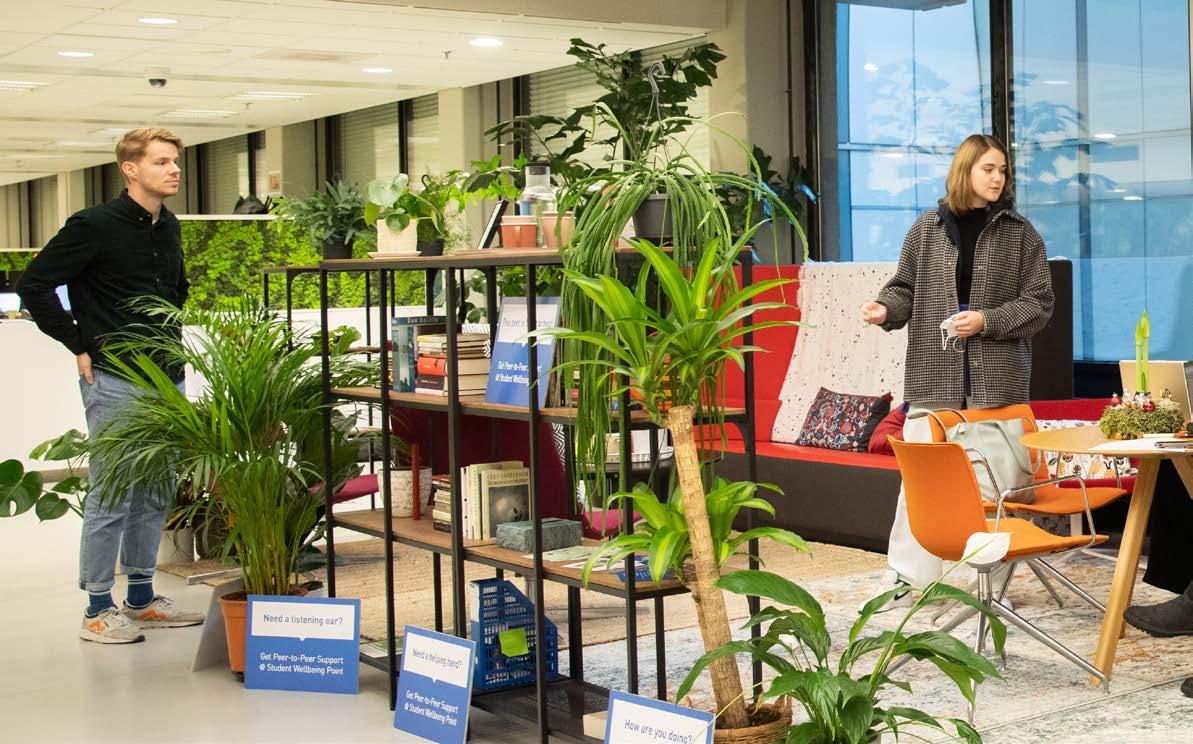
The Student Wellbeing Point is a no-cost, peer-to-peer support service available to all students at VU Amsterdam. The Point is staffed by VU students who have been trained to handle common concerns and problems that students might experience. The Point itself is located in the Main Building but Point Peers can also be reached via an online chat box and Zoom. The Point Peers are happy to help, whether by listening, offering advice or referring you to other services provided by VU Amsterdam, like Academic Advisors and Student Psychologists.
Come visit the Student Wellbeing Point if you have any questions or want to have a conversation with a fellow student about wellbeing at VU Amsterdam!
Wellbeing platform
During your time at VU Amsterdam you might need some extra support, on an academic or personal level.
All information about wellbeing and safety can be found on: vu.nl/wellbeing
VU Career Services
During your studies, you can reach out to VU Career Services for guidance on your future career. The faculties provide assistance with various questions and offer career advice, workshops, and training courses to prepare you for job applications and the labour market. Additionally, VU Career Services offers a test portal where you can access a variety of assessment and personality tests.
On this page, you can find what type of services each faculty offers.
Wellbeing Boosters @ VU Amsterdam
Student communities: study associations and student associations
Theatre and creative courses: explore them at Griffioen
Read, meditate and connect at The Mindful Library
Free student events and activities: see Life is better in 3D
LGBTQIA+ community: discover VU Pride
Community, support and sports: check VU Sports Centre
Programmes on life’s bigger questions: see NEWConnective
Free coaching, practical tips & tools: find them at Caring Universities
International student Chaplaincy
VU Amsterdam offers students a range of religious facilities and services. These include the Student Chaplaincy, a meditation room and an Islamic prayer room.
Read more about religion and identity at VU Amsterdam

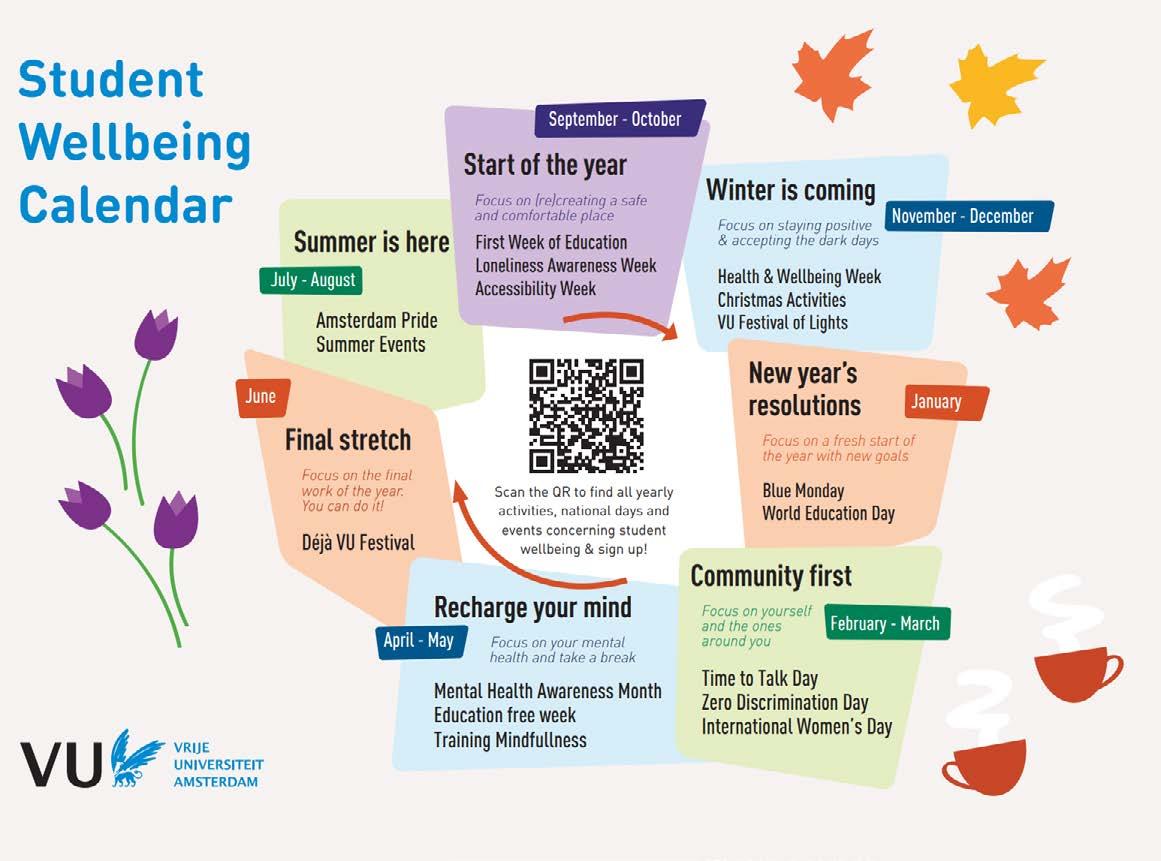
Student wellbeing calendar
Facebook-Square facebook.com/vuamsterdam (International students)
LINKEDIN linkedin.com/company/ vrije-universiteit-amsterdam
YOUTUBE youtube.com/vrijeuniversiteit
instagram instagram.com/vuamsterdam
DESKTOP amsterdamstudents.com (Student blog)

Contact
International Office De Boelelaan 1105 1081 HV Amsterdam
T +31 (0)20 598 2788
E International@vu.nl
I www.vuamsterdam.com User-headset