The Oriental Collection
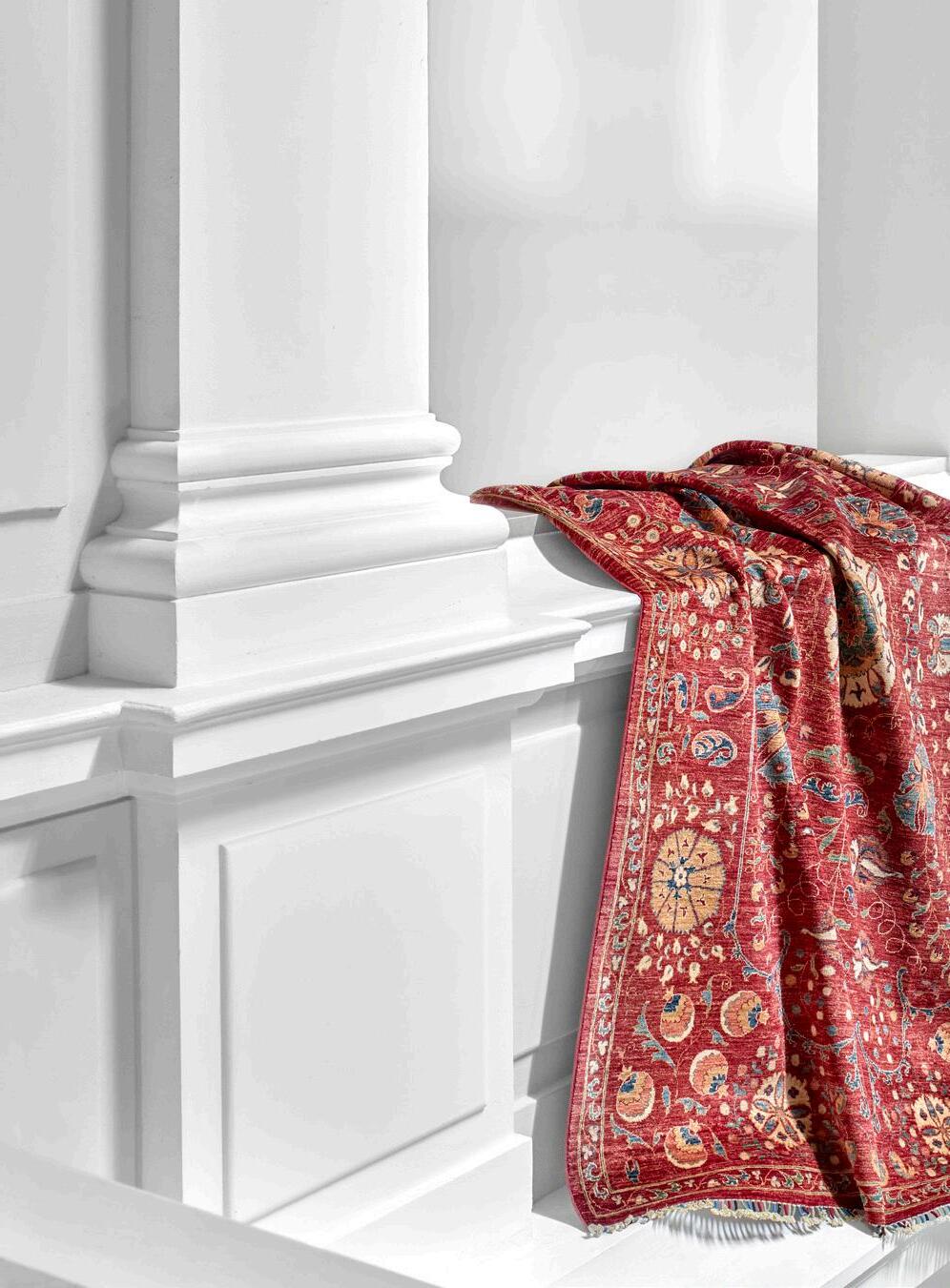
EVERY REZAS TELLS A STORY
Every story lives in a world
with its own history and traditions
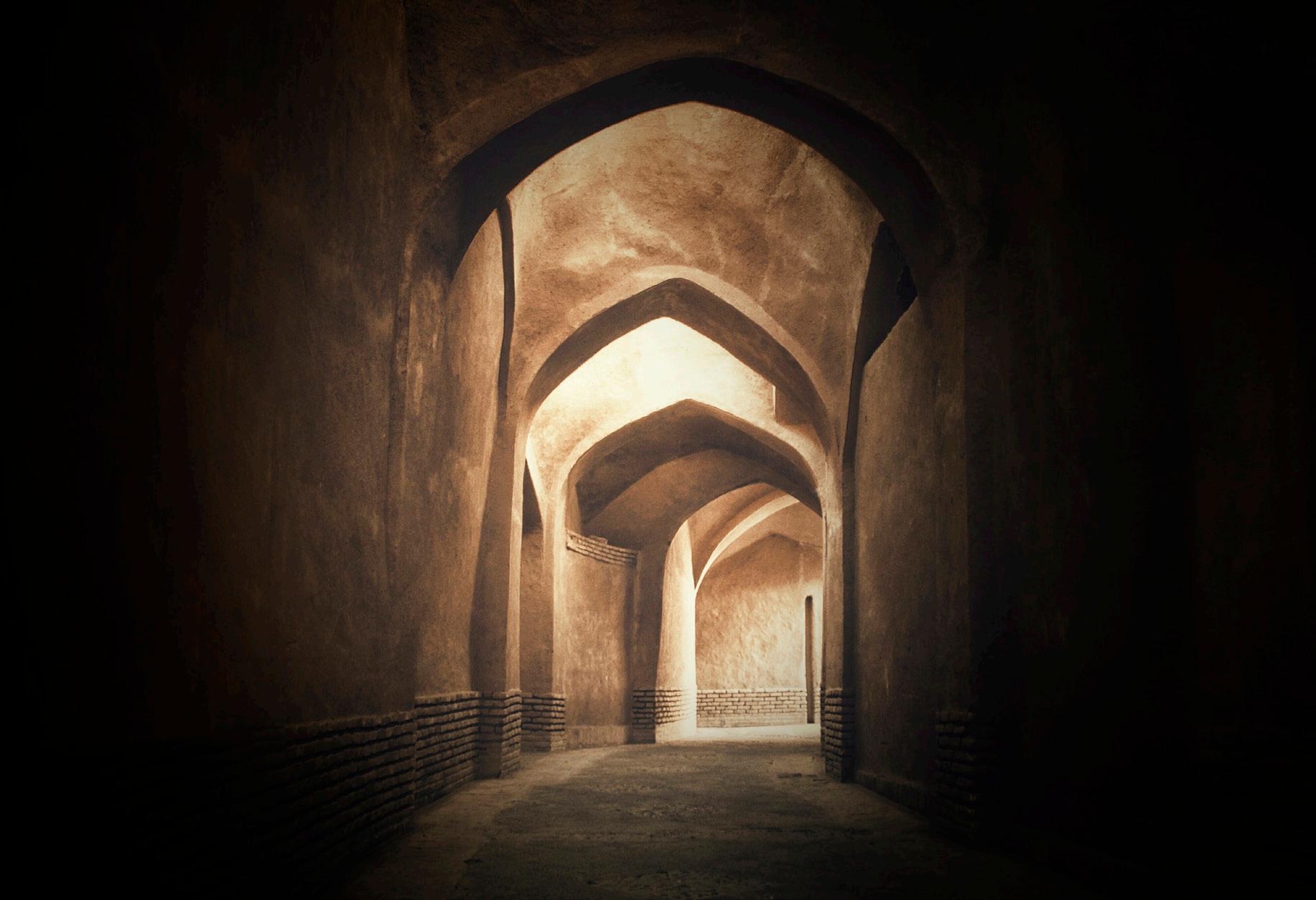
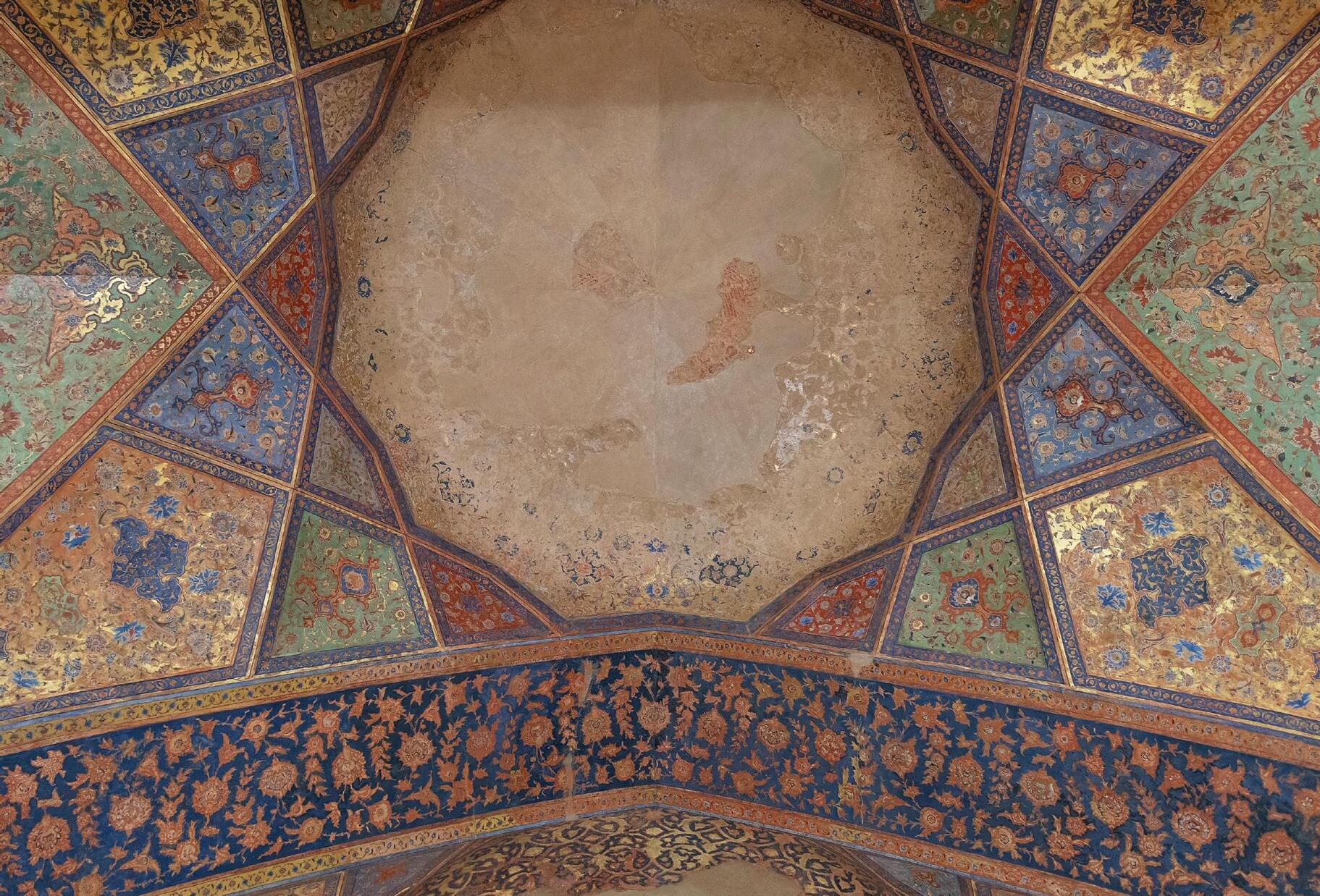
Our story starts here
Welcome
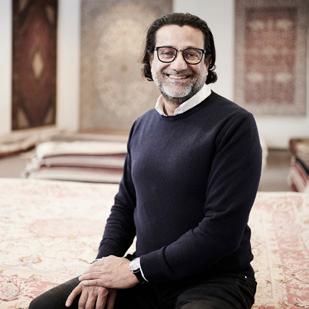
Rezas oriental rugs are the definition of one-of-a-kind. Even though they may be made in the same regions with the same materials, sometimes even by the same craftsmen, they are totally unique. Small variations in the design, colour and materials bring the rug’s personality to life and turn it into a work of art. Throughout this catalogue, you’ll see examples of our wide selection of handmade oriental rugs and learn how their beauty has evolved over time. Enjoy your journey.
The Rezas story
Rezas was founded in 1991 with the mission of bringing high-quality rugs to people everywhere. We have over 30 years of experience in finding and sourcing rugs and we offer the best handmade rugs from all of the Persian rug regions as well as a wide variety of oriental rugs from across Asia. For the past 20 years, we have also designed and carefully chosen collections of modern handmade rugs, giving us even more ways to bring high-quality rugs to people everywhere.
8
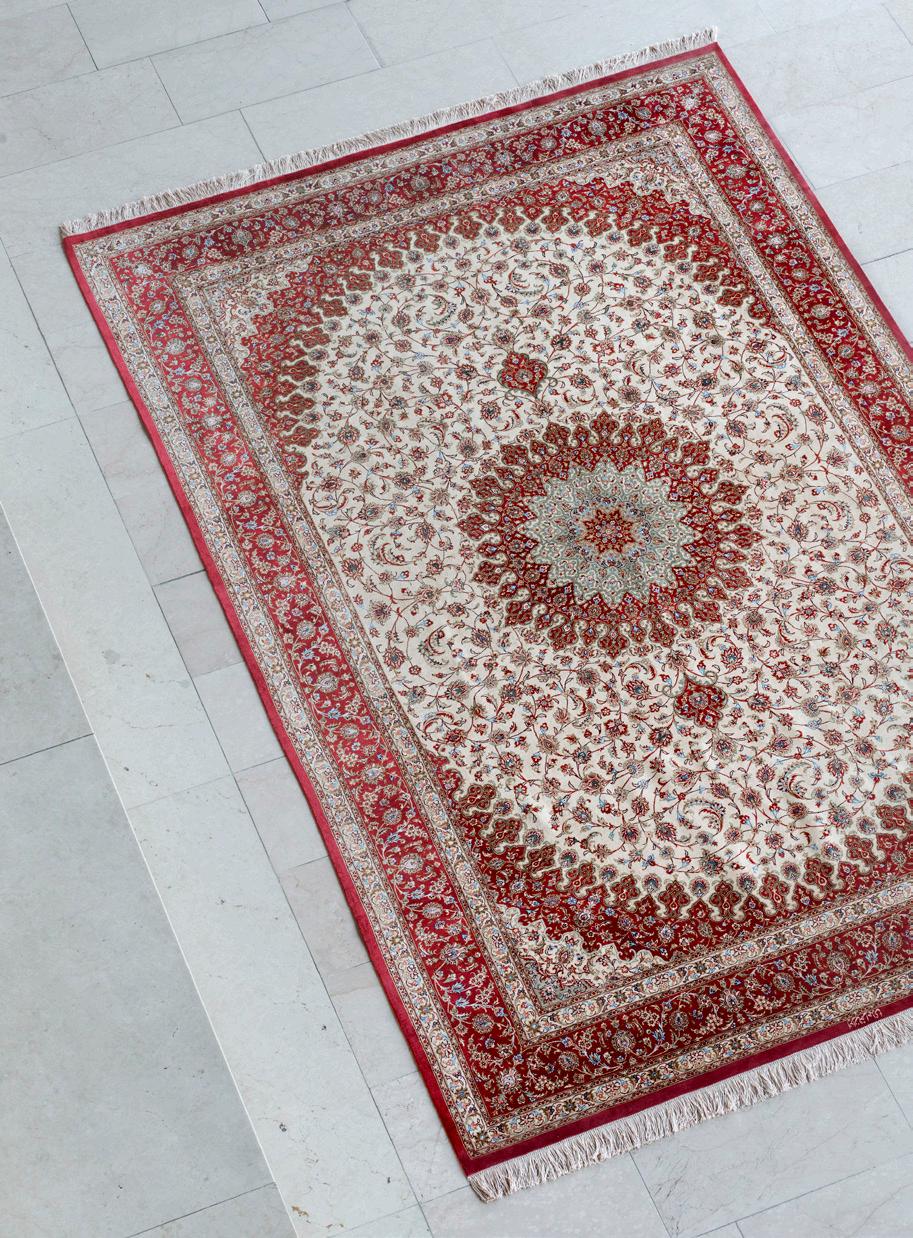
Ghom Silk
A BRIEF HISTORY of ORIENTAL RUGS
Oriental rugs have an incredible history dating back thousands of years. We’ve taken some of the most significant milestones and placed them onto this timeline.
Rugs were initially woven out of necessity. They were used to cover the cold, damp floors of nomadic tribesmen. The exact dates of the beginning of rug weaving remain a mystery, as rugs are subject to wear, deterioration, and damage from insects, rodents and the environment.
The oldest known hand-knotted rug which is nearly completely preserved, and can be fully evaluated is the Pazyryk rug, which has been dated to the 4th or 3rd century BC. The provenience of the Pazyryk rug is under debate, as many rug weaving countries claim to be its country of origin
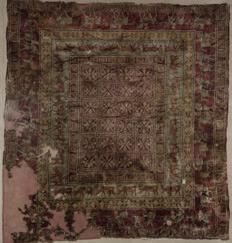
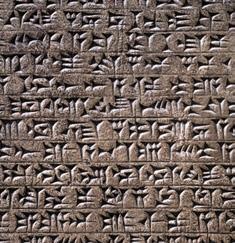
The oldest existing texts referring to rugs are preserved in cuneiform (the earliest known writing system) writing on clay tablets from the royal archives of the kingdom of Mari in modern-day Syria, from the 2nd millennium BC.
In the late 13th century, explorer Marco Polo recognized Anatolia, Turkey as a major rug weaving region in the earlyto-mid-14th century. He spoke highly of the beauty and artistry of the rugs.

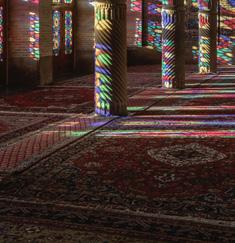
The ruling classes of India and the Persian Empire used the rugs knotted in their palaces as symbols of prosperity and wealth during the Middle Ages.
During the 15th century, the Rug Design Revolution replaced the abstract geometric shapes of tribal weavers with complex floral patterns centred around a central medallion inspired by the Chinese cloud-collar shape.
4000 – 3000 BCE 1400S 10000 – 5000 BCE 1300S 2000 BCE 1400S
HISTORY REZAS ORIENTAL COLLECTION 10 11
In 2010, the skills of rug weaving in the Iranian province of Fārs and town of Kashan, and the Republic of Azerbaijan were added to the UNESCO Intangible Cultural Heritage Lists.
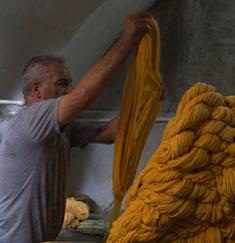
Some of the largest rugs from the 15th and 16th centuries were woven by multiple weavers simultaneously over many years, making their values impossible to estimate.
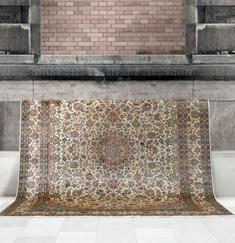
The most well-known oriental rugs come from Iran, which was known as Persia before 1934. Countless styles have originated here and almost every rug is named for its region of origin. Pakistan, Afghanistan, Turkmenistan, India and China, among others, are also major rug producing countries.
Oil is the most important economic sector in Iran today, but the majority of the population is still employed in rug production. This ratio is steadily declining as more young people are moving away from the time-consuming craft of rug weaving and towards modern occupations.
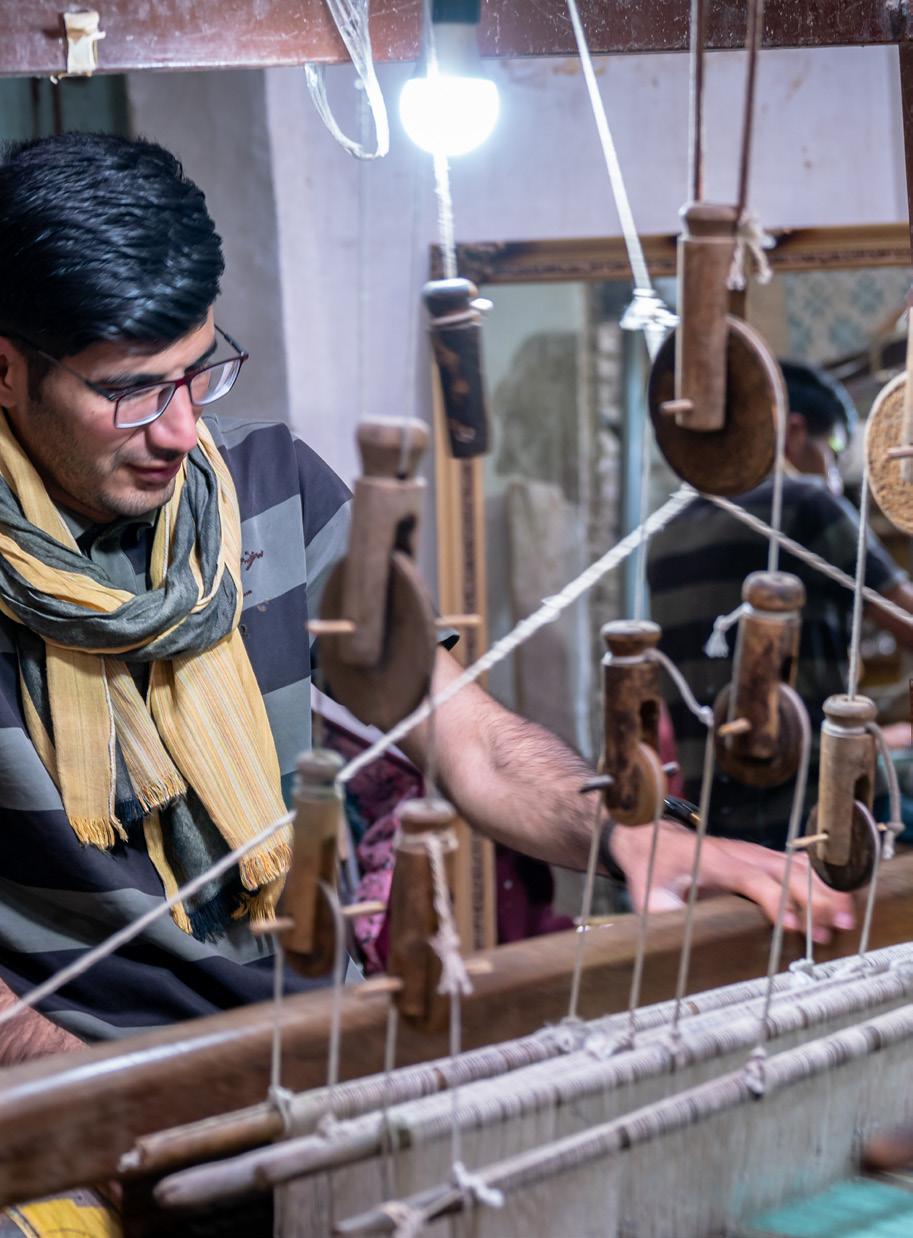
HISTORY 1900S 1500S 2000S
12
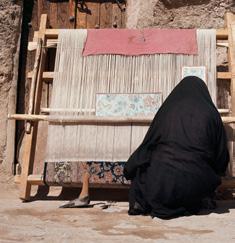
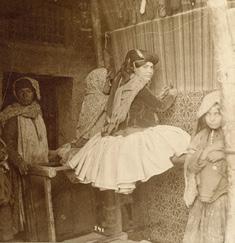
Photo taken by the Iranian-Armenian photographer Antoin Sevruguin in the 19th century, this photo shows young ladies in an Iranian village weaving a rug.
Persian Gulf
Caspian Sea
Iran
Turkmenistan Afghanistan Pakistan
RUGS and their ORIGINS
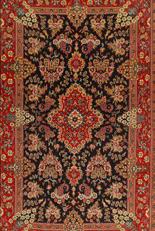

The unique craftsmanship used in the creation of oriental rugs has been developed over thousands of years. Rug making traditions are passed down through the generations and well-guarded secrets regarding dyes, patterns and knotting techniques are protected and kept alive in every family.
The names of the rugs are just as important as the designs, as they are inseparably connected. Oriental rugs are usually
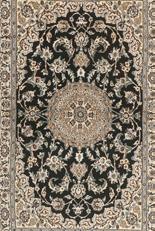
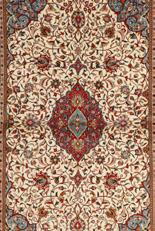
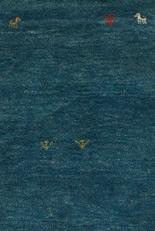


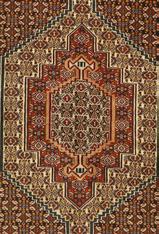
named after a tribe or an area, for example: Nain, Moud and Shiraz – just to name a few. The rugs can also be divided into three categories: City, Village and Nomad, which tells us something about the knot density, type of wool used and a lot of other details that make each rug unique. On the left side of the page, you’ll find a map of the Persian areas where our rugs are produced, and from where our Indian collections are inspired.


Ardebil Tabriz Nagsheh 50 Tabriz Mahi 40 Kelardasht Sarough Ghom Silk Ghom wool Nain Bakhtiyar Gabbeh Afshar Sirdjan Shahrbabak Kashmar Mashad Moud Mahi Torkaman Fine Moud garden Torkaman Heriz Shall ziegler Balutch Pakistan 3-Ply Pakistan 2-Ply Old Afghan Aktscha Isfahan Keshan Hamadan Hosseinabad Goltugh Lori Abadeh Shiraz Kashghai Yalameh Senneh Bidjar Kamseh
LOCAL PRODUCTION
15
Luxury that lasts a lifetime
R is the name given to our top collections. These luxurious oriental rugs are woven by some of the world’s most talented weavers. All of these rugs feature an intense attention to detail, high-quality premium materials, high knot density and impeccably crafted designs. Rugs in the R collection are considered unique works of art and are equally beautiful hung as a tapestry or placed in prominent locations in your home.
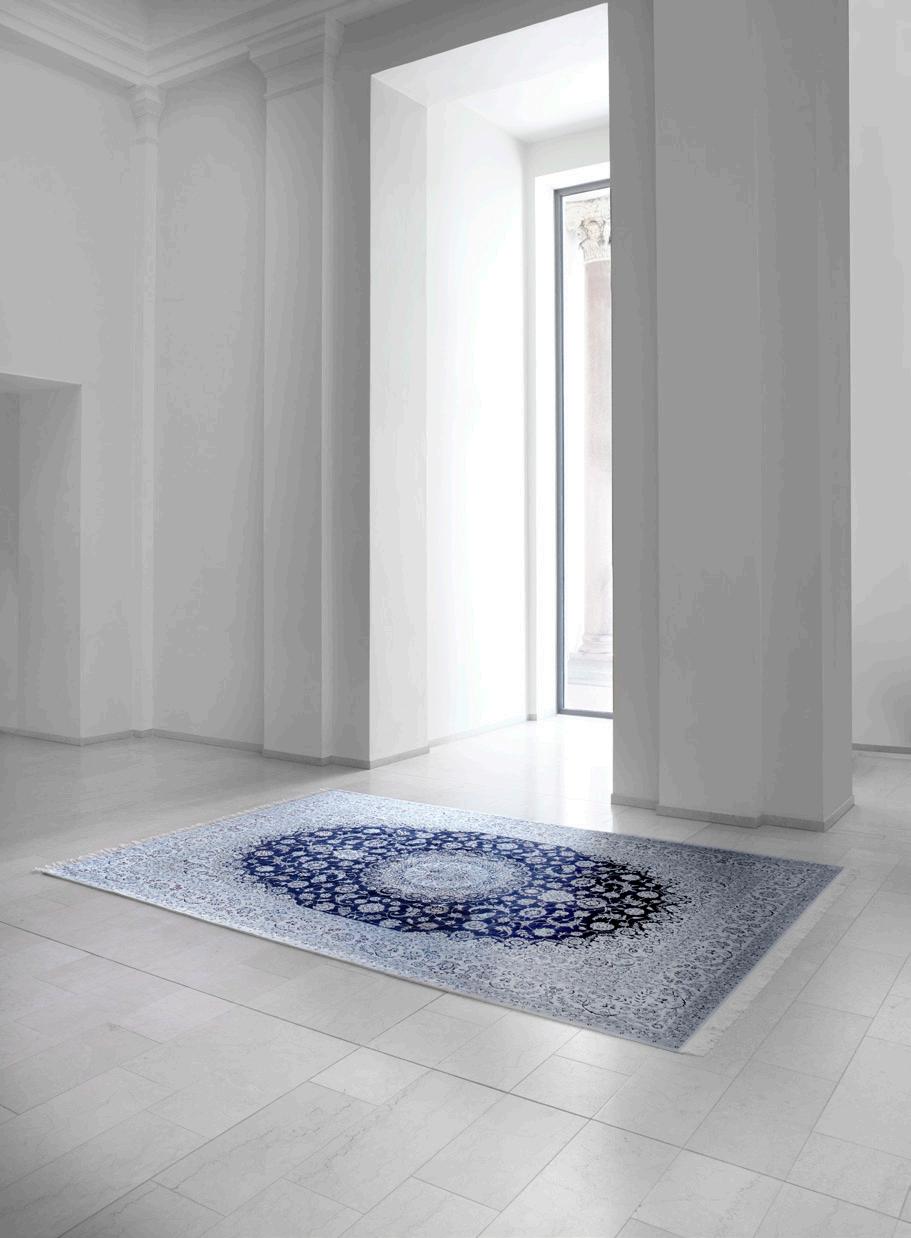
REZAS EXCLUSIVE COLLECTION Nain 6 La 17
Ghom Silk
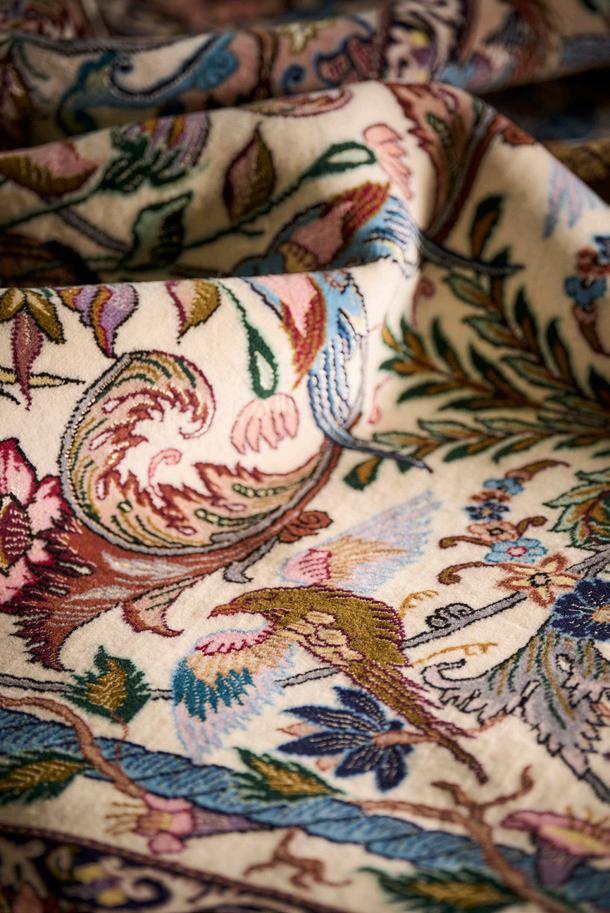
Ghom, a city of half a million people, lies south of Teheran, by the road to the Markazi (Central) province. The city’s rug industry was only developed recently (after 1930) but has gained a solid reputation for its quality and craftsmanship. As there is no tradition or precedent to draw on, the weavers get their motifs from a variety of different sources, combining and morphing them into new, innovative patterns.
Some patterns are completely copied and it is not uncommon to see copies of Joshqan or Sirjan rugs made in Ghom, but they are more detailed than the originals and made with a silk pile.
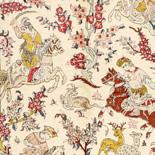
The knotting is usually extremely fine and most Ghom rugs have a knot density of 950,000 up to 1,400,000 knots per sqm. A wide range of colours is used, sometimes in combinations that may appear jarring or odd to western sensibilities. Powerful pinks and mesmerizing greens are particularly characteristic of Ghom silk rugs.
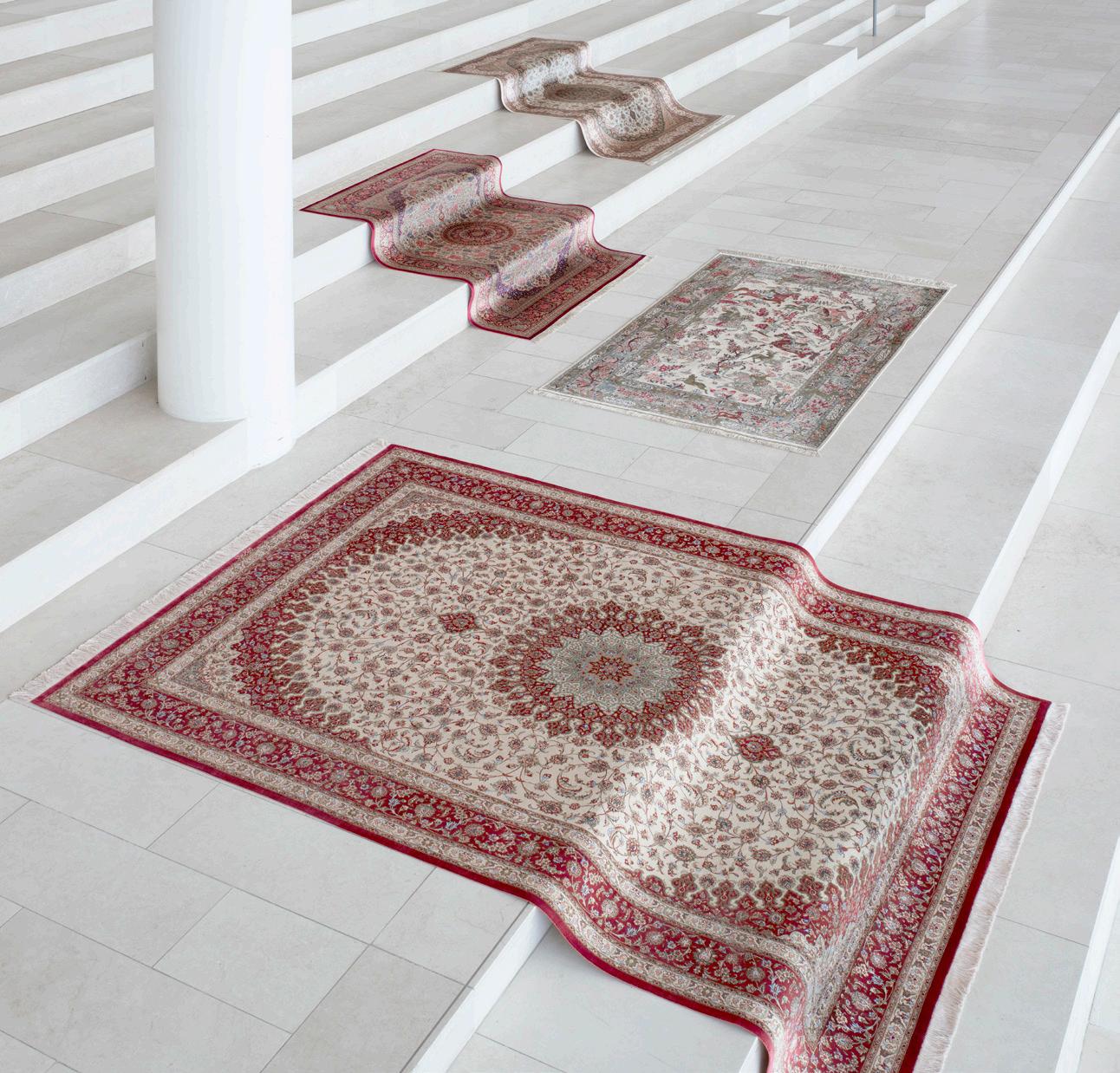
REZAS EXCLUSIVE COLLECTION
Isfahan
While Persian designs may be the star of the show, Isfahan rugs are just as recognizable. Isfahan is a city with a magnificent architectural history, and that sense of design is reflected in the rugs. The streets of Isfahan are lined with rug dealers, each seller’s wares more beautiful than the last. Even the rugs themselves are made in factories adorned with beautiful patterns and motifs.
Isfahan rugs have knot densities of 850,000 knots per square metre and up. These rugs are of fine quality and are some of the most exclusive in the world. This quality stems from the number of experienced knotters in the city who produce some of the finest rugs in the world.
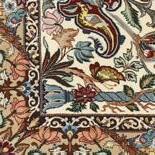
Some of these knotters have reached legendary status, including Seifarian, Entescharf and Davari – some of the biggest names in hand-knotting. Isfahan rugs are luxurious, exclusive and are a sight to behold.
REZAS EXCLUSIVE COLLECTION
20 21
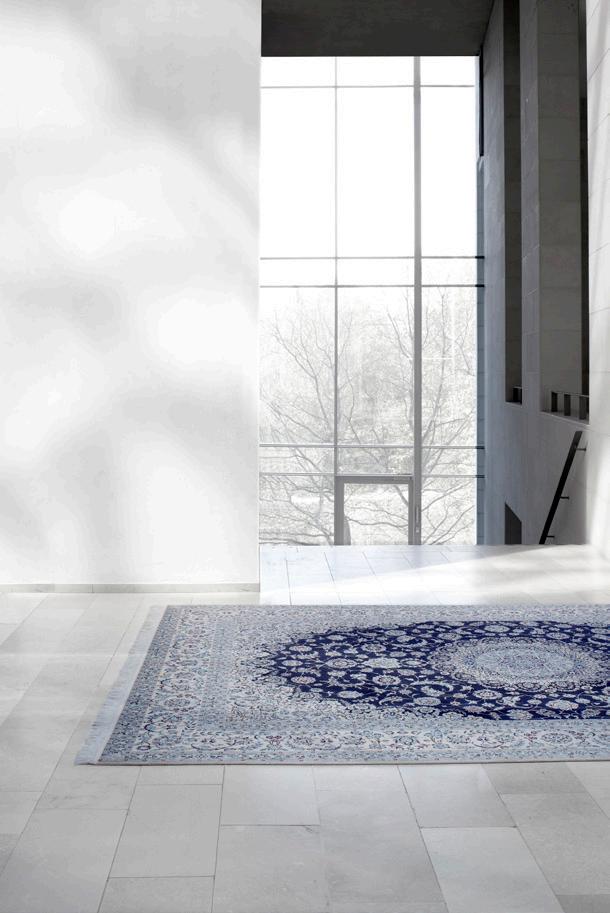
Nain 6 La
Nain is a city of about 50,000 people, located in the Isfahan Province. It lies on the border of one of Iran’s largest deserts, the Dasht-e-Kavir. It has historic significance, since it was the last stop on caravan routes before travellers made the trek across the expansive desert.
The industry in Nain was traditionally focused on the production of wool garments, but the weavers switched to rug production when garment demand fell. Their new rugs soon became sought-after across the region, as the weavers were skilled and used good quality materials. The warp and weft are cotton, with a wool pile and contours of silk.
Sometimes, silk is also used in the base of the rugs. The colours are refined; nuances of ivory and cream, with small areas of red, green, and blue. As with the rugs from Isfahan, the patterns of the Nain rugs are traditional. Nain rugs come in all sizes, including the very large of up to 60m2, and some of these have a pure silk pile. The largest Nain rug produced was 20 by 20 meters.
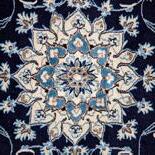
Nain rugs are divided into classes depending on the density of their knots. They are divided into: 4La, 6La, 9La and 12La. The smaller the number, the higher the knot density and quality and the more intricate the design. A 4La has a knot density of over one million knots per square meter and is typically sought after by collectors. These rugs are made over many months or even years by some of the most experienced rug weavers in the region.
The master knotter Fathollah Habibian is thought to be the originator of Nain rugs, and genuine Habibian rugs are a rare sight on today’s market.
REZAS EXCLUSIVE COLLECTION
22 23
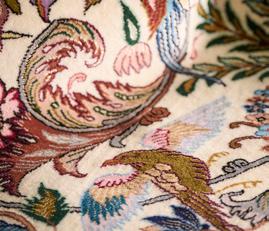
Silk is used in Persian rugs because of its natural ability to highlight the elaborate details in the intricate designs. The shiny, mirrorlike finish of silk reflects the light, giving the rug vivid colours and a level of depth that is unlike any other material. In the highest quality rugs, silk is used for the entire pile.
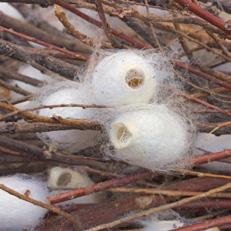
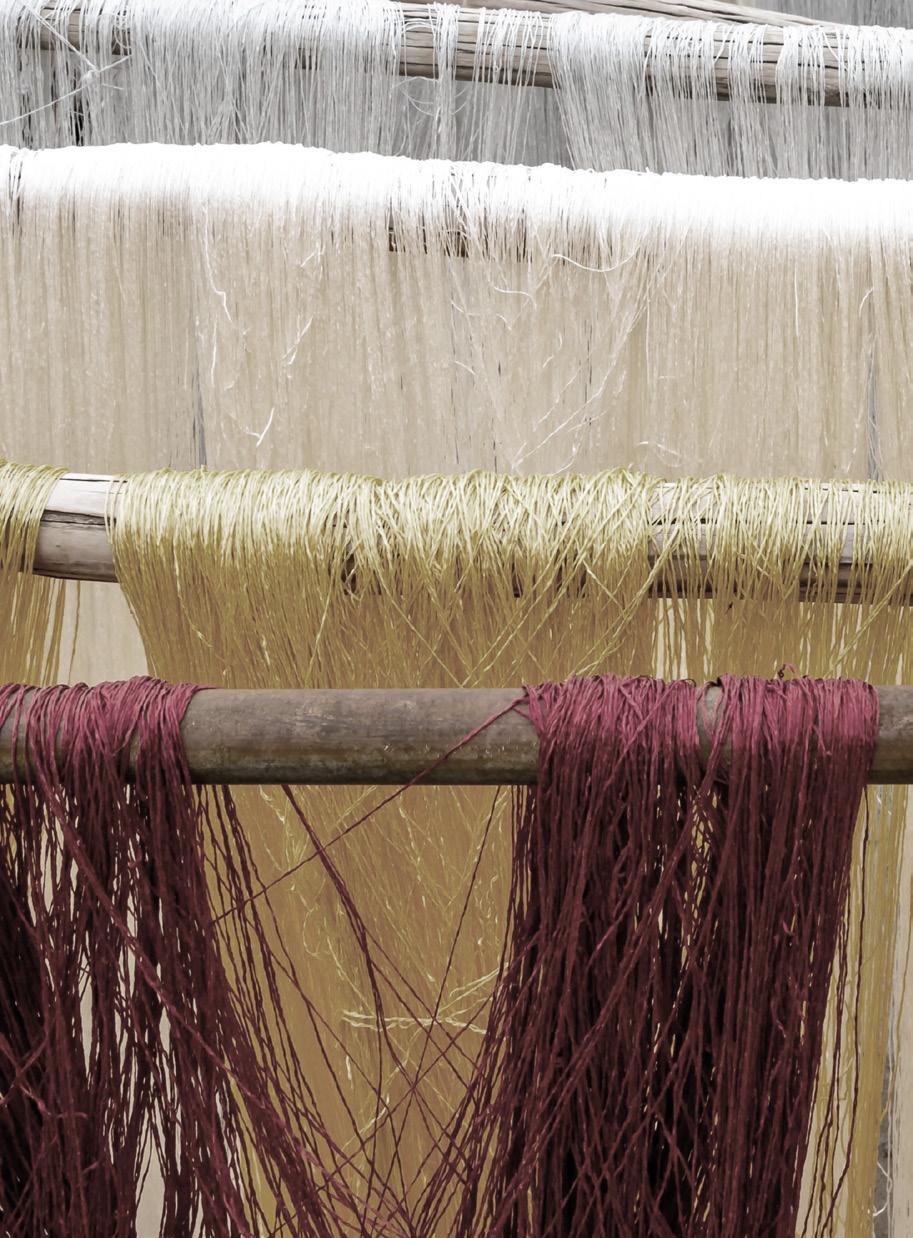
Silk comes from the cocoons of the silkworm caterpillar. It builds its cocoon by producing and surrounding itself with a long, continuous fibre, or filament. Liquid secretions from two large glands within the insect emerge from the spinneret, a single exit tube in the head, hardening upon exposure to air and forming twin filaments composed of fibroin, a protein material.
Silk is a continuous filament. Each cocoon has a usable length of about 600 to 900 metres (2,000 to 3,000 feet). It is freed by softening the binding sericin and then locating the
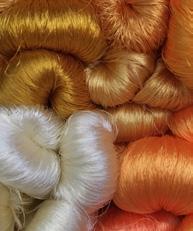

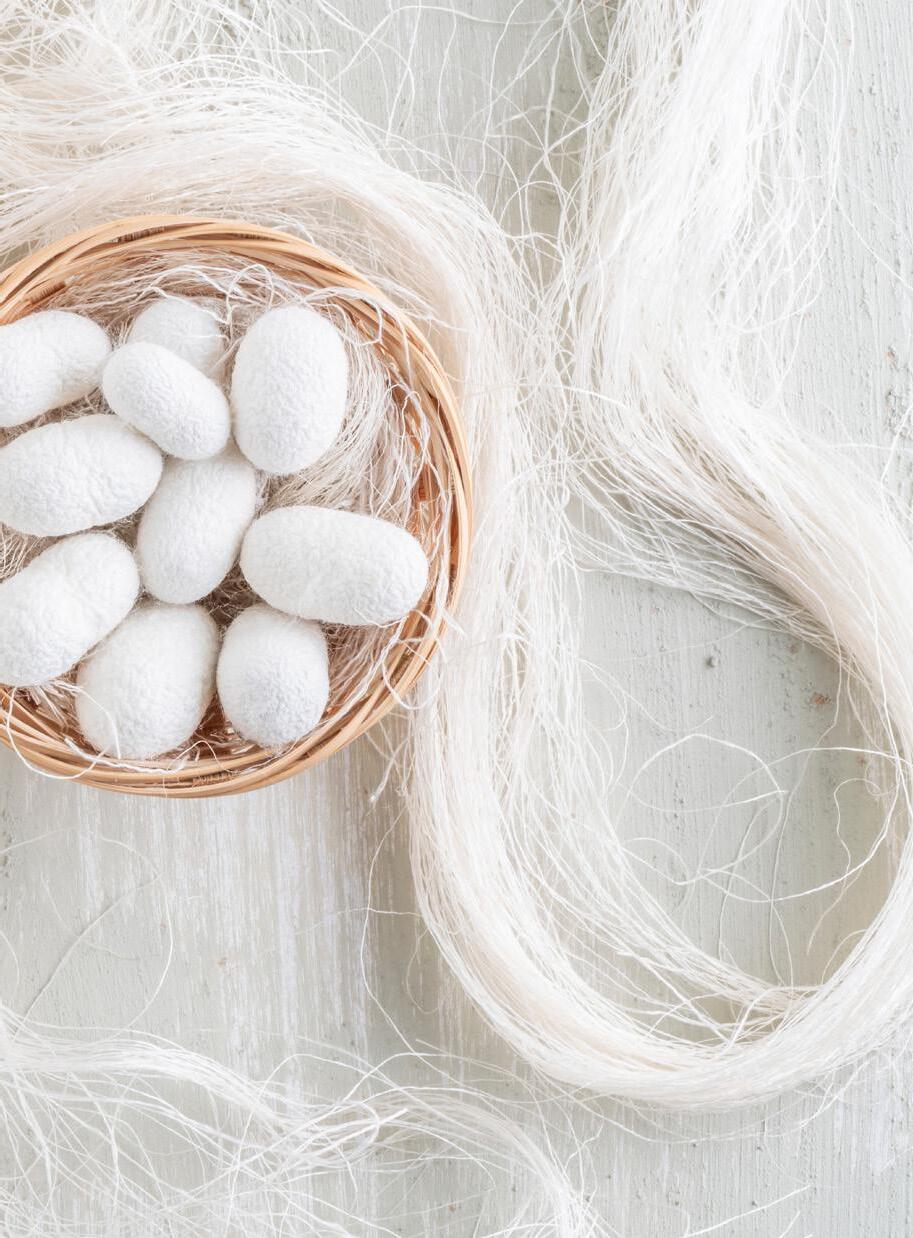
filament end and unwinding, or reeling, the filaments from several cocoons at the same time, sometimes with a slight twist, forming a single strand. Several silk strands, each too thin for most uses, are twisted together to make a thicker, stronger yarn in the process called throwing. This process produces different types of yarns according to the amount and direction of the twist imparted.
Spun silk is made from short lengths obtained from damaged cocoons or broken off during processing, twisted together to make yarn. The thickness of silk filament yarn is expressed in terms of denier, the number of grams of weight per 9,000 metres (9,846 yards) of length. Silk is sometimes treated with a finishing substance in a process called weighting. Here minerals are added, such as metallic salts, to increase weight, add density, and improve draping quality. Due to its fragility, 100% silk rugs are not recommended for high traffic areas.
PURE SILK
25
FROM COCOONS to MAGNIFICENT SILK RUGS
Knot density is an important indicator of the quality of an oriental rug. It is measured per square meter and also provides information about fineness and durability. The basic equation is simple: the more knots, the higher the quality. Coarse rugs start at 50,000 knots per square meter and the finest rugs can have knot densities that reach an astronomical 1,100,000 knots per square meter. In determining the exact knot density in a rug, measure 7 times 7 centimeters and count the knots within that area. The knots are multiplied by each other and again multiplied by 200. The result is the number of knots per square meter.
The process of rug knotting is based on centuries of tradition and each of the regions has developed and evolved their own knotting techniques. Generally, four different knot types can be distinguished. The symmetrical knot, a robust knot that originates from the Turkish area. The asymmetrical knot, which allows for denser knotting and is sometimes called a Persian knot. And finally, the Jufti and Tibetan knots, but these are less popular.
The knot density of a rug is determined by one main factor, the knotter. As a rule, an experienced knotter will knot 10,000 knots a day, which means they will need about 50 days to create a single square meter of a 500,000 knot per square meter rug.
The finest Persian rugs made by particularly well-known and skilled master knotters, such as Davari, Haghighi, Habibian or Seirafian, have become collector’s items. Signed rugs by these masters not only guarantee quality and pedigree, but also a rarity that is worthy of preservation.
A rug is usually signed on the outer edge, visible on the surface. The corresponding name is knotted into the rug by hand in Arabic. The name of the master knotter, combined with the origin of the rug, serves like a brand name that allows buyers to assess the level of expertise of the weaver and the rarity of a rug.
Persian rug knotting is an extremely challenging and time-consuming skill. Not only is the Persian knotting technique extremely durable in comparison to other knot types, but the density is also almost unmatched. Persian rugs make up a large percentage of rugs at the 500,000 knots per square meter level and are virtually the only rugs available with 1,000,000 knots per square meter or higher. And when investing in a Persian rug, it’s almost certain that its value will increase over time.
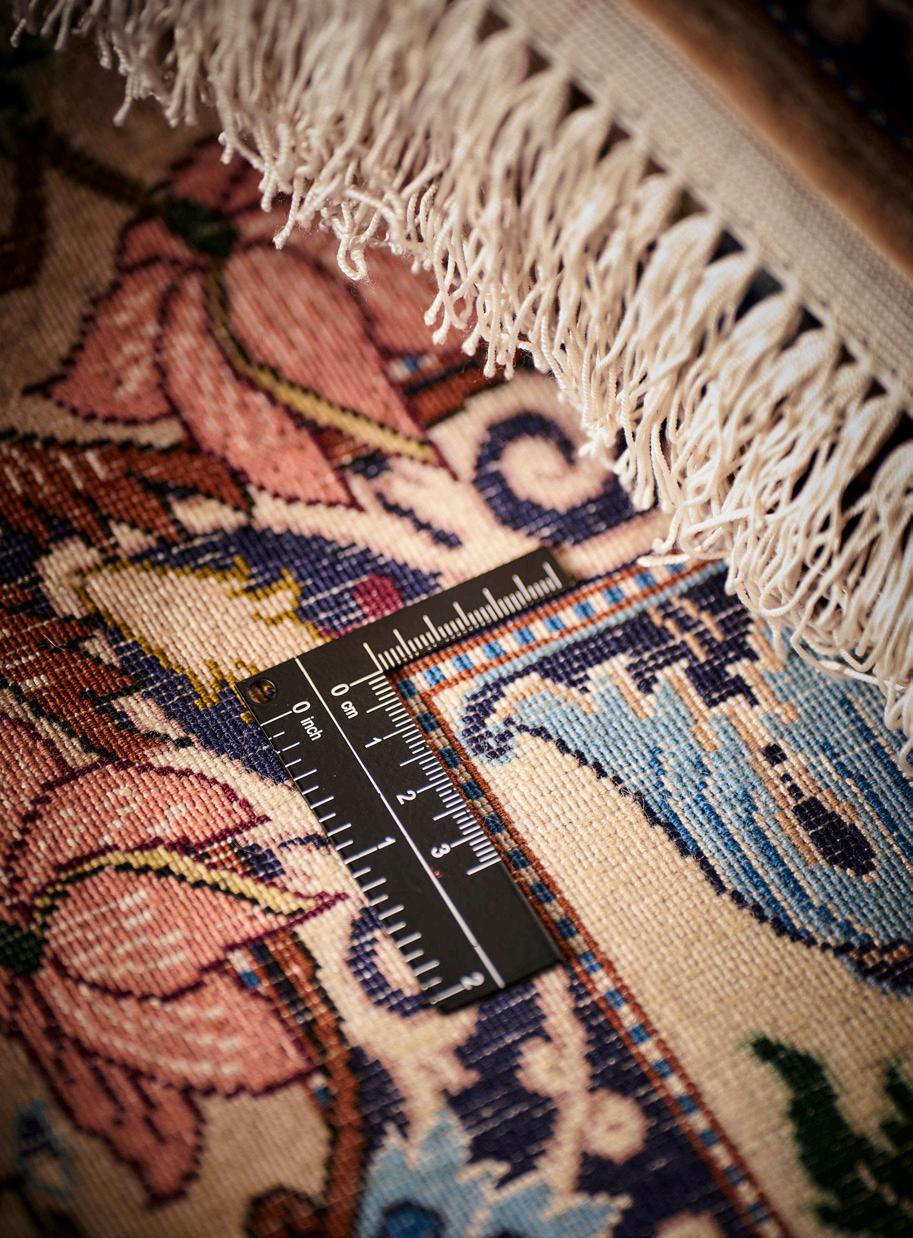
KNOT DENSITY and RUG QUALITY QUALITY 26
City Rugs
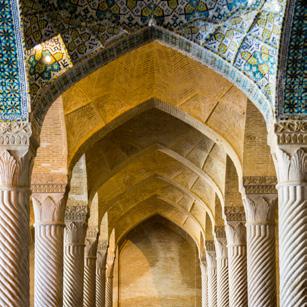
Just like the regions have their own unique traditions, designs and patterns, so do the cities. Popular cities include Nain, Tabriz, Bidjar and Yalameh, which are known for their beautiful weaving styles and traditions. These cities served as trading posts, where rug weavers and buyers would meet. Turn the page to see our selection of beautiful and unique City Rugs.
REZAS ORIENTAL COLLECTION 29
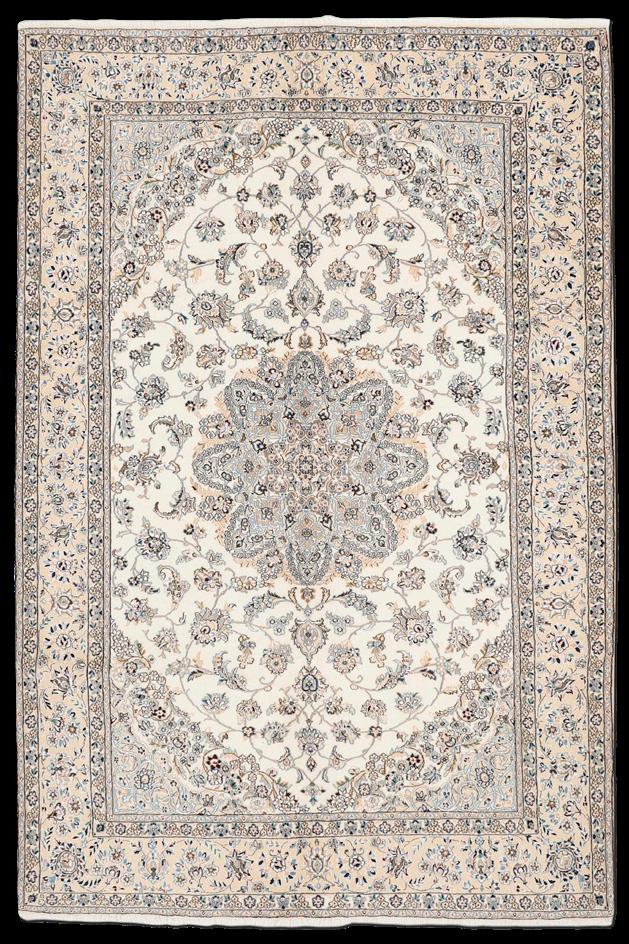
Nain 9 La
The industry in Nain was traditionally focused on the production of wool garments, but the weavers switched to rug production when garment demand fell. Their new rugs soon became sought-after across the region, as the weavers were skilled and used good quality materials. The warp and weft are cotton, with a wool pile and contours of silk.
Nain 9 LA rugs have knot densities of 350,000 – 450,000 knots per sqm, giving them a higher level of quality when compared to many of the other rugs from the region.
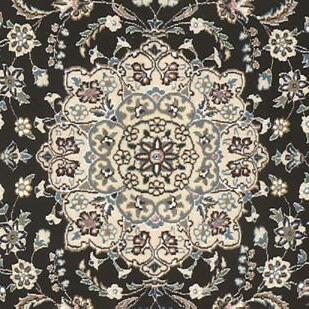
Sometimes silk is also used in the base of the rugs. The colours are refined; nuances of ivory and cream, with small areas of red, green, and blue. As with the rugs from Isfahan, the patterns of the Nain rugs are traditional. Nain rugs come in all sizes, including the very large of up to 60m2, and some of these have a pure silk pile. The largest Nain rug produced was 20 by 20 meters.
REZAS CITY RUGS
30 31
Nain Kashmar
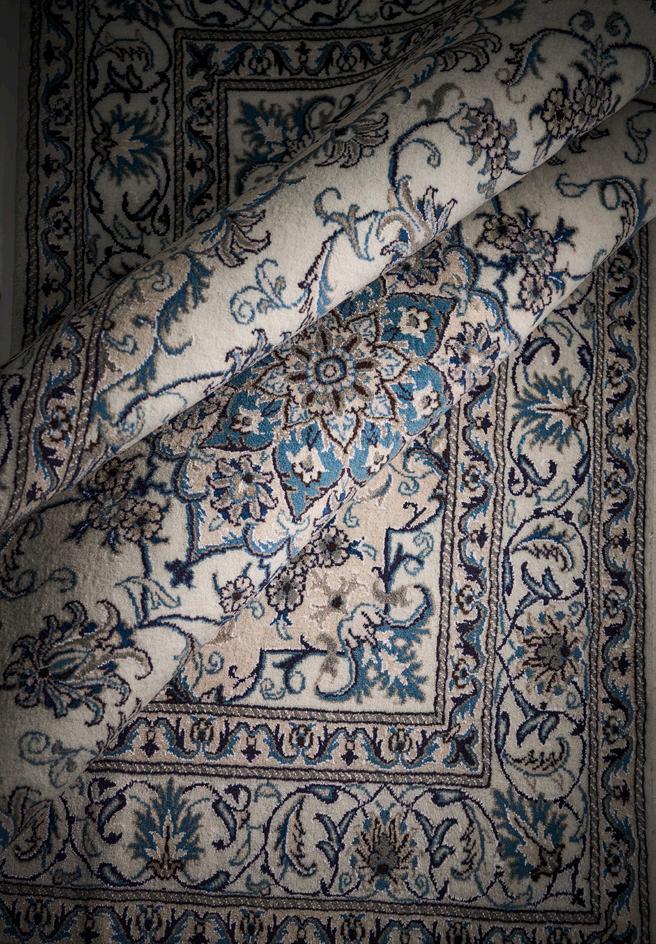
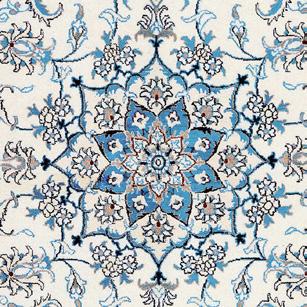
Nain Kashmar rugs are produced using the same basic colours and designs as Nain rugs, but with a lower knot density, different dyes and lower quality materials. This delivers a rug with a recognizable design and colours, but that is more accessible than the otherwise more expensive Nain rugs. These rugs have knot densities from 150,000 – 250,000 knots per sqm. Nain Kashmar rugs are a great way to expand an existing collection or to start a new one.
REZAS CITY RUGS 32 33
Bidjar Zandjan
Bidjar is a city of about 50,000 people in the north-western province of Kurdistan. It lies in a fertile valley surrounded by arid mountains, and there are no significant monuments. The city serves primarily as a market centre for the surrounding villages. Its recent history is dramatic, as the city was occupied first by the Russians and then by the Turks, during the First World War, leading to a famine that significantly reduced the population. These events are mirrored in the city’s rug production.
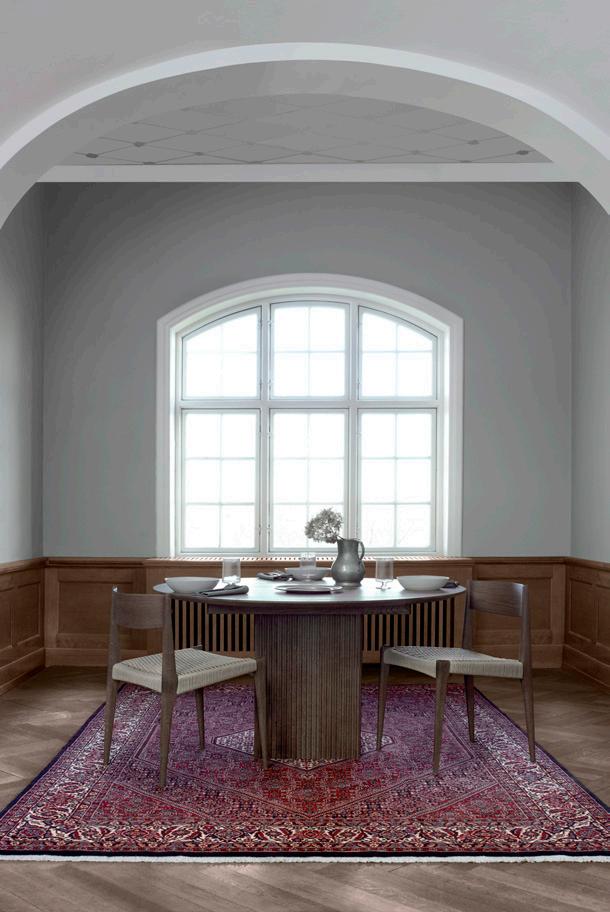
Before the First World War, Bidjar Zandjan rugs were coarsely yet firmly knotted, with wool warp and weft. Later, they became finer and had cotton bases. The Bidjar patterns are often Herati, but sometimes a Mahi pattern can be seen. The colours are usually striking reds with a light trimming.
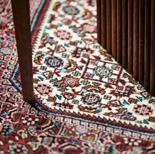
Bidjar rugs have a knot density of between 350,000 and 450,000 knots per sqm and are knotted so strongly that you risk breaking the knots if you fold them together with the pile facing inwards. When folding Bidjar rugs, it is important to always fold with the pile facing outwards. You can clearly feel that much more wool is used in a Bidjar rug than in most other rugs. They feel a lot heavier when compared to many other types of oriental rugs and they are not as easy to move around when they are lying on the floor.
REZAS CITY RUGS 34 35
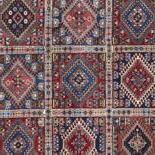
Yalameh
South of the city of Isfahan, you’ll find the town of Ali Abad. The colourful rugs from this area of southern Iran have been named Yalameh, and are mainly knotted in and around Aliabad in the Fars Province. Rugs of this origin were formerly called Shekarlu, but they were very rare. They were traditionally more colourful than other south Iranian rugs, whose colours were normally limited to reds and dark blues.
In recent years, the supply of Shekarlu has been limited, but a new type of rug entered the market in the 60s and 70s; the Yalameh. These were just as colourful as the Shekarlu rugs, but with a stronger emphasis on blue. The knotting and the patterns are usually more uniform than with the Shekarlu rugs.
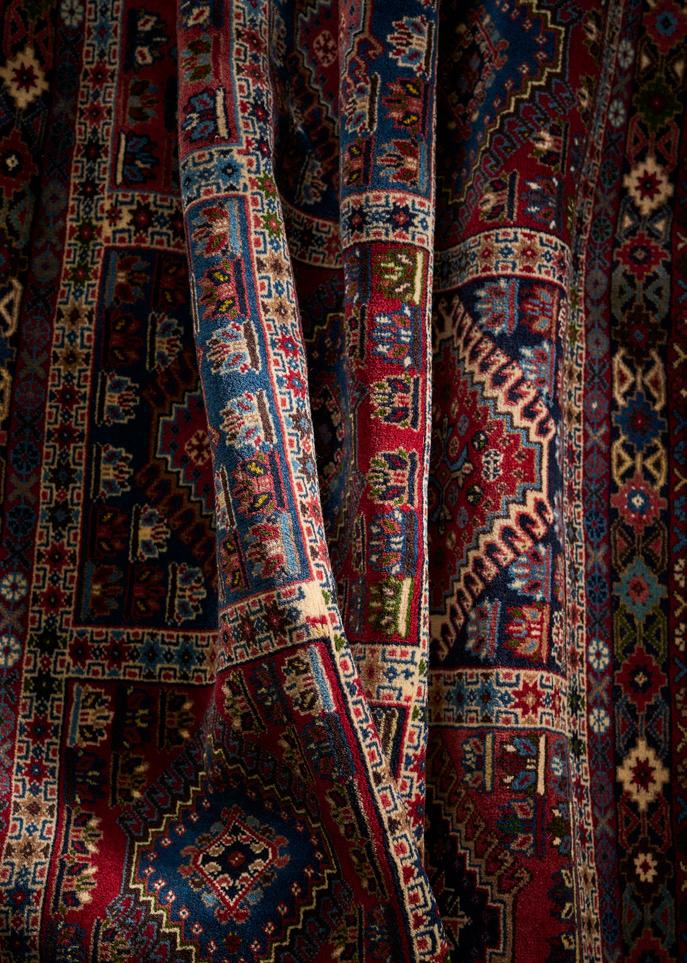
Yamaleh rug have knot densities of 250,000 to 350,000 knots per sqm and they share many characteristics with tribal rugs. For example, they are 100% wool, and bright colours and geometrical patterns are generously used. Although the wool is characteristically soft and shining, it is machine spun, and the colours display a larger degree of variation than normal for tribal rugs, with soft nuances of red, pink, blue, green, and yellow. The motifs, however, are wholly traditional and are inspired by the folklore and stories from this historical homeland of the Persian people.
REZAS CITY RUGS 36 37
Kashkuli
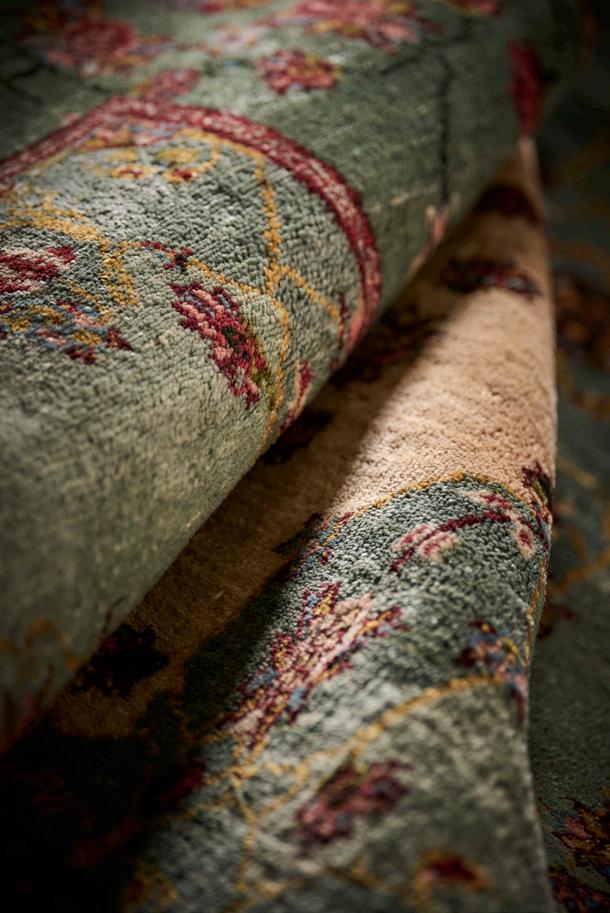
The Kashkulis are a subtribe of the Kashghai tribe in south western Persia, and they are generally regarded as the world’s best rug knotters. The knotting is exquisite for a tribal standard, and wefts of cotton or silk can be found. The wool yarns used for the pile are very soft and silky and this gives the rugs a beautiful sheen.
A wide range of colours and patterns can be seen, but the most characteristic are an adaptation of the classical Herati or fish pattern, and a prayer arch pattern with cypress trees on either side. Kashkuli rugs are mostly produced in smaller sizes and are found with knot densities of 250,000 to 350,000 knots per sqm.
REZAS CITY RUGS 38 39
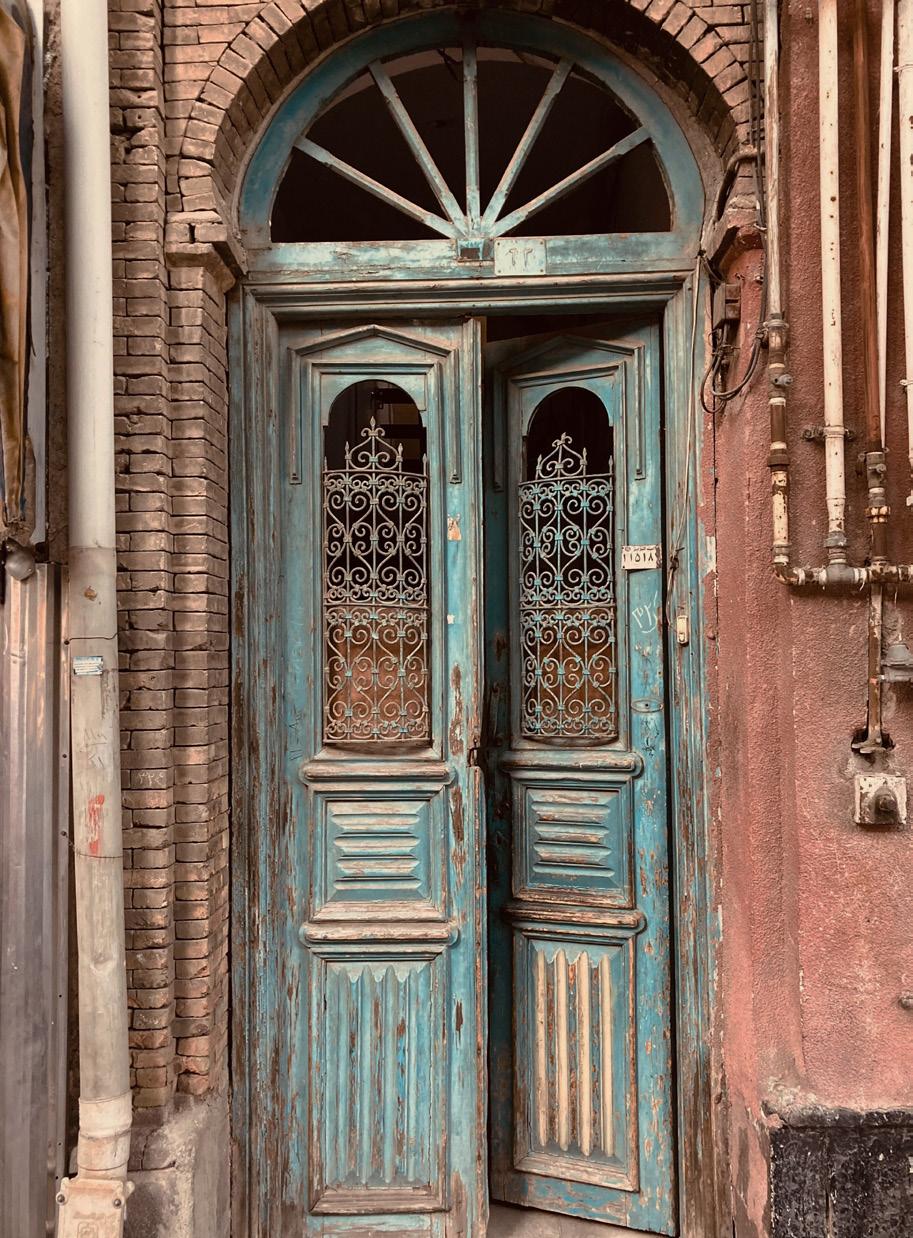

BEHIND every DOOR A STORY is WAITING TO UNFOLD
Village Rugs
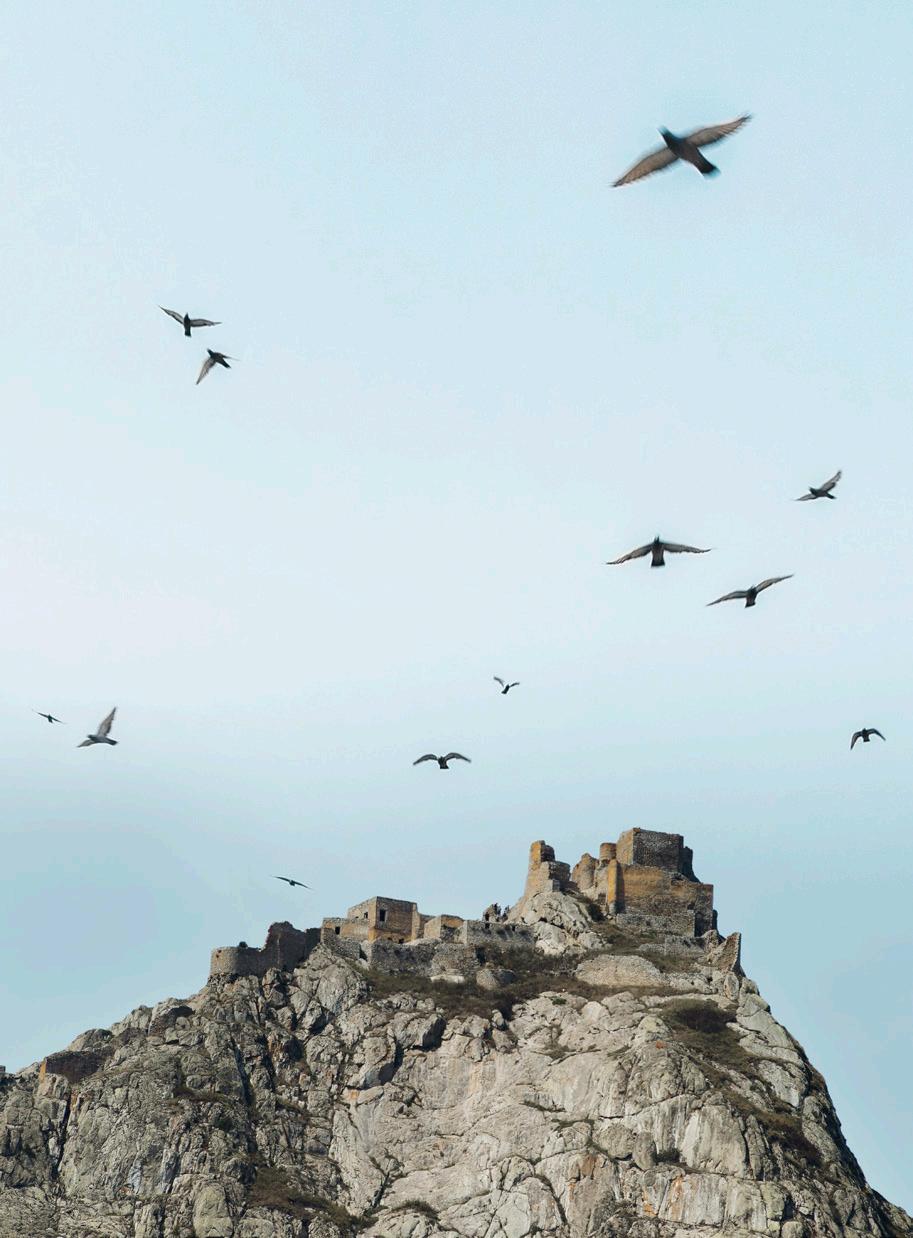
Village rugs are woven with the same regional sensibilities as the city rugs, but with a smaller population of weavers to pull from. Village rug designs are known for their more disconnected nature and are easy to identify. Noteworthy villages are Moud with its characteristic, instantly recognizable designs and Sarough, known as the quintessential oriental rug in America during the mid-1900s.
REZAS ORIENTAL COLLECTION 43
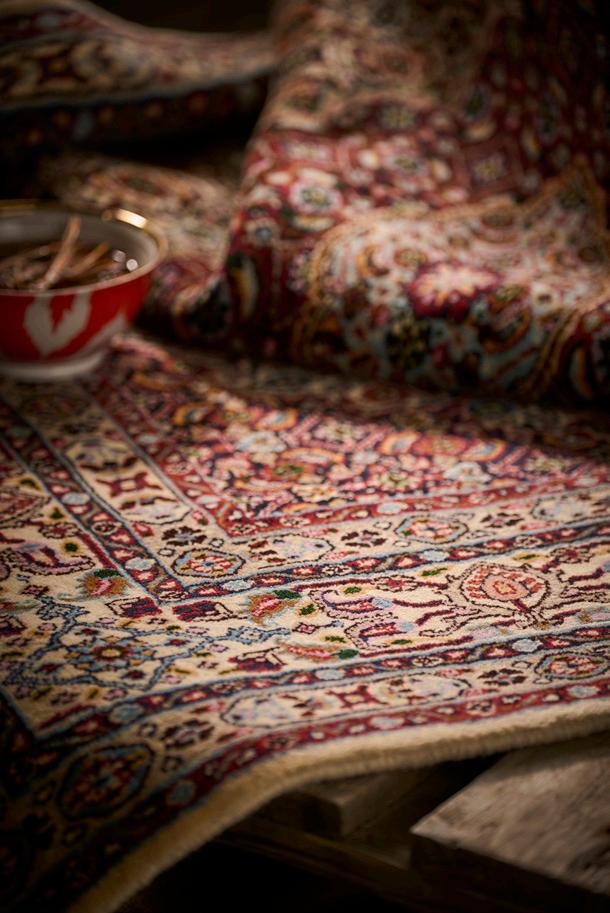
Moud Mahi
Moud is a small town south of Mashad, in the Khorrasan Province. Moud rugs are characterised by homogeneity in patterns and quality, and knot densities between 250,000 – 350,000 per sqm. Warp and weft are cotton and the pile is wool. The trimmings are a version of the traditional Persian turtle trimming. The rugs are produced in all sizes and are often copied in India, because of their remarkable homogeneity. The characteristic Moud designs are among the most uniform, evenly knotted, and easily recognisable designs of the Khorrasan Province.
The Mahi pattern is immediately identifiable as it is the ‘classic’ design of an oriental rug used throughout the western world. In most cases it covers the major part of the surface. Some rugs also have a central medallion reminiscent of a star or hexagon.
Moud Mahi rugs are often seen in a beige, light red, or blue tone, with all-over Mahi patterns or with a star shaped medallion. Mahi means fish, and the Mahi pattern is the most commonly used pattern in genuine Persian rugs.
REZAS VILLAGE RUGS 44 45
Moud Garden
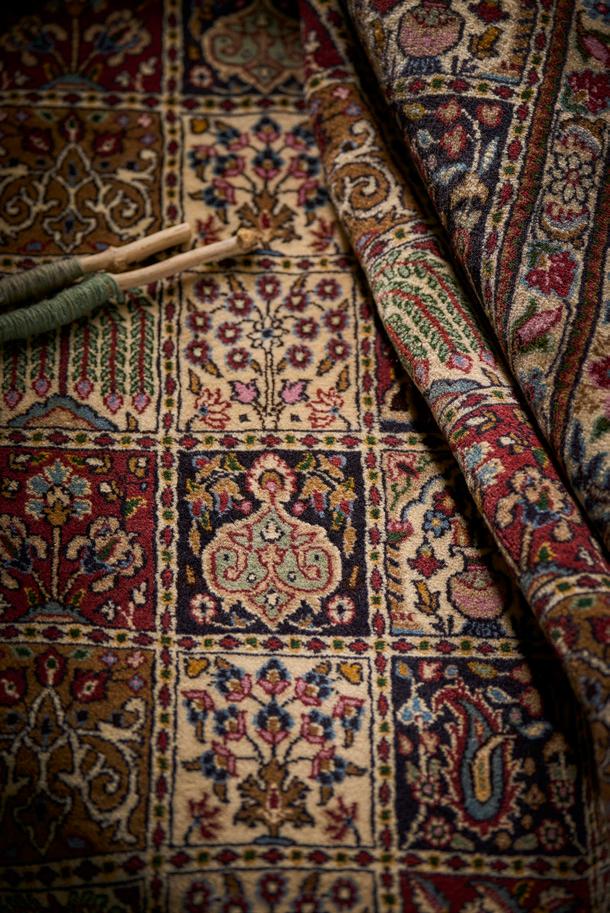
Moud Garden, like Moud Mahi, is often seen as a classic oriental design. The Moud Garden rugs show patterns and designs from traditional Persian gardens in small rectangles. These smaller shapes are normally only seen in Bakhtiari rugs. The colours in the Moud Garden rugs are predominantly blue or red, and feature an ivory or beige background that lets the colours come to life and stand out. The rugs have knot densities of 250,000 – 350,000 knots per sqm.
As a general rule, Moud rugs vary greatly in quality and choosing the right rug is important. Special attention must also be paid to the material used for the knotting. These fine rugs have a high silk content which has been incorporated into the individual details that allow them to shine in the light.
REZAS VILLAGE RUGS
46 47
Keshan
Keshan is a city of about 300,000 people, situated in the Isfahan province in central Iran. It is rather low lying, and it gets very hot in summer. Traditionally, people have sought to alleviate this by building the houses into the ground. Keshan has always been famed for its handicrafts. The villages lie on the main road between Ghom and Isfahan in central Iran. To the East, the region borders Iran’s largest desert.
Despite the decline of this particular handicraft during the 20th century, many beautiful Keshan (or Kashan) rugs are still being produced in accordance with the traditions of the old masters, e.g. decorated with the beautiful medallion patterns or tapestry featuring human and animal motifs.
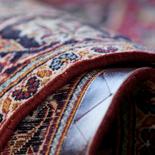
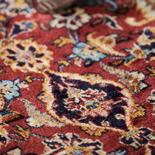
The patterns are most commonly woven around a medallion in the centre of the rug, some of which are repeated in the corners. The other fields are densely decorated with realistic flowers and vines. The main border often features the “Herati” motif (an arched leaf), while the secondary borders feature rosettes. Brick red and dark blue are the most common base colours.
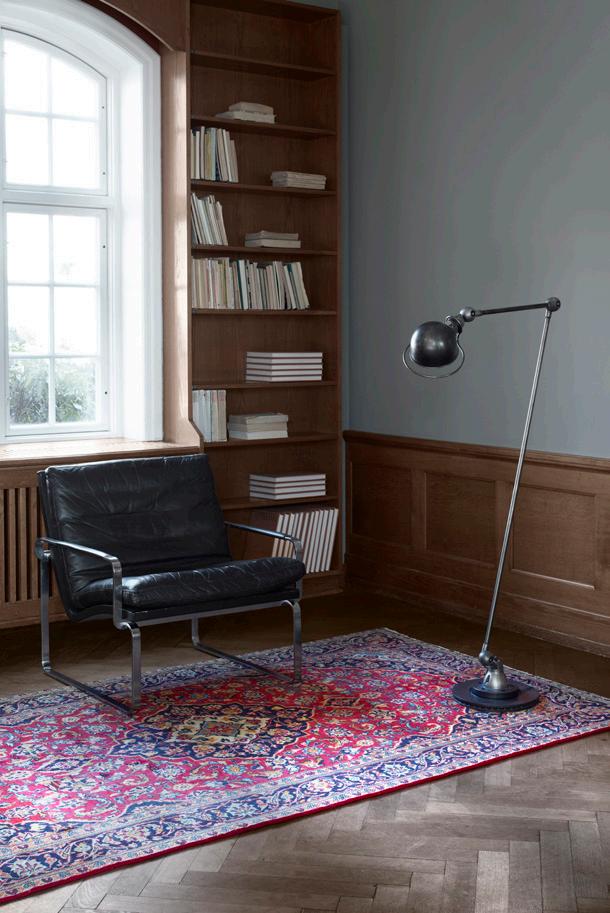
The shape of a Keshan medallion is quite special; it is made by alternating curved lines and right angles. The most common colours are a red field and a blue medallion, with secondary details in other colours. The trimmings of a Keshan rug are also special; the main trimming is normally surrounded by stripes that form a geometrical pattern, usually small blue and red triangles. Keshan rugs feature knot densities between 150,000 and 250,000 – and up to 450,000 for Keshan Fine.
REZAS VILLAGE RUGS 48 49
Sarough
Sarough (or Sarouk) rugs are woven in the Saruq village, located about 25 miles north of Arak, Iran. Saruq has been a well-known rug production point for hundreds of years, but gained recognition in the mid 1900s due to a large number of rug exports to the United States.
Sarough rugs are beautiful and are considered by many to be one of the highest quality rugs from central Iran. Farahan, a 19th century designer, introduced the now-iconic medallion design to the center in order to better differentiate from the Keshan rugs which were gaining popularity.
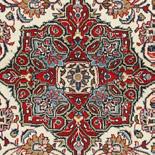
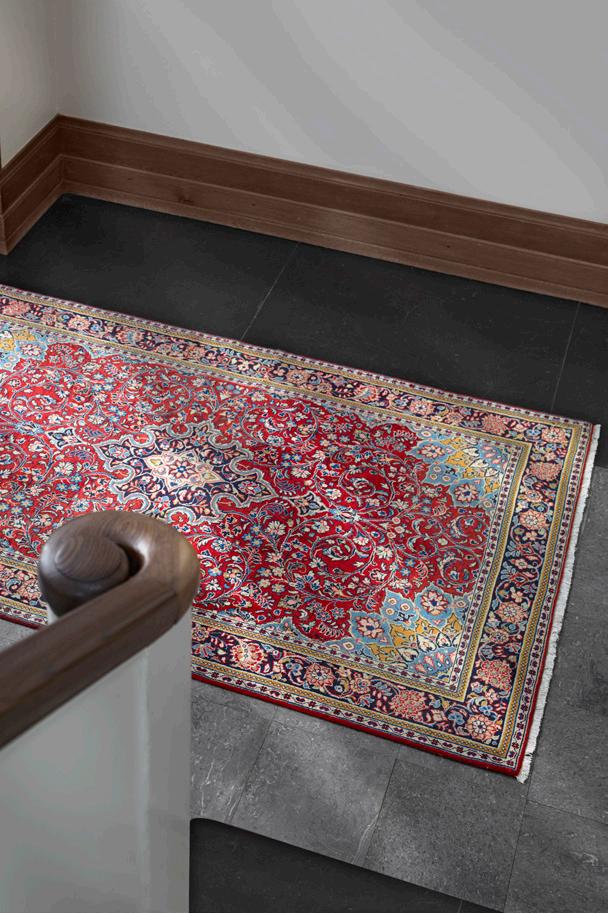
The Sarough designs consist of gul hannai, boteh and herati motifs as a repeating pattern or organised around the central medallion. The medallions are often diamond, hexagon, round or oval shaped and are surrounded with organic forms that are inspired by foliage or nature. They have knot densities between 150,000 and 250,000 knots per sqm.
Colours used in the Sarough designs are the classic deep red, burnt orange, beige, brown, blue and green. The intricate designs are often outlined in contrasting colours, like pink, turquoise and yellow to create depth and allow the designs to stand out.
REZAS VILLAGE RUGS 50 51
Hamadan
The city and the district of Hamadan is an important centre for the rug trade and it is reflected in the types of rugs that are produced in the area. Two main types of rugs are knotted in the Hamadan district. One is the “city rug”, also known as the Shahrbaff. The production of Shahrbaff rugs is modern and largely state-controlled.
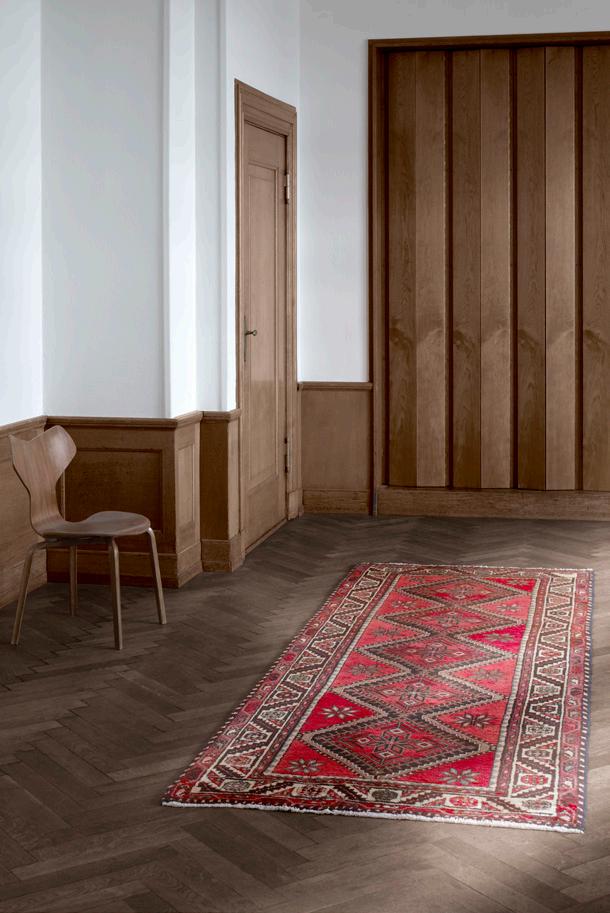
The other is called the “village rug”. Hamadan is an important market city for many of the surrounding villages and they have also become known as part of the Hamadan rug design tradition. This is one of the reasons why there is such a large degree of variation in the patterns of the rugs that bear the Hamadan name as each of the villages has its own design traditions and patterns.
Noteworthy villages are Borchalu, Tuserkman, Memraban, Khamseh, Begardeh, Enjilas, Hosseinabad, and Zandjan. There is a wide range of patterns but the quality is very consistent. The colours are strong and the patterns are daring, although somewhat random.
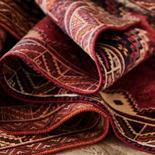
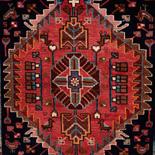
Hamadan rugs are good, solid rug for everyday use. They are knotted on a cotton weave base and the pile is made of sturdy wool. The Ghiordis knot is used and the ground colour is normally brown, a popular colour in Hamadan rugs. Knot densities range from 150,000 – 250,000 knots per sqm.
REZAS VILLAGE RUGS 52 53
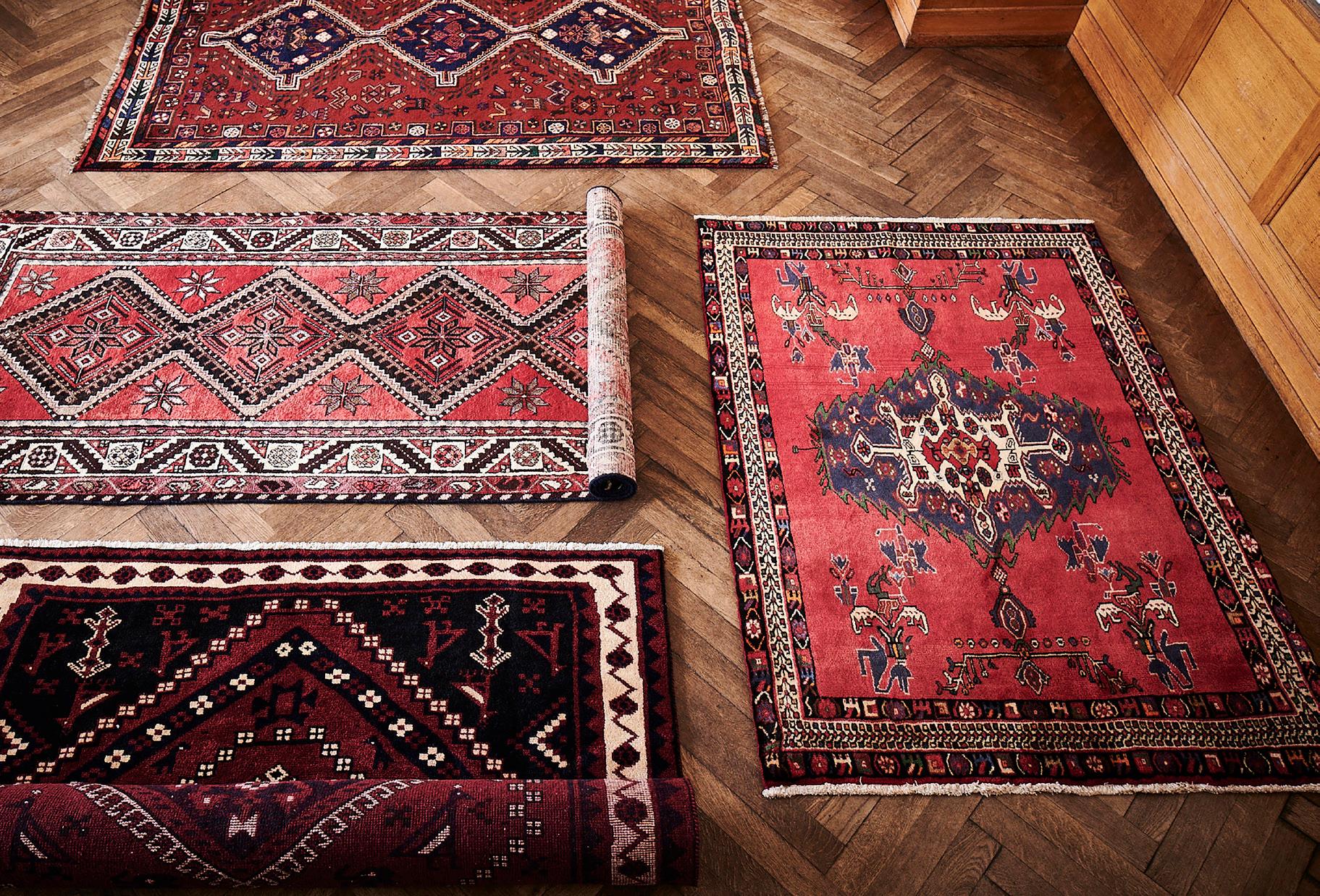
Heriz
Heriz rugs are Persian rugs from north-western Iran, northeast of Tabriz, and are produced in the village of the same name on the slopes of Mount Sabalan. They are known for their larger sizes and robust surface which is from the high-quality wools that are knotted onto a cotton warp. This production method results in a durable rug that has the potential to last for generations. Knot density of the Heriz rug is 150,000 - 250,000 knots per sqm.
A major factor in the durability of Heriz rugs is that Mount Sabalan sits on a major deposit of copper. The traces of copper in the drinking water of sheep in the area produces a high-quality wool that is more resilient to abrasion than wool from other areas.
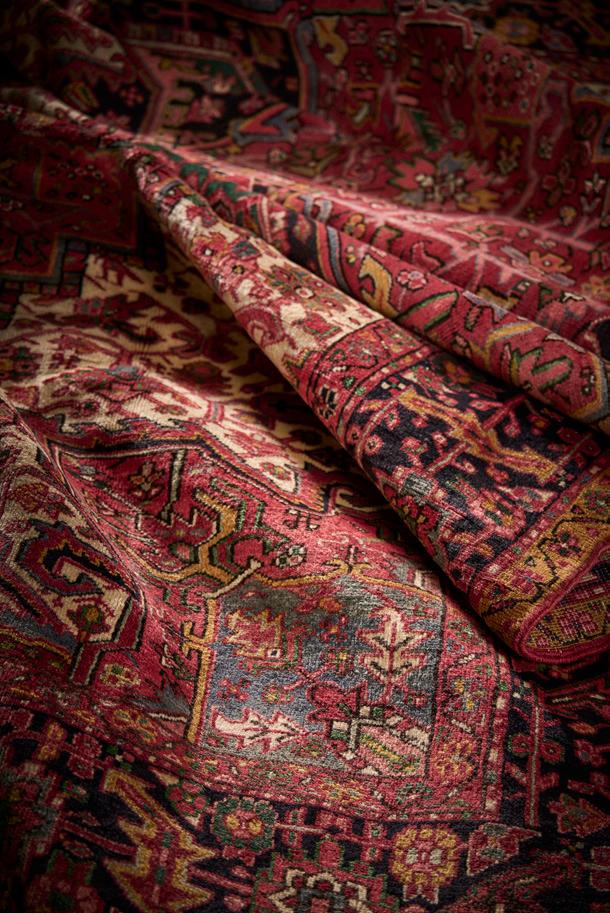
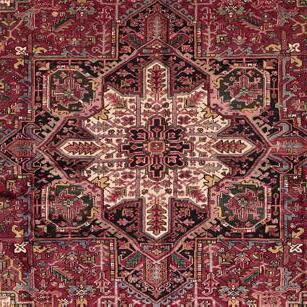
Heriz rug weavers often make the designs in bold, geometric patterns with a large medallion in the centre. Such designs are passed down for generations and often woven from memory.
REZAS VILLAGE RUGS 56 57
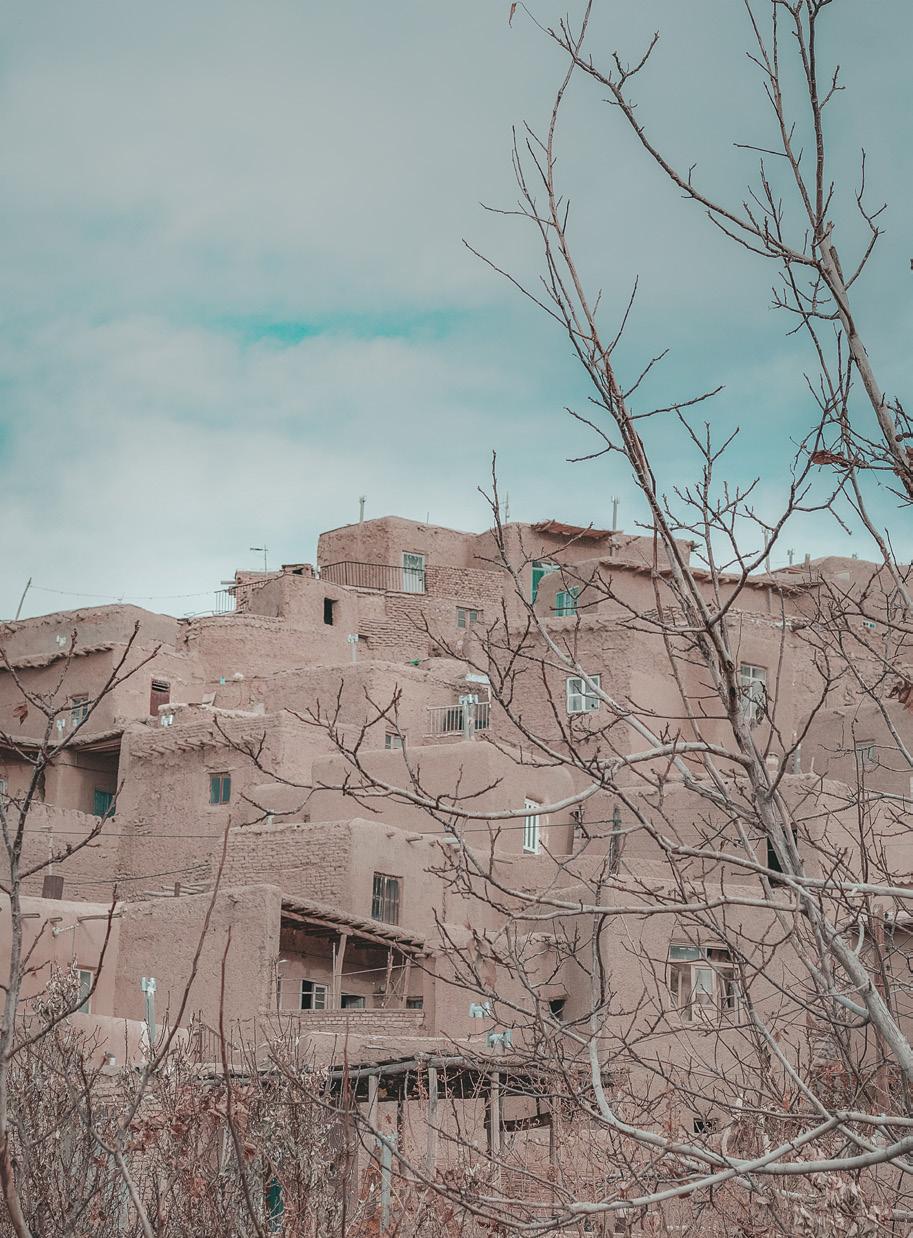
THE FOUNDATIONS of HISTORY ANCIENT TRADITIONS 59
FORM
Bakhtiyar
Bakhtiyar is the name of two types of rugs: one is produced by nomads in the Zagros Mountains west of Isfahan in central Iran, and the other more important rug is produced by permanent residents of the villages in the area.
Only a small percentage of Bakhtiyar nomad rugs reach the market – the most common are probably bag rugs that combine pile and Kelim work. Rugs from the villages are more common, and they are produced in numerous mountain villages, whose inhabitants are of Turkish, Persian or Armenian descent.
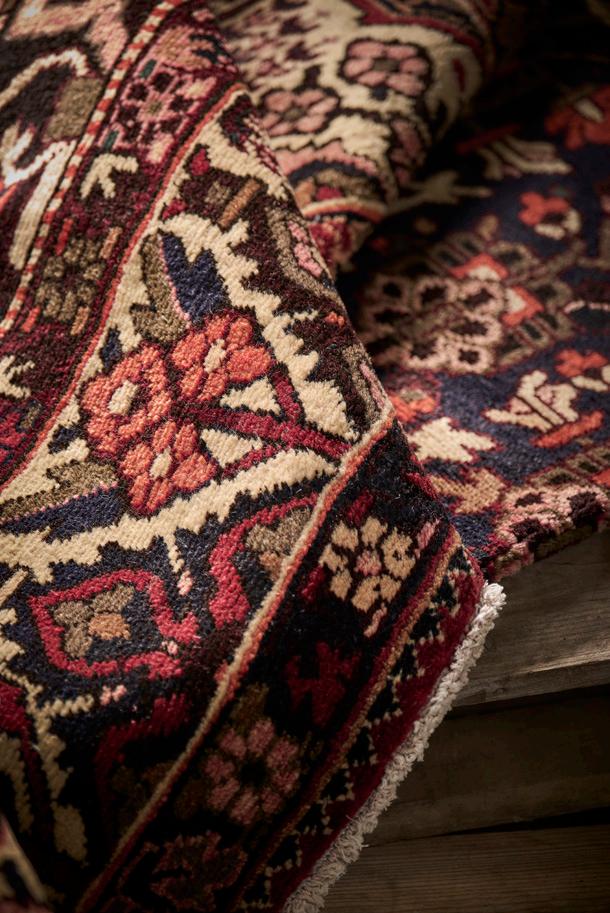
They are most often sold in the bazaars of Isfahan. The most common patterns are medallions and the so-called garden patterns, which are divided into squares of different garden patterns consisting of roses and other flowers. The pattern has ancient roots, and is often rustic, as large blocks of colour with heavy contours are used. Most colours are made from locally produced plant pigments, creating a strong link between the design, the knotting and overall visual expression, giving a harmonious effect to the rugs. The knot density of the Bakhtiyar rugs is 150,000 to 250,000 knots per sqm.
REZAS VILLAGE RUGS 60 61
Abadeh
Abadeh is an oasis village of about 50,000 people and the capital of the Fars Province, Iran. It is located in the northern part of the Fars province, roughly midway between Shiraz and Isfahan.
Its location on the northern side of the Zagros Mountains, close to the caravan and nomad routes, has given the inhabitants a wide variety of outside cultural influences. The effect can be seen in the rugs produced in the city.
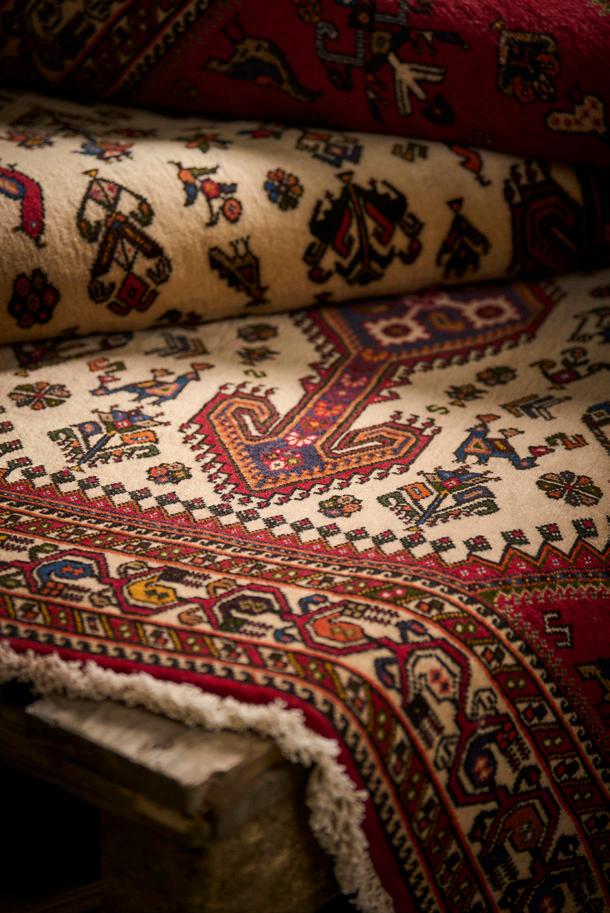
The most famous Abadeh pattern is found in the rugs of the Kashghai tribe. It is a vibrant flower motif in the centre of the rug and it is repeated on every corner. Other patterns, although rarely seen today, include the Zil-e-Sultan pattern, consisting of flowers, vases, birds, and a pattern of small bands that run the length of the rug. The dominant colours are red, dark blue, and white. Knot density is between 250,000 and 350,000 knots per sqm and the pile is always wool – with a cotton warp and weft.
REZAS VILLAGE RUGS 62 63
Kashmar
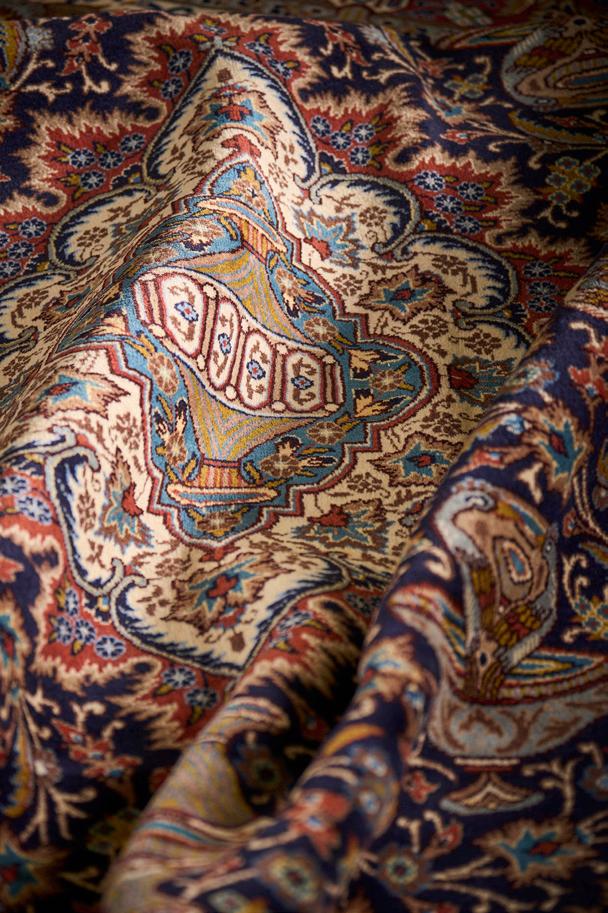
Kashmar is a city and the capital of Kashmar County, in Razavi Khorasan Province, Iran with a population of 81,520. Kashmar is located near the river Shesh Taraz in the western part of the province and until 200 years ago was named Torshiz. Kashmar is known for its high-quality hand-knotted rugs which are famous for their unique patterns featuring beautiful landscapes and hunting motifs.
According to historians, rugs have been mass produced in the area as far back as the 13th century. The first master weaver in the Kashmar region was Mohammad Kermani, who is said to have brought the knowledge of rug weaving from the Kerman province. The designs highlight the culture and traditional hunting seasons and rituals of the area with deep reds, blues, beiges, champagnes and oranges. Knot density ranges from 150,000 to 250,000 knots per sqm.
Kashmar rugs are becoming increasingly rare today. They are often only available in larger sizes and are, in some cases, similar to the classical Keshan rugs, with their medallions and special intricately-woven corners.
REZAS VILLAGE RUGS 64 65
Klardasht
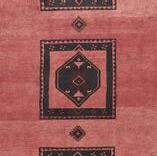
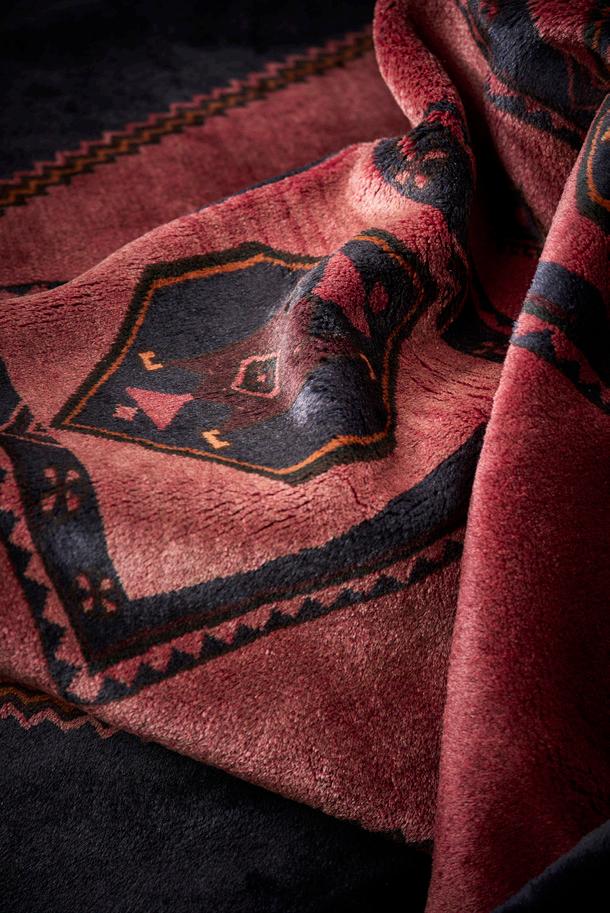
Klardasht is a small village situated in the north of Iran, south of the Caspian Sea, near the Alborz mountains. Rugs from this area are striking due to the large differences to other rugs from the surrounding area. They feature large swaths of single colours with little or no ornamentation, which are interrupted only by small patches of contrasting colours that seemingly jump off the rug.
The motifs normally consist of a hexagon surrounded by white primitive lines and sometimes even a scarab in the middle. On the centre and on the border of the rug, there are decorative figures together with flowers. The background colour is often blocked with dark blue and brown as dominating colours. The pile is made of thick, soft wool, with a warp of cotton and Turkish knots.
Today, the rugs are very durable and long-lasting, but generally the quality of these rugs vary. Before 1960, they were good quality but between 1965 - 1980 the quality sank as western collectors forced the weavers to modify their patterns and colours. After the revolution in 1979, the quality started to improve. Today, the quality is at the same level as it was in the mid 1900s, both when it comes to design, colours and knots. Their knot densities range from 150,000 - 250,000 knots per sqm.
REZAS VILLAGE RUGS 66 67
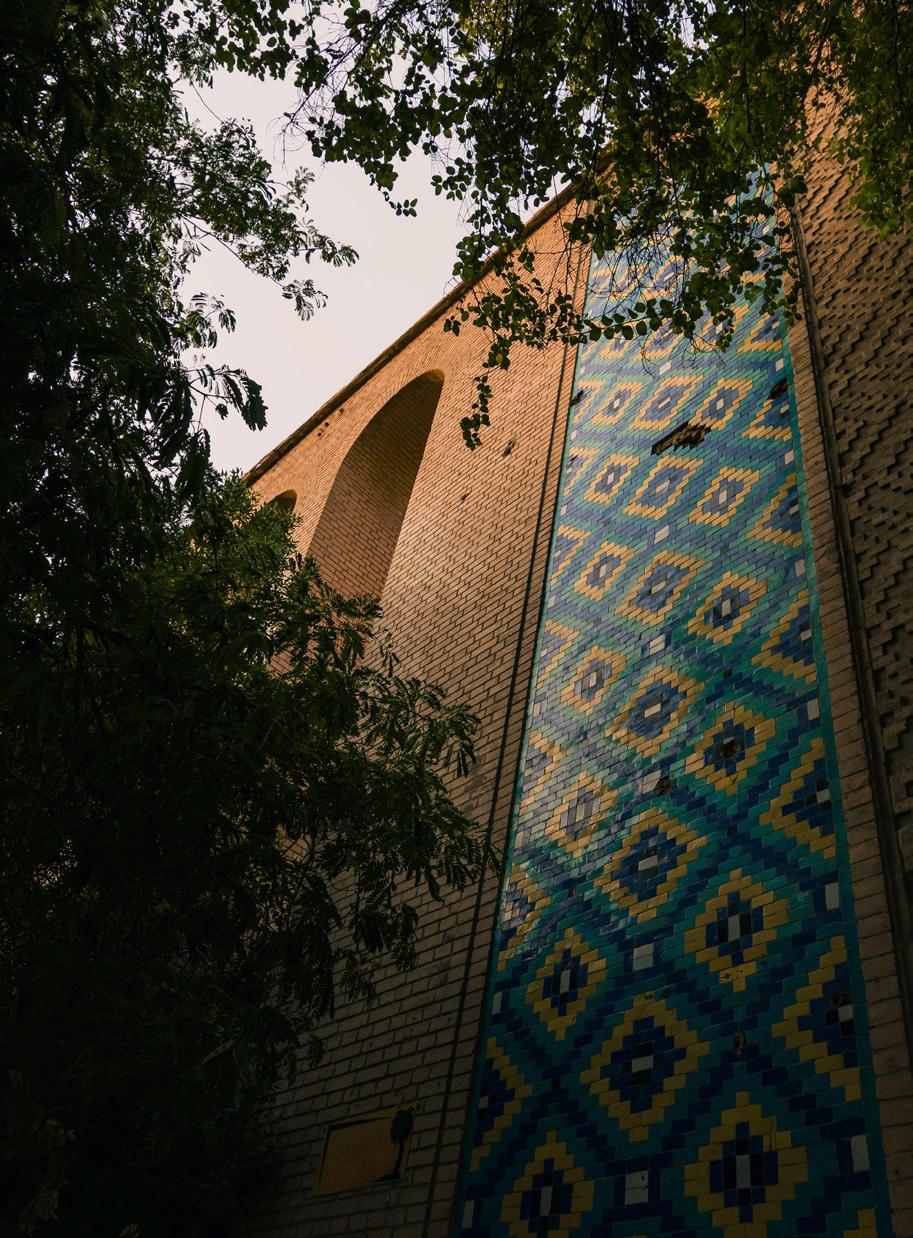 INSPIRE PATTERNS in THE CITY
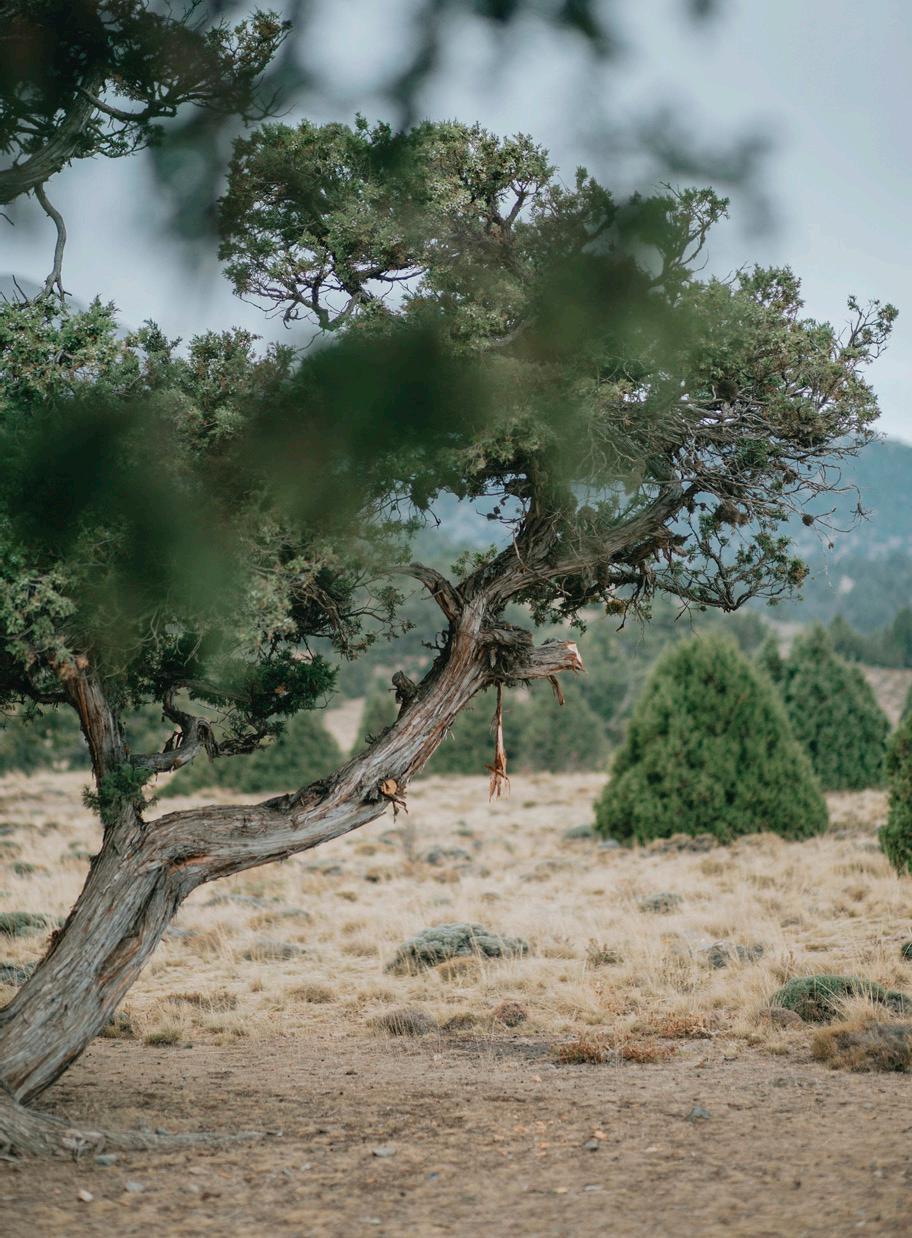
MOMENTS in a PEACEFUL DESERT
INSPIRE PATTERNS in THE CITY
MOMENTS in a PEACEFUL DESERT
Nomadic Rugs
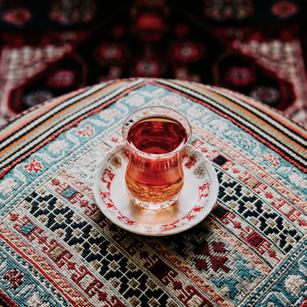
Nomadic rugs are woven by the tribes that live around the region. Weaving is an essential part of their culture, as it’s one of the crafts that they can use to generate income for their tribes. And it also plays an artistic role as well, showcasing the talents of the tribe to a wider audience. Each tribe has their own unique styles, traditions and techniques that are cherished and passed on from generation to generation. Tribes often associated with weaving rugs and tapestries are Turkmen, Shiraz, Lori, Afshar and Kashghai.
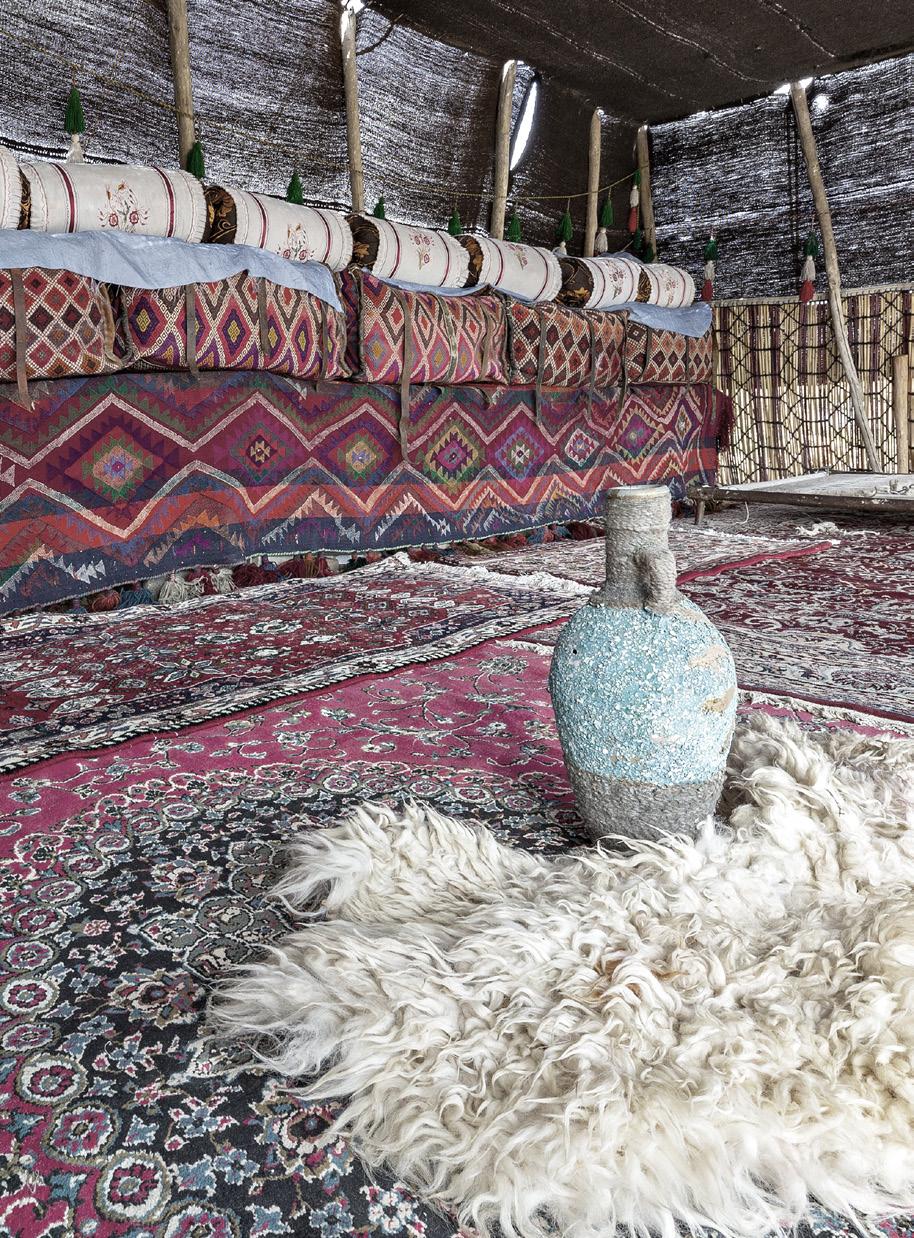
REZAS ORIENTAL COLLECTION 71
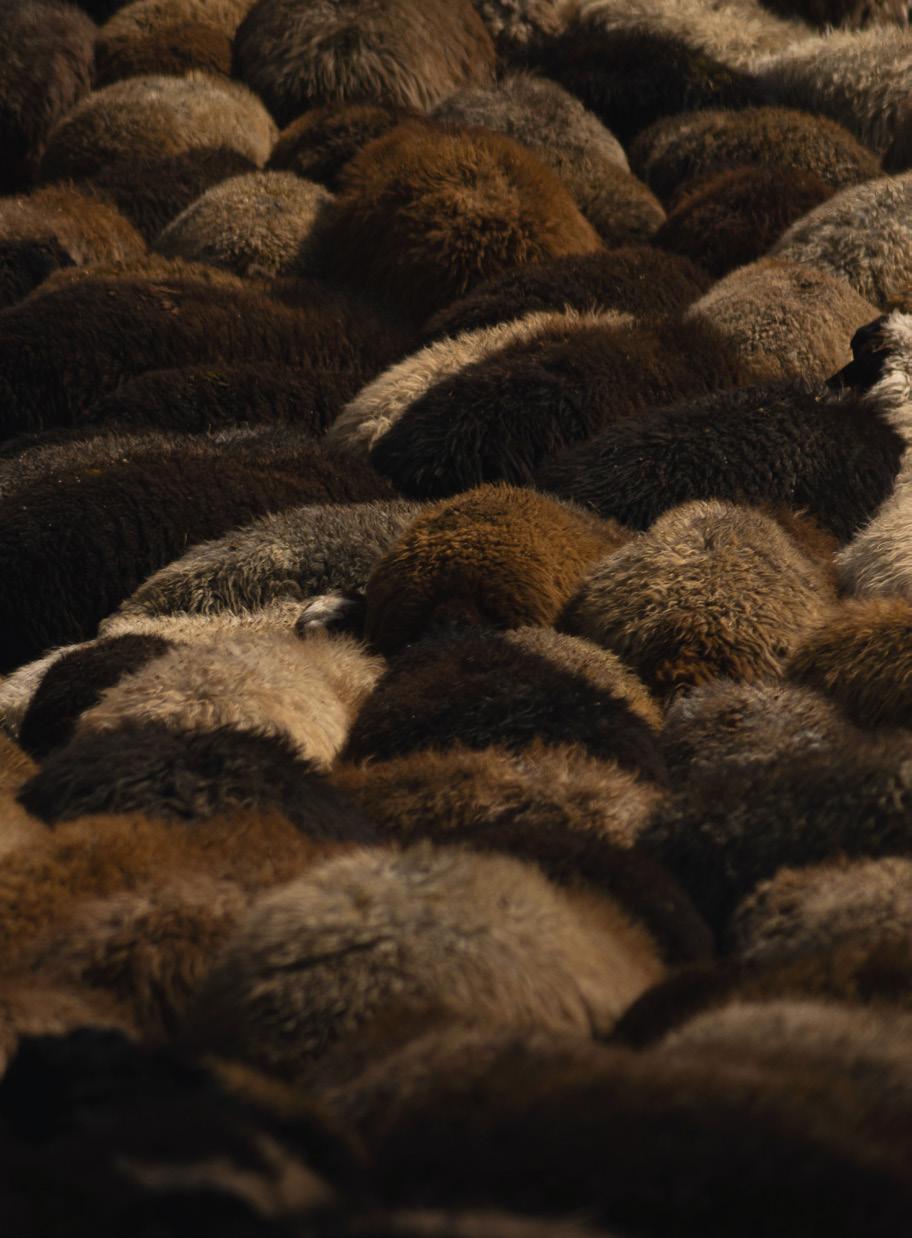
COMES from THE HARSHEST ENVIRONMENTS The SOFTEST WOOL
WOOL of THE BEST QUALITY
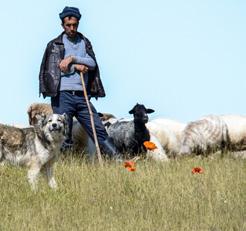
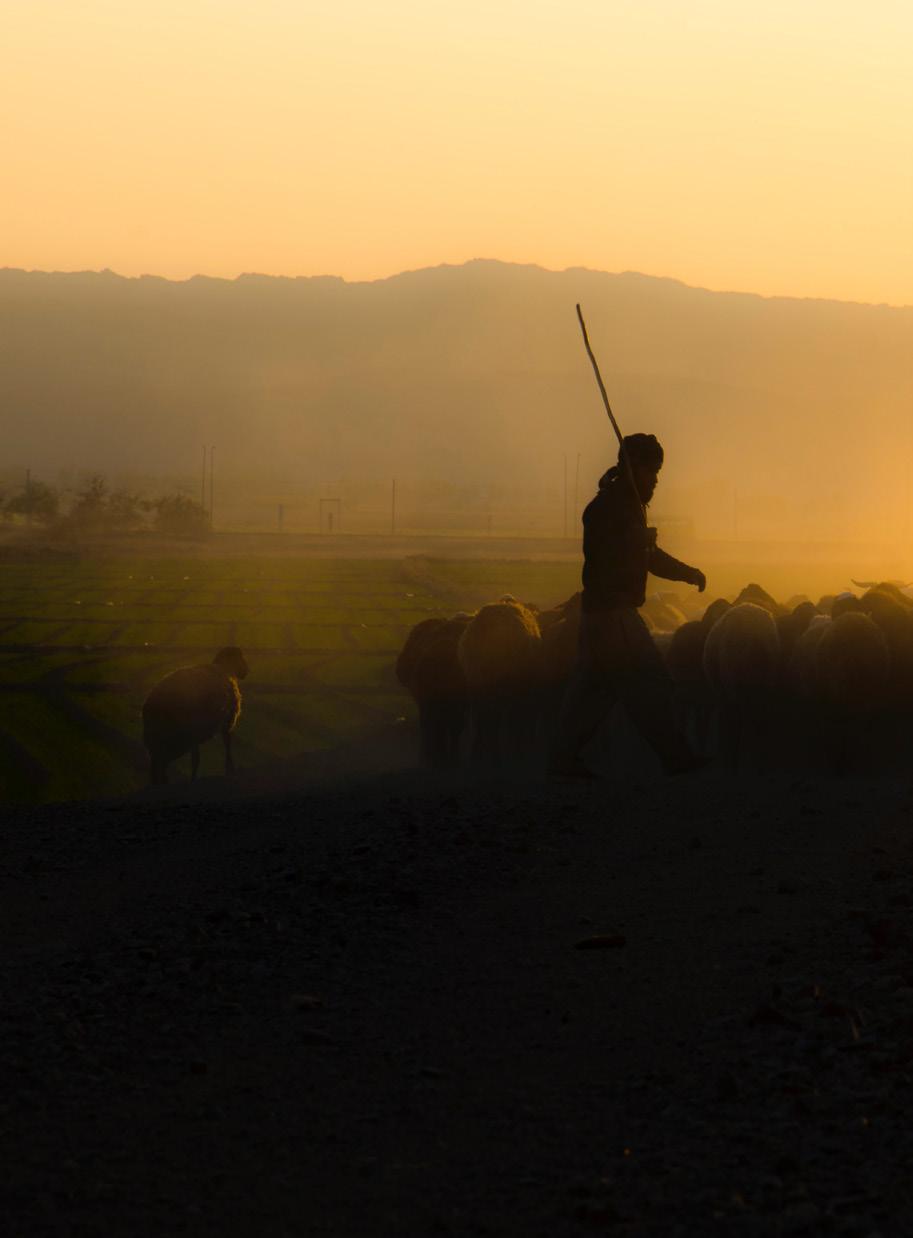
Only the best quality wool makes it into a Rezas rug. From the rough, robust wools used in the nomadic rugs to the smooth, silky wools used in our high-end design rugs; each wool is carefully selected so it perfectly matches the collection that it will become a part of.
Wool rugs have amazing properties. Lanolin, a deeply moisturising oil naturally occurring in sheep’s wool creates a protective coating that shields against liquids and dirt.
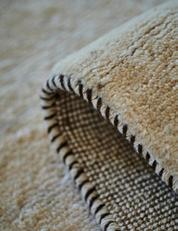
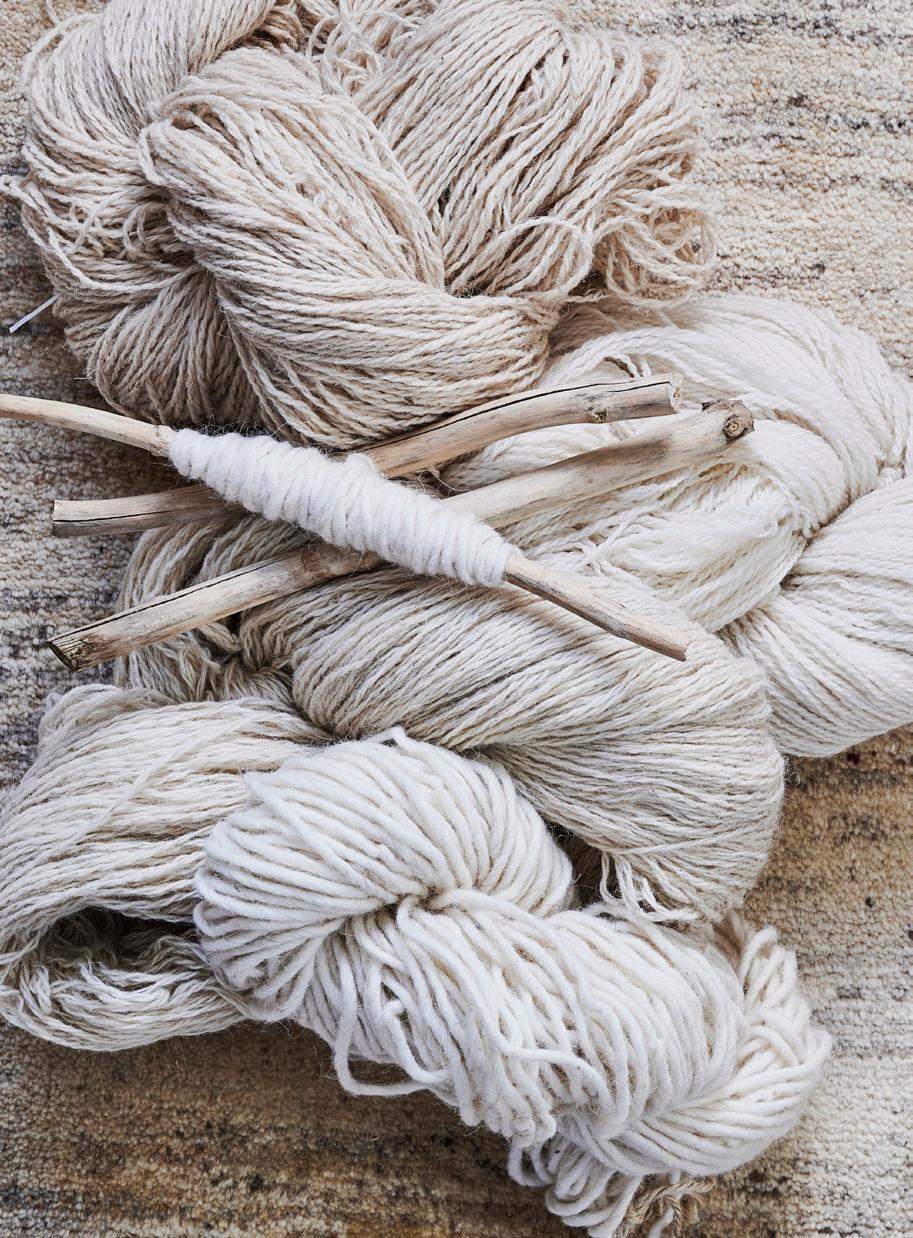
And the high elasticity in the wool keeps the rug looking fresh and new, never worn or trodden.
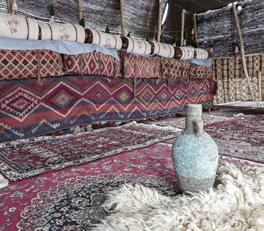
Traditional colouring techniques allow the colours to penetrate deep into the wool, keeping the rugs looking bright and vibrant – even after many years of use. Rezas rugs can be found in 100 % wool, wool & viscose and wool & silk blends. Each of the blends has its own unique expression and provides something that can match any space.
LOCAL PRODUCTION 75
Persian Gabbeh
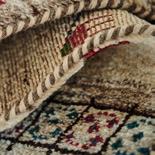
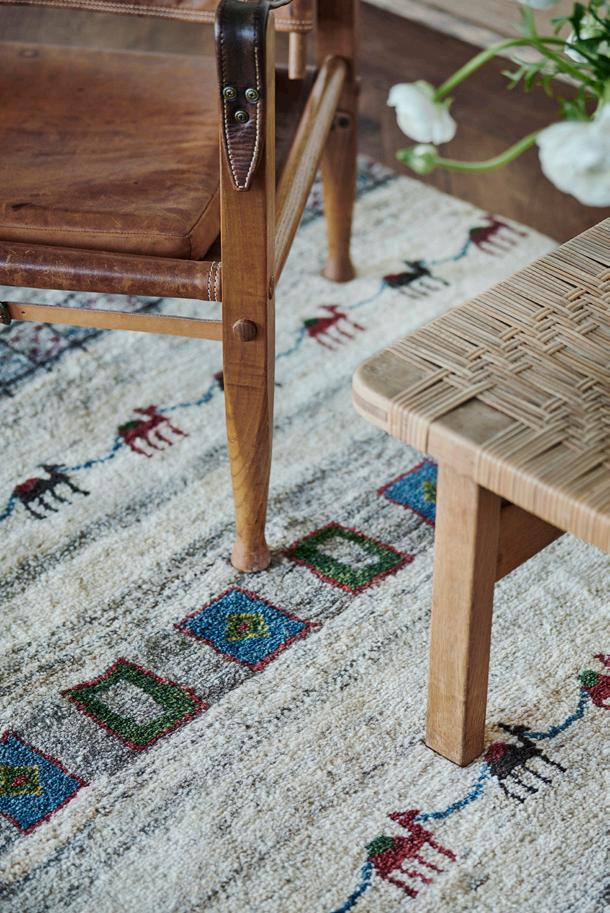
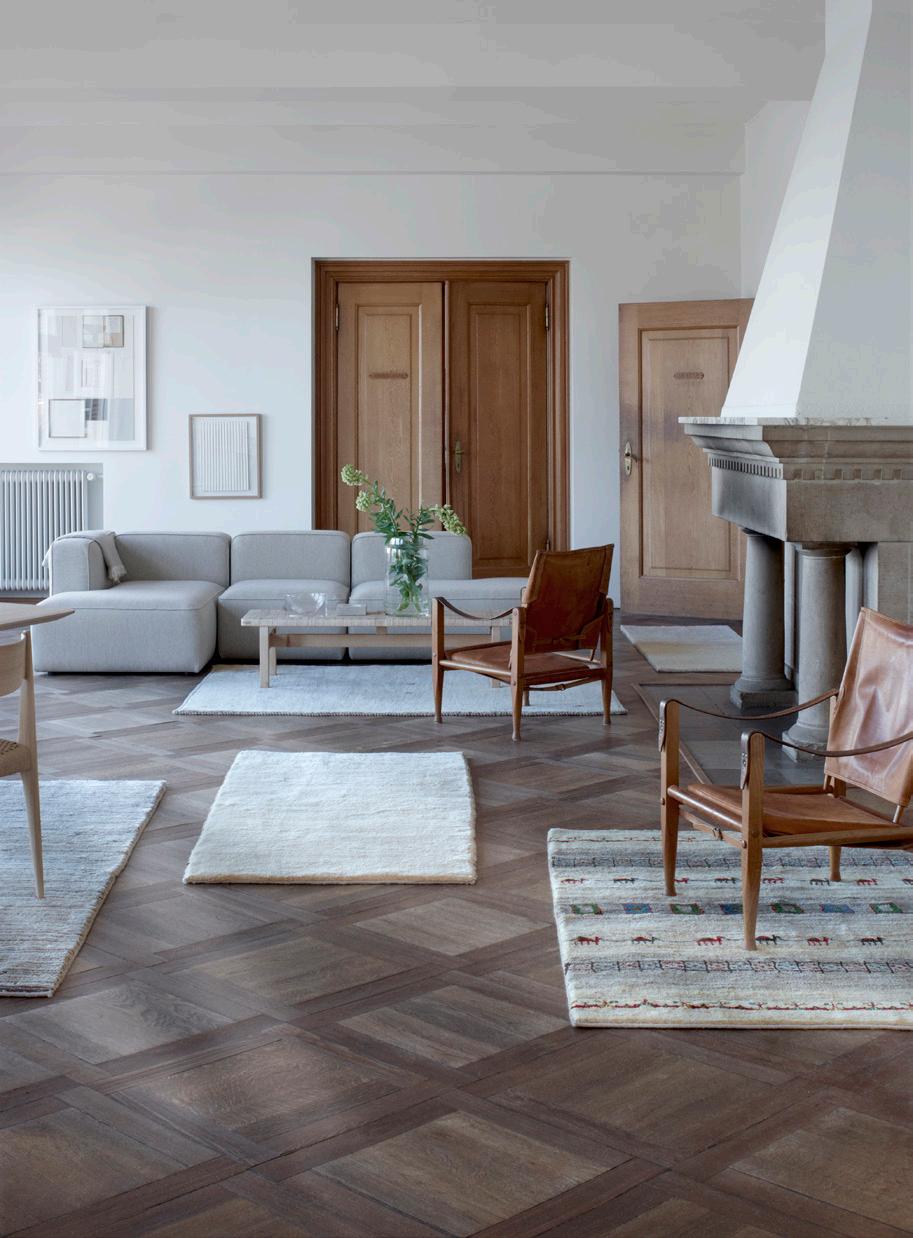
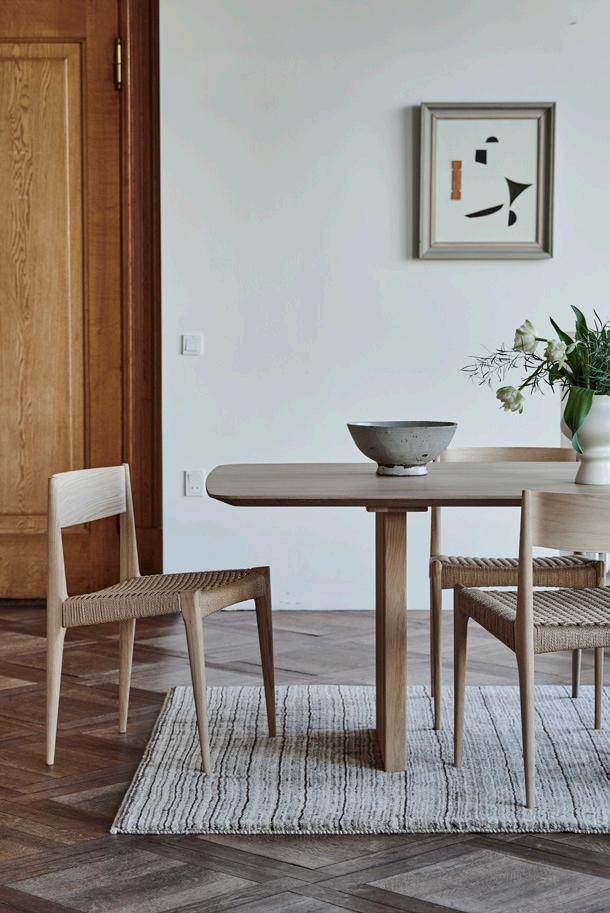
Gabbeh is the name of a special rug woven by the Lori and Kashghai tribes. In Persian, Gabbeh means raw or natural. The perfect name for these nomadic rugs, whose design language is reduced to the essentials.They are coarsely woven, made from hand spun wool and dyed in vegetable dyes. Gabbeh rugs have light colours, a thick pile and knot densities of 150,000 to 250,000 knots per sqm. Most Gabbeh rugs are sold in the bazaars of Shiraz. Typically, the warp, weft, and pile are all made of handspun wool, and have no fringes. The ends are Kelims that have been folded and sewn in.
The patterns are most often geometrical, although the Kashghai Gabbeh sometimes display motifs in their finer rugs. Sometimes figure patterns can be seen; goats, camels, and lions, covered by small geometrical motifs, and copies of reliefs from Persepolis (the main city of the Achaemenid dynasty, near Shiraz). Typical colours are beige, red, orange, and dark blue.
Gabbeh rugs are often copied by Indian manufacturers as they have achieved a very high level of familiarity and popularity worldwide. Always pay attention to the origin of the rug as Persian Gabbeh rugs have a higher quality, are softer and more robust.
REZAS NOMADIC RUGS 76 77
REZAS NOMADIC RUGS 78
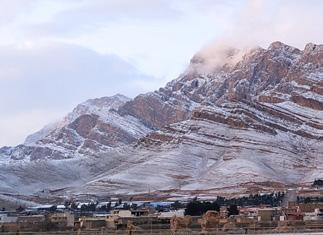
During the late 19th century, gabbeh rugs were woven by tribal weavers who lived in the majestic Zagros Mountains. This mountain range (the largest in Iran) rises up to nearly 15,000ft and is often covered in snow. The Qashqai, are the tribe most associated with weaving gabbehs. They are based in southern Iran near the historic city of Shiraz. But other tribes, such as the Lurs, the Kurds and the Bahktiari also weave these rugs.
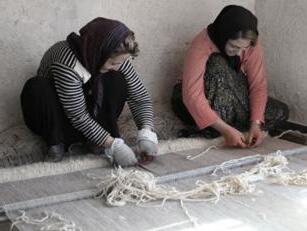
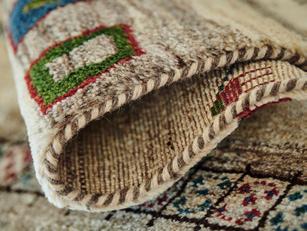
The word gabbeh translates closely to unfinished or unclipped. As such, it was more of a descriptive term. Originally these rugs were woven for the weaver’s own use with the pile left much longer than normal rugs. The 19th century gabbeh rugs were very coarsely knotted with long pile. They were woven relatively quickly without the need for large looms. In addition, most of these rugs had wider rows of multiple wefts which rendered the rugs rather floppy and a pliable. This allowed for them to be used not only as floor coverings but
also as wraps or bedding to help insulate against the bitter cold of the rugged mountains.
These rugs were purely indigenous and utilitarian tribal textiles that were not intended for the rug trade. The earlier examples had rich saturated natural dye colours and bold graphic designs. Often a chain of several diamond motifs was depicted in bright primary colours. Complex designs were often abstracted to their basic elements in these rugs. During the early and mid-20th century gabbeh rugs became plainer in design. Often a field of natural un-dyed wool and stylized zoomorphic designs; goats, camels, dogs, horses and donkeys and other animals were featured on these simple rugs.
Most of the recent Gabbehs are bursting with colour. The weaver’s creativity is given free rein. There is nothing subtle or understated about them. The beauty of these rugs is their unmistakable uniqueness.
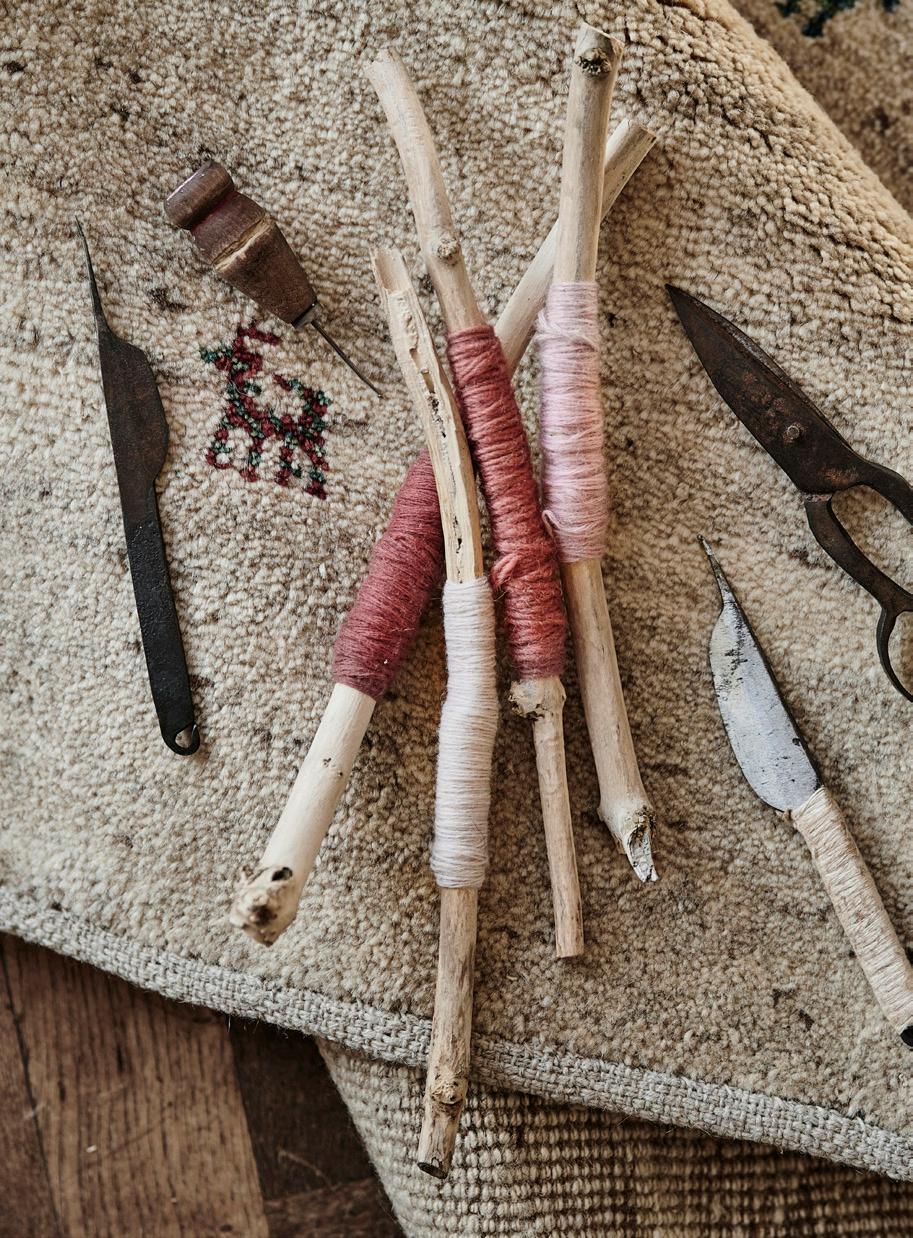
TRADITIONAL PATTERNS
80
GABBEH RUGS
Shiraz
Shiraz is the fifth most populous city in Iran with a population of about one and a half million. It’s the capital of the south-eastern province of Fars, and is situated in the Zargros Mountains. Shiraz is an ancient city and has been the capitol of Iran multiple times. It is known as the city of poets, literature and flowers because of its literary history and beautiful gardens. It has a reputation of being very relaxed, with a “we’ll get to that tomorrow” attitude.
Shiraz has laid name to the rugs that are knotted in not only Shiraz itself, but also the small towns and villages surrounding it from where they are brought to the city to be sold. The local tribes like the Kashghai, whose best works are even finer and more densely knotted than those knotted in Shiraz itself, also weave rugs.
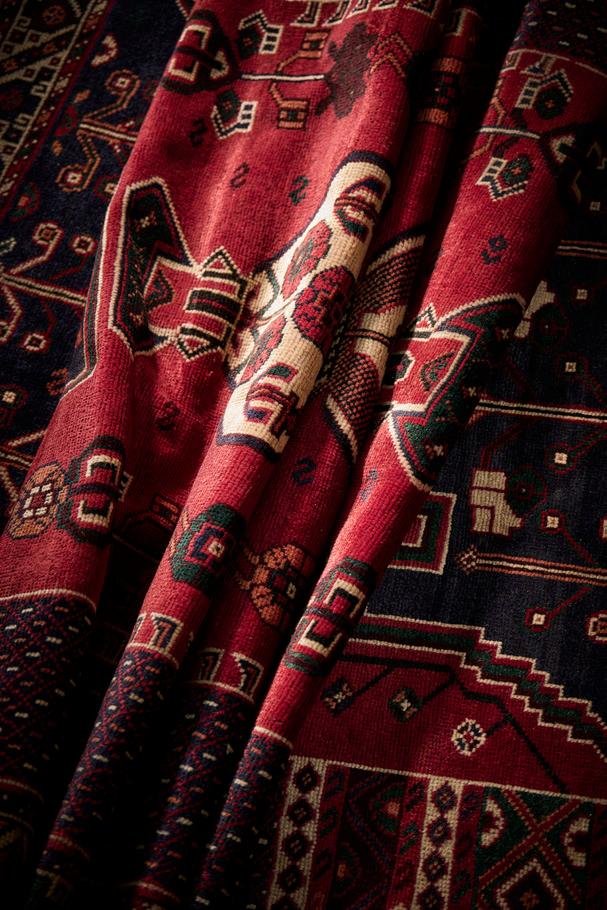
Shiraz rugs are characterised by a deep claret colour, combined with dark blue and small areas of white and green. The wool is soft, and darker wool, sometimes mixed with goat’s hair, is used for both warp and weft. The patterns are coarse and geometrical, often identical to the Kashghai patterns. In some designs, there are small, geometrical birds and animals to add a bit of whimsy and brighten them up. Shiraz rugs are made in all sizes, although large rugs are rare. Knot densities are between 150,000 and 250,000 knots per sqm.
REZAS NOMADIC RUGS 82 83
 EACH RUG HAS TRAVELLED FAR and WIDE
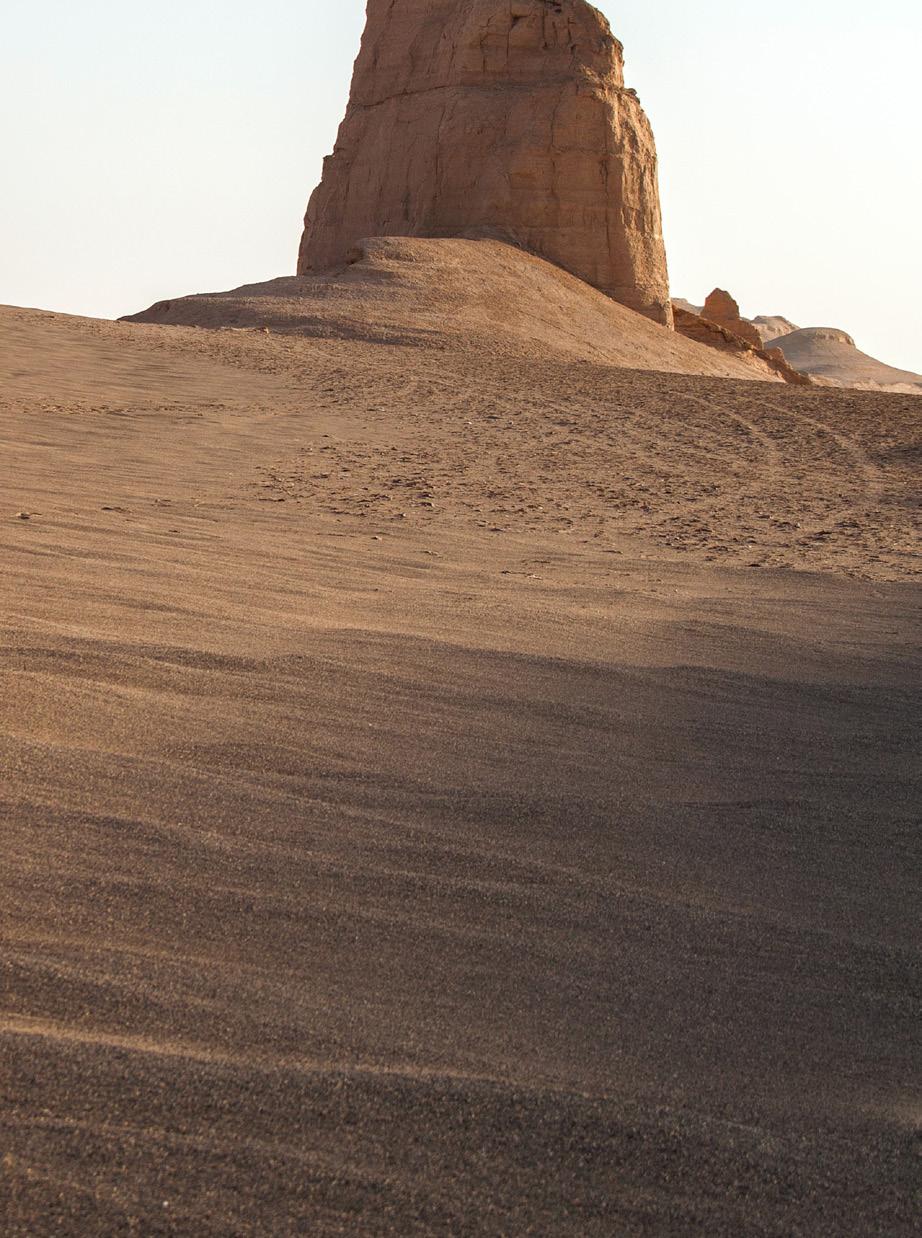
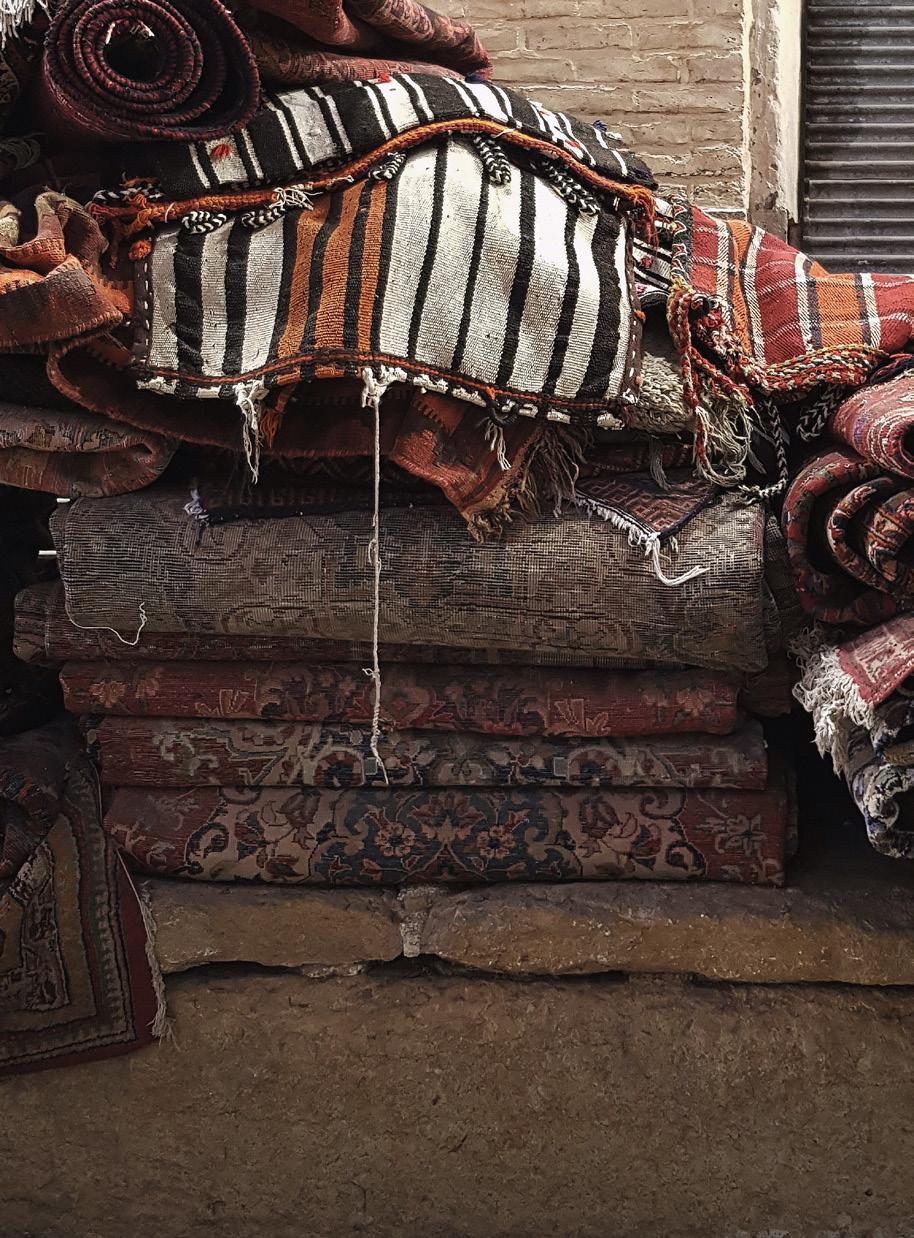
ACROSS DESERTS, VILLAGES and CITIES
EACH RUG HAS TRAVELLED FAR and WIDE
ACROSS DESERTS, VILLAGES and CITIES
Lori rugs are made in the Loristan province, which lays in the western part of Iran in the Zagros Mountains. Loristan is one of the main settlements of the Lori tribe, who lay name to the province and the rugs from the area.
The tribe is one of the most important nomadic tribes in Iran, and can be found in the southern and western parts of the country. As opposed to the Kashghai, who speak Turkish, the Loris are originally Iranian, and their language is similar to Persian. In recent years, pressure from different areas has forced many Loris to give up their nomadic lives and settle in villages.
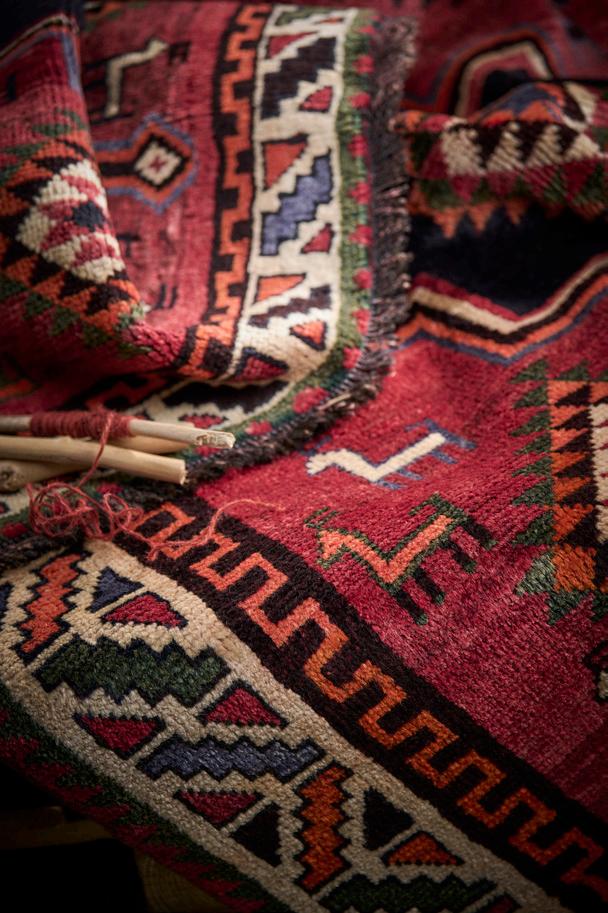
Lori rugs are of outstanding hand knotted quality with knot densities between 80,000 - 150,000 knots per sqm. They are colourful rugs with geometrical and floral patterns. The rugs are normally placed in two categories. The first are the nomadic rugs, produced in the southern area, which are called “normal Lori Behbehan”. They resemble the Kashghai rugs and are made entirely of wool but they have a different series of motifs, and a generous use of clear, contrasted colours; a strong red is particularly prevalent. The other type of Lori rug is from the city of Khorramabad. These are squarer and colours are used more cautiously. The patterns show a great deal of variation, with a hole pattern being dominant. The fringes are often beautifully weaved.
The designs of Lori rugs capture the traditions of the nomadic rug tribes that create them. Their rich colours and vibrant designs showcase the unique stories and folklore that has been shared for generations. The bold blues, vivid reds, and emerald-like greens are just a few of the dazzling colours that can be found in these beautiful works of art.
Lori
REZAS NOMADIC RUGS 86 87
Thousands of brightly coloured rugs, laid out as far as the eye can see. Each one meticulously placed so they form a grid with makeshift passageways leading throughout the countless red dots that look like massive pixels.
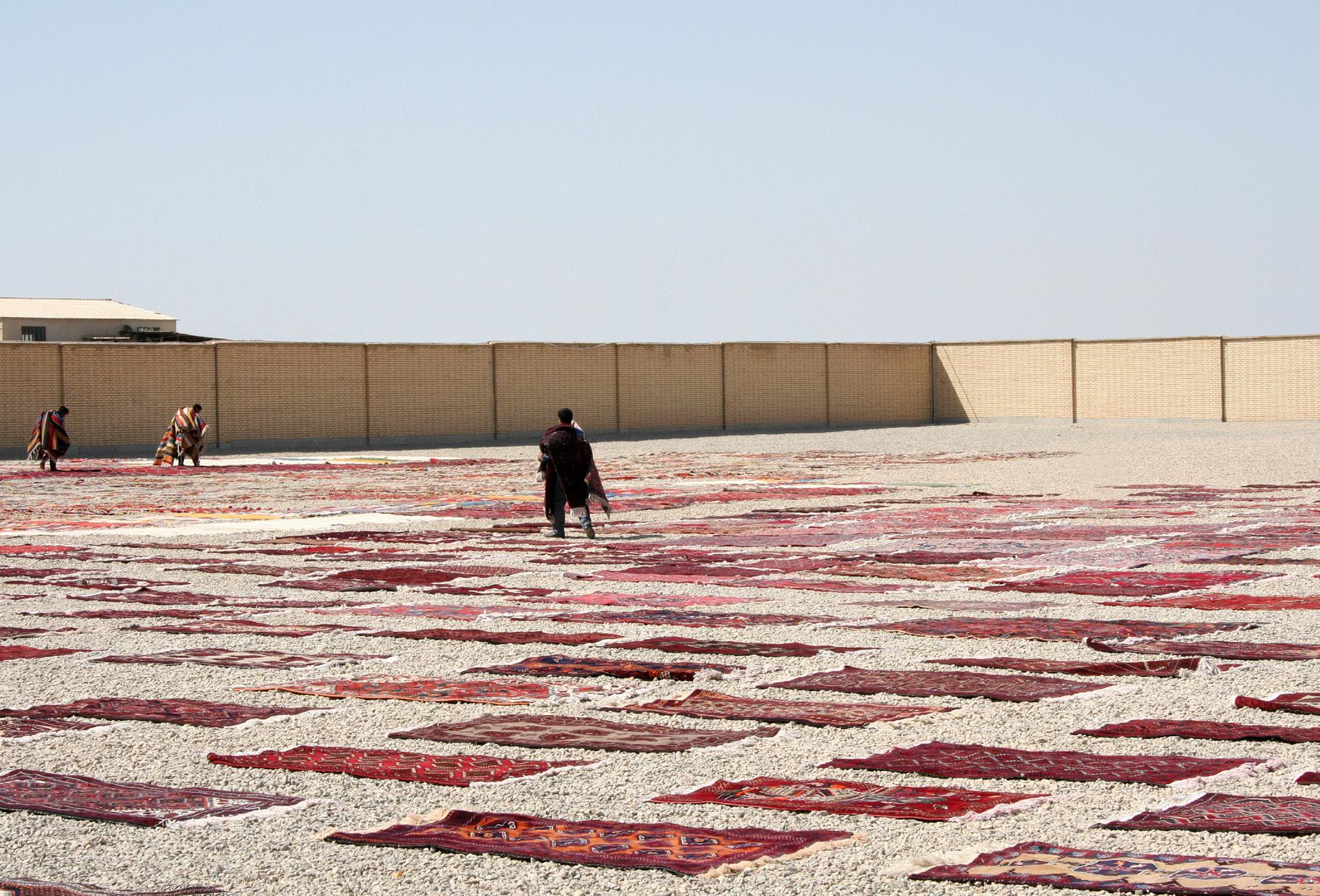
This is rug drying. A process that has remained largely unchanged for hundreds of years. It’s an important part of rug making that often goes overlooked. Drying stabilises the colour pigments, helps the rug maintain its shape, and prevents unwanted odours from emanating from the organic material. It’s like framing a piece of art to keep it protected from the elements and looking new as long as possible.
After a thorough washing to remove excess pigment from the dying process, the rug is brushed with a pile brush to ensure the pile or nap all dries in the same direction. Then the rug is thoroughly and professionally dried. Drying can take several days and is carried out either on a stone floor or on wooden or metal poles.
It’s important that the drying process is done as carefully as possible. If dried incorrectly, the rug loses its symmetrical shape, shine and colour intensity – destroying the months or years of hard work placed into weaving the rug.
PROCESS
89
THE DRYING PROCESS
Afshar
The Afshar are one of the most important nomadic tribes in Iran. They have woven rugs for centuries and have now settled into the mountainous areas surrounding Iranian Azerbaijan. An additional population of Afshar tribes-people is located in the Razavi Khorasan Province of Iran and in the city of Kerman.
The most famous member of the tribe was Nadir Shah, an 18th century king who fought an Afghan rebellion to defeat Delhi and return the Peacock Throne and other treasures to Iran. In recent times, the Afshar have kept a lower profile and are mainly famous for their rugs.
Afshar rugs are classified according to the names of the cities where they are sold. The most important of these are Shahr-e-Babak and Sirjan, which are situated west/ south west of Kerman, in south-eastern Iran. Sirjan was a very important city in the 10th century, and some of its ruins still stand today.
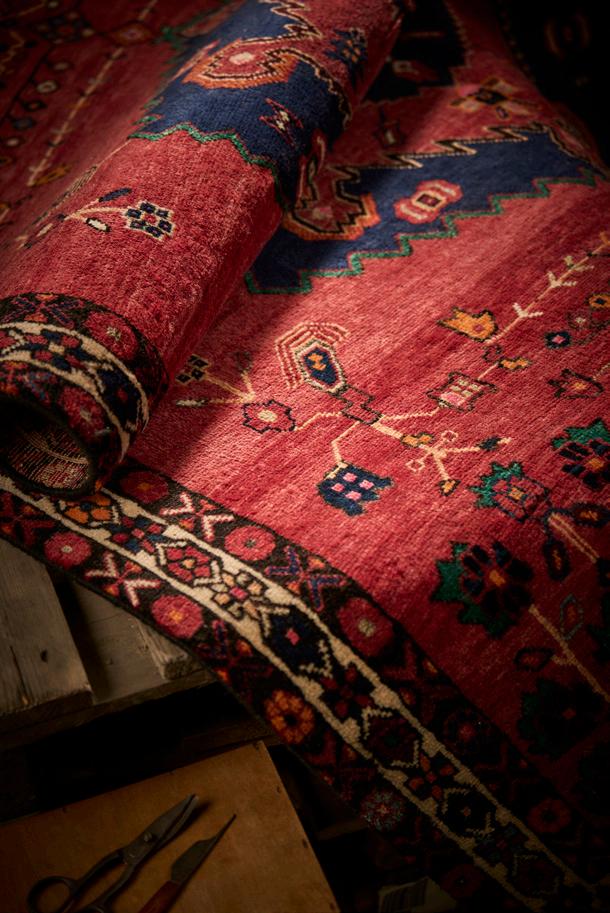
Afshar rugs are commonly found in shades of rusty reds and blue, and have knot densities that range between 150,000 and 250,000 per sqm. Designs vary from rug to rug and can feature traditional medallions or repeating patterns depending on the knotter and their personality. The geometric elements fit in well with modern furnishing styles and designs. Persian rugs from Afshar are rather large and can also be found under the name Sirdjan.
REZAS NOMADIC RUGS 90 91
Balutch
The Baloch people are a nomadic group spread across a vast area in eastern Iran and constitute a significant part of the population in Pakistan and Afghanistan. Although Balochistan is situated partly in Pakistan and partly in the south-eastern Iranian province of Sistan, Balutch rugs are not produced in Balochistan but in the north-eastern Khorasan province, where about 12 tribes knot rugs. The rugs are sold in Mashad, Turbat-e-Haidari, Naishapur Birjand, and Zabul.
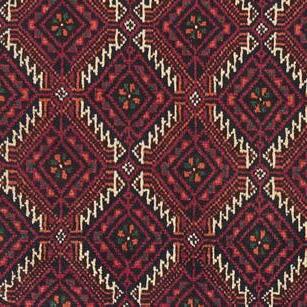
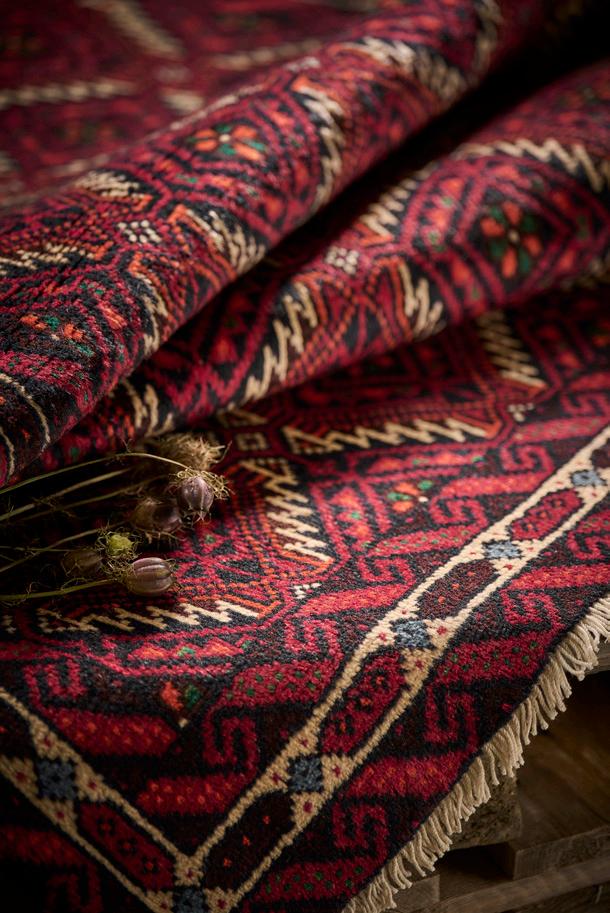
Like all nomad rugs, the Balutch rugs are small,simple and robust with most of them being prayer rug sized. Prayer rugs are actually very common. The arches are always geometrical, as if two rectangles have had the corners cut off one end. Kurdish and Turkmen tribes, whose territories border the area, influence other patterns. Sometimes, the patterns also consist of birds and people. The most common colours are deep red, dark blue, and white. The rugs are usually 100% wool. The knot density ranges from 80,000 – 150,000 knots per sqm and often brocade Kelims are embroidered at one end.
REZAS NOMADIC RUGS 92 93
 WOOL from THE MOUNTAINS COMES TO LIFE on THE LOOM
Kashghai
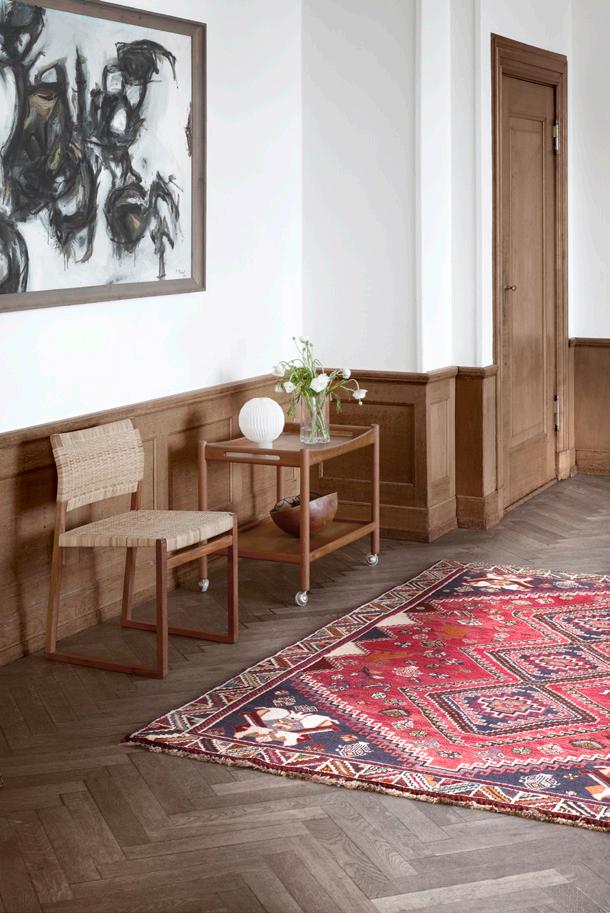
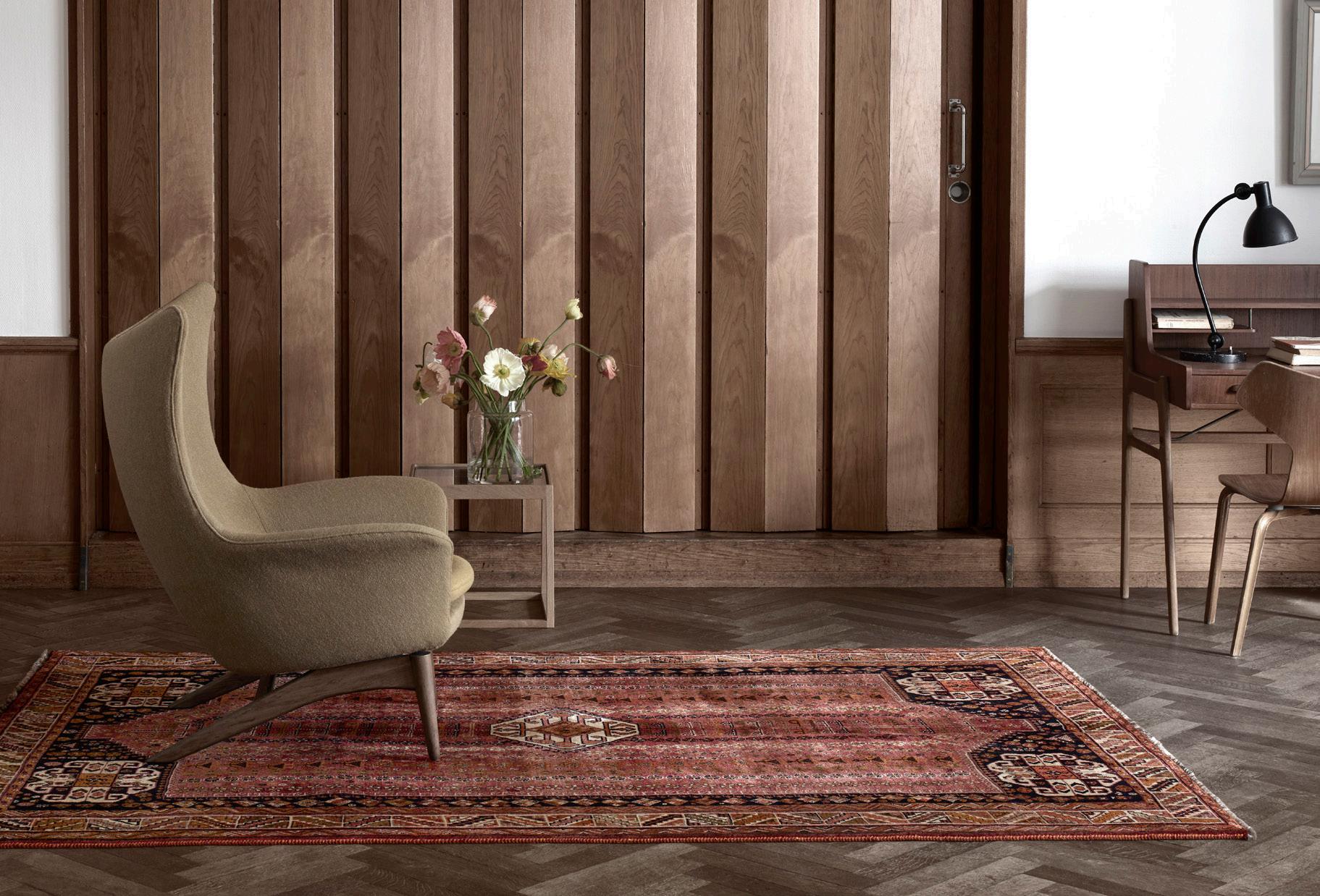
The Kashghai are Iran’s largest and most well-known tribe. They speak a Turkish dialect, and are believed to have come from the Caucasus in the 18th century to their current areas, around Shiraz in the Fars Province of southern Iran. Both their rugs and the women’s clothing clearly show their skills and love of colours, with their rugs said to be the most famous of all Persian tribal weavings. The rugs are used in a variety of practical applications including wall tapestries or as the rug of their tents.
A Kashghai rug can be identified by a wool construction, sturdy ridges on the back, and strong, deep colours (especially the red). Knot densities range from 150,000 – 250,000 knots per sqm. The colouring serves a practical purpose besides being attention-grabbing as is not as sensitive to dirt as other tones. The rugs are decorated with various tribal motifs. Animals, plants, flowers and trees – the universe of the kashgai people can be found in their designs.
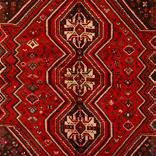
The patterns are geometrical, typically with three or five medallions along the centre of the rug or in the middle and corners. The entire field is usually covered in small geometrical motifs. Persepolis motifs can often be found in the rugs. The Kashghai are also famous for their older crafts, such as horse blankets, saddlebags, and rope. The products of other tribes, such as the Kamseh and the Lori, are often mistaken for those of the Kashghai.
REZAS NOMADIC RUGS 96 97
 Kashghai
Indian Rugs
The production of rugs in India began in the 16th century. The Grand Mogul Akbar had Rug weavers from Persia brought to the country to make rugs for his palace.
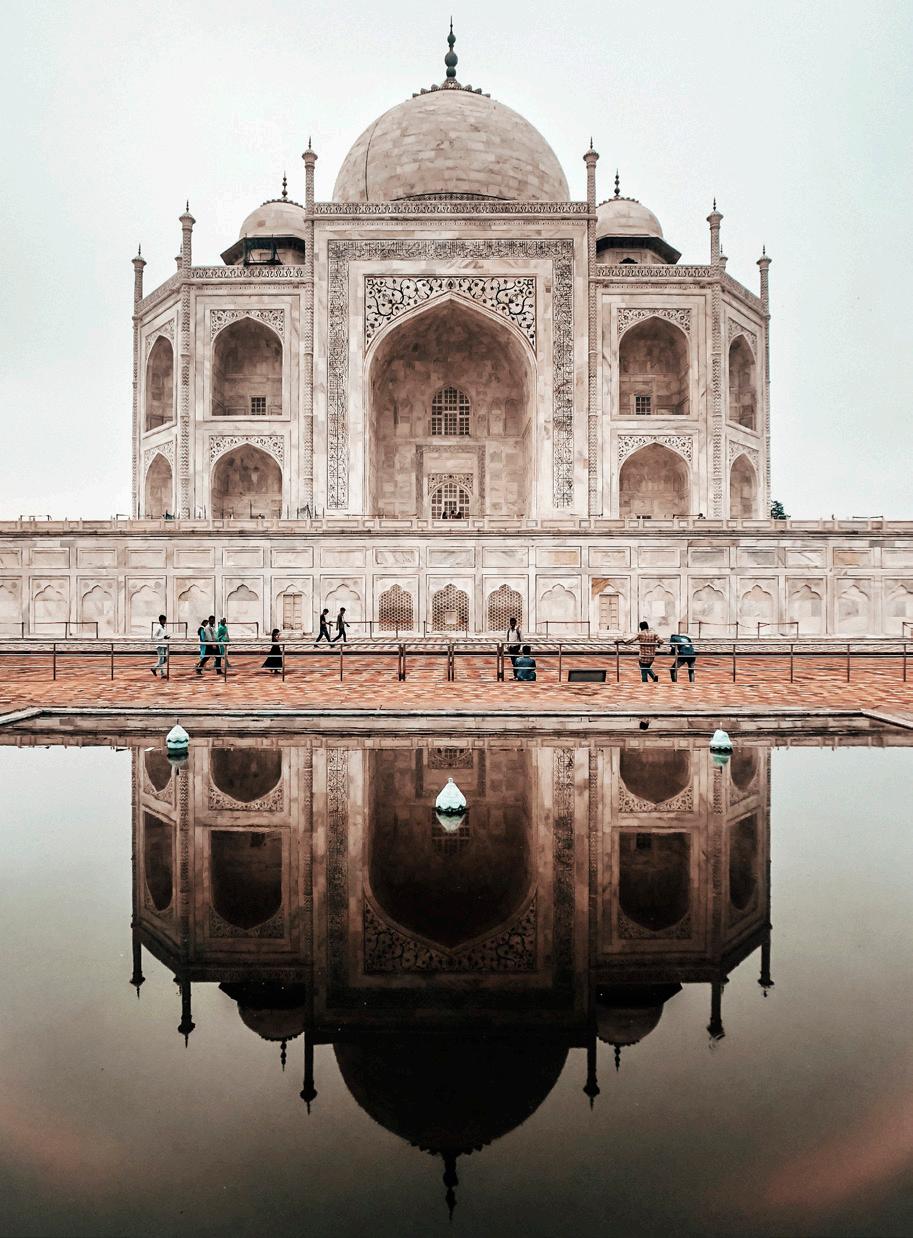
Today, there is a large production of hand-knotted rugs in India. Their overall quality is not as high as rugs from Iran, but they are more affordable. Indian cashmere rugs are knotted from the same high-quality natural silk but are cheaper than Persian silk rugs.
Persian patterns are often used in the designs, but influences from other cultures can be found in Indian knotting. The Indian Gabbeh, for example, is based on the design of the well-known Gabbeh-rugs from Iran. Chinese influences can also be seen in some designs.
REZAS ORIENTAL COLLECTION
101
Tabriz Royal and Tabriz Indi
Tabriz is one of the largest and most important cities in Iran. Located 600km west of Tehran, it has a population of 1.5 million people and is the capitol of the East Azerbaijan province. As one of Persia’s biggest rug producing regions, Tabriz exports in all qualities, from simple rugs to luxurious and intricate tapestries.
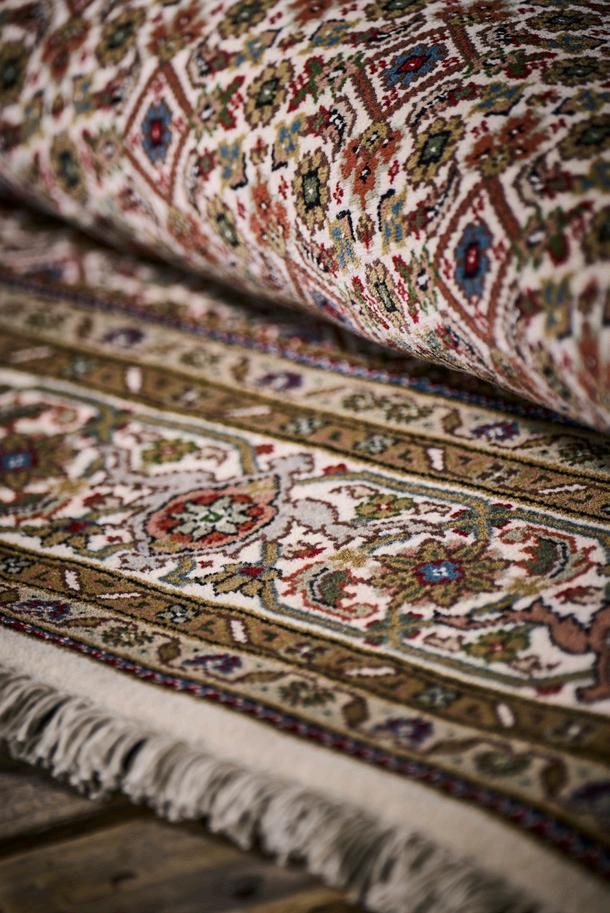
Tabriz Royals are classical hand knotted rugs from India, with designs inspired by the original Persian Tabriz rugs. The rugs have classical, toned-down colours that go well with modern Scandinavian style. Tabriz rugs are usually structured around a central medallion surrounded by mahi pattern. Tabriz Royal have knot densities of 250,000 – 350,000 knots per sqm.
Tabriz Indi have knot densities of 150,000 – 250,000 knots per sqm. There is some difference in quality between Tabriz Royal and Tabriz Indi, but it is not easy for a casual observer to see.
Tabriz knotters are incredibly skilled and they have invented a special type of hook, which they can use instead of their fingers for knotting the knots. The warp and weft are cotton, and the pile is wool, often with silk woven into it in the finer qualities. The colours in the higher quality rugs are delicate and refined while the lower quality rugs have brighter, harsher colours and are rarely exported.
REZAS INDIAN RUGS
102 103
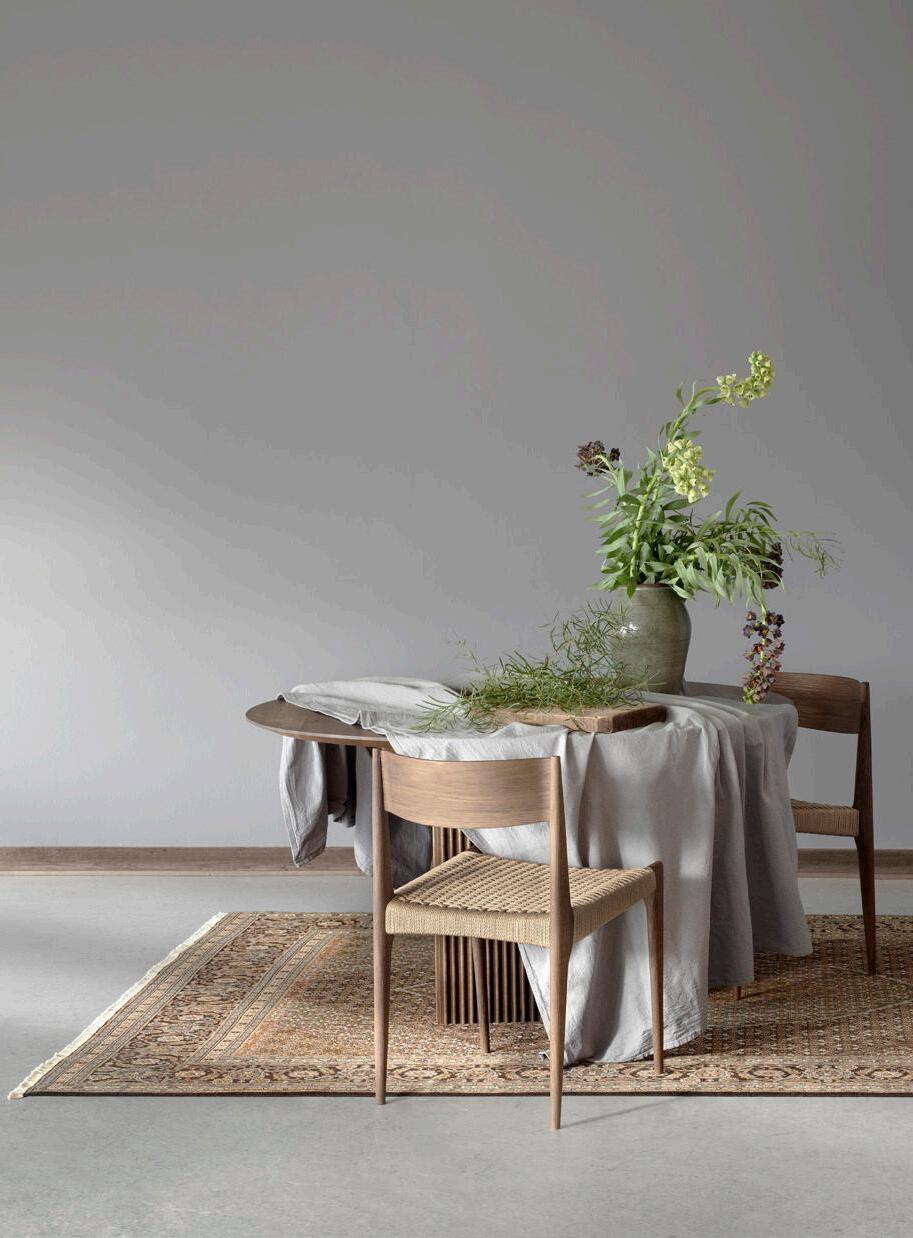
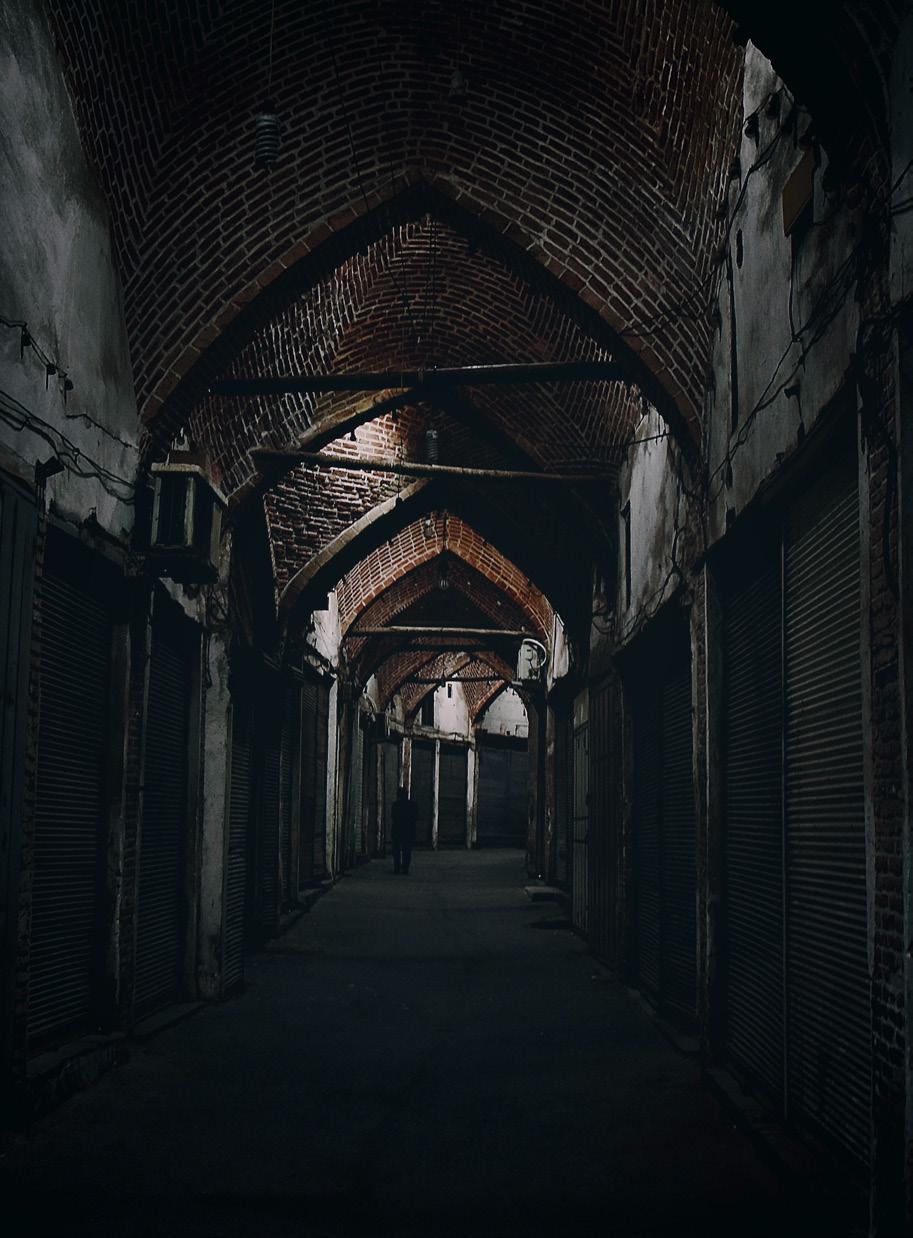
CREATE the PERFECT VIBE
With the PERFECT RUG
Persian Tabriz 40
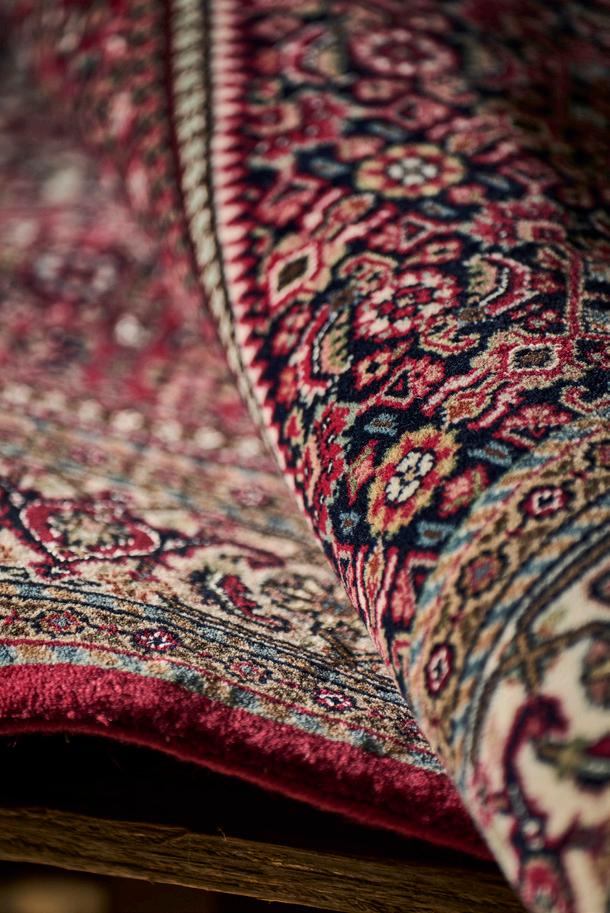
Bidjar Royal and Bidjar Indi
Indian weavers have taken the traditional Bidjar designs and created their own interpretations on the typical geometric patterns. These rugs feature the same robust, dirt-resistant surface as their Persian counterparts but at more affordable price points.
Bidjar Royal are more tightly knotted and have more sheen, giving a more exclusive expression. They have knot densities of 250,000 – 350,000 knots per sqm.
The colours in Bidjar Royal and Bidjar Indi are mainly red tones with hexagonal shapes, often with a medallion in the middle – surrounded by more hexagons. The rest of the rug is adorned with flowers and bouquets. There is a difference in quality between Bidjar Royal and Bidjar Indi, but it is hard for the average consumer to see.
REZAS INDIAN RUGS
106 107
Afghan Rugs
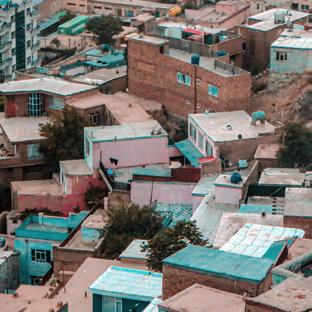
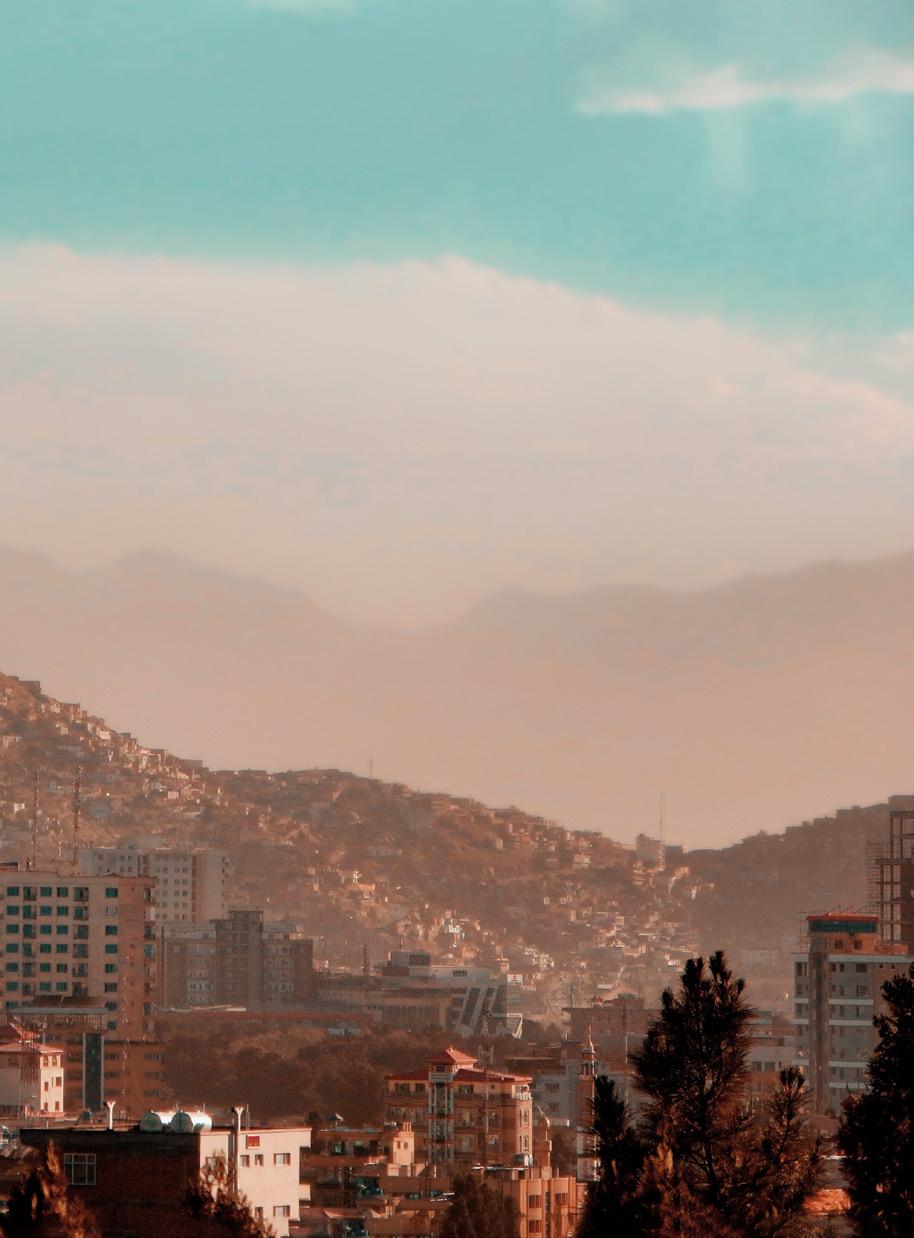
Afghan rugs are unique works of art, considered by many to be among the finest in the world. They are traditionally woven in northern and western Afghanistan by Turkmens and Uzbeks. In recent years however, Afghan refugees have also set up their own production in Pakistan.
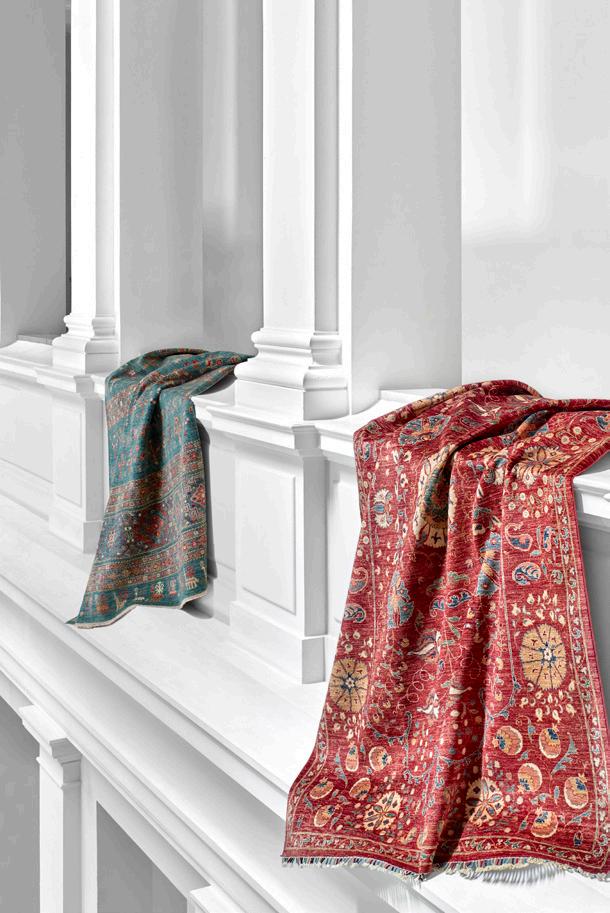
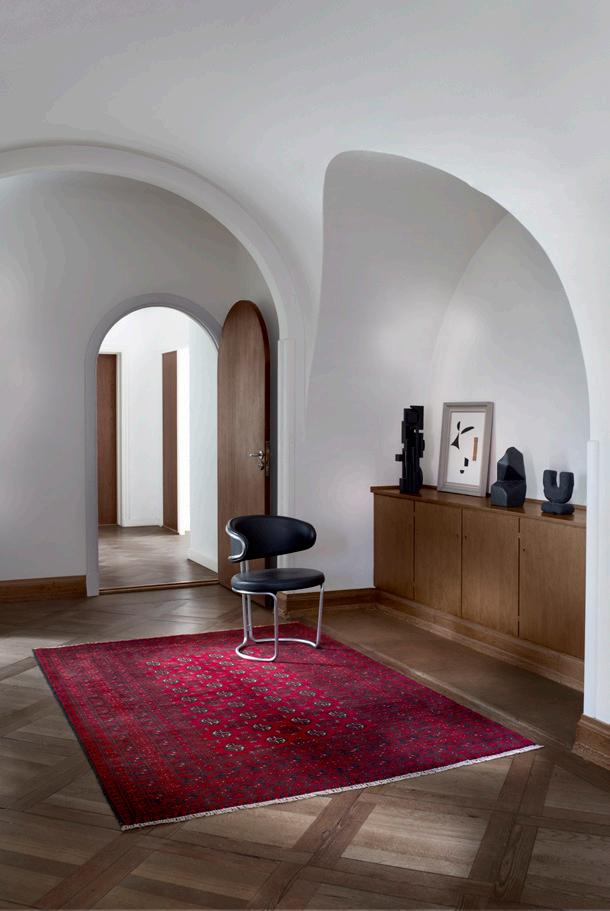
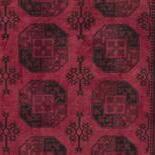
There are multiple kinds of Afghan rugs. Some of the most popular are Khal Mohammadi (Old Afghan) and Aktscha. Traditionally, Afghan rugs are knotted in red colours and feature an octagonal row pattern known as Gul. These are knotted on the dark red background together with floral patterns in blues and beiges.
REZAS ORIENTAL COLLECTION
109
Shall
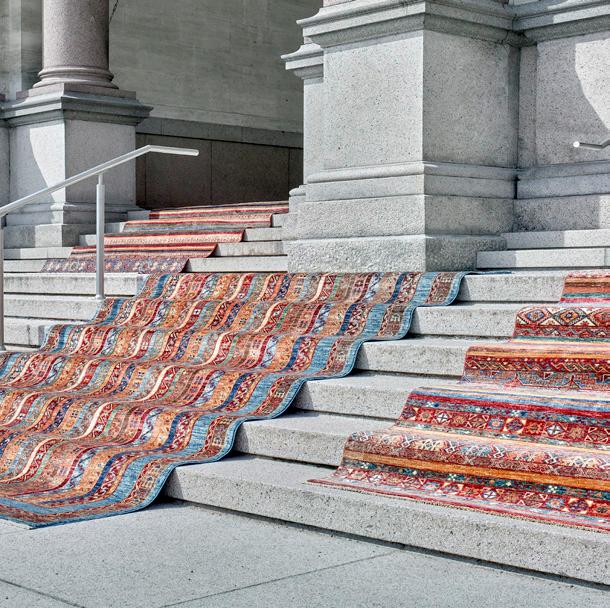
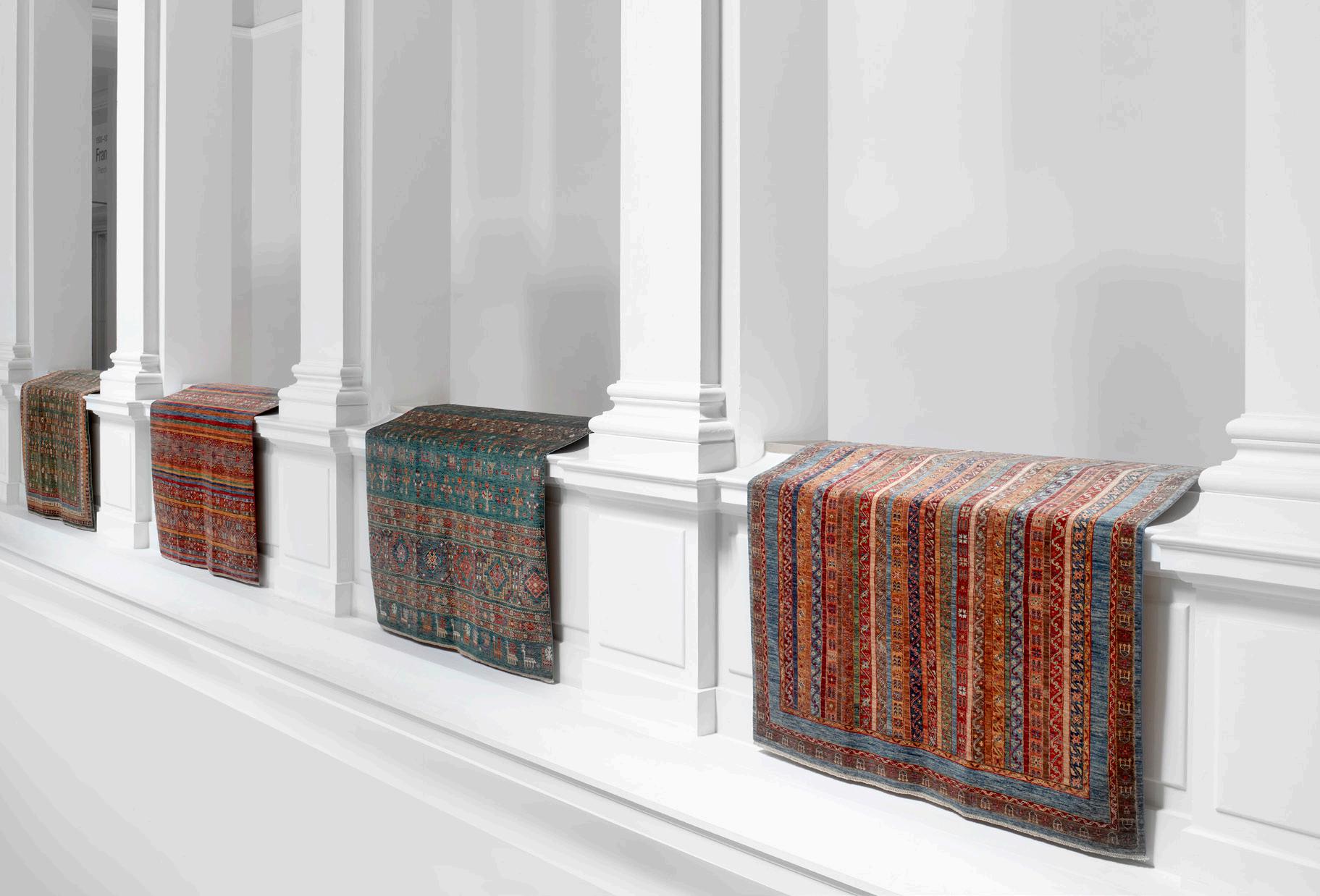
The Shall collection rugs are hand-knotted by Turkmen in northern Afghanistan. Bursting with bright, vivid colours, these rugs are knotted in the finest wool from highland sheep. The 100% wool content of the rugs makes them extremely durable – perfect for higher traffic areas where wear can be a problem. Shall are, in terms of quality, the best Afghan rugs available.
110 111
REZAS AFGHAN RUGS
Shall
Oriental rugs are works of art. They can be found on display in museums around the world, side-by-side with da Vinci, Van Gogh and Picasso. The master knotters were equally as deft with their knotting and designs as the master painters were with their brushes and palettes. It’s only when we look at a rug as a canvas that we can truly begin to appreciate the storytelling and symbolism that goes into them.
Storytelling in rugs can be traced back to the Beni Ourain and Berber tribes of Morocco. They took their traditions for tattoo art and used the same symbolism on their rugs. Some of the symbols on ancient rugs are similar to the symbols
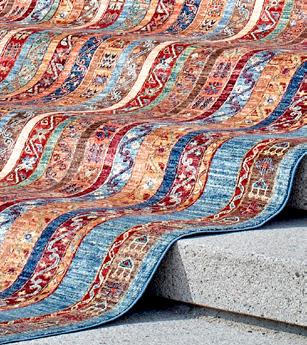
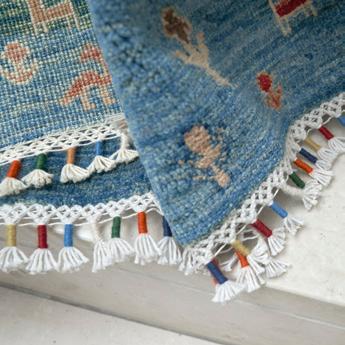
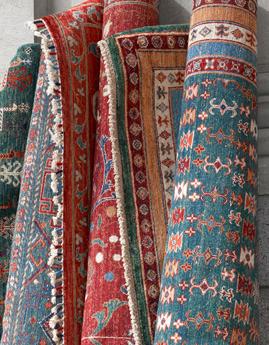
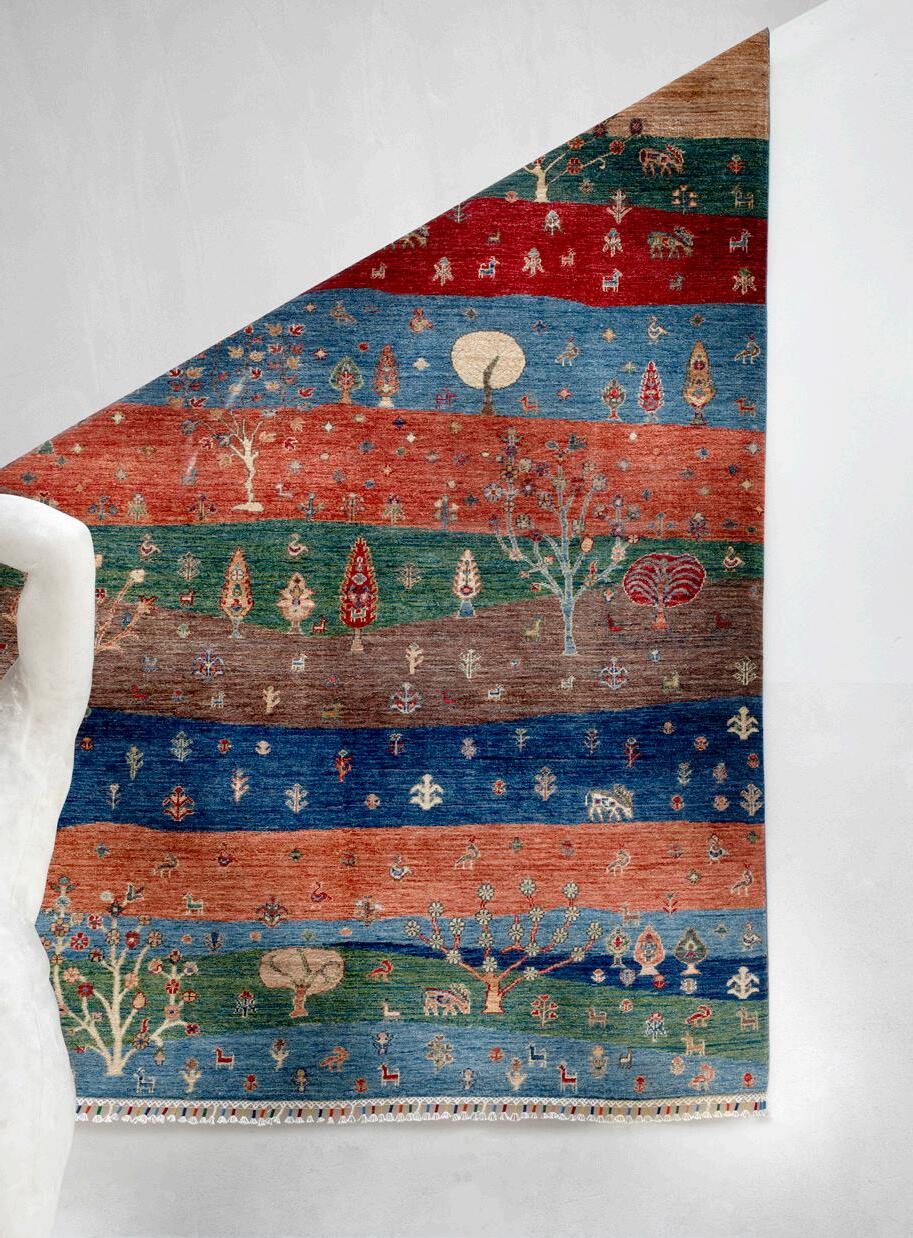
found in cave paintings by Neolithic people. Looking at these rugs is like looking into a time machine and seeing what life may have been like centuries ago.
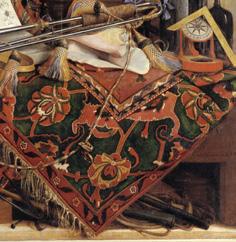
As time has progressed, so have rug designs. From simple lines and symbols to incredibly detailed patterns and scenes. Rugs were featured in the paintings of Renaissance artists, exported throughout Europe and found new homes in the cultural elite. Rugs have transformed from a piece of practical furniture into a bonified art form with genres, styles and masters.
TRADITIONAL PATTERNS A WORK of ART Shall 115
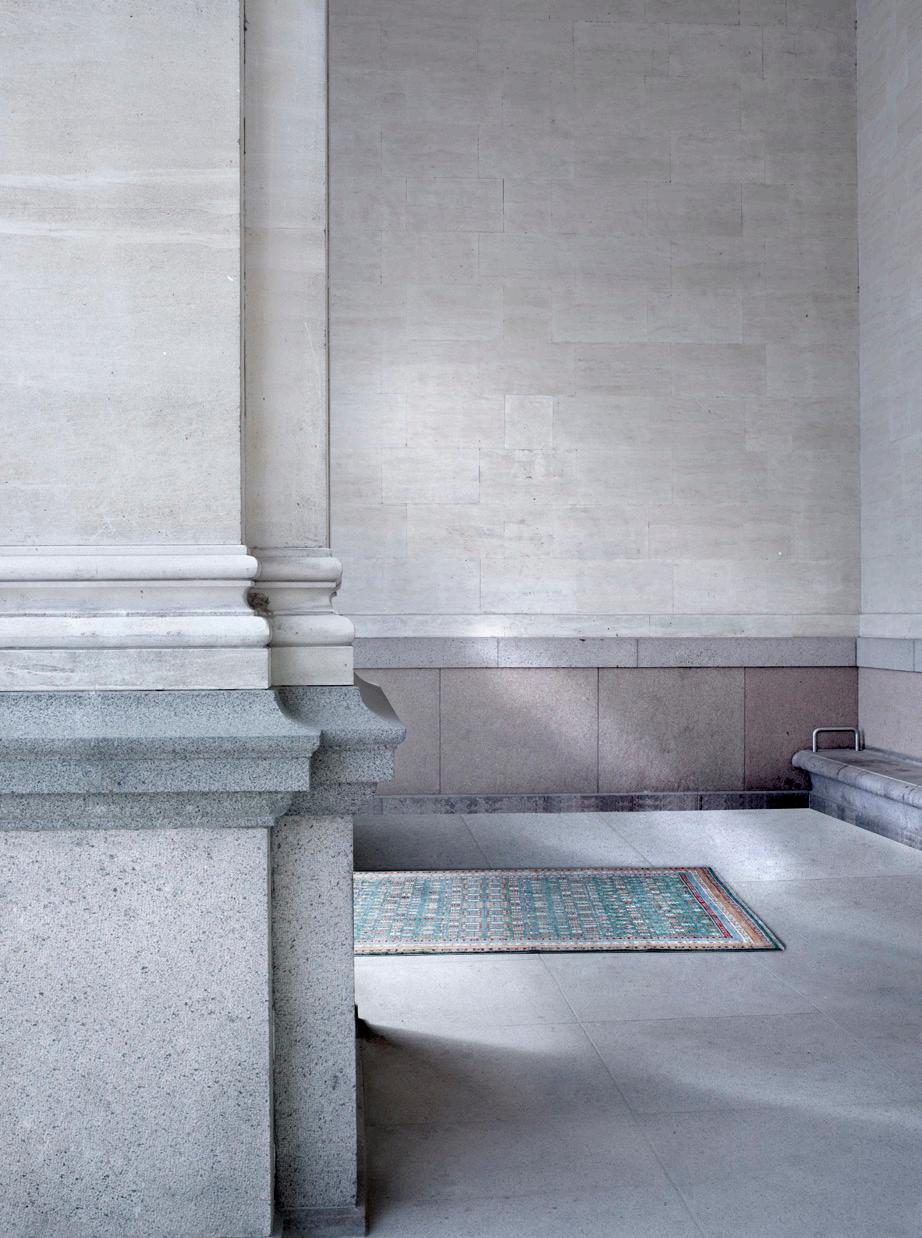
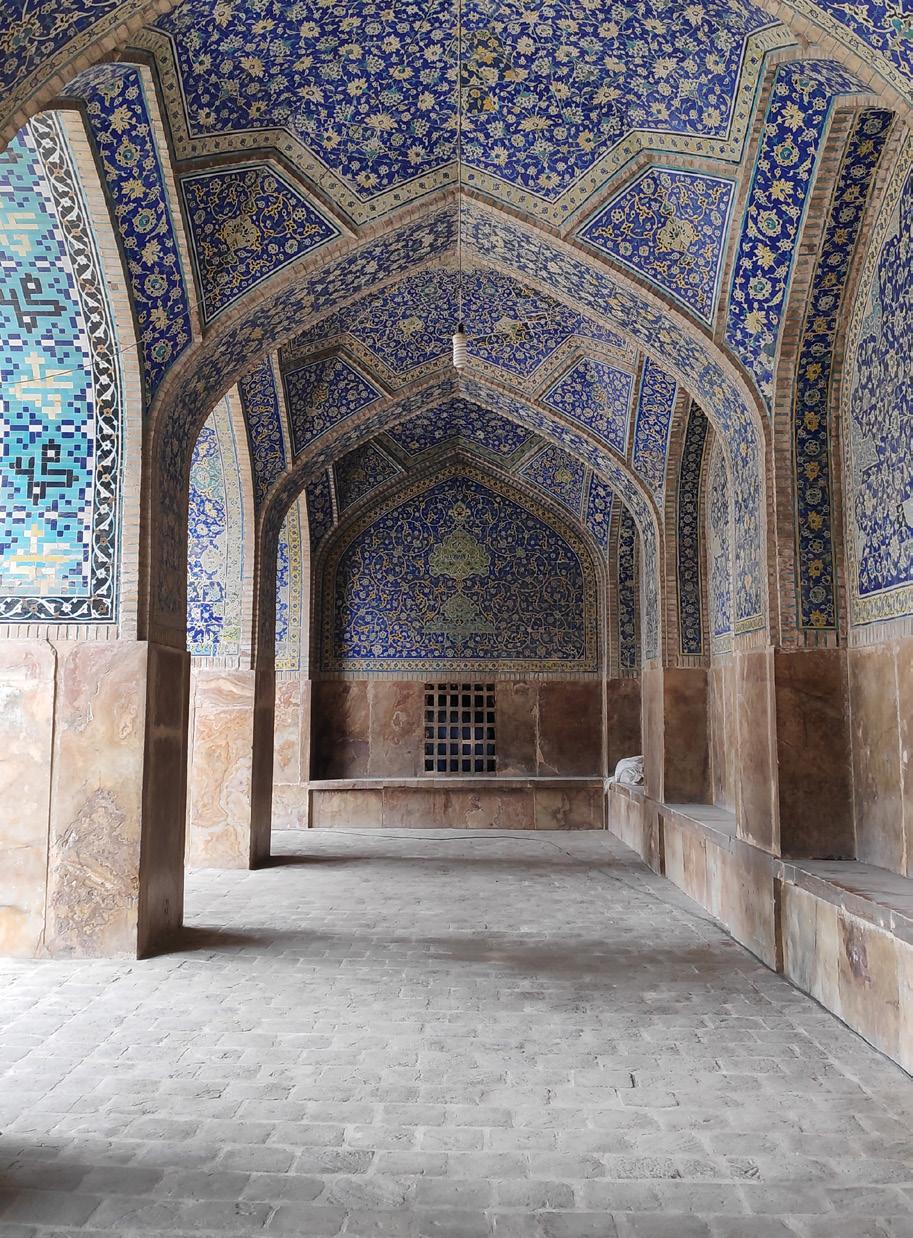
OPENS a MAGICAL UNIVERSE A DISTINCTIVE STYLE
Old Afghan
Khal Mohammadi (Old Afghan) rugs are handmade by Turkmens in northern Afghanistan. Both Turkmenistan to the North and Afghanistan to the South are mostly inhabited by nomadic tribes. Kabul, the capitol of Afghanistan, and the city of Herat, are important centres for Afghan rugs.
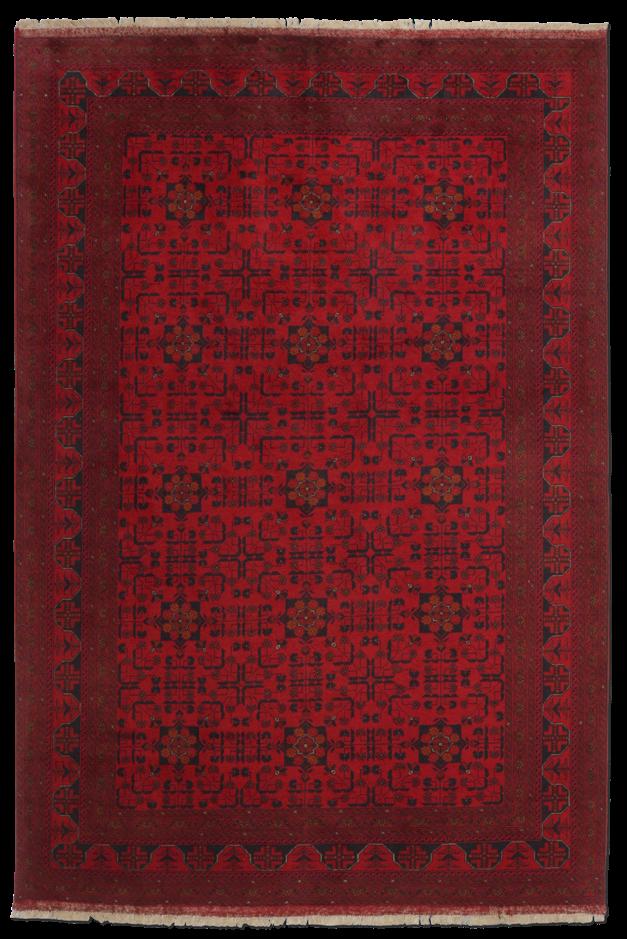
Khal Mohammadi rugs are characterized by the deep, warm, and fiery red base colour, the relatively high and sturdy pile, the wool base weave, the use of goat and horse hair, and knotting using the Seneh knot and the Gul pattern. The base colour is created using a wide range of warm red nuances, from rust to copper brown, and the patterns are woven in a very dark blue, almost black, with ochre and ivory white. Knot density ranges from 150,000 to 250,000 knots per sqm.
REZAS AFGHAN RUGS 118 119
Aktscha
Aktscha rugs are knotted by Turkmens in the Aktscha district in the central part of the Jowzjan Province of northern Afghanistan. Aktscha are very similar to Old Afghan (Khal Mohammadi) rugs, but are of a lower quality, as they feature a knot density of between 80,000 and 150,000.
The rugs maintain the same characteristics of the Old Afghan, with the deep, warm, and fiery red base colour, the relatively high and sturdy pile, the wool base weave, and the use of goat’s and horse’s hair. The Gül pattern is the primary pattern used on the Aktscha rugs.
REZAS AFGHAN RUGS 120 121
Ziegler Fine and Ziegler Ariana Style
Ziegler is the name of a company from Manchester, England that established its own rug production in Arak, Persia in the 1870s. The company built its own factory to create rugs to meet the growing market for patterns, colours and sizes tailored to western tastes. Due to the high demand, further locations were soon opened in Rascht and Tabriz. The original Ziegler rugs were produced until the First World War and were densely knotted rugs with delicate, pastel-like colours.
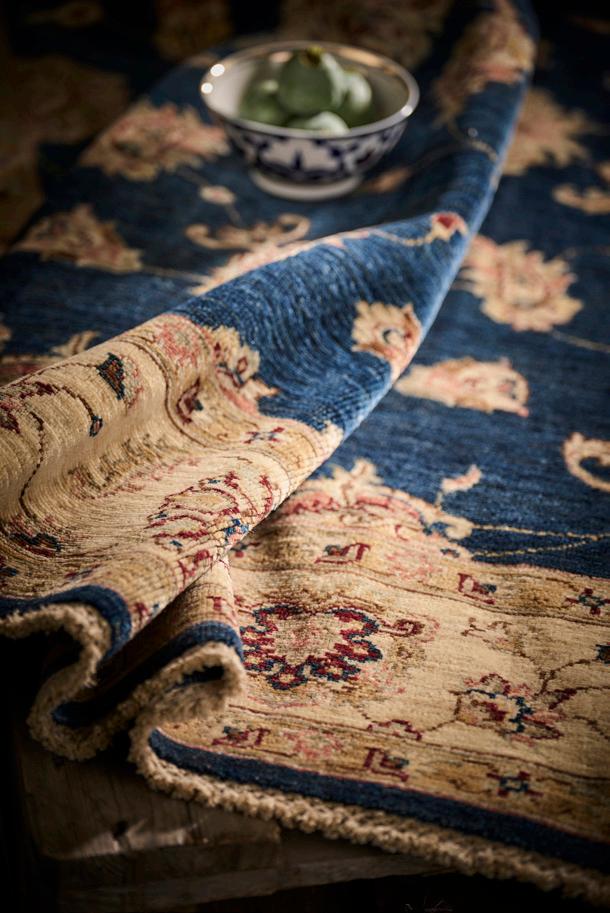
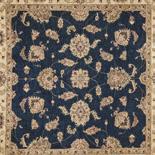
The Ziegler patterns inspired Turkmen nomad families and now the rugs are produced in Afghanistan and Turkmenistan. The rugs, with their charming designs with flower and leaf patterns, are all unique variations of a harmoniously balanced range of earth tones, consisting of nuances such as madder lake, burnt sienna, burnt umber, ochre, wine-leaf yellow, indigo blue, and henna orange. The rugs are exposed to a particularly intense washing, followed by sun drying to create the graceful and very sought-after patina.
Ziegler Ariana and Ziegler Fine have knot densities between 150,000 and 250,000 knots per sqm.
REZAS AFGHAN RUGS
122 123
Pakistani Rugs
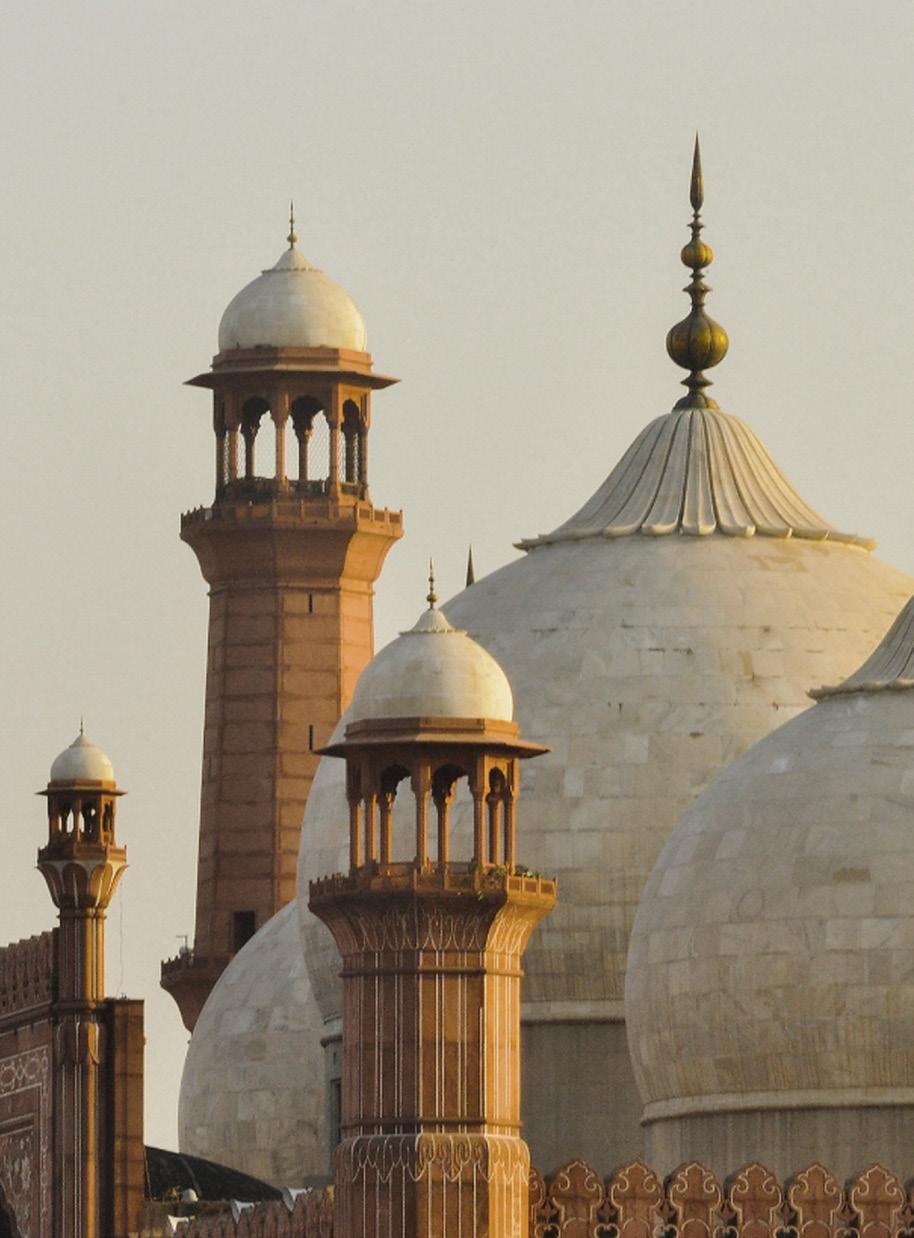
400 years ago, the Persians invaded the Indo-Pak subcontinent from the northwest, and they brought with them their most valuable assets, carefully handmade rugs. Over the centuries, the Pakistani culture has evolved the rugs into their own unique pieces of art with regional themes and variations on the designs.
The Pakistani goverment actively supports rug production and helps import high-quality yarns from New Zealand. The quality of the yarn gives the rugs a special shine and high durability.
The epicentres of Pakistani rug production are Lahore and Karachi. The patterns on Pakistani rugs are often inspired by Turkmen or Ziegler rugs. Pakistani rugs are mainly knotted in red or dark red colours.
REZAS ORIENTAL COLLECTION
125
3-Ply
2 - and 3-Ply
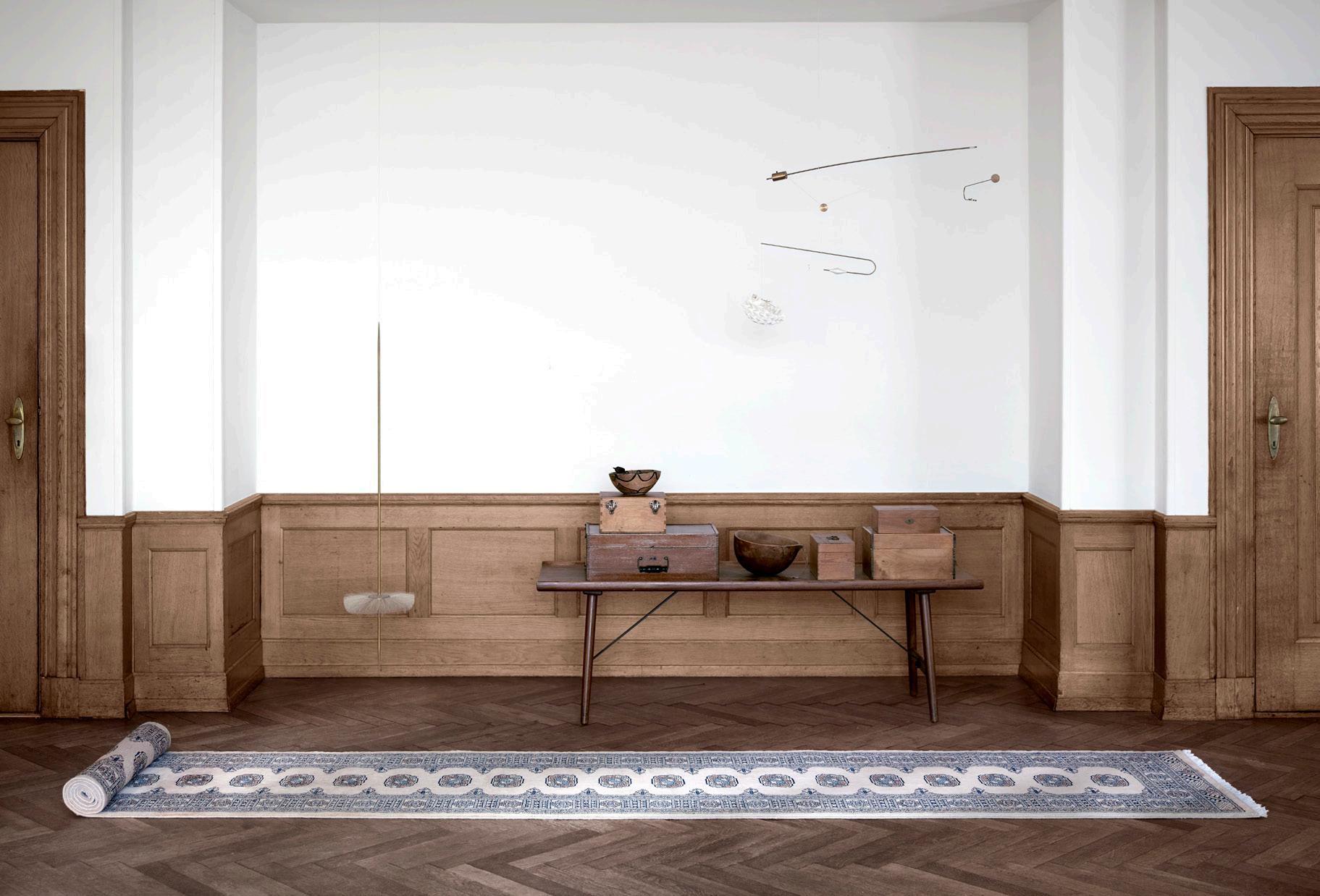
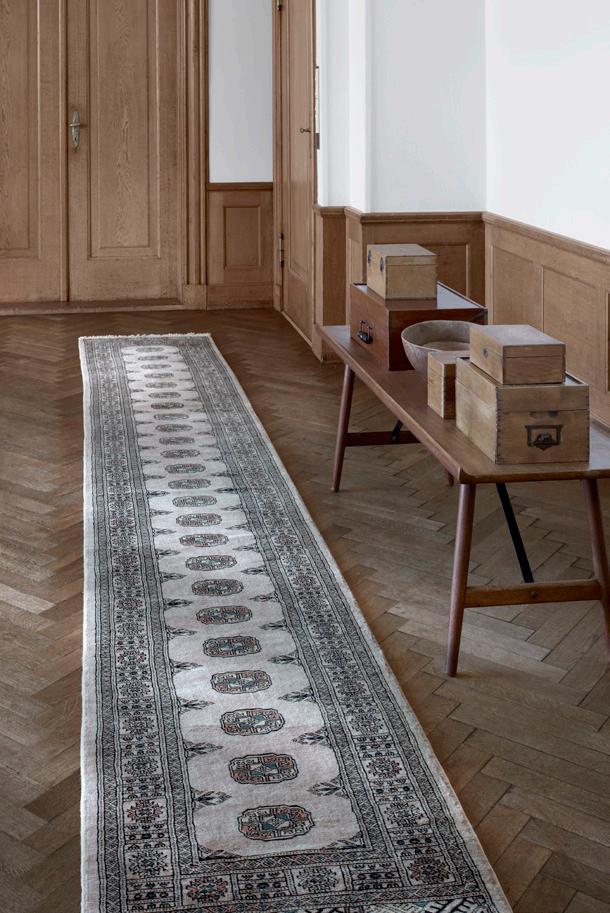
Pakistan 2- and 3-Ply rugs are produced in Lahore, Pakistan’s second largest city, which is also is the centre of the country’s hand knotted rug production. The rugs often feature Tekke and Bokara patterns, which were originally inspired by the patterns from Turkmenistan. The people of the Tekke Tribe, the largest nomadic tribe in Turkmenistan, were known as very industrious rug producers.
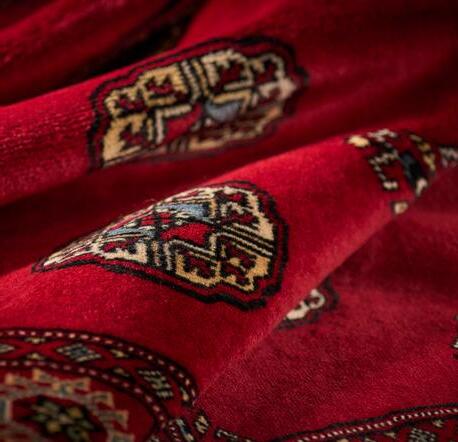
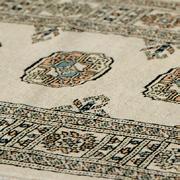
The term ply indicates the number of threads wound together to produce the yarn itself; 2-ply is two threads wound together and 3-ply guarantees that the yarn consists of three threads wound together. 3-Ply rugs are thicker and softer than 2-Ply, as more wool is used to produce the rug. Common to both is the high quality of wool which is particularly soft and shining, and the warm-coloured, simple, harmonious patterns.
129
REZAS PAKISTANI RUGS
Kelim Rugs
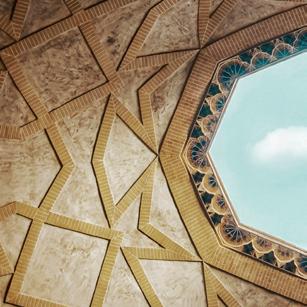
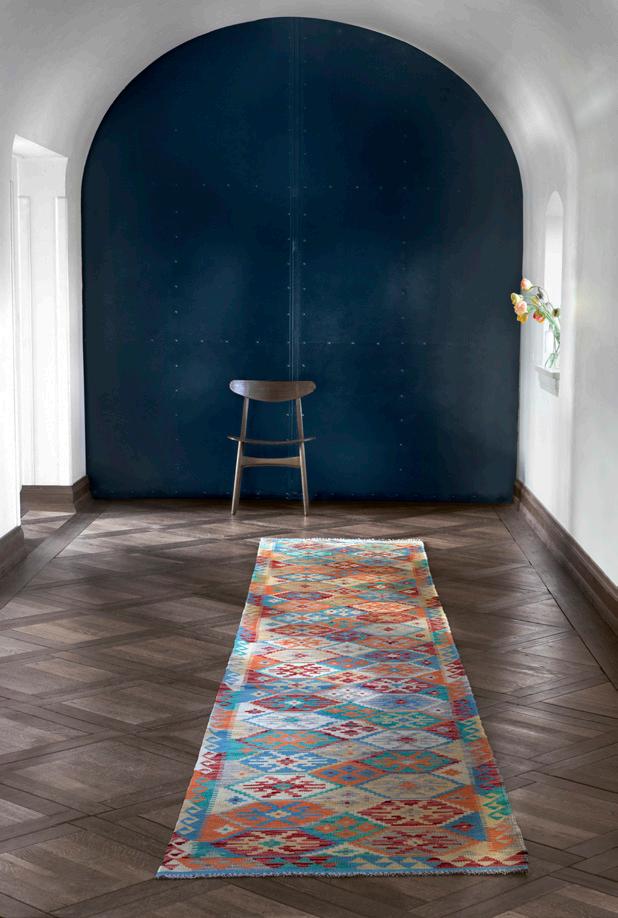
Kelim or Kilim is a word of Turkish origin which denotes a pileless rug of many uses produced using one of several flatweaving techniques. The major difference between a kelim area rug and other rugs is that the design on a pile rug is made by knotting short, individual strands of different colours onto the warps which are held together by tightly pressing the wefts. Kelims are made by weaving the variously coloured wefts and warps, creating what is commonly known as a flatweave. Kelims are much more than just floor coverings, with many kelims used as furniture covers or bags.
REZAS ORIENTAL COLLECTION
131
Afghan Kelim
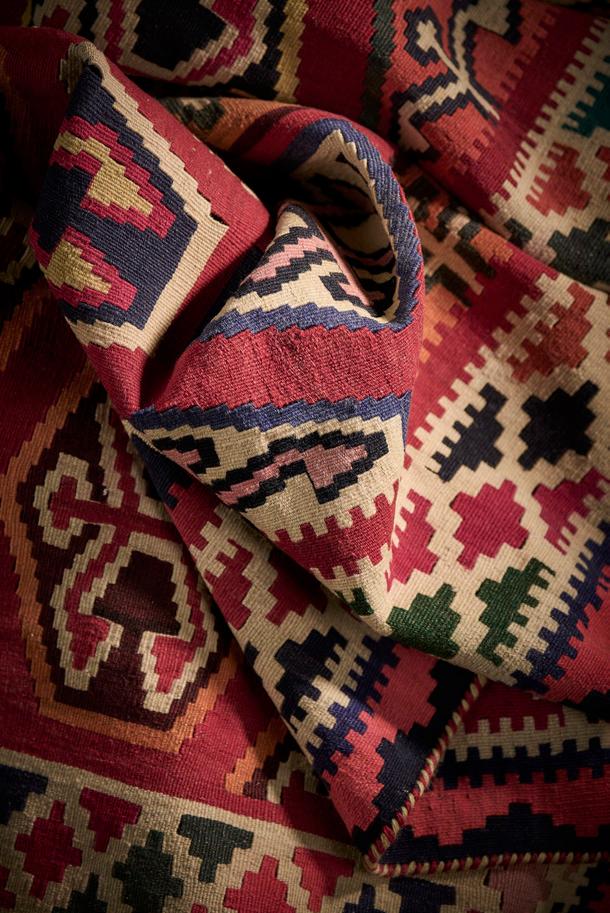
Kelim is the name of a common Persian weave, but also of the technology used in the production, which can be traced back to at least the fourth or fifth century BCE. They are primarily produced by nomads and are pile-less rugs or flatweaves that look the same from top and bottom. Kelims are also used for bags, as wall decorations, or as curtains for tents. A kelim expert can determine the country and tribe of origin of a kelim based on the colours and motifs.
Afghan Kelim rugs are hand-knotted by Turkmens in northern Afghanistan with a typical knot density of 150,000 to 250,000 knots per sqm. The designs on kelim rugs are created by carefully weaving the different shades and colours, making a flatweave. A natural colour scale with geometrical symbols and octagons is used, creating the characteristic expression that is unmistakeably Afghan Kelim.
REZAS KELIM RUGS 132 133
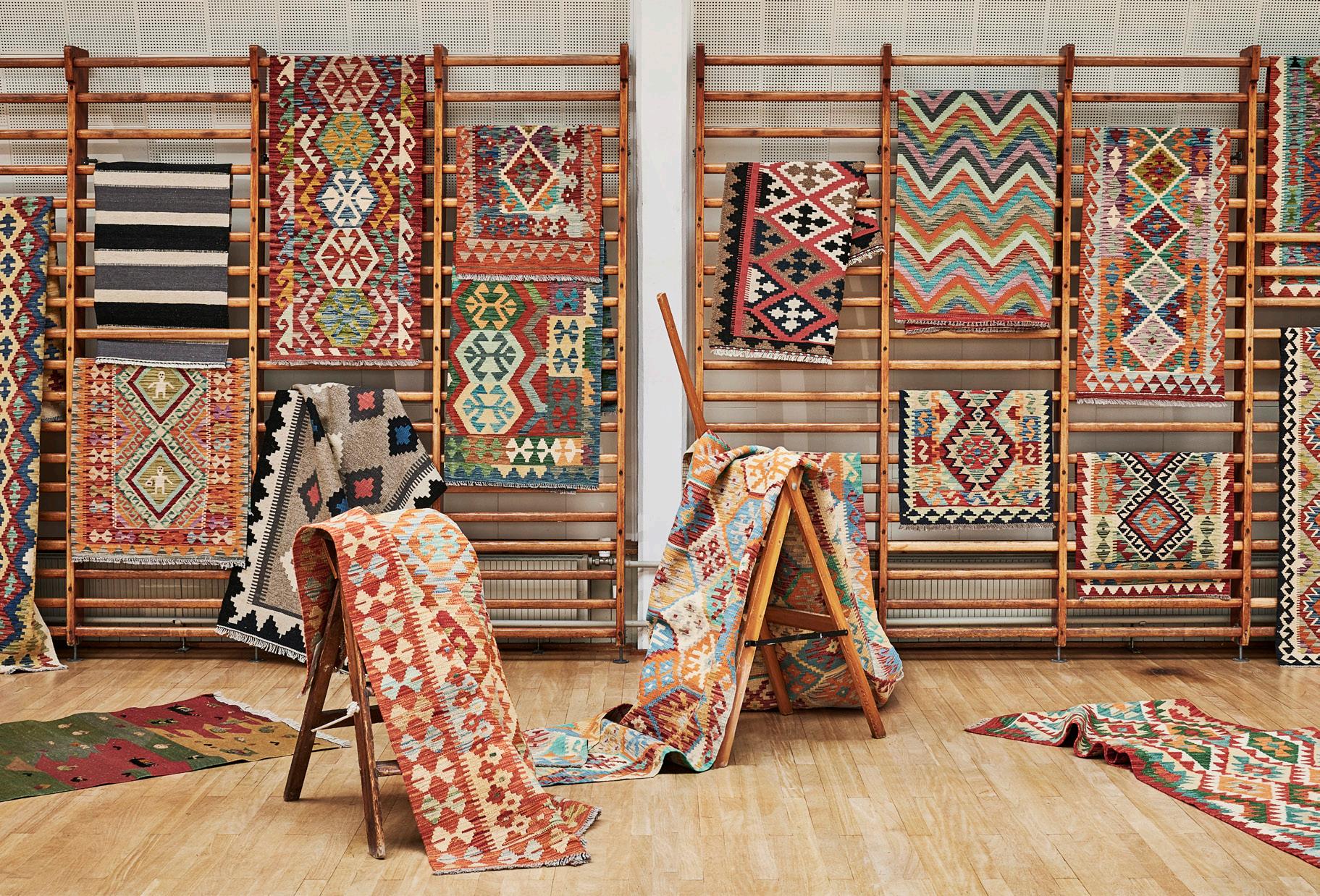 Kelims
COLOURED by NATURE
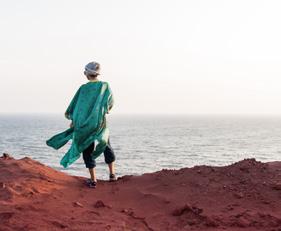
The natural pigments that colour our rugs come from a wide range of sources from roots and leaves to flowers, insects and more. One of the misconceptions about natural dyes is that they produce lifeless colours, but the vivid reds, royal blues, and earthy browns of oriental rugs are anything but boring.
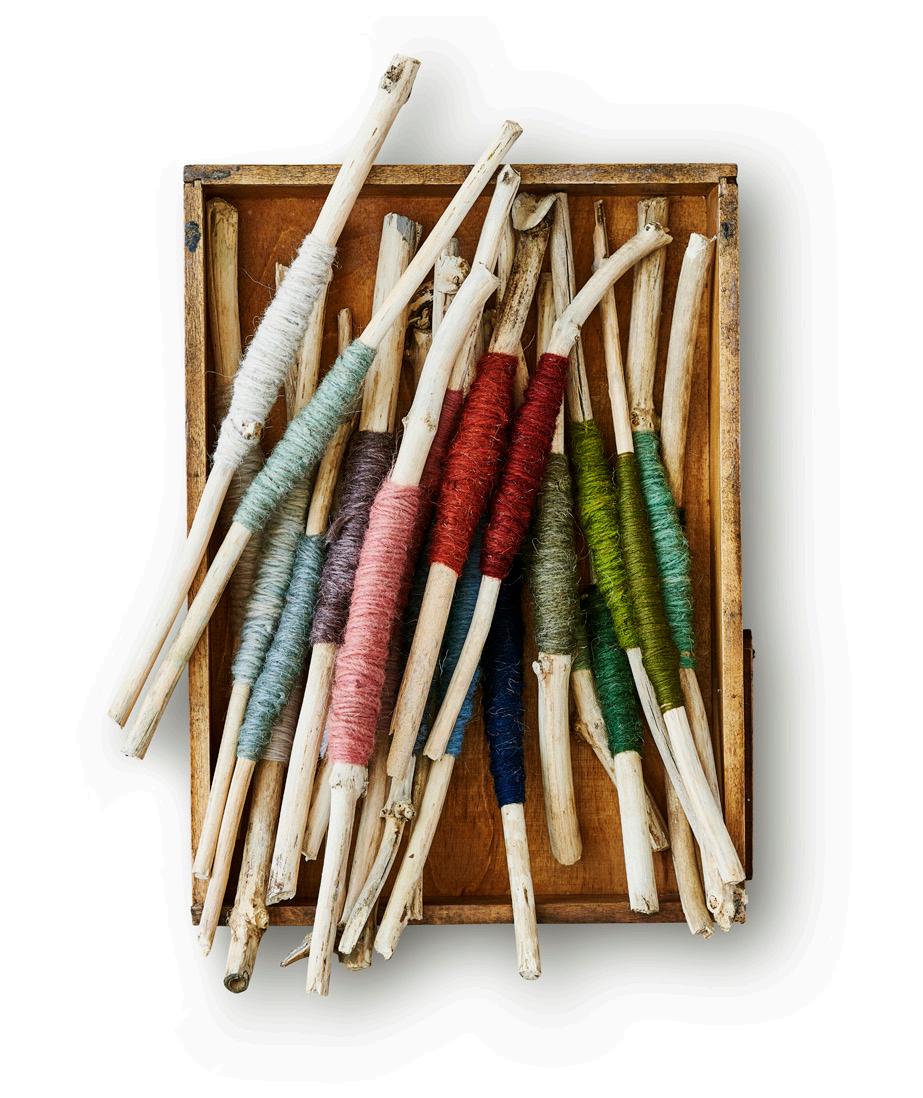
These natural pigments can be created from inexpensive sources – like deep blacks made from charred wood and bright reds from the cochineal insect. Some pigments are more expensive due to the value of the raw material and the process it takes to produce the dye.
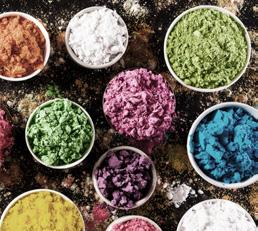
The colours are made according to the traditional recipes that have been used for hundreds of years. These recipes have been perfected and handed down over countless generations, giving our rugs bright, vibrant colours that can’t be found anywhere else.
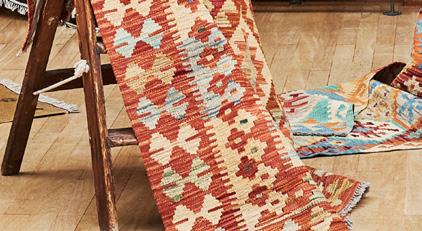
The choice of colours in the Rezas collection ranges from the cool, neutral Scandinavian tones to the bold, clear colours found throughout the colour spectrum. Not only are the natural pigments more colourful, they are also more environmentally friendly as they don’t use any harsh chemicals or solvents. The colours are brighter, deeper and last longer than comparable synthetics.
COLOURS 137
Sumak Shahsavan
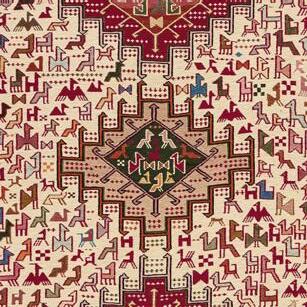
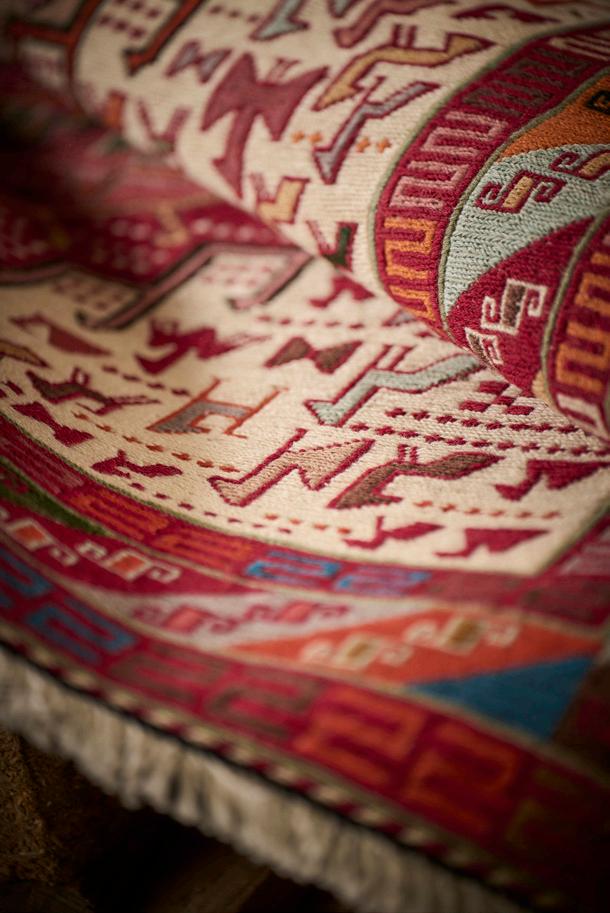
The name Shahsavan means the King’s protector, and it refers to the nomadic tribe that guards one of Iran’s most remote and vulnerable borders with Azerbaijan, where the country borders Russia and Turkey. The diverse weaving traditions brought from the Turkish, Persian, and Armenian peoples became a melting pot that slowly transformed into an impressive new rug grouping.
The design work characterizing Shahsavan rugs is highly geometric and filled with an array of vibrant natural dyes. Medallions are aligned horizontally or vertically across the surface of the rug, with smaller improvised patterns adorning the background. It is also not uncommon to see patterns in the field, particularly in runners, while larger sized rugs can be distinguished by stepped or latch hook medallions, the Turkish Memling guls, the ubiquitous boteh pattern, or small animal figures. The backs of these rugs always have long thread ends and the special weaving technique gives the rugs a thinner, felt-like quality. The rugs are very well suited for hanging on the wall.
REZAS KELIM RUGS 138 139
Kelim Kashghai
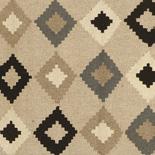
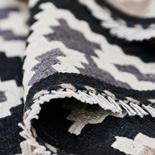
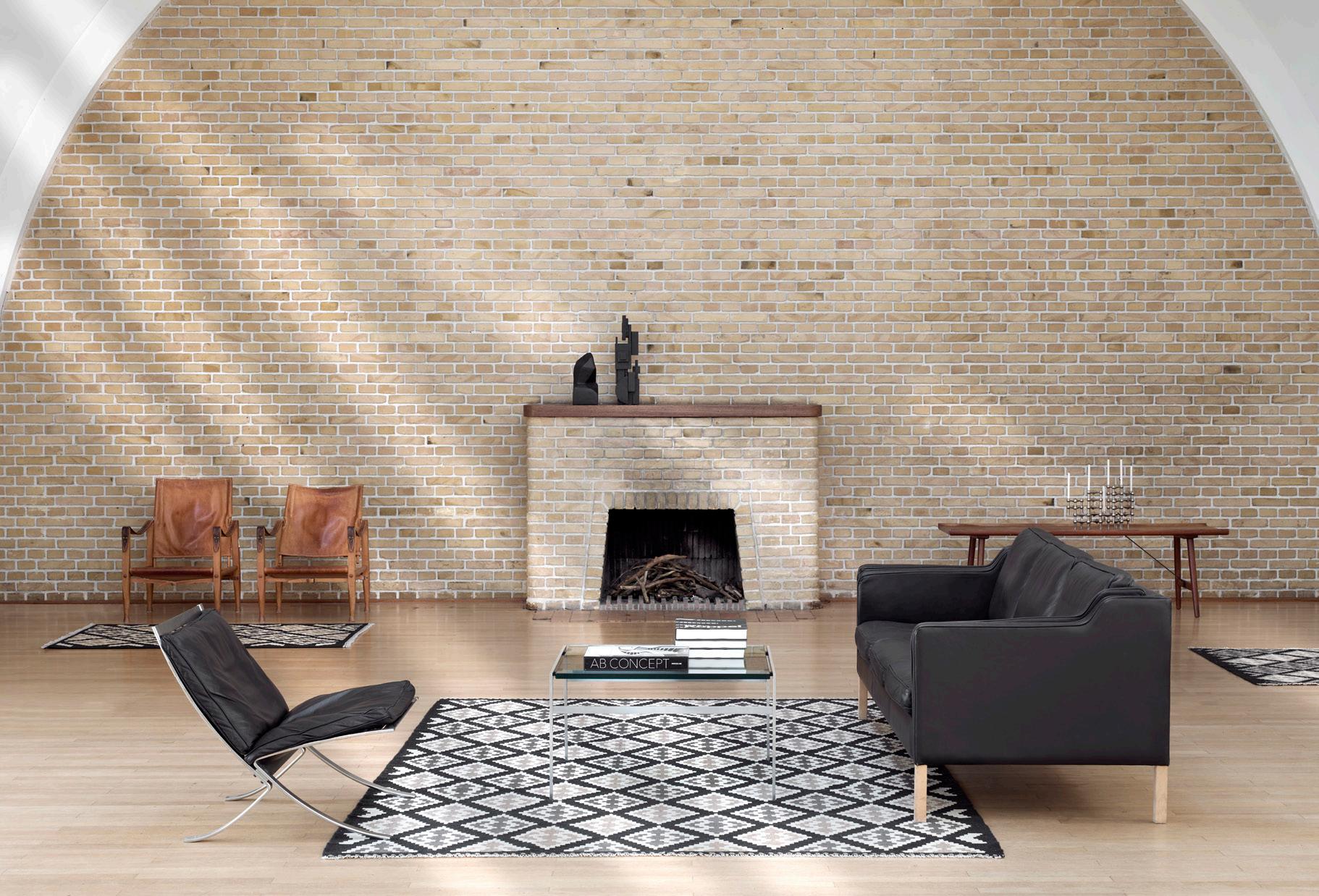
Kelim Kashghai is a flat woven rug that is woven by nomads in the south of Persia. The tribes use a special technique when weaving, giving the rug a thinner and flat surface with no pile. They are incredibly robust, durable and known for looking great for decades. As there is no top or bottom, both sides can be used – further prolonging the colours and lifespan of the rug. The colours and materials are all-natural and follow many hundreds of years of tradition.
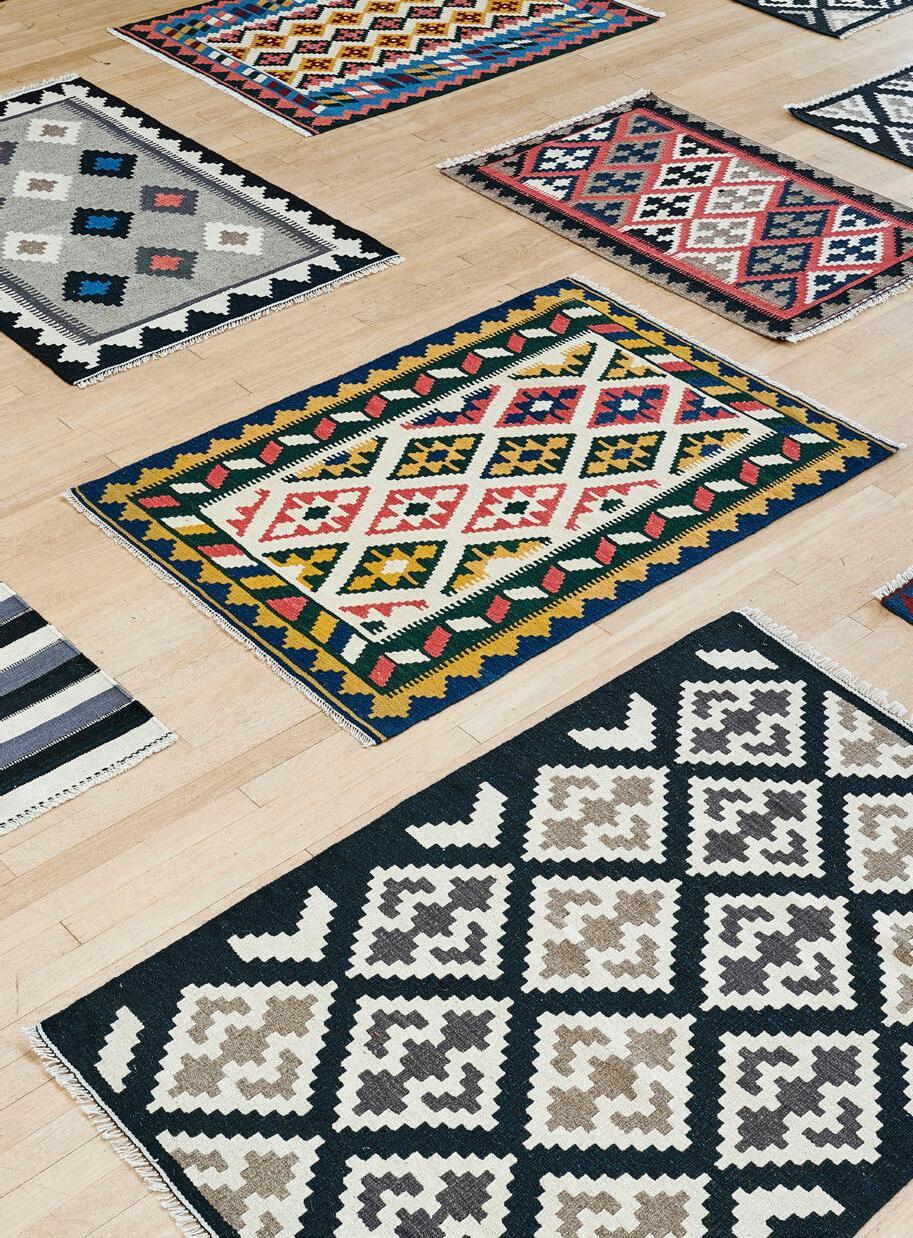
Kelims are produced in several regions and under many names, but the most popular Kelim types are Seneh, Sumak, Fars, and Kelim Kashghai.
REZAS KELIM RUGS 141
 Kelim Kashghai
Kelim Old
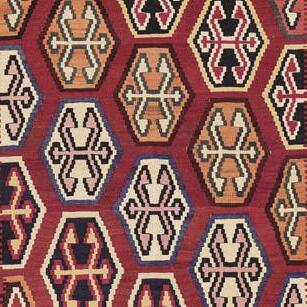
Persian Kelim Old rugs are often oblong, and were originally used in tents by the nomads. Kelim rugs are often placed on top of other rugs as insulation. The rugs can be up to 50 years old, sometimes more than 80 years. The nomads knot or weave the rugs they need themselves, and use them for many different purposes, such as saddlebags for camels and donkeys, but they are mostly used for motorbikes, storing clothes, for sitting on, and as sleeping blankets.
REZAS KELIM RUGS 144 145
Kelim Seneh
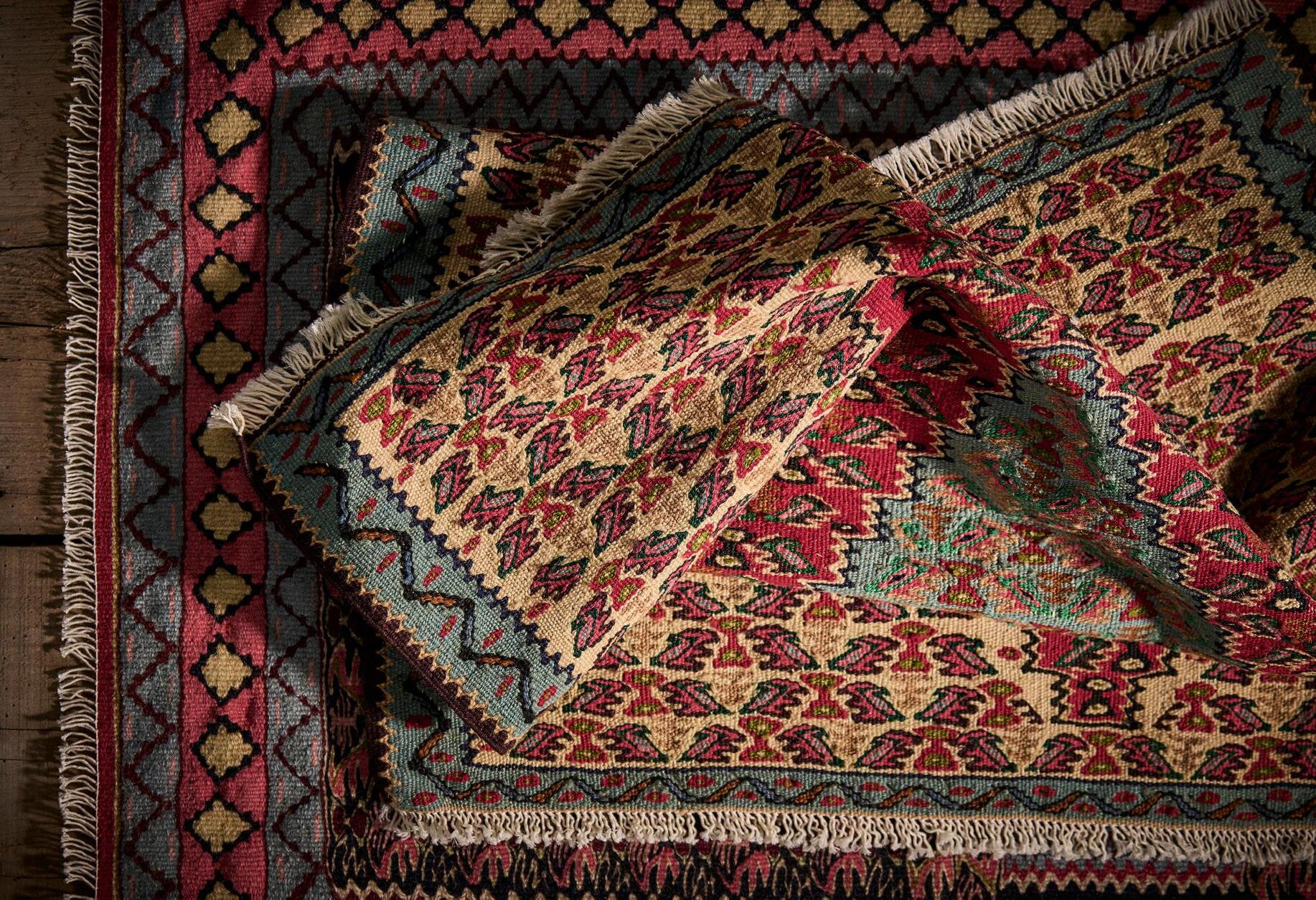
Seneh in Sanadaj is the capitol of the Kurdistan province of north-western Iran, and has about 300.000 inhabitants, most of them Kurds from the Gurani Tribe. Seneh rugs are easily recognisable by their knotting method, as well as the pattern colours and wool used. They usually have a simple weft, and the back of the rug is often coarse and grainy, as the wool is spun tightly by hand before the knotting. Sometimes, a firm Bidjar-like knotting can be seen.
Characteristically, the colours are deep blue, green, dark red, and white. Seneh wool is among the best qualities of wool in Iran: firm and durable, with a deep glow, a result of the high altitude, the sparse vegetation, and extremes in temperature. The tribal knotters in the area use the same type of wool. In the 19th century, Seneh rugs were famous for their fineness and the variation in patterns, while the modern production is less fine and not as varied.
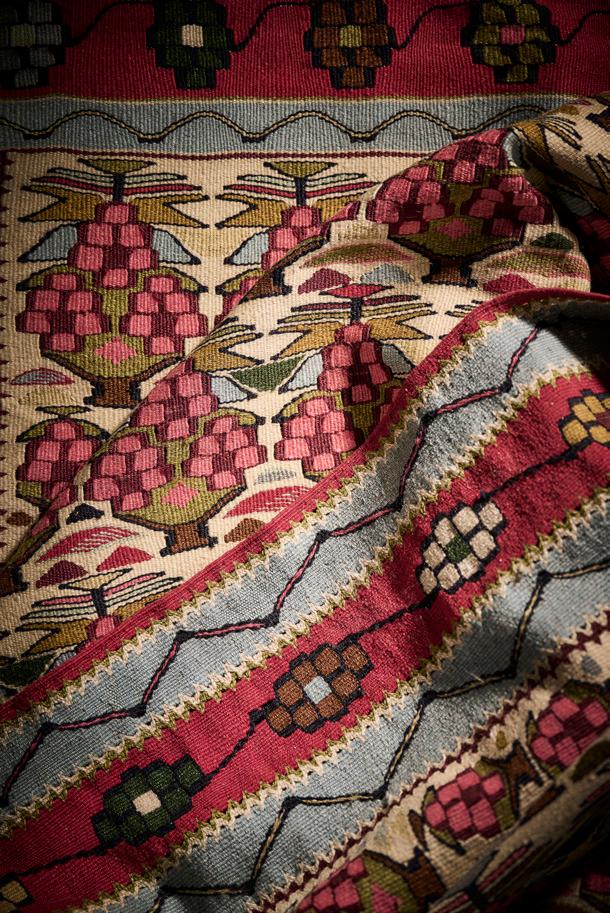
The Ghiordis knot is usually used, but you will also encounter rugs from Seneh with the Seneh knot. The typical Seneh rug has a Herati pattern field, with a series of geometrical medallions, one inside the other, each repeating the pattern with a different ground colour. Sometimes, the older, more uniform patterns are seen: Boteh, Vekili, Gol-Farang (naturalistic, European style bundles of flowers) or Gol-i-Bulbul (birds and flowers).
REZAS KELIM RUGS
146 147
 Kelim Seneh
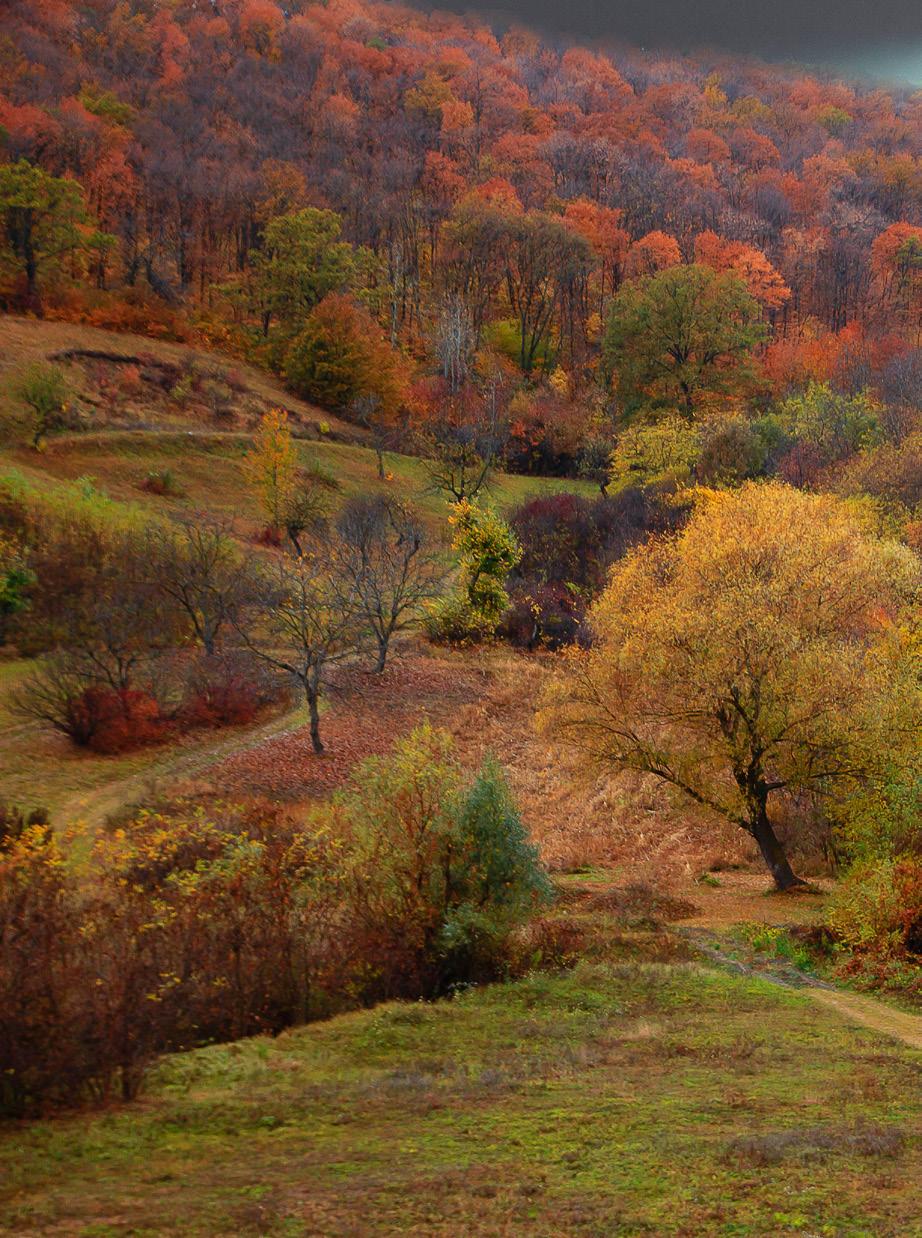
 THE STRIKING NATURAL LANDSCAPES of MOLDOVA GIVES BIRTH TO CREATIVITY in BOLD COLOURS
Rose Kelim
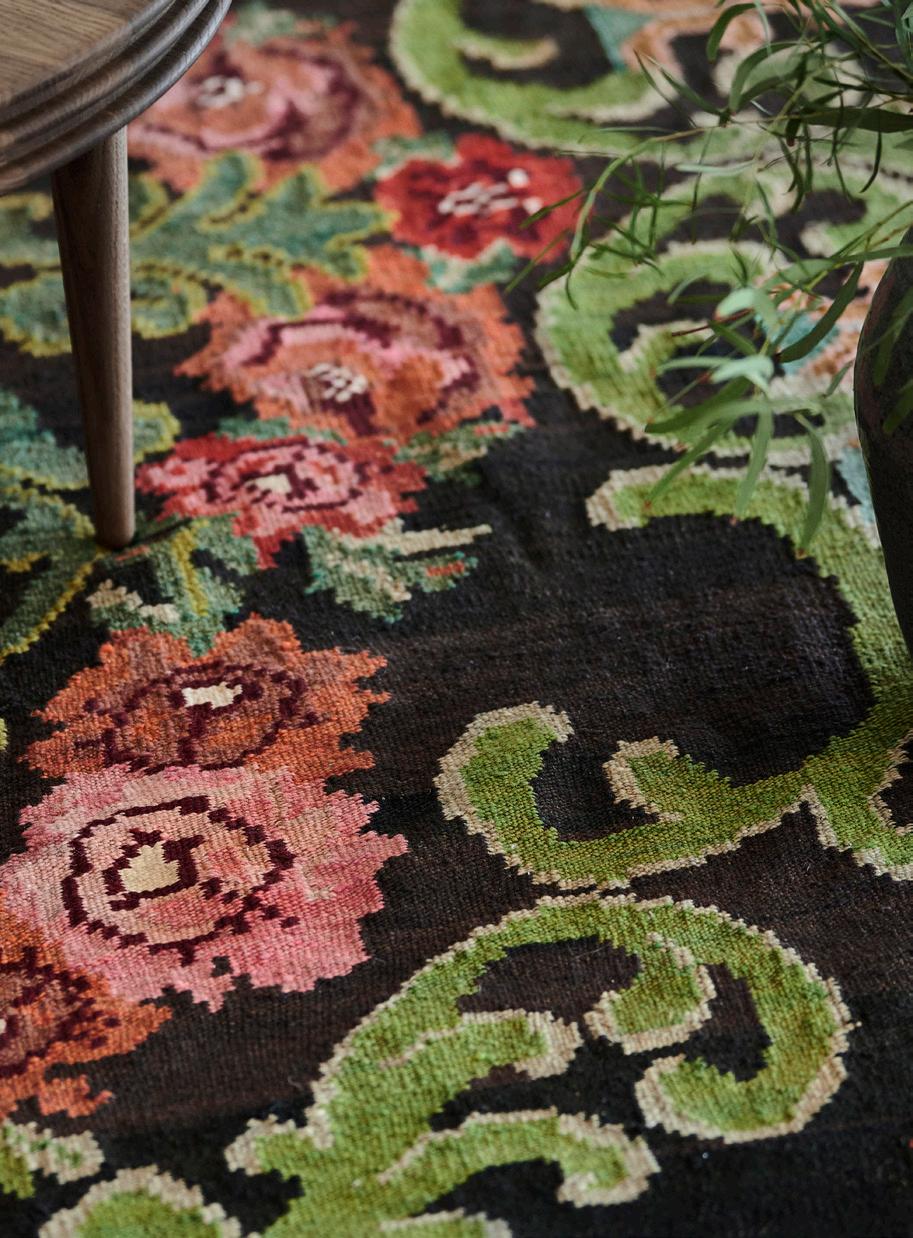
The Rose Kelim collection is filled with one-of-a-kind rugs. We find these up to 70-yearold rugs and then carefully restore them to their former beauty. Each one has a unique look and years of history that they are ready to bring into your home.
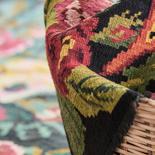
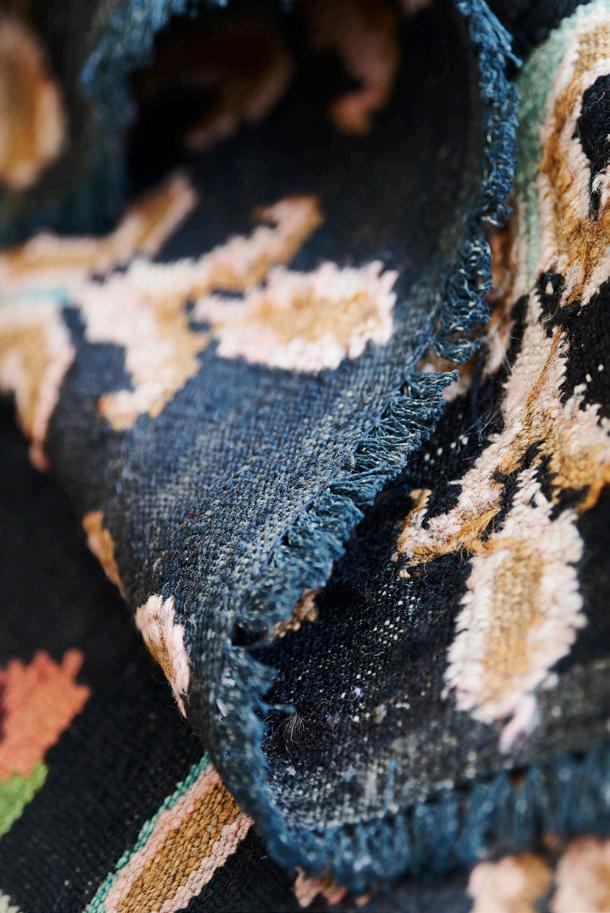
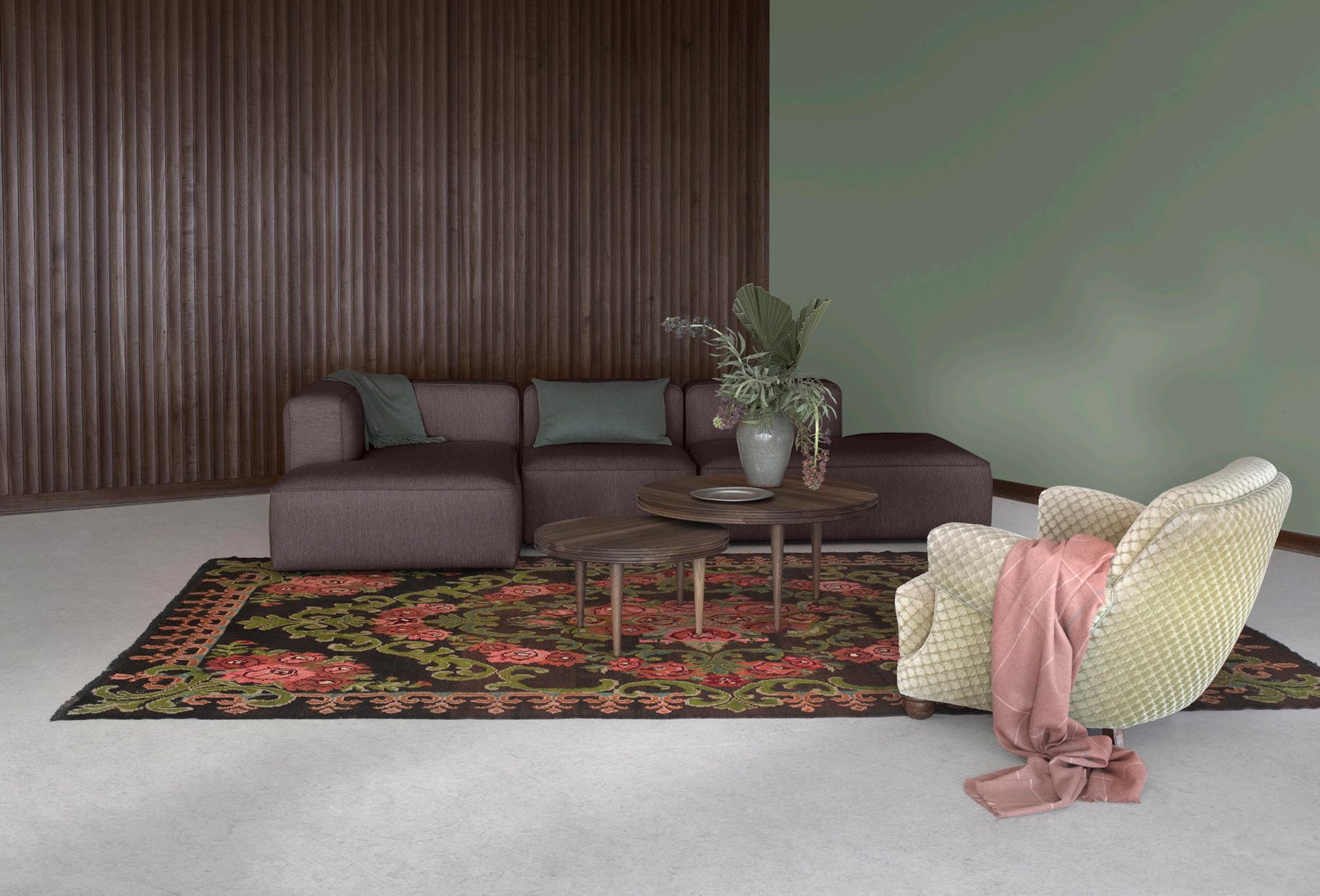
Rose Kelims are produced in Moldova and northern Turkey. They are woven using a special weaving technique that gives the rugs a delicate, felt-like quality. Rose Kelim are older rugs and can easily be 40, 50, 60 and 70 years old. They are relatively rare and are hard to get hold of. They are easily identifiable thanks to their colourful flower motifs that feature red and pink roses with green leaves and vines on dark backgrounds.
The Republic of Moldova is landlocked country in Eastern Europe that has a rich history. During its multi-millennial history, Moldova has harmoniously absorbed diverse cultural traditions of Proto-Indo-Europeans and archaic Indo-European peoples, including rug weaving traditions and techniques.
Moldovan rugs are more than decorative objects, they are filled with stories, symbols, and serve as a source of nostalgia. Thread by thread, pattern by pattern, the history and cultural heritage of Moldova has been woven into each knot of traditional Moldovan rugs. This creates an art form that is not only practical, but brings the history of the country into the modern era.
REZAS KELIM RUGS 152 153
 Rose Kelim
Rose Kelim Covers
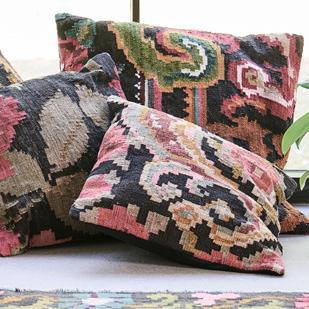
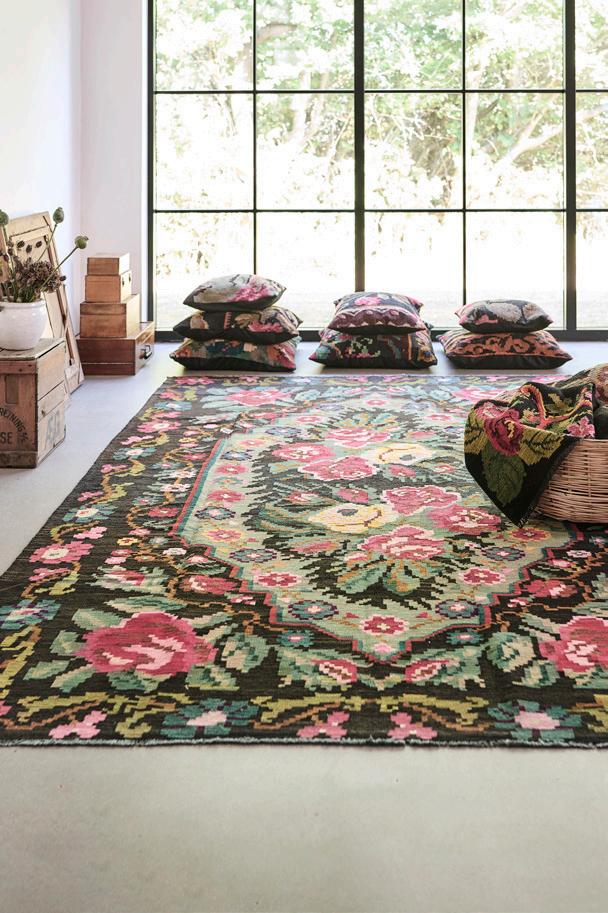
Rose Kelim covers are made from pieces of Rose Kelim rugs woven in Moldova that are often up to 70 years old. The rugs are often damaged beyond repair, but have large sections that are still intact and in beautiful condition. The sections are cut into smaller pieces and used for our covers. The Rose Kelims are relatively rare and are hard to get hold of. They are easily identifiable thanks to their colourful flower motifs that feature red and pink roses with green leaves and vines on dark backgrounds.
REZAS MOLDOVIA RUGS 156 157
Moldova is a land filled with traditions. It is firmly connected to modern society and norms, but you can still see women weaving traditional rugs using techniques and designs passed down from generation to generation. Rug weaving is an integral part of life for Moldovan women and Moldovan floral rugs are among the most well-known of the floral rugs. They feature flowers of all colours: lilies, tulips, geraniums and roses. Lots and lots of roses. The characteristic black background brings the colours of the flowers to the forefront and really lets them pop.
We search for these rugs around Moldova. Once they are found, they are carefully restored to their former glory using techniques that respect the original craftwork traditions while protecting the bright colours and intricate designs. Restoring the rugs allows them to live on and bring new life to homes everywhere.
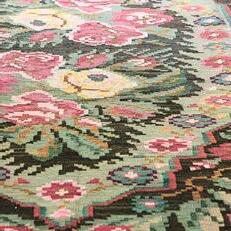
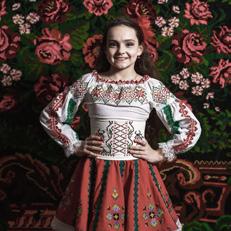
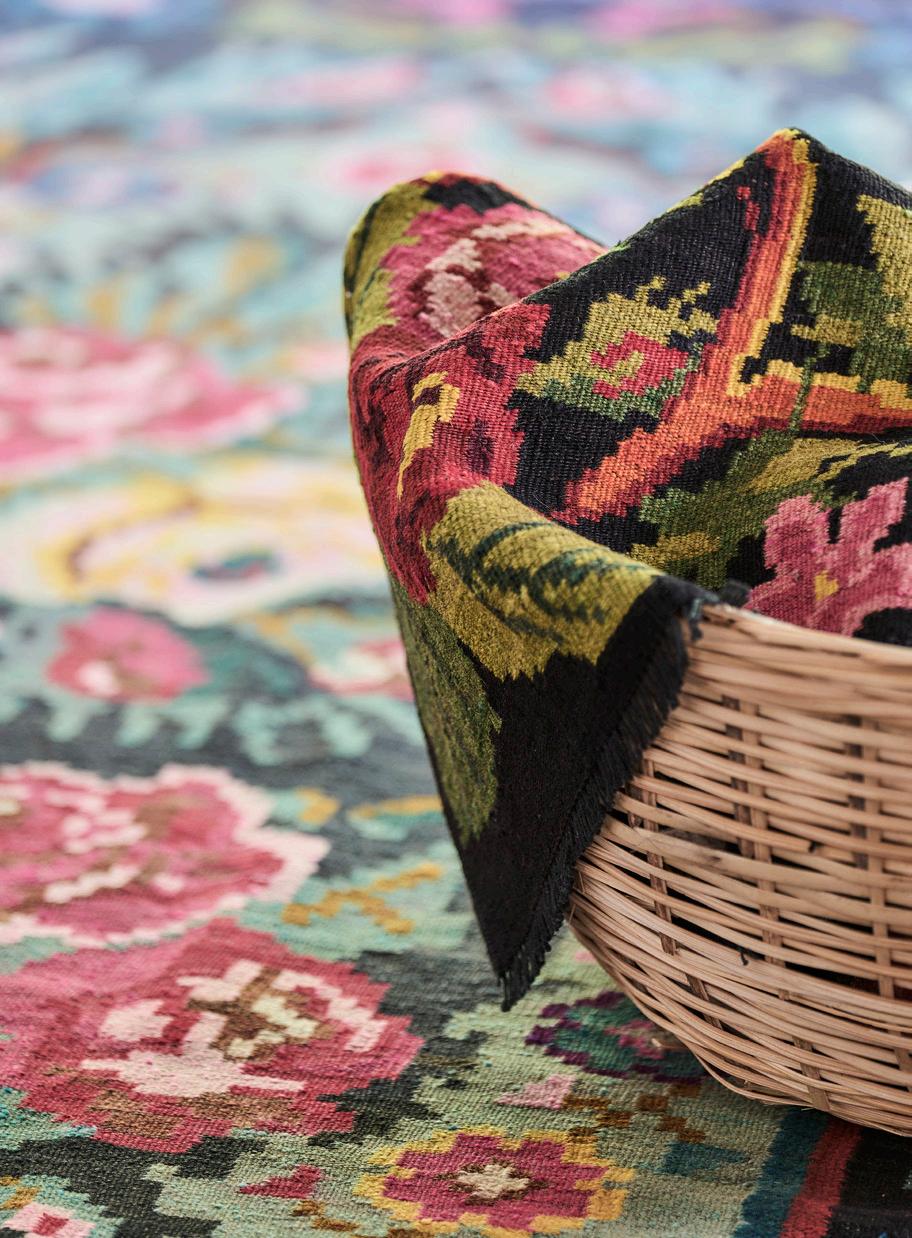
Each one is unique and has its own story to tell. They may have been woven for a special occasion, for a loved one or for something else entirely. And they may have spent the majority of their lives in a cosy living room, a quiet library or a warm, laughter-filled dining room.
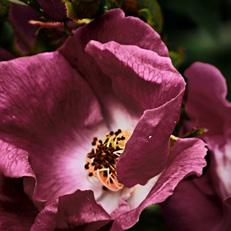
LOCAL PRODUCTION
MOLDOVAN RUGS WOVEN by LOCAL WOMEN
158
Rose Kelim
Vintage and upcycled rugs
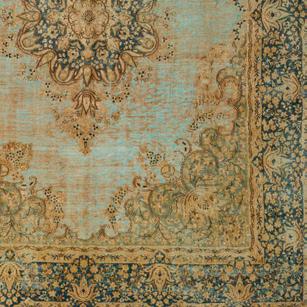
Our vintage and upcycled rug collections are comprised of previously loved rugs of the best quality. Each rug is treated, trimmed, cleaned and/or coloured to give you a one-of-a-kind experience: A rug with decades of history that has been given a new lease on life and is ready to bring a unique atmosphere into your home or space. Our selection includes patchwork, royal, kerman and more.
REZAS ORIENTAL COLLECTION 161
Malayer Patchwork
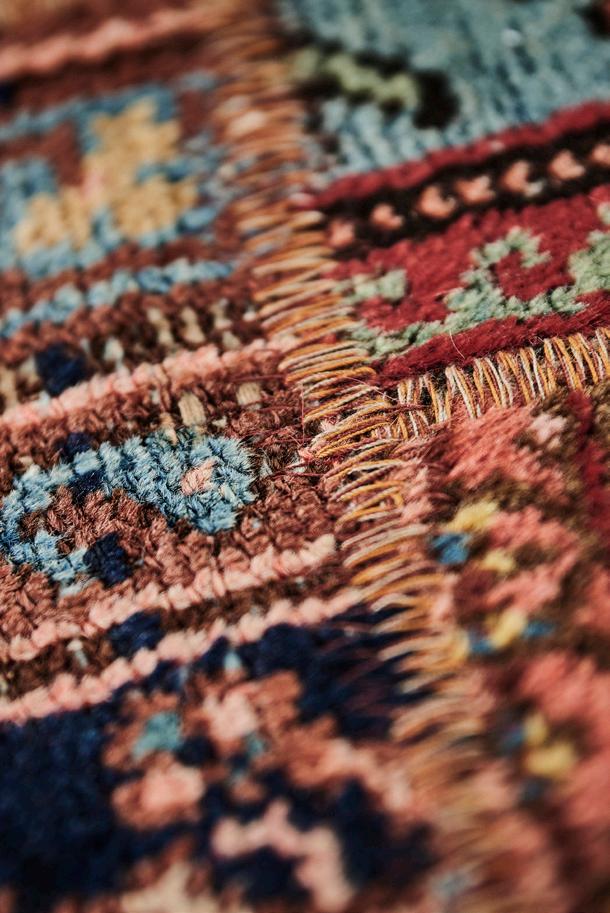
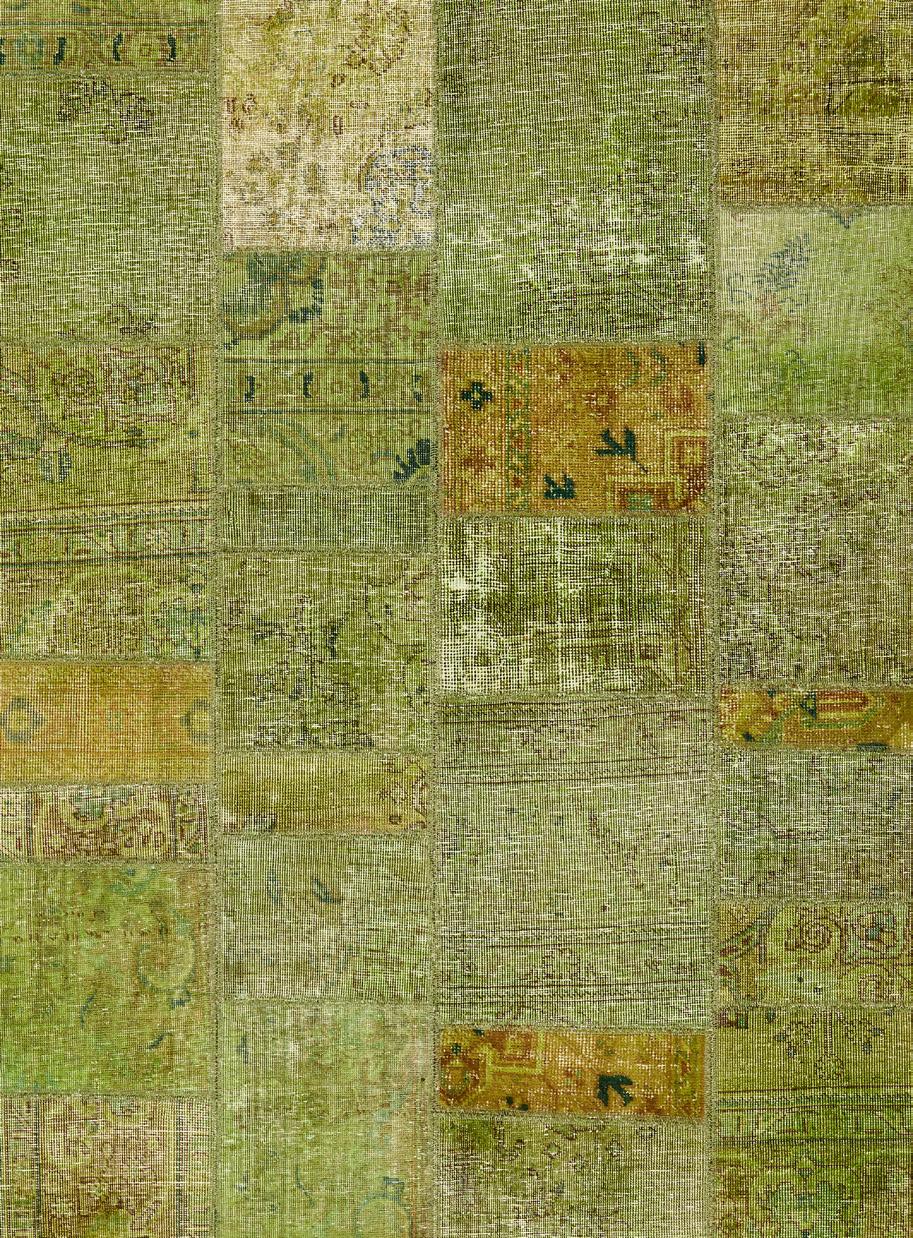
The Malayer Patchwork rugs get their name from Malayer, a town in the Iranian province Hamadan. They look like patchwork quilts, as they are made by using pieces of old, used rugs. The rugs have knot densities of 50,000 – 150,000 knots per sqm. The pieces are sand-washed in a way that leaves the original pattern barely visible. The pieces are then sewn together in new, interesting patterns. With the Malayer Patchwork Collection, you get more than a rug; you adorn your home with a unique piece of antique, Persian handicraft. This gives the rugs new life and a chance to bring their magic into your home.
REZAS VINTAGE AND UPCYCLED RUGS 162 163
Poufs
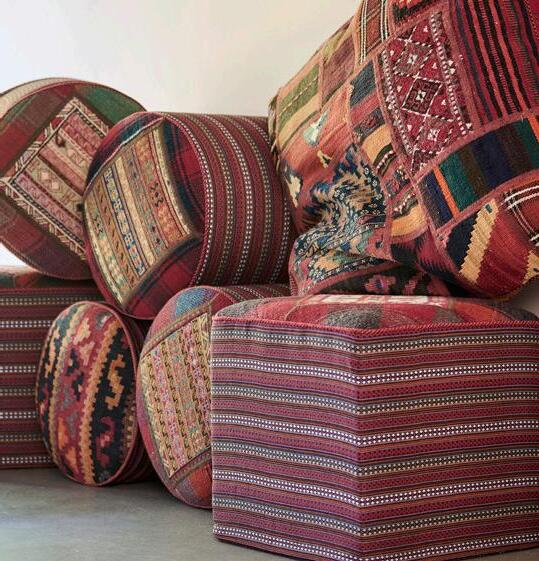
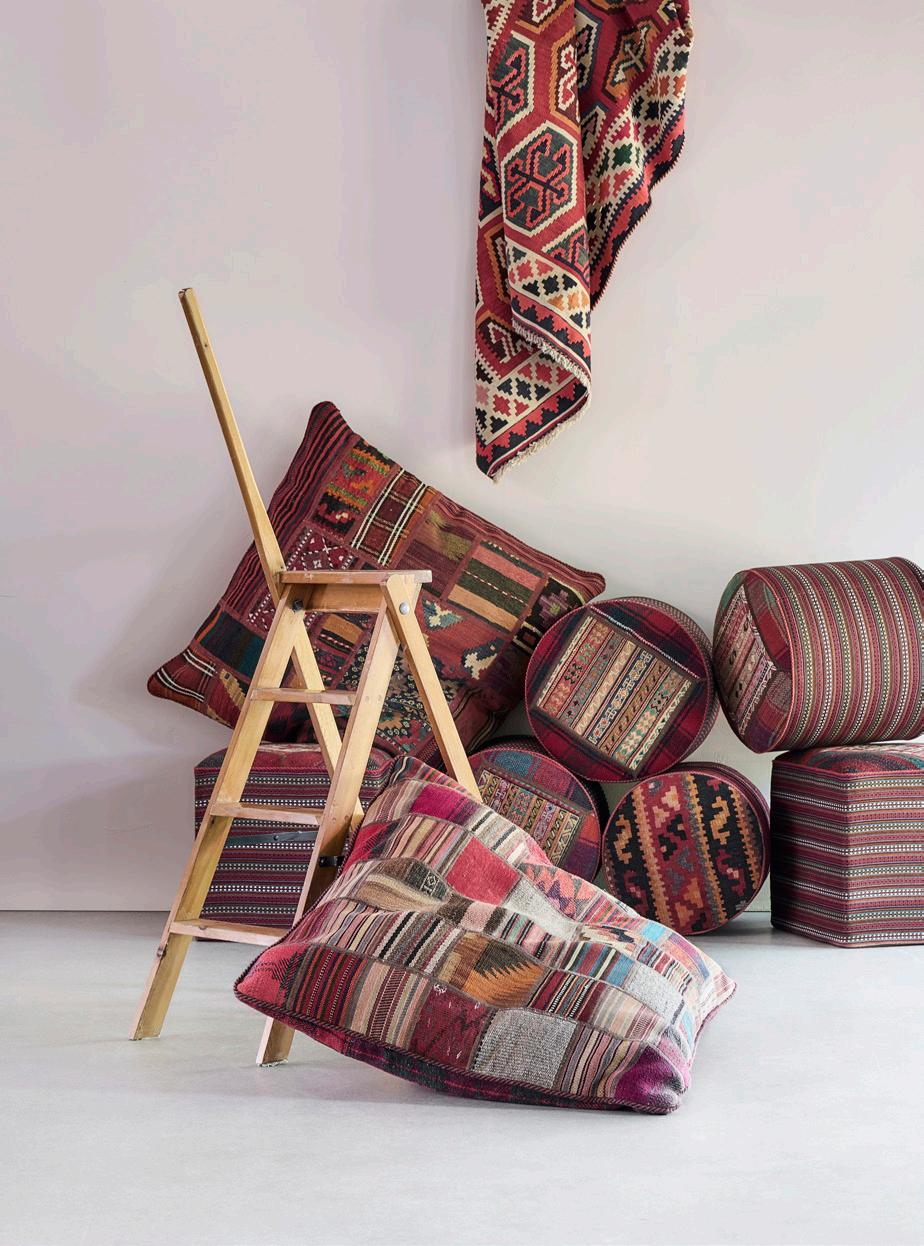
Our poufs are produced in the southern part of Persia. The poufs are made from Kelim rugs that are between 20 and 50 years old. Both round and square poufs are available, they are all naturally coloured and are entirely unique. The Kelims used for the poufs are hand woven rugs crafted with a special weaving technique, which gives the rugs a thinner, felt-like quality.
Covers
Our covers are made from pieces of Kelim rugs woven in southern Persia that are often 20-50 years old. The rugs are often damaged beyond repair, but have large sections that are still intact and in beautiful condition. The sections are cut into smaller pieces and used for our covers. The Kelims used for the covers are hand woven rugs crafted with a special weaving technique, which gives the covers a thinner, felt-like quality. The colours are natural and no two covers are alike.
REZAS VINTAGE AND UPCYCLED RUGS
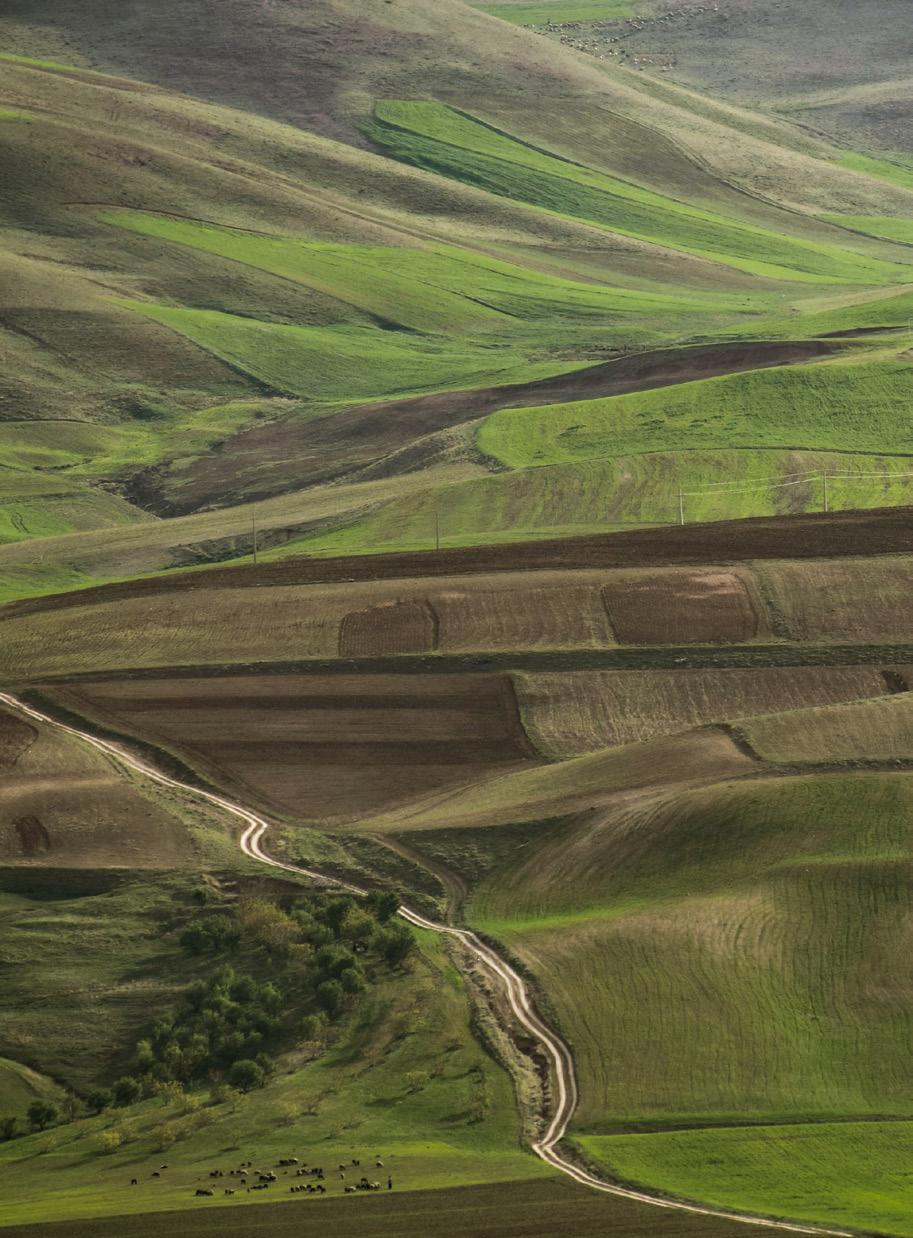 REFLECTED in THE RUGS OF VINTAGE PATCHWORK
THE PATTERNS of THE LORESTAN PROVINCE
REFLECTED in THE RUGS OF VINTAGE PATCHWORK
THE PATTERNS of THE LORESTAN PROVINCE
Vintage Patchwork
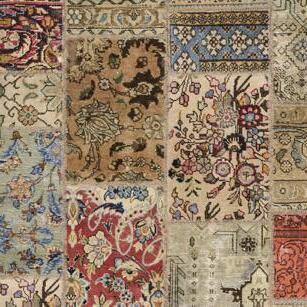
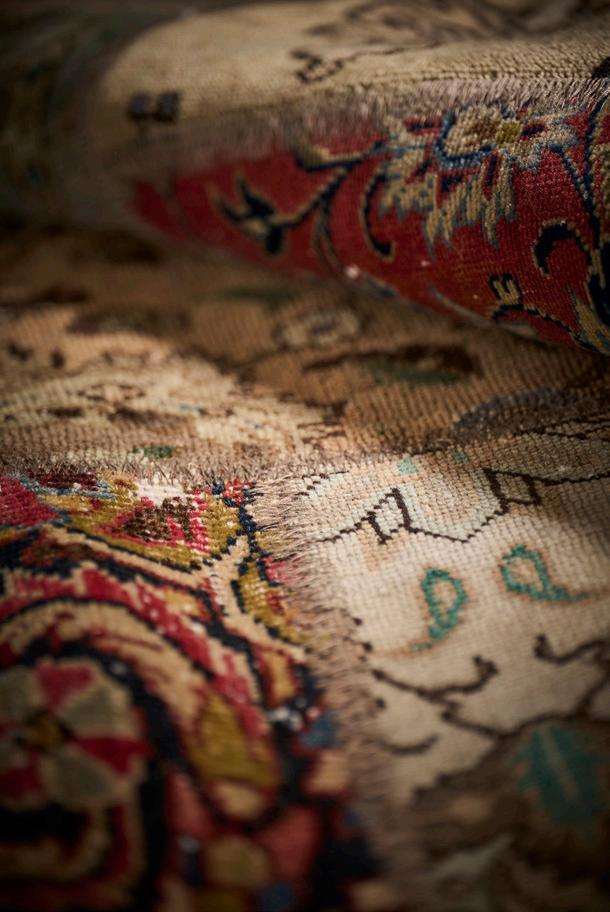
The Vintage Patchwork collection is made from pieces of vintage rugs that are beyond repair. The least worn pieces of the rug are trimmed out and saved. The pieces that can be upcycled are then used to them create new, colourful and dynamic designs with the soul of an older, well-loved rug. Each one is totally oneof-a-kind and unique, made from many rugs and filled with many years of history.
REZAS VINTAGE AND UPCYCLED RUGS 168 169
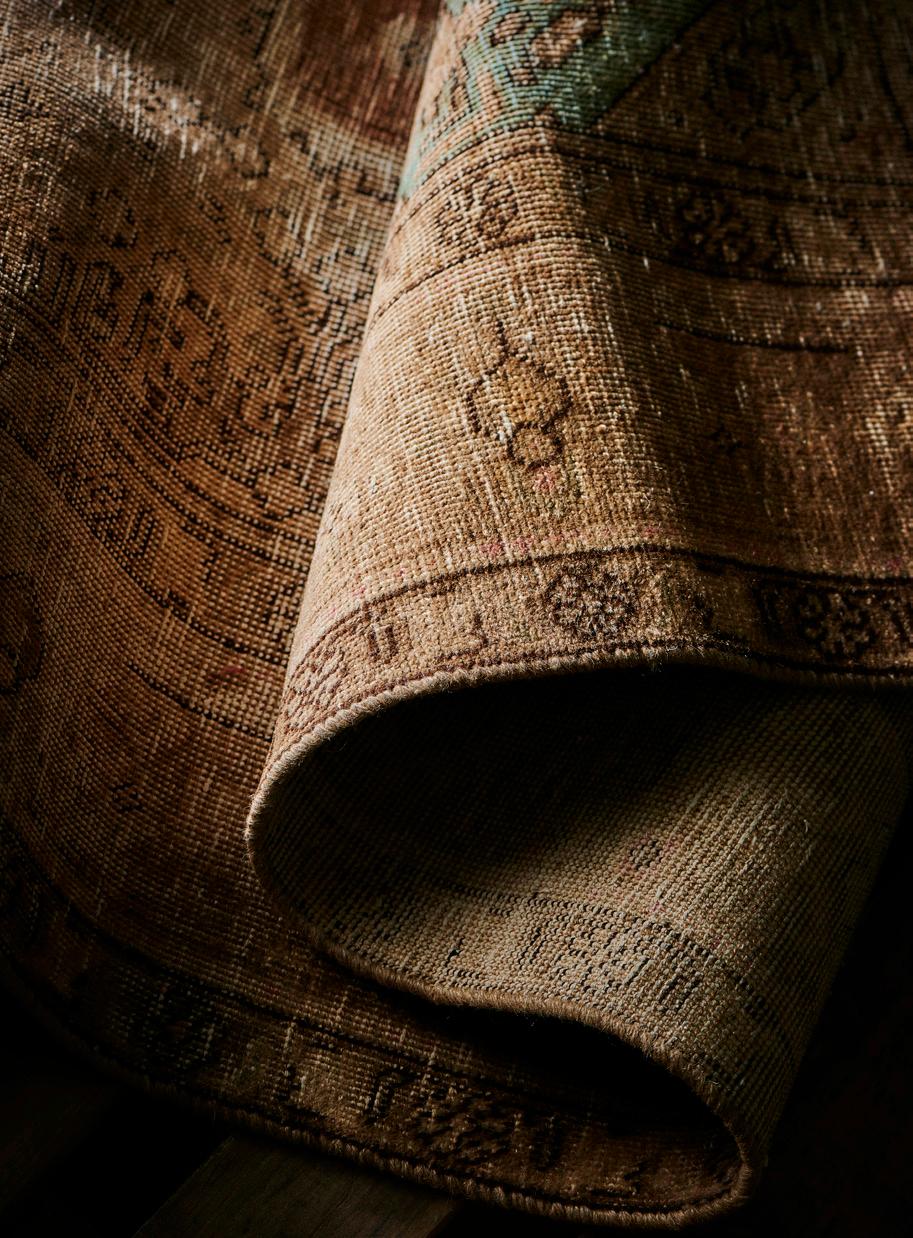
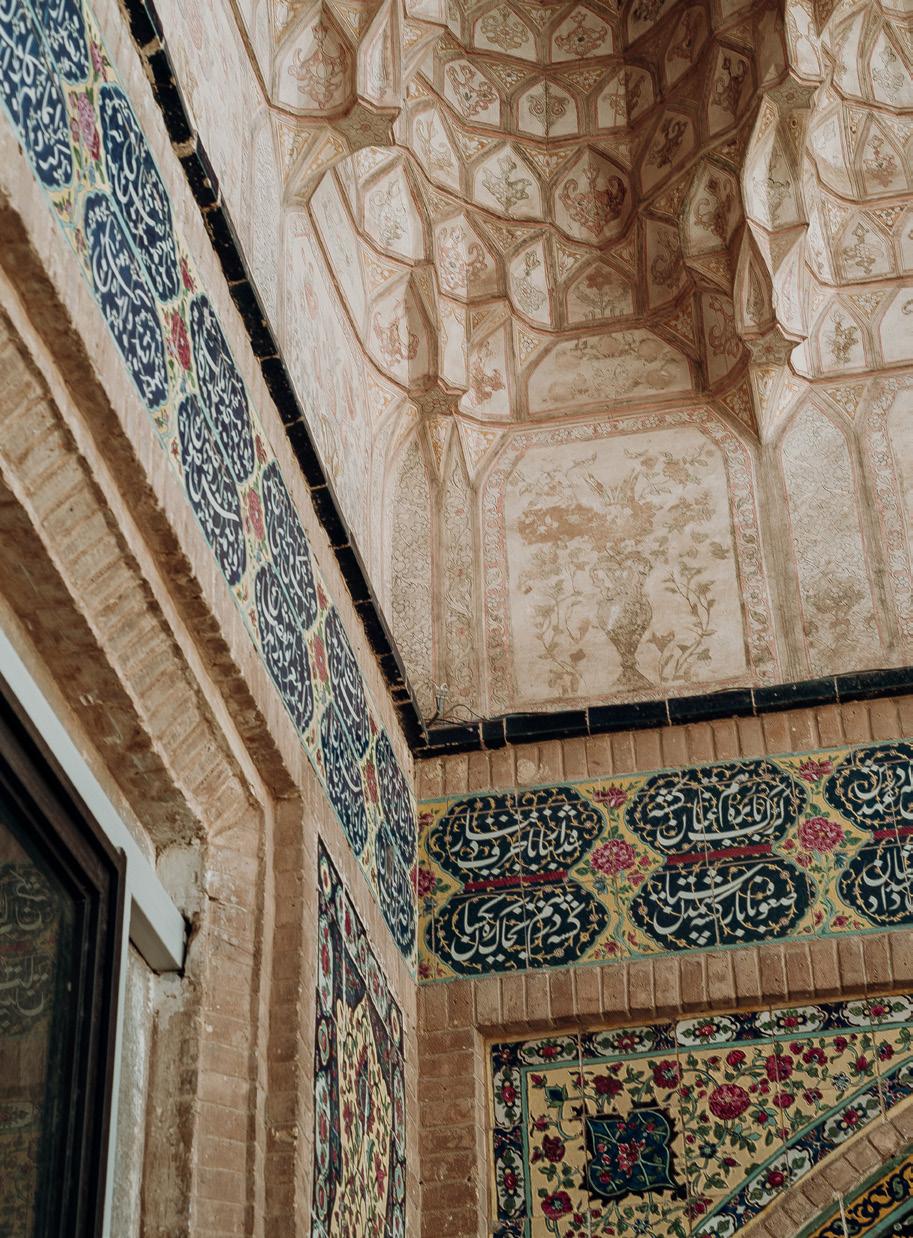
INSPIRE THE ART of WEAVING THE TRADITIONS OF DESIGN and ARCHITECTURE
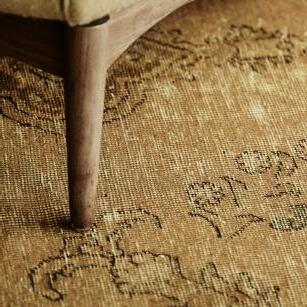
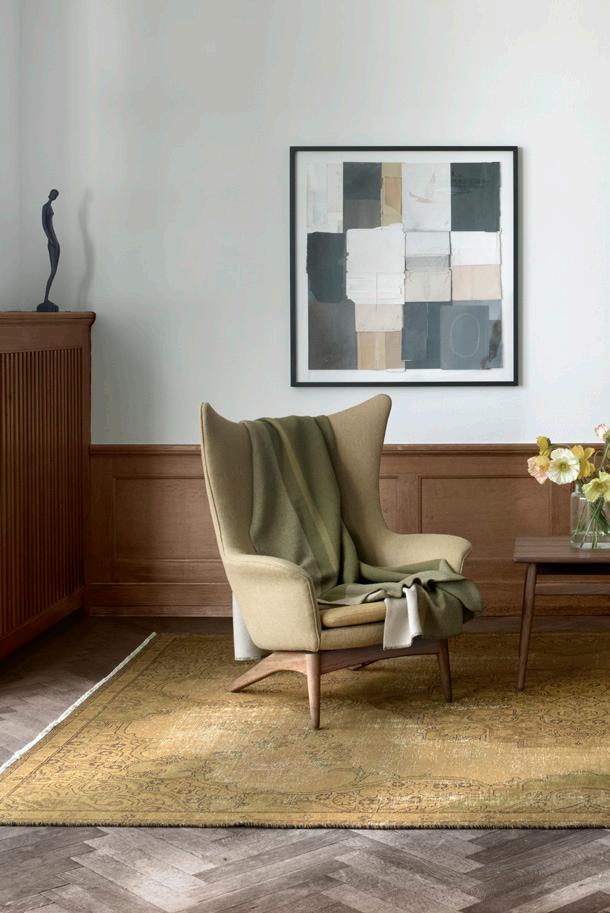
Vintage Royal
The Vintage Royal Collection consists of antique hand knotted rugs of Persian origin that have been upcycled. Each rug in the collection is hand-picked from locally-sourced rugs based on their unique characteristics and then rejuvenated to give them their exclusive look. This means that every rug has its own attitude, personality, expression and is totally one-of-a-kind. They are filled with tradition and stories left untold.
REZAS VINTAGE AND UPCYCLED RUGS 172 173
Vintage Royal
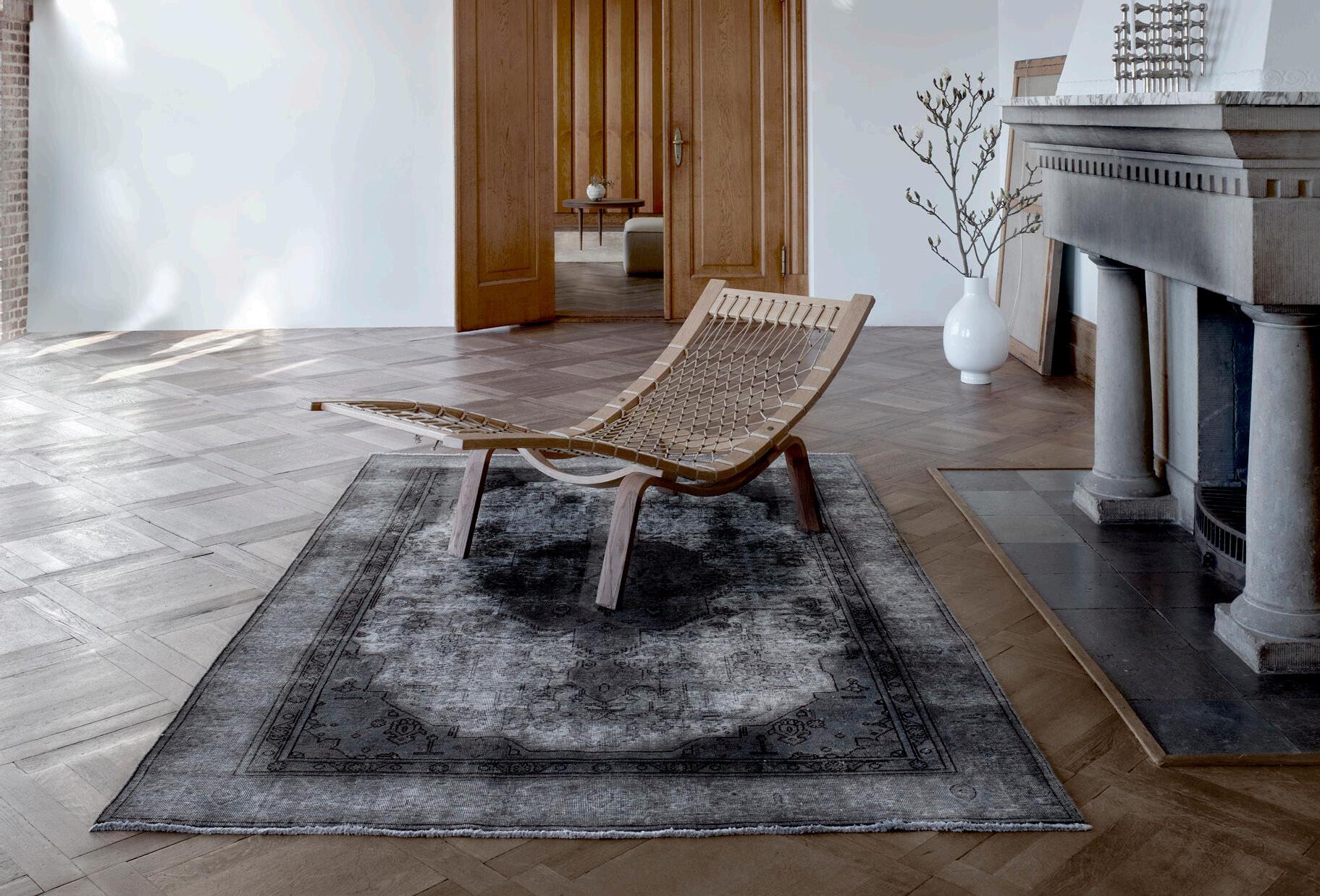
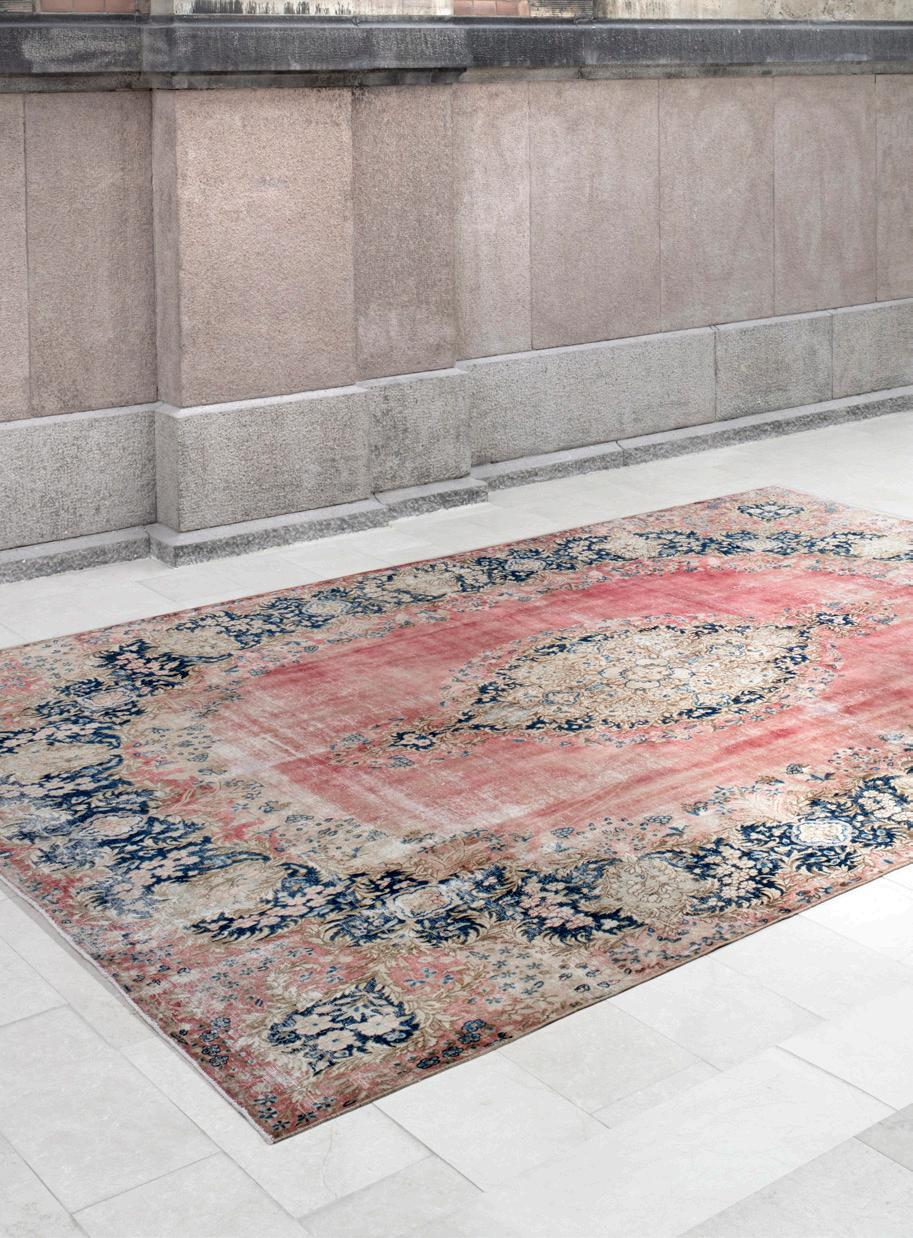
Vintage Kerman
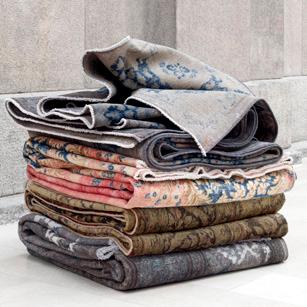
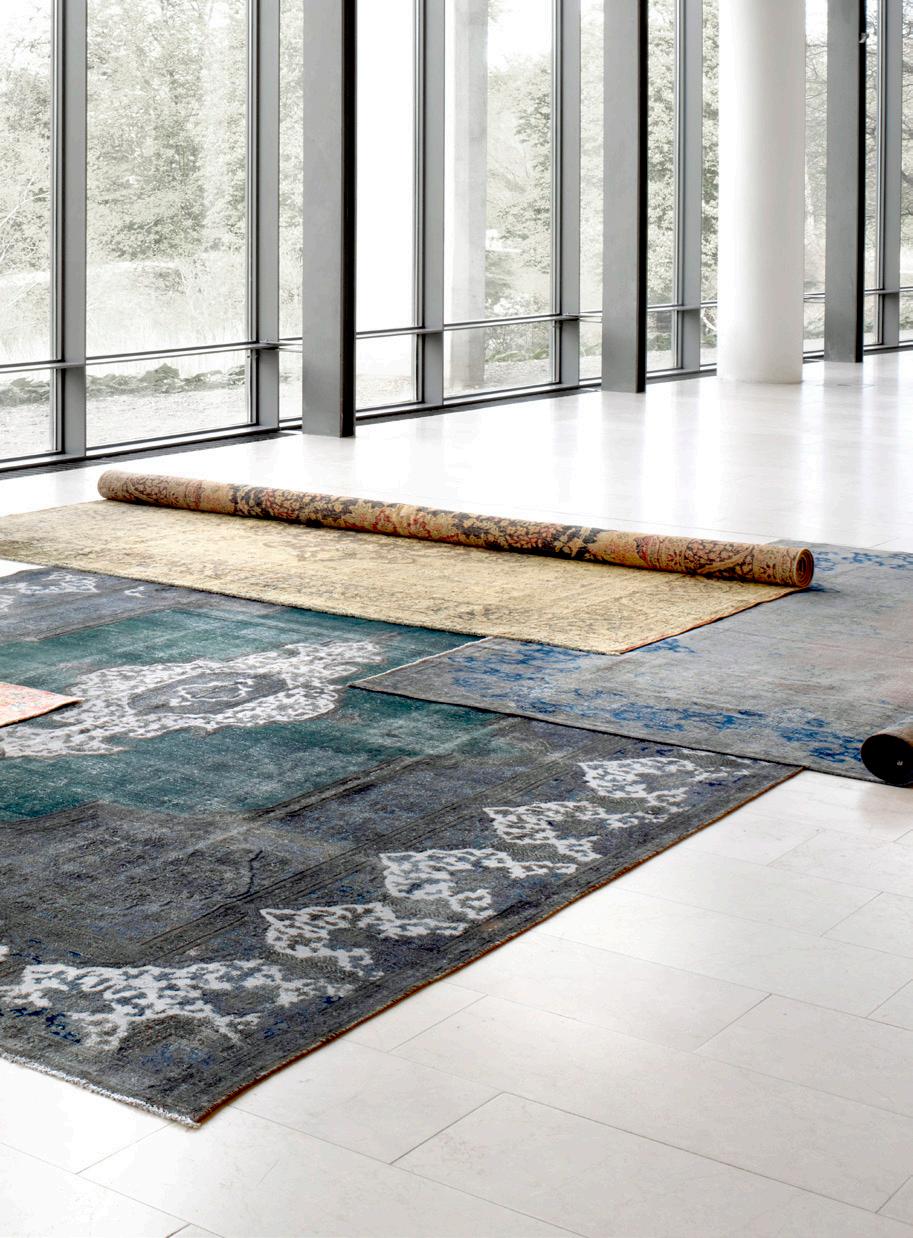
Vintage Kerman rugs are antique hand knotted rugs of Persian origin that are selected because of their unique designs. The rugs are stonewashed and recoloured in light, dark, or bright colours, with the original pattern of the rug still visible. This creates a monochromatic version of the original with a modern twist.
Each of the rugs are of a high quality and still have many years of life left in them. Vintage Kerman are also available in large sizes. With a Vintage Kerman, you do not just get a rug; you adorn your home with a unique piece of antique, Persian handicraft with an amazing story to tell.
REZAS VINTAGE AND UPCYCLED RUGS
177
THE PROCESS of UPCYCLING
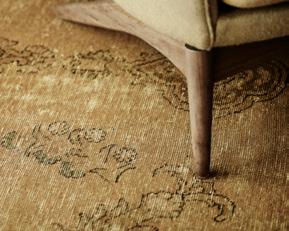
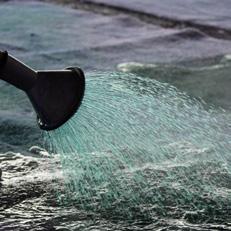
Every Rezas vintage rug goes through a vigorous restoration and upcycling process to bring them back to their former beauty – or to give them a new dimension of shape or colour. Once the rugs have been sourced, they are brought to our local production facility where they are stonewashed and dried in the sun to delicately restore the original pattern. The top layer of the rug is removed giving them a perfect worn vintage effect that complements the natural hues of the rug.
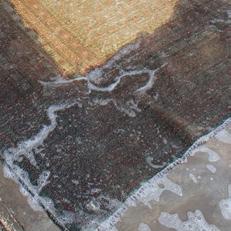
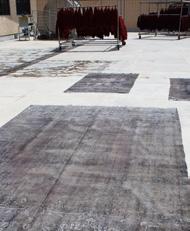
If the rugs are re-dyed, we use plant dyes made by our skilled dyeing experts according to traditional colour recipes. The dyeing process is risky and labour-intensive. No one knows how the finished rug will turn out. That’s another part of what makes each vintage rug so special and unique.
VINTAGE PRODUCTION 179
Vintage Kerman
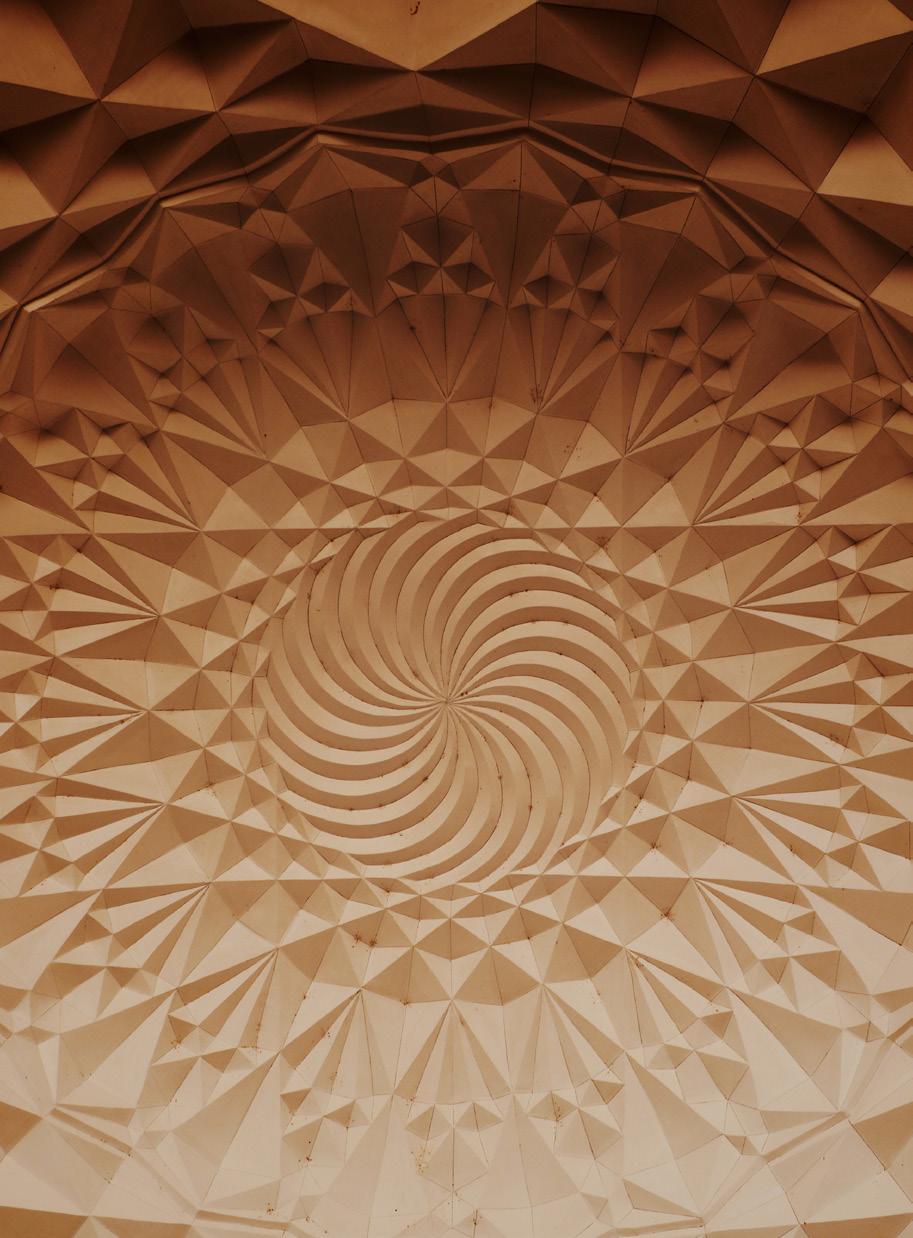
 HYPNOTIC GEOMETRIC DESIGN INSPIRED by NATURAL BEAUTY
By Løth x Rezas
by KATRINE MARTENSEN-LARSEN foto FREDERIK JOHS
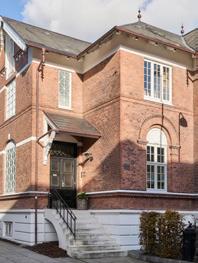
The details were meticulously chosen as the architect sat at the drawing board back in the 1870s. He was confident that the bricklayer, carpenter and joiner were masters of their craft. The level of detail in the masonry and woodwork is rare and extremely beautifully done. Note, among other things, the details over the window and how the cut-out in the wind sheath on the gable allows the French balcony door to have a clear view.
IN THE MIDDLE OF ODENSE, A LARGE STATELY MANSION RISES UP. SKETCHED AND CONSTRUCTED ACCORDING TO ALL THE LATEST TRENDS OF THE LATE 1800S. RED BRICK WITH ARCHES ABOVE THE WINDOWS, A SLATE ROOF, COPPER GUTTERS AND A DISTINCTIVE WHITE CORNICE UNDER THE EAVES, WHICH HIGHLIGHTS THE DETAILS OF THE RAFTERS OF THE ROOF CONSTRUCTION IN THE MOST BEAUTIFUL WAY.
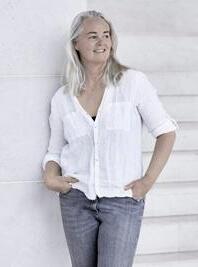
 Katrine Martensen-Larsen – Stylist on this catalogue, is also a renowned writer, publisher, blogger and instagrammer.
REZAS X BY LØTH 182 183
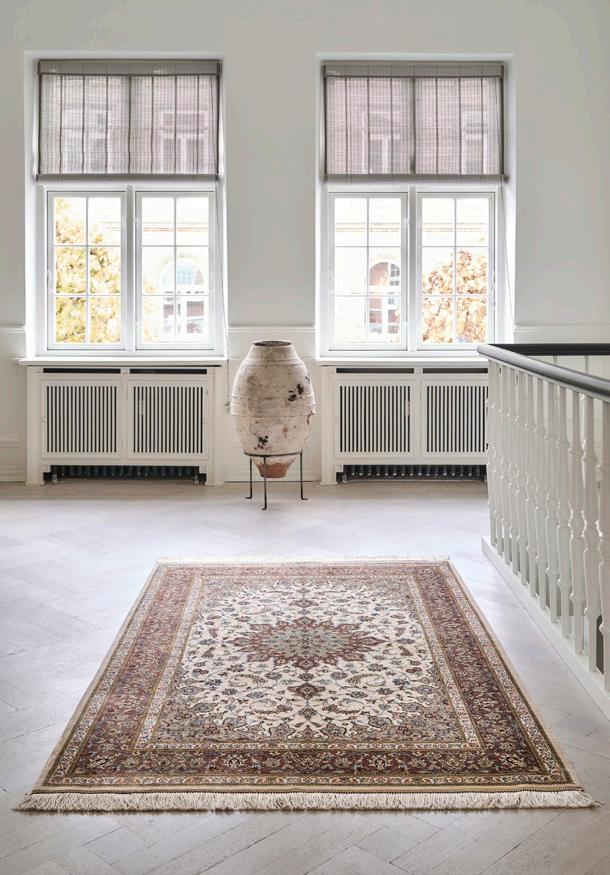
In the hall there is a single Persian Ghom Silk rug. The finest rug you can find – and in itself a work of art. The rug is signed by the creator and completely changes colour depending on the direction from which it is viewed.
OOriginally, the villa stood alone, looking majestically over the forest and fields. Over the years, it has witnessed how the city has slowly inched closer and closer. Now, it is part of the city and its past life as a rural estate with a private chef, maids in the attic and two Rolls-Royces in the garage has long since been forgotten.
Six years ago, Maria and Joakim Løth bought the property. It had been used for years as classrooms for training courses and was owned by the nearby Giersing School. “This is where we could live out our dream and run our business”, says Joakim, who originally had his own carpentry business, but changed direction a few years ago and now produces and sells solid oak furniture, which the couple designs themselves. The furniture is primarily sold via their own network and Instagram, to customers both at home and abroad – under the name By Løth.
“Each and every piece of furniture is unique due to the wood’s nature, history and very special patina. The furniture is made from dried old French oak, which comes from old wine presses”, explains Joakim, who often travels to France himself to choose exactly the presses from which he wants to build his furniture.
We had the opportunity to study the pieces ourselves, as we have to move them around to lay out the rugs. The wine presses, which have been in use for many years, exude history and are rustic, raw and robust. They smell of wood. The surfaces are velvety soft and the quality is unmistakable. And neither is the weight.
In the two adjoining living rooms, we have placed two Tabriz rugs from India in 100% wool. In front of the sofa, a Royal Tabriz and by the lounge chairs a Tabriz Indi. Both rugs are knotted with inspiration from Persian Tabriz designs and were chosen because the stately living room can easily carry a classic oriental rug. And because the tables from By Løth are wonderfully unpretentious, while the upholstered furniture from Fogia is very modern. The colours here are also coordinated with the Sabina Von Essen artwork above the sofa.
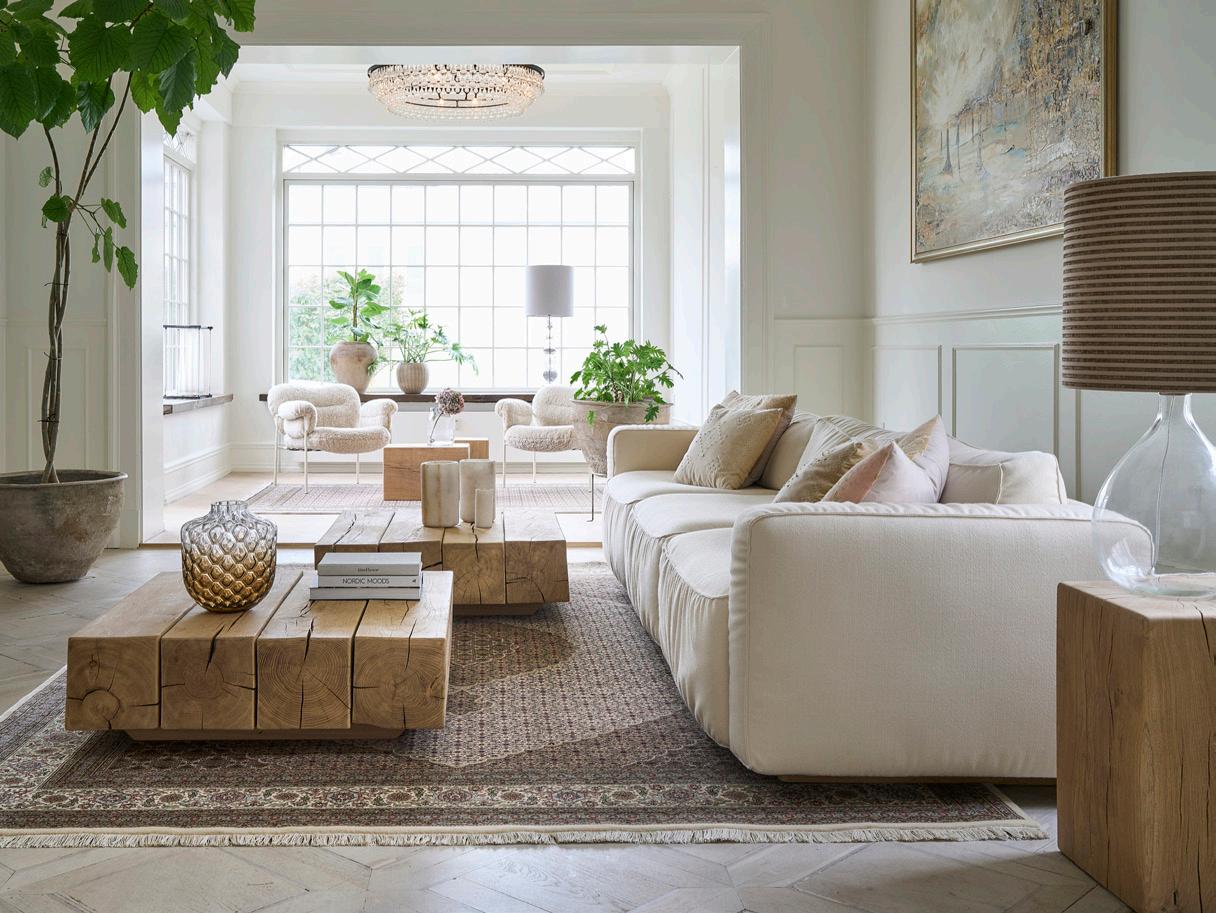
184 185
REZAS X BY LØTH
— A PIECE OF FURNITURE TELLS A STORY ABOUT THE PERSON WHO CHOSE IT. WHEN YOU WELCOME GUESTS IN YOUR HOME, IN YOUR OFFICE OR WHEREVER THE FURNITURE IS PLACED, THE FURNITURE TELLS THE STORY OF A PERSON WHO EMPHASIZES QUALITY, EXCLUSIVITY, GOOD CRAFTSMANSHIP AND SUSTAINABILITY. THE FURNITURE WILL RETAIN ITS VALUE. PERHAPS IT WILL GAIN GREAT SENTIMENTAL VALUE AND EVENTUALLY BECOME A FAMILY HEIRLOOM. THERE ARE NOT MANY PIECES OF FURNITURE PRODUCED TODAY THAT SURVIVE SEVERAL GENERATIONS. A PIECE OF FURNITURE FROM BY LØTH DOES, AND THERE IS NO DOUBT THAT A RUG FROM REZAS DOES TOO.
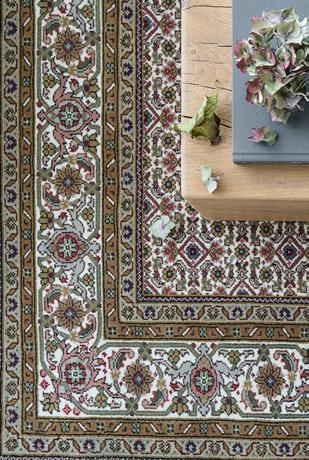
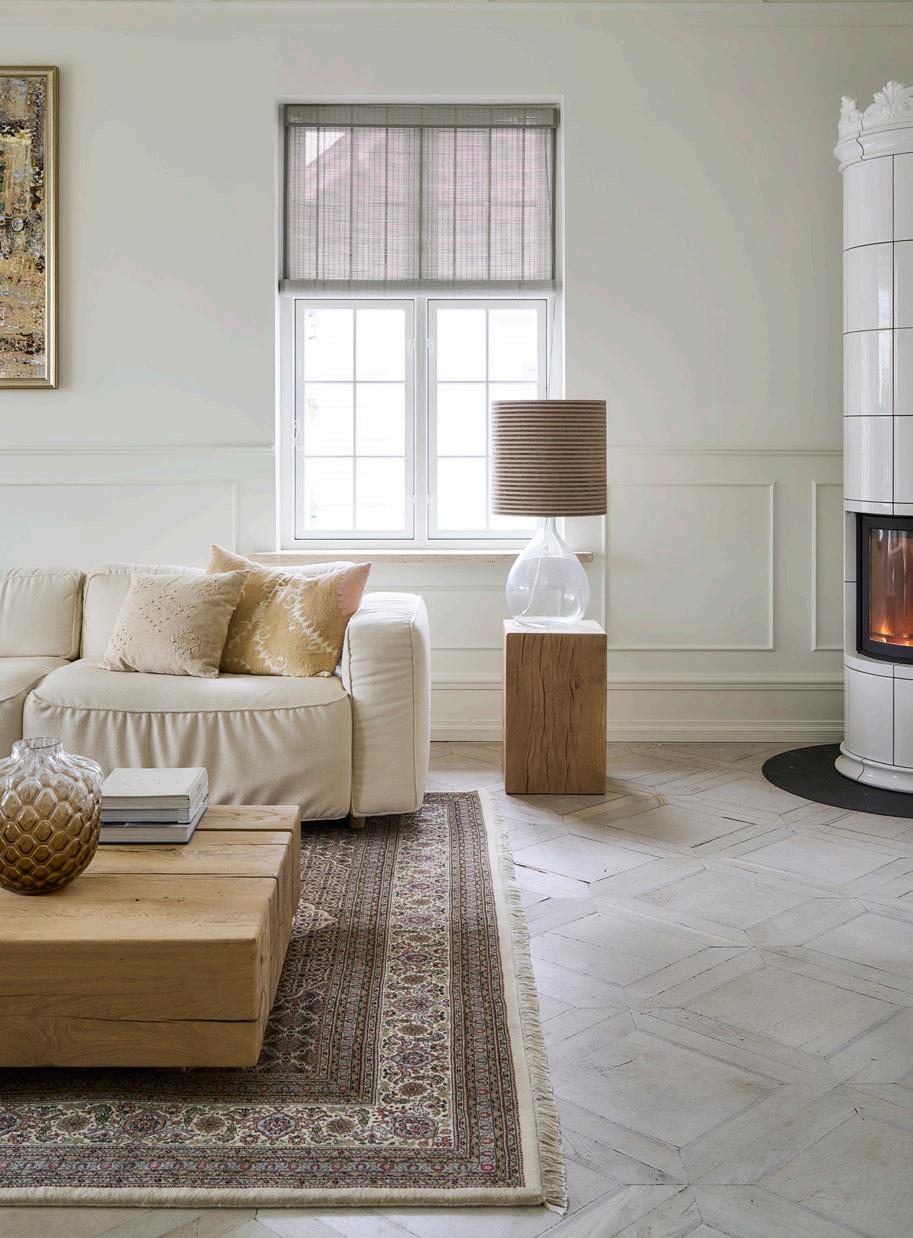
REZAS X BY LØTH
186 187
“The furniture lasts forever and can be used both indoors and outdoors. Many people say it’s the heart of their rooms,” adds Maria, who also works as a home stylist. She continues: “Their expression fits well in newly built houses, where they stand in fantastic contrast to the house’s clean lines, and in older buildings, where they merge with the house’s atmosphere, just like it does here.”
On Allégade, Maria and Joakim moved into the ground floor. Its 200 square metres feature beautiful high-ceilings, connected living rooms, parquet floors, slatted windows, crown moulding and wall trim. They moved their interior business into the converted garage and the couple’s two daughters started school just behind the house. They sold the top two floors of the property.
What does all this have to do with Rezas, you may be asking yourself. Our marketing manager, Maja Lundgreen, is a friend of Maria and she had been invited to dinner at the couple’s home on Allégade.
“I was completely blown away by Maria and Joakim’s thorough interior design style and the fine architectural details in the apartment. I immediately thought that
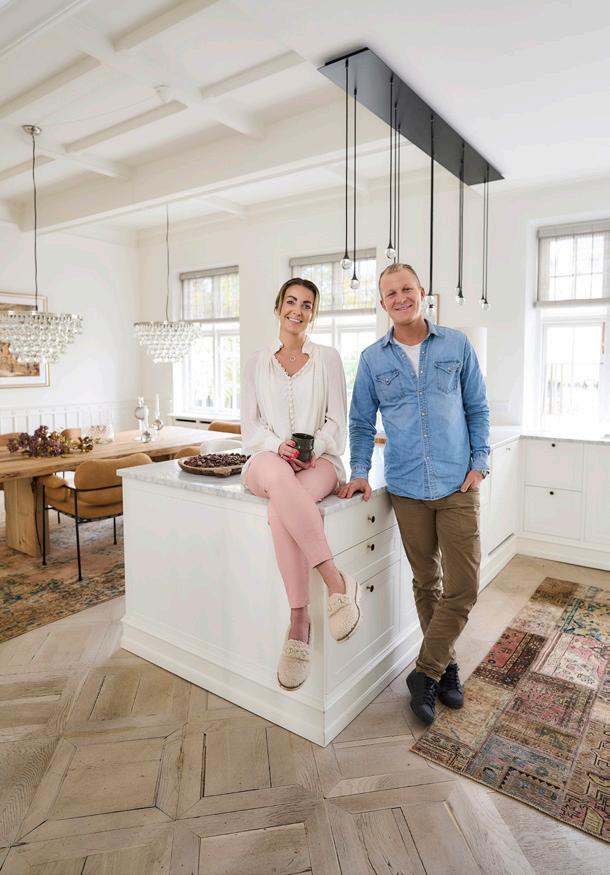
— OUR OWN RUGS ARE VERY NEUTRAL.
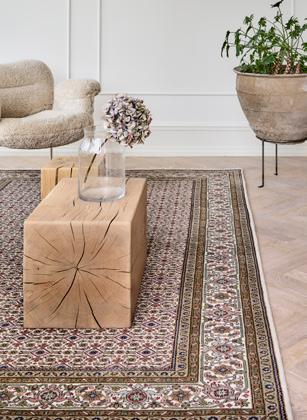
PRIMARILY FULFILLING A NEED TO MARK A ZONE – UNDER THE DINING TABLE AND BY THE SOFA GROUP, FOR EXAMPLE. WE HAVE DISCOVERED THAT A RUG CAN HAVE JUST AS MUCH PERSONALITY AS A PIECE OF FURNITURE. THAT RUGS ARE NOT ONLY FUNCTIONAL, BUT RATHER STRIKING WORKS OF ART IN THEMSELVES. A KIND OF HOME ‘JEWELLERY’ – ON AN EQUAL FOOTING WITH THE WORKS OF ART WE HANG ON OUR WALLS.
Rezas’ rugs would look beautiful there”, explains Maja, who casually asked the couple if they were happy to give us free reign to choose exactly the rugs that we thought would best complement their decor, and that we then photographed the result for a feature in our new catalogue. Maria and Joakim were on board with that idea.
drove to Allégade in Odense, to meet Maria and Maja. I was given a tour and took a series of photos of the couple’s home with my cell phone. We then drove to Rezas’ head office, where Maja had a few of the company’s warehouse workers ready to help move the rugs. They worked hard that afternoon. Stack after stack of rugs were reviewed before we found the right ones.
My idea was to juxtapose the rustic wooden furniture that Maria and Joakim have expertly matched with upholstered dining room chairs in cognac-coloured leather, lounge chairs in light grey sheep skin, a sofa in cream-coloured wool, elegant glass chandeliers and a multitude of green plants in beautiful pots, with Persian rugs in faded oranges, pinks, and delicate greens.
REZAS X BY LØTH
Maria and Joakim Løth run the company By Løth together. Joakim designs and builds rustic tables and smaller furniture from old French oak wine presses, primarily to order. Maria is a partner in the company and also works as a home stylist. In the kitchen is a Persian Vintage Patchwork runner that matches the rug under the dining table in style and tone.
188 189
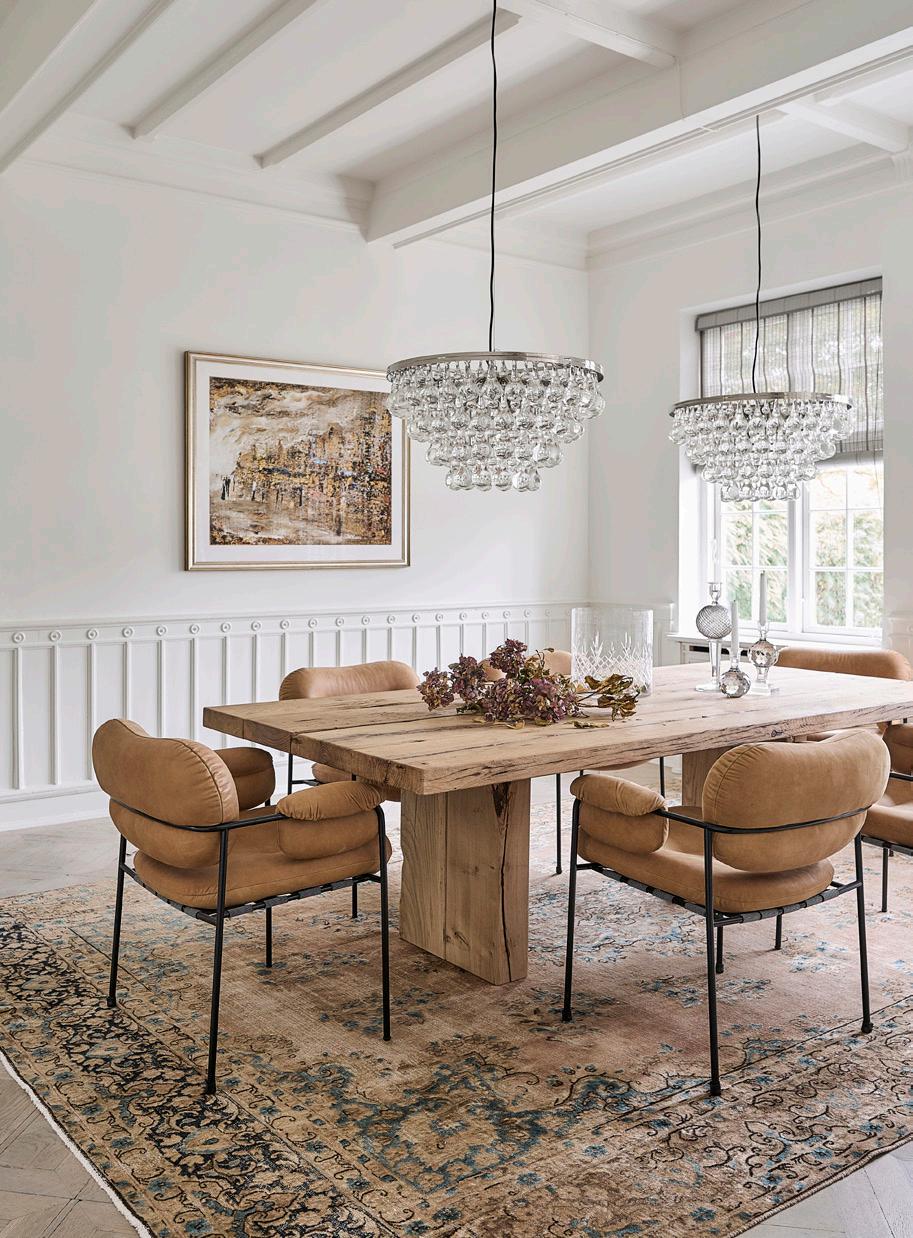
The large robust dining table, made from old French oak wine presses, was designed and built by Joakim Løth. Around the table are comfortable upholstered dining chairs, designed by Andreas Engesvik for the Swedish design company Fogia. Above the table hang chandeliers with “glass drops” from Eichholtz. Behind the dining table hangs art by the Swedish contemporary artist Sabina Von Essen and under the table is a Persian Vintage Kerman. The rug is chosen to match the style and colours of the chairs and art.
— IN GENERAL, THE INTERIOR COLOUR SCHEME IS CALM. THERE ARE WHITE WALLS IN ALL ROOMS. THE CHALLENGE WAS TO MAKE THE COLOURS AND PATTERNS OF THE RUGS PLAY TOGETHER WITH THE TWO STRIKING WORKS OF ART THAT HANG IN THE COUPLE’S DINING ROOM AND LIVING ROOM RESPECTIVELY.
ALTHOUGH THERE IS A BIG DIFFERENCE BETWEEN THE ORIGINS AND PATTERNS OF THE ORIENTAL RUGS, THEY STILL WORK BEAUTIFULLY IN CONTEXT. YOU LOOK THROUGH THE ROOMS – FROM ONE RUG TO THE NEXT, SO THERE MUST BE A COHESIVE EXPRESSION.
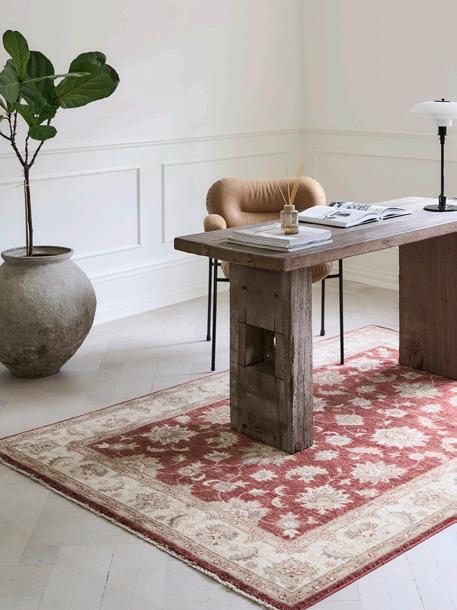
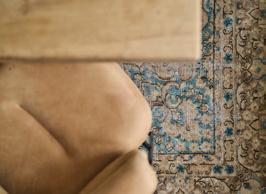 The rug in the office is a Ziegler Fine from Afghanistan, made of 100% wool.
190 191
Under the bed in the bedroom, we have placed a Kashkuli rug from Persia. A rare nomad rug made from 100% wool. Heavy and strong. The design and symbols are inspired by the nomadic Gabbeh with symbols inherited through Persian tales and traditions.
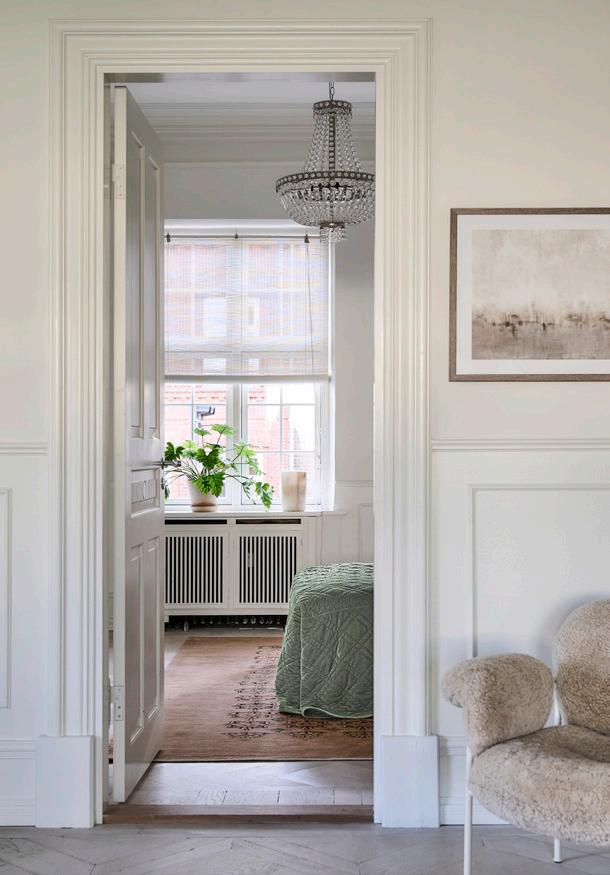
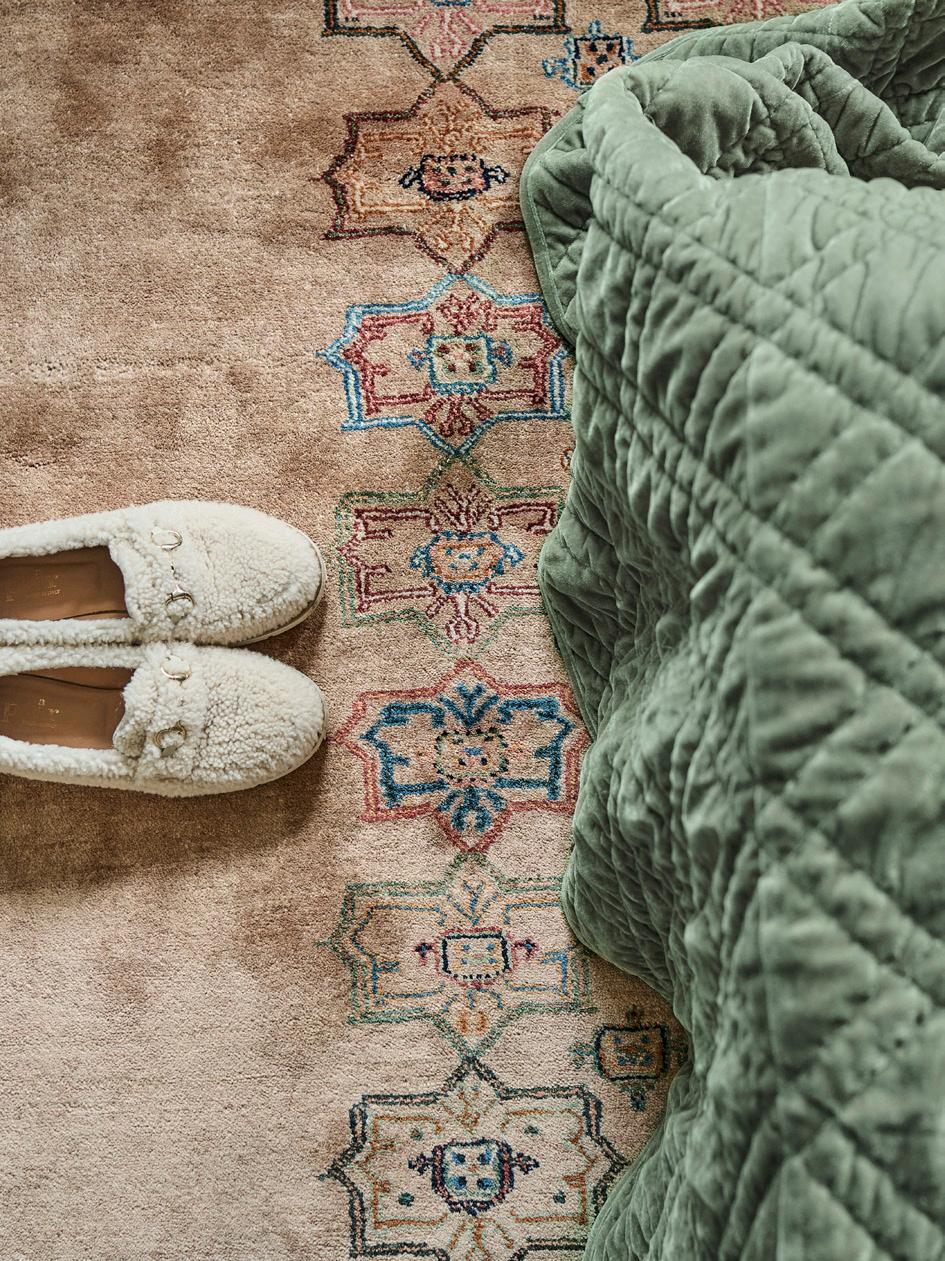
REZAS X BY LØTH 192 193
R COLLECTION
Ghom Silk
Isfahan
Nain 6 La
CITY RUGS
Nain 9 La
Nain Kashmar
Bidjar Zandjan
Yalameh
Kashkuli
VILLAGE RUGS
Moud Mahi
Moud Garden
Keshan
Sarough
Hamadan
Heriz
Bakhtiyar
Abadeh
Kashmar
Klardasht
NOMADIC RUGS
Persian Gabbeh
Shiraz
Lori
Afshar
Balutch
Kashghai
Tabriz Royal
Tabriz Indi
Bidjar Royal Bidjar Indi
Shall
Old Afghan Aktscha
Ziegler Fine
Ziegler Ariana Style
2- and 3-Ply
Afghan Kelim
Sumak Shahsavan
Kelim Kashghai
Kelim Old
Kelim Seneh
Rose Kelim
Malayer Patchwork
Vintage Patchwork
Vintage Royal
Vintage Kerman
Collections
REZAS ORIENTAL COLLECTION
INDIAN RUGS
AFGHAN RUGS
PAKISTANI RUGS
KELIM RUGS
VINTAGE AND UPCYCLED RUGS
REZAS ORIENTAL COLLECTION 194 195
GHOM SILK
Hand-knotted / Silk / 950,000 - 1,400,000 knots per sqm
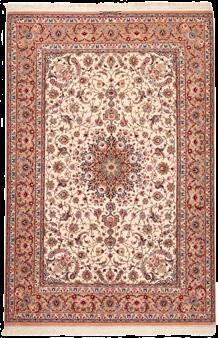
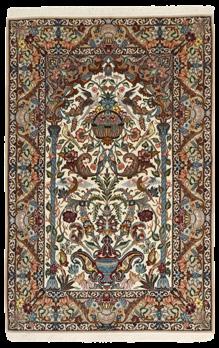
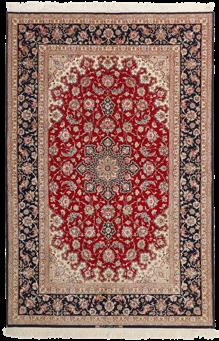
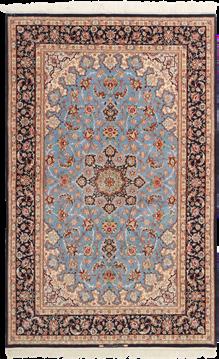
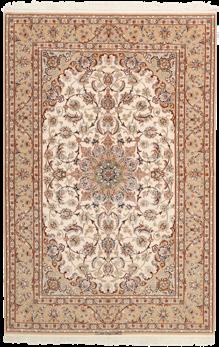
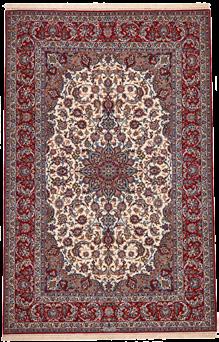
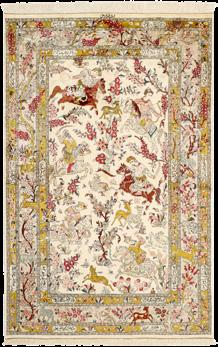
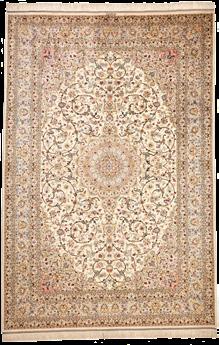
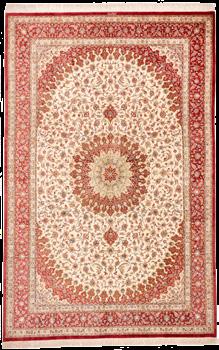
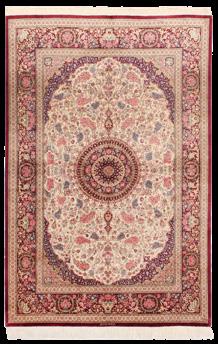
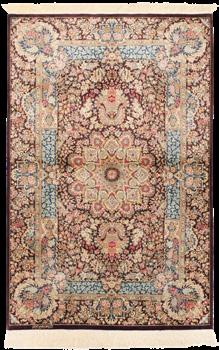
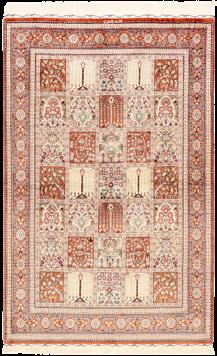
Colours and sizes vary from 30x40 to 200x300 cm
ISFAHAN
Hand-knotted / Wool and silk / 850,000 - 1,000,000 knots per sqm
Colours and sizes vary from 60x90 to 250x350 cm + runners up to 3 m
COLLECTION OVERVIEW 196 197
NAIN 6 LA
Hand-knotted / Wool and silk / 850,000 - 950,000 knots per sqm
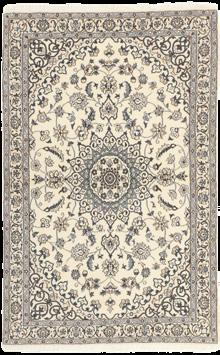
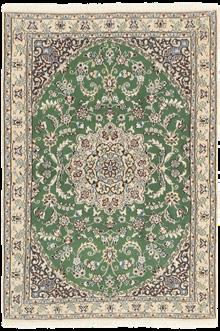
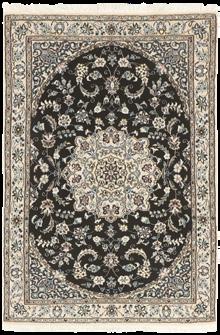
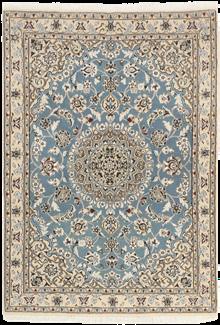
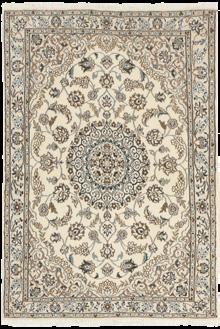
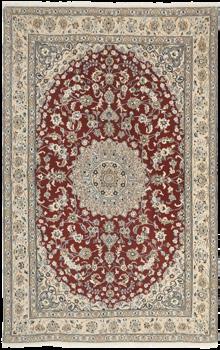
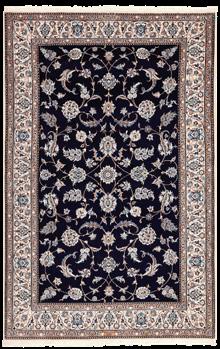
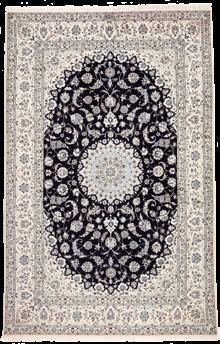
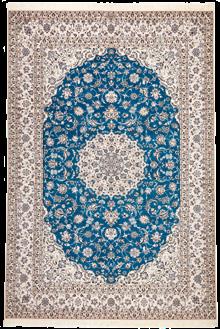
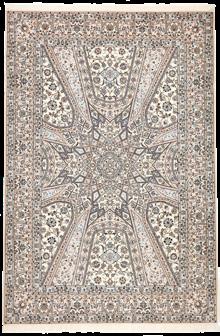
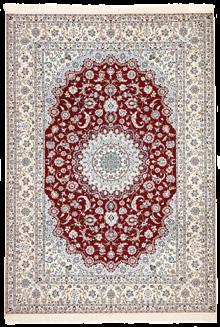
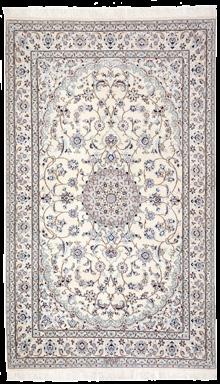
Colours and sizes vary from 100x150 to 250x350 cm + runners up to 2 m
NAIN 9 LA
Hand-knotted / Wool and silk / 350,000 - 450,000 knots per sqm
Colours and sizes vary from 40x60 to 250x350 cm + runners up to 4 m
COLLECTION OVERVIEW 198 199
NAIN KASHMAR
Hand-knotted / Wool / 150,000 - 250,000 knots per sqm
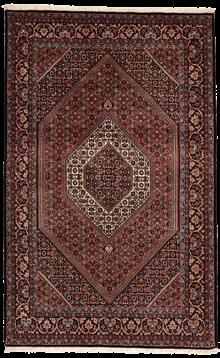
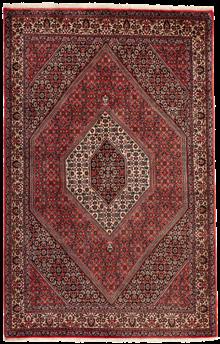
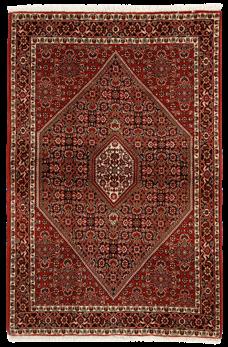
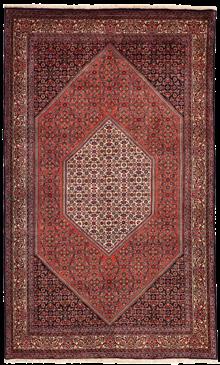
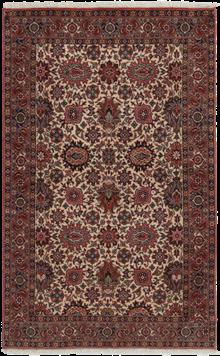
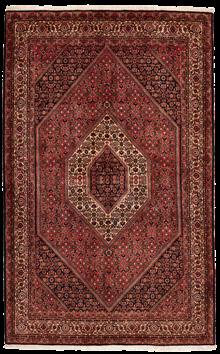
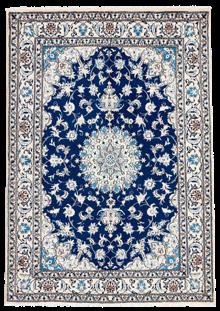
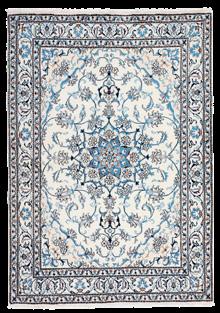
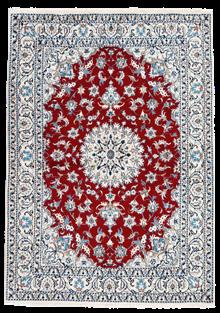
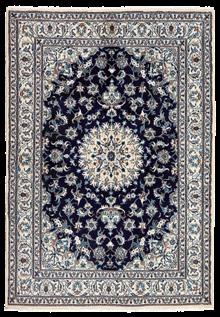
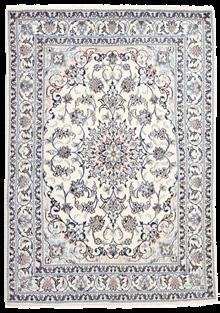
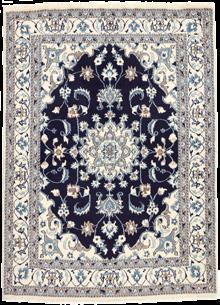
Colours and sizes vary from 40x60 to 300x400 cm + runners up to 4 m
BIDJAR ZANDJAN
Hand-knotted / Wool / 350,000 - 450,000 knots per sqm
Colours and sizes vary from 40x60 to 300x400 cm + runners up to 5 m
COLLECTION OVERVIEW 200 201
YALAMEH
Hand-knotted / Wool / 250,000 - 350,000 knots per sqm
Colours and sizes vary from 40x40 to 200x300 cm + runners up to 5 m
KASHKULI
Hand-knotted / Wool / 250,000 - 350,000 knots per sqm
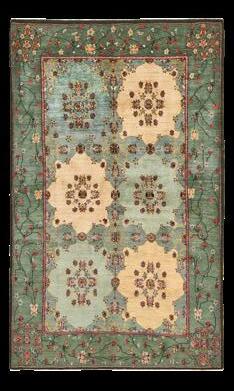
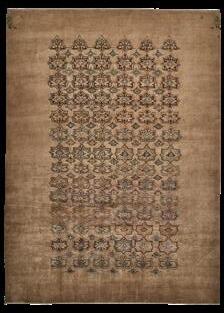
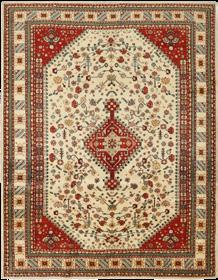
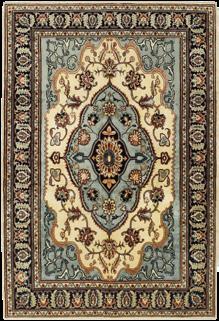
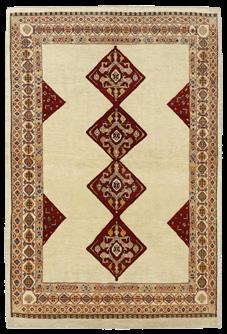
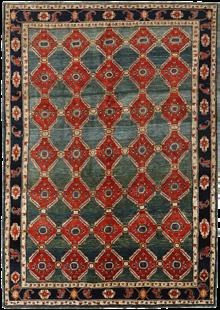
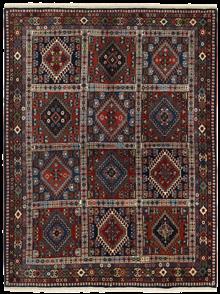
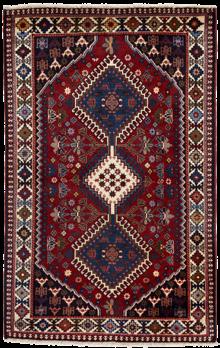
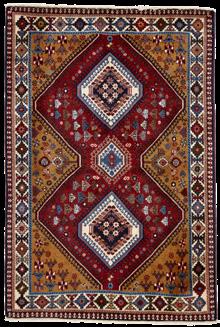
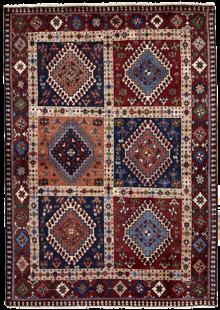
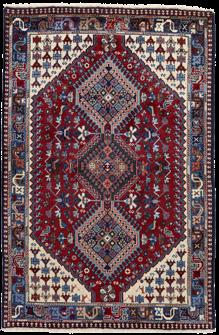
Colours and sizes vary from 100x150 to 250x350 cm + runners up to 3 m
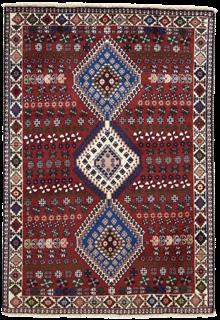
COLLECTION OVERVIEW 202 203
MOUD MAHI
Hand-knotted / Wool and silk / 250,000 - 350,000 knots per sqm
Colours and sizes vary from 40x60 to 300x400 cm + runners up to 5 m
MOUD GARDEN
Hand-knotted / Wool and silk / 250,000 - 350,000 knots per sqm
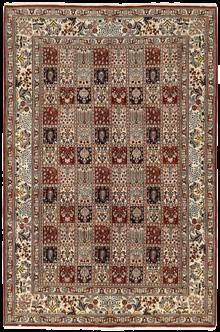
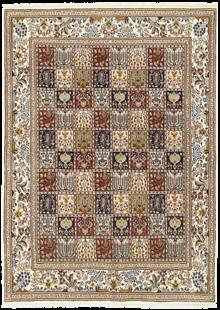
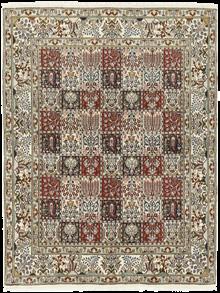
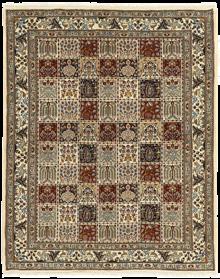
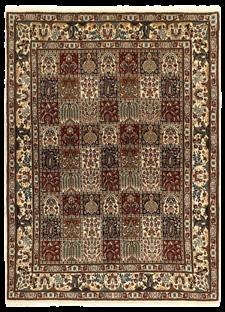
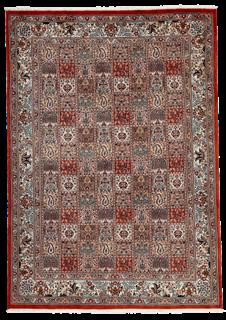
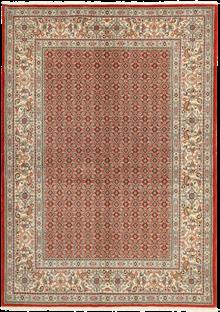
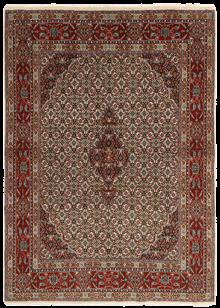
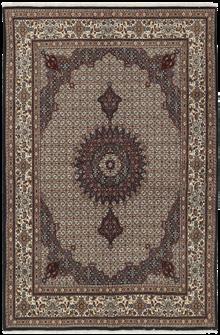
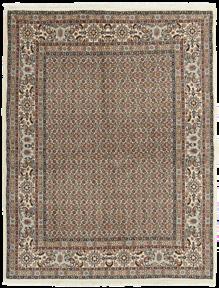
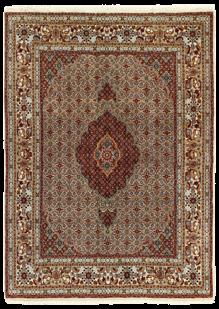
Colours and sizes vary from 40x60 to 300x400 cm + runners up to 5 m
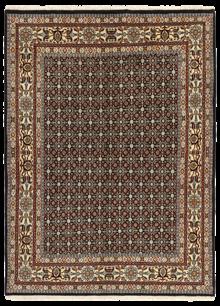
COLLECTION OVERVIEW 204 205
KESHAN
Hand-knotted / Wool / 150,000 - 250,000 knots per sqm
Colours and sizes vary from 60x90 to 300x400 cm + runners up to 5 m
SAROUGH
Hand-knotted / Wool / 150,000 - 250,000 knots per sqm
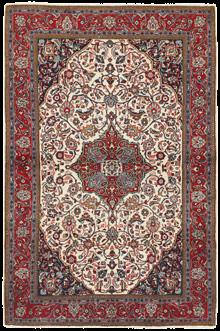
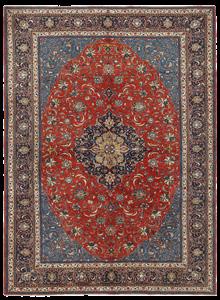
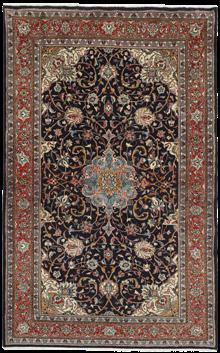
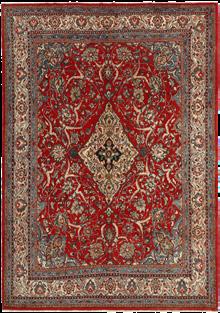
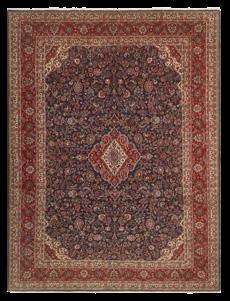
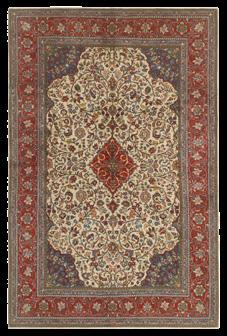
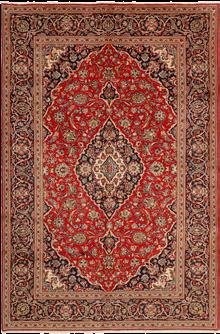
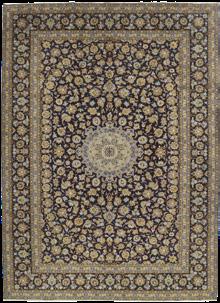
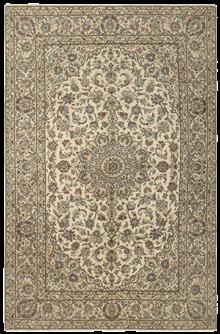
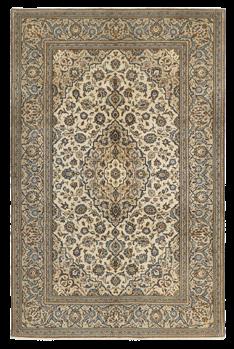
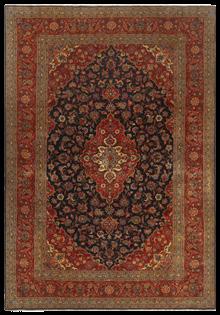
Colours and sizes vary from 60x90 to 250x350 cm + runners up to 5 m
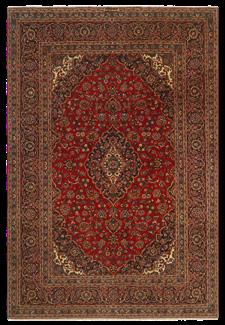
COLLECTION OVERVIEW 206 207
HAMADAN
Hand-knotted / Wool / 150,000 - 250,000 knots per sqm
Colours and sizes vary from 40x60 to 250x350 cm + runners up to 5 m
HERIZ
Hand-knotted / Wool / 150,000 - 250,000 knots per sqm
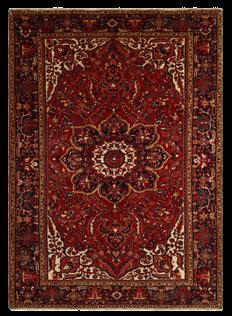
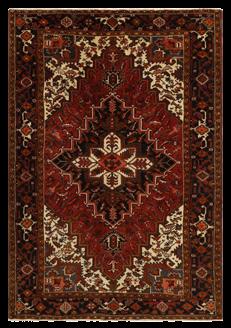
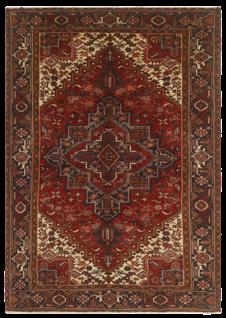
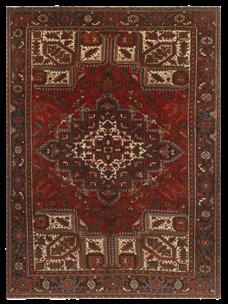
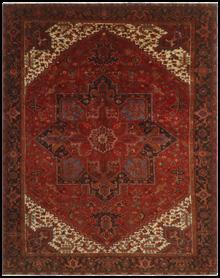
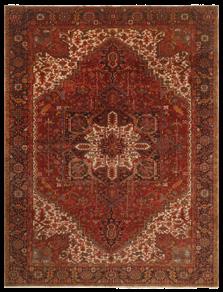
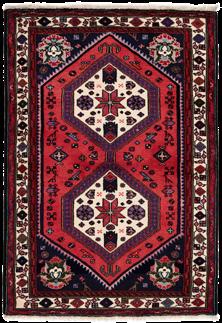
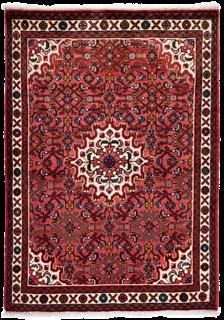
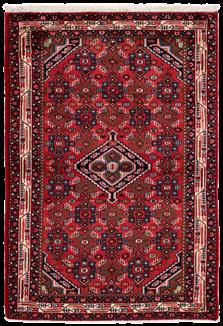
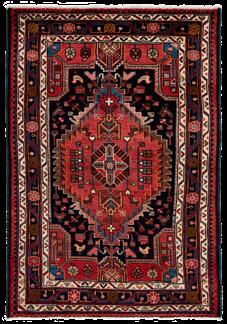
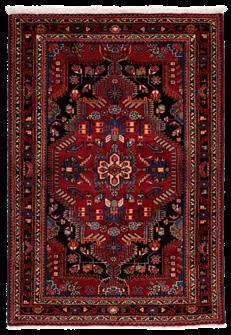
Colours and sizes vary from 100x150 to 300x400 cm
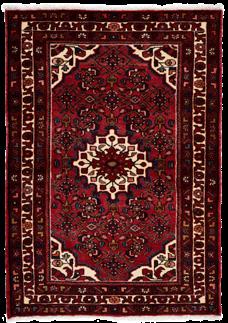
COLLECTION OVERVIEW 208 209
BAKHTIYAR
Hand-knotted / Wool / 150,000 - 250,000 knots per sqm
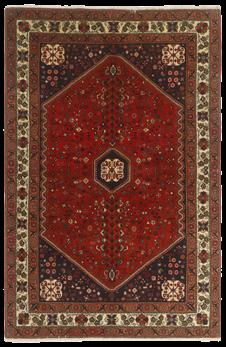
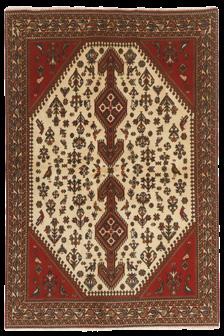
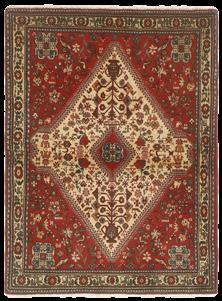
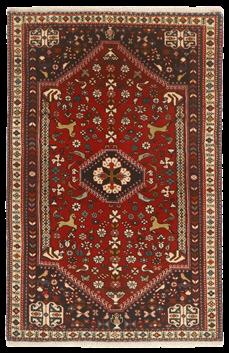
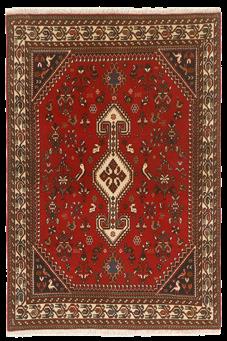
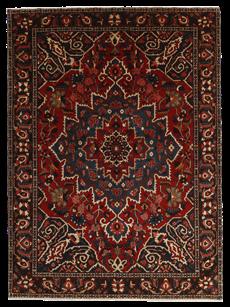
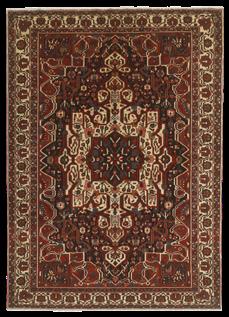
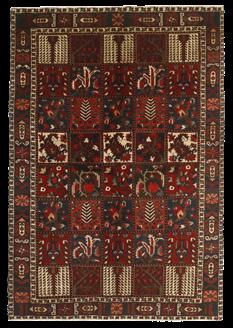
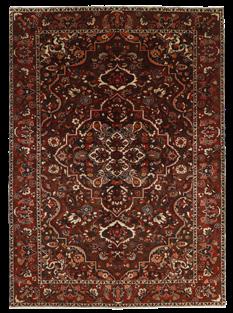
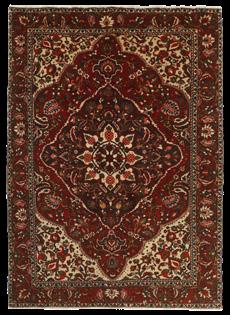
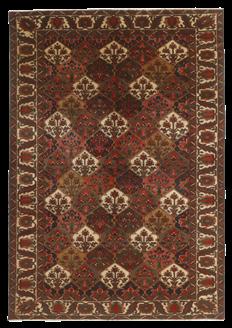
Colours and sizes vary from 60x90 to 300x400 cm
ABADEH
Hand-knotted / Wool / 250,000 - 350,000 knots per sqm
Colours and sizes vary from 50x100 to 200x300 cm + runners up to 4 m
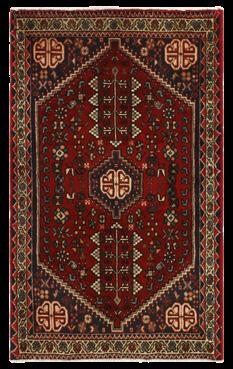
COLLECTION OVERVIEW 210 211
KASHMAR
Hand-knotted / Wool / 150,000 - 250,000 knots per sqm
Colours and sizes vary from 60x90 to 300x400 + runners up to 3 m
KLARDASHT
Hand-knotted / Wool / 150,000 - 250,000 knots per sqm
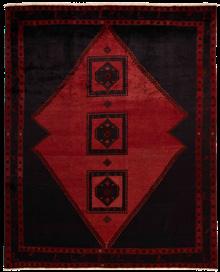
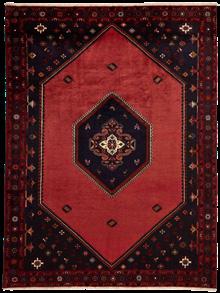
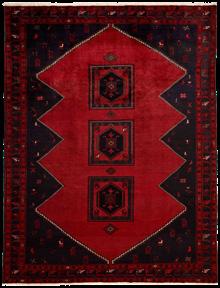
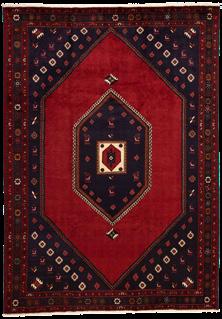
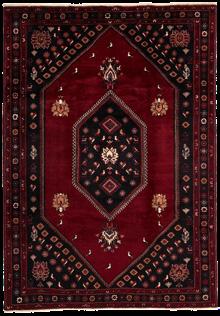
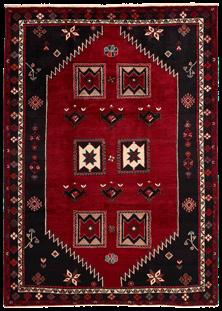
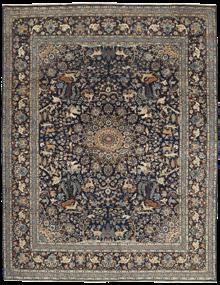
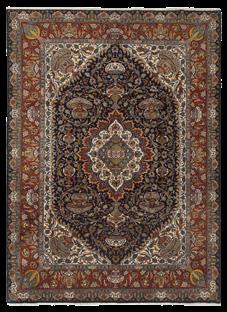
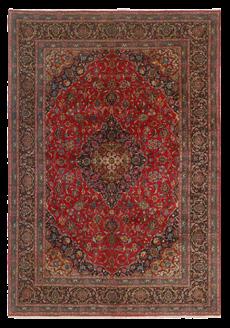
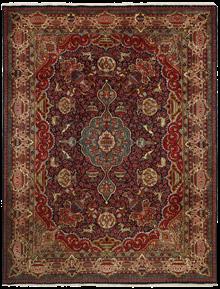
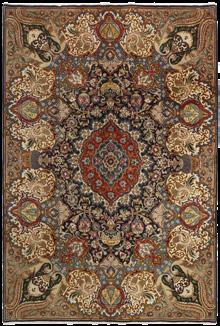
Colours and sizes vary from 60x90 to 250x350 cm
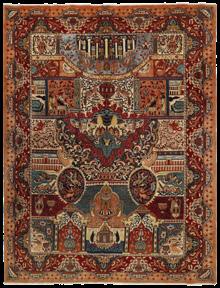
COLLECTION OVERVIEW 212 213
PERSIAN GABBEH
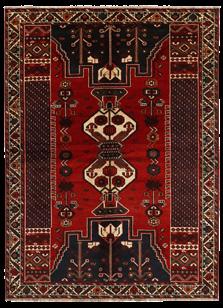
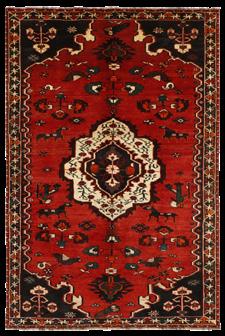
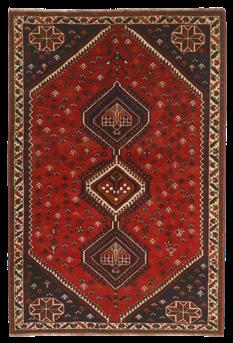
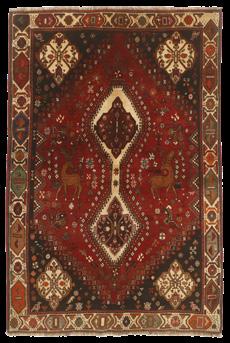
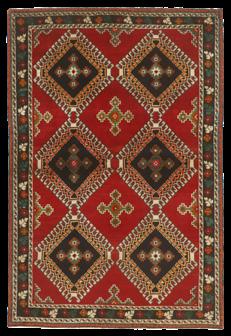
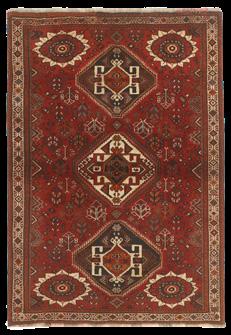
Hand-knotted / Wool
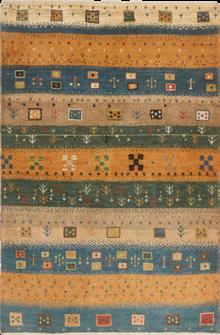
Colours and sizes vary from 40x60 to 250x350 cm + runners up to 4 m
SHIRAZ
Hand-knotted / Wool / 150,000 - 250,000 knots per sqm
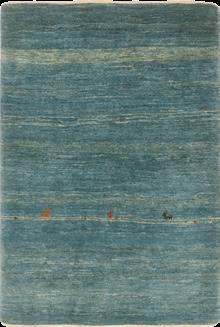
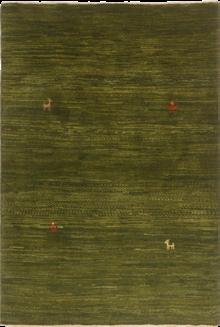
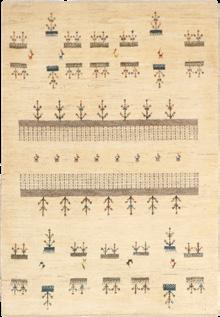
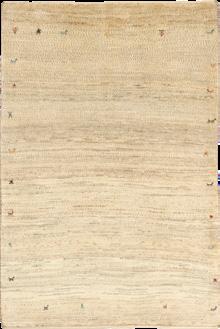
Colours and sizes vary from 50x60 to 250x300 cm + runners up to 4 m
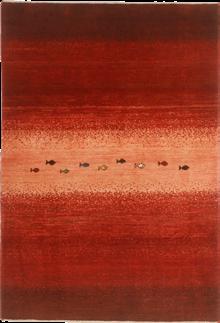
COLLECTION OVERVIEW 214 215
LORI
Hand-knotted / Wool / 80,000 - 150,000 knots per sqm
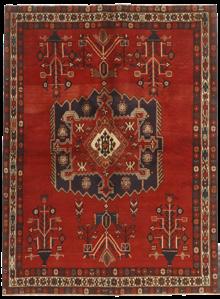
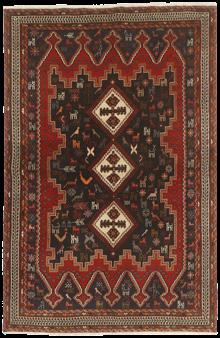
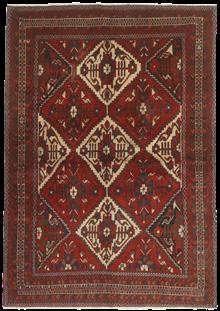
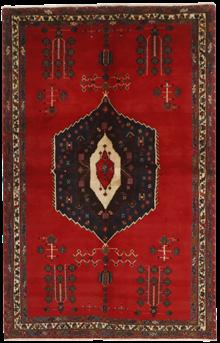
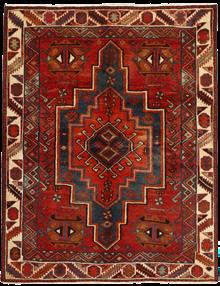
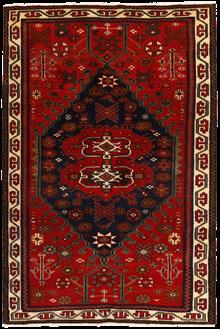
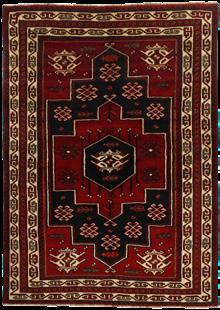
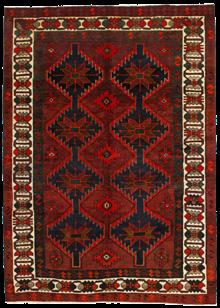
Colours and sizes vary from 100x150 to 200x300 cm
AFSHAR
Hand-knotted / Wool / 150,000 - 250,000 knots per sqm
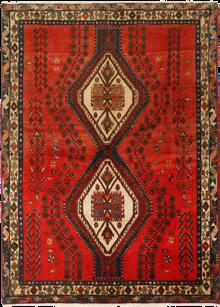
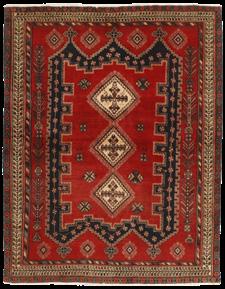
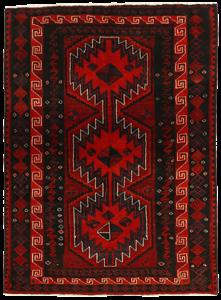
Colours and sizes vary from 60x90 to 200x300 cm + runners up to 4 m
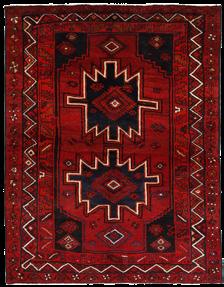
COLLECTION OVERVIEW 216 217
BALUTCH
Hand-knotted / Wool / 80,000 - 150,000 knots per sqm
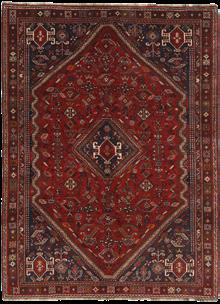
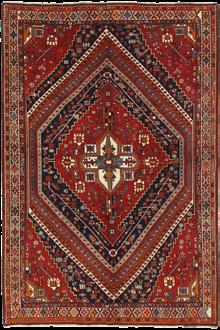
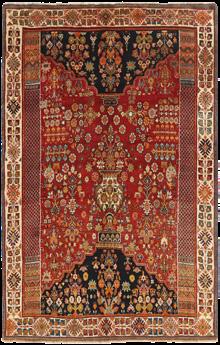
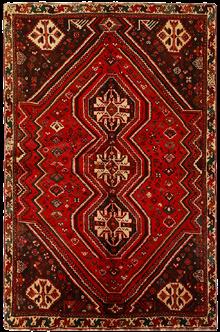
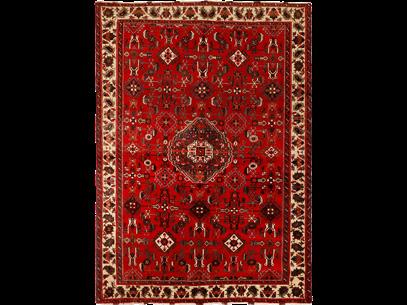
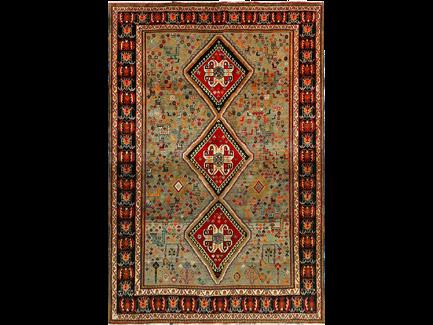
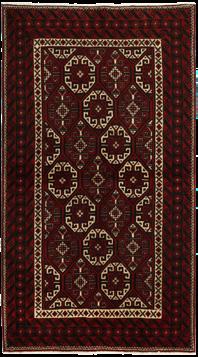
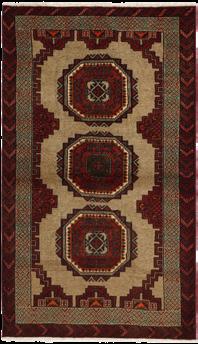
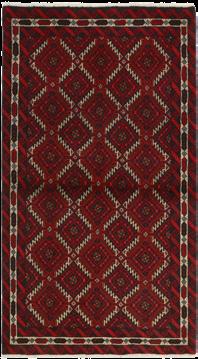
Colours and sizes vary from 40x60 to 200x300 cm
KASHGHAI
Hand-knotted / Wool / 150,000 - 250,000 knots per sqm
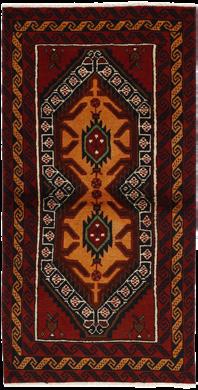
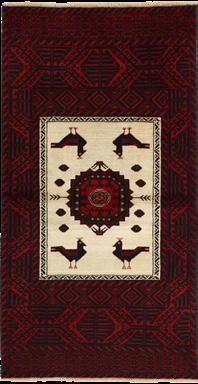
Colours and sizes vary from 50x60 to 200x300 cm + runners up to 4 m
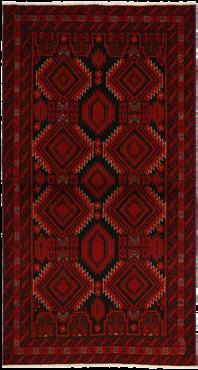
COLLECTION OVERVIEW 218 219
TABRIZ ROYAL
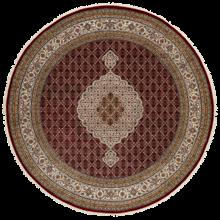
Hand-knotted / Wool / 250,000 - 350,000 knots per sqm
Colours and sizes vary from 60x90 to 300x400 cm + runners up to 6 m
TABRIZ INDI
Hand-knotted / Wool / 150,000 - 250,000 knots per sqm
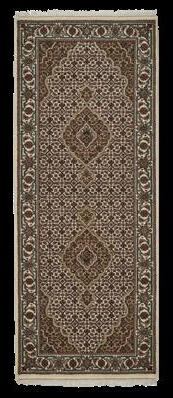
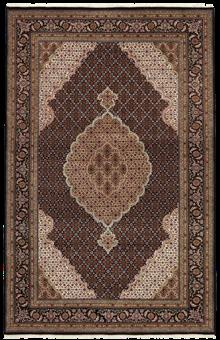
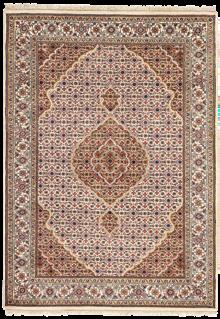
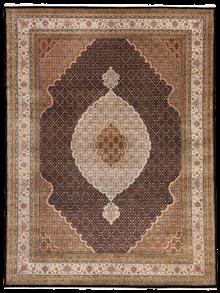
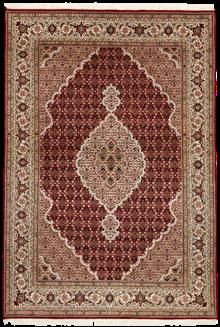
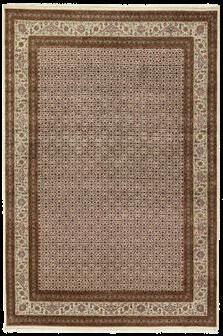
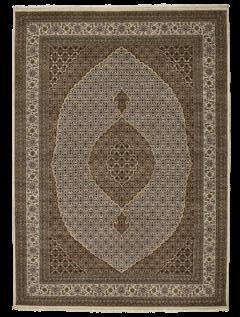
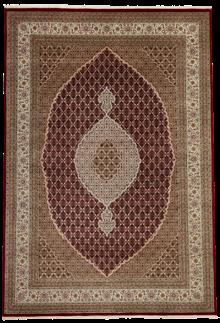
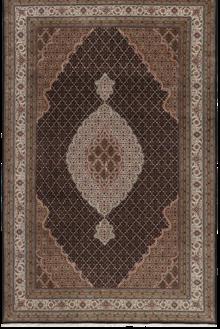
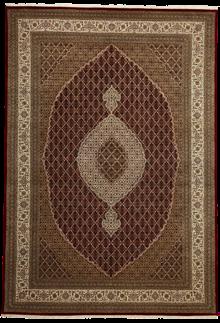
Colours and sizes vary from 60x90 to 300x400 cm + runners up to 6 m

COLLECTION OVERVIEW 220 221
BIDJAR ROYAL AND BIDJAR INDI
Hand-knotted / Wool / 150,000 - 350,000 knots per sqm
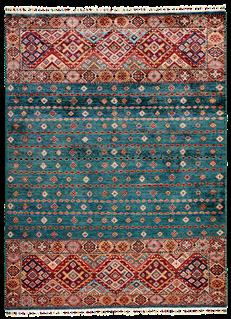
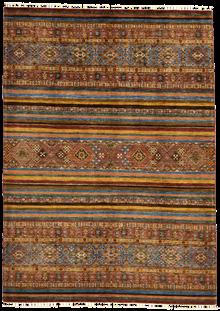
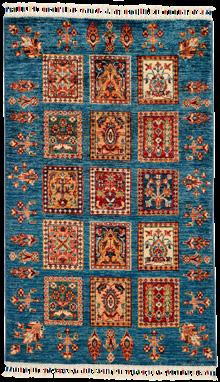
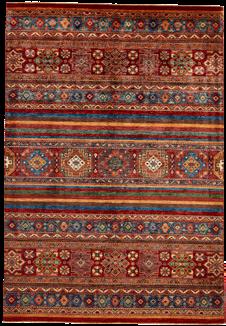
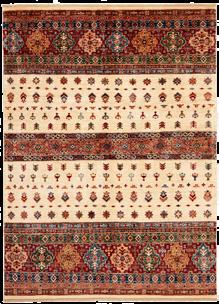
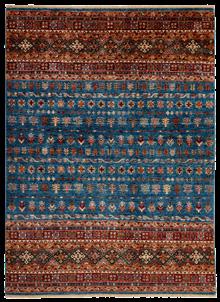
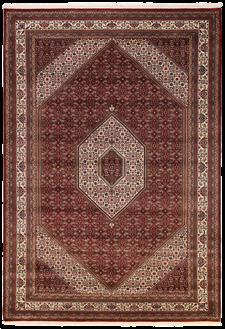
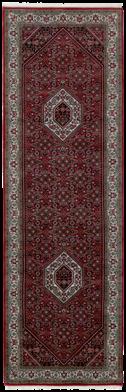
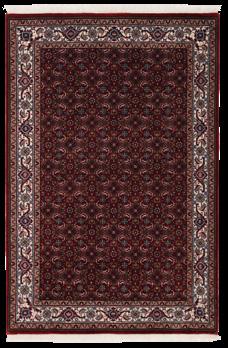
Colours and sizes vary from 60x90 to 300x400 cm + runners up to 4 m
SHALL
Hand-knotted / Wool / 150,000 - 250,000 knots per sqm
Colours and sizes vary from 60x90 to 250x350 cm + runners up to 3,5 m
COLLECTION OVERVIEW 222 223
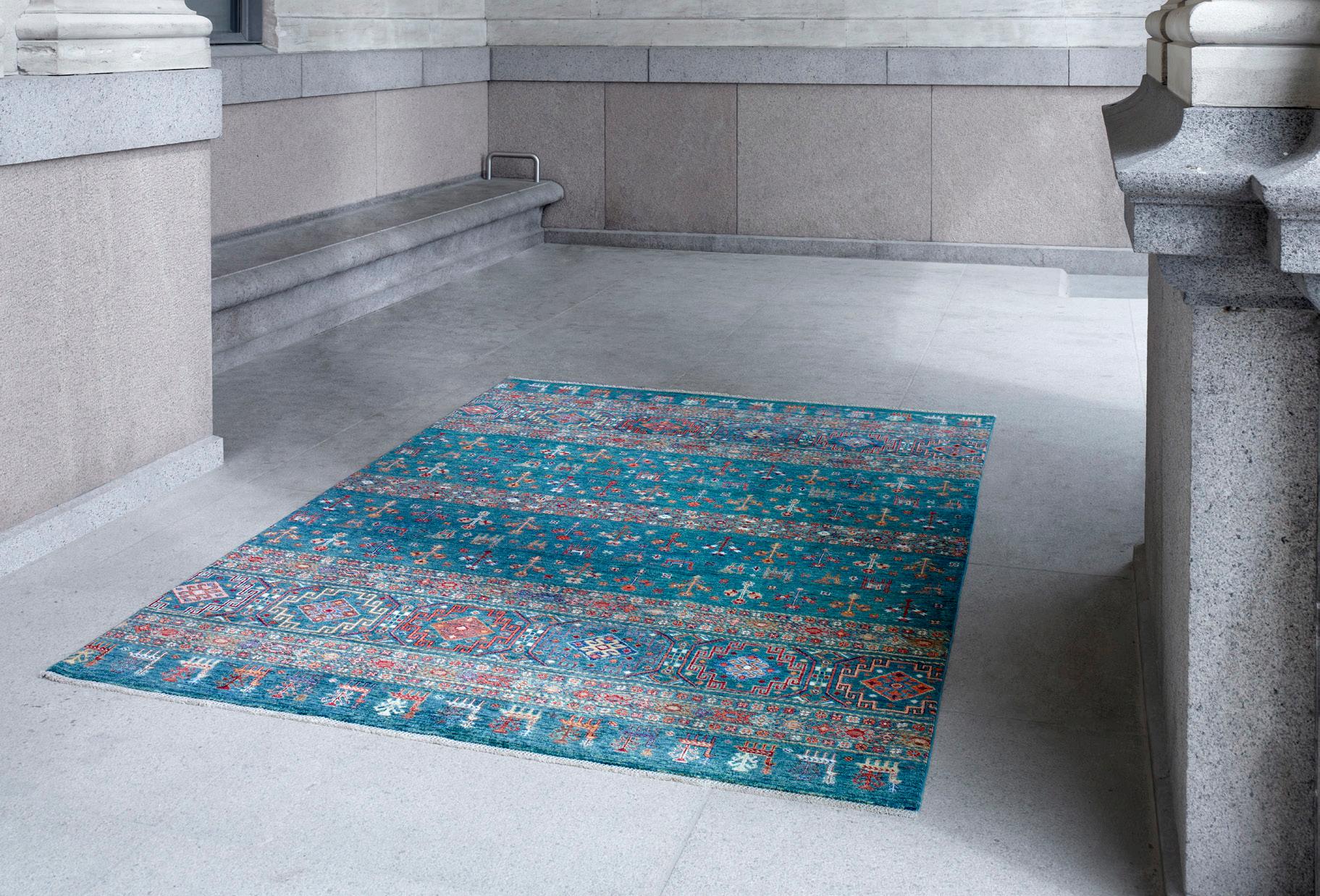
Shall
OLD AFGHAN
Hand-knotted / Wool / 150,000 - 250,000 knots per sqm
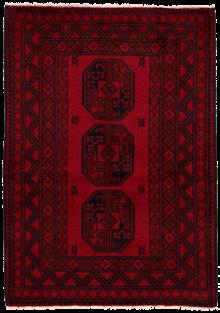
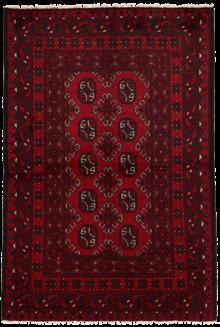

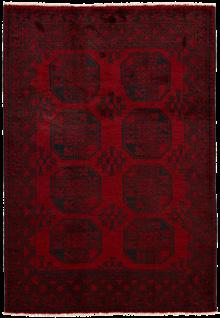
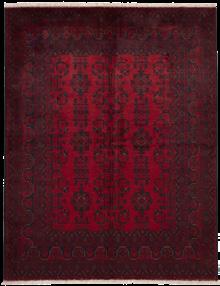
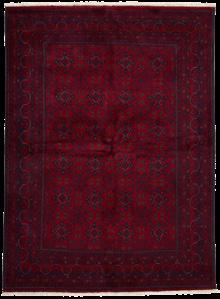
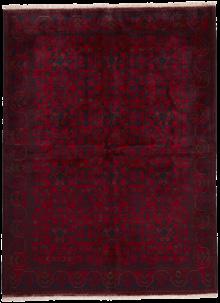
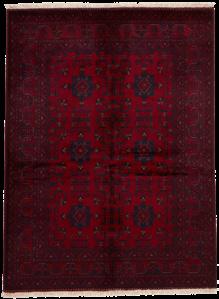
Colours and sizes vary from 50x100 to 200x300 cm + runners up to 4 m
AKTSCHA
Hand-knotted / Wool / 80,000 - 150,000 knots per sqm
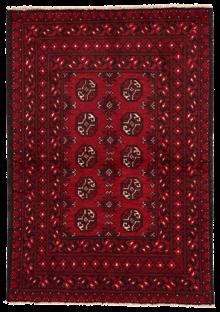
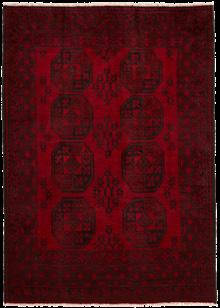
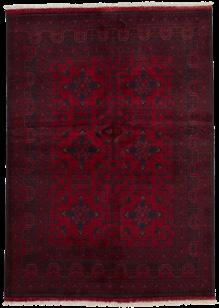
Colours and sizes vary from 40x60 to 200x300 cm + runners up to 3 m
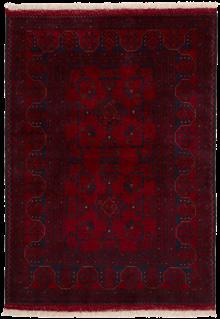
COLLECTION OVERVIEW 226 227
ZIEGLER FINE
Hand-knotted / Wool / 150,000 - 250,000 knots per sqm
Colours and sizes vary from 60x90 to 250x350 cm + runners up to 4 m
ZIEGLER ARIANA STYLE
Hand-knotted / Wool / 150,000 - 250,000 knots per sqm
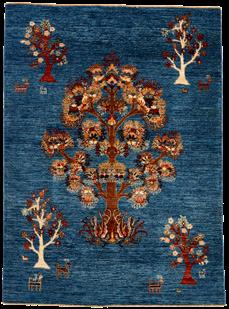
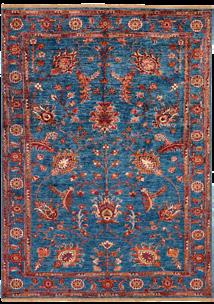
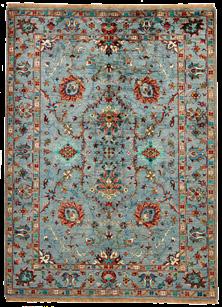
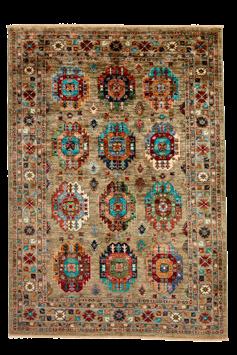
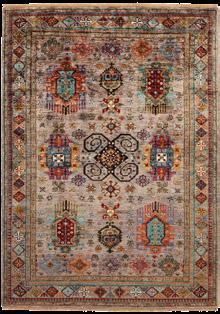
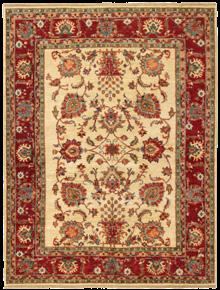
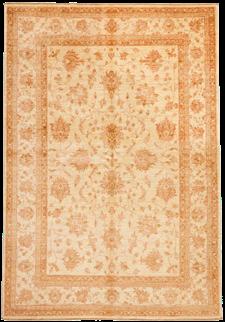
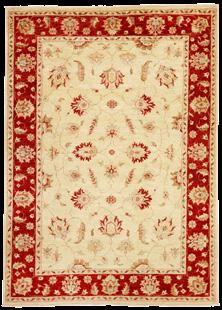
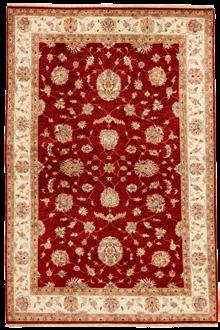
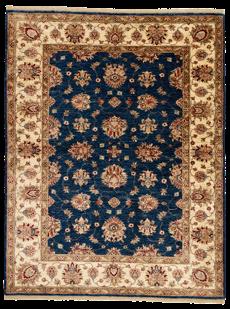
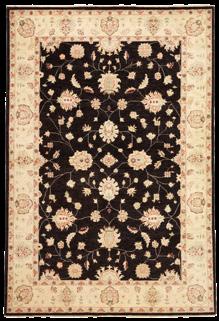
Colours and sizes vary from 80x120 to 250x350 cm + runners up to 4 m
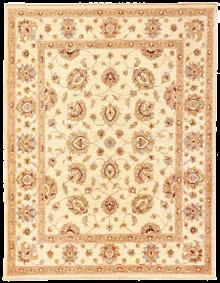
COLLECTION OVERVIEW 228 229
2- AND 3-PLY
Hand-knotted / Wool
Colours and sizes vary from 40x60 to 300x400 cm + runners up to 7 m
AFGHAN KELIM
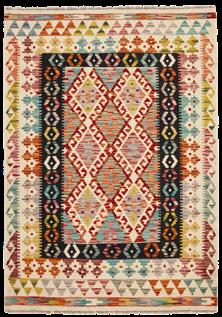

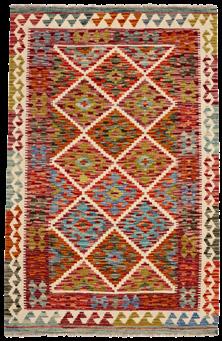
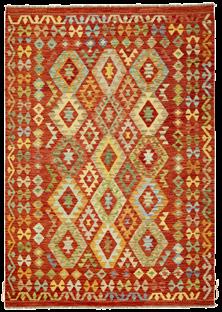
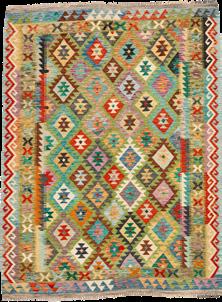
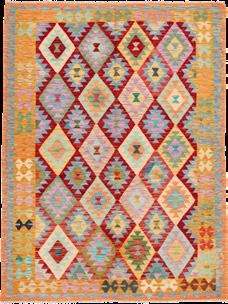
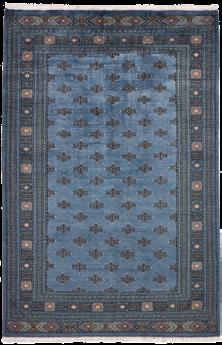
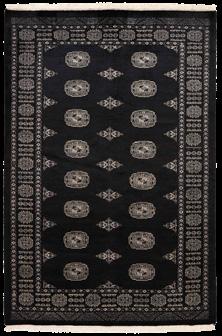
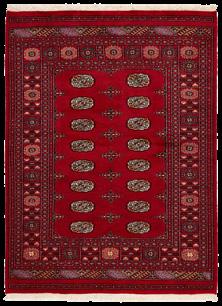
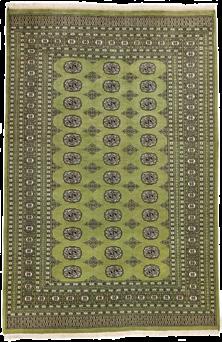
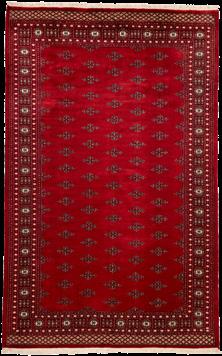
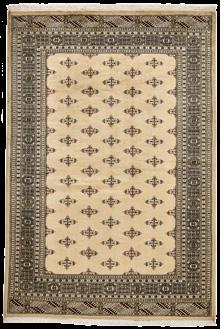
Hand-knotted / Wool
Colours and sizes vary from 60x90 to 250x350 cm + runners up to 5 m
COLLECTION OVERVIEW 230 231
SUMAK SHAHSAVAN
Hand-woven / Wool
Colours and sizes vary from 60x90 to 200x300 cm + runners up to 3 m
KELIM KASHGHAI
Hand-woven / Wool
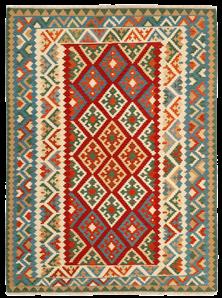
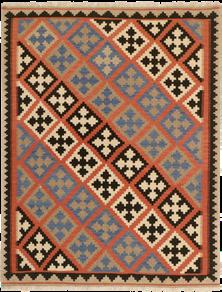
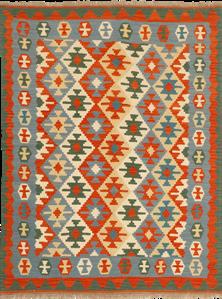
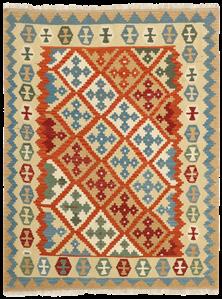
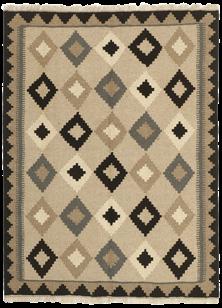
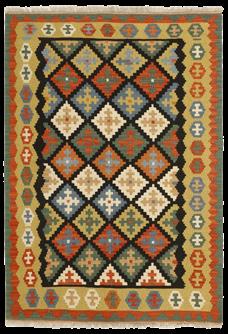
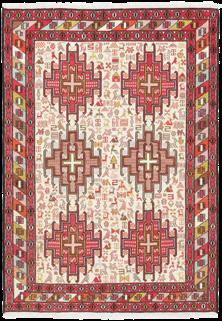
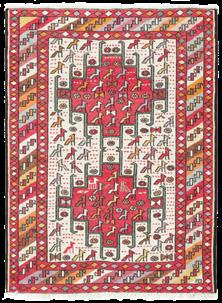
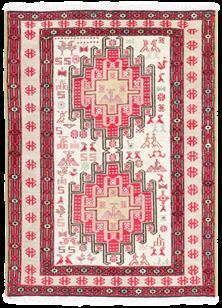
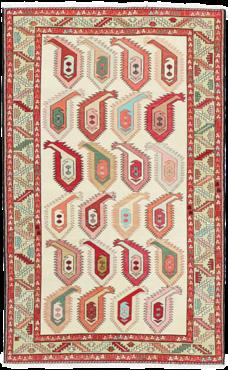
Colours and sizes vary from 40x60 to 200x300 cm + runners up to 3 m
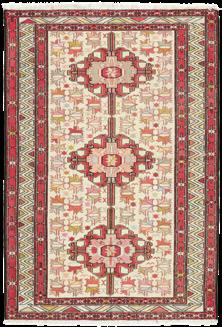
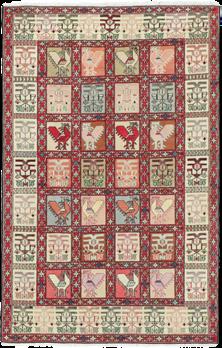
COLLECTION OVERVIEW 232 233
KELIM OLD
Hand-woven / Wool
Colours and sizes vary from 140x200 to 200x300 cm
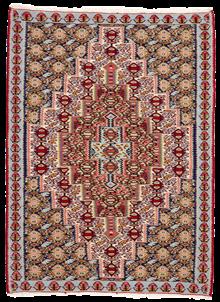
KELIM SENEH
Hand-woven / Wool
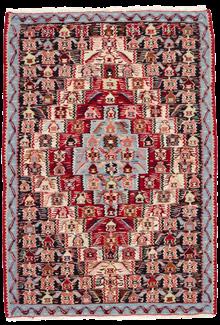
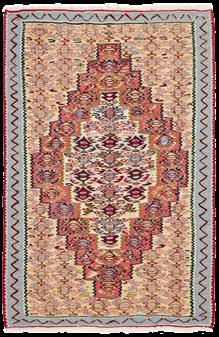
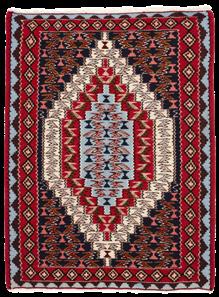
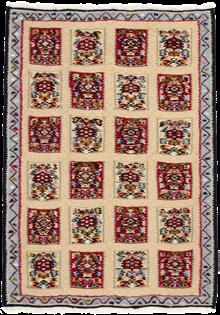
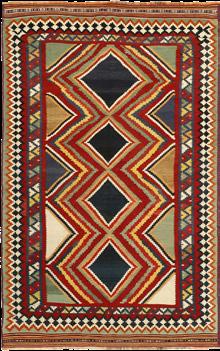
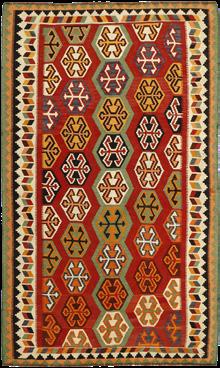
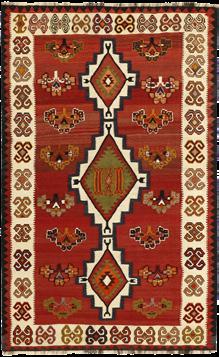
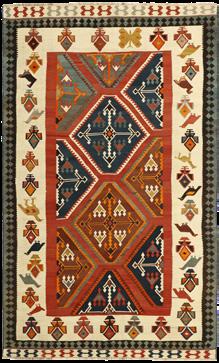
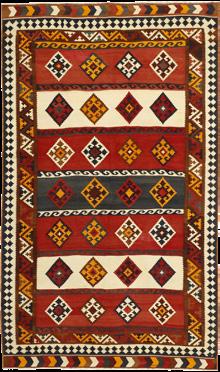
Colours and sizes vary from 70x100 to 200x300 cm
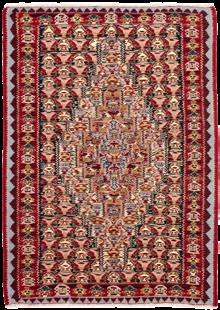
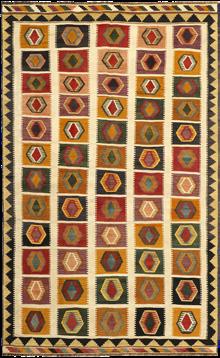
COLLECTION OVERVIEW 234 235
ROSE KELIM
Hand-woven / Wool
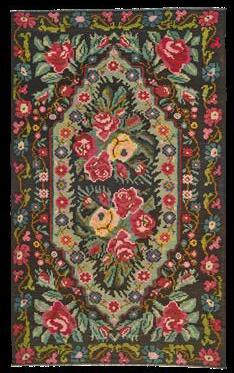
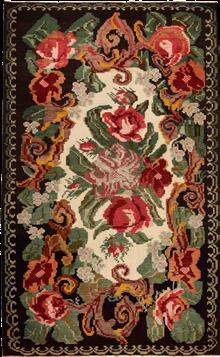
Colours and sizes vary from 100x150 to 250x350 cm + runners up to 3 m
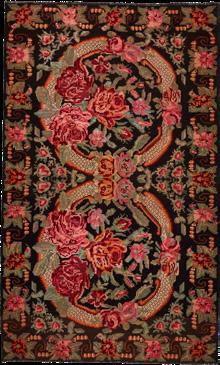
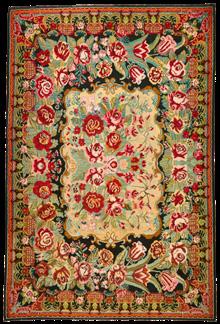
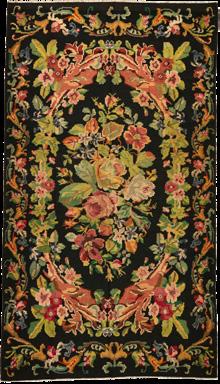
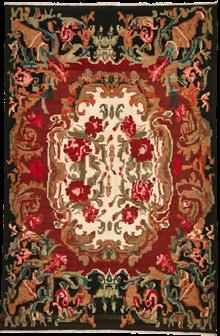
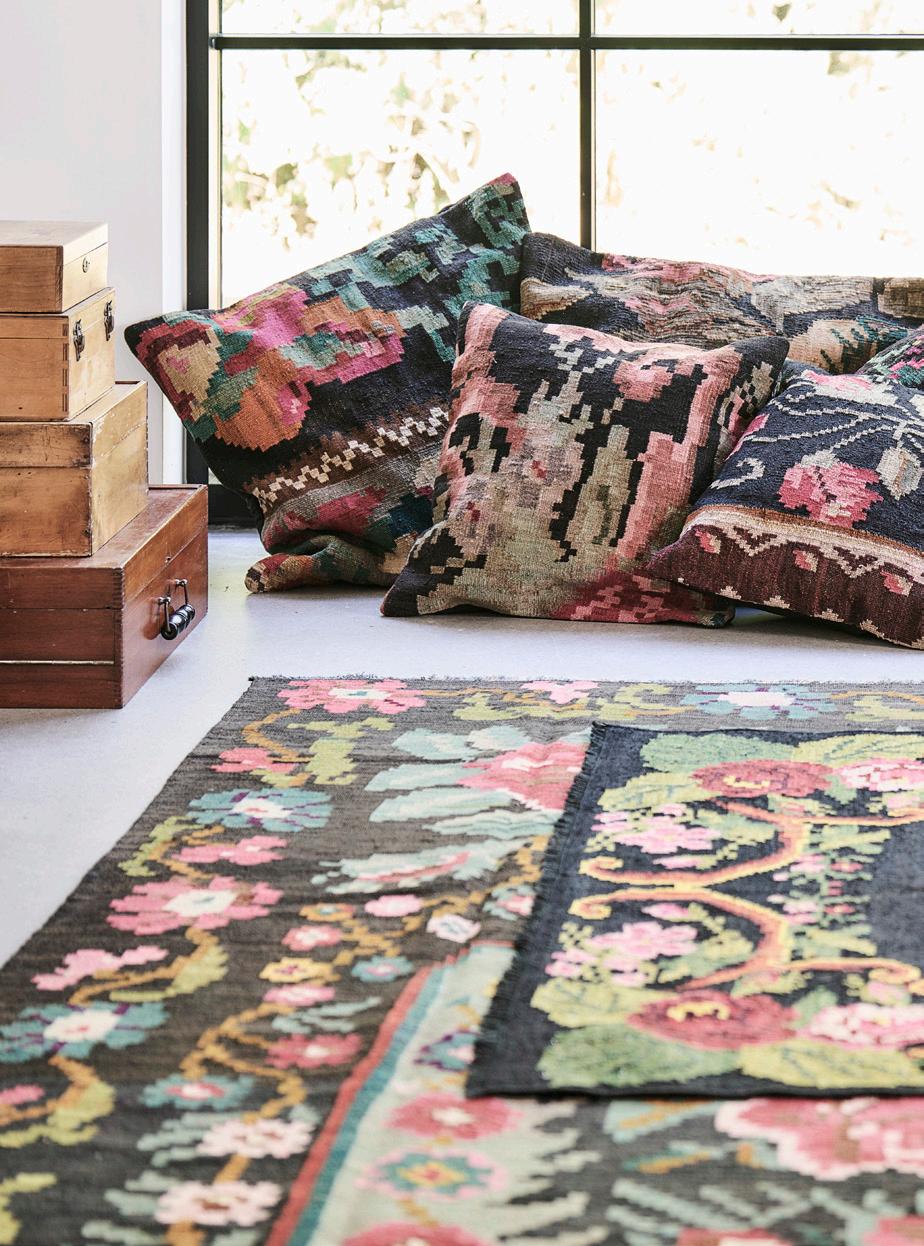
COLLECTION OVERVIEW 236
MALAYER PATCHWORK
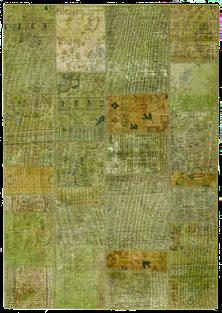
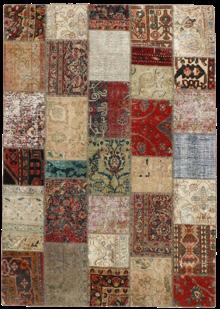
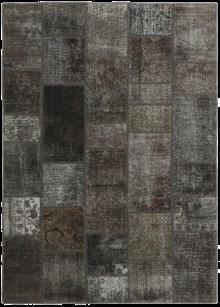
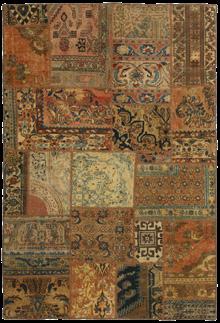
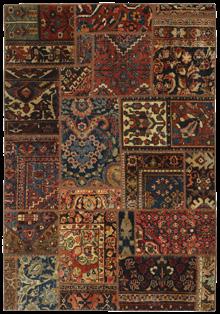
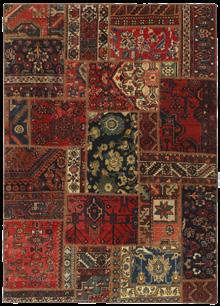
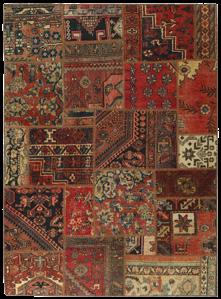
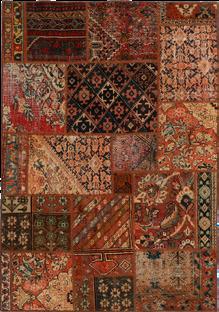
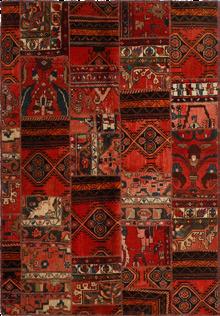
Hand-knotted / Wool
Colours and sizes vary from 60x90 to 300x400 cm + runners up to 4 m
VINTAGE PATCHWORK
Hand-knotted / Wool
Colours and sizes vary from 40x60 to 300x400 cm + runners up to 6 m
COLLECTION OVERVIEW 238 239
VINTAGE ROYAL
Hand-knotted / Wool
Colours and sizes vary from 60x90 to 350x450 cm + runners up to 6 m
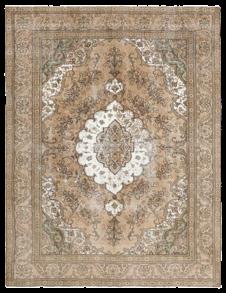
VINTAGE KERMAN
Hand-knotted / Wool
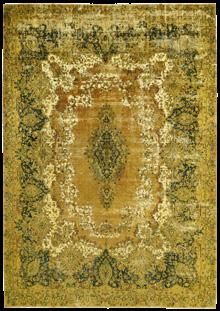
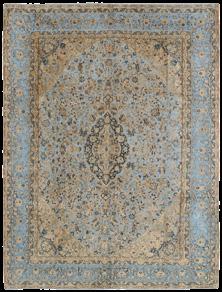
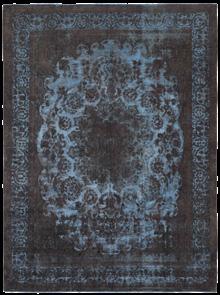
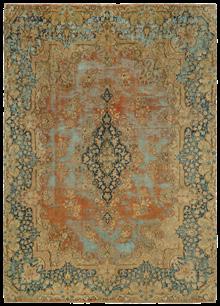
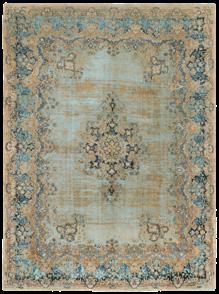
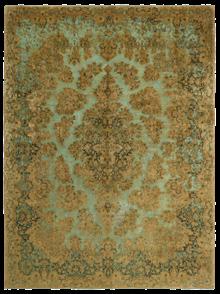
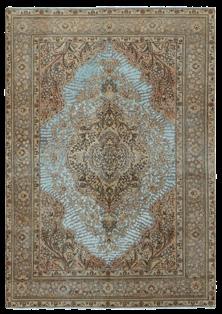
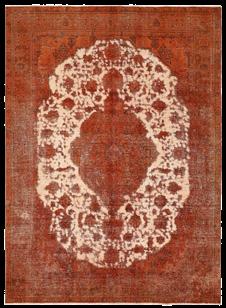
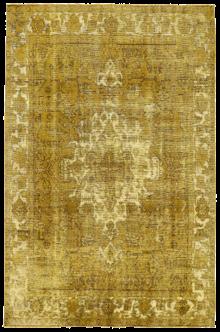
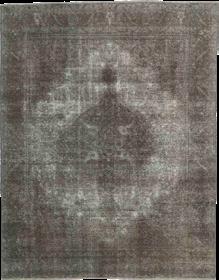
Colours and sizes vary from 200x300 to 300x500 cm
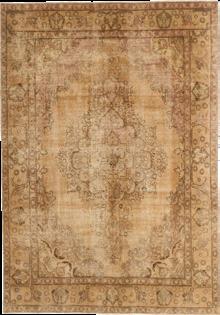
COLLECTION OVERVIEW 240 241
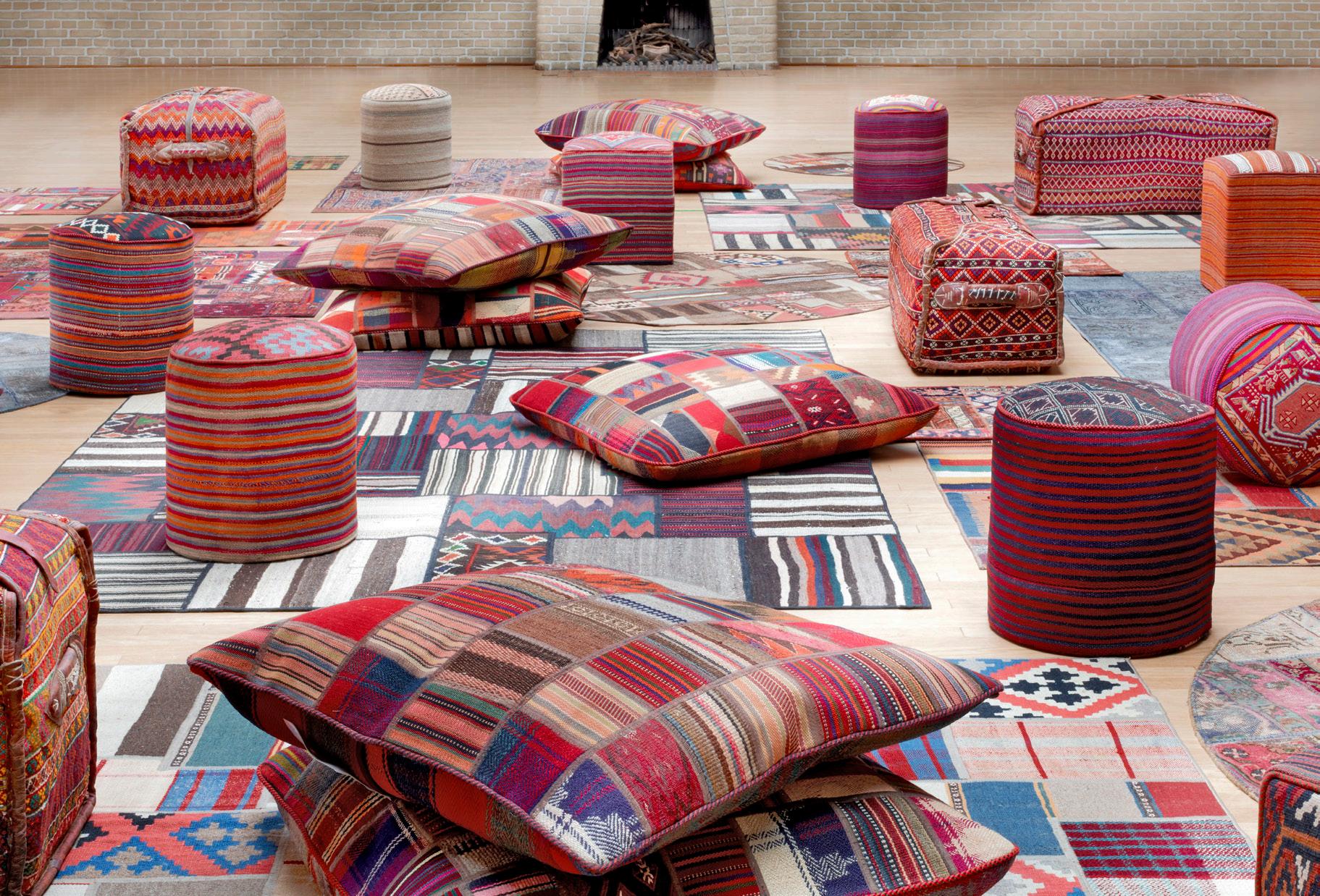
EXPECT THE BEST from EVERY DETAIL
It’s our mission to provide the best quality rugs to people everywhere. To make the fantastic designs and bright colours of traditional and modern rugs available to everyone. That’s the heart of what we do.
We only partner with the best rug producers and work hard to respect the local traditions, spirit and ethics of the regions that we operate in. We follow the production processes of all
our rugs closely, so that everything from the quality and durability of the materials to the styles and designs are something that we are proud to offer.
We want you to enjoy your rug as much as we enjoy finding and producing it for you. We only want to create rugs of the highest quality. Rugs that you are proud to own. Today. Tomorrow. And for many years to come.
QUALITY H ANDMA D E Q U YTILA . N A LARUT M A T E RIALS .
”We expect everyone to keep an eye on the details and love the craftsmanship as much as we do”
245
Reza
Rejaye
INDIAN RUGS 101 TABRIZ ROYAL AND TABRIZ INDI 102, 220 BIDJAR ROYAL AND BIDJAR INDI 106, 222 AFGHAN RUGS 109 SHALL 110, 223 A WORK OF ART 115 OLD AFGHAN 116, 226 AKTSCHA 118, 227 ZIEGLER FINE AND ZIEGLER ARIANA STYLE 122, 228 PAKISTANI RUGS 125 2- AND 3-PLY 128, 230 KELIM COLLECTIONS 131 AFGHAN KELIM 132, 231 COLOURED BY NATURE 137 SUMAK SHAHSAVAN 138, 232 KELIM KASHGHAI 140, 233 KELIM OLD 144, 234 KELIM SENEH 146, 235 ROSE KELIM 152, 236 ROSE KELIM COVERS 156 MOLDOVAN RUGS WOVEN B Y LOCAL WOMEN 158 VINTAGE AND UPCYCLED RUGS 161 MALAYER PATCHWORK 162, 238 POUFS AND COVERS 164 VINTAGE PATCHWORK 168, 239 VINTAGE ROYAL 172, 242 VINTAGE KERMAN 176, 243 THE PROCESS OF UPCYCLING 179 BY LØTH X REZAS 182 QUALITY - EXPECT THE BEST FROM EVERY DETAIL 244 INDEX THE REZAS STORY 8 REZAS EXCLUSIVE COLLECTIONS – R 17 GHOM SILK 18, 196 ISFAHAN 20, 197 NAIN 6 LA 22, 198 FROM COCOONS TO MAGNIFICENT SILK RUGS 25 KNOT DENSITY AND RUG QUALITY 26 CITY RUGS 29 NAIN 9 LA 30, 199 NAIN KASHMAR 32, 200 BIDJAR ZANDJAN 34, 201 YALAMEH 36, 202 KASHKULI 38, 203 VILLAGE RUGS 43 MOUD MAHI 44, 204 MOUD GARDEN 46, 205 KESHAN 48, 206 SAROUGH 50, 207 HAMADAN 52, 208 HERIZ 56, 209 BAKHTIYAR 60, 210 ABADEH 62, 211 KASHMAR 64, 212 KLARDASHT 66, 213 NOMADIC RUGS 71 WOOL OF THE BEST QUALITY 75 PERSIAN GABBEH 76, 214 GABBEH RUGS 80 SHIRAZ 82, 215 LORI 86, 216 THE DRYING PROCESS 89 AFSHAR 90, 217 BALUTCH 92, 218 KASHGHAI 97, 219 246 247
The locations in the catalogue
SMK – NATIONAL GALLERY OF DENMARK
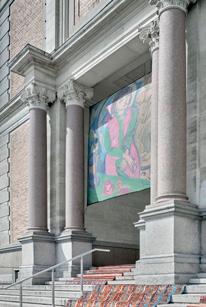
The largest art museum in Denmark with the nation’s largest art collection, approximately 260,000 works of art. Originally founded as the royal collection, the works were given to the people in the mid-1800s.
The National Gallery was chosen due to its vast, marble-covered spaces that are timeless, modern and reflect the design ethos behind Rezas’ R collection.
KOGTVED MARITIME SCHOOL

A stunningly beautiful red brick building on the edge of Svendborg Sound originally built for a merchant, it was transformed into a maritime school in 1943. The story goes that the merchant’s wife thought it was too small. As of now, the building is unoccupied, but the amazing interior with dark, warm wood and expansive rooms remains. The location was chosen due to its storied past and inviting spaces that came to life with the addition of Rezas’ rugs.
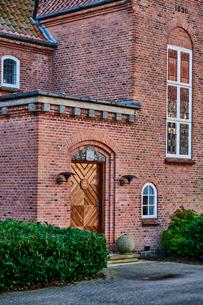
Photo: Peter Kam, Kam & Co., Copenhagen Frederik Johs, Staal & Johs, Odense
Styling: Katrine Martensen-Larsen, Copenhagen
Copy: David R. Mayes, MasterBrand, Copenhagen Katrine Martensen-Larsen, CopenhagenCreative

Direction & Production: Zupa Kbh
Special thanks to — Hasan Almasi, Mostafa Meraji, Javad Esmaeili, Faruk Kaymak, Ara Mihan, Ashkan Forouzani, Amirhossein Kazemnejad, Levi Meir Clancy, Bahador, Mohsen Ameri, Ashkan Forouzani, Mehrshad Rajabi, Mohamad Rashidi, Pooyan Eshtiaghi, Amir Ahmadpour, Sina Saadatmand, Javad Esmaeili, Fahrul Azmi, Ashim D´silva, Milad Fakurian, Mohammad Husaini, Farid Jebelli, Aryan Ghauri, Shairyar Khan, Ali Ahmadi, Amirhussein Hooshangi, Hiva Sharifi, Maria Lupan, K. Mitch Hodge, Omid Armin, Mohammad Paknezhad, Omid Mozaffari, Kian Jafari, Reza Jahangir, Ashkan Forouzani — for sharing their beautiful photography on Unsplash.com
To Oriental Institut, The University of Chicago for photo by Iranian-Armenian photographer Antoin Sevruguin in the 19th century.
Thanks to Mutte Storm, Helsingor, Denmark for the loan of bowls used on pages 45 and 123.
CREDITS
CREDITS
The choice of paper for this production meets all environmental considerations:
248 249
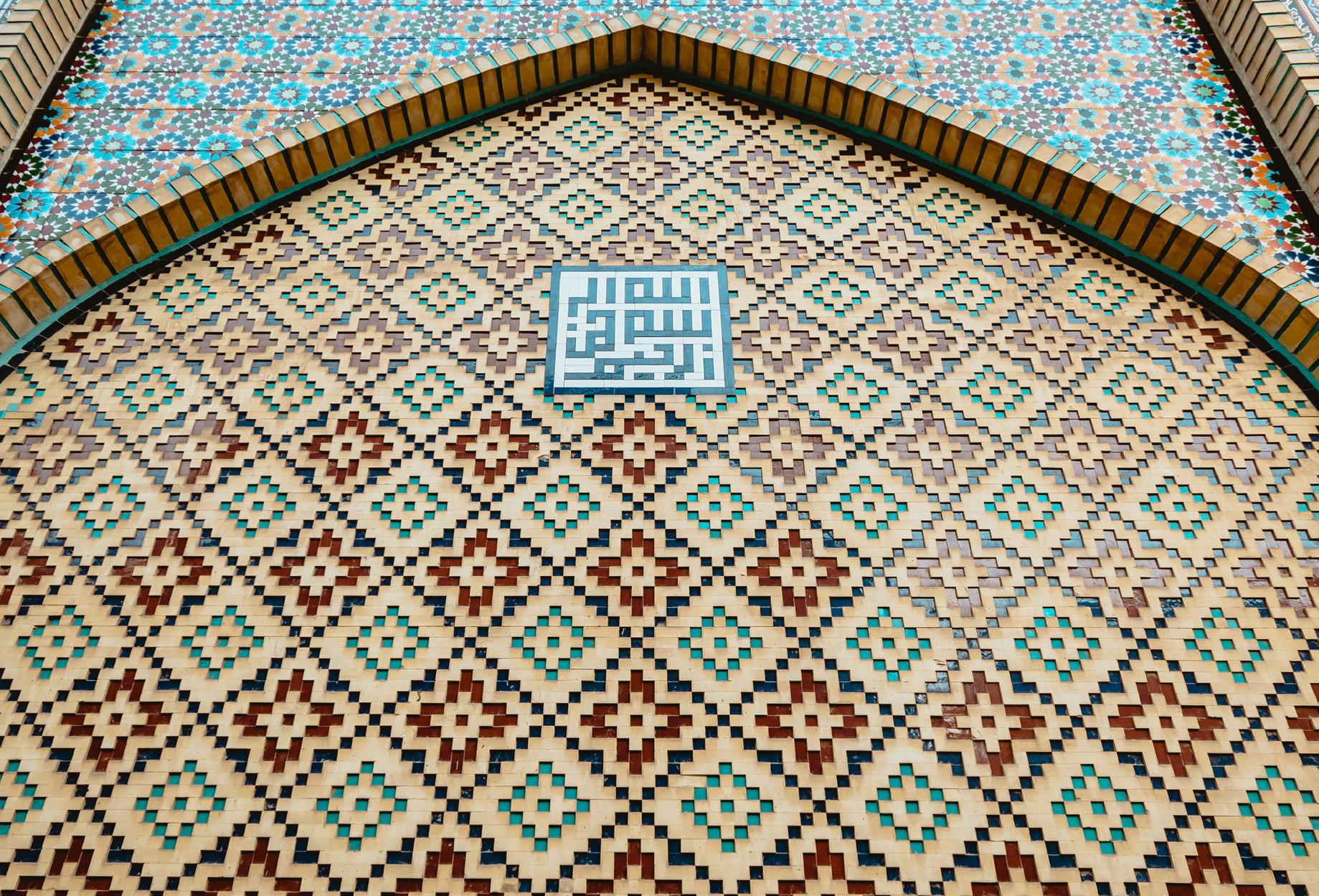
THE ORIENTAL COLLECTION Visit rezasrugs.com to see our complete range of high-quality handmade rugs.
