THE LONG ROAD HOME
UNDERSTANDING SANDY RECOVERY AND LESSONS FOR FUTURE STORMS FIVE YEARS LATER
Amanda Devecka-Rinear, Jessica Limbacher, Esq., Elizabeth Marshall, Ph.D, Liz Ryan Murray, Michele Ochsner, Ph.D., Fatima Zourhour.
DEDICATION
We dedicate this report to the more than 500 people who responded to the Sandy Truth Project survey and all the families who are still struggling, or still struggling to get home. Thanks also to community captains who knocked on doors and spread the word in their communities: Krista Sperber, Joe Mangino, Julie Suarez, Colleen Forest, Jody Stewart, Lisa Stevens, Kristine Pyzyna, Christian Mauriello, Mike Irwin, Sara Hutchinson, Doug Quinn, Paul Jeffrey, Sandi Mackay, Chuck Griffin, Lois Pestritto, John Poveromo, and Nicole Haines. And also to Ray Fisk and Down the Shore Publishing, Pat Trotter and Two Giants Photos, Krista Sperber and Laura White at Grass Creative for photographs and graphic design, and Ahern Printing for generously donating the printing of this report.
To Dr. Christina Jackson and her sociology classes at Stockton University, Stockton University Service-Learning and Priscilla Robinson, the Southern Ocean County Rotary Club, Health Professionals and Allied Employees of New Jersey, New Jersey Education Association, New Jersey Organizing Project, Volunteer Lawyers for Justice, Ortley Beach Voters and Taxpayers Association, Stop FEMA Now, Fair Share Housing Center, the Ocean County Long Term Recovery Group, Community Health Law Project, Fr. Jon Thomas and Our Lady Star of the Sea Church, and all the New Jersey newspapers and radio stations that helped get the word out.
The opinions expressed herein do not necessarily reflect those of the individuals and organizations thanked in this dedication. The authors bear sole responsibility for the report’s content.
“We need continued assistance, not getting rid of programs after everyone forgets about the storm. The victims have not forgotten.”
Publishing.
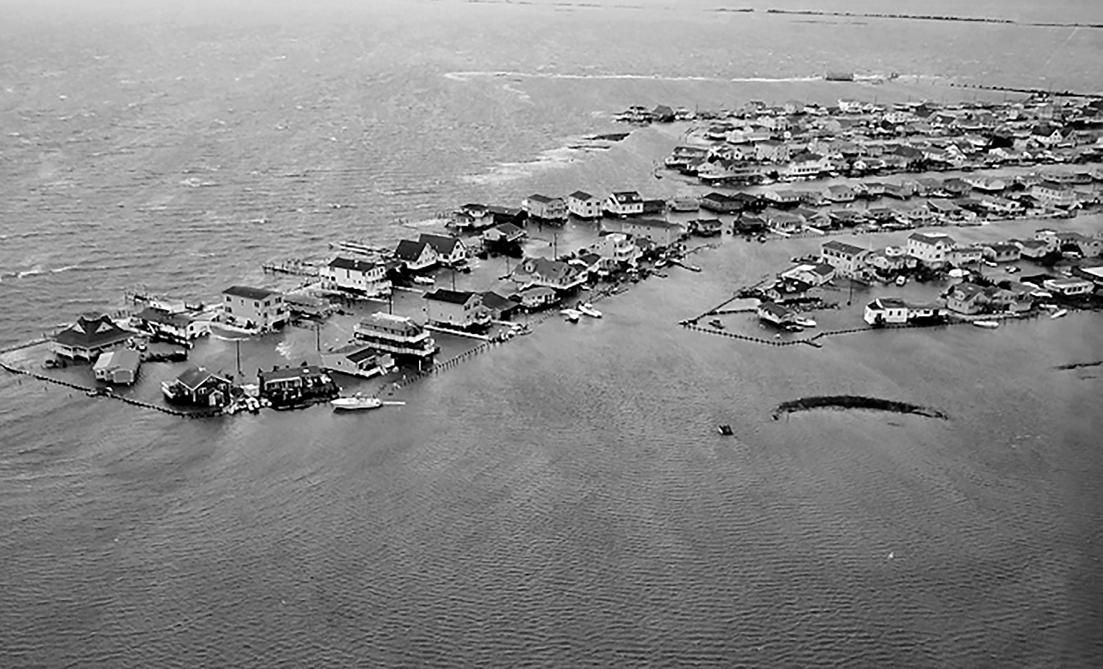
Photo: Ray Fisk, Down the Shore
In October of 2012, the nation’s attention was focused on the devastation of Superstorm Sandy. Five years later, while a new batch of storms is ravaging U.S. cities and towns, the effects of Sandy continue. Many Sandy-impacted families are still not back in stable, permanent housing, and many more continue to struggle with the debilitating economic and health effects of the storm.
The purpose of this report is to document the events of the storm, the recovery, and the long-term effects on families and communities in New Jersey and to identify policies and programs that can be implemented across the country to avoid some of the worst impacts of disasters. To improve the understanding of residents’ experiences, focus reforms, and ensure families’ voices are in the debate, an online and in person survey was launched in October 2016. The results of the survey and policy recommendations based on residents’ experiences are presented in this report.
More and more devastating storms are impacting the country, as the residents of Puerto Rico, Texas, Louisiana, and Florida can attest. The more than 500 New Jersey families who participated in this project want their experiences to serve a purpose by inspiring better preparation and a better response system put in place for the future. Seventythree percent of respondents are concerned about increasingly extreme weather and flooding and more than half – 57 percent –do not believe that we are better prepared for future disasters than we were before Sandy.
The survey tool and this report focus on the experiences of storm survivors in their efforts to rebuild their homes and their lives. The report is broken down roughly along a timeline of the events and their impacts – from a lack of preparation and infrastructure in the face of the storm itself, to the short- and long-term processes of recovery.
The experiences reported in this survey show that the Sandy
EXECUTIVE SUMMARY
recovery process is far from over for many New Jersey families, while the issues that storm survivors face have evolved over the past several years. As barriers to recovery become more complex and require more attention, the impacts of early mistakes in planning and implementation are laid bare. Recovery funding – for everything from disaster case management, to unmet needs assistance, to free legal services, and more –continues to be a critical need, but that funding is no longer available and its absence has left families stranded.
Programs that were intended to assist Sandy survivors at the federal level, like the National Flood Insurance Program (NFIP), or at the state level, like the Rehabilitation, Reconstruction, Elevation, and Mitigation (RREM) Program, continue to be plagued with the same problems that set back the recovery for families, or have developed new problems.
The economic impact of the storm has been exacerbated by
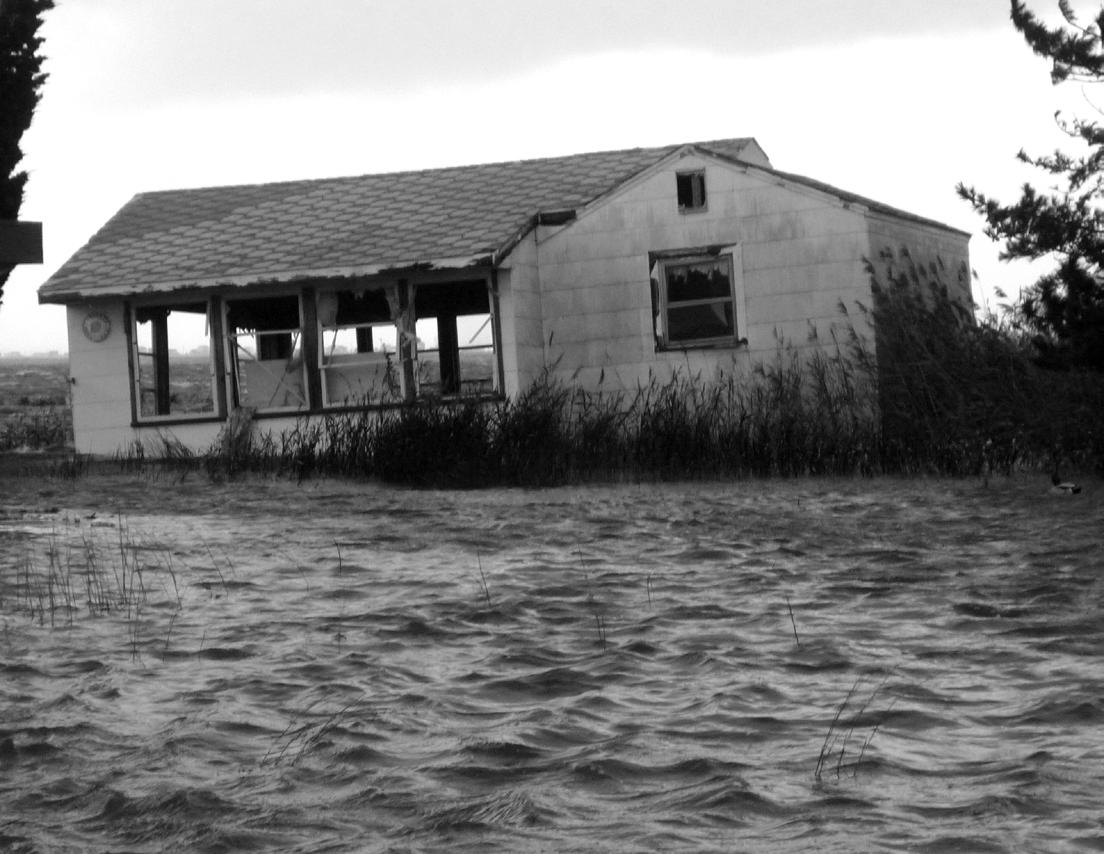
inadequate and unresponsive state and federal recovery programs, the combined expenses of monthly mortgage payments and rent for families who moved out of severely damaged homes, costs of rebuilding not covered through state and federal funding sources, and storm-related job loss and health impacts.
The scope of the need for protection, mitigation, and relief programs is large. The findings and lessons that follow are hardlearned, and emphasize the obligation to improve outcomes now, and in the future, for families and communities.
Photo: Pat Trotter, Two Giants Photos
KEY FINDINGS
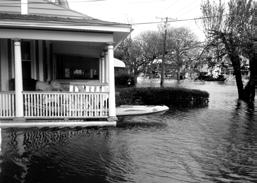
Immediate Impacts
Nearly all – 98 percent – of respondents reported Sandy damage caused by flood waters, but only 78 percent had flood insurance policies. Even for those who did, insurance payments were often not adequate to fund the reconstruction and renovation costs.
Twenty-two percent of respondents indicated that they were still out of their homes, but planning to move back eventually.
Funding the Recovery
Sixty-seven percent of the awards were for $75,000 or less while only 27 percent of the owners stated that their damages fell into this range.
Seventy-seven percent of respondents reported that they either did not have enough money to finish rebuilding their homes, or else needed to rely on or borrow from funding sources such as retirement or other savings, Small Business Administration (SBA) loans, and credit card debt.
Struggling to Rebuild
More than half of the homeowners
Nearly 50 percent of homeowners reported damages of $150,000 or more, but only seven percent of respondents’ insurance companies’ awards fell into this range.
who hired a contractor experienced problems with the contractor, and, of those who did, nearly 60 percent were unsuccessful in resolving problems on their own and still need assistance. Of those in the grant programs who reached out to the Department of Community Affairs (DCA), 70 percent reported that the agency did not help them resolve the issues.
Twenty percent of respondents in the RREM or Low-to Moderate-Income (LMI) program have been told that they owe money back to the grant programs; more than a third of this group were informed verbally and never provided with written notice.
*For full survey results, please consult the appendix.
98% of respondents reported Sandy damage caused by flood waters.
40% of respondents do not have the funds to complete rebuilding their homes.
56% have had trouble paying bills and/or affording food and gas since the storm.
Photo: Krista Sperber, Grass Creative.
Just over half reported that they wanted to appeal but did not know how to do so. Of the homeowners who reported a clawback amount, the average amount they were told to repay was $30,643, and nearly 90 percent reported that they could not afford to the pay the money back.
Long-Term Economic and Health Outcomes
For more than half the respondents, Sandy has had profound economic consequences. Fifty-six percent have had trouble paying bills and/ or affording food and gas since the storm – with some families reporting that things became more difficult in the last two years as storm-related problems dragged on.
In addition to shouldering the cost of rebuilding, the livelihood of 41 percent of respondents was affected by Sandy. Factors associated with job loss include: losing a job or hours at a job because of Sandy; the impact of the storm on a family-
owned business; the demands of dealing with the recovery process; and health issues that worsened or developed after the storm.
Thirty-two percent have fallen behind on mortgage/rent payments, taxes, or other expenses related to their Sandy-damaged homes.
More than 70 percent of respondents reported that they had developed new physical or mental health problems or a worsening of pre-existing health conditions since Sandy. Many individuals described anxiety, depression, and posttraumatic stress disorders, often in combination with respiratory, cardiovascular, or other conditions. Many people also described an increased dependence on alcohol, tobacco products, or drugs. Of families with children, nearly 40 percent reported that their children’s school performance suffered because of the difficulties their family has faced since the storm. 32%
Thirty-two percent have fallen behind on mortgage/ rent payments, taxes, or other expenses related to their Sandy-damaged home. 70%
More than 70% of respondents reported that they had developed new physical or mental health problems or a worsening of pre-existing health conditions since Sandy. 57%
Fifty-seven percent do not believe we are better prepared for future disasters than we were before Sandy.
SUMMARY OF RECOMMENDATIONS
Based on these findings, certain measures should be implemented in order to ease the recovery process for families still struggling after Sandy. First, recoupment procedures must be humanized to forgive clawbacks when collection would be “against equity and good conscience” and legislation must be passed at the state level both formalizing an appeal process and allowing the state to consider ability to pay and income-based repayment plans. Second, the state needs to take measures to prevent contractor fraud by ensuring that contracts approved in the grant program meet basic legal requirements, thoroughly screening home improvement contractors participating in the grant programs, and easing the requirements for defrauded homeowners in need of additional grant funds.
To better prepare New Jersey, or any state dealing with disaster, the National Flood Insurance Program should be reformed to make flood maps accurate, insurance affordable, and mitigation and disaster prevention efforts a priority. It is equally critical to rein in abuses from the private insurance companies that administer the Write Your Own program so that policyholders can receive a fair pay-out.
New Jersey also needs a more coordinated approach to addressing rising seas and extreme weather. Other states led from the top after Sandy, with governors creating plans and programs or passing legislation. While local governments, groups of citizens, universities and nonprofits have worked to address these issues in New Jersey, without a strong centralized and
universally enforceable approach, these efforts will leave some New Jerseyans behind.
The survey results emphasize the importance of helping families immediately with rental assistance and foreclosure prevention and making these assistance programs consistent through the recovery process. Finally, the emotional and physical health impacts of a natural disaster last well into the fourth and fifth year of recovery, and likely longer. Communities need longer-term health assistance and programming, particularly mental health support.
Photo: Pat Trotter, Two Giants Photos.
The research for this report was conducted through an extensive effort by volunteers and communities impacted by Sandy, in partnership with researchers from Rutgers University and Stockton University’s Office of Service-Learning. It is communitybased participatory research, meaning both key survey areas and questions were identified through meetings in Sandyimpacted communities. Once developed, the survey tool was deployed and over 500 surveys were conducted in person at people’s homes and online. Outreach was conducted at community events, and through neighborhood canvassing and online outreach. Assistance was provided by numerous faith, advocacy, and educational organizations and with the help of New Jersey media outlets. Focused outreach was conducted in Atlantic City, Little Egg Harbor, Manahawkin, and the Toms River
area, communities severely impacted by Sandy.
The survey was conducted in person by community captains who were trained on the survey and subject matter (and in many cases had also survived Sandy themselves), on the phone by trained volunteers, and selfdirected through an online tool.
This survey was launched a week before the fourth anniversary of Superstorm Sandy in October of 2016; the survey was open for five months and completed in February of 2017. In some cases, respondents who had already completed the survey would provide an update when something significant happened in their rebuilding process, or multiple members of the same household would respond. After combining surveys by household and including updated information provided, the stories
METHODOLOGY
of 492 households are included in this report. The majority of those households had more than one adult at the time of the storm and 169 of them included children.
The survey sought information from primary homeowners, renters whose homes were damaged, and people who lost income or whose jobs were impacted. The vast majority, 92 percent, of respondents were homeowners whose primary residences were damaged. While the results of this survey include all of the responses, the report focuses on programs for and issues faced by homeowners as they comprised the bulk of the respondents. On average, surveys completed in person or over the phone took between 45 minutes and an hour. This report is possible because of the time that Sandy survivors invested in making their stories heard.
Photo: Krista Sperber, Grass Creative.
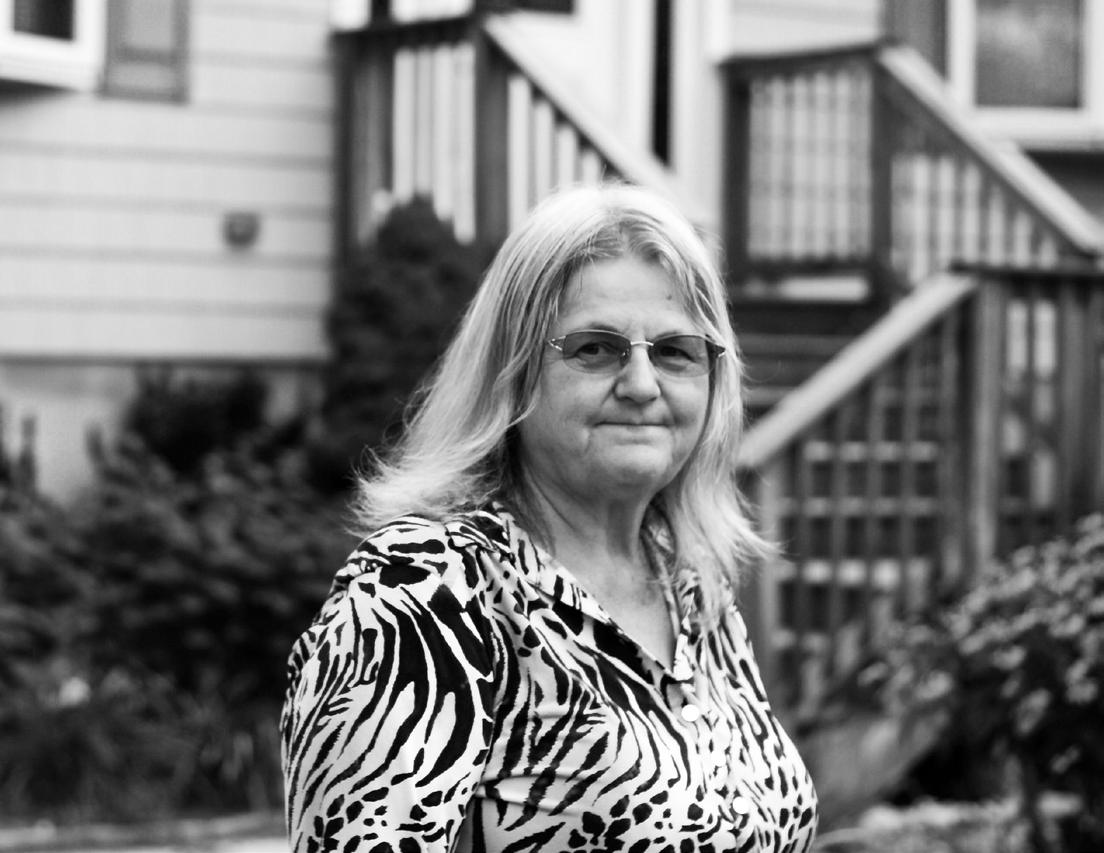
Photo: Priscilla Robinson
Two years after Superstorm Sandy Tricia McAvoy’s home had been repainted and a protective film was finally being removed from the first floor windows. “Although it was a bright sunny day, when the paper was removed, all I saw was darkness, the water rushing into my home and the howling wind.” Before Superstorm Sandy, Mrs. McAvoy lived in Brick, New Jersey with her husband and two sons. In October, flooding by Sandy caused extensive damage to the first floor of her home and bulkhead on her property to the point it needed to be replaced. The death of a close family friend soon followed, and by early February of the following year her husband would pass away of lung cancer. Despite these losses, she continues to fight to bring herself back home.
Mismanagement of her insurance claim has delayed her return. By late fall of 2013, her floorboards began to buckle due to water damage. The $5,000 awarded in response to her insurance claim was not nearly enough to cover the costs. Her appeal was denied by FEMA because it had not been submitted within 60 days of the initial discovery of new damage. Not only had Mrs. McAvoy suffered two strokes during this period, but the deadline had not been clearly communicated to her.
TRICIA MCAVOY
BRICK, NEW JERSEY
Prior to the storm, Mrs. McAvoy enjoyed fairly good health. Almost five years later, she takes eleven medications daily and has had several operations. Psychiatrists have diagnosed her with post-traumatic stress disorder (PTSD), anxiety and depression due to living through these events and attempting to manage the rebuilding of her home. The two strokes she suffered were also linked to the massive amounts of stress.
“My spirit and family kept me going, but my body began to give out under the daily pressures of living in grief, new economic hardship, and my displacement from my home.”
She notes that Medicare coverage has been vital in keeping her alive. “I would not be here today if it weren’t for my being covered. If anyone faces all that happened to me, it is absolutely necessary that health care need not be a worry.”
Since Sandy, her medical and therapy costs have been over $100,000 a year. “I don’t know what the future holds. The system failed me, and today I still live at my father’s home. If another storm hits this region, I foresee the same issues affecting people up and down the shore. Nothing’s changed.”
IMMEDIATE IMPACTS OF SANDY
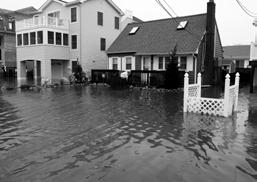
Superstorm Sandy hit the Northeast coast of the United States on October 29, 2012 and left a devastating aftermath. The superstorm was responsible for the deaths of 72 people in the U.S., caused billions of dollars of damage to coastal communities, and displaced thousands of people. In New Jersey alone, the storm damaged 346,000 homes and 1,400 boats, affected 70 drinking water systems, and significantly eroded the coastline.1 Out of the 346,000 homes damaged, 55,000 primary residences were substantially damaged or destroyed.2 These include approximately 40,000 homes owned and 15,000 homes rented by Sandy survivors.3
Although the storm impacted the whole state, families in South Jersey and the Jersey Shore were hit hardest. According to individual assistance data from Federal Emergency Management Agensy (FEMA), the greatest
concentrations of housing damage were in Ocean (35 percent), Monmouth (16 percent), and Atlantic (12 percent) counties. The data also showed that the storm’s impact on low- to moderate-income (LMI) households was pronounced, with 49 percent of households that reported major or severe damage identified as LMI.4 According to New Jersey’s 2013 action plan for spending billions in federal funding that the state received through the Department of Housing and Urban Development (HUD), coastal communities in Ocean and Monmouth counties were the hardest hit by Sandy.5
Sandy also severely impacted New Jersey’s back bay and lagoon communities. The images of flooding from these areas are often less dramatic than waves crashing against houses, or roller coasters in the sea, and thus often overlooked. But, for example, from a recent Associated Press report: “Property
owners in Toms River, New Jersey, received more than $568 million in payments from the Federal Emergency Management Agency after Sandy. Neighboring Brick Township received more than $267 million. Both towns have limited oceanfront exposure but extensive back bay exposure, and they represented the largest damage totals in Ocean County, the region of New Jersey that took the hardest hit from Sandy.”6 In addition, more than 1,000 residences were damaged in certain Atlantic County towns, like Atlantic City, Ventnor, and Brigantine. The further north communities of Little Ferry and Moonachie also sustained damage that resembled the impact further south.7
Survey Results
Flood water by itself or in combination with other factors (wind, falling trees, power outages, etc.) was responsible for the vast majority of damage
Photo: Pat Trotter, Two Giants Photos.
to respondents’ homes. Sixty percent of respondents’ homes damaged by flood received two or more feet of water, with one third of this group receiving more than four feet.
Eighty-one percent of respondents had such serious damage that they needed to move out of their houses after the storm, and one quarter of these individuals reported that they were still out of their homes. An
additional 11 percent stated that moving out was “necessary” but that they did not in fact move and instead stayed and “lived in a construction zone.” Only eight percent of respondents stated that the damage was minimal and that their homes were safe and livable after the storm.
More than half of the surveys came from nine communities:
Little Egg Harbor / Mystic Island (54), Toms River (41), Atlantic City (40), Manahawkin (38), Brick (27), Ventnor / Ventnor City / Ventnor Heights (22), Ortley Beach (20), Union Beach (21), Keansburg (17). These communities represent areas hardest hit by Sandy. Most of these nine, excluding for example Ortley, which was called “ground zero” for Sandy, are not barrier island or beachfront communities. But surveys came in from many northern communities, too, like Hoboken (2), Moonachie (3), and
Little Ferry (7) in Hudson and Bergen Counties or Sayreville (1) and South Amboy (1) in Middlesex, which are along the Raritan Bay and River. We heard from other island or beachfront communities like Ocean City (7), Long Beach Island (14), Seaside (13), Lavalette (14), and Sea Bright (6). Whether back bay, barrier island, or beachfront, the surveys largely came from working and middle-class neighborhoods and included many retirees.
*For full survey results, please consult the appendix. *According to a report by Fair
55,000 primary residences were substantially damaged or destroyed.*
81% of respondents had such serious damage that they needed to move out of their houses after the storm.
FUNDING THE RECOVERY
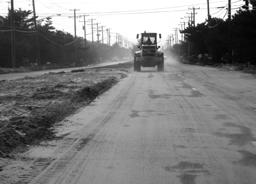
Funding the recovery has proved an ongoing challenge, both for individual families and for the state of New Jersey. The Federal Emergency Management Agency (FEMA) was first on the ground immediately after Sandy, providing emergency aid, loans, and, through the NFIP, flood insurance claims payments. For individuals and households, FEMA’s role is to provide financial assistance regarding housing and disaster-related expenses. One of FEMA’s sources of relief funding comes through the Small Business Administration (SBA) loan program. These low interest loans, often at rates of less than three percent, can be a major help and lifeline to families. However, SBA loans can affect eligibility for grants and other forms of assistance that become available later in the recovery.9
Another primary source of funds for rebuilding after a storm is the NFIP, housed within FEMA. Passed into law in 1968 in the aftermath
of Hurricane Betsy, which caused billions in damage along the Gulf Coast, federal mortgage programs and banks soon required that all properties in designated flood zones carry NFIP insurance in order to qualify for a mortgage. The NFIP is similar to other insurance programs: homeowners pay premiums and the insurer – in this case the federal government – pays out claims after a flood.
Under the Reagan administration, the NFIP began the “Write Your Own” (WYO) program, which shifted a portion of the supervision of policies to private insurers. Under WYO, private insurers draft
policies and handle payouts using federal funds, not their own, while taking a 30 percent premium fee for administering the policies.
Many Sandy-impacted families quickly found their NFIP flood insurance settlements lower than they expected or believed they were covered for. In an October 2014 federal lawsuit in New York, a Sandy-impacted family demonstrated that an engineering report had been altered to suggest that Sandy wasn’t responsible for the bulk of the damage. Problems like this and years of other complaints, errors, and lawsuits
I don’t even know where to begin. It’s a horribly run program and I’m still trying to navigate it. It’s caused me a lot of stress and anxiety. Sometimes I wonder if it’s all worth it.
Photo: Ray Fisk, Down the Shore Publishing
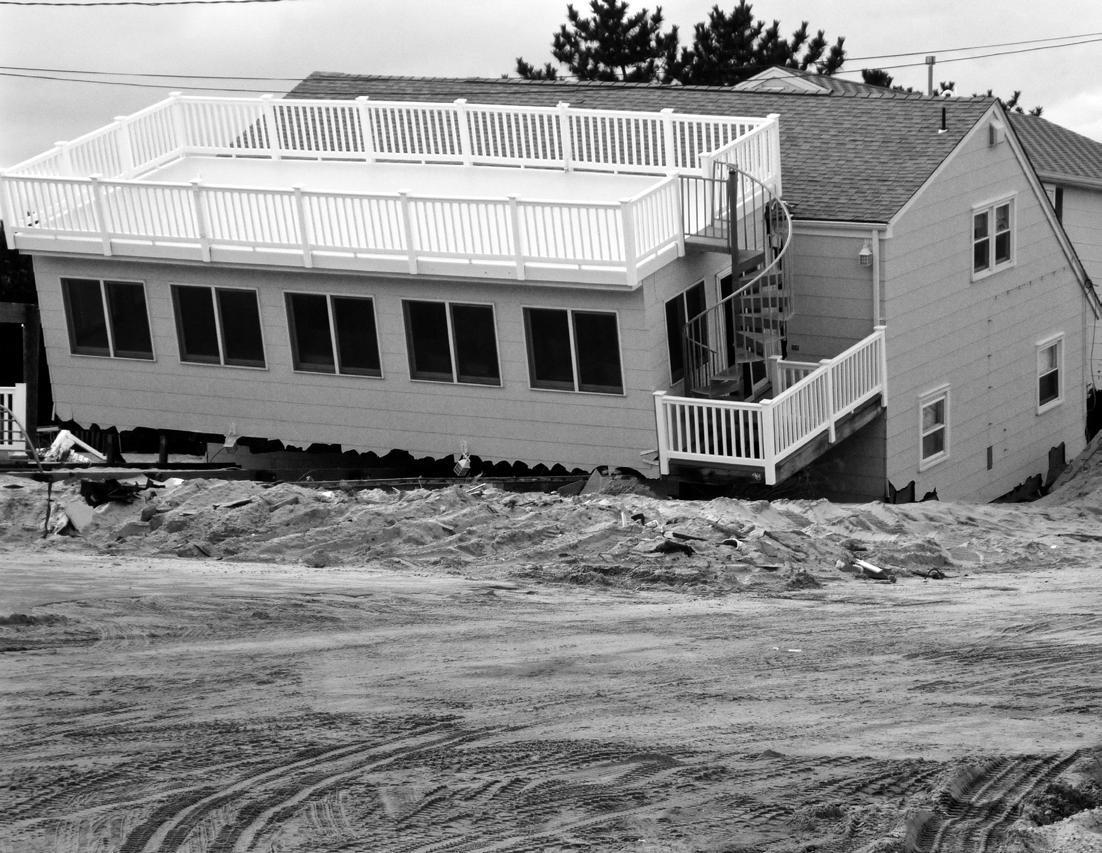
Many Sandy-impacted families quickly found their NFIP flood insurance settlements lower than they expected or believed they were covered for.
In an October 2014 federal lawsuit in New York, a Sandy-impacted family demonstrated that an engineering report had been altered to suggest that Sandy wasn’t responsible for the bulk of the damage.
Photo: Ray Fisk, Down the Shore Publishing
prompted FEMA to agree to reopen and review any of the 144,000 flood claims from Sandy survivors who believed they weren’t fairly compensated.10
The FEMA claims review process was scheduled to take less than 90 days to complete. However, like many other programs in the recovery process, FEMA did not end up keeping its commitment to speed. As of September 2017, FEMA had closed 16,900 out of 19,461 claims, and nearly 84 percent of those claims resulted in additional payments totaling $223,362,254 (policyholders can request a third party neutral review of their decision if they don’t agree).11 While homeowners were systematically underpaid, the private insurance companies that administer the WYO program were making significant profits. According to an investigation conducted by PBS Frontline’s “Business of Disaster” program, these companies made up to $400 million in profit after expenses
While homeowners were systematically underpaid, the private insurance companies that administer the WYO program were making significant profits. According to an investigation conducted by PBS Frontline’s “Business of Disaster” program, these companies made up to $400 million in profit after expenses for simply administering the program.
for simply administering the program.12
FEMA assistance, SBA loans, and flood insurance proceeds were the first forms of assistance available after Sandy. Grants, through Community Development Block GrantDisaster Recovery (CDBG-DR) funding, followed. Because Congress appropriates funding for disasters on a case-by-case basis,13 grant and recovery programs typically roll out much later. The order in which aid is rolled out and the concept that federal funds must be used
before state funds is often referred to as the sequence of delivery in disaster recovery.
After considerable partisan disagreement in Congress, $51 billion dollars in aid was finally approved for Sandy recovery on January 28, 2013, nearly three months after the storm.14 Then, on March 27, 2013, New Jersey’s Department of Community Affairs submitted its grant action plan to access that funding through the CDBG-DR program under HUD. CDBG-DR funding is designed to satisfy “unmet needs,” i.e. financial needs that are not met
by other public or private funding sources like FEMA, SBA loans, or private insurance. The state’s plan involved the creation of the RREM program with these funds.
HUD approved the plan on April 29, 2013, and on May 24, 2013, New Jersey announced the launch of several Sandy recovery grant programs including RREM, which provided grants of up to $150,000 to eligible homeowners for reconstruction, rehabilitation, elevation, and mitigation efforts, as well as the Resettlement grant, which provided $10,000 to eligible homeowners for non-construction purposes to incentivize them to remain in their communities. The press release announcing the RREM program said that homeowners with the most damage, whose homes were in the most impacted counties, and who were of lowto moderate-income (LMI) would be prioritized.15 Seventy percent of RREM funds were earmarked for LMI households.
The next few years revealed a number of problems with the grant programs. In July 2013, the Fair Share Housing Center (FSHC), a housing advocacy group, filed an Open Public Records Act request with the Department of Community Affairs (DCA) seeking all documents pertaining to the administration of the grant programs, including those involving determinations of eligibility.16 In September 2013, after the DCA asked for several extensions, FSHC filed a lawsuit seeking to force New Jersey to provide information about the grant programs after concerns that low-income applicants were being rejected.17 The data revealed that significantly less than 60 percent of grants were going to LMI households, that African-Americans and Latinos were being disproportionately rejected, and that no valid reason was being provided for the denials of many applicants.18 In October 2013, the Latino Action Network (LAN) filed a complaint with HUD regarding major discrepancies between the
Spanish and English versions of the ReNew Jersey Stronger web site (for instance, there was no information on how to appeal a denial on the Spanish version of the web site).19
In January 2014, New Jersey fired the contractor, Hammerman and Gainer, Inc. (HGI), that had been hired on a $68 million contract to oversee the grant program. State officials refused to say why HGI was fired, but documents obtained by FSHC indicated that there were “performance-related issues.”20
The state had already paid HGI nearly $36 million at the time they were fired, and, in an agreement
reached in May of 2015, the state paid HGI an additional $7.6 million.21 News coverage noted that HGI had previously been criticized for its handling of similar housing recovery programs in New Orleans after Hurricane Katrina, and that HGI won the contract shortly after its New Jersey law firm, Capehart Scatchard, made a $25,000 contribution to the Republican Governors Association, which was headed by New Jersey Governor Christie.22
In February 2014, FSHC discovered that nearly 80 percent of people who were deemed ineligible for the RREM or Resettlement programs
The state had already paid HGI nearly $36 million at the time they were fired, and in an agreement reached in May of 2015, the state paid HGI an additional $7.6 million.
won on appeal. Consequently, the programs reopened the appeals period for anyone who was initially deemed ineligible, regardless of when a denial letter was sent.23
As a result of the state’s failure to set aside grants for LMI households, it created the LMI Homeowners Rebuilding Program, which was nearly identical to RREM, but specifically for LMI households.24 An applicant had to qualify as LMI based upon his or her household adjusted gross annual income at the time the application was submitted.
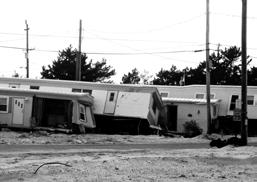
By October 2014, two years after the storm, many residents and businesses continued to struggle with rebuilding and recovery. According to the state’s own recovery dashboard, $179,823,263 of RREM funding had been awarded, leaving $467,595,680 that hadn’t been assigned to families, and only 113 homes had been completed.25
Survey Results
For families and communities, survey results show that the experience on the ground of the roll-out of these programs was jumbled, confusing, and difficult to navigate.
One of the challenges many homeowners faced immediately after Sandy was a result of flood damage. Overall, 98 percent of respondents reported damage caused by flood waters. However, only 78 percent of respondents had flood insurance policies. Those with only homeowners insurance policies, which typically exclude damage due to flooding, had little recourse.
But even those who had flood insurance policies were often significantly underpaid by their carriers. Forty-eight percent of respondents reported damage of $150,000 or more, but only seven
percent received amounts that fell into this range. Two-thirds of homeowners indicated that they received $75,000 or less from their flood insurance company, but less than one-third stated their damages were in this range.
As a result of appeals, litigation, or the FEMA claims review process, half of homeowners claimed that they received an additional settlement from their carriers. However, many of those homeowners indicated that this additional award fell short of what they needed to rebuild.
With either insufficient flood insurance payouts or none at all, homeowners were forced to look elsewhere for funds to repair their homes. Eighty-one percent of these survey respondents applied for assistance through the RREM or LMI programs. Of those who did, five percent were administratively withdrawn
from the program, another five percent voluntarily withdrew, and eight percent were denied. Those in the RREM or LMI programs also risked having to pay grant money back if they were deemed to have received a “duplication of benefit.” Only 20 percent of respondents in the RREM program reported that their project is complete.
Whether homeowners are in the RREM or LMI programs or not, most have had to investigate other sources of funding. Seventyseven percent reported that they needed to use other savings, take out an SBA loan, incur credit card debt, borrow from retirement savings or another source, or simply do not have enough funds to finish repairing their homes.
Photo: Ray Fisk, Down the Shore Publishing
UNDERPAYMENT OF FLOOD CLAIMS
WHAT FUNDING SOURCES DID YOU USE, OR WILL YOU NEED, IN
TO FINANCE YOUR REPAIRS?
*For full survey results, please consult the appendix.
It was impossible for us to keep up with the confusion of the program considering all the stress we were under. They didn’t seem to know the answers to some important questions regarding income that needed to be addressed as we had sold one of our damaged properties. They cancelled a meeting and never rescheduled –then they dropped us.
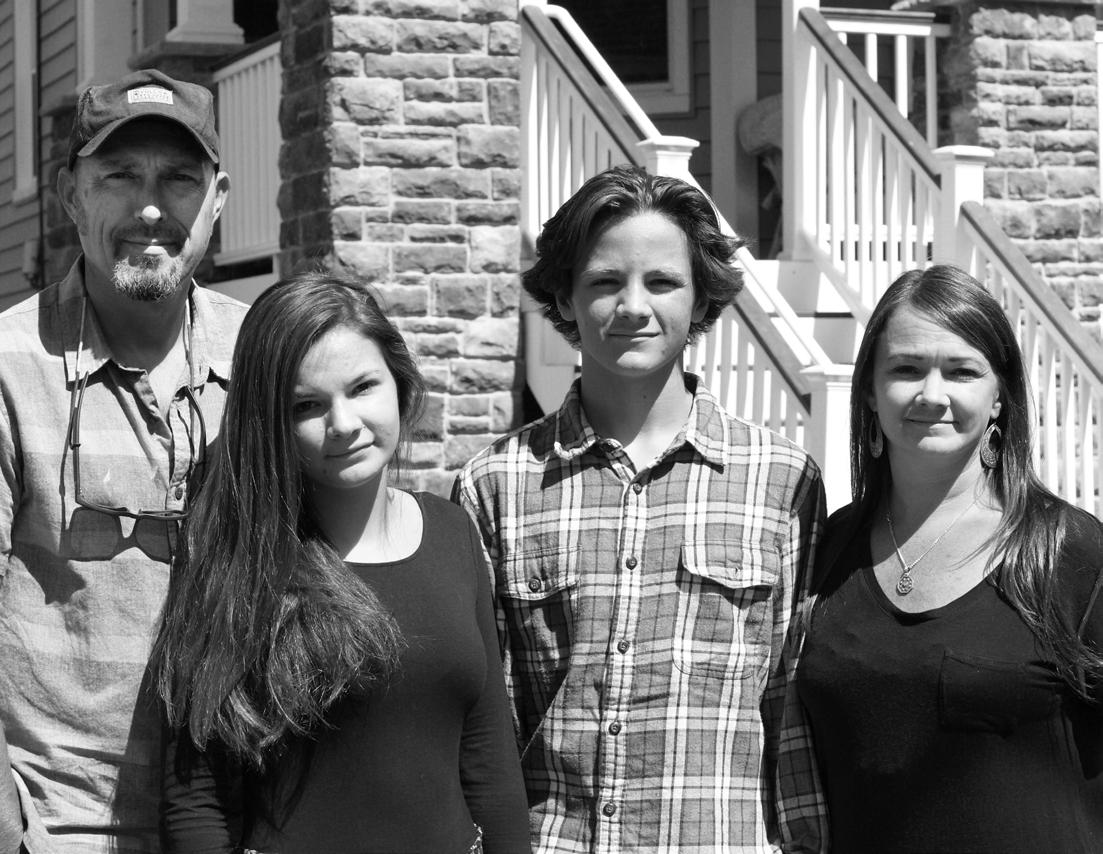
Photo: Priscilla Robinson
KRISTA SPERBER
BELMAR, NEW JERSEY
Krista Sperber is a long-time resident of Belmar, New Jersey. Having experienced many coastal storms she gave Sandy little thought. During the night of the storm, she gathered with friends to wait it out until her husband ran to inform her that this was not just another storm.
Krista’s street in Belmar was under five feet of seawater for seven days, dissolving the mortar in the foundation of her home. Repairing the house required replacing the foundation. Having maintained the maximum level of flood insurance, Krista did not anticipate a problem with her claim. However the insurer responded with an award that would cover 10% of the cost for replacing the foundation. Moreover, the insurer’s damage report was filled with inaccuracies describing her three-story home as two stories and stating that no trees on her block were downed when in fact seven had been lost.
Given her insurer’s incompetence, Krista sued for the cost of replacing her foundation. She was interrogated for six hours by the lawyers representing her insurer. The result was a decision that the insurance company would fully cover her cost.
In all, it took Krista more than three years to return home. Today she lives with post-traumatic stress disorder brought on from the storm and subsequent struggle with her insurer. Given minimal progress in improving the system for handling flood claims, she is greatly concerned about another storm hitting the New Jersey coast. “They say they look into the problems but they knowingly do nothing to fix it. I did nothing wrong, I had savings and a steady income. I should not have almost lost my home due to the failures of the current flood insurance program.”
THE STRUGGLE TO REBUILD
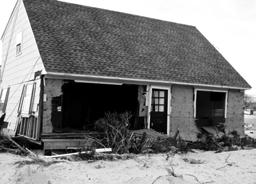
Contractor Issues
Once the extent of Sandy damage became clear, homeowners began to hire home improvement contractors, home elevation contractors, or new home builders to repair, elevate, or rebuild their homes.
Many homeowners both in and out of the RREM program faced contractor disputes, but despite expectations of basic government oversight, participant homeowners in the RREM program struggled to handle contractor issues with little guidance and supervision. Many were under the impression that the “approval” of their contracts meant that the DCA had evaluated the substance to ensure that it matched their grant scopes of work and met the requirements under the law. However, contracts were approved as long as the contractor had a valid license; there was no substantive review
of the agreement nor was there an assessment of its legal validity. Because grant funds were provided directly to homeowners (most of whom had little or no construction experience) instead of being held in escrow, contractors were more easily able to take advantage by requesting unreasonable initial deposits, demanding payment before work had been completed, or performing repairs that differed drastically from the scope that was approved under the grant program. In addition, while each homeowner was assigned a Project Manager to assist with construction and invoice questions, the Project Managers offered little support in dealing with contractor disputes. When a contractor delayed the work, the homeowner was at risk of missing project deadlines and having to request extensions. When a contractor was paid without doing work properly, the homeowner was liable for returning that money to the program.
In September 2015, the DCA created a policy designed to address complaints and concerns regarding contractor fraud, poor workmanship, and failure to commence and complete work in a timely manner pursuant to contract.26 Homeowners who believed that they had been defrauded by a contractor were advised to file a complaint with the Division of Consumer Affairs as well as a police report. If the homeowner could obtain a legal document in which a government agency alleged the crime of fraud against the contractor (such as an arrest warrant, a criminal complaint, or an indictment), the DCA would schedule an inspection to verify the amount of work completed and to estimate how much work remained, and might amend the homeowner’s grant award to provide him or her with additional funds.
Photo: Ray Fisk, Down the Shore Publishing
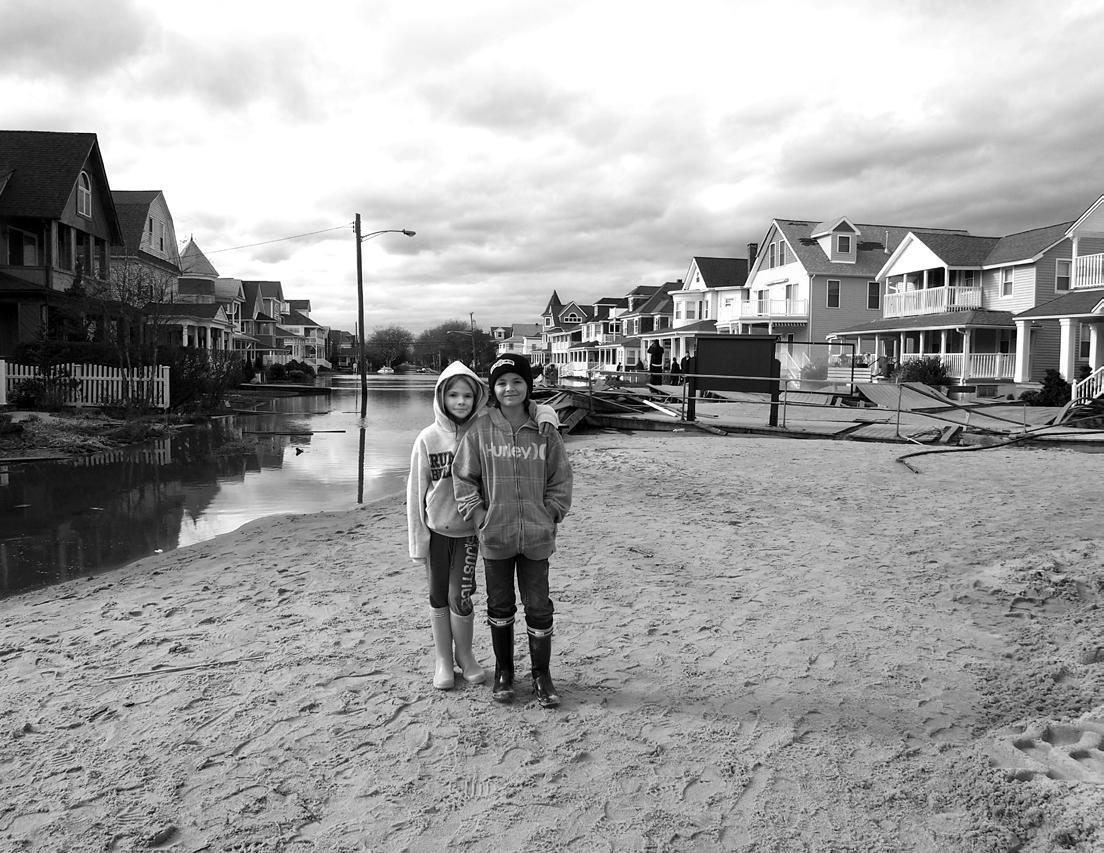
“We have ‘borrowed from Peter to pay Paul’ these last 4 years. We have debt now that we never had or never would have had before the storm. The costs have been astronomical, financially, mentally, and physically.”
Photo: Krista Sperber, Grass Creative
THE STRUGGLE TO REBUILD
While the policy was designed to help homeowners who had been defrauded, those whose contractors simply breached the contract or committed negligence had no recourse. In addition, many were forced to wait months or even years before obtaining a charging document as Consumer Affairs often needed a considerable amount of time to build a case file involving multiple plaintiffs and thousands or even millions of dollars of damages. Because the policy does not cover reimbursement to a homeowner who has paid out of pocket to correct mistakes or to finish work a contractor refused to complete, numerous property owners were forced to decide whether to put their construction on hold in the hopes of obtaining additional grant funds or lose the opportunity entirely if they continued working. Homeowners who had already hired a new contractor to fix or complete the work and managed to obtain a Certificate of Occupancy were ineligible for receiving funds through the policy.
Because I had good credit and qualified for the SBA loan, I was told the RREM was a duplication of benefits. I was penalized for having good credit, and had to take the loan which will have to be paid back. I was not able to rebuild just with insurance money, so I needed additional funding which ended up being the loan. In addition, I had to withdraw almost everything from my 401K to complete my construction.
Recoupment
In addition to dealing with contractor problems, homeowners in the RREM program may also face a demand to repay funds they received, known as a recoupment or “clawback.”27 This process may occur if the program determines that a homeowner 1) was ineligible, 2) failed to comply with the scope of work or could not validate the proper use of grant funds, or 3) received a duplication of benefits from another source.
The state is required to attempt to recoup any overpayments, regardless of who was at fault or whether the homeowner relied on inaccurate information provided by the program.
The most common reason given for clawbacks in the grant program is duplication of benefits. Under the Stafford Act, which outlines federal natural disaster assistance for state and local governments, agencies are required to establish policies and
procedures to prevent duplication of benefits (meaning provision of funds from more than one source for the same purpose).28 One of the problems, however, relates to the sequence of delivery of disaster assistance. Under normal circumstances, flood insurance funds, FEMA assistance, and SBA loans are distributed first, and CDBG-DR programs, such as RREM, are meant to be a last resort and to “fill the gaps” after a homeowner has already received most of the assistance they need. After Sandy, though, numerous homeowners received money from insurance carriers (in particular, through Increased Cost of Compliance, or ICC, coverage, which is designed primarily to fund elevation) or SBA loans after they had signed an RREM grant. Frequently, homeowners were affirmatively told by Housing Advisors in the grant program that ICC funds and SBA loans would not be considered a duplication of benefit, only to find out later on that this information was inaccurate. Adding to the confusion is the fact that
homeowners were previously permitted to use CDBG money to pay off SBA loans, but guidance issued by HUD in November 2011 clarified that the entire SBA loan amount for which someone is deemed eligible is a benefit that cannot be duplicated.29 Because most homeowners were still short of funds necessary to rebuild even after receiving various forms of assistance available to them, they were baffled and frustrated by the notion that they were somehow “double dipping.”
The DCA has a “Grant Reconciliation Policy” which addresses the recoupment process, but, at only three and a half pages long, it provides little guidance.30 The policy indicates that the DCA will send a letter to applicants notifying them of the requirement to pay any previously received grant award funds, but not necessarily of the reason for the clawback. There is also no process specified in the policy for how a homeowner who disagrees with the determination might submit an appeal. The policy
indicates that homeowners who receive these letters will have a 36-month repayment period, but contains no information on compromises of debt or hardship waivers for homeowners who simply cannot afford to pay the funds back.
Survey Results
Contractor Issues
Eighty percent of homeowners responding to the survey reported that they had hired a contractor as of early 2017, and just over half of those working with contractors were in the RREM program. The program established two pathways for homeowners to select their contractor. Forty-one percent of respondents who had hired a contractor were in RREM Pathway B, in which homeowners were responsible for locating and hiring their own contractor for their project, and the contractor would be approved as long as they were licensed for the type of construction they were performing and not listed on state or federal
“My mother makes $18,000 a year and was asked to pay back $32,700 to RREM. They claim she received duplication of benefits by being awarded $30,000 from Increased Cost of Compliance [ICC] funds as well as $120,000 from RREM. The house is still not 100% complete, even with this funding. The stress of this is taking its toll on both her physical and mental health, especially with the recent death of my father. Up until receiving the final grant reconciliation letter, she was managing this in stride and was looking forward to a positive future with intentions to downsize and move to another home in a nearby shore town. Now, she feels all but trapped alone in this house, unable to pay back the requested funds, especially within the expected time frame, and with no end to this process in sight. She is now virtually financially ruined.”
THE STRUGGLE TO REBUILD
government debarment lists. Fourteen percent of respondents who had hired a contractor were in RREM Pathway C, in which homeowners were assigned a contractor from a pool of prequalified general contractors that had been pre-validated through a formal RREM program process.
Of the respondents who had hired contractors, 56 percent reported a problem with the contractor, and most listed more than one problem.
Despite homeowners’ attempts to address these problems on their own, most were unsuccessful –nearly 60 percent of respondents dealing with one or more contractor issues reported that their efforts were ineffective and they still needed assistance.
While 19 percent of survey respondents in the grant programs indicated that they were in the process of trying to have their grant award adjusted due to potential contractor fraud, the same percentage reported
It has impacted me mentally, physically, and financially. I thought losing my home that I just bought was devastating, but getting approved for the grant, then being told I have to pay it back is just as bad, if not worse.
that they were unaware that this was even an option. Of those in the grant programs who reached out to the DCA for assistance with contractor disputes generally, 70 percent reported that the program was not helpful in addressing these problems.
Recoupment
Fifty-five homeowners reported that they had been notified, either verbally or in writing, of a clawback. Additional respondents suggested that they either had been told or otherwise had reason to believe that they might receive a recoupment letter sometime in the near future (the number of recoupments will undoubtedly
increase as more homeowners approach the close-out phase of their projects, which includes a thorough assessment of funding sources and scopes of work).
Of the survey respondents who were notified of a clawback, four percent were found to be ineligible, nine percent were administratively withdrawn, 22 percent were told they failed to comply with the scope, 36 percent were told they had duplicated a benefit, and nine percent were not provided with a reason.
Despite the DCA’s policy requiring written notification of a clawback, only 62 percent of the survey
respondents who were told they owed back funds reported receiving written notice; the other 38 percent indicated that they were informed verbally. Even if a homeowner did receive a letter, however, it was not always clear why they were being told to return grant money or what they could do if they disagreed. For example, 51 percent of those who were alerted to a clawback reported that they wanted to appeal the determination but did not know how to do so. Respondents also reported that the letters were vague as to how long a homeowner has to pay back funds – of the 34 respondents who received a written notice, only five recall a 36-month time period being listed in their letter; 20 do not recall the mention of any deadline. Of the homeowners who reported a clawback amount, the average amount they were told to repay was $30,643.07. Nearly 90 percent reported they could not afford to pay the money back.
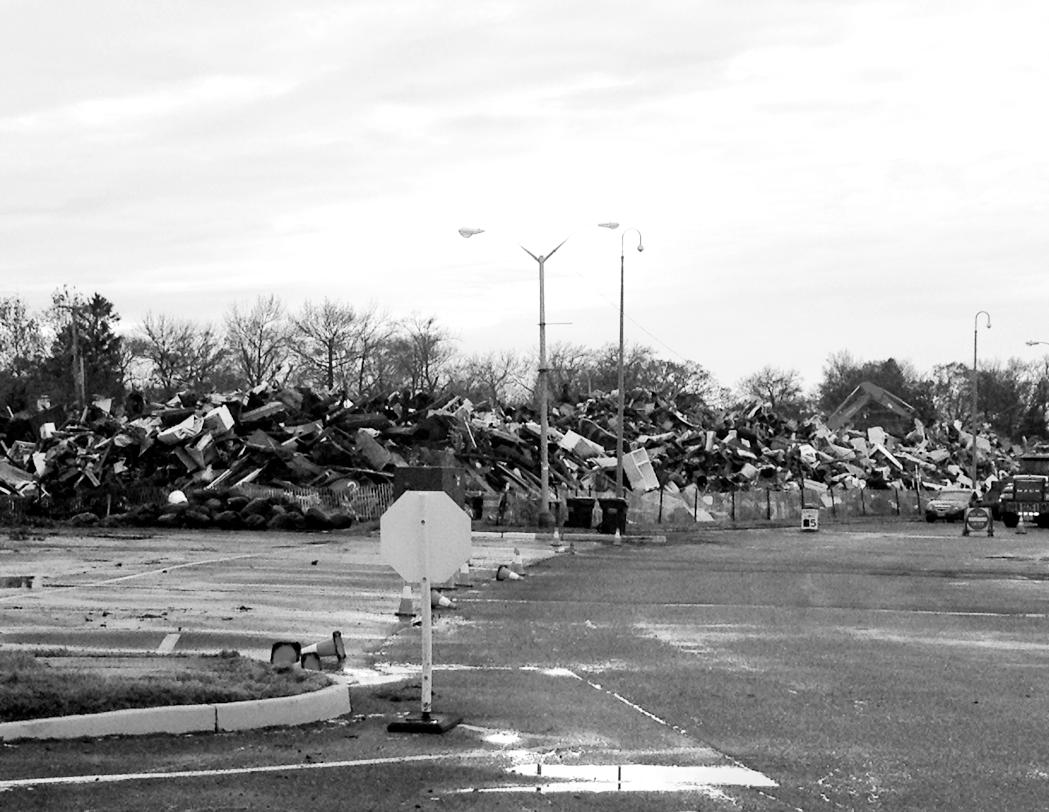
Of the homeowners who reported a clawback amount, the average amount they were told to repay was $30,643.07. Nearly 90 percent reported they could not afford to pay the money back.
Photo: Krista Sperber, Grass Creative
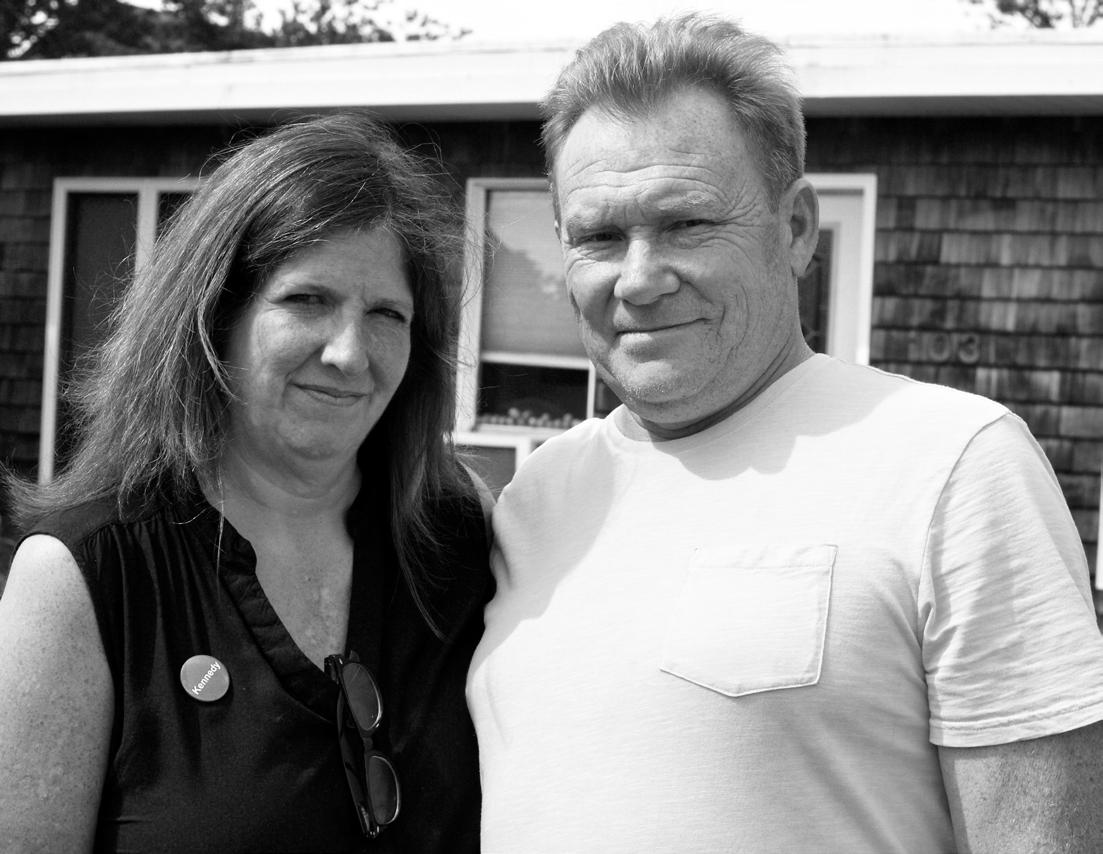
Photo: Priscilla Robinson
When Nancy Caira and her husband tried to return home after Sandy, the power was out everywhere and the entrance to their neighborhood was blocked due to flooding. Two days later, they were again met with flood waters. Finally, Tony insisted on wading through waist deep water to get a better look. He told Nancy, “It’s bad.” Although their home was flooded, Nancy remembers it didn’t feel tragic. “I didn’t look around thinking ‘oh this is devastating’ because I could live without all of the material things we lost. I didn’t really feel a sense of loss until I saw my husband desperate to fix things immediately.” She didn’t realize what was to come with recovery.
For three months after Sandy, Nancy and Tony stayed with friends a mile up the road while they gutted and rewired their home. They finally moved back to a shell of what their home once was, only cement floors and half of their drywall remained. In May of 2013, Nancy and Tony applied for the RREM program in order to elevate their home. After months of not knowing if RREM had received or started to process their application, they received word they were waitlisted. Nancy recalls, “No one kept us updated on anything throughout the process. I felt completely in the dark.” She remembers going to dozens
NANCY & TONY CAIRA
WARETOWN, NEW JERSEY
of Sandy Recovery meetings hosted by the state to answer questions about RREM, other grants, and loan programs. She left most of those meetings not feeling any more prepared to take on recovery than before.
After two years on the RREM waiting list, Nancy and Tony were admitted into the program. During their second meeting, RREM began to review their case. That’s when their project manager told them something they weren’t expecting: their house sits on a portion of property now considered protected wetlands. “RREM didn’t give us any other information about what to expect next. It was a complete headache to go through this process in order to continue rebuilding our home,” said Nancy, “it was like learning a whole new language -- so many legal terms and jargon I could barely keep up with the paperwork.”
After five years, Nancy and Tony are still trying to put together sufficient funding to raise and rebuild, and have yet to sign a contract with a builder. “It’s been lonely and long. There has been no direction on how to navigate the RREM program and there was absolutely no coordination of services. We didn’t know who to trust or listen to - everyone was telling us different things.”
ECONOMIC AND HEALTH IMPACTS
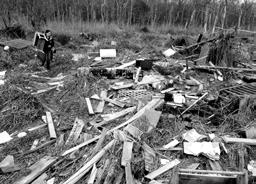
Economic Impacts
New Jersey is often cited as one of the wealthiest states in the nation, which obscures the growing number of residents who struggle to make ends meet. New Jersey ranks ninth, for example, in income inequality nationally.31 New Jersey families were still reeling from the 2008 recession32 when Sandy exposed and exacerbated underlying economic challenges. With the closure of four Atlantic City casinos, Atlantic County lost 8,000 largely union jobs in 2014,33 a higher percentage of jobs than any other major U.S. county that year; Ocean County, the county most devastated by Sandy, was home to 1,000 casino workers.34 By May of 2015, food stamp use had risen 12 percent in Atlantic County. The ongoing impact of Sandy, compounded by layoffs in Atlantic City, has led to rising foreclosure rates.35
After FEMA’s immediate assistance and relief, the state rolled out several programs meant to help financially strapped families get home or get stable. The Sandy Homeowner/Renter Assistance Program, or SHRAP, was announced in late 2013. SHRAP was created to help families experiencing a housing crisis. Families could receive up to $15,000 in assistance for up to six months with paying their mortgage or rent, retroactive or current utility payments, and the purchase of essential furniture and appliances. SHRAP ended near the second anniversary of Superstorm Sandy, when not even 500 families in the RREM program were home and New Jersey had not announced plans to continue to provide temporary assistance.
On the second anniversary of Sandy, nine Sandy survivors started the newly formed New
Jersey Organizing Project (NJOP) and launched the “Finish the Job” campaign. One of the primary demands of the campaign was for continued rental aid for those paying rent for temporary apartments while still making mortgage payments for their storm-damaged home in the RREM program. It took New Jersey until March of the following year to announce the Rental Assistance Program (RAP), which was housed under the New Jersey Housing and Mortgage Finance Agency.36
The first iteration of RAP only helped those in the RREM and LMI programs for six months and only for $825 per month maximum. In May of 2015, the program expanded and rental payments were increased to $1,300 for up to nine months.37 Nine months later, the program ended, but thousands of homeowners were not able to move back to their
Photo: Ray Fisk, Down the Shore Publishing
primary homes. In response, NJOP, a coalition of 42 Sandy recovery groups, and elected officials successfully advocated for an extension, which went into effect in March of 2016.38 This next iteration of RAP was extended to 12 months, and expanded to assist families in the RREM and LMI programs even if they were not making mortgage payments. This was particularly helpful for retirees or those living on a fixed income.
SHRAP and RAP have provided significant relief for Sandyimpacted homeowners, but the gaps between programs, and the delays of granting extensions of programs, took a toll on families struggling to return home permanently.
Health Impacts
Many of those impacted by Sandy struggled with new or worsening health problems in the aftermath of the storm.
Those facing delays in rebuilding were often forced to live in unsafe conditions that exposed them to mold or asbestos. Others experienced heart attacks and strokes likely brought on by stress, dehydration, and lack of access to preventative medication and treatments.39 Still others began experiencing increased anxiety and stress over the financial burden of repairing their homes. In a review of Medicare claims before and after Sandy, researchers found that depression screenings doubled in the year after Sandy for the ten counties most impacted by the storm, that both alcohol/ substance abuse and PTSD increased by eight percent, and that anxiety disorders increased by nearly six percent.40 In another study, researchers found that, two years after the storm, a full 29.5 percent of residents who experienced structural damage to their homes suffered
STILL DISPLACED
diagnosable PTSD.41
Survey Results
Displacement
Although some respondents stayed in their severely damaged homes, 80 percent of respondents moved out. Twentyone percent of those who left their homes were displaced for two or more years, and almost as many (19 percent) still had not returned to their homes at the time they took the survey.
Job & Income Loss
In addition to shouldering the cost of rebuilding, the livelihood of 41 percent of households was affected by Sandy. Factors associated with job loss or decreased hours at work include:
• Sandy’s impacts on local employers (17 percent)
• Dealing with home damage and the recovery process (10 percent)
• Health issues that developed or worsened following Sandy (nine percent)
Our twins were born about 3 months before Sandy. Neither of us worked at the time, but planned to go back to work once the children were about 6 months old. Because of Sandy, we ended up moving multiple times, lost our child care options, suffered from physical and mental trauma, and have been unable to return to work.
• Family-owned business impacted by the storm (six percent)
In some cases, these factors intertwine as families already stressed dealt with the recovery.
More than one in ten survey participants reported their family incomes falling below federal poverty guidelines. Comparison of pre- and postSandy income levels reveals that over the past five years, an estimated 40 percent of respondents saw a decrease in their household incomes.
Thirty-five percent reported no change in their incomes, and only a quarter of the sample reported that their incomes increased.
One out of three respondents (32 percent) are at risk of losing their homes or apartments because they have fallen behind on mortgage or rent payments, taxes, or other expenses related to their Sandy-damaged home.
Given job loss, and the outlays of personal savings and retirement funds for rebuilding,
an even larger group of survey respondents (55 percent) have had trouble paying bills and/or affording food and gas since the storm, with approximately two out of five of these individuals reporting that their finances had deteriorated in the past two years as the recovery has dragged on.
Long-Term Economic Impacts
The most important financial asset for many Americans is their home. Forty-three percent of the participating homeowners reported that the value of their homes had decreased since Sandy. Forty percent do not have the funds to complete rebuilding their homes. Many of those who have been able to fund repairs took on debt or used their savings to complete the reconstruction of their homes.
Clearly, Sandy has taken a toll on respondents’ financial stability including retirement and education savings. Two-thirds of respondents with high school or college-aged students indicated
40%
Saw their household income decline.
32%
Say they have fallen behind on mortgage/rent payments, taxes or other expenses related to their Sandy damaged home.
35%
Say it has been hard to pay bills or afford food and gas.
67%
Say their children’s college plans have changed due to the financial impacts of Sandy.
*For full survey results, please consult the appendix.
My husband started abusing alcohol due to all the stress. In 2015, he had to go into rehab after almost dying. My daughter stopped eating for fear of moving back home and flooding again. She lost 50 pounds. I now suffer from severe panic attacks and anxiety. We have been going to counselors for 4 years.
that their children’s college plans had been negatively affected by the financial impacts of Sandy.
Health Impacts
As described in the previous sections, respondents often reported lives upended by the storm, including by job loss, displacement, economic losses, and recovery problems dragging on for years. These challenges are in addition to - and often exacerbate - serious short and long lasting health impacts of the disaster.
My daughter has PTSD, my other one is on antidepressants. I drink every day and just want to run away. It has been pure hell.
Survey Response
At the time of this survey, over four years after Sandy, more than 70 percent of respondents reported that they had developed new physical or mental health problems or a worsening of preexisting conditions since Sandy.
Mental health problems were the most commonly reported conditions but the reports also included increased risks of physical health problems.
Seventy-six percent of respondents indicate that they or a family member are still
struggling with either all or some of those health problems, and 39 percent characterize the health care or treatment they have received as inadequate. Furthermore, a quarter of respondents reported that they now have to travel further to receive care than they did prior to Sandy.
Additionally, among families with children, 40 percent report that their children’s school performance has suffered because of the difficulties their family has faced since the storm.
NINETEEN PERCENT of respondents reported a new or increased dependence on alcohol or drugs. They also reported new or worsening health conditions:
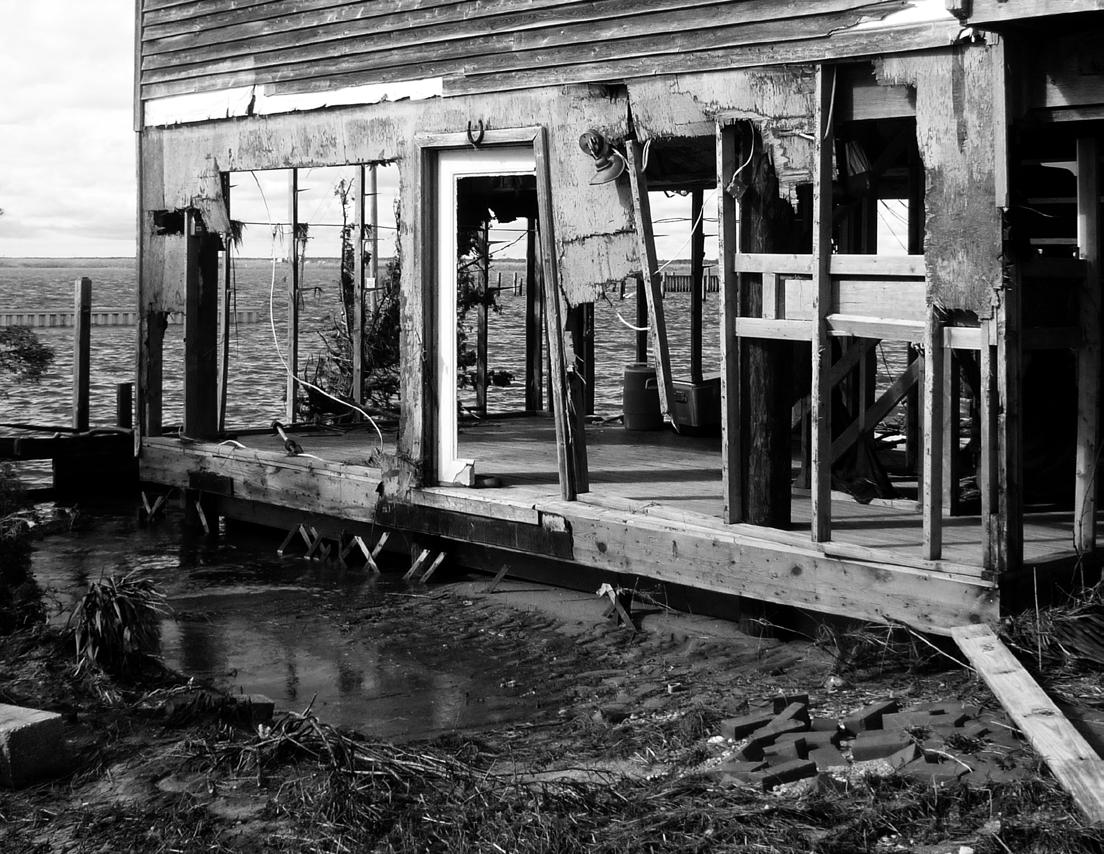
One out of three respondents (32 percent) are at risk of losing their homes or apartments because they have fallen behind on mortgage or rent payments, taxes, or other expenses related to their Sandy-damaged home.
Photo: Ray Fisk, Down the Shore Publishing
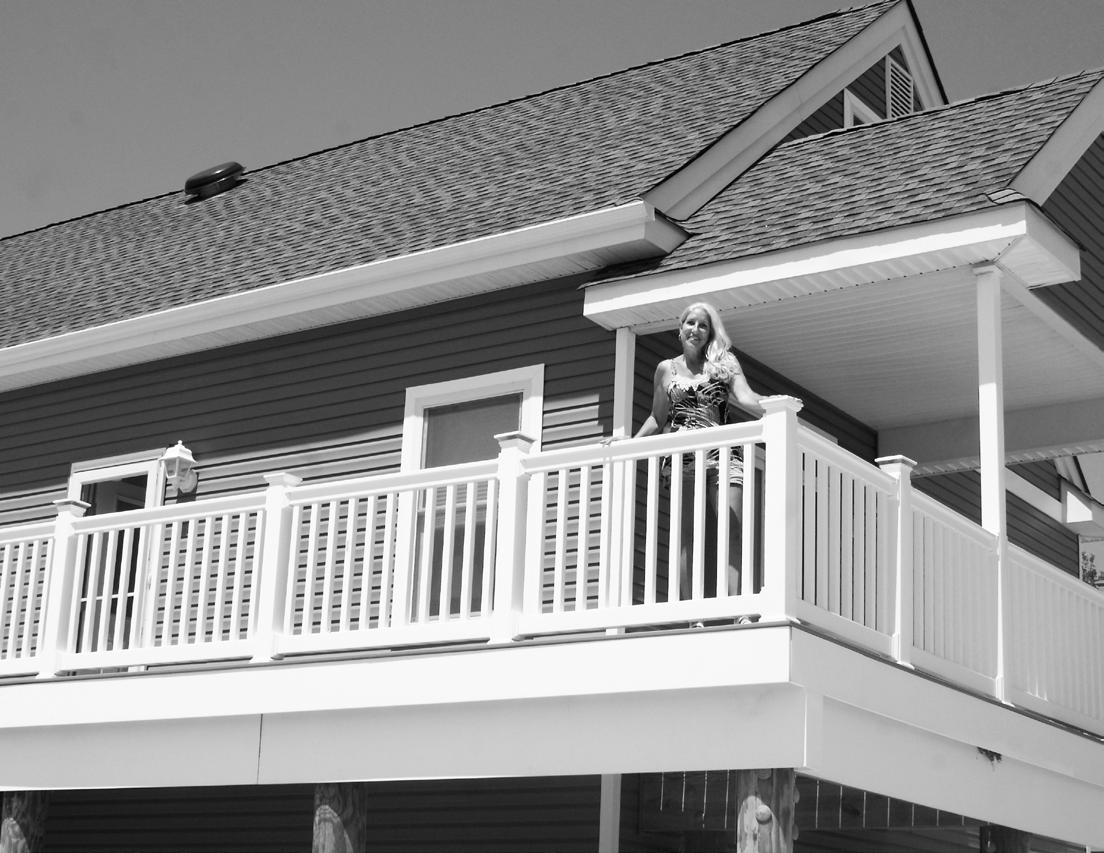
Photo: Priscilla Robinson
Denise Vaccaro sought refuge at a friend’s house in Metuchen when Superstorm Sandy hit her home in Lacey, New Jersey. After over a week, Denise finally got back to her house and saw the aftermath of the storm. Flood water, downed trees, electrical wire, and other debris covered the streets. She had heard about the “war zone” before she arrived, but finally saw the devastation with her own eyes. “There was about 3-4 feet of water in my home. Mud everywhere. Sheds gone. Trees down.
“The sense of loss was overwhelming.” Not long after, she got in touch with FEMA to begin recovery. “I only got $29,000 in flood insurance, even though the town determined that my house was substantially damaged.” Private contractors estimated $64,000$69,000 to repair, but even that didn’t include the cost to rebuild or elevate. The RREM program accepted Denise’s application, but they determined Denise’s home was a total loss and needed to be rebuilt from scratch. “It was really hard to let go of my home. So many of my belongings lost forever.” Denise was relieved to be one of the first survivors to be approved in the RREM program but anxious about next steps. She describes dealing with RREM’s legal requirements and the paperwork process as “mentally and emotionally exhausting.”
DENISE VACCARO
LACEY, NEW JERSEY
Four years after the storm, and two and a half years after being admitted into the RREM program, Denise was able to get her certificate of occupancy and move back home. Denise thought she finally had her life back in order, but then she was hit with a FEMA clawback for $1,034. Shortly after, she got a letter from the RREM program, asking her to pay back $14,174. The letter didn’t give her a clear explanation of why she owed money, or offer a way for her to appeal the determination. Instead, RREM asked her to sign and send back the letter with a cashier’s check payable to the State of NJ. Five years in, Denise is disappointed that this is happening to Sandy survivors. “I’ve been working in the construction business in the administrative field for a long time and understand how the process is supposed to work. I did everything by the books, so this clawback is a complete shock to me. I’ve been recently laid off, and I don’t have $14,000 to give back to the RREM program.” Since receiving the notice, Denise has been trying to respond with more information and documentation. She’s heard from a non-profit who has been assisting her that her clawback may be reduced or eliminated.
PREPARING: PREVENTION AND MITIGATION

State and federal governments must recognize and address the impacts of sea level rise, work to prevent the worst case scenarios, and help families and communities prepare to weather extreme storms and flooding events.
The scientific consensus is clear: sea levels are rising and plans must be put into place immediately to deal with the current unavoidable impacts this change will have. At the same time, human behavior will play a role in just how high and how quickly sea levels will rise and the degree of devastation it will bring. There is a clear need to prepare quickly for what is coming, while doing all possible to mitigate the most extreme scenarios in the future. Every dollar spent on smart prevention and mitigation saves four dollars going forward42 and an inestimable amount in human costs and tragedy avoided.
Fully Fund Federal Flood Mapping
FEMA has a major responsibility in storm and flood preparedness with its mandate to produce accurate flood maps, but years of chronic underfunding have led to woefully inaccurate and out-of-date maps nationally. Despite this, under President Obama, Congress cut funding for updating flood maps by more than half between 2010 and 2013, from $221 million to $100 million a year.43 President Trump has proposed eliminating federal funding for flood mapping, passing the cost on to NFIP policyholders, and shifting that funding to build a border wall with Mexico.44
Accurate maps are critical for a functioning flood insurance program and better mitigation targeting. Congress must fully fund an accurate mapping program that uses Light Detection and Ranging (LiDar) mapping, or the
best current technology available. Proposed federal legislation, the Safe, Affordable, Fair, and Efficient (SAFE) NFIP Reauthorization Act of 2017, appropriates $800 million per year for this purpose.
Make National Flood Insurance & Mitigation Affordable Insurance Affordability
The rising cost of flood insurance is crucial to address moving forward. There are two related ways to do so. First, flood insurance policies must be made affordable. Second, mitigation measures both for families and for communities should be more accessible and affordable, which will drive down insurance costs in the short run and, crucially, drive down recovery cost – both materially and socially – in the long run.
Photo: Ray Fisk, Down the Shore Publishing
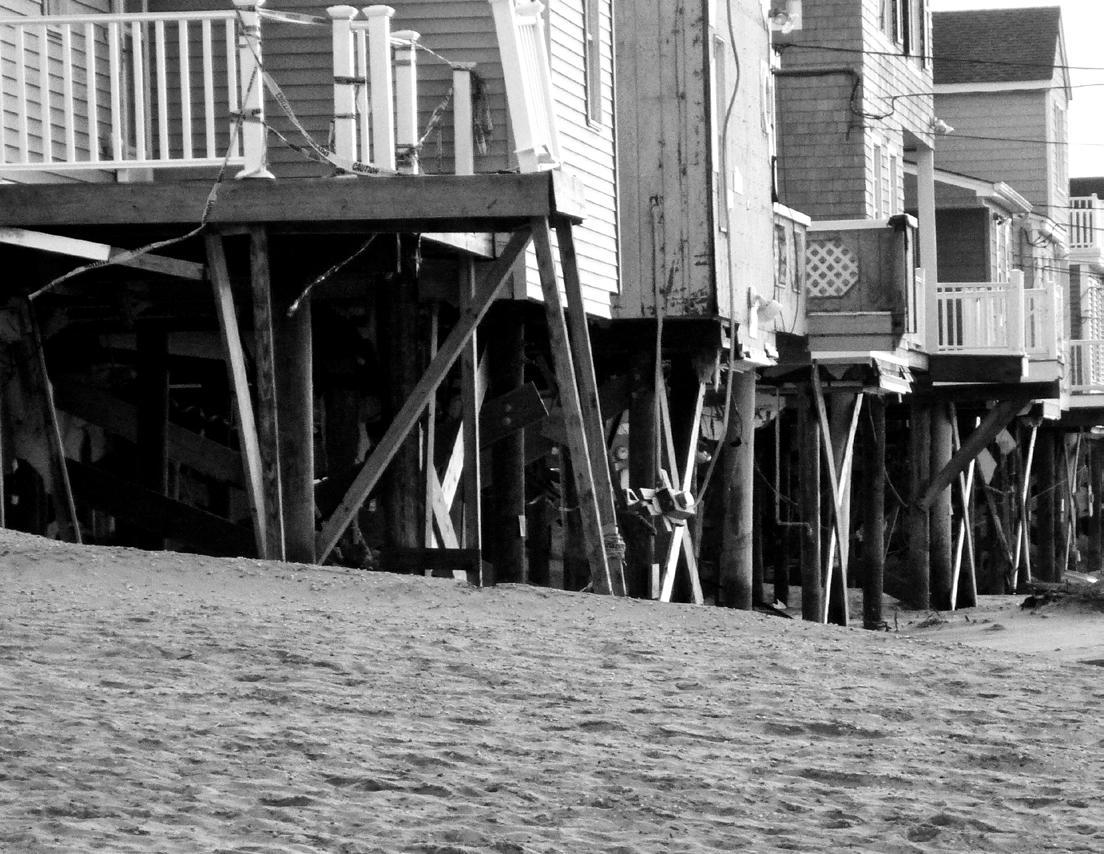
FEMA has a major responsibility in storm and flood preparedness with its mandate to produce accurate flood maps, but years of chronic underfunding have led to woefully inaccurate and out-of-date maps nationally.
Photo: Ray Fisk, Down the Shore Publishing
PREPARING: PREVENTION AND MITIGATION
Under current law, rate increases would severely impact owners of older homes in flood-prone communities.45 Some homeowners would see their rates increase from hundreds of dollars annually to several thousand over the course of a few years. While the Homeowner Flood Insurance Affordability Act of 2013 revised the law to largely slow the impact of rate increases, many low- and moderate-income homeowners, especially individuals living on a fixed income, are effectively “living on borrowed time” as they won’t be able to stay in their communities.46
Congress should permanently cap premium rates from increasing more than ten percent a year and fully fund an assistance program to allow lowand moderate-income families to access assistance with rising flood insurance costs. Families should also be allowed to make flood insurance premium payments monthly without penalty.
Refocusing on Mitigation
Congress needs to renew the goal of the NFIP to meet current and future challenges by refocusing its mission to address managing risk through mitigation. A first step should be to expand funding for Hazard Mitigation Grant Programs under FEMA. Many families or towns and communities would like to take action to reduce their risks and their premiums but simply cannot afford the cost to do so.
In addition, the Community Rating System (CRS) program within FEMA awards credits to communities that take efforts to reduce their flood and storm damage risks. Participation in CRS can make a community better prepared to weather extreme events, open doors to federal funding opportunities, and lower NFIP insurance premiums for homeowners by up to 45 percent. However, without upfront funding for communities and families to undertake eligible projects, uptake is uneven. Grant programs, and zero- or
low-interest loan programs should be available everywhere, and federal, state, and local governments should all make allocation of resources for these programs a priority.
Then, Increased Cost of Compliance (ICC) coverage should be expanded. ICC coverage, a part of most standard flood insurance policies available under the NFIP, provides up to $30,000 to help cover the cost of mitigation measures that will reduce flood risk.47 When a building covered by a standard flood insurance policy is declared to be substantially or repetitively damaged by a flood, ICC will pay up to $30,000 to bring the building into compliance with State or community floodplain management laws or ordinances, which usually means elevating or relocating the building so that it is above the base flood elevation (BFE). In reality, however, these mitigation measures frequently cost well over $30,000. The NFIP should increase ICC coverage to ensure that homeowners can
truly afford to reduce the risk of future flood damage. Next, ICC eligibility requirements should be relaxed to permit more homeowners, beyond those whose homes have been substantially damaged or meet the criteria of a repetitive loss structure, to benefit from mitigation measures. Finally, ICC funds should be available for homeowners to ensure that their homes comply with the law at any time – not just after a disaster.
Last, homeowners must be able to leave an unsafe or high risk situation without facing financial hardship. Adding a buyout option to the NFIP could be an effective way to assist residents if they choose to leave properties that are damaged, become increasingly threatened, and decline in value. While many states, including New Jersey, offered buyout programs after the storm, building this option into the NFIP would make it directly available to individual residents, as opposed to certain
participating communities, more quickly after a storm. Timing is important: residents need to make decisions about rebuilding or other alternatives soon after a storm because they need housing. Buyout options also serve as a mitigation effort by returning the land to a natural state as a buffer for residents that remain.
Most of these reforms, and additional important changes, are part of the SAFE NFIP reauthorization legislation introduced in the Senate with nine unlikely co-sponsors: Senators Robert Menendez (D-NJ), John Kennedy (R-LA), Elizabeth Warren (D-MA), Marco Rubio (R-FL), Chris Van Hollen (D-MD), Thad Cochran (R-MS), Cory Booker (D-NJ), Bill Nelson (D-FL), Bill Cassidy (R-LA), and Jack Reed (D-RI). What these ideologically diverse Senators have in common is that they are all from states which have experienced significant flood disasters, including New Jersey’s two senators. These reforms are based on experience and rise above party politics. New Jersey’s representatives in the
House have introduced the same legislation.
State-Led Mitigation & Prevention
States’ responses to Sandy, and to other major storms and flooding events, have been very uneven.
For example, while Connecticut and New York responded to Sandy by planning and preparing for rising seas and extreme weather, New Jersey took more of a piecemeal approach and, most critically, has not seriously considered the impacts of sea level rise.
Despite its vulnerability, New Jersey ranks near the bottom of states (D-) in preparing for sea level rise and future storms according to “States at Risk: America’s Preparedness Report Card,” a report produced by Climate Central.49 New Jersey’s leaders did not bring together the multiple stakeholders needed to create an actionable plan for a sustainable New Jersey that can adapt to and prepare for future sea level rise and extreme weather. However, universities,
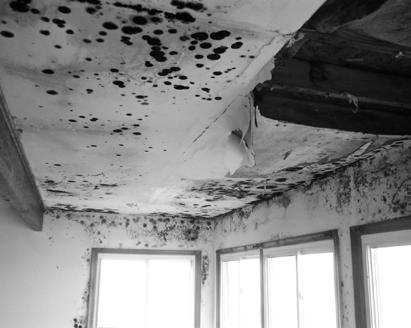
MOLD MOVES IN
Mold (with potential health risks) covers water damaged ceilings and walls.
Did Our Approach Cost Us?
In January 2016, HUD announced the finalists for a national disaster recovery contest.48 New Jersey was a finalist and was awarded $15 million. However, this amount was much lower than the $181 million of the contest that had been earmarked for New York and New Jersey because of Superstorm Sandy. New York City received $176 million and New York state an additional $35.8 million. New Jersey’s application, for a bus depot at the Meadowlands and wetlands management, was deemed by HUD Secretary Julian Castro weaker than other states’ submissions. One potential reason for the low ranking was a lack of inclusion of sea level rise in its mitigation and depot calculations.
Photo: Ray Fisk, Down the Shore Publishing.
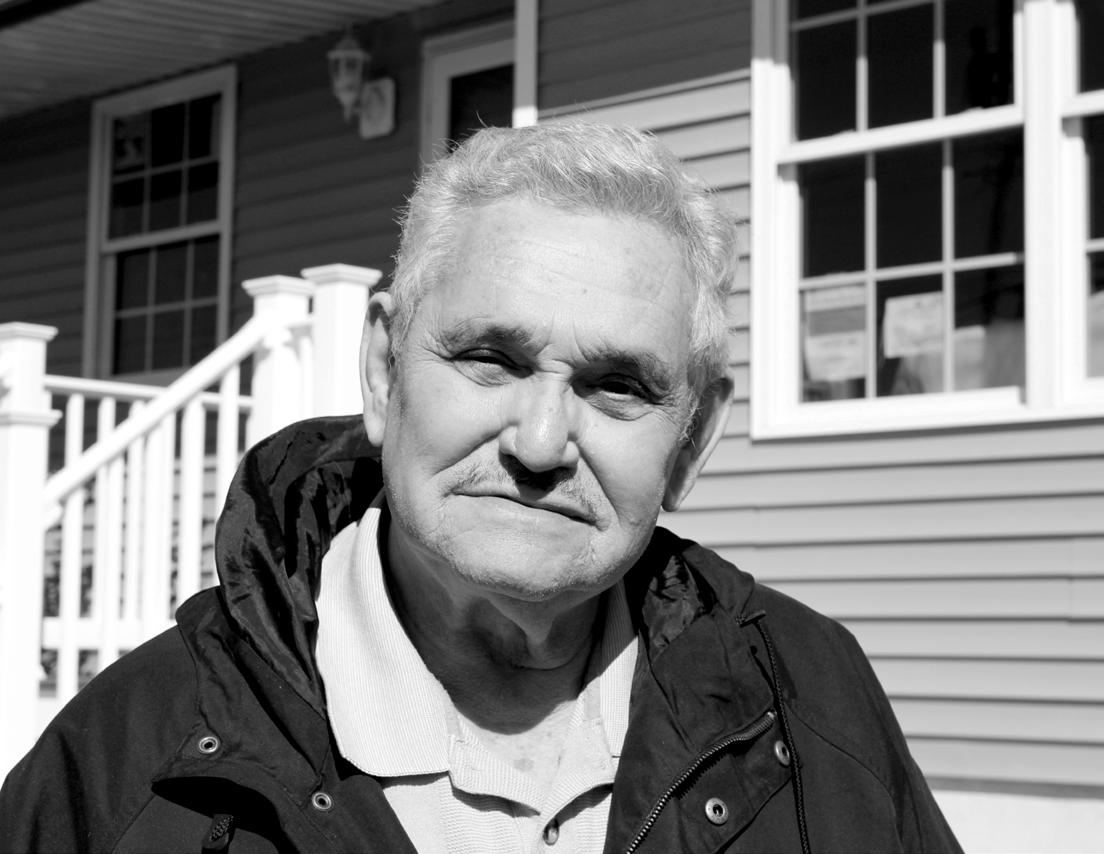
Photo: Priscilla Robinson
When Sandy hit, Angel and his family heard a loud noise and water began leaking into their home: part of their roof had ripped off. “We had to keep running back and forth from the sink with the pots and pans to empty them because the water was leaking from the roof so badly for hours.” Meanwhile, flooding from the storm began pooling in the crawl space underneath their home and seeped into the siding and insulation.
Angel and Fe applied for the RREM grant program and were accepted in June 2013, and began the long process. “We got nowhere fast because there was so much repetitive paperwork to complete and nobody seemed to know what they were doing,” Angel recalls. After two years, Angel and Fe finally got a phone call from RREM asking them to come to their office in Egg Harbor Township to accept their grant award.
When Angel signed a contract with the builder, he remembers a big red flag when he went over the contract and couldn’t find the builder’s contractor license or insurance information. “Looking back, I realize that there was supposed to have been a meeting between the builder, the project manager, and me but that never happened.” The Eguaras family vacated their home on January 1, 2016, but the contractor didn’t begin disconnecting utilities
ANGEL & FE EGUARAS
VENTNOR, NEW JERSEY
until March, 2016, and didn’t begin working until April. By June, Angel started to see serious problems with the work but when he attempted to talk to his contractor about these issues, the contractor refused and referred Angel to someone else. Angel called his project manager who told him about the RREM Fraud Policy and to file a report through various channels including the local police.
Beginning in November of 2016, Angel went to the police four times to report his contractor, but each time the police told him they believed it was a civil matter, not criminal. After months of waiting, Angel hired a private house inspector and an engineer who concluded that elevation and foundation work had been done so poorly that it would have to be redone. In July of 2017 Angel and members of the New Jersey Organizing Project met with the Chief of Police and Mayor. With everyone working together, Angel got a charging document two weeks later. RREM sent an inspector to determine the damage left by the contractor. Angel will likely be able to access additional funds but he is still awaiting RREM’s determination of a new scope of work and grant award. In the nearly two years that the Eguaras family has been out of their home, they have had health issues and have moved five times.
coalitions of community groups, and even regional formations of local governments have been working to develop answers to these questions. But unlike other states, including Connecticut and New York, these efforts are not being centrally led by the governor or an appointed and empowered committee that includes all stakeholders in a regional approach.
It is critical that New Jersey’s next governor create a coordinated, statewide approach to extreme weather and rising sea levels. Key constituencies, such as universities, experts, local governments, community members, and groups on the ground, must be part of the effort to evaluate the challenge and name solutions. It was a mistake to initially exclude directly impacted people from planning Sandy recovery efforts. When they fought their way to the table, the solutions that were developed worked better and addressed community needs. It is a lesson that must be applied
in the future by including all impacted communities to ensure that issues of equity are central to the conversation.
Some of these plans will need to be implemented soon. Numerous scientific reports detail the risk of sea level rise to New Jersey residents, and the experience of these communities highlights the reality of more frequent and more severe flooding. In a July 2017 report, “When Rising Seas Hit Home,” the Union of Concerned Scientists researched how coastal communities, including New Jersey would fare with “low,” “intermediate,” and “high” sea level rise scenarios. By 2035, 21 communities would face chronic inundation of flood waters in an intermediate scenario. By 2100 in that same scenario, more than 100 New Jersey communities – second only to Louisiana – would face chronic inundation. Their research shows that though we may act now to plan and prepare, the extent to which our communities and infrastructure
will be impacted largely depends on how quickly and extensively sea levels rise. New Jersey should be a part of the solution to slowing sea level rise by rejoining the Regional Greenhouse Gas Initiative, and join other cities and states in meeting the United States’ commitments in the Paris climate accord.
After the Storm Hits: Funding and Coordinating Immediate Response
The days and weeks immediately following a disaster are critical to getting the entire recovery right. Ensuring that the federal, state, and local planning and resources are in place and ready to be deployed can bring more families home more quickly and help areas recover fully.
Reauthorize and Reform the National Flood Insurance Program (NFIP)
The NFIP is up for reauthorization by December 8th of 2017. Congress should reauthorize and fully fund the program while
working to reform the NFIP to make it more affordable, more accessible, and more fairly administered for families and communities that rely on it.
Despite significant debate about the future of the program, the experiences of policyholders, potential policyholders, and those that have survived disasters have not been central.
As the survey reflects, a significant number of Sandyimpacted families did not have flood insurance at all, and neither do many Americans who find themselves in the path of rising waters and worsening storms. This problem has become apparent as clean-up and recovery begin in the wake of the historic flooding events of 2017 – only one in eight residents of East Baton Rouge who faced severe flooding this year had flood insurance50 and many who have been hit hard by Hurricane Harvey in Texas similarly lack coverage.51
At a time when more and more Americans need and should have access to flood insurance, many proposals for the future of the NFIP take the program in the wrong direction. Reforms must focus on the experiences of policyholders, the needs of communities, and the gaps in coverage due to mandates or cost.
FEMA must effectively regulate and reign in the profits made by insurance corporations that participate in the Write Your Own (WYO) program, or eliminate the program. First, FEMA must cap compensation for WYO companies to cover just reasonable costs associated with the administration of the program and make the compensation schedule public. Insurance companies in the program do not carry the risk and so should not be profiting from the program unduly.
It is also critical, as our research shows, to protect policyholders from under-payment by WYO companies and from unfair exemptions. In the current program structure, WYO
insurance companies are liable only for overpayment, which incentivizes them to underpay claims. The WYO program should be reformed to hold insurance companies that underpay claims responsible for making up the difference. In addition, insurance companies in the program that exhibit a pattern of underpayment should face escalating penalties culminating in removal from the program. Additionally, insurance companies’ widespread use of the “earth movement” exclusion to deny claims, which the former head of FEMA himself has acknowledged was not what was envisioned when it was defined in the NFIP,52 should be eliminated.
Tax dollars should not be used in the future to cover the costs of the attorneys working for WYO companies when policyholders are suing them for an unfair or underpaid settlement. When policyholders sue for a fair settlement, they should be able to receive attorney’s fees and expert fees rather than having to pay out of the settlement they deserved.

BELMAR FLOODING
The scene outside Krista Sperber’s home in Belmar on November 1, three days after Sandy.
Mayor Matt Doherty launched a “Home by Summer” effort that sought funds from neighbors, companies, and businesses in town. All told, it raised over $240,000 in funds or labor and supplies donated to assist families in getting home. To make the rebuilding process smoother for businesses and homeowners, the town also made a special effort to facilitate rebuilding for older homes. In Belmar, owners of pre-existing nonconforming structures were allowed to rebuild on the same footprint as long as they didn’t exacerbate whatever was unusual or out of date about their property. This allowed them to rebuild without applying for a variance, saving time and money. No fees were charged for rebuilding Sandydamaged homes or businesses, and Belmar hasn’t had to raise taxes for seven years.
Photo: Krista Sperber, Grass Creative.
In order to ensure proper claims payments and administration of the WYO program, a comprehensive, timely, accessible, and wellstaffed appeals process must be permanently instituted at FEMA. It is also critical that those working on processing claims be trained, licensed, and qualified by FEMA.
Finally, proposals to privatize the NFIP should not be entertained. There is no evidence that privatizing the program will help families afford flood insurance, mitigate risk, or increase fairness to policyholders. Private insurers have been the cause of many problems families face, and focus should be on closing loopholes to prevent abuses. In addition, many analysts believe that, in the long run, privatization could cost taxpayers more because private insurance companies will cherrypick the least risky policies leading to the NFIP holding the riskiest policies. The solution is not to privatize, but to reform the NFIP so that it works better for
families, prioritizes affordability and mitigation, and ultimately expands so that more and more Americans have access to the program whether they are in a currently designated floodplain or not.
States Must Set Up a Coordinated Recovery Plan
A more coordinated, statewide approach to disaster recovery is needed. New Jersey’s many and varied municipalities and system of home rule make disaster recovery efforts challenging, and will make preparing and planning a challenge too.
Contractors had to learn building codes and regulations for many different locations – for example, Long Beach Island, which is 18 miles long and was impacted in Sandy, has six different local governments. Belmar, New Jersey provided valuable assistance to displaced families by waiving all fees for Sandy survivors for permits and allowing them to rebuild on the original footprint without having
to obtain any waivers. Other towns did not take the same approach, and families are still struggling to obtain a waiver to rebuild on their original footprint or to afford fees associated with permits and rebuilding costs. It follows that New Jersey’s current system of home rule will be a challenge when planning for future disasters. Sandy impacted multiple areas of the state, which calls for a centralized, regional approach for New Jersey.
Shortening the Long Road Home: Supporting Families and Communities as They Rebuild
Recovering from a devastating storm is enormously taxing. The goal of relief programs should be to make the recovery process easier by putting the needs of families – their economic, physical, and mental health – first, but too often poor design and implementation have made things more difficult.
The previous two sections gave recommendations for
how to lessen the severity of storms through slowing climate change, mitigating the impact of storms through preparedness, and strengthening the NFIP. But even with all of these recommendations in place, storms will continue to cause damage. The following section provides a series of recommendations on how to ease the burdens of the recovery process on families and communities while collectively building a more resilient landscape.
Humanizing the Recoupment Process
Despite the best efforts of coordination, it is likely that there will still be bumps in the road and occasional overpayment of benefit and relief funds. But the experiences of Sandy survivors in our survey show that there are better ways to handle these problems. While federal agencies are required to abide by the Stafford Act, they do have some flexibility in pursuing recoupment. After Hurricane
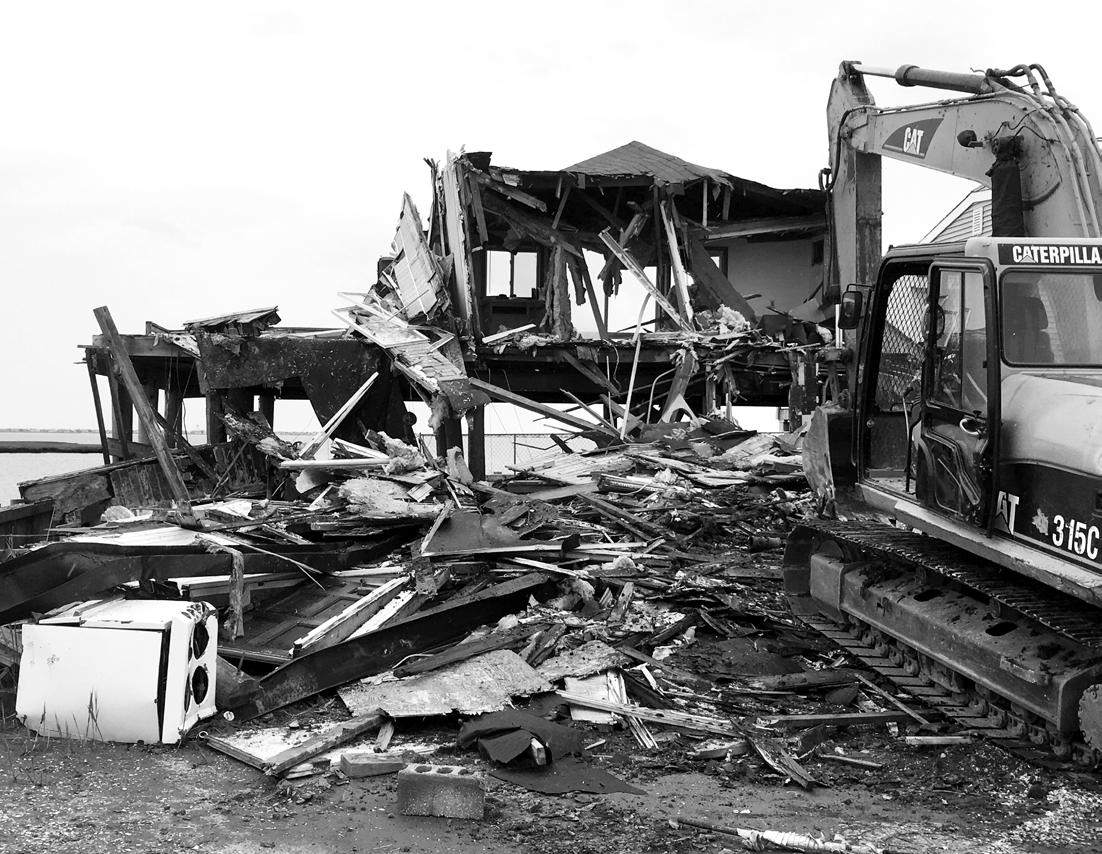
“We were trying to pay for our mortgage and a rental for us and our two children. We couldn’t afford both and, after going through everything we had in savings after two and a half years, chose to pay for the roof that was actually over our heads.”
Photo: Ray Fisk, Down the Shore Publishing
Katrina, for example, a law was passed that allowed FEMA to waive a debt if the improper payment was a result of an error solely on FEMA’s part, and if the collection of the debt would have been “against equity and good conscience.”53 Given that numerous homeowners relied on inaccurate information from their Housing Advisors or other staff in the grant programs, this type of waiver should be permanently available for all disasters.
In addition, because so many of those impacted by Sandy received recoupment letters on the basis that they had duplicated a benefit with an SBA loan, homeowners should once again be permitted to use CDBG funds to pay off SBA loans, as they could immediately after Hurricane Katrina, before HUD’s November 2011 guidance rejected this proposal.
Furthermore, at the state and federal level, the recoupment processes would be improved by requiring clear, written notice
I was laid off my job after Sandy. I was the primary wage earner – my husband is disabled and unable to work. I needed to deal with the entire recovery process… a huge nightmare. I became ill with major health issues that were directly related to Sandy.
to homeowners, establishing an appeals process through which homeowners can submit additional documentation, and setting limits on maximum monthly repayments based on income. A new bill, A4784/S3149, that would require the DCA to implement these procedures for recipients of the RREM and LMI grants, passed the Assembly unanimously; it is awaiting passage in the Senate and then the Governor’s signature.54
Preventing Contractor Fraud
The unfortunate reality is that natural disasters may inherently attract deceitful con artists who
intentionally target homeowners in vulnerable situations.55 However, state agencies that administer disaster recovery programs can take measures to help prevent contractor fraud. If a Project Manager is assigned to each grant recipient, that individual’s role should involve supporting the homeowner in understanding the construction process, selecting an appropriate contractor, ensuring that the contract matches the scope of work approved by the program, and troubleshooting any issues that arise with the contractor. When the program approves a contract, it should go beyond simply checking the contractor’s
license but should instead ensure that the agreement meets basic legal requirements. Additionally, the state should take measures prior to authorizing applicants to become home improvement contractors to screen those contractors (for example, by tracking contractors by their Social Security or Individual Tax Payer ID number as opposed to their license numbers) and to prevent any with criminal convictions in other states from participating in the grant program.
The program should also have a more effective procedure for addressing contractor fraud that allows defrauded homeowners to receive additional funds promptly so they are not forced to put projects on hold, either by accepting documentation other than or prior to a legal charging document, or by allowing homeowners, including those who have already obtained a certificate of occupancy, to seek reimbursement after a new contractor has completed the work or fixed mistakes.
Finally, contractors that have a track record of incompetence should be barred from administering recovery programs or funds.
Easing Family Economic Impacts
It is key to make assistance available early and to make it consistent. People experienced loss of their homes and income, and, in some instances, negative health impacts. The gap between the two rental assistance programs, SHRAP and RAP, caused hardship for many families. It is critical that rental or mortgage assistance programs be in place and ready to launch as soon as FEMA aid runs out for families and remain available consistently to those who need them.
This February, New Jersey passed legislation that allowed Sandy-impacted families to apply for a forbearance and/or a stay of foreclosure to allow them to keep their homes, or afford additional recovery costs. Organizations
like the New Jersey Organizing Project, Housing and Community Development Network of New Jersey, and the Fair Share Housing Center had been advocating for years for this legislation and even now, execution remains incomplete. For example, implementation problems by foreclosure judges and procedural barriers from some banks have hampered the program.
Any state with a major disaster should implement a version of this policy more quickly, with stronger enforcement and oversight, which would prevent
more foreclosures. Immediately after a natural disaster, storm survivors with damaged primary homes that they are required to leave in order to repair should be offered the opportunity to apply for a forbearance for up to three years after the storm to provide flexibility in meeting financial obligations. The forbearance must be without interest or penalties, and without a balloon payment.
Improving Health Outcomes
In the immediate aftermath of a storm, providing housing alternatives to families whose
I was a [professional] in a public school for 30 years when our home was damaged by Sandy.
I retired two years later because the stress of work and problems rehabilitating my house was too much for me.
homes are unsafe is critical to ensuring both mental and physical health. For example, post-flood mold in structures is nearly unavoidable, yet mold is associated with an increased risk of both asthma and mental health disorders.56 It is imperative that systems be put in place for immediate disaster assistance focused on allowing homeowners to temporarily move out of significantly damaged properties. Additionally, as cited above, studies have demonstrated an increase in the number and mortality of strokes and heart attacks shortly after the storm. Pre-disaster public education on the increased risks and preventative measures to take could save lives. The survey results emphasize how pervasive mental health issues are, and continue to be, among storm survivors, and also how difficult it is to find help nearby. Immediately after Sandy, the New Jersey Department of Human Services’ Disaster and Terrorism Branch established the New Jersey Hope and Healing Program.
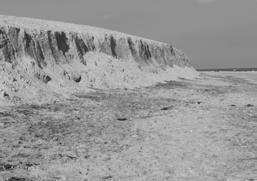
This program provided crisis counseling in counties impacted by Sandy. Trained counselors met with storm survivors individually and also organized support sessions for children and adults at community centers, restaurants, child care centers, churches, and other locations. Counselors from this program conducted over 37,000 individual visits, of which 39 percent resulted in referrals for further crisis counseling and ten percent were referred for more intensive mental health services.57 However, the program ended in 2014, leaving many without the support they so desperately needed. Extended funding for programs like Hope and Healing would ensure that these critical resources remain available to storm survivors even years after a disaster.
Our survey results, consistent with other studies, have found that even children in homes that
experienced minor storm damage were at particularly high risk for psychological and emotional issues.58 Children who have been through a natural disaster may benefit from increased counseling services in schools, or programs targeted towards youth through mental health organizations such as Hope and Healing. These services should be provided to young people of all ages, including those in college who may need help in finding appropriate resources outside of their local communities.
These services need to be accessible to all disaster survivors – many respondents indicated that health services weren’t available near their communities –and, as our survey shows, should be oriented toward helping survivors not just in the immediate aftermath but longer term as the need for help continues on long after the disaster.
Photo: Pat Trotter, Two Giants Photos.
THE AUTHORS
Amanda Devecka-Rinear is the founding Director of the New Jersey Resource Project and the New Jersey Organizing Project. Founded by Superstorm Sandy survivors in 2014, in less than three years they have won millions of dollars in rental assistance for Sandy families, worked to pass two state laws, one on disaster spending and transparency and the other to halt foreclosure and provide a mortgage forbearance for disaster survivors. Previously, she was the National Campaign Director for People’s Action where she ran campaigns on Wall Street accountability, tax fairness, and predatory lending. She has been a community organizer for nearly twenty years.
Jessica Limbacher, Esq. is a Staff Attorney at Volunteer Lawyers for Justice in Newark, New Jersey. She leads the Bankruptcy Program, Children’s Representation Program, Consumer Law Program, and Disaster Legal Response Program (DLRP). Jessica is co-chair of the New York County Lawyers’ Association Education Law Committee and a member of the New Jersey State Bar Association School Law Committee. She also serves on numerous committees and task forces related to Superstorm Sandy recovery and has provided leadership through the DLRP since the project was started.
Elizabeth Marshall, Ph.D., is a faculty member in the Department of Epidemiology, Rutgers School of Public Health. She teaches and conducts research in the area of occupational and environmental epidemiology, with special interests in vulnerable workers and reproductive hazards. She recently directed two federal grants evaluating the occupational health effects of Superstorm Sandy, especially related to work in construction and tree care. Dr. Marshall has broad experience in public health surveillance, participatory research, and community health.
Michele Ochsner, Ph.D. As research faculty in the Rutgers School of Management and Labor Relations and co-director of the Occupational Training and Education Consortium, Michele works on a diverse range of evaluation and research projects using community based participatory research methodologies. She has been the principal or co-investigator of more than twenty federal, state and foundation funded projects focused on occupational and environmental health, health care and workforce development and her research has been published in a number of peer reviewed journals.
Liz Ryan Murray is currently the Project Director for CarsonWatch at Public Advocates and was formerly the Policy Director for People’s Action. Liz has worked as an organizer, researcher and policy staff for racial and economic justice campaigns for over 20 years, including work on affordable housing, financial reform, civil rights, budget and tax fairness. She has a masters degree from the University of Illinois at Chicago.
Fatima Zouhour received a masters in labor and employment relations from Rutgers University, School of Management and Labor Relations. Fatima provided the initial statistical summaries of the survey data and contributed to the analysis of the data.
ENDNOTES
1 Office of Science, New Jersey Department of Environmental Protection, “Damage Assessment Report on the Effects of Hurricane Sandy on the State of New Jersey’s Natural Resources” (May 2015) page 1 http://www.nj.gov/dep/dsr/hurricane-sandy-assessment.pdf
2 Fair Share Housing Center, Latino Action Network, NAACP New Jersey State Conference, “The State of Sandy Recovery, Second Annual Report” (February 2015) page 1 http://fairsharehousing.org/images/uploads/State_of_Sandy_English_2015.pdf
3 IBID
4 State of New Jersey, “CDBG-DR April 1, 2014 thru June 30, 2014 Performance Report” (August 2014) page 2 http://www.renewjerseystronger.org/wp-content/ uploads/2014/08/2014-2Q-QPR.pdf
5 New Jersey Department of Community Affairs, “Community Development Block Grant Disaster Recovery Action Plan” (March, 2013) Section 2, pages 3-8 ) http://www. state.nj.us/dca/announcements/pdf/CDBG-DisasterRecoveryActionPlan.pdf
6 The Associated Press, “Insidious but overlooked: Back bay flooding plagues millions” NJ.com (updated June, 2017) http://www.nj.com/news/index.ssf/2017/06/back bay_flooding_increasing_problem_for_njs_coast.html
7 Colleen O’Dea, “Interactive Map: Assessing Damage from Superstorm Sandy” NJSpotlight (March, 2013) http://www.njspotlight.com/stories/13/03/14/assessingdamage-from-superstorm-sandy/
8 Jean Mikle, “Sandy ‘ground zero’: Ortley Beach dune starting” app. (March, 2017) http://www.app.com/story/news/local/ocean-county/sandy-recovery/2017/03/17/duneproject-start-ortley-beach-mid-april/99300630/
9 Federal Emergency Management Agency, “Hurricane Sandy By the Numbers” (February 2013) https://www.fema.gov/media-library-data/1446042082195-179d93a1d9 f3ca512de588ebf4091336/Sandy_anniv3_by_the_numbers.pdf
10 Scott Gurian, “Feds Probe Why Sandy Victims Were Shortchanged on Flood-Insurance Claims” NJSpotlight (May, 2015) http://www.njspotlight.com/stories/15/05/11/ federal-probes-continue-into-why-sandy-victims-were-shortchanged-on-flood-insurance/)
11 Federal Emergency Management Agency Fact Sheet, “Sandy Claims Review Division Update” (September 2017) https://www.fema.gov/media-librarydata/1505501318575-9cbe3b0e11d4032a6c53267483e1a744/Final_Fact_Sheet_Sandy_Claims_Review_Division_09152017.pdf
12 Laura Sullivan, “Business of Disaster: Insurance Firms Profited $400 Million after Sandy” National Public Radio, All Things Considered (May, 2016) http://www.npr. org/2016/05/24/478868270/business-of-disaster-insurance-firms-profited-400-million-after-sandy
13 Lisa Desjardins, “How the U.S. funds disaster recovery and what it means for Harvey relief” PBS Newshour (September 2017) http://www.pbs.org/newshour/rundown/ u-s-funds-disaster-recovery-means-harvey-relief/
14 Raymond Hernandez, Congress Approves $51 Billion in Aid for Hurricane Victims” New York Times (January, 2013) http://www.nytimes.com/2013/01/29/nyregion/ congress-gives-final-approval-to-hurricane-sandy-aid.html
15 State of New Jersey, Office of the Governor, “Christie Administration Announces Launch of “renew Jersey Stronger” Housing Assistance Initiative” (May 2013) http:// www.state.nj.us/governor/news/news/552013/approved/20130524a.html
16 Laura Denker, “State Sued Over Refusal to Explain Why Families are Being Turned Down for Sandy Rebuilding Funds” Fair Share Housing Center Blog (September 2013) http://fairsharehousing.org/blog/entry/state-sued-over-refusal-to-explain-why-families-are-being-turned-down-for-s/
17 Colleen Odea, “Lawsuit seeks to address disparities in Sandy-Relief Funding for Poor” NJ Spotlight (September, 2013) http://www.njspotlight.com/stories/13/09/12/
lawsuit-seeks-to-address-disparities-in-sandy-relief-funding-for-poorer-residents/
18 Laura Denker, “Documents obtained from Christie administration raise questions of mismanaged funds” Fair Share Housing Center Blog (November, 2013) http:// fairsharehousing.org/blog/entry/documents-obtained-from-christie-administration-raise-questions-of-mismanag/;
19 Laura Denker, “No Habla Español! Latino Action Network files complaint administration misleading families” Fair Share Housing Center Blog (October, 2013) http:// fairsharehousing.org/blog/entry/no-habla-espanol-latino-action-network-files-complaint-administration-misle/
20 Erin ONeill, “Housing recovery firm billed NJ $51M for less than 8 months of Sandy work” nj.com (updated February, 2014) http://www.nj.com/politics/index.ssf/2014/02/ hgi_billed_nj_51m_for_six_months_of_sandy_work.htm
21 Associated Press, “NJ to pay $7.6M to firm that handled Sandy program” app. (updated May, 2015) (http://www.app.com/story/news/local/monmouth-county/sandyrecovery/2015/05/22/nj-pay-firm-handled-sandy-program/27817555/
22 Ibid
23 Steve Kastenbaum, “New Jersey reopens appeals process for those denied Sandy funds” CNN (February, 2014) http://www.cnn.com/2014/02/08/politics/new-jerseysandy-funds/http://www.cnn.com/2014/02/08/politics/new-jersey-sandy-funds/
24 Jean Mikle, “N.J.: Move $29M in Sandy aid to lower incomes” app. (updated July, 2015) app. http://www.app.com/story/news/local/ocean-county/sandyrecovery/2015/07/09/sandy-money/29930373/
25 Russ Zimmer, “Few homes completed through RREM program,” app.com (updated Nov., 2014) http://www.app.com/story/news/local/monmouth-county/sandyrecovery/2014/11/19/monmouth-county-rrem-homes-completed/19273821/
26 NJ Department of Community Affairs, “ Policy addressing contractor performance Issues: Fraud, poor workmanship, and failure to perform in a timely manner” (Revised November 2016) http://www.renewjerseystronger.org/wp-content/uploads/2017/06/2.10.88-Policy-Addressing-Contractor-Performance-Issues-November2016.pdf
27 Sandy Recovery Division, Department of Community Affairs, “Grant Reconcilation Policy Number 2.10.90” (April 2016) http://www.renewjerseystronger.org/wp-content/ uploads/2017/06/2.10.90-Grant-Reconciliation-Policy_4-2016.pdf
28 The Stafford Act, as amended and emergency management-related provisions of the Homeland Security Act, as amended FEMA 592, (August 2016) https://www.fema. gov/media-library-data/1490360363533-a531e65a3e1e63b8b2cfb7d3da7a785c/Stafford_ActselectHSA2016.pdf
29 Department of Housing and Urban Development, “Clarification of Duplication of Benefits Requirements Under the Stafford Act for Community Development Block Grant (CDBG) Disaster Recovery Grantees” Federal Register (November, 2011) (https://www.federalregister.gov/documents/2011/11/16/2011-29634/clarification-ofduplication-of-benefits-requirements-under-the-stafford-act-for-community
30 Sandy Recovery Division NJ Department of Community Affairs, op. cit.
31 Estelle Sommeiller, Mark Price, and Ellis Wazeter, “Income inequality in the U.S. by state, metropolitan area and county” Economic Policy Institute (June, 2016) http:// www.epi.org/publication/income-inequality-in-the-us/
32 Legal Services of New Jersey Poverty Research Institute, “What is poverty? Measuring Deprivation in New Jersey,” (September, 2014) http://poverty.lsnj.org//Pages/ WhatisPoverty2014
33 The Associated Press, “Mass unemployment filing today for Atlantic City’s newly laid-off casino workers,” NJ.com (Updated September, 2014) http://www.nj.com/ atlantic/index.ssf/2014/09/mass_unemployment_filing_today_for_atlantic_citys_newly_laid-off_casino_workers.html
34
Jean Mikle and Michael L. Diamond, “Shore towns feel ripple effect as A.C. looks to rebrand,” Courier Post (Updated July, 2014) http://www.courierpostonline.com/ story/news/local/south-jersey/2014/07/27/shore-hit-casino-closings/13257105/
35 Steve Trader, “As casino industry falters, food stamp use up 12 percent in Atlantic County” Newsworks (May 2015) http://www.newsworks.org/index.php/local/newjersey/81789-as-casino-industry-falters-food-stamp-use-up-12-percent-in-atlantic-county-
36 Department of Community Affairs, “February 26, 2015 Christie Administration Announces Short-Term Rental Assistance for Sandy-Impacted Homeowners in the RREM and LMI Homeowners Rebuilding Programs While They Repair Their Homes” (February, 2015) http://www.renewjerseystronger.org/february-26-2015-christieadministration-announces-short-term-rental-assistance-for-sandy-impacted-homeowners-in-the-rrem-and-lmi-homeowners-rebuilding-programs-while-they-repair-theirhomes/
37 Jean Mikle, “Sandy rental aid program raises monthly payments” app. (Updated May, 2015) app.http://www.app.com/story/news/local/ocean-county/sandyrecovery/2015/05/26/sandy-rental-program/27977745/
38 Jean Mikle, “N.J. extends rental assistance for Sandy victims” app. (updated March 2016) (http://www.app.com/story/news/local/ocean-county/sandy-recovery/2016/03/03/ nj-extends-rental-assistance-sandy-victims/81276294/
39 Joel N. Swerdel, Teresa M. Janevic, Nora M. Cosgrove, John B. Kostis, “The effect of Hurricane Sandy on cardiovascular events in New Jersey” (December 2014) Journal of the American Heart Association Volume 3, Issue 6 http://jaha.ahajournals.org/content/3/6/e001354.full?sid=777b78d2-36ba-4add-87d4-70485bd82abc
40 Healthcare Quality Strategies, Inc. (HQSI), “Enhancing coordination of behavioral health services after Superstorm Sandy: Planning for future disasters” (February, 2014) http://hqsi.org/wp-content/uploads/2015/11/SSS-Hackensack_508.pdf
41 David M. Abramson et. al., “The Hurricane Sandy Person Report: Disaster Exposure, Health Impacts, Economic Burden, and Social Well Being” (2015) https:// academiccommons.columbia.edu/catalog/ac:187433
42 Federal Emergency Management Agency, (2008) “Fact Sheet: Mitigation’s value to society,” https://www.fema.gov/pdf/hazard/hurricane/2008/gustav/mitigations_ value_factsheet2008.pdf
43 Theodoric Meyer, “As need for new flood maps rises, Congress and Obama cut funding” ProPublica (May 2013) https://www.propublica.org/article/as-need-for-newflood-maps-rises-congress-and-obama-cut-funding
44 Jean Mikle and Russ Zimmer, “Report: Flood insurance fee to pay for border wall” Asbury Park Press (updated March, 2017)http://www.northjersey.com/story/news/ politics/new-jersey/2017/03/08/flood-insurance-nj-fema-trump-border-wall/98899686/
45. Bryan Walsh, “The hard math of flood insurance in a warming world: As subsidized rates of federal flood insurance rise, property owners along the coasts get angry. But we need insurance that reflects the risks of a changing planet” Time (October, 2013) http://science.time.com/2013/10/01/the-hard-math-of-flood-insurance-in-a-warmingworld/
46 Samuel Stein and Caroline Nagy, “Rising tides, rising costs: Flood insurance and New York City’s affordability crisis” Center for NYC Neighborhoods (September, 2014) http://cnycn.org/wp-content/uploads/2014/09/Rising-Tides-Rising-Costs-2014_compressed.pdf
47 Federal Emergency Management Agency, “Increased costs of compliance coverage: the National Flood Insurance Program-Building smarter and safer,” (2012) https:// www.fema.gov/media-library-data/20130726-1447-20490-5393/increasedcostofcompliancecoverage_2012.pdf
48 Department of Housing and Urban Development, “National disaster resilience” (2017) https://www.hudexchange.info/programs/cdbg-dr/resilient-recovery/
49 Climate Central, “States at Risk: America’s preparedness report card” (November, 2015) http://www.climatecentral.org/news/states-at-risk-preparedness-reportcard-19690
50 Chad Calder, “Only 1 in 8 EBR residents have flood insurance, meaning many will likely bear brunt of losses” The Advocate (August, 2016) http://www.theadvocate.com/ baton_rouge/news/article_8c8255ec-6336-11e6-aa27-63945b489f7e.html
51 Kate Leslie, “As waters rise in Harvey’s wake, many Texans lack flood coverage” Dallas News (August, 2017) https://www.dallasnews.com/news/politics/2017/08/26/ waters-rise-harveys-wake-many-texans-lack-flood-coverage
52 Russ Zimmer, “5 things FEMA learned from Sandy” app. (updated June, 2015) http://www.app.com/story/news/local/monmouth-county/sandy-recovery/2015/06/04/ five-things-fema-learned-sandy/28486355/
53 Mark Schleifstein, “FEMA waives $94.9 million in improper Katrina, other disaster payments,” NOLA.com (October, 2012) http://www.nola.com/politics/index. ssf/2012/10/fema_waives_949_million_in_imp.html
54 Jean Mikle, “Bill would protect Sandy victims from state payback demands” app. (March, 2017) http://www.app.com/story/news/local/ocean-county/sandyrecovery/2017/03/23/bill-would-protect-sandy-victims-state-payback-demands/99531270/
55 Ibid
56 David Abramson et. al., “Briefing Report: The Hurricane Sandy person report: Disaster exposure, health impacts, economic burden, and social well-being” Sandy Child and Family Health Study, Rutgers University School of Social Work, New York University College of Global Public Health, Columbia University National Center for Disaster Preparedness, Colorado State University Center for Disaster and Risk Analysis (June, 2015) http://njadapt.rutgers.edu/docman-lister/conference-materials/137-scafhperson-report-final/file
57 Ibid
58 Ibid