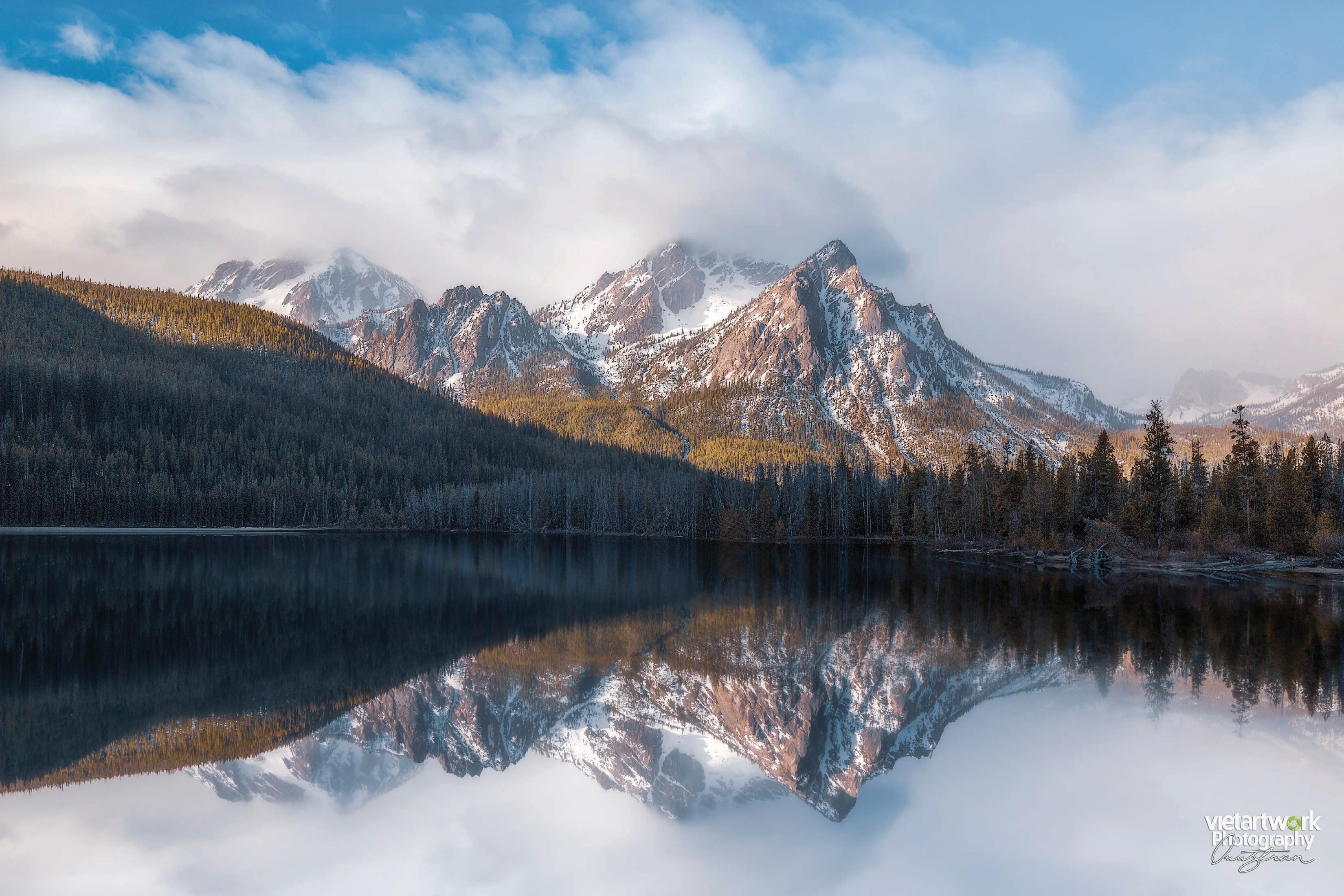
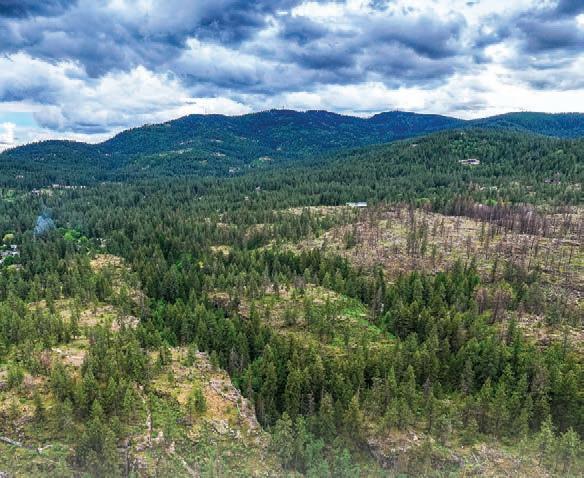
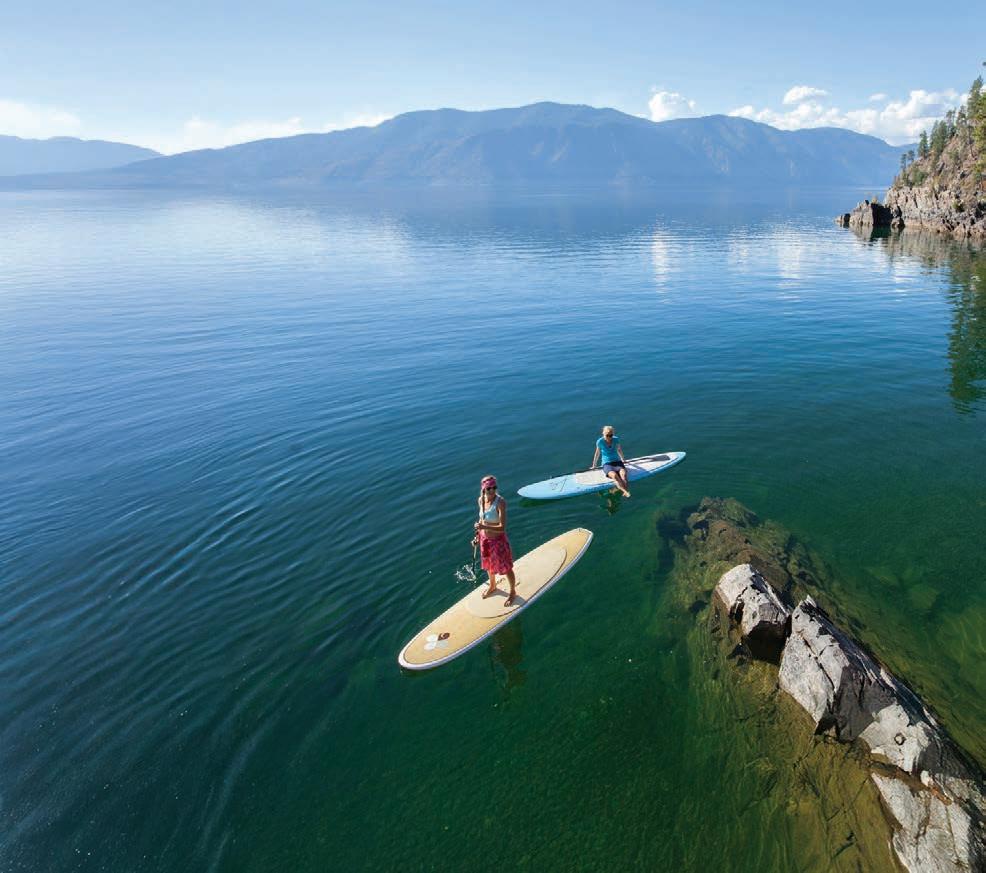
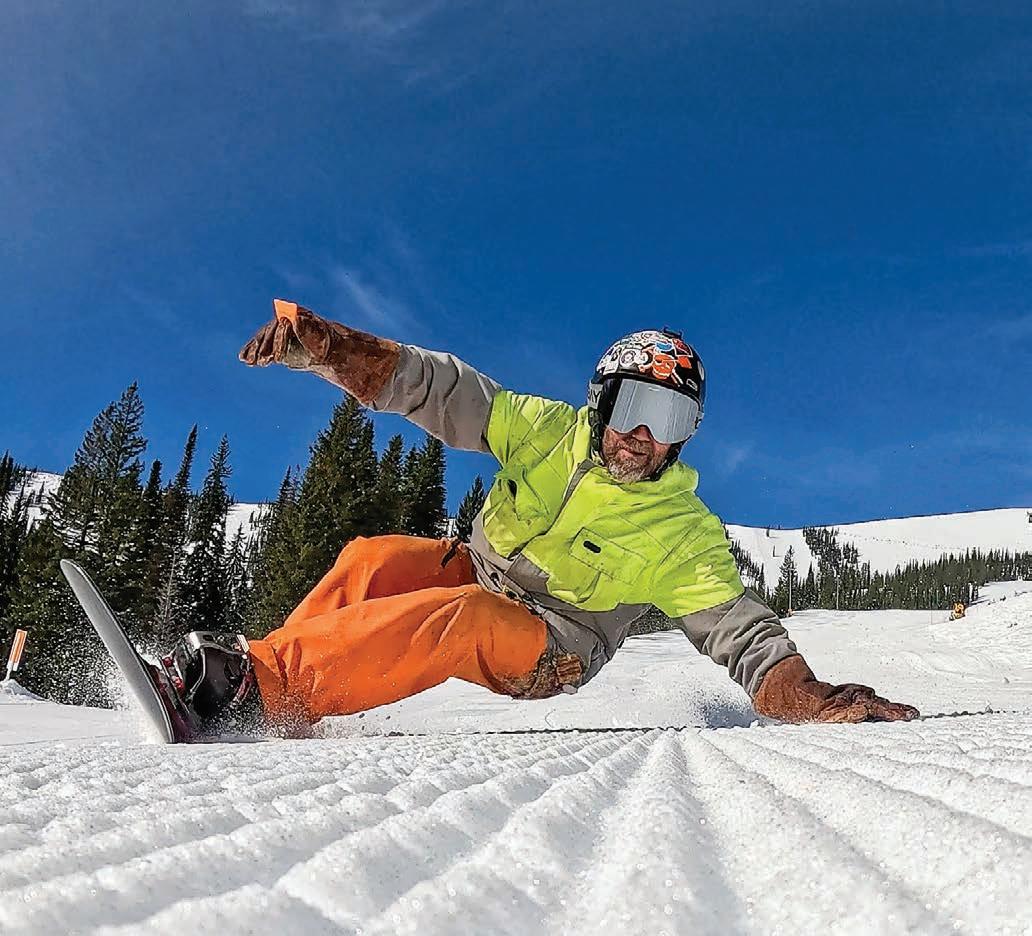
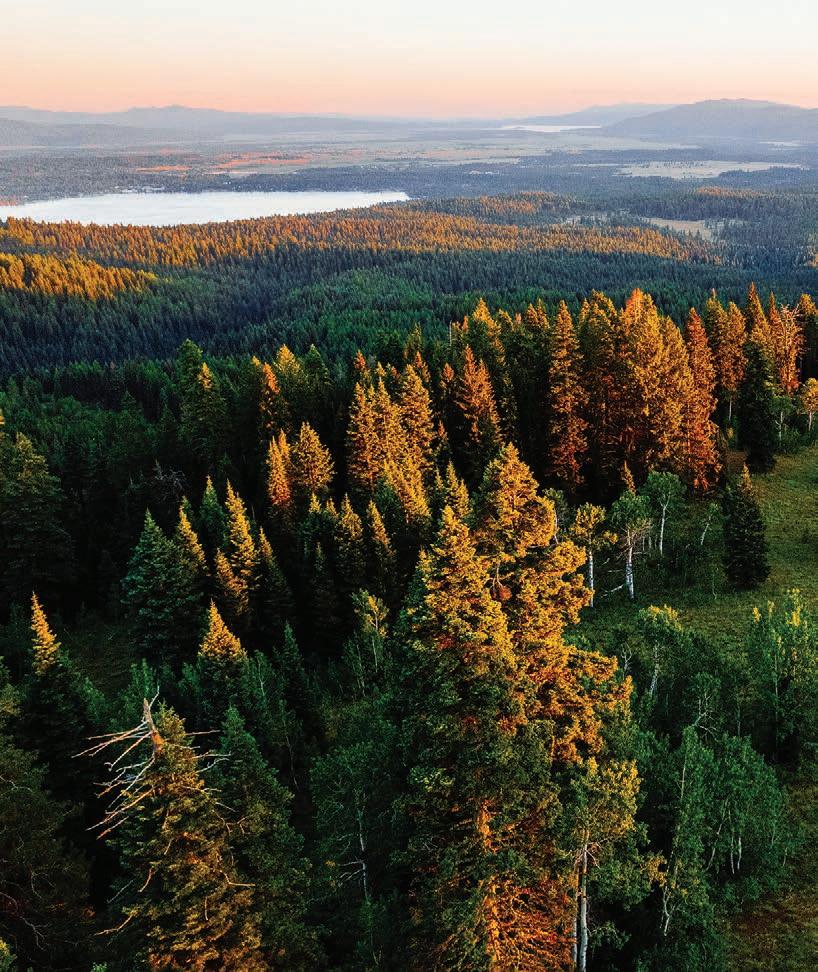
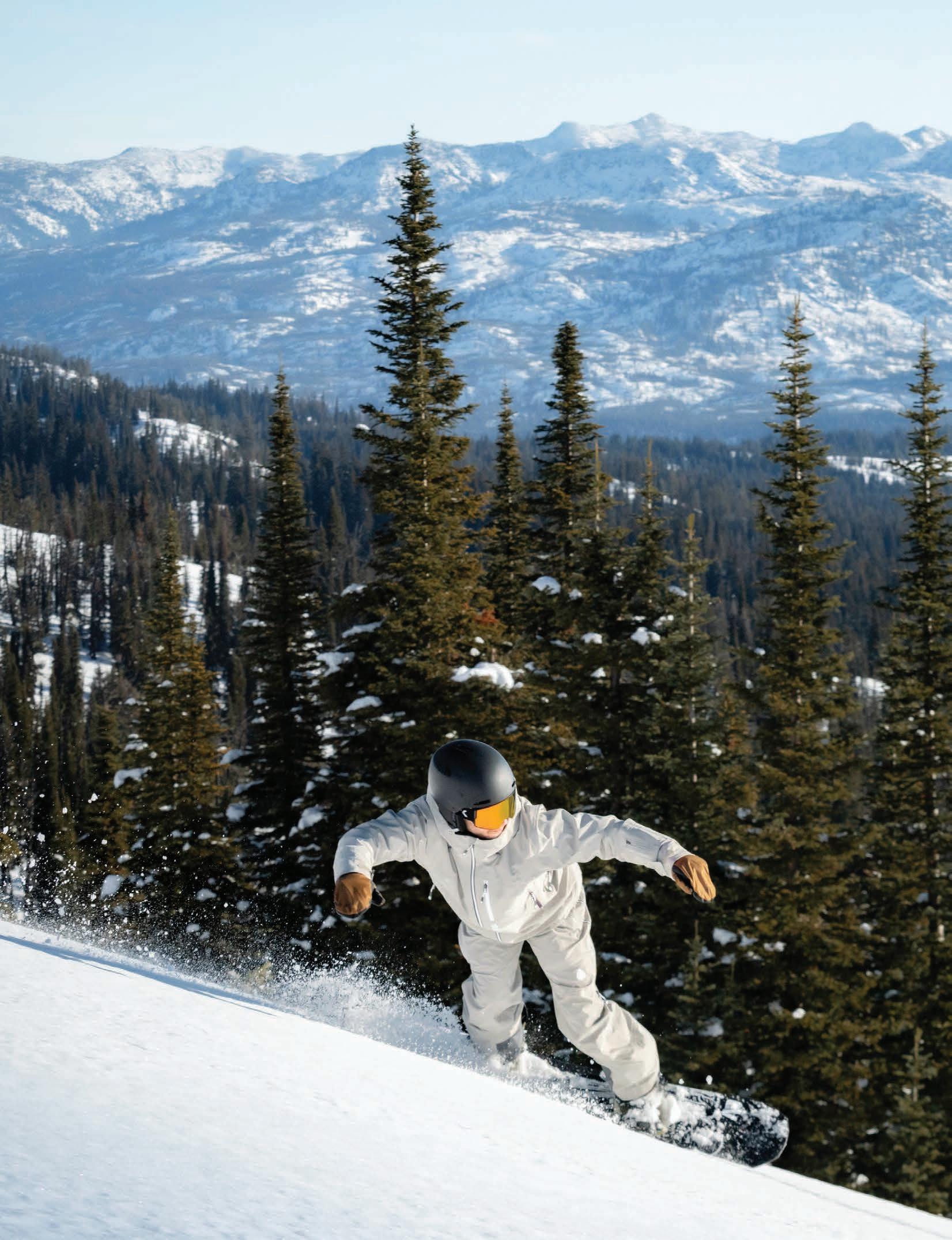
Known as the Gem State, Idaho shines brightly as a destination for outdoor recreation thanks to our welcoming communities, stunning mountain peaks, epic river gorges, thundering whitewater rapids, pristine lakes and expansive wilderness areas.
Idaho’s scenic beauty is not all we have to offer. In recent years, award-winning wineries, breweries, restaurants, art, culture and festivals have created exciting and unexpected reasons to explore communities across our state.
More importantly, though, you will notice the hospitality and friendliness of our people is second to none. Idaho is ultimately a special place because of the wonderful people who live here.
As a lifelong Idahoan, I have visited all corners of our diverse state and still find myself discovering new places to explore. Whether you spend a day rafting on the river, skiing fresh powder or relaxing in a mountain hot spring, a vacation in Idaho is truly an unmatched adventure!
If this is your first visit to our beautiful state, we are thrilled to introduce you to your first Idaho adventure. If you visited us before, welcome back—we are always happy to see old friends again.
Please enjoy your explorations through our great state!
Sincerely,
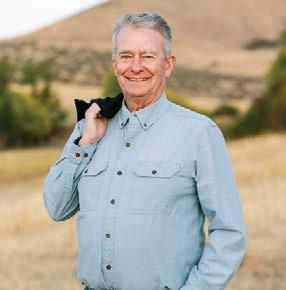
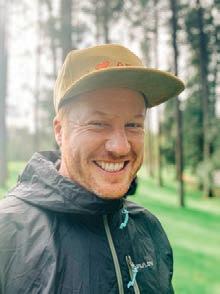
Governor Brad Little
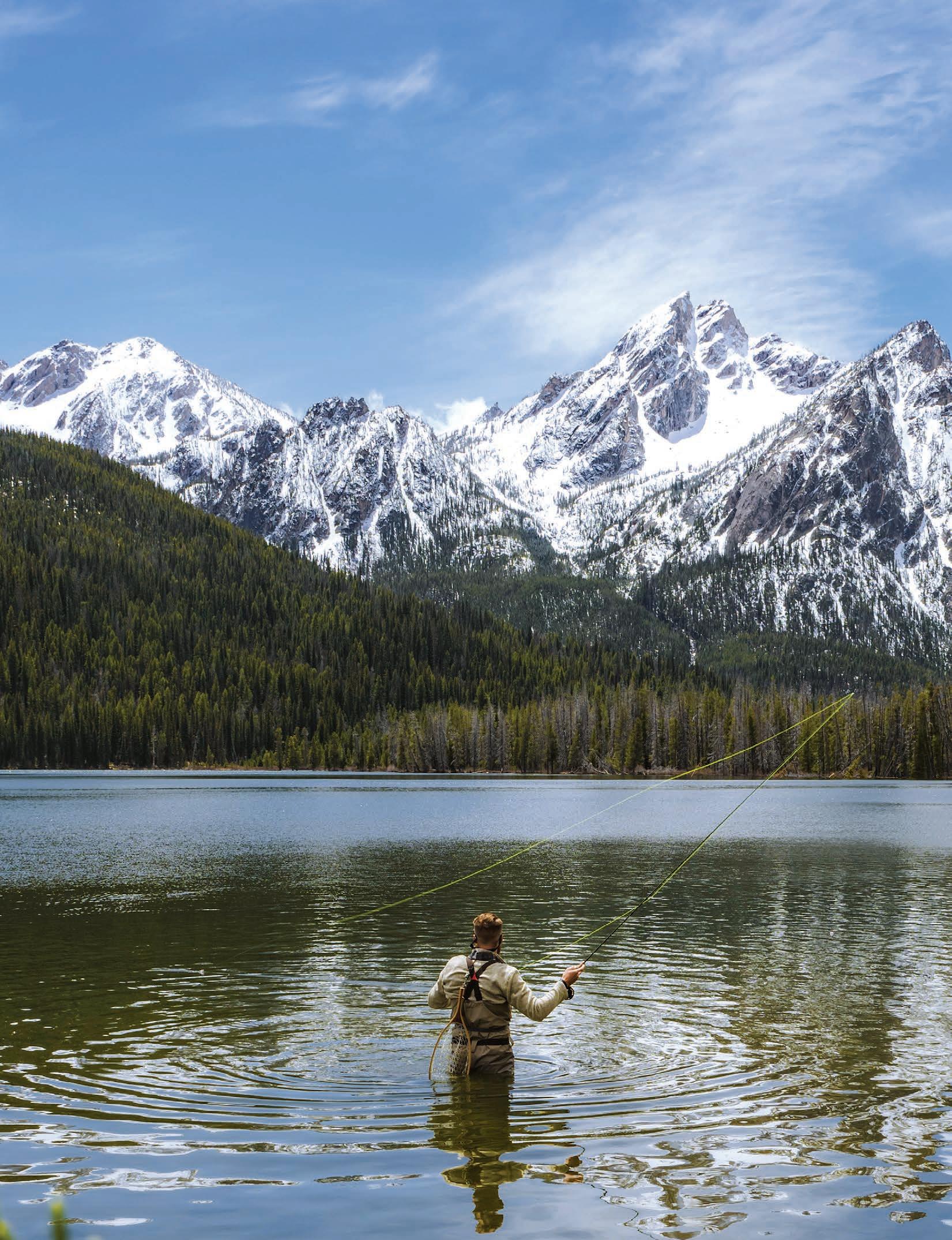
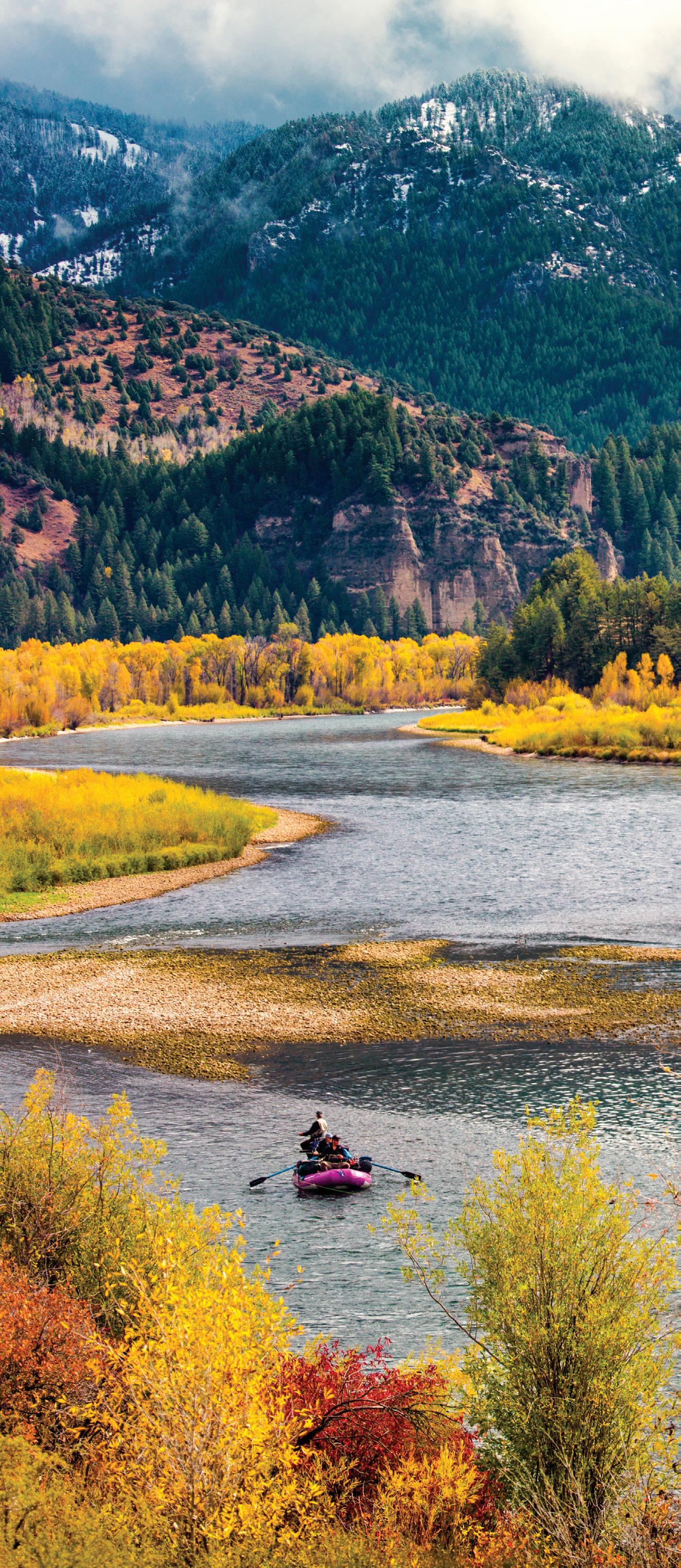
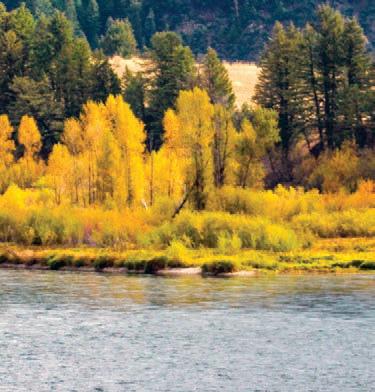
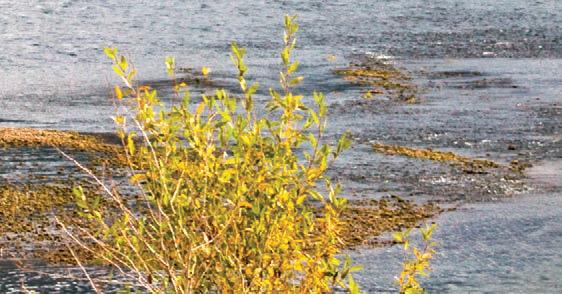
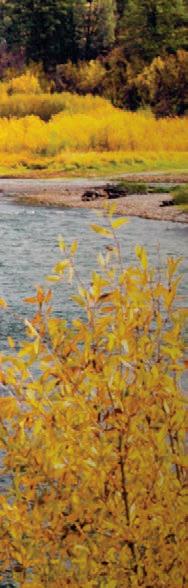
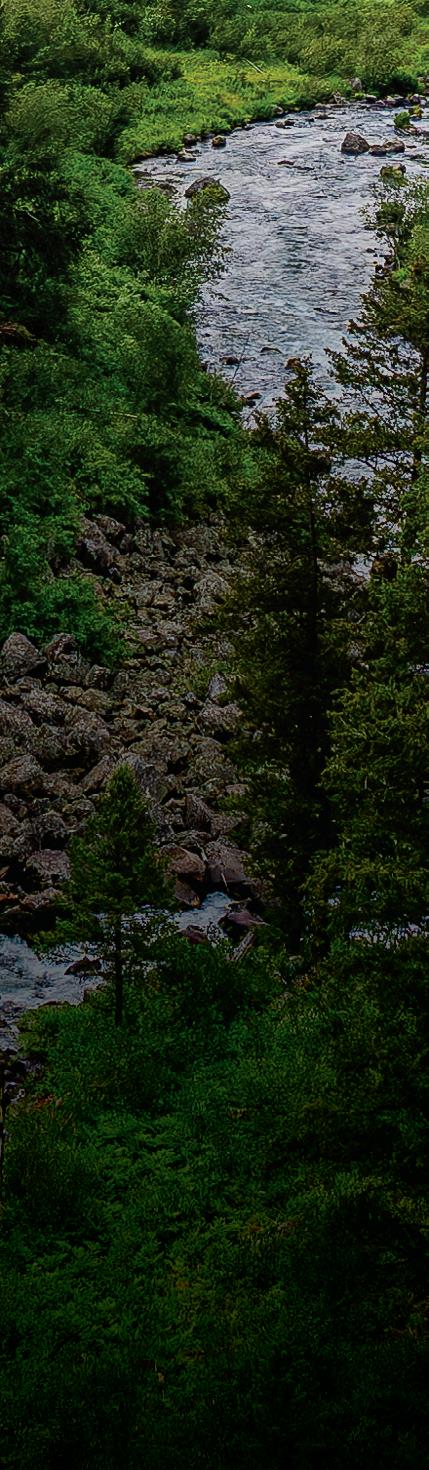
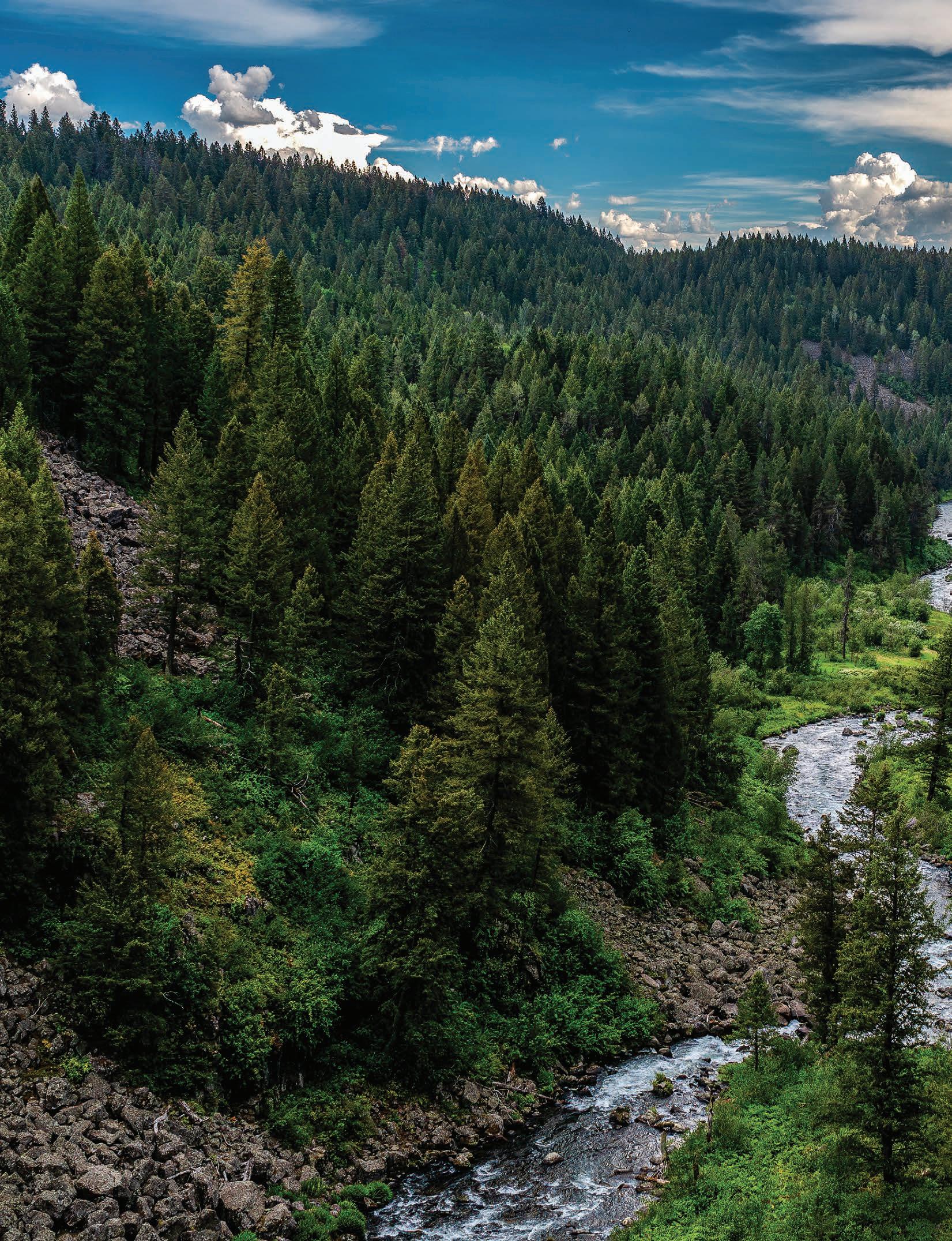
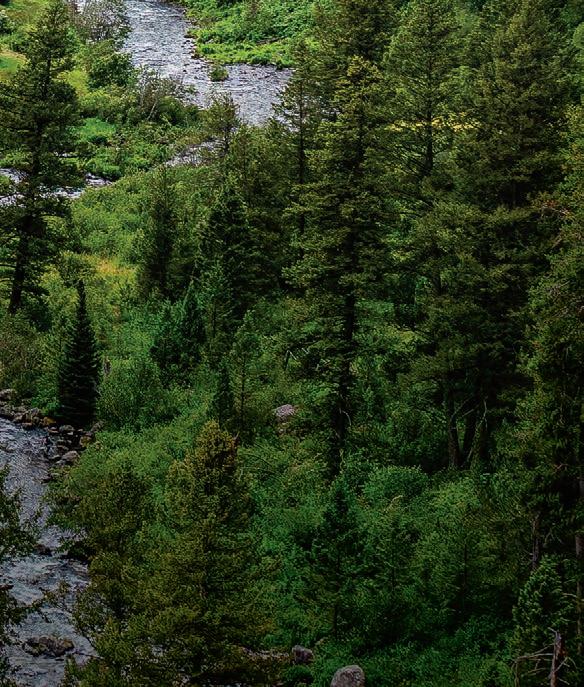
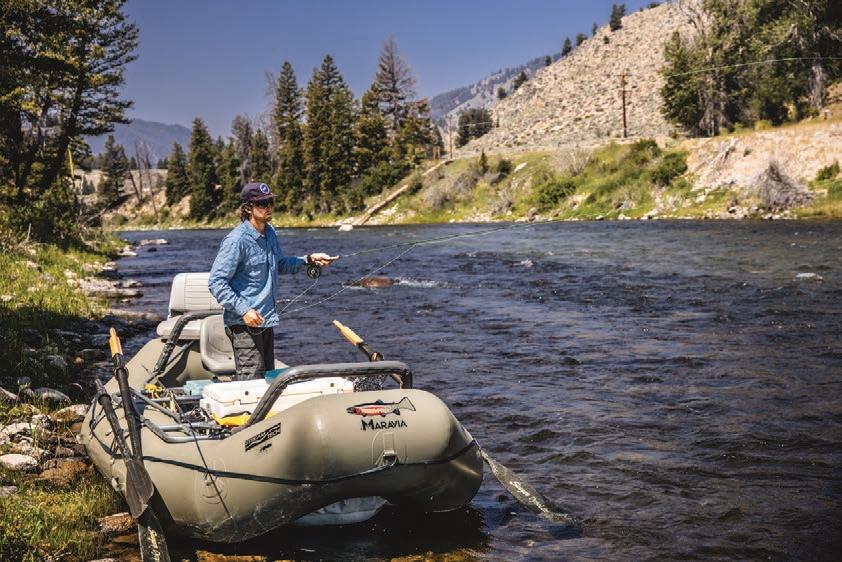
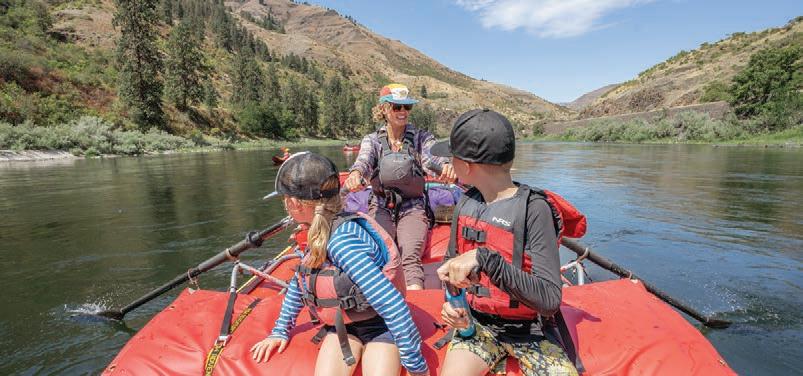
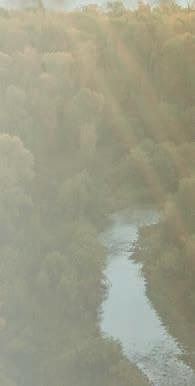
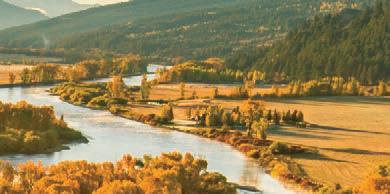
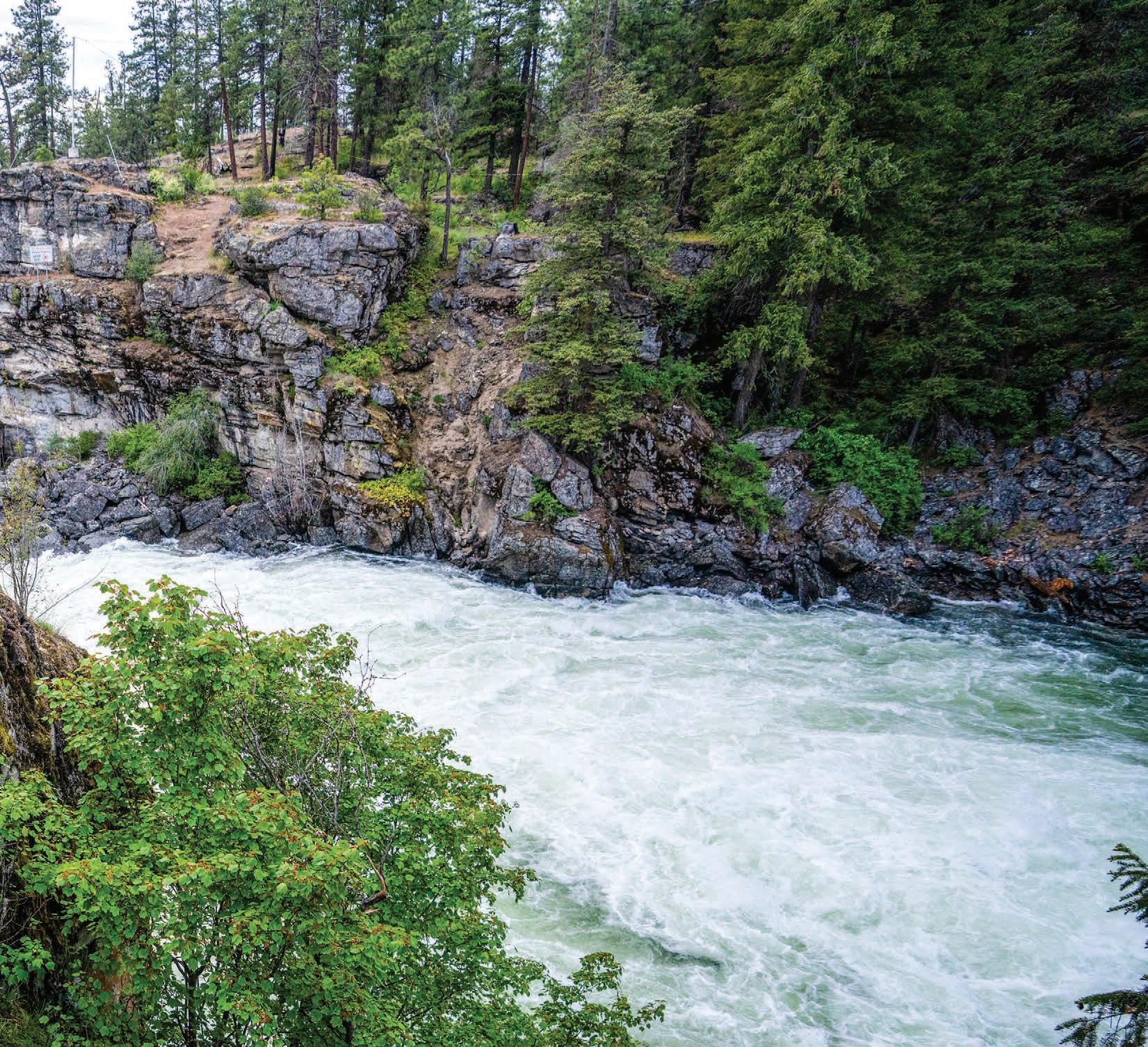
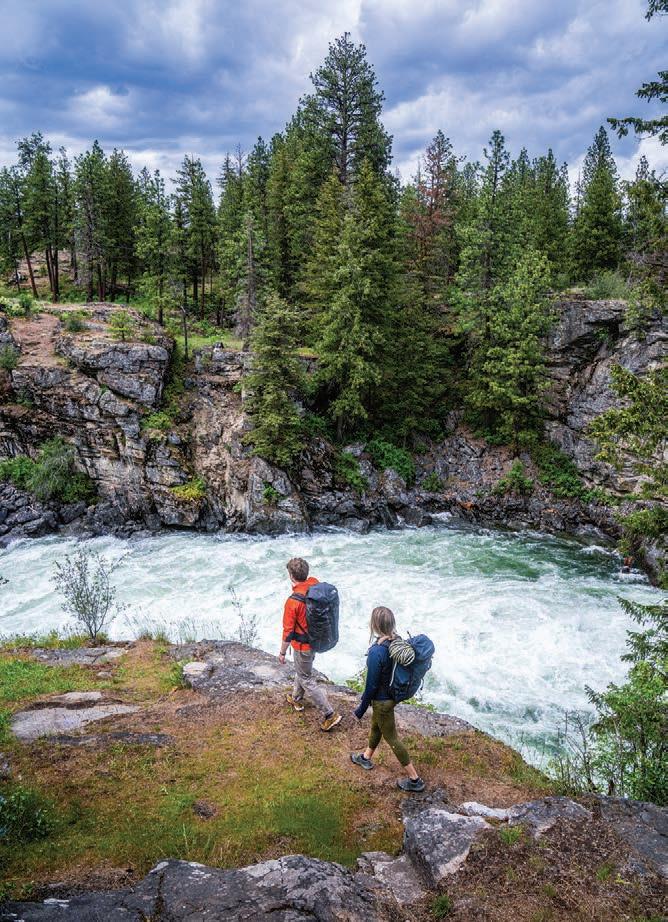
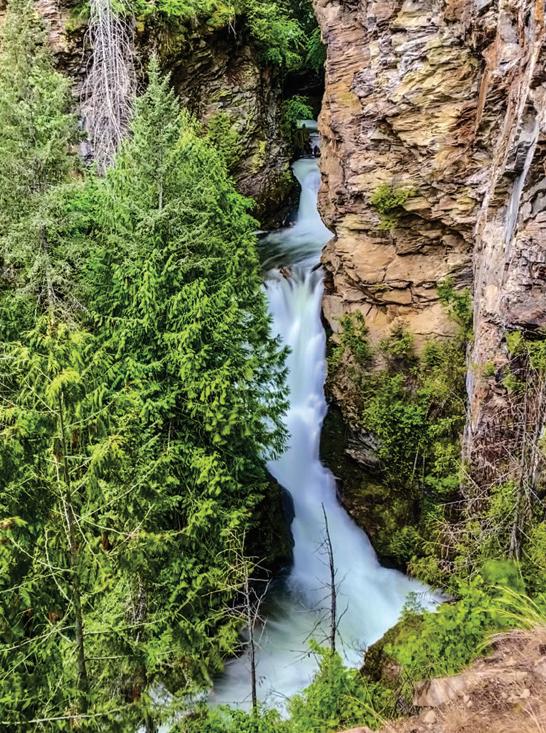
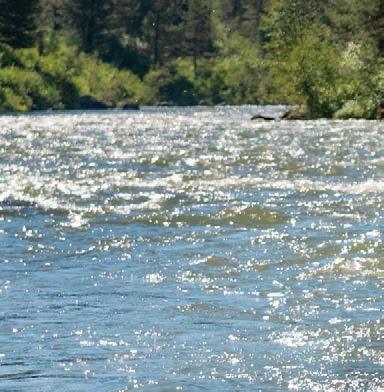
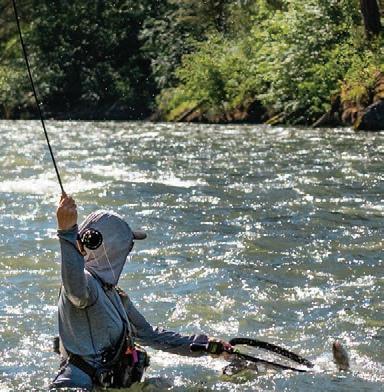
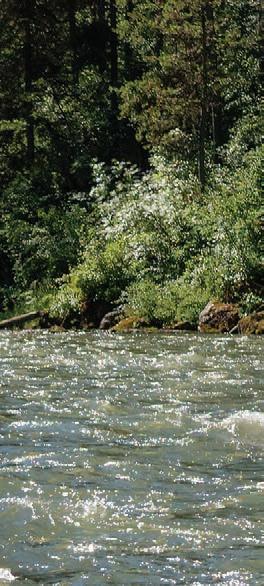
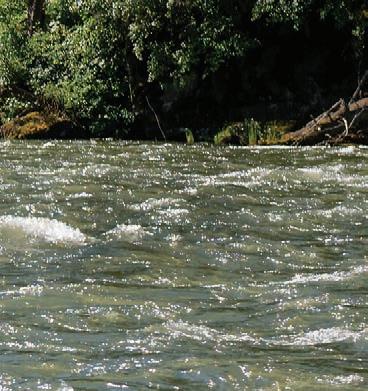
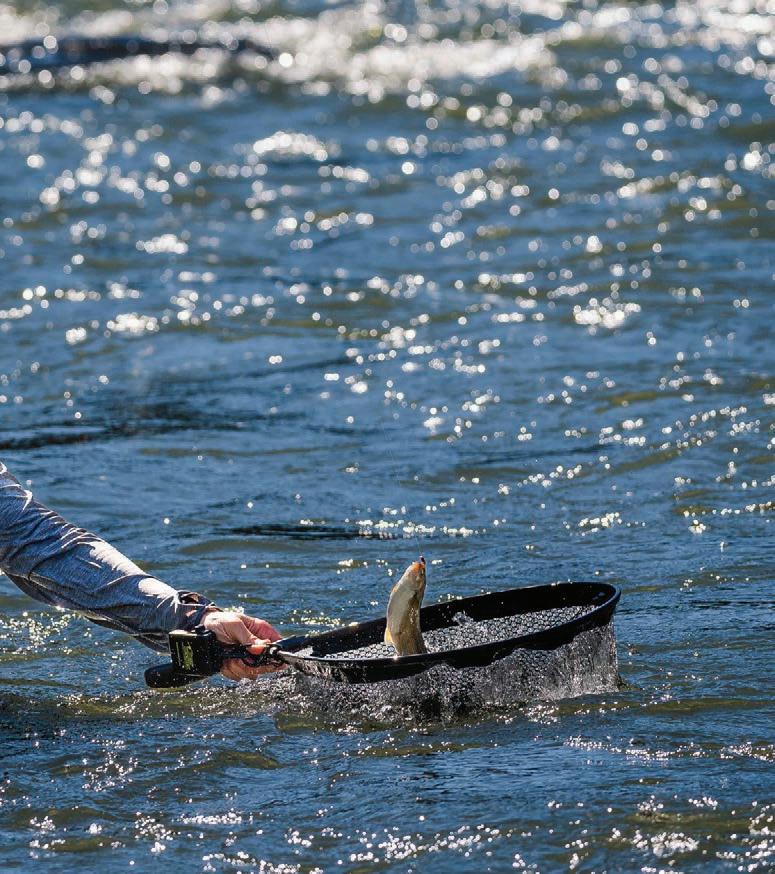
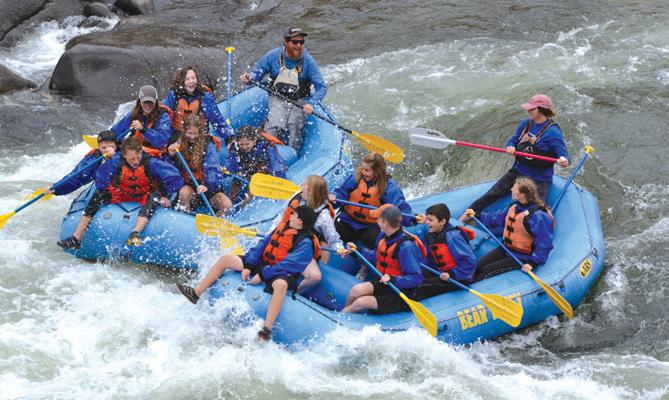
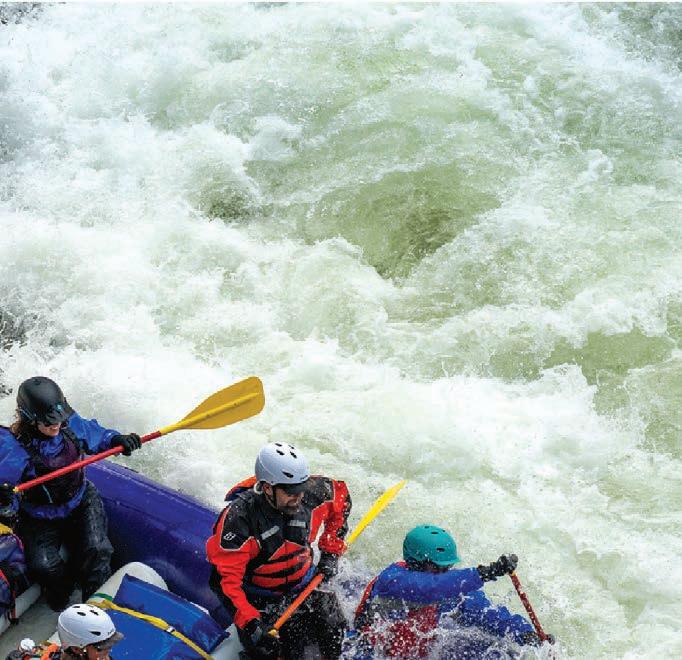
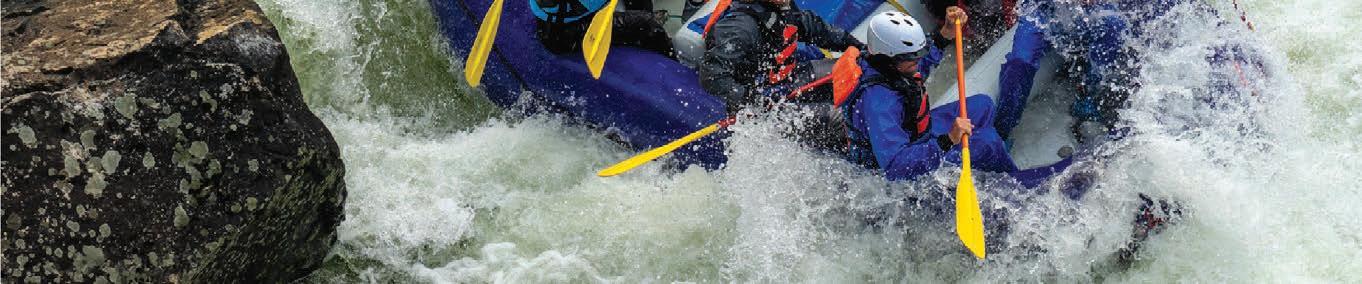
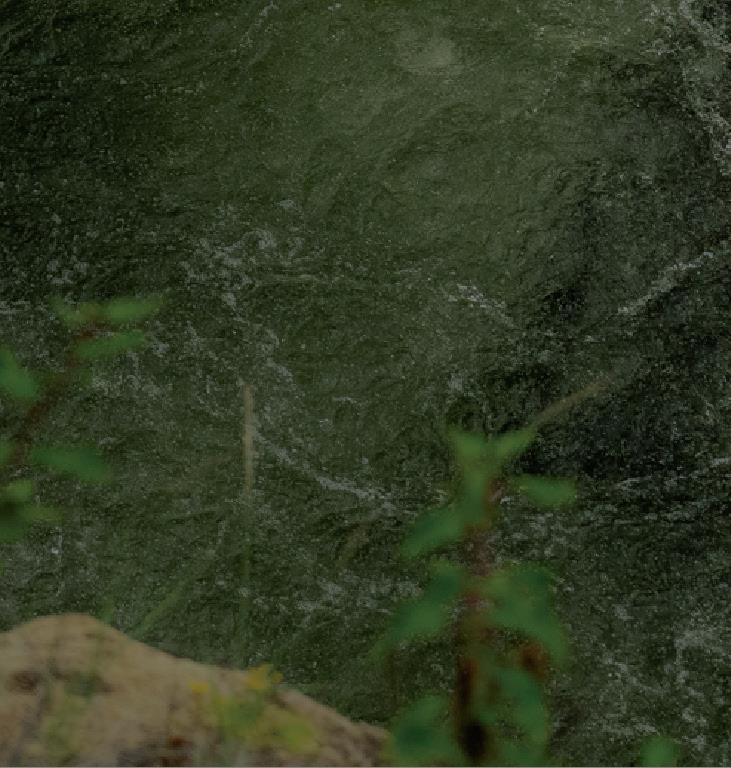
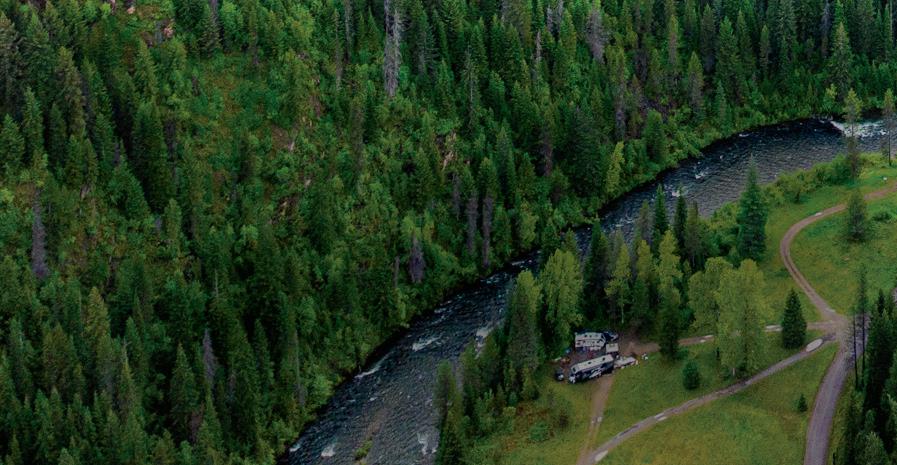
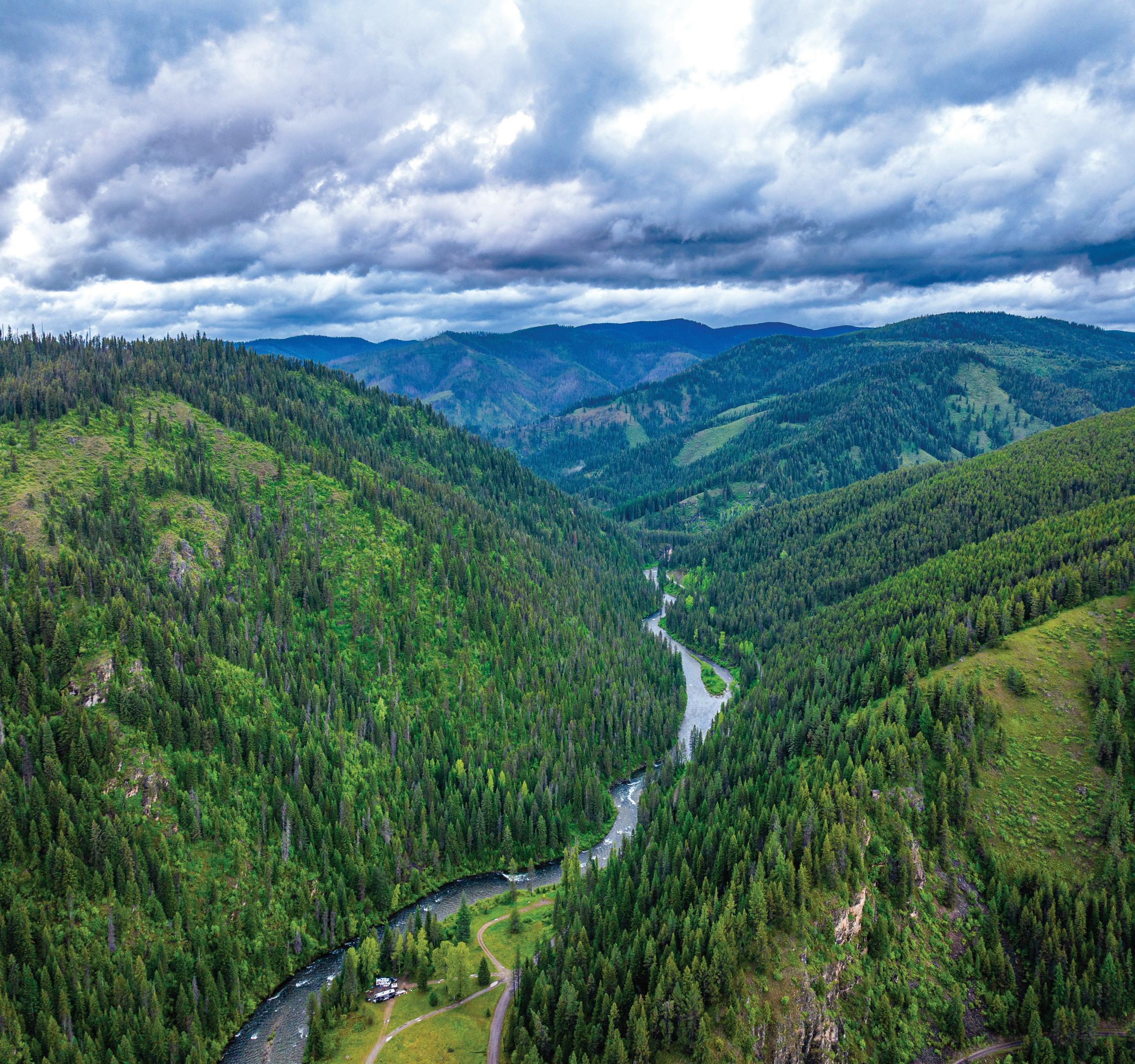
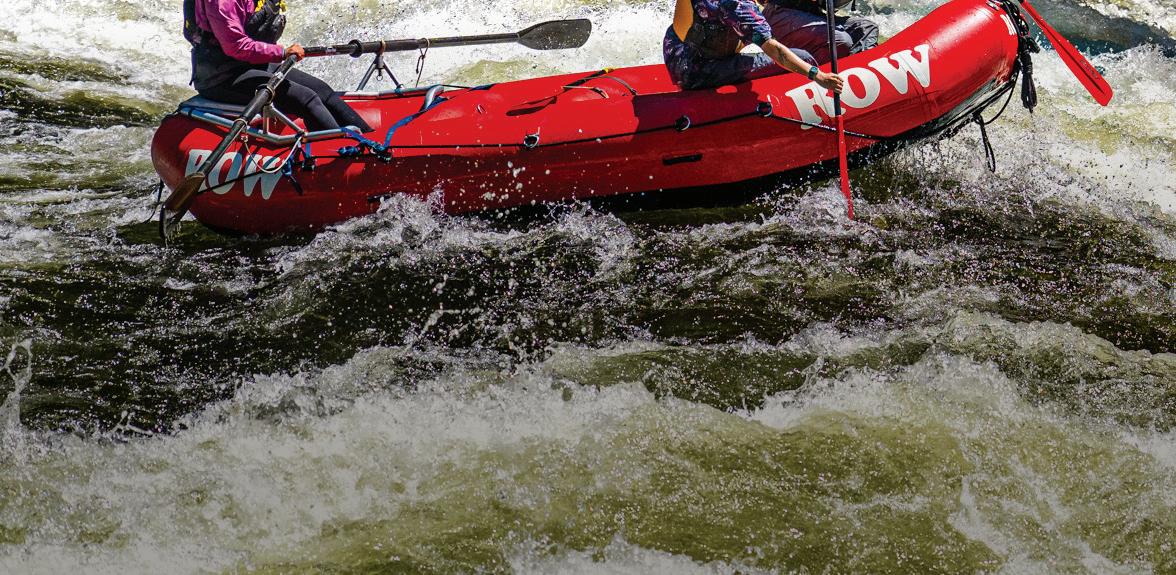
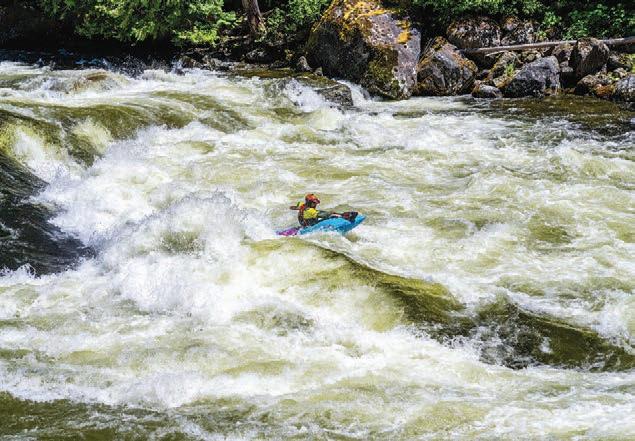
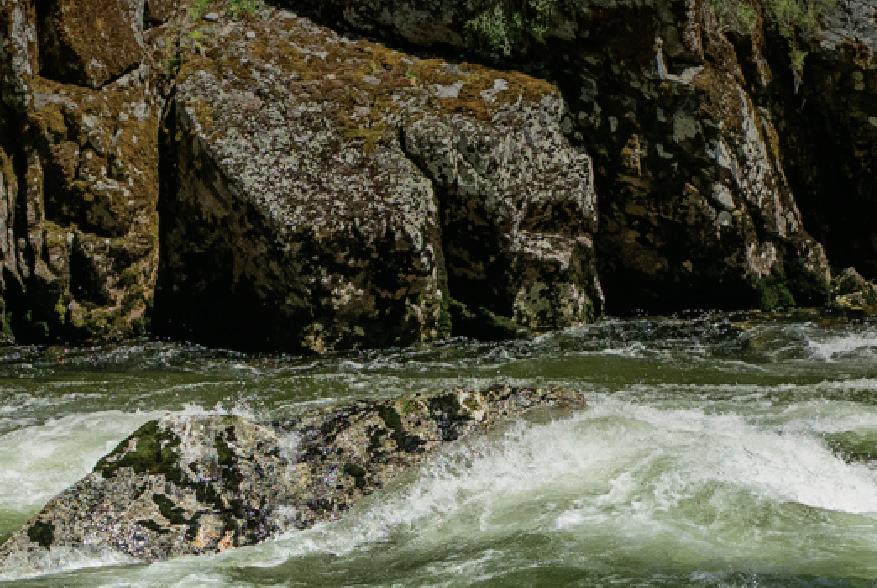
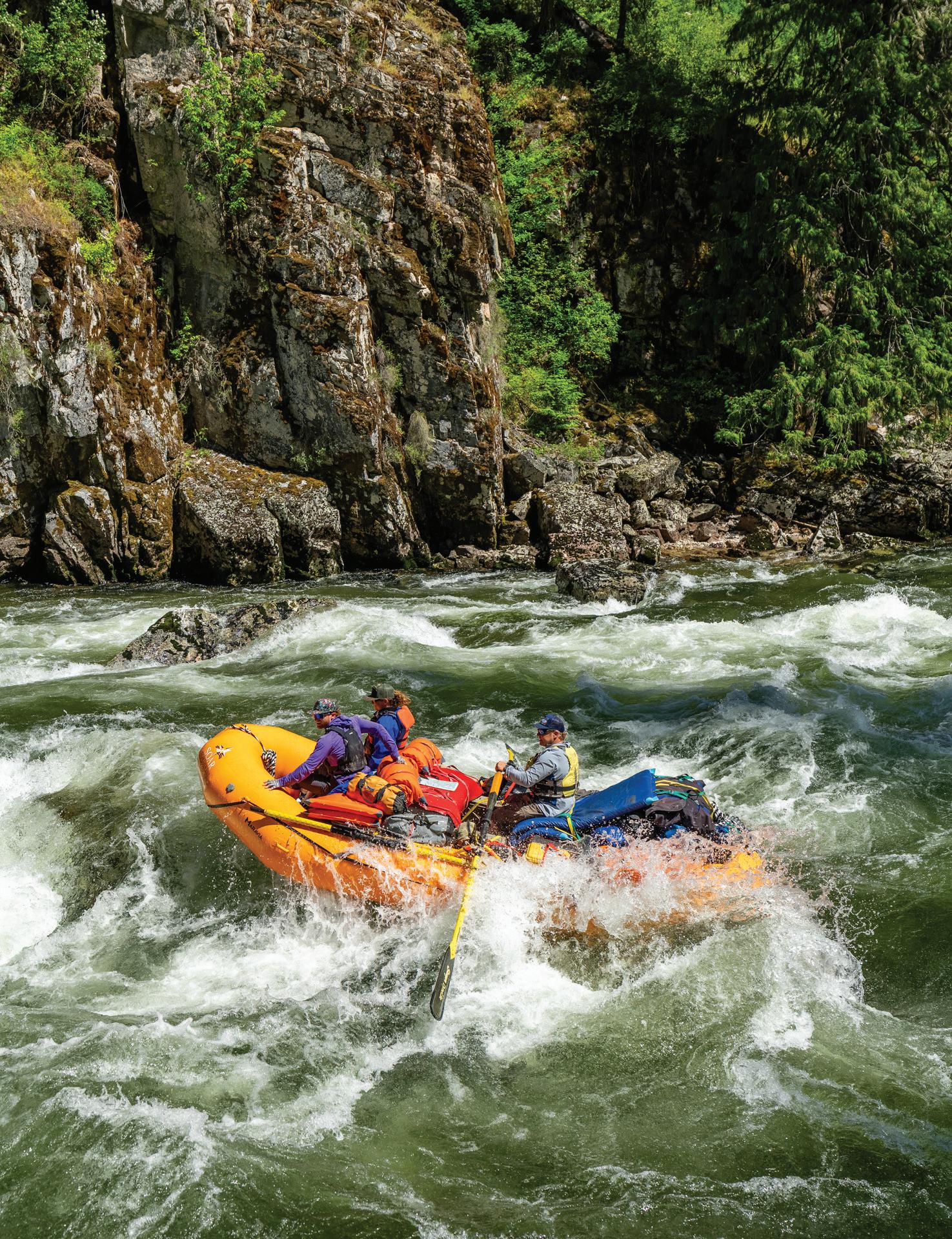
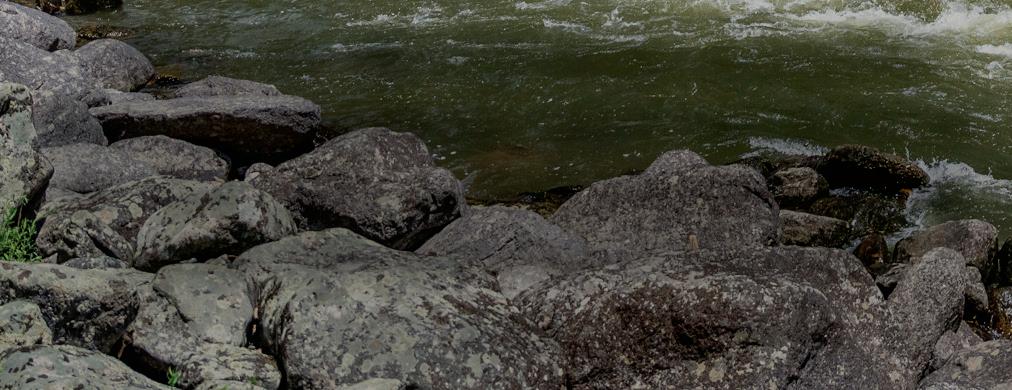
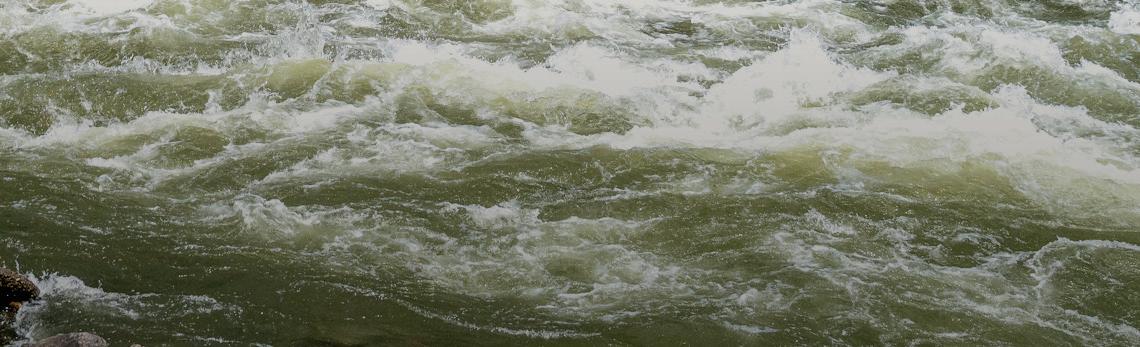
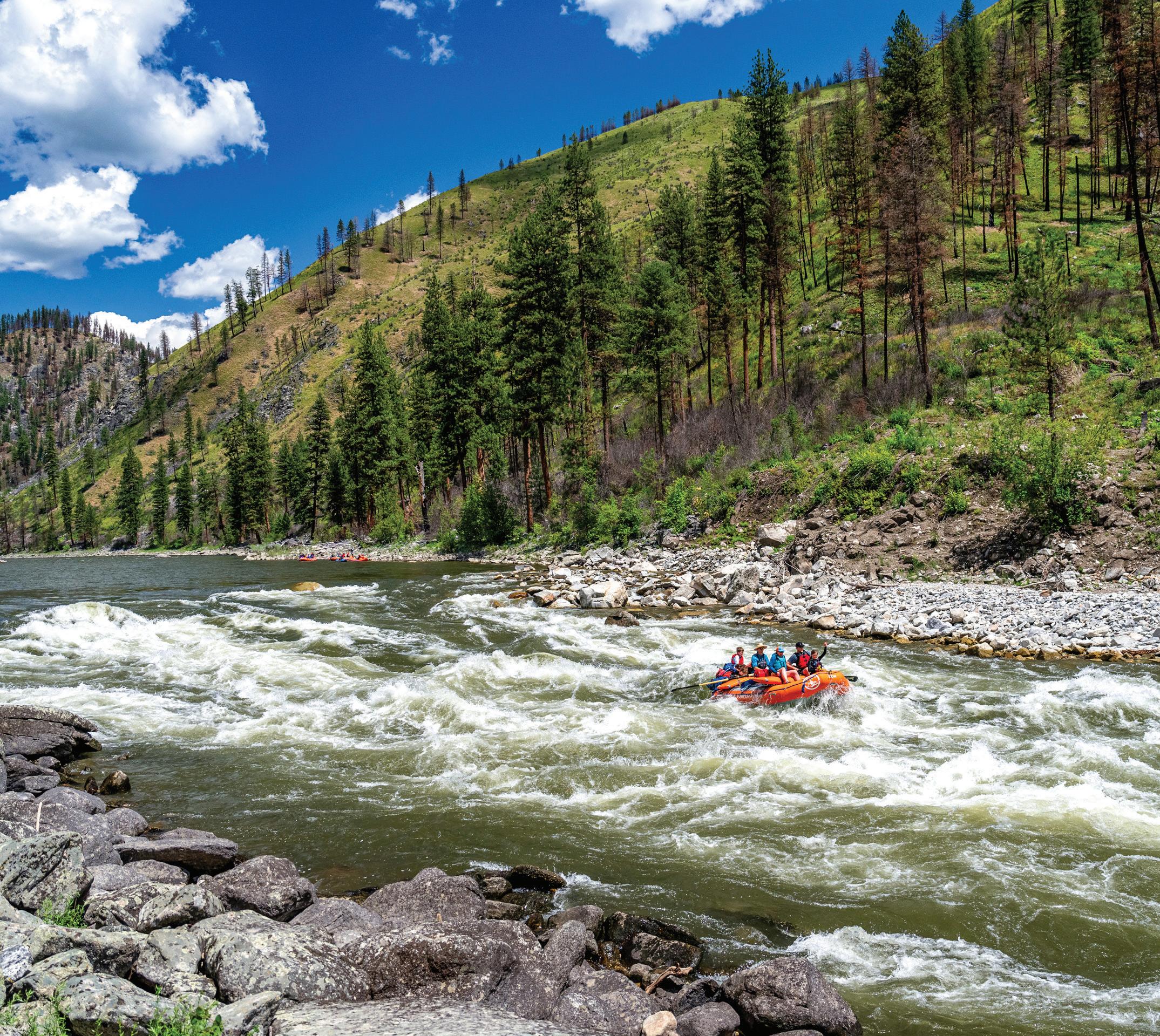
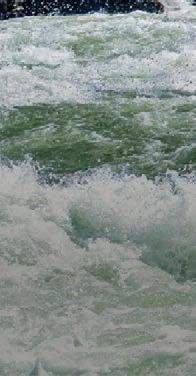
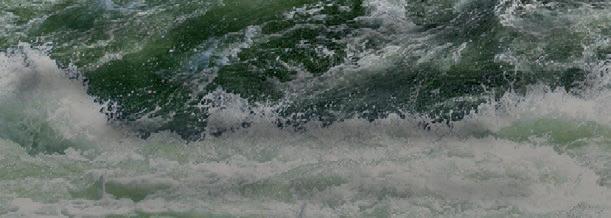
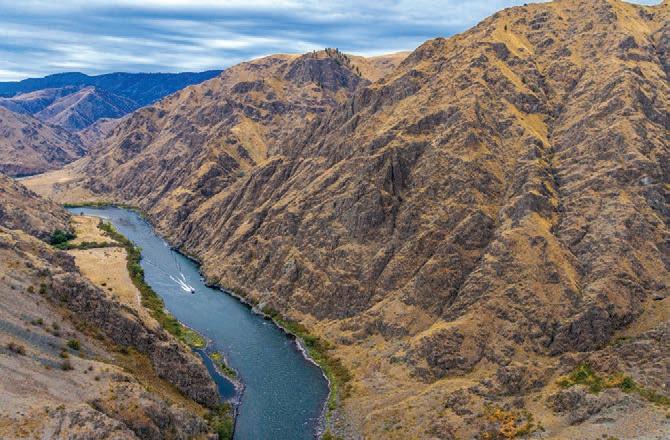
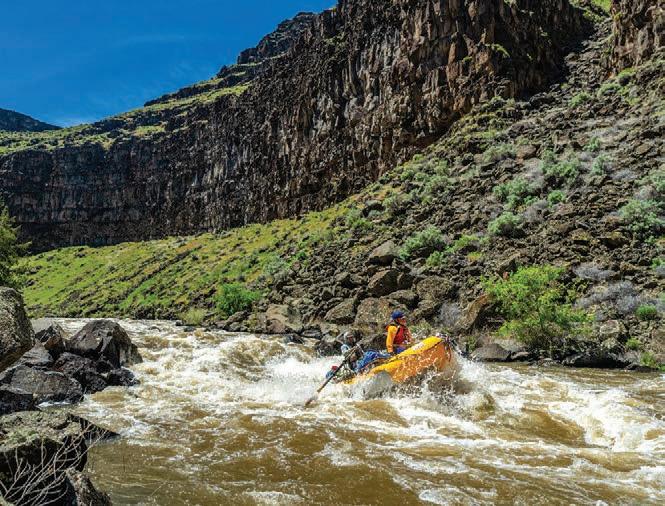
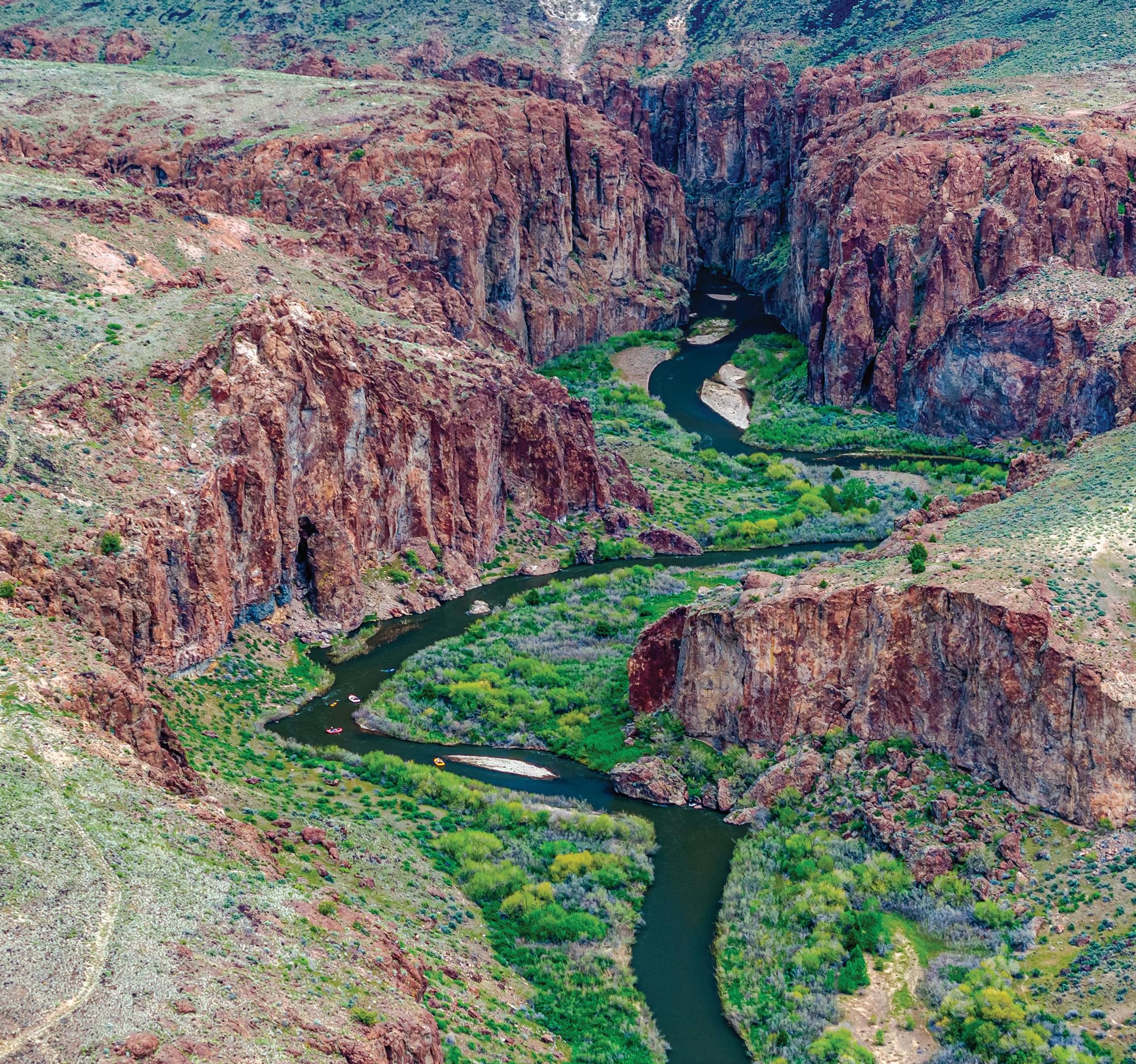
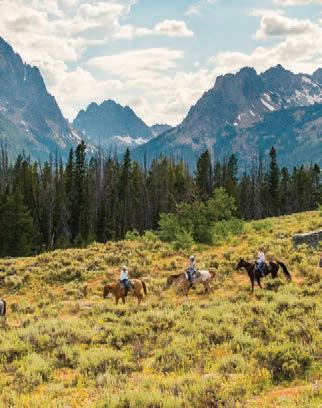
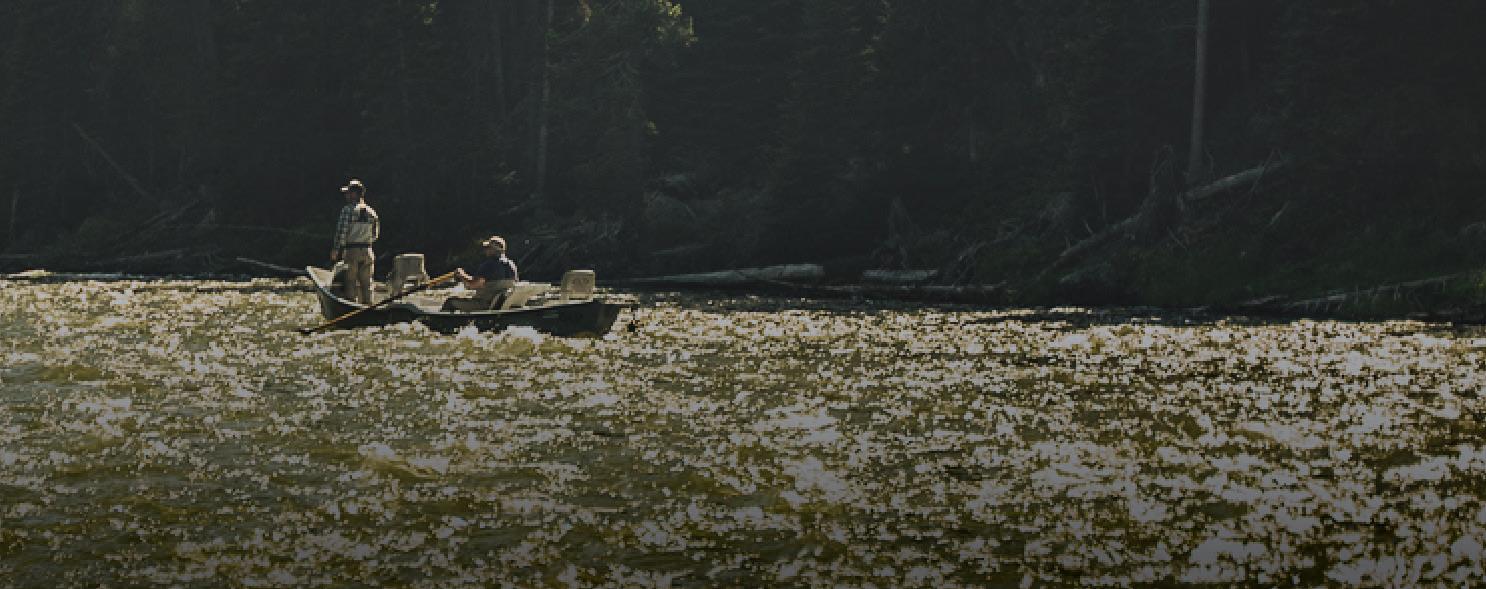
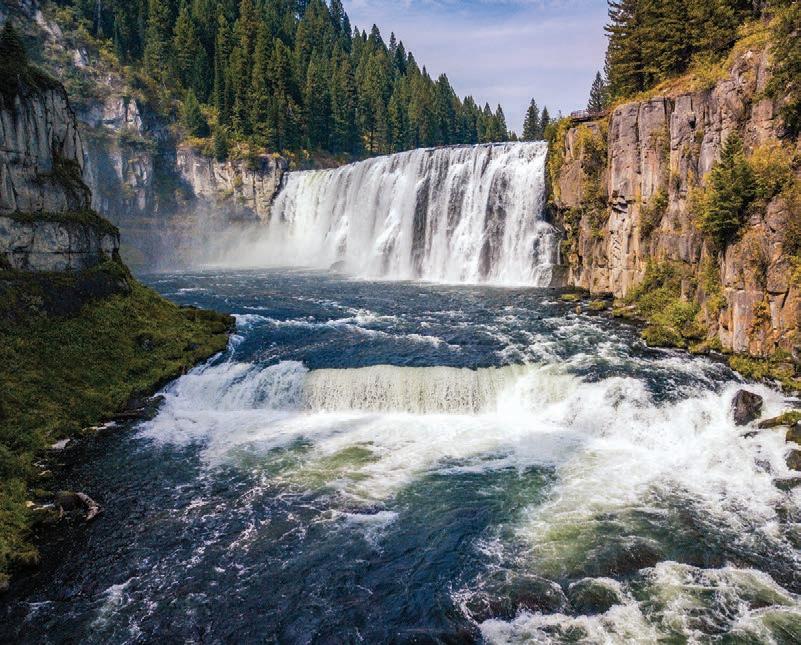
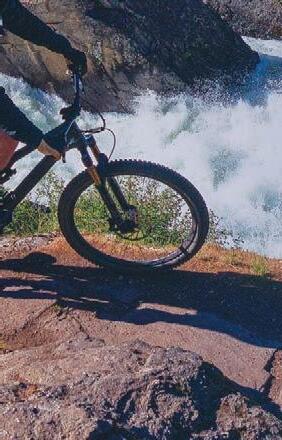
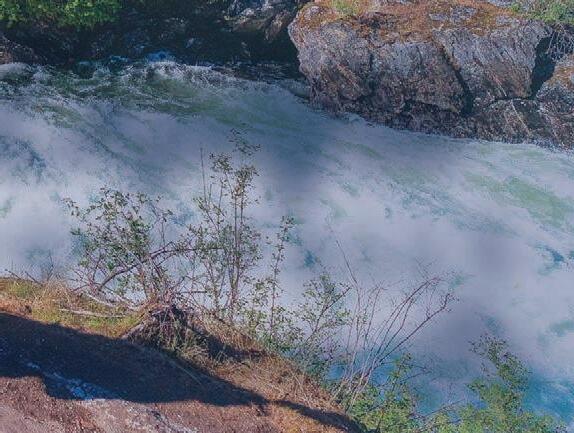
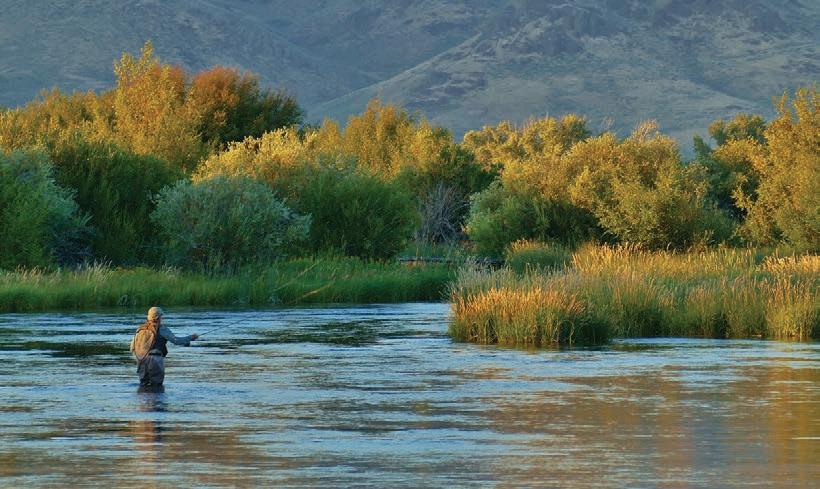
South Fork of the Snake River, near Swan Valley. Photo credit: Leland Howard.
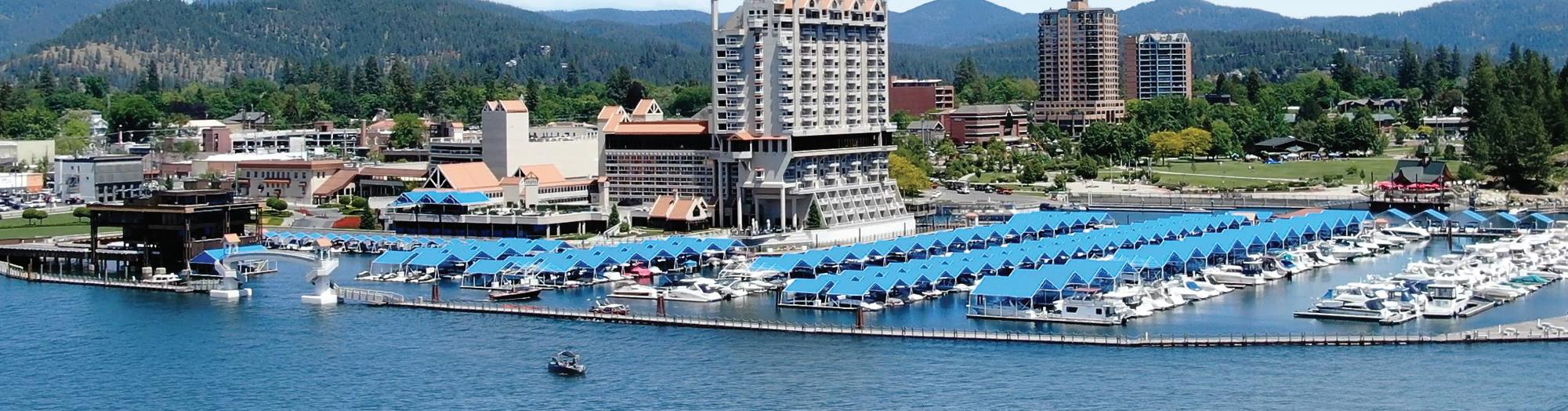
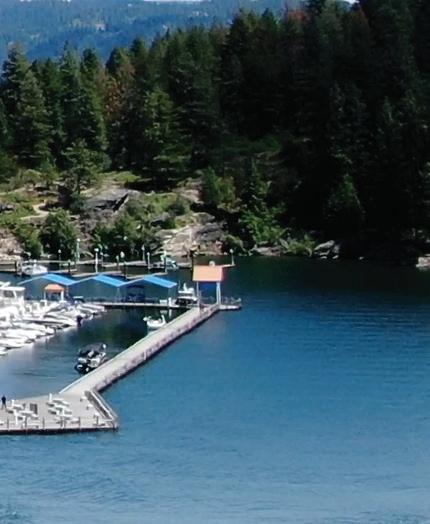
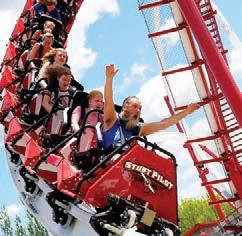
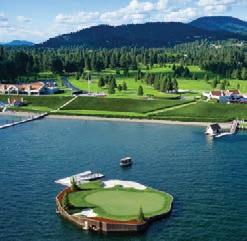
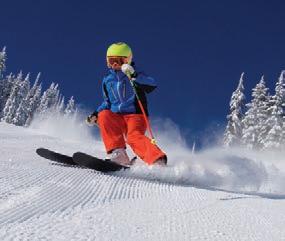
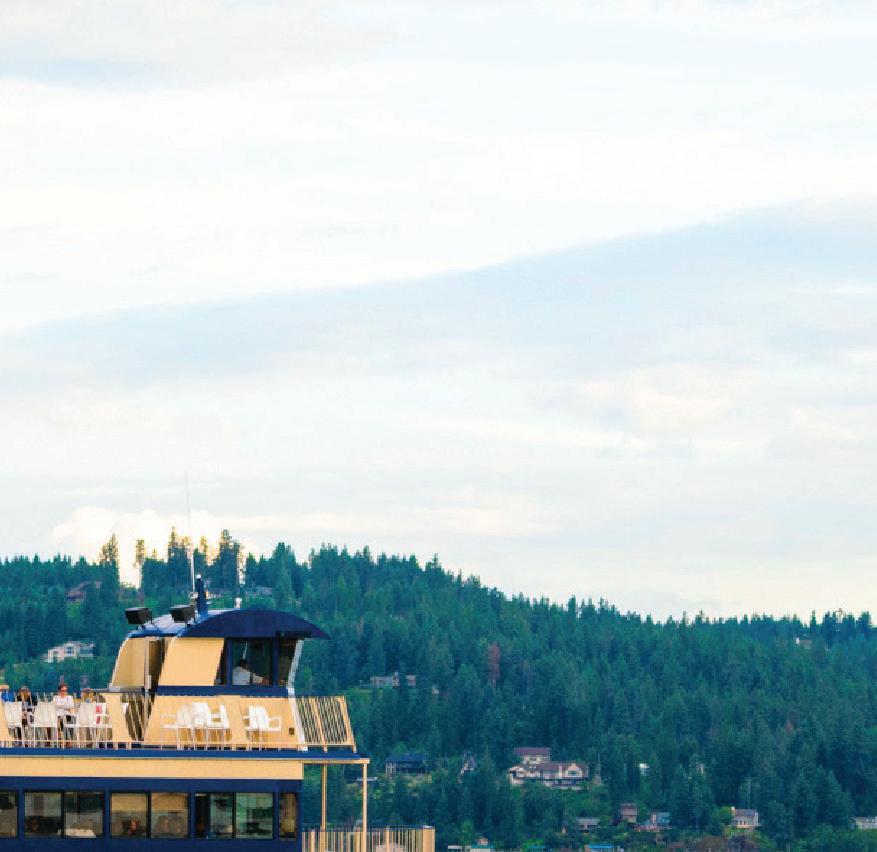
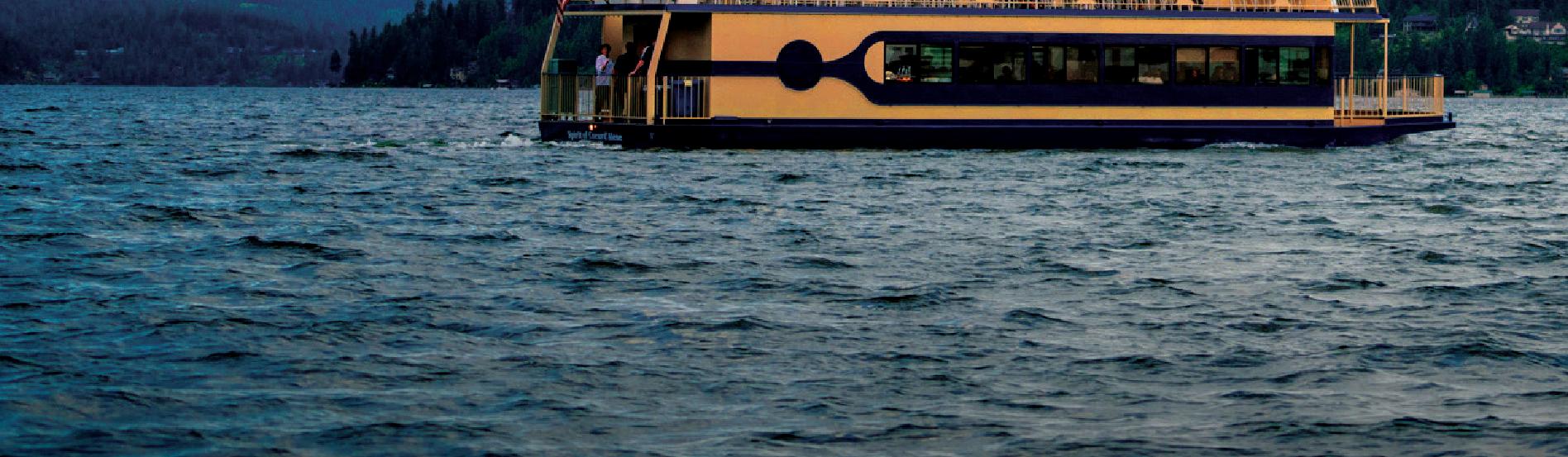
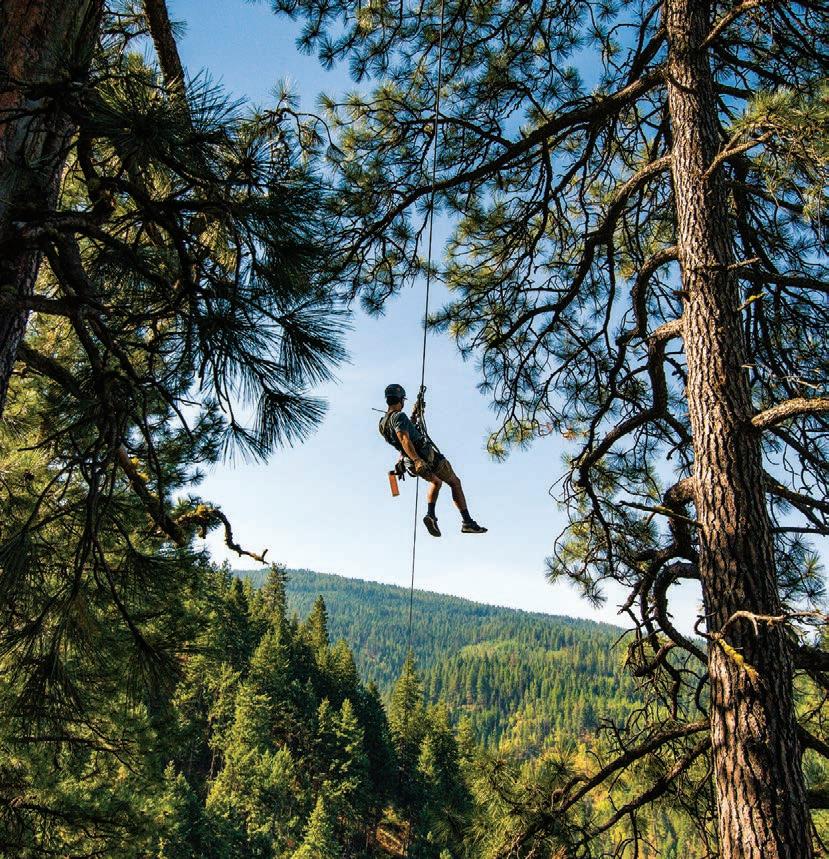
Some places give you a view; Coeur d’Alene gives you a memory. Kayaks before breakfast, cannonballs before lunch. Trails that take your breath away—before the view does. Here, thrill rides meet mountain hikes. Zip lines meet lake dives. And when the seasons change, the magic doesn’t stop. Snowflakes, ski runs, and fireside cocoa turn winter into a wonderland. Chill time for the grown-ups, fun-filled adventures for the kids. Smiles for everyone. Moments that stay. Memories that grow. Mountains, lakes, memories, and magic ... we got it. Play & Stay in CDA! coeurdalene.org
All Signs Point to IDAHO
Ready to explore Idaho’s wide-open spaces and character-rich towns? Fly into any of the regional airports that service the Gem State and let the adventure begin: Boise (BOI), Twin Falls (TWF), Pocatello (PIH), Sun Valley (SUN), Idaho Falls (IDA) or Lewiston (LWS). Pullman, Washington (PUW) and Spokane, Washington (GEG) offer other convenient options, just minutes from the Idaho–Washington border.
Drive Times
Considering a road trip from neighboring states? Taking the scenic route to Idaho never disappoints.
SPOKANE, WA to SANDPOINT
1 hour, 26 minutes | 76 miles/122 km
PULLMAN, WA to COEUR D’ALENE
1 hour, 39 minutes | 90 miles/145 km
BOZEMAN, MT to ISLAND PARK
2 hours, 12 minutes | 117 miles/188 km
KALISPELL, MT to BONNERS FERRY
2 hours, 27 minutes | 140 miles/225 km
PROVO, UT to POCATELLO
2 hours, 56 minutes | 206 miles/332 km
SALT LAKE CITY, UT to TWIN FALLS
3 hours, 10 minutes | 219 miles/352 km
JACKSON, WY to SUN VALLEY
4 hours, 28 minutes | 241 miles/388 km
SEATTLE, WA to COEUR D’ALENE
4 hours, 44 minutes | 311 miles/501 km
MISSOULA, MT to VICTOR
5 hours, 13 minutes | 361 miles/581 km
PORTLAND, OR to BOISE
6 hours, 25 minutes | 430 miles/692 km
idaho falls pocatello twin falls sun valley BOISE
lewiston coeur d’alene
spokane pullman
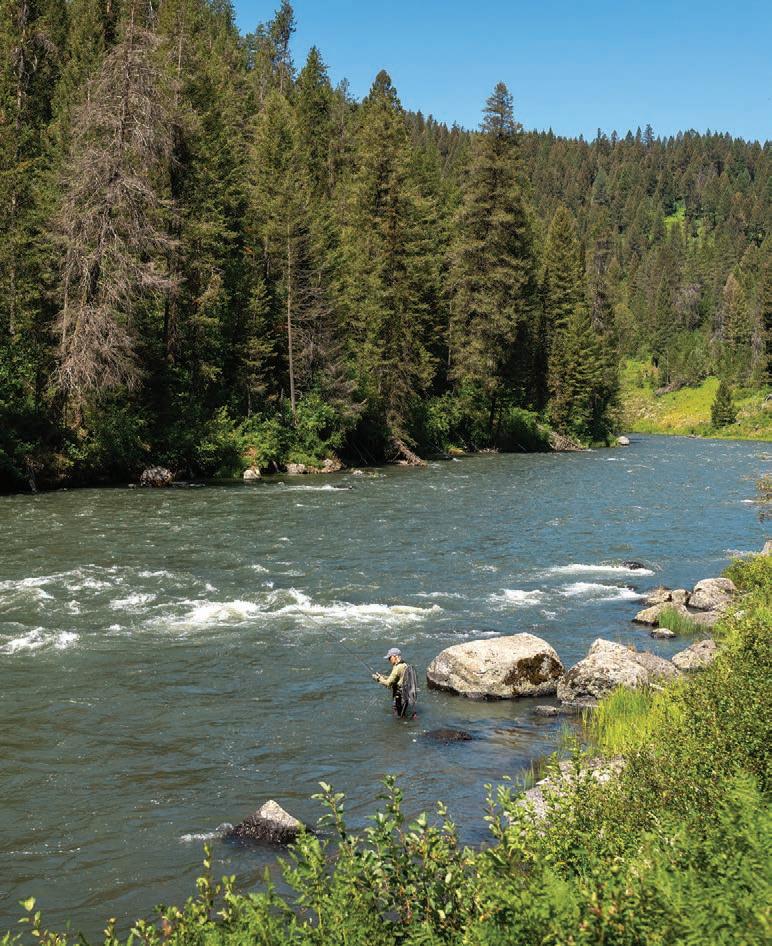
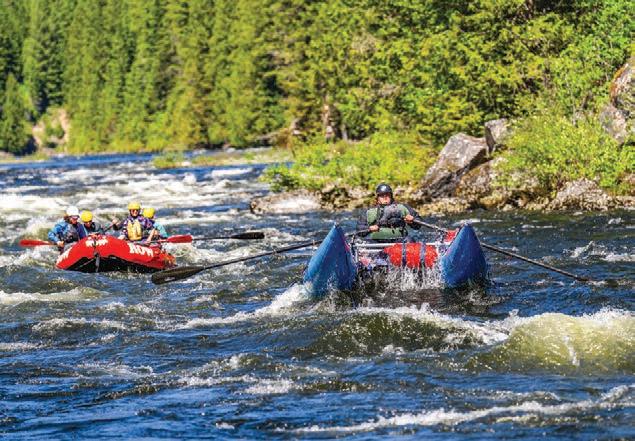
Henry’s Fork of the Snake River, near Ashton. Photo credit: Visit Idaho/Marcelo Araujo.
O Peak, On Point
FOR THOSE WHO KNOW, THE REAL MAGIC HAPPENS BETWEEN THE SEASONS
BY JEFF ATWELL
ILLUSTRATIONS BY DENNIS J. FESENMYER
SLEIGH RIDE SEASON
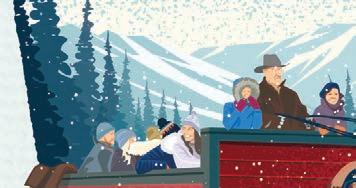
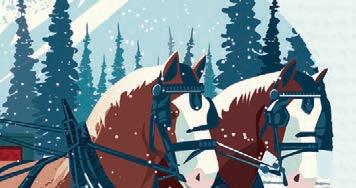
Holiday traditions kick into gear in December, when sleigh rides take visitors through snow-covered meadows and forests. Dash through the snow on horse-drawn sleighs at Sun Valley Resort in Sun Valley, Western Pleasure Guest Ranch in Sandpoint and Idaho Sleigh Rides in Garden Valley.
STAR GARNET DIGGING SEASON
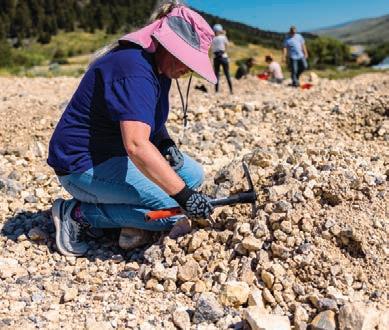
During the summer, Emerald Creek Garnet Area welcomes rockhounds to dig for Idaho’s state gem. Reserve a time in advance, then sluice gravel to uncover these deep-purple sparklers found only in Idaho and India.
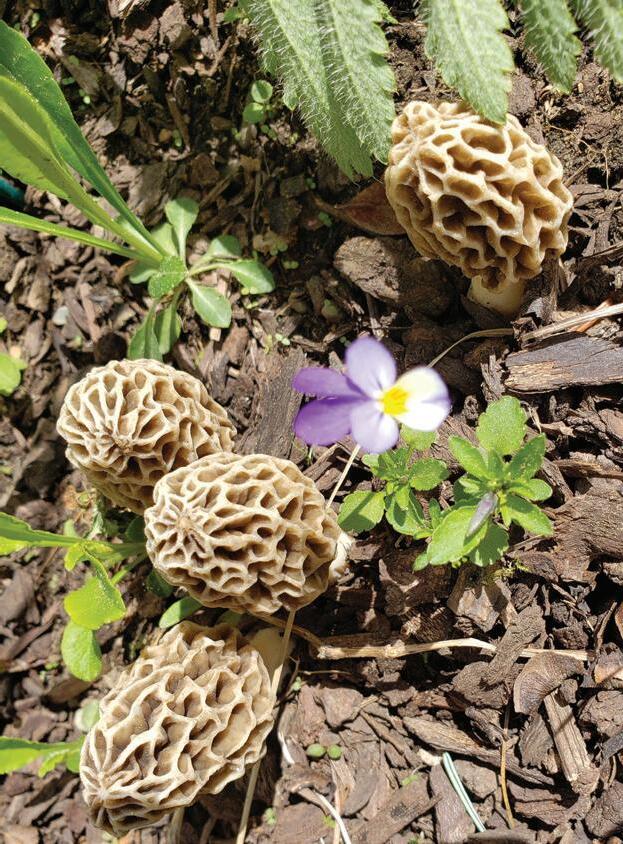
MOREL MUSHROOM FORAGING SEASON
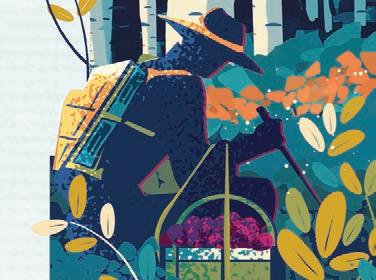
Late April through May, search the sunny slopes of Idaho’s forests for these wild delicacies. Boise National Forest is a popular place for spotting these treats. No permit needed for personal use, but please pick only what you can eat.
WILDFLOWER SEASON
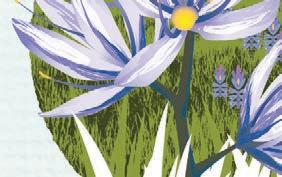
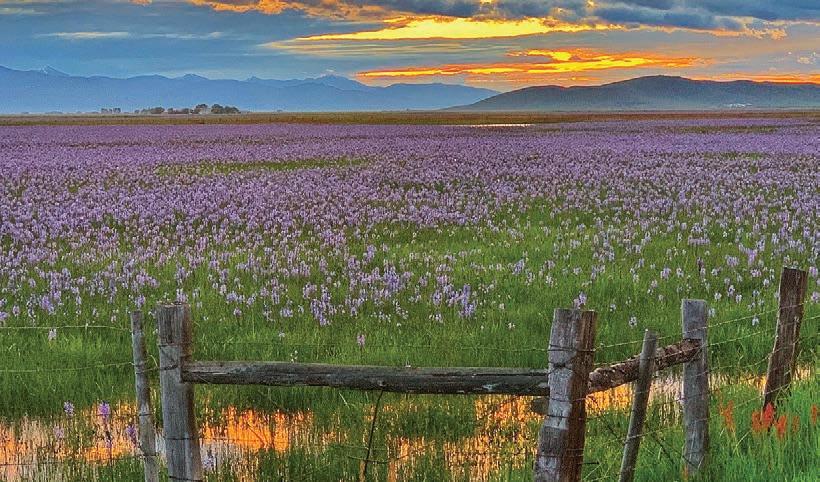
Idaho has its share of wildflowers, including its most elegant bloomer—the Camas lily. In late May and early June, Camas Prairie Centennial Marsh Wildlife Management Area southeast of Boise bursts into a dazzling color show. Are the lilies blue? Are they purple? See them in person to decide.
GRAPE HARVEST SEASON
Idaho has three American Viticultural Areas (AVA), thanks to its volcanic soil and just-right climate for growing grapes. In September and October, the Snake River Valley AVA and Eagle Foothills AVA in southwest Idaho host harvest events. Or head up north to the Lewis–Clark Valley AVA, where grape-stomping parties put visitors in the game.
HUCKLEBERRY PICKING SEASON
Mid-June through August, many adventurers in Coeur d’Alene National Forest carry buckets to collect Idaho’s state fruit along trails. If you miss picking season, find these plump little berries on restaurant menus statewide, from tart barbecue sauce to technicolor shakes.
MILKY WAY & METEOR SHOWER SEASON
The Central Idaho Dark Sky Reserve boasts some of the darkest skies in the Lower 48. Visitors to Ketchum, Sun Valley and Stanley are treated to starry nights year-round, but in July and August the Milky Way appears close enough to touch and the Perseid meteor shower picks up intensity.
LEAF-PEEPING SEASON
Starting in September and running into November, scenic drives become even more astonishing here. Start up north on the International Selkirk Loop, where shimmering yellow aspens and deep-scarlet maples steal the show. Across the state, admire fall colors while exploring any of Idaho’s scenic byways.
NATIVE ROOTS, MODERN PLATES
POW’WAW FOOD TRUCK SERVES UP ANCESTRAL STORIES IN EVERY BITE
BY ADRIANA JANOVICH
PHOTOS BY LESLIE SCOTT
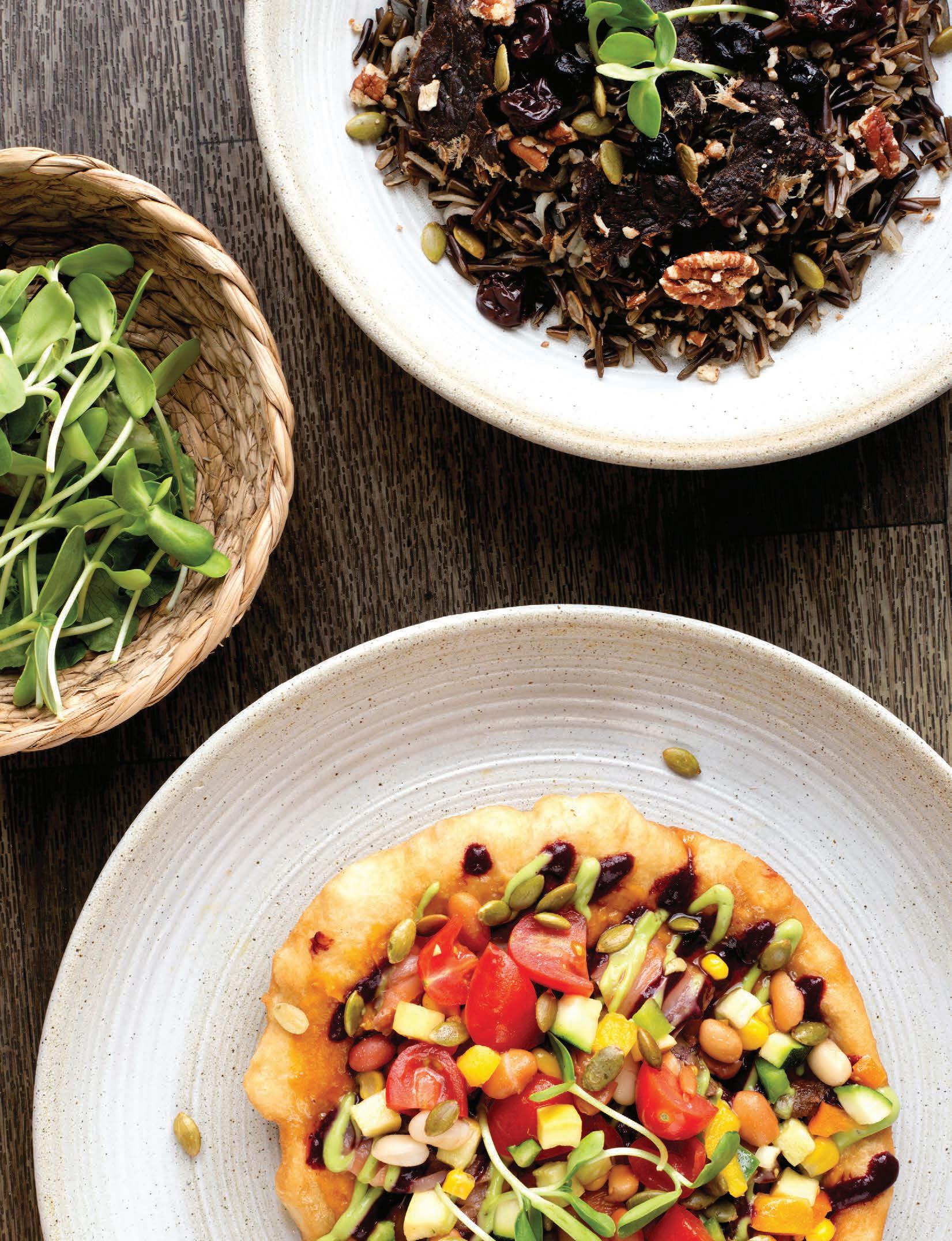
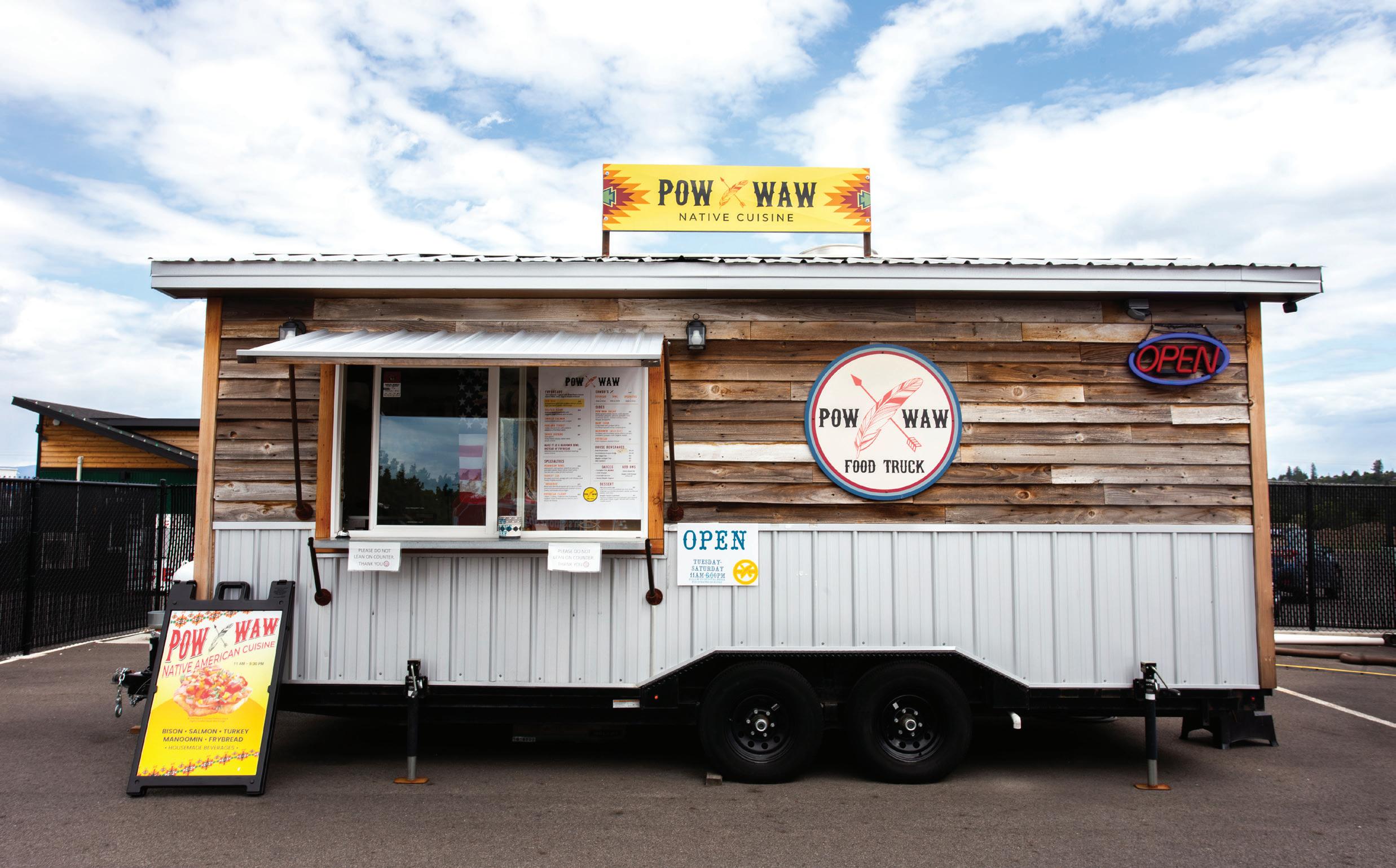
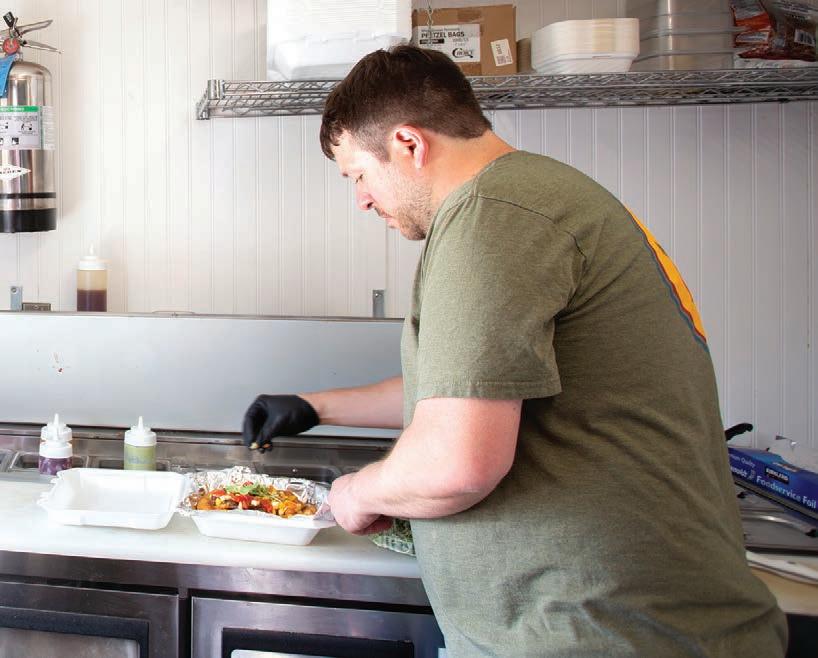
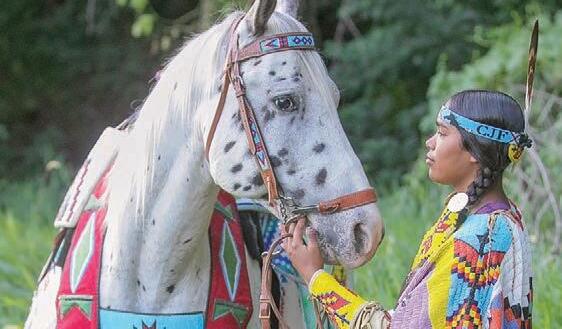
Manoomin and frybread at Pow’Waw Food Truck, Post Falls.
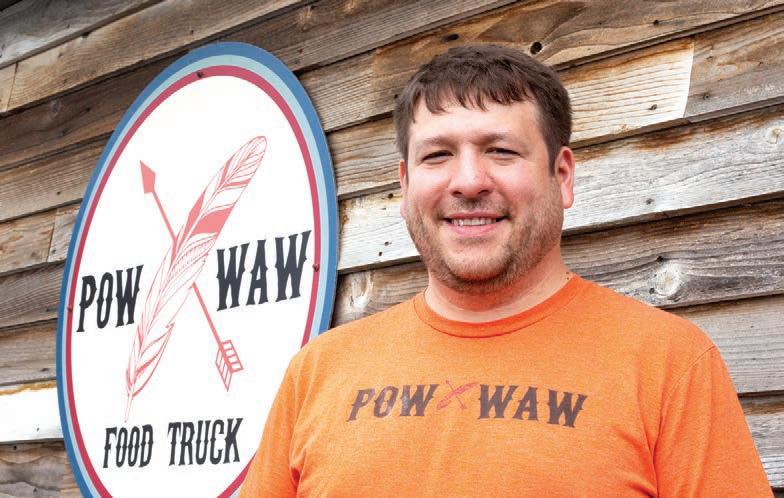
Chef Shane Clark wants guests to try something ancestral. His creative cuisine has garnered a loyal following in the Post Falls area in northern Idaho, where patrons experience traditional Native American flavors in every entrée. Signature dishes at the Pow’Waw Food Truck showcase ingredients such as bison, salmon and turkey punched up with mint, maple, sage and other pre-Colonial flavors.
“I wish I could go back 1,000 years and see exactly how they cooked,” says Clark, who is a descendant of the Turtle Mountain Band of Chippewa in North Dakota. His wife, Megan, a member of the Coeur d’Alene tribe in Idaho, handles the business’ marketing and social media platforms and lends a hand in the food truck from time to time.
“The idea behind the food truck was a modern riff on the Indian taco,” he explains. “Frybread is the bridge, but it’s not traditional by any means.”
To Clark, frybread serves as a symbol of adaptation and survival, perseverance and ingenuity, resourcefulness and resilience. Its crisp, golden-brown exterior and fluff y, chewy interior connect generations and cultures, uniting the old ways of ancestors with modern palates.
The name Pow’Waw is derived from an Algonquin word for medicine man or spiritual healer. “To me, it represents the concept behind the food,” Clark explains. “The food is intended to be spiritually nutritious as well as physically nutritious.”
Pow’Waw Food Truck, The Post Falls Pavilion, Post Falls.
Fresh teas and sodas.
Chef Shane Clark.
ORDER UP!
Visitors quench their thirst with red sage or maple-juniper teas, huckleberry-guava soda or Pow’Waw’s signature soda made with sarsaparilla, sumac, allspice and cacao nibs. “I think of it as Indigenous cola,” Clark offers. “It’s a savory soda.”
Most main dishes feature frybread or (wild rice), topped with time-honored ingredients. The namesake Pow’Waw Bowl or frybread meal features both braised bison and coldsmoked salmon along with pumpkin seeds, mint, sage and housemade sauces, including honey-maple-agave, avocadospruce and pumpkin fire—a Native American berry sauce made with habanero and chile-wojapi
Frybreads and bowls also come with Native Relish, which features a trio of staples known as the three sisters: corn, beans and squash. Those ingredients are also the foundation of Clark’s signature purée.
Traditional dishes consist of braised bison, cold-smoked salmon and poblano turkey, or try the innovative and popular Indigidog— a bison-and-elk sausage link served atop frybread with cherry tomatoes and pickled onions. Other offerings include the smoked and fried turkey leg with honey-maple and chile-wojapi sauces, the crispy-fried baby corn with juniper salt and a spiced honey-maple glaze and a mixed green salad with relish, pecans, pickled onions and pumpkin and sunflower seeds with a maple vinaigrette.
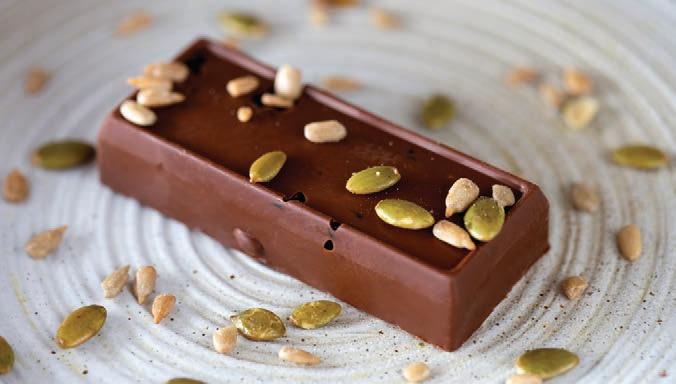
Many guests order dessert for the road. Choose from maplesweetened frybread with pecans or a homemade chocolate bar infused with dried fruit and studded with sunflower seeds.
“I want people who are visiting here to understand they are on ancient, ancestral lands that the Coeur d’Alenes once roamed,” Clark says. “I want to welcome them here and invite them to experience our history and culture through food.”
FOOD TRUCK ROUNDUP
Sample Pow’Waw’s Indigenous dishes at The Post Falls Pavilion.
Visit thepostfallspavilion.com or follow @pwfoodtruckpf for more details.
Adriana Janovich @adrianajanovich
Janovich has savored the flavors of the Inland Northwest for more than a dozen years. She is the author of Unique Eats and Eateries of Spokane. Her work has appeared in Taproot, Edible Seattle, Spokane-Coeur d’Alene Living and The Spokesman-Review.
manoomin
frybread
Frybread.
Pow’Waw Bowl.
Chef Clark preparing dishes.
Scratch-made chocolate bar.
50 COUNTRIES & COUNTING
SEE WHY TRAVEL WRITER CORY LEE RANKS IDAHO IN HIS TOP THREE WHEELCHAIR-ACCESSIBLE DESTINATIONS IN THE U.S.
BY CORY LEE
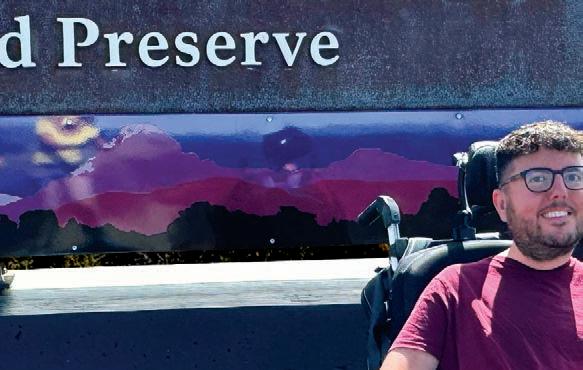
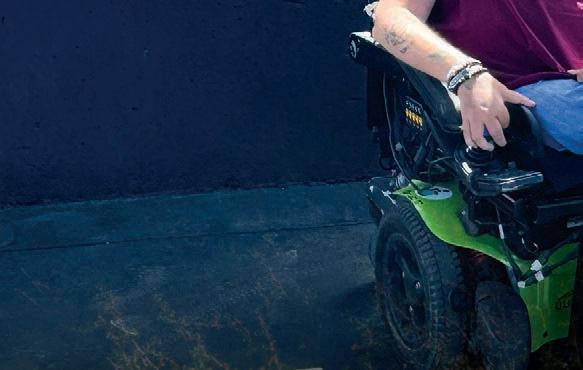
One of my favorite wheelchair-accessible trips over the past few years took place in Idaho. Before visiting, I didn’t know what to expect, but the state absolutely blew me away. From the otherworldly volcanic landscapes near Twin Falls to Boise’s vibrant cultural scene and the serene beauty of Coeur d’Alene, my trip through the Gem State proved just how many fantastic experiences are available for wheelchair users. Prepare to be inspired by Idaho’s diverse and inclusive attractions that make it an unforgettable place.
Craters of the Moon National Monument & Preserve, near Arco. Photo credit: Cory Lee.
TREKKING THROUGH TWIN FALLS
Twin Falls makes a great home base for exploring southern Idaho. The most surprising find was Craters of the Moon National Monument & Preserve, just under two hours away. This scenic daytrip took me to the heart of vast igneous rock formations. The Robert Limbert Visitor Center features a gift shop and museum plus an accessible restroom.
A park ranger recommended three wheelchair-accessible trails. North Crater Flow Trail, a one-third-mile loop, features a paved, elevated boardwalk that crosses dried lava fields. Devil’s Orchard Trail is a paved, flat, half-mile path that was easy to navigate, with benches, informational signs and accessible picnic tables and restrooms. For a shorter option, the paved Snow Cone Trail stretches one-tenth of a mile and leads to a viewing platform overlooking a small volcano. Allow four to five hours to fully experience the area.
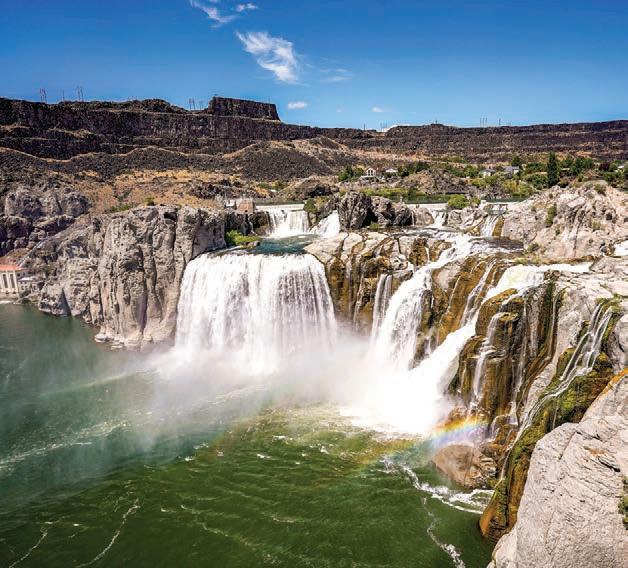
Back in Twin Falls, I explored more natural wonders. Shoshone Falls, known as “Niagara of the West” (it’s taller than Niagara Falls), offers accessible parking and upper viewing platforms with beautiful views. A gift shop and restrooms with accessible stalls were also a plus.
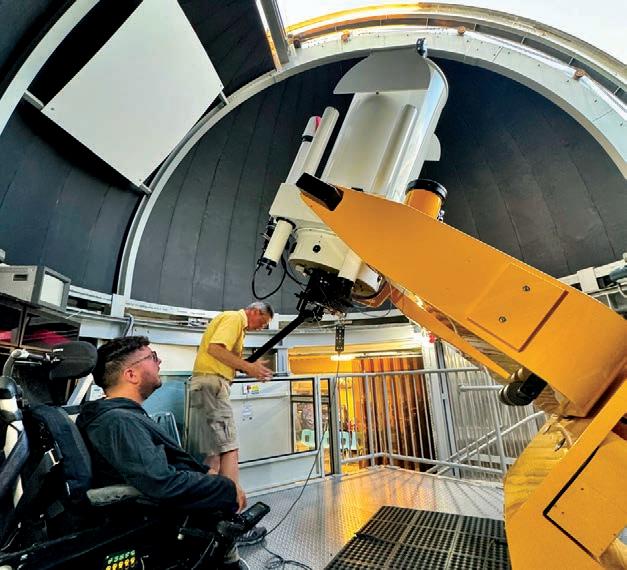
Centennial Observatory at the College of Southern Idaho provided an incredible stargazing experience. A wheelchair lift led to the observation deck, where a periscope allowed me to easily take in views through the massive telescope. This observatory truly reveals the cosmos to everyone— with a spacious companion-care restroom to boot.
ROLLING THROUGH BOISE
As an animal lover, the World Center for Birds of Prey was a highlight of my trip. The center plays a vital role in global raptor conservation and allows for close encounters on smooth, wide and paved outdoor paths. The daily live bird program in the outdoor amphitheater, with spacious viewing platforms, was a favorite—raptors flew directly overhead, providing thrilling, close-up views. The indoor exhibits reveal even more about the center’s conservation efforts.
Shoshone Falls, Twin Falls. Photo credit: Visit Idaho.
World Center for Birds of Prey, Boise. Photo credit: Visit Idaho.
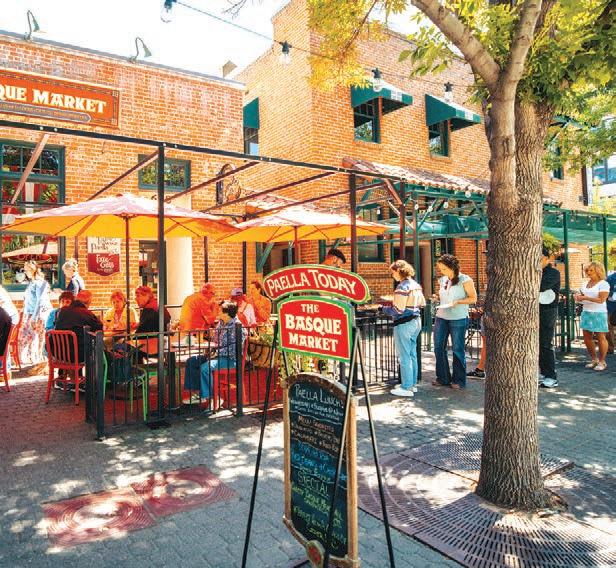
Boise’s Basque Block offers a unique cultural immersion. Many Basque people immigrated to the area from Spain during the late 1800s through the early 1900s and created a vibrant community that thrives today. I enjoyed riding through The Basque Market and savoring tapas such as patatas bravas and croquetas with sangria.
The Basque Museum & Cultural Center and adjacent boardinghouse (a former immigrant home from 1910 to 1969) are both wheelchair accessible and offer insightful exhibits that give a glimpse into Basque life. The downtown block is perfect for a meal and cultural exploration.
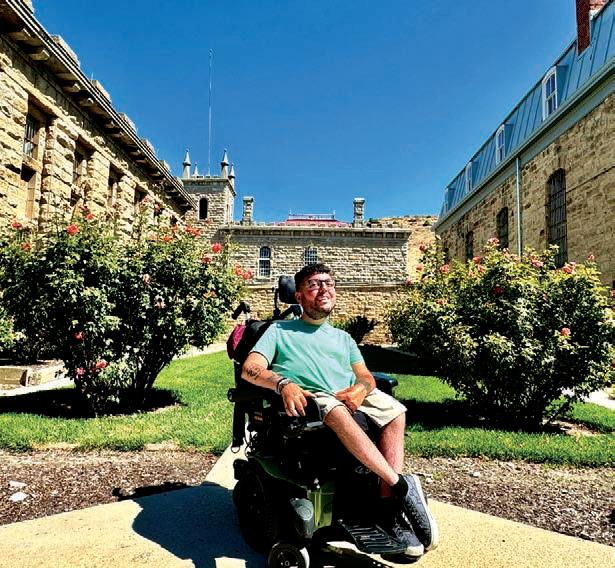
The Old Idaho Penitentiary, operational from 1872 to 1973, offers a fascinating tour. Most buildings have smooth, wheelchair-friendly entrances, and sidewalks connect public areas. Although the upper level of the historic building is not accessible to wheelchairs, our guide provided photos, and the lower level offered ample exploration. I was captivated by the prison’s history, including its housing of men, women and even a 10-year-old. Allow two to three hours to visit this must-see historical site.
The Basque Market, Boise. Photo credit: Visit Idaho.
Old Idaho Penitentiary, Boise. Photo credit: James Anderson.
Old Idaho Penitentiary, Boise. Photo credit: Cory Lee.
COEUR D’ALENE FROM THE WATER
I started my Coeur d’Alene adventure at Independence Point, a picturesque waterfront spot with gorgeous views of Lake Coeur d’Alene. The park’s well-maintained, paved paths were perfect for my power wheelchair, allowing me to easily explore and soak in the different vantage points of the water. It’s clearly a popular destination for both locals and visitors, providing a fantastic gateway to a wide range of lake activities.
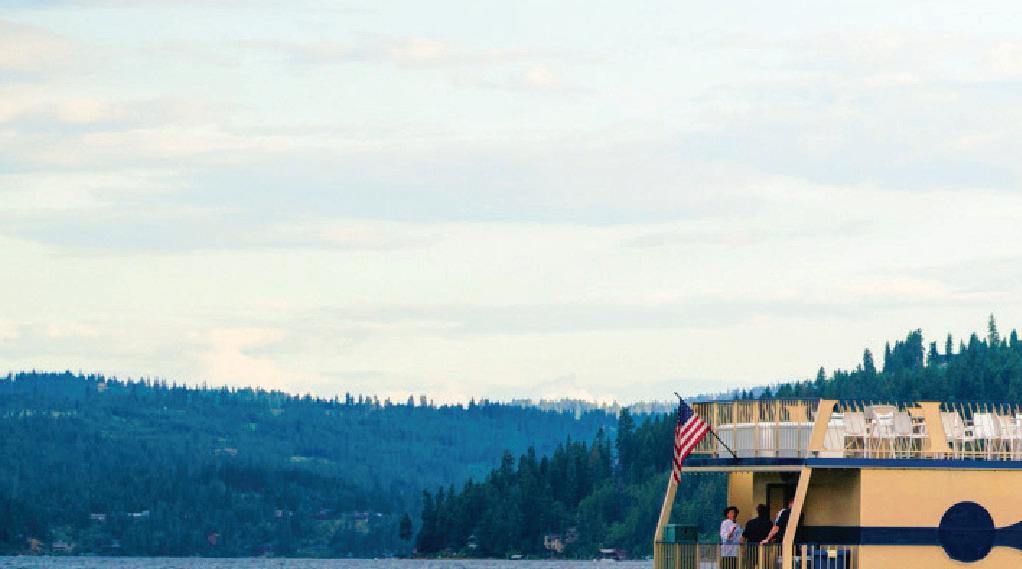
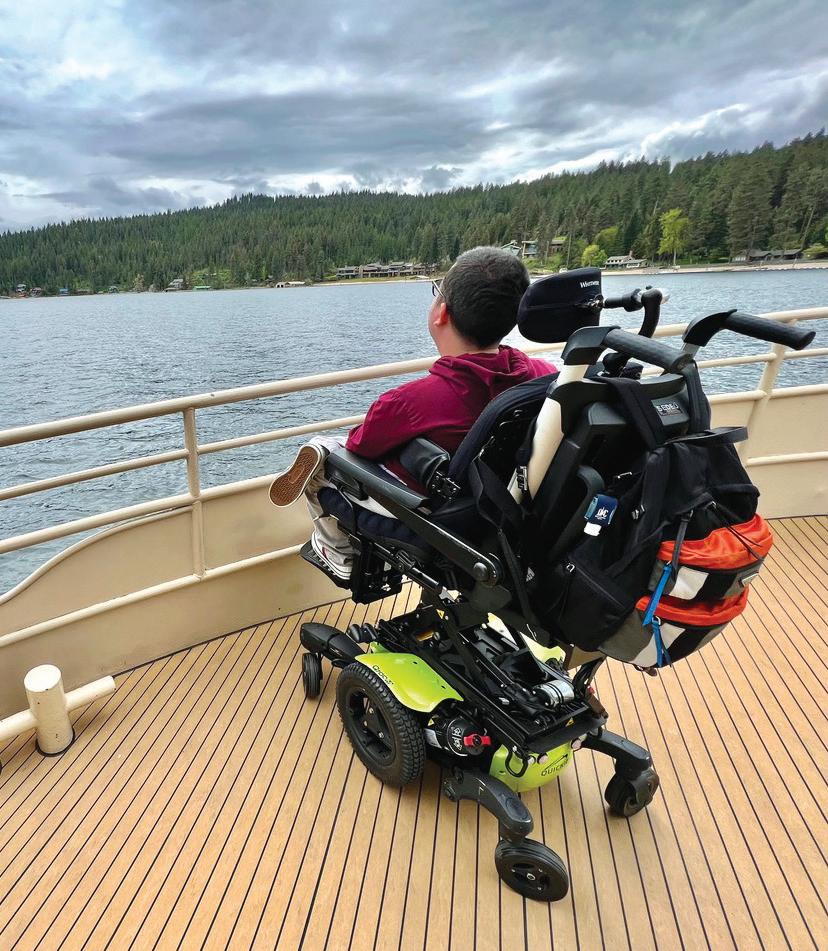
From the park, I boarded a Lake Coeur d’Alene Cruise for a 90-minute ride. I was incredibly impressed with the boat’s wheelchair-accessible features. There was a ramp for me to get onboard, and the entire lower deck was accessible. This meant I could choose to stay cozy indoors or head outside to feel the lake breeze on my face. A spacious family restroom was another great amenity.
The captain’s commentary was an unexpected highlight, offering fascinating facts about Idaho. For example, did you know that the state fruit is the huckleberry? It was a truly enjoyable and informative experience while on the water.
Idaho shines as a destination, proving just how inclusive travel can be. It’s a place that genuinely invites everyone to explore its charms. No matter your abilities, you are sure to enjoy the state just as much as I did!
Lee is the creator of the award-winning travel blog, curbfreewithcorylee.com, where he shares his experiences as a wheelchair user. So far, he has visited all seven continents and more than 50 countries in a power wheelchair.
Lake Coeur d’Alene Cruises, Coeur d’Alene. Photo credit: Visit Idaho.
Lake Coeur d’Alene Cruises, Coeur d’Alene. Photo credit: Cory Lee.
More Than a Rodeo
AT 115 YEARS AND COUNTING, THE WAR BONNET ROUND UP CAPTURES THE NOSTALGIA OF THE AMERICAN WEST
BY KITT DOUCETTE
PINTAR
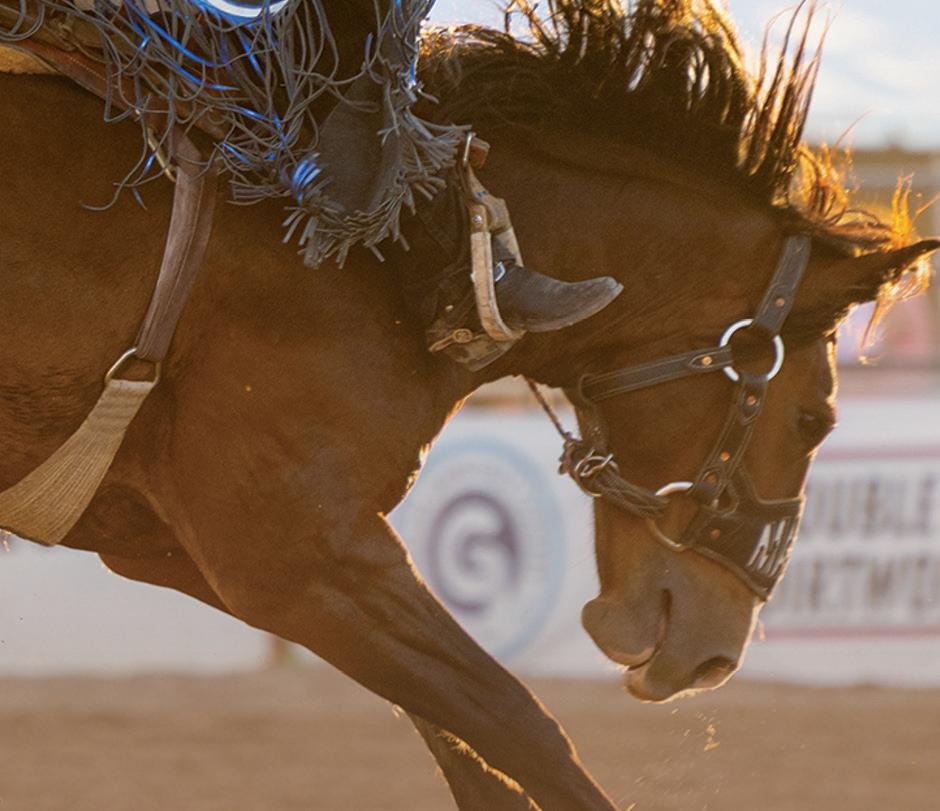
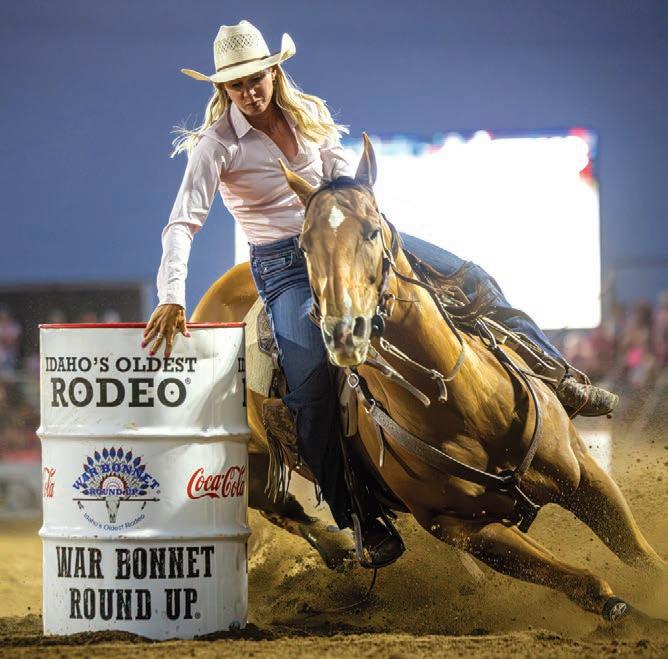
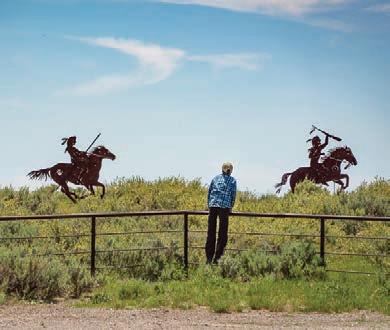
The War Bonnet Round Up, held annually in Idaho Falls during the first weekend of August, captures the essence of the American West. Its colorful history, cultural significance and community-focused atmosphere make it a must-visit event for anyone interested in understanding the true spirit of Western horsemanship. Whether you’re a seasoned rodeo enthusiast or a first-time attendee, the War Bonnet Round Up offers an authentic and unforgettable experience that celebrates Idaho’s traditions, values and heritage.
PHOTOS BY MICHAEL
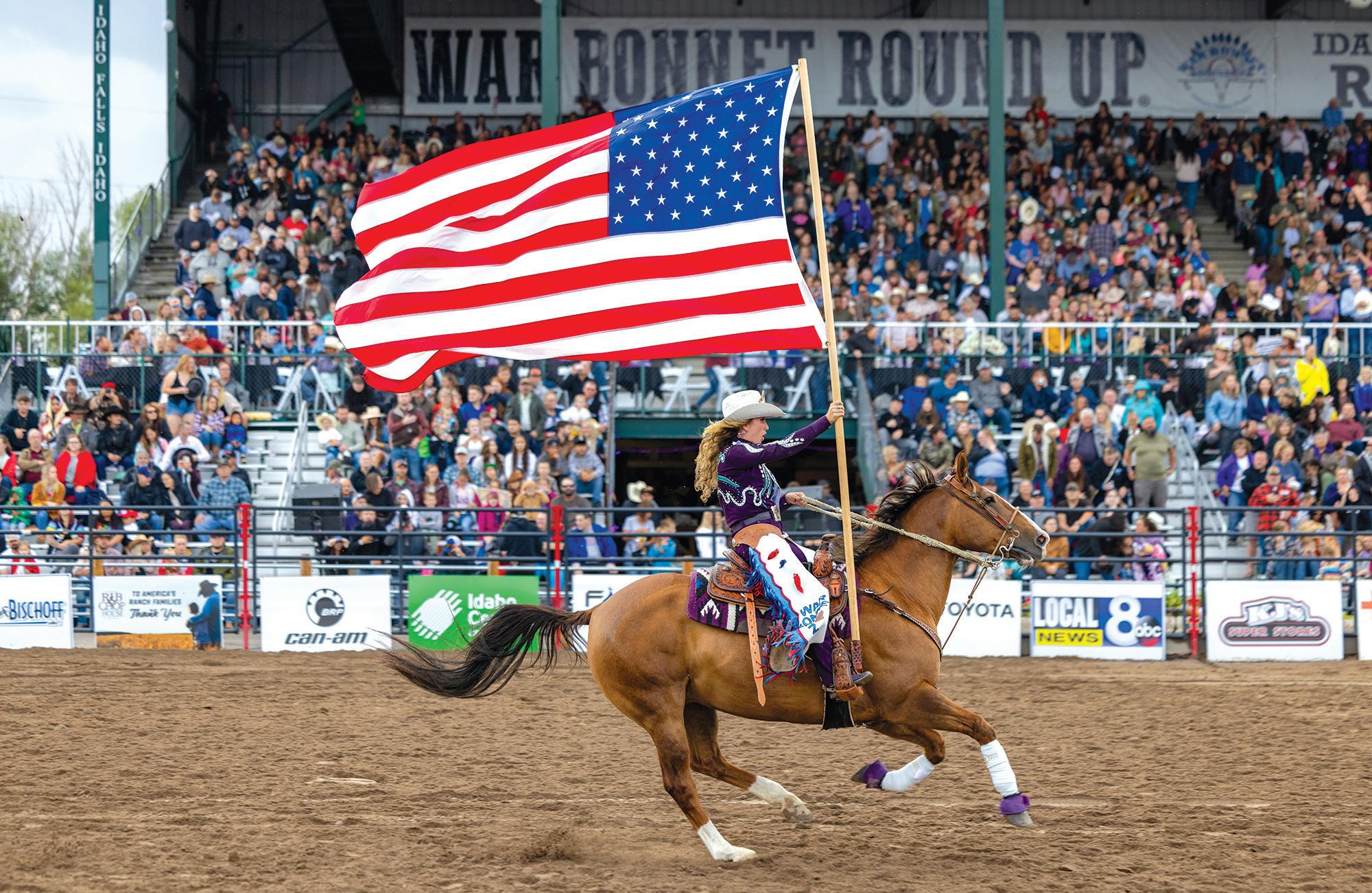
War Bonnet Round Up, Idaho Falls.
EARLY ROOTS
The rodeo’s name pays homage to the region’s Native American culture. Afton Boam Dale, author of History of the War Bonnet Round Up, 1911-1967, explains:
“The name was chosen in honor of Chief War Bonnet and his Shoshone–Bannock Tribes. In the early 1800s, the tribes gathered on the shores of Bear Lake in Idaho to ‘round up’ wild horses and break them for their needs. A cattle company first adopted the name. Later, it became the title for the famous roundup, which, since 1912, has brought thousands of thrilled spectators a living pageant of the fading past.”
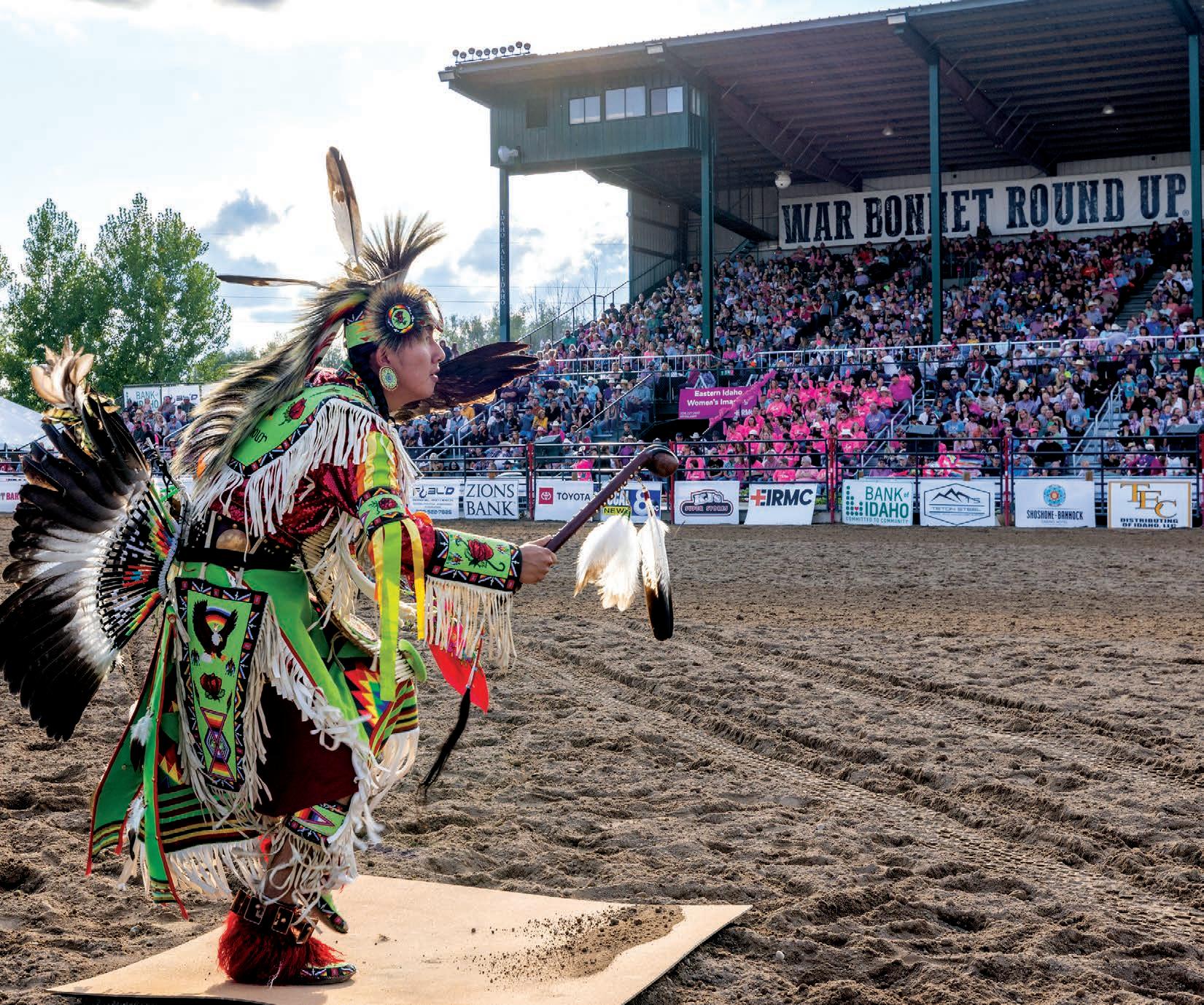
The Shoshone–Bannock Tribes, which have lived in the area for centuries, have a deep connection to the land. The inclusion of many Native American cultural elements in the roundup honors their important contributions to the region’s identity. Traditional races, dances and ceremonies are performed during the event, providing an opportunity for attendees to learn about the powerful cultural legacy of the region’s Indigenous people.
Shoshone-Bannock Tribes performer, War Bonnet Round Up, Idaho Falls.
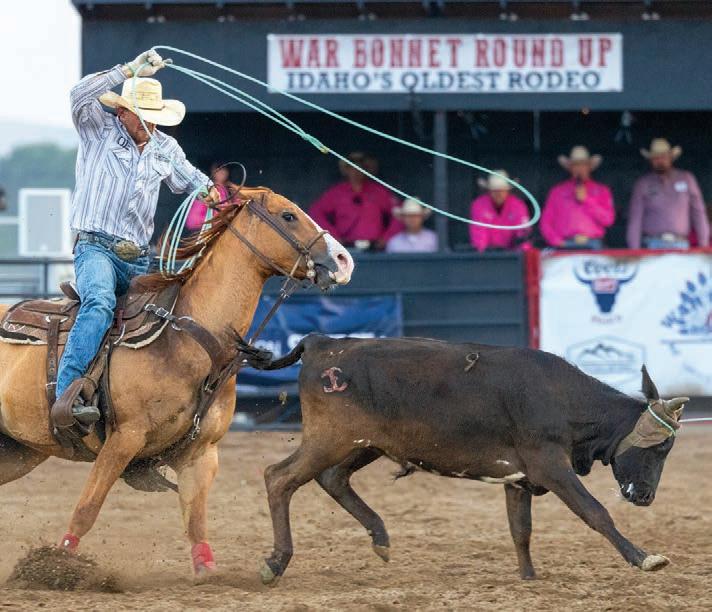
Calf roping, War Bonnet Round Up, Idaho Falls.
“Idaho became a state in July 1890. On August 26, 1891, the name of the young town of Eagle Rock was changed to Idaho Falls,” Dale states. “In the year 1908, a fair was inaugurated by civic leaders. This same year also saw a local exhibition of Buffalo Bill’s Wild West Show. The fair continued without much success until 1911.”
In 1911, new events were added to the fair, including the celebrated and still-highly competitive Indian Relay—a 12-horse, four-team relay race, in which brave competitors leap from one moving horse to another while racing around an arena bareback. Local interest, along with attendance, ballooned.
The following year, the first officially titled War Bonnet Round Up took place at Idaho Falls’ Reno Park. While it was Idaho’s oldest rodeo, it ranked behind the Cheyenne and Pendleton round ups in attendance and ratings with rodeo associations. However, the War Bonnet Round Up’s prize money was more than the other two combined, so it quickly became a competitive hot spot and hosted rodeo stars who would become legends of the American West.
The early list of competitors included famous cowboys, such as Everett Colborn, Slim Wager, Buffalo Vernon and Stub Farlow, and also cowgirls, like the world champion bronc rider Nancy Price, famed trick-and-bronc rider Bonnie McCarrol and Annie Moran, who jumped her horse White Eagle off of a 35-foot platform into a nine-foot tank of water at the 1912 event. There were also African American cowboys, like Snowball Johnson, and the Nez Perce cowboy, Jackson Sundown, winner of the 1916 Pendleton Round Up championship at the age of 50. Many early rodeo fans considered Sundown the greatest bareback and saddle bronc horse rider of all time.
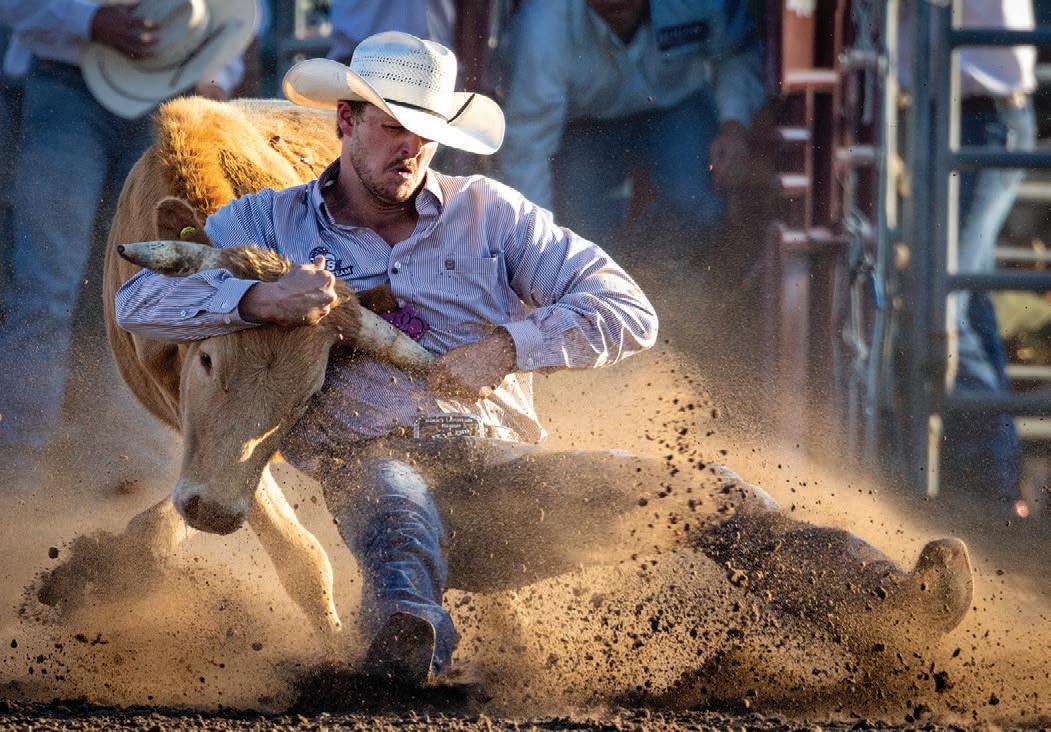
Steer wrestling, War Bonnet Round Up, Idaho Falls.
Barrel racing, War Bonnet Round Up, Idaho Falls.
THE WAR BONNET TODAY
Born from this cultural kaleidoscope of the Old West, today’s War Bonnet Round Up is a modern rodeo event that embodies the prismatic spirit of the American West. Featuring activities that highlight the region’s history and culture, the rodeo includes parades, live music performances and traditional Native American dances.
Over the years, the War Bonnet Round Up has remained true to its roots. Traditionally held during the first weekend of August to coincide with the region’s harvest season, the rodeo still encourages local farmers and ranchers to take a break from their labor-intensive work and enjoy the festivities. The event has grown in size and scope, attracting professional rodeo athletes from around the world who compete for prize money and prestige.
One of the most distinctive aspects of the War Bonnet Round Up is its emphasis on community involvement. The rodeo is, and always has been, a family-friendly event for people of all ages and backgrounds. It serves as a gathering place where old friends reunite and new friendships are forged. The sense of camaraderie and shared purpose is palpable, creating an atmosphere that is both welcoming and exhilarating.
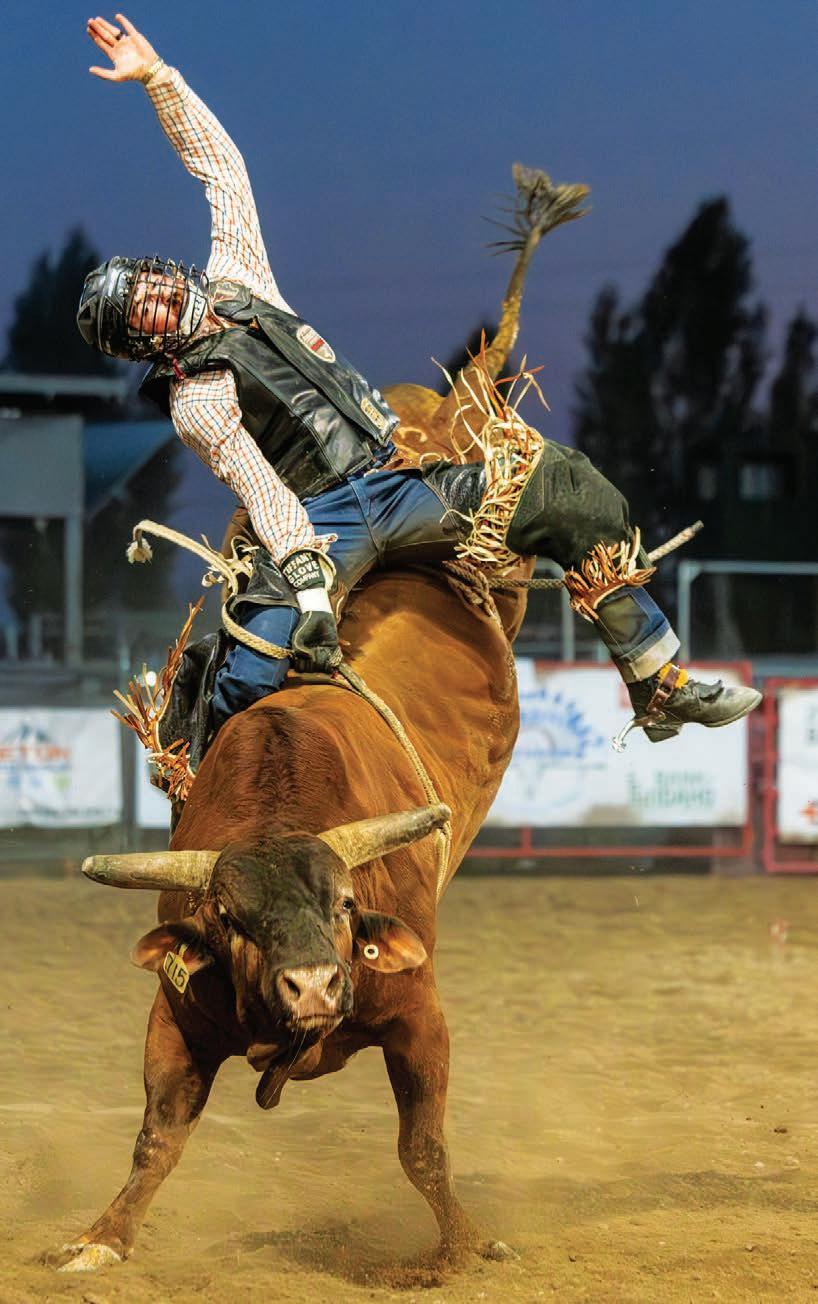
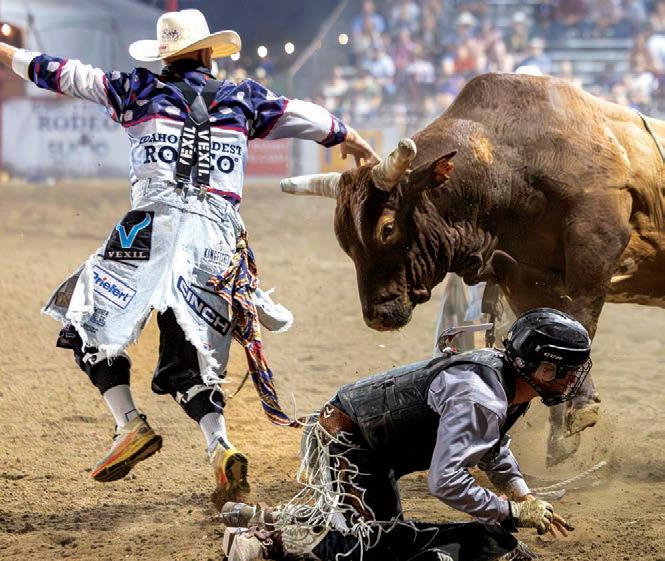
Bull riding, War Bonnet Round Up, Idaho Falls.
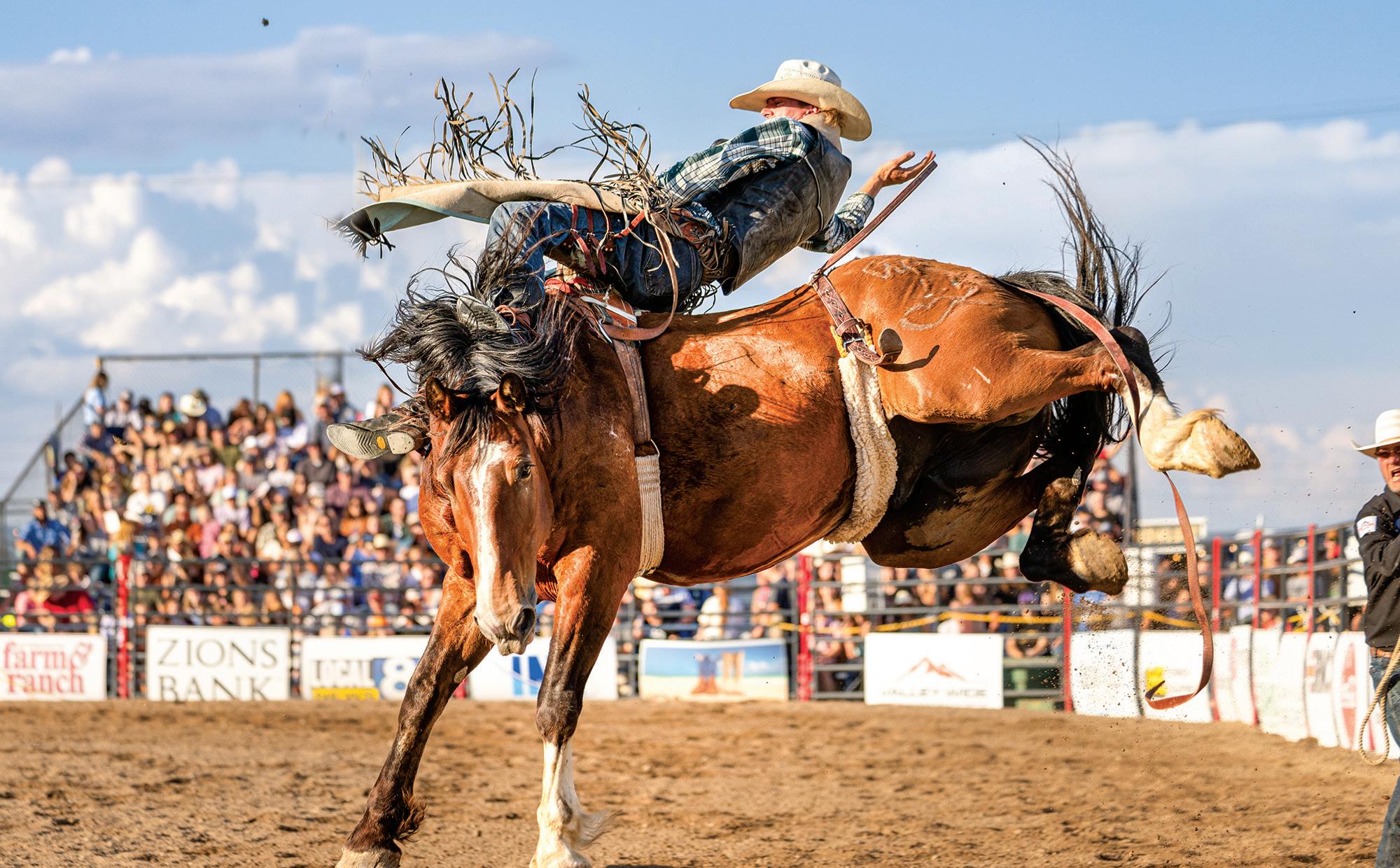
Bronc riding, War Bonnet Round Up, Idaho Falls.
In recent years, the War Bonnet Round Up has embraced modern elements, incorporating entertainment and attractions to appeal to a broader audience. While core rodeo events, such as bronc and bull riding, team roping and barrel racing, remain the highlights, attendees can also enjoy carnival rides, kids’ games, concerts and exhibits showcasing the latest advancements in agricultural technology. This blend of tradition and innovation ensures that the rodeo engages new generations.
More than just a rodeo, the War Bonnet Round Up is a celebration of a way of life that is deeply ingrained in the fabric of the American West. It is a testament to the enduring spirit of the cowboy and cowgirl, the resilience of the local community and the cultural heritage that defines the region. As the rodeo continues to evolve and grow, it remains a beloved Idaho tradition that brings people together to honor the past, celebrate the present and look forward to the future. Kitt Doucette kittdoucette.com
Raised in the mountains of Idaho, Doucette is a lifelong skier, kayaker, enthusiastic surfer and award-winning journalist whose work has been published in Rolling Stone, Men’s Journal and Dossier, among others.
Hold onto your hats. Idaho’s summer rodeo road map starts here.
Grand Entry, War Bonnet Round Up, Idaho Falls.
Bull riding, War Bonnet Round Up, Idaho Falls.
Where the Feathered Things Are
OBSERVING MOUNTAIN BLUEBIRDS ALONG THE IDAHO BIRDING TRAIL
it the state bird in 1928.
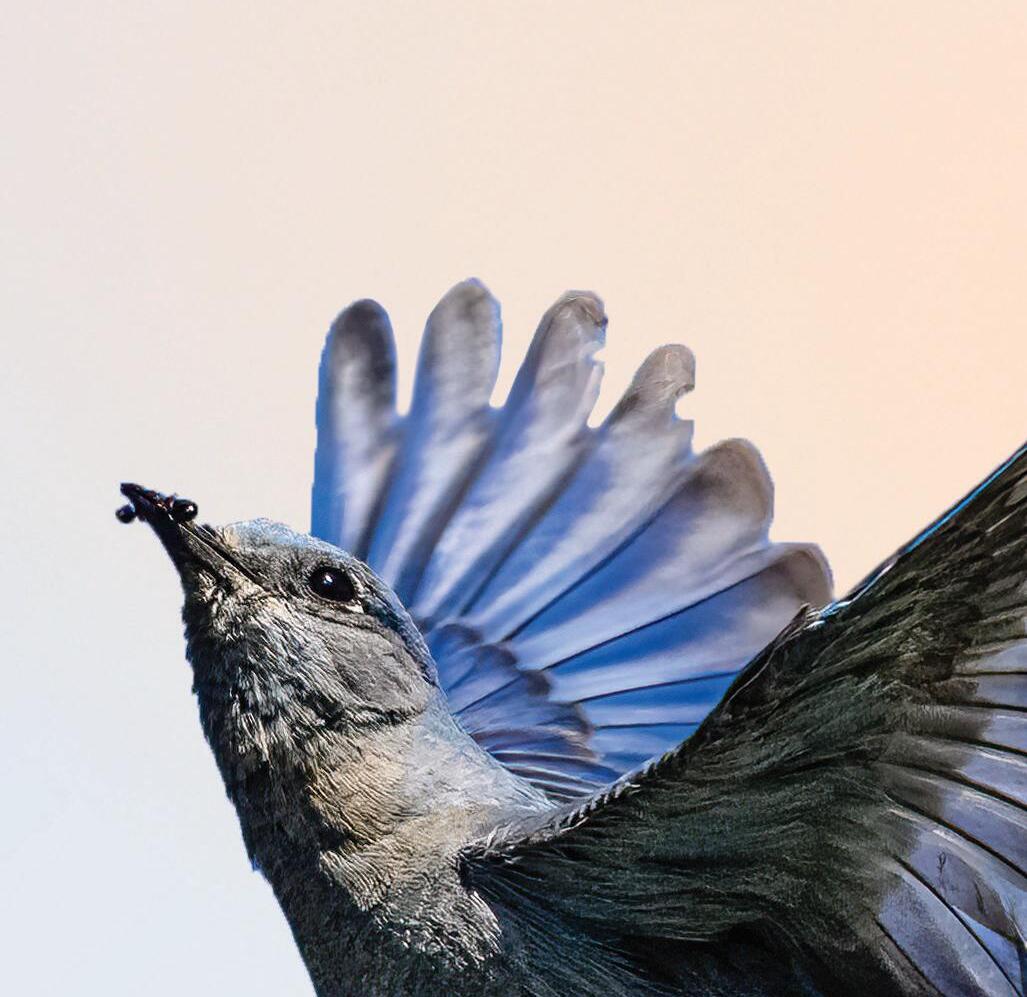
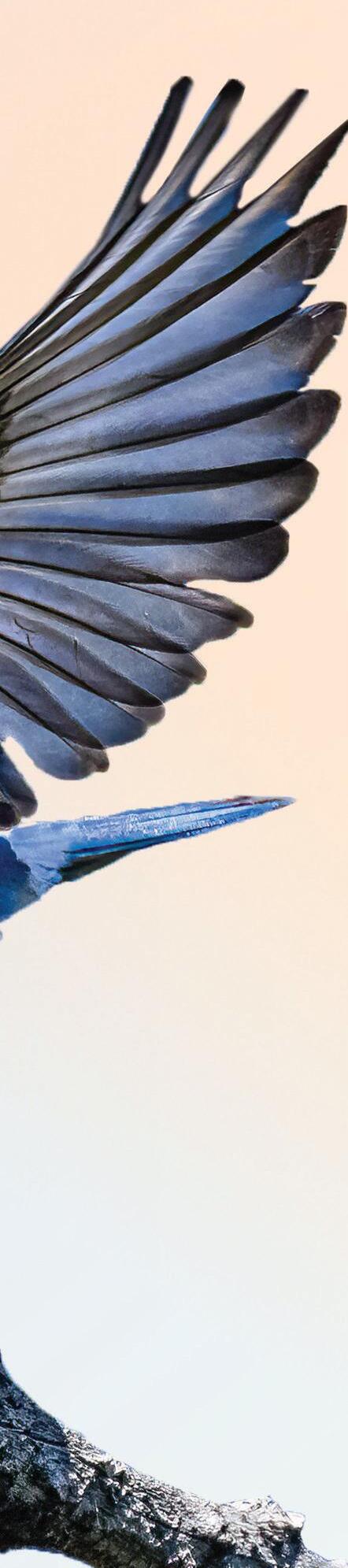
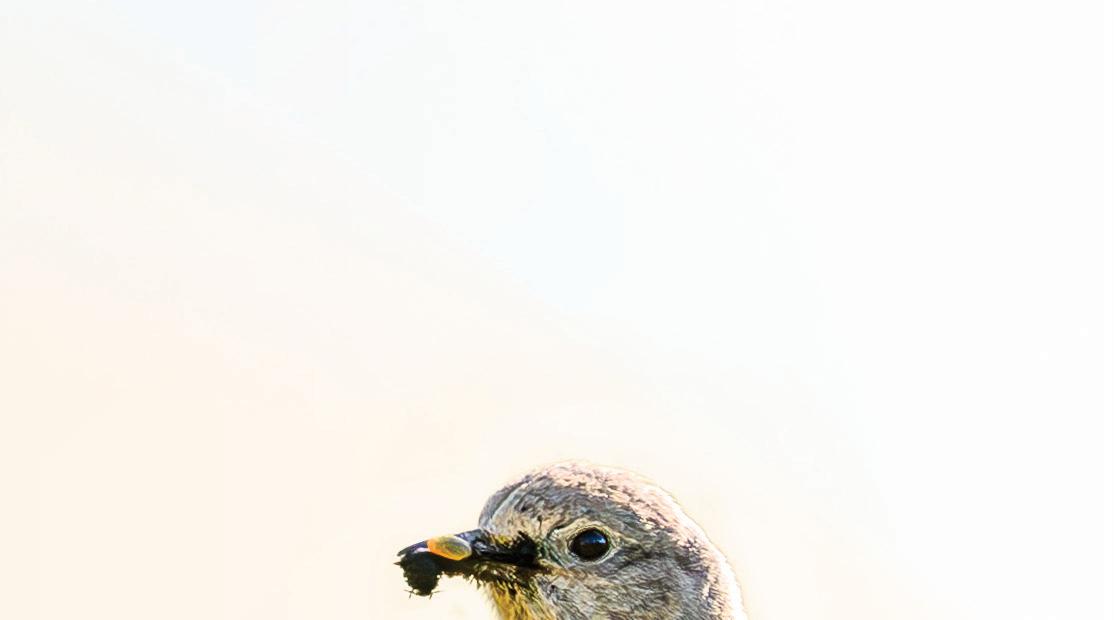
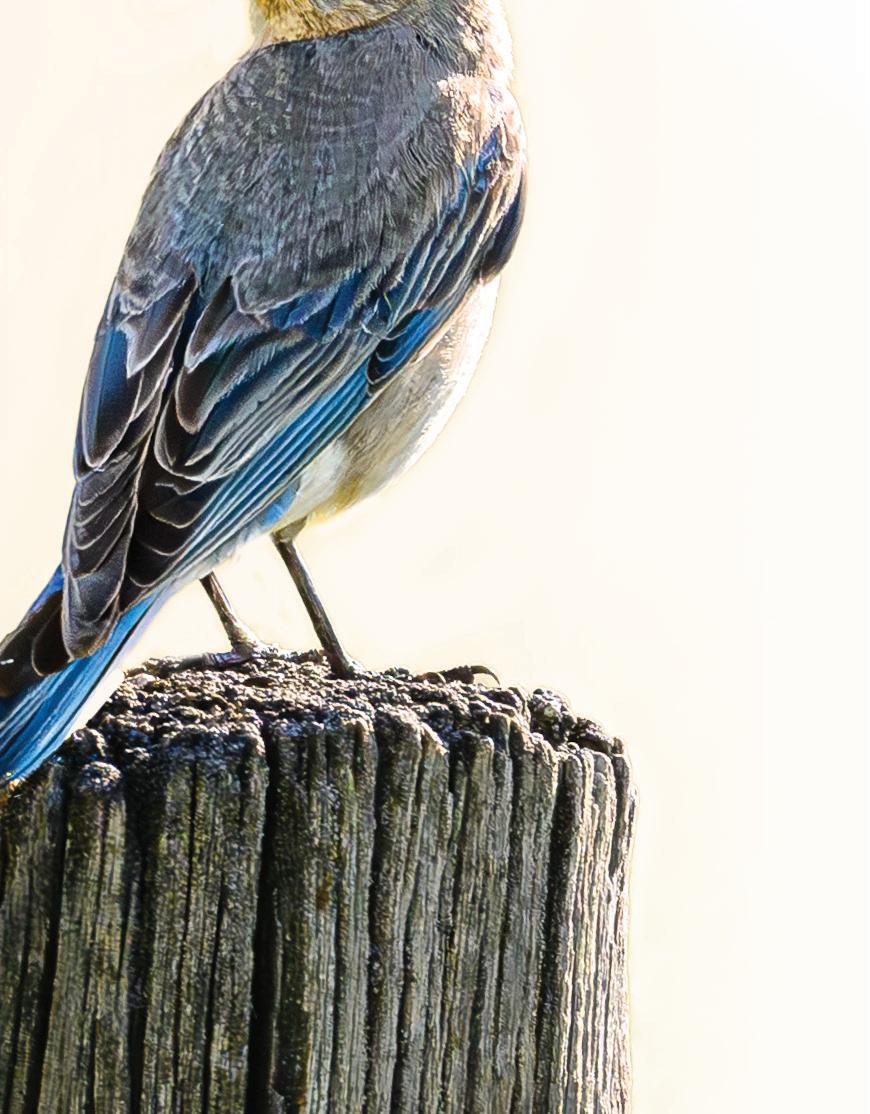
The mountain bluebird’s breathtaking beauty easily places it among North America’s most admired birds. It’s little wonder that its vibrant, sapphire-tinged wings captured the hearts of Idaho schoolchildren, who voted
NESTING & CONSERVATION
As cavity nesters, mountain bluebirds rely on existing holes for their homes. Unable to excavate their own due to their relatively weak feet and bills, they utilize natural cavities, abandoned woodpecker holes and even unexpected spots, such as small crevices in Idaho’s lava flows. And most importantly for us, they readily move into
nest boxes designed just for them.
providing habitat for mountain bluebirds
placed on posts along a fence line or in trees
Conservationists who are interested in providing habitat for mountain bluebirds have also constructed “bluebird trails.” These consist of several dozen nest boxes placed on posts along a fence line or in trees along a road or trail. Boxes are placed 200–300 feet (60–90 meters) apart, which is the distance bluebird pairs prefer to be from each other. With a bluebird trail, many nest sites can be easily monitored and maintained.
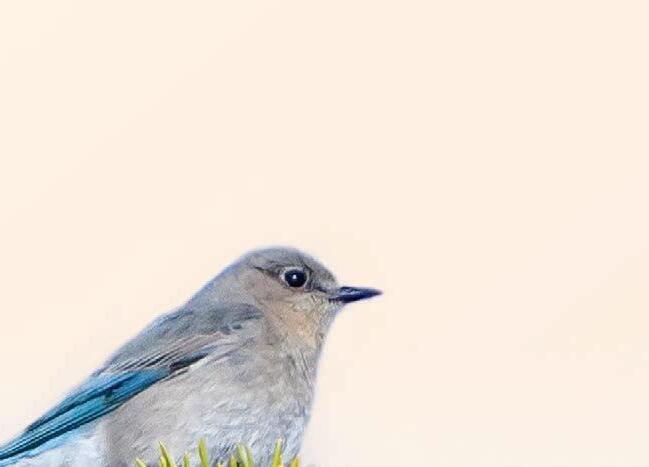
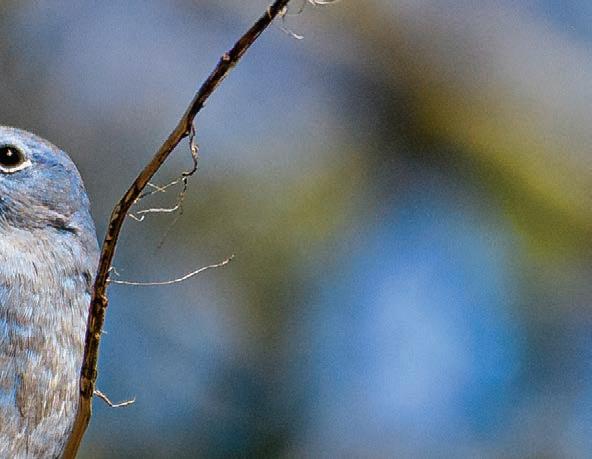
Mountain bluebird. Photo credit: Ken Miracle.
Idaho was home to one of the country’s top bluebird conservationists—Alfred Larson, referred to as Bluebird Man. For more than four decades before his passing in 2025, Larson maintained 300 nesting boxes and banded an astounding 27,000+ bluebirds. Larson’s trails are found in southwest Idaho, in the grasslands surrounding the town of Prairie and along the Owyhee Uplands Backcountry Byway.
The mountain bluebird’s expansive range, large population and tolerance for human activities are good buffers against adversity. Experts estimate there are about 270,000 mountain bluebirds in Idaho at the start of the breeding season, which runs from March to July. This number swells as young birds emerge in summer and then drops off again in the fall as birds migrate out of the state.
COBALT FORAGERS
In addition to nesting cavities, bluebirds need open areas in which to forage. Ideal environments include the edges of meadows and pastures, recently burned forests, grasslands, sagebrush country and low mountain shrublands. They breed across a wide range of elevations, from low sagebrush basins to high alpine habitat, as long as they can find a nest site.
Because mountain bluebirds rely so heavily on insects for food, most birds leave for the winter. From December through February, a few birds can be found scattered around the state, though, mostly south of the Snake River Plain.
South Fork of the Snake River, near Swan Valley. Photo credit: Visit Idaho.
Female bluebird. Photo credit: Ken Miracle.
IDAHO BIRDING TRAIL
If you’re hoping to get a glimpse of mountain bluebirds and the Gem State’s other stunning avian inhabitants, look no further than the Idaho Birding Trail. This expansive driving route offers a convenient way to delve into the state’s rural heartland and explore its backcountry lanes, guiding visitors to more than 250 identified birding sites. Comprehensive trail information is readily available online, and free physical maps are available at any Idaho Fish and Game regional office.
From March through October, mountain bluebirds can be spotted across Idaho, particularly in areas above 4,000 feet (1,200 meters). In the southwest part of the state, catch sight of these cerulean songbirds in the mountains surrounding Boise and Silver City and in the meadows from Smith’s Ferry to McCall. In central Idaho, watch for them from Sun Valley to the Sawtooth National Recreation Area, one of the mountain bluebird’s primary Idaho summer homes. Birdwatchers also see a lot of activity along the riparian corridor up the Salmon River to the town of Salmon.
In south central Idaho, their wisps of blue are easy to spot against the stark lava fields on the north side of Craters of the Moon National Monument & Preserve. Head east to Harriman State Park to view bluebirds in the Greater Yellowstone Ecosystem. In northern Idaho, mountain bluebirds inhabit the Palouse Prairie, from the town of Moscow north to Lake Pend Oreille.
Explore Idaho Birding Trail sites near American Falls.
Photo credit: Visit Idaho.
Female bluebird. Photo credit: Ken Miracle.
WHY SO BLUE?
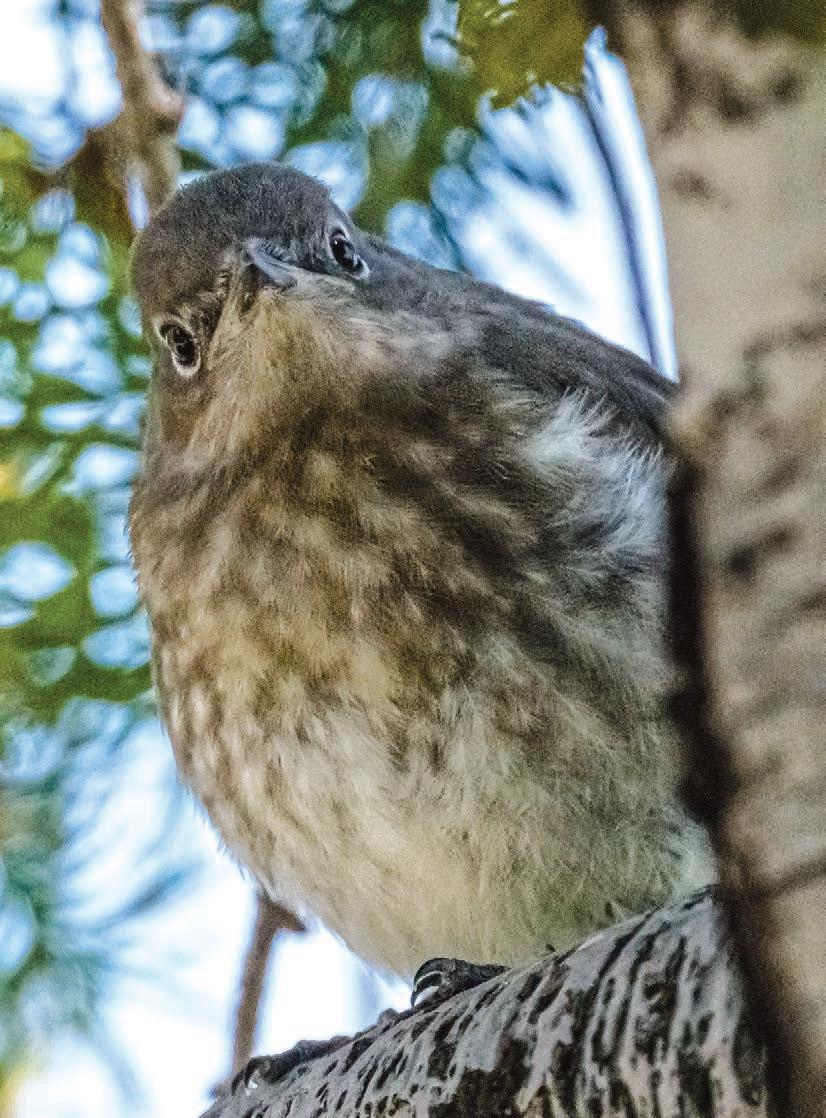
The spectacular sky-blue of the male mountain bluebird is in stark contrast to the female, which employs a masterful understatement with her soft, gray-brown plumage delicately infused with pale-blue wing and tail feathers. For late-summer sightings, young bluebirds are characterized by their spotted appearance, yet they already display enough telltale blue feathers as a hint of their identity.
With the prevalence of nest boxes and favorable habitat statewide, the chance of seeing a mountain bluebird along Idaho’s roads is quite high. Keep an eye out for a vibrant flash of azure perched atop junipers, fence posts or rocky cliffs—their striking color makes them surprisingly visible, even while driving.
Beyond the mountain bluebird, the Idaho Birding Trail also spotlights some of the state’s other beloved avian species, including the striking Lewis’s woodpecker, the Cassia crossbill and the elegant white-faced ibis. Birders also frequently seek out popular species, like the greater sage-grouse, golden eagle, Swainson’s hawk, the pint-sized calliope hummingbird and the vibrant western tanager, just to name a few.
From the rarest warbler to the most familiar finch, Idaho’s 444 bird species offer a tapestry of natural wonder, with the Idaho Birding Trail guiding your exploration. As you journey through this captivating state, the mountain bluebird serves as a gentle reminder of the simple yet profound beauty that awaits around every corner.
Terry Rich
Rich is a wildlife ecology and zoology professional who writes a weekly column on birds for The Idaho Press. He also participates in continental bird monitoring programs, teaches classes on birds and leads birding field trips.
Female bluebird. Photo credit: Ken Miracle.
Male bluebird. Photo credit: Ken Miracle.
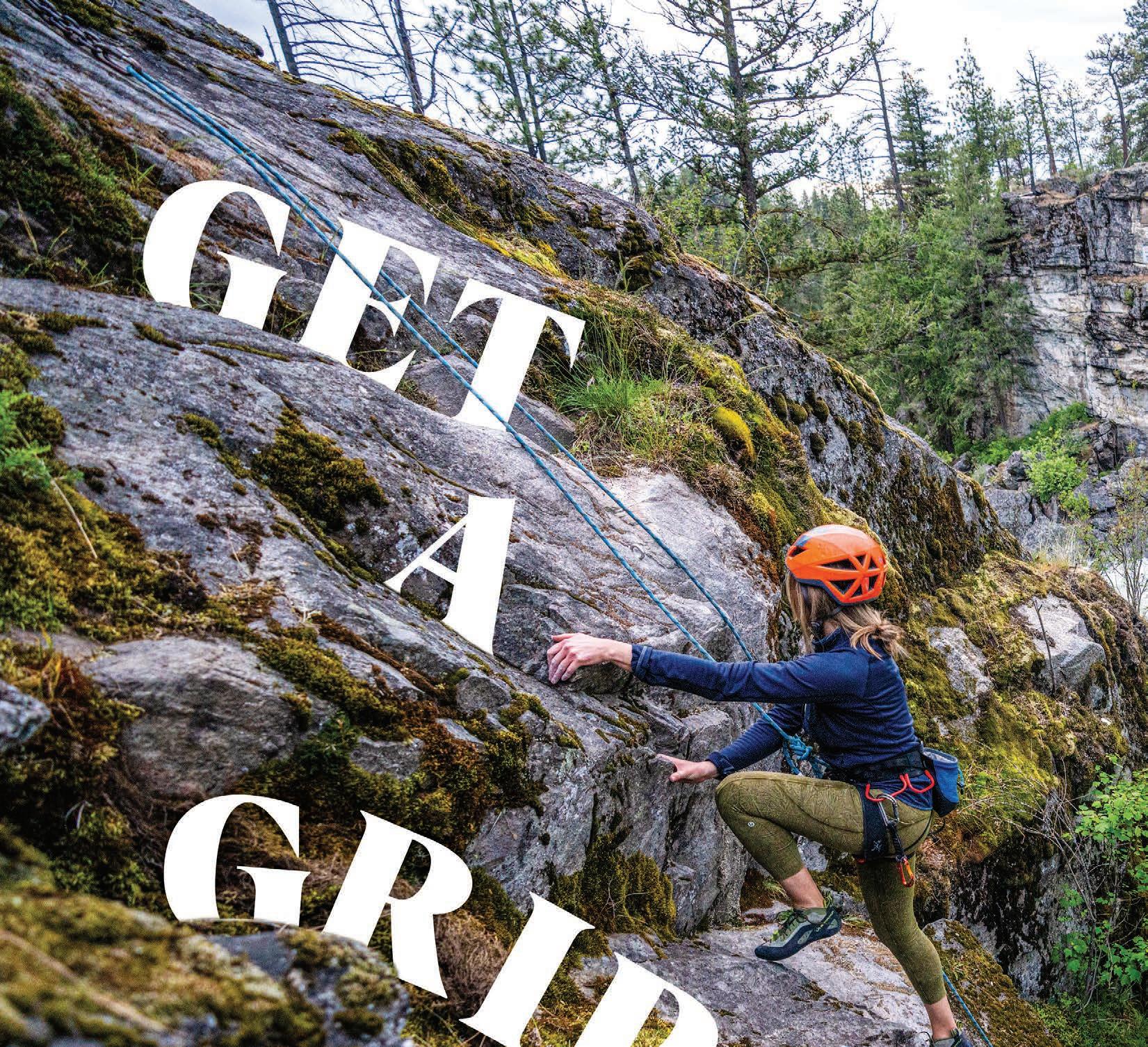
A FIRSTHAND LOOK AT ONE OF IDAHO’S MOST APPROACHABLE CLIMBING CRAGS
WORDS AND PHOTOS BY
JASPER GIBSON
Q’emiln Park, Post Falls.
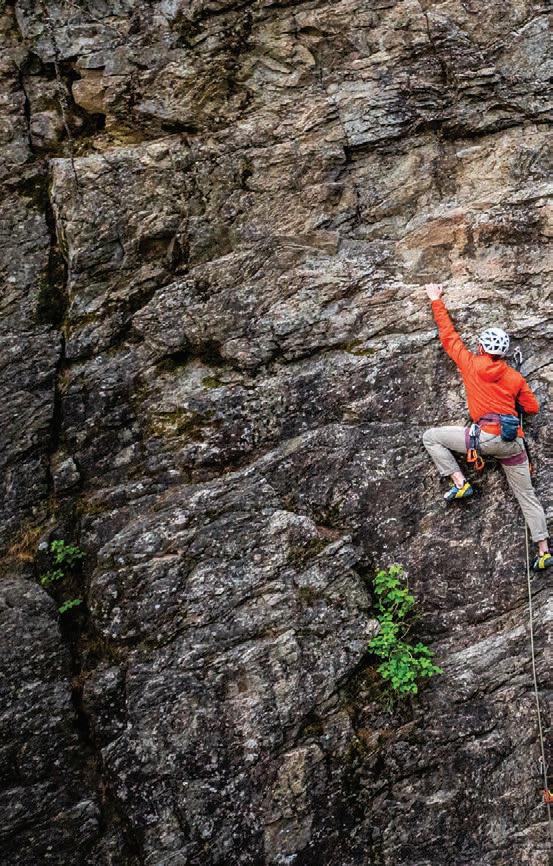
The morning sun filters through the pines as I lace up my climbing shoes and dip my hands into my chalk bag, the quiet hum of the Spokane River behind me. Q’emiln (pronounced “ka-MEE-lin”) Park in Post Falls isn’t exactly a secret, but it feels like a little-known haven every time I approach the crag. There’s a sense of arrival here—part wild, part communal— that always makes me slow down and take it all in before I start my ascent.
Q’emiln is more than just a climbing spot to me—it’s a place I return to when I want to feel grounded. The park itself is a multiuse oasis with hiking trails, swimming holes and picnic areas, but tucked in the trees just past the main parking lot lies a network of orthogneiss—rock derived from metamorphosed granite—cliffs and outcroppings that offer everything from beginner-friendly top ropes to pumpy 5.12s, and even a 5.13.
STARTING THE DAY AT POST WALL
The Post Wall routes strike that perfect balance between movement and engagement—fun sequences, clean holds and just enough spice to wake you up. But if you’re new to climbing, or easing someone else into it, the Lower Ledge area is a good place to start. These zones are full of well-bolted, approachable routes that make it easy to top rope, practice technique or learn to lead without feeling overwhelmed.
Routes like Wilma (5.7) and Caveman (5.7) are great starting points, and they tend to attract a friendly crowd of beginners and mentors. It’s not uncommon to see folks working on their first lead climb or practicing anchor setups with patient partners and encouraging bystanders.
If you’re ready to push into more moderate terrain, head down to Lower Firth Canyon. It’s a great spot to build confidence on steeper climbs in the 5.8–5.11 range, with longer lines that still feel manageable. It’s where I’ve watched climbers make the jump from cautious beginner to fully stoked weekend warrior.
PUSHING GRADES & PERSONAL FAVORITES
For climbers looking to “get after it,” Q’emiln also delivers. Routes here top out at 5.13b, and the classic Cheesequake is a benchmark of that upper end. It’s burly, beta-intensive and definitely one for those with impressive upper body strength. Another standout for me is Death Fall (5.11d), a bold and exciting line that demands commitment, but rewards you with movement that flows and sticks in your memory.
One of my favorite routes is No Pryor Experience (5.11c). It’s a clean, aesthetic line with thoughtful movement—exposure and “techie” moves keep things interesting, but it’s still safe and approachable enough for those wanting to push their abilities. It’s the kind of route you’ll want to get back on, even if you’ve already sent it.
LUNCH BREAKS & LOCAL EATS
After a full morning of climbing, I usually head into Post Falls for something hearty. For a laid-back approach, post up at Post Falls Brewing Co. It’s just minutes from the crag and has an outdoor area that’s perfect for unwinding with a pint and your climbing crew.
Republic Kitchen + Taphouse is a go-to. Their burgers hit the spot after burning calories on the wall, and the beer list is full of local favorites.
If I’m craving tacos—which is often—it’s Ricardo’s Baja Tacos all the way. The fish tacos are fresh and flavorful, and the service is quick enough that you can eat and still squeeze in another climbing session.
If you need a bite and a coffee fix in the morning, Terre Coffee & Bakery has great breakfast options and espresso.
WHERE TO GET GEAR
If you’re coming to Q’emiln without gear, or you need a replacement quickdraw or a fresh pair of shoes, Coeur Climbing in nearby Coeur d’Alene has you covered for sport-climbing equipment. The staff is welcoming and super knowledgeable about the local scene. Other close-by options include Outdoor Experience in Sandpoint and REI in Spokane, Washington.
Sometimes I’ll bring lunch and swim in the river right there at Q’emiln—it’s hard to beat a riverside cooldown between sessions.
THE CLIMBING CULTURE
One of the things that keeps me coming back to Q’emiln is the mix of accessibility and adventure. There’s no gatekeeping here. Whether you’re projecting 5.13 or trying your first 5.7, you’ll find encouragement, partners and space to grow. The short approach and town proximity mean you can climb all day without needing to rough it.
It’s mostly a sport-climbing zone—bolts and chains are the standard, with a few trad opportunities here and there. The anchors are well-maintained, thanks to local stewards and a tight-knit climbing community. Just remember to respect the crag, keep the noise down and leave it better than you found it.
Q’emiln Park, Post Falls.
Q’emiln Park, Post Falls.
Republic Kitchen + Taphouse, Post Falls.
Photo credit: Visit Idaho.
Q’emiln Park, Post Falls.
WRAPPING IT UP
As the light fades and the sound of the river picks up again, I coil my rope and take one last look at the wall. My arms are fried, my hands are raw and my grin is wide. Q’emiln never disappoints. It’s the kind of place you can visit over and over and still find something new to climb, someone new to meet and something new to love about Idaho’s climbing community.
If you’re looking for a crag with quality routes, a welcoming vibe and a killer post-climb scene, Q’emiln Park should be high on your list. Just don’t forget your headlamp—you might be staying longer than you planned.
MY FAVORITE IDAHO CLIMBING SPOTS
While Q’emiln Park is a standout for convenience and variety, Idaho is packed with plenty of other climbing gems worth exploring. A few of my top picks:
Selkirk Mountains: Granite peaks near Sandpoint and Priest Lake offer stunning views, mountain adventures and something for everyone—given you have some alpine and trad climbing experience.
Elephant’s Perch: If you’re craving alpine adventure, the Perch near Stanley is a must. It features big walls, long approaches and unforgettable views of the Sawtooths.
Laclede: Tucked along the Pend Oreille River, this area near Sandpoint offers quiet, shaded climbing and well-bolted sport routes on solid granite. It’s a peaceful spot with a wild feel, and one of my favorite places to escape the crowds.
Heise: A pocketed volcanic cliff band near the town of Ririe, Heise offers fun, single-pitch sport climbs in a relaxed, riverside setting. It’s approachable, scenic and a great stop in eastern Idaho.
Hang out on five of southern Idaho’s most popular climbing routes.
Gibson is a Mountain West-based commercial and outdoor photographer. When not behind the lens, he can be found climbing, skiing, kayaking, fly-fishing and passing the time with friends in wild places around the globe.
Spokane River near Q’emiln Park, Post Falls.
Spokane River near Q’emiln Park, Post Falls.
Miles Wide 50
Unleash the spirit of adventure in North Idaho, where majestic forests and pristine lakes await. Experience thrilling tree-top zip lines, stunning waterfalls, meandering trout-filled rivers and endless biking and hiking trails. Indulge in the region's excellent dining scene, where local ingredients shine in extraordinary restaurants. Discover the awe-inspiring 280-mile International Selkirk Loop—one of the Top 10 Scenic Drives of the Northern Rockies.
Uncover the beauty of northern Idaho and embark on a journey like no other.
They say the finer things in life are worth seeking out — but here in Sandpoint, Idaho, we invite you to go deeper. Explore Lake Pend Oreille, the largest and deepest lake in the state, where summertime paddling, swimming and boating abound. If you prefer to stay grounded, our three mountain ranges offer biking and hiking on 200-plus trails. Come winter, carve turns in the deep powder at Schweitzer — Idaho’s biggest ski mountain, with 2,900 acres of diverse terrain. Anytime of year, stroll our vibrant downtown filled with art, live music, boutique shopping, and memorable dining. Enjoy our many events and festivals, or simply lose yourself in the fathomless beauty of lake and mountains.
In Sandpoint, the deeper things in life are measured in the moments you’ll never forget.
We’ll see you here!
Photo by Racheal Baker
ON THE FLY
BY DANIEL RITZ
HOOK INTO BIG ADVENTURES AND THE KIND OF KNOW-HOW ONLY A GUIDE CAN GIVE
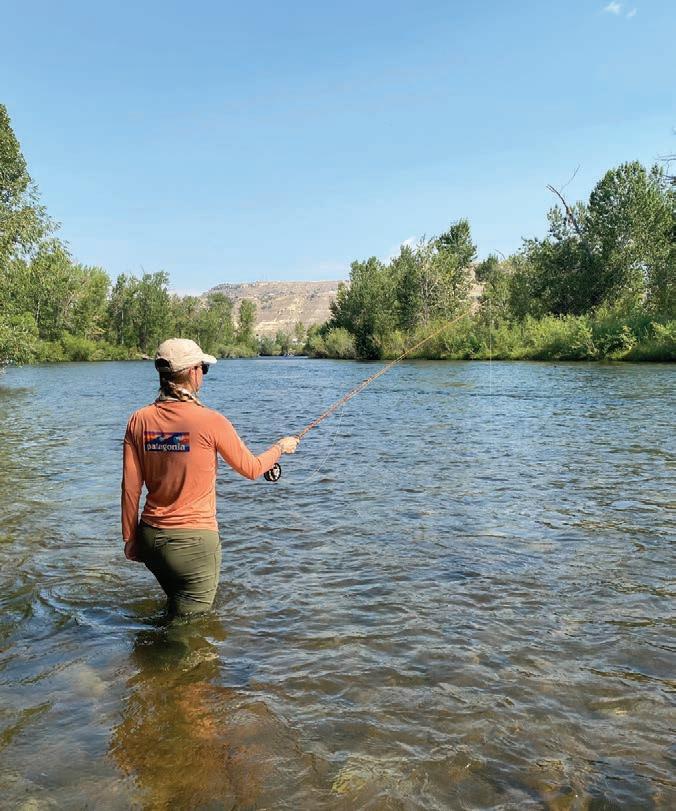
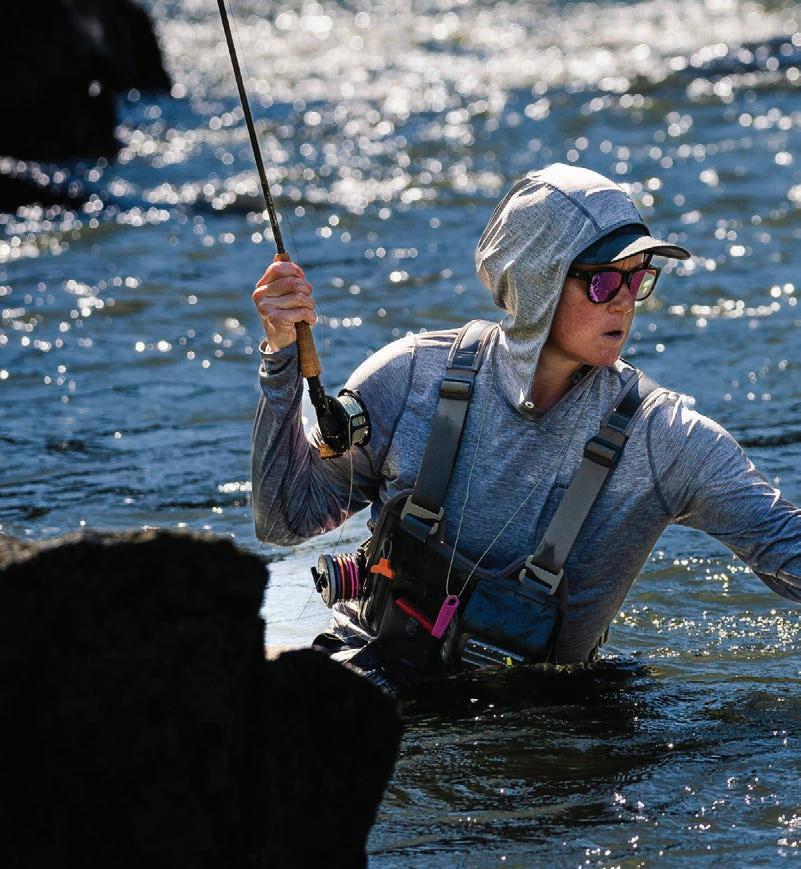
Whether you’re dabbling in fly-fishing for the first time or have a Ph.D. in trout deception, Idaho offers a true Western angling experience. The state’s 108,000+ river miles include small creeks that flow from peaks of the Continental Divide to the mighty Clearwater and Salmon drainages that connect to the Pacific Ocean by way of the Snake and Columbia rivers. Add in the Boise River—an urban mixed-stock fishery in the heart of Idaho’s capital city—and great fly-fishing excursions are never far away.
Henry’s Fork of the Snake River, near Ashton. Photo credit: Visit Idaho/Jake Kehrley.
Southwest Idaho
THE BOISE RIVER RUNS THROUGH IT
The capital city of Idaho provides an easy jumping-off point for destination anglers. The 100-mile-long (161 km) Boise River is just a few minutes from the airport.
Arguably the most beautiful urban river in the West, the Boise is also recognized for its abundant fish varieties and easy access to fly-fishing opportunities. Want to wet a line? Look no further than the Boise River Greenbelt, the public walking path that literally guides anglers to hundreds of prime fishing holes.
Chris Gerono has been guiding fly-fishing trips for more than 20 years and is the founder of Boise River Guides. Gerono and his team lead full- and half-day trips (walking and wading or floating) for brown and rainbow trout on the Boise River.
“ We’re making memories by sharing our passion,” Gerono says. “Here’s the thing about the Boise River. While it’s not officially recognized as a blue-ribbon trout stream, it would be if it were anywhere other than Idaho! It’s an incredible urban fishery, one of the best in the country. We meet, get wadered up, are in the river 15 minutes later and have a great fly-fishing experience—all before making it to dinner on time.”
While the Boise River welcomes the urban angler with open arms, unlocking her secrets can prove tricky.
“The Boise can actually be a fickle river,” Gerono explains. “You might have a great day, just lights-out fishing one day, and then the next day get totally skunked doing the same thing. We’re here to lay out what to change for success and to teach visitors why, so they have that knowledge with them for next time.”
Eastern Idaho THE HALLOWED WATERS OF HENRY’S FORK
Imagine a river that looks like it was handpicked from a fly fisher’s daydream and tucked into a sweeping, wild Western landscape. That’s Henry’s Fork of the Snake River.
One of the largest spring-fed rivers in the world begins near Island Park, with crystal-clear, cold water bubbling out of the earth, surrounded by deep forest and often a moose or two wandering nearby. Seasonal insect hatches attract trout to the surface, especially the wily rainbows and trophy browns that make the river famous among anglers.
The upper Henry’s Fork runs north and west through wide valleys, high desert and farmland, including the famous Harriman Ranch section, home of wise rainbow trout that will test the strength of your tippet, the variety in your fly box and the limits of your patience.
Looking to get your proverbial wading feet under you? As Henry’s Fork picks up speed through canyons and over waterfalls, Box Canyon offers plenty of opportunities for “tug time.”
Further downstream, the river flows through ranchlands and lava rock, with views of the Grand Teton Mountains looming in the distance. If you’re an angler who cares less about quantity and more about the thrill of coaxing a single predatory brown trout from its lie, try stripping streamers along the bank of the lower section near Ashton.
Henry’s Fork of the Snake River, near Ashton.
Photo credit: Visit Idaho/Marcelo Araujo.
Boise River, Boise. Photo credit: Daniel Ritz.
Pat Gaffney arrived 20 years ago on the banks of Henry’s Fork and is now the head guide at TroutHunter, a renowned fly-fishing lodge and outfitter in Island Park. He points out that the key to a great day on any section of Henry’s Fork begins with an honest conversation between the angler and the guide.
“Sure, Henry’s Fork is known for a few things (mainly dry fly-fishing for large, stubborn trout), but depending on the angler, the time of year and other factors, there are different tactics and stretches of the river we can share to make sure we create an experience our clients will remember,” says Gaffney, emphasizing the importance of setting expectations. “But no matter what, we’re going to honor the character of this incredible river.”
North Central Idaho
WILD RIVERS & WILDER FISH ALONG THE ST. JOE
In Idaho’s Panhandle, the St. Joe River captures the magic of northern Idaho. While spring creeks like Henry’s Fork and Silver Creek are all about technical fishing and legendary insect hatches, the St. Joe is more about solitude and casting dry flies in gin-clear mountain water.
Fly-fishing the St. Joe feels like stepping into a postcard of an idyllic alpine river. The waterway winds through a long, remote valley east of St. Maries, disappearing into the Bitterroot Mountains. As you follow the pines upstream, the road narrows, the trees get taller and the cell service gives up.
Bull trout, St. Joe River. Photo credit: Daniel Ritz.
Henry’s Fork of the Snake River, near Ashton. Photo credit: Visit Idaho/Jake Kehrley.
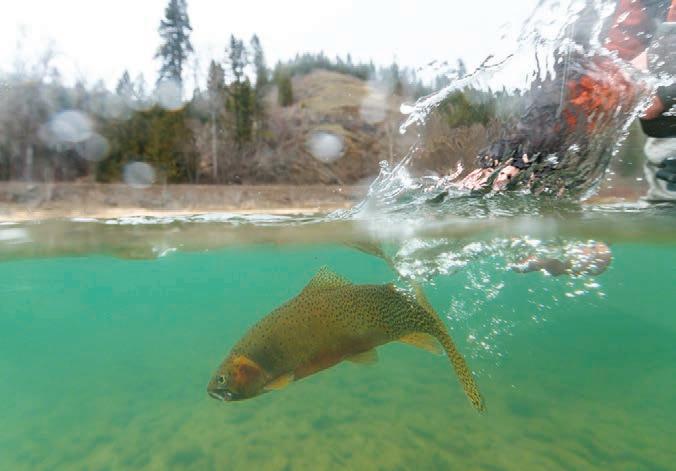
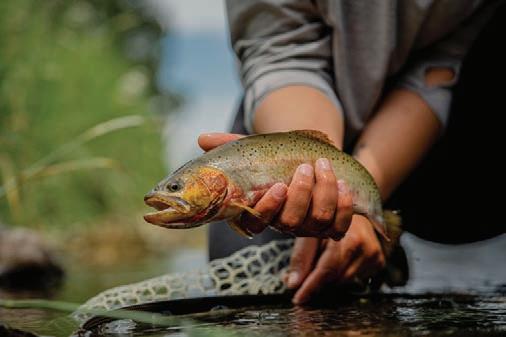
Here, find eager westslope cutthroat trout: beautiful, wild fish with vivid orange slashes on their throats. This isn’t a place for trophy hunting—it’s about the joy of sight-fishing in shallow riffles, pocket water and deep, green pools where you can actually see the fish move. The St. Joe is an iconic high-country river—cold, clean and fast-moving in spots with long, gentle glides in others—the kind of river where you might spend more time exploring and hiking than fishing. When you do make your cast, it feels like you’re part of the landscape, not just visiting it.
Chelbee Rosenkrance guides with White Pine Outfitters, based in nearby Moscow, and is proud to share the natural beauty and abundance of northern Idaho with anyone willing to step off the beaten path.
“If you’re looking for the real Idaho experience—wild, scenic, authentic—the St. Joe delivers in every way,” Rosenkrance says. “It’s tucked deep in the Bitterroot Mountains and getting there feels like an adventure. No cell service, no crowds, just a crystal-clear river and miles of pristine public land. It’s also one of the few places left where you can target native trout in their original habitat. That connection to place and history is special. You’re not just catching fish—you’re stepping into a landscape that’s still wild and free.”
A Guide to Guides
Ready to book a trip? At fishidaho.org, find guides who know when and where Idaho’s insect hatches might coax trophy trout to your fly.
More than Fishing Licenses
Daniel Ritz
@fine.far.slow
Being properly licensed contributes to the continuation of Idaho’s sporting heritage. Visit idfg.idaho.gov to purchase a fishing license and to read up on species’ profiles, plus angling tips and tricks.
Ritz is a wild-fish advocate and journalist based in Hood River, Oregon. He is the Northern Oregon coordinator for the Native Fish Society as well as the editor of the Swing The Fly Online Journal.
St. Joe River, near Avery. Photo credit: Ben Herndon.
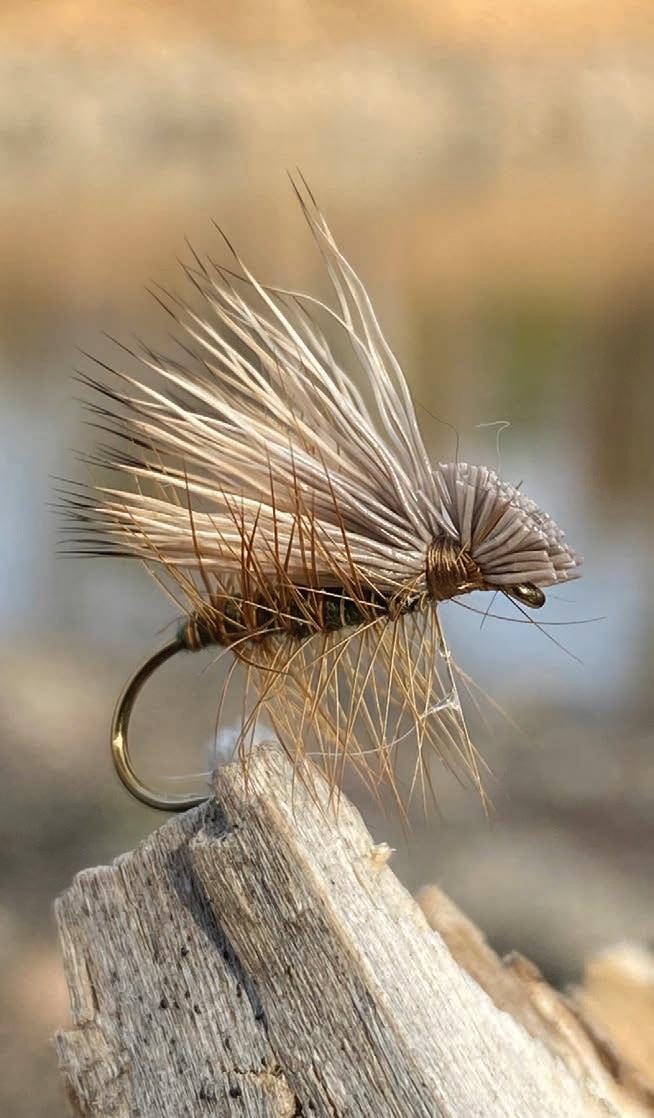
Hand-tied fly. Photo credit: Daniel Ritz.
St. Joe River, near Avery. Photo credit: Daniel Ritz.
On River Time
GET IN SYNC WITH IDAHO’S HEARTBEAT ON ITS WILD RIVERS
BY JEFF ATWELL
PHOTOS BY VISIT IDAHO
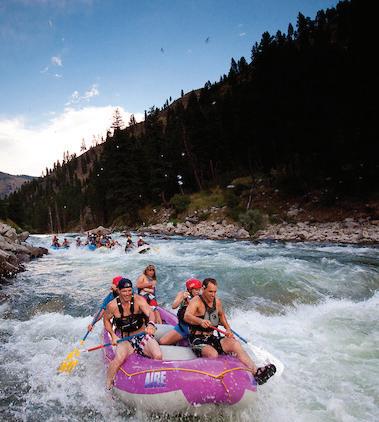
Only sunrise and sunset mark the passage of time on Idaho’s rivers. Everything else is determined by the current. Along gentle drifts, time seems to stand still, allowing paddlers to immerse themselves in untapped treasures. Over swift rapids, river runners feel the current in their bones when nature hits fast-forward. Or as river guides say, “All forward!”
Take a seat alongside seasoned pros on Idaho’s 3,100 miles (4,989 km) of navigable whitewater—more than any other state in the Lower 48— to ride some of the most iconic and beloved rapids in the country. On beginner trips and advanced flows, the ancient rhythm of each river fills adventurers with anticipation of what lies around the next bend.
Discover the powerful stories and epic rapids featured in The 3100 docuseries, now streaming on YouTube.
SOAR Northwest rafting trip on the Selway River.
ST. JOE RIVER
“The St. Joe is steep and narrow, and feels like a temperate rain forest. I love taking folks on this river and letting them feel the thrill of whitewater.”
–Devin Chattman, Guide
With headwaters near the Idaho–Montana border, the St. Joe cuts through the Idaho Panhandle’s thick evergreen forests. When the snow melts in spring, the St. Joe’s emerald-green waters grow into a frenzy of swift rapids.
The section of the St. Joe between the town of Avery and Lake Coeur d’Alene features fast flows that carve through narrow mountain chutes, creating the ultimate outdoor playground. Later in the summer, paddlers navigate tight turns and steep drops through exposed rock gardens when water levels decrease.
Outfitters offer full-day excursions on Class II–III rapids for beginners. Experienced paddlers test their mettle on multiday rapid runs that bring swifter channels into play.
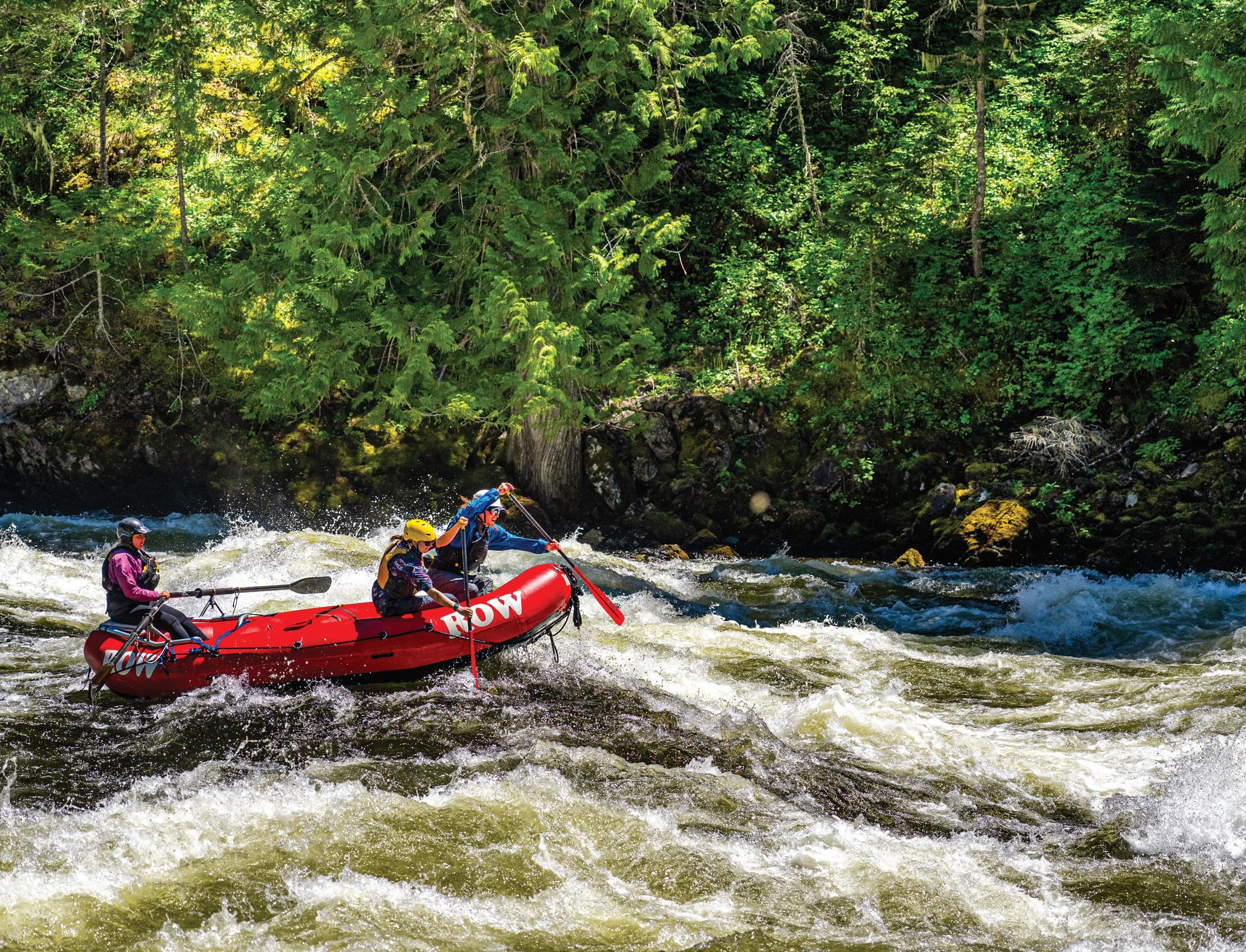
ROW Adventures rafting trip on the St. Joe River. St. Joe River.
LOCHSA RIVER
“The Lochsa is a big whitewater playground. We refer to it as the ‘whitewater monastery.’ Guides travel from all around the country to be here.”
–Rian Garn, Guide
The legend of the Lochsa draws experienced rafters to north central Idaho. From late spring to early summer, massive whitewater flows satisfy thrill-seekers, while the wild, mountainous setting appeals to anyone in tune with nature.
The Lochsa parallels U.S. Route 12 through high-elevation pine forests before meeting the Selway and Clearwater rivers. On Class III–IV daytrips, guides instruct paddlers how to punch through rapids with ominous names such as Grim Reaper and Picking Up the Pieces. As water levels decrease, multiday trips on the Lochsa feature pool-and-drop rapids with more recovery time between the white-knuckle stretches.
When traveling on U.S. 12, pull over for a roadside view of Lochsa Falls. This rite of passage for elite rafters and kayakers draws a crowd of onlookers. Everyone cheers when rafts and kayaks stay afloat through the falls.
Scan to watch The 3100 series and experience the lightning-fast channels of the Lochsa and St. Joe rivers.
Lochsa River.
Lochsa River.
ROW Adventures rafting trip on the Lochsa River.
SELWAY RIVER
“It’s critical to have places like this for our culture, for our civilization. These rivers let us reconnect and get back to basics.”
–Ari Kotler, SOAR Northwest
Rafting the Selway River gives visitors rare access to one of Idaho’s most pristine natural areas. The Selway flows through old-growth forests to its confluence with the Lochsa River. The lucky few who get to paddle the Selway are astonished by the area’s untamed beauty.
To experience this coveted stretch of Idaho whitewater that surges through the mountains of the Selway–Bitterroot Wilderness, visitors commit to multiday trips. Guides take groups out on Class III–IV rapids with tight chutes, big drops and splashy finishes.
Nearly 40 named rapids make this free-flowing river a nonstop thrill ride. The current rachets up the adventure when Moose Creek joins the Selway. This convergence creates a rapid lovingly called the Moose Juice —those who take it on have a special story to tell.
Scan to watch The 3100 series and escape into the wilderness on the Selway River’s remote passages.
SOAR Northwest rafting trip on the Selway River.
SALMON RIVER
“These are the real sticky memories from my childhood. I grew up going on the river with my dad, and now I get to see my kids grow up on the river.”
—Erik Weiseth, Guide
One of North America’s longest free-flowing rivers includes three channels that wind through the rugged Frank Church–River of No Return Wilderness. Experienced paddlers crave the technical runs here that change throughout the season, while beginners earn their stripes on dynamic waters that flow through grand, remote canyons.
Rafters commit to multiday trips along the Main Fork to drop off the grid and reconnect with nature. Campsites on sandy beaches along the way give everyone in the group time to reboot under the stars. The Riggins section presents the biggest challenge along the Main Salmon, with Class III–IV rapids at peak flows.
Outfitters also embark on shorter runs on the three forks of the Salmon river, where roller-coaster rapids followed by calm flows let everyone be part of the journey. Whichever route best suits your group, enjoy the ride on one of the country’s crown-jewel rivers.
Scan to watch The 3100 series and witness the rush of the Salmon River’s legendary rapids.
Orange Torpedo rafting trip on the Main Salmon River.
Main Salmon River.
PAYETTE RIVER
“I’ve been all over the world kayaking and have not found another place with such variety. You can do anything and everything here.”
–Sage Donnely, Professional Kayaker & Guide
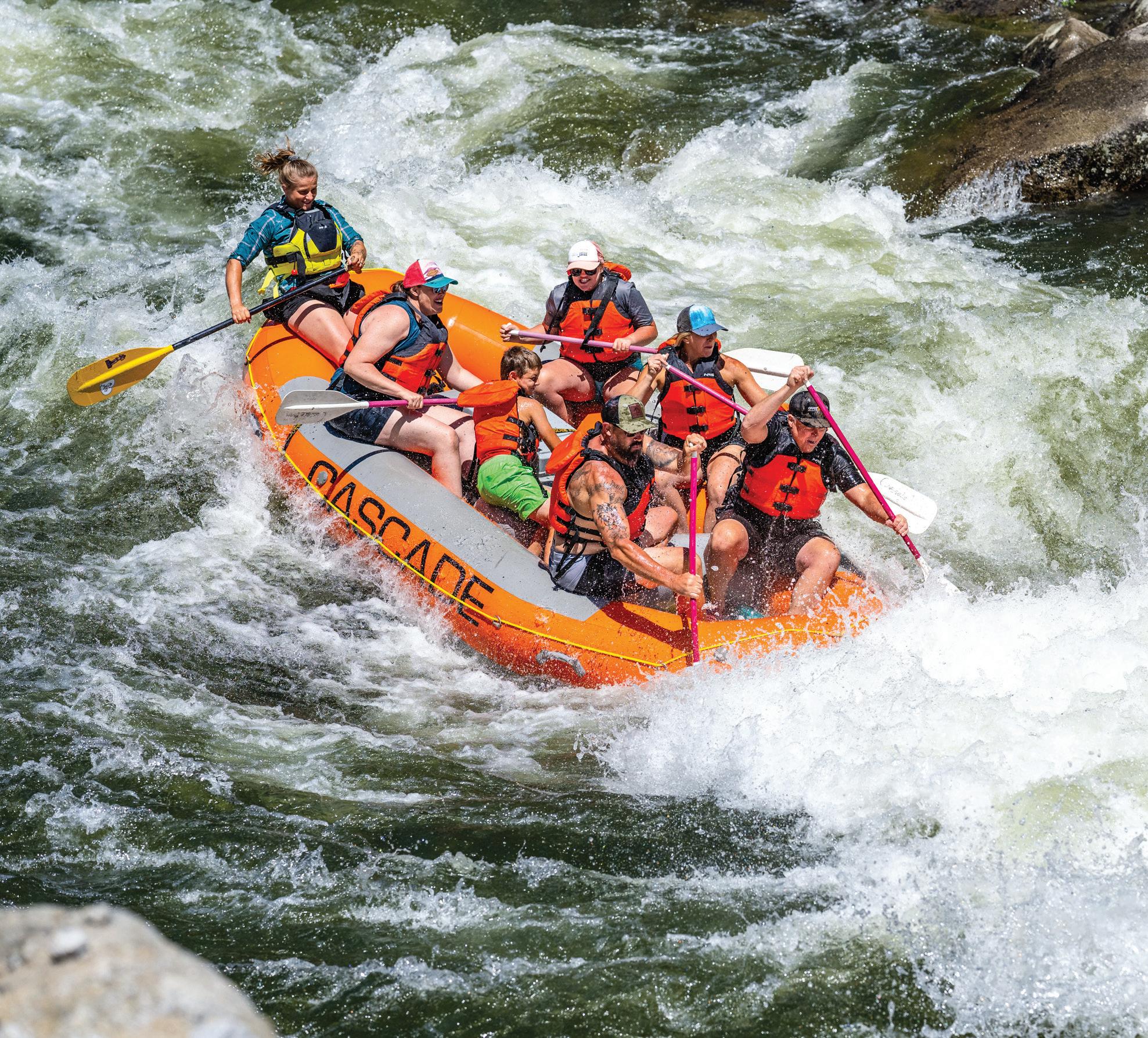
One of Idaho’s premier whitewater rivers offers easy access to Class I–IV rapids just 45 minutes from Boise. The Payette River’s extended season features flows that burst through rocky, narrow channels that attract the best kayakers in the world and set the stage for extraordinary rafting trips.
Rafters get their bearings on Class I–III rapids on the Main Payette, then hold on tight for the ride down the South Fork’s long stretches of Class III–IV rapids. For a more scenic trip with some phenomenal rapid runs, check out the Cabarton stretch. Visitors ride Class II–III, read-and-run rapids with big, bouncy drops.
Multiple outfitters set out on half-day and full-day trips on the Payette River. Many paddlers choose the South Fork to enjoy the ride on the Payette’s signature Class IV rapid, Staircase.
Scan to watch The 3100 series and check out the variety available on the Payette River.
Payette River.
Cascade Raft & Kayak rafting trip on the Payette River.
SNAKE RIVER
“Since time immemorial, our people have had connections to these beautiful rivers.”
–Stacia Morfin, Nez Perce Tourism
The Snake River stretches across the southern section of the state before flowing north to form more than half of the Idaho–Oregon border. With more than 700 river miles (1,127 km) in Idaho, the Snake offers every river experience under the sun.
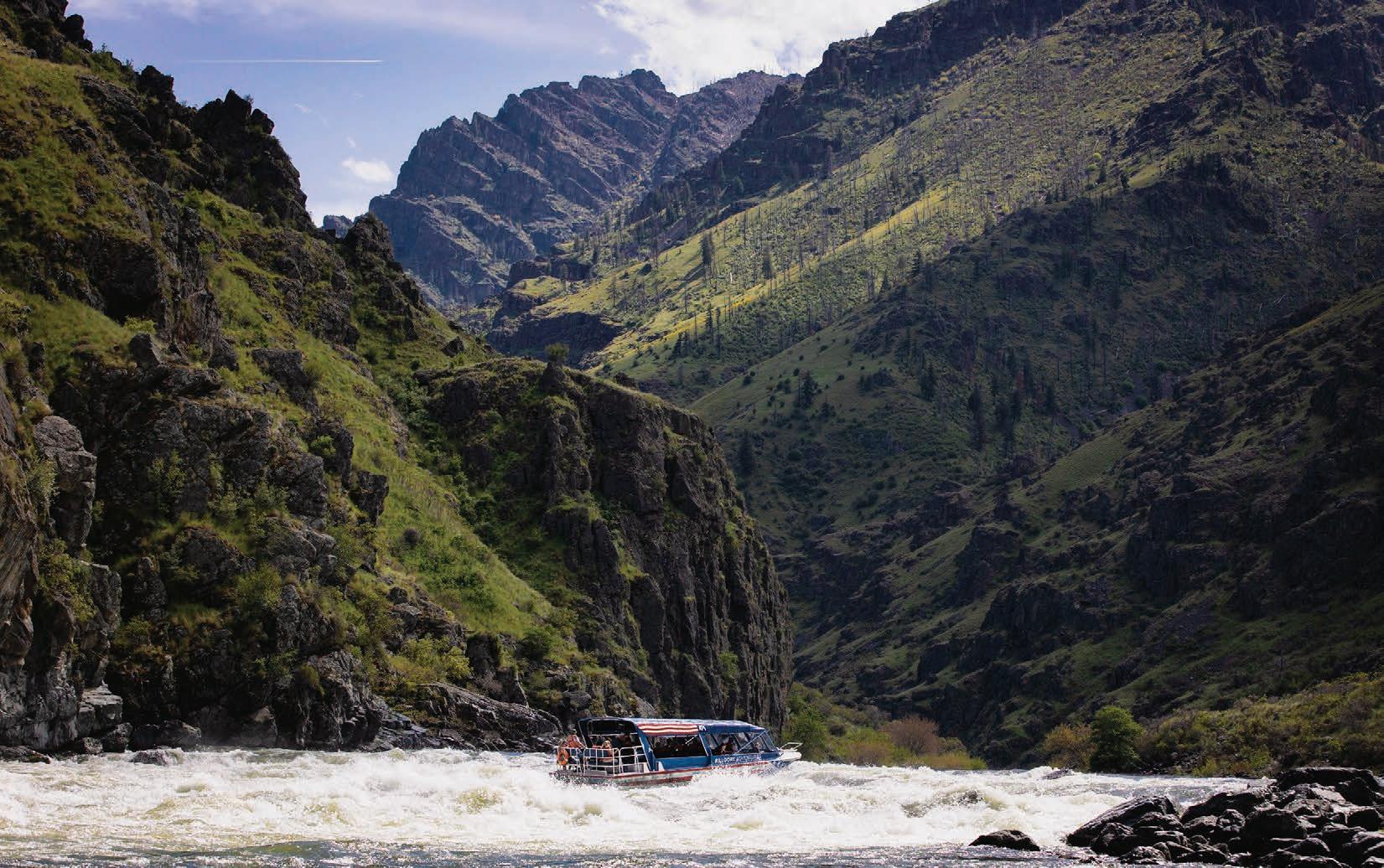
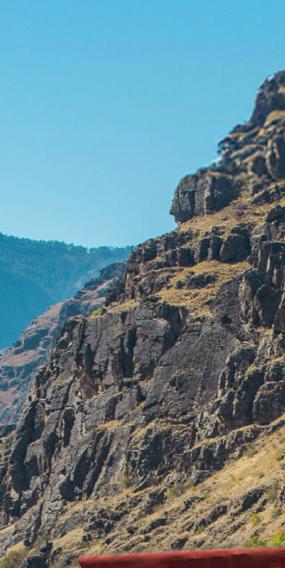
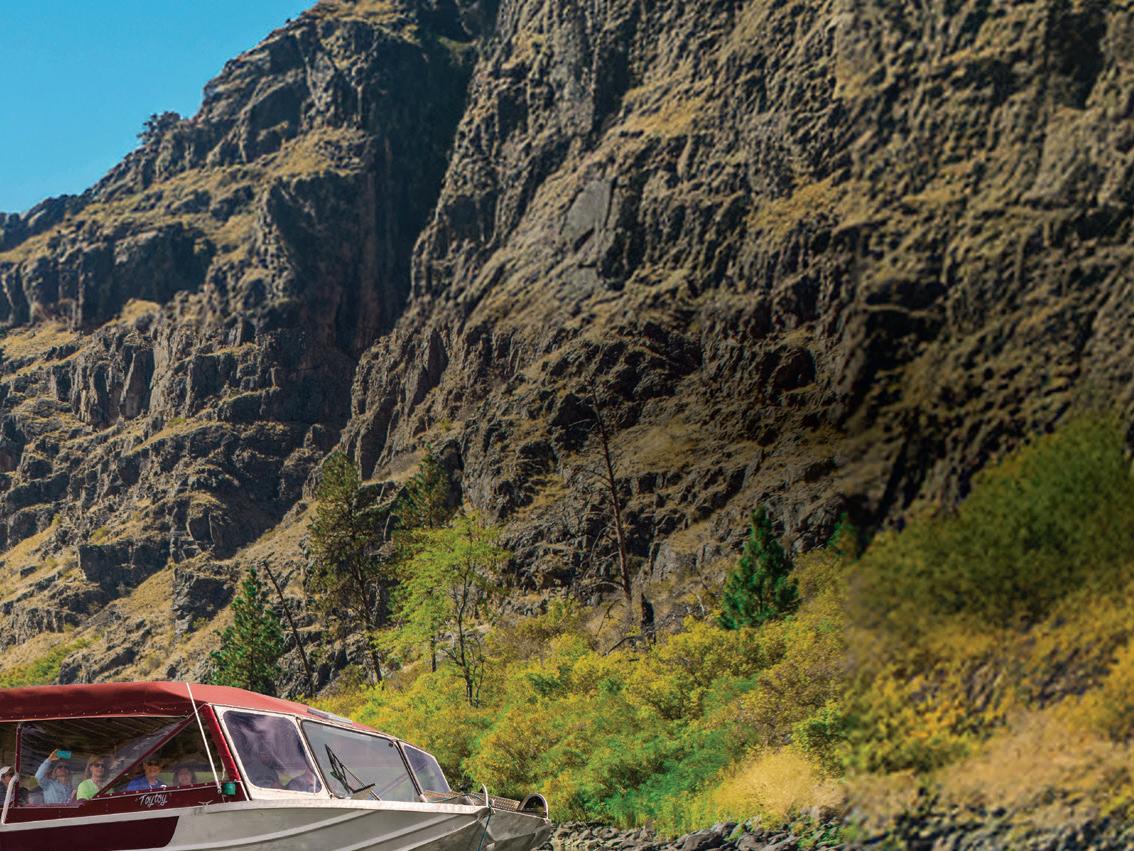
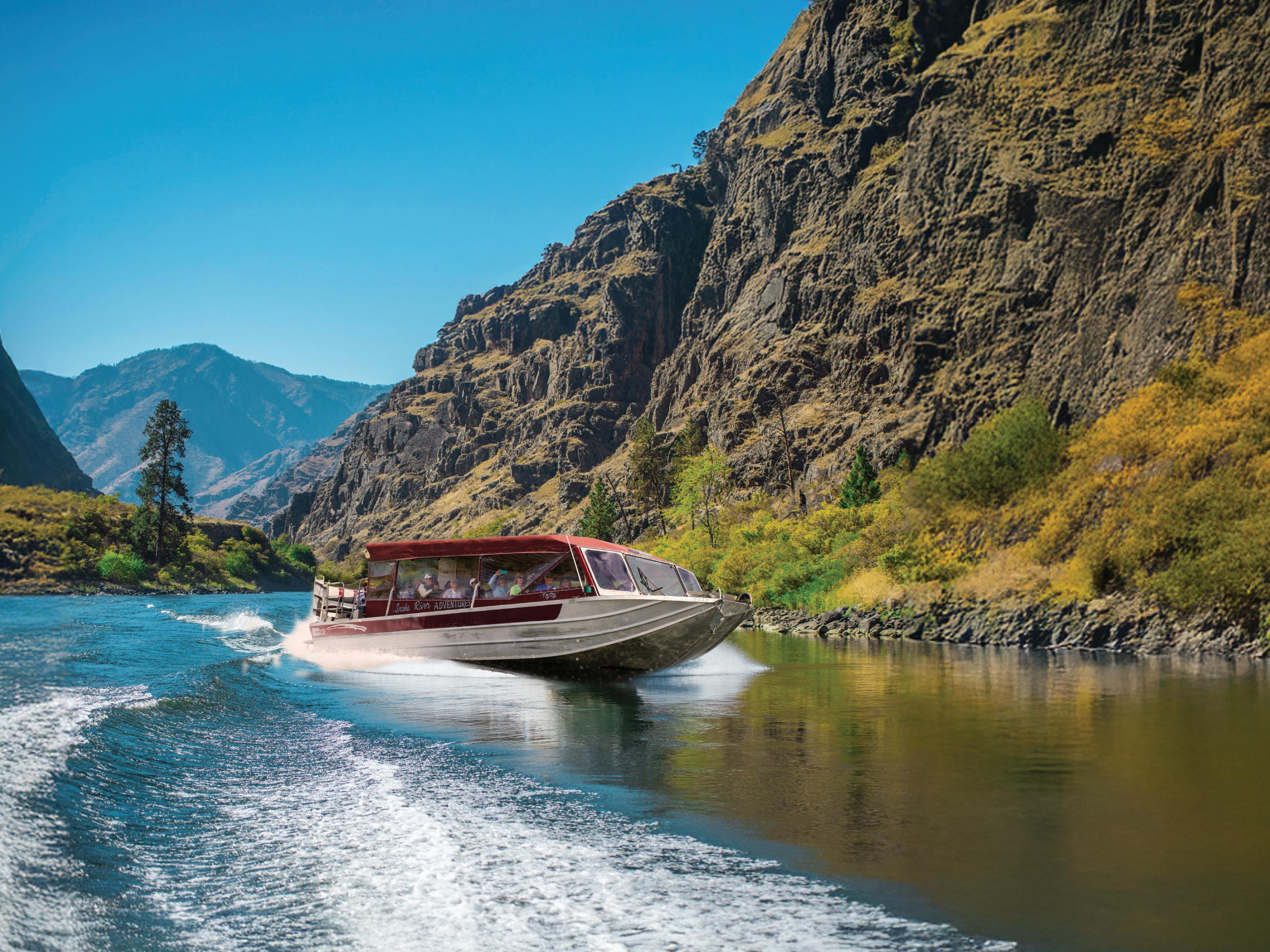
The river’s signature stretch of whitewater flows through Hells Canyon, the deepest river gorge in North America. Its sheer canyon walls drop nearly 8,000 feet (2,438 meters) at the canyon’s deepest point, making Hells Canyon one of Idaho’s most unexpected natural spectacles.
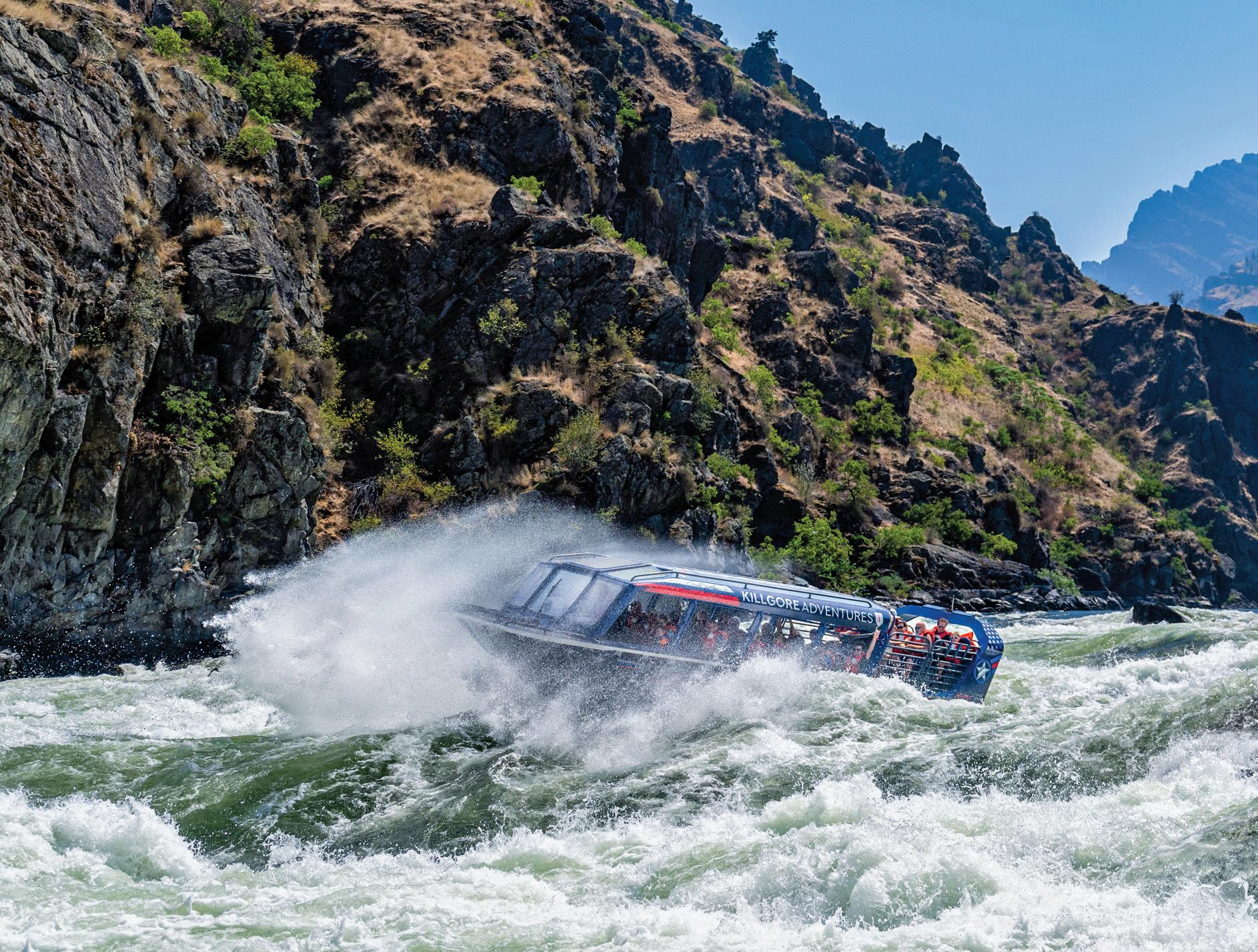
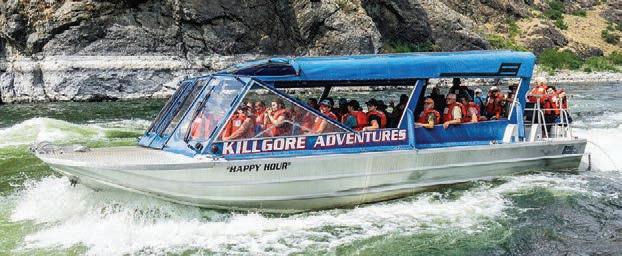
Experience Hells Canyon in a single day on a jet boat tour that powers through the turbulent waves at speeds of up to 60 mph (97 kph). Other jet boat tours head to fishing holes to land massive sturgeon or highlight petroglyphs and other cultural sights that have significance to the area’s Indigenous people. For visitors who can commit more time, three- to five-day guided trips include a mix of rafting and kayaking.
Scan to watch The 3100 series and wind through ancient canyons on a jet boat tour of the Snake River.
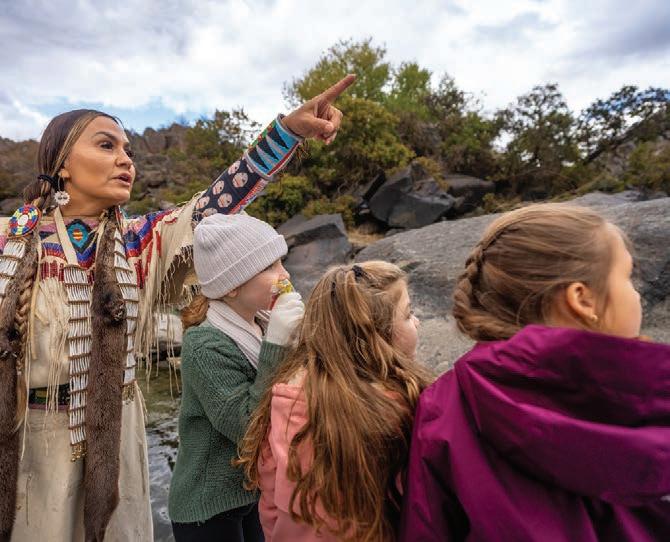
Cultural tour with Nez Perce Tourism on the Snake River.
Hells Canyon.
Killgore Adventures jet boat tour on the Snake River.
BRUNEAU RIVER
“Where else in the Lower 48 can you go on a major whitewater river and not encounter another person for eight days? You get that right here in southern Idaho.”
–Jon Barker, Barker River Expeditions
The Bruneau’s slot canyons set the stage for whitewater adventures on Class III–V rapids. Boulders create pinchpoints along the Bruneau, and volcanic cliffs with precariously balanced hoodoos more than 1,000 feet (305 meters) overhead make this one of Idaho’s most astonishing geologic areas.
Rafting this off-the-radar river requires five- to seven-day guided trips. Whitewater flows are dependent on spring runoff that swells the channels for what seems like an eyeblink to the rafters who dream about this place year-round.
From waterways that carve canyons into high-desert plateaus to alpine rivers that flow through old-growth forests, Idaho’s 3,100 miles (4,989 km) of navigable whitewater invite paddlers to get off the grid and let nature’s raw power lead the way.
Barker River Expeditions rafting trip on the Bruneau River. Bruneau River.
Scan to watch The 3100 series and experience the remote wonders of the Bruneau River.
IDAHO INVITES YOU TO TRAVEL WITH CARE
HELPFUL TIPS FOR RECREATING RESPONSIBLY
When visiting the Gem State, please recreate responsibly so you (and others!) can experience Idaho to its fullest—now and in the future. With a little preparation, everyone can enjoy the state’s outdoor adventures worry-free.
CARE FOR YOURSELF
We want you to have the adventure you are dreaming of, but we also want to make sure you’re safe. Know your limits before you commit to a hiking trail, ski route or river adventure. Do you have the things you need? Did you tell someone where you are going? Do you have a plan B? Do you know proper protocols for animal encounters? Know the risks of recreating outdoors in every season, and take the necessary steps to stay safe.
CARE FOR IDAHO
A few simple steps can help preserve Idaho’s picture-perfect landscapes for generations to come. Take only pictures and leave nothing behind. Many of the state’s recreation areas don’t have garbage services, so pack out everything you pack in. Always stay on marked trails and never leave footprints or tire ruts on muddy trails. Also make sure to drown out campfires completely—no matter the season.
Travel in tune with nature with these seasonal tips, including campfire safety and wildlife viewing guidelines. Learn more at visitidaho.org/travel-with-care.
CARE FOR OTHERS
Here in Idaho, we want to make sure our state is a welcoming space for everyone. Out on the trails, be mindful of other adventurers around you, yield the right of way when appropriate and move off the trail when you need a break. Like many places, staffing shortages can be a challenge. Stay cool and be kind to the employees assisting you. Patience and kindness go a long way.
Offering more Idaho whitewater than any other outfitter!
1-17 DAYS
www.rowadventures.com
RaftIdaho.org
DIGITAL READY
Madden Media is pleased to accept ad submissions electronically. For your convenience, color lasers are accepted for content, however, there is a slight possibility that the printed ad may not reproduce exactly as indicated in the proof you provided. A reasonable variation in color may exist between color proofs and the completed job; however, the quality of color shall fall within the standards acceptable in the printing industry (SWOP). If no reply is received from you within 2 business days, we will proceed with the materials originally provided.
Ad Size: 1/2
Proof#: 1
Whether you’re looking to conquer world-class whitewater on the Middle Fork of the Salmon River or set off on a leisurely horseback ride through scenic backcountry, the expertise of our licensed guides and outfitters will help you discover Idaho’s wonders. HuntingIdaho.org
GIVE IN TO GRAVITY
YOUR GUIDE TO IDAHO’S LIFT-SERVED MOUNTAIN BIKING TRAILS
WORDS AND PHOTOS BY AARON THEISEN
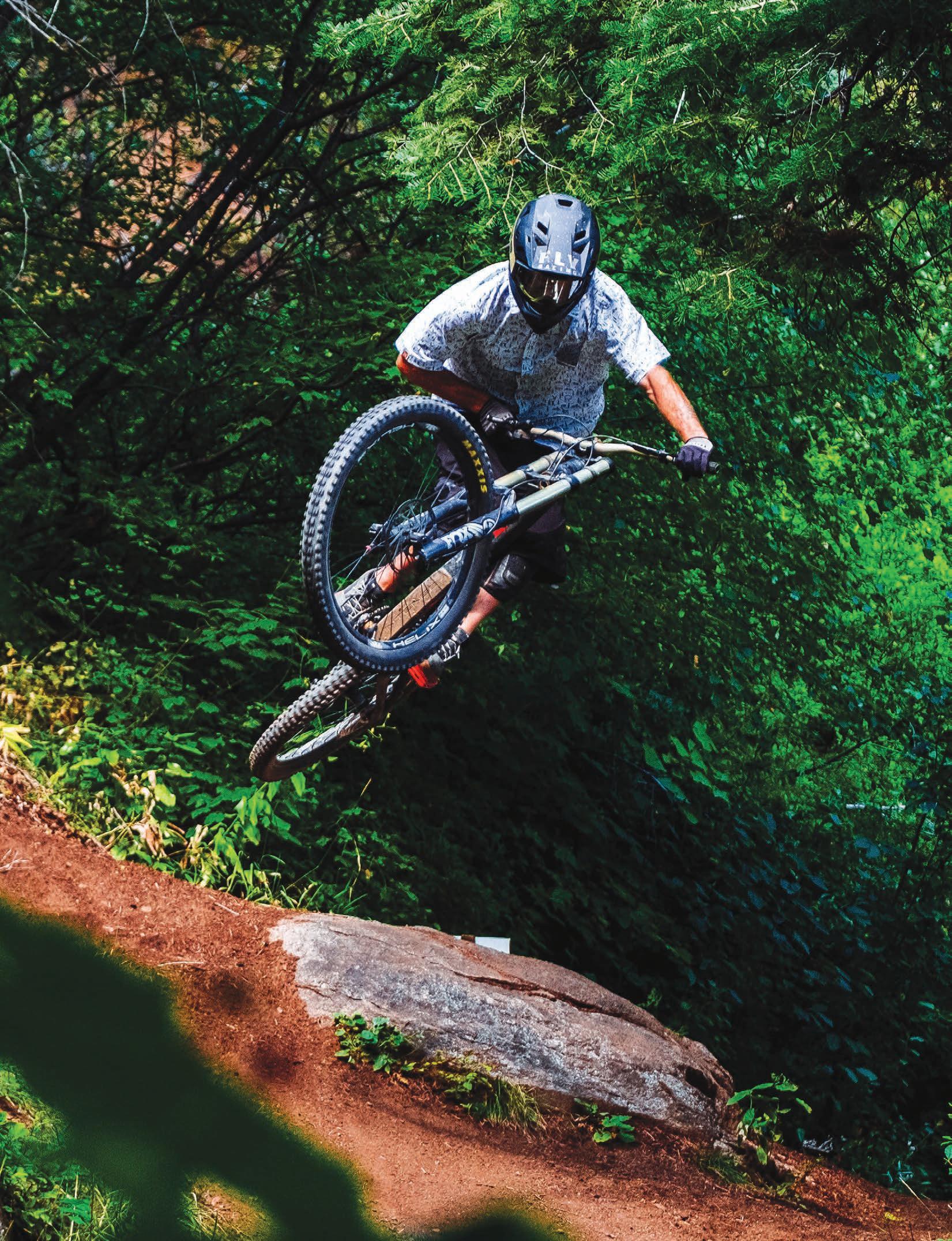
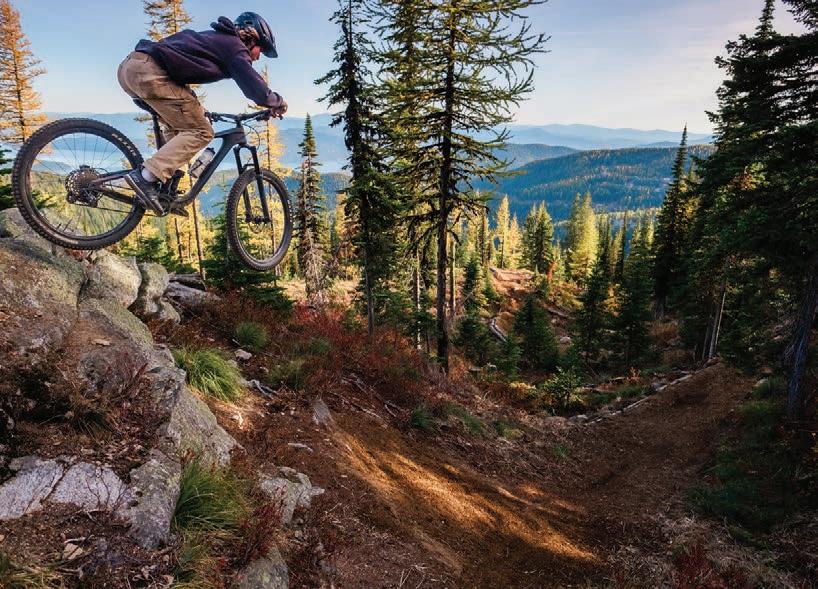
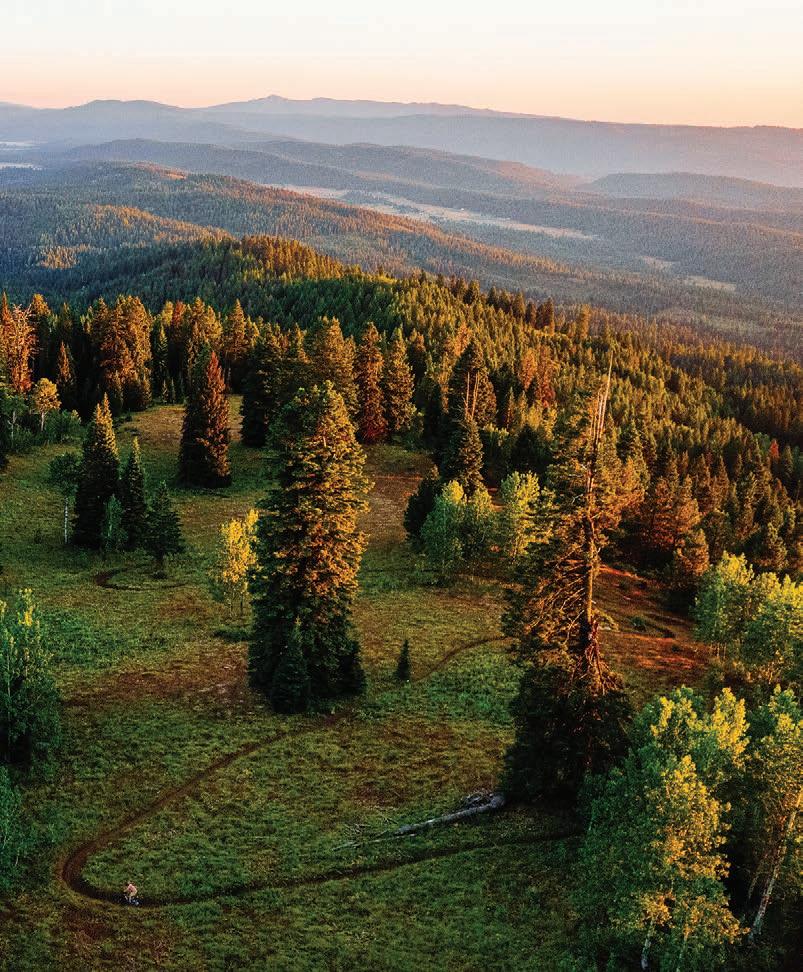
The Gem State boasts more lift-assisted mountain bike parks than its Pacific Northwest neighbor states combined, with several of them continually rated among the best in the region. But for all the singletrack accolades, the riding is quintessentially Idaho: unpretentious, uncrowded and uncompromising. In other words, the only thing getting your heart rate up at these laid-back bike parks is the descent.
Tamarack Resort, Donnelly.
SCHWEITZER | SANDPOINT
Between the huckleberries and the high-wattage views of northern Idaho’s Lake Pend Oreille, it can be hard to keep your eyes on the trail at Schweitzer Bike Park. But the resort’s mountain bike trails, a mix of old-school technical singletrack and modern machine-built flow trails, command attention. Terraflow loops through flowy, low-consequence berms and across talus slopes on cleverly engineered bridges. The buffed rollers, rock drops and gap jumps of Shenanigans complement the traditional roots and rock of Pinch Flat and Lower Redemption. And the thrills extend beyond Schweitzer’s borders: from the High Point trail, riders can descend into the Little Sand Creek Basin, where a multi-year and -partner effort has produced a growing network of trails. Try the mixed rock and flow of Missing Lynx, which allows riders to descend from the Schweitzer summit some 4,000 vertical feet (1,219 meters).
SILVER MOUNTAIN RESORT | KELLOGG
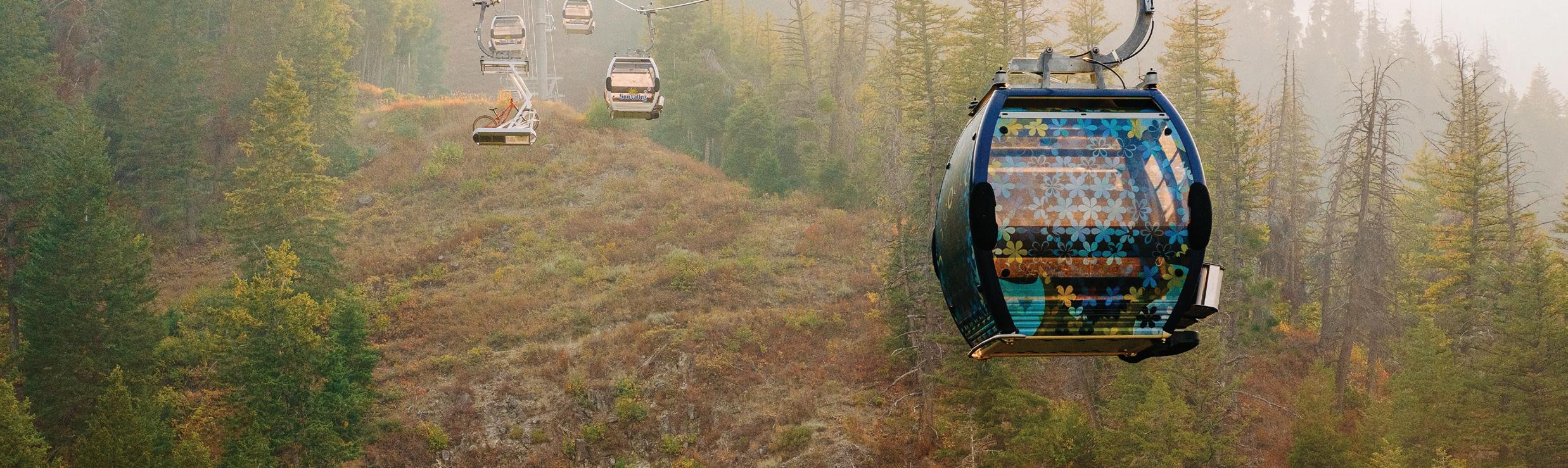
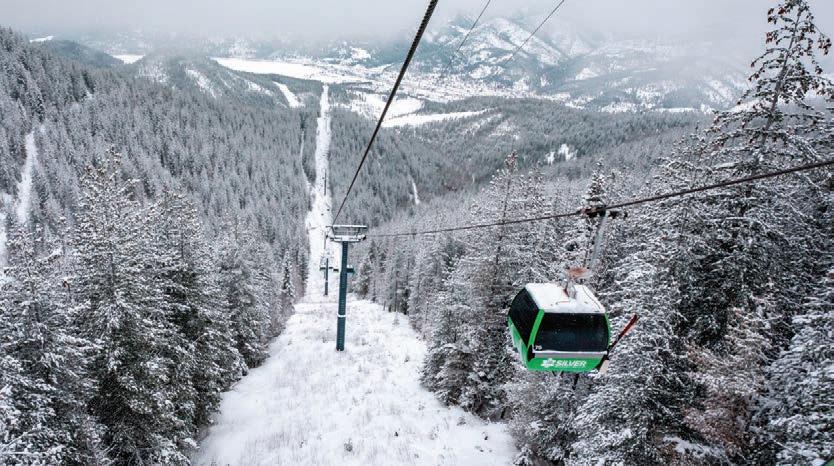
Consistently rated the top lift-served bike park in the Pacific Northwest, Silver Mountain Bike Park has a gravity-fed pedigree as long as its gondola. That gondola, North America’s longest, accesses nearly 40 trails that sprawl some 3,500 vertical feet (1,067 meters) down the mountain. Crowd-favorite Jackass sends riders speeding through root sections and high-speed straights. Further down the mountain, Wildcat pinballs through banked turns and medium-sized jumps. Meanwhile, Chair 3 allows for shorter but no less challenging laps, such as the root-tangled Frankenbeans and the iconic Baby Swiss drop. It’s no wonder professional mountain bikers rave about Silver’s technically
Silver Mountain Resort, Kellogg.
Schweitzer, Sandpoint.
For one of the best lift-served backcountry rides in the region, continue to the Brundage to Bear Basin Trail for a 2,500-foot (762 meters) descent through meadows and aspen groves.
TAMARACK RESORT | DONNELLY
For two decades, Tamarack Bike Park has developed a rowdy reputation amongst downhill racers for its steep, rock- and root-stacked tracks. But in recent years, the park has added miles of buffed-out, beginner-friendly flow trails and expertlevel jump lines, turning the resort into an all-around destination bike park without losing sight of its roots, both literal and figurative. Pura Vida offers no-brakes, all-smiles fun on one of the best beginner trails in the region, with plenty of option lines for experts in the group. Super G swoops through silky berms and over tabletops. One of the main arteries of the park, this intermediate trail connects much of the network and rewards repeated rides. Meanwhile, Hot Shot and Smoke Jumper maintain Tamarack’s hardcore heritage with steep loam sections, slabs and sniperlike root sections.
BOGUS BASIN MOUNTAIN RECREATION AREA | BOISE
challenging tracks. While elite racers can make it from summit to city in about 15 minutes, most mere mortals can expect to take two to three times as long. Fortunately, after that much forearm-pumping, fist-bumping adrenaline, the lift back up gives plenty of time to trade stories—and relax—before the next lap.
BRUNDAGE MOUNTAIN RESORT | M C CALL
Like a post-ride pint at a McCall microbrewery, the trails at Brundage Bike Park go down just as easily. In general, the trails here skew more beginner-friendly, with Elk, Greenhorn and Growler featuring high-speed straights and wide turns. The highlights, from both a visual and velocity standpoint, are concentrated on the lakeview side of the resort. Seemingly blasted from the mountain, Rock Garden bombs down boulder fields before connecting into the snaking turens of Lakeview Vista. From both trails, the aerial views of Payette Lake and the snow-capped Salmon River Mountains astound.
The mix-and-match laps at The Basin Gravity Park allow riders to dial in their favorites and their skills. The flowing turns and rollers of Student Rider allow beginners to feel the lure of gravity while remaining plenty playful for more experienced riders. Space Nugget and Air Traffic Control up the ante with bigger turns and tabletop jumps. Meanwhile, the spicy slabs and loose, off-camber lines of Hobo Juice test technical descenders. Craving more vertical? Finish off with a Bogusto-Boise run by connecting into the city’s expansive foothills singletrack system via the Around the Mountain Trail.
BALD MOUNTAIN | SUN VALLEY
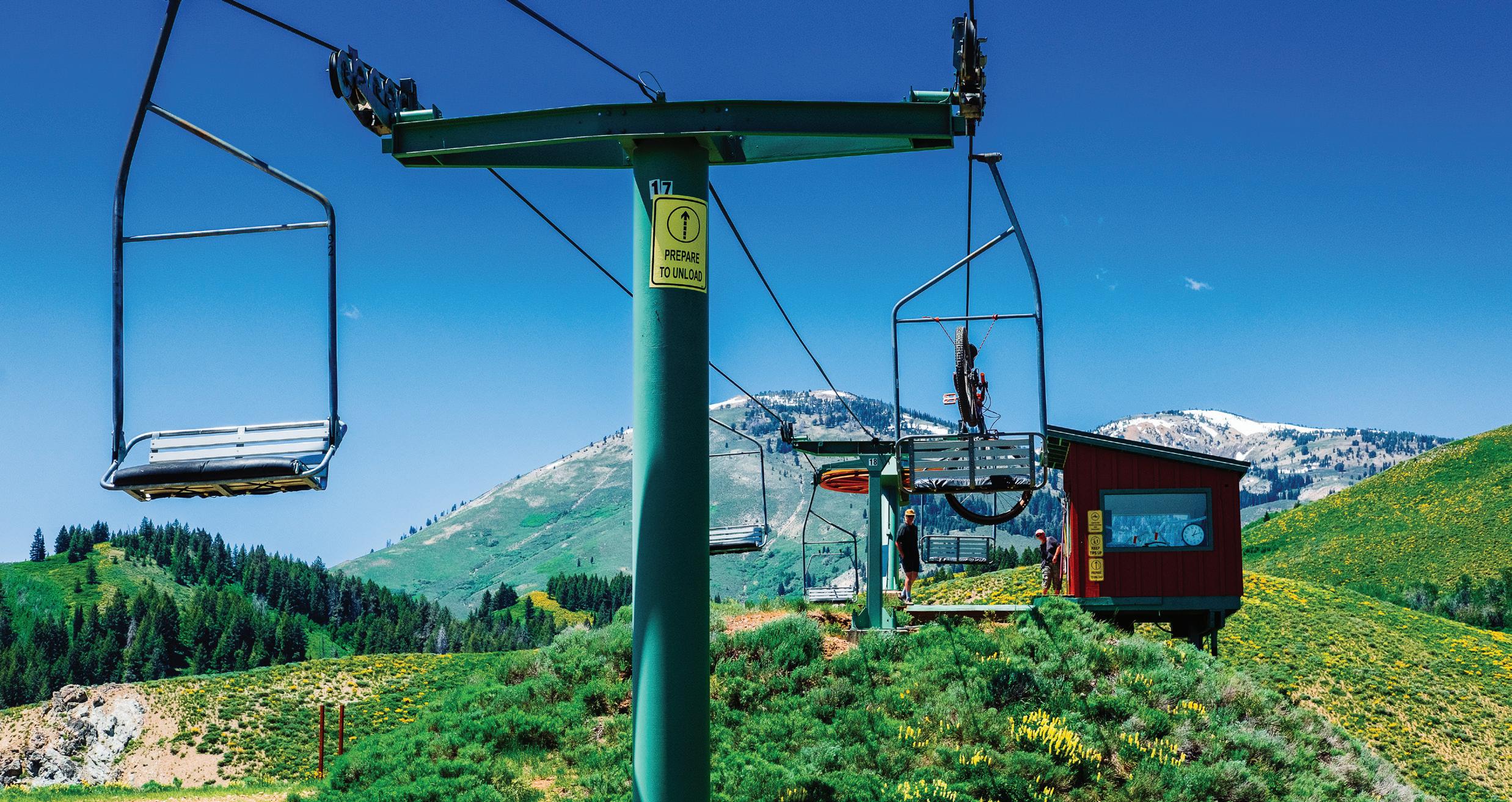
In a region better known for half-day backcountry climbs, Sun Valley Resort features all the payoff with none of the grind on the longest lift-served bike trail in the U.S. The Roundhouse gondola and Christmas chairlift whisk riders to the summit of Bald Mountain in minutes, where they can take in the 360-degree views of four jagged mountain ranges near Ketchum before dropping in on the tabletops and sweeping berms of Saddle Up. Mindbender winds its way down the middle third of the mountain, serving up a long sequence of the valley’s largest jumps. The black-diamond Pale Rider adds amplitude to the jumps in addition to thrilling technical sections.
Brundage Mountain Resort, McCall.
Bald Mountain, Sun Valley.
SOLDIER MOUNTAIN | FAIRFIELD
Soldier Mountain Bike Park brings mom-and-pop, ski-hill vibes to summer. With five trails, Soldier is the smallest of Idaho’s bike parks, but its trail network has been thoughtfully designed. Start with Bridge Creek, a beginner trail that winds through the open, flower-specked slopes of the mountain—it’s low-angle but never low-interest. The intermediate trail Monumental adds small jumps, optional lines and the occasional bridge crossing. Seasoned shredders find plenty of challenges here, too, when they send the steeply sloped doubles of Black Flag or carve lines down Hand Cut’s fall-line loam.
GRAND TARGHEE RESORT | NEAR DRIGGS
Perhaps no bike park better emphasizes beginner-to-bomber progression than Grand Targhee Bike Park. Tucked in the Teton Range on the Idaho–Wyoming border, the park boasts plenty of expert-level riding, from the rock gardens and roots of Blondie to the massive launchpads of Astro. But it’s the short laps of the Shoshone Chair trails that hook first-timers for life. On the manicured berms and small jumps of Bring it on Home and Chutes & Ladders, riders can boost their confidence before going on to boost bigger airs on Bullwinkle. Low-key to high-octane, Grand Targhee presents a microcosm of Idaho’s gravity culture.
Aaron Theisen @aarontheisenmedia
Theisen is an adventure journalist and photographer whose work has appeared in BIKE, Freehub, Mountain Flyer and elsewhere. He chronicles the colorful individuals shaping the communities across the Pacific Northwest from his home in Spokane, Washington.
Mountain biking, hiking, wildflowers… who said ski season gets to have all the fun?
Soldier Mountain, Fairfield.
Grand Targhee Resort, near Driggs.
Adventure So Legendary…
Footloose in the wild? You must be in Pocatello and Chubbuck, where curiosity races, boundless and free. Follow Poky Bigfoot into mountains that tell tall tales. Grab your bike, cast a line, and unleash the untamed from within. Watch your footprints disappear down every new trail. This is the vacation where heroes lose the crowds and connect with the magic that matters. Step off the grid—and take off.
ROOM TO ROAM
YOU DON’T NEED TO BE AN EXPERT TO FIND IDAHO’S HIDDEN POWDER STASHES—JUST CURIOUS ENOUGH TO TAKE THAT FIRST STEP
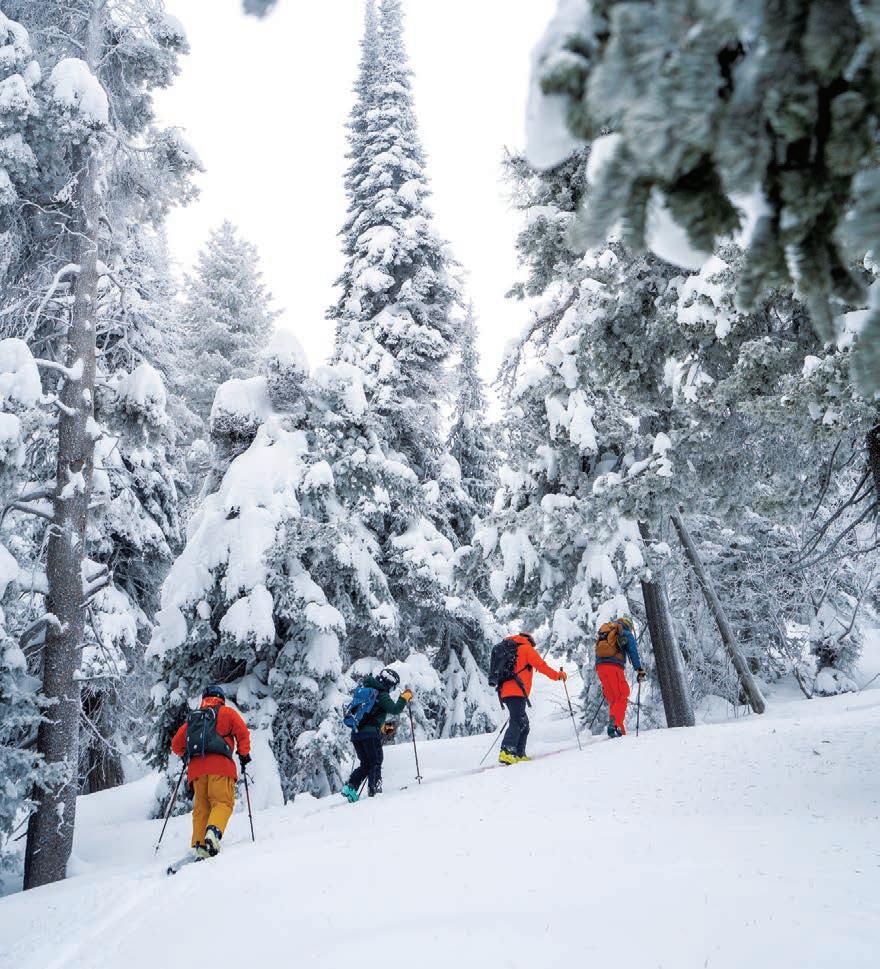
I’ve been chugging up a snow-covered slope in the Sawtooth Mountains for the last hour and a half, dipping in and out of trees wearing thick capes of snow. By the time our small group reaches the top of a ridge, my heart is pumping like a piston—and it’s not just due to exertion. I’m about to launch myself into an ocean of fluff y, untracked powder, and I’m equal parts nervous and excited.
I pop out of my skis and remove the long sticky strips of fabric (aka skins) attached to their bases, which allow me enough traction so I can climb uphill. I lock down my ski bindings, snap my boots in place and take a deep breath. To some, the idea of backcountry skiing is puzzling. Why would anyone spend hours trudging up a steep slope when they could hop on a whirring lift at a resort?
I’m spending a week in south central Idaho learning the basics of the sport, and I’m about to find out.
AN INTRO TO THE BACKCOUNTRY
We’ve made Twin Falls our home base and plan to head out to three southern Idaho ski areas that offer easy backcountry access. “Easy” because the backcountry we will explore is partially liftserved by each mountain’s equipment. Our planned stops include Soldier Mountain, Magic Mountain Ski Resort and Pomerelle Mountain Resort.
“People are drawn to the sport because it gets you out of crowded resorts and into the real world,” says Richard Bothwell, owner of Outdoor Adventure Club and former executive director of the American Institute for Avalanche Research and Education, which offers research-based education programs for backcountry users. He has taught avalanche safety for more than 20 years, and he’s one of our guides this week.
Each morning, we gather to hash out plans for the day. To stay safe, we will ski low-angle slopes and avoid unstable snowpacks. If any one of us has a problem or concern, we’ll all head back together.
“Teamwork and communication really make or break success in the backcountry,” Bothwell says.
Honestly, I’m a little anxious. I live in Texas and only ski a few times a year. I know that avalanches are a real danger. But Alex Silgalis, an experienced skier and co-founder of the outdoor-adventure website Local Freshies, reassures me that we’ll be doing more tromping through the woods and communing with nature than tearing down mountains at top speed.
“It’s old-man hippie pow,” he chuckles.
We’ve got radios, avalanche beacons, shovels, a first-aid kit and even an inflatable sled, just in case.
SOLDIER MOUNTAIN
Our first stop is Soldier Mountain. We hop in a snowcat that carries us partway up the mountain. From there, we put on our skins and keep climbing out of bounds into the nearby Bridge Creek area. This is where I learn another rule of backcountry skiing: There is no guarantee of awesome snow, but you don’t need pillows of soft pow to have an epic adventure.
We skin up ridges that open onto views of the surrounding mountains. Our guide for the day, Santiago Rodriguez of Avalanche Science Guides, digs a pit and tests the snowpack. All the sunshine has turned the top layer of snow crusty, but the fun-o-meter cranks to high anyway. We take advantage of the conditions to practice our form on uphill climbs and perfect our transitions from skinning to downhill skiing.
When we return the next day, we head off in another direction from the base, skipping the snowcat and burning calories as we skin up a forest service road. We pause for a picnic, flop back on the snow for a rest, then keep skinning up. A few hours later, we find our line and the payoff comes in a nice swooping descent. It’s not powder, but it’s glorious. I dart like a penguin across a snow-covered hillside as we zip through trees and dip in and out of a ravine.
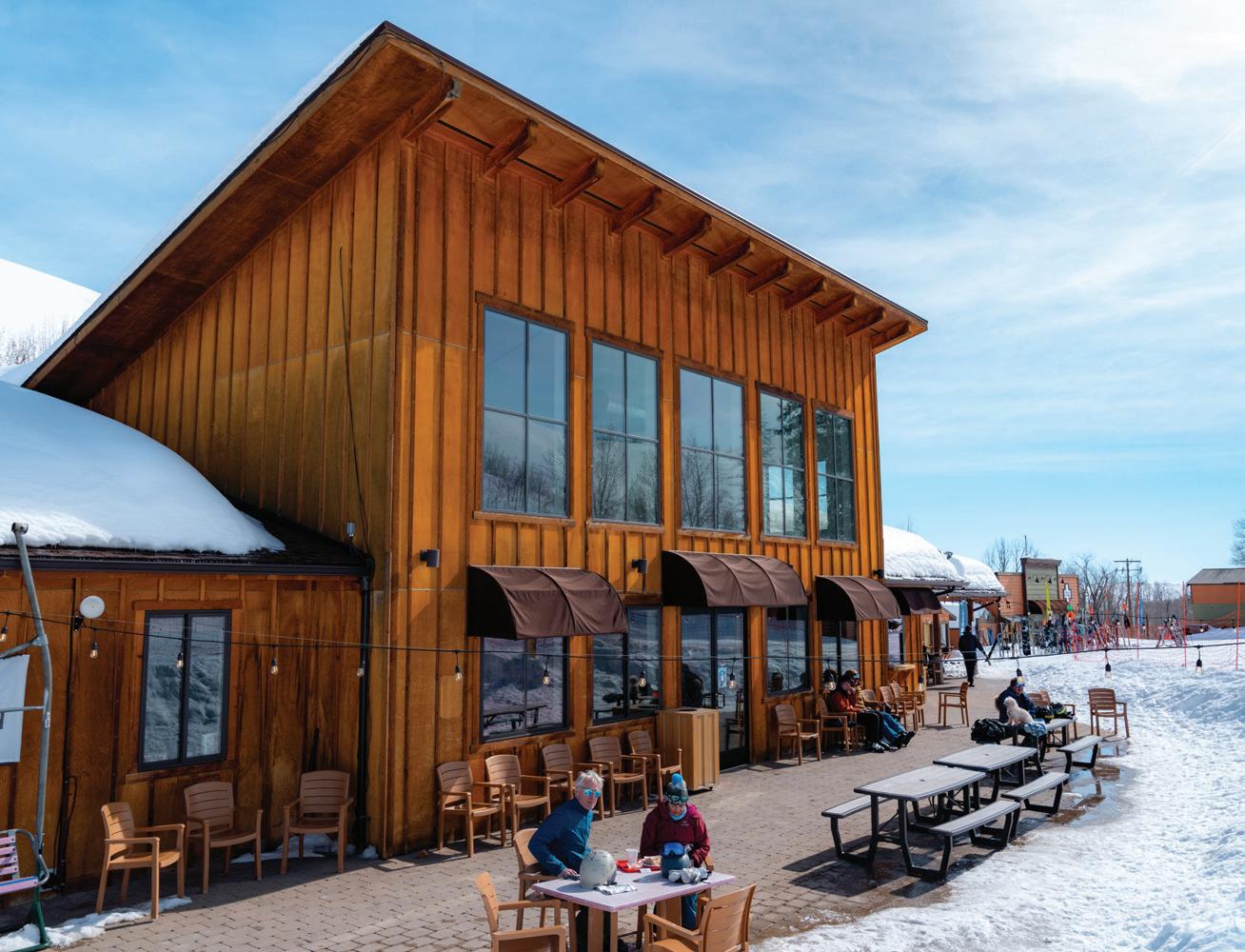
My mind travels back to the 1950s when we get to Magic Mountain. The base lodge is an old log cabin. Inside, skiers slouch in well-worn armchairs and warm their feet at a glowing potbelly stove. We leave our shoes under a bench and head to a two-person lift that carries us up the mountain. From there, we scoot outside the resort boundaries and into the forest. The scenery makes me swoon. The trees are frosted in thick coats of white, and I feel like I’ve stepped inside a snow globe.
At the top, it’s time to transition again. I’m getting better at putting on and taking off the skins, but it still feels like I’m handling giant strips of flypaper. We make a run on the best snow so far, then skin back up for another pass. We hike a little farther down the ridge and do it again. And again.
I don’t mind the work. It just makes the runs even sweeter.
When we get to Pomerelle, we start by taking a lift, then trek away from the groomed slopes to a gloriously snow-spackled valley. There’s nobody out here. The snow is a white sheet of paper. We swoop down, then skin up another ridge, where we spend a few hours practicing rescue techniques.
We get a glimpse of our goal, too—a ridge that hides the descent into Lake Cleveland. Our mission is to get there on our last day and make laps on pastures of puff y, white snow.
But as I’ve learned this week, Mother Nature is in charge of the backcountry. As we start the trek over on our final day, storm clouds appear and the wind starts blasting. We forge on, marching like a row of ducklings. Soon, though, the trees are bending like they’re doing the limbo. We convene on the leeward side of a cluster of trees and agree our best move is to leave Lake Cleveland for another day. In the backcountry, we go with the flow.
REFLECTING
With six days of backcountry skiing under my boots, I have a new appreciation for the sport. It’s tough. You might spend hours climbing 1,200 feet (366 meters) just to make a single run, but you end up in areas that only a few skiers get to experience. And it comes with rewards, especially the camaraderie our group developed.
Even if you don’t find the powder you’re searching for, you’ll get something much better in return—the bliss of a day outside in Idaho and the satisfaction of knowing you worked hard for that run.
Pam LeBlanc @pamleblancadventures
LeBlanc is an Austin, Texas-based adventure writer. After more than 30 years as a newspaper journalist, she’s now on the loose as a freelancer, writing for publications including Condé Nast Traveler, Texas Monthly, Southern Living, Nature Conservancy Magazine and AARP Magazine.
Pomerelle Mountain, Malta. Photo credit: Visit Idaho.
Slope Dreams Are Made of This
EXPERIENCE YOUR WINTER ESCAPE AT ANY OF IDAHO’S 19 SKI
AREAS
BY AMANDA OIEN
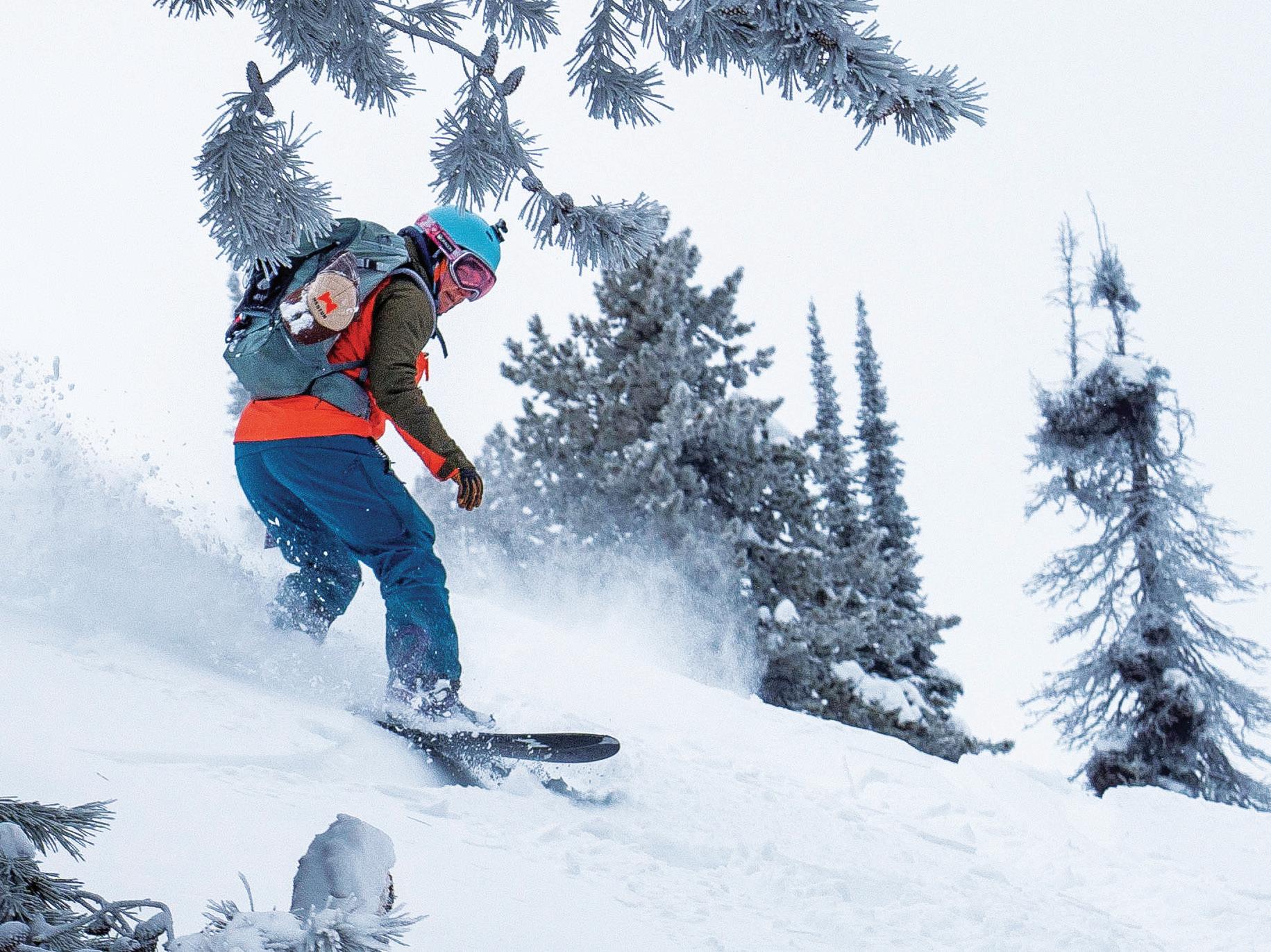
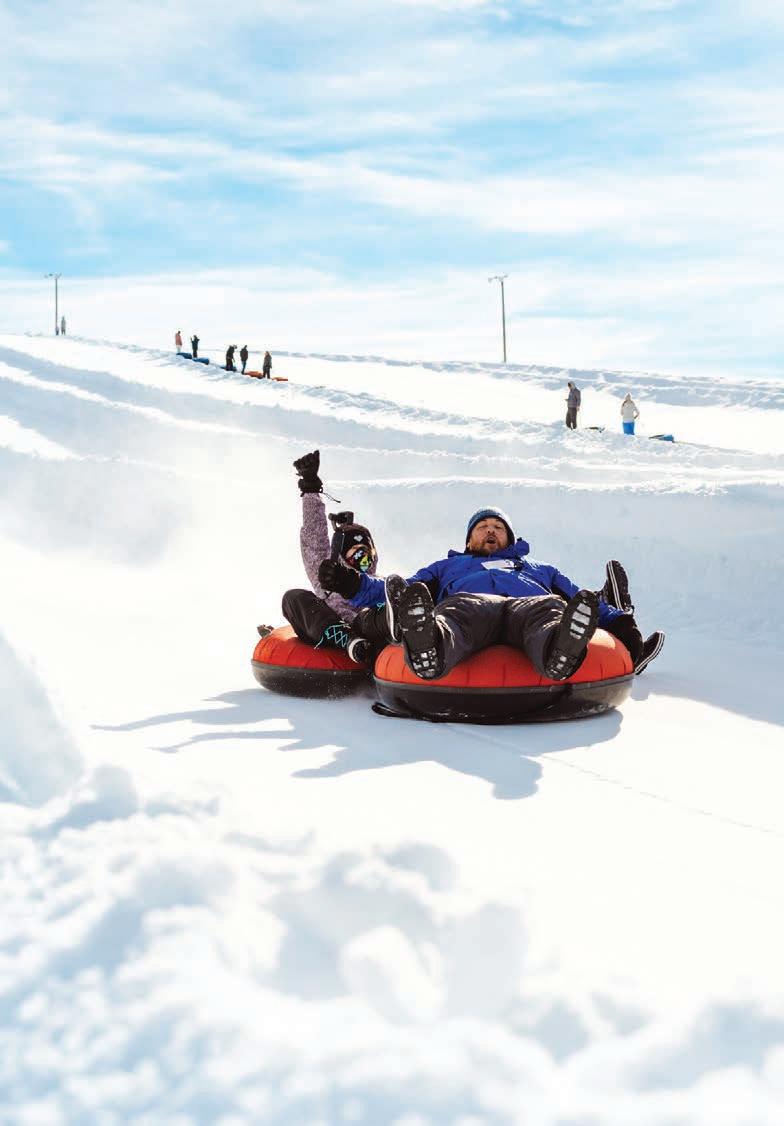
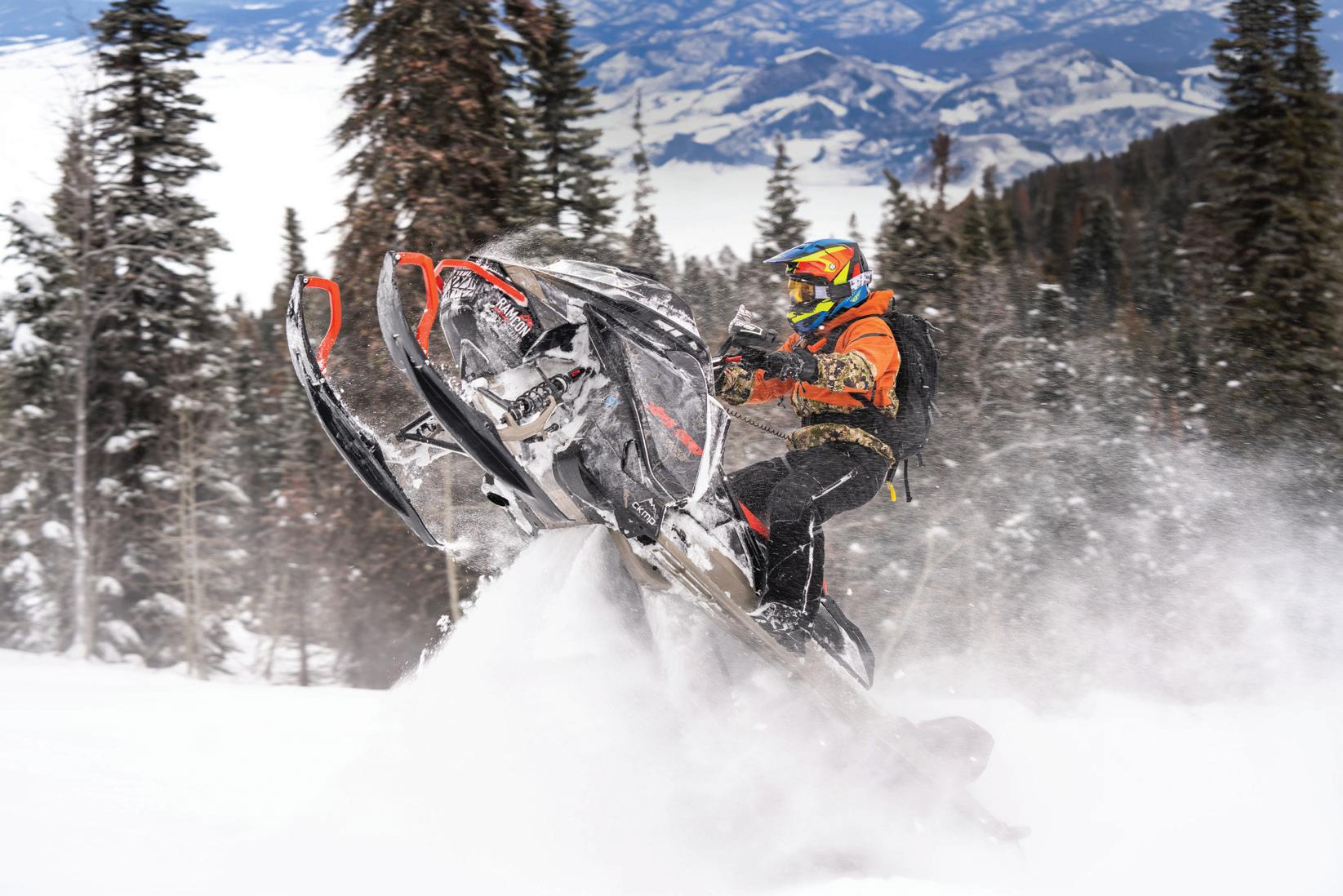
In Idaho, where powdery peaks pierce the sky like frosted cathedrals, your ultimate winter adventure begins. Whether it’s the exhilarating rush of carving uncrowded vertical terrain, the solitary hum of a snowmobile tracing lines across a white canvas or the nostalgic squeals of snow tubers racing down a hill, the Gem State invites you to embrace the elements your way.
Idaho is a hub for skiing and snowboarding, but plenty of other activities await. Use the icons below to map out your winter wish list.
ADAPTIVE PROGRAMS
CAT SKIING
DOG SLEDDING
FAT BIKING
HELI-SKIING
ICE FISHING
ICE SKATING
IKON PASS
INDY PASS
NIGHT SKIING
NORDIC SKIING
SKI BIKING
SKIING
SLOPESIDE LODGING
SNOW TUBING
SNOWBOARDING
SNOWMOBILING
SNOWSHOEING
Choose one of the following cities as your base camp. Estimated drive times are calculated from each major city.
FROM COEUR D’ALENE
SILVER MOUNTAIN RESORT | KELLOGG | 38 MIN.
Spanning two peaks—Kellogg and Wardner— Silver Mountain is home to 73 runs, a picturesque snowshoe trail, four snow tubing lanes with a covered magic carpet and Idaho’s largest indoor water park. Take in panoramic views as you hitch a ride on North America’s longest singlestage gondola to the summit lodge.
LOOKOUT PASS SKI & RECREATION AREA | MULLAN | 1 HR., 2 MIN.
Known for its generous annual snowfall, Lookout Pass is the oldest continually operating ski area in Idaho and is home to the second-oldest base lodge in the Northwest. With a variety of snow sports programs, you can either learn to ski or perfect your skills on powdery tree runs that are so uncrowded you’ll feel like you have the whole place to yourself.
SCHWEITZER | SANDPOINT | 1 HR., 30 MIN.
With 2,900 acres of skiable terrain, 92 runs (10% are green, while 50% of the terrain is advanced or expert), backcountry snowmobiling and snowcat excursions, tree skiing, twilight skiing and unbeatable mountain views Schweitzer was made for powder-hungry adventurers. Idaho’s largest ski area receives an average of 300 inches (762 cm) of annual snowfall and is home to the state’s third-highest vertical drop at 2,400 feet (732 meters).
FROM LEWISTON
COTTONWOOD BUTTE SKI AREA | COTTONWOOD | 1 HR., 14 MIN.
Take a ride on a T-bar or rope tow to one of Cottonwood Butte’s four groomed runs and multiple powder trails tucked among snow-laden trees. Night skiing is offered on the first Fridays of January, February and March.
SNOWHAVEN SKI & TUBING AREA | GRANGEVILLE | 1 HR., 35 MIN.
Unleash your inner child at one of the largest tubing hills in the West, or click in your ski boots for the first time and take advantage of Snowhaven’s many beginner runs, serviced by a T-bar and rope tow.
BALD MOUNTAIN SKI AREA | PIERCE | 1 HR., 40 MIN.
FROM BOISE
BOGUS BASIN MOUNTAIN RECREATION AREA | BOISE | 40 MIN.
Bogus Basin, named the Number 1 ski area in the U.S. by Newsweek’s 2024 Readers’ Choice Awards, offers thrilling skiing and snowboarding for enthusiasts of all skill levels and abilities with its adaptive snow sports program. Enjoy 2,600 acres of downhill terrain, a network of snowshoe and cross-country trails, a tubing hill and night skiing.
TAMARACK RESORT | DONNELLY | 2 HR., 15 MIN.
Reminiscent of Swiss ski resorts, Tamarack is tucked away in Idaho’s rugged mountains and is the perfect winter hideaway. After a day of tree skiing, traversing trails via snowshoes, Nordic skis or fat bikes or joining a guided ice-fishing trip on nearby Lake Cascade, visit The Reserve. Voted the Number 1 ski restaurant in North America by USA Today’s 10Best Readers’ Choice Awards in 2024 for the second year in a row, it’s the perfect spot for some well-deserved après-ski.
LITTLE SKI HILL
| MCCALL | 2 HR., 21 MIN.
Bursting with friendly hometown energy, Little Ski Hill is a staple for those learning to shred. Featuring six T-bar ski runs, a terrain park and night skiing, this quaint hill deserves a spot in your rotation.
BRUNDAGE MOUNTAIN RESORT | MCCALL | 2 HR., 30 MIN.
Whether you prefer wide, velvety runs or steep, tree-lined descents, Brundage has all that and more. Explore 18,000 acres of backcountry with a guided snowmobile or snowcat tour with stunning summit views, or check out the awesome beginner terrain at Beartopia. Rest your legs with lift-served tubing lanes at the nearby McCall Activity Barn.
From bunny slopes to black diamonds, Bald Mountain’s T-bar and rope tow offer a seemingly endless array of skiing and snowboarding opportunities for the whole family, set against the scenic backdrop of the Clearwater Mountains.
Ski, snowboard, tube or ski bike your way down Magic Mountain. With 22 trails that span 120 acres, this mom-and-pop ski hill is renowned for its epic powder, impressive rock and cliff features, tree skiing and snow tubing hill.
POMERELLE MOUNTAIN RESORT | MALTA | 1 HR., 16 MIN.
Pomerelle is a family-run resort with 31 runs and two terrain parks set in the Albion Mountains. With a base elevation of 8,762 feet (2,671 meters), this area often receives more than 500 inches (1,270 cm) of snowfall per season and is one of the first Idaho ski areas to open. Night skiing is offered Tuesday through Saturday.
McCall Activity Barn, near McCall. Photo credit: Visit Idaho.
SOLDIER MOUNTAIN | FAIRFIELD | 1 HR., 17 MIN.
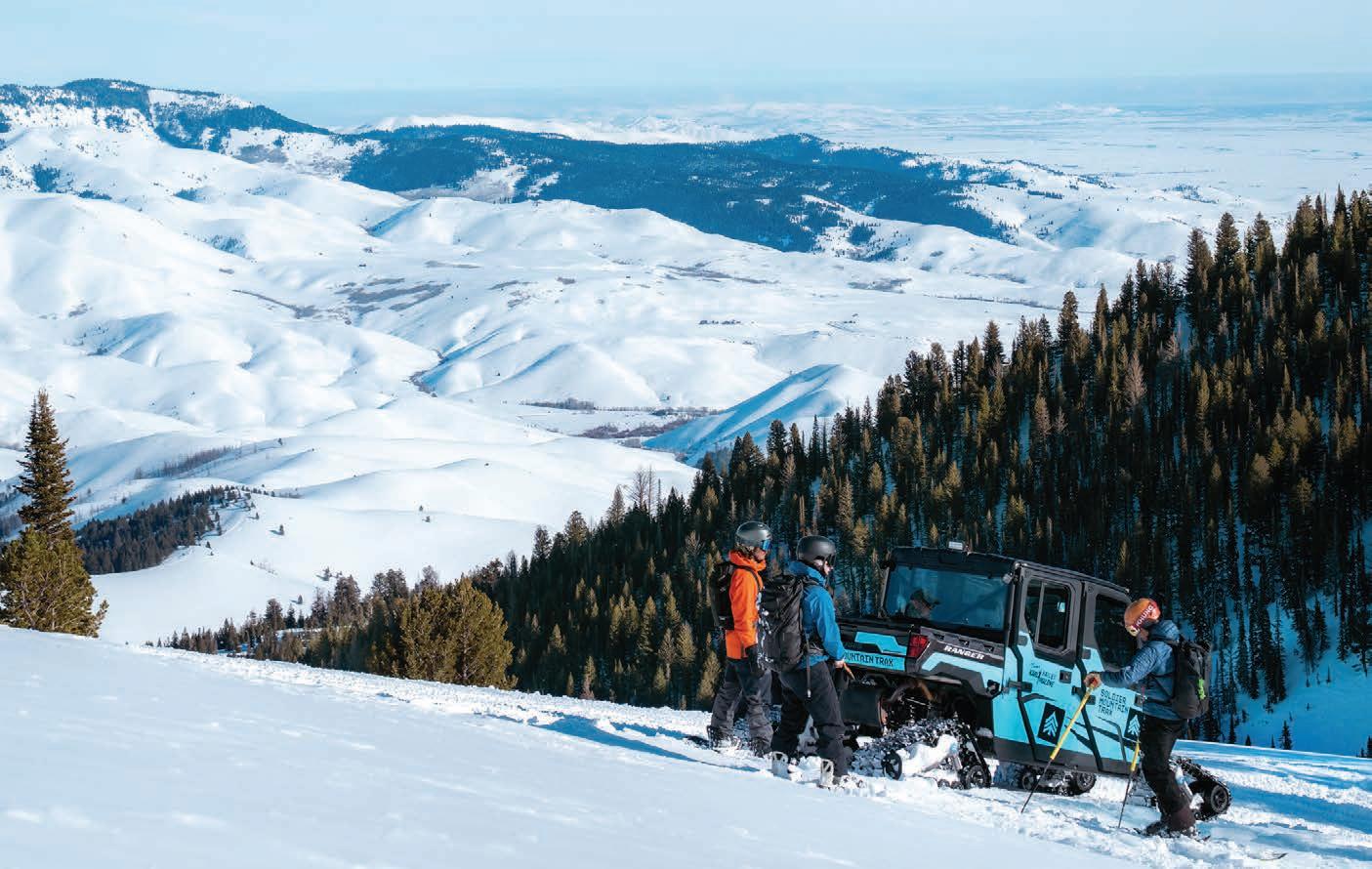
Soldier’s varied terrain invites intermediate skiers and riders to carve through exhilarating glades and wide-open bowls. Those seeking untouched powder can venture into the Bridge Creek area, where 2,000 acres of pristine backcountry and 250 acres of intermediate and expert side country await—all reachable by bootpacking, alpine touring, snowcat or TRAX-assisted tours. For an exclusive experience, guests can reserve the entire ski area.
FROM POCATELLO
PEBBLE CREEK SKI AREA | INKOM | 1 HR., 5 MIN.
Perched atop Bonneville Peak with views of the Portneuf Range, a visit to Pebble Creek will satisfy everyone in the family. Catch air at the terrain park, conquer steep runs or carve up the trails under the lights. Beginners should check out the 700-foot (213-meter) magic carpet— one of the longest conveyor lifts in North America.
FROM IDAHO FALLS
KELLY CANYON SKI RESORT | RIRIE | 40 MIN.
Kelly Canyon is a family-friendly destination with a variety of terrain for newbies and off-piste enthusiasts. After a day on the slopes, warm up with a dip at nearby Heise Hot Springs. When the sun goes down, the adventure continues with after-hours skiing.
Kelly Canyon Ski Resort, Ririe. Photo credit: Visit Idaho.
GRAND TARGHEE RESORT | NEAR DRIGGS | 1 HR.,30 MIN.
Make the most of the deep powder (500+ inches/1,200+ cm annually) at Grand Targhee with uncrowded trails, short lift lines and unmatched views of the Grand Teton Mountain Range. The naturally well-spaced trees offer epic tree skiing, too. For a unique outdoor adventure, book a private dogsled tour. When it’s time to call it a day, refuel with a plate of the famous Wydaho Nachos at The Trap Bar & Grill, the resort’s legendary après-ski watering hole.
FROM SALMON
LOST TRAIL SKI AREA | NEAR GIBBONSVILLE | 50 MIN.
This treasured, family-owned ski spot showcases terrific tree skiing and breathtaking views of Idaho and Montana atop the Continental Divide. Lost Trail’s bountiful snowfall and uncrowded trails mean you’ll most likely be carving first tracks.
FROM KETCHUM
SUN VALLEY RESORT | SUN VALLEY | 4 MIN.
Sun Valley is undeniably a wintry delight. America’s first destination ski resort and the birthplace of the chairlift offers two distinct mountains: Bald Mountain’s 100+ thrilling downhill runs. Hop on the Challenger lift for a vertical ascent of 3,138 feet (956 meters) and try Dollar’s gentler slopes and terrain park. Before you make your last run of the day, drop into Roundhouse for some warm and velvety fondue.
ROTARUN SKI AREA | HAILEY | 23 MIN.
Dubbed “the little mountain with a big heart,” Idaho’s smallest ski area is dedicated to keeping its platter lift skiing affordable for everyone, making Rotarun a great option for first-timers. After working up an appetite, head to La Parilla taco truck, then stick around for night skiing on Wednesdays and Fridays. For an exclusive experience, rent the entire ski area on its nonoperational days.
Dollar Mountain, Sun Valley. Photo credit: Sofia Jaramillo.
Bald Mountain, Sun Valley. Photo credit: Visit Idaho.
Grand Targhee Resort, near Driggs. Photo credit: Visit Idaho.
Hit the Slopes
From Sun Valley to Schweitzer, Idaho’s ski areas offer a mix of snow-packed trails, gorgeous mountain views and a welcoming atmosphere that draws winter enthusiasts. These destinations provide a fun and memorable experience for skiers and snowboarders alike.
SHRED 17 MOUNTAINS FOR $29
Ski Idaho’s Peak Season Passport allows fifthand sixth-graders to experience a few days of skiing or riding at participating Idaho ski areas for a one-time fee of $29. Learn more and apply at skiidaho.us/passports.
SIX SCENIC BYWAYS THAT LEAD TO THE NATIONAL PARK’S “QUIET SIDE”
BY MELYNDA HARRISON
In eastern Idaho, a network of scenic byways meanders through some of the most stunning landscapes in the American West. Take your time on these routes that reveal the natural beauty and rich history of Idaho’s shared ecosystem with nearby Yellowstone and Grand Teton National Parks.
For those arriving from Salt Lake City or flying into Pocatello, your road trip begins by departing from Interstate 15 and venturing onto the splendid paths of Oregon Trail–Bear Lake Scenic Byway and Pioneer Historic Byway. Along these routes, travelers encounter a wealth of historic landmarks and diverse natural vistas—think Caribbean-blue lakes, conifer-covered mountains, rolling farmlands, rocky outcrops and even a geyser.
From Idaho Falls, drive north and discover the charm of small towns and historic sites that line the way. Mesa Falls Scenic Byway invites travelers to experience the area’s famous waterfalls, while the Teton Scenic Byway and Fort Henry Historic Byway lead through picturesque communities and provide a window into Idaho’s past. Lost Gold Trails Loop offers an adventure that traces former mining routes, revealing even more of the region’s storied history.
Each of these byways offers easy access to the natural wonders of Yellowstone and the Grand Teton Mountains. Set up base camp in Idaho to explore this extraordinary region.
Teton Scenic Byway, near Irwin. Photo credit: Yellowstone Teton Territory.
Oregon Trail–Bear Lake
Scenic Byway
IDAHO – UTAH BORDER TO LAVA HOT SPRINGS | 57 MILES/92 KM
Begin your adventure at the Bear Lake State Park Visitor Center, where you can learn about the lake’s striking turquoise waters. Next, visit Minnetonka Cave, a fascinating limestone cavern full of natural wonders. The historic Paris Tabernacle offers a glimpse into the area’s early pioneer history, while the National Oregon/California Trail Center in Montpelier brings the pioneer journey to life. Finish your trip with a visit to Lava Hot Springs, a town famous for its natural hot mineral pools and family-friendly atmosphere.
STRETCH YOUR
LEGS
Hike Mount Moh in Lava Hot Springs, a two-mile round-trip trail with a 1,167-foot (356-meter) elevation gain, offering panoramic views of the surrounding valleys and mountains.
Pioneer Historic Byway
FRANKLIN TO THE IDAHO – WYOMING BORDER | 127 MILES/204 KM
This historic route traces the paths of early pioneers, offering an exceptional blend of Idaho’s past and natural beauty. Explore the architecture of the Franklin Historic District in Idaho’s oldest town. Red Rock Pass, where the Oregon Trail crossed into Idaho, offers a scenic stop with expansive views. Sheep Rock, the location of the first split of the Oregon–California Trail, is another key historical site along the way. Soda Springs Geyser, the world’s only captive geyser, erupts every hour, and Grays Lake National Wildlife Refuge provides superb birdwatching.
STEP BACK IN TIME
Explore Chesterfield Historic Town Site, a Mormon pioneer settlement that dates to 1880. From Memorial Day through Labor Day, visitors can explore a museum and mercantile, or join in on a free tour at the site.
Bear Lake State Park, St. Charles. Photo credit: Visit Idaho.
National Oregon/California Trail Center, Montpelier. Photo credit: Melynda Harrison.
Soda Springs Geyser, Soda Springs. Photo credit: Visit Idaho.
Chesterfield Historic Town Site. Photo credit: Visit Idaho.
Red Rock Pass, near Downey. Photo credit: Visit Idaho.
Mineral pools, Lava Hot Springs. Photo credit: Visit Idaho.
Teton Scenic Byway
SWAN VALLEY TO ASHTON | 69 MILES/111 KM
The Teton Scenic Byway is a perfect blend of natural beauty and small-town charm. All road trips through this section of the Caribou–Targhee National Forest should include a stop at Victor Emporium, known for its famous huckleberry milkshakes. The Teton Geo Center offers informative exhibits on the geology and ecology of the region, while Pierre’s Hole, the site of a 19th-century battle, adds a touch of local history. Take a quick detour to get a glimpse of Fall Creek Falls on the Snake River, a photo op well worth the side trip.
GET ON THE WATER
Float the Teton River, a relaxing way to experience the area’s stunning scenery and take in views of the Teton Range. Rent gear and book a shuttle from Teton River Supply. Watch for moose!
Mesa Falls Scenic Byway
ASHTON TO ISLAND PARK | 29 MILES/47 KM
Fuel up at Frostop, an iconic Ashton drive-in, before heading to the tiny town of Warm River (population three), where you can feed gigantic trout at the Warm River feeding station (no fishing allowed). Teton Outlook provides breathtaking panoramic views of the mountains and surrounding valleys. Visit both upper and lower Mesa Falls, two stunning waterfalls that cascade through dense vegetation. Harriman State Park offers excellent wildlife viewing and hiking on former ranchland owned by the chairman of the Union Pacific Railroad in the early 1900s.
Walk or bike part of the Warm River Rail Trail, a path that follows the historic railroad route from Warm River Campground to Reas Pass. The flat, well-maintained trail is perfect for leisurely hikes or bike rides.
Teton River, near Rexburg. Photo credit: Melynda Harrison.
Teton Geo Center, Driggs. Photo credit: Visit Idaho.
Teton Scenic Byway. Photo credit: Visit Idaho.
HIT THE TRAIL
Upper Mesa Falls, near Ashton. Photo credit: Visit Idaho.
Harriman State Park, Island Park. Photo credit: Visit Idaho.
Harriman State Park, Island Park. Photo credit: Visit Idaho.
Lost Gold Trails Loop
STARTS AND ENDS IN DUBOIS | 48 MILES/77 KM
The Lost Gold Trails Loop offers a fascinating trek through Idaho’s mining history. Start your trip in Dubois, where the Heritage Hall Museum provides an in-depth look at the area’s past. Explore Beaver Canyon’s dramatic geologic features. Camas Meadows Battle Sites, on the Nez Perce National Historic Trail, is a moving interpretive site commemorating where a battle during the Nez Perce Flight of 1877 took place.
DIG FOR TREASURES
For a hands-on experience, hunt for gems at Spencer Opal Mines, the Opal Capital of America.
Fort Henry Historic Byway
NORTH REXBURG TO ISLAND PARK | 81 MILES/130 KM
Wind through the Henry’s Fork of the Snake River, which offers a combination of natural beauty and historic landmarks. Fort Henry Monument commemorates the first American settlement west of the Rockies, which was established by Andrew Henry’s Missouri Fur Company. See the Fremont County Sugar Company’s original sugar beet slicer and explore the St. Anthony Sand Dunes for acres of white quartz sand blown into 400-foot (122-meter) tall dunes.
CAST A LINE
Fly-fish on Henry’s Fork, known for its clear waters and abundant fish populations. This blue-ribbon trout stream is a perfect spot to spend the day.
Melynda Harrison @travelingmelmt
Harrison writes about travel and family outdoor adventures at travelingmel.com, yellowstonetrips.com and in many local and regional publications. She is a travel, science and history buff and loves learning alongside her two teens and husband.
St. Anthony Sand Dunes, St. Anthony. Photo credit: Visit Idaho.
Heritage Hall Museum, Dubois. Photo credit: Visit Idaho.
Fort Henry, St. Anthony. Photo credit: Visit Idaho.
Camas Meadows Battle Sites, near Dubois. Photo credit: Melynda Harrison.
31 Scenic Drives
Idaho’s diverse scenic byways guide travelers through the state’s most captivating landscapes, from magnificent waterfalls to widespread mountain ranges. Each route reveals unique elements of the state and encourages travelers to discover more off-the-beaten-path routes. For outdoor adventurers, first-time explorers or roadtrip regulars, these 31 byways are worth a drive.
Find travel information, including road conditions, detours and closures, at 511.idaho.gov or by downloading the free app.
Before you put it in drive, order your free Idaho Scenic Byways brochure to map out your next adventure.
Hidden in Plain Sight
UNCOVER IDAHO’S BEST SECRET BARS AND SPEAKEASIES
BY MOANI HOOD
Scattered throughout the state, Idaho’s covert cocktail bars and secretive speakeasies revive the spirit of Prohibition. Tucked behind unmarked doors and down dimly lit alleyways, these intimate spots blend vintage charm with modern mixology for a fresh take on a bygone era. Think handcrafted cocktails, moody lighting, live jazz and creative nonalcoholic creations that deliver a swanky retro vibe. Whether you’re on a date or imbibing with friends, these hideaways offer unique escapes that embrace the freedom to gather, sip and celebrate in style.
Griff’s, Twin Falls. Photo credit: Griff’s.
GRIFF’S | TWIN FALLS
Spot the griffin and whisper the secret passphrase to enter this hideaway bar tucked away in the Turf Club—a former 1940s bar turned upscale eatery. Griff ’s offers original cocktail creations and classics with a twist, alongside a menu of Asian-inspired small bites. Try a reimagined favorite like the Griff ’s Manhattan or go alcohol-free with the Caribbeanstyle Casamara Isle. Before you go, channel your inner sleuth and follow online clues to uncover the day’s passphrase. And be sure to dress to impress—sophisticated attire is a must for entry!
XVIII | IDAHO FALLS
Step through an unassuming archway of the restored Odd Fellows Building to discover this past-meetspresent cocktail bar hidden in the heart of town. Focusing on locally sourced ingredients, XVIII pronounced eighteen—pours approachable adult beverages and alcohol-free alternatives, like its Rum Negroni and Zero Proof Paloma. Artisan entrées, shareable bites and an exclusive cigar lounge make for a perfect date night or fun group outing. Sink into a booth or slide up to the bar.
Griff’s, Twin Falls. Photo credit: Griff’s.
Griff’s, Twin Falls. Photo credit: Griff’s.
GATSBY | BOISE
Get ready to travel back to the Roaring `20s, where Prohibition-era vibes and handcrafted cocktails await. Sip on Gatsby classics, such as the Bee’s Knees or libations named after Old Hollywood actresses Ginger Rogers and Jean Harlow. For an elevated evening, try a curated spirits flight or pair drinks with caviar and rich chocolate truffles. A strict dress code keeps the atmosphere buttoned up— wear something polished and era-appropriate! Reservations are strongly recommended, and a password is required for entry. Call the day of your visit to get the secret code.
PRESS & PONY | BOISE
Pull back the curtains to reveal an award-winning craft cocktail bar located in the historic Adelmann Building in downtown Boise. Walls filled with thoughtfully curated artwork, antique decor and vintage photographs set the tone for a curious escape. The bartenders at Press & Pony are true artisans, pouring timeless cocktails with an inventive touch. Don’t miss a nod to the Irish with their Dublin Sour, featuring Slane Irish Whiskey with a Guinness float. Or Pick Your Poison allows the bartenders to craft a one-of-a-kind cocktail just for you.
Beneath the streets of downtown Idaho Falls lies a speakeasy with decor that combines the city’s Prohibition era with a modern touch. Sounds of live jazz fill the air at Soiled Dove, and “Untold Stories of Idaho” events bring local lore to life. A seasonal menu showcases inventive drinks, from the Oaxacan Old Fashioned to mocktails like the creamy and coconutty Coco Mo. Beverages can be paired with light bites or desserts for a satisfying night out.
TINER’S ALLEY | BOISE
Don’t miss this British-style pub with speakeasy vibes tucked behind The Avery Hotel. Step through a private alley entrance into Tiner’s Alley, Boise’s oldest Brunswick bar. Shoot a round of pool, then kick back with a cocktail by the cozy fireplace. Spice things up with a mezcal-based Rattlesnake Bite or go for a nonalcoholic sip like the Surely Shirley. The bar also features an elevated menu of hearty English favorites like bangers and mash and shepherd’s pie and is open early for happy hour and late into the night.
THE SICK STAG | NAMPA
Named after one of Aesop’s fables, The Sick Stag invites all to savor life’s moments with a drink in hand and good friends by your side. Set beneath a historic early-1900s building, its stone walls, taxidermy and quirky art set this place apart. Cocktails are artfully crafted, including their spin on the classic Hemingway Daiquiri—a nod to the great author who once called Idaho home. Nonalcoholic options shine here too, like the Café de Nada—a no-compromise answer to the decadent espresso martini. Find a dark corner, clink your glasses and linger until midnight.
Soiled Dove, Idaho Falls. Photo credit: John Webster. Soiled Dove, Idaho Falls. Photo credit: John Webster.
The Sick Stag, Nampa. Photo credit: Joshua Johnson.
Tiner’s Alley, Boise. Photo credit: Kyle Garay.
SUITE 104 | BOISE
Located on the ground floor of Boise’s Idaho Building, Suite 104 has become a local favorite, often referred to as “Boise’s Worst-Kept Secret.” This versatile bar offers something for every cocktail enthusiast, from a rustic lounge to a spacious atrium and a dog-friendly patio with firepits. Enjoy classics like a Manhattan or gimlet during daily happy hour or let the bartenders surprise you with a custom My Choice creation.
THICK AS THIEVES | BOISE
Inspired by a phrase rooted in trust and shared secrets, this hidden hangout is for those in the know. In true speakeasy fashion, guests slip through a discreet alleyway door and ring a vintage rotary phone for entry. Inside, the decor is moody and elegant with rich, dark tones and seats wrapped in leather and velvet. Thick as Thieves’ menu features bold creations like the gin-based No. 9 made with plum sauce and duck fat, while zero-proof cocktails, such as the Thieve’s Root Beer Float, still keep things fun without the alcohol. Looking to impress your date? Use the provided black light to unveil a hidden menu for even more covert concoctions. Pair libations with a savory snack board or pistachio-crusted cake doughnuts for something sweet. Reservations are encouraged.
AMPERSAND | BOISE
Brought to you by the visionaries of the acclaimed restaurant KIN, this 14th-floor speakeasy has the highest elevation of any bar in Idaho. Perched over the city with views of the Idaho State Capitol and Boise’s sweeping foothills, Ampersand is a prime setting for sipping an evening cocktail. It offers an unconventional approach to crafting the perfect drink, sans menu or recipe. Cocktails are carefully tailored to each guest’s individual taste, ensuring a truly unique experience. Due to its intimate size, reservations are recommended.
Moani Hood @appetites_abroad
Hood is the founder of the travel blog Appetites Abroad, where she documents her love of all things travel, food, wine and beer. When not eating her way around the world, she resides in California with her husband, Micah, and dog, Lily.
Suite 104, Boise.
Photo credit: John Webster.
Suite 104, Boise. Photo credit: John Webster.
Ampersand, Boise. Photo credit: Ampersand.
Thick as Thieves, Boise. Photo credit: Joshua Johnson.
Discover Telaya Wine Co., nestled along the scenic Boise River Greenbelt. We are a family and dogfriendly escape just minutes from downtown Boise. Telaya Wine Co invites you to savor award-winning, handcrafted wine in a welcoming setting. Our tasting room, patio, and riverfront deck o er a relaxing venue with stunning views. ere is an onsite food truck available Wednesday through Sunday; check the website for food truck hours.
Open daily at noon. Visit telayawine.com for hours and events.
Come Visit & use code
IDAHOTRAVEL10
to get a glass of wine or $10 o your purchase.
Telaya Wine Co. 240 E 32nd St., Garden City, ID (208) 557-9463
All the Good Apples
GET TO THE CORE OF THE CRAFT WITH FOUR IDAHO CIDERMAKERS
BY AMANDA OIEN
PHOTOS BY JOHN WEBSTER
Idaho produces some of the juiciest apples a cidermaker could dream of. These artisans transform the bounty of the region’s orchards into an array of hard ciders that tempts the palate year-round. Driven by a dedication to whole ingredients and a spirit of innovation, Idaho’s cidermakers create bevvies that spotlight local ingredients and a sense of adventure.
Cedar Draw Cider, Buhl.
I can taste an apple before fermentation & know in my gut if it’ll make a good cider. “
EMILY MASON
Cedar Draw Cider | Buhl
Emily Mason, an oncology nurse for nearly 20 years who was seeking a creative outlet, decided to trade fluorescent-lit hallways for birdsong-filled orchards in 2018 when she bought an Italian plum orchard in southern Idaho dating back to 1908. With three acres of plums on her hands, Mason began experimenting with plum wine, then incorporated apples. Soon after, Cedar Draw Cider was born.
By using fresh apples, plums and pears from her own orchard, alongside Northwest fresh-pressed apple juice, Mason explains that many of her flavor profiles are driven by in-season produce and recipes. “One of the first ciders I ever made had notes of cranberry and orange,” Mason recalls. Winter Madras is now a bottled memory of the cranberry-orange bread Mason’s mother bakes at Christmas. Not willing to use concentrates, Mason relies heavily on locally harvested fruit. “I love the creativity that comes with making cider,” she says. “But I also like being so connected to the land.”
For Mason, her philosophy extends beyond local ingredients. She relies on her intuition to blend the art and science of cidermaking. “I can taste an apple before fermentation and know in my gut if it’ll make a good cider,” she confides. While some ciders need to age for several months, others can be enjoyed right away, meaning the Cedar Draw Cider taproom always has a rotation of unique orchard pours.
Wickson Vixen, which is made a couple of times a year, is Mason’s favorite cider from her selection. Using Wickson crab apples, it’s a dry cider with tart apple notes that’s bold, bubbly and “totally drinkable,” according to Mason.
Cedar Draw Cider, Buhl.
Emily and John Mason, Cedar Draw Cider, Buhl.
Flight (L–R): Blueberry Thai Basil, Le Fleur, Summer Freckle, Zero Brix, Green Apple at Cedar Draw Cider, Buhl.
MOLLY LEADBETTER
Meriwether Cider Co. | Boise
Molly Leadbetter’s family sticks together. She shared her first occupation as a wildland firefighter with her parents and sister. Today, the foursome is the driving force behind Meriwether Cider Co., named in honor of Meriwether Lewis of the renowned Lewis and Clark Expedition, which crossed through Idaho. The name carries a deep familial significance for the Leadbetters. Ann, the matriarch of the family, is distantly related to the pivotal explorer—a connection to both their lineage and the land they call home.
The Leadbetters pour their heart and soul into every bottle, pint and keg of cider produced at Meriwether. Molly Leadbetter’s passion for the burgeoning industry earned her the honor of becoming Idaho’s first pommelier— the cider industry’s equivalent of a wine sommelier.
While Leadbetter loves exploring new flavor profiles— Meriwether releases a seasonal variety each month— she also loves discovering new techniques. Whether it’s a traditional apple-only cider, a fruit cider, barrel-aged, spiced, hopped or botanical, the Leadbetters hand make, hand bottle and hand label each brew. “When people say they don’t like cider, I say ‘No, you just haven’t had one you like yet’,” Leadbetter laughs.
While Leadbetter thinks cidermaking is fascinating, she also basks in the sense of community it offers. “Cider makes people happy,” she insists. “I find so much joy in meeting new people and introducing them to a product we’re proud of.” From the orchard to the family of farmers at Purple Sage Farms supplying the herbs to the barkeep at the taproom, Meriwether Cider has its roots firmly planted in the Gem State. “We’re in Idaho because we love Idaho,” Leadbetter confirms. “It’s such a special place, and we want to be a part of that.”
If Leadbetter is spending the day on the river, she prefers “something bright and fun” like Grapefruit Rosemary with sour citrus notes and rosemary overtones. But the one she reaches for the most? Strong Arm Semi-Sweet—the unbridled taste of a fresh apple, while delivering a full, juicy impact that starts and ends with the same bold intensity.
“
I nd so much joy in meeting new people & introducing them to a product we’re proud of.
New to cider? Get recommendations for your palate from Idaho’s first certified pommelier.
Molly Leadbetter, Meriwether Cider Co., Boise.
Flight (L–R): Uncharted, Black Currant Crush, Strong Arm Semi-Sweet, Plum Dandy, Blood Orange at Meriwether Cider House, Boise.
Our whole schtick is creating a cider that tastes good but doesn’t have a ton of sugar. “
ANDREW PEREZ
Highpoint Cider | Victor
For East Coast transplant Andrew Perez, there are three steps to cidermaking: Quit your job, convince your brother to quit his job and “craft the best damn cider in the Tetons.”
Andrew and his brother Alex spent much of their childhood at their grandparents’ small apple orchard back East. So when it came to embarking on a new adventure in the Gem State, making cider was a no-brainer.
“Our whole schtick is creating a cider that tastes good but doesn’t have a ton of sugar,” Perez shares. Highpoint’s cider is unfiltered, which, as Perez notes, is more work, but the payoff is worth it. “It brings more character to the table and allows us to not lean on the sweetness to drive the flavors,” he reveals. Perez’s background in biochemistry meant the brothers’ cider was viewed through the lens of experimental design, especially in its early days. “After a handful of years, we were able to create Highpoint’s flavor profile,” he adds.
With their cider processes locked in, it was important to curate unique flavors that didn’t overlap. Whether you’re drinking a can of Alpenglow—made with tart raspberry, local, handpicked mint and fresh-squeezed lime—on a warm spring afternoon or indulging in a Teton Tiki punch at the taproom, each sip highlights the brothers’ constant attention to their customers’ palates.
For the cider-curious, Perez recommends the Goldilocks approach. “Get a flight—you don’t know what you like until you know what you don’t,” he advises. ClusterHuck makes huckleberry the star of the show. Using only natural ingredients, the blend of huckleberries, honeyberries, blueberries and boysenberries offers a sweet and tart balance with tannic notes from the berry skins.
Katy Dang’s introduction to cider came during her college years when she spent summers in England and Ireland. When the beverage’s popularity surged in the United States, she was excited. However, her first taste of the mass-produced ciders revealed a stark contrast to the tart European varieties she remembered. “I thought to myself, I can do better than that,” Dang recalls.
With homebrewing already under her belt, Dang began her venture with apples. “I make traditional cider, which means I don’t manipulate the flavors at all,” she explains. “I make it more like a wine, so each batch is dependent on the apple harvest that year.” Dang ferments her own apple juice, then ages it to get that perfectly crisp, tart and tangy English-style taste.
One of the most commonly asked questions about her ciders is what flavors she offers. The answer? None. At Cider Sister’s, the fermentation works its magic, letting the natural apple notes emerge. “The aging usually takes six to nine months,” she explains. “Once it gets close [to complete], I have to taste it every day. I’m looking for a specific kick—it’s like a tang on the tongue.”
Dang’s flagship cider Lost Carboy is reminiscent of a tasting party back in the cidery’s early days. With much trial and error, Dang found the holy grail of cider. The only problem? The glass jug holding the liquid treasure—called a carboy—went missing. Luckily for Dang, she had the recipe. But to this day, the jug’s disappearance remains a mystery.
I make traditional cider, which means I don’t manipulate the avors at all. “
Katy Dang, Cider Sister’s Cider, Garden City.
Lost Carboy, Cider Sister’s Cider, Garden City.
Nature’s THEME PARK
The Route of the Hiawatha isn’t just a bike trail; it’s an easy, scenic ride, winding gently downhill through 15 miles of jaw-dropping mountain views from Montana to Idaho, with 7 sky-high trestles and 10 dark tunnels.
Forget the roller coasters. This is the ride you’ll actually remember.
START IN MONTANA, END IN IDAHO.
RIDE & STAY
PLAN YOUR TRIP
RideTheHiawatha.com
Welcome to
Elmore County
Madden Media is pleased to accept ad submissions electronically. For your convenience, color lasers are accepted for content, however, there is a slight possibility that the printed ad may not reproduce exactly as indicated in the proof you provided. A reasonable variation in color may exist between color proofs and the completed job; however, the quality of color shall fall within the standards acceptable in the printing industry (SWOP). If no reply is received from you within 2 business days,
Elmore County is called the “Crossroads of the West.” From Mountain Home to Glenns Ferry, Pine and Featherville, and on to Bruneau you will discover some of Idaho’s great natural wonders. Mountains, high desert and history are the heart of this community. Play on the largest single-structured sand dune in North America, trace the historic wagon ruts along the Oregon Trail, or simply relax on one of the best warmwater fishing lakes in the Northwest. Visit and experience Elmore County for yourself.
Proof#: 2
Bruneau Dunes State Park, near Bruneau. Photo credit: Visit Idaho
It’s All Up From Here
ELEVATE YOUR PERSPECTIVE, AND YOUR PULSE, ON THESE HIGH-ALTITUDE ADVENTURES
Pedal
230 feet above the forest floor! (70 meters)
BY MARISSA LOVELL
Sometimes the best perspective comes from higher ground. In Idaho, that might look like riding bikes across retired train trestles, roasting s’mores among the treetops or summiting the state’s tallest peak. These sky-high activities offer a new way to see and experience Idaho—and turn daytrips into lifelong memories. Here are a few unforgettable ways to keep your head in the clouds.
Standing 486 feet (148 meters) above the Snake River in Twin Falls, the Perrine Bridge is one of the few legal locations in the country open to BASE jumpers year-round. With parachutes strapped on, most choose to launch from the east side and float down to the canyon floor. Visitors can book tandem jumps with professional skydivers at BASE Jump The Bridge —no experience needed. Just show up, strap onto a guide and let gravity do the rest.
BIKE THE HIAWATHA
Ride through former train tunnels and across towering trestles on the Route of the Hiawatha, a 15-mile (24-km), rail-to-trail bike path that winds along the Bitterroot Mountains near Wallace. The route starts with a dramatic entrance through the St. Paul Pass Tunnel and continues downhill for a leisurely ride with sweeping views. This scenic, family-friendly adventure is easy to enjoy at any pace. Lookout Pass handles all the details, including trail passes, shuttle tickets and bike rentals.
Route of the Hiawatha, near Wallace. Photo credit: Visit Idaho.
SEE THE DUNES FROM ABOVE
Most thrill-seekers stay at ground level to enjoy St. Anthony Sand Dunes in off-road vehicles. But Idaho Extreme Adventures offers a high-elevation option to experience this surprising desert landscape in eastern Idaho. Climb into a helicopter for an aerial tour of the white-quartz dunes that roll all the way to the horizon. Glance down to see ATVs kicking up dust, and look to the east for a heart-fluttering view of the Grand Teton Mountains. Tours lift off spring through summer.
Settle in for a 3.1-mile ride! (5 kilometers)
TWIST THROUGH THE TREES
Just 16 miles (26 km) from Boise, Bogus Basin Mountain Recreation Area is home to Idaho’s one and only mountain coaster—the Glade Runner. This isn’t your average amusement-park ride. You’ll twist, turn and probably scream a little as you zoom through the trees in open-air carts. It’s fast, it’s fun and it provides the perfect blast of fresh mountain air. This one is a must-try for ages three and up.
RIDE THE LONGEST GONDOLA
Hop on North America’s longest gondola in Kellogg to ride 3.1 miles (5 km) up to the Mountain House at Silver Mountain Resort. Skiers and snowboarders know that the views are killer, the air is crisp and there’s food waiting at the top. In warmer months, the gondola takes visitors to some of the best hiking and mountain biking trails in the Northwest. Whether you’re chasing adrenaline or just in it for the scenery, this is one ride you won’t forget.
St. Anthony Sand Dunes, St. Anthony. Photo credit: Visit Idaho.
ZIP THROUGH A FOREST CANOPY
This summertime experience blends a little thrill with a lot of charm. The S’mores & Soar zipline tour with Timberline Adventures in Coeur d’Alene races through the treetops, then pauses at a tree house perched in the branches to roast s’mores and catch the sunset. This 4.5-hour guided tour, offered on weekend evenings for ages seven and up, is a unique way to see Idaho and make memories around the fire.
CLIMB IDAHO’S TALLEST PEAK
At 12,662 feet (3,859 meters), Mount Borah is the Gem State’s highest peak—and no walk in the park. Located in the rugged Lost River Range, the climb gains more than 5,000 vertical feet (1,524 meters) in just four miles (6.4 km). The trail is steep, exposed and includes the infamous Chicken-Out Ridge—a section that requires scrambling across sharp rock using a security rope. Sawtooth Mountain Guides offers guided trips to help visitors safely navigate the terrain and reach the summit. It’s tough yet rewarding, and on a clear day, six mountain ranges come into full view from the top.
Big views, fresh air and a little thrill—sometimes that’s all it takes to feel miles away from everyday life.
Overnight above it all at one of these retired fire-lookout towers across the state.
Zip 450 feet above the ground! (137 meters)
Mt. Borah peaks at 12,662 feet! (3,859 meters)
Marissa Lovell @marissafromboise
Lovell is a writer, reader and freshair seeker. She loves being outside, listening to great tunes and living a fun life. In addition to writing about Idaho adventures, Lovell runs From Boise, a weekly newsletter about people, places, history and happenings in Boise.
Hiking Mount Borah, near Mackay. Photo credit: Melynda Harrison.
State Parks With Stories to Tell
IDAHO’S HISTORY IS ON DISPLAY AT THESE NOTABLE PARKS
BY JEFF ATWELL
Idaho’s numerous state parks and trails are renowned for their natural grandeur, encompassing everything from majestic peaks to dramatic canyons. A select few offer a bonus: interpretive centers that preserve and showcase cultural treasures woven into these stunning environments.
2
HELLS GATE STATE PARK
On the banks of the Snake River, the Lewis & Clark Discovery Center tells the tale of the explorers’ 1805 journey. Their quest to find an inland route to the Pacific Ocean included an unlikely passage through Hells Canyon—the deepest river gorge in North America. Head south of Lewiston to explore this collection, located on the site of a former Nez Perce village.
1
3
4
LAND OF THE YANKEE FORK STATE PARK
Learn about frontier mining history at the Land of the Yankee Fork State Park Interpretive Center, near Challis. See old mining equipment, antique gold scales and other traces of pioneer life. Walk to the Challis Bison Jump site and take a short, paved drive to Challis Hot Springs. During summer months, old stagecoach routes lead to the Yankee Fork Gold Dredge and the abandoned mining towns of Bayhorse, Bonanza and Custer.
COEUR D’ALENE’S OLD MISSION STATE PARK
Built by Catholic missionaries and members of the Coeur d’Alene Tribal Community, an 1850s mission just east of Coeur d’Alene anchors this state park. Visitors can take ranger-led tours of Mission of the Sacred Heart the oldest building in Idaho—plus a restored parish house and a cemetery. Exhibitions at the Old Mission State Park Visitor Center chronicle the relationships between pioneers, missionaries and Indigenous people.
MASSACRE ROCKS STATE PARK
THREE ISLAND CROSSING STATE PARK
At the Oregon Trail History & Education Center in Glenns Ferry, visitors learn how pioneers made it across this treacherous part of the Snake River. View replicas of horse-drawn freight wagons and spot original ruts. Learn about Gus Glenn—the innovator who constructed a ferry passage two miles upstream in 1869 and was so popular the town was named after him.
Pioneers traveling west on the Oregon Trail crossed the Snake River, and the stories of that difficult journey are on display at Massacre Rocks State Park Visitor Center. See a stagecoach, tools and provisions that were common on this historic route. Find wagon-wheel ruts near the visitor center, then head two miles south to see travelers’ names and their dates of passage carved into Register Rock.
9 1-2 Lewis & Clark Discovery Center, Lewiston.
credit: Visit Idaho.
Bayhorse ghost town, near Challis. Photo credit: Visit Idaho.
4 Land of the Yankee Fork State Park Interpretive Center, Challis. Photo credit: Visit Idaho.
5 Mission of the Sacred Heart, Cataldo. Photo credit: Visit Idaho.
6 Old Mission State Park, Cataldo. Photo credit: Visit Idaho.
7-8 Oregon Trail History & Education Center, Glenns Ferry. Photo credit: Visit Idaho.
9 Massacre Rocks State Park Visitor Center, American Falls. Photo credit: Idaho State Parks & Recreation.
Photo
THOUSAND SPRINGS STATE PARK
The town of Hagerman provides a gateway to the six units of this state park and the nearby Hagerman Fossil Beds National Monument. From the Thousand Springs State Park Visitor Center, set out to explore canyons, admire natural springs and hike in nature preserves along the Snake River. The visitor center displays fossils discovered at the beds where mastodons, saber-toothed tigers and the Hagerman horse lived 3–4 million years ago.
10-11 Thousand Springs State Park Visitor Center, Hagerman. Photo credit: Visit Idaho.
12-13 Museum at the Brig, Farragut State Park, Athol. Photo credit: Visit Idaho.
Check out the Ranger Talks video series to hear from the experts who know these parks best.
FARRAGUT STATE PARK
After the bombing of Pearl Harbor, the U.S. Navy built an inland base near Lake Pend Oreille in northern Idaho. Today, the Museum at the Brig preserves the history of this naval training station where some 300,000 recruits went through basic training. Learn about this World War II boot camp through displays of naval and war memorabilia. The visitor center is open year-round, but tours of the Brig are typically available from Memorial Day to Labor Day.
Map It Out
Idaho’s state parks showcase the state’s striking landscapes, from peaceful lakeshores to sweeping views from mountain trails, offering visitors a chance to recharge in nature.
Entry Fees: Entry to each state park is $7 per vehicle for Idaho residents and $7–$14 per vehicle for nonresidents.
Passports: Buy an annual Idaho State Parks Passport to get unlimited day-use access to all parks, trails and boat launches. Idaho residents can purchase the passport for $10, while out-of-state visitors pay $80 for unlimited access to the parks for one year through a Motor Vehicle Entry Fee (MVEF). Purchase the Idaho Resident Passport sticker when registering your vehicle with the DMV. The $80 annual pass can be purchased online or at any park.
UNDISCOVERED POST FALLS, IDAHO
Imagine a place where a river weaves through rugged canyons, and the peaks of the Selkirk Mountains stand tall, like nature’s own skyscrapers. It’s not just a destination; it’s an experience. Whether you’re into kayaking or paddleboarding or just want to dip your toes in the water, this place has got you covered.
Need to be a little more grounded? How about hiking through miles of scenic trails? Or maybe you’re a history buff? Falls Park will take you back to the early days of its European settlement. And let’s not forget the rock climbing—because nothing says “I’m alive!” like scaling a cliff face. But wait, there’s more! Post Falls isn’t just about the great outdoors. It’s also a culinary haven. From cozy cafes to fine dining, your taste buds are in for a treat. And if you’re a craft beer enthusiast, the local breweries will make you feel like you’ve found the pot of gold at the end of the rainbow.
This is where adventure meets relaxation, and every moment is a postcard waiting to happen. Pack your bags, grab your camera and get ready for an epic adventure to North Idaho’s Base Camp!
Resources
For more on Idaho, including seasonal highlights, travel tips and other helpful information, go to VisitIdaho.org. Discover even more incredible adventures by following @VisitIdaho. TOLLFREE 1-800-VISITID (800-847-4843)
NORTHERN
Albeni Falls Dam Visitor Center 208-437-4617 nws.usace.army.mil/missions/ civil-works/locks-and-dams/ albeni-falls-dam/information
Bayview Chamber of Commerce bayviewidaho.org
Bonners Ferry Gateway Visitors Center 208-267-5922 bonnersferry.id.gov/gatewayvisitors-center
Coeur d’Alene Convention & Visitor Bureau 208-664-3194 coeurdalene.org
Coeur d’Alene Tribe 208-686-1800 cdatribe-nsn.gov
Historic Silver Valley Chamber of Commerce 208-784-0821 silvervalleychamber.com
Kootenai Tribe 208-267-3519 kootenai.org
North Idaho Tourism Alliance visitnorthidaho.com
Post Falls Chamber of Commerce 208-773-5016 postfallschamber.org
Priest Lake Chamber of Commerce 208-443-3191 priestlake.org
Priest River Chamber of Commerce 208-448-2721 visitpriestriver.com
Rathdrum Area Chamber of Commerce 208-687-2866 rathdrumchamber.com
St. Maries Chamber of Commerce 208-245-3563 stmarieschamber.org