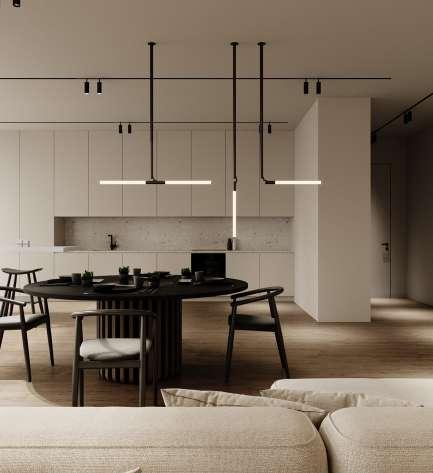
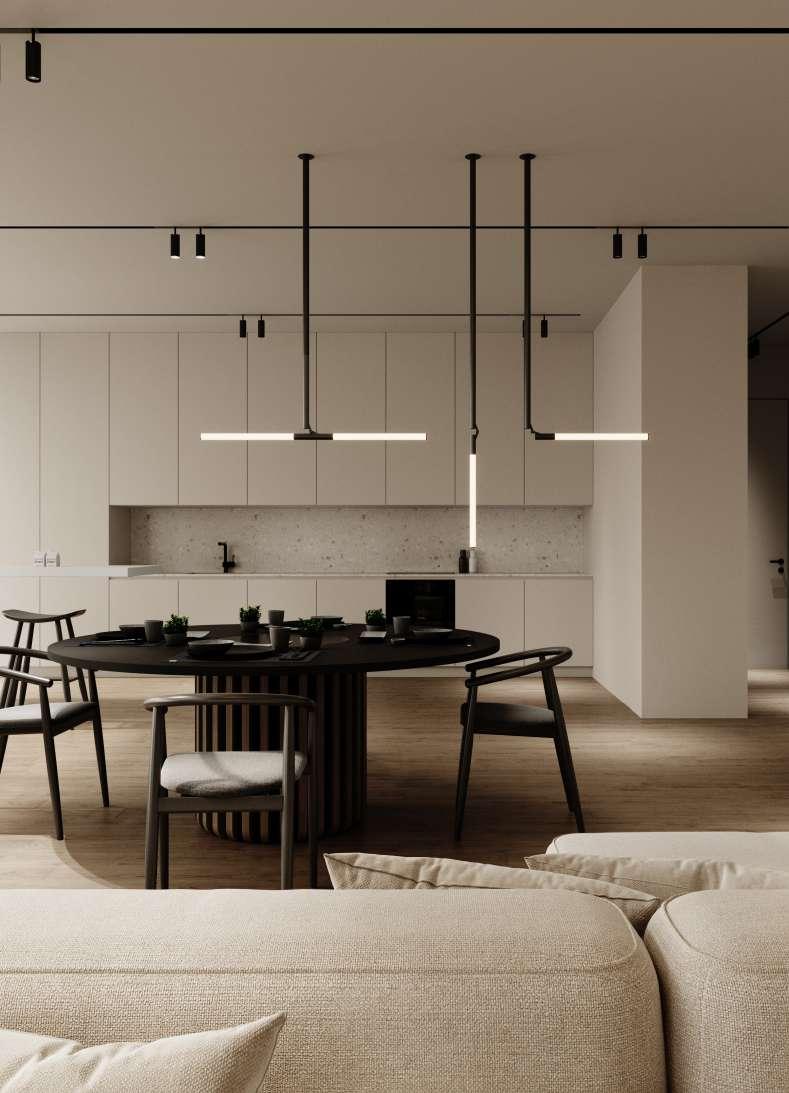
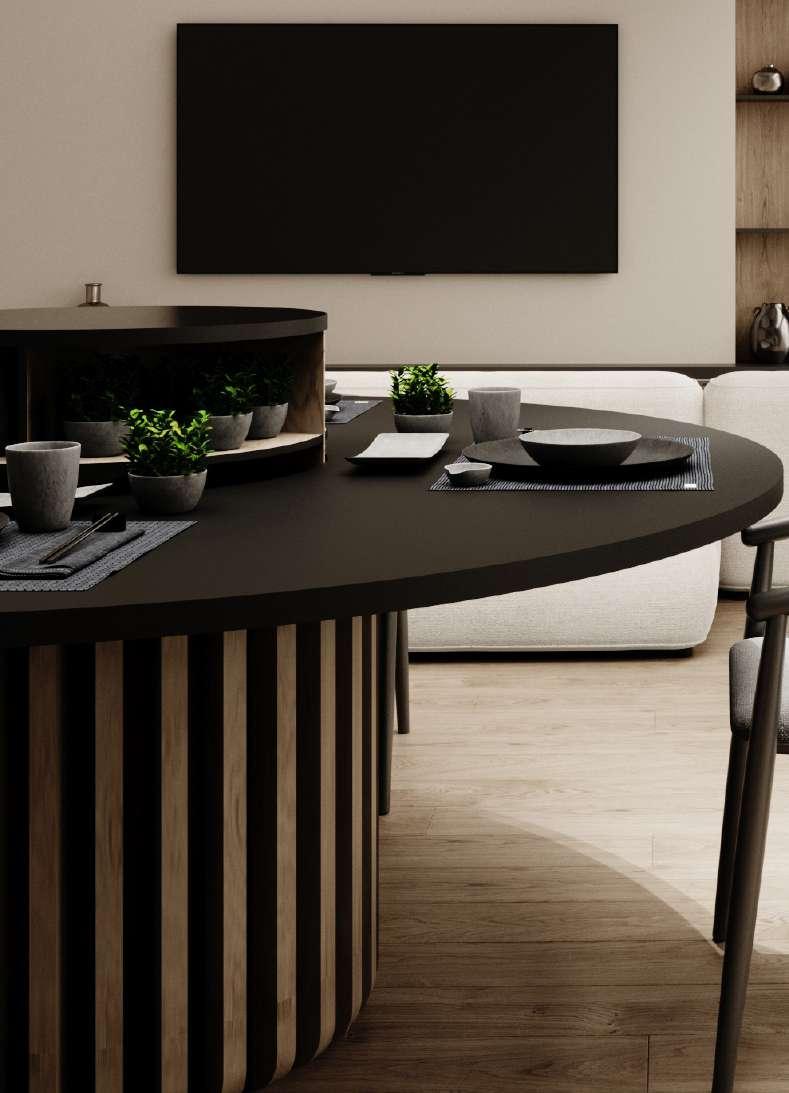
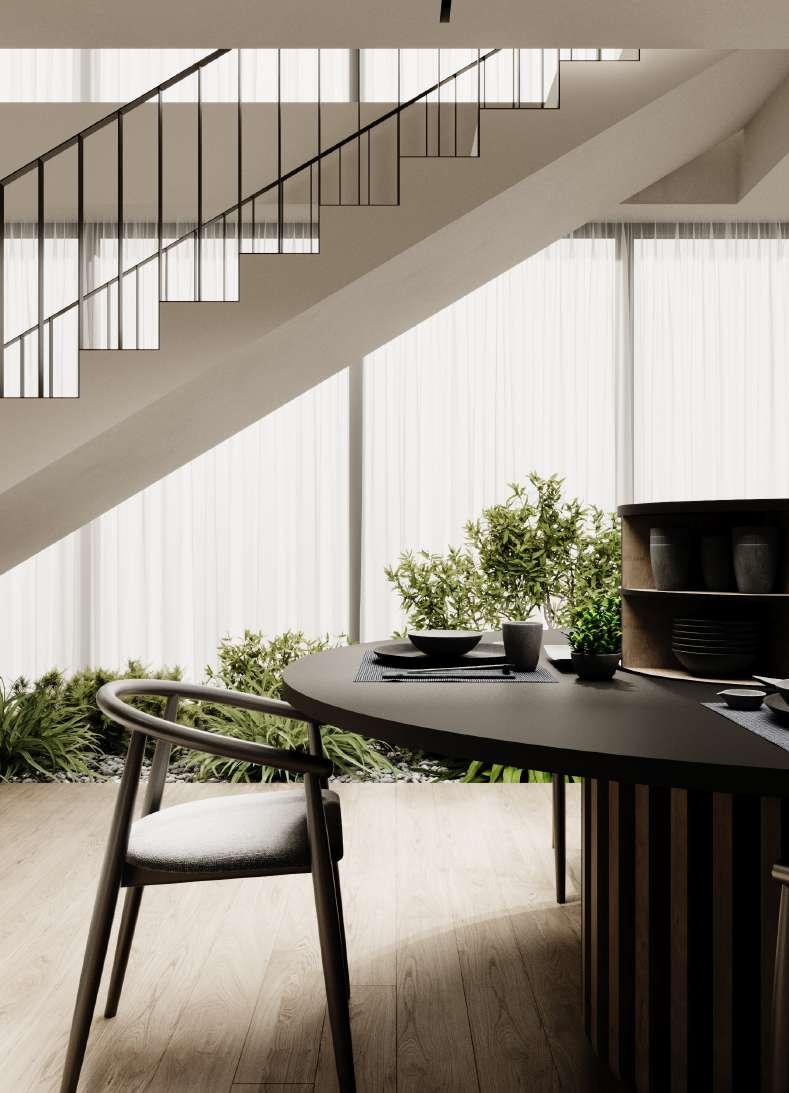
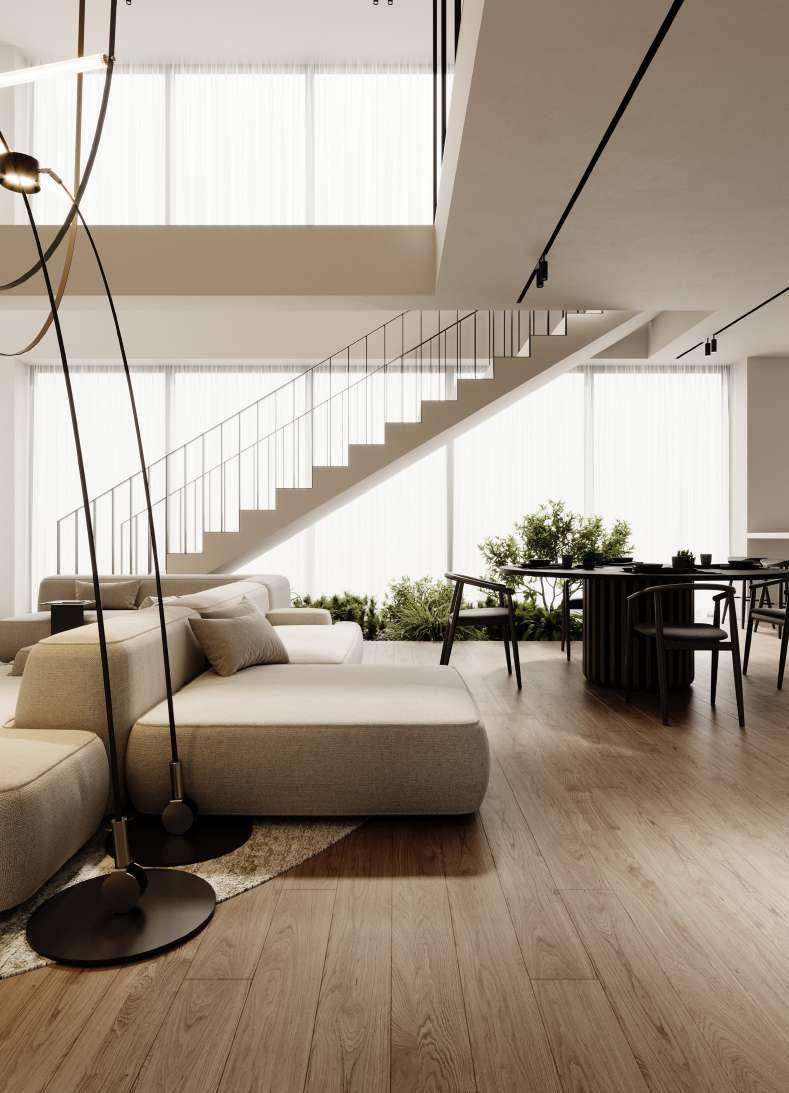
I’m a creative and dedicated Architect with a passion for transforming spaces into functional and aesthetically pleasing environments. I have a strong passion for 3D modeling and rendering, enabling me to visualize and present innovative design solutions effectively. I thrive on projects that challenge me both creatively and functionally, always aiming to create unique, welcoming interiors that reflect my clients’ visions and lifestyles. My commitment to detail and collaboration ensures that each project is not only beautiful but also tailored to meet the specific needs of its occupants.
VINCENZO
SOFTWARE PROFICIENCY
4+ Years Experience
AutoCad
Rhinoceros
3D Studio Max
3+ Years Experience
Adobe Illustrator
Adobe Photoshop
Adobe InDesign
1+ Years Experience
SketchUp
Lumion
PROFESSIONAL SKILLS
Attention to details
Team work
Problem solving
Leadership
Creativity
EXPERIENCES
Freelance Interior Designer | 2023 - current
Worked with private clients on various projects, including residential apartments and commercial offices. My expertise spans from detailed technical drawings to high-quality renderings. I also specialize in product design, focusing on furniture that enhances both aesthetics and functionality.
Intern Architect | 2023 - 2024
Architecture Studio Francesca Maione
Assisted in the design and development of residential and commercial projects by creating 3D models, renderings, and technical drawings. Participated in client meetings, site visits, and collaborated on project proposals.
Junior Product Designer | 2025 - current
Anna Fresa Design
Developed product design solutions from concept to execution within a dynamic studio environment. Responsible for transforming initial sketches into detailed 3D models, refining aesthetics and functionality, and delivering high-quality renderings to support project development.
EDUCATION
Institute of Universal Art and Design, Naples, Italy
Interior Design Bachelor’s Degree | 2020-2024
Umberto I High School, Naples, Italy
Classical High Scool Diploma | 2014 - 2019
LANGUAGE
Italian | Native
English| Fluent
Spanish | Basic
PERSONAL VALUES
Empathy
Sagacity
Dedication
Humility
Punctuality
EXTRA CURRICULAR
Show Room Gennaro Russo | 2023-2024
Product Designer
Arkeda | 2023
Exhibitor
Salerno DoDesign | 2023
Exhibitor
vincenzorago081@gmail.com
+34 600163697
València, España
@vincenzorago.design
+39 3774015859
www.linkedin.com/in/vincenzorago081
01 02 03 04 05 06
UTOPIA
Architecture Project | 2023
O’STELL
Architecture Project | 2024
MONUMENTAL HARBOR REDEVELOPMENT
Urban Design | 2023
DEEP GAME
Product Design | 2024
ARTU’
Product Design | 2024
TINY HOUSE
Architecture Project | 2022
Year | 2023
Category | Architecture Project
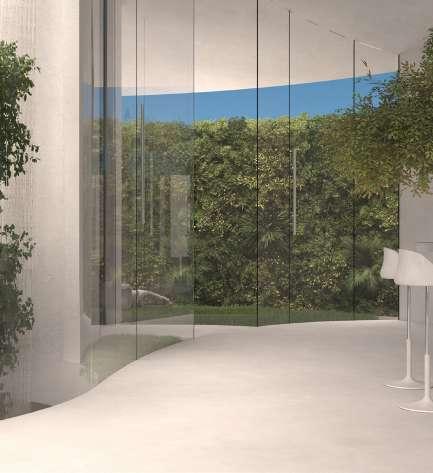
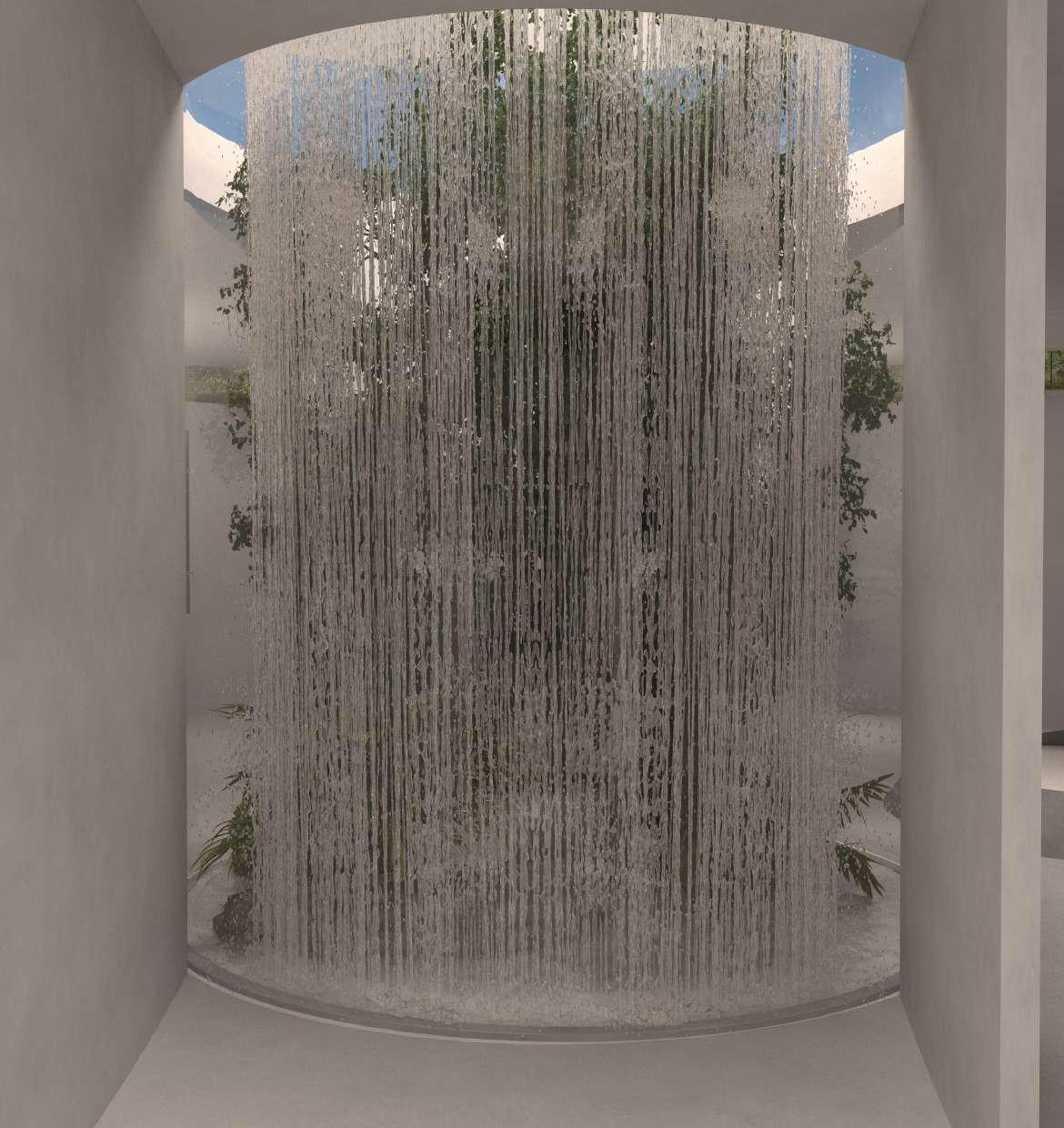
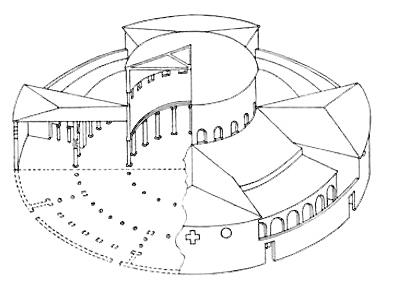
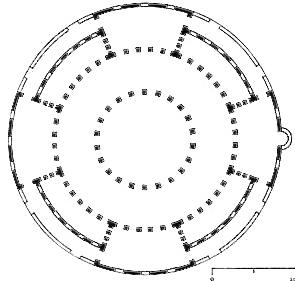
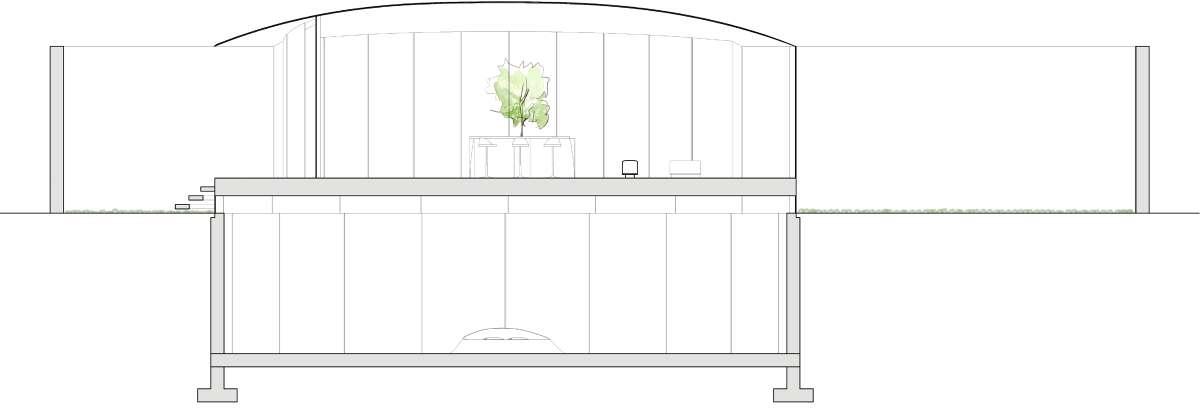
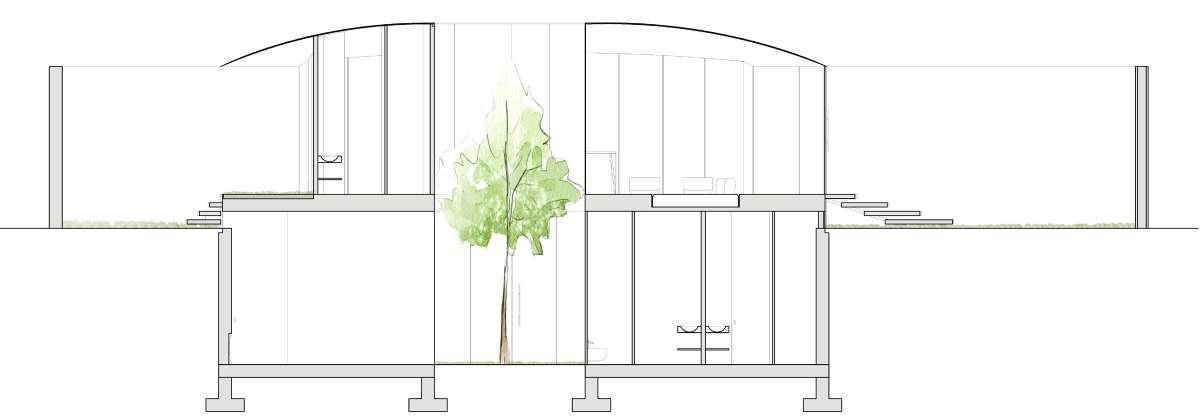
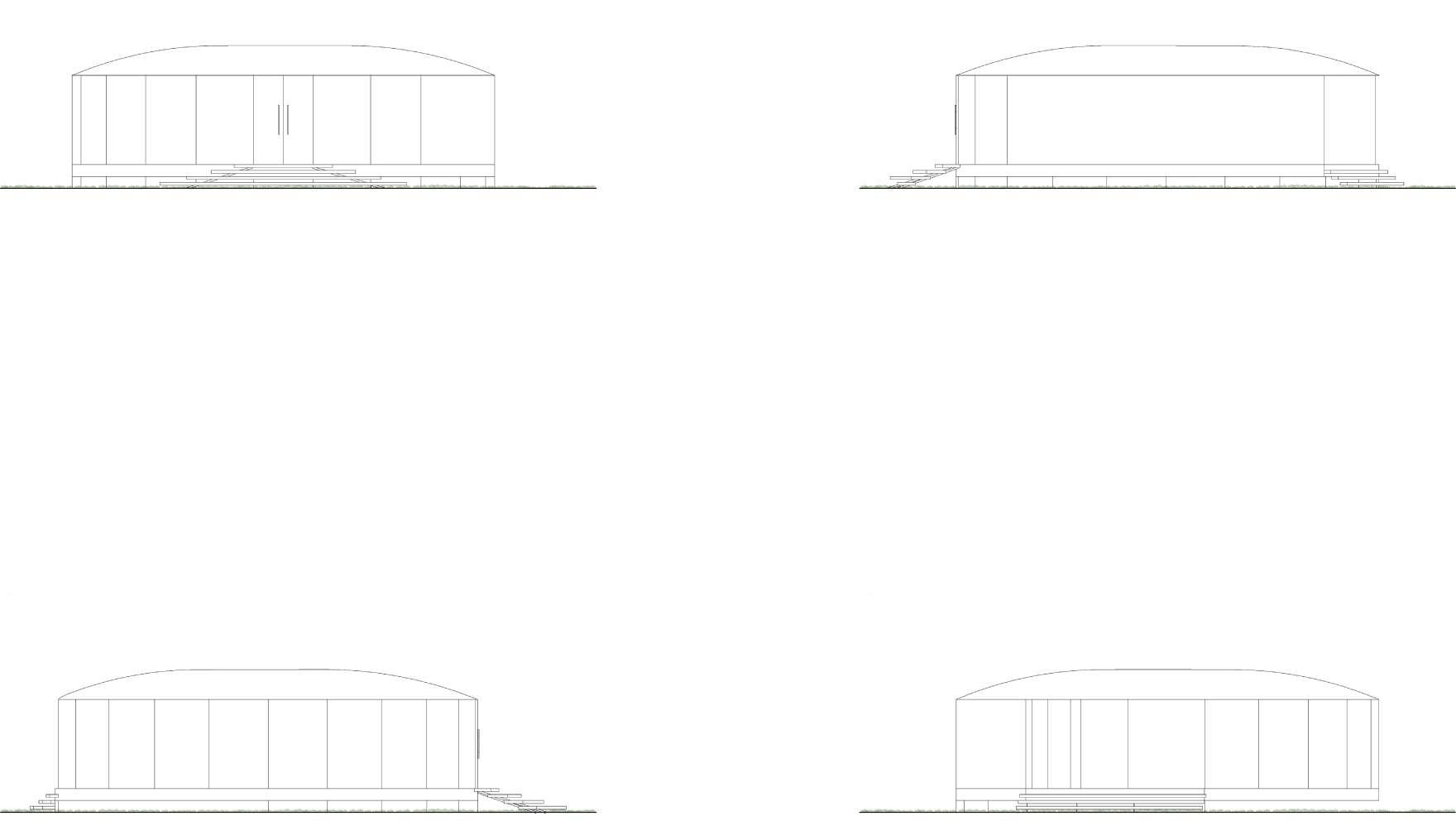
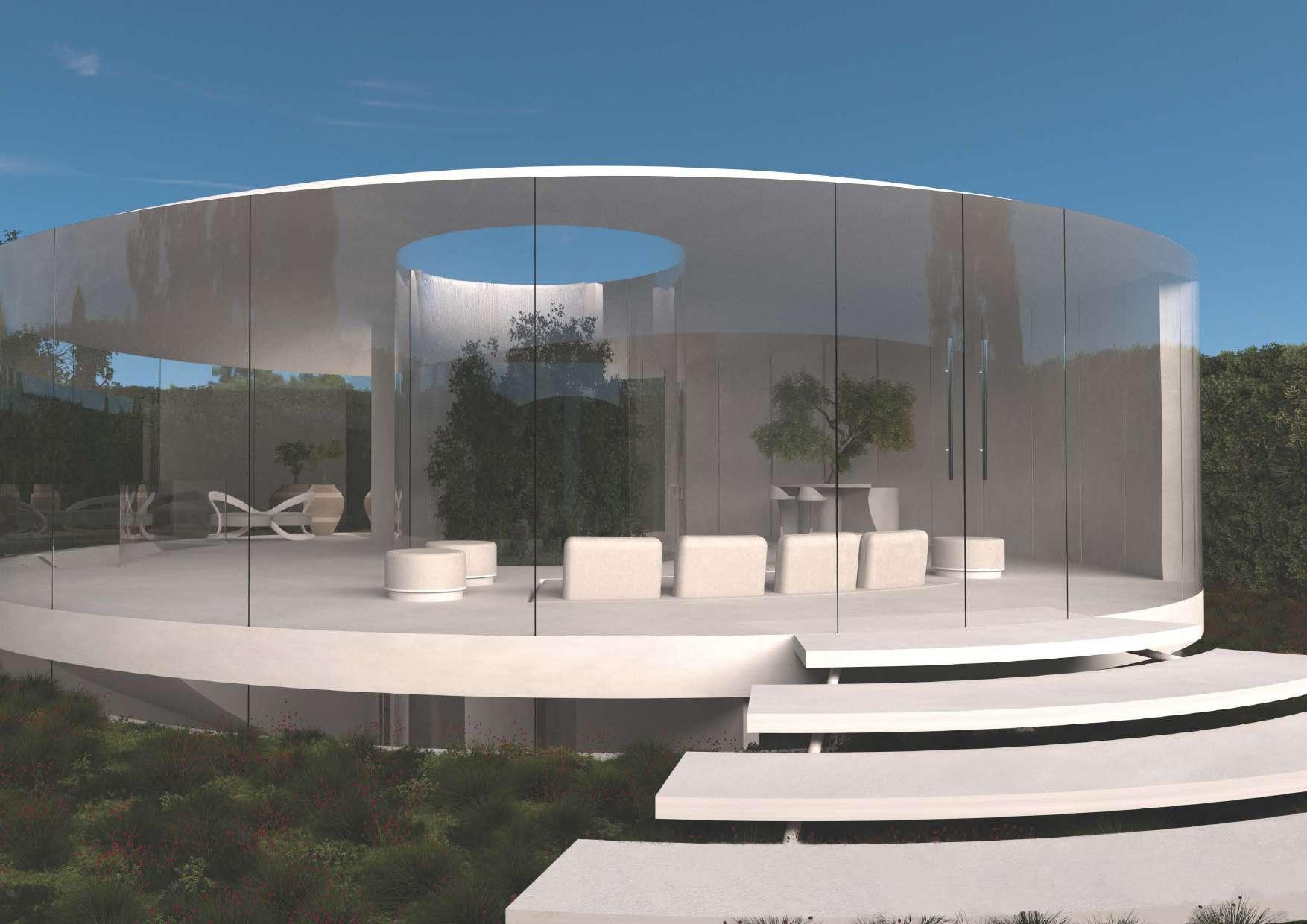
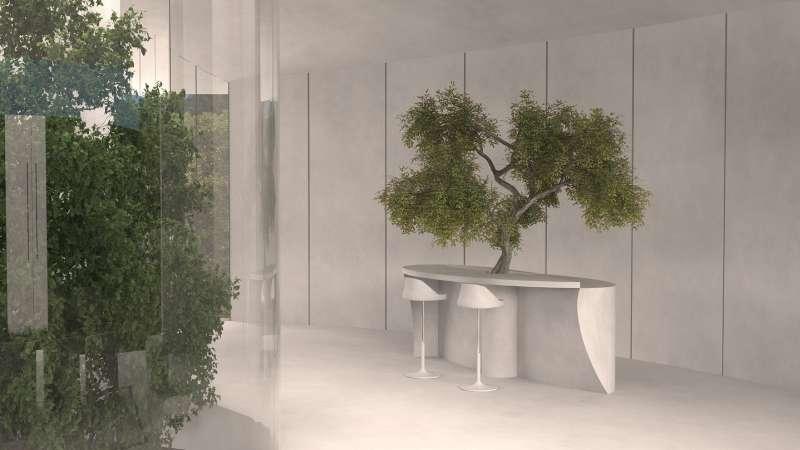
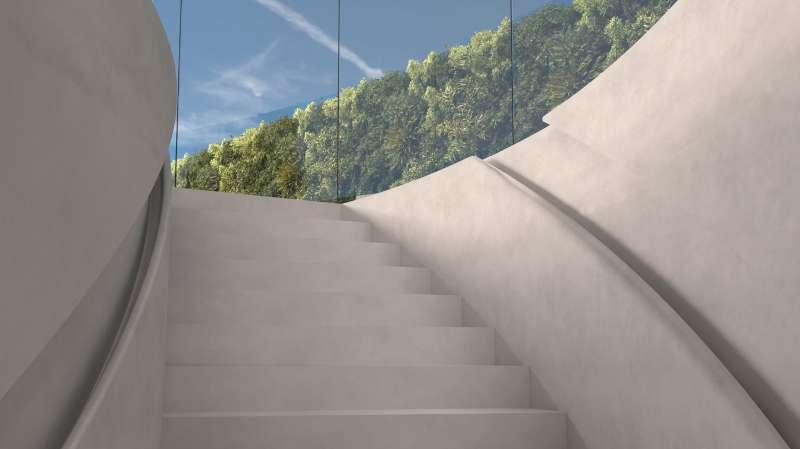
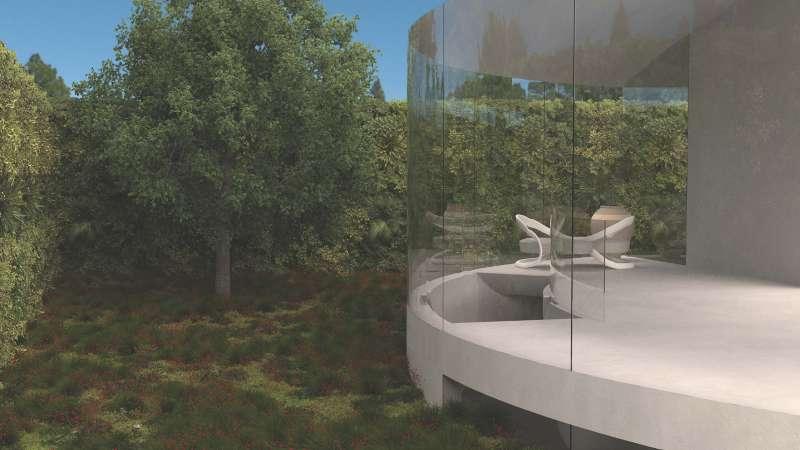
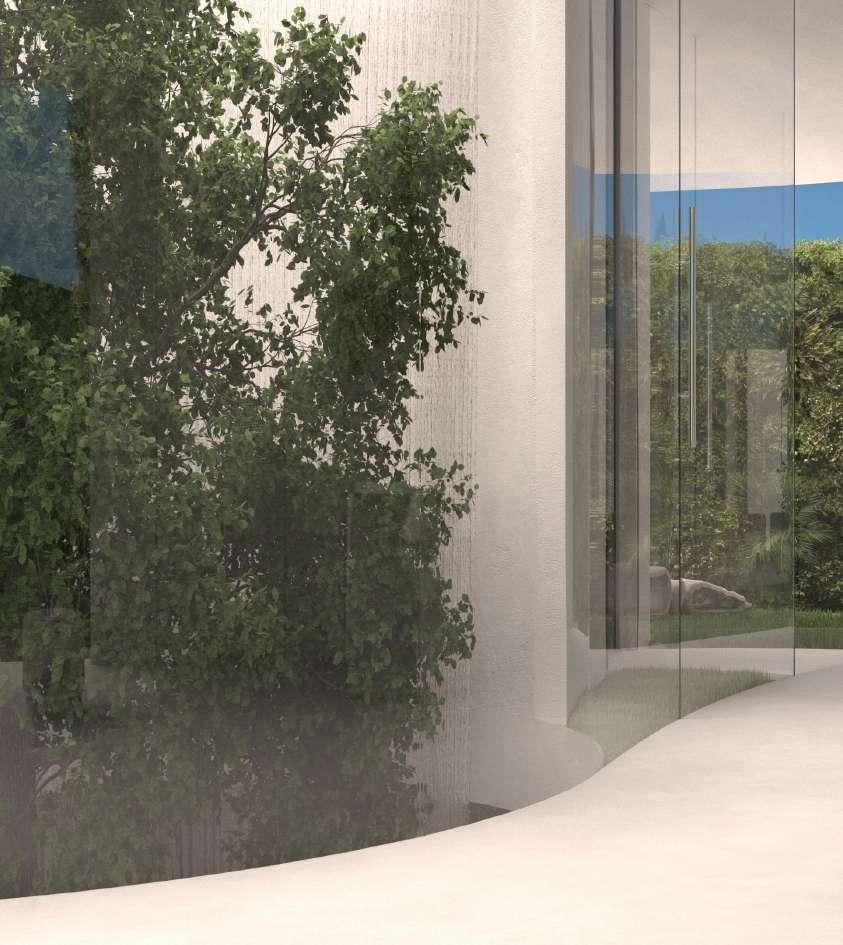
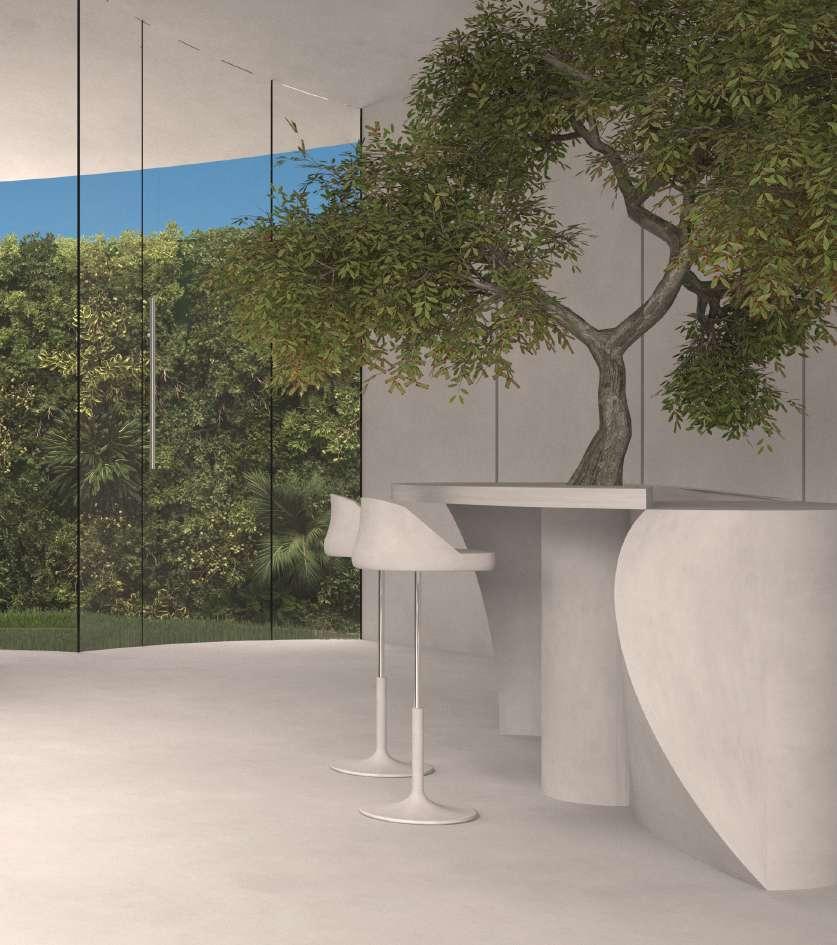
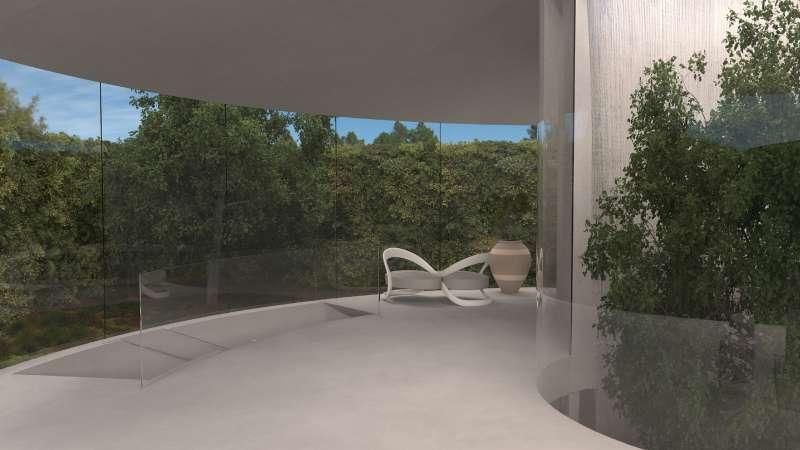
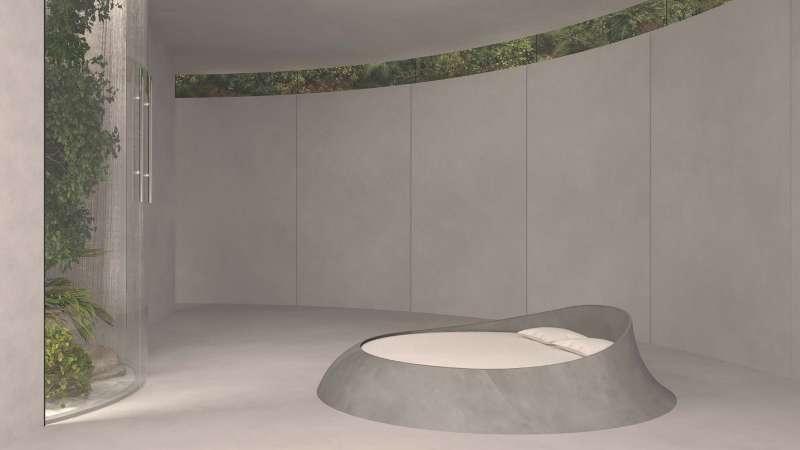
Utopia is a type of experimental dwelling for single-family units which, in addition to serving as a residence, aims to create an anthropocentric environment with the purpose of isolating humans from society, placing them in a minimalist functional environment in pertect harmony with nature, life, and its sacred simplicity. The structure draws inspiration from the central plan and concept of Byzantine churches, reinterpreting the characteristic dematerialization given by the famous mosaics through the surreal architectural purism of the post-war period and abstraction, thus offering a new, more modern interpretation of the same conpect. From the exterior, the lightness of the root is evident supported by two particular features: its construction withself-supporting carbon fiber panels, and how this covering is laid with unusual lightness and elegance on a rare circular structure of high-quality structural glass, consisting of layers of tempered or laminated glass reinforced with layers of resistant materials such as structural glass or fiberglass-reinforced glass, providing the material with strength that when combined with the right technologies, can have structural significance.
Concept
SANTO STEFANO ROTONDO
SANTO STEFANO ROTONDO
SANTO STEFANO ROTONDO
SANTO STEFANO ROTONDO
BASEMENT
FLOOR PLAN GROUND FLOOR PLAN ROOFING PLAN
Sezioni
TIPO B-B’
SECTION
Year | 2024
Category | Architecture Project
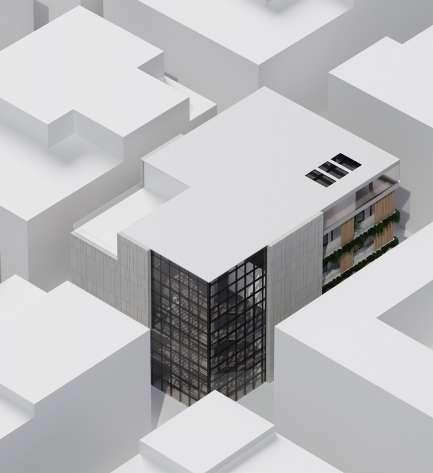
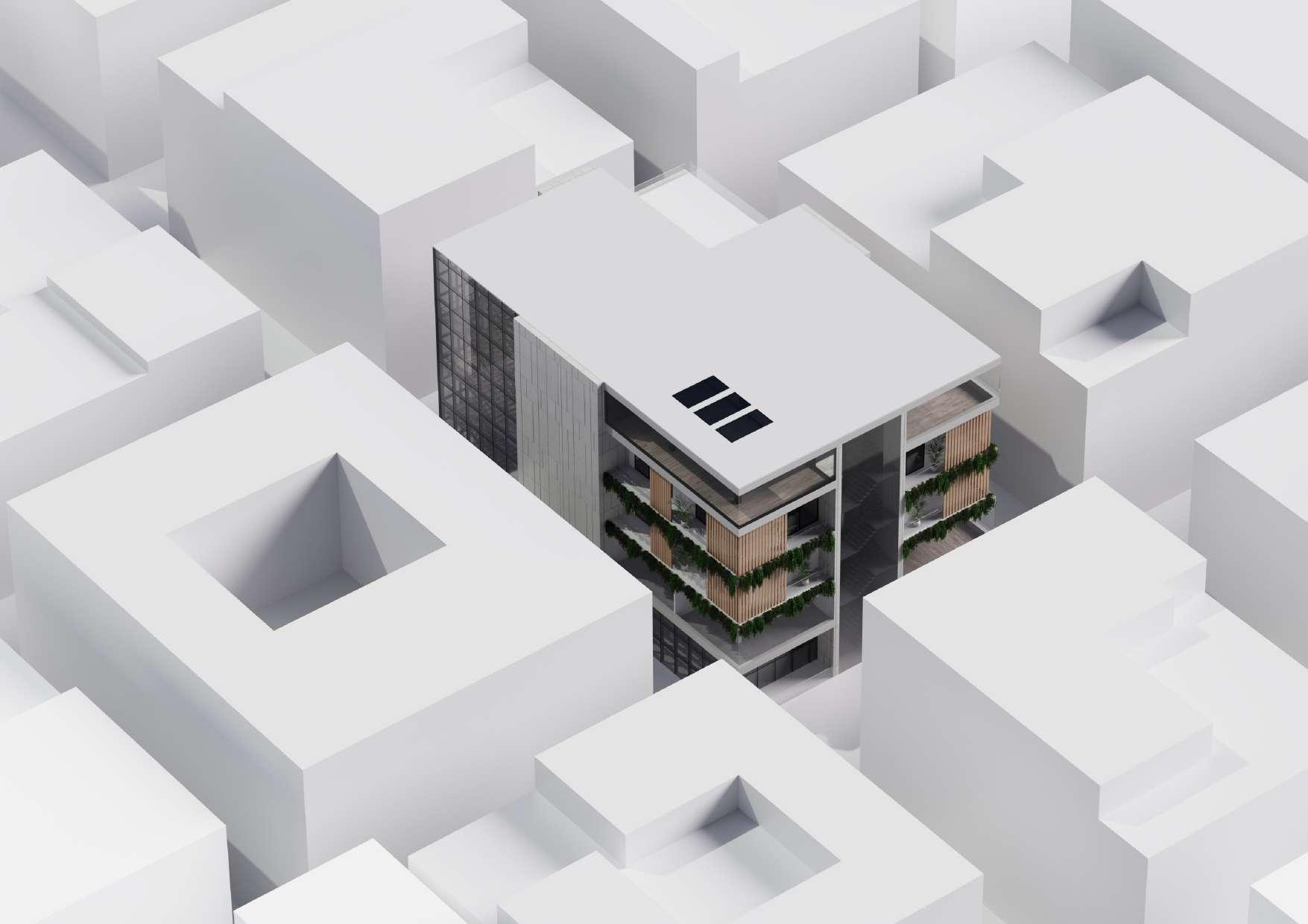
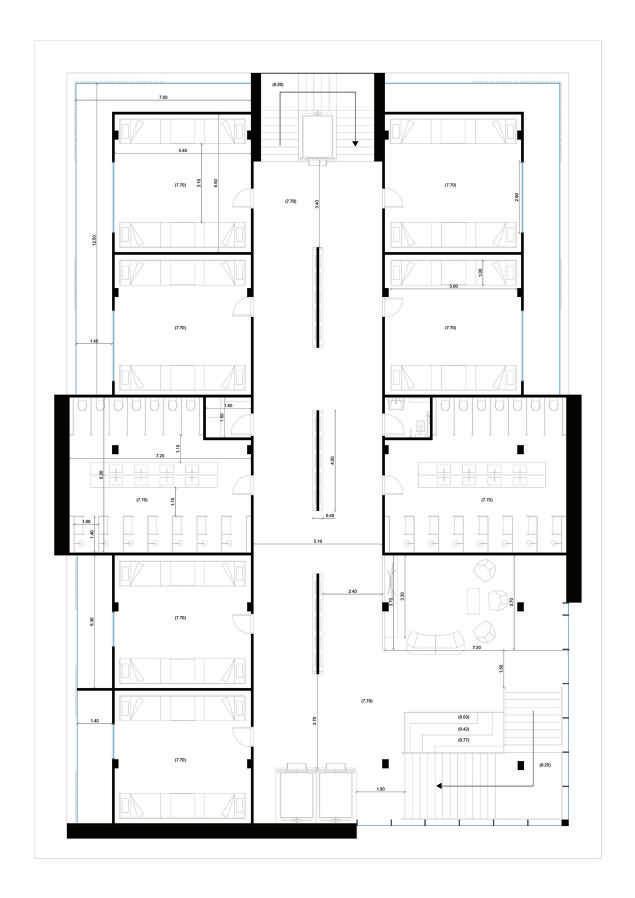
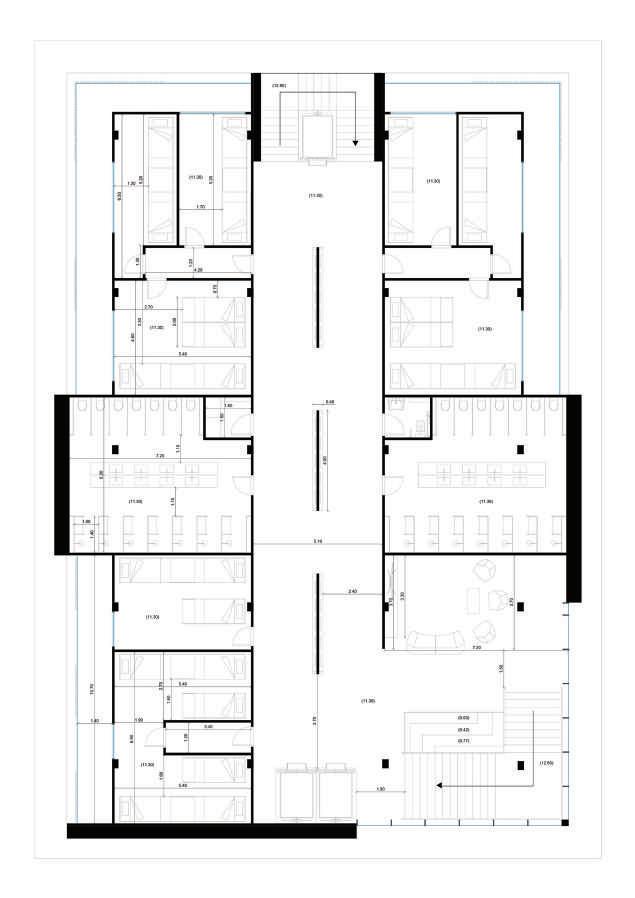
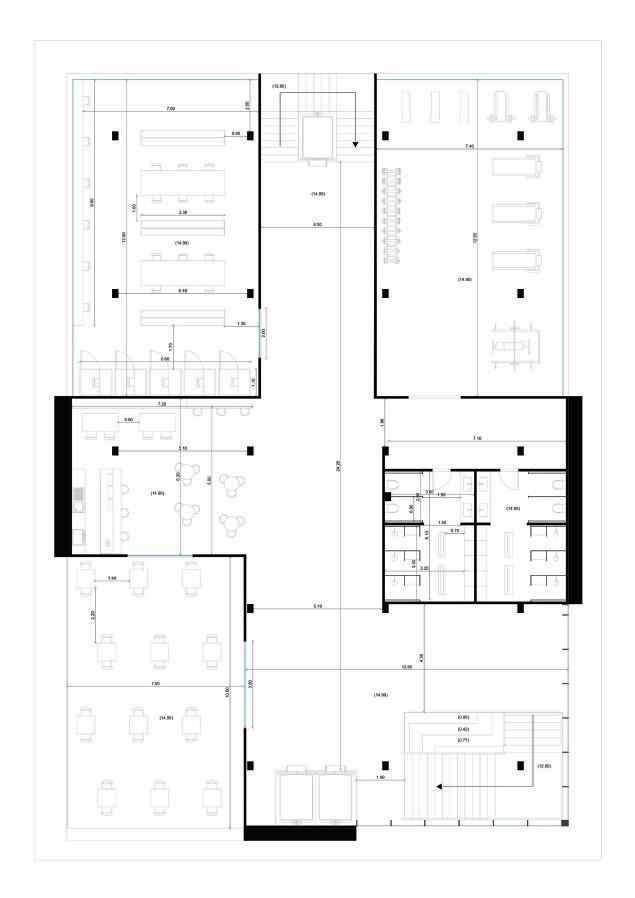
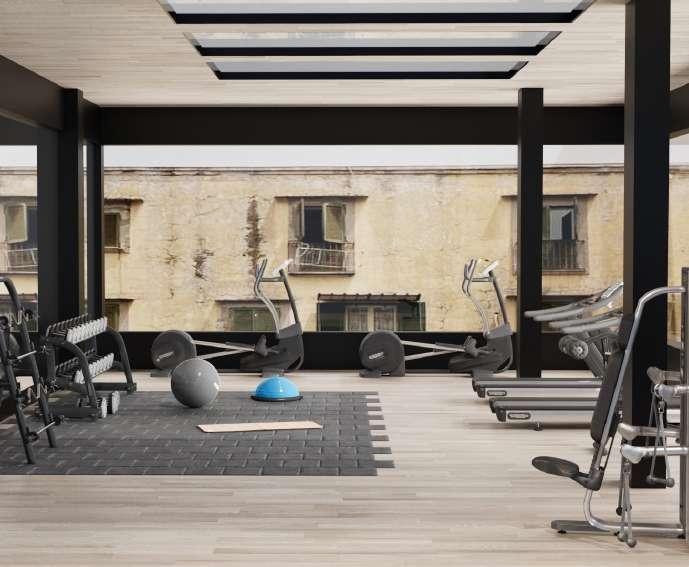
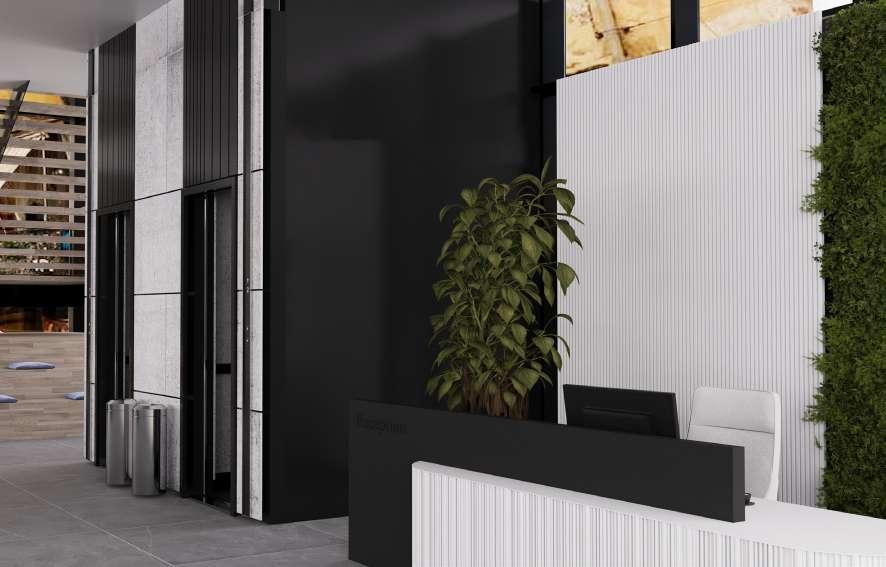
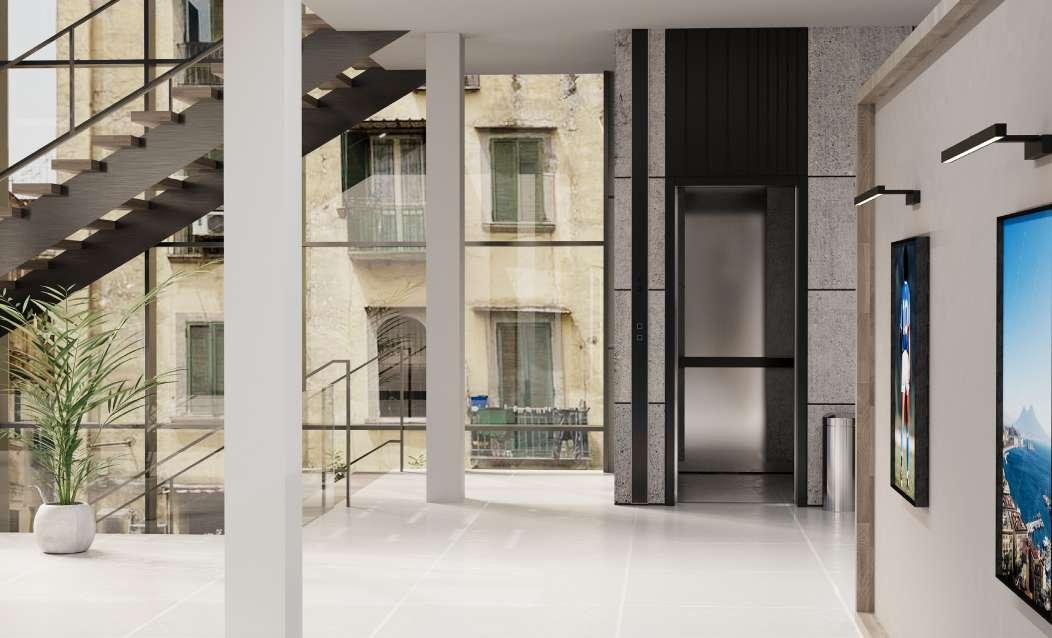
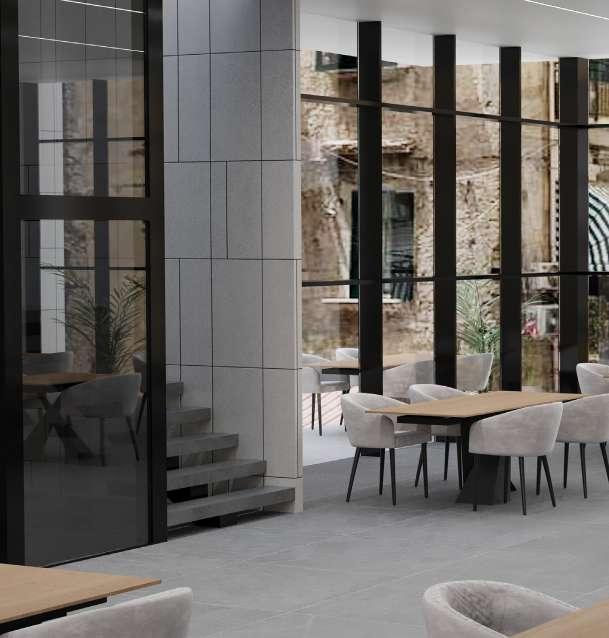
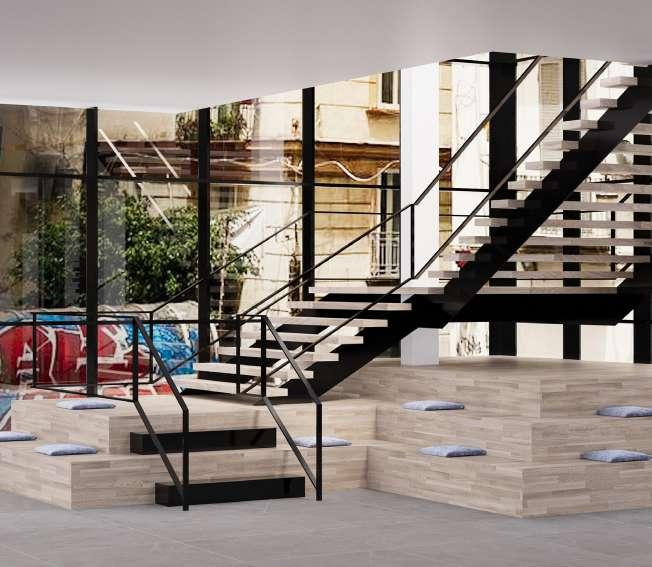
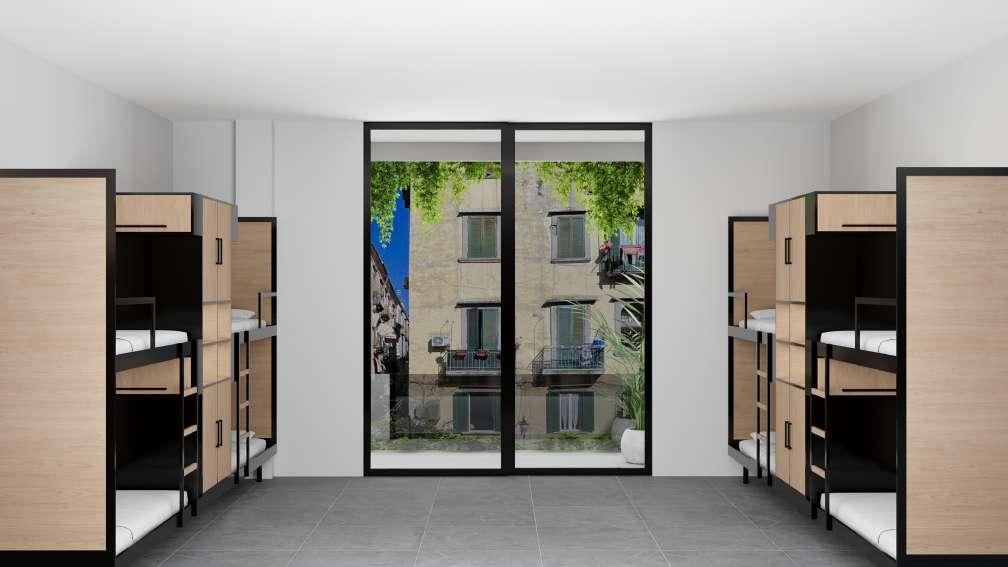
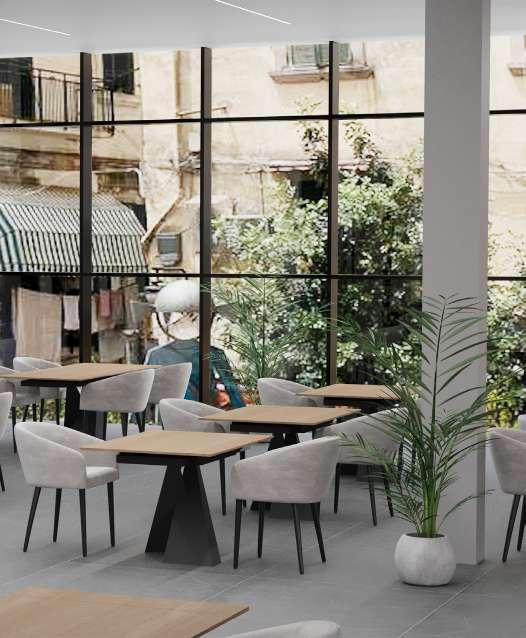
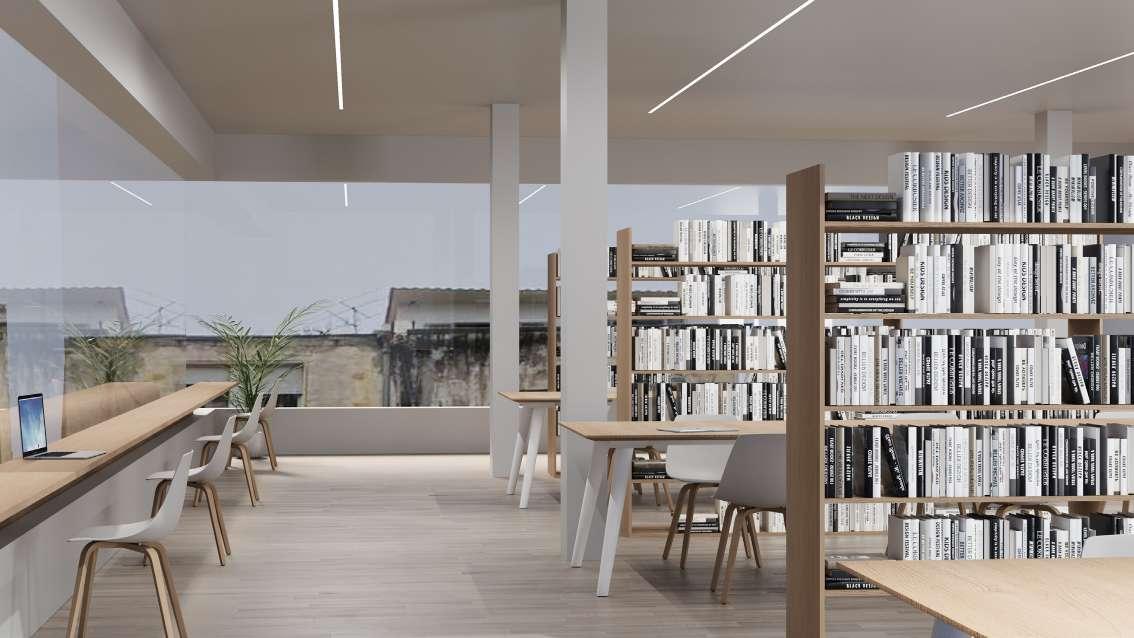
Moving beyond the stereotype of the traditional youth hostel, originally designed to offer affordable travel for young people, the luxury hostel redefines the concept of a short but high-quality stay. This approach maintains the communal and participatory spirit of the original concept. In this context, a new luxury hostel located in the heart of a vibrant and historic urban area serves as a perfect example of this evolution.
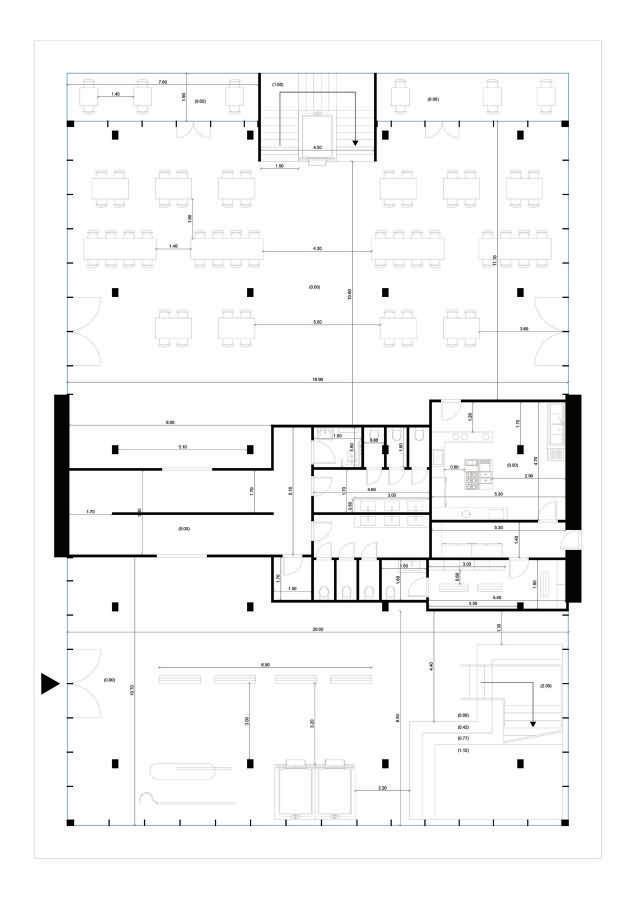
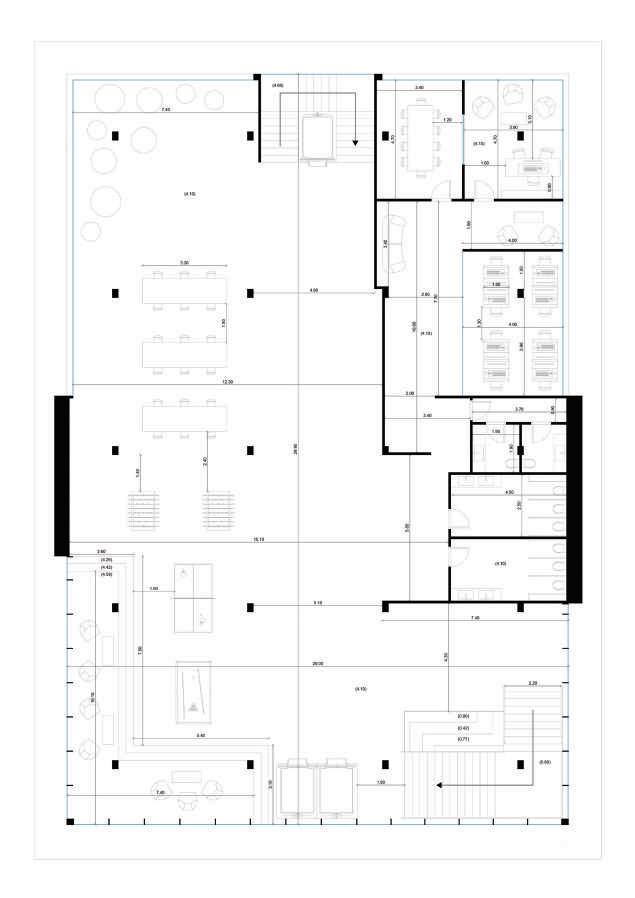
“O’stell” combines affordability with top-tier services, offering a unique experience that challenges traditional hostel stereotypes. Guests can enjoy elegantly furnished rooms, stylish common areas, modern amenities like high-speed Wi-Fi, gourmet breakfasts, and spaces dedicated to relaxation and networking. The hostel bridges the gap between the comfort and elegance of high-end hotels and the welcoming, communal atmosphere typical of hostels. Situated in a culturally rich and lively area, “O’stell” is immersed in an environment full of history and tradition. By choosing this location, guests are provided with an opportunity to experience a more authentic and immersive stay, exploring the local streets, enjoying regional cuisine, and engaging with the vibrant neighborhood life. “O’stell” represents a new frontier in hospitality, where quality accommodation is seamlessly blended with cultural discovery and social interaction. This project shows that it is possible to innovate while respecting the historical and cultural essence of a location, offering a rich and rewarding experience that attracts a diverse international clientele. Thus, “O’stell” is not just a place to stay but a center for cultural exchange, contributing to the enhancement and promotion of local heritage.
GROUND FLOOR FIRST FLOOR SECOND
THIRD FLOOR
FOURTH FLOOR
monumental harbor redevelopment
Year | 2023
Category | Urban Design
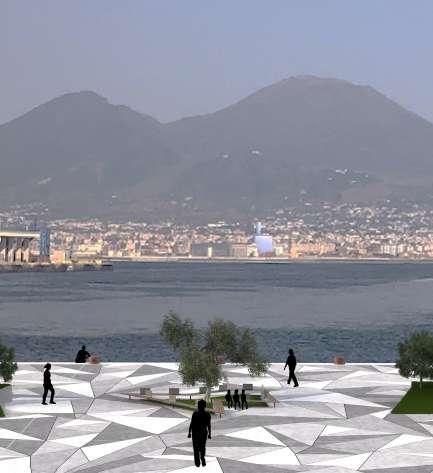
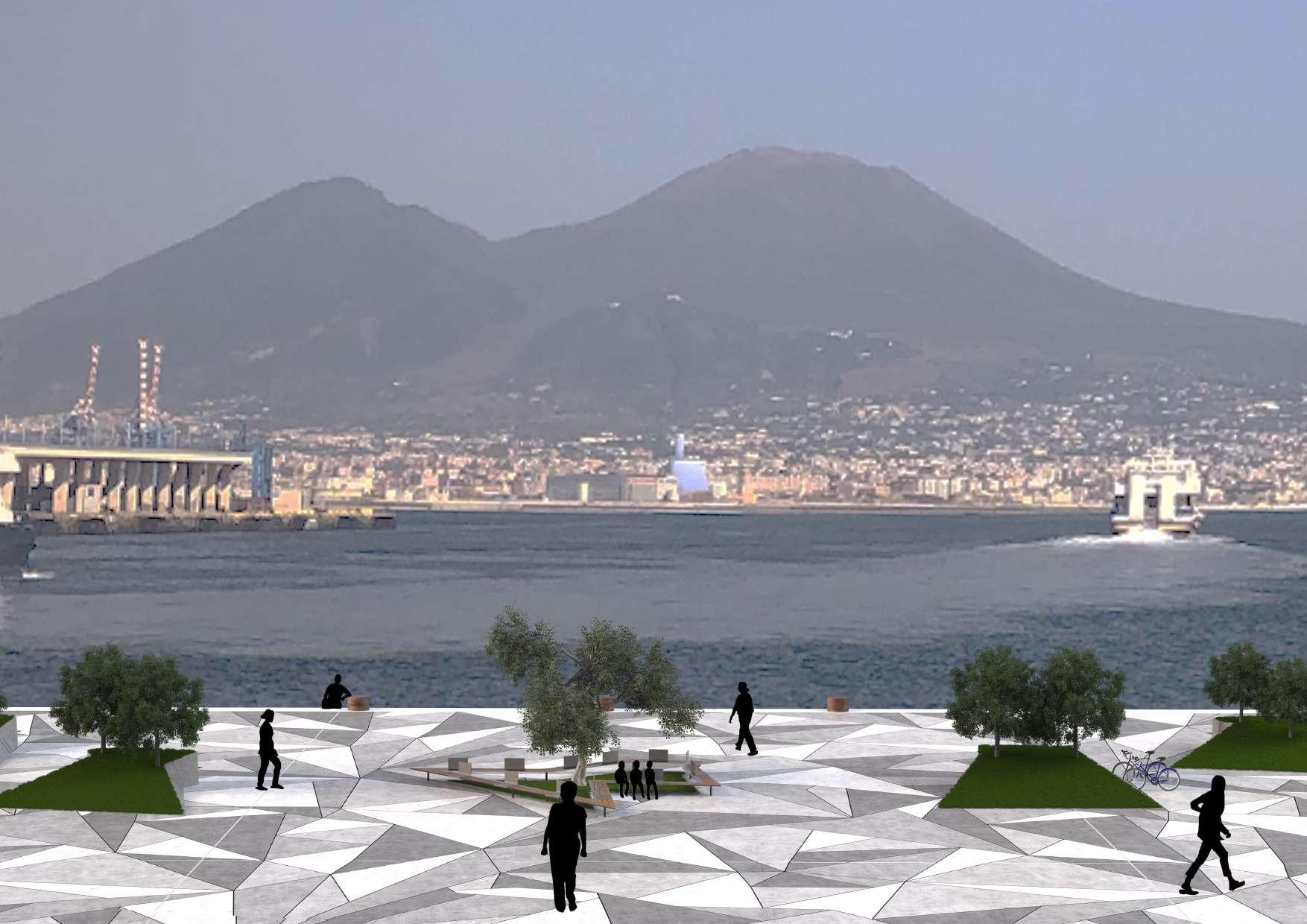
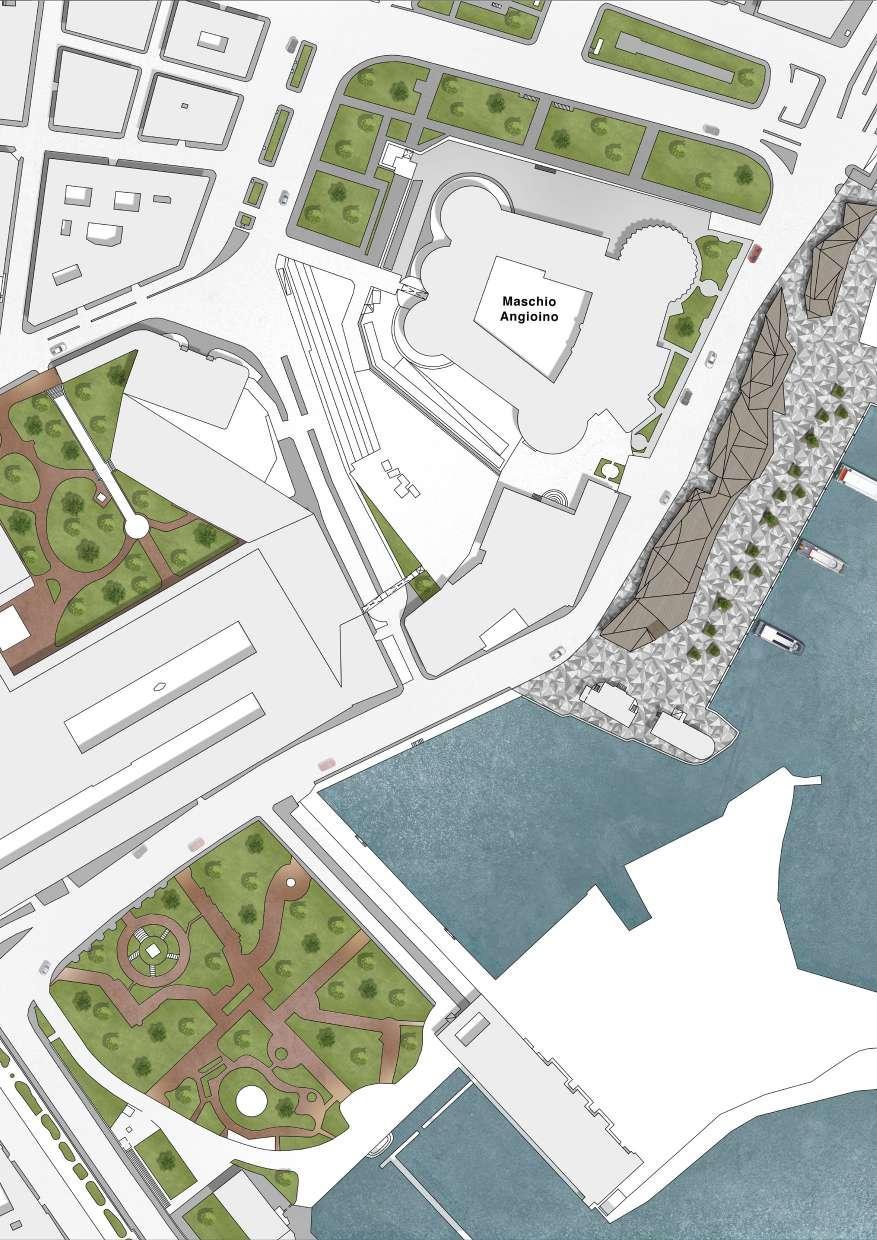
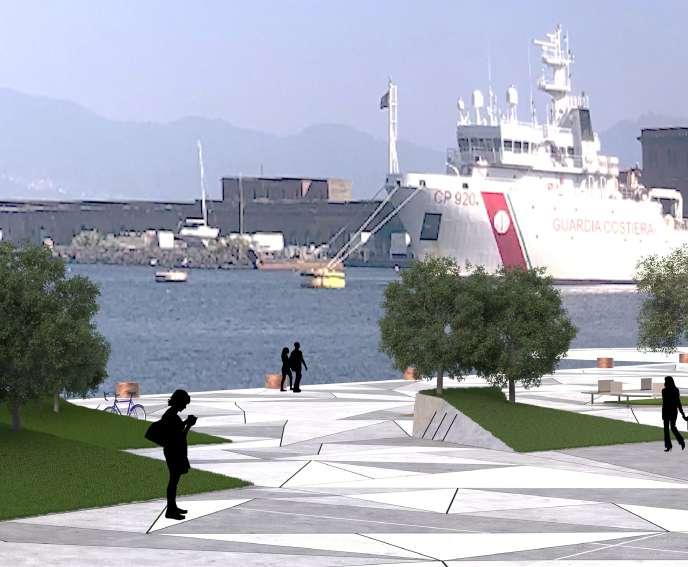
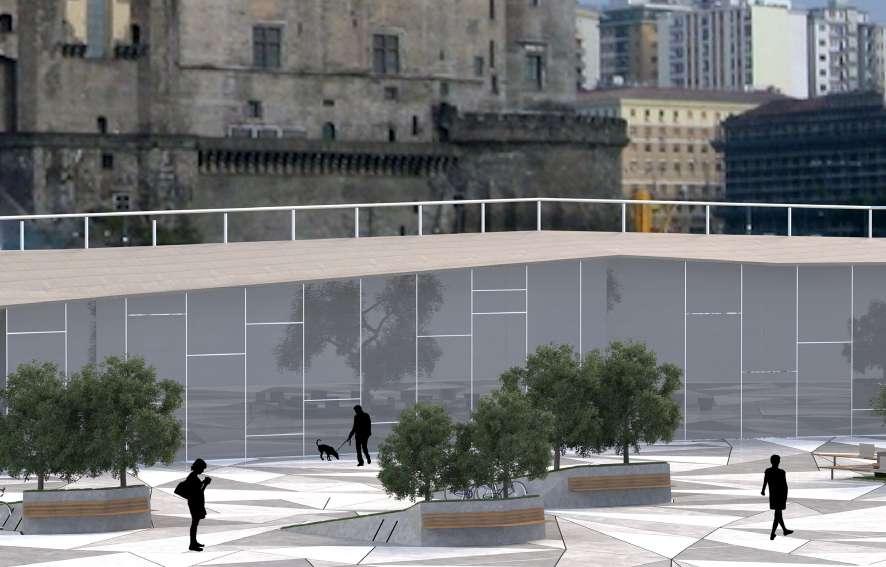
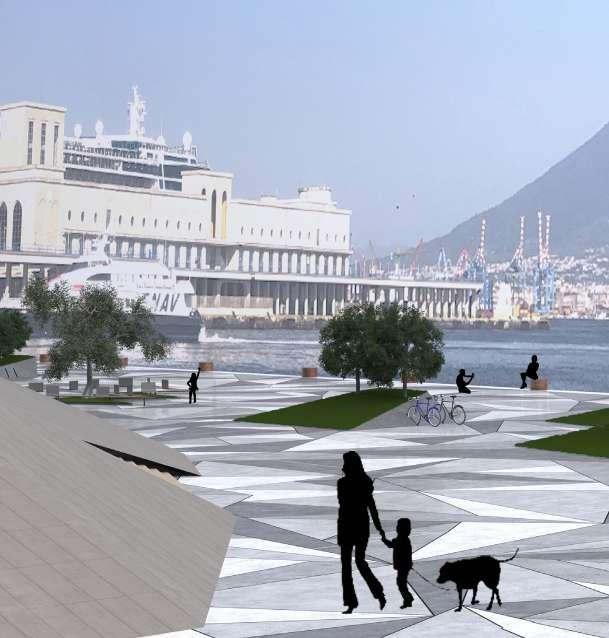
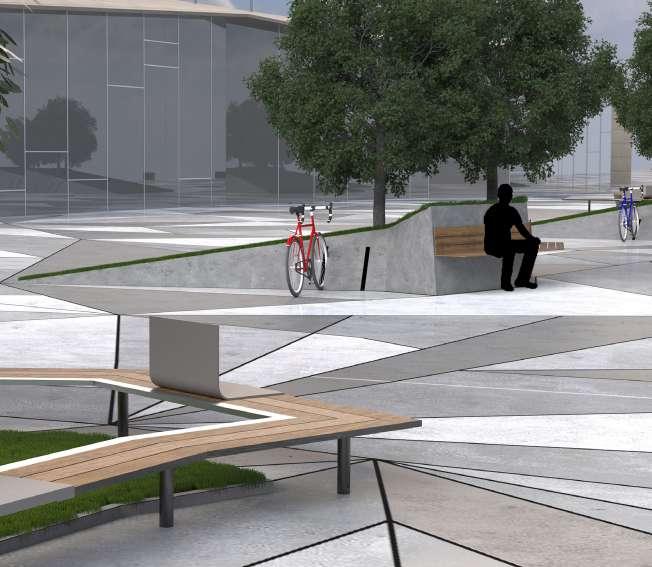
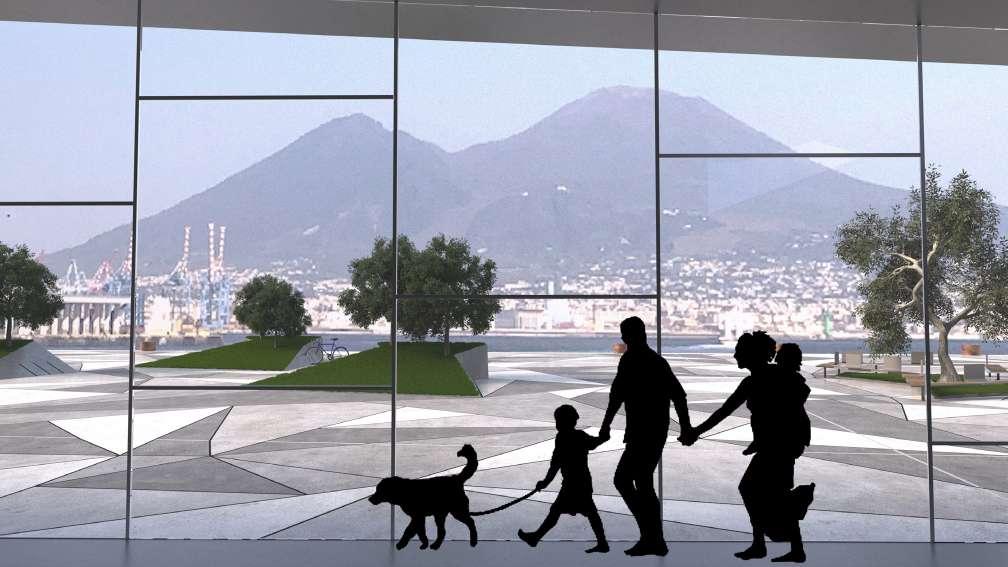
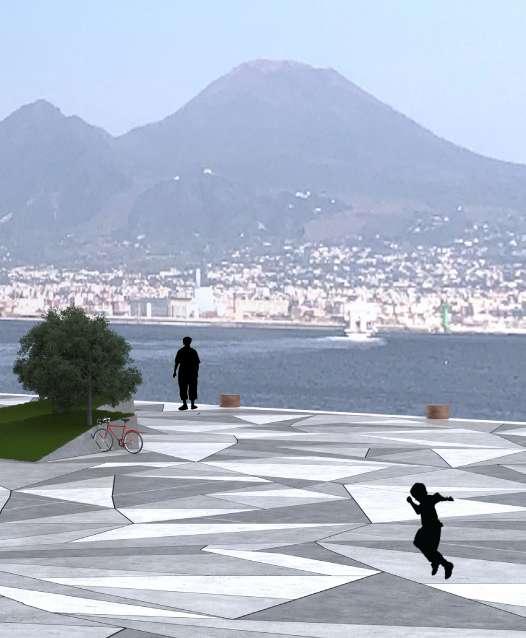
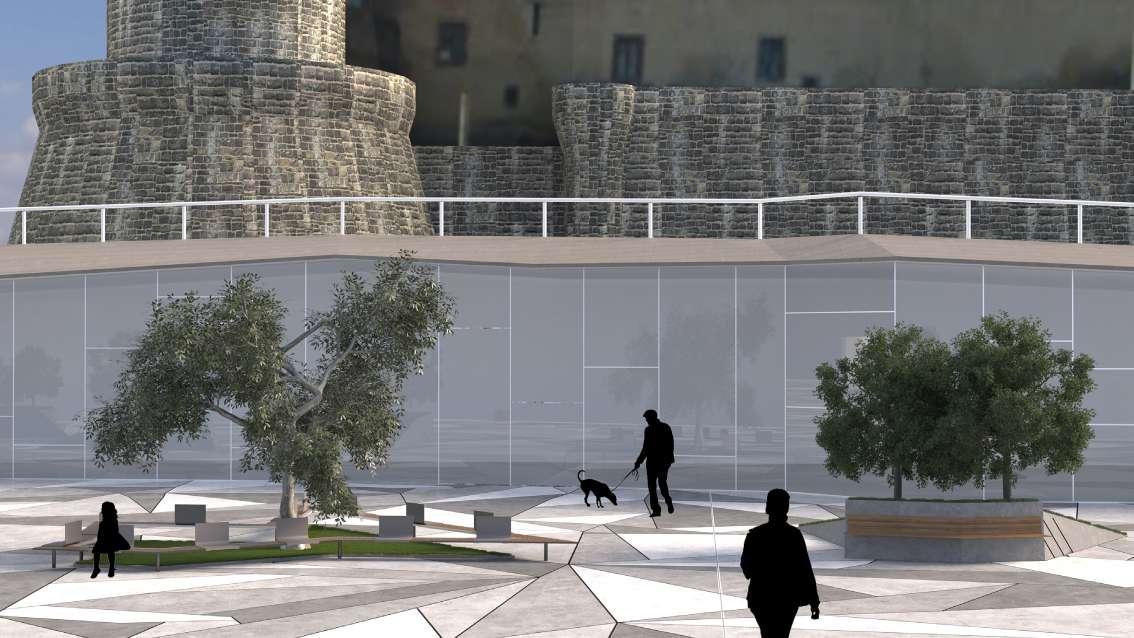
The redevelopment project of the Monumental Port of Naples, by T-Studio, an italian archiecture firm, intervenes in the interface area between the port and the ancient city, developing a complex urban project capable of connecting different parts of the waterfront. Linking the long perimeter of the port area of Naples to the monumental center of the city, it envisages the creation of a soil system called “filtering line”. This transforms the separation into exchange and correlation between urban and port resources, imagining a strong connection between the remarkable places of the city and the various functional parts of the port. At the heart of the project is precisely the filtering line, which involves the creation of a linear system of equipped areas with public green spaces, pedestrian and cycle paths. The filtering line reorganizes the flows of mobility by separating urban from port ones, prepares pedestrian paths and connections between city and port, rationalizes port gates, creates service facilities, versatile volumes, underground parking, and transforms the port boundary into a great resource for the city. Among the criticisms found in the T-Studio project, there is surely the absence of external parking areas, which passers-by and tourists must necessarily be able to use, to wait for ships and/or ferries, or even just to have a place to rest.
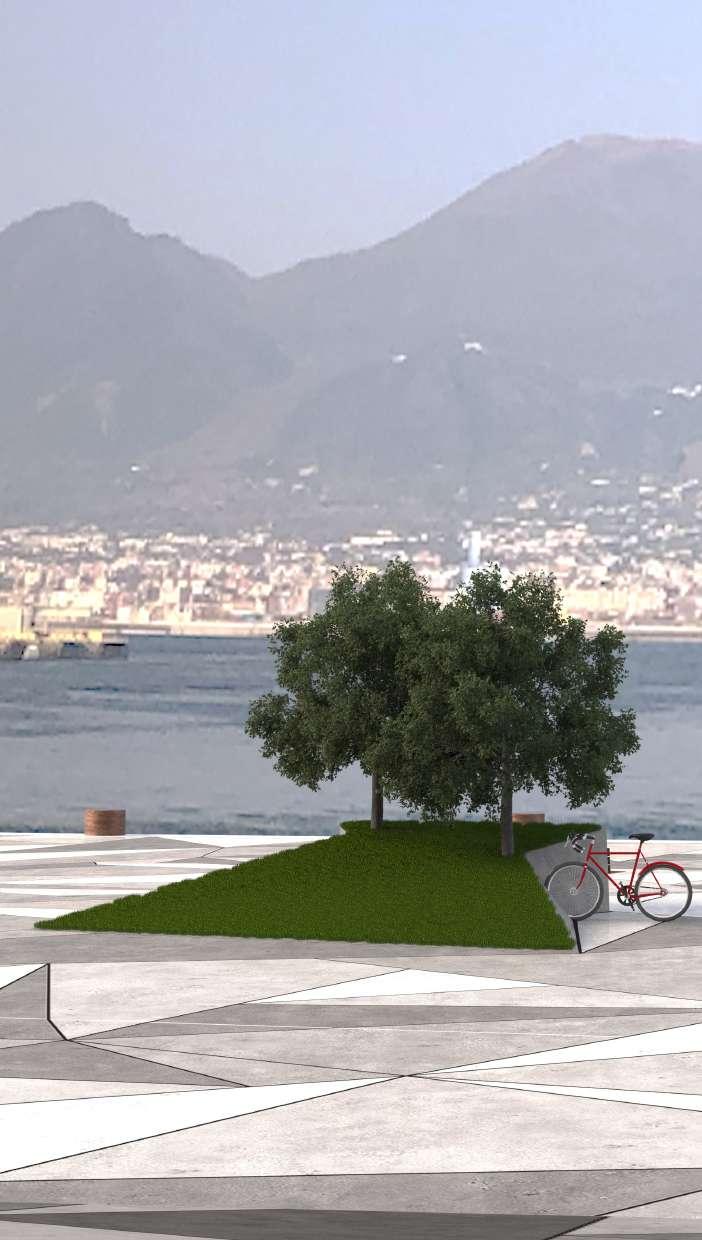
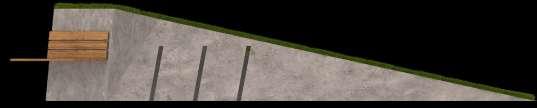
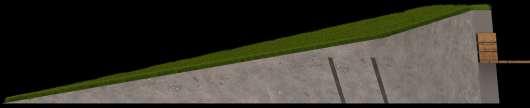
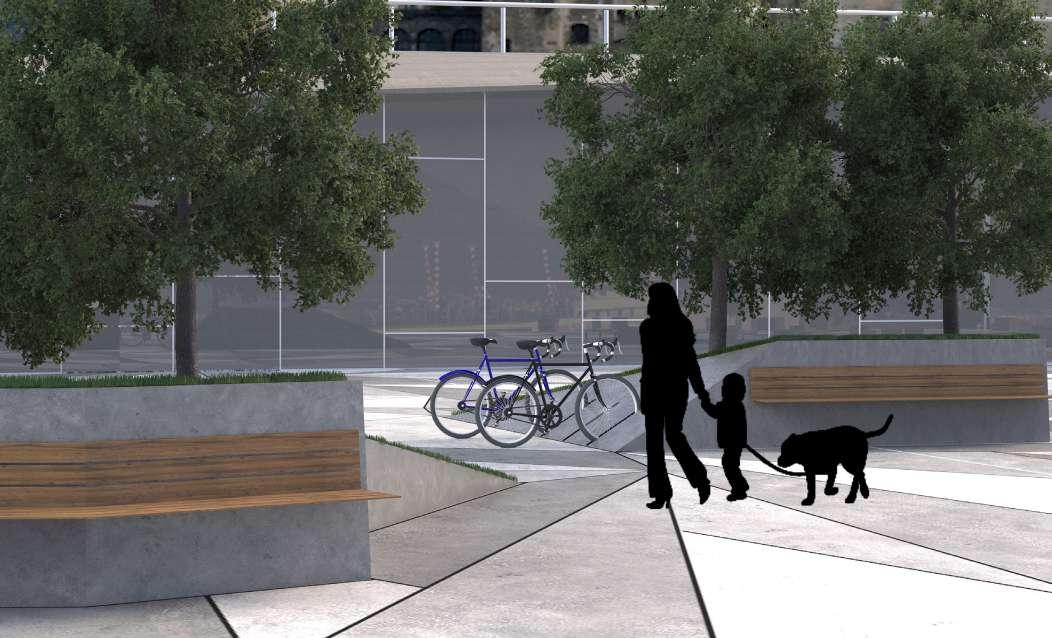
Another issue is the sterility of the proposed pavement in the project by the Roman studio, which appears monotonous and heavy, also due to the use of a single material. In the proposed redevelopment intervention, efforts are made to address these shortcomings by adding various parking areas, in the form of “urban sculptures” and benches, as well as a total modification of the pavement in the area. Thanks to the composition extrapolated from the triangular forms of the terminal, and the use of multiple materials, the pier is given a new dynamism.
masterplan
The masterplan of this area in Naples aims to transform this key waterfront location into a vibrant and integrated urban space that serves as a gateway to the city. This comprehensive redevelopment project focuses on enhancing port facilities while creating a seamless connection with the surrounding urban environment. The plan includes modernizing the existing port infrastructure to accommodate a greater number of ferries and cruise ships, improving passenger services, and streamlining operations with state-of-the-art terminals. These upgrades will ensure efficient transit and a more pleasant experience for both locals and tourists. In addition to enhancing port operations, the masterplan envisions the development of new public spaces, including parks, plazas, and pedestrian-friendly promenades. These spaces will offer stunning views of the bay and provide venues for community events, leisure, and cultural activities. The design prioritizes accessibility, with improved transportation links that connect the pier to Naples’ city center, including enhanced bus routes and pedestrian pathways. Commercial areas will feature cafes, restaurants, and shops that showcase local culture and cuisine, turning the pier into a bustling destination for dining and shopping. The masterplan seeks to blend maritime, commercial, and recreational elements to create a cohesive and lively urban waterfront that enhances the city’s appeal and fosters economic growth.
FRONT VIEW
RIGHT VIEW
BACK VIEW
LEFT VIEW
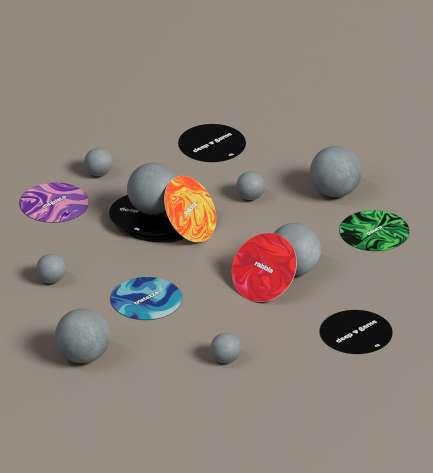
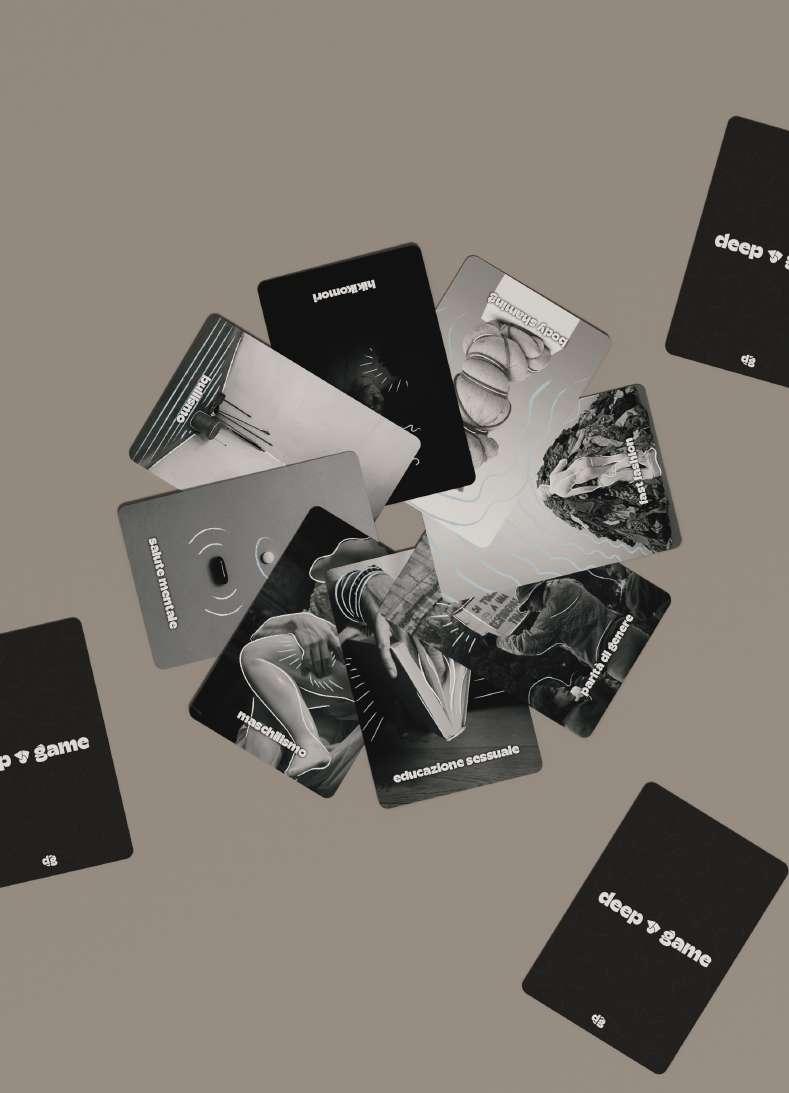
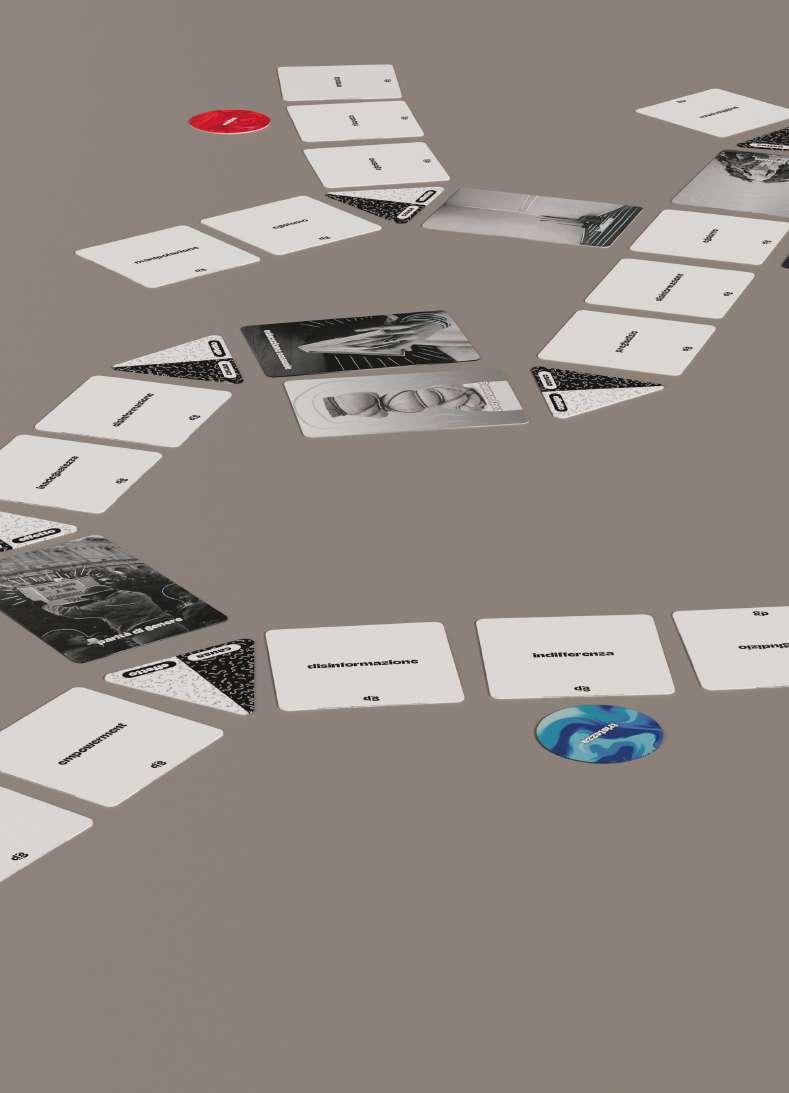
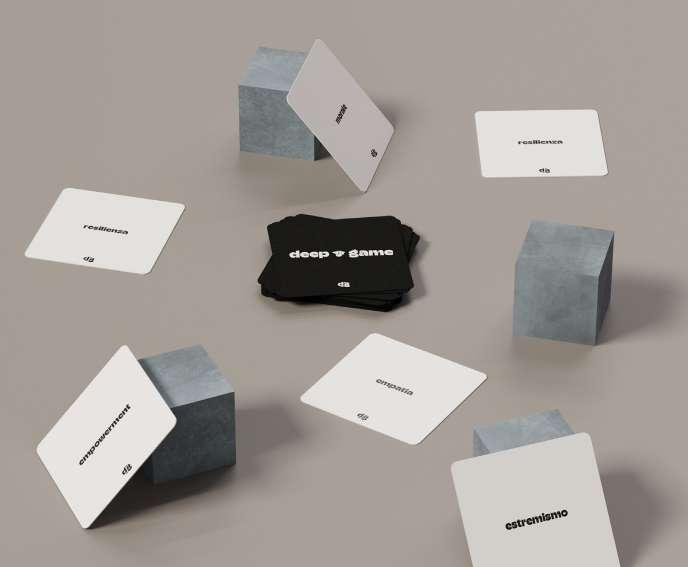
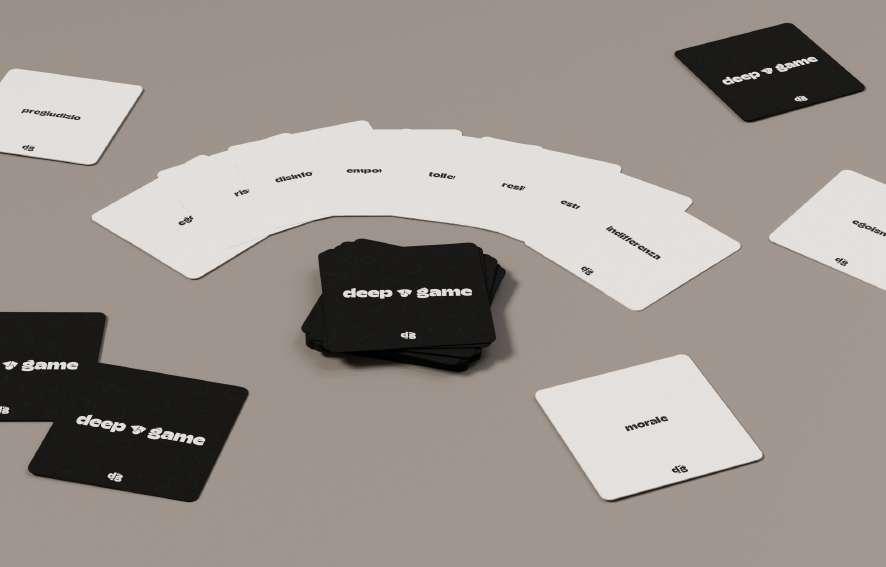
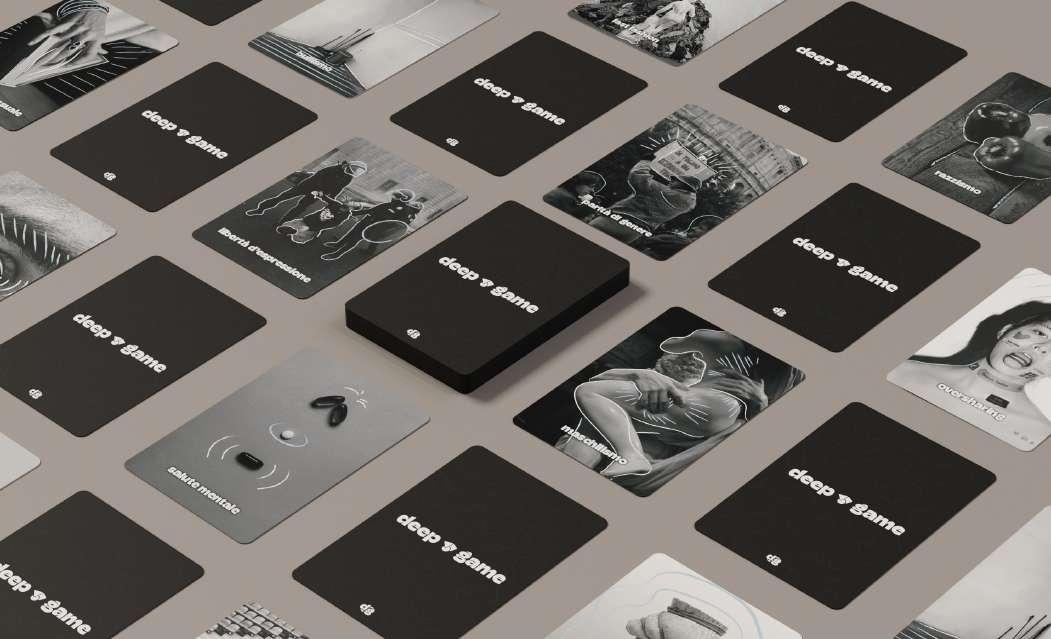
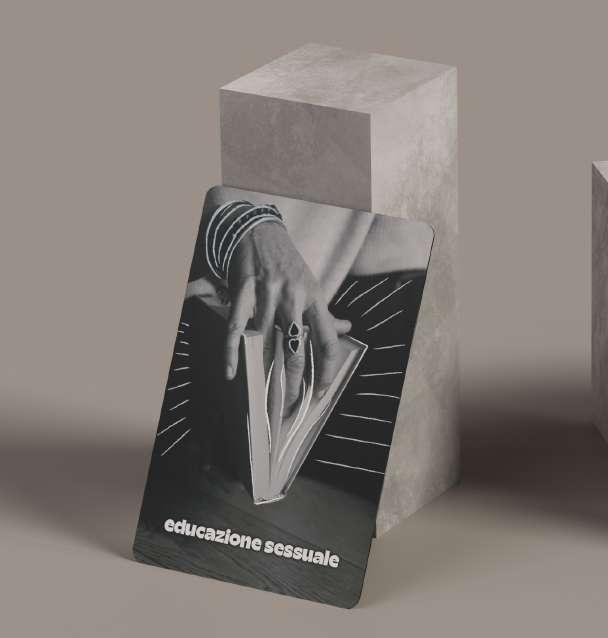
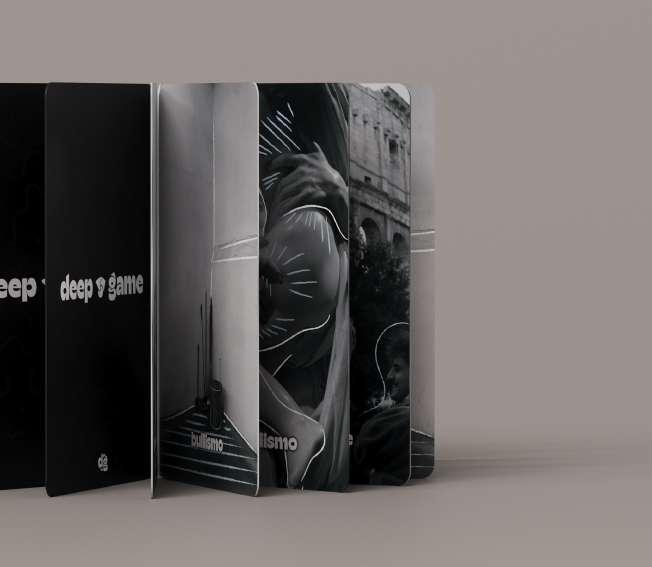
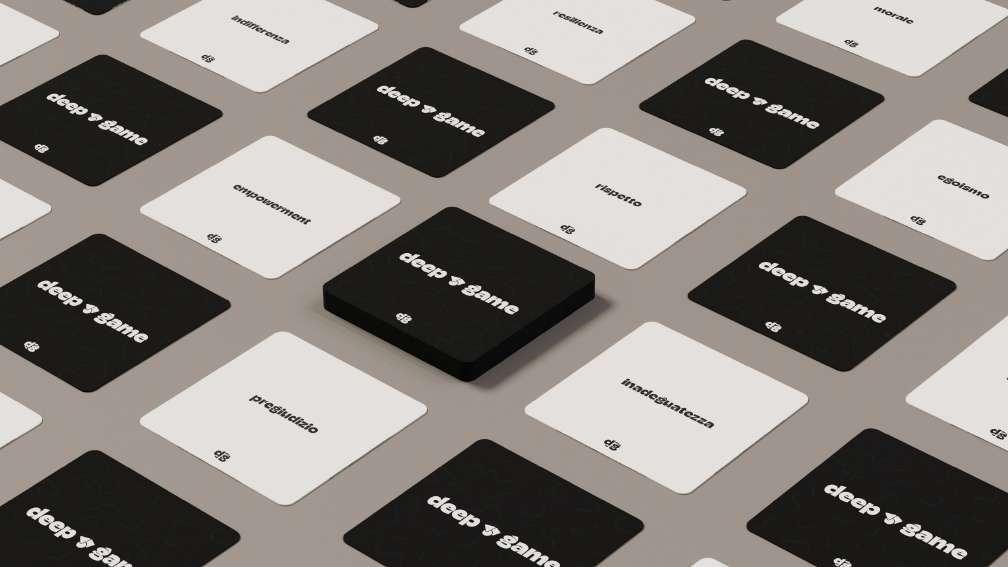
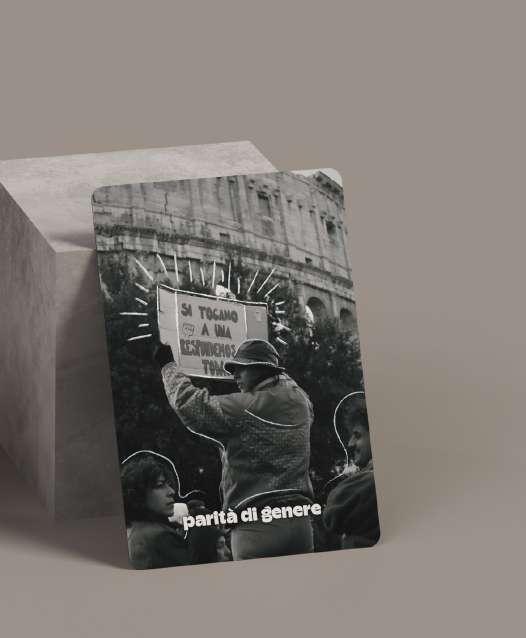
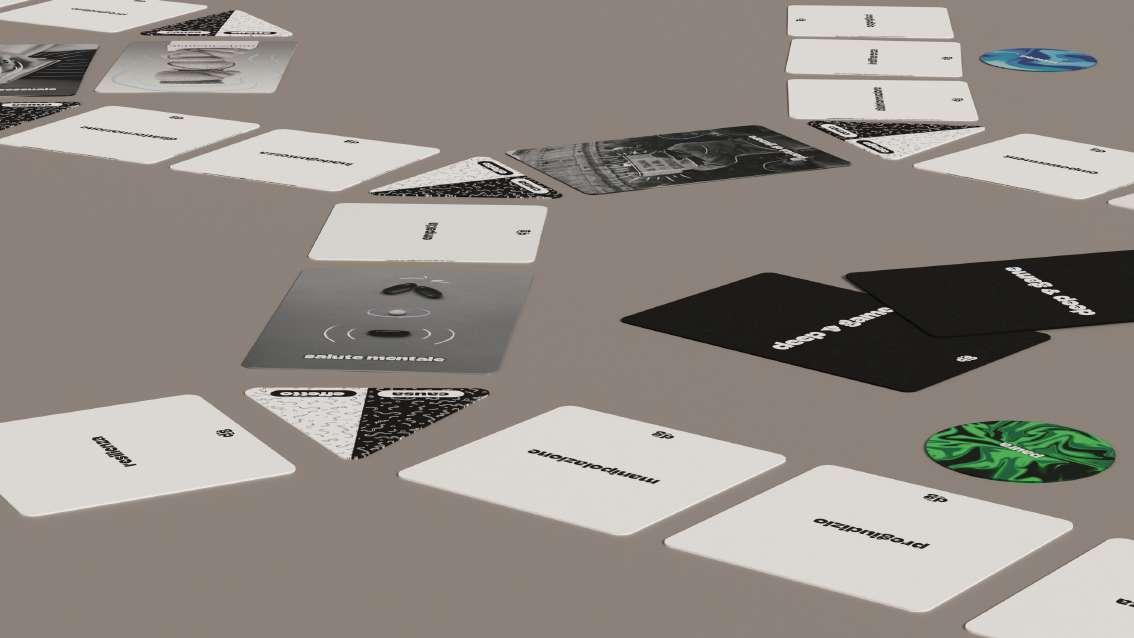
This project aims to pursue an alternative to the traditional game tool by integrating the communicative and interpretative aspects of art. The contemporary concepts of Game-Based Learning and Gamification form the foundation of this approach. By leveraging the learning processes facilitated through games or video games—often originally developed as entertainment tools—these are utilized, with or without modifications, to achieve educational objectives. In particular, this project highlights the transformative power of play in education, bridging the gap between learning and enjoyment. The project further employs geometric shapes as a means of communication and visual stimulation, aiming to foster an emotional and intellectual connection between two realms: the external world and the personal sphere. Additionally, it offers an innovative alternative to traditional card games, encouraging a deeper and more meaningful approach to playful interaction.
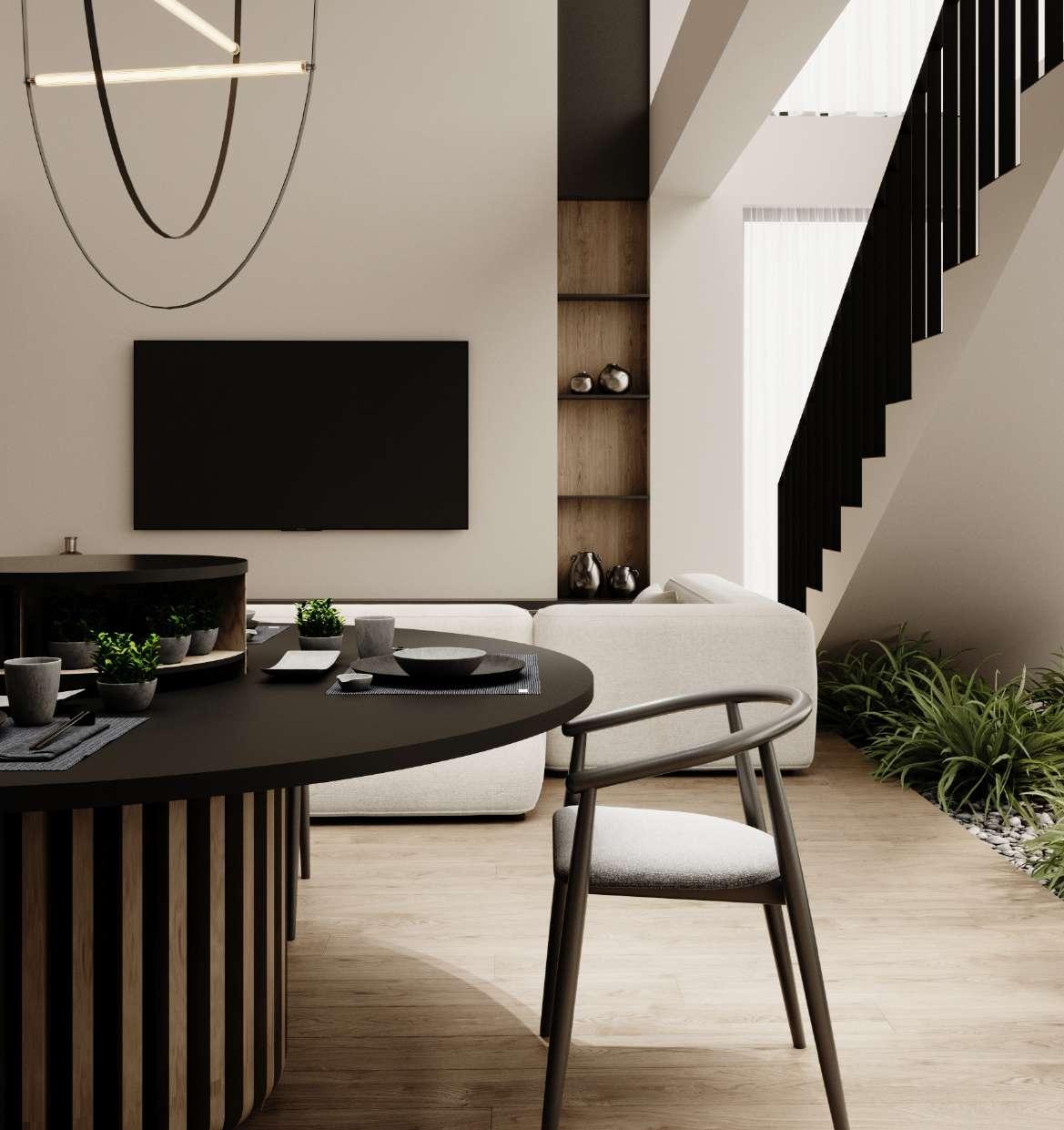
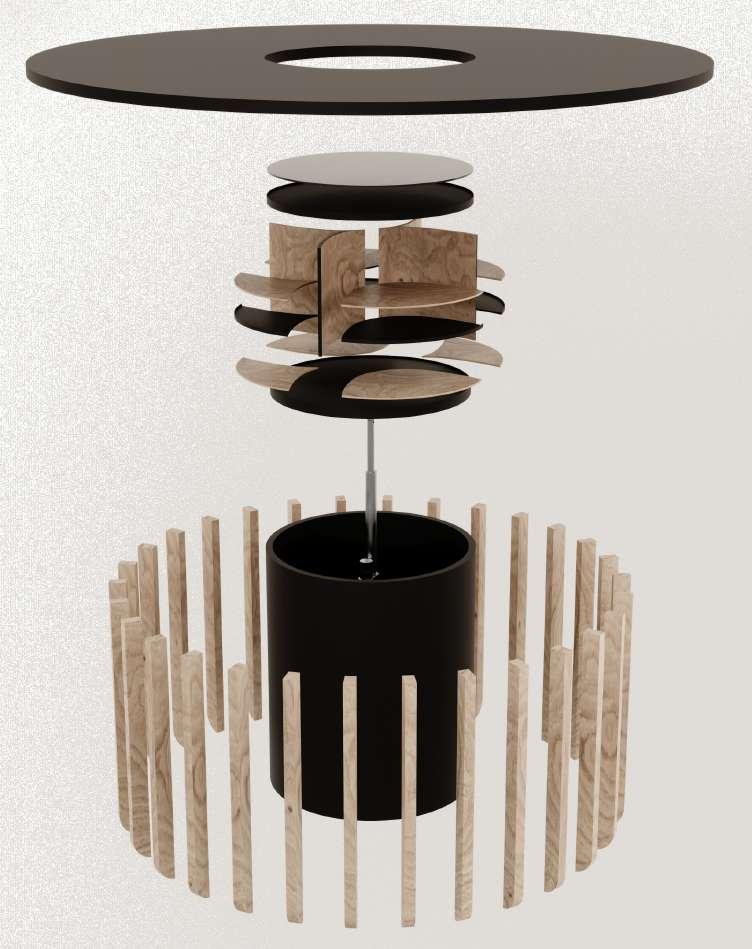
“Artù” is a dining table with a particular feature, namely the presence of a container for tableware which, thanks to a slight pressure on the central part of the support surface, allows it to emerge. The structure of the table is made of Corian, a versatile material with remarkable resistance to impact, just like the support surface, which is also made of Corian. The cylindrical base is surrounded by thirty strips of beech wood, the use of which is not random, as it is frequently used in furniture production due to its characteristics such as resistance, easy workability, and fine, uniform grain, contributing to its smooth and homogeneous aesthetic. The interior of the table is obviously hollow to allow the tableware container to be stored inside once its use is finished. This innovative design not only maximizes space efficiency but also adds an element of surprise and functionality to the dining experience. The seamless integration of materials and technology exemplifies modern craftsmanship, making “Artù” both a practical and stylish addition to any dining room. Its elegant appearance, combined with its clever storage solution, makes it a conversation piece that enhances the ambiance of any setting.
Table top
Pull-out pressure activatore
Pull-out tableware rack
Linear actuator
Corian base
Beech wood strips
tiny house
Year | 2022
Category | Architecture Project
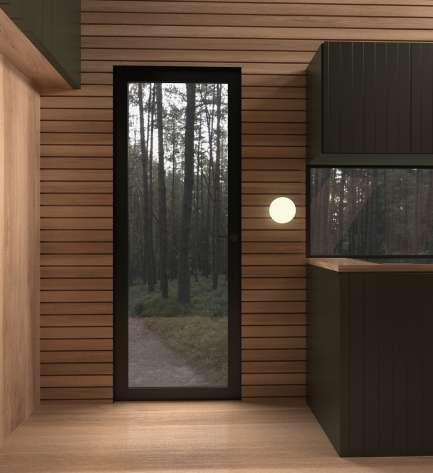
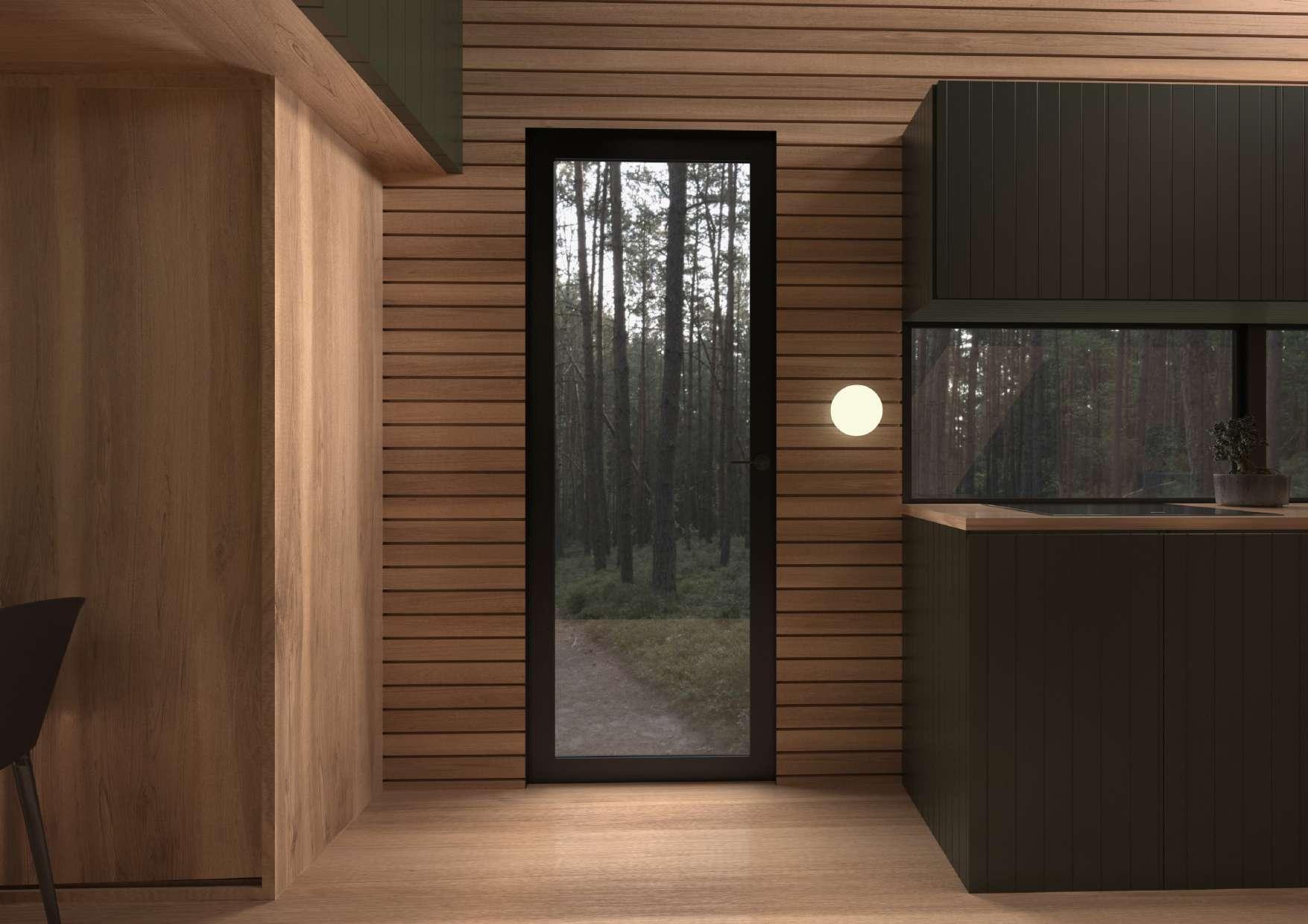
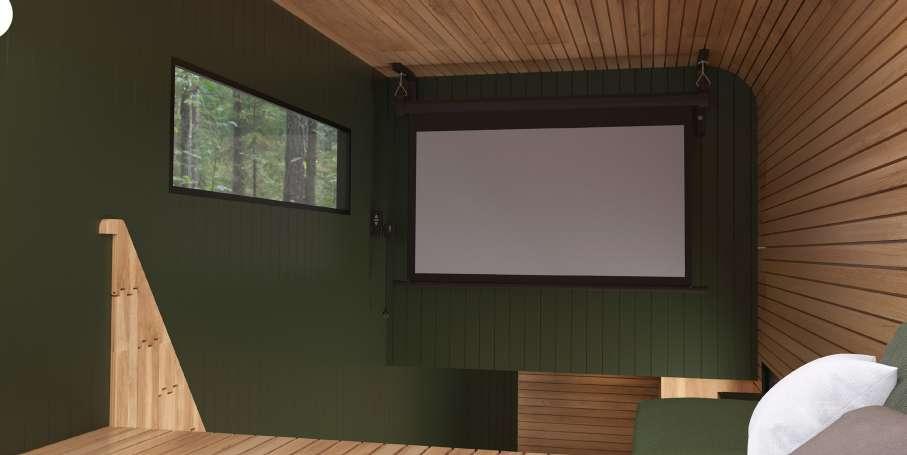
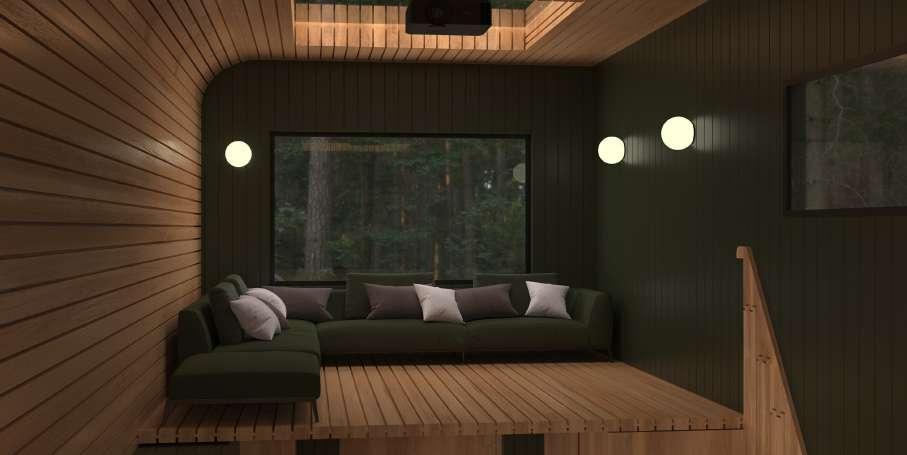
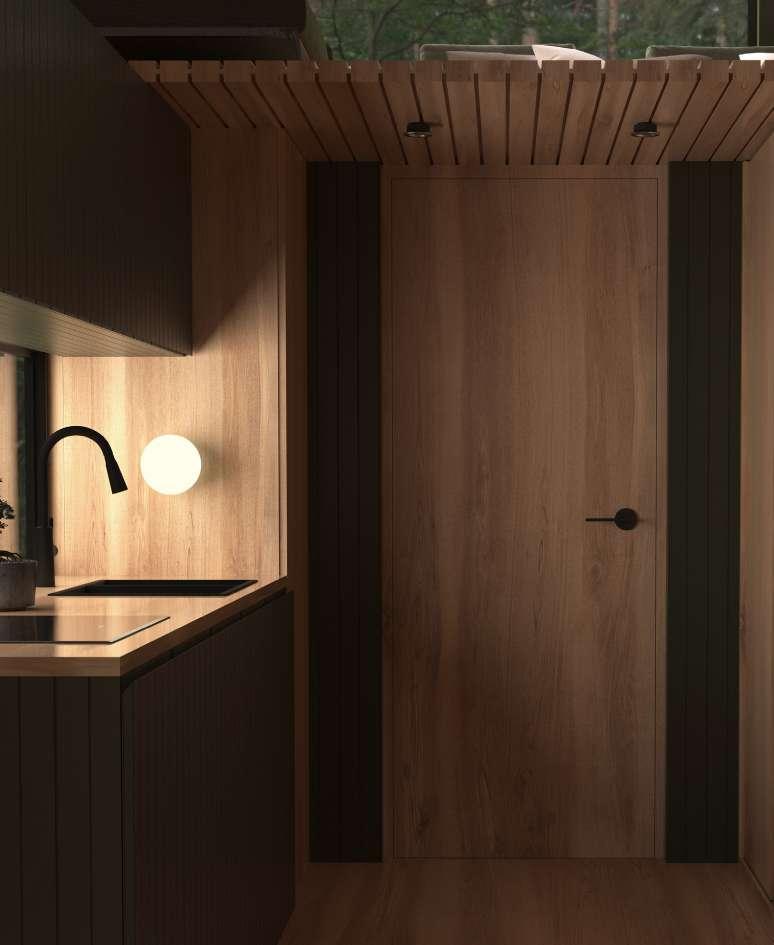
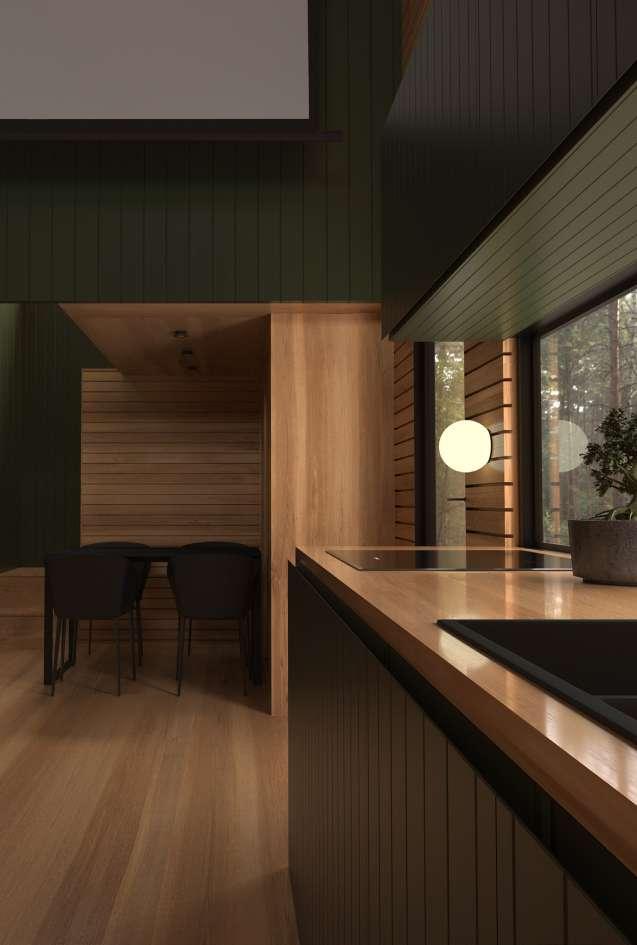
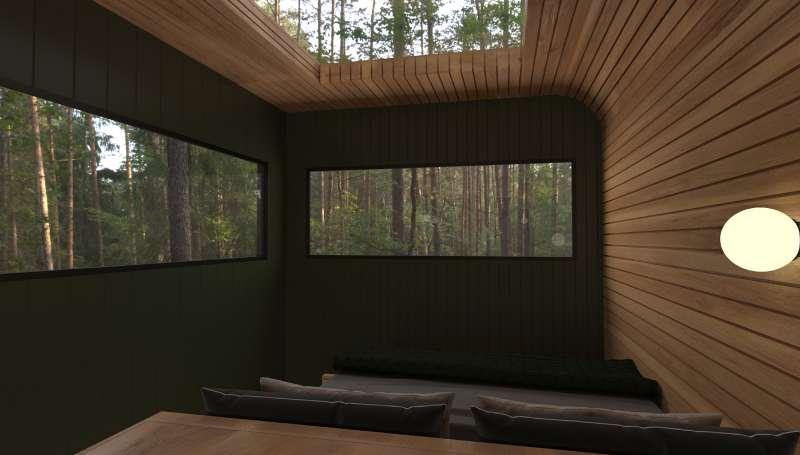
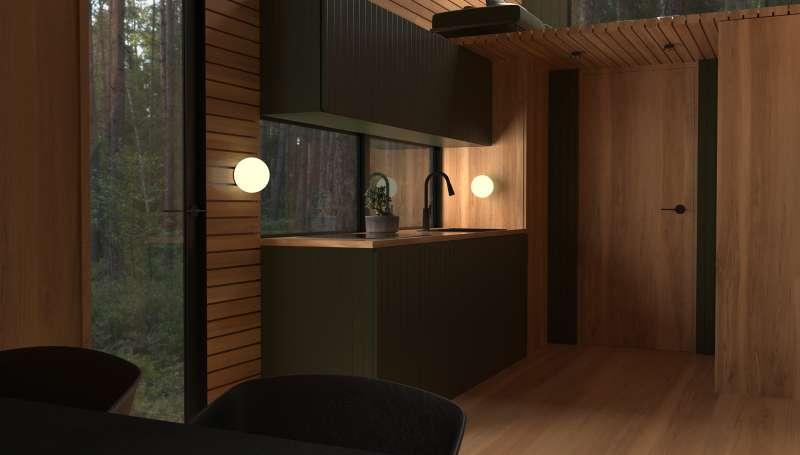
“Less is more,” a famous quote by the German architect Ludwig Mies van der Rohe, could easily be considered the mantra of one of the new trends in contemporary and sustainable living, which has gained increasing popularity in recent years. This concept suggests that simplicity and essentiality can lead to more significant and satisfying results, especially when it comes to creating a living space. Tiny houses, originating from the United States, fully embody this principle. Thanks to the materials used and their compact dimensions, these dwellings have a significantly reduced environmental impact compared to traditional homes. The use of sustainable materials such as reclaimed wood and recycled metal contributes to their eco-friendly nature, while their minimalist design promotes energy efficiency. Tiny houses can also be easily integrated with eco-friendly solutions, such as solar panels, rainwater harvesting systems, and energy-saving technologies. These features not only minimize the carbon footprint but also reduce the cost of living, making sustainable housing more accessible to a broader audience. Tiny houses not only offer a more sustainable housing option but can also promote a simpler and more conscious lifestyle, encouraging people to reduce consumption and live in harmony with the surrounding environment. This shift towards minimalism enables individuals to focus on what truly matters, fostering a sense of freedom and fulfillment by living with less and embracing a more intentional way of life. As the movement grows, tiny houses are proving that small living can lead to big rewards, providing an innovative solution to housing challenges while supporting a greener planet. Embracing the “less is more” philosophy, individuals are discovering the joys of a life enriched by experiences rather than possessions.