GRAY C. STAHLMAN, MD
REMARKABLE STORIES OF A CENTURY-OLD YACHT
can also be rectangular or triangular. Rooted in the tradition
PRIVATE SIGNAL FLAG J.B. COUSINS
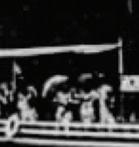
J.B. COUSINS ABOARD SISPUD II - CIRCA 1916
Photo Credit: The Morris Rosenfeld Collection / Mystic Seaport Museum
TRANSITION AND LEGACY THE SUNSHINE PATROL
THE EARLY YEARS
Sarasota’s Mira-Mar Hotel.
Scouting Council in America.
be born.
CHAPTER 3
SHOWBOATS, THEATER, AND A NEW LIFE
1925-1937
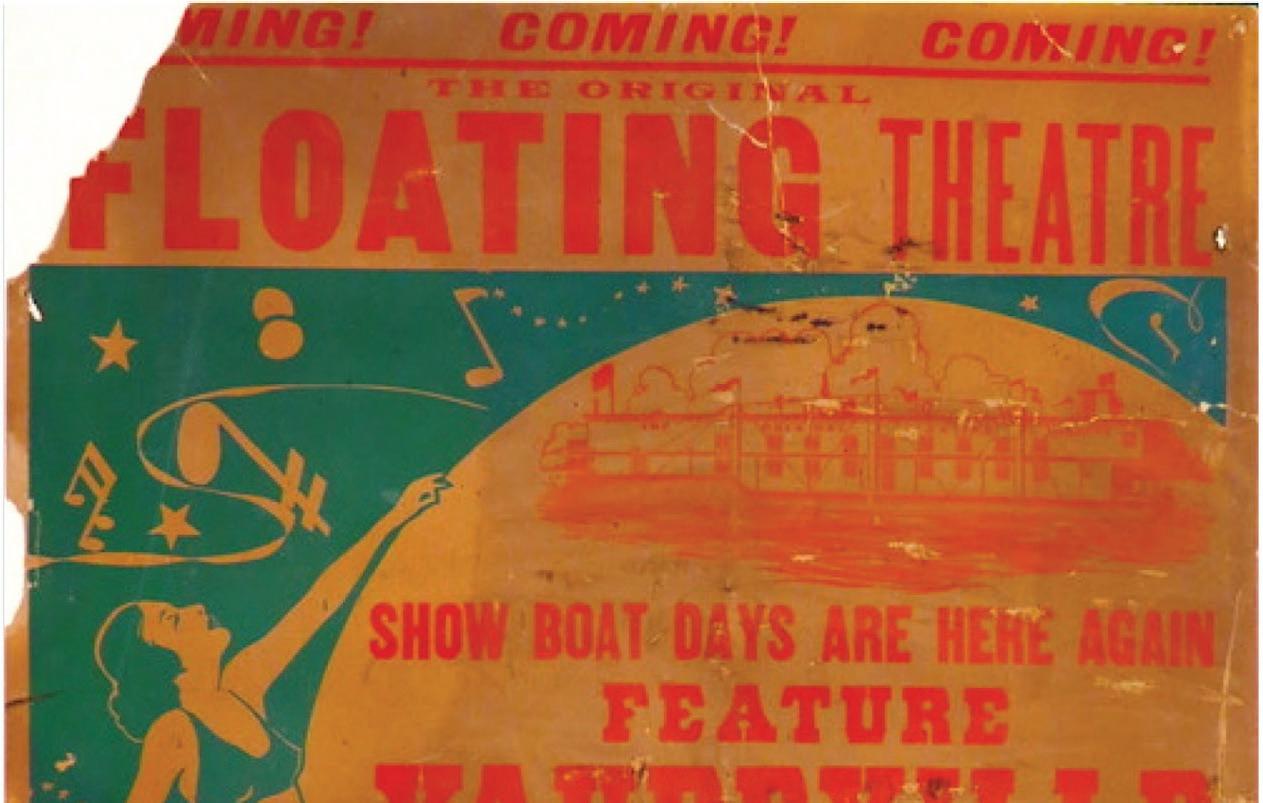
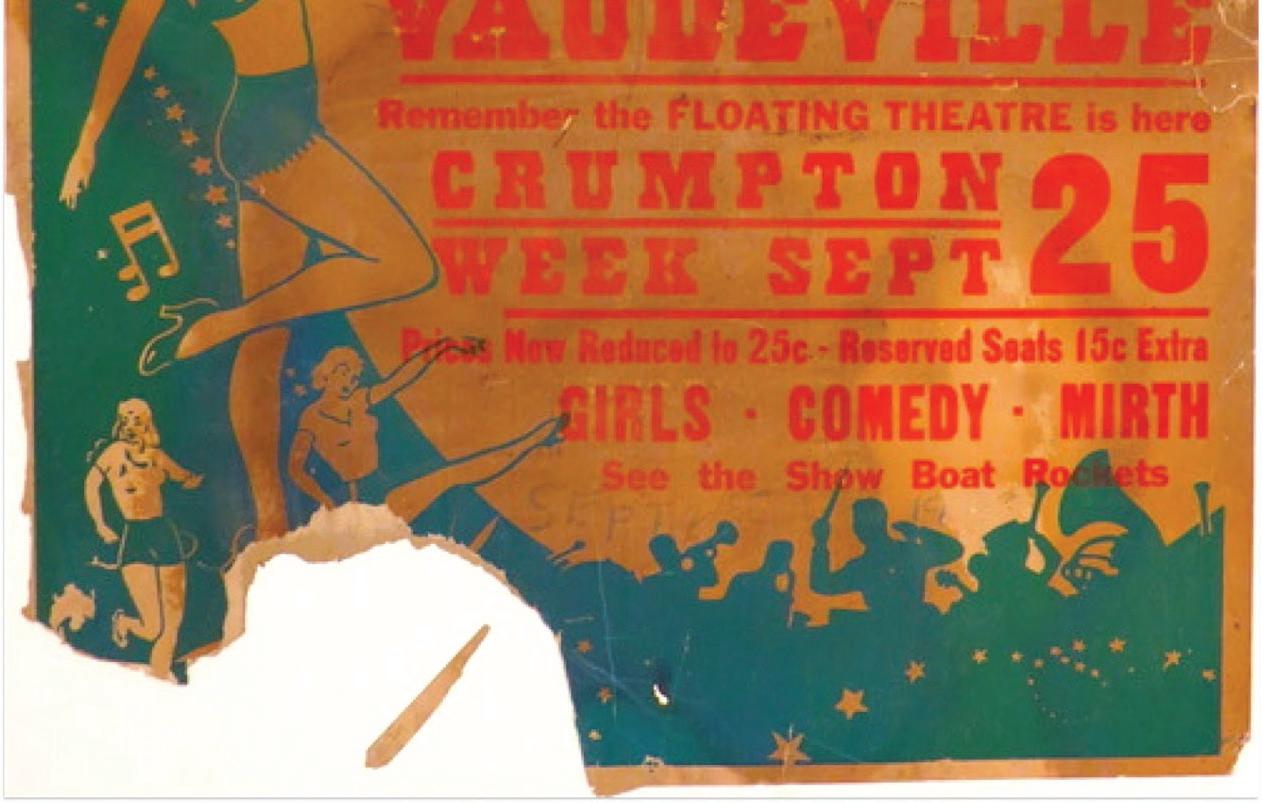
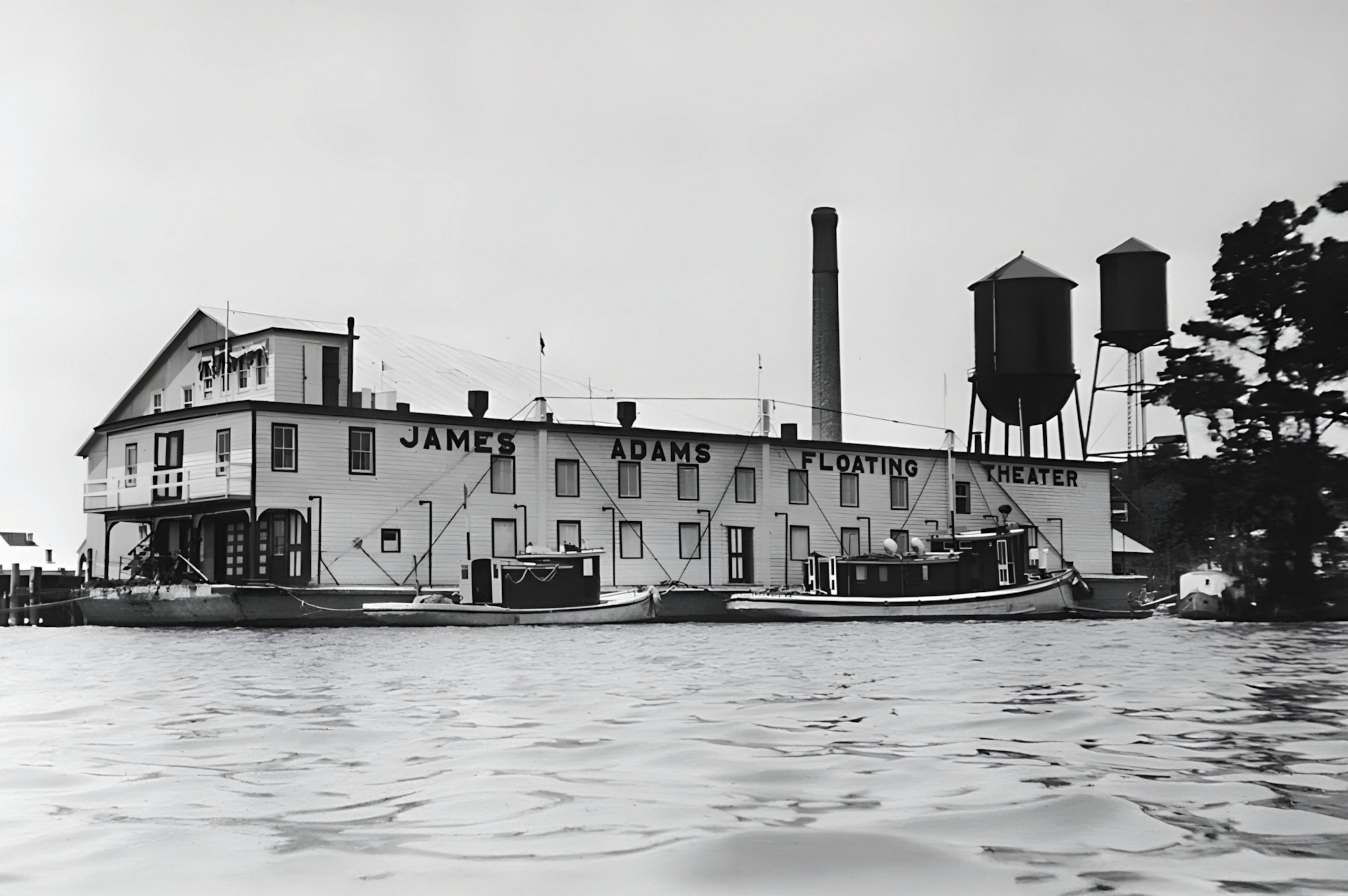
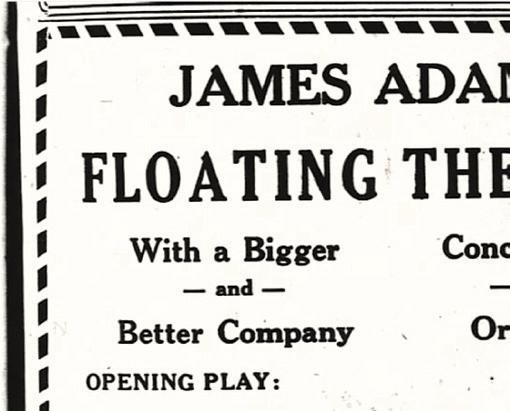
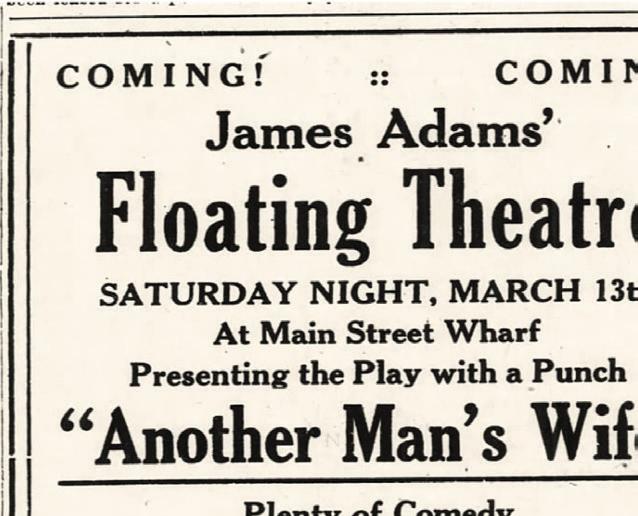
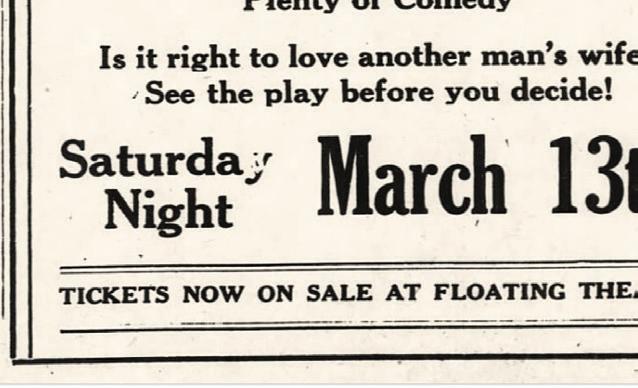
Watch a video lecture from The Chesapeake Maritime Museum about the James Adams Floating Theater poster.
lived in eight staterooms at the rear of the boat, while the rest of the crew made do with limited access to entertainment.
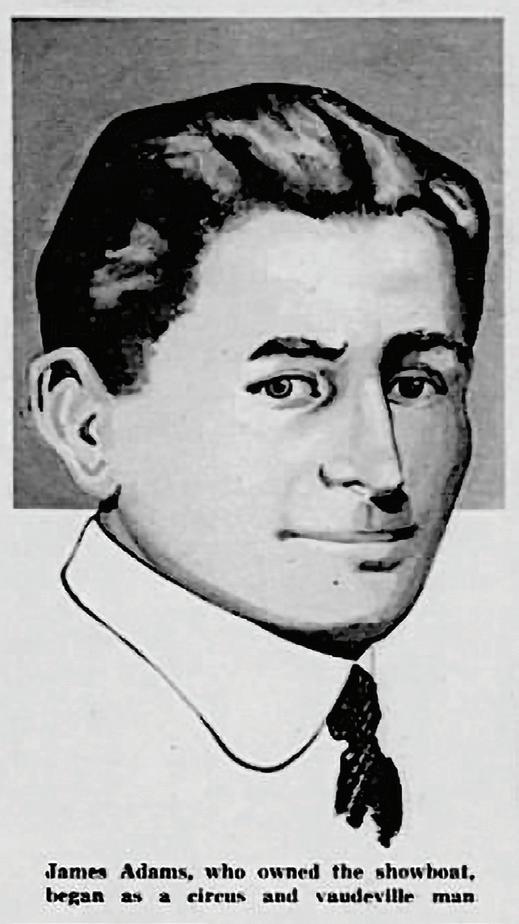
JAMES EVANS ADAMS
seasonal rounds.
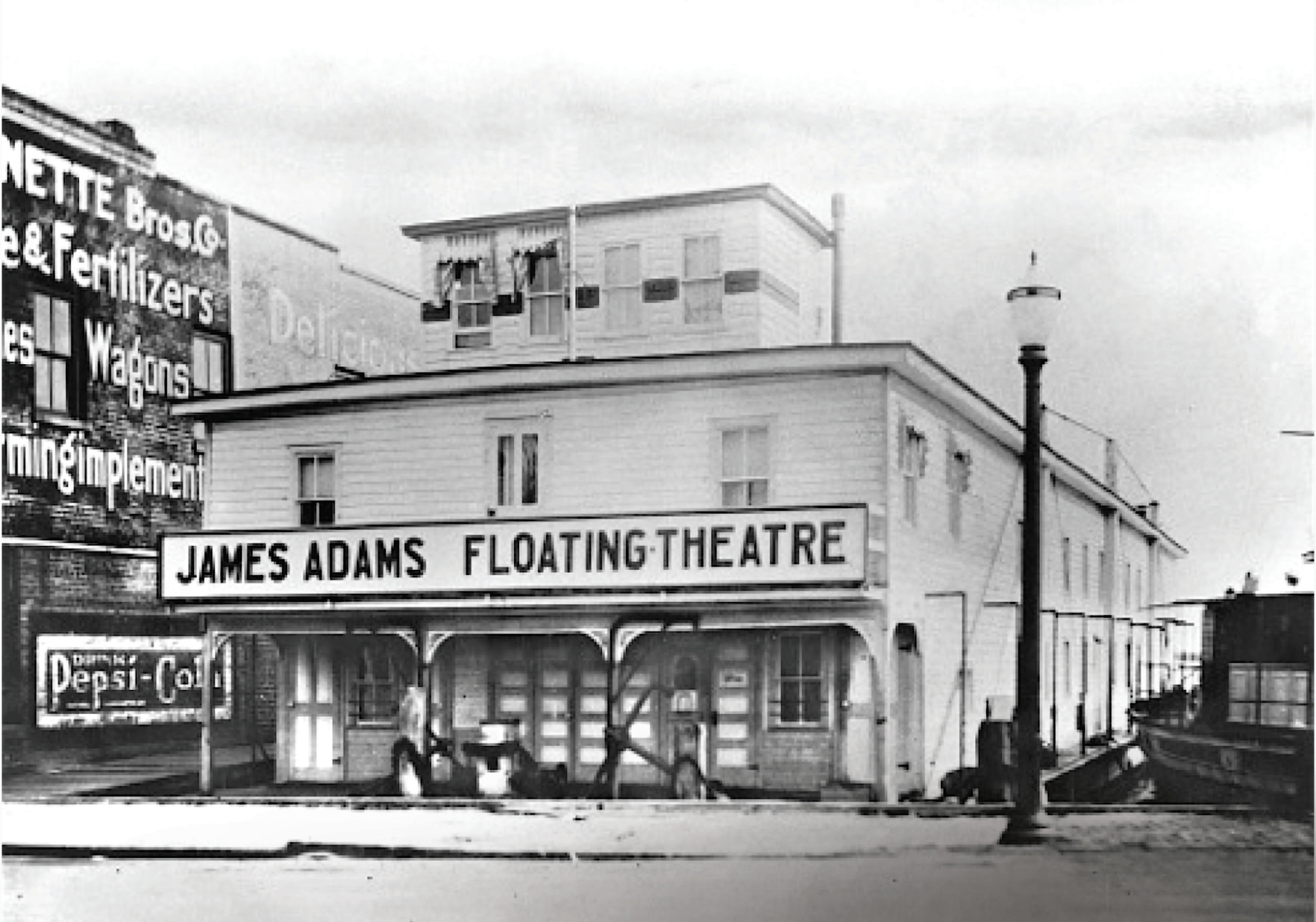
Watch Patricia Samford’s lecture on the James Adams Floating Theater. Lecture begins at 13:07.
A FLOATING RETREAT
Scan to watch Paul Robeson’s 1936 performance of “Ol’ Man River” from Show Boat.
Original Floating Theater. Although it continued seasonal tours for a while, the theater Georgia, near Savannah.
THE FINAL YEARS WITH ADAMS
TH E I N SPI R A TI
FO R SH O W B O A T
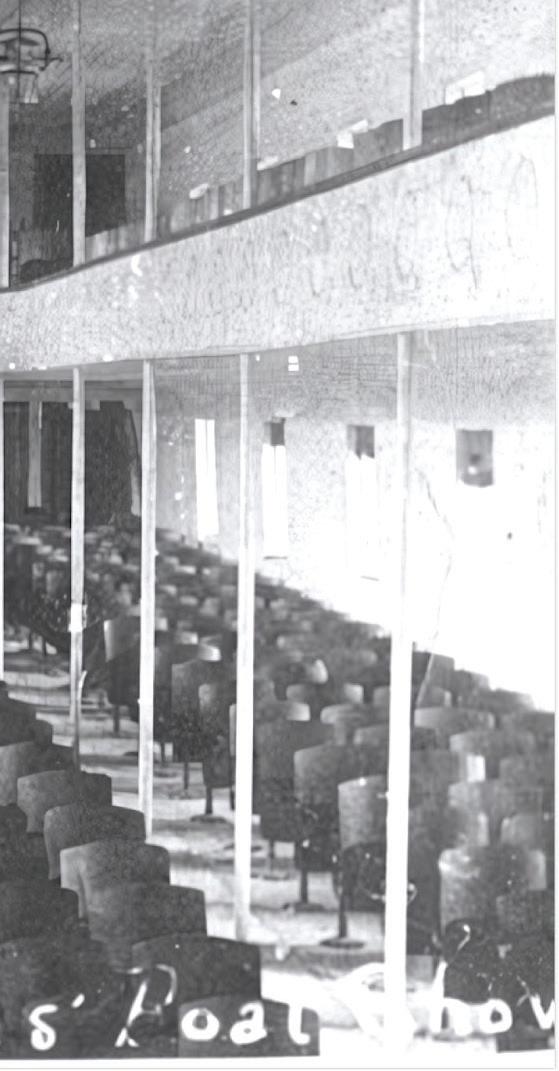
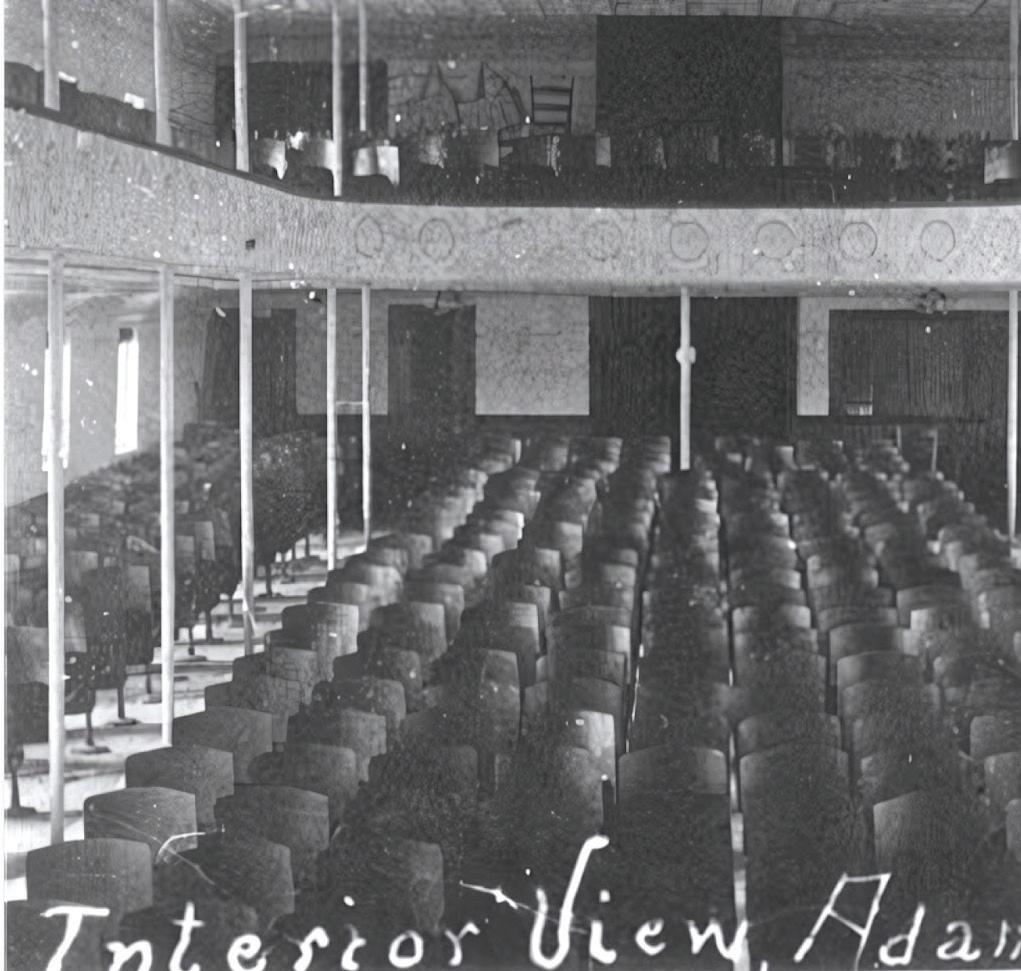
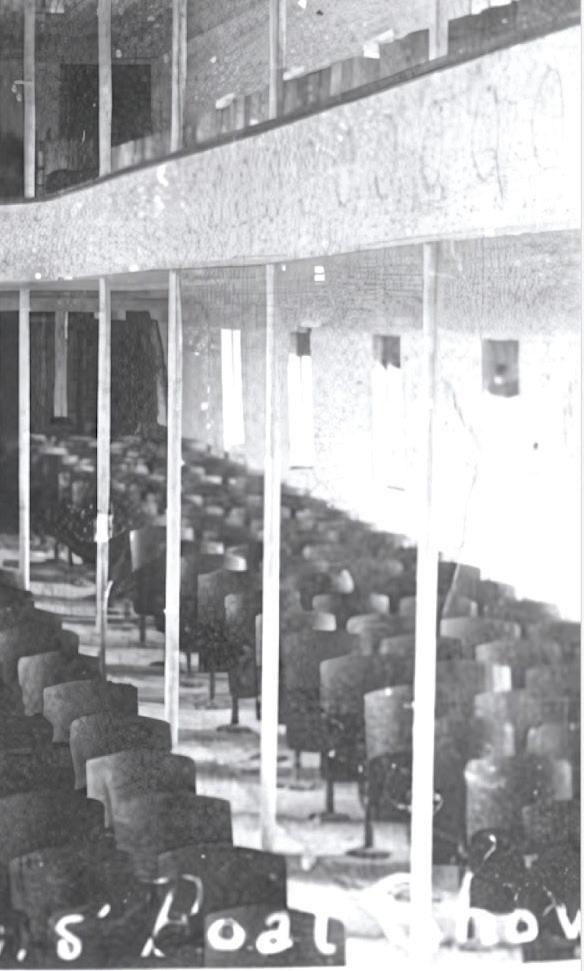
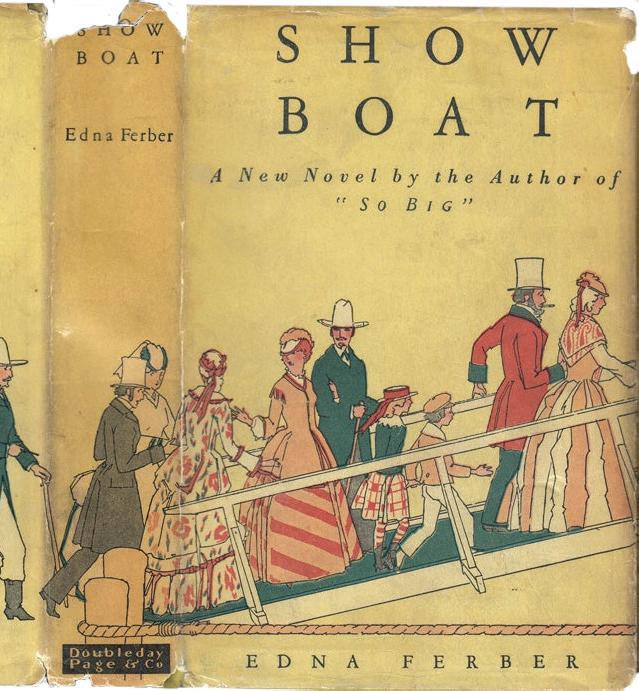
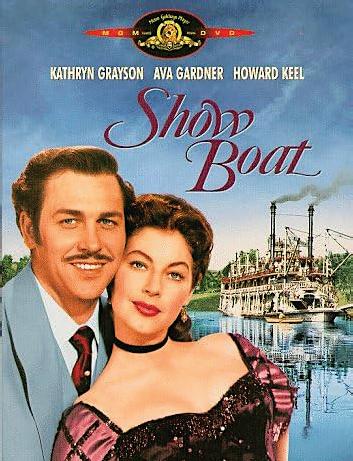
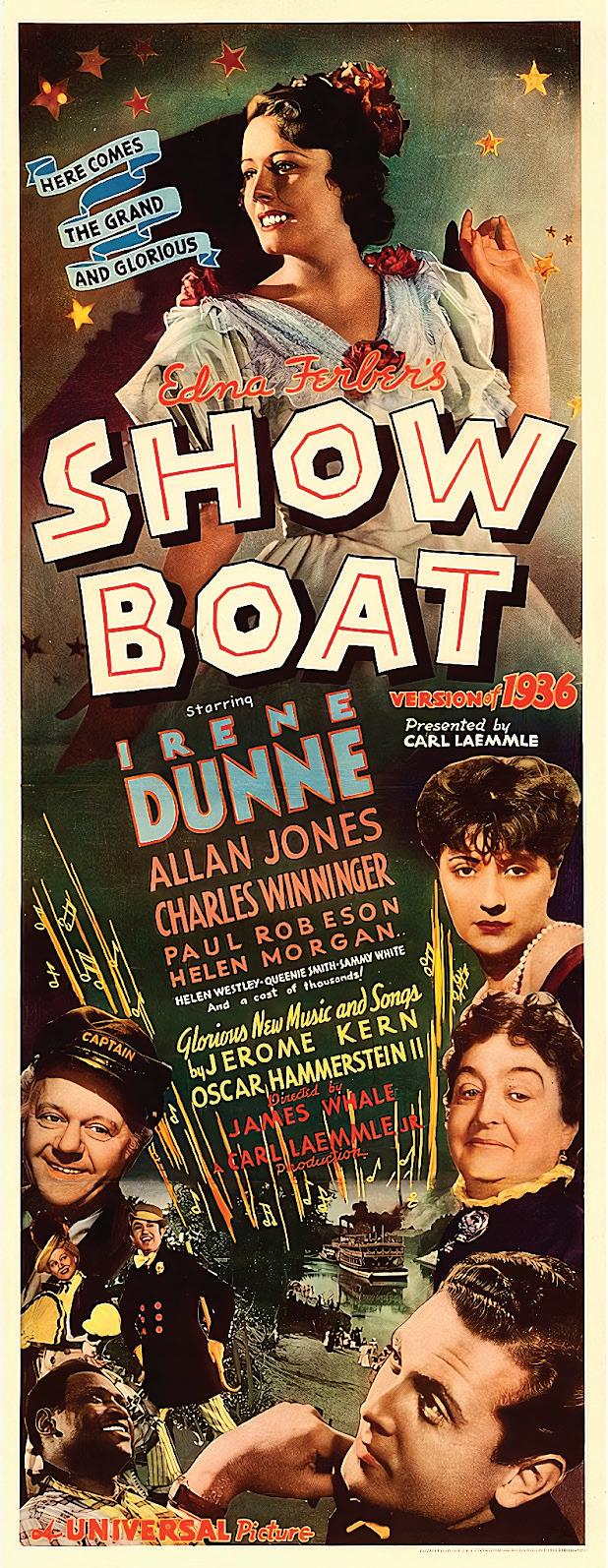
Edna Ferber’s Pulitzer Prize-winning fascination with untold American life stories took her to an unexpected Bath, North Carolina. In late 1924, Ferber sought out the James Adams Floating Theater, drawn by its unique blend of art, and for a time in 1925 she immersed herself in the daily lives of the troupe while living aboard James and Gertie Adams’ vessel.
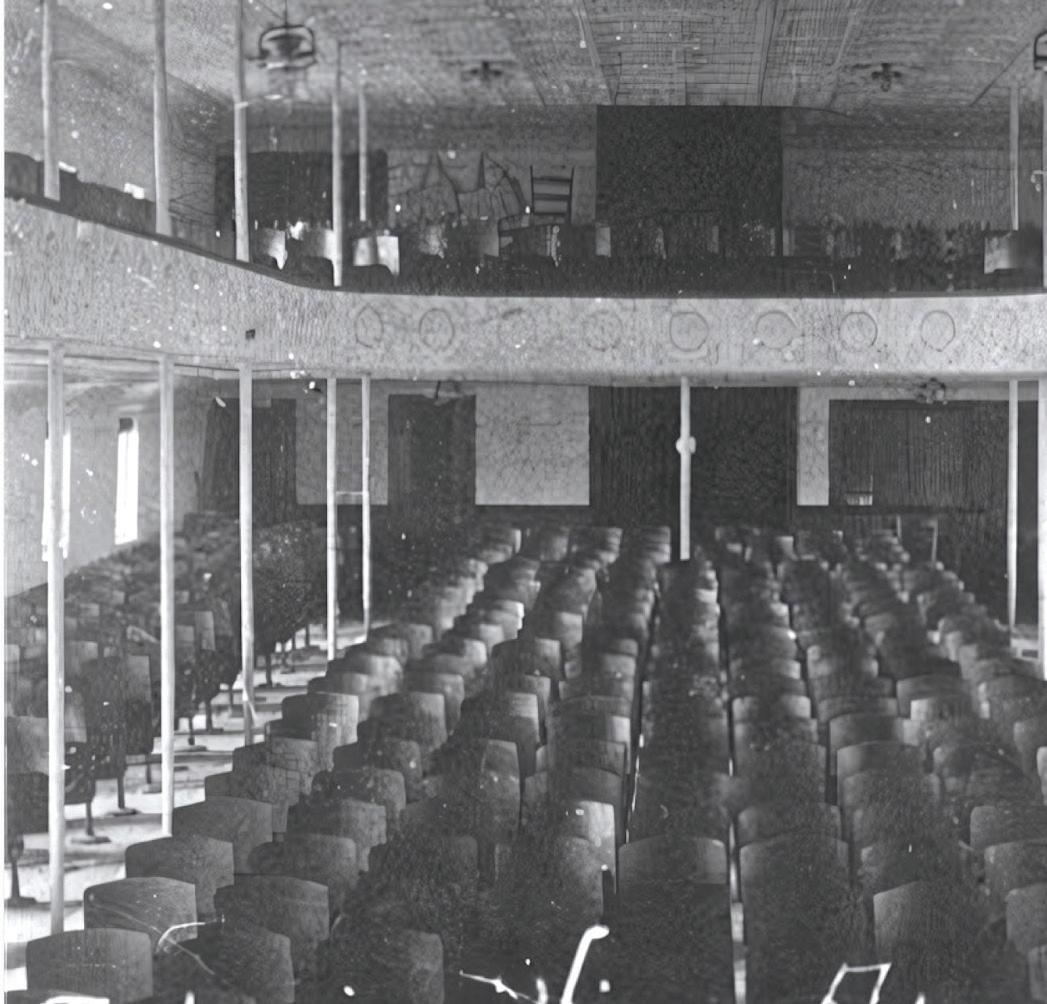
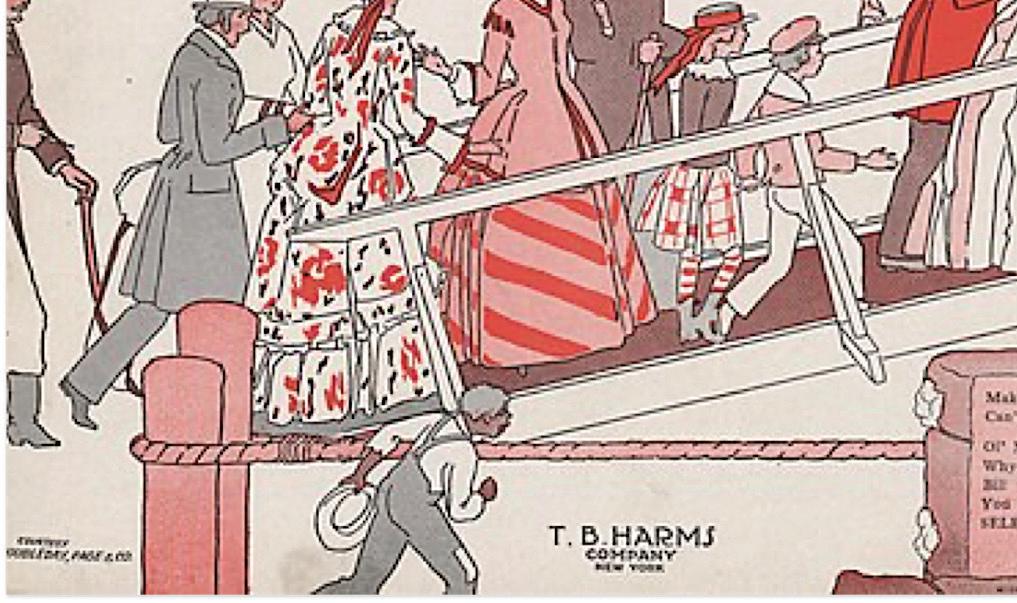
Life aboard the showboat was a constant interplay between performance and the challenges of daily life. Cramped living quarters doubled as dressing rooms, while performers brought professional entertainment to isolated river towns starved for culture. Each new port presented unique challenges, but for local
These vivid experiences became the foundation of Ferber’s acclaimed 1926 novel, Show Boat, a novel captured the imagination of readers and soon caught the attention of Broadway luminaries Oscar Hammerstein II and Jerome Kern. Although initially hesitant, Ferber finally agreed to their idea for adaptation. Show Boat revolutionized American musical theater upon its 1927 debut at the Ziegfeld Theater.
Unlike traditional musicals, Hammerstein and Kern’s Show Boat used the vocal music to drive a powerful narrative tackling themes of love, loss, and racial prejudice, all of which resonated with audiences. It was also the first time serious black and white actors held the stage as equals. The show’s iconic song “Ol’ Man River,” transcended its origins to become an enduring American classic. The production was so popular, in fact, that it was remade on Broadway a number of times and the story’s success ultimately
Show Boat as a groundbreaking work in American cultural history.
Photo Credit: Richmond Times-Dispatch Richmond, VA Sept 10, 1950 Pg 118-119.
Americans
“Grace is a national shrine and should be respected as such. We as boaters
second should take care of her.”
CAPT. GEORGE YORK, (GRACE'S CAPTAIN 2005-2011), 2024
IN THE LIMELIGHT
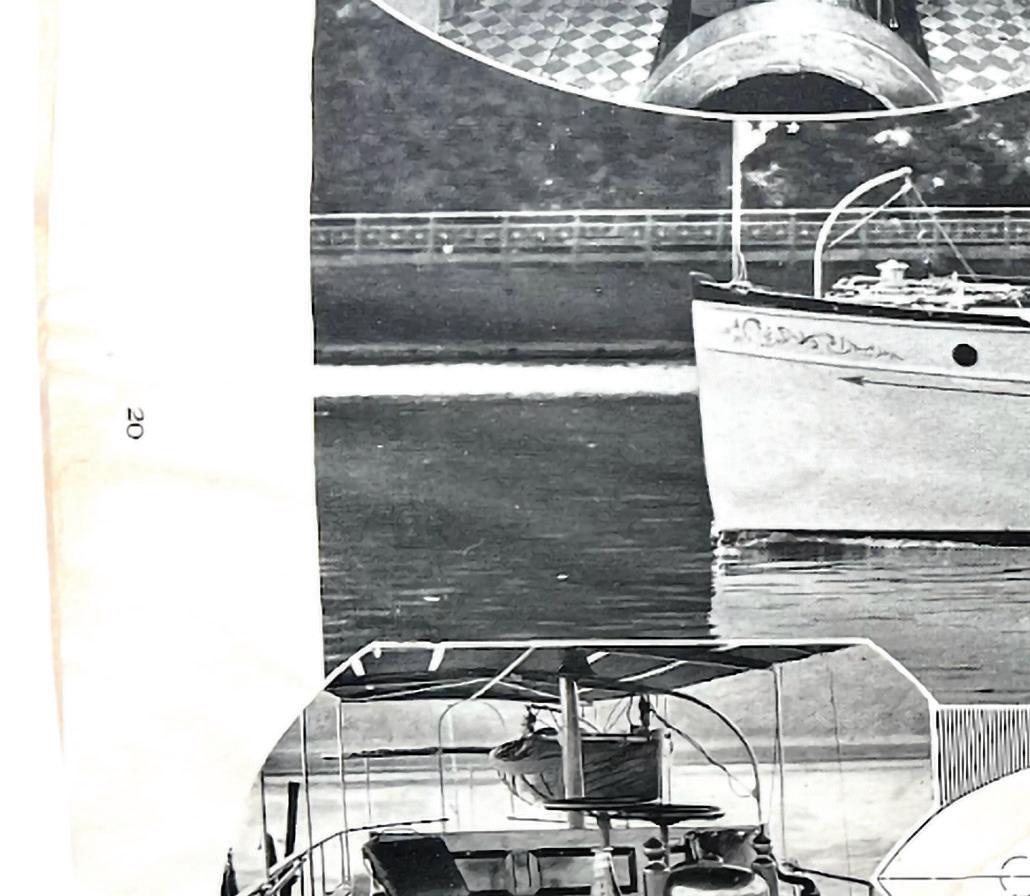
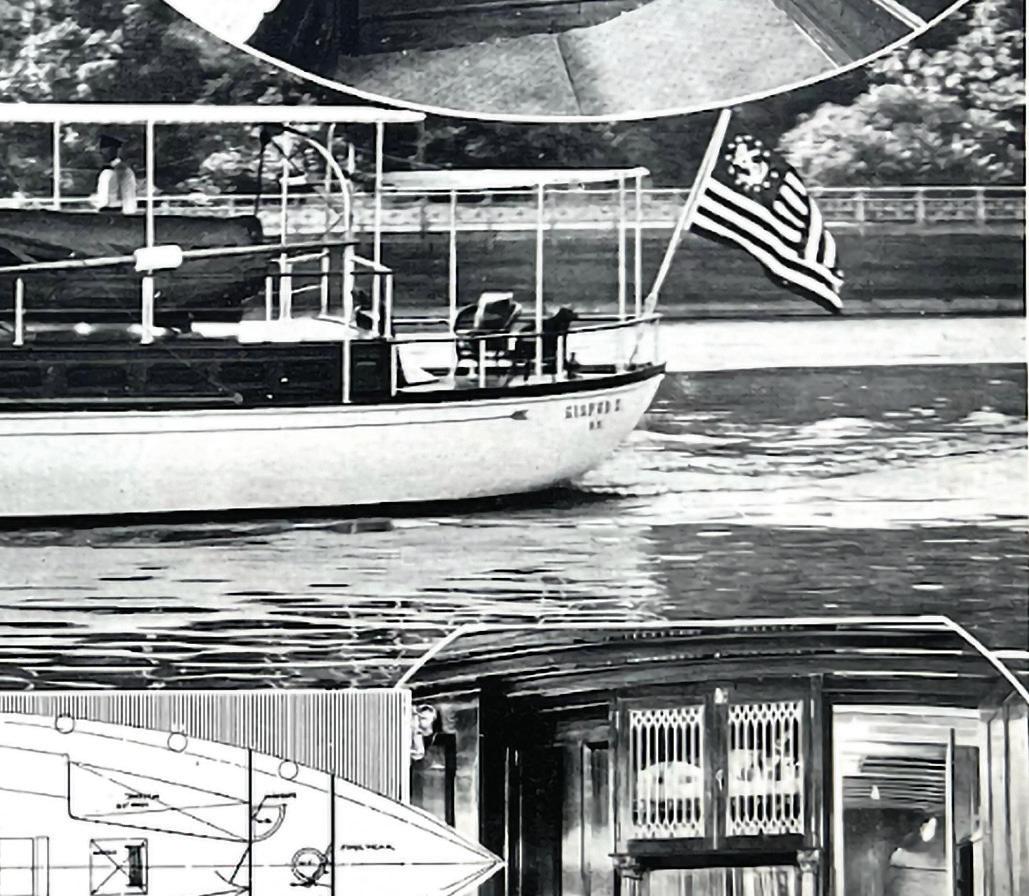
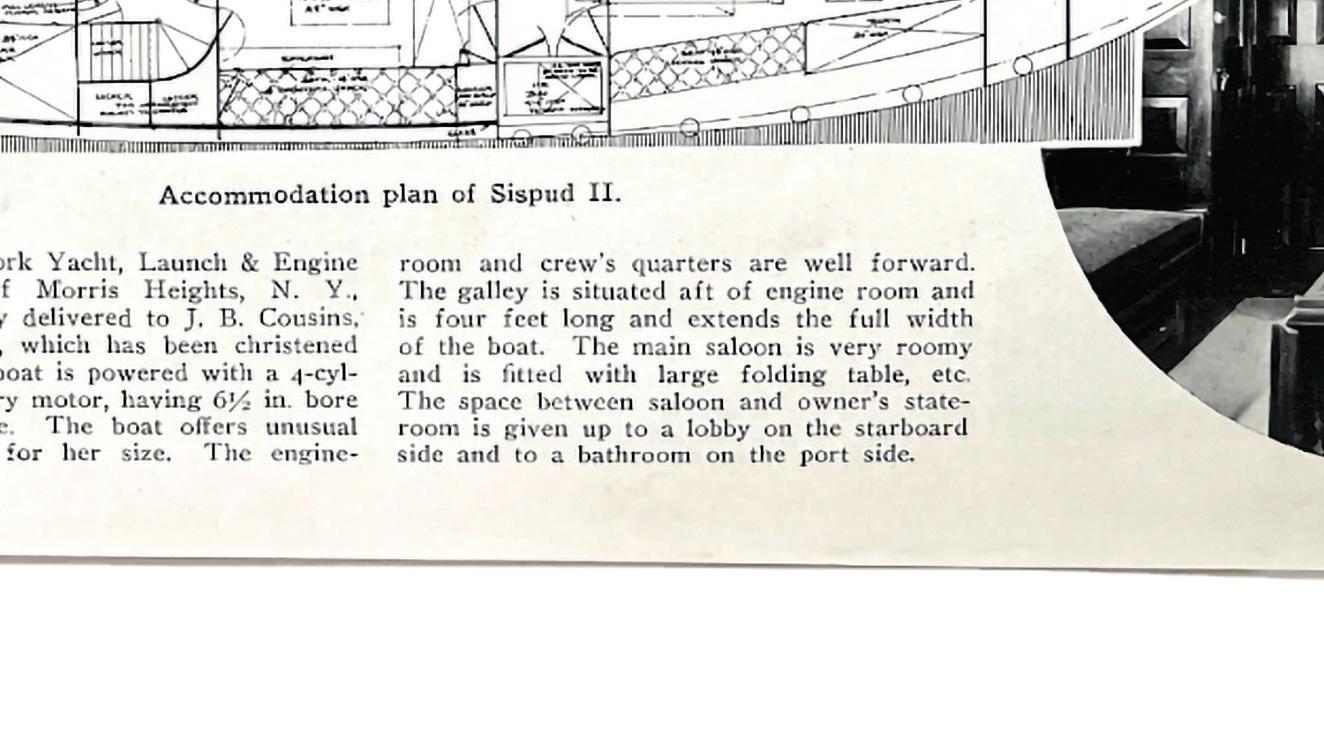
SISPUD IICIRCA 1925 AFTER JAMES ADAMS ADDED THE ENCLOSED PILOT HOUSE AND UPGRADED TO THE SPEEDWAY 150HP GASOLINE ENGINE
CHAPTER 4
LIFE OF SERVICE AND SCANDAL
1937-1959
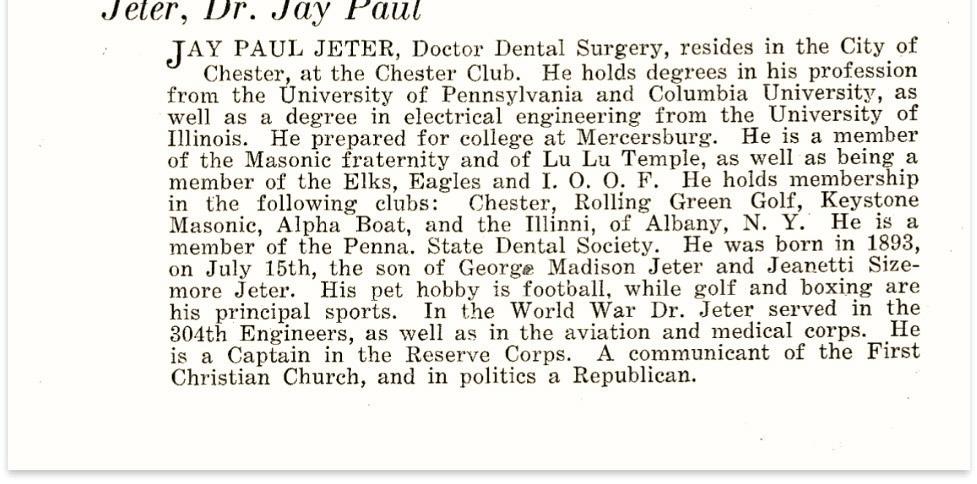
interests and commitments. He was an avid boxer and golfer. He was a member of
THE TUMULTUOUS FIRST MARRIAGE
A PASSION FOR THE WATER
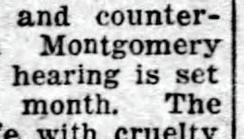
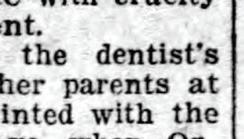
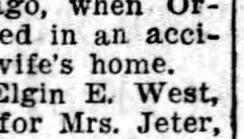
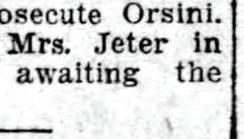
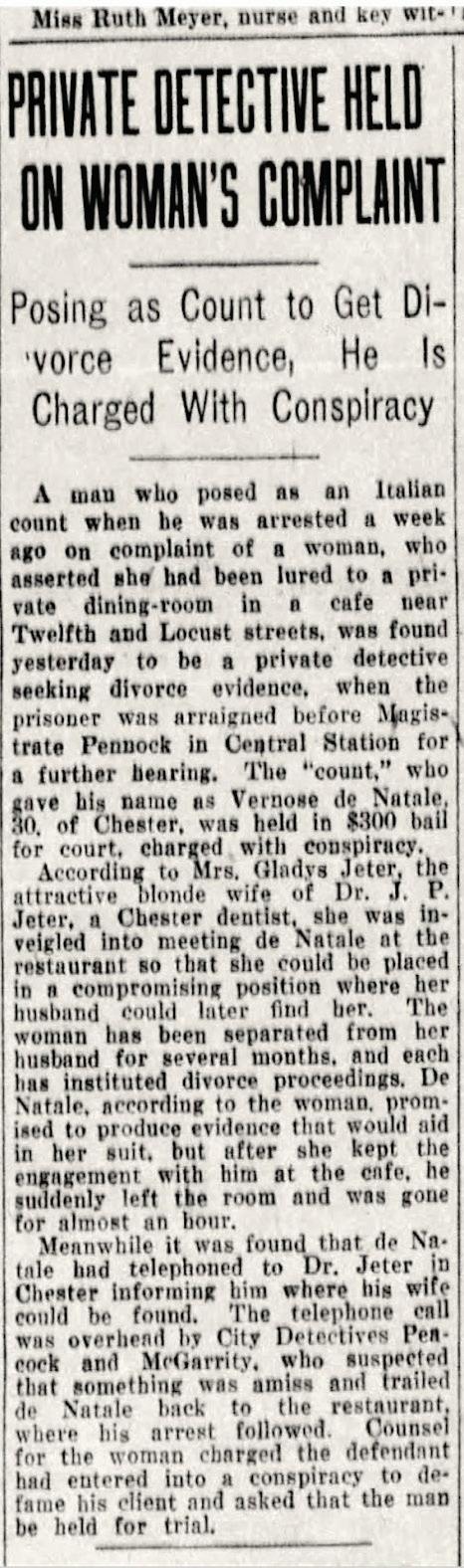
Photo Credit: The Evening News, Harrisburg, PA Sept 15, 1927 Pg 1.
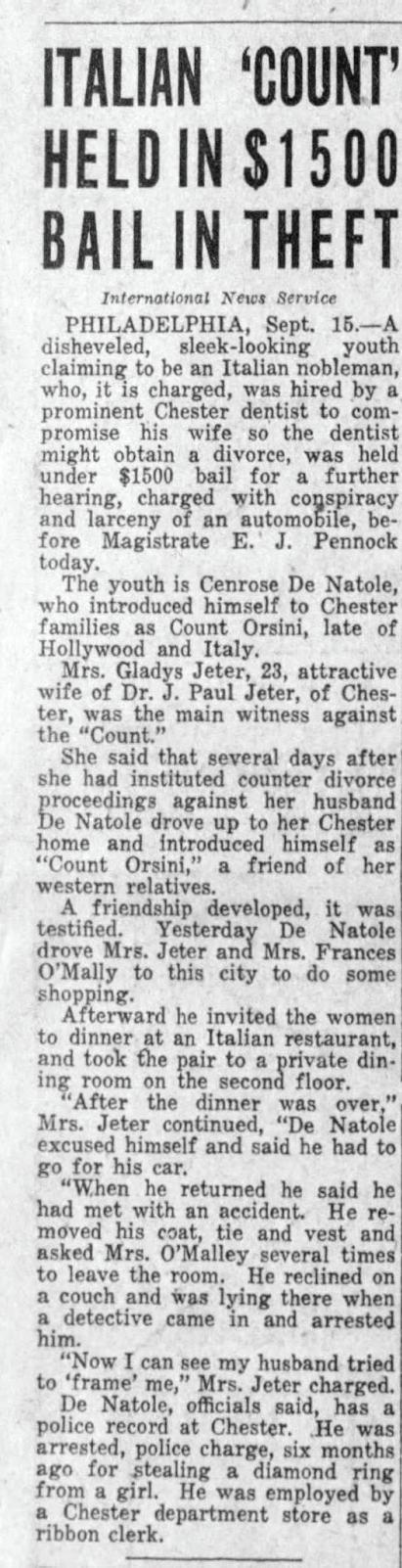
Photo Credit: Reading Times, Reading, PA Sept 16, 1927 Pg 6.
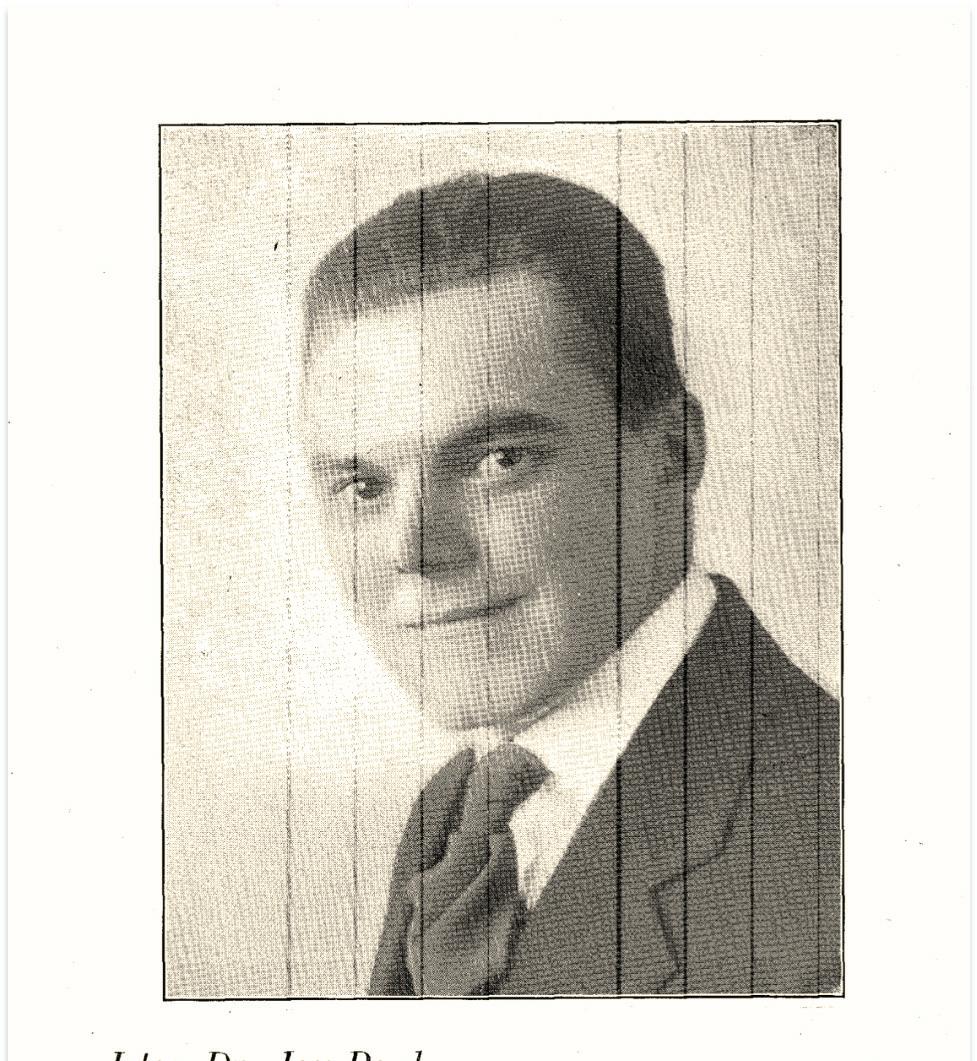
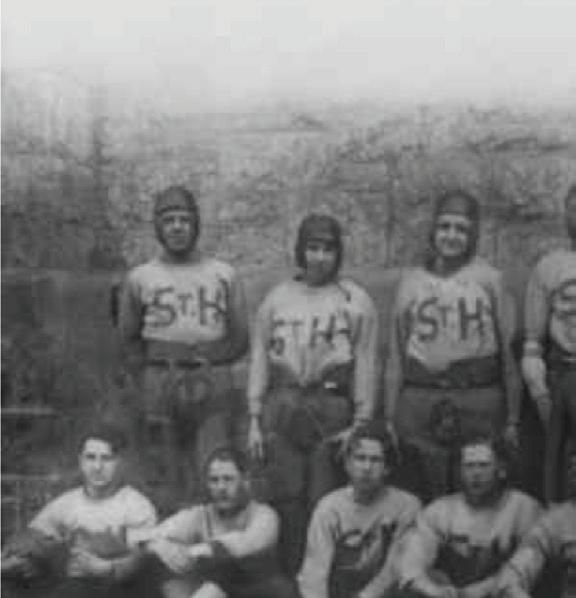
ST. HEDWIG'S SCHOOL FOOTBALL TEAM, J.P. JETER COACH, 1925
ON A LIFE AFLOAT of the Atlantic Intracoastal
Photo Credit: The Philadelphia Inquirer, Philadelphia, PA Sep 23, 1927 Pg 2.
Photo Credit: Delaware County Daily Times Chester, PA Oct 21, 1941 Pg 1.
Waterway.
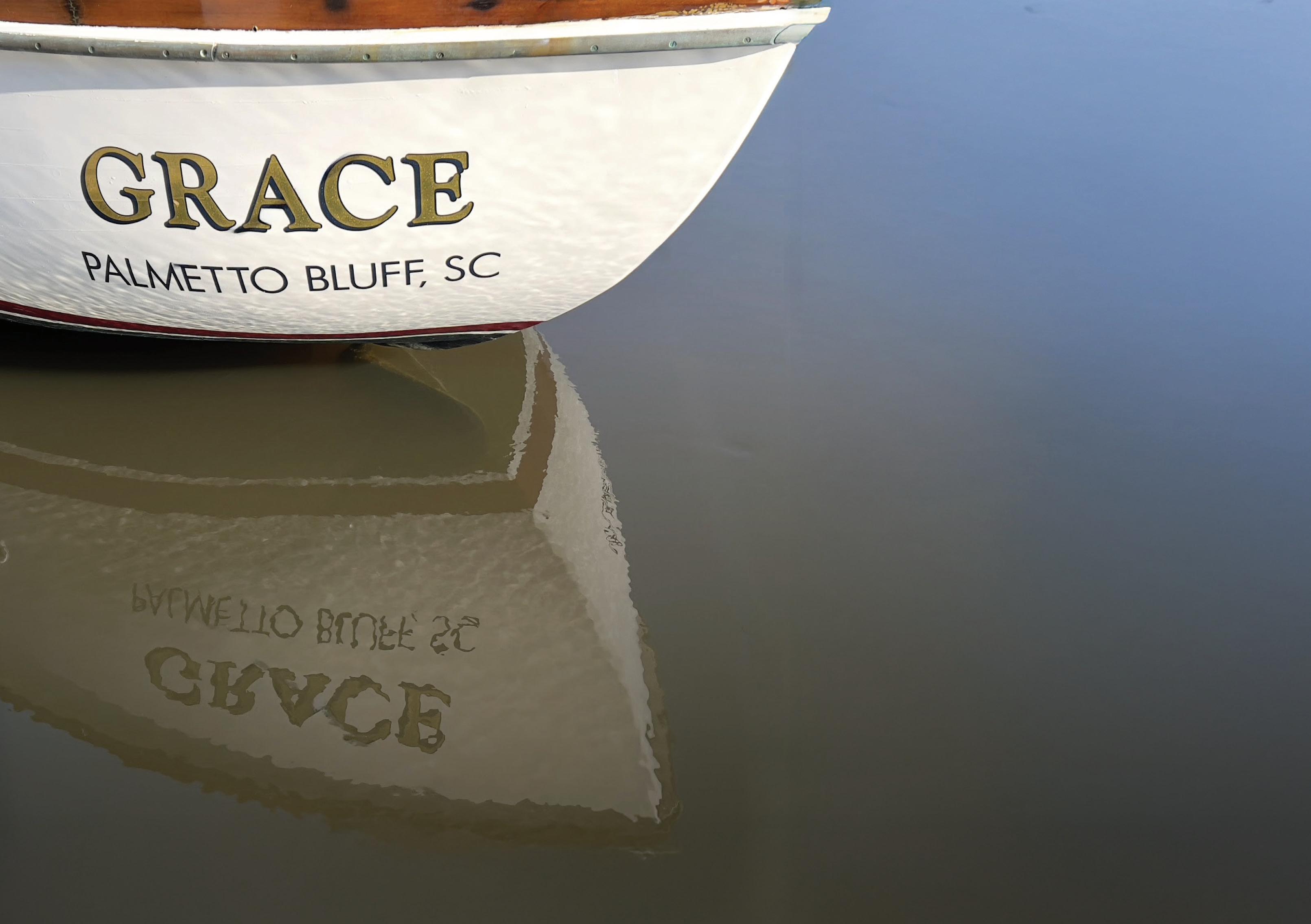
“Some would say Grace is just a boat—and perhaps she is.
But her story tells us otherwise. Built in an era of extraordinary craftsmanship, she has weathered more than a century of change, war, and renewal. Her journey is a rare thread connecting past to present, a testament to the resilience of both wood and will.
Grace Lives is more than the history of a boat—it’s a reflection of the eras she has survived and the people who refused to let her be forgotten. Through Grace, history lives on.”
GRAY C. STAHLMAN, MD