
WCS hires assistant principal
Plotting a rebellion WCS tangles with state over test scores
OBSERVER STAFF REPORT
Williston Central School will welcome a new assistant principal in July, following the retirement this year of longtime principal Jackie Parks and the transition of Greg Marino into the principal role.
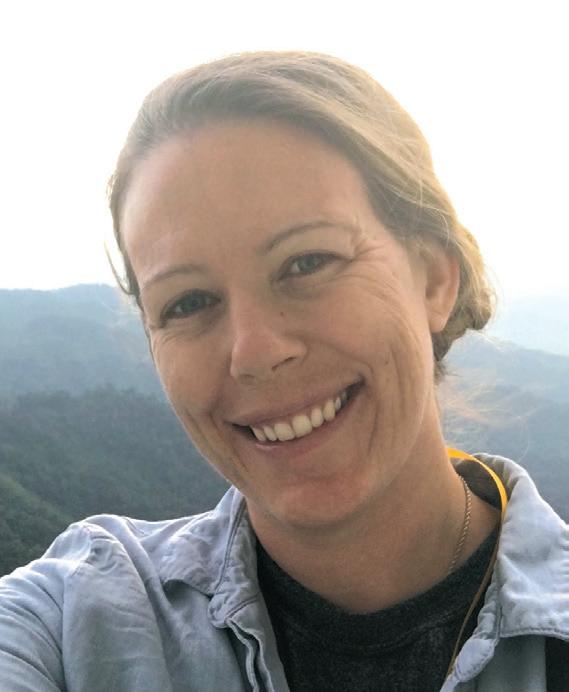
Ayrin Thibault comes to Williston from Mount Abraham Union Middle/High School in Bristol, where she is currently assistant principal. She has worked as an educator for more than two decades in a wide range of locations, from Chittenden County to Myanmar, where she taught eighth grade science for

two years.
BY JASON STARR Observer staff
You could call it mud season, but at Williston Central School, these upcoming springtime weeks before April break might also be described as standardized testing season.
or fall; school and school district level data are later reported by the Vermont Agency of Education. The state released last spring’s results in February.
“I am elated to join WCS,” Thibault said. “I look forward to the opportunity to learn and grow as a community of lifelong learners.”
The retirement of Parks prompted a restructuring of the administrative leadership at Williston’s schools. Marino will
Ayrin Thibault see THIBAULT page 8
Students in grades 3-8 will sit for a new round of Vermont Comprehensive Assessment Program (VTCAP) testing, an annual rite of spring mandated by the federal Every Student Succeeds Act and designed to measure student proficiency in math, English and science. Individual results are shared with families in the summer
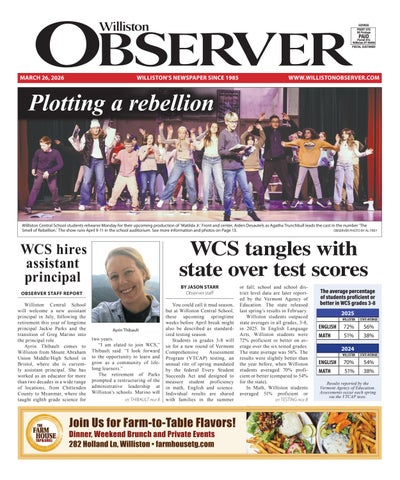
Williston students outpaced state averages in all grades, 3-8, in 2025. In English Language Arts, Williston students were 72% proficient or better on average over the six tested grades. The state average was 56%. The results were slightly better than the year before, when Williston students averaged 70% proficient or better (compared to 54% for the state).
In Math, Williston students averaged 51% proficient or
Results reported by the Vermont Agency of Education. Assessments occur each spring via the VTCAP tests. see TESTING page 8

Williston Central School students rehearse Monday for their upcoming production of ‘Matilda Jr.’ Front and center, Aiden Desautels as Agatha Trunchbull leads the cast in the number ‘The Smell of Rebellion.’ The show runs April 9-11 in the school auditorium. See more information and photos on Page 13.
OBSERVER
Thousands for warmth

Around Town

Bricks to honor veterans offered
Community members are invited by the Williston-Richmond Rotary Club to order inscribed bricks to honor a loved one, living or deceased, who has served in the military. The bricks will be installed in the patio of Williston War Memorial Park located between Town Hall and the Town Hall Annex.
Bricks may be inscribed with the veteran’s name, branch of service, dates of service and may also include the service branch emblem.
Though veterans’ bricks may be purchased at any time, order by March 26 by contacting Phil Stevens (philipsstevens@gmail. com) to ensure they can be installed in time for the annual Memorial Day observance hosted by the club on Monday, May 25.
Families as Partners hosts basket raffle Saturday
The Williston Families as Partners organization will host the 23rd annual Big Basket Raffle fundraiser on Saturday, March 28 at Williston Central School.
Doors open at 5:30 p.m., ticket sales start at 6 p.m. and the first draw is at 6:30 p.m. The event, open to people age 16 and over, raises
COMMUNITY CALENDAR
EMAIL EVENT LISTINGS TO EDITOR@WILLISTONOBSERVER.COM
FRIDAY, MARCH 27
Education and Enrichment for Everyone lecture. 2-3 p.m. Faith United Methodist Church, South Burlington. Speaker Morgenstein Fuerst, UVM Humanities Center director, discusses “Religious Literacy as Social Justice.” www. eeevermont.org.
FRIDAY-SATURDAY, MARCH 27-28
money to support field trips, special guests, innovation grants, student activities and more.
Over 50 beautifully themed baskets will be offered, plus the opportunity to connect with fellow community members and enjoy refreshments.
Easter parade and egg hunt set for April 4
The Williston-Richmond Rotary club will hold the annual Bill Mikell Easter Parade and Egg Hunt at Williston Central School on Saturday, April 4 for children 12 years old and under. The parade begins at 9 a.m. Arrive early and meet the Easter Bunny!
Prizes will be awarded to children who find specially marked Easter eggs. Other prizes will be awarded to children wearing full Easter costumes. Children are encouraged to bring their own egg collection baskets.
Industrial Ave.Mountain View-Route 2A construction to resume
Construction on Route 2A around Industrial Avenue and Mountain View Road is scheduled to resume Monday, March 30, the Vermont Agency of Transportation announced.
The multi-year project will continue with roadway widening and intersection restructuring from Industrial Avenue north to River Cove Road. Work will include installing stormwater treatment systems, completing sewer improvements, placing final paving and line
Rummage Sale fundraiser. Shop for gently worn clothing, linens, shoes, jewelry. 9 a.m.-6 p.m. Friday and 9 a.m.-12 p.m. Saturday. Williston Federated Church.
SATURDAY, MARCH 28
American Red Cross Blood Drive. 9 a.m.-2 p.m. Williston Fire Station, 645 Talcott Rd. To make an appointment, go to redcrossblood. org and search by zip code, or call 800-733-2767.
Big Basket Raffle. Connect with community, raise money for school events, eat and win prizes. 5:30-8 p.m. Williston Central School.
SATURDAY, APRIL 4
Rotary Easter Parade & Egg Hunt. Candy, prizes, Easter bunny. 9 a.m. Williston Central School.
Seed swap and share. Bring seeds to swap and take home. 11:30-1:30 p.m. Dorothy Alling Memorial Library. Sponsored by Sustainable Williston.
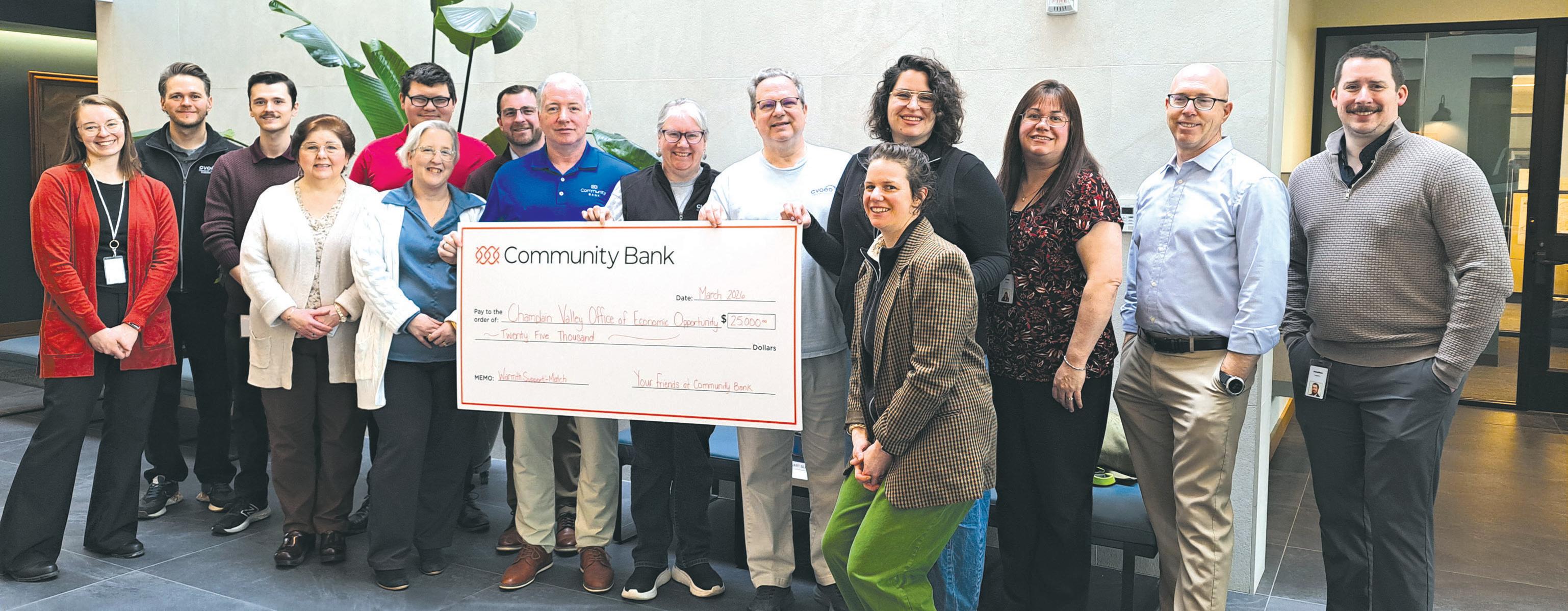
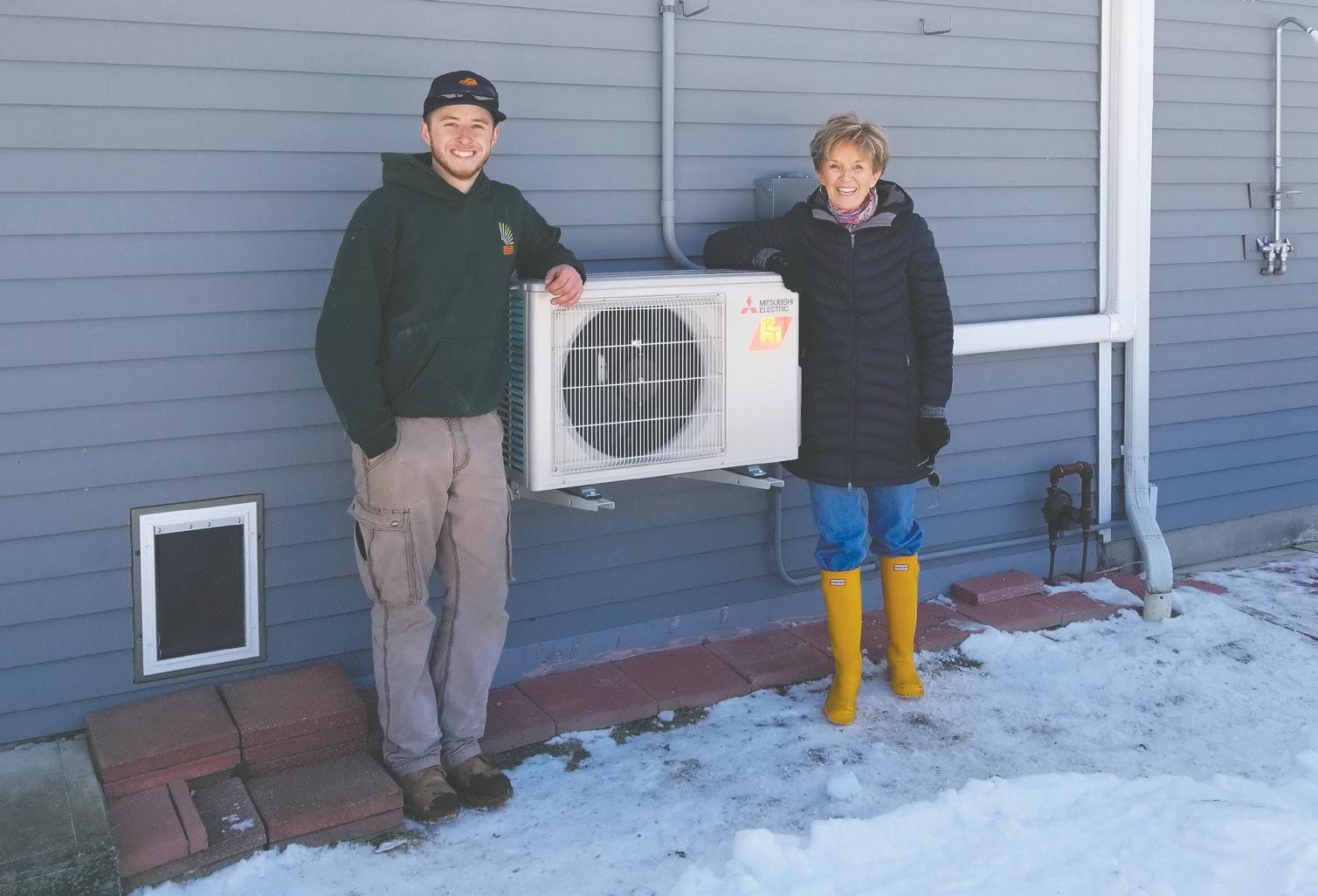
Community Bank recently presented a check to the Champlain Valley Office of Economic Opportunity for $25,000 for the agency’s “Warmth Support Program.” The donation was part of CVOEO’s fundraising of about $60,000 to help people with winter home heating. OBSERVER COURTESY PHOTO
The play’s the thing

Around Town
continued from page 2
striping, installing permanent signage, rehabilitating drainage inlets, catch basins and manholes, and finishing curbs, sidewalks, traffic signals, streetlights and landscaping.
Construction hours will generally take place Monday through Friday, from 6:30 a.m. to 6 p.m. Periods of significant traffic delays are expected; drivers are encouraged to allow extra travel time or consider alternate routes.
The project is expected to be completed by the fall.
Storytelling event to support Richmond food shelf
Join master storyteller, woodsman and author Bill Torrey as he weaves together true, hilarious and heartwarming stories at a “Food on the Table” event at the Richmond Free Library on Saturday, April 4 at 4 p.m. Sixth-generation Vermonter Torrey is an NPR Moth Mainstage performer and fivetime Moth Story Slam winner.
Tickets are free with a suggested donation of $10-$20. All proceeds will go to the Richmond Food Shelf and Thrift Store. Get your tickets at https://events.humanitix.com/ food-on-the-table-storytelling.
CVU students take the stage in Spring One Acts
This year’s lineup features “Romeo and Juliet” and “The Complete Works of William Shakespeare (Abridged),” each offering a unique student-directed experience. Tickets are available at www. ticketsource.us/cvutheater.
“The Complete Works of William Shakespeare (Abridged),” directed by CVU seniors Molly Silvia and Eva Fewell, condenses all 37 of Shakespeare’s plays into a comedic, fast-paced performance. “Romeo and Juliet,” under the direction of CVU seniors Stephanie Miskavage and Izzy Schwendler, offers a student-led vision of Shakespeare’s timeless tragedy. Seniors Kieran Coolidge and Nicki Cogan take the lead roles.
Vermont Spring Market returns to Expo on April 11-12
Dozens of artisans and crafters will gather at the Champlain Valley Exposition in Essex Junction on April 11-12 for a celebration of handmade goods and regional creativity.
Shoppers can choose from a variety of products, including woodcrafts, clothing, jewelry, spices, pottery, specialty foods and sweets, maple products, artwork, beverages, games and pet goods.
Admission is $10 (children under 12 are free). Visit https://www.vtgatherings.com for more information.
CVU High School Theater presents its annual Student-Directed One Act Plays on April 10-12. Tickets go on sale March 28. Showtimes are 7 p.m. April 10-11 and 1 p.m. April 12.





SCAN ME!
Champlain Valley Union high school actors rehearse for the upcoming CVU Spring One Acts. The annual senior-directed one act plays will feature “Romeo & Juliet” and the spoof “The Complete Works of Shakespeare....Abridged” on April 10, 11 and 12.
Local police defend conduct during immigration raid
BY CHARLOTTE OLIVER VTDigger
Local and state police officials were asked last Thursday to explain the violent clashes between Vermont law enforcement agents and protesters during a federal immigration operation last week in South Burlington.
At a Statehouse hearing packed with about 100 onlookers, lawmakers pressed the law enforcement officials to answer for their officers’ presence and use of force — and to respond to accusations that their officers violated state police policy. That policy generally bars local and state police from “facilitating” civil immigration enforcement.
As law enforcement officials said that officers acted professionally
and largely denied allegations of misconduct, dozens of people in the room audibly scoffed and laughed.
Under scrutiny was the fact that local and state police officers responded to an effort by federal immigration agents to seize a man they sought to arrest on suspicion of his unlawful reentry into the country.
And although immigration authorities detained three individuals that day from a house on Dorset Street in South Burlington, which was surrounded by protesters, the man they were seeking was not in the house.
What started out as a standoff between protesters and law enforcement officers escalated into a chaotic confrontation throughout the day. And along the way, state police troopers sometimes stood alongside

“Why
At the Stern Center, we teach the way kids learn best.
Our patient and skilled instructors know how to help struggling kids build confidence, develop solid math building blocks, and learn the language of numbers through active, brainfriendly, one-on-one learning.
We have openings now and for summer. Online or in Williston

Why wait? Reach out today. (802) 276-8563 learning@sterncenter.org

federal immigration officers, notably helping clear a path for the federal officers to enter the Dorset Street house.
It has led activists to demand a probe into the police presence and police use of force that day, bringing the issue to the attention of lawmakers.
“We are here to protect Vermonters, and that’s what we attempted to do last week,” said Col. Matthew Birmingham, director of the Vermont State Police.
During the Thursday hearing, lawmakers only heard from law enforcement officials — and said they would table protester accounts to another day.
Bill Breault, the South Burlington police chief, said he “was left with no option” but to ask for help from the state police and other local police departments.
Jennifer Morrison, commissioner of the Vermont Department of Public Safety, said state and local police were stuck trying to balance the competing interests of protecting
the safety of protesters and protecting the safety of law enforcement, including federal officers.
But activists say they don’t buy that argument and don’t see it as a justification for police presence or what they called aggression toward protesters.
Activists specifically accuse state and local police of violating the state’s fair and impartial policing policy, which says that state and local police officers shall not “facilitate the detention of individuals by federal immigration authorities for suspected civil immigration violations.”
When it comes to criminal immigration violations, the policy states that “enforcement of federal criminal immigration law is generally not a priority.”
Brault said local officers helped clear a path for federal officers to enter the house because they were told federal officials had a warrant to enter the house and were going to execute the warrant “using any means necessary.”
They hoped to prevent potentially more violent altercations between federal officers and protesters by involving local officers, he said.
But Finn Lester-Niles, who said he attended the March 11 protest, said in an interview that state and local officers came “to brutalize protesters.”
Law enforcement officials acknowledged that tensions at the scene began to escalate as more enforcement arrived. But Burlington Interim Police Chief Shawn Burke blamed certain protesters for making matters worse.
“As the crowd grew on Dorset Street, the peaceful activists were joined by agitators, a Trojan Horse of sorts, leading way to an escalation instigated by the crowd,” Burke said. He went on to add that protesters ignored the orders of police officers, saying there needs to be “greater accountability from the criminal legal system to address the violent agitators who clothe themselves as activists.”


ICE: Man sought in raid was not in fleeing vehicle
Burlington
BY ALAN J. KEAYS VTDigger
Federal immigration authorities are changing their story on the key event leading to the standoff and raid on a South Burlington home earlier this month.
U.S Immigration and Customs Enforcement no longer believes that a man they maintained was the driver of a fleeing vehicle that eventually spurred the chaotic operation was actually behind the wheel, according to a new court filing.
The raid prompted strong criticism from political leaders and civil rights advocates across the state, who condemned the tactics used by ICE in carrying out the operation. The incident has also led to scrutiny of state and local police for their role working alongside ICE and physically engaging with protestors.
Colton Riley, a deportation officer with ICE in St. Albans, wrote in the filing Tuesday that since the March 11 raid on the Dorset Street residence, another person has been interviewed who says he was the driver of that vehicle with an unnamed 18-year-old male passenger.
As a result, Riley wrote in the federal court filing, “I no longer believe” that Deyvi Daniel Corona-Sanchez “was an occupant of the Toyota Camry I observed on March 11, 2026.”
Riley wrote in an earlier filing that on

Riley wrote that as the Toyota Camry drove on Dorset Street, he turned on his lights and sirens to try to stop the vehicle, but the vehicle did not stop and continued to drive, eventually crashing into other vehicles, including unmarked ICE vehicles.
Another ICE officer later told Riley that two men eventually fled the Camry on foot and ran into a residence on Dorset Street, according to the filing. That led to an hourslong standoff as hundreds of protesters gathered outside the home.
ICE officers then obtained warrants to enter the home and arrest CoronaSanchez on a criminal charge of illegally reentering the United States after he previously had been removed. However, after breaking down the home door and storming the residence, agents did not locate Corona-Sanchez inside, according to federal authorities.
South Burlington raid have changed.
In the filing, Riley wrote that he spoke with FBI Special Agent Matthew Johnson, who had interviewed one of the people detained by ICE in the Dorset Street home.
Johnson, Riley wrote, told him that the interviewee said he was the driver of the Toyota Camry on March 11 and that an 18-year–old was the passenger.
That new understanding contradicts the federal government’s initial explanation that it was Corona-Sanchez behind the wheel of the fleeing vehicle.


PHOTO BY GLENN RUSSELL/VTDIGGER
March 11, while conducting surveillance of a residence on Dorset Street, he saw a blue Toyota Camry and after he “queried the registration for the vehicle” learned that it was registered to Corona-Sanchez.
Riley added in that filing that he was about 50 yards away from the Toyota Camry and saw two men enter the vehicle. Also, Riley wrote, he reviewed a photo of Corona-Sanchez from a prior immigration interaction and believed that Corona-Sanchez was the person who got into the vehicle’s driver seat.

Three other people inside the home were detained by ICE and taken into custody before they were released following court hearings last week. They each face further hearings in immigration courts.
Meanwhile, Corona-Sanchez remains at large.
According to Tuesday’s filing, ICE’s understanding of the events leading to the
The U.S. Department of Homeland Security, which oversees ICE, in a press release March 16 highlighted the case in Vermont. The release contains quotes from Deputy Assistant Secretary Lauren Bis pointing to Corona-Sanchez as the driver of the fleeing vehicle, which Riley now contends he doesn’t believe was the case.
“During the attempted arrest, CoronaSanchez weaponized his vehicle and rammed our ICE law enforcement officers,” Bis stated in the release. “He fled on foot into a nearby residence and remains at-large.”
ICE officials could not immediately be reached Tuesday for comment.


Vermont State Troopers and federal law enforcement officials remove demonstrators surrounding a house in South Burlington where a suspect who fled an earlier attempted stop by ICE was thought to be on March 11.
Serving our community since 1985
willistonobserver.com
P.O. Box 1401, Williston, VT 05495 802-489-5499
ADVERTISING
Adam Geffken, Account Manager adam@willistonobserver.com 802-338-1655
Rick Cote, Associate Publisher rick@willistonobserver.com 802-373-2136
EDITOR
Jason Starr editor@willistonobserver.com
PRODUCTION & DESIGN
Jan Kenney jan@willistonobserver.com
PUBLISHER
Susan T. Cote susan@willistonobserver.com
BILLING INQUIRIES
Michael McCaffrey office@willistonobserver.com
ADVERTISING SPACE DEADLINE
Friday at 5 p.m. for the next Thursday issue adam@willistonobserver.com 802-338-1655
CLASSIFIED ADS
Deadline is Friday 5 p.m. There is a fee for business, real estate, help wanted and legal ads. Free classifieds must be 25 words or fewer and are printed on a space available basis.
SUBMISSIONS & LETTERS
Deadline is Monday noon for Thursday issue. News/story tips are welcomed. Letters to the Editor should be 300 words or fewer and include your name, address and a daytime phone number so that we can verify the letter’s author.
The Williston Observer reserves the right to edit or refuse submissions or advertising. Opinions expressed in the paper are those of the writer and do not necessarily reflect the opinion of the paper.
A publication of Twin Ponds Publishing LLC
GUEST COLUMN
How we’ve failed our most vulnerable
BY BOB STANNARD
I grew up in a different era. The Town of Dorset still exists, but it’s not the town in which I was raised.
Like every other town in America, we had people who excelled and those who did not. We did not have buzz words like “mental health.” We just had some folks who were different.
We had some “town drunks” and some who were “not quite right.” They may have been looked down upon by some, but for the most part they found a way to get through life without actually harming others.
There was a man in South Dorset who lived with his mother who drove around on Halloween in a black car with the window down offering candy to kids walking around. I don’t recall that anyone ever accepted his offer as he creeped us out. No one was ever harmed. It was an accepted fact that he was a little strange, but was being taken care of.
There was a man who had become too old to handle his farm so he took to drinking, which did little to enhance his abilities to maintain his farm. What happened to this chap when he could no longer farm (but could drink plenty)? My grandfather hired him as a plumber. He never did much plumbing. He just rode around with my grandfather and lent a hand. He was not allowed to drink on the job, so that bad habit was curtailed slightly. Was it a perfect solution? Hard to tell, but at least the man had
a purpose and his dignity.
The days of communities rallying around their fellow citizen who needs help appears to be nearly over. Today people can no longer survive working one job. They need two or
I’ve seen us go from a society that found a way to cope with the few people who were incapable of surviving like the rest of us, to a society that believes it’s the state’s job and simply wants these people to disappear.
three jobs to make ends meet. The time available to address the needs of family members who need help has vanished. We now look to the state to deal with family members in trouble.
Perhaps the enhanced stress of day-to-day living has exacerbated the root problems that too many of us are facing today. Maybe it was the onslaught of prescribed pain killers and illegal dope that arrived in our communities that allowed those in trouble to find an inadequate escape. Whatever the excuse, the dissolving of community life has contributed to the core problem society is experiencing today.
We have a mosaic of symptoms: poverty, addiction, mental health problems, systemic failure by our bureaucracy, income inequality, unfavorable tax policy, lack of affordability, lack of housing. In our desire to address these issues one at a time we’re overlooking the bigger picture.
Not all of those who have shattered lives can be completely rehabilitated and reintroduced back into society. Longterm, safe facilities are needed for this population. We used to have that, before the days of deinstitutionalization.
The year I was born, we locked up — in hospitals or jails — about the same share of the population that we do now. Back then, it was mostly in hospitals. Today, it’s 97% in jails. In lieu of the way we used to do it, we look to the criminal justice system that, in the end, costs us untold millions of dollars that could be put to better use.
There are many examples of people who are troubled mentally breaking the law, getting arrested, getting a public defender, getting convicted, maybe going to jail or maybe being released for time served. Once released, there is nothing for them except to go through it all over again. These folks are not tracked. They’re tossed out onto the streets with no money, no place to live, no way to get from A to B, and yet we expect them to be just fine.
They’re not fine. They need help that they’re not getting, presumably because it’s deemed too expensive.
Williston Federated Church
Holy Week Services
Member: Palm
Burlington Area Newspaper Group

Friday April 3rd, 7:30 p.m. at the Richmond Congregational Church
Easter “Sonrise” April 5th, 6:30 a.m. at 24 Beebe Lane on Lake Iroquois with potluck breakfast to follow
Easter Worship Sunday, April 5th, 9:30 a.m. in-person & live streamed on Facebook/WillistonFederatedChurch
However, compared with what we’re spending on them in ways that don’t work, it is not more expensive. Instead of rallying around folks who need help we have morphed into a society that looks down upon these people. We see them as a burden that we might as well lock up. There is a severe lack of housing for extremely low-income people. If we think the problem is bad now, ask yourself where we will be a generation from now. In my near 75 years I’ve seen us go from a society that found a way to cope with the few people who were incapable of surviving like the rest of us, to a society that believes it’s the state’s job and simply wants these people to disappear. That’s not going to happen. “These people” may be your kids or your grandkids. Is it OK to turn your back on the problem as long as it’s not your family member? No, it’s not. There’s a cost to society. We’re going to pay either way. Does it not make more sense to stop what we’re doing, step back and re-examine the mosaic and start addressing the real problem: the problem of you and me no longer being able to help our neighbors in need? If we recognize that what’s being done now isn’t working, we’ll find that there are things we can do that we haven’t tried before.
Bob Stannard is an 8thgeneration Vermonter and former state representative. He lives in Manchester Center.

LETTERS TO THE EDITOR
Election outcome bias
It seems as if some folks in our community have an issue with the low level of citizen participation in our recent election and one particular outcome. The issue that has folks in a kerfuffle is the singular outcome of the library and town green project vote. It won the support of our community members who voted. Isn’t that the election process as defined by tradition?
What I can’t understand is why folks aren’t questioning all the election outcomes then if they espouse a deep-seated concern for such a low percentage of the electorate actually voting. It has become a national pattern to question the outcome of one singular line item on a ballot and ignore the outcomes for the rest of the ballot.
Can anyone explain the rationale behind cherry picking one issue that you don’t like the outcome of while accepting all the others?
Patrick Brown Williston
Get off the sidelines of democracy
Our democracy is floundering. Transparency and accountability in the U.S. government is declining. There is no longer a separation of powers but a concentration of power in a single leader, the president.
The attacks on the free press are only escalating. Citizen participation continues to fall. We have broken alliances around the world, civil and human rights rollbacks, racial profiling,
arrests and deportations without due process.
And there is a loss of common decency. This is not a time to sit back and take stock but to step up and speak out.
Contact your representatives via www.5calls.org. Spend five minutes. Make five calls. It is the easiest and most effective way for you to call your representatives.
Send postcards. The website www.abby.postcardstovoters. org is an effective and proven way to turn out the vote.
Join www.indivisible.org, a national grassroots organization dedicated to protecting democracy with many local groups spread throughout our state. Research shows that if just 3.5% of a population consistently protests, change will occur.
Vermonters can make a
difference. Vermont is a state to be proud of. Vermont is a leader in the protection of our environment and in the fight for rights and freedom for all.
Many of us have a need to feel significant, to feel our lives matter. This is an opportunity to do that.
Join in to protect democracy.
Mary Oliphant Williston
Expanded options
I’ve been following the library expansion project, and I hear the calls for a revote.
I understand everyone’s feeling, but before we go there, I’d like to try something first. Take five shakes of a lamb’s tail and think about your answer before


you blurt it out: How would you vote if this project were priced at $10 million? $5 million? What about $30 million? Is there any price that would change your vote?
But what changes at those prices? What do you gain at $30 million? What do you lose at $5 million? The point is, we were given one number, $15 million, with no alternatives to vote on. Take it or leave it. And I think that’s why so many of us feel a little stuck.
This passed by fewer than 100 votes in a town of 10,000. I don’t think that’s a mandate. I think it’s a signal that a lot of neighbors don’t have a clear sense of what this money actually buys them and their community.
What if instead of another yes or no vote, we gave people options: a $15 million version
with everything included, a $10 million version without the extras, a $5 million version that covers the core work? Let voters show us where they think the value actually lies, and let the town show us what justifies each additional layer of the project.
That puts the responsibility of proving value where it belongs. And I think we’d see a very different turnout and a much clearer picture of what this community actually wants. All or nothing votes on decisions this size leave people feeling trapped. We can do better than that. We should trust our neighbors with more than two choices.
Is Your Cat’s Heart
1 in 7 cats can have heart disease without showing signs.
Our feline-focused team offers calm, cat-friendly cardiac ultrasounds. With over 60 years of combined feline medical experience, we make your cats’ health a priority. For cardiac ultrasounds of your cat’s heart, call us today!



Jon Zittritsch Williston
better over the six grade levels, showing no improvement or decline from 2024. The state average was 38% over the past two years.
Under federal law, a school’s trajectory on the tests plays into whether it is identified as needing additional state oversight and support. Identified schools are placed on one of two lists, either comprehensive support needed or targeted support needed. Schools placed on those lists this year won’t be eligible to improve their way off the lists until 2028.
Despite posting significantly better results than statewide averages, and showing slight year-over-year improvement in English and no decline in math, Williston Central School finds itself on the state’s list for needing comprehensive oversight and support. Champlain Valley School District (CVSD) administrators are appealing the designation.
“They are revisiting that
right now because we’ve pressed them on the calculations that made them come to that conclusion,” CVSD Director of Learning and Innovation Sarah Crum said. “We have some upcoming meetings with the state
“When
Sarah Crum CVSD Director of Learning and Innovation
to try to figure it out. The calculations they are using behind
the scenes are not transparent … The numbers are not making a lot of sense.”
According to the Agency of Education, WCS was placed on the comprehensive support list for its failure to meet improvement criteria needed to exit its previous designation of needing targeted support. Williston has been designated for targeted support since 2023.
“Williston schools not meeting exit criteria (is) under review,” the agency acknowledged in its February release.
Meanwhile, the school district is in the midst of redefining how it measures student success, an effort that started under the leadership of second-year Superintendent Adam Bunting. Standardized test results will be part of that measure, but it will be equal parts honoring student identities, building meaningful relationships and developing a sense of purpose. Taken together, they comprise the school’s new ICPD (identity, connection, proficiency, direction) framework.
“When I talk to my kids about their educational journey,

they’re not ever going to mention their standardized test scores,” said Crum, a mother of three. “That is not how students measure their success or understand who they are as a student. So we are trying to really broaden that understanding to capture a far more holistic view of what it means to be a student who is growing in our district.”
Measuring success in relationships and a sense of purpose is trickier than measuring academic proficiency. One way the district captures that data is through surveying students. It has an eight-year record of student surveys at the high school level and five years at grades 3-8, said Crum. This year, the district piloted a survey for students in grades K-2. It is also leaning on attendance data to guide improvement plans.
“We will surface the areas that we feel like are our strengths and how we can leverage those strengths to either scale them or reach more students, and then (identify) areas that we can work on, and develop action plans in order to do that,” said Crum.
Thibault
continued from page 8
replace Parks at the end of the school year, stepping away from his current role overseeing the town’s entire kindergarten-through-eighth-grade system at both Williston Central and Allen Brook schools. That “lead principal” position will be phased out and the WCS assistant principal position created.
“Ayrin’s values, passions and leadership habits are in close harmony with Williston’s guiding principles and culture,” Marino said, “and we’re very excited to welcome her to WCS’s leadership team. The search team was impressed by Ayrin’s diverse palette of instructional and leadership experiences, her calm and reflective approach, and her passion for improving instruction and systems for the benefit of students and learning.”
When she is not working in schools, Thibault enjoys all aspects of nature and outdoor activities, as well as spending time with family and friends. She recently earned her certification to teach adaptive horseback riding, allowing her to share her love of horses with others.



The green benefits of Williston’s library expansion
BY ERIC HILLMUTH Williston Energy Committee
The upcoming renovation and expansion of the Williston public library will create much more than a place to borrow books. It’s shaping up to be a model of sustainable design and community-centered green innovation.
At a time when environmental stewardship is a priority for cities and towns across the country, and particularly in Vermont, Williston’s new library project stands out for its deliberate focus on reducing carbon emissions, strengthening community ties and harnessing the inherently green nature of libraries themselves.
One of the key environmental advantages of the Williston library project is the library trustees’ decision to renovate and expand the existing structure rather than pursue brand new construction.
While new buildings certainly have their place, renovation uses far fewer resources, thus minimizing energy use associated with manufacturing and transporting new materials, reducing construction waste and preserving the energy already invested in

the original building. By building on what already exists, the proposal significantly lowers the project’s lifetime carbon footprint. This kind of adaptive reuse is consistent with broader sustainability principles






Voters at Town Meeting Day approved an expansion of the Dorothy Alling Memorial Library, depicted in this architectural rendering courtesy of Black River Design.

GREEN Breeding seeds that withstand Vermont weather



Northfield farmer cultivates varieties to handle Vermont’s growing season
BY INDI ROSE Community News Service
In a state better known for maples than melons, one farmer is redefining what can grow in Vermont soil. Last August, Charlie Watt’s backyard in Northfield contained 20-pound watermelons, tomatoes the size of two fists, an 8-foot wall of peas and many, many seeds.
Watt is the founder of Homecoming Seeds, a seed company that launched this January devoted to crop varieties that are adapted to Vermont’s short growing season and unpredictable weather. The company offers plants that can germinate in cold soil, withstand fungal diseases, shrug off pests and tolerate temperature swings — while still managing to produce abundantly.
“You’re going to have a better garden,” Watt said. “You’re going to have better luck growing seeds that have adapted to these conditions.”
operation, but Watt is quick to acknowledge the many helping hands behind the scenes. Some, like people at Small Axe Farm in Barnet, helped him by growing seeds that he would later purchase, while others offered mentorship and guidance.
Among them is Sylvia Davatz, the retired founder of Solstice Seeds, a Hartlandbased seed company. Davatz, who has been described as a “seed saving legend,” met Watt at an Upper Valley Food Co-Op meeting, and over the years has offered him expertise. The two have been working closely together since.
“It’s just unreal how healthy and vigorous everything is.”



Watt began his seed saving journey while pursuing his Ph.D. in agriculture and education at Montana State University. There, he met an older gentleman who introduced him to seed saving and spent hours teaching him the craft.
Over the years, Watt built a network of mentors who would provide him with seeds saved from their best-performing plants, some of which had been cultivated for 40 years.
Watts’ work is the result of patient and meticulous plant breeding. Each season, he walks his fields and selects seeds only from the plants that perform best under stressful growing conditions.
The theory is simple: Save seeds from the best plants. But in practice, it requires dedication. A single variety can take years of selection before it stabilizes. A flood, early frost or outbreak of disease could undo a season of work.
“He’s been grinding nonstop since I’ve known him,” friend and customer Nina Galicki said. “He’s had his nose to the grindstone making it work.”
And work it has. Galicki recalled a walk through Watt’s garden, where she saw “a sea of incredibly enormous squash plants” and tomatoes two pounds heavier than any she’d ever grown herself.
“It’s just unreal how healthy and vigorous everything is,” she said.
Homecoming Seeds is a one-man
“It’s not glamorous work. We don’t hear about farmers in the news every day. But it’s work that has been secured by generations,” Davatz said. “That fills me with a sense of responsibility. I feel responsible for making sure that what’s been entrusted to me is preserved.”
Crop diversity, championed by local seed varieties, is a cornerstone of resilient agricultural models. When farmers grow multiple species and multiple varieties within the species, they reduce the risk that a single pest, disease or extreme weather event would wipe out an entire harvest.
That’s why farmers like Davatz and Watt feel responsible for protecting and ensuring the existence of unique crop varieties.
“Seed saving is absolutely foundational. Without seeds, we don’t have most of our food on earth,” Davatz said.
For Watt, seed saving is both practical and deeply personal. In the future, Watt wants to scale up his production and make the seeds accessible in bulk volume. But for now, his top priority is feeding his community.
“We care about the people who grow the seeds and eat them,” Watt said. “The greatest joy would be to hear that people are growing these seeds and eating them with friends and family.”
Via Community News Service, a University of Vermont journalism internship, on assignment for the Montpelier Bridge.
Nina Galicki Customer Homecoming Seeds
Charlie Watt displays a turnip he grew.
PHOTO COURTESY OF HOMECOMING SEEDS
Air-to-water heat pumps ‘poised for growth’
New technology can be more efficient, but expensive to install
BY ZACHARY MOSS Community News Service
A sold-out crowd attended an “Air to Water Heat Pump Summit” earlier this month in Winooski, drawn by a potentially more efficient, money-saving way to heat buildings.
Air-to-water systems heat and cool buildings using the efficient properties of water. They take advantage of previously built home infrastructure, as well as momentum from national electrification trends.
But there are roadblocks to their growth in North America.
The systems are expensive to install, require a broad effort to educate contractors, and must overcome housing weatherization issues. Additionally, most heating system installations benefited greatly from federal subsidies, which are now absent and have not supported this technology before.
As people use more electricity in their daily lives, air-to-water home heat pumps are “poised for growth,” according to John Siegenthaler, a leading expert on hydronic heating systems and speaker at the event.
He said this technology is common in other parts of the world.
“This is not new technology from a global perspective when we look at European and Asian markets,” Siegenthaler said.
The summit was sponsored by

Efficiency Vermont, Associated Building Contractors of VT/ NH, and Vermont Construction Academy, as well as a number of manufacturers, distributors and contractors.
Air-to-water systems are hydronic, meaning they use water as the medium for heating and cooling, and are more efficient than other electrical systems that use air. This increases their efficiency in distributing heat around the house. They work well with previously built, oil-fueled hydronic systems, which are common throughout the northeast.
The challenge with the system is the upfront cost.
Air-to-water heat pumps pose a higher financial entry point when compared to other heat source equipment like gas furnaces, airto-air heat pumps, boilers or electric resistance.
The cost of installation ranges
wildly, depending on the climate and house. Because house design and age vary greatly in Vermont, upfront costs can range anywhere from $20,000 to $50,000, according to contractors at the event.
“You just can’t do it for $15,000,” said Jeff Grenier of Master Heating and Plumbing. “It’s just not going to happen.”
However, the upfront cost is only part of the equation. Electric systems, especially air-to-water systems, operate more efficiently and can make up for that cost with long-term use.
Moving a heating system off fossil fuel reliance can save hundreds, if not thousands each year, depending on the size of the home, according to a slide show presented by Siegenthaler at the event.
However, with any new technology, it’s important to address the learning curve.
Contractor education and

expertise is critical to long-term savings. In North America, this is a new technology, which demands climbing that learning curve.
Today, installers are familiar with air-to-air heat pumps, like ductless mini-spits, said Rachel Roy, a regional sales manager for Mitsubishi. Air-to-water hydronic systems are different, leading to a big gap of knowledge for installers to learn, Roy said.
Though some of the Vermont contractor base is familiar with hydronic systems, air-to-water systems have subtle differences that are hugely important in their long-term efficiency — the place where these systems generate their cost savings.
Air-to-air heat pumps are “appliance-like” heating solutions, said Steve Spatz of Efficiency Vermont. Air-to-water systems, on the other hand, require detailed knowledge of the home infrastructure as they deal with distributing heat to the whole home rather than just a room or area.
That level of in-depth knowledge plays a key part in the distribution of heat around the home, which is the “crux of the system,” said Spatz, who focuses on training and customer engagement.
When trying to heat an entire home, it might not be enough just to throw in an electric heat pump or two, he said. Understanding the energy required from room to room, the installed insulation, and the source of energy powering the house are all more important to air-to-water heat pump installations.
“If they didn’t go through a process of training or education that aligns with getting a plumbing license,” Spatz said, it will require a larger lift.
There are no federal subsidies for installation of this new technology. At the state level, Efficiency Vermont offers rebates of up to $6,500.
Still, many customers are priced out of the upgrade and opt for ducted systems, which are cheaper and easier to install.
Contractors, according to Spatz, like cost efficiency. When comparing whole home heating options, ducted systems offer just that.
Weatherization is a must with any heating source upgrade, Spatz said, but Vermont homes face a series of problems there.
Many Vermont homeowners remain skeptical of new home heating technology. Supporters of the new technology are confident it will get better and cheaper with broader adoption.
In an ideal world, these systems will save homeowners money, said Patrick O’Brien, an engineer at Viessmann Heating and Cooling Solutions.
“If we all work together to make sure that we’re putting the correct system into the correct home, and everything’s done the correct way, that’s when you see it done and the savings are there,” O’Brien said.
Community News Service is a University of Vermont journalism internship.

Tim Jones and James Mayer look over the inside of an air-to-water heat pump.
PHOTO COURTESY OF EFFICIENCY VERMONT
GREEN
Library
that prioritize resource conservation and smart growth.
Libraries have always been inherently green institutions. They maximize access to information and entertainment without requiring individual ownership of books, media, tools and technology. A single library copy of a book, DVD, or even a tool can replace dozens or hundreds of individual purchases by community members. This shared resource model reduces consumption and waste, fosters reuse and supports equitable access to knowledge — all core elements of environmental sustainability. In this sense, the Williston library’s expanded capacity will amplify these benefits, creating a vibrant hub where
A single
copy of a book, DVD, or even a tool can replace dozens or hundreds of individual purchases by community members.
materials and ideas can circulate freely and sustainably.
A central goal of the expanded library is to serve as a community gathering place providing space where people of all ages and backgrounds can come together for learning, conversation and shared activities. When a library becomes a community nucleus,
residents don’t have to travel as far for cultural events, meetings, workshops or quiet study, which cuts down on transportation emissions. Thoughtfully designed public spaces also enhance social cohesion and well-being, which are increasingly recognized as important components of sustainable communities.
Another exciting feature of the Williston library proposal is a creator space — a designated area that will be equipped with tools and technology that empower makers, entrepreneurs, students and hobbyists to innovate. These spaces often include 3D printers, digital media tools, crafting equipment and collaborative workstations.
By providing shared access to these resources, the library enables hands-on learning and



creativity without requiring each individual to acquire expensive equipment. Shared maker spaces reduce material waste, expand educational opportunities and support local entrepreneurship all while reinforcing the library’s role as an inclusive hub for lifelong learning.
From a design and engineering perspective, the library’s commitment to sustainability is also evident in its all-electric heating and cooling system. By eliminating fossil fuel-based HVAC equipment and opting instead for electric systems such as air-sourced or perhaps even ground-sourced heat pumps, the building positions itself to run efficiently on renewable energy as Vermont’s grid continues to become greener. Allelectric buildings produce fewer direct carbon emissions, improve indoor air quality by avoiding combustion on site, and are future ready as clean energy continues to
expand.
Together, these features — adaptive reuse, an expanded community focus, inherent sustainability, shared maker resources and all-electric design — make the upcoming Williston public library a powerful example of how local infrastructure can strengthen both community and environmental resilience.
It’s more than a building; it’s a statement about shared values and a greener future.
To participate in Williston’s energy future, reach out to your Williston Energy Committee at energy@willistonvt.org or attend a public meeting held on the second and fourth Wednesday of each month. The agenda for upcoming meetings is posted on the Town of Williston website (www.town.williston.vt.us). For more information, visit www. willistonvtenergycommittee.org.







Showcasing the arts in our schools

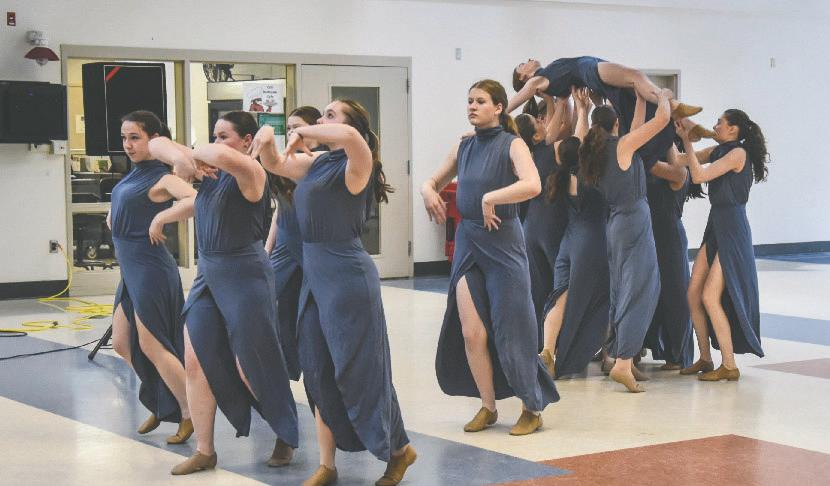
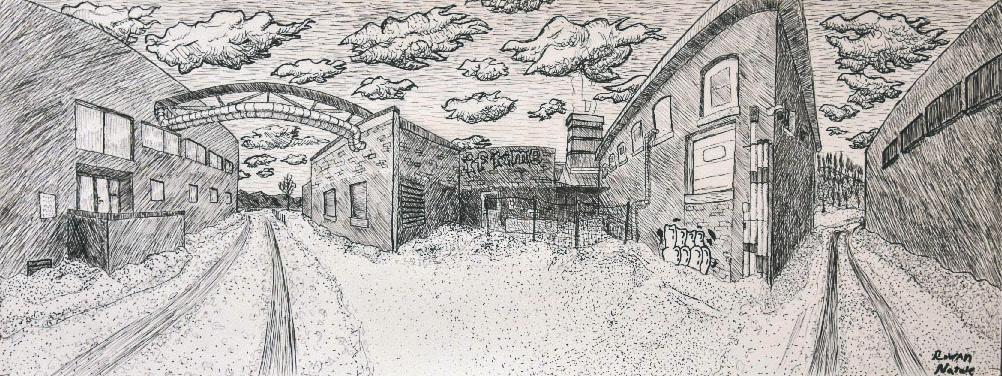
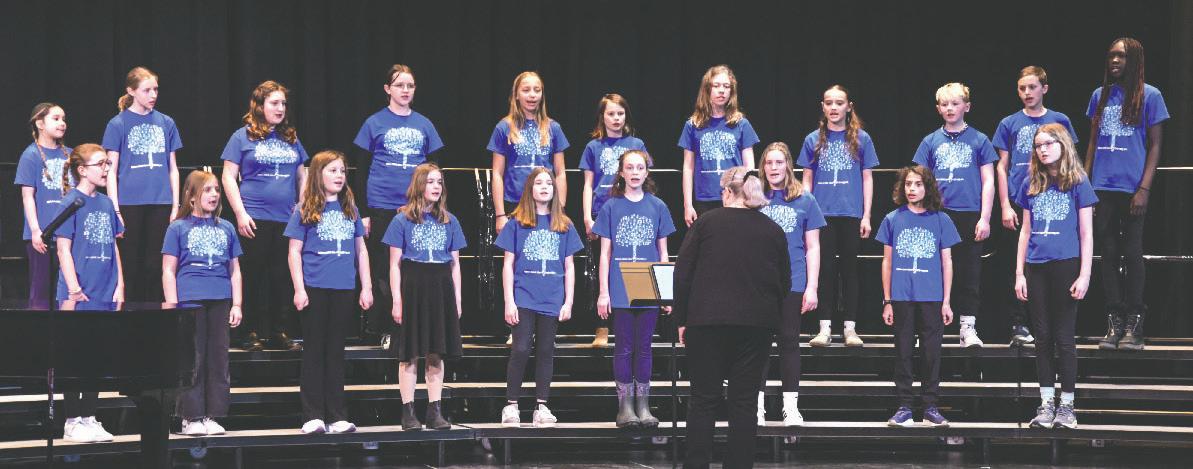

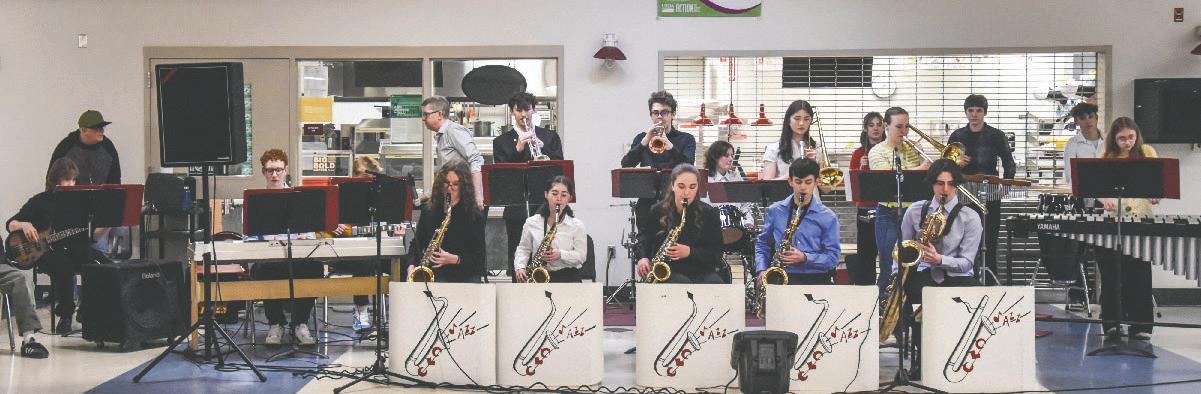


Champlain Valley Union High School and Williston Central School set aside Tuesday night to celebrate the creativity taking place in local schools . Music, dance, vocals, visual arts and hand crafts were all on display at CVU.
PHOTOS BY AL FREY
CVU’s Natalie Jewett thows a pot.
The CVU Dance Team
CVU Jazz Band
CVU’s Kaiya Galipeau turns a bowl on a wood lathe.
A sketch in ink by CVU’s Rowan Natale
Williston Central School Varietones lend their voices to the night.
A display of artwork from the Williston Central School multilingual program
Acrylic painting by Renee Rodney.
PALM SUNDAY & EASTER WEEK
CHURCH SERVICES - 2026
CHRIST MEMORIAL CHURCH
1033 Essex Rd, Williston www.cmcvermont.org
Palm Sunday— March 29, 10 a.m.
Maundy Thursday—April 2, 6:15 p.m.
Good Friday—April 3, 6:15 p.m.
Easter Sunday—April 5, 10 a.m.
COMMUNITY LUTHERAN CHURCH
1560 Williston Rd, So. Burlington https://communitylutheranvt.wpcomstaging.com
Palm Sunday— March 29, 9:30 a.m.
Maundy Thursday—April 2, 6 p.m.
Good Friday—April 3, 6 p.m.
Easter Sunday—April 5, 9:30 a.m.
CROSSPOINT CHURCH
237 Commerce St, Williston www.crosspointvt.org
Easter Celebration—April 5, 10 a.m.
ESSEX ALLIANCE CHURCH
37 Old Stage Rd, Essex Junction www.essexalliance.org
Good Friday—April 3, 6 p.m. Burlington Campus at 901 North Ave.
Easter—Saturday, April 4, 4:30 p.m., Sunday, April 5, 8 a.m., 9:30 a.m., 11 a.m.
IMMACULATE HEART OF MARY
ROMAN
CATHOLIC CHURCH
7415 Williston Rd, Williston https://immaculateheart.vermontcatholic.org
Blessing of Palms—Saturday, March 28, 5:30 p.m. & Sunday, March 29, 10:30 a.m.
Holy Thursday, April 2, 6:30 p.m.
Blessing of Easter Foods— Saturday, April 4, 11 a.m.
Easter Vigil—Saturday, April 4, 8:00 p.m.
Easter Mass—Sunday April 5, 10:30 a.m.
OUR LADY OF THE HOLY ROSARY ROMAN CATHOLIC CHURCH
64 W Main St, Richmond https://holyrosary.vermontcatholic.org/
Blessing of Palms—Saturday, March 28, 4 p.m. & Sunday, March 29, 8:30 a.m.
Good Friday—April 3, 3 p.m.
Easter Mass—April 5, 8:30 a.m.
ST. TIMOTHY ANGLICAN CHURCH
30 Morgan Pkwy, Williston https://sttimothyburlington.org
Palm Sunday— March 29, 9 a.m.
Maundy Thursday—April 2, 7 p.m.
Good Friday—April 3, 6 p.m. at 901 North Ave., Burlington
Easter Vigil—April 4, 7 p.m.
Easter Sunday—April 5, 9 a.m.
TRINITY BAPTIST CHURCH
300 Trinity Dr, Williston www.tbcvt.org
Palm Sunday— March 29, 10 a.m.
Good Friday—April 3, 6 p.m.
Easter Sunday—April 5, 10 a.m.
VIBRANT CHURCH
2025 Williston Rd, So. Burlington www.vibrant.ch
Palm Sunday— March 29, 9:30 a.m.
Good Friday—April 3, 6:30 p.m.
Easter Sunday—April 5, 9:30 a.m.
WILLISTON FEDERATED CHURCH
44 N Williston Rd, Williston www.steeple.org
Palm Sunday— March 29, 9:30 a.m.
Maundy Thursday—April 2, 7:30 p.m.
Good Friday—April 3, 7:30 p.m. at Richmond Congregational UCC Church, 20 Church St., Richmond
Easter “Son-rise” Service—April 5, 6:30 a.m. at 24 Beebe Ln. by Lake Iroquois followed by potluck breakfast
Easter Sunday—April 5, 9:30 a.m.







YOUTH PROGRAMS
Children in fourth grade and younger must be supervised by someone over 16 years of age.
STORYTIME
Tuesdays, March 31 and April 4, 10:30-11 a.m. Drop in for stories, songs and fun.
BABY TIME
Wednesday, April 1, 10:30-11 a.m. Suggested ages 0-18 months. Enjoy gentle literacy, bonding and socializing activities.
AFTER SCHOOL GAMES & PUZZLES
MULTI-AGE PROGRAMS
READ TO A DOG (ROCKO)
Thursday, April 2, 3-4 p.m. Call to sign up for a 10-minute session to read to (or hang out with) Rocko the therapy dog.
READ TO A CAT (TROOPER)
Monday, April 6, 3:15-4:20 p.m. Call to sign up for a 15-minute session to read to (or hang out with) Trooper the therapy cat.
ADULT PROGRAMS
For online programs or to join a book club, email daml@damlvt.org.
SEED SWAP AND SHARE
Saturday, April 4, 11:30 a.m.-1:30 p.m. Hosted by Sustainable Williston and DAML. Bring seeds to swap. Experienced gardeners will be on hand to help answer your planting questions.
LET’S CHAT ABOUT BOOKS
Dorothy Alling Memorial Library hours:
• Monday and Wednesday: 9 a.m.-7 p.m.
• Tuesday, Thursday, Friday: 9 a.m.-6 p.m.
• Saturday: 10 a.m.- 3 p.m. Visit www.damlvt.org to register for programs. Need help? Call 878-4918 or email daml@damlvt.org.
National Library Week begins on Sunday, April 5. Celebrate by signing up for a library card, stopping by to visit the library, or checking out one of our physical or digital resources.

Wednesday, April 1, 2-3 p.m. Relax after school with board games or jigsaw puzzles.
MUSIC AND PLAYTIME
Thursdays, April 2 and 9, 10:3011:30 a.m. Drop in for music, and stay to play.
SATURDAY STORYTIME
Saturday, April 4, 10:30-11 a.m. Start your weekend off with Cindy’s Storytime.
AFTER SCHOOL MOVIE
Wednesday, April 8, 2-3:40 p.m. PG. Adventure is out there for this unexpecting duo.
LEGO TIME
Thursday, April 9, 3-4 p.m. Build something exciting with our LEGO collection.
TEA CLUB: ASSAM TEA (STARTS APRIL 1)
STOP BY FOR A FREE SAMPLE WHILE SUPPLIES LAST.
ADULT MEDITATION (ONLINE)
Friday, March 27 and April 3, 1212:30 p.m. Join our guided meditation to relax and re-center.
Spanish Conversation (Online)
Wednesday, April 1, 5-6 p.m. All skill levels welcome.
ADULT RPG
Wednesday, April 1, 6-8:30 p.m. Join our campaign.
MAH-JONGG
Friday, April 3, 1-3 p.m. All skill levels welcome.



Saturday, April 4, 1-2 p.m. Our monthly chat group turns to the topic of books. Come hang out with other readers and chat about what novels, articles or audiobooks are capturing your imagination this month. And maybe let’s gossip about the ones we didn’t like and why we DNF’d them. This group will recur every first Saturday.
TECH TUTOR
Tuesday, April 7, 1-4 p.m. Call to make a one-hour appointment.
Life Stories (online)
Wednesday, April 8, 2-3:30 p.m. Join us for some reminiscing.
Adult Crafternoon- Beaded Bracelets
Tuesday, April 7, 2-3 p.m. Make yourself some spring bling. This craft requires manual dexterity. We will be working with small beads.
CURRENT EVENTS (HYBRID)
Wednesday, April 8, 10:30 a.m.-12 p.m. Drop in to discuss a variety of topics with community members.










Welcome to North Dakota
North Dakota is our 39th state, having entered the Union on Nov. 2, 1889. It is a landlocked state that borders Montana, South Dakota and Minnesota, along with Canada.
About 800,000 people live in North Dakota, many in Fargo, the state’s largest city. The capital is Bismarck.

North Dakota history
Native American tribes including the Hidatsa, Cree and Sioux lived in the area for thousands of years before Europeans arrived in the mid-1700s. The Spanish and French controlled the region until the late 1800s, when the railroad brought more settlers.
In the mid-20th century, oil exploration brought more people to North Dakota.
In the Peace Garden State
North Dakota is home to the International Peace Garden, a garden that straddles the international boundary line between the United States and Canada.
Agriculture is the top business in North Dakota; about 90% of the land there is in farming. Farmers produce beans, wheat, corn, seeds for oil, soybeans and sugar beets. People also work in oil production, food processing and technology.
Along with Native Americans, many people of Norwegian and Icelandic descent live in the state. In the late 1800s, many Germans immigrated to the area.

Try ’n’
Find
Having fun
North Dakotans enjoy ice fishing, skiing and snowmobiling. Fans follow minor-league baseball teams and hockey teams.
Mini Fact: The Peace Garden has more than 80,000 flowering plants in its formal garden.

North Dakota has 63 national wildlife refuges, the most of any state. People also visit the Knife River Indian Villages National Historic Site, where Lewis and Clark became acquainted with Sacagawea. The site has the remains of three Native American villages.

At a site called Medicine Hole, a cave entrance sometimes releases an eerie fog. Early Native Americans believed that the hole was where all humans and animals came out of the Earth at the beginning of time.
Visitors also explore Theodore Roosevelt National Park. The president had two ranches in the state’s Badlands.
Education
North Dakota is home to many public universities, five tribal colleges and universities, and four private schools.
Next Week: Award-winning books
North Dakotans to know
• Louise Erdrich is an author who has written books for children and adults. You may have read books in her series
The Birchbark House. Erdrich is a member of the Turtle Mountain Band of Chippewa Indians of North Dakota. Her mother was an Ojibwe woman.


• Sacagawea (sah-KAH-gah-WAY-uh) is the Shoshone Indian woman who guided Meriwether Lewis and William Clark on their explorations to the Pacific Ocean. She grew up near the present-day Montana-Idaho border. When she was about 10 years old, she was captured by Hidatsa warriors. They brought her to their villages in present-day North Dakota, about 1,000 miles away.
The Hidatsa tribe adopted her and gave her the name Sacagawea, which means “Bird Woman.”
In 1804, Lewis and Clark stopped for the winter near the Hidatsa village. They hired her and her husband as interpreters for the journey. Sacagawea traveled with them more than 4,000 miles through the wilderness. Words that remind us of North Dakota are hidden in this puzzle. Some words are hidden backward or diagonally, and some letters are used twice. See if you can find:
CREE,
ERDRICH, FARMS, GARDEN, HIDATSA, LAKOTA, LANDLOCKED, LEWIS, NATIVE, NORTH, OIL, PEACE, SACAGAWEA, SIOUX, WILDLIFE.

Mini Jokes


and Clark and Sacagawea” by Dalton Rains

Billy: What do you get when you cross a bison with a chicken? Briana: Buffalo wings!
Ben: What do you call a truck full of bison? Betty: A buffa-load!

stress, giving them a survival advantage. In
Founded by Betty Debnam Issue 13, 2026
photo by Words in the Wind
photo by Evan Delshaw
photo by slowking4
Louise Erdrich
Sacagawea
At the library: •“Lakota” by Heather Bruegl
• “Lewis and Clark and Sacagawea” by Dalton Rains
Try ’n’ Find
Words that remind us of North Dakota are hidden in this puzzle. Some words are hidden backward or diagonally, and some letters are used twice. See if you can find:
BISMARCK, CLARK, CREE, DAKOTA, ERDRICH, FARMS, GARDEN, HIDATSA, LAKOTA, LANDLOCKED, LEWIS, NATIVE, NORTH, OIL, PEACE, SACAGAWEA, SIOUX, WILDLIFE.
Cook’s Corner
Colorful Corn Salad
You’ll need:
• 2 (16-ounce) packages frozen sweet corn kernels, thawed
•4 green onions, chopped
•1 red pepper, chopped
•1 green pepper, chopped
What to do:
•1/4 cup white vinegar
•2 tablespoons olive oil
•1/2 teaspoon salt
• 1 tablespoon lemon juice
•1 teaspoon sugar
1.In a large bowl, combine corn, onions and peppers.
Mini Jokes
Billy: What do you get when you cross a bison with a chicken? Briana: Buffalo wings!
Ben: What do you call a truck full of bison? Betty: A buffa-load!
Eco Note

2.In another bowl, combine vinegar, olive oil, salt, lemon juice and sugar for the dressing.
3.Pour dressing over corn mixture. Mix well.
4.Place in refrigerator until ready to serve. Serves 8.
7 Little
Words for Kids
Use the letters in the boxes to make a word with the same meaning as the clue. The numbers in parentheses represent the number of letters in the solution. Each letter combination can be used only once, but all letter combinations will be necessary to complete the puzzle.
1.little part of something (5)
2.underground part of a house (8)
3.period of 10 years (6)
4.“Texas Hold ‘Em” singer (7)
5.fill with air (7)
6.where bats may live (4)
7.flapjacks (8)

*You’ll need an adult’s help with this recipe.

Plants growing close together can warn each other about incoming stress, giving them a survival advantage. In experiments with thale cress, researchers at the University of Missouri in Columbia exposed both isolated plants and tightly packed groups to intense light. Crowded plants quickly activated more than 2,000 protective genes and showed far less damage, while plants grown alone failed to mount the same defense. The team found that neighboring plants release hydrogen peroxide, a chemical stress signal that spreads from one plant to another and triggers the response.
For later:
Look in your local newspaper for news or sports items that mention North Dakota.



By Jim Miller
dizziness in
adults? I have dizzy spells from time to time, but I’m not sure what causes it or what I should do about it.
—Dizzy Donna
Dear Donna,
Whether it’s a moment of lightheadedness or the room-whirling sensation of vertigo, dizziness can be very unsettling. As many as 30 percent of people older than 60 experience dizziness at some point — about 50 percent after age 85. This unpleasant sensation only rarely signifies a serious medical condition. But it can knock you off balance, leading to falls and injuries. That’s why, anytime you feel dizzy you should lower yourself to a safe, seated position.


SAVVY SENIOR
Here’s a brief rundown of what typically causes dizziness and what you can do to fix it.
WHAT CAUSES DIZZINESS
One of the most common causes of dizziness and vertigo in older adults is benign paroxysmal positional vertigo (BPPV). This occurs when tiny crystals in the inner ear, which play a role in balance, become dislodged. BPPV is more likely as we get older because wear and tear can cause the crystals to shift out of place.
The resulting dizziness is
generally triggered by changes in head position. People with BPPV often complain that the room spins when they roll over in bed, get into or out of bed, tip their head back, bend over, or make other quick head movements. These episodes usually last only a minute or two, but they may happen intermittently over a period of time.
A drop in blood pressure may also cause dizziness, even fainting, especially when changing position from sitting or lying down to standing. This so-called


time.



“postural hypotension” is often the result of problems with blood pressure medication.
If this is something that occurs on a regular basis, you need to be evaluated by your doctor. Certain sedatives, antidepressants, cough and cold medicines, and antibiotics can lead to dizziness, too.
Dehydration may be another culprit in postural hypotension. Staying hydrated is extremely important for balance, blood pressure and general well-being. Declines in vision and hearing (including ear infections and impacted earwax) may also affect your balance.
WHEN TO CALL A DOCTOR
Occasional dizziness that lasts only a few seconds is probably no cause for worry, but you should still let your doctor know. If it persists for several minutes or more, or keeps happening, call your doctor right away.
Sudden dizziness or loss of balance, along with facial drooping, trouble speaking, nausea and vision or hearing disturbances can signal a stroke. If this happens call 911.
TREATMENT FOR DIZZINESS
If your doctor thinks you have BPPV, they can teach you the Epley maneuver, where you turn your head and body in ways that move ear crystals back into place.
For medication-related dizziness, your doctor can change your medication or dosage to reduce side effects.
For persistent problems, your doctor can check for infections, balance disorders and more serious issues such as tumors, congestive heart failure, an irregular heart rhythm, and conditions like Parkinson’s disease.
If none are found, your doctor may recommend vestibular rehab, which may help with dizziness, vertigo and balance problems. Anxiety and depression can also cause dizziness in some people. Treating this may ease your lightheadedness.
Send your questions or comments to questions@savvysenior.org, or to Savvy Senior, P.O. Box 5443, Norman, OK 73070.


TODAY’S HISTORY:
• In 1830, the Book of Mormon went on sale in New York.
• In 1979, Egyptian President Anwar Sadat and Israeli Prime Minister Menachem Begin signed the Egypt-Israel Peace Treaty during a ceremony in Washington, D.C.
• In 1997, police discovered the bodies of 39 victims of the Heaven’s Gate religious cult’s mass suicide in a mansion near San Diego, California.
• In 1999, a Michigan jury found Dr. Jack Kevorkian guilty of seconddegree murder for euthanizing a terminally ill patient.
TODAY’S FACT:
• The term “gerrymander” was first printed on this day in 1812 by the Boston Gazette; it described the shape of one of the election districts as redrawn in a bill signed by then-governor of Massachusetts Elbridge Gerry.




EXPERIENCED
AUTO MECHANIC
Join a team of skilled professionals at an independent shop specializing in Volvo repairs, diagnostics and maintenance services.
Monday-Friday (no Saturdays) - $25-$50/hour
Swedish Pit - The Volvo Specialists
88 Ethan Allen Dr., South Burlington Call the shop: 802-863-2646 Email resume: 87scott@gmail.com

CROSSWORD
SOLUTION Puzzle found on page 21
Linda Langer
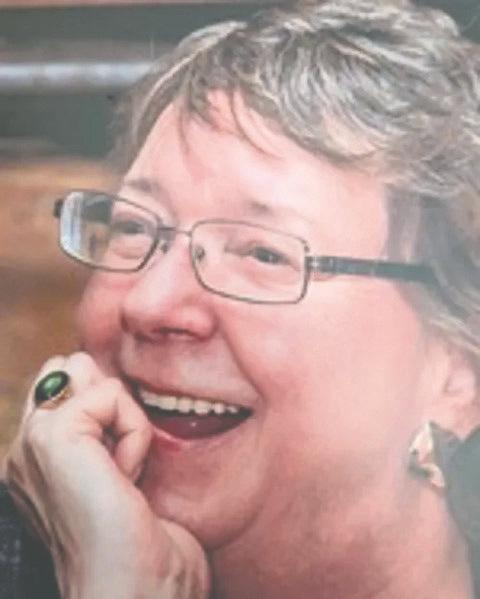
Linda Langer, a longtime resident of Richmond, died March 14, 2026, with her loving husband Irwin by her side.
Linda was born in Burlington to Bob and Marian Atwood. She graduated from Burlington High School in 1969 and the University of Vermont, Class of 1973. Linda was employed at General Electric Lakeside and its successors, retiring from General Dynamics.
An active citizen of Richmond, Linda was part of the Senior Center. She volunteered in the community vegetable garden and found her favorite exercise program in Bone Builders. Linda was a Chittenden County Master Gardener, a volunteer activity she embraced.
Linda leaves behind her husband of 50 years, Irwin Langer, and her sister, Mary Ann Kincaid of Virginia Beach, VA. Her extended family includes brother-in-law Marty Lindenbaum, Boca Ratan, FL, nephews P.J. McGrath (Pam) of Virginia Beach, Matt Lindenbaum, East Rockaway, NY and Jason Lindenbaum (Leigh) of New City,
SUDOKU
SOLUTION Puzzle found on page 21

NY, nieces Ann Cazares (Jim), Chesapeake, VA, and Kate Beadle (Jamie) of Oak Island, NC. She also will be remembered by numerous great nieces and nephews and a multitude of friends.
Services will be private. Memorial contributions may be made to her favorite charity, Richmond Food Shelf, P.O. Box 174, Richmond, VT, 05477, www. richmondfoodshelfvt.org.

Pam Parent
Pam Parent, 66, of Williston, died unexpectedly on March 12. Pam was born in Burlington, on July 8, 1959 to Theodore and Patricia Palmer and was the oldest of the 3 P’s and the 3 T’s. As the first born of a young family embarking on military life, she spent her first couple years being loved and adored by her mom Pat, grandparents Hilda, Beatrice and James and her young aunts Mary and Peg while Ted began his service in the U.S. Army. Her schooling began in Kinderhaus in Stuttgart, Germany. She was a proud young student. The family returned to Hinesburg
CLASSIFIEDS
LEGAL
TOWN OF WILLISTON
DEVELOPMENT REVIEW BOARD AGENDA
Tuesday, April 14, 2026 – 7:00 PM
Town Hall Beckett/McGuire Meeting Room (7900 Williston Road, use rear entrance) or Zoom Webinar
ID 813 6162 7981 on www.zoom.us/join
DP 21-19.3 GPA, LLC c/o Nicholas Smith requests discretionary permit review to amend the architectural design and adjust the retaining wall grades at 19 Clif’s Court in the IZDW.
DP 10-03.1 Christ Memorial Church, Greg Burton requests discretionary permit to realign the western parking lot to the new curb cut along Route 2A in the RZD.
Project details and site plans are available on the website, town.williston. vt.us, under “Public Records and Documents”, then “Agendas & Minutes”, and “Development Review Board”. Contact Planning & Zoning Office for more information: 802-878-6704 or email planning@willistonvt.org
while she was in elementary school, and she graduated from CVU in 1977 where she was a member of the National Honor Society. She was known for her kindness and thoughtfulness among her friends and teachers. She was a kind and thoughtful big sister.
Pam loved being a mother and took enormous pride in her children. Pam was also a creative. She found great joy in baking and cooking for her family and had a talent for decorating elaborate birthday cakes for her children’s birthdays. She often sewed Halloween and school play costumes from scratch, rivaling any store-bought costume.
In quieter moments, she enjoyed tending to her flower gardens, spending time with a good book or using her keen eye searching for antiques. Pam also loved music. She built up an impressive record collection and cherished her trip to visit her brother Todd and the Grand Ole Opry.
Pam is predeceased by her parents Ted and Pat Palmer, and her aunt Mary Nertney. She is survived by her children Charlotte, Sam and Will Parent and their father Jeff Parent, her siblings Tim Palmer, Penny Restuccia and her husband Michael, Todd Palmer and his wife Darlene, Ted Palmer and his wife Danielle, her sister Paula Palmer and many nieces and nephews. She is also survived by her aunt and uncle Peg and Wayne Lacaillade, and her close friends Sandra Bremner and the St. Hilaire family.
Funeral services will be held on March 30 at 11 a.m at St. Jude’s in Hinesburg. In lieu of flowers, donations can be made to the Carpenter Carse Library.
LEGAL
Town of St. George, Vermont Lawn Care & Field Brush Hogging Request for Bids 2026
Publication Date: March 23, 2026. Deadline: April 13, 2026.
Summary: The Town of St. George will be accepting bids for a 1-year Town Property Lawn Care contract for seasonal lawn care service for the period May 1st to October 31st 2026.
PROPERTIES:
• Town Hall at 21 Barber Road (approximately 2 acres)
• Schoolhouse at 35 Barber Road (approximately .90 – 1.56 acres)
• Cemetery on VT Route 2A (approximately 1.23 acres and 240 headstones), and
• Annual brush hogging an area in the Town Center Field (approximately 4.00 acres).
OTHER SPECIFICATION:
Entrances to the Town Hall and the
Schoolhouse, including the Schoolhouse ramps, as well as paved walkways and parking areas around the Town Hall and the Schoolhouse, shall be kept free of clippings and debris following mowings.
Annual brush hogging is requested to be submitted as a separate line item in the bid submission, and the Town of St. George may award the brush-hogging individually from the property mowing.
BID PROCESS AND DEADLINE: Bids must be sealed and received at the Town Office by April 13, 2026, at 4:00pm. The bids can be mailed or delivered in person to 21 Barber Road, St. George, Vermont, 05495. Bids will be opened at the following Selectboard Meeting. Proof of insurance must accompany the bid. Please write “Attn: Town Property Lawn Care Bids” on the front of the envelope.
CONTACT INFORMATION: For more information, please contact Lisa Laramee, Town Clerk, at (802) 802-482-5272 or townclerk@stgeorgevt.com. The full RFP can be found at www.stgeorgevt.com
Disclaimer: The Town of St. George reserves the right to accept or reject all bids.




































Entertaining tales deliver warmth at storytelling event
BY SUSAN COTE Observer Staff
What’s so funny about power outages, getting pulled over by the police, subsisting for days solely on apple dumplings, and having a pet wolf who refuses to walk in the snow?
Ask the audience members who attended the third annual Bill Skiff Story Slam hosted last Saturday by the WillistonRichmond Rotary Club in the Williston Central School auditorium.
Responding to this year’s theme, The Snowstorm, participants shared true, personal tales of five minutes or less and were judged on adherence to the topic, story structure and audience engagement.
Judges for this year’s contest included Town of Williston snowplow operator Bernie Peine, retired WCAX meteorologist Gary Sadowsky and Vermont author and commentator Bill Schubart.
The friendly storytelling competition is named in honor of Bill Skiff, a founder and the

first president of the WillistonRichmond Rotary Club. An educator, Skiff authored a children’s book called “Willie the Jumping Frog” and for many years wrote a column of personal stories
and reflections for the Williston Observer. Skiff died in 2024.
On Saturday, two of his children offered snowy stories involving their dad, one recalling Bill pulling his kids into the
Have you tried Papa Nick’s?
village on a toboggan attached to the back of his truck and another when he accidentally buried himself up to his shoulders while clearing snow off the roof of their home.
Humorous stories ruled the evening. Paula Cope, who won third prize, related how her family managed to keep their tropical fish alive during a frigid multi-day power outage, while the humans in the household endured increasing deprivations.
Second place finisher Dylan Hornibrook spoke of a half inch of snow that shut down Austin, Texas for several dark days with no electricity, a diet of cold soaked ramen noodles and a sheriff conducting welfare checks to reassure his mother that he was okay.
Bill Torrey successfully defended his first-place win at last year’s event with a hilarious tale that conjured the acrid smell and billowing black smoke caused by his dad forgetting he had covered his car’s engine with a blanket before they set out after a big snowstorm to check on their camp. The event raised over $7,900 dollars to support charitable causes of the Rotary club, including Split the Ticket, a nonprofit that provides home heating fuel and heating repairs to people in need.




Dave Ericson comes with props for sharing his snowstorm story Saturday at Williston Central School.
Photo courtesy of Mollie Lannen