Verified Beef Production Plus (VBP+) is a program delivered under the umbrella of the Beef Cattle Research Council, a division of the Canadian Cattle Association. The program maintains the VBP+ standard, a set of criteria based on best management practices and critical control points in on-farm food safety, animal care, biosecurity and environmental stewardship.
VBP+ Delivery Services Inc., (VBP+ Inc.) is a company dedicated to delivering certification services to all beef operations in Canada. The focus of VBP+ Inc is to deliver certification to the VBP+ standard. However, other certifications can also be assessed. For example, VBP+ Inc. delivers certification to the Sustainable Beef Production Standard, maintained by the Canadian Roundtable for Sustainable Beef (CRSB), alongside certification to the VBP+ standard.
At the producer or operational level, certification means having a third-party assessor evaluate your operation. The assessor will review your practices, processes, and records and compare them to the program’s requirements. When you finish the assessment, you’ll receive your certification certificate.
Where do I start?
VBP+ Training Resources
If you are considering certification, training is the place to start. VBP+training explains the VBP+ Standard criteria and examines the records needed for an on-farm assessment.
Pre-Certification Webinar and Consultations with Provincial Coordinators
VBP+ encourages producers to access pre-certification resources through your provincial coordinators or by attending a pre-certification webinar. During these sessions, you will consider your own records, practices and processes and VBP+ coordinators or webinar hosts can answer any questions you may have.
Use this Guide
This Resource Guide is designed to help you prepare for the certification assessment and examines all the steps needed to be successful at certification. If you’ve completed the training and are ready for certification, contact the Assessment Coordinator at VBP+ Delivery Services Inc. You’ll receive an Audit Application and Agreement along with an invoice. Your assessment will be scheduled once you’ve returned the signed agreement and paid the invoice.
What does certification cost?
When you decide to become VBP+ certified, remember that you’re committing to the full five-year certification cycle. This means completing annual assessments and payments for all five years.
The on-farm assessment is the largest cost of certification, with smaller renewal assessments making up the rest of the five-year cycle. VBP+ Inc. offers two payment options: pay the full five years upfront or spread over five equal annual installments. If you’re applying for provincial grants or incentives that rebate certification costs, pay upfront to maximize your rebate.
What is the assessment cycle?
You don’t need a full on-farm assessment every year. VBP+ consists of a five-year cycle:
• Year 1: Complete the full on-farm assessment to get certified
• Years 2 and 4: Submit a requested sample of your program records to VBP+ Delivery Services Inc. to verify your processes are still in place
• Years 3 and 5: Submit a self-declaration confirming you’re maintaining the practices verified during your on-farm assessment
• After Year 5: The cycle starts again
cow/ calf, long-term
What can I expect during an on-farm assessment?
Once we receive your signed application and payment, our assessment coordinator will assign an assessor to your operation. The assessor will contact you by phone or email to schedule the assessment at a time that works for you. Before arriving at your farm, they will ask about your biosecurity protocols or requirements for visitors to protect the health of your animals.
A Conversation Between Producers
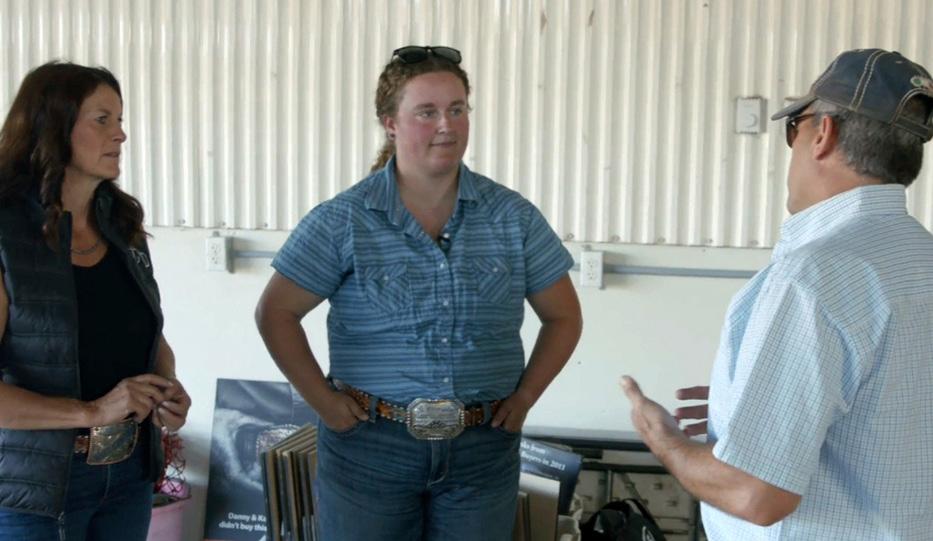
On-farm assessments are designed to feel like a conversation between you and the assessor. VBP+ assessors are producers themselves and are experienced with cattle production in Canada.
Assessors may differ in how they conduct the assessment. Some will request documentation prior to the assessment and others will review your records during the visit. Many assessment criteria can be met by simply explaining how you run your operation—the assessor will give a score based on your verbal description.
Touring Your Farm
During the farm walk-through, you can plan to show the assessor the following, depending on the season: cattle, calving grounds, water sources, feeding areas, handling facilities, feed storage, pastures, medicated feed storage and equipment, minerals and supplement, non-ruminant feeds, chemical storage, lagoons or septic systems, animal health product storage and delivery equipment. What can’t be covered during the walk-through can be explained verbally.
Show Off Your Records
Your on-farm assessment will also include a review of critical records. This resource guide explains which criteria can be met through verbal descriptions and which require physical records. At the completion of the assessment, the assessor will discuss any discrepancies they found and corrective actions that may be required. The assessor may contact you after the assessment if they have any follow-up questions.
Depending on the level of assessment and the records and processes being discussed, this entire assessment process may take 2-5 hours. When the assessor has completed their report it is submitted to the VBP+ portal and quality control and quality assurance process. This process ensures that reviewers come to the same conclusion or scoring as the
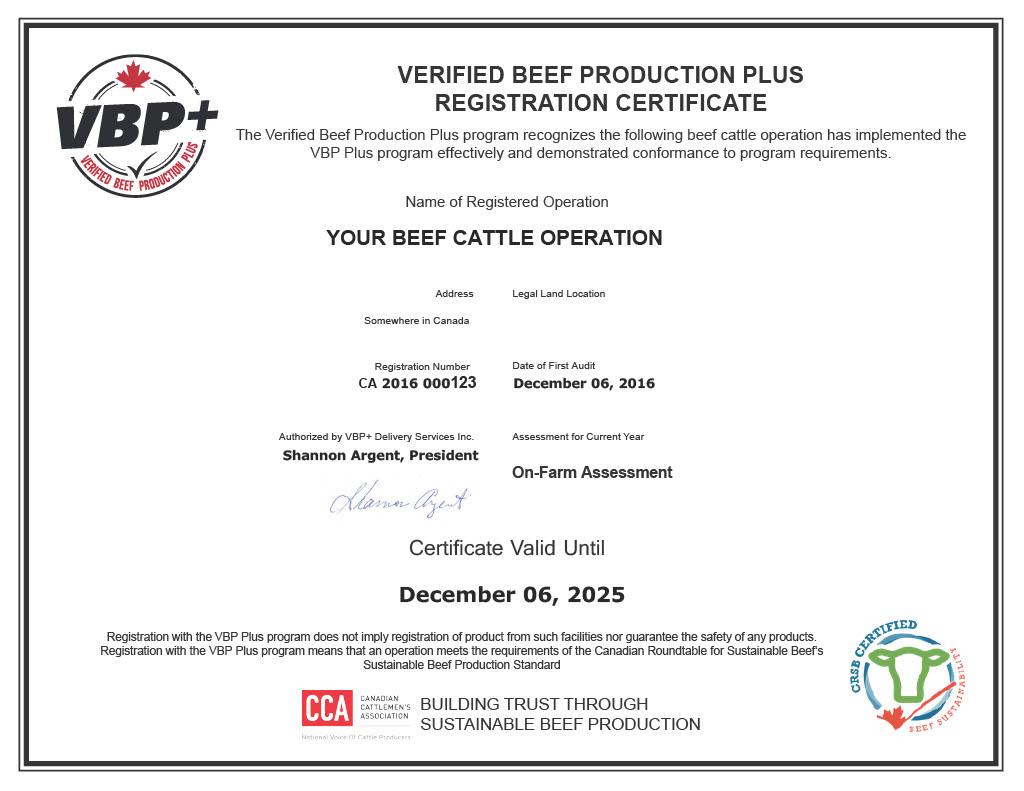
assessor. Once this process is completed, the Assessment Coordinator will send you the Assessment Summary Report and your Certificate. Your operation now has an active VBP+ and CRSB certification! You can use your certificate to apply for any incentive programs that may be available to you.
What is a Corrective Action Request (CAR) and how do I resolve them?
After your assessment, the assessor will identify any gaps between what they found and the program requirements. These might be missing records for VBP+ Required criteria or incomplete information in existing records. The assessor will review any CARs issued with you and explain the timeline for resolving them.
CAR timelines are based on two factors: the type of requirement (critical control point, legislation, code of practice, or industry recommendation) and days to slaughter. For example, a cow-calf operation that may not ship cattle directly to slaughter will have a longer timeframe to submit evidence to close out a CAR for a critical control point than a feedlot shipping directly to slaughter.
To resolve a CAR, complete the required action and submit proof of completion:
• CARs from records assessments: Resolve through the portal
• CARs from on-farm assessments: Resolve with your assessor or contact the Assessor or Renewals Coordinator
01 HOW TO USE THIS MANUAL
This resource is intended to guide you through the minimum standards required to be successfully certified without a corrective action request. The assessor may not directly ask questions about all of the criteria on the following pages. They will get information they need during their on-farm visit to be able to assess the criteria and some information can be used to assess multiple criteria at the same time.
The charts on the following pages highlight criteria in each of these sections:
• Community & Leadership
• Animal Health
• Animal Nutrition
• Animal Care
• Vulnerable, Distressed & High Risk Cattle
• Transportation
• Biosecurity
• Environmental Stewardship
• Emergency Response & Preparedness
• Training & Mentoring
Each chart lists the criteria, if there are records required, and examples of records that can be presented. This resource provides guidance to meet the minimum standard for certification. If your goal is to achieve a higher score than the minimum, the examples provided go beyond the verbal description or basic record and will help you meet that goal. Look for the red check mark throughout the charts. This symbol indicates that a record is required for these criteria.Records can be presented in many forms including paper, electronic or other methods. Most important for the assessment is that the records contain the necessary information.
02 COMMUNITY & LEADERSHIP
Community & Leadership assesses how an operation interacts with their broader community and integrates new technologies and innovations.
It is important to note that innovation and community involvement can mean different things on differing operations. Therefore, standard is not meant to be prescriptive, but rather to recognize the effort you are making as a leader in your community, the values of your operation and efforts towards production efficiency.
03 ANIMAL HEALTH
The Animal Health section of the assessment examines how you use animal health products and manage cattle health on your operation. Criteria are based on the beef industry Hazard Analysis Critical Control Point (HACCP) plan to mitigate risks of negative outcomes for cattle health or food safety. Some of the criteria cover incidents like broken needles, treatment errors, etc. The standard requires that you are prepared to document any incident, even if no incidents were previously recorded (ex. provide a blank sample record or describe your recording process if an incident were to occur).
CRITERIA
ANIMAL HEALTH RECORDS
The operation can provide treatment records that include the following information: date, animal ID, diagnosis, product used, route of administration, and withdrawal date. Calendar, Notebook Spreadsheet Software
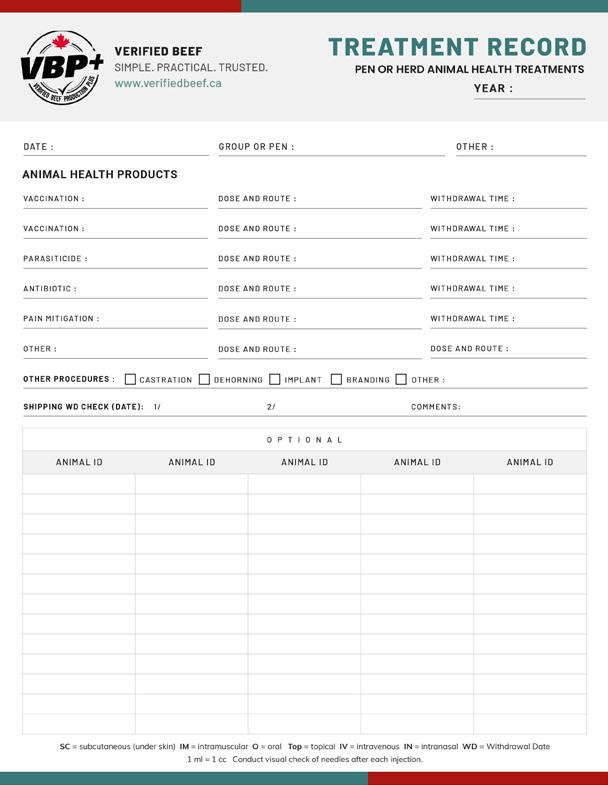
The operation documents group treatments/herd health procedures (ex. vaccines, pour-on, etc.), including the following information: date, group ID, product used, dose, route of administration, and withdrawal time.
The operation can describe how they would document a treatment or feed error or exposure to a toxin and understands the significance to food safety.
The operation can describe their relationship with their veterinarian (VCPR) and produce documentation for proof.
For animal health products used off-label, the operation can provide documentation that their veterinarian prescribed the off-label use.
The operation can show documentation of any deaths/ euthanasia that includes: date (if known), animal ID, location, method (euthanasia/natural/predation), cause of death (if known), if a postmortem was performed, and method of disposal.
The operation understands food safety risks of broken needles and mitigates risks of breaking a needle. The operation can describe their process to document a broken needle and prevent the animal from entering the supply chain.
ANIMAL HEALTH EQUIPMENT
Storage of animal health products is safe, wellorganized, and appropriate for the specific products kept. Operation can describe how they dispose of expired products and sharps safely.
Records Required
Records Required
Verbal description
Calendar Spreadsheet Herd health software
Verbal description of process if occurance or record if occurance
Records Required
Records Required
Records Required
Records Required
Invoice Product Label Herd Health Protocol
Prescription Herd Health Protocol Email, text
Calendar Herd health software Spreadsheet
Verbal description of process Sample record (can be blank)
The
The operation can describe their process for cleaning, maintaining, and calibrating animal health equipment (ex. multi-dose syringes). Verbal Description
ANIMAL HEALTH DELIVERY METHODS
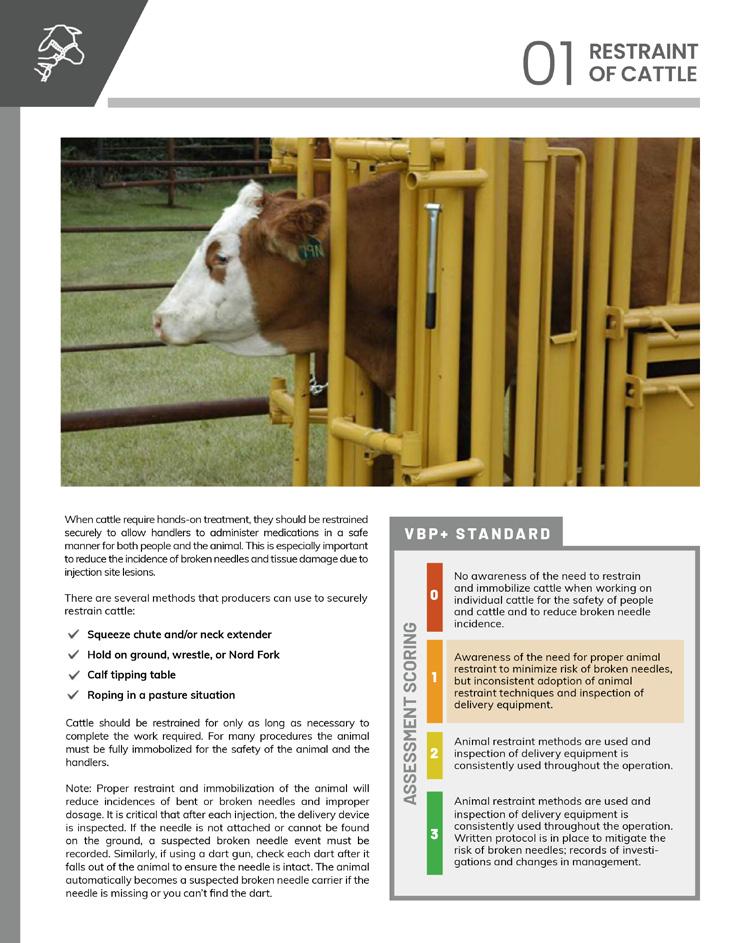
The operation can describe how they restrain cattle while delivering animal health products (ex. squeeze chute, rope and doctor, etc.) in a safe manner for people and cattle.
The operation can describe their process for using alternative delivery devices (i.e remote drug delivery devices, cattle oilers), and how they mitigate food safety risks.
INSPECTION &
MONITORING
The operation can describe how they monitor cattle for health and welfare.
protocol if applicable
Verbal
Verbal Description Written protocol if applicable
Verbal Description Written protocol if applicable
04 ANIMAL NUTRITION
The Animal Nutrition section assesses your operation’s processes for ensuring that cattle have feed and water of adequate quantity and quality. These criteria include how you monitor cattle condition, manage medicated feed, and mitigate contamination risks on your operation
For operations that do not use medicated feed or water, the requirements associated with medicated feed and water may not be applicable but you should be able to demonstrate an understanding of how to mitigate food safety hazards if medicated feed and water options were to be utilized.
CRITERIA
NUTRITIONAL REQUIREMENTS OF CATTLE
The operation can describe how they monitor cattle and make adjustments to ensure their nutritional requirements are being met, including cattle maintaining a body condition score (BCS) above 2.5.
CONTAMINATION RISKS
The operation can describe how their operation ensures that cattle do not have access to non-ruminant feed and/or feed supplements (hog, chicken, pet). The operation ensures that they do not use banned feeds.
The operation can describe how they store inputs like chemicals, petroleum, batteries, etc. to prevent inadvertent cattle access or cross-contamination of feed.
The operation can describe how they source bedding materials, supplements, by-products, etc. to prevent contamination from chemicals or foreign objects.
WATER QUALITY AND AVAILABILITY
The operation can describe how they monitor water sources year-round to ensure cattle have enough water and that it is of sufficient quality.
The operation can describe how they use snow as a sole water source and monitor cattle to ensure ongoing health and welfare.
CHEMICAL USE
The operation can describe how they use chemical and fertilizer inputs on pasture and feed land while mitigating food safety risks. The operation documents herbicide/pesticide use on pasture/feed land including: date, field ID, product used, rate, acreage, and safe to harvest/graze time or withdrawal time.
FOREIGN MATERIAL
The operation can describe measures they take to prevent foreign objects from entering feed or feeding areas (ex. magnets on feeding/processing equipment, equipment maintenance, scalpers etc.).
MEDICATED FEED
The operation documents both the prescriptions for medicated feed/water, as well as the actual amounts delivered to cattle, including: date, group/pen, ingredient, number of head, total amount fed, and withdrawal time.
The operation can explain how they would document a feed/water error, including: date, group/pen, product, amount delivered, actions taken, and vet calculated withdrawal date.
The operation documents how they ensure that medicated feed/water delivery equipment delivers the intended amount. The producer understands the food safety implications if an incorrect amount is given to cattle.
05 ANIMAL CARE
The Animal Care section assesses how you handle cattle, manage painful procedures, mitigate animal stress, and provide shelter and monitoring for cattle on your operation.
The requirements for this section are informed by the Code of Practice for the Care and Handling of Beef Cattle.
REQUIRED RESPONSE EXAMPLES OF RECORDS
CRITERIA
CATTLE HANDLING
Verbal Description Feed tests Ration formulations
Verbal Description Feed labels in storage
Verbal Description Storage facilities
Verbal Description Feed purchases
Verbal Description Water tests Water sources
Verbal Description Water sources
Spreadsheet Electronic records Application records
Verbal Description Equipment features
Feeding records
Prescriptions Inventory/ labels
Sample record
The operation can describe their handling methods and any techniques they use to minimize cattle stress when handling.
PAINFUL/STRESSFUL PROCEDURES
The operation can describe their castration process including sanitary practices, proper equipment, personnel training, and pain mitigation (required after 6 mos. of age or for belly nut removal/surgeries).
The operation can describe their process for disbudding and/or dehorning, including pain mitigation (required after horn bud attachment) and/or describe how they use genetics to eliminate the need.
The operation can describe how they brand to minimize pain for cattle, including dry hide, appropriate brand size and location, suitable equipment, and knowledgeable personnel.
The operation can explain their weaning process and any measures that they take to minimize stress on calves and dams (ex. fenceline weaning, preconditioning, two-stage weaning). For feedlots, the operation can explain how they mitigate stress for newly weaned calves arriving at the lot.
MANAGING WELFARE PROBLEMS
The operation can describe how they manage behaviours that could cause injury, such as riding or fighting, to ensure cattle welfare.
The operation can explain how they mitigate or manage metabolic disorders (ex. acidosis, bloat), which could involve working with a nutritionist and/or veterinarian.
The operation can describe how they treat cases of bloat, whether by knowledgeable personnel on the operation or with the help of a veterinarian.
The operation can describe how they identify and treat various causes of lameness, including how they may involve a veterinarian in prevention and/or treatment.
SHELTER
The operation can explain/show what types of shelter they provide for livestock throughout the year, and demonstrates attention to providing shelter for vulnerable cattle (ex. sick, young, cold).
CALVING
The operation can explain how they manage and monitor calving livestock depending on the time of year, including calving checks, equipment (ex. maternity pen, calf puller, etc.), and facilities (ex. pens, barn, etc.). For feedlot operations, this could include an abortion protocol for pregnant cattle.
Verbal Description Training certificates
Verbal Description Written protocols
Verbal Description Written protocols
Verbal Description Written protocols
Verbal Description Written protocols
Verbal Description Written protocols
Verbal Description Written protocols
Verbal Description Equipment Written protocols
Verbal Description Written protocols
Verbal Description Observation of shelter types
Verbal
06 VULNERABLE, DISTRESSED & HIGH RISK CATTLE
The Vulnerable, Distressed, and High-Risk Cattle section assesses how you manage cattle with a poor prognosis on your operation. Specifically, this section covers euthanasia decision making, euthanasia processes, and how you manage deadstock on your farm.
07 TRANSPORTATION
CRITERIA
The operation can describe a process to determine if/ when euthanasia is the appropriate course of action for an animal.
The operation can describe a euthanasia process that employs safe practices, including use of appropriate equipment (i.e. sufficient calibre firearm, captive bolt, etc.) and confirmation of death.
DEADSTOCK DISPOSAL
The operation can describe how they dispose of deadstock, and their practices adhere to local legislation and demonstrate attention to environmental impact. The operation keeps a record of deaths and euthanasia, including the following information:
• Date
• Animal ID
• Location the animal died
• Died or euthanized
• Euthanasia method (if applicable)
• Post-mortem notes (if applicable)
• Cause of death (if known)
• Carcass disposal method
REQUIRED RESPONSE EXAMPLES OF
Verbal Description Euthanasia decision tree
The Transportation section assesses your practices when transporting cattle. This includes pre-transport checks to ensure that cattle are free of withdrawals and physical hazards and are fit for transport, as well demonstrating your understanding of transport regulations for compromised or unfit cattle. Finally, this section includes transfer of care documentation for cattle transferred to a new owner. CRITERIA
PRE-SHIPPING CLEARANCE CHECK
The operation can describe their pre-shipping process to ensure that cattle are clear of withdrawals, foreign objects, and are fit for transport prior to loading/ shipping. Documentation (or a signed Standard Operating Procedure) is available to validate that supporting records have been checked prior to loading/ shipping. Supporting documents to review for validation will include:
Verbal Description Written protocols
Records Required
• group and individual treatment records (including withdrawal dates)
• broken needle records
• treatment error and toxin exposure records
• medicated feed and water records
• herbicide and pesticide use records
The operation can describe how they determine if cattle are fit for transport (i.e. confident that cattle will reach their final destination in good condition).
SPECIAL TRANSPORT REGULATIONS
Records
Required
Written protocols Death/ euthanasia record
“It should feel conversational. It should feel like a tour, not a test.”
- Emma
Cross
VBP+ Inc. Assessor
The operation can demonstrate an understanding of special transport regulations for animals that are compromised or unfit for transport (ex. for transport to veterinarian).
TRANSFER OF CARE
Operation understands the importance of humane transport of animals in Canada and when a Transfer of Care document is required. As custodian of livestock, operations ensures continuity of care, that no animal is to be left at any slaughter facility, or assembly centre without written notice that care has been transferred between the transporter and the receiver. This is done to ensure that the individual responsible for caring for the animals can be clearly identified at all times.
Verbal Description Written copies of regulations
Records Required
Transfer of care document
Remember, the VBP+ program is outcome based. However you keep your records or describe your practices or processes to meet the outcomes are acceptable and valuable for the assessment.
08 BIOSECURITY
The Biosecurity section assesses practices to mitigate the risks of disease spreading onto, off, and within your operation. This includes management of animal movements, visitors, and tools and equipment used
The Biosecurity section also examines how you work with your veterinarian to prevent incidents of zoonotic, reportable, and infectious disease, as well as their processes to manage cases if they occur on your operation. This section is informed by the Canadian Beef Cattle Biosecurity Standard.
CRITERIA
BIOSECURITY PROTOCOLS
The producer can describe any biosecurity protocols they have in place to manage the spread of disease into, off of, or within their operation.
ANIMAL MOVEMENTS
The producer can describe how they address biosecurity risks when animals are moved around within the operation (ex. moved to new pastures, change in management groups, etc.).
The operation can describe how they mitigate risks associated with commingling cattle when new animals are introduced to the premises.
TOOLS/PROCEDURES
The operation can explain how they manage tools and procedures to mitigate the risk of spreading disease within the operation (ex. cleaning tractor bucket after moving deadstock, using separate equipment for sick and healthy cattle, etc.).
VISITORS
The operation can articulate how they mitigate the risks of visitors introducing pathogens to the premises.
DISEASE MANAGEMENT
The producer demonstrates an understanding of zoonotic disease and can articulate their processes to mitigate the risks of transmission between cattle and humans.
The operation can articulate an understanding of reportable diseases and the process they would follow in case of a suspected incident, including involvement of a veterinarian to reach CFIA.
The operation can describe their process for mitigating risks of infectious disease and the procedures they use to manage outbreaks if they occur.
The Environmental Stewardship section examines how you work to reduce the impact of your operation on the environment. This includes management of water, air quality, soil nutrients, and land resources on and surrounding your facilities. This section also examines your processes for wildlife management and chemical inputs, as well as how you prevent foreign material from penetrating cattle hides on your operation.
Verbal Description Written protocols
Description Visitor log Visitor arrival protocols
Verbal Description Human health assessments Herd health protocols
Verbal Description Herd health protocols
Verbal Description Herd health protocols
VBP+ Inc. maintains an appeals and complaints process for producers. If you wish to appeal a recommendation from an assessment, please let our assessment or renewals team know and we will work with you to resolve the issue. If you feel you cannot get resolution or wish to make a complaint directly to the Chair of the Management Committee you can email appeals@verifiedbeef.ca.
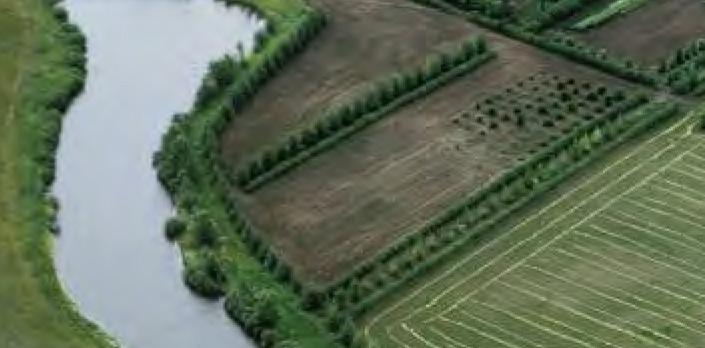
The operation understands their impact on surrounding water bodies and riparian areas. Processes for mitigating impact to water quality are described.
SOIL NUTRIENTS
The operation can describe their manure management practices and how they are designed to match the requirements for soil nutrients. Manure management is appropriate with local legislation.
WILDLIFE
The operation is aware of wildlife species present on their land. Any practices to enhance biodiversity or preserve wildlife habitat can be described.
The operation can describe how they handle any wildlife conflicts (i.e. predation, scavenging cattle feed, etc.).
EFFICIENCY
The operation can describe any practices they use to minimize environmental impact and increase efficiency of how they use resources.
CHEMICAL INPUTS
The operation can describe how they manage chemical inputs (ex. herbicides, pesticides) to mitigate risk to the environment. Chemical storage and use practices are appropriate with local legislation and label requirements. If the operation uses herbicides/pesticides, an application record is kept including date, field ID, product used, rate, acreage covered, safe to harvest/graze time, and withdrawal period.
LAND MANAGEMENT
The operation can describe how they manage the crop and pasture land in their care (ex. rotational grazing, swath grazing, etc.).
AIR QUALITY
The
FOREIGN OBJECTS
The operation can
Verbal
10 EMERGENCY RESPONSE & PREPAREDNESS
The Emergency Response & Preparedness section evaluates the plans you have in place to manage disasters or emergencies on your operation. This section is intended to encourage you to think about how to respond to an emergency before it happens, thereby minimizing damage and stress if an incident were to occur.
11 TRAINING & MENTORING
The Training & Mentoring section addresses how you manage human resources on your operation. Even family operations without hired staff benefit from a plan to ensure a safe work environment and growth opportunities for people working on the farm..
This section includes training opportunities, staff management, and workplace health and safety.
The operation is aware of the potential risk of equipment/facility failure. Operation has plan(s) in place which may include contact list(s) and protocols to address failure and/or mitigate the risk of failure.
CATTLE EMERGENCIES
The operation is aware of the potential risk of a cattle health emergency, such as but not limited to: contagious/infectious disease, injury, cattle falling through ice, exposure to toxic or banned substances, etc.. Operation has plan(s) or protocol(s) in place to mitigate the risk which address human safety, cattle care, salvage and humane euthanasia for major cattle health emergency event(s).
HUMAN HEALTH
The operation is aware of the potential risk of a human health emergency. Emergency contact information is readily available to all personnel and family members; including 911, legal land description and physical address. First aid kits and fire extinguishers are easily accessible. Operation can describe plan(s) or protocol(s) in place to address or mitigate the risk for a human health or emergency event. Verbal
DISASTERS
The operation is aware of the potential for natural disaster (drought, flood, fire, tornado, extreme weather, etc.). Operation has plan/protocol(s) in place to mitigate the risk which address human safety, cattle care, salvage and humane euthanization for major emergency events. Operation has obtained Premise ID(s) from provincial authorities.
Did you know?
Verbal Description Written plans
VBP+ Inc. is a certification body for the Canadian Roundtable for Sustainable Beef (CRSB) and is accredited to deliver certification to the Sustainable Beef Production Standard for the CRSB Certified program.
VBP+ Inc. delivers the CRSB Certification alongside the VBP+ Certification. That means we deliver two certifications with one assessment, saving time and cost for producers.
When you receive your certificate, you will notice it is a joint certificate, that means the certificate can be used to prove certification for both programs.
If you want to find out more about the CRSB and their programs, you can scan the QR code or check out their website at www.crsb.ca
The operation understands the value of continuous training opportunities for all people working on the operation. Any training plans/programs can be described.
WORK ENVIRONMENT
The operation strives to maintain a positive work environment and provide resources to manage staff matters. Measures to improve work environment or human resource policies can be described.
HEALTH & SAFETY
The operation offers basic safety needs to staff or people working on the operation, such as first aid supplies and basic training in safe completion of job-specific tasks. Health and safety policies and plans can be articulated.
SELF CHECK OF LIST OF RECORDS TO BE REVIEWED AT ASSESSMENT TO MEET VBP+ REQUIRED MINIMUMS
Other records can be presented to meet outcomes for different scoring levels.
Individual Treatment Records
Group Treatment/Vaccination Records
Extra-Label Drug Use Prescriptions or Herd Health Protocols
Clearance Check/Shipping Record or Declaration
Herbicide/Pesticide Record
Death/Euthanasia Records (if applicable)
Medicated Feed Records (if applicable) including prescriptions, feeding records and calibration records
Broken Needle/Treatment Error/Toxin Exposure Records (if applicable) or blank with description of process if no occurance
What does the scoring mean?
Each of the criteria is assessed with a scoring system from 0 to 3 and reflects the depth to which you are implementing a practice or process on your operation. While there is some variability depending on the criteria being assessed, the scoring system is generally based on the following continuum:
0 – No awareness or knowledge of the criteria
1 – Knowledge and verbal description how your operation meets the criteria
2 – Records to prove implementation of the criteria along with a verbal description of the process
3 – Written protocol of process and records to prove implementation
Some criteria, called Critical Control Points, are criteria which require records. These criteria are mostly on-farm food safety criteria and are used to prove a commitment to producing safe and quality beef.
Critical Control Points are Required Criteria. A score of less than two for these criteria will result in a corrective action request and a timeline for resolution. All other criteria are identified as Standard Criteria. For these criteria, any score less than one will trigger a corrective action request.
What do I present as a record?
Record keeping serves two purposes for beef cattle operations; it helps you to make informed and data-driven decisions, and it proves that you have implemented a process or practice on your operation.
Certification is confirmation of a series of criteria that you have met on your operation, often through records you have kept. You can present records for assessment of your operation in the form that you keep them normally. For example, records can be maintained on paper, through livestock management software, or electronic records you have created (spreadsheets, Google documents, phone notes etc.). Records may be in any format, but must contain the required information for assessment. VBP+ offers additional resources to help you determine which records or evidence can be presented to fulfill each of the certification criteria.
VBP+ provides sample record keeping templates including the VBP+ Clearance Check (Shipping Record), several animal health record templates, the VBP+ Medicated Feed and Water Record, and several others. However, it is not mandatory to use VBP+ record templates, rather they are available tools should you require them.
Benefits for Producers
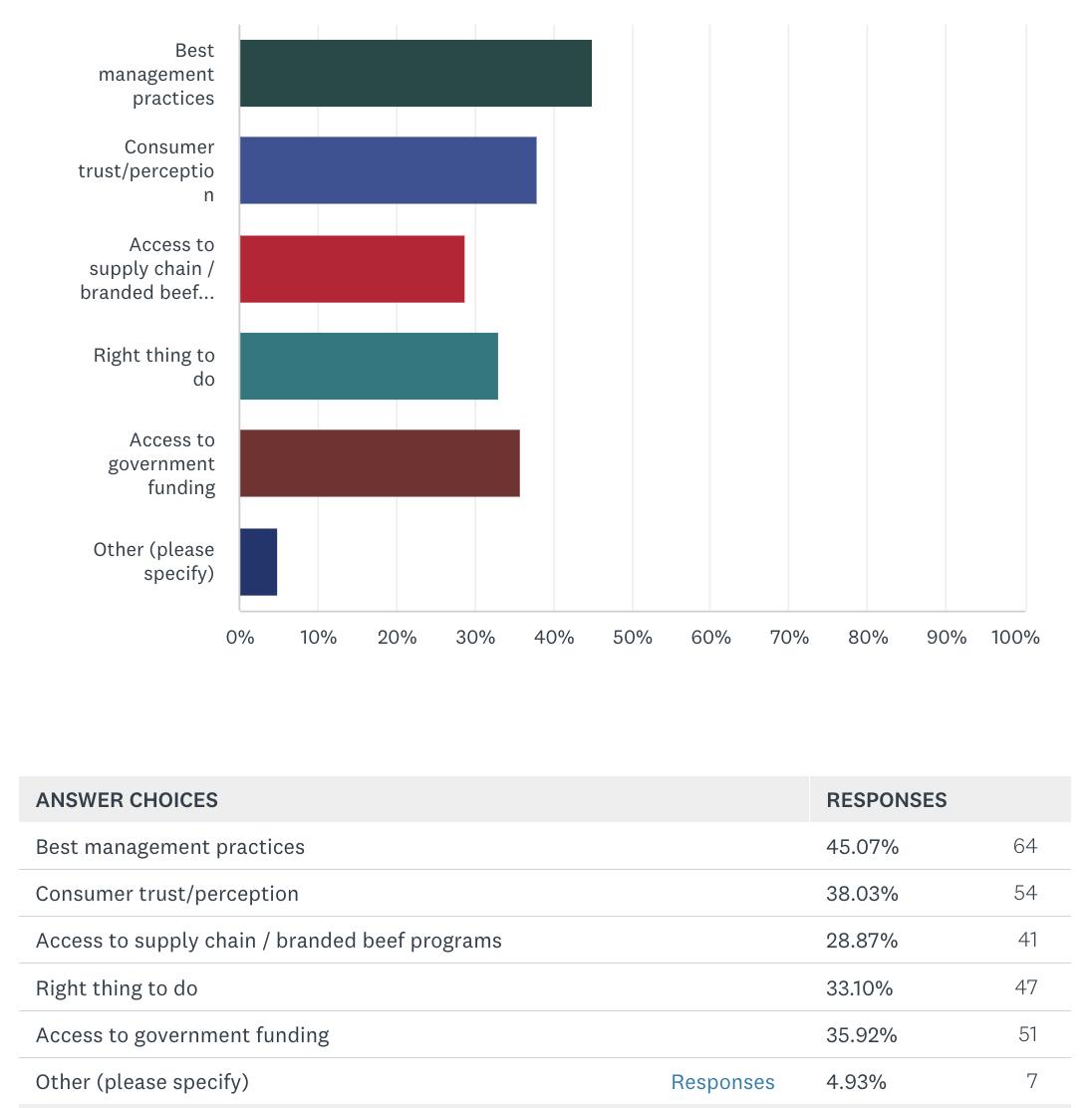
Both certifications offered through VBP+ provide benefits to producers, both financial and intrinsic. You can explore the benefits of the VBP+ program by scanning the QR code or visiting our website at www.verifiedbeef.ca.
What do I have to do for Renewal Assessments?
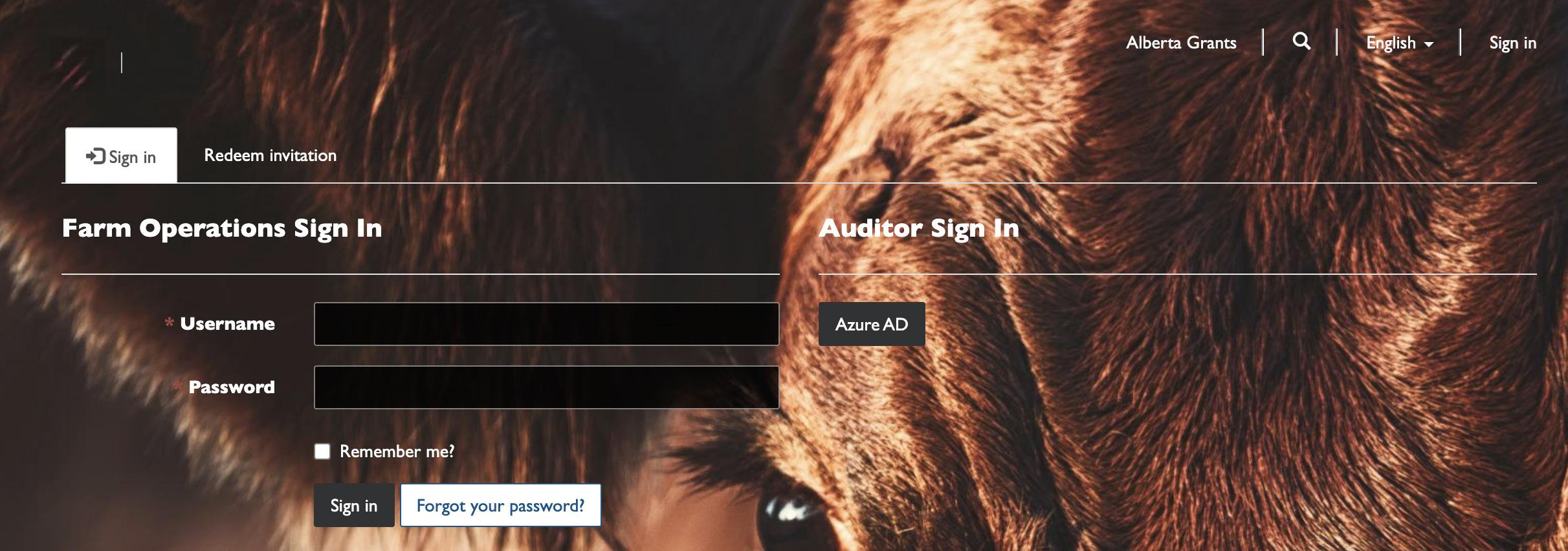
To maintain the rigor of the 5-year assessment cycle, VBP+ Inc. performs an assessment of your operation every year. However, in years 2-5 of the assessment cycle, simple Records Assessments (also known as “Desk Assessments”) and Self-declarations replace the on-farm assessment. The VBP+ Inc. Producer Portal makes the renewals assessments easily accessible online, however PDF and paper verions are also available.
RECORDS ASSESSMENTS
The Records Assessment requires you to submit a sample of records from the standard criteria as well as a declaration that you are maintaining the practices and processes assessed in Year one on your operation.
• Records Assessments are requested in Year 2 and Year 4 of the assessment cycle.
• A Renewals Coordinator will contact you 60 days prior to the anniversary date of your initial assessment to explain which records are to be submitted and how to submit them.
• You will receive another reminder 30 days prior to the assessment due date, on the anniversary date, and 30 and 60 days after the due date.
• This assessment provides you the opportunity to assess yourself on various criteria that were examined during the on-farm assessment and demonstrate any changes you
have made to practices or processes on your operation.
• A qualified reviewer or assessor will review your Records Assessment and assign any Corrective Action Requests (CAR’s) if warranted.
• You will be provided a summary report (for a records assessment only) and a renewed certificate, once any CAR’s are resolved.
SELF DECLARATIONS
Self-Declarations are requested on Year 3 and Year 5. The process of notification for Self-declarations is the same as for Records Assessments. However, you do not need to submit a sample of records for the Self-declaration but will simply provide a self-assessment of practices and processes on your operation. A qualified reviewer will review the assessment and send you a renewed certificate for your operation.
INFORMATION UPDATES
VBP+ will regularly ask you to review and update your contact information including any changes to your operation name, personal name, address, postal code, email, primary phone number, etc., so that we can contact you when necessary. VBP+ will never share your information with anyone without your permission
The VBP+ program is a industry-led initiative, developed by producers for producers. Training and certification is delivered in all provinces and all sectors across Canada. You can find out more about the program on our website: www.verifiedbeef.ca