
Dear Readers,
Growth is rarely loud. More often, it happens quietly—in small moments of courage, curiosity, and creativity. This edition of our school magazine celebrates those moments and the many ways our community continues to grow.
In this issue, we are proud to showcase a diverse collection of submissions from both students and staff. From thoughtful reflections and creative writing to artwork, photography, and insightful articles, each piece reflects the unique perspectives and talents that make our school such a dynamic place to learn and grow.
What stands out most is how these contributions capture journeys. Some explore challenges that led to unexpected achievements, while others celebrate the steady progress that comes with persistence and dedication. Together, they remind us that growth is not always measured by big milestones, but often by the determination to keep improving.
We would like to extend our sincere thanks to everyone who contributed to this edition. Your creativity and enthusiasm have shaped a magazine that truly represents the spirit of our school. We are also grateful to the editorial team who worked behind the scenes to bring these pages together.
As you read through this issue, we hope you find inspiration in the stories and ideas shared here. May they encourage you to reflect on your own growth and remind you that every step forward—no matter how small— matters.
Enjoy the magazine, and thank you for being part of a community that continues to learn, create, and grow together and remember if you have any works you’d like to share there's always the next edition!
Desta Kassahun & Matilde Valdini
By Chenyao Ji (Gillian)
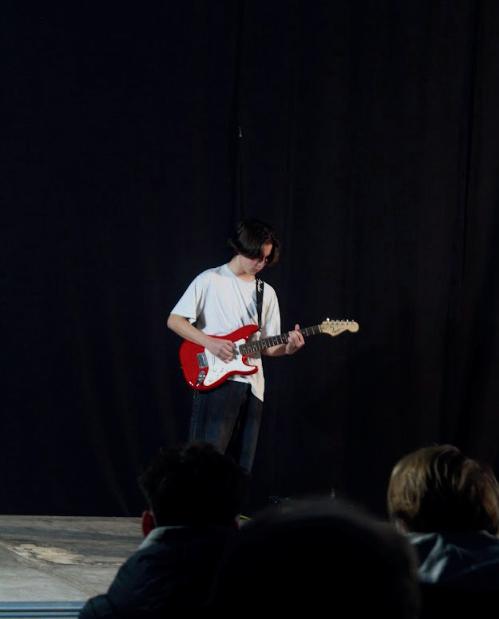
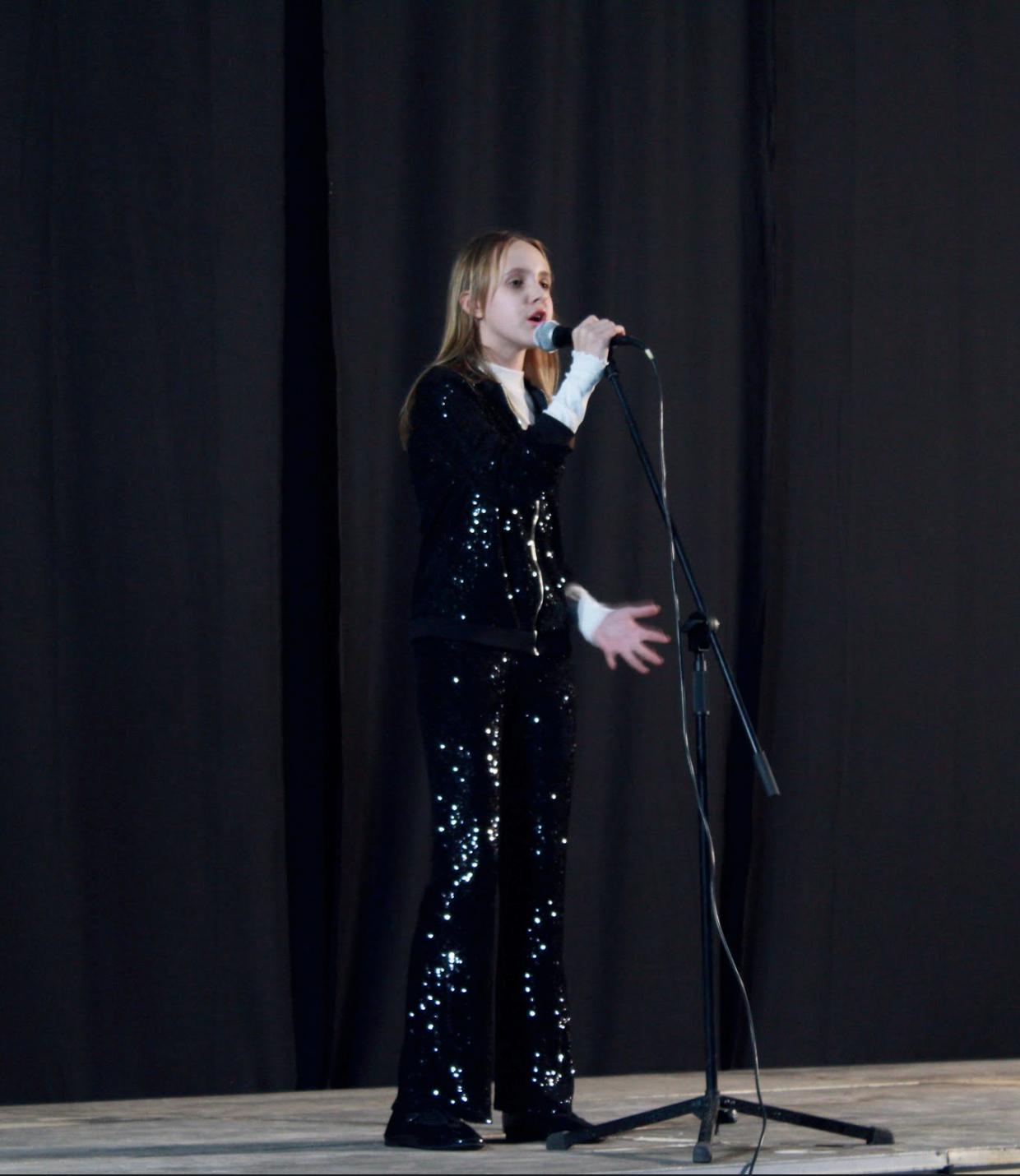
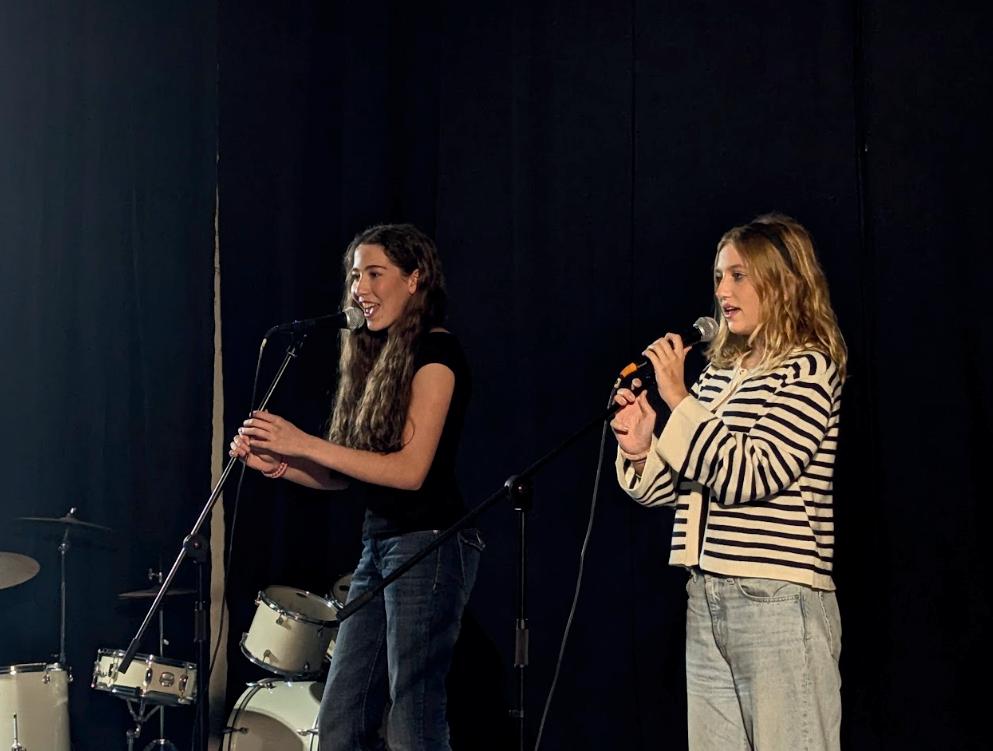
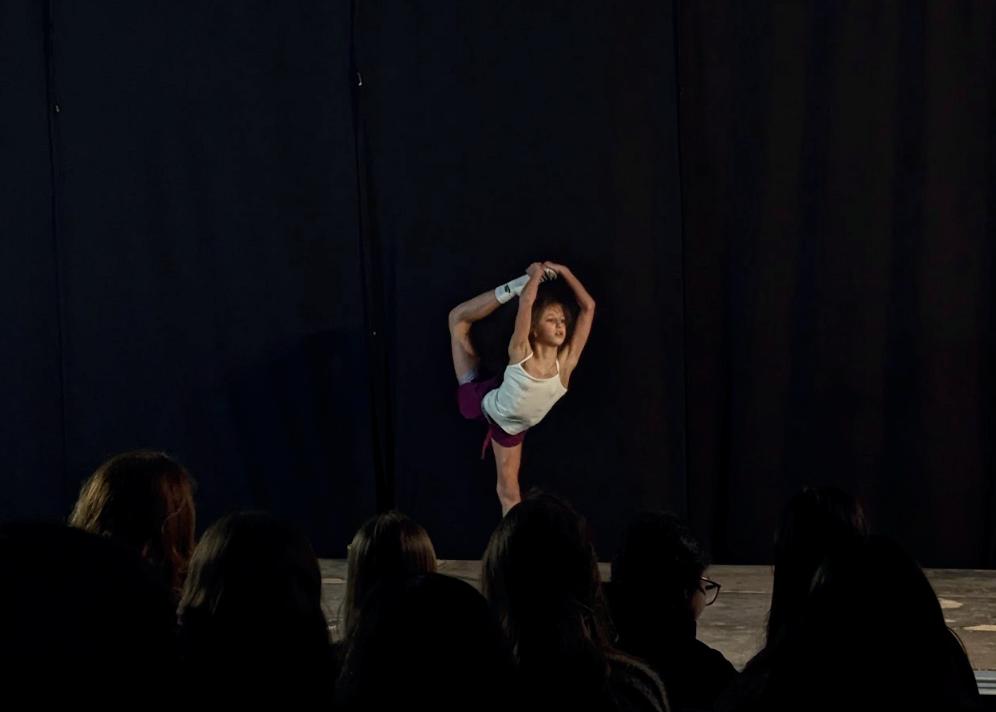
On a typical Friday night, VIS’s secondary Talent Show showcased multiple students’ hidden talents.
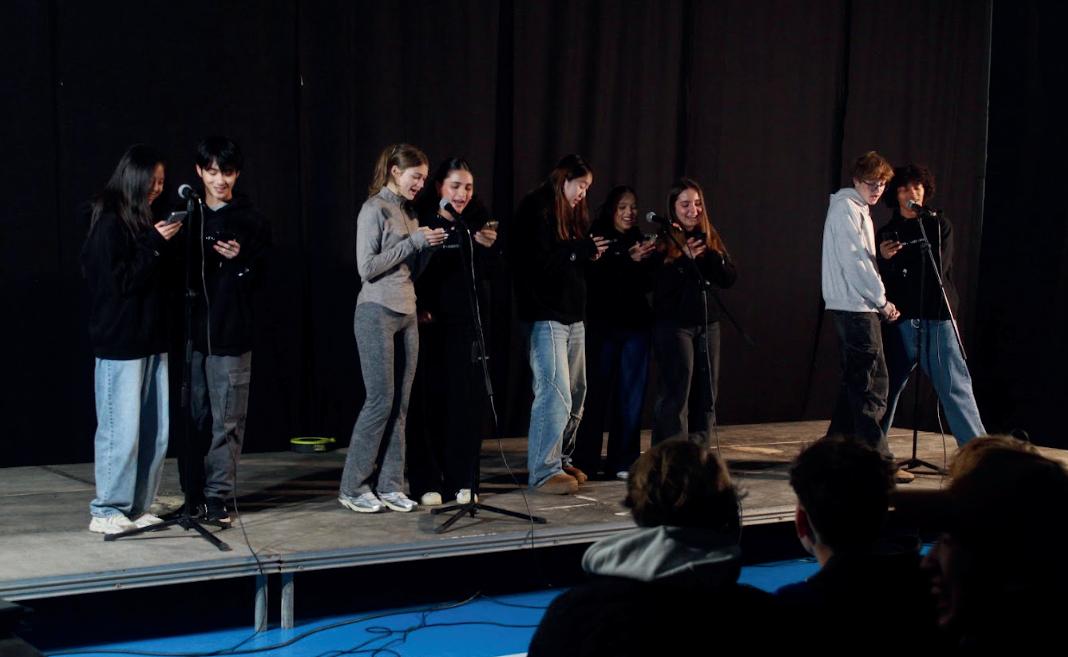
A brief introduction to the VIS Talent Show: it’s a student-organised event that gives back to the community. All proceeds from the show go to the charity.
As with this one, the 300 euros we raised will be used to buy food and essential supplies for the Malta Peace Lab, helping people in need with our humble effort.
This year’s VIS Secondary Talent Show featured a wider range of performances, including different forms, genres, and cultures. Our singers, dancers, guitarists, Suona players, drummers, choir members, and, as always, the 12th graders’ surprise performers worked together to present an unforgettable show.
As the organiser of this year’s talent show, the process of organising this Talent show was not always easy. However, with the help of both teachers and students, we successfully organised the event. Appreciate all the performers who showcased their incredible talents with inspiring, professional, and heart-lifting performances. Also appreciate all the teachers and students who also contribute to this process. Your efforts helped create an amazing night for everyone!
The VIS Secondary Talent Show was more than just students showing their talents. It is a celebration of creativity, diversity, and community while raising money for a meaningful purpose. It also serves as a reminder of the power of student initiative.
By Liyu Lin
It’s not hard to envision germinating sprouts, nurtured abundance, perpetual accumulation and exponential graphs that extend skywards.
Conventionally, “growth” has become the euphemistic shorthand for "positive growth”, it's all fruitful and promising but is that all? And at what cost?
Even though the interpretation of any word is fluid and its variations should be acknowledged. I cannot recall another word with such a stringent qualitative implication. The underestimation of “Growth” can be viewed as a fascinating social phenomenon, which reflects a proclivity of the mind to dwell on the aspect of simple good.
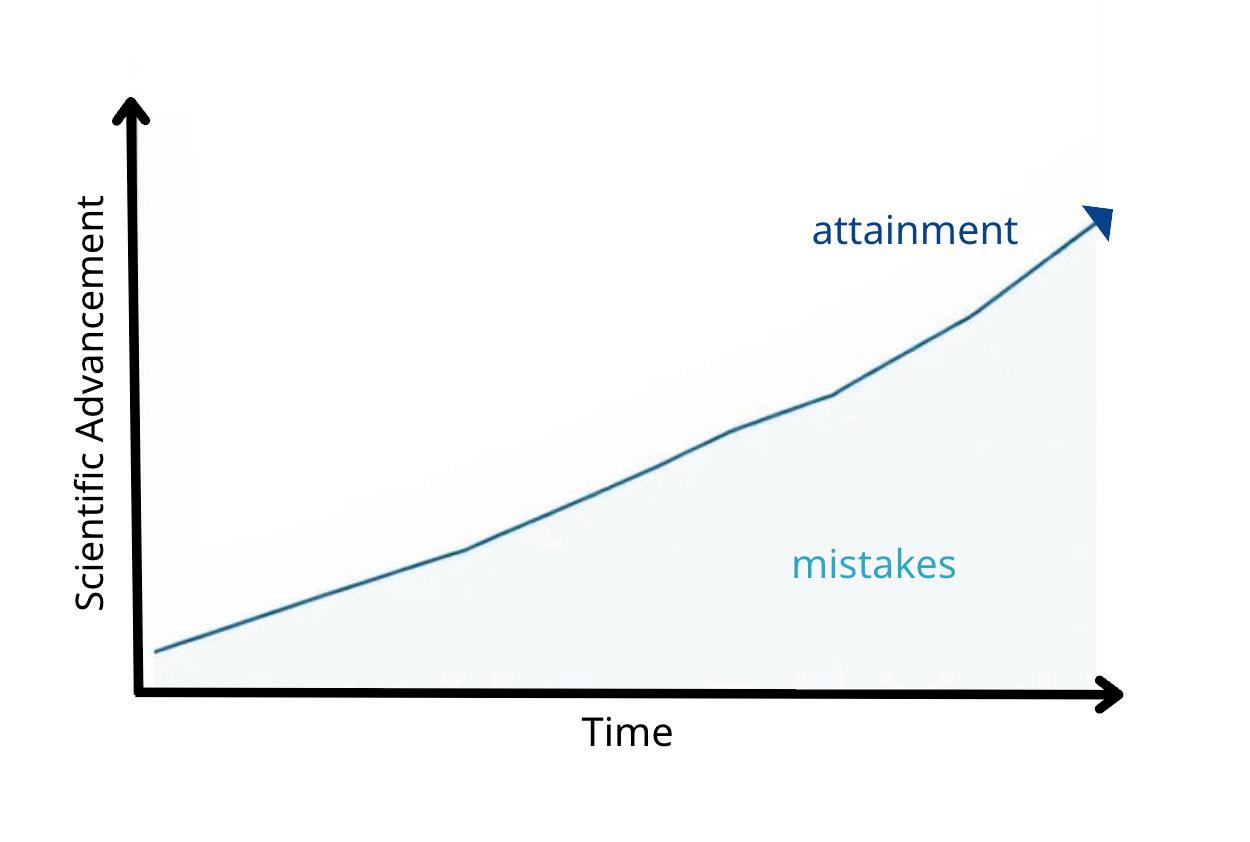
Particularly, within the field of empirical science “Negative Growth” is an indispensable forerunner that opens the possibility for “growth”. The scientific progression had always been a fluctuating progress and by no means linear. Over time, the net projection is inevitably upwards, little is remembered of past unsuccessful attempts, citation, award, honor always adorn what is plausible at the moment. To represent this visually, fluctuation in an uprising trend would be a poor metaphor. Instead consider the area under the growing trend.
It was an interesting contrast to find in nearly all English dictionaries, “growth” is defined as a stage in the process of growing. It is progressive development, devoid of a charged incline. It is ambivalent, neither good nor bad. A refreshing notion of neutrality which gleams true. The focus here is not the definition of “growth” or the utilization of this word. Here, the dictionary simply reaffirms the simultaneity of “+” and “-” growth. Existing in conjunction. Inhabiting two sides of the same coin.
“I have not failed. I’ve just found 10,000 ways that won’t work.”
The failures are simply unavoidable. Humans make choices that lead us down paths we probe not. The brain simply does not compute how an instance of choice affects the chain of ensuing outcomes. No artificial intelligence can predict the future without having the complete reality in its database. So if “Negative Growth” is inevitable, we should embrace it. Harness the wind for the sail, the wind won’t blow where you desire, but perhaps an unknown destination.
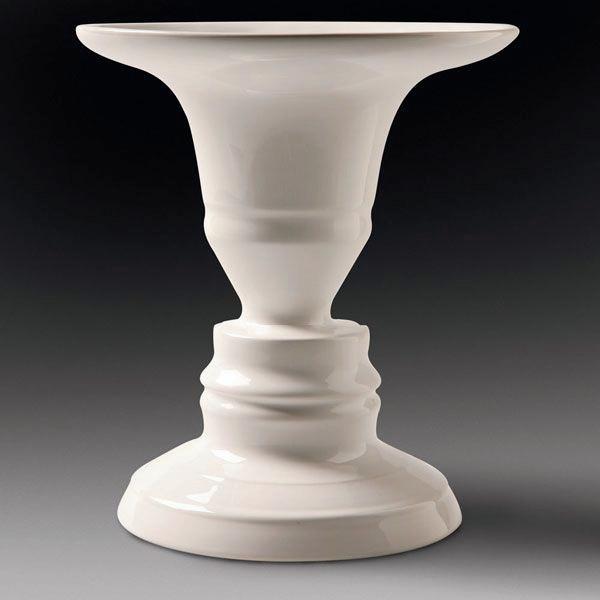
A widely cited line from Thomas Edison reads “I have not failed. I’ve just found 10,000 ways that won’t work.”. We don’t remember Edison by his luckless attempts, but he wouldn’t be an inventor without these blunders. Success will be the harvest of countless trial and error. It is built on a foundation of reflection, a pedestal constructed by brick and bricks of failures. All missteps have to be reflected. Of propping, pinpointing and understanding the exact mistakes before eradicating them thereafter. Let negative growth be the negative spaces in a drawing. A picture or subject constructed by the chipping away of negated arguments. The insidious abating of falsities. See Rubin’s cup, if not the faces it must be the cup.
Embracing growth and negative growth as the unknown results of each attempt. We all agree. It is human to make wrong hypotheses, irrational decisions and exacerbate existing problems unintentionally. Negative growth, lurks like how shadows are to each form exposed to light. As much as the draft for this essay was initially rejected, the duality of growth remains a prohibition. Why, if I may ask? Are ears too tender to bear the weight of downfall? It takes courage to reconcile the definition of a simple word “growth” with its etched counterpart in thick lexicons. Dictionaries are by no means recurrent and significant to an average fluent speaker. It alienates rather than clarifies, but bears judgment of the finest precision. This essay sought not to clarify the definition. Instead it proposes mistakes to be sacred. It is by viewing growth as it is, a process of reflection and assimilation rather than simply beneficial occurrences brought by serendipity, does growth truly belong to each and every one of us.
By Aurora Mario
When we talk about growth, we often focus on becoming more confident, more capable, more sure of who you are. What’s talked about less is the phase that comes before that, the uncomfortable in-between stage, where change is happening but nothing feels settled yet.
Many teenagers experience this awkward phase of growth without realizing it. It’s the moment when old interests no longer feel right, but new ones haven’t fully formed. When friendships start to shift without a clear reason. When confidence comes and goes, and identity constantly feels like a work in progress rather than something defined.
This stage can be frustrating because it doesn’t look like growth from the outside. There’s no clear achievement or visible success to point to. Instead, it feels uncertain, confusing, and sometimes isolating. Teenagers may feel like they’re falling behind simply because they don’t recognize and understand who they’re becoming yet.
Social environments often make this phase harder. It’s easy to assume everyone else has already figured themselves out, especially when people only show their most confident moments. In reality, many teens are quietly navigating the same uncertainty, even if they don’t talk about it.
What makes this phase important is that it’s often where the most meaningful growth happens. Learning what doesn’t fit anymore is just as valuable as discovering what does. Developing boundaries, reevaluating priorities, and questioning old assumptions are all signs of growth, even if they feel uncomfortable at times.
The problem isn’t that this phase exists; it’s that it’s rarely acknowledged. When growth is only celebrated once it looks polished, people can feel discouraged during the messier parts of change and growth. But no one becomes more confident without experiencing through uncertainty first.
The awkward phase of growth isn’t a failure or a delay, it’s a transition. It’s proof that change is happening, even if it hasn’t fully settled yet. If this phase were talked about more openly, teens might feel less pressure to rush through it.
Growth doesn’t always feel good while it’s happening. But that doesn’t mean that something is wrong, it just means that something is changing.

By the XUGA team
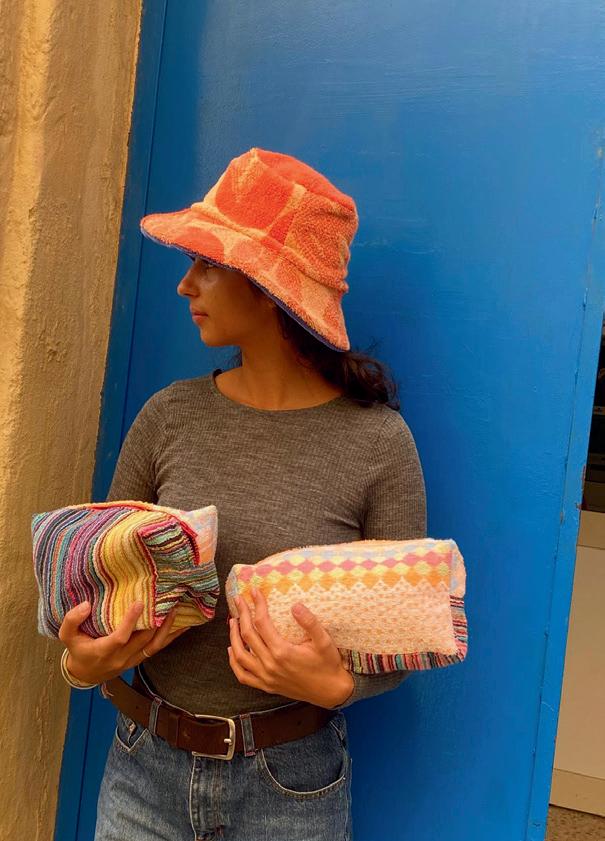
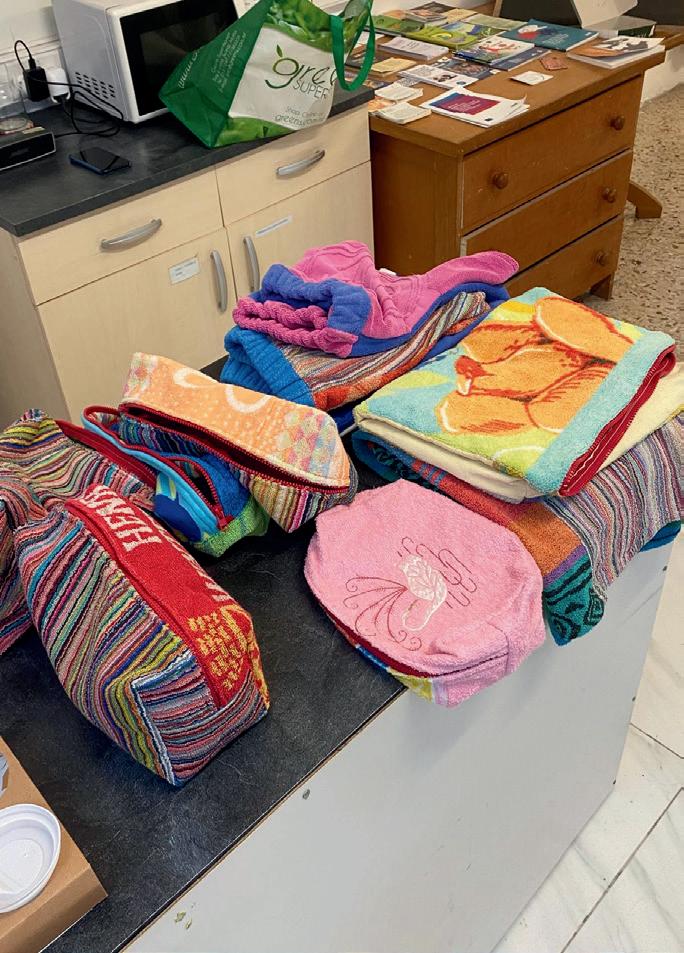
We are a student company led by Verdala Grade 11 students from the IB CP program, developing sustainable island wear from preloved textiles.
In 2023, 1,425 tons of textile waste were produced, yet only 5% was properly reused or recycled. To address this problem, we created a new fashion line made entirely from textile waste. Our products support a circular economy while transforming discarded materials into fun and trendy clothing. Each piece is unique and high quality, and all profits from our collection will be donated to charity.
Have you ever thought about what happens to the disposable paper cup after you drink your morning coffee? Where does it go?
To answer this question, I need you to imagine that you are a disposable cup now. You are usually made from paper with a plastic lining, or sometimes fully of plastic. After travelling into people’s hands, only a few sips later, your purpose is served, but the other journey is far from over.
If you are lucky, being disposed of properly in a bin, you will be buried in a landfill for decades. In a landfill, a regular disposable paper cup can take around 2030 years to decompose. Then imagine there are millions of cups like you, adding up to big piles of waste in landfills, slowly breaking down into tiny plastic fragments.
By Chenyao Ji (Gillian)
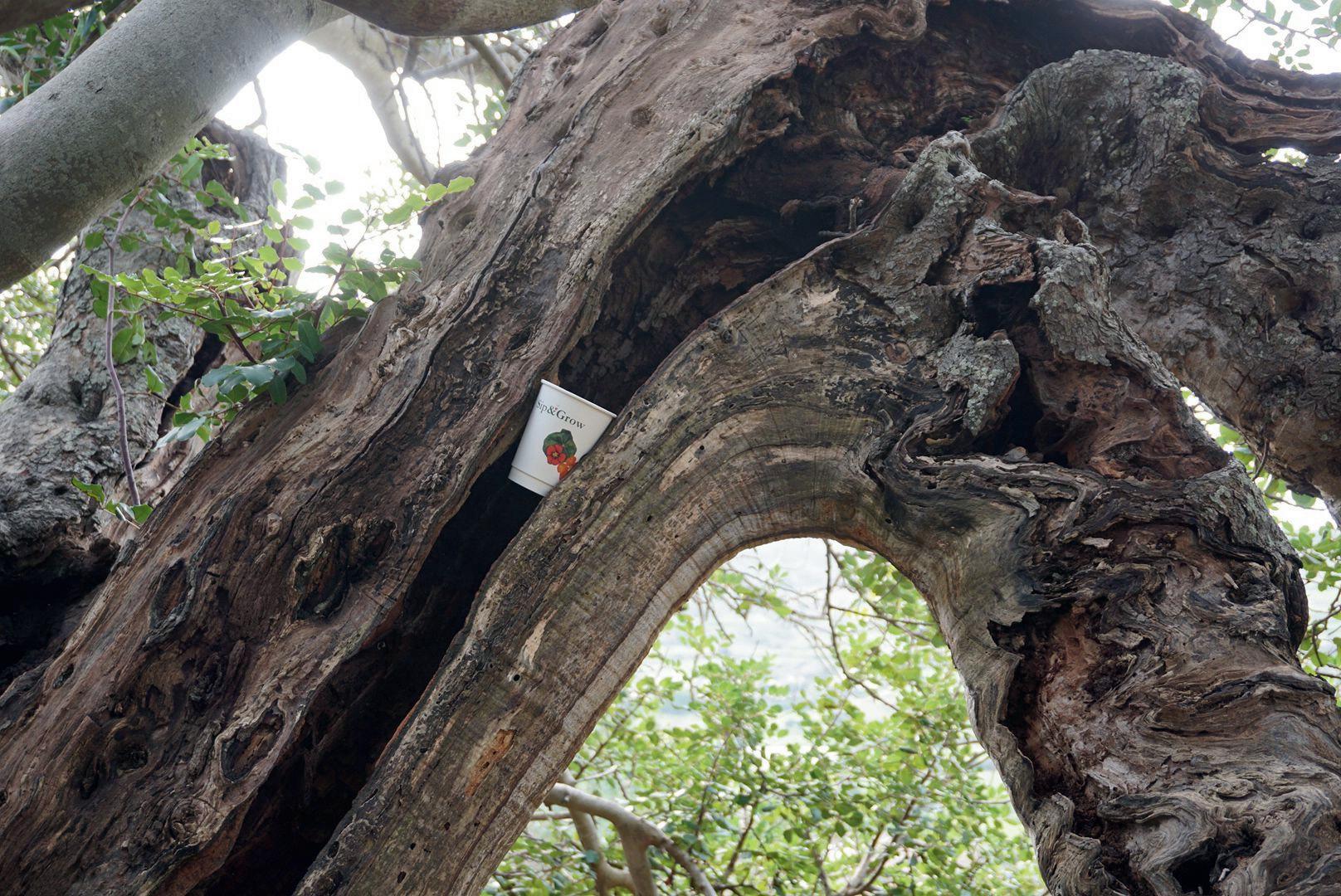
But just when you think that you can finally finish your destiny, and disappear forever in this world. Those tiny plastic fragments, in other words – microplastics –will survive strongly in this world. Millions of pieces of you spread through soil and water, enter rivers and oceans, are eaten by animals, and move up the food chain. Eventually, end up in humans – in the water they drink, the food they eat, and even the air they breathe.
And that’s only when you were lucky. Most of the time, you are not being disposed of properly. You might be thrown onto the streets, left in parks, or carried into nature. Then the harm of pollution begins even faster.
You might still think that this is not a big deal. But what if I tell you that around 500 billion disposable cups are thrown away worldwide every year, coming from cafés, events, shops, and households. And among all of them, less than 1% of disposable cups globally are actually recycled, even though it is still extremely difficult to fully recycle them with their plastic linings.
So, do we have any solution? We still need to use the cups to drink our morning coffee, don’t we? But what if I tell you, there is a cup that can grow after being used – and get a second life?
Now, allow me to introduce Plantini from Sip&Grow, a 100% biodegradable cup with a seed bag. After you finish your drink, you can plant the seeds inside the cup as a pot, continuing the journey of a disposable cup. Instead of decaying and turning into useless microplastics, you are helping to start a new life – and the growth in the environment.
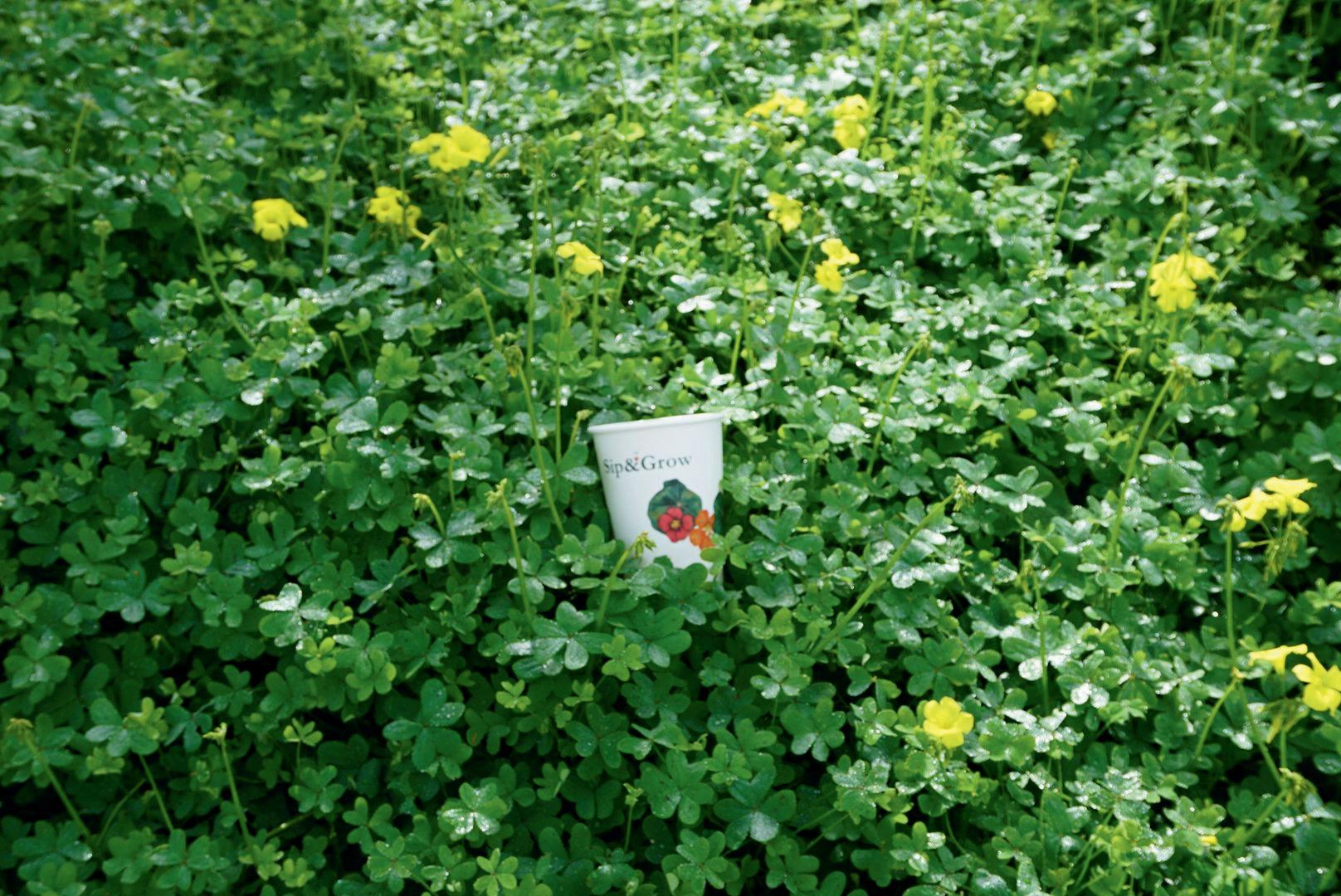
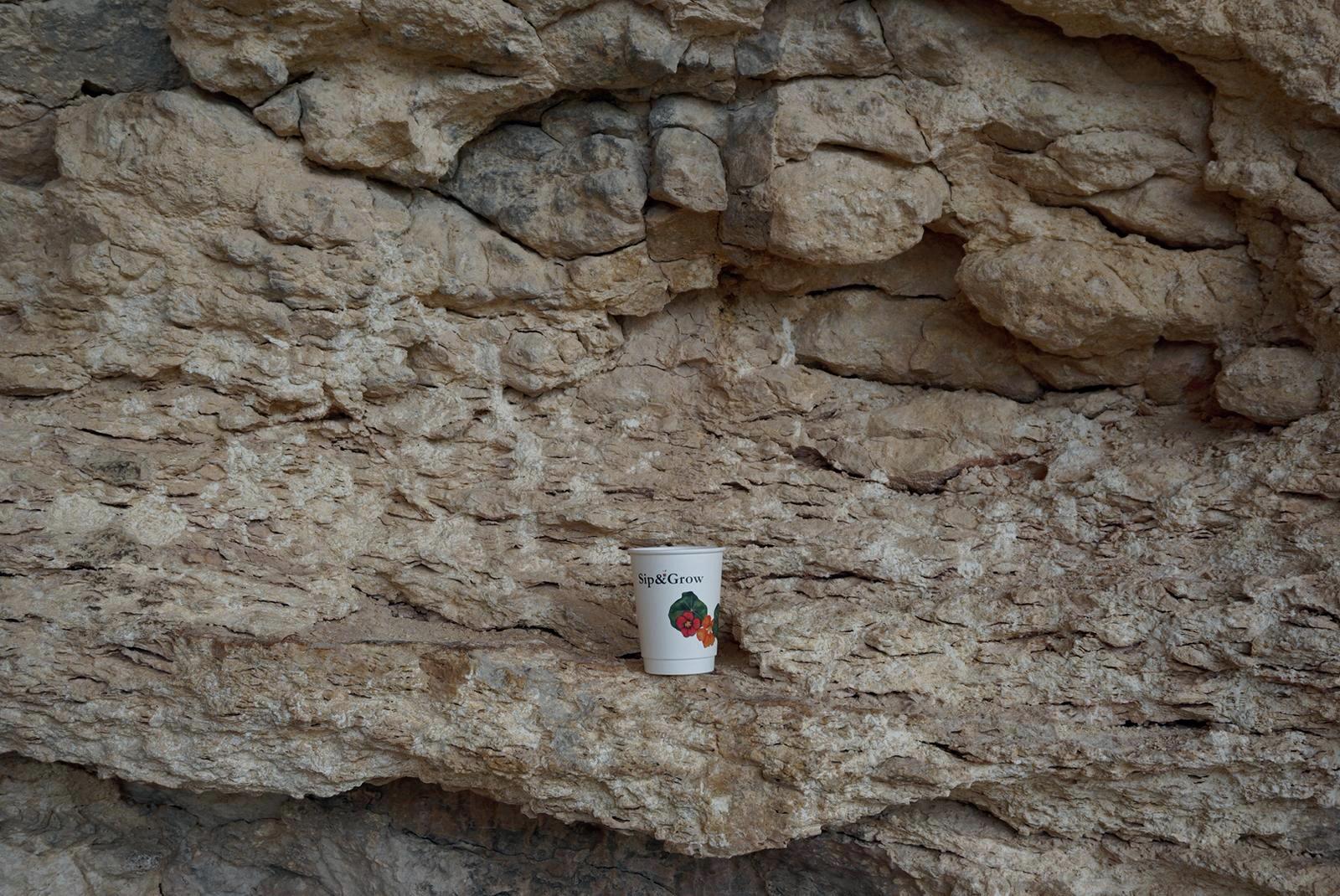
And it’s not just about choosing a cup that can grow – it’s about turning a small action into bigger changes. Choosing a biodegradable cup, remembering to recycle, or even just thinking before making a decision – these are all very small actions, but they also show the growth of awareness. And that’s what we need. Awareness can grow into more actions, actions grow into habits, and habits grow into change.
oday, not only is the plant in our cup that grows, but also our awareness of protecting the environment.
As we grow, the environment grows with us too.
Potts, S. (2025, August 13). Say ‘NO’ to disposable cups. SUZSTAINABLE. https://tinyurl.com/4yhay45c
Team, R. B. (2026, January 21). 500 billion single-use cups are thrown away worldwide each year. — R3GRND CircularSync Single Use Cup Collection System. R3GRND CircularSync Single Use Cup Collection System. https://tinyurl.com/4b5xhmyr
Sip&Grow. (n.d.). Sip&Grow - sustainable Biodegradable cups. Sip&Grow. https://sipandgrow.org/
Recognising students whose achievements outside of the classroom who exemplify what it mean means to be a VIS IB student.
Star Students are nominated by our educators, in order to acknowledge and celebrate their hard work in extracurricular activities.
This term, the Fort would like to spotlight the dedication of the past and present student members of the...
While watching the choir perform at events like Winterfest and the talant show, their passion is clear to see. However, all the preparation behind these performances often goes unrecognised. Being part of the choir requires more than simply showing up to sing.
Choir members rehearse weekly throughout the year, even during academically demanding and stressfull periods. In fact, last year’s graduating students continued rehearsing during their DP exam period, while most of their peers were on study leave.
Students must learn and practise their individual vocal parts and lyrics at home, then bring this preparation into group rehearsals and ultimately onto the stage, where they perform for our school community.
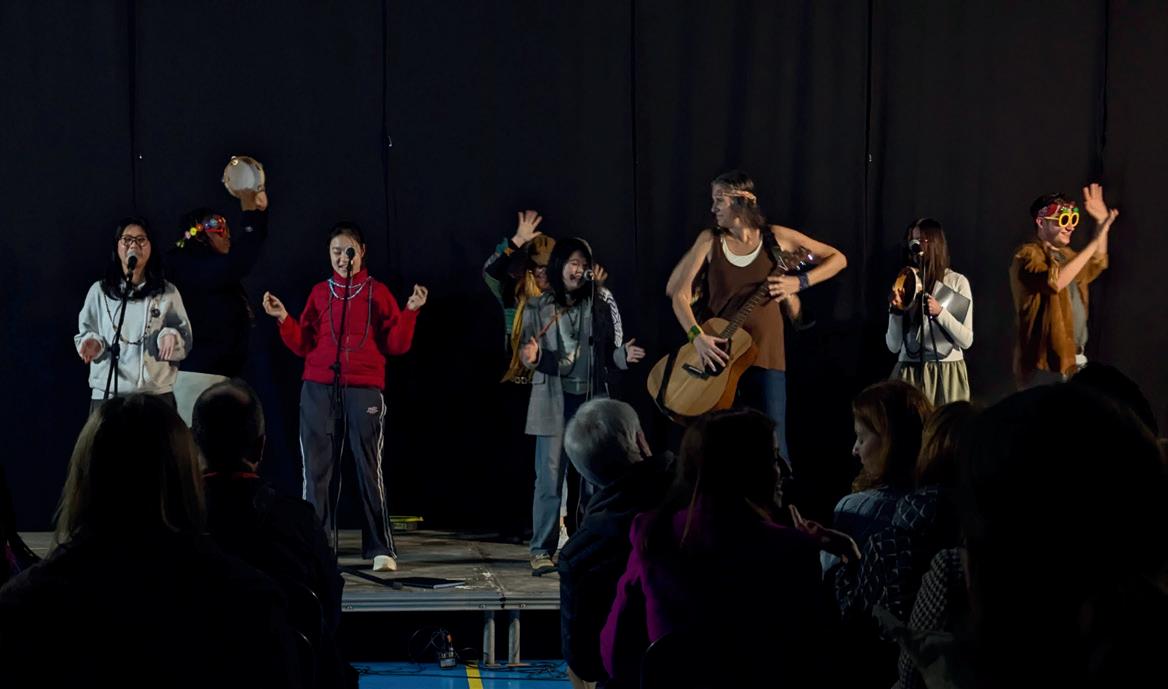
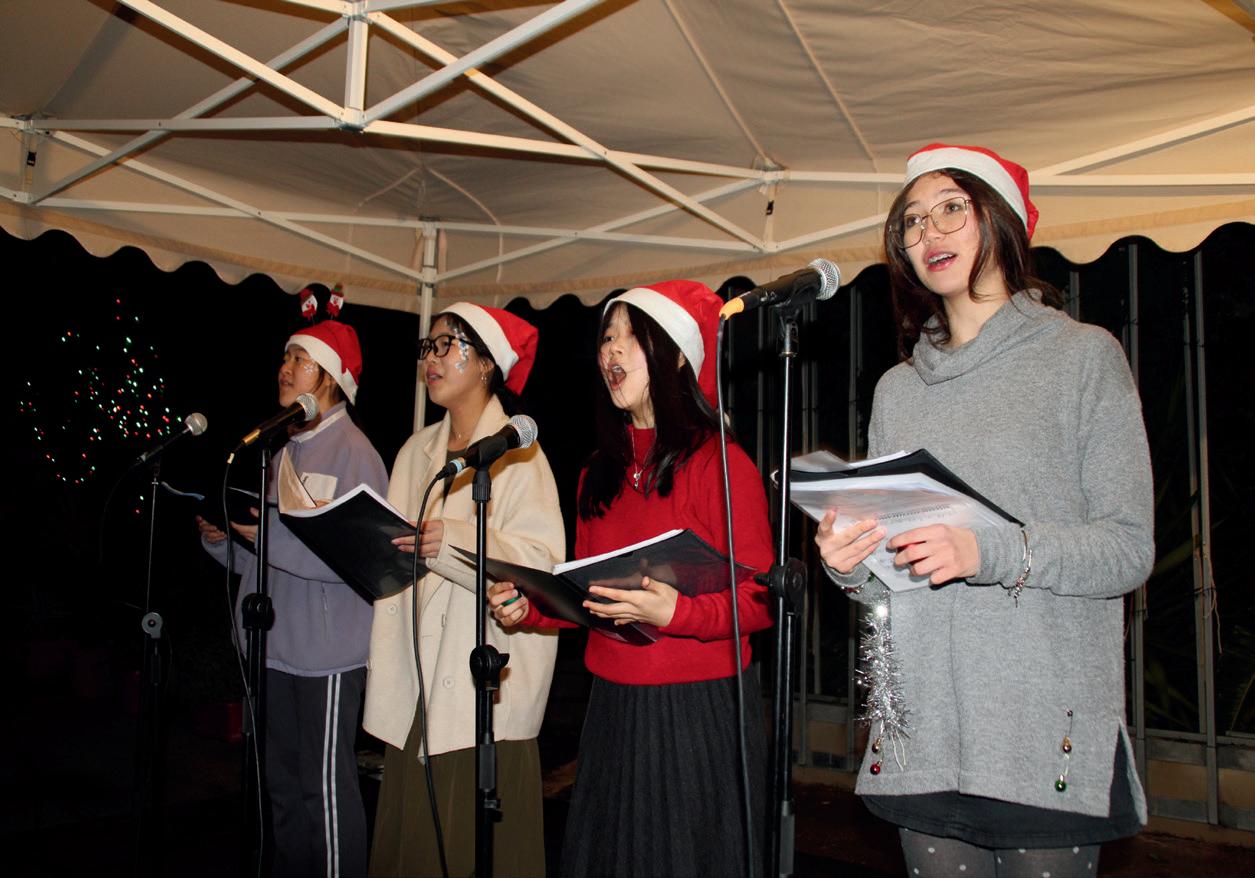
The choir’s consistent commitment, teamwork, and willingness to balance demanding academic schedules with regular rehearsals and performances exemplify the passion and dedication of Star Students!
By Desta Kassahun & Matilde Valdini
“Life
moves pretty fast. If you don’t stop and look around once in a while, you could miss it.”
- Ferris Bueller's Day Off
Looking back, it’s clear that the last two years have been about more than attendance and deadlines. Senior year, in particular, is a time for growth: academically and personally. As our parting gift, we’ll share the lessons we’ve learnt along the way, one last time.
Staying focused: Don’t leave your revision until the last minute
Senior year inevitably comes with academic pressure. Between coursework, mock exams, and final assessments, it can sometimes feel like the IB takes over your entire life.
It might sound abvious, but improving your time management skills is arguably the most crucial part of the growth that happens during this year.
Our biggest piece of advice is to find a way to stay consistent with your work rather than relying on a 3am study session the night before your exam.
Starting earlier than you think you need to, breaking tasks into manageable pieces, and asking for help from your teachers and peers when something becomes overwhelming will make your workload this year far more manageable.
“Yesterday is history. Tomorrow is a mystery. Today is a gift. That is why it is called the present.”
- Kung Fu Panda
Everyone moves at their own pace, and everyone’s journey will look different, so there’s no use in comparing yourself to your peers.
Some people know exactly what they want to do, while others are still exploring possibilities. Both are completely normal. There is no "correct" path post graduation.
What matters most is making choices that align with your interests, goals, and priorities, whether thats university, entering the workforce, or even a gap year.
If you do choose to go down the Univerity pathway, the whole process can feel overwheming and intimidating. This year applications dominated our attention and conversations: personal statements, predicted grades, deadlines, application portals, etc.
In reality, applying is the easy part. There are plenty of resources available to help you out (Cough cough, your university counselor).
With that in mind, try and get your applications done as soon as possible. Having them out of the way will allow you to spend more time and energy focusing on your actual coursework and exams.
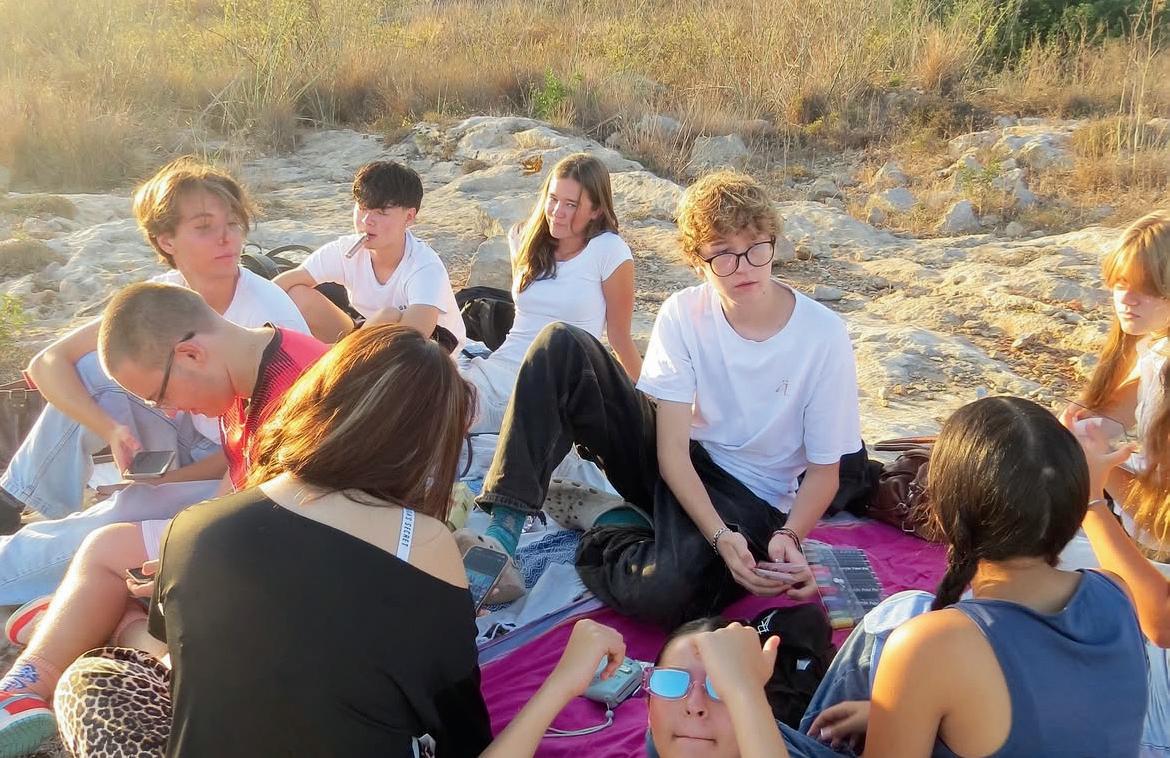
Before being thrown into the most stressful year of school of your life, make sure to appreciate those last moments of calm together.
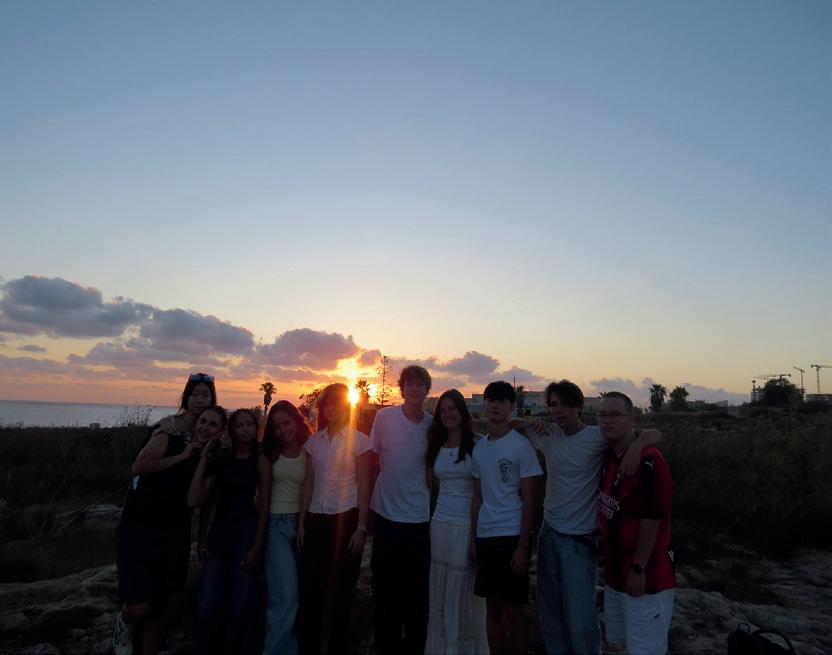
One of our first activities of Grade 12 was senior sunrise. All the seniors (well, all of us that woke up early enough) met early in the morning to have a breakfast picnic and watch the sun rise over the sea before school.
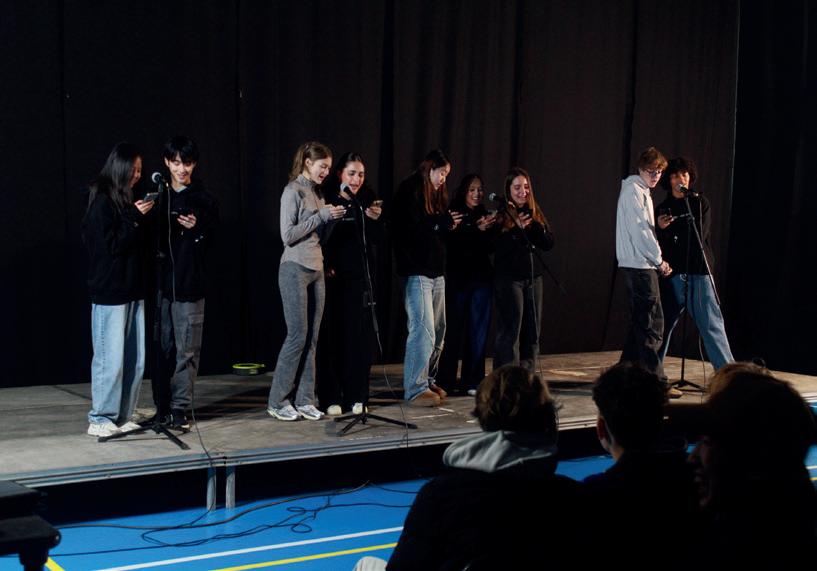
We also continued the legacy of seniors performing a self written parody song at the school talent show. Dressed in our beloved senior hoodies, we giggled and stumbled our way through the song, enjoying this chance to share a stage and continue a cherished VIS tradition.
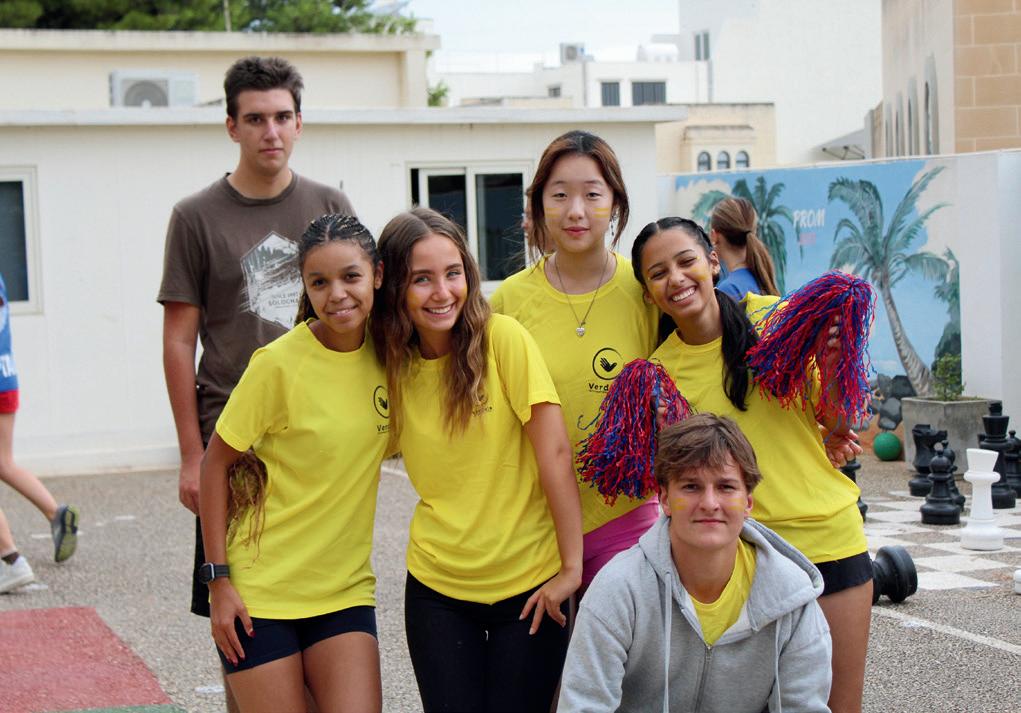
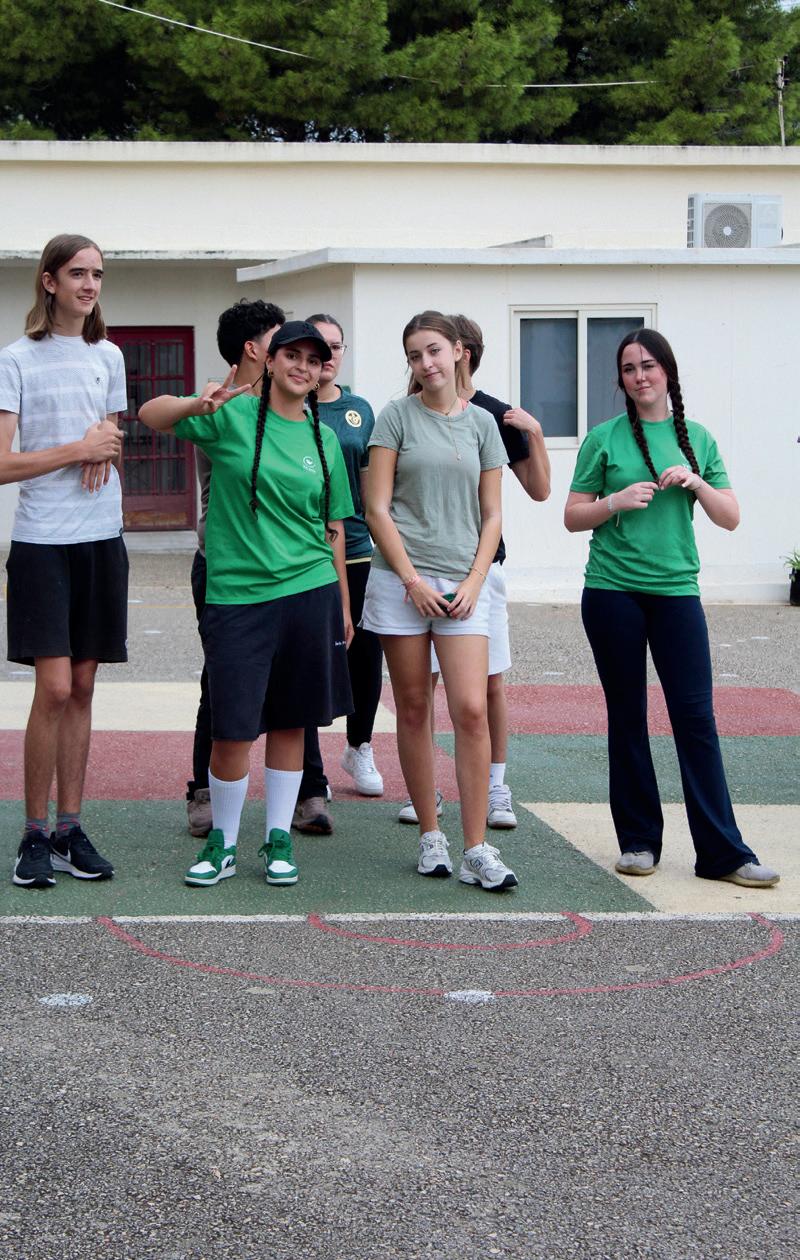
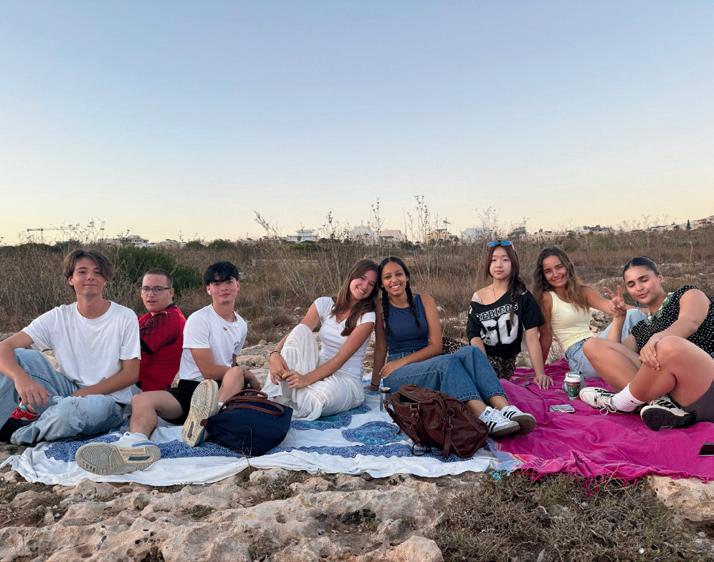
Creating some form of shared record of the year is also a good idea. We chose a class Instagram account, but even just having a shared photo album, where people can post small moments and silly selfies, helps capture the everyday experiences that might otherwise be forgotten.
At the time these posts may feel casual or even slightly chaotic, but looking back on them later often becomes surprisingly meaningful. Senior year moves quickly, and documenting it in small ways will make sure we can look back on the memories we shared long after graduation.
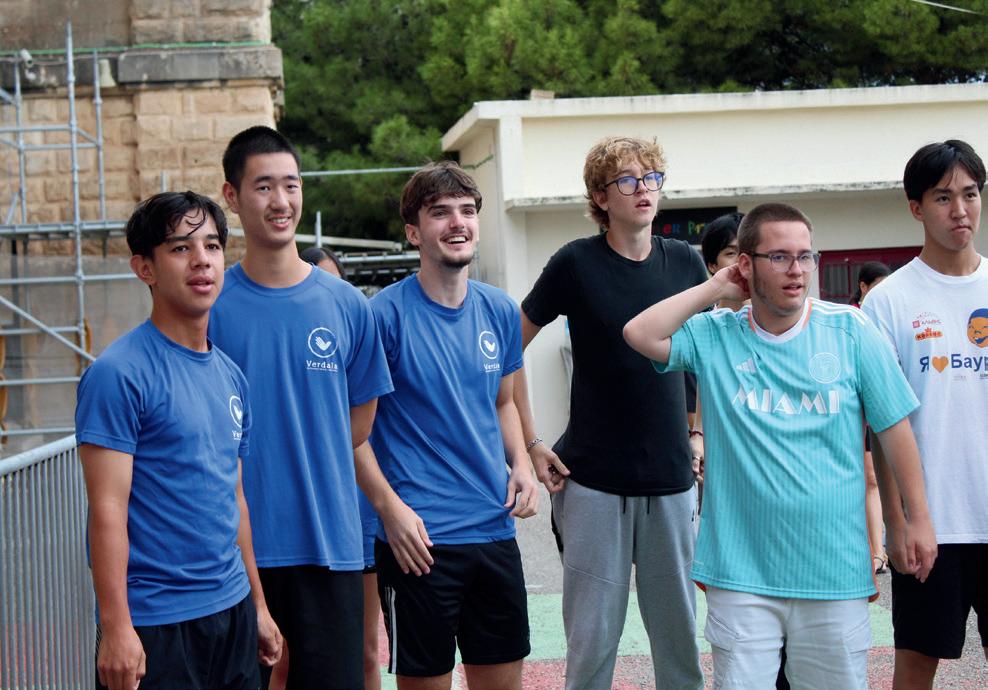
The lesson here is simplely to make memories. Take part in the traditions, spend time with your peers outside of school whenever possible, and make sure to capture this moment. Before you realize it, you will be reflecting on your own senior year and wondering how the time went by so quickly.
“I know these will all be stories someday, and our pictures will become old photographs.” - The Perks of Being a Wallflower
With that “16 going on 45: A Chalant Girls Guide to…” has come to end.
Thank you for reading!
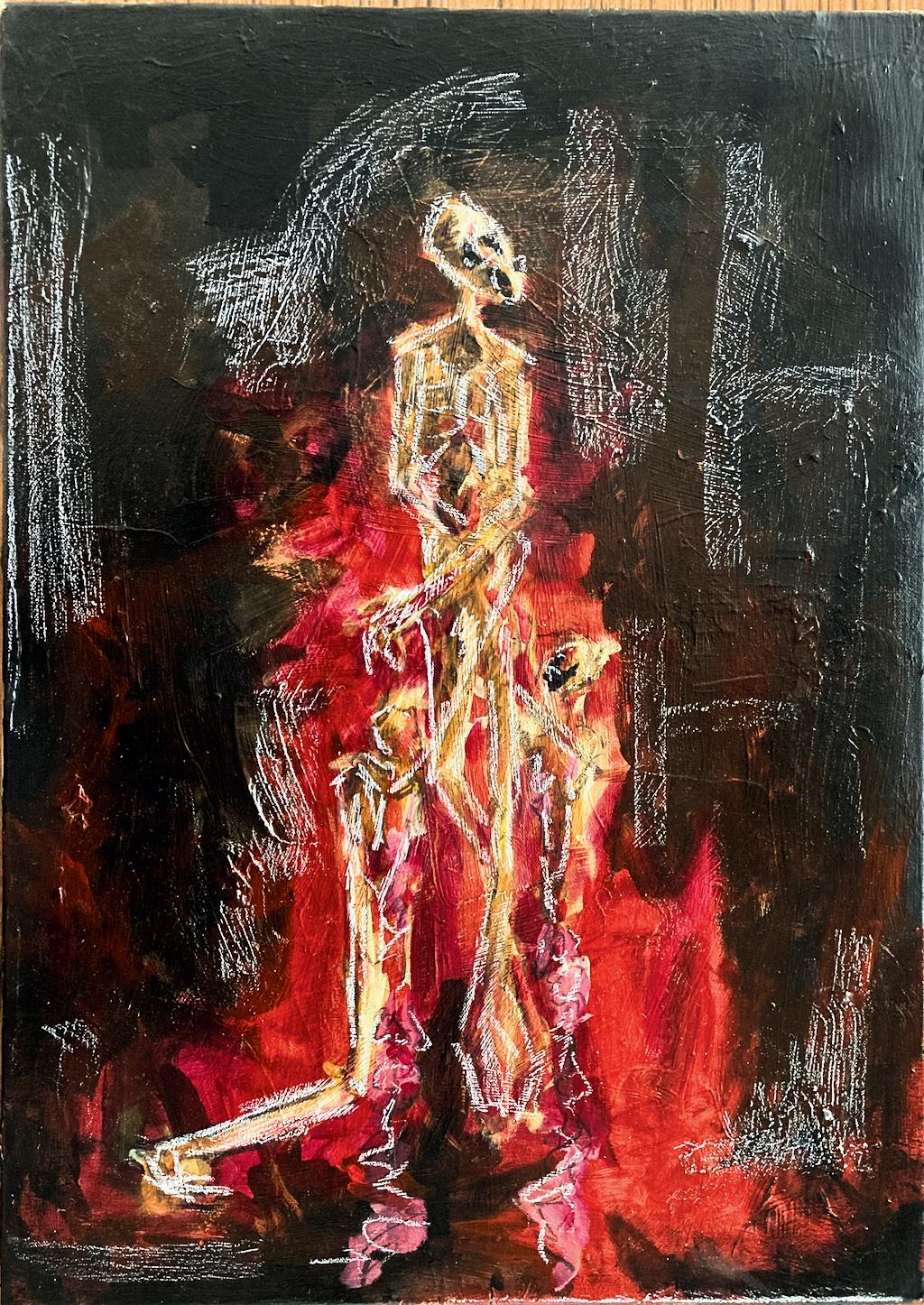
B. Lancrangean
By Bogdan Lancrangean
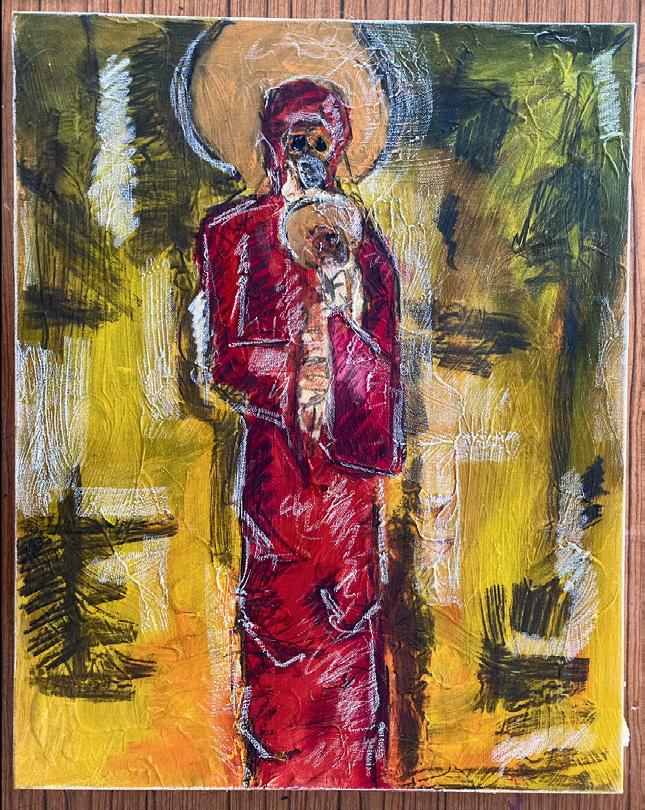
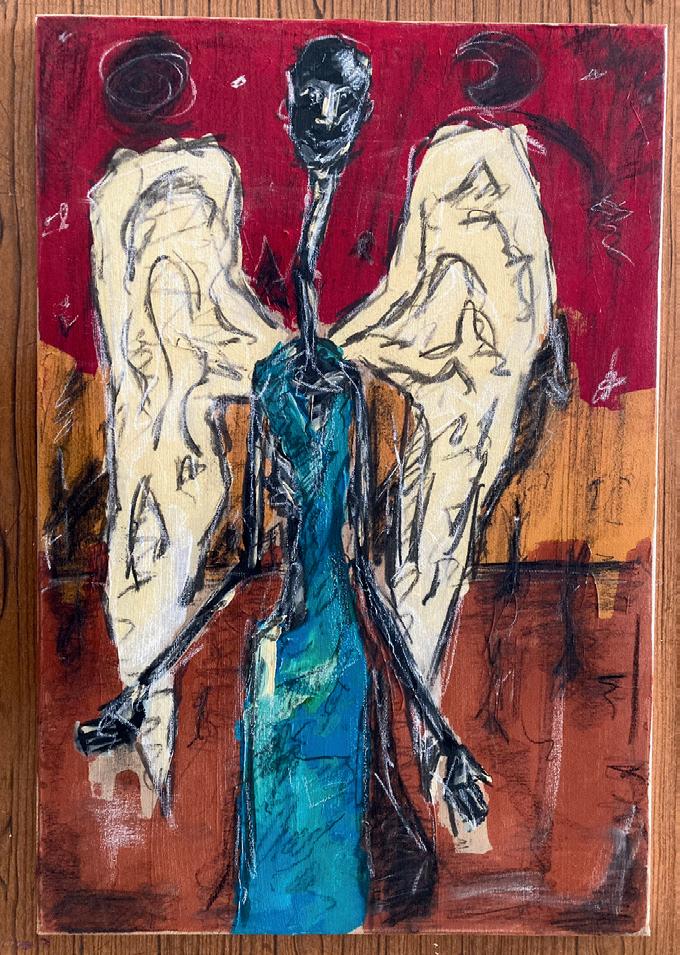
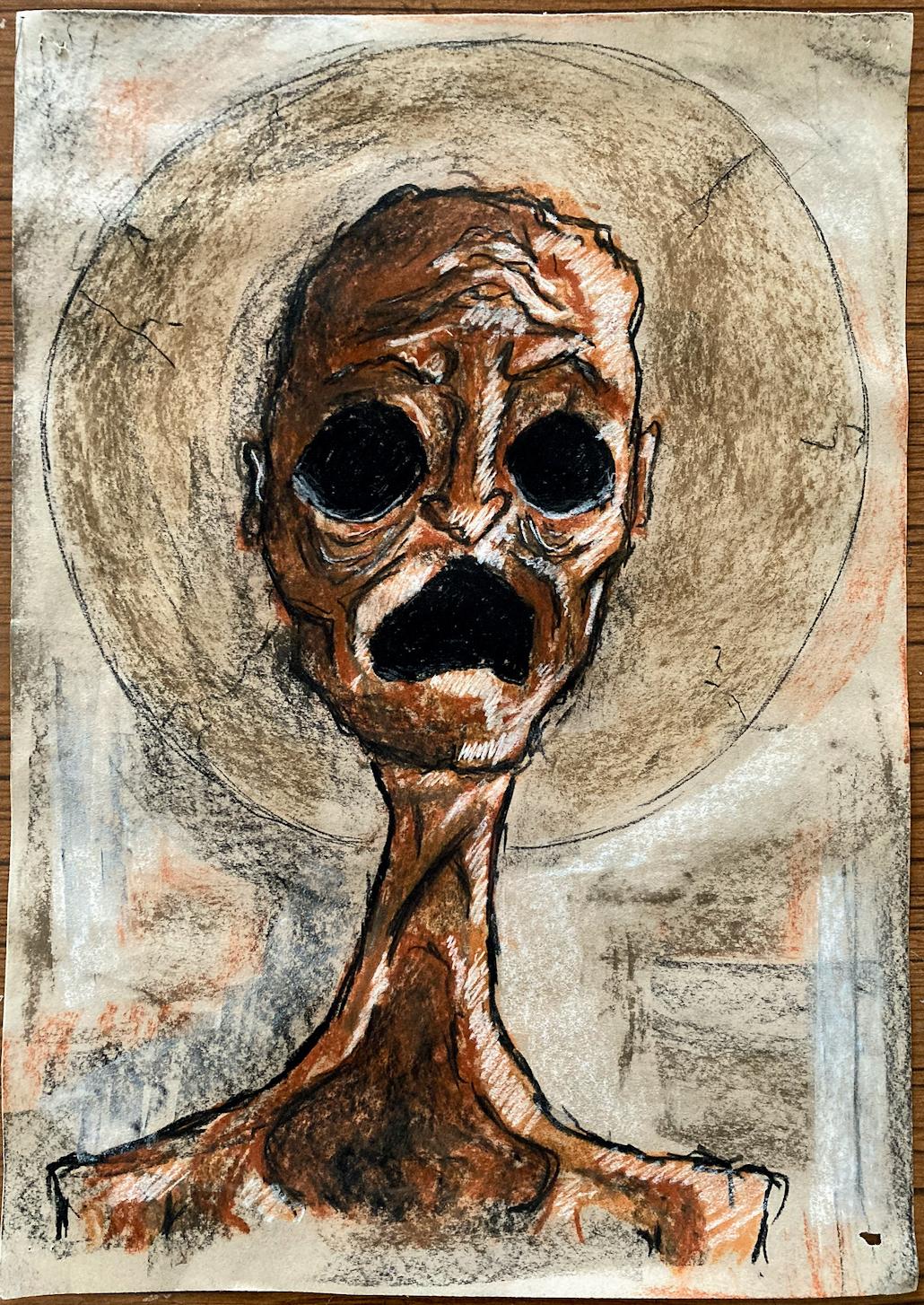
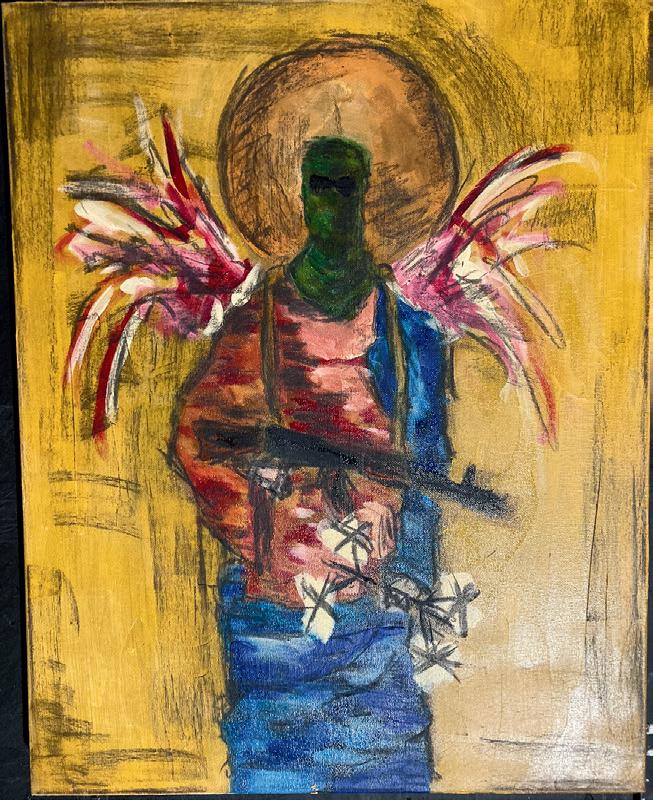
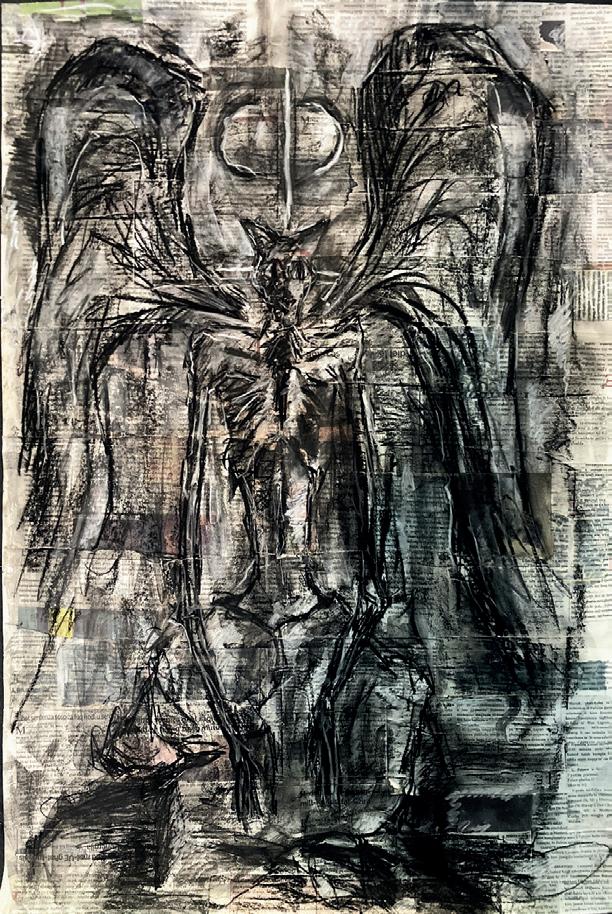
According to Genesis, when Adam and Eve ate the forbidden fruit, mortality gripped mankind after the two had been cast down from the Garden of Eden. Falling. Lucifer was the highest ranking angel, second only to God. Yet, his pride grew, and he rebelled against the Lord. Pride. Falling. Again.
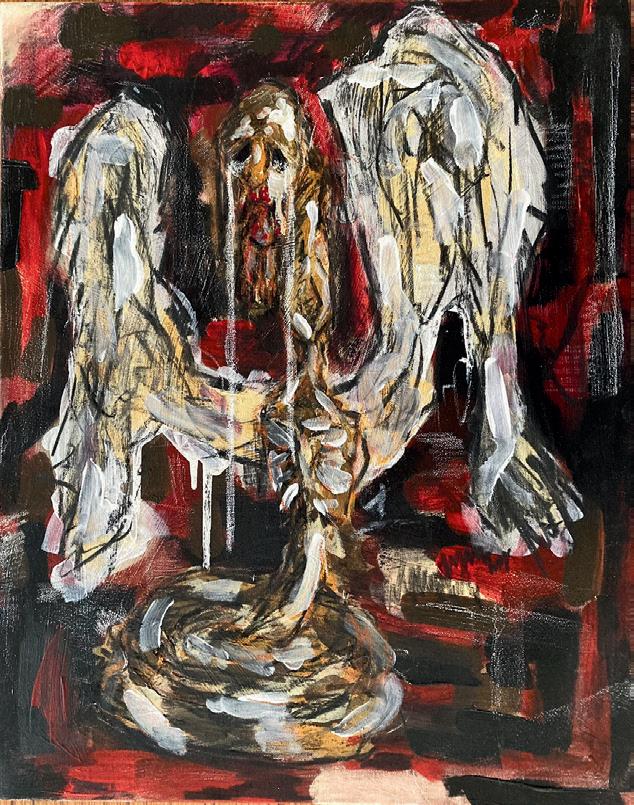
This is the main focus of the exhibition. Falling. Angels and man. With my works, I sought to critique, not theology, but the actions of the church I belong to. The Eastern Orthodox Church. Its history with war and violence is long and complex. Though it claims to be the “Church of Peace”, the actions of some (some, but not all) patriarchates within the church actively support war against other Orthodoxies. Meanwhile sin runs wild through the world. People forgetting mercy, shame, humbleness. Meanwhile people are starving and drowning.
A falling world. Megaloptosi.
By Aaron Jaffe
I am proud to say this has been a wonderful year for our students.
In November, we reached a significant milestone by hosting our first annual University Fair, organized by Verdala in partnership with QSI Malta. This event provided a unique platform for VIS students to engage directly with representatives from over 40 universities worldwide. It was an inspiring day of exploration, and we are already looking forward to making this an annual tradition to ensure our students remain connected to a world of global opportunities.
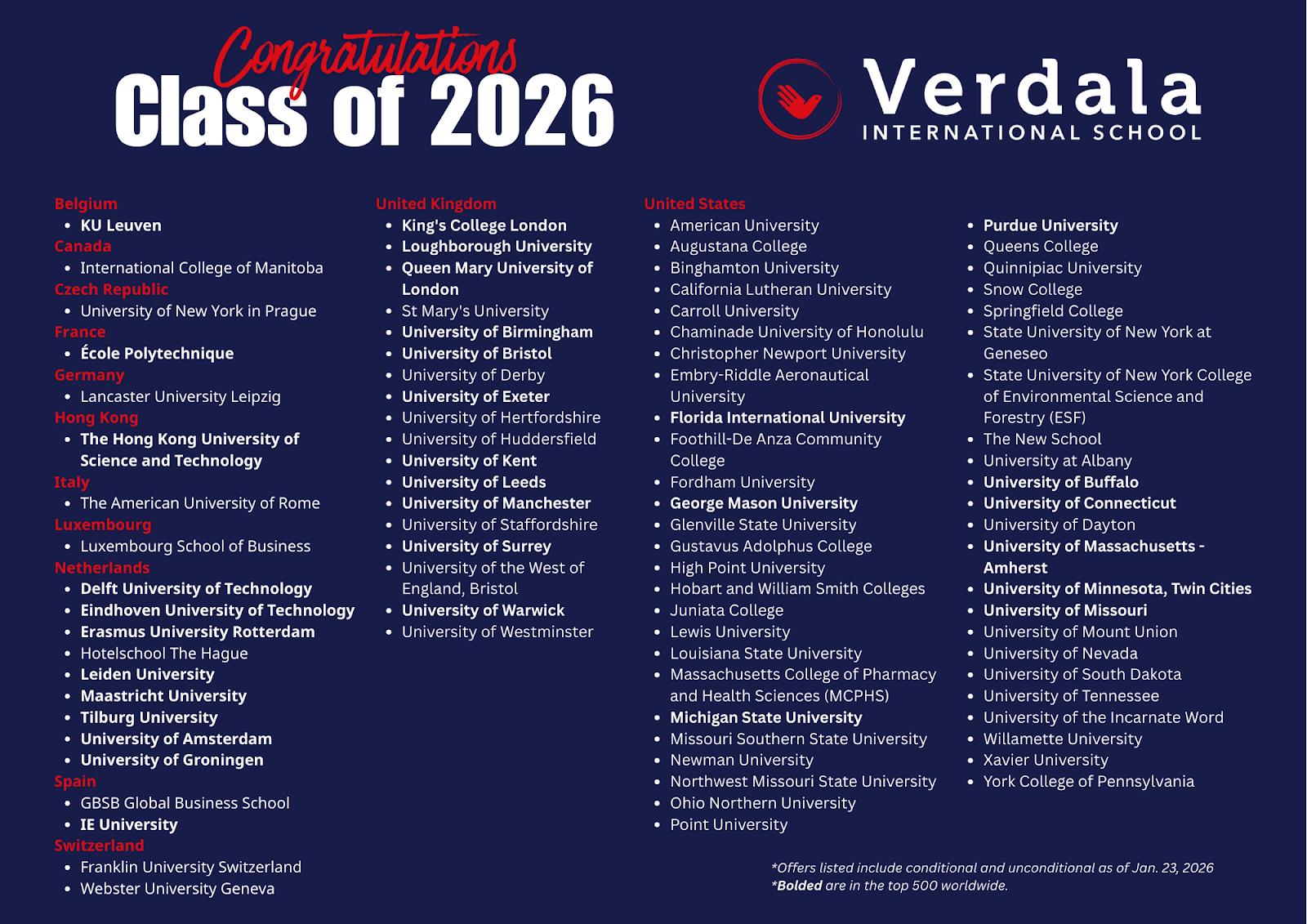
For our Grade 12 students, they are currently navigating the final chapters of their high school careers with distinction. To date, they have secured nearly $4 million USD in scholarships and have received prestigious offers from institutions spanning the globe—including Malta, Hong Kong, France, Spain, Canada, the US, UK, and the Netherlands.
Our graduates are pursuing a diverse spectrum of disciplines, ranging from Biochemistry, Engineering, and Data Science to Global Law, Hospitality Management, and Finance.
What is most impressive is the breadth of their ambition. Our graduates are pursuing a diverse spectrum of disciplines, ranging from Biochemistry, Engineering, and Data Science to Global Law, Hospitality Management, and Finance. Through the DP and CP pathways, these students have successfully aligned their personal passions with rigorous academic paths that maximize their future employability. We offer them our sincerest congratulations!
I have recently also had the opportunity to hear back from our 2025 graduates. They are having a fantastic time at their destinations and gave me a few key points to share with the current students:
Brace for "Un-Sugarcoated" Feedback: High school teachers are often your biggest cheerleaders and might soften their critiques, as much as that may be a shock. However, your professors may be more blunt; they will really focus on the professional standard of your work rather than your feelings. Be prepared to not take it personally—it’s not an attack on your talent, it’s a shift into a highstakes professional environment
The Career Clock Starts Early: Many students wait until their final year to think about jobs, but for competitive fields, the "early bird" window is real. Internships are competitive and you better start thinking about them early. When you arrive, start looking at job boards and networking events so you aren't fighting for "leftover" spots later.
Master the "Soft Skills" of Independence: The biggest shock of university often isn't the difficulty of the exams—it's the "life maintenance." Whether it’s managing the long breaks between lessons, a grocery budget, a complex housing market, or learning to clean up after a roommate to keep the peace, your "adulting" skills will be tested just as much as your academic ones.
Looking ahead, we will be continuing our University Information Series.
By the end of this semester we will have hosted sessions on Supercurriculars, the Arts, Medicine, Italy, Engineering, and Law. These sessions have included panelists from top universities worldwide who provide insights into their specialities and top tips for applicants. Please see the bulletins to know when these events are happening as we plan to continue this series next year to support all students, regardless of their pathway.
For Grade 9 and 10, we will be working with them on their career exploration through psychometric testing and using our UniFrog platform to discover options and pathways. There will be special events like the Career Showcase!
As always, our University & Career program remains ready to support all our students in their post-VIS journey.
By Daryna Pedos & Yarden Sivan
In the past, it wasn’t common to consider how schools could be sustainable. In the 21st century, school programs have begun adapting their curricula to teach students about the severity of climate change. We are all aware of the importance of educating future generations to look after our nature. However, it can be difficult to know exactly how to approach this issue, which is why the the Eco Committee is here to identify and help organise VIS’s environmental efforts.
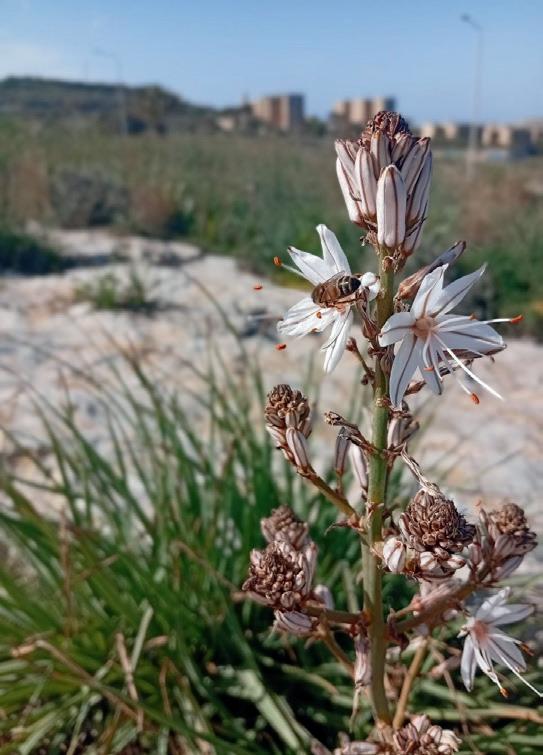
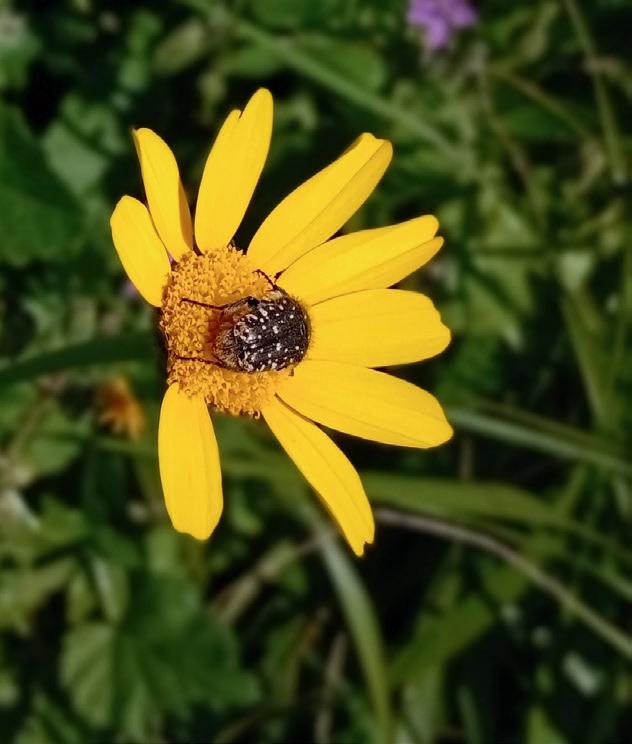
The Eco Committee has organised various efforts aimed at environmental sustainability, focusing on reducing carbon footprint, promoting eco-friendly approaches, and fostering a greener future, including:
In partnership with the Coast Is Clear foundation, we organise cleanups where volunteers from our community come together to help protect Malta’s beaches. This is important, as we are removing any trash and garbage that could have ended up in the sea and endangered many marine creatures lives. Making the beaches cleaner also makes them more pleasant to be at for everyone!
The is an essential green space, and a little sanctuary of oxygen for our school. While it is already a place where our community can grow plants, we would like to also ensure that it is a calming place for students and staff to get away from the chaos during breaks and reconnect with nature.
We are gathering information on the waste and littering at school. We are trying to make recycling more accessible and easy to understand in school, to manage and reduce waste sustainably.
Eco flag VIS holds an Eco-Schools Green Flag Award. It is a prestigious accreditation, which recognises school’s exceptional dedication to environmental education, sustainability, and student-led climate action.
On the afternoon of the 10th of April, from 5:30 -7:30, VIS will be holding the Thrift-Off in the high school gym. This annual event provides our community with the opportunity to come together and shop sustainably, for free! Visit the Thrift-Off, and celebrate Earth Month by helping to reduce the waste created by fast fashion. Contact the eco committee to help out or to donate unwanted clothes.
By working together, and taking small steps, we can make big changes. The Eco Committee is always happy to gain new members! Our goal is to teach more individuals about the importance of protecting nature. You can also contribute to our efforts by attending our upcoming events and by being more conscious of the environmental impact of your actions.
The world is in our hands.
By Claire Angeletti
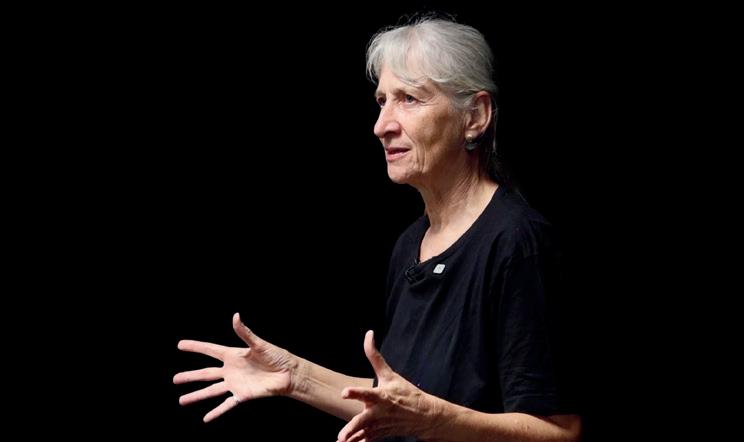
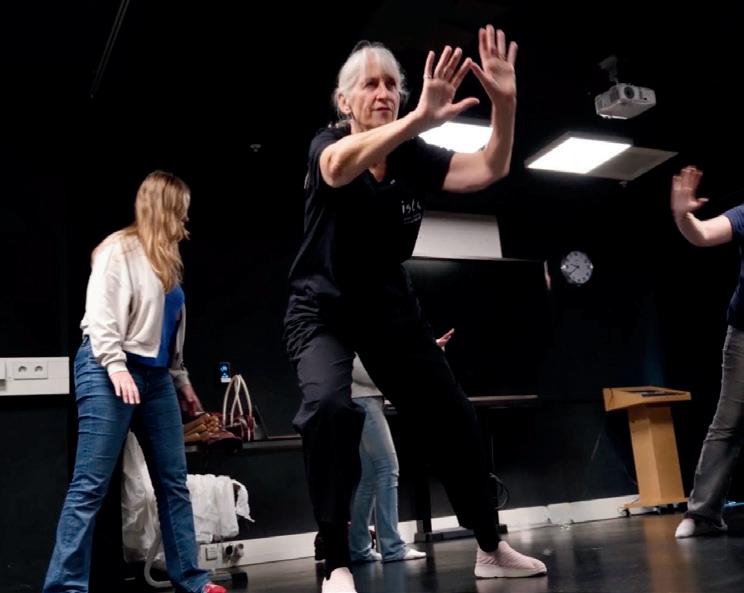
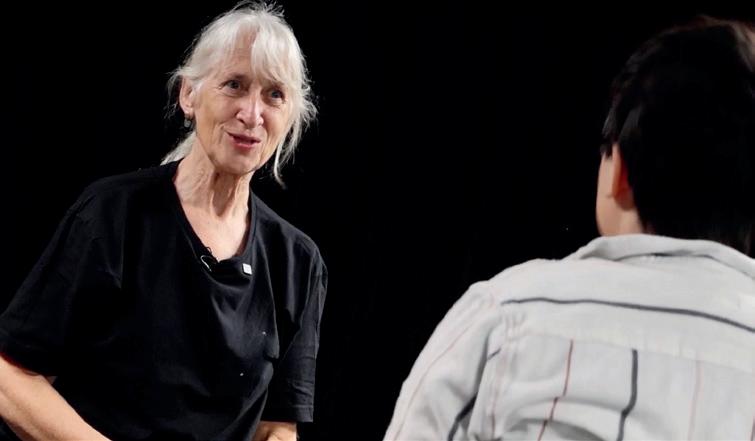
The other day a parent asked me what life skills their child was learning in theatre classes. It is a question I have been asked many times and yet this time it struck me that it is an essential question to ask in the age in which we live today.
My answer is: Theatre is a language of connection. In a theatre classroom students learn how to collaborate with others, how to negotiate, when to step forward with their ideas in group work and when to step back and listen. They learn how to draw on their interior world as well as the world around them to articulate ideas and shape them for an audience. They learn how to hold an audience’s attention and with clear intent communicate meaning. They are invited to experience the possible lives of others through stepping into different character roles and exploring different life scenarios in different cultures, in different eras, taking a script from page to stage.
Recently I worked with ISTA Global Arts Learning to create a professional development and learning resource for students and educators, exploring the work of one of the 20th and 21st century’s most innovative and influential theatre directors - Peter Brook.
I see Brook as a master storyteller. But what story was he telling? In a 1993 interview about his Paris production The Man Who, Brook said about theatre:
“There is only one story: What is a human being? How does he live his life? Different people approach this theme in different ways. It is always the same question.”
Croyden. M. (2003). Conversations with Peter Brook 1970-2000. Faber & Faber. p251
So — how do we live our lives? What is the one story we want to tell and how does it translate into the language of theatre?
Theatre can delight, entertain, instruct, provoke and transform, challenging our view of ourselves and the world. As creators and doers, engaging in any art form encourages students to be critical thinkers and look at the world from different perspectives.
Theatre is a powerful language of signs, symbols, sounds, movement, projections, text, song, silence, image, colour, shape, light, texture, beat and rhythm, and the theatre experiments of the 20th and 21st centuries have seen endless permutations of this language in order to express something of what it is to be a human being!
What makes this language powerful in an educational context is that we can move beyond ideas into the world of experience and experiencing. When the stories told are witnessed by an audience, that is when the alchemy of theatre is at work.
So why study theatre in schools? It is an exercise in human understanding, understanding the self and how to relate to others, not through reading and writing but through actual doing and experiencing, embodying.
It is a rehearsal for life in which there is the opportunity to step into the world as a creator and change maker. And the key to it being essential is that theatre is an art form that comes to life through the almost magical interaction between the storyteller and the audience.
It is live and alive; it is ephemeral and yet leaves its mark in the imagination of the participants. It sparks change and an energetic exchange in a way that machines cannot.
So even though we can use AI to stimulate creative thought, in the end it is our interaction in the studio space, the way we play and move and speak and work intuitively, engaging in the art of connection, that is the true language of creativity, and in it lies the secret to freedom and free thinking.
As a student once said:
“Not only does theatre allow one to express themselves but it also holds a mirror up to our society. Theatre takes me to a different world, a different dimension where I can take control of my life, where I can become a different person just for a few hours and feel ‘free’.”