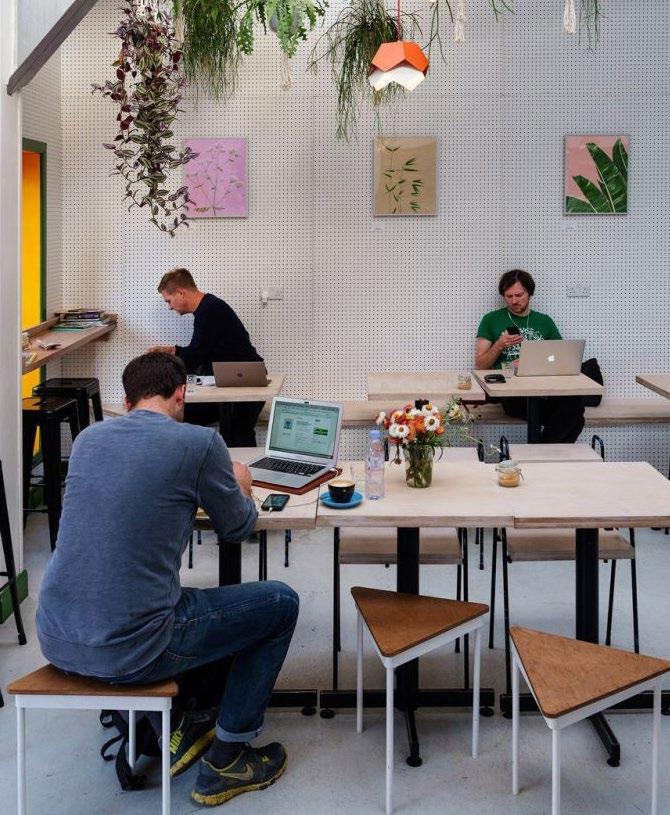
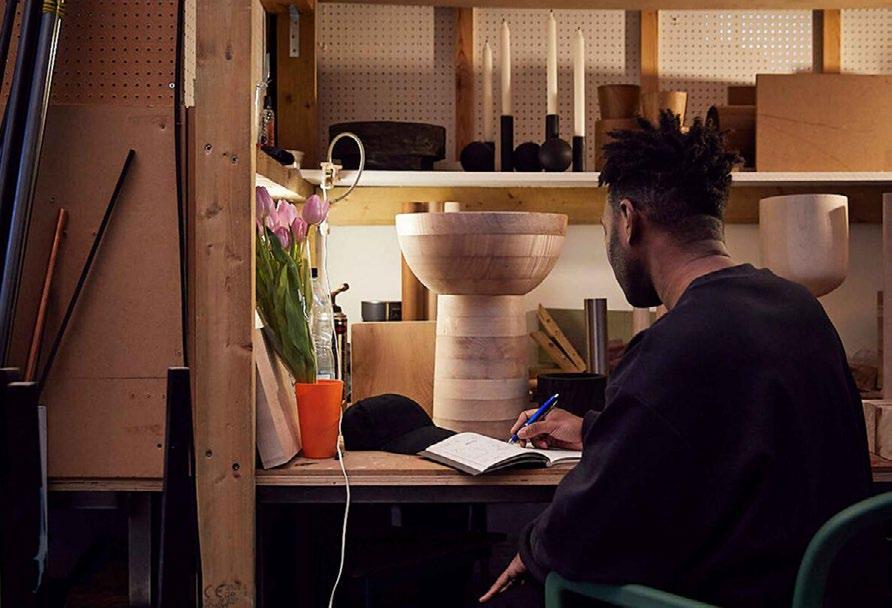
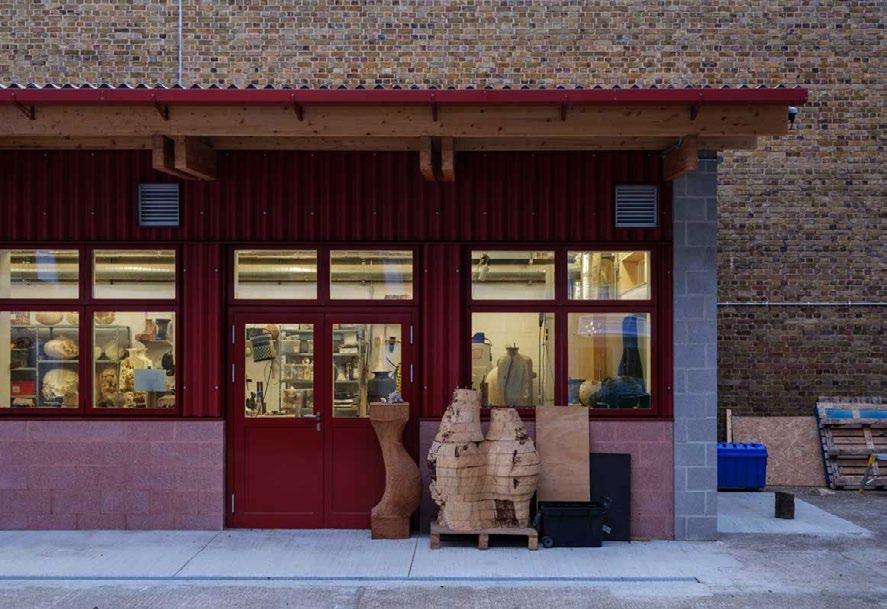
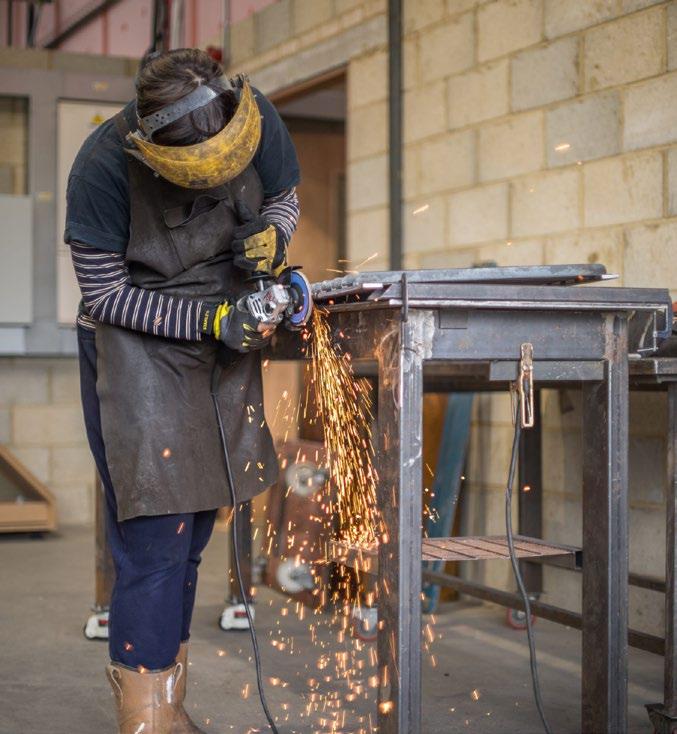
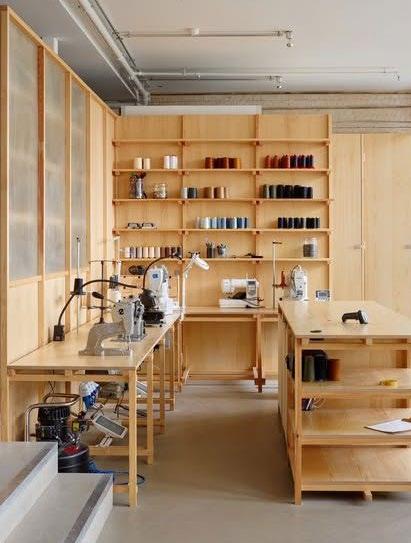
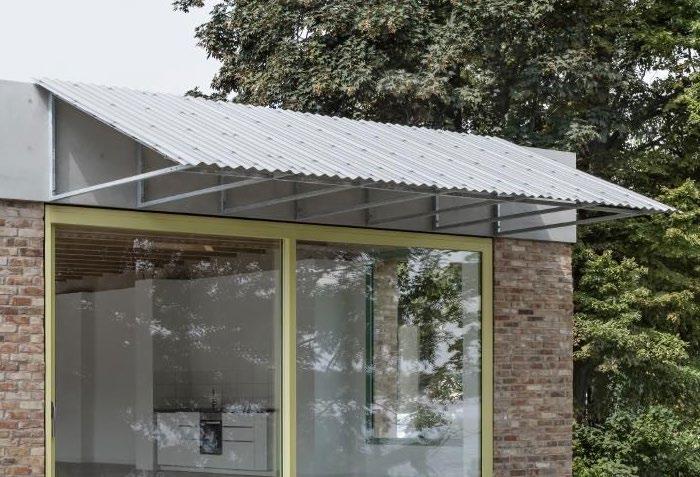
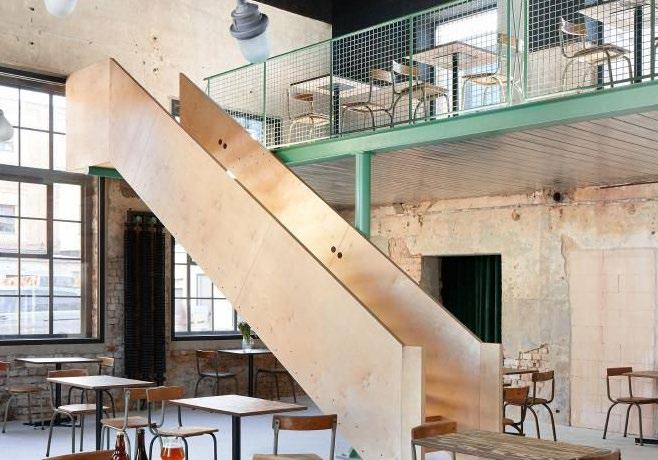
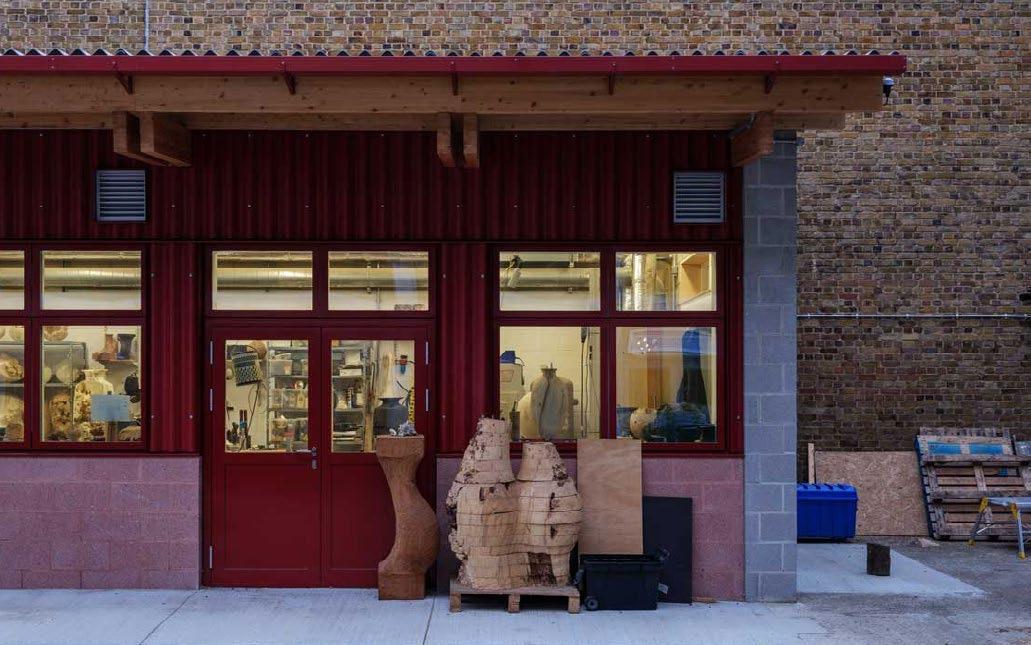
Ingrams Yard represents a rare opportunity to establish the Isle of Wight’s first fully equipped makerspace — a practical, year-round facility for fabrication, skills development, and creative production. Developed by Ventnor Exchange, one of the Island’s most respected cultural organisations, the project builds on over a decade of cultural leadership, placebased creativity, and youth investment, adding missing production capacity to Ventnor’s established cultural infrastructure.
This feasibility study presents a clear and deliverable vision for reimagining the historic Ingrams builders’ yard into a modern hub for making. The concept design is grounded in light-touch, considered intervention — working with the site’s existing buildings, forms, and industrial character, while introducing a limited number of complementary contemporary additions where needed. These interventions are deliberately legible and functional, supporting flexible workshops, shared fabrication space, small studios, alongside improved accessibility and environmental performance.
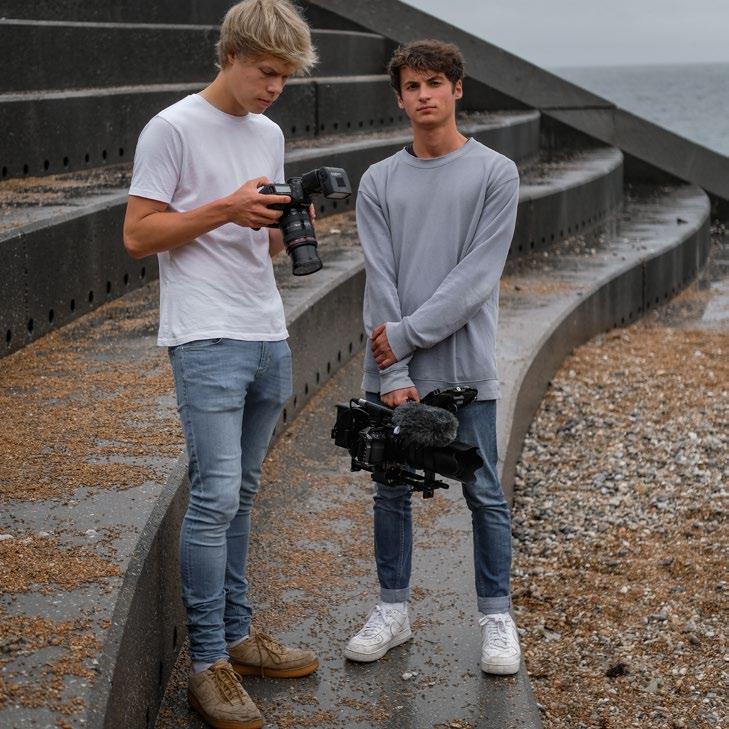
Engagement with stakeholders and young people, has identified consistent needs: a lack of affordable, equipped production space; limited pathways for practical skills; and growing demand for local opportunities in making, fabrication, and creative enterprise. Ingrams Yard responds directly to these needs, providing the technical infrastructure that complements Ventnor Exchange’s publicfacing cultural role — supporting theatre, live events, carnival and touring work through fabrication and technical production — and strengthening the wider creative system supporting artists, makers, and young people on the Island.
With investment, Ingrams Yard can become a long-term Island asset: supporting young people into creative and technical careers, strengthening local production capacity, and enabling work to be made, not just presented in Ventnor.
The project is modest in scale but significant in impact, demonstrating how targeted creative infrastructure can enhance the vitality of a small coastal town and the wider Island community.
Purpose of the Study
Commissioned by Ventnor Exchange, and made possible through the support of the Architectural Heritage Fund (AHF) and Backstage Trust, this study sets out a clear vision and a practical route for transforming Ingrams Yard into a dedicated maker and production space for the island. It sets out how the site can address local needs, strengthen Ventnor’s creative ecosystem, and form a compelling case for investment.
Specifically, the study aims to:
• Articulate a shared vision for Ingrams Yard as a year-round centre for making, fabrication, skills development, and career progression.
• Assess community, youth and sector needs, drawing on conversations with stakeholders and young people through Brave Island.
• Establish how Ingrams Yard complements Ventnor Exchange’s social and public-facing role, and strengthens the wider creative ecosystem across Ventnor and the Isle of Wight
• Produce a concept design showing how the site will be arranged, accessed, and used.
• Explore the operating model, including membership, governance, and partnerships. Outline the steps needed to move from concept to delivery.
• Provide a foundation for fundraising, demonstrating the social, cultural, and economic impact the site can deliver.
About HemingwayDesign
HemingwayDesign are delighted to have been appointed to lead the vision and feasibility study for Ingrams Yard. We are a purposeful, multidisciplinary team working across culture-led regeneration, town centre visioning, placemaking, place branding, and interior architecture — with a core commitment to people, place, and positive social impact.
For over 30 years, we have supported towns, cities, and organisations to re-imagine places, revive heritage assets, and build distinctive cultural identities. Our work spans major multi-arts festivals, as well as the transformation of civic and cultural heritage buildings. Alongside this, we have delivered place visions, masterplans, and brand identities for locations across the UK, helping places articulate who they are, what they stand for, and how they can grow with purpose. Across all our work, we champion design that is people-led, rooted in place, and socially ambitious.
We bring strategic insight grounded in social value, a multidisciplinary design-led approach, and a co-creative process that prioritises local voice, authenticity, and partnership.
We believe Ingrams Yard has the potential to become a nationally significant example of modestscale creative infrastructure with meaningful local impact, and our role is to help shape that vision with clarity, integrity, and long-term purpose.
Technical and Heritage Support
Lathams have supported the study with technical and heritage expertise. Established over 35 years ago, Lathams specialise in the creative re-use of land and buildings, with a strong focus on understanding context and designing environments that respond sensitively to their setting.
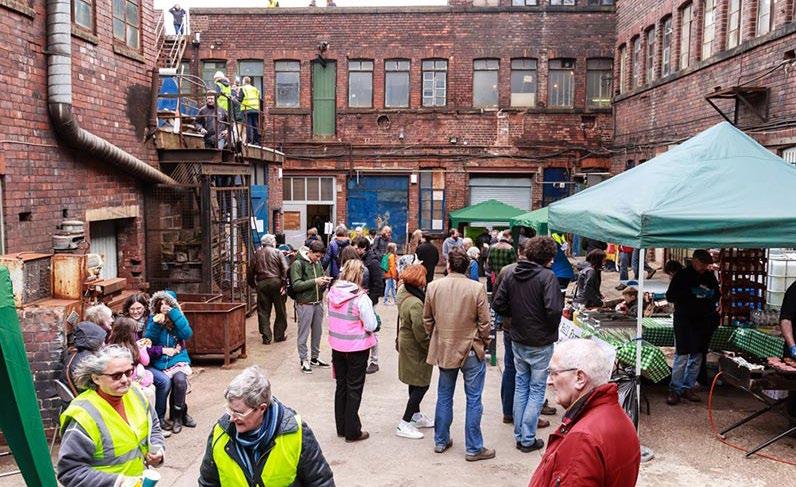
Their work is rooted in evidence-based design and spatial strategies that unlock the full potential of historic sites, balancing conservation with contemporary use. This includes experience delivering complex heritage-led regeneration projects, such as Leah’s Yard in Sheffield, where careful analysis of historic fabric informed a phased, sensitive approach to reuse.
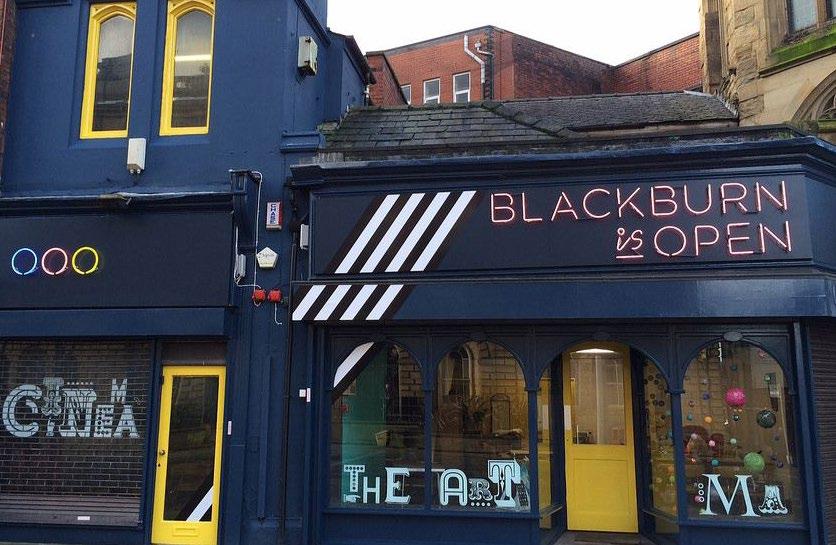
Blackburn is Open
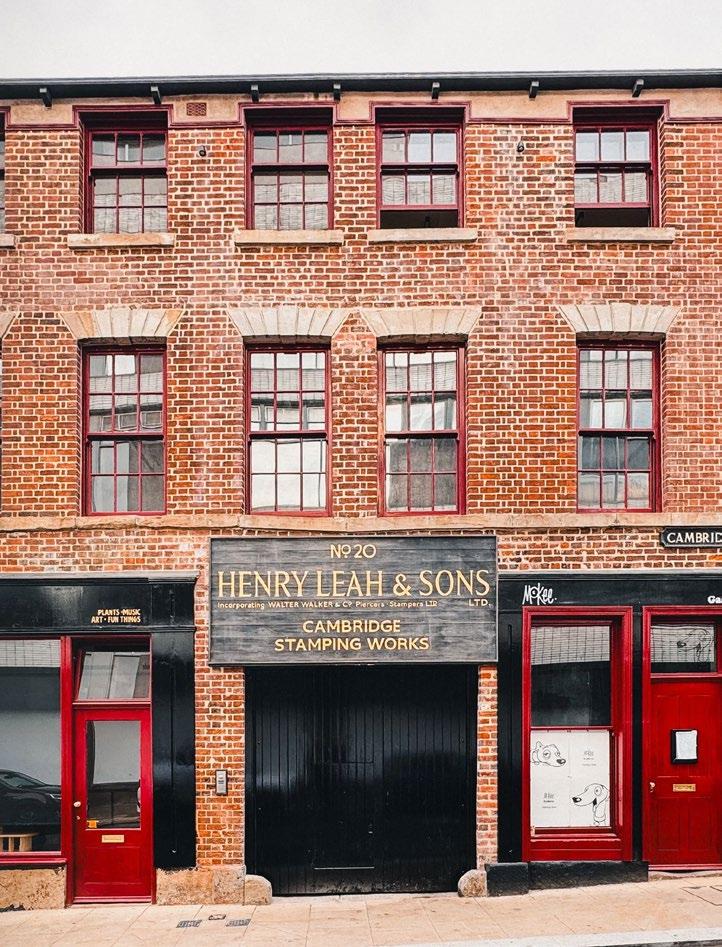
Leah’s Yard, Sheffield
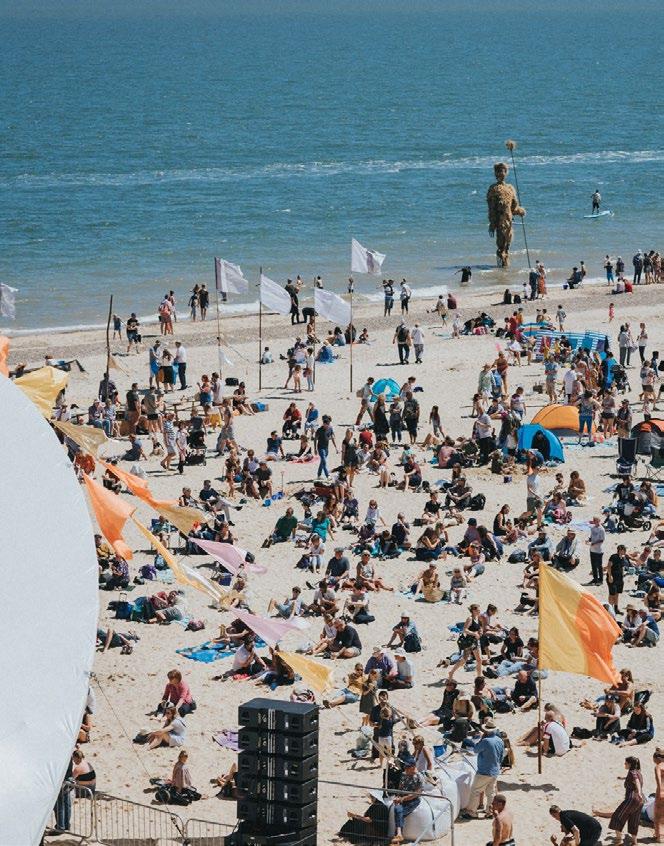
First Light Festival, Lowestoft
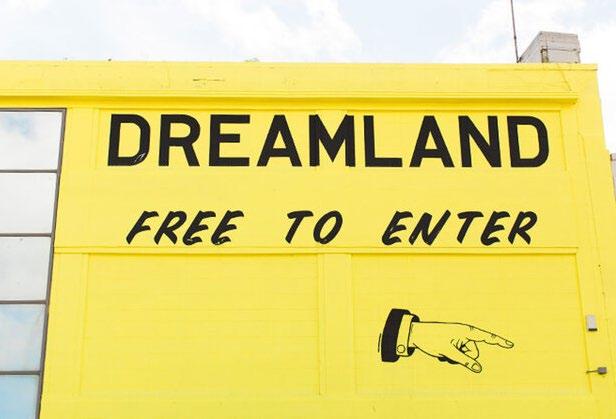
Dreamland Margate
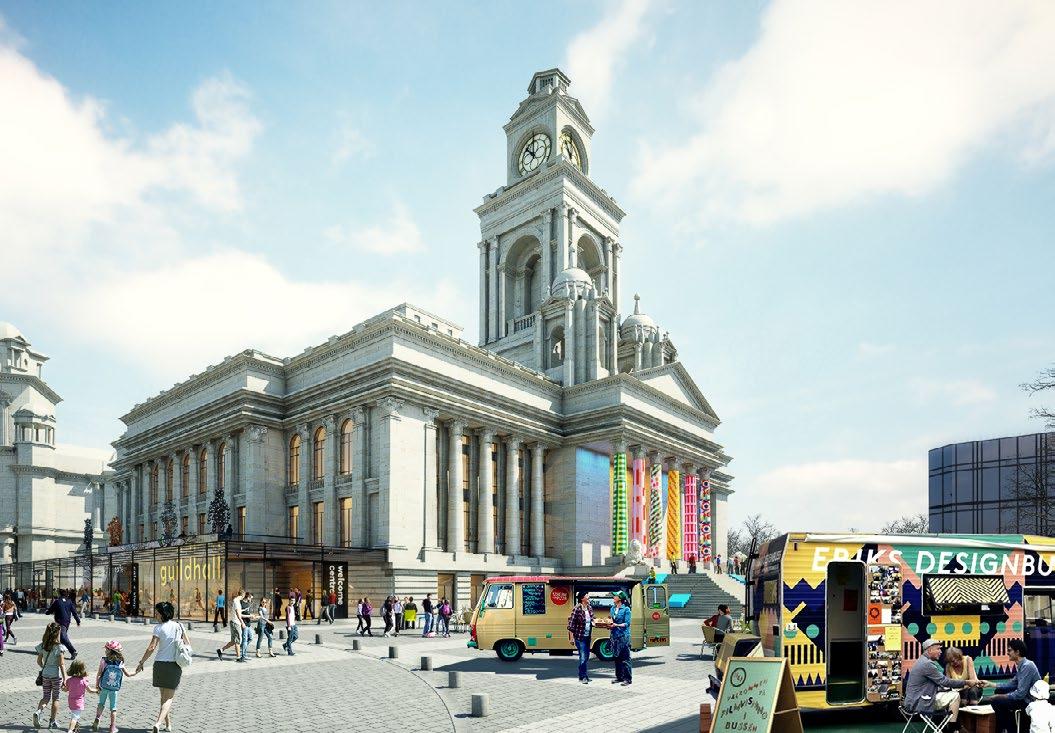
Vision for Portsmouth Guildhall
Vision Statement:
Ingrams Yard will be the Isle of Wight’s home for making. A visible, inclusive workshop where ideas take shape, skills grow, and futures are built.
Reimagining a historic site with a new vision for the future, a place to learn, create and build together. It will empower our community to develop new skills, connect learning with enterprise, empower young people to create their own opportunities, and position Ventnor as a national model for creative and sustainable community led regeneration.
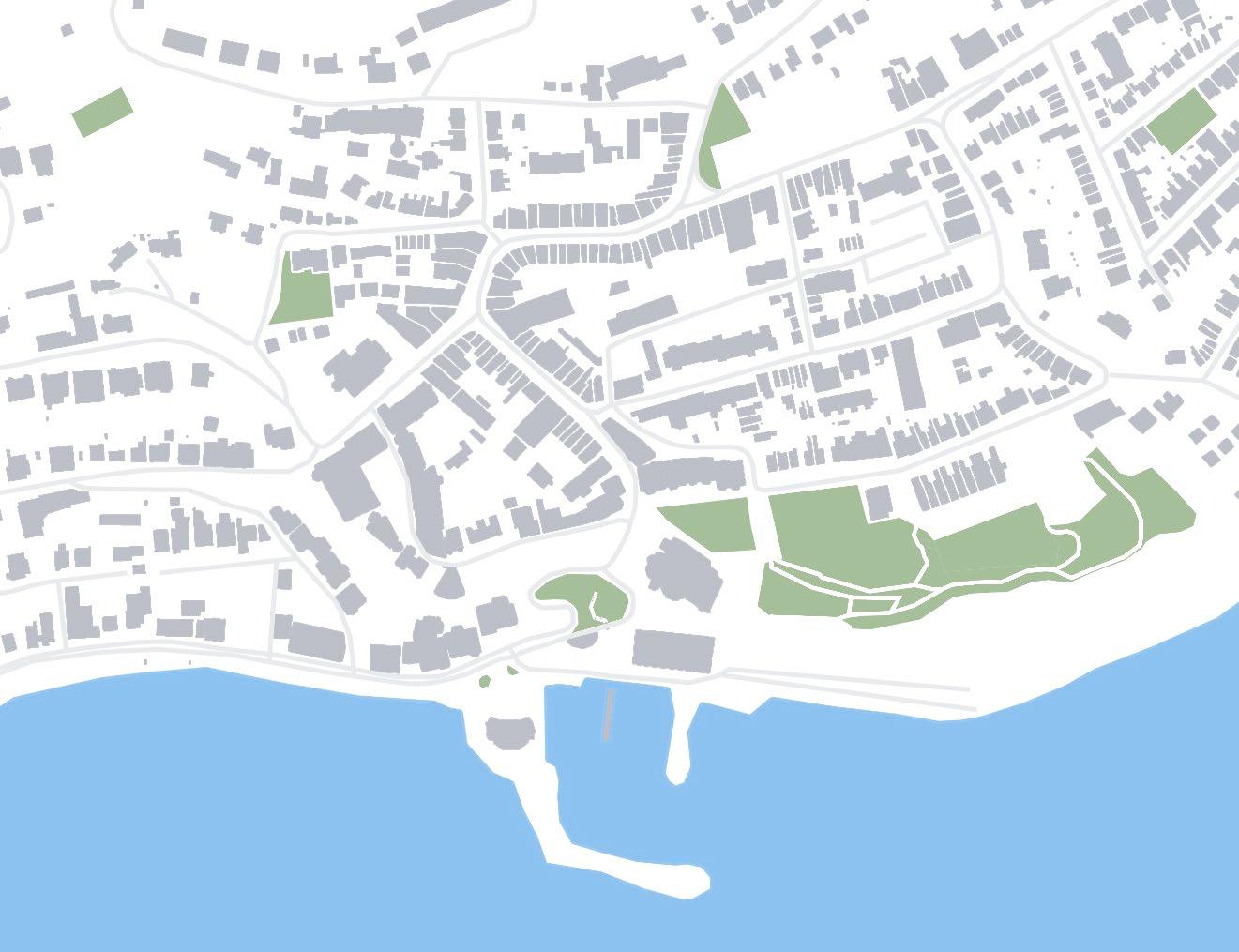
Ingrams Yard represents a timely opportunity to transform a former industrial site, once the operational base of Henry Ingram & Sons, the builders who shaped much of Ventnor, into the productive heart of the town’s creative ecosystem.
For nearly two centuries, generations of craftspeople trained and worked here, leaving their mark on Ventnor’s distinctive built environment. That heritage of craftsmanship now forms the foundation for a new chapter.
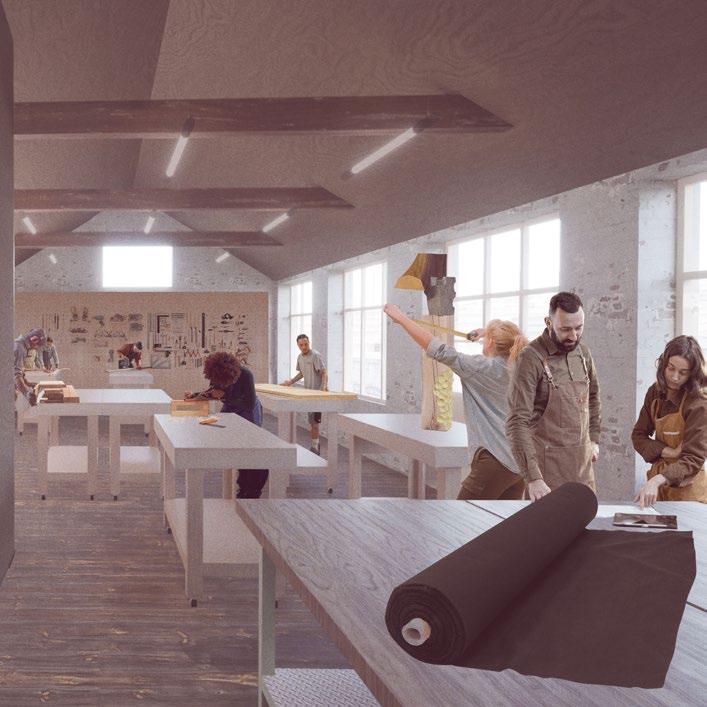
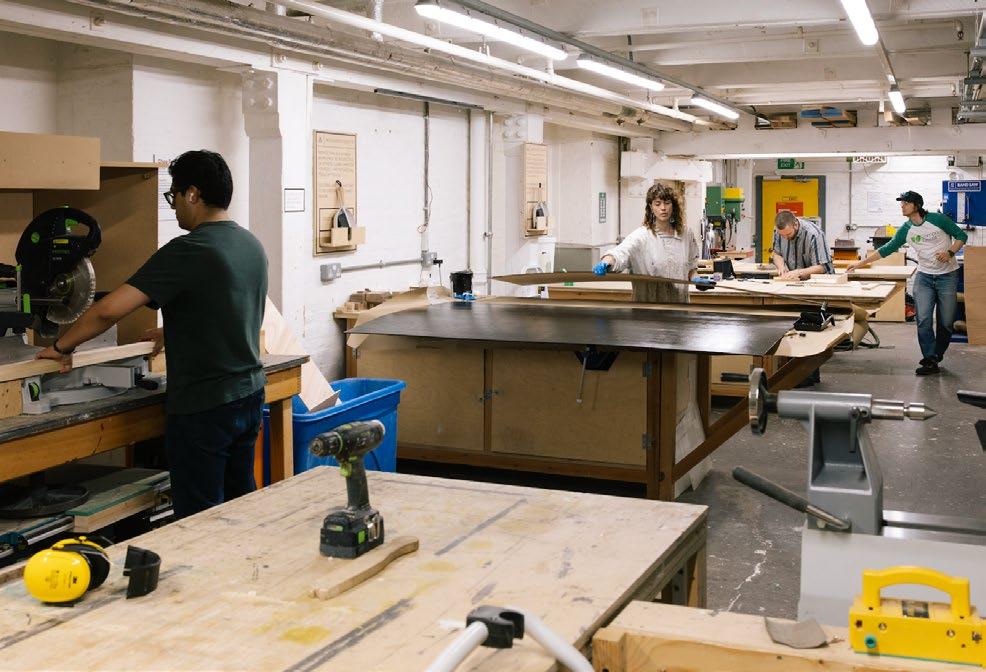
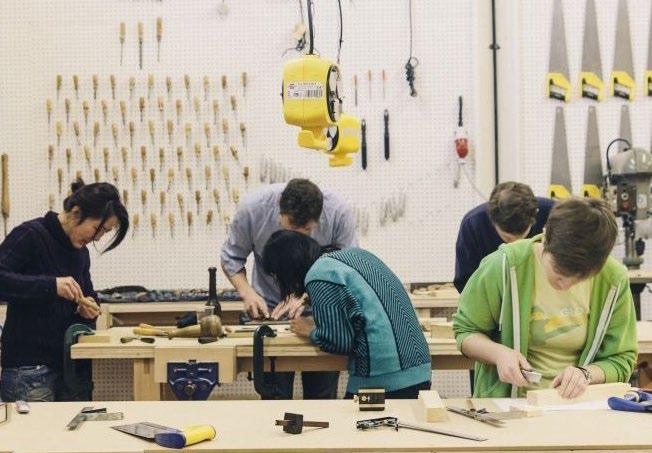
The redevelopment of Ingrams Yard will provide accessible, well-equipped spaces for making, and skills development across carpentry, metalwork, textiles, and other practical disciplines. Its focus is practical creativity — fabrication and technical skill-development.
Crucially, the project builds upon the creative ecosystem shaped by Ventnor Exchange CIC. With more than ten years of sustained, cultural and community programming, Ventnor Exchange has earned significant local trust and demonstrated how culture can support social and economic life.
The idea of a “creative ecosystem”, with distinct but interconnected sites for social activity and performance, making and learning, emerges directly from this proven approach.
The closure of Henry Ingram & Sons in 2023 marked the end of a two-century legacy but also created a unique moment to repurpose the site for contemporary needs. This feasibility study sets out how Ingrams Yard can be reimagined as a shared workshop and production hub, how it connects to the wider creative campus, and how the site’s heritage, spatial qualities, and community value can be carried forward into its next phase.
Ventnor: A town built by health and craftsmanship
Ventnor’s character was forged through both climate and creativity. In the early nineteenth century, its mild micro-climate drew the attention of Sir James Clark, physician to Queen Victoria, who declared it ideal for recuperation. Within a few decades a fishing hamlet had become a celebrated Victorian health resort.
The construction that followed was extraordinary. Villas, terraces, churches, and promenades climbed the town’s steep slopes, combining Italianate ornamentation with engineering ingenuity. The arrival of the railway in 1866 accelerated growth, bringing visitors, materials, and ambition.
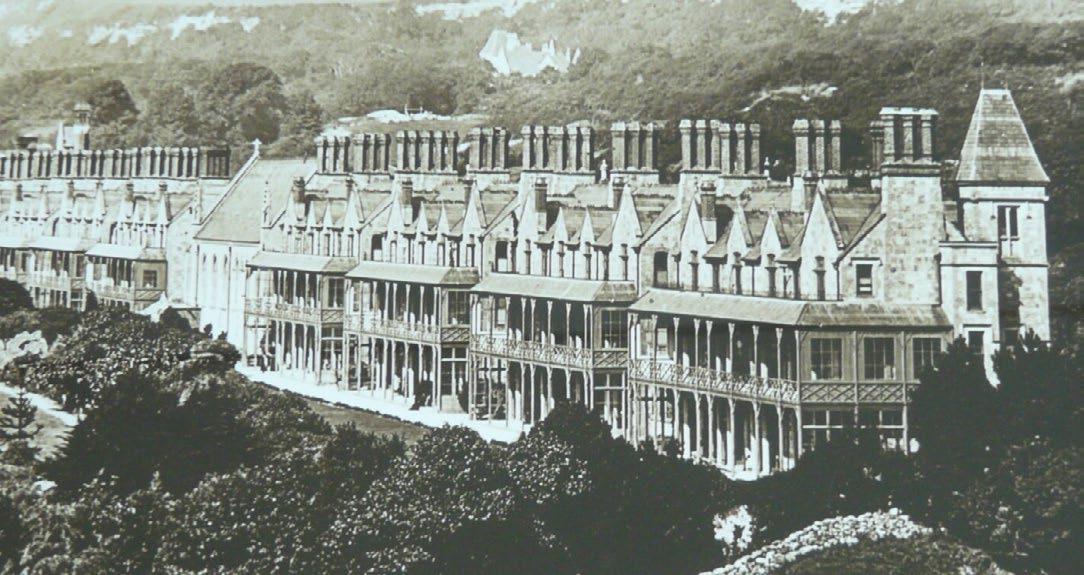
At the heart of this transformation was Henry Ingram & Sons, a family-run building firm founded in the early 1800s. Their craftsmanship helped define Ventnor’s streetscapes: Town Hall, St Lawrence Parish Church, countless seafront villas, and the now-lost Royal National Hospital for Diseases of the Chest — once the Island’s most prestigious medical institution.
While post-war decline and the demolition of the Royal National Hospital in 1969 marked the end of Ventnor’s resort era, much of the town’s Victorian fabric and independent character endured. In recent decades, that same independence has fuelled a different kind of revival, led not by health tourism, but by creativity and culture, spearheaded by Ventnor Exchange CIC.
Generations of tradespeople and apprentices passed through its doors, learning carpentry, masonry, and joinery. The site’s enduring structures tell that story: brick and stone, timber trusses, generous doorways once used for hauling materials — all testaments to Ventnor’s capacity to make.
Its closure in 2023 ended 190 years of continuous local industry, but its physical integrity and history make it perfectly suited for renewal. Rather than erase its past, the redevelopment will extend its legacy: from building houses and civic infrastructure to building futures.
Where timber once became beams and frames, it will now be shaped into sets, props, staging, furniture, installations, and touring equipment — extending the site’s legacy of craft into contemporary making and production. Where apprentices once trained for the building trades, new generations will develop skills for creative industries, fabrication, and technical production.
Isle of Wight Context
While the Isle of Wight is globally recognised for its festivals and visitor economy, it lacks the yearround creative infrastructure needed to sustain employment, retain talent, and enable professional growth in cultural and technical sectors. Opportunities are seasonal and dispersed, often disconnected from education or enterprise.
For young people in particular, the gap between learning and livelihood is stark. Many leave the Island to study or work in creative fields; those who stay often face under-employment, limited workspace, or barriers to progression.
Constructed around 1830, with later additions through the 19th Century, Ingrams Yard is one of the few remaining fragments of Ventnor’s industrial heritage within the Town Conservation Area. Initially a small cluster of cottages and workshops, it grew into the operational base for Henry Ingram & Sons — a workplace and a training ground.
Ingrams Yard provides opportunity to directly addresses these challenges by creating permanent infrastructure for making, collaboration, and skills development, bridging education, enterprise, and creative industry.
c.1830
Ingrams Yard established
Original cottages and workshops built on the site that becomes Henry Ingram & Sons’ builders’ yard. The beginning of nearly two centuries of craftsmanship in the heart of Ventnor.
Early - Mid 19th Century: Ventnor Emerges as a Resort
1840s–1860s
Ventnor rapidly expands as a Victorian health resort
Following Sir James Clark’s endorsement of the microclimate, the town attracts national attention. Villas, terraces, hotels and civic buildings are constructed up Ventnor’s steep hillsides.
1866
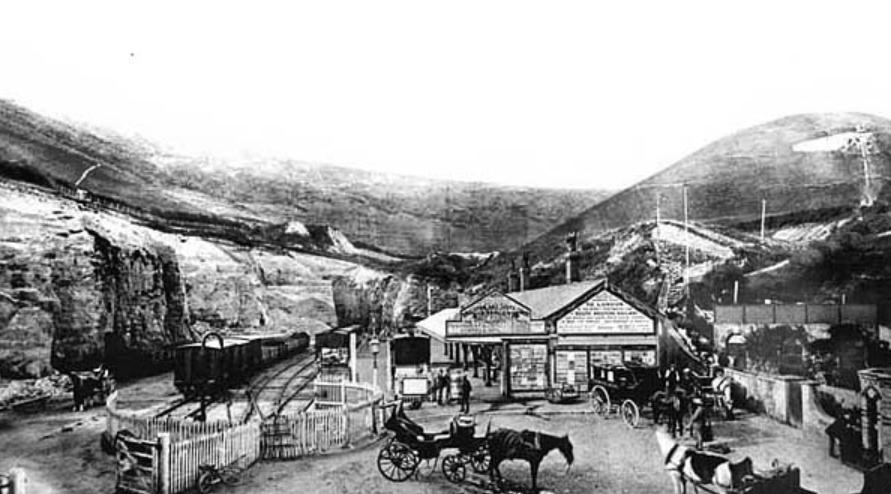
Ventnor Railway Station opens
The line connects Ventnor to Ryde and, via ferry, to the mainland. Tourism accelerates; construction booms; Ventnor becomes one of the South Coast’s most fashionable destinations.
1860s
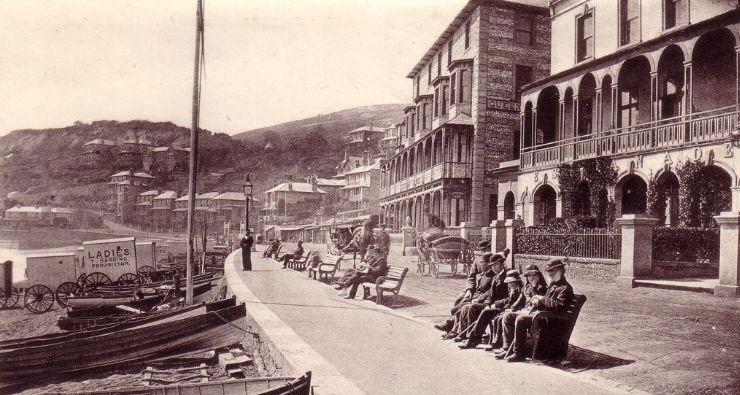
Development of Ventnor Promenade begins
The seafront starts to take shape as a promenade for visitors, with sea walls and terraces built to support the growing resort.
1860s–1870s
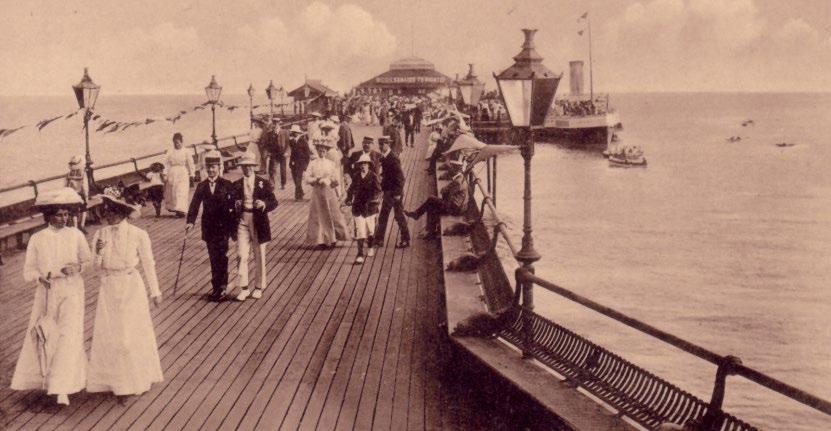
Ventnor Pier constructed and expanded
Built to improve sea access for visitors arriving by steamer. Becomes a major draw during the town’s peak resort years.
Ingrams Yard: from builders’ workshop to makers’ hub
1870s–1900s
Ventnor’s “Golden Era” of architecture and health
Rapid development of villas, convalescent homes, and public buildings. The Royal National Hospital for Diseases of the Chest becomes the Island’s most important medical institution. Henry Ingram & Sons contribute to many of the town’s buildings.
Mid 20th Century: Change and Decline
1950s–1980s
Resort decline and infrastructure loss
As tourism patterns shifted and rail connections closed, Ventnor experienced a period of challenge and transition. The Royal National Hospital closed in 1969, and the pier was eventually lost to storm damage and fire. These changes marked the end of Ventnor’s Victorian resort era and the beginning of a new chapter in the town’s evolving identity.
2010s: A Creative Shift Begins
Ventnor Fringe is founded
Started by Jack Whitewood, Mhairi Macaulay and a team of local young people. Grows into the Isle of Wight’s largest multi-arts festival and a national example of youth-led placemaking.
2024-2025
Ingrams Yard visioning begins
Engagement with stakeholders, young people and the community. HemingwayDesign commissioned to lead vision and feasibility.
2024
Ventnor Exchange introduces The Big Top (Arena)
Henry Ingram & Sons closes. Ventnor Exchange take on the lease of the building
A new Chapter 2023
Funds raised to build a bespoke mobile venue for the Island, strengthening the creative ecosystem.
Brave Island launches
A new platform providing creative opportunities, mentoring and paid experience for Island young people aged 14–25. Grows to over 700 members.
Occupies the former Post Office on Church Street. Originally planned as a temporary ‘pop up’ goes on to establish a year-round creative and social presence in the town centre. 2020
Ventnor Exchange Opens
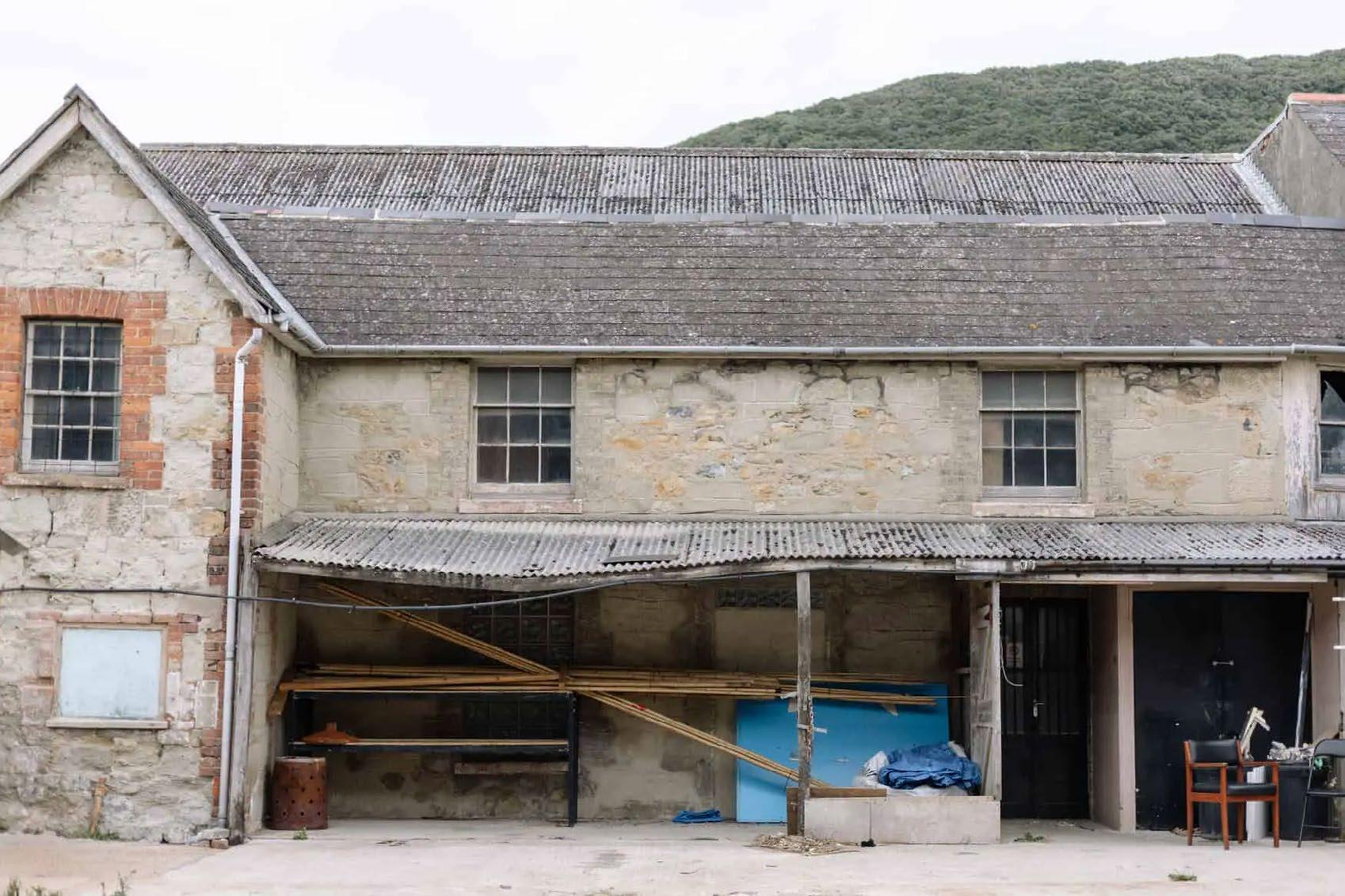
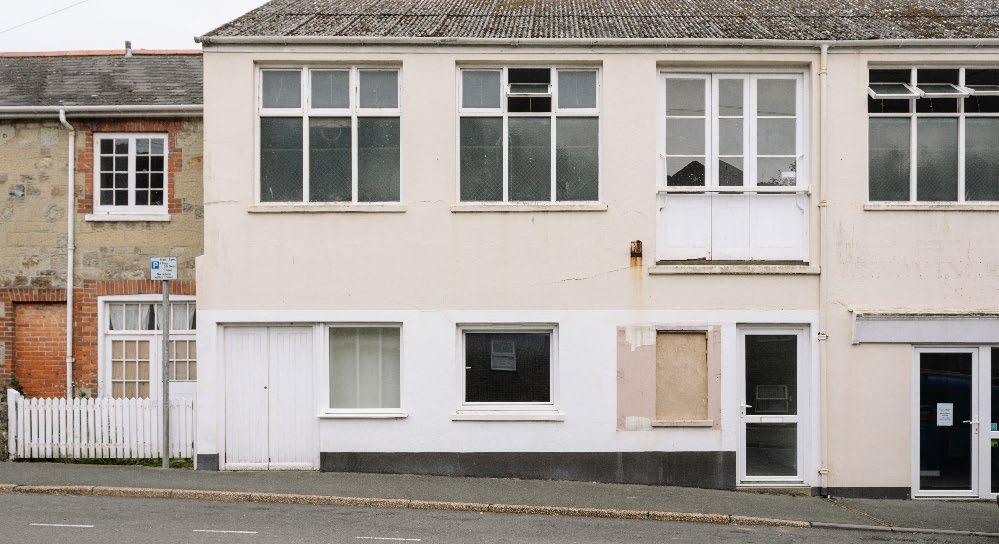
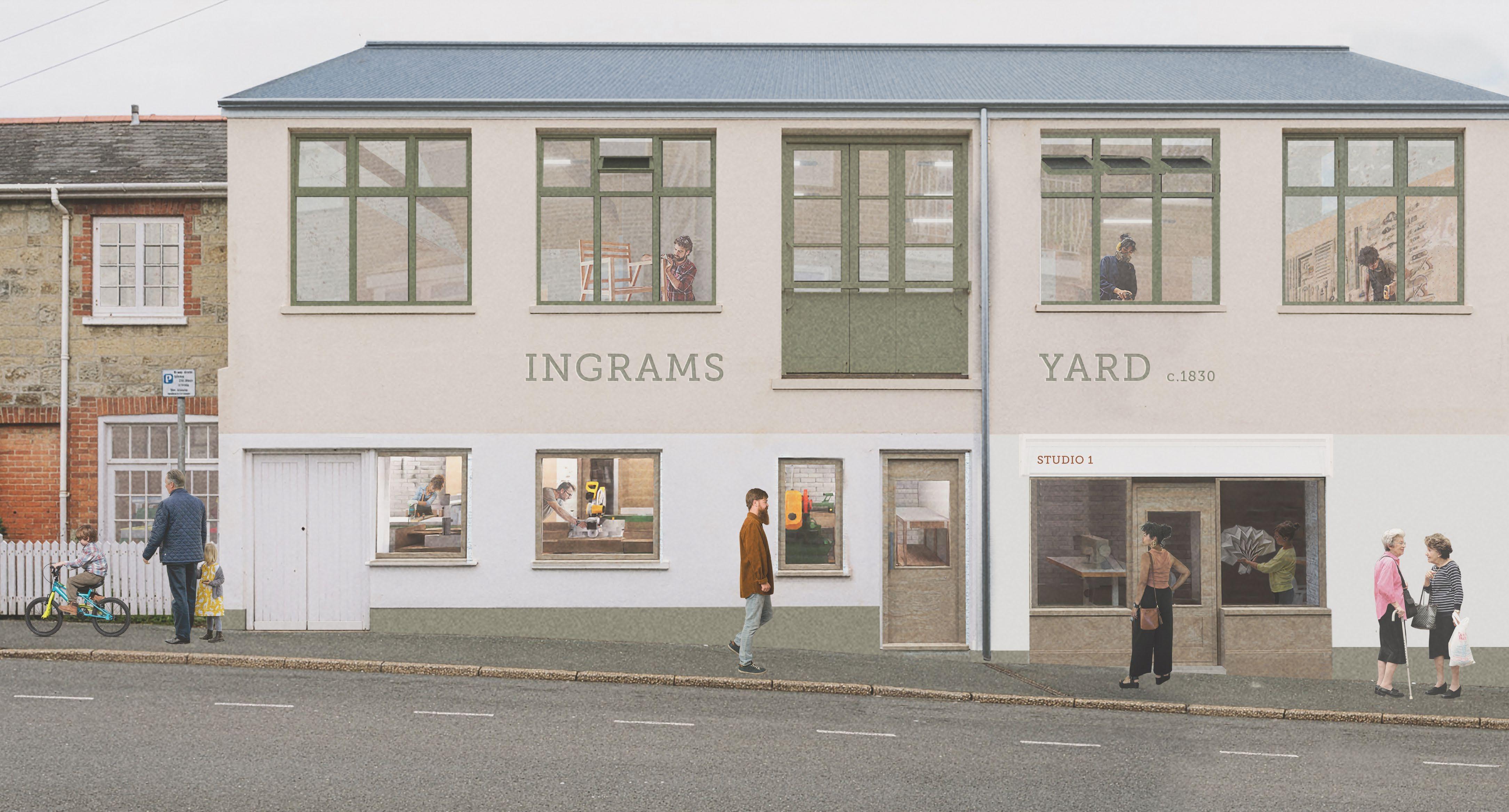
Ingrams Yard was, until recently, the home of Henry Ingram and Sons Builders, who occupied the building as workshops and offices for several generations. It is composed of three distinct elements fronting Albert Street, with the central block dominating the composition. This is a twostorey structure with five equal bays at first-floor level. Two large three-panel windows are located symmetrically on either side of a central loading bay. The ground floor of the central block is less ordered, with a mixture of doors and windows that largely ignore the geometry of the first floor. The central block is finished in white-painted render.
Flanking the central block on either side are former C19th two-storey terraced houses which were later added to it, probably sometime after 1914. The western unit appears to be the older of the two, likely dating from the mid C19th. This stone-built unit is considerably lower than both the central block and the eastern unit. The eastern unit, constructed in stone and brick, appears to date from around 1860–70, a period during which Ventnor expanded rapidly. The elevations of these former houses retain a domestic character and show only limited external evidence of the employment uses behind their façades.
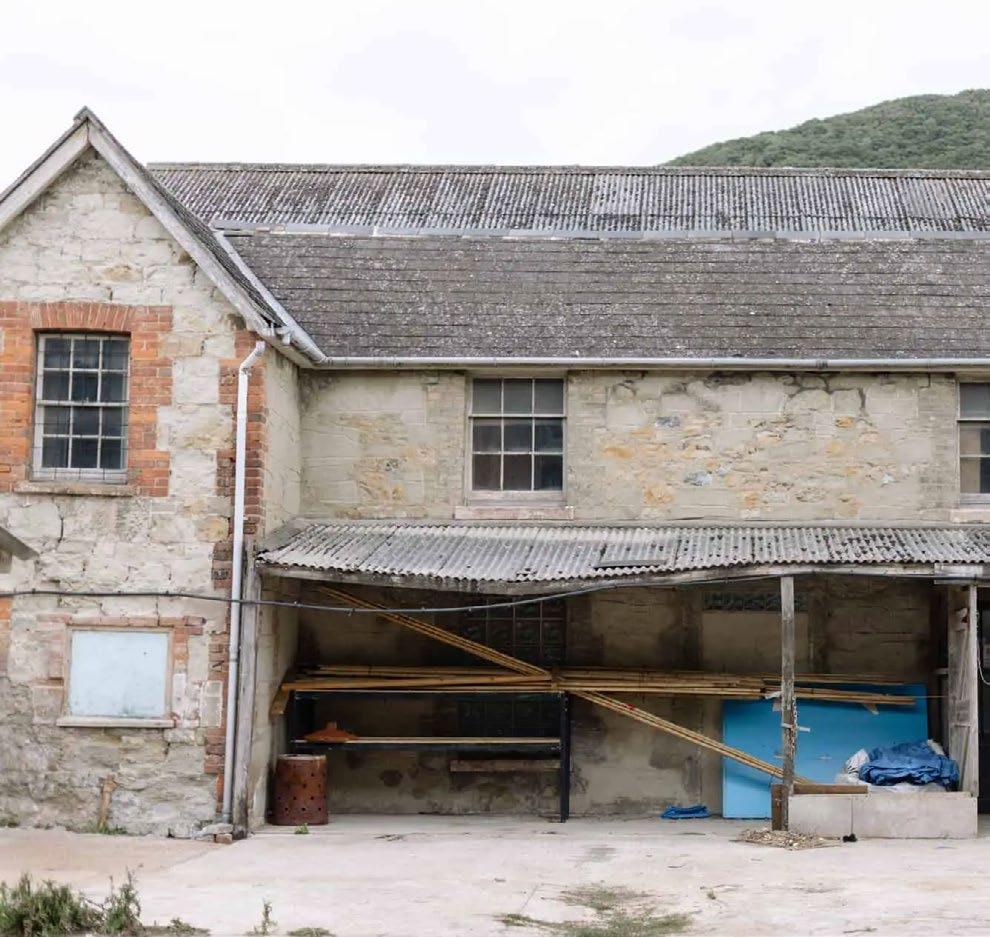
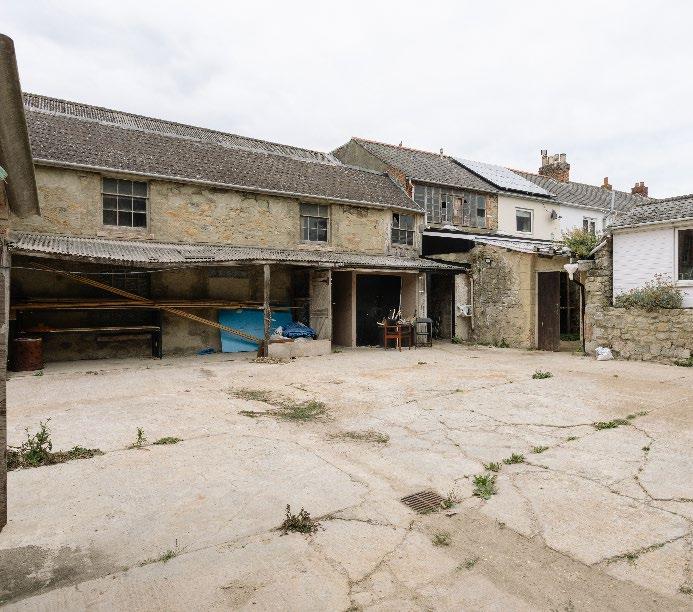
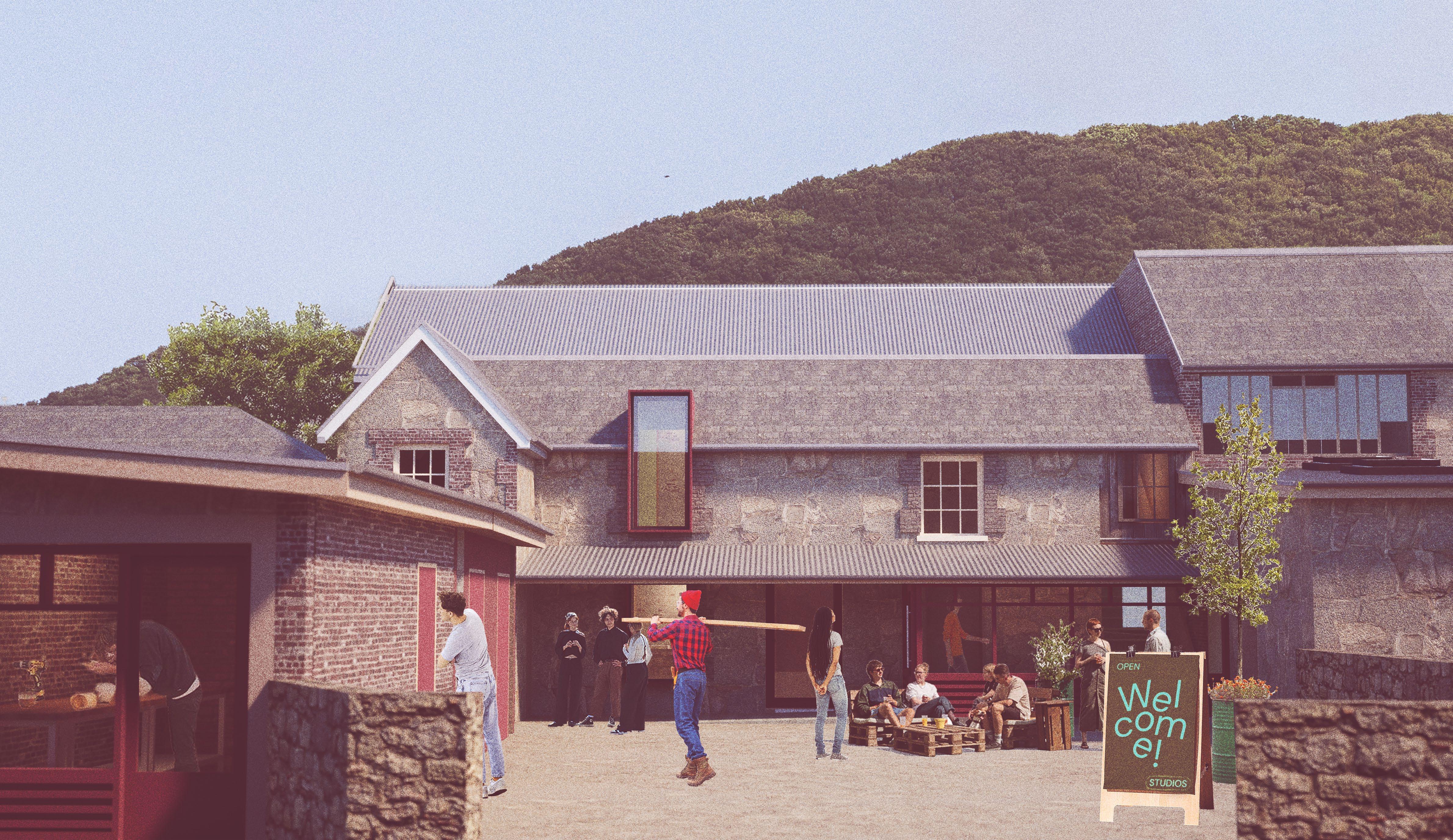
The rear of Ingrams Yard comprises a courtyard fronted by the stone-built southern elevation of the central block and the much-altered eastern unit. An open canopy runs along the southern elevation, connecting the single-storey rear section of the eastern unit to a late C19th gabled extension at the western end of the central block.
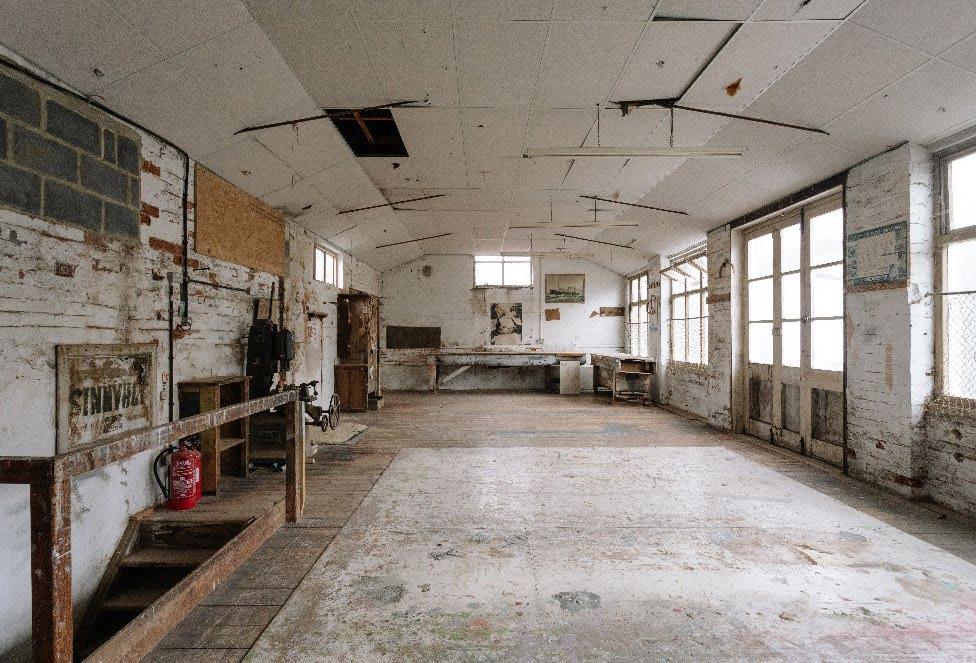
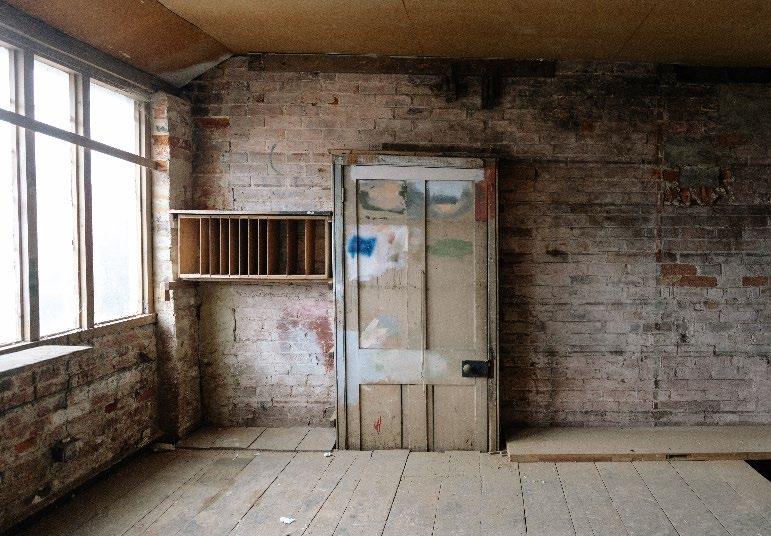
The interior of the building reflects its history of pragmatic accretion and adaptation, necessitated by a working environment that has had to respond to changing needs for over a century. The well-lit, simple, and utilitarian internal spaces give the building an attractive and distinctive character, which subdivision would harm.
Designations
Ingrams Yard is a non-designated heritage asset located within the Ventnor Conservation Area. The site lies within the Town Centre Residential Character Area, close to its boundary with the Commercial Town Centre and Coast and Cliffs Character Areas. The Ventnor Conservation Area Character Statement (November 2005) does not describe Ingrams Yard, nor does it refer to any other individual buildings, spaces, or streets.
There are a number of Listed Buildings within 150m of the Ingrams Yard site, including a cluster located on Church Street to the north-west. However, only the Old Town Hall (Grade II), located approximately 120m to the east on Albert Street, has any visual connection with the site.
Setting
The northern façade of Ingrams Yard faces Albert Street, and the neighbouring terraces to the east and west make a positive contribution to the townscape quality of the Conservation Area. Hamborough, Victoria, and Albert Houses, located opposite the site on the north side of Albert Street, appear to date from the 1980s. These three-storey brown brick residential apartment blocks ignore the established building line of the street. The southern boundary of the site faces Dudley Road and is adjacent to the rear elevations of the stone-built properties fronting Alexandra Gardens.
Significance
Ingrams Yard has clear communal value due to its association with Henry Ingram and Sons, who were responsible for the construction of several local buildings, including the nearby Old Town Hall.
The building makes a clear positive contribution to the townscape quality of the Ventnor Conservation Area and, due to its integration with adjacent terraces, should be regarded as having group value. The eccentric nature of the architectural composition of the Albert Street elevation has historic and architectural significance, arising from the incorporation of domestic elements and the visible evidence of change and adaptation over time, particularly at ground-floor level within the central block.
The openness of the large first-floor workshop space has clear architectural significance and should be protected. At ground-floor level this openness has been lost through later subdivision and, where possible, should be reinstated. The canopy along the southern elevation has significance associated with the original use of the building and should be retained and restored.
Condition
The non-intrusive Condition Survey of Ingrams Yard undertaken by Elmstone Engineers in August 2025 identified a number of defects that should be addressed as part of any restoration or adaptation project. These include:
• The uninsulated asbestos sheet roof to the main first-floor space should be upgraded (ideally replaced)
• The stability of the pier adjacent to the access stair requires attention
• The stability of the Albert Street elevation of the main first-floor space needs to be addressed
In addition, evidence of brickwork cracking and damp or moisture penetration was identified in various locations throughout the building.
Proposed Interventions
To secure a long-term sustainable future for Ingrams Yard, several interventions to the building fabric will be required. These interventions will ensure that the significance and character of the building, both internally and externally, are protected and, where possible, enhanced.
Proposed works must include repair and replacement of existing fabric where this addresses building failure and/or risks to occupants. Where current internal circulation prevents equitable access, some doorways will require widening, staircases will need to be rationalised and made Building Regulations compliant, and a lift should be installed. The roof of the rear central block range will need to be raised to provide adequate internal headroom.
Partitions of no heritage significance that subdivide the ground floor should be removed. Harmful UPVC windows facing Albert Street should be removed and replaced with appropriate steel or timber windows.
3. VENTNOR EXCHANGE & ITS CREATIVE ECOSYSTEM
Ventnor Exchange has evolved from a grassroots experiment into one of the Isle of Wight’s most respected creative organisations. Founded in 2014 by young Islanders — Jack Whitewood and Mhairi Macaulay — to create meaningful local opportunities, it has become a national example of locally-led cultural regeneration: independent, ambitious, and rooted in place.
Operating as a Community Interest Company and part of Arts Council England’s National Portfolio, Ventnor Exchange has built a reputation for combining creativity with social value, empowering people through participation, employment, and enterprise. Over the past decade, it has not only created opportunities but reshaped Ventnor’s identity as a centre for cultural energy and creative activity.
Ventnor Exchange in numbers:
Over the past decade, Ventnor Exchange has built a substantial scale of activity and impact for a town of Ventnor’s size:
• Delivering over £1 million in annual economic impact to the town
• 13,000 tickets sold each year through Ventnor Fringe, alongside hundreds of free performances attended by thousands more
• Engages 2,500 people annually through workshops, courses, and participatory activity
• Supports 700+ young people through Brave Island, providing paid opportunities, mentoring, and progression routes
• Provides year-round employment for 9 people, supports 25+ freelancers, and works alongside 100+ volunteers
“a true South West role model when it comes to interweaving civic and cultural leadership.” Phil Gibby, SW Director, Arts Council England
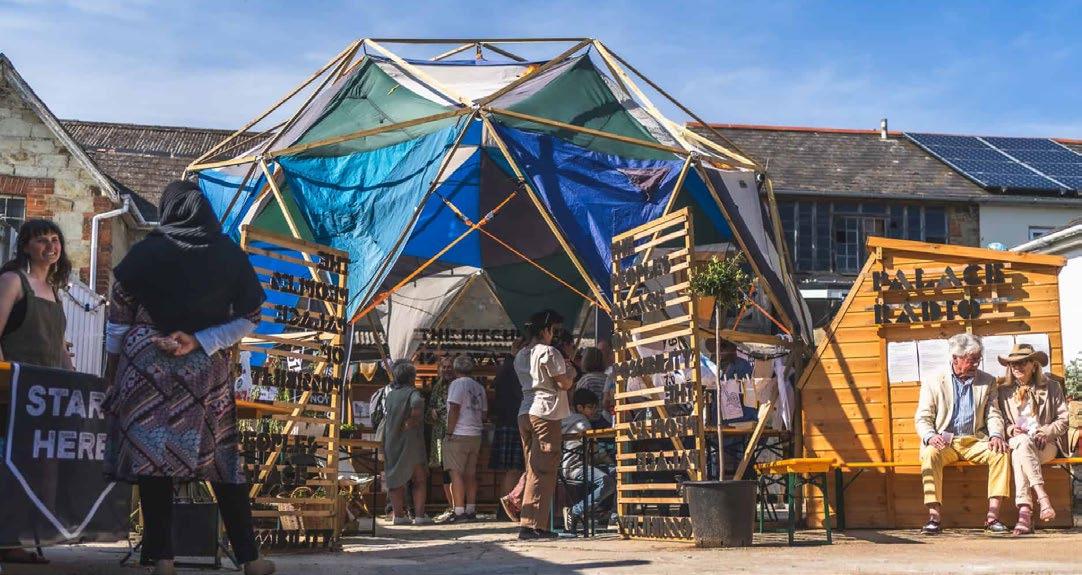
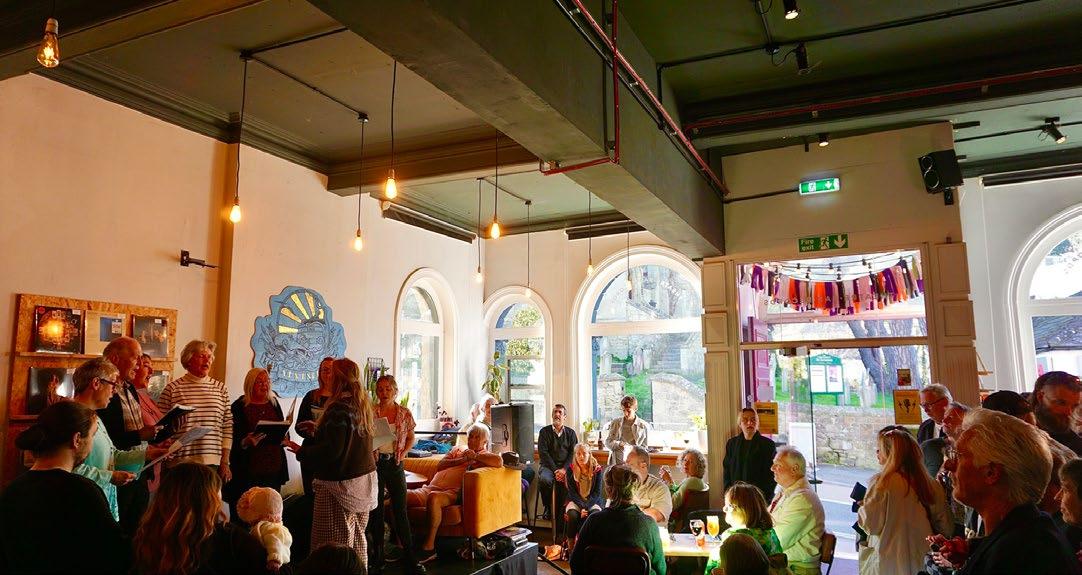
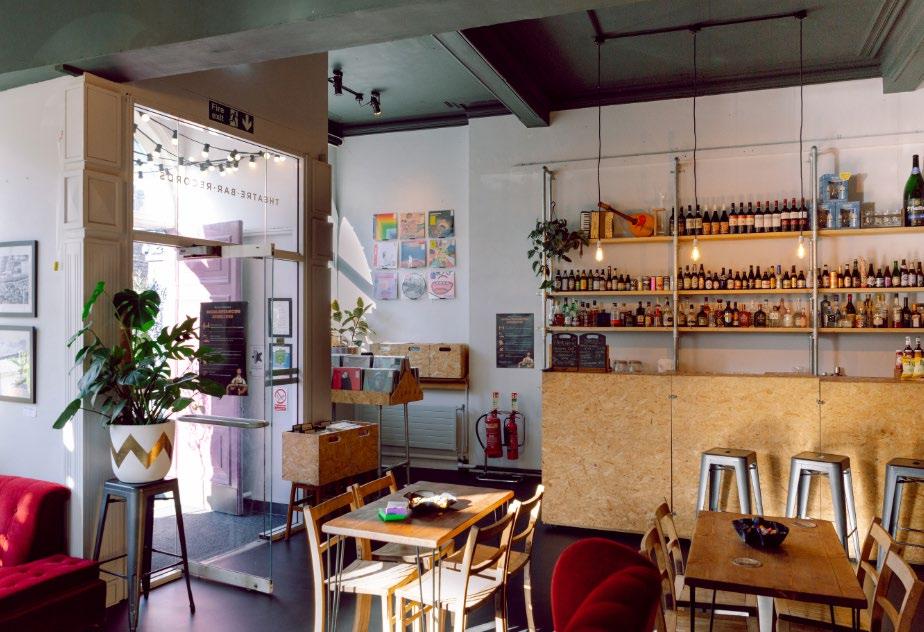
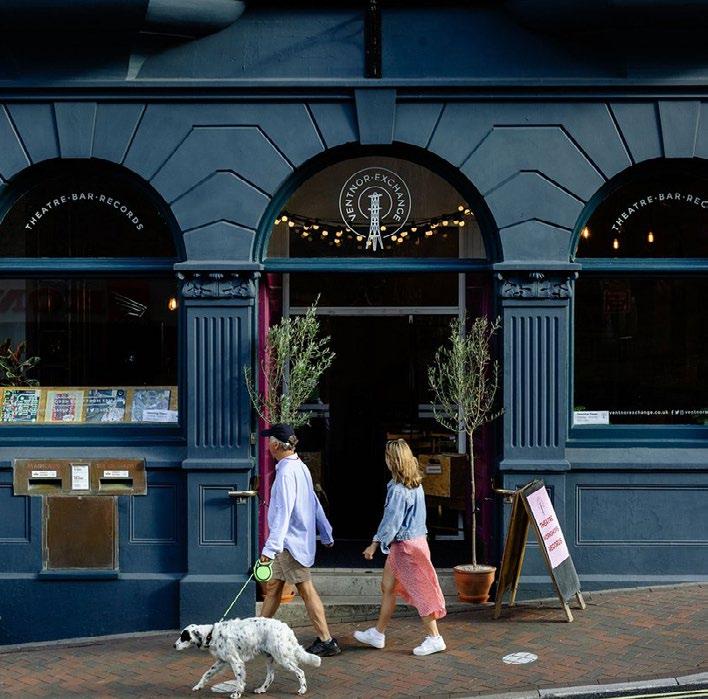
Its hybrid, year-round venue, The Exchange occupying the former Post Office building on Church Street, operates as a café-bar, co-working space, and event space all in one. It serves as Ventnor’s social and cultural anchor: a place for gathering, conversation, and visibility. Each year, its programme of music, performance and community events reaches thousands of residents and visitors, creating a consistent rhythm of cultural activity in the town centre.
“a brilliant cultural hub firmly embedded in it’s community” Darren Henley, CEO, Arts Council England
The Exchange also holds a long-term ambition to expand into the adjacent Royal Mail Sorting Office. This would allow the organisation to operate a fully accessible, single-level venue with improved circulation and enhanced capacity for public-facing activity — strengthening it’s role at the heart of Ventnor and the wider Island.
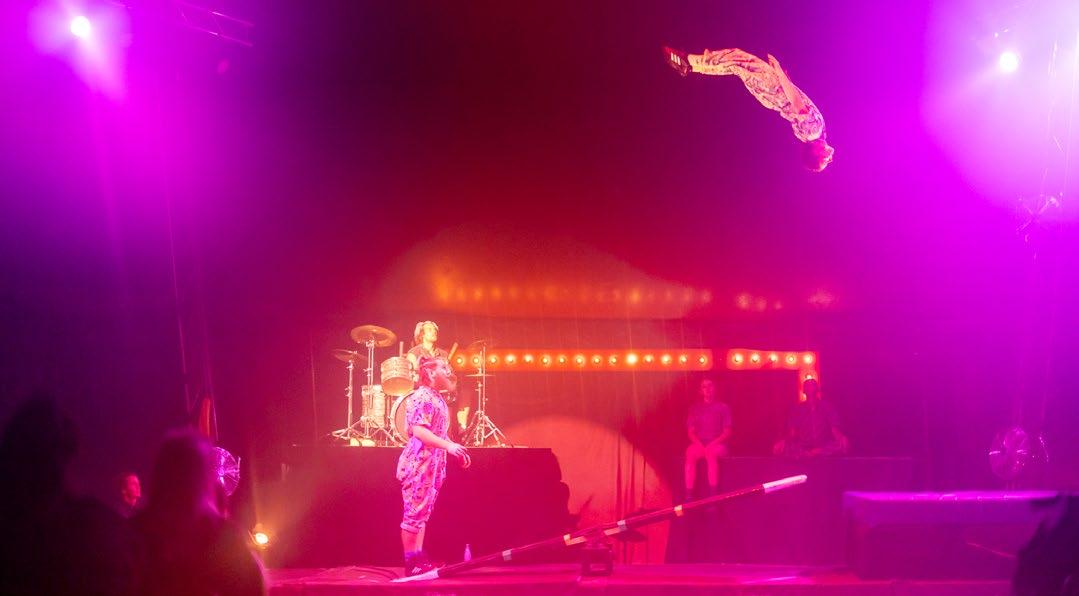
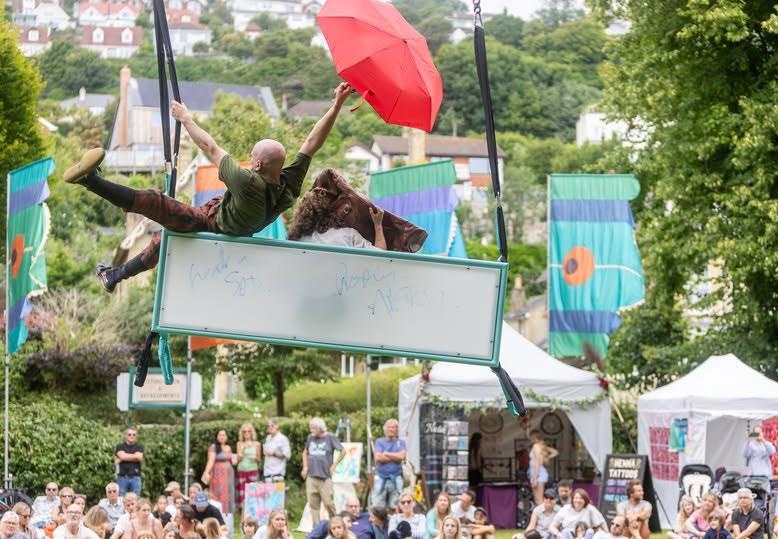
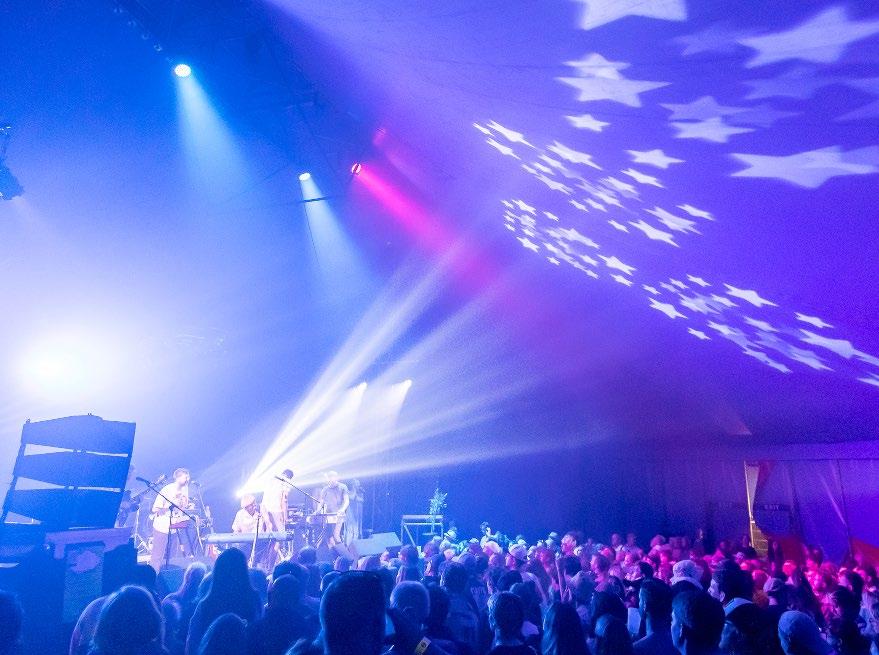
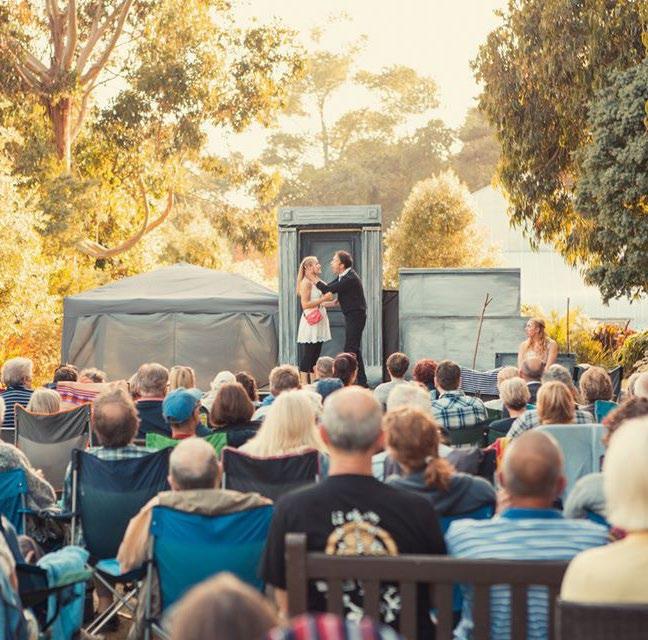
Alongside its venue, Ventnor Exchange has developed a series of pioneering creative initiatives. Ventnor Fringe, launched as a youth-led experiment in 2010, has grown into the Isle of Wight’s largest multi-arts festival, transforming the town each summer and bringing national attention.
“…rapidly becoming the country’s most surprising and inspirational multidisciplinary arts festival”
The Sunday Times
“One hell of a homegrown festival….an authentic, bohemian festival experience” The Independent
Brave Island
Ventnor Fringe
The Exchange
Ventnor Fringe
Ventnor Fringe
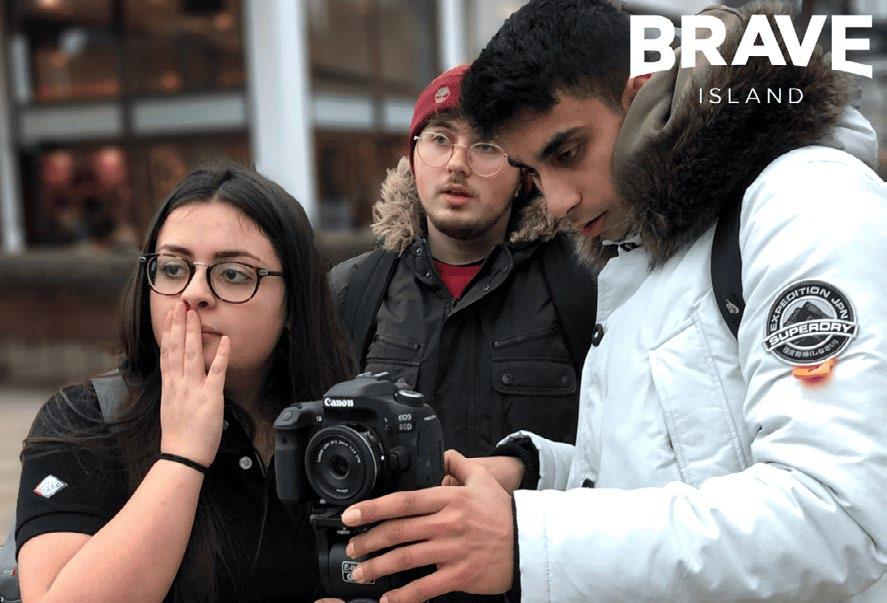
Brave Island, founded in 2020, connects young people aged 14–25 with creative opportunities, mentoring and paid roles, becoming one of the most impactful youth pathways on the Island.
“Brave Island doesn’t just offer events; it fosters empowerment and shapes futures. Through their unwavering dedication, they’ve made enriching experiences accessible to our youth, leaving an indelible mark on the creative landscape of the Isle of Wight.
As a teacher, I’m immensely proud to witness the impact Brave Island has had on our students, knowing that these experiences are shaping the leaders and innovators of tomorrow.”
Cat Travers, The Island Free School
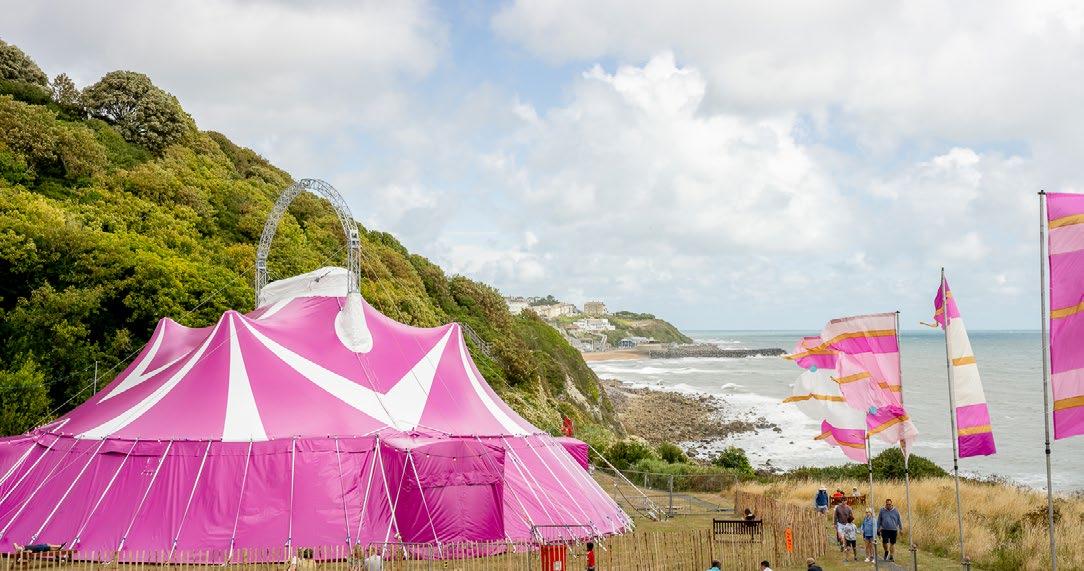
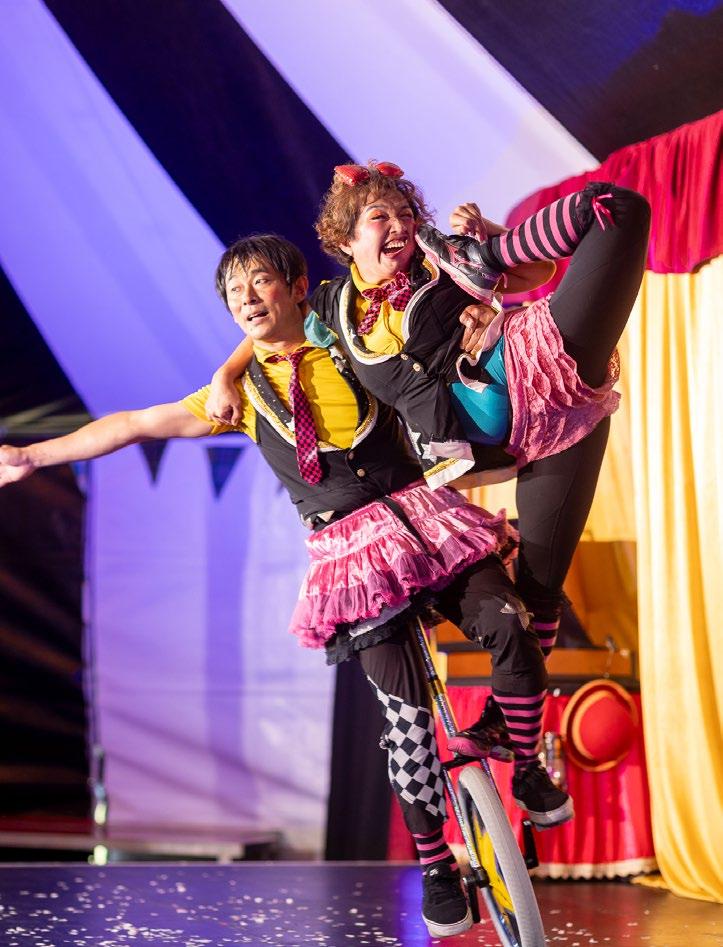
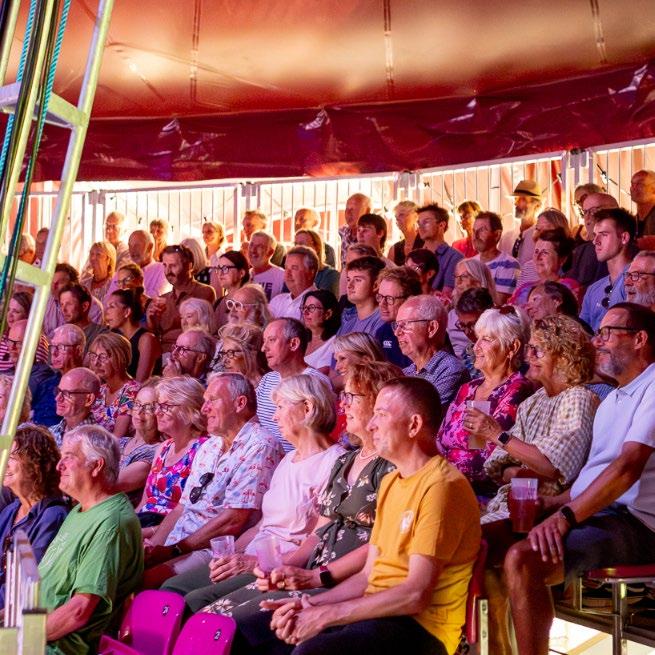
More recently, Ventnor Exchange launched The Big Top: Arena — a touring theatre and live performance venue, designed to bring high-quality cultural experiences to communities across the Island.
“This is great news for the whole Island and shows, once again, the extraordinary ambition and leadership that our colleagues at Ventnor Exchange bring to our community.”
Gavin Stride, Director of Creative Island
Ventnor’s Creative Ecosystem
Together, the Exchange, Ventnor Fringe, Brave Island, and the Arena, operate as an interconnected creative ecosystem, supporting a cycle of cultural activity, from inspiration and learning through to touring, presentation and celebration. Each plays a distinct role, but they share a common purpose: creating opportunities, raising ambition, and strengthening Ventnor’s cultural life year-round.
Ingrams Yard will build on this foundation by adding a capability that does not yet exist within the ecosystem: a dedicated space for hands-on making and production. It introduces the practical, technical, and fabrication functions that are currently missing, completing the cycle and enabling work to be conceived, and made locally, in addition to being tested, and shared.
Ingrams Yard’s Role Within the Creative Ecosystem
Ingrams Yard provides the practical counterpart to the Exchange’s social and curatorial role — a dedicated space for fabrication, design, and technical skill-building. While the Exchange focuses on public-facing activity, hospitality and year-round programming, Ingrams Yard will concentrate on making, training and creative enterprise: including set construction, prop-making, technical fabrication, and backstage skills that support theatre, live events, and touring productions.
This establishes a clear, complementary division of purpose. The Exchange remains the social and public-facing hub — a role that future expansion into the Sorting Office would only strengthen — while Ingrams Yard becomes the production centre, supporting the technical workforce, production pipelines, and career pathways that underpin live performance on the Island.
Ventnor Fringe
Arena
Ingrams Yard
The Exchange Brave Island CREATIVE ECOSYSTEM
Like many coastal towns, Ventnor faces interlinked challenges around health, education, employment, and long-term opportunity. National reporting has increasingly highlighted how these pressures are concentrated in seaside communities, where geographic isolation and seasonal economies can limit access to skills, work, and progression — particularly for young people.
Ingrams Yard provides a practical, inclusive response to these conditions, using making, skills development, and collaboration to convert social need into sustained creative opportunity.
Youth Mental health, social isolation, and confidence
The Isle of Wight continues to record youth mental-health challenges above regional averages. Fragmented support and limited visible pathways into work contribute to low confidence and disconnection among young people.
• The Island’s suicide rate for 2019–21 was 13.8 per 100,000 (23.3 for men), above the England average (10.4). (ONS / Isle of Wight Suicide Prevention Plan 2023–28)
• 30 % of young people (11–25) report mentalhealth challenges; 34 % have considered suicide, 11 % have attempted. (Isle of Wight Youth Trust Census 2023)
• The Island’s Cultural Strategy (2023) identifies belonging, mental health, and youth voice as key cultural outcomes.
Economic deprivation and limited local opportunity
Ventnor is now within the bottom 10 % most deprived areas in England. A seasonal economy dominated by tourism provides limited year-round stability.
• Ventnor Town Centre ranks within the bottom 3% nationally on the Community Needs Index, indicating high levels of need across access to services, opportunity, and wellbeing. (Community Needs Index, 2023)
Ventnor ranks among the bottom 10 % most deprived neighbourhoods nationally (Department for Levelling Up, Housing & Communities – IMD 2025).
• Island unemployment (4.1 %) exceeds the South East average (3.5 %). (ONS Labour Market Profile 2025)
• About 25 % of employment remains seasonal or tourism-based (Isle of Wight Economic Profile 2023).
Poor educational attainment and narrow progression routes
At a county level, the Isle of Wight has the lowest GCSE and A-level attainment outcomes in England, reinforcing the scale of the challenge facing young people locally.
• Students achieving a standard GCSE pass (grade 4 or above) 62.5% vs 70.5 nationally (DfE 2025).
• The Island remains among the lowest HE-progression rates for low-income rural students (Isle of Wight JSNA 2024).
• The Cultural Strategy (2023) highlights persistent gaps in creative / vocational training.
Seasonality and cultural inequality
• The JSNA Healthy Places Report (2024) identifies South Wight as underserved for cultural infrastructure.
• The Creative Island Network Survey (2023) found heavy reliance on off-Island production.
No permanent, fully equipped maker hubs currently exist (Isle of Wight Cultural Infrastructure Audit 2024).
Ingrams Yard Response:
• Offers a low-pressure, practical space for confidence-building through shared projects.
• Integrates peer mentoring via a Young Makers Collective.
• Provides structured progression routes linking creativity with wellbeing.
Ingrams Yard Response:
• Provides affordable workspace for makers and freelancers.
• Offers business mentoring and enterprise training.
• Stimulates a year-round creative economy less reliant on tourism.
• Encourages start-ups through collective use of shared tools and resources.
Ingrams Yard Response:
• Provides practical, non-academic learning in design, making, and technical production.
• Links directly to Further/Higher Education partners via Brave Island and potential to explore collaborations with organisations like IW College and Platform One.
• Creates real-world learning environments that build employability and confidence.
Ingrams Yard Response:
• Operates year-round with flexible, bookable workshops.
• Enables off-season fabrication projects for artists, schools, and festivals.
This feasibility study has been informed by conversations with key stakeholdersincluding Ventnor Exchange’s leadership and Board, Creative Island partners, Brave Island, and the wider community through an online survey:
Ventnor Exchange Team & Board
The Exchange team and board were clear that Ingrams Yard offers an exciting opportunity to expand the organisation’s impact and create a space grounded in the needs of local people, particularly young people and emerging creative professionals. There is currently no place where these groups can gather, experiment, or develop work, and Ingrams Yard can fill that gap in a meaningful, hands-on way.
Ingrams Yard has been described as a natural extension of Ventnor Exchange’s role as a hub for community learning, skill sharing and participation. It is also a logical extension of the 14-25-year-olds Brave Island programme, with the potential to provide room for hands-on activities, apprenticeships, develop new career pathways, and peer-to-peer learning. While Islanders of all ages and backgrounds should be able to experiment, try things out, test ideas, and develop creative agency — a “have a go” environment that builds confidence as much as capability. The team also emphasised that Ingrams Yard should support an inter-generational circular creative journey, offering the space and support people need to begin, go out into the world, and return to share skills, mentor others, and contribute to Ventnor’s cultural life.
There was strong agreement that Ingrams Yard must prioritise making and production e.g. carpentry, metalwork, textiles, scenic construction, technical skills and other fabrication processes, linked to real output. Fully equipped production facilities, rather than empty halls or studios, were identified as a key need across the Island. The team also recognised the potential for the site to become a rural talent pool for production skills, strengthening the Island’s capacity for year-round creative work.
Importantly, as the research phase of this feasibility work has gone on, the team felt that while Ingrams Yard should be multi-purpose and adaptable it should not primarily focus as a performance venue. The layout is too small and awkward, a venue of this size would be difficult to remain commercially viable, and a holistic approach is needed to consider all potential developments in the town and how Ingrams Yard can support rather than duplicate any existing or future provision. The Board considered It is possible that Ventnor Winter Gardens will reopen in the future or that the Royal Mail Sorting Office, attached to the rear of Ventnor Exchange, may become vacant, both of which would provide more suitable spaces for performance. In addition, Ventnor Arts Club provides a comprehensive programme of film screenings throughout the year. There was however enthusiasm for the outdoor yard to host events and activities.
The Board’s vision therefore is that The Exchange remains the social hub and key entry point for the public with the organisation; potentially expanded in the future to host a wider programme of live events in expanded facilities should the sorting office ever become available. The Yard builds a focus on making, learning and education. While the new Arena and Ventnor Fringe provide flagship opportunities for performance and showcasing.
Creative Island, Gavin Stride
Discussions with Creative Island’s Gavin Stride confirmed strong strategic alignment between Ingrams Yard and the wider cultural and economic priorities for the Island. The proposal directly supports the aims of All the Wonder, the council’s 10-year cultural strategy, as well as the emerging Growth and Prosperity Strategy. It also fits clearly within regional ambitions to grow the creative industries sector.
A central theme in these conversations was the need to retain and attract young talent. Demographic pressures, an ageing population, and patterns of youth outmigration mean the Island urgently needs new pathways, infrastructure, and reasons for young people to stay, return, or relocate. Ingrams Yard is seen as a project that could actively counter these trends.
Gavin also stressed the importance of co-creation and genuine community engagement, both during development and throughout ongoing operation. Design should avoid over-specification: adaptive reuse, flexibility, and user-led evolution of the space were consistently highlighted as key principles.
Community Insights (Public Survey)
The public survey revealed a hopeful and pragmatic view of what Ingrams Yard could become. Respondents repeatedly described the project as a once-in-a-generation opportunity to create a year-round hub for making, creativity, and collaboration. Some respondents imagined a “living workshop” — active, inclusive, and embedded in the life of the town.
People want to see activity, hear it, and feel connected to it. Respondents imagined open studios, maker markets, and opportunities to see work in progress. This visibility was seen as a way to break down barriers and make creativity feel accessible rather than hidden behind closed doors.
There was clear emphasis on opportunities for young people, not just in terms of participation, but through meaningful roles in co-management, mentoring, and programme design. Across the survey, people stressed the importance of youth and community voices being woven into the governance of the space.
Looking ahead ten years, people pictured Ingrams Yard as lively, welcoming, and constantly in use.
“One challenge in particular that I hear of time and again, particularly from those that want to start their own creative businesses, is that they don’t have the space or the equipment necessary to work on their own projects. Ingrams Yard will give these young people the space, tools, and training they need to be able to pursue their creative ambitions.”
Ventnor Exchange’s Brave Island programme is an online platform offering free workshops, trips, experiences, and mentoring for 14–25 year olds on the Isle of Wight. Designed in consultation with young people, and managed and delivered directly by peers who joined the organisation via Apprenticeship programmes, it has transformed the way we engage with young people.
With over 700 members receiving invitations to new opportunities every single week, it has proven to be incredibly popular and helped to significantly widen the opportunities available but we are limited by our existing facilities.
Only 32% of young people told us they still wanted to be living on the Isle of Wight in 5 years time.
(Brave Island Annual Survey 2025, 197 responses)
Many young people tell us they feel they must leave the Island to pursue a creative career, yet most would prefer to stay if they could sustain themselves locally.
Ingrams Yard would provide a dedicated making space where we could deliver a wide range of courses and programmes. This is particularly helpful for those without access the facilities of a school, university or college.
For those under 14, Ventnor currently lacks any youth space. Ingrams Yard could offer a safe, welcoming environment for after-school socialising and creative activities, helping younger participants build confidence and friendships. A dedicated after school club could provide a much needed facility.
For those older 18+ creatives, a recurring challenge is the lack of space to create and store work. Our vision to develop a Young Makers Collective in residence at Ingrams Yard would provide them with an affordable, shared workspace for larger projects. This initiative will nurture emerging artists, strengthen the Island’s arts economy, and support the next generation of creative professionals.
“Since joining the Ventnor Exchange team in 2023, I have been impressed by the volume of young people already engaged in the Creative industries on the Island. Over the course of the last few years I have met a 23 year old who’s written, illustrated and published his debut children’s Novel, a music duo, both under 20 who have started to run popular open mic events, and a group of friends that have formed a collective to create and install decorations for events including Camp Bestival. A dedicated making space could not only support these creatives but also inspire more young people to pursue creative careers by connecting them with established artists.”
Ingrams Yard’s central purpose is making and production. Providing the practical, technical, and collaborative capacity that underpins the wider creative ecosystem.
Its core spatial functions include:
Making & Production
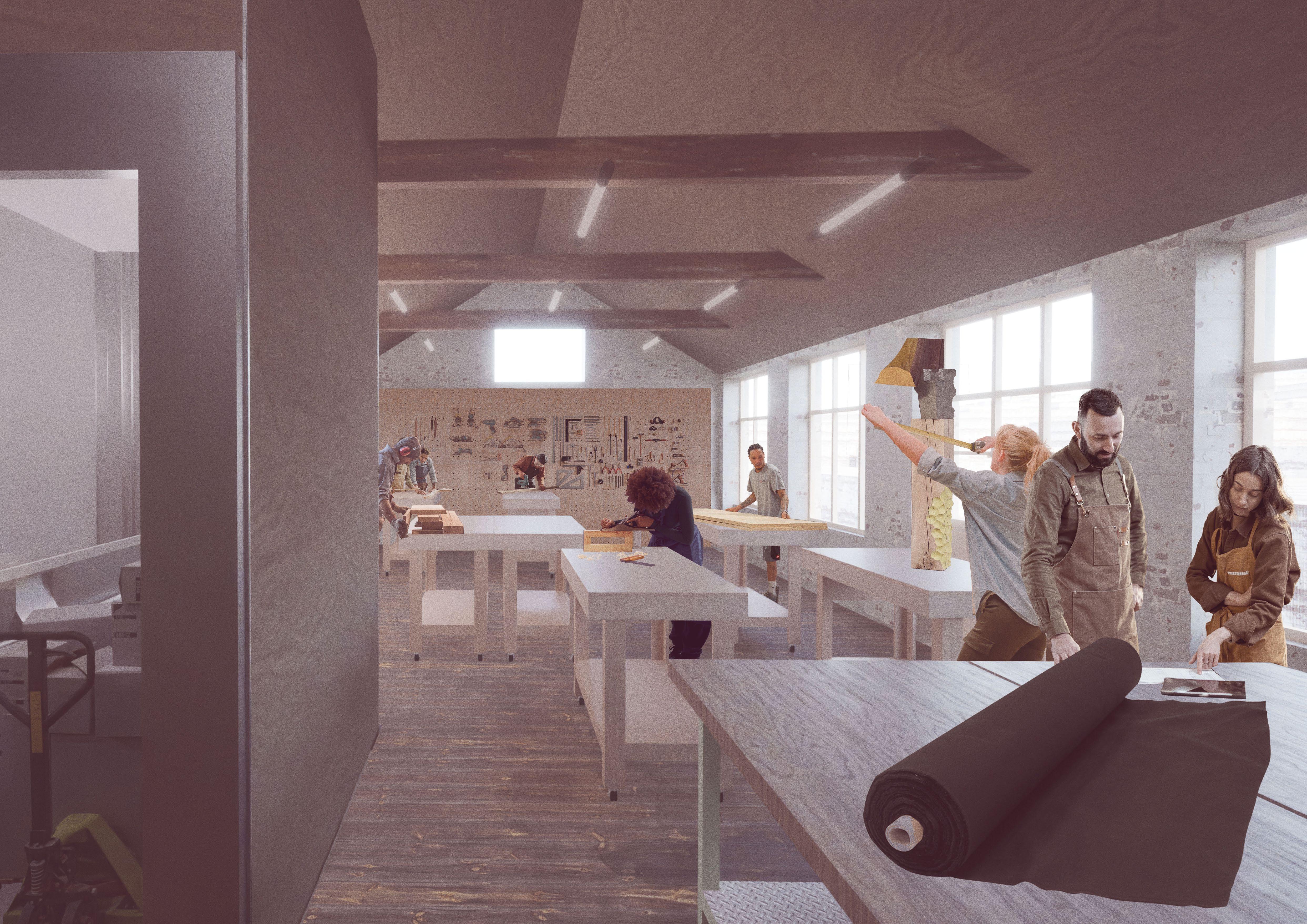
Equipped workshops will support fabrication, design, and collaborative build projects across carpentry, metalwork, textiles, set construction, and other forms of physical making. These spaces will be bookable by individual makers, collectives, schools and colleges, or for R&D residencies.
Learning & Progression
The site will form a dedicated base for Brave Island’s older cohort (18–25), apprenticeships, FE/ HE pathways, and the Young Makers Collective. Access will be structured through programmes, residencies, and partnerships focused on skills development and progression.
Showcasing & Testing
Ingrams Yard will host open studios, maker markets, and small-scale public moments that celebrate work in progress. Public engagement will be carefully curated, focusing on the visibility of making and process.
Supporting Infrastructure
The site will include shared tool and materials stores, alongside secure storage, maintenance, and fabrication areas to support theatre sets, props, staging, and technical equipment for the Arena and other theatre and performance activity.
Design Approach
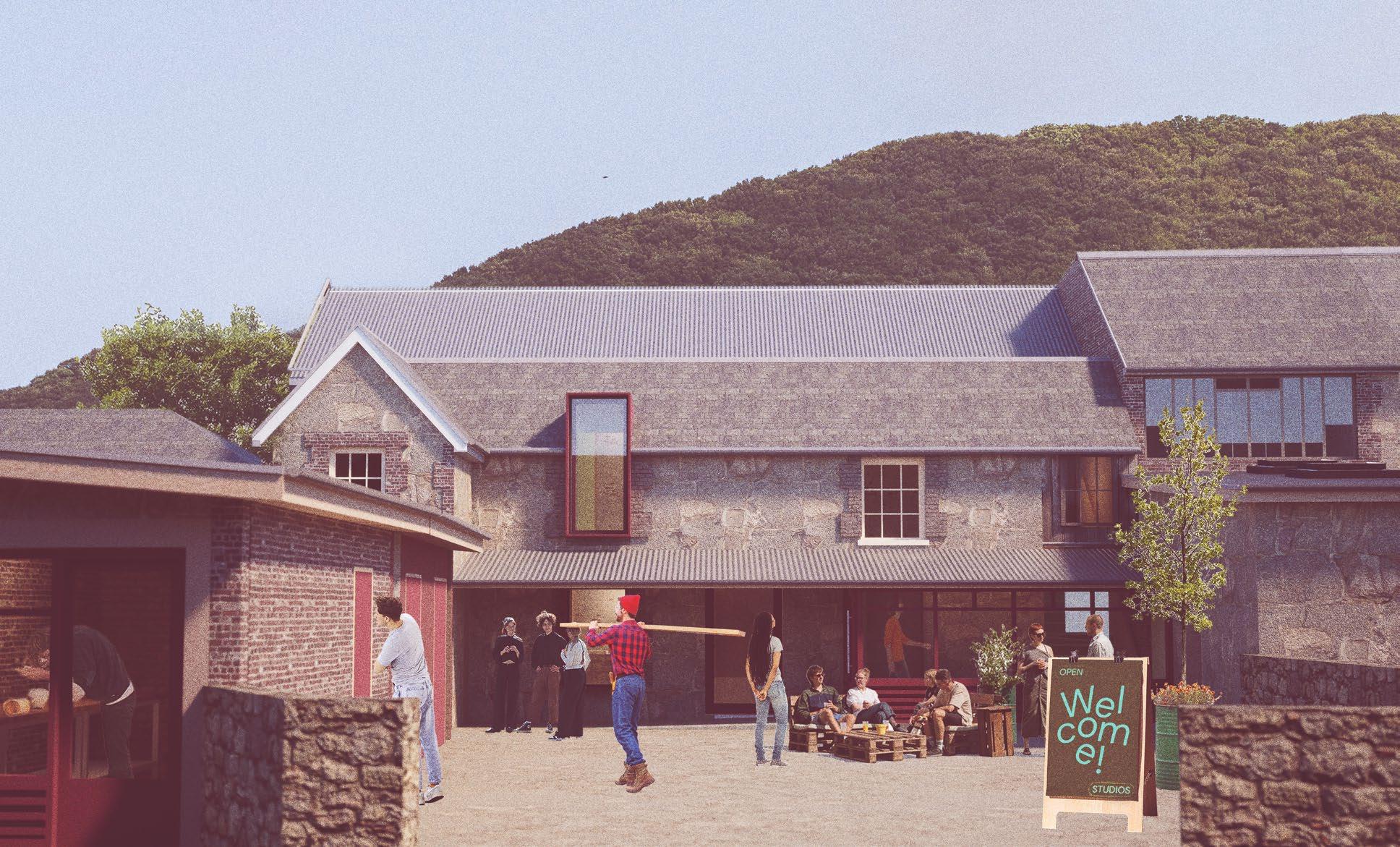
The concept design for Ingrams Yard is grounded in a careful, considered approach to adaptation. It works with the existing buildings and yard rather than against them, retaining and celebrating the site’s industrial character while introducing clear, contemporary interventions where required to support safe, accessible, and efficient making.
The design prioritises flexibility and visibility: creating a space where making can happen openly, safely, and efficiently, and where the site’s heritage is carried forward into a new era of production and learning.
Key design considerations include:
• Adaptive reuse: Responding to the buildings character and history rather than overwriting them. Retaining original historic features, as well as later characterful interventions wherever possible, with new work clearly expressed as contemporary.
• Flexible spatial planning: Creating clear areas for fabrication, small-scale showcasing, and `shared resources, while allowing layouts to adapt as needs evolve.
• Circulation and accessibility: Ensuring the site is inclusive and accessible
• Environmental performance: Enhancing thermal efficiency, upgrading roofs and openings where required, and reusing materials wherever possible.
• Visibility of making: Designing façades, thresholds, and the central courtyard so that activity within the yard is visible and engaging to passers-by.
New-build materials store or small workshop
Fully equipped woodworking workshop
Shared workshop space supporting design, fabrication and physical making
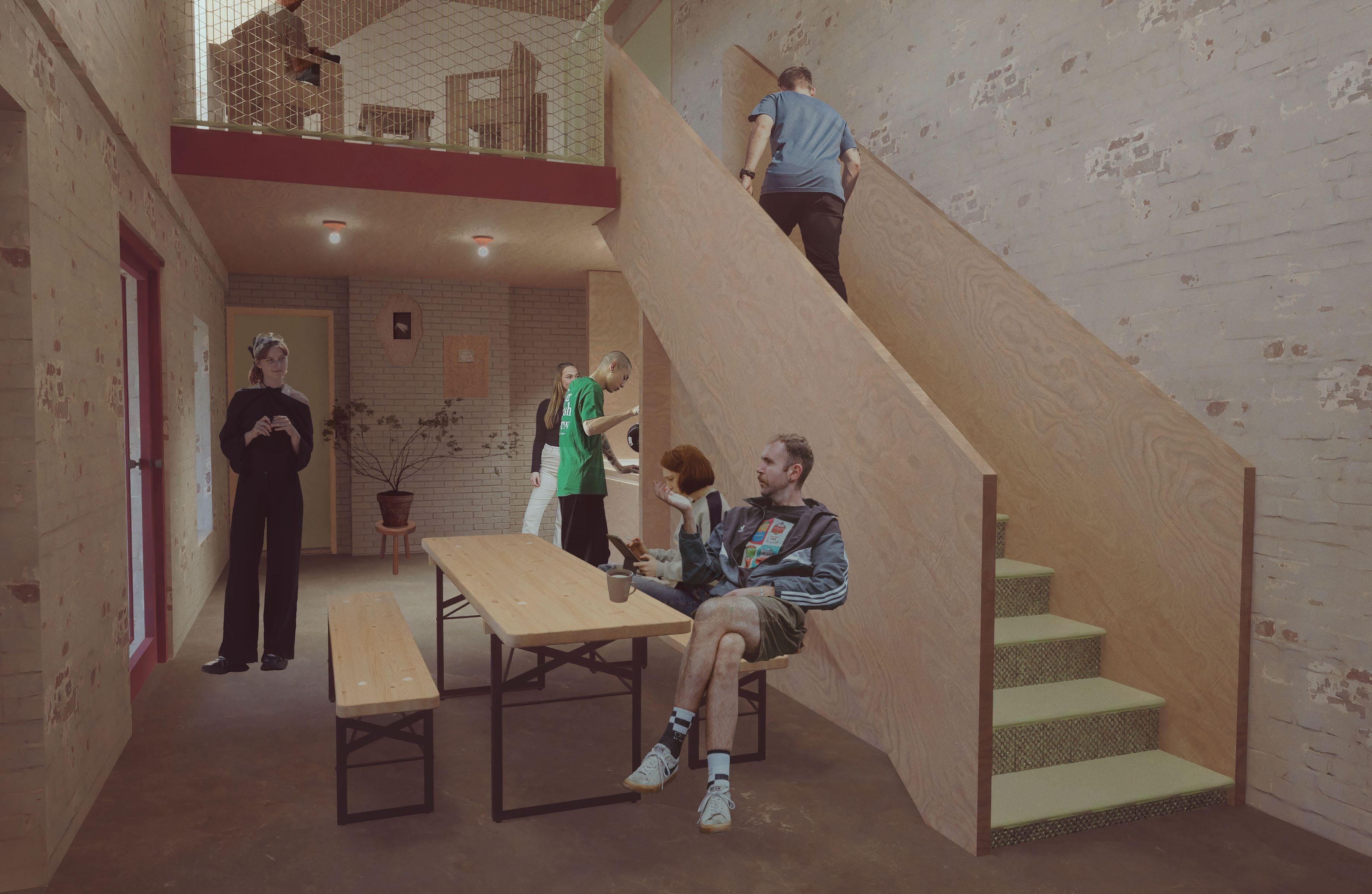
Social/Breakout space - flexible space
Private and shared studio space
Fully equipped workshop space
Canopy & store
Non-original glass bricks
Lean-to (WC and store)
Mezzanine & stair
Partitions
Stairs to FF
Western staircase
UVPC windows/doors
Garage roof and shutter
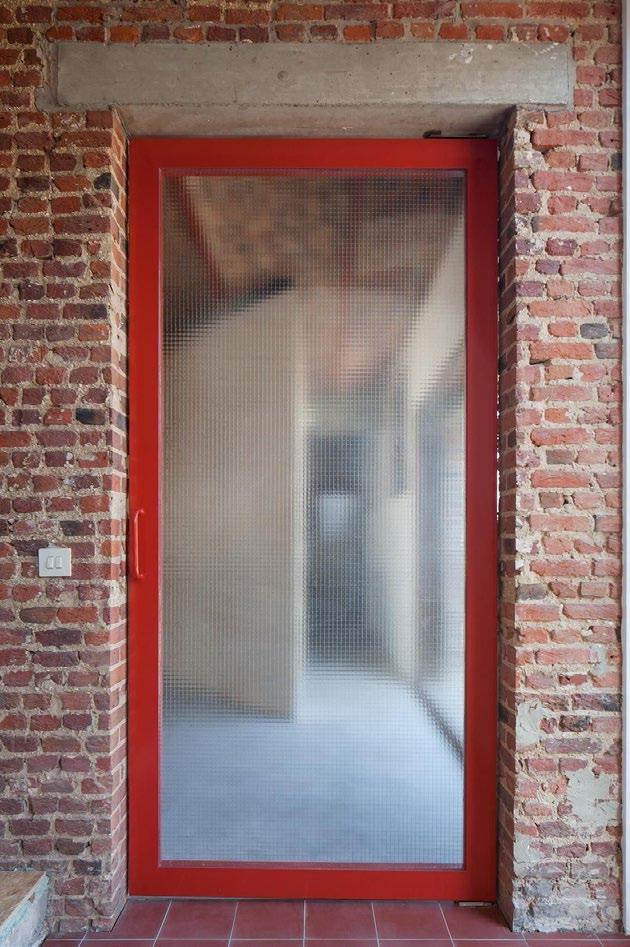
The architectural approach for Ingrams Yard is grounded in respect for the site’s industrial character, combined with a clear, contemporary response to its future use. The intention is not to overwrite the building’s history, but to work with it — revealing, repairing, and carefully adapting what already exists, while introducing new elements that support a productive, working environment for modern making.
Working with the Historic Fabric
Wherever possible, original materials, structures, and spatial relationships will be retained, exposed, and celebrated. Necessary repairs and replacements will be undertaken using compatible materials and techniques, ensuring that the yard’s historic character remains legible and intact. The approach prioritises continuity of material and form, reinforcing the site’s long association with craft and making.
Honest, Contemporary Interventions
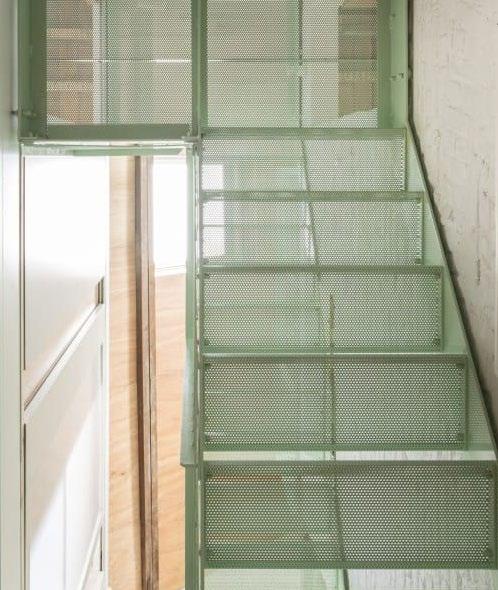
Where new elements are required, they will be clearly contemporary and confidently expressed — legible as modern additions. These interventions will be robust, functional, and industrial in character, using a restrained material palette that sits comfortably alongside the historic fabric. The aim is to allow old and new to coexist clearly, with each strengthening the presence of the other.
Repair, Replacement and Material Strategy
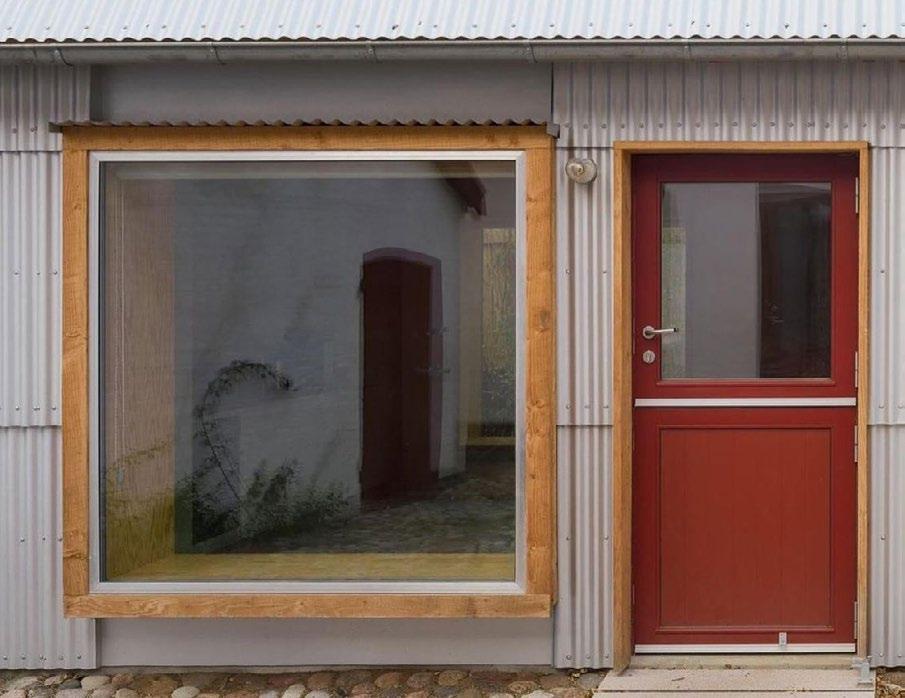
The strategy for repair and replacement is based on like-for-like principles, ensuring visual and material consistency across the site. Existing slate roofs will be repaired or replaced in slate. Corrugated roofs and canopies will be renewed using corrugated metal, maintaining the industrial language of the yard. Any new roof structures introduced as part of the project will also use corrugated metal to ensure coherence across old and new elements.
Existing inappropriate alterations — such as uPVC windows and doors — will be replaced with timber or metal alternatives, improving durability, thermal performance, and visual quality while remaining sympathetic to the site’s character. New openings will be carefully located and proportioned to support daylight, access, and visibility of making, without disrupting the overall rhythm of the buildings.
UVPC windows replaced - Albert Street elevation enhanced New dormer window
opening to FF workshop from mezzanine
The Yard - View from Dudley Road
Breakout Space
Albert Street
Ingrams Yard will operate through a co-management structure shared between Ventnor Exchange CIC and a Young Makers Collective — a group of around 20–30 earlycareer makers who will play an active role in the day-to-day life of the site. This model embeds youth leadership, encourages a culture of shared stewardship, and keeps the space responsive to its users.
Governance and Management
The governance model balances professional oversight with collective involvement:
• The Maker Collective contributes to operational decisions, workshop culture, peer mentorship, and aspects of scheduling or programming.
• A light-touch steering group, including representatives from Brave Island and other relevant local partners, to meet quarterly and review programme development, access, and sustainability.
Membership and Access
Ingrams Yard will offer tiered access designed to serve a wide mix of users:
• Resident Maker — dedicated studio or ‘bench’ space with extended access.
• Associate Member — flexible access to shared workshops through weekly or monthly passes.
• Youth / Education Access — structured sessions delivered through Brave Island and other partner programmes.
Membership pricing will prioritise affordability while ensuring the maintenance of tools, equipment, and shared facilities.
Residencies and Studios
Short residencies will bring visiting makers, R&D projects, and collaborative build opportunities into the space, helping keep the yard outward-looking.
The 3/4 private or semi-private studios/maker spaces will generate stable income, support site security, and ensure a year-round on-site presence.
Staffing
Ingrams Yard will operate with a deliberately lean staffing model, supported by active participation from the Maker Collective. Rather than relying on a large permanent team, day-to-day operation will be shared between Ventnor Exchange and a core group of makers who use and care for the space, embedding shared responsibility and keeping overheads low.
A small core role — Workshop Manager / Technician (part-time or flexible)— will provide essential oversight and continuity. Responsible for health and safety, inductions, equipment maintenance, and technical oversight of the workshops. This role ensures the space operates safely and professionally while supporting users to develop their skills.
Administrative, financial, and governance support will be shared with Ventnor Exchange, drawing on existing systems and expertise rather than duplicating roles on site.
Role of the Maker Collective
Members of the Maker Collective will play an active role in the running of Ingrams Yard. This may include:
• supporting day-to-day opening and supervision of workshops; contributing to scheduling, peer support, and workshop culture;
• welcoming new users and supporting inductions;
• sharing skills through informal mentoring, skillswaps, and workshops.
In return, Collective members gain enhanced access to equipment and space, leadership experience, and a sense of ownership over the site’s direction and culture. This approach builds capacity, confidence, and employability while keeping the operational model flexible and sustainable.
Partnerships and Training
Future phases will explore how Ingrams Yard can complement existing learning and skills pathways on the Island. Potential areas include hands-on workshops, short courses, technical training, or project-based collaborations with local education providers and creative organisations. These partnerships will be developed after the feasibility study, once the full spatial and operational outline is agreed.
The yard will also have capacity to support R&D and fabrication commissions linked to Island festivals and creative activity — strengthening local supply chains and providing practical opportunities for young people.
Financial Sustainability
The long-term sustainability of the site will come from a blend of income streams:
• membership and workspace hire;
• paid workshops, training, and partnership delivery;
• commissions, light fabrication, and projectbased contracts;
• occasional residency fees.
This balanced model ensures that Ingrams Yard remains accessible while covering the operational costs required for a safe and fully equipped production environment.
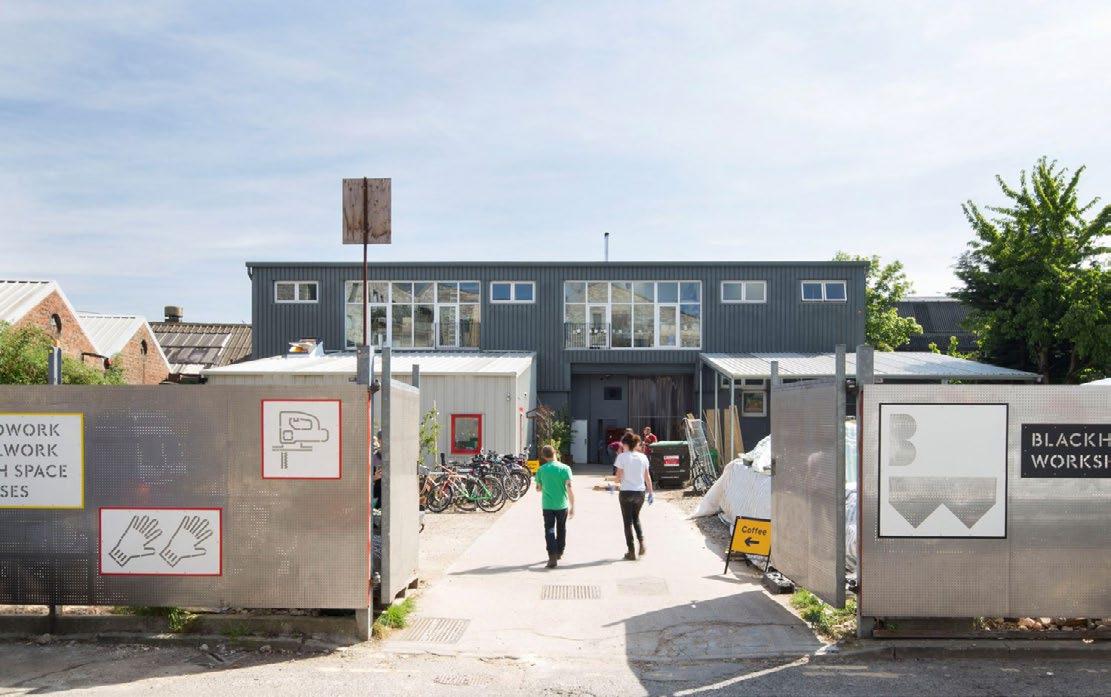
BLACKHORSE WORKSHOP, WALTHAMSTOW:
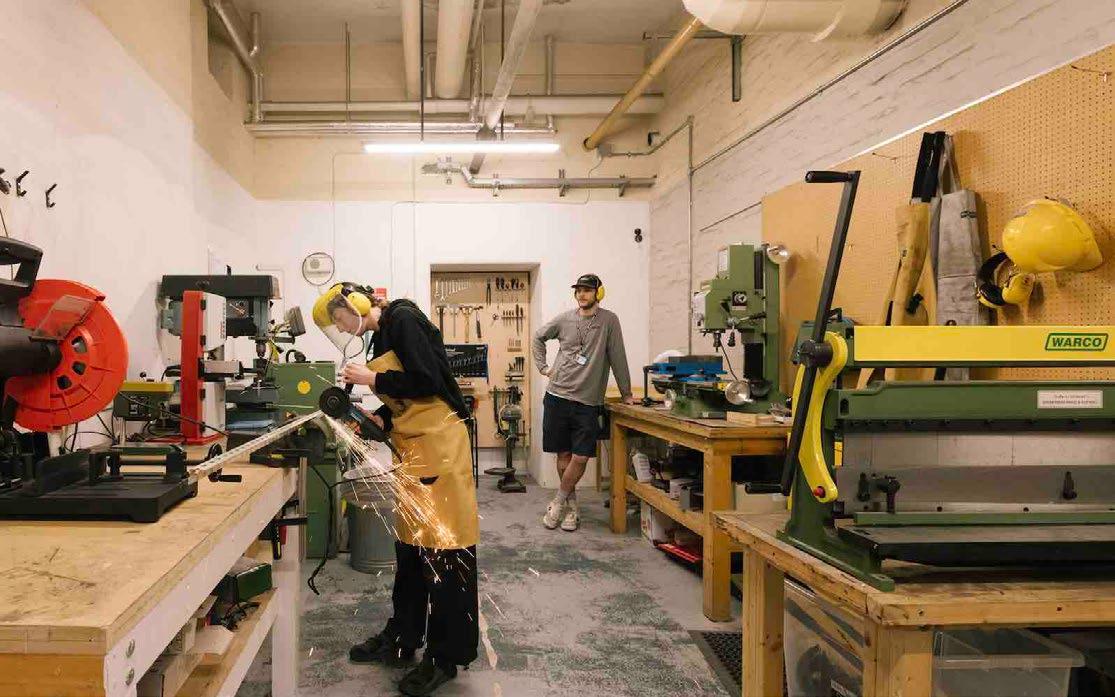
Blackhorse Workshop is a well-established public makerspace in Walthamstow, offering fully equipped wood and metal workshops alongside creative studios, youth programmes, and a small community café. Operated as a charitable social enterprise since 2014, it provides a model of how practical making, skills development, and local enterprise can successfully operate under one roof.
Its operations blend several income and engagement streams, including studio rental, workshop memberships (day, monthly, professional), induction-based access to tools and machinery, public courses, open days, and grantfunded programmes. A strong focus on young people runs through its work, with regular opportunities for 14–25-year-olds to develop technical making skills, gain confidence, and participate in collaborative projects.
Blackhorse Workshop is also outward-facing: markets, open studios, repair cafés, and skillssharing events make the act of making visible, while fostering an informal culture of peer support and cross-practice learning.
Relevance to Ingrams Yard:
Blackhorse Workshop demonstrates how a production-led space can balance professional use with public engagement. Its mix of memberships, education pathways, and light-touch community activity. The model shows how a makerspace can act as a local anchor without becoming a venue — holding its identity clearly in fabrication, skills,
PORTLAND WORKS, SHEFFIELD:
Portland Works is a Grade II* listed former cutlery factory in Sheffield, transformed through community ownership into a thriving centre for makers, small creative businesses, and education programmes.
More than 500 people invested in a community share issue to save the building, creating a longterm, community-led model of stewardship. Today it is home to over 30 tenants — from blacksmiths and woodworkers to engineers, musicians, and designers — forming an active ecosystem of independent craft and creative enterprise.
Alongside its workspace offer, Portland Works runs a strong education programme engaging schools, college groups, and young people who are not in education, employment, or training. Opportunities include internships, volunteer roles, tours, talks, open studios, and community-led learning activities. Governance is handled by a volunteer board, embedding local accountability and reinforcing the site’s civic and cultural relevance.
Relevance to Ingrams Yard:
Portland Works demonstrates how a heritage industrial site can be repurposed into a productive, socially rooted workspace that blends enterprise, education, and community involvement. Its mix of affordable tenancy, outreach, and public-facing activity offers useful parallels for Ingrams Yard, particularly in linking hands-on making with youth progression and wider community benefit.
Makerversity is a leading makerspace and prototyping hub based within Somerset House, London — a major historic building reimagined as a centre for contemporary making. It supports a community of over 350 members working across design, fabrication, engineering, digital production and creative technology. Its offer includes highquality shared workshops, specialist equipment, flexible desk space, and private studios, alongside a tiered membership system ranging from day-use access to dedicated workspaces for small teams. The organisation also runs learning programmes for young people, believing in the importance of practical making for confidence, employability and long-term skills development.
Relevance to Ingrams Yard:
Makerversity provides a useful precedent for Ingrams Yard, not in its scale, but in its underlying principles: the adaptive reuse of a heritage building for production-led activity; a membership model that balances accessibility with sustainability; and an environment where professional makers work alongside early-career creatives and learners. Its integration of practical fabrication facilities, smallteam studios, and structured pathways for young people offers a model that resonates strongly with the ambitions for Ingrams Yard. While Makerversity operates within a much larger urban building, its approach demonstrates how equipment-rich workshops, flexible access tiers, and a culture of peer learning can coexist within a single site — offering Ingrams Yard a clear reference for how making, learning, and creative enterprise can be brought together in a coherent, community-focused way.
MAKERVERSITY, LONDON:
7. NEXT STEPS
This feasibility study provides the vision, spatial concept, operating direction, and evidence of need for Ingrams Yard. It now forms the core document that Ventnor Exchange will use to build momentum, secure partnerships, and attract investment. The next stage focuses on strengthening this foundation, deepening engagement, and preparing for capital funding and detailed design.
Continued Engagement & Co-Design
Engagement will remain central as the project moves forward. Building on the conversations held during this feasibility phase, the next steps include ongoing youth engagement via Brave Island to ensure young people shape the culture, access model, and practical layout of the maker environment, including the development of the Maker Collective and their involvement in decisionmaking and co-designing specific elements of the site — such as social and breakout spaces.
Alongside this, wider stakeholder conversations will continue with local makers, creative organisations, educational partners, and residents, to build shared ownership and maintain a clear purpose. Finally, the project will prioritise regular communication with the community through updates, and exhibitions of concept work to strengthen local support and ensure transparency.
Preparing for Funding
With the concept established, the project now shifts toward preparing for capital funding. This involves identifying potential funders and sequencing applications so that bids are timed appropriately and aligned with potential different phases of development
Securing the Site: Ownership and Long-Term Stewardship
Long-term control of Ingrams Yard is essential to unlocking capital investment and ensuring the site is stewarded for public benefit. Ventnor Exchange is actively exploring a Community Benefits model as a pathway to acquire the site, placing social value at the heart of ownership.
Developing the Design to the Next Stage
The concept design presented in this report sets a clear direction for Ingrams Yard. The next phase will build on this work by preparing for initial planning dialogue and detailed design.
Operational Model Refinement
While the feasibility study outlines the preferred management approach, further refinement is needed as the design and partnerships develop. This includes confirming the co-management relationship between Ventnor Exchange CIC and the Maker Collective, defining membership structures and pricing, and identifying staffing roles and operational requirements. The team will also test the viability of residencies, private studios, and enterprise models to ensure the site remains dynamic and financially sustainable. This work will inform the next stage of business planning.
Building Partnerships
Although many conversations have begun during the feasibility stage, the next steps involve deepening relationships with education providers such as IW College, Platform One, and others. Further collaboration will be explored with Island makers, technicians, and creative professionals, as well as with regional and national creative industries.
Particular emphasis will be placed on backstage and technical theatre skills, aligned with the needs of the Arena, Ventnor Fringe, and wider live performance sector.