VELICHKOVA L E A
PORTFOLI O( f )
05 06
02 01 03 04 07 CONTENTS
master’s final thesis project

RUMAH BUDAYA
bachelor’s final thesis project
L.O.D.I. HIGH SCHOOL
master’s design studio
INSTITUTE OF CULINARY EDUCATION
master’s design studio
MEMENTO MORI (il) P.O.N.T.E.
master’s design studio
HELIOS
masters’ workshop
VERDE VISTA
architectural competition
collaborators: Milica Grubac, Odra Maria Nassif
location: Pavia, Italy
typology: urban regeneration/mixed functions
softwares,utilized by me: AutoCad, Photoshop, Illustrator, InDesign

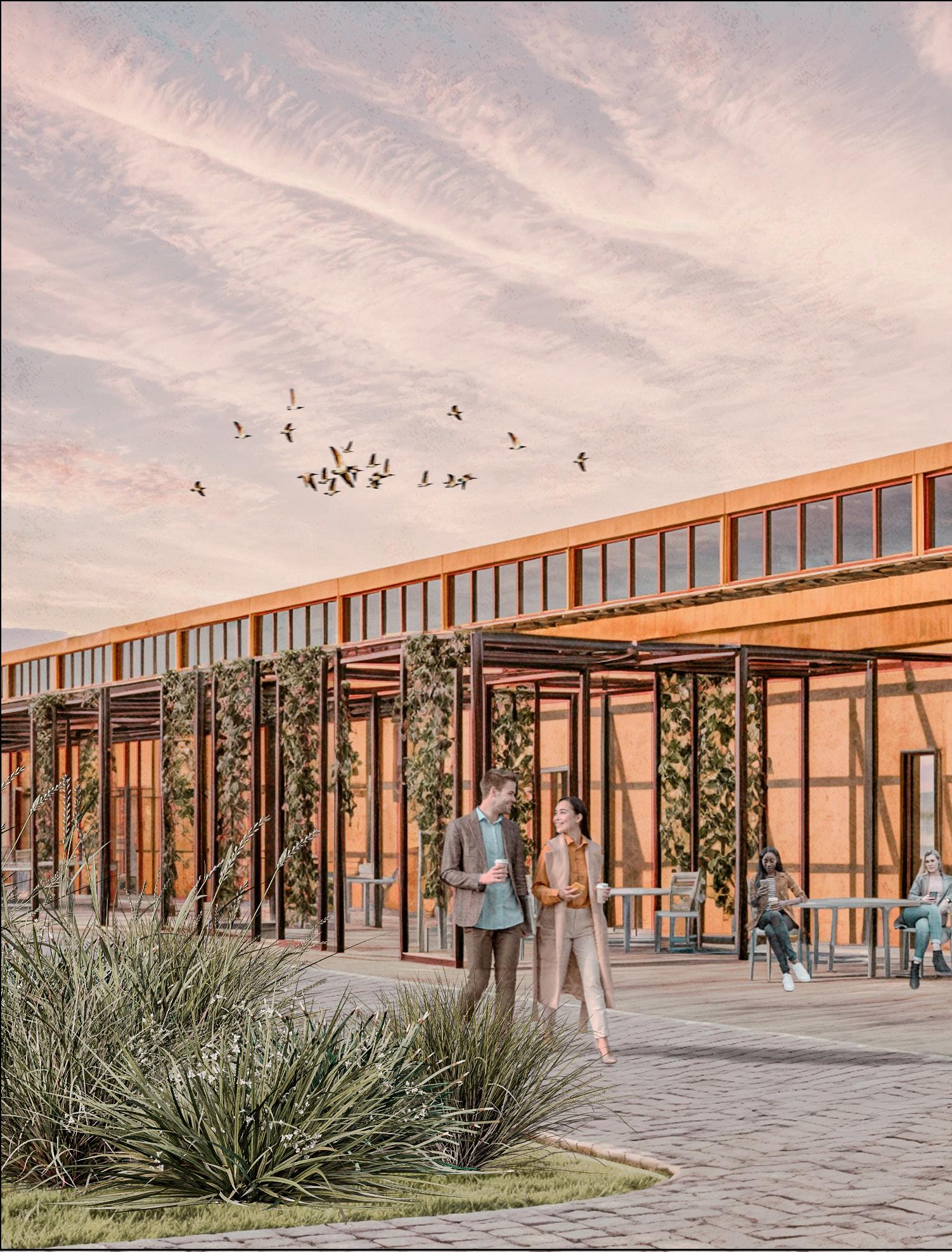
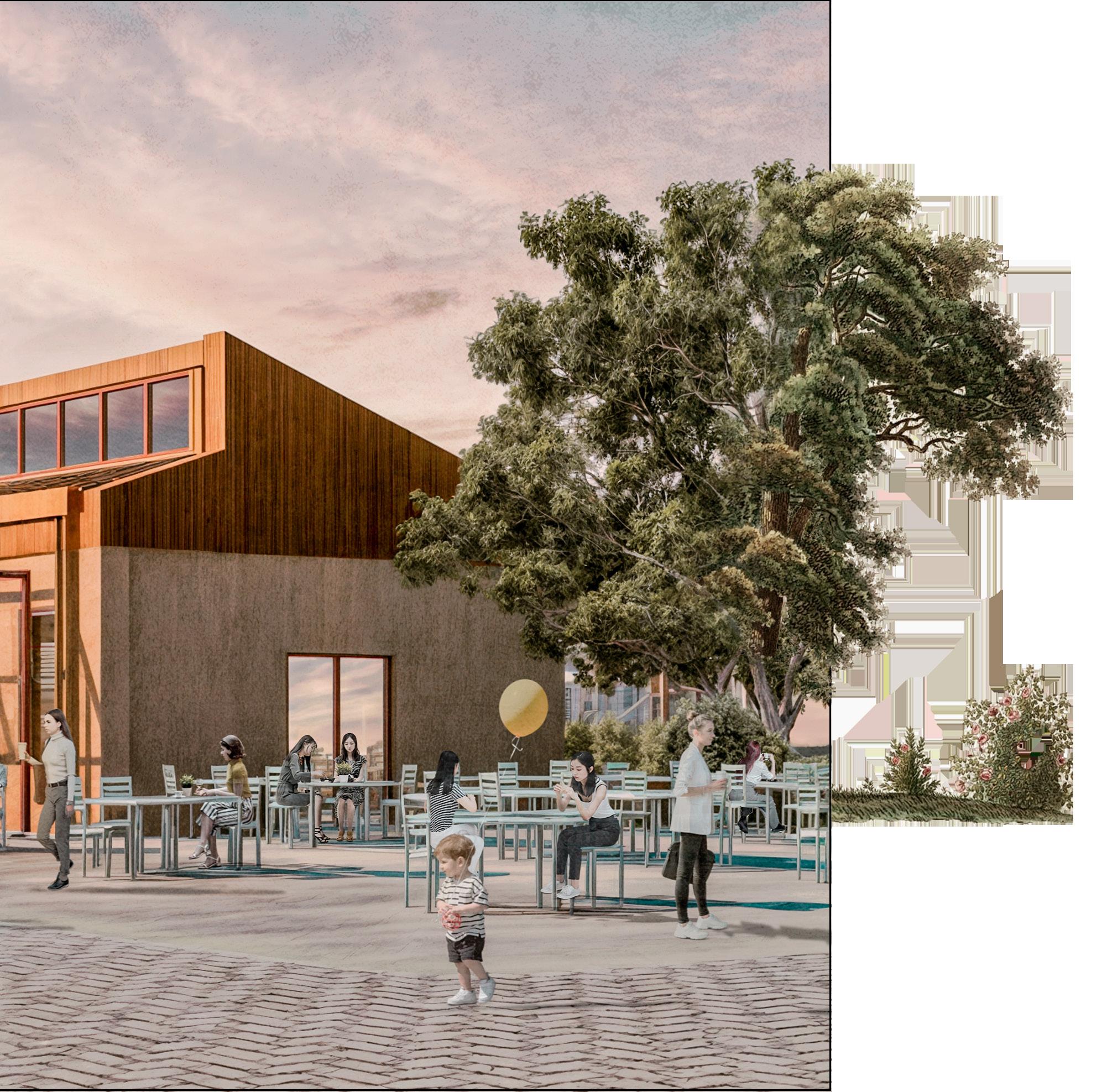
This project has been developed as part of the final thesis, under the supervision of prof. Andrea Tartaglia.
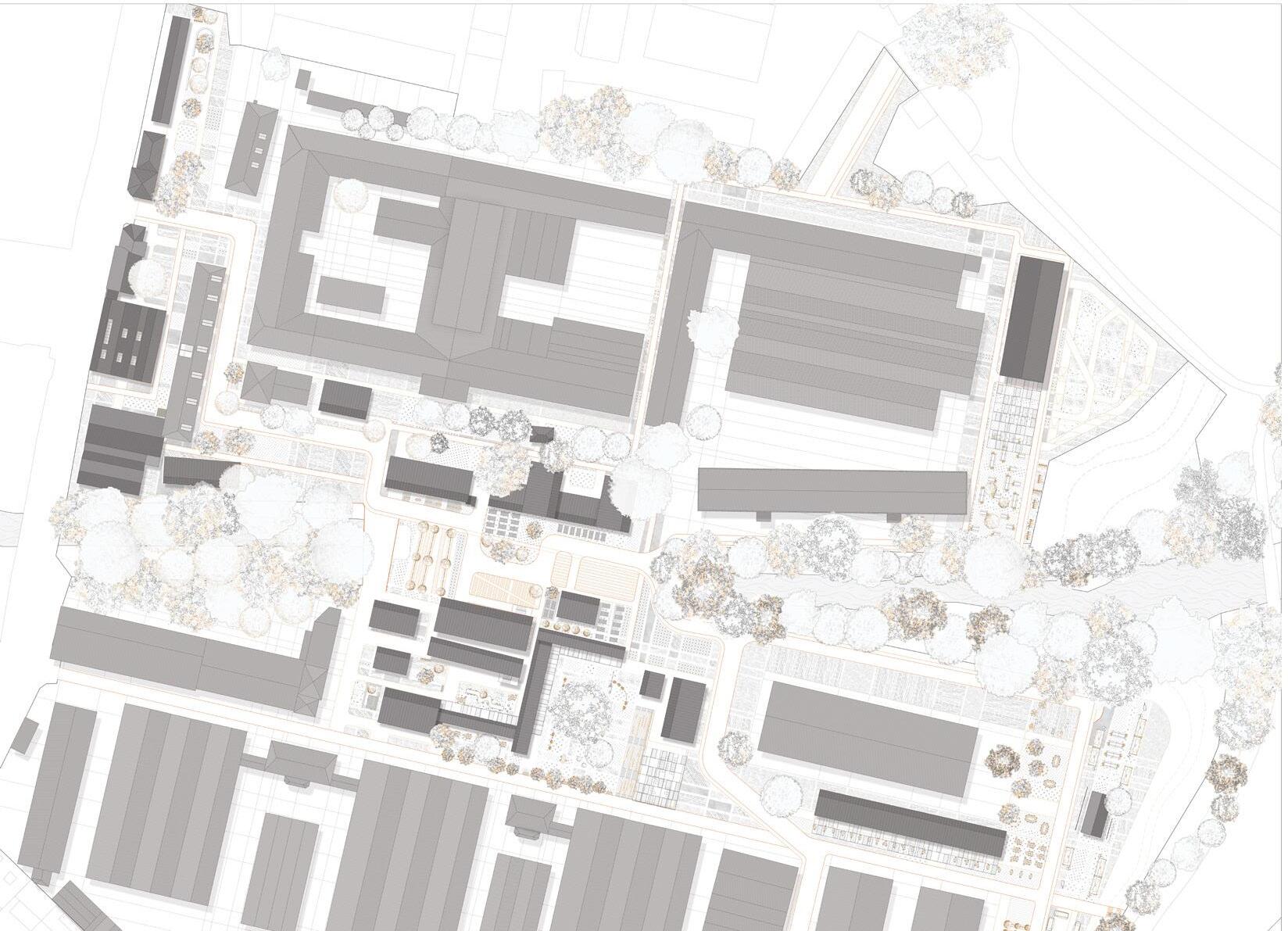
This thesis explores the adaptive reuse of underutilized public spaces in Italy, with a particular focus on former military sites and the ex-Arsenale di Pavia. By repurposing these sites, not only are cultural heritage and architectural integrity preserved, but also opportunities for economic revitalization and social cohesion are created, contributing to the overall sustainability and resilience of urban areas. The approach is rooted in the concept of transcalar transformation, advocating for architecture that transcends conventional boundaries and fosters innovative, community-involved spaces. The methodology is guided by five principles: Adaptability, Contextuality, User Experience, Sense of Belonging, and Embracing Nature.
The showcased part of the thesis highlights the practical application of the research and theoretical framework. For a comprehensive understanding, the complete thesis can be accessed by scanning the QR code provided on this page.
link to the full thesis booklet








RUMAH BUDAYA HOME OF CULTURE
collaborators: individual project
location: Malacca, Malaysia
typology: a cultural and heritage center softwares, utilized by me: Revit, Photoshop, InDesign, Lumion

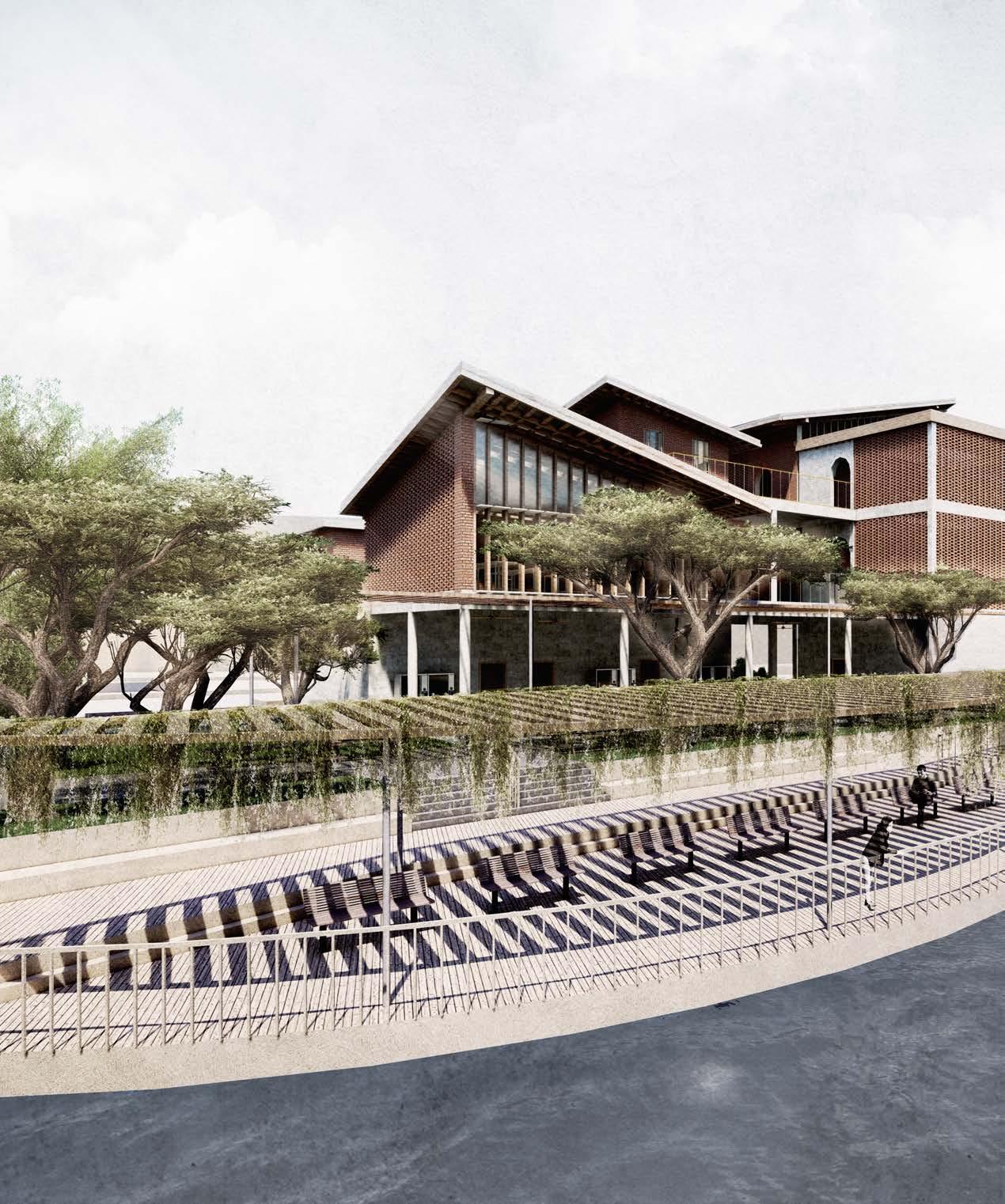
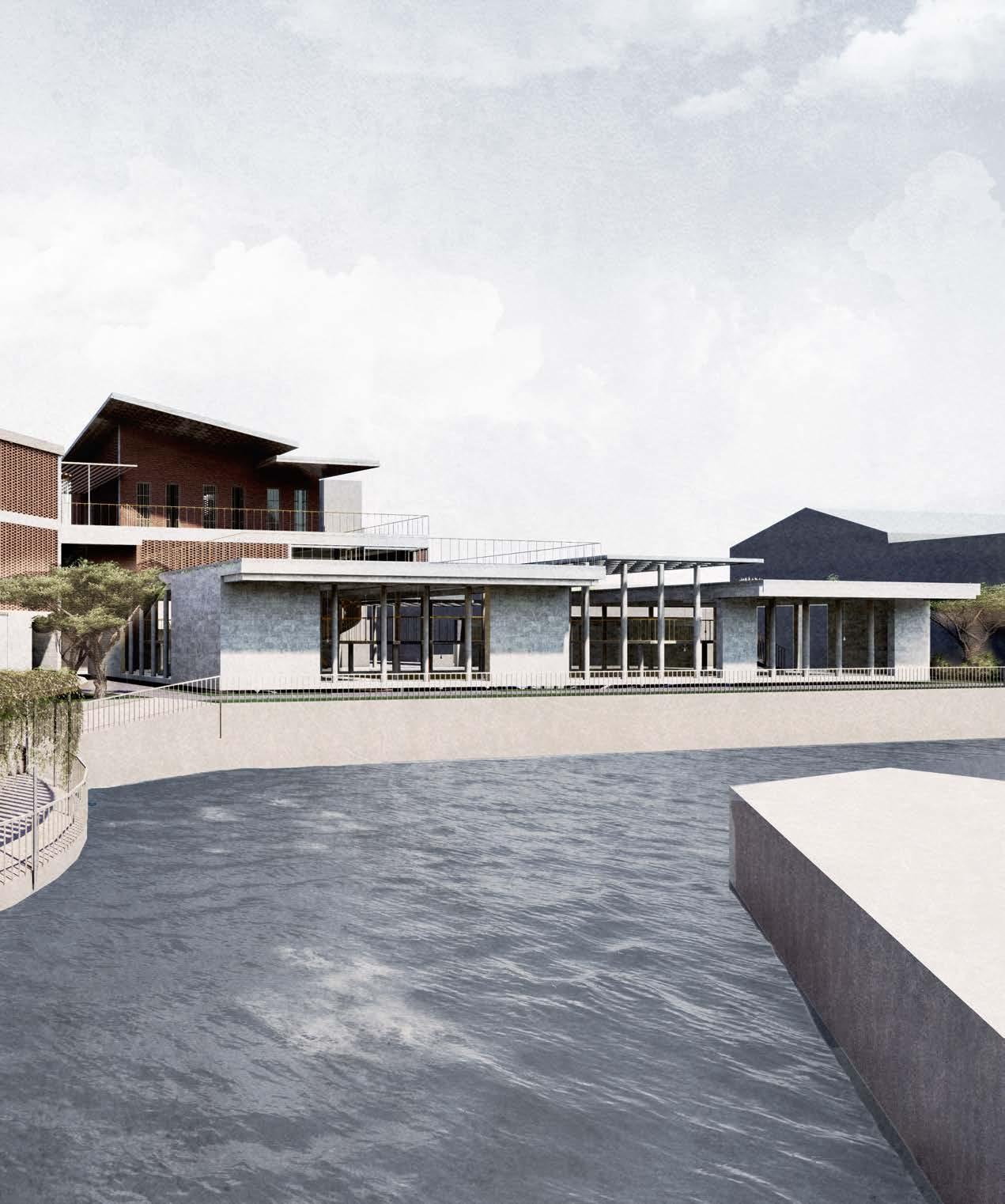
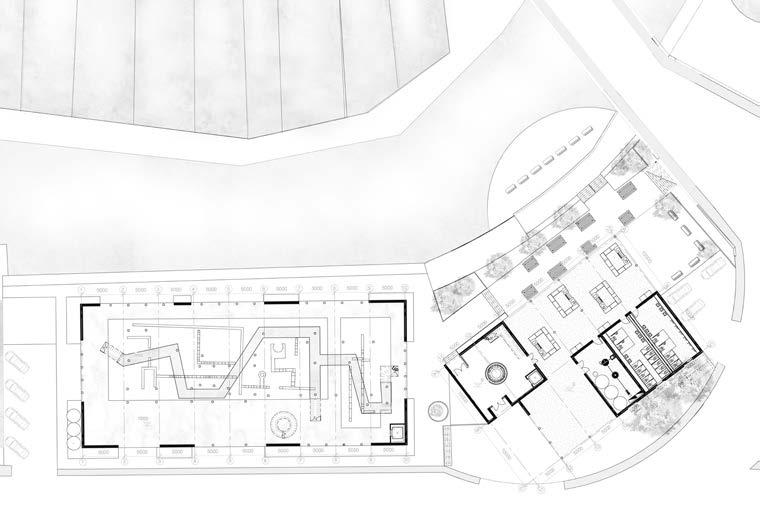
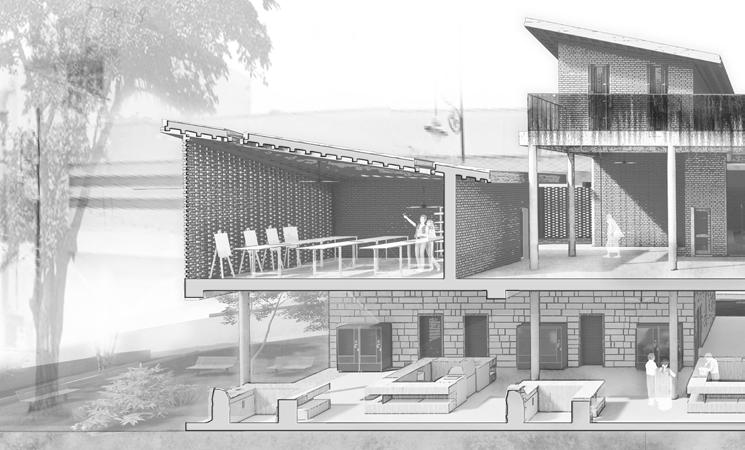
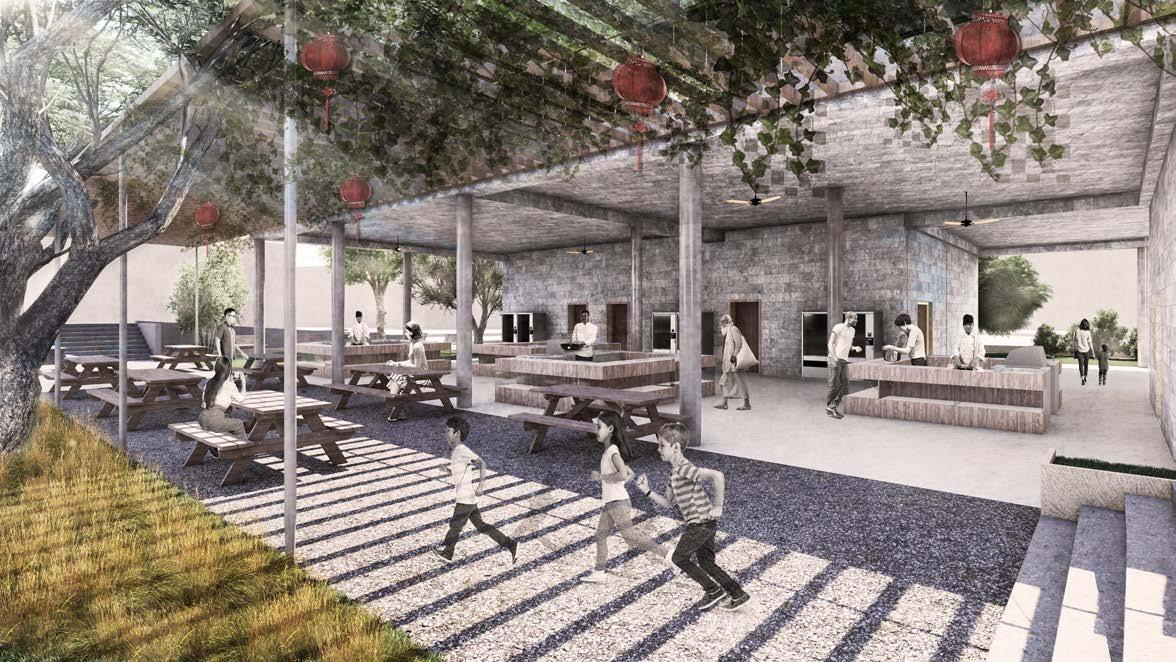
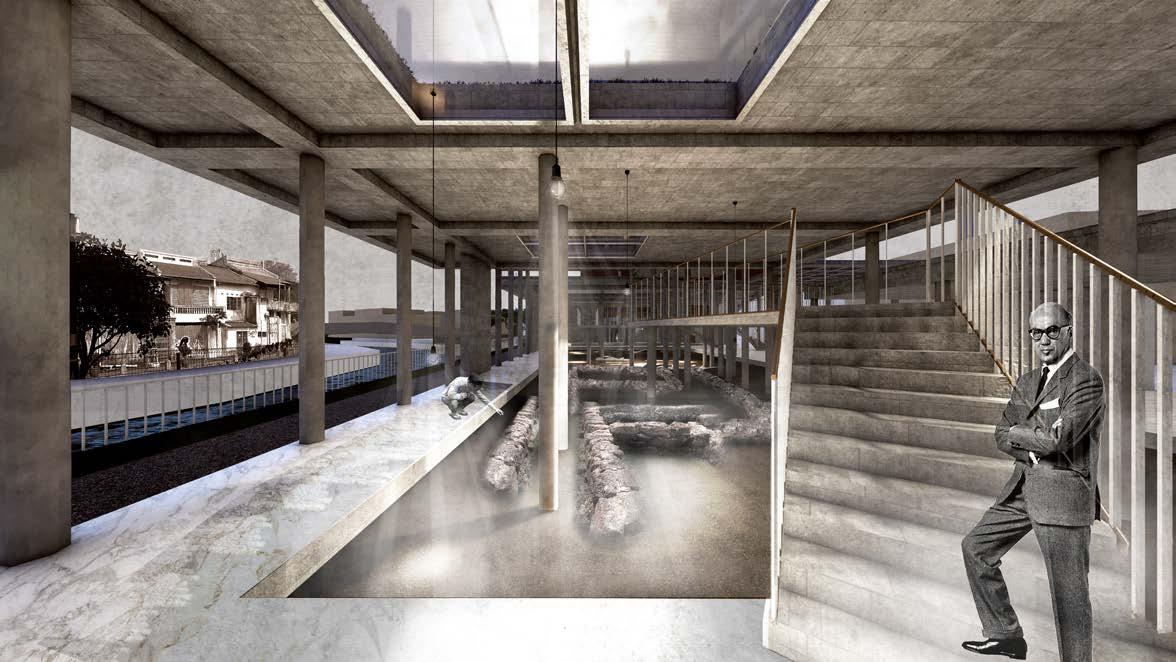
This project has been developed as part of the final design studio, during BA (Hons) course under the suppervision of prof. Carl Meddings. The proposed Cultural and Heritage Centre is located in Malacca, a UNESCO World Heritage City. It serves as a multi-use assembly building, fostering a connection between society, culture, and architecture. The center accommodates activities representing various cultural aspects: Cuisine, Art, Music, Literature, and History. It aims to be an inclusive space, promoting collaboration and learning among diverse community groups. The center provides a safe environment for communal activities, allowing people to engage with indigenous traditions, ideas, and beliefs. By experiencing the building, visitors embark on a journey through Malacca’s ethos, reviving the past, embracing local traditions, and preserving knowledge for the future. The integration of the existing ruins of Bastion Victoria is a key aspect of the proposal, protecting them from weather damage and showcasing local heritage in an exhibition hall.
link to a video tour of the building
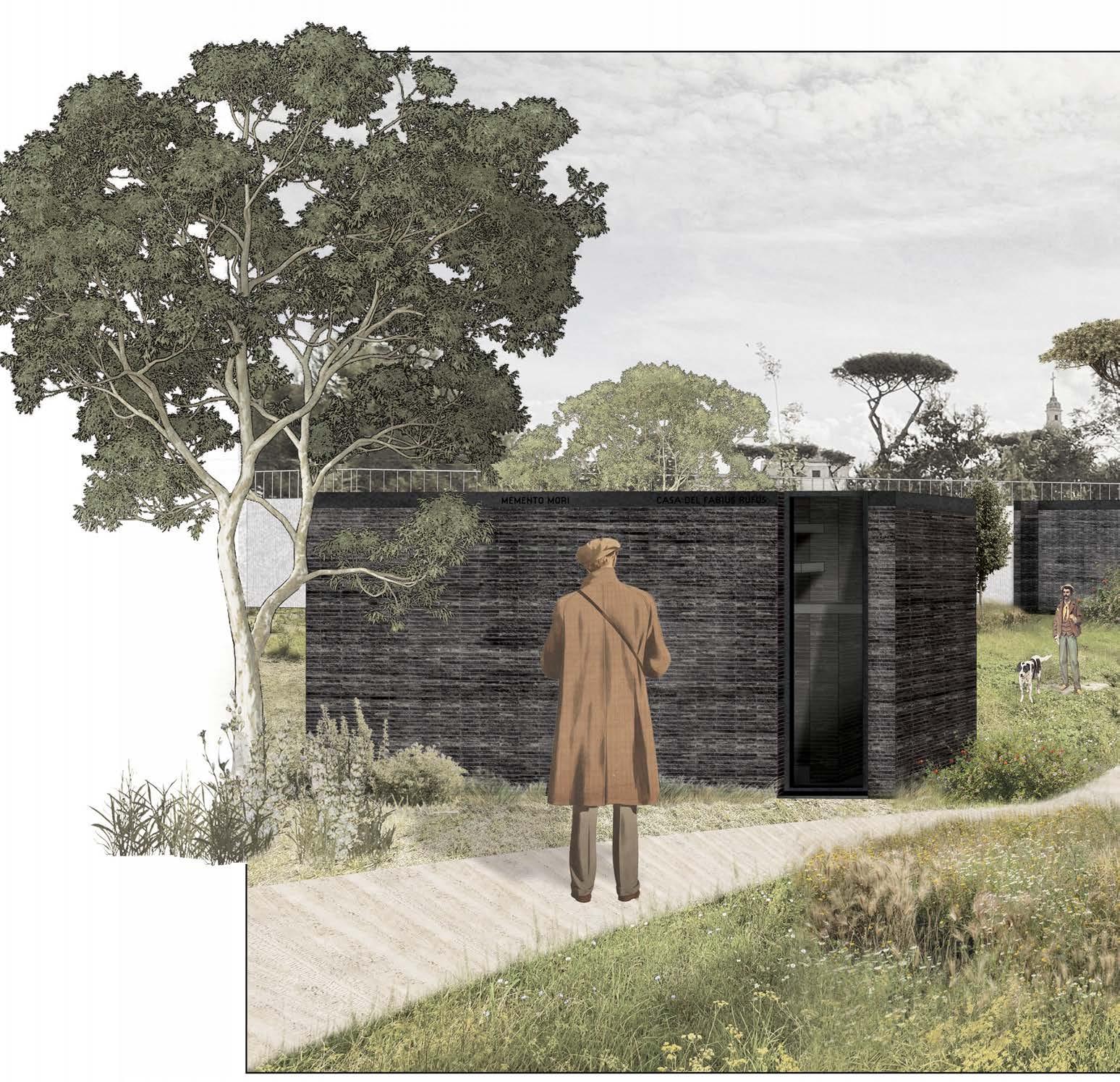
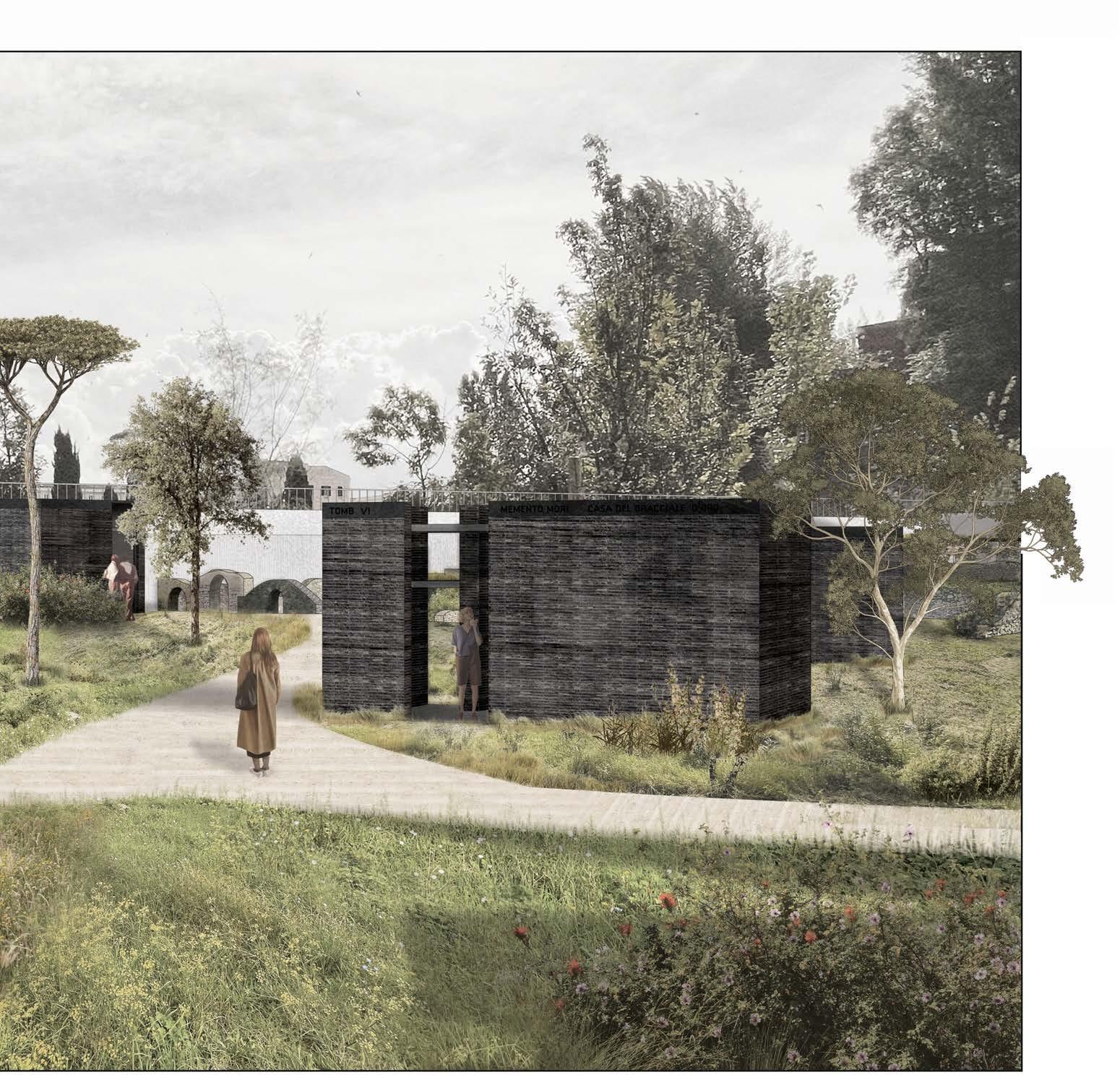
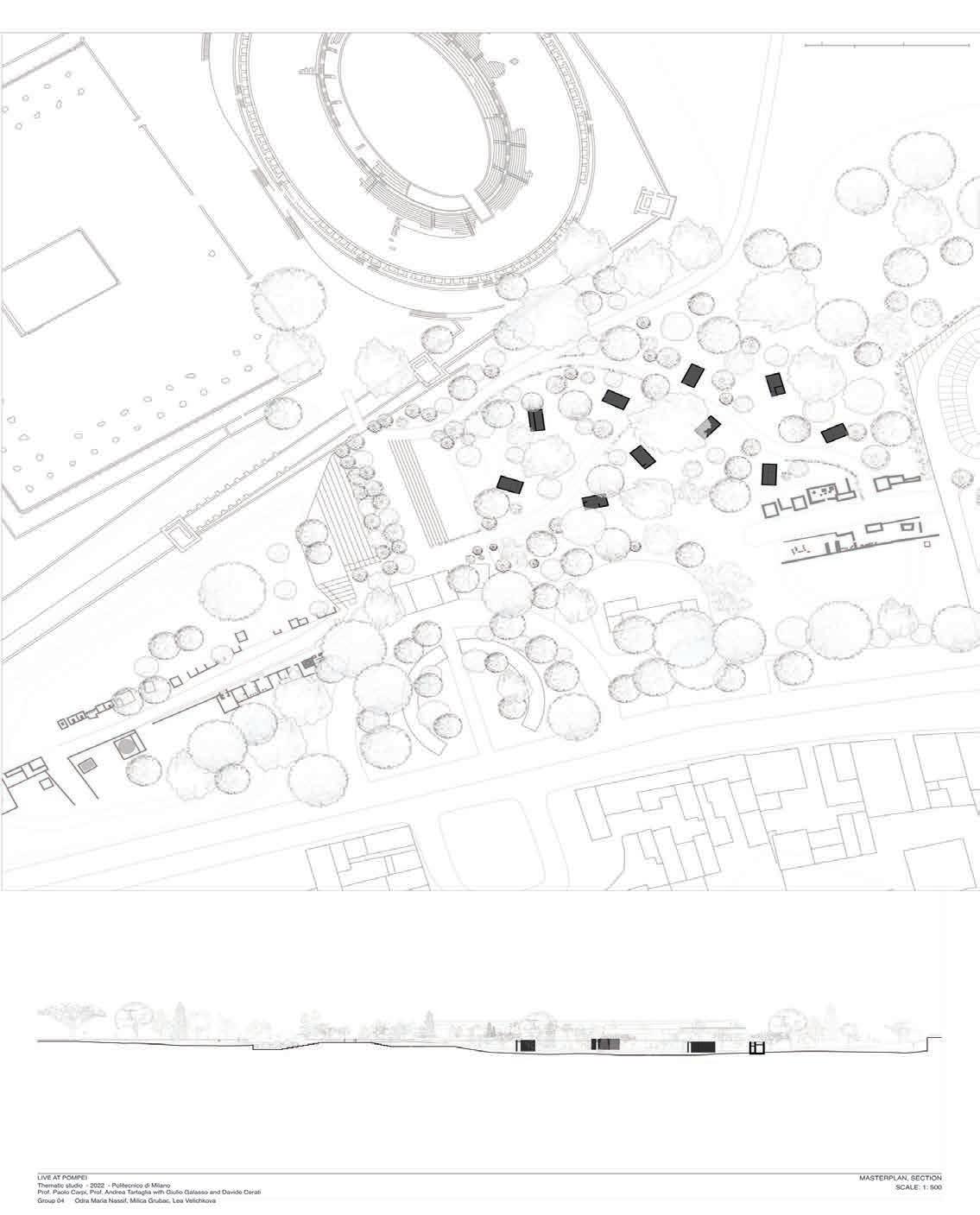

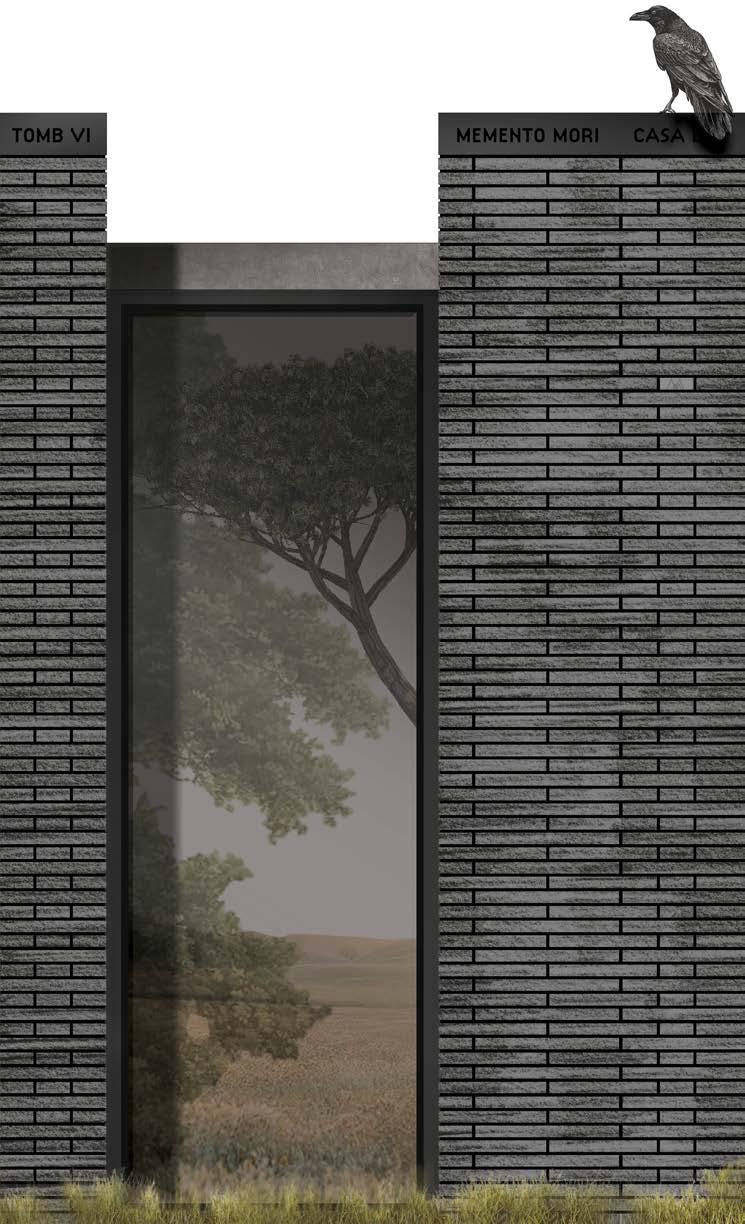
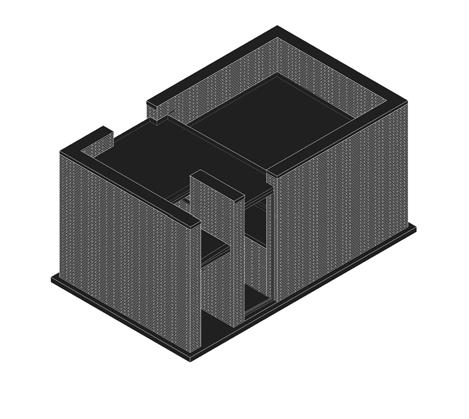
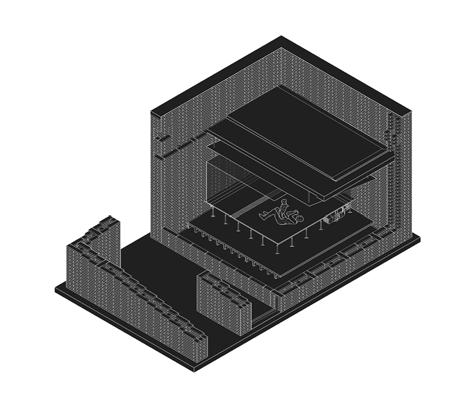
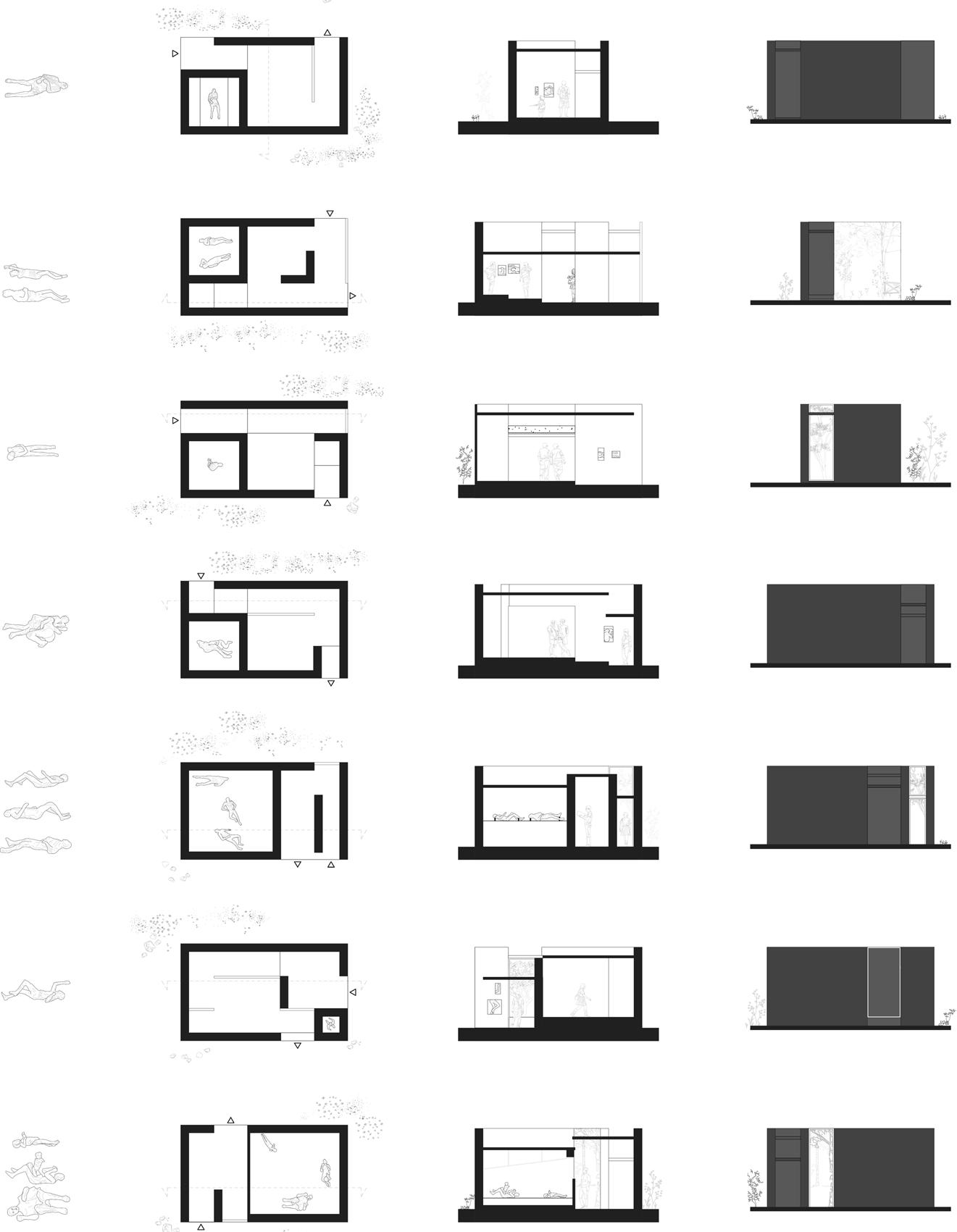
“In Roman memorials the dead are remembered as individuals, and also as people who exemplified socially important qualities in their lives, and in the mode of their death ‘good’ or ‘bad’. ‘Bad deaths’ were experiences to be dreaded and especially mourned; yet it was important that those who had died that way were also commemorated in ways that created positive experiences that could at least counterbalance the disaster. “
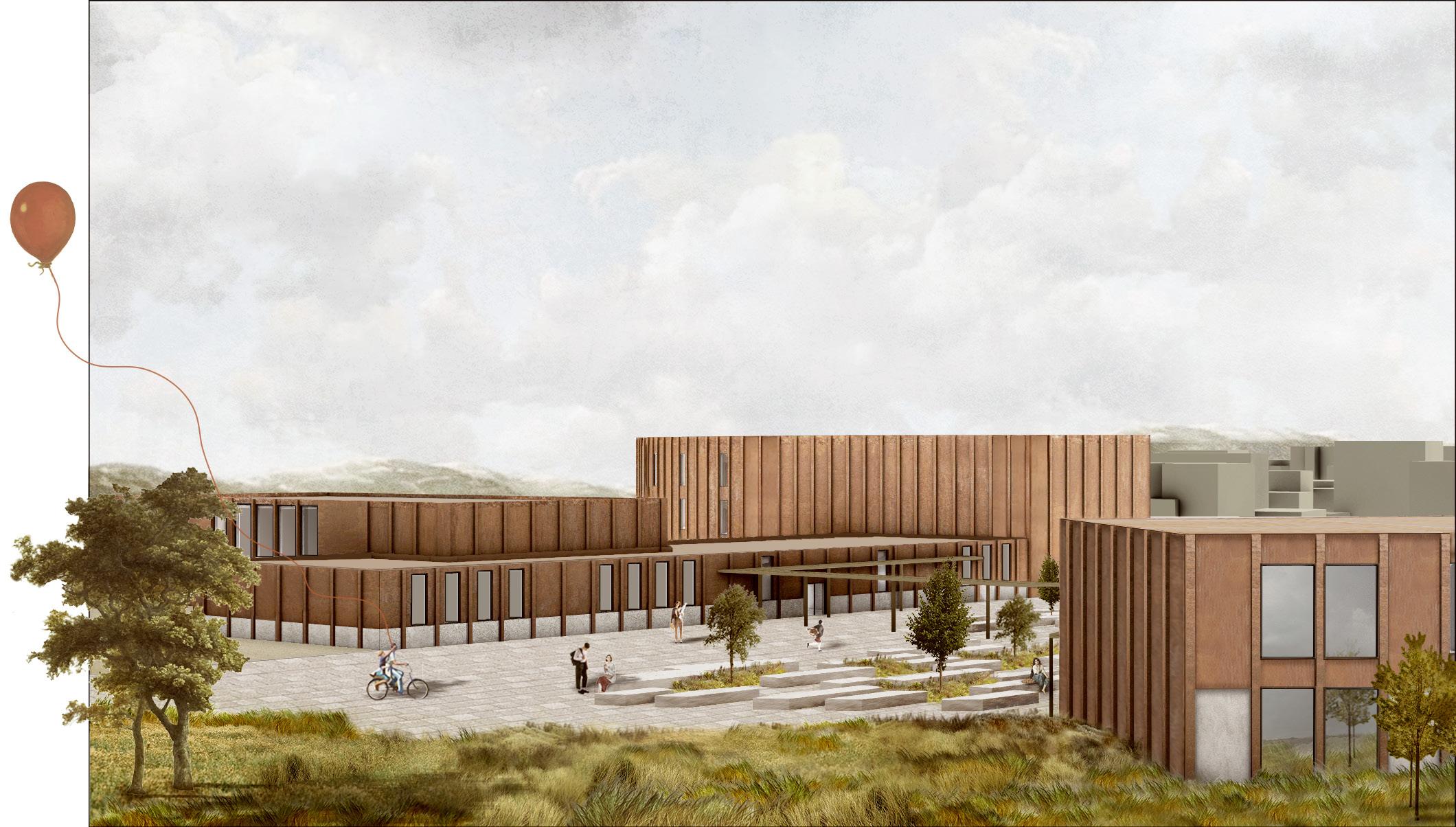
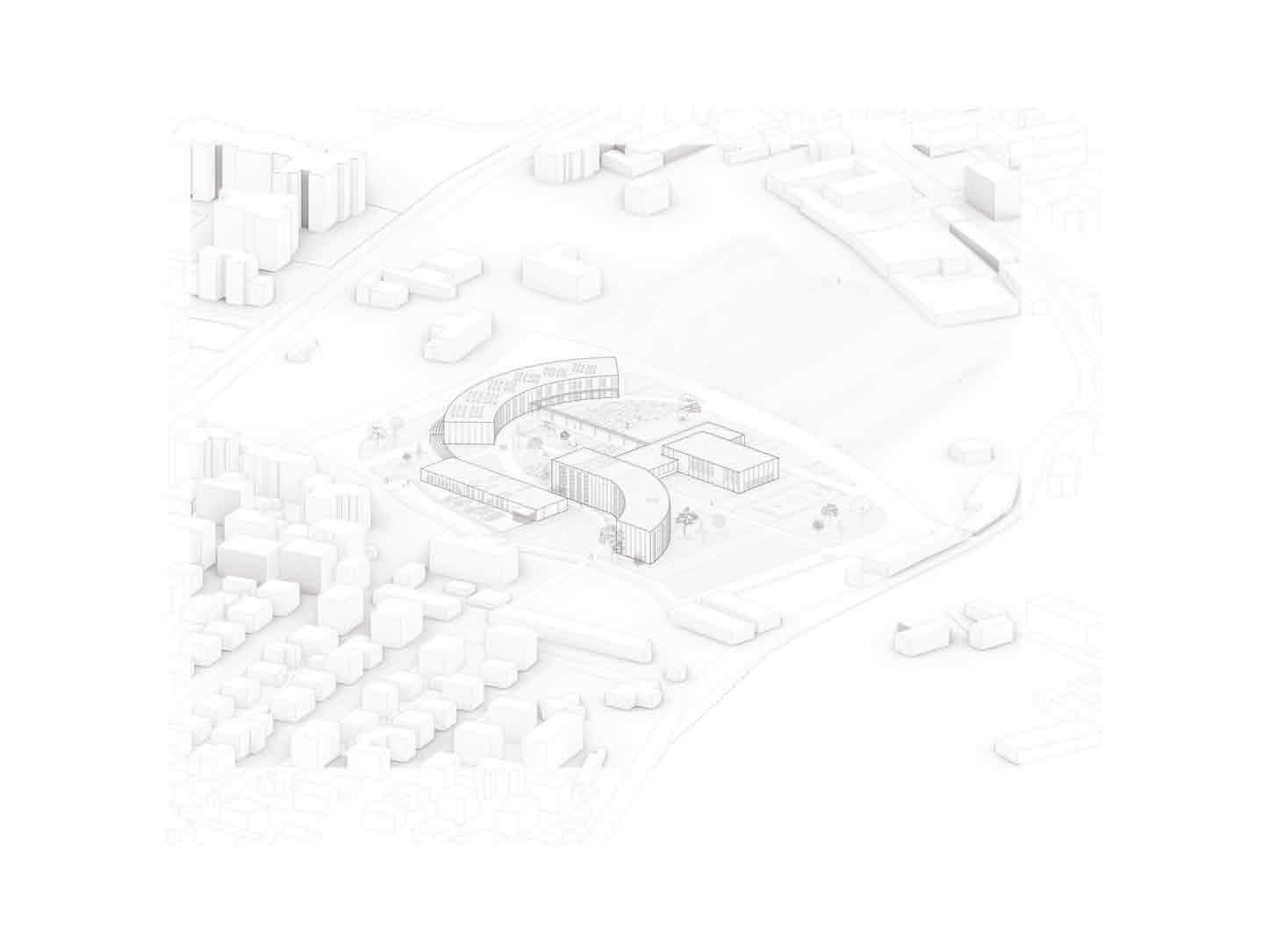
30 classes in total.
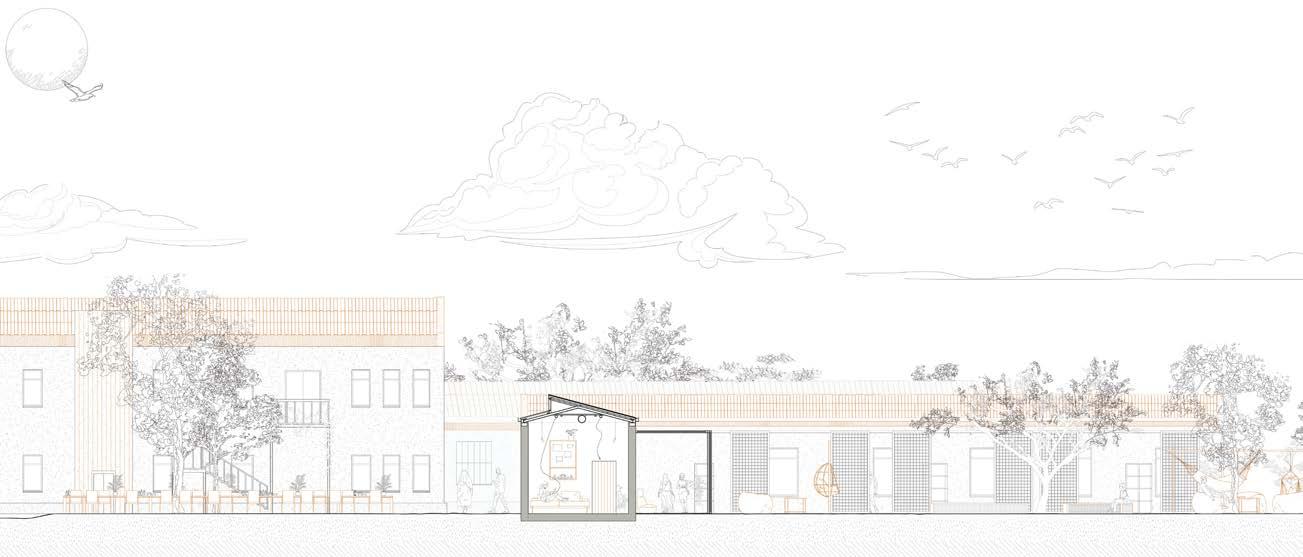
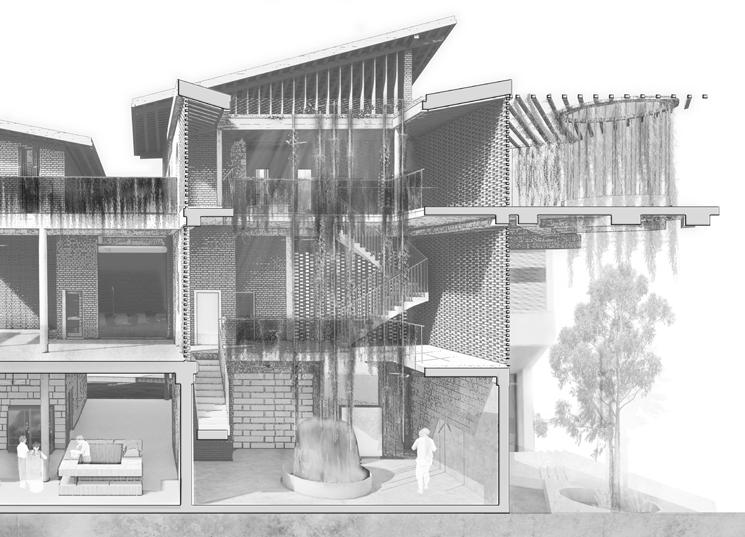
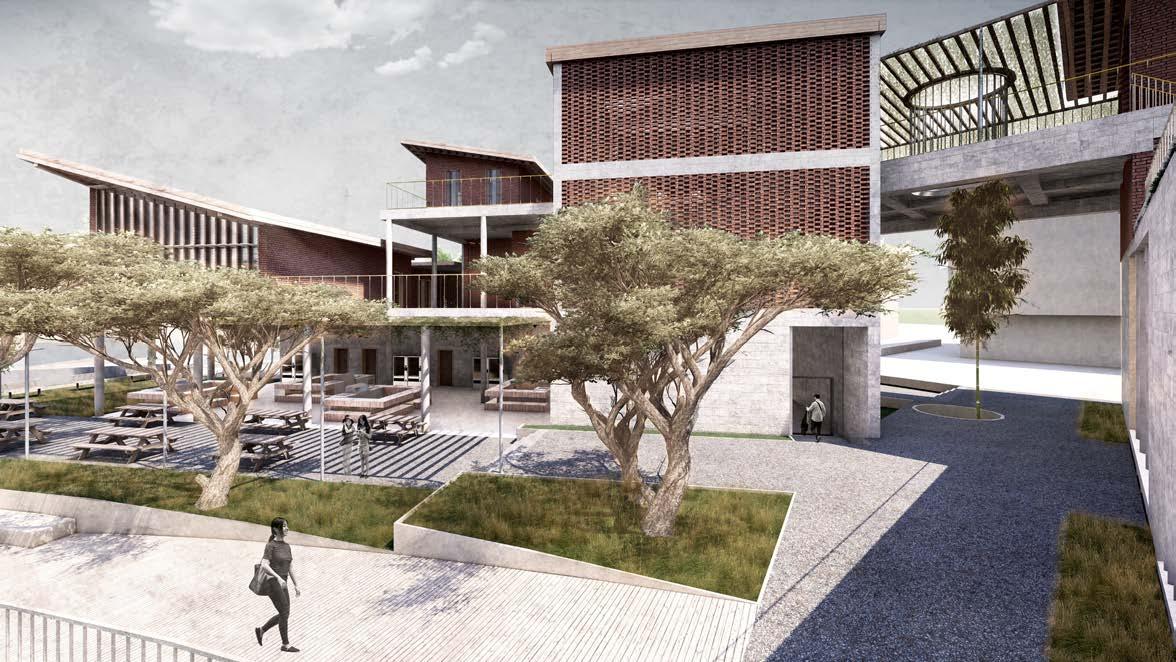
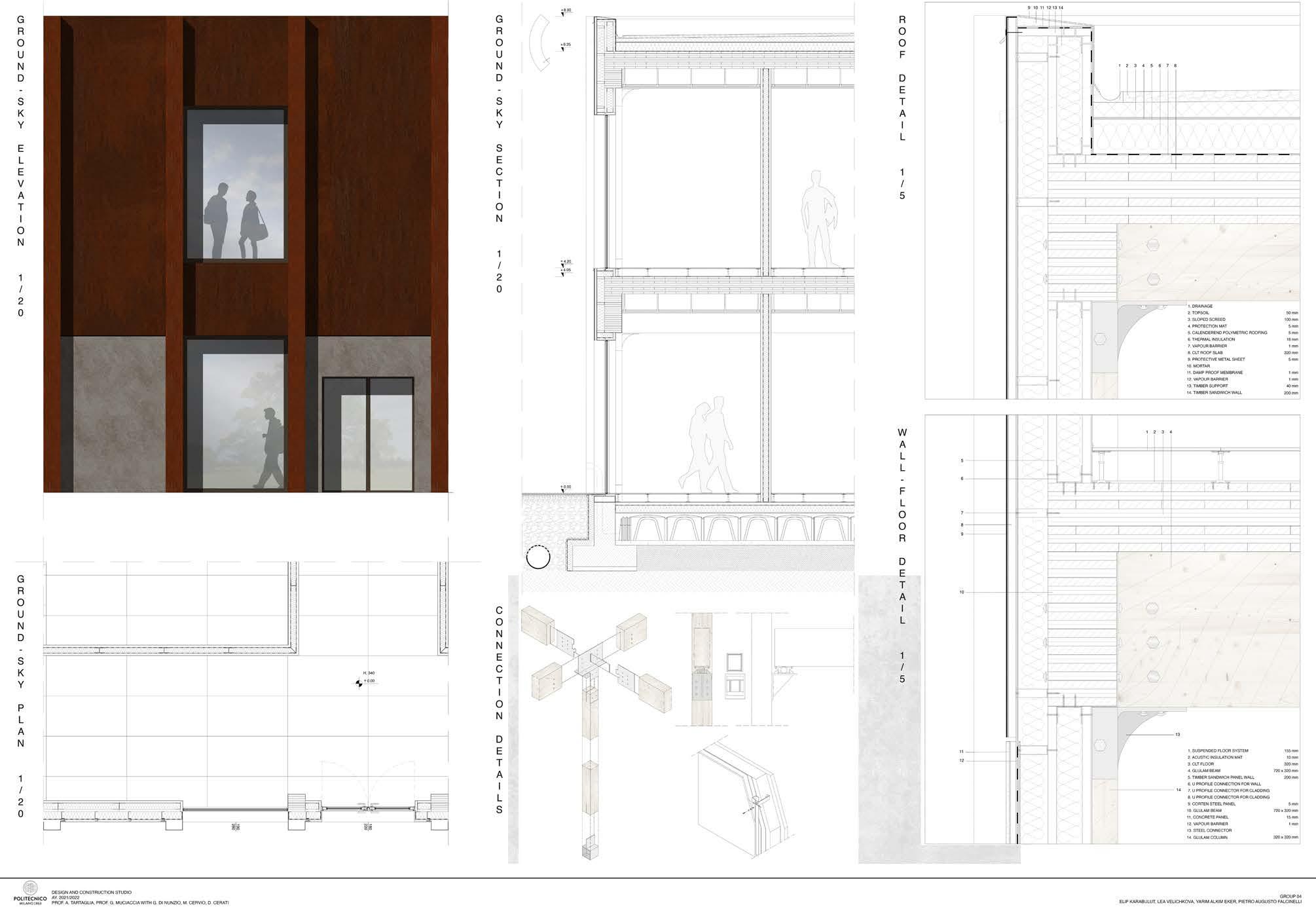
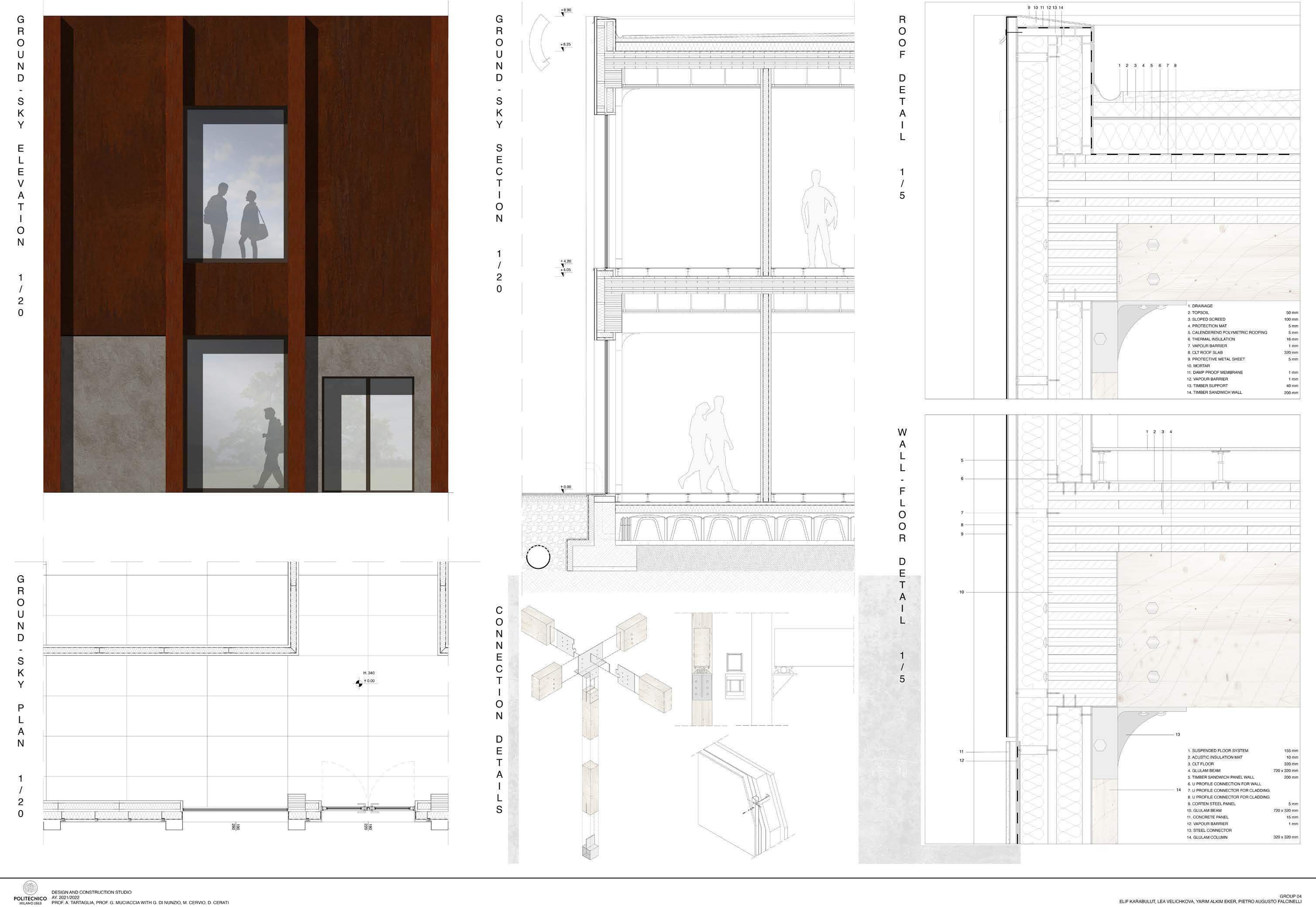
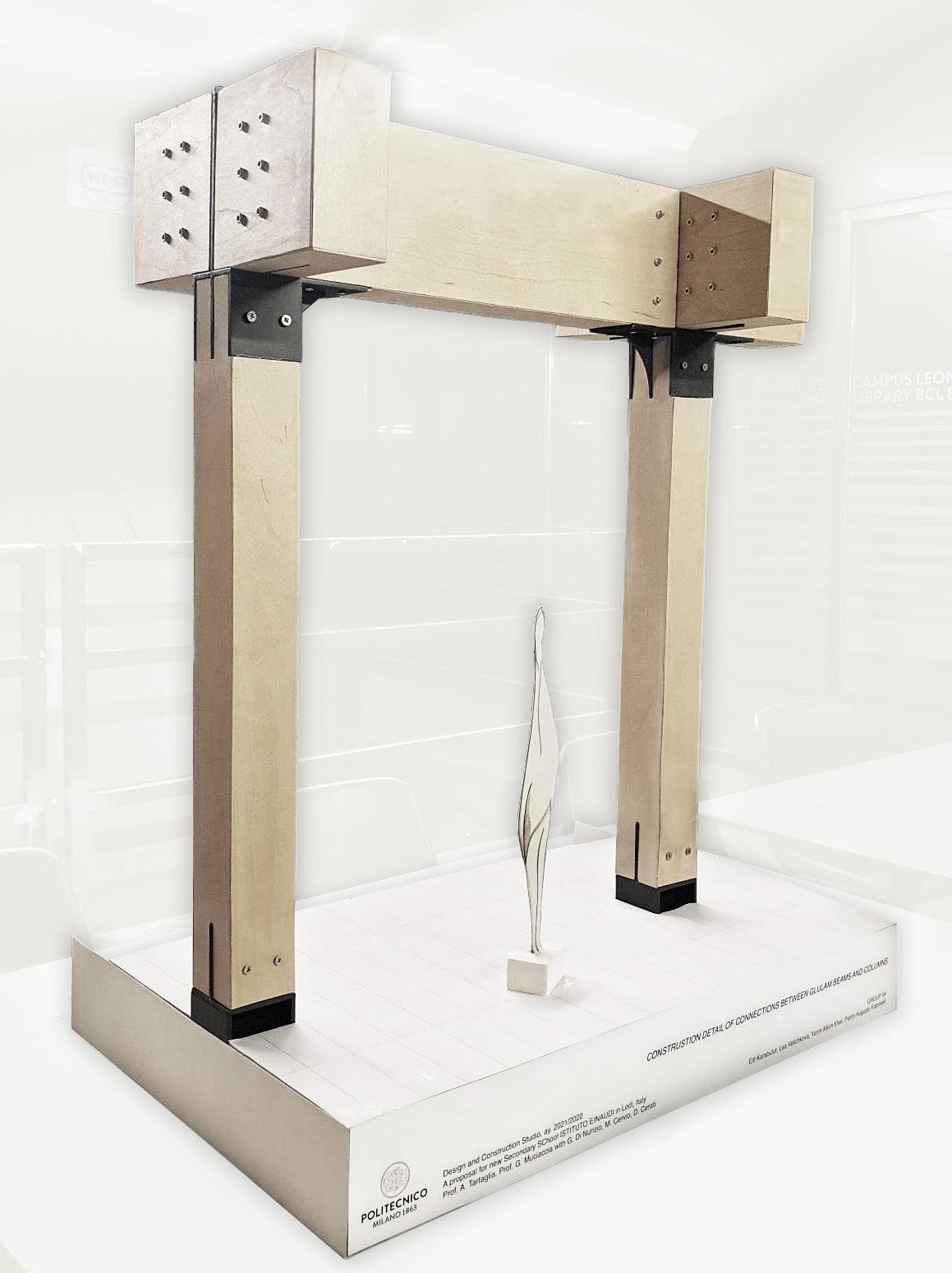
The design aimed to create a diverse study environment that integrates extracurricular activities and serves as a social hub for students. It provides a tranquil space that harmonizes with the surroundings, enriching the neighborhood. The school is organized into separate volumes to preserve the urban fabric and create outdoor spaces with varied activities and privacy levels. This approach allows for logical organization of interior spaces based on activity needs.
link to a video about the project
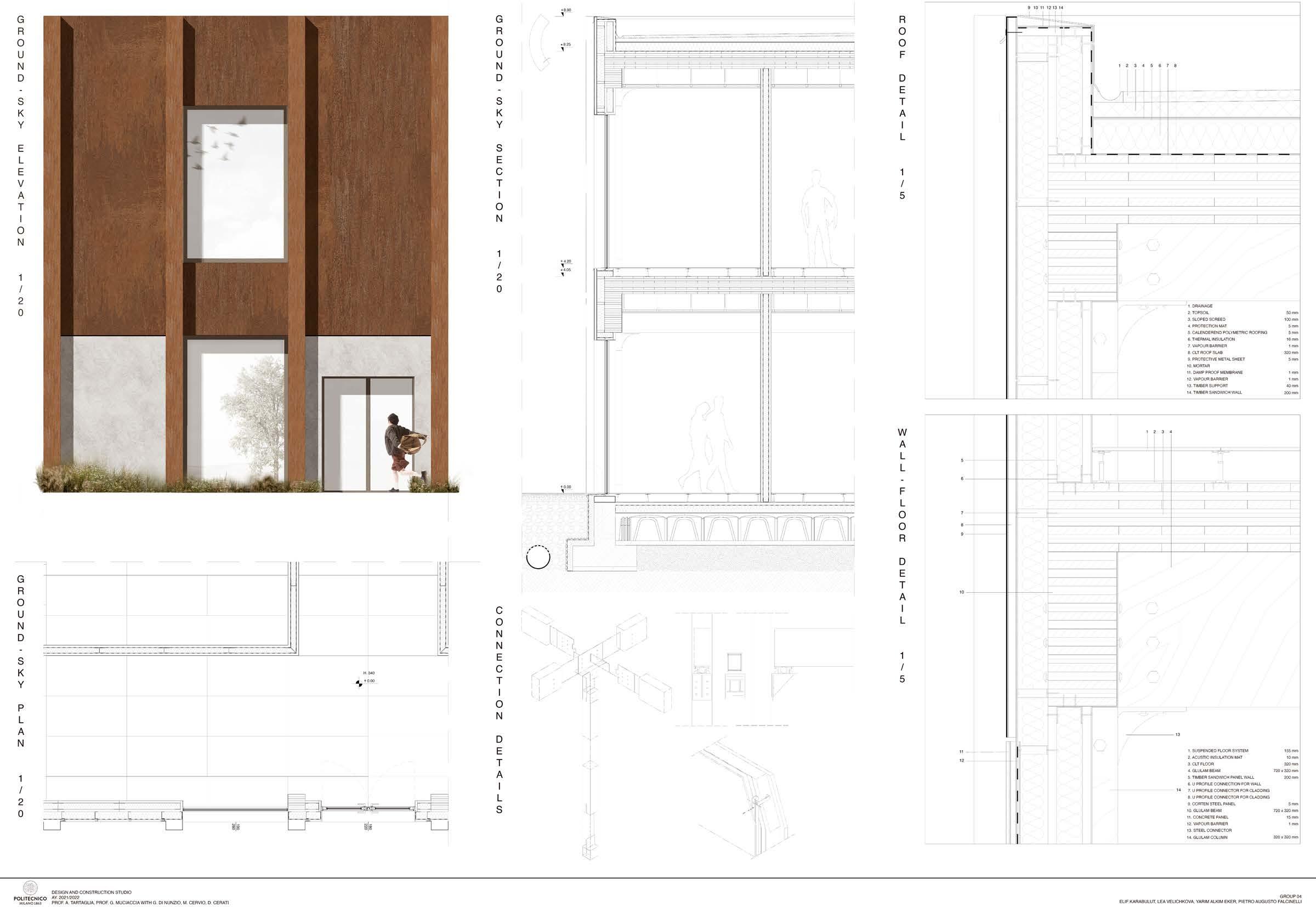
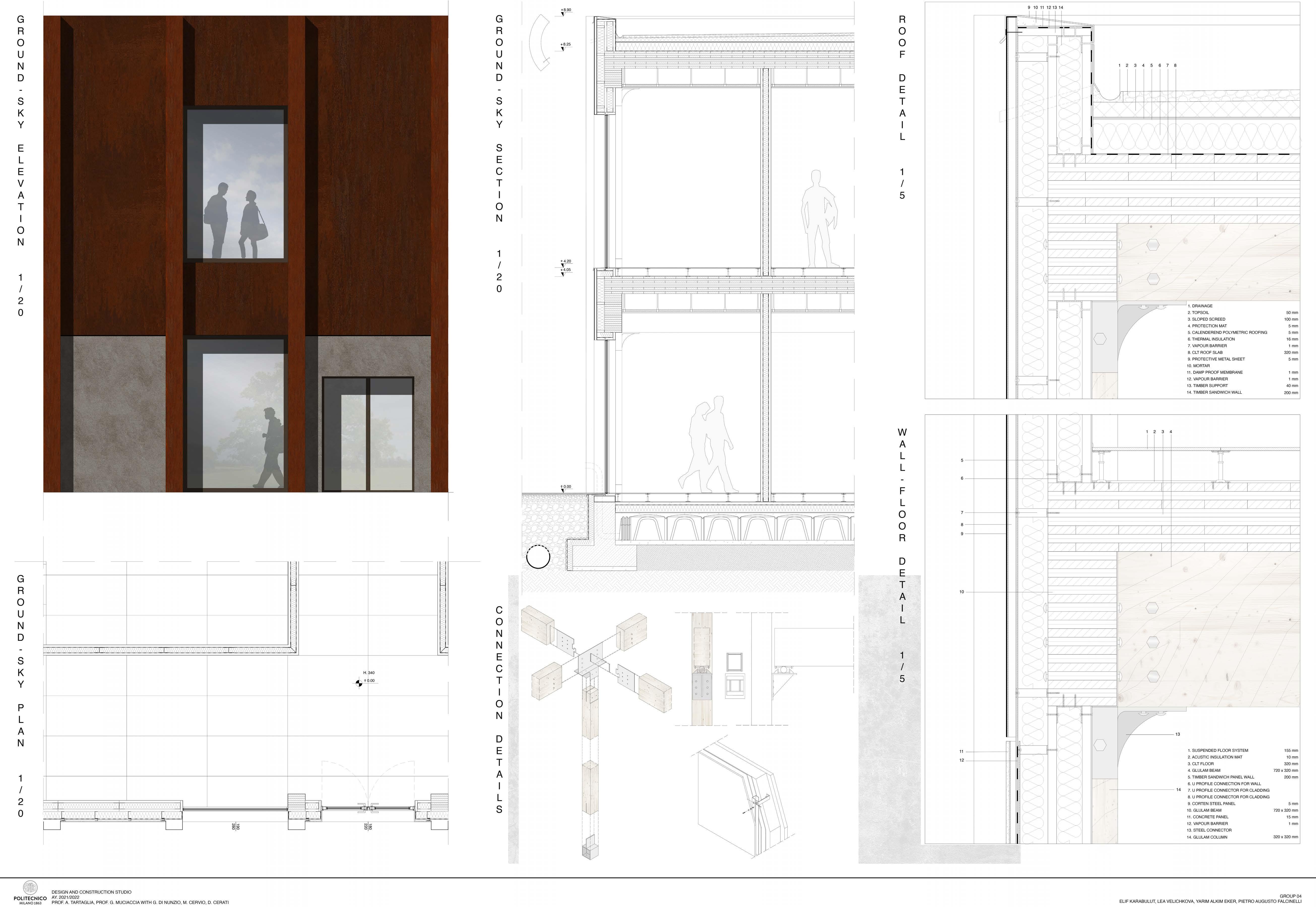
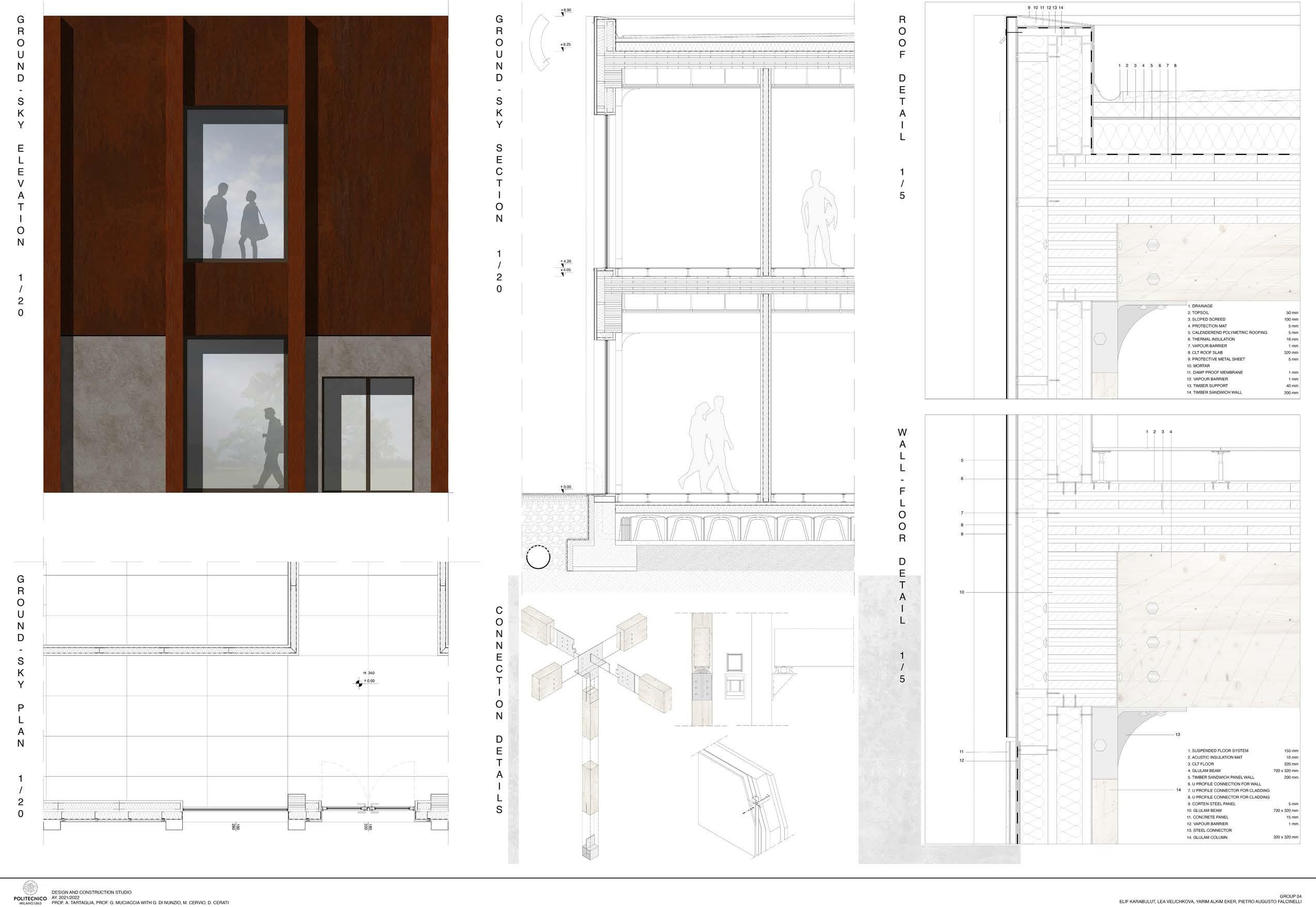
INSTITUTE OF CULINARY EDUCATION
ISTITUTO TECNICO TECNOLOGICO LT. AGRARIO G. FERRARIS
collaborators : Milica Grubac, Giacomo Ontano, Ann-Sophie Rall location: Vercelli, Italy
typology: a culinary school, adaptive reuse softwares, utilized by me: AutoCad, Photoshop, InDesign

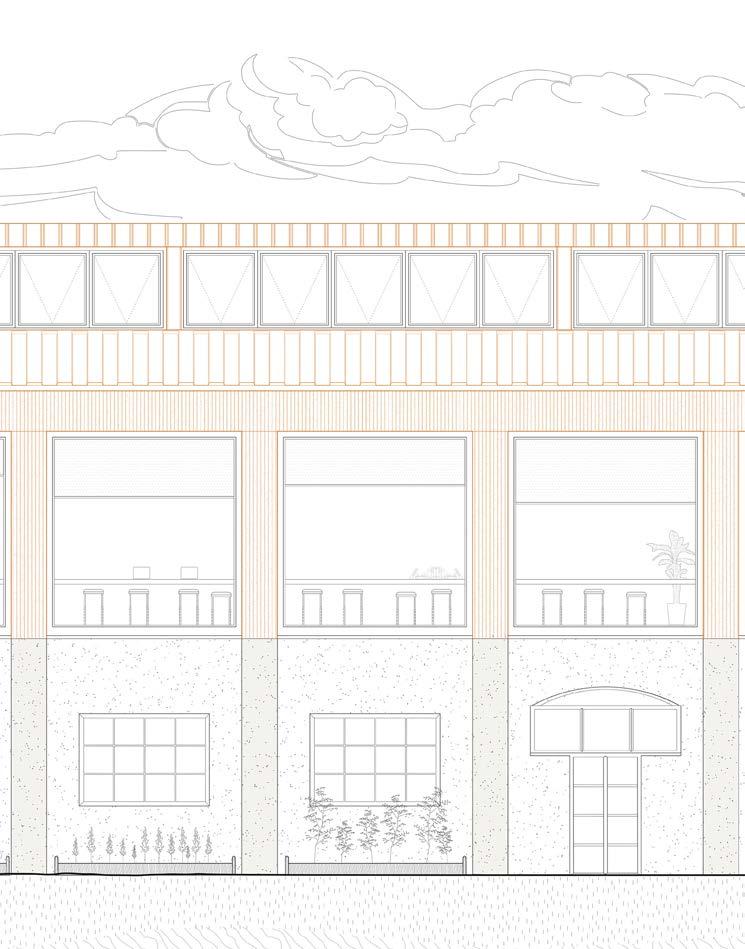
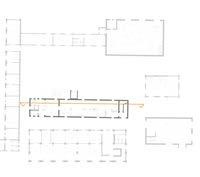
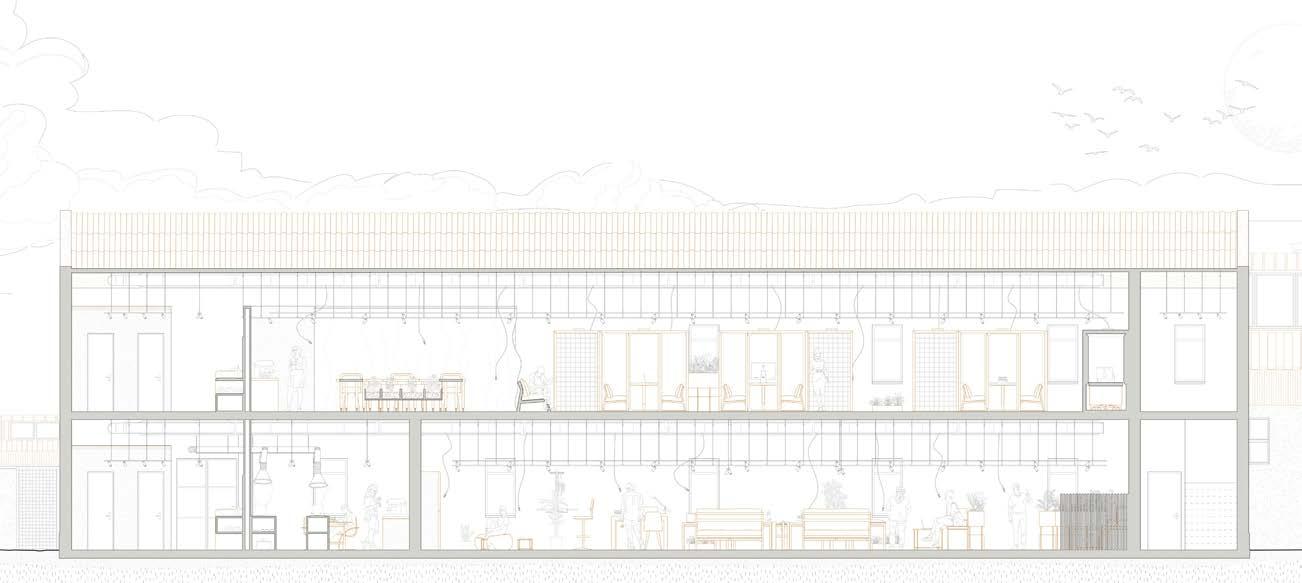
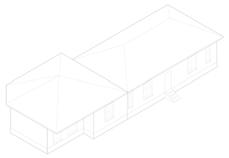
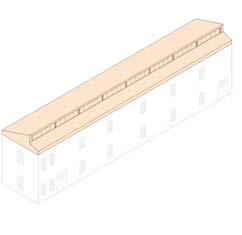
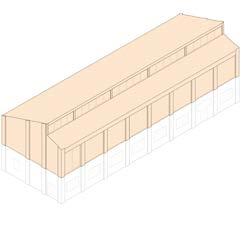
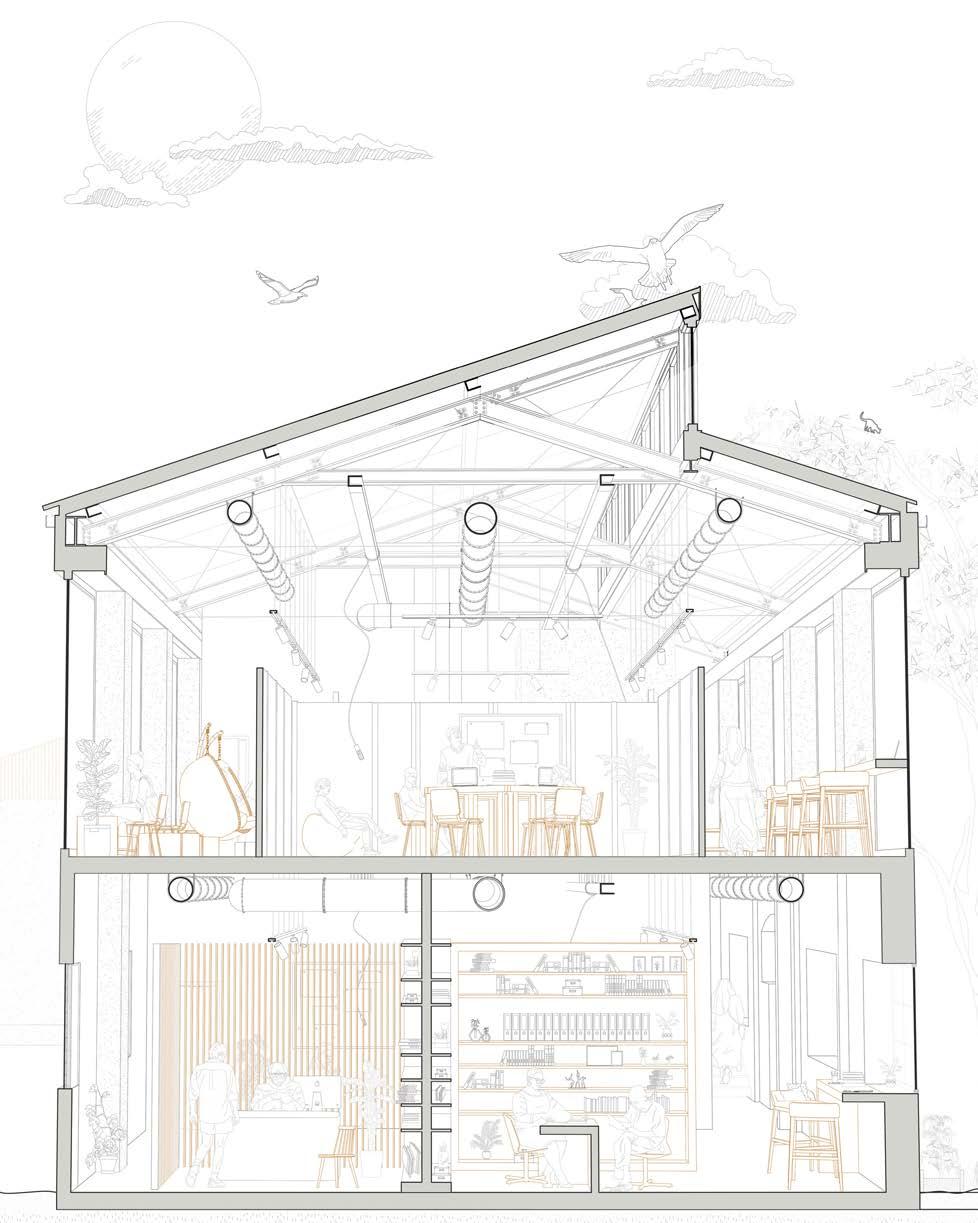
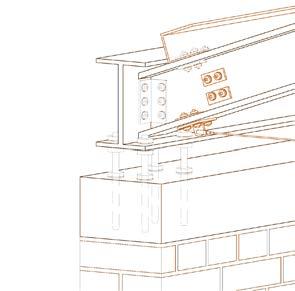
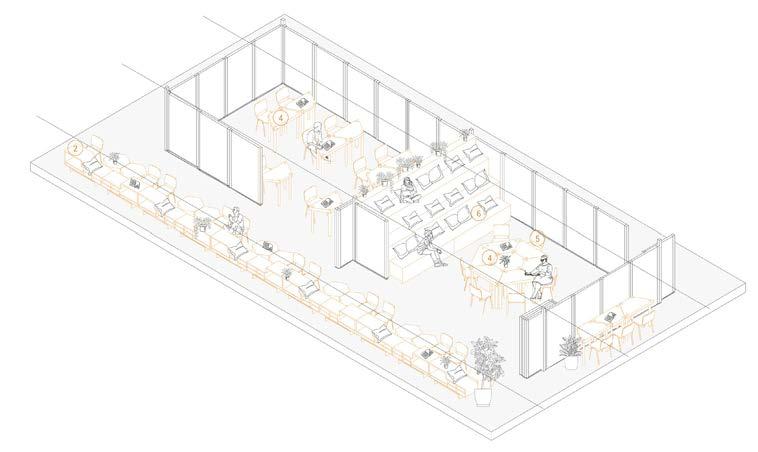
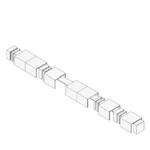
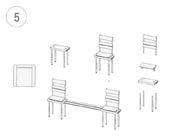
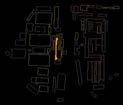
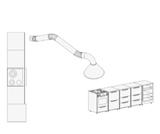
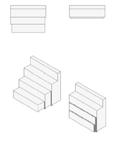
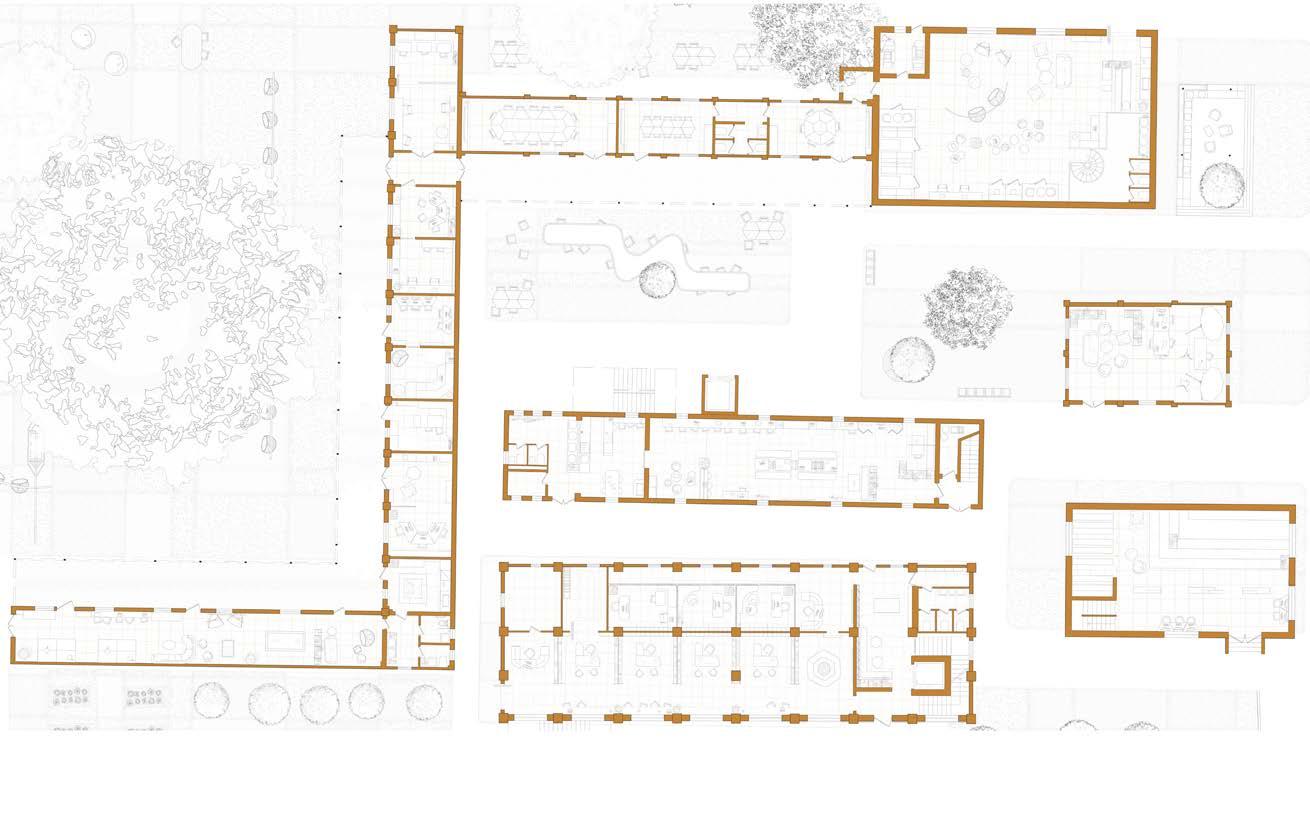
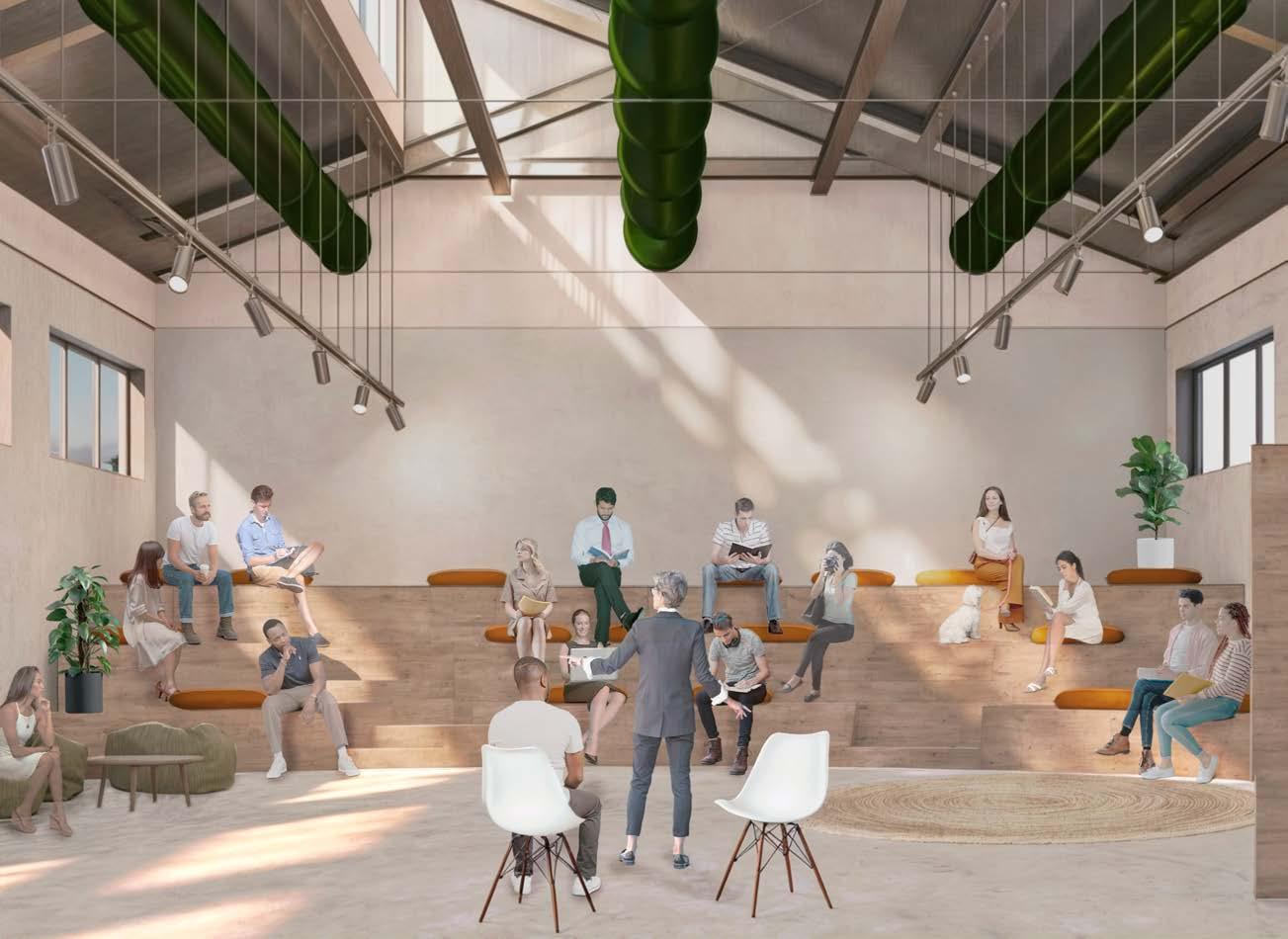
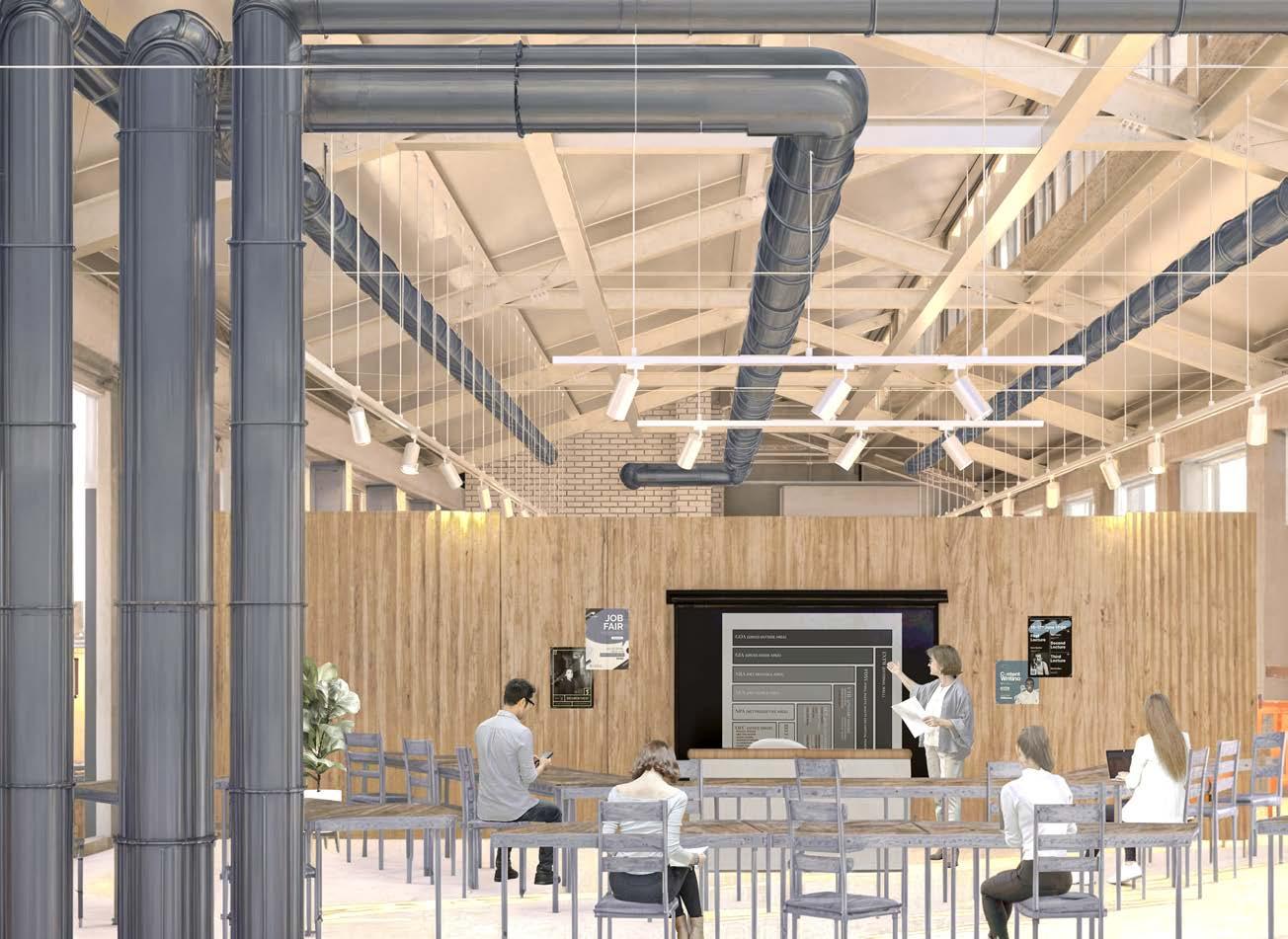
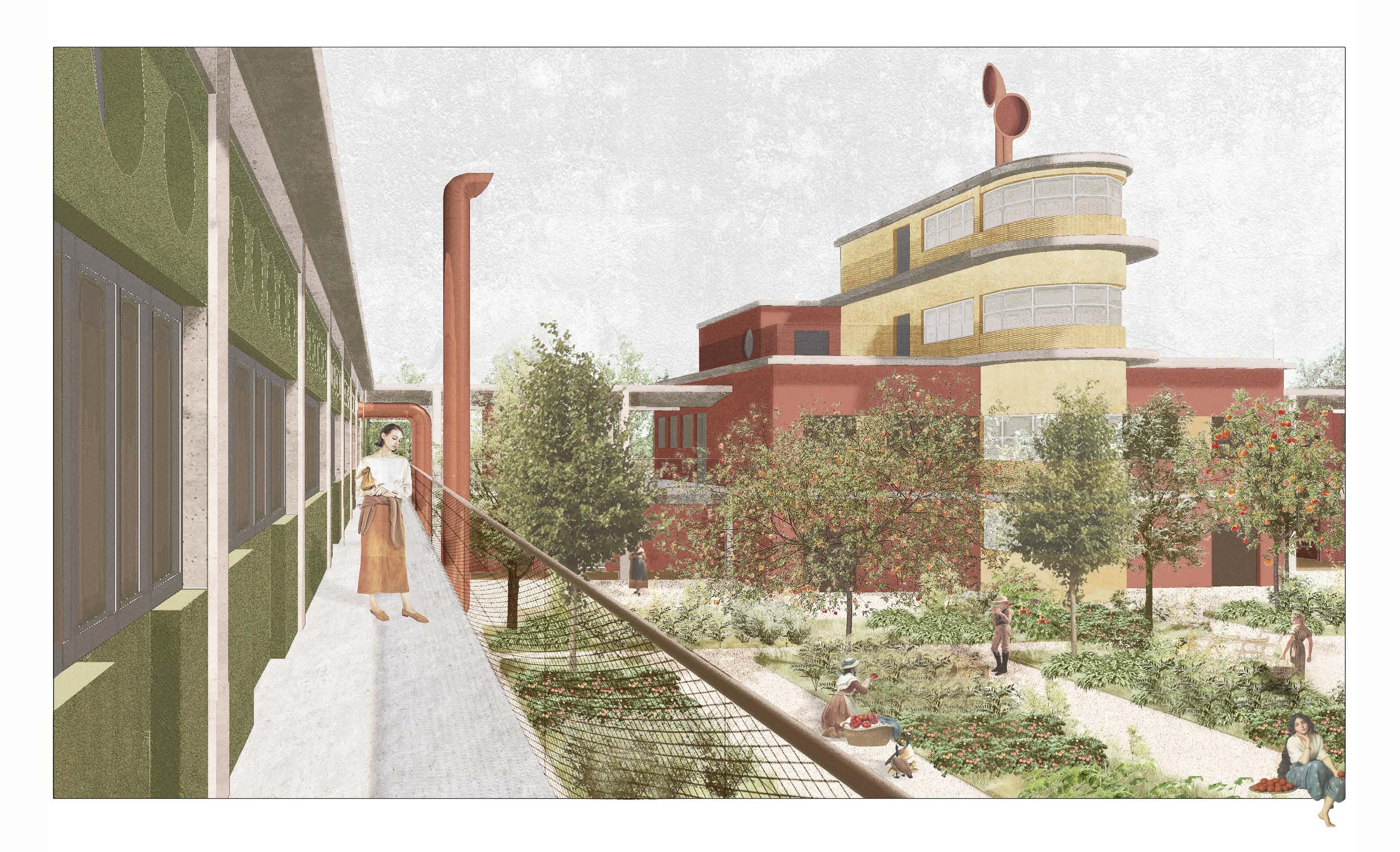
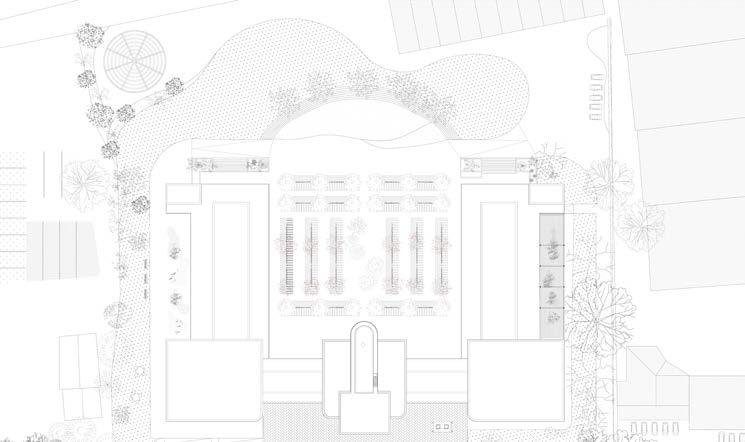
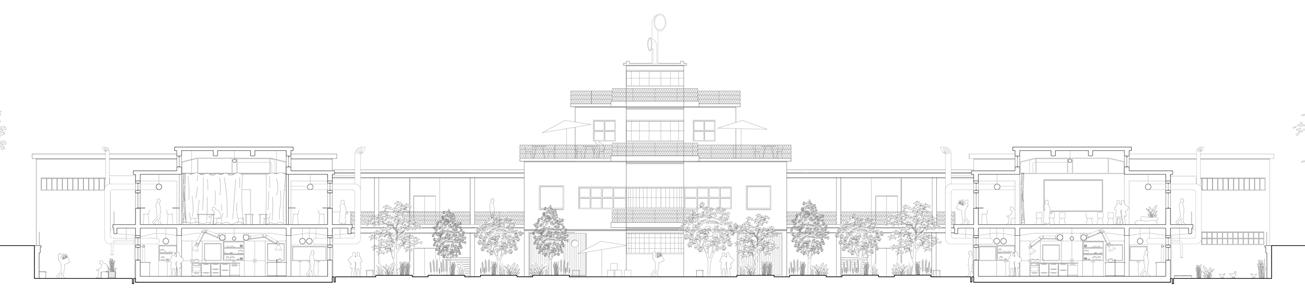
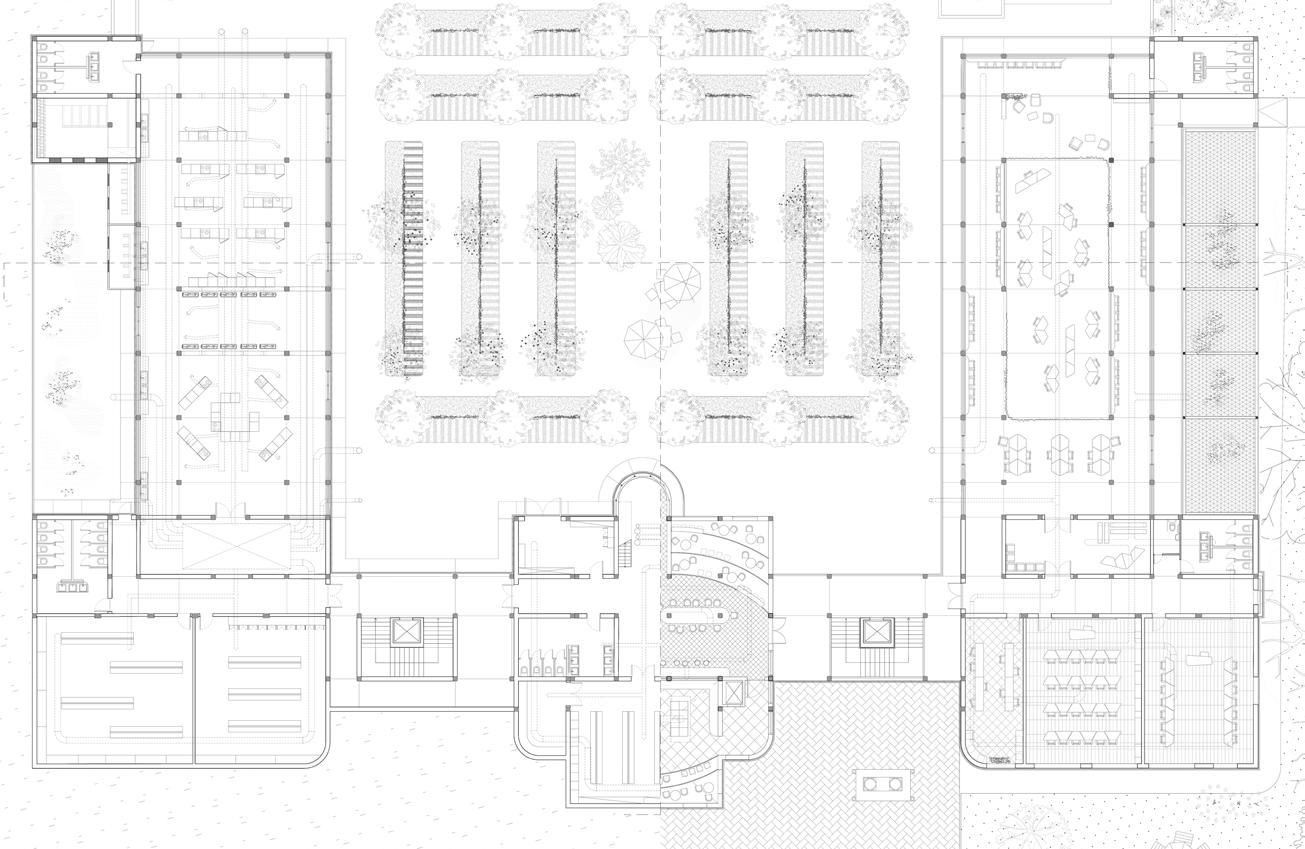
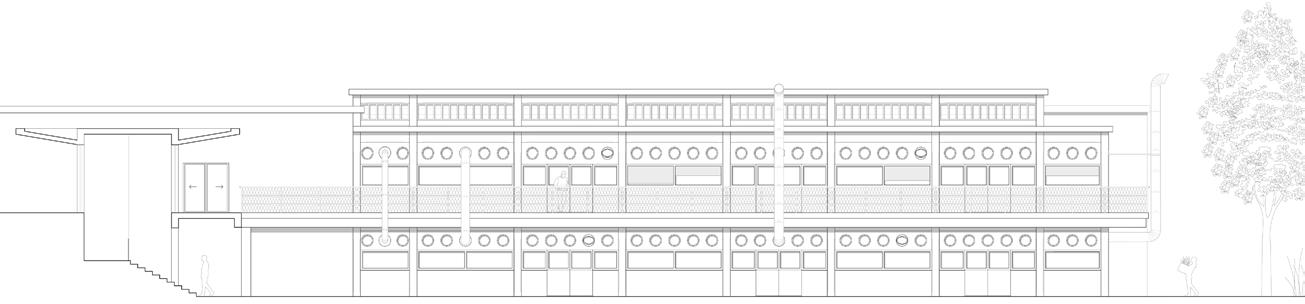
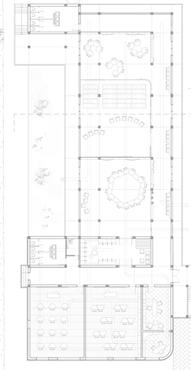
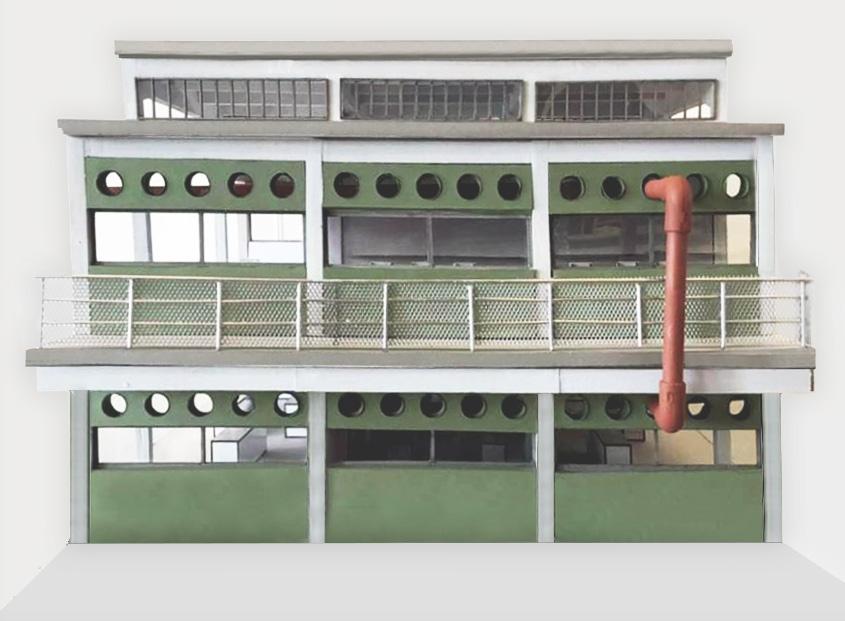
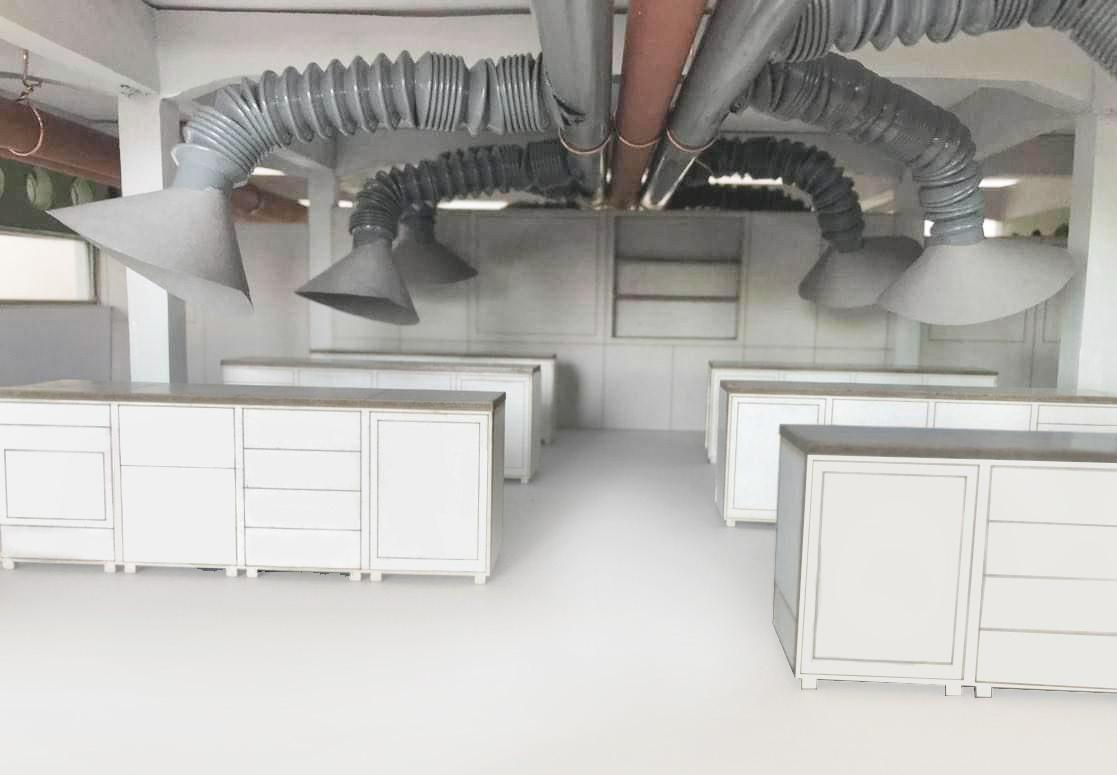
This project has been developed as part of an Architecture of Interiors Design Studio under the supervision of prof. Lorenzo Bini and prof. Francesca Albani. The design breathes new life into a former heliotherapy colony, repurposing it as a vibrant culinary school. The main objective was to restore the original facade by removing outdated electrical systems, HVAC, and pipes, replacing them with specially designed flexible systems that traverse the structure. Inside, the layout boasts a flexible and non-invasive design, carefully preserving as much of the building’s original charm as possible. The culinary school offers a dynamic learning environment, featuring both practical and theoretical classes. In addition to the educational spaces, the culinary school also houses a commercial restaurant where students can showcase their culinary creations to the public. An on-site garden provides fresh ingredients, further emphasizing the school’s commitment to sustainable practices and farm-to-table concepts.
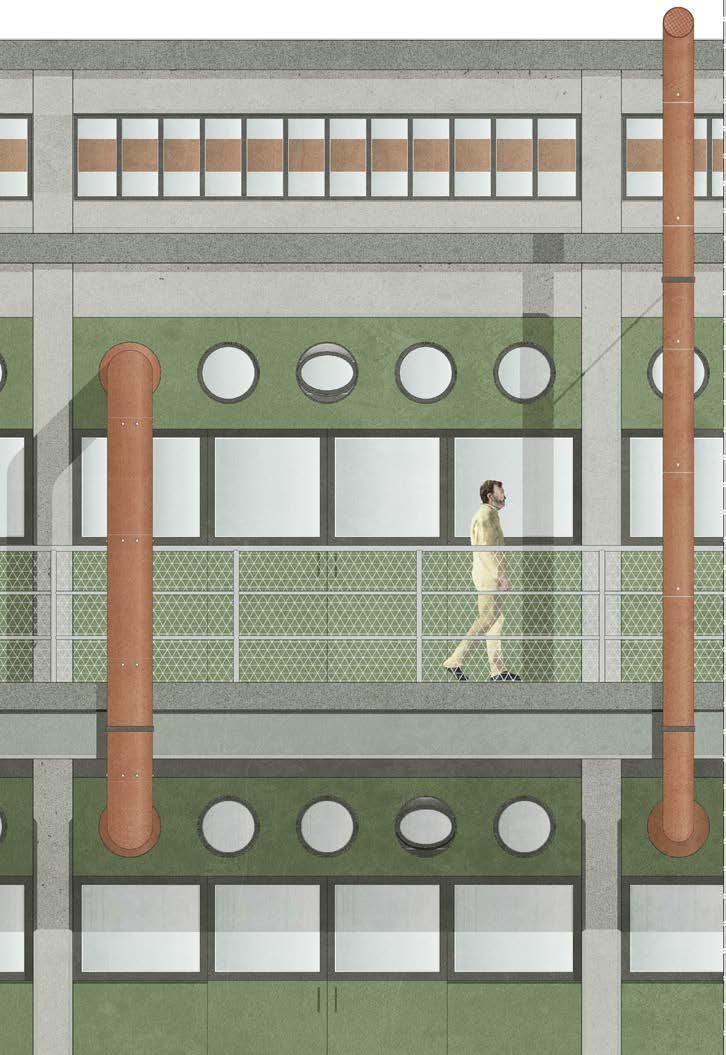
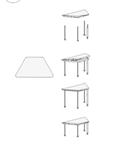
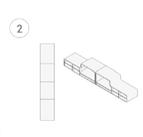
link to an abacus of interior elements and spaces


HELIOS
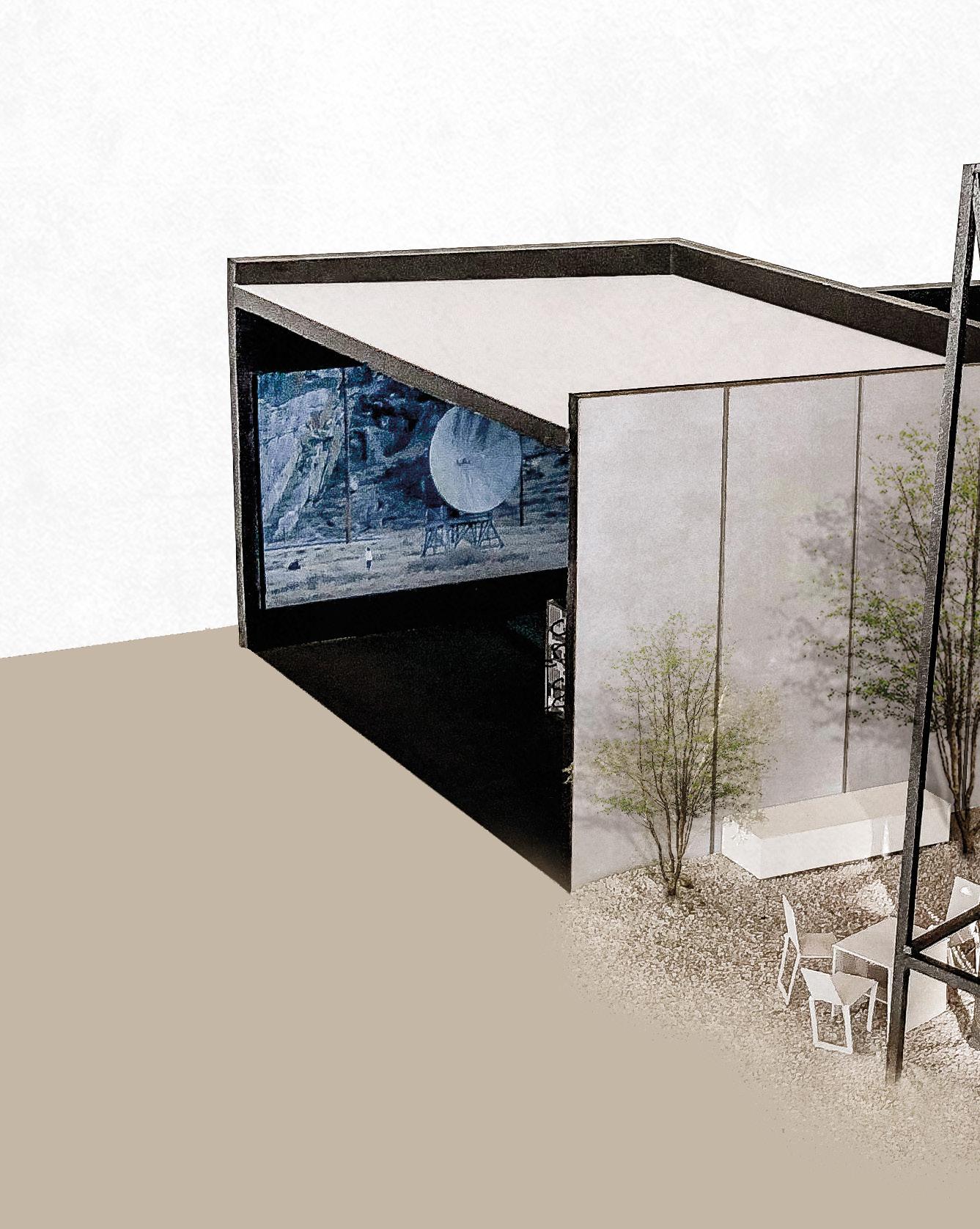
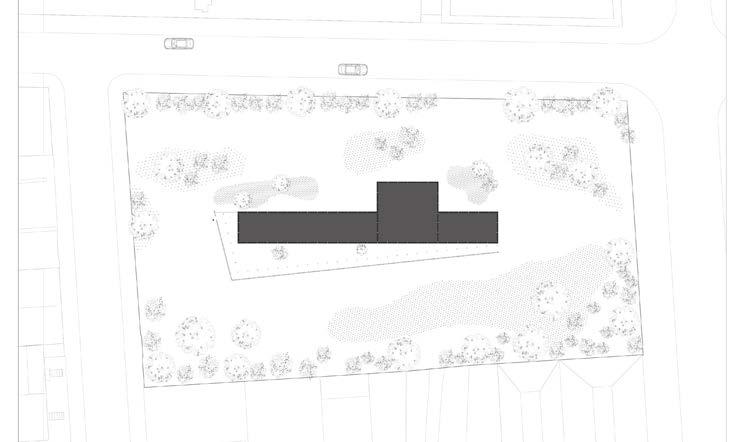
GALLERY FOR DIGITAL ART POWERED BY HELIOS (THE SUN)
collaborators : Milica Grubac
location: Milan, Italy
typology: an exhibition space softwares, utilized by me: AutoCad, Revit, Photoshop
This project has been developed as part of a Milano International Design Studio under the supervision of prof. Kevin Lamyuktseung.
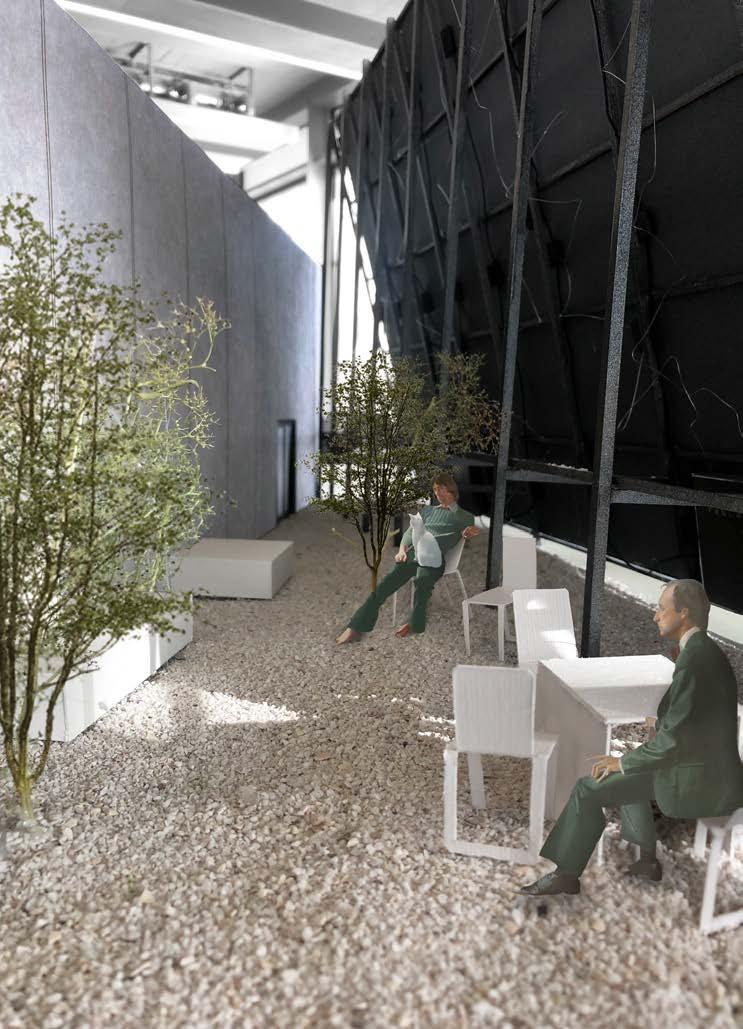
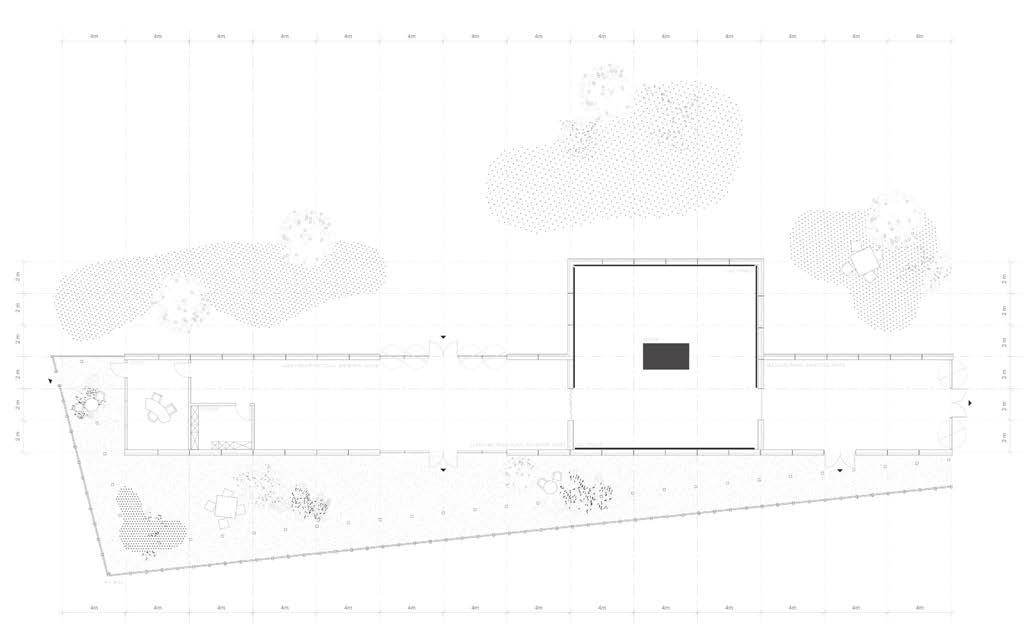
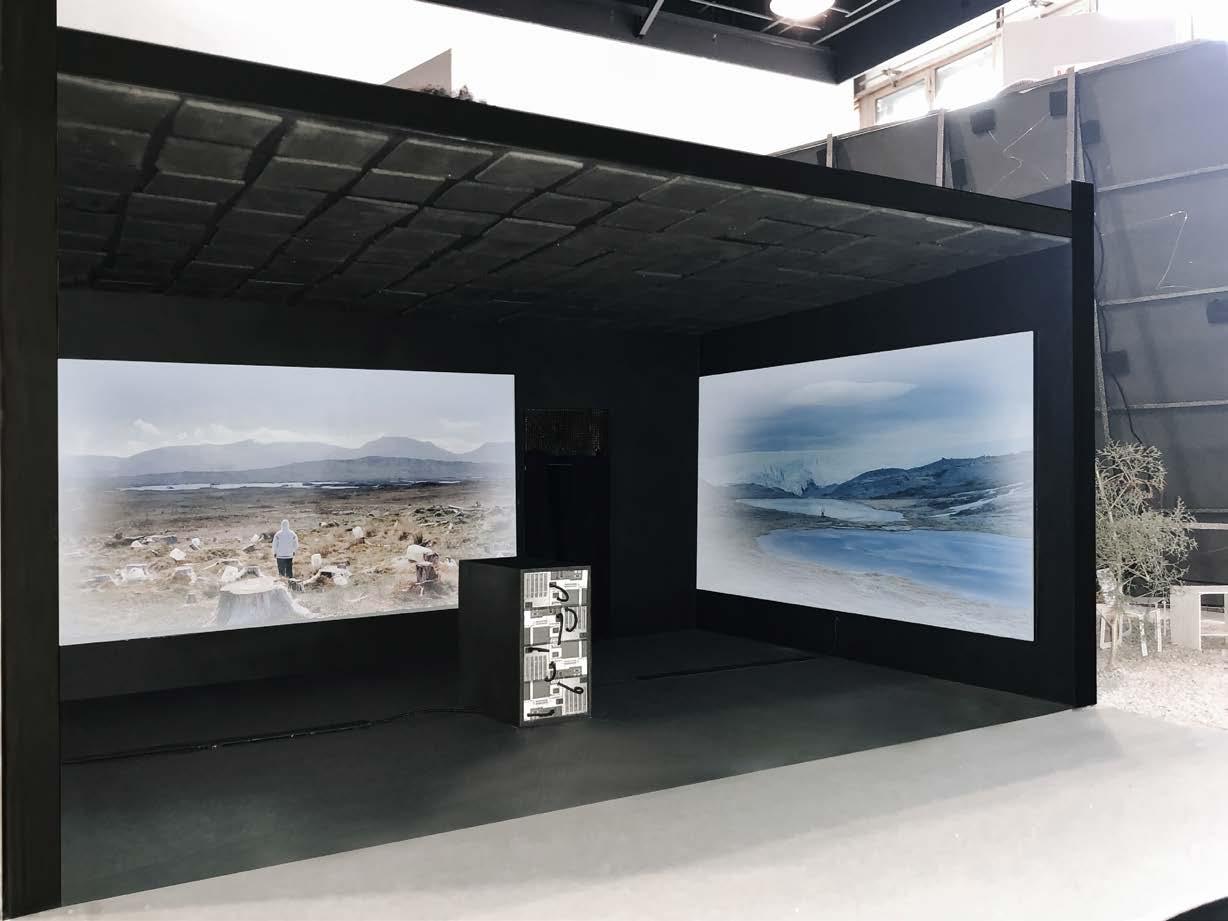
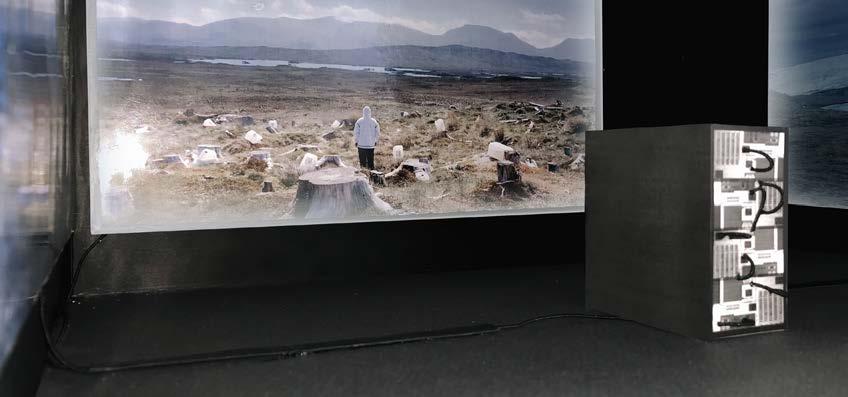
The escalating global temperatures and the excessive energy consumption associated with digital art and video artworks have raised concerns regarding their environmental impact. Global climate goals have led to rethinking the norms of museum comfort and the art of the digital era relative to energy use intensity.
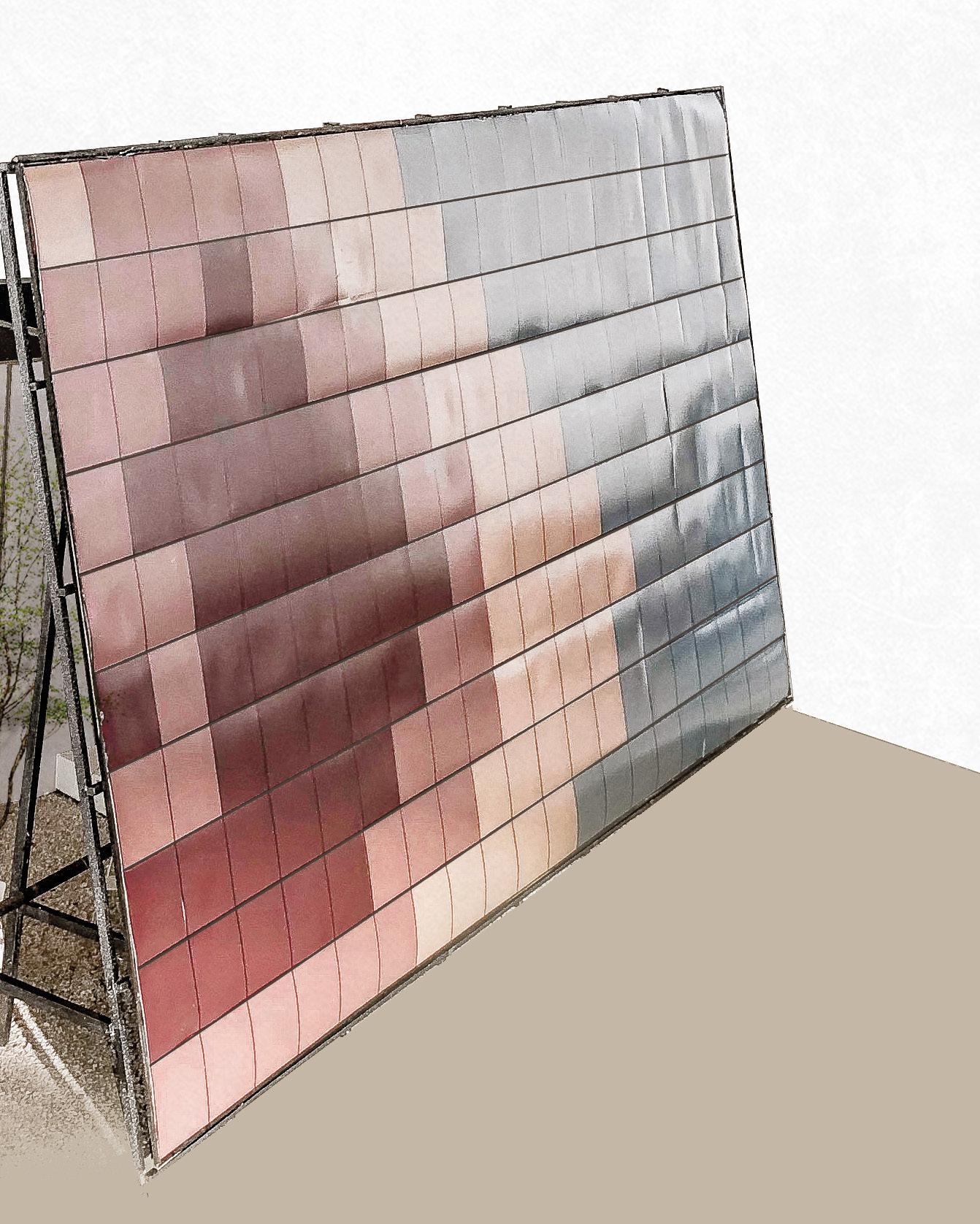
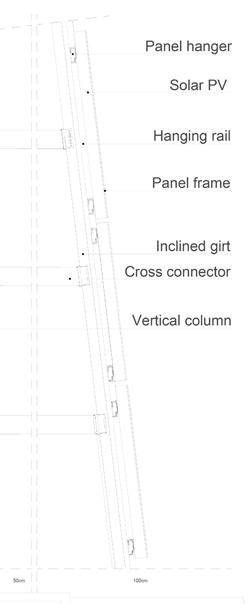
This project proposes a system of standardized solar panels for powering LED panel displayed video works, which in turn heat the space in colder seasons, while producing some discomfort in others. Discomfort that raises awareness and aims to encourage wider use of passive cooling techniques. link to a recommendation letter by the professor

OLIVE GROVE AND COMMUNITY HUB
collaborators : Odra Maria Nassif
location: Milan, Italy
typology: a community center + an olive mill softwares, utilized by me: AutoCad, Photoshop
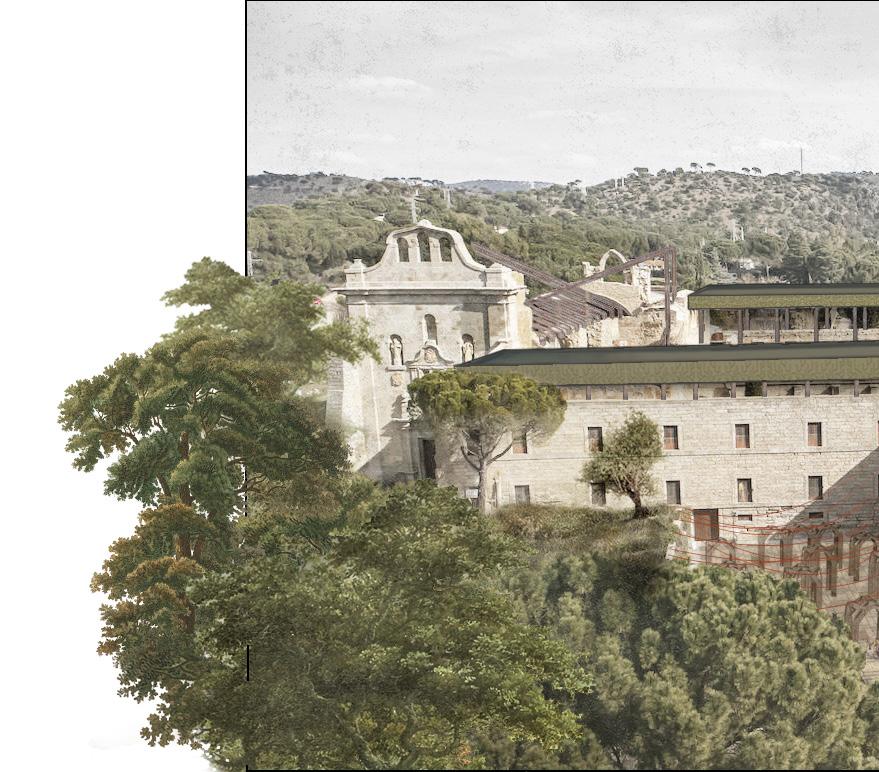
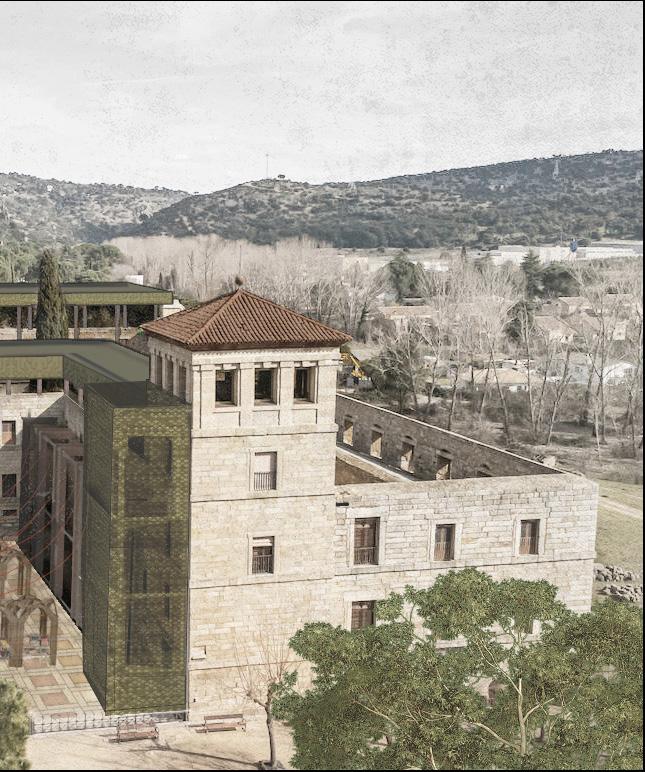
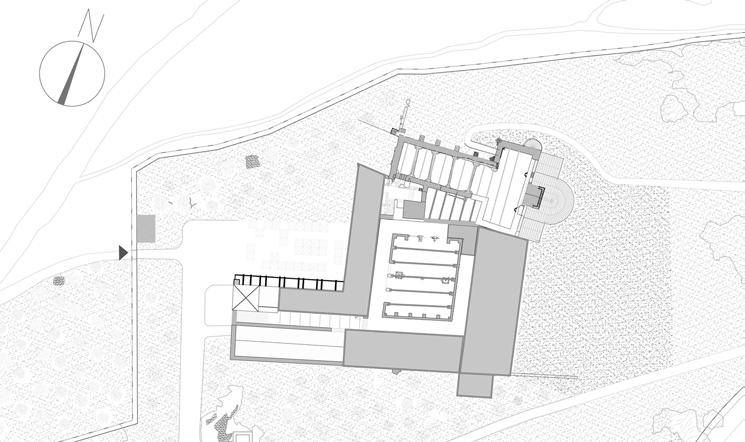
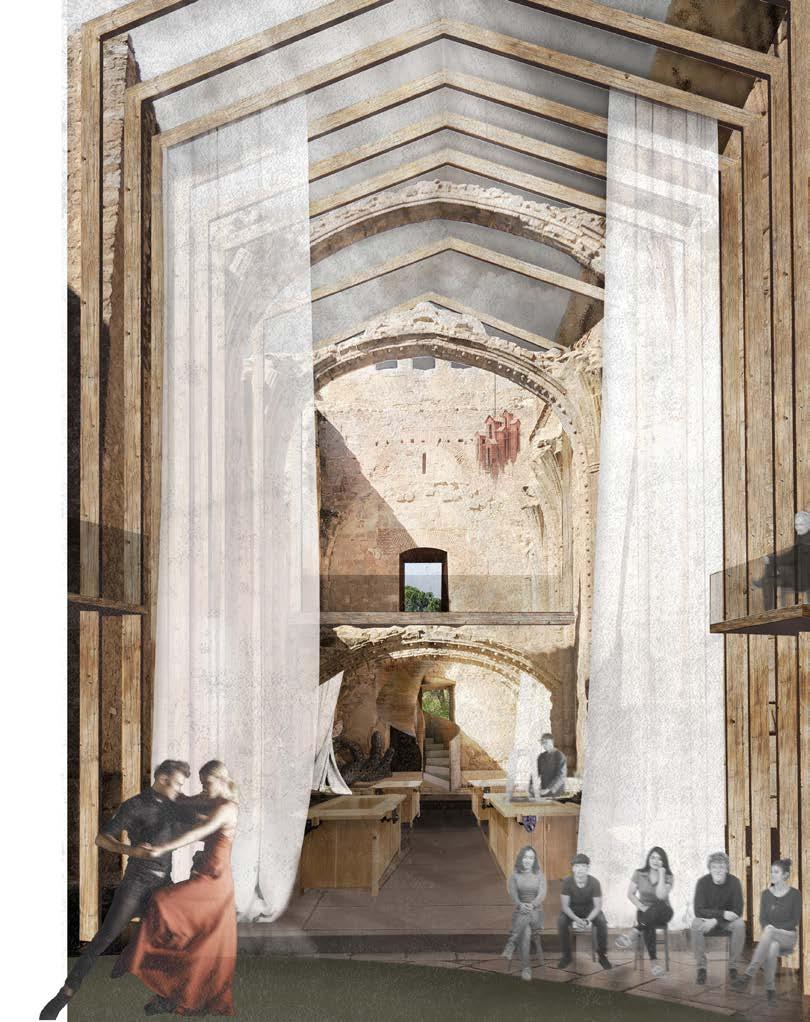
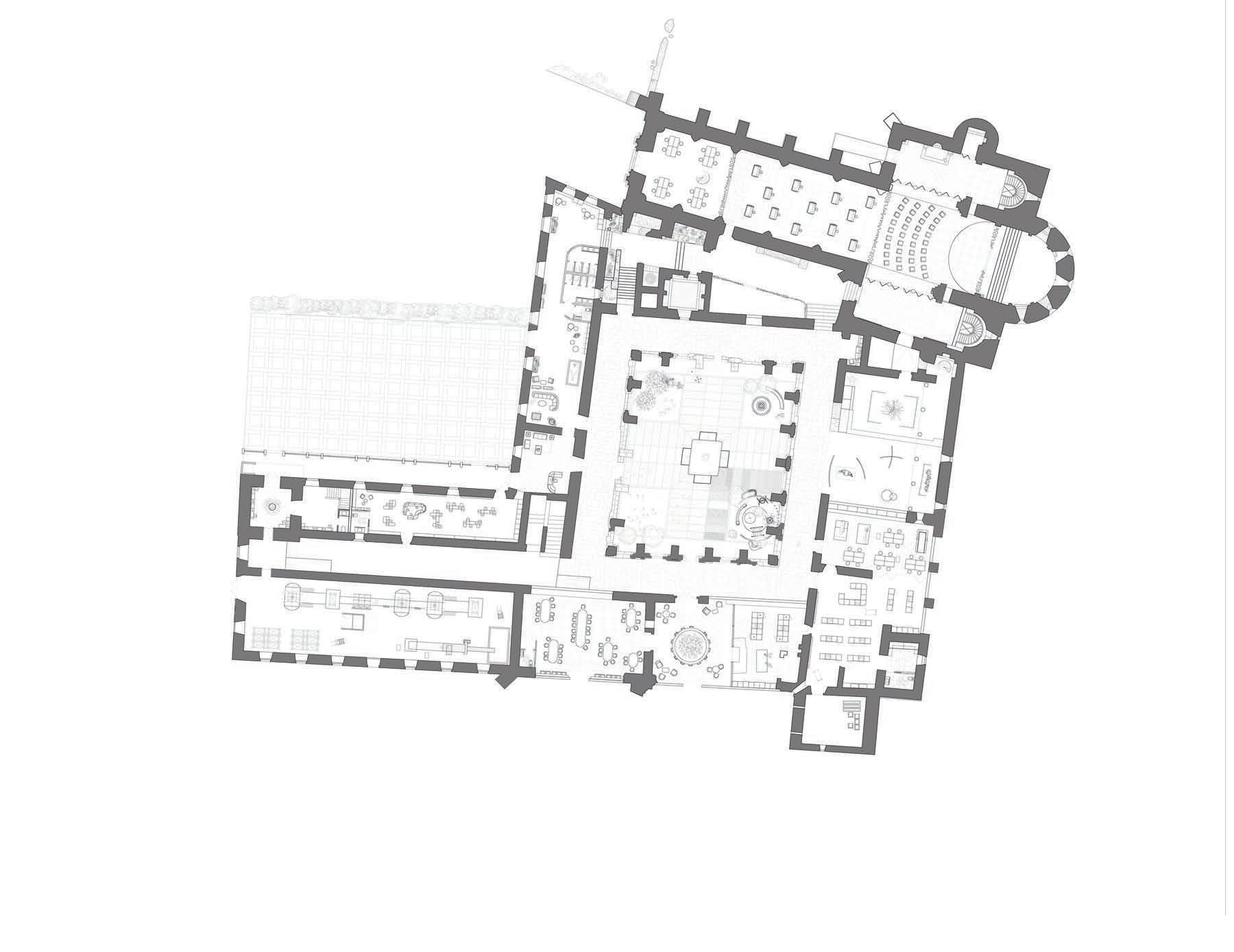
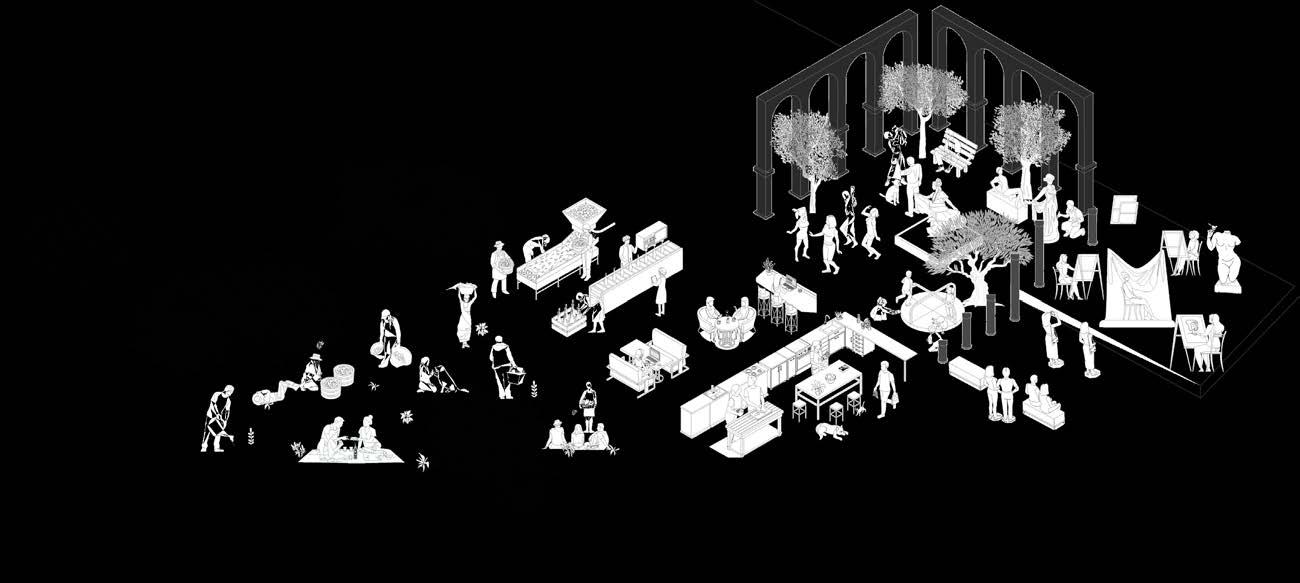
This project has been developed as part of the course and competition “Adaptive reuse X Placemaking” by Never Enough Architecture. The Monastery of Pelayos in Madrid has undergone a transformative journey, blending tradition and innovation. The church, repurposed as a performance hall, is at the center of the project, which also features a courtyard inspired by the Madrid game of Parchis. The monastery’s interior houses olive mills, an organic cafe, and workshops that produce olive-inspired products. The project also includes creative art workshops and an outdoor market. The architecture balances preservation and innovation, with metaphorical roofs symbolizing olive trees. The project is a testament to thoughtful design, preserving the past while introducing contemporary functions, creating a harmonious oasis where the past and present coexist. The project is a testament to the importance of placemaking and adaptive reuse in preserving the past.
CULINARYWORKSHOPS
For a deeper dive into the projects featured here and a look at some examples of my work experience, please visit my Behance profile.