VICTOR CORAZZA ALCOY
Personal Portfolio
Selected works 2019 - 2024
Architect
Personal Portfolio
Selected works 2019 - 2024
Architect
Reusable pavilion in Gestalgar, Spain
5Th year bachelor (2021/22)
Awarded With Honors & One of the best project of ETSA 2021/22
Multiple cabin at Bassin 7, Arhus, Denmark
Internship at BIG
Multiple prize winner, 2024 World Architecture Festival
Masterplan/ Constructive project at Cofrentes, Spain
Master Tesis
Multiple prize winner, 2024 World Architecture Festival
ACADEMIC
2020 Emma Pavilion Honor Mention
Awarded with Honors Arch/Construct Best project ETSAV
2021 Gora Center Honor Mention
Awarded with Honors, Best project ETSAV
2024 Cur di Len Master Tesis Urb/Construct COMPETITIONS
2018 Plaza Re(Activa) Honor Mention Plaza Ayuntamiento, Valencia Urbanism
2020 Lux Celestial Finalist Notre Damme Catherdal Restoration
2021 Shape of Spirituality Finalist Maditation Pavilion, Algarve Concept Design
2023 KM Verde On Going Avda. Gregorio Gea, Mislata Urbanism/Land
2024 Cordà Metropolitana 2nd Price Calle Mayor, Paterna Urbanism/Land
INTERNSHIPS
EPIGRAM
2022 Plan Conviure All phases Comunidad Valenciana
Concept + Design + Construction + Detail + Realizaition
2022 O4 Bylive
Phase Arhus, Denmark Pavilions
2022 TWC DD Phase Tokyo, Japan Urbanism/Land
2022-23 Port Kembla Masterplan Analisis+Design Port Kembla Australia Masterplan
EQS Elisabet Quintana, Arquitectura y Paisatgisme
2023 Paterna Masterplan Competition Paterna, Spain Winners
2023 Castellón Low Emission Competition Castellon, Spain Winners
2023 Equestian Center Competition Jeddah, Saudi Arabia Finalists
2024 Casa Benlliure Garden PHD Valencia, Spain All phases
Temporary Pavilion
Site: Gestalgar, Valencia, Spain
Mentions: Awarded with Honors
Team: Victor Corazza
Academic 5th year
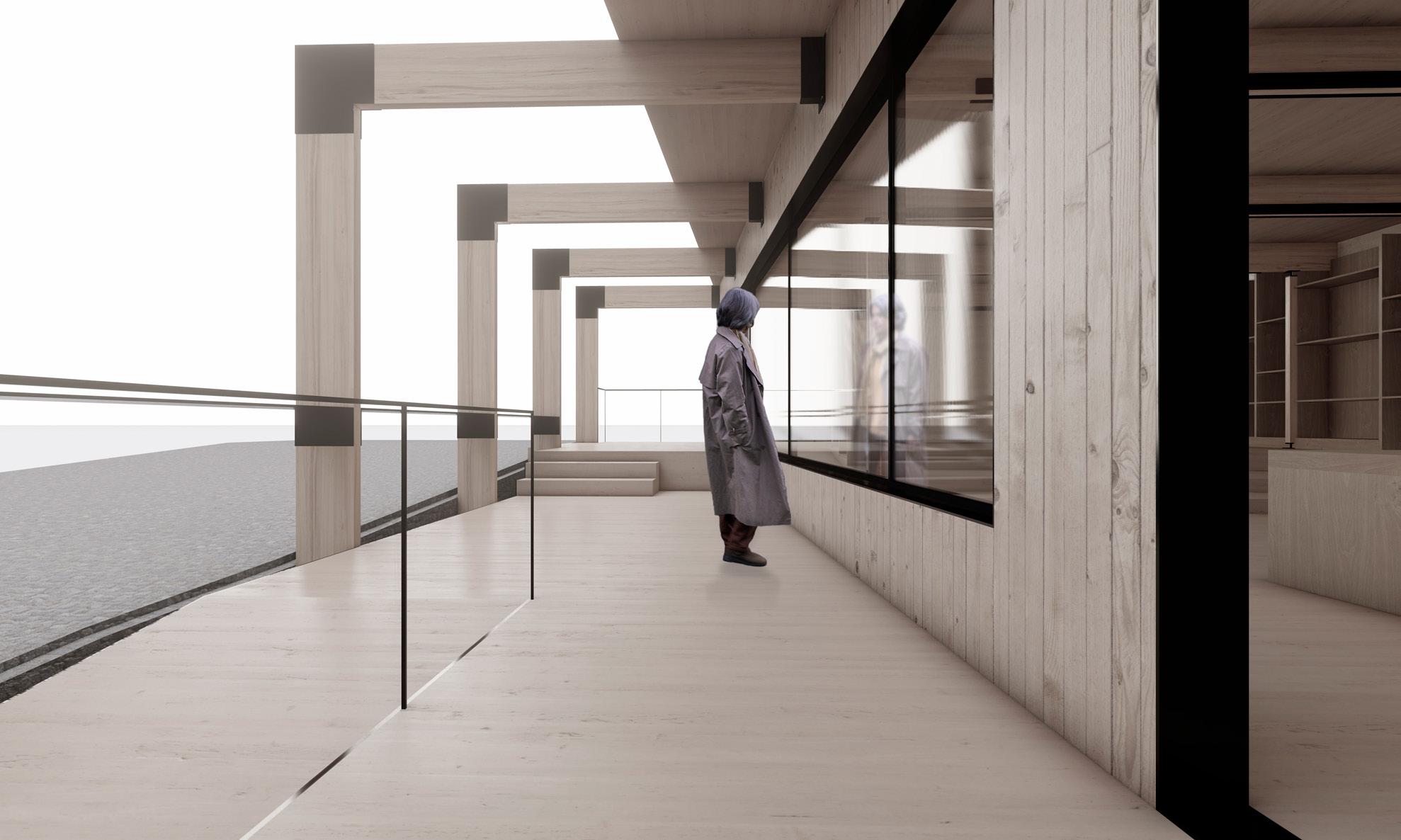
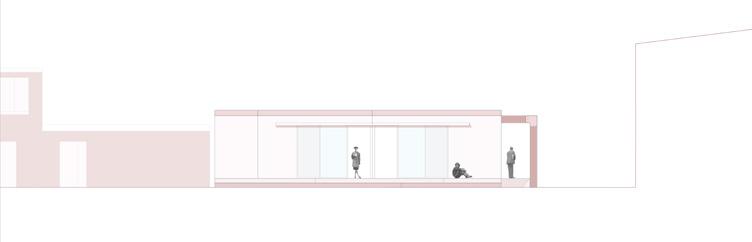
The project is a temporary pavilion, designed to be easily assembled and disassembled within a short period. Therefore, its construction must prioritize simplicity and efficiency. According to the brief, its primary function is to accommodate people while ensuring optimal conditions, as well as minimizing energy waste both during production and throughout its operational lifespan.
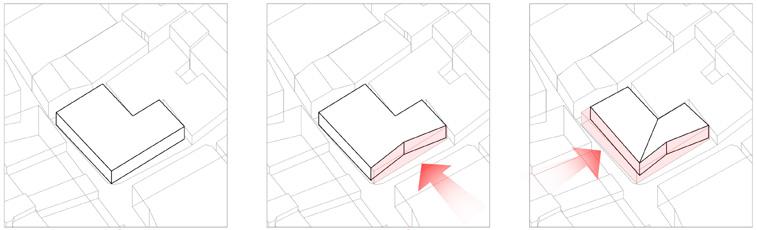
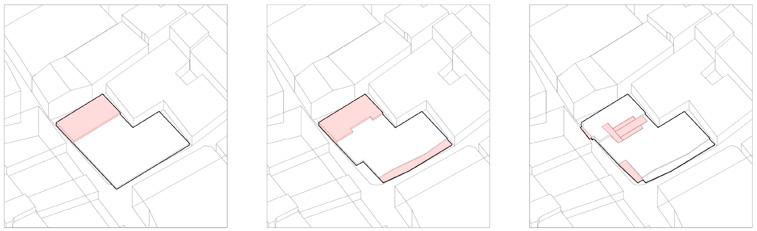
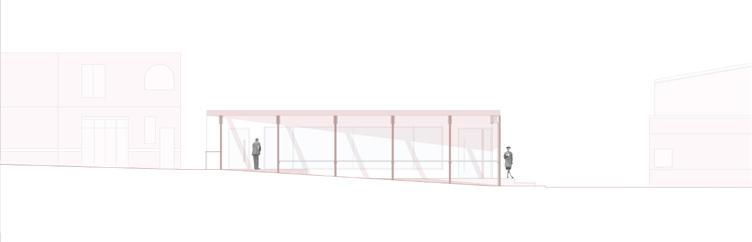
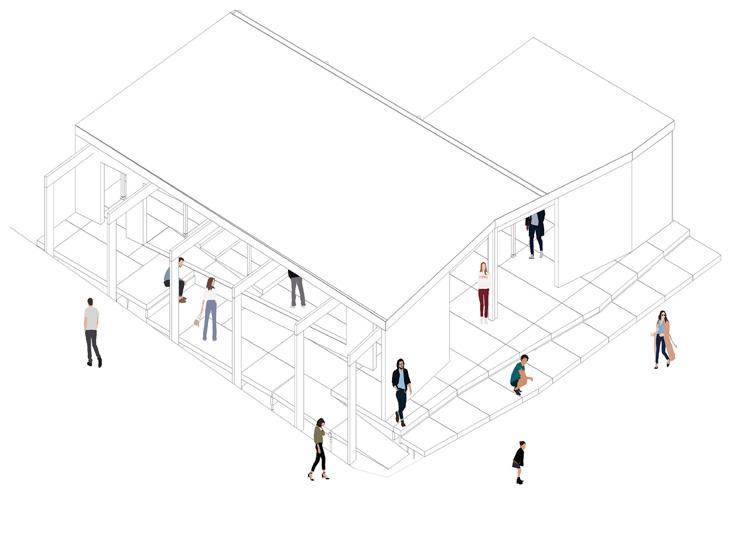
The design strategy is shaped by both the site’s characteristics and the pavilion’s intended function. Given the area’s context, the primary focus was to create open spaces that promote natural ventilation and facilitate smooth circulation. Additionally, elevation was incorporated as a key design element, resulting in three distinct levels: the street level, the lower section, and the elevated platform. Through this tiered approach and a precise modular system, the pavilion generates diver-
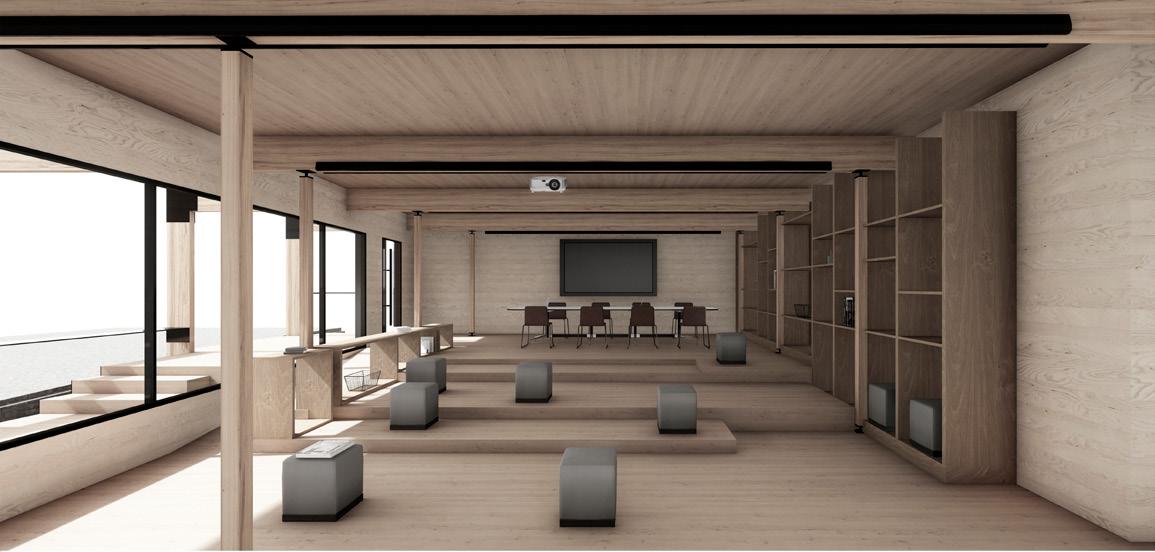
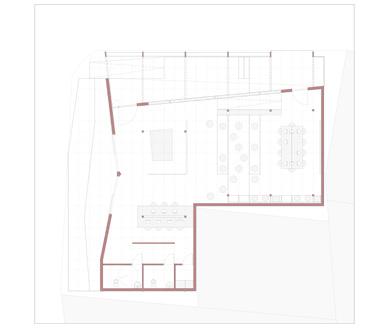
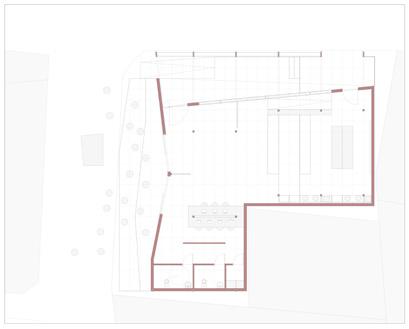
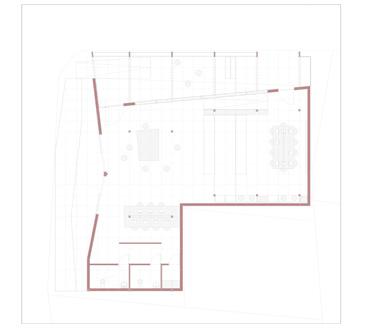
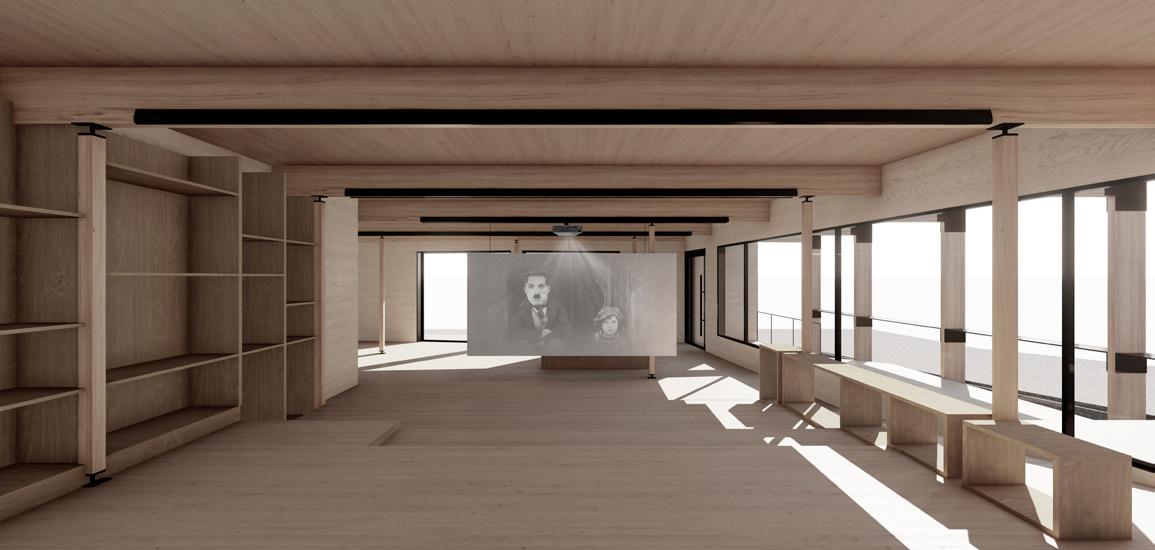
The furniture distribution plays a crucial role in the project and is organized into multiple configurations. This particular arrangement is designed to create a functional work environment while also providing social spaces where workers and village residents can gather and engage in discussions.
This configuration balances two key spaces: the streetscape, which enhances connectivity between the architecture and the village, and the interior space, which optimizes decision-making processes. The inner space is designed to facilitate discussions through presentation boards, and interactive displays.
This space is primarily designed for focused work and collaboration among area experts. The pavilion integrates inner spaces with three distinct zones, each dedicated to different teams specializing in specific focus areas. This structured approach enhances understanding and strategy development.
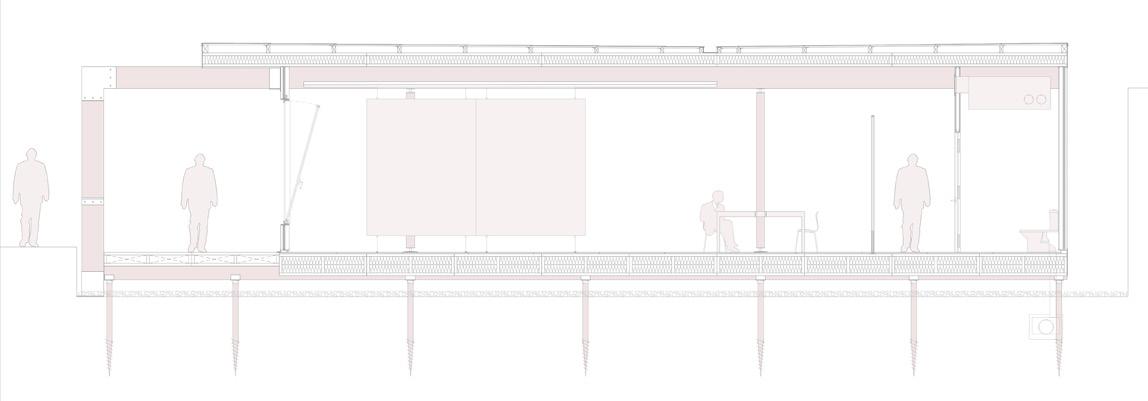
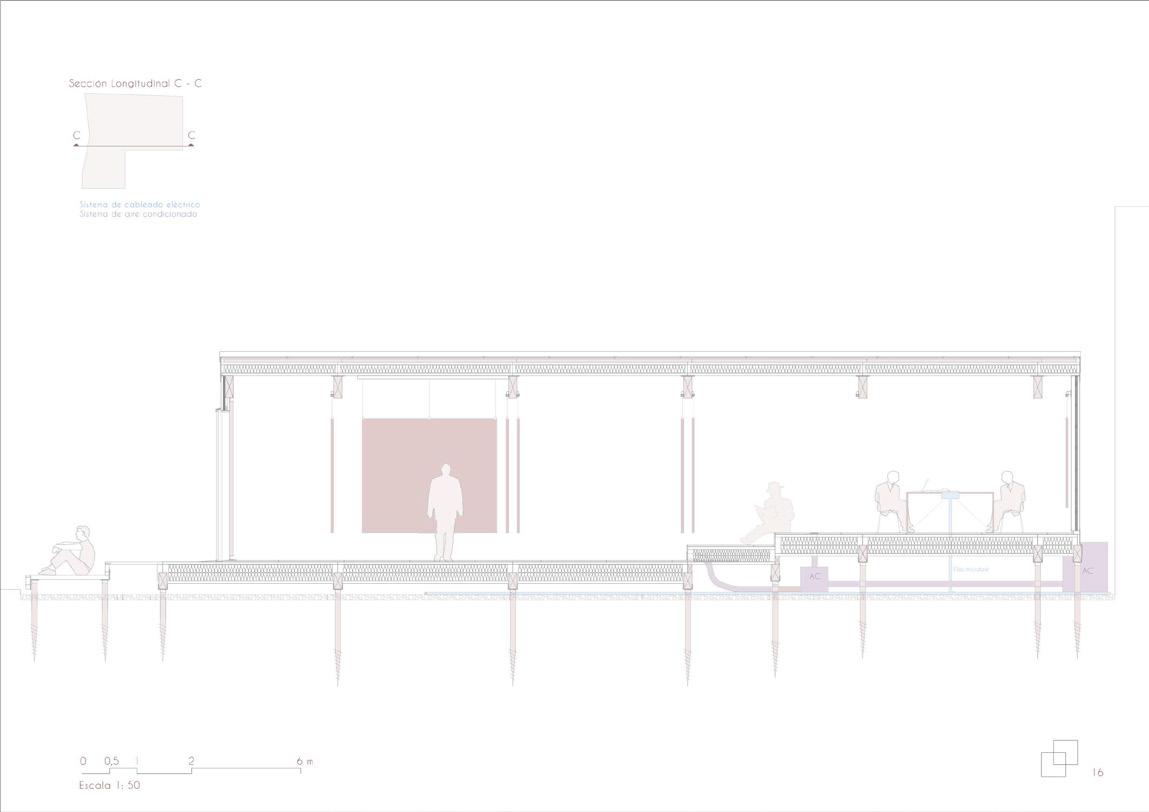
Regarding the structure and detailing, the project is primarily constructed from timber, carefully designed for full reusability. This approach not only simplifies the construction process but also enhances durability and flexibility, allowing the structure to be efficiently reassembled in different locations without compromising its integrity.
The decision to avoid adhesives further reinforces the pavilion’s sustainability, minimizing environmental impact and enabling a truly circular design approach.
The system is designed for easy assembly and dismantling, making transportation and relocation highly efficient. The entire pavilion can be packed in a standard truck, reducing the carbon footprint.
Internshipt at BIG Design & Detail fase
Site: Aarhus, Denmark BIG, Bjarke Ingels Group Year Finished 2023 Contractor: CJ Group
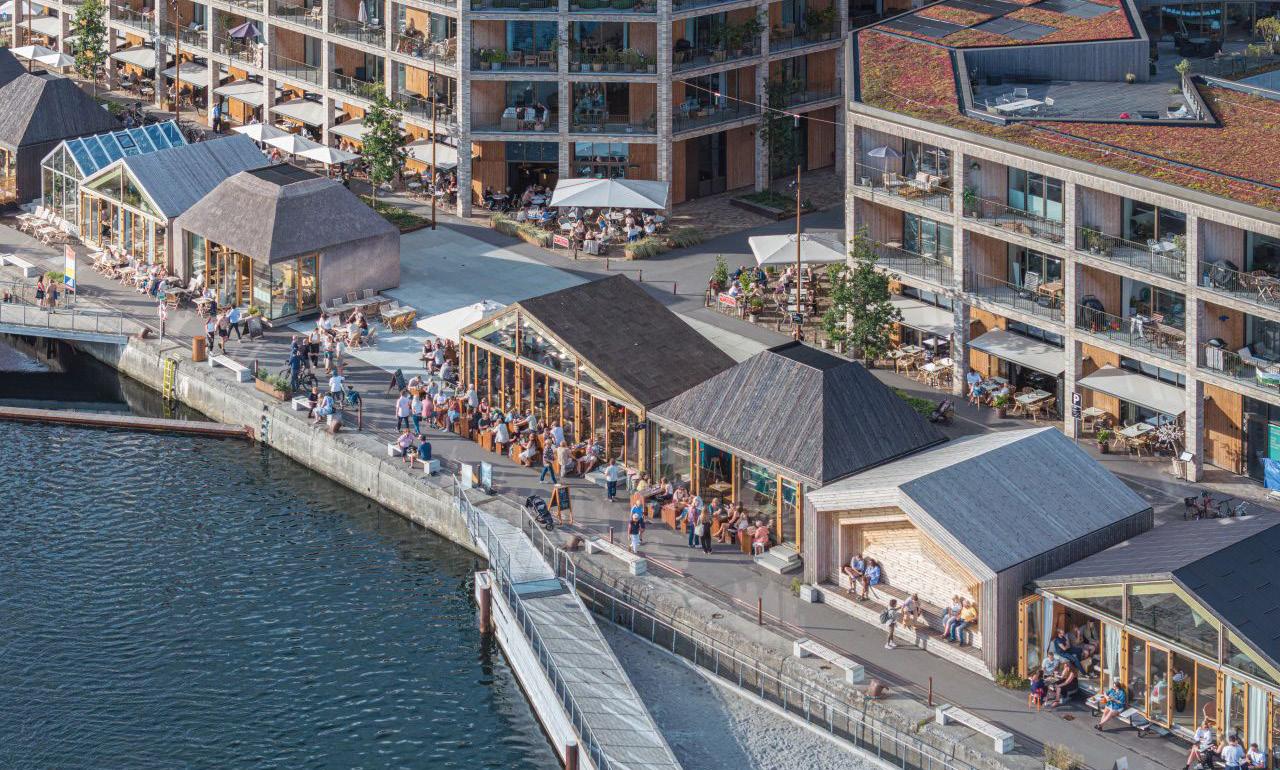
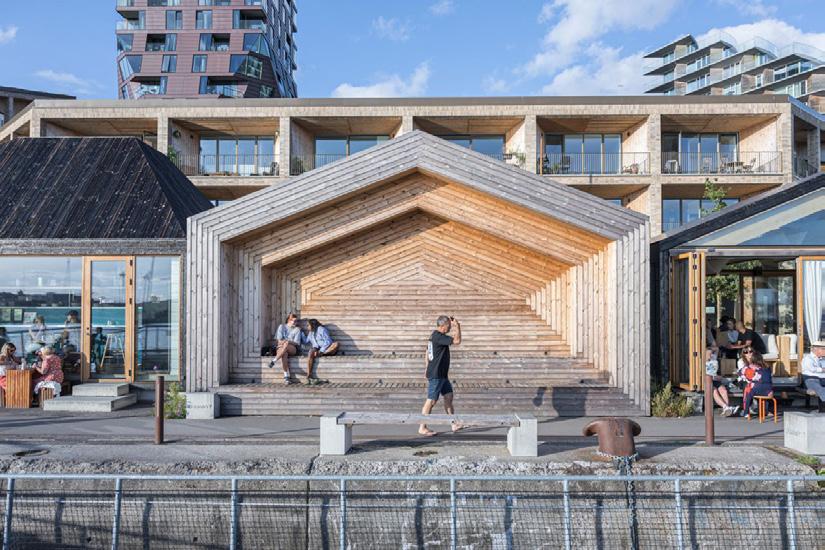
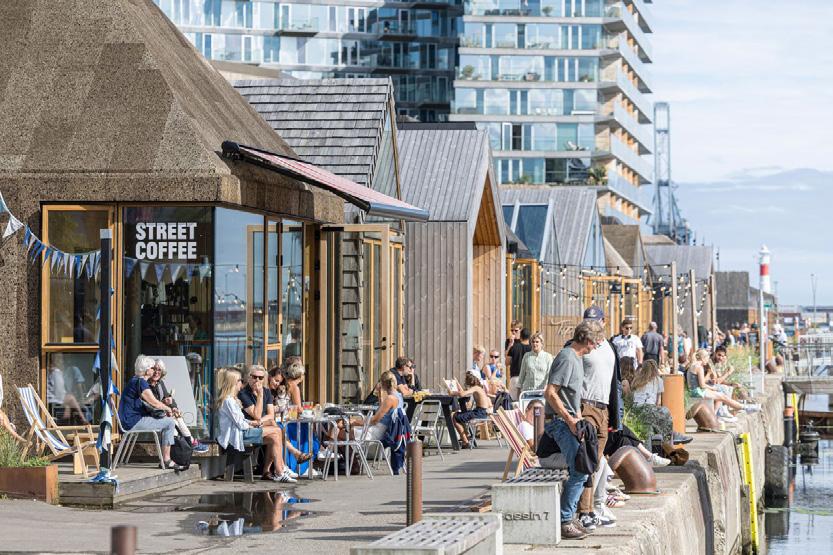
The transformation of Aarhus’ former industrial harbor into a vibrant waterfront neighborhood has been warmly embraced by residents and visitors alike since the opening of its first component, the Aarhus Harbor Bath, in 2018. This iconic public space has invited people to spend the day by the water, take a dip, or simply explore the evolving neighborhood, marking the beginning of a dynamic urban renewal.
As we continue to introduce new experiences and typologies to the waterfront—ranging from residences and community hubs to retail spaces, restaurants, a theater, and an upcoming hotel—the area is shaping into a lively and multifaceted destination. The recognition from fellow architects and urban planners has been an incredible honor, with recent accolades including distinctions at the 2024 World Architecture Festival, Bauwelt and World Architecture Magazine’s International Urban Project Award, and MIPIM’s recognition for Best Urban Regeneration Project. These acknowledgments reinforce the project’s impact and commitment to creating a sustainable and inclusive urban environment. The masterplan for the decommissioned pier with a focus on prioritizing public spaces while integrating commer-
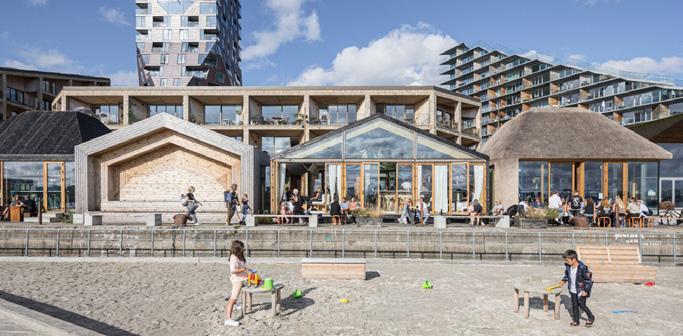
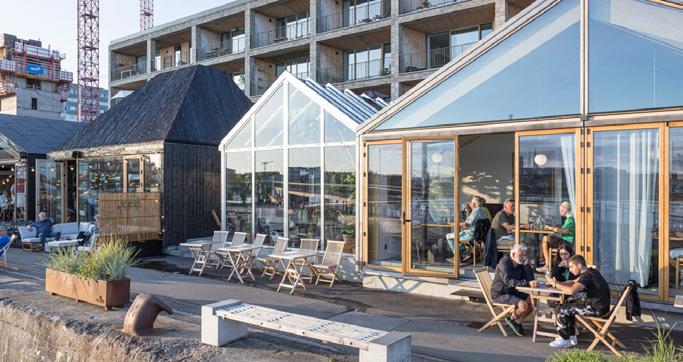
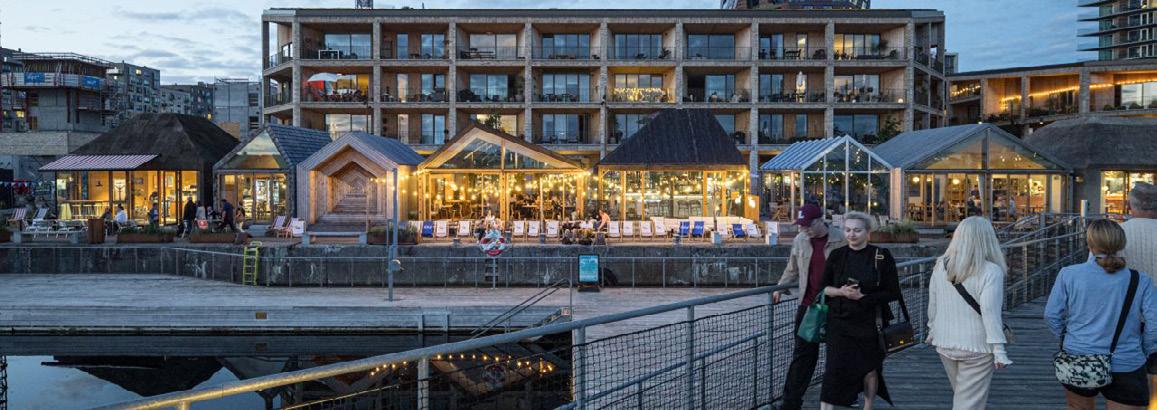
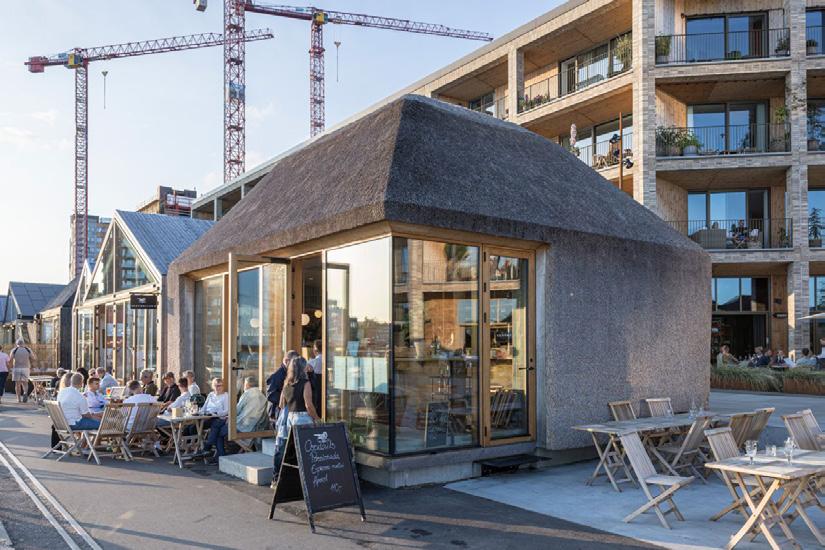
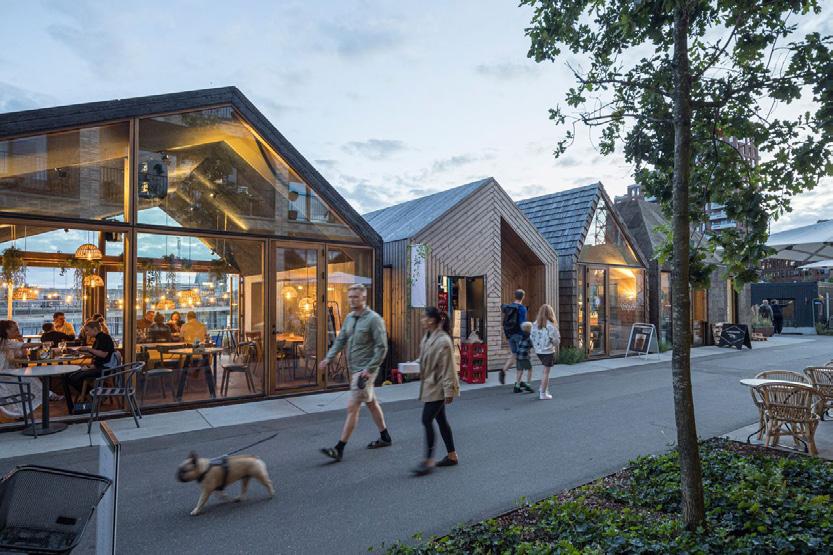
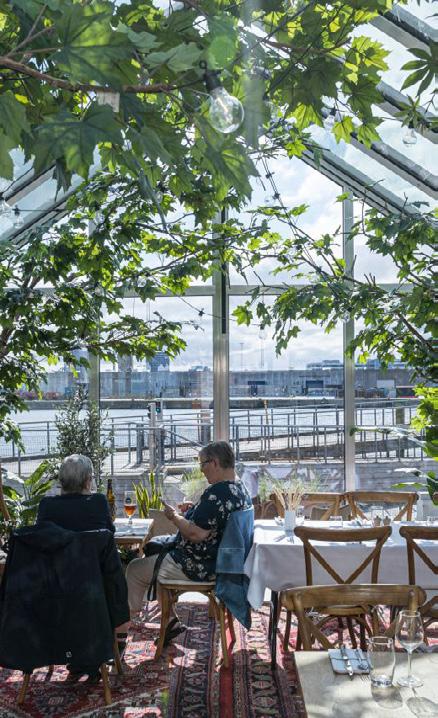
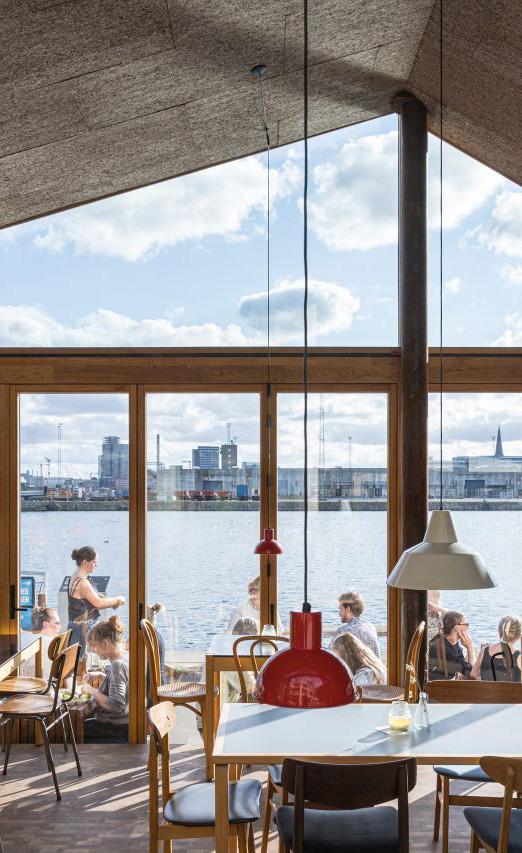
cial and residential developments into the remaining areas. A key addition to the masterplan is the Urban Life Houses—a row of 13 unique units, each distinguished by its architectural character and materiality, incorporating elements such as cork, charred and reused wood, and thatched straw. Positioned at the waterfront’s edge, these structures foster a vibrant mix of cafés, restaurants, and bars, enhancing the social and cultural life of the district. Seamlessly complementing the adjacent Harbor Bath, the Urban Life Houses further strengthen the connection between the city and the sea, embodying the vision of a thriving, accessible, and sustainable waterfront for generations to come.
Masterplan
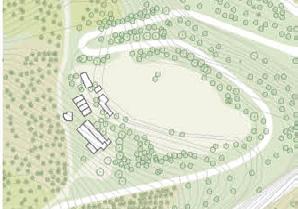
The project stems from an analysis of one of the main issues in Spain: depopulation and the limited industrial economic fabric from the peninsula’s center to the coast. It proposes a macroanalysis project based on river reconnection, focusing on the Júcar River’s infrastructure, especially the wood and energy industry. The conclusion of the análisis ends with the idea of the proposal, such as a research center on a new wood applications center between Cofrentes and Jalance.
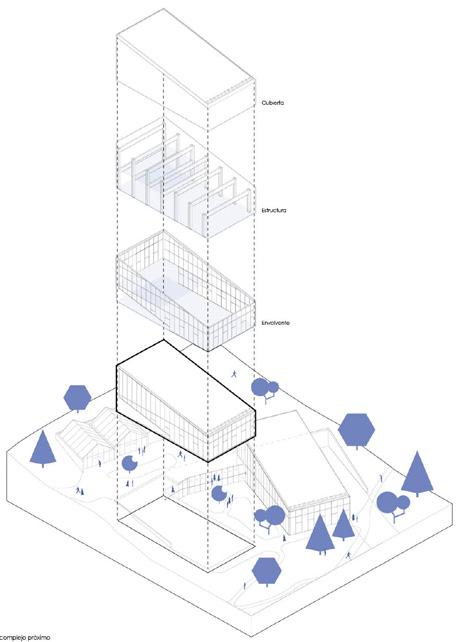
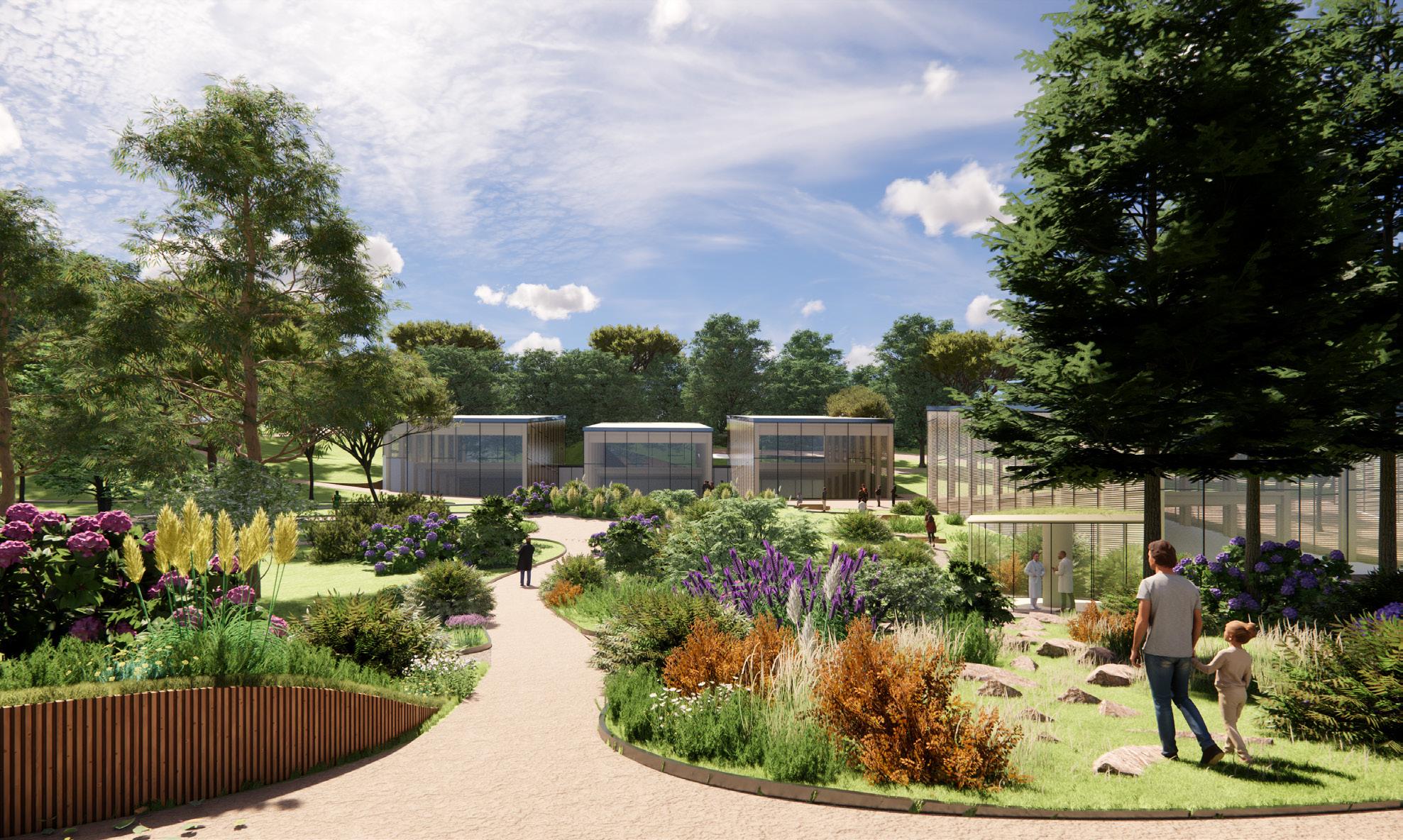
Based on the landscape’s importance, the project is a research center on nanocellulose, composed of multiple laboratories. The center will serve multiple activities, such as research, education, and outreach functions, and will be divided into several pavilions. The built project will be integrated into an educational and research landscape project, covering a large area of the chosen plot.
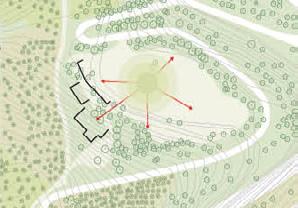
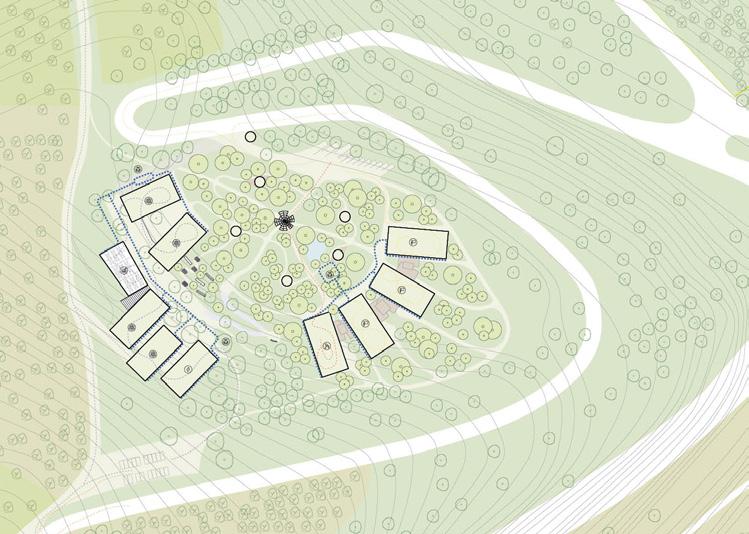
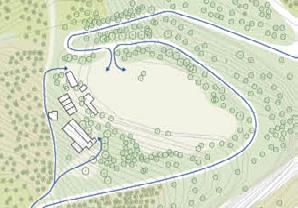
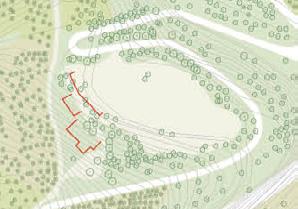
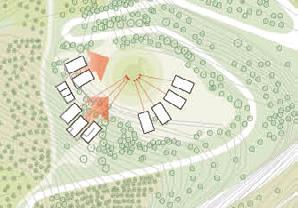
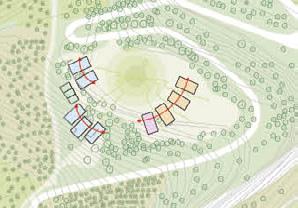
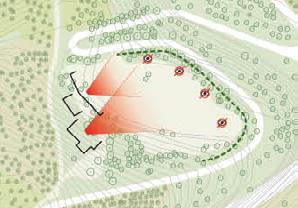
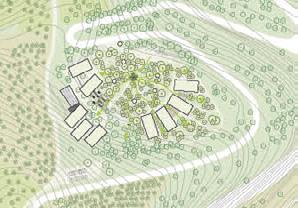
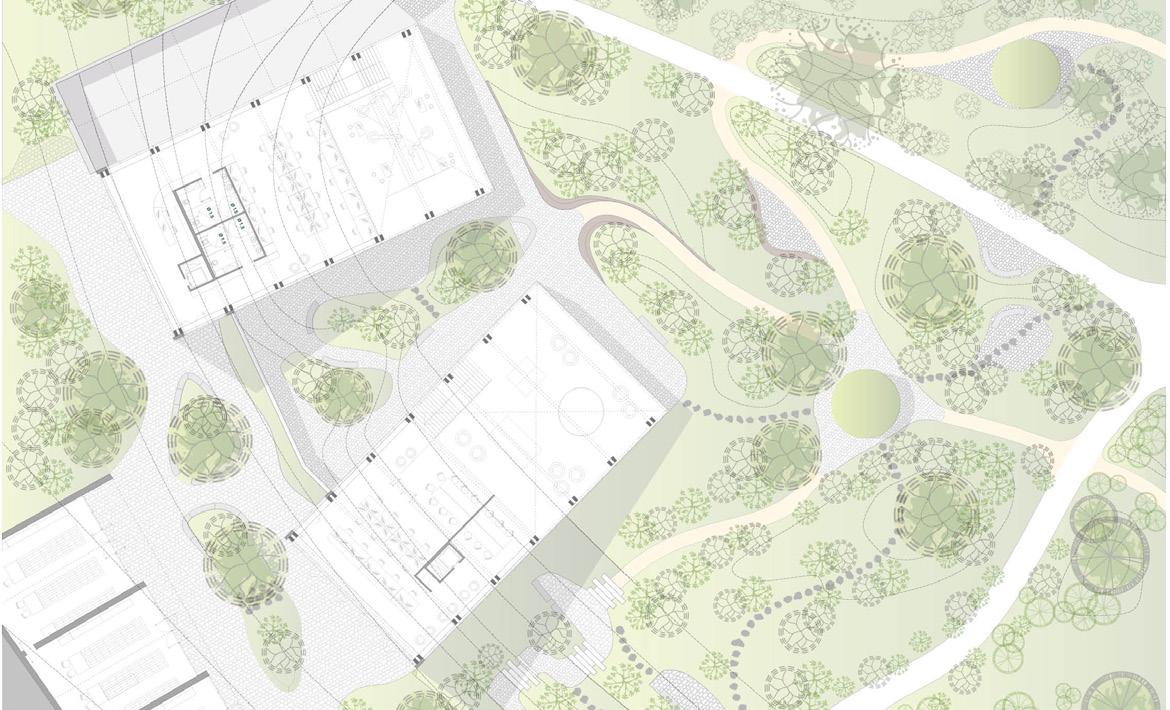
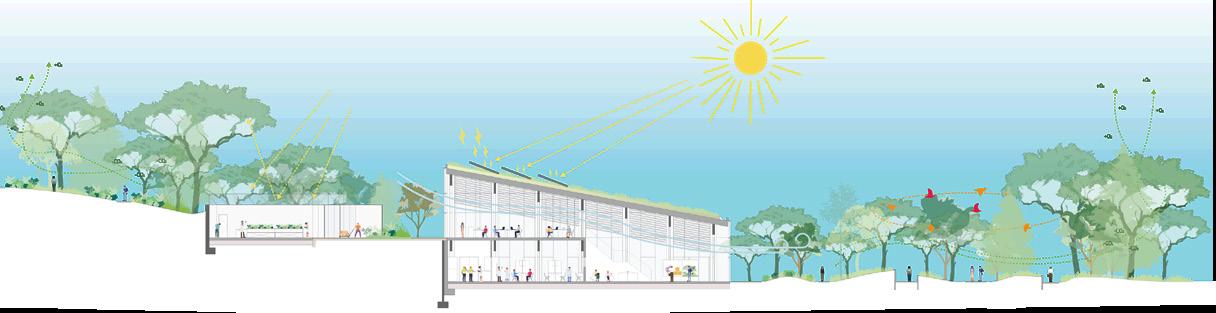
The main idea was to create a relation between the surroundings and the building itself, that also to crate a interaction with the fauna of theplace, caracterize maily by birds, and small animals.
On the other hand the idea of making a courtain wall makes an interaction between the new landscape and the interior life of the building, creating a flux of vision that will benefit the workers for relaxation and a better understanding of the nature.
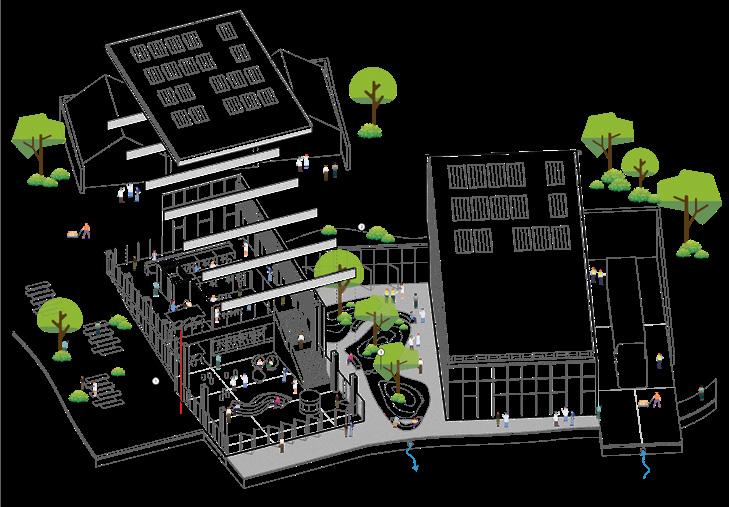
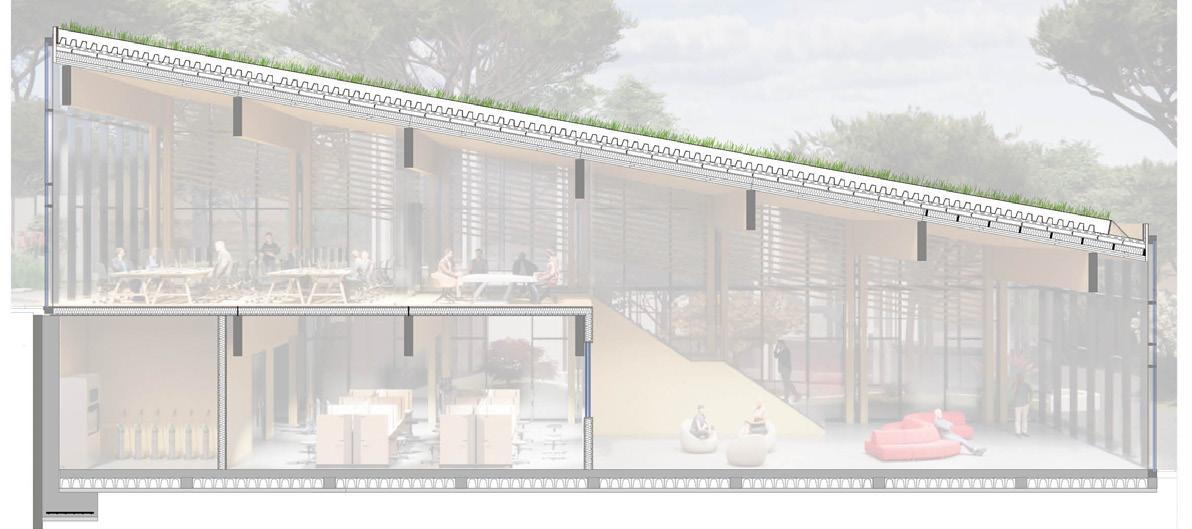
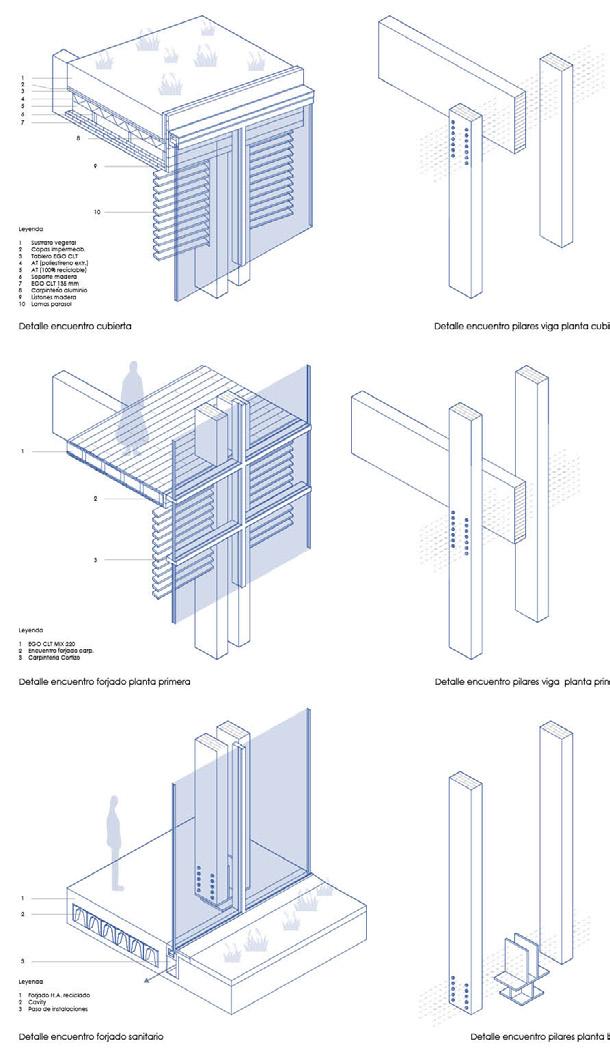
These buildings have been designed with modularity in mind, ensuring that each solution presented on these pages can be seamlessly applied throughout the entire complex. The main structure utilizes structural CLT for its exceptional strength and sustainable benefits, enhancing durability while supporting environmental stewardship. Additionally, the concrete components are designed to reduce the project’s carbon footprint, reflecting a forward-thinking approach that unites architectural excellence with ecological responsibility.