



Vice Presidents (Competitions)
Alexander Marinos and Zachary Boswell
Owen Prendergast, Billy Long, Luca Dondina, Diya Gauchan, Alessia Zofrea, Max Fu, Tahlia Minassian, Ayesha Virk, Louise An Competitions Portfolio Directors
Competitors
Sofia Attia, Vincent Aquino, Stephanie Avgoustou, Bilvika Abburi, Anchal Banga, Stella Barahona, Rosalia Bautista, Zachary Boswell, Oliver Crawford, Nicole Chemali, Jacqueline Dwyer, Liliana Edwards, Michael Farah, Chloe Ferreira, Max Galanti, Matthew Ham, Teja Kamalesh, Amelia Kraszewski, Arav Maharaj, Ada Kumar, Tahlia Minassian, Sai Muthukumar, Luis Clarke-Nguyen, Zoe Pager, Ananya Sharma, Prisha Sharma, William Staber, Prince Swami, James Wilson
Academics
Kenneth Wu, Tim Paine
Designer
Janina Osinsao
President
Siya Khatri
Acting Dean of UTS Faculty of Law
Tracey Booth
All content provided in the UTS LSS Competitions Guide is current to the best of the authors’ knowledge at the time of publication. However, please note that all information, including but not limited to event dates and details, are subject to change as university semesters and events evolve throughout the year. It is strongly recommended that aspiring competitors regularly check for updates on the UTS Law Students’ Society’s (‘UTS LSS’) primary social media platforms (including Facebook and Instagram) and confirm details with the UTS LSS Competitions Portfolio and relevant Competitions Directors.
The views and opinions expressed in this publication do not necessarily represent those of the University of Technology Sydney or the UTS LSS. Although the authors and contributors have taken every care in preparing and writing the Guide, they expressly disclaim and accept no liability for any errors, omissions, misuse or misunderstandings on the part of any person who uses or relies upon it. The users of the UTS LSS Competitions Guide acknowledge that under no circumstances will they hold the authors or contributors responsible for any errors or omissions in the Guide.
The UTS Law Students’ Society operates on the ancestral lands of the Traditional Custodians and Elders of this nation. As a body which strives to actively support the reconciliation process with Indigenous peoples, the UTS LSS acknowledges the Gadigal people of the Eora nation, the Boorooberongal people of the Dharug Nation, the Bidiagal people and the Gamaygal people upon whose ancestral lands our university stands.
Furthermore, we pay our respect to the Elders past, present and emerging, acknowledging them as the traditional custodians of knowledge for these lands.
As Acting Dean of the Faculty of Law, it is my great pleasure to introduce the UTS LSS Competitions guide. This guide is designed to help you explore opportunities to develop your legal and advocacy skills through student competitions. These opportunities are more than just extra-curricular activities, they are an important part of your journey to becoming a skilled and confident legal professional.
Competitions such as mooting, client interviewing, negotiation, and witness examination allow you to step beyond the classroom and apply your knowledge in practical, real-world scenarios. They challenge you to think critically, communicate persuasively, and develop the professional skills that are highly valued in the workplace. Whether you are arguing a complex legal issue before a panel, negotiating a settlement, or conducting a client interview, these experiences will sharpen your abilities and build your confidence.
The UTS LSS offers an exciting program of internal competitions and facilitates student participation in a variety of inter-varsity events.
These experiences not only enhance your legal skills but also foster teamwork, resilience, and professional networks that will serve you throughout your career.
I strongly encourage you to dive into this guide, discover the opportunities available, and participate. Whether you are a firstyear student or nearing graduation, there is a competition suited to your interests and stage of study. Embrace the challenge, learn from every experience, and enjoy the camaraderie that comes with being part of our dynamic law student community. It will be a lot of fun!
I look forward to seeing many of you take part and excel in these exciting competitions.
Tracey Booth Acting Dean

Dear UTS Law Students,
Competitions. What does it mean to you? To some of you it might mean your high school sporting endeavours, to others, debating rounds or even quarrels with your siblings. The beauty is no matter what competitions means to you, UTS LSS Competitions are made for you.
The UTS LSS Competitions Guide is back and better than ever, here for you to step out of your monotonous tutorials and lectures into a world of advocacy and professional skills. Learn of all the opportunities on offer; from internal skills competitions to international moots, the possibilities are limitless. We’d also love to give a massive thank you to our predecessors Georgia Mitchell and Youngone Oh, who paved the way for this guide. None of this would have been possible without their perseverance and continued support.
We’re here to support you through your journey, this guide your first map to victory. As you delve into a world of wonderland and find how deep the rabbit hole goes. Learn the different tips and tricks from academics and veteran competitors on how to claim your victory, and this time next year, you’ll be seeing your own name among that Honour Roll.
But the best thing about UTS LSS Competitions is that winning is endless. In fact, the greatest win to have,
whether you are a solo traveller embarking on this competition ship or you and a friend are partnering up, is the extensive network of different competitors and people you may never see across your time in law school. Anecdotally, some of your closest friends can be made from these competitions, even if they are sitting on the other side of the bench.
In the famous words of Sabrina Carpenter, ‘please, please, please’, give competitions a chance, even if it's just one. Unlock an unknown skill you didn’t know you had or just start by flicking through these pages and see what interests you.
So Competitions. What do they mean to you? Don’t answer now. Dive into this guide, learn about all the opportunities on offer, take them by the horns and then come and find us on Level 14 in Building 2. And tell us.
Good Luck,
Alexander Marinos and Zachary Boswell Vice Presidents Competitions

Your honour, I submit that competitions are the most transformative experience of every law student’s journey at law school.
Welcome to the UTS LSS Competitions Guide!
Competitions are one of the most important parts of the UTS LSS. This publication will guide you through every competition offered by the UTS LSS and the array of opportunities presented to all our members to make you a well-rounded university student, as well as the intervarsity and international pathways available to more successful competitors.
The UTS LSS offers competitions to competitors all year round, running a range of Mooting competitions, Skills competitions (such as Negotiations, Client Interview and Witness Examination) and Written Skills competitions. All UTS LSS members are given the opportunity to participate in any internal competition they desire to enhance their oral advocacy and written skills, widen their perspective of the legal world and interact with other like-minded law students.
Our competitions feature questions written by experienced competitors, academics and legal professionals, and are commonly judged by practising solicitors, barristers and NSW Supreme Court judges. This reflects how closely the skills developed in competitions align with real-world legal practice.
All competitors also receive tailored feedback, helping you learn, improve and grow with every competition you take part in.
The success of our competitions is supported by our strong partnership with the UTS Faculty of Law, valued contributions from our sponsors and collaborations with many other law student societies across Australia.
The competitions run by the UTS LSS are extremely rewarding to those who choose to get involved. I highly encourage you to make the most of your time at university by getting involved, trying new things and putting your hand up for opportunities when they come your way. I hope this publication inspires you to jump into the array of competitions available and is
the catalyst for your transformative law school journey.
You will get the most out of competitions by getting involved early, with Junior competitions running all year round, but it’s definitely never too late to jump in. There are also plenty of Open competitions available throughout the year, no matter when you start. I hope this guide helps you in exploring all the competition opportunities on offer and finding the ones that interest you.
If you have any questions along the way, feel free to reach out to the UTS LSS team, we’re always happy to help!
Keep a close eye on our social media, especially our Facebook and Instagram, for competition updates, and I hope to see you at our next grand final.
Happy competing!
Siya Khatri President

VICE PRESIDENT
What’s the biggest lesson you learned from a competition loss? Winning doesn’t happen overnight and it certainly doesn’t happen in your first competition. If you want it, don’t let anything stop you. You’re sitting down with Leonardo Di Caprio and have to sell Competitions to him. Go! Leo, Competitions are where you find out who you are under pressure - real roles, real stakes no second takes. And by the time you realise what’s happening you’re standing there thinking, ‘I’m not leaving.’
2025 UTS LSS Rising Open Mooter of the Year / 2025 UTS LSS Open Humanitarian Law Moot - Winner/ 2025 UTS LSS KWM Opens Contract Law Moot - Winner / 2025 UTS LSS Opens Constitutional Law Moot - Grand Finalist / 2025 UTS LSS Opens Criminal Law Moot - Grand Finalist / 2024 UTS LSS Junior Championship Moot - Quarter Finalist / 2025 HSF Open NegotiationsQuarter Finalist / 2024 HSF Junior Negotiations Competition - Grand Finalist / IV Moot Coach / Mooting / Negotiations / Witness Examination Judge

ALEXANDER MARINOS Vice President
of Competitions vpc1@utslss.com

VICE PRESIDENT

ZACHARY BOSWELL
Vice President of Competitions
vpc2@utslss.com
How would you describe your experience participating in UTS LSS Competitions? Competitions have served as a crucial aspect of my university experience. Whether I have spent long nights working on submissions for a Moot, planning creative solutions for a Negotiation, or judging a round of Witness Examination, my experience in UTS LSS Competitions has been nothing short of incredible. I’ve developed my written and verbal communication skills, my legal knowledge and, most importantly, shared the experience with numerous people who have now become some of my closest friends. For those interested, I highly recommend getting involved; you won’t regret it.
2025 UTS LSS Open Humanitarian Law Moot - Winner / 2025 10th HSF NLU Delhi International Negotiation Competition - Runner-Up / 2025 UTS LSS x MULS Bilateral Contract Law MootWinner & Best Oralist / 2025 UTS LSS Ashurst Open Commercial Law Moot - Winner & Best Oralist / 2025 UTS LSS Maddocks Intervarsity Negotiation Competition Winner / 2025 Intervarsity ESL Moot - Grand-Final Judge / 2024 Intervarsity KWM Diversity & Pride Moot - Winner / Inter Alia
Why would you recommend this competition to someone on the fence? If you never try, you will never know. So many fantastic mooters never discover their potential because they delay. Do not postpone and procrastinate, seize the moment and make the most of your university experience. I regret waiting until my 3rd year to try out mooting; take advantage of the fantastic Junior competitions available to you. Mooting opens doors to the wider UTS law community, you refine your writing and speaking skills, make friends and gain some fluff to fill in your CV. Most people only study at university once, these opportunities are only open to you now, don't wait until after you lose them.
2025 Open Torts Moot - Grand Finalist / 2025 Open Criminal Law Moot - Grand Finalist / 2025 Open Constitutional Law Moot - Grand Finalist / Mooting Judge

BILLY LONG Subject Mooting Director subject.mooting1@utslss.com
OWEN PRENDERGAST Subject Mooting Director subject.mooting2@utslss.com

What does Competitions mean to you? Competitions have been a long defining complement to my formal education. For me, competitions provide an invaluable forum for intellectual development, socialisation and networking, and practical insight into legal practice. As a competitive individual, who loves to argue, mooting has always remained my favourite competition. What is your favourite competition memory? My favourite memory has to be from Kirby. While the entire experience was a highlight, the grand final and awards ceremony stood out. The standard of mooting was exceptionally high, and due to the scale of the competition, I was still meeting competitors and coaches even after it concluded with conversations that made the experience especially memorable.
2023 Bond National High School Mooting Competition - Semi Finalist / 2024 Kirby Contract Arbitration Moot / 2025 UTS LSS Open Criminal Law Moot
What separates good competitors from great ones? There is one trait that all great mooters have in common, and that is attending the Mooting Mentoring Program. Many might suggest it’s strong speaking ability, ironclad written submissions, or even holding it together under pressure, but no - studies have shown that participation in the MMP, and EVERY Junior Moot, directly correlates with the most grand legacies in Mooting. But really, if you’re a first or secondyear law students, Mooting can do wonders for your journey through your law degree. You will find yourself becoming an eloquent speaker, an effective legal researcher, a fierce debater, and you will bolster your academic success by practically applying your studies in this fun and competitive opportunity. You will also make some extremely valuable personal and professional connections. Mooting really is an opportunity that, once you give it a go, you will never look back. I look forward to meeting many of you in the big year ahead for Junior Mooting!
2025 UTS LSS Junior Criminal Law Moot - Semi-Finalist / 2025 UTS LSS Junior Championship - Quarter Finalist/2025 UTS LSS Junior Negotiations - Quarter Finalist / 2025 UTS LSS Moot Intensive / 2024 UTS LSS Gauntlet Competition

LUCA DONDINA
Mooting Development Director mooting.development@utslss.com

ALESSIA ZOFREA
Negotiations Director negotiation@utslss.com
If you had to give future competitors tips for success what would you say? The biggest tip to get the most out of competitions is really to compete in as many as you can, even if you don’t know anyone to partner with, and while as a law student I have no mathematical ability, the more you compete, the more chances you will have to develop skills and even win! Competitions have truly been the highlight of university for me, and I've met some of my closest friends through competing (and not just in a ‘keep your friends close and your enemies closer’ kinda way).
2025 UTS LSS Junior Criminal Law Moot - Grand Finalist / 2025 UTS LSS Junior Championship Moot - Quarter-Finalist / 2025 UTS LSS Open Witness Examination - Quarter-Finalist / 2025 Open Bail Competition / 2025 UTS LSS Spark & Helmore Lawyers Affidavit Writing Competition / 2024 Junior Witness Examiner of the Year / 2024 UTS LSS Junior Witness Examination - Quarter Finalist / 2024 UTS LSS Junior Negotiation / 2024 UTS LSS Gauntlet Competition / Judge - 2025 Junior Witness Examination and 2025 Gauntlet Competition
How would you describe your experience with UTS LSS Competitions? Competitions are truly the most enjoyable part of my university experience - offering a breath of fresh air amongst uni assignments. Currently, my favourite competitions are the Bail and Client Interview competitions. These competitions offer a valuable opportunity to develop the professional skills which I use daily in my current volunteering role. What is your favourite competition memory? My favourite memory is the post-moot discussion. At the end of the day, everyone walks away with something positive, whether it's new friends, greater experience, or simply a good time.
2025 Junior Witness Examiner of the Year / 2025 UTS LSS Junior Witness Examination - Semi Finalist / 2025 UTS LSS Junior Bail Competition / 2025 UTS LSS King & Wood Mallesons Open Contract Law Moot / 2025 UTS LSS Clyde & Co Gauntlet Competition / 2025 UTS LSS Ashurst Open Commercial Law Moot


What are your tips for success for future competitors? Although simple, my biggest tips for success are writing down judge feedback and spectating competitions whenever you can. Outside of the entertainment factor, this allows you to pick up techniques from experienced competitors which helps you improve your own performance. It’s also a great way to meet new people and create connections with future challengers! Favourite part of competition day? Definitely the adrenaline and anticipation before the round, followed by a lengthy post-comp debrief!

AYESHA VIRK
Written Skills Director writtenskills@utslss.com
What advice would you give your past self before your first competition? If I could travel back in time and tell my younger self one thing, I’d grab her by the shoulders and say, ‘Stop freaking out!’ Everyone in their first competition is exactly in the same position. Competitions exist to help you learn how to speak, form arguments, think on the spot, and build confidence. No-one (and I truly mean no-one) is completely perfect in their first comp. Why would you recommend this competition to someone on the fence? For written skills comps (my specialty), there’s honestly no downsides to signing up. It’s low effort, all the materials are given to you, and you get 2-3 weeks to work through the scenario and submit. We love skills comps and moots, obviously. But if you want an easy resume stacker, written skills is it!
2023 UTS LSS Corrs Chamber Westgarth Junior Championship Moot - Semi Finalist / 2025 UTS LSS Spark & Helmore Lawyers Advice Writing Competition / 2025 UTS LSS Open Criminal Law Moot / 2025 UTS LSS Spark & Helmore Lawyers Affidavit Writing Competition - Winner
Why would you recommend competitions to someone on the fence? Although it can feel intimidating at first, I’ve found that the upside of competitions far outweighs the time and nerves they demand. Not only do you build confidence, structure, and practical legal problem-solving skills but you also gain memorable experiences along the way. For me personally, it was one of the most natural ways to meet supportive peers and friends, while also connecting with judges who see your performance firsthand that enables you to reflect and improve not only as a law student but as a future to-be lawyer. If you had to give future competitors tips for success what would you say? My biggest tip would be to always have an open mind! Don’t forget that you’re never doing it alone, we’ve all been in the same shoes, and we’re here to support each other through the process. Even in the worst case, you walk away sharper and more confident and in the best case, you place and open doors, either way, remember that you win.
2025 UTS LSS Junior Championship Moot / 2025 UTS LSS Junior Criminal Law Moot / 2025 UTS LSS Junior Witness Examination / 2025 UTS LSS Gauntlet Competition

DIYA GAUCHAN Intervarsity Skills Director intervarsity.skills@utslss.com

LOUISE AN Intervarsity Mooting Director intervarsity.mooting@utslss.com
Is volunteering worth it? Volunteering gave me the most insight for future competitions. Before I entered open CI, I volunteered as a client a lot which allowed me to understand the structure, expectations and pick up strategies from competitors. What advice would you give your past self before your first competition? As a first year, everyone overthinks every little detail of whether they’re prepared enough or whether they’ll embarrass themselves. So I’d tell my past self that it really isn't that deep. Participating and trying matter way more than being perfect. Coffee, tea or energy drink before competition day? All of the above
2025 Quarter-finalist UTS LSS Herbert Smith Freehills Open Negotiations Competition / 2025 Quarter-finalist UTS LSS Allens Open Client Interview Competition / 2025 Sparke Helmore Lawyers Affidavit Drafting Competition / 2024 Gilbert + Tobin Junior Gauntlet Competition / 2024 Junior Negotiations Competition
Open Torts Moot
Advice Writing Competition
Mooting Mentoring Program (MMP)

Open Criminal Law Moot
Junior Contract Law Moot
UTS LSS Intervarsity Negotiation Competition
Beginner Moot Intensive
Open Skills Competitions (Negotiation, Client Interview, Witness Examination)
Open Commercial Law Moot
Open Bail Competition
UNSW Private Law Moot
UTS LSS x MULS Bilateral Contract Law Moot
UTS LSS x SULS Nicholas Cowdery AO KC Criminal Law Moot
Open Contract Law Moot
Affidavit Drafting Competition
Deakin International Commercial Arbitration Moot
Australian Law Students’ Association Annual National Conference
Junior Torts Moot
Junior Criminal Law Moot
Junior Bail
UNSW Intervarsity Skills Competition

UTS LSS Intervarsity Legal Technology Moot
Gauntlet Skills Competition
Open Constitutional Law Moot
Junior Skills Competitions (Negotiation, Client Interview, Witness Examination)
Baker McKenzie National Women’s Moot
Open International Humanitarian Law Moot
Intervarsity Diversity and Pride Moot
ESL (English as a Second Language) Moot
Margaret Cunneen SC Witness Examination Competition
HSF NLU Delhi International Negotiation Competition
Disclaimer: Please note that this calendar is a general outline of when these Competitions take place throughout the year. For specific dates and key information, please refer to the respective competition pages and the UTS LSS Facebook Page.
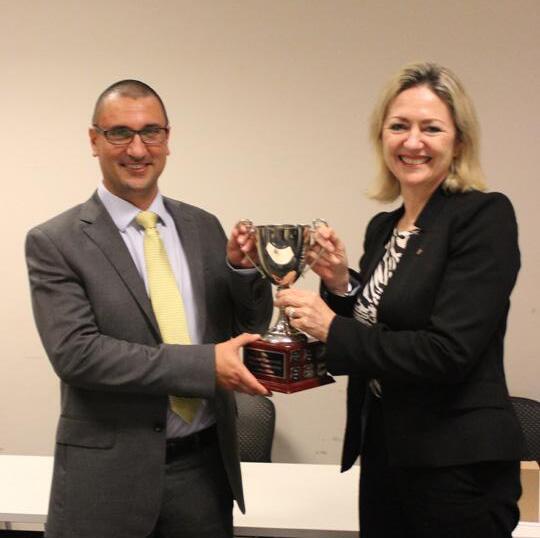
Congratulations to the following individuals and teams who were successful in winning a mooting and/or skills competition in 2025 and our ALSA representatives, earning a welldeserved spot on our UTS LSS Competitions Honour Roll!
MOOTING
Open Torts Law Moot
Open Commercial Law Moot
Open Criminal Law Moot
Open Contract Law Moot
Open Constitutional Law Moot
Open International Humanitarian Law Moot
MMP Moot Intensive
Junior Championship Moot
Junior Criminal Law Moot
Arav Maharaj, James Wilson and Wafa Rahman
Vincent Aquino, Zachary Boswell and Ahmad Hamad
Siya Khatri and Oliver Crawford
Alex Marinos and Siya Khatri
Wafa Rahman, Sai Muthukumar and James Wilson
Alex Marinos, Zachary Boswell and Vincent Aquino
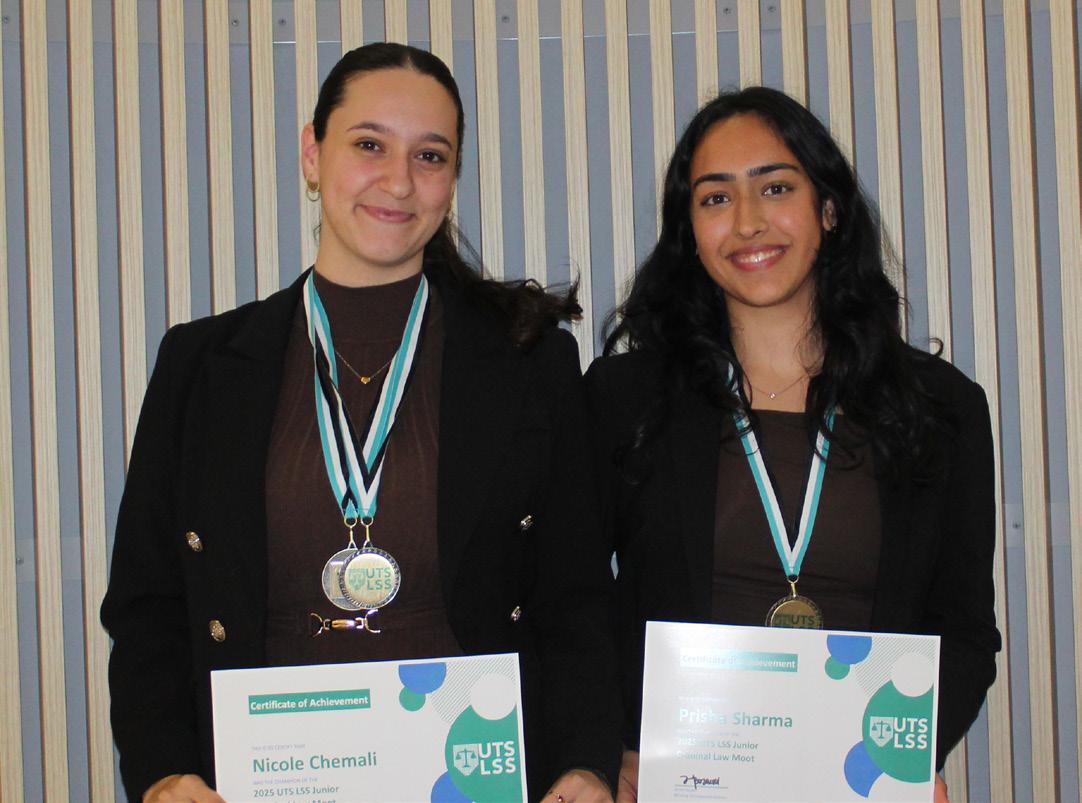
Nicole Chemali and Prisha Sharma
Ananya Sharma, Sophie Grzina and Alisha Pillay
Nicole Chemali and Prisha Sharma
INTERVARSITY MOOTING
UTS LSS x MULS
Bilateral Contract Moot
UTS LSS x SULS
Nicholas Cowdery AO KC Criminal Law Moot
Zachary Boswell, Vincent Aquino and Rosalia Bautista
Bilvika Abburi, Oliver Crawford and Siya Khatri
WRITTEN SKILLS AND BAIL
Affidavit Drafting Competition
Advice Writing Competition
Open Bail Competition
Junior Bail Competition
Ayesha Virk
Stella Barahona
William Staber and Saraya Collier-East
Cherie Tran and Louise Bowerman
Open Negotiation Competition
Open Client Interview Competition
Open Witness Examination Competition
Junior Negotiation Competition
Junior Client Interview Competition
Junior Witness Examination Competition
INTERVARSITY SKILLS
UTS LSS Intervarsity Negotiation Competition
UNSW Intervarsity Skills Competition (Client Interview)
UNSW Intervarsity Skills Competition (Witness Examination)
Margaret Cunneen SC Witness Examination Competition
Ananya Sharma and Matthew Ham
Jacqueline Dwyer and Zoe Pager
Tahlia Minassian
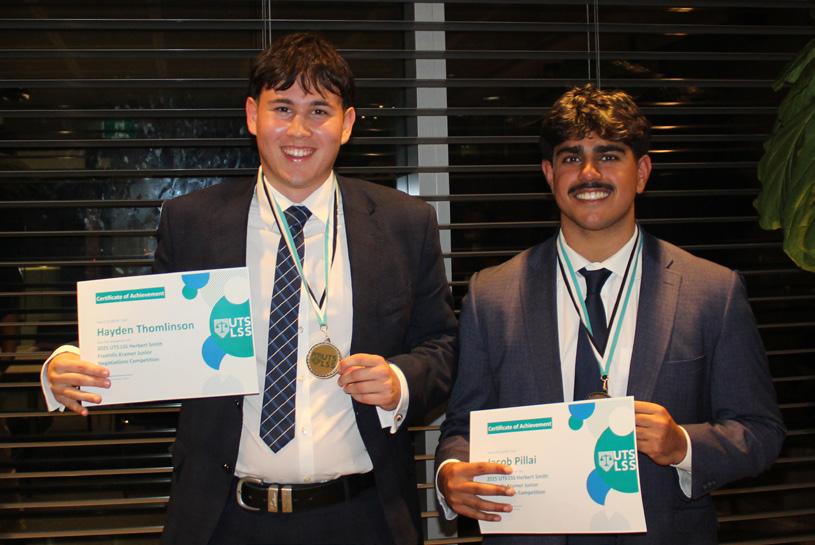
Hayden Thomlinson and Jacob Pillai
Ada Kumar and Clancy Toman
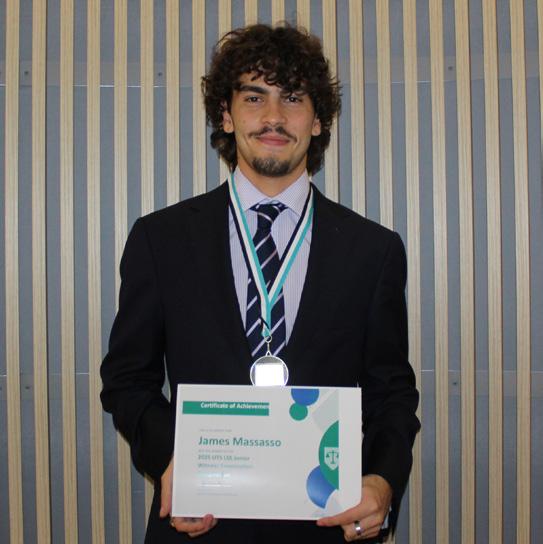
James Massasso
Rosalia Bautista and Zachary Boswell
Chloe Ferreira and Liliana Edwards
Tahlia Minassian
Tahlia Minassian
AUSTRALIAN LAW STUDENTS’ ASSOCIATION (ALSA) ANNUAL NATIONAL CONFERENCE –NGAMBRI AND NGUNNAWAL COUNTRY 2025
Mooting
Witness Examination Negotiation
Client Interview Paper Presentation
Arav Maharaj, James Wilson and Bilvika Abburi*
Sophie Hambling
Rosalia Bautista and Zachary Boswell
Noah Darmenia and Jackson Radnedge
Youngone Oh * A
Want to get involved in competitions in 2026 but aren’t ready to compete? UTS LSS Competitions has plenty of opportunities for you to still get involved, meet people and enjoy the competition. Here is how you can get involved as a competitor, volunteer, or judge.
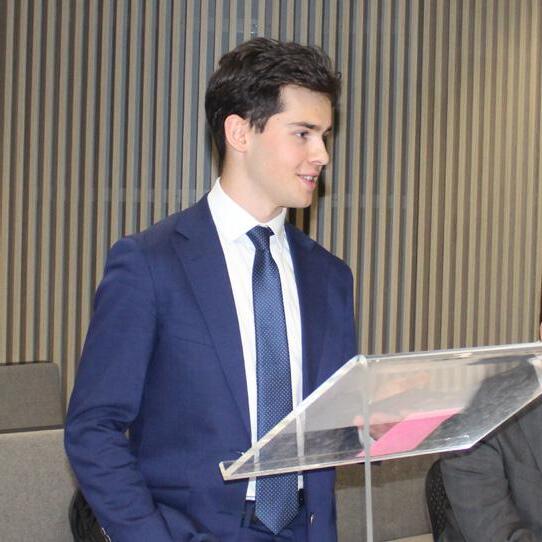

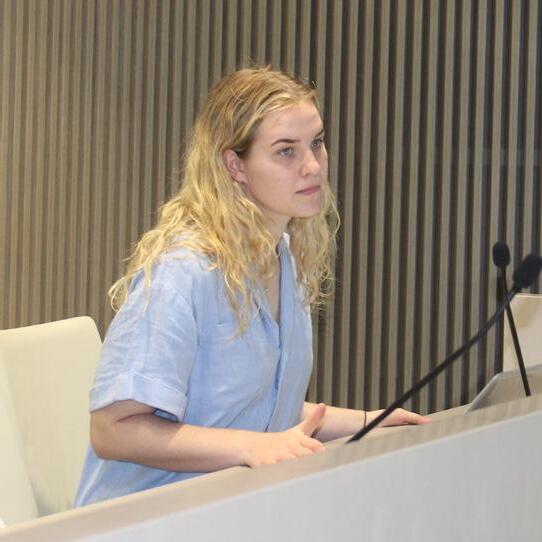
This guide predominantly discusses the multitude of competitions the UTS LSS offers. Competing in UTS LSS Competitions is an excellent way to train and sharpen your legal skills and build your legal network with like-minded peers.
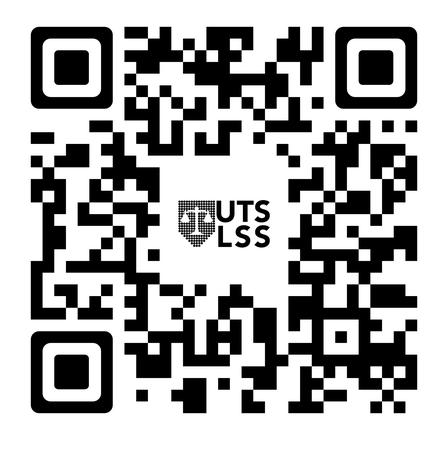
To compete, students must be members of the UTS LSS. Scan the QR code on the right to join and gain access to all our competitions! (It’s free).
Choose your competition
Registration links are posted on the UTS LSS Facebook so make sure to follow. We run a variety of competitions catering to different skill levels and interests, so there is something for everyone. Read on to find out more about our Competitions Offerings!
Want to get involved in competitions but don’t want to compete? Volunteering is a fantastic way to gain behind-the-scenes competitions experience, meet new people, and give back to the law school community.
Brennan Program
Volunteering hours are eligible for Brennan Program recognition, helping you fulfil your extracurricular obligations while contributing to the success of our events. For every hour you volunteer, you are eligible for 1 LTS hour.
Opportunities
Get involved as a volunteer client or witness. This can be a one-off or weekly basis, the choice is yours. Volunteers are integral to ensuring that our competitions run smoothly. Judging provides an invaluable chance to share your expertise and give back to the next generation of law students. Why judge?
Judges play a critical role in competitions, offering feedback and guidance to competitors. Brennan Program hours are also available for judges.
Who can judge?
We welcome law students who have competed in at least the Open level of the pertinent competition to join us as judges. Training is available for first-time judges. If you are interested in judging, please contact Alexander and Zachary at vpc1@utslss.com and vpc2@utslss.com!


Across 2026, the UTS LSS will be running internally, four Junior level Moots, as well as six Open level Subject Moots.
Junior Moots
ELIGIBILITY
These moots are open to competitors in their first and second year of law. We recommend that if you are in your first or second year of law, that you take part in these opportunities prior to competing in Opens.
MOOTS
Beginner Moot Intensive
Junior Torts Law Moot
Junior Contracts Law Moot
Junior Criminal Law Moot
Senior Moots
ELIGIBILITY
These moots are open to all competitors. Note however that typically competitors in this moot have competed in junior competitions previously.
MOOTS
Open Torts Law Moot
Open Commercial Law Moot
Open Criminal Law Moot
Open Contract Law Moot
Open Constitutional Law Moot
Open Humanitarian Law Moot
Disclaimer: dates may be subject to change.
RECOMMENDATIONS
• It is not necessary to have completed Contracts (70211) to compete in this moot.
• Grab one or two friends and register as a team or fly solo.
If you are interested in contracts, business, commercial law - navigating terms and clauses and making truckloads of money, then the UTS LSS Junior Contracts Law moot is a must for you. Kick off the year of junior mooting with this brand-new competition in 2026, known previously as the Junior Championship Moot, which has now been divided into two separate competitions: the UTS LSS Junior Torts Law Moot and the UTS LSS Junior Contracts Law Moot. To reiterate, being the first moot of the year means you can be first in line to become a fierce competitor in the upcoming competitions, gaining expert feedback and tips to hone your skills as a beginner in mooting!
Running at the end of the Autumn Session, the Junior Contract Law Moot follows the structure of all Open Subject Moots, with general rounds running over a weekend (Saturday and Sunday), with a semi-final and a grand-final in the following week (Monday and Wednesday respectively). Key dates include:
REGISTRATION PERIOD
PROBLEM QUESTION RELEASED
APPELLANT WRITTEN SUBMISSIONS DUE
RESPONDENT WRITTEN SUBMISSIONS DUE
GENERAL ROUNDS
SEMI-FINALS
GRAND FINAL
Monday 30 MarchFriday 10 April 2026
Saturday 11 April 2026
Wednesday 29 April 2026, 6pm
Friday 1 May 2026, 6pm
Saturday 2 May –Sunday 3 May 2026
Monday 4 May 2026
Wednesday 6 May 2026
Whether you’re currently navigating the mechanics of offer and acceptance, have already mastered the rules of consideration, or are just beginning to explore the world of binding promises, this moot is your definitive training ground. Challenging yourself and learning about the world of contracts as you navigate this moot’s problem question will surely equip you with a strong grasp of commercial logic, giving you a decisive edge when facing “black-letter” problem questions in your exams.
DIRECTOR’S TIP:
Those who are competing in the UTS LSS Junior Contract Law Moot can also register and compete in the UTS LSS
Junior Torts Law Moot and UTS LSS Junior Criminal Law Moot! Give the first Junior Moot of the year a crack and use the huge amount of feedback and experience to come back stronger in the Junior Torts Law Moot to follow!
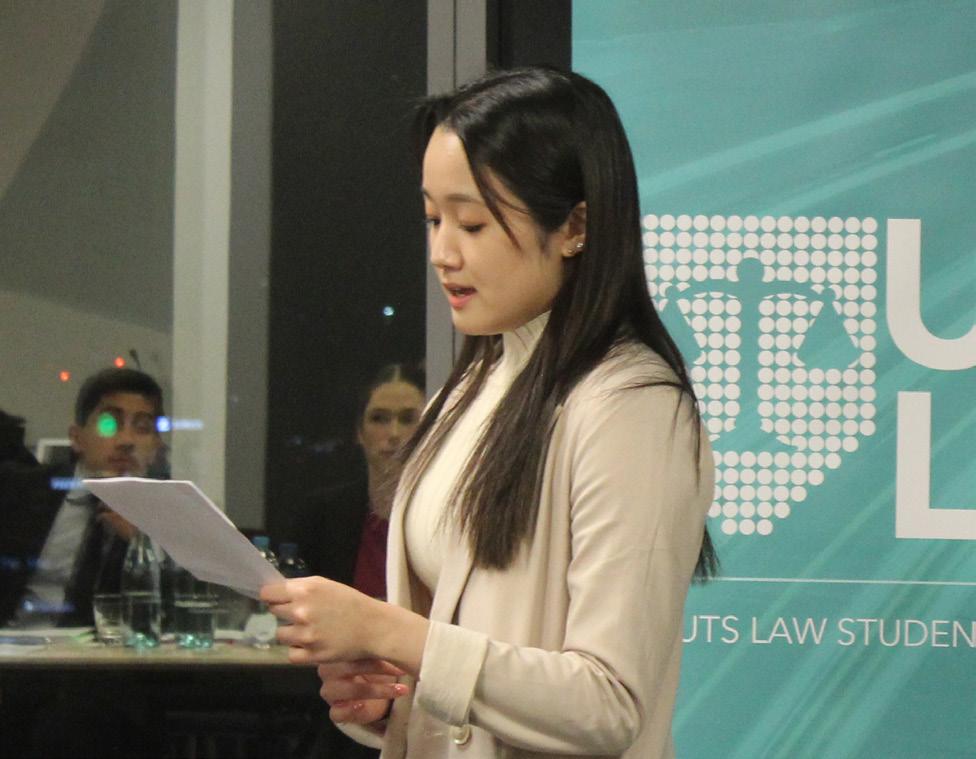
Joseph Papa
Quarter-Finalist in the UTS LSS Junior Championship (Torts & Contracts) Moot 2025
"If you told me last year that the only thing that was capable of stopping me from Mooting was emergency surgery, then I would’ve met you with some serious disbelief.
Come 2025 Junior Mooting Season, however, and it really was the only thing that could pry me from Mootings unrelenting, addicting grip.
At first, the idea of Mooting inspired more confusion than it did confidence. I couldn’t escape the question, “Why spend the precious free time us students have taking on a completely optional assignment sized problem question with little guidance as to how to solve it, only to then be required to present your likely incorrect arguments to a judge who knows the topic back-to-front?”
The answer I eventually landed on is that even amidst all the discomfort, Mooting prepares you for what your balding lecturer cannot. It demands that you grapple with imperfect arguments and harsh feedback in order to achieve something much more valuable than a HD: the actual ability to think on your feet and defend a position under pressure.
Competing in a Junior Moot is a wonderful way to kickstart your career as an advocate, and the skills it teaches you are invaluable to anyone who wishes to one day practice law.
And even if you don’t end up winning, flaunting your participation on your resume is almost as good of a prize. So, why not?"
RECOMMENDATIONS
It is not necessary to have completed Torts (70311) to compete in this moot.
• Grab one or two friends and register as a team or fly solo.
If you are interested in civil law, litigation, dispute resolution, and everything in between…then the UTS LSS Junior Torts Law Moot is available to all students in their first or second year who have not mooted before, and is a fantastic way for students to get involved in mooting which you absolutely should not miss! This Junior Competition is a brand-new competition in 2026, known previously as the Junior Championship Moot which has now been divided into two separate competitions: the UTS LSS Junior Torts Law Moot and the UTS LSS Junior Contracts Law Moot.
Running at the end of the Autumn Session, the Junior Torts Law Moot follows the structure of all Open Subject Moots, with general rounds running over a weekend (Saturday and Sunday), with a semi-final and a grand-final in the following week (Monday and Wednesday respectively). Key dates include:
REGISTRATION PERIOD
PROBLEM QUESTION RELEASED
APPELLANT WRITTEN SUBMISSIONS DUE
RESPONDENT WRITTEN SUBMISSIONS DUE
GENERAL ROUNDS
SEMI-FINALS
GRAND FINAL
Friday 7 August –Sunday 16 August 2026
Monday 17 August 2026
Wednesday 9 September 2026, 6pm
Friday 11 September 2026, 6pm
Saturday 12 September –Sunday 13 September 2026
Monday 14 September 2026
Wednesday 16 September 2026
Whether you’re studying, have studied, or are about to study Torts, this Moot is an excellent opportunity for you to sharpen your research and advocacy skills and garner a practical and enriched understanding of torts law, giving you a considerable advantage when it comes to that fateful time of year when exams come around. The mooting experience you will acquire is invaluable and will set you up for success in future moots.
DIRECTOR’S TIP:
Those who are competing in the UTS LSS Junior Torts Law Moot can also register and compete in the UTS LSS Junior Criminal Law Moot! If you’ve competed in both the Junior Torts Law and Junior Contracts Law Moots, you are sure to have noticed some considerable improvement, which
means you’ll be equipped with the skills to wreak havoc in the last Junior Moot of the year - the Junior Criminal Law Moot! Remember the stakes here - if you can secure a win, you’ll receive the greatest prize of all…an absolutely killer LinkedIn post.
Sophie Grzina
Winner of the UTS LSS Junior Championship (Torts & Contracts) Moot 2025 TIME COMMITMENT
"Competing in the Junior Championship Moot was easily one of the best decision I’ve made. Coming from a humbling introduction to mooting from the Mooting Mentoring Program, my teammates and I were nervous at the thought of dedicating the next 2 months of our lives to this moot. However, this turned into some of my best uni memories. More than just walking about with the winning medals and honour, we walked away with greater confidence, enhanced critical thinking skills and a sense of fulfilment.
The experience of this moot was as demanding as it was rewarding, sharpening my ability to solve problems effectively, and perform under significant time pressure. Throughout the preparation periods, I grew close with my teammates and developed my argument refining and communication skills. The moot concluded in a tense Grand Finals in front of a bench of 5 lawyers and barristers, which was terrifying but most importantly, I emerged with renewed confidence in my abilities. This confidence I will carry forward into my further university studies and future professional opportunities.
For any new mooters considering competing in junior mooting, I cannot recommend it enough. There is no better opportunity to test yourself, apply your legal learnings and develop your own personal skills."

RECOMMENDATIONS
• It is not necessary to have completed Criminal Law (70114) to compete in this moot.
• Grab one or two friends and register as a team or fly solo.
If you are interested in justice, advocacy and the rules of evidence, then the UTS LSS Junior Criminal Law Moot is an essential opportunity for you to end the year in style. This is a premier way to get involved in mooting and is a highlight of the calendar you absolutely should not miss! This competition allows you to step into the shoes of counsel, sharpening your oral advocacy skills to the maximum in a fascinating area of law.
Running at the end of the Spring Session, the Junior Criminal Law Moot follows the structure of all Open Subject Moots, with general rounds running over a weekend (Saturday and Sunday), with a semi-final and a grand-final in the following week (Monday and Wednesday respectively). Key dates include:
REGISTRATION PERIOD
PROBLEM QUESTION RELEASED
APPELLANT WRITTEN SUBMISSIONS DUE
RESPONDENT WRITTEN SUBMISSIONS DUE
GENERAL ROUNDS
SEMI-FINALS
GRAND FINAL
Friday 11 September –Saturday 19 September 2026
Sunday 20 September 2026
Wednesday 14 October 2026, 6pm
Friday 16 October 2026, 6pm
Saturday 17 October –Sunday 18 October 2026
Monday 19 October 2026
Wednesday 21 October 2026
Whether you’re currently dissecting the elements of mens rea and actus reus, have already mastered the nuances of the Crimes Act 1900 (NSW), or are just beginning to explore the complexities of various defences, failure to participate in this Moot should be a federal offence.
Tackling the Junior Criminal Law Moot will provide you with a sophisticated, practical understanding of the burden of proof and statutory interpretation. This experience will not only turn you into a fierce advocate but will give you a decisive edge when facing those intense criminal law problem questions as the year comes to a close.
DIRECTOR’S TIP:
As this is the last Junior Moot for the year, ensure you participate to maximise the amount of experience you can get as a Junior Mooter before tackling the Open Moots next year! TIME COMMITMENT
"In 2025, we chose to compete in the Junior Criminal Law Moot to see whether oral advocacy was something we had in us. With such a short time commitment, joining the moot felt like an easy and obvious choice.
Luckily enough, we genuinely enjoyed every part of the process, from drafting submissions, swapping sides, challenging arguments we had just previously convinced ourselves of, and then defending them orally. In doing this, we developed stronger written skills, learnt court formalities, and noticed an improvement in how clearly and confidently we articulated arguments. Not only were these skills relevant to moot, but they were so transferable to our subjects, ultimately aiding in the finer details, such as AGLC application.
While tutorials provide a strong academic foundation, mooting offers a practical insight into what it is actually like to represent a client, argue their case, and engage with the legal process. Without that experience, stepping into the profession can feel unfamiliar and clueless.
Our biggest tip is time management. Submissions take far longer than expected, arguments require proper research and evidence, and none of it can be left to the last minute…if you want to do well.
Beyond the skills developed, mooting gave us a community of peers united by a shared passion, who encouraged meaningful and supportive connections. These elements combined to create an opportunity for us to become more confident versions of ourselves, both socially and in our future legal careers."
RECOMMENDATIONS
• Students who have completed Torts (70311) may find the competition more approachable.
The UTS LSS Open Torts Moot has already kicked off but make sure to follow along and join us at the Grand-Final.
As the first competition run by the UTS Law Students' Society (UTS LSS) each year, this moot dives into contentious tort law issues, giving students hands-on experience in legal analysis, advocacy, and submission drafting.
Competitors will present arguments in a simulated courtroom setting, addressing hypothetical scenarios involving intricate tort law principles. This format closely mirrors real-life legal proceedings, providing participants with the opportunity to develop structured legal arguments and respond to questions from a panel of judges.
In the 2025 UTS LSS Open Torts Law Moot, competitors had to argue an appeal arising from an elderly patron who slipped on a lump of wax left on a polished dance floor by an independent contractor. The appeal raised issues under the Civil Liability Act 2002 (NSW), including the scope of an occupier’s duty to warn of obvious risks, the reasonableness of precautions such as barriers or furniture placement, whether a non-delegable duty of care extends to the negligence of an independent contractors and the operation of the intoxication defence under s50. Success in the moot depended on teams’ mastery of the s5B calculus of negligence, nuanced application of precedent, and the ability to navigate complex questions about foreseeability, statutory interpretation and policy in occupiers’ liability.
This Moot runs in the Autumn Semester. Key dates include:
PROBLEM QUESTION RELEASED
APPELLANT WRITTEN SUBMISSIONS DUE
RESPONDENT WRITTEN SUBMISSIONS DUE
GENERAL ROUNDS
SEMI-FINALS
GRAND FINAL
Sunday 1 February 2026
Wednesday 25 February 2026, 6pm
Friday 27 February 2026, 6pm
Saturday 28 February –Sunday 1 March 2026
Monday 2 March 2026
Wednesday 4 March 2026
The UTS LSS Open Torts Moot is an ideal competition for law students who have an interest in civil litigation, enjoy
working in a team environment, and seek to improve their advocacy and public speaking skills. It is especially suitable for those with a passion for tort law and a desire to deepen their knowledge and practical experience.
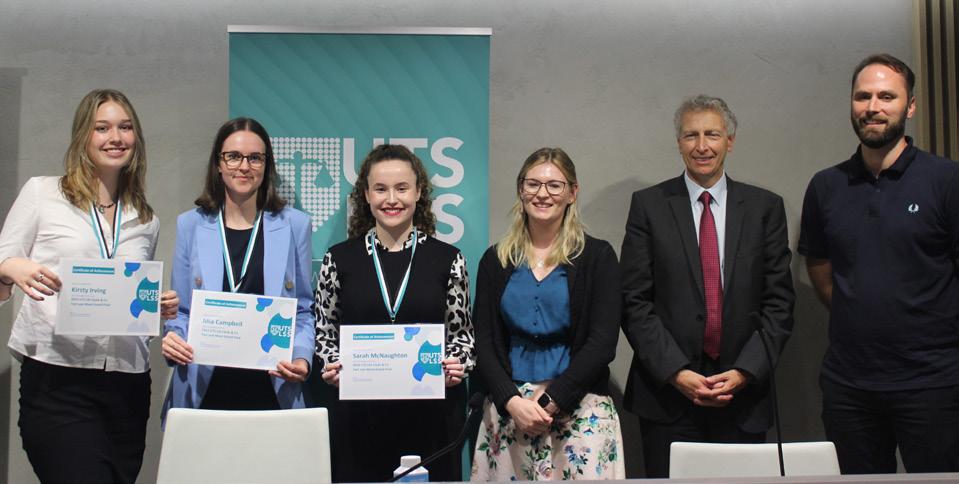
"I have been involved in UTS Mooting (mostly Torts) over the last 20 years and have been continually impressed by the good-natured manner in which these competitions have been run. It’s a great student community, overflowing with mutual support and encouragement in both the preparation, and at the hearings when the public gallery of the court is often packed to capacity. It is clear from the mooters I have seen over the years, and the testimonials of those mooters, that the self-confidence and professional development rewards of the mooting experience will increase exponentially – so get involved early in your studies!
Some mooting tips
The Facts
Mooting starts with the facts. These have been Mooting starts with the facts. These have been proved and the mooters are arguing a version of the law which, when applied to those facts, will prove or disprove their case.
Written submissions
A common criticism is that mooting teams have not, or have not sufficiently, interrogated their own authorities and those cited by their opponents. For example, a criminal authority for causation may have been cited in a Torts moot, or vice-versa. Do your research. Use a case citator to see if any authorities have been appealed against, overruled or rejected in other cases. Check whether the High Court has refused leave to appeal from any of the cases cited.
Your judges
If you know in advance who your judges will be, do a bit of research – if they are a judge or barrister, check whether they were involved in any of the cases you are arguing; if so, the worst thing you can do is argue that the case was poorly argued or decided by them!"
RECOMMENDATIONS
• Students who have completed Criminal Law and Procedure (70114) may find the competition more approachable. We strongly encourage law students with a keen interest in criminal law and who thrive in structured, high-pressure environments to apply. It is ideal for students interested in criminal law but are unsure whether they are suited to prosecutorial and defence-style reasoning before deciding which side of the courtroom suits them best.
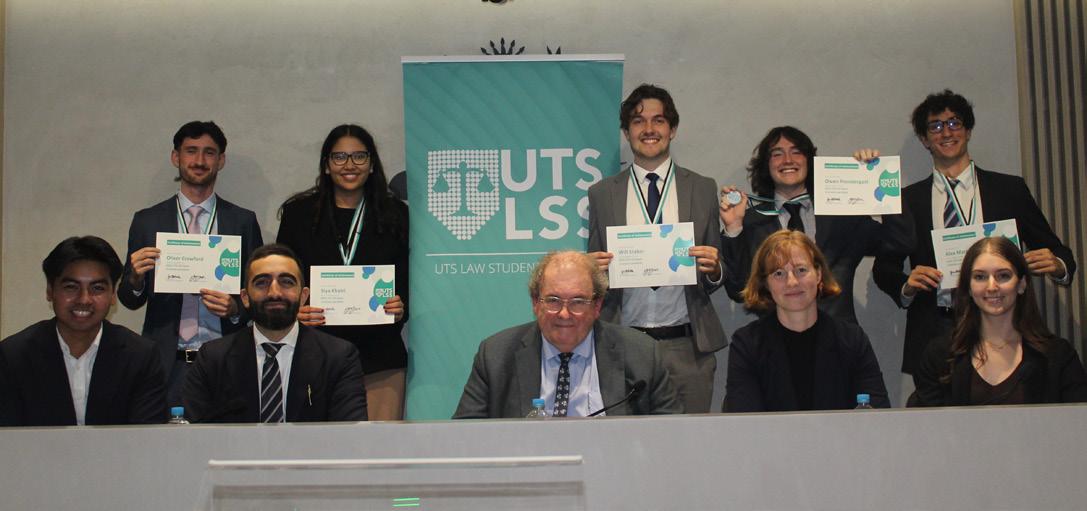
In the 2025 UTS LSS Open Criminal Law moot, competitors argued an appeal arising from a confrontation at a bottle shop involving an alleged robbery in company and a wounding offence under the Crimes Act 1900 (NSW). The problem required teams to grapple with claim of right, causation without physical contact, and the scope of joint and extended joint criminal enterprise. Success turned on precise statutory interpretation, careful use of authority, and the ability to respond to difficult questions about intent, foresight, and ‘in company’ liability.
This Moot runs in the Autumn Semester. Key dates include:
REGISTRATION PERIOD
PROBLEM QUESTION RELEASED
APPELLANT WRITTEN SUBMISSIONS DUE
RESPONDENT WRITTEN SUBMISSIONS DUE
GENERAL ROUNDS
SEMI-FINALS
GRAND FINAL
Friday 3 April –Saturday 11 April 2026
Sunday 12 April 2026
Wednesday 6 May 2026, 6pm
Friday 8 May 2026, 6pm
Saturday 9 May –Sunday 10 May 2026
Monday 11 May 2026
Wednesday 13 May 2026
The Criminal Law Moot supports students at every stage of their mooting career through progressive exposure to mooting skills.
Junior mooters who are interested in getting involved straight away will be introduced to written submissions, courtroom etiquette and structured oral advocacy. Competitors who are progressing from the Junior Criminal Law Moot in 2025 will be built on their issue-spotting, statutory construction under the Crimes Act 1900 (NSW) and confident engagement with judicial questioning.
Compete in this moot to refine your advanced advocacy technique in building case theory, convincing the judge of your side, testing your aptitude for criminal practice and developing strong mooter examples for paralegal, clerkship and graduate applications. This moot provides competitors with invaluable experience in advocacy and legal reasoning, strengthening their skills and enhancing their applications for the Cowdery Moot (see page 37).
"The Open Criminal Law Moot is a must for any student, whether or not you intend to go into the field! The moot will help develop your oral advocacy (win your next argument against siblings!), written arguments (for actual uni work/as a lawyer), within a fun environment with interesting material (because who doesn’t love a good murder question!). To do well in this moot focus on understanding what your side needs to do to win, and centre your submissions about how you get there. Focus on simple, clear statements, and avoid being long winded. This moot will train you to be clear, direct, to the point and an all-round great practitioner."
RECOMMENDATIONS
• It is recommended (yet not necessary) that participants have completed Introduction to Property and Commercial Law (70327).
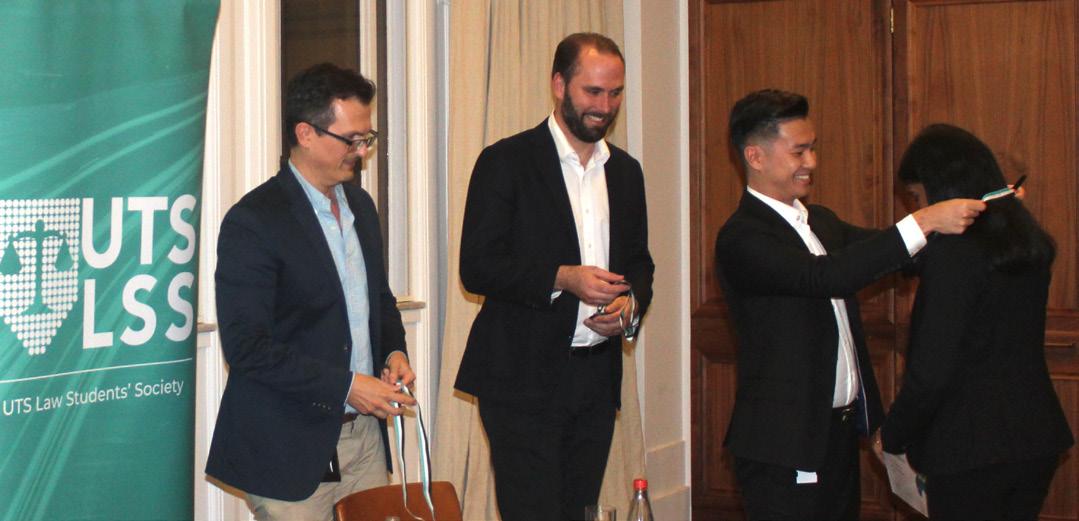
The UTS LSS Open Commercial Law Moot presents a great opportunity to students with a keen interest in commercial law to develop their skills. This competition will provide participants with the opportunity to conduct legal research, write submissions and converse with experienced judges on nuanced and complex areas of commercial law.
The 2025 UTS LSS Ashurst Open Commercial Law Moot concerned the failed sale of a coastal property to a corporate purchaser that later defaulted before settlement. The dispute centres on a fraudulent pre-contractual misrepresentation made by the vendor’s husband during inspections, and whether it can be attributed to the vendor through ostensible agency or under the Australian Consumer Law. The appeal raises key commercial law issues including agency, misleading or deceptive conduct in trade or commerce, accessory liability under the ACL, and whether a post-contractual variation discharged a director’s personal guarantee.
This Moot runs in the Autumn Semester. Key dates include:
REGISTRATION PERIOD
PROBLEM QUESTION RELEASED
APPELLANT WRITTEN SUBMISSIONS DUE
RESPONDENT WRITTEN SUBMISSIONS DUE
GENERAL ROUNDS
SEMI-FINALS
GRAND FINAL
Friday 20 February –Sunday 1 March 2026
Monday 2 March 2026
Wednesday 25 March 2026, 6pm
Friday 27 March 2026, 6pm
Saturday 28 March –Sunday 29 March 2026
Monday 30 March 2026
Wednesday 1 April 2026
Whether you have a passion for commercial law, thrived in 70327 Introduction to Property and Commercial Law or 79018 Advanced Commercial Law, or you are simply interested in developing your legal knowledge outside of the classroom, this moot is perfect for you!
Michael Farah
Runner up of the UTS LSS Ashurst Commercial Law Moot 2025 TIME COMMITMENT
"Competing in moots throughout my degree has been one of the highlights of my university experience. I originally chose to get involved in mooting to develop my legal advocacy skills and to test my legal knowledge, but it quickly became one of the most enjoyable parts of my studies. From the people you meet, the friendships you make and the experience you gain, mooting is a quintessential way to get involved on campus life as well as develop your legal and advocacy skills. In my experience, I’ve found mooting to develop a combination of skills that are useful in various environments. It teaches you to think on your feet, structure clear and concise arguments, respond calmly to challenging technical questions and communicate complex ideas eloquently. These are all skills that have proven useful for job interviews, contributing effectively in the workplace and writing clear and concise essays! If you prepare well, stay calm when engaging with the bench and remain open to learning, mooting can be an incredibly rewarding experience.
The UTS LSS and Faculty of Law run a variety of moots throughout the year, and whether you’re a first year law student or in your final years of your degree I would strongly encourage all law students to compete."
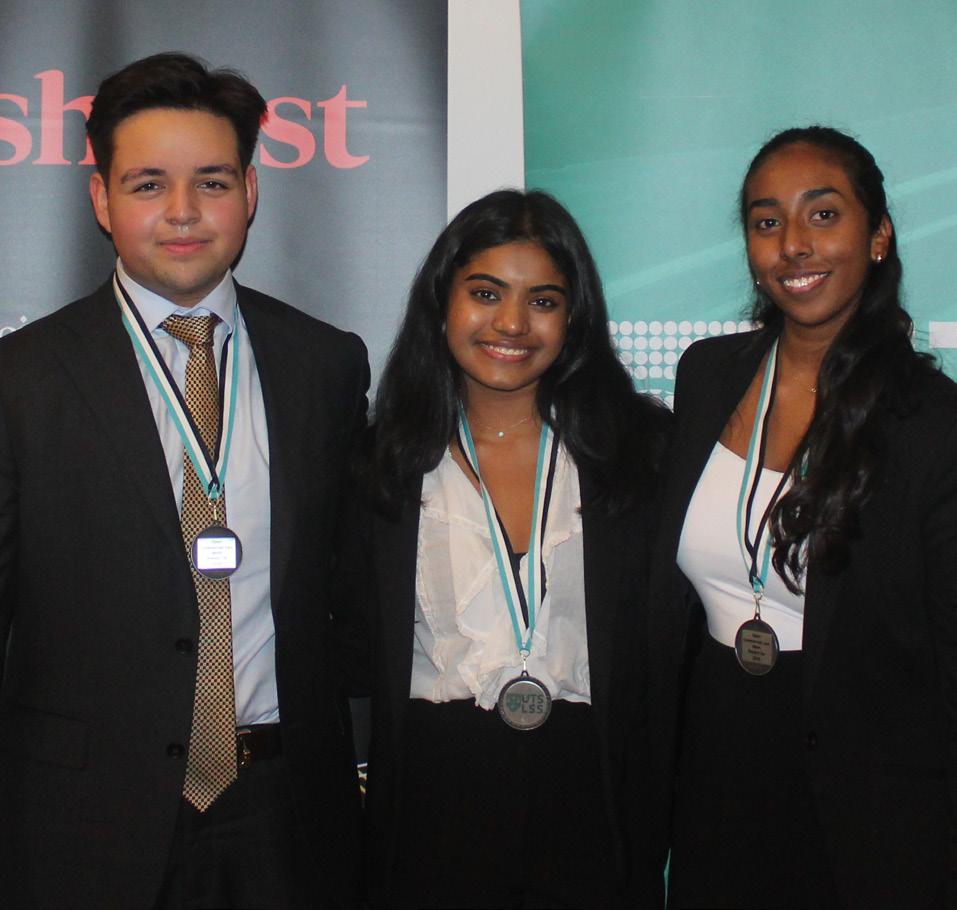
RECOMMENDATIONS
It is recommended that participants first gain experience by competing in the Junior Contract Law Moot.
• Students who have completed Contracts (70211) may find the competition more approachable.
Calling all contract law enthusiasts! The UTS LSS Open Contract Law Moot is a chance for students to hone legal research and advocacy skills, craft compelling submissions, and engage with experienced judges in a courtroom setting.
Contract law is a core area of study at UTS which is typically studied earlier within the UTS Law degree and is widely practiced. Building on foundational contract law knowledge, this Moot gives students the chance to explore the real-world application of key principles and prepares students for future challenges.
The 2025 KWM Open Contract Law moot concerned a COVID-era AirBNB booking for a family holiday in Jindabyne. After booking under a strict cancellation policy, the guest relied on a pre-contractual message from the host suggesting they could “work something out” if COVID-19 interfered. When state border closures forced the family to leave early, the host refused a refund. The dispute raises key contract law issues on whether pre-contractual statements can become contractual or collateral terms, the operation of promissory estoppel, and whether the contract was frustrated by government border closures.
This Moot runs in the Spring Semester. Key dates include:
REGISTRATION PERIOD
PROBLEM QUESTION RELEASED
APPELLANT WRITTEN SUBMISSIONS DUE
RESPONDENT WRITTEN SUBMISSIONS DUE
GENERAL ROUNDS
SEMI-FINALS
GRAND FINAL
Friday 26 June –Saturday 4 July 2026
Sunday 5 July 2026
Wednesday 29 July 2026, 6pm
Friday 31 July 2026, 6pm
Saturday 1 August –Sunday 2 August 2026
Monday 3 August 2026
Wednesday 5 August 2026
Competing in the UTS LSS Open Contract Law Moot is also a fantastic starting point and stepping stone to competing in intervarsity moots, such as the UTS LSS x MULS Bilateral Contract Moot! (see page 38).
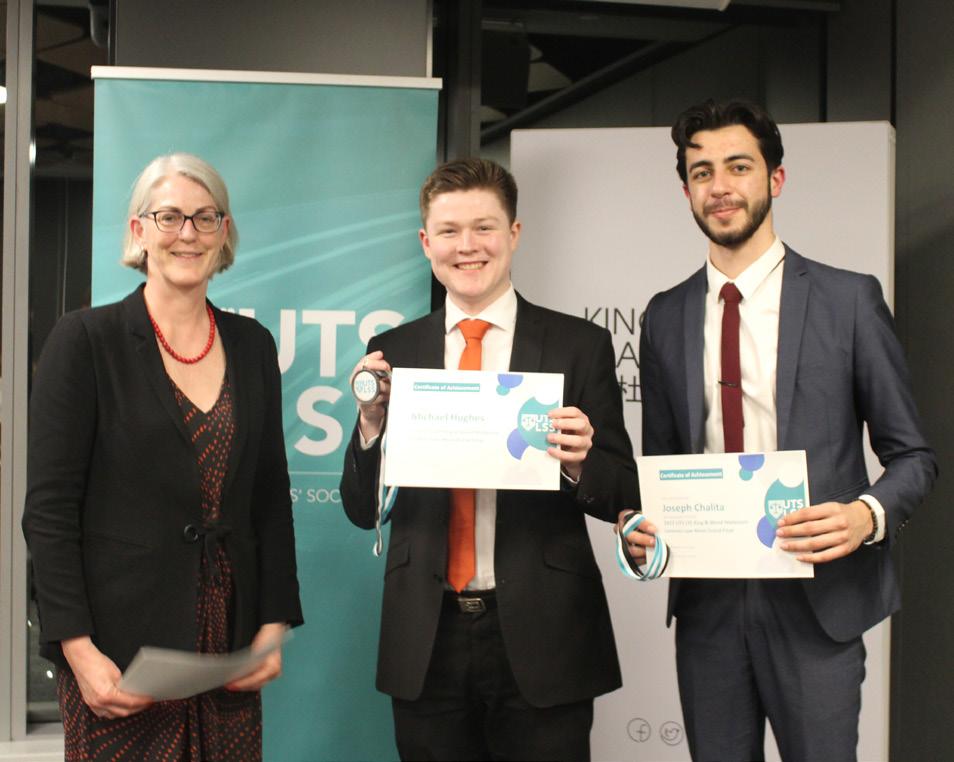
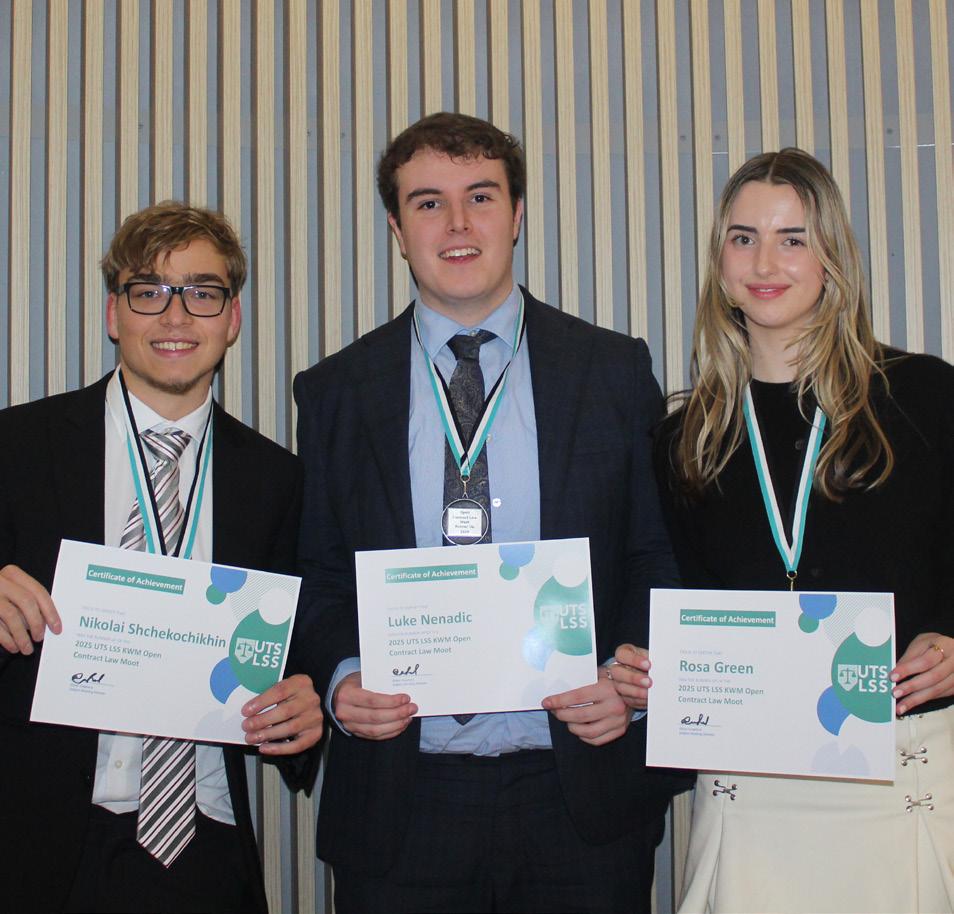
RECOMMENDATIONS
Given the complexity of this moot, having studied Australian Constitutional Law (70616) will be advantageous to prospective competitors.
As one of the last subject moots of the UTS LSS’ Competitions calendar year, this Moot presents the ultimate constitutional law challenge for aspiring legal advocates. Dive deep into pressing and nuanced constitutional issues as you enhance your legal research skills and craft persuasive submissions. This Moot will push competitors to think critically about constitutional interpretation and its application to practical scenarios.
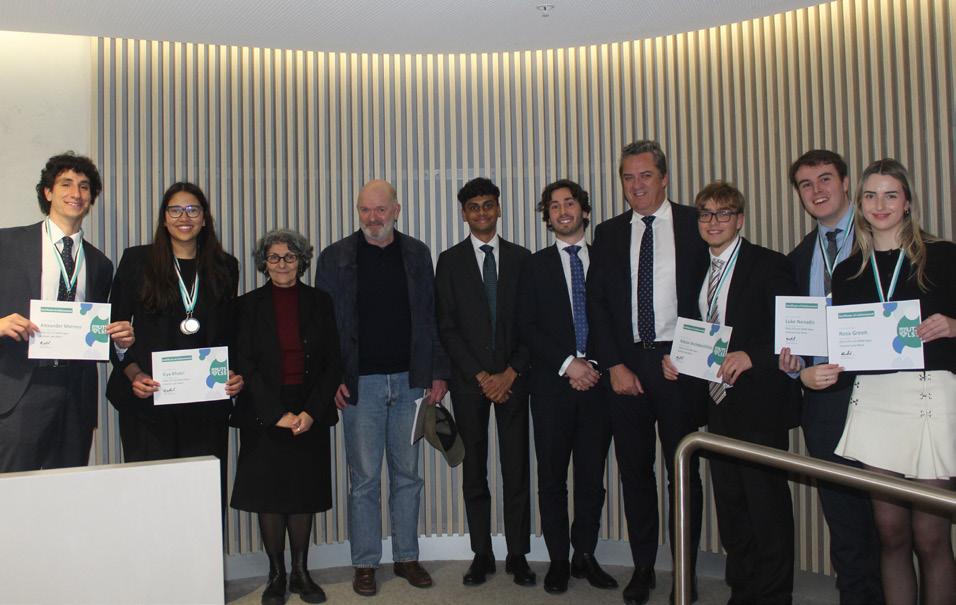
The 2025 UTS LSS Open Constitutional Law Moot challenged the constitutional validity of the Commonwealth’s Big Beautiful Tariffs Act 2025 (Cth), which introduced a discretionary tariff-based customs processing scheme aimed at addressing an alleged trade deficit “emergency.” An affected importer argues that the scheme is not supported by the taxation power in s 51(ii) of the Constitution and that the review powers exercised by the Import Security Panel impermissibly confer nonjudicial power contrary to Chapter III. The case raises foundational issues of constitutional characterisation, executive discretion, and the separation of judicial power.
This Moot runs in the Spring Session. Key dates include:
REGISTRATION PERIOD
PROBLEM QUESTION RELEASED
APPELLANT WRITTEN SUBMISSIONS DUE
RESPONDENT WRITTEN SUBMISSIONS DUE
GENERAL ROUNDS
SEMI-FINALS
GRAND FINAL
Friday 31 July –Saturday 8 August 2026
Sunday 9 August 2026
Wednesday 2 September 2026, 6pm
Friday 4 September 2026, 6pm
Saturday 5 September –Sunday 6 September 2026
Monday 7 September 2026
Wednesday 9 September 2026
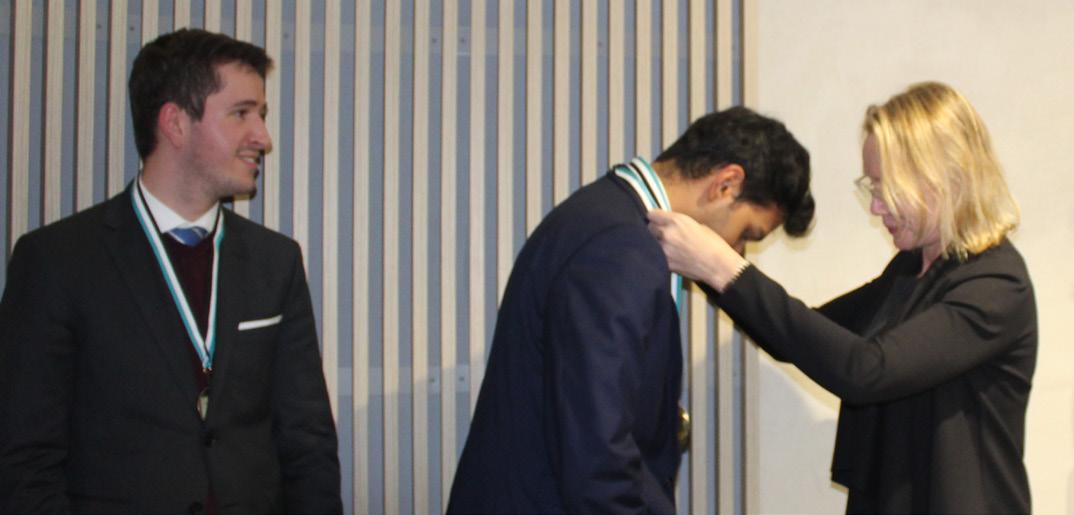
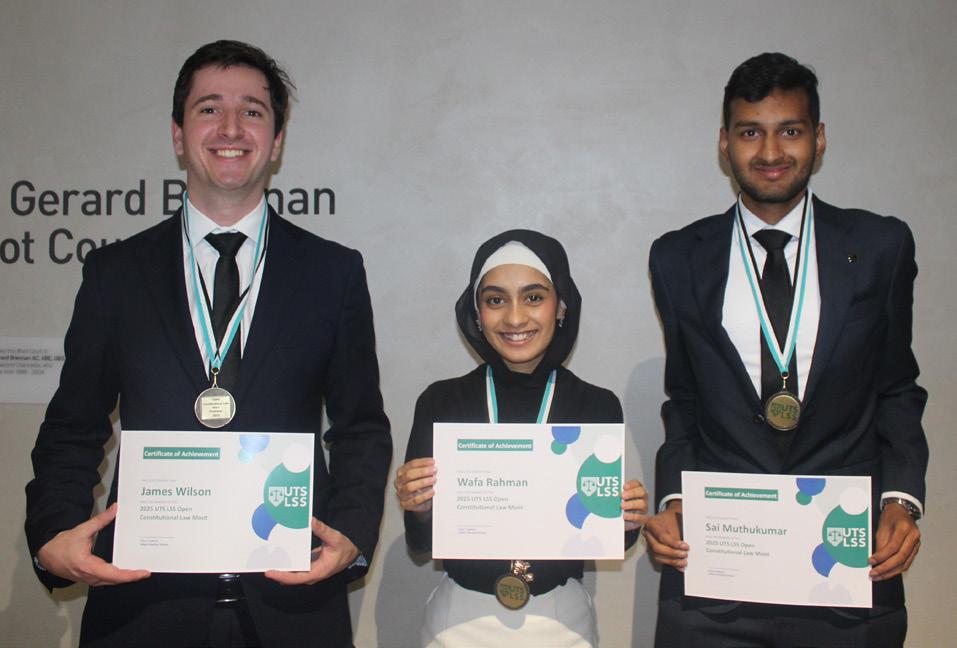
"In 2025, I had the privilege of winning the Opens Constitutional Law Moot. Having previously competed in only one moot—the 2025 Opens Tort Law Moot as an instructing solicitor—the prospect of stepping into the role of Senior Counsel for the constitutional law moot initially felt daunting. Nevertheless, my team and I embraced the challenge of grappling with Chapter III courts and the taxation head of power, and we emerged on the other side not only sane, but with flying colours.
My interest in mooting was first sparked by watching UTS LSS grand finals. The level of knowledge, preparation, and advocacy displayed by each competitor was remarkable. Coupled with my aspiration to one day become a barrister, I knew that mooting was where I wanted to be.
Mooting can certainly seem intimidating at first. However, with a strong mindset and a supportive team, it can also be an incredibly rewarding experience. My main advice is to believe in yourself. If so many competitors before you have done it, why not you?
I would also strongly encourage seeking advice throughout the process. Mooting is not a one-person exercise—you are part of a team. Beyond that, there are many experienced competitors who are eager to share their insights, and it is worth making the most of the resources around you. Judges, in particular, provide invaluable feedback, so don’t be shy to ask for areas of improvement. Progressing and improving from round to round is key—never allow one bad round to pull you down.
If you have even a passing interest in mooting, I would definitely recommend giving it a try. Taking that first step is often the hardest part, and you may pleasantly surprise yourself by just how much you are truly capable of!"
TIME COMMITMENT
RECOMMENDATIONS
Students who have completed Public International Law (70108) will find this moot more approachable.
As the final Subject Moot in the UTS LSS Competitions calendar, this Moot presents the ultimate challenge for aspiring international law advocates. Competitors will grapple with complex and contemporary issues of humanitarian law, exploring the regulation of armed conflict, the protection of civilians, and the accountability of state and non-state actors. This Moot sharpens advanced legal research skills and demands clear, persuasive advocacy as participants apply humanitarian principles to realistic and evolving global scenarios.
The 2025 UTS LSS Open Humanitarian Law moot arose from allegations of war crimes committed by President Gretel Foximus of Blueland during an internal armed conflict with the Vermil National Liberation Front (VNLF), an Indigenous secessionist movement. The dispute centres on two incidents: a drone strike known as Operation Blue Tiger that caused civilian deaths at Vermilion General Hospital, and the killing of protestors by an autonomous weapons system installed along the Blueland–Vermilion border. The charges raise key issues under international humanitarian law, including the classification of the conflict, proportionality in attacks, individual and command responsibility under Articles 25 and 28 of the Rome Statute, and the legality of using artificial intelligence and autonomous weapons in armed conflict.
This Moot runs in the Spring Session. Key dates include:
REGISTRATION PERIOD
PROBLEM QUESTION RELEASED
APPELLANT WRITTEN SUBMISSIONS DUE
RESPONDENT WRITTEN SUBMISSIONS DUE
GENERAL ROUNDS
SEMI-FINALS
GRAND FINAL
Friday 4 September –Saturday 12 September 2026
Sunday 13 September 2026
Wednesday 7 October 2026, 6pm
Friday 9 October 2026, 6pm
Saturday 10 October –Sunday 11 October 2026
Monday 12 October 2026
Wednesday 14 October 2026
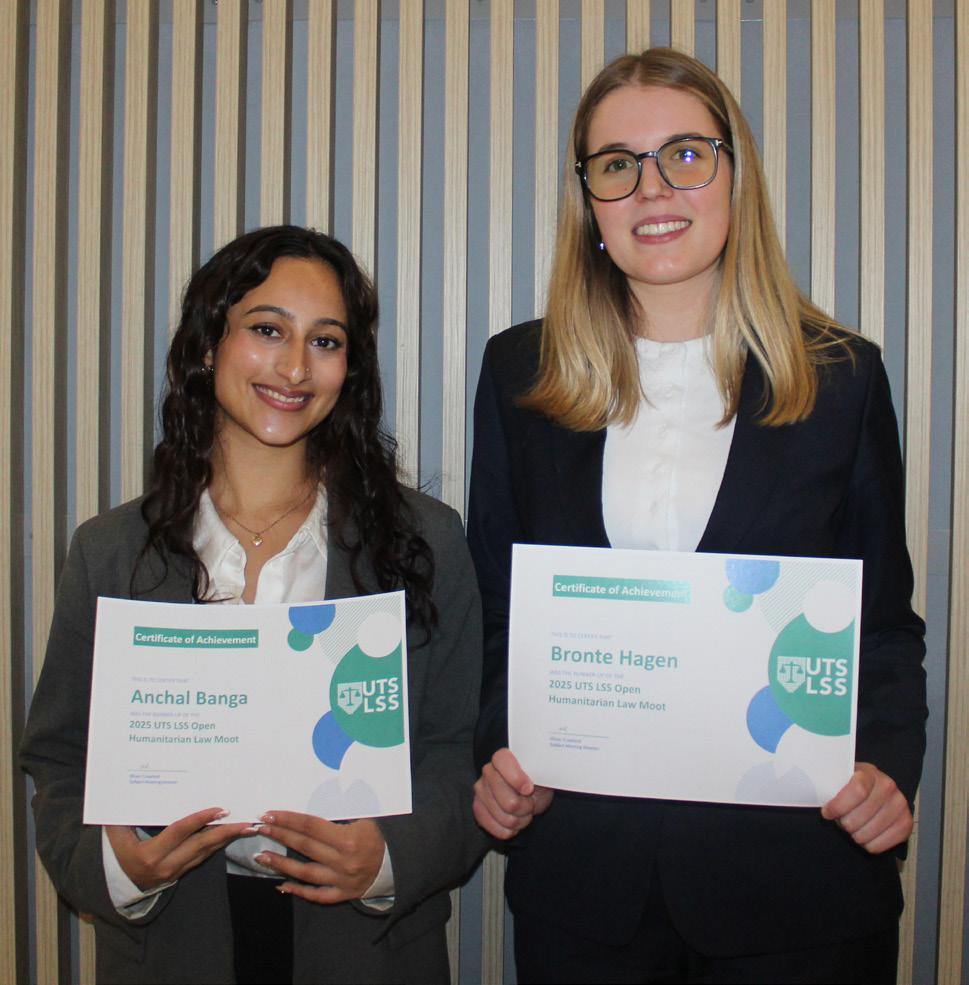
"We had the opportunity to compete in our first ever moot at UTS in 2025 as part of the Open LSS Humanitarian Law Moot. This was our first experience with mooting, and it ended up being one of the most rewarding parts of our law studies so far.
We decided to try mooting because it offers something that regular classes don’t. It pushes you to apply the law in a practical way, improve your speaking skills, and think on your feet in a real advocacy setting.
Although we were quite nervous at the start, especially competing against students who had mooted before, we quickly realised how supportive and welcoming the environment was. Our competitors were friendly and always willing to help, which made the experience far less intimidating than we expected.
Our advice to future competitors is to definitely give mooring a red hot go ! Listening closely to judges’ feedback is really important, as it helps you improve with each round and build confidence over time.
By the end of the competition, we both felt much more confident speaking in front of others and had a better understanding of legal research and how to use it in practice. Mooting also gave us the chance to meet like-minded law students and build great connections along the way.
Overall, it was a challenging but incredibly worthwhile experience that we would highly recommend to any law student."
• The Mooting Mentoring Program is open to all UTS LSS Members! If you’ve never mooted before, this program will equip you with everything you need to know to crush the Junior Moots to follow. If you have mooted previously or participated in the 2025 Mooting Mentoring Program, you’re still eligible and more than welcome to participate and sharpen up your mooting skills!
Please note that if capacity is reached preference will be given to first-time participants who do not have prior mooting experience.
• Ensure that you can commit to the weekly workshops so that you maximise the tips, tricks and knowledge that this program has to offer you for the success of your mooting journey!
• Consider extending your involvement in the Mooting Mentoring Program by participating in the Beginner Moot Intensive following the final workshop. The Moot Intensive will allow participants in the MMP to compete against each other in the first Junior Moot of the year, allowing students to apply the knowledge they have gained in a practical, competitive and educational setting, setting them up for success in the upcoming Junior Moots.
Want to get involved in mooting but don’t know where to start? The Mooting Mentoring Program is an excellent opportunity for law students at all stages of their degree to learn and develop fundamental research, writing and advocacy skills. All your questions will be answered in this program, which welcomes and encourages every single student to participate, where you will speak with and learn from some of the most skilled and experienced in oral and written advocacy to ensure you are equipped with the skillset to moot at the highest level!
This consists of weekly sessions including workshops led by an experienced mooting mentor who will take the group through problem questions from previous moots. Each session will focus on a different aspect of mooting,

including legal research, written submissions, and oral submissions. These sessions will enable you to gain further insights outside of the workshops and meet the Competitions community, making some great friends and academic connections… and who knows, maybe you’ll even form a formidable mooting team to compete with in the future!
Don’t miss this opportunity to access a bank of invaluable knowledge which will benefit participants greatly, providing a solid foundation so all students are ready to hit the ground running for the exciting mooting opportunities that arise throughout the year and their degree.
Please note the following key dates of the Mooting Mentoring Program:
REGISTRATIONS OPEN
SESSION #1
SESSION #2
SESSION #3
SESSION #4
DIRECTOR’S TIP:
22 February 2026
9 March 2026
16 March 2026
23 March 2026
30 March 2026
This year, we will be launching the first online platform which will have everything mootingrelated, serving as a hub for Q&A, livestreamed online events, information, and dates on all upcoming moots. You name it - it’ll be there! When this rolls out, please ensure you join so that you don’t miss any details and have every opportunity to learn, ask questions, and stay on top of the junior mooting schedule as much as possible!

RECOMMENDATIONS
• This Program is best suited for first-time mooters who want to give mooting a go before diving into the Junior Moots and/ or the Open Moots.
• It is strongly recommended that students participate in the Mooting Mentoring Program prior to competing in the Beginner Moot Intensive, as this program will teach you everything you need to know to succeed in this competition and allow you to meet your fellow competitors where you can potentially form a team! If you don’t have a team, fear not – you can still register solo and we will allocate you a team!
Returning in a revamped style in 2026, the Beginner Moot Intensive is a moot in a condensed format available to all first-time mooters, regardless of the stage of their law degree. The Intensive will run in the Autumn Session as the first Junior Competition of the year and is the best opportunity for participants of the Mooting Mentoring Program to test out the newly-acquired skills they learnt and receive valuable practical experience before jumping into the junior moots kicking off at the end of the Autumn session.
The Intensive is designed to follow on from the Mooting Mentoring Program, focusing largely on the advocacy skills of participants and encouraging students to begin to find and develop their own mooting style. Participation in the Mooting Mentoring Program is not essential but is highly encouraged!
The problem question may consist of torts, contract, or criminal law, and will aid students in answering the question by providing the necessary cases and legislation required to answer the question. While additional research is never discouraged, the Intensive is designed to be a challenging learning experience where you will master your legal research and advocacy skills, which will remain a key part of your journey through Law all the way through to your career!
Please note the key dates for this Intensive below:
REGISTRATION PERIOD
PROBLEM QUESTION RELEASED
APPELLANT WRITTEN SUBMISSIONS DUE
RESPONDENT WRITTEN SUBMISSIONS DUE
GENERAL ROUNDS
SEMI-FINAL AND GRAND FINAL
Sunday 1 March –Tuesday 10 March 2026
Monday 9 March 2026
Wednesday 1 April 2026, 6pm
Friday 3 April 2026, 6pm
Saturday 4 April 2026
Sunday 5 April 2026

Serving as a way to break the barrier into mooting, participating in the Beginner Moot Intensive is a great way to develop your advocacy skills, receiving detailed feedback from judges and providing you with a head-start on the competition!
Note: Students who take part in the Beginner Moot Intensive will not be restricted from other junior moots (including the Junior Contract, Tort, Criminal Law Moot). It is advised that the experience gained through the Intensive will directly benefit performance in future Junior and Open Moots.
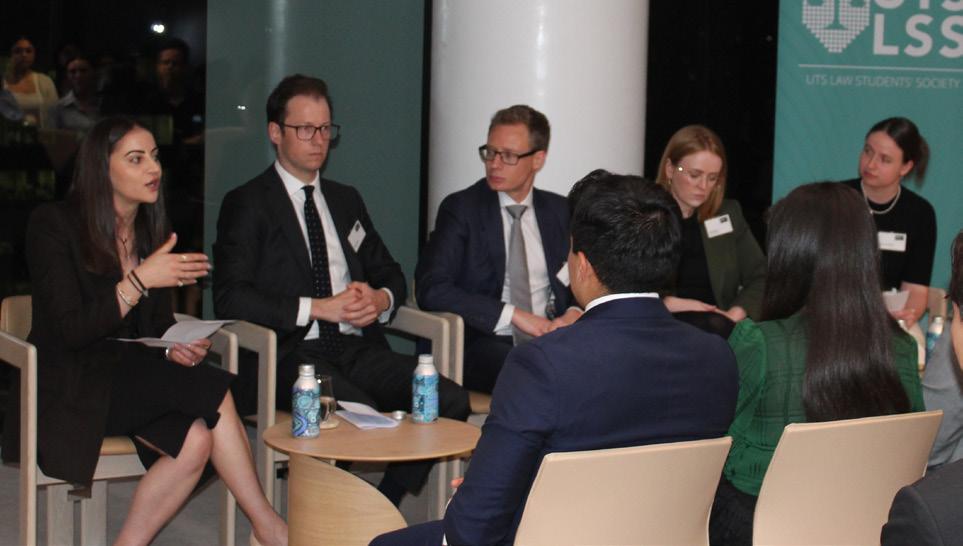
"In 2025, we made the amazing decision of participating in the Beginner Moot Intensive. After becoming friends during first year Law Camp, we chose to compete in the Intensive Moot together as it seemed to be the best way to enter the exciting (and what felt like the slightly intimidating) world of competitions as firstyear law students. Upon reflection, our involvement in future competitions stemmed from the skills and confidence we developed in the Beginner Moot Intensive. During the intensive, we learnt how to find relevant cases online, attempted AGLC referencing, and spent more hours on FaceTime calls than we could remember to make sure that our submissions made sense. The challenging yet even more rewarding learning process allowed us to familiarise ourselves with proper court etiquette, develop critical and creative thinking when forming written submissions, and become adaptable during oral submissions based on a judge’s questioning. It was so much fun to feel like we were presenting in a real courtroom, and we got to meet experienced mooters who have generously provided their support in the competitions we have entered since.
For these reasons, we cannot recommend mooting more to first and second year students. It is the best way to become involved, and our advice is to view each round as a learning opportunity and to write down all feedback you receive so you can enhance your skills in future rounds."


RECOMMENDATIONS
• Students from all years are welcome to compete in the Client Interview Competitions! It is recommended that if you are a first or second year student who has never competed in Client Interview before, you compete in the Junior Client Interview Competition first before trying out Open!
Client Interview requires minimal legal knowledge and offers law students an excellent opportunity to develop the invaluable skill of building professional working relationships with clients.
How does it work?
Before the interview, competitors will be given a memorandum briefly outlining a client’s legal issue(s).
In pairs, competitors assume the role of solicitors to conduct a 30-minute interview with a client, simulating an initial legal consultation. Competitors are tasked with eliciting information from the client before providing preliminary advice on the relevant issues and area(s) of law, including possible courses of legal and non-legal action. In doing so, competitors will be faced with complex legal problems, moral and ethical issues, and the need to manage a client’s varying expectations regarding the meeting’s goals.
Post-interview, competitors have five minutes to prepare a five-minute long reflection upon the strengths and weaknesses of their client interview, both as competitors and lawyers. Once the reflection has been presented, competitors are provided with feedback by their judge(s).
When can I compete?
There are two internally-held Client Interview Competitions to look out for this year;
1. The Open Client Interview Competition is held in Semester One. The competition is held weekly on Wednesday, consisting of a preliminary round and three general rounds, followed by the quarter-final, semi-final and grand final. This year, the Open Client Interview Competition will take place from 11 March to 29 April (Week 4 – Week 10).
2. The Junior Client Interview Competition is held in Semester Two for UTS Law students in their first or second year. This is the perfect opportunity for students who have never competed before to gain experience in the competition in an encouraging and supportive environment. The Junior Client Interview Competition follows the same format as the Open Client Interview Competition, and is scheduled to take place 19 August to 7 October (Week 4 – Week 10).
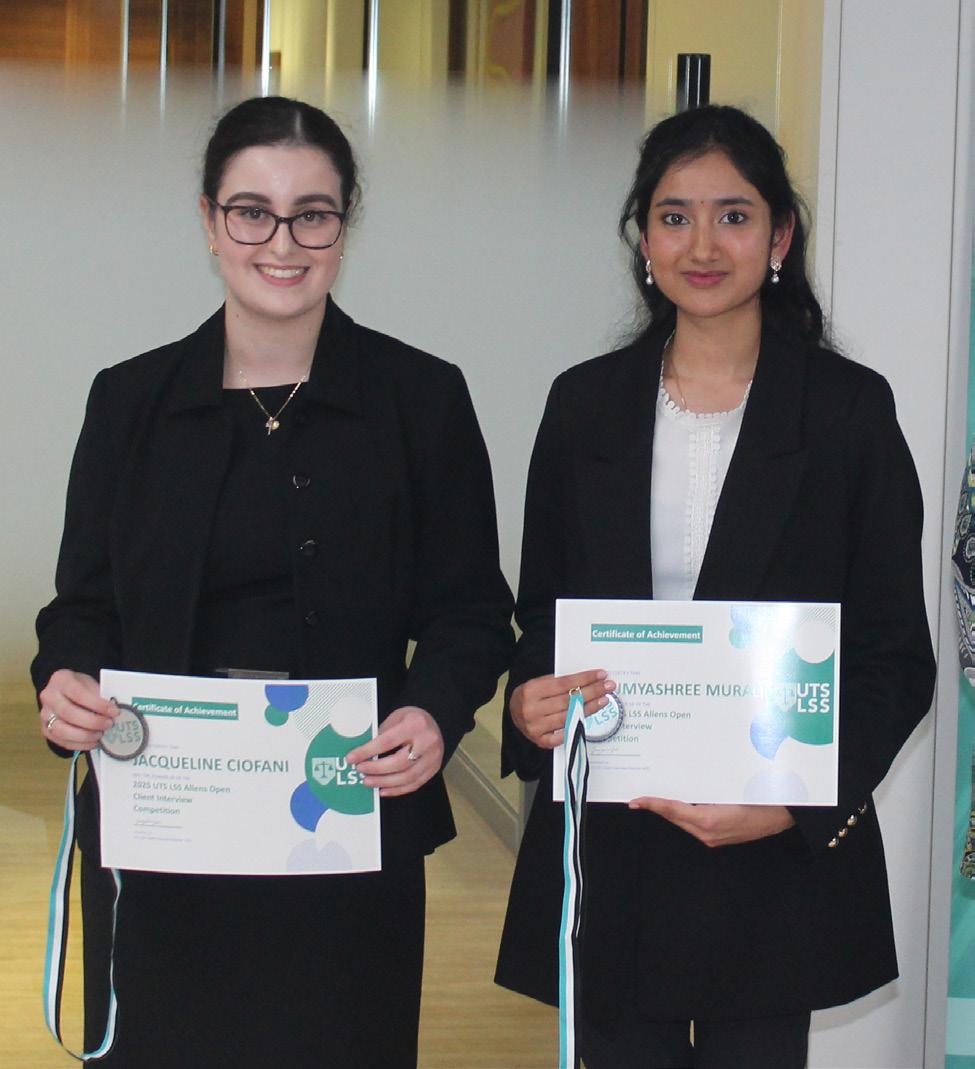
Jacqueline Dwyer
UTS LSS Allens Open Client Interview Competition 2025 Winner
"I entered the Open Client Interview Competition with very little prior competition experience and was looking for something that felt less intimidating than mooting. It ended up being the perfect starting point – it was easy to pick up, genuinely fun, and even better doing it with a friend.
Each week the problem question covered very different areas of law, which meant I had to learn how to adapt quickly and think on my feet. I also developed the skill of communicating legal ideas in plain English. My partner, Zoe, and I were fortunate enough to win the competition, which was incredibly rewarding and really showed us how valuable strong teamwork can be. It felt like a very practical competition that taught me transferable skills in a non-daunting way, with a much smaller time commitment than traditional mooting. It was also a great way to get more involved with the LSS, as I hadn’t been very involved before. The judges not only dedicated their time to giving genuinely valuable feedback, but I was also able to make friends with many of them and now feel much more connected at uni.
If I had any advice, it would be to just try one competition and don’t set any expectations - at the very least, you’ll walk away with more confidence and a genuinely fun experience."
RECOMMENDATIONS
• Students from all years are welcome to compete in the Negotiation Competitions! It is recommended that if you are a first or second year student who has never competed in Negotiation before, you compete in the Junior Competition first before trying out Open!
Negotiation challenges competitors to engage with real-world legal dispute resolution by crafting a strategy within the bounds of client instructions and shared and confidential facts, to advocate for their client’s best interests and achieve resolution.
How does it work?
As negotiation skills are crucial in all areas of law, in this competition you may find yourself representing professional athletes in a high-stakes salary negotiation, world powers vying for State interests and influence, conglomerates competing for market control or accused criminals seeking favourable plea deals and sentence reductions. This competition requires no specific legal knowledge, research or experience!
Teams will compete in pairs acting as solicitors receiving common facts which outline the broader context of the dispute and party relationships, and individual confidential facts containing client instructions and crucial information with the potential to assist or derail the success of your client achieving their interests. Competitors must prepare by engaging with these facts to craft their strategy, position, goals and any necessary concessions to ensure effective negotiation that reaches mutual agreement that aligns with their client’s goals. During the round, competitors are challenged to be flexible in ascertaining their opposition's hidden areas of weakness or advantage. Judges will evaluate success based on strategy, teamwork, collaboration, and ability to effectively address their client’s needs.
There are two internal Negotiation Competitions to look out for this year!
1. The Open Negotiation competition is held in Semester One. All students are welcome to compete, however it is best suited for students from their second year and beyond or those with prior experience competing in Junior Negotiation. The competition is held weekly on Tuesday. consisting of a preliminary round and three general rounds, followed by the quarter-final, semifinal and grand final. This year, the Open Negotiation competition will take place between 10 March 2026 to 28 April 2026 (Week 4 – Week 10).
2. The Junior Negotiation Competition is held in Semester Two for UTS Law students in their first or second year.
2. This is the perfect opportunity for students who have never competed before to gain competition experience in an encouraging and supportive environment. The Junior Negotiation Competition follows the same format as the Open Negotiation Competition, scheduled to take place each Tuesday between 18 August 2026 to 6 October 2026 (Week 4 – Week 10).
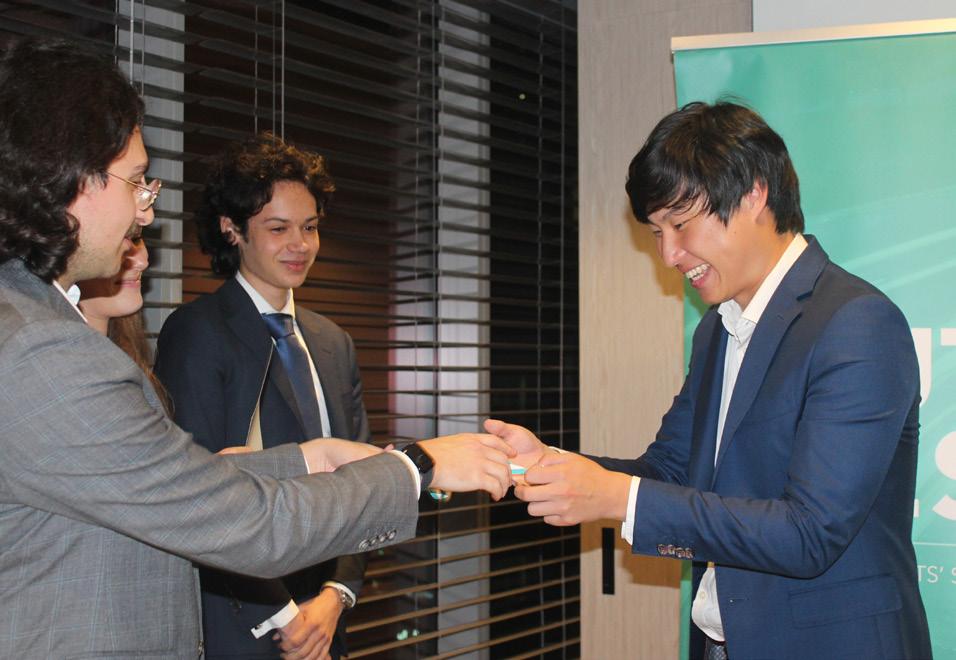
"Our experience in the 2025 UTS LSS Opens Negotiation Competition was extremely rewarding as we honed in various skills ranging from on-thespot thinking to hidden micro- strategies. Every week, there were different scenarios that required us to think creatively and assess the situation from a unique perspective of one of the stakeholders involved in the negotiation. There were never two weeks with the same situation, but we began to recognise common patterns that we could leverage from round to round.
Each round also taught us the importance of being adaptable and having clear communication, which are very applicable skills that are transferable to the real world. Over time, we became a tightly interdependent team, built on mutual trust and understanding, which was a key factor in our success.
We chose to compete because we wanted to challenge ourselves in a dynamic and practical environment beyond traditional moot court. Not only did we thoroughly enjoy the process, but we also walked away with skills that are invaluable both in mooting and in professional contexts such as negotiation, teamwork, and strategic thinking.
For first time negotiators, a tip is to always work together. A successful negotiation requires the team to establish subtle control over their opponents, and to do this, both teammates should be able to anticipate each other’s moves, support one another seamlessly, and adapt their strategies in real time."
RECOMMENDATIONS
• Whilst it is not a prerequisite, completing 70109 Evidence will be incredibly helpful to competitors particularly when making objections.
Witness Examination is a chance for competitors to have their ‘Elle Woods’ moment and showcase their ability to ask sharp questions within the boundaries of Evidence Law. Each week, competitors will be tasked with either defending or prosecuting alleged murderers, fraudsters, burglars and more in court. This is an opportunity to develop your legal and advocacy skills under timed pressure, guide your witness effectively, build a strong case, and handle objections from opposing counsel and the judge. There will also be opportunities throughout the year to spectate witness examination - one of the most interesting competitions to watch!
How does it work?
Competitors are assigned to either act as the Crown (Prosecution) or the Defence. They are given 60 minutes to read the problem question and prepare their case. The problem question usually concerns breaches of the Crimes Act 1900 and includes the relevant laws and witness statements. Then, competitors are given 30 minutes during which they can prepare their own witness for the Examination in Chief and the opposition’s Cross Examination.
During the round, competitors will present their opening statements, examination-in-chief, cross-examination, and closing statements to the judge(s). Competitors will also engage with their opponent by raising objections and answering questions from the judge(s).
1. The Open Witness Examination Competition is held weekly on Thursday in Semester One. This competition does not require any preparation throughout the week and instead involves 90 minutes of prep time on the day and around 60 minute rounds. This year, the Open Witness Examination competition will take place between 12 March 2026 to 30 April 2026 (Week 4 –Week 10).
2. The Junior Witness Examination Competition is held in Semester Two for UTS Law students in their first or second year. This is the perfect opportunity for students who have never competed before to gain experience in an encouraging and supportive environment. The Junior Witness Examination Competition follows the same format as the Open Witness Examination Competition, scheduled to take place on Thursday between 20 August 2026 to 8 October 2026 (Week 4 – Week 10).
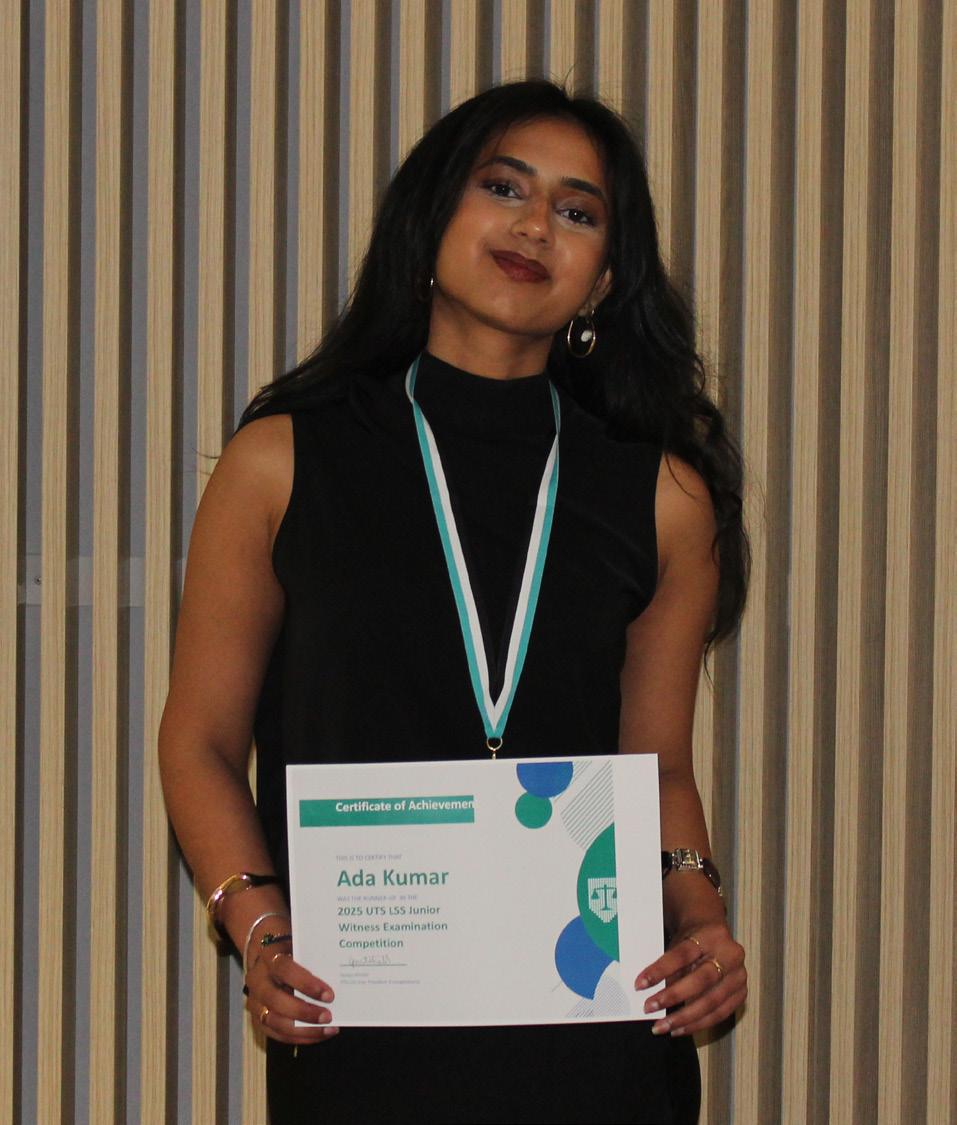
"The Junior Witness Examination Competition was an experience that allowed me to explore what advocacy felt like beyond the pages of the textbook. Hearing about the Witness Examination may seem a bit daunting, but there's honestly nothing you can lose by just giving it a go. Instead, I gained skills beyond what I expected. On the spot thinking taught me how to adapt my strategy and communicate with clarity, helping me both in and out of the competition.
For me, what really set this competition apart was its lack of safety net. Without being allowed for the reassurance of preparation, you are encouraged to form your own narrative as opposed to following established ways of thinking, setting up the experience aside from other learning opportunities. You walk away from this experience learning what it means to examine a witness (outside of watching Suits) and more confidence in yourself.
The support from the UTS LSS truly made it a fun experience as opposed to a daunting one, allowing you to learn and grow despite being new to the experience. My top tip is to embrace the feedback you receive on a weekly basis. Sometimes you might be reminded that you're not in a tv show, that's okay too. Don't be afraid to talk to your judges, learn from the people around you, and have fun participating in a new opportunity."
RECOMMENDATIONS
• All UTS LSS members, irrespective of your year of study, are encouraged to apply! There are no subject prerequisites. Success in these competitions will be dependent upon your ability to write concisely and research thoroughly.
• Having studied 70104 Civil Law and Procedure and 70109 Evidence will be useful to Advice Writing and Affidavit Drafting competitors respectively. However, please note this is not a prerequisite and will not give any competitor a significant advantage.
The UTS LSS runs two Written Skills competitions annually: the Advice Writing Competition and the Affidavit Drafting Competition.
Unlike the UTS LSS’ other skills and mooting competitions, the two Written Skills Competitions are designed for virtual participation and have no in-person component. The competitions consist solely of research and drafting and are submitted online.
This is a fantastic way to get involved in competitions without the need to travel or attend weekly rounds. Participants can complete their submissions from the comfort of their own home, making it a flexible and accessible competition opportunity! Both competitions focus on developing essential skills such as legal research, drafting, and attention to detail, all of which are crucial for a successful career in law.
The UTS LSS Advice Writing Competition
This competition requires students to formulate written legal advice by engaging with a set of facts. The competition is designed to emulate a practical task that could be assigned to a junior lawyer working at a law firm. The competition is also similar to an examination required by many law subjects at university. This competition provides students with additional experience and confidence to hone their advice writing skills which every aspiring lawyer can benefit from.
This competition does not require any subject prerequisites and is open to all students of any year. The competition will be achievable by first year students with little advice writing experience, however sufficient research will be required.
February 2026
February 2026
February 2026
March 2026
Once all the letters of advice have been carefully marked, the winner and runner-up will be announced and feedback will be provided to all competitors!
In the second Written Skills competition of the year, students are required to draft an affidavit from a unique set of facts. Competitors will be judged on how well they are able to separate important facts from irrelevant details and evidential issues. Affidavit drafting is a critical legal skill to develop, particularly for those competitors who wish to practice postgraduation.
Similarly to the Advice Writing Competition, the Affidavit Writing Competition does not have any prerequisites and is open to students of all years.
REGISTRATIONS OPEN
REGISTRATIONS CLOSE
QUESTION RELEASE
SUBMISSIONS DUE
26 June 2026 4 July 2026 9 July 2026
22 July 2026
"The Advice Writing Competition is a great opportunity for law students to build their advice writing skills. As you may already know, legal advice writing not only forms a significant portion of the assignments you will complete during law school, but it is also a crucial skill that you will exercise regularly throughout your legal career.
Participating in this competition gave me the chance to test how well I could apply the legal advice writing skills I had developed through my studies to a fresh set of facts in a non-assignment setting. One thing I particularly enjoyed about the competition was that the problem raised legal issues I had encountered before in a law subject, as well as issues from an area of law I had never studied before.
Despite initially thinking it was the worst piece of legal advice I’d written, I was fortunate enough to win the competition and have my advice read and commended by the lawyers at Sparke Helmore. So, if I could give one piece of (non-legal) advice, it would be: you never know what you’re good at until you try and it doesn’t hurt (you or your CV) to give the competition a go!"
RECOMMENDATIONS
• The Open Bail Competition is open to all students; however, it is best suited for those with prior competition experience. First- and second-year students who have not previously competed are encouraged to participate in the Junior Bail Competition before entering the Open Competition.
Run in collaboration with the Faculty of Law, the Bail Competitions provide aspiring advocates and future criminal law professionals with a unique opportunity to hone their advocacy skills. Competitors will have the chance to showcase their advocacy by presenting a bail application, refining their practical legal techniques and gaining valuable experience in a real-life criminal law scenario.
This competition largely focuses on the Bail Act 2013 (NSW).
Prior to the competition, Law Faculty staff will lead a bail and advocacy workshop, providing competitors with the opportunity to develop and refine their understanding of oral advocacy techniques and procedures.
Following this masterclass, competitors are given the prepared round materials which include:
1. Instructions for the defence and prosecution;
2. Court Attendance Notice (CAN);
3. Fact Sheet; and
4. Criminal History.
Competitors have two days to prepare their oral submissions for a bail application, alongside proposed bail conditions, which are served upon the prosecution.
On the day of the competition, competitors will compete in two rounds each with 15 minutes of speaking time;
1. A prepared round, where competitors present their submissions to the judge and respond to their opponent’s arguments.
2. An on-feet round, where competitors are given different materials and will have 90 minutes to prepare before the round. 45 minutes before the round, competitors on the defence will serve proposed bail conditions to the prosecution.

The UTS LSS will hold two Bail Competitions in 2026;
1. The Junior Bail Competition is perfectly suited to first- or second-year students who are keen to test their advocacy skills over a single week. This competition aims to provide Junior competitors with an opportunity to gain early experience in advocacy and build confidence in their skills. The Junior Bail Competition will take place in the STUVAC week of the Spring Semester (week commencing 21 September).
2. The Open Bail Competition is open to all law students. Students that have interest in criminal law are strongly encouraged to apply. The Open Bail Competition rounds are scheduled in the STUVAC week of the Autumn Semester (week commencing 6 April).

"Participating in the Junior Bail Competition was a highly valuable experience, and one that I found to be interesting as it goes beyond what bail decisions are studied to be in Criminal Law to its application in a court-like environment. Bail is an efficient one-day competition; it allows you to represent your client in one round, and the prosecution in the other. As a result, you can develop skills like structuring and preparing persuasive submissions under time constraints. The presentation component also provides the opportunity to practice oral advocacy, and constructive feedback is provided throughout. Regardless of your experience, the competition is informative, is skills-focused and a great introduction to advocacy, so I would highly recommend getting involved!"
RECOMMENDED YEAR
• First year (Law)
RECOMMENDATIONS
• If you are in the first year of your law degree (eg. if you studied Commerce at ANU for a year then transferred into UTS law and this is your first year of studying UTS law, you are eligible to compete).
• Be keen to get a taste of all the Skills Competitions the UTS LSS has to offer – Client Interview, Negotiation, and Witness Examination.
• Volunteer as a Client or Witness in our Open Competitions to familiarise yourself with some of the competitions beforehand.
The Gauntlet Skills Competition is a boot-camp style, weekend long winter break competition designed for first-year law students to build foundational skills through introductory workshops and rounds in Client Interview, Negotiation, and Witness Examination.
Students first attend short workshops, presented by the Skills Competitions Directors, that outline how to effectively compete in each of the three competitions. Following this, teams of two students will attempt each of the competitions and receive feedback and advice from experienced judges and seasoned competitors. It is an invaluable opportunity to explore all of the Skills Competitions on offer throughout your degree, giving participants a taste of each in a supportive learning environment.
Many participants go on to compete in Junior and Open Skills Competitions, making it a valuable starting point and a strong foundation for aspiring competitors. This is a fantastic starting point if you intend to compete in the UTS LSS Junior Skills Competitions which run shortly after during the Spring Session.
Keen to apply?
This competition is only open to UTS LSS members who are in the first year of any law degree. Register as an individual, or grab a friend and register as a pair! Keep an eye out on our socials in early July for registration details!
Key dates
The Gauntlet Skills Competition is scheduled to run over the weekend of 25–26 July 2026. The workshops will take place in the week prior to the Gauntlet Skills Competition rounds.

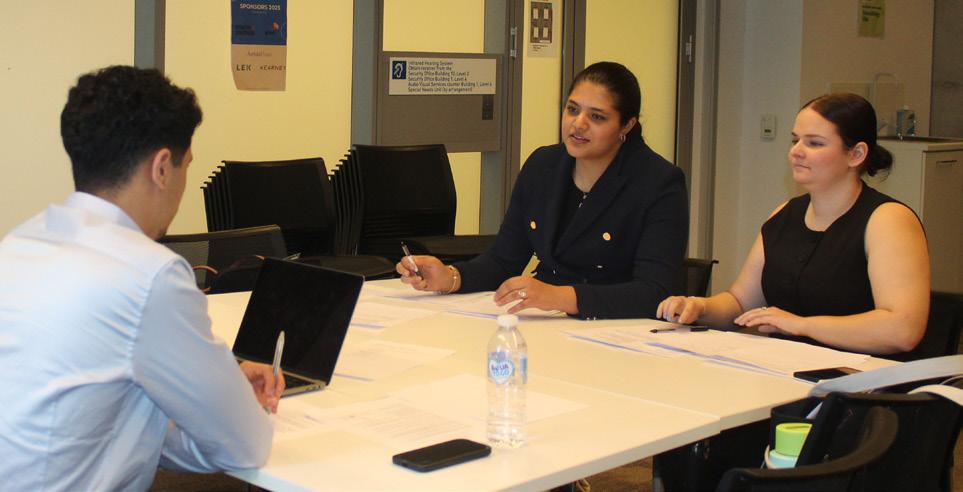
"Participating in the Gauntlet Skills Competition in 2025 was an invaluable experience, and one we could not recommend enough for first years and senior law students alike! Whether you’re looking to get involved in competitions for the first time, or you are a seasoned mooter looking to branch out, Gauntlet offers an opportunity to build experience, form partnerships, and gain insightful peer feedback.
The support we received from the Competitions team throughout the process was invaluable. From the introductory workshops to thorough judge feedback, the encouragement and guidance we were given made the competition both accessible and rewarding, which is particularly valuable for a jam-packed program such as that of this competition.
What sets Gauntlet apart is its exposure to three distinct skills competitions: Negotiations, Witness Examination and Client Interview. It’s one of the best opportunities to get out there, get a feel for each type of competition, receive expert feedback from judges and learn which competitions spark your passion without the pressure of higher-level rounds. The Competitions team carefully crafts each scenario to challenge new competitors, whilst giving a realistic picture of what each competition looks like at a junior level. This allowed both of us to continue competing in the junior competitions in semester two, in which the pre-established foundational skills guided us even in the later stages of the competitions.
Our biggest tip is to get involved early, treat each round as a learning opportunity, and most importantly, be open to feedback. All judges and competitors were once in your shoes; nervous, untested, and unrefined. Just like any legal skill, excellence can be built through intrinsic motivation as well as extrinsic support, which is what makes the LSS Competitions Community so valuable for students who are serious about developing their legal toolbox!
For anyone hesitant about applying, we would say just go for it! It is an amazing opportunity to experience the thrill of competing in a friendly and supportive environment, make new connections with peers and get your foot in the door in the world of competitions!"


Alfred Deakin International Commercial Arbitration Moot
Baker McKenzie National Women's Moot
ESL Moot
Intervarsity Diversity and Pride Moot
UNSW Private Law Moot
University of Wollongong Criminal Law Moot
UTS Intervarsity Legal Technology Moot
UTS LSS x SULS Nicholas Cowdery AO KC
Criminal Law Moot
UTS LSS x MULS Bilateral Contract Law Moot
Skills
HSF NLU Delhi International Negotiation Competition
Margaret Cunneen SC Witness Examination Competition
UNSW Junior IV Tournament
UNSW Intervarsity Skills Competition
UTS LSS Intervarsity Negotiation Competition
RECOMMENDED YEAR
• Third year
RECOMMENDATIONS
• While all UTS LSS members with an interest in Negotiation are encouraged to apply please note that this is a highly anticipated and prestigious competition and applicants who can demonstrate success in internal and intervarsity Negotiation Competitions will be preferred in the selection process.
It is recommended that participants have achieved success in the UTS LSS Intervarsity Negotiation Competition and/or the Intervarsity UNSW Negotiation Competition to enhance the competitive edge of their applications. Apply as a team of two with someone who you have competed together with before to demonstrate teamwork skills.
The UTS LSS Intervarsity Negotiation Competition is the largest annual intervarsity negotiation competition that brings together passionate law students from universities across Australia. With eight universities and sixteen teams participating in 2025, this competition allows students with an unparalleled platform to showcase their negotiation skills in a challenging and supportive environment.
The competition provides students with the chance to assume the role of counsel and apply practical and collaborative skills to secure the most favourable outcomes for their clients. It provides not only hands-on experience in client advocacy but also the opportunity to receive insightful feedback from experienced judges, such as
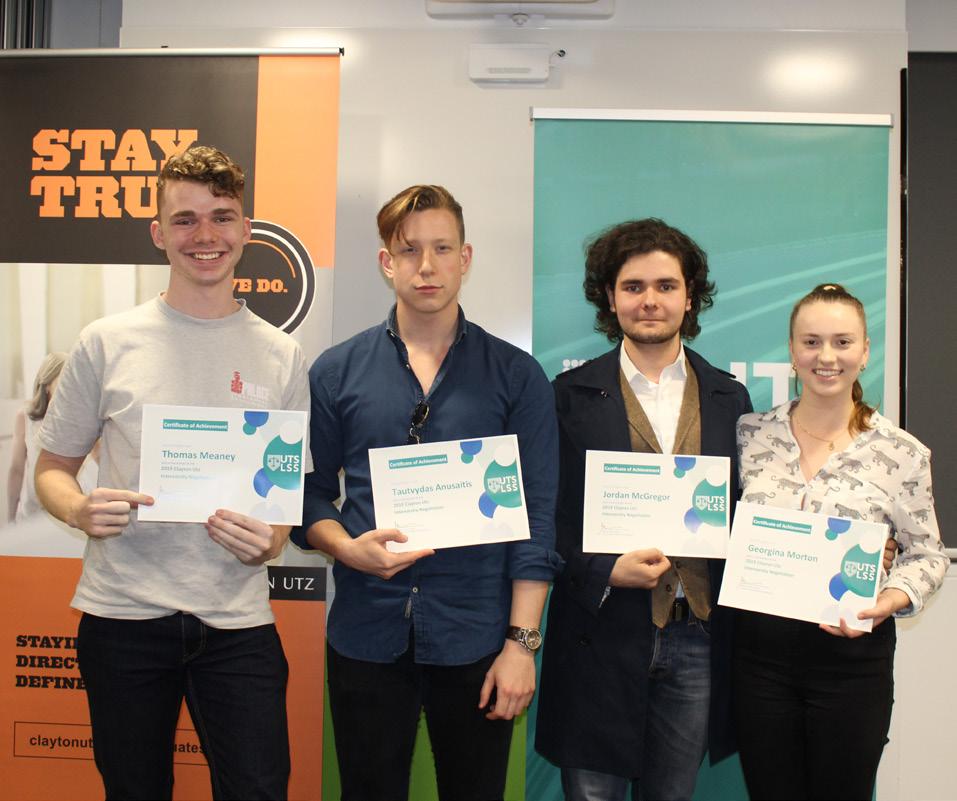
esteemed solicitors, barristers and world-class negotiators with expertise in the field.
The competition is tailored to law students who enjoy problem-solving, working collaboratively, and are interested in alternative dispute resolution and client advocacy. While there are no formal prerequisites, it is advised that students compete in both Junior and Open Negotiation Competitions before entering.
Currently, the competition is scheduled to be held over the weekend of 11–12 April 2026. UTS will submit two teams consisting of two competitors each. Look out for registrations on our UTS LSS Facebook Page.
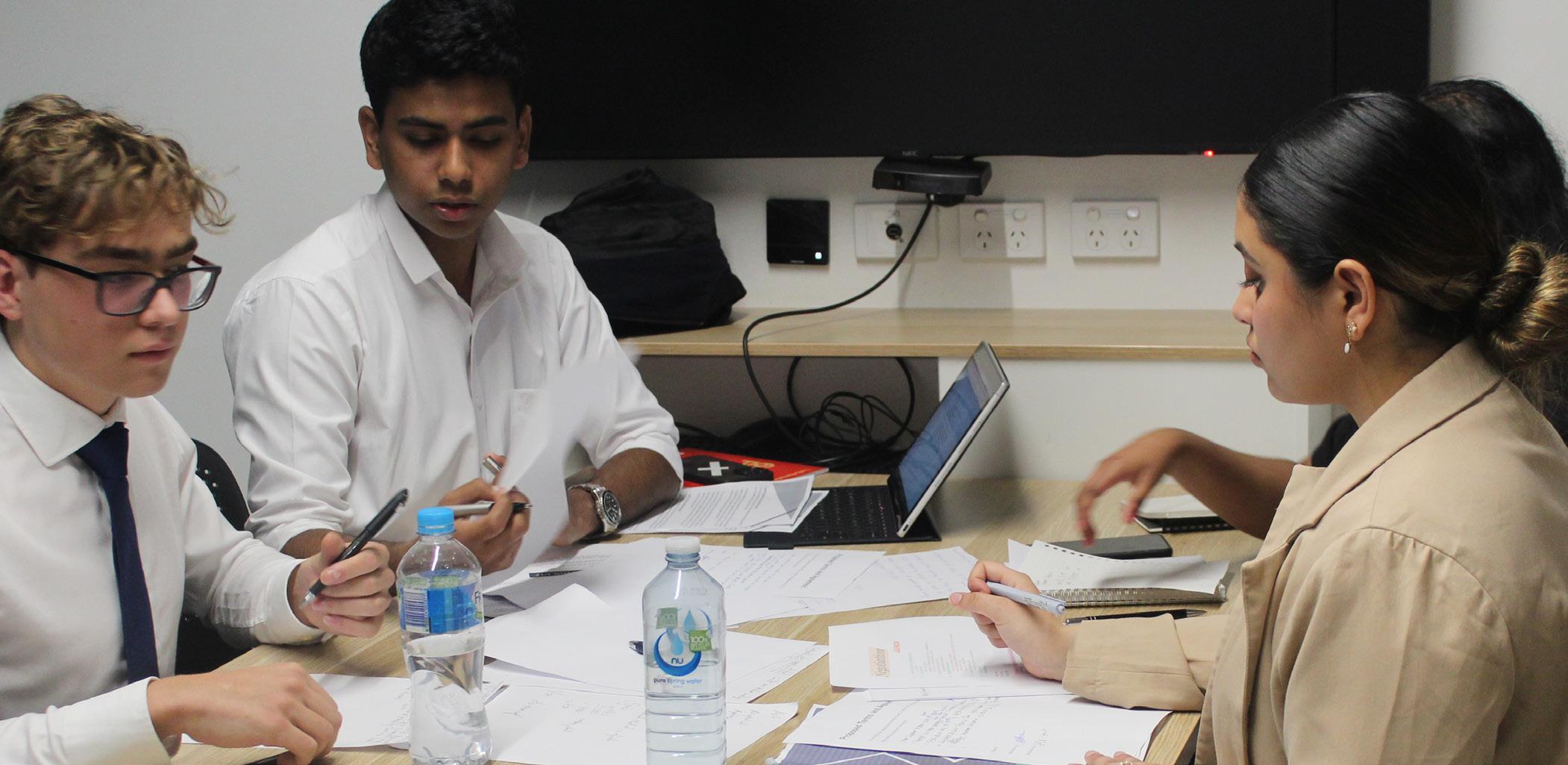
• All UTS LSS members with a keen interest in legal technology affairs and mooting are encouraged to apply. Please note this is a highly anticipated competition that typically attracts a pool of very competitive applicants. As such, applicants who can demonstrate prior success in internal and/or intervarsity moots will be preferred in the selection process.
• Have a keen interest and knowledge in legal technology affairs.
RESPONDENT WRITTEN SUBMISSIONS DUE
GENERAL ROUNDS AND SEMI-FINALS
GRAND FINAL
Friday 7 August 2026, 6pm
Saturday 8 August - Sunday 9 August 2026
Wednesday 12 August 2026

Launched by the UTS LSS in 2017, the Intervarsity Legal Technology Moot offers students the opportunity to learn, deepen and apply their legal knowledge in areas such as cryptocurrency, artificial intelligence and smart contracts. The only competition of its kind in Australia, this Moot challenges the ability of competitors’ to apply their critical and creative problem solving skills and legal analysis in order to navigate the intersection of law and technology.
This competition will immerse competitors in the complexities of modern technology and prompt them to grapple with its interactions with torts, contracts and intellectual property. Centred upon the subject area of legal technology, previous problem questions have included tortious liability surrounding drone software malfunctions, whether a smart contract is capable of legally binding parties, and whether copyright can subsist in an artwork generated by distributed applications on the Ethereum blockchain.
Like all universities, UTS is able to send two teams to compete in this competition. Individuals or teams of two to three are welcome to apply.
Please note the tentative key dates for this competition below:
REGISTRATION PERIOD
PROBLEM QUESTION RELEASED
APPELLANT WRITTEN SUBMISSIONS DUE
Sunday 28 June - Sunday 5 July 2026
Monday 6 July 2026
Wednesday 5 August 2026, 6pm
"If there was one single extra-curricular activity that develops your academic and legal skills the most, it would be moot.
I was initially concerned that entering mooting would require a lot of time and energy to do well. I was right that it took a lot of time but I was wrong to think that I couldn’t handle the pressure. The reality of law school is that there will always be factors you did not account for your academic life. Maybe its that weird AGLC ruling, that specific structure in answering questions, or that deadline you underestimated. Mooting is this approximation to the 'real thing' that you will reasonably have access to. Most importantly, almost all legal careers will inevitably involve some level of collaboration. I'm telling you now, collaboration is one of the most difficult skills to cultivate and prove to employers that you have. You are quite often constrained to research topics you know almost nothing about, with only a new team and a coach to help you weather the storm. Barring specific constraints, I would almost always recommend moot to law students as possibly the best decision you made for your academics and career.
The Legal technology moot is one of the most interesting and relevant competitions available. Almost any area of law will touch upon technology or AI in one form or another. I guarantee that you are most likely going to tread on new ground and you will have to think of, conceptualize, submit, and argue some of the most novel legal concepts that you will ever encounter. This moot is a must for those who seek to delve deeper into the Technology space."
• All UTS LSS members with an interest in mooting and the Criminal Law are encouraged to apply. Please note that this is a highly anticipated competition that tends to attract a pool of very competitive applicants. As such, applicants who can demonstrate prior success in internal and/or intervarsity moots will be preferred.
• Have completed Criminal Law and Procedure (70104). Have ideally participated in the Junior Criminal Law Moot and/or the Open Criminal Law Moot. However, this is not a requirement.
• Register with teammates with whom you have competed with before to demonstrate teamwork.
If you are a criminal law enthusiast and an experienced student advocate, the UTS LSS x SULS Nicholas Cowdery AO KC Criminal Law Moot is for you!
The prestigious bilateral moot is named after Mr Nicholas Cowdery AO KC, long-serving barrister with over 45 years experience in criminal law, common law, administrative law and commercial law, and the former Director of Public Prosecutions for New South Wales from 1994 to 2011. Mr Nicholas Cowdery AO KC chairs the bench of the moot, alongside a number of other eminent judges.
As an intervarsity bilateral moot, the competition takes the form of a one round, ‘winner takes all’ competition. A fiercely competitive moot fought annually between UTS LSS and Sydney University Law Society (SULS), experienced competitors will grapple with a question of criminal law.
The UTS LSS will send one team consisting of three (3) students to test their advocacy skills against the SULS representatives.
This year, the Competition will be hosted by SULS. It is tentatively scheduled to take place in June/July.
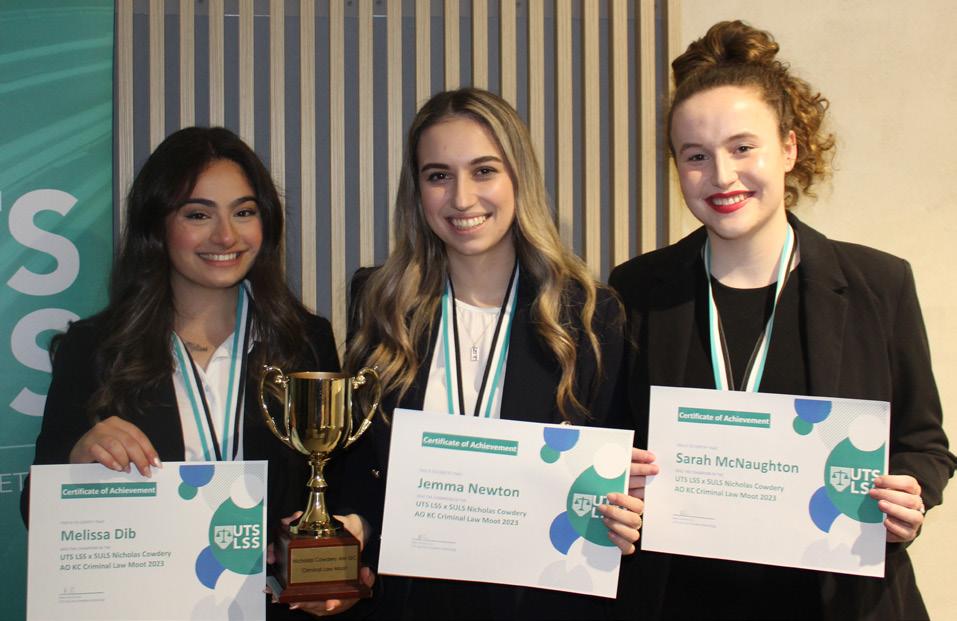
"Taking part in the Nicholas Cowdery AO KC Criminal Law Moot in 2025 was a standout experience that marked a real step up from every internal competition I had participated in. Unlike internal competitions, this intervarsity moot demanded a more sophisticated approach to criminal law and pushed me to engage with the law at a deeper, more complex level. It required careful preparation, strategic thinking and the ability to defend arguments under pressure against students from another university. As a bilateral moot offered by the UTS LSS, the experience was supported by strong mentorship while still delivering the challenge and excitement of inter-university competition. The moot sharpened my ability to develop robust, well-reasoned arguments and to respond confidently to challenging and unexpected questions. For students considering intervarsity moots, I highly recommend starting with the Junior and Open internal competitions run by the UTS LSS, which provide an essential foundation in written submissions, flexibility in oral argument and incorporating feedback. This moot is an excellent opportunity to test your advocacy skills at a higher level, and I cannot recommend it enough!"
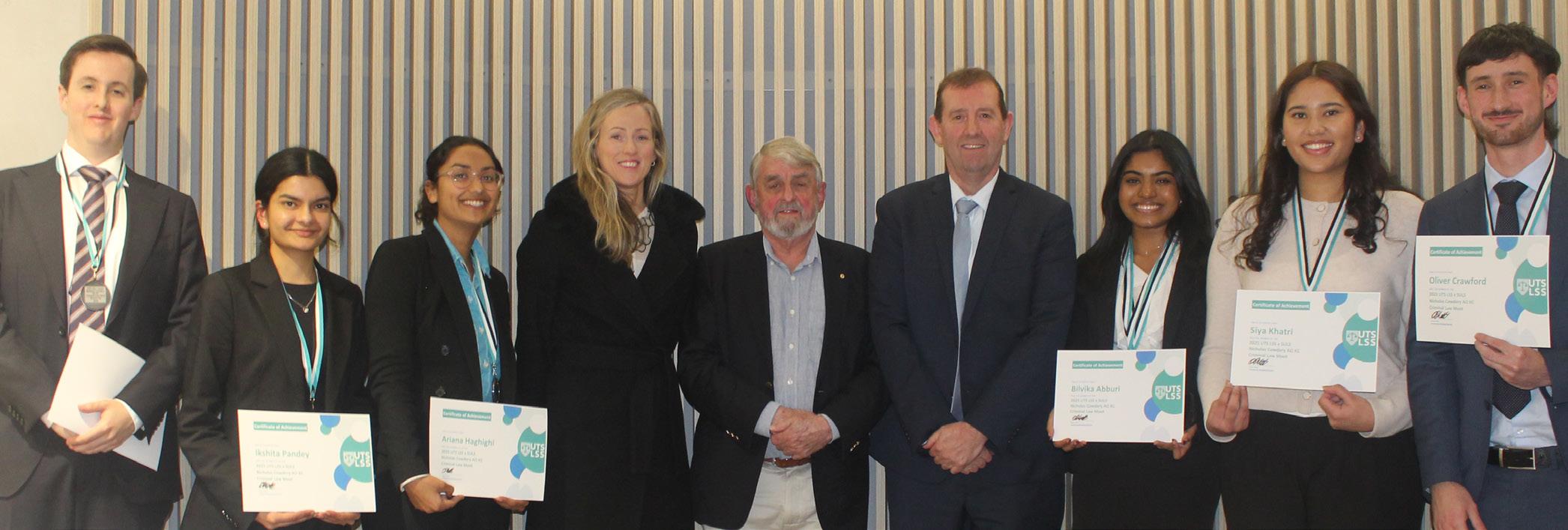
• All UTS LSS members with an interest in mooting and Contract Law are encouraged to apply. Please note that this is a highly prestigious competition that attracts a pool of very competitive applicants. As such, applicants who can demonstrate prior success in internal and/or intervarsity moots will be preferred.
• Have completed Contracts (70211).
• Have ideally participated in the Open Contract Law Moot. However, this is not a requirement.
The UTS LSS x MULS Bilateral Contract Law Moot offers contract law enthusiasts and experienced mooters the opportunity to compete against the brightest minds from UTS and Macquarie University.
The UTS LSS will send one team consisting of three (3) –Senior Counsel, Junior Counsel and Instructing Solicitor – to test their advocacy skills against the Macquarie University Law Society (MULS) representatives. Given the competitive and intricate nature of the Bilateral Contract Law Moot, previous mooting experience is essential.
As an intervarsity bilateral moot, the competition takes the form of a one round, ‘winner takes all’ competition.
This year, the UTS LSS x MULS Bilateral Contract Law Moot will be hosted by MULS! The Moot will take place in the Autumn Session, however the specific date of the Moot is yet to be confirmed. Please keep an eye out for registration details and key dates around March!
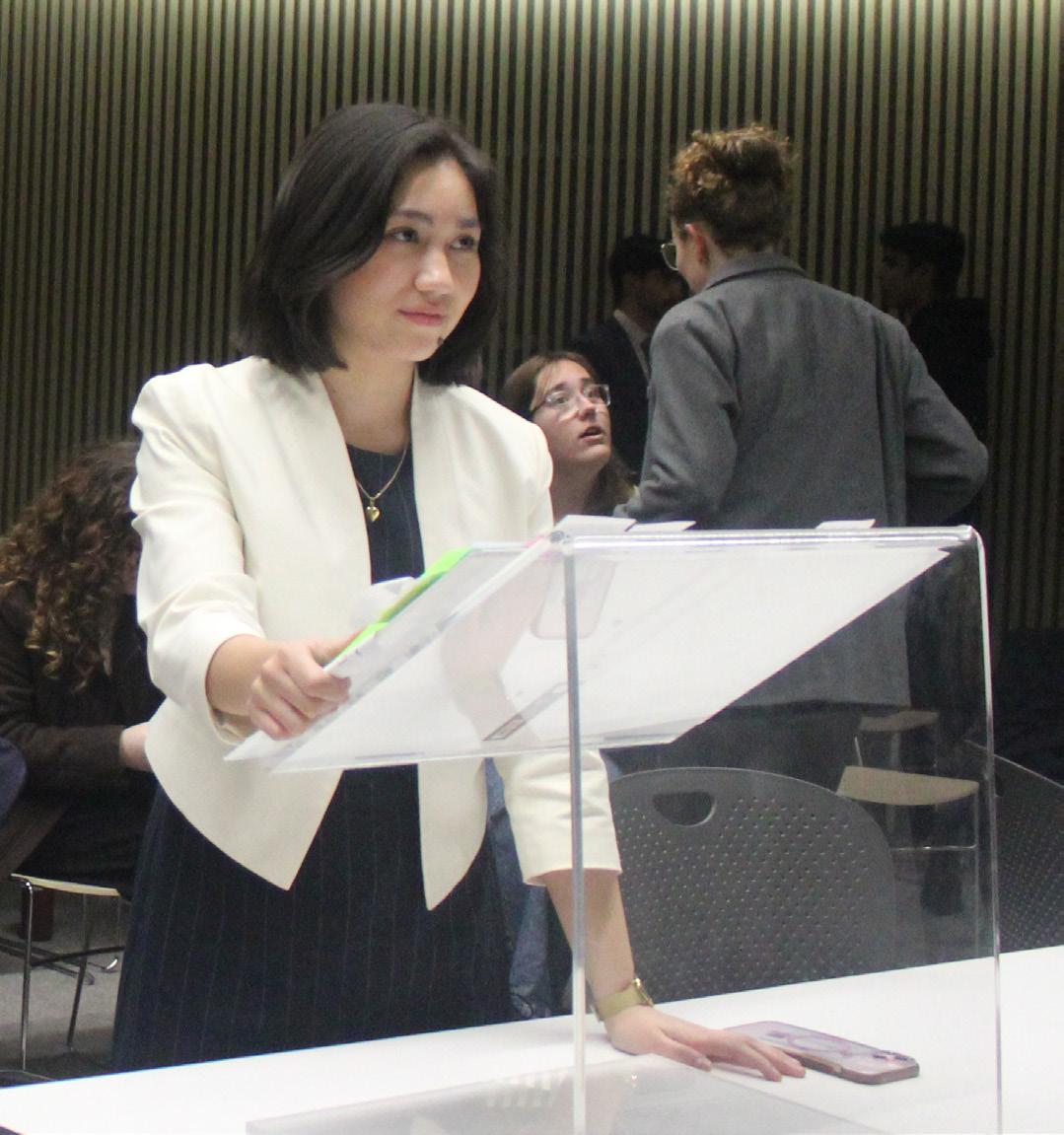
"A slow winter break, previous moots and sheer interest led to me doing the Bilateral Law Moot.
The tension in the courtroom was palpable. In front of me: Tim Castle SC, Greg O’Mahoney and Jaz Cremen. To the right: MULS. Behind me: Eyes. Hundreds of them.
I grabbed onto the lectern for dear life. “May it please the Court”...
After a hard fought battle, the UTS team were fortunate to come away with the victory. Our client – a small business owner seeking to enforce a collateral contract – had succeeded.
I never thought that a moot could be so thrilling, and yet, here I am, talking about it. It was fun. Really fun. It was scary. Intense. Somewhat traumatising. Extremely satisfying. Everything that makes for a memorable, character-building experience.
An important piece of feedback we received was to address the “bigger picture”. Saying things like, “A promise should not need to be expressed in precise legal terms”; “People should be bound by side promises”; “Small business owners should not be expected to understand legalese”. Don’t just analyse the law, bring it back to commonsense.
This is one of the many skills that I learnt, and that you can learn, by doing the Bilateral Law Moot. Your advocacy will improve greatly as you do practice rounds, receive guidance from your coach, and step into unfamiliar IV territory. The competition is a natural stepping stone into higher level moots (such as Jessup) and takes place at a convenient time of the year. Truly recommend :) "
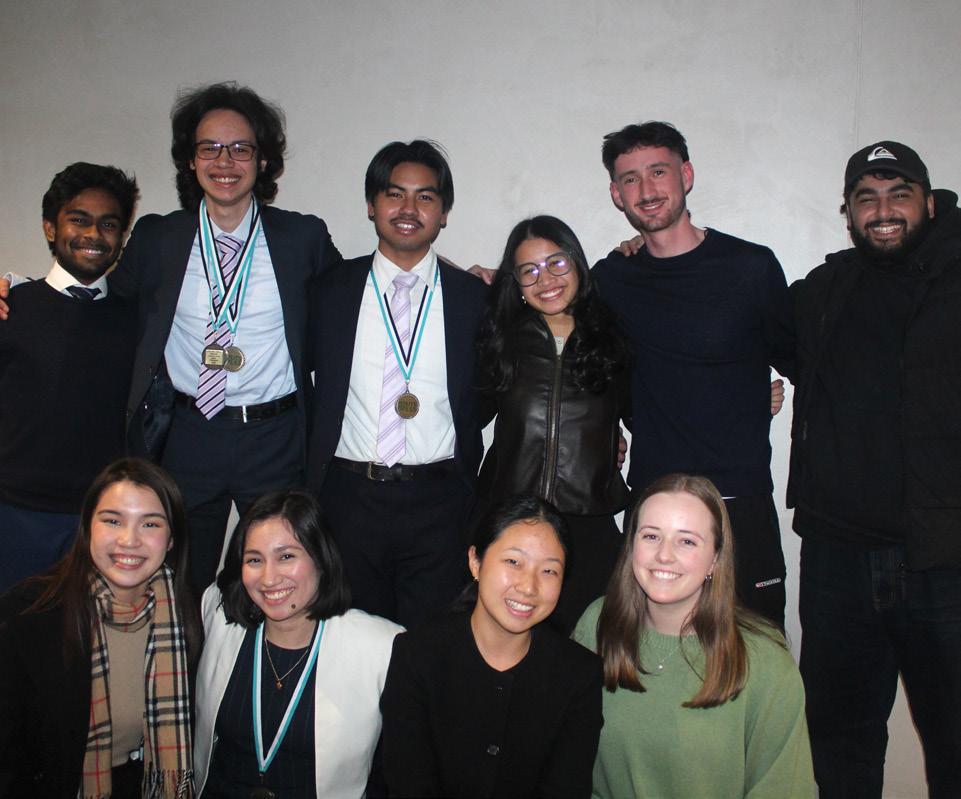
This is a highly prestigious moot that tends to attract a pool of competitive applicants. As such, applicants who can demonstrate that they align with the spirit of this moot and prior success in internal and/or intervarsity moots will be preferred.
• Have ideally competed and achieved success in internal and/ or intervarsity moots.
The Intervarsity Diversity and Pride Moot is an intervarsity moot designed to provide LGBTQIA+ students with an opportunity to develop their legal skills in a welcoming and supportive environment. This moot also welcomes students of diverse backgrounds and LGBTQIA+ allies, promoting and highlighting the importance of inclusivity and diversity within the legal industry.
The Intervarsity Diversity and Pride Moot covers a wide range of topics with a focus on cultural, social, and LGBTQIA+ issues, to encourage productive discourse between competitors, judges, and spectators. Run by the UTS LSS’ Queer Representative in collaboration with the LGBTQIA+ representatives of other Sydney-based universities, this moot serves as a great way to develop fundamental advocacy skills while supporting a significant cause.
In 2025, the UTS LSS team consisting of Prince Swami, Teja Kamalesh and Amelia Kraszewski were runners up of the Intervarsity Diversity and Pride Moot! They had the honour of presenting their Grand Final submissions in front of an incredibly esteemed bench: The Hon Michael Kirby AC CMG, Stephen Sharpe and Christopher Pearce.
Dates for this year’s iteration of the competition are yet to be determined – please keep an eye out on the UTS LSS Facebook Page if you are interested in participating.
Prince Swami, Teja Kamalesh, Amelia Kraszewski
Runners up of the UNSW IV Pride Moot
"The Intervarsity Pride and Diversity Moot was our introduction to mooting. We were drawn to the Pride Moot due to its focus on the legal issues faced by the LGBTQIA+ community, including social stigma, access to justice and discrimination.
The Pride Moot was a challenging, yet highly rewarding, experience. Over the course of the moot, we developed essential advocacy skills including legal research, collaboration, critical thinking and most importantly, oral and written communication. Given that the Pride Moot was an intervarsity competition, we had the exciting opportunity of competing against students with various backgrounds, skill sets and approaches.
Our success in the Pride Moot was made possible by the by the support of our dedicated mentor, who offered us consistent encouragement and feedback throughout the course of the moot. Through our many impromptu practice rounds with our mentor, we developed confidence in our skills and abilities, which greatly strengthened our performance in the grand finals.
We highly recommend the Pride Moot to any current or aspiring mooters. We went into the Pride Moot with a minimal understanding of mooting. However, through this moot we developed the skills, confidence and passion necessary for mooting, and we are eager to partake in many future moots."
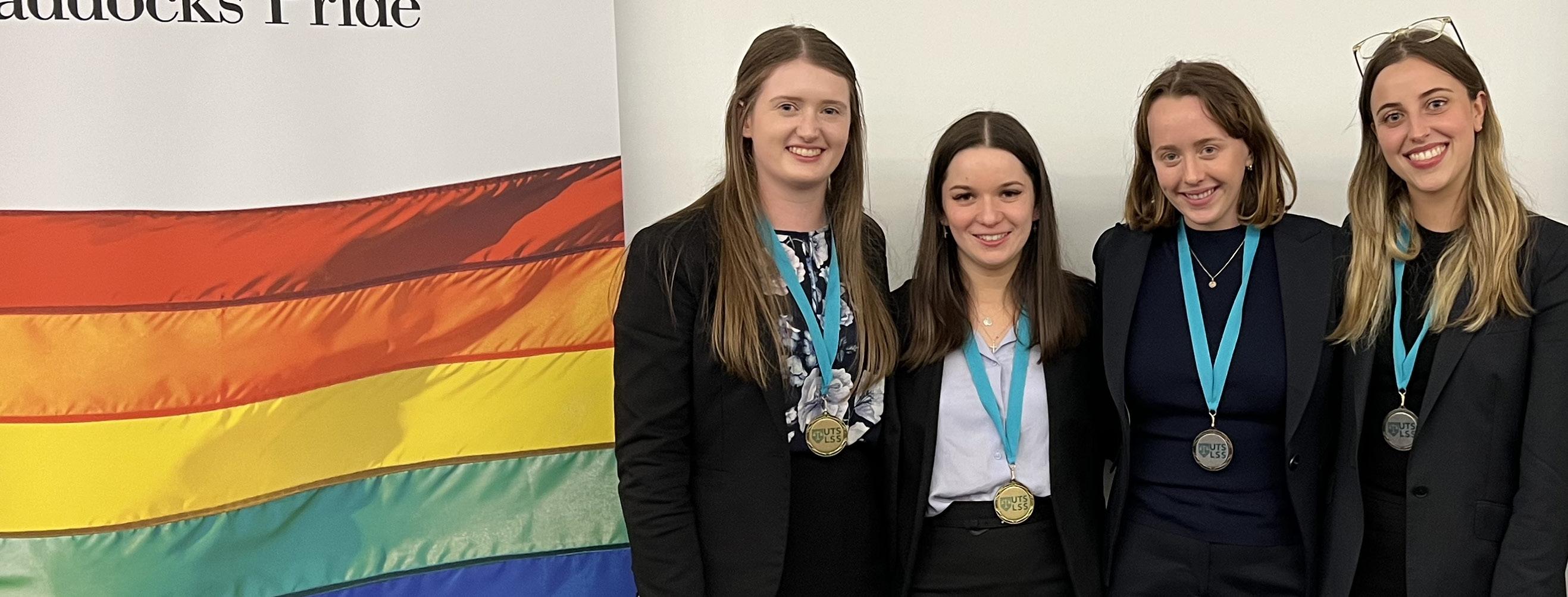
RECOMMENDATIONS
• All UTS LSS members interested in mooting, particularly on an international level, are encouraged to apply. Please note that being a prestigious international moot, this moot tends to attract a pool of highly competitive applicants. As such, applicants who can demonstrate prior success in internal and/or intervarsity moots will be preferred.
• Be able to demonstrate prior success in internal and/or intervarsity moots to give your application a competitive edge.
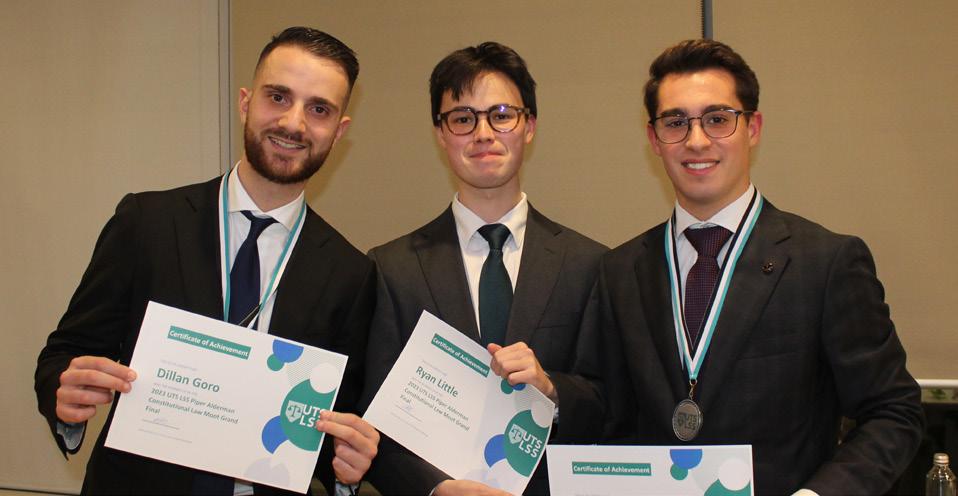
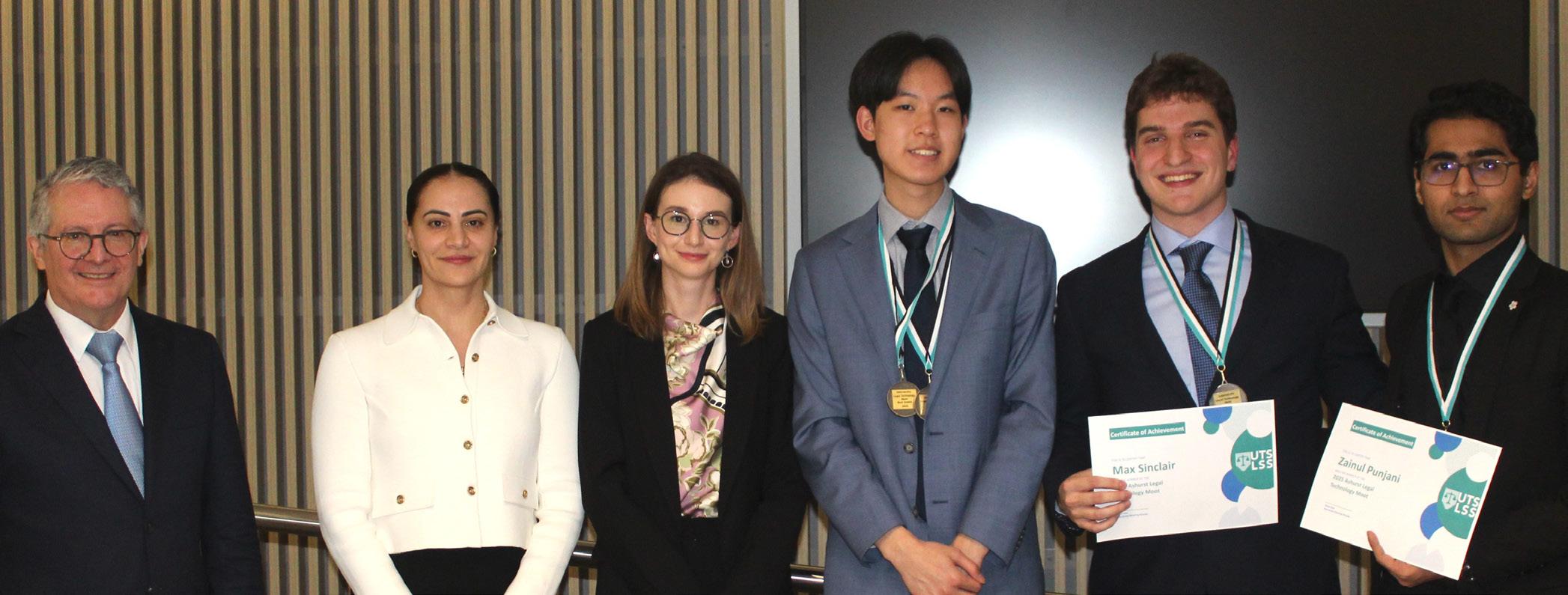
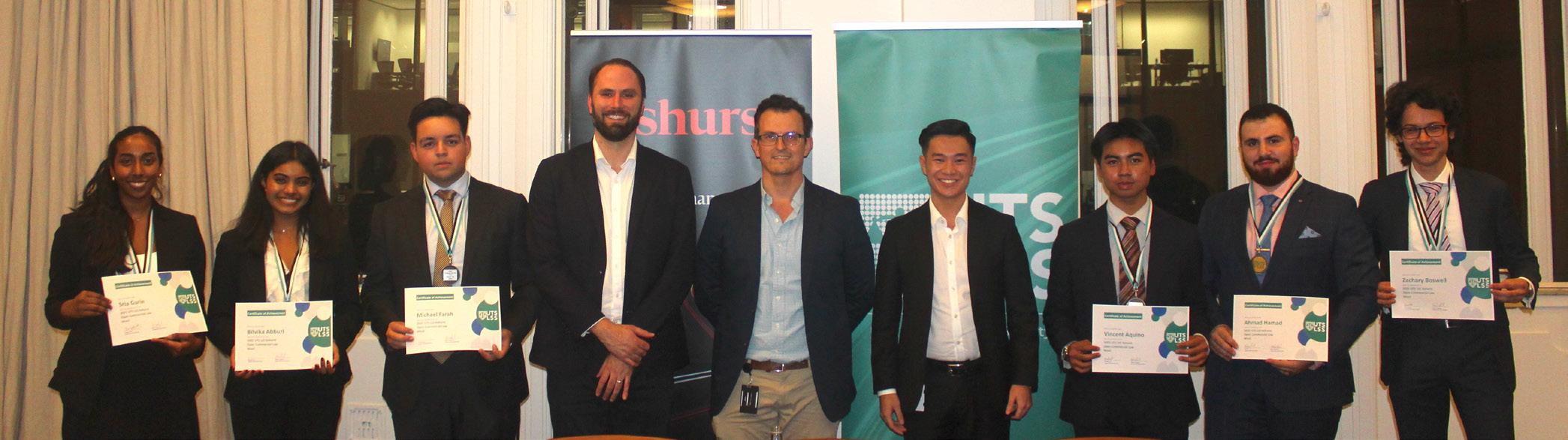
Hosted by Deakin Law School, the Alfred Deakin International Commercial Arbitration Moot is an exciting opportunity for law students both from Australia and overseas to sharpen practical legal skills and dive into the field of international commercial law and arbitration. Previously, the Moot has seen teams participating across Asia, Australia, Africa, and South America! As a competitor, you will not only strengthen your advocacy skills and legal knowledge, but also engage with and gain valuable insights from experienced legal professionals.
In 2025, 41 teams across 11 countries took part in the competition, continuing the Alfred Deakin International
Commercial Arbitration Moot’s legacy as one of Australia’s largest international mooting competitions.
The competition is hosted virtually via Zoom in September over four days. Each team competes in two preliminary rounds across the first two days (once as claimant and once as respondent). The elimination rounds, quarterfinals and semifinals occur on days three and four.
If you are interested in representing UTS at this prestigious international moot, please keep an eye out for registrations in June 2026!
• To be eligible to compete in this specific moot, applicants must be female or non-binary identifying. UTS LSS members who align with this eligibility with an interest in mooting and oral advocacy are encouraged to apply. Please note that this is a prestigious and anticipated competition which tends to attract a pool of highly competitive applicants. As such, applicants who can demonstrate prior success in internal and/or intervarsity moots will be preferred in the selection process.
• Have a keen interest in refining your legal advocacy skills.
• Be able to demonstrate prior success in internal and/or intervarsity mooting or advocacy competitions.
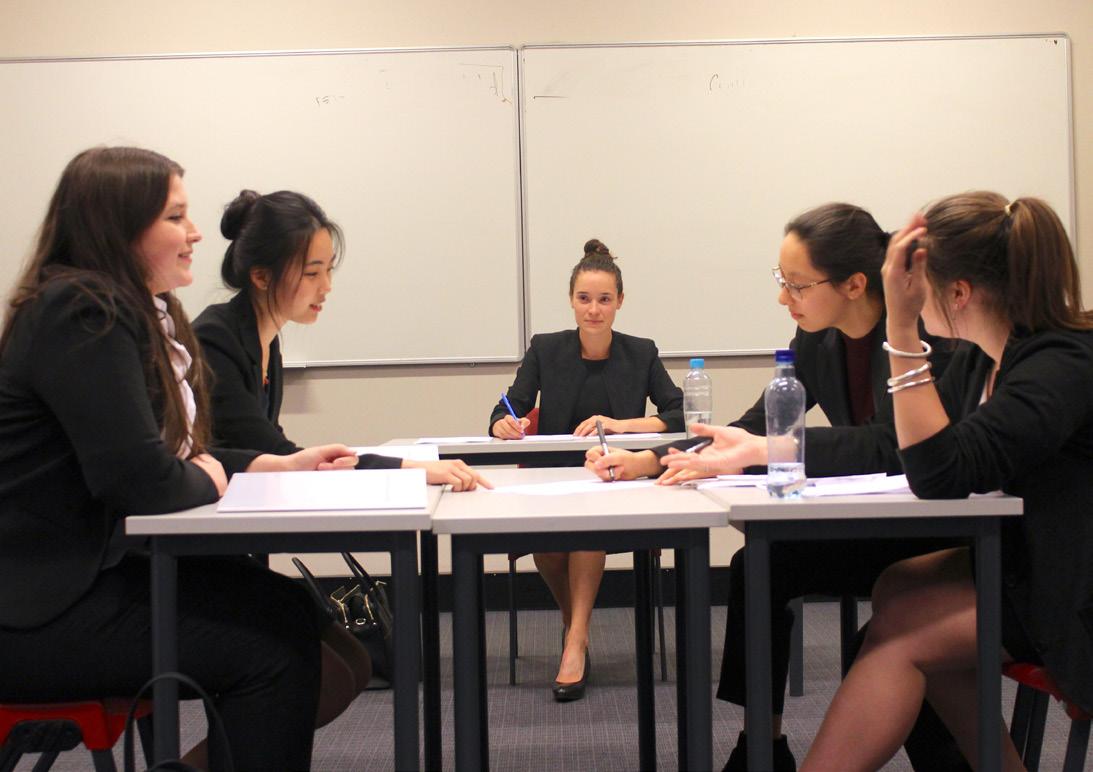
If you are a female or non-binary-identifying student and an aspiring barrister, the Baker McKenzie National Women’s Moot is for you!
The Baker McKenzie National Women’s Moot is a dynamic and empowering competition that has been breaking traditional gender and equity barriers since its introduction in 2011. Created and hosted annually by Sydney University Law Society (SULS) and the NSW Young Lawyers Special Committee of Law Students’ Societies, this unique moot provides a platform exclusively for female-identifying or non-binary-identifying law students to practice and refine their legal advocacy skills. In doing so, the National Women’s Moot continues to offer an accessible and supportive space for future female- and non-binaryidentifying legal practitioners and barristers.
The Baker McKenzie National Women’s Moot invites participation from all Australian universities and is typically hosted in-person in September. The 2025 problem question was centred on an area of Administrative Law. The dates for this year’s iteration of the competition are yet to be determined. Please keep a look out for further information on the UTS LSS Facebook Page if you are interested in participating.
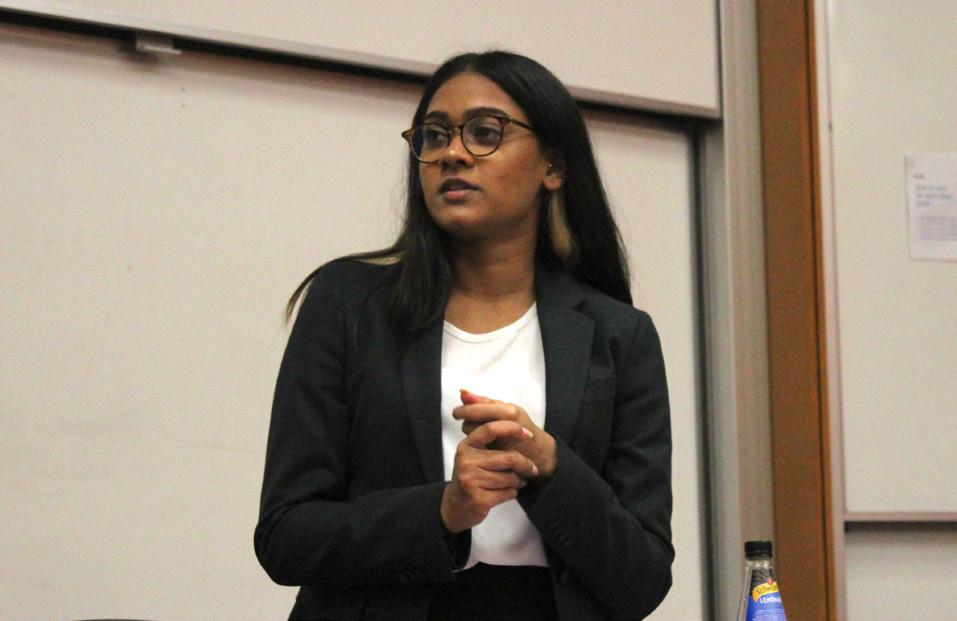
"In Spring 2025, we had the privilege of representing UTS at the Baker McKenzie National Women’s Moot, hosted by the Sydney University Law Society (‘SULS’). We grappled with a demanding administrative law question, arguing the scope of no-invalidity provisions, and the presence of apprehended bias in ministerial decision making. Due to the exacting nature of this problem question, our ability to express arguments in a precise, persuasive, and reasonable manner was truly tested and refined through the iterative process of collaborating on written and oral submissions together as a team. Further, we were once again inspired by the generosity and mentorship underscoring the competitions community at UTS as many people were willing to help us improve by judging practice rounds and giving us feedback. Beyond this, the Women’s Moot presented a unique opportunity to connect with competitors, convenors, and practitioners at a networking breakfast and gala night. Overall, this was a highly rewarding and formative experience on the national stage that has helped us take one step forward in our professional lives."

RECOMMENDATIONS
• All UTS LSS members with an interest in private law and legal advocacy are encouraged to apply. Please note that as this is a highly anticipated moot, it tends to attract a pool of competitive applicants. As such, applicants who can demonstrate prior success in internal/intervarsity moots will be preferred in the selection process.
• Have ideally completed all or a mix of the subjects Contracts (70211), Introduction to Property and Commercial Law (70327), Equity and Trusts (70517), Real Property (70317), and/ or Corporate Law (70417). This is not a requirement however coming in with a knowledge about these areas of the law will leave applicants well-equipped in terms of approaching the Problem Question.
• Be able to demonstrate prior success in internal and/or intervarsity moots.
The UNSW Private Law Moot is a renowned multilateral moot that attracts seasoned mooters from both Australian and international universities to test their knowledge in private and commercial law. Hosted annually by the University of New South Wales, this unique competition prompts competitors to grapple with topics including but not limited to equity and trusts, corporation law and contracts.
The UTS LSS selects a team of up to four (4) experienced mooters to compete in the UNSW Private Law Moot each year. Competitors will present their oral submissions across two preliminary rounds, before progression to the quarter-finals, semi-finals and the grand final.
In 2025, the Moot was held at the UNSW Kensington Campus from 17-21 May 2025. Key dates are yet to be released for the 2026 Moot. As such, please keep an eye on our social media for registration details and key information.

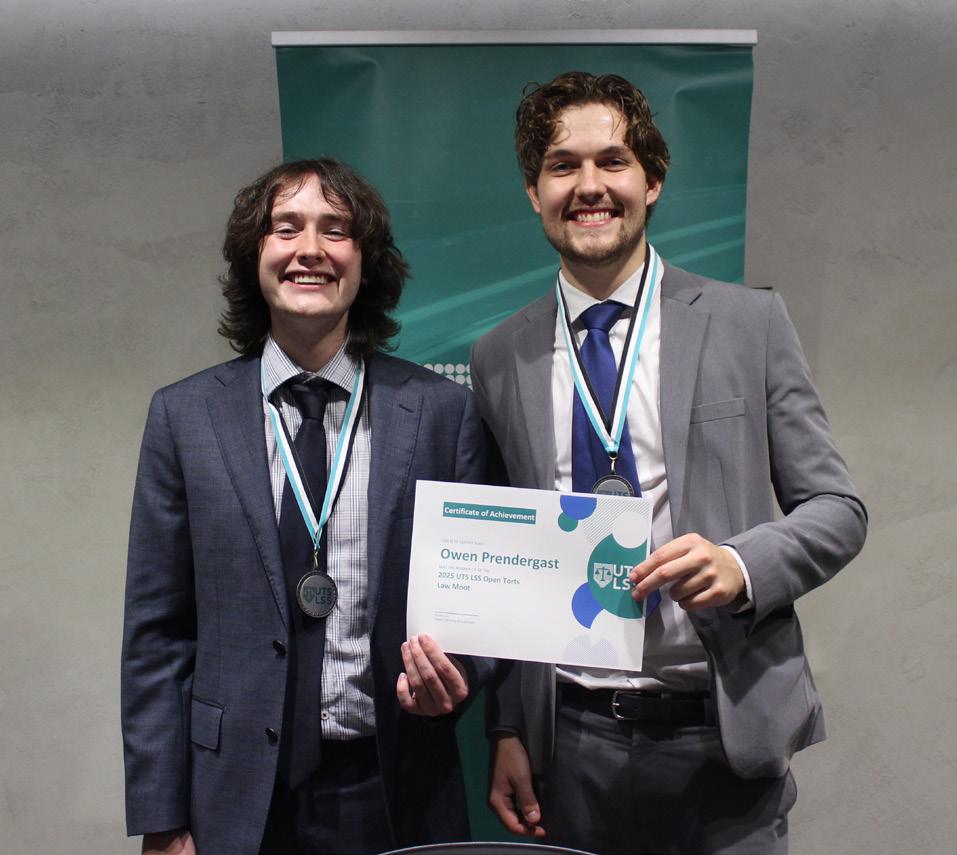

RECOMMENDATIONS
• Applicants must speak English as their second language to be eligible to compete.

The ESL (English as a Second Language) Moot is an intervarsity mooting competition designed exclusively for competitors who speak English as a second language. This competition is aimed at providing ESL students with an opportunity to participate in a moot on an intervarsity level, kick-starting their intervarsity mooting journeys.
This is an excellent opportunity for students to challenge their oral advocacy, legal research and submission drafting skills on an intervarsity stage against other skilled law students from universities across the state. With structured rounds and a coach to guide students to achieve their full potential, the ESL Moot is a one-of-a-kind opportunity for ESL students to immerse themselves in a challenging and educational mooting experience.
In the past, the ESL Moot has been held in conjunction with the Macquarie University Law Society, the Sydney
University Law Society, and the University of New South Wales Law Society. The UTS LSS is entitled to send one team comprising a maximum of three competitors to this competition.
Being an intervarsity moot, applicants must undergo an application process. Applicants may apply as individuals, in a team of two, or in a team of three. Preference will be given to applicants who can demonstrate previous internal mooting experience and success.
In 2025, the competition was held over the weekend of 26–27 October. The dates for this year’s iteration of the competition are yet to be determined. If you are interested in this competition, please keep an eye on the UTS LSS Facebook Page for further information.
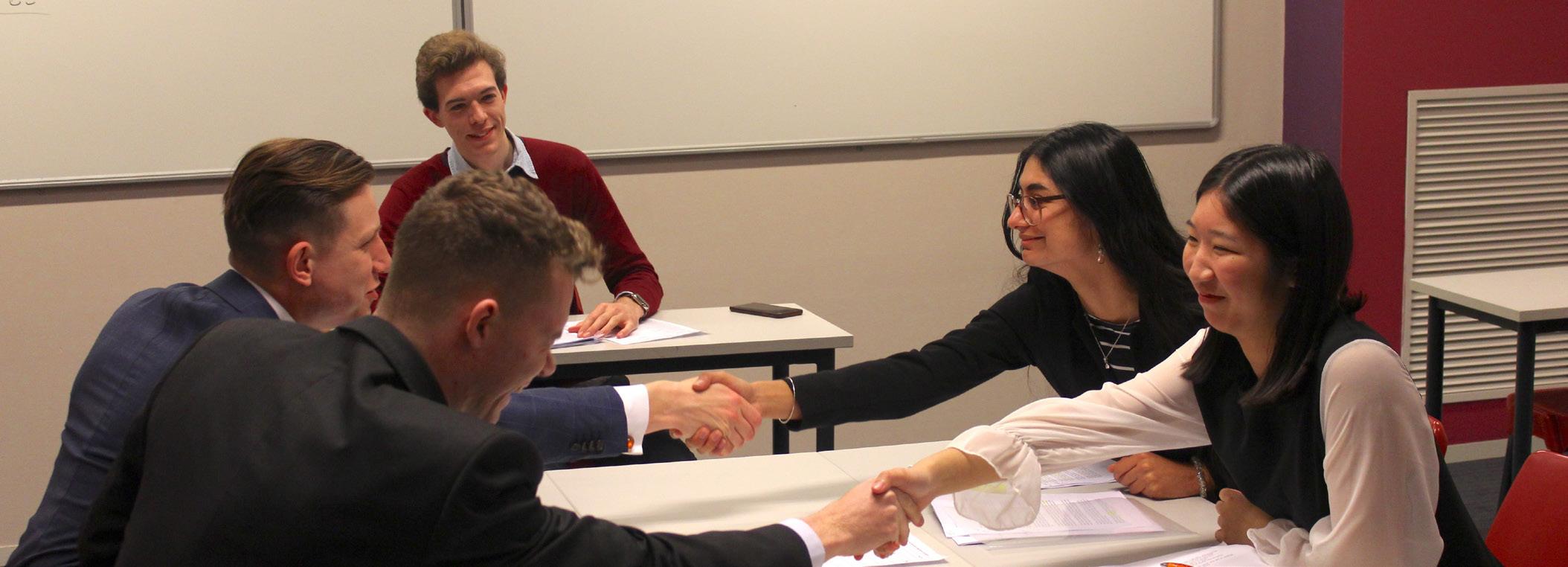
ELIGIBILITY
• To compete, you must be a first- or second-year law student.
RECOMMENDATIONS
• Compete in our internal Junior Witness Examination and/ or Client Interview Competitions. Please note that although this is not a requirement to compete, if there are multiple applications, preference will be given to those with internal UTS LSS competitions experience.
The Junior Tournament is an intervarsity event for Client Interviewing and Witness Examination competitors. It is the first competition of its kind at an intervarsity level, specifically designed for first and second-year law students. This competition aims to foster younger students' involvement in intervarsity competitions and enhance their skills through exposure to different methodologies and judges. It is an excellent starting point for those looking to gain experience in intervarsity competitions and compete alongside peers from neighbouring universities in a challenging but supportive environment.
In 2025, this intervarsity event includes two skills competitions:
1. Client Interview: Teams of two act engage in a simulated interview with their client where they must gather facts and provide preliminary legal advice based on the provided scenario.
2. Witness Examination: Individual competitors are tasked with the role of counsel, alongside a volunteer witness, where their ability to extract information and present a case effectively will be tested.
All first and second-year law students are highly

encouraged to get involved, as the competition provides an ideal platform for those who are keen to continue their competition journey at an intervarsity level. Whilst no prior experience is required, preference will be given to competitors who have competed at a Junior internal level.
Participating in the UNSW Junior IV Tournament will not only enhance your practical knowledge and advocacy skills but will also stand out on your resume as a demonstration of your commitment to developing your professional skills early in your law studies.
In 2025, the UNSW Junior IV Tournament took place in May. Students should keep an eye on our Facebook and Instagram to be aware of the registration deadlines and any preparatory sessions leading up to the event.

• All UTS LSS members with an interest in Client Interview, Negotiation, and/or Witness Examination are encouraged to apply. Being a highly anticipated intervarsity event, this competition tends to attract a pool of competitive applicants. As such, please note that applicants who can demonstrate prior success in the relevant internal and/or intervarsity competitions will be preferred in the selection process.
Be able to demonstrate prior success on an internal and/ or intervarsity level in the relevant competition that you are applying for, whether that be Client Interview, Negotiation, or Witness Examination.
If you have not competed before, give our 2025 Open Competitions a go to prepare yourself to compete on this intervarsity stage & bolster your application.
The UNSW Intervarsity Skills Competition offers Newcastleand Sydney-based university student representatives the opportunity to compete in a range of different skills-based legal competitions. Talented law students are selected to represent their respective universities as individuals and in teams in Witness Examination, Client Interview, and Negotiation.
Hosted across one weekend, the UNSW Intervarsity Skills Competition presents students with an excellent opportunity to build on their strong internal performances in skills competitions whilst networking with and competing against like-minded students. As part of the competition, participants are provided with detailed feedback and professional advice from judges who have previously competed at an intervarsity level.
The UNSW Intervarsity Skills Competition will take place in Semester Two; however, specific competition dates are yet to be confirmed for 2026. Please look out for the registration details and key dates which will be released on our social media platforms in due course.
Chloe Ferreira and Liliana Edwards Winners of the UNSW Intervarsity Skills (Client Interview) Competition
"We had an incredible time being selected to represent UTS in the UNSW Intervarsity Skills Competition (Client Interview) 2025 and taking home the win. From Juniors, to Opens to an Intervarsity competition, we’ve learnt how to adapt to different clients and competition styles, read each other's minds to work together seamlessly and had so much fun throughout every single round with a lot of success too. Having never even watched a round of Client Interview round until after our Juniors win - we adapted each week and learnt from judge's feedback.
Client interview is all about thinking on the spot. You go in knowing almost nothing about the client, or their situation and have to ask the right questions, to uncover the facts and provide some preliminary next steps. Sometimes staying in character is hard with clients' quirky personalities, but you are simulating the initial phone call or interaction you may have with a client as a legal professional.
One of the things we love about CI is at its core, it’s about not just understanding the scenario you’ve been given but breaking it down into understandable terms for your client. As law students we often are buried in technical legalese and jargon but need to remember that being able to explain concepts simply is essential to communicating with others. You have to move quickly, judge whether your client is a rambler, tightlipped or somewhere in the middle to get to the core issues and best utilise the 30 minutes.
If you’ve competed before, we would definitely recommend stepping up to opens or applying for the Intervarsity levels too! And if not 2026 is your year to start. It’s a less time-consuming competition, so a great one to begin your competition journey!"
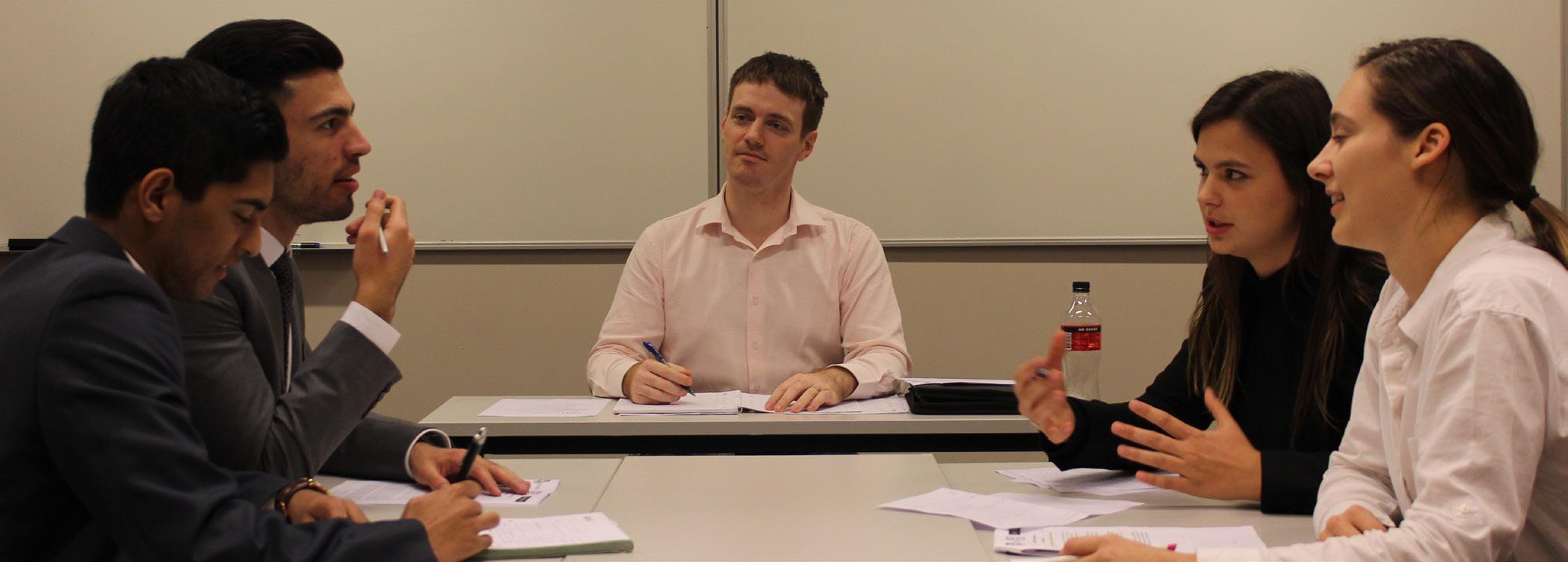
ELIGIBILITY
• All UTS LSS members with an interest in Witness Examination and legal advocacy are encouraged to apply. Given the competitive nature of the competition, please note that applicants who can demonstrate prior success in internal and/or intervarsity Witness Examination Competitions will be preferred in the selection process.
RECOMMENDATIONS
• Have completed the subject Evidence (70109), as this will greatly assist with understanding and making objections.
• Give our 2025 Open Witness Examination Competition a go to prepare yourself to compete at this intervarsity level and to bolster your application.
• Give the 2025 UNSW IV Competition a go to get a taste of competing in Witness Examination on an intervarsity level and to further improve your application.
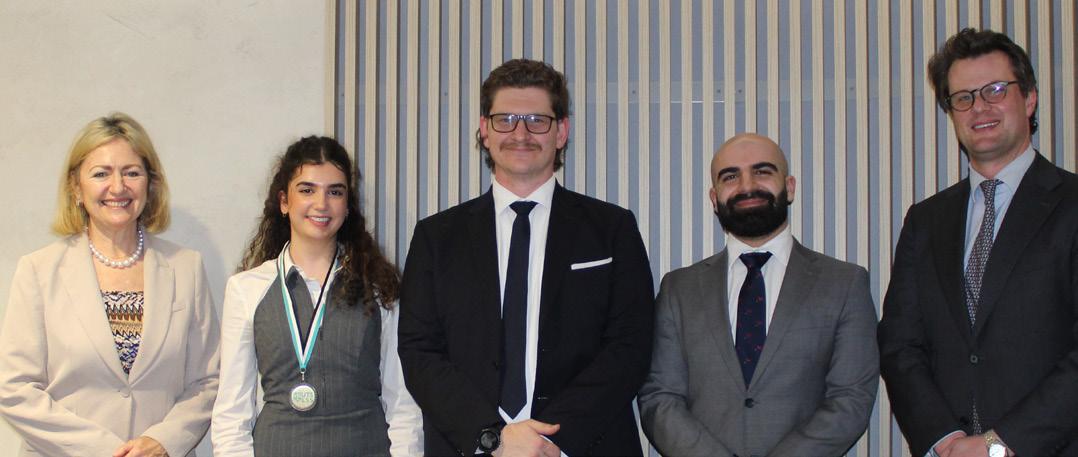
The Margaret Cunneen SC Witness Examination Competition is a prestigious annual opportunity for one UTS Law student to compete against a fellow Macquarie University Law student in a challenging and complex round of Witness Examination, showcasing their skills on an intervarsity stage.
The bilateral competition focuses on developing competitors’ logical questioning, legal analysis, and critical thinking and is ideal for students who are interested in pursuing a career in litigation and improving their courtroom etiquette. The competition is not only an opportunity to test advocacy skills, but a chance to network with legal professionals, including barristers who serve as judges and offer invaluable practical feedback. This is a rare opportunity to test your witness examination skills before Margaret Cunneen SC herself and other esteemed judges.
The UTS LSS will select one UTS representative to compete individually at the Margaret Cunneen SC Witness Examination Competition. Applications are open to all undergraduate and postgraduate students. However, students with internal and intervarsity Witness Examination experience are strongly encouraged to apply.
This year, the Competition will be hosted by the UTS LSS. It is tentatively scheduled to take place at 7:00pm on Thursday 15 October 2026.
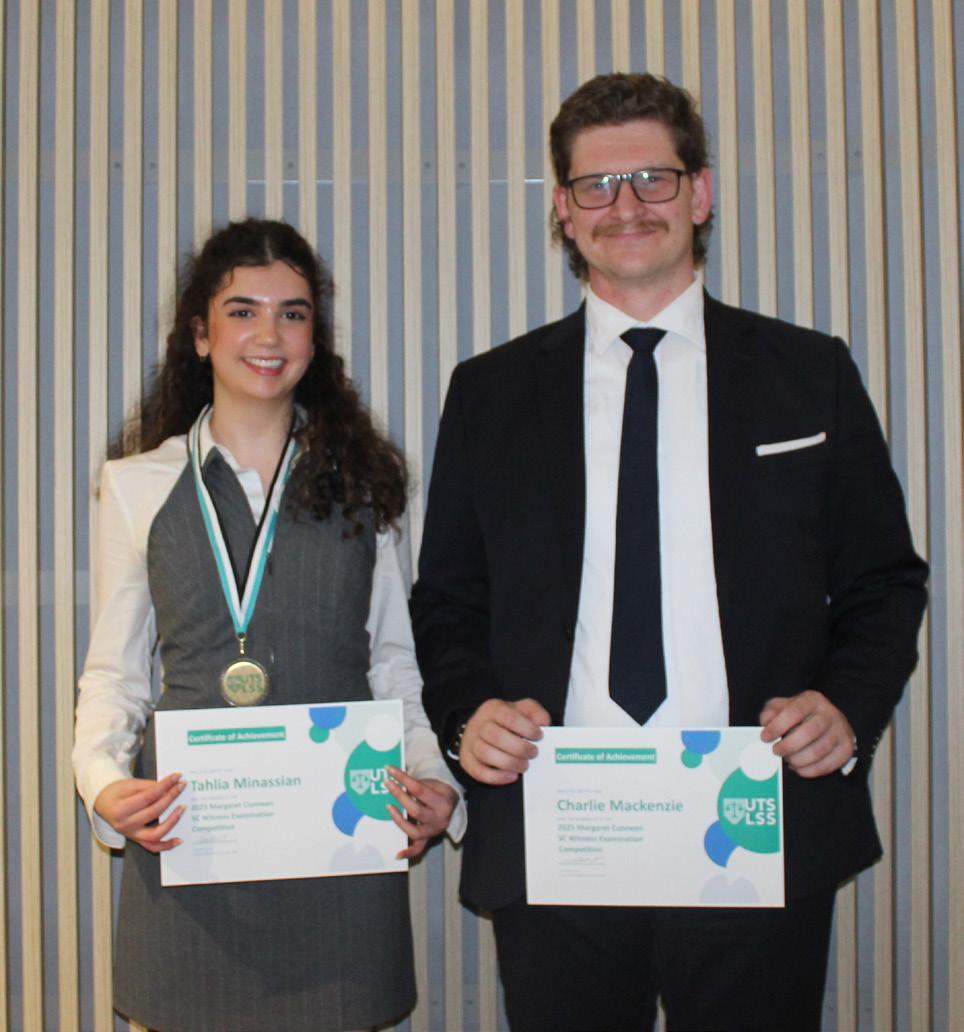
"I dove into Opens Witex with no prior experience. In my first round, I misspelt my own last name and definitely let my witness say all the wrong things. But I took on the judges feedback and improved my performance week on week. Eventually winning the Grand Final was a crazy experience and I had the most fun taking on a new question every round, whether it be defending or prosecuting an alleged murderer.
The Margaret Cuneen SC Witness Examination Competition was daunting to say the least. The judging panel of three barristers, including Margaret Cuneen herself, as well as a competitor from Macquarie University presented new challenges. I was tasked with prosecuting a doctor charged with the murder of their patient, the witness statements riddled with medical terms I had never heard before.
Winning that competition was definitely the highlight of my competition year. It was an extremely high quality round with many objections and difficult questions. The feedback I received from the esteemed panel of barristers was invaluable and they provided tips I still reflect on today. Further, the competition allowed me to make new connections within a different university and with barristers that provided plenty of career advice.
I highly recommend applying for this amazing competition as it teaches you how to think and talk like a lawyer, providing skills I carry into my professional career."
• Please note that this is a highly anticipated and prestigious competition and applicants who can demonstrate success in internal and intervarsity Negotiation Competitions will be preferred in the selection process.
• It is recommended that participants have achieved success in the UTS LSS Intervarsity Negotiation Competition and/or the Intervarsity UNSW Negotiation Competition to enhance the competitive edge of their applications.
• Have a keen interest and refined prowess in negotiation skills in a legal context.
• Apply as a team of two with someone who you have competed together with before to demonstrate teamwork skills.
The International Negotiation Competition is an invitationonly competition hosted by Herbert Smith Freehills Kramer (HSFK) and the National Law University in Delhi (NLU). Successful candidates will be flown out to Delhi with the costs for the flights and accommodation being covered by the UTS LSS.
According to Herbert Smith Freehills Kramer, “the competition aims at providing an opportunity to law students of top universities across the globe to practice and improve their negotiation skills. It provides a platform for students to compete in a truly diverse and international environment. The competition is carefully structured to simulate legal negotiations, making it particularly useful for those students who aspire to be international lawyers. Students participating in the competition will assume the roles of international lawyers in negotiating a series of legal problems.”
– Herbert Smith Freehills Kramer, 2025
Relevant Dates
The competition usually takes place at the National Law University in Delhi in September each year.
Who can apply?
A team of two UTS law students are selected to represent the UTS LSS at the International Negotiation Competition. Applications are open to all law students, however successful applicants will have extensive negotiation experience on both an Open and Intervarsity level and have demonstrated success in said competitions.
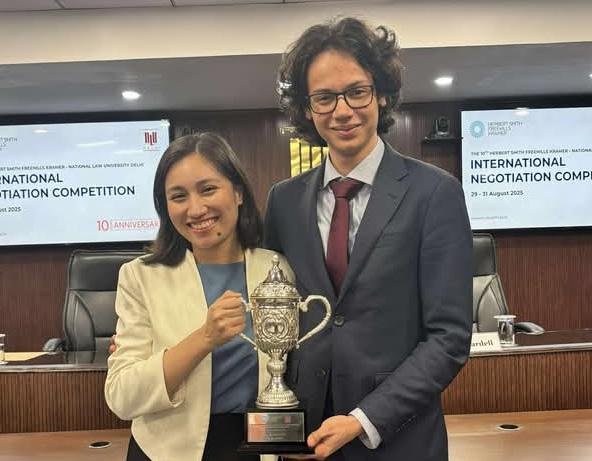
Rosalia Bautista and Zachary Boswell Runners up of the HSFK NLU Delhi International Negotiation Competition 2025, Winners of the UTS LSS Maddocks Intervarsity Negotiation Competition 2025
"After competing in several intervarsity negotiation competitions through the LSS, we were selected in 2025 to compete in the invite-only 10th Herbert Smith Freehills Kramer NLU Delhi International Negotiation Competition, the only international negotiation competition offered by the LSS. The competition focused on complex, highly technical scenarios, such as cross-border mergers and acquisitions, covering issues such as intellectual property, corporate governance, competition, regulatory compliance, and employment law. Scenarios drafted by HSFK lawyers required strong subject knowledge and encouraged creative, commercially focused solutions. The competition hosted 34 teams from around the world, including India, the UK, Singapore, Sri Lanka, and Australia, and was judged exclusively by experienced legal practitioners and academics.
Teams submitted a negotiation plan in advance and competed in client–counsel style rounds, requiring one member to act as legal counsel and the other as the client decision-maker, such as a CEO of an international pharmaceutical company. This format demanded a deep understanding of both legal issues and business priorities, fostering collaboration and a strong commercial mindset. We were proud to finish as Grand-Finalists to Cambridge University, with the entire competition being an amazing opportunity. The experience was a highlight of our degree, allowing us to build legal and professional experience outside the classroom. It provided us with international exposure, invaluable skills, and the chance to connect with likeminded students. The opportunity to push yourself to try something new is unrivalled, and we strongly encourage students to get involved in as many negotiation competitions as possible!
ELIGIBILITY
• All UTS LSS members with an interest in Client Interview, Negotiation, Witness Examination, and Mooting are encouraged to apply. Please note that this is a very popular and anticipated event that tends to attract a pool of highly competitive applicants. As such, applicants who can demonstrate prior success in internal and/or intervarsity events will be preferred in the selection process.
RECOMMENDATIONS
Compete in our 2026 Open Skills Competitions and Moots in Semester 1 to get a feel of how the competition works, refine your skills, and to bolster your application.
In 2026, the National Conference will be held in Kauma Country (Adelaide, South Australia) from 1016 July 2026.
Keen to apply?
This is an incredibly prestigious opportunity for experienced competitors to test their skills on a national scale. As such, competitors are determined through a thorough application and selection process. Keep an eye on our UTS LSS Facebook page prior to July for when applications open!

The Australian Law Students’ Association (ALSA) Annual National Conference is a week-long conference which unites hundreds of law students from Australia, New Zealand and Asia through legal workshops and forums, social events, and competitions. As part of the annual conference, ALSA facilitates national competitions where the best law student advocates from across the country come together to compete in a variety of legal skills and mooting competitions. Following their successes, the winners of each competition are usually invited to represent Australia at an international level.
Each year, the UTS LSS selects individuals and teams who have demonstrated great success, both internally and at an intervarsity level, to compete in Negotiation, Client Interview, Witness Examination and the Championship Moot. In doing so, the UTS LSS covers the ALSA competition registrations fees as well as the delegates’ cost of travel and accommodation.
Each year, the ALSA Annual National Conference is hosted by a different Australian university in an Australian city.
"In July of 2025 we travelled to Canberra to compete in the Australian Law Student Associations National Championship Moot in Canberra, where we were able to compete against the best mooters in the country. We were lucky enough to make it to the Grand Final in the High Court of Australia and appear before the three members of the Australian judiciary including Chief Justice Bell, Justice Steward and Justice McWilliams. Ultimately, we were fortunate to bring home the National title for UTS and with team members representing UTS at the Oxford Intellectual Property Law Moot, and Phillip C. Jessup Public International Law Moot! None of this would have been possible without the countless internal UTS and intervarsity mooting competitions we have competed in prior to ALSA. Mooting has been the most special part of our university experience, and we urge you all to give it a go."
ELIGIBILITY
• All UTS LSS members with an interest in mooting particularly, criminal law moots should apply. Please note that this is a very popular and anticipated event that tends to attract a pool of highly competitive applicants. As such, applicants who can demonstrate prior success in internal and/or intervarsity events will be preferred in the selection process.
RECOMMENDATIONS
Give our 2026 Junior Criminal Law Moot, Open Criminal Law Moot in Semester 2 a go to get a feel of how the competition works, refine your skills, and to bolster your application.
The University of Wollongong Criminal Law Moot is an annual national competition that challenges law students to engage with complex and contemporary issues in Australian criminal law. Hosted by and held at the University of Wollongong Law Students’ Society (UOWLSS) over one weekend, the moot provides an opportunity for aspiring advocates to develop their courtroom advocacy, legal reasoning, and research skills in a realistic appellate setting. Competitors present submissions before a simulated Court of Criminal Appeal, arguing both prosecution and defence perspectives on intricate points of criminal liability, causation, and defences under the Crimes Act 1900 (NSW). The competition attracts teams from universities across Australia and serves as a valuable platform for students considering careers in criminal law, advocacy, or the judiciary. Outstanding participants often go on to represent their institutions in national and international mooting circuits.
The 2025 UOWLSS Criminal Law moot arose from the conviction of Belinda Evans for the manslaughter of her colleague, Vicki Osborne, following a fatal altercation during a company team-building survival exercise in the Blue Mountains. The dispute centres on whether Evans’ actions – shaking Osborne during a struggle, causing her head to strike a rock – legally caused Osborne’s death and whether Evans was acting in self-defence. The appeal raises key issues in criminal law concerning causation, particularly where multiple contributing factors to death exist, and self-defence under sections 418 and 419 of the Crimes Act 1900 (NSW) in circumstances of provocation and perceived threat.
Keen to apply?
This is an incredible opportunity for experienced competitors to test their skills on a national scale. As such, competitors are determined through a thorough application and selection process. Keep an eye on our UTS LSS Facebook page for applications open and key information.
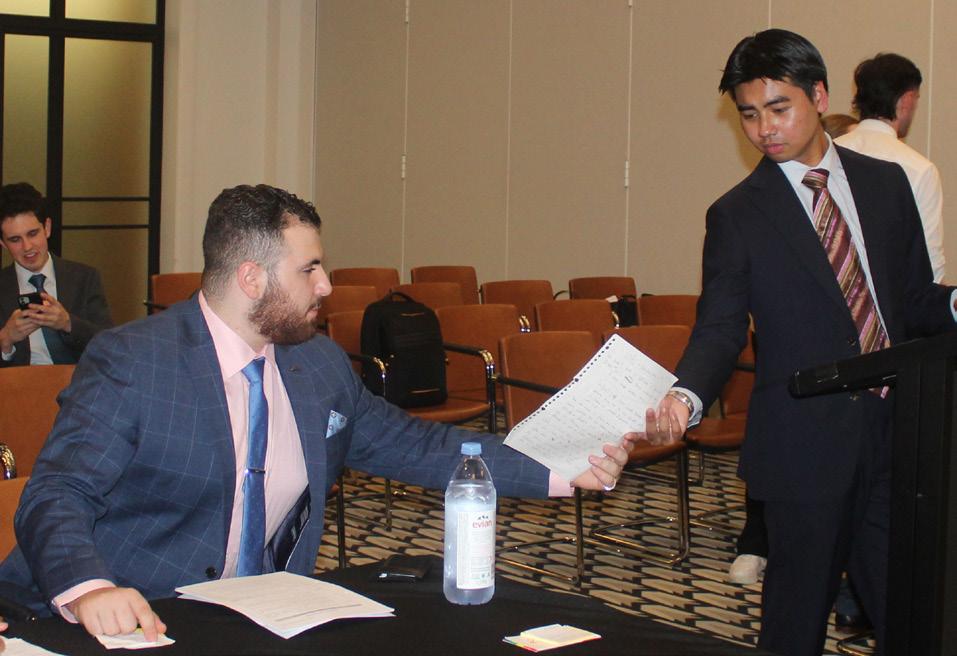
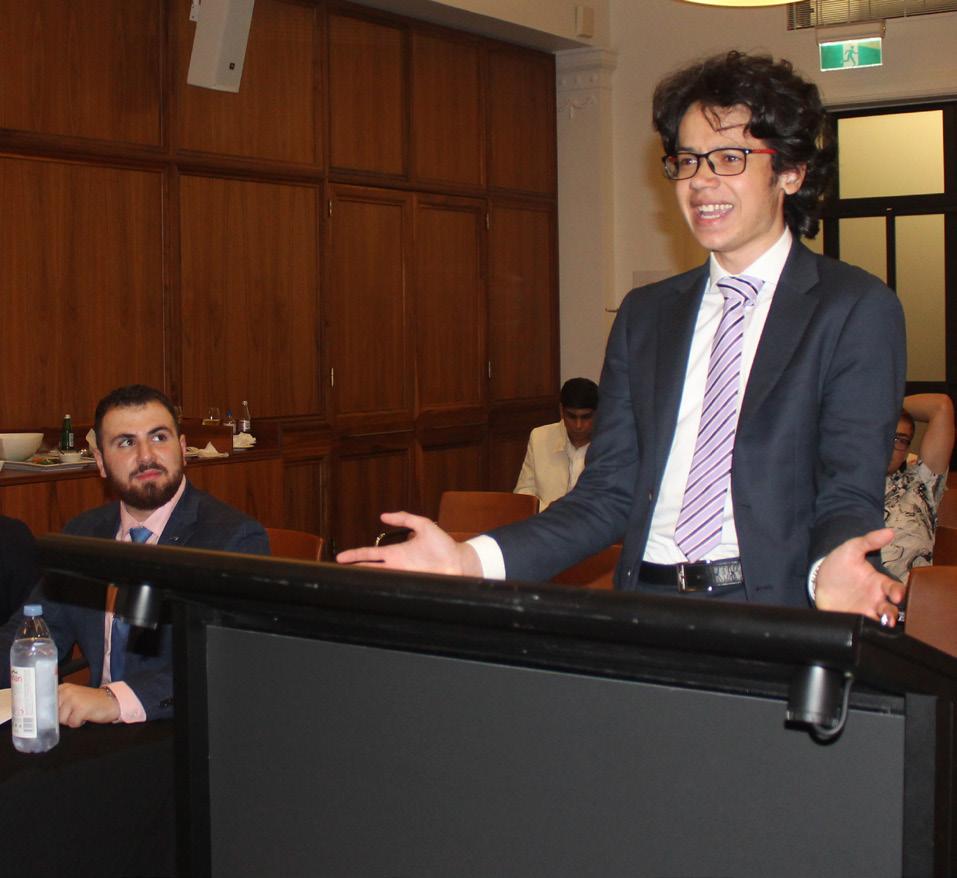
Runners up of 2025 UOWLSS Criminal Law Moot
"Competing in the Wollongong IV Criminal Law Moot is an invaluable experience for anyone interested in criminal law and harnessing their advocacy skills as the moot is unique in the sense that every round is judged by an academic or practitioner. Taking place over a weekend, we were able to refine our skills in answering questions, preparing concise written submissions and thinking outside the box in what was a seemingly straightforward fact scenario focusing on issues of causation and self-defence. The LSS usually sends 2 teams to this competition, so we highly recommend anyone interested in competing in this moot to gain experience in mooting in a criminal law context before competing, or dive straight in if you’re interested in competing at an intervarsity level. This is a great opportunity to take what you have learnt from internal competitions and apply it in a fast paced format against other universities from across the state."
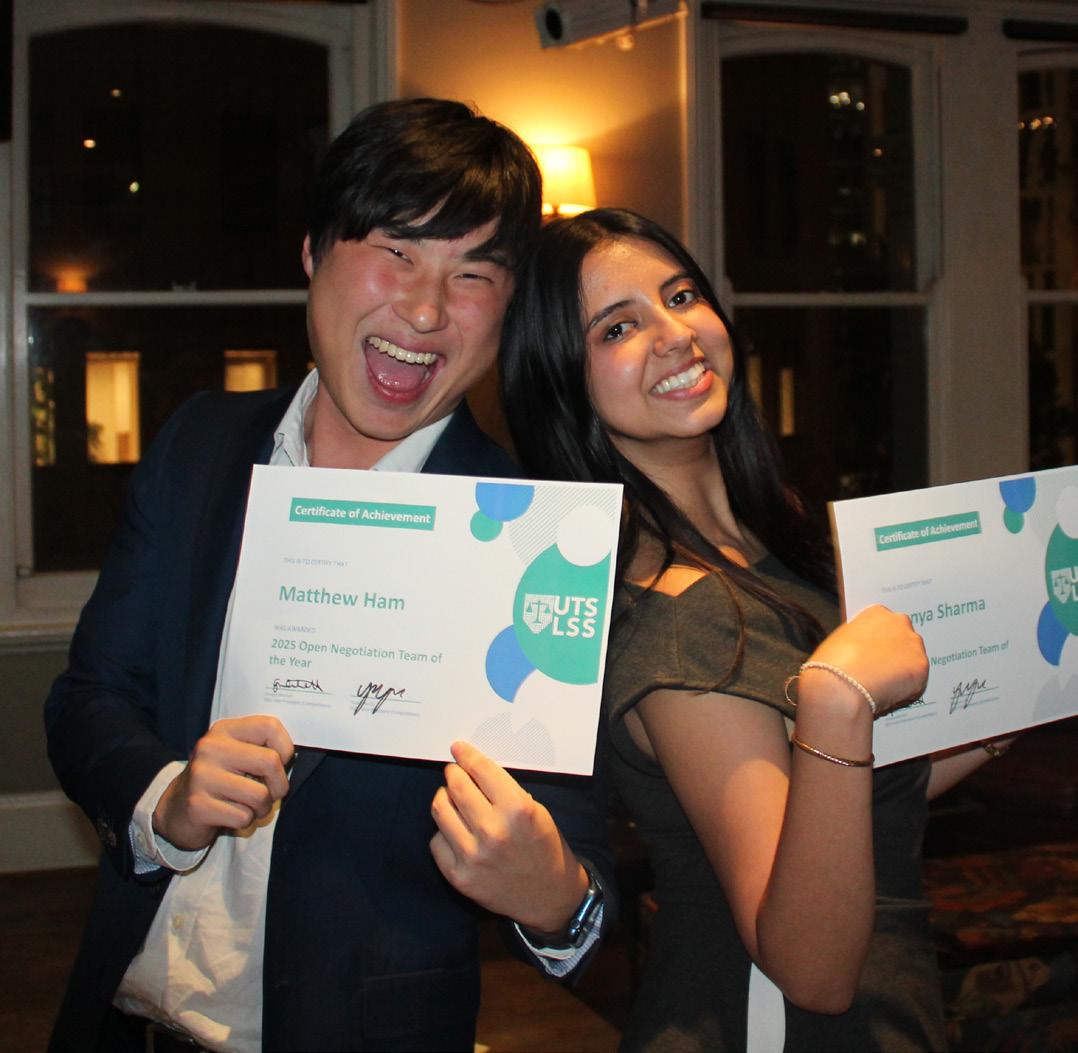
Lights. Camera. Action.
Finish your year right with our Competitions Gala Night!
The culminating celebration of our competitions calendar - an evening that brings together our competitors, volunteers, judges and supporters from across the year in one shared space.
More than an awards night, the Gala is a chance to pause, reflect and celebrate the collective effort that goes into every competition. From early-round nerves to late night submissions, from first-time competitors to seasoned advocates, the night recognises the commitment, growth and camaraderie that define our competitions community.
While awards are presented in achievements formally acknowledged, the heart of the Gala lies in connection. It is an opportunity to mingle with competitors from different moots and skills competitions, to speak with judges beyond the courtroom, and to recognise the volunteers whose work makes each competition possible. The focus is not solely on outcomes, but on the shared experience of learning, challenging oneself and showing up.
Awards on the night span a wide range of competitions and skill sets, reflecting the diversity of talent across the program. From Rising Mooter of the Year, recognising emerging advocates who have demonstrated exceptional growth and promise, to awards such as Best Negotiation Strategy and Best Client Interview Team, the Gala highlights excellence in both advocacy and practical legal skills. Team achievements are also celebrated, including honours for Outstanding Intervarsity Mooting Team, acknowledging those who have represented the LSS with distinction beyond our internal competitions. Along these,

a variety of additional awards ensure that achievement in all its forms - individual and collective, technical and strategic - is recognised, reinforcing that success in competitions is multifaceted and extends well beyond a single result.
The Competitions Gala Night celebrates participation as much as performance - reminding us that every competitor, regardless of result, contributes to the strength and culture of our competitions program. It is a night to celebrate effort, resilience and the friendships formed along the way.
Whether you leave with an award, a new connection, or simply a deeper appreciation for the community you are part of, the Gala marks the close of the competition year in the spirit it deserves - inclusive, reflective and celebratory.
THE ‘JACK OF ALL TRADES’ ALL ROUNDER
THE AWARD FOR ADVOCACY
THE AWARD FOR OUTSTANDING SERVICE
THE AWARD FOR INNOVATION
Max Galanti
Arav Maharaj
Grace Strik
Zachary Boswell