As we begin a year-long celebration of The University of Texas at San Antonio’s 50th year, we do so with gratitude for all the generous friends and alumni like you who have helped build a solid foundation for the university’s future through gifts to the UTSA endowment.
In the enclosed report, we are pleased to present the annual update on your endowment at the university, with information through our last fiscal year, which ended August 31, 2018.
As you will see, the UTSA endowment continues to strengthen, reaching a market value of $164 million, which represents about seven percent growth during FY18. We received $7 million in endowment investment distributions to fund scholarships, fellowships, endowed faculty positions and programs across our campus. Such sustained support is critical if we are to be a top urban-serving university that benefits future society through our graduates and research.
Thanks to the generosity of endowment donors, several new endowments were established during the fiscal year, including seven new scholarship funds and two new program support endowments. It makes me proud that all of these endowments will have an impact on UTSA in perpetuity.
Endowment supporters are a very special part of our Roadrunner family. We hope you enjoy reading about your endowment fund and the difference it continues to make at UTSA.
With appreciation,
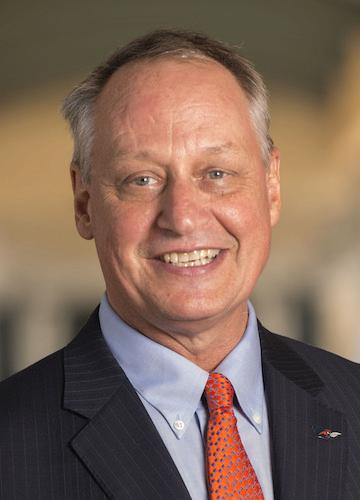
Taylor Eighmy President
Taylor Eighmy, President
Growth Trend (2014-2018)
A Loyal Roadrunner. A Loyal Researcher.
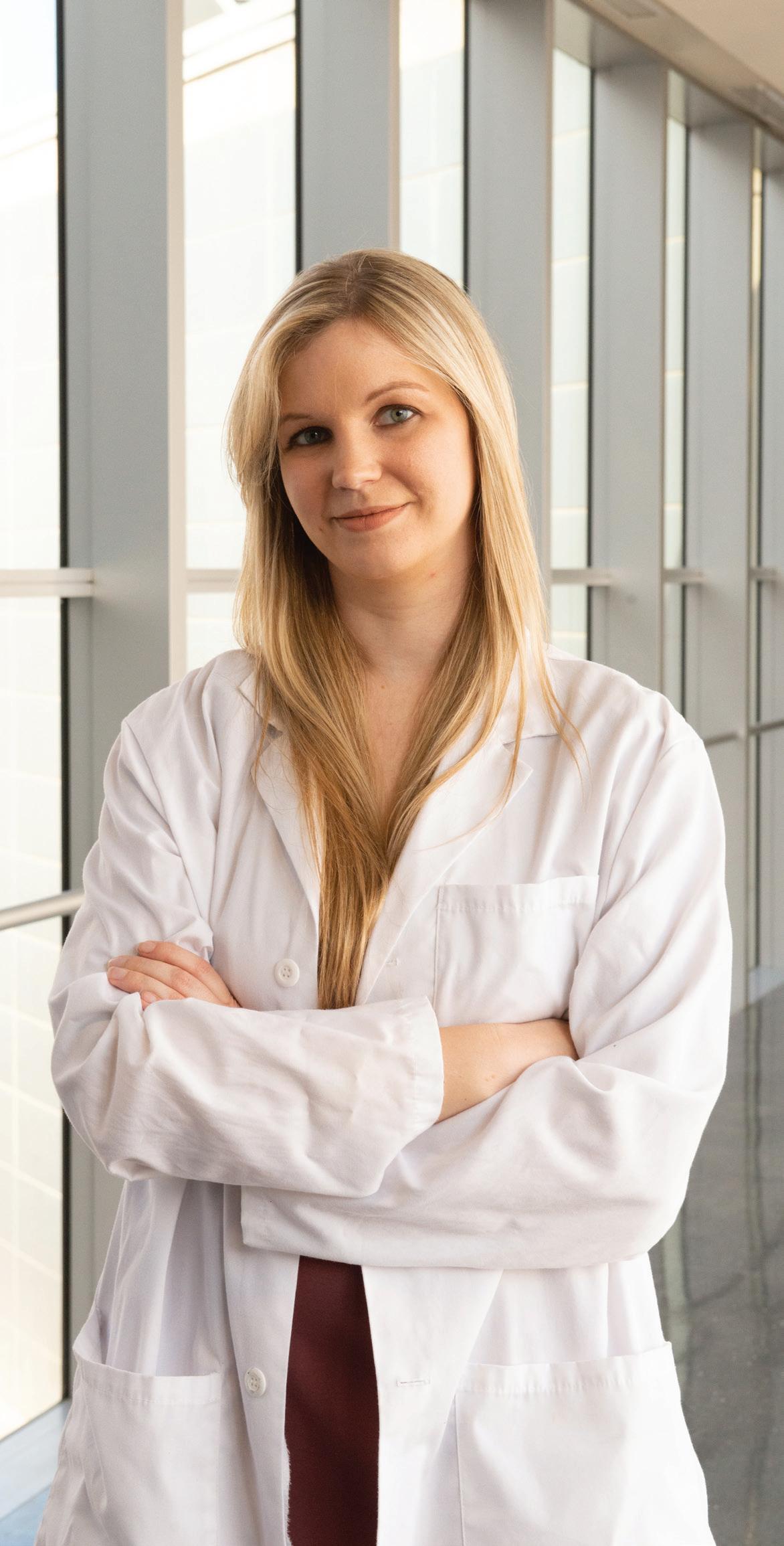
Alyssa Petko graduated from The University of Texas at San Antonio
with a Bachelor of Science in 2013 and transitioned into the Neurobiology Ph.D. program in 2014. A recipient of The Carlos Alvarez Endowment for Graduate Fellowships in Science and Engineering, Petko studies dopamine neuron physiology.
From attending UTSA as an undergraduate to becoming a colleague of the professors she deeply respects, Petko says UTSA faculty treat everyone as equals.
“UTSA is really special. Respect goes both ways here and that’s something that’s hard to find. We’re all equally respected and it makes me want to become a better scientist and a better person.”
Petko’s goal is to understand how dysregulation of the dopamine system can lead to problems like addiction. Her research examines Beta Arrestin 2, a protein produced by the body, and how it regulates the psychological effects of morphine and cocaine.
Dr. Carlos Paladini, Petko’s mentor, specializes in dopaminergic neuron physiology. Both work alongside experts studying the dopamine system at UTSA. The University collaborates with UT Health San Antonio, The University of Texas at Austin, and others.
Through a collaboration with Emory University, Petko will contribute to a manuscript focused on the removal of Beta Arrestin 2, examining the cellular responses and behavioral effects.
“We’re interested in understanding the fundamental biology behind the reward system and how that’s altered when you add drug abuse into the equation,” Petko said.
Currently, communities across the U.S. are battling the opioid crisis. Petko says she knows people who have been directly affected by the epidemic and how deep addiction can cut.
“I come from Cleveland, Ohio, where there’s a huge opioid epidemic. It’s happening all over the country, but it seems to be hitting hard in the Midwest. That’s what drives me to do the work I do. We are in serious, desperate need of finding solutions for this and we don’t have one.”
The Alvarez Fellowship has allowed Petko to spend more time on her research.
“I’m thankful for Mr. and Mrs. Alvarez. If I didn’t have a fellowship, I’d have to teach, which would mean less lab time. A fellowship is even more special because it means somebody read my research and found it important.”
Opportunities like The Carlos Alvarez Endowment for Graduate Fellowships in Science and Engineering allow UTSA researchers to further develop their findings and contribute to groundbreaking studies.
“They really are impacting the future in many ways, maybe more than they know,” Petko said.
Following graduation in May 2019, Petko will take a postdoctoral fellowship in Frankfurt, Germany, where she will continue to focus on dopamine neuron physiology for at least five years. •
Helping Students and Honoring a Roadrunner
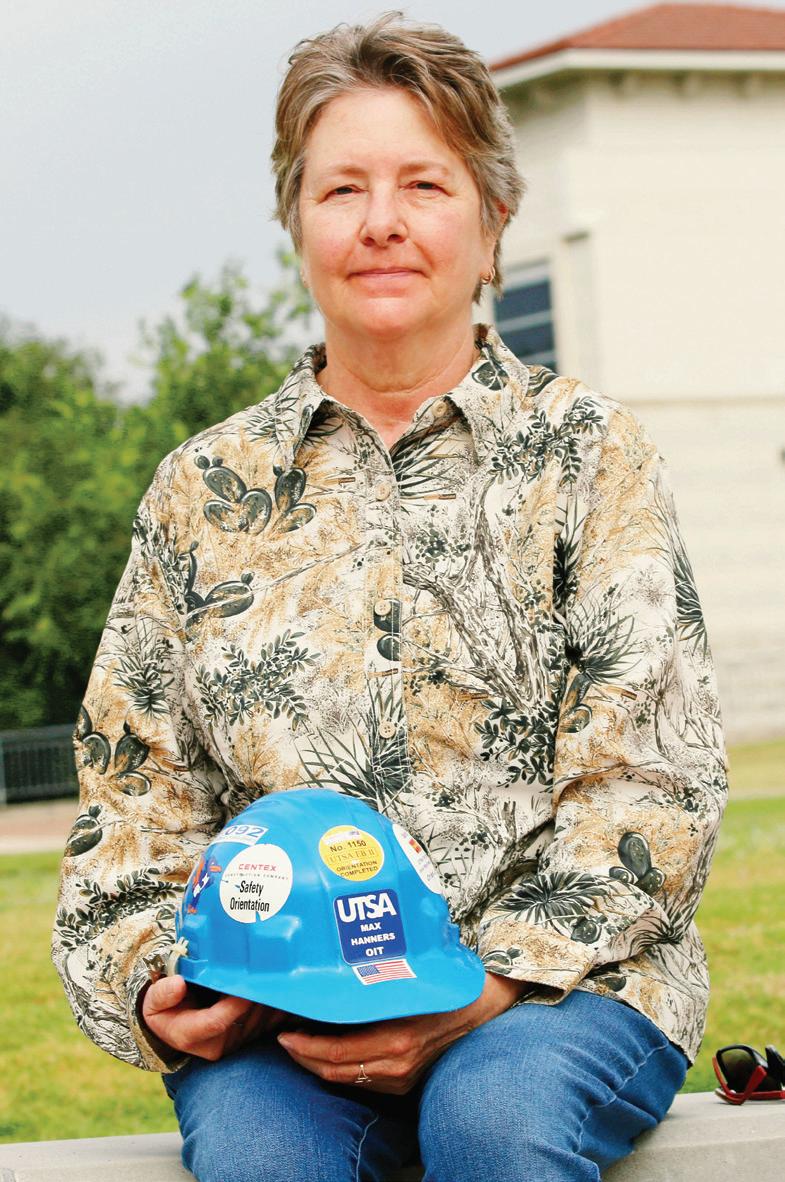
For many people life after retirement is supposed to be joyous – a chance to check off that bucket list and do the things you never had the time to do. But for Max Hanners, two weeks after retiring from UTSA he was diagnosed with stage four pancreatic cancer. A year later he passed away.
“It was hard,” said his wife Susan Whitley. “He retired and two weeks later he started chemo."
To honor his legacy, Susan, who is also retired from UTSA, established the Max William Hanners Endowed Scholarship. Benefiting students in the College of Sciences, the scholarship, said Susan, is something Max would be proud of.
“If Max were here he would say ‘thank you.’ He was so proud to work at UTSA – he knew so many people and touched so many lives that I just want them to remember him,” said Susan.
Susan and Max met on campus in 1990. She worked in the Bursar’s Office, and he as a groundskeeper while working toward a master’s degree at UTSA. Fast forward two decades, and the couple found themselves thriving in their careers at the university. Susan was a business manager for UTSA’s Office of Facilities, and Max was assistant director of IT, where he helped oversee construction on key components of the Downtown Campus, the Recreation and Wellness Center, and the Biotechnology, Sciences and Engineering Building, to name a few.
After 20 years of service, Max decided to retire. A visit to the clinic and a blood test would later confirm he had cancer. Max died April 14, 2012. He was 61.
With a passion to help others, and a desire to keep her late husband’s legacy alive, Susan reached out to the planned giving team at UTSA. After exploring the various ways of creating a scholarship, she decided to fund an endowed scholarship now to immediately help students. Susan is also allocating a percentage of her estate later to further grow the Max William Hanners Endowed Scholarship, ensuring the scholarship will live on forever.
“We’re celebrating Max,” said Susan, who has enlisted the help of friends and fellow Roadrunner staff to grow the scholarship. “It’s nice to see how much everyone loved him – to have their support and hear their stories makes me smile.”•
30,674 Students Enrolled More than
$68.1M Research and Development Expenditures
Undergraduates Receiving Financial Aid
Creating Opportunities for Students to Thrive
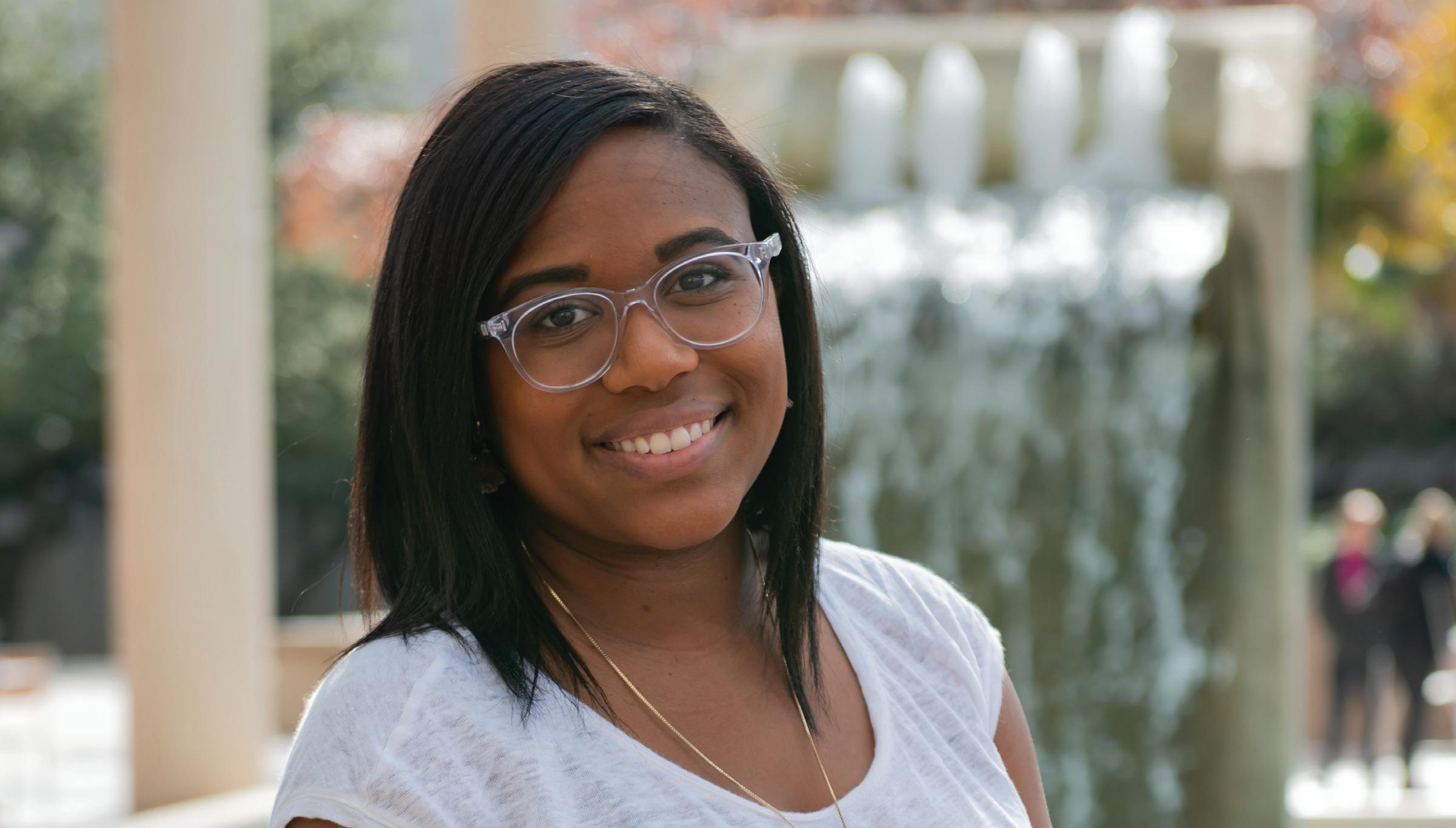
Zena Gittens did not always have her eye on The University of Texas at San Antonio. A Houston native, her mother encouraged her to branch out into a new area. Coupled with the offer of an academic scholarship, Gittens took her chance on the Alamo City.
A first-generation college student, her parents moved to the United States from the Caribbean in the 1980’s. Both of her parents graduated from technical schools and became business owners.
Although she followed in their entrepreneurial footsteps, her connection to a Finance degree proved unfulfilling. After only six weeks, she dropped her entire course load and switched her major to Communications – an area that fit her natural talents.
She also had an interest in exploring more financial assistance opportunities, so by the end of her first semester, she had contacted the Scholarship Office.
The Mary Pat and Louis H. Stumberg Endowed Scholarship for Interdisciplinary Studies in Music and the Sciences welcomed her major, but the donors’ passion for the arts yielded a secondary degree requirement in Music.
Fortunately, Gittens’ interest in event promotion had already led her toward a minor in Music Marketing. For the next three years, she became the endowed scholarship recipient and, in 2017, she met Mary Pat Stumberg.
“It was a really cool opportunity to get to meet the donor because I know a lot of students don’t get that opportunity,” she said. “It’s hard to be a college student. It’s a lot more expensive, and it’s really demanding to try to build your resumé.”
But for Zena Gittens, building a resumé is a forté.
In her senior year, she manages a full course load, four parttime jobs as a box office representative for Aztec Theater, a tutor for UTSA Athletics, a supplemental instructor for the Thomas Rivera Center, and a basketball communications specialist for the San Antonio Spurs. She also interns with local public relations firm, The Deberry Group.
“My schedule is insane, but it’s perfectly timed. I like being busy, I don’t know what it’s like to sit. I sit when I sleep,” she said. “I think endowed scholarships give students a little more room to grow personally, instead of having to work.”
While Gittens has plans to return to Houston, her undeniable work ethic could lead her anywhere. She will continue working for The Deberry Group through May 2019 and has applied to multiple internships.
“Donors are an integral part of making students successful … I’ve received this scholarship for three years and it’s surpassed financial contribution to me. It’s like these people know my heart, they know my work ethic, and they believe in what I’m doing. They believe in my mission.” •
Preparing UTSA Students to Compete Among the
Best
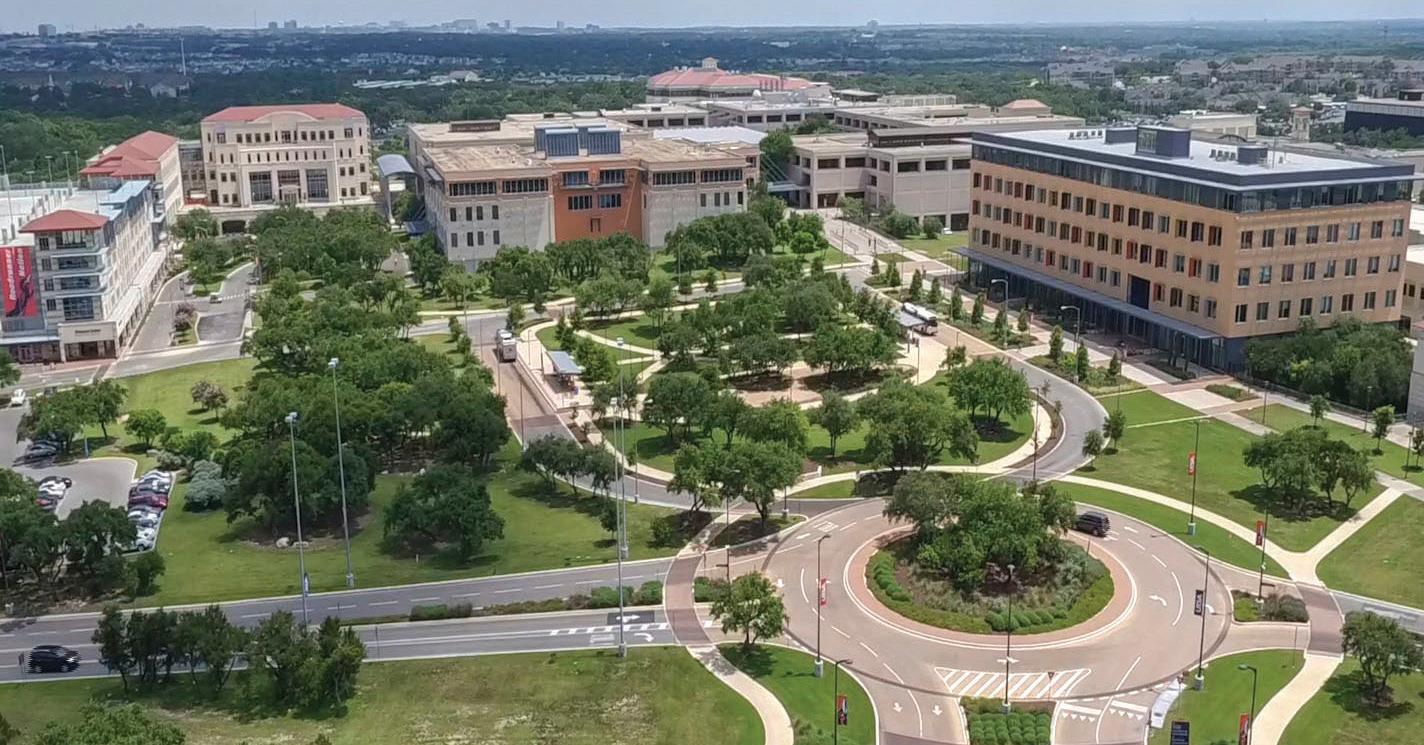
When students approach Dr. Tony Ciochetti about the Embrey Real Estate Finance and Development (REFD) Program at The University of Texas at San Antonio, he’ll walk them into his conference room, turn his attention to the panoramic windows that comprise a full wall, and point across the UTSA campus to show them the variety of real estate products in view.
“When most people hear the word ‘real estate,’ they think of housing. But, real estate constitutes much more: everything associated with the places in which we work, live, and play.”
Dr. Ciochetti has built a diverse career in real estate development and consulting, and as an academic. He launched a multifaceted career in higher education by assuming roles as a professor at the University of North Carolina-Chapel Hill, as a visiting professor at Cambridge University in England, and as chair and academic head at the Massachusetts Institute of Technology (MIT) Center for Real Estate.
“I used to develop the product; for the past three decades my interest has been in the development of academic real estate programs.”
In 2011, the UTSA dean of the College of Business invited Dr. Ciochetti to San Antonio and he met with the local community. He also visited a UTSA student orientation comprised of incoming undergraduates, where nearly every student identified as a first-generation college student.
Fascinated by the community and tenacity of the student body, Dr. Ciochetti moved to San Antonio in 2012, where he received the Elmo James Burke, Jr. Chair in Real Estate Finance and Development When he joined, UTSA’s B.B.A. in Real Estate program was underway, but Dr. Ciochetti believed in further synergizing academia with industry.
“We want our programs to be real world, have real learning, and make a real impact. To build a strong program, we need the resources that will allow us the freedom to focus on these elements.”
So, with the generous gift that established his endowed chair, he restructured the program and used the funding to improve four major areas: industry engagement, teaching, student activities, and research.
“Real estate knowledge is not just exclusive to the top programs. We look for students who are interested in real estate, enthusiastic about learning, and passionate enough to work hard. With these traits, we can help UTSA students compete with any other academic real estate program.”
Through his international travel to multiple countries, Dr. Ciochetti has marketed the program to academic and industry partners, so that prospective international students and stakeholders can understand the opportunities associated with securing a real estate education at UTSA.
Dr. Ciochetti’s endowed chair has also supported the recruitment of industry partners, which have aided student success through roundtables, site visits, mentorships, internships, and professional networking opportunities.
As a result of these efforts, the program has also secured the Quincy Lee Endowed Chair for Excellence in Real Estate Finance and Development Education and the Walter M. Embrey, Jr. Endowed Research Fellowship in Real Estate Finance and Development Program
“We can achieve phenomenal things with great support. We’re blessed to have a highly active philanthropic community in San Antonio, with growing interest from others outside the area. I’m excited to be part of the growth and transformation of UTSA, and it’s a great time to be a Roadrunner!”
Zena Gittens
Endowments provide permanent support to the university for a better future.
Gifts to endowments are never spent, they are invested and quarterly distributions are made to your chosen area of support. Endowments provide for many purposes and interests at the university, including:
• Student Support
• Academic Positions
• Programs
Endowments may take up to five years to fund and once officially established, you or anyone else may contribute to the principal at any time. With your endowment, you are creating a legacy with the university in perpetuity that will benefit generations of faculty, students, and scholars for years to come.
University of Texas Investment Management Company (UTIMCO)
is contracted by The University of Texas System to invest funds under its fiduciary control.
UTIMCO is the first investment corporation formed by a public university system to oversee investments for a university. UTIMCO adheres to a “constant growth" distribution policy.
Under this constant growth policy, distributions in a year are equal to the distribution in the prior year (in dollars) plus a n increase to offset actual inflation in that particular year. This allows distributions to grow at a steady rate equal to the rate of inflation and provides a stable stream of “real” resources to the university.
Most endowments are invested in the Long Term Fund (LTF) designed to preserve the purchasing power of the endowment over the long-term. In years when investment markets are strong, excess returns are held within the LTF. These excess returns are used to maintain a constant distribution stream in years when investment returns fall below the targeted distribution rate.
The book value of an endowment represents all contributions, reinvested income and any realized gains or losses attributable to the sale of an investment held in the endowment, while the market value is the prevailing price of an investment in an actively traded market.