“All graduates in all fields will face challenges regarding how our societies address urgent environmental issues (e.g. climate change), social issues (e.g. meeting basic human needs) and economic issues (e.g. economic security). Incorporating sustainability into education prepares these graduates with both the knowledge and skills to help contribute to a better world and also be better prepared to enter the workforce. “
- Sustainable Development Primer for Higher Education Presidents, Chancellors, Trustees and Senior Leaders 25
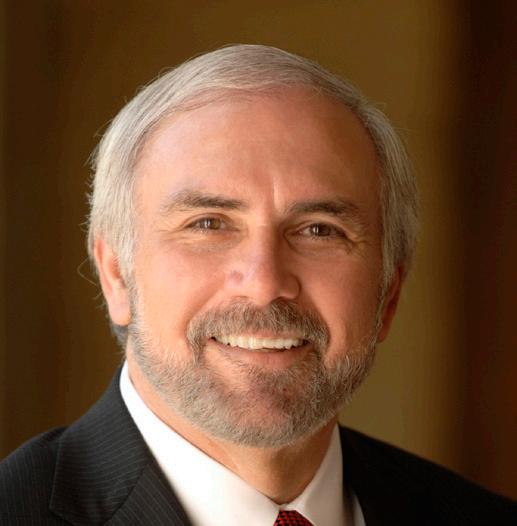
UTRGV FOUNDING PRESIDENT
Dr. Guy Bailey
As President of the University of Texas Rio Grande Valley (UTRGV), I am proud of the work we have done in establishing our new university and the progress we are making towards integrating sustainability in everything we do.
Our core priority is to transform our region through the success of our students. We strive to prepare students so they thrive in a global economy and become leaders and innovators of sustainable development. We are intentionally infusing sustainability across all areas of our campus operations as we continue to strategically plan for our future. This allows us to transform our university into a “living laboratory” where students can learn and apply sustainable practices. UTRGV incorporates sustainability in our academics for the success of our students across all eleven colleges and schools. UTRGV is also committed to engaging students and the public through formally established programs and initiatives to connect them with sustainable concepts to improve our region and our world.
I strongly believe UTRGV will achieve all that is needed to steward the environment, protect the health and safety of our people, and operate ethically and responsibly within the region we serve. I look forward to the significant and positive impact our institution will have on our students, our community, the country, and the world for generations to come.
“Education is the most powerful weapon which you can use to change the world.”
- Nelson Mandela
CHIEF SUSTAINABILITY OFFICER, OFFICE FOR SUSTAINABILITY FOUNDING DIRECTOR
The AASHE STARS GOLD rating gains UTRGV a reputation for innovation on a local, state, and national level. Our sustainability focus created an interdisciplinary thrust creating an approach in answer to the challenges our students face. Institutionalizing sustainability across all UTRGV’s divisions has provided an engine of discovery and transformation. This model is encouraging our students to think between disciplines to solve complex issues that lead to real innovation and multifaceted perspectives essential to success in the twenty-first century.
We address sustainability as it is laid out through the seventeen goals adopted by the United Nations in 2015 (SD17). These goals cover social, economic, and environmental development at the regional and global level. Our partnership with the Association for the Advancement of Sustainability in Higher Education (AASHE) allows the university to measure our performance of sustainable practices via the STARS report. This rating system measures our sustainable practices in Academics, Engagement, Operations, and Administration. Through this and other annual reports to the Vice President for Finance and Administration, UTRGV can determine which methods are proving successful and where other opportunities for growth exist. We are proud to announce that this is the first year our university has been awarded the Gold Rating on this assessment. This report summarizes how that rating was achieved in hope to better explain our current assessment in sustainable practices.
Marianella Franklin
INSTITUTIONALIZING SUSTAINABILITY
BY EDUCATING FOR SUSTAINABLE DEVELOPMENT
Institution-wide coordination helps UTRGV organize, implement, and publicize sustainability initiatives.
UTRGV aims to provide a road map to help guide our decisions with the ultimate goal of having a sustainable university. Planning and coordination are used to form and apply a framework that encourages all students, faculty, and staff to help UTRGV meet its institutional goals of providing affordable, quality education to students who will graduate equipped with tools to enrich their communities in environmentally conscious, socially responsible, and economically profitable ways.
Sustainable development aligns with UTRGV’s mission, vision, and core priorities. STUDENT SUCCESS
PROFESSIONAL DEVELOPMENT AND GROWTH BILINGUAL, BICULTURAL, BILITERATE
The university’s Strategic Plan includes a commitment to create a diverse and affordable student experience, to promote a healthy workplace for its employees, and to invest in new and innovative ways the university can achieve greater sustainable development for years to come. To that end, the Office of Sustainability has been established by the university under the Division of Finance and Administration. UTRGV was among the first within the UT system to establish an Office for Sustainability as a means of institutionalizing sustainable development across all divisions of our university.
UTRGV’s approach to sustainability involves Education for Sustainable Development (hereafter referred to as ‘ESD’). This interdisciplinary approach to learning covers the integrated social, economic and environmental dimensions of the formal and informal curriculum. ESD works with a primary focus on equipping students with sustainability knowledge, understanding, skills and attributes. Staff and students work together on concepts of ‘global citizenship’ and ‘environmental stewardship’, whilst considering issues of social justice and retaining a view towards the future.
Sustainable development is a global effort.
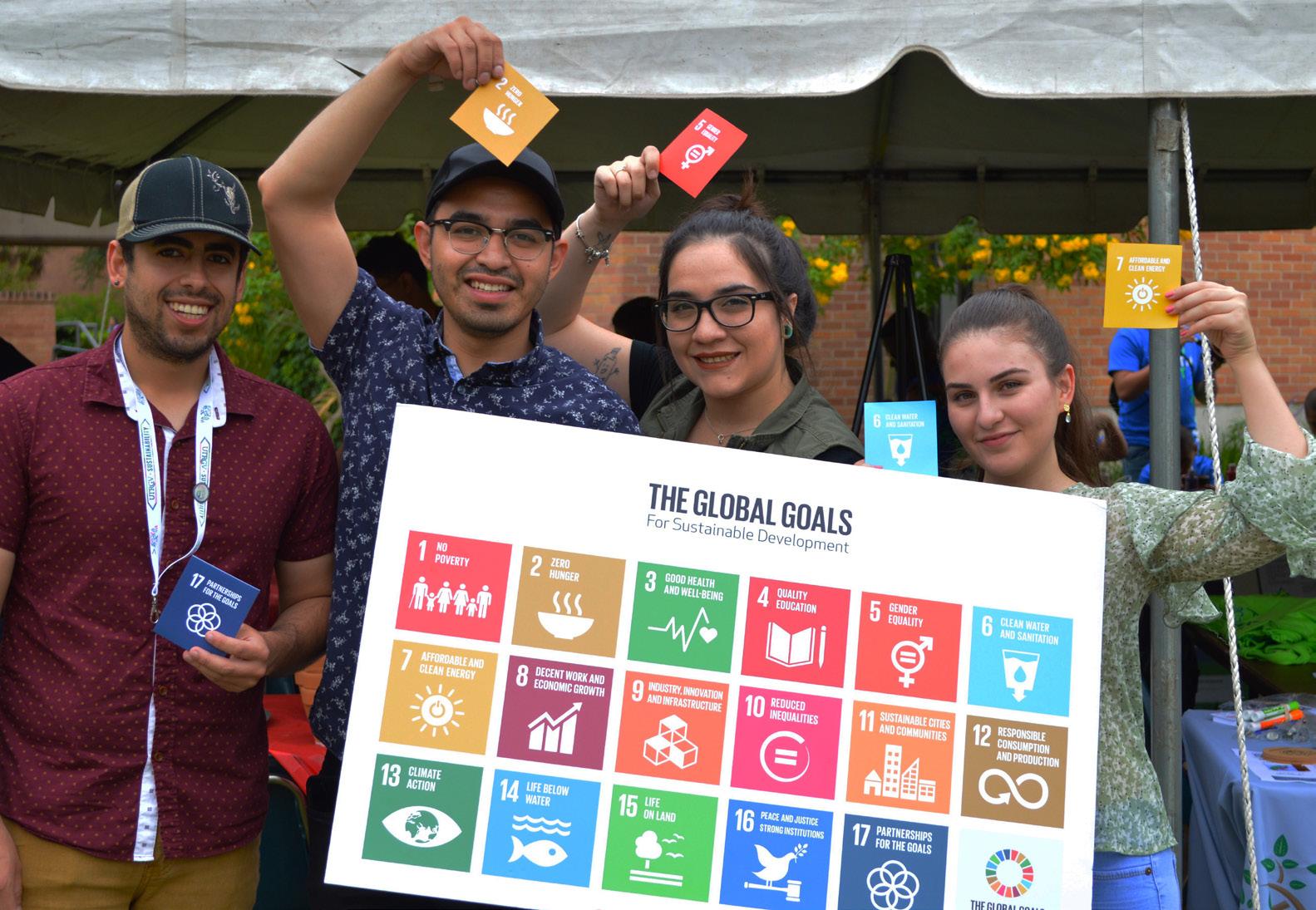
The United Nations has developed 17 Goals for Sustainable Development (hereafter referred to as SDG’s) to guide nations and their citizens towards a more peaceful society, healthy environment, and strong global economy.
Using the 17 SDG’s as a guide makes it easy to understand the interconnenctive opportunities and transformational leadership our Colleges and Departments have provided through programs and research initiatives that contribute to Regional and Global Sustainable Development.
“Sustainability is defined as meeting the social, economic, and environmental needs of the present without compromising the ability of future generations to meet their own needs.”
- Our Common Future: Report of the World Commission on Environment and Development (1987)
“Education for Sustainable Development is a pedagogical approach that can help staff assist graduates who wish to develop the skills, knowledge and experience to contribute to an environmentally and ethically responsible society, and pursue a career that reflects those values.”
- Higher Education Academy
PLANNING & ADMINISTRATION
On August 31, 2015, The University of Texas Rio Grande Valley (UTRGV) opened its doors as one of the first universities of the 21st Century and one of the largest Hispanic-Serving Institutions in the nation. Incorporating sustainability across all areas of the university has become a goal in the Strategic Plan, and collaboration and cooperation have allowed UTRGV to make great progress.
Sustainability is in UTRGV’s Mission Statement and Strategic Plan.
In 2016, UTRGV ranked third nationally for most degrees awarded to Hispanics.
UTRGV offers the third-lowest tuition in Texas for all public universities.
Sustainability’s inclusion in our institution’s strategic plan signals UTRGV’s commitment to infusing an ethic of environmental, fiscal and social responsibility throughout the campus community. Institution-wide coordination ensures that sustainability initiatives are implemented and supported, and fosters an inclusive campus culture in terms of campus climate, student and employee health, safety, diversity, and equity. These factor into the academic and social success of all campus community members, and are especially vital for individuals in underrepresented groups such as low-income or non-traditional students.
Coordination and Planning
UTRGV carries out sustainability work on campus through the coordination of active committees, offices, and departments. UTRGV’s Office for Sustainability, founded by Chief Sustainability Officer Marianella Franklin, is a resource on campus for those wishing to enact change by planning new ways to implement the university’s mission. Initiatives supported by the OFS have been a driving force behind many of the university’s recent advances in sustainability.
With a unified vision and support from leadership, UTRGV was recognized by AASHE for its sustainability efforts, particularly noting the integration of Education for Sustainable Development (ESD) into the university’s Strategic Plan. Initiatives such as the B3 Institute, which enhances and cultivates our unique bilingual, biliterate, and bicultural institution, and the Office of Institutional Equity (OIE), which enforces the university’s institutional equality policies to promote and protect disadvantaged and marginalized populations, also contribute to making UTRGV affordable and accessible.
Th e university has invested in programs and services that transform a college experience into a life-long foundation for sustainable living.
UTRGV enhances the health and wellbeing of the entire campus by providing opportunities for students to learn about and engage in maintaining a healthy lifestyle. Students get hands-on experience with healthy cooking through free workshops, and UTRGV’s organic gardens remove barriers to nutrition by donating fresh produce to the Student Food Pantry. Students are guaranteed a sustainable meal in the dining hall, as UTRGV’s dining service contractor, Sodexo, earned Gold Class distinction in RobecoSAM’s annual “Sustainability Yearbook 2017 for its operating practices and culturaly diverse, vegan, and vegetarian options. From the fitness programs at the Wellness & Recreation Sports Complex to the high quality medical services available through the university health center, Zen Recovery Center, and Counseling center, UTRGV ensures that the physical and mental needs of individual faculty, staff, and students are met.
Diversity and Affordability
As achieving a college degree is a valuable tool in addressing inequity, UTRGV aims to be accessible and supportive of low-income and non-traditional students. By developing sustainable diversity and affordability initiatives designed to make college affordable for students of the region, UTRGV currently has the 3rd lowest tuition rate among all public universities in Texas.
In addition to the incentive program that removes the cost of additional courses after 12 hours, the university has also created programs such as The JUMPSTART Summer Bridge Program to raise retention rates and academic success of our students in the long run. Through this developmental program, students won’t fall behind and will still have the opportunity to graduate in four years.
UTRGV is recognized for helping build diversity across higher education: UTRGV was selected as CollegeNET’s second Social Mobility Innovator for 2017, and in 2016, the university ranked third in most degrees awarded to Hispanics across the country and was properly recognized as a Hispanic serving institution.
Planning for the Future
A Sustainability Campus Planning Committee made up of university leaders from each department was recently formed to develop a comprehensive Sustainability Campus Action Plan. This plan will guide the university through the next ten years towards UTRGV’s successful institutionalization of sustainable development across all areas of planning and governance, signals forward momentum on the stated committment to future sustainability efforts. By establishing measurable goals that can be tracked and documented, successes and areas for improvement can be identified, and resources allocated to realistically attain all of UTRGV’s stated sustainability goals.
ACADEMICS
In 2017, 42% of students graduated from degree programs that integrate sustainability. These UTRGV students enter the working world with transformative knowledge to apply to any career they dedicate themselves to.
88% of UTRGV’s academic departments offer sustainability courses
Many courses utilize the campus as a “living laboratory.”
Undergraduate students may choose from over 2,609 sustainability related courses.
Our university strives to give our students a global consciousness to orient their academic experience around sustainable development so that they can have a far reaching impact in their careers. At UTRGV, education for sustainable development is integrated into both a student’s curriculum and the research they conduct side-by-side with their professors.
The most direct method by which tomorrow’s leaders, innovators, and the community at large is influenced is through education. Thus, UTRGV’s top priority is the education of its students.
By educating through the lens of sustainable development, students learn that they can contribute to regional, national, and global efforts to increase social justice, economic viability, and environmental stewardship. UTRGV offers formal bachelors and master’s degrees focused on sustainability, and students have access to over 2,736 undergraduate (and 307 graduate) level courses that are sustainability related/focused. 30 degree programs and four minors have integrated sustainability - they have required at least one course for graduation that outlines sustainability learning outcomes. Thus, every year over 2,000 students graduate with sustainability knowledge that they can promote in any field of work they apply themselves to.
UTRGV strives to be a world-class research institution. By researching sustainability issues and refining theories and concepts, UTRGV faculty and students contribute to the development of informed, visionary technologies, strategies, and approaches that help the world understand sustainability challenges and offer solutions to combat those challenges.
UTRGV encourages and provides opportunities for collaborative and individual student/faculty research to be conducted and recognized. Students also have the opportunity to engage in research through various programs organized by the Office of Engaged Scholarship & Learning, and supplement their education with service learning and hands-on experience alongside peer and faculty mentors.
UTRGV students and faculty utilize the infrastructure and operations of their campus as living environments for multidisciplinary learning and applied research.
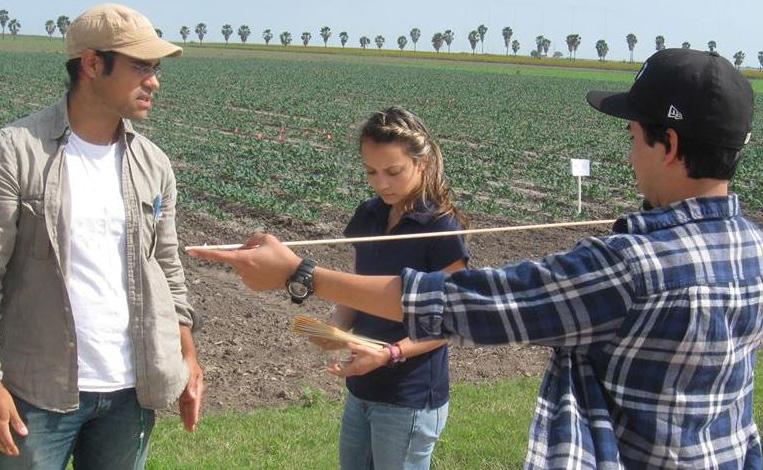
Engaging in research that focuses on the campus itself, or living-lab work, advances sustainability on campus. Additionally, the hands-on experience that students gain by solving a sustainability challenge on campus prepares them for the situations they may encounter after graduation. Engineering students learn about groundwater and storm-water modeling from the bioswales installed in several UTRGV parking lots, and the organic garden in Edinburg provides dedicated space for finding agricultural solutions. There are countless experiements through which UTRGV students and faculty use the campus as a living laboratory, including identifying endangered and vulnerable species (UTRGV students recently discovered a new species of the South Texas scrub snail genus, Praticolella).
Community-based internships and study abroad prog rams provide a memorable experience through which students deepen and expand their knowledge of sustainability.
UTRGV has immersive sustainability focused programs which enable students at both the graduate and undergraduate level to travel abroad to countries like the UK, Peru, Costa Rica and the Pacific Rim over a summer or mini-semester. These program introduce them to other countries/cultures, and the way sustainability is implemented around the world.
Sustainability Focused Courses
Sustainability courses are courses in which the primary and explicit focus is on sustainability and/or on understanding or solving one or more major sustainability challenge.
Sustainability Related Courses
A course that includes sustainability is primarily focused on a topic other than sustainability, but incorporates a unit or module on sustainability or a sustainability challenge, includes one or more sustainability-focused activities, or integrates sustainability issues throughout the course.
CURRICULUM
Through faculty participation in ICSAC, the sustainability course catalog is always growing.
UTRGV’s excellence in educating for sustainable development is distinguishing. Integrating sustainability in 20% of the courses offered by an institution is considered a success by AASHE, and earns a university the maximum 8 points in the STARS assessment ; as of the 2017 assessment, 32% of UTRGV’s courses include sustainability.
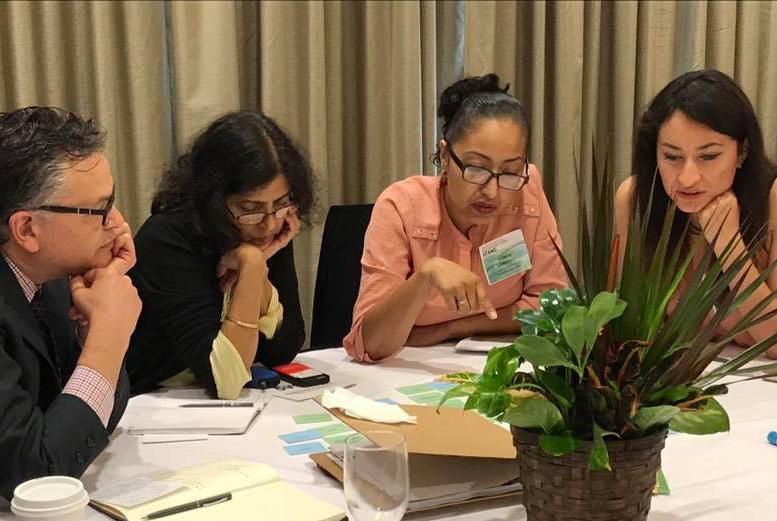
The far-reaching integration of sustainability is made possible by the cross-disciplinary collaboration of UTRGV faculty. Many UTRGV faculty are alumni of Project Sin Fronteras - Project Without Borders (PSF), an intensive two-day faculty development program with a focus on curriculum integration of sustainable development. UTRGV was recognized by AASHE in 2016 as one of thirteen centers in the country (the only university in Texas) with an official designation as an International Center for Sustainability Across the Curriculum (ICSAC).
Much like PSF, ICSAC offers peer-to-peer training for faculty that has led to the creation and development of more suitability courses.
The ICSAC alumni’s deeper understanding of issues in South Texas, and sucessful networking across the university establishes a foundation of confidence and clarity that supports those who are interested in collaborating to take steps toward action, and inspires their students to do likewise.
Project Sin Fronteras follows the same six guiding principles derived from research in campus environmental education, the work of John Dewey, and the 1977 UNESCO Tbilisi Intergovernmental Conference, among others.
1) Build recognition of the urgent environmental challenges and connected economic and social dimensions, including the opportunities and positive consequences that may flow from addressing these challenges;
2) Bring together a broad range of interdisciplinary expertise;
3) Develop a spirit of interdisciplinary cooperation based on an openness to working across traditional disciplines and welcome dialogue around a problem orientation;
4) Help faculty explore the shift in pedagogy from a paradigm of teacher as expert to teacher as facilitator of learning, becoming colearners with students and with each other;
5) Offer opportunities to combine professional research skills with ethical reflection, personal responsibility, and action, raising questions about daily life habits as well as long-term institutional policies;
6) Ground the learning experience of the faculty (and through them, their students) in awareness of place, of the specific bioregion of which the university is part, to build concrete arenas of understanding and meaningful experiences that support motivation.
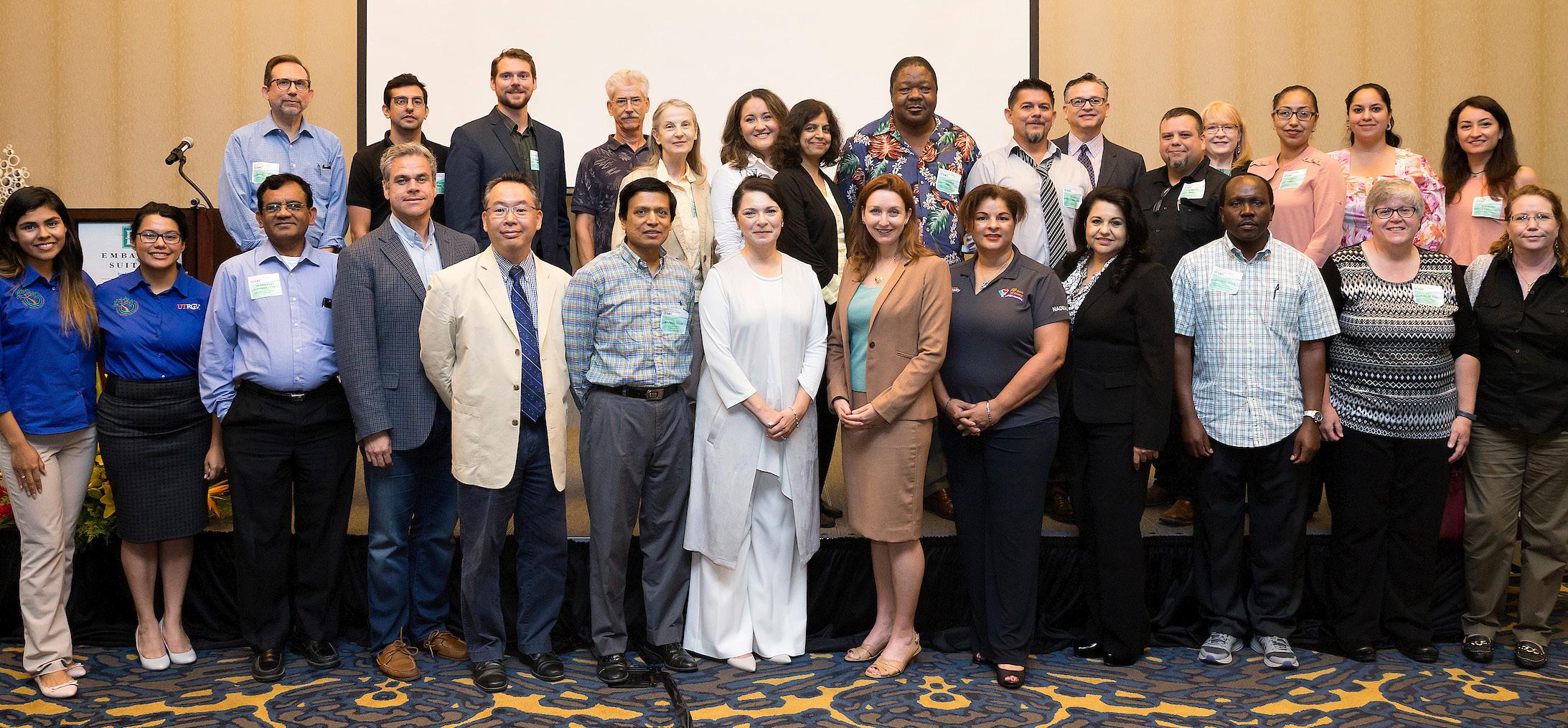
Guests from the United States and Mexico gathered in McAllen to exchange ideas and share their insights during UTRGV’s ICSAC Faculty Professional Development Conference. The university worked in partnership with AASHE to host the intensive, two-day faculty development program. (UTRGV Photo by Paul Chouy)
As sustainable development has applications in every field of study, 48 out of 54 academic departments offer at least one sustainability course. Several programs have required courses for graduation that outline sustainability learning outcomes:
Economics - BBA
FINA - Finance - BBA
Computer Information Systems - BBA
Management Info. Systems - BBA
ENTR - Entrepreneurship & Innovation - BBA
International Business - BBA
Management - Business Administration - MBA Management - BBA
Materials Management and Logistics - BS
Marketing - BBA
Accounting - BBA
Interdisciplinary Studies - BIS
Civil Engineering- BS
Engineering Technology - BS
Mechanical Engineering - BSME
Family Nursing Practitioner - MSN
Nursing - BSN
Social Work - MSSW
Criminal Justice - BSCJ
Criminal Justice - MS
History - BA
Social Studies Composite - BA
Philosophy - BA
Interdisciplinary Studies - anthropology - MAIS
Anthropology - BA
Sociology - BA
Sociology - MS
Environmental Sciences - BS
Interdisciplinary studies - BIS
Agricultural, Environmental, & Sustainability Sciences - MS
MINORS
Business Administration
Environmental Science
Environmental Studies
Geology
127
UNDERGRADUATE SUSTAINABILITY
FOCUSED COURSES
18
GRADUATE SUSTAINABILITY
FOCUSED COURSES
2,609
UNDERGRADUATE SUSTAINABILITY RELATED COURSES
COLLEGE OF FINE ARTS
“A successful sustainable development agenda requires partnerships between governments, the private sector and civil society. These inclusive partnerships built upon principles and values, a shared vision, and shared goals that place people and the planet at the centre, are needed at the global, regional, national and local level.”
(U.N. SG 17: Revitalize the global partnership for sustainable development)
COLLEGE OF HEALTH AFFAIRS
“Ensuring healthy lives and promoting well-being for all at all ages is important to building prosperous societies; healthy people are the foundation for healthy economies.”
-U.N. SG 3: Good Health and Well-being
COLLEGE OF BUSINESS & ENTREPRENEURSHIP
“Sustainable consumption and production is about promoting resource and energy efficiency, sustainable infrastructure, and providing access to basic services, green and decent jobs and a better quality of life for all. Its implementation helps to achieve overall development plans, reduce future economic, environmental and social costs, strengthen economic competitiveness and reduce poverty.”
-U.N. SG 12: Ensure sustainable consumption and production patterns
COLLEGE OF ENGINEERING & COMPUTER SCIENCE
“Without technology and innovation, industrialization will not happen, and without industrialization, development will not happen. Investments in infrastructure – transport, irrigation, energy and information and communication technology – are crucial to achieving sustainable development and empowering communities in many countries.”
“Education is the key that will allow many other Sustainable Development Goals (SDGs) to be achieved. When people are able to get quality education they can break from the cycle of poverty. Education therefore helps to reduce inequalities and to reach gender equality. It also empowers people everywhere to live more healthy and sustainable lives. Education is also crucial to fostering tolerance between people and contributes to more peaceful societies.”
-U.N. SG 4: Ensure inclusive and quality lifelong education for all
289
GRADUATE SUSTAINABILITY RELATED COURSES
COLLEGE OF SCIENCES
“Biodiversity and the ecosystem services it underpins can also be the basis for climate change adaptation and disaster risk reduction strategies as they can deliver benefits that will increase the resilience of people to the impacts of climate change.”
-U.N. SG15: Sustainably manage forests, combat desertification, halt and reverse land degradation, halt biodiversity loss
COLLEGE OF LIBERAL ARTS
“Peaceful, just and inclusive societies are necessary to achieve the Sustainable Development Goals (SDGs). To achieve peace, justice and inclusion, it is important that governments, civil society and communities work together to implement lasting solutions to reduce violence, deliver justice, combat corruption and ensure inclusive participation at all times. Freedom to express views, in private and in public, must be guaranteed...”
-U.N. SG 16: Peace, Justice, and Strong Institutions
STUDENT & FACULTY RESEARCH
Academic learning is most effective when supplemented with first-hand experience. Students that actively participate in making their campuses more sustainable are well prepared to continue that work in their careers and communities after graduation.
UTRGV encourages the utilization of its infrastructure and operations as a “living lab,” or an outside-the-classroom environment for multidisciplinary learning, applied research, and practical work that also typically advances sustainability on campus. The result of living laboratory research is practical and tangible, reducing UTRGV’s carbon footprint by contributing to positive sustainability outcomes on campus in many areas, including (but not limited to) air and climate, buildings, energy, grounds, transportation, waste and water. However, students gain just as much from the living lab work: their hands-on class projects make term papers and published works more relevant by involving active and experiential learning, which cements concepts learned in the classroom and encourages further study.
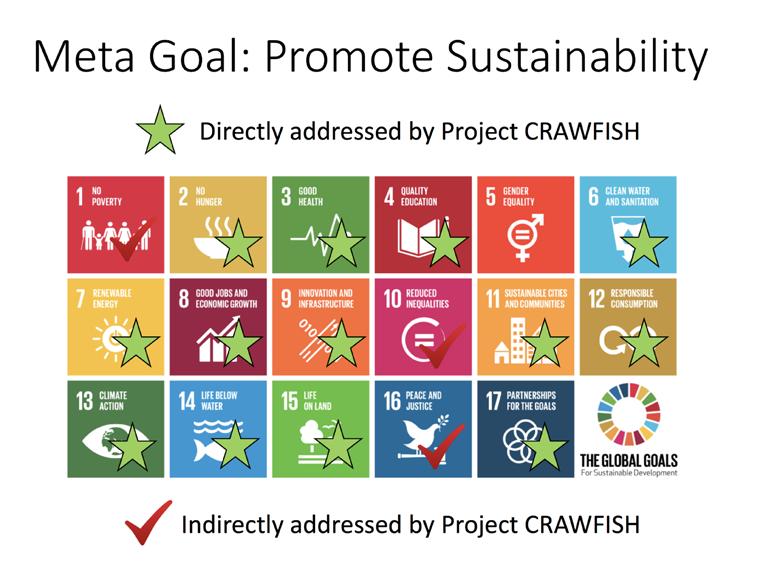
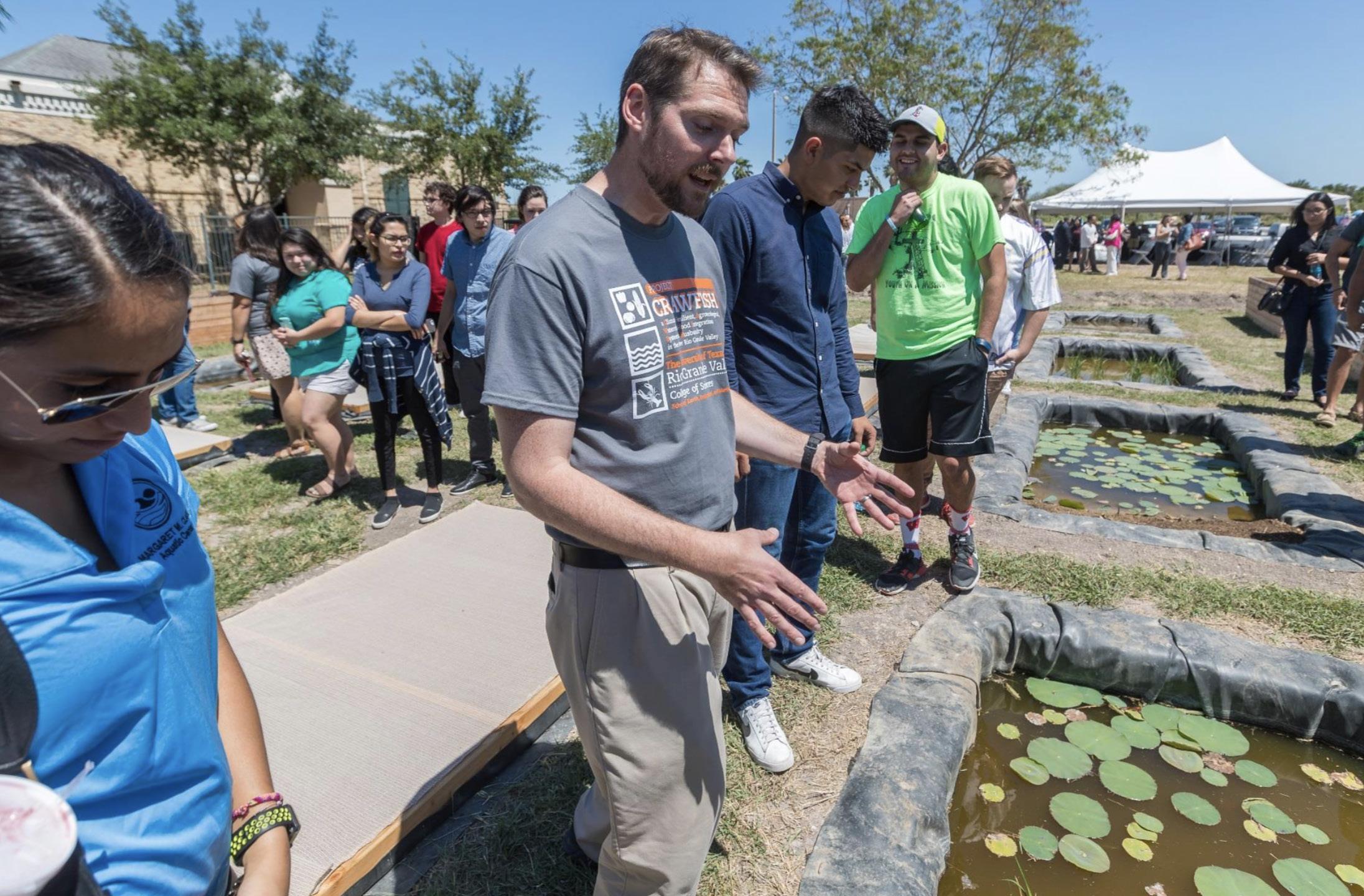
Living laboratory projects are carried out at all colleges of UTRGV. Project C.R.A.W.F.I.S.H. (Climate Resilient Agroecological Watershed-Food Integration System for Husbandry) was recognized by AASHE STARS as an area of innovation. Dr. Christopher Gabler, a trained ecologist, and his team of graduate and undergraduate students from the College of Sciences and other volunteers created the 36 plots making up the garden that replicates an agroecological watershed system as found in the world’s larger systems. To Gabler, who spearheaded the Brownsville Research and Community Garden, the garden focuses on biodiversity and ecosystem function, which are both critically important to humans. “They support our economies, and they are essential to our society in general,” he said. The garden produces not only crawfish, but the edible plants which purify the water: tomatoes, hot pepper, sorghum, Swiss chard, green beans, and even some flowers. The goals of the project are to produce free and nutritious food for students and the local community; create research capabilities in agriculture and environmental sciences; create teaching resources for K-12 and UTRGV students; and engage the broader Rio Grande Valley community.
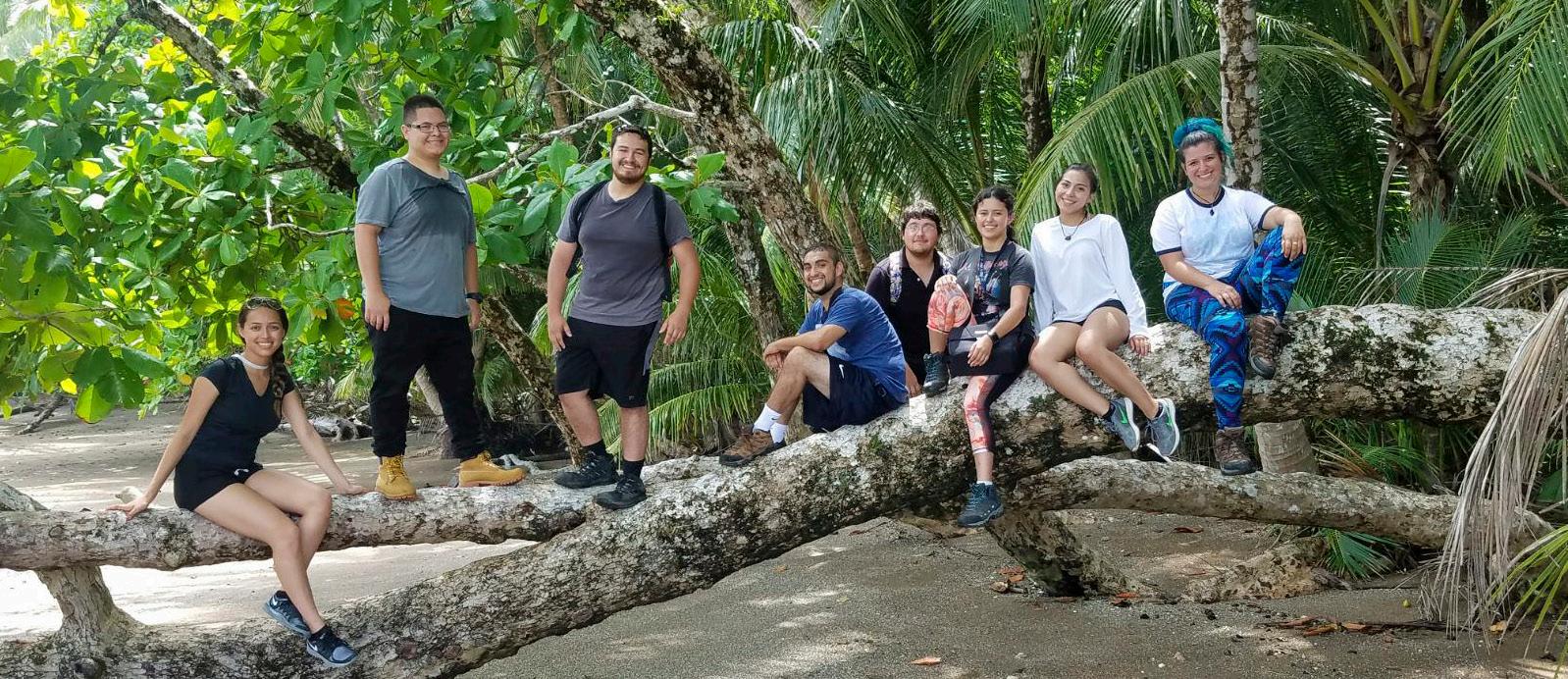
UTRGV students participate in a summer two-week study abroad trip to Costa Rica are seen here after a day of tree climbing. This course is on English composition, “Living, Reading, Writing Nature.” The students live at the Hacienda Barú Wildlife Refuge and Lodge, covering 830 acres which was reclaimed from a cattle ranch and now dedicated to local conservation and education. The University of Texas Rio Grande Valley students have the unique opportunity to witness first hand Costa Rica’s abundant and diverse wildlife.
Immersive Experience
Sustainability research:
• Explicitly addresses sustainability and/or furthers our understanding of the interconnectedness of social, economic and environmental issues
• Contributes directly toward solving one or more major sustainability challenge
• Engages community members with the aim of combining knowledge and action to achieve positive social, economic and environmental outcomes
17% of the university’s faculty and staff researchers are engaged in some aspect of sustainability
As sustainability is an institutional priority , UTRGV gives positive recognition to interdisciplinary, transdisciplinary, and multidisciplinary research that can help deepen students’ understanding of sustainability issues and attract new researchers to the field. Addressing sustainability challenges requires solutions and understandings that often cover multiple academic disciplines. Providing support and incentives for interdisciplinary research as well as research from a single academic discipline provides an important foundation that allows faculty to explore new areas and encourages broader research on the topic.
The UTRGV Faculty Excellence Awards Program, cosponsored by the UTRGV Foundation, was created to recognize, celebrate, and honor the many exceptional efforts of UTRGV faculty members at the university level. It is an opportunity to share accomplishments widely and promote a culture of excellence through the celebration of these contributions.
The UTRGV Faculty Excellence Awards recognizes and rewards faculty excellence in the areas of Teaching, Research/Creative Work, Service, Student Mentoring, Community-Engaged Scholarship, and Sustainability Education.
72% of research-producing departments engaged in research that advances one or more of the U.N. SDG’s.
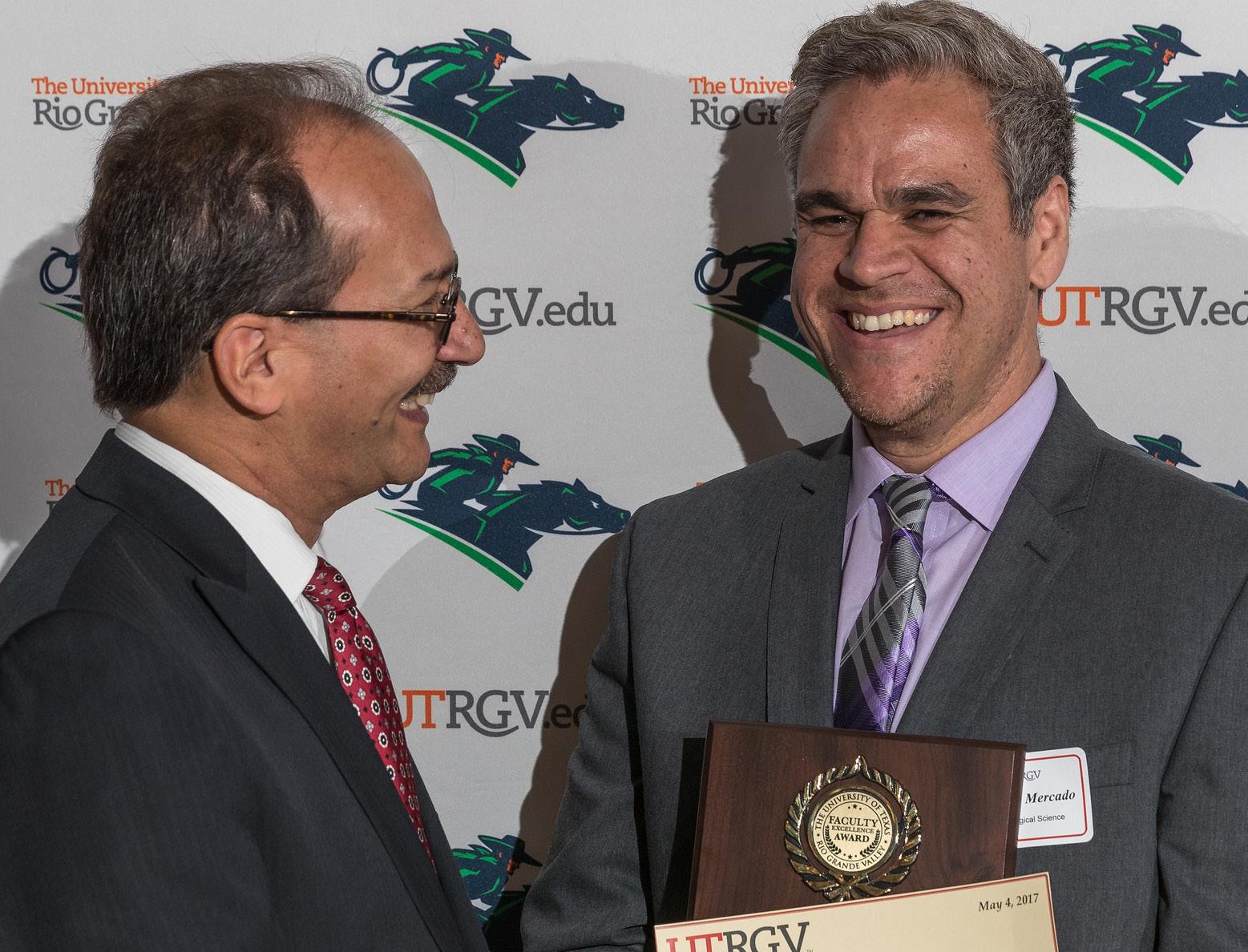
The 2017 Excellence Award in Sustainability Education was presented to Dr. Alfonso Mercado at the UTRGV Faculty Excellence Awards and Recognition Luncheon. Dr. Mercado conducts research in Dialectical Behavior Therapy within the Latino population and provides psychological services to children, adolescents, and adults through individual therapy, specialized group therapies, and psychological evaluations.
The Department/School Excellence in Mentoring Award recognizes and rewards a Department/School within UTRGV that demonstrates excellence in mentoring it’s faculty above and beyond the general expectations, particularly for women, minorities, and junior faculty.
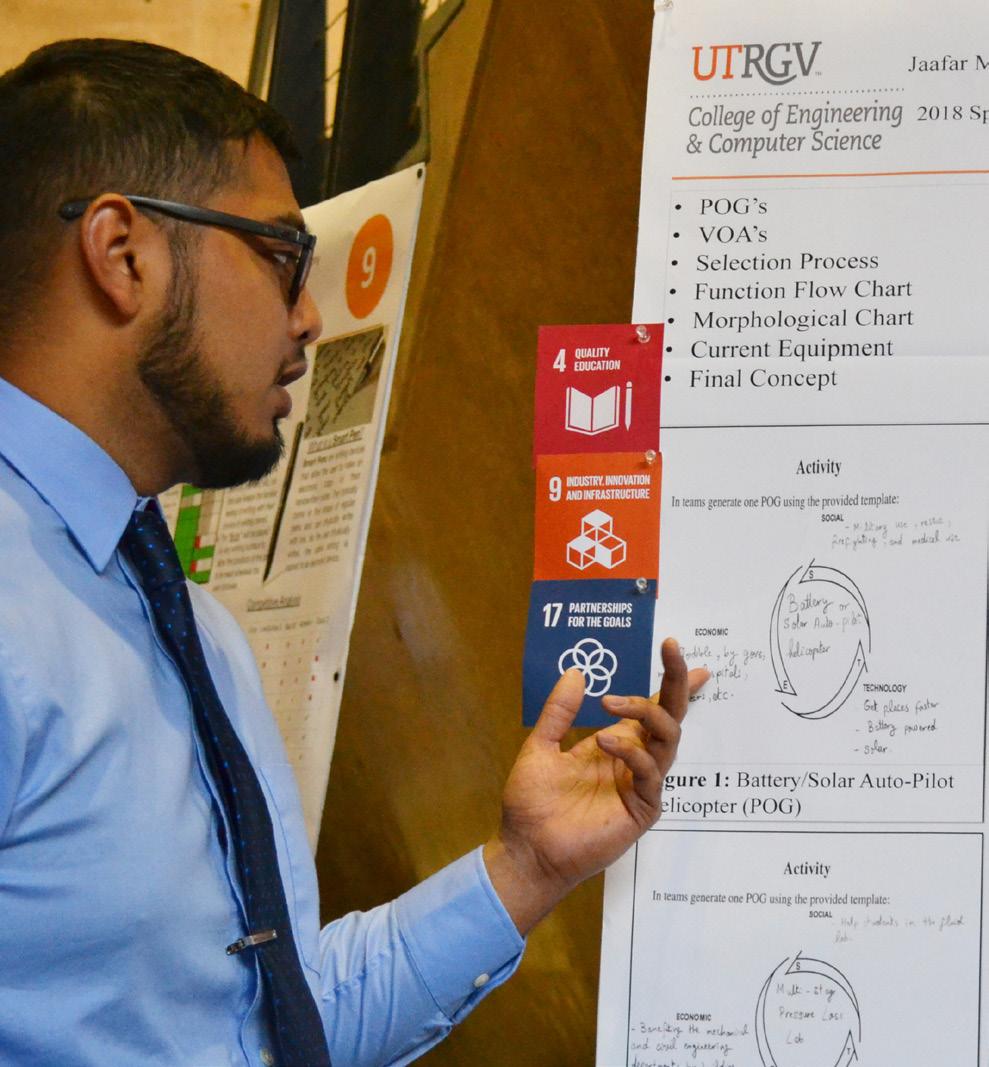
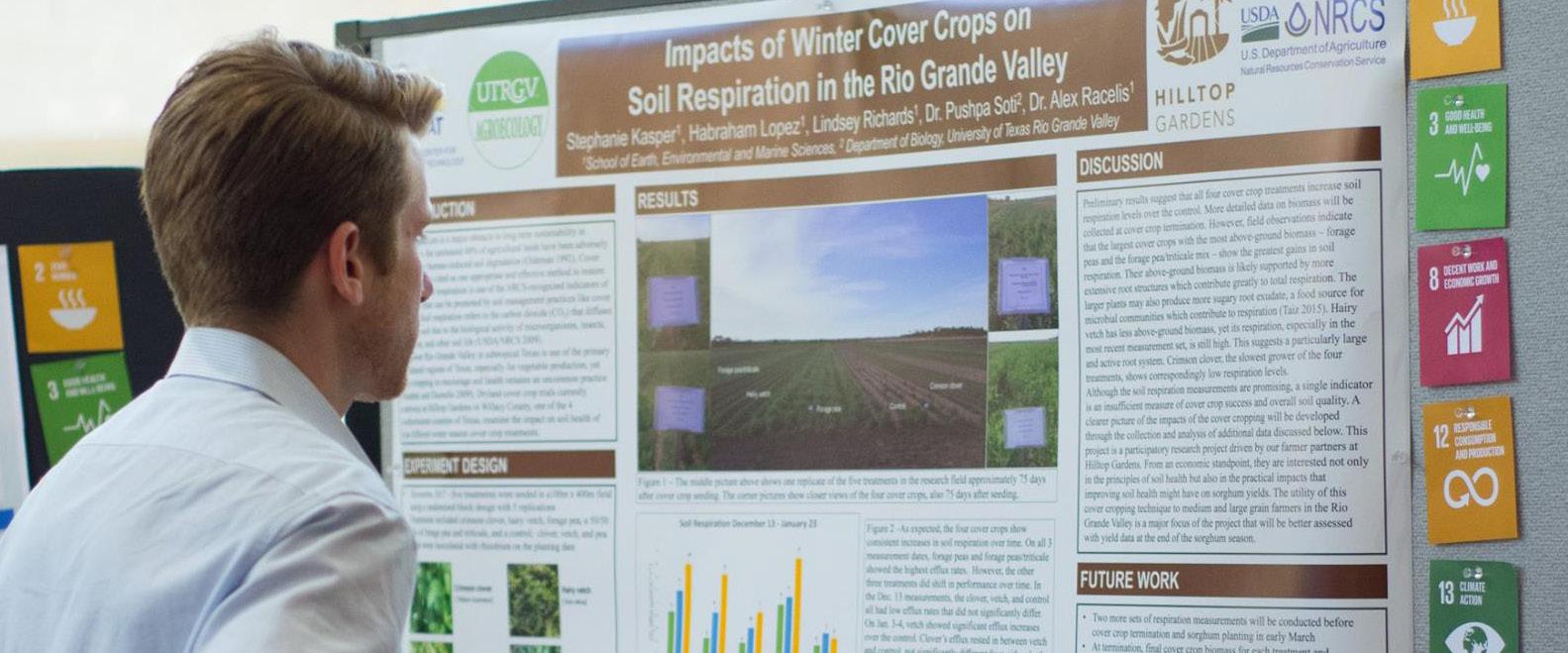
Student research is typically presented via posters at events such as the ENGAGED Scholarship and Learning Symposium. Students incorporate education for sustainable development in their research and display how their research aligns with the U.N. Sustainable Development Goals.
SUPPORT FOR RESEARCH
UTRGV provides support and incentives for sustainability research to help deepen students’ understanding of sustainability issues and attract new researchers to the field. As sustainability is an institutional priority, faculty members are highly encouraged to conduct cross-disciplinary, collaborative research, and create opportunities for their students to participate.
One such campus engagement program is the Engaged Scholars Symposium (ES2 ). This symposium hosts undergraduate scholars from across a variety of disciplines to share their research with their peers. The 600 students who participated in last year’s ES2 performed a self-assessment to understand which of the 17 UN Sustainable Development Goals their research projects were meeting and how. UTRGV students and faculty extend research conducted during ES2 and implement ideas for sustainable development through the Engagement Zone system connecting organizations in need of volunteers to students seeking such opportunities valley-wide.
The Sustainability Education Award is given to faculty members who incorporate one or several of the U.N. SDG’s into their curriculum and contribute to the areas of teaching, research, and service.
The Undergraduate Research Scholars Initiative (URI program allows undergraduate students to obtain realworld research experience in a field of interest related to their majors. The purpose of the URI award is for undergraduate students to gain experience in proposing a research project and working directly with faculty members on that research.
The Global Opportunity Grant provides an opportunity for faculty to think creatively and author projects that will contribute to globalization at UTRGV, or ensure that our faculty and students gain perspectives of different cultures, languages, and methods of teaching which make the university more diverse.
Student research is published on DSpace , a digital service that collects, preserves, and distributes digital material. Repositories are important tools for preserving an organization’s legacy; they facilitate digital preservation and scholarly communication. Other students may access their fellow students’ research easily through the UTRGV library website.
The UTRGV library database provides additional information and e-books about sustainability as it pertains to fields as diverse as transportation and dance. LibGuides, an online resource tool for students, offers research assistance, subject guides, and useful resources compiled by your friendly librarians. The UTRGV Library’s website also features e-learning and articles about sustainable development across the board, including workshop literature from ICSAC about curriculum integration.
Research Centers
UTRGV’s researchers are bolstered by several centers with a variety of missions. Across the campus, students and faculty are equipped with the tools to work side-by-side in the excitement of sustainability research.
The UTRGV Research Centers of Excellence are designed to focus on issues of pressing local and global concern such as diabetes, environmental sustainability, competitive and emerging technologies, and economic growth.
The South Texas Diabetes and Obesity Institute (STDOI) complements UTRGV’s School of Medicine to advance medical research, develop better treatments and, ultimately, improve the health of residents in South Texas and beyond. Targeting the prevalence of diabetes and obesity in the region, the STDOI is led by Dr. Sarah Williams-Blangero, a renowned genetics and infectious diseases specialist, and her acclaimed 22-member research team.
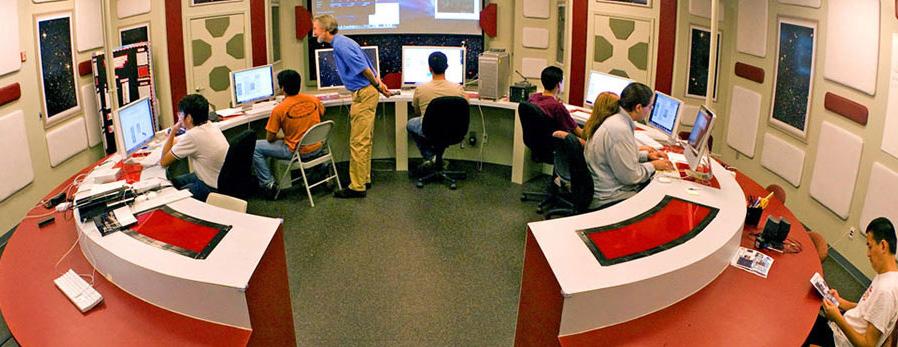
The Center for Advanced Radio Astronomy (CARA) was created with the mission to create future leaders in space exploration and related technology development. CARA’s network of collaborating institutions includes NASA’s JPL, NASA Goddard, the US Naval Research Laboratory, the University of New Mexico, the Max Planck Institute for Radio Astronomy, and Peking University. CARA currently runs three integrated research/education programs that focus on training, mentoring and enabling students to actively involve in high priority research efforts, and contribute to scientific discoveries.
The Center for Advanced Manufacturing concentrates on improving manufacturing processes and streamlining production of goods and services on both sides of the border, and on giving the region a competitive advantage and opportunities for sustainable economic prosperity.
The Center of Commercialization (CIC), strategically located in the Mid-Valley at WEDC (Weslaco Development Center) and under the supervision of the College of Business and Entrepreneurship, assists researchers, start-ups and entrepreneurs in pioneering new technologies, businesses and partnerships. Additionally, the center reaches out to community leaders and small business owners in an effort to identify ideas that have not been pursued due to lack of support.
The South Texas Coastal Research Center supports research focused on the sustainability of the shoreline, management of marine-based food sources, environmental and ecological ocean health, management of water resources (including wetlands), regional vulnerability to disasters and disaster mitigation, preparedness and response. Additionally, the center provides incomparable field-based education for aspiring scientists.
The Nanotechnology Center for Excellence focuses on creation of technology that can provide a more affordable way to make nanofibers. Nanofibers are one-one hundredth the size of a human hair and can have myriad uses from water filtration to wound care. In addition to that it provides many Valley students a chance to work with faculty on the development of polymeric and nanoparticle-based materials and devices. The center also aims to increase the number of refereed reviewed publications, faculty retention and the number of undergraduate students entering graduate school and entering the workforce in emerging technologies.
98% of UTRGV students are served by peer-to-peer sustainability outreach programs.
10,461 users registered on the Engagement Zone logged over 63,195 hours of community service.
HESTEC has influenced over 80,000 students by integrating Education for Sustainable Development.
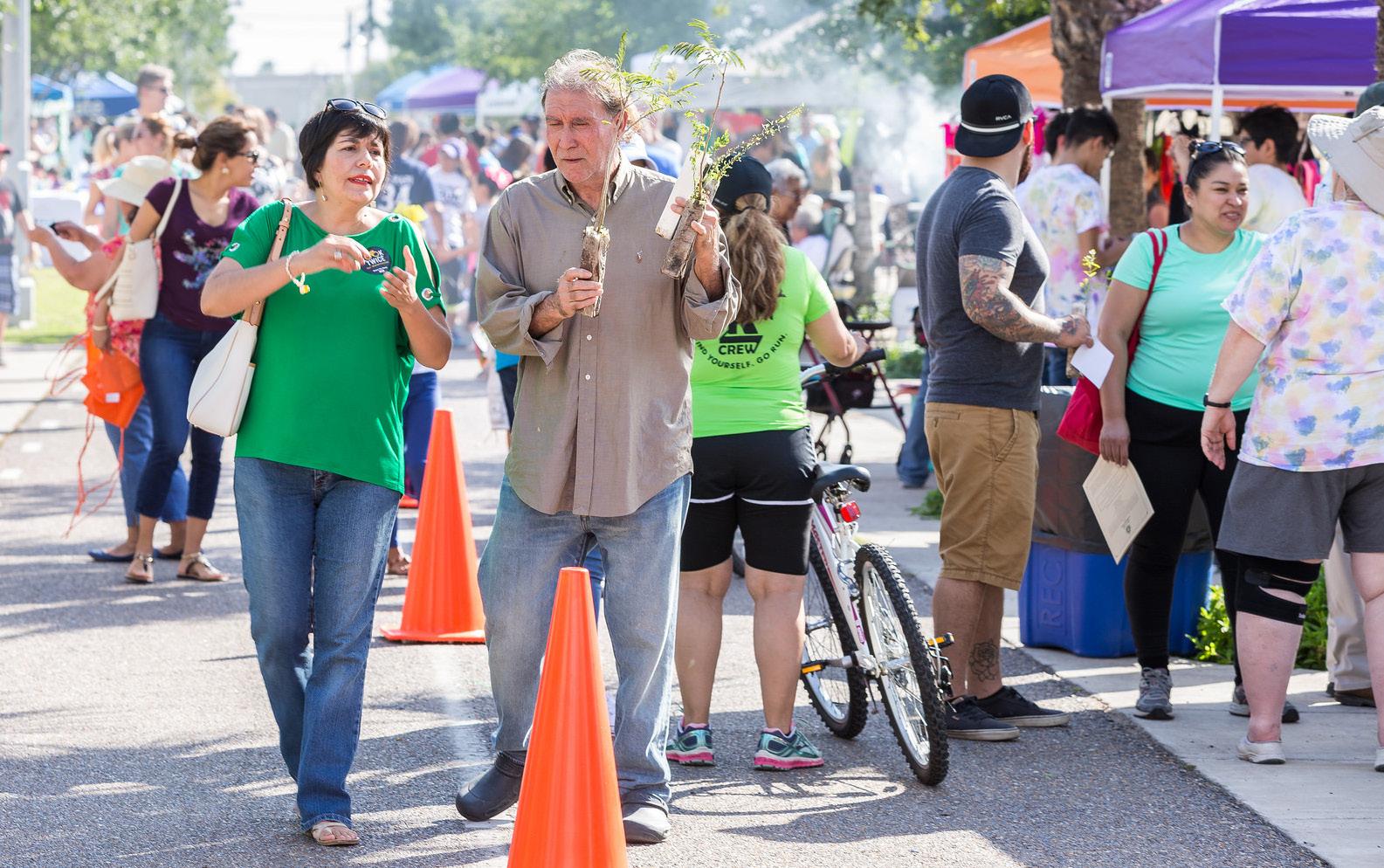
STEM Earth Fest coincided with the Brownsville Farmers Market at Linear Park. In addition to educational activities, food, and entertainment, the City of Brownsville gave free native adaptive plants and trees to visitors. UTRGV
Photo by David Pike
One of the university’s goals is to receive classification from the Carnegie Foundation for our community engagement work. This pursuit both promotes engagement with the community and sustainable development for our students and the region.
A Sustainable Campus ...
We want our students to experience sustainability outside the classroom in their very own community where their impact can be most visible. This involves campus engagement that provides learning experiences to nurture a campus culture that is dedicated to sustainable development in every aspect of the student experience.
... And Beyond
UTRGV also creates opportunities with the public to foster strong community partnerships and services that help address the critical needs of our region while simultaneously provide learning opportunities for students and members of the community.
ENGAGEMENT CREATES SUSTAINABLE COMMUNITIES
UTRGV students and faculty have a history of enacting changes in policies that improve sustainability on the UTRGV campus, Rio Grande Valley as a whole, and even state and nation-wide.
Community Programs
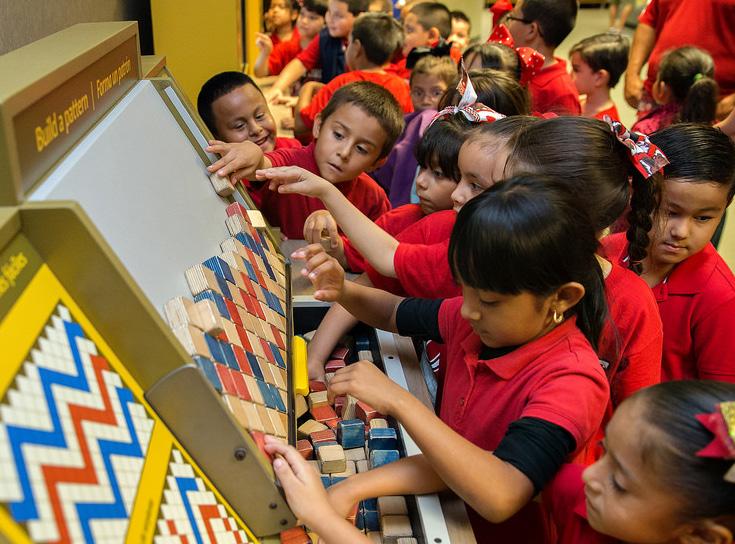
UTRGV’s community outreach programs bridge the gap from community to university. A week of dedicated STEM activities called HESTEC (Hispanic Engineering, Science, and Technology week) provides education for sustainable development through speakers and activities that encourage minorities to engage in engineering, science, and technology research to promote and inspire sustainable development in our region. Over the past 15 years, UTRGV has inspired over 80,000 students to pursue their dreams for a sustainable and successful future. HESTEC 2018 is focused on “green power” and will include an electric car competition. Other community programs include the Festival of International Books and Arts (FESTIBA) which celebrates the literary arts of the RGV. FESTIVA offers a way for educators, librarians, and authors to celebrate and encourage our community and discover ways to inspire students to grow in sustainability literacy.
Community Partnerships
UTRGV is involved with several community partnerships with school districts, government agencies, non-profit organizations, NGOs, businesses, and other external entities, to work together to advance sustainability. One example is the South Texas Environmental Education and Research (STEER) Program at The UTRGV School of Medicine, which has been selected for the university’s 2017 Community Engaged Scholarship Champions Award.
Designed for current and future health professionals, STEER transforms students by providing a communitybased educational experience that allows them to make the connection between the environment, public health among low socio-economic communities and medicine. Enrollees are from throughout the United States, as well as from Africa, Eastern Europe, Central America, Canada and Mexico. Community partners in the STEER program include: The U.S. Department of Homeland Security Border Patrol; Bayview Detention Center; U.S. Fish and Wildlife Service; U.S. Department of Agriculture; And the Brownsville Community Health Center, a Federally Qualified Health Center (FQHC).
HESTEC brings STEM and culture exhibits to UTRGV that are open to the community. In 2018, “Maya: Hidden Worlds Revealed,” a special exhibit showcasing the architecture and art of Mayan civilization, was launched for HESTEC week.
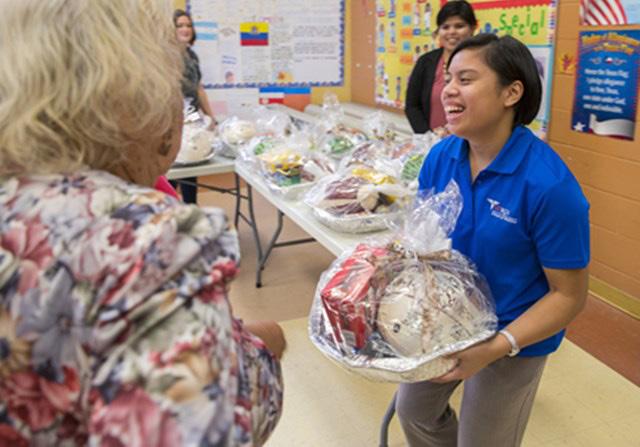
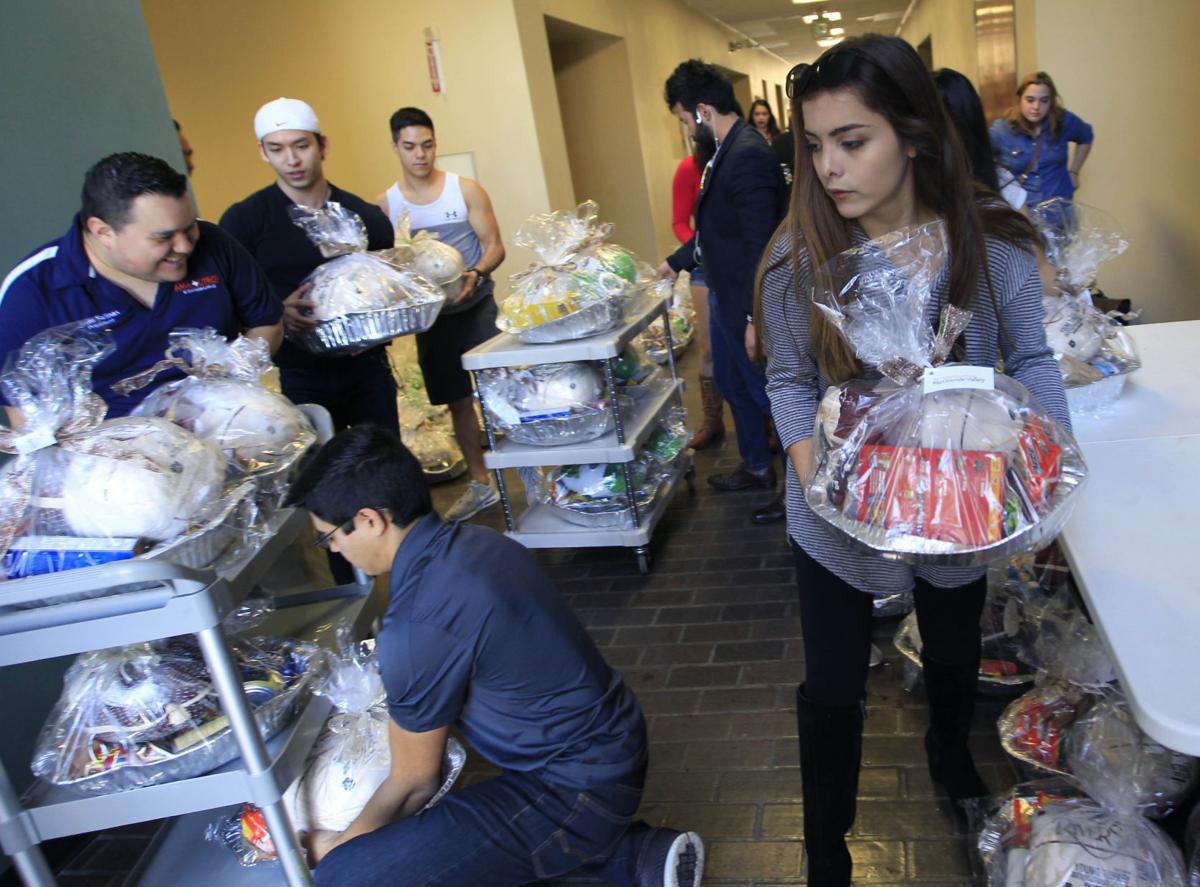
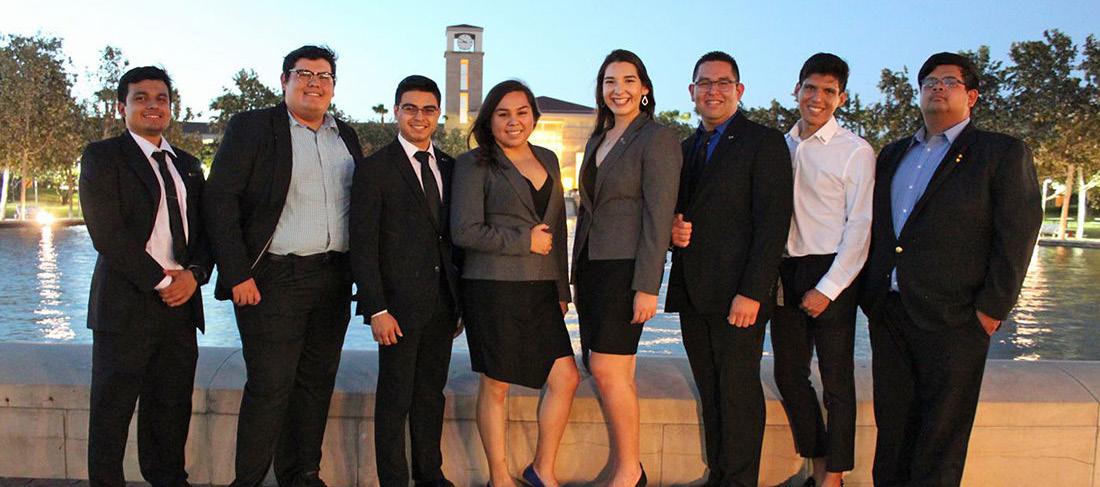
UTRGV business students are creating meaningful progress towards the U.N. Sustainable Development Global Goals through the student association ENACTUS (Entrepreneurial Action for Us). These young action leaders, advised by UTRGV faculty member Mrs. Maria Leonard, are committed to helping underserved communities with activities like delivering Thanksgiving meals to some of the Valley’s most at-risk colonias (progress towards U.N. Goals like Zero Hunger) and finding opportunities for sustainable, smart business solutions. ENACTUS helped Proyecto Desarrollo Humano in Peñitas develop a stand-alone, independent business called Vida Nueva. This was an opportunity for 35 women from the organization to turn their sewing and textile manipulation skills into a profitable manufacturing business. As of October 2017, the business that creates conference tote bags and other products had over $20,000 in revenue. ENACTUS then partnered with Bilingual Education Student Organization (BESO) to carry out English and computer literacy classes to help them with interpersonal client relationships and accounting.
A CULTURE OF SUSTAINABILITY
Sustainability takes the commitment and participation of all members of our campus community, and one way to achieve that is through ongoing sustainability outreach and education programs. These programs and initiatives contribute to students learning about sustainability outside of the formal classroom through experiential learning experiences, and encourage students to contribute to a sustainable campus culture.
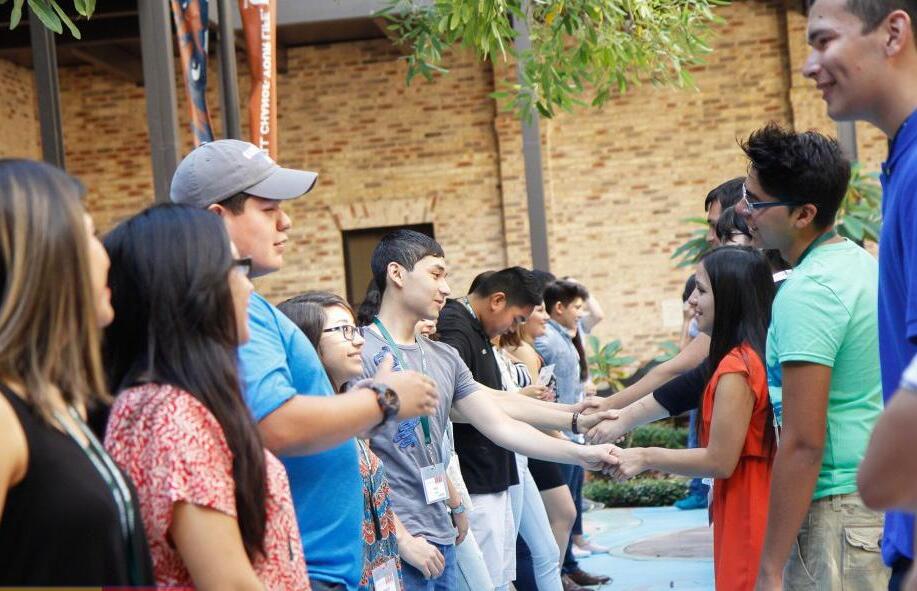
As UTRGV has integrated sustainability into its founding mission and operations, students are introduced to sustainability from their first day on campus. All new students (including transfer and graduate students)are guided through an orientation program that informs them on university workings; UTRGV faculty and staff involved with orientation provide presentations that cover environmental, social, and economic systems of sustainability to new members of the student body, welcoming them to contribute effectively to a sustainable campus culture.
These presentations share university policies of nondiscrimination, equity (such as how to apply for financial aide), encourage students to practice alternative forms of transportation (campus shuttles, municipal bus and bikeshare programs); inform about campus health and safety services (mental and physical health clinics, campus police, recreation facilities, and offices of specific student concerns, among others).
Integrated sustainable development ideas in every college encourages students to learn how they can make a positive impact in the world.
Involving Every Vaquero
Building on the individual education in sustainable development students gain from their classes, a campus culture of sustainability provides students with positive experiences with their peers. Students have the opportunity to experience leadership growth, professional networking, and volunteering through the over 200 student organizations that engage students with a variety of interests and values. Many are focused on an aspect of sustainable development such as health or education. Each student group has a faculty advisor who oversees student activities.
Growth for Sustainable Communities
One of many ways the campus provides opportunities for students to connect to their community is through organic farming. UTRGV Agroecology Research and Teaching Garden and Greenhouse is the first USDA certified organic garden in the state of Texas. Students have an opportunity apply their knowledge in an outdoor laboratory to explore ecology, biology, and agriculture. In addition, the Subtropical Organic Agricultural Research (SOAR) is a campus lab where students can test their learning. Both garden opportunities allow students to gain experience in sustainable food systems.
Another opportunity for students to expand their worldview is the Distinguished Speaker Series (DSS), a signature program under the leadership of Student Activities. The speaker series provides the university and surrounding community with world-class speakers and lecturers who share their knowledge and understanding on various topics. DSS hosts public events with priority seating for UTRGV students, faculty, and staff. The series has brought in notable speakers such as former leader of Russia Mikhail Gorbachev, former U.S. Secretary of State Madeleine Albright, author and civil rights activist the late Dr. Maya Angelou, Emmy award-winning CNN host Larry King, and Grammy/Oscar award-winning R&B artist John Legend.
UTRGV’s co-curricular sustainability programs and initiatives work towards the sustainable development goal of sustainable communities and life on land by having active student groups engage in projects focused on sustainability, where students are able to gain experience in organic agriculture and sustainable food systems. UTRGV has several active student groups focused specifically on sustainable development:
ENACTUS
Environmental Awareness Club
Biology Journal Club
Biology Club
Pre-Med/Bio-Med Society
Operation Smile Club
Pre-Pharmacy Association
Society for Conservation Biology
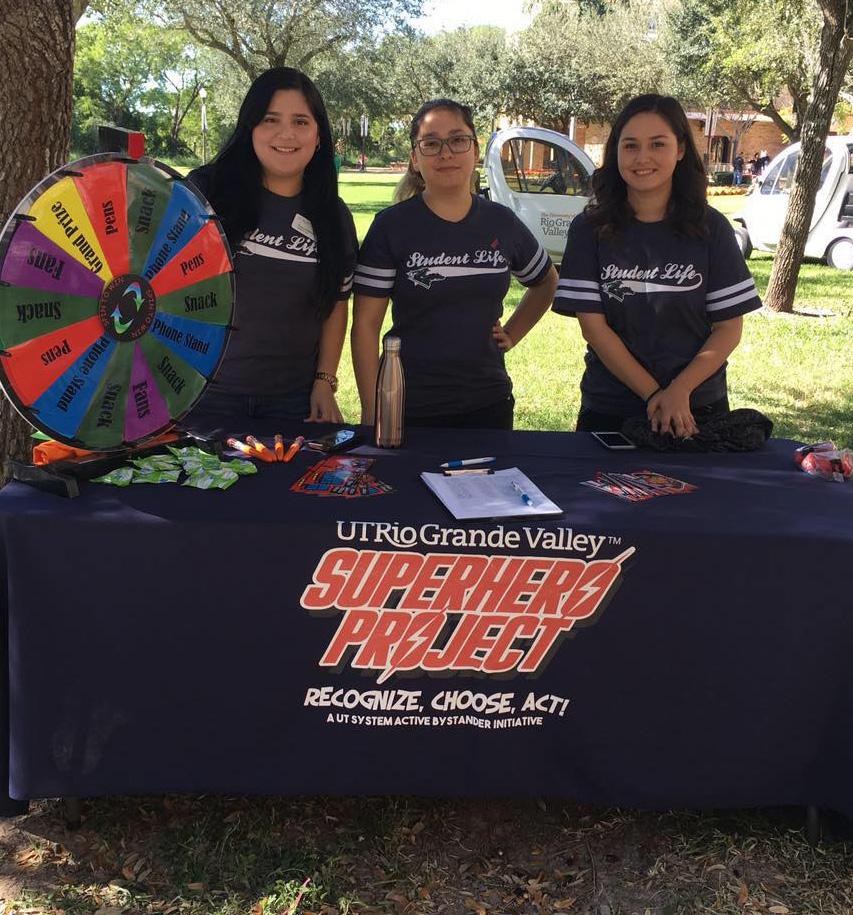
The Super Hero Project/UTRGV Active Bystander Intervention Initiative is a university-wide initiative to promote the idea that individual Vaqueros have the power to prevent high-risk behavior and harm. Student educators are trained and in turn teach their peers about intervening to prevent harm to create a culture of caring for each other’s well-being.
Sustainable Development Leaders
Additionally, the Office for Sustainability provides educational presentations to the leadership of departments representing every AASHE STARS category, who become peer educators themselves when they disseminate the information to their colleagues and departments’ employees. Leaders representing every academic college and managers of campus operations become peer-to-peer educators themselves after receiving their sustainability training and form sub-committees to achieve sustainability goals.
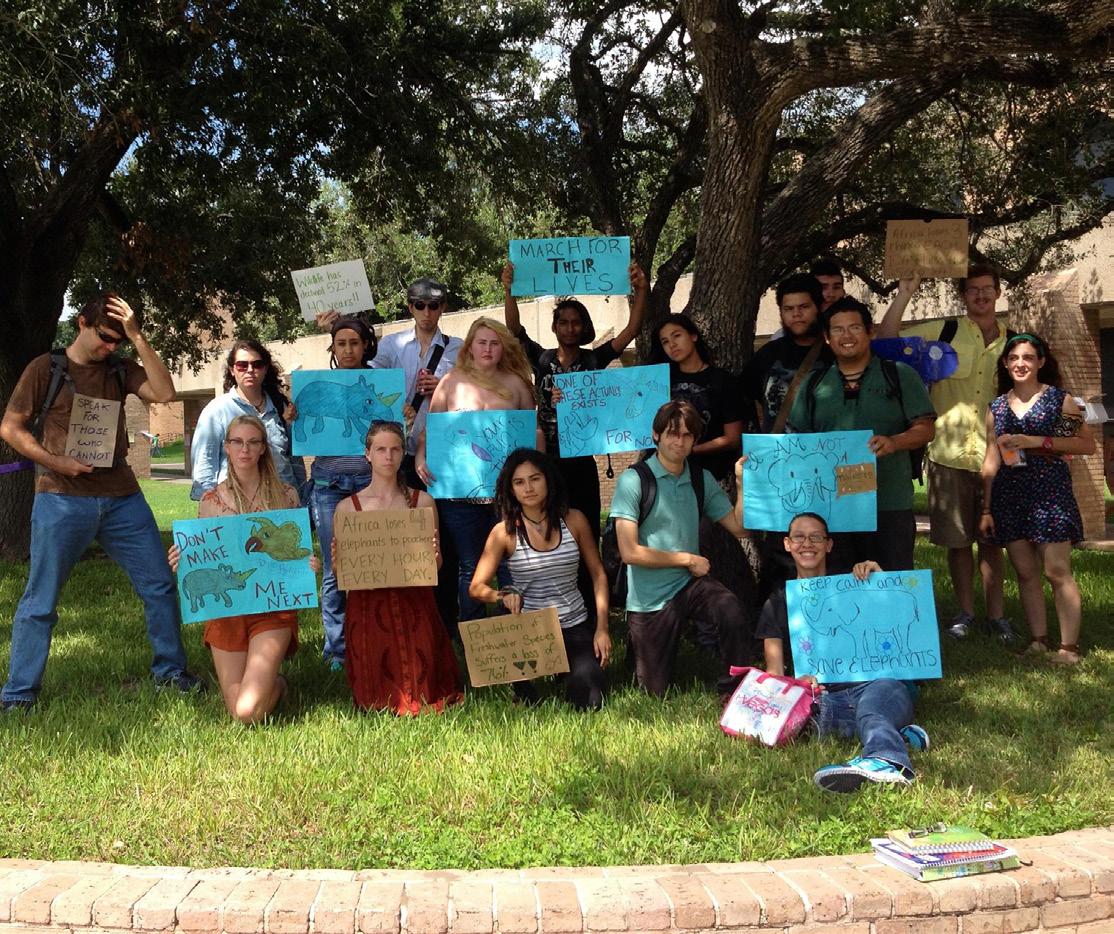
The Environmental Awareness club is one of many student organizations at UTRGV that are encouraging their fellow Vaqueros to think about and act on economic stability, environmental stewardship, and social justice.
UTRGV’s use of native adaptive plants as campus decorative foliage requires less water and maintenance for beautification. This has contributed to our reduction in water used for landscaping by 76%. Due to upgrades in fixtures and other facilities, water use on the campus as a whole has been reduced by 46%.
Belly
and Water Bottle refilling stations help students reduce, reuse, and recycle.
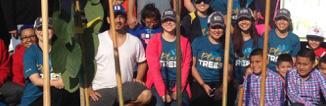
UTRGV has been designated a Tree Campus USA since 2014.
The UTRGV Biomedical Research Building is LEED certified.
Big
Solar Trash Compactors
As UTRGV strives to positively transform the region, we must make responsible decisions in our day-to-day operations to make sustainable changes that will positively impact our region. UTRGV maintains its commitment to sustainability by using parameters as guidelines for air/climate, buildings, dining, energy, grounds, purchasing, transportation, waste, and water services.
Operating a Sustainable Campus
UTRGV carries out the process of increasing efficiency through sustainable practices such as installing sustainable technology, some of which meters campus use of utilities. This allows for realistic goals for operating the campus in a more sustainable way. UTRGV’s energy is derived from multiple sources, including wind and solar. Currently, UTRGV has two different types of solar energy panels on the Edinburg campus. Upgrades to campus facilities such as automatic lights, low-flow bathroom fixtures, and fountains with water-bottle refilling capabilities contribute to daily conservation efforts. Additionally, rainwater harvesting collects rainfall runoff from the roofs of some buildings and directs it underground. The effective use of these devices continues to be a significant factor in the university’s ability to reduce use of water while keeping the campus grounds beautiful throughout the year.
The sustainable management of UTRGV’s ecosystem works toward the sustainable development goals of life on land, life below water, and affordable and clean energy.
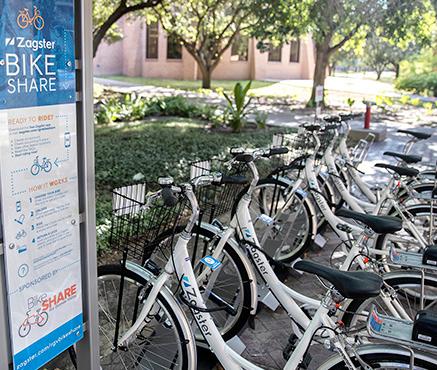
The department of Facilities Planning and Operations is responsible for the upkeep of UTRGV’s 633 acres, which is beautified with native and adaptive trees and plants that requires less water and maintenance. In addition to reducing campus energy costs by shielding buildings and thus cooling them naturally, the tree canopy’s shade allows campus users to walk comfortably between buildings. The trees transform the campus into an attractive outdoor exercise facility, which provides individuals in the area with a free boost to their health. Because UTRGV is also committed to accessibility, there are many sustainable ways to get here: the university has partnered with neighboring cities for alternative transportation programs such as BikeShare RGV and Metro Connect, and UTRGV shuttles provide students with wifi on their commute between campuses.
Water
Due to water shortages across the country, the UT System has developed policies that increase efficiencies, reduce emissions, and promote sustainability in our local ecosystem, while creating a comfortable environment for students, faculty, and staff. Water conservation has been built into the design and remodel of UTRGV’s facilities; all development plans include sustainable guidelines like storm water management, intended to reduce runoff volume and improve water quality by replicating the natural hydrology and water balance of sites. Facilities Planning and Operations optimizes chill water systems used on the Edinburg campus to air condition indoor facilities. Their efficient use of water treatment chemicals minimizes the use of make-up water necessary for cooling buildings. Additionally, programmable irrigation controllers and special designated meters manage the use of irrigation water.
As a new University in the Rio Grande Valley, it is imperative that we continue to develop and implement prudent water management solutions. We must be open to the possibility of incorporating unconventional sources of water such as resacas, well water, and municipal effluent water for cooling plant and landscape irrigation uses.
INNOVATION & LEADERSHIP AASHE STARS CREDITS
1.0/1.0
Claimed: 1.0/1.0
The UTRGV School of Medicine and United Health Foundation “Unimóvil” medical mobile health clinic is part of a three-year, $2.88 million grant the UTRGV School of Medicine received from UHF to establish the Center for Colonia Integrated Care Program: VIDAS and bring increased access to underserved communities in the Rio Grande Valley. School of Medicine faculty, medical residents and other UTRGV-affiliated healthcare providers will operate the 45-foot-long clinic, which includes two examination rooms, a laboratory, restroom, and state-of-the-art diagnostic equipment. Unimóvil is expected to provide services to up to 4,500 Rio Grande Valley residents annually. Another component of the grant is to train community health promoters, commonly known as promotores, in partnership with the Texas A&M School of Public Health, who will serve as liaisons between their neighborhoods and the healthcare community.
BEYOND THE STARS
Leading and Innovating in South Texas
AASHE STARS is a useful assessment tool in that measuring current progress allows for universities to make plans for the future. While the multi-point assessment is constantly updating to be as thorough as possible, there are areas that it doesn’t cover.
Universities that are working beyond the STARS categories are recognized for leading the way with bonus points awarded through the category of Innovation & Leadership.
UTRGV is distinct in its participation in a local hospital network that puts UTRGV students and faculty in direct contact with individuals in need of health assistance. Other areas where UTRGV has demonstrated exemplary practices include grounds certification through Tree Campus USA (page 18), and outreach programs like the Subtropical Organic Agriculture Research (SOAR) Partnership: A participatory academic program to fill research needs of farmers in South Texas. UTRGV is further distinguished by its Climate Resilient Agroecological Watershed-Food Integration System for Husbandry at UTRGV (See PROJECT CRAWFISH on page 10), and its status as a Hispanic Serving Institution.
UTRGV has been recognized for demonstrating leadership in seeking solutions to sustainability challenges that are unique to our region. Forward-thinking leadership in the arena of sustainability has allowed for the development of various innovative programs that have a great impact beyond the university.
Hospital Network
Building a network with local hospitals fulfills several of the university’s core missions, such as expanding healthcare throughout the Valley and educating professionals to meet the needs of our region.
UTRGV is affiliated with several members of the Healthier Hospitals Initiative, such as Tenet - Valley Baptist Medical Centers in Harlingen and Brownsville, (committed to smarter purchasing), as well as HCA - Rio Grande Regional Hospital (committed to Less Waste). As a member of the UT System, UTRGV collaborates with UT Medical Branch Galveston (committed to Engaged Leadership and Healthier Food). A newly opened Doctors Hospital at Renaissance-University of Texas Rio Grande Valley Family Medicine Center serves as a base for integrated programs of health care and education. The Family Medicine residency program focuses on providing a spectrum of family-oriented health services for the Valley’s underserved population, while serving as a physician training center for family medicine medical residents. At the DHR–UTRGV Family Medicine Center, physicians provide a comprehensive range of medical services, including prevention and treatment, in a coordinated environment that ensures optimal health for the patient—before, during, and between appointments. Additionally, Knapp Medical Center and The University of Texas Rio Grande Valley collaborate at the Knapp Medical Center/UTRGV Family Practice Residency Clinic. The residency program is the first of its kind in the Mid-Valley.
Serving Underrepresented Groups
The University of Texas Rio Grande Valley is the secondlargest Hispanic-serving institution in the nation accredited by the Southern Association of Colleges and Schools Commission on Colleges (SACSCOC).
Through the enhancement of culturally appropriate university coursework delivered bilingually and/or in Spanish and through community engaged teaching, research, and service, UTRGV provides the opportunities that lift communities from poverty, reducing inequalities in income within a country.
SOAR with UTRGV
One innovative UTRGV program that serves underrepresented groups in the community is the Subtropical Organic Agriculture Research (SOAR) Partnership.
Organic farmers in one of the most important agricultural regions in Texas face many challenges, so UTRGV, a USDAdesignated Hispanic Serving Agricultural College and University (HSACU), launched an innovative a researchbased educational program that will identify pressing research needs by interviewing farmers, agency staff, and organic inspectors. The ultimate goal of the project is to make South Texas organic producers more competitive by meeting some of their most urgent research needs and by publicizing research findings widely. co-funded by USDA-NIFA-Organic Research Transitions program
Several projects conducted by the team of researchers, students, and farmers looked at integrated pest management strategies, cover cropping, and sustainable weeding. By incorporating annual flowering plants into organic kale systems, they identified multiple hostplants that can attract beneficial insects as well as potentially repel Green Peach aphids. They trialed four species of cover crop that are relatively new to the valley and assessed their influence on soil fertility. Student-led projects have looked at relationships between tomato varieties, intercropping, yield, and biological control of whiteflies, while future studies will investigate the use of repellant plants in managing leafcutter ants.
Undergraduate researchers conduct research at Terra Preta Farm in Edinburg as well as other local farms including Plantation Produce Farms at Hilltop Garden in Lyford, and Yahweh’s All Natural Farm & Garden in Harlingen.
SUSTAINABILITY CREDIT CHECK LIST
AC
AC
PA 1: Sustainability Coordination
PA 2: Sustainability Planning
PA 3: Participatory Governance
PA 4: Diversity and Equity Coordination
PA 5: Assessing Diversity and Equity
PA 6: Support for Underrepresented Groups
PA 7: Affordability and Access
PA 8: Committee on Investor Responsibility*
PA 9: Sustainable Investment*
PA 10: Investment Disclosure*
PA 11: Employee Compensation
PA 12: Assessing Employee Satisfaction
PA 13: Wellness Program
PA 14: Workplace Health and Safety
UTRGV STRIKES GOLD
The Office of Sustainability uses the Sustainability Tracking Assessment & Rating System™ (STARS) as a way of measuring UTRGV’s sustainability. STARS is a self reporting tool for colleges and universities to measure their sustainability within areas of Academics , Governance , Operations , and Engagement . STARS measures sustainability based on credits indicated by numeric values. A summarized report of the STARS assessment is provided on the opposite page. This report highlights areas of achievement in sustainability and also allows us to review opportunities for future improvement.
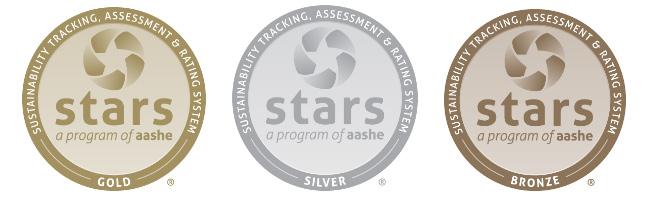
For its initial reporting in 2015, UTRGV earned a silver rating, and due to the collaborative and arduous effort towards improvements in sustainable development, this year the university has struck Gold. We are honored to be recognized with AASHE’s STARS Gold rating and become the first within UT-System and third in the state to achieve gold!
This reflects the dedication and commitment of our university to institutionalize sustainable development across all divisions within UTRGV.
ACKNOWLEDGMENTS
AASHE’s Sustainability Tracking, Assessment & Rating System (STARS) asks for quantifiable data on all areas of a campus. The year-long process of collecting information for AASHE STARS is rigorous and all-encompassing. This latest version of STARS was the most comprehensive yet, covering over 70 credits.
We express the highest gratitude to university leadership for their dedicated efforts to advancing sustainability at UTRGV, to all departments carrying out this endeavor, and to every individual who contributed to this report. The information provided allows us to meter our current sustainability performance, and forms the basis for future goals. Together, we WILL achieve sustainable development!
OFFICE OF THE PRESIDENT
President Dr. GuyBailey
DEPUTY PRESIDENT
Strategic Analysis and Institutional Reporting
Susan Brown
Dr. S.J. Sethi
Institutional Compliance
Diane Sheppard
University Marketing and Communications
Marci Caltabiano-Ponce
INSTITUTIONAL ADVANCEMENT
VP for Institutional Advancement
Dr. Kelly Scrivner
Development
Cecilia Johnson
Felipe Salinas
RESEARCH, INNOVATION, AND ECONOMIC DEVELOPMENT
Dr. Juan Sanchez
Dr. Andreas Holzenburg
GOVERNMENTAL & COMMUNITY RELATIONS
Governmental and Community Relations
Veronica Gonzales
Governmental Relations
Richard Sanchez
Veronica De La Garza
Community Engagement & Assessment
Cristina Trejo
Karen Dorado
Dr. Doris Mendiola
FINANCE AND ADMINISTRATION
EVP for Finance and Administration
Rick Anderson
Information Security
Thomas Owens
Financial Services/Comptroller
Karla Loya
Facilities Planning and Operations
Marta Salinas-Hovar
Mark Saenz
Abraham Hernandez
Oscar Villarreal
Gerardo (Gerry) Rodriguez
Jorge Garza
David Ortega
Carlos Chavez
Richard Costello
Celia Saenz
Marisol Cerda
Campus Auxiliary Services
Cesar Quintanilla
Edna Zambrano
Sergio Munoz
Rick Gray
Raquenel Sanchez
Operations
Doug Arney
Ben Reyna
Diane Sheppard
Willson Ballard
Mike James
Alex Valdez
Public Policy
Mirna Gonzalez
Human Resources
Mike James
Trini Yunes
Sirisha Avancha
Nicole Englitch
ACADEMIC AFFAIRS
Faculty Affairs and Diversity
Dr. Ala Qubbaj
Dr. Kristine Lowe
Dr. Marie Mora
Office of Accreditation and Assessment
Dr. Laura M. Saenz
Dr. Carlos E. Cuéllar
Chief Information Officer
Dr. Jeffrey Graham
Deputy Provost
Dr. Cynthia Brown
Strategic Enrollment
Dr. Magdalena Hinojosa
Sofia Montes
Student Success
Dr. Kristin Croyle
Dr. Jonikka Charlton
Rebecca Gadson
School of Medicine
Paul Renaud
James Rodriguez
Global Engagement
Dr. Dennis Hart
Alan Earhart
Robert C. Vackar College of Business and Entrepreneurship
Dr. Mark Blakemore
Dr. Linda Matthews
College of Education and P-16
Integration
Patricia Alvarez McHatton
College of Engineering & Computer Science
Dr. Alexander Domijan, Jr.
College of Fine Arts
Steven Block
College of Health Affairs
Dr. Michael Lehker
Dr. Shawn P. Saladin
College of Liberal Arts
Dr. Walter Diaz
Dr. Amy Hay
College of Sciences
Dr. Parwinder Grewal
Graduate College
Dr. Dave Jackson
Honors College
Dr. Mark C. Andersen
School of Medicine
Dr. John Krouse
CONCLUSION
The University of Texas Rio Grande Valley now ranks among the top 30% of STARS rated institutions and is currently the only institution within the University of Texas system with the achievement of Gold status...and our effort toward sustainable development has only just begun.
Our top priority as shown in UTRGV’s Strategic Plan is the success of our students. In order to equip our students with the necessary tools to achieve their academic goals, UTRGV is committed to investing in sustainable solutions to create a healthy, stable environment where our students can thrive in their pursuits. This empowerment will guide our students to enrich and lead the world economically, socially, and environmentally.
This report demonstrates our commitment to expanding sustainable development opportunities for our students while impacting our community in positive ways. Listed in this report are only some of the many efforts and initiatives that have afforded us this gold status. To list them all would create too exhaustive a report as our efforts of sustainable development extend across all divisions within our institution. Together, we WILL create long lasting success for members of UTRGV, the Rio Grande Valley, and the globe.
“In order to build a sustainable society, diverse groups will need to be able to come together and work collaboratively to address sustainability challenges.”